Local fat deposits that resist diet and training are removed by tumescent liposuction — minimal trauma, maximum result

Guarantee under an official contract

400+ successful surgeries

10 years of liposuction experience

Free consultation
before surgery
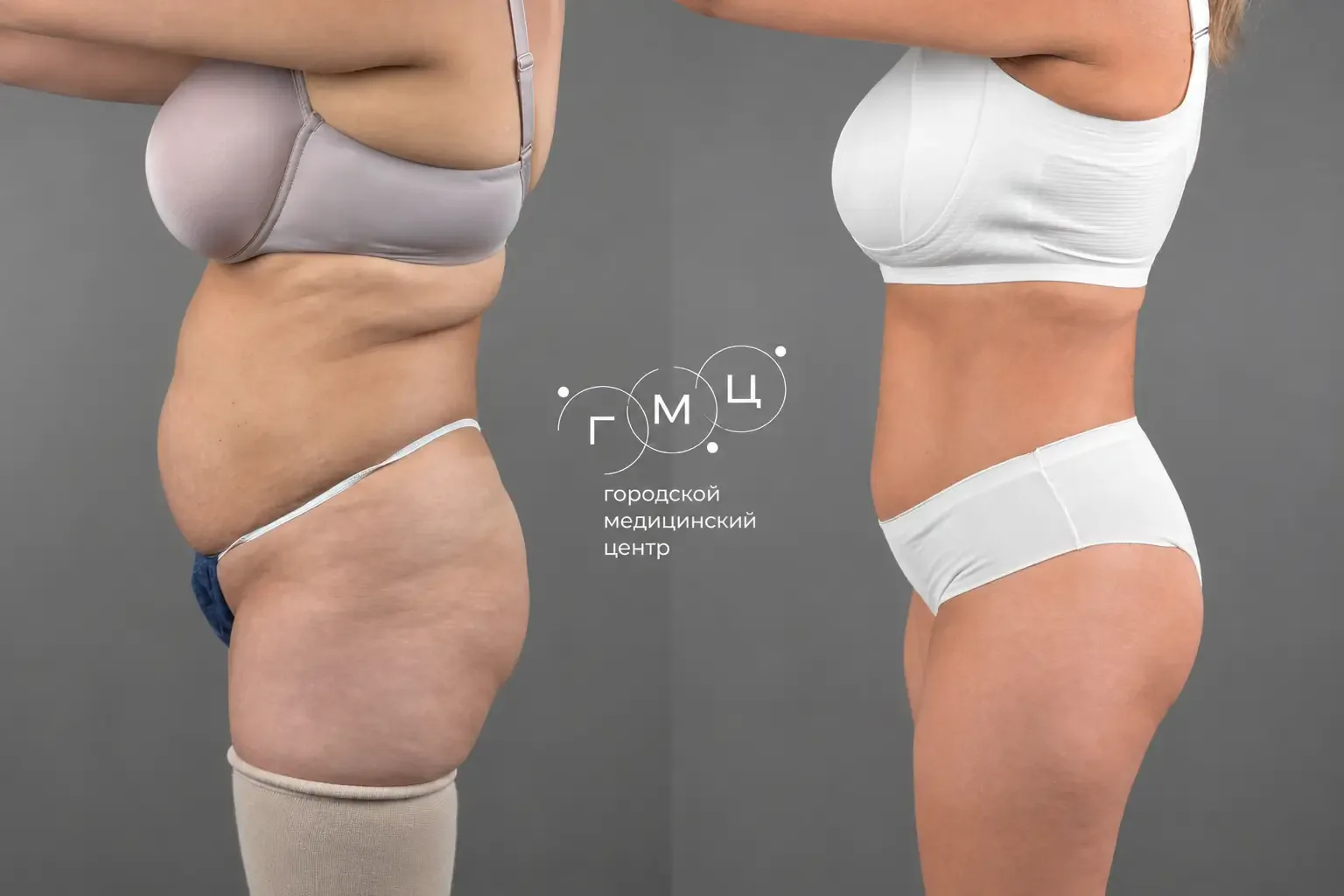
Liposuction before and after photos

Liposuction

Age 48

6 months

Abdominal liposuction
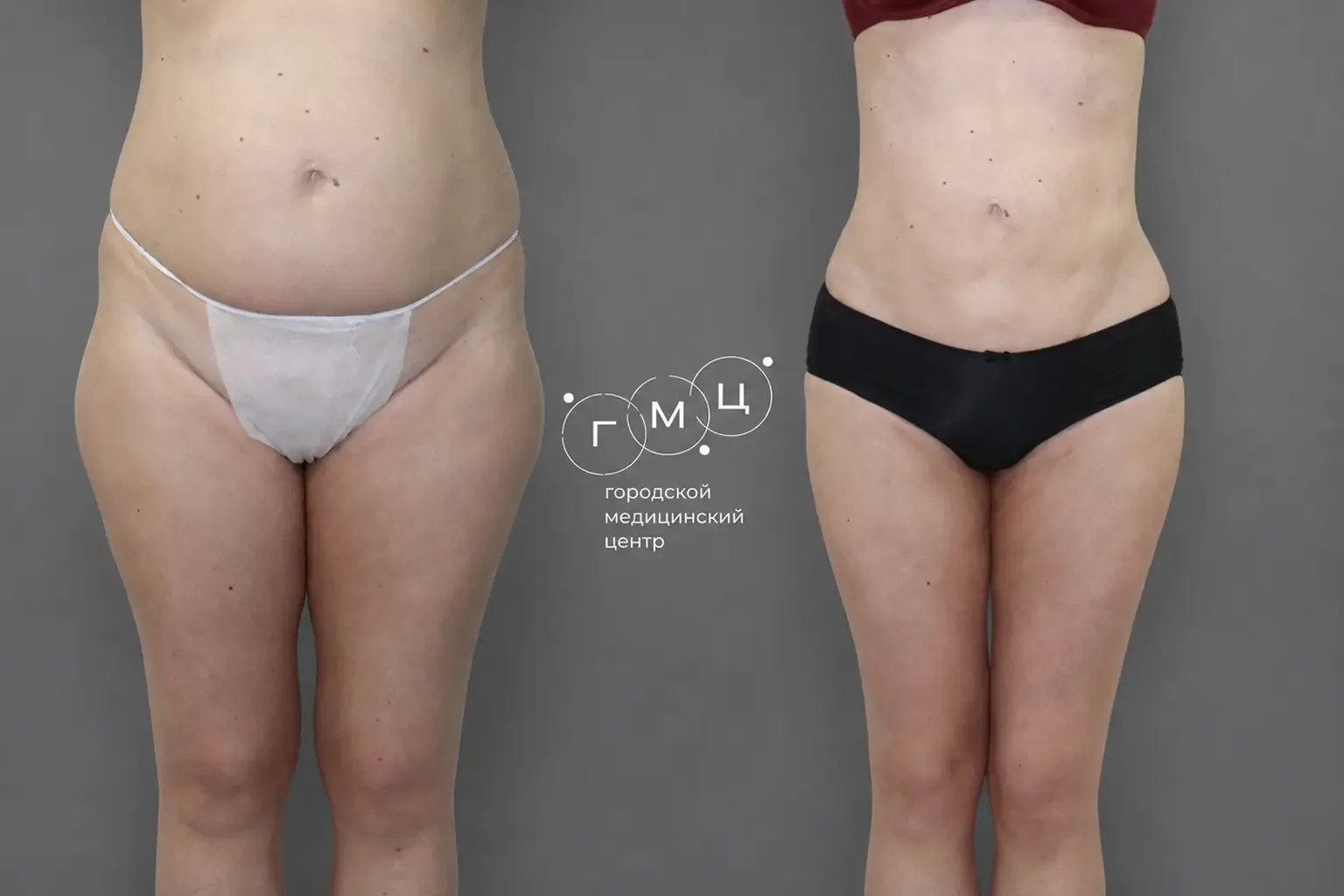
Liposuction

Age 52

8 months

Liposuction
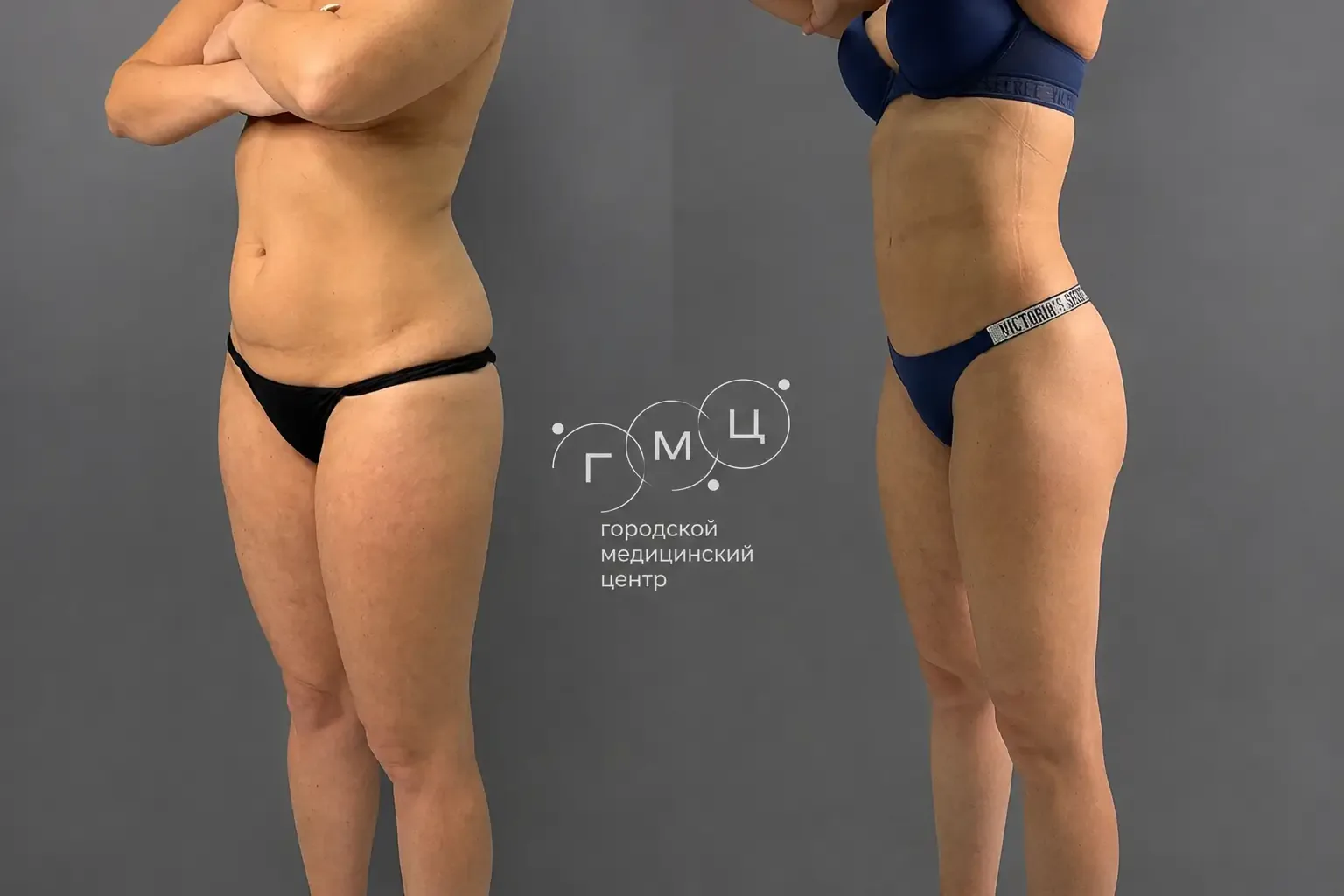
Liposuction

Age 37

7 months

Abdominal liposuction
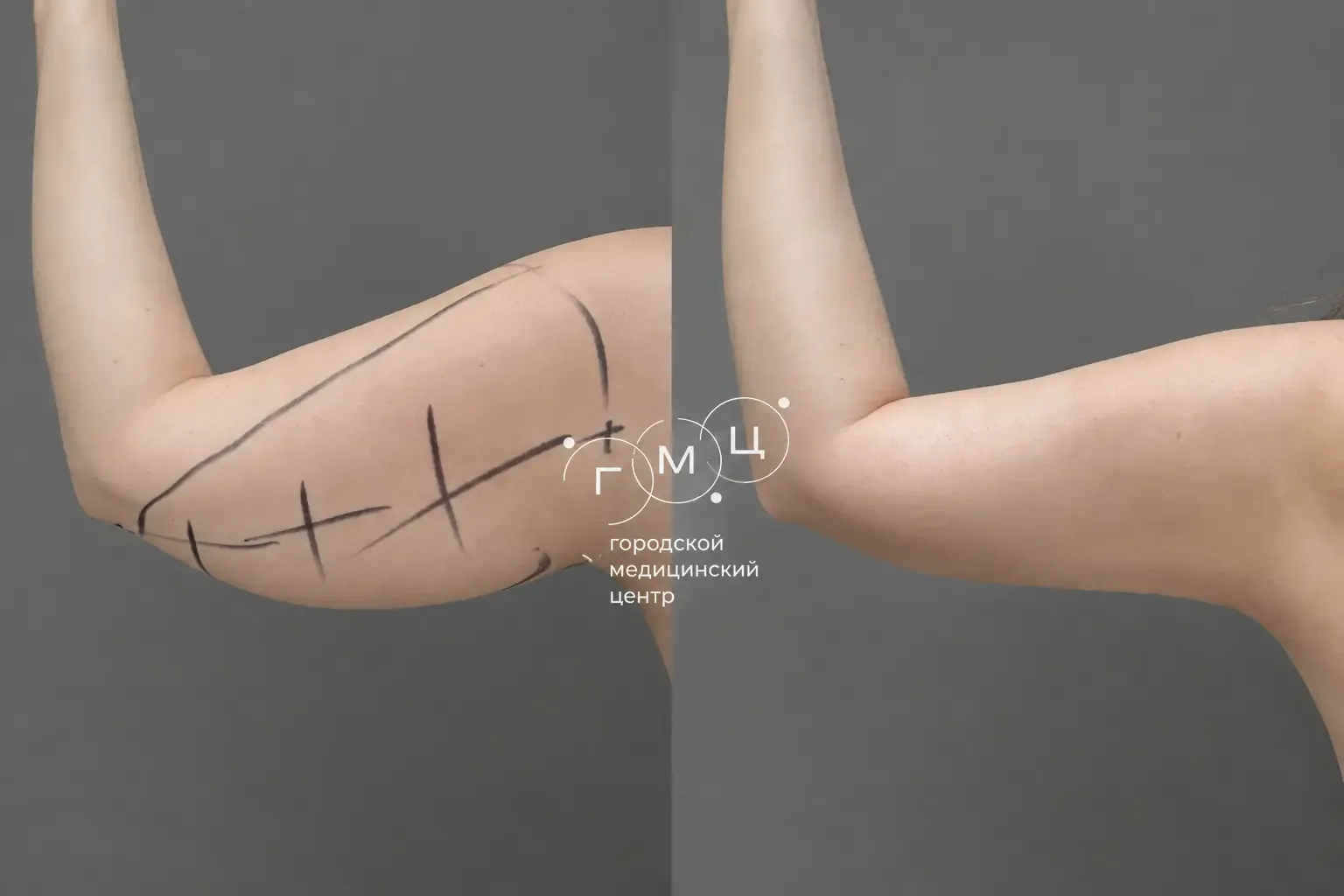
Liposuction

Age 30

9 months

Arm liposuction
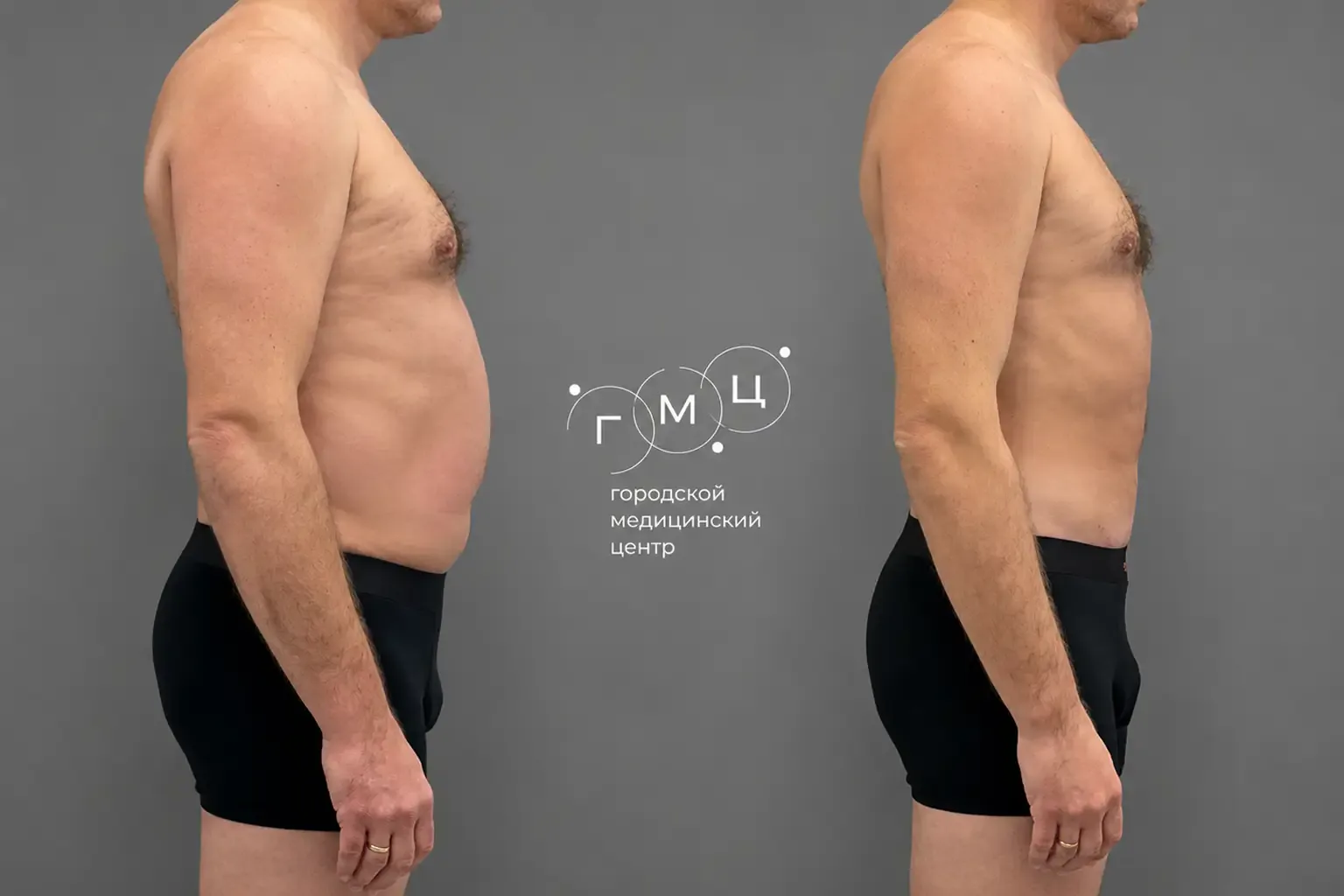
Liposuction

Age 49

10 months

Abdominal liposuction
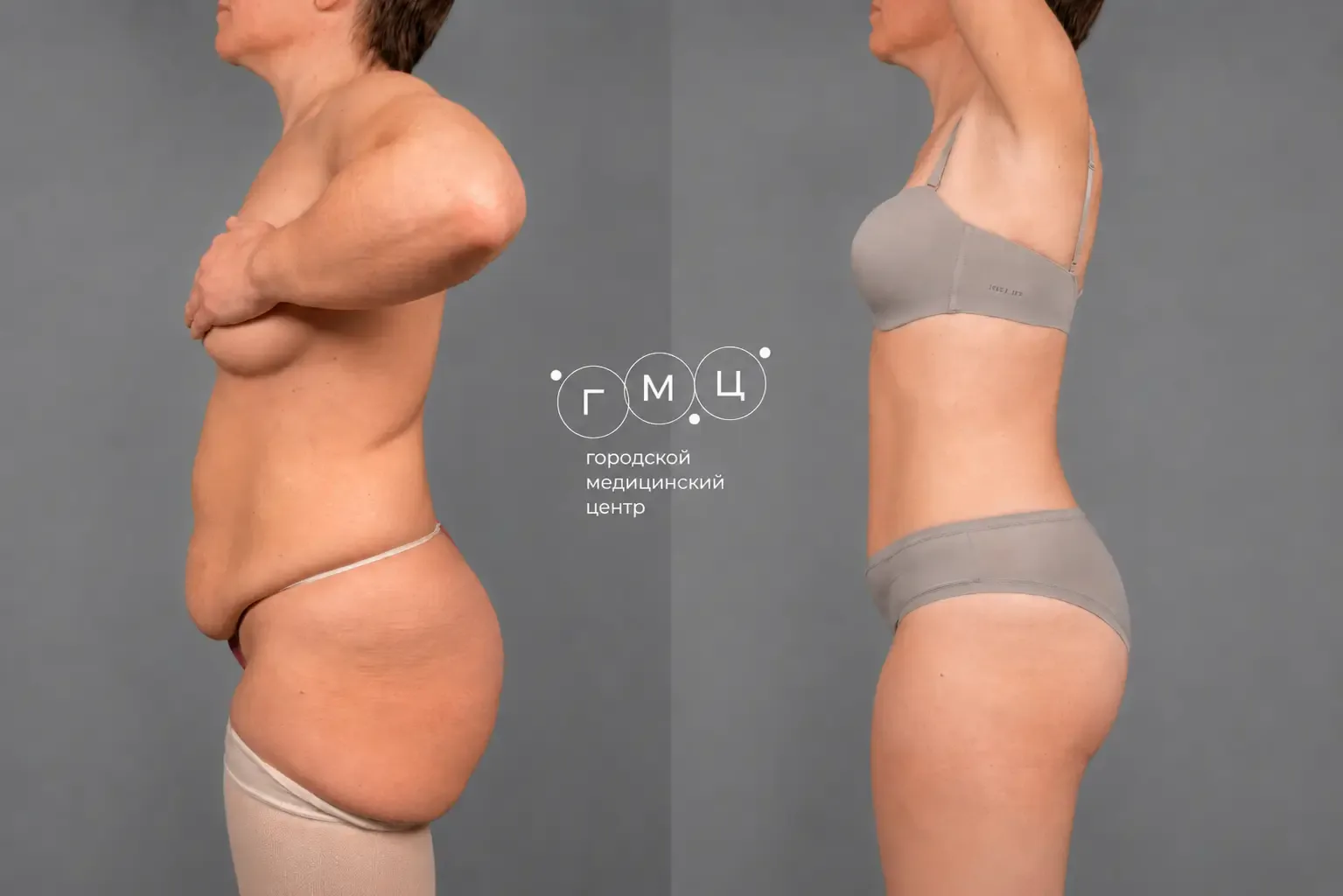
Liposuction

32 years

6 months

Liposuction
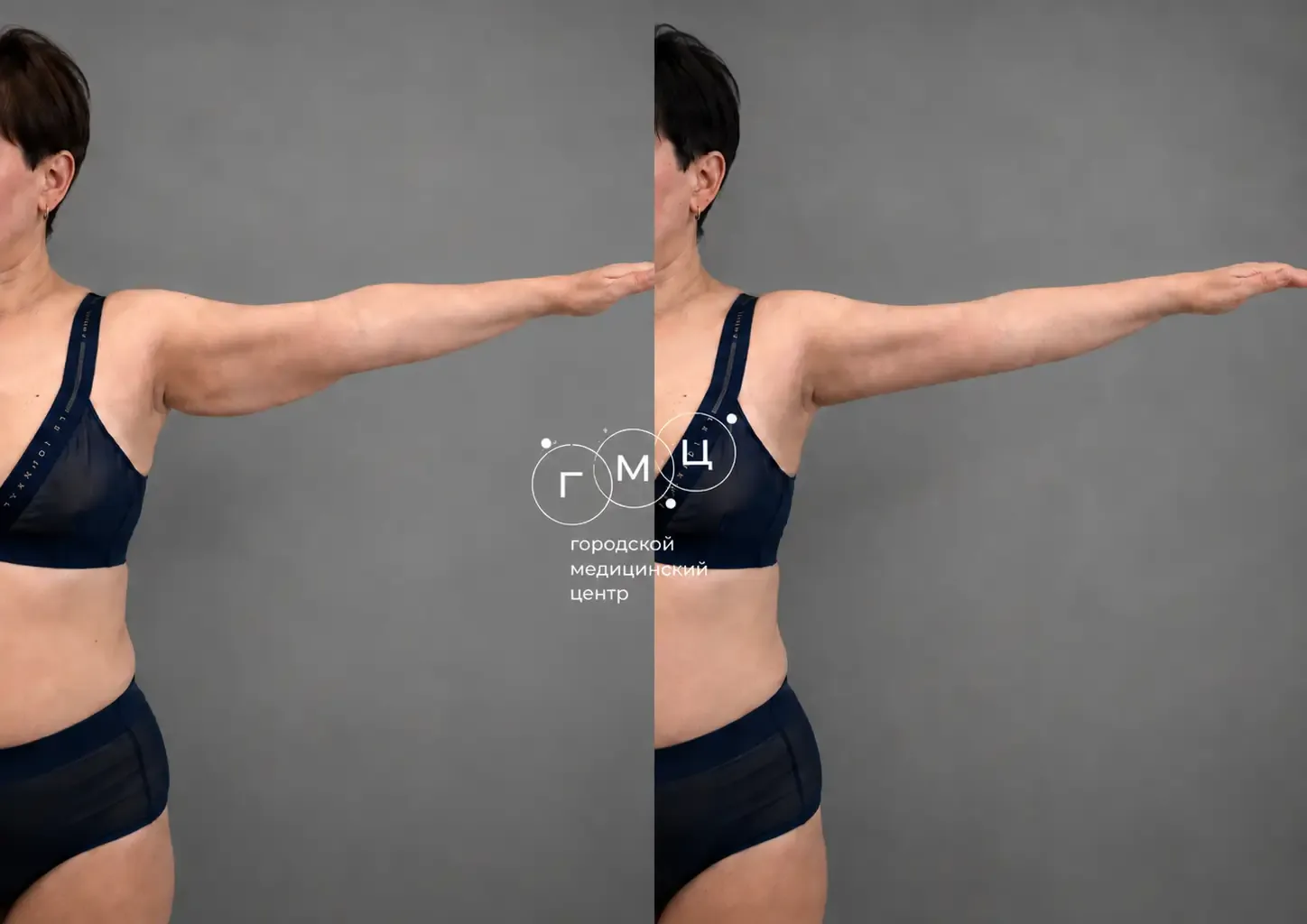
Liposuction

Age 51

6 months

Arm liposuction
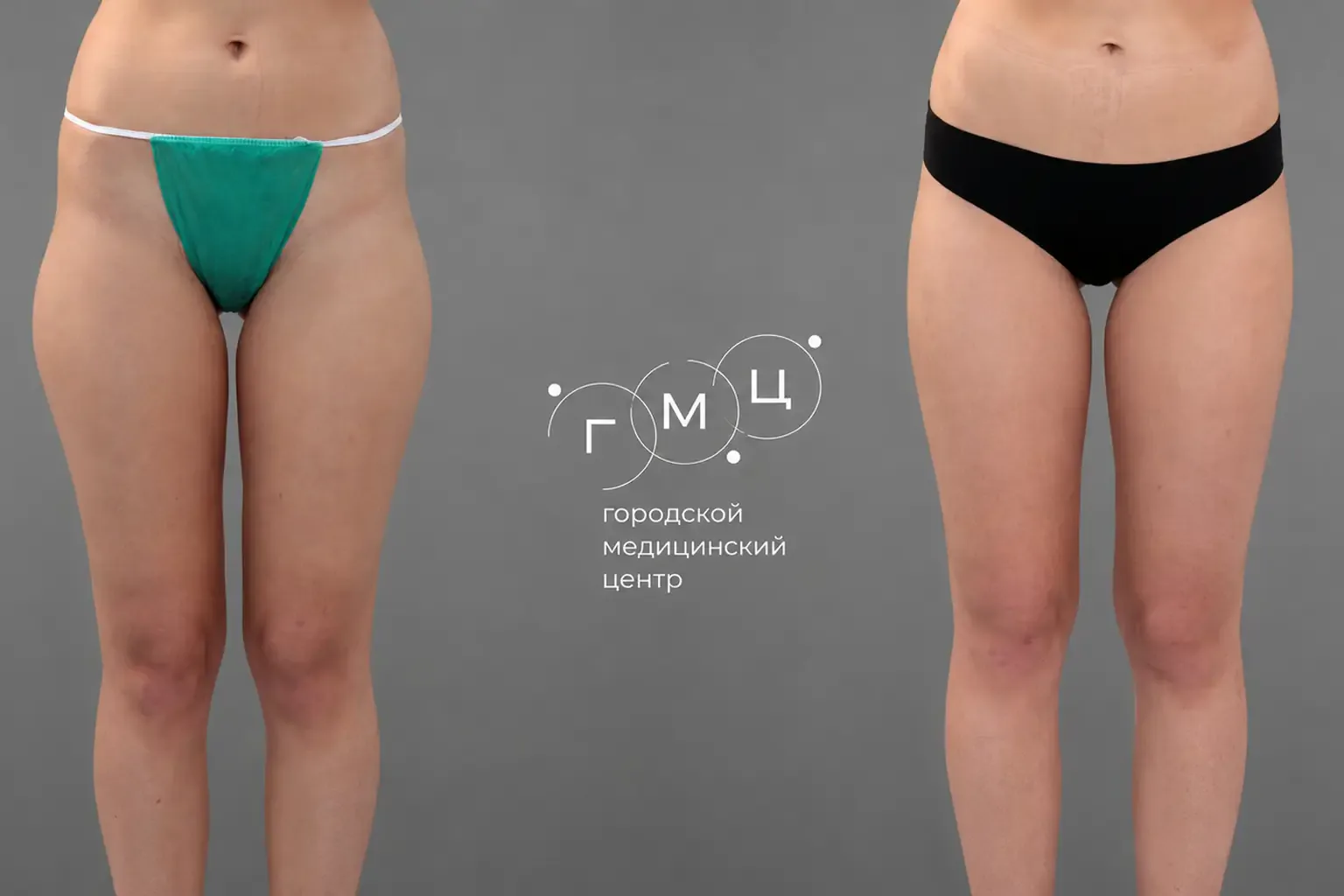
Liposuction

Age 30

8 months

Thigh liposuction
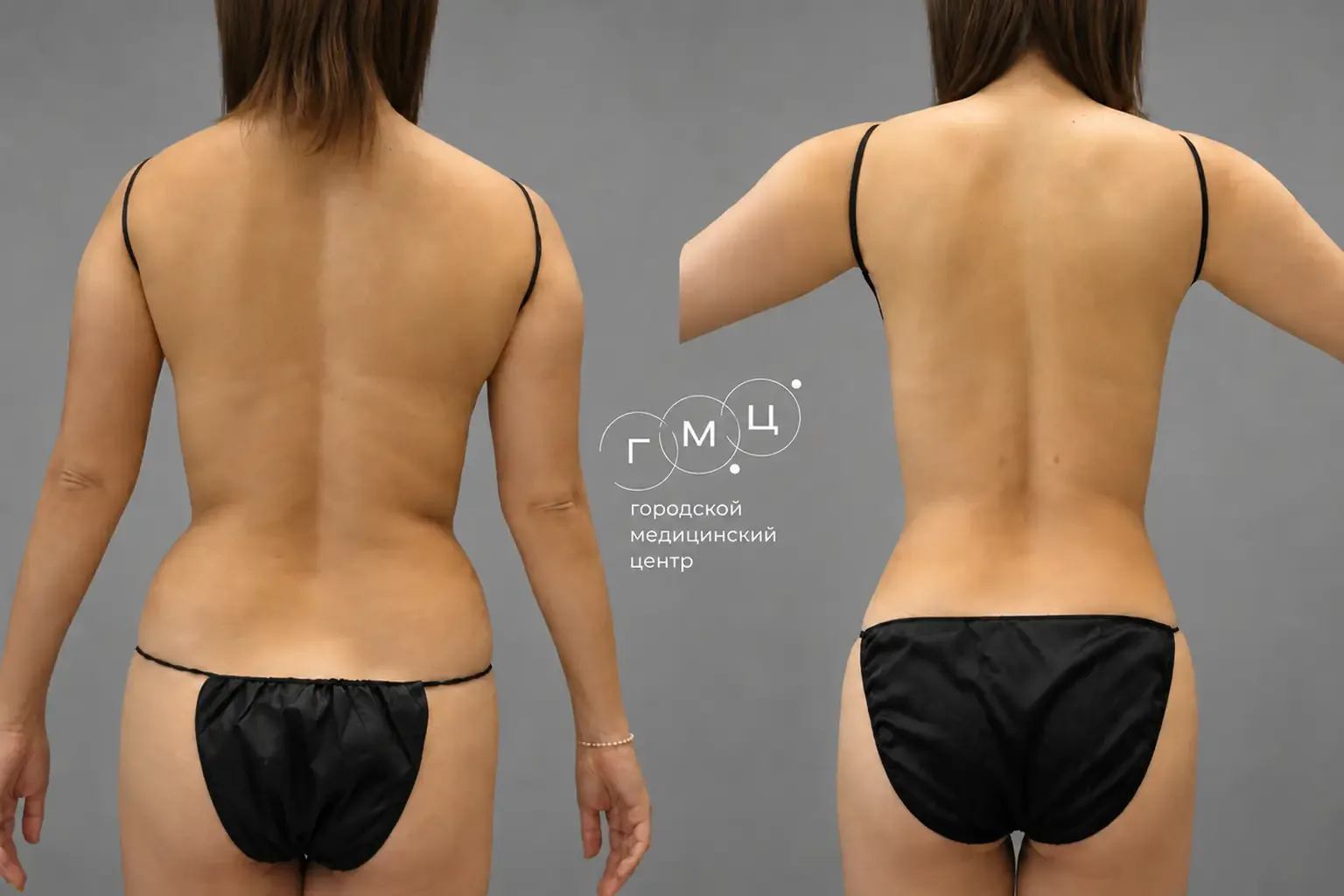
Liposuction

Age 38

7 months

Back liposuction
Liposuction

Age 35

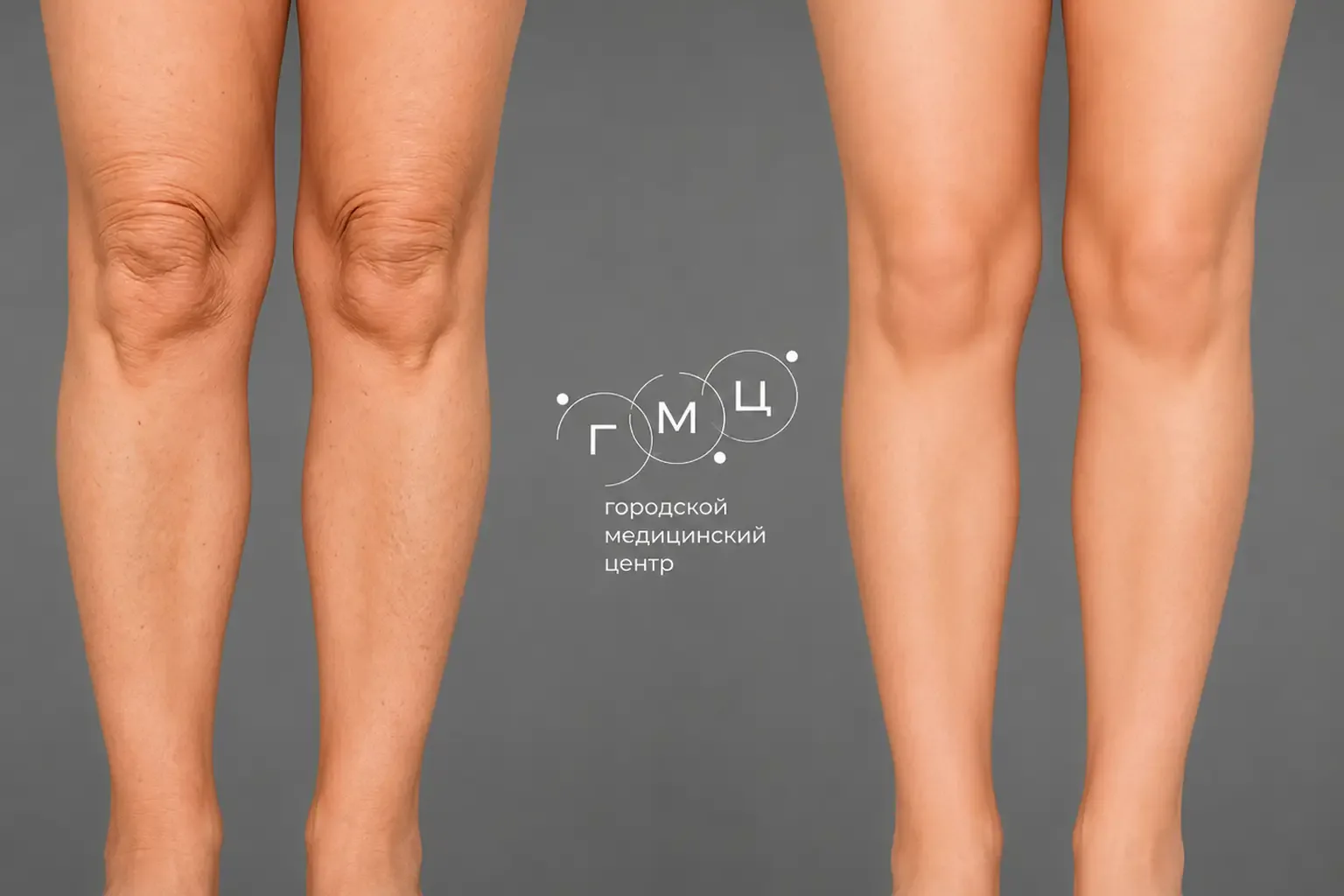
6 months

Knee liposuction

Liposuction

Age 48

6 months

Abdominal liposuction

Liposuction

Age 52

8 months

Liposuction

Liposuction

Age 37

7 months

Abdominal liposuction

Liposuction

Age 30

9 months

Arm liposuction

Liposuction

Age 49

10 months

Abdominal liposuction

Liposuction

32 years

6 months

Liposuction

Liposuction

Age 51

6 months

Arm liposuction

Liposuction

Age 30

8 months

Thigh liposuction

Liposuction

Age 38

7 months

Back liposuction

Liposuction

Age 35

6 months

Knee liposuction

Excess fat under the skin in problem areas is removed surgically — that is liposuction. It is not a weight-loss tool and no substitute for diet or exercise. The goal is precise contouring: taking away thigh saddlebags, a sagging belly and fat on the back, flanks, arms or chin.
If certain areas hold fat while your weight is normal and your lifestyle active, liposuction is for you. Fat cells removed from treated areas do not come back, which means that with a stable lifestyle the result lasts a long time.

Guarantee under an official contract

10 years of liposuction experience

Free consultation before surgery
Multiple areas can be done during one operation, which saves recovery time and budget
Abdomen and flanks
The most in-demand zone for women and men, commonly combined with a tummy tuck
Thighs
(outer and inner)
Fat “traps” that resist exercise
Back and lower back
Back rolls that spoil the silhouette
Arms and shoulders
A cosmetic concern that shows in warm weather
Chin
and neck
Small volume, quick visible result
Knees
A delicate area that needs precise work
Chest
(for men)
Gynecomastia, pseudogynecomastia — the fat component

Tumescent (classic) liposuction
The treatment area is first injected with a special solution of saline, lidocaine, adrenaline and several other agents. This loosens the fat and narrows the vessels, so blood loss is minimal and removal is gentle. Next, the fat emulsion is vacuumed out through a thin cannula.
Swelling and bruising are close to none after the operation, and recovery is considerably easier than after a conventional procedure.

VASER liposuction (ultrasound)
Before vacuum removal, fat cells are broken down by ultrasound. The method is ideal for defining pronounced muscle relief — athletic abs — and body contouring.
It also suits delicate areas.

Surgeon consultation
The doctor listens to you, performs an examination, evaluates your fat deposits and checks for contraindications. City Medical Centre also orders hormonal screening — it helps to predict the long-term result.

Pre-operative tests
Blood tests (complete count, coagulation panel, biochemistry, infections — HIV, hepatitis, syphilis), ECG, chest X-ray and, if needed, a GP consultation.
All tests can be done at the clinic with no waiting.

Preparation
2 weeks ahead: no medications that affect blood clotting. A week ahead: no alcohol or smoking, for quicker healing. 8 hours ahead: the last meal.

Surgery day
On the day you meet the surgeon, the areas are marked and compression garments fitted. Anesthesia — local or general, depending on the scope.
From 1 hour for small areas to 3–4 hours when procedures are combined.

Waking up and monitoring
With local anesthesia you are discharged 3–4 hours after surgery; with general anesthesia you stay one day in hospital under observation.

Recovery
30–45 days in compression garments. The first results appear in 3–4 weeks after the swelling eases; the final result is judged at 3 months, when the skin is fully tightened.

Surgeon consultation
The doctor listens to you, performs an examination, evaluates your fat deposits and checks for contraindications. City Medical Centre also orders hormonal screening — it helps to predict the long-term result.

Pre-operative tests
Blood tests (complete count, coagulation panel, biochemistry, infections — HIV, hepatitis, syphilis), ECG, chest X-ray and, if needed, a GP consultation.
All tests can be done at the clinic with no waiting.

Preparation
2 weeks ahead: no medications that affect blood clotting. A week ahead: no alcohol or smoking, for quicker healing. 8 hours ahead: the last meal.

Surgery day
On the day you meet the surgeon, the areas are marked and compression garments fitted. Anesthesia — local or general, depending on the scope.
From 1 hour for small areas to 3–4 hours when procedures are combined.

Waking up and monitoring
With local anesthesia you are discharged 3–4 hours after surgery; with general anesthesia you stay one day in hospital under observation.

Recovery
30–45 days in compression garments. The first results appear in 3–4 weeks after the swelling eases; the final result is judged at 3 months, when the skin is fully tightened.
Post-op check-ups
Get a follow-up consultation with the surgeon after surgery, to review results and learn more, paid by the clinic until the end of the year
Have chronic conditions? Please consult one of the clinic's doctors!
Indications

Local fat deposits that resist diet and exercise

Uneven distribution of subcutaneous fat

Disrupted body proportions and contours

Restoring the silhouette after childbirth or sudden weight loss

Gynecomastia (fat component) in men
Contraindications

Age under 18

Endocrine obesity

Severe chronic and mental illness

Decompensated diabetes

Blood clotting disorders

Cancer

Pregnancy and breastfeeding

Serious heart, kidney or liver disease

Temporary contraindications: acute infections, menstruation, taking anticoagulants, inflammatory skin conditions in the treated area
Book a consultation
Call or message us —
our coordinator will contact you shortly
and book your consultation
Book a consultation
Call or message us —
our coordinator will contact you shortly
and book your consultation
After tumescent liposuction, recovery is much shorter than after a conventional procedure. Most patients return to work within 3–7 days. In the first week, mild swelling and a raised temperature are possible — a normal response to surgery. Compression garments are worn for 30–45 days: they fix the new contours and speed up tissue recovery. In the first month, bathhouse, sauna, pool and intense sport are off-limits. For the best result and faster recovery we recommend lymphatic drainage massage, pressotherapy and a gradual return to activity. First visible changes appear in 3–4 weeks, the final result at 3 months.
Experienced plastic surgeons and physicians devoted to patients' beauty and health
Dr. Goncharova
Dermatologist, trichologist, surgeon
11+ years of experience
14,000+ successful surgeries
Dr. Goncharova
Dermatologist, trichologist, surgeon
11+ years of experience
14,000+ successful surgeries
An endocrinologist rules out hormonal causes of obesity before surgery — the hormonal approach that improves long-term results

Modern equipment
We use the tumescent and VASER techniques and closed fat-harvesting systems with precise control of volume

Minimally invasive approach
Micro-incisions from 3–5 mm and minimal blood loss; marks after surgery are hardly visible

Combined surgeries
Several areas can be done at once, or liposuction can be combined with other procedures

Support until the result
No hidden extras: the price is fixed in the contract, and the surgeon stays in touch throughout recovery
The final price is calculated individually after an examination. Interest-free instalments available
Service
Discounted price
Book a consultation
Call or message us —
our coordinator will contact you shortly
and book your consultation
Book a consultation
Call or message us —
our coordinator will contact you shortly
and book your consultation
Can liposuction be done on several areas in one operation?
Yes — combining is standard practice. Single-area treatment is rare; patients usually combine several problem zones, e.g. the abdomen and flanks or the inner and outer thighs. Our surgeons will work out the optimal scope of surgery with you at the consultation, based on your health and goals.
Is liposuction a way to lose weight?
No. Liposuction is not about weight loss. It removes stubborn local fat deposits that diet and exercise can't shift and reshapes body contours. If your weight is unstable, consult a nutritionist or endocrinologist first.
Will there be scars after surgery?
Punctures of only 3–7 mm are used, and they usually don't need stitches. After healing the marks are hardly visible; with good aftercare during recovery they fade completely.
How will the skin behave — won't it sag?
Before surgery, skin tone, elasticity and turgor are always assessed by the surgeon. Healthy skin tightens by itself to follow the new contours. With reduced tone or stretch marks, our specialists recommend preparatory treatments to improve the skin beforehand.
Is the surgery painful?
No. Anesthesia — local or general depending on the scope — is used for the procedure. After surgery you might feel mild discomfort, which is relieved with painkillers prescribed by your doctor.
What should be avoided after liposuction?
No exertion or heavy lifting during the first 7 days. Compression garments for 4–6 weeks, with the bathhouse, sauna, pool and active sport off the table. For at least a month, alcohol and tanning beds are off-limits. Individual recommendations are given by your surgeon after surgery.
From what age is liposuction done, and is there an upper limit?
The surgery is for patients aged 18+ without contraindications. As for an upper limit, there is none: we decide individually after an examination and health check.
Does liposuction help with cellulite?
Not directly. It removes fat tissue without changing the skin structure that causes cellulite. Still, improved contours make cellulite visibly less noticeable.
How long does recovery take?
Most patients are back to work and daily life in 7–10 days. By weeks 4–5 the swelling and bruising are gone. After 3–6 months, when the tissues fully adapt, the final result is formed.
Do I need a diet after surgery, and what if I gain weight?
You won't need a strict diet, but nutrition is important for keeping your result. The removed fat cells do not come back; the remaining ones, though, can grow if weight increases. We recommend balanced eating and regular physical activity for a lasting result.
Do I need to prepare for surgery?
Yes. Preparation includes stopping smoking, alcohol and medications that affect blood clotting (aspirin, etc.) 7–10 days before liposuction, and pre-operative tests: blood tests, ECG, ultrasound and consultations with a GP and anesthesiologist. You'll receive all instructions after the first consultation.
When will the result be visible?
2 weeks after surgery, once the main swelling subsides, first changes appear. At 1.5–2 months the interim result is assessed. Final contours form in 3–6 months.
It is worth being clear about what the surgery does not do. Liposuction does not treat obesity and is not a way to lose kilos; if your weight is unstable, a nutritionist or endocrinologist comes first. Nor does it change the skin structure behind cellulite, although smoother contours make it less visible. What it does for people in Nakuru is remove local fat and reshape the silhouette.
Duration depends on scope: from about one hour for a small area to three or four hours for a combined procedure. Anaesthesia is local or general depending on how much is treated. After general anaesthesia you spend one day in hospital under observation; after local anaesthesia you go home three to four hours later. The same approach applies to patients from Nakuru.
There are no surprises in the bill: the price is set after an examination, recorded in the contract and stays the same. Starting from $1,200 per area, liposuction can be paid in interest-free instalments. Patients from Nakuru begin with a free consultation where the surgeon answers questions about technique, recovery and contraindications before anything is decided.
This website uses cookies. By continuing to use it, you agree to the Privacy Policy and data processing terms
Apply before the end of the year and get a consultation at the clinic's expense!