
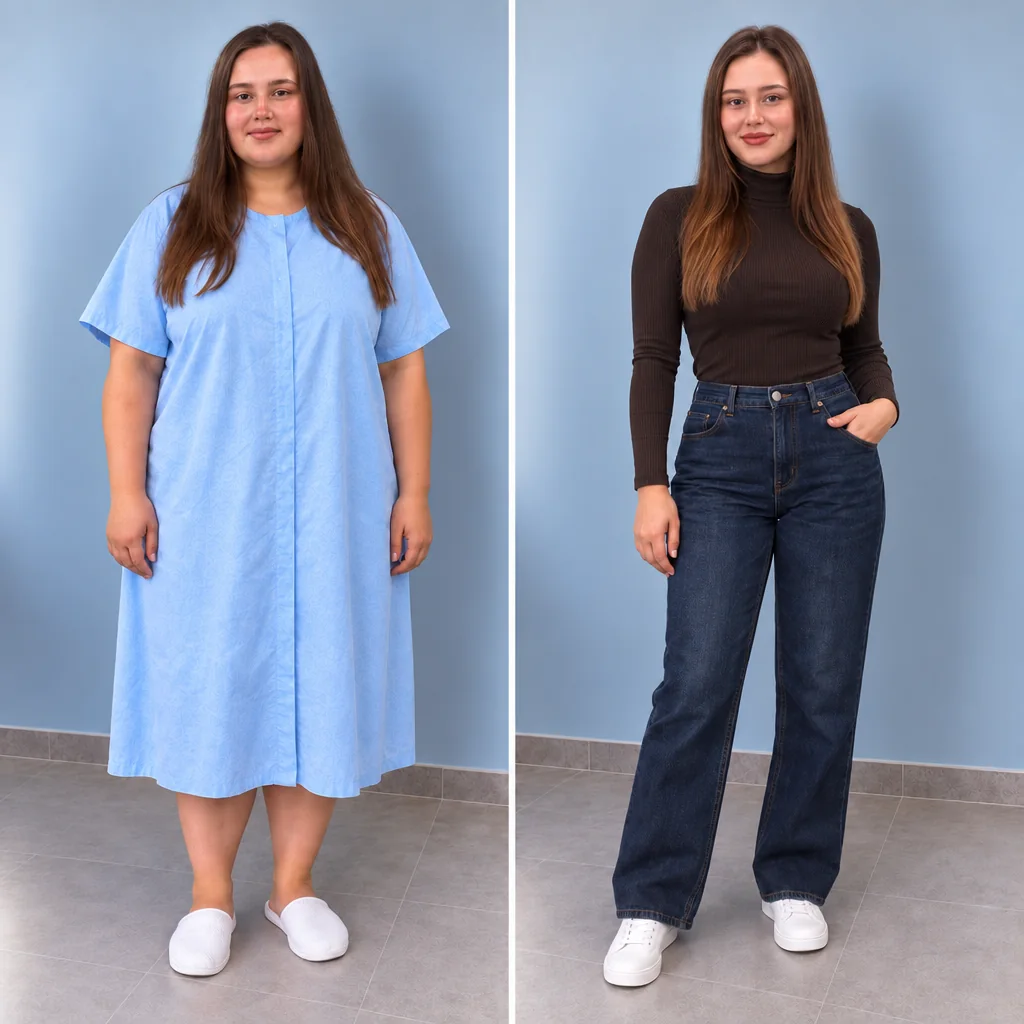
 beforeafter
Irina, 26
Bariatric surgery
Bariatric surgery
$3,600
$4,800 · First consultation — Free
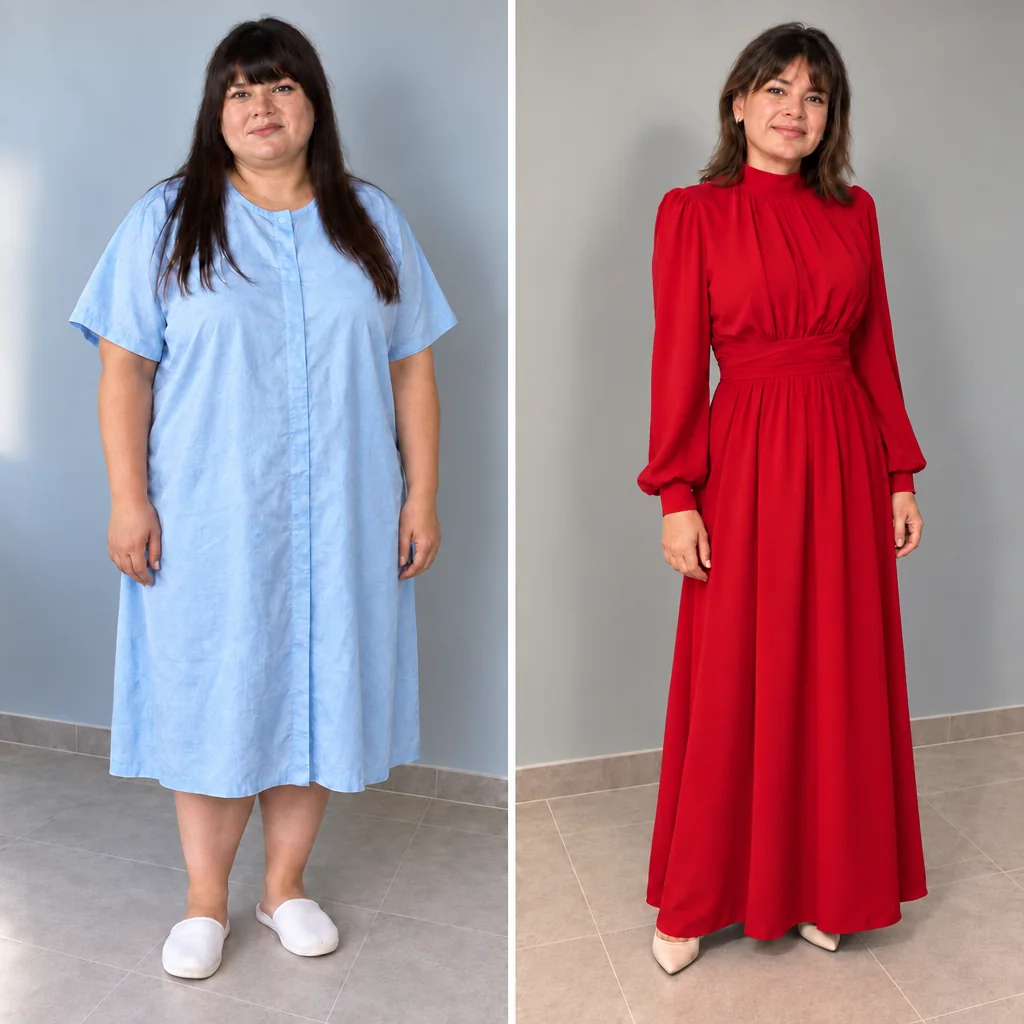 before
after
Message our coordinator
Free online consultation · Reply within 15 minutes
Message us on TelegramMessage us on WhatsAppBy messaging us, you agree to our Privacy Policy
Results
Every case shown is a real clinic patient.
beforeafterBariatric surgery
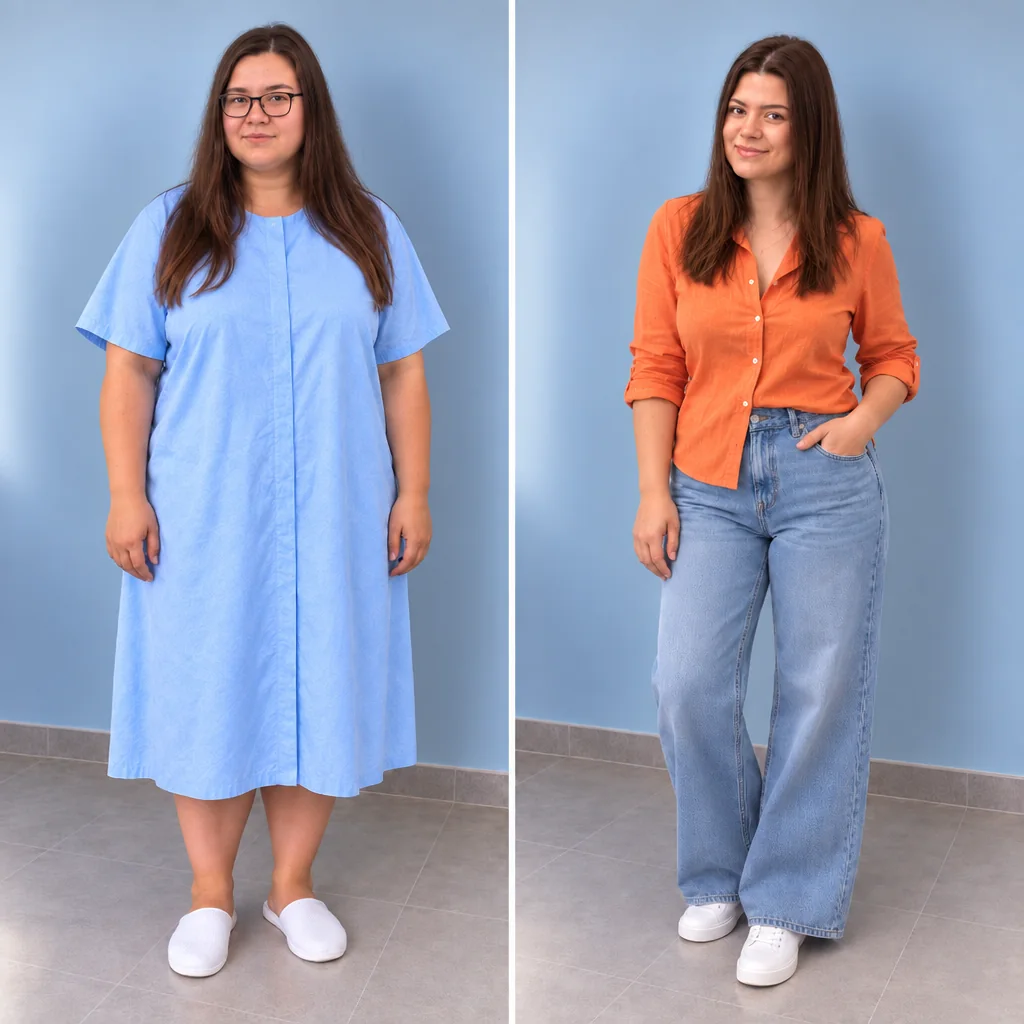 beforeafter
Bariatric surgery
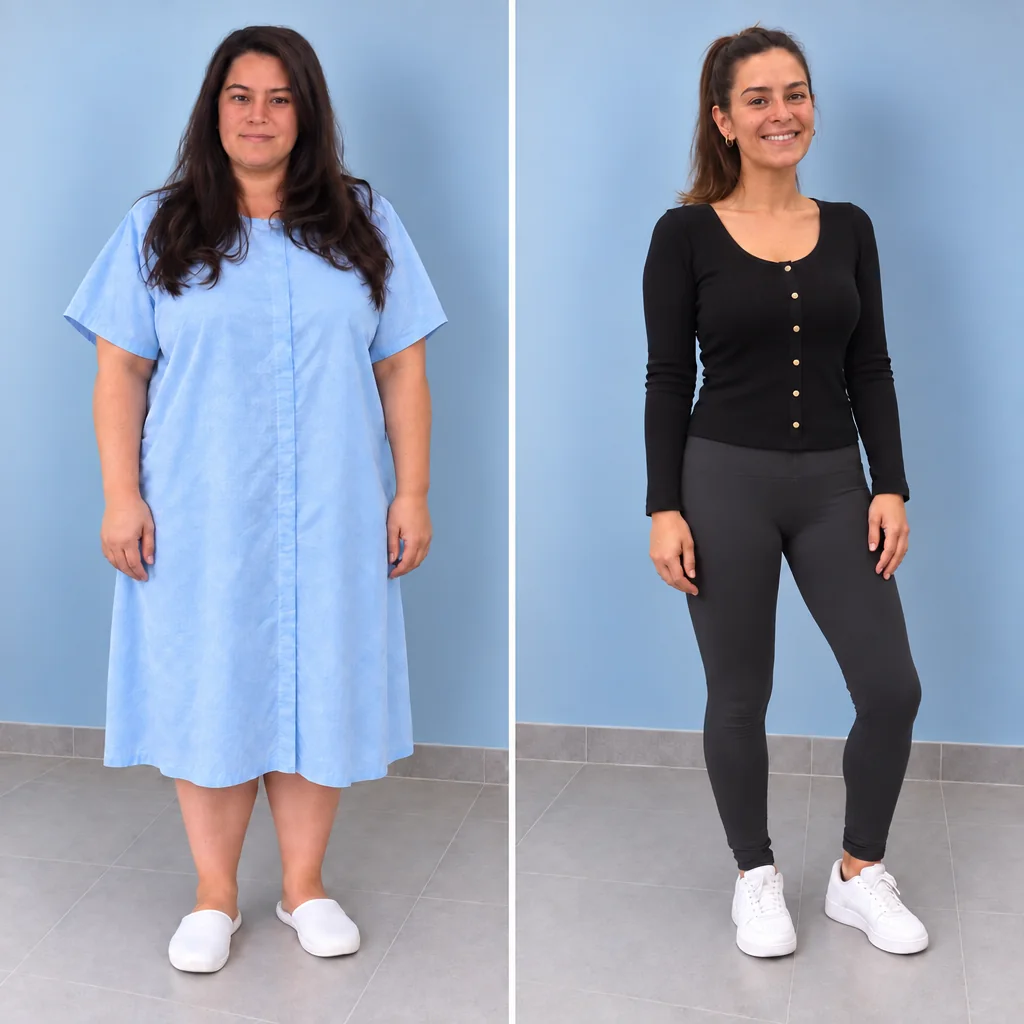 beforeafter
Bariatric surgery
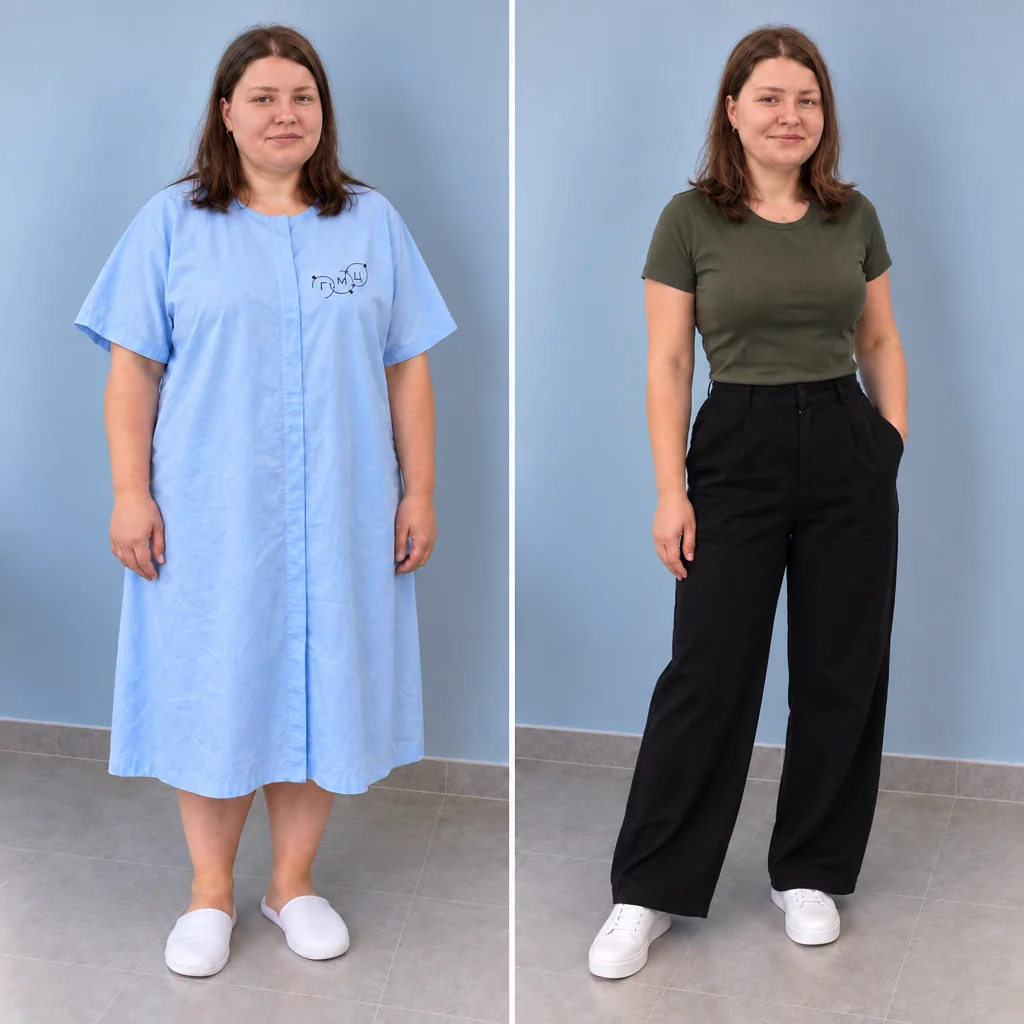 beforeafter
Bariatric surgery
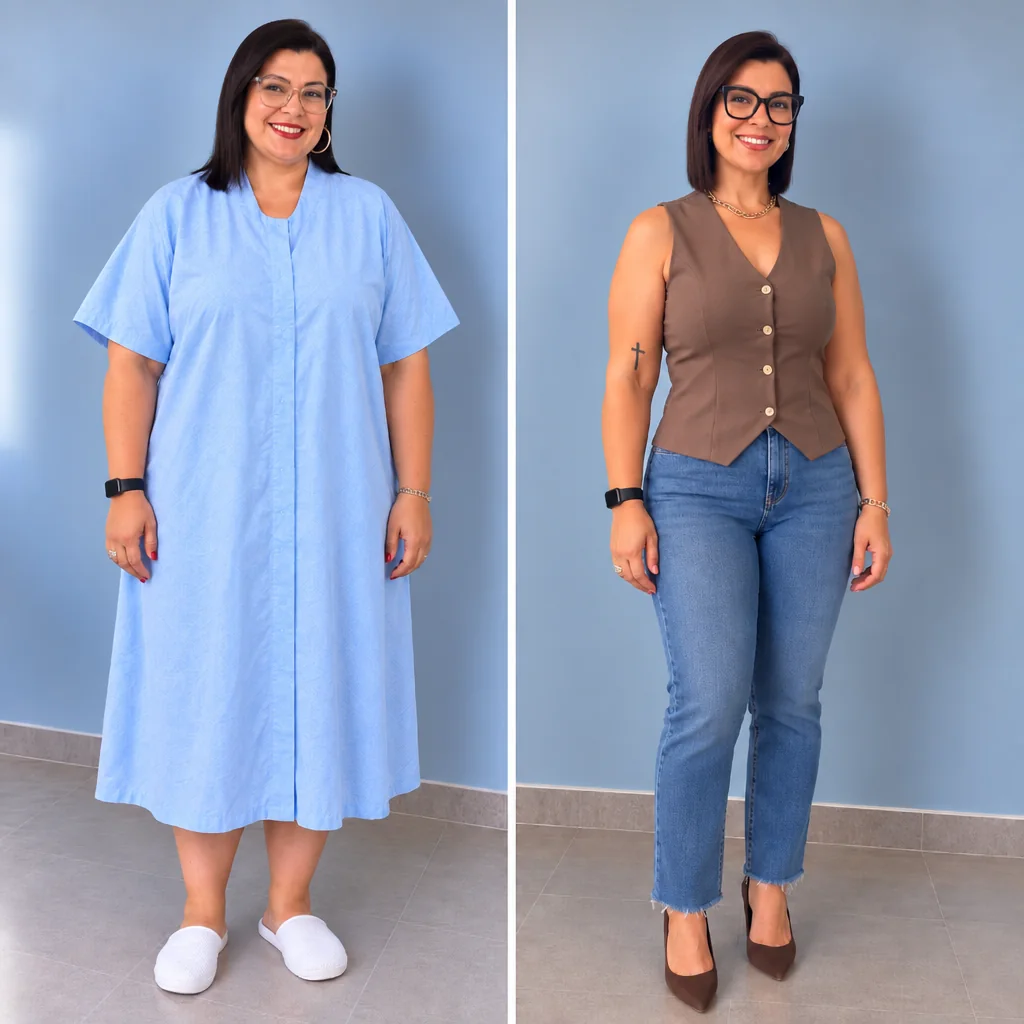 beforeafter
Bariatric surgery
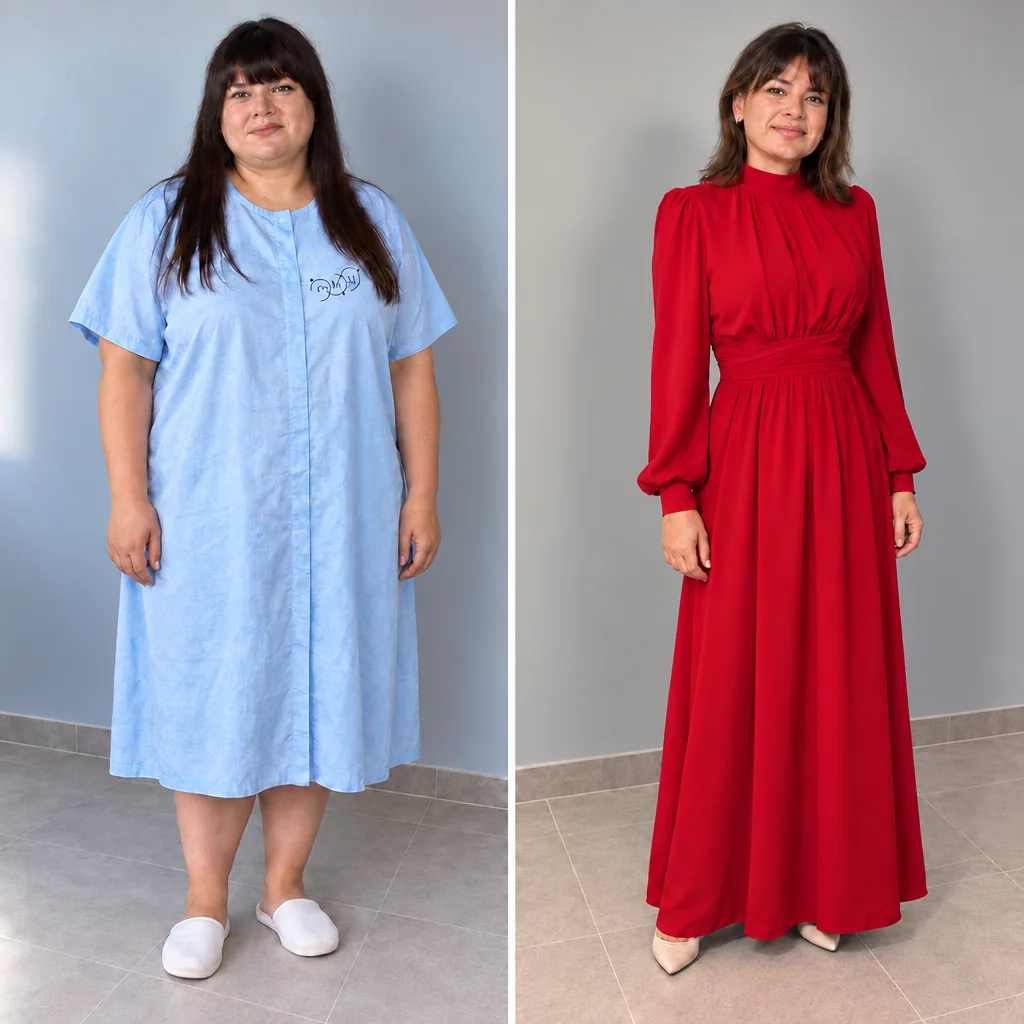 beforeafter
Bariatric surgery
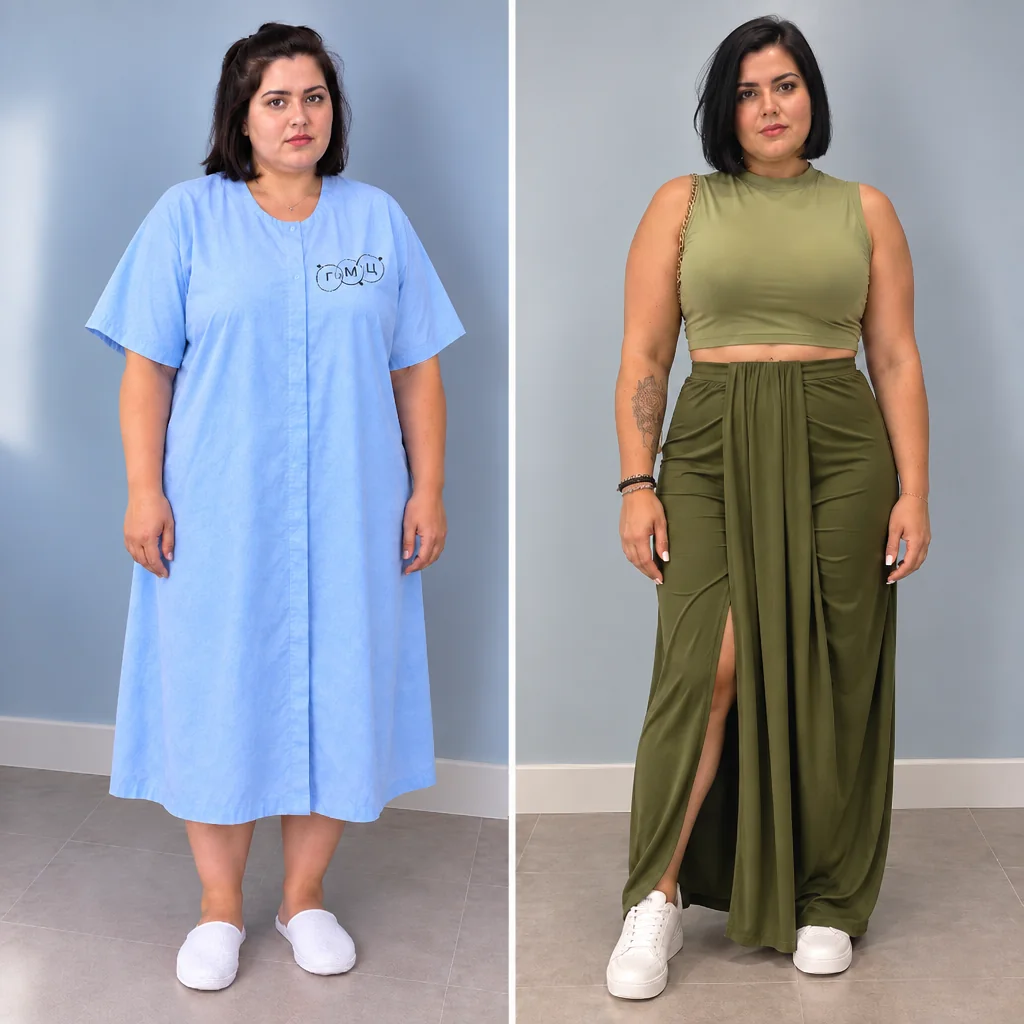 beforeafter
Bariatric surgery
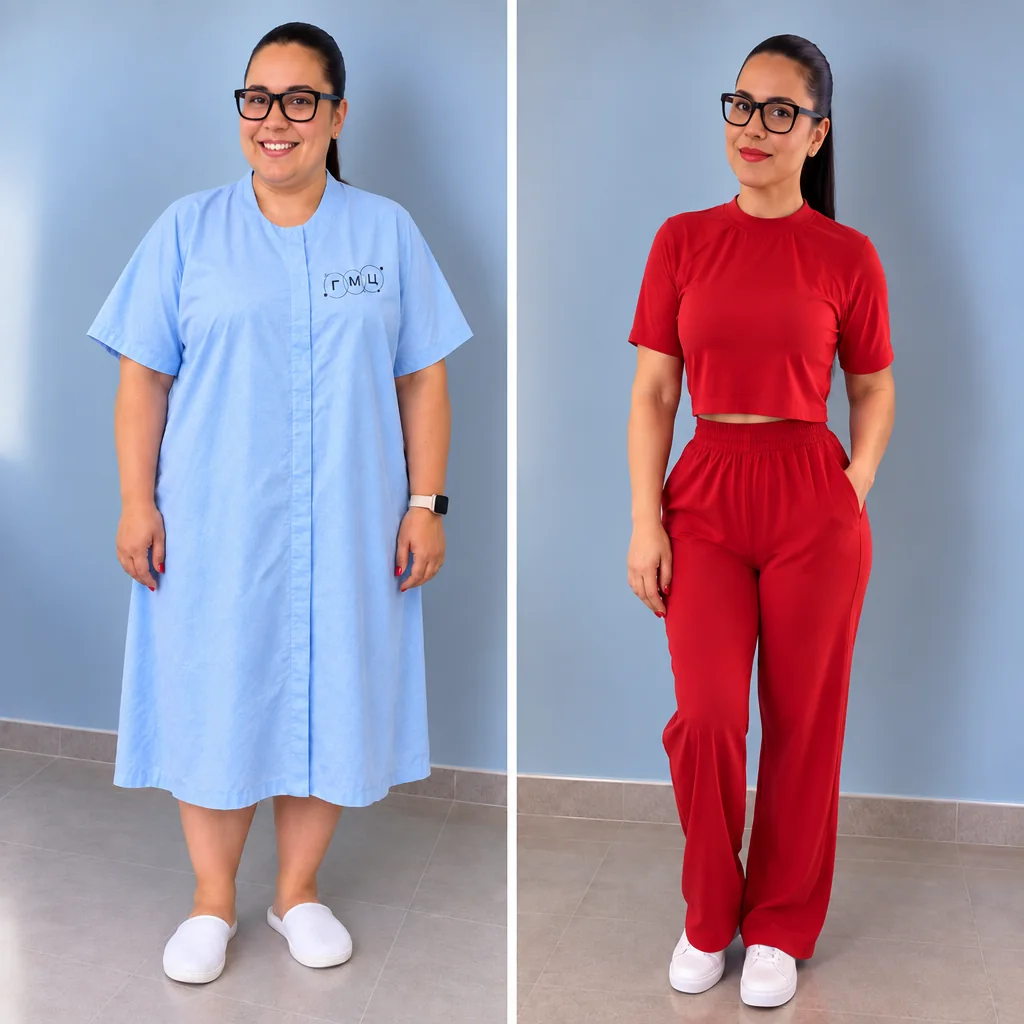 beforeafter
Bariatric surgery
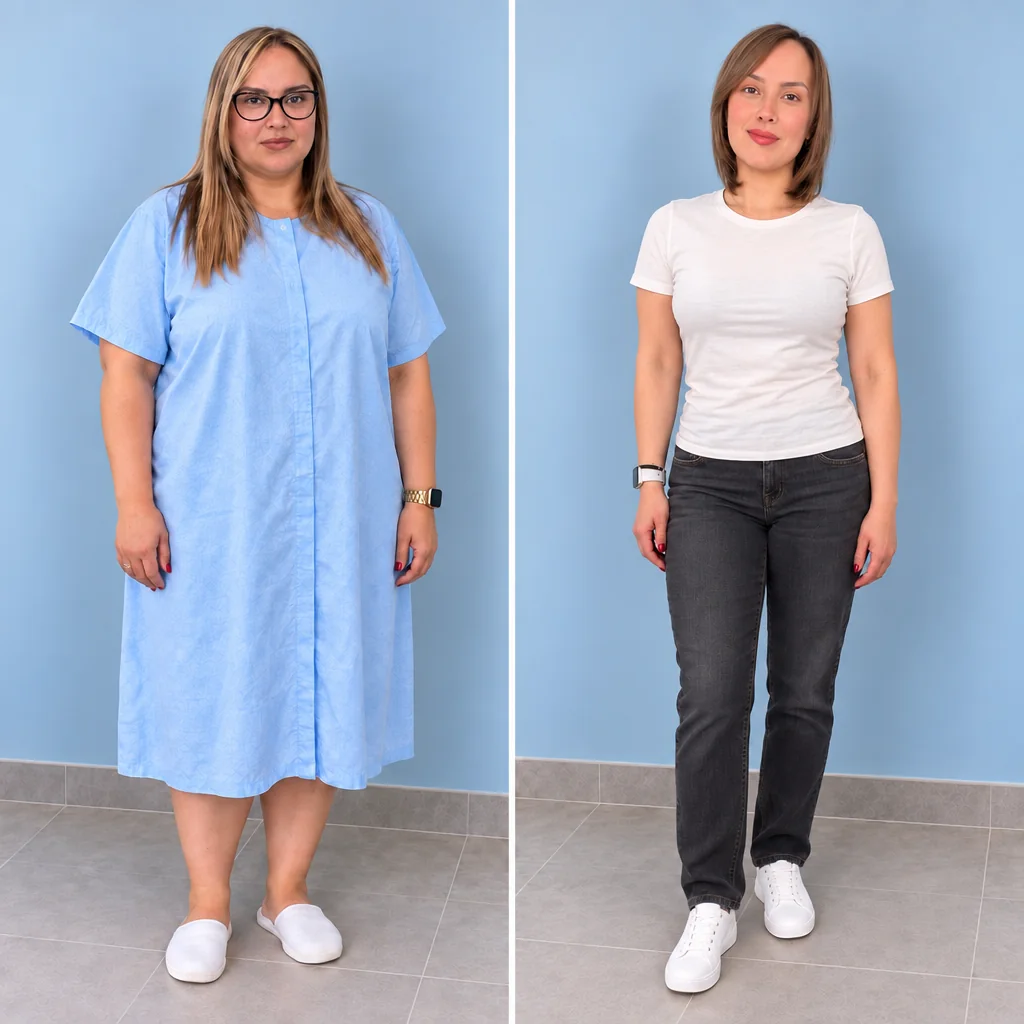 beforeafter
Bariatric surgery
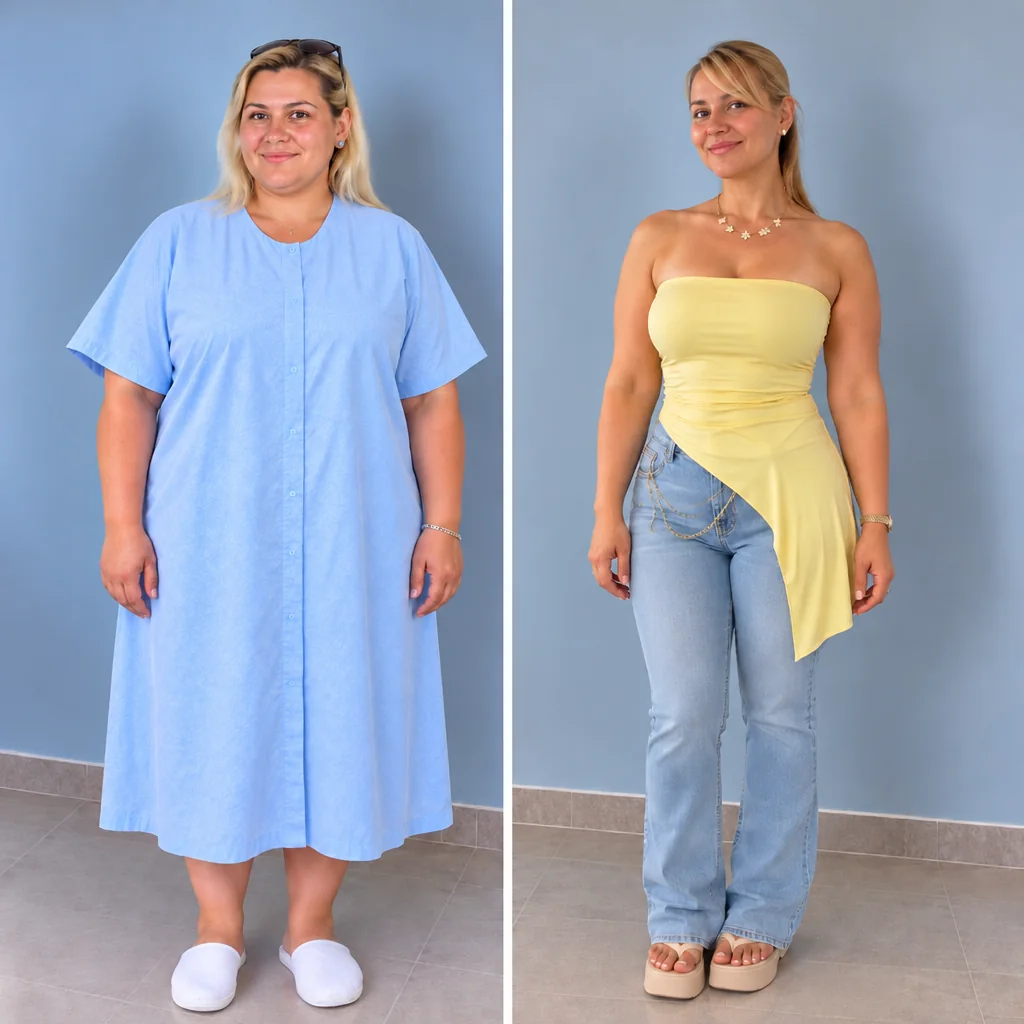 beforeafter
Bariatric surgery
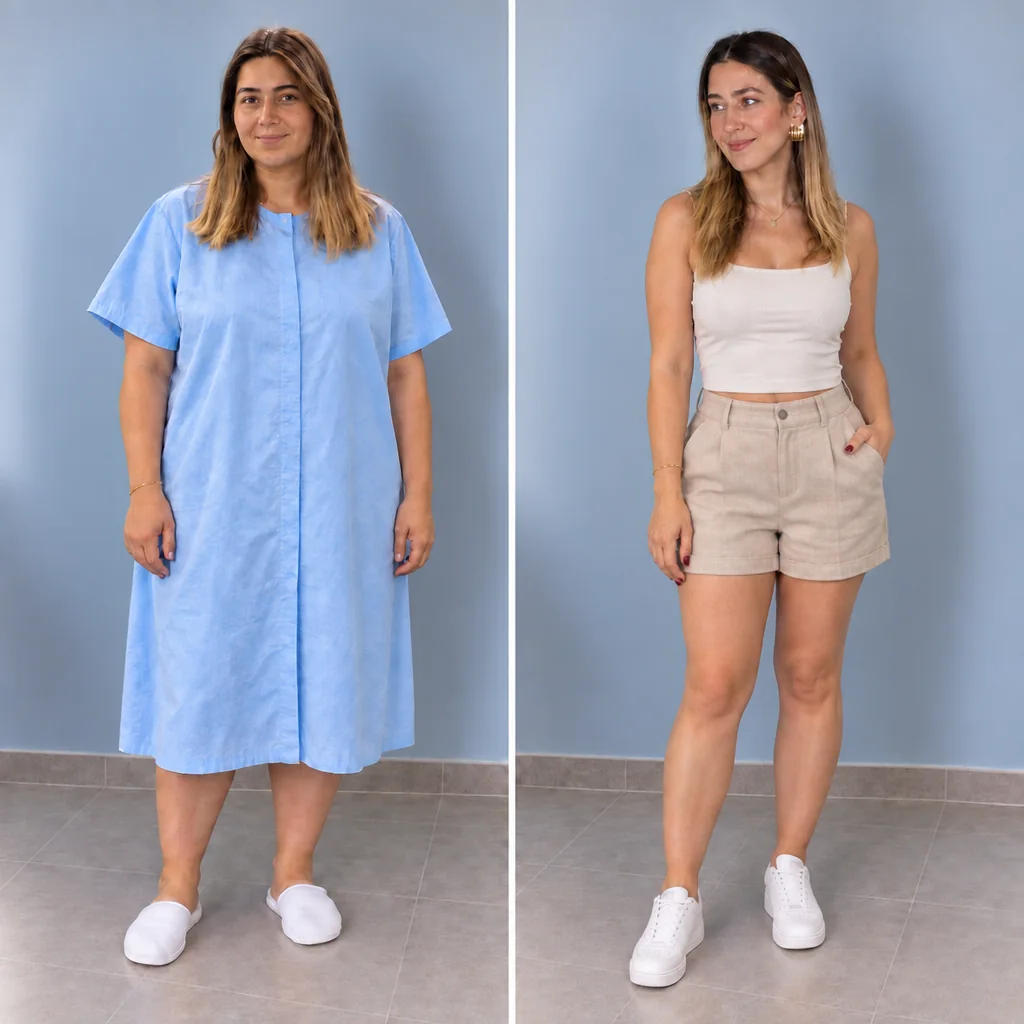 beforeafter
Bariatric surgery
Comparison
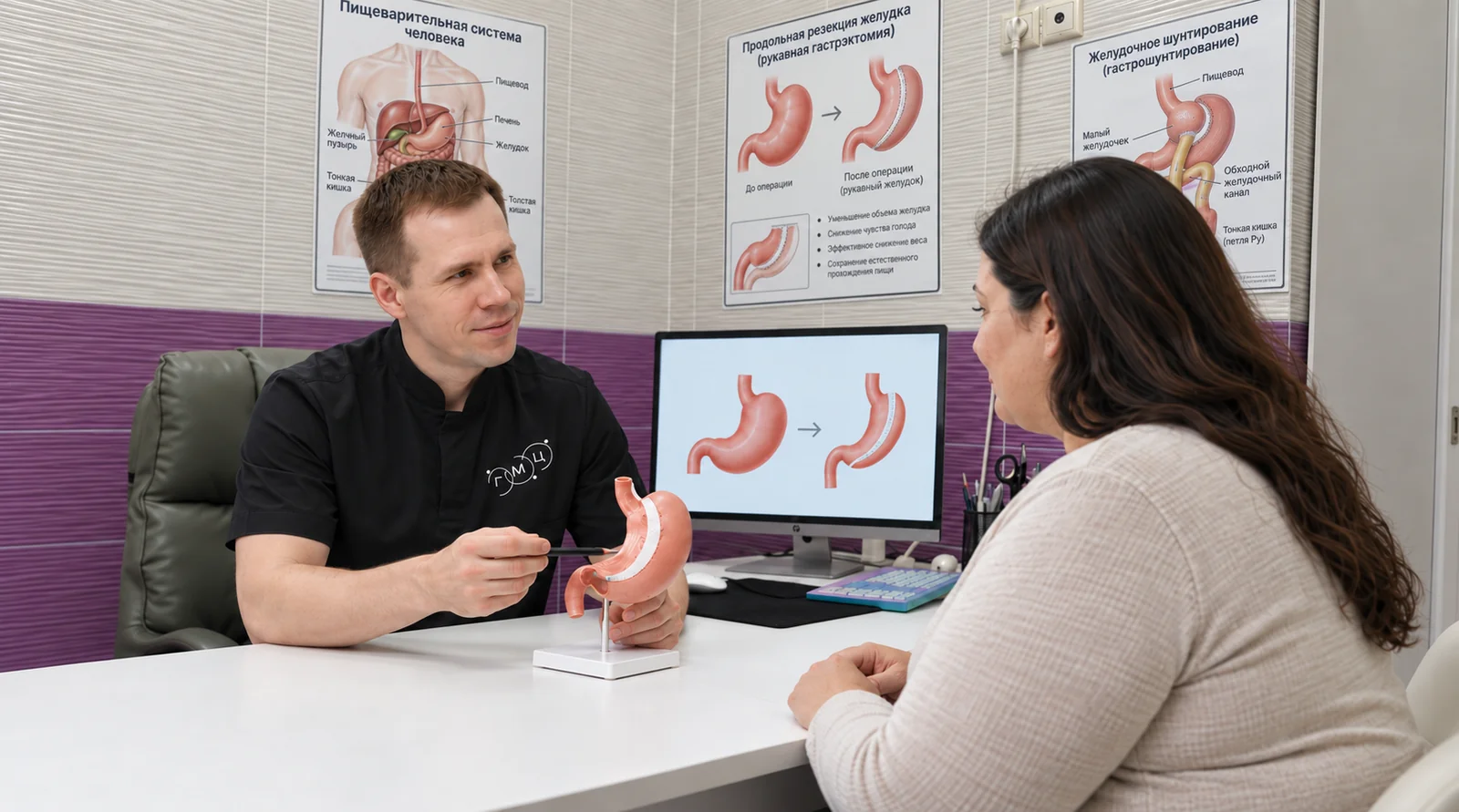
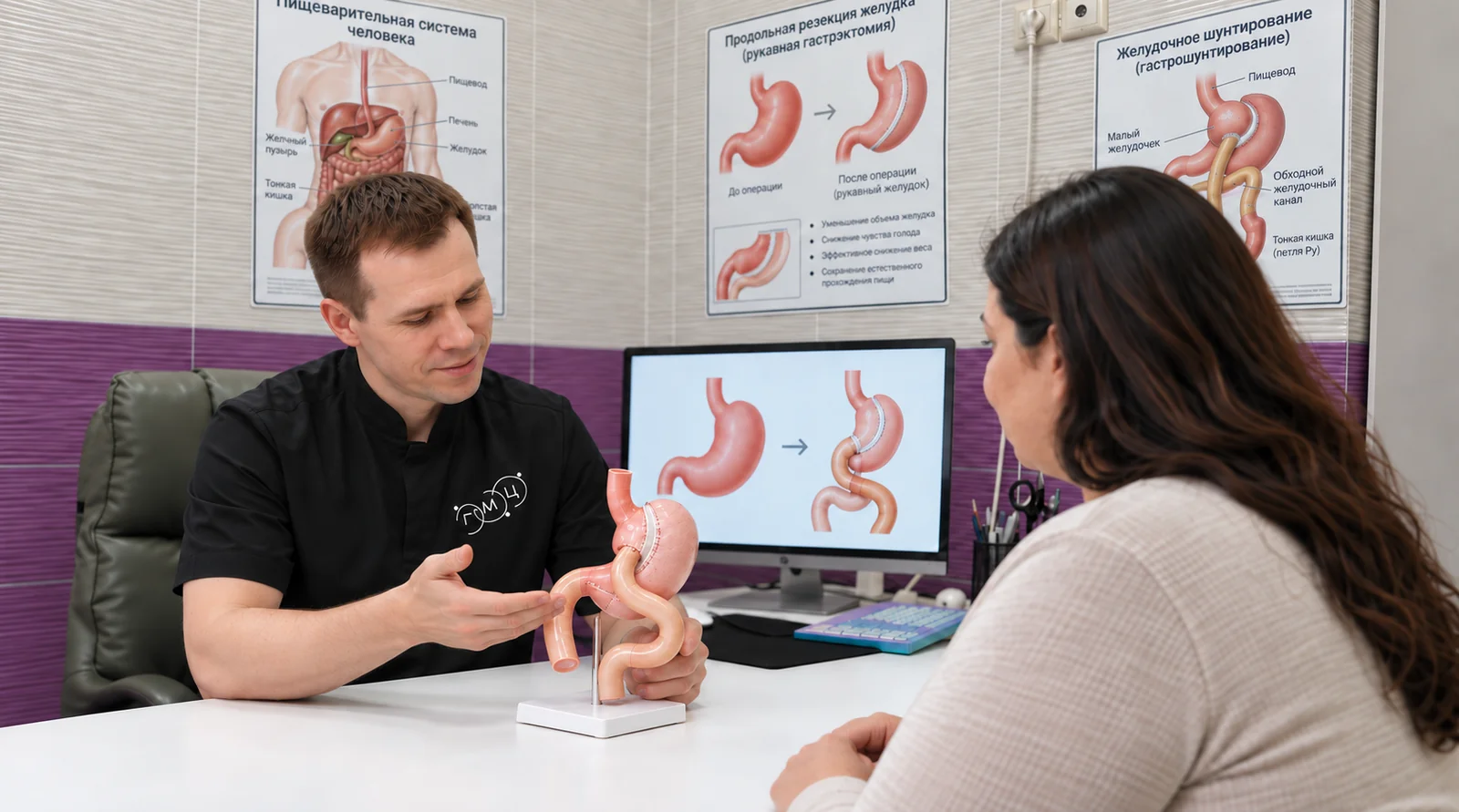
Sleeve gastrectomy and gastric bypass are the two main operations we perform. Compare their mechanism, goals and indications to make a confident choice of method.
A smaller stomach volume
Discounted price
$3,600 $4,800
Reducing the stomach volume and rerouting food
Discounted price
$4,000 $5,200
The benefits and recovery times are method averages meant as a guide; the actual scope of the operation and your recovery depend on your anatomy and individual features. The surgeon confirms them at the consultation.
Book a consultationOur clinic
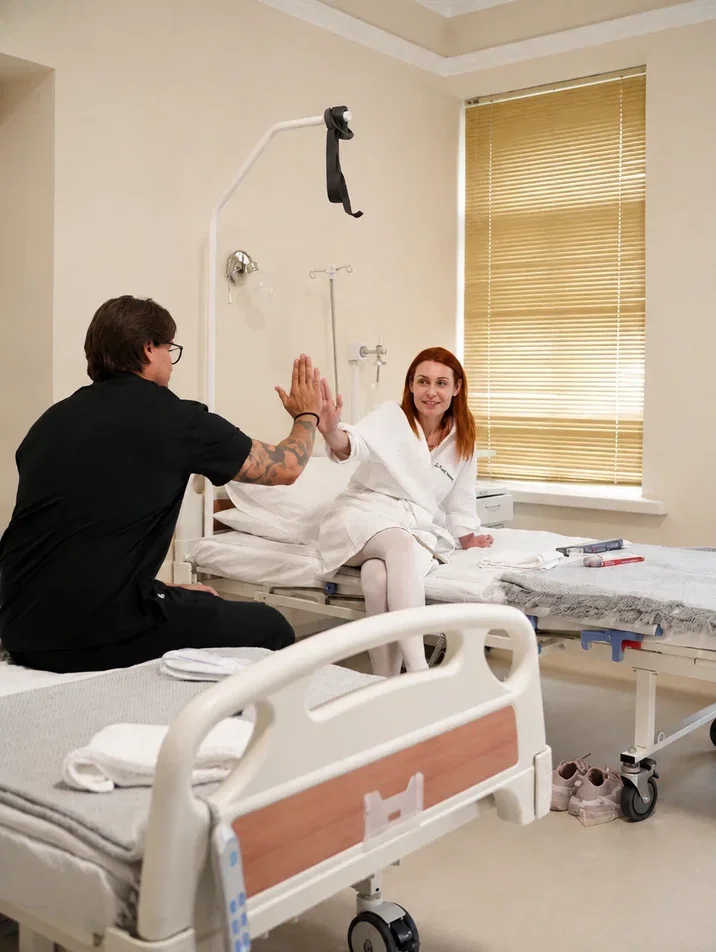
Modern technology, cosy rooms and personal attention for every patient
We will answer your questions and find a convenient time for a consultation
Get a consultationSurgery is only decided jointly with the surgeon, once the consultation and check-up are done.
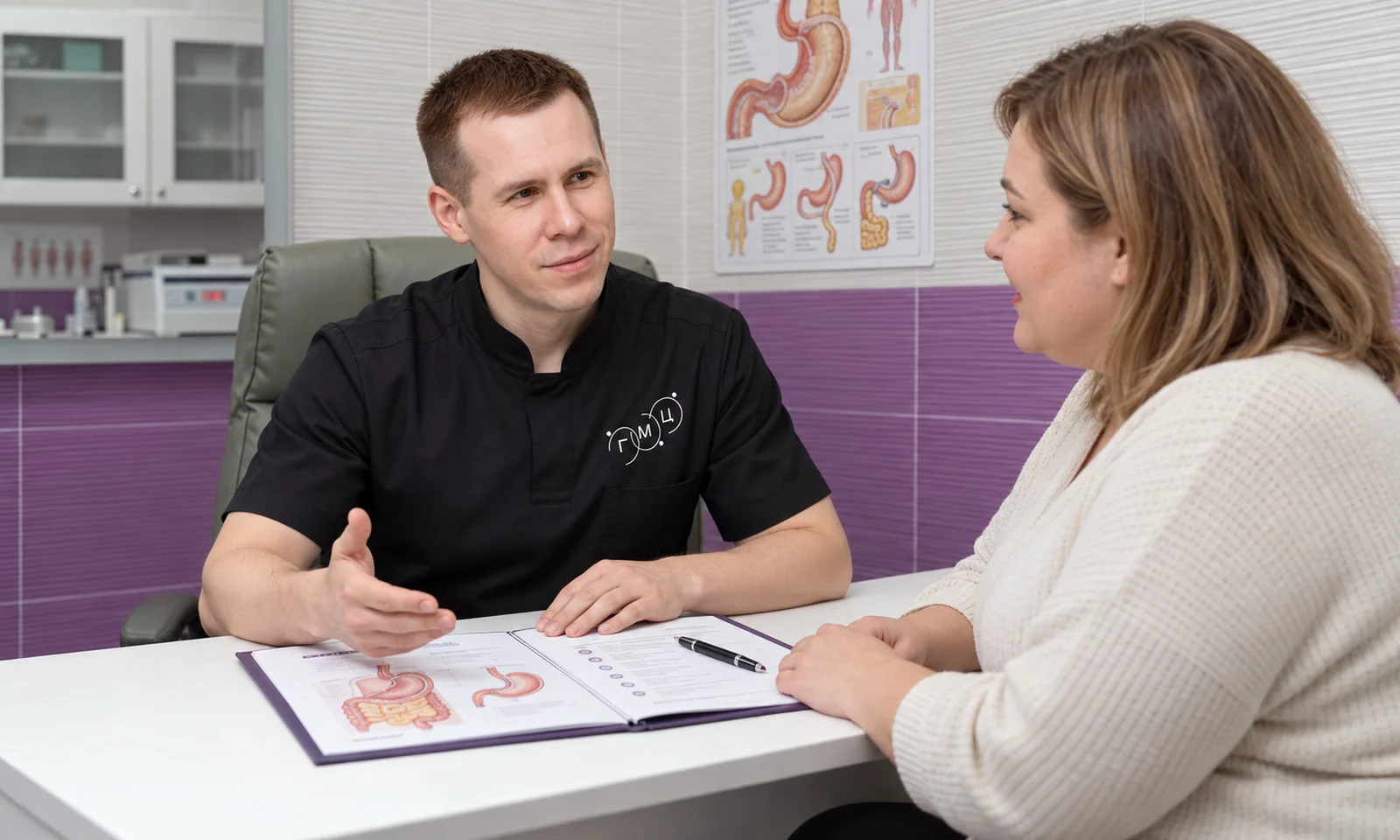
Unsure which column describes you?
Get in touch on Telegram — our coordinator will explain whether bariatric surgery is right for you. The consultation with a surgeon is free, and there is no commitment to an operation.
Find out if it suits me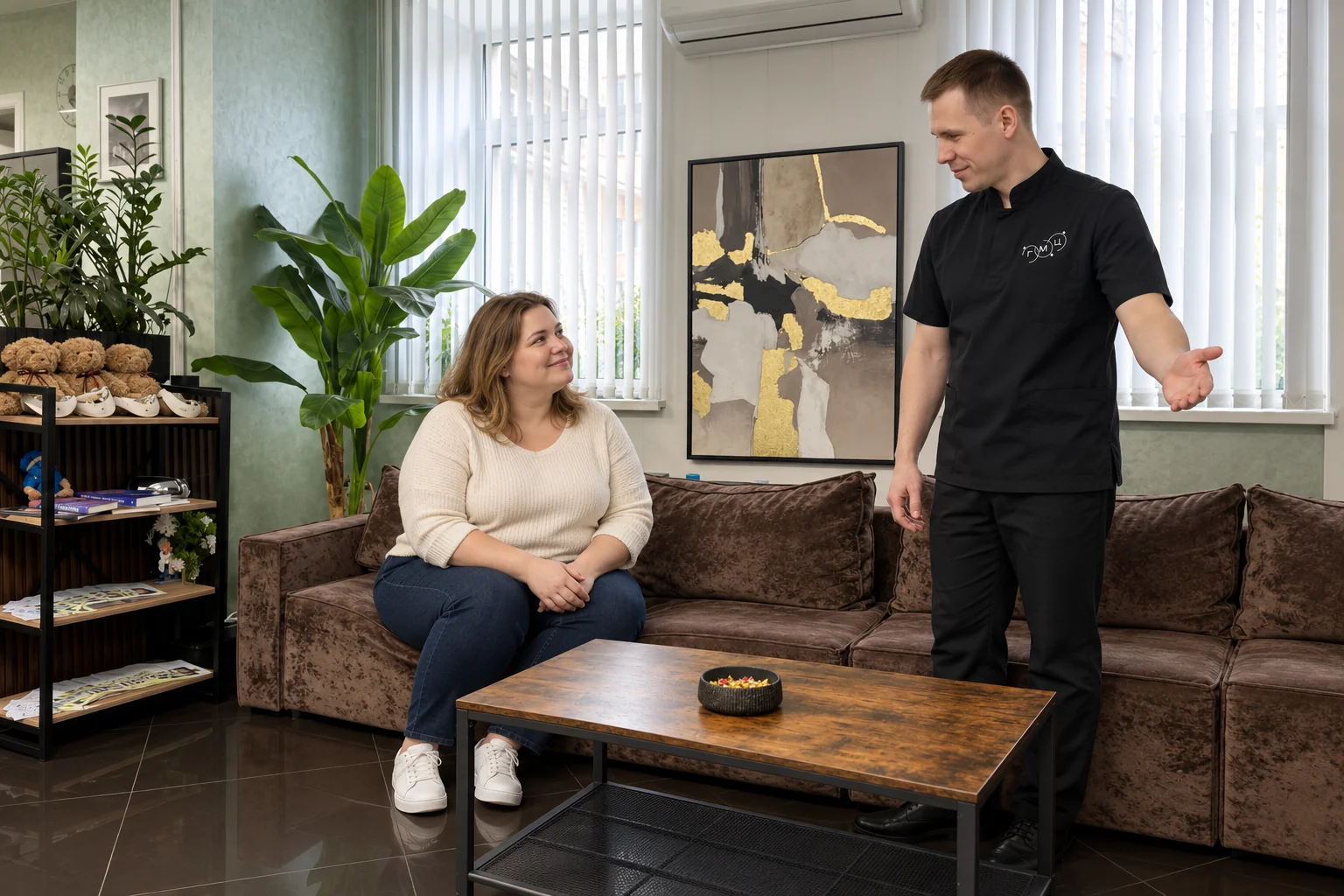
Prices
The cost is named at the consultation once your plan is ready, and it is fixed in the contract.
Discounted price
A smaller stomach volume
$3,600$4,800
Discounted price
Weight reduction with rerouting of food
$4,000$5,200
Free
Surgeon's examination and a treatment plan

Free
the price of surgery is confirmed
and fixed in your contract
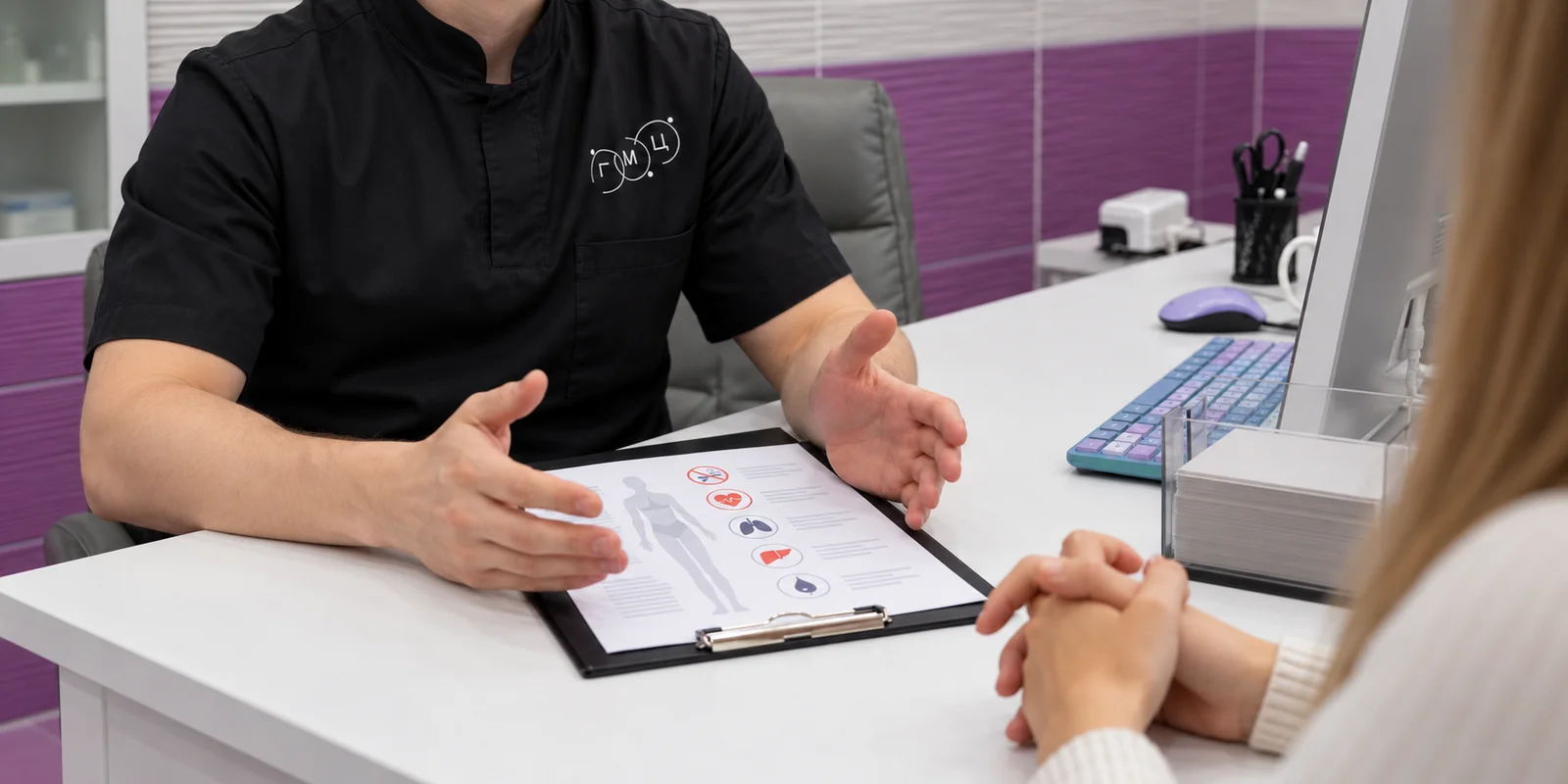
Assessing your health and discussing what you want to achieve, the doctor selects the right bariatric method. The cost is named at the consultation and written into the contract.
Message our coordinator
Free online consultation · Reply within 15 minutes
Message us on TelegramMessage us on WhatsAppBy messaging us, you agree to our Privacy Policy

price
A complete package: preparation plus 12 months of support, without any extra charges.Starting with preparation for surgery
and ending with support for 12 months.
Step by step
A jointly agreed treatment plan, monitoring in hospital and support over a year.
 1
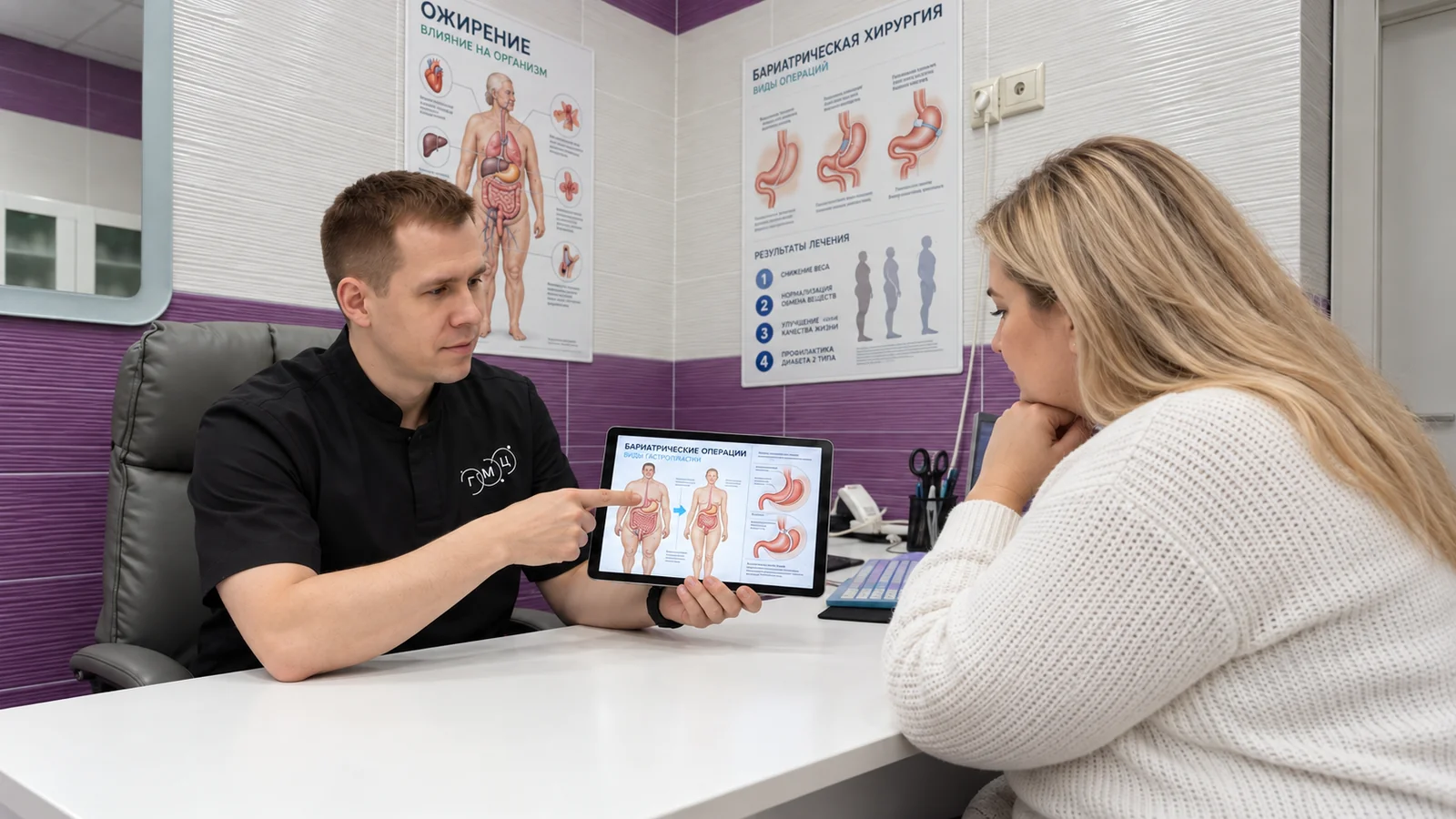
The doctor checks your health, goes over your goals and arranges the tests needed to choose a suitable bariatric surgery method.
2We reserve your surgery date; the deposit can be made by card in the clinic or by online bank transfer. The contract for medical services sets the terms
 3
At the consultation the doctor gives you the exact list of pre-surgery checks: blood and urine tests, an ECG, an ultrasound, a gastroscopy and visits to specialists.
 4
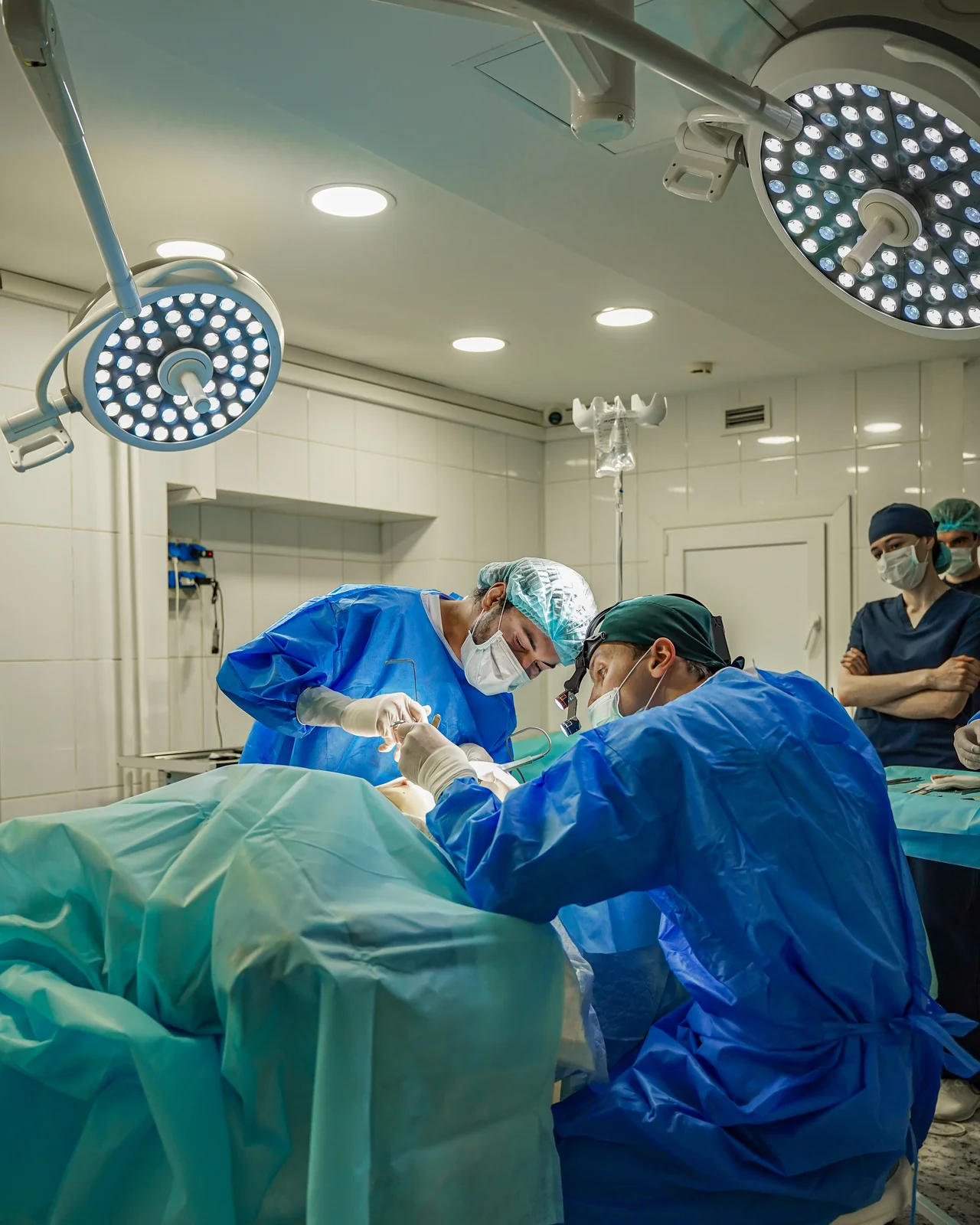
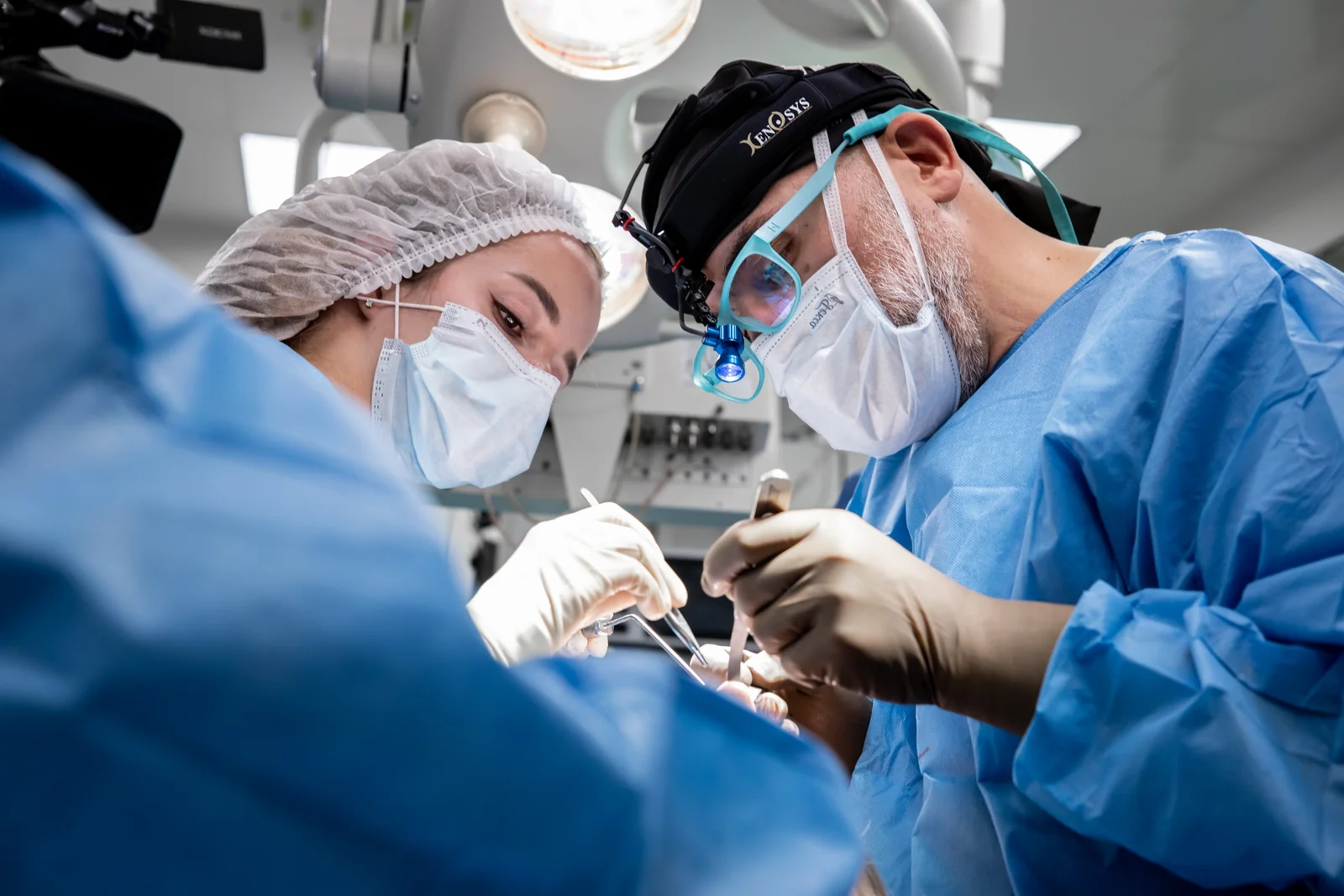
Under general anaesthesia, the surgeon carries out the bariatric operation using the chosen method. After surgery the medical team monitors the patient.
 5
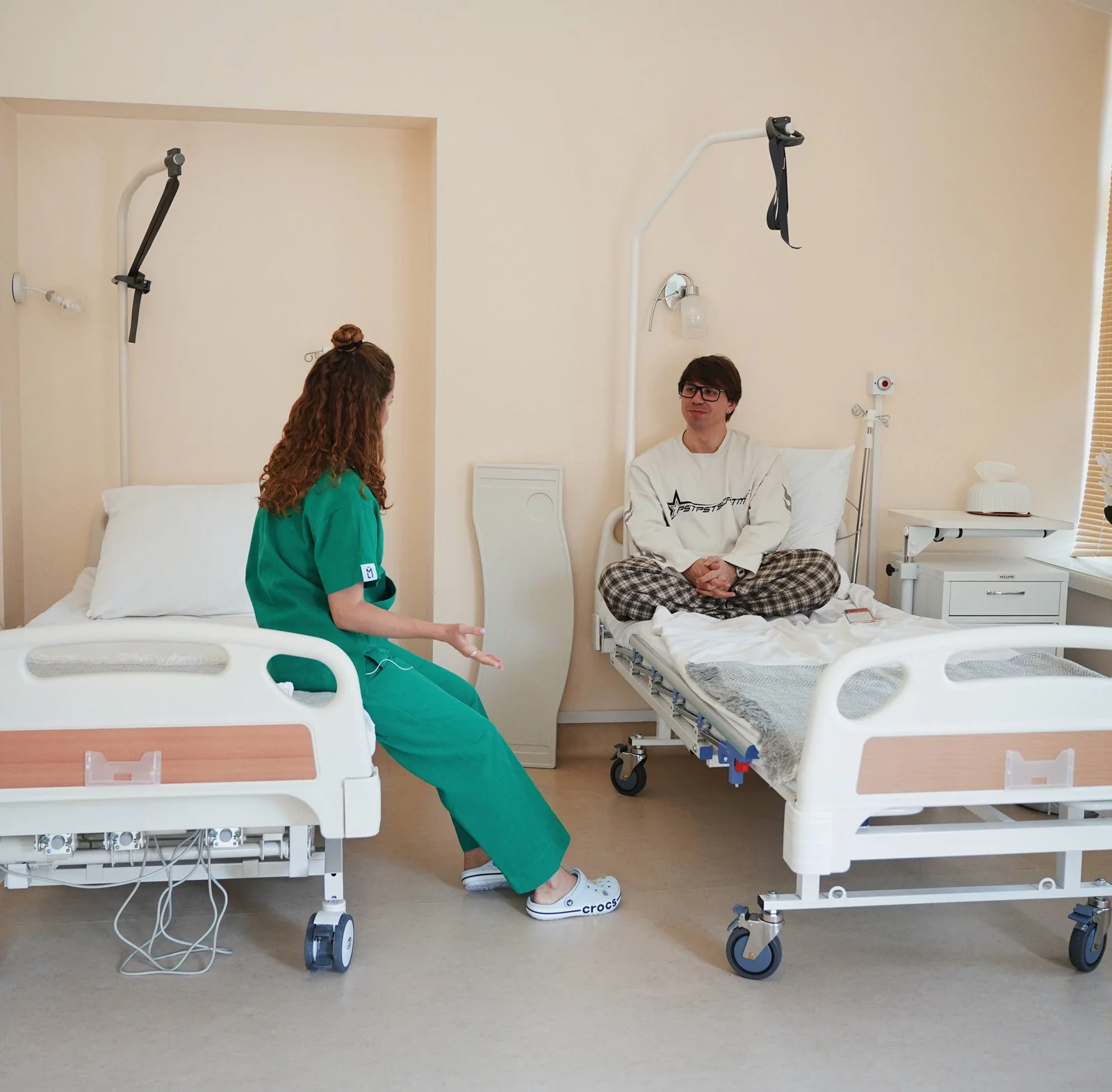
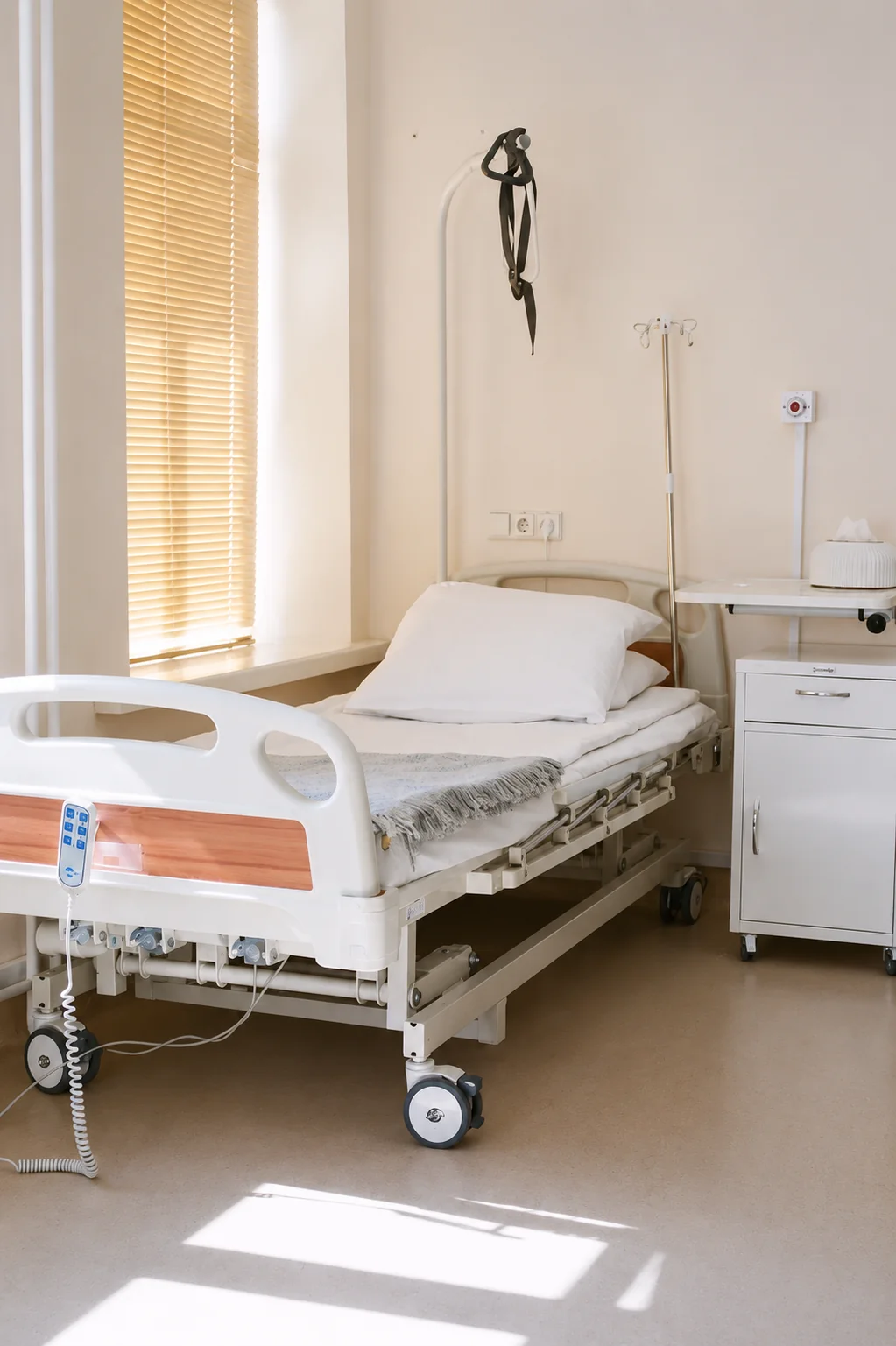
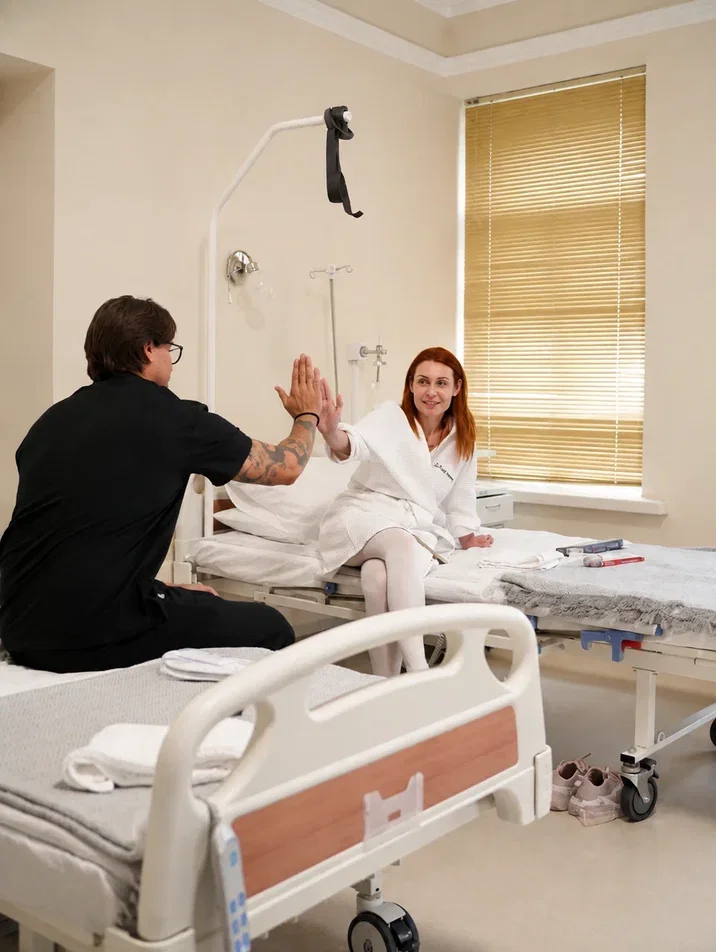
Your hospital stay after surgery lasts from 1–3 to 4–5 days under doctors' supervision; the length depends on how complex the operation was and how you feel.
 6
After discharge you get advice on diet and recovery. Scheduled check-ups track how you feel, your weight and your test results. The clinic team supports you for a year.
At the consultation the doctor makes a plan and tells you how the surgery will go
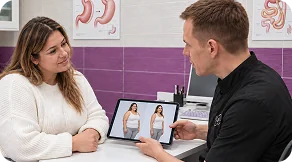
The consultation costs nothing, takes place before surgery and has no obligation.
Book a consultationDoctors
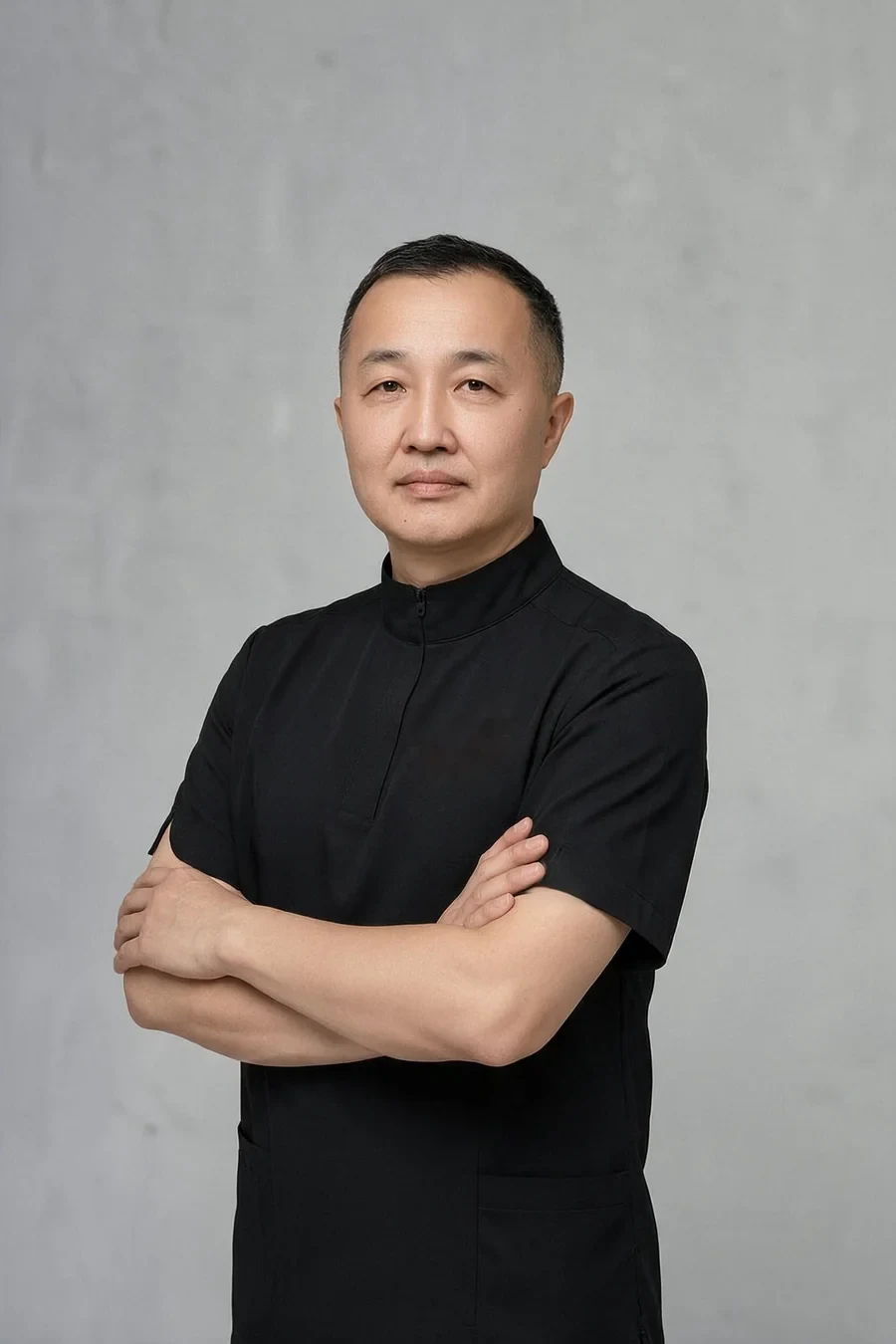
27 years of experience
Head bariatric surgeon
Surgeon
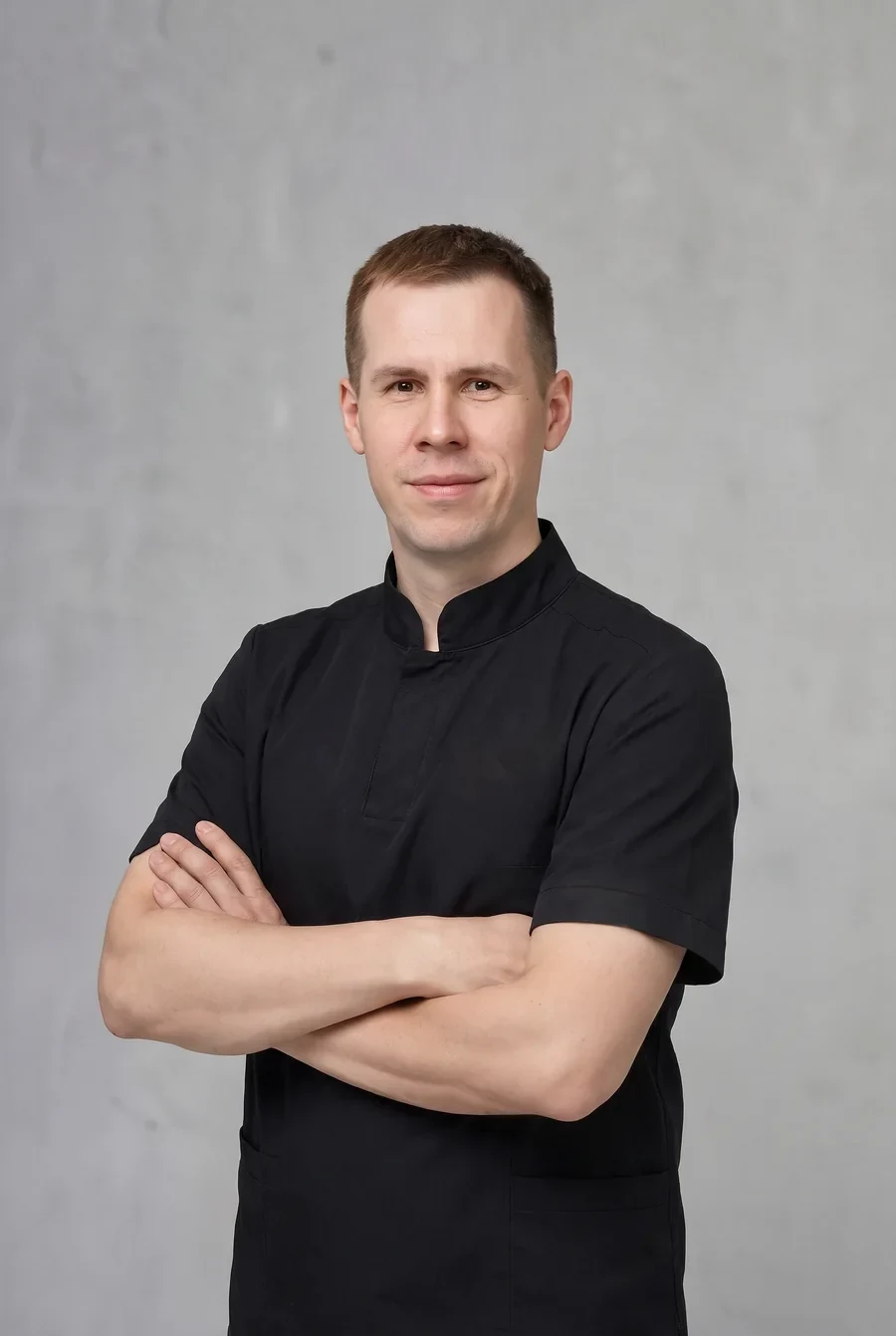
9 years of experience
Bariatric surgeon
Surgical oncologist
Your surgeon operates and follows you — from the first consultation to the result.
The first consultation, free of charge, is with our patient care manager, who works out your BMI, explains the methods and books you in with the surgeon.
Book a consultationCoordinators
Support at every step of the way

Your first contact at the clinic, all the way from your first message to the consultation
Patient support specialist
Answers any questions before your first consultation and helps you choose a suitable date

With you before and while you stay with us, from booking to discharge
Patient support specialist
Helps with your preparation for surgery and stays in touch throughout your clinic stay

Accompanies you through recovery, from discharge to your final check-up
Patient support specialist
Remains in touch during recovery and books your follow-up appointments with the surgeon
Advantages
We choose the best method for your health, lifestyle and goals. Our team is with you all the way.
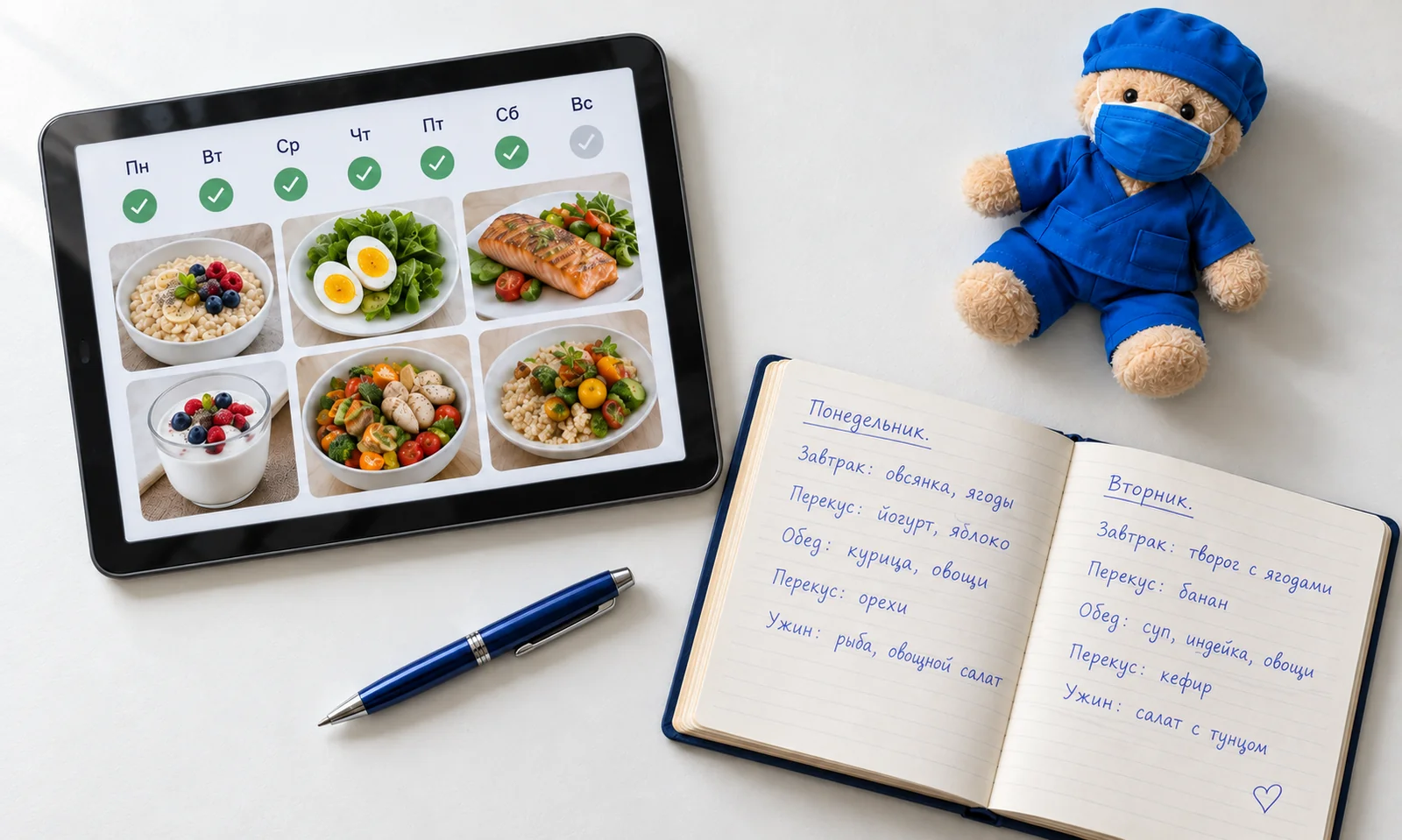
We help you adjust to new eating habits, follow your results and maintain them.
Stable weight loss, improved well-being and a higher quality of life.

Respecting your time, we are available 24/7, offer easy booking and a personal approach, and adapt to your pace.
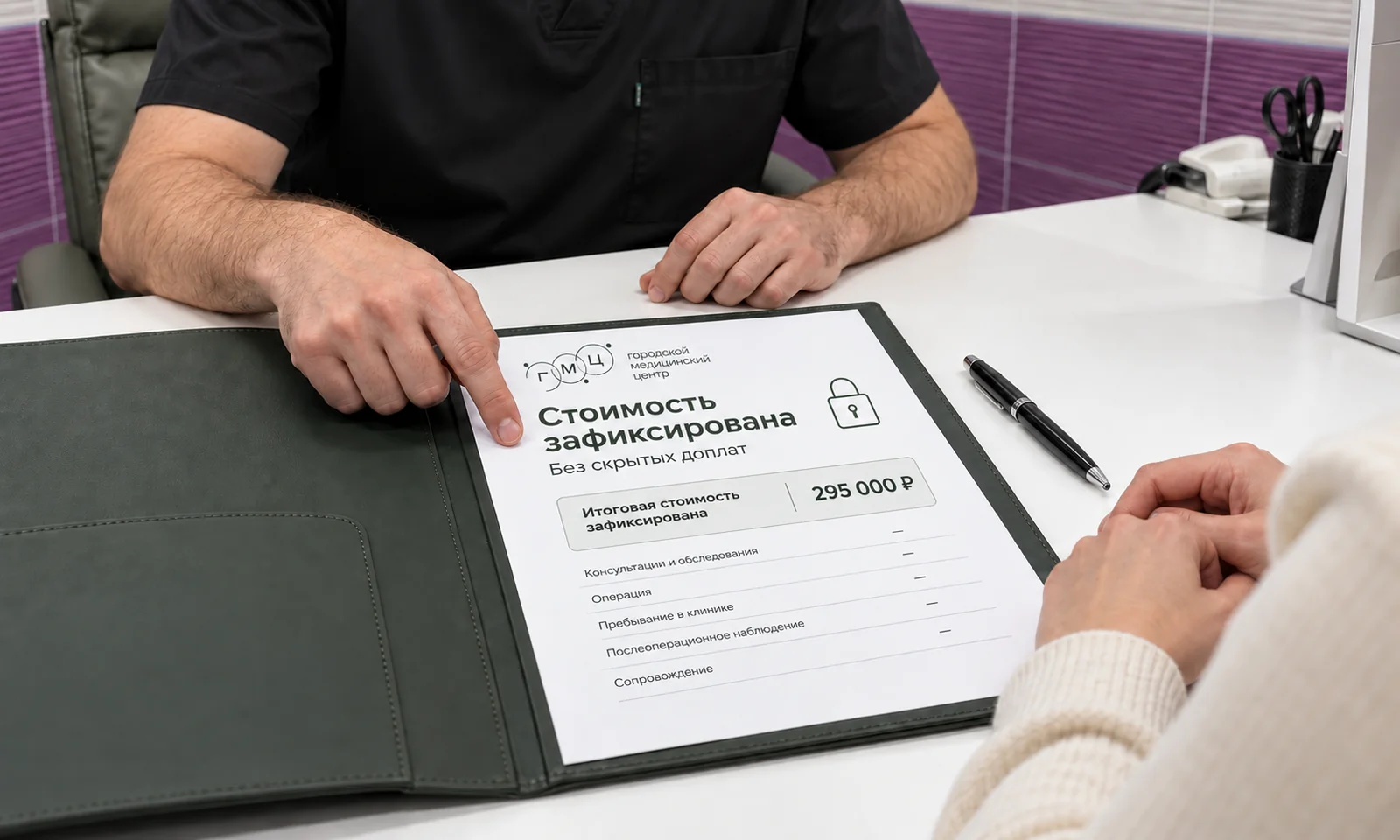
After the consultation the surgeon selects the method, and you get a transparent price — no hidden fees, no surprises on the road to your result.
FAQ
Bariatric operations here are carried out by experienced bariatric surgeons:
Get in touch by message: our coordinator will reply shortly and book your consultation. The bariatric surgeon consultation is free.
Surgery is prescribed only when clear criteria are met
BMI is the main tool for assessing the degree of obesity. It is calculated by dividing body weight (kg) by height squared (m²). Surgery is usually justified with a BMI above 40, or above 35 with serious related conditions. In some cases surgery is considered at lower values too — if non-surgical approaches have failed.
Many confuse the two, yet their purposes are fundamentally different. Bariatric surgery is medicine's treatment for obesity and related diseases: it changes how the digestive tract operates and addresses the causes of excess weight and metabolism. Plastic surgery reshapes outer contours of the body without treating obesity or affecting metabolism.
City Medical Centre performs four main types of bariatric surgery: sleeve gastrectomy, Roux-en-Y gastric bypass, mini gastric bypass (MGB) and SADI-S duodeno-ileal bypass. Each method is chosen individually based on BMI, related conditions and the patient's goals.
The operation uses modern laparoscopic technique, through 4 small punctures of 5 to 15 mm. We place cosmetic sutures, and after healing the marks become almost invisible.
Recovery varies with your activities. Office work: after 2–4 weeks. Physical work: after 1.5 months. Sport and activity: swimming is permitted after 30 days; other exercise is added gradually as weight decreases. Travel and holidays: best scheduled at least a month after surgery.
Diet changes happen in stages, from liquids to soft food and then solids. It centers on protein and limits high-calorie, fatty food.
Pregnancy is possible after bariatric surgery; doctors advise waiting no less than 12–18 months. This gives the body time to stabilize, for weight to reach target values and nutritional status to normalize.
Yes, bariatric surgery makes vitamins a must. Since digestive anatomy is changed, absorption of some nutrients drops, and regular vitamin and mineral supplements become permanent in the patient's life.
Weight regain after bariatric surgery is possible, but very unlikely if you follow the doctor's advice. Proper nutrition, avoiding high-calorie drinks and regular follow-up with City Medical Centre specialists are key.
Prices are in US dollars; the amount in brackets is an approximate conversion to RWF at the rate of 02.10.2026. The final price is fixed in your contract.
Prices start from $3,600 (≈ RWF 5,400,000). The surgeon sets the final price at the free consultation, and it is fixed in the contract, with no hidden extras.
General anaesthesia, a personal coordinator from day one, monitoring in the hospital and support for one year.
The hospital stay is 1–5 days, depending on the method and how you feel. Office work is possible after 2–4 weeks.
Yes. The first consultation is free and does not oblige you to anything. You can start online by sending a message to the coordinator.
Message us on WhatsApp or Telegram using the buttons below. A coordinator will answer your questions and book a free consultation where the doctor names the exact price.
By messaging us, you agree to our Privacy Policy
Surgery is usually justified with a BMI above 40, or above 35 when serious related conditions are present, and sometimes at lower values if other approaches have failed. People in Kigali who have carried 30 kg or more above normal for years, whose weight returns after every diet, or who live with type 2 diabetes, hypertension or joint pain are typical candidates.
During the operation the surgeon works laparoscopically, which keeps rehabilitation as short as possible. Right after, you are under round-the-clock care in a ward, with meals and nursing included. After discharge, most people in Kigali return to office work in 2–4 weeks, following a diet plan and avoiding saunas and heavy exercise for the first weeks.
Before spending on another diet, get a professional assessment. A short no-cost talk with the surgeon, about a quarter of an hour, shows whether your BMI and related conditions justify surgery. If they do, one package takes you through tests, the operation, care in the ward and follow-up, with the weight loss result set in a contract. Residents of Kigali can apply online.
What patients write after this operation. Reviews are translated from the original language.
Irina, 26
For a long time I doubted whether to go ahead with surgery, but after the consultation I felt much calmer. Andrey Georgievich explained in detail how gastric bypass is done, what to expect after the operation and how recovery would go. I especially liked that they talked to me calmly and without pressure. I am now gradually getting used to my new way of life and I am very glad I took this step.
Bariatric surgery
Doctor: Andrey G. Ugay
Angelina, 22
For me the hardest part was deciding to have the operation. At the consultation Ruslan Sergeyevich answered all my questions in detail and explained the specifics of sleeve gastrectomy and recovery. After the operation I always understood what I was doing and why. Thank you to the doctor and the whole team for their attentiveness.
Bariatric surgery
Doctor: Ruslan S. Menzulin
Anna, 31
For a very long time I tried to deal with my excess weight on my own, but I did not get the result I wanted. After the consultation with Andrey Georgievich I finally understood what to do next. I came through the operation well, and my recovery was supervised by the doctors. It was important for me to feel that I was not left alone after surgery.
Bariatric surgery
Doctor: Andrey G. Ugay
Veronika, 25
Before the operation I had many fears, mostly of the unknown. Ruslan Sergeyevich explained every stage of treatment in detail and answered even the simplest questions. Thanks to that I felt much more confident. I keep following the recommendations and I am gradually seeing the changes I had the operation for.
Bariatric surgery
Doctor: Ruslan S. Menzulin
Valentina, 23
The decision to have bariatric surgery was not easy for me. I worried both about the operation itself and about how my life would change afterwards. At the consultation Andrey Georgievich explained everything in detail, so little by little my fear turned into confidence. What matters most to me now is the result and the chance to treat my health and lifestyle differently.
Bariatric surgery
Doctor: Andrey G. Ugay
Anna, 27
I am very grateful to Ruslan Sergeyevich for his attentiveness. Before the operation I had a huge number of questions, and I got a clear answer to every one of them. After the operation it was also clear which recommendations to follow and how to eat. It was important to me that the doctor stayed in touch and I felt supported at every stage.
Bariatric surgery
Doctor: Ruslan S. Menzulin
Page medically reviewed by Andrey G. Ugay, lead bariatric surgeon. Review date: .
Kigali is the capital and largest city of Rwanda and a province-level administrative unit. It lies near the geographic centre of the country, in a landscape of rolling hills, valleys and ridges joined by steep slopes. The 2022 Rwandan census recorded 1,745,555 inhabitants, with a density of 2,391 inhabitants per square kilometre. It is a young city: 73 per cent of residents were under 30 at the time of the 2012 census.
For many people in Kigali, the question of bariatric surgery comes up after years of attempts at diets, walking programmes and gym memberships that gave only short-lived results. Sleeve gastrectomy and gastric bypass are serious operations, and the decision should be made calmly, with full information and with the support of your family. Learning how the operation works, what recovery looks like and what changes in daily life is the first step.
City Medical Centre works with residents of Kigali through a free online consultation. Coordinators are available around the clock (24/7) on WhatsApp and Telegram, so you can write when it suits your schedule, whether that is a quiet evening or a break in a working day. The approach is personal and we adapt to your pace.
BMI is the main tool for assessing the degree of obesity. It is calculated by dividing body weight (kg) by height squared (m²). Surgery is usually justified with a BMI above 40, or above 35 with serious related conditions. In some cases surgery is considered at lower values too, if non-surgical approaches have failed. The surgeon confirms whether surgery suits you at the consultation.
The World Health Organization describes obesity as a chronic condition linked to a range of other illnesses, which is why the assessment looks at your overall health and not only at the number on the scales. People in Kigali often ask whether a few years of office work and less movement count as a reason. They can contribute, but the decision rests on BMI, related conditions and your earlier attempts to lose weight.
General contraindications are discussed individually. They usually concern serious conditions of the heart, lungs or digestive system, and unresolved issues that make anaesthesia or the later change in diet unsafe. Bring your medical history, test results and a list of medicines to the online consultation so the surgeon can give an informed opinion.
We rely on modern laparoscopic technique. The operation is performed through 4 small punctures of 5 to 15 mm. Cosmetic sutures are used, so after healing the marks are barely visible. Surgery is performed under general anaesthesia.
In a sleeve gastrectomy the stomach is reduced in size. In a gastric bypass the digestive tract is rerouted so that food follows a shorter path. Which method fits you depends on your weight, your eating habits, other health conditions and your goals. This is a conversation to have with the surgeon, not something to decide from an article.
Patients in Kigali often want to understand how the choice affects later eating. Ask how each method changes portion size, how often you will need vitamins and tests, and what the surgeon would recommend in your case and why.
Kigali has a tropical savanna climate, but because of its elevation, with an average of 1,567 m above sea level, temperatures are cooler than typical for equatorial countries. The average daily temperature ranges between 15 and 27 °C with little variation through the year. For recovery this is convenient: there is no extreme heat that makes compression garments or loose clothing uncomfortable, and no cold season that limits gentle walking.
There are two rainy seasons, from February to June and from September to December. The major dry season runs from June to September, and a shorter one from December to February. Torrential rain can make the steep slopes between the ridges slippery, so in the first days after discharge choose dry hours for short walks and avoid slippery paths.
In the dry season dust and sun are more noticeable. Drink water in small sips as your surgeon advises, wear a hat and light clothing outdoors, and keep the small puncture wounds clean and covered as instructed. Swimming is allowed after 30 days, so pool or lake plans should wait until then and until the surgeon agrees.
Kigali is built across numerous ridges and valleys joined by steep slopes, with elevation varying noticeably across the city. In the first weeks after surgery, this matters for everyday movement. Gentle, regular walking on flat ground is a good start, while steep climbs should be added gradually as your strength returns and as the surgeon allows.
Recovery time depends on the activity. Other exercise is added gradually as weight goes down. If you normally walk uphill to reach home or a bus stop, discuss this in the consultation and plan help from relatives for the first days.
Doctors supervise you in hospital after surgery for a stay of 1–3 to 4–5 days, depending on the complexity of the operation and how you are feeling. Stay within the guidance you receive on activity, and report anything unusual to the coordinator, who will call you back 24/7.
Kigali's cuisine is built around bananas, plantains, pulses, sweet potatoes, beans and cassava, often served in restaurants as part of a mélange, a self-service buffet that can also include meat, chips or fish. Cassava leaves are cooked with onions into isombe. Brochettes, usually of goat but sometimes beef, tripe or fish, are the most popular evening choice when eating out. Popular drinks include ikivuguto, a fermented milk, and urwagwa banana beer.
After bariatric surgery the amount you can eat is much smaller, and the dietitian and surgeon will give you a staged plan. Many familiar dishes can fit into it in modest portions and suitable textures, but the buffet habit of filling a plate needs to change. Ask which foods to introduce first, which to postpone, and how to handle drinks such as fermented milk and any alcohol.
Social meals are where many people struggle. Eating out with colleagues, family dinners and brochette evenings are part of life in Kigali. Plan ahead: choose a small portion, eat slowly, stop at the first sign of fullness, and tell hosts and friends about your new way of eating so you are not pressed to have more.
Kigali is the economic and financial hub of Rwanda, with a large service sector that includes retail, information technology, transport and hotels. Many residents work in offices or on their feet in shops and hospitality. Office work is possible after 2–4 weeks. Physical work: after 1.5 months. Discuss your exact duties with the surgeon so the timing fits your job.
Students at the city's institutes and universities can plan the operation around a quieter period of the academic calendar, so that lectures and exams do not collide with the first weeks. Ask your coordinator to help you think through a timetable that leaves enough rest.
Family life also matters. Tell your household what to expect, ask someone to help with cooking and heavy lifting at first, and agree on how meals will be handled at home. Getting pregnant after bariatric surgery is possible, but doctors advise waiting at least 12–18 months, so the body can stabilize, weight can reach target values and nutritional status can normalize.
Kigali was founded in 1907, when the German colonial resident Richard Kandt chose Nyarugenge Hill for his headquarters because of its central position, its views and its security. His house, close to the central business district, still stands as the Kandt House Museum of Natural History. A city that began on one hill and now spreads across many ridges is a useful picture for a patient: a big change often starts from one clear decision and then grows step by step. Bariatric surgery works the same way, with preparation first and gradual changes afterwards.
The name Kigali comes from the Kinyarwanda prefix ki- and the suffix -gali, meaning wide or broad, first applied to Mount Kigali. According to oral history, a king looking over the land from a hill said that the country was vast. When you plan the operation, it helps to look at the whole picture in the same way: your health, your family, your work and the 12 months of support that follow. A wide view prevents rushed choices.
At independence in 1962 the city had only about 6,000 inhabitants. Today the 2022 census counts 1,745,555. Such growth means that many residents are first-generation city dwellers whose eating habits moved from farm food to office-day eating. Many people recognise this shift in their own family story, and it is a good topic to raise with the surgeon and the dietitian when you describe your weight history.
Kigali's suburbs differ in rhythm, and recovery planning should follow your own. Nyamirambo, built in the 1920s and known as the Muslim Quarter, is lively and busy in the evening, with the Green Mosque (Masjid al-Fatah) dating to the 1930s. If you live there, plan quiet evenings at home in the first weeks and ask relatives to bring food that matches your staged diet instead of eating out with the neighbourhood crowd.
Kiyovu, Kacyiru and Kimihurura are home to government offices, the president's office and many restaurants. Residents who work in ministries or offices there can usually plan the office return after 2–4 weeks, and may ask the employer about a lighter schedule at first. Nyarutarama, an affluent suburb with the city's only golf course, and Remera on the eastern side are places where many people like to walk; choose the flatter streets at first.
Nyabugogo lies in the lowest part of the city, in the valley of the Nyabugogo River, and is the main bus and share taxi station. Crowded, standing journeys on busy days are tiring in the first days after discharge. Agree with relatives who will accompany you home, and ask the surgeon how long you should avoid carrying bags and standing in queues.
The service sector is the largest contributor to Kigali's economy, and trade employs about 20 per cent of the workforce according to the 2012 census; utilities and financial services employ 21 per cent and government 12 per cent. For a market trader, a hotel employee or a shop assistant, the job means long hours on the feet. Physical work: after 1.5 months, so discuss with your employer in advance how duties can be adjusted.
People who work in the central business district, among banks, the Kigali City Tower and the big hotels, often have long meetings and working lunches. Tell colleagues about your new eating pattern early, so that a buffet lunch does not become a source of pressure. Small portions, slow eating and water in small sips are easier to keep when people around you understand them.
About 24 per cent of the city's workforce is in agriculture, fishing and forestry, including small-scale farming on the edges of the city. For this group, heavy lifting and field work are the main concern. Ask the surgeon exactly when you can return to the fields, and arrange help with harvest or animal care for the first weeks.
Kigali is a young city: 73 per cent of residents were under 30 at the 2012 census, and 50.3 per cent were aged 14 to 35. Many of our patients are therefore young adults who study or have just begun their careers. The University Teaching Hospital of Kigali and the national university's College of Science and Technology are located in the central business district, which makes this a city of students and health workers.
For a student, the best time for the operation is usually just after exams, which leaves weeks to rest before the next term. Swimming is allowed after 30 days and other exercise is added gradually as weight goes down, so campus sport can resume step by step. Ask your coordinator to help prepare a short letter for the faculty if you need adjusted attendance.
Young women often ask about pregnancy. Getting pregnant after bariatric surgery is possible, but doctors advise waiting at least 12–18 months, so the body can stabilize, weight can reach target values and nutritional status can normalize. Planning this with your husband or family from the start avoids pressure later.
Kigali marks Liberation Day on 4 July, the date in 1994 when the city came under new control, and it is a national holiday. Public holidays bring family meals, long gatherings and shared dishes. Choose an operation date that is not right before a big holiday, and plan how you will manage the first festive meal with small portions.
Community life in Rwanda also includes communal activities that involve physical effort. Ask the surgeon when you can take part in them again. In the first weeks, offer to help in lighter ways and explain to neighbours that you are recovering.
The Nyabugogo wetlands and the restored Umusambi Village marshland, a shelter for grey crowned cranes, offer calm places for walking once your surgeon allows longer outings. Walking among green spaces on flat paths is a pleasant way to build up activity as your weight comes down.
Because the temperature in Kigali changes little through the year, the season is less decisive than your work and family calendar. The dry season from June to September offers easier walking on the hills, while the rainy months call for more care on slippery slopes. Choose a period when you can rest, with no major events or deadlines.
The online consultation is free and takes place from Kigali. Write to a coordinator on WhatsApp or Telegram, send your height, weight, test results and history, and arrange a call with the surgeon. The programme runs from preparation to 12 months of support, all in one package, with no added fees, and follow-up support continues for 12 months.
Typical recovery targets are spoken of in months: the full effect of weight loss is usually seen 18–24 months after surgery. Be patient and keep in contact with the team throughout this period.
Yes. The consultation is online and free. Coordinators are available around the clock (24/7) on WhatsApp and Telegram, and a coordinator will call you back 24/7.
Usually a BMI over 40, or over 35 with related health conditions. In some cases surgery is considered at lower values too, if non-surgical approaches have failed. The surgeon confirms whether surgery suits you at the consultation.
BMI is calculated by dividing body weight (kg) by height squared (m²). It is the main tool for assessing the degree of obesity.
General anaesthesia is used. The hospital stay is 1–5 days, depending on the method and how you feel.
The operation is performed through 4 small punctures of 5 to 15 mm. Cosmetic sutures are used, so after healing the marks are barely visible.
Office work is possible after 2–4 weeks. Physical work: after 1.5 months. Your surgeon will confirm the timing for your job.
Swimming is allowed after 30 days. Other exercise is added gradually as weight goes down.
Temperatures between 15 and 27 °C are mild, so heat is rarely a problem. In rainy months take care on slippery slopes, and in the dry season protect yourself from sun and dust, keep wounds clean and wear a hat outdoors.
It is possible, but doctors advise waiting at least 12–18 months, so the body can stabilize, weight can reach target values and nutritional status can normalize.
The programme runs from preparation to 12 months of support, all in one package, with no added fees. Follow-up support lasts 12 months, and coordinators work 24/7.
The city grew from about 6,000 residents in 1962 to 1,745,555 in the 2022 census, and many people moved from farm life to office work. This change in daily movement and food is a common reason to discuss surgery, but the decision is always based on BMI, related conditions and the surgeon's assessment.
Busy streets and crowded stations can be tiring at first. Arrange for a relative to accompany you home, avoid carrying heavy bags and stay within the guidance you receive. A coordinator will call you back 24/7 if you have questions.
Physical work: after 1.5 months. Office work is possible after 2–4 weeks. The surgeon confirms timing for your exact duties at the consultation.
Yes. The online consultation is free, and you can choose a quiet period such as the time after exams. The hospital stay is 1–5 days, depending on the method and how you feel, and swimming is allowed after 30 days.