

Message our coordinator
Free online consultation · Reply within 15 minutes
Message us on TelegramMessage us on WhatsAppBy messaging us, you agree to our Privacy Policy


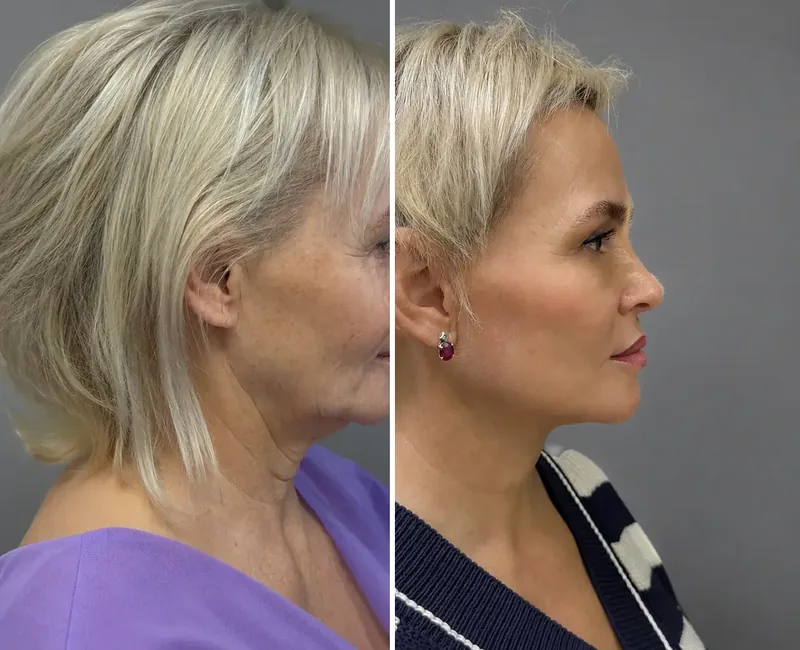

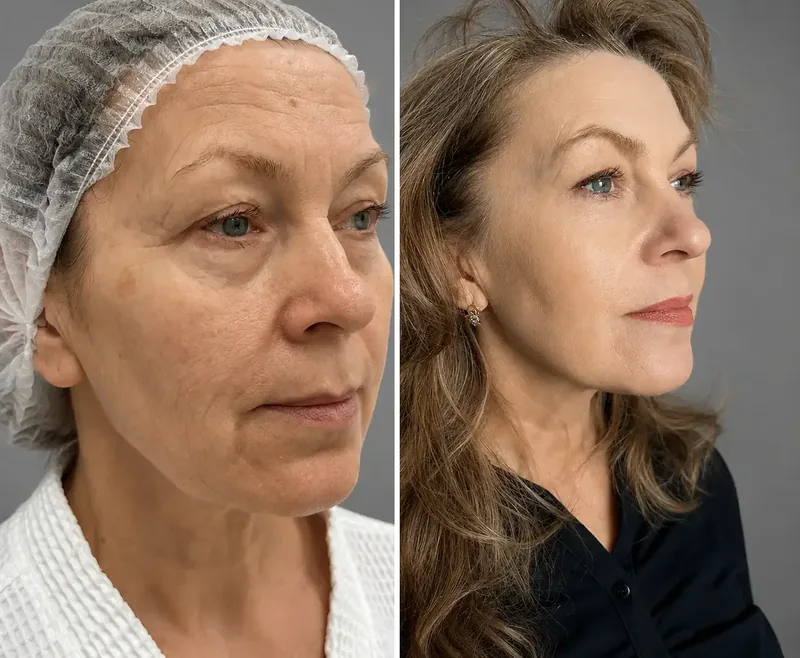
50 years
9 months
SMAS facelift
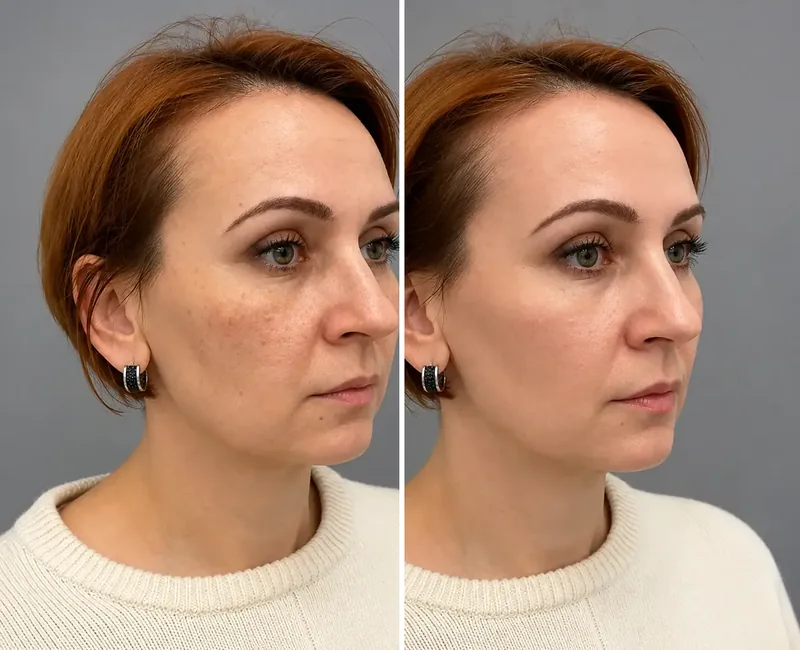
58 years
8 months
SMAS facelift
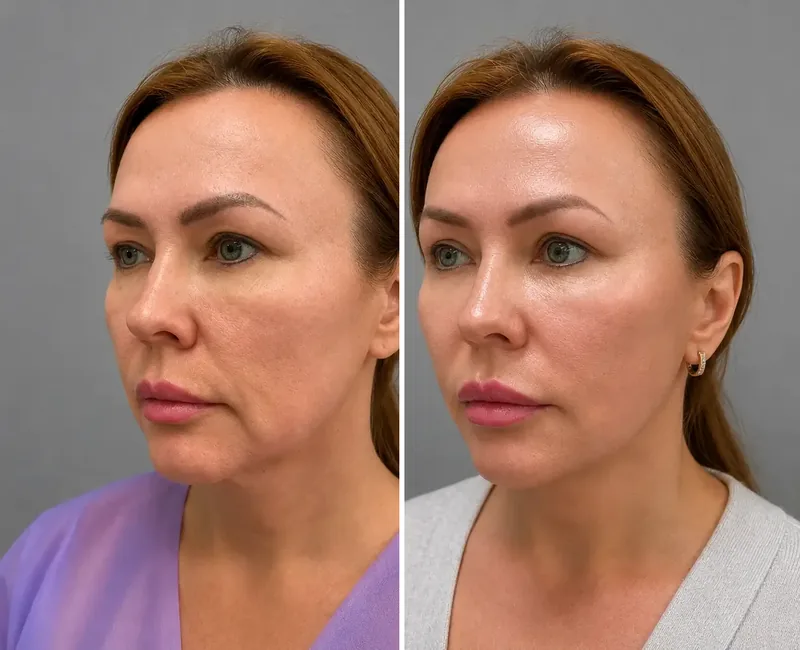
34 years
5 months
SMAS facelift
32 years
7 months
SMAS facelift
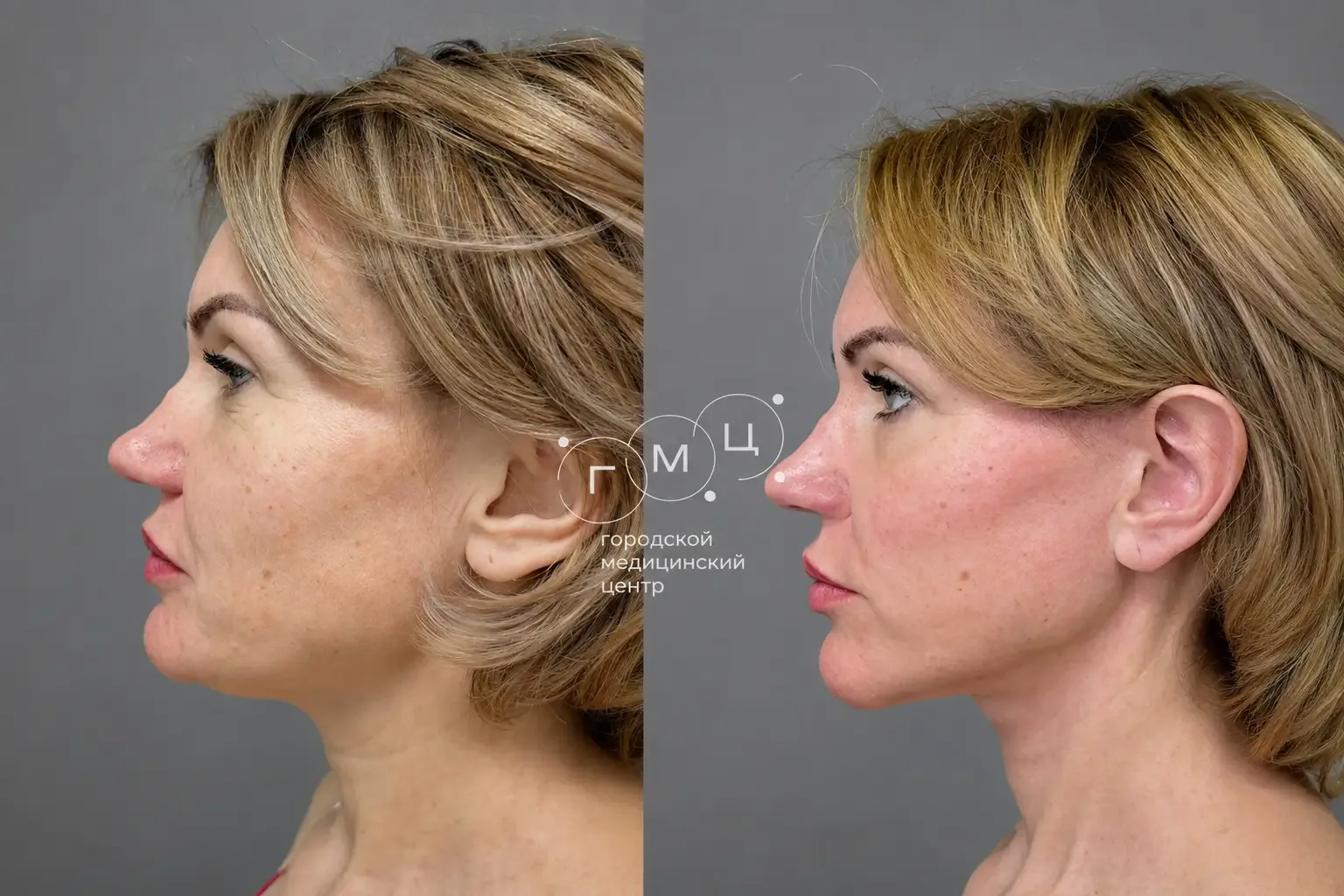
40 years
6 months
SMAS facelift
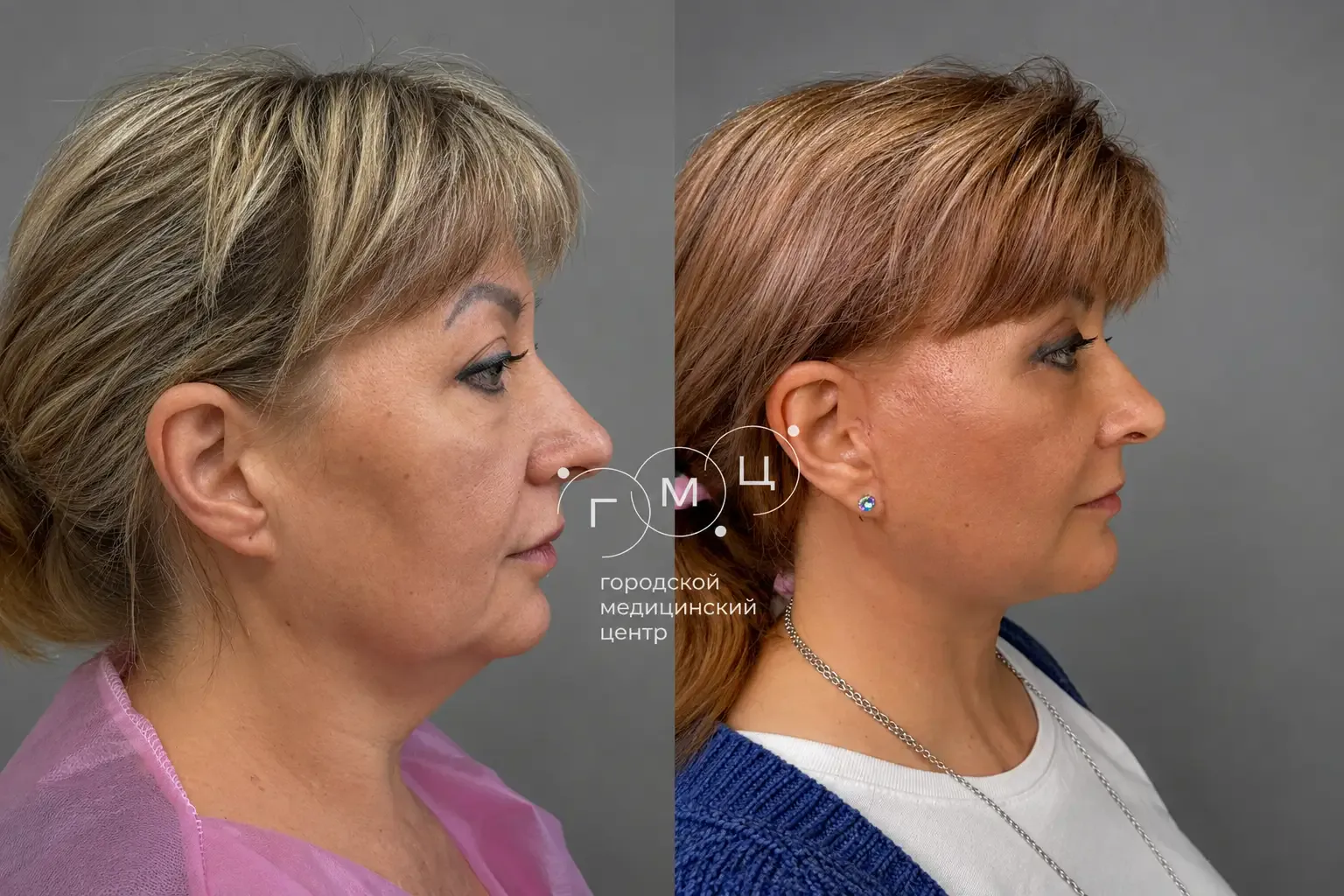
45 years
8 months
SMAS facelift
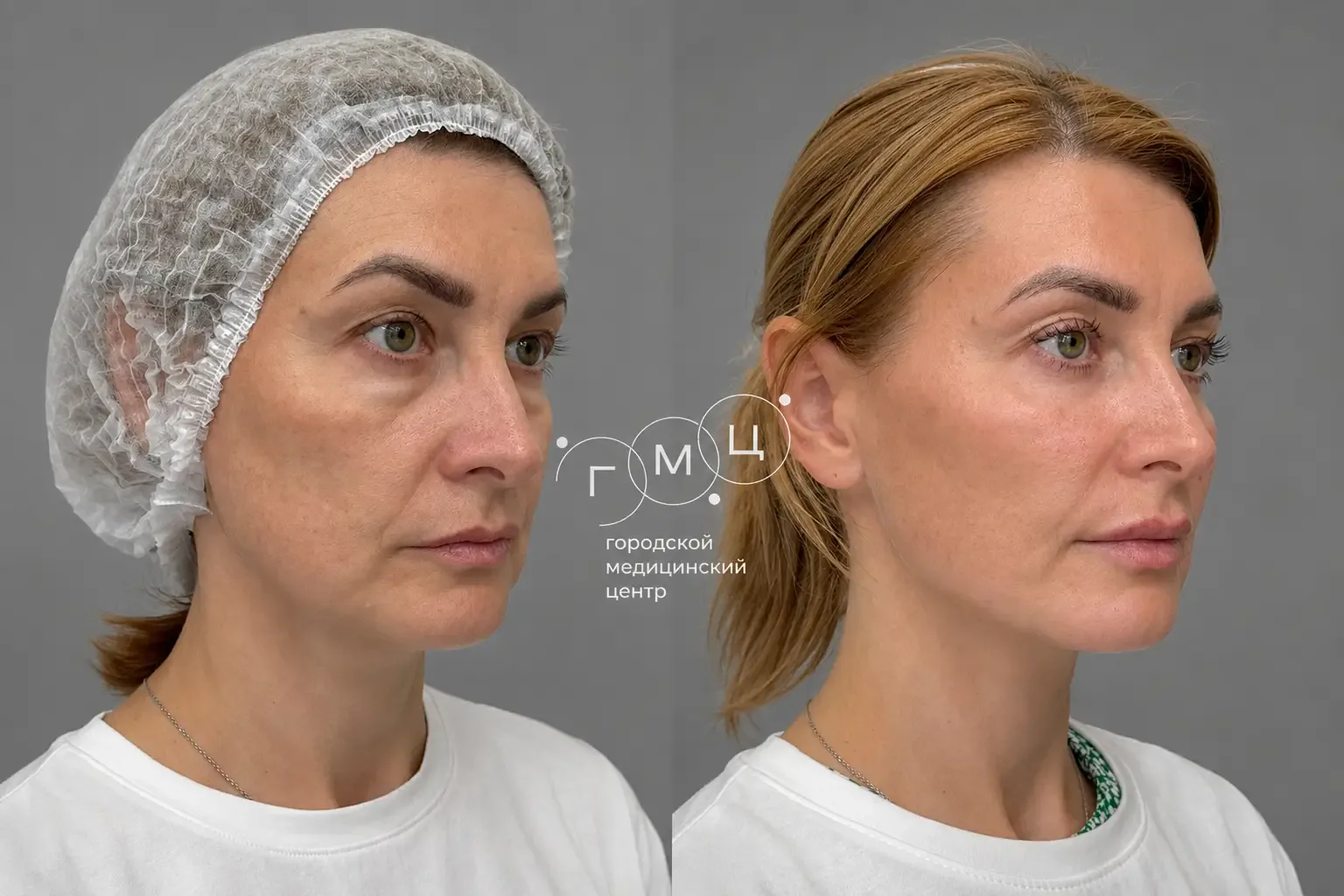
38 years
5 months
SMAS facelift
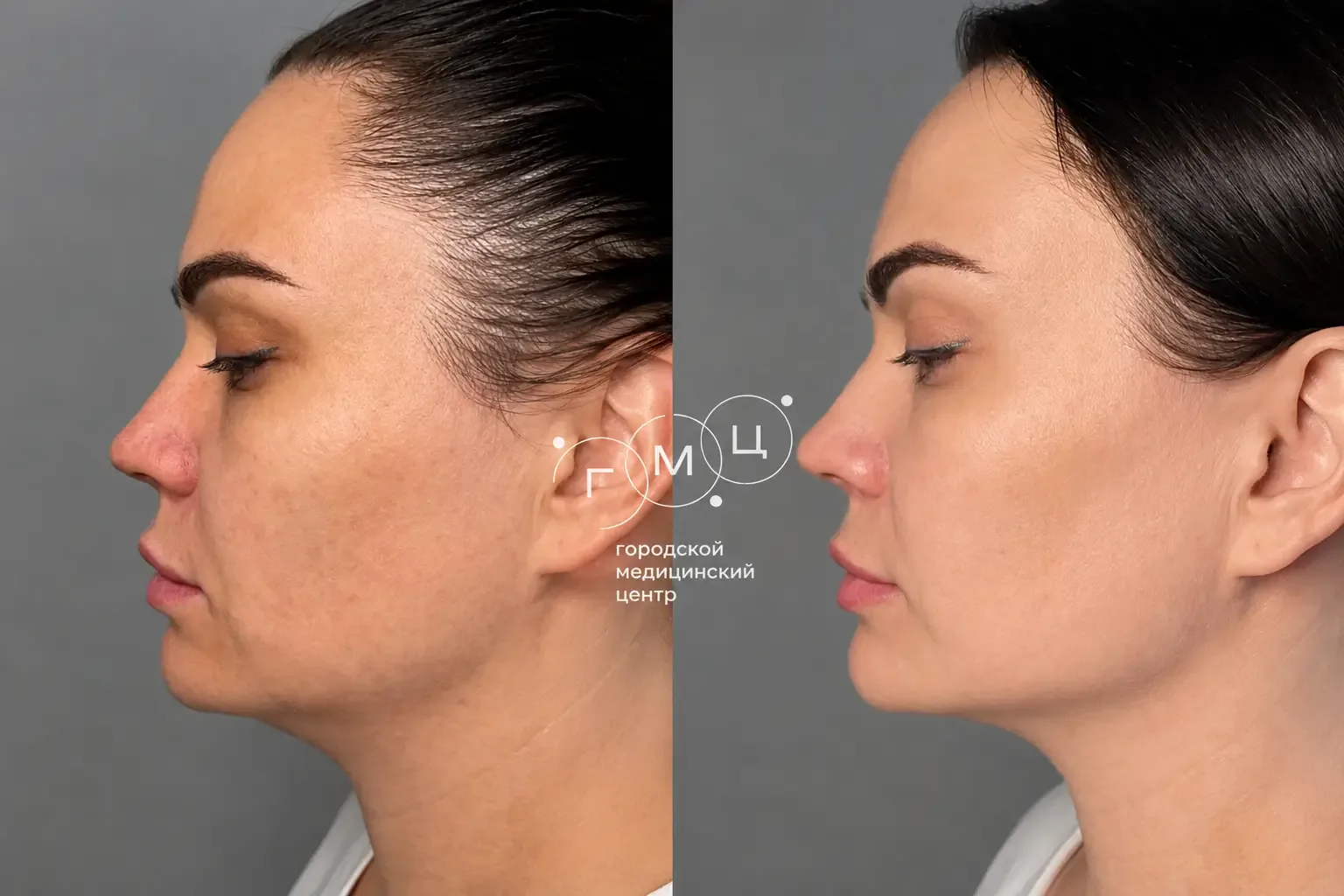
33 years
6 months
SMAS facelift
50 years
9 months
SMAS facelift
58 years
8 months
SMAS facelift
34 years
5 months
SMAS facelift
32 years
7 months
SMAS facelift
40 years
6 months
SMAS facelift
45 years
8 months
SMAS facelift
38 years
5 months
SMAS facelift
33 years
6 months
SMAS facelift
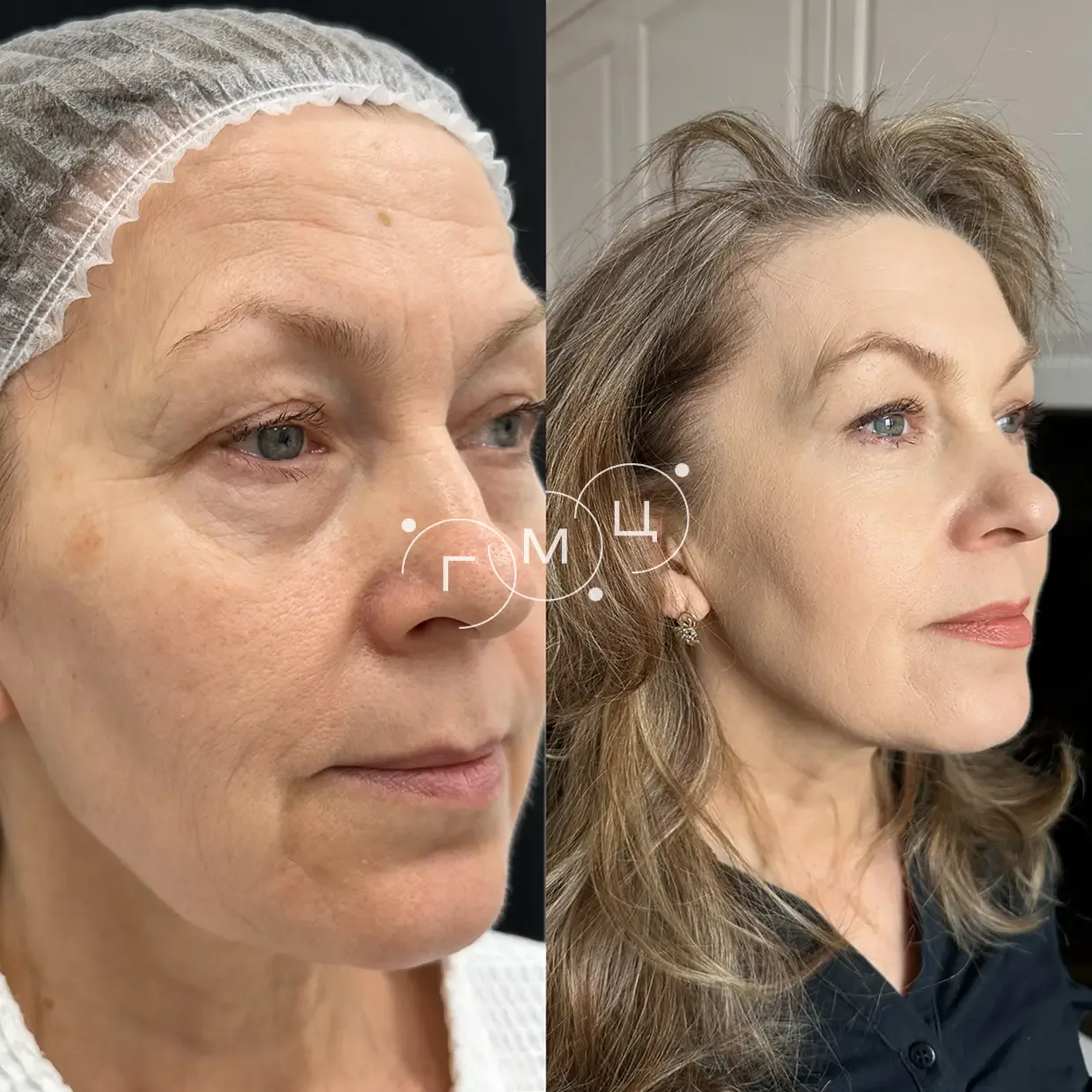

Marked sagging of the face and neck
A blurred jawline with jowls
A double chin with loose skin on the neck
Deep marionette lines and nasolabial folds
Drooping brows and a heavy look
Noticeable loss of skin firmness after 40
Wanting a long-term result (7–10 years)

Patients under the age of 30
Acute inflammation of the skin
Pregnancy or the breastfeeding period
Serious cardiovascular disease
Blood clotting disorders
Cancer
Decompensated diabetes
Facelift in Kigali: types, stages and price
City Medical Centre performs surgical facelifts only, and the scope is tailored at the consultation. Indications include marked sagging of the face and neck, a blurred jawline and jowls, a double chin or loose neck skin, deep nasolabial folds and marionette lines, and drooping brows that make the look heavy. People in Kigali who want a long-term result rather than a temporary fix are typical candidates.
Follow-up does not end at discharge. Throughout the first year, your plastic surgeon monitors how the face settles and checks the result until it is final. Personal support is provided before and after surgery. When combined procedures such as eyelid surgery or double-chin liposuction are planned, the surgeon sets their scope in advance. For patients from Kigali, every step is agreed at the consultation.
Budget matters, so the price is fixed upfront: the surgeon gives you the final figure at the consultation, and nothing is added later. A facelift starts from $2,400 (≈ RWF 3,600,000), and the all-inclusive option is priced on request. In-house 0% instalments are available. The clinic works under an official contract with a guarantee. To begin, people from Kigali simply leave a phone number.
Facelift in Kigali: price and what is included
Prices are in US dollars; the amount in brackets is an approximate conversion to RWF at the rate of 02.10.2026. The final price is fixed in your contract.
- Faceliftfrom $2,400 (≈ RWF 3,600,000)
How much does a facelift in Kigali cost?
Prices start from $2,400 (≈ RWF 3,600,000). The surgeon sets the final price at the free consultation, and it is fixed in the contract, with no hidden extras.
What is included in the price?
A one-to-one consultation, the medical team, anaesthesia, inpatient care with meals, 24/7 monitoring and twelve months of follow-up by the surgeon.
How do I get my exact price?
Message us on WhatsApp or Telegram using the buttons below. A coordinator will answer your questions and book a free consultation where the doctor names the exact price.
By messaging us, you agree to our Privacy Policy
Kigali and the question of a facelift
Kigali is the capital and largest city of Rwanda and a province-level administrative unit in its own right. As of 31 August 2022, Kigali city has a population of 1,745,555 inhabitants. The city sits near the geographic centre of the country, on rolling hills where ridges and valleys are joined by steep slopes. It is a young city with a busy working population. Many residents work in services, business, information technology, hotels and retail, jobs in which people meet clients and colleagues face to face every day.
That is one reason questions about a facelift are becoming more practical here. Patients from Kigali rarely ask about surgery in the abstract. They ask how soon they can return to meetings, how a swollen face fits with a family event, and whether the result will look natural to people who see them every week. This text is written for that audience. It links the procedure to the rhythm of the city, its climate, its food and its working habits, so that planning is realistic.
City Medical Centre works with patients from Kigali through a free online consultation. Coordinators are available around the clock (24/7) on WhatsApp and Telegram, so you can start a conversation when it suits your schedule, from your home or your office.
What a surgical SMAS facelift does
Beyond 40–50 the skin gradually loses firmness: noticeable sagging, jowls, a blurred jawline and drooping cheeks. A surgical SMAS facelift works deeper than cosmetology by repositioning the muscle and fascia layer. It treats the cause of sagging, not its effects, and delivers a lasting result even with significant changes.
The operation corrects at 3 levels. The central step is lifting and securing the muscle and fascia layer. This lets the surgeon treat the cause of sagging itself, meaning weakened ligaments and descended muscles. Deep work on the SMAS gives a natural look and results lasting up to 10 years.
For a person in Kigali this matters for a simple reason. Surface treatments can be pleasant, but they do not move a descended cheek back to its place. If you are already asking whether creams, devices or injections are enough, the honest answer comes from an examination by the surgeon, who looks at the depth of the changes in your face. The remote consultation is where that conversation begins.
Four options and how the surgeon chooses
We have 4 main options. At the consultation, the surgeon helps select the best one for your age and type of ageing. You do not need to arrive with a decision made. It is enough to send clear photographs in daylight and describe what bothers you most: the jowls, the neck, the cheeks or the tired look of the upper face.
One option is the classic SMAS lift of the mid and lower face. The surgeon works on the skin and the SMAS layer through incisions hidden along the hair line and around the ears. It removes jowls, sagging cheeks, a double chin and deep nasolabial folds. Results last 7–10 years.
Another is the comprehensive lift. It covers the forehead, temples, mid and lower face and neck, and suits marked sagging in several areas at once. It delivers the most complete rejuvenation and a natural look, free of a «mask» effect. Results last up to 10 years.
Kigali residents often appear on camera or in public: business events, conferences, weddings, church gatherings. Many of them say that they do not want a changed face, only a rested one. Say this directly to the surgeon. A natural look is a goal that shapes the choice of technique.
Climate of Kigali and recovery
Under the Köppen classification Kigali has a tropical savanna climate, but at an average elevation of 1,567 m it is cooler than most equatorial cities. The average daily temperature ranges between 15 and 27 °C with little variation through the year. For recovery this is a gentle background: you are rarely forced to choose between a stifling room and a cold one.
Even so, the sun at altitude is strong. During the first weeks the skin around the incisions and the bruised areas should be protected from direct sun. Wear a wide-brimmed hat or a loose scarf that does not press on the ears, use shade when you step outside, and ask the surgeon when sun protection products may be applied to the scars. Do not wear tight headwear that squeezes the area behind the ears.
There are two rainy seasons, from February to June and from September to December, with the major dry season from June to September and a shorter one from December to February. Rain itself does not harm recovery, but wet steep streets are a reason to move carefully. In the first days after surgery your balance and attention are reduced, so avoid slippery slopes and ask someone to accompany you.
Choosing the season for the operation
Kigali has no extreme cold or heat, so the choice of season depends more on your calendar than on the weather. The long dry season from June to September is convenient for those who prefer to walk outside during recovery without worrying about rain. The wettest month is April, with an average rainfall of 154 millimetres, and torrential rains have become more frequent. If you live on one of the hills far from the centre, think about how you will get to a follow-up conversation or to the pharmacy on a wet day.
Dust on dry days can irritate the face, so keep the dressing and incision areas clean, follow the surgeon's instructions on washing, and do not rub the skin. A mask over the face is not needed unless the surgeon says so, but cleanliness of hands and surfaces matters.
Plan the operation around events rather than seasons. Swelling and bruising fade within 2–4 weeks, and full recovery takes about 2 months. After 3–4 weeks, as the swelling settles, the first clear changes appear. Your face takes on its final look in 3–6 months. If a wedding or an important family celebration is coming, leave a margin of several months, not weeks.
Work, study, family and daily life during recovery
Kigali is the economic and financial hub of Rwanda and its largest business centre, and the service sector leads the local economy. Many people here work in offices, hotels, shops and technology, and also run their own business. Such a schedule allows a planned break. During the first 7–10 days the surgeon recommends rest, a compression bandage and less physical activity. Tell your employer or colleagues about a medical absence in advance, and move meetings that require you to be seen in person to a later date. Remote work is often possible after the first days, but ask the surgeon how long you should avoid long screen time and bending your head.
The population of the city is young, with a large share of residents below 30, so many patients are still building a career and a family. A spouse, a mother or a sister can be a reliable helper at home in the first days: help with meals, medication reminders and calm communication. Arrange this support before the operation, not after it.
If you study or teach, plan the operation for a school or university break and postpone exams and presentations until the swelling has settled. For parents of small children, arrange help with lifting and carrying, because the head should not be strained in the first period.
Food, sport and habits in the weeks after surgery
Kigali cuisine rests on bananas, plantains, pulses, sweet potatoes, beans and cassava, often served in restaurants as a mélange buffet with meat, chips or fish. Cassava leaf stew isombe, evening brochettes and fermented milk ikivuguto are familiar to many. These everyday foods are easy to adapt: soft dishes such as stews and well-cooked pulses are comfortable when the jaw and cheeks feel tight. In the centre's inpatient care, meals are included, so you do not have to organise food in the first days.
Social meals in the city are a big part of life, and an evening grill with friends is a tempting thing to resume quickly. Give yourself time. Ask the surgeon when you can chew hard food freely, and discuss alcohol, which should wait while you take medication and while swelling is present. Avoid smoking and ask directly how it affects healing.
Many people in Kigali walk, run on the hills or play team sports. In the first 7–10 days keep physical activity low. After that, return step by step and only when the surgeon agrees. Ask separately about swimming pools and sauna, because the incisions must be fully healed. Do not rely on friends' stories, since each recovery depends on the technique and on the person.
Candidates, contraindications and how the remote consultation works
As a rule, surgery is recommended for patients aged 40+ with marked tissue sagging, and in some cases from 35. The recommendation is made individually after an examination. The operation suits people with a marked loss of skin firmness after 40 and those looking for a result that lasts (7–10 years). It is not a way to change the face completely, and it does not replace a conversation about expectations.
In general terms, the surgeon will want to know about chronic illnesses, regular medication, smoking, previous operations and your usual weight. Stable body weight helps, because the shape of the face and neck changes when weight changes a lot. The WHO fact sheet on overweight and obesity explains how body mass index is used to assess weight, and the surgeon may refer to such measures when discussing your health. Some conditions may postpone or exclude surgery, and only a medical examination can decide.
The consultation from Kigali is free and online. You write to the coordinators on WhatsApp or Telegram at any hour (24/7), send photographs, and describe your questions and your health history. A one-to-one consultation with the surgeon follows, and the plan is built individually. The centre is open 24/7 with flexible booking and a personal approach: we fit around your busy schedule and adapt to you.
Questions to ask the surgeon
Prepare a short list before the consultation. Ask which of the 4 main options suits your face and why. Ask where the incisions will lie along the hair line and around the ears and how they will look when healed. Ask what anaesthesia is used, how long you stay in inpatient care, and what the first 7–10 days will look like at home.
Ask how the SMAS layer will be treated and what difference it makes for your jowls, jawline and neck compared with work on the skin alone. Ask how a natural look is achieved and what you can do if you worry about a «mask» effect. Ask which signs during recovery should make you contact the team at once.
Ask about follow-up. For the whole first year, your operating surgeon follows you up, and the centre provides 24/7 monitoring by the medical team during the stay. Together with the one-to-one consultation, the medical team, anaesthesia, inpatient care with meals and twelve months of follow-up by the surgeon, this forms the full scope of care. Confirm every point in writing and keep the answers together with your photographs.
How long does the result of a facelift last?
The result lasts up to 10 years. A surgical SMAS facelift gives an effect that lasts 7–10 years. One operation gives a complete result, and a repeat procedure is possible after 7–10 years if the patient wants it.
How long is the recovery for someone living in Kigali?
During the first 7–10 days you need rest, a compression bandage and less physical activity. Swelling and bruising fade within 2–4 weeks, and full recovery takes about 2 months. The climate of Kigali is mild, but protect healing skin from the sun.
When will I see the first changes?
After 3–4 weeks, as the swelling settles, the first clear changes appear. Your face takes on its final look in 3–6 months. Plan important events with this margin in mind.
At what age is a facelift recommended?
As a rule, surgery is recommended for patients aged 40+ with marked tissue sagging, and in some cases from 35. The recommendation is made individually after an examination.
How does a SMAS facelift differ from cosmetology?
It is a face lift that tightens the deep SMAS layer under the skin, not only the skin itself, so the lower face, jawline and neck stay firmer for longer. It works on the muscle and fascia layer and treats the cause of sagging, not its effects. The result lasts about 7–10 years.
Which type of facelift will I be offered?
We have 4 main options. At the consultation, the surgeon helps select the best one for your age and type of ageing. The classic lift treats the mid and lower face, and the comprehensive lift covers the forehead, temples, mid and lower face and neck.
Can I consult the surgeon from Kigali without leaving the city?
Yes. The online consultation is free, and coordinators answer around the clock (24/7) on WhatsApp and Telegram. You send photographs, describe your wishes and health history, and the surgeon explains the options in a one-to-one consultation.
What is included in the care?
A one-to-one consultation, the medical team, anaesthesia, inpatient care with meals, 24/7 monitoring and twelve months of follow-up by the surgeon.
Will I look unnatural after the operation?
The comprehensive lift delivers the most complete rejuvenation and a natural look, free of a «mask» effect. Deep work on the SMAS also gives a natural look. Tell the surgeon clearly that you want to look rested and recognisable.
Which season in Kigali is better for the operation?
There is no single answer. The long dry season from June to September is convenient for walking outside, while the rainy months need more care on wet slopes. Many patients choose the time according to work and family events, leaving at least a few months before an important occasion.