Liposuction for residents of Ilesa: what to expect from a remote start
Ilesa is a historic city in Osun State, in southwest Nigeria, and it is also the name of the capital of the old Ijesha kingdom. The city has about 325,000 inhabitants. Many people here are used to planning big decisions carefully and with their families. Liposuction is that kind of decision. It is a body contouring operation, not a weight-loss method, and it works best when you understand it fully before you agree to anything.
City Medical Centre works with patients from Ilesa through a free online consultation. You do not have to leave the city to ask your first questions. Coordinators are available around the clock (24/7) on Telegram and Telegram, so you can write when it suits your day, whether that is early morning before work, a break between classes, or late evening after the family has gone to bed.
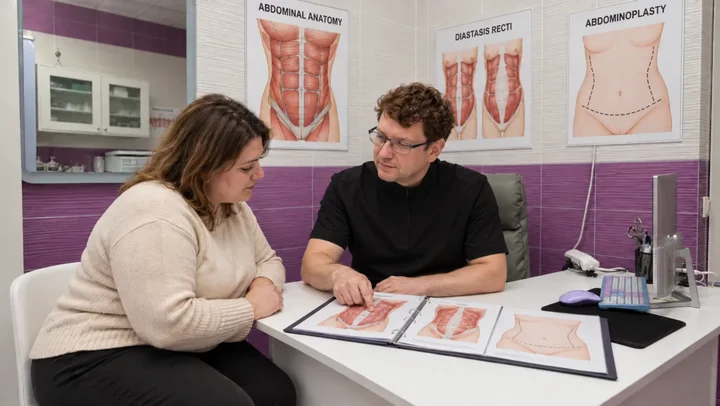
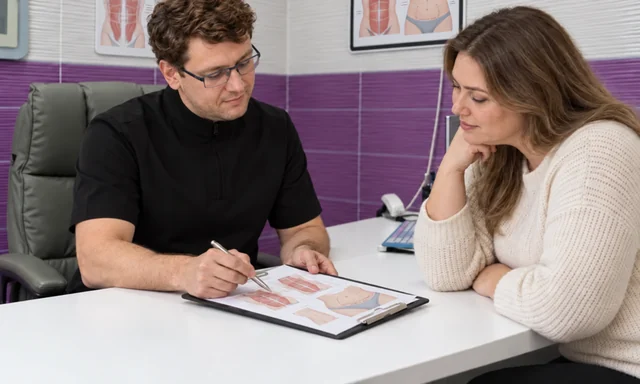
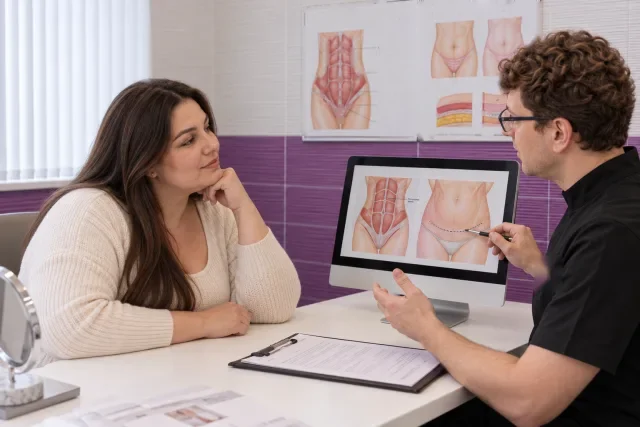
The first conversation is about your goals and your health. You describe the areas that bother you, such as the abdomen, flanks, thighs, arms or chin. You send photographs if you wish, and you share your medical history. The coordinator then arranges a discussion with the surgeon, who explains what can realistically be achieved and whether the procedure suits you at all. Nothing is decided in the first message. You are free to ask for time, discuss it with your relatives and come back with a list of questions.
This text is written for people in Ilesa and is meant to help you prepare. It covers how daily life in your city fits around recovery, how to choose a season, what to ask the surgeon, who is and is not a good candidate, and how the remote consultation works from the first message to the last check-up.
The city, its people and why planning matters
Ilesa is the centre of Ijesaland. The monarch carries the title Owa Obokun Adimula of Ijesaland, and the city includes Ilesa itself and a number of surrounding towns. The Ijesa people are also found in many towns across the wider area, such as Ibokun, Ipetu Jesa, Ijebu-Jesa and Ifewara. For a patient this has a practical meaning: family and community networks are wide, and news travels quickly. Some people like to share a plan like this with relatives, while others prefer privacy. Both choices are fine, but decide in advance who will know and who will help you at home.
The history of the city goes back to about 1300, when the state of Ijeshaland was founded. A place with this much tradition tends to have strong family occasions, naming ceremonies, weddings and community gatherings. These events often fall on fixed dates that are hard to move. When you plan liposuction, put such dates on the calendar first and then count backwards, leaving enough room for recovery and for the garment you will need to wear.
Ilesa is also known for its natural resources, especially gold, which has long shaped the identity of the area. People who work in mining-related activity, trading, transport, farming or teaching have very different physical demands. A desk job and a job that involves lifting or long hours on your feet need different recovery plans. Be honest about your work when you speak to the surgeon, because the advice on returning to duties depends on it.
The surgery itself is the same wherever you live. What changes is the setting in which you recover. Thinking about your own streets, your own household and your own routine before the operation will make the weeks afterwards calmer.
Heat, humidity, dust and rain: how weather affects recovery
Whatever the month, the weather in southwest Nigeria can bring warm, humid days, dusty periods and heavy rain. We give only general advice here, because the exact choice of season is something you can discuss with the surgeon. The basic rule is simple: after liposuction your body needs a calm, clean environment and comfortable clothing.
Compression garments are central to recovery. You wear them for 30–45 days, and the instructions for physical activity mention 4–6 weeks of wearing them. In warm and humid weather a garment can feel hot. Choose breathable cotton underlayers if the surgeon agrees, keep the skin clean and dry, and keep a spare garment so you can change when one is washed. Ask your surgeon how to wash and dry the garment properly, because damp fabric against healing skin is uncomfortable.
Swelling and bruising are normal and clear by weeks 4–5. Heat can make swelling feel more noticeable, so plan to rest in the coolest, best-ventilated room in the house during the first days. Drink water regularly and avoid long periods standing in direct sun. If you must go out, wear loose outer clothing over the garment and use shade.
Dust and rain bring other practical points. Dusty air can irritate the skin around the tiny puncture sites and dressings, so keep dressings covered and follow the surgeon's care instructions. During heavy rain, walking on slippery ground is a bad idea in the first week, when you should avoid exertion and heavy lifting. Arrange transport and home help so that you are not forced to go out when the weather is poor.
Tanning beds are off-limits for at least a month, and strong sun on healing skin is also best avoided in general terms. If you spend time outdoors, cover the treated areas and ask the surgeon when sun protection can be relaxed.
Which season to choose for the operation in Ilesa
There is no single perfect month. The best time is the one when you can rest for the first 7 days without physical exertion, when family events and work deadlines are not pressing, and when you can keep the compression garment on comfortably. Choose by your own calendar rather than by a general rule.
If you are a teacher, a student or a staff member at a school such as the College of Technology in Imelu, you may prefer to plan the procedure around a break in the academic calendar. Most patients return to their usual routine and work in 7–10 days, but a student who sits long hours or carries heavy books needs to follow the surgeon's advice on exertion and avoid carrying heavy loads at first.
If you work in trade, in a market, or in a role that keeps you on your feet, discuss a gradual return with the surgeon. Back to work after 7–10 days is the typical figure, but the nature of your work decides how comfortable that return is. A lighter first week at the workplace, if your employer allows it, often helps.
Think also about the weeks after the first month. Alcohol is off-limits for at least a month, and active sport, the sauna, the bathhouse and the pool are excluded for 4–6 weeks. If you have a wedding or celebration soon after the surgery, remember that you may not be able to drink, dance energetically or wear fitted clothing over the garment. It is wiser to plan the operation after the event, or far enough before it that the early swelling has settled.
Remember, too, that the final result forms in 3–6 months. If you want to look your best for a particular occasion, do not schedule the operation just before it. First changes show at 2 weeks, an interim result is assessed at 1.5–2 months, and only then do the contours settle.
Daily life, family and food culture during recovery
Food is a central part of life in Yoruba communities, and shared meals are an important way to mark family occasions. This does not need to stop you from having liposuction, but it is worth thinking about how you will eat in the first days. Prepare simple, light meals in advance so that you are not standing for long at the stove during the first week, when heavy lifting and exertion are not allowed.
It helps to ask a relative to take over the heaviest household tasks for the first 7 days: carrying water or shopping, lifting children, moving pots. If you are the person in your household who normally does everything, tell the family early that you will need to rest. Explaining that the surgeon has given instructions makes this easier.
Liposuction does not replace healthy habits. It removes localised fat through 3–5 mm micro-punctures and aims for a smooth contour that keeps the natural proportions of the body. If your eating pattern or activity level changes substantially afterwards, the shape can change too. Speak to the surgeon about sensible eating and gradual return to movement. The World Health Organization treats obesity and overweight as a wider health matter, and liposuction is not a treatment for obesity, so be open about your weight and general health in the consultation.
Drinking alcohol is off-limits for at least a month, and you should stop smoking and alcohol 7–10 days before the operation. In a city where gatherings often include shared drinks, tell friends that you are not drinking for a while. Having an answer ready makes social occasions easier.
Plan some light walking at home once the surgeon permits it. Short, gentle movement helps you feel normal, while hard training, sport and heavy lifting stay on hold. Your surgeon gives all individual recommendations after surgery, and those are the ones to follow.
What patients from Ilesa usually ask
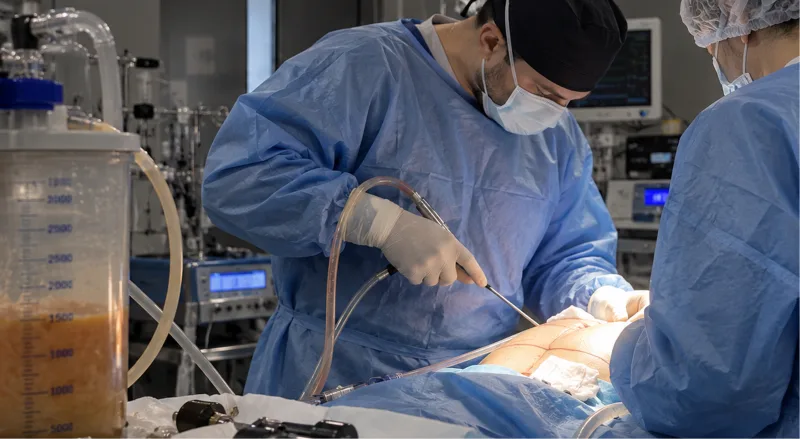
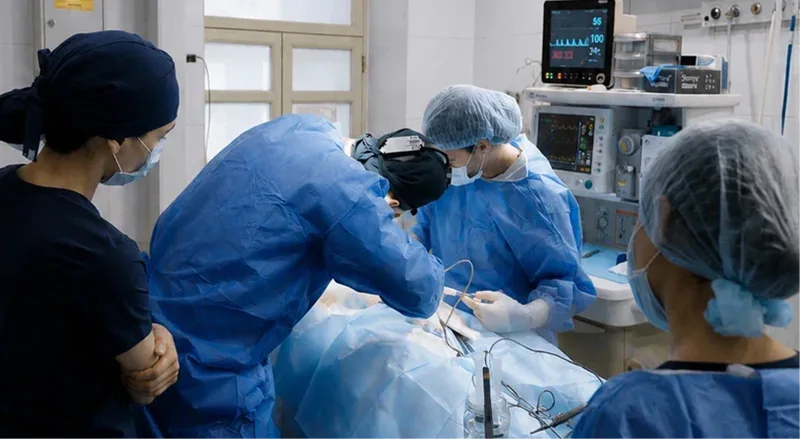
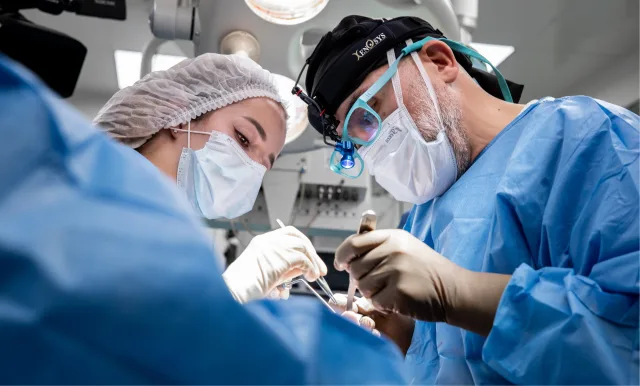
The most common first question is whether the operation is safe and how it is done. The surgeon uses tumescent and VASER techniques, with micro-incisions of 3–5 mm and precise volume control. Surgery takes 1–4 hours depending on the extent: from 1 hour for small areas up to 3–4 hours for a combined procedure. It is carried out under local or general anaesthesia, and the surgeon explains which is suitable for you.
The second question is about scars. The punctures are only 3–5 mm across and usually need no stitches. Once healed, the marks are barely visible, and with proper care during recovery they fade completely. Many patients in warm climates worry about skin marks, so ask the surgeon how to care for the puncture sites and how to protect them from sun.
The third question is about time away from daily life. With local anaesthesia you go home 3–4 hours after surgery. With general anaesthesia you stay one day in a comfortable ward under medical supervision. Most people are back to routine and work in 7–10 days, swelling and bruising clear by weeks 4–5, and the final result forms in 3–6 months.
People also ask about follow-up. The surgeon follows your recovery at check-ups after 7 days, 3 months and 6 months. Check-ups, dressings and aftercare advice are already included in the price of surgery. Until the end of the year you can also get a post-surgery consultation with your surgeon to review results and get more information.
Finally, patients ask how a remote start works when they live far from the surgeon. The answer is that the first consultation, the preparation instructions and the questions can all be handled online, and the coordinators stay reachable around the clock on Telegram and Telegram.
Who is a suitable candidate, and who should not proceed
We operate from age 18+, if there are no contraindications. There is no upper age limit: after an examination and health assessment, the decision is made individually. Age alone is not the deciding factor. General health, the condition of the skin and the realism of your expectations matter more.
Liposuction suits people who have stubborn fat in specific areas and who are close to a stable, healthy weight. It is not a way to lose a large amount of weight. If you hope to treat general overweight with it, the surgeon will probably advise another route first. Tell the surgeon about any chronic illness, medications, previous operations and allergies.
Some conditions make surgery unsuitable or require further tests. This includes problems with blood clotting, serious heart or lung conditions, active infections and certain other illnesses. The surgeon and anaesthesiologist decide after reviewing your tests. Do not hide anything for fear of being turned down: a frank history is what keeps the operation safe.
Preparation is also part of suitability. Give up smoking, alcohol and medications that affect clotting, such as aspirin, 7–10 days before liposuction. Pre-operative tests are required: blood tests, ECG, ultrasound, and consultations with a GP and an anaesthesiologist. You receive all instructions after the first consultation, so you do not need to guess what to do.
If you are planning a pregnancy or have recently had a baby, or if your weight is still changing, raise this honestly. The surgeon can advise whether to wait, because the result is judged on a stable body.
Questions to ask the surgeon before you decide
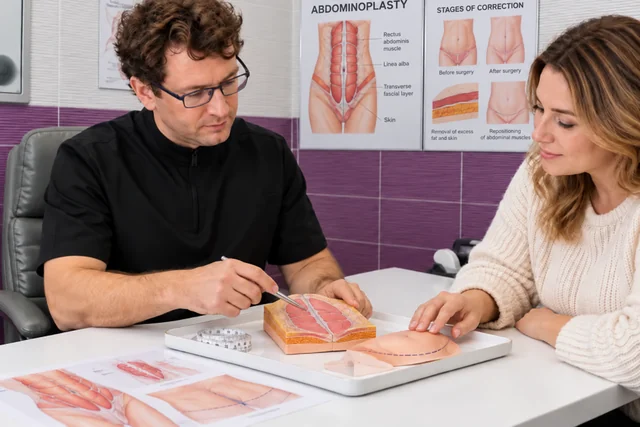
A good consultation is a conversation, so prepare your questions in advance and write them down. Start with the plan: which areas will be treated, which technique is used, and how much volume can reasonably be removed while keeping a smooth contour. Ask to see how the surgeon judges the skin and what the expected shape will be.
Ask about anaesthesia. Local or general anaesthesia may be offered, and the choice depends on the extent of the surgery and on your health. Ask what you will feel, how long you stay and what happens if you need to stay longer. Remember that with local anaesthesia you go home 3–4 hours after surgery, and with general anaesthesia you stay one day.
Ask about recovery in your own setting. Describe your home, your work and your family responsibilities in Ilesa, then ask how long you should rest, when you can walk, when you can return to work and when you can resume sport. The standard guidance is no exertion or heavy lifting for 7 days, garments for 4–6 weeks and no sauna, bathhouse, pool or active sport during that time.
Ask about the garment: how many you need, how to wash them, how to wear them in warm weather and when you can stop. Ask about warning signs after surgery and whom to contact, day or night. Coordinators on Telegram and Telegram are available 24/7, so you should know exactly how to describe a problem and send a photo.
Ask about follow-up and results: check-ups at 7 days, 3 months and 6 months, what is reviewed at each, and when the result can be judged. Finally, ask what could make the outcome less than ideal, such as weight change, not wearing the garment or skipping check-ups. An honest surgeon will answer without making promises.
Planning liposuction around the rhythm of Ilesa
Ilesa is the capital of the historic Ijesha kingdom in Osun State, and the Owa Obokun Adimula of Ijesaland is the title of its monarch. In a city with this kind of long-standing structure, people usually fit personal decisions into the life of the household and the wider family. A liposuction plan works better when it is treated the same way: as something to schedule, discuss with the people who will help you, and prepare for step by step.
Start with a simple calendar. Mark the dates you cannot move: family ceremonies, community gatherings, work obligations and any exams or school terms. Then look for a stretch of time when the first 7 days can be quiet, with no physical exertion and no heavy lifting. After that, the following weeks should allow you to wear compression garments for 30–45 days without being pushed into situations where you feel uncomfortable.
Many patients from Ilesa write to the coordinators first with only one question: is this suitable for me? That is a sensible start. The coordinators are available 24/7 on Telegram and Telegram, and the consultation is free and online, so you can ask without arranging anything in the city. You can also take the time to talk with your spouse, parents or an older relative before the conversation with the surgeon.
A practical habit is to keep one notebook, or one note on your phone, for everything connected with the operation: the list of tests, the instructions about medication, the dates of check-ups at 7 days, 3 months and 6 months, and the questions you still want to ask. When the plan is written down, the weeks of preparation feel much calmer.
Work, study and community life in Ilesa after surgery
The city has a College of Technology at Imelu, and the surrounding Ijesa towns are connected to Ilesa by daily work, trade and family visits. That means many people move around a lot during the week. After liposuction you should reduce that movement for a short time. Most patients get back to their usual routine and work in 7–10 days, but the phrase usual routine means different things for a lecturer, a trader, a driver, a farmer or someone who works in an office.
If your day is mostly seated, a return after 7–10 days is often realistic, provided you feel well and the surgeon agrees at the 7-day check-up. If your work requires standing for many hours, carrying goods or lifting, ask the surgeon for specific advice before the operation, not after it. Swelling and bruising clear by weeks 4–5, so the first weeks may feel tiring even when you are back at work.
Students and young adults should also think about sport and group activities. Active sport, the pool, the sauna and the bathhouse are excluded for 4–6 weeks, and alcohol and tanning beds are off-limits for at least a month. If you play football with friends or take part in dance or fitness groups, tell your teammates that you will return later. A planned pause is easier than an unplanned setback.
For anyone who manages a business or a household, the best preparation is delegation. Decide who will open the shop, who will cook, who will collect children from school and who will help with shopping during the first week. Write the names down. When help is arranged in advance, rest does not feel like a sacrifice, and recovery goes more smoothly.
Understanding the result: contour, skin and patience
Patients often expect to see the final shape immediately after the operation. That is not how recovery works. The first changes show at 2 weeks, once the main swelling has subsided. An interim result is assessed at 1.5–2 months, and the final contours form in 3–6 months, once the tissues have fully adapted. Taking photographs at the same angle and in the same light can help you see progress that the mirror may hide from day to day.
The goal of the technique is a smooth contour that keeps the natural proportions of the body. Tumescent and VASER techniques are used with micro-incisions of 3–5 mm and precise volume control. This is why the surgeon will not simply promise to remove as much as possible. The aim is balance: a waist, abdomen, thighs or arms that look natural in everyday clothes, in traditional dress and in fitted outfits alike.
Skin quality matters. Skin that is elastic usually adapts well to the new contour, while looser skin may need a more careful discussion. Ask the surgeon to assess it honestly during the online consultation, and send clear photographs so that the assessment is as informed as possible. If you are unsure, it is better to ask for more explanation than to guess.
Finally, remember that the result belongs to you only if you look after it. The garment is part of treatment, check-ups at 7 days, 3 months and 6 months are part of treatment, and steady habits afterwards keep the contour in good shape. Surgery gives the new outline, and daily life decides how well it is kept.
How the remote consultation from Ilesa works
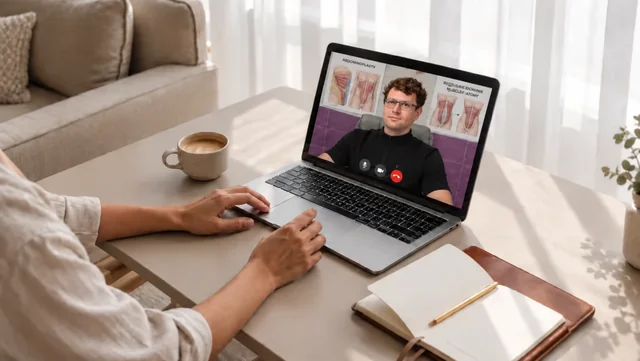
The process starts with a message. You write to the coordinators on Telegram or Telegram, tell them which area concerns you and send photographs if you wish. The consultation is free and does not commit you to anything. Booking is easy, the approach is personal and the coordinators adapt to your pace rather than rushing you.
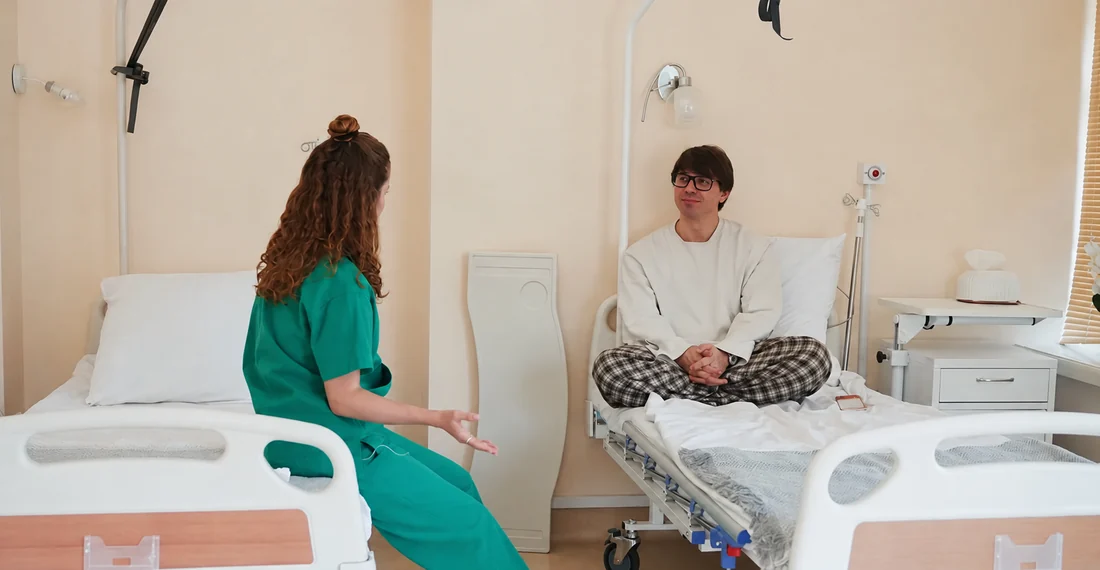
Next, the surgeon reviews your information and speaks with you online. You discuss your goals, health history, medications and expectations. The surgeon tells you whether liposuction is suitable, which areas can be treated and what to expect. If anything is unclear, ask again. A good decision is made calmly.
If you decide to go ahead, you receive a list of instructions: the tests you need, such as blood tests, ECG, ultrasound and consultations with a GP and an anaesthesiologist, and the medications and habits to stop 7–10 days before surgery. On the day, the areas are marked and compression garments are fitted. Under local or general anaesthesia, fat is removed through 3–5 mm micro-punctures.
After the operation, the surgeon follows your recovery at check-ups after 7 days, 3 months and 6 months. You keep in touch with the coordinators through the same messaging apps. Dressings and aftercare advice are part of the process, and your surgeon gives all individual recommendations after surgery.
Because the contact is online, you can involve a relative in the conversation if you want a second pair of ears. Writing down the answers, saving the instructions and keeping the garment guidance within reach will help you through the weeks at home.
Can I have the first liposuction consultation without leaving Ilesa?
Yes. The first consultation is free and online. You write to the coordinators on Telegram or Telegram, send photographs and your medical history if you wish, and then speak with the surgeon. The coordinators are available around the clock (24/7), so you can contact them at a time that suits your work, studies or family routine in Ilesa.
How long does the surgery take and when do I go home?
Surgery takes 1–4 hours: from 1 hour for small areas up to 3–4 hours for a combined procedure. It is done under local or general anaesthesia. With local anaesthesia you go home 3–4 hours after surgery. With general anaesthesia you stay one day in a comfortable ward under medical supervision.
When can I go back to work?
Most patients return to their usual routine and work in 7–10 days. If your job in Ilesa involves lifting or long hours on your feet, tell the surgeon, because the first 7 days require no physical exertion or heavy lifting, and a gradual return may be advised.
How long must I wear the compression garment in warm weather?
Compression garments are worn for 30–45 days, and for 4–6 weeks you should also avoid the bathhouse, sauna, pool and active sport. In warm, humid weather keep a spare garment, keep the skin clean and dry, rest in a cool, ventilated room and ask the surgeon how to wash the garment.
Will I have visible scars?
The operation is done through punctures only 3–5 mm across, which usually need no stitches. Once healed, the marks are barely visible, and with proper care during recovery they fade completely. Protect the area from strong sun and follow the surgeon's care advice.
When will I see the result?
The first changes show at 2 weeks, once the main swelling subsides. An interim result is assessed at 1.5–2 months. Swelling and bruising clear by weeks 4–5, and the final result forms in 3–6 months, once the tissues have fully adapted.
How should I prepare for liposuction?
Give up smoking, alcohol and medications that affect clotting, such as aspirin, 7–10 days before the operation. Pre-operative tests are required: blood tests, ECG, ultrasound and consultations with a GP and an anaesthesiologist. You receive all instructions after the first consultation.
Is there an age limit?
We operate from age 18+, if there are no contraindications. There is no upper age limit: after an examination and health assessment, the decision is made individually.
Is liposuction a way to lose weight?
No. It is a body contouring operation that removes localised fat to create a smooth contour that keeps your natural proportions. Overweight and obesity are wider health matters, as the World Health Organization describes, and the surgeon will discuss with you whether liposuction suits your situation.
What follow-up do I get after the operation?
The surgeon follows your recovery and the new body contour at check-ups after 7 days, 3 months and 6 months. Check-ups, dressings and aftercare advice are already included in the price of surgery. Until the end of the year you can also get a post-surgery consultation to review results and get more information.
I live in Ilesa and my family is cautious about surgery. How can I explain the plan to them?
Share the facts you have: liposuction is a body contouring operation done through 3–5 mm micro-punctures under local or general anaesthesia, with check-ups after 7 days, 3 months and 6 months. You can ask a relative to join the online conversation with the surgeon so they hear the answers directly, and the coordinators on Telegram and Telegram are available 24/7 for further questions.
Can I use a school or work break in Ilesa for recovery?
Yes, that is often a sensible choice. Plan for no physical exertion or heavy lifting during the first 7 days, expect to return to routine and work in 7–10 days, and remember that swelling and bruising clear by weeks 4–5. Discuss your specific schedule with the surgeon.
Should I take photographs to compare the result later?
It helps. Take photographs before surgery and then at the same angle and in the same light as healing progresses. The first changes show at 2 weeks, an interim result is assessed at 1.5–2 months, and the final result forms in 3–6 months, so comparing over time gives a fairer picture than looking in the mirror daily.

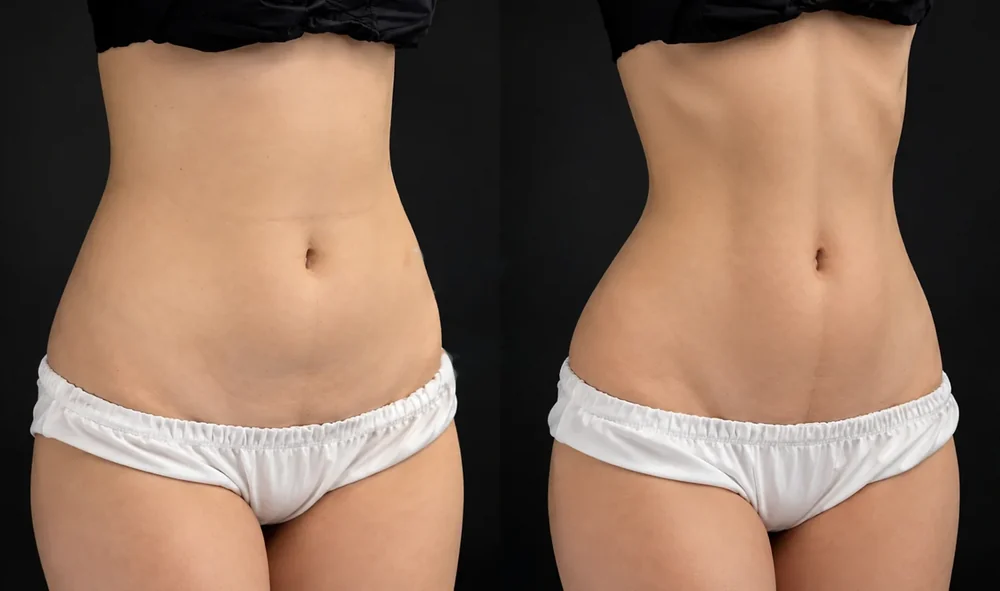
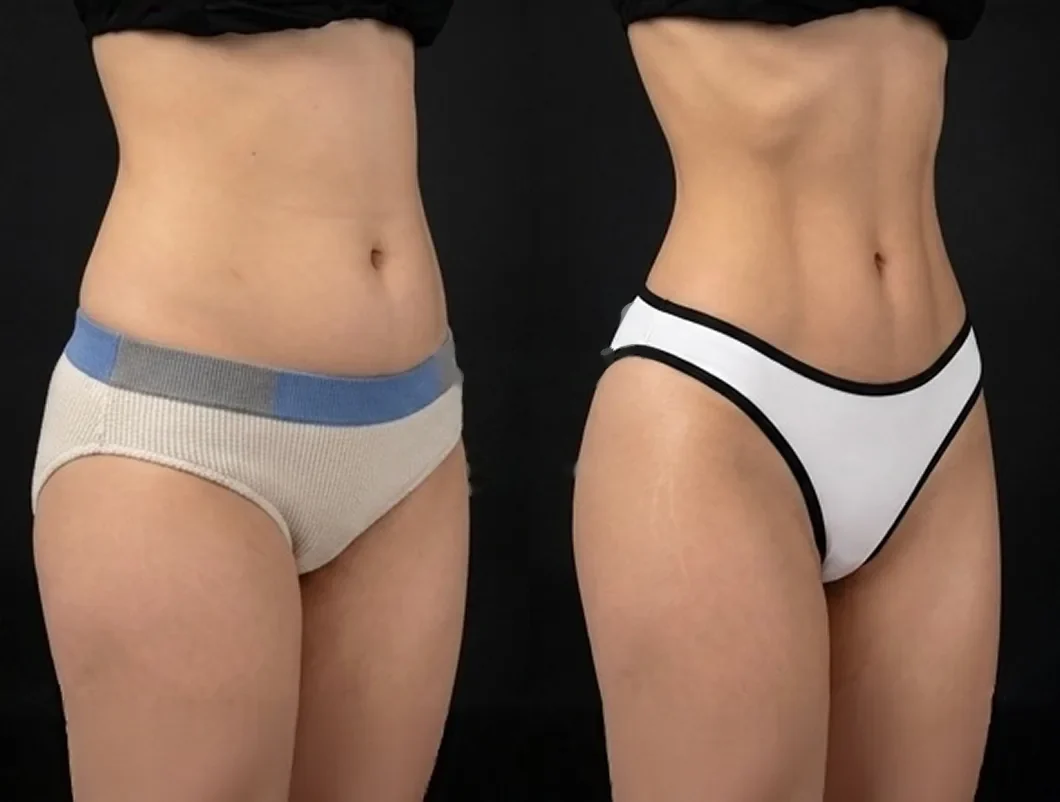 beforeafter
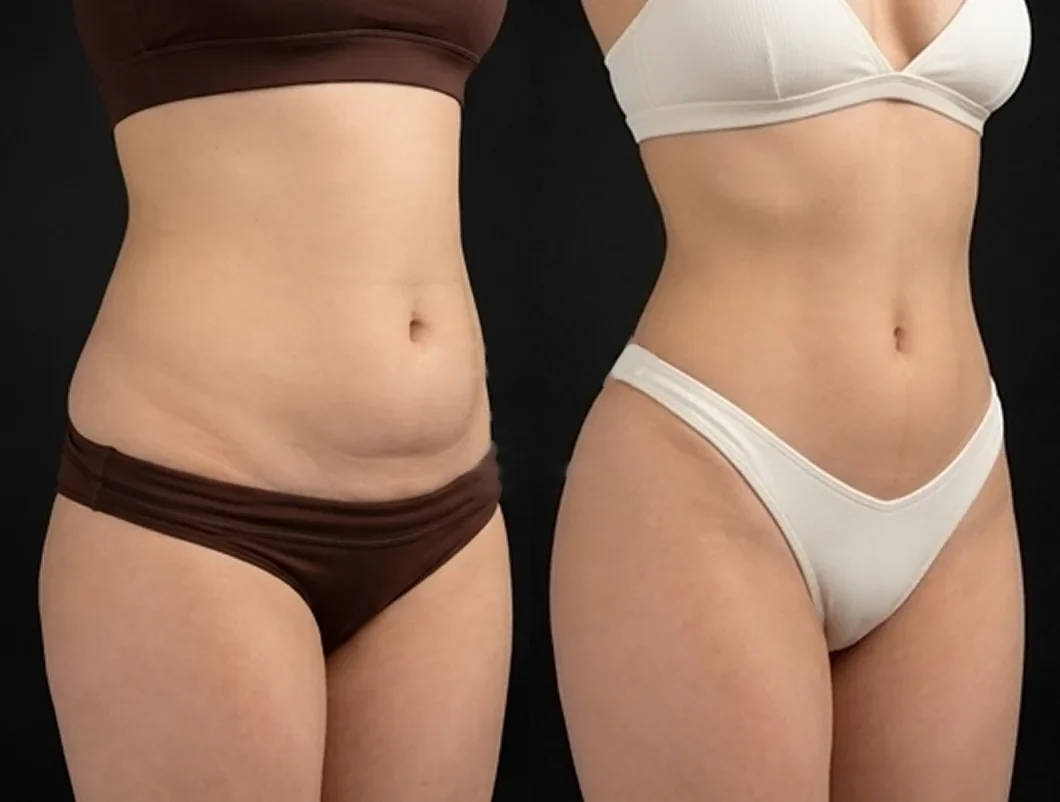 beforeafter
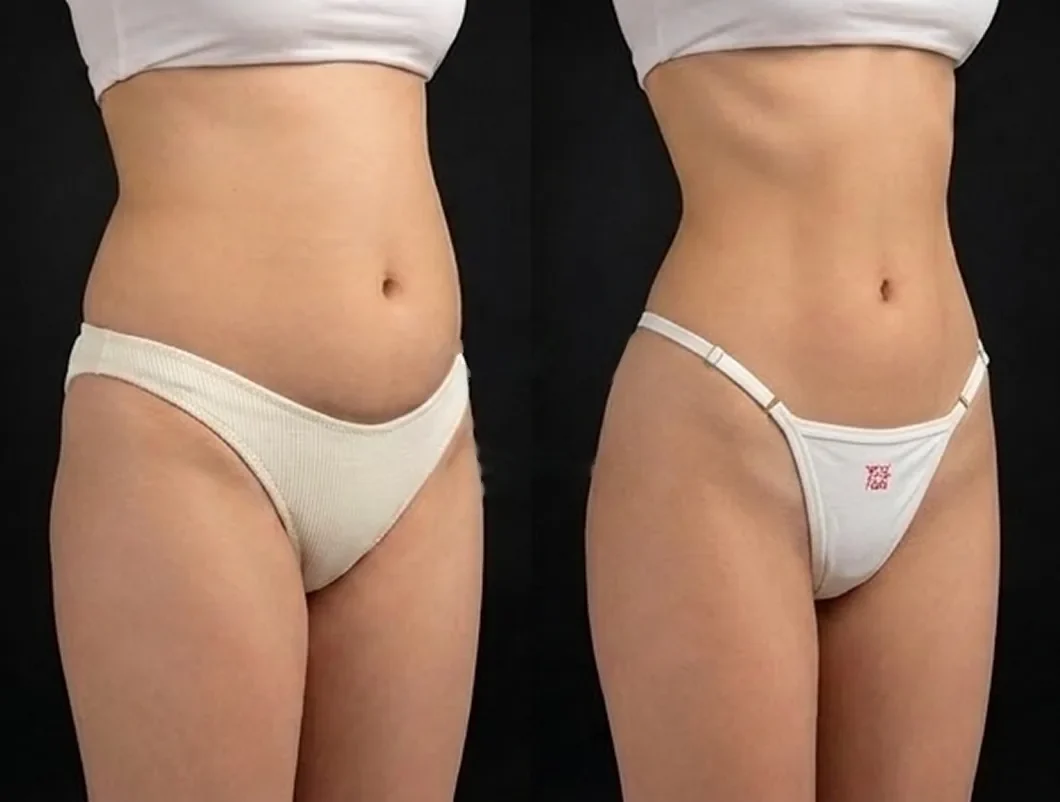 beforeafter
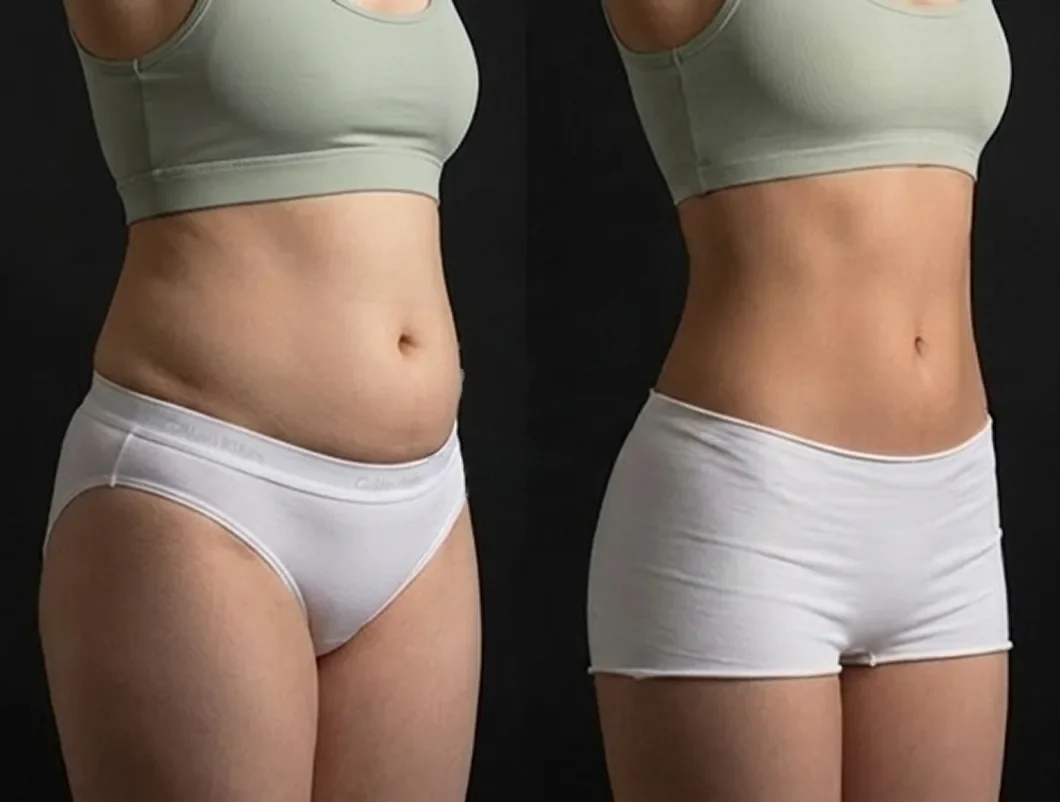 beforeafter
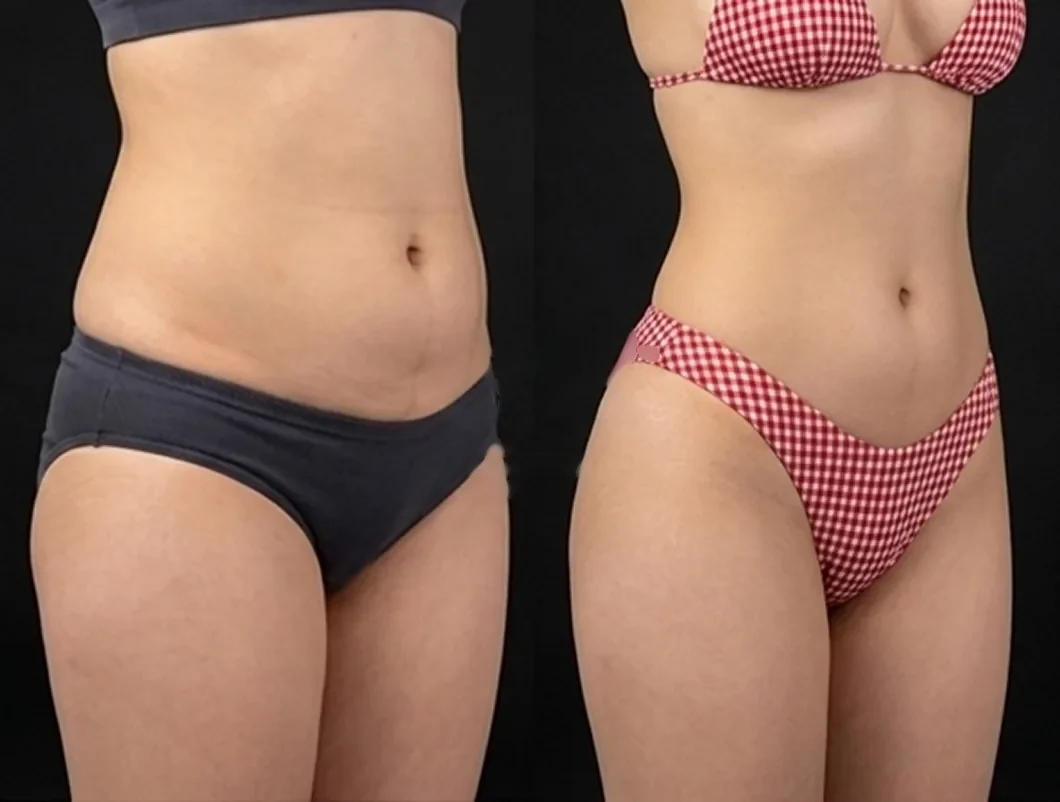 beforeafter
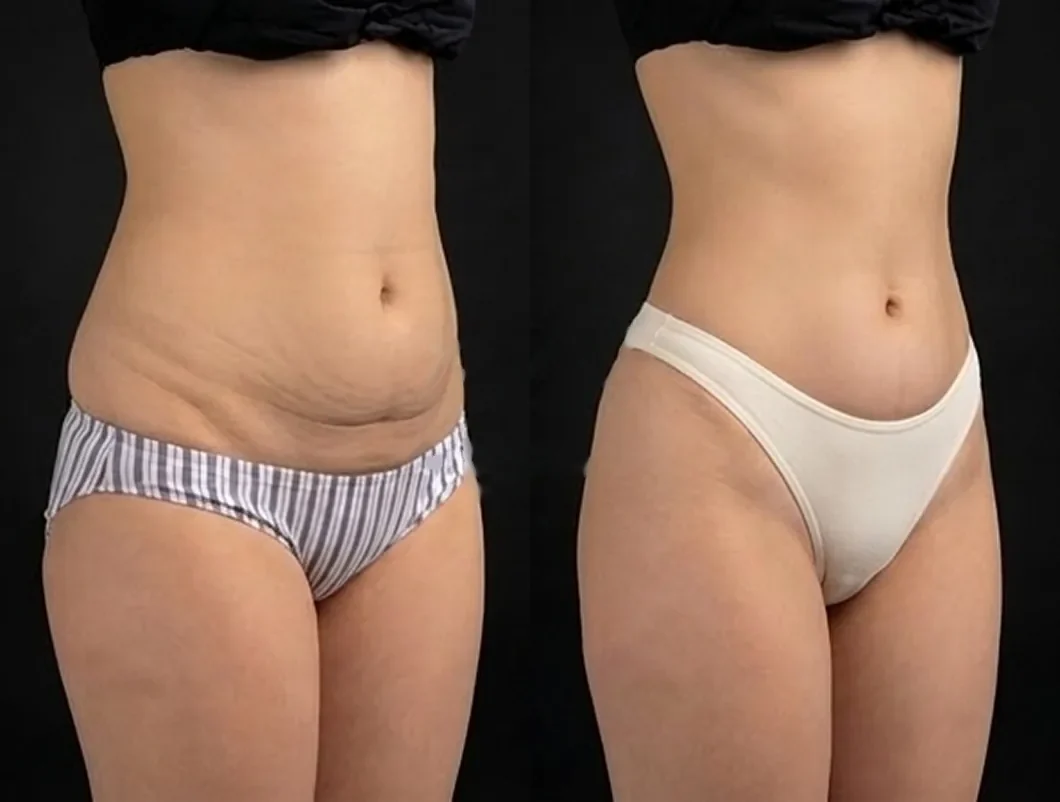 beforeafter
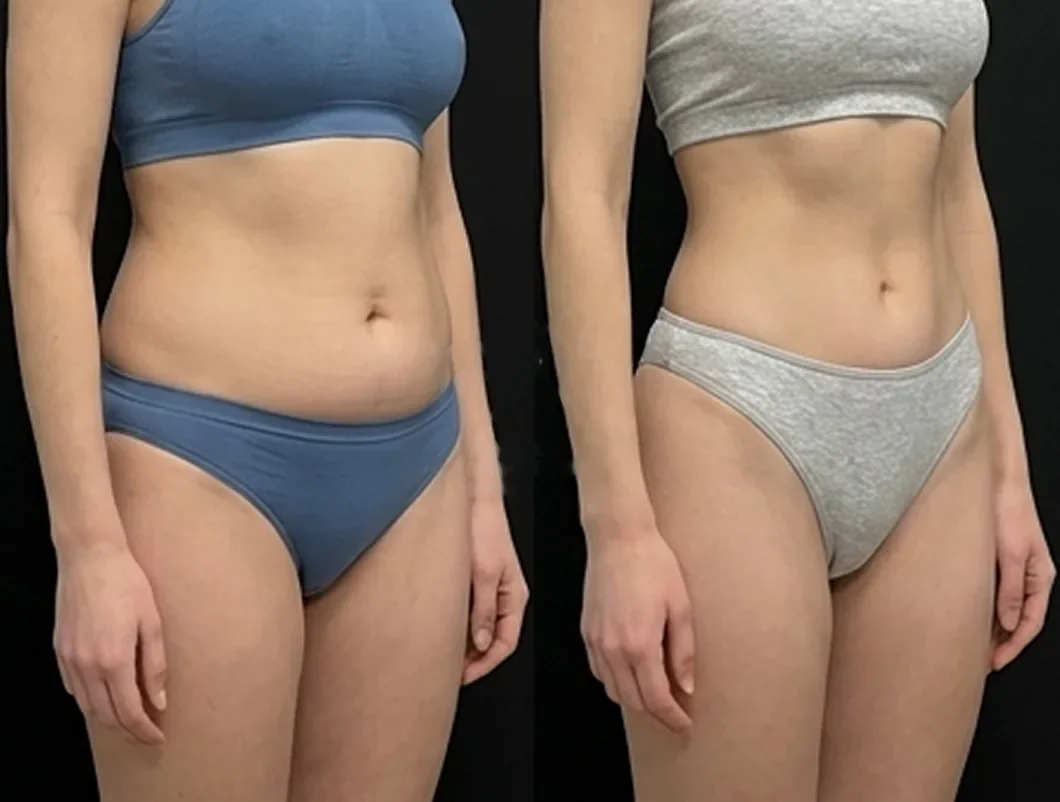 beforeafter
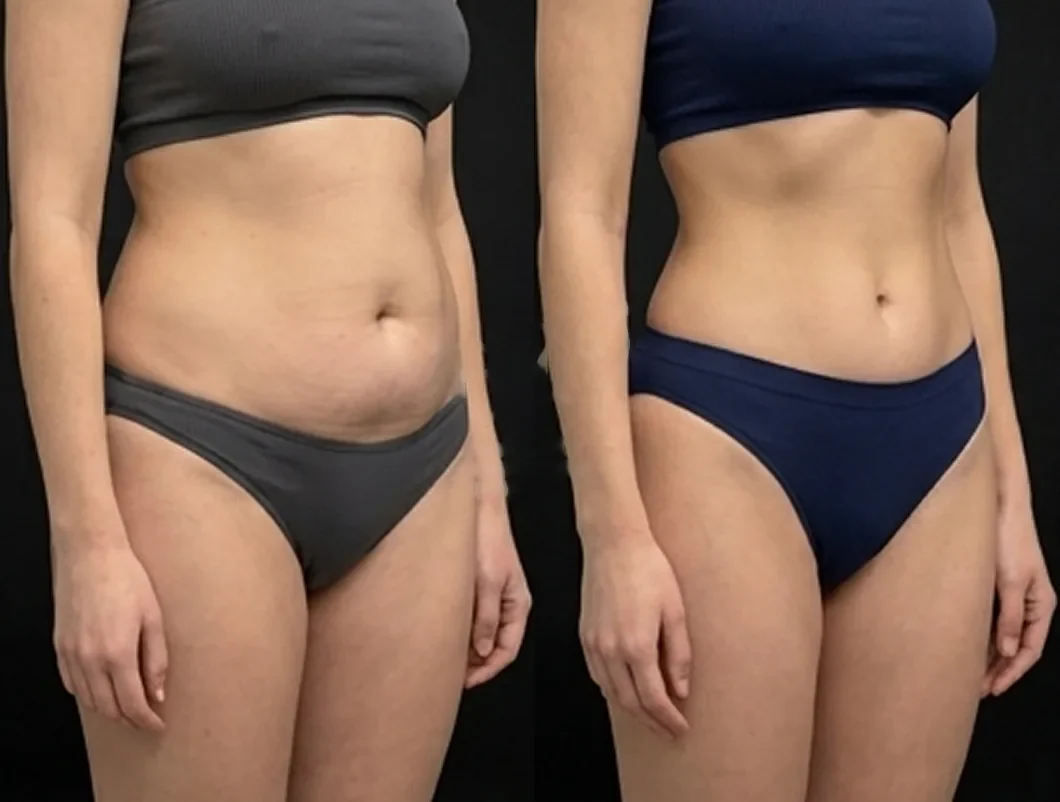 beforeafter
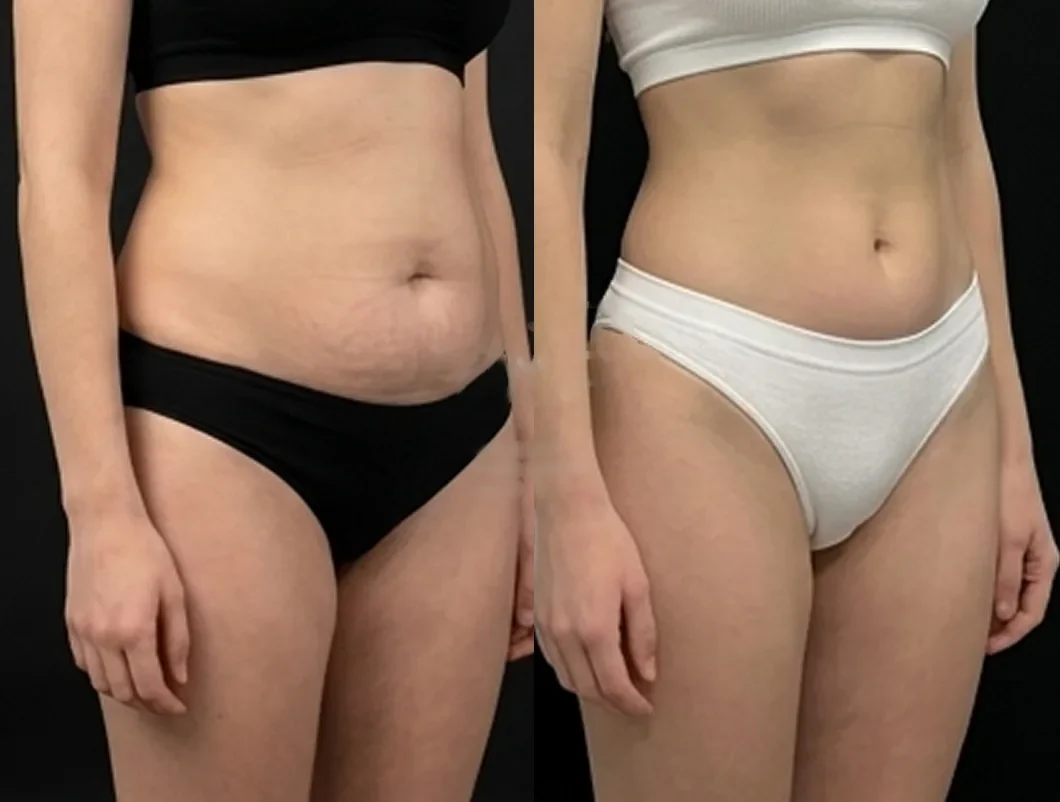 beforeafter
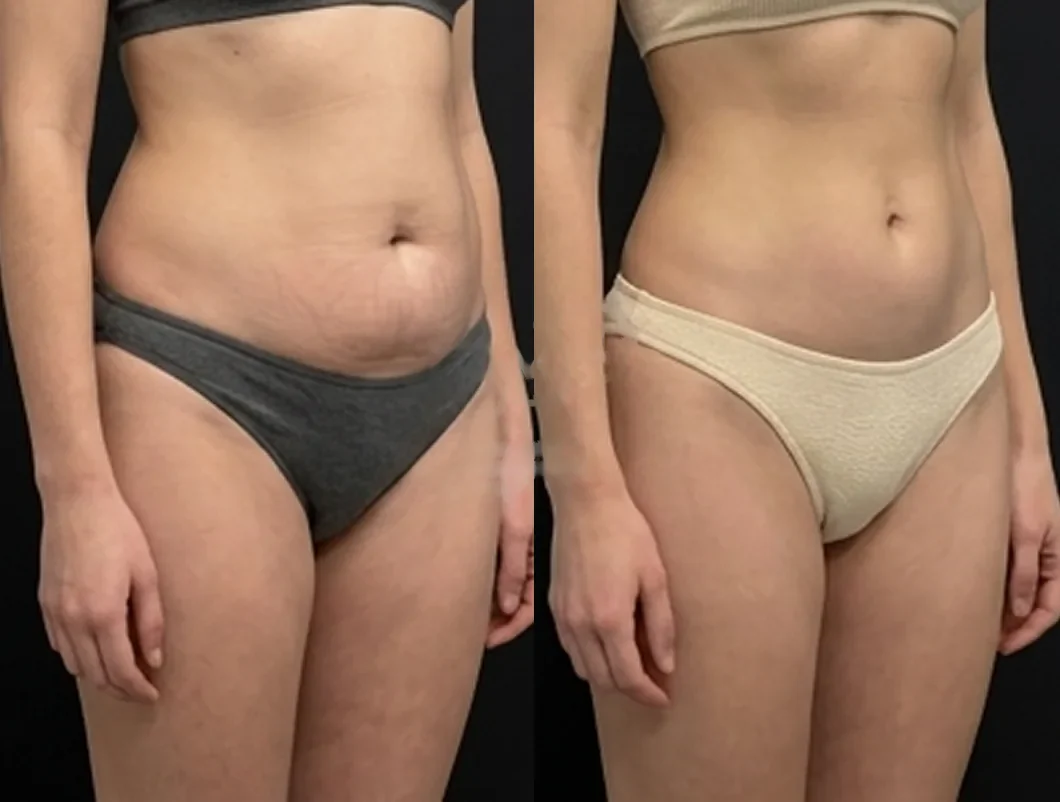 beforeafter
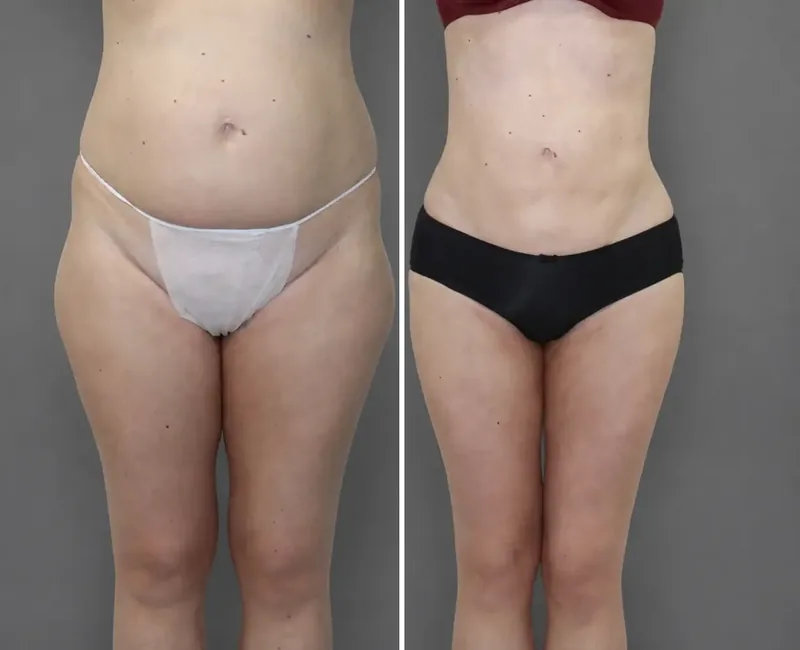
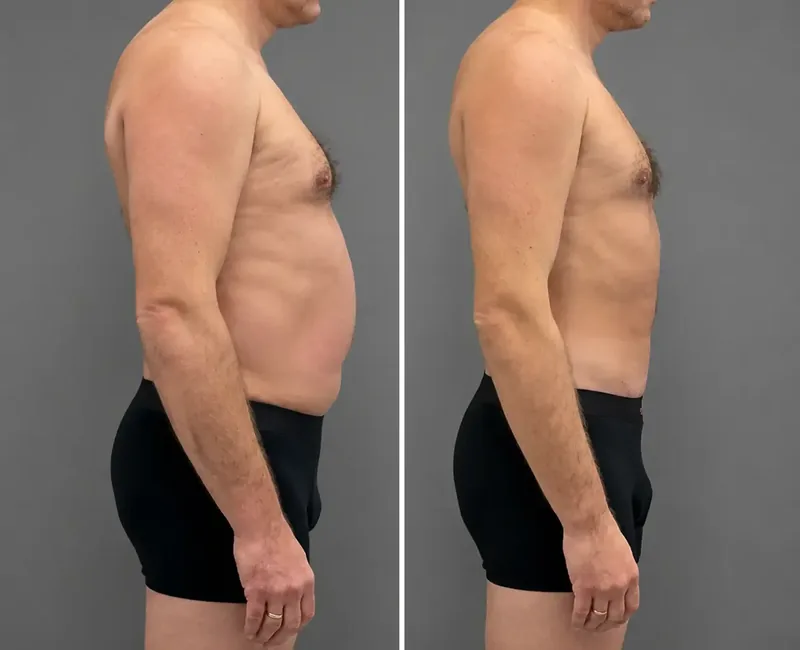
 1
 2
 3
 4
 5
 6