
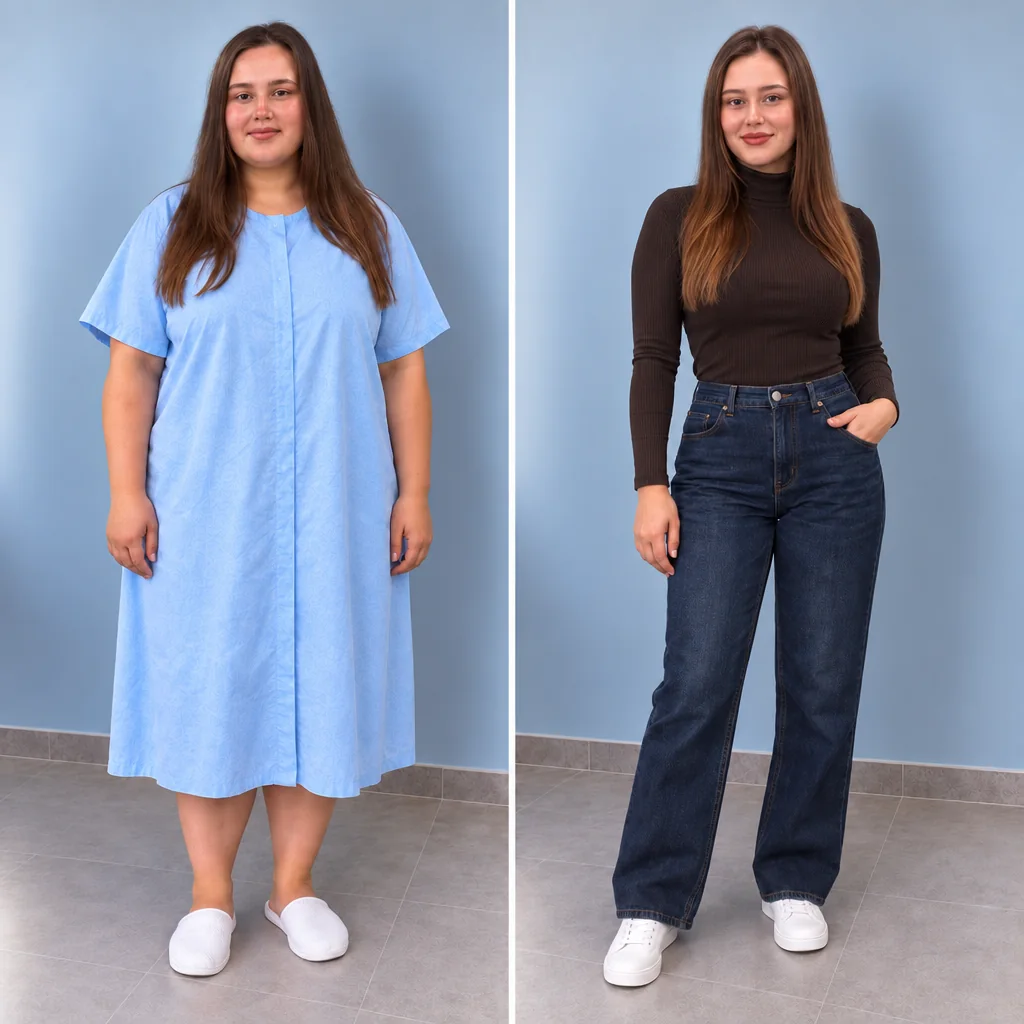
 beforeafter
Irina, 26
Bariatric surgery
Bariatric surgery
$3,600
$4,800 · First consultation — Free
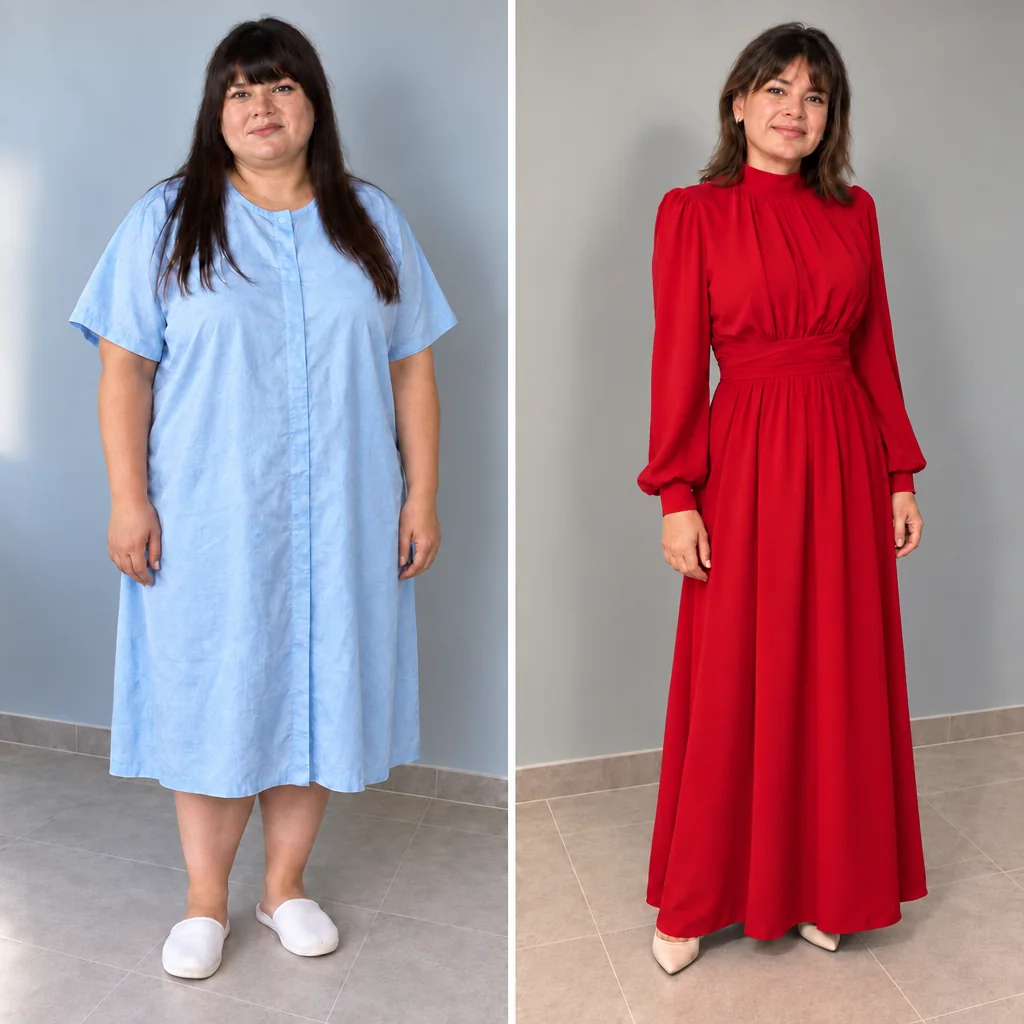 before
after
Message our coordinator
Free online consultation · Reply within 15 minutes
Message us on TelegramMessage us on WhatsAppBy messaging us, you agree to our Privacy Policy
Results
Every case shown is a real clinic patient.
beforeafterBariatric surgery
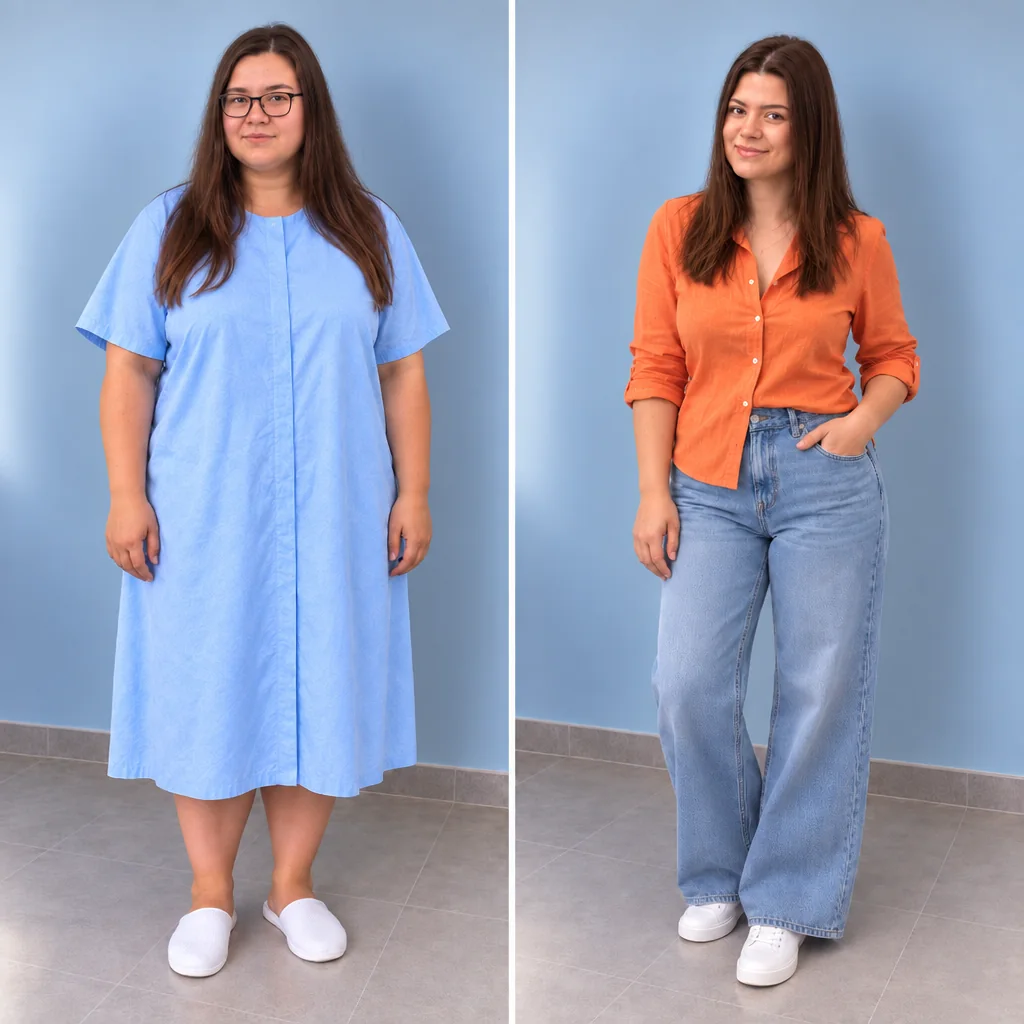 beforeafter
Bariatric surgery
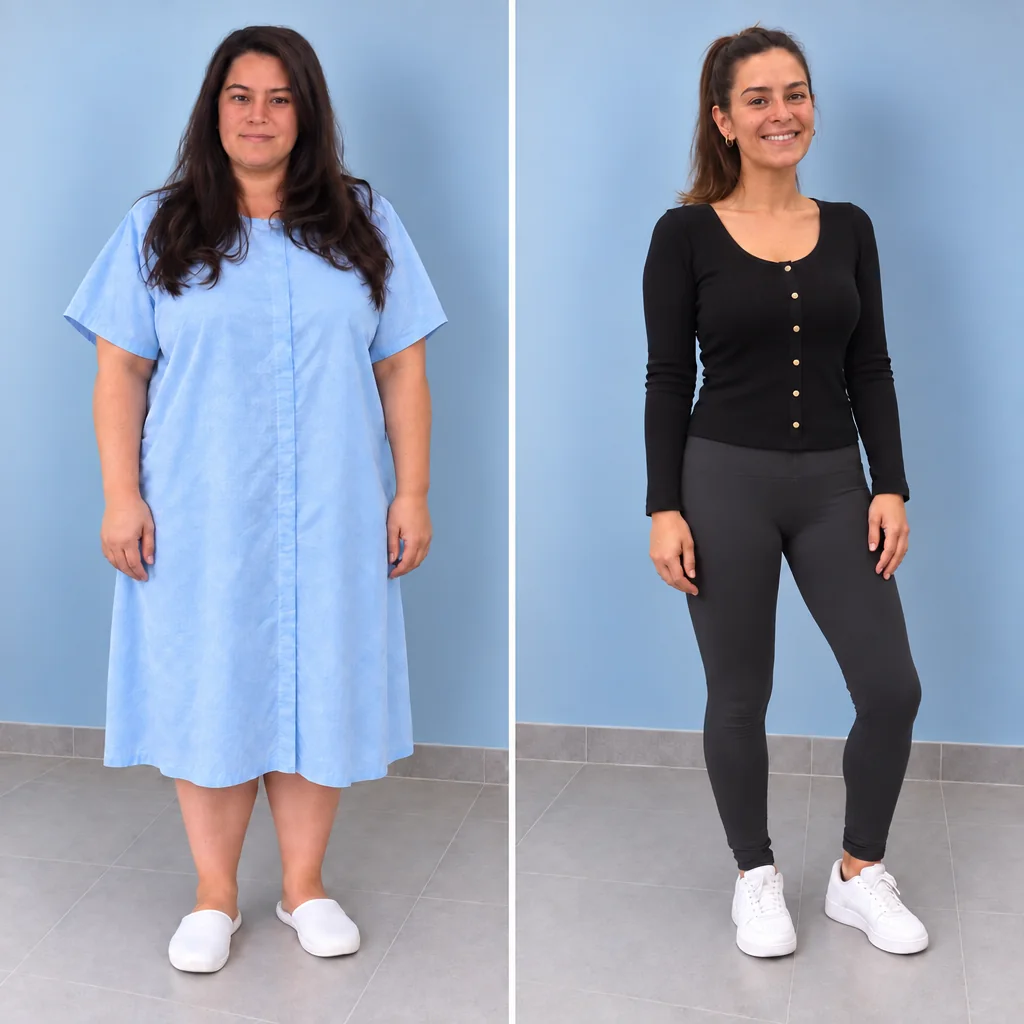 beforeafter
Bariatric surgery
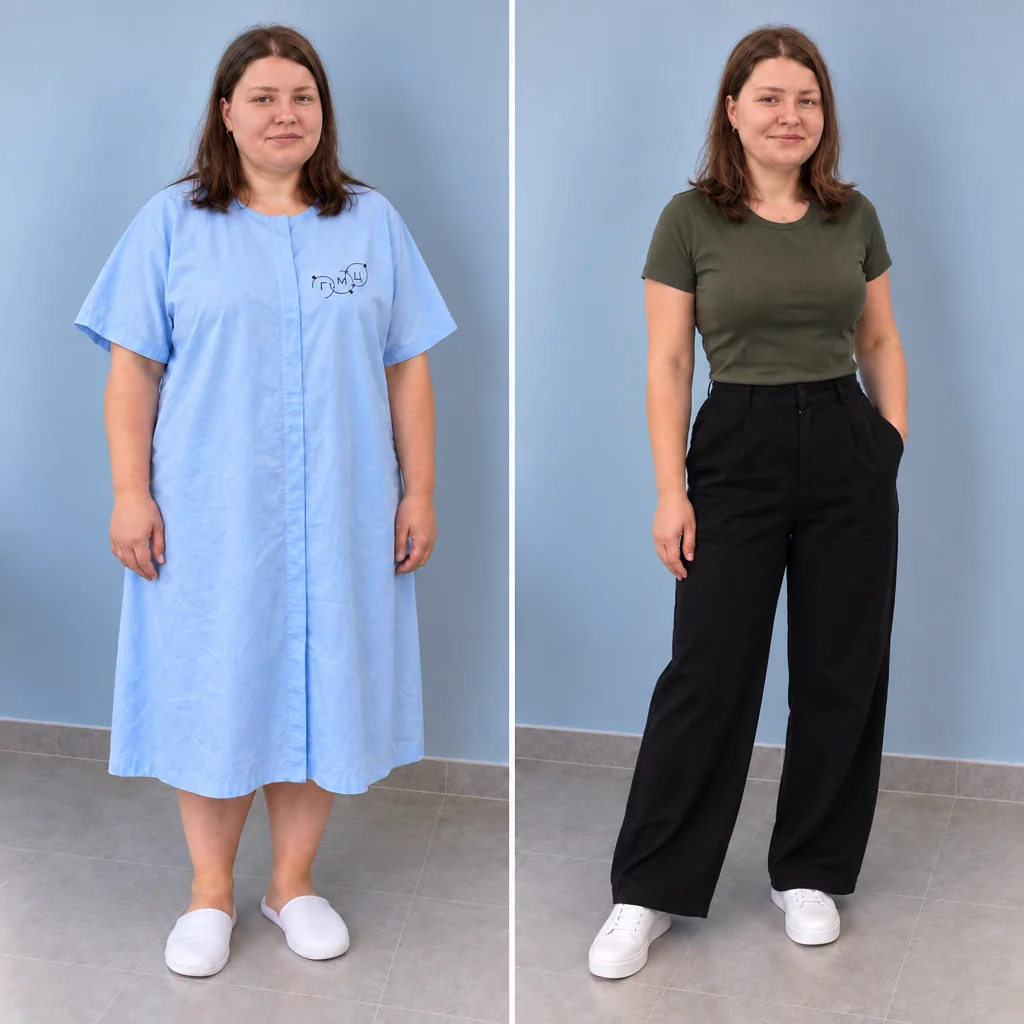 beforeafter
Bariatric surgery
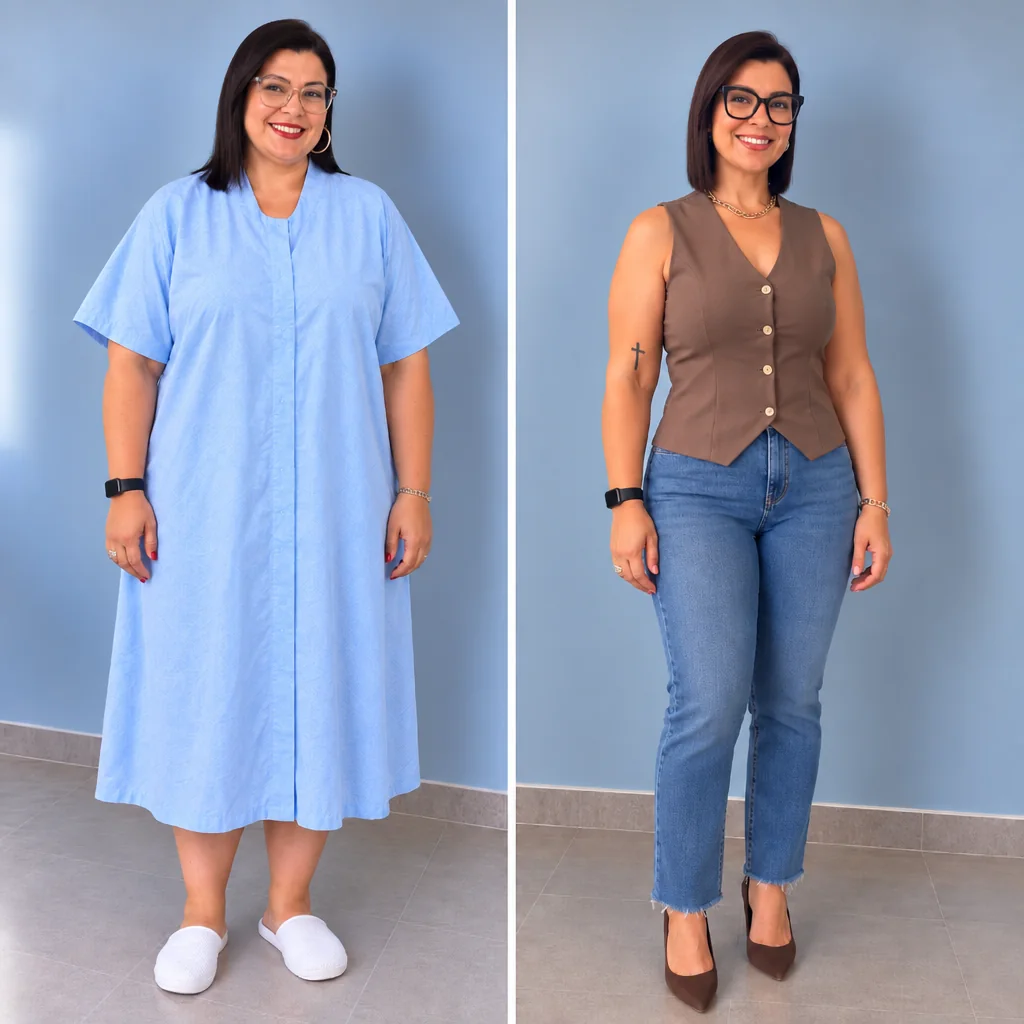 beforeafter
Bariatric surgery
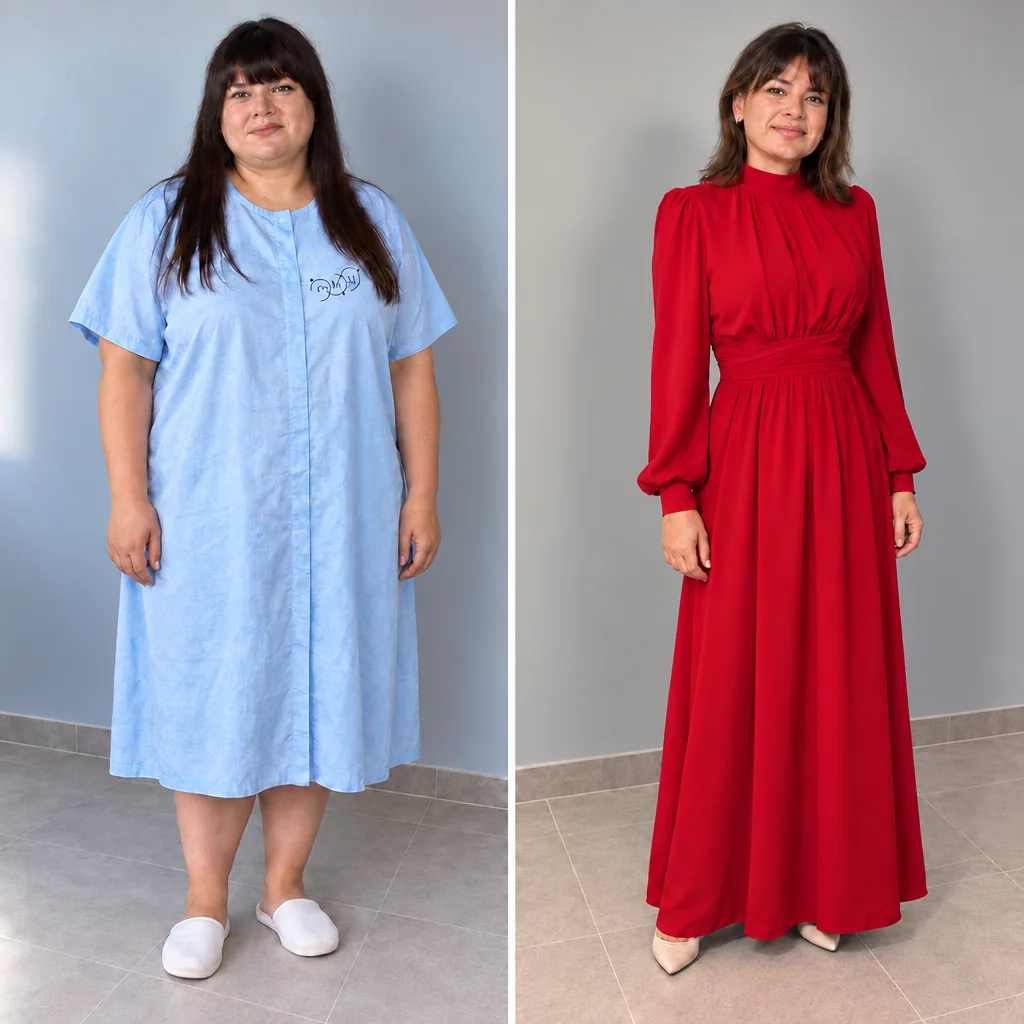 beforeafter
Bariatric surgery
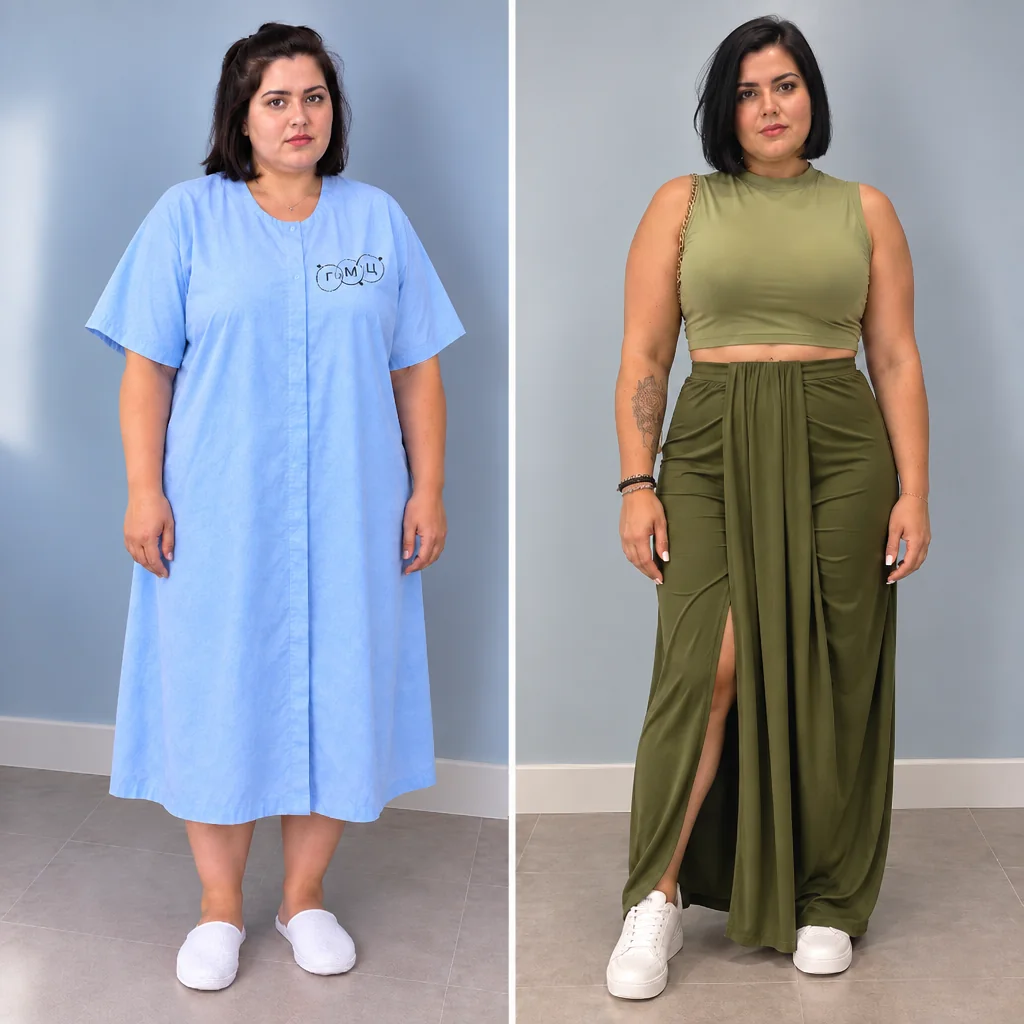 beforeafter
Bariatric surgery
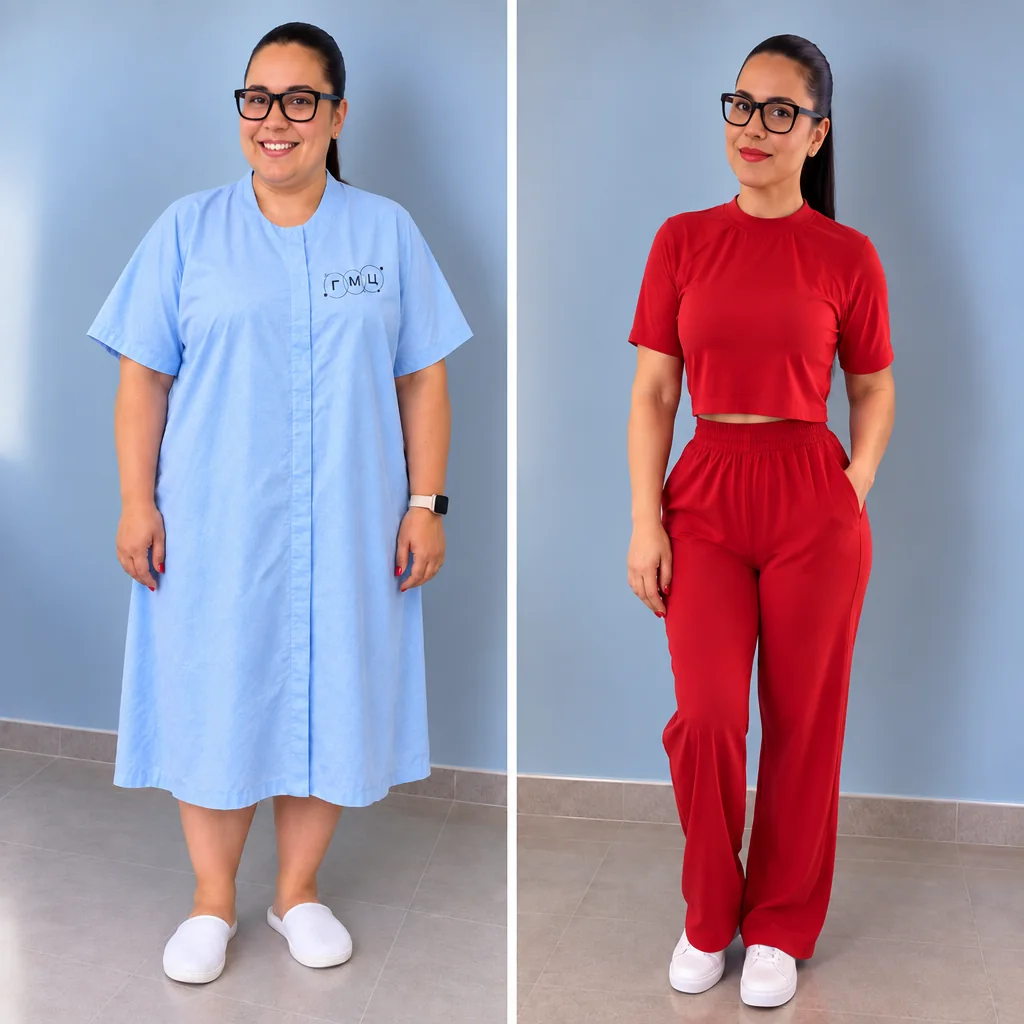 beforeafter
Bariatric surgery
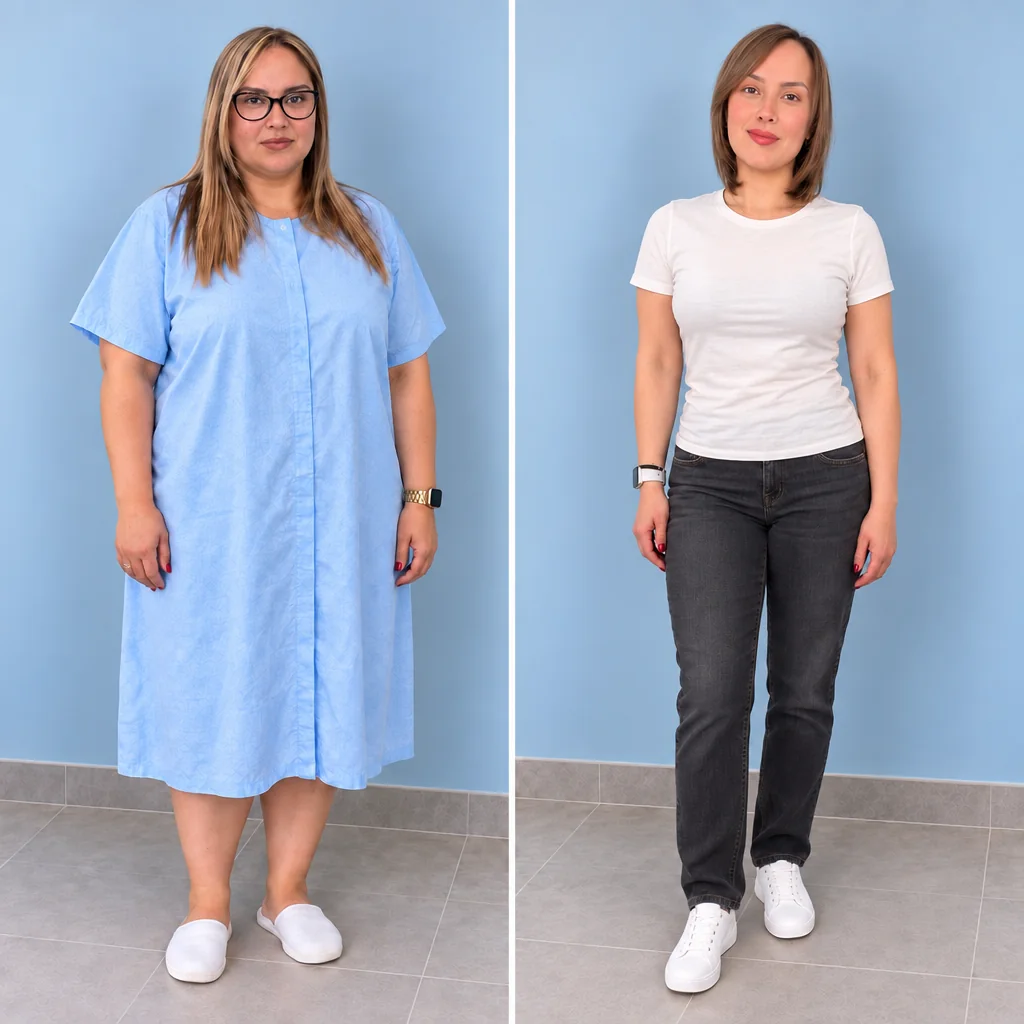 beforeafter
Bariatric surgery
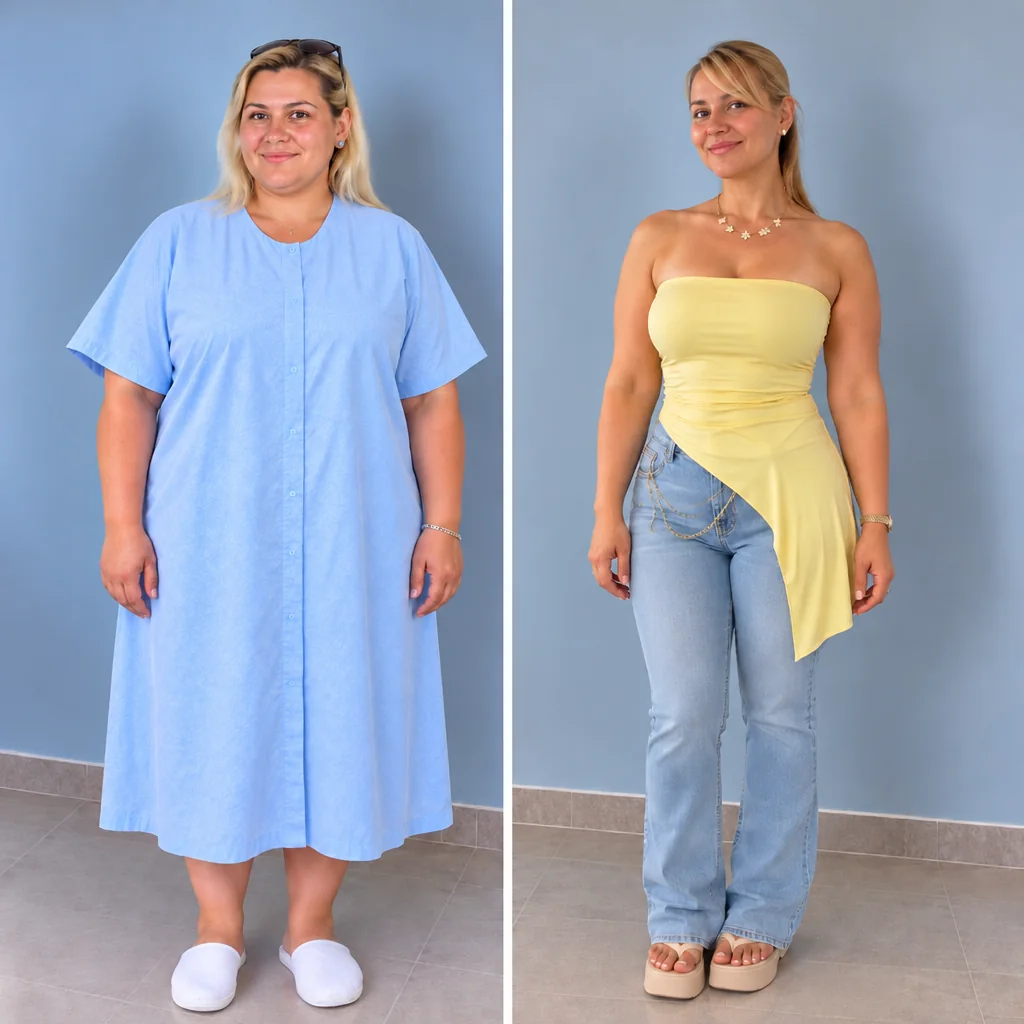 beforeafter
Bariatric surgery
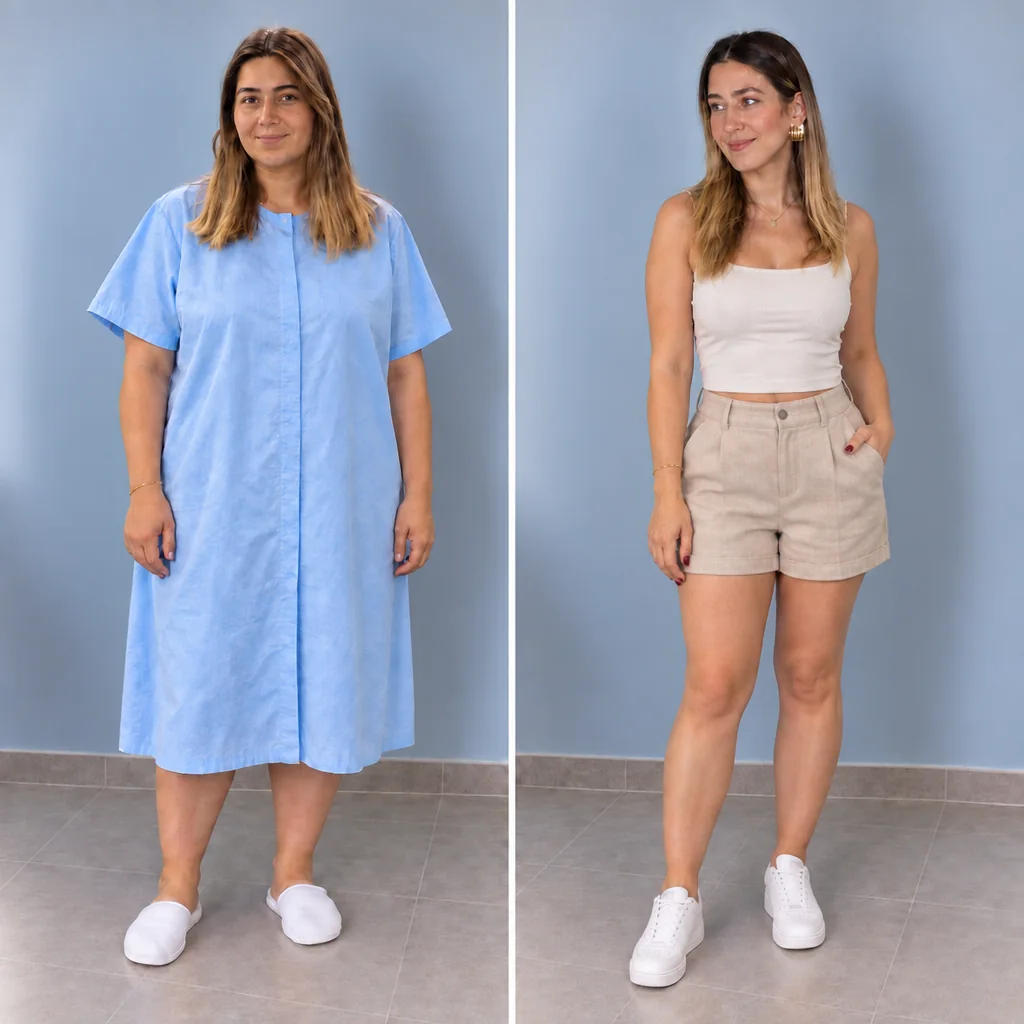 beforeafter
Bariatric surgery
Comparison
We perform two main operations: sleeve gastrectomy and gastric bypass. Compare how they work, what they are for and when they are indicated to choose your method with confidence.
Less stomach volume
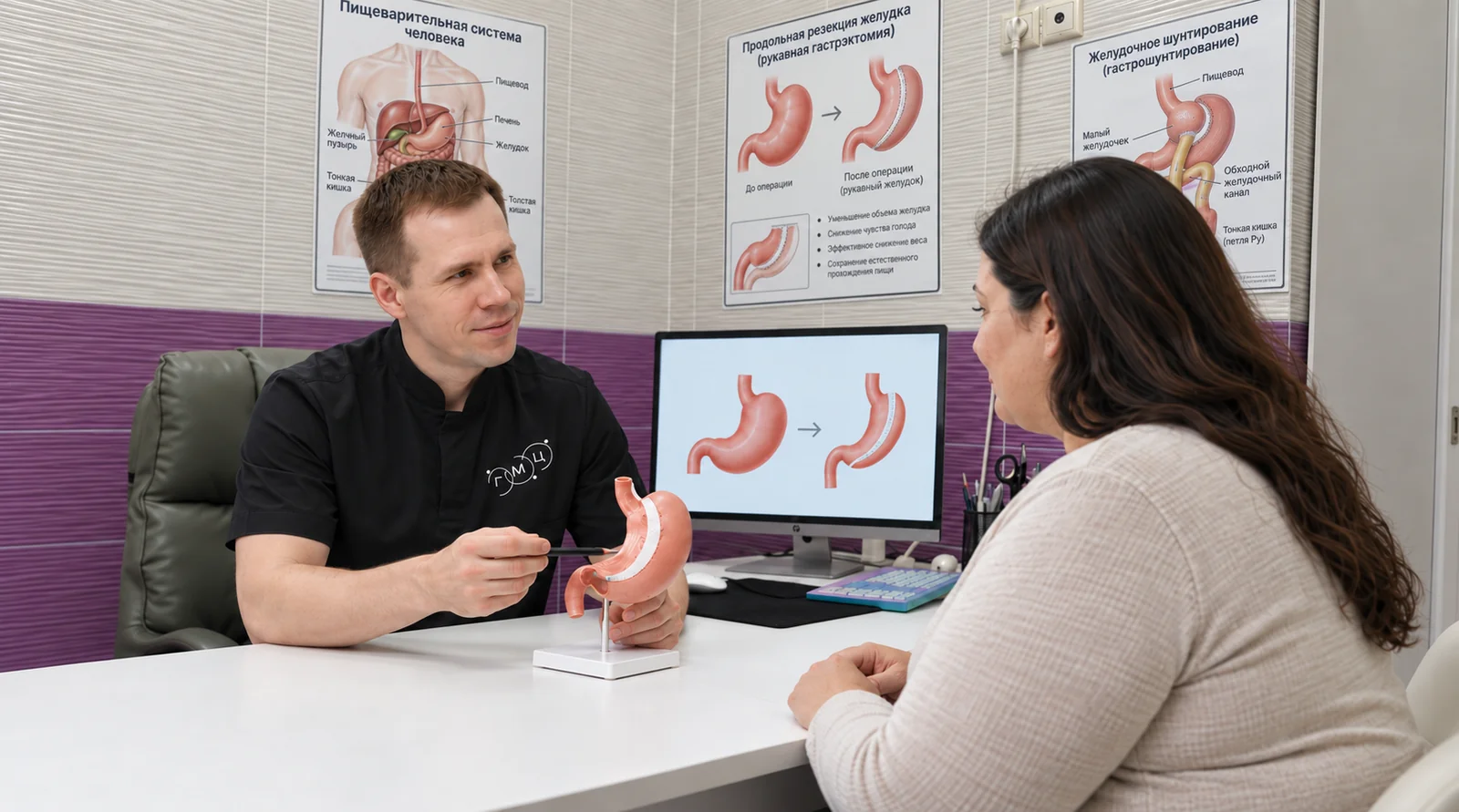
Discounted price
$3,600 $4,800
A smaller stomach volume plus a new route for food
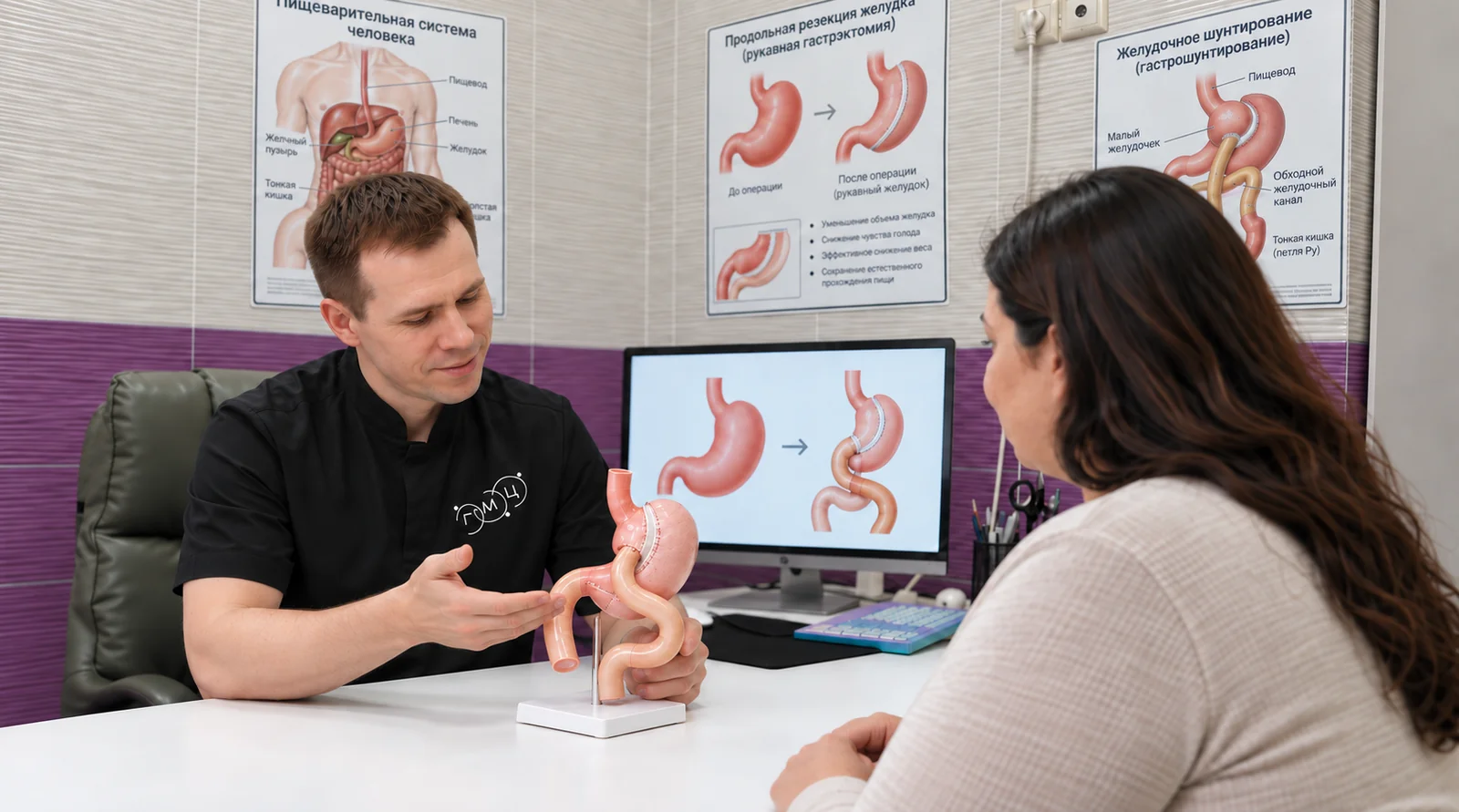
Discounted price
$4,000 $5,200
The listed benefits and recovery times are guideline averages per method. How much surgery is needed and how recovery goes depend on your anatomy and individual features — the surgeon confirms this at the consultation.
Book a consultationInside the clinic
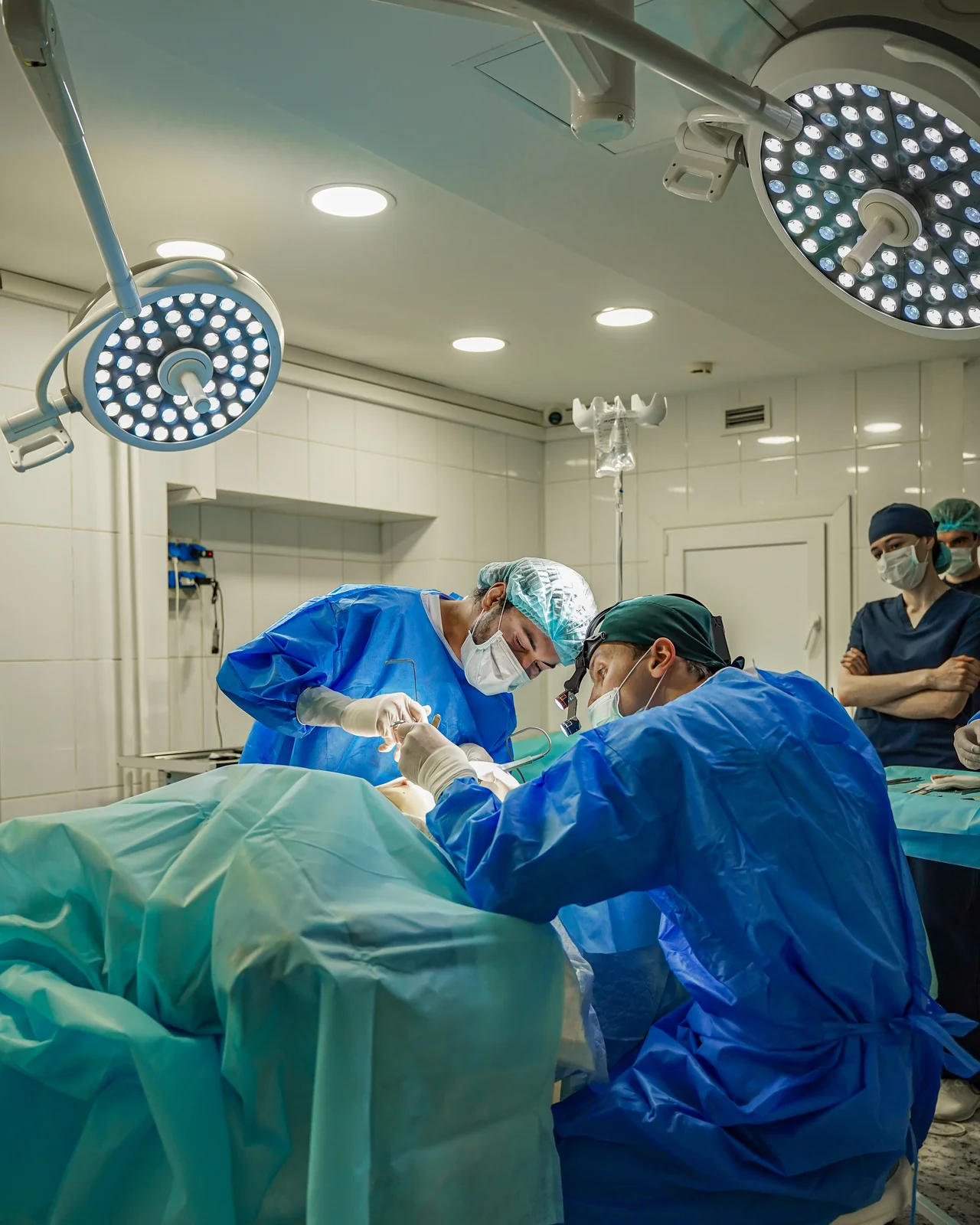
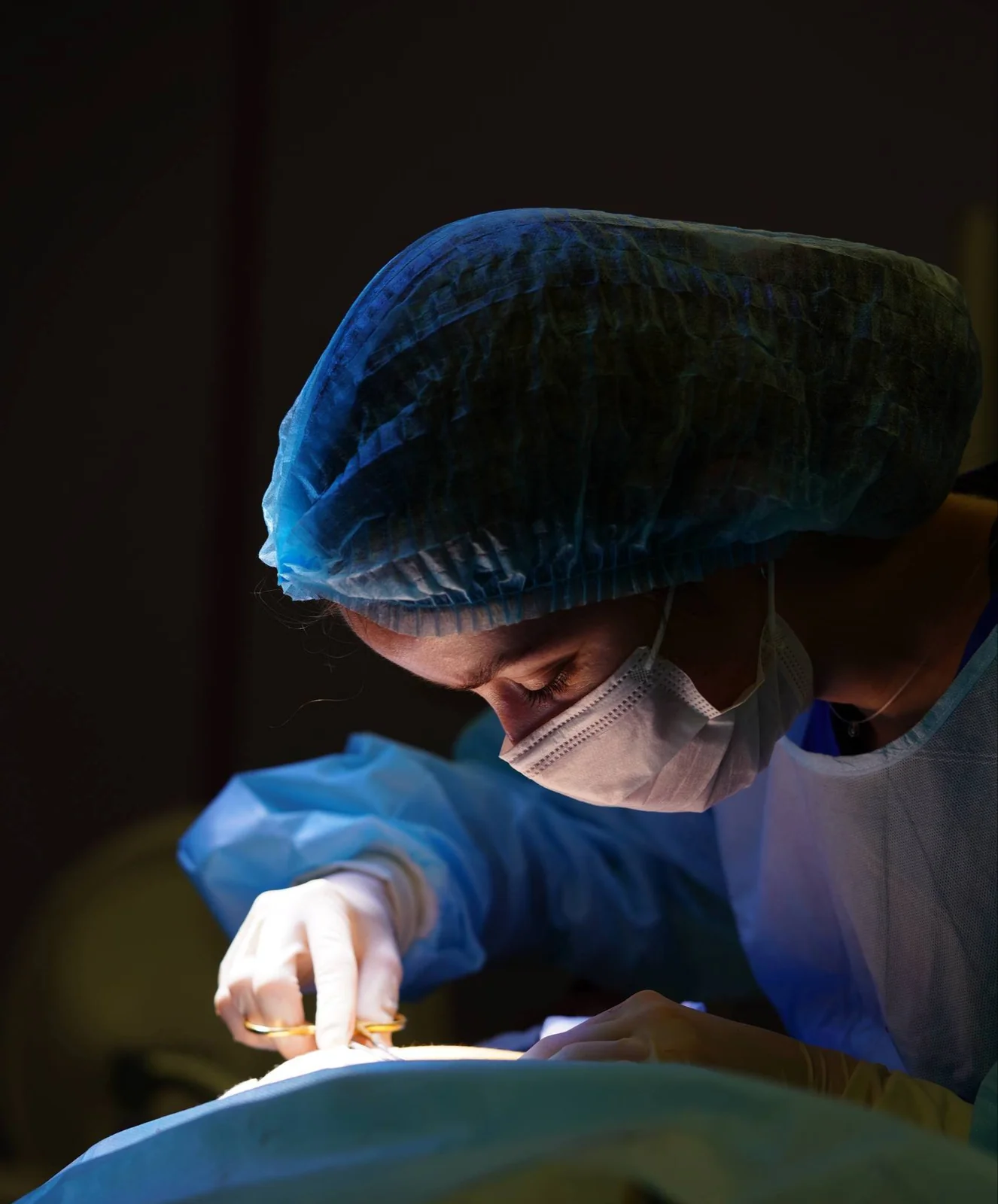
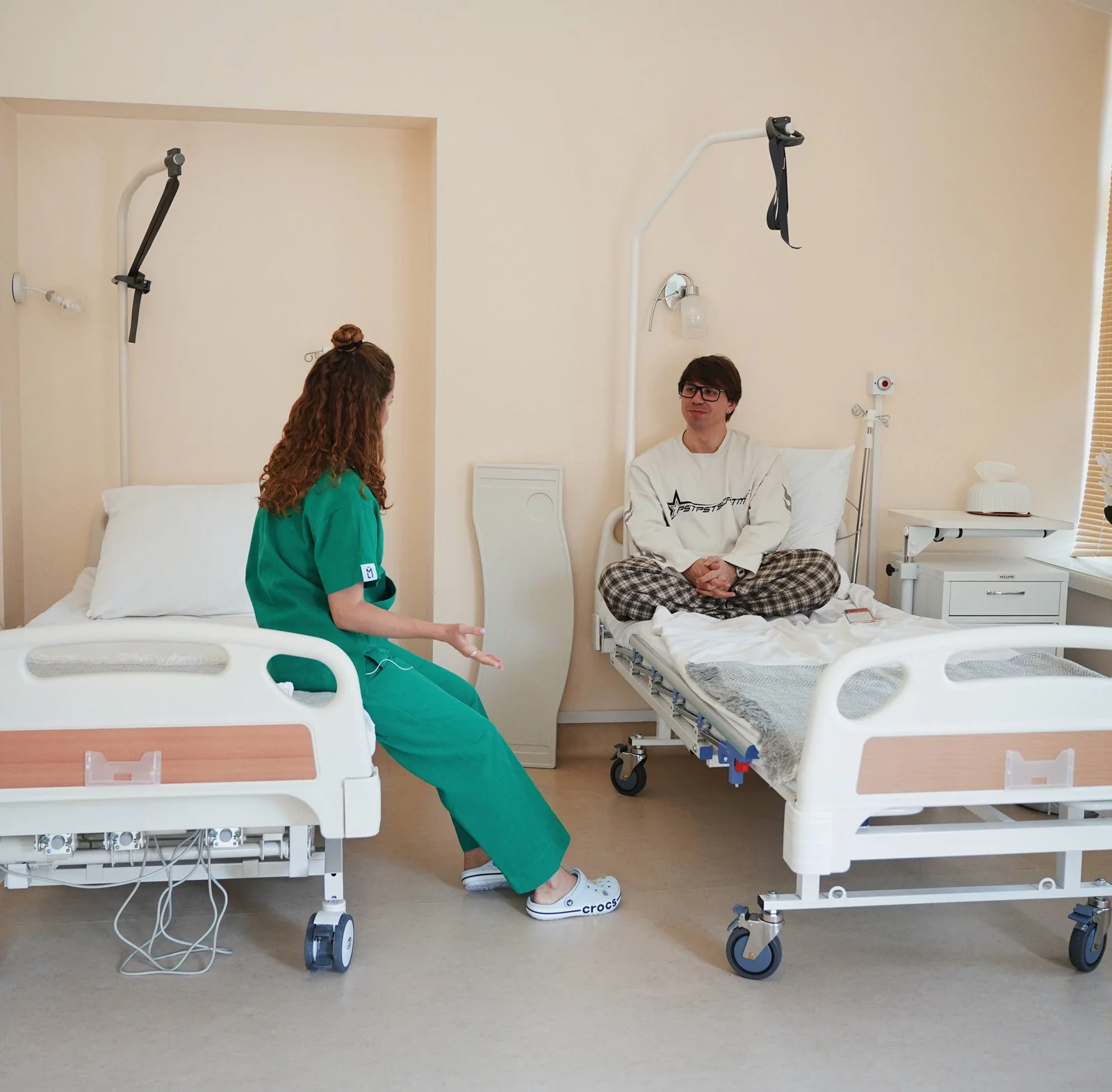
Each patient gets care, comfortable rooms and modern equipment
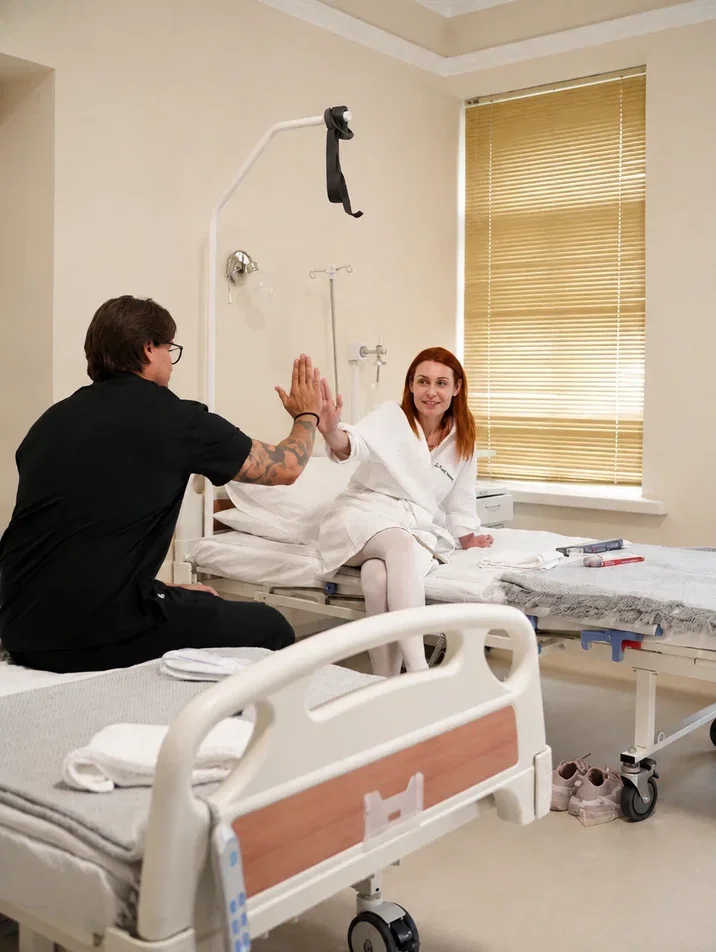
Ask us anything, and we will arrange a consultation at a time that suits you
Get a consultationWhether to have surgery is decided together with the surgeon after the consultation and check-up.
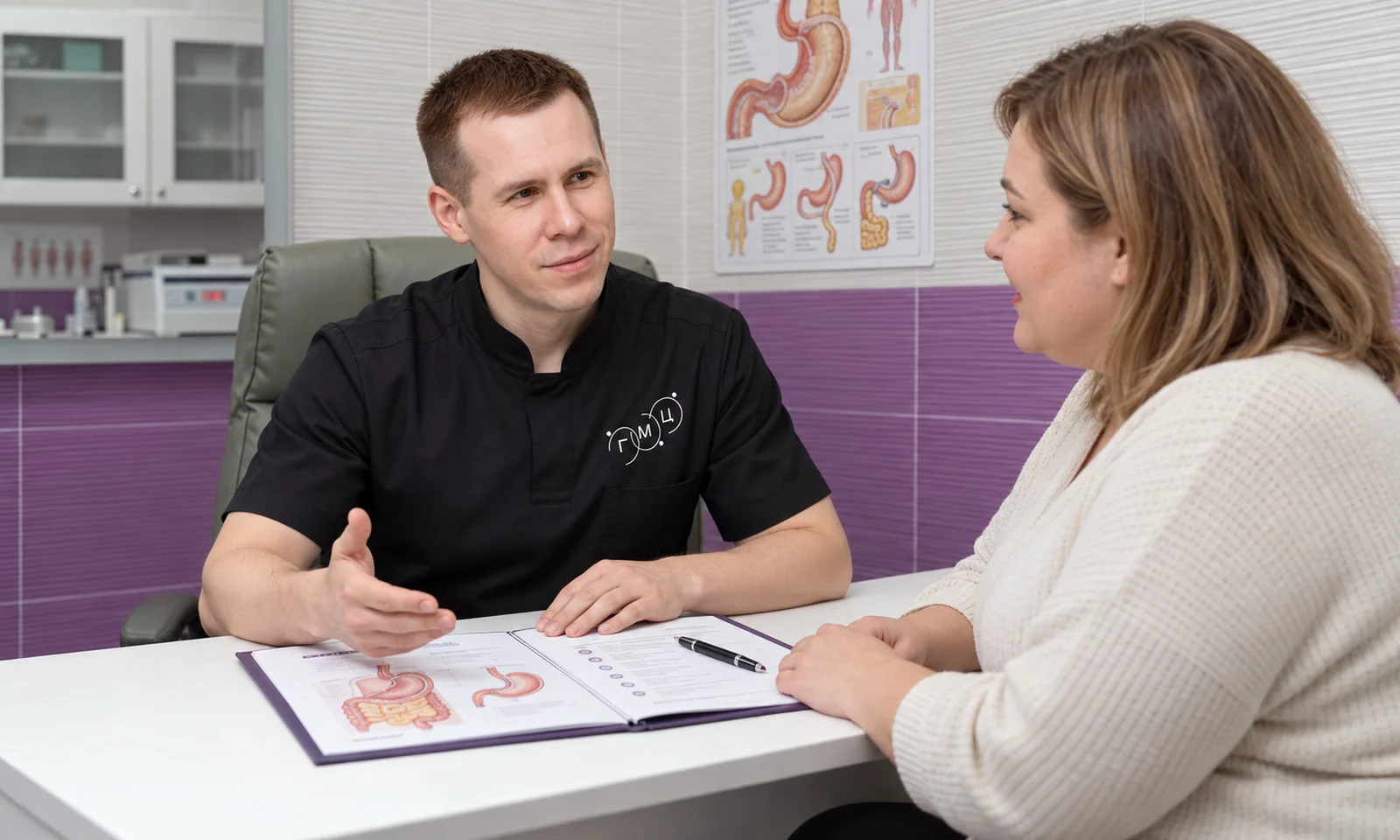
Can't tell which column fits your case?
Text us on Telegram — our coordinator will let you know if bariatric surgery is the right choice for you. The surgeon consultation is free, with no obligation to go ahead with surgery.
Find out if it suits me
Prices
We tell you the cost at the consultation once your plan is ready; the contract then fixes it.
Discounted price
Less stomach volume
$3,600$4,800
Discounted price
Losing weight by changing the food route
$4,000$5,200
Free
The surgeon examines you and draws up a treatment plan

Free
the cost of the operation is named
and recorded in the contract
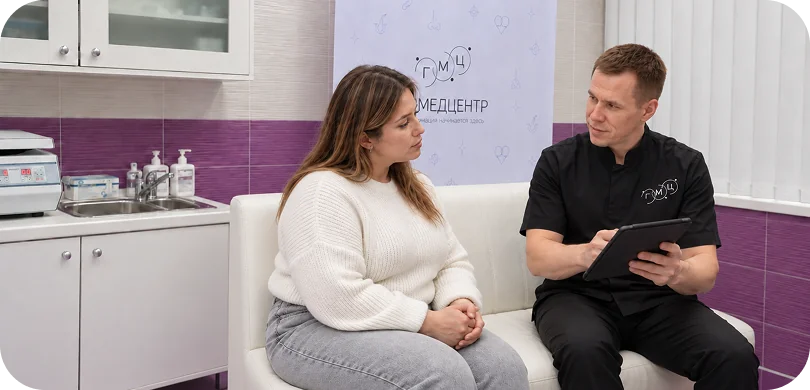
The doctor reviews your health and goals and decides on the right bariatric surgery method. At the consultation the cost is named, and the contract fixes it.
Message our coordinator
Free online consultation · Reply within 15 minutes
Message us on TelegramMessage us on WhatsAppBy messaging us, you agree to our Privacy Policy
price
One package — from preparation to 12 months of support. No extra charges.From getting ready for surgery
to 12 months of support.
What to expect
An agreed plan of treatment, in-hospital monitoring and a year of support.
 1
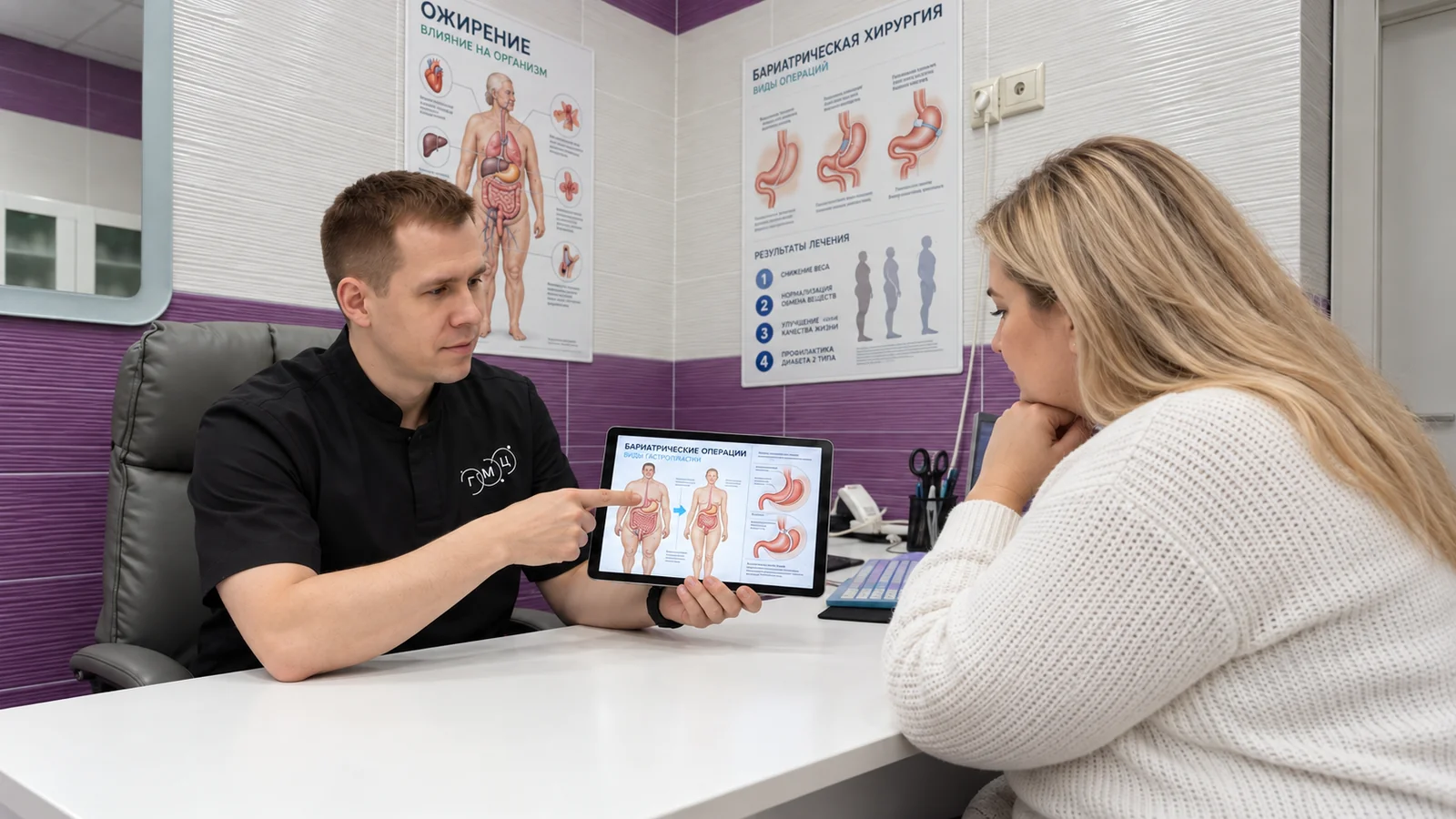
After assessing your health and discussing your goals, the doctor orders the tests that help choose the right bariatric surgery method.
2To reserve your surgery date, pay the deposit by card at the clinic or online by bank transfer. The terms are fixed in the contract for medical services
 3
Before surgery you have blood and urine tests, an ECG, an ultrasound and a gastroscopy, and see the specialists. The doctor gives you the exact list at the consultation.
 4
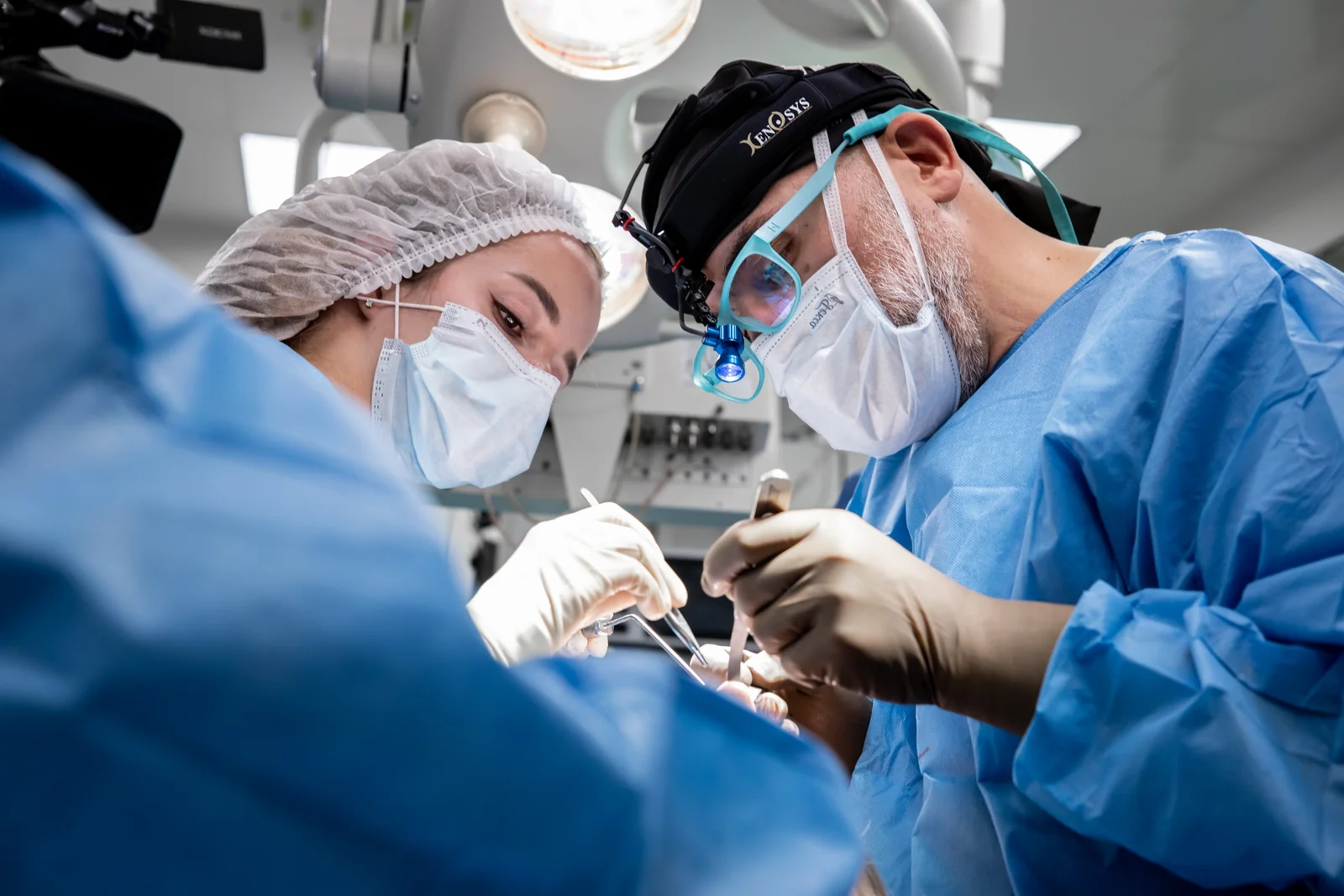
The surgeon performs the bariatric procedure by the chosen method under general anaesthesia, and the medical team then monitors the patient after surgery.
 5
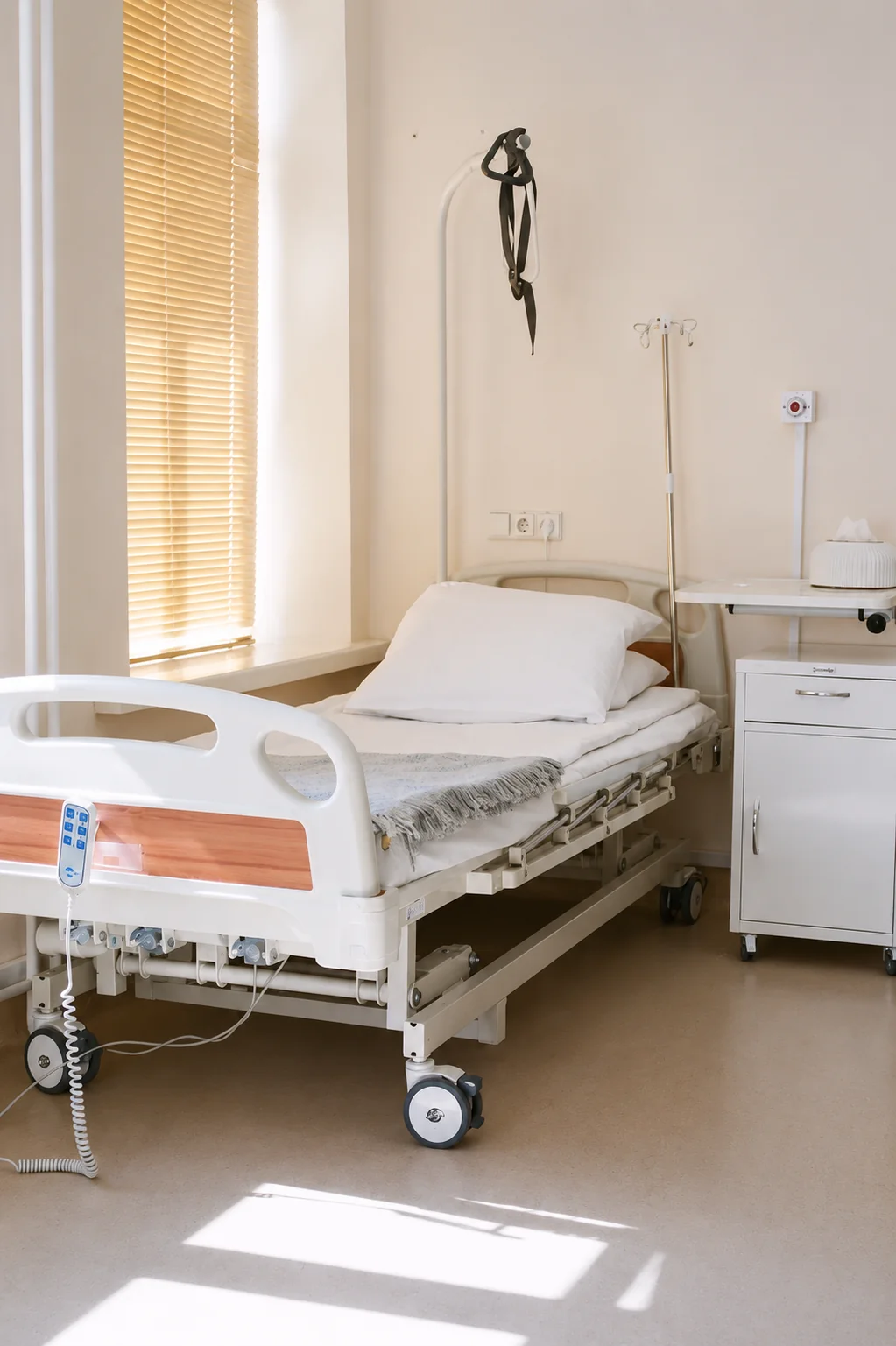
After surgery you remain in hospital under doctors' supervision. Expect a stay of 1–3 to 4–5 days, depending on the complexity of the operation and how you feel.
 6
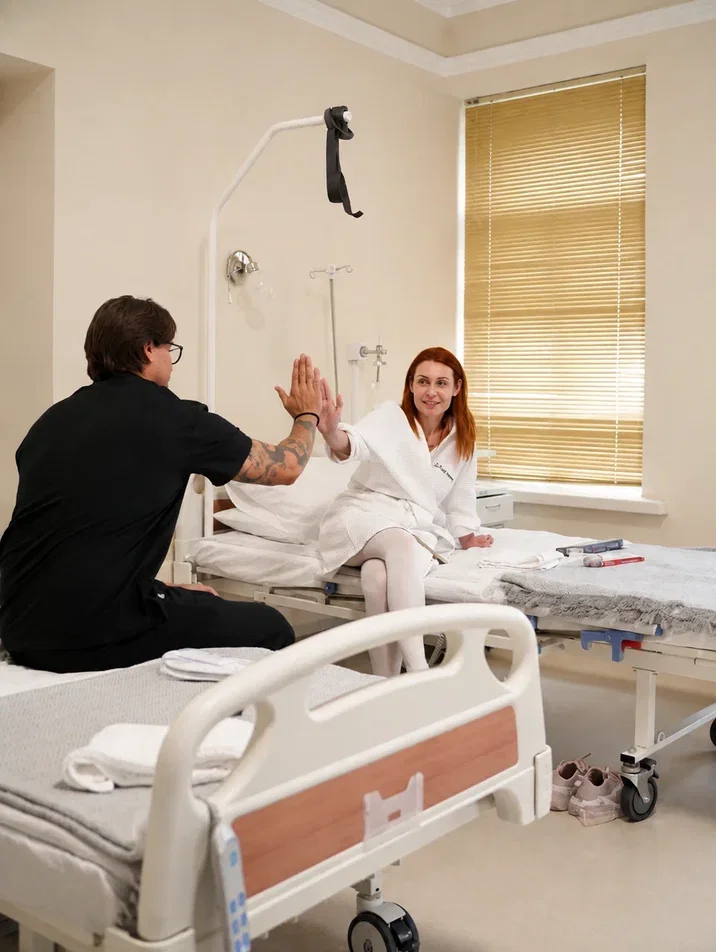
Following discharge you get advice on diet and recovery, while scheduled check-ups track how you feel, your weight and tests. The clinic team supports you for a year.
At the consultation the doctor makes a plan and tells you how the surgery will go
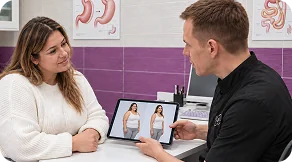
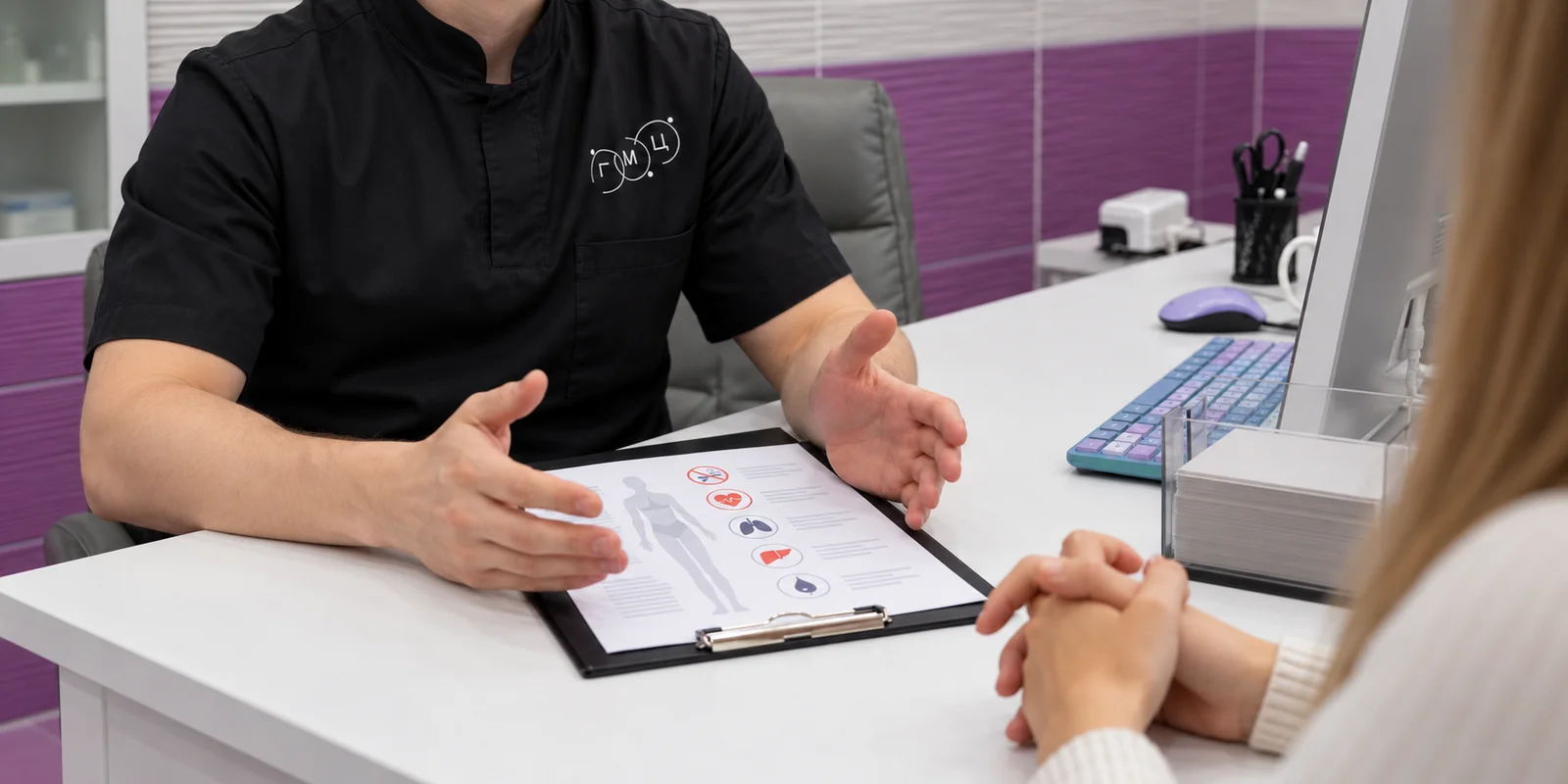
The consultation is free of charge, comes before surgery and obliges you to nothing.
Book a consultationDoctors
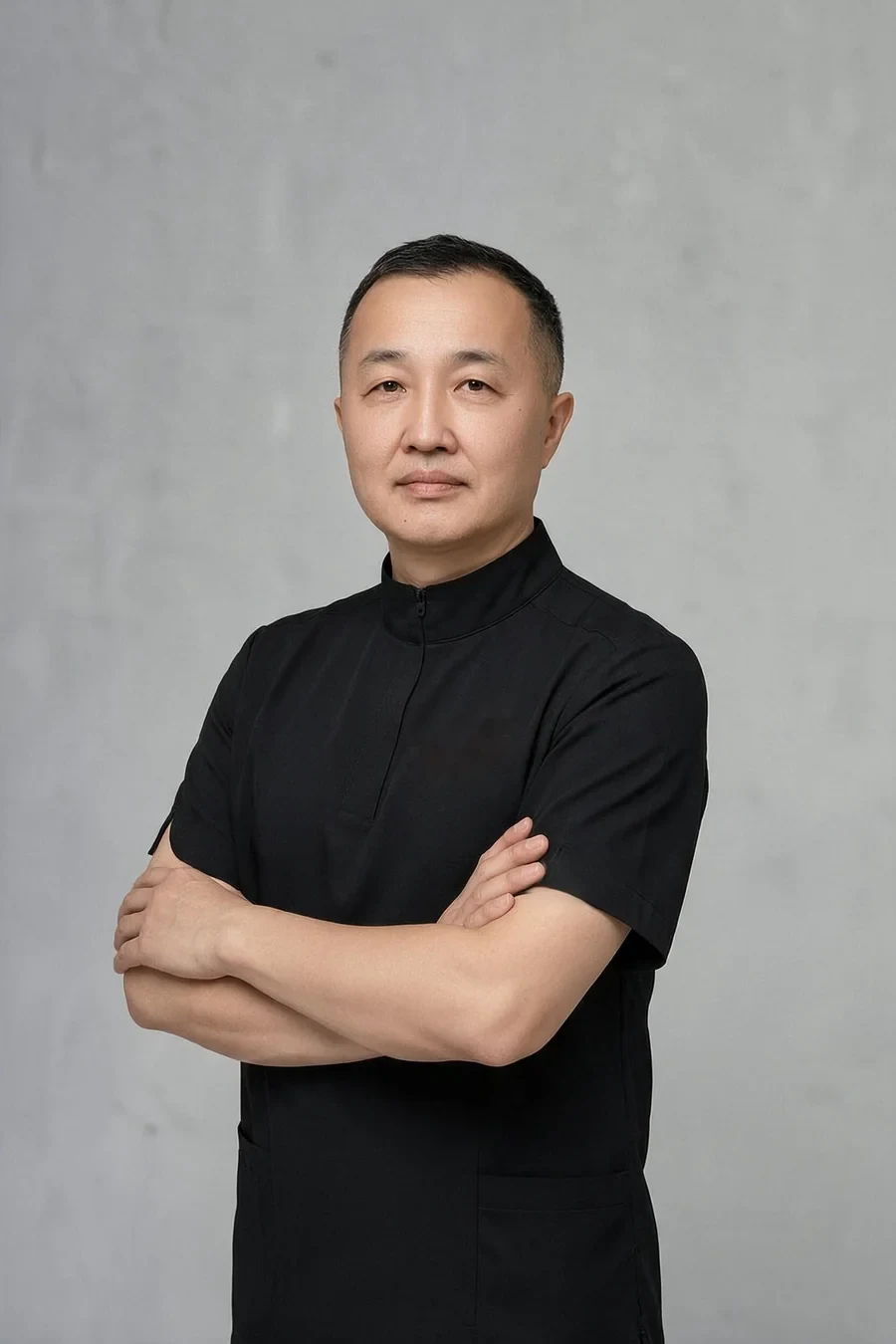
27 years of experience
Lead bariatric surgeon
Surgeon
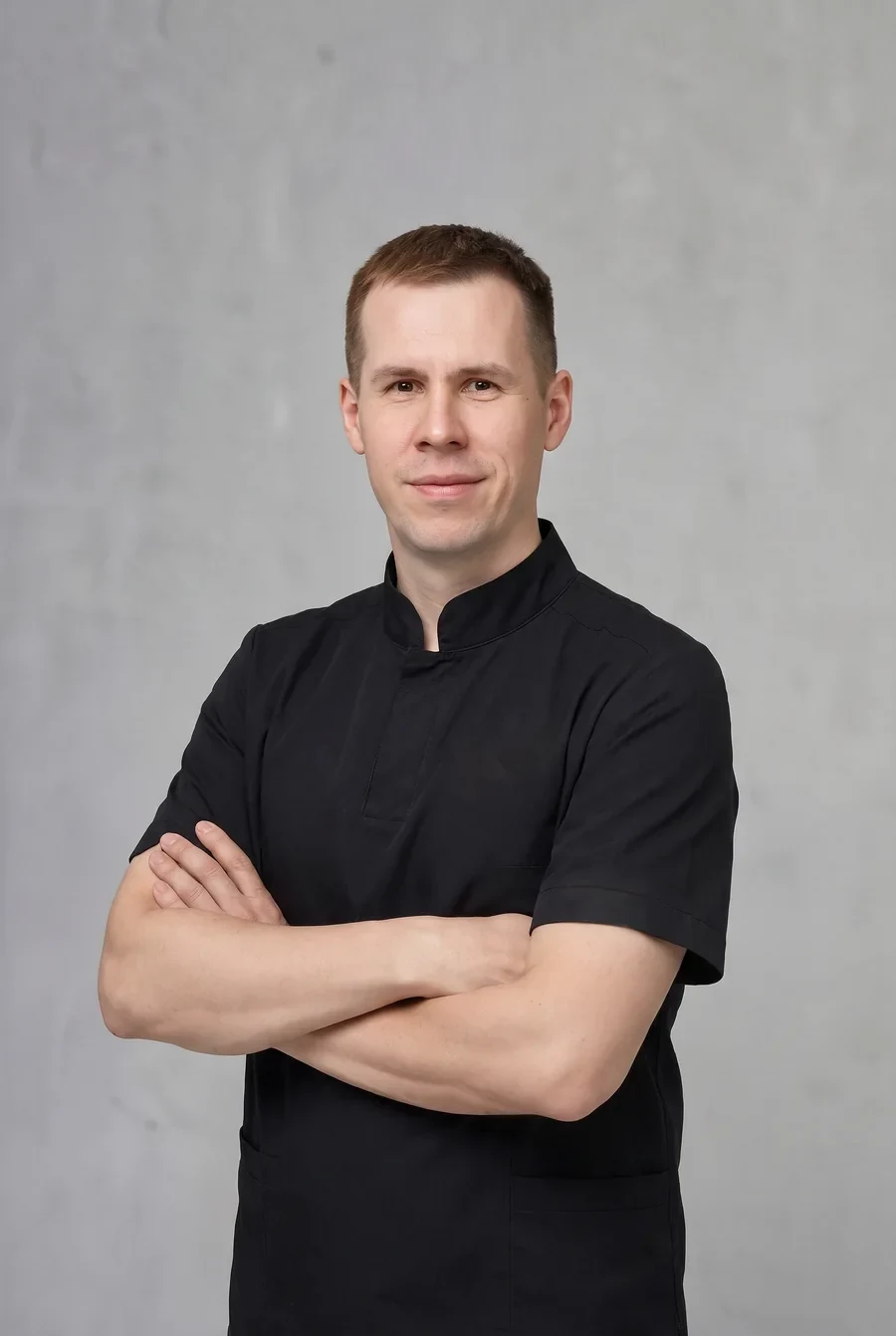
9 years of experience
Bariatric surgeon
Surgical oncologist
The surgeon operates and then follows you, from the very first consultation to the result.
Free of charge, the first consultation with our patient care manager covers calculating your BMI, explaining the methods and booking you in with the surgeon.
Book a consultationCoordinators
Support at every step of the way

Your first point of contact at the clinic, from your first message to the consultation
Care specialist for patients
Helps you find a convenient date and answers your questions before your first consultation

By your side before and during your stay, from booking to discharge
Care specialist for patients
Helps prepare you for surgery and remains in touch during your stay at the clinic

Stays with you during recovery, from discharge until your final check-up
Care specialist for patients
Keeps in touch during recovery and books your follow-up visits with the surgeon
Advantages
We pick the best method for your health, lifestyle and goals, and our team is with you all the way.
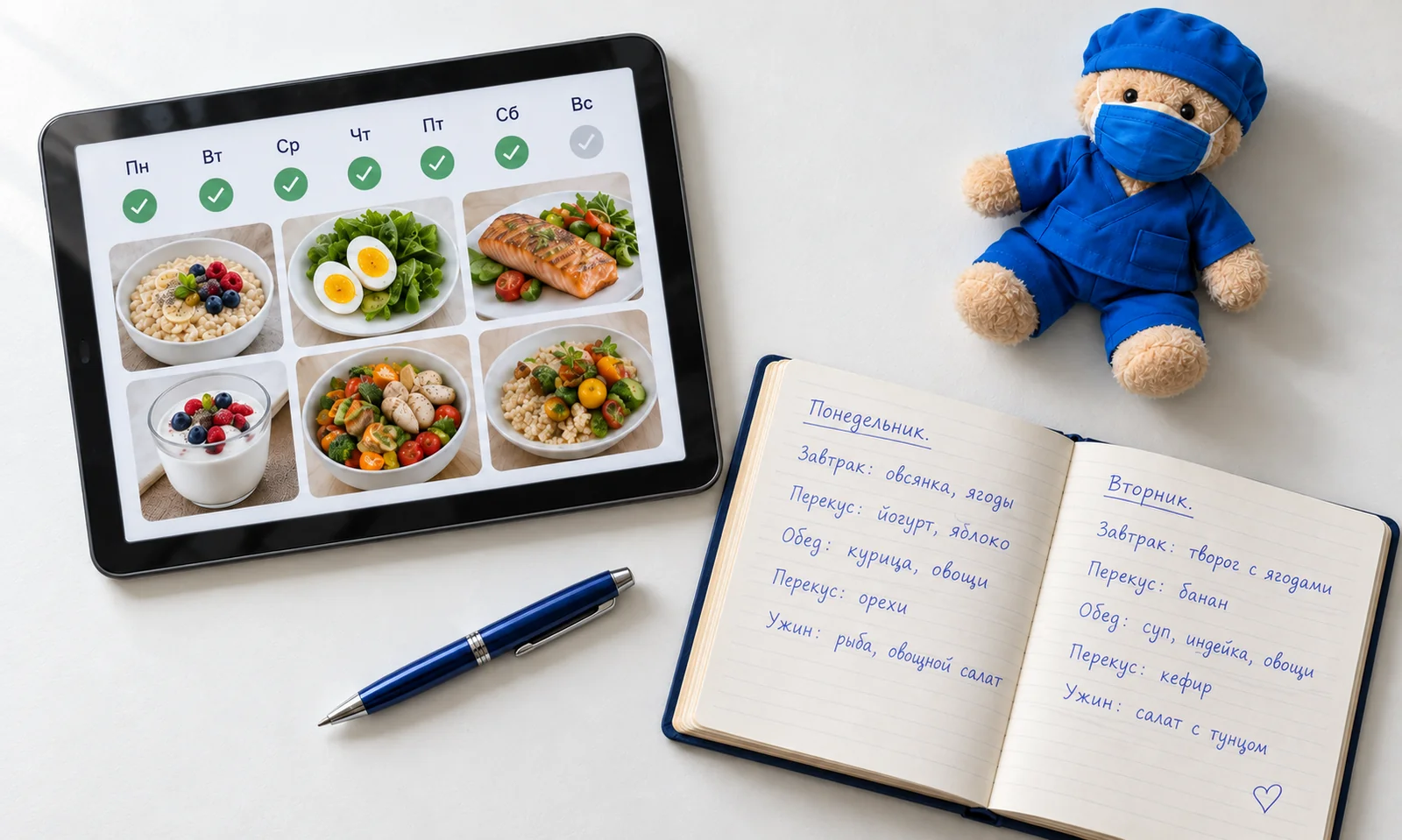
With our help you adapt to new eating habits, track your results and sustain them.
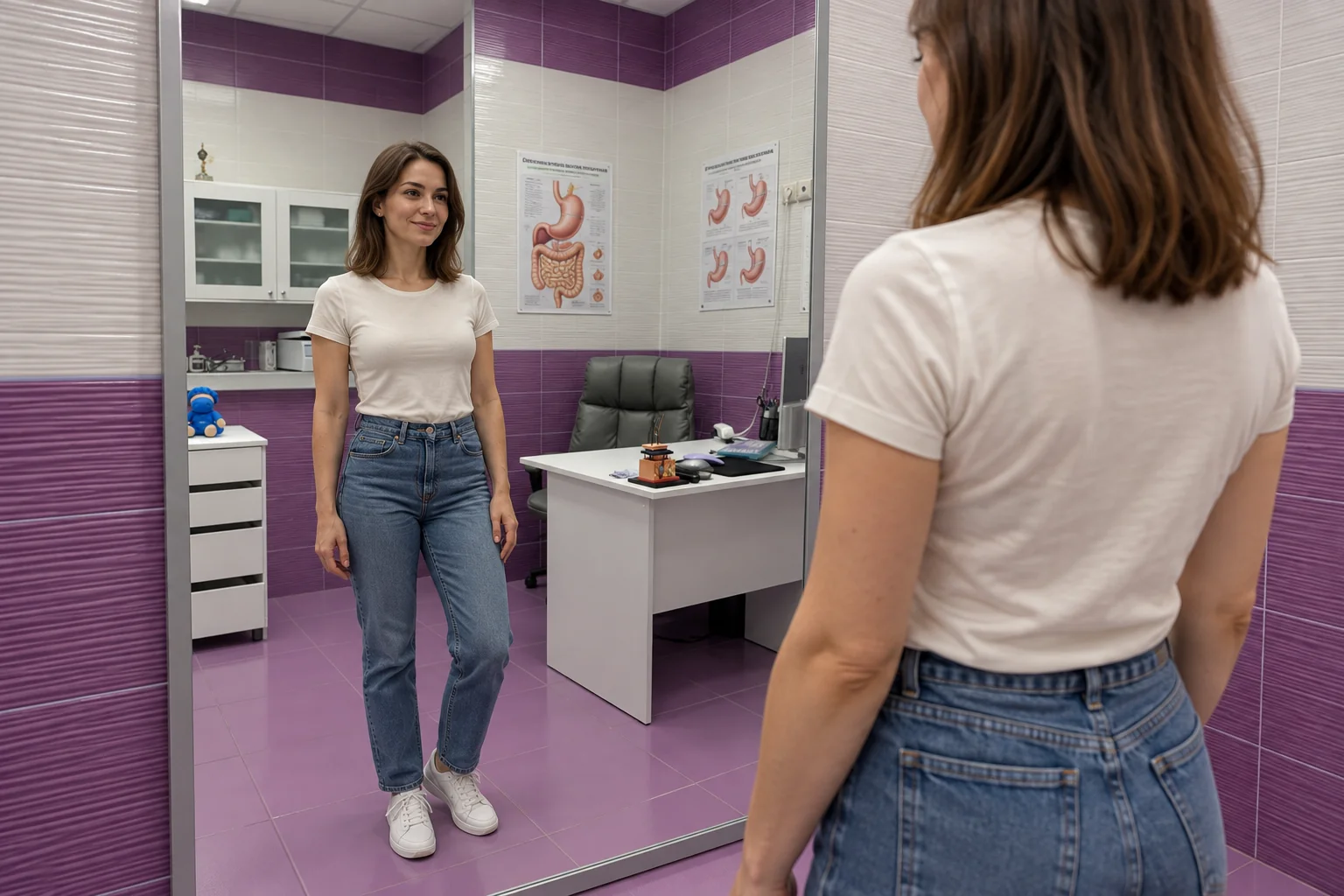
Stable weight loss, improved well-being and a higher quality of life.
We respect your time, working 24/7 with easy booking and a personal approach that adapts to your pace.
No hidden fees and no surprises on the way to your result: after the consultation the surgeon chooses the method and you get a clear price.
FAQ
Bariatric operations here are carried out by experienced bariatric surgeons:
Write to us — a coordinator will get back to you soon and arrange your consultation. The bariatric surgeon consultation is free of charge.
Surgery is prescribed only when clear criteria are met
To gauge obesity, doctors rely primarily on BMI, which equals body weight (kg) divided by the square of height (m²). An operation is usually warranted with a BMI over 40, or over 35 with serious associated conditions. Occasionally surgery is weighed at lower values as well, once non-surgical options have failed.
The two are often mistaken for each other, but their goals are fundamentally different. Bariatric surgery provides medical treatment for obesity and related diseases. Changing how the digestive tract works, it deals with the causes of excess weight and metabolism. Plastic surgery modifies the body's outer contours; it does not treat obesity or affect metabolism.
City Medical Centre provides four main types of bariatric surgery: sleeve gastrectomy, Roux-en-Y gastric bypass, mini gastric bypass (MGB) and SADI-S duodeno-ileal bypass. We choose each method individually by BMI, related conditions and the patient's goals.
We use modern laparoscopic technique. The operation is done through 4 small punctures of 5 to 15 mm. Cosmetic sutures are placed, so once healed the marks become almost invisible.
How soon you recover depends on what you do. Office work: 2–4 weeks later. Physical work: 1.5 months later. Sport and activity: swimming from day 30, other exercise brought in gradually as weight falls. Travel and holidays: ideally not sooner than a month after surgery.
Stage by stage, you move from liquid food to soft and then solid. Priority goes to protein, and high-calorie, fatty food is limited.
Pregnancy is possible after bariatric surgery; doctors advise waiting no less than 12–18 months. This gives the body time to stabilize, for weight to reach target values and nutritional status to normalize.
Yes, after bariatric surgery vitamins are a must. The altered digestive anatomy reduces absorption of some nutrients, which makes regular vitamin and mineral supplements a permanent part of the patient's life.
Regain after bariatric surgery is possible, but very unlikely if you follow the doctor's advice. Proper nutrition, no high-calorie drinks and regular follow-up visits with City Medical Centre specialists make the difference.
Prices are in US dollars; the amount in brackets is an approximate conversion to NGN at the rate of 02.10.2026. The final price is fixed in your contract.
Prices start from $3,600 (≈ ₦4,800,000). The surgeon sets the final price at the free consultation, and it is fixed in the contract, with no hidden extras.
General anaesthesia, a personal coordinator from day one, monitoring in the hospital and support for one year.
The hospital stay is 1–5 days, depending on the method and how you feel. Office work is possible after 2–4 weeks.
Yes. The first consultation is free and does not oblige you to anything. You can start online by sending a message to the coordinator.
Message us on WhatsApp or Telegram using the buttons below. A coordinator will answer your questions and book a free consultation where the doctor names the exact price.
By messaging us, you agree to our Privacy Policy
SADI-S combines a sleeve with intestinal bypass in two stages and is one of the most powerful bariatric operations, with 80–90% excess weight loss and a long-lasting result. It suits super obesity with a BMI over 50, severe type 2 diabetes, or a second stage after an ineffective sleeve. Anyone in Ilesa in these situations can discuss it at a consultation.
During the operation the surgeon works laparoscopically, which keeps rehabilitation as short as possible. Right after, you are under round-the-clock care in a ward, with meals and nursing included. After discharge, most people in Ilesa return to office work in 2–4 weeks, following a diet plan and avoiding saunas and heavy exercise for the first weeks.
If you are comparing bariatric surgery options in Ilesa, look beyond the operation itself. Here the package bundles the work-up in the centre's own lab, laparoscopic surgery, the stay with meals and nursing, a doctor on hand 24/7 and a year of follow-up. Apply for a free surgeon consultation to see how this applies to your case.
What patients write after this operation. Reviews are translated from the original language.
Irina, 26
For a long time I doubted whether to go ahead with surgery, but after the consultation I felt much calmer. Andrey Georgievich explained in detail how gastric bypass is done, what to expect after the operation and how recovery would go. I especially liked that they talked to me calmly and without pressure. I am now gradually getting used to my new way of life and I am very glad I took this step.
Bariatric surgery
Doctor: Andrey G. Ugay
Angelina, 22
For me the hardest part was deciding to have the operation. At the consultation Ruslan Sergeyevich answered all my questions in detail and explained the specifics of sleeve gastrectomy and recovery. After the operation I always understood what I was doing and why. Thank you to the doctor and the whole team for their attentiveness.
Bariatric surgery
Doctor: Ruslan S. Menzulin
Anna, 31
For a very long time I tried to deal with my excess weight on my own, but I did not get the result I wanted. After the consultation with Andrey Georgievich I finally understood what to do next. I came through the operation well, and my recovery was supervised by the doctors. It was important for me to feel that I was not left alone after surgery.
Bariatric surgery
Doctor: Andrey G. Ugay
Veronika, 25
Before the operation I had many fears, mostly of the unknown. Ruslan Sergeyevich explained every stage of treatment in detail and answered even the simplest questions. Thanks to that I felt much more confident. I keep following the recommendations and I am gradually seeing the changes I had the operation for.
Bariatric surgery
Doctor: Ruslan S. Menzulin
Valentina, 23
The decision to have bariatric surgery was not easy for me. I worried both about the operation itself and about how my life would change afterwards. At the consultation Andrey Georgievich explained everything in detail, so little by little my fear turned into confidence. What matters most to me now is the result and the chance to treat my health and lifestyle differently.
Bariatric surgery
Doctor: Andrey G. Ugay
Anna, 27
I am very grateful to Ruslan Sergeyevich for his attentiveness. Before the operation I had a huge number of questions, and I got a clear answer to every one of them. After the operation it was also clear which recommendations to follow and how to eat. It was important to me that the doctor stayed in touch and I felt supported at every stage.
Bariatric surgery
Doctor: Ruslan S. Menzulin
Ilesa, also written Ilesha, is a historic city in Osun State, southwest Nigeria. It is the capital of the old Ijesa state-kingdom, ruled by the Owa Obokun Adimula of Ijesaland. The city has about 325,000 inhabitants, and it is surrounded by many Ijesa towns whose residents often look to Ilesa for work, study and family life. Anyone in this area who has struggled with excess weight for years will find that the first step toward sleeve gastrectomy or gastric bypass is a conversation, not a decision.
City Medical Centre works with patients in Ilesa through a free online consultation. You do not need to arrange anything in advance. Coordinators are available around the clock (24/7) on Telegram and Telegram, so you can write after work, in the evening or at the weekend, whichever suits you. Booking is easy, the approach is personal and the process adapts to your pace.
At the first contact you describe your height, weight, health history, earlier attempts at weight loss and your main worry. A coordinator arranges the consultation with the surgeon, and a coordinator will call you back 24/7 if you prefer to talk by voice. Nothing is decided in that first message. The aim is to understand whether surgery is a realistic option for you and what preparation would look like.
Body mass index, or BMI, is the main tool for assessing the degree of obesity. It is calculated by dividing body weight in kilograms by height in metres squared. Surgery is usually considered with a BMI over 40, or over 35 when there are related health conditions. In some cases surgery is considered at lower values too, if non-surgical approaches have failed. The surgeon confirms at the consultation whether surgery suits you.
Many people in Ilesa work in trading, teaching, public service, transport, farming-related business or health and technical training. Their working days are often long and the schedule is not always regular, so a diet plan that depends on perfect conditions tends to fail. When you speak to the surgeon, describe your real routine honestly, including how and when you usually eat. This helps the team judge whether the operation fits your life.
In general terms, surgery is not a shortcut for people who simply want to lose a little weight. It is a medical treatment for obesity and its consequences. Contraindications are assessed individually, and they can include certain heart, lung, liver or digestive conditions, untreated psychological difficulties or an inability to follow the nutritional rules after surgery. Pregnancy planning also matters, and it is covered later in this text. Only the surgeon can say whether any of these apply to you, after reviewing your tests.
Patients from Ilesa most often ask how the two operations differ. In sleeve gastrectomy the stomach is made smaller, so you feel full after much less food. Gastric bypass also reduces the stomach and changes the route food takes through the digestive tract. The choice depends on your BMI, your diabetes or reflux history, your eating habits and your goals. The surgeon explains the reasoning, and you can ask for it to be repeated in plain language.
The technique is modern laparoscopic surgery. The operation is performed through 4 small punctures of 5 to 15 mm. Cosmetic sutures are used, so after healing the marks are barely visible. This matters to many people who worry about a visible scar, for example when wearing light clothing for a ceremony or a festival in the Ijesa towns.
The operation is done under general anaesthesia. Another frequent question is whether the result is the same for everyone. It is not. Weight loss depends on the method, on your starting weight and on how closely you follow the diet, activity and check-up plan. The full effect is usually assessed 18–24 months after surgery, and the surgeon will tell you what to expect in your own case.
Preparation starts remotely. After the first consultation you receive a list of tests and examinations that the surgeon needs to see. You can gather these step by step, and your coordinator explains what each one is for. If you already have recent results from your family doctor, such as blood tests, ultrasound or notes about diabetes and blood pressure, send photographs of them in the chat.
The programme runs from preparation to 12 months of support, all in one package. No added fees. That means the follow-up is planned from the start and is not something you have to chase afterwards. You are accompanied through the stages: assessment, the operation, the hospital stay, recovery and follow-up support for 12 months.
A few weeks before surgery the team will normally give nutritional advice. For people in Ilesa, the practical work is at home: reducing sugary drinks and fried snacks, planning regular meals, and talking to the household about what will change. Tell your family early. Meals in many homes are shared, and it is far easier to change habits when the people who cook and eat with you understand why.
You are under observation for 1–5 days. The hospital stay is 1–5 days, depending on the method and how you feel. Doctors supervise you in hospital after surgery for a stay of 1–3 to 4–5 days, depending on the complexity of the operation and how you are feeling. Nobody is discharged on a fixed schedule alone. The team checks how you are drinking, moving and recovering before agreeing to discharge.
In the first days after the operation, the main aims are gentle walking, small sips of fluid and following the diet stage given by the doctors. Because the stomach is smaller, you will feel full quickly, and eating too fast or too much can cause discomfort. Keep your coordinator's chat open. If something seems unusual, write at once: the coordinators work 24/7 and can pass your question to the medical team.
Plan help at home before the operation. In Ilesa, family networks are strong and relatives often live close by, so asking a sister, spouse or adult child to look after shopping, cooking and children for the first period is realistic. This is not a luxury. It lets you focus on rest, fluids and short walks without rushing back to household tasks.
General advice applies for a city in southwest Nigeria. Warm weather can make you feel tired and thirsty, and dehydration is a particular concern after a stomach operation, because you can only drink small amounts at a time. Carry a bottle of water and sip regularly through the day. Choose light, loose clothing that does not press on the small wounds. If the team advises a compression garment or an abdominal binder, wear it as they instruct and choose breathable fabric.
Keep the small wounds clean and dry. Avoid direct strong sun on the healing area, and wear a hat or use an umbrella when you are outside for longer periods. Dust and crowded places are best avoided in the early period, particularly busy markets, because infection risk and fatigue are both higher when you are weak. Swimming is allowed after 30 days, so a river, pool or beach outing should wait until then and until the surgeon agrees that the wounds have healed.
When choosing the season for the operation, think less about weather and more about your calendar. A quiet time at work, a break from study and a period without large family obligations are more valuable than any particular month. Heavy rain can make moving around difficult, so make sure you can get to follow-up appointments or calls without stress. Ask the coordinator to plan the dates with you.
Recovery time depends on the activity. Office work is possible after 2–4 weeks, and you can return to work after 2–4 weeks if your job is desk-based, such as administration, teaching preparation or bookkeeping. Physical work is possible after 1.5 months. This applies to people who lift loads, stand for long hours or work outdoors. Speak to your employer early and, if needed, ask the surgeon for a medical note that explains the expected time away.
Ilesa has schools and training institutions, including the College of Health Technology in Imelu, so students and trainees are part of the community. If you are a student, plan the operation around a break and agree with your institution how to catch up. Light reading and online study are usually manageable once you feel well, but do not push through tiredness.
For sport, swimming is allowed after 30 days, and other exercise is gradually added as weight goes down. Begin with walking, then increase the length and pace as the surgeon advises. Football with friends, dancing or gym training should come back step by step. Family events and ceremonies are important in Ijesa life, and many of them centre on shared food. You do not have to avoid them. Eat small portions slowly, start with protein, drink water between meals and be ready to say politely that your doctor has given you a plan. Real friends and relatives will respect it.
Ilesa is the capital of the historic Ijesa kingdom, which tradition places at about 1300, when Ajibogun Ajaka, youngest son of Oduduwa, founded it. The ruler carries the title Owa Obokun Adimula, and accession rotates among four royal houses: Biladu, Bilagbayo, Bilaro and Bilayirere. In a city with such a strong sense of order and lineage, a medical decision is often discussed with elders and relatives first. Involve the people whose opinion you respect before the online consultation, so they understand that sleeve gastrectomy or gastric bypass is a medical treatment and not a fashion.
In 1854 the Rev. William Howard Clark wrote that Ilesa surpassed any native town he had seen for cleanliness and straight streets. Take that as a reminder of the local pride in order and tidiness, which helps in recovery. Keeping your room, kitchen and wound care routine neat is part of the plan. Prepare a clean place to rest, a water bottle within reach and a short list of questions for the coordinator, who is available 24/7.
Ilesa Grammar School celebrated its 90th anniversary in 2024, and the University of Ilesa, formerly the College of Education, was established on March 31, 2022. Teachers, lecturers, students and parents connected with these schools plan their year around terms and examinations. If you belong to this community, choose a break between terms for the operation and agree your return with your head of department or supervisor in advance.
Staff in desk-based roles can usually plan to be back after 2–4 weeks, while someone supervising sports or practical classes should think about the longer period of 1.5 months for physical work. Ask the surgeon for a written note, and use the quieter weeks to read and plan lessons lightly, without forcing long hours on your feet.
Ilesa and the wider Ijesa land are known for natural resources, especially gold along the Ilesa gold belt, and exploration for commercial deposits is still developing. Work linked to mining, supply and trade can mean long days, irregular meals and heavy lifting. If your work is of this kind, tell the surgeon exactly what you do, because physical work is possible only after 1.5 months, and the team can help you plan time away.
Skipping meals and then eating one large portion late in the day is a common pattern in busy working lives. After the operation this does not work, because the stomach is smaller. Start changing the rhythm now: set reminders for small regular meals, carry water, and ask a colleague to cover you for the first weeks.
Ilesa has several local hospitals, including Wesley Guide Hospital, the Oba Adenle Memorial Hospital and Living Petals Medical Center, and a College of Health Technology at Imelu. For routine tests, such as blood tests or an ultrasound requested by the surgeon, a local facility can often help, and you send the results by photograph to your coordinator. Ask the coordinator which tests are required before you book them.
After the operation, check-ups over the 12 months of support can combine online contact with local basic checks of weight and blood pressure. Keep a simple notebook with your weight, fluids and symptoms, so that your conversation with the medical team is concrete.
Prepare your list before the online consultation. Useful questions are: Which operation do you recommend for me, and why? What would my own timeline look like? Which tests do I need to complete first? What will I eat in each stage? Which vitamins or supplements will I need? How will diabetes, blood pressure or joint problems be monitored? Whom do I contact at night if I am worried? Write the answers down or ask the coordinator to send them in writing.
Pregnancy deserves a separate conversation. Getting pregnant after bariatric surgery is possible, but doctors advise waiting at least 12–18 months, so the body can stabilize, weight can reach target values and nutritional status can normalize. If you are planning a family, tell the surgeon at the very first consultation.
Long-term success is built on habits: regular small meals, enough protein, water, movement and keeping up with check-ups. The follow-up support for 12 months is there to help you adjust, because the first year brings the most change in weight, appetite and energy. The World Health Organization describes obesity as a chronic condition linked to other illnesses, which is why medical treatment and support, not willpower alone, are the right frame for the decision.
Yes. The first consultation is free and online. You write to a coordinator on Telegram or Telegram, send your height, weight and medical history, and the surgeon reviews your case remotely. Preparation, tests and many follow-up conversations also take place by message or call.
Usually a BMI over 40, or over 35 with related health conditions. In some cases surgery is considered at lower values too, if non-surgical approaches have failed. The surgeon confirms at the consultation whether surgery suits you, after looking at your tests and history.
BMI is calculated by dividing body weight in kilograms by height in metres squared. It is the main tool for assessing the degree of obesity. It is a starting point, and the surgeon also considers your general health, related conditions and previous attempts to lose weight.
The hospital stay is 1–5 days, depending on the method and how you feel. Doctors supervise you after surgery for a stay of 1–3 to 4–5 days, depending on the complexity of the operation and how you are feeling. The team decides on discharge only when you are recovering well.
The operation is done under general anaesthesia. It uses laparoscopic technique through 4 small punctures of 5 to 15 mm. Cosmetic sutures are used, so after healing the marks are barely visible.
Office work is possible after 2–4 weeks. Physical work is possible after 1.5 months. The exact time depends on how you feel and on what the surgeon advises. Discuss your job with the doctor in advance, so a medical note can be prepared if you need one.
Swimming is allowed after 30 days. Other exercise is gradually added as weight goes down. Start with light walking and increase the load step by step. Ask the surgeon before returning to heavy training or contact sports.
It is possible, but doctors advise waiting at least 12–18 months, so the body can stabilize, weight can reach target values and nutritional status can normalize. Mention any plans for pregnancy during the first consultation so the schedule can be set properly.
The programme runs from preparation to 12 months of support, all in one package. No added fees. You have follow-up support for 12 months, and coordinators are reachable 24/7 on Telegram and Telegram. A coordinator will call you back 24/7 if you ask for a call.
The result develops gradually. It is usually assessed 18–24 months after surgery. Weight loss depends on the type of operation, your starting weight and how well you keep to the diet, activity and check-up plan.
No. The consultation is online, so your location does not limit the first steps. You write to a coordinator on Telegram or Telegram, and the surgeon reviews your case remotely.
Yes. Office or desk work is possible after 2–4 weeks, so many people choose a break between terms. Agree dates with your coordinator and your institution early.
Often yes. Ask the coordinator which tests the surgeon needs, then send the results by photograph in the chat. The surgeon decides whether they are sufficient.
Explain that this is medical treatment for obesity, choose a relative to help with cooking and household tasks in the first days, and ask them to respect your meal plan at gatherings.
Page medically reviewed by Andrey G. Ugay, lead bariatric surgeon. Review date: .