

Message our coordinator
Free online consultation · Reply within 15 minutes
Message us on TelegramMessage us on WhatsAppBy messaging us, you agree to our Privacy Policy



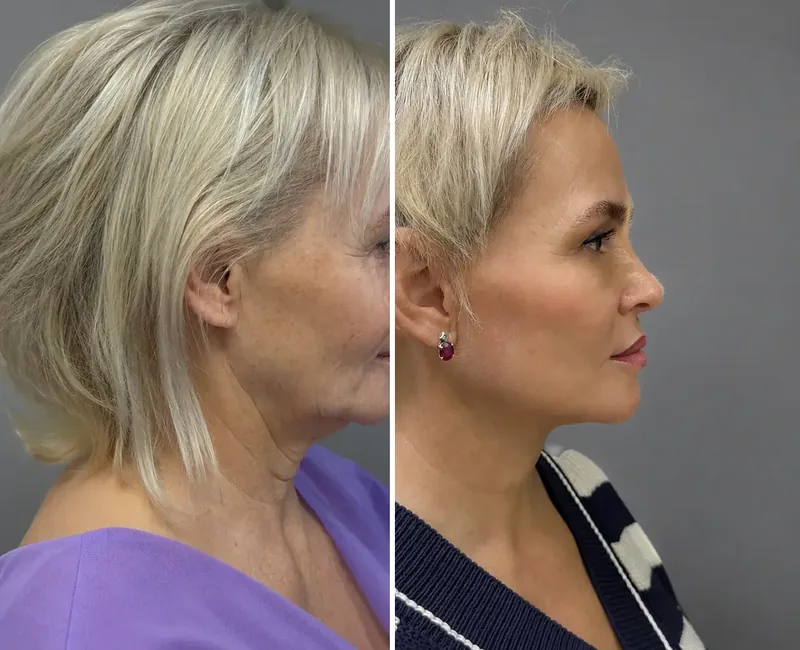

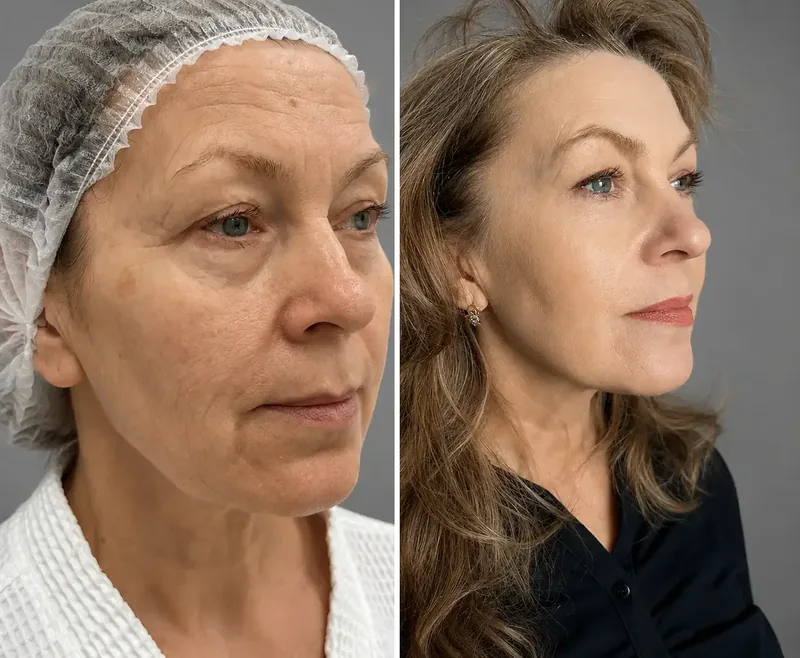
50 years
9 months
SMAS facelift
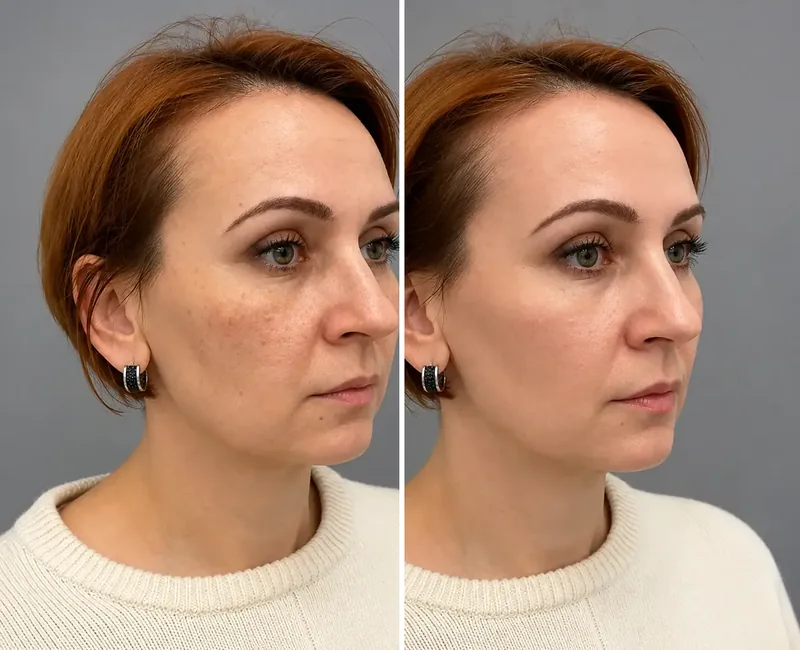
58 years
8 months
SMAS facelift
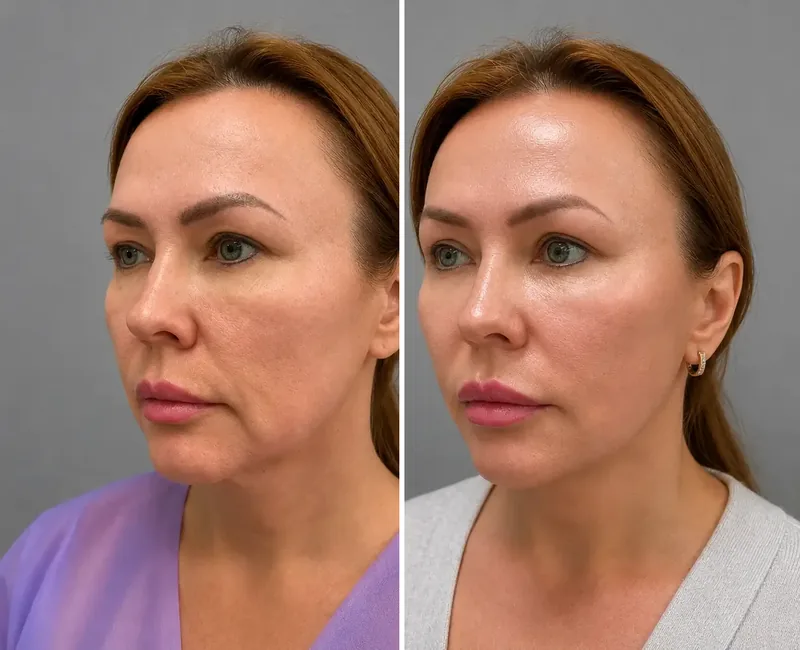
34 years
5 months
SMAS facelift
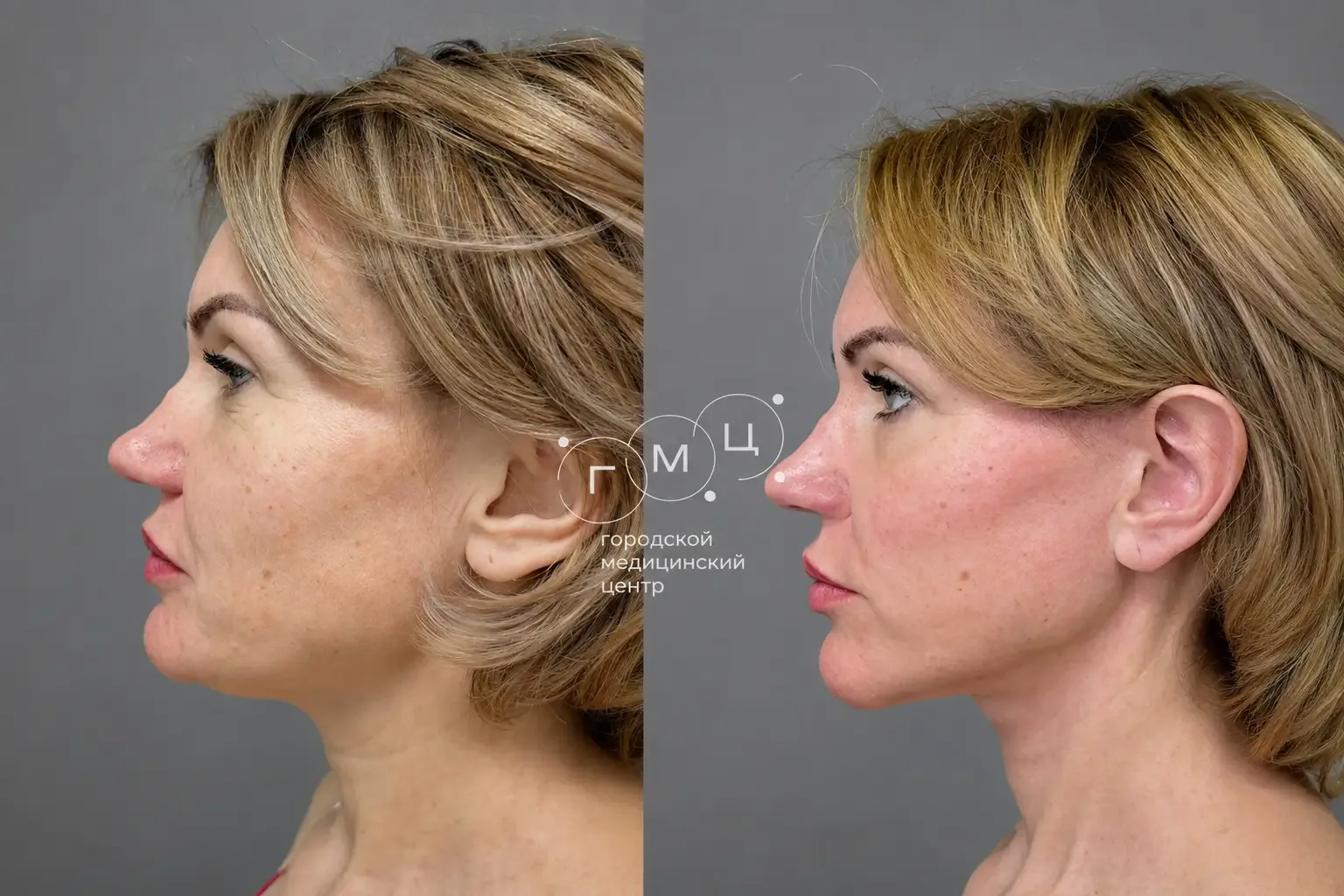
32 years
7 months
SMAS facelift
40 years
6 months
SMAS facelift
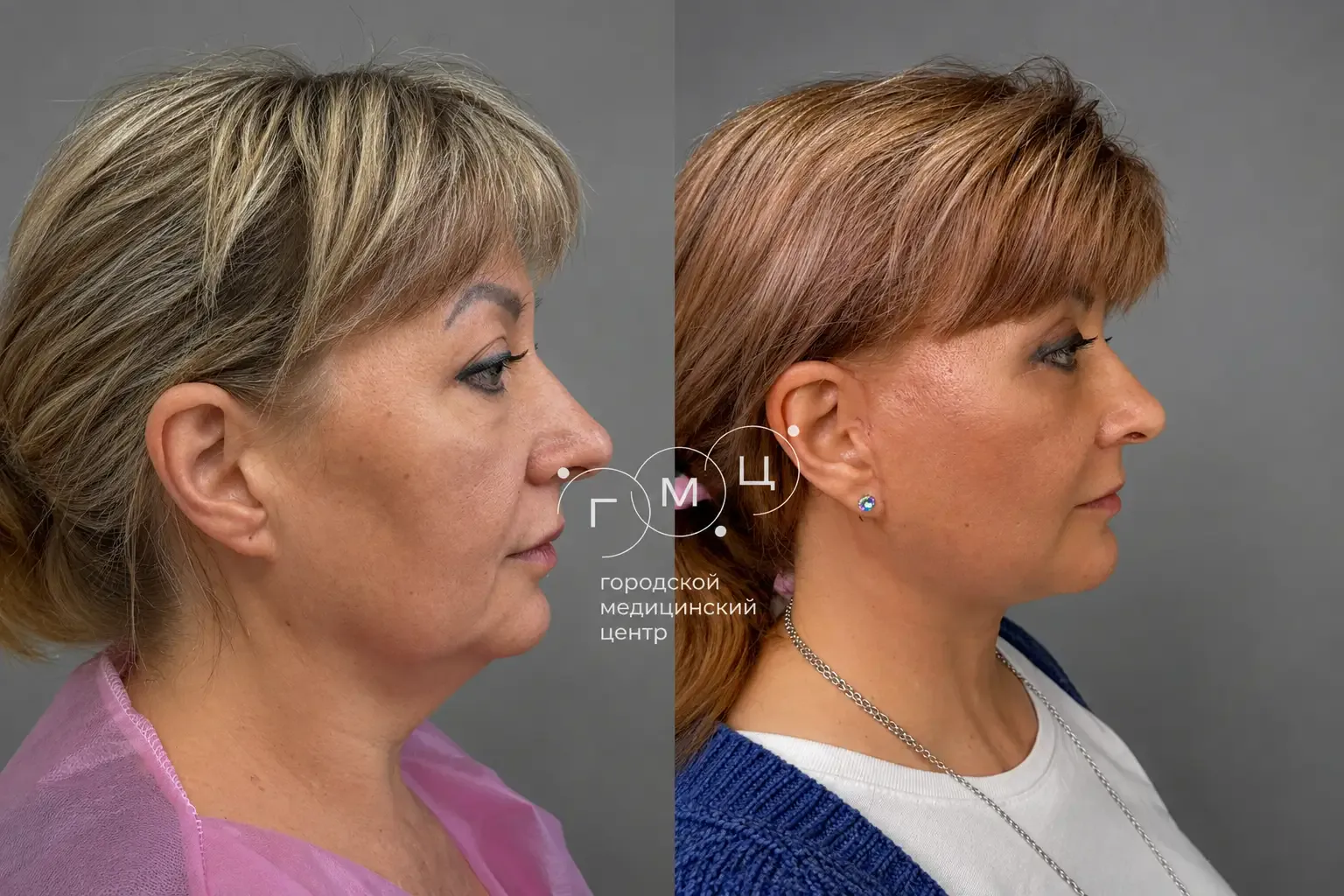
45 years
8 months
SMAS facelift
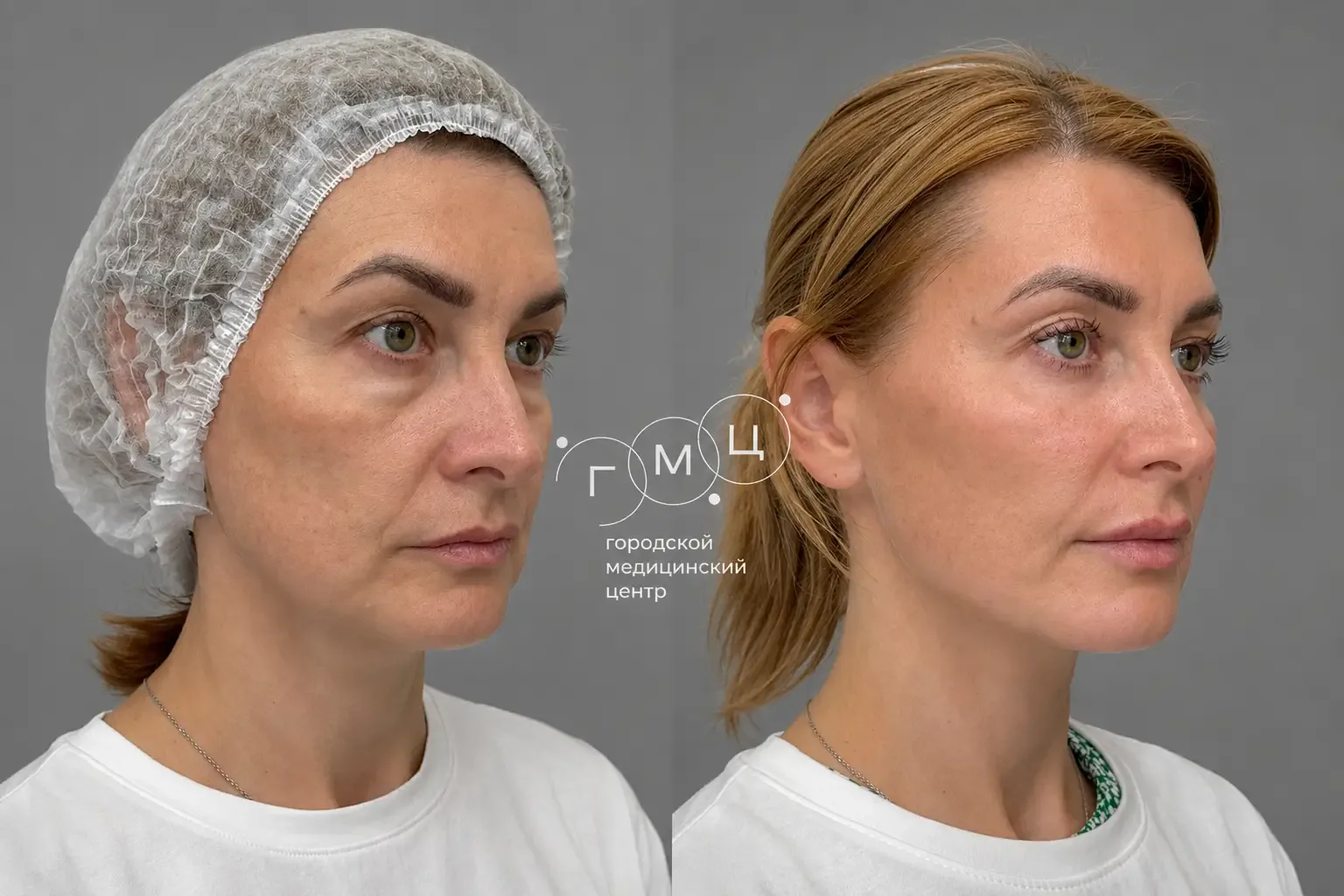
38 years
5 months
SMAS facelift
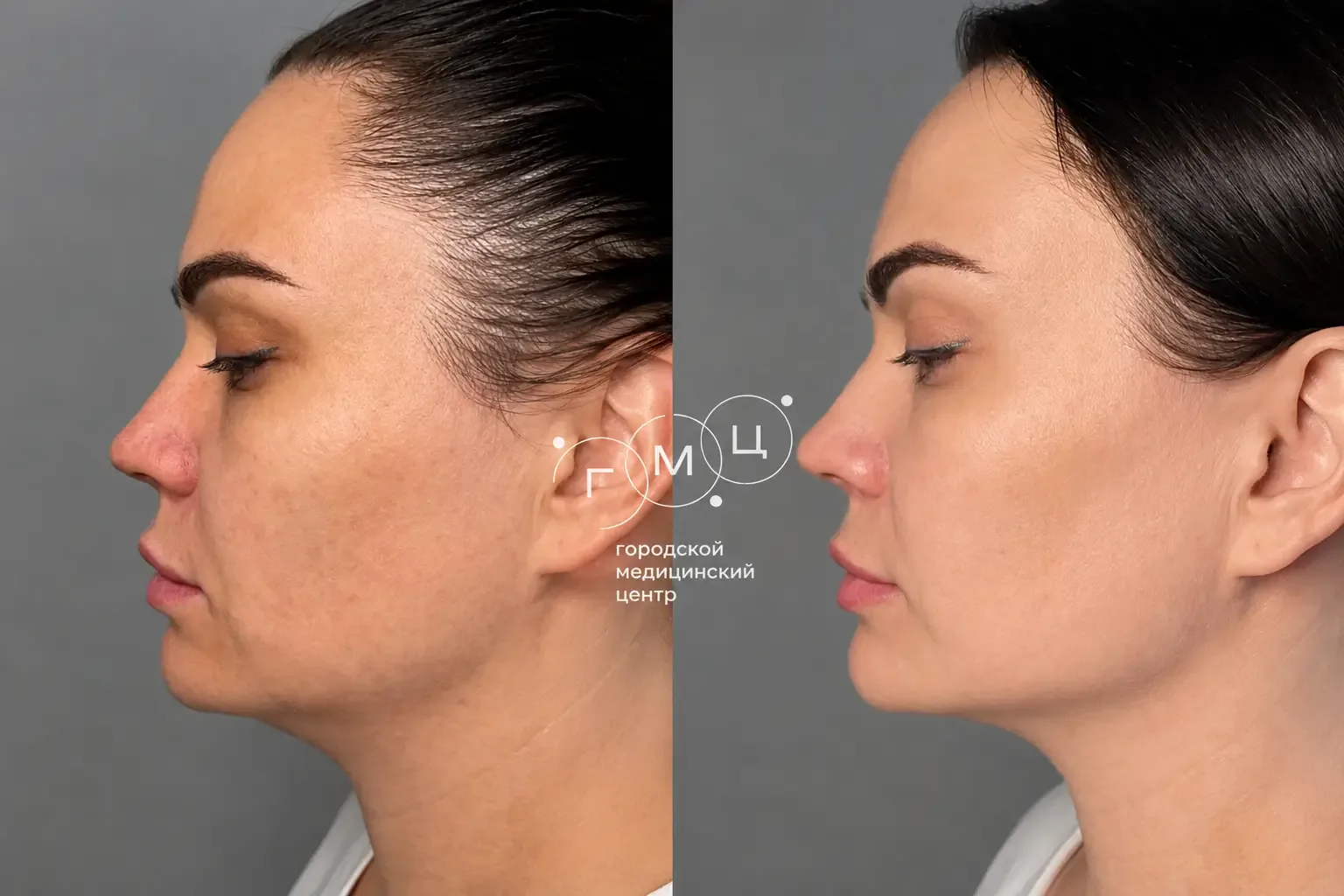
33 years
6 months
SMAS facelift
50 years
9 months
SMAS facelift
58 years
8 months
SMAS facelift
34 years
5 months
SMAS facelift
32 years
7 months
SMAS facelift
40 years
6 months
SMAS facelift
45 years
8 months
SMAS facelift
38 years
5 months
SMAS facelift
33 years
6 months
SMAS facelift
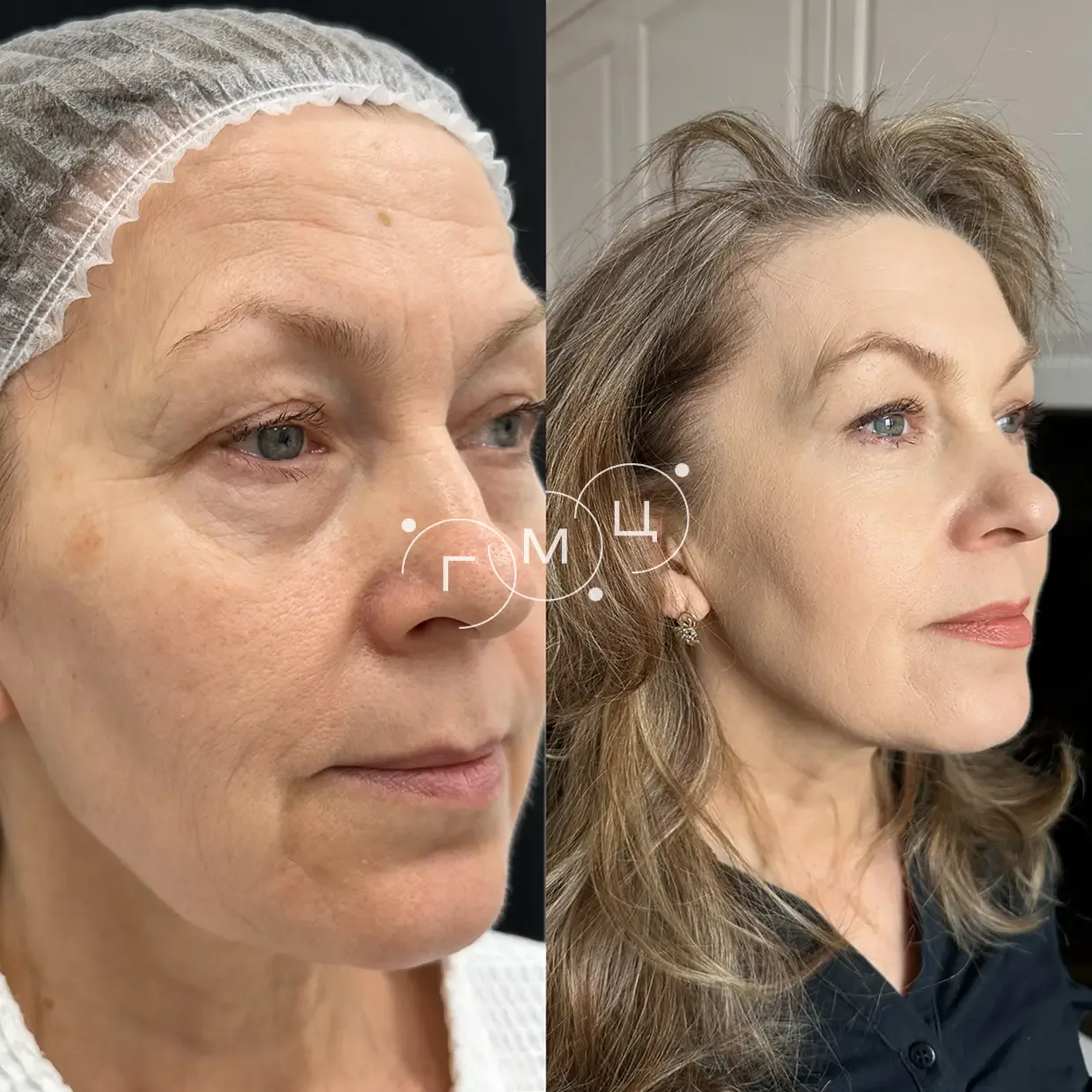

Noticeable sagging of the face and neck
A blurred jawline, jowls
A double chin with loose skin on the neck
Pronounced nasolabial folds and marionette lines
A heavy, tired look from drooping brows
Skin firmness lost significantly after 40
A long-term result is wanted (7–10 years)

Age under 30
Acute inflammation of the skin
Pregnancy and the breastfeeding stage
Severe cardiovascular disease
Problems with blood clotting
Cancer
Decompensated diabetes
Facelift in Ilesa: what you should know
What changes after a facelift? The lower-face contour becomes crisp, the cheeks are lifted, the chin line is clean without a double chin and nasolabial folds soften. Brows rise and the eyes look more open. The aim for patients from Ilesa is a younger, fresher look without an overdone effect or a mask-like appearance. One surgery gives a complete result, and a full lift keeps it for up to 10 years.
Follow-up does not end at discharge. Throughout the first year, your plastic surgeon monitors how the face settles and checks the result until it is final. Personal support is provided before and after surgery. When combined procedures such as eyelid surgery or double-chin liposuction are planned, the surgeon sets their scope in advance. For patients from Ilesa, every step is agreed at the consultation.
If you are comparing facelift prices in Ilesa, check what each offer includes and how long the result lasts. Here the price starts from $2,400 (≈ ₦3,200,000) and covers anaesthesia, the stay, meals, 24/7 monitoring and a year of follow-up, while a surgical SMAS lift holds for 7–10 years. The final amount is fixed at the consultation. Book yours for free via the form.
Ilesa and the question of a facelift
Ilesa is a historic city in Osun State, in southwest Nigeria. It is also the name of the capital of the old Ijesha state-kingdom, and its people, the Ijesa, are proud of that heritage. The city is home to about 325000 inhabitants. In a city where family standing, community ties and personal presence matter a great deal, it is natural that people think carefully before making a visible change to their face.
Most people from Ilesa who ask about a facelift are not chasing a new face. They notice that the jawline looks softer than before, that the cheeks have descended, that jowls have appeared, or that a tired look stays even after good rest. They want to look like themselves, only fresher. This is the right way to frame the decision, and the surgeon will use it as the starting point of the conversation.
City Medical Centre works with patients from Ilesa through a free online consultation. Coordinators are available around the clock (24/7) on Telegram and Telegram, so you can ask your first questions from home, at a time that fits around your work and family life, and decide without pressure.
What a surgical SMAS facelift does
Beyond 40–50 the skin gradually loses firmness. The typical signs are noticeable sagging, jowls, a blurred jawline and drooping cheeks. Creams and surface treatments cannot reach the cause. A surgical SMAS facelift works deeper than cosmetology: it repositions the muscle and fascia layer, so it treats the cause of sagging, not only its effects, and it delivers a lasting result even with significant changes.
The operation corrects at 3 levels. The central step is lifting and securing the muscle and fascia layer. This lets the surgeon treat the cause of sagging itself, meaning weakened ligaments and descended muscles. Deep work on the SMAS gives a natural look, and the result lasts up to 10 years.
For a patient in Ilesa this matters in practical terms. People who meet relatives, colleagues and neighbours at gatherings often fear the stretched, mask-like look that comes from tightening the skin alone. Because a SMAS lift tightens the deep layer under the skin, not only the skin, the lower face, jawline and neck stay firmer for longer, and the face keeps its own expression.
Four options and how the surgeon chooses
We have 4 main options. At the consultation, the surgeon helps select the best one for your age and type of ageing. You do not need to arrive with a decision already made. Photographs of your face from the front and from the side, taken in daylight without make-up, will help the discussion during the online meeting from Ilesa.
The classic SMAS lift of the mid and lower face is one option. The surgeon works on the skin and the SMAS layer through incisions hidden along the hair line and around the ears. It removes jowls, sagging cheeks, a double chin and deep nasolabial folds. Results last 7–10 years.
The comprehensive lift covers the forehead, temples, mid and lower face and neck. It suits marked sagging in several areas at once. It delivers the most complete rejuvenation and a natural look, free of a mask effect, and the results last up to 10 years.
Ask the surgeon why a particular option fits your face, which areas it will change, and which it will leave alone. Someone from Ilesa who wants to keep a recognisable look should say so openly, because that wish shapes the plan.
Who is a suitable candidate, and who should wait
As a rule, surgery is recommended for patients aged 40+ with marked tissue sagging, and in some cases from 35. The recommendation is made individually after an examination. Age alone does not decide anything. What counts is the condition of the tissues, the shape of the face and your general health.
A facelift is a good fit for someone with a marked loss of skin firmness after 40, or for someone looking for a result that lasts (7–10 years). It is less suitable for a person who expects it to change their whole appearance, or who is not ready to follow the recovery rules for the first weeks.
In general terms, the surgeon will ask about chronic illnesses, medicines you take, smoking and earlier operations, and will explain which conditions call for postponing or reconsidering surgery. Weight is part of that conversation too: overweight and obesity affect general health, so be honest about any recent weight changes. Honest answers make the plan safer, and a good surgeon will say plainly when waiting is the better course.
Planning around the rhythm of life in Ilesa
Ilesa is a city of long traditions, with its monarch, the Owa Obokun Adimula of Ijesaland, and a history that reaches back to about 1300. Family events, ceremonies and community occasions are fixed points in many calendars. Before you pick a date for the operation, look at your calendar for the coming months and note every event you cannot miss.
Swelling and bruising fade within 2–4 weeks. After 3–4 weeks, as the swelling settles, the first clear changes appear. Your face takes on its final look in 3–6 months. A wedding, a naming ceremony or a major family gathering that falls inside the first weeks would find you still in recovery. It is wiser to place the operation well before such an event, or after it.
Work and study matter as well. Ilesa is known for its natural resources, especially gold, and it has educational institutions such as the College of Technology at Imelu, so residents include people in offices, in technical fields, in teaching and in business. Whatever your occupation, tell the coordinator what it demands: how much you speak in public, how much you are on your feet, and whether your day involves heat, dust or long hours outdoors. The plan for time off is built from those details.
Sun, heat and dust during recovery
No season is forbidden for a facelift, but the weather around you affects how comfortable the recovery is. Healing skin and fresh scars react badly to strong sun. In hot weather, stay in the shade, avoid long periods outdoors in midday heat and protect the face from direct sunlight. Heat can also make swelling feel heavier, so a cool, ventilated room helps.
During the first 7–10 days the plan is rest, a compression bandage and less physical activity. Wear the compression garment exactly as the surgeon tells you. If your daily surroundings are dusty, keep windows closed, ask someone else to run outdoor errands, and keep the area around the incisions clean. Ask the surgeon about caring for the wounds in dusty conditions.
Headwear deserves a practical note. Many people in Ilesa wear caps, head ties or other covers for sun or for tradition. In the early stage, anything that presses on the ears, temples or the line of the incisions can irritate the healing area. Ask the surgeon what you may wear and from which day, and choose loose, soft options. Swimming pools and other bodies of water are not for the early weeks either. Follow the surgeon's instructions on when water and pool are allowed.
Food, daily routine and the first weeks at home
Yoruba food culture is rich and social, with meals shared at home and at celebrations. During the early days of recovery, chewing and wide mouth movements can feel uncomfortable, so plan softer meals. Prepare food in advance, or ask a relative to cook, so that you do not have to stand at a hot stove while swelling is at its peak.
Arrange the household before the operation. Decide who will help with children, who will run errands, and who will stay with you at night. In a family-centred city like Ilesa, help is usually close at hand, but it is better to agree on roles beforehand than to improvise afterwards. Sleep with your head raised if the surgeon recommends it, and keep the room calm.
Full recovery takes about 2 months. Light physical activity returns gradually, and sport and heavy lifting only when the surgeon allows. Football, running, gym work and heavy household tasks should wait until your surgeon gives permission. Keep your coordinator informed of how you feel. The medical team provides continuous 24/7 monitoring, and for the whole first year your operating surgeon follows you up.
Ijesa heritage and the wish to look like yourself
Ilesa is the capital of the old Ijesha state-kingdom, which tradition says was founded around 1300 by Ajibogun Ajaka, known as Owa Obokun, youngest son of Oduduwa. The Ijesa are sometimes called Omo Obokun, children of the brine procurer, after the story of the prince who brought sea water to cure his blind grandfather. For many families in Ilesa this history is a living part of identity, and it shapes how people think about changing the face: the aim is to look rested and well, not to become someone else.
This is a useful way to talk to the surgeon. Say plainly that you want your family to recognise you at the next gathering. The surgeon can then explain which of the 4 options keeps your own features and which areas should stay untouched. A deep SMAS lift suits this wish because it repositions the muscle and fascia layer instead of pulling only the skin.
Four royal houses, ceremonies and choosing a date
The throne of Ijesaland rotates among four royal houses: Biladu, Bilagbayo, Bilaro and Bilayirere. Events connected with the Owa Obokun Adimula, chieftaincy matters and the gatherings of the wider Ijesa towns such as Ipetu Ijesa, Ijebu-Jesa, Ibokun and Erin Oke bring relatives together, and many people want to look their best at them.
For a facelift, work backwards from such an occasion. Swelling and bruising fade within 2–4 weeks, the first clear changes appear after 3–4 weeks, and the final look comes in 3–6 months. If a major ceremony is on your calendar, ask the coordinator to help plan the operation well ahead of it, so that you attend after the swelling has settled and not in the middle of recovery.
Schools, university and teaching careers in Ilesa
Ilesa has a strong school tradition. Ilesa Grammar School celebrated its 90th anniversary in 2024, and the University of Ilesa, formerly the College of Education, was established on March 31, 2022. The College of Health Technology and the College of Technology at Imelu add to the picture. Many residents are teachers, lecturers, administrators and former pupils who meet colleagues and students daily.
If you work in front of a class or lecture hall, think about when your voice, expression and appearance are most visible. During the first 7–10 days you rest, wear a compression bandage and reduce activity. Schedule the operation in a break between terms or examination periods if you can, and ask the surgeon how long to stay away from lecturing or supervising before returning.
Gold, mining and outdoor work around Ilesa
Ilesa is known for its gold along the Ilesa gold belt, and exploration for gold deposits has grown in recent years. People connected with mining, surveying, transport and trade in the area often spend long hours outdoors in heat and dust.
If your work is outdoors, say so at the consultation. Fresh incisions along the hair line and around the ears need clean, protected conditions, and a dusty site or open sun is not suitable during the early weeks. Plan a period away from field work, and ask the surgeon when you may return to your usual duties. Full recovery takes about 2 months, and returning step by step is wiser than rushing back.
Quiet streets, family help and the old town
In 1854 the Rev. William Howard Clark wrote that Ilesa, for its cleanliness and the straightness of its streets, far surpassed any native town he had seen in black Africa. A city with this reputation for order suits a careful, organised recovery: a clean, calm room, a helper nearby and a clear daily routine.
Hospitals in the city, including those connected with Wesley Guide and the Obafemi Awolowo teaching hospital, are part of local life. For a facelift the operating team is arranged through City Medical Centre, and your operating surgeon follows you up for the whole first year, with the medical team monitoring 24/7. Keep your coordinator informed about how you feel, and ask your local health providers only for general help, such as everyday care, while the surgeon directs the recovery.
How the remote consultation from Ilesa works
The first step is simple and free. Write to the coordinators on Telegram or Telegram at any hour, since they are available 24/7. Send your photographs, your age and a short description of what bothers you. The coordinator arranges an online conversation with the surgeon at a time that suits you. The centre is open 24/7 with flexible booking and a personal approach, so we fit around your busy schedule and adapt to you.
During the consultation the surgeon examines the photographs, asks about your health and history, and explains which of the 4 options fits you. The recommendation is made individually. It is the right moment for questions. Ask what the incisions along the hair line and around the ears will look like, what the first 7–10 days involve, how long you should be away from work, and what follow-up looks like.
The programme includes a one-to-one consultation, the medical team, anaesthesia, inpatient care with meals, 24/7 monitoring and twelve months of follow-up by the surgeon. Read this list with your coordinator and make sure every point is clear before you decide. You can take as long as you need, and talking with your family first is entirely reasonable.
At what age should someone from Ilesa consider a facelift?
As a rule, surgery is recommended for patients aged 40+ with marked tissue sagging, and in some cases from 35. The recommendation is made individually after an examination, so the best first step is a free online consultation.
How is a SMAS facelift different from skin-only treatments?
It tightens the deep SMAS layer under the skin, not only the skin itself, so the lower face, jawline and neck stay firmer for longer. The result lasts about 7–10 years.
How long does the result last?
The result lasts up to 10 years. For the classic SMAS lift the figure is 7–10 years. A repeat procedure is possible after 7–10 years if the patient wants it.
How long is recovery?
During the first 7–10 days you rest, wear a compression bandage and keep physical activity low. Swelling and bruising fade within 2–4 weeks, and full recovery takes about 2 months.
When will I see the final look?
After 3–4 weeks, as the swelling settles, the first clear changes appear. Your face takes on its final look in 3–6 months.
Will I look unnatural or mask-like?
The aim is a natural look. Deep work on the SMAS layer, instead of pulling only the skin, avoids a mask effect. The comprehensive lift in particular is designed for a natural look. Tell the surgeon how you want to look.
How do I begin a consultation from Ilesa?
Write to the coordinators on Telegram or Telegram. They are available around the clock (24/7). Send photographs and your questions, and an online meeting with the surgeon will be arranged. The consultation is free.
Is one operation enough?
One operation gives a complete result. A repeat procedure is possible after 7–10 years if the patient wants it.
What does the programme include?
A one-to-one consultation, the medical team, anaesthesia, inpatient care with meals, 24/7 monitoring and twelve months of follow-up by the surgeon.
How do I protect my face from sun and dust while healing?
Stay in the shade, avoid long periods outdoors in strong sun, keep the incisions clean and wear only loose, soft headwear that the surgeon approves. Follow the surgeon's instructions on compression and on water and pool.
Can I plan a facelift around an Ijesa family ceremony?
Yes. Allow time before the event: swelling and bruising fade within 2–4 weeks, first clear changes appear after 3–4 weeks, and the final look comes in 3–6 months. Tell the coordinator the date so the plan fits.
I teach in Ilesa. When can I go back to the classroom?
The first 7–10 days are for rest, a compression bandage and less activity. The surgeon decides your return date individually. A school break is a convenient time to have the operation.
I work outdoors near Ilesa in dust and sun. Is that a problem?
It needs planning. Protect fresh incisions from sun and dust, keep them clean and take time off outdoor work. Full recovery takes about 2 months, and the surgeon advises when to return.
Will a facelift keep me looking like myself?
That is the aim. A SMAS lift works on the deep layer instead of only stretching the skin, so it gives a natural look. Tell the surgeon at the online consultation that you want to remain recognisable.
Facelift in Ilesa: price and what is included
Prices are in US dollars; the amount in brackets is an approximate conversion to NGN at the rate of 02.10.2026. The final price is fixed in your contract.
- Faceliftfrom $2,400 (≈ ₦3,200,000)
How much does a facelift in Ilesa cost?
Prices start from $2,400 (≈ ₦3,200,000). The surgeon sets the final price at the free consultation, and it is fixed in the contract, with no hidden extras.
What is included in the price?
A one-to-one consultation, the medical team, anaesthesia, inpatient care with meals, 24/7 monitoring and twelve months of follow-up by the surgeon.
How do I get my exact price?
Message us on WhatsApp or Telegram using the buttons below. A coordinator will answer your questions and book a free consultation where the doctor names the exact price.
By messaging us, you agree to our Privacy Policy