City Medical Centre · multi-specialty surgery clinicOpen 24/7

Tummy tuck

Abdominoplasty in Ilesa: Scar and Results

Free consultation

Price at consultation

The price is fixed in the contract before surgery
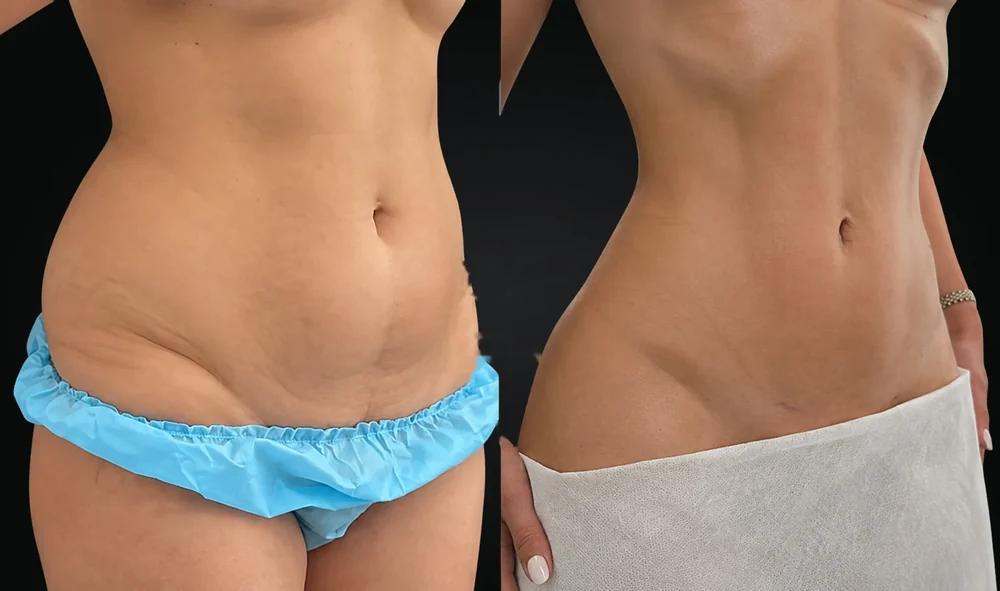
Real case
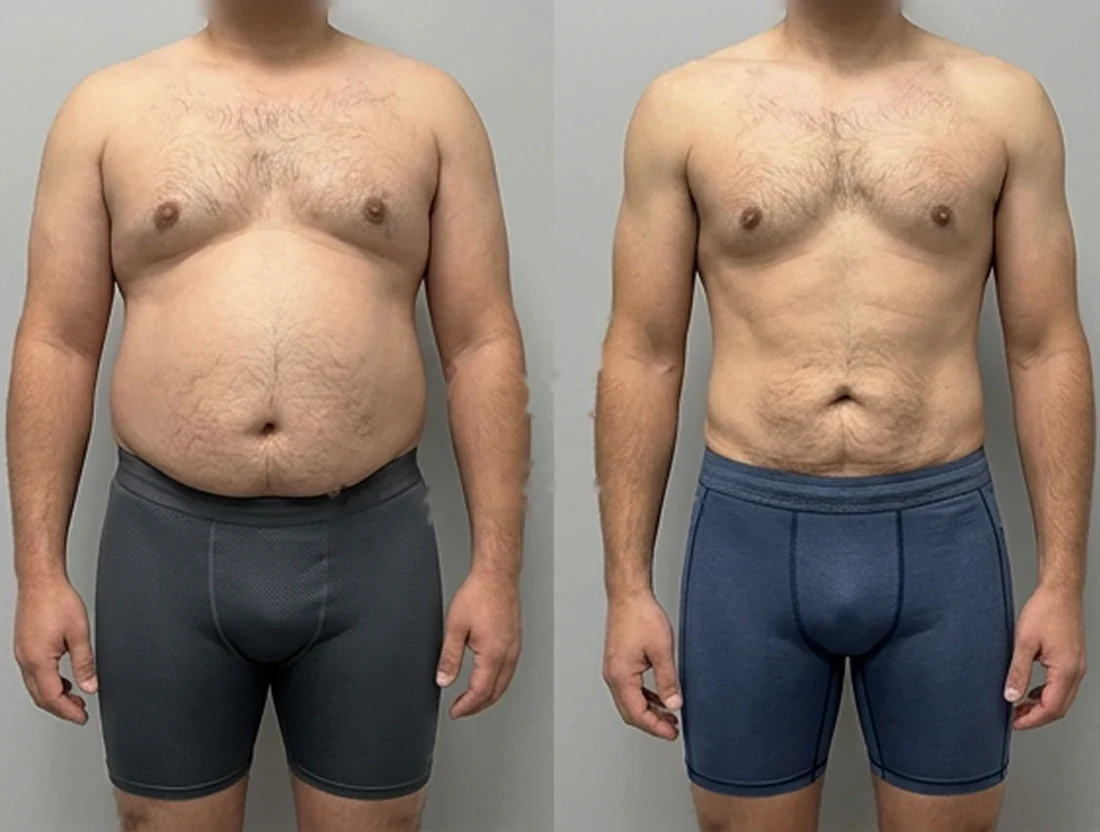
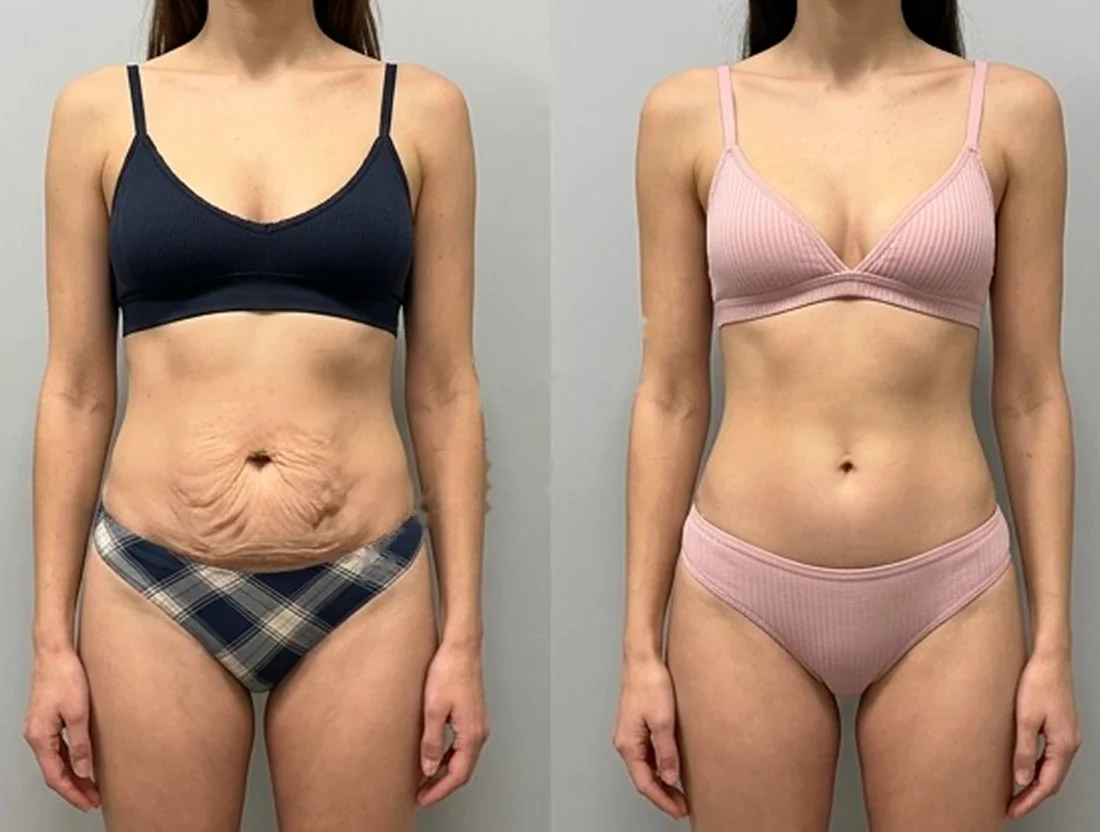
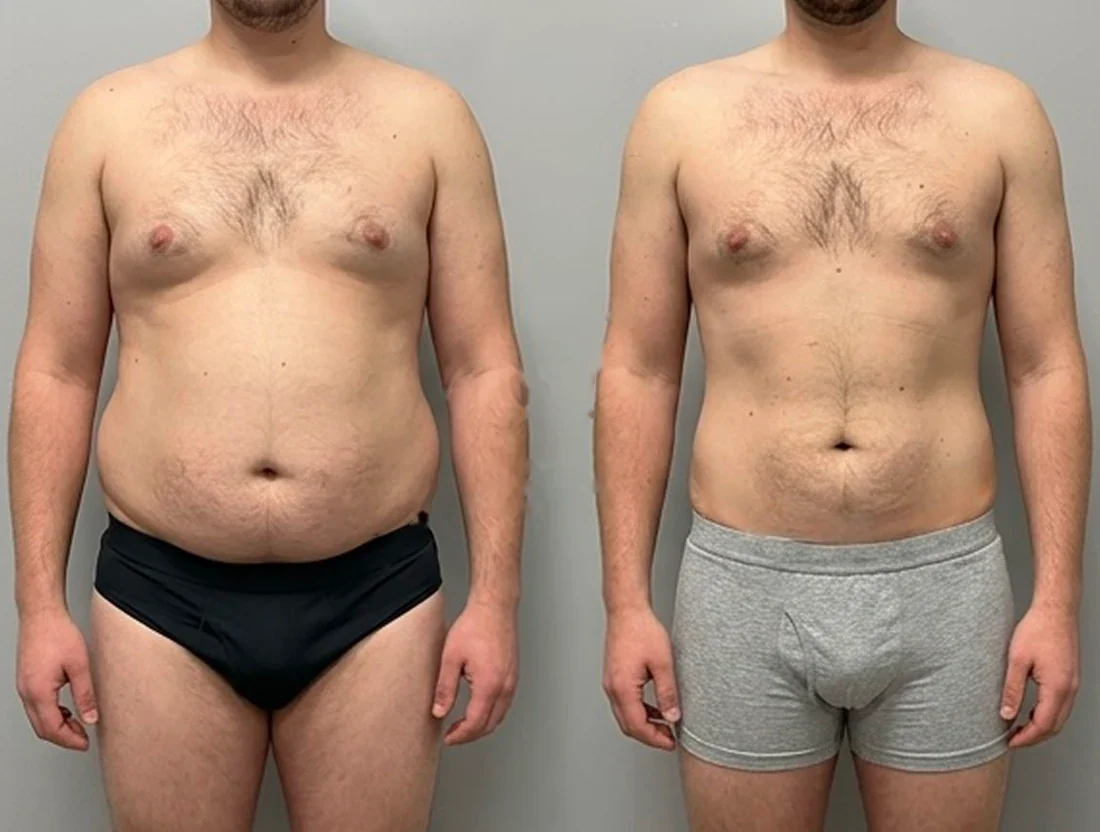
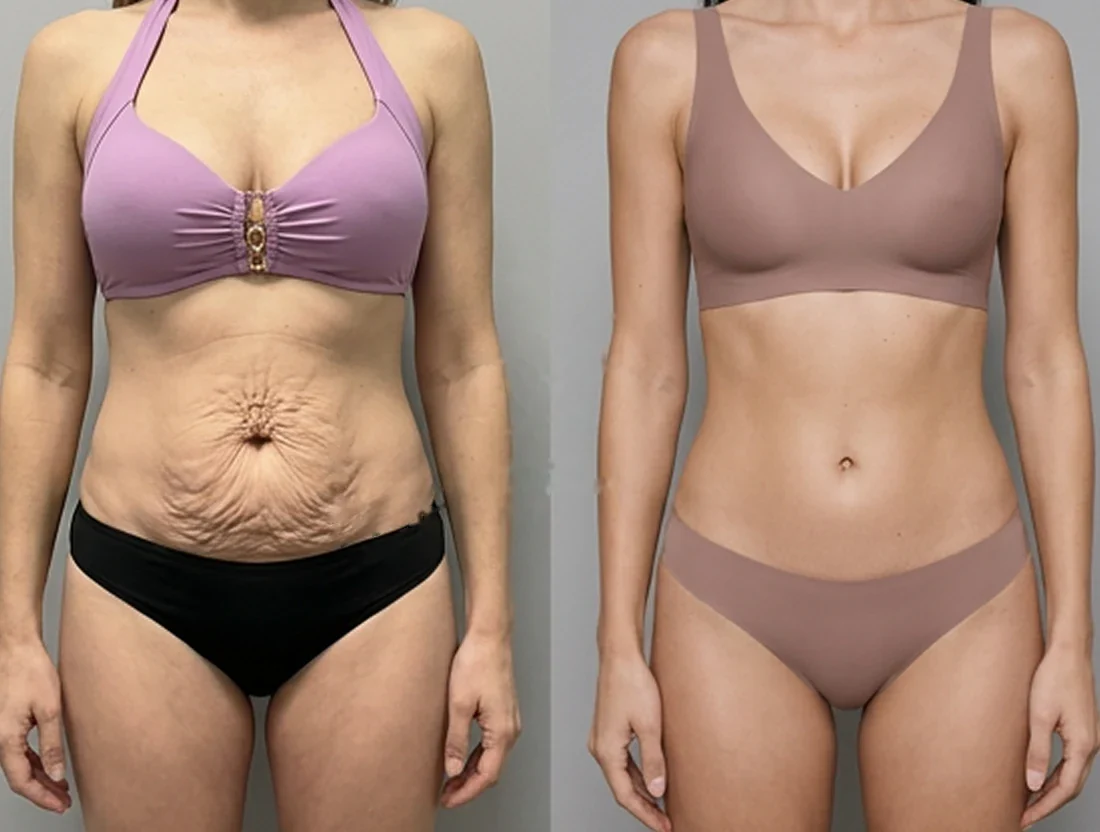
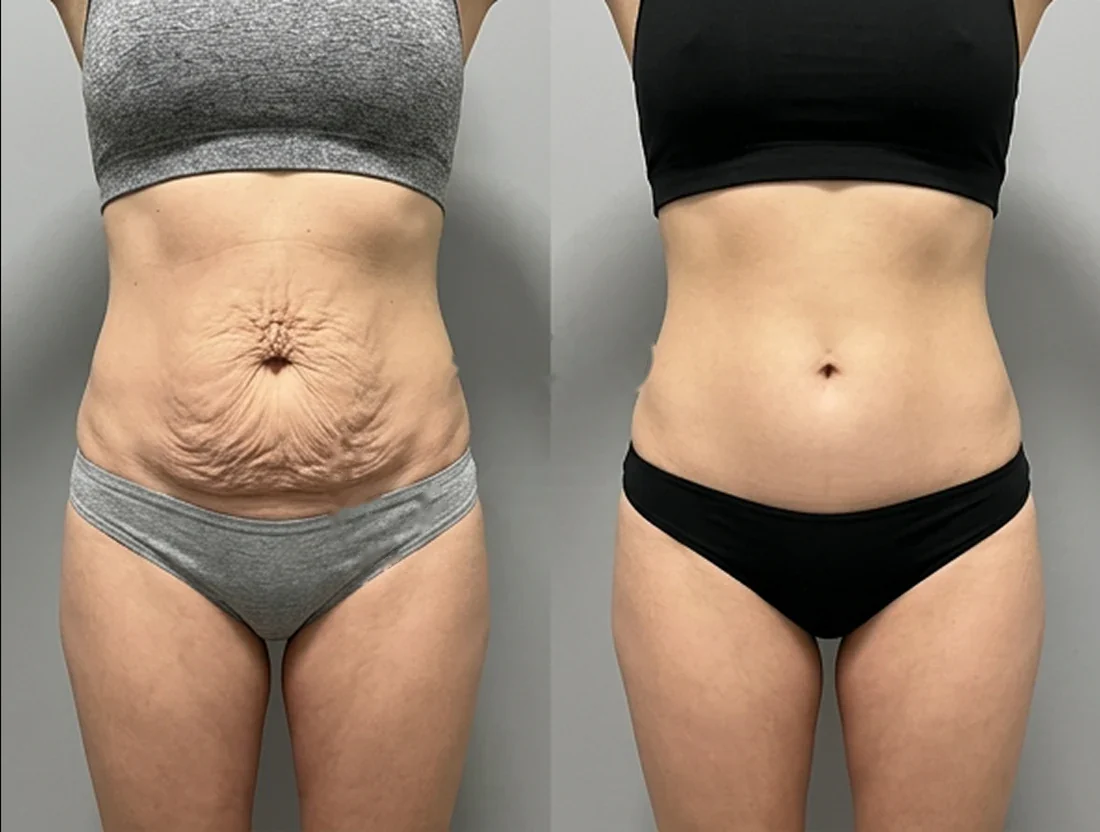
Tummy tuck: a patient's abdomen before and after surgery before after
A flat tummy and a toned silhouette in one operation. Your individual surgical plan and the expected result are discussed at the consultation

Message our coordinator

Free online consultation · Reply within 15 minutes

Message us on Telegram

By messaging us, you agree to our Privacy Policy

Results

Tummy tuck results
of our patients

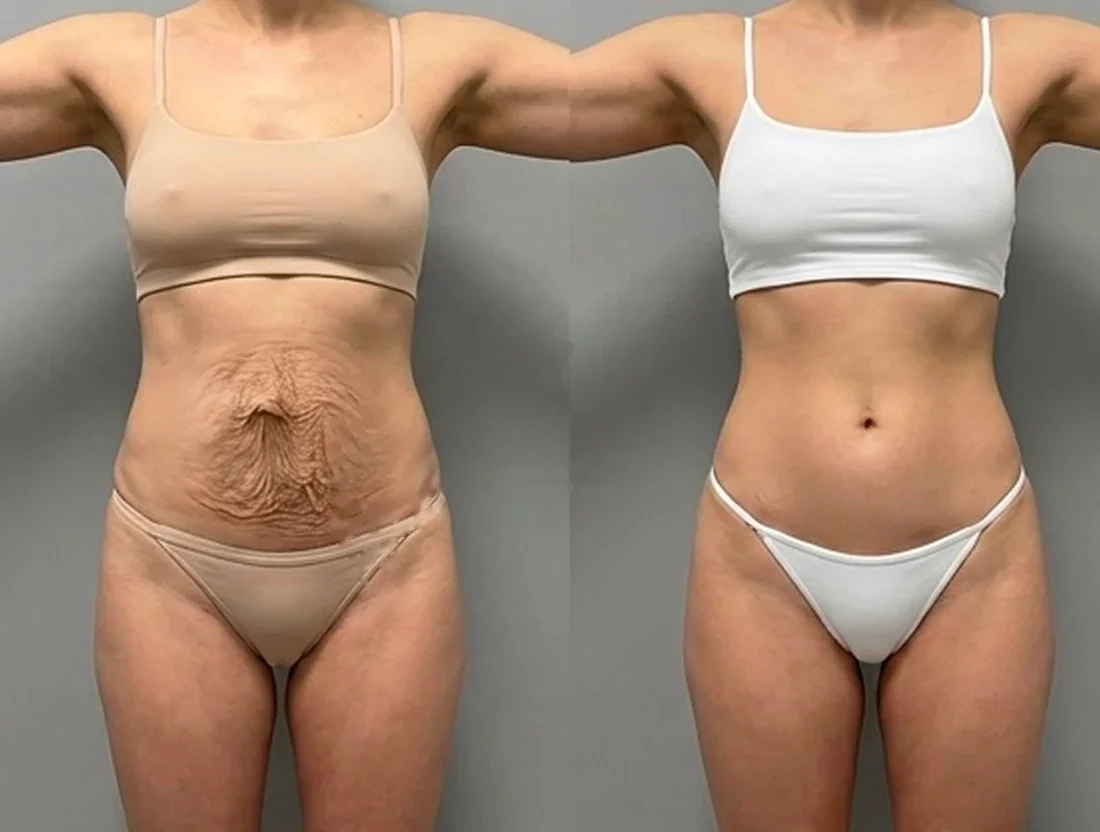
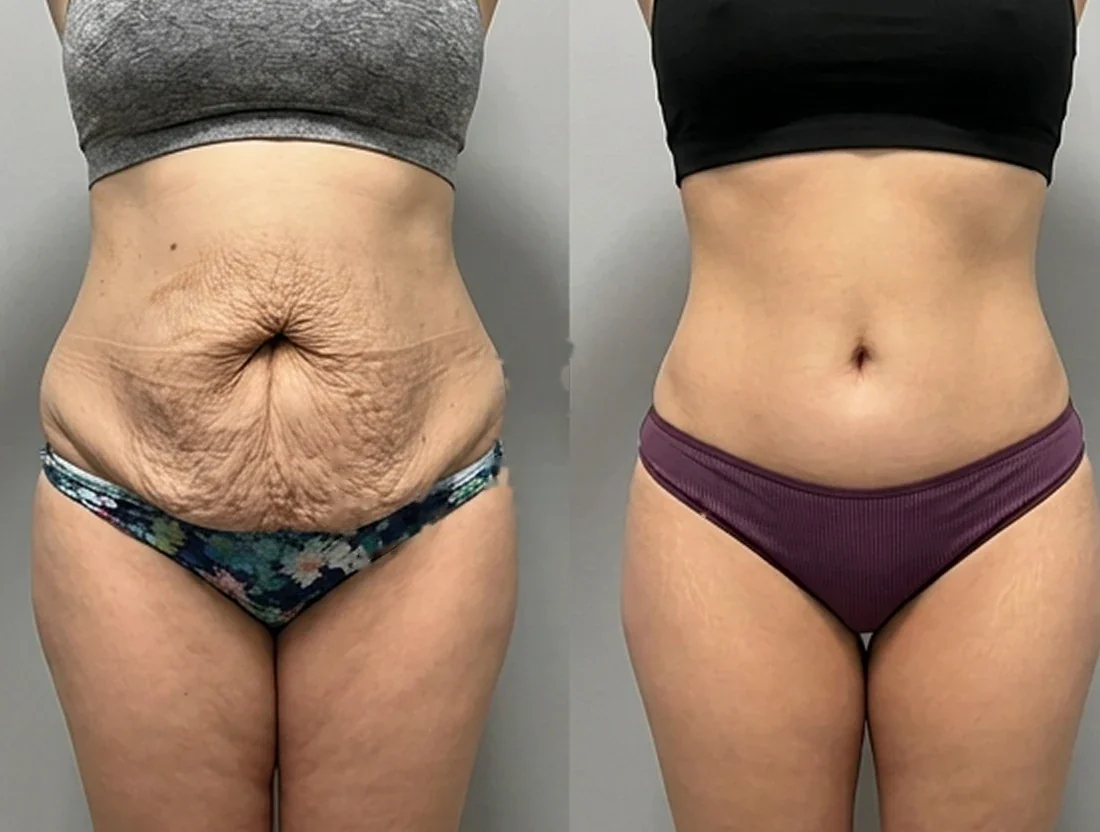
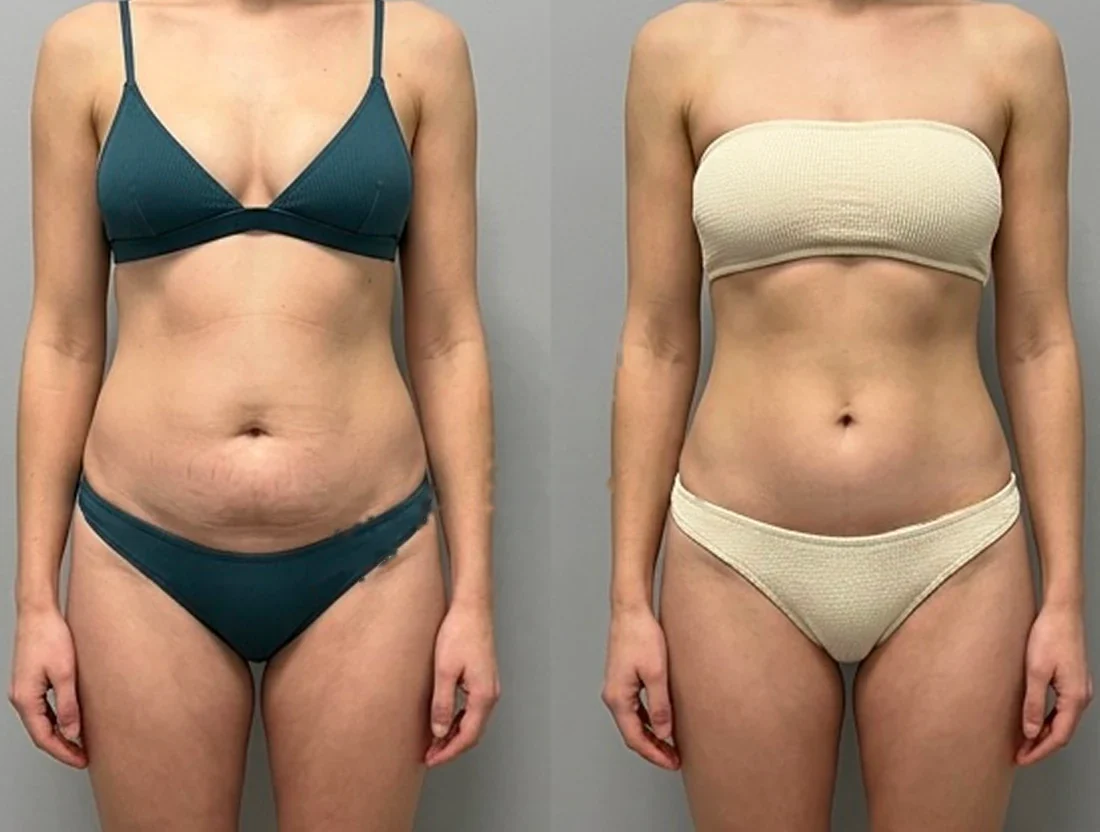
All cases are real patients. Faces and identifying details are hidden.

Tummy tuck: a female patient's abdomen before and after surgerybeforeafter
Tummy tuck: a male patient's abdomen before and after surgerybeforeafter
Tummy tuck: a female patient's abdomen before and after surgerybeforeafter
Tummy tuck: a male patient's abdomen before and after surgerybeforeafter
Tummy tuck: a female patient's abdomen before and after surgerybeforeafter
1 of 8

Comparison

Tummy tuck techniques

A tummy tuck is done as a full (classic) or mini operation, or combined with liposuction as lipoabdominoplasty. Compare the scope of surgery, the indications and the expected results to choose the right technique together with your surgeon.

Tummy tuck

Removal of excess skin, abdominal muscle tightening
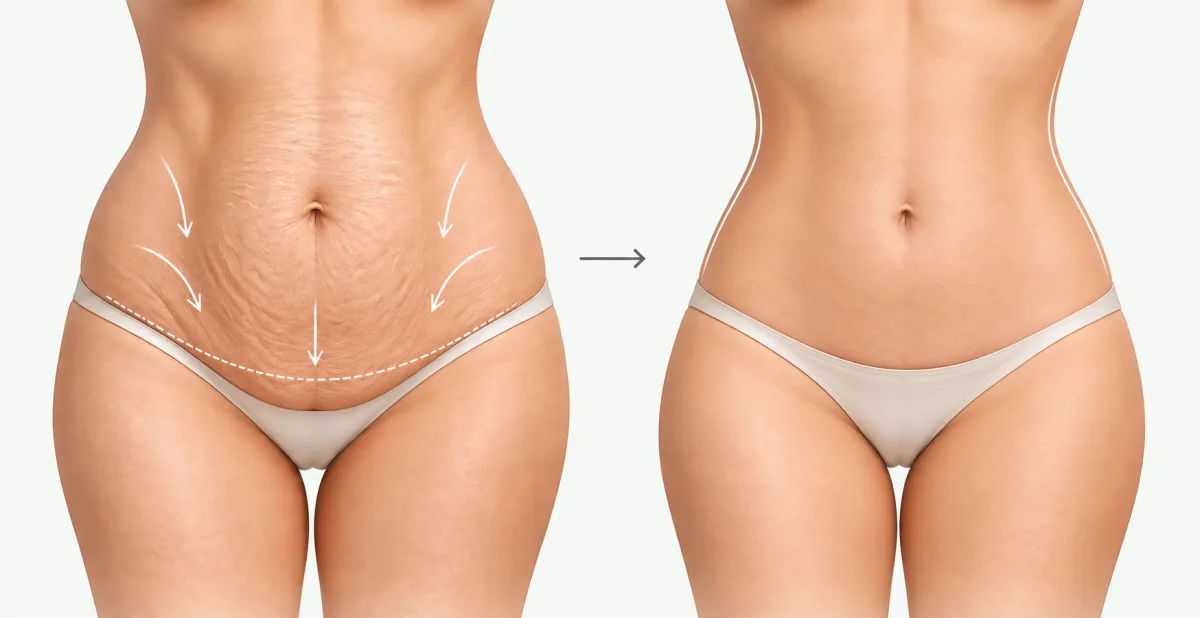
Tummy tuck diagram: the abdomen before surgery with the incision line, and the result
Main goal
Removal of excess skin, diastasis repair
When it is done
Excess skin after childbirth or weight loss
Anaesthesia and stay
General anaesthesia, up to 3 days in hospital

Lipoabdominoplasty

Tummy tuck with added liposuction
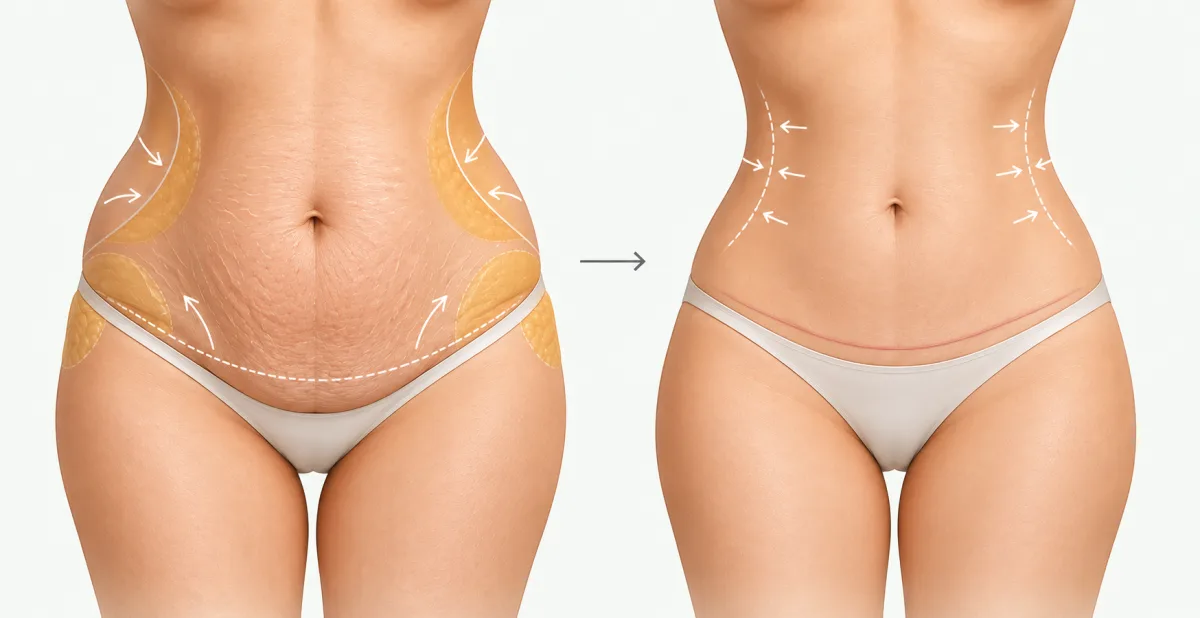
Lipoabdominoplasty diagram: the abdomen with fat on the flanks before surgery, and the result
Main goal
Tummy tightening and waist contouring
When it is done
For fat deposits on the flanks and waist
Anaesthesia and stay
General anaesthesia, up to 3 days in hospital

The benefits and recovery times shown are averaged for each technique and given for guidance: the scope of correction and rehabilitation depend on your anatomy and individual features, and the surgeon confirms them at the consultation.

At the consultation the surgeon draws up a plan for your case and explains how your tummy tuck will go.

Free, before surgery and with no obligation.

Book a consultation

Tummy tuck from the inside

About the clinic

A clinic where you can feel at ease

Modern equipment, comfortable rooms and care for every patient

A doctor and a patient in a clinic ward

Contact us the way that suits you

We will answer your questions and find a convenient time for a consultation

A tummy tuck is not for everyone

If your case can be solved without surgery, the doctor will tell you so at the consultation — and you will not spend money for nothing.

Suitable

A surgeon shows a patient on a model and a monitor how the abdominal contour changes after a tummy tuck
  • Rectus abdominis diastasis
  • Skin folds after weight loss
  • Loose abdominal skin
  • Stretched skin after pregnancy
  • A distorted abdominal contour

Not suitable

A surgeon discusses the indications and contraindications for a tummy tuck with a patient
  • Acute infections
  • Serious heart, kidney or liver conditions
  • Problems with blood clotting
  • Under 18 years of age
  • Decompensated diabetes
  • Cancer
  • Skin inflammation in the surgical area
  • Pregnancy and nursing

Not sure the surgery is right for you?

Message us — the coordinator will ask for your photos in the messenger, and the surgeon will tell you whether a tummy tuck suits you. No surgery booking needed.

Find out if it suits me

A surgeon goes through a tummy tuck diagram with a patient at the consultation

Prices

You know the price
before surgery

The price is set at the consultation and fixed in the contract.

Other services

  • First consultationFree
  • Liposuction of the abdomen and flanksfrom $1,700
Book a consultation

Find out your tummy tuck plan and price

The surgeon assesses your abdominal skin and muscles, listens to your wishes and chooses the right correction technique.
The price is set at the consultation and fixed in the contract.
A nurse talks to a patient in a clinic ward

Message our coordinator

Free online consultation · Reply within 15 minutes

Message us on Telegram

By messaging us, you agree to our Privacy Policy
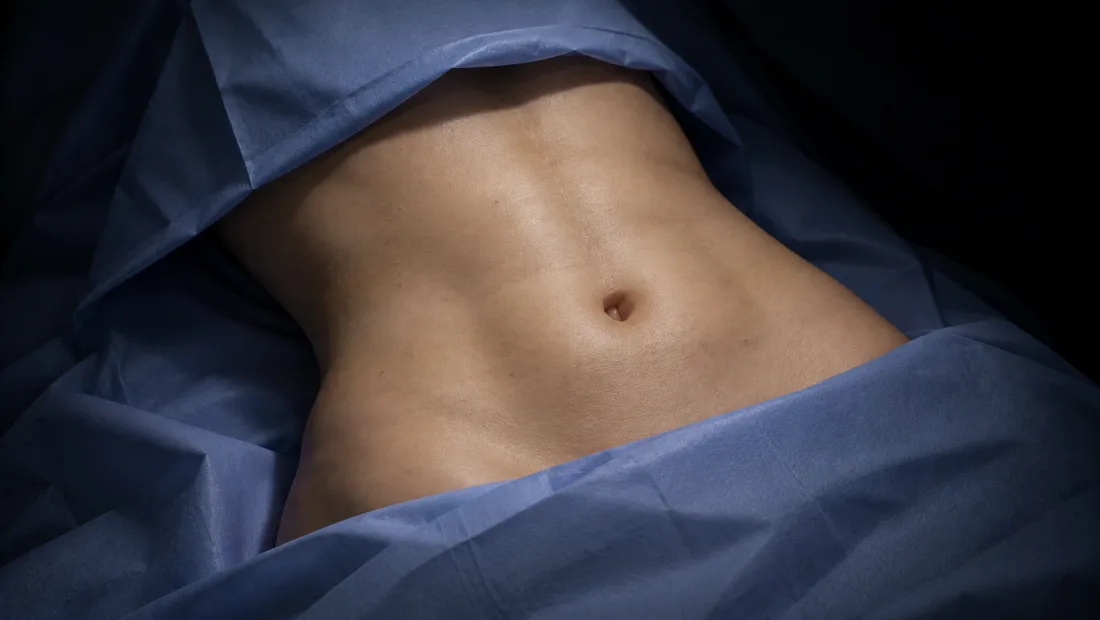
A patient's abdomen before a tummy tuck in the operating room

all inclusive

What the price includes

From preparation for surgery
to post-op check-ups.

  • All scheduled dressings
  • Scheduled post-op check-ups
  • A personal coordinator on call
  • Compression garments fitted on the day of surgery
  • A stay in a comfortable
    hospital ward with meals
  • Individual recommendations
    for recovery
  • Remote progress monitoring
    by photos

How it works

Three days at the clinic —
from preparation to discharge

An agreed correction plan, inpatient observation and post-op check-ups.

A doctor shows a patient a tummy tuck diagram on a monitor1

Consultation
and the surgical plan

The surgeon assesses your abdominal skin and muscles and checks for diastasis, listens to your wishes and chooses the right correction technique.

Paying the deposit by card at the clinic reception2

Booking the date
of surgery

We reserve a surgery date for you: the deposit can be paid by card at the clinic or online by bank transfer. The terms are fixed in the contract for medical services

A blood sample tube for tests before a tummy tuck3

Check-up before
surgery

Before surgery you complete a full lab check-up: blood tests, an ECG, a chest X-ray and reports from the required specialists.

The surgical team during the operation4

Surgery

The surgeon performs the tummy tuck with the chosen technique, repairs diastasis if needed and shapes a firmer abdominal contour.

A hospital ward at the clinic5

Inpatient stay

After surgery the patient stays for 1–3 days in a comfortable hospital ward with meals, under medical supervision.

A surgeon and a patient in the ward during recovery6

Recovery

After surgery you get a recovery programme. Check-ups at 7 days, 3 and 6 months help track your recovery.
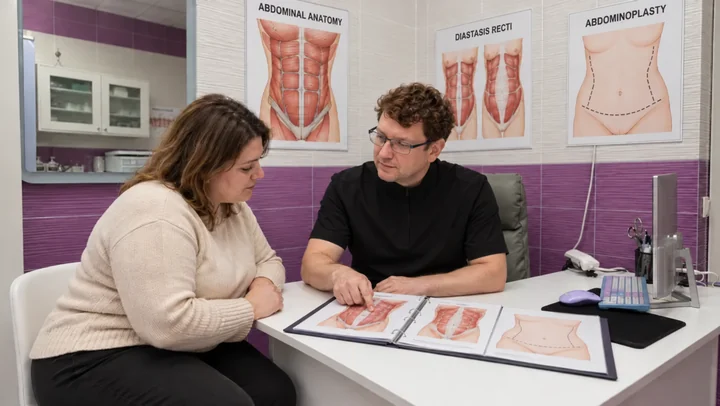
Book a free consultation — the surgeon will plan every step with you.

A doctor discusses the tummy tuck plan with a patient
Book a consultation
A doctor discusses the tummy tuck plan with a patient

How it really happens

Recovering after a tummy tuck

The patient stays in hospital under medical supervision for 1–3 days right after surgery. Usually drains are removed after two days and stitches after 7 days. Wearing a compression binder for 1.5–2 months supports the abdominal wall and gives a smooth contour. Most swelling is gone within 30 days, with office work resuming after 2–3 weeks. For 2–3 months avoid sports, sauna and heavy lifting; at first, sleeping on your back with knees bent is recommended. By 12 months the scar is fully mature, faded and barely noticeable.

Post-op check-ups

After 7 days, at 3 months and at 6 months. Until the end of the year, get a post-surgery consultation with your surgeon to review results and get more information, at the clinic's expense

Advantages

Why patients choose City Medical Centre

A surgeon discusses the tummy tuck plan with a patient at the consultation

Just find out — you lose nothing

At the consultation we discuss your wishes and assess your abdominal skin and muscles. The surgeon explains what changes are possible, chooses the correction technique and answers your questions.

A surgeon on a video call with a patient after surgery

We stay with you after surgery

The surgeon follows your recovery and the changing abdominal contour at check-ups after 7 days, 3 and 6 months. Check-ups, dressings and aftercare advice are already included in the price of surgery.

A surgeon shows a patient a model and tummy tuck diagrams

A beautiful contour that fits your figure

We choose the correction technique based on your skin, muscles and figure. Our aim is a harmonious abdominal contour that keeps the natural proportions of your body.

A patient writes down a convenient visit time in her planner

Your schedule is our priority

We respect your time: we work 24/7, with easy booking and a personal approach — we adapt to your pace.
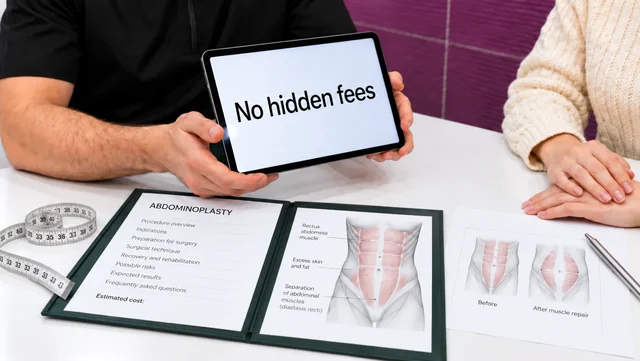
A surgeon shows a patient the fixed price of surgery with no extra charges

Fixed prices

After the consultation the surgeon defines the extent of correction, and you get a clear price for the surgery — no surprises on the way to the result you want.

A surgeon visits a patient in the hospital ward after surgery

Round-the-clock care after surgery

Recovery starts in a comfortable hospital ward under round-the-clock nursing care. The stay and meals are already included in the price.

FAQ

We answer what
people ask before booking

Tummy tuck in Ilesa: what you should know

Diastasis is not always part of the picture. Repair is done only when the rectus abdominis muscles are actually separated: the surgeon sees it at the examination and, if in doubt, it is confirmed by ultrasound. When needed, the muscles are brought together during the tummy tuck itself, with no separate procedure. Patients from Ilesa learn at the consultation whether their case requires it.

Pre-surgery tests should be completed in advance, not the day before. The surgeon gives the exact list at the consultation, and results are usually valid for 10–14 days. Seven to ten days before the operation, stop smoking, alcohol and medicines that affect blood clotting. Anyone in Ilesa preparing for a tummy tuck also sees a GP and an anaesthetist before the surgery date.

If you are comparing tummy tuck options in Ilesa, look at more than the operation itself. Here the approach includes hormone screening before surgery, tests at the clinic with no waiting, a hospital stay under medical supervision and surgeon support until the result. The cost is calculated after a free consultation and fixed in the contract. Leave a request to arrange yours.

Ilesa and the question of a tummy tuck

Ilesa, also written Ilesha, is a historic city in Osun State, in south-west Nigeria. It is the capital of the historic Ijesa state-kingdom, whose ruler bears the title Owa Obokun Adimula of Ijesaland. A city with this much history and community life tends to treat personal decisions carefully, and a tummy tuck (abdominoplasty) is one of them. People in Ilesa usually want to understand the whole path before they decide: preparation, hospital stay, recovery at home, and the final contour of the abdomen.

This text is written for residents of Ilesa and the surrounding Ijesa towns who are considering the operation. It explains how a tummy tuck fits into daily life in your city, how a free online consultation works from home, and which questions are worth asking before you agree to anything.

A tummy tuck removes excess skin and fat from the abdomen and, where needed, tightens the muscles. It is not a weight-loss method. The World Health Organization describes obesity and overweight as conditions that call for medical attention in their own right, so if your main concern is body weight, talk about that with a doctor first and treat the abdominal contour as a separate, later question.

Who is a suitable candidate

You must be at least 18 and have no contraindications. There is no upper age limit: each case is considered individually after an examination and a health assessment. In practice this means a person of 25 and a person of 55 are both assessed by the same logic, with attention to general health rather than the number in the passport.

Typical reasons people ask about the operation are loose skin and a stretched abdominal wall after pregnancy, skin left after significant weight loss, and a contour that diet and exercise no longer change. Contraindications are decided by the surgeon, usually linked to general health, blood clotting problems, active infections or conditions that make general anaesthesia unsafe. Smoking is not a reason to be refused automatically, but you will be asked to stop before surgery.

If you are still planning a pregnancy or expect to lose a lot of weight, say so at the consultation. The surgeon may advise waiting so that the result is judged on a stable body.

Climate in Ilesa and recovery

Ilesa lies in south-west Nigeria, and daily life there is shaped by warm weather and a rainy period. General advice, not a medical number: heat makes compression garments more uncomfortable, and sweating under the garment can irritate the skin. Choose breathable cotton underlayers if the surgeon allows them, keep the skin clean and dry, and change as often as the surgeon advises.

Swelling is part of normal recovery, and warm days can make you feel it more. Rest in a cool, ventilated room, avoid long periods standing in the sun and keep to the surgeon's rules on movement. During the rainy period, damp and dust on roads are less of a concern for the wound itself than for your wish to go out; plan so that you do not need to travel on uneven or wet roads during the first weeks.

Direct sun on fresh scars is best avoided. When you go out later, cover the lower abdomen with clothing and ask the surgeon when a sun protection product on the scar becomes appropriate. Tanning beds are out for at least a month.

Choosing the season for the operation

There is no single correct month. Think about your own calendar in Ilesa: work deadlines, school terms, family events and the weather you would prefer for the first weeks at home. A quieter period at work makes it easier to follow the rule of avoiding physical exertion, heavy lifting and sudden movements for the first 2–3 weeks.

Many people prefer to schedule the operation well before a major family ceremony, naming event or wedding, so that swelling and tightness have time to pass. Three milestones mark recovery: after 2–3 weeks you can do office work, by 1.5–2 months swelling and tightness pass, and at 6–12 months, with the tissues fully adapted, the final result and scar are assessed. Count back from your event with these stages in mind.

If you plan to be at home in a cooler, quieter period, you can rest more easily. Whatever season you pick, keep the pre-surgery check-up in mind, because tests usually stay valid for 10–14 days and must fit your surgery date.

Work, study and family life in Ilesa

Ilesa has schools and training institutions, among them the College of Technology at Imelu, so students and staff in the city often ask whether they can combine recovery with their duties. The answer: back to work after 2–3 weeks for office-type work. Physical work, lifting and long standing take longer, and the surgeon sets the timing.

Those who run a market stall, a shop or a workshop, or who work on a farm, should plan help in advance. For the first 2–3 weeks you avoid physical exertion, heavy lifting and sudden movements, so someone else should carry goods and do the heavy household tasks. Mothers of small children should arrange help with lifting a child, since that counts as heavy lifting.

Family in Ilesa is often close and involved, which helps. Tell relatives in advance what you may and may not do, who will cook, who will take care of children and who will accompany you to check-ups. A clear plan avoids the temptation to return to chores too early.

Food, daily habits and preparation

Yoruba home cooking in Ilesa, with its stews, rice, yam and pounded dishes, is rich and filling. Before the operation nobody expects you to change your culture of eating, but a steady, balanced diet helps healing. In hospital you stay in a comfortable ward with meals under medical supervision for 1–3 days. At home, simple meals with enough fluids and fibre help avoid constipation, which would make straining uncomfortable for the abdomen.

Preparation is a must. Stop smoking, drinking alcohol and taking medicines that affect blood clotting 7–10 days before a tummy tuck. Tell the surgeon about every tablet, herbal preparation and supplement you take, because some can affect clotting even if they seem harmless.

The pre-surgery check-up covers blood tests, ECG, leg vein ultrasound and consultations with a GP and anaesthetist. The full list usually includes blood and urine tests, coagulation panel, biochemistry, infection tests, ECG, chest X-ray, ultrasound of the leg veins and a GP's report. The exact list comes from the surgeon at the consultation. Get it done in advance, not the day before.

How the online consultation works from Ilesa

The first step is a free online consultation. You contact the coordinators on Telegram or Telegram from Ilesa; they work around the clock, 24/7, with easy booking and a personal approach, adapting to your pace. You can write in the evening after work or early in the morning.

Prepare a few clear photographs as the coordinators ask, a short medical history, a list of operations you have had, any medicines you take and your questions. The surgeon then assesses your case and tells you what the operation can and cannot do, and which type is suited to you: a classic tummy tuck or a mini tummy tuck.

Nothing is decided in a hurry. You can ask follow-up questions in the chat, discuss the plan with your family and return when you are ready.

The operation and hospital stay

The operation is carried out under general anaesthesia, with up to 3 days in hospital. A classic tummy tuck means 1–3 days under medical supervision; for a mini tummy tuck, one day is usually enough. You stay in a comfortable ward with meals, and the team watches your condition.

After surgery you get a recovery programme. Check-ups at 7 days, 3 and 6 months help track your recovery. The surgeon follows your recovery and the changing abdominal contour at those check-ups. Check-ups, dressings and aftercare advice are already included in the price of surgery. Until the end of the year you can also get a post-surgery consultation with your surgeon to review results, at the clinic's expense.

Recovery continues at home, and the surgeon monitors it at scheduled check-ups, so keep your phone near you and report anything that worries you in the chat.

Compression garment, rules and return to sport

The compression garment is a requirement: recovery is worse without it because it supports the tissues and reduces swelling. The first 3–4 weeks it stays on around the clock, then during the daytime for roughly a month more. Your operating surgeon will name the exact period. In Ilesa's warm weather, have two garments so one can be washed and dried while you wear the other.

The rules after a tummy tuck are the same for everyone. For the first 2–3 weeks you avoid physical exertion, heavy lifting and sudden movements. Sauna, steam bath, pool, tanning beds, alcohol and smoking are out for at least a month. Sport is resumed gradually, with the surgeon's approval only, and compression garments are worn for another 4–8 weeks.

Those who play football, run or exercise in a group should not rush. Begin with gentle walking and wait for the surgeon's approval before anything that strains the abdominal wall.

Questions to put to the surgeon during the Ilesa consultation

A video or chat consultation works best when you arrive with a written list. People in Ilesa tend to ask practical questions: which type of tummy tuck suits my body, a classic one or a mini tummy tuck, where the scar will lie, and how the surgeon will treat the muscles if the abdominal wall has been stretched by pregnancy.

Ask what the surgeon needs from you before the date is fixed, which tests must be done in advance, and how long they stay valid. Tests usually stay valid for 10–14 days, so ask how to time them against your surgery date, especially if you plan the laboratory work in Ilesa itself.

Ask also who you contact if something worries you after you return home. The coordinators answer on Telegram and Telegram around the clock, 24/7, and the surgeon follows your recovery at the check-ups after 7 days, 3 and 6 months. Write the answers down so that a relative can read them too.

Clothing, scars and social life in Ilesa

Ilesa is a city of festivals, ceremonies and gatherings tied to the Ijesa kingdom and its traditions, and many people think about what they will wear. During recovery, loose, soft clothing that does not press on the lower abdomen is the most comfortable choice, and it fits easily over the compression garment.

Do not plan to show the result at a ceremony soon after the operation. Swelling and tightness pass by 1.5–2 months, and the scar is assessed only at 6–12 months, when the tissues have fully adapted. Staying relaxed about this timeline spares you disappointment.

Wearing the garment under traditional or formal dress needs some thought. Try your outfits on beforehand, choose cuts with room at the waist, and avoid belts or tight wrappers that rub the healing area.

Rest, sleep and support at home

The first 2–3 weeks at home in Ilesa are for rest. Arrange a bed or chair where you can get up without strain, keep water and simple food within reach, and ask a relative to stay nearby. Sudden movements are on the list of things to avoid, so move slowly when you get up or turn.

Short, gentle walks around the house help you feel active without strain. Keep them easy and never use them as a substitute for the surgeon's approval of sport, which comes only later and gradually.

Mental readiness matters too. Some people feel tired or emotional while swelling is at its peak. Talk about it with family and with the coordinators; a visible change begins about 2 weeks after surgery, and the picture becomes clearer at each check-up.

Ilesa's history and why patients plan carefully

Ilesa has been the seat of the Ijesa kingdom since around 1300, according to the traditional account of its founding, and its rulers hold the title Owa Obokun Adimula of Ijesaland. A community with such long continuity tends to value careful, well-informed decisions, and that habit is useful when you consider abdominal surgery. Take your time, gather the facts and involve the people you trust.

Ilesa is also known for its gold-bearing ground, and the town has a long working life around mining, trade and farming. Many residents have physically demanding days, so a common question is how long the body needs before it can carry the same load again. For a tummy tuck the honest answer is staged: office work after 2–3 weeks, and heavy tasks only as the surgeon allows.

Write down your own daily load before the consultation: how many hours you stand, what you lift, how you get around the city. The surgeon can then match the recovery plan to your real routine instead of an average one.

Planning around the rhythm of an Ijesa household

In many Ijesa households several generations share daily tasks, and visitors drop in without warning. During the first 2–3 weeks, when you avoid physical exertion, heavy lifting and sudden movements, it helps to agree in advance who receives guests, who fetches water or goods and who handles the cooking.

Do not try to host or serve guests while you are in the garment. Sitting up, bending and carrying trays are exactly the sudden movements the surgeon asks you to avoid. A polite message to extended family that you are resting after a medical procedure is enough.

If you have a role in a church, a mosque, a trade association or a community group, tell the people involved how long you will be away from active duties. Office-type commitments can resume after 2–3 weeks, while anything physical waits for the surgeon's approval.

Weight, health and honest expectations in Ilesa

A tummy tuck shapes the abdominal contour; it does not replace healthy habits. The World Health Organization treats obesity and overweight as a health issue that deserves proper medical attention, and a surgeon will often ask about your weight history, your stable weight and your general condition before agreeing to operate.

If your weight is still changing, the result will be judged on a body that keeps changing. Speak openly with the surgeon about your plans, and agree on a realistic picture of what the contour will look like at the interim stage of 1.5–2 months and at the final stage of 6–12 months.

Regular walking, balanced meals and enough sleep before and after the operation support the check-ups at 7 days, 3 and 6 months, where the surgeon follows how your abdominal contour is changing.

Dust, harmattan air and skin care during recovery in Ilesa

Southwest Nigeria has a dry, dusty period as well as a rainy one, and in Ilesa dust can settle on clothing, bedding and the surfaces around your recovery bed. This is general advice, not a medical number: keep the recovery room clean, wash bedding often and keep dressings covered and dry until the surgeon tells you otherwise.

Dry air can make the skin around the scar feel tight and itchy. Do not scratch, do not apply home remedies or oils to the wound, and ask the surgeon at a check-up which skin care is suitable. The compression garment should be washed regularly, because sweat and dust build up in it faster than most people expect.

When you go out during the first weeks, a light cover over the garment and loose clothing will keep dust off the treated area. Avoid crowded, dusty places where you might be bumped or pushed, since sudden movements and knocks to the abdomen are exactly what the rules ask you to avoid.

Getting around Ilesa while you recover

Ilesa is a busy town with markets, shared transport and uneven side roads. In the first 2–3 weeks you avoid physical exertion, heavy lifting and sudden movements, so think ahead about every outing: who will drive you, how long you will sit, and where you can rest.

Short journeys to a laboratory for pre-surgery tests, or to a local doctor for the GP's report, are best done well in advance. Tests usually stay valid for 10–14 days, so plan them so that they are still valid on the day of your operation. After surgery, ask a relative to run errands to the market or the bank, and keep your own outings few and calm.

Jolting rides on rough roads, climbing into high vehicles and carrying shopping bags all put strain on the abdominal wall. If you must go out for a check-up, choose the most comfortable seat, support the abdomen as the surgeon advises and take your time getting in and out.

What Ilesa patients often worry about

Questions from people in Ilesa tend to be practical. Will the scar show under ordinary clothes? Will I be able to look after my children? How soon can I get back to my shop or office? These are good questions, and each deserves a direct answer from the surgeon at the free online consultation rather than guesswork from friends.

Some people worry about what neighbours and relatives will say. A tummy tuck is a personal medical decision, and you decide who knows. Others worry about being far from the surgeon once they are home. The coordinators are on Telegram and Telegram around the clock, 24/7, and the surgeon follows your recovery at check-ups after 7 days, 3 and 6 months.

Finally, many ask whether the result will look natural. The honest answer is that the first changes appear 2 weeks after surgery, the interim result is judged at 1.5–2 months and the final contours and scar at 6–12 months. Ask the surgeon to explain what is realistic for your body type and your abdominal wall.

When results appear

For everyone the answer is the same. The first changes appear 2 weeks after surgery as the main swelling subsides, followed by two checkpoints: the interim result at 1.5–2 months and the final contours at 6–12 months. The scar is judged at the same late stage, once the tissues have fully adapted.

Do not judge the result in the first weeks, when swelling and tightness are normal. Keep to the check-ups at 7 days, 3 and 6 months so the surgeon can see how the contour is changing.

Can I have the consultation from Ilesa without leaving home?

Yes. The consultation is free and online. You write to the coordinators on Telegram or Telegram, and they are available 24/7.

How long until I can go back to work?

Back to work after 2–3 weeks for office work. Heavier work needs the surgeon's approval.

What anaesthesia is used and how long is the hospital stay?

General anaesthesia, with up to 3 days in hospital. A classic tummy tuck usually means 1–3 days; for a mini tummy tuck, one day is usually enough.

Do I need to prepare in advance?

Yes. Stop smoking, drinking alcohol and taking medicines that affect blood clotting 7–10 days before. Complete the pre-surgery check-up in advance, not the day before.

Which tests are required?

Blood and urine tests, coagulation panel, biochemistry, infection tests, ECG, chest X-ray, ultrasound of the leg veins and a GP's report. The surgeon gives the exact list, and tests usually stay valid for 10–14 days.

Is the compression garment really necessary?

Yes. It supports the tissues and reduces swelling. The first 3–4 weeks it stays on around the clock, then during the daytime for roughly a month more. Your surgeon names the exact period.

When can I swim or exercise?

Sauna, steam bath, pool, tanning beds, alcohol and smoking are out for at least a month. Sport is resumed gradually, with the surgeon's approval only.

When will I see the result?

The first changes appear 2 weeks after surgery, the interim result at 1.5–2 months and the final contours at 6–12 months.

Is there an age limit?

You must be at least 18, with no contraindications. No upper limit exists; each case is considered individually after an examination and health assessment.

What follow-up is there?

Check-ups at 7 days, 3 and 6 months. Check-ups, dressings and aftercare advice are already included in the price of surgery.

Can I do the pre-surgery tests in Ilesa?

The surgeon gives you the exact list at the consultation. It covers blood and urine tests, coagulation panel, biochemistry, infection tests, ECG, chest X-ray, ultrasound of the leg veins and a GP's report. Tests usually stay valid for 10–14 days, so do them in advance, not the day before, and agree the timing with the surgeon.

Should a relative stay with me after the operation?

It is wise. For the first 2–3 weeks you avoid physical exertion, heavy lifting and sudden movements, so someone should help with cooking, children and household tasks.

Is a mini tummy tuck different from a classic one?

Yes. A classic tummy tuck means 1–3 days in hospital under medical supervision; for a mini tummy tuck, one day is usually enough. The surgeon decides which suits you after assessing your case.

I work on my feet in Ilesa all day. When can I return to that kind of work?

Back to work after 2–3 weeks applies to office-type work. For jobs with long standing or lifting, the surgeon decides the timing at the check-ups, and for the first 2–3 weeks you avoid physical exertion, heavy lifting and sudden movements.

Who answers my questions at night when I am recovering in Ilesa?

The coordinators work 24/7 on Telegram and Telegram, so you can write at any hour. The surgeon then follows your recovery at the check-ups after 7 days, 3 and 6 months.

Does the operation help me lose weight?

No. It reshapes the abdominal contour and is not a weight-loss method. Discuss your weight with the surgeon at the free online consultation so the timing of surgery suits a stable body.

Is dust in Ilesa a problem for the wound?

Keep the recovery room clean, wash bedding often and keep dressings covered and dry until the surgeon allows otherwise. Follow the dressing advice that is included in your aftercare.

Can I go to the market or travel around town in the first weeks?

For the first 2–3 weeks you avoid physical exertion, heavy lifting and sudden movements, so ask a relative to do errands. Limit your own outings to what is necessary, such as check-ups.

Do I have to tell my family and neighbours about the operation?

No. It is your personal medical decision. It does help to tell the people who will support you at home, so that they can take over lifting, cooking and childcare during the first 2–3 weeks.