


























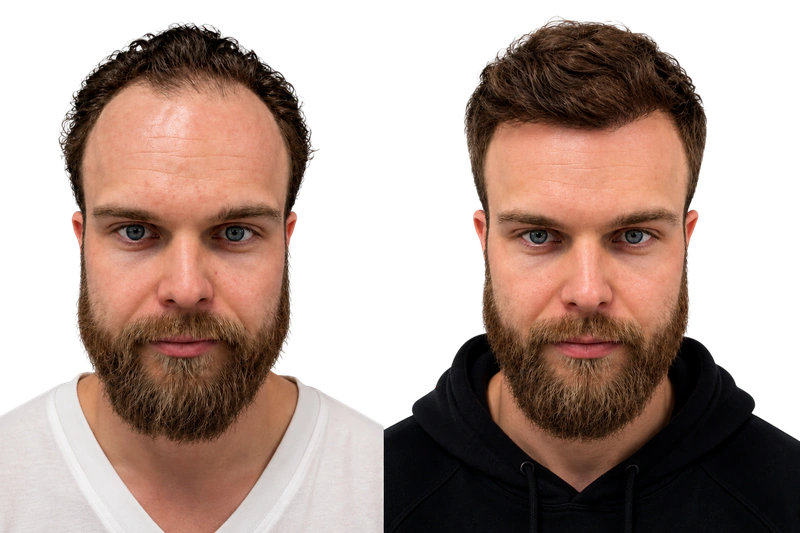

start
12 months in
2,800 grafts
FUE method
City Medical Centre
0% instalments
from $367/mo
Assessment plus figure — $0.
Real result
start
12 months in
FUE: incision-free and stitch-free. Grafts and outcome forecast estimated and not billed — before you decide.
Not a penny, no surgery booking required
Message our coordinator
Free online consultation · Reply within 15 minutes
Message us on TelegramMessage us on WhatsAppBy messaging us, you agree to our Privacy Policy
results
The people pictured were treated at CMC.
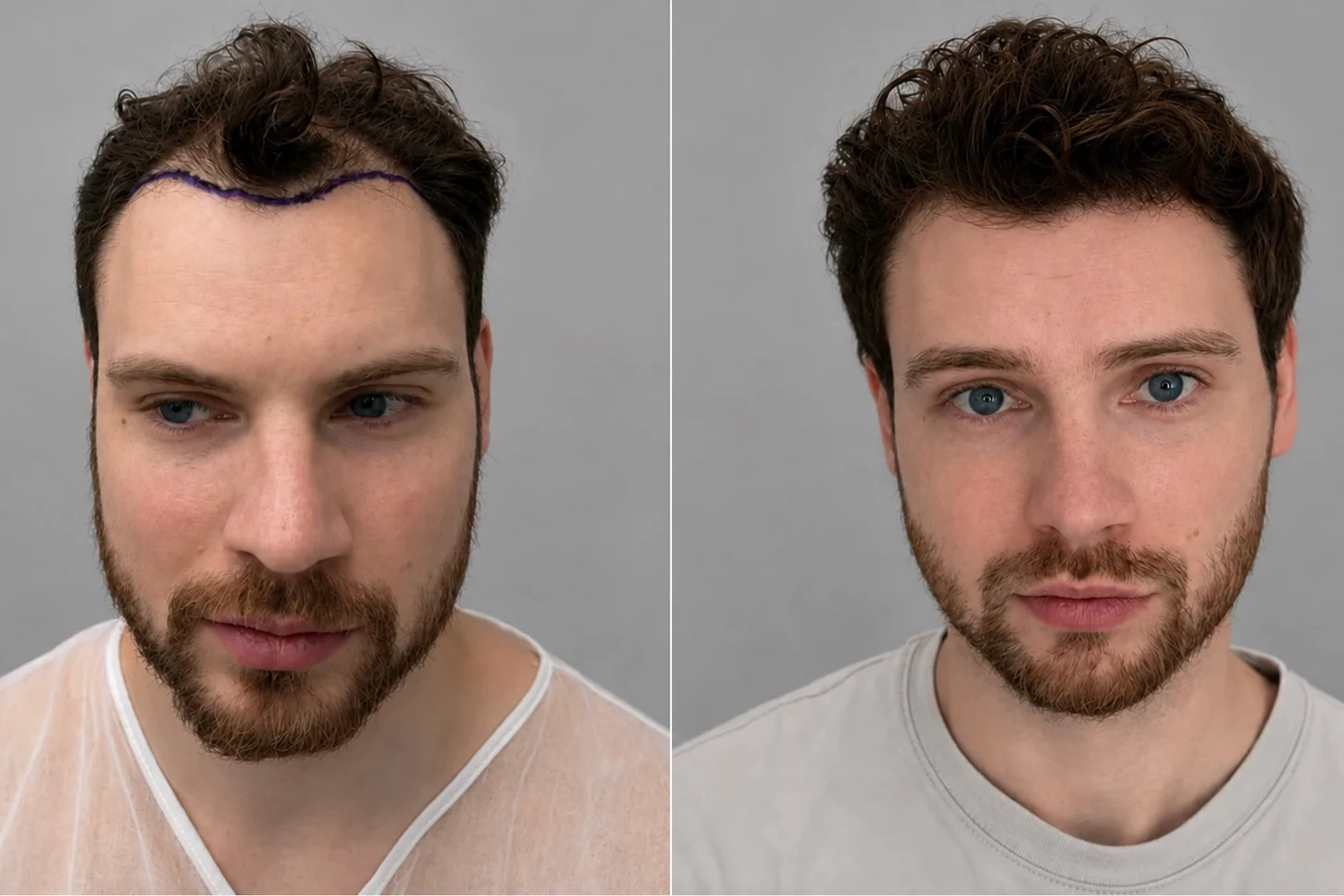
start
12 months in
2,800 grafts
FUE method
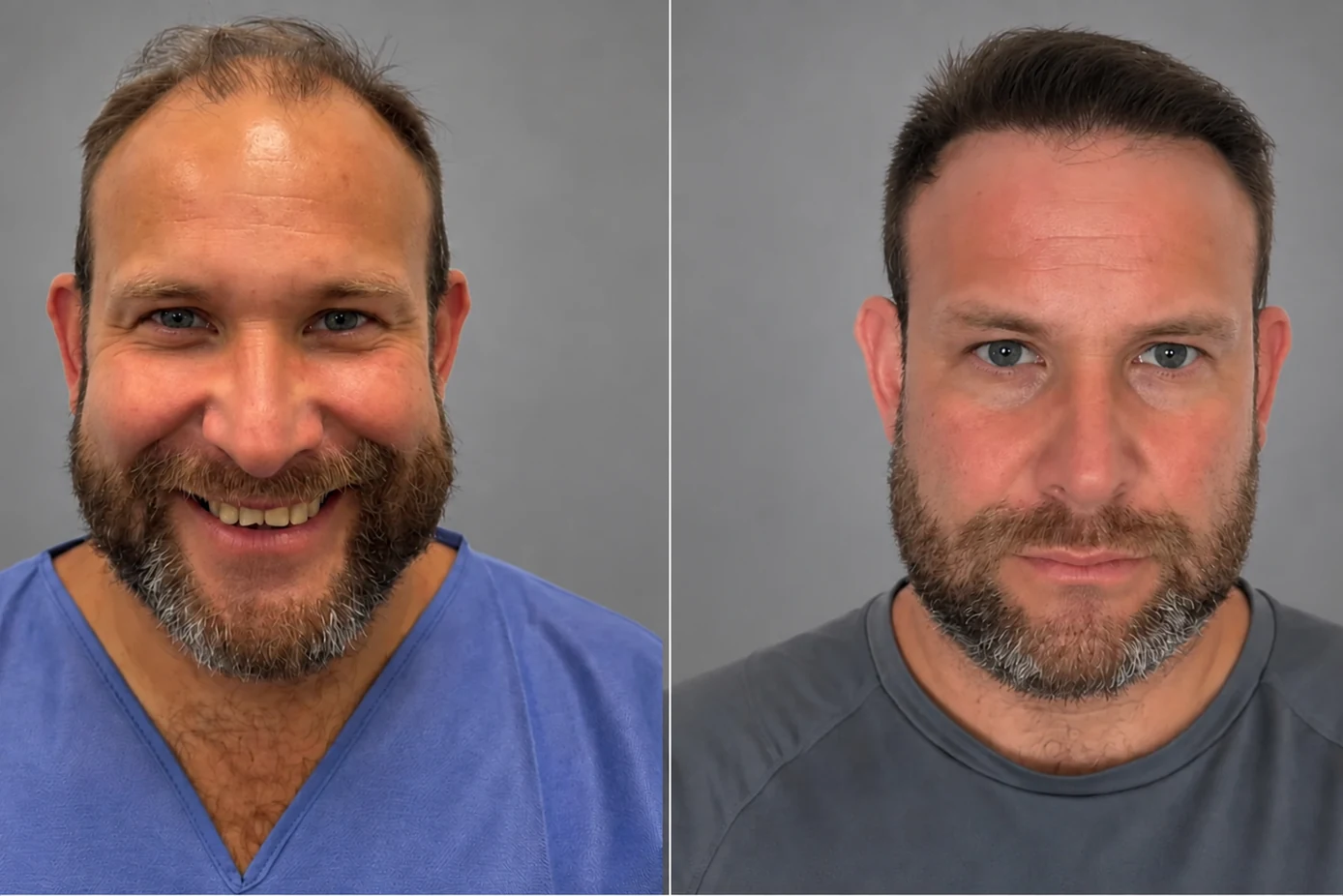
start
12 months in
3,500 grafts
FUE method
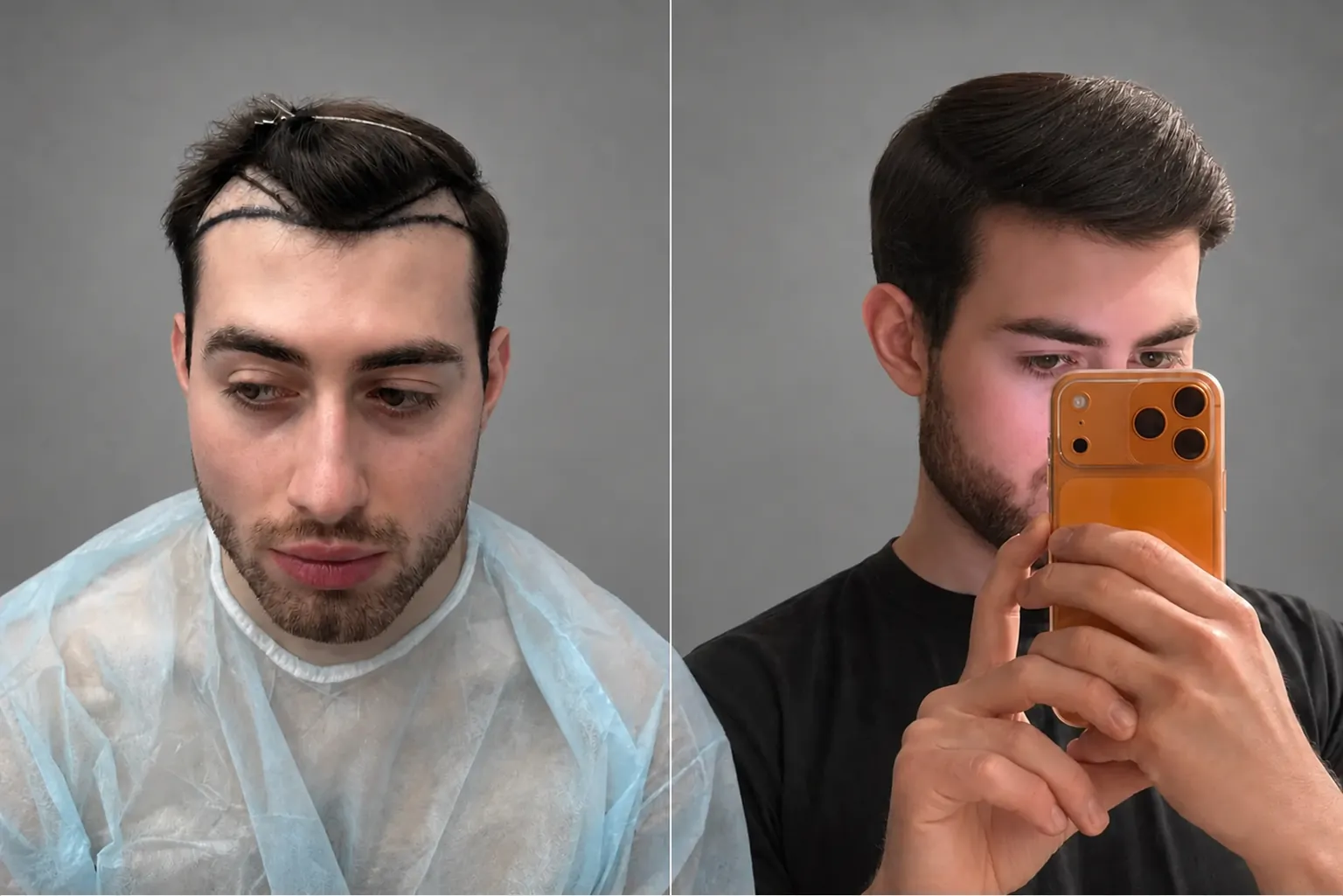
start
12 months in
2,600 grafts
FUE method
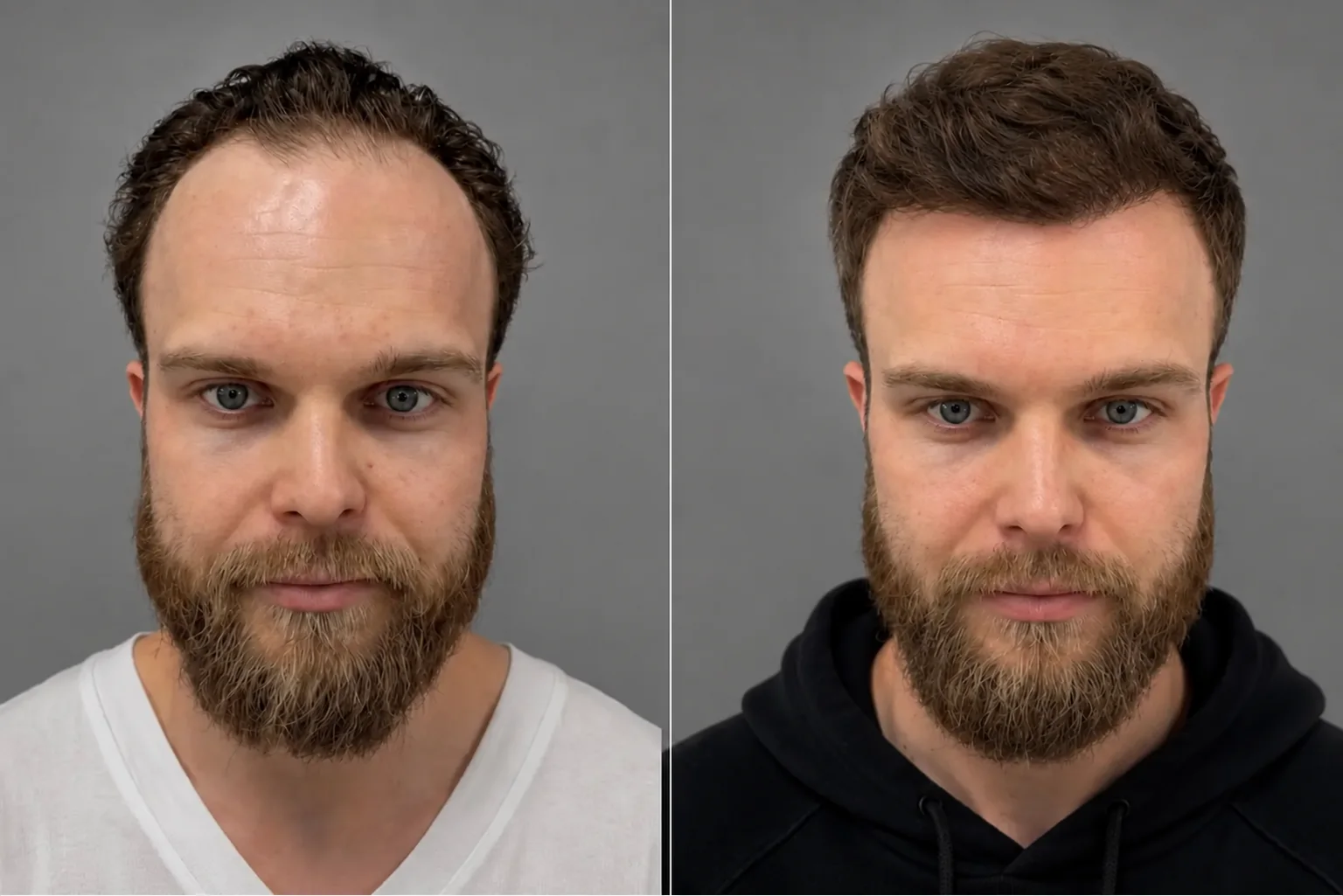
start
12 months in
3,000 grafts
FUE method
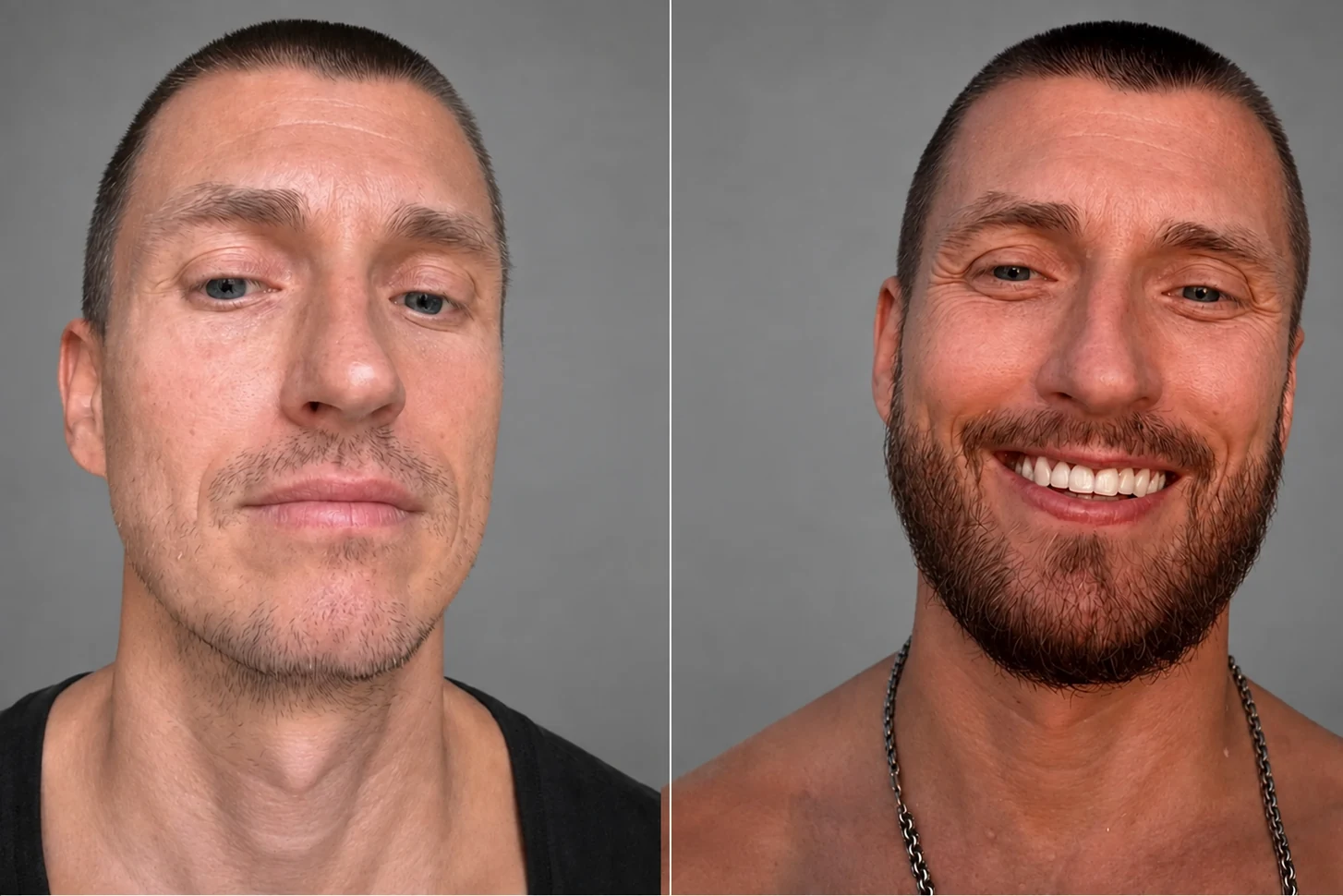
start
12 months in
2,700 grafts
FUE method
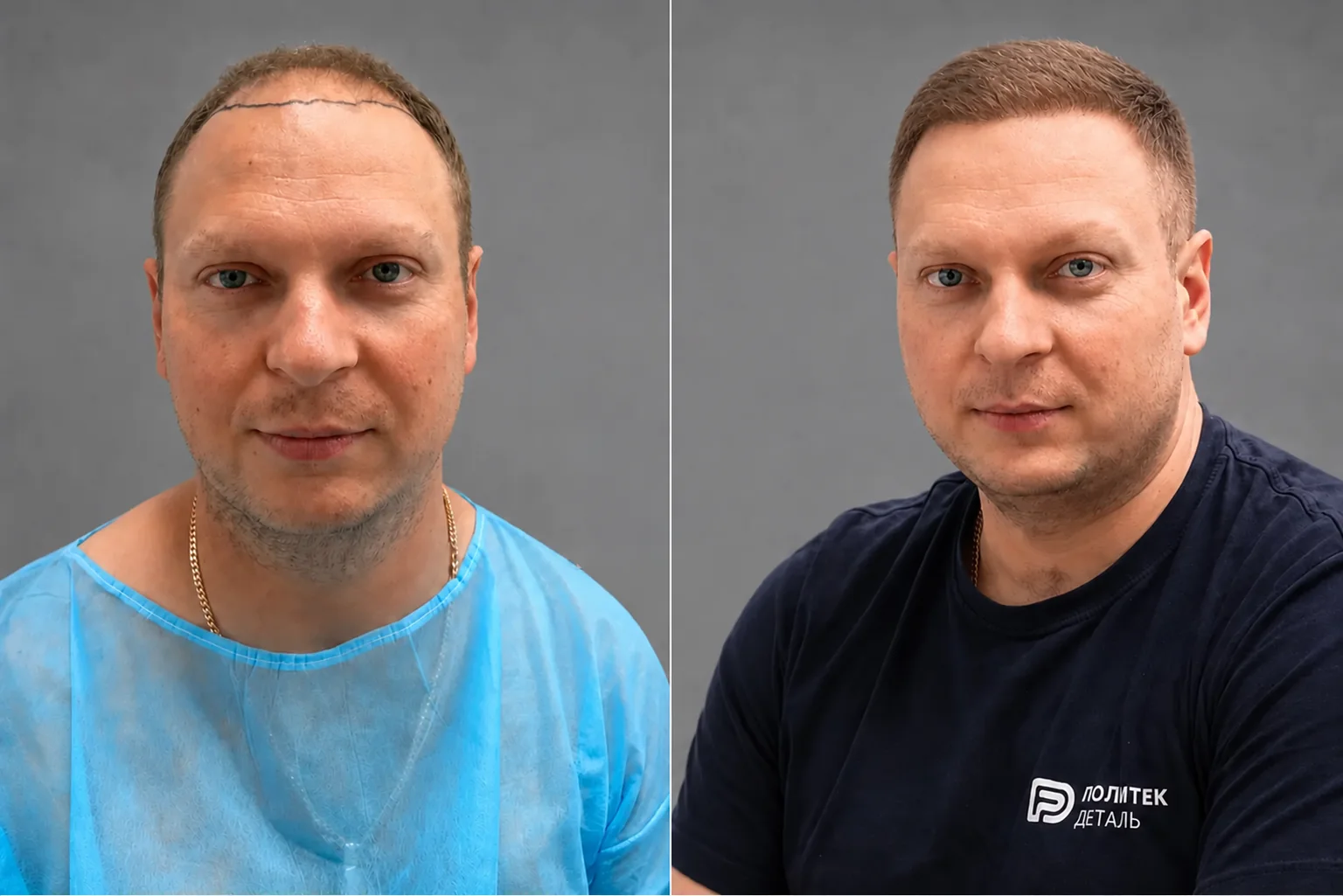
start
12 months in
3,300 grafts
FUE method
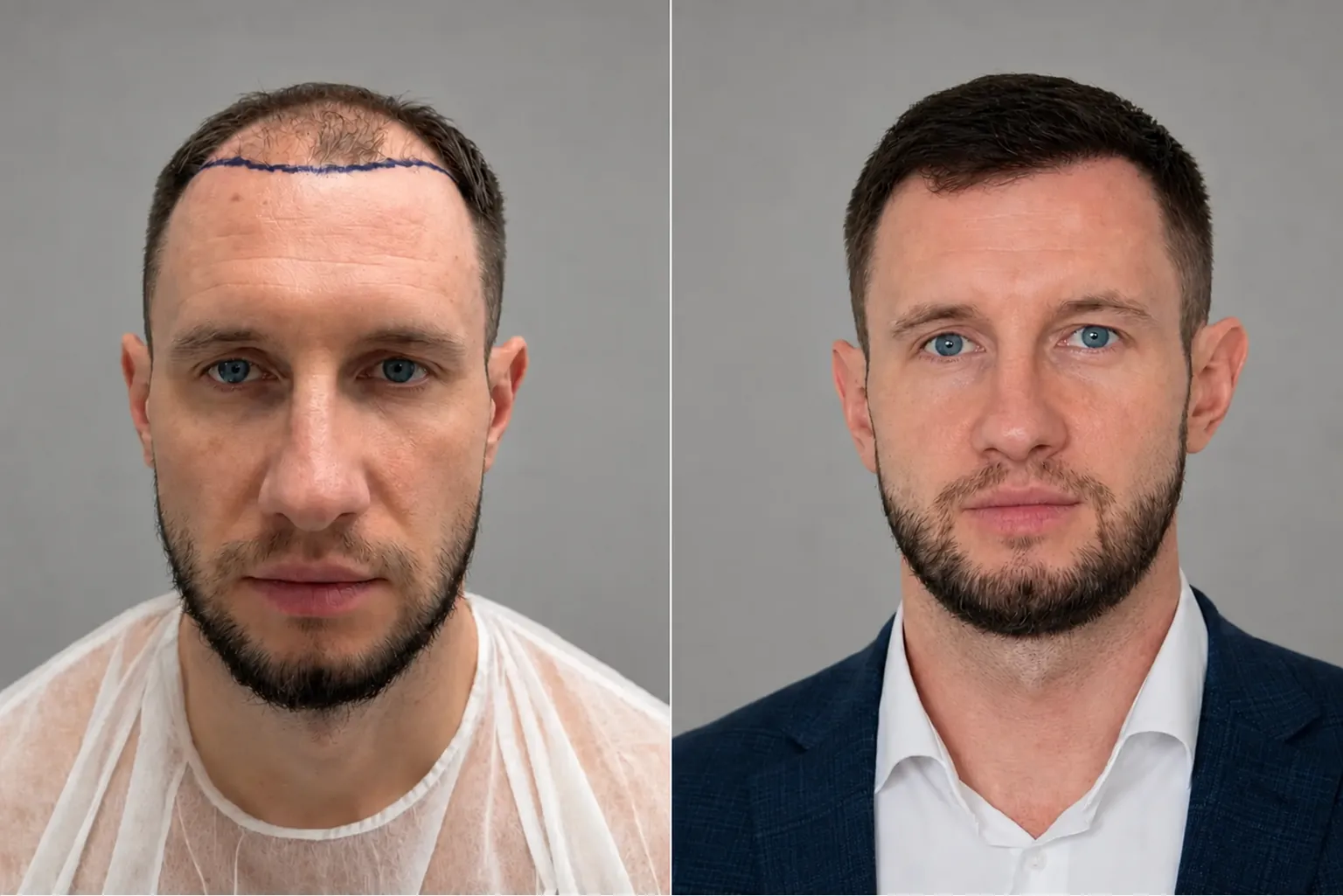
start
12 months in
2,900 grafts
FUE method
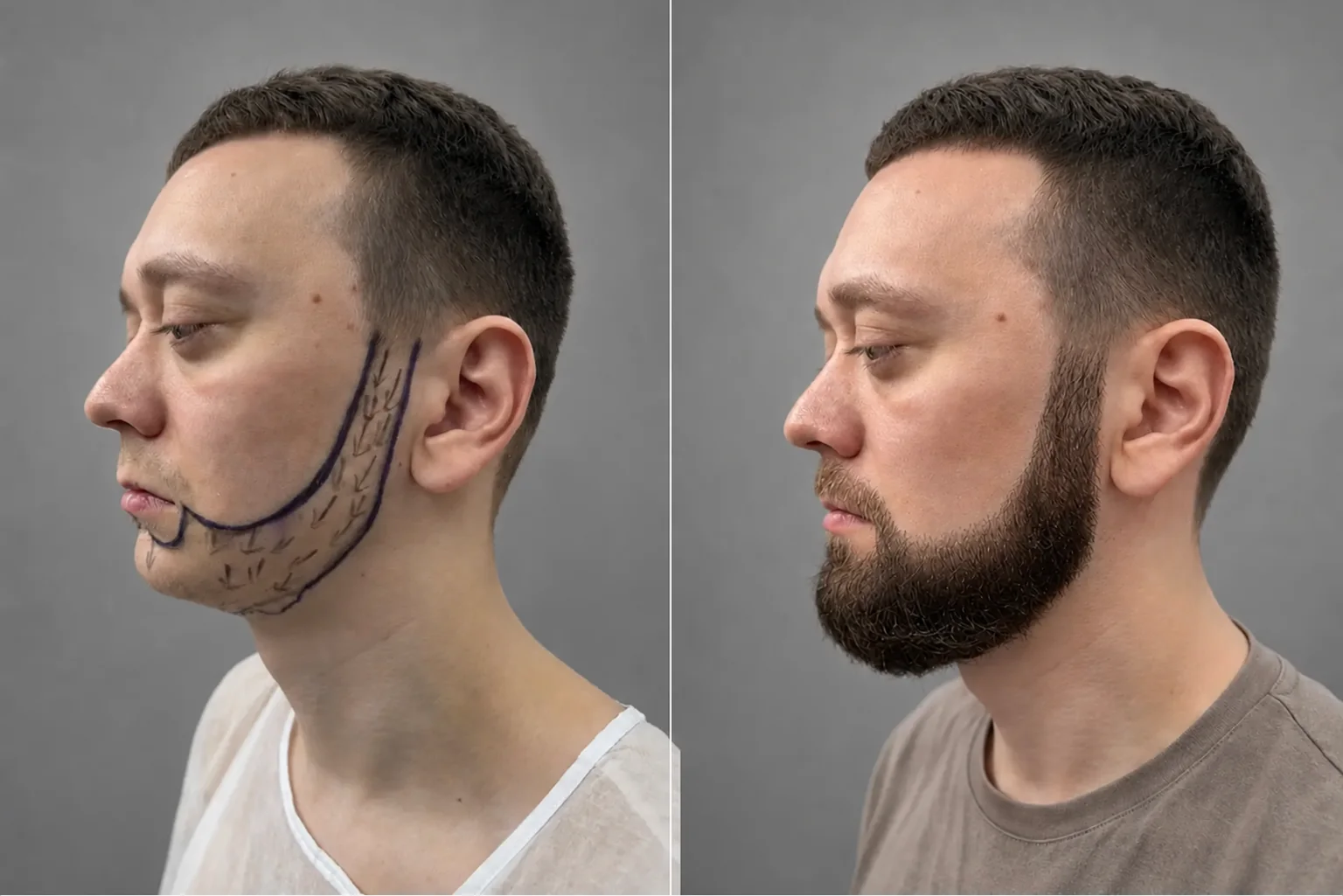
start
12 months in
2,500 grafts
FUE method
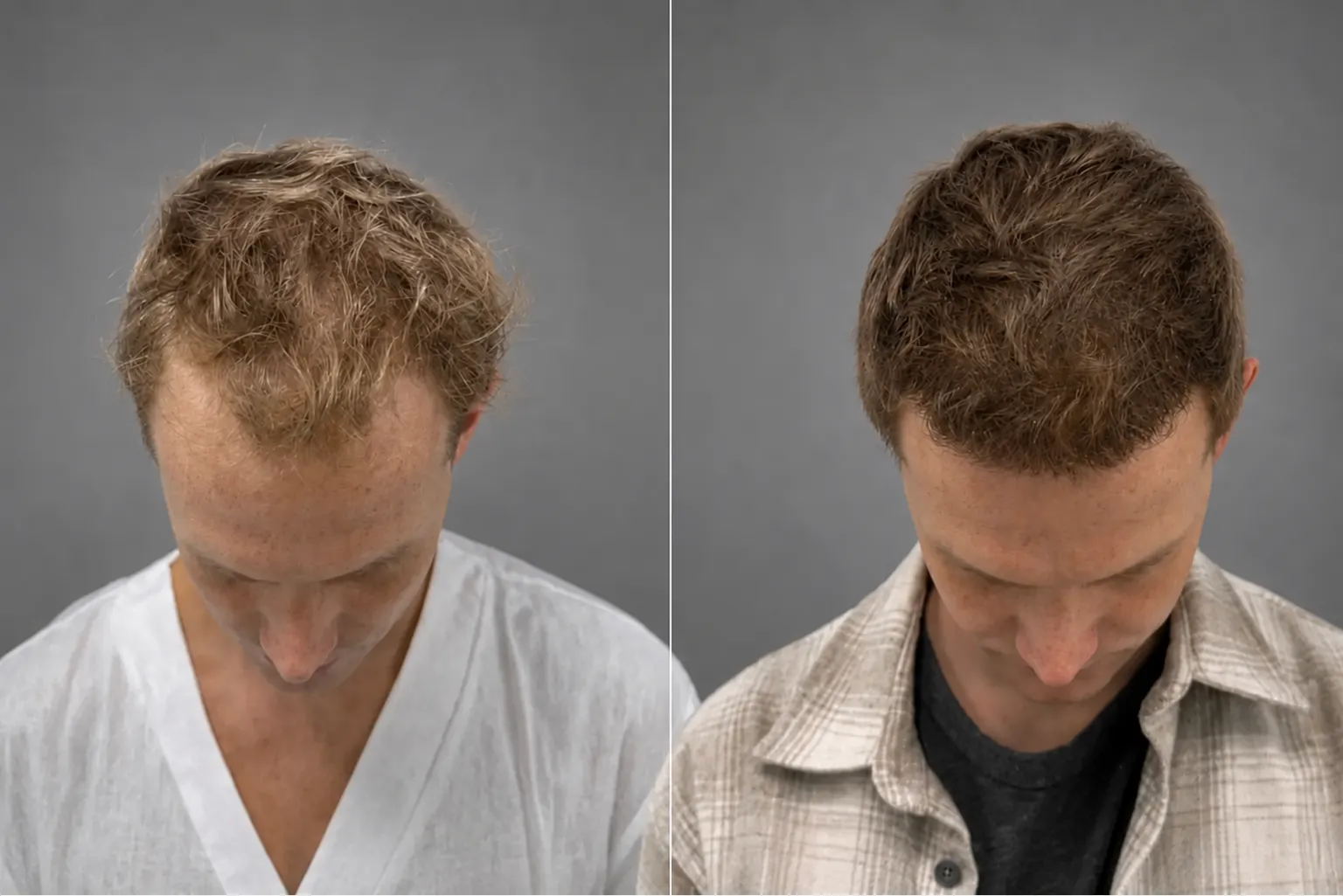
start
12 months in
3,400 grafts
FUE method
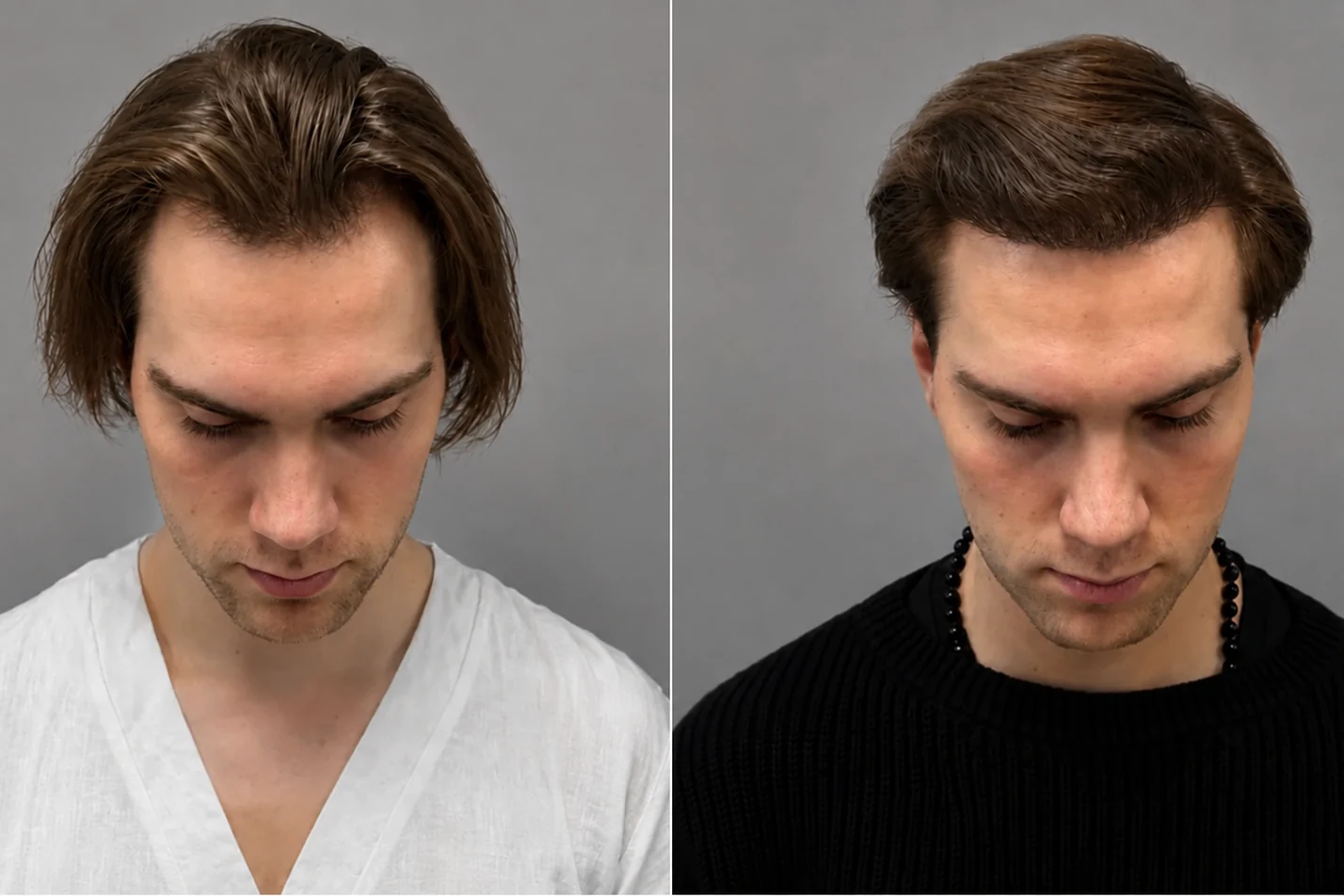
start
12 months in
2,500 grafts
FUE method
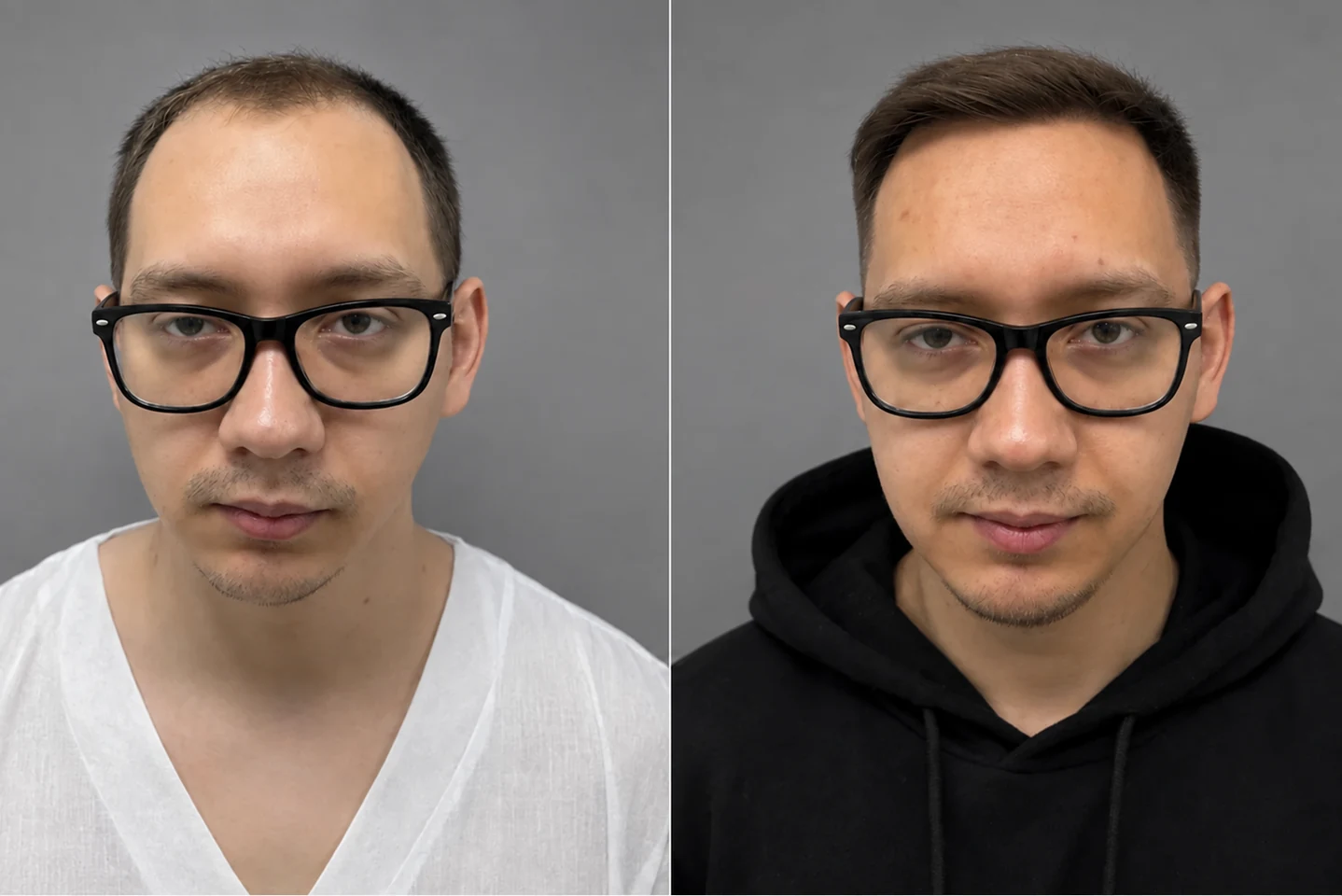
start
12 months in
3,100 grafts
FUE method
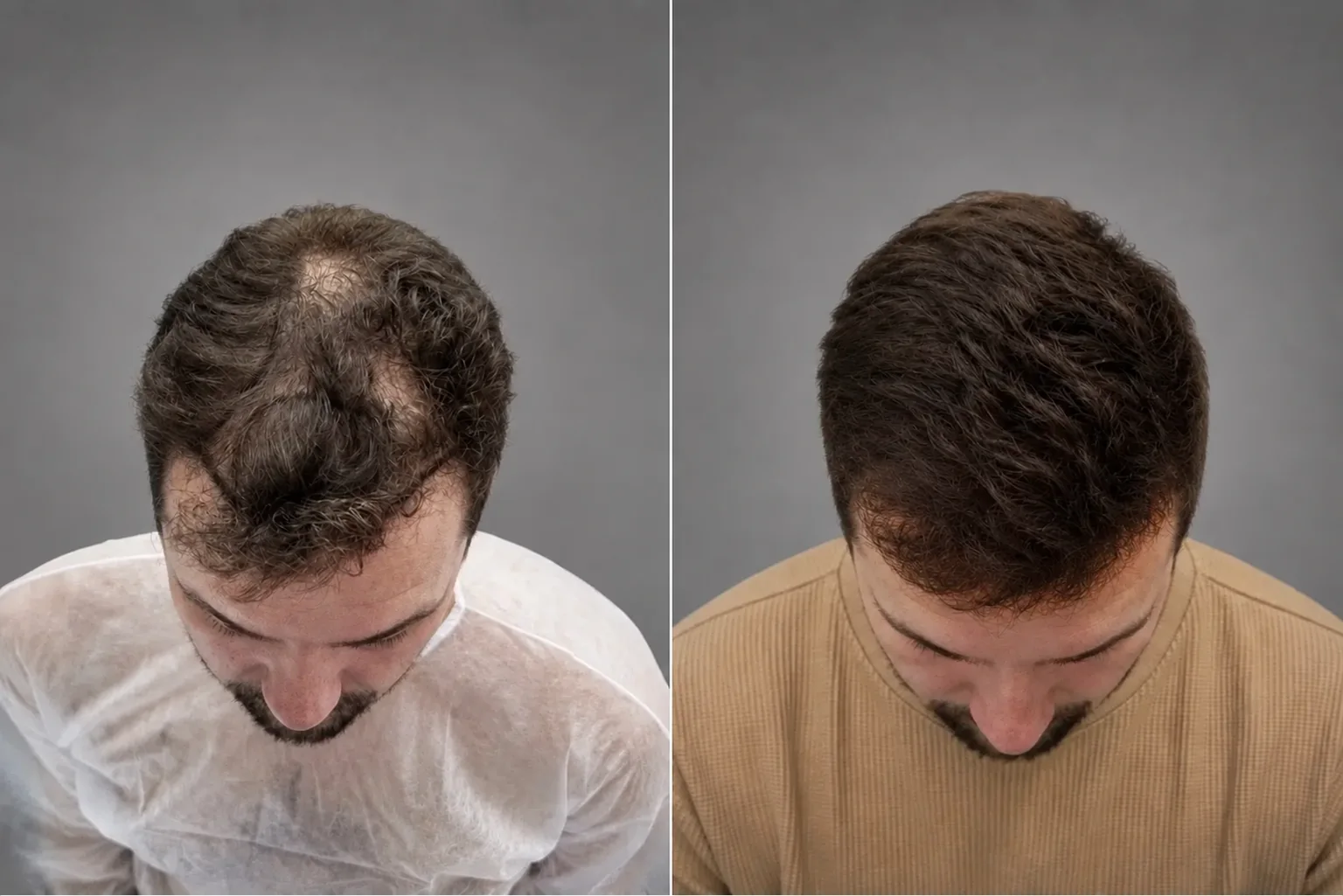
start
12 months in
3,600 grafts
FUE method
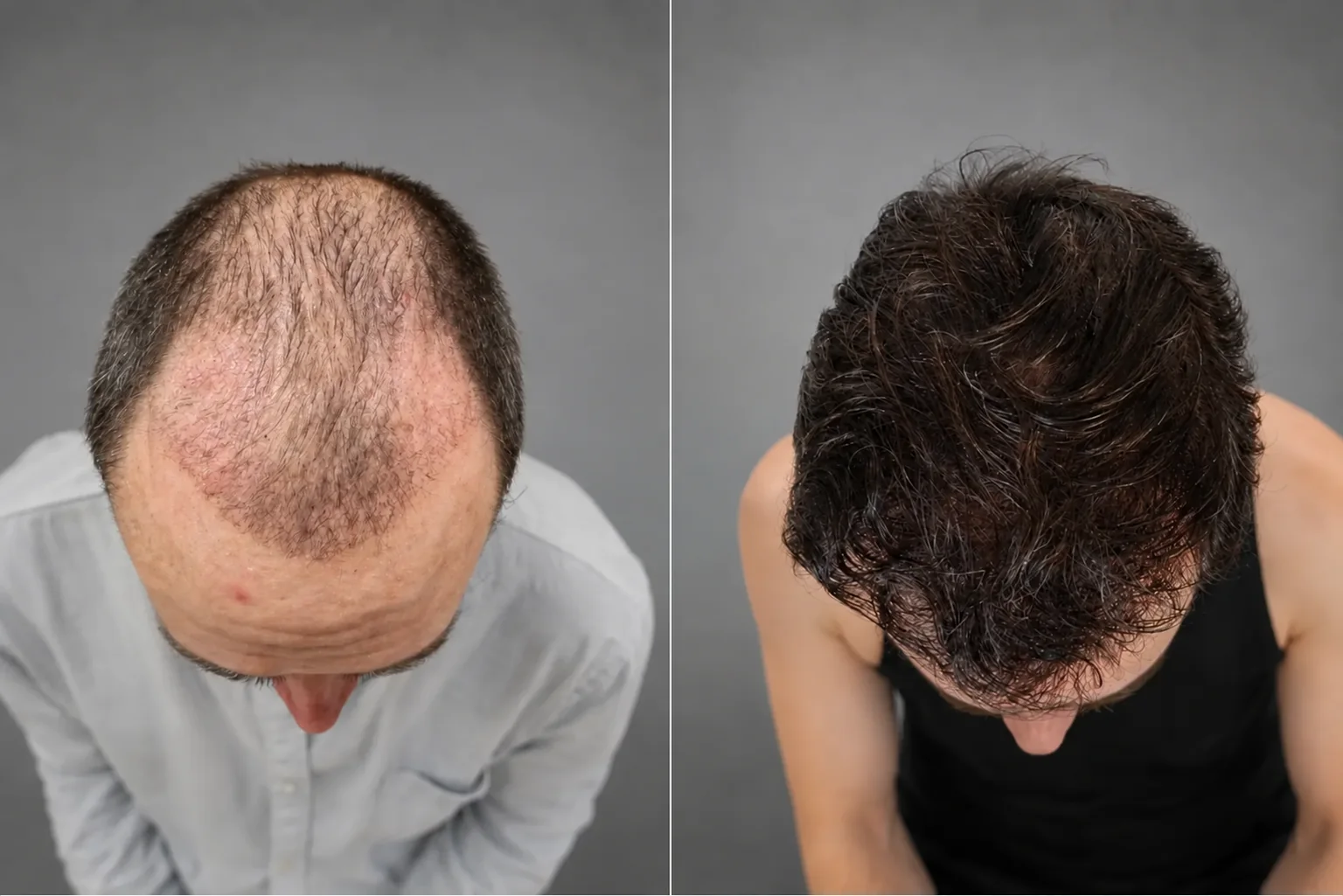
start
12 months in
4,000 grafts
FUE method
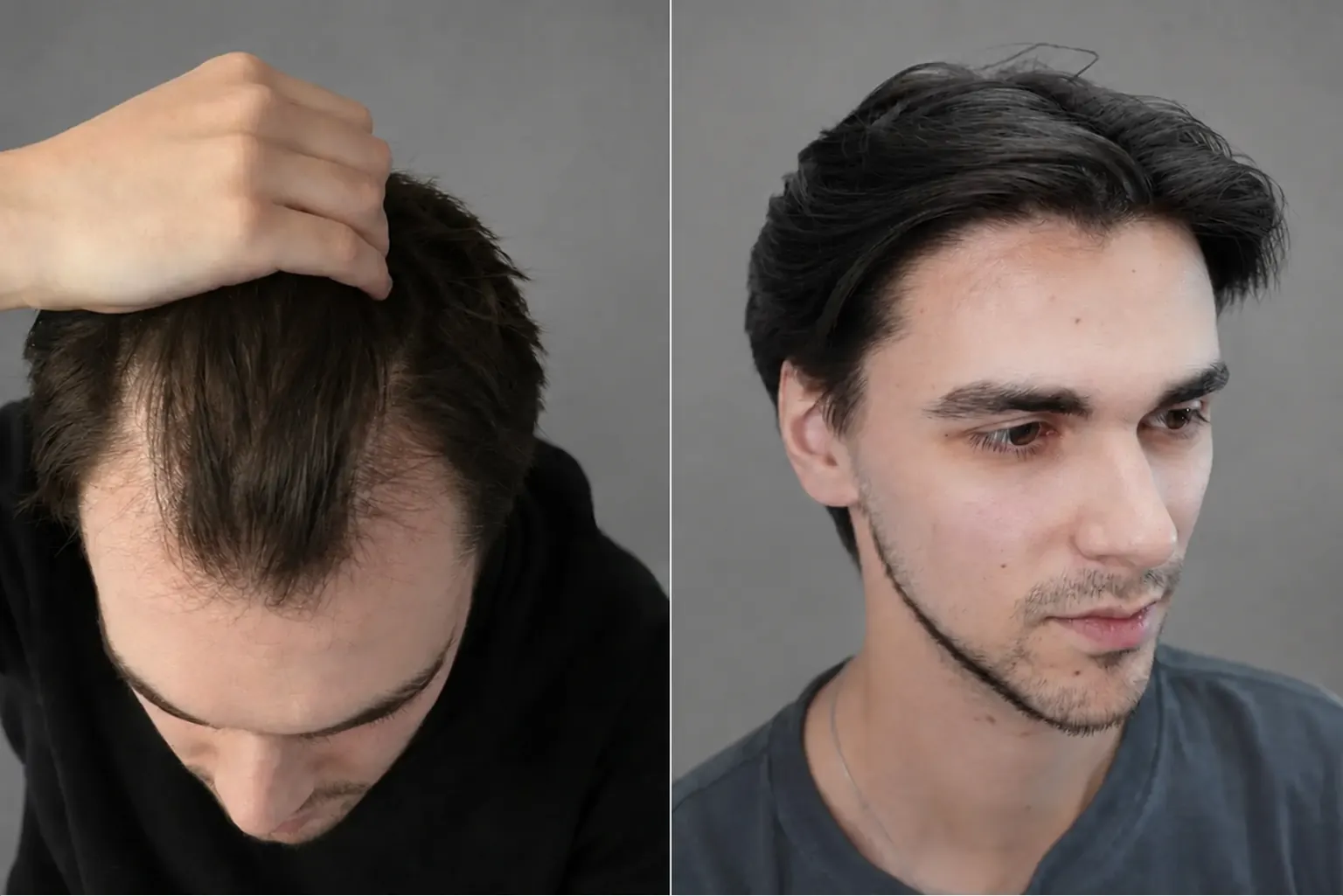
start
12 months in
3,200 grafts
FUE method
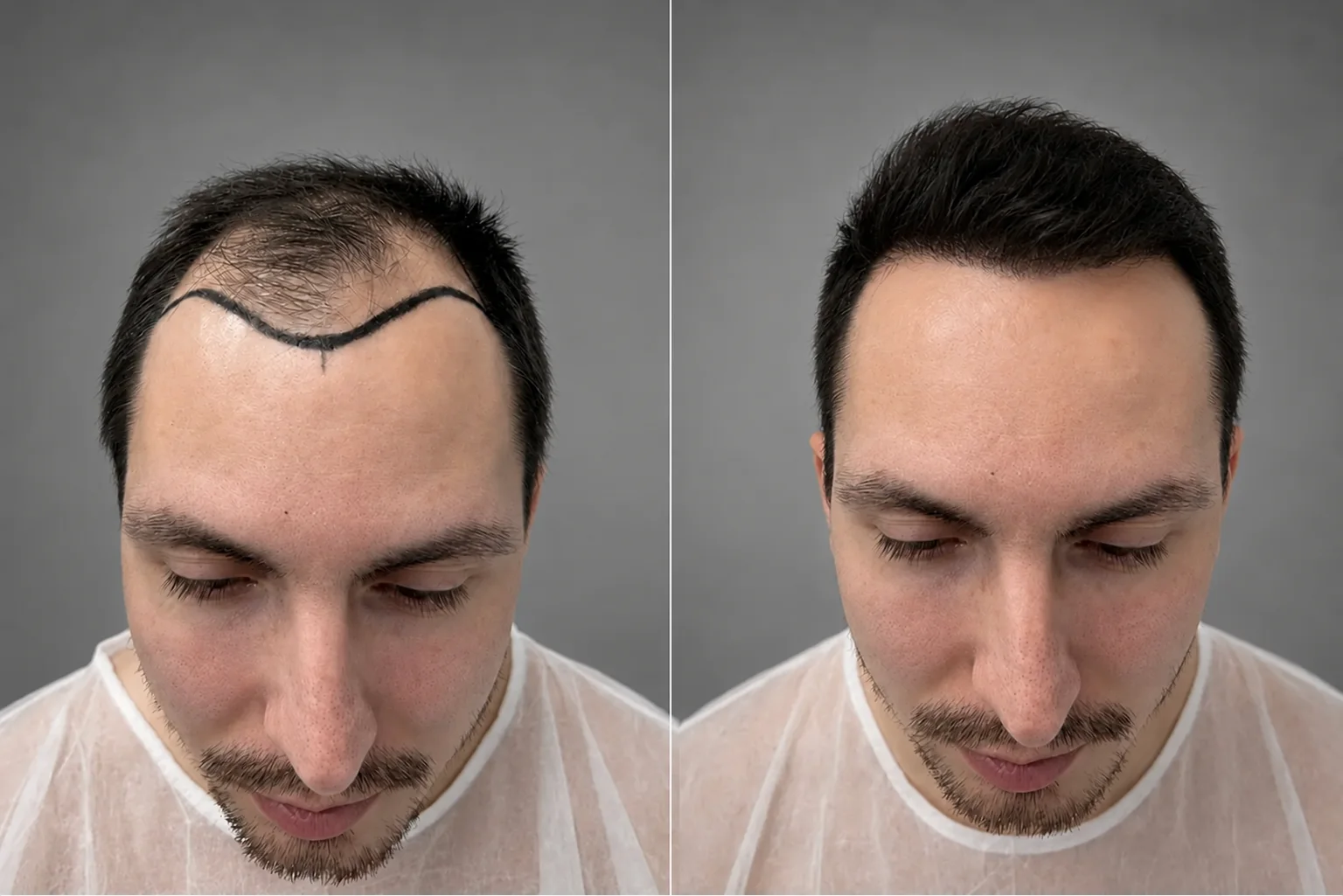
start
12 months in
3,000 grafts
FUE method
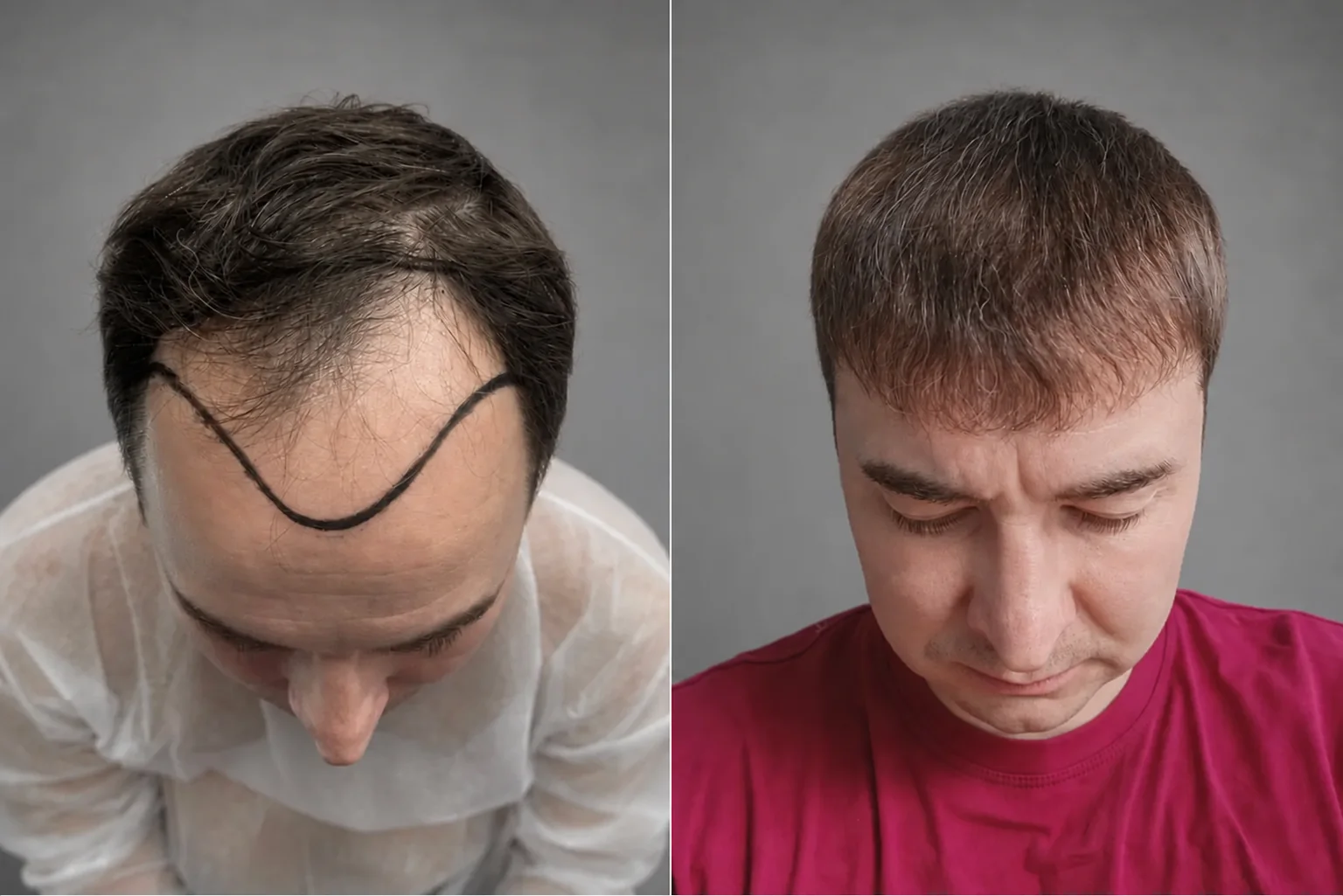
start
12 months in
3,700 grafts
FUE method
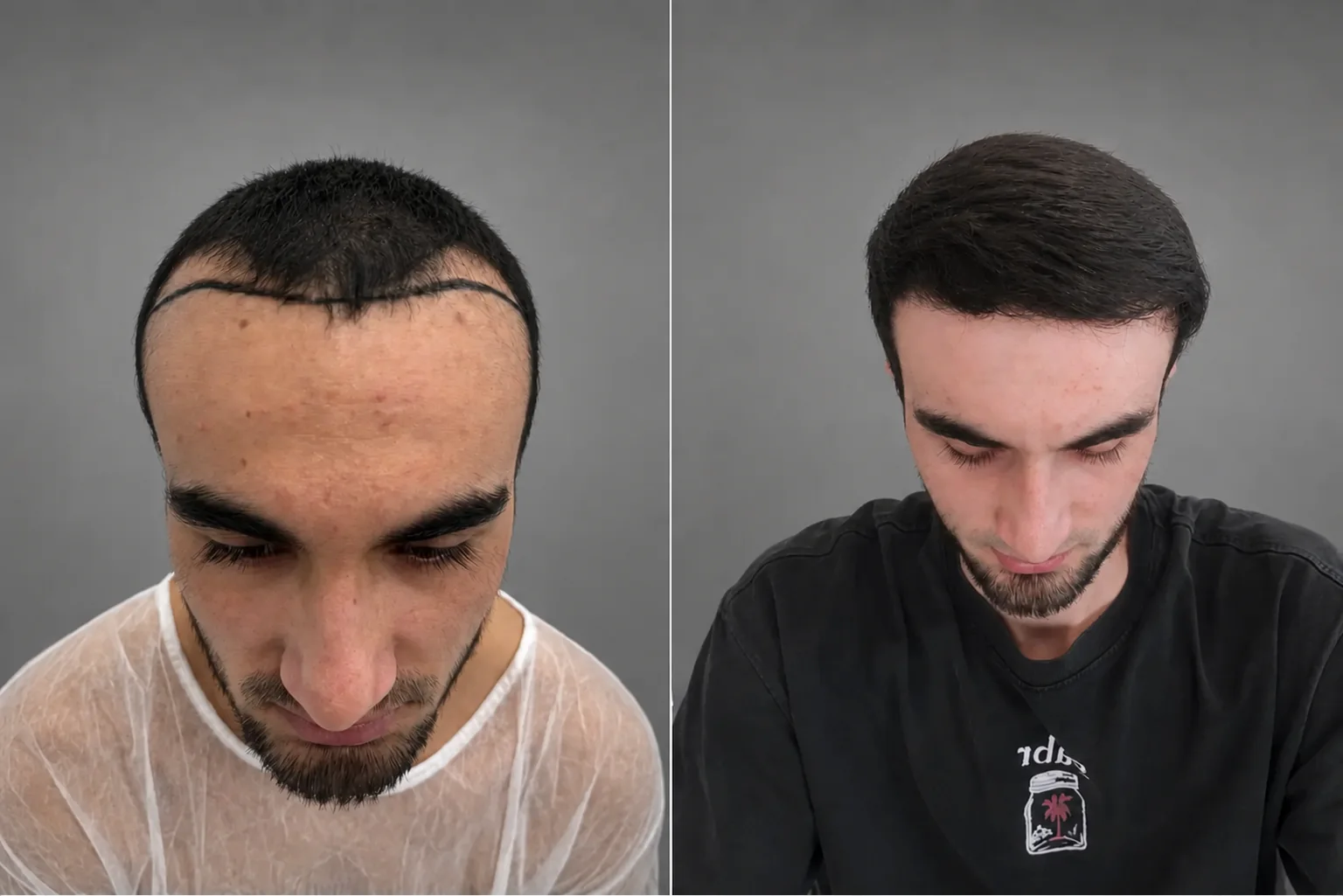
start
12 months in
2,700 grafts
FUE method
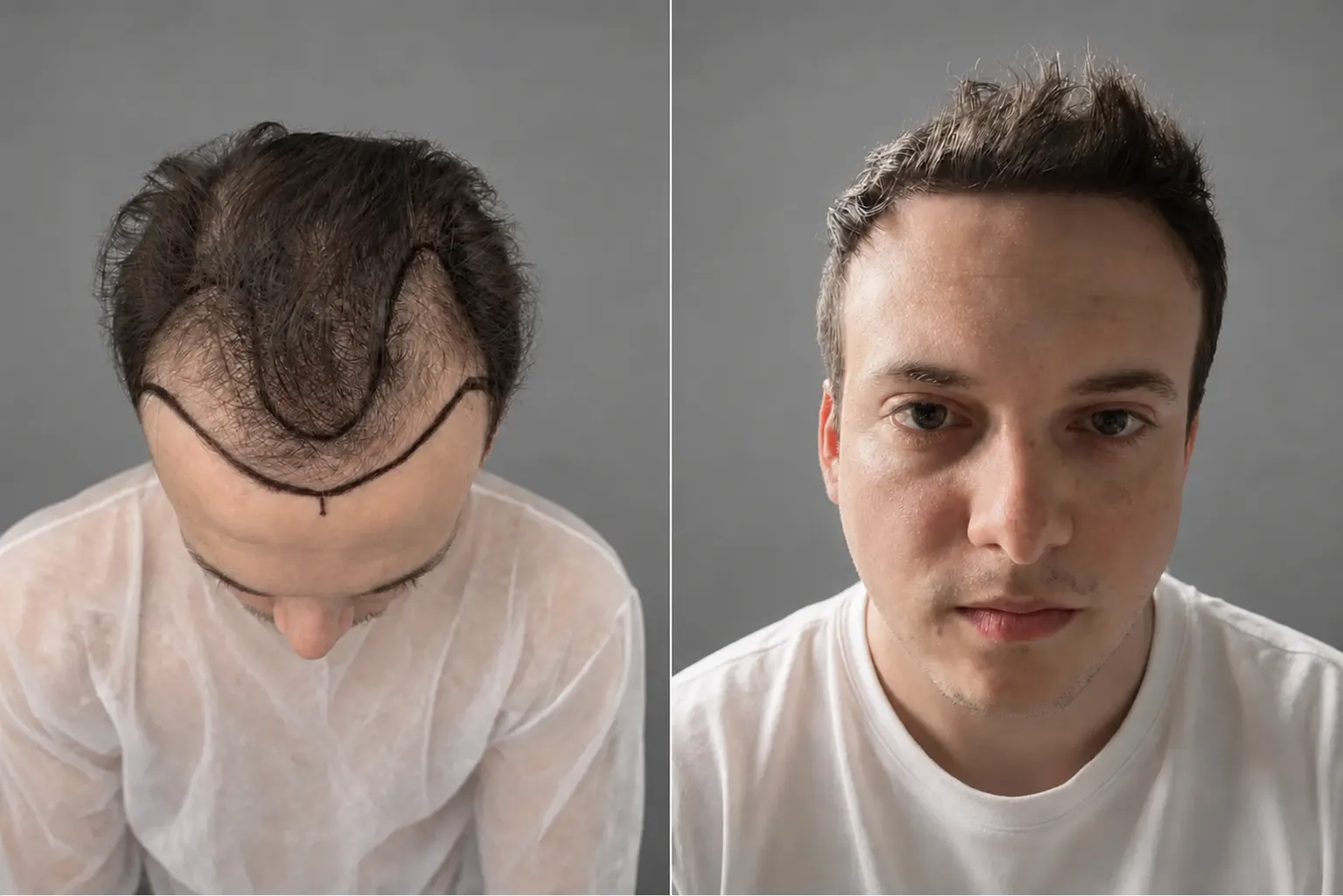
start
12 months in
3,800 grafts
FUE method
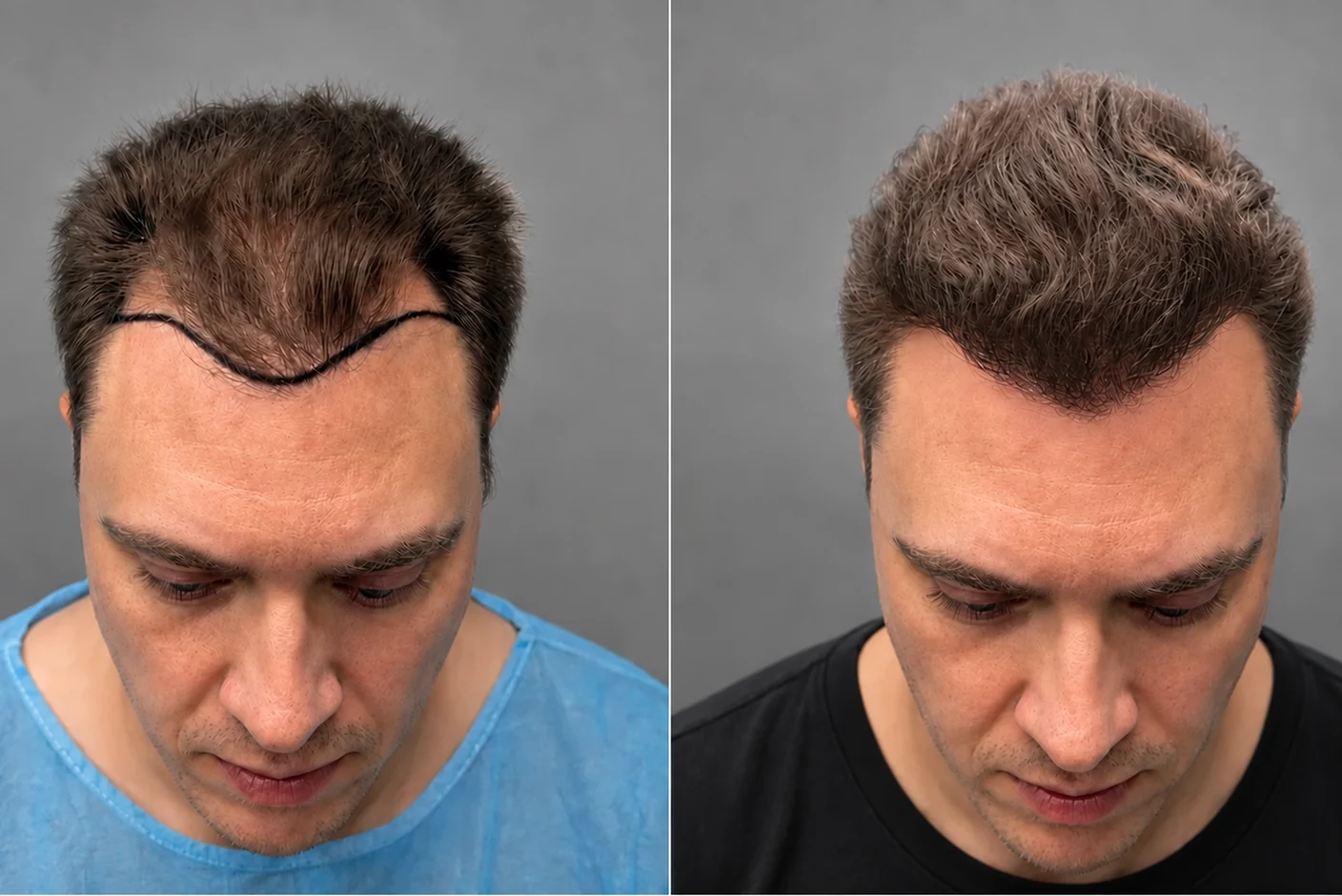
start
12 months in
3,300 grafts
FUE method
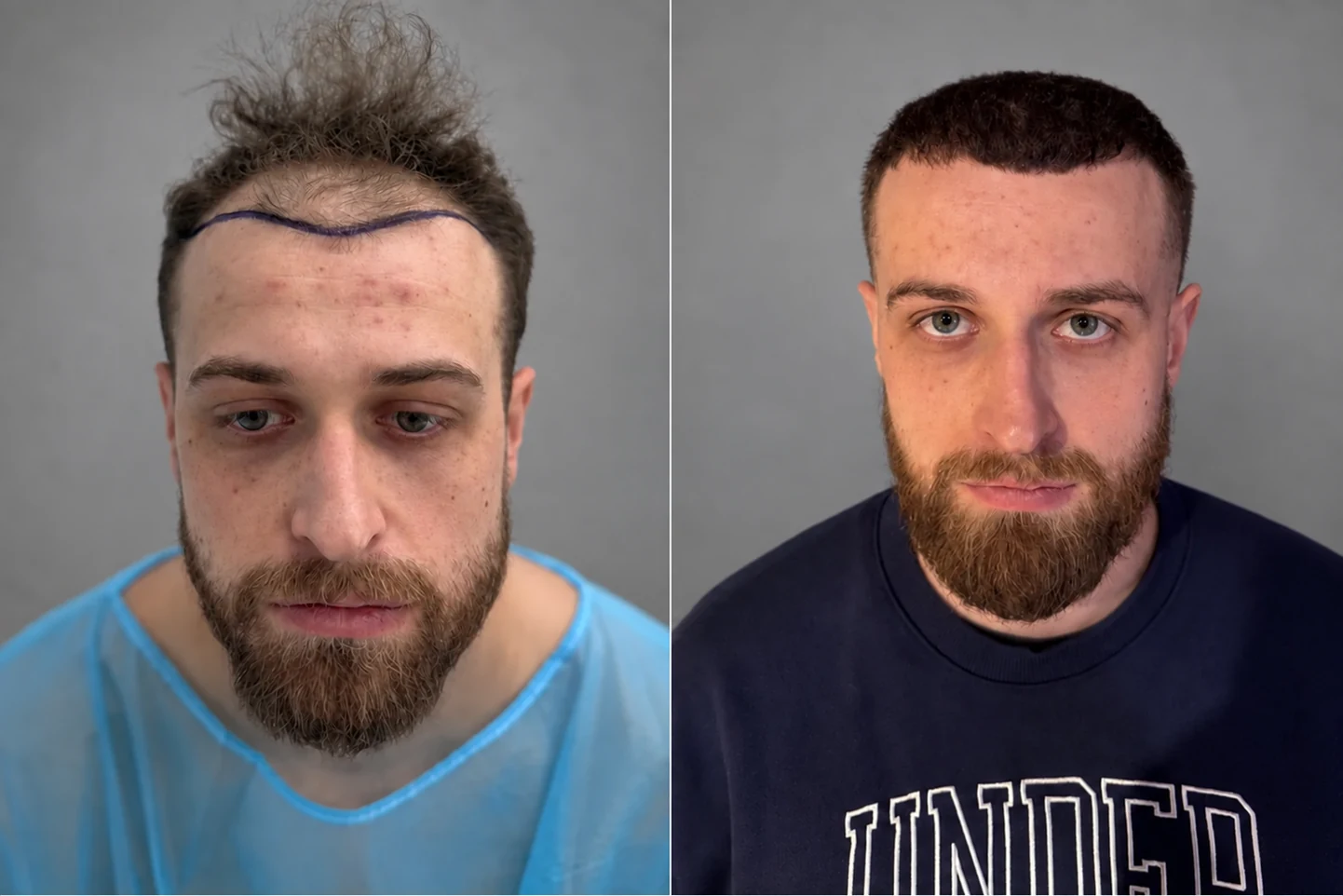
start
12 months in
2,800 grafts
FUE method
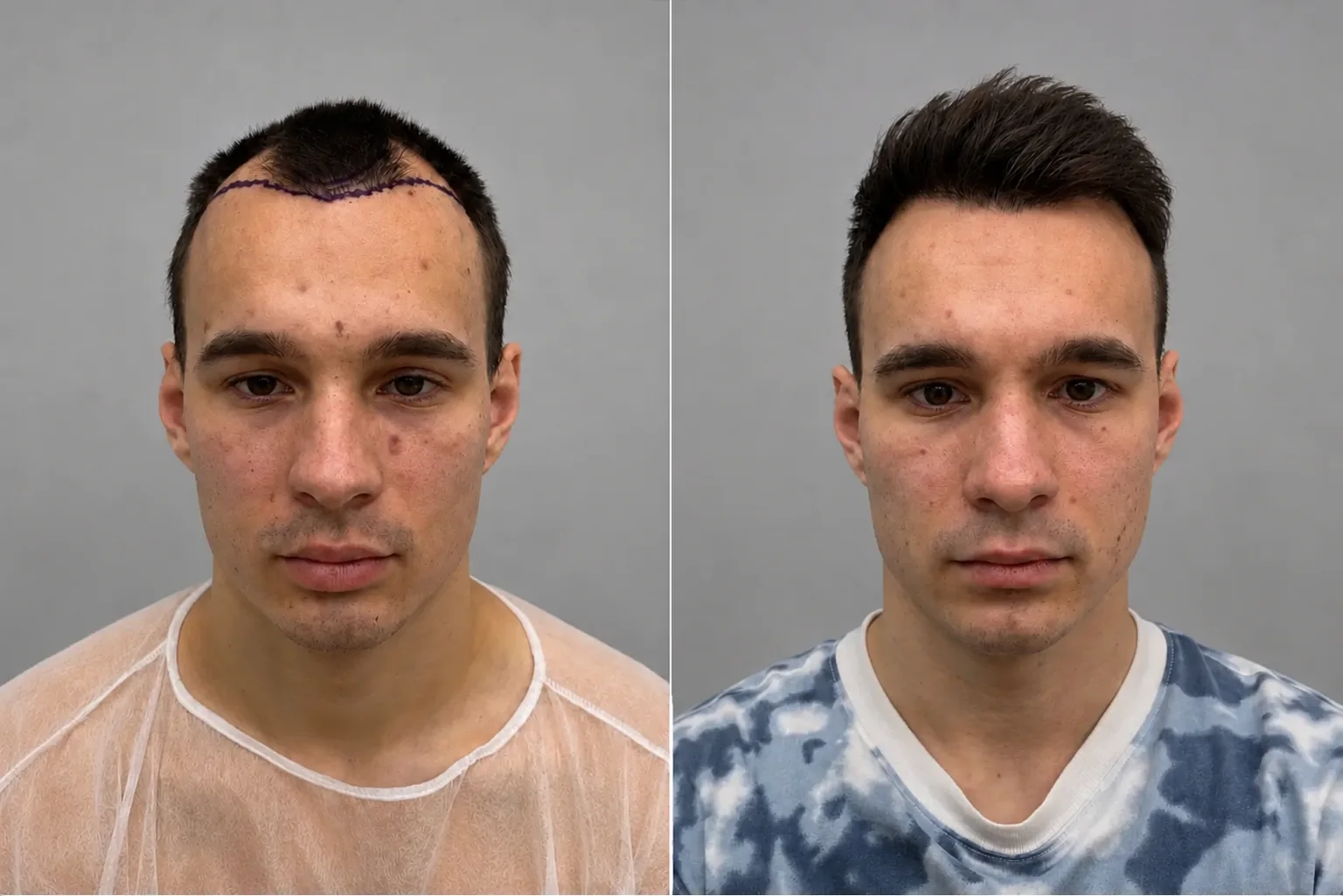
start
12 months in
2,500 grafts
FUE method
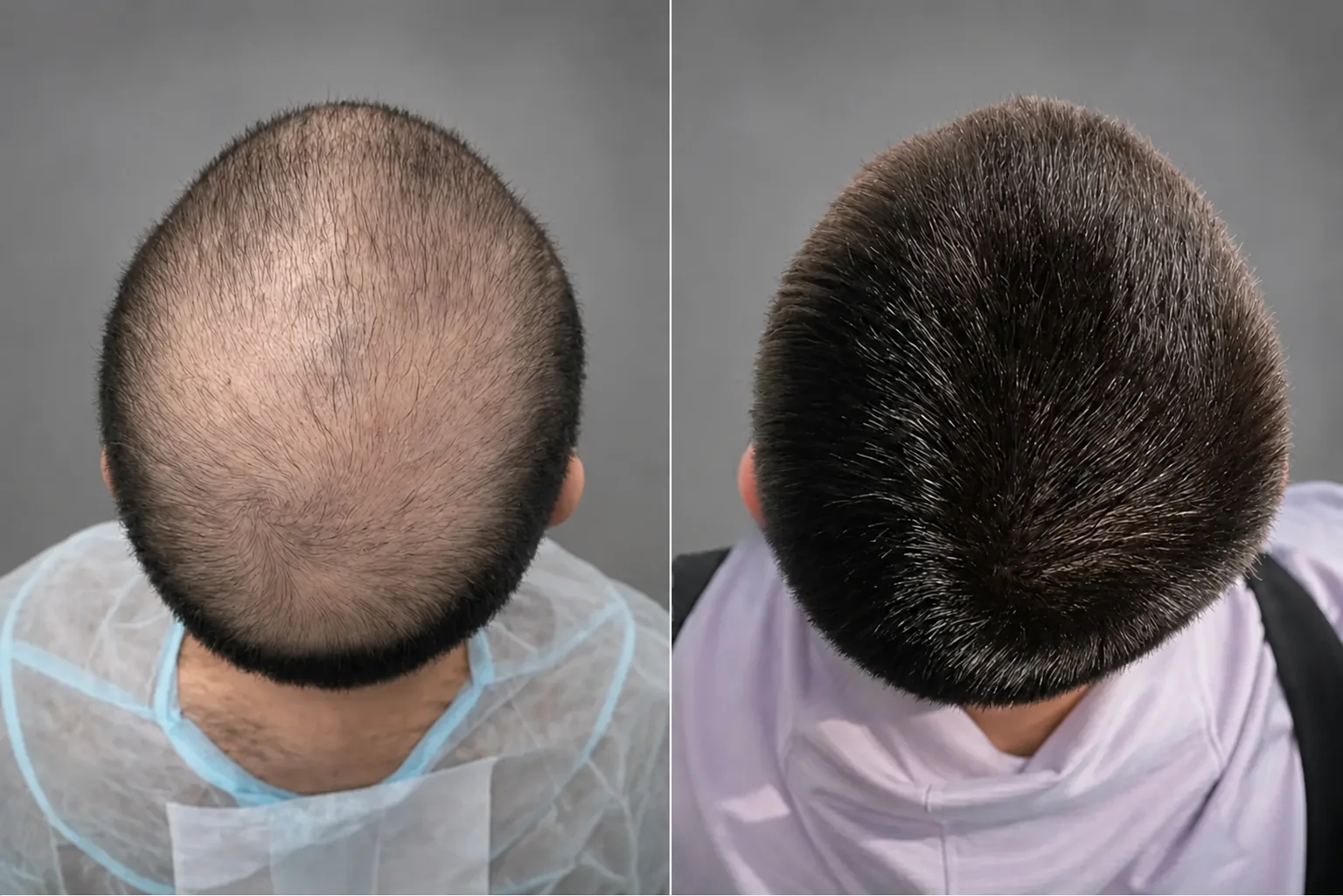
start
12 months in
3,900 grafts
FUE method
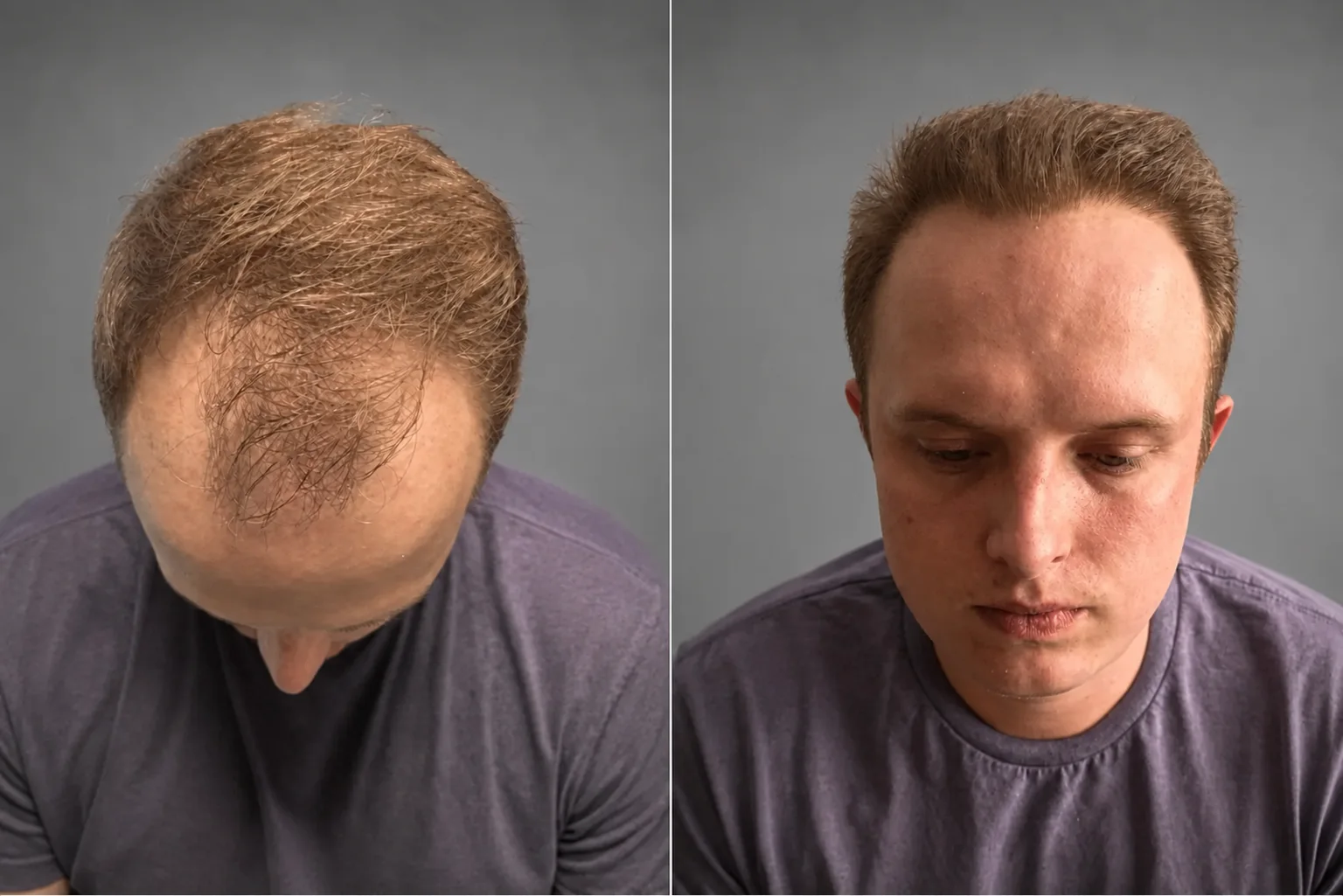
start
12 months in
3,500 grafts
FUE method
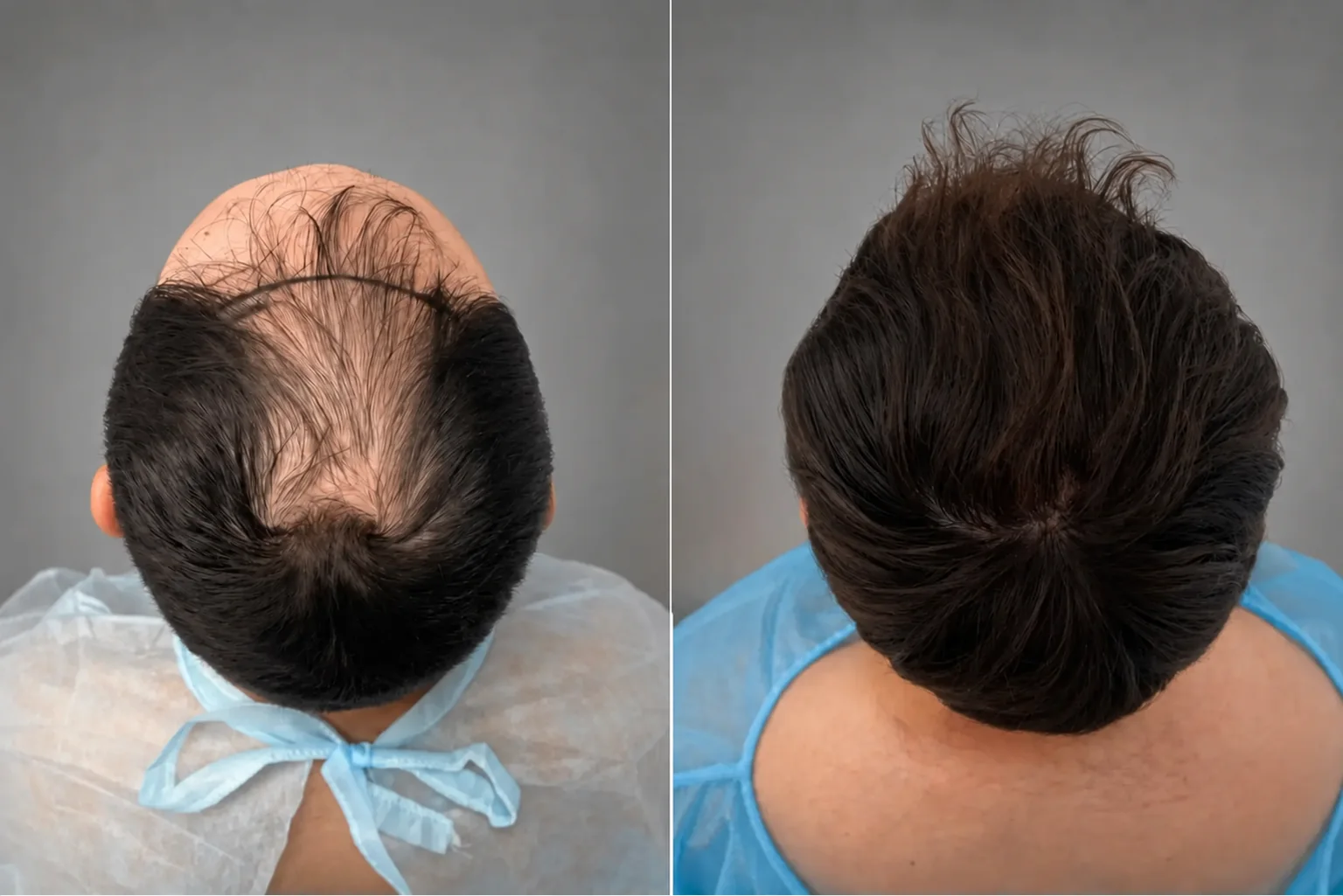
start
12 months in
3,800 grafts
FUE method
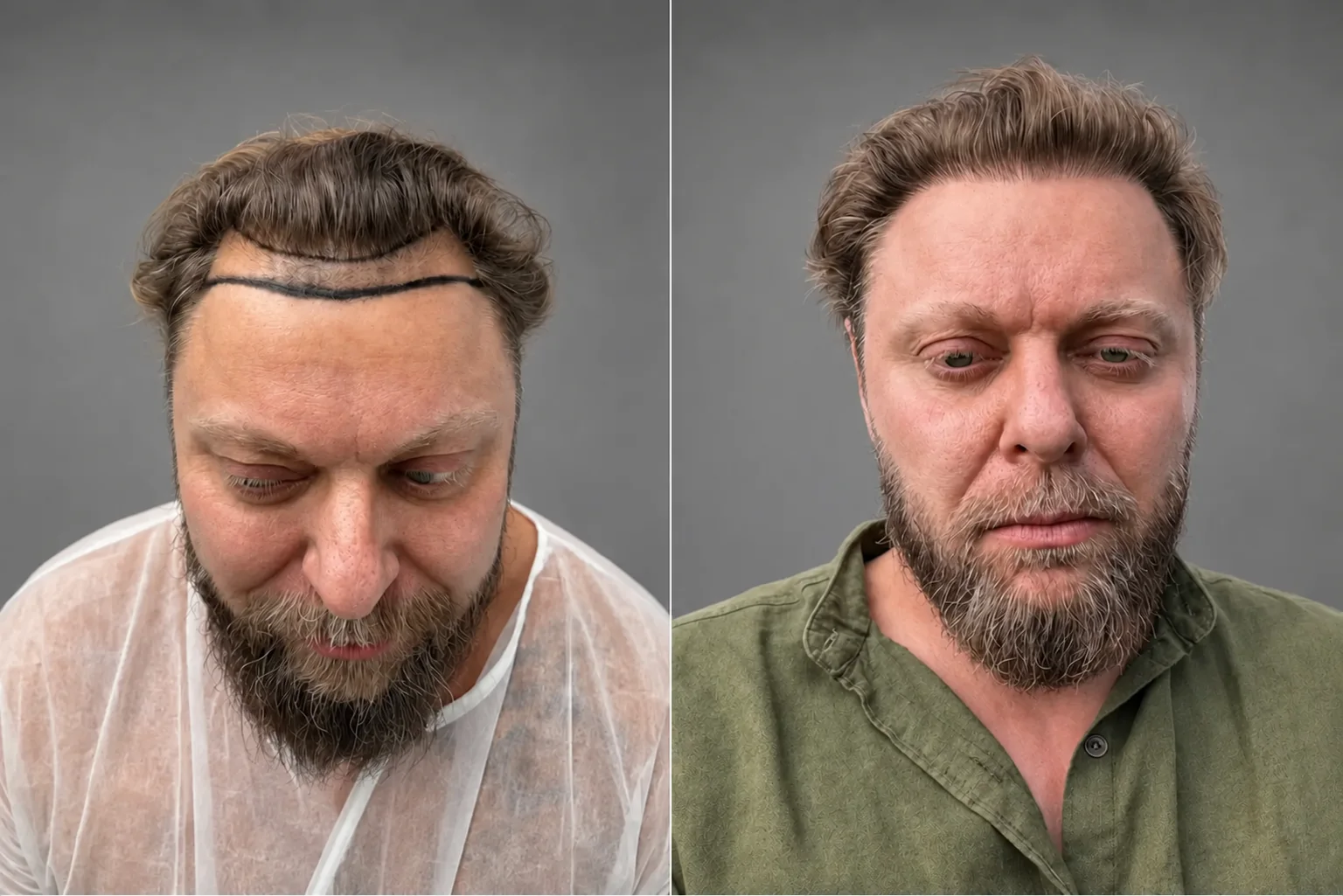
start
12 months in
2,900 grafts
FUE method
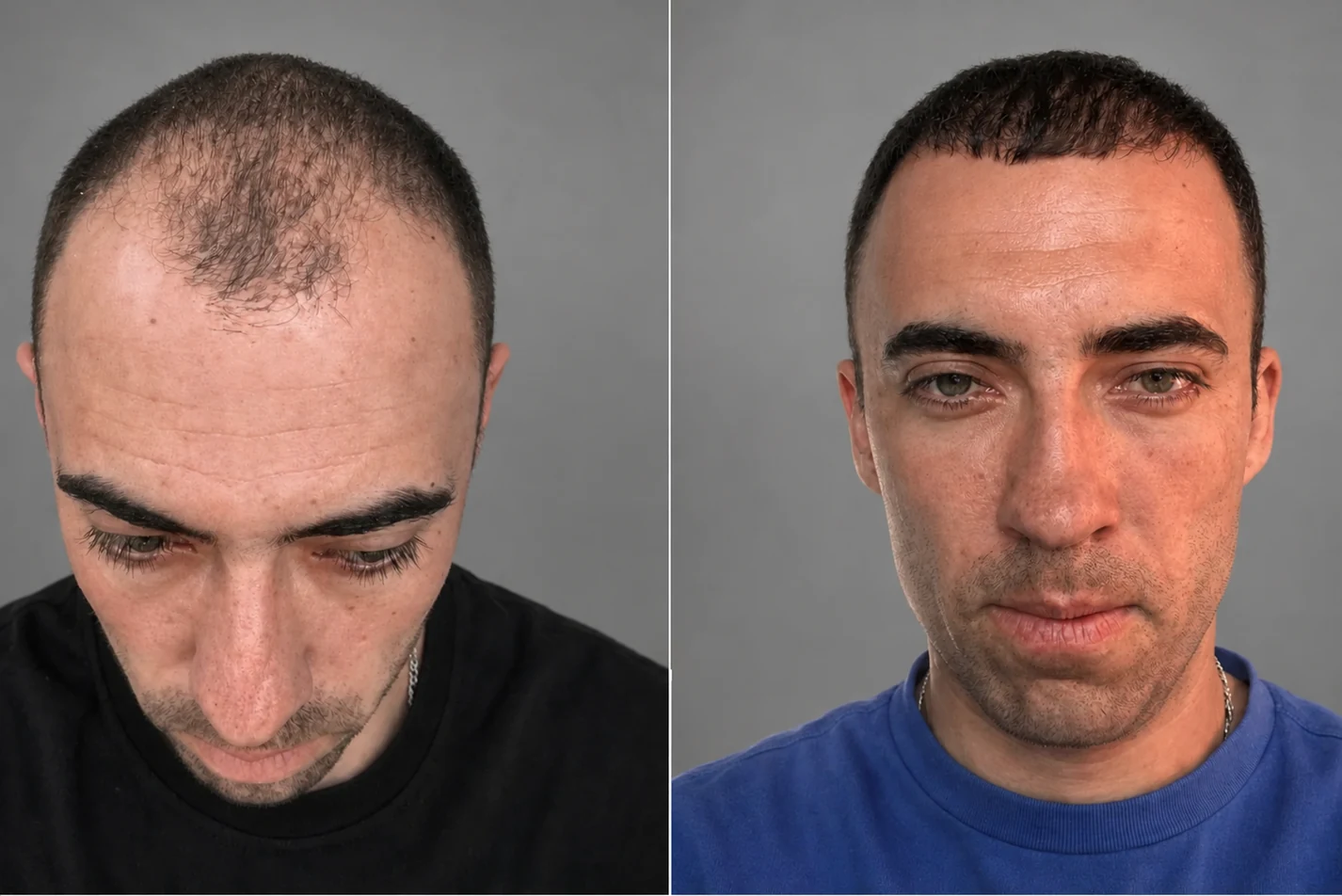
start
12 months in
3,600 grafts
FUE method
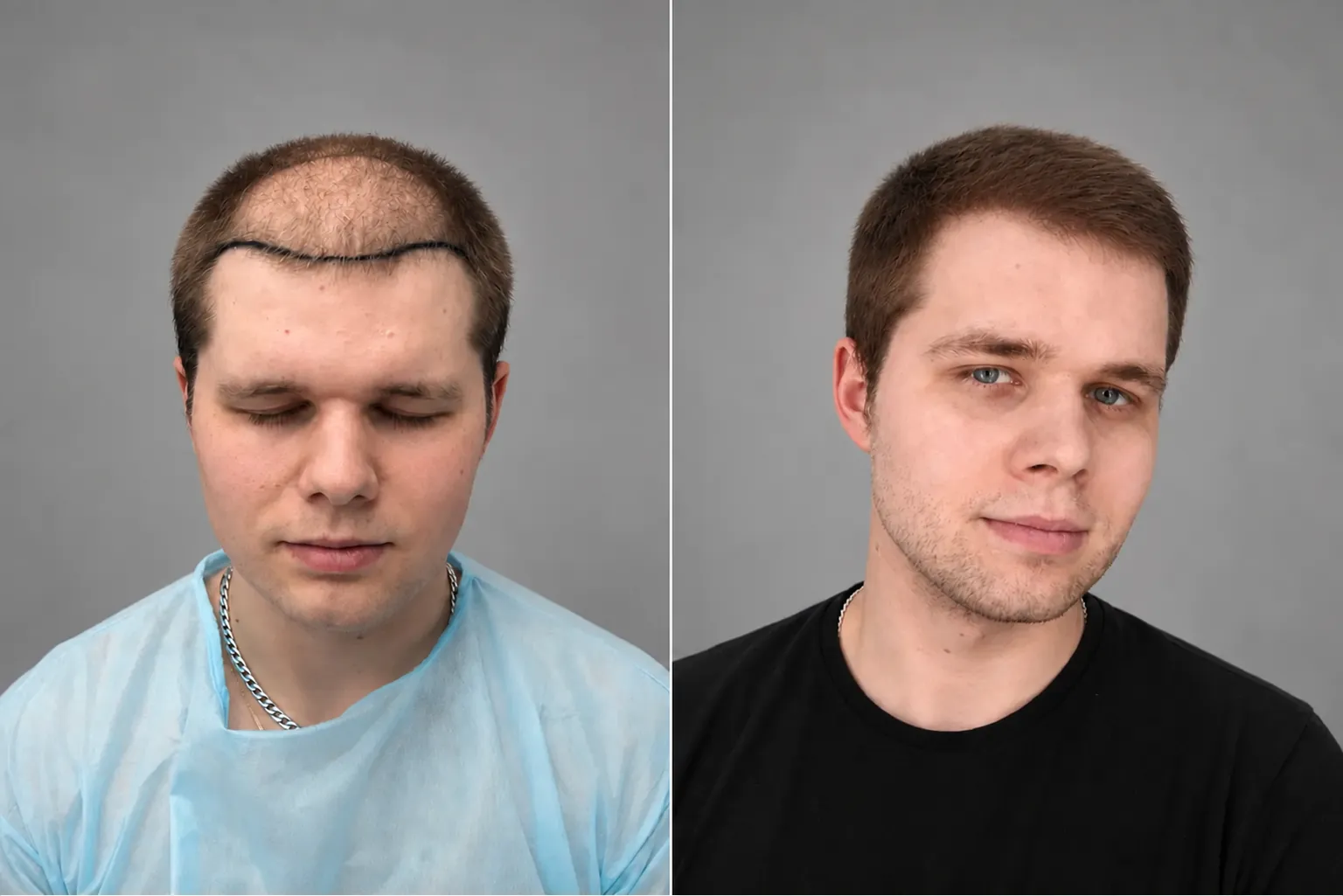
start
12 months in
2,600 grafts
FUE method
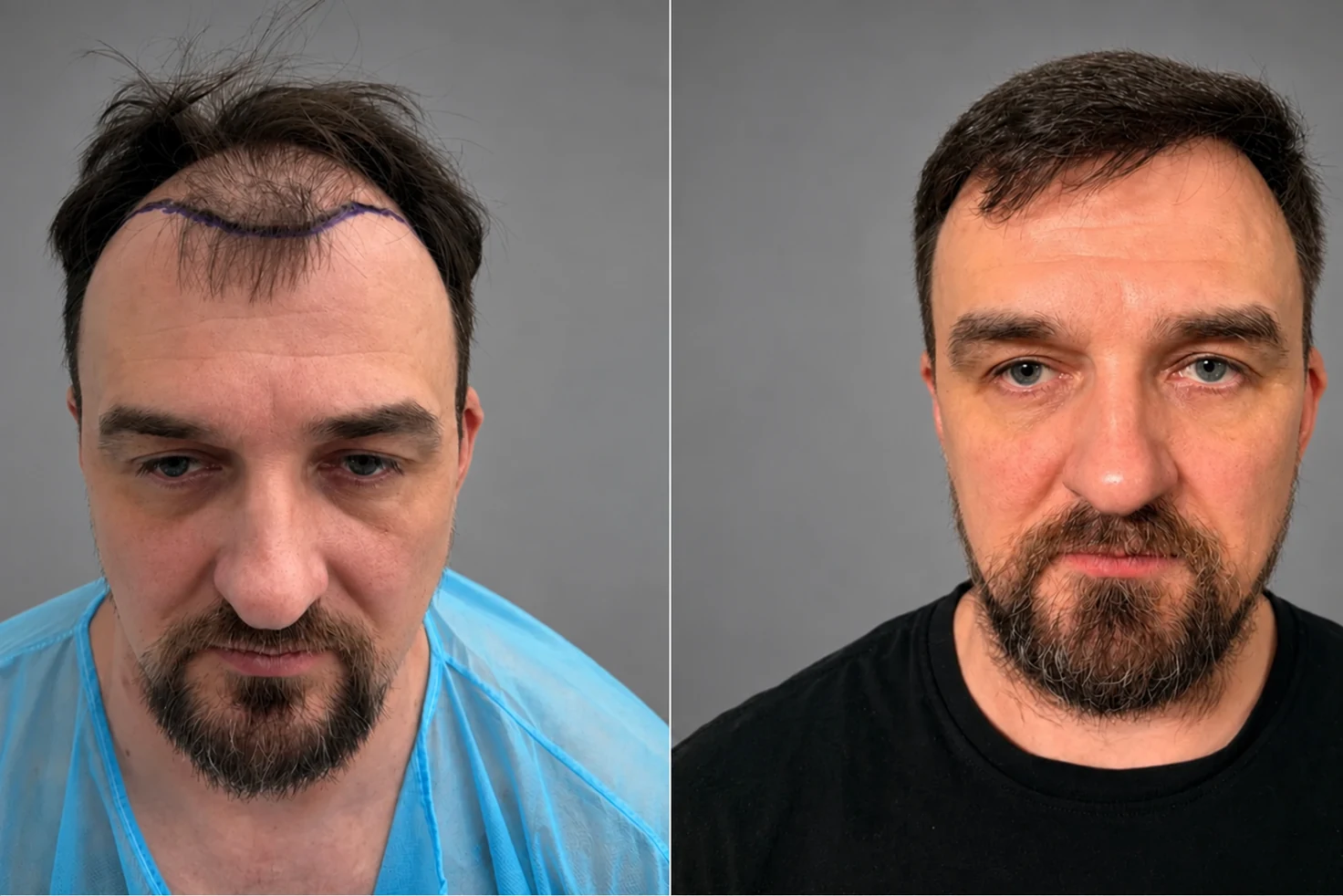
start
12 months in
2,700 grafts
FUE method
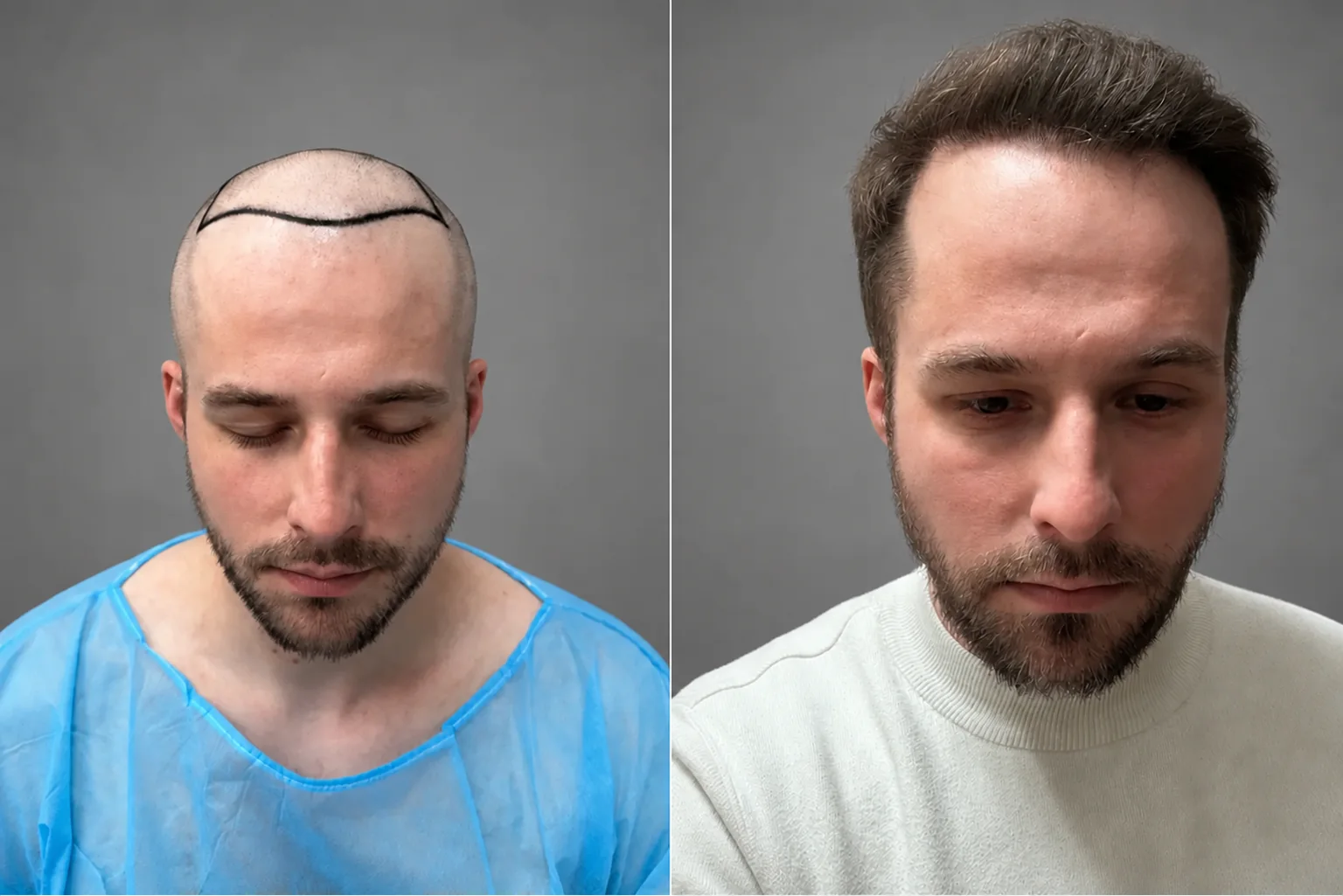
start
12 months in
3,700 grafts
FUE method
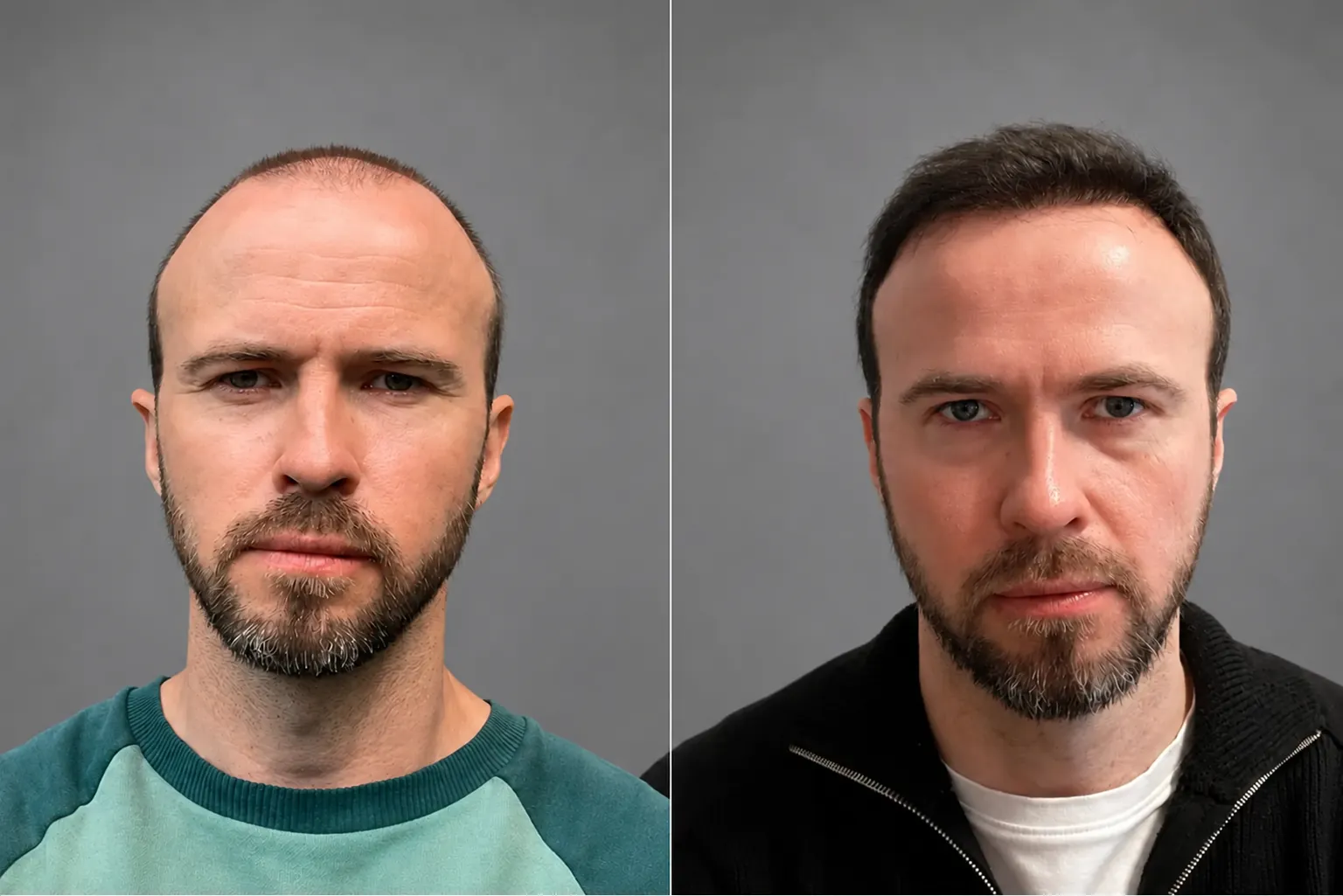
start
12 months in
3,200 grafts
FUE method
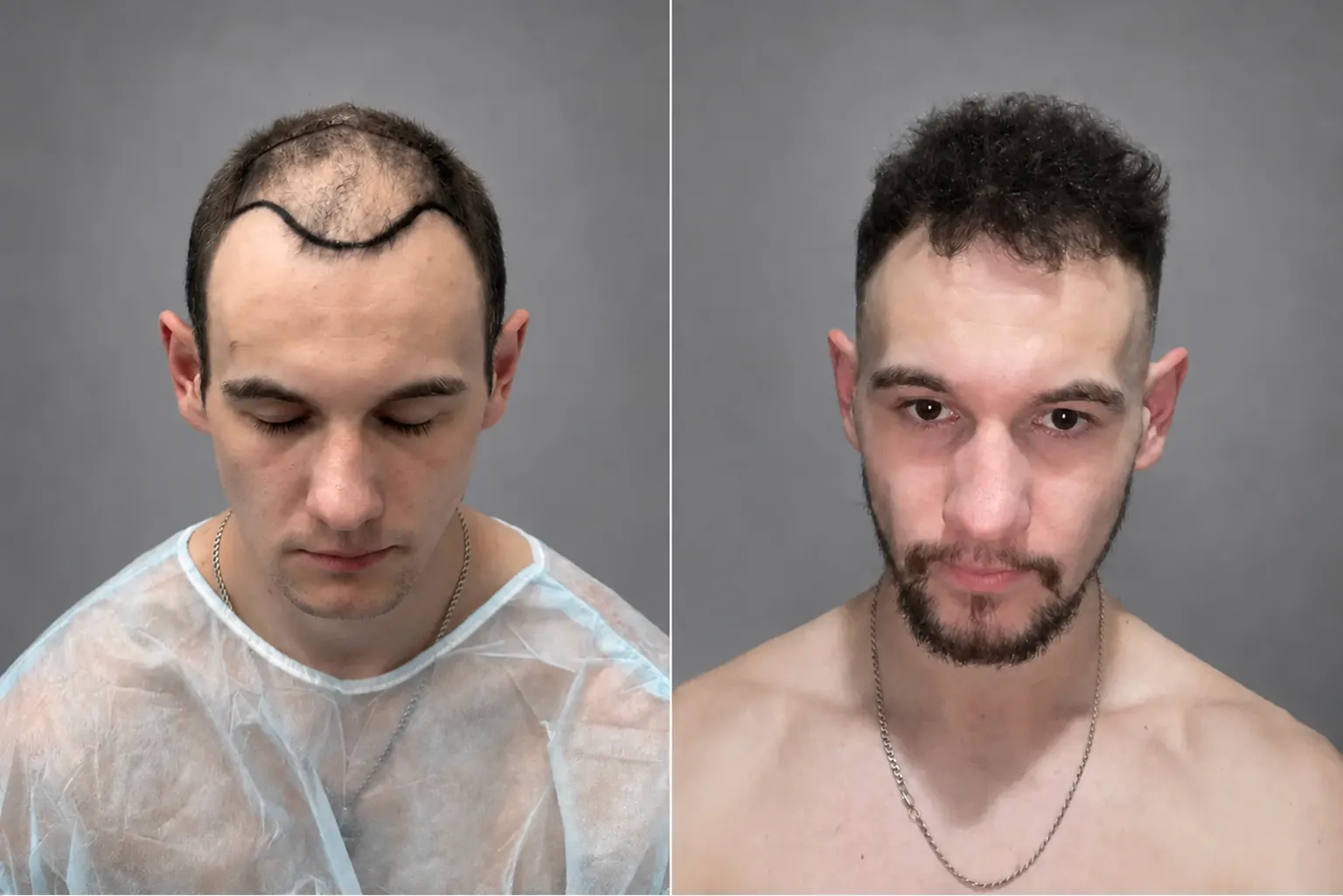
start
12 months in
3,000 grafts
FUE method
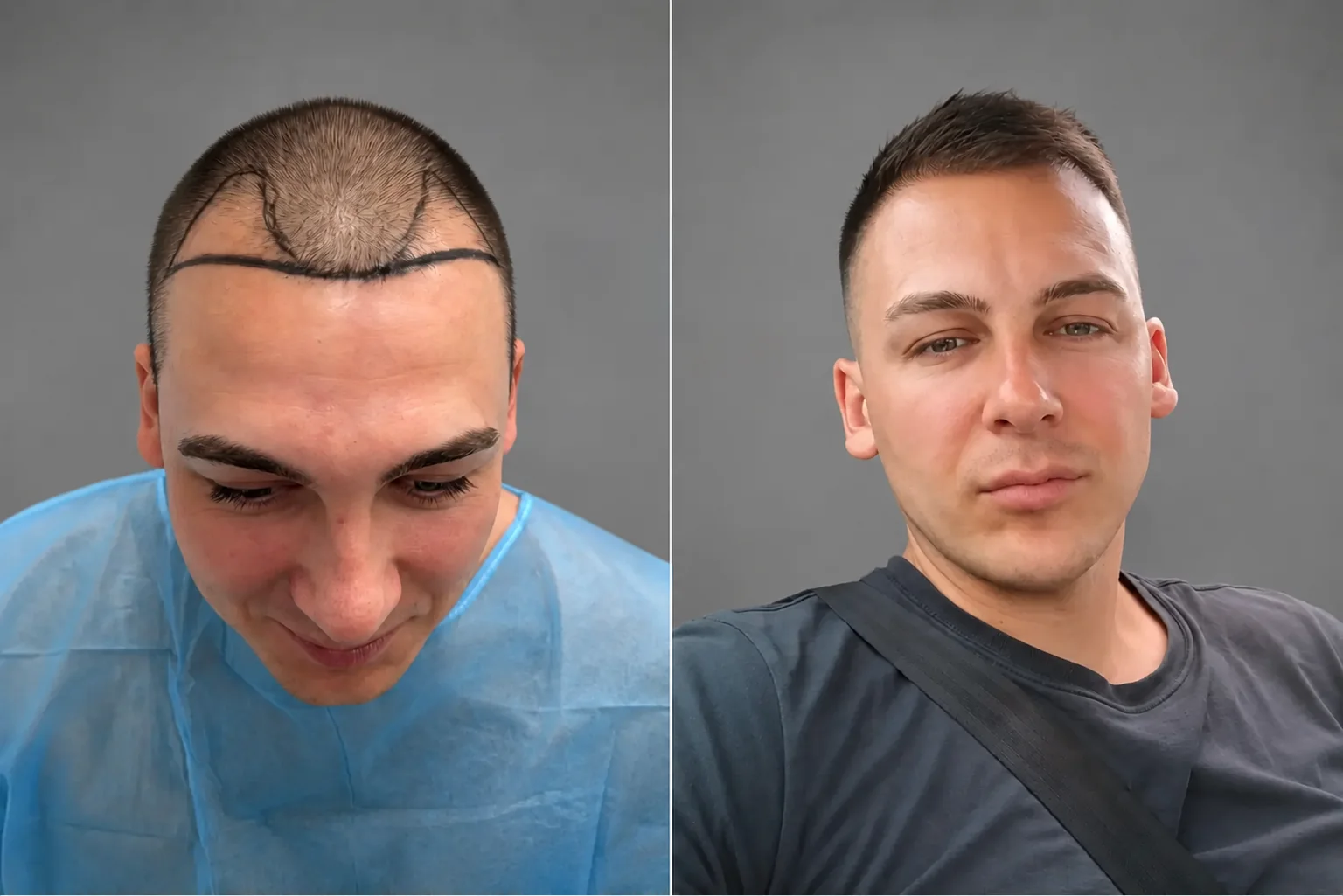
start
12 months in
2,800 grafts
FUE method
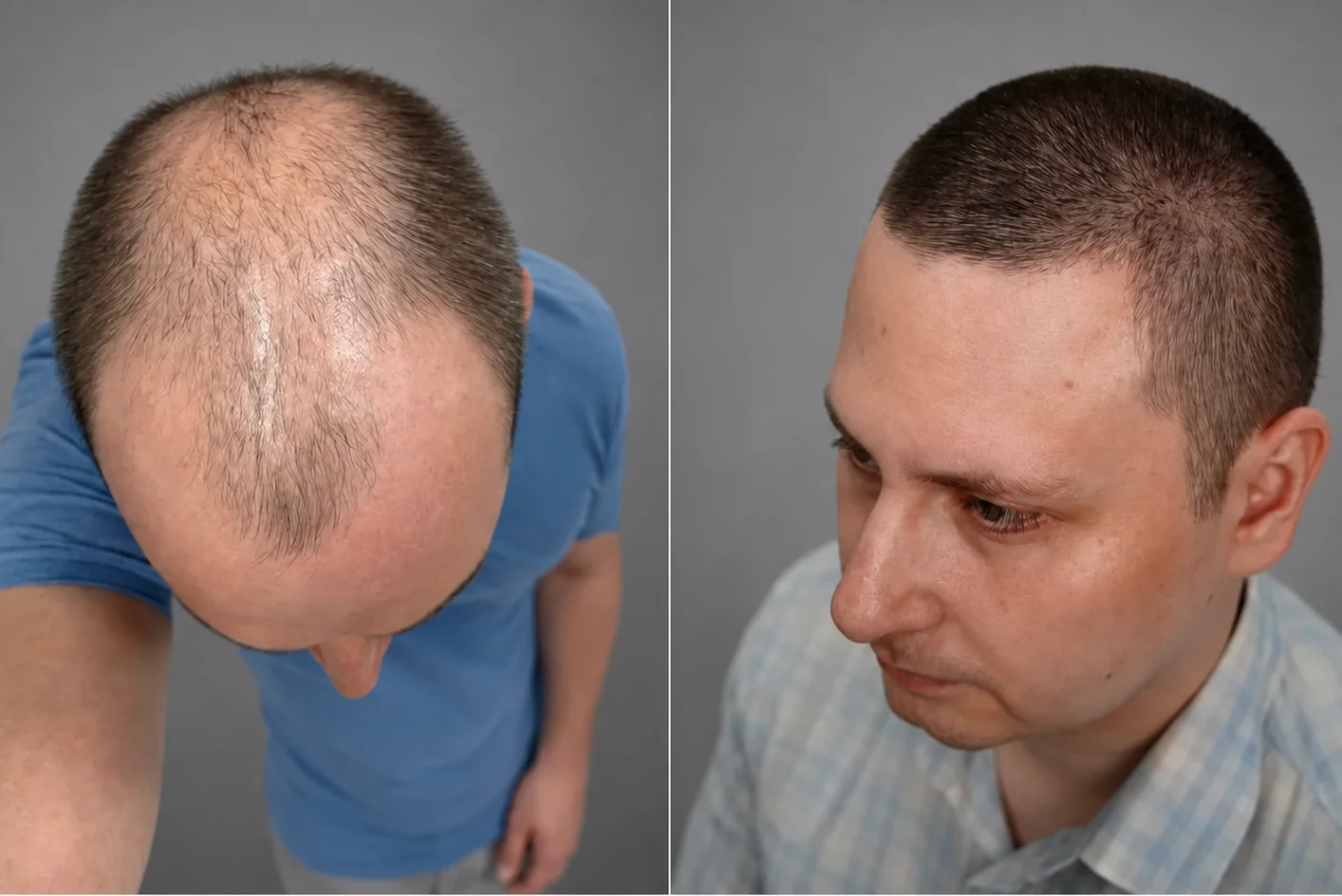
start
12 months in
4,000 grafts
FUE method
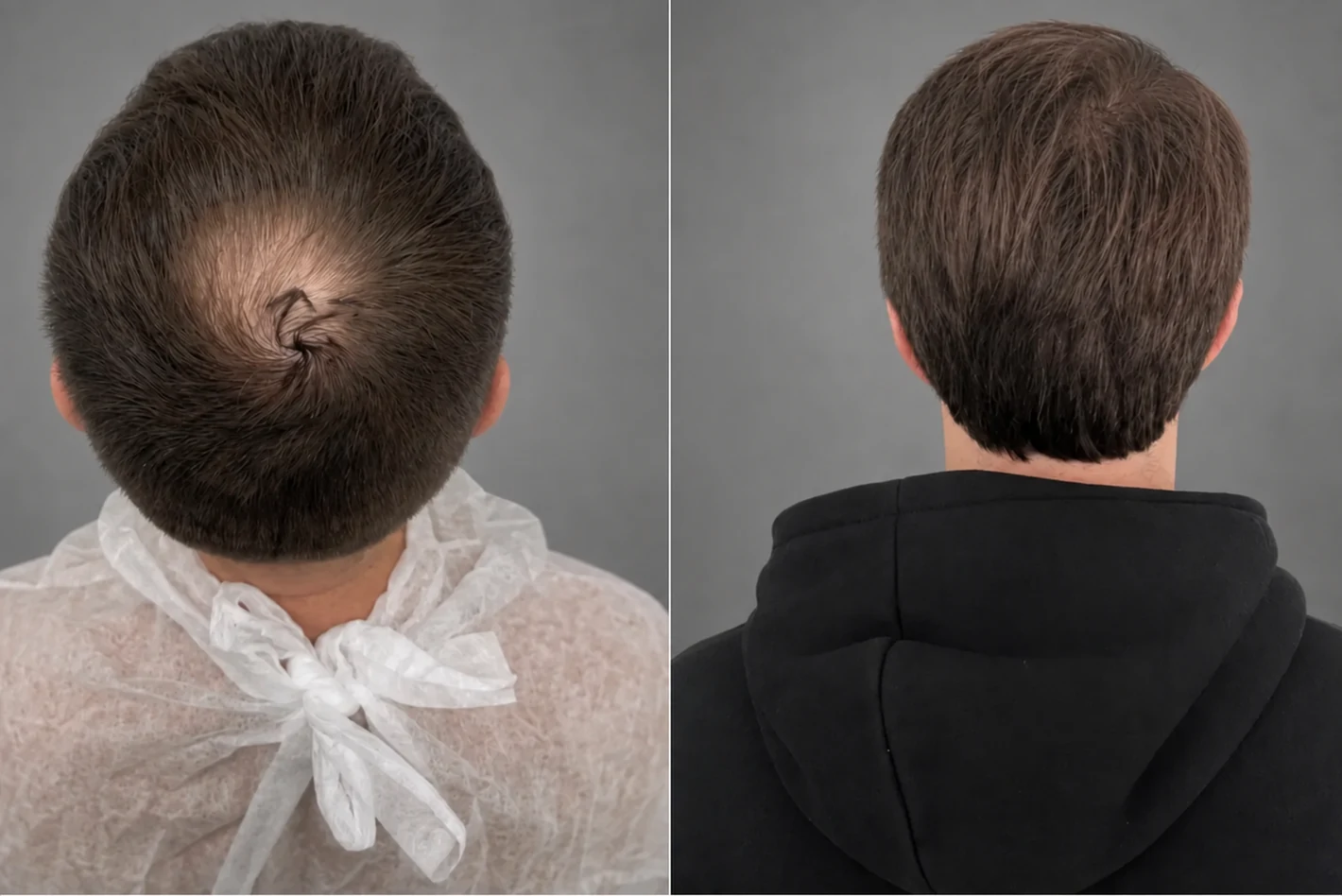
start
12 months in
3,400 grafts
FUE method
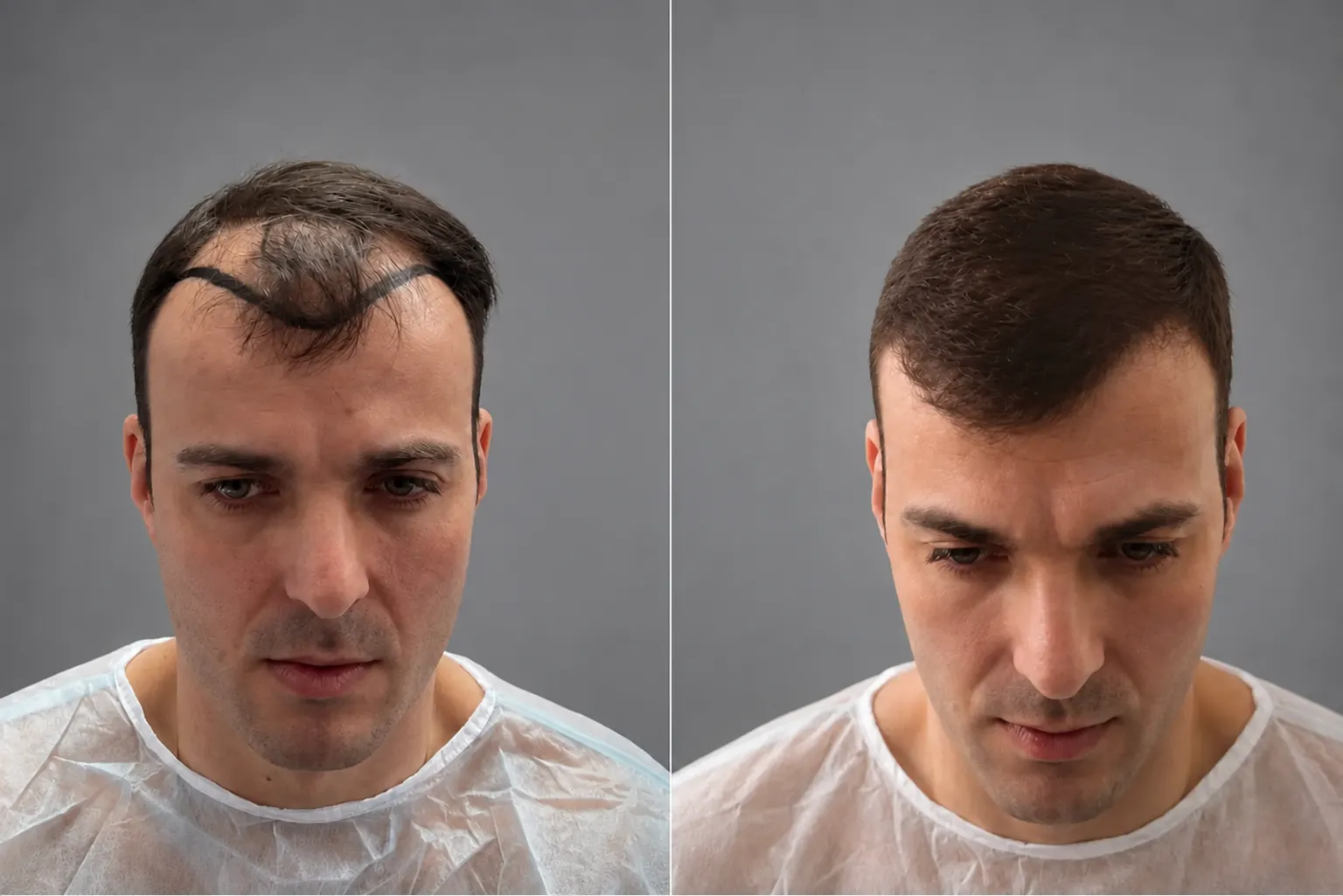
start
12 months in
2,900 grafts
FUE method
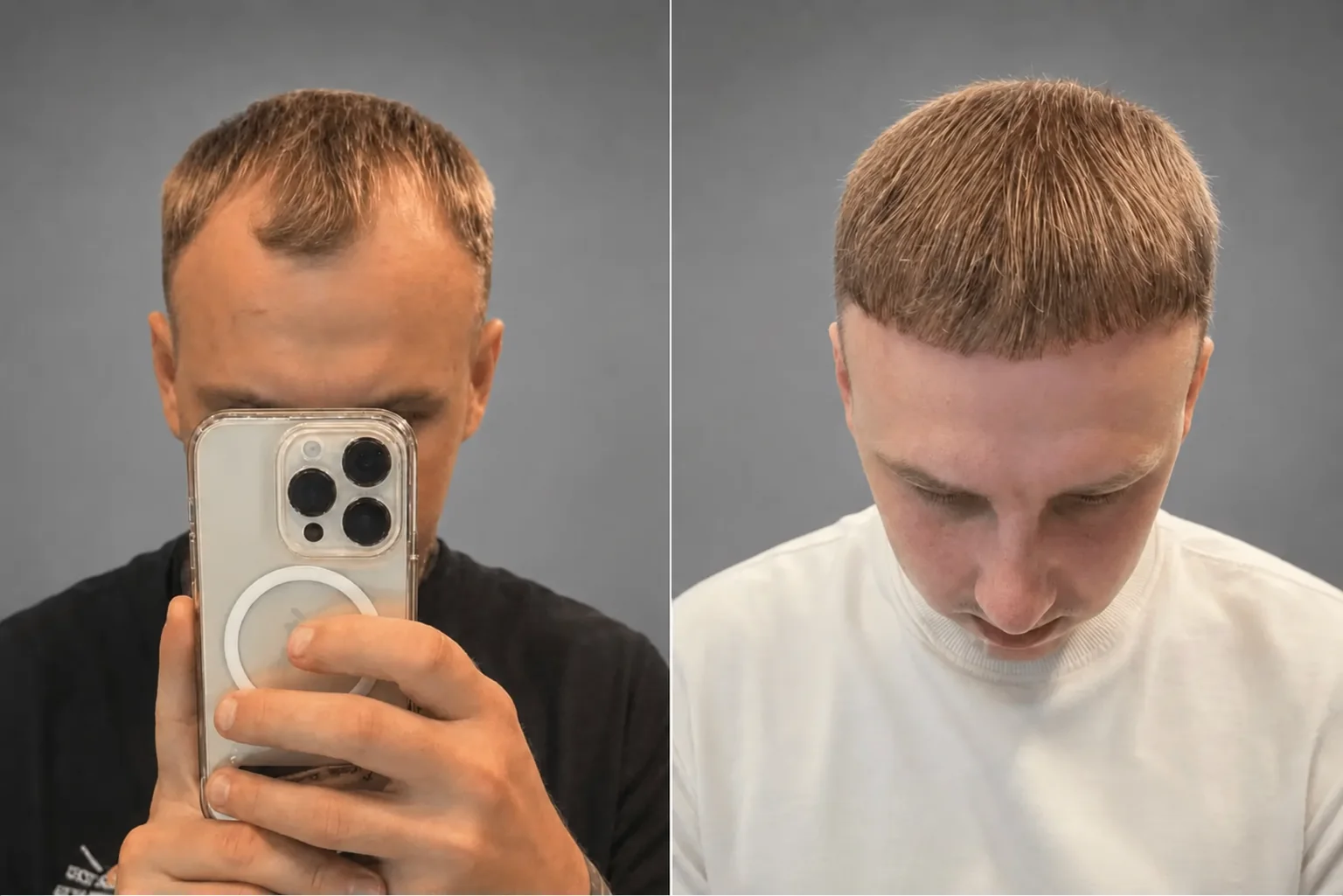
start
12 months in
3,100 grafts
FUE method
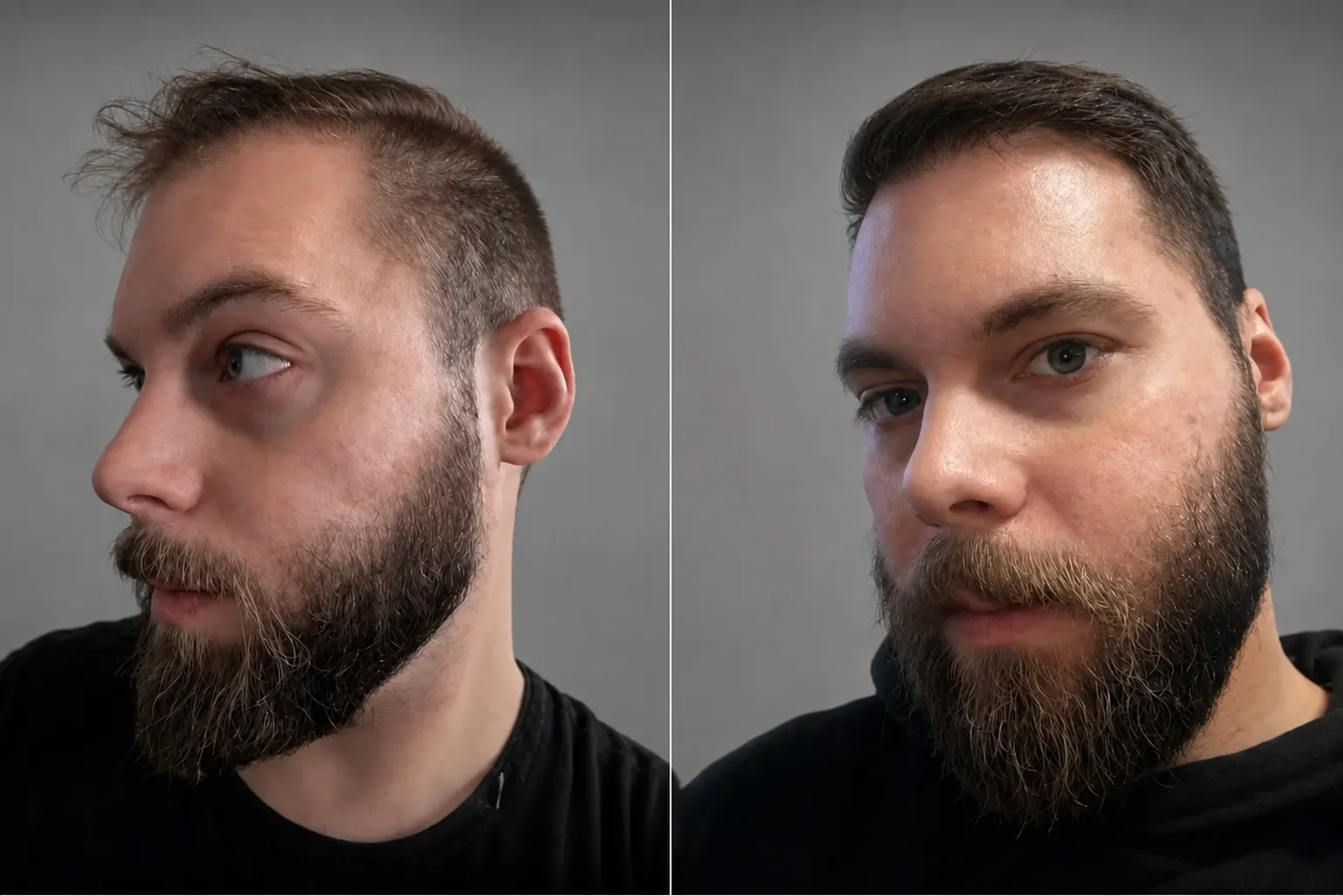
start
12 months in
2,600 grafts
FUE method
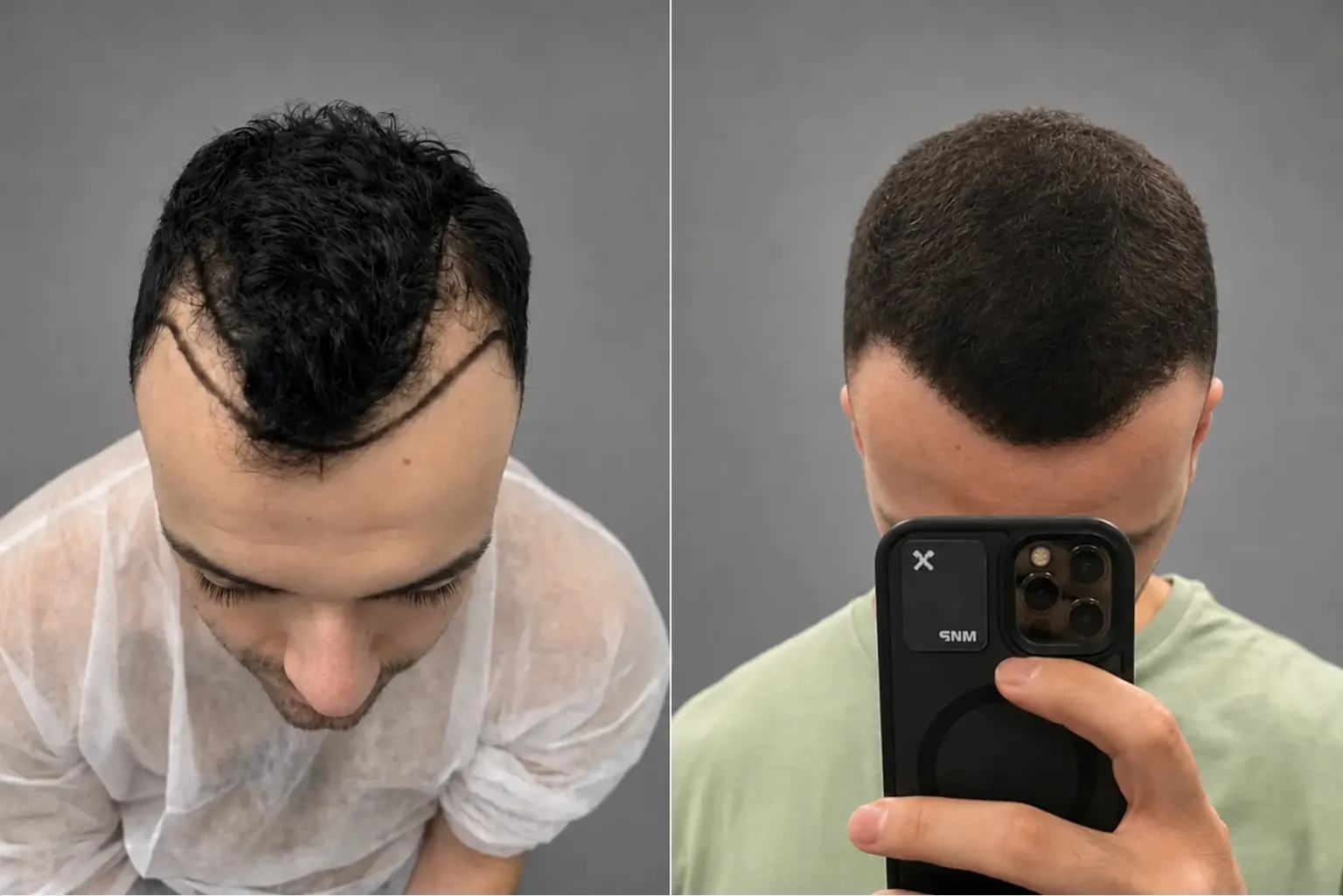
start
12 months in
3,300 grafts
FUE method
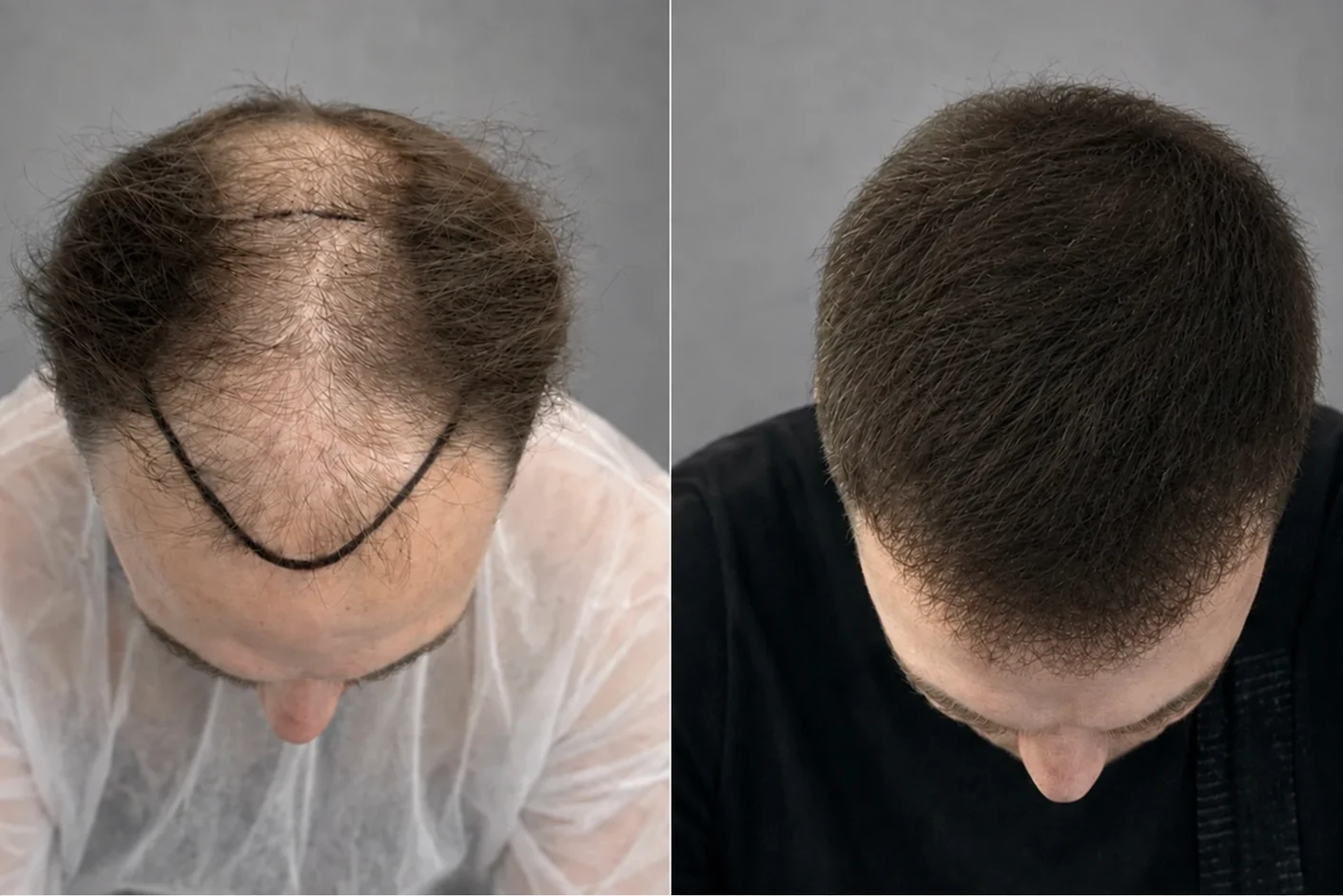
start
12 months in
3,900 grafts
FUE method
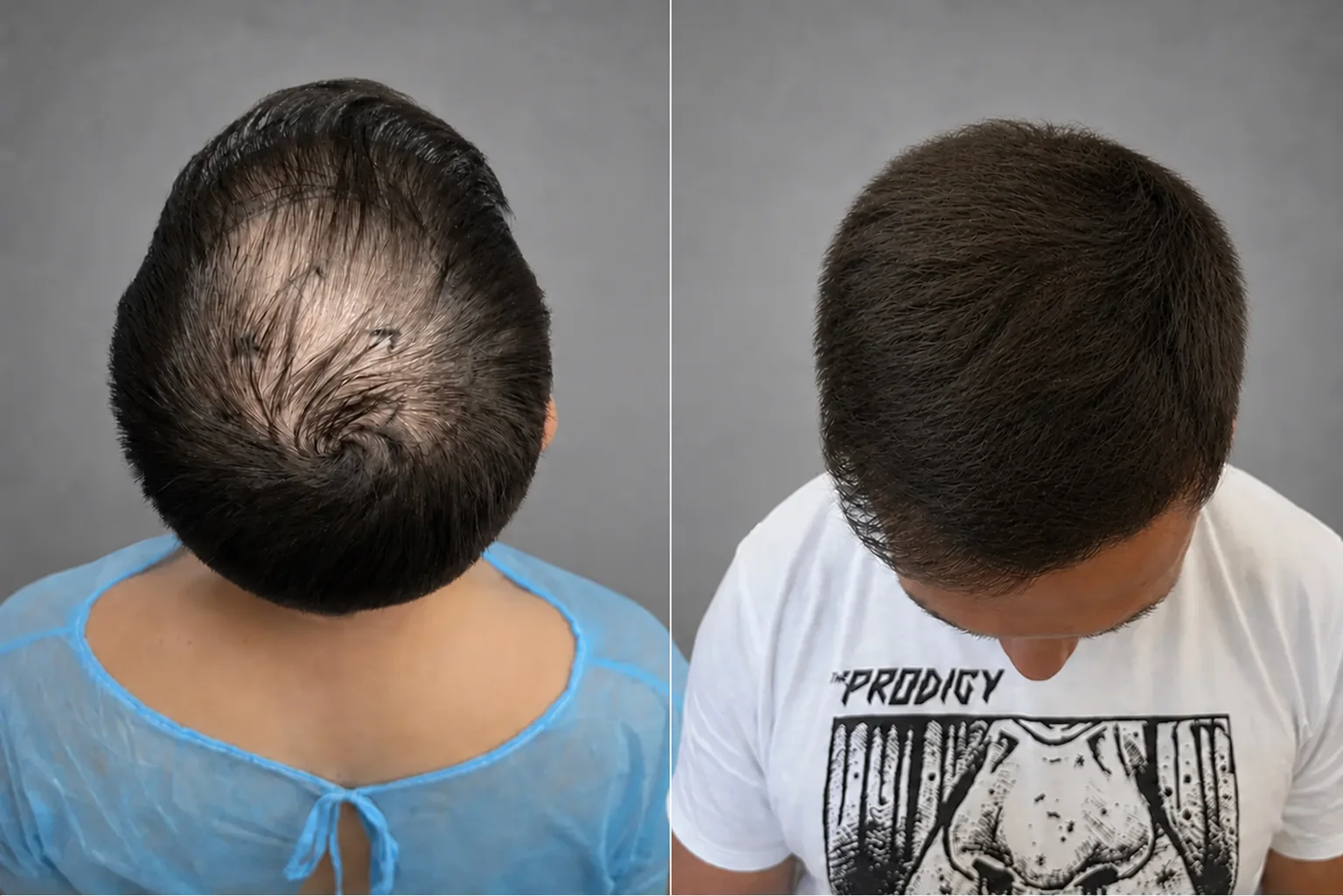
start
12 months in
3,500 grafts
FUE method
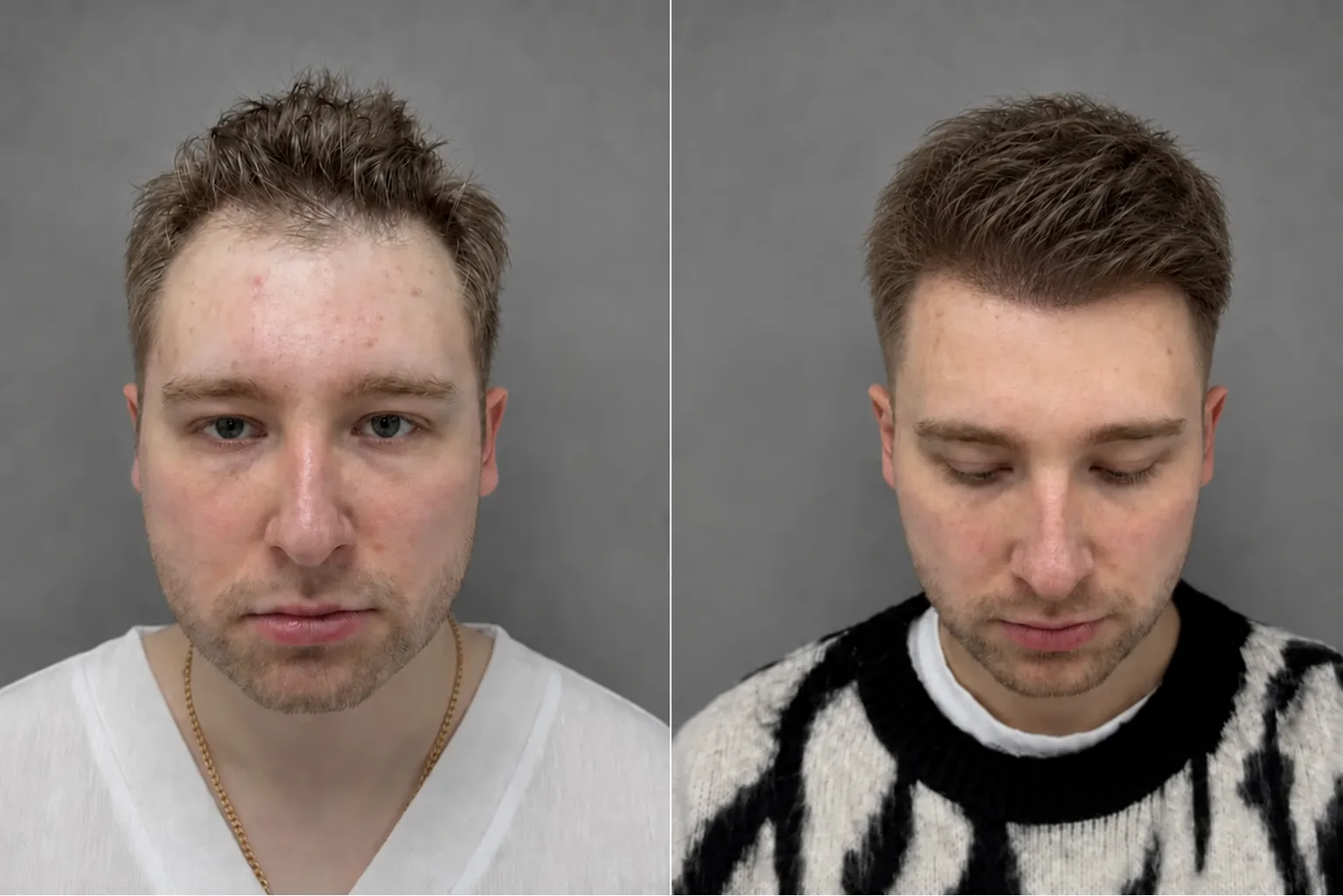
start
12 months in
2,700 grafts
FUE method
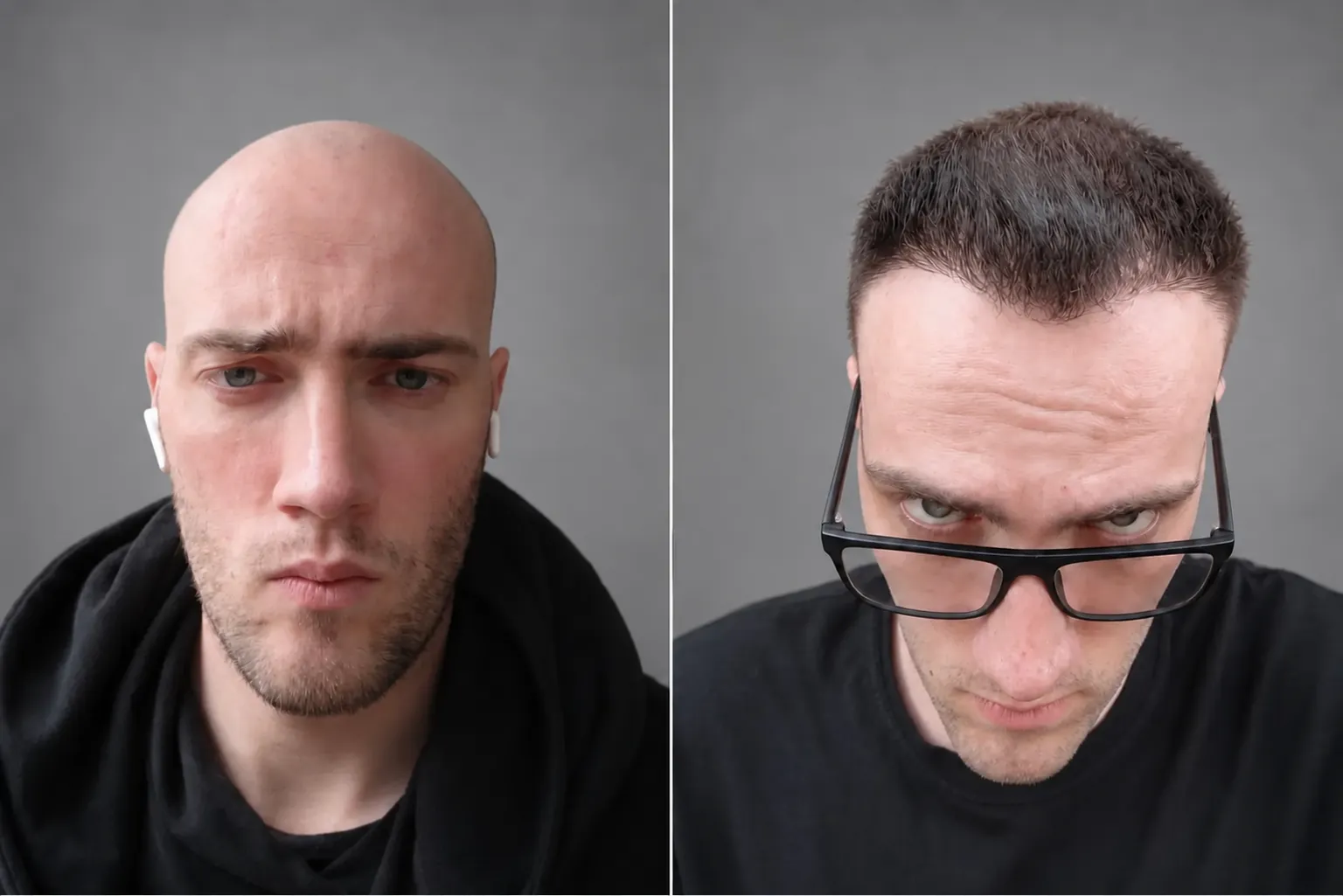
start
12 months in
3,800 grafts
FUE method
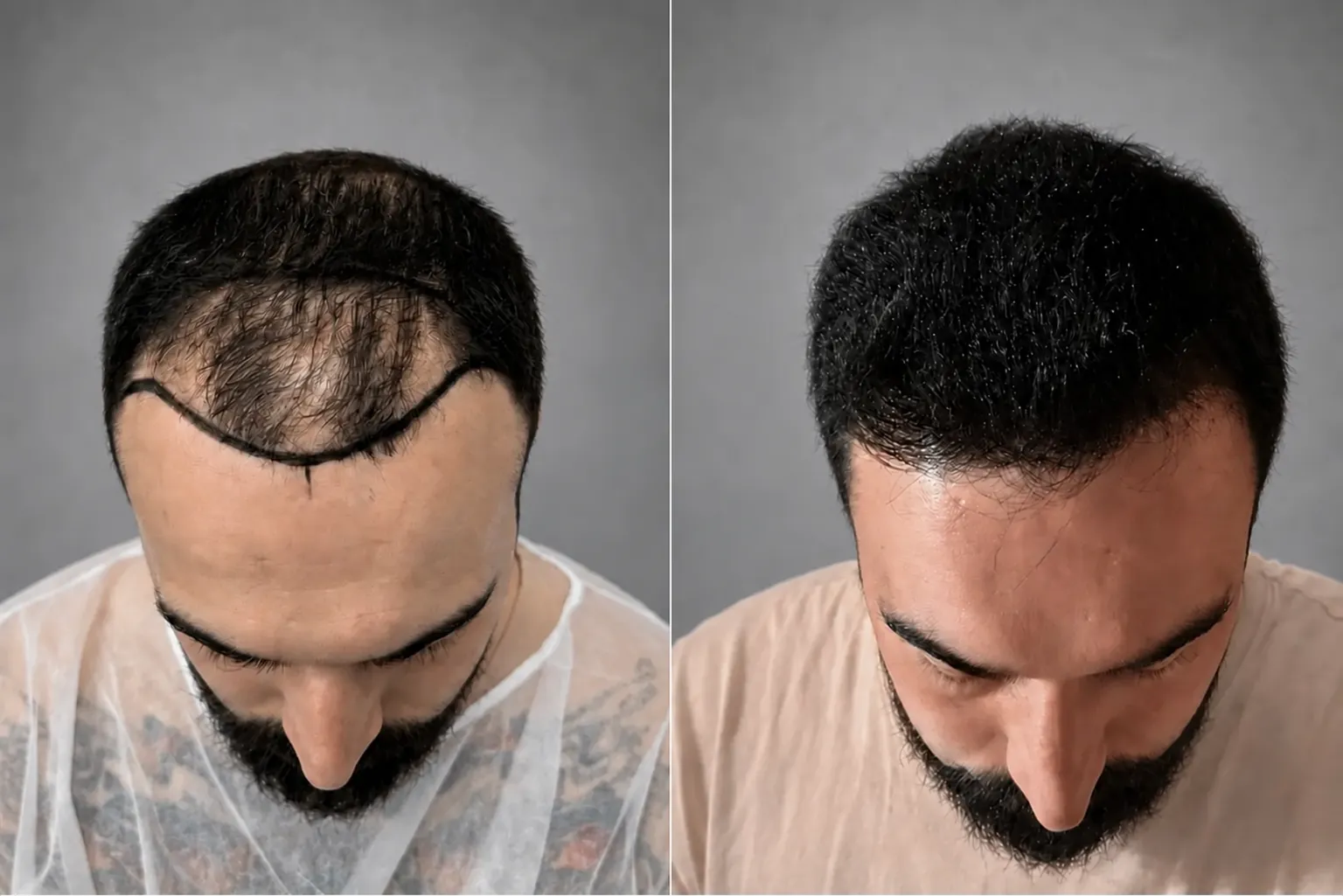
start
12 months in
3,200 grafts
FUE method
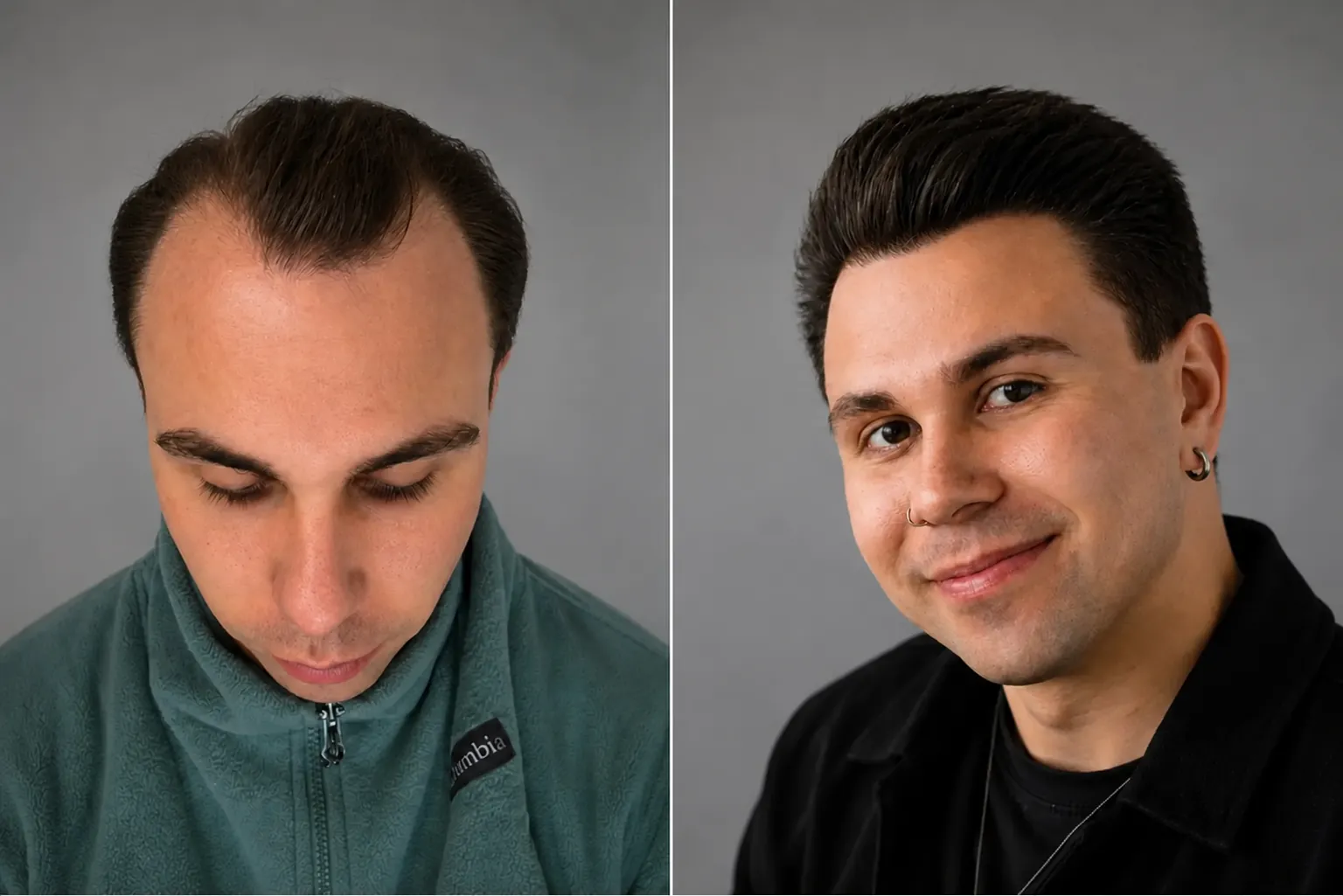
start
12 months in
3,000 grafts
FUE method
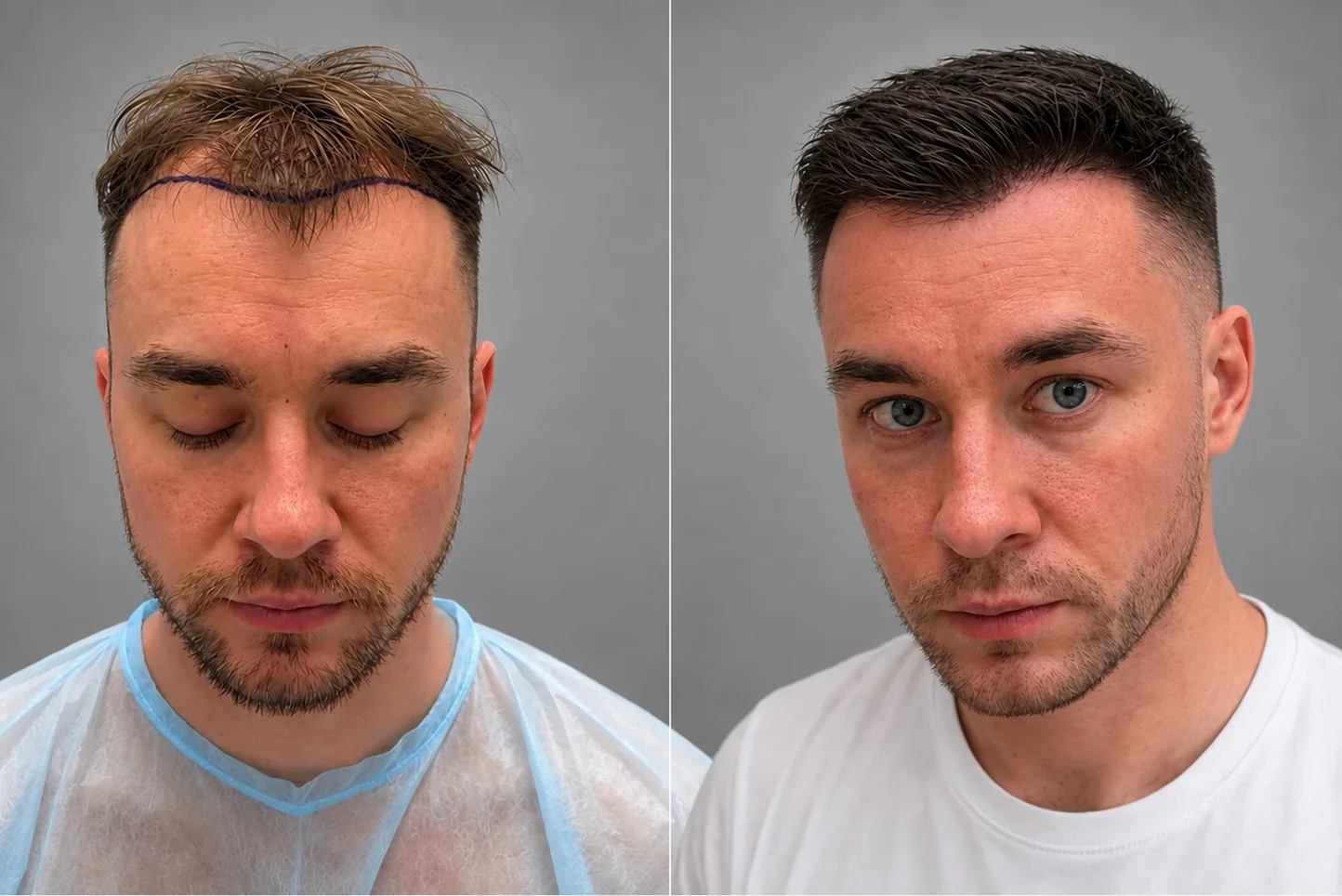
start
12 months in
2,800 grafts
FUE method
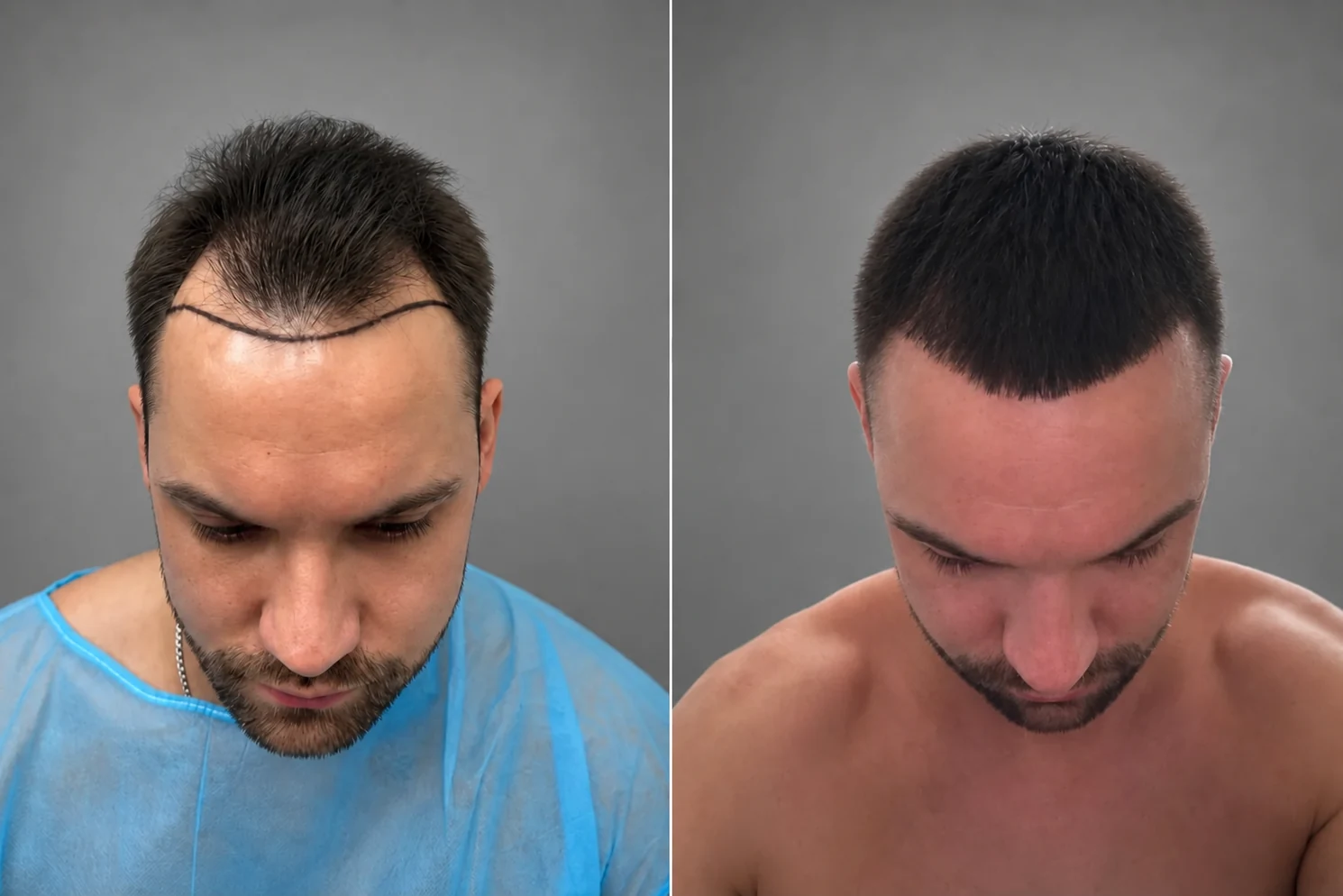
start
12 months in
3,100 grafts
FUE method
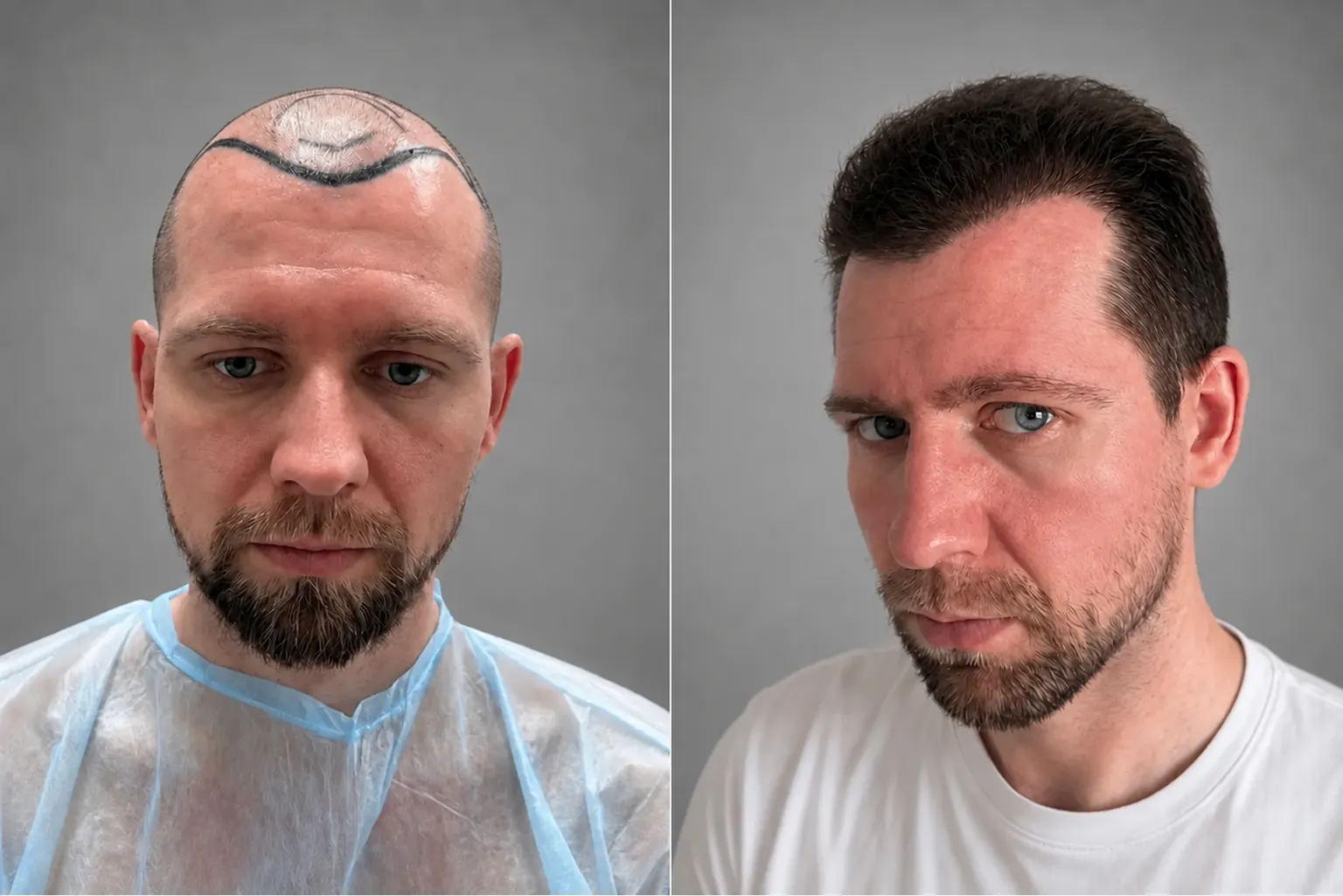
start
12 months in
3,600 grafts
FUE method
Comparison
Classic FUE, suture-free DHI and a combined protocol: three graft transfer technologies we work with. Compare implantation technique, tissue trauma and graft survival, and choose your method knowingly.
Classic method requiring no cuts or sutures
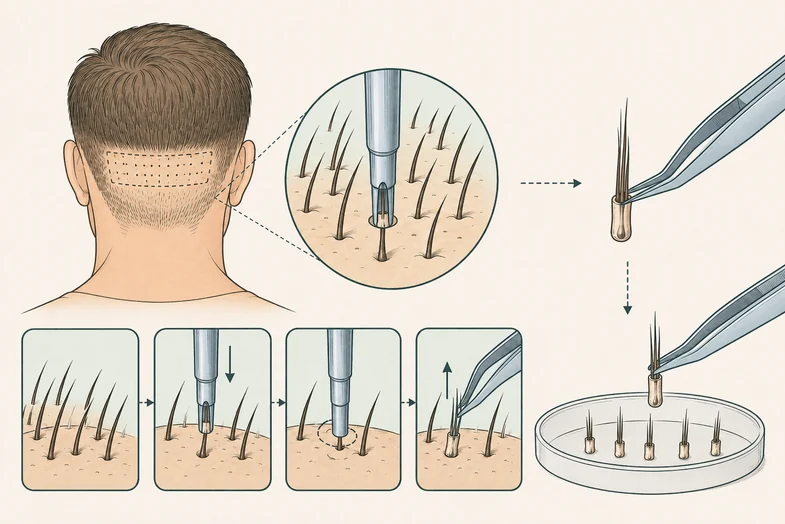
$2,200
$2,700
Graft implantation technique
ForcepsGraft trauma
MinimalNatural hair growth angle
NaturalGraft survival
98–100%Suitable for
Androgenetic alopeciaSuture-free implantation with a Choi pen
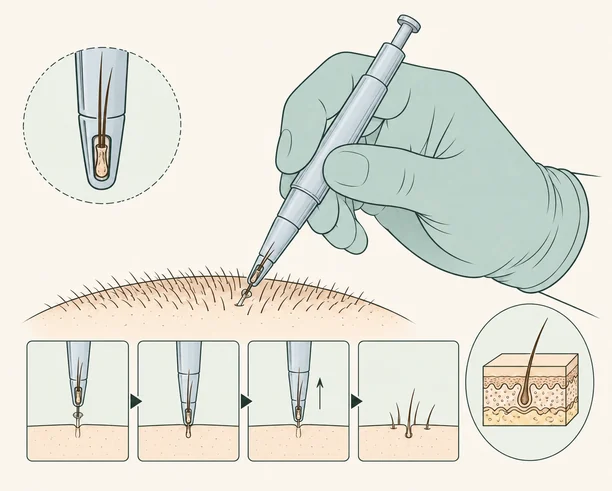
$2,500
$2,900
Graft implantation technique
DHI pen (Choi implanter)Graft trauma
MinimalNatural hair growth angle
NaturalGraft survival
98–100%Suitable for
DensificationFUE extraction, DHI pen implant
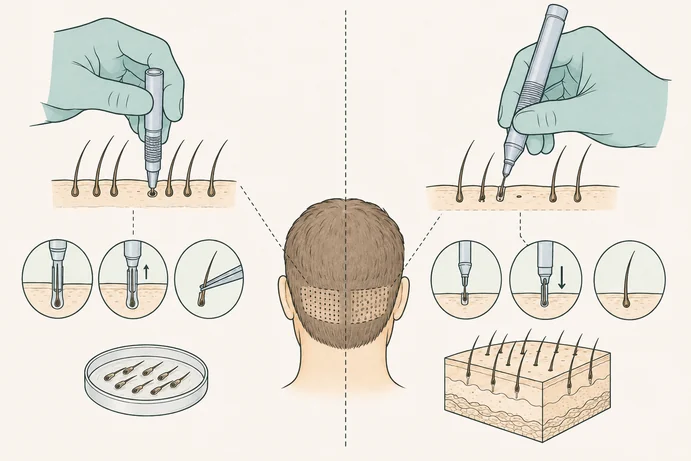
$2,700
$2,900
Graft implantation technique
FUE extraction plus DHI implantGraft trauma
MinimalNatural hair growth angle
NaturalGraft survival
98–100%Suitable for
Densification for androgenetic alopeciaThese survival and trauma figures are averages for each method, meant as a guide: exact numbers depend on the transplant area and the patient's individual features and are clarified by the doctor at consultation.
Plan the next step
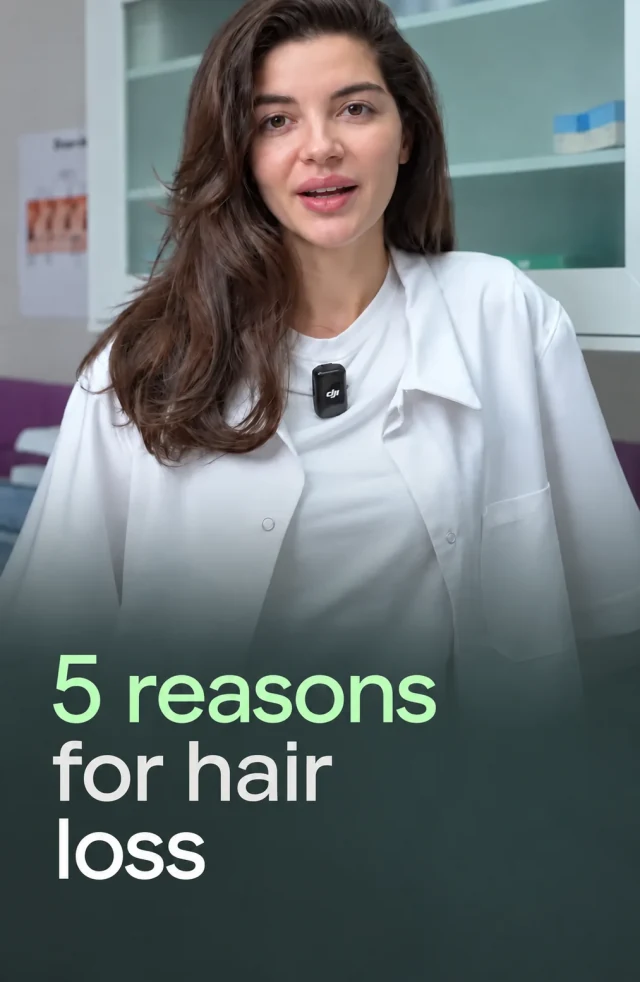
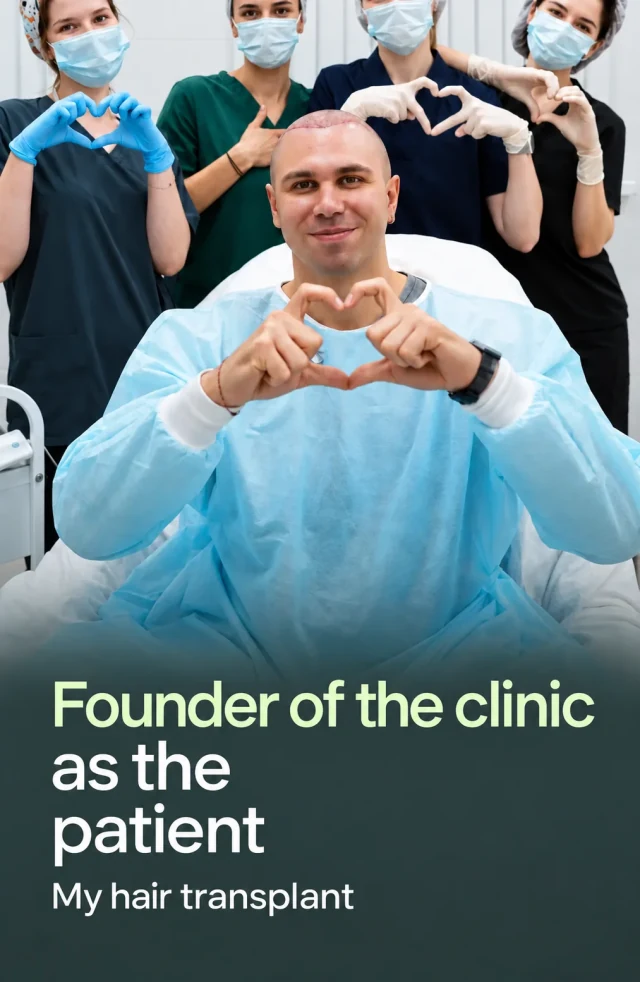
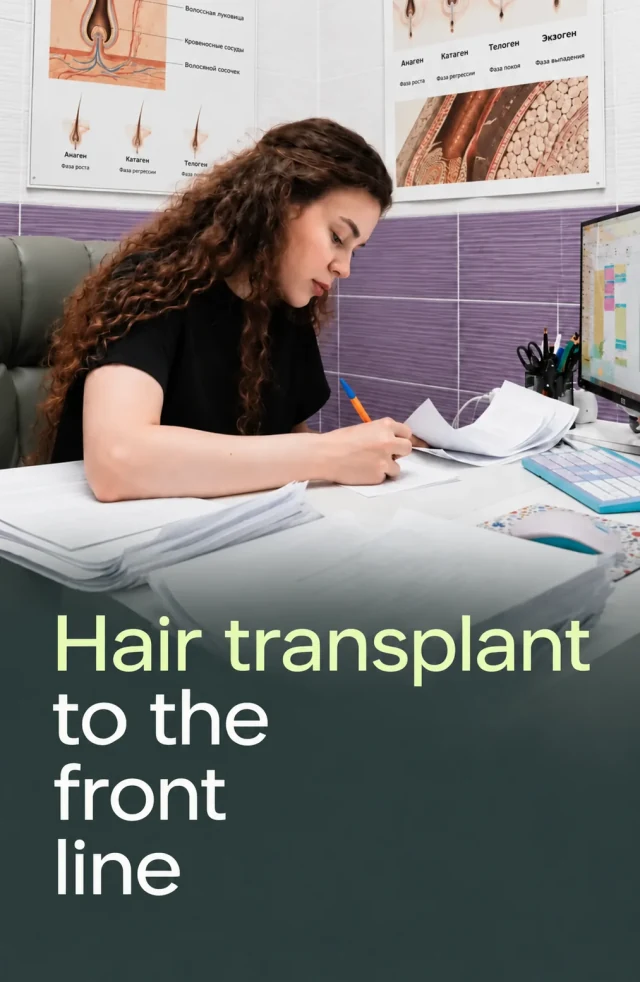
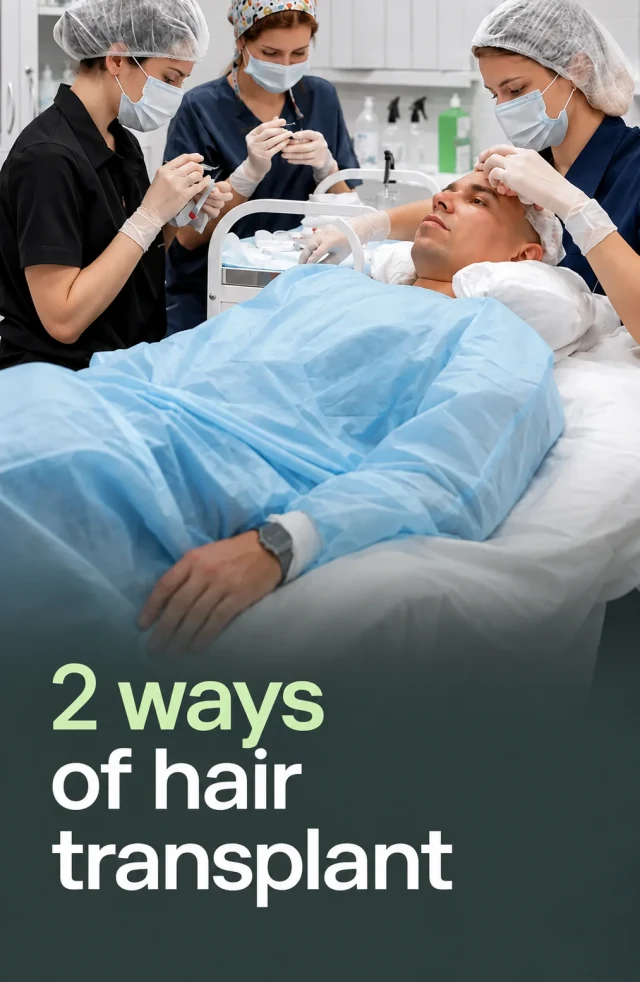
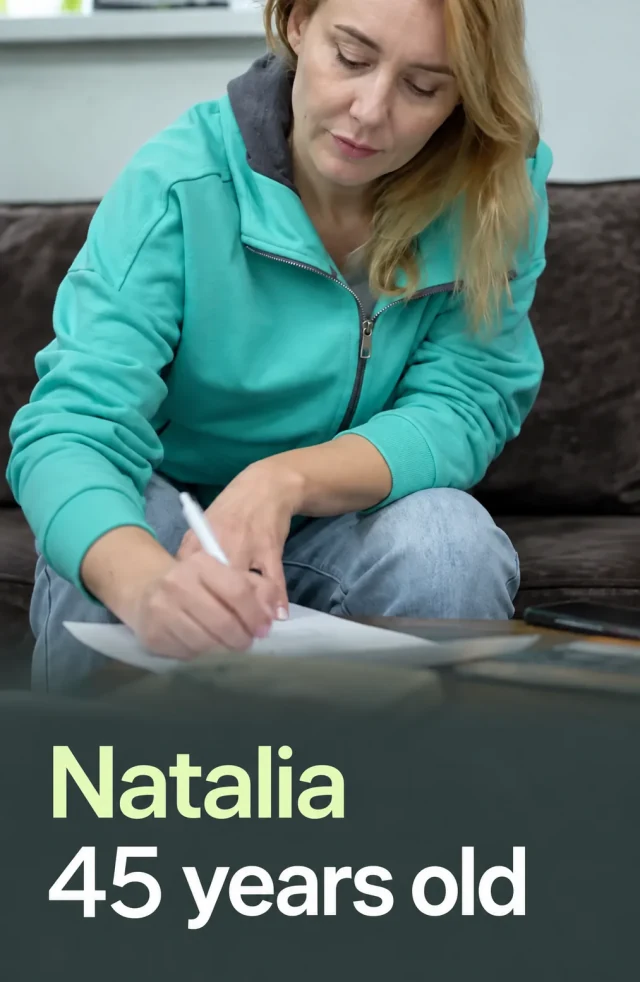


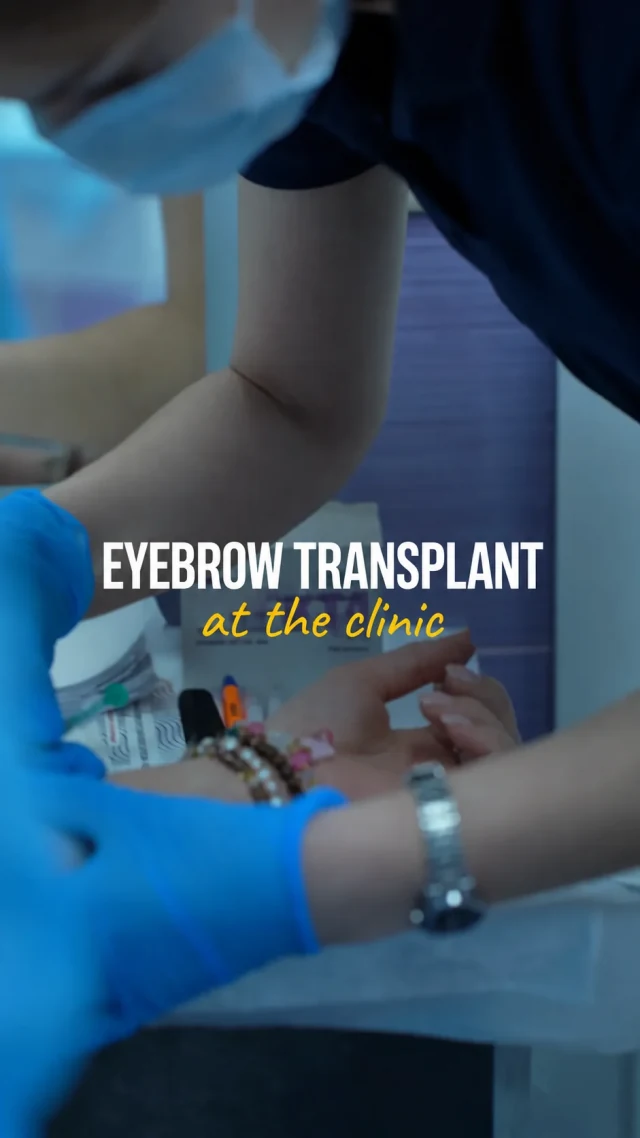
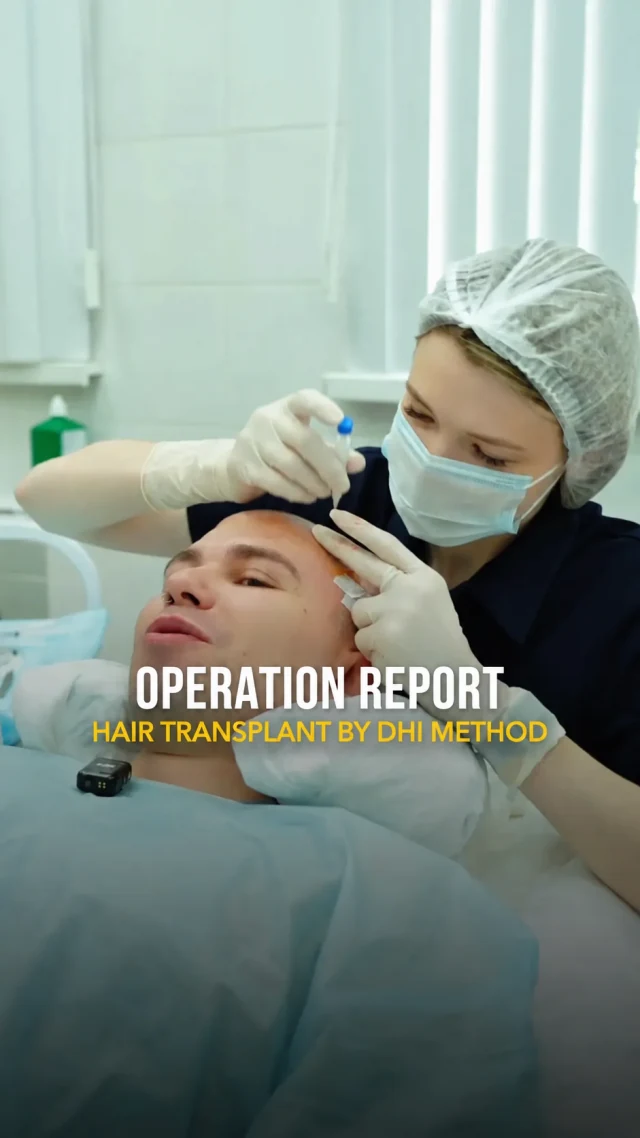
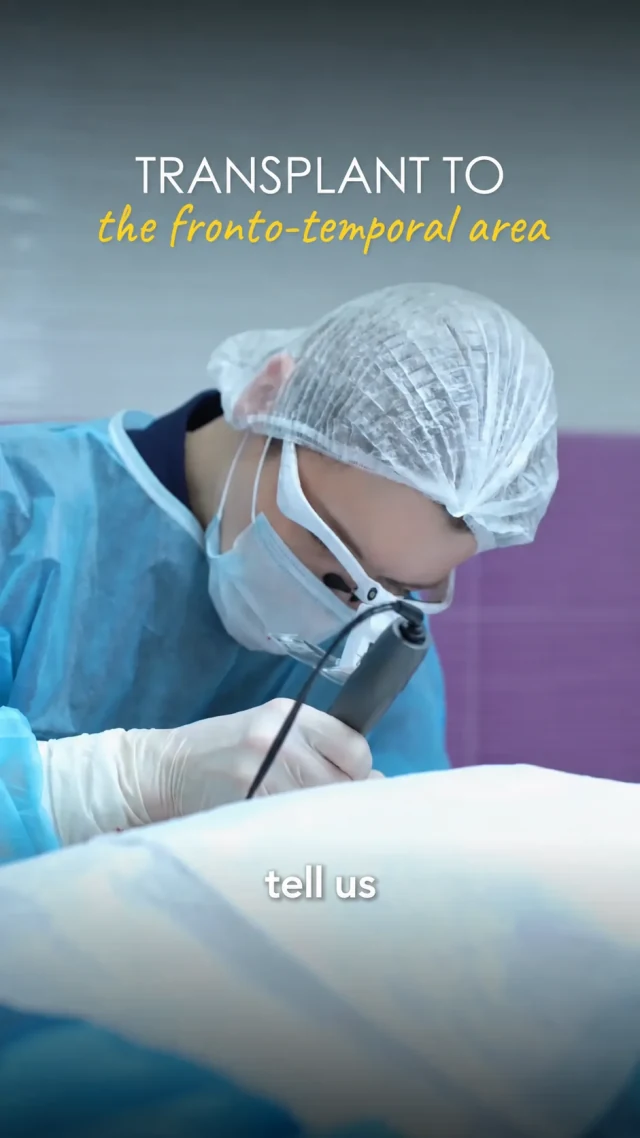

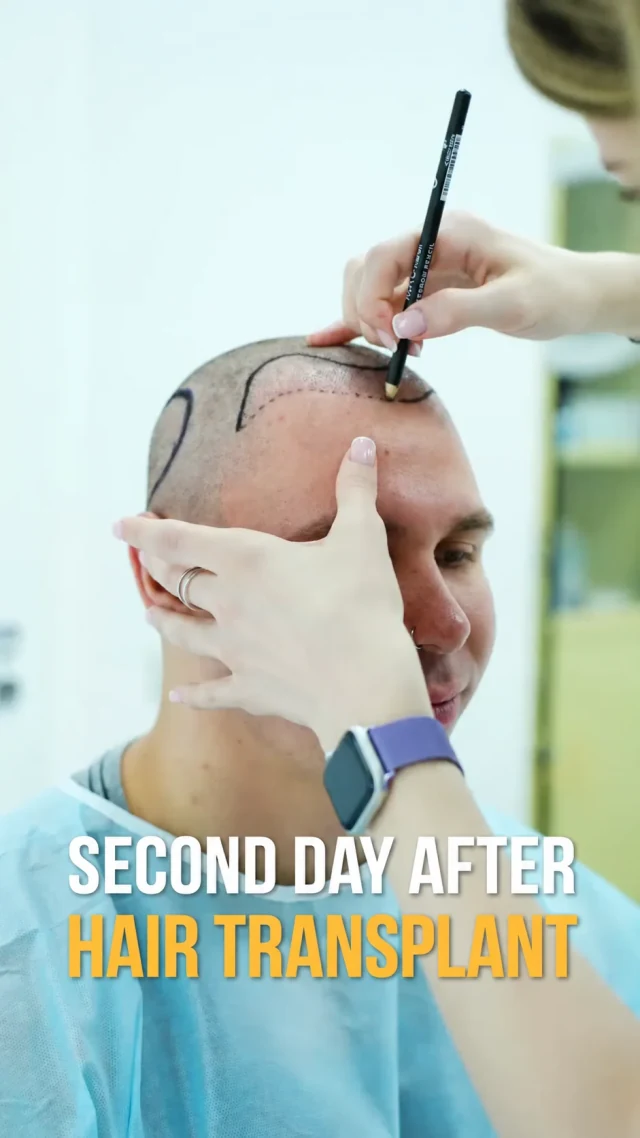
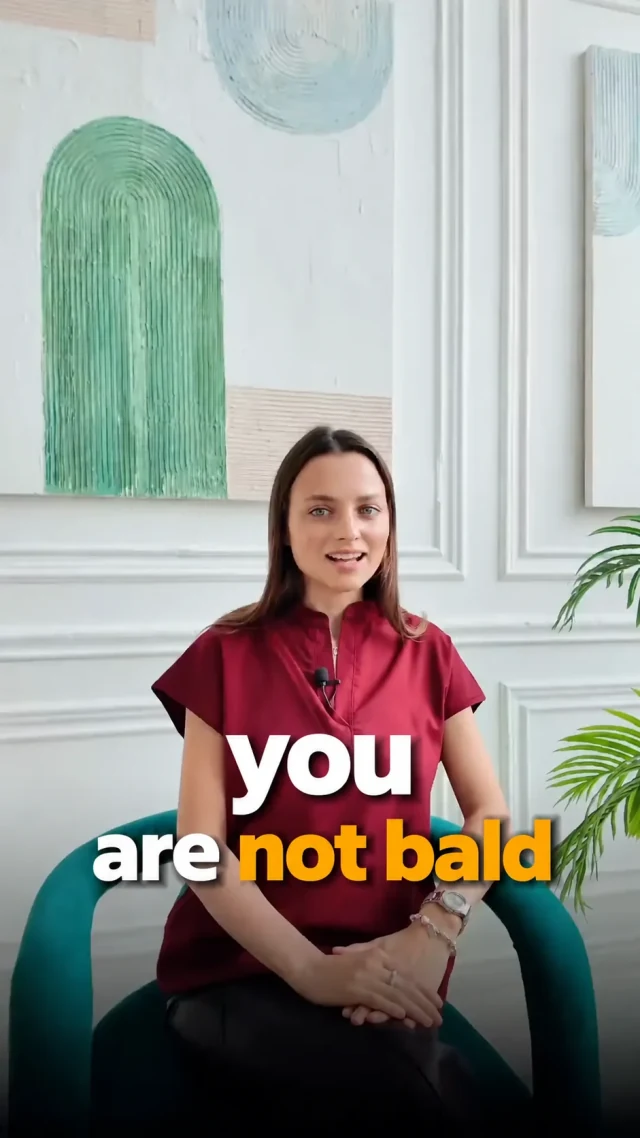
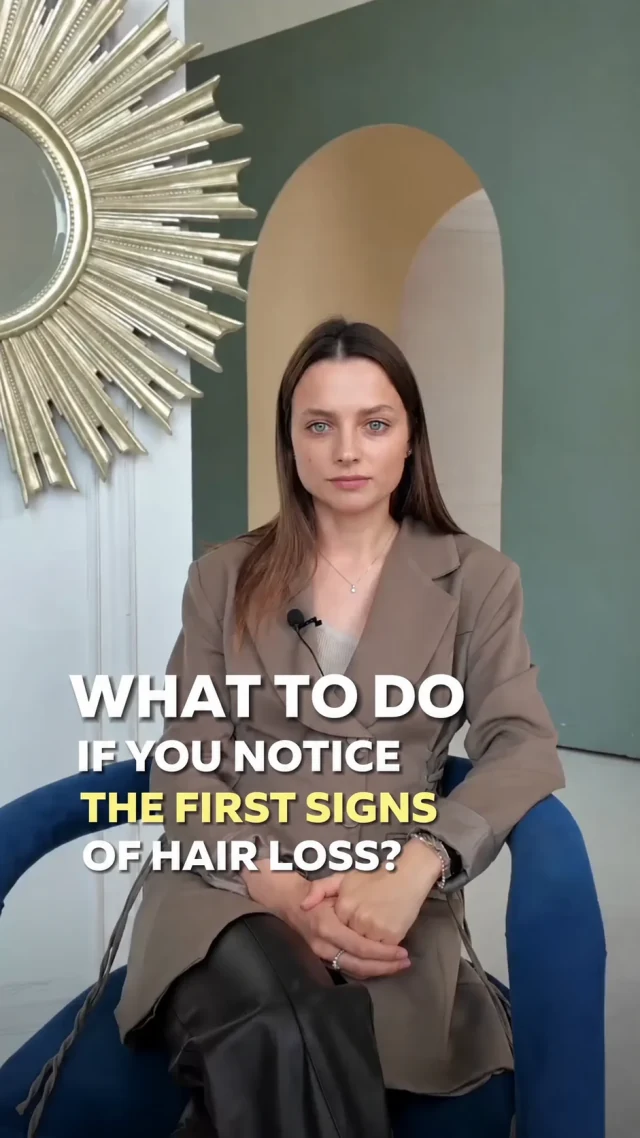
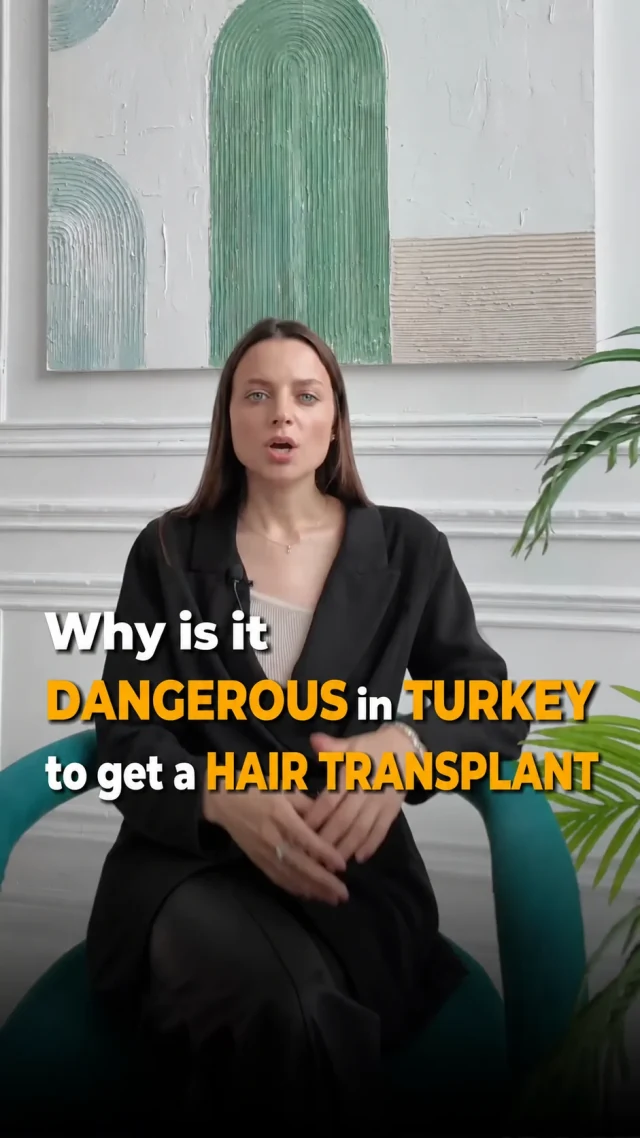
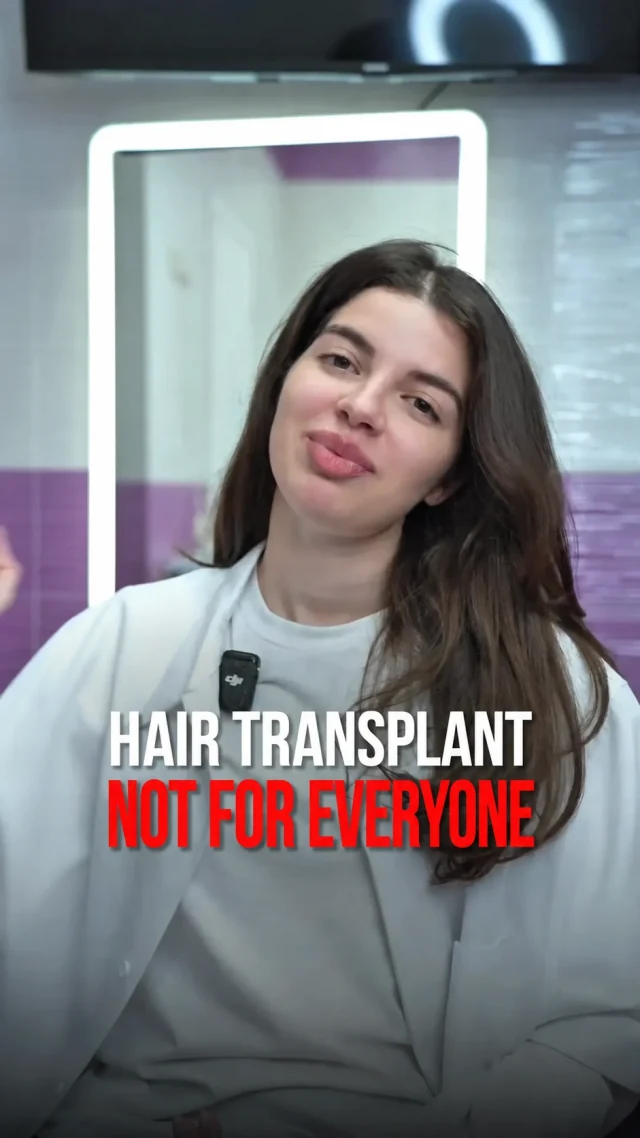
about the clinic
A calm room, good equipment, nobody rushing you
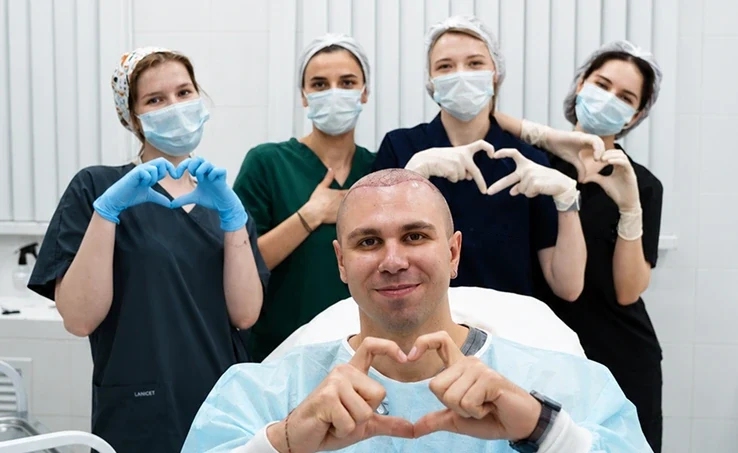
We will take your questions and find a consultation time convenient for you
Message us on Telegram Drop us a lineThe doctor will name a non-surgical route at the consultation whenever one exists, and your budget stays untouched. Below you will find the situations where a transplant genuinely helps.
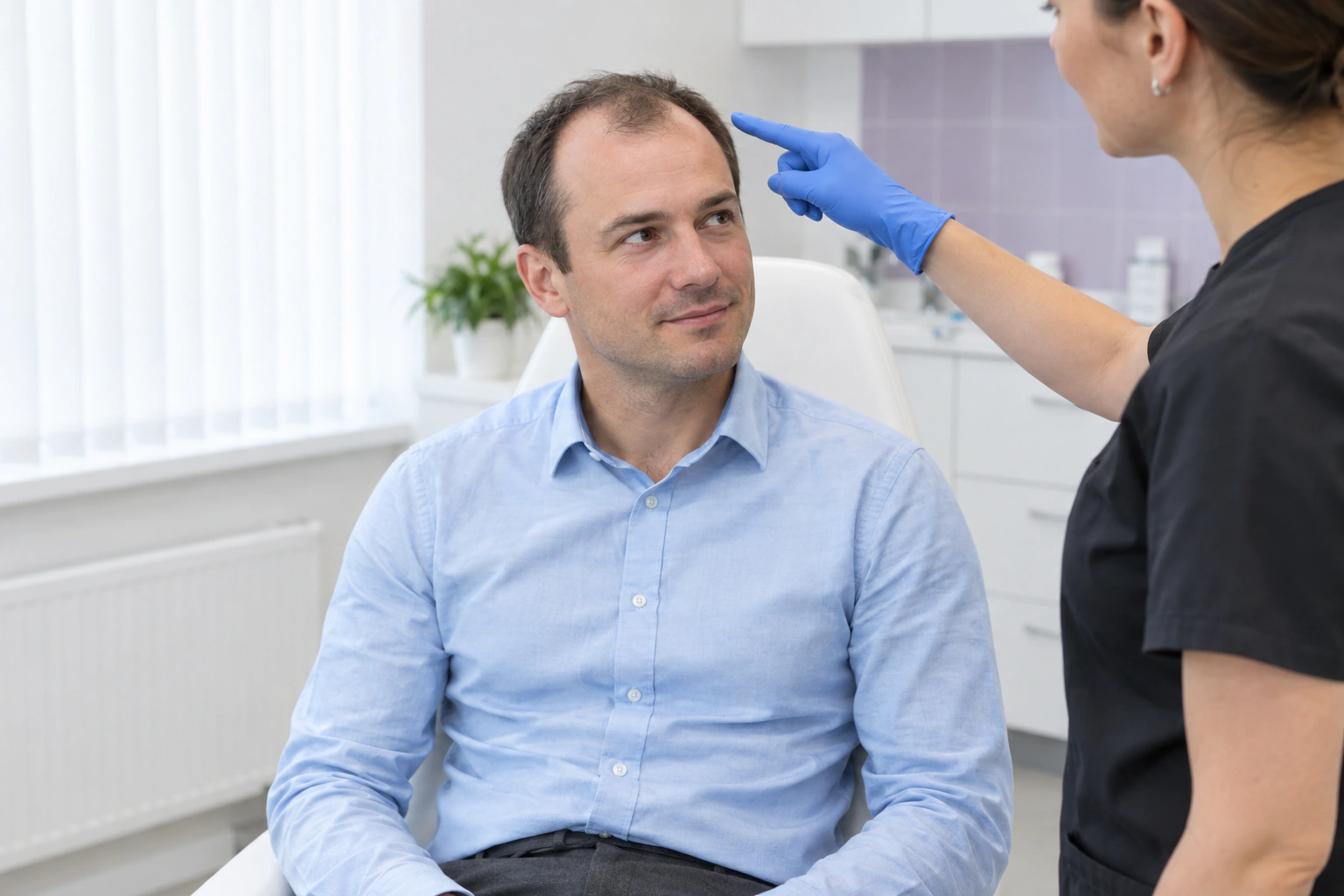

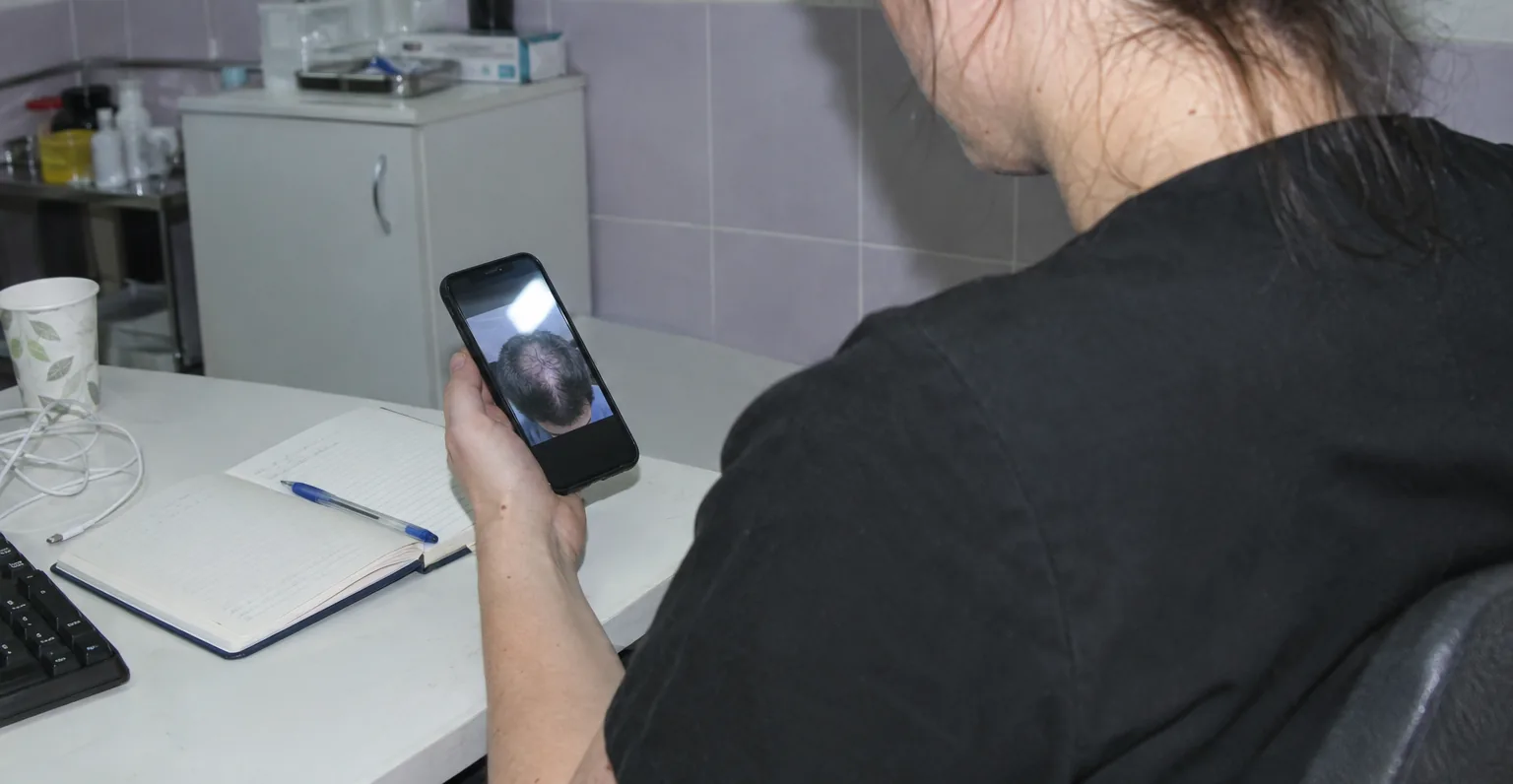
A phone number is all it takes. The coordinator collects close-up pictures through a messenger, a doctor reviews them and says whether a transplant would help. No fee, and no operation is booked.
services
A free consultation, a graft count, then a figure that is written into the contract.
suture-free graft extraction
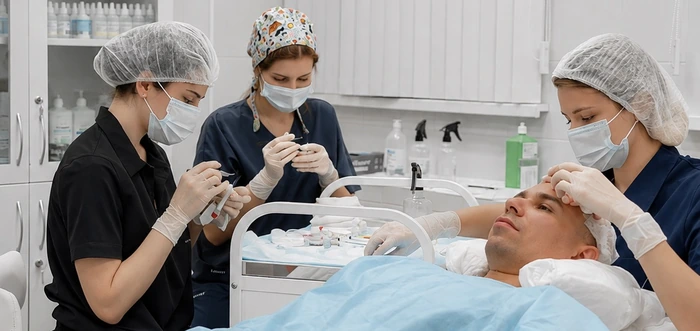
$2,200$2,700
or $367/mo — 0% instalments for 6 months
Nail down the priceimplantation without channels
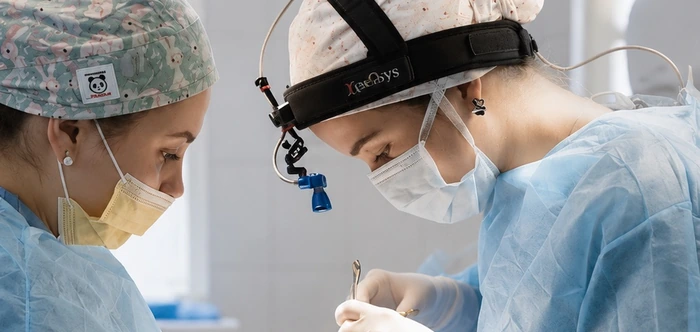
$2,500$2,900
or $417/mo — 0% instalments for 6 months
Nail down the pricecombined technique
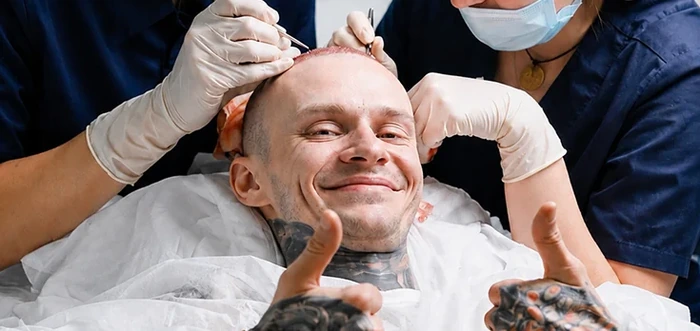
$2,700$2,900
or $450/mo — 0% instalments for 6 months
Nail down the price| First medical check | Free |
|---|---|
| Eyebrow transplant, FUE | |
| Beard transplant, FUEinstalments $467/mo | |
| Hair trichopigmentation | |
| PRP therapy / session | $200 |
all included
From the first preparations to 12 months of follow-up.
On surgery day no extra charges come up.
two other spots
The list is wider than the scalp. Donor grafts still come from the back of the head, and FUE is still the method.
FUE method, no cuts or stitches
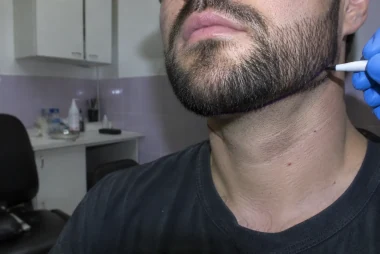
Grafts are taken from the back of the head, the donor area, and moved through micro-punctures of about 1 mm, so no scars are left. The doctor discusses the shape with you before the operation, taking your facial features into account. Transplanted hair grows for life: trim and style the beard as usual.
$2,800$3,000
or $467/mo — 0% instalments for 6 months
Nail down the priceFUE method, no cuts or stitches
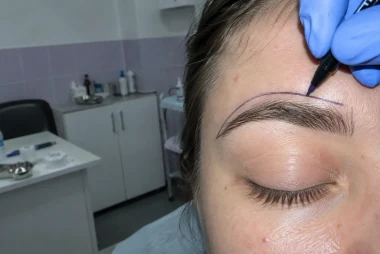
The first appointment is when the surgeon draws the brow contour, compares references with you and matches the design to your facial proportions. Each hair takes the natural growth angle, giving brows that hold up to a close look. It also helps where years of plucking stopped growth.
$1,600$1,700
an op you walk out of, under local anaesthesia
Nail down the priceThe doctor will review your donor area, count the grafts and show what result is achievable for you. The cost is quoted at the consultation and fixed in the contract.
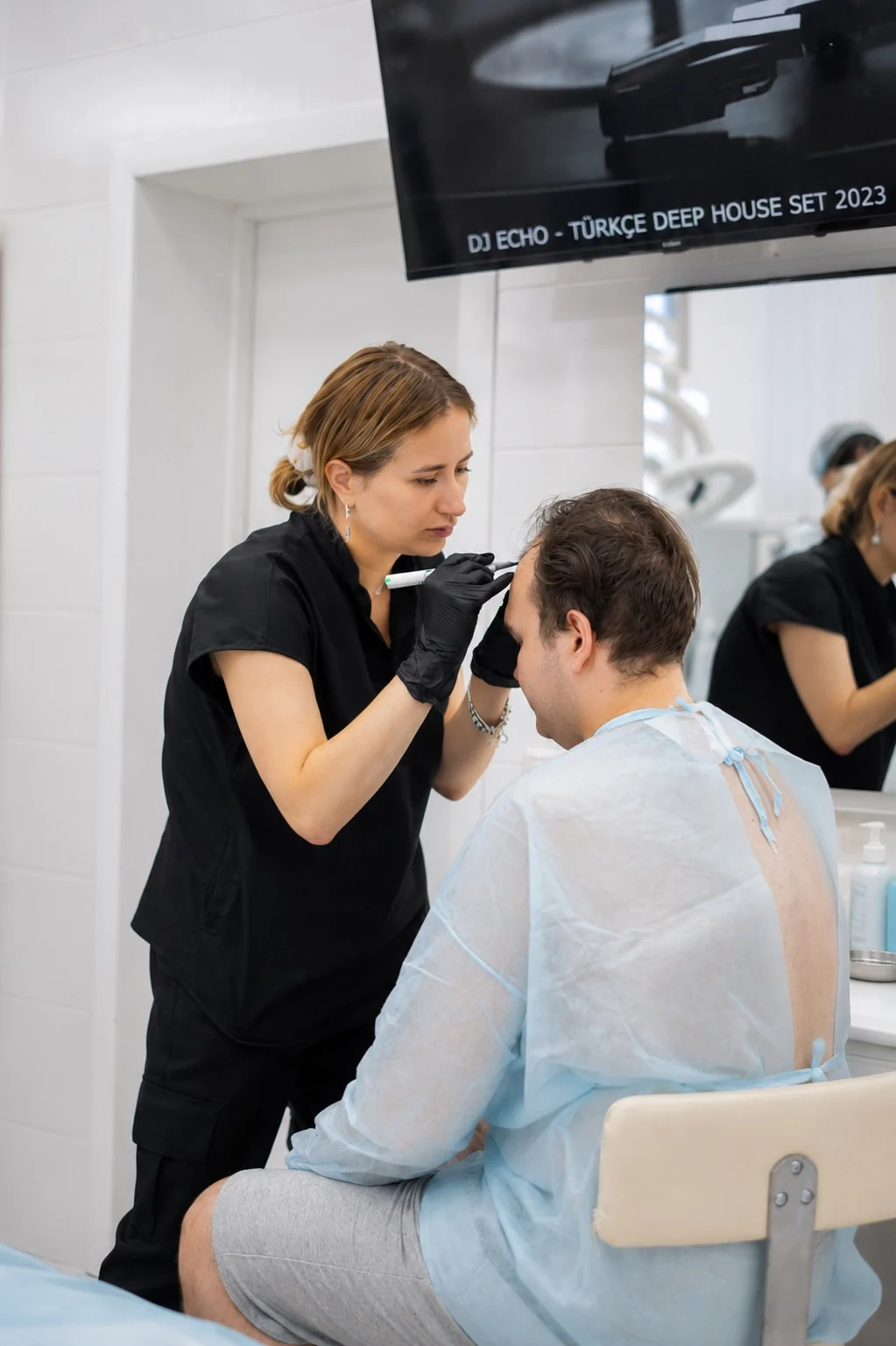
Message our coordinator
Free online consultation · Reply within 15 minutes
Message us on TelegramMessage us on WhatsAppBy messaging us, you agree to our Privacy Policy
Process
From consultation to going home — all in one day
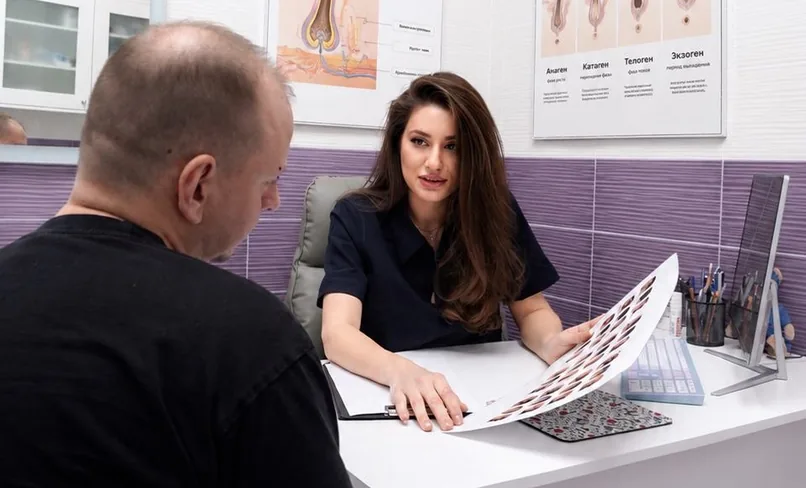
Before anything else, there is a free consultation: the doctor explains FUE and DHI, answers your questions, and works out an individual plan for the surgery.

Once the deposit reaches the clinic, your surgical date is fixed. Cards are accepted on site, and online payment is available.
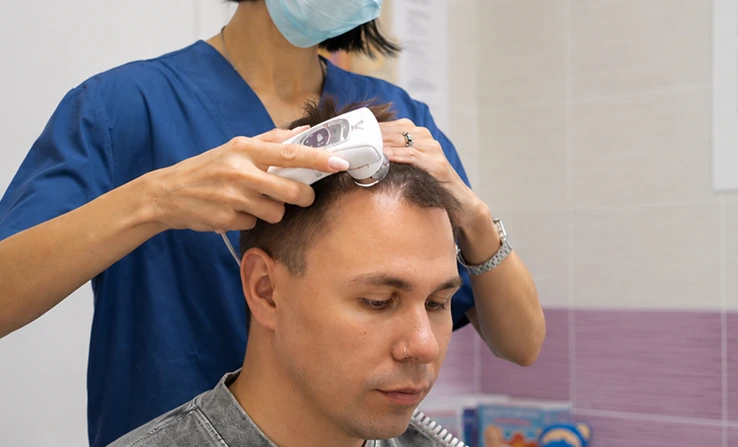
Ahead of the operation, the required laboratory work is done. The clinic sets out the complete list and how to proceed.
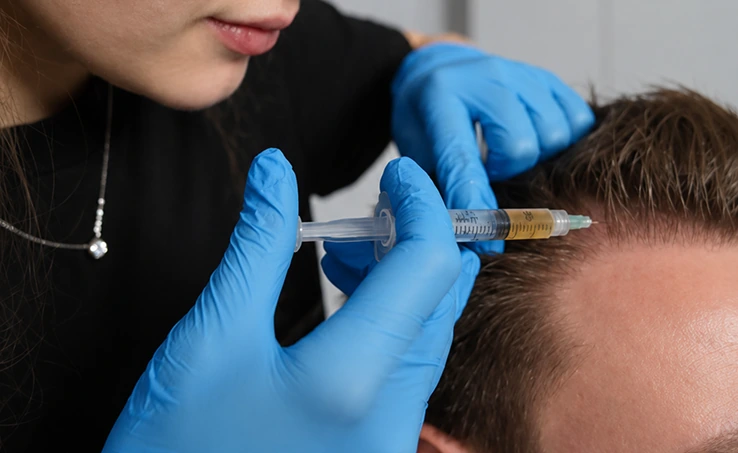
This step uses local anaesthesia to make sure the operation is completely painless.
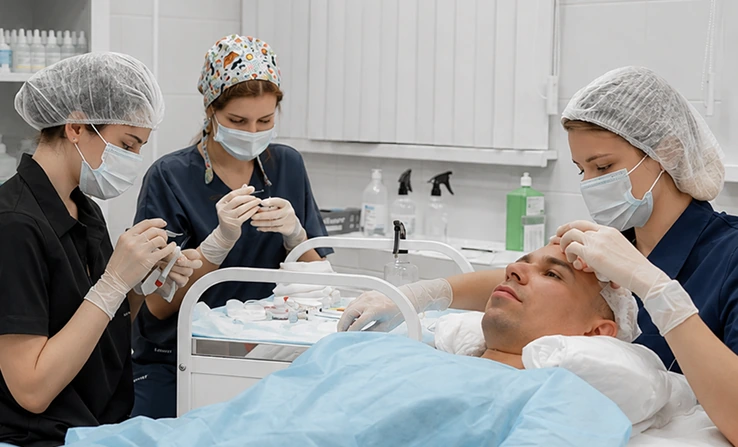
Extraction is done from behind the head or from the temples, and stitches play no part in it.
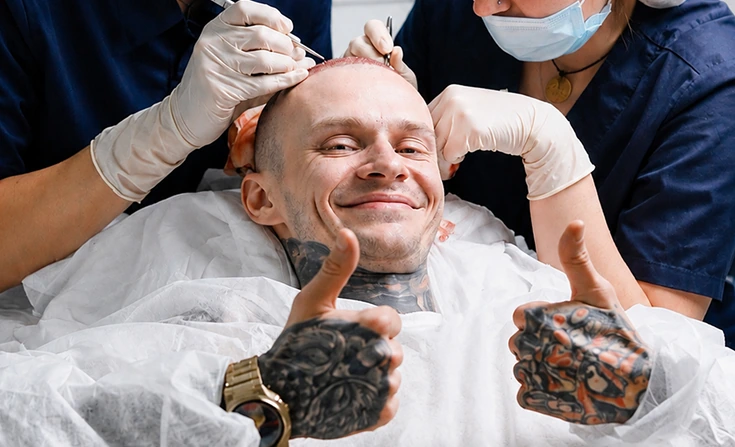
Surgeons settle the grafts into the areas where hair has disappeared.
The final step is recovery, backed by the clinic's supplies and full instructions for fast healing.
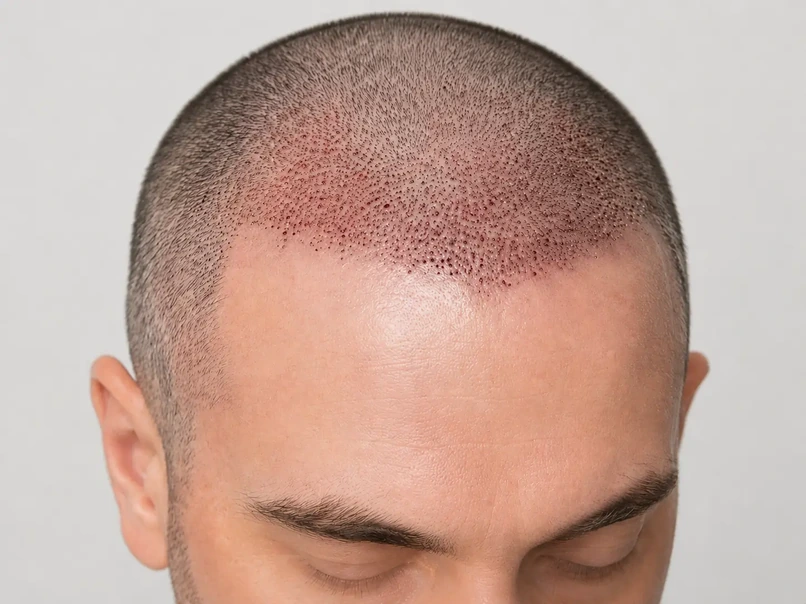
The crusts come off, the puffiness goes down, the area recovers
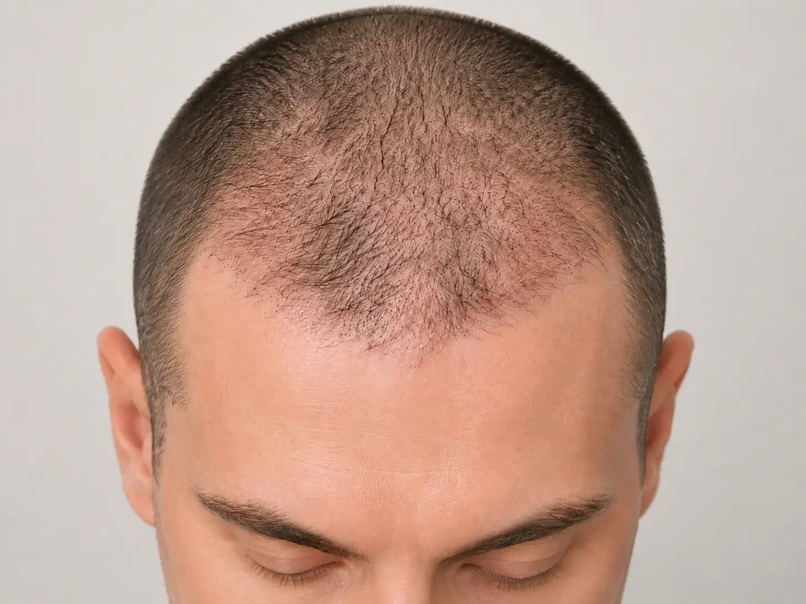
Normal stage. Only the hairs fall out, the follicles remain in place
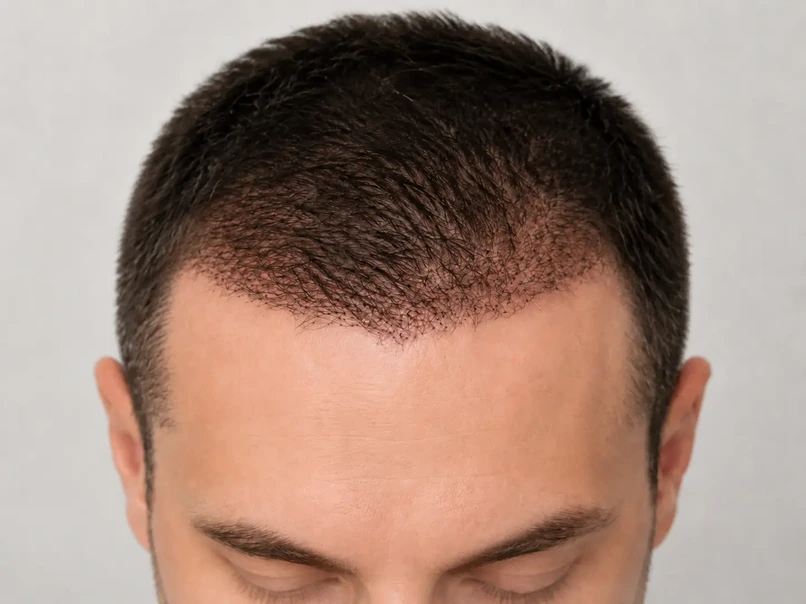
Strand by strand the growth comes, and the change is seen
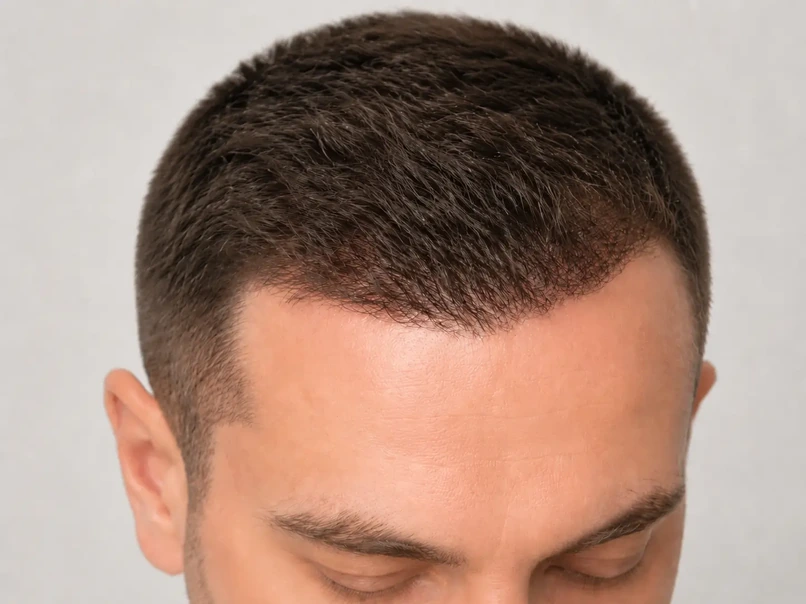
Coverage improves, the main volume and the shape stand out
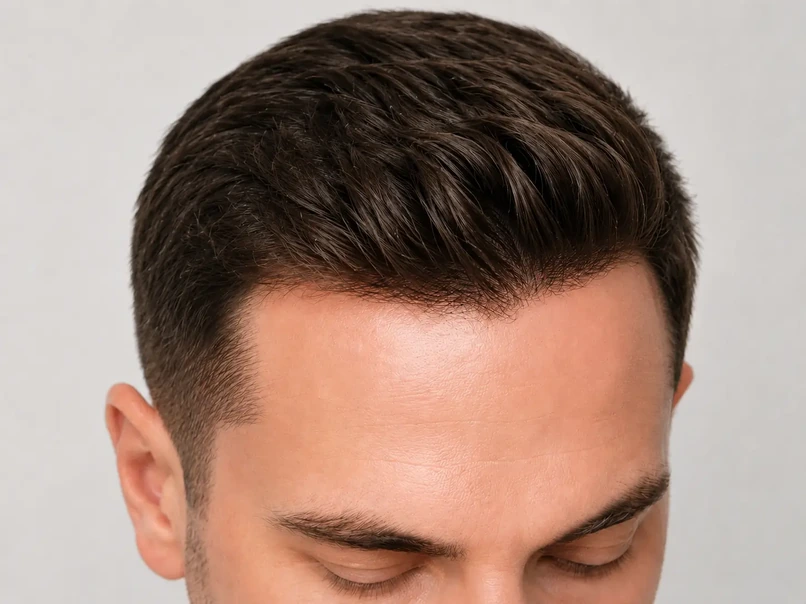
Thickness settles and the hairline looks like your own
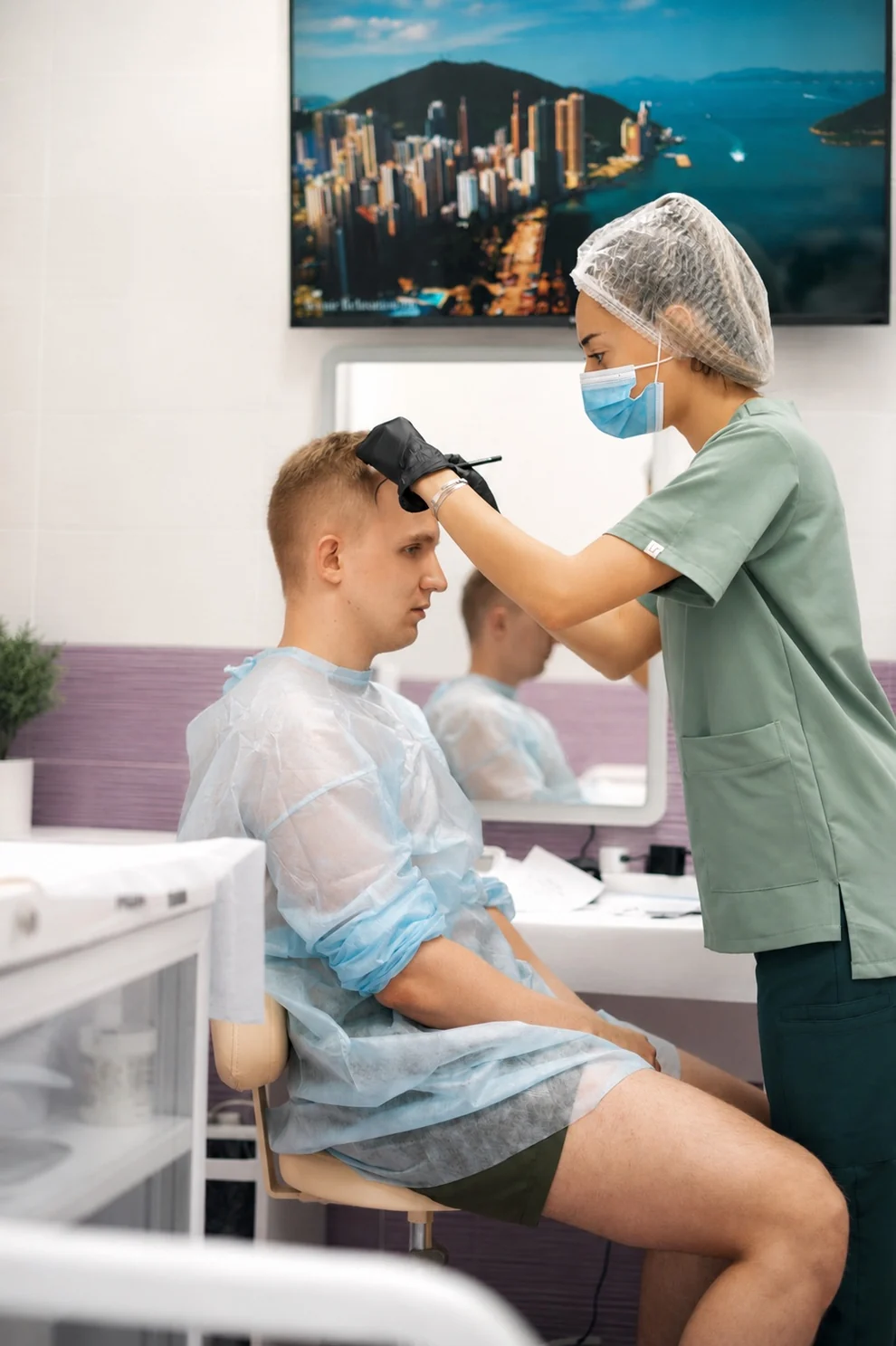
Free, before the surgery, with no commitment.
Plan the next stepdoctors
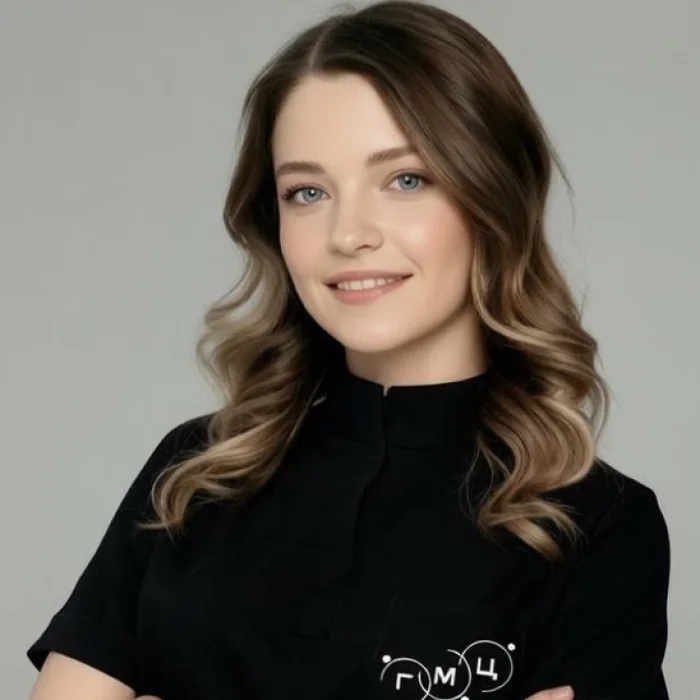
Hair transplant doctor, trichologist, surgeon
10 years in practice

Dermatovenereologist, trichologist, surgeon
11 years in practice
Plastic surgeon
9 years in practice

Plastic surgeon
9 years in practice
Assistant
9 years in practice
The doctor checks the donor area, counts the grafts and says what result is achievable.
Plan the next stepcoordinators
You are handed to a coordinator who stays with your case until recovery is complete.
Patient support officer
Will assist you before and after the surgery
Takes care of the forms and of scheduling
Patient support officer
Will assist you before and after the surgery
Takes care of the forms and of scheduling
Patient support officer
Will assist you before and after the surgery
Takes care of the forms and of scheduling
Patient support officer
Will assist you before and after the surgery
Takes care of the forms and of scheduling
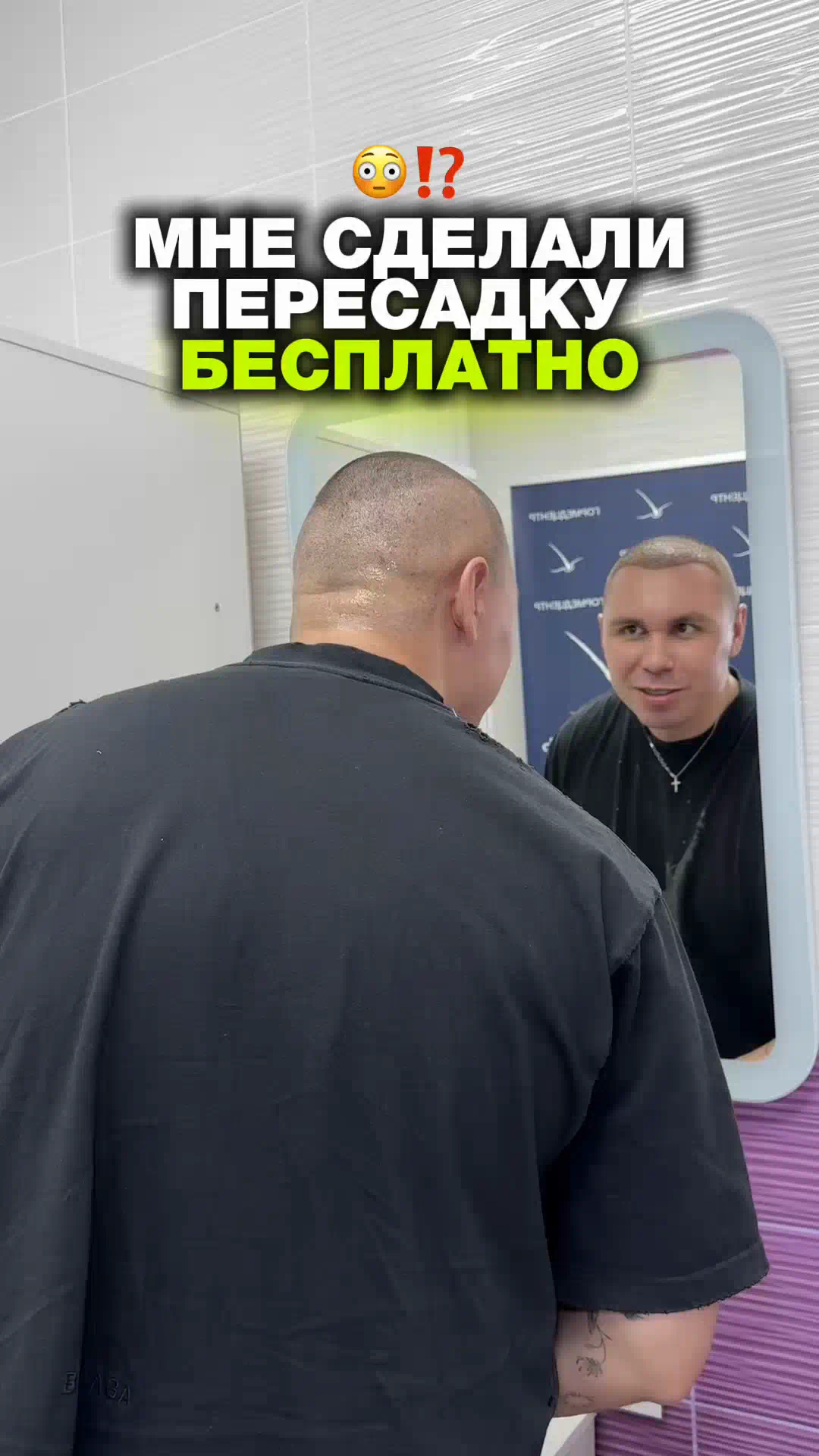
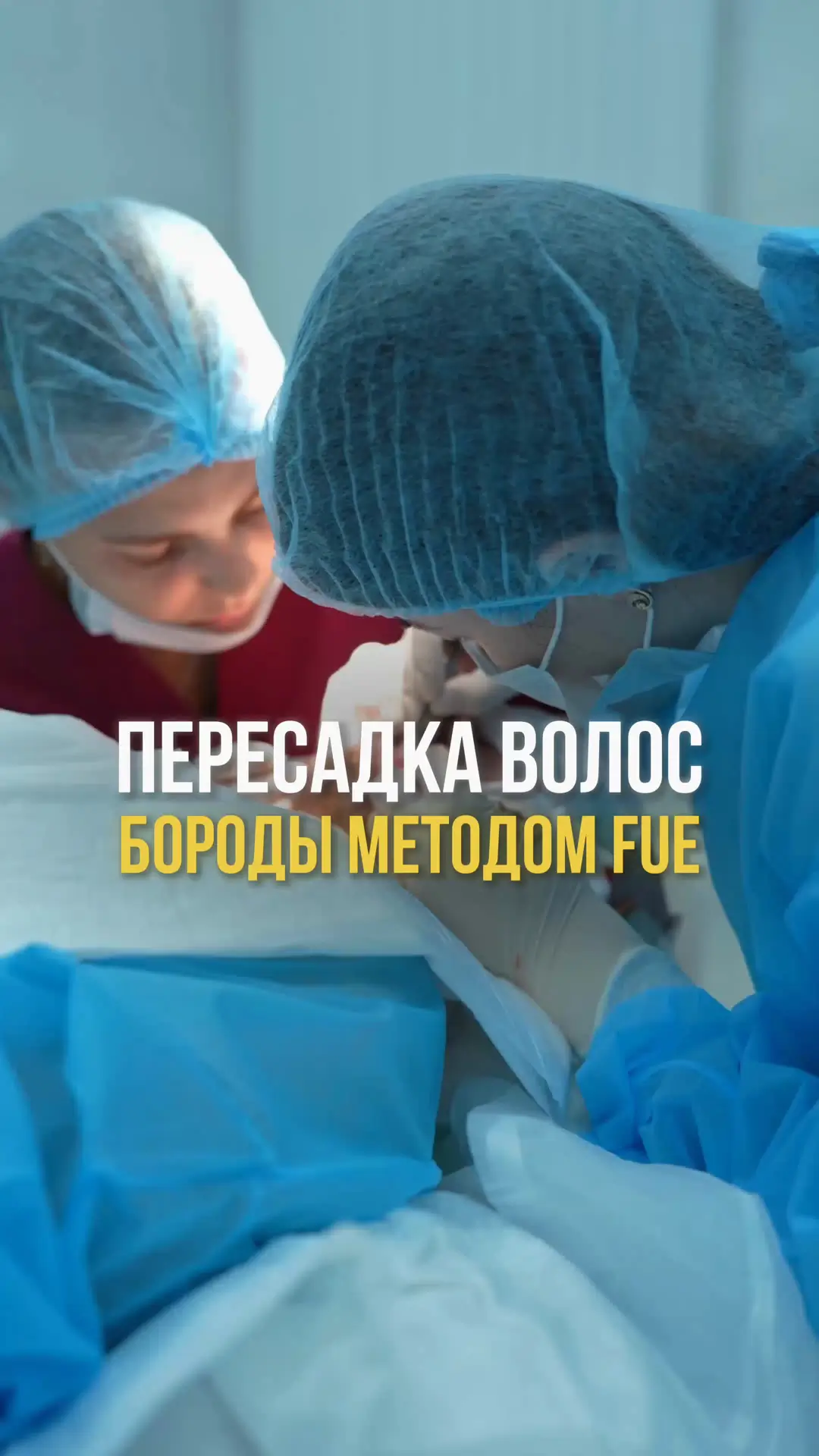

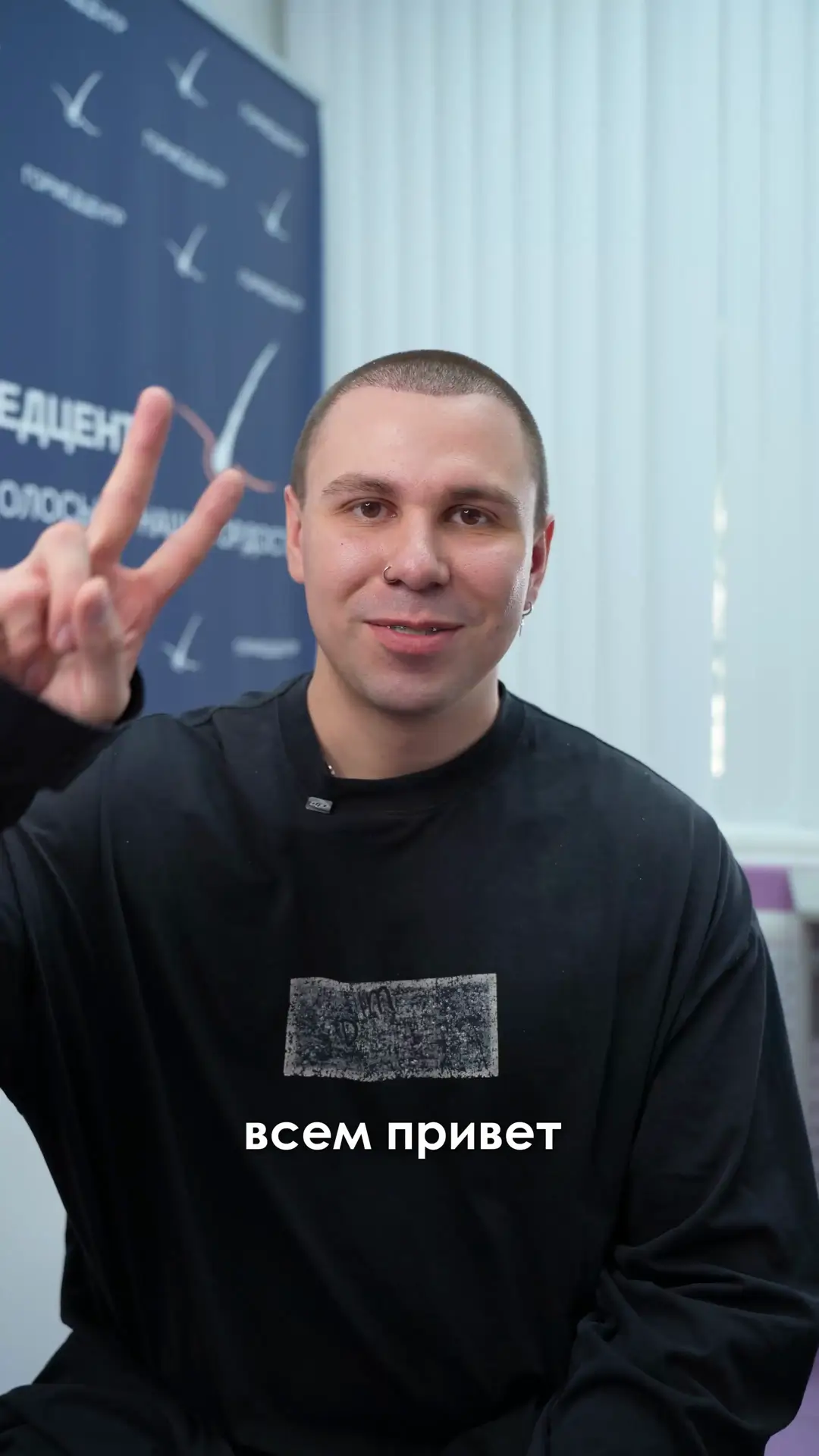
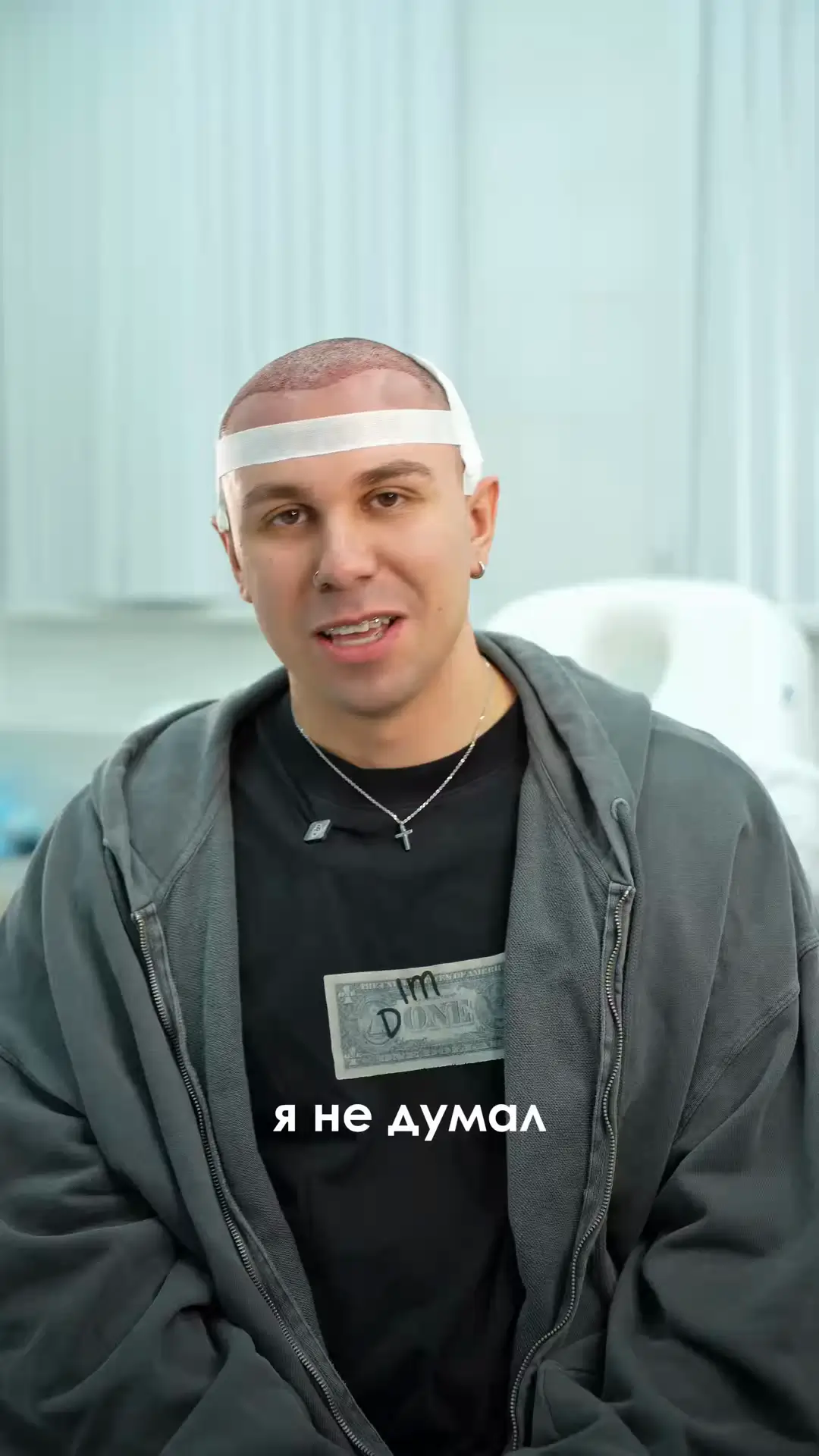
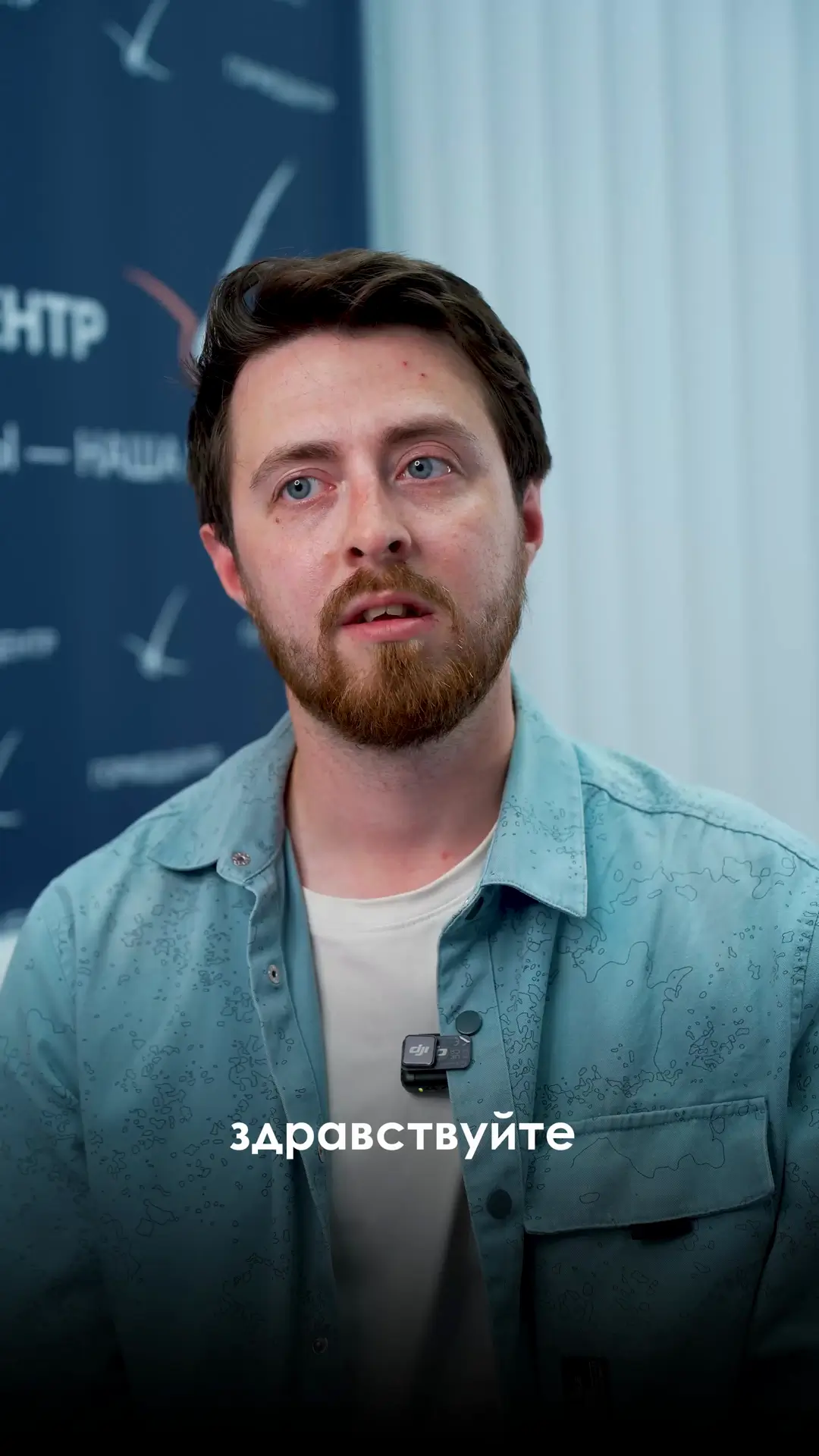
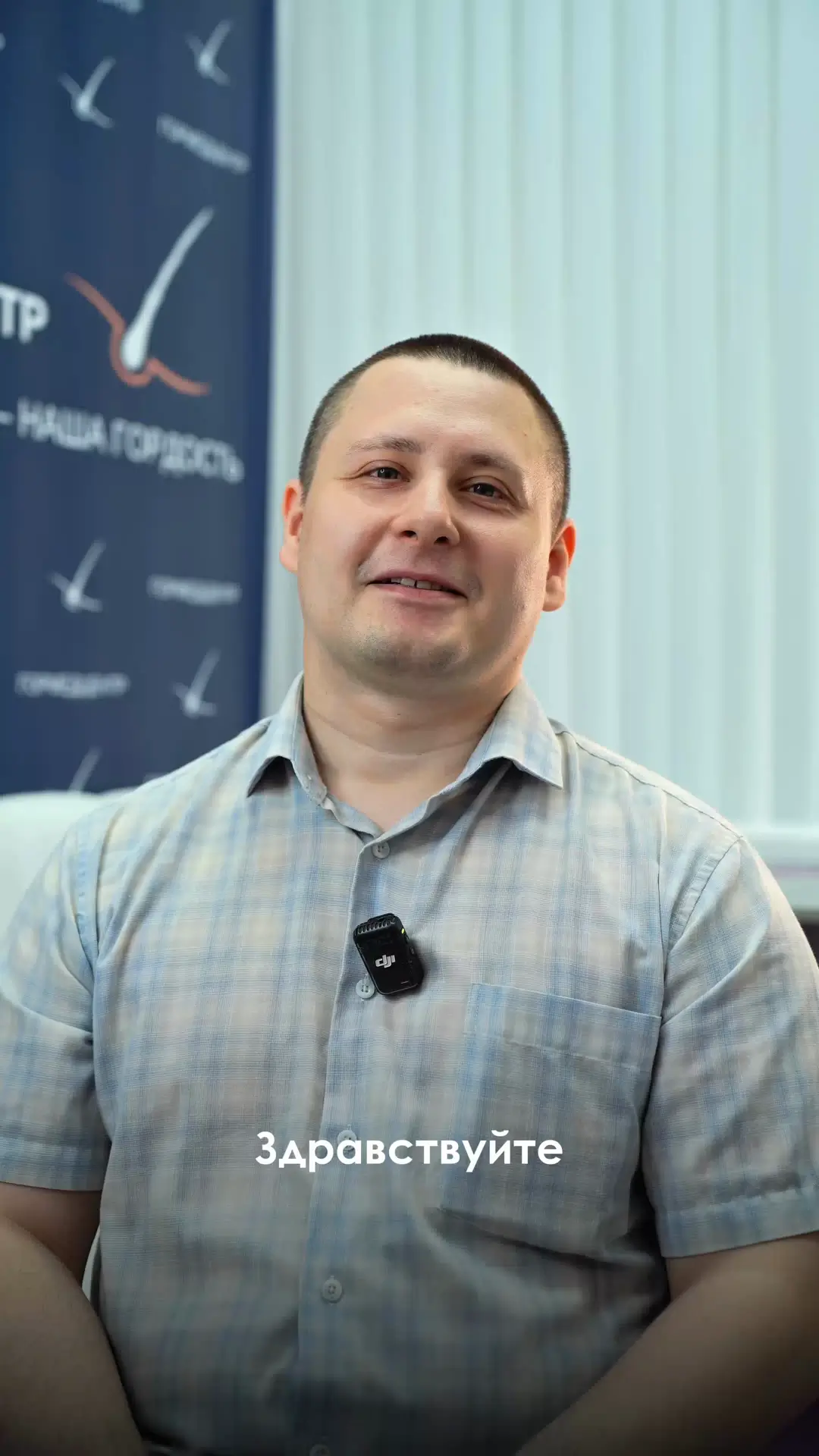
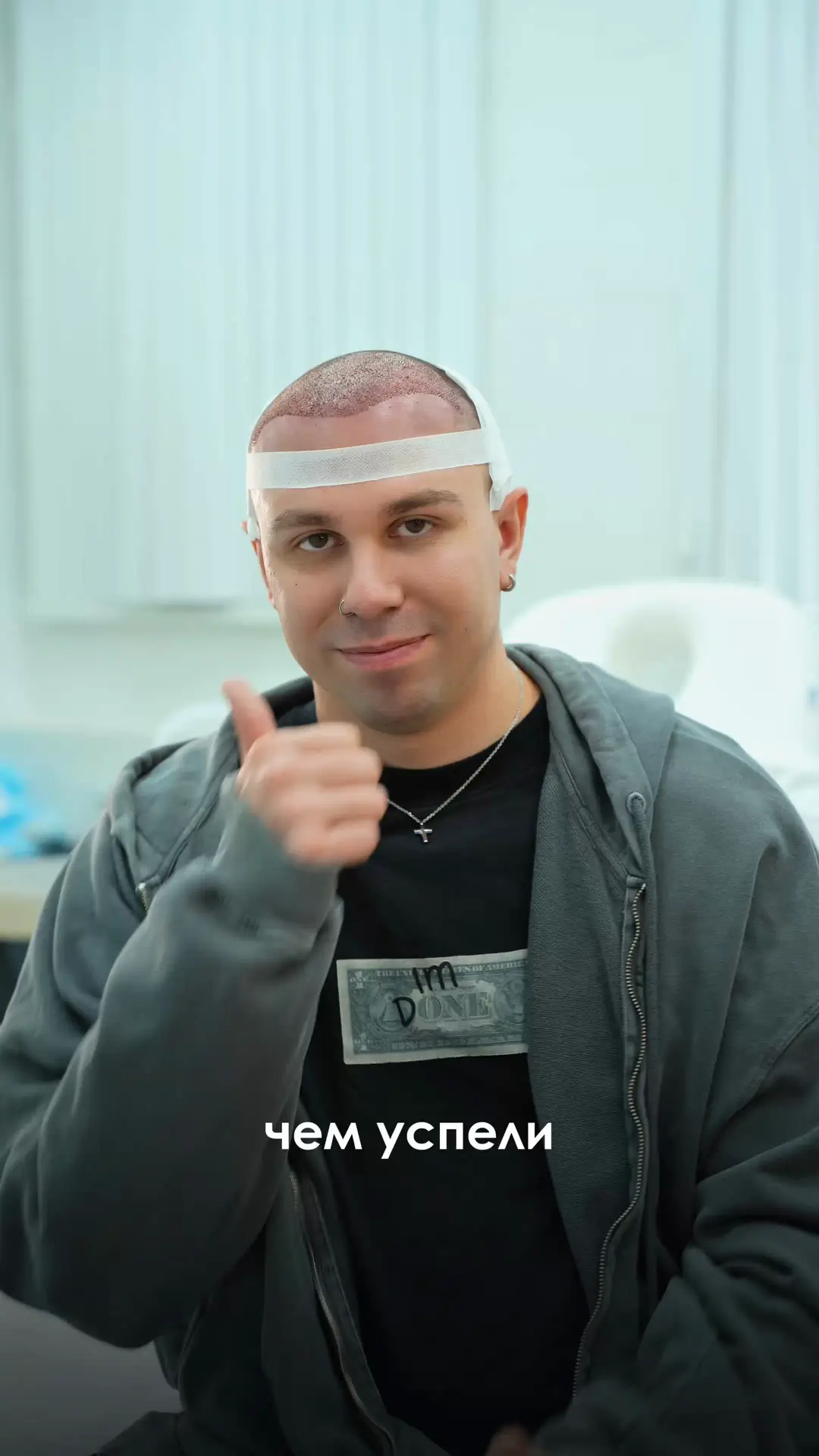
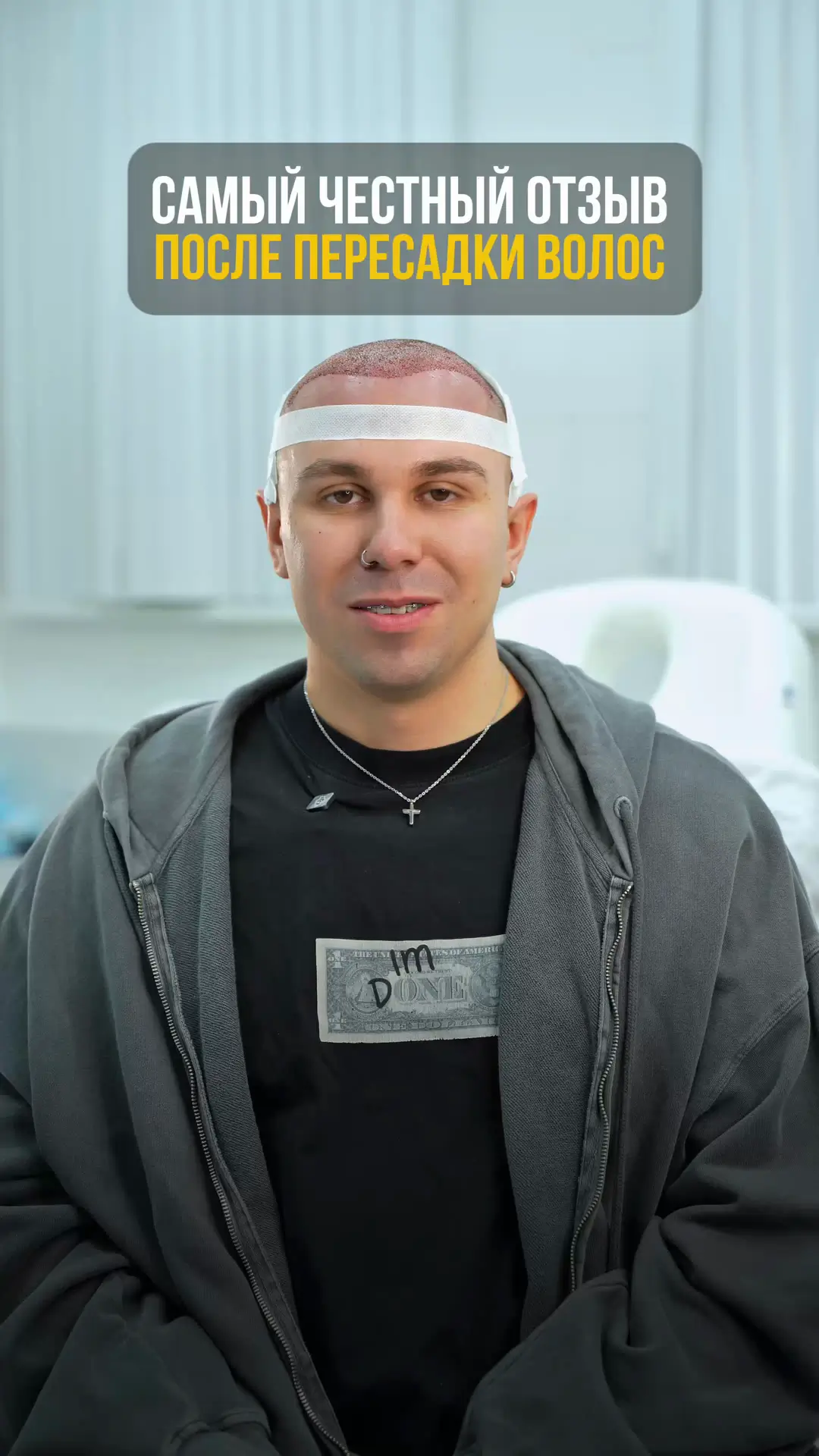
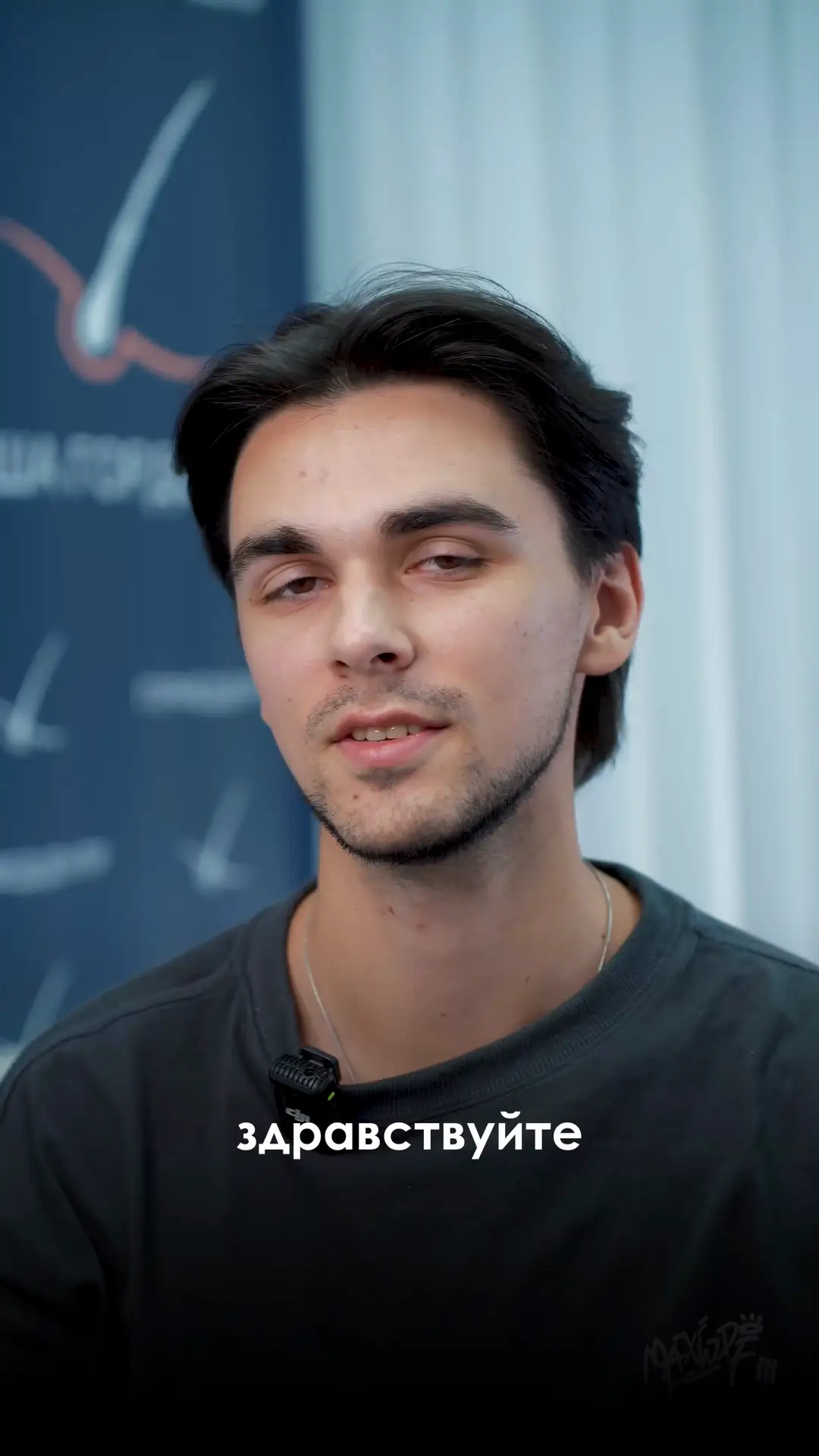

We will take your questions and find a consultation time convenient for you
Message us on Telegram Drop us a lineWhat people ask
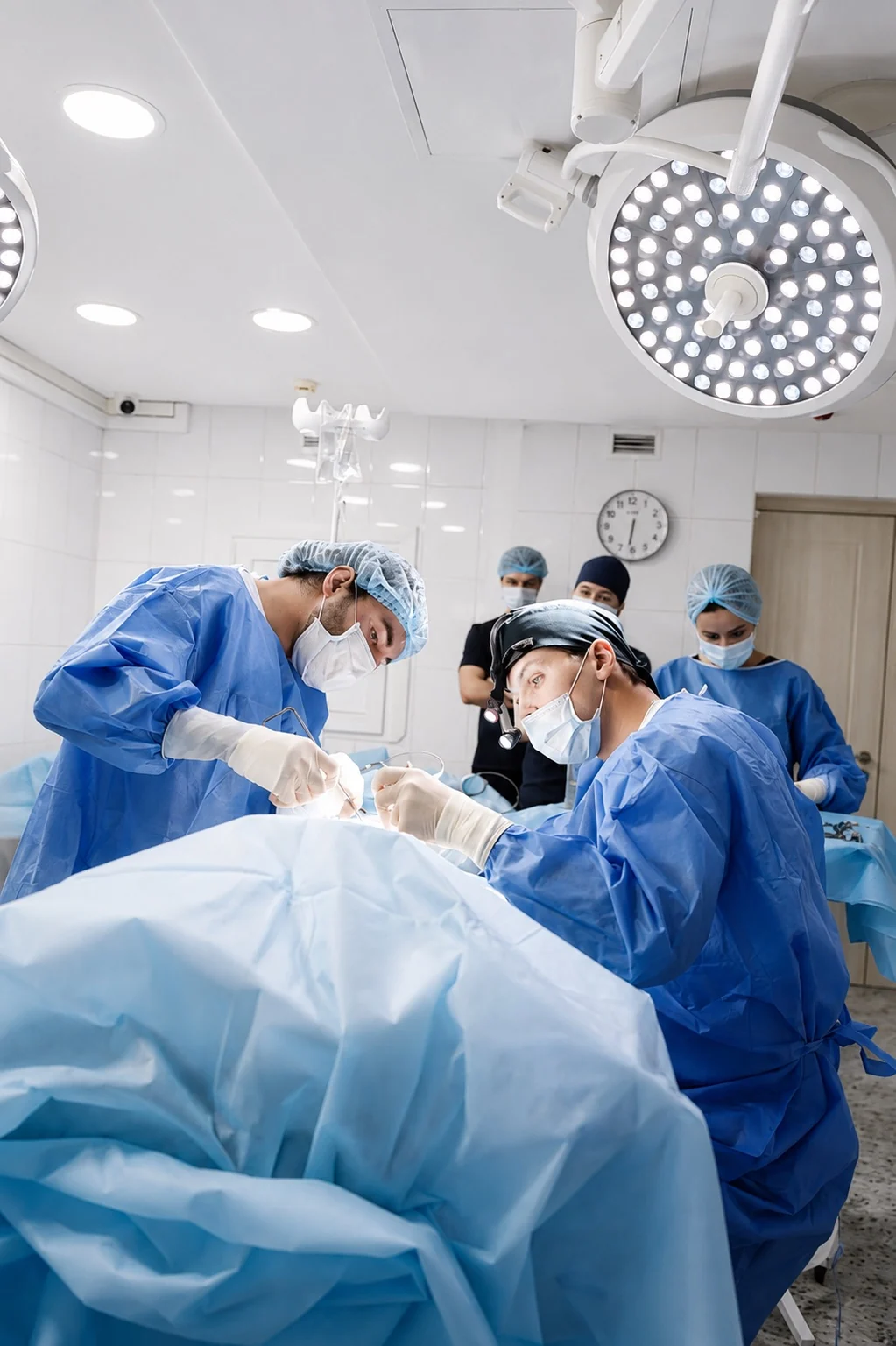
Yes, it is. The clinic's patients come from a wide range of cities and countries, and consulting a doctor online is the first step.
Pricing starts from $2,200 (≈ IQD 2,900,000) for FUE, $2,500 (≈ IQD 3,300,000) for DHI, and $2,700 (≈ IQD 3,550,000) for combined DHI+FUE. The exact figure is confirmed for free after a graft count and written into the contract.
The operation needs a day, and you are released home after.
Patients feel nothing: the scalp is numbed with an anesthetic given locally.
FUE is the classic method: grafts are harvested with tweezers, with no cuts or stitches. DHI implants grafts without channels, using a Choi pen. A combined method harvests grafts by FUE and implants them with the DHI pen.
Graft numbers vary; the doctor establishes yours at a consultation that carries no fee, based on donor hair.
Skin recovers over 0–10 days. A shed at 2–4 weeks is a normal phase, not a setback. Hair pushes through at 3–4 months, looks noticeably fuller between 6–9 months, and settles into its final form at 12–18 months.
You get a lifetime hair growth guarantee, written into the contract.
The clinic works under a medical licence, care is provided to the standards and clinical guidelines
under Ministry of Health.

The diplomas and certificates of your operating doctors
Read the papersAKC POMOSHCH LLC
the firm's legal entity
1057746096924
OGRN
7728536872
INN
A patient in Kut is not facing an ordeal. FUE and DHI leave no cuts to heal and no stitches to remove, local anaesthesia is enough throughout, and the operation is over within a day of starting.
A free online consultation is open to anyone in Kut, and it needs only pictures of the affected zone: the doctor looks and says whether a transplant will help. Contact runs 24/7, without days off.
Set aside 0-10 days for healing and the rest looks after itself. The transplanted hairs shed at 2-4 weeks - a normal step, though it rarely feels like one. Regrowth sets in at 3-4 months and continues steadily afterwards.
Prices are in US dollars; the amount in brackets is an approximate conversion to IQD at the rate of 02.10.2026. The final price is fixed in your contract.
By messaging us, you agree to our Privacy Policy
Public figures who spoke openly about this operation, in their own words.
 John Cena's hair transplant: “I got a problem, I try to fix it”John Cena spoke openly in 2025 about his hair transplant and the fan signs that pushed him to it. His words, how the procedure works and the recovery.
 Did Calum Best have a hair transplant? Yes, and he said so himselfCalum Best said in 2023 he had his sixth hair transplant, this time using patches of beard hair. His words, how the procedure works and recovery.
 Did Chloe Goodman have a hair transplant? Yes, and she explained whyChloe Goodman had a hair transplant in 2025 after losing hair following pregnancy. Her own words, how the procedure works and what recovery involves.
 Did Dean McCullough have a hair transplant? Yes, and he filmed itRadio 1 presenter Dean McCullough shared his FUE hair transplant on TikTok in 2024. His own words, what the swelling means and how results develop.
 Did Ella Morgan have a hair transplant? Yes — to cover a hairline scarThe Married at First Sight star revealed a hair transplant in 2025 to cover scarring along her hairline from facial surgery. Her own words and the facts.
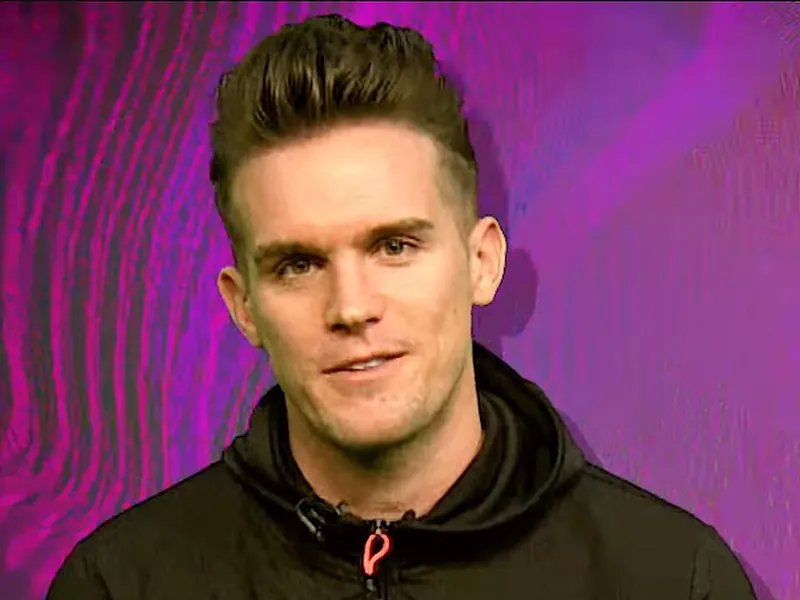 Gaz Beadle on his beard transplant: “I LOVE IT”Gaz Beadle told his 3.6 million followers he had a beard transplant after years of patchy stubble. His own words, and how a hair or beard transplant works today.
What patients write after this operation. Reviews are translated from the original language.
Andrey M.
I had the operation a month ago. Before and after surgery they were always in touch and helped with questions about my tests. The operation itself went wonderfully, the staff are polite and masters of their craft, you feel you are in safe hands. I am recovering now, and they answer all my questions. I am happy and I recommend them!
DHI hair transplant
Pavel Sinitsyn
The best clinic of all the ones I was choosing from. No regrets at all! The result is simply amazing, I am thrilled. I recommend it to everyone: these people do great work and make people happy. Once again, a huge thank you to everyone. Roman, the head of the clinic, is the best: he was personally in touch with me and looked after my recovery. Thank you for making my dream come true.
FUE hair transplant
Maria Akopyan
I thought about an eyebrow transplant for a long time and finally went for it. At first I was afraid the result would look unnatural, but when I saw my new eyebrows I was delighted! They came out full and in harmony with my face. I can hardly believe that now I just wash my face and go, I have never felt so free. For anyone tired of constant make-up, a transplant is a real lifesaver!
Eyebrow transplant (FUE)
Alexander M.
I really wanted a thick beard, but I had problems with it. I tried every home remedy and minoxidil, and nothing helped. After a long search for the best clinic I settled on this one. Thank you so much for the service, I liked everything and now I am happy! I had the beard transplant 10 months ago and I am very pleased with the result. By the way, the music in the clinic was great, as far as I remember. A friend of mine has already come to you for a transplant on my advice and was also happy with the result. I wish you every success!
Beard transplant (FUE)
Vladimir Z.
I went to the clinic to see a trichologist and had a hair transplant. I really liked the doctor's approach, and all the recommendations helped. I want to point out that nobody tries to sell you extra services: they tell you things as they are, and if some treatment is not needed, they do not push it. Cosy and clean.
DHI hair transplant
Artem Popov
This may sound obvious, but a head of hair really changes everything in your life. You feel much more confident and go through life like a winner. And it is all thanks to the doctor at this clinic and to the staff who take care of their patients. Many thanks to the clinic for a happy life with new hair, for the comfortable conditions and for the professionalism during the hair transplant.
FUE hair transplant
The Tigris wraps Kut in a slow loop on its left bank, and at the city's edge stands the weir built in the 1930s, dividing the river into measured shares for the canals that feed the district's grain fields. A district that the census of 25 November 2024 put at 654,110 people, inside the governorate of Wasit with its 1,644,273, lives by that logic of counted shares, and a hair plan answers to the same arithmetic: what the back of the head holds decides what the front can receive.
Opening moves happen from a balcony in the morning light rather than from a waiting room. Three shots cover the front line, the crown seen from above, and the thick reserve at the back, and two written lines record when the thinning began and which medicines run daily. The set reaches the coordinators by Telegram or Telegram, day or night, and a doctor replies with a plain first reading: whether a transplant fits this case, and what such a case can honestly carry.
That reply weighs three things the mirror never measures: how densely the back is stocked, how stout each individual strand is, and how wide the thinning has spread. The transplant moves follicles already growing on your head and manufactures none, so the three readings together fix the honest ceiling of any plan. A promise above the reserve is a painting, not a plan, and the surgeon who states your limits in the first reply has already earned more trust than one who promises everything.
Kut is a trading town where the carpet merchant and the grain dealer cross paths at the weekly market, and a question about one's hair is not a question anyone puts to the whole market square. Everything at the start therefore runs through messages: answers read at leisure, doubts asked plainly, a decision taken when you decide. Nobody in the shop or the guest room hears anything until you choose to say it, and the same channel carries every preliminary question however small it seems.
The work runs under a local anaesthetic that puts only the skin of the scalp to sleep, so you remain awake and easy through the whole session, and no overnight bed is needed: a single clinic day, and the same evening you are back at your own table. The morning starts with the drawing, when the surgeon sketches the new front line on your forehead while you watch, ask and adjust, because that line will sit in every photograph for years and it must not be drawn without you.
After the drawing the day divides into quiet stages: grafts are lifted from the back reserve one by one, then seated into the agreed positions at angles that follow the way your hair already grows. The team trades tasks through short breaks, and most men remember the ordinary conversation around them more than any feeling in the skin. Longer than expected and calmer than feared is the verdict most patients give the day afterwards, and it rarely changes from one patient to the next.
Evening returns you home, where the first stretch is managed entirely from the house: sleeping on the back with the head slightly raised, a fresh cover on the pillow, and the washing programme the team writes out and explains before discharge, step by step, in the order it will be done. A shopkeeper or a clerk arranges cover for the healing days with a relative or a colleague beforehand, so the date never collides with a market morning it cannot afford to miss.
Questions do not end at the clinic door. Any doubt about a wash, any unusual tightness, anything odd about the small crusts goes as a message with a photograph, and the follow-up team answers. A batch of questions gathered into one message earns a more careful reply than ten scattered ones, and a saved copy of the written washing programme on your phone turns the first healing days into a routine you consult rather than a memory you test.
Summer here ranks with the hottest in the country: August's mean high runs close to 43.8°C, and the months from June through September pass nearly dry. None of this blocks the operation or argues for delay; it simply reorders the first weeks. Midday belongs to shade or a cooled room, a broad cap with a soft weave rides over the treated area without pressing it, and errands that cannot wait move to the early hours rather than the afternoon.
Dust is the second neighbour: threshing floors and unsealed roads lift it on windy days, and a scalp fresh from surgery wants none of it. When the southerly winds blow and the air turns chalky, the clean covering and the timed washing matter more than on any calm day; the weather writes no new instruction, it only tightens the ones the surgeon already gave. Staying indoors through the worst of such a day is patience spent where it pays.
The farming calendar offers its own courtesy. Harvest weeks, carpet deliveries and the weekly market tie a trader to fixed dates, and a man whose time is his own picks the cooler months from November to March, when a cap passes for ordinary dress and the light rains freshen the air. A man whose season owns him sets the session after the harvest, puts a deputy over the counter for the busy stretch, and keeps the recovery weeks for themselves alone.
Iraq's Friday-Saturday break helps the arithmetic: it extends the quiet stretch whenever the date falls just before it, without spending an hour of leave. Count backwards from your fixed points, the start of harvest, the children's school term, a carpet owed to a buyer, and choose a gap that holds the ten healing days whole, free of heavy appointments. That simple calculation buys more comfort than any general advice about weather ever will.
In the second to fourth weeks the transplanted hairs let go and fall, and the stage frightens any household nobody warned: the visible hair departs while the follicle sits firm beneath and opens a fresh cycle of growth. The team puts this stage in writing before the date precisely so that a bare pillow is met with a calendar rather than with alarm, and the house that has read the schedule lets the weeks pass without a single panicked telephone call.
Around the turn of the third month new growth wakes as fine hairs that room lighting hides, and they thicken until the volume and the drawn line stand clear through the sixth to ninth months. The settled verdict waits for the twelfth-to-eighteenth stretch, when density completes and the line reads as part of the face rather than as recent work. The long span is the tissue's own nature, not a stall, and knowing it in advance spares months of groundless worry.
One fixed photograph on the first day of every month, identical light, identical three angles, filed in order, turns the waiting into a curve anyone can read, with a written line under each shot about anything unusual. The weaver in this city judges a carpet when it leaves the loom, never in the middle of the weave, and hair answers to the same patience: a quiet third month is not a failure, and two photographs side by side explain what the morning mirror never will.
The whole follow-up runs from home: monthly photographs go by Telegram or Telegram, the surgeon reads the curve rather than any single week, and a review is called only when the line of progress truly slows. Grain merchants know that a crop is read across the season and not from one morning's sky, and a transplant is read the same way, by a complete schedule rather than by a single restless glance in the glass.
Ask the first written question before anything else: which certificate do you hold, and which body issued it? Postgraduate training for Iraq's physicians passes through the Iraqi Board for Medical Specializations, established in 1986 with its first trainees two years later and its programmes now spread across thirty-seven specialties, and its certificate is a record, not an adjective: ask for the number, confirm it yourself, and treat hesitation over a single figure as the most complete answer you will receive all day.
The question of payment resolves on paper too. Iraq's public system exists for essential care, and government hospitals have raised separate fees for individual services since early 2016, while an elective procedure such as this one is arranged on a private track. A serious offer itemises itself: what the operation, the anaesthesia and the dressings include, what the first year of reviews includes, and what remains outside the agreement, so nothing arrives later wearing a surprise.
Set two offers side by side and compare the sheets, not the voices: the technique proposed and its medical reason in your own case, the approximate graft count and where it will be drawn from, the reach of the review schedule, and the channel that answers between reviews and at what hours. Ask for every clause in writing, put a full day between the two readings, and remember that a side too busy to write down its promises has told you something truer than its pitch.
Begin small and decide slowly: one shot of the front line, one of the crown, one of the back reserve in the morning light, two lines about the onset and your medicines, sent by Telegram or Telegram whenever you choose. A plain answer about fit and ceiling comes back, and the decision is taken from your own house in Kut, without a hurried sitting and without the market square learning of it first; a choice that will face every future photograph deserves exactly that much quiet.
A local anaesthetic puts only the scalp's skin to sleep and you stay awake throughout. The surgeon draws the new front line with you in the morning, the grafts are lifted and seated through the quiet stages of the day, and no overnight bed is involved: one clinic day, and home the same evening with the written washing programme and the review dates already in hand.
Three daylight shots, front line, crown from above, back reserve, a line on when the thinning began and another on daily medicines, and your questions gathered into the same message. It reaches the coordinators by Telegram or Telegram day or night, and a doctor's first reading follows: whether a transplant suits the case and what the reserve can honestly support, before any talk of dates.
No. In the second to fourth weeks the visible hairs release and fall while the follicles hold firm below and open a fresh cycle; the team sets this stage in writing before the date so no household is caught unready. New growth wakes around the third month from the same roots, and what gathers on the pillow is the timetable, not a verdict.
Fine new hairs wake near the third month and thicken through the sixth to ninth, when volume and the drawn line stand clear enough for others to register the difference without naming it. The full, settled density belongs to the twelfth-to-eighteenth stretch, which is why one fixed-angle photograph a month, identical light and angles, reads the true curve better than any morning mirror.
Put a deputy over the counter for the session day and the healing stretch, and push the tasks that cannot wait past the first days. A soft broad cap handles the threshing dust and the sun without pressing the area, and windy dusty days earn the covering extra attention. If the date can move at all, the cooler months from November to March sit easiest.
It changes comfort, not medicine. Midday passes in shade or a cooled room, a cap with a soft weave rides over the area without pressing, and mornings carry the errands. The dust that threshing floors and unsealed roads raise matters more than the temperature itself, and on the days the southerly winds chalk the air, the covering and the timed washing simply get stricter.
No; the operation is elective and runs on a private track with private payment. Iraq's public system is built for essential care, and government hospitals have charged separate fees for individual services since early 2016, with elective cosmetic work outside those lists. Ask for a written offer that itemises operation, anaesthesia, dressings and the first year of reviews, and states what stays outside.
Read the sheets, not the voices: certificate number and issuing body first, then the proposed technique with its medical reason in your case, the approximate graft count and its source, the reach of the reviews, and who answers between them at what hours. Ask what is not covered, give each paper a full day, and send what remains to the coordinators by Telegram or Telegram whenever it suits.
Page medically reviewed by Anastasia A. Kolesnik, hair transplant doctor. Review date: .

 Forceps
 Minimal


