


























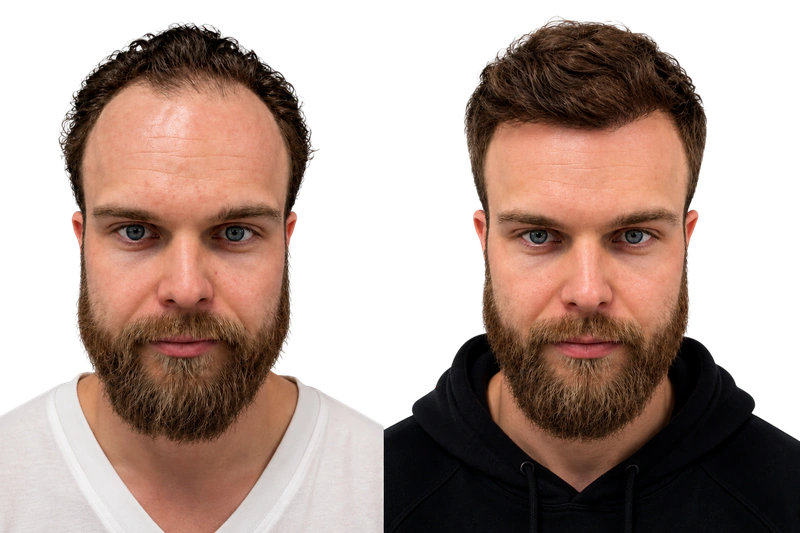

as it was
a full 12 months
2,800 grafts
FUE method
City Medical Centre
0% instalments
from $367/mo
The advice and a price — $0.
True case
as it was
a full 12 months
FUE work needs neither incisions nor stitches. Grafts counted, outcome forecast added up, nothing to pay — before you decide.
At no charge, no surgery booking required
Message our coordinator
Free online consultation · Reply within 15 minutes
Message us on TelegramMessage us on WhatsAppBy messaging us, you agree to our Privacy Policy
results
Everyone pictured was operated on at CMC.
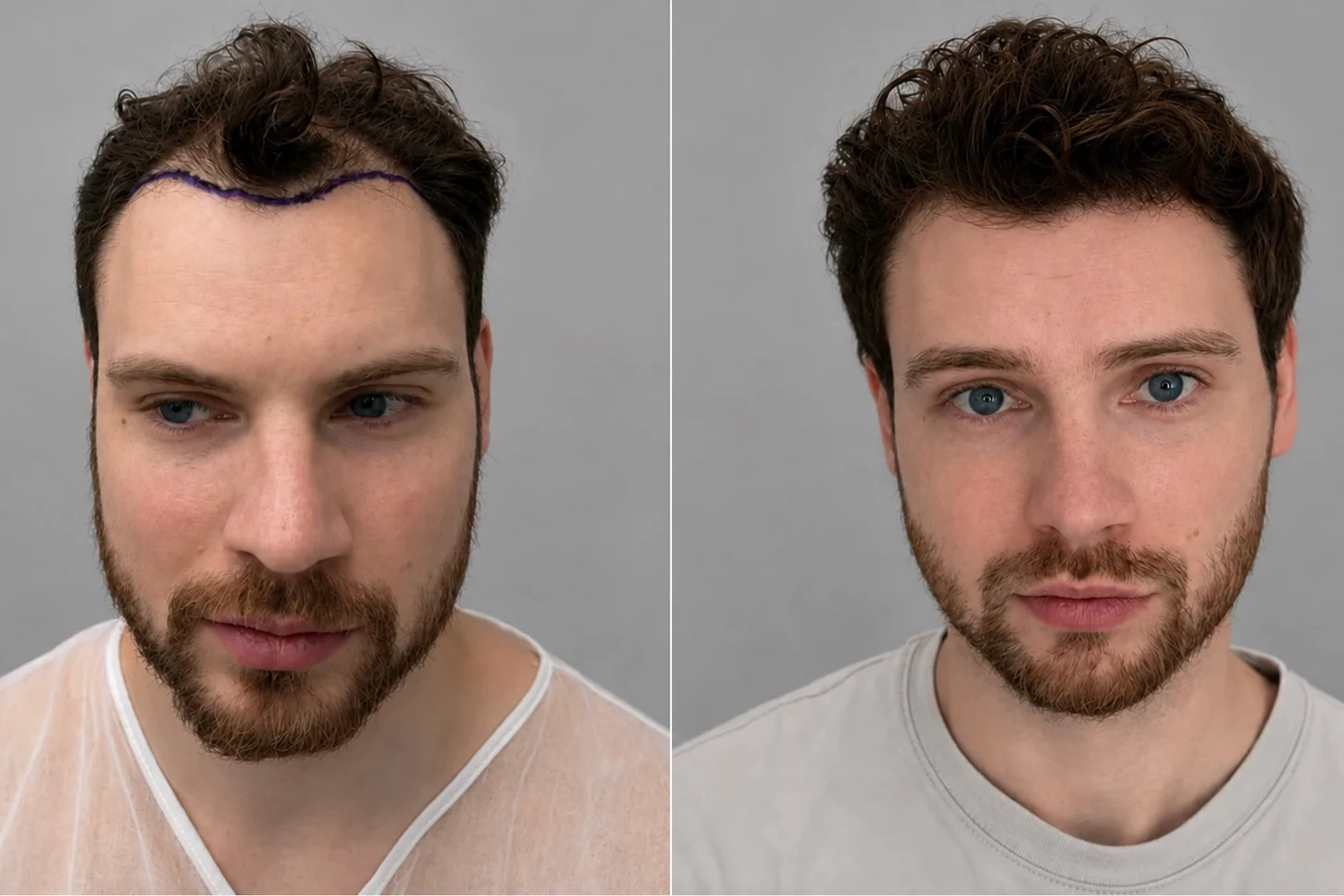
as it was
a full 12 months
2,800 grafts
FUE method
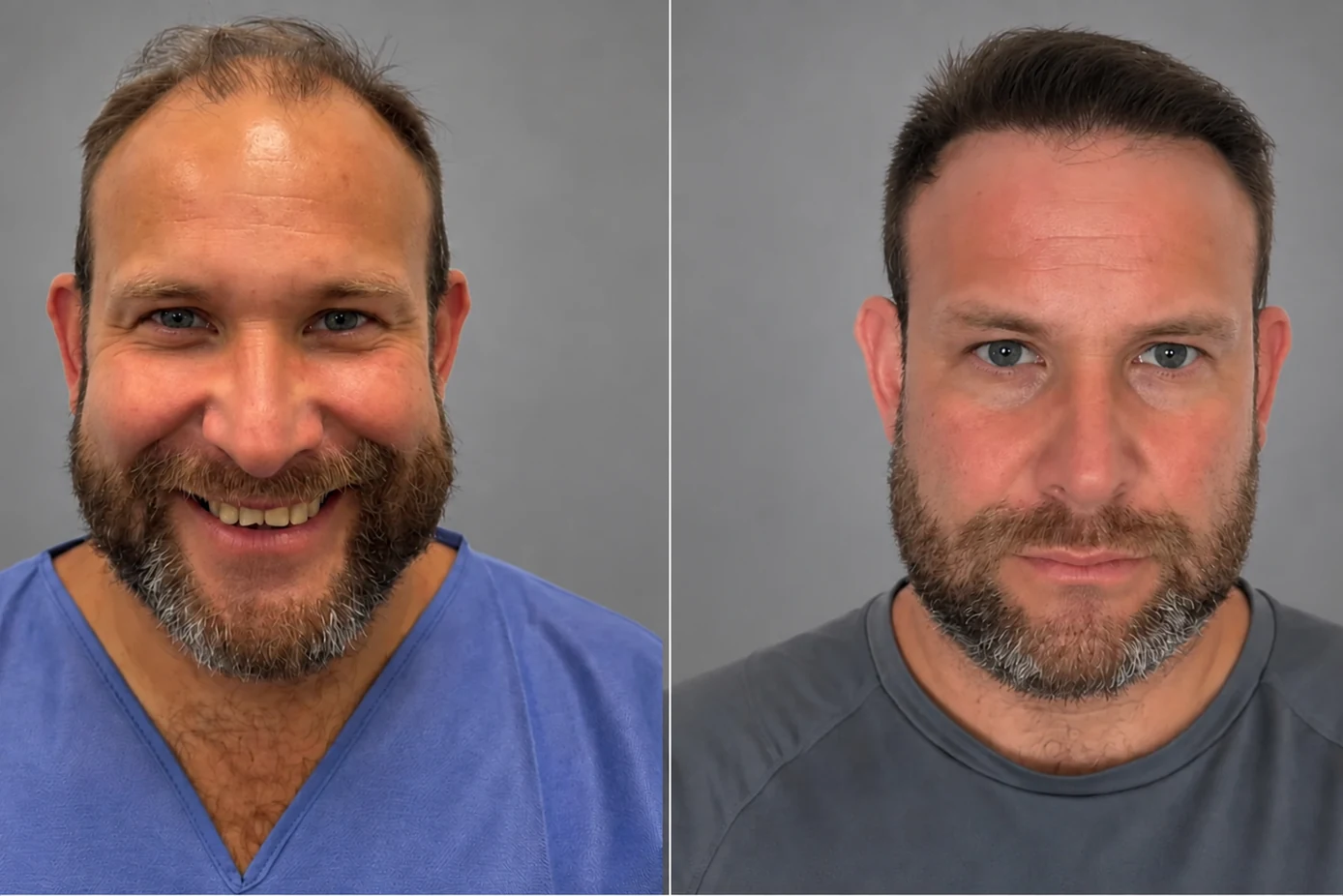
as it was
a full 12 months
3,500 grafts
FUE method
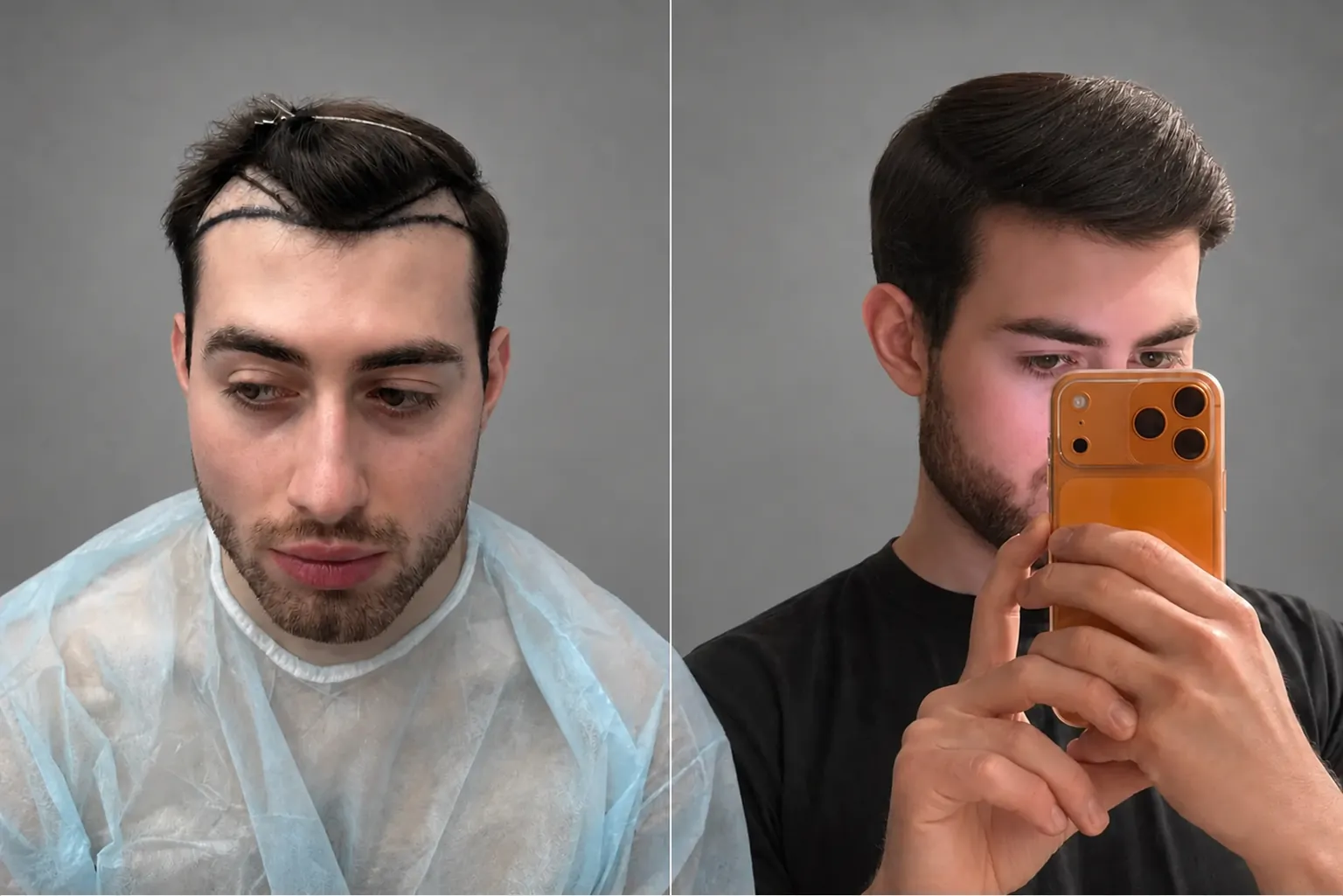
as it was
a full 12 months
2,600 grafts
FUE method
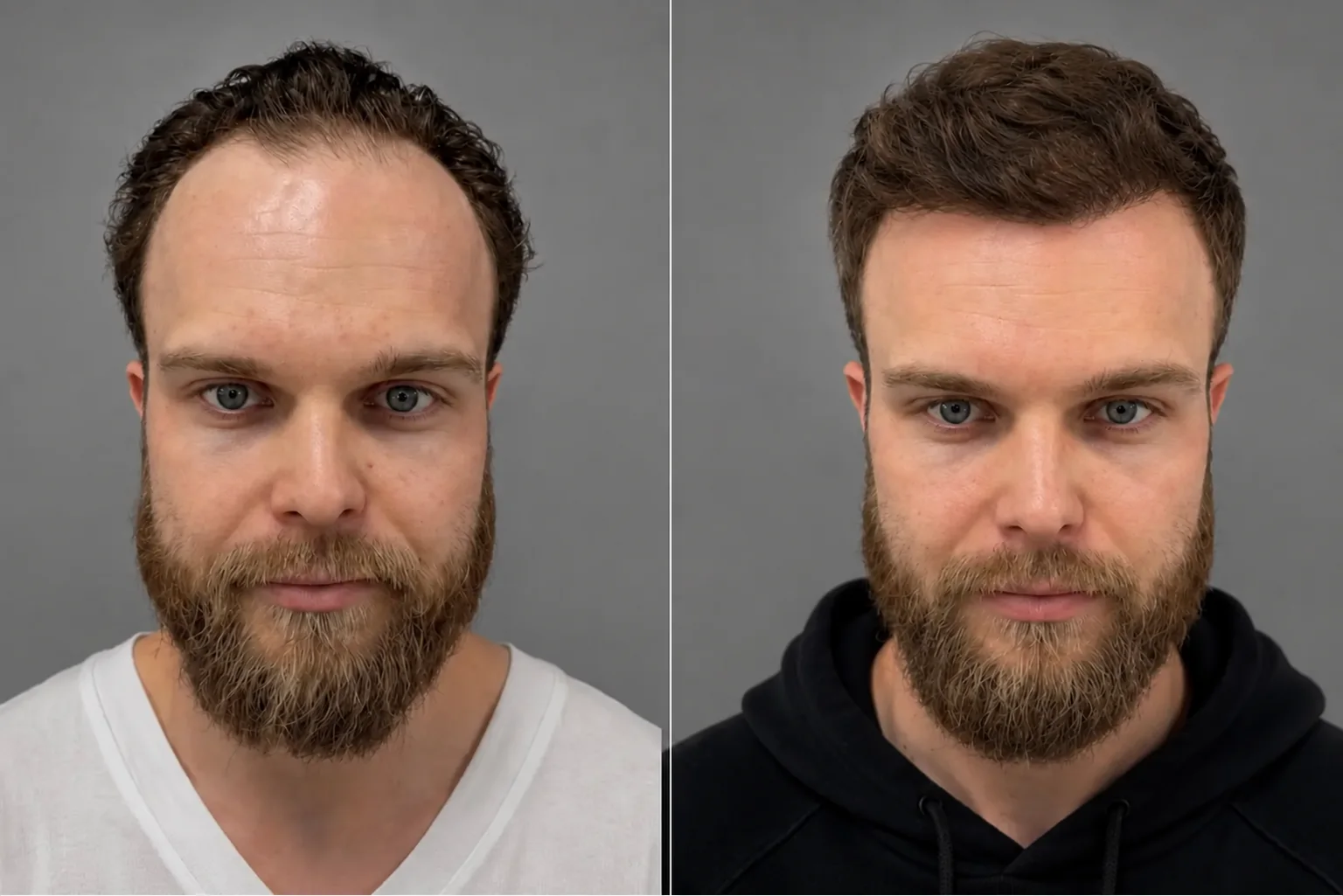
as it was
a full 12 months
3,000 grafts
FUE method
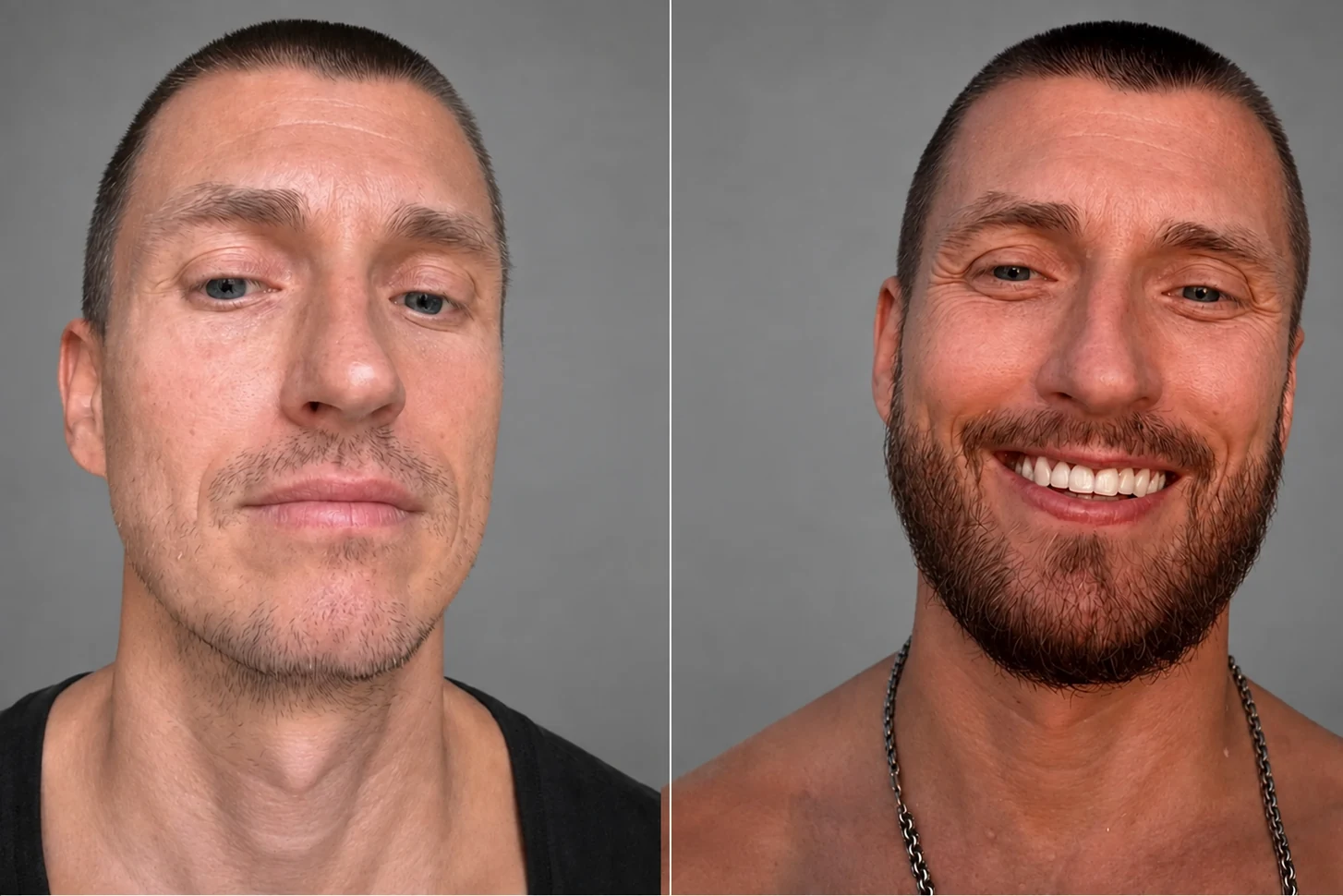
as it was
a full 12 months
2,700 grafts
FUE method
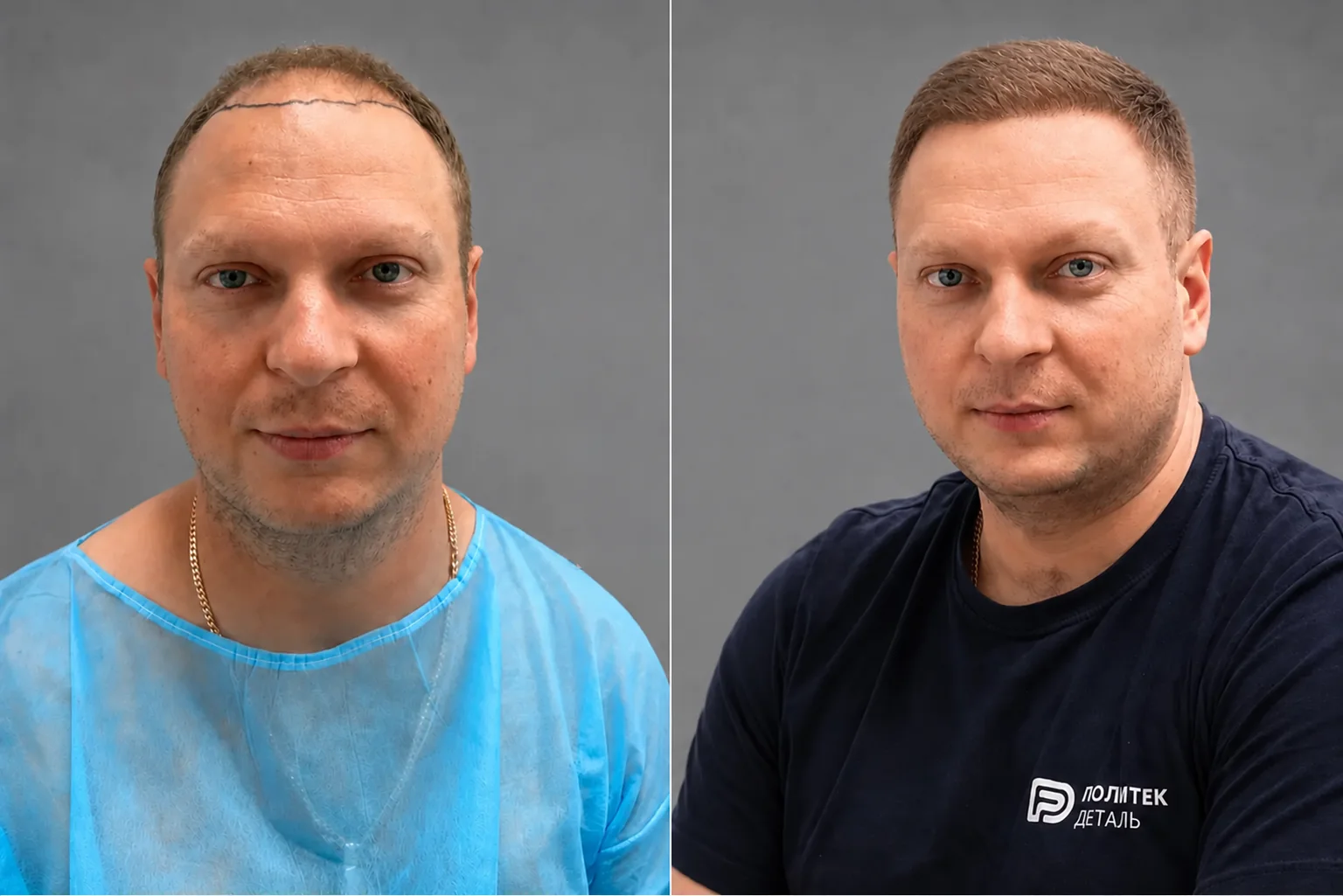
as it was
a full 12 months
3,300 grafts
FUE method
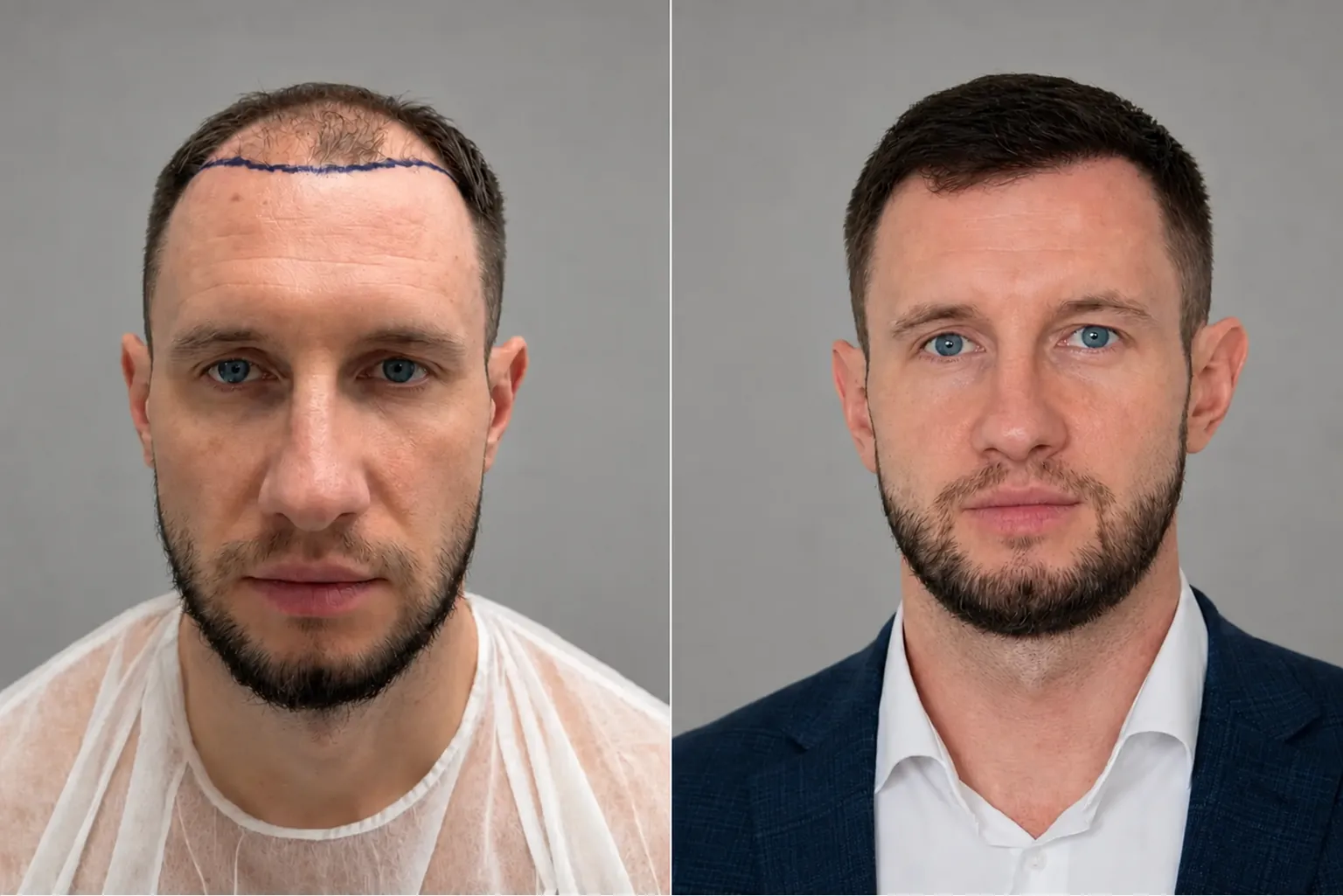
as it was
a full 12 months
2,900 grafts
FUE method
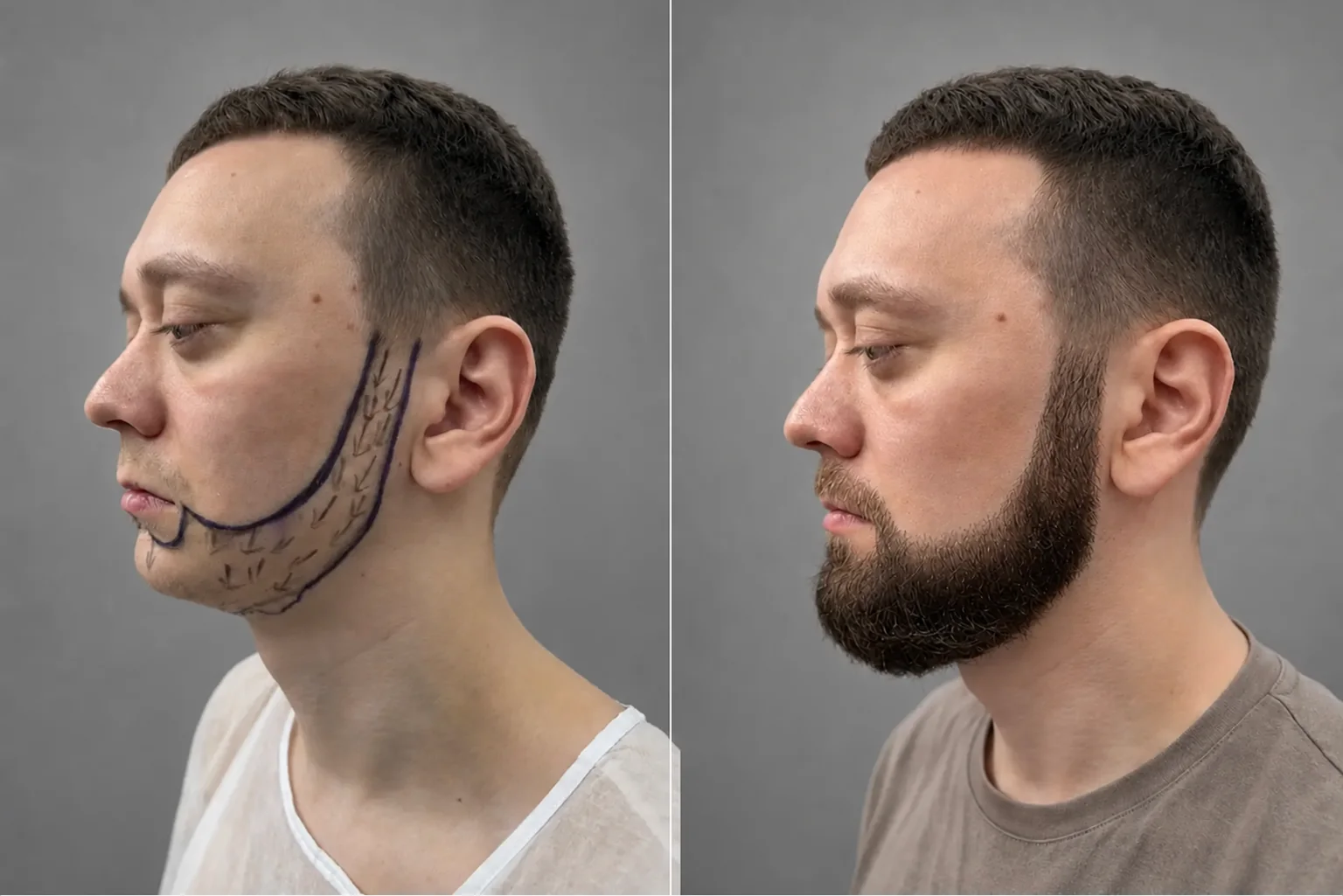
as it was
a full 12 months
2,500 grafts
FUE method
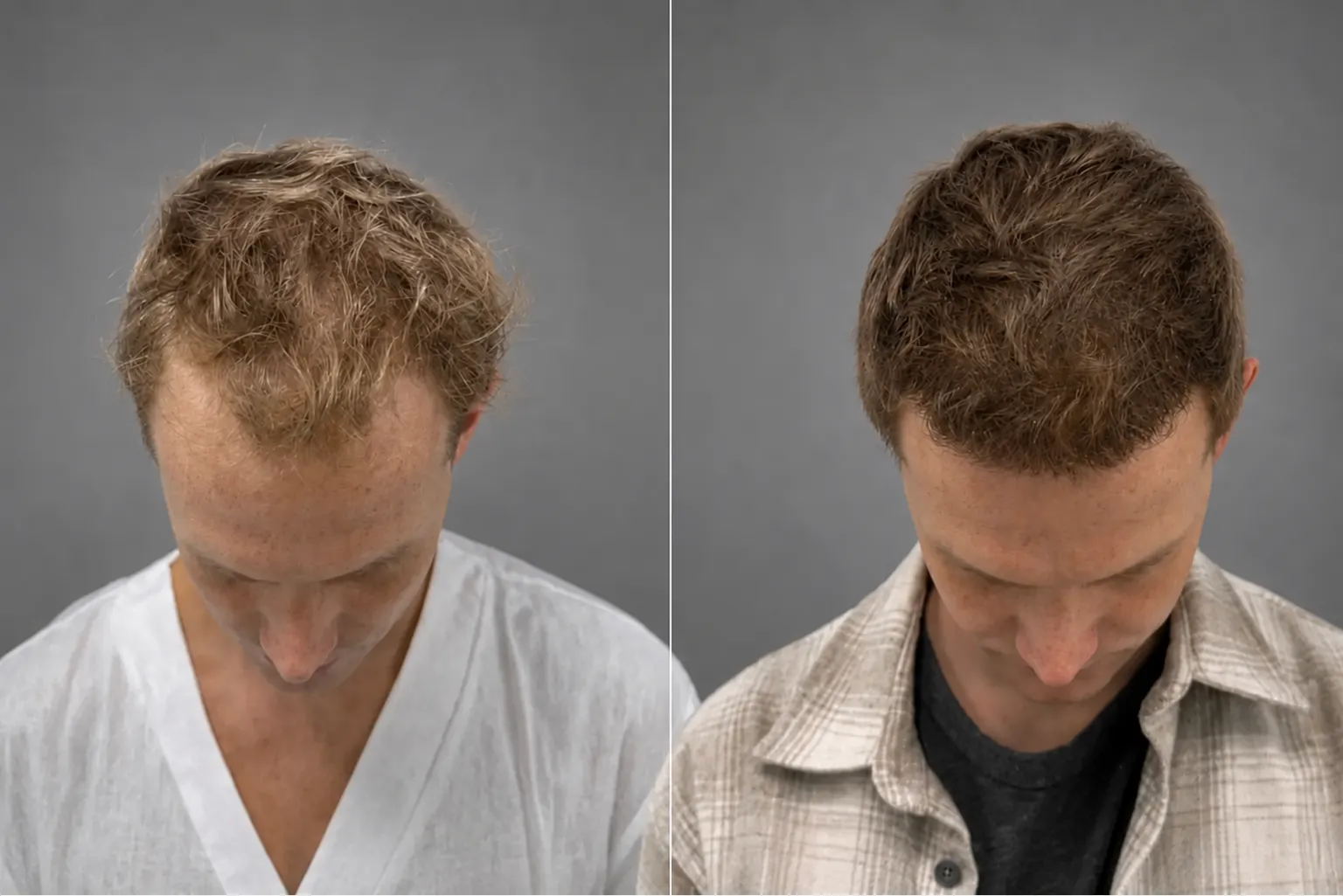
as it was
a full 12 months
3,400 grafts
FUE method
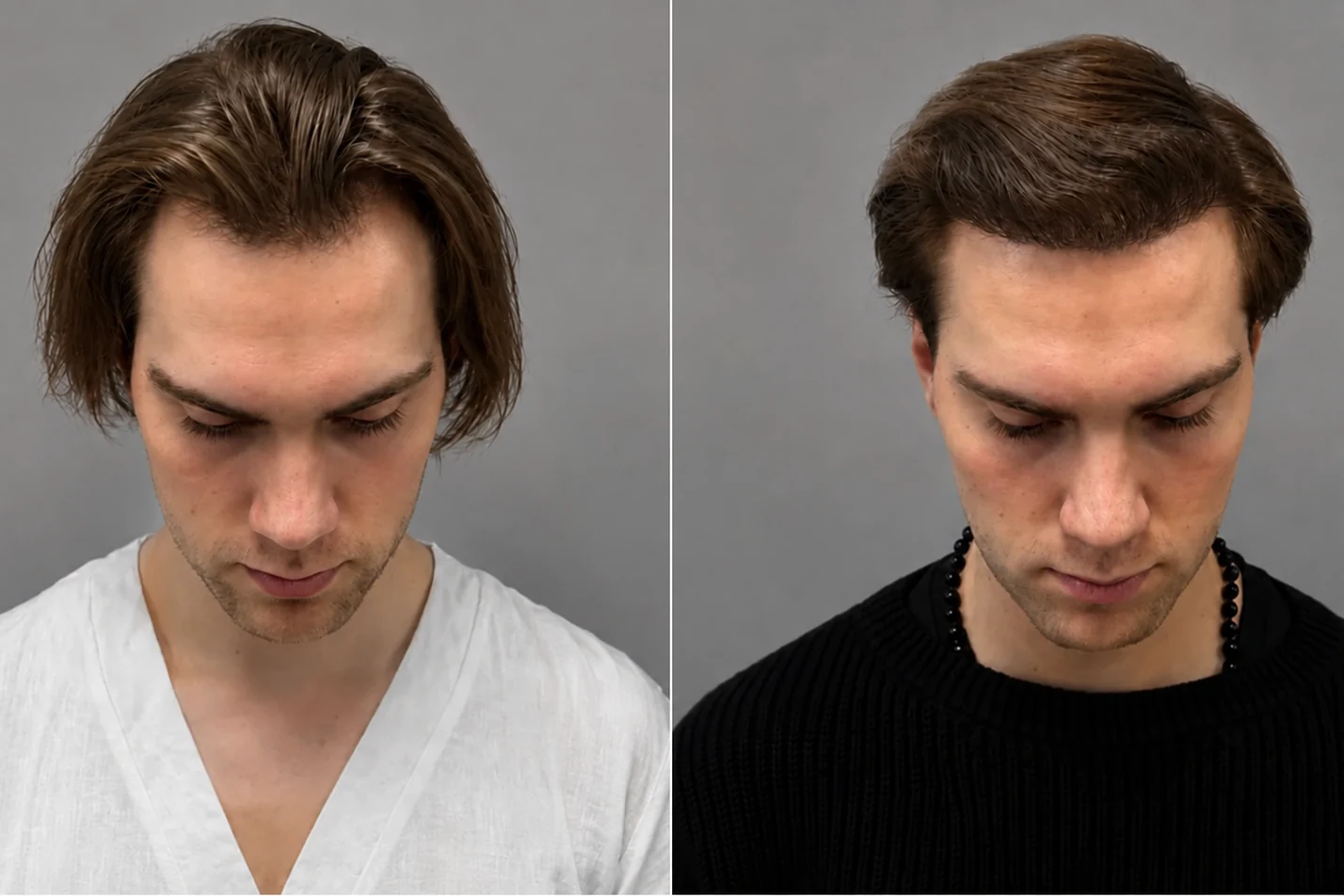
as it was
a full 12 months
2,500 grafts
FUE method
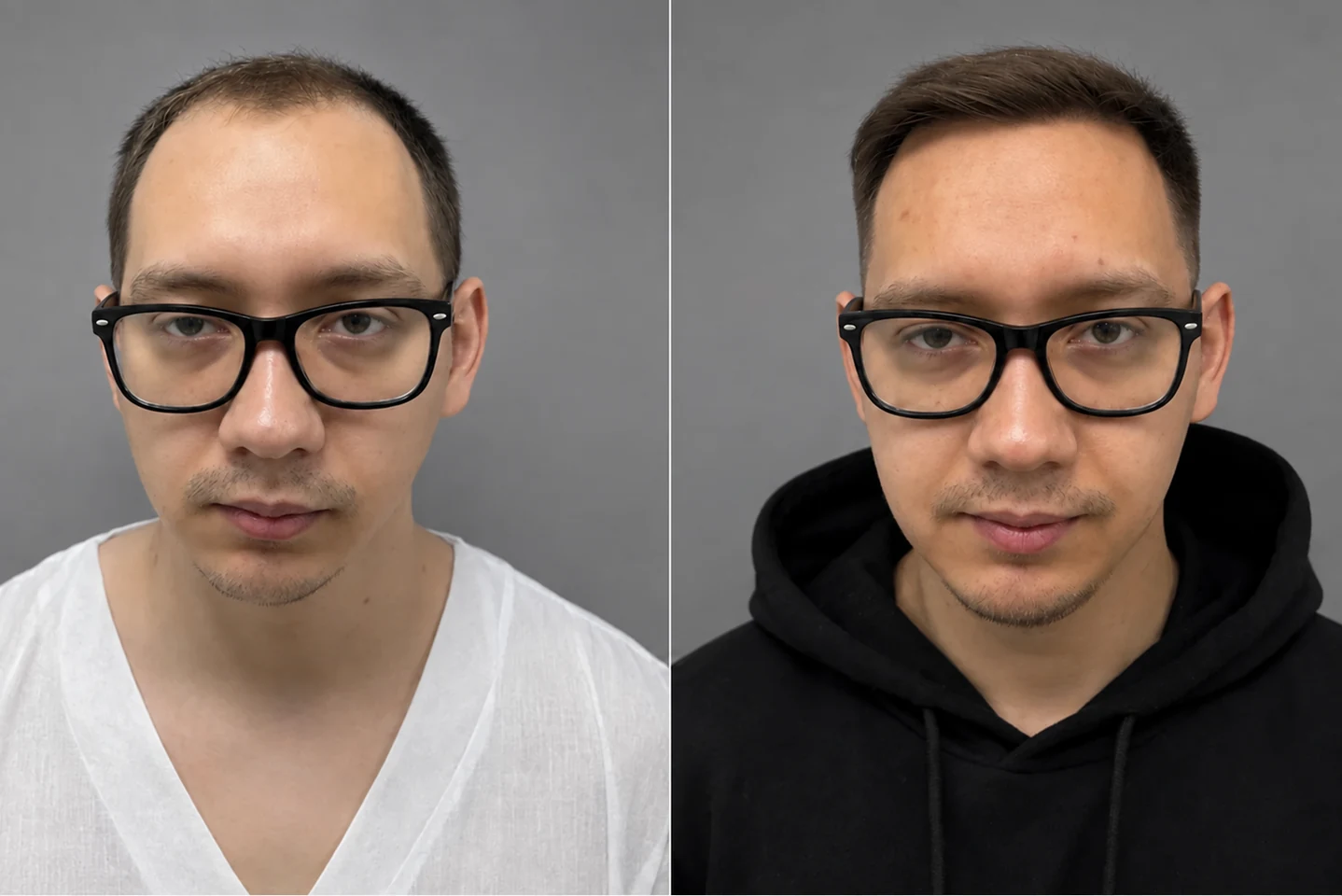
as it was
a full 12 months
3,100 grafts
FUE method
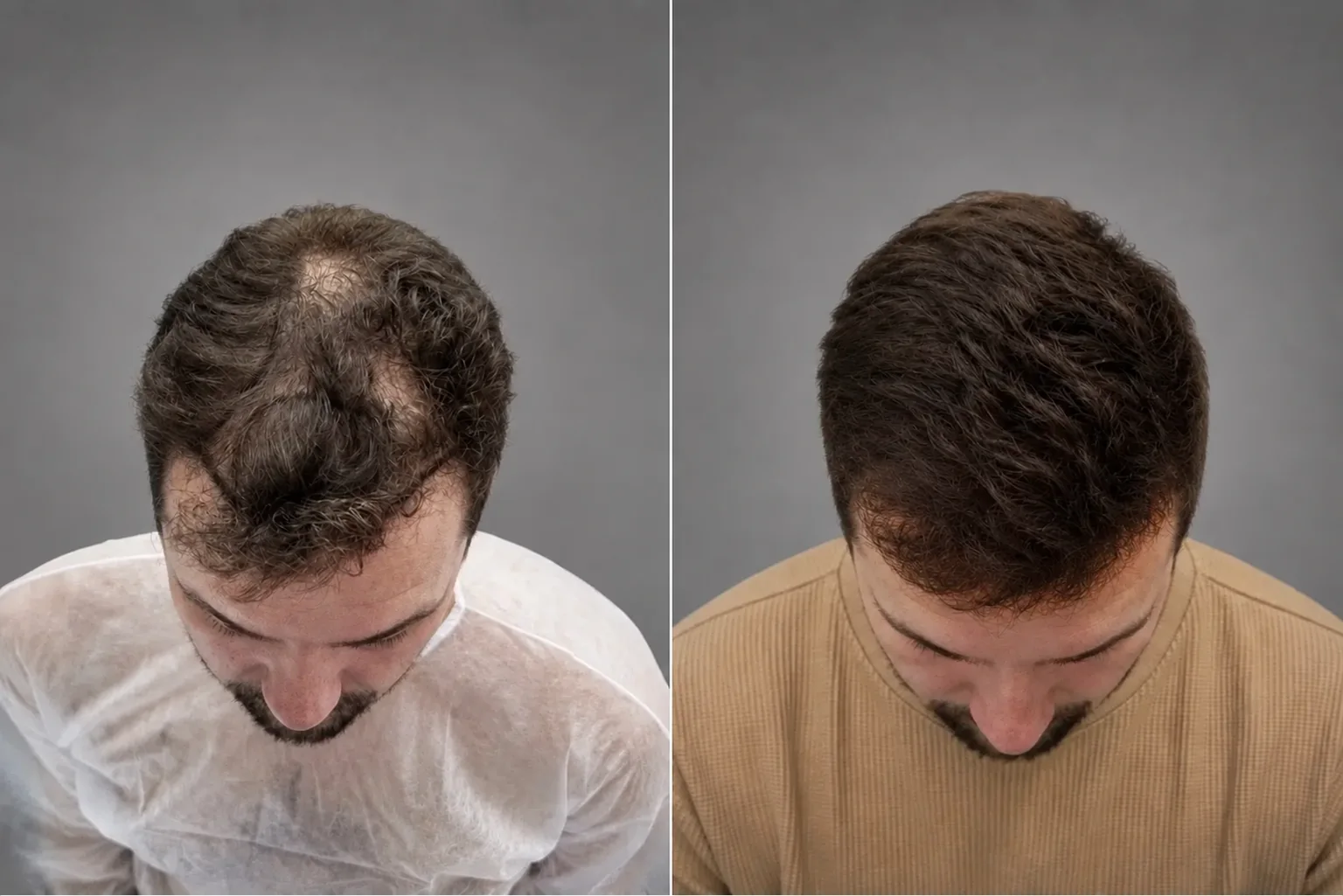
as it was
a full 12 months
3,600 grafts
FUE method
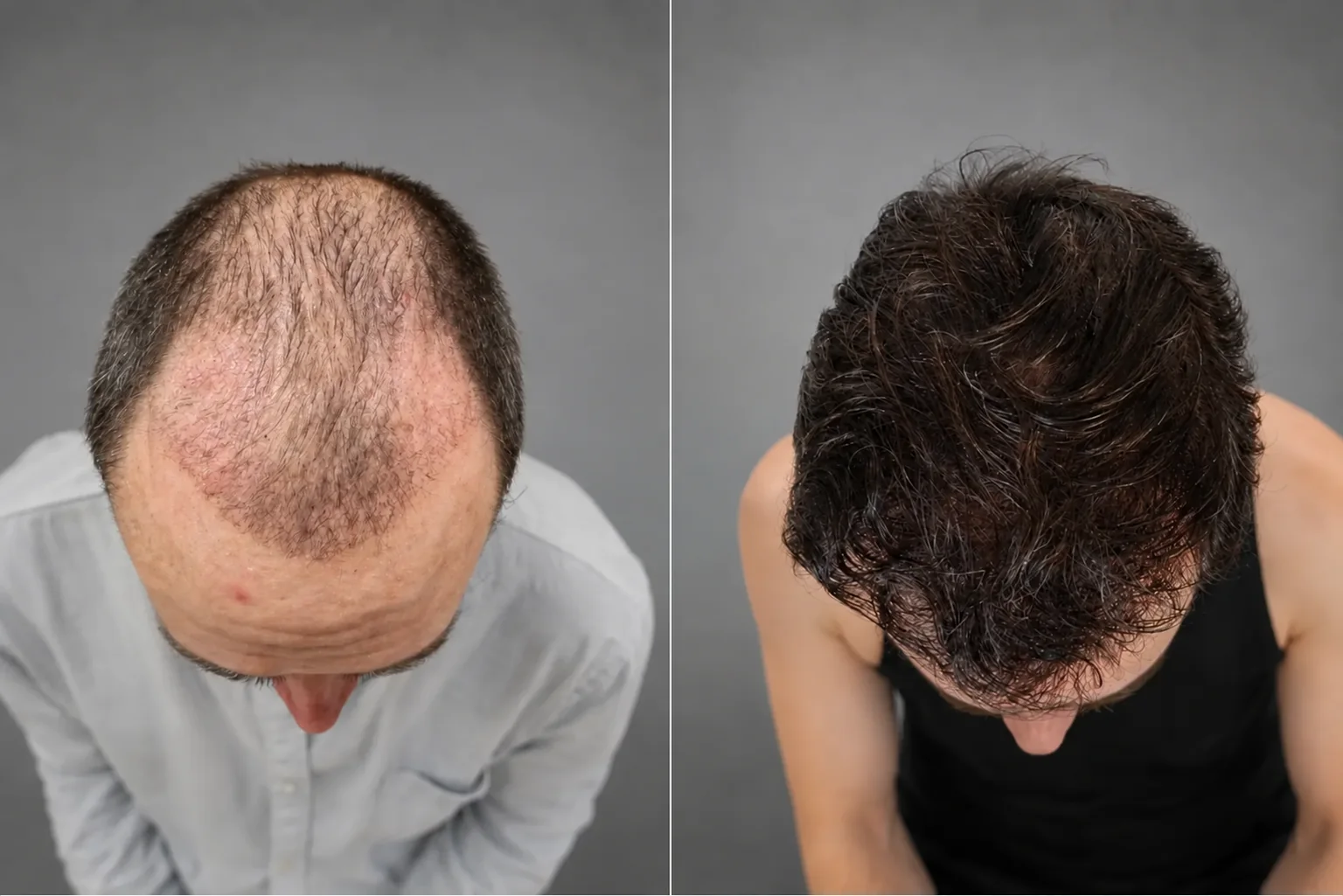
as it was
a full 12 months
4,000 grafts
FUE method
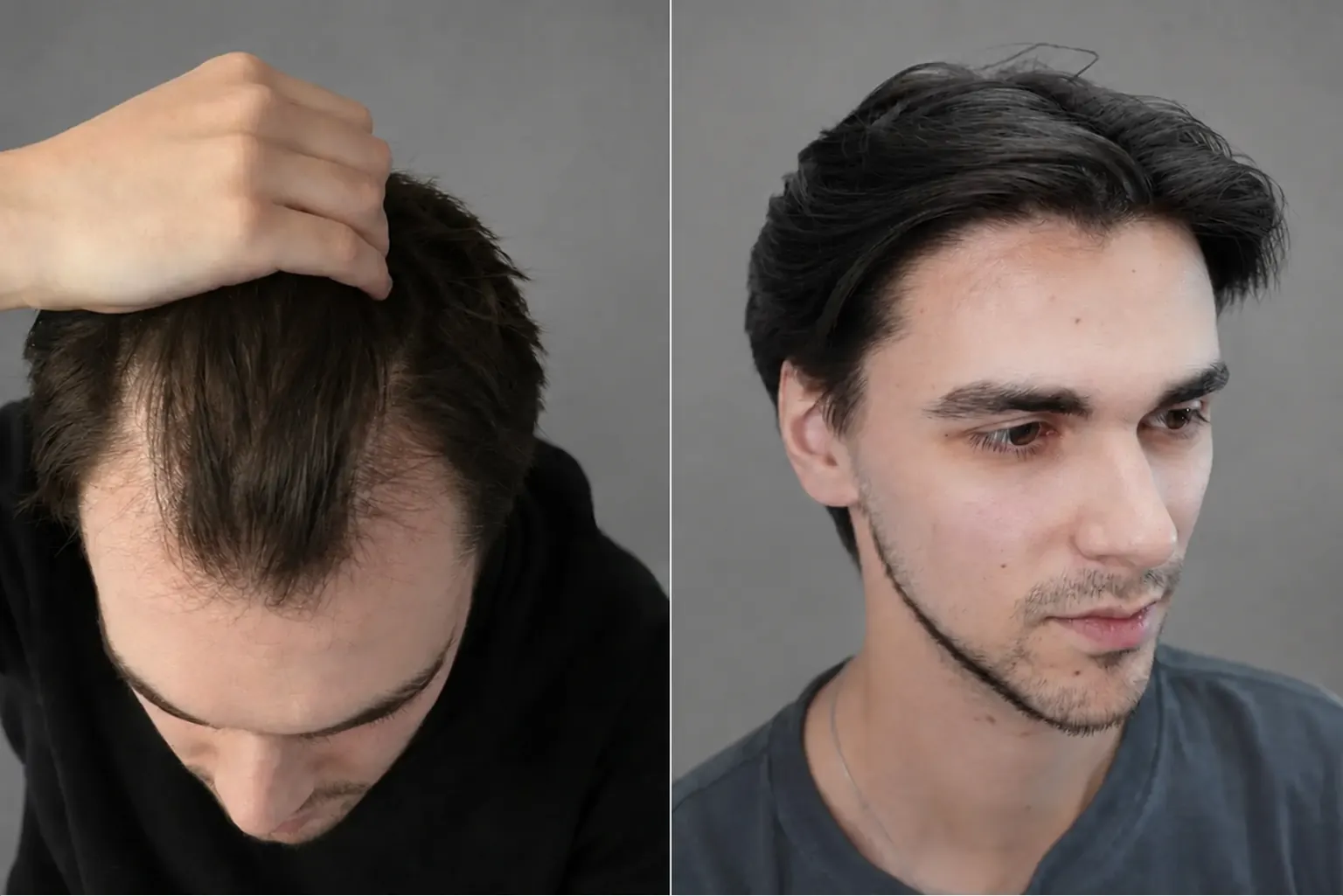
as it was
a full 12 months
3,200 grafts
FUE method
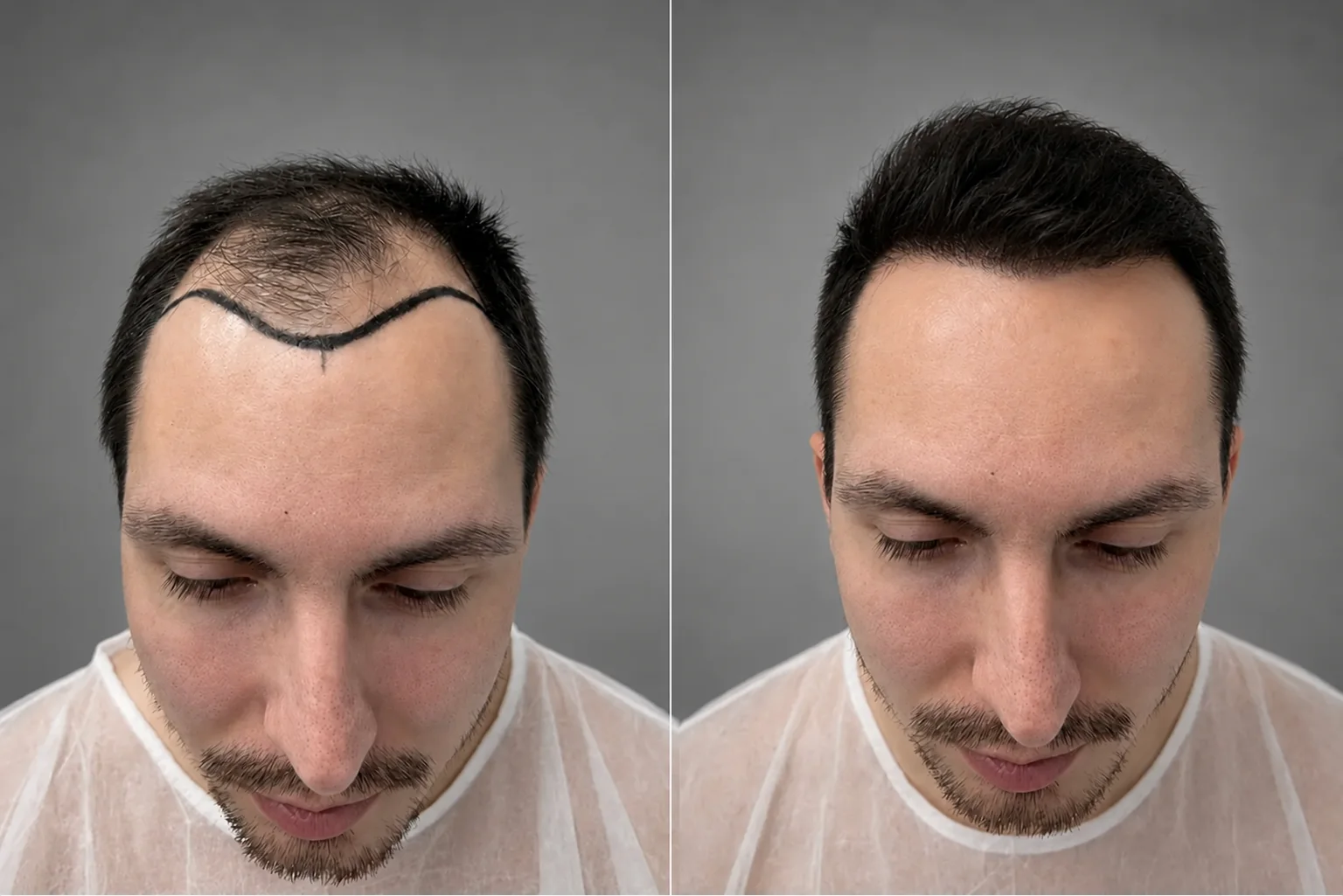
as it was
a full 12 months
3,000 grafts
FUE method
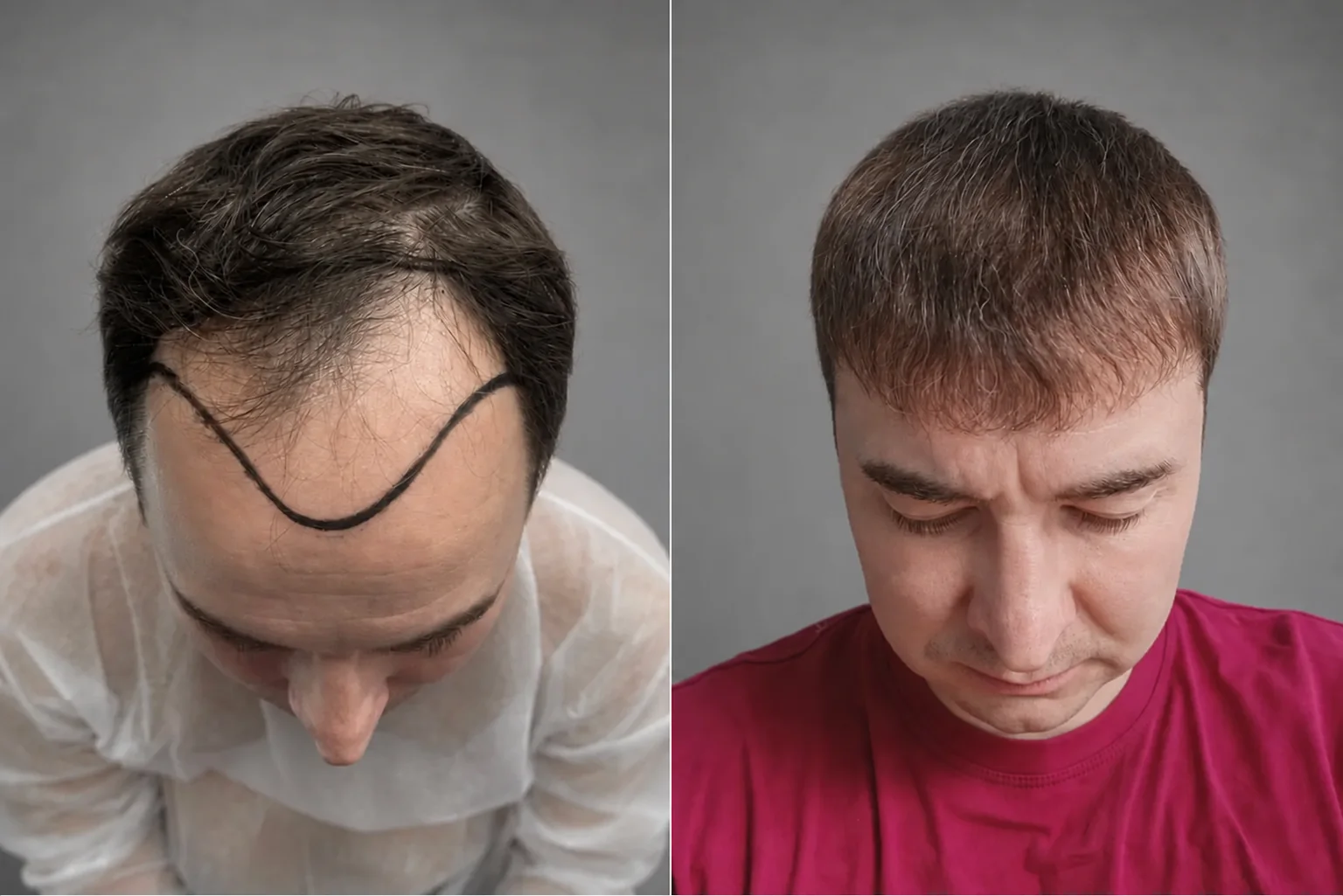
as it was
a full 12 months
3,700 grafts
FUE method
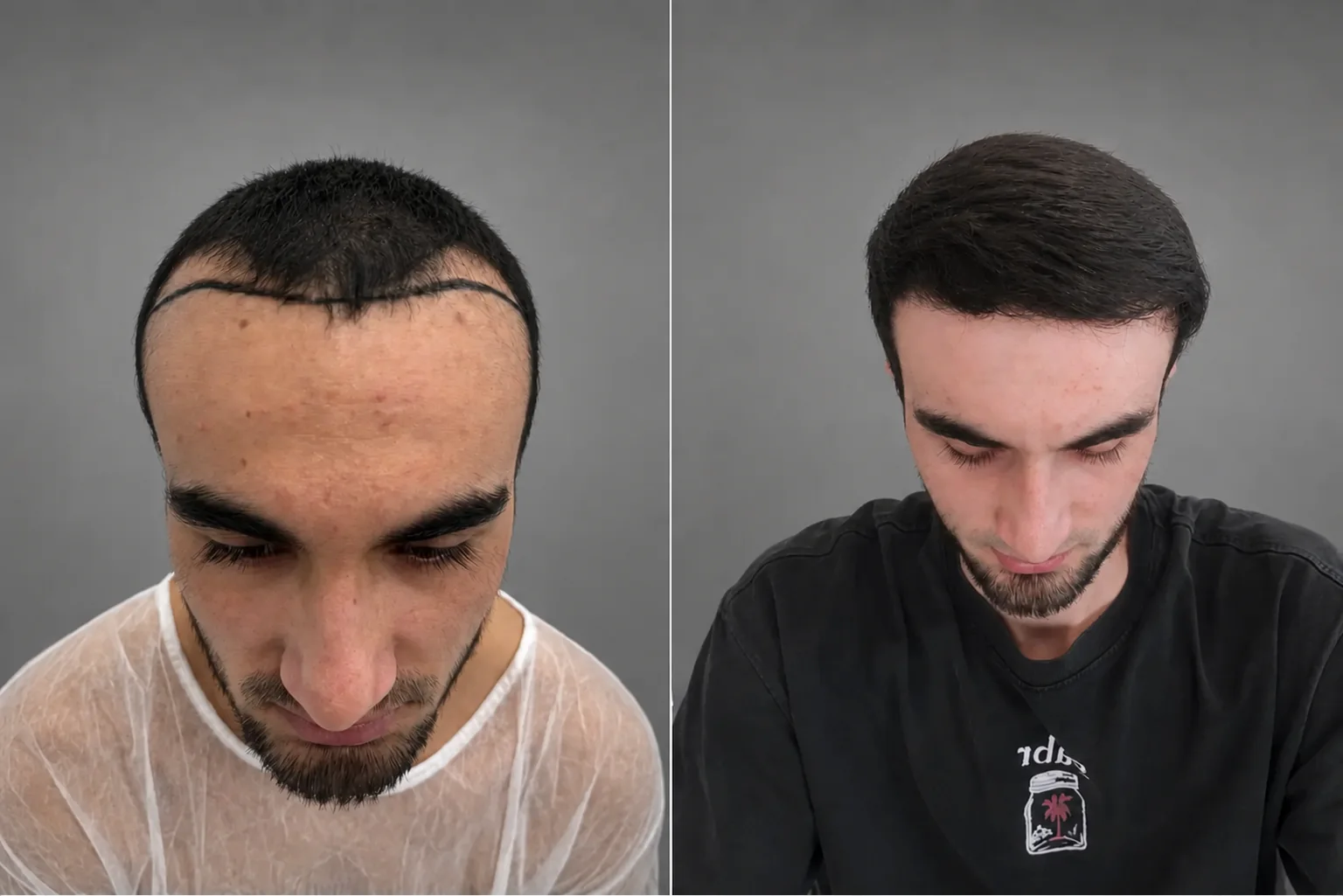
as it was
a full 12 months
2,700 grafts
FUE method
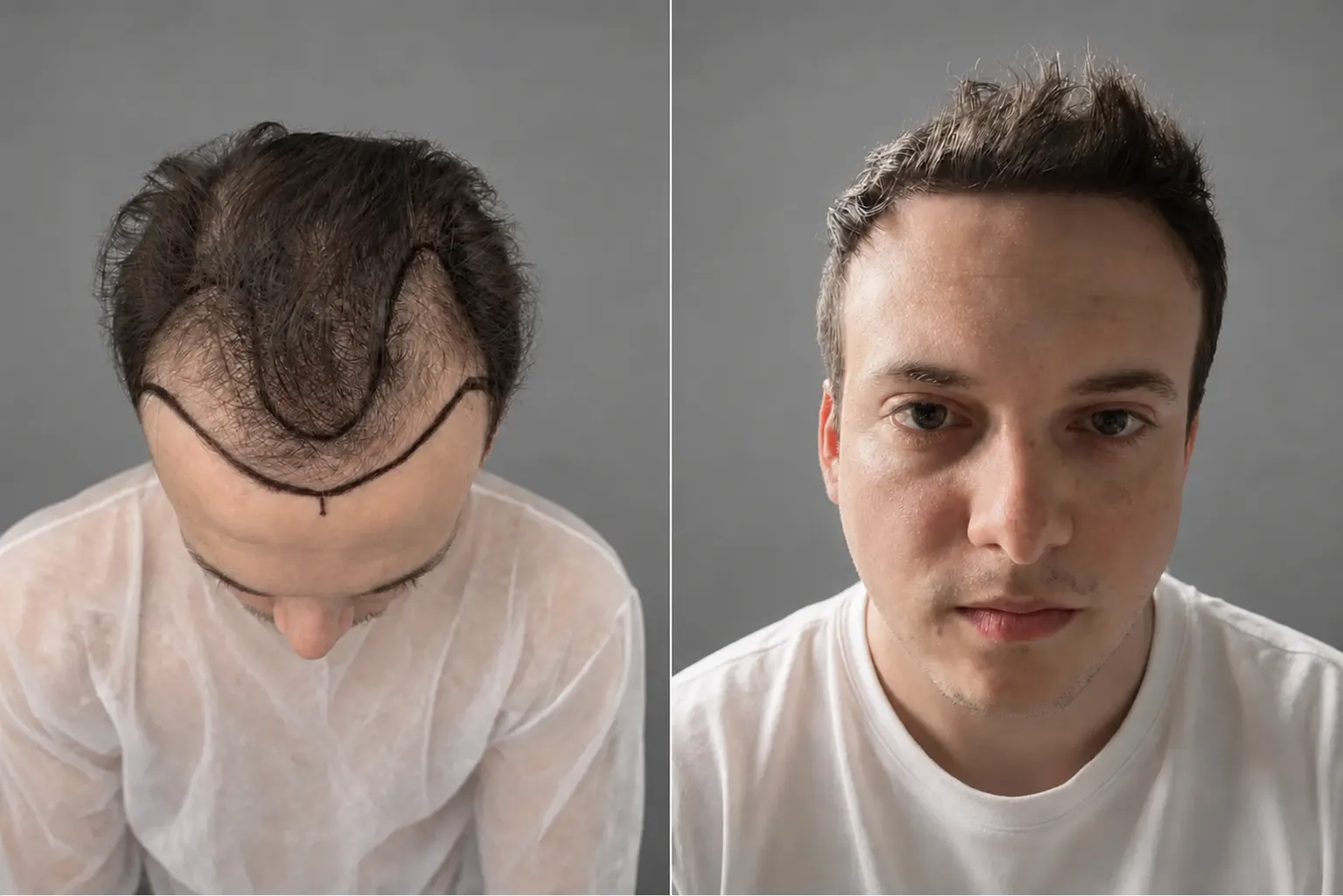
as it was
a full 12 months
3,800 grafts
FUE method
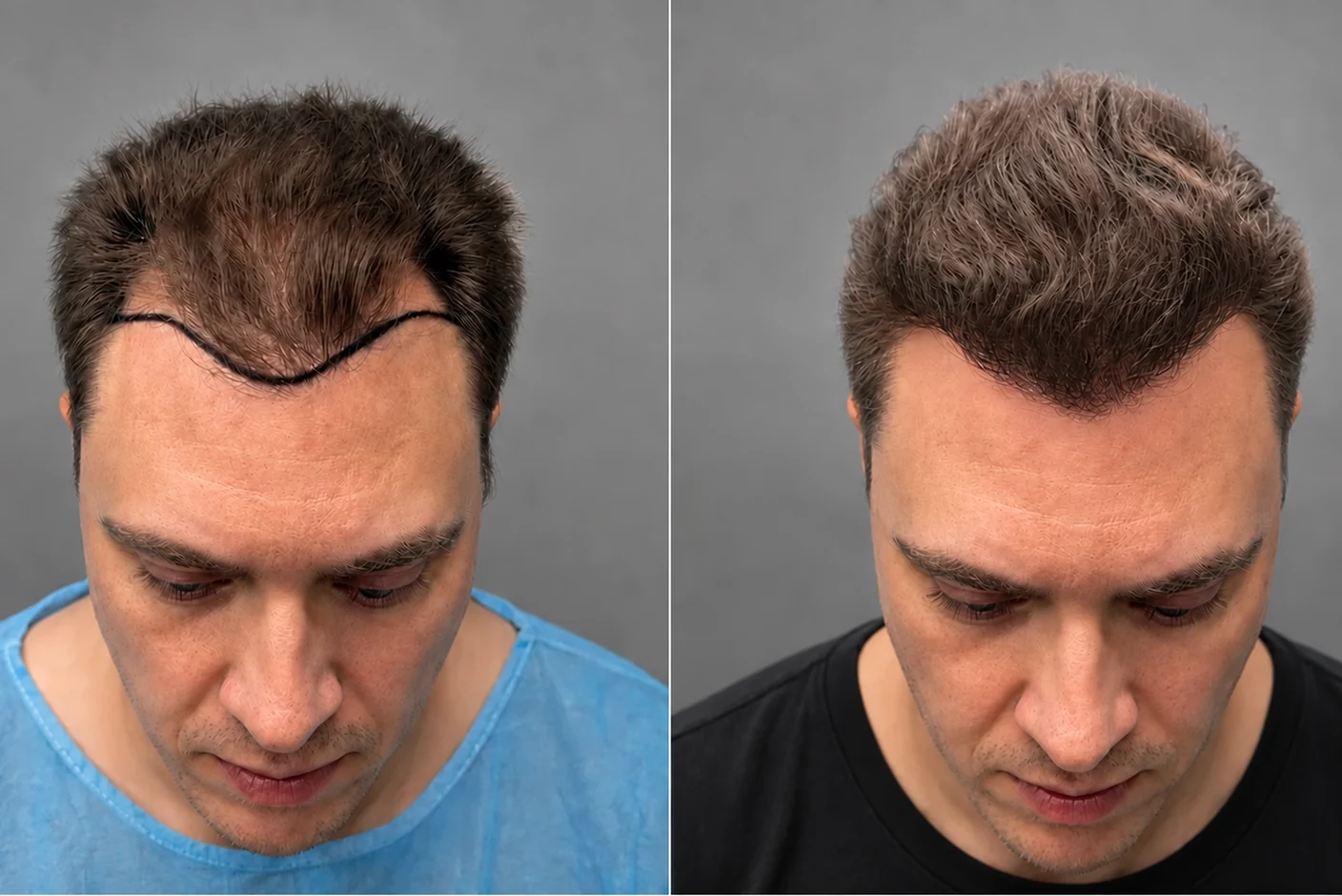
as it was
a full 12 months
3,300 grafts
FUE method
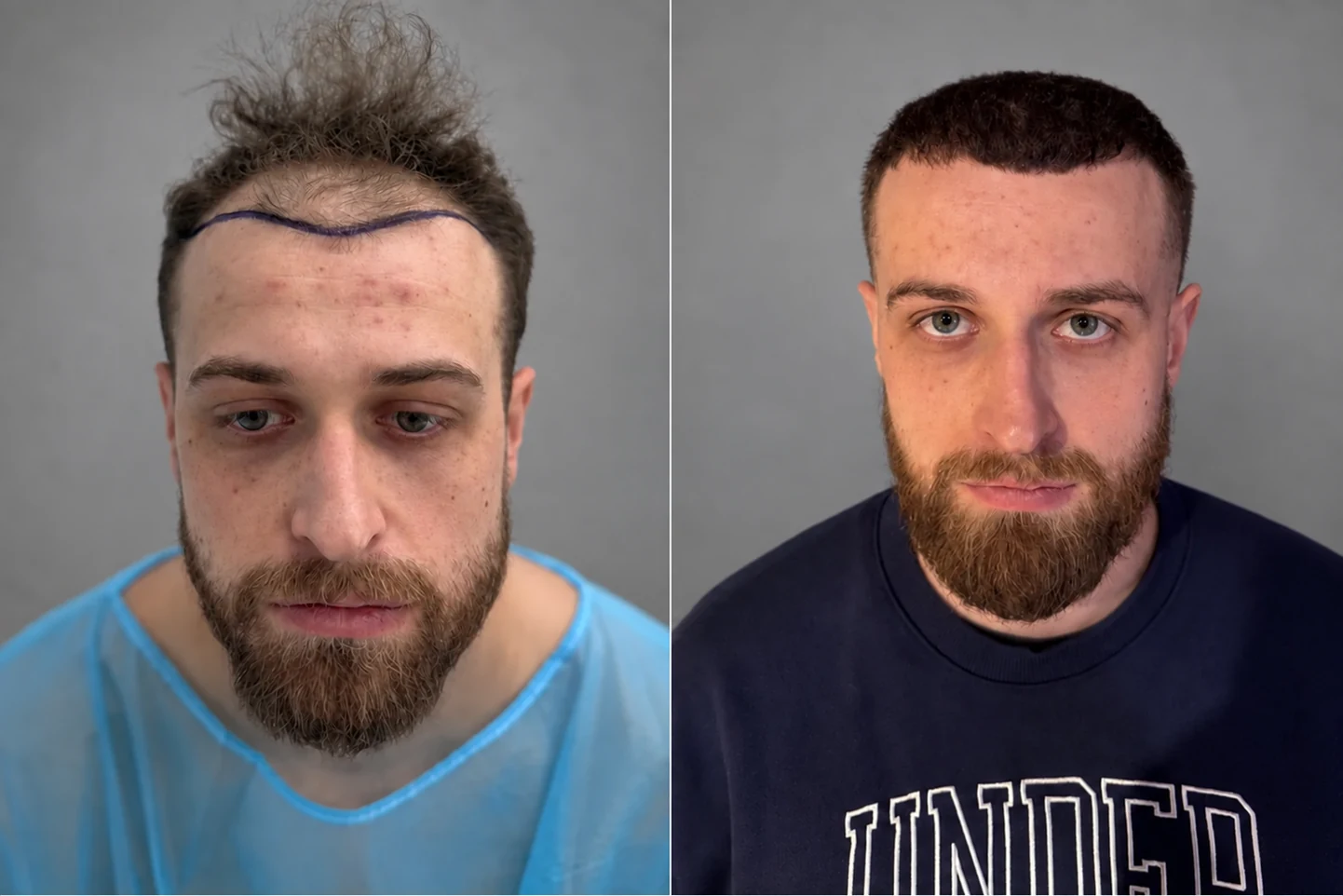
as it was
a full 12 months
2,800 grafts
FUE method
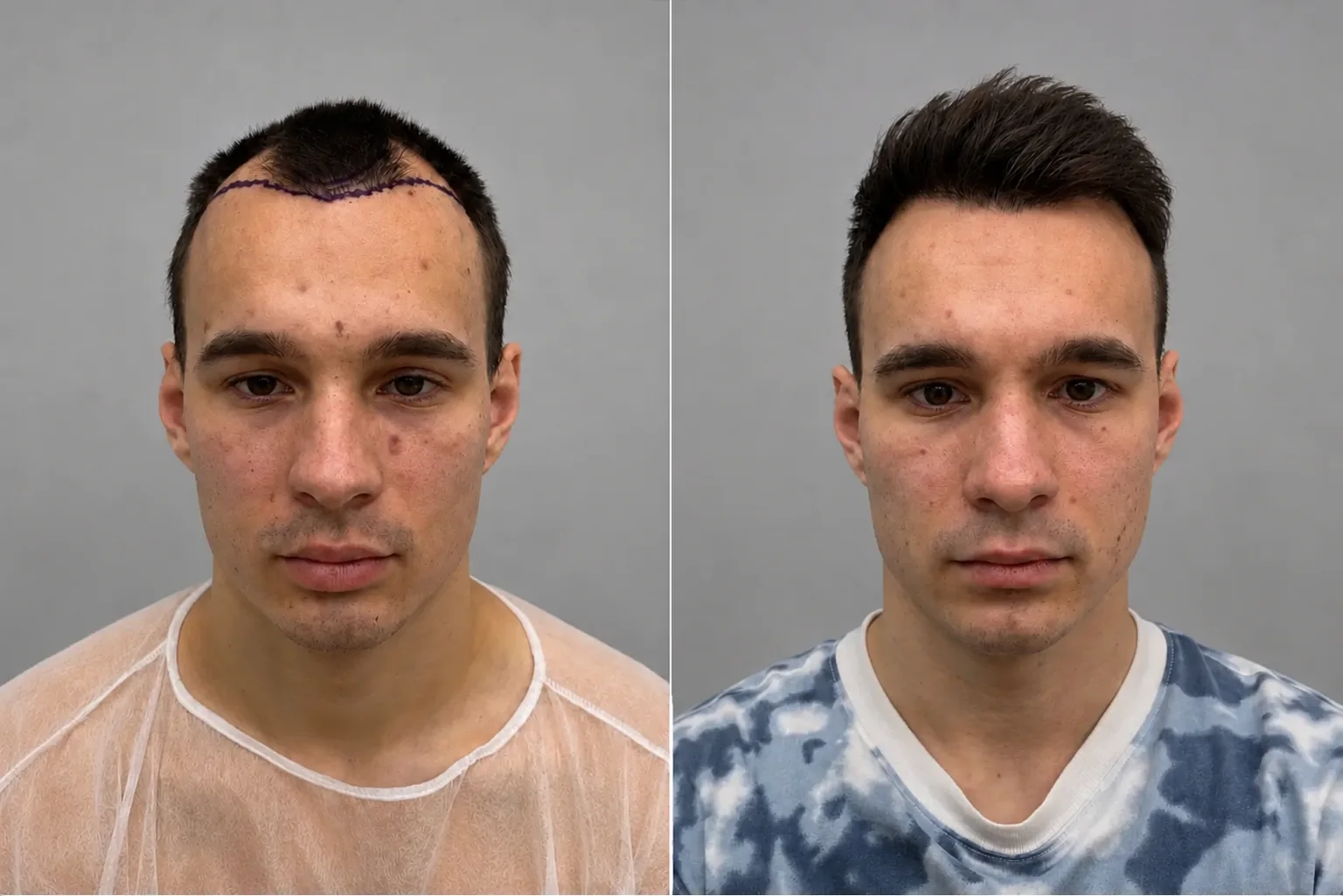
as it was
a full 12 months
2,500 grafts
FUE method
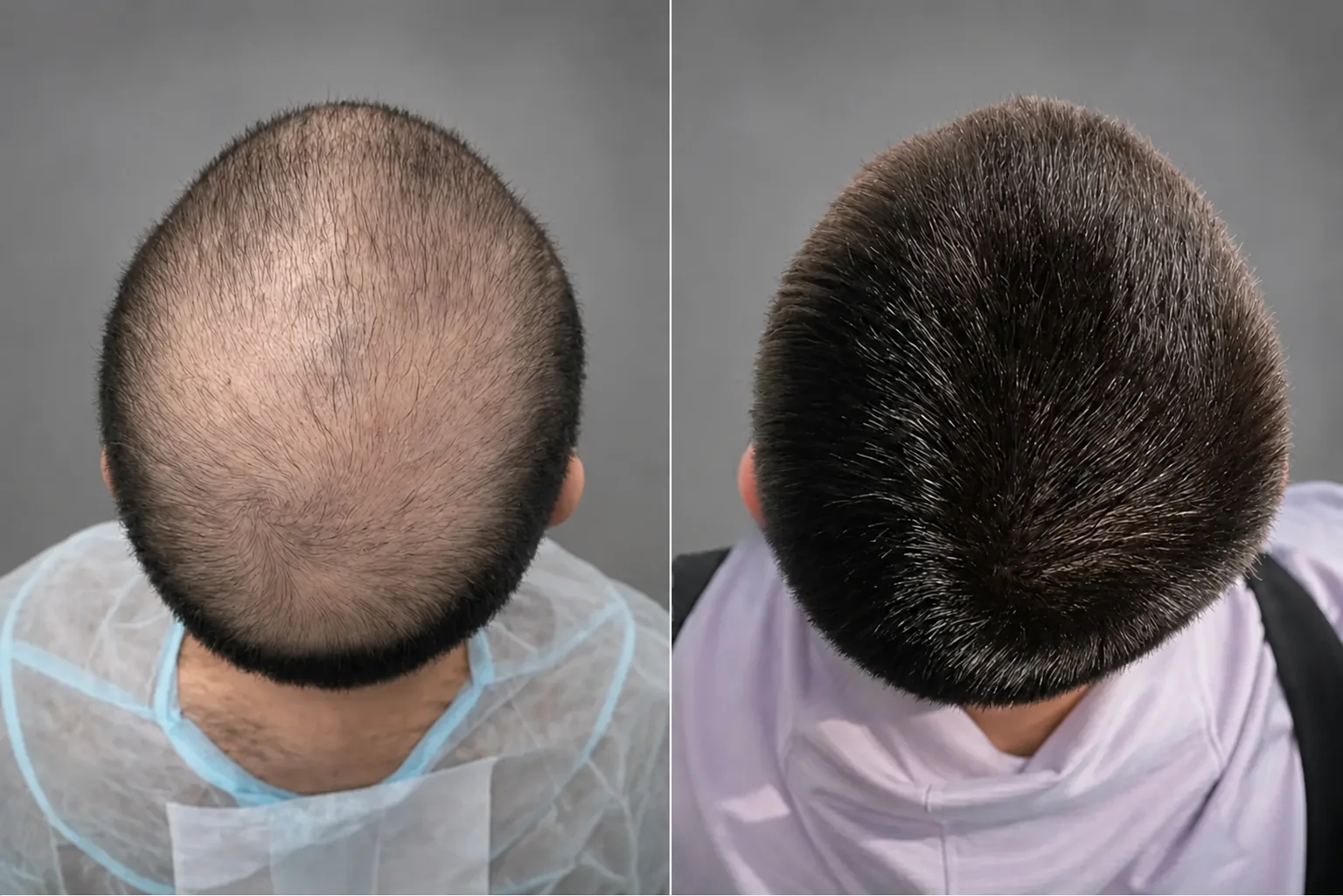
as it was
a full 12 months
3,900 grafts
FUE method
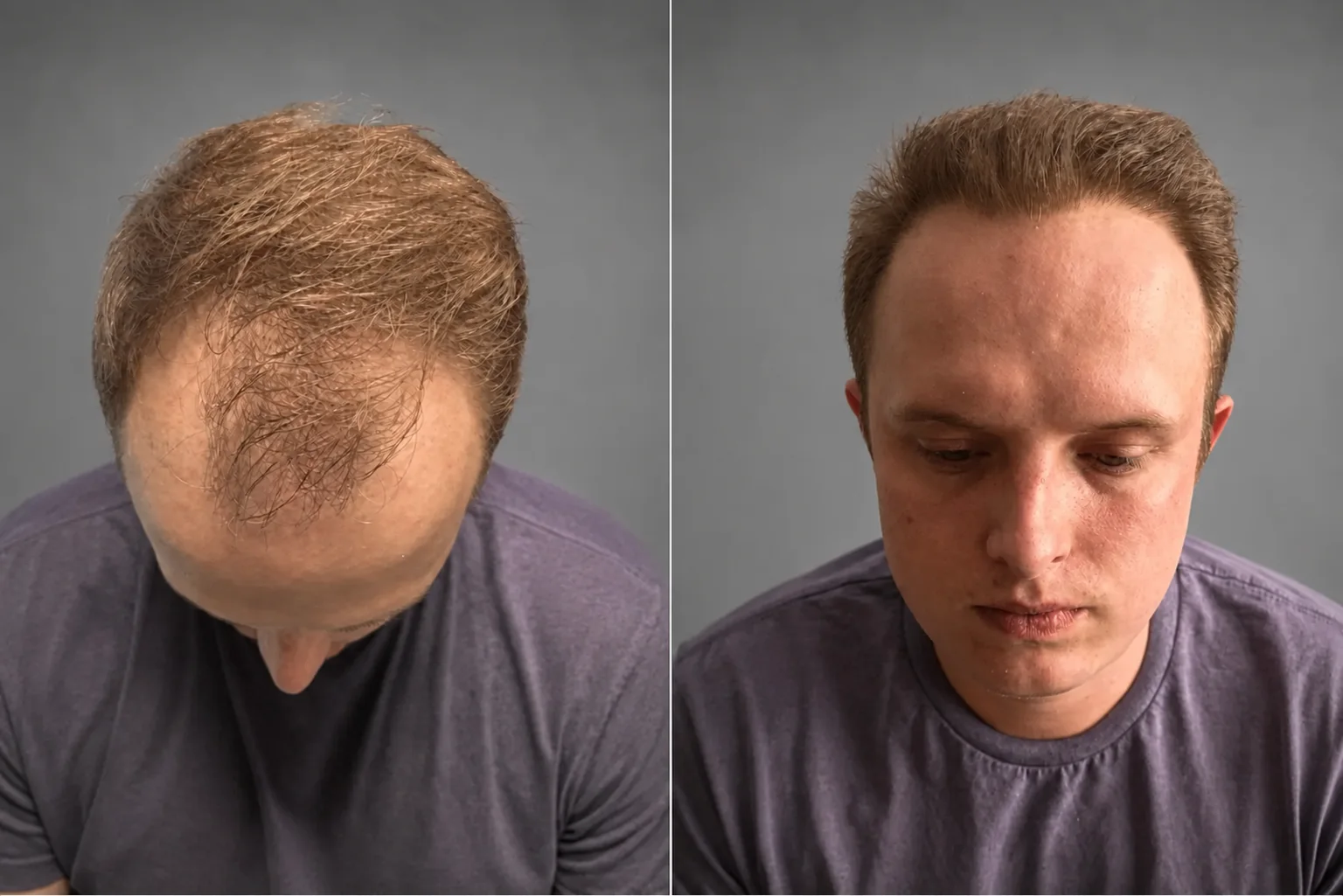
as it was
a full 12 months
3,500 grafts
FUE method
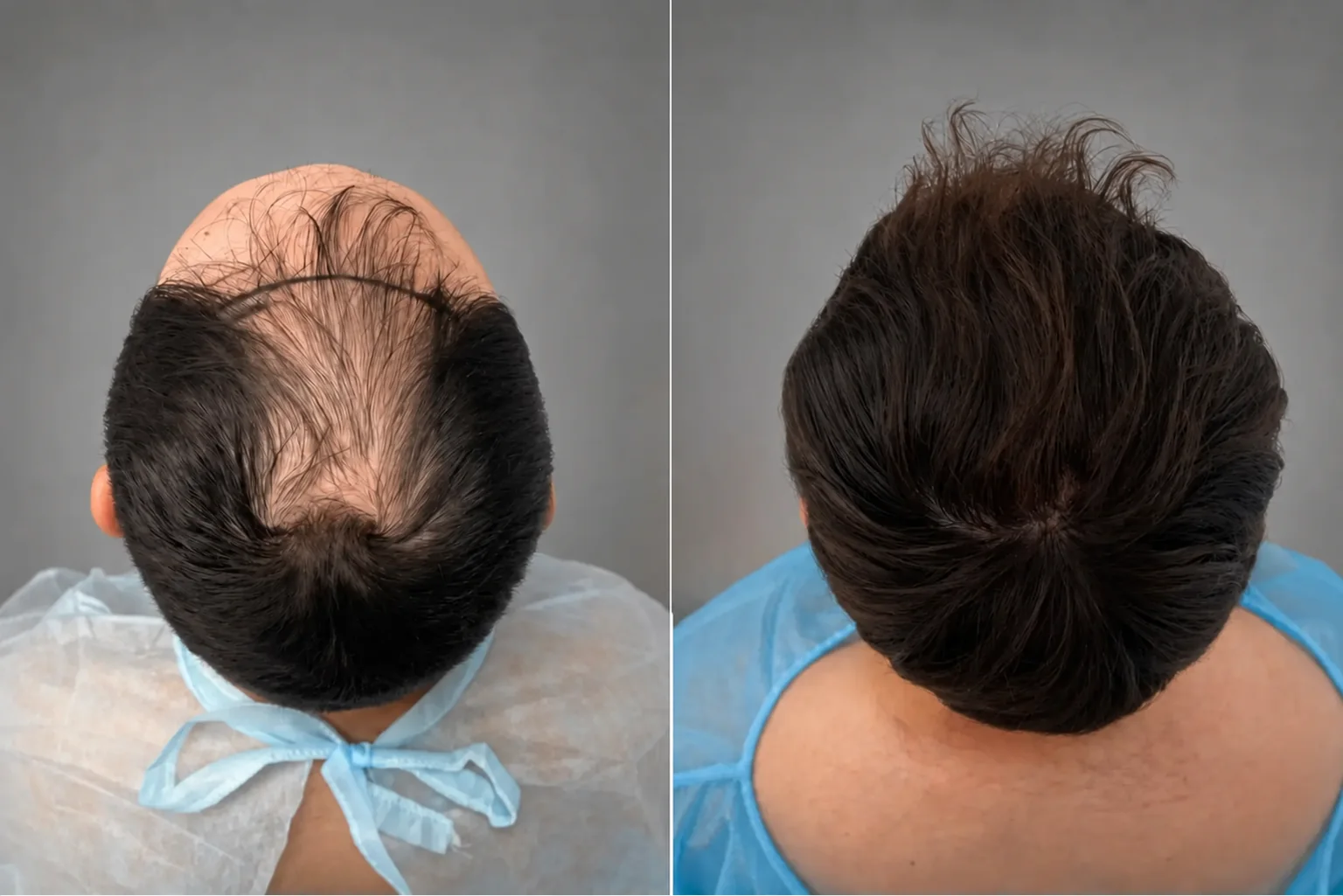
as it was
a full 12 months
3,800 grafts
FUE method
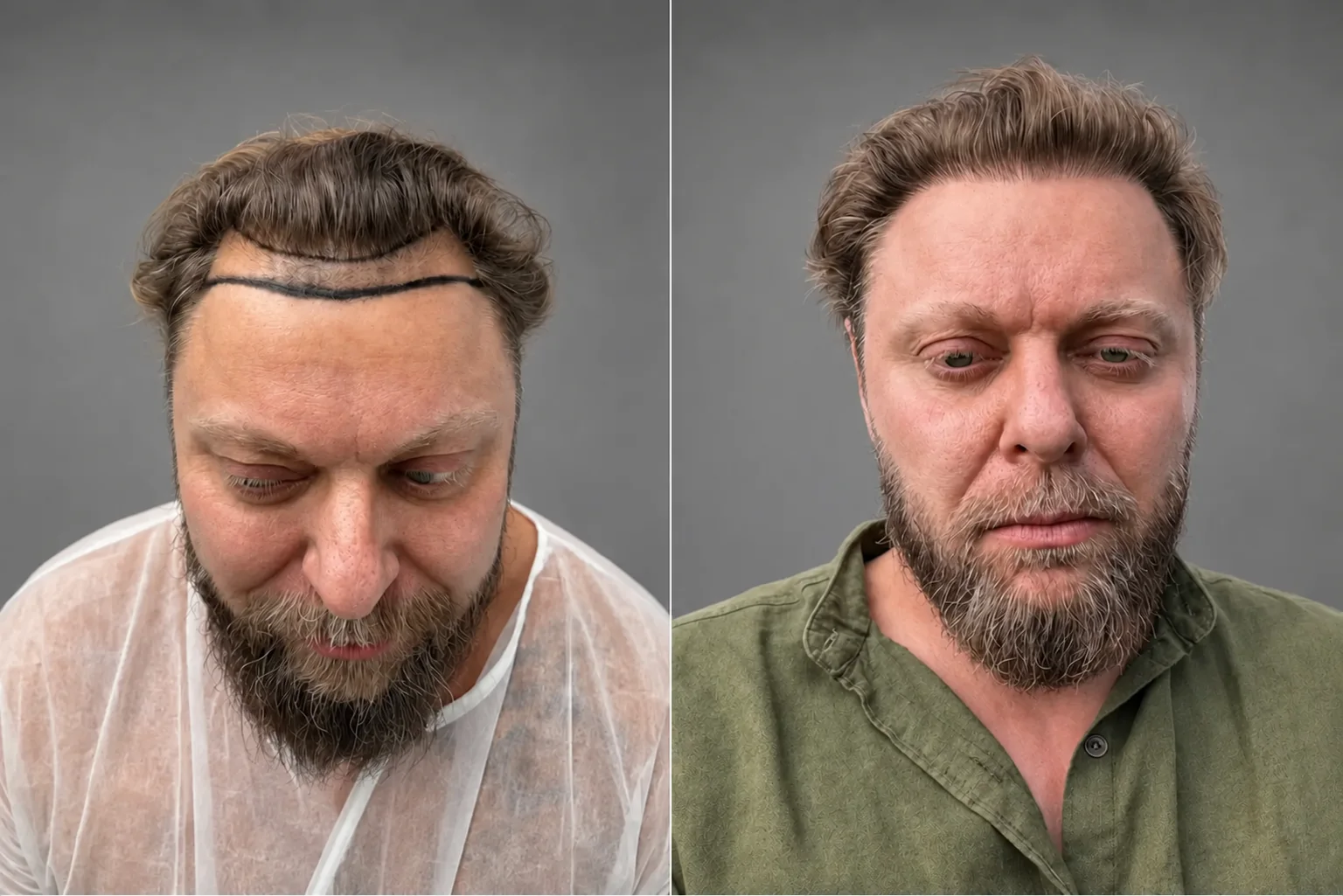
as it was
a full 12 months
2,900 grafts
FUE method
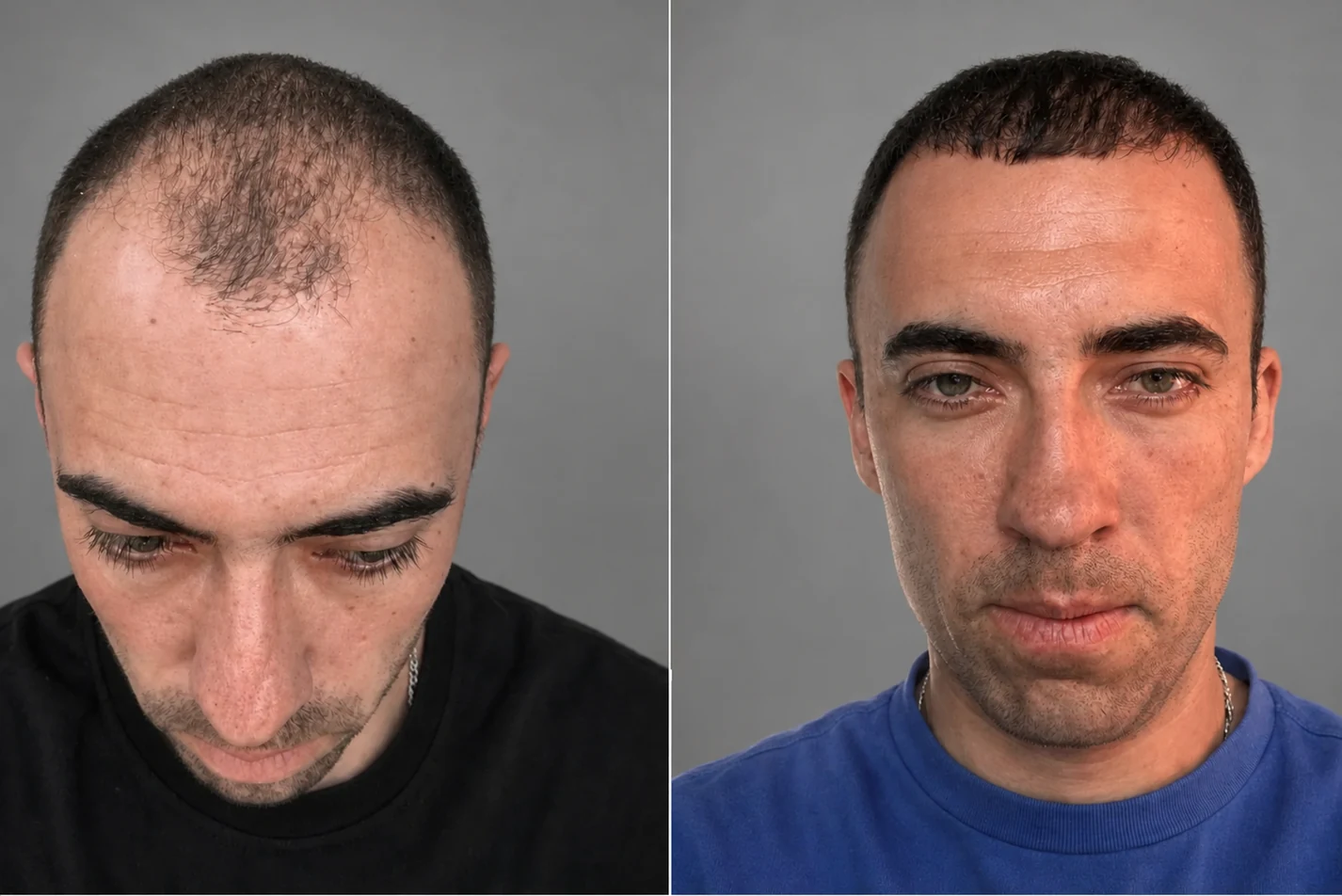
as it was
a full 12 months
3,600 grafts
FUE method
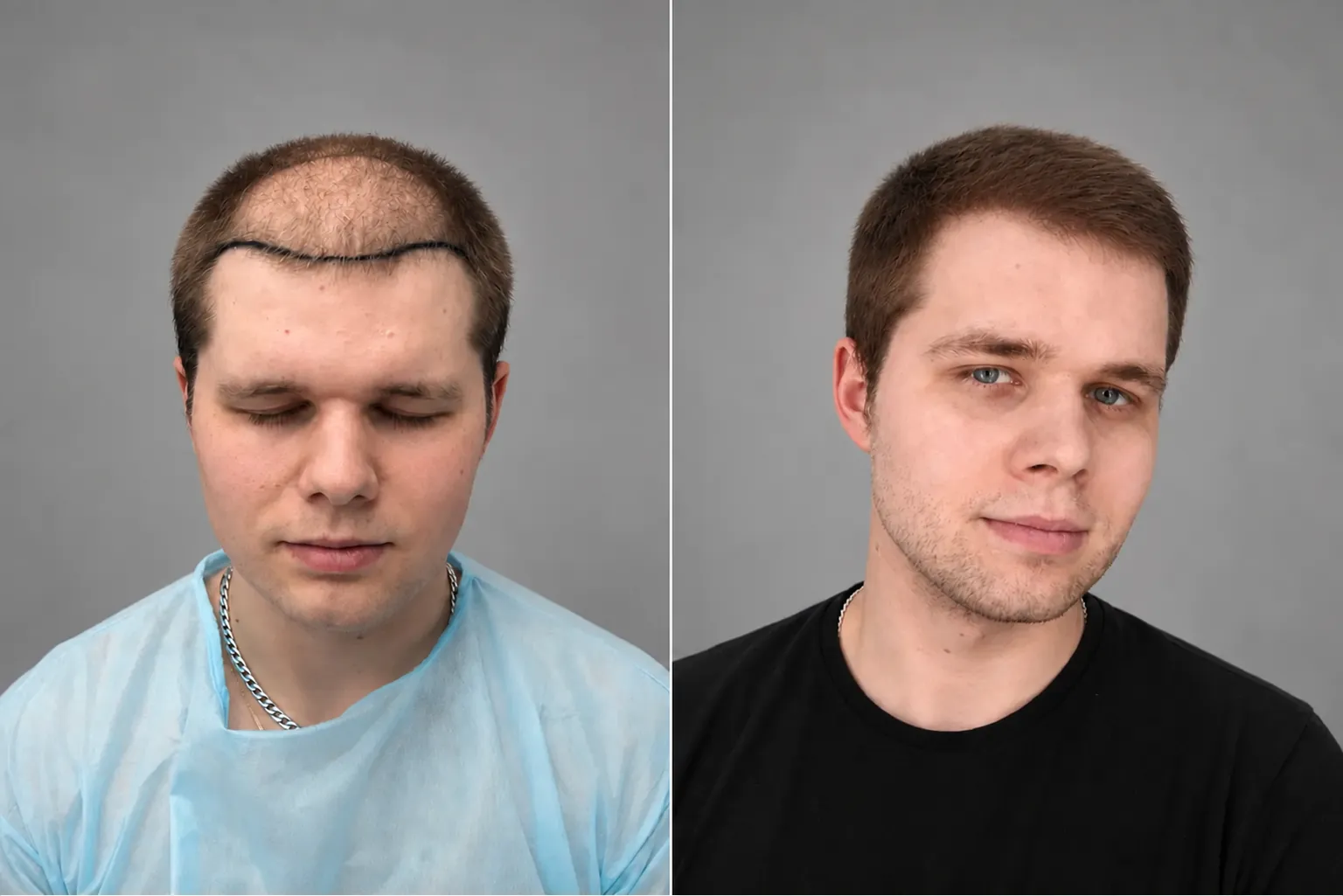
as it was
a full 12 months
2,600 grafts
FUE method
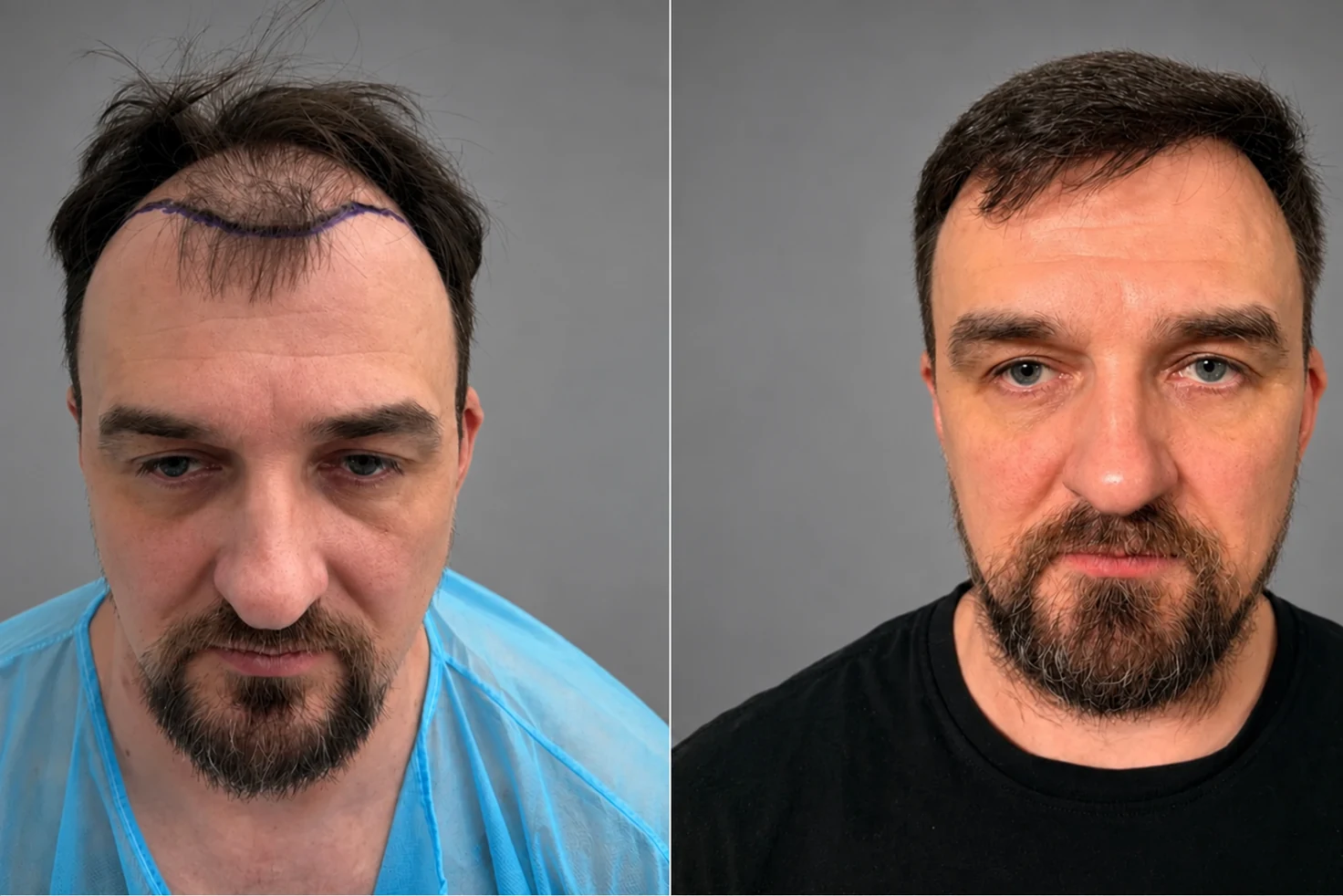
as it was
a full 12 months
2,700 grafts
FUE method
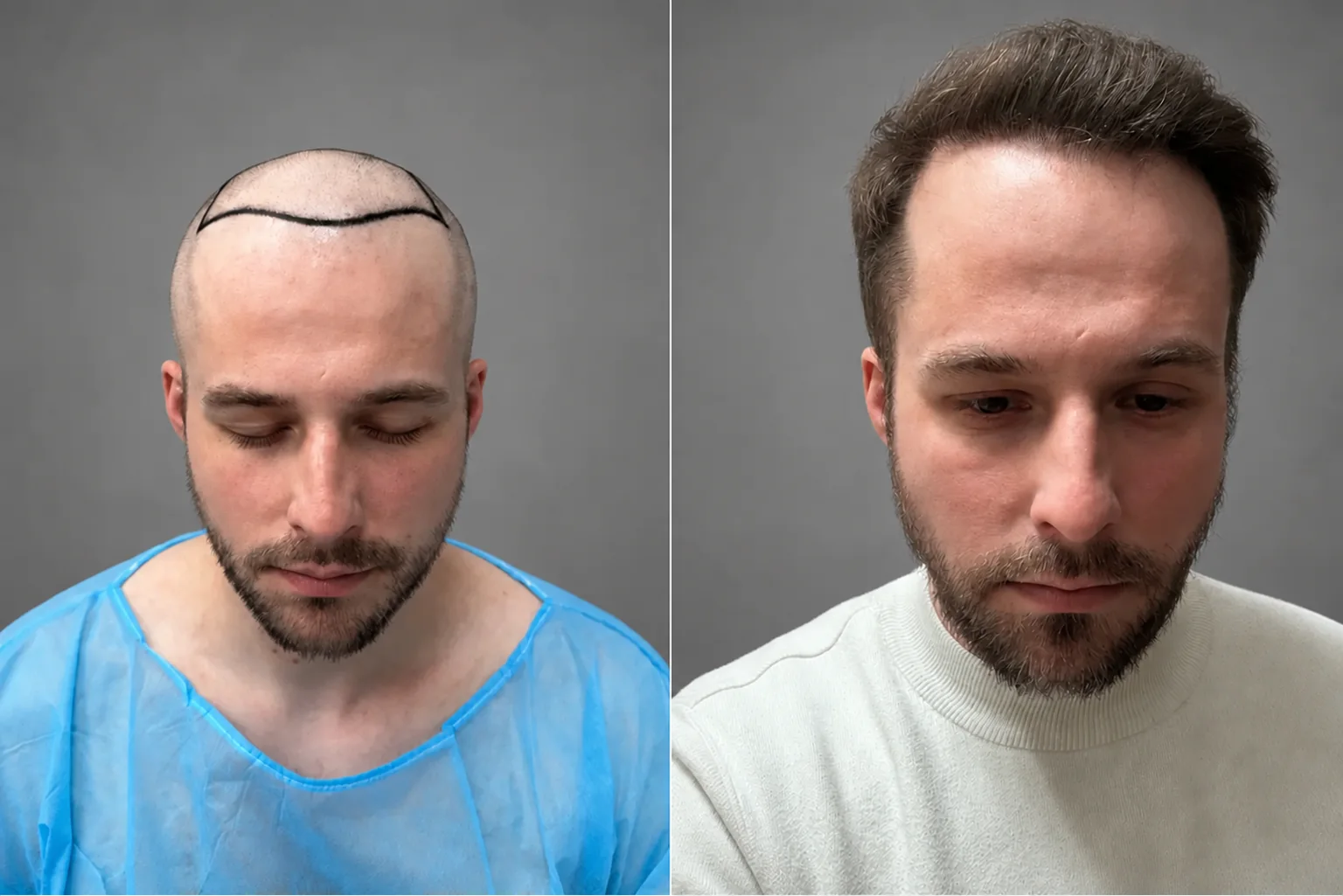
as it was
a full 12 months
3,700 grafts
FUE method
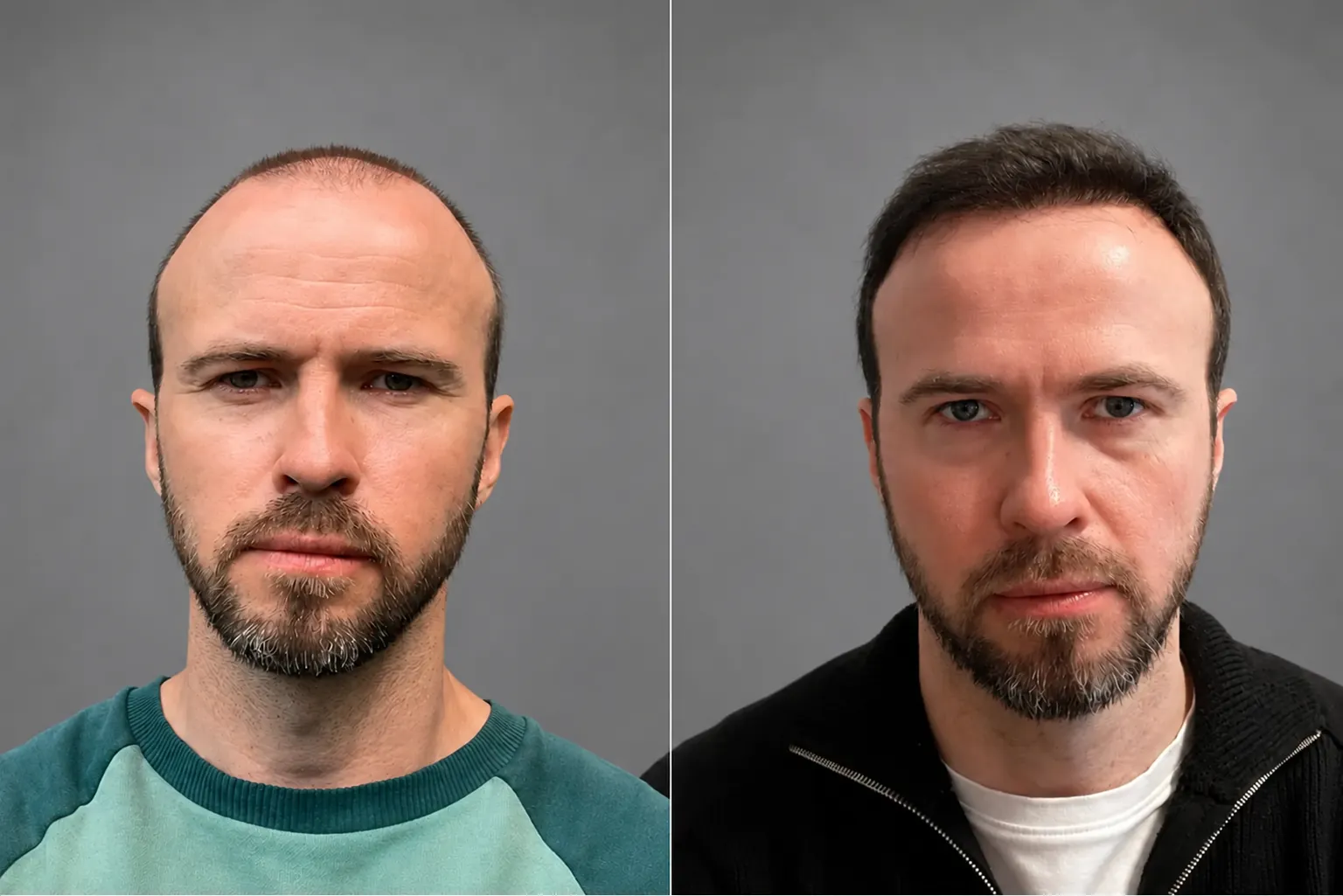
as it was
a full 12 months
3,200 grafts
FUE method
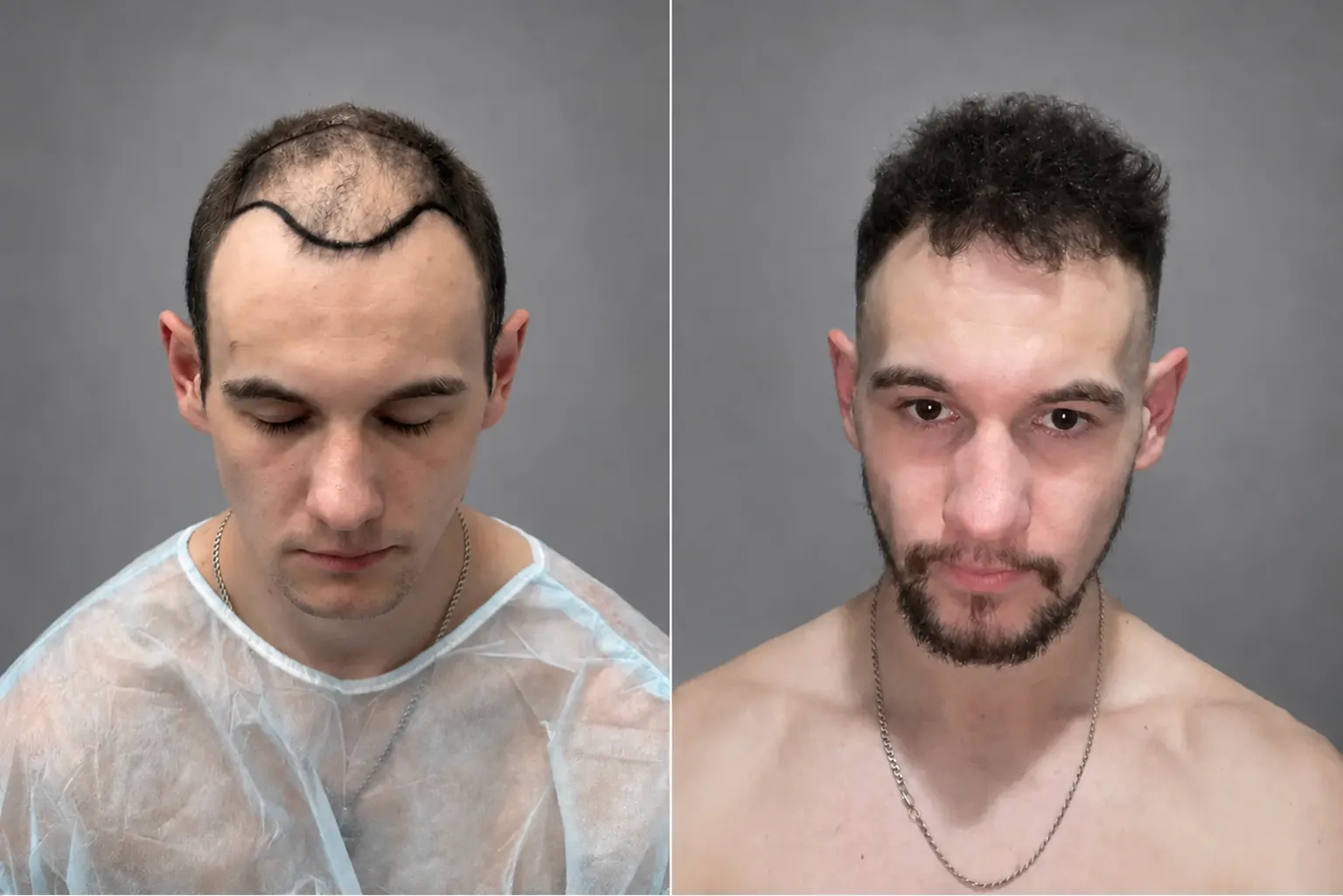
as it was
a full 12 months
3,000 grafts
FUE method
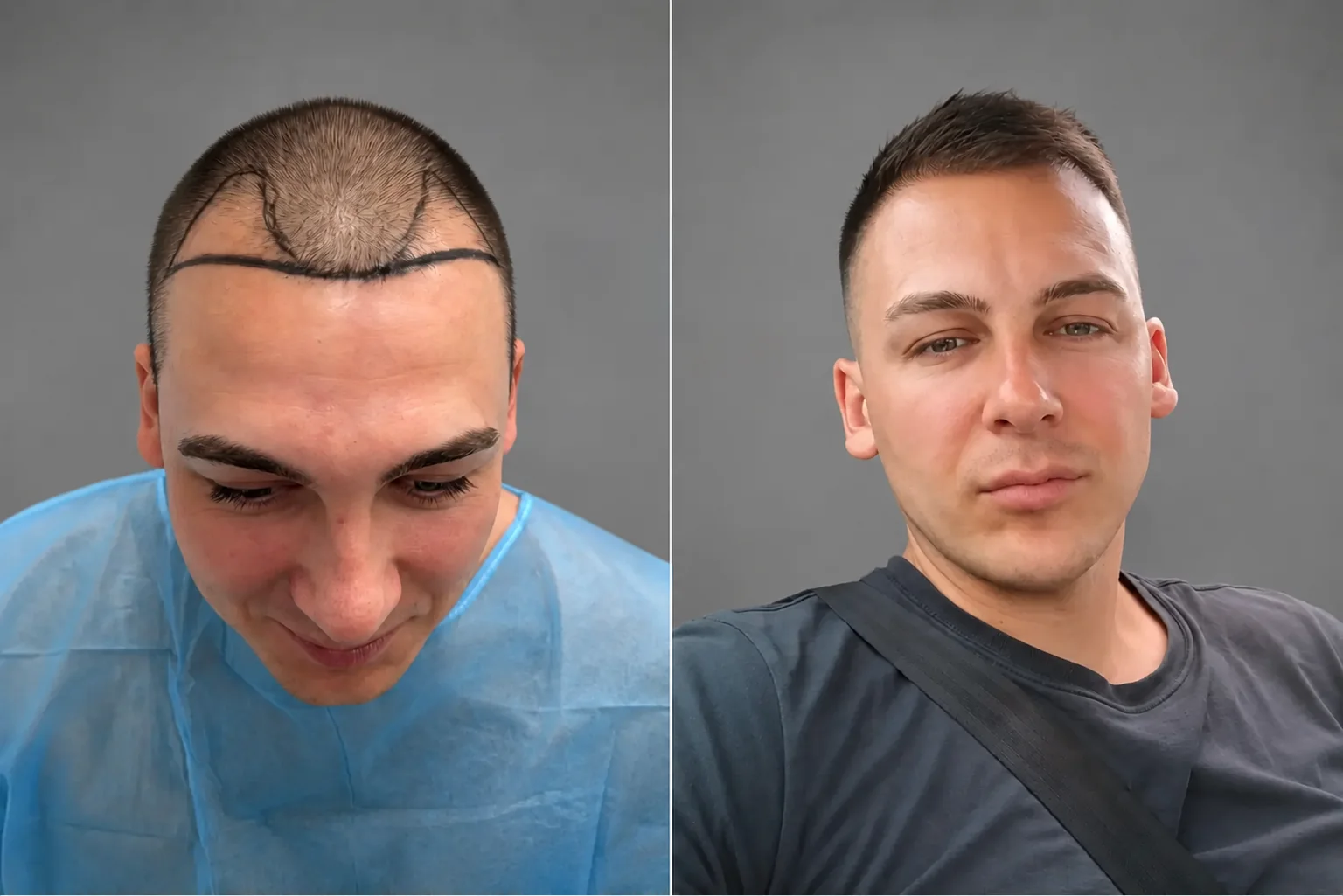
as it was
a full 12 months
2,800 grafts
FUE method
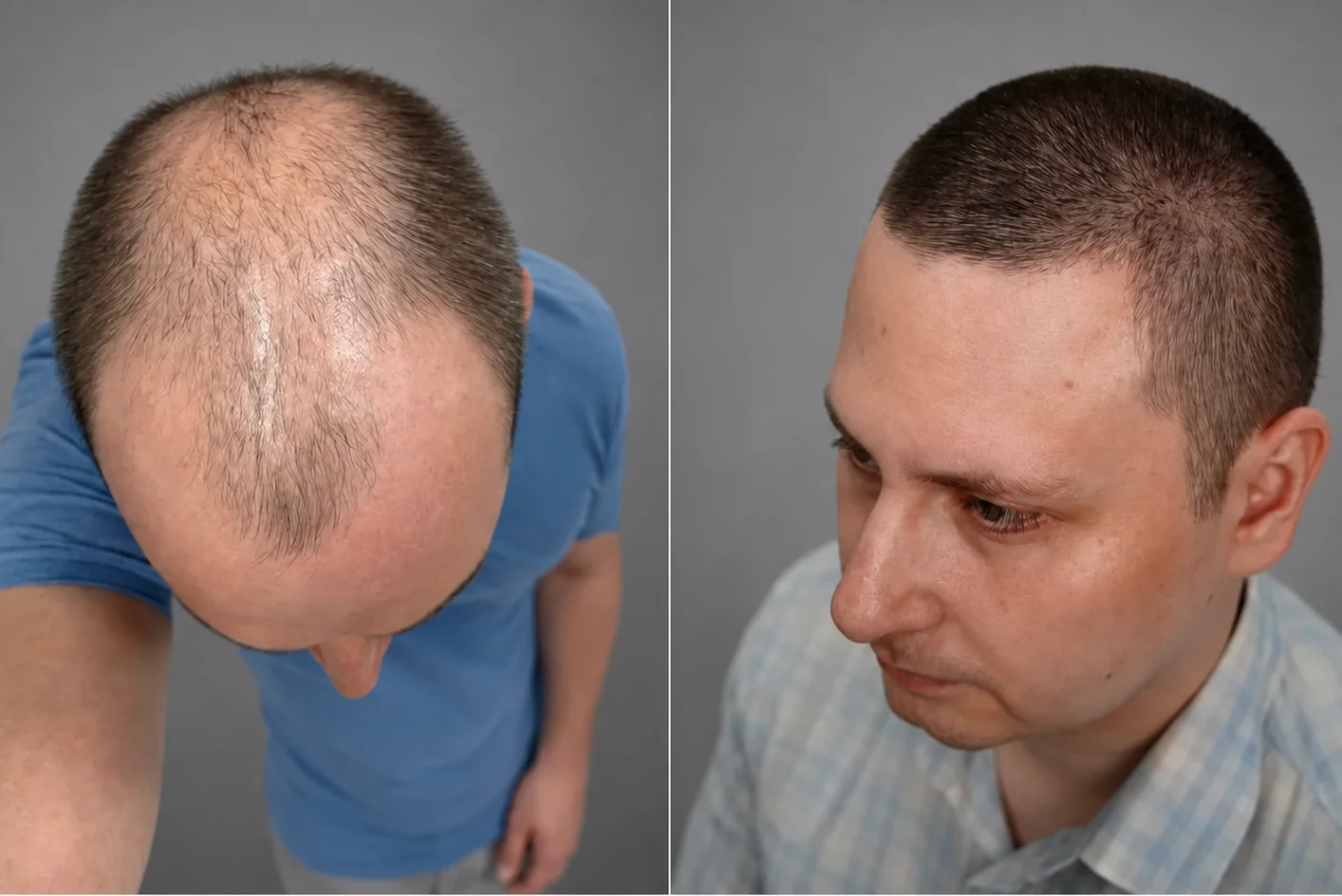
as it was
a full 12 months
4,000 grafts
FUE method
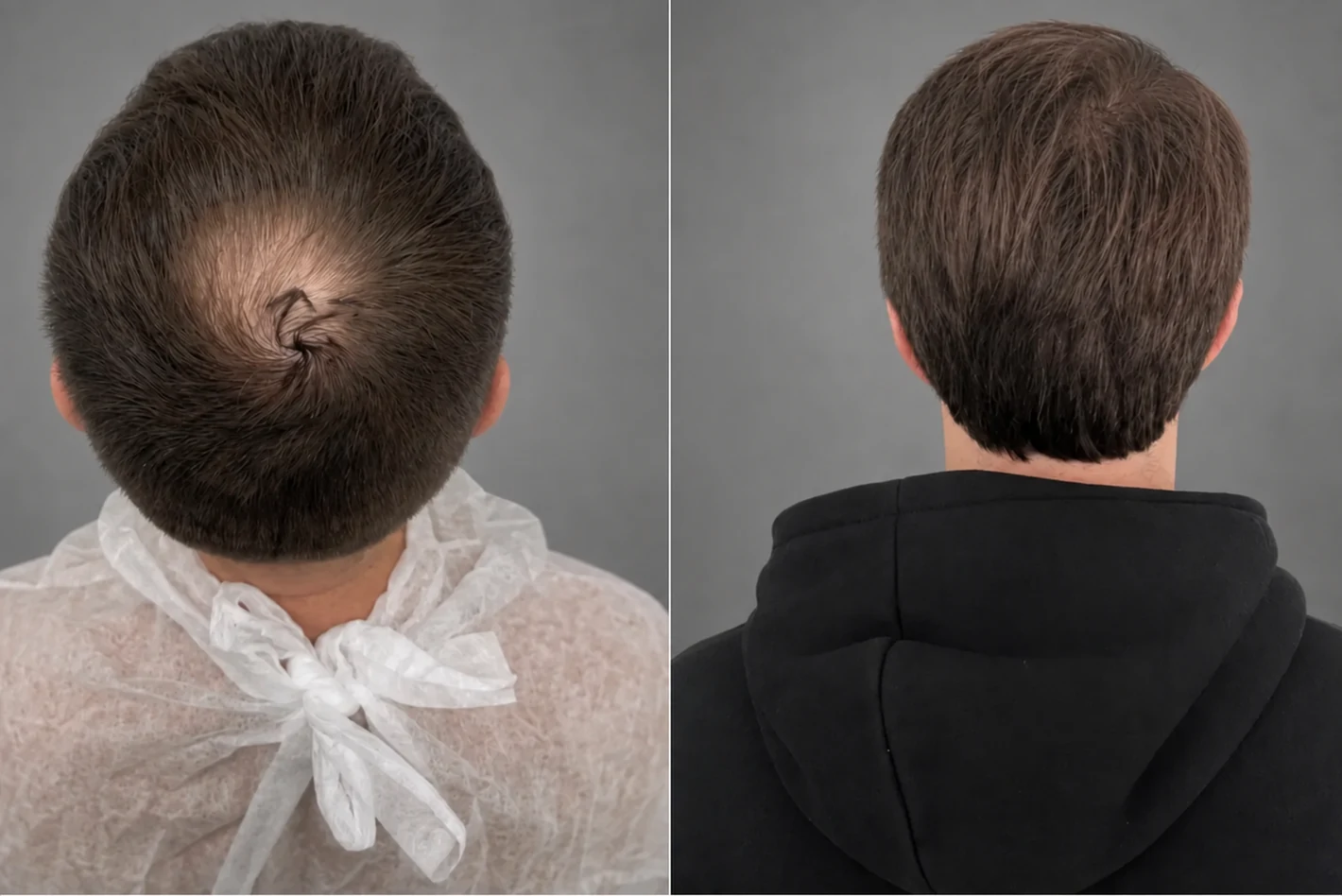
as it was
a full 12 months
3,400 grafts
FUE method
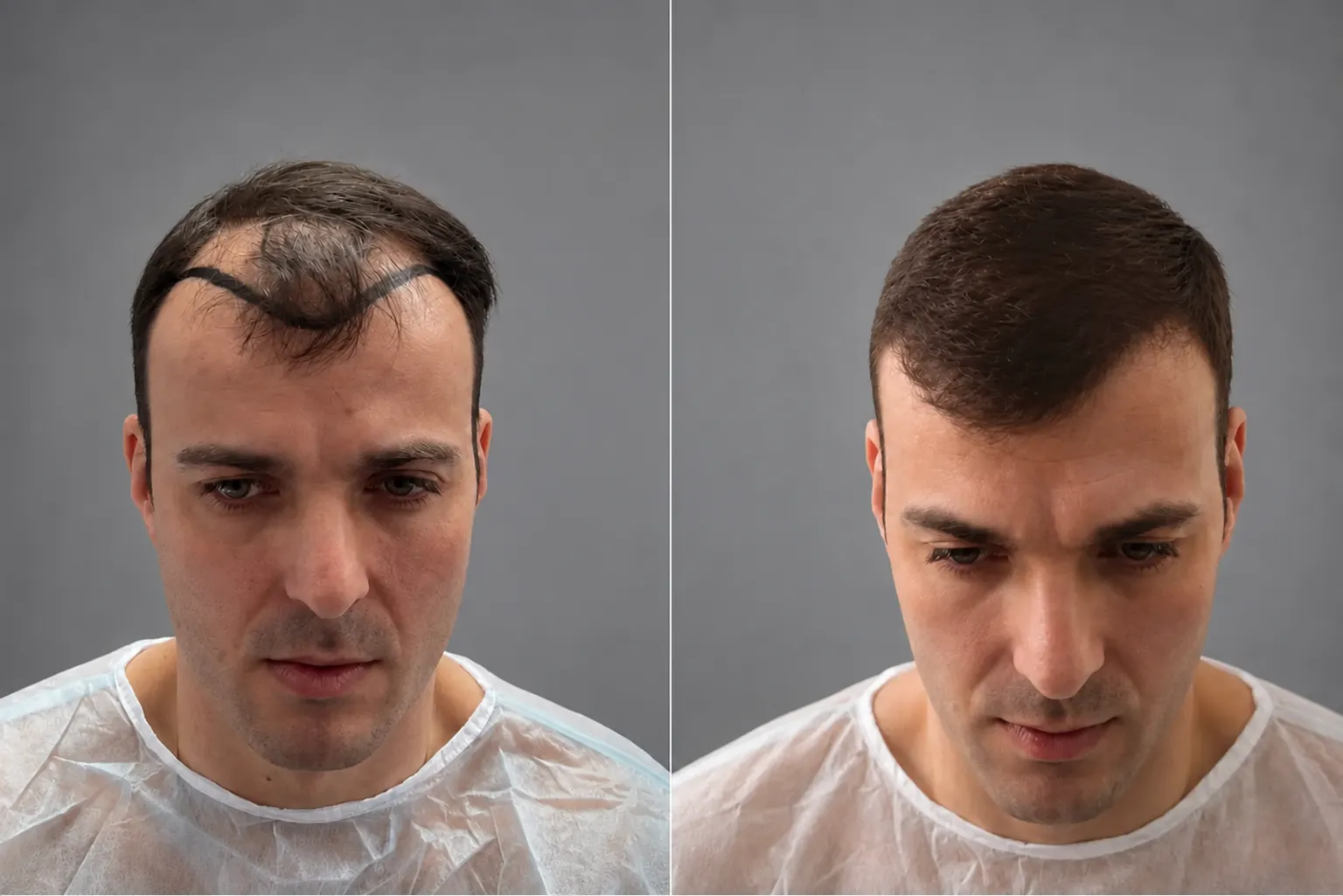
as it was
a full 12 months
2,900 grafts
FUE method
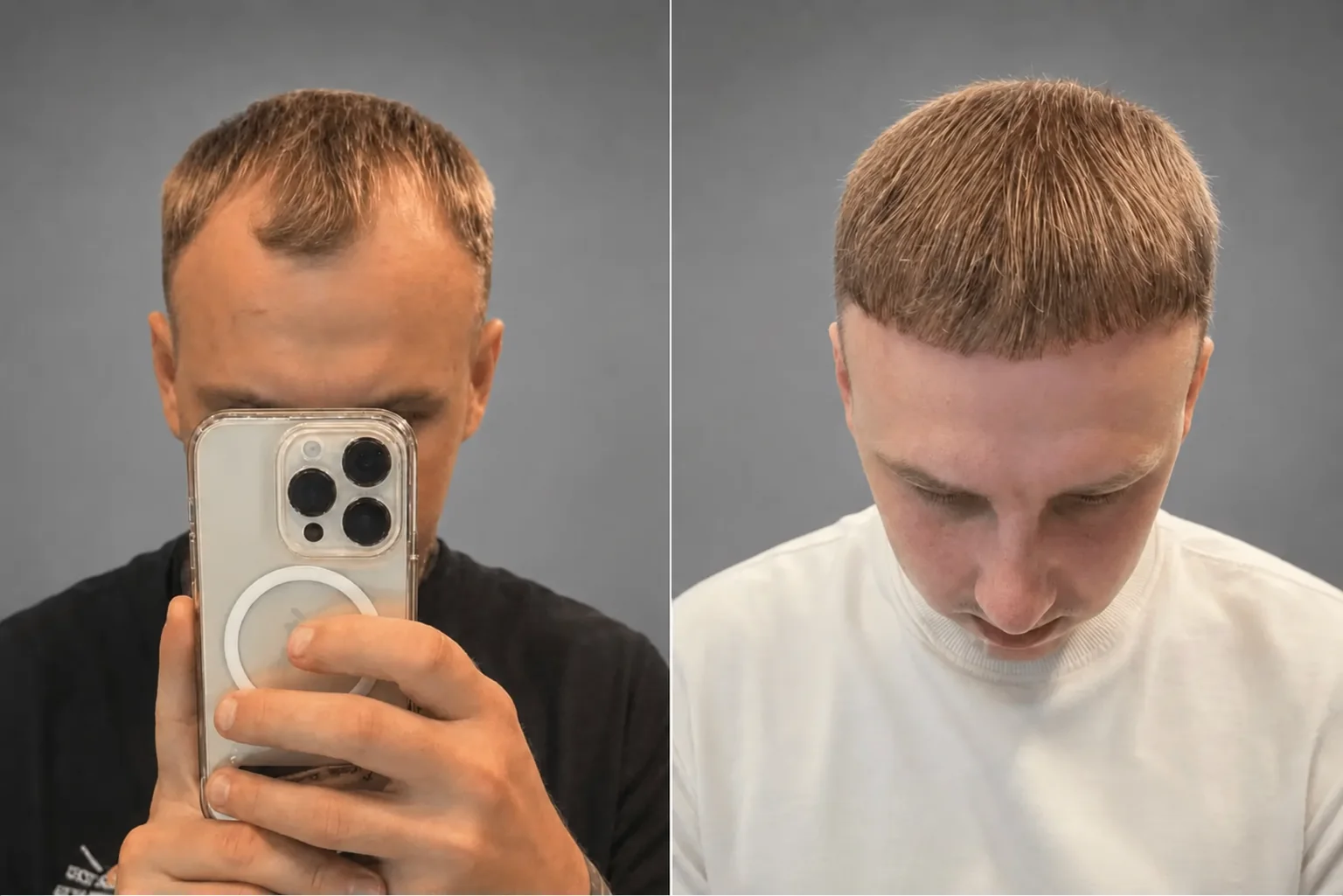
as it was
a full 12 months
3,100 grafts
FUE method
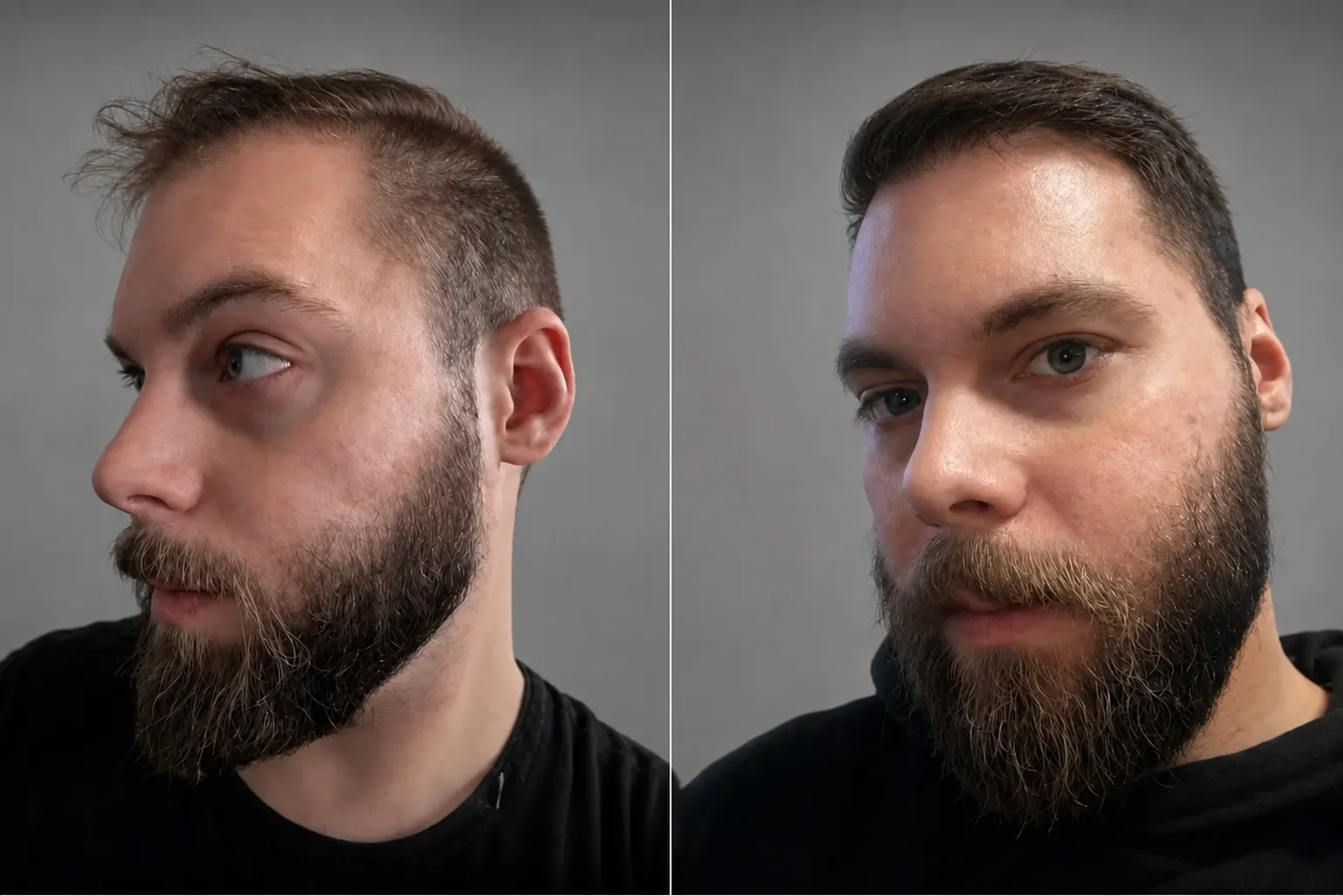
as it was
a full 12 months
2,600 grafts
FUE method
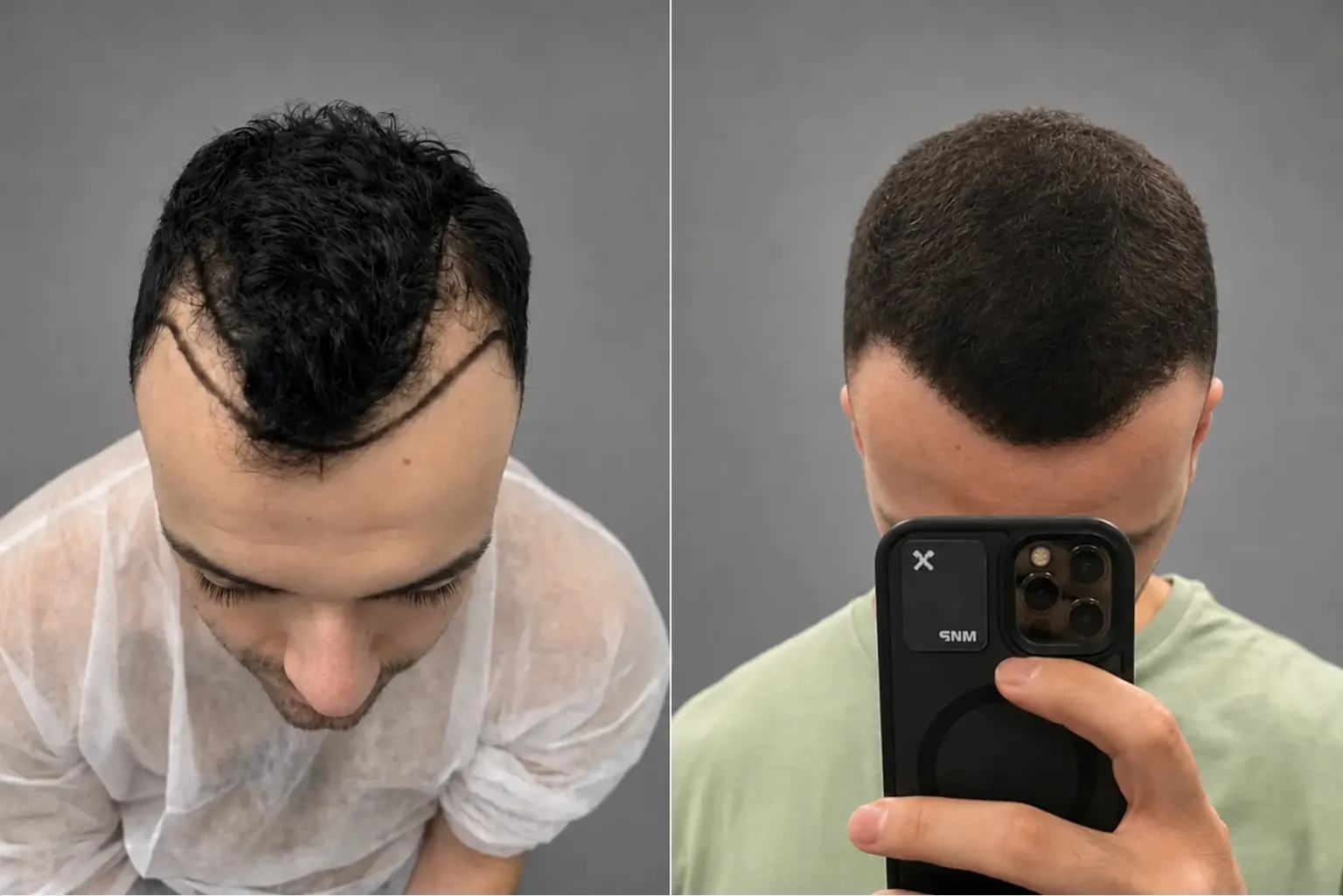
as it was
a full 12 months
3,300 grafts
FUE method
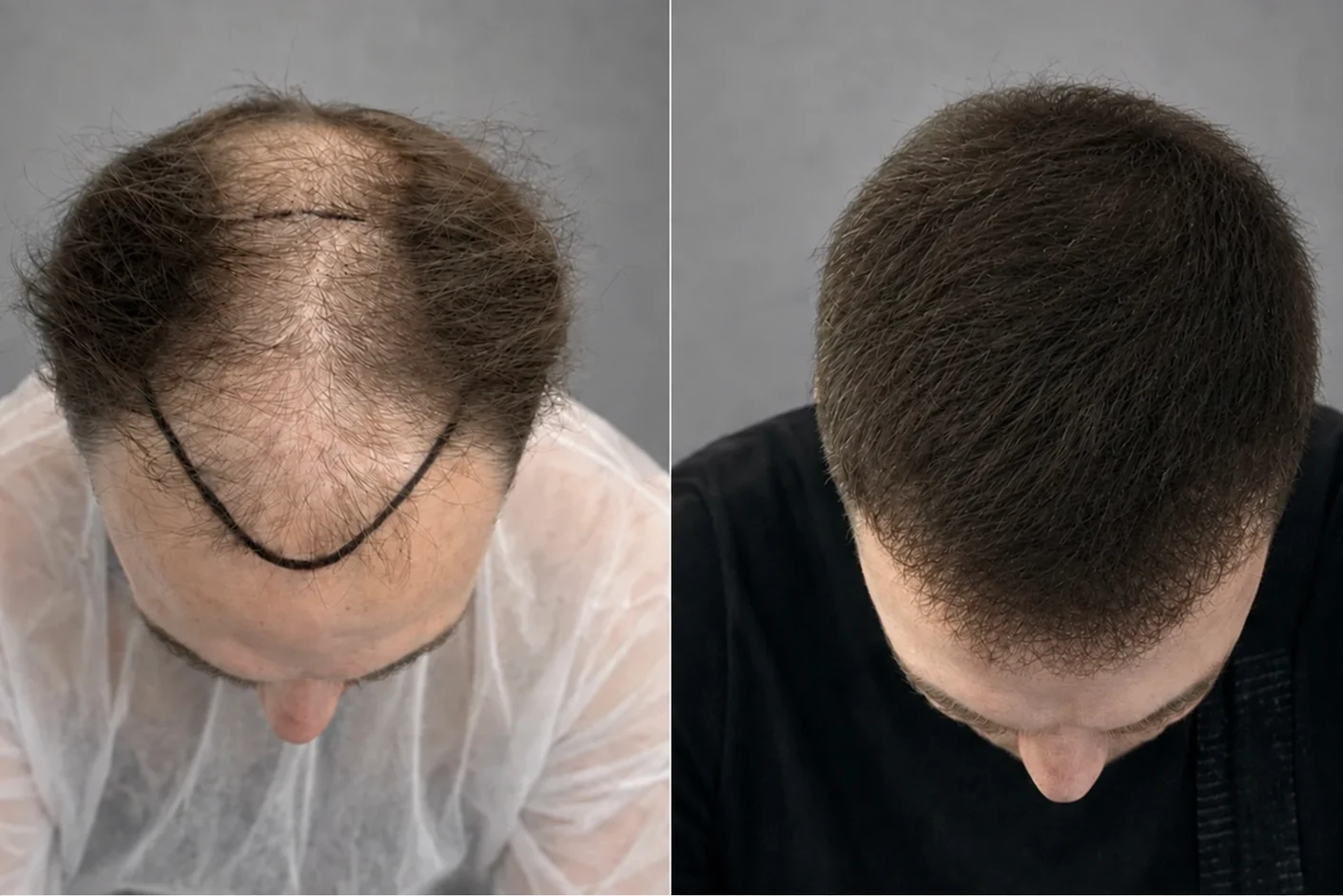
as it was
a full 12 months
3,900 grafts
FUE method
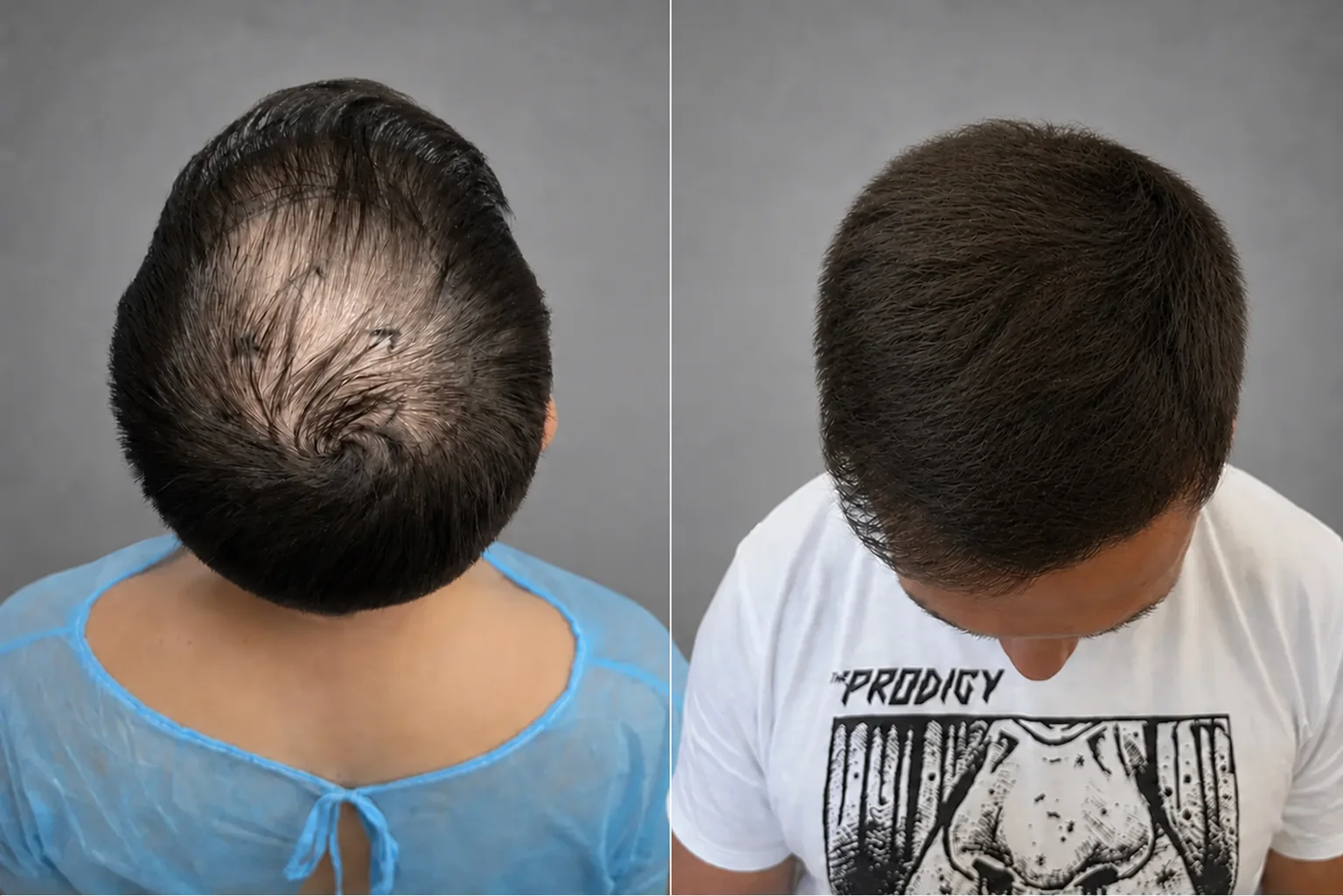
as it was
a full 12 months
3,500 grafts
FUE method
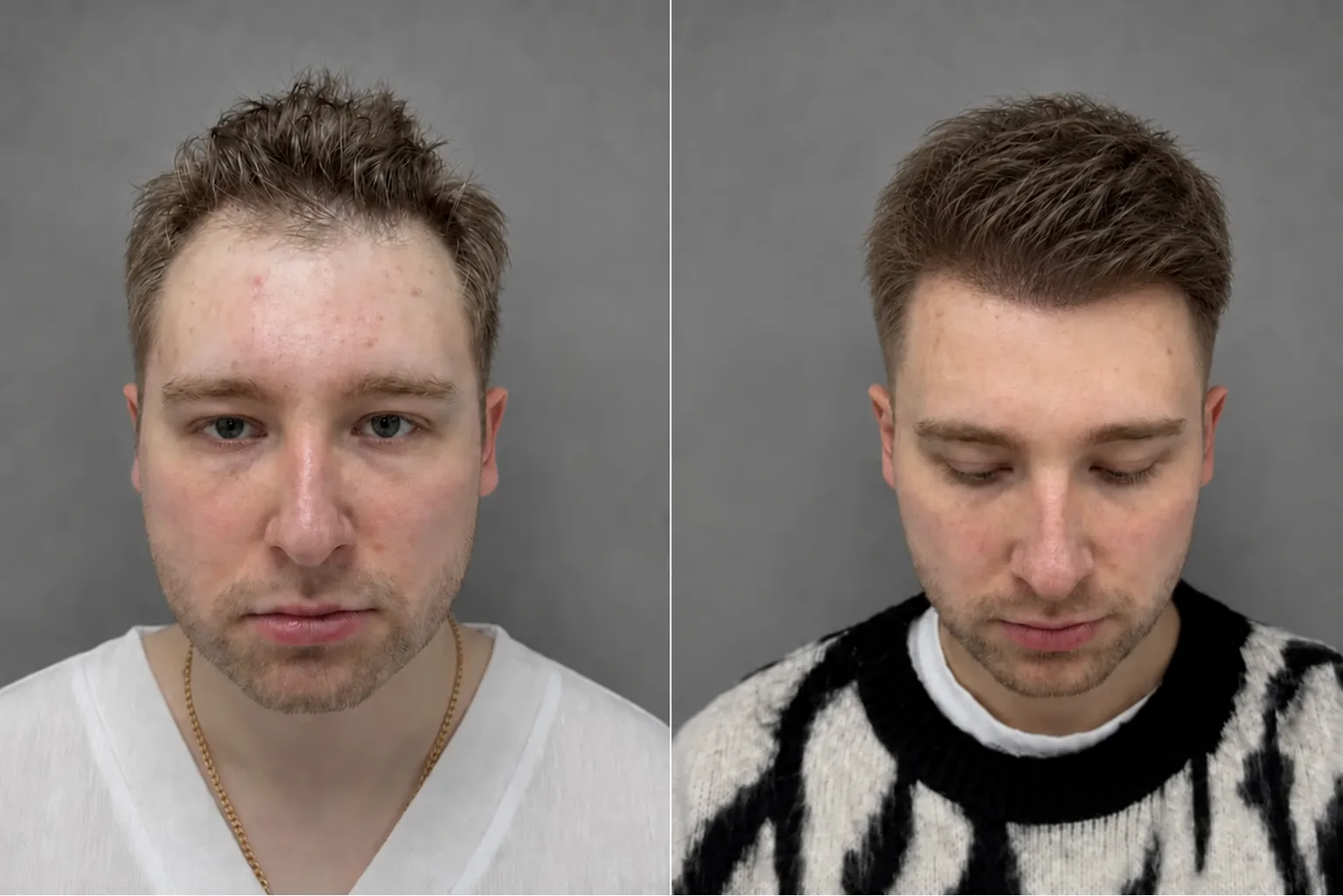
as it was
a full 12 months
2,700 grafts
FUE method
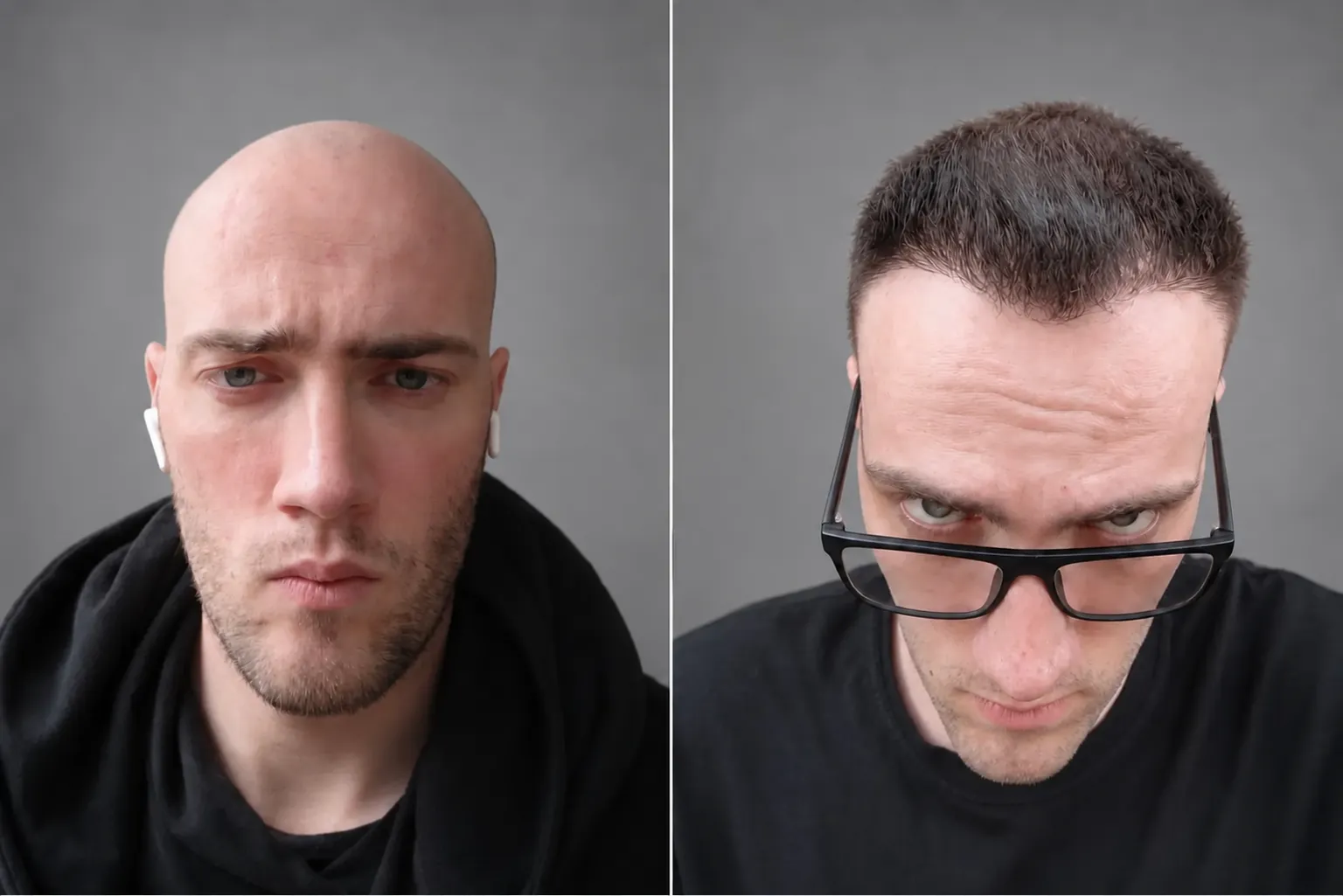
as it was
a full 12 months
3,800 grafts
FUE method
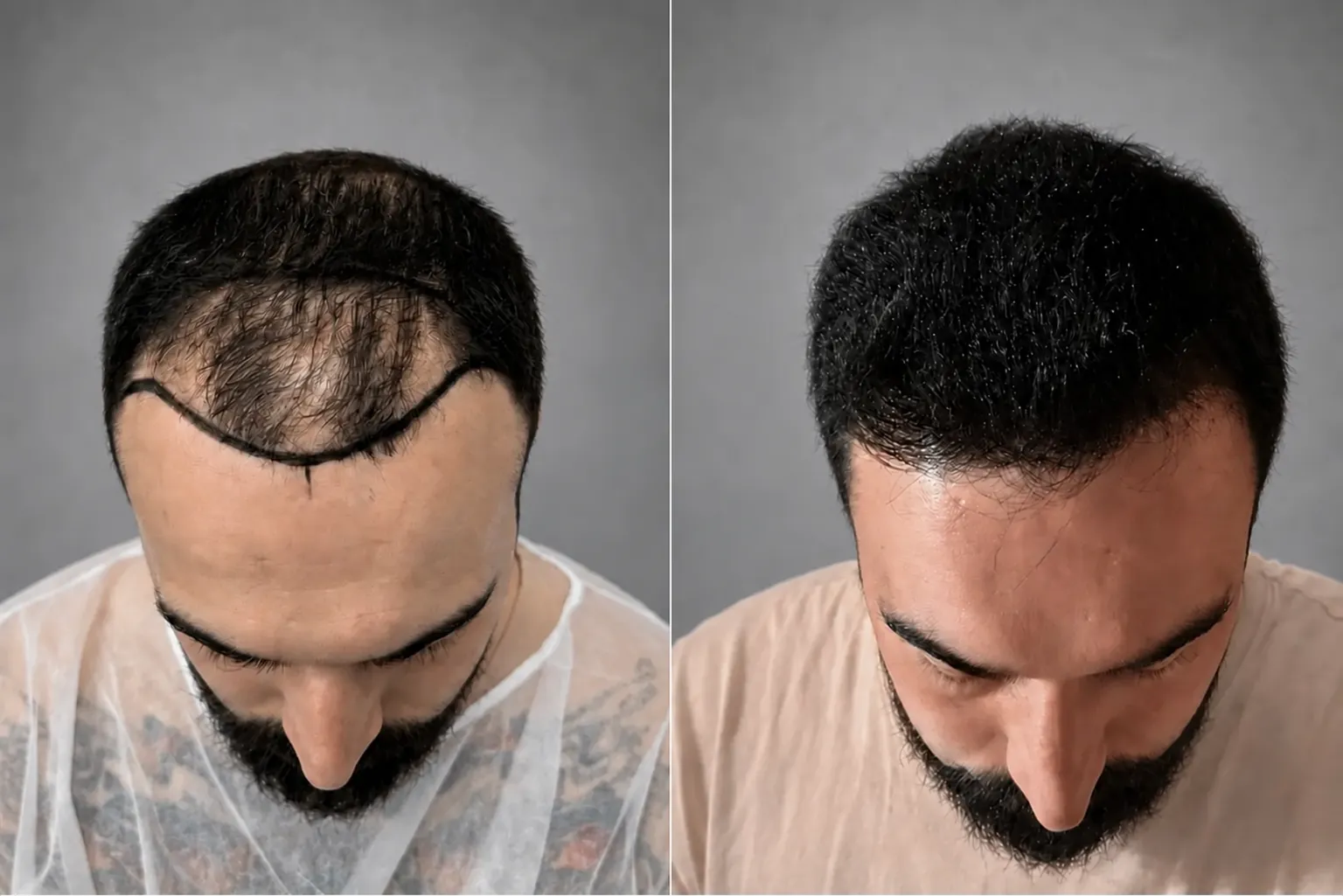
as it was
a full 12 months
3,200 grafts
FUE method
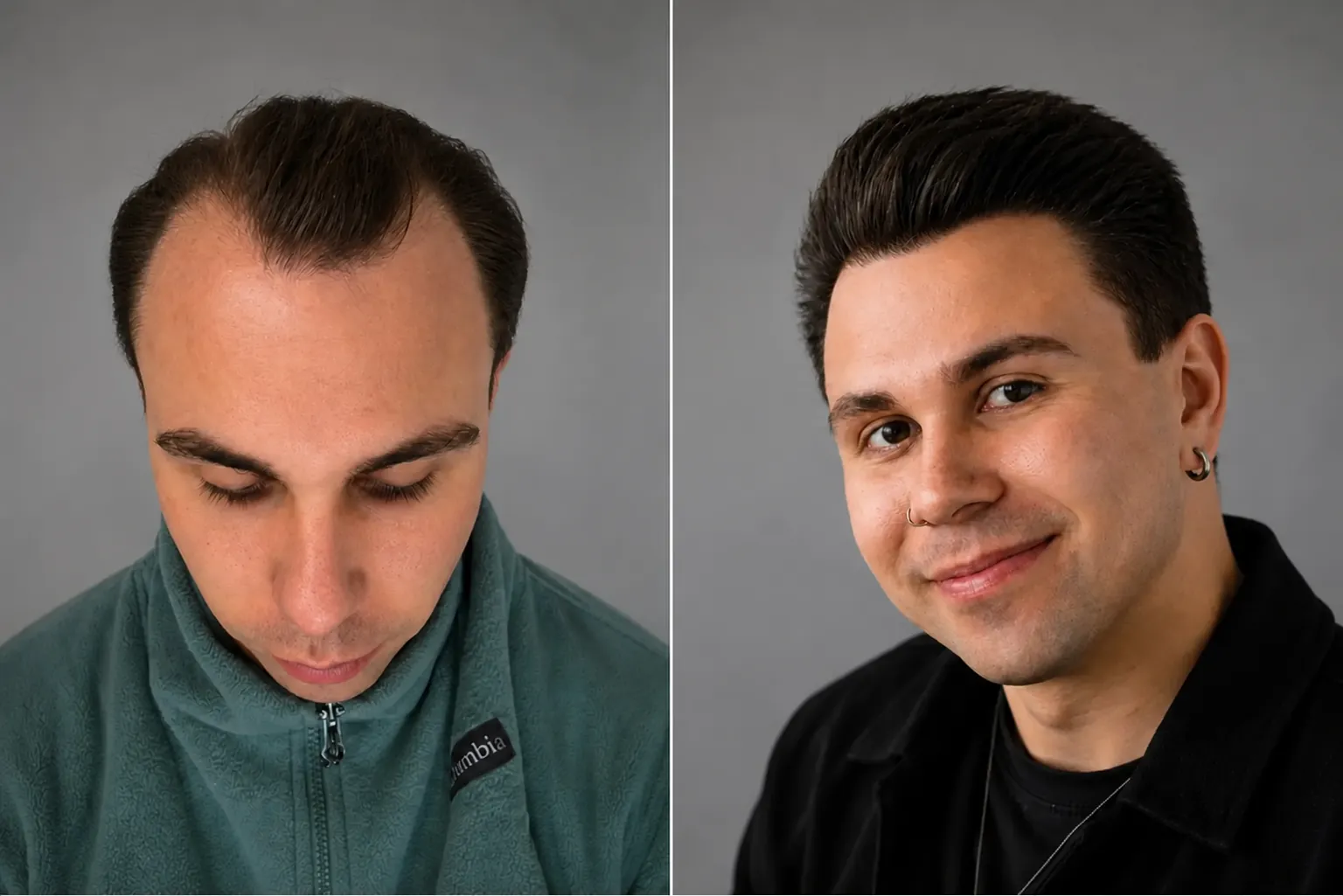
as it was
a full 12 months
3,000 grafts
FUE method
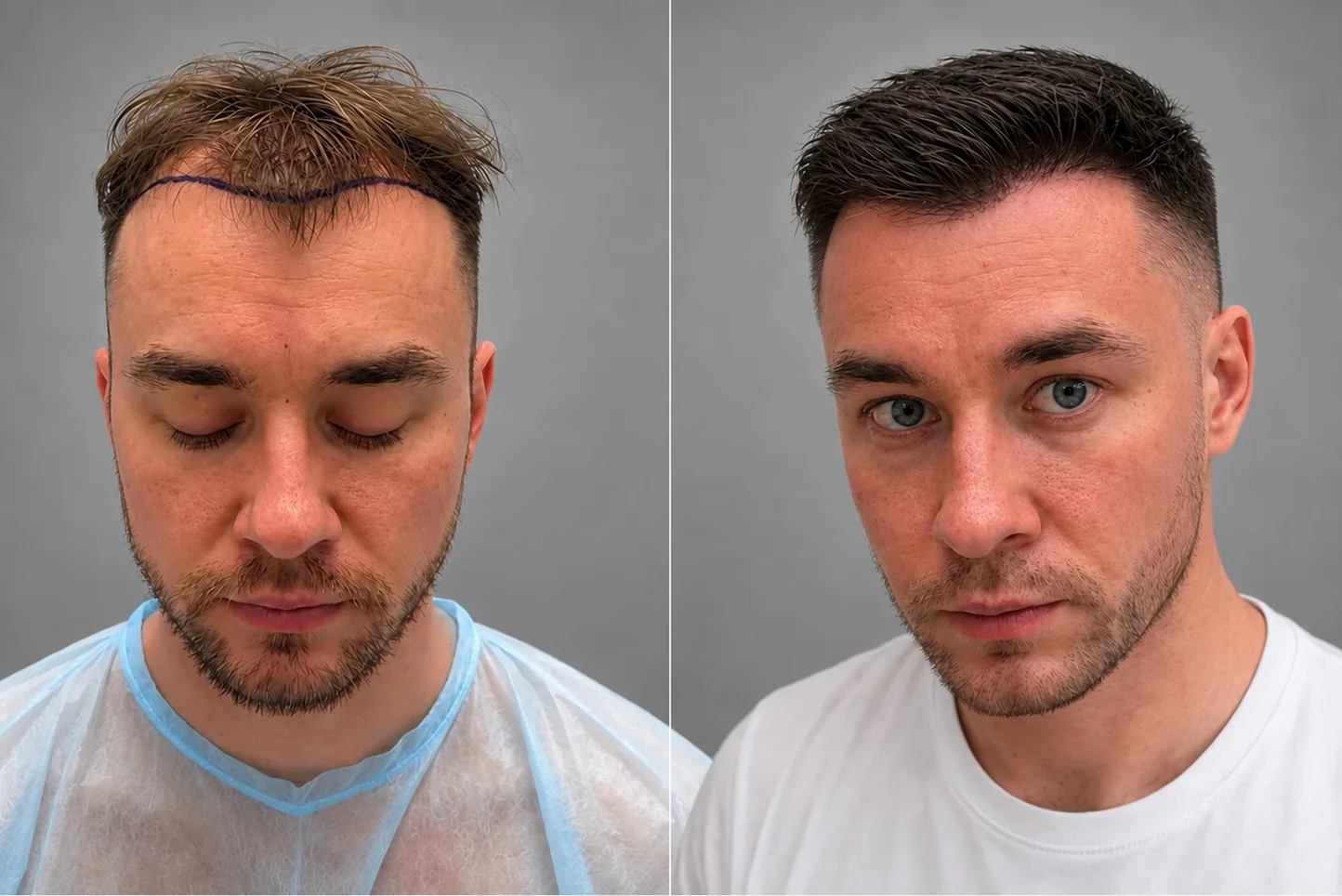
as it was
a full 12 months
2,800 grafts
FUE method
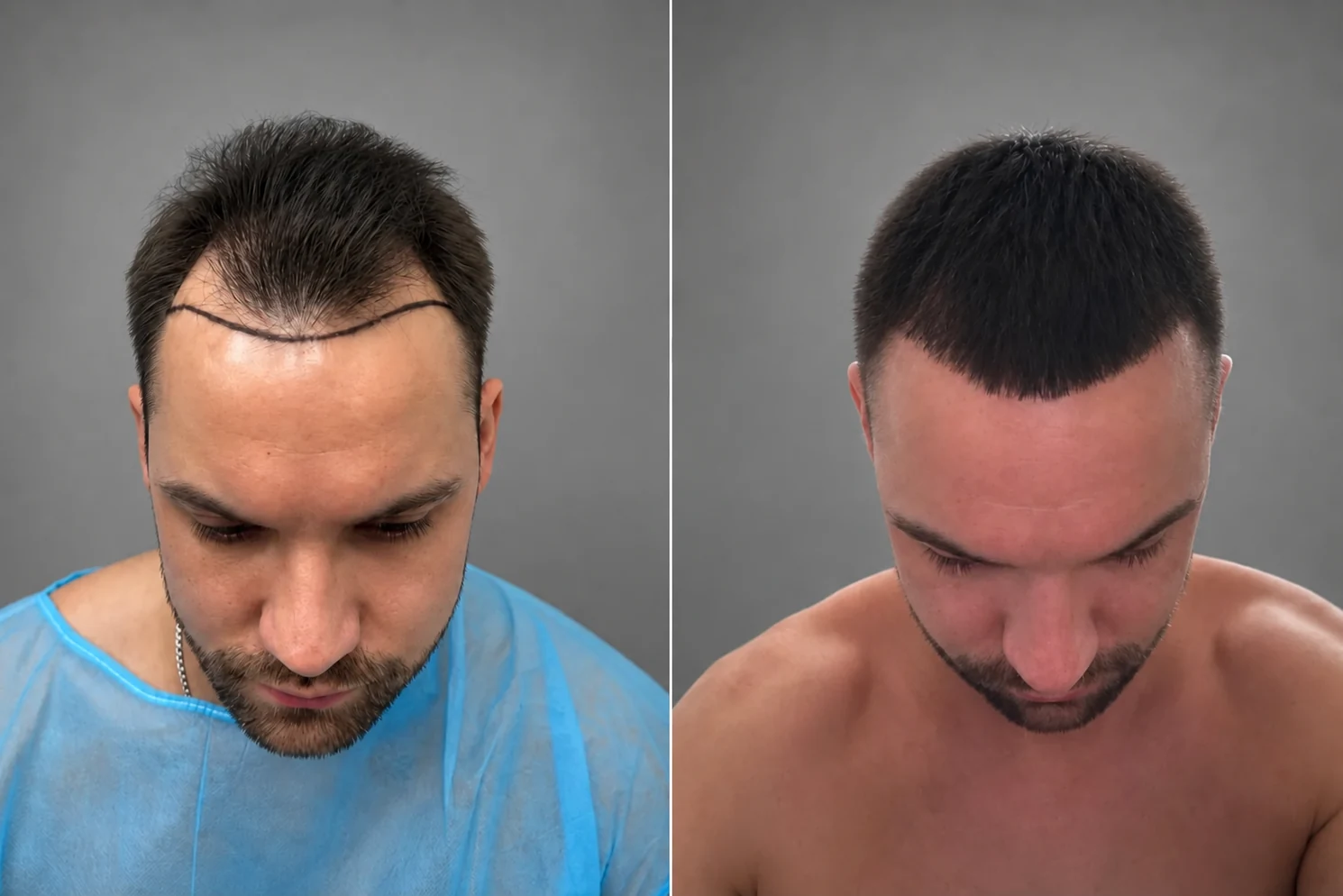
as it was
a full 12 months
3,100 grafts
FUE method
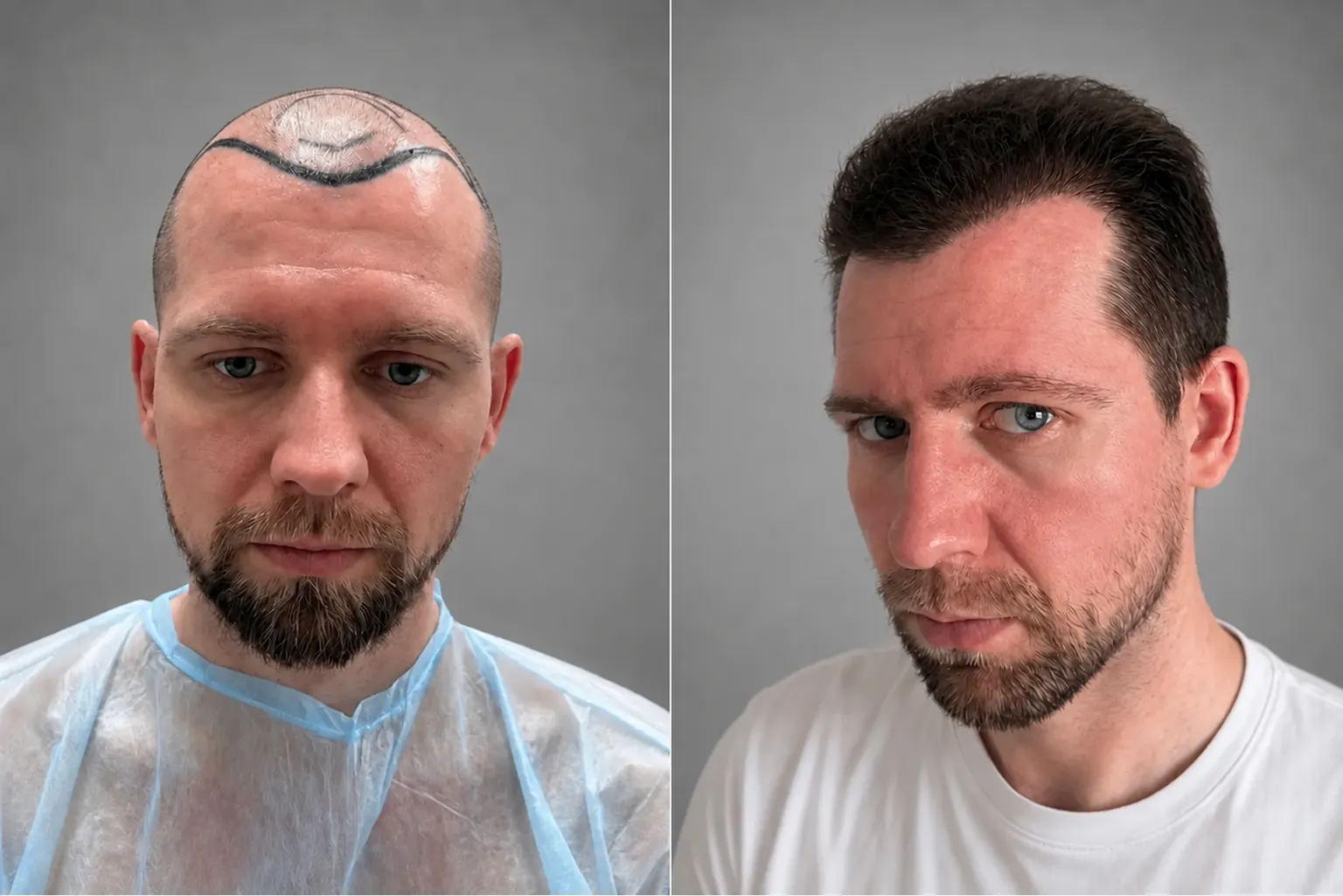
as it was
a full 12 months
3,600 grafts
FUE method
Comparison
There are three graft transfer technologies to pick from: classic FUE, suture-free DHI and a combined protocol. Compare the implantation technique, the tissue trauma and the graft survival of each.
Classic method requiring no cuts or sutures
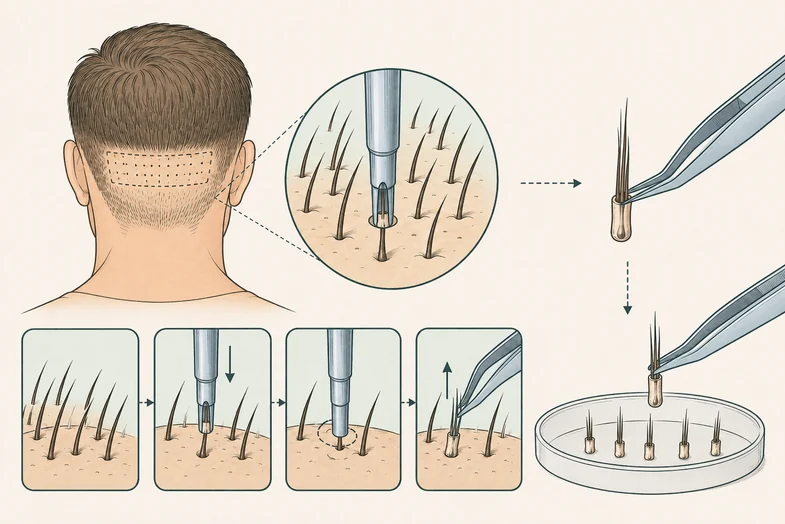
$2,200
$2,700
Graft implantation technique
ForcepsGraft trauma
MinimalThe natural growth angle
NaturalGraft survival
98–100%Suitable for
Androgenetic alopeciaStitch-free implantation with a Choi pen
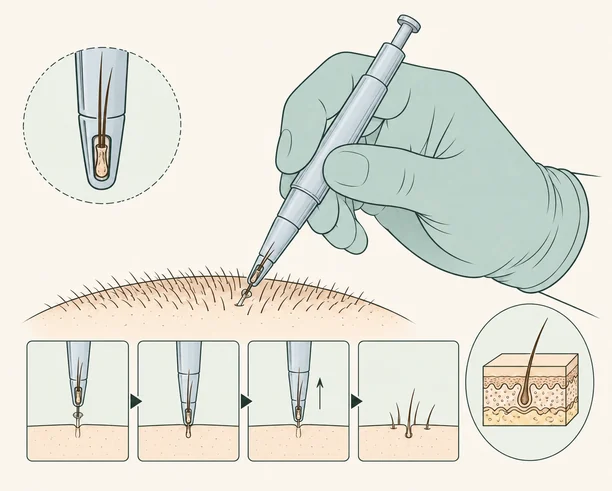
$2,500
$2,900
Graft implantation technique
DHI, a Choi implanterGraft trauma
MinimalThe natural growth angle
NaturalGraft survival
98–100%Suitable for
DensificationFUE extraction, DHI pen implantation
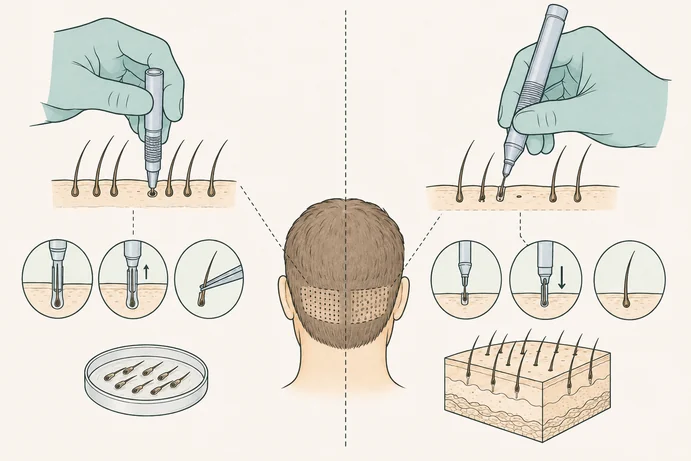
$2,700
$2,900
Graft implantation technique
FUE extraction, DHI implantationGraft trauma
MinimalThe natural growth angle
NaturalGraft survival
98–100%Suitable for
Densification for androgenetic alopeciaPer method, survival and trauma figures are averaged and given for guidance: the exact numbers depend on the transplant area and the patient's individual features, and the doctor clarifies them at the consultation.
Plan the next step



about the clinic
Every patient gets care, modern equipment, comfortable rooms
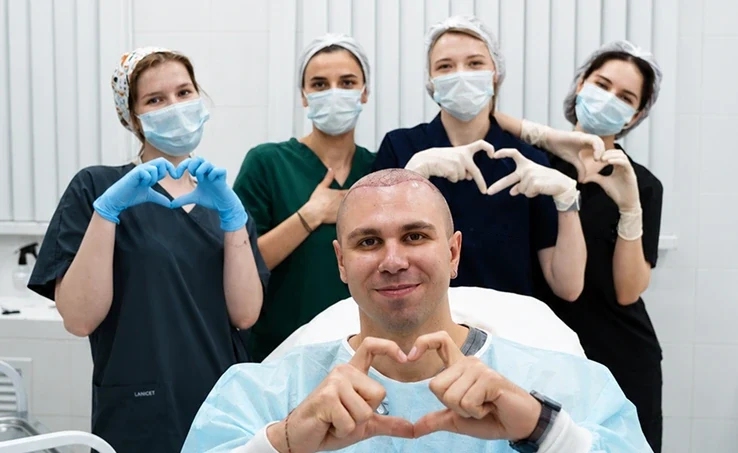
We will answer any questions and agree on a convenient consultation time
Message us on Telegram Get in touchWhere the problem can be settled without an operation, the consultation gives you that answer straight away — your money stays in your pocket. Below are the situations in which a transplant genuinely works.
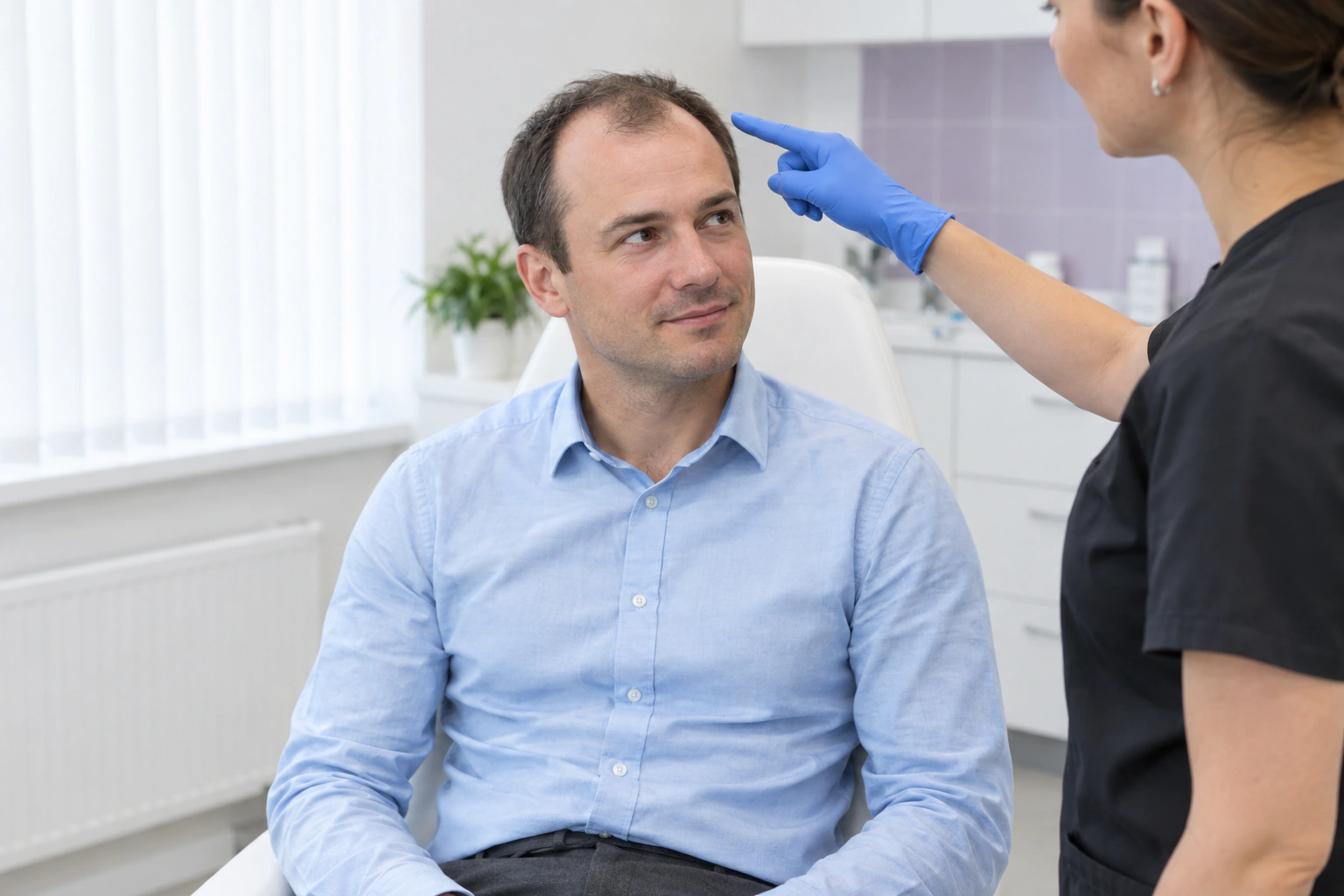

Leave your number and a coordinator will ask for photos in a messenger; the doctor answers whether a transplant helps. Free, no booking.
services
The cost follows the graft count at the free consultation and is fixed in the contract.
suture-free graft extraction
$2,200$2,700
or $367/mo — 0% instalments for 6 months
Fix your priceimplantation without channels
$2,500$2,900
or $417/mo — 0% instalments for 6 months
Fix your pricecombined technique
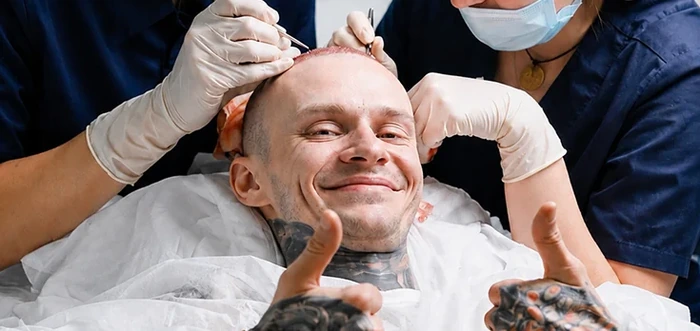
$2,700$2,900
or $450/mo — 0% instalments for 6 months
Fix your price| Where it all begins | Free |
|---|---|
| Eyebrow transplant, FUE | |
| Beard transplant, FUEinstalments $467/mo | |
| Hair trichopigmentation | |
| PRP therapy / session | $200 |
all included
From getting ready for surgery to 12 months after.
The day of surgery brings no extra charges.
two further zones
The scalp is not the only option. Same grafts from the back of the head, same FUE method — only the area changes.
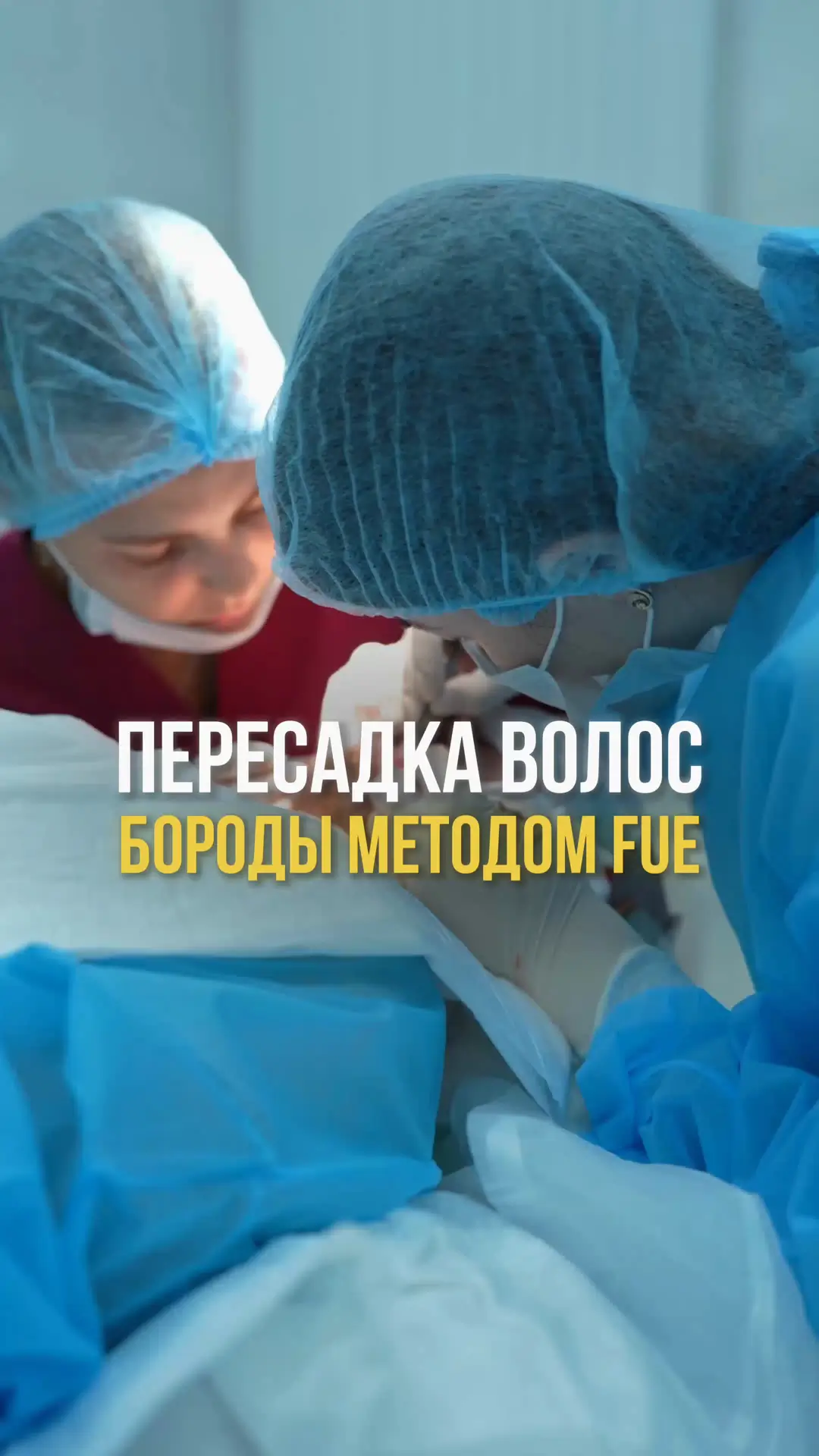
FUE method, no incisions or stitches
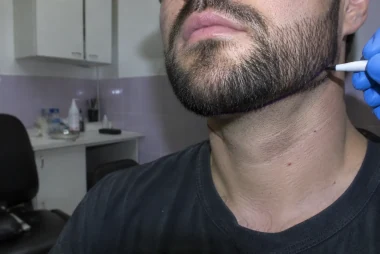
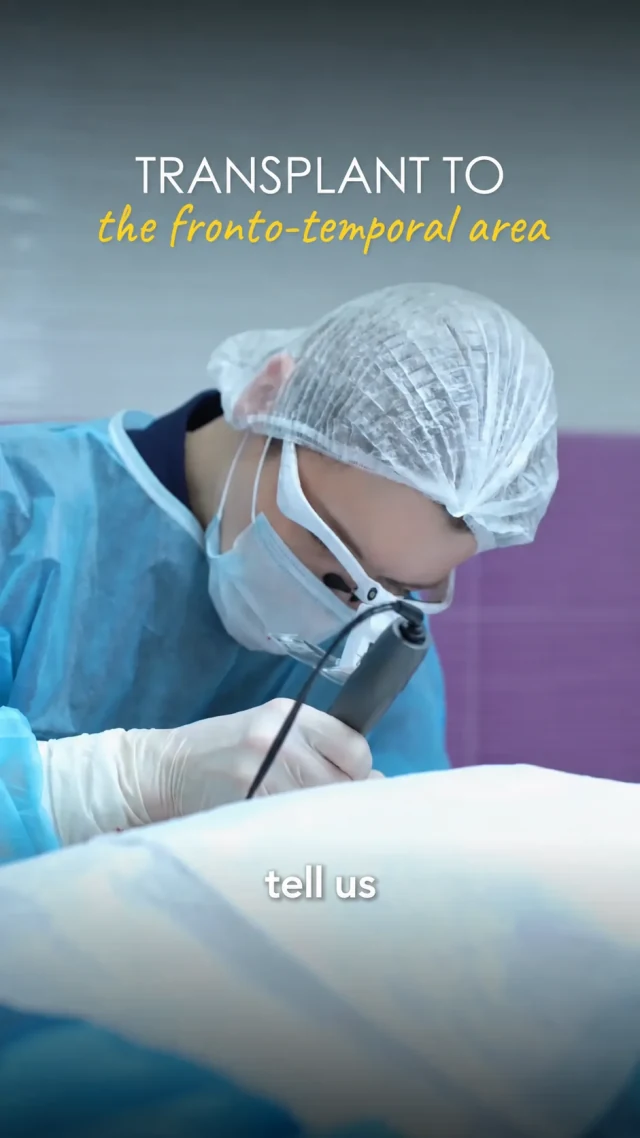
Grafts are taken from the donor area at the back of the head and moved through micro-punctures of roughly 1 mm — no scars are left. You and the doctor discuss the shape before the operation, taking your facial features into account. Transplanted hair grows for life: the beard can be trimmed and styled as usual.
$2,800$3,000
or $467/mo — 0% instalments for 6 months
Fix your priceFUE method, no incisions or stitches
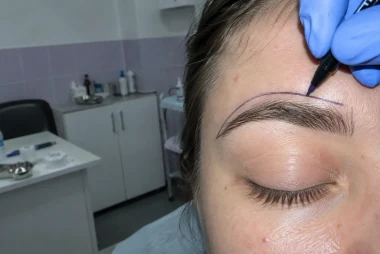
At the first appointment the surgeon draws the contour, you compare references together and your facial proportions guide the design. Implanting hairs at the natural growth angle is what makes brows convincing. It also helps brows thinned by years of plucking.
$1,600$1,700
a day-clinic operation, the scalp numbed first
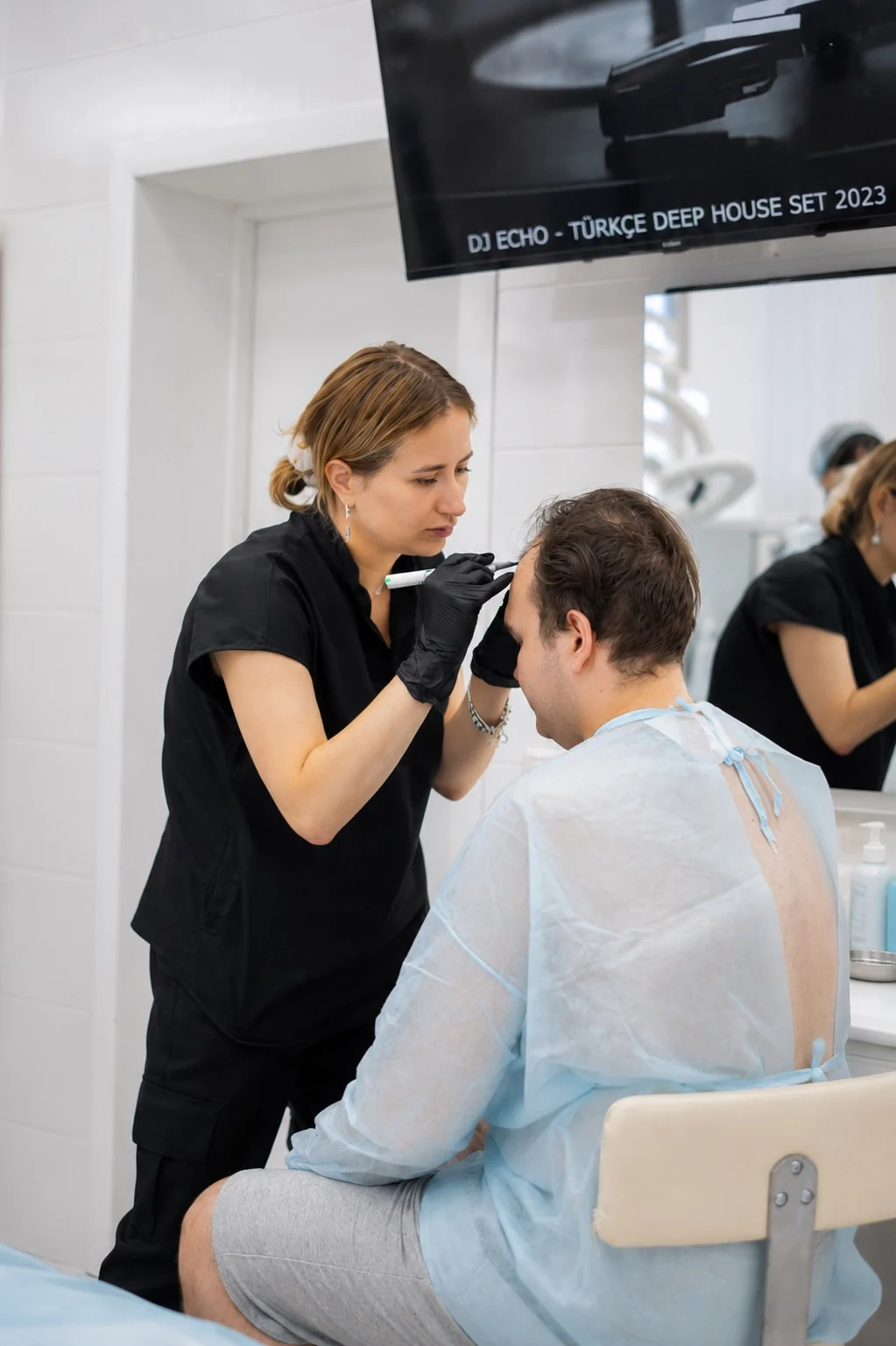
Fix your priceThe doctor examines the donor zone, counts what can be taken from it and describes a realistic outcome. Price is named during the consultation and carried into the contract.
Message our coordinator
Free online consultation · Reply within 15 minutes
Message us on TelegramMessage us on WhatsAppBy messaging us, you agree to our Privacy Policy
Process
From consultation to going home — all in one day
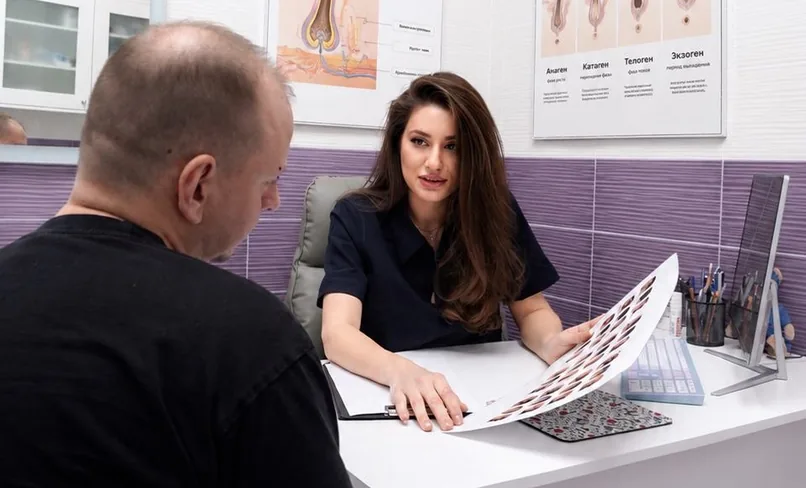
The initial consultation is where the doctor explains FUE and DHI in detail, answers your questions, and creates a personal operation plan. It's completely free.

After a deposit the calendar entry is yours alone. It can go through as a card payment at the clinic or online.
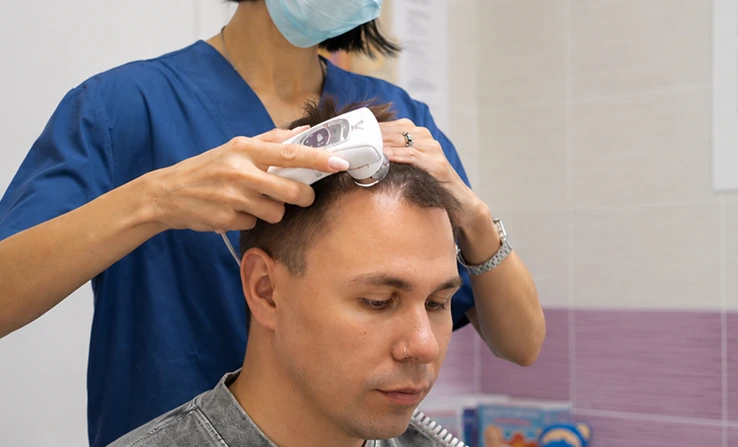
The clinic writes out every test you need and explains how to take them, so preparation is done without guesswork.
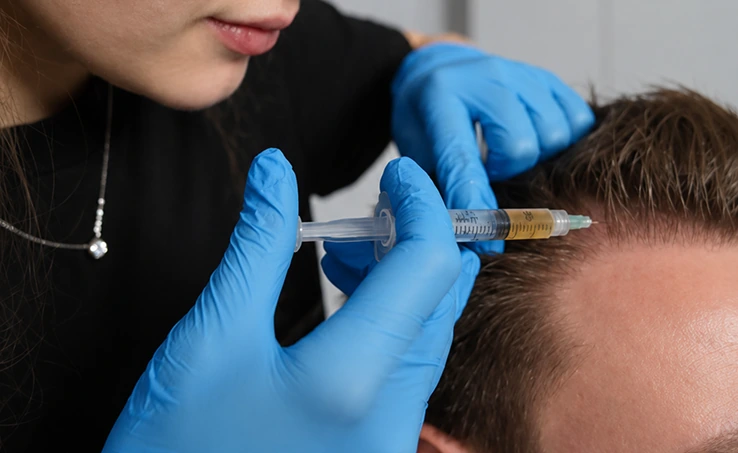
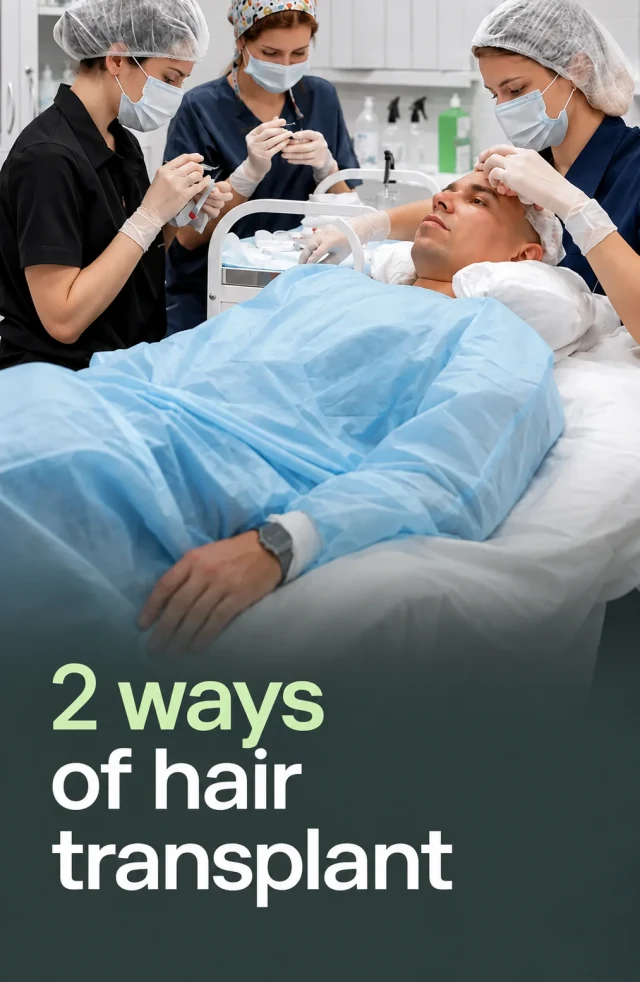
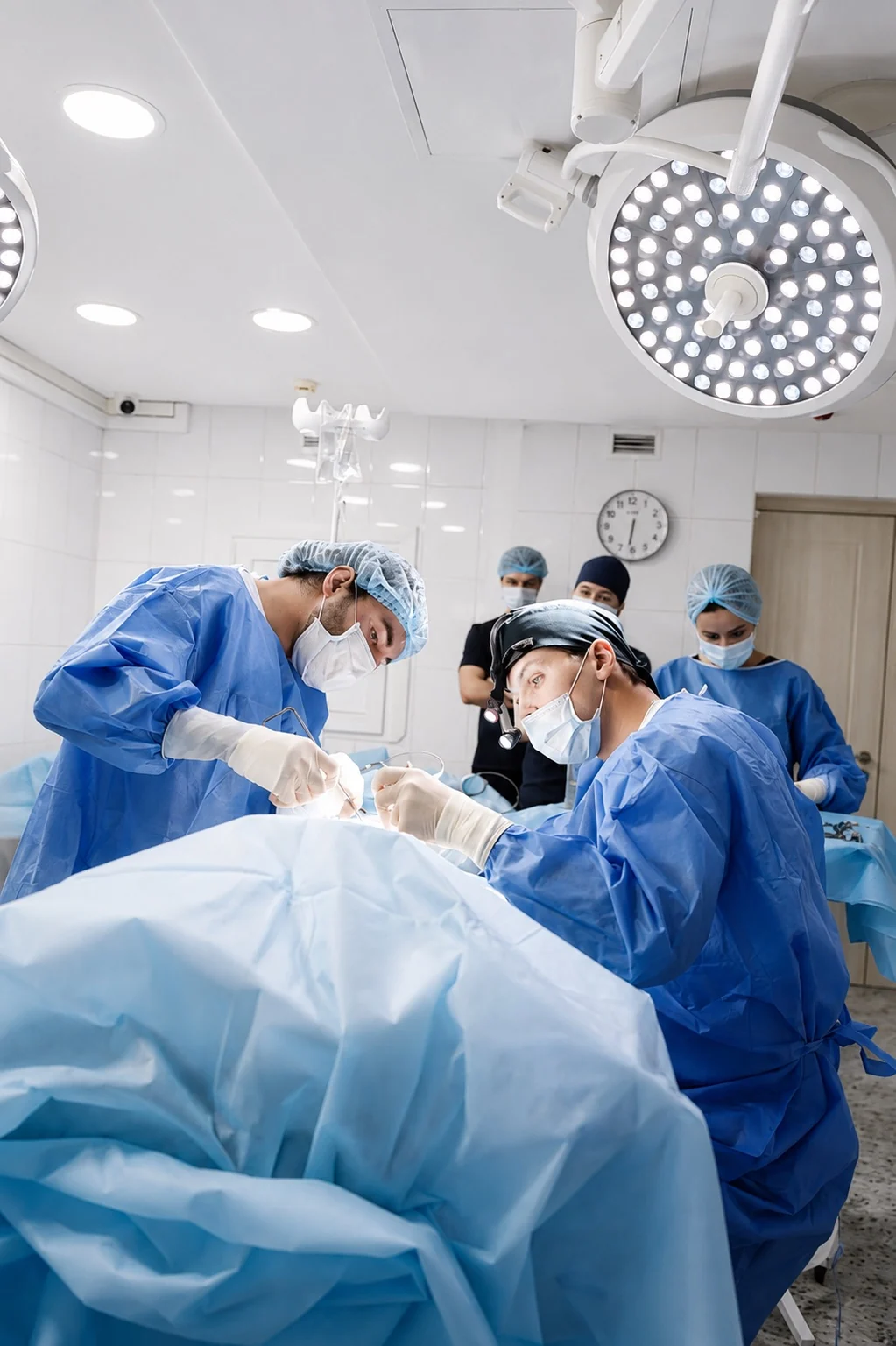
Thanks to local anaesthesia, the entire operation is carried out without pain.
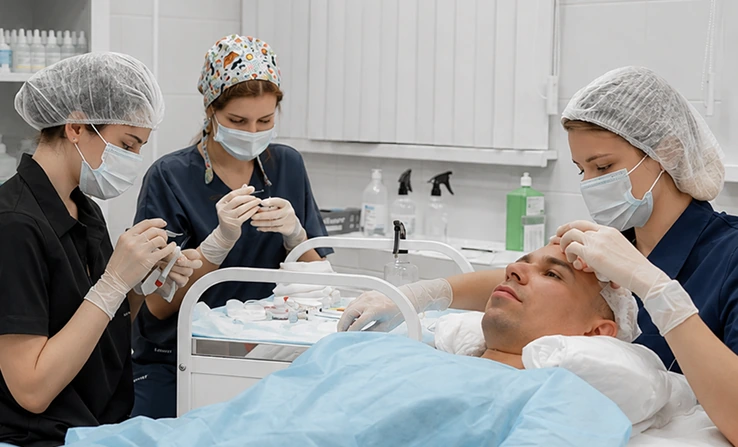
Grafts come from the donor area — the back of the head or temples — collected in a way that avoids stitches entirely.
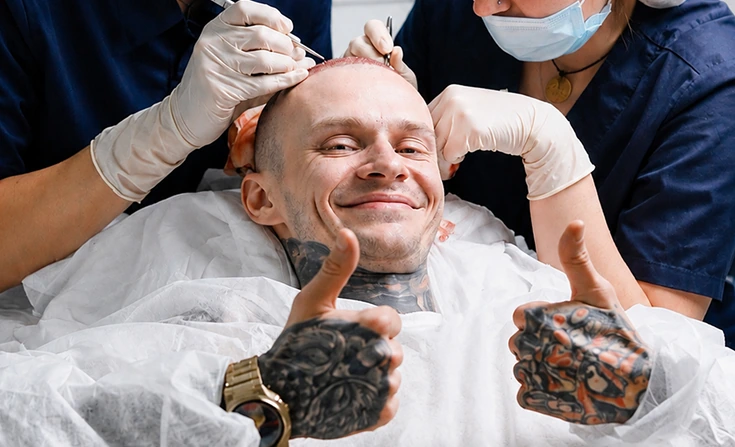
Grafts are carefully implanted into the area of hair loss by the surgeons.
For patients in Najaf, the final step is recovery, fully supported by the clinic's supplies and instructions.
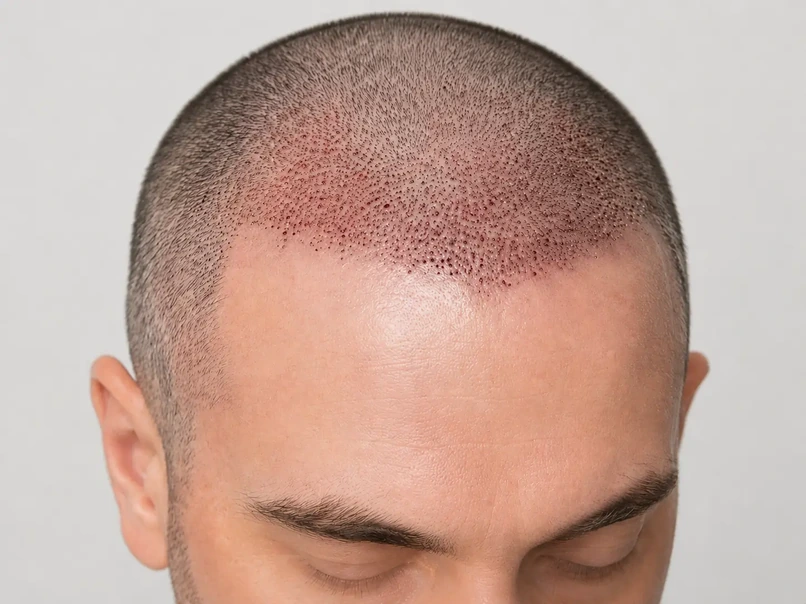
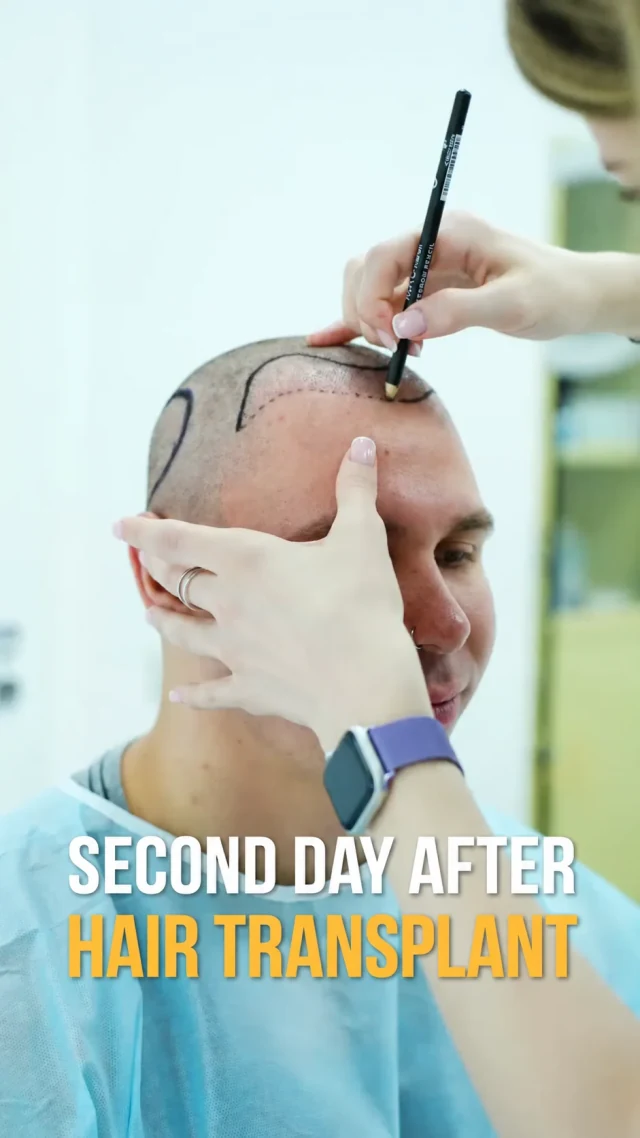
Crusts fall off, the swelling dies away, the skin repairs itself
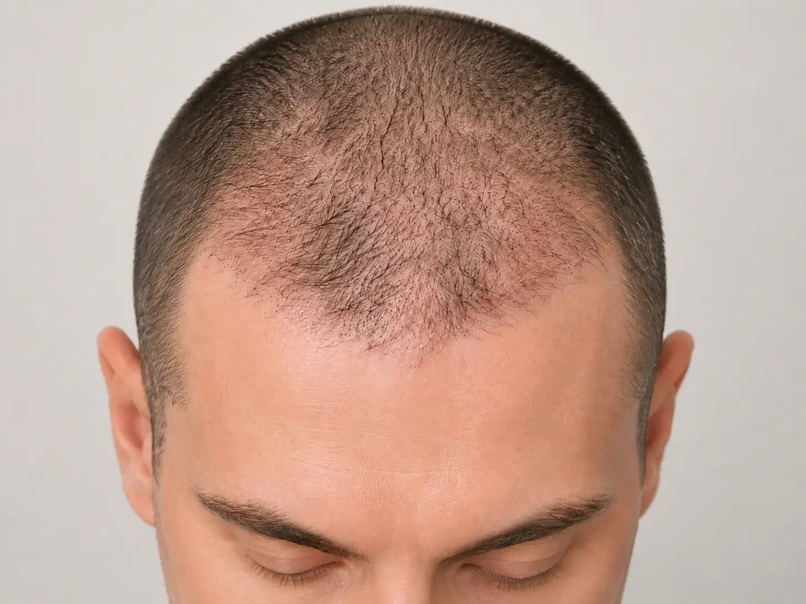
An expected phase. What is shed is hair, not follicles
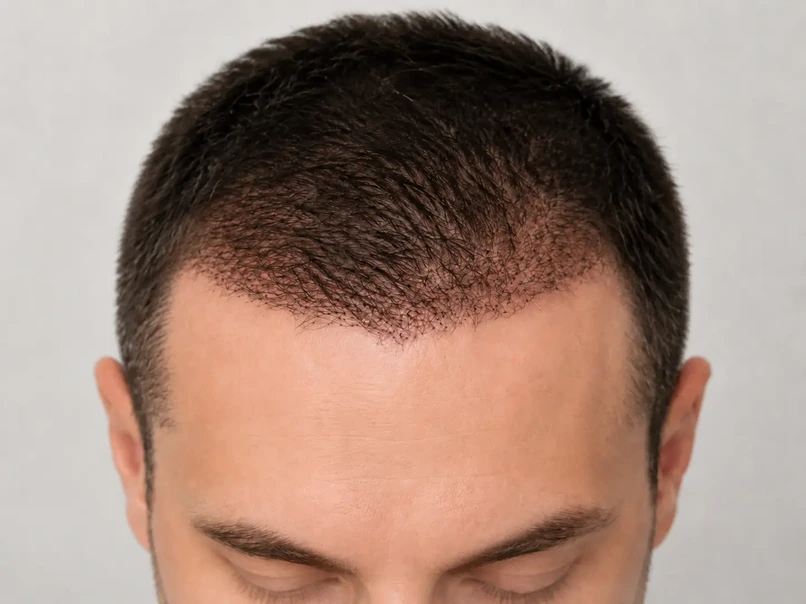
Hair thickens gradually and you can see the difference
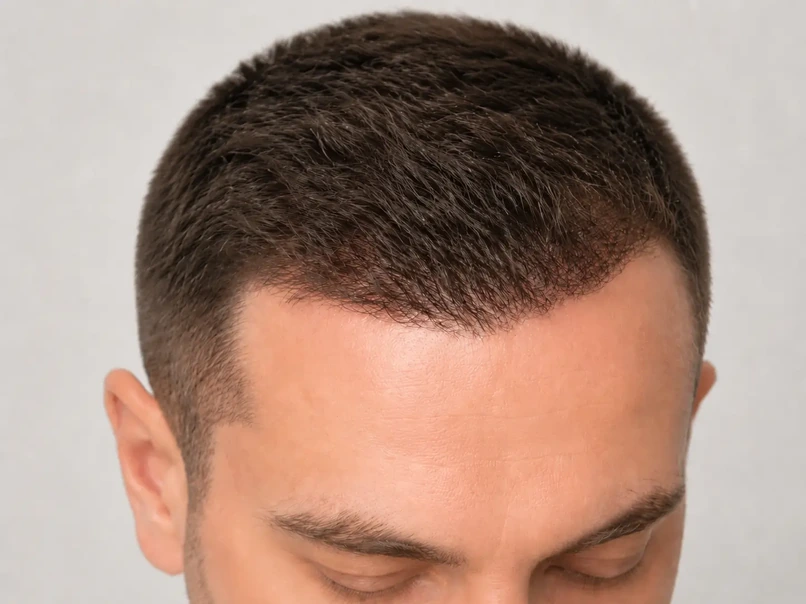
Growth thickens, the main volume and the hairline appear
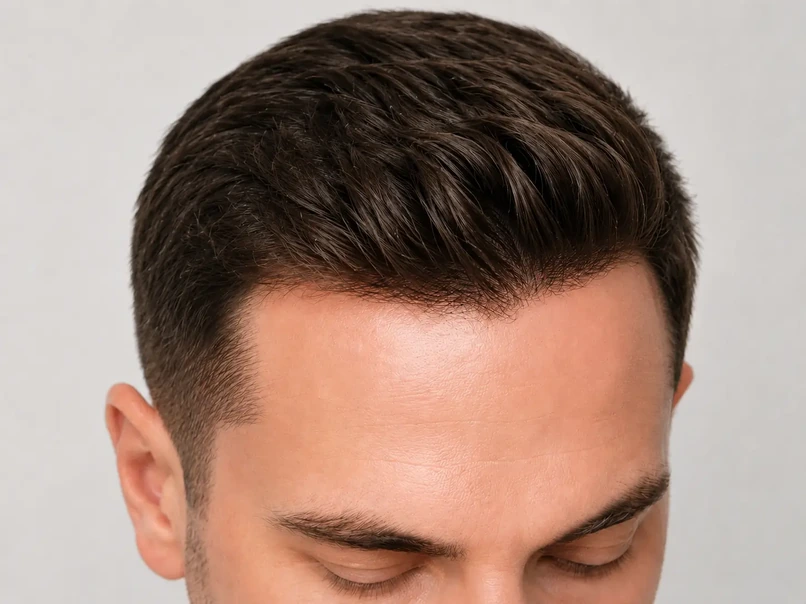
The density is final and the hairline natural
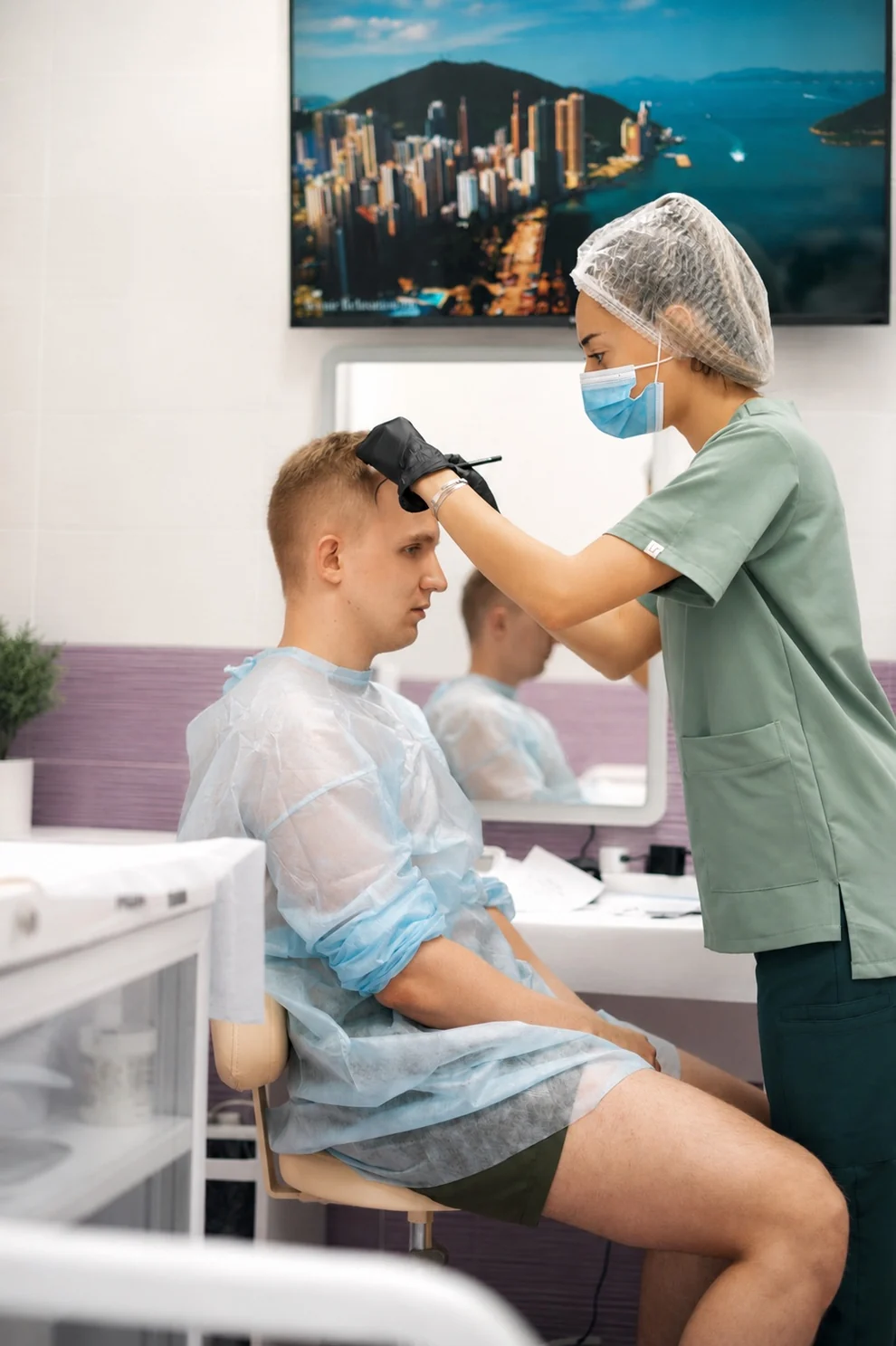
Free, before the operation, and you owe nothing.
Plan the next stepdoctors
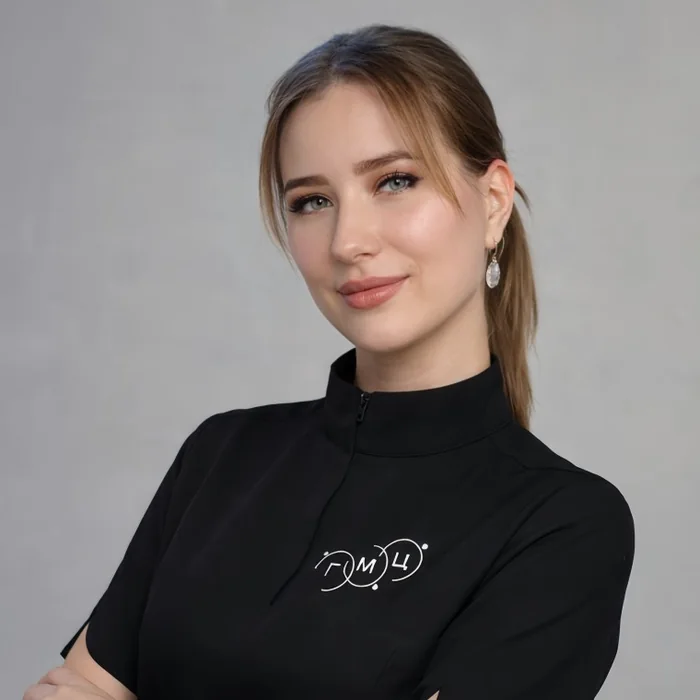
Hair transplant doctor, trichologist, surgeon
10 years in practice
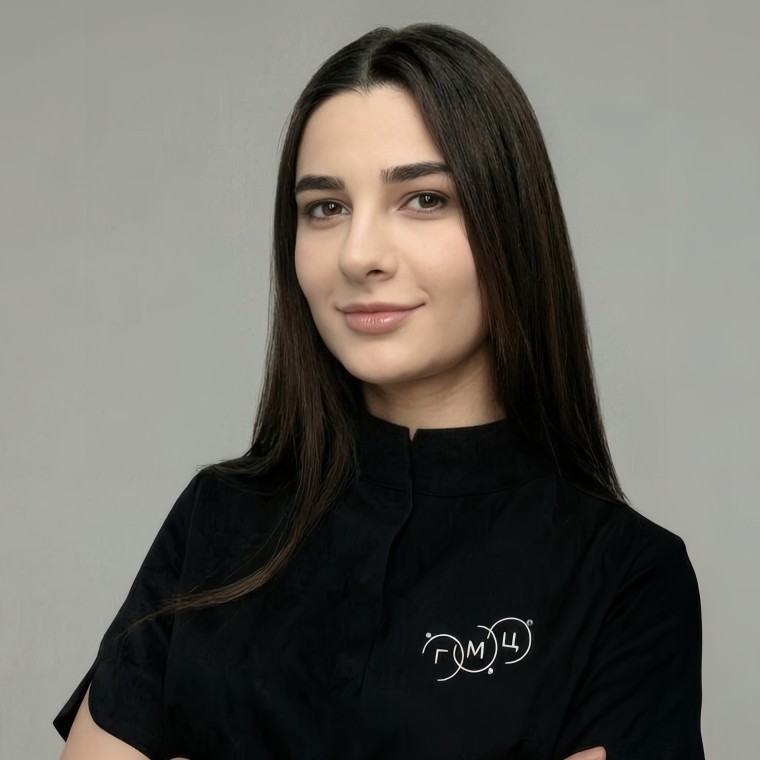
Dermatovenereologist, trichologist, surgeon
11 years of experience
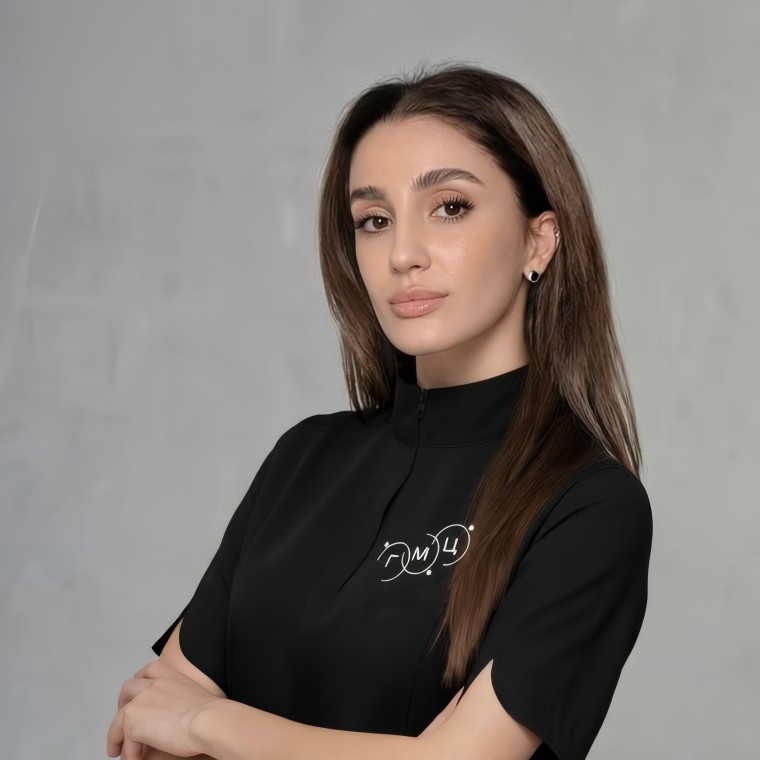
Plastic surgeon
9 years in practice
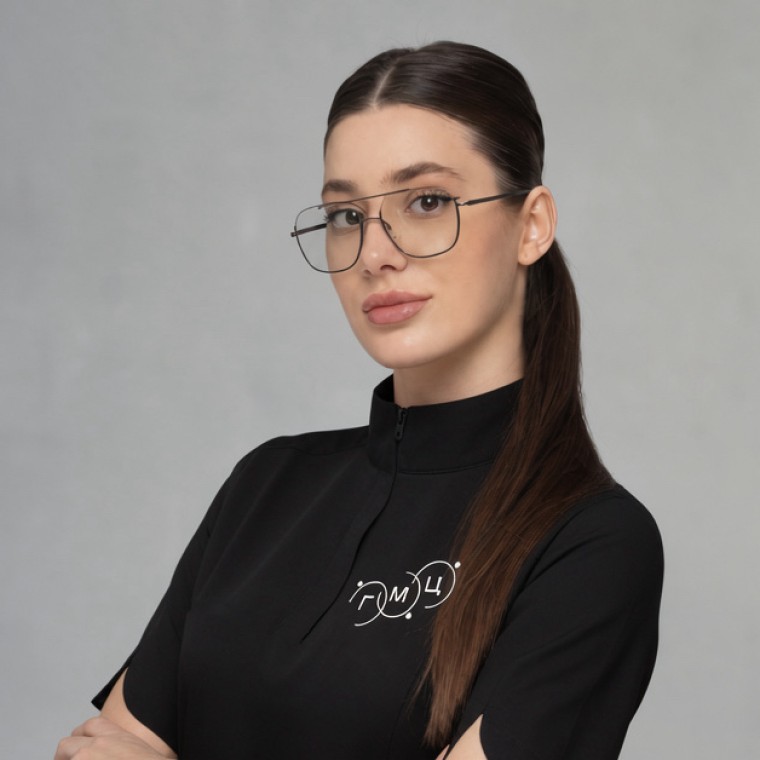
Plastic surgeon
9 years in practice
Assistant
9 years in practice
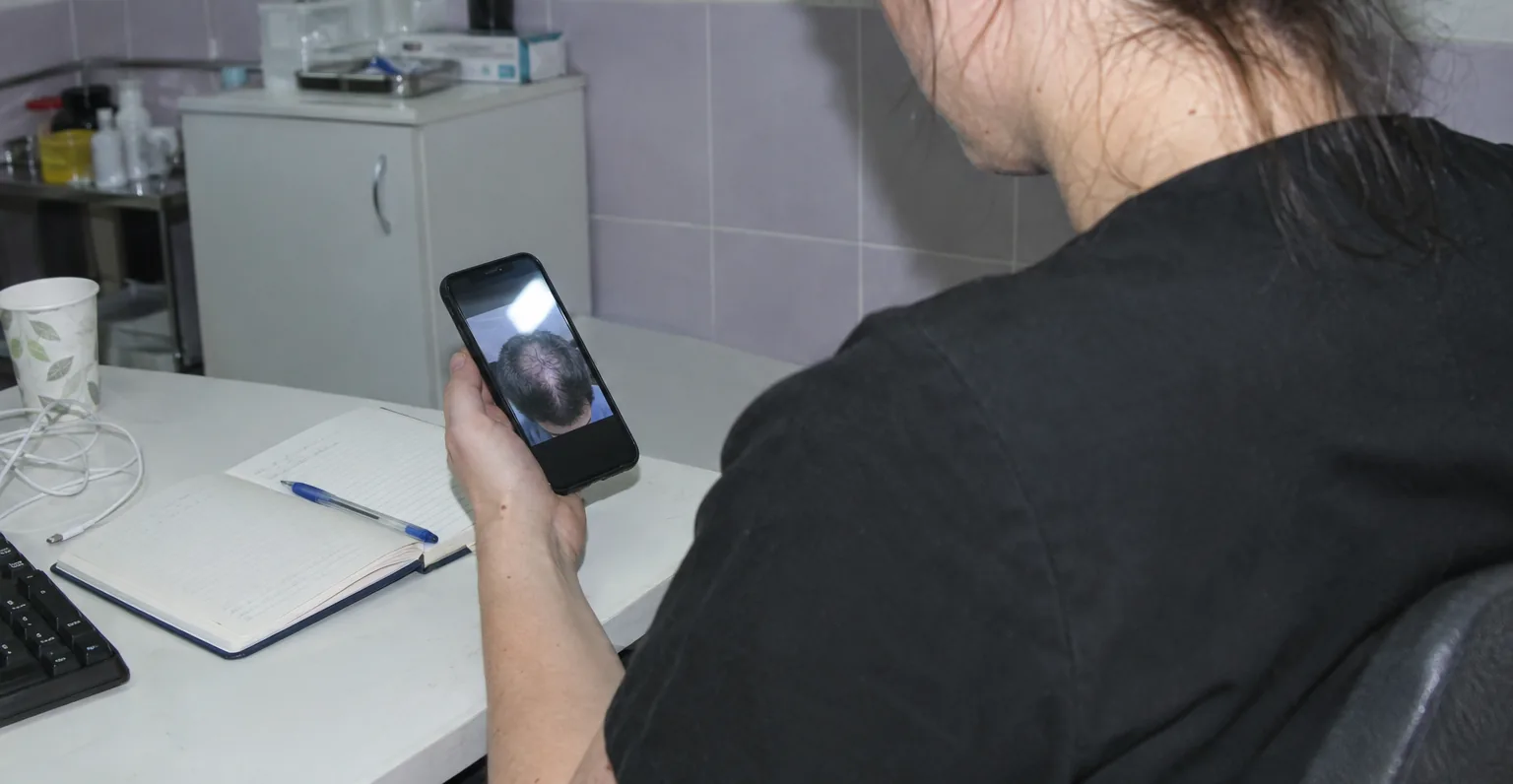
The doctor gauges the donor zone, puts a number on the grafts and describes the outcome you can reach.
Plan the next stepcoordinators
A personal coordinator is yours — from the first enquiry through to recovery.
Care and support lead
Is on hand through preparation and healing
Gets the forms done and the times fixed
Care and support lead
Is on hand through preparation and healing
Gets the forms done and the times fixed
Care and support lead
Is on hand through preparation and healing
Gets the forms done and the times fixed
Care and support lead
Is on hand through preparation and healing
Gets the forms done and the times fixed
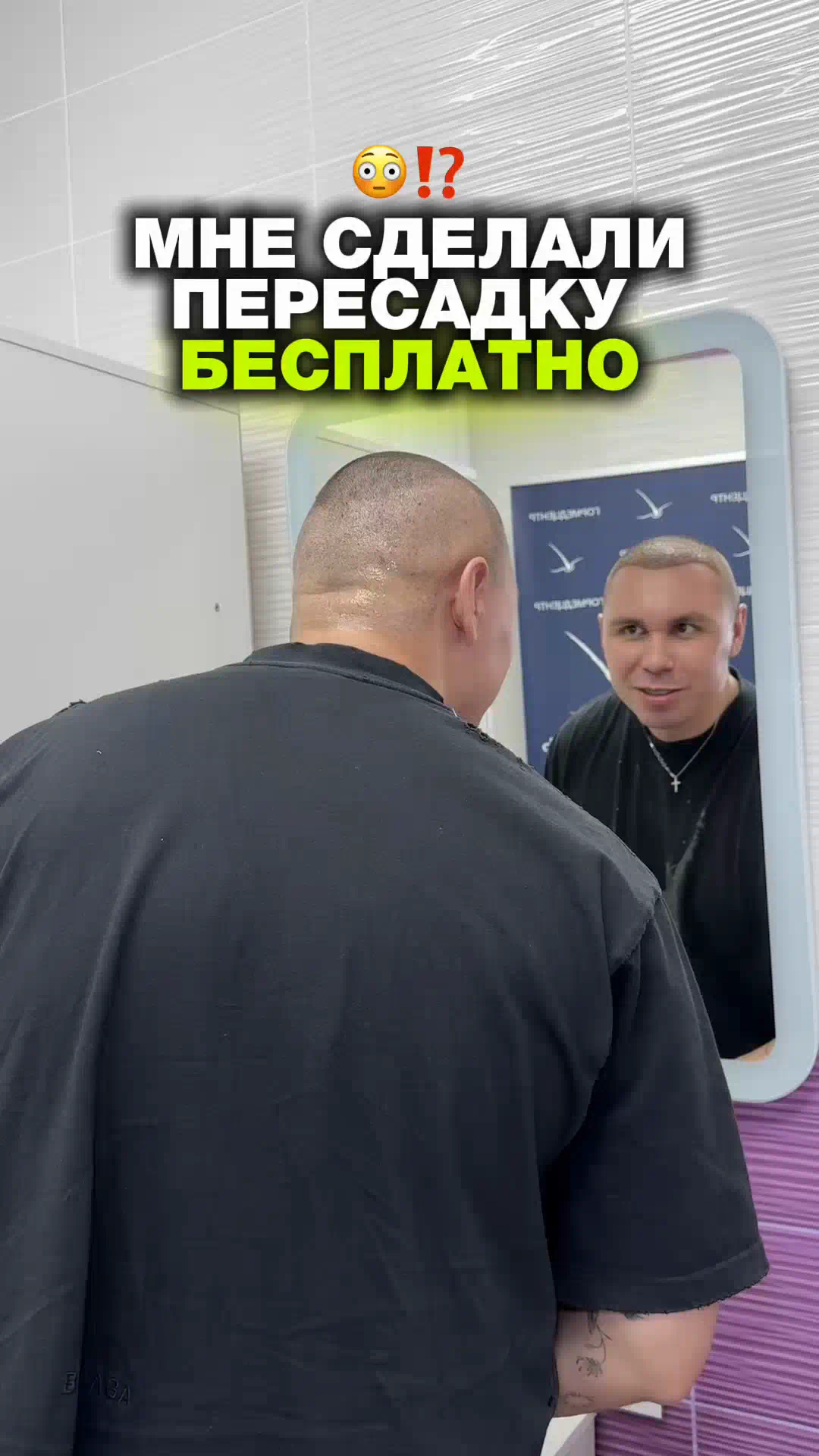

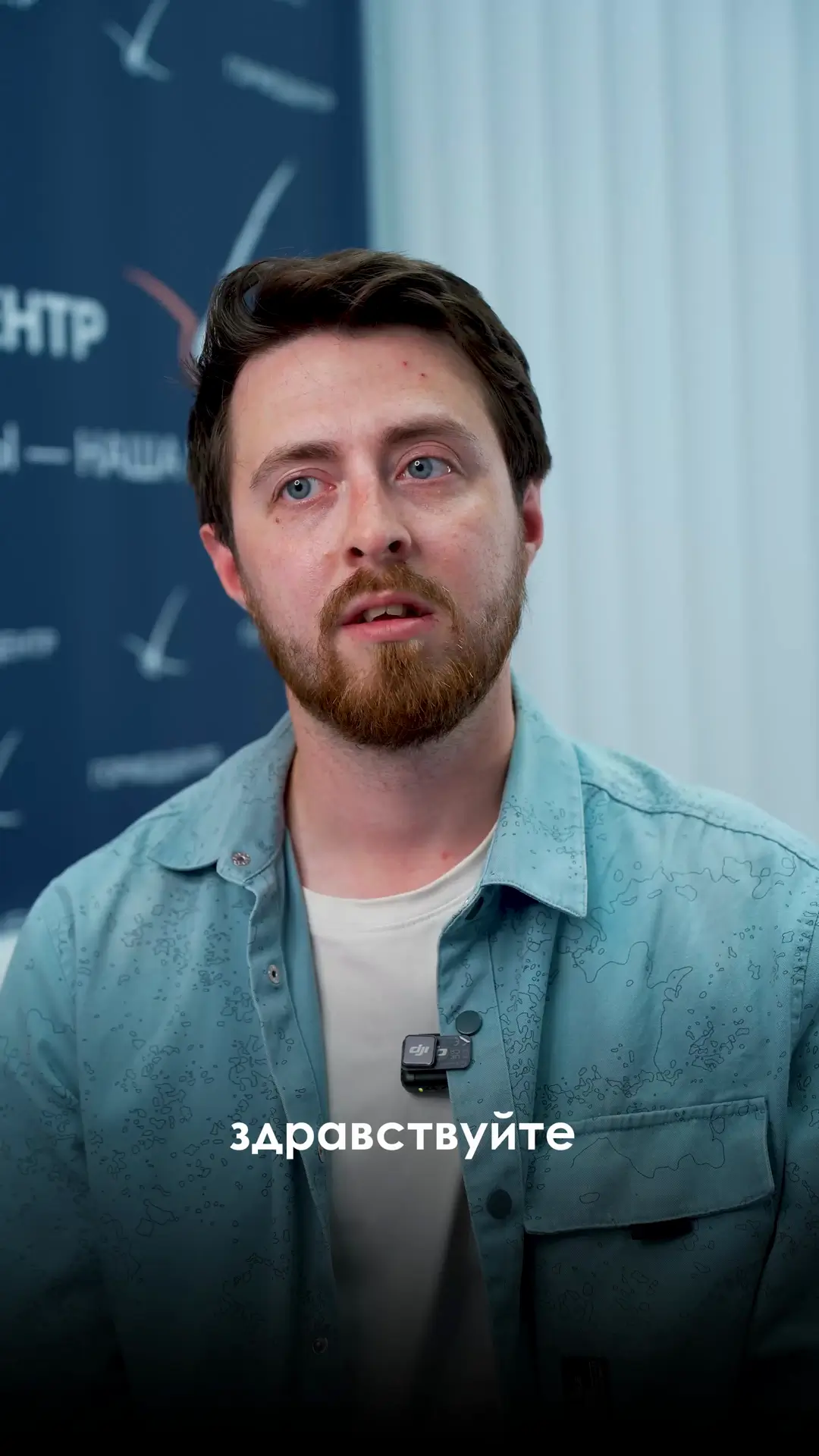
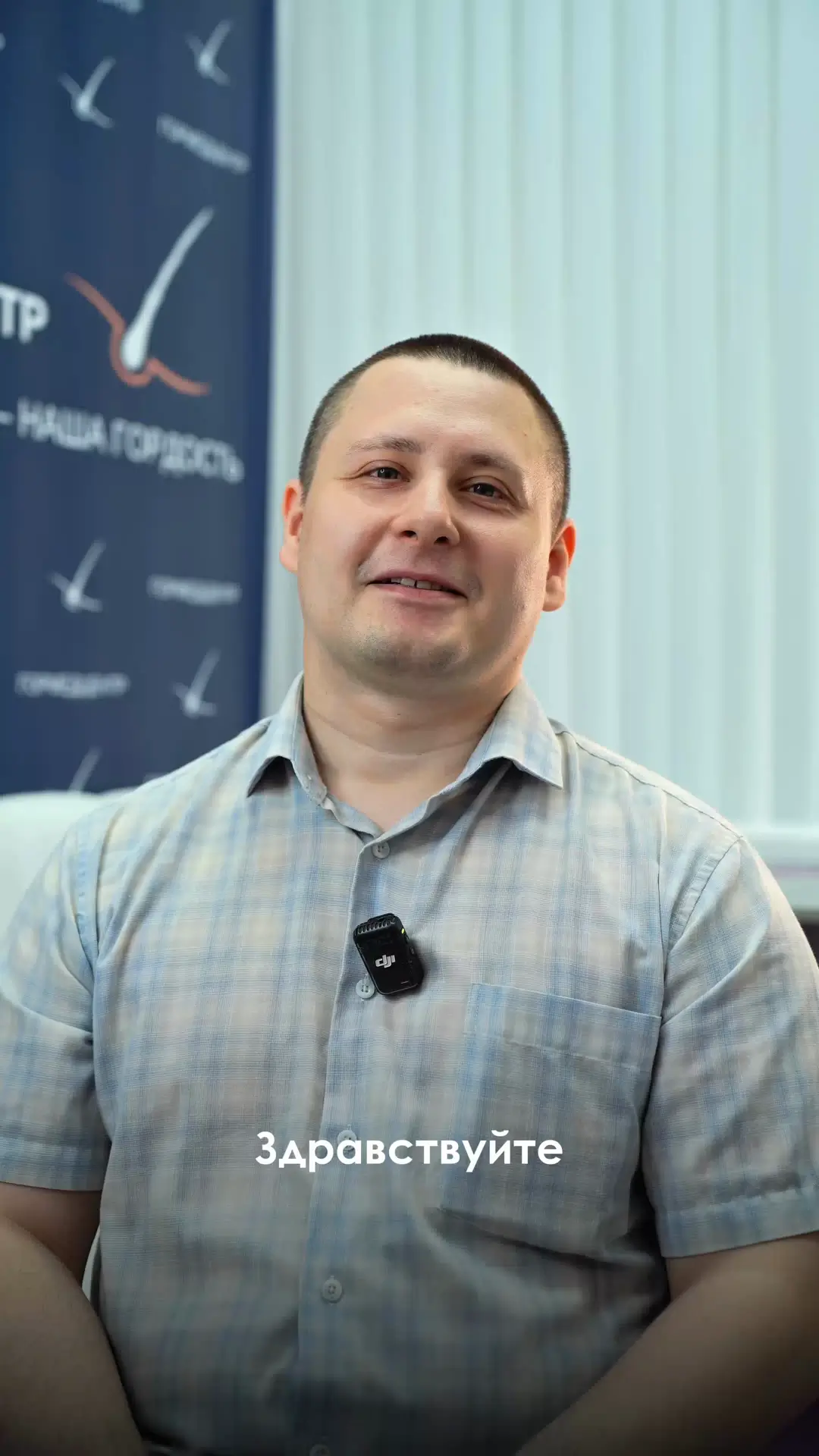
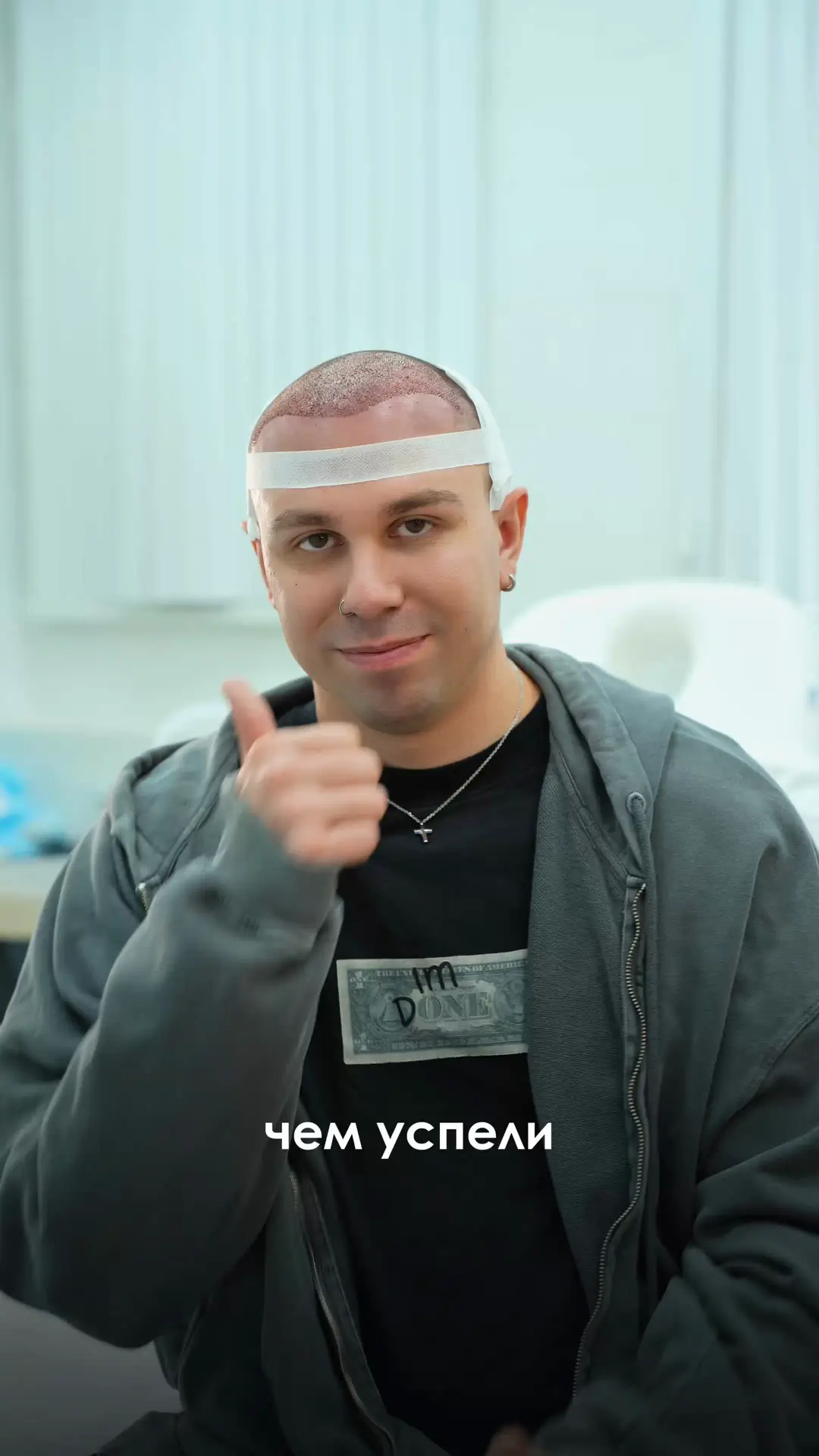
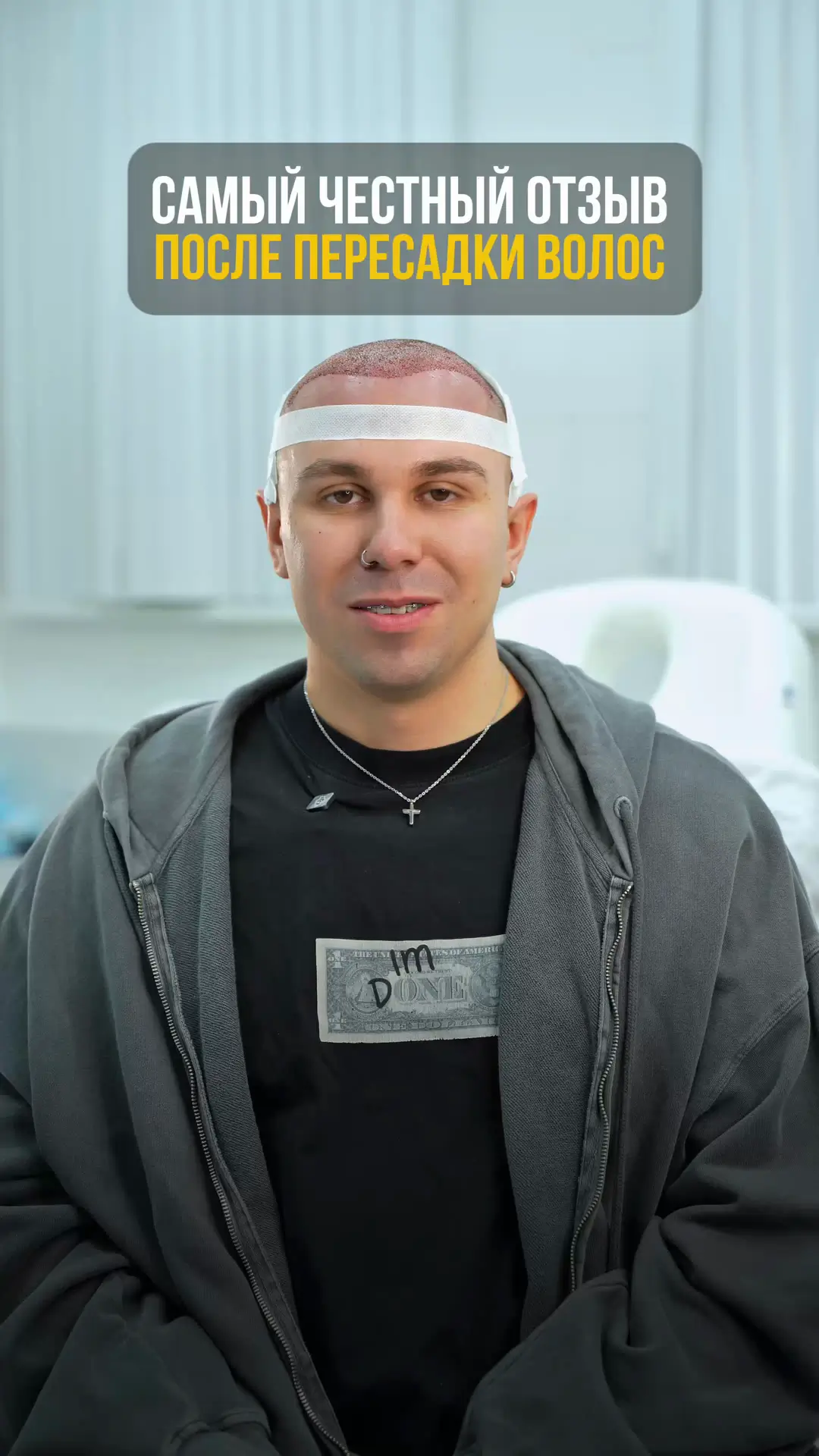

We will answer any questions and agree on a convenient consultation time
Message us on Telegram Get in touchUsual things asked
Yes, that works. Treatment is open to people from another town or another country, and an online talk with a doctor precedes it.
Prices start at $2,200 (≈ IQD 2,900,000) for FUE, $2,500 (≈ IQD 3,300,000) for DHI, and $2,700 (≈ IQD 3,550,000) for the combined method. Your final price is set after a free graft count and locked into the contract.
The procedure is completed within a single day, after which you head home.
Not at all — you feel nothing, because local anaesthesia is used.
FUE relies on tweezer harvesting with no incisions or stitches. DHI relies on Choi-pen implantation without channels. The combined DHI+FUE approach harvests by FUE and implants by DHI.
Graft count is calculated by the doctor at no cost, based on an assessment of your donor zone.
Healing occupies 0–10 days. The 2–4 week shedding of transplanted hair is normal and temporary. Regrowth starts from 3–4 months, real volume appears at 6–9 months, then the result matures at 12–18 months.
Your procedure includes a lifetime hair-growth guarantee under contract.
The clinic holds a medical licence, care is provided to the standards and clinical guidelines
of the Ministry of Health.
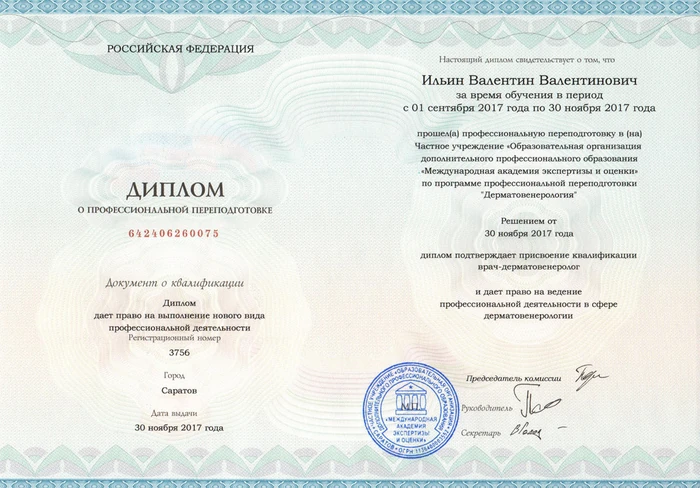
Diplomas and certificates of the operating surgeons
View our paperworkAKC POMOSHCH LLC
our clinic's legal entity
1057746096924
OGRN
7728536872
INN
A person in Najaf keeps an ordinary week around the procedure. FUE and DHI need no cuts and no stitches, they are performed under local anaesthesia, and the whole operation occupies a single day.
There is no charge for the first conversation in Najaf, and it takes place online. The doctor looks at photos of the area and gives a clear answer about whether a transplant helps. Hours are the same 24/7.
Plan on 0-10 days of healing, then a normal shedding of the transplanted hairs at 2-4 weeks, then patience until 3-4 months, which is when growth begins and the whole undertaking starts to look worthwhile.
Prices are in US dollars; the amount in brackets is an approximate conversion to IQD at the rate of 02.10.2026. The final price is fixed in your contract.
By messaging us, you agree to our Privacy Policy
Well-known people who openly discussed this operation, in their own words.
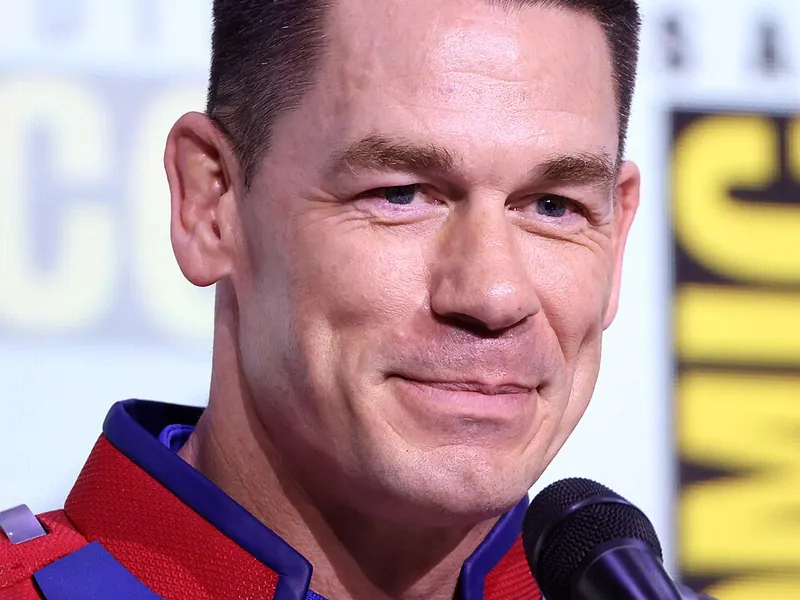 John Cena's hair transplant: “I got a problem, I try to fix it”John Cena spoke openly in 2025 about his hair transplant and the fan signs that pushed him to it. His words, how the procedure works and the recovery.
 Did Calum Best have a hair transplant? Yes, and he said so himselfCalum Best said in 2023 he had his sixth hair transplant, this time using patches of beard hair. His words, how the procedure works and recovery.
 Did Chloe Goodman have a hair transplant? Yes, and she explained whyChloe Goodman had a hair transplant in 2025 after losing hair following pregnancy. Her own words, how the procedure works and what recovery involves.
 Did Dean McCullough have a hair transplant? Yes, and he filmed itRadio 1 presenter Dean McCullough shared his FUE hair transplant on TikTok in 2024. His own words, what the swelling means and how results develop.
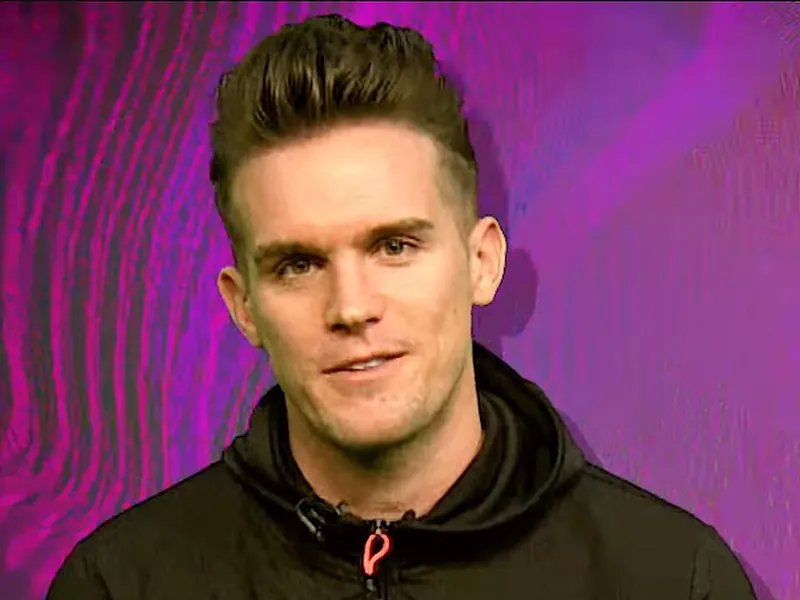 Gaz Beadle on his beard transplant: “I LOVE IT”Gaz Beadle told his 3.6 million followers he had a beard transplant after years of patchy stubble. His own words, and how a hair or beard transplant works today.
 Did Jack Fincham have a hair transplant? Yes, and he explained whyJack Fincham had a hair transplant in 2020 to cover a scar from a childhood head injury. His words, how the procedure works and recovery.
What patients write after this operation. Reviews are translated from the original language.
Andrey M.
I had the operation a month ago. Before and after surgery they were always in touch and helped with questions about my tests. The operation itself went wonderfully, the staff are polite and masters of their craft, you feel you are in safe hands. I am recovering now, and they answer all my questions. I am happy and I recommend them!
DHI hair transplant
Pavel Sinitsyn
The best clinic of all the ones I was choosing from. No regrets at all! The result is simply amazing, I am thrilled. I recommend it to everyone: these people do great work and make people happy. Once again, a huge thank you to everyone. Roman, the head of the clinic, is the best: he was personally in touch with me and looked after my recovery. Thank you for making my dream come true.
FUE hair transplant
Maria Akopyan
I thought about an eyebrow transplant for a long time and finally went for it. At first I was afraid the result would look unnatural, but when I saw my new eyebrows I was delighted! They came out full and in harmony with my face. I can hardly believe that now I just wash my face and go, I have never felt so free. For anyone tired of constant make-up, a transplant is a real lifesaver!
Eyebrow transplant (FUE)
Alexander M.
I really wanted a thick beard, but I had problems with it. I tried every home remedy and minoxidil, and nothing helped. After a long search for the best clinic I settled on this one. Thank you so much for the service, I liked everything and now I am happy! I had the beard transplant 10 months ago and I am very pleased with the result. By the way, the music in the clinic was great, as far as I remember. A friend of mine has already come to you for a transplant on my advice and was also happy with the result. I wish you every success!
Beard transplant (FUE)
Vladimir Z.
I went to the clinic to see a trichologist and had a hair transplant. I really liked the doctor's approach, and all the recommendations helped. I want to point out that nobody tries to sell you extra services: they tell you things as they are, and if some treatment is not needed, they do not push it. Cosy and clean.
DHI hair transplant
Artem Popov
This may sound obvious, but a head of hair really changes everything in your life. You feel much more confident and go through life like a winner. And it is all thanks to the doctor at this clinic and to the staff who take care of their patients. Many thanks to the clinic for a happy life with new hair, for the comfortable conditions and for the professionalism during the hair transplant.
FUE hair transplant
Najaf spreads across the rim of the western desert, roughly 160 km south of Baghdad, and administers its governorate. The official Iraqi census of 25 November 2024 counted about 1,082,091 residents in the district, and inside that figure are thousands of men in their thirties and forties catching the same morning sight: a hairline creeping backward or a crown turning thin.
Picture a shopkeeper in one of the city's older market lanes, on his feet from dawn until late evening, greeting customers at arm's length. For years he covered the thinning with a shorter cut or a different combing style, but holiday family photos tell the truth about what is happening up top, and the question of a real solution stops feeling hypothetical.
The practical route begins with a message, not an appointment. Coordinators answer Telegram and Telegram around the clock, so a man sends clear photos of his front and crown, notes when the thinning began and whether relatives share the pattern, and gets an initial opinion on whether FUE or DHI fits his case.
FUE and DHI both run under local anaesthesia, so the patient stays awake and feels no pain while grafts are extracted from the donor zone and placed. With DHI there are no incisions to close and no stitches to remove, and the whole operation finishes within a single day, sending the patient home the same evening.
During the first 0 to 10 days, tiny crusts form around each graft. They are a normal part of skin healing and come off gradually with the gentle washing routine the surgeon prescribes. Picking at them by hand is off the table, because every crust shelters a graft that still needs stability.
Between weeks two and four, a large share of the fresh hairs shed. The stage unsettles patients who assume the worst, yet it is temporary and built in: the follicle releases its first hair to push out a stronger one. Actual regrowth appears from month three to four.
Density turns noticeable between months six and nine, and the outcome is judged final between months twelve and eighteen, after every graft completes its growth cycle. Across that stretch the team reviews the case at months one, three, six, nine and twelve, usually through photos sent on the same Telegram or Telegram thread where everything started.
The city runs a textbook desert climate: summers are long and punishing, with daytime readings pushing into the mid-40s °C between June and August and dry winds hauling dust across town, while winter from December to February stays milder with cold nights. This blocks nothing in the calendar, but it shapes the first days afterward.
While crusts still sit on the scalp, direct sun on a bare head is uncomfortable and dusty air is an irritant. A loose, clean cap that never presses on the grafts solves most of it, alongside favoring shade, avoiding peak-sun hours where practical, and keeping to the bathing routine the surgeon describes.
That is why many patients aim for the cooler stretch from October to April. A teacher at a school in the governorate, for instance, finds the winter break an easier window for the first days of rest, without a classroom asking about the head covering. It is a comfort preference, not a medical rule, and timing stays the surgeon's call.
Every physician practicing in Iraq, whichever governorate he works in, is registered under the Ministry of Health of Iraq (moh.gov.iq), the authority that licenses doctors and facilities. Any patient may ask his surgeon for registration details and exact specialty, and verify them through the ministry instead of accepting a spoken claim.
A photo-based consultation is a working verification tool too: ask for a recorded explanation of the plan for your case, not a stock answer. Ask why FUE is recommended over DHI or the reverse, and how the frontal hairline will be drawn to match your face and age. Clear, checkable answers signal seriousness; a certificate sent as one image proves little.
Watch the style as well: anyone pushing for an immediate decision, or answering questions about qualifications vaguely, deserves skepticism however attractive the offer. Taking time to compare and ask is an ordinary step for anyone careful about his health, and nothing stops a patient from raising every question he has before agreeing to anything.
Iraq's public health system delivers basic care free or at low cost, charging for specific hospital services since 2016. A hair transplant is an elective cosmetic operation outside whatever a public scheme or ordinary private policy covers, so patients fund it personally, exactly as they would for any other elective aesthetic treatment.
Practically, this means budgeting in advance and syncing the date with daily life: an office employee usually needs a short break around the procedure, while the 0 to 10 day crusting phase calls for more schedule flexibility. The shopkeeper lines up someone to watch the store, a father redistributes family duties, and around-the-clock coordinators help pick dates that fit work and occasions.
Above all, the patient should accept from the outset that this is a path measured in months. Someone entering with realistic expectations reaches month twelve satisfied with what the photos show, while someone waiting for a full transformation in month one stays anxious despite steady progress. Organized patience and month-by-month photo comparisons are the honest measure.
A Najaf household wakes early even on rest days, so the first week after the procedure runs on a familiar clock with gentler movements. The patient rises for the morning prayer and breakfast with everyone else, then keeps his hands off the scalp: no rubbing with a towel, sleeping on his back against a soft pillow, and washing exactly the way the surgeon demonstrated. Such small disciplines quiet most of the anxiety, because the crust stage across the first ten days depends on grafts staying still far more than on any elaborate care.
This is where relatives earn their place. A wife or mother keeps light meals and water moving through the day and explains to the children that father's head needs calm handling while they play. The shopkeeper near the old market asks a brother or a cousin to mind the counter for several days, an office employee shares tasks with a colleague at work, and the evening family sitting turns into support of its own kind: an older brother compares scalp photos on the phone with him and jots notes to raise at the next check-in.
Summer evenings in the city stay warm well past sunset, so an air-conditioned or fan-cooled room becomes part of the rest itself, shut against the dust riding on the wind. A short walk in the neighborhood or up to the roof after dark lifts the mood. And when the mirror seems slow, a message on Telegram or Telegram to the coordinators, who answer around the clock, settles whatever detail is nagging, from the color of the crusts to the date of the first review.
A few days usually suffice to exchange photos and questions over Telegram or Telegram. The initial opinion on FUE or DHI arrives after the scalp photos are reviewed, and there is no reason to rush, since the most valuable stretch is the time reserved for thinking and comparing.
Heat and dust cannot reach grafts seated under the skin, but they irritate the scalp during the first crusty days. A loose cap, limited sun at peak hours, and moderate indoor temperatures through the first week make that stretch noticeably more comfortable.
Because it is an elective cosmetic procedure. The public system, built around essential care with partial service fees since 2016, and standard private policies cover necessary treatment only, so patients pay personally, as with other cosmetic operations.
Most office-based patients are back within a few days, provided there is flexibility during the 0 to 10 day crusting phase: a suitable cap, no direct sun, and adherence to washing instructions. The surgeon sets the exact date by job and case.
No. Shedding between weeks two and four is a temporary, well-known stage in which the follicle switches to a new growth phase. Permanent growth appears from month three and improves until the final assessment between months twelve and eighteen.
A serious surgeon explains the whole timeline, including temporary shedding, and names the limits set by donor density and age. Anyone promising an instant, flawless result within the first week is describing something that does not match the documented course of this procedure.
Yes, planning defines the working zones by thinning pattern: some cases reinforce the hairline alone, others distribute grafts between front and crown. The surgeon draws this plan after evaluating photographs and measuring donor density at the initial session.
Very little: gentle washing, a loose cap, and a month-one photo review to confirm the scalp is settling. Work and family continue as normal for most patients, and coordinators on Telegram and Telegram stay available around the clock for any question.
Not a medical requirement in ordinary cases, but a comfortable arrangement: one person is enough to prepare meals, shield the head from playful children, and cover any errand that would mean sun or dust. The operation runs under local anaesthesia and the patient is back home the same evening, and coordinators on Telegram and Telegram stay reachable around the clock for any question.
Light activity indoors carries on as usual: making tea, sitting with the family, answering the phone. Patients usually postpone heavy lifting, dusty cleaning, and going out at peak heat until the crusts that form over the first ten days have shed. The surgeon decides which activity suits each case, and gentle washing follows his instructions.
Page medically reviewed by Anastasia A. Kolesnik, hair transplant doctor. Review date: .

 Forceps
 Minimal


