



























Message our coordinator
Free online consultation · Reply within 15 minutes
Message us on TelegramMessage us on WhatsAppBy messaging us, you agree to our Privacy Policy





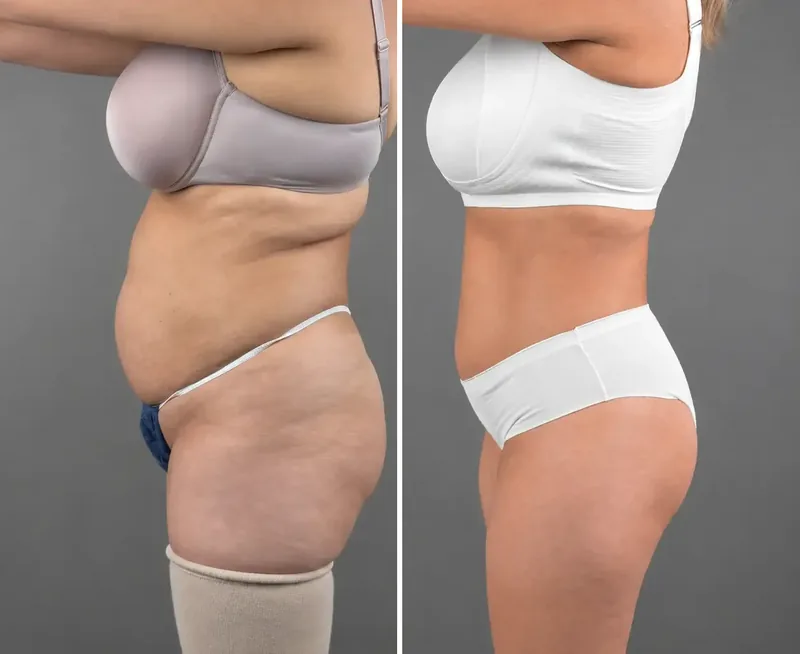
Age 48
6 months
Abdominal liposuction
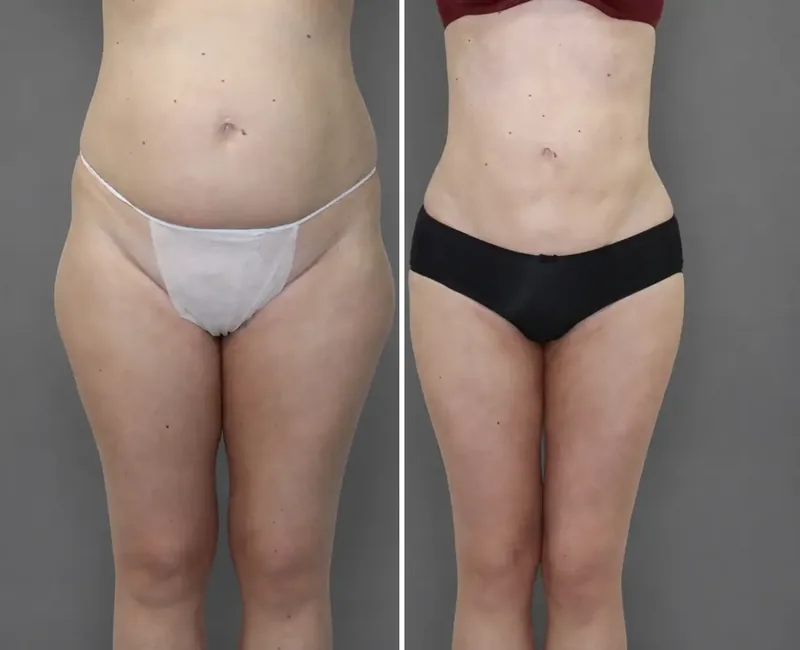
Age 52
8 months
Liposuction
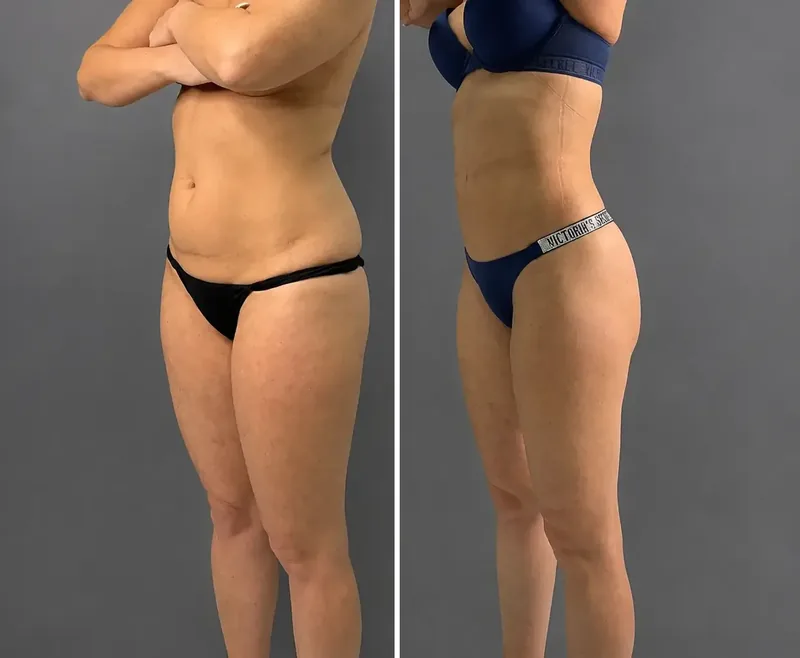
Age 37
7 months
Abdominal liposuction
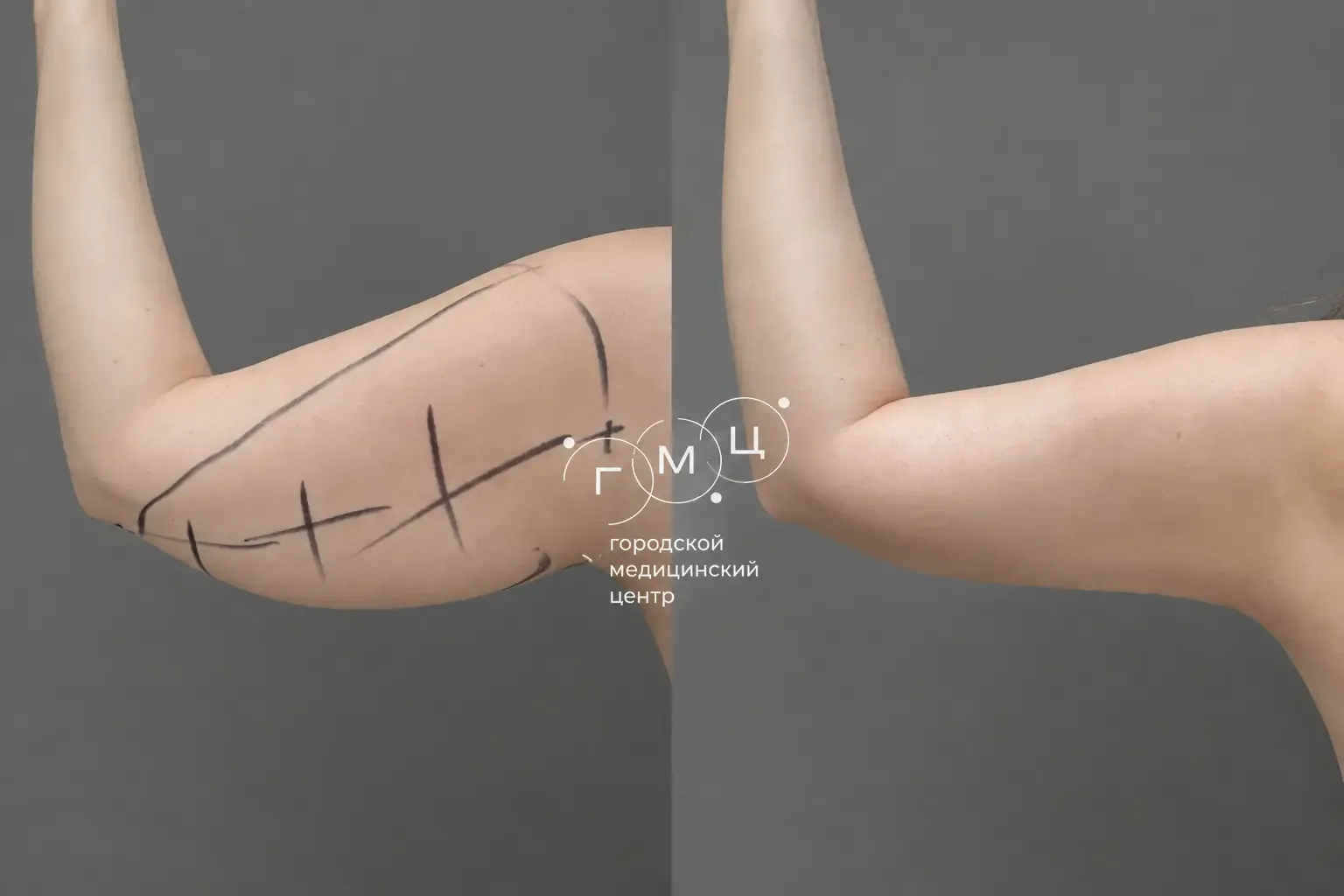
Age 30
9 months
Arm liposuction
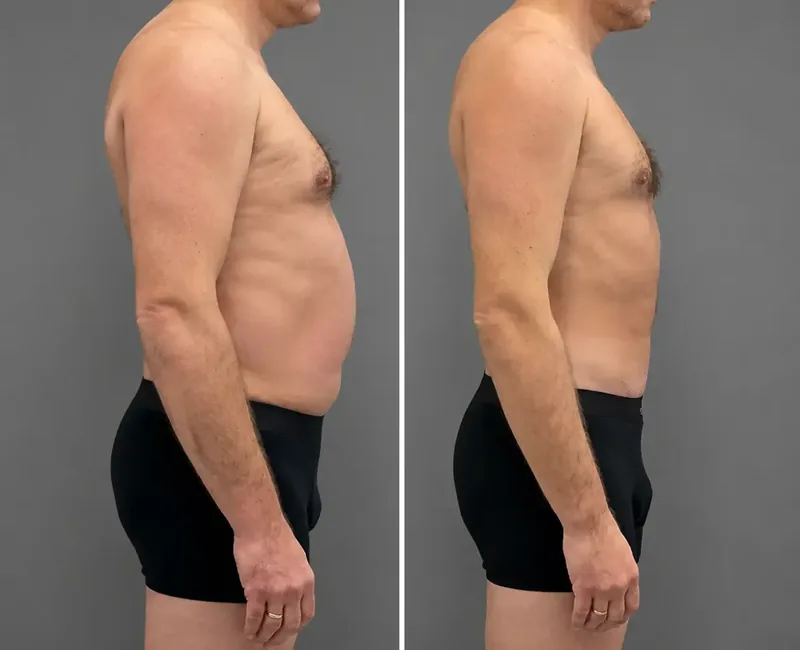
Age 49
10 months
Abdominal liposuction
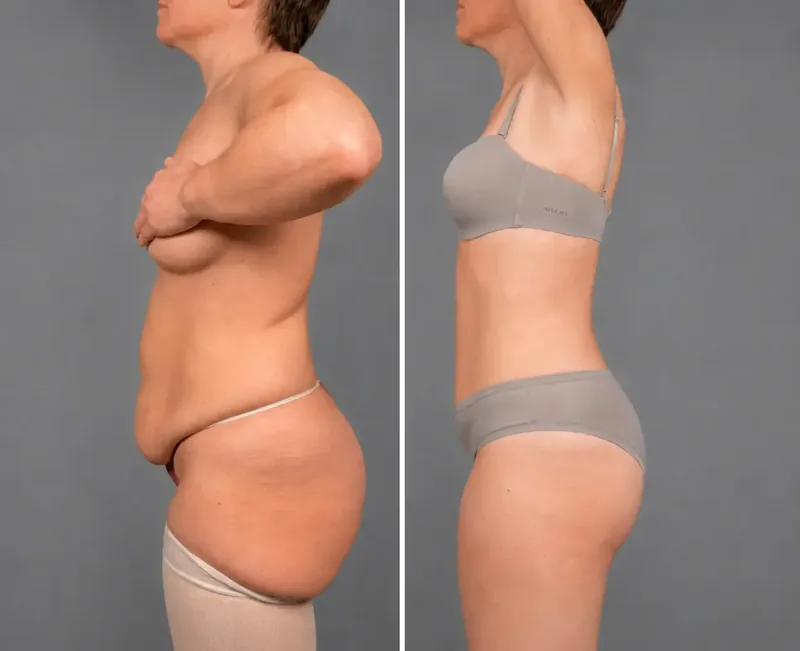
32 years
6 months
Liposuction
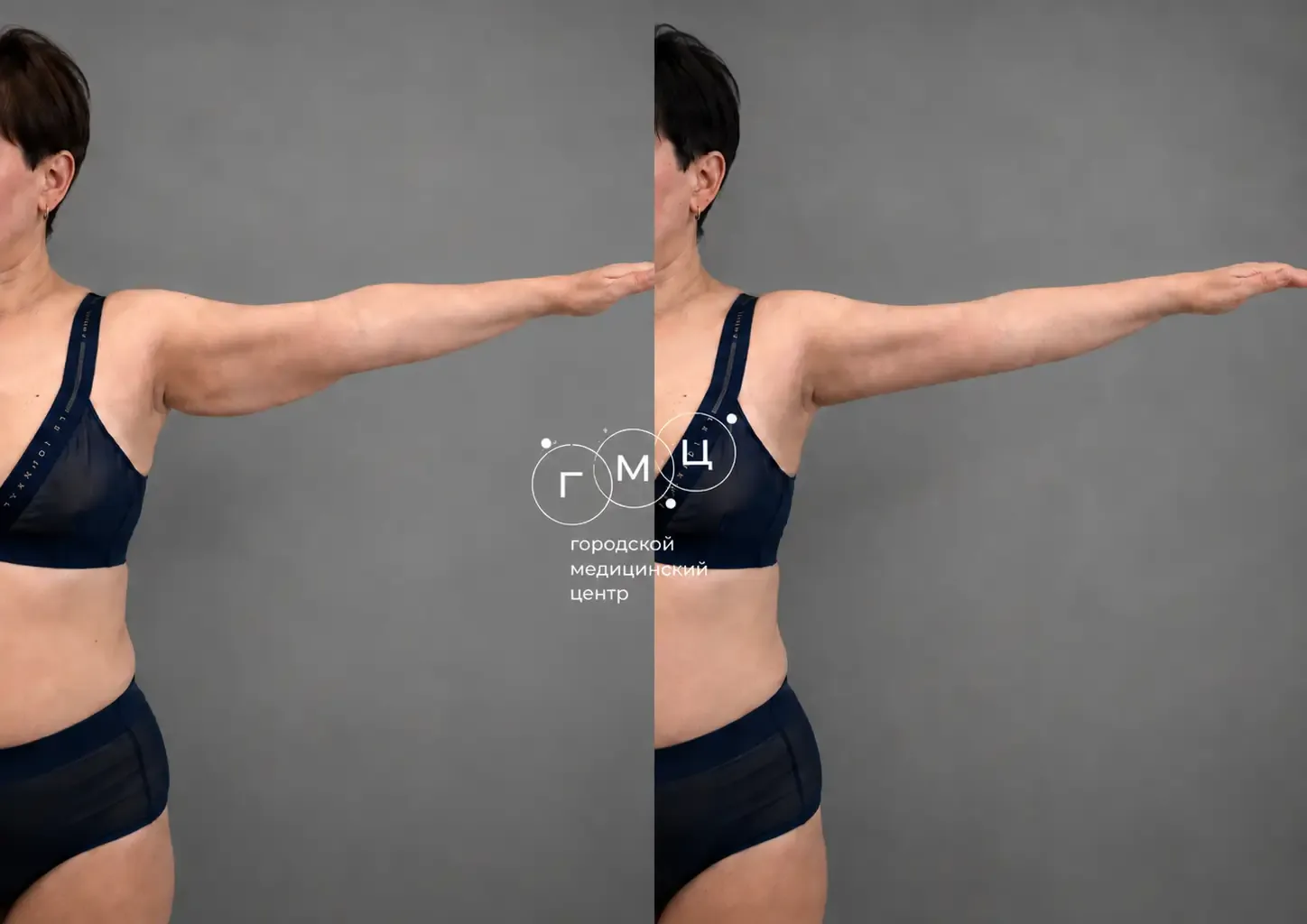
Age 51
6 months
Arm liposuction
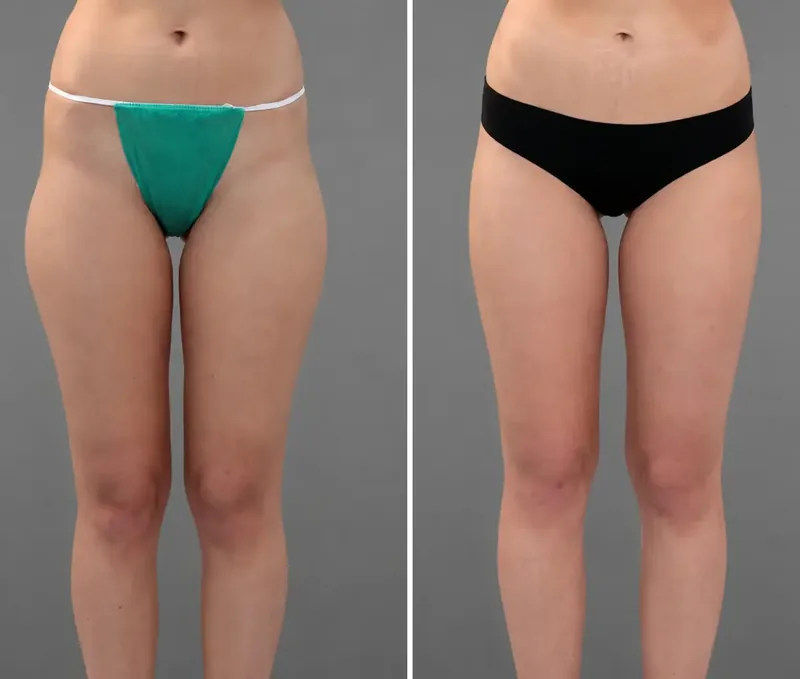
Age 30
8 months
Thigh liposuction
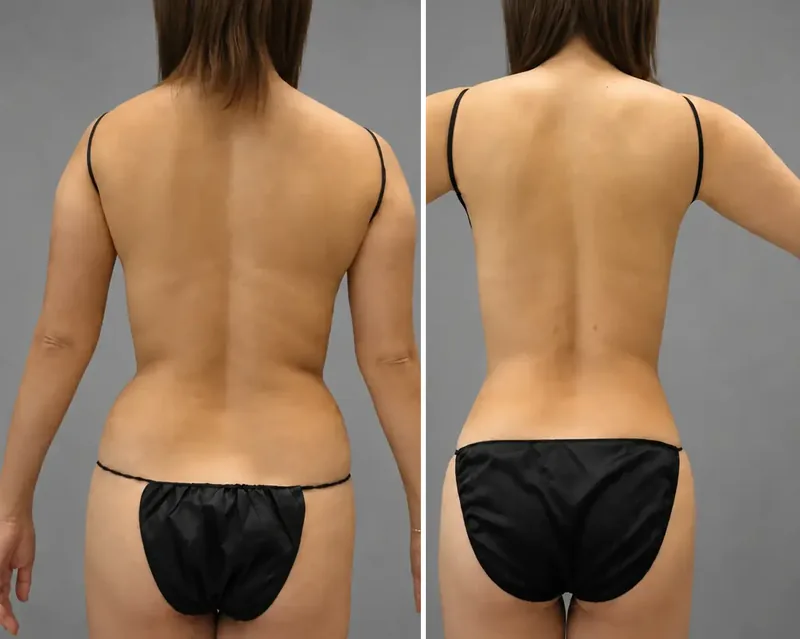
Age 38
7 months
Back liposuction
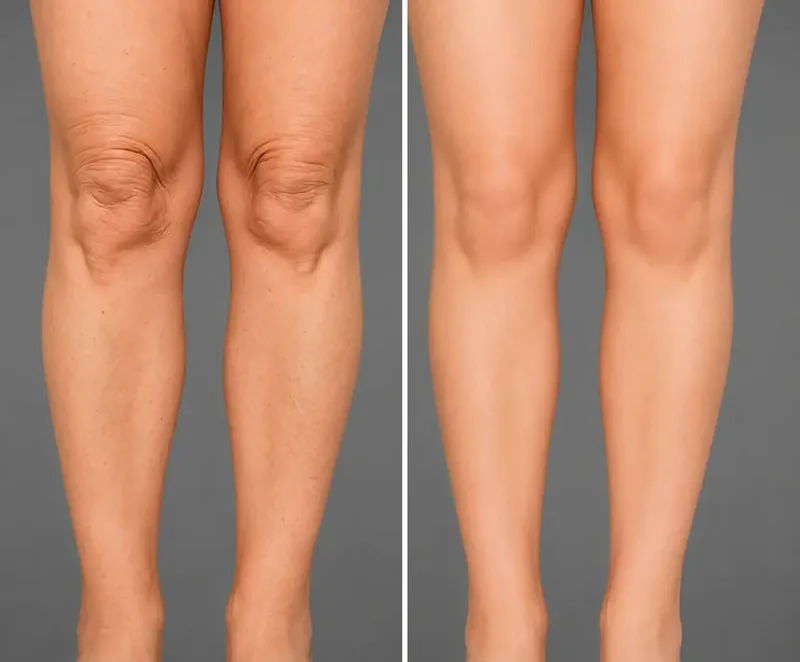
Age 35
6 months
Knee liposuction
Age 48
6 months
Abdominal liposuction
Age 52
8 months
Liposuction
Age 37
7 months
Abdominal liposuction
Age 30
9 months
Arm liposuction
Age 49
10 months
Abdominal liposuction
32 years
6 months
Liposuction
Age 51
6 months
Arm liposuction
Age 30
8 months
Thigh liposuction
Age 38
7 months
Back liposuction
Age 35
6 months
Knee liposuction







Local fat deposits that resist diet and exercise
Subcutaneous fat that is unevenly distributed
Altered body proportions and contours
After childbirth or sudden weight loss — restoring the silhouette
Gynecomastia (fat component) in men

Being under 18
Endocrine obesity
Serious chronic or mental illness
Decompensated diabetes
Blood clotting disorders
Cancer
Expecting a baby or breastfeeding
Significant heart, kidney or liver conditions
Temporary contraindications: menstruation, acute infections, taking anticoagulants, inflammatory skin conditions in the treatment area
How liposuction works for Najaf residents
Liposuction is not only a women's procedure. The abdomen and flanks are the top request for both sexes, and in men the chest is a separate case: the fat component of gynecomastia or pseudogynecomastia can be removed surgically. VASER, with ultrasound breakdown of fat, helps define pronounced muscle relief. Men in Najaf can discuss which technique suits their goals at the consultation.
It starts with a surgeon consultation: the doctor listens to your wishes, assesses the fat deposits and rules out contraindications, and a hormonal screening is ordered to predict the long-term result. Patients from Najaf then take pre-operative tests — blood count, coagulation panel, biochemistry, infection screening, ECG and chest X-ray — which can all be done at the clinic with no waiting.
One operation can cover several problem zones, and the price reflects that: from $1,200 (≈ IQD 1,600,000) for a single area, calculated individually for combinations. The contract fixes the sum with no hidden extras, and instalments carry no interest. For patients from Najaf, a free surgeon consultation is the place to plan scope and cost together. Leave a request to book yours.
Stories of well-known people
Well-known people who spoke openly about this operation, in their own words.
 Amy Schumer's liposuction: “thanks for helping me get my strength back”Amy Schumer revealed her liposuction on Instagram in 2022 and explained why. Her words, how liposuction works today and what recovery looks like.
 Brooks Nader and her liposuction regret: what she actually saidModel Brooks Nader told People she regrets a past liposuction, saying it left dimples and ripples. What she said, how liposuction works, and recovery.
 Stacey Silva's liposuction: what was reported, and what wasn'tStacey Silva and her twin Darcey had liposuction on a 2021 trip to Turkey, reported by Showbiz Cheat Sheet. What was said, how the procedure works and recovery.
 Did Josie Gibson have liposuction? Yes, and she explained whyJosie Gibson had liposuction and skin removal on her arms in 2026 because of lipoedema. Her own words, how liposuction works and what recovery involves.
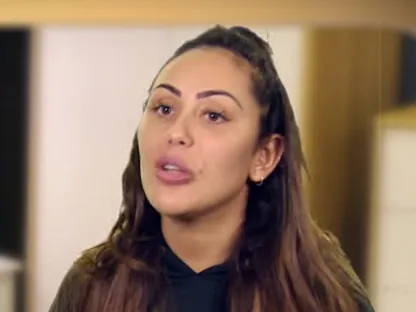 Sophie Kasaei: “Horrible insecurities drilled into me”Sophie Kasaei flew to Turkey in 2016 for a free BBL that nearly killed her. Her own words about the insecurities behind it, and what safe liposuction involves.
 Did Emmy Russ have liposuction? Yes, and she explained why herselfGerman reality TV personality Emmy Russ confirmed liposuction and skin tightening in October 2026 and explained why. Her words, the procedure and recovery.
Stubborn Fat Despite a Stable Weight: A Story Repeated in Najaf
The district of Najaf counted 1,082,091 residents in Iraq's official census of 25 November 2024, and inside a population of that size are plenty of people who genuinely worked on diet and walking yet still carry a determined pocket of fat on the flanks, abdomen or thighs that refuses every attempt to shift it.
Think of a driver who leaves home before dawn and spends long hours behind the wheel: his weight sits within reasonable limits, yet his belt presses on a build-up neither sport nor careful eating has touched. That is a localized distribution problem, not a general weight problem — precisely the situation liposuction was designed for.
People in his position start with a message naming the troublesome areas precisely, with natural-light photos attached, sent to coordinators on Telegram or Telegram who answer around the clock. From there a surgeon gives a frank opinion: whether liposuction is the right instrument, or a different route serves the goal better.
What Liposuction Actually Does and What It Never Claims
Liposuction is not a weight-loss tool and not a stand-in for a balanced lifestyle. It reshapes defined areas that cling to their fat despite real commitment; it does not move the number on the scale. The strongest candidates are people whose weight is already roughly stable with concerns confined to specific zones.
Patients who grasp that distinction before booking build honest expectations: the outcome is better proportions and harmony in everyday clothing, not an overall thinning that registers on the scales. Whoever expects a major drop will feel let down even if the procedure goes flawlessly, and early conversation resolves that.
A good first consultation spends real time on one direct question: which areas genuinely qualify for suction and which need another answer. A serious surgeon treats the areas that qualify medically and does not simply nod along to everything a patient points at — that filter protects the patient's effort.
Anaesthesia Choices and the Compression-Garment Weeks
The procedure runs under local or general anaesthesia depending on how many areas are treated and how wide the plan is. With general anaesthesia, the patient usually spends one day in hospital under observation before heading home, while narrower cases under local anaesthesia follow an arrangement described in advance.
Afterward, a compression garment is worn for four to six weeks, and saunas, steam baths, swimming pools and intense sport sit on the forbidden list while the treated areas settle. Gentle movement such as short walks is encouraged early for circulation, while heavy lifting waits for a clear go-ahead.
Between weeks two and four the first visible changes emerge as swelling recedes and the skin settles onto the new contour, and the final result is assessed around three months after the procedure, once the skin has fully adapted. Scheduled follow-ups answer the activity questions that would otherwise leave the patient guessing.
Choosing the Right Month Inside Najaf's Year
Najaf's summer is hot and dry, routinely exceeding 40°C in the daytime from June through August with dust carried on many winds, while the mild winter months sit far cooler. That gap changes nothing about removal or healing, but it changes a great deal about weeks spent in a compression layer.
That is why many patients arrange the garment weeks inside the cooler stretch from October to April: less time outdoors, calmer air, and a wide everyday layer over the garment that reads as ordinary winter clothing. A tailor in a busy shop, for instance, finds winter a defensible moment for an extra layer without explaining it to anyone.
In any season the habits hold: plenty of water, rest in shaded or air-conditioned space through the hottest hours, and precise adherence to the surgeon's instructions on when each level of activity resumes, all through the first follow-up period.
Paying Privately and Verifying Before Any Money Moves
On the financial side the picture is straightforward: Iraq's public health system delivers essential care free or at low cost and has charged fees for individual hospital services since 2016, and it is not built to fund an elective cosmetic operation such as liposuction. Patients plan the cost and settle it personally.
Before any payment comes verification: every physician practicing in Iraq is registered with the Ministry of Health of Iraq (moh.gov.iq), which licenses doctors and facilities. Requesting registration details and the exact specialty and matching them through the ministry is a logical step, especially before transferring any amount.
One question deserves its own time: the difference between traditional suction and wave- or laser-assisted variants where they exist, and why one approach fits your case rather than any case. A detailed, reasoned answer separates a surgeon thinking about you from one repeating a script for everyone.
Reading Your Own Recovery: Expectations, Moods and Honest Signals
The hardest week of liposuction is rarely the procedure week; it is the stretch before the first visible change. The bathroom scale holds still, the body looks familiar, and a cousin's faster story starts to sting. This is exactly what the consultation warned about: swelling conceals the new contour at first, and the early short walks are not a preview of results but support for circulation. A fair picture of progress starts with a weekly ritual, the same pose, the same light, never ten glances at the mirror a day.
Between weeks two and four the honest signals arrive: swelling recedes, the skin settles onto the new line, and a man notices it first in the way his belt or his dishdasha sits before anyone else does. A household is a slow-motion detection system: a wife notices the shirt sitting differently on the shoulders, a brother jokes that the long evening visits have gotten easier to endure. Someone who buys new clothes in week one miscalculates, while someone who waits for month three finds everyday garments suddenly looser without any new effort.
Moods ride the same wave. It is normal to swing between a hopeful morning and a restless evening, especially with work and family obligations that never pause. The healthy circuit-breaker is the very channel where everything began: coordinators on Telegram and Telegram answer around the clock, and one direct question calms more than an hour of guessing. Scheduled follow-ups remain the official measure, because the final assessment comes around three months once the skin has fully healed. A patient who understands that map passes the four-to-six garment weeks with a settled heart.
Does liposuction remove cellulite or change the texture of the skin?
No, the procedure targets fat volume beneath the skin rather than surface texture. If skin quality is the main concern, that is discussed openly during evaluation, so you get an honest read on what can realistically be achieved.
How many areas can be treated in a single session?
The surgeon sets that by the plan's breadth, the chosen anaesthesia and recognized safety limits. Anyone considering more than one area should say so in the first message, so the evaluation is built on the full picture.
Do the treated areas refill with fat after a few years?
Removed fat cells do not return, but remaining cells elsewhere enlarge if weight increases, shifting overall distribution. Keeping weight stable after recovery is therefore part of maintaining the result, not a separate matter.
When does sitting behind the wheel feel comfortable again?
That depends on where the treated areas sit and how quickly comfort returns, with the final call made at follow-up reviews. A driver spending long hours daily in a car should raise it in the first consultation.
How far ahead of a family event should the date be set?
Leave at least three months before any occasion where the final look matters, since the result is assessed roughly three months after surgery once the skin has settled. Closer occasions can pass quietly during the first weeks.
Why did the surgeon choose one suction method over another for me?
Each approach, traditional or wave- or laser-assisted, has indications tied to the area's structure and the scale of treatment. Ask for the reasoning specific to your case; a justified answer separates genuine thinking from a single stock answer.
Will I need to stay in hospital after the operation?
With general anaesthesia, most patients remain one day under observation before going home. Narrower cases under local anaesthesia follow what the surgeon describes beforehand — a line item worth asking about during planning.
How should the house be prepared for the first garment week?
Prepare loose clothing that is easy to put on, a comfortable resting spot, and hand demanding chores to a family member. Keep the restrictions list in view: no sauna, steam bath, pools or intense sport until the surgeon clears them.
The swelling feels worse by evening. Is that normal?
Swelling is a known feature of the first weeks and breathes with daily activity, which is why no judgment is made from a single night's impression. What matters is the direction between one weekly photo and the next: slow, steady improvement means the course is right. Anything genuinely worrying goes straight to the same channel instead of waiting for the next appointment.
When can I judge the result fairly?
The fair checkpoint is around three months, when the skin has settled onto the new shape; before that, every observation stays provisional. Compare photos by dates rather than moods, keep the small notes you jotted down, and the surgeon will go through them with you at follow-up. That turns the verdict from a restless day's feeling into an organized measurement the medical team uses.
Liposuction in Najaf: price and what is included
Prices are in US dollars; the amount in brackets is an approximate conversion to IQD at the rate of 02.10.2026. The final price is fixed in your contract.
- Liposuctionfrom $1,200 (≈ IQD 1,600,000) per area
How much does liposuction in Najaf cost?
Prices start from $1,200 (≈ IQD 1,600,000) per area. The surgeon sets the final price at the free consultation, and it is fixed in the contract, with no hidden extras.
What is included in the price?
The operation under local or general anaesthesia and the surgeon's support throughout recovery. The price is per area and fixed in the contract.
How do I get my exact price?
Message us on WhatsApp or Telegram using the buttons below. A coordinator will answer your questions and book a free consultation where the doctor names the exact price.
By messaging us, you agree to our Privacy Policy