


























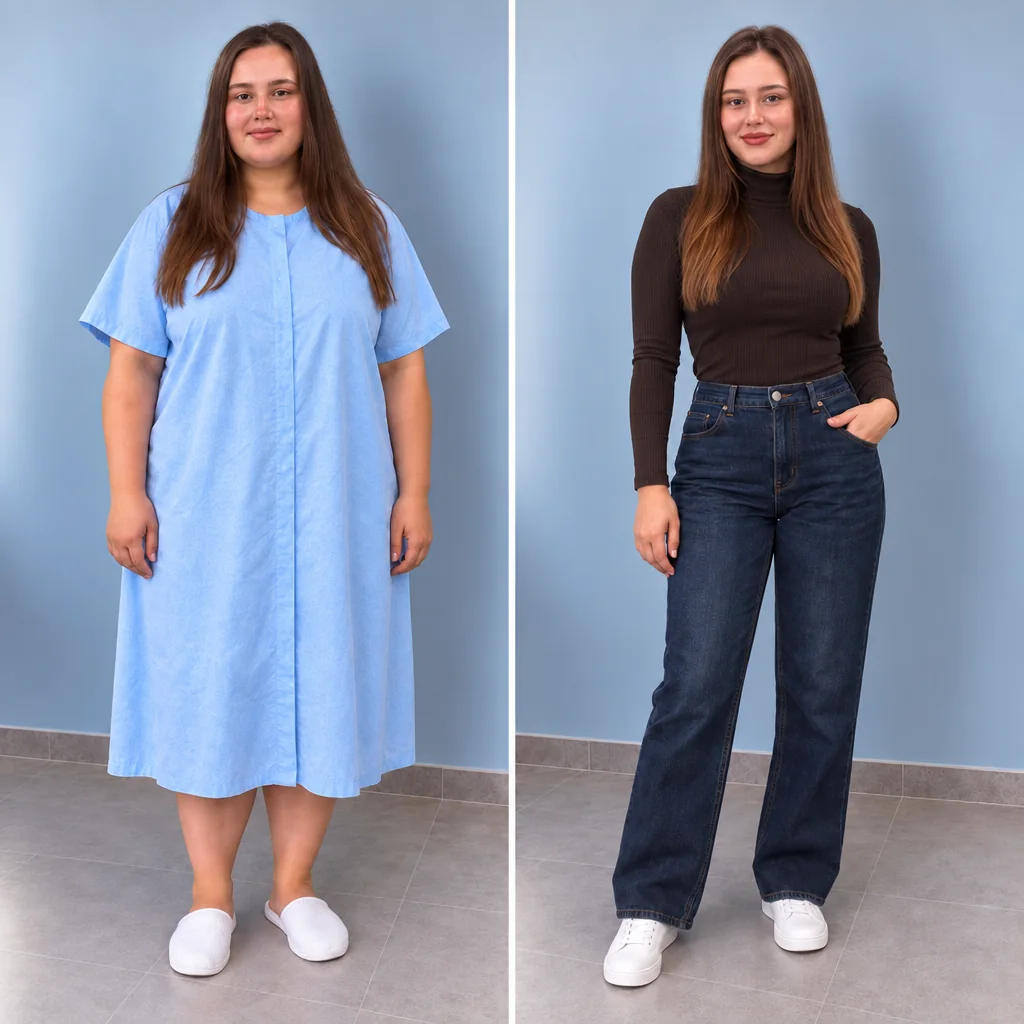
 beforeafter
Irina, 26
Bariatric surgery
Bariatric surgery
$3,600
$4,800 · First consultation — Free
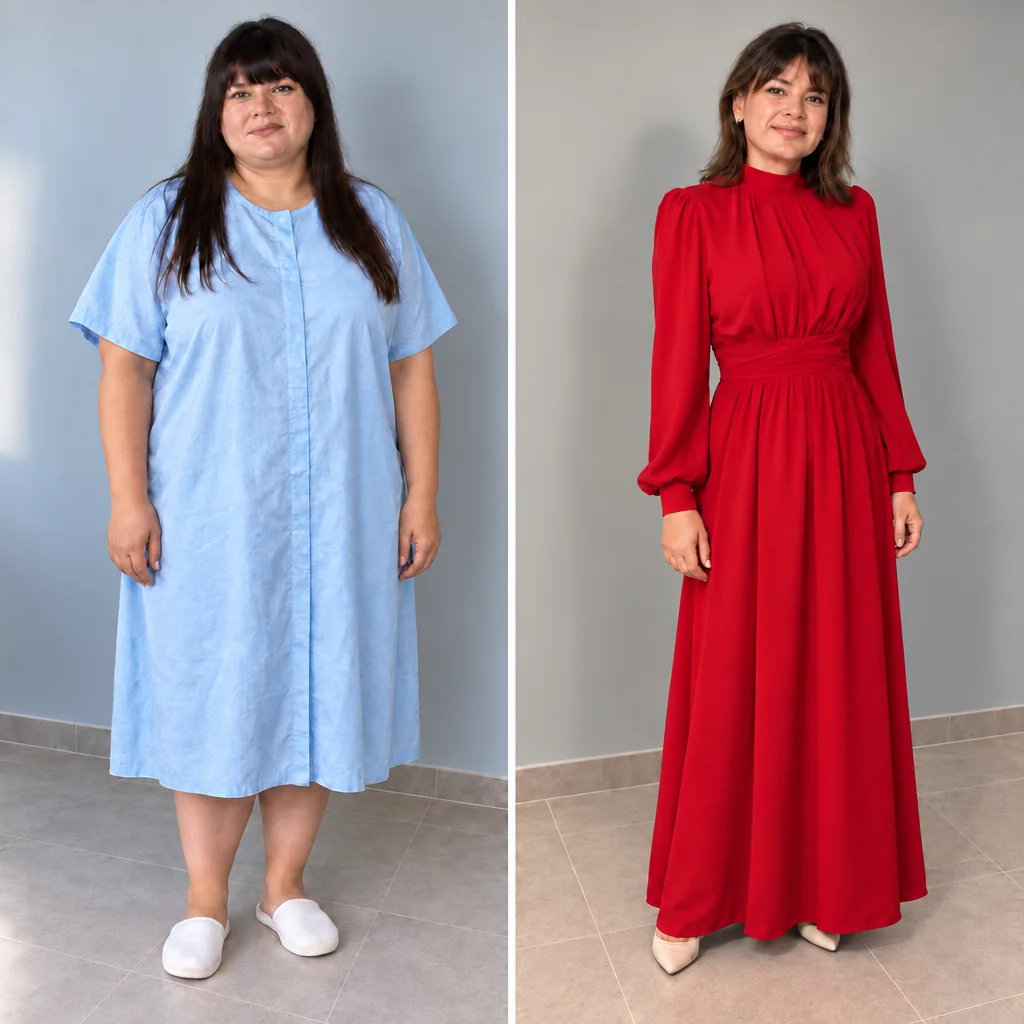 before
after
before
after
Message our coordinator
Free online consultation · Reply within 15 minutes
Message us on TelegramMessage us on WhatsAppBy messaging us, you agree to our Privacy Policy
Results
All cases are real patients of the clinic.
beforeafterBariatric surgery
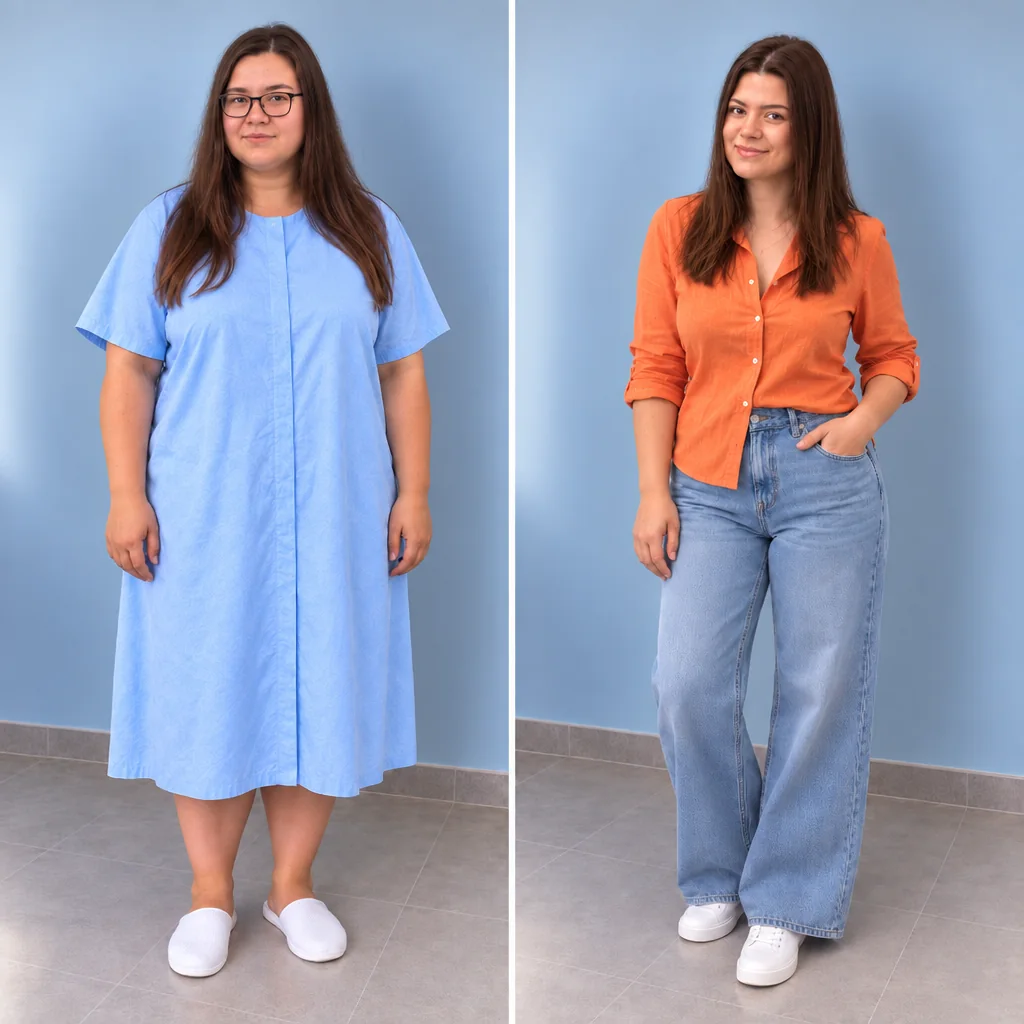 beforeafter
Bariatric surgery
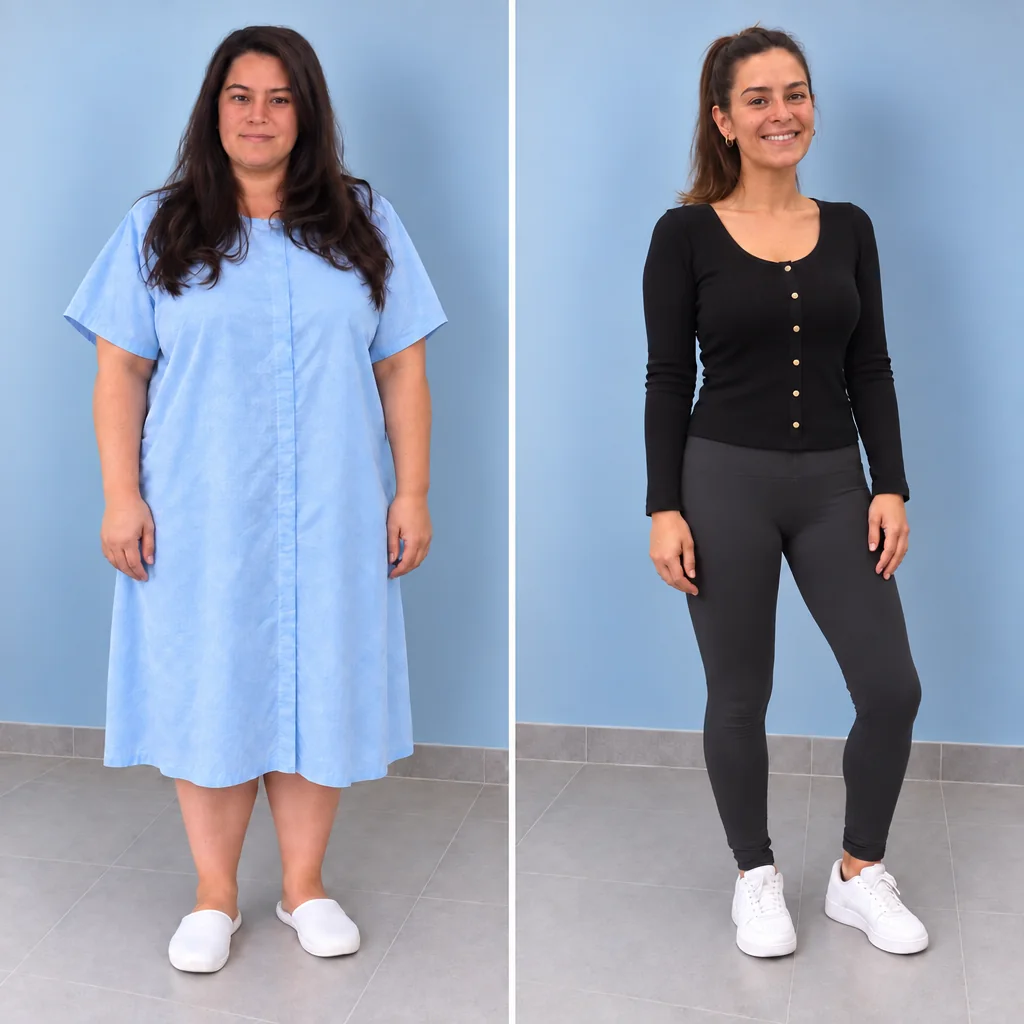 beforeafter
Bariatric surgery
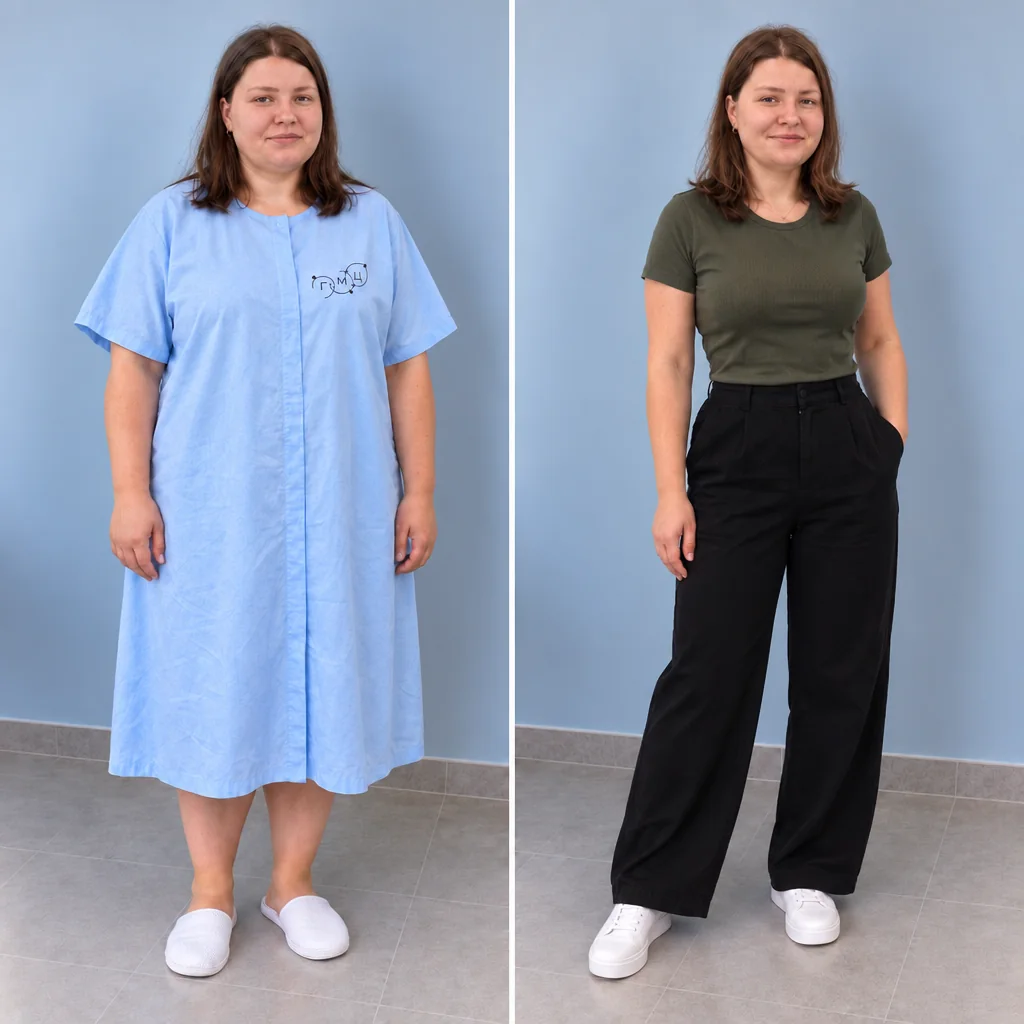 beforeafter
Bariatric surgery
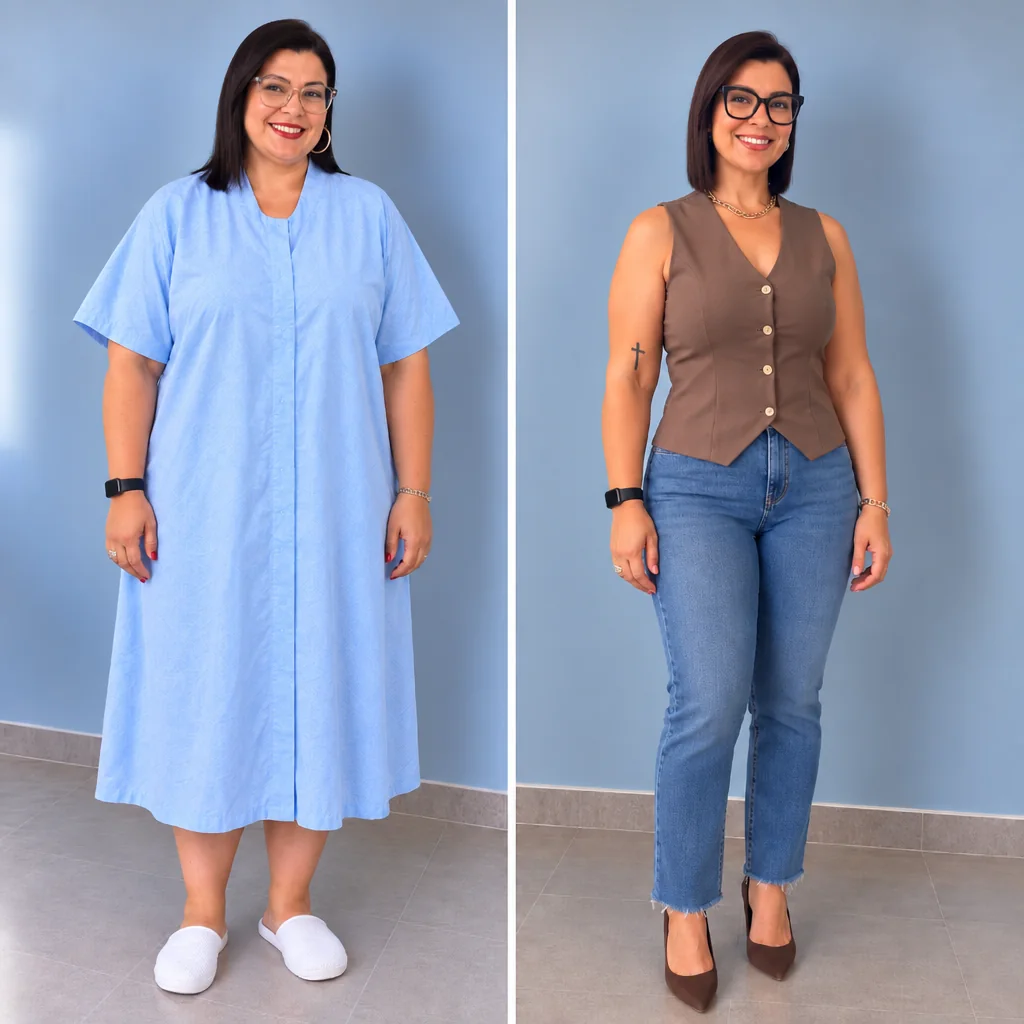 beforeafter
Bariatric surgery
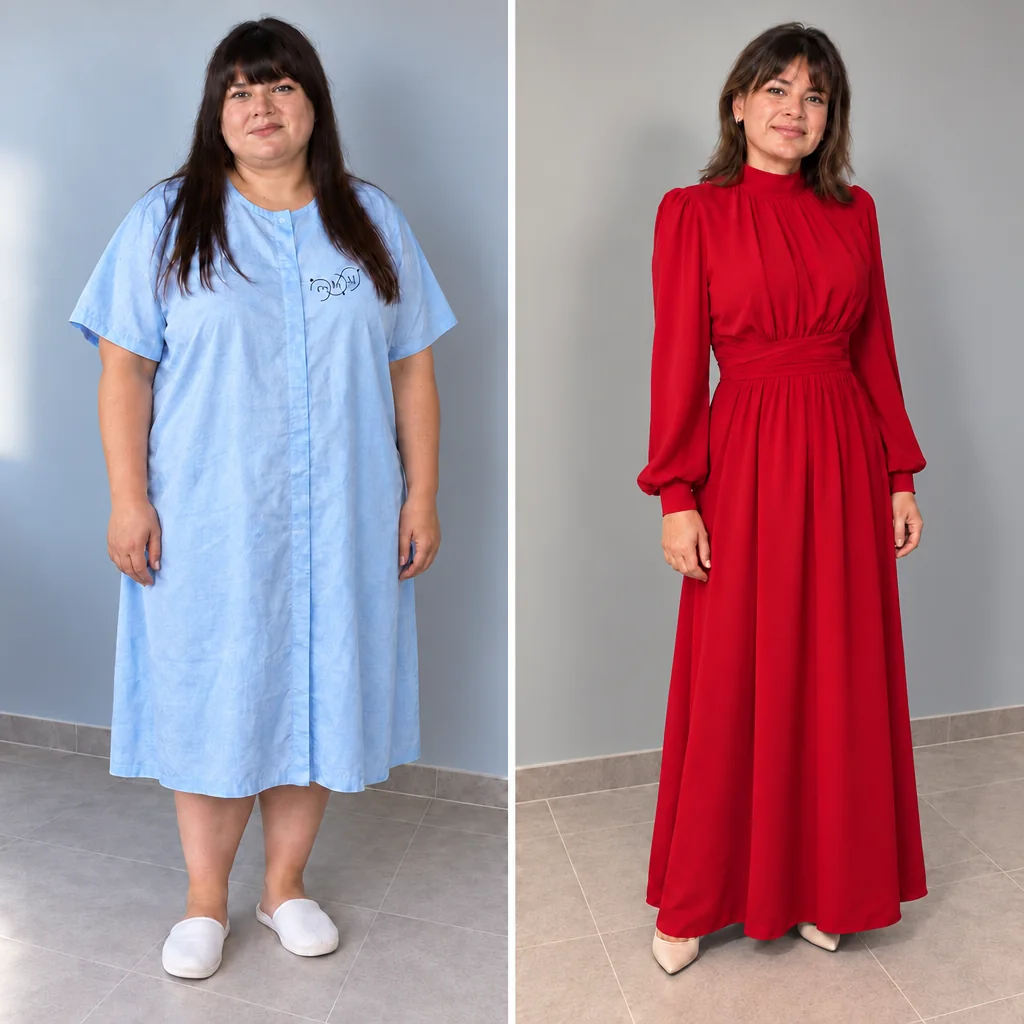 beforeafter
Bariatric surgery
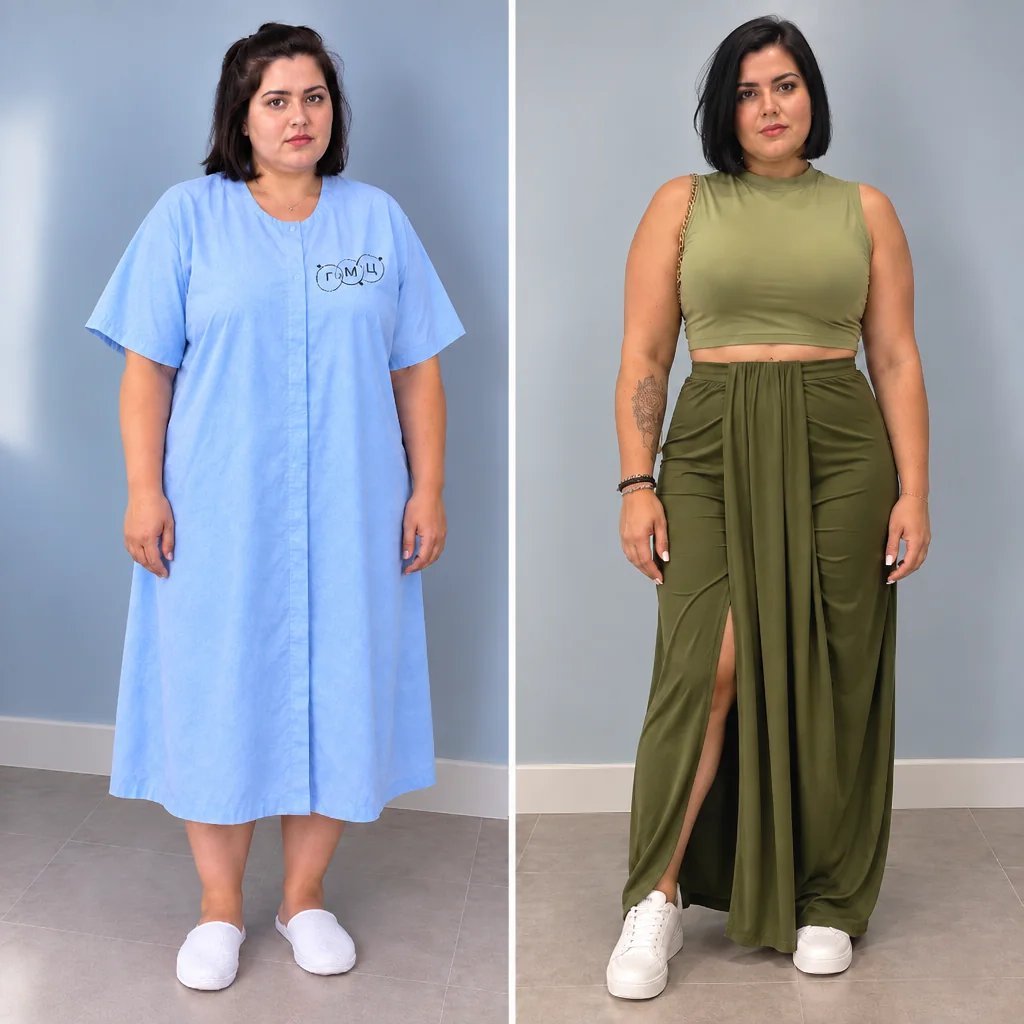 beforeafter
Bariatric surgery
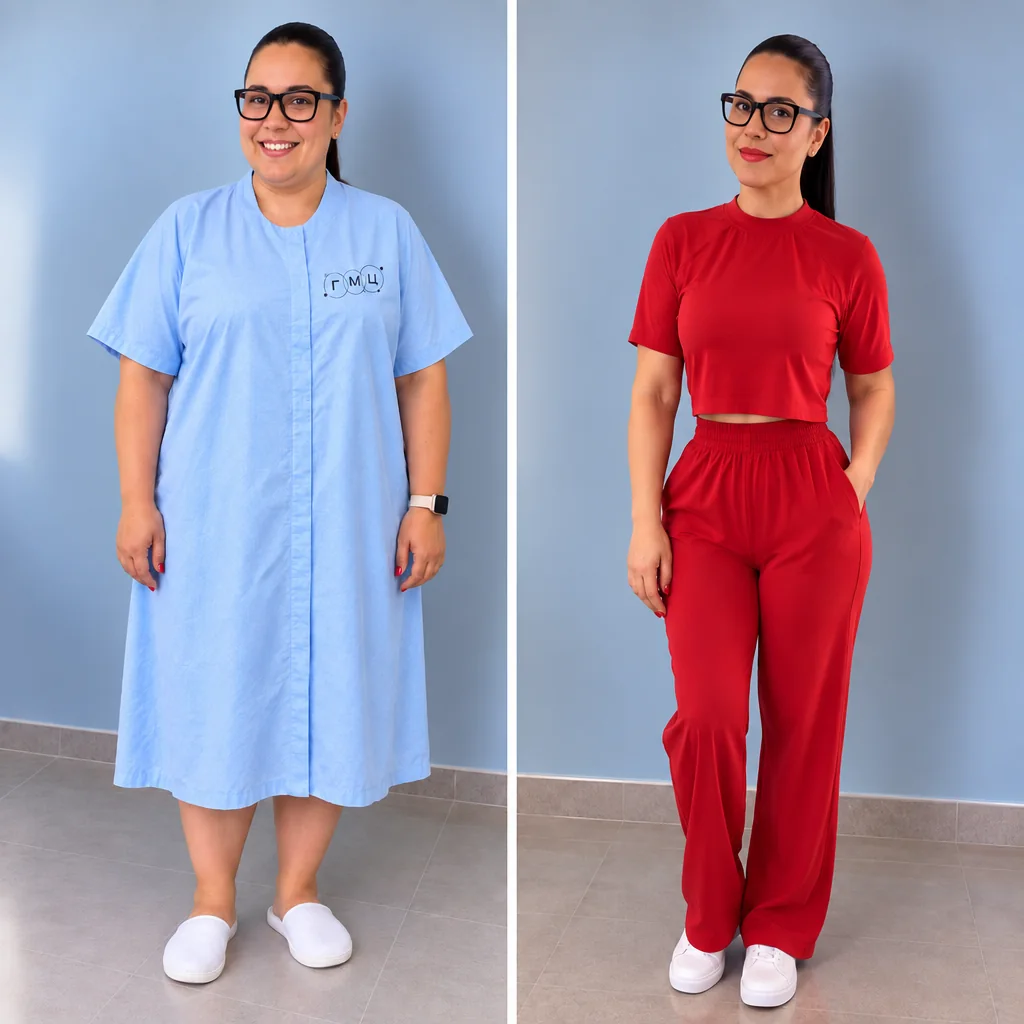 beforeafter
Bariatric surgery
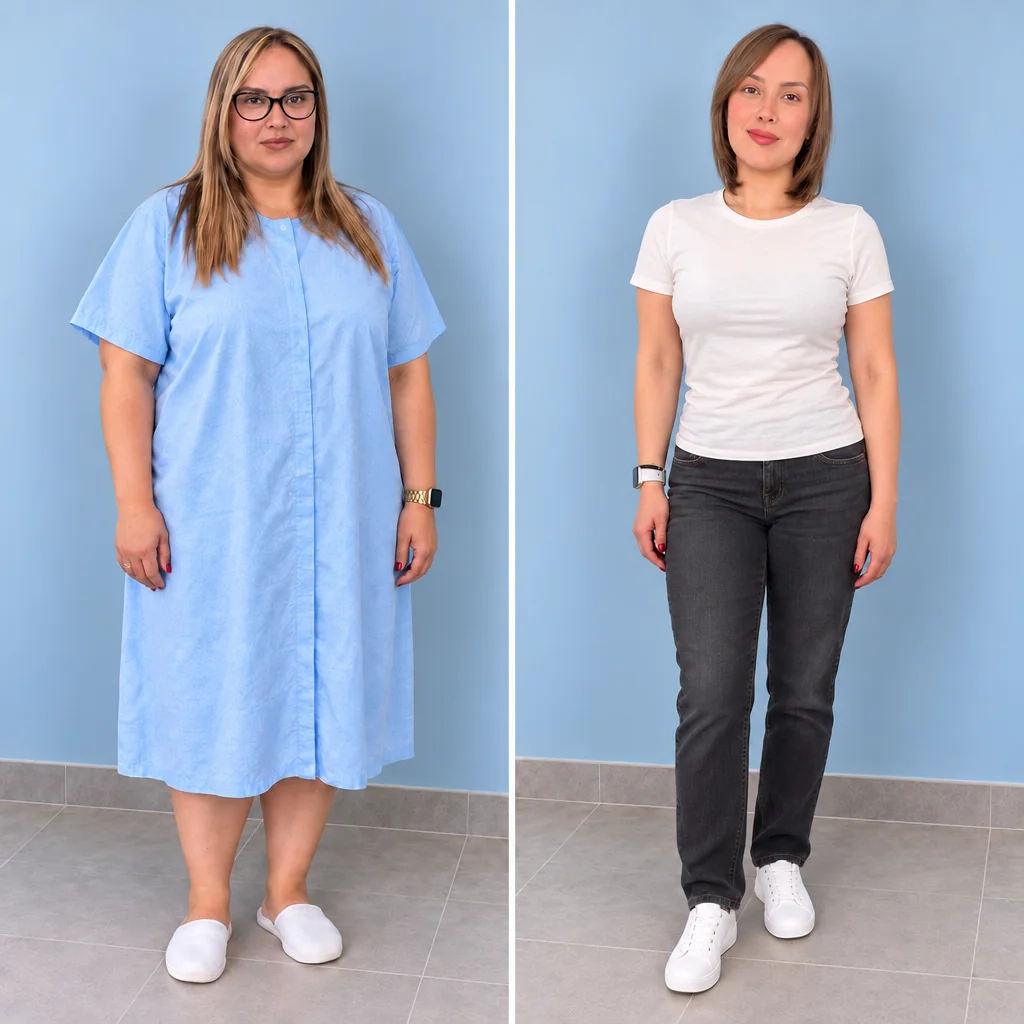 beforeafter
Bariatric surgery
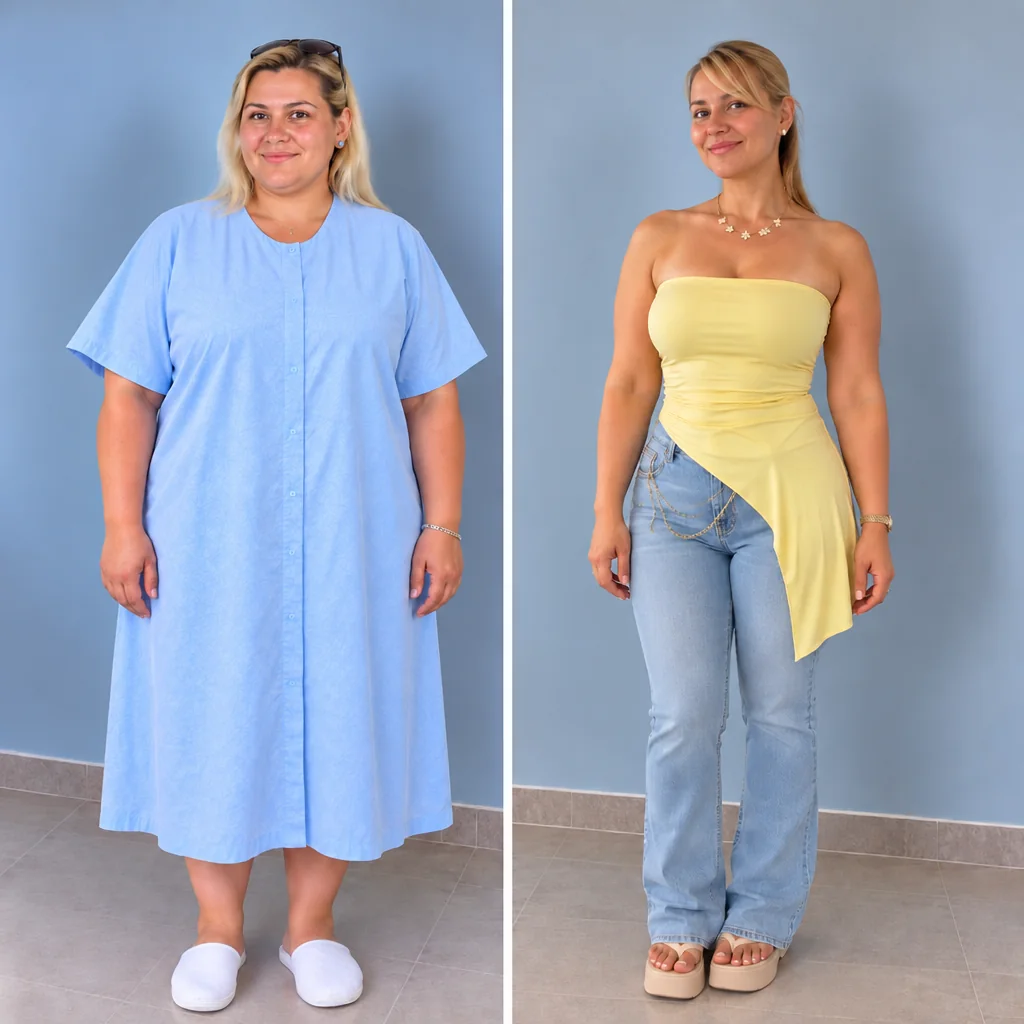 beforeafter
Bariatric surgery
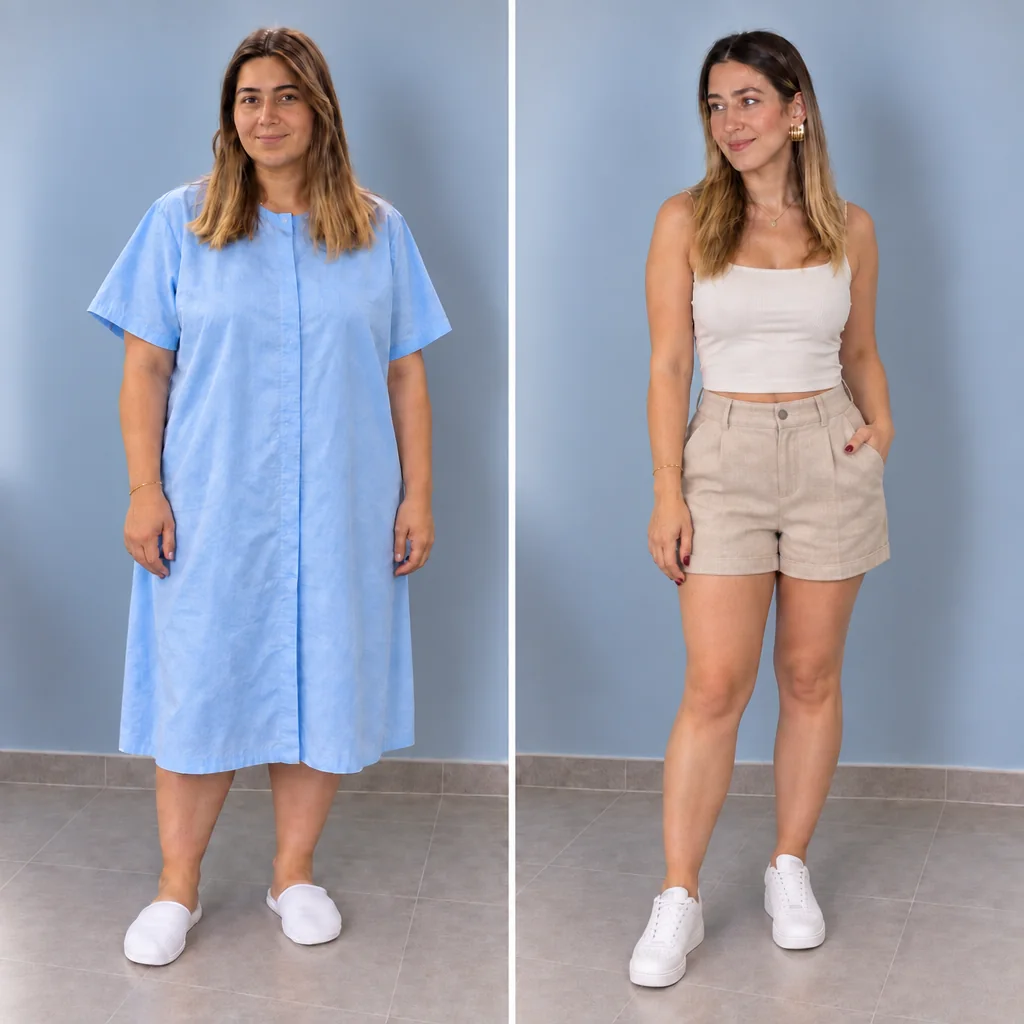 beforeafter
Bariatric surgery
Comparison
There are two main surgeries we offer: the sleeve and the bypass. Learn how they work, why they are done and who they suit, so you can choose your method with confidence.
A smaller stomach volume
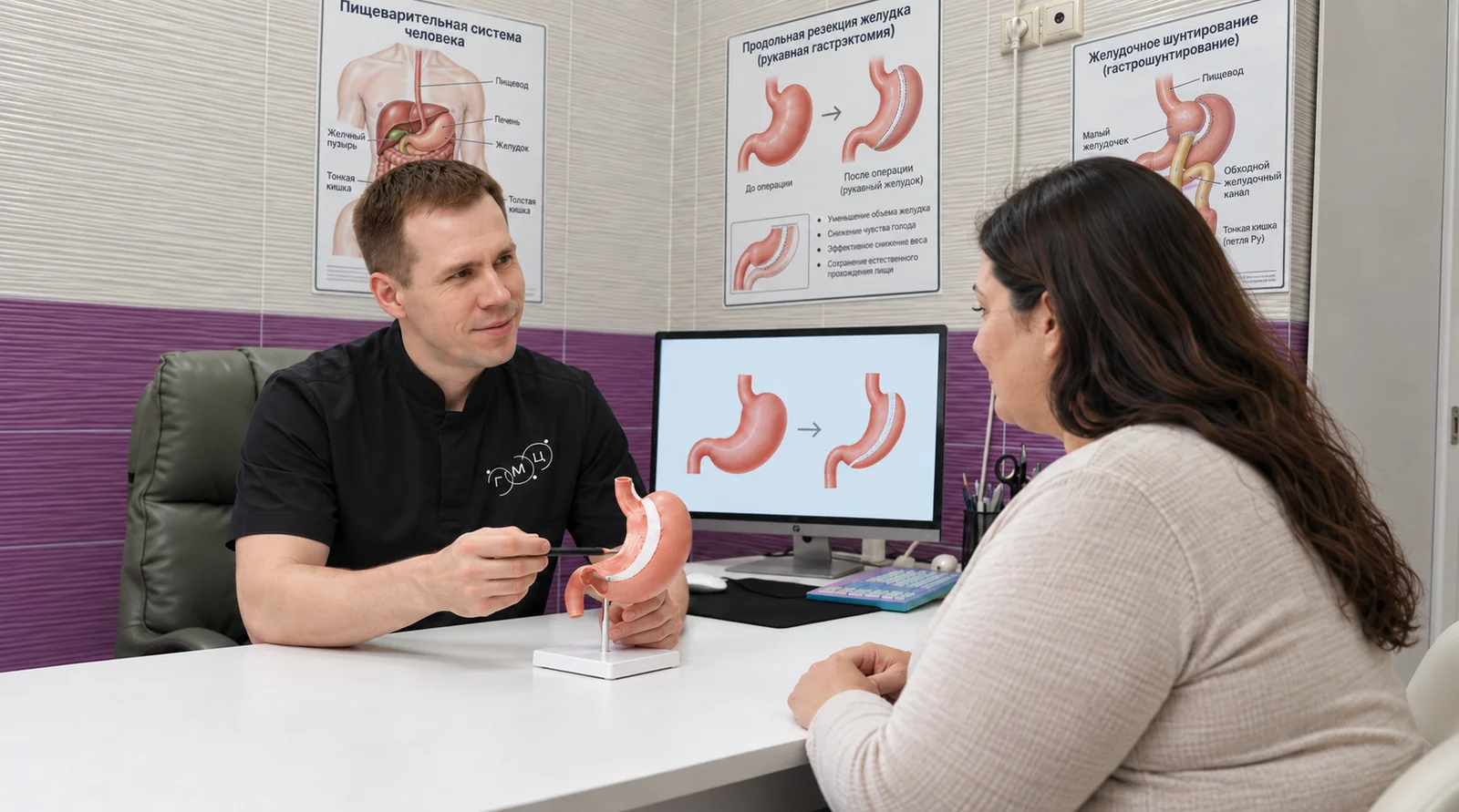
Discounted price
$3,600 $4,800
Less stomach volume and a changed route for food
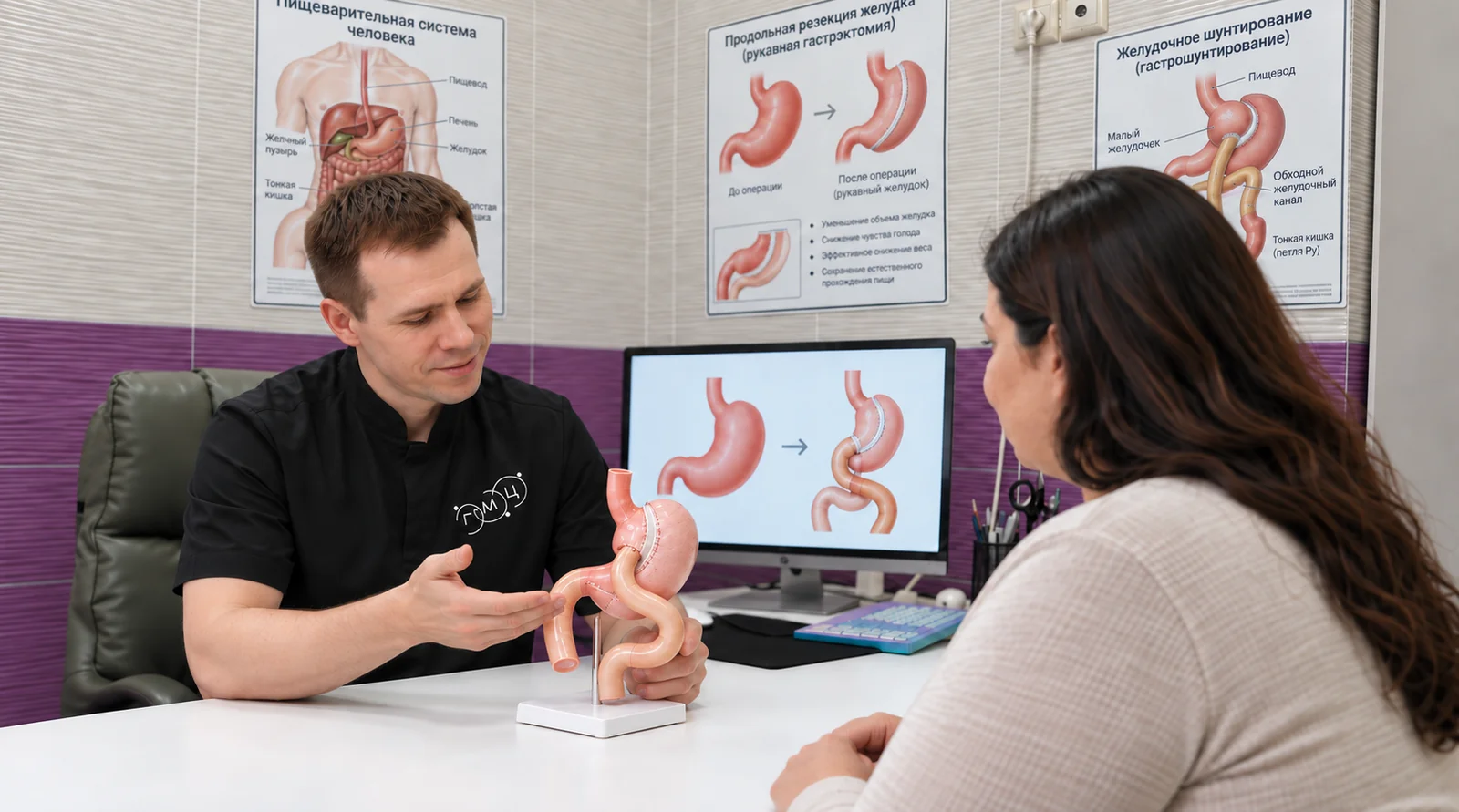
Discounted price
$4,000 $5,200
All benefits and recovery periods listed are averages per method, for guidance only. The extent of surgery and recovery vary with your anatomy and individual traits and are confirmed by the surgeon at the consultation.
Book a consultationAbout us
Modern equipment, comfortable rooms and care for every patient

We will answer your questions and find a convenient time for a consultation
Get a consultationThe choice to operate is made jointly with your surgeon following a consultation and check-up.
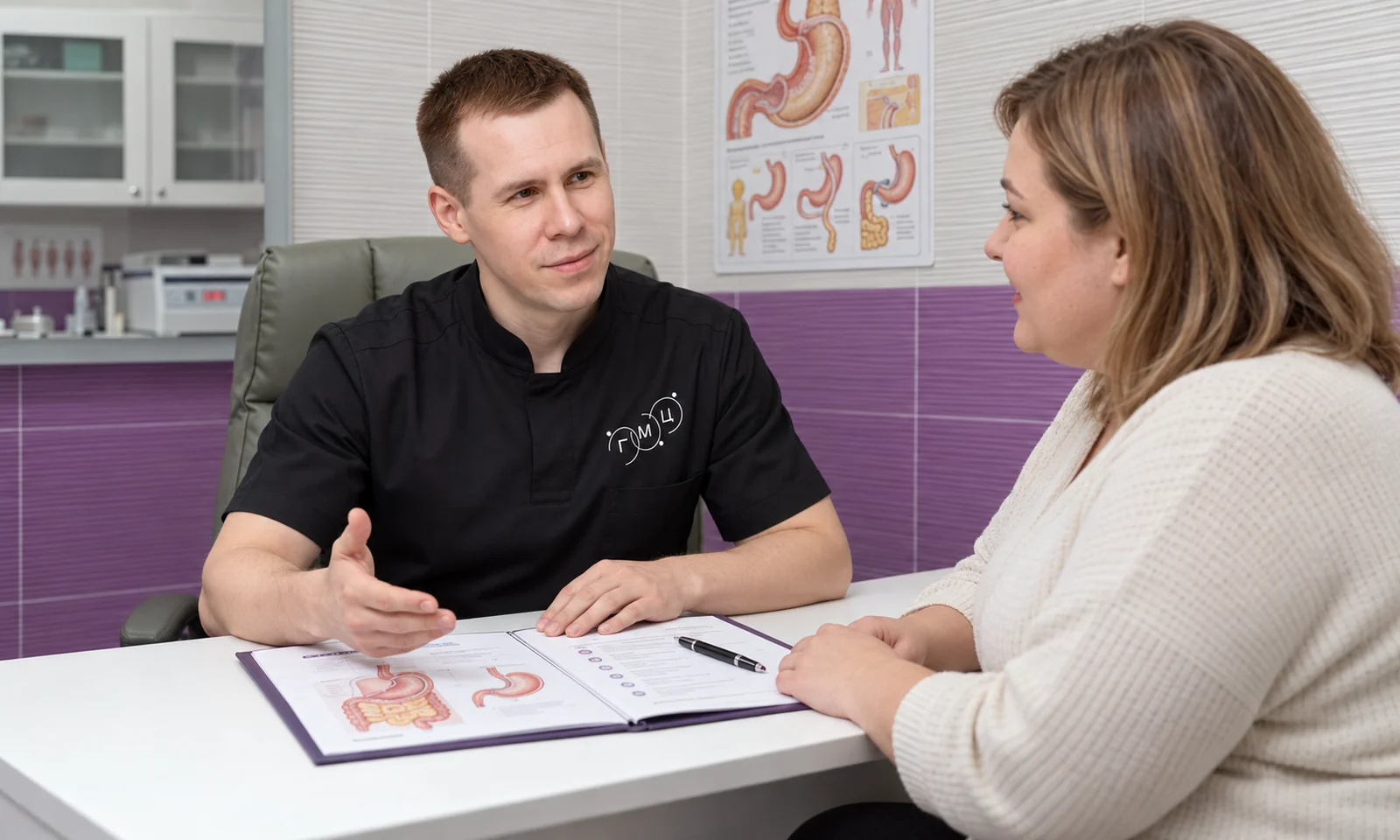
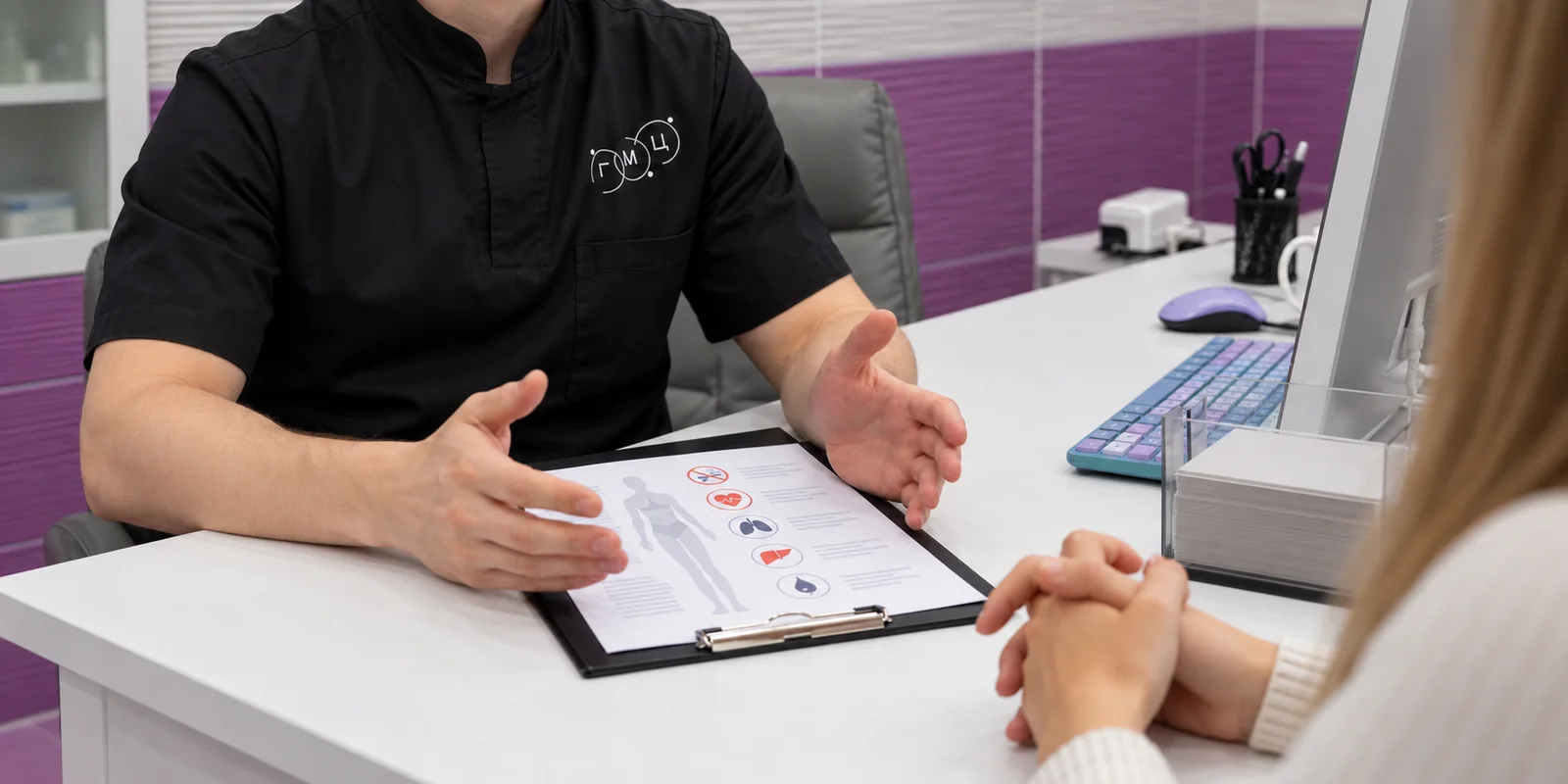
Not sure which column you belong to?
Send us a Telegram message to find out from our coordinator if bariatric surgery is right for you. There is no charge for the surgeon consultation and no commitment to surgery.
Find out if it suits me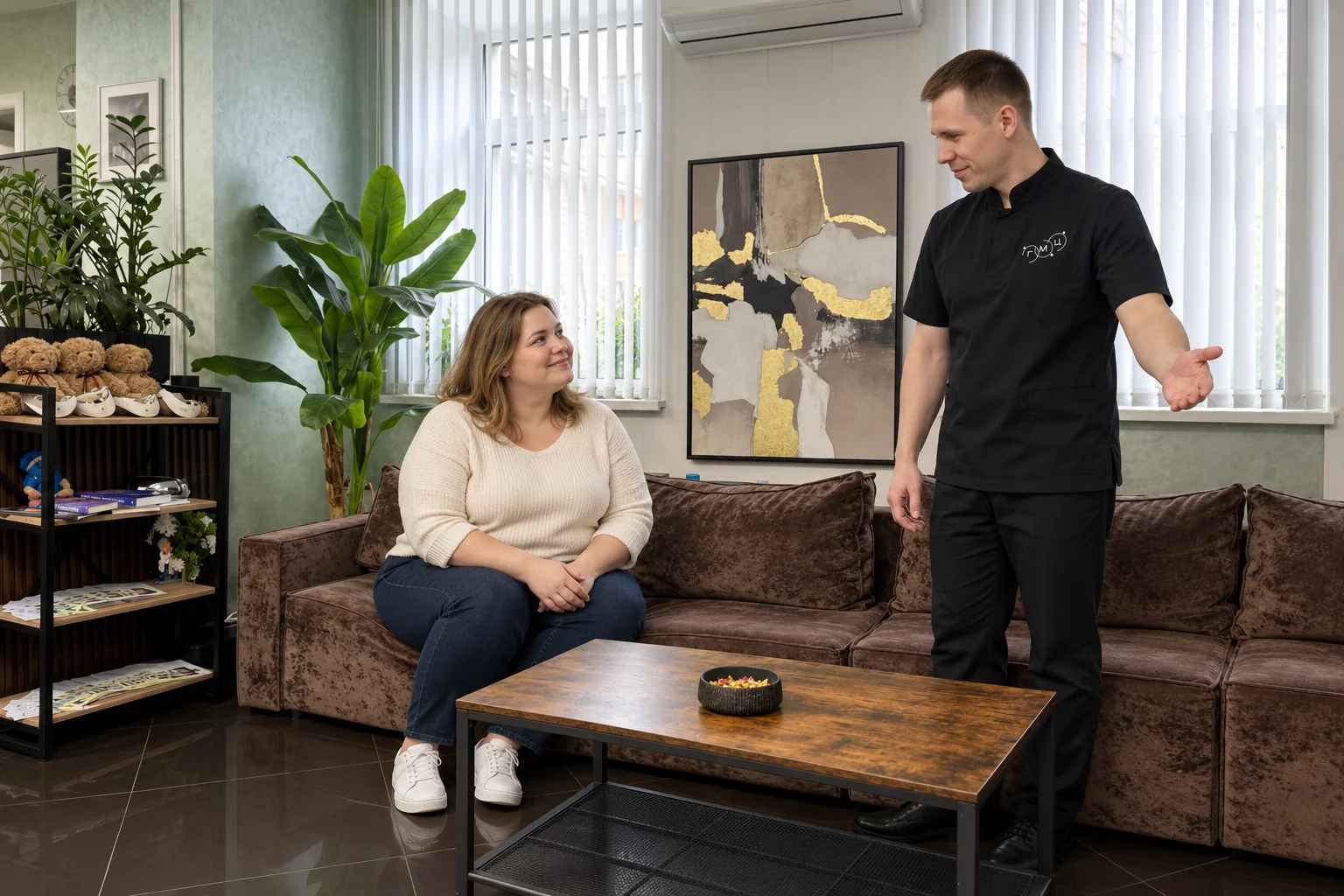
Prices
The price is stated at the consultation as soon as your plan is ready and then fixed in the contract.
Discounted price
A smaller stomach volume
$3,600$4,800
Discounted price
Weight loss and a new route for food

$4,000$5,200
Free
Examination by the surgeon and a personal treatment plan

Free
the price of surgery is confirmed
and fixed in your contract
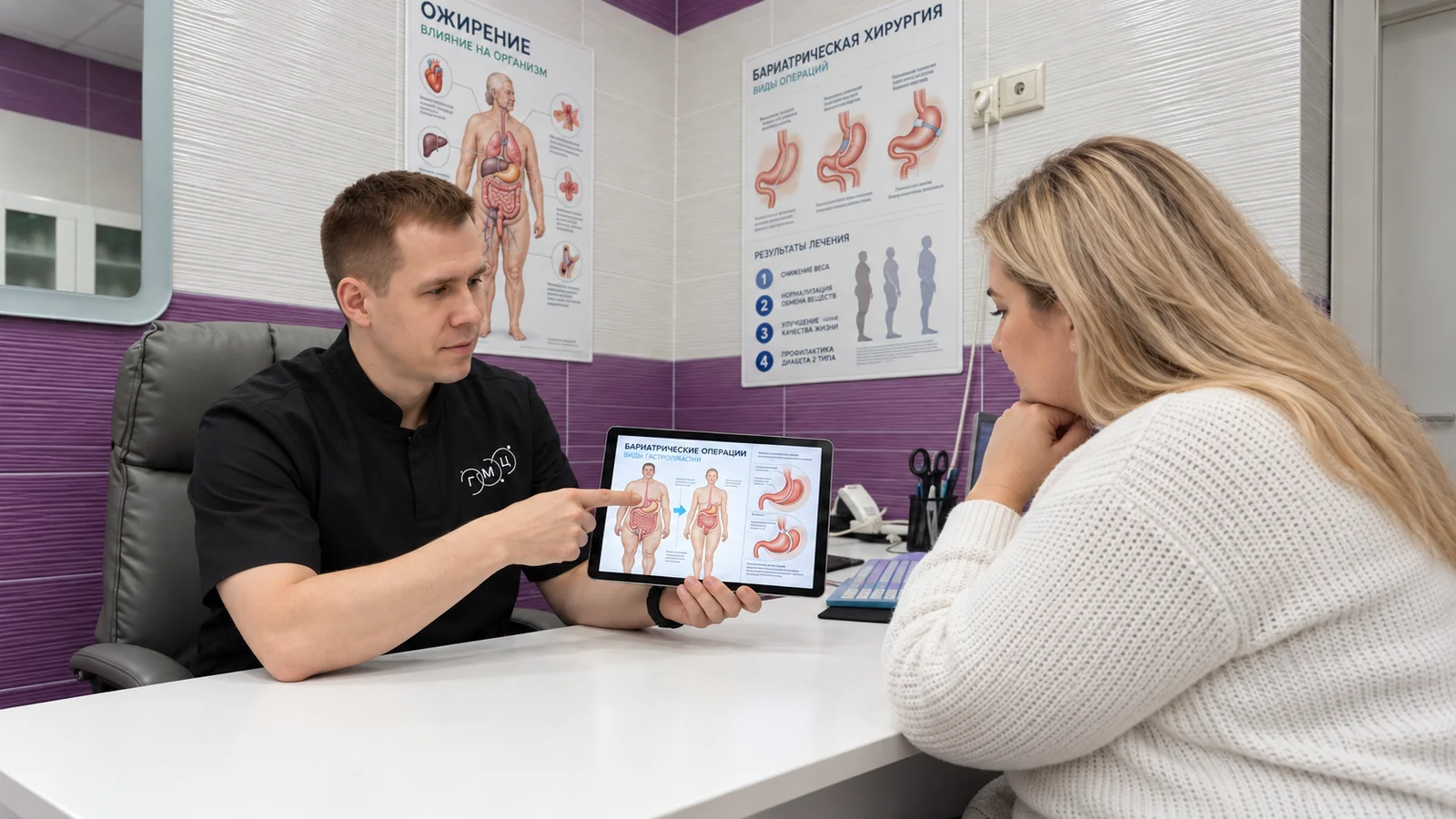
The doctor reviews your health and goals and decides on the right bariatric surgery method. At the consultation the cost is named, and the contract fixes it.
Message our coordinator
Free online consultation · Reply within 15 minutes
Message us on TelegramMessage us on WhatsAppBy messaging us, you agree to our Privacy Policy

price
From preparation to 12 months of support, all in one package. No added fees.From your pre-surgery preparation
to follow-up support for 12 months.
What to expect
An agreed plan of treatment, in-hospital monitoring and a year of support.
 1
1Assessing your health and discussing your goals, the doctor orders the tests needed to select the appropriate bariatric method.
2We reserve a surgery date for you: the deposit can be paid by card at the clinic or online by bank transfer. The terms are fixed in the contract for medical services
 3
3Before surgery you have blood and urine tests, an ECG, an ultrasound and a gastroscopy, and see the specialists. The doctor gives you the exact list at the consultation.
 4
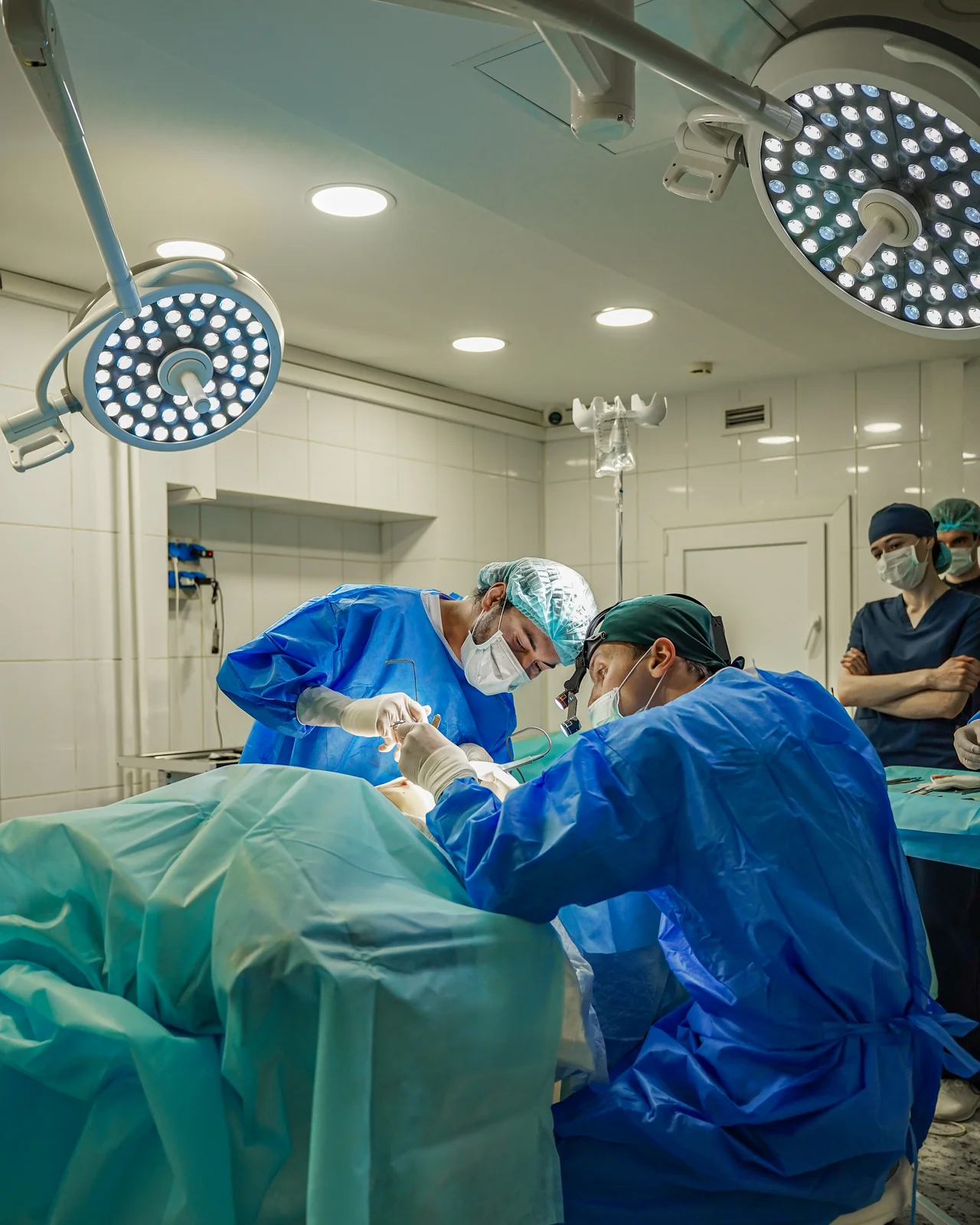
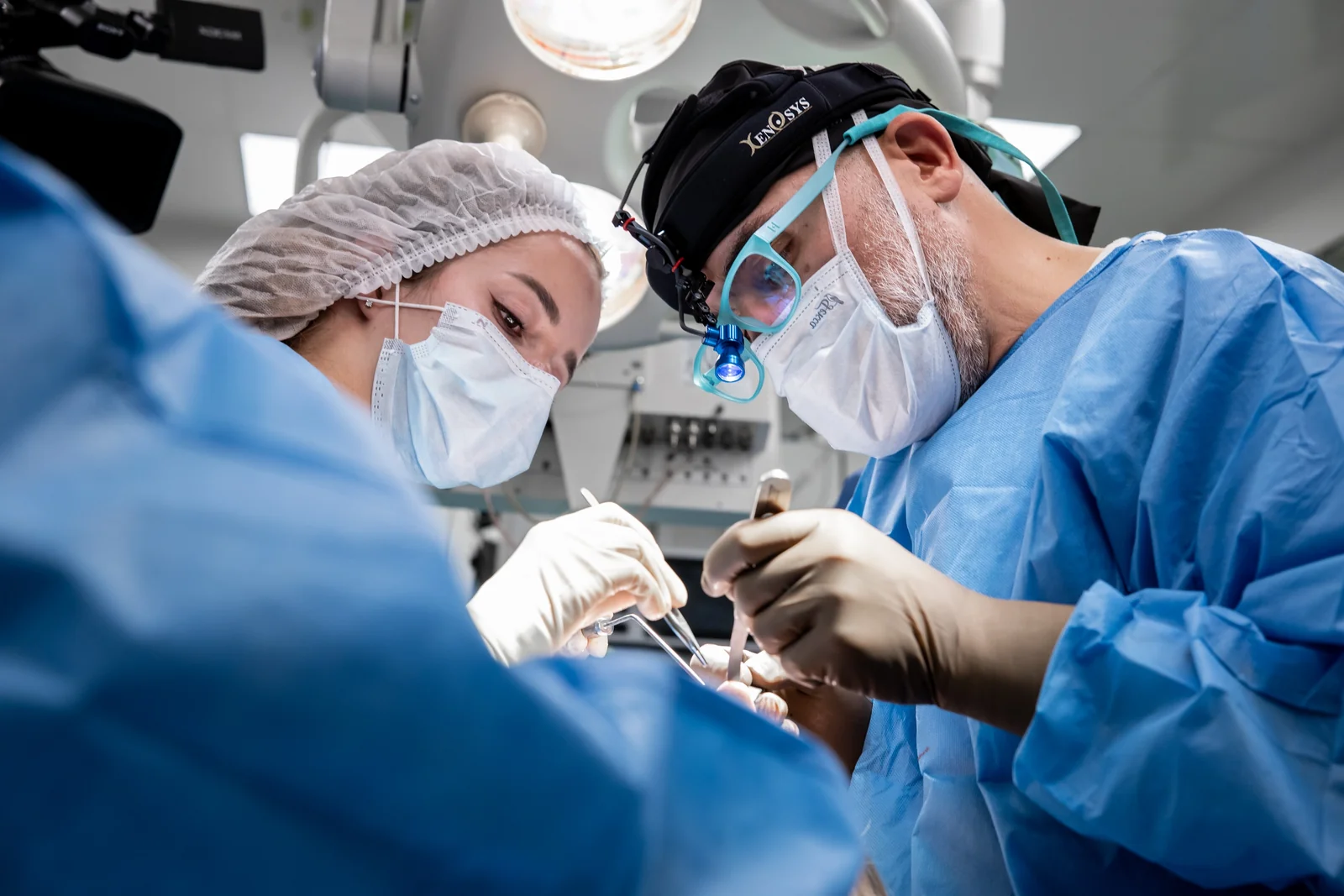
4The surgeon does the bariatric operation under general anaesthesia by the method chosen. After surgery, the patient stays under the medical team's monitoring.
 5
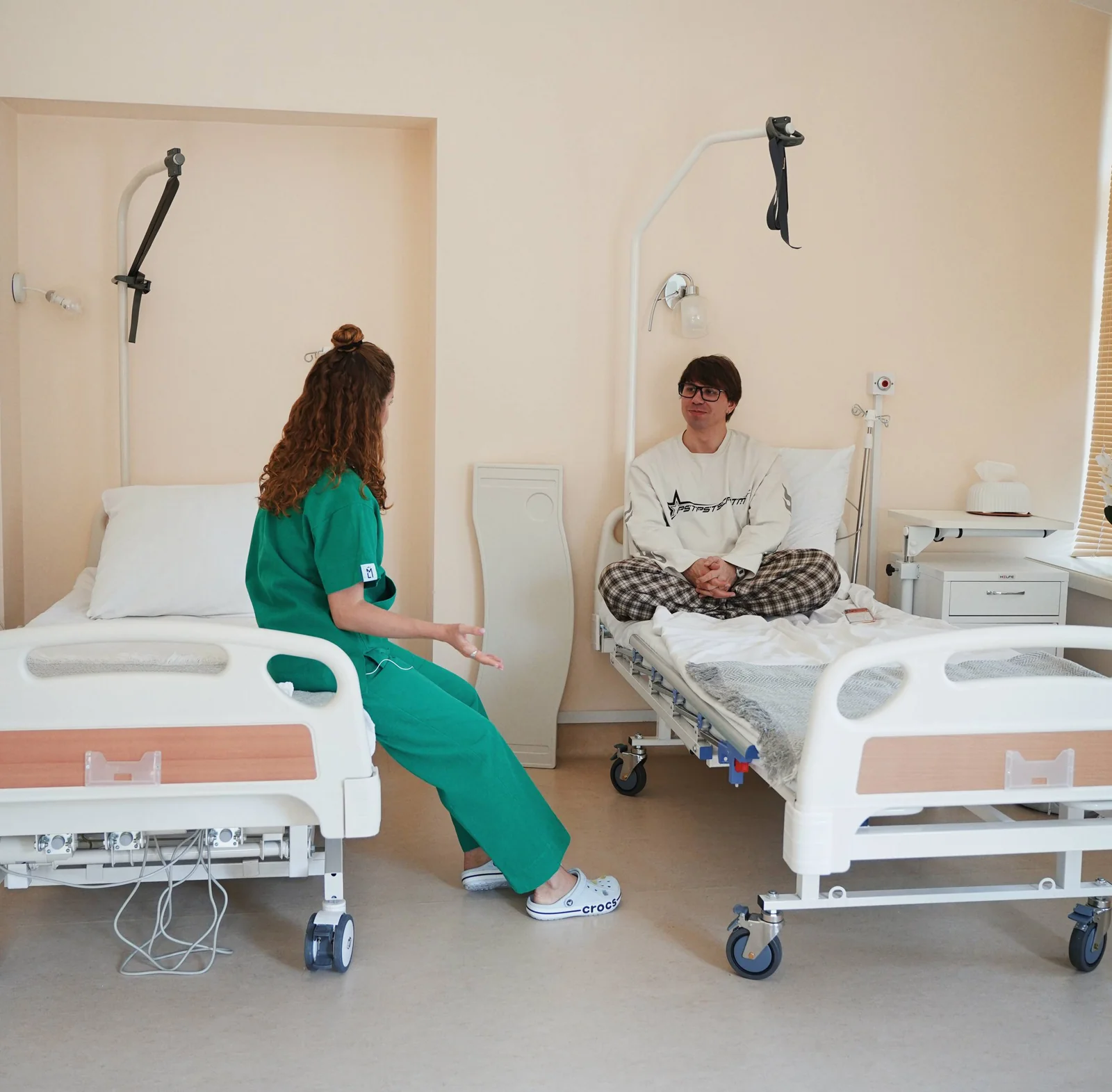
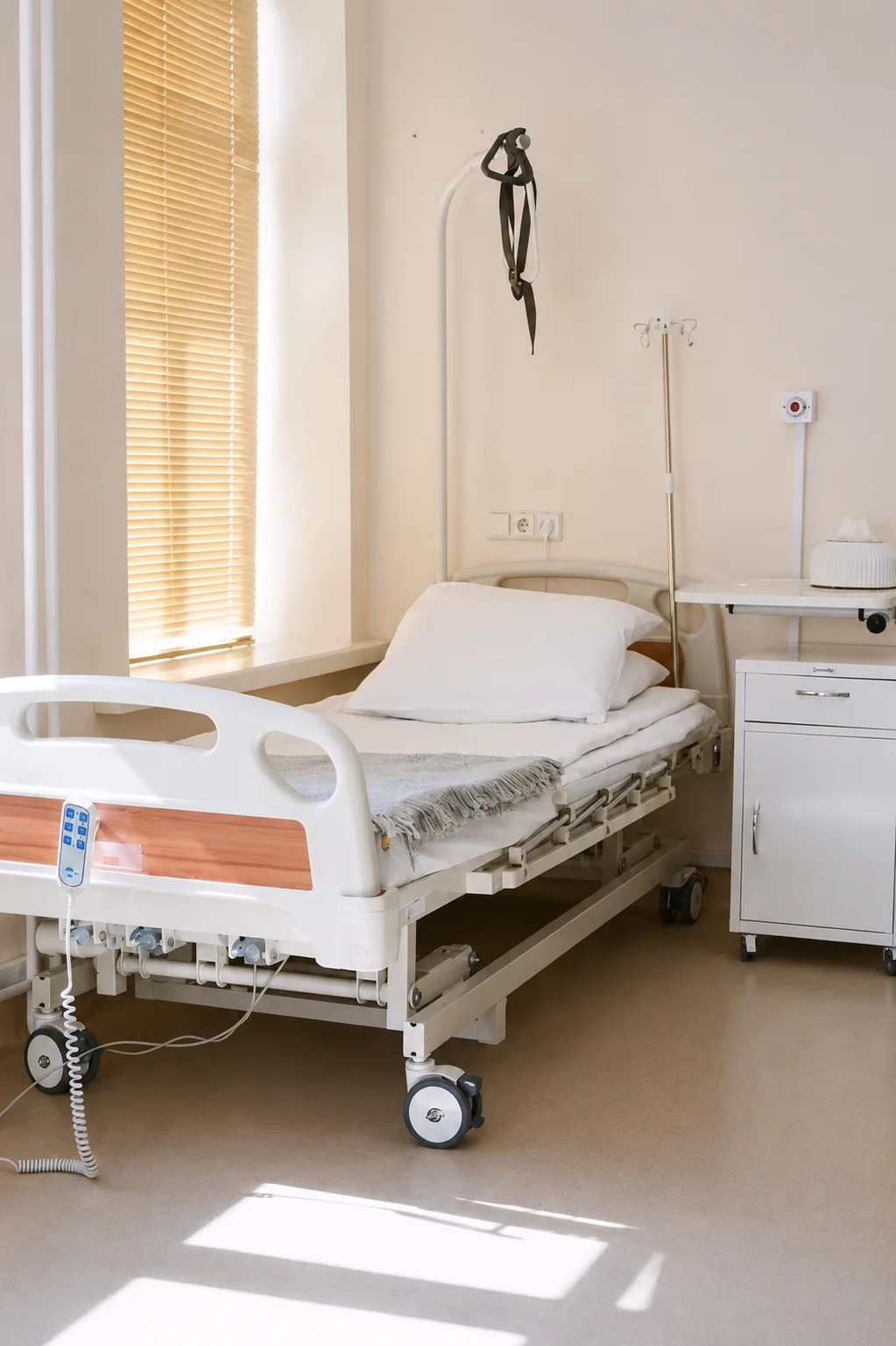
5After the operation you stay in hospital under doctors' supervision for 1–3 to 4–5 days, depending on the complexity of the operation and how you feel.
 6
6After discharge, expect advice on diet and recovery and scheduled check-ups of your well-being, weight and test results. The clinic team supports you for a year.
At the consultation the doctor makes a plan and tells you how the surgery will go
The consultation is free of charge, comes before surgery and obliges you to nothing.
Book a consultationDoctors

27 years of experience
Leading bariatric surgeon
Surgeon
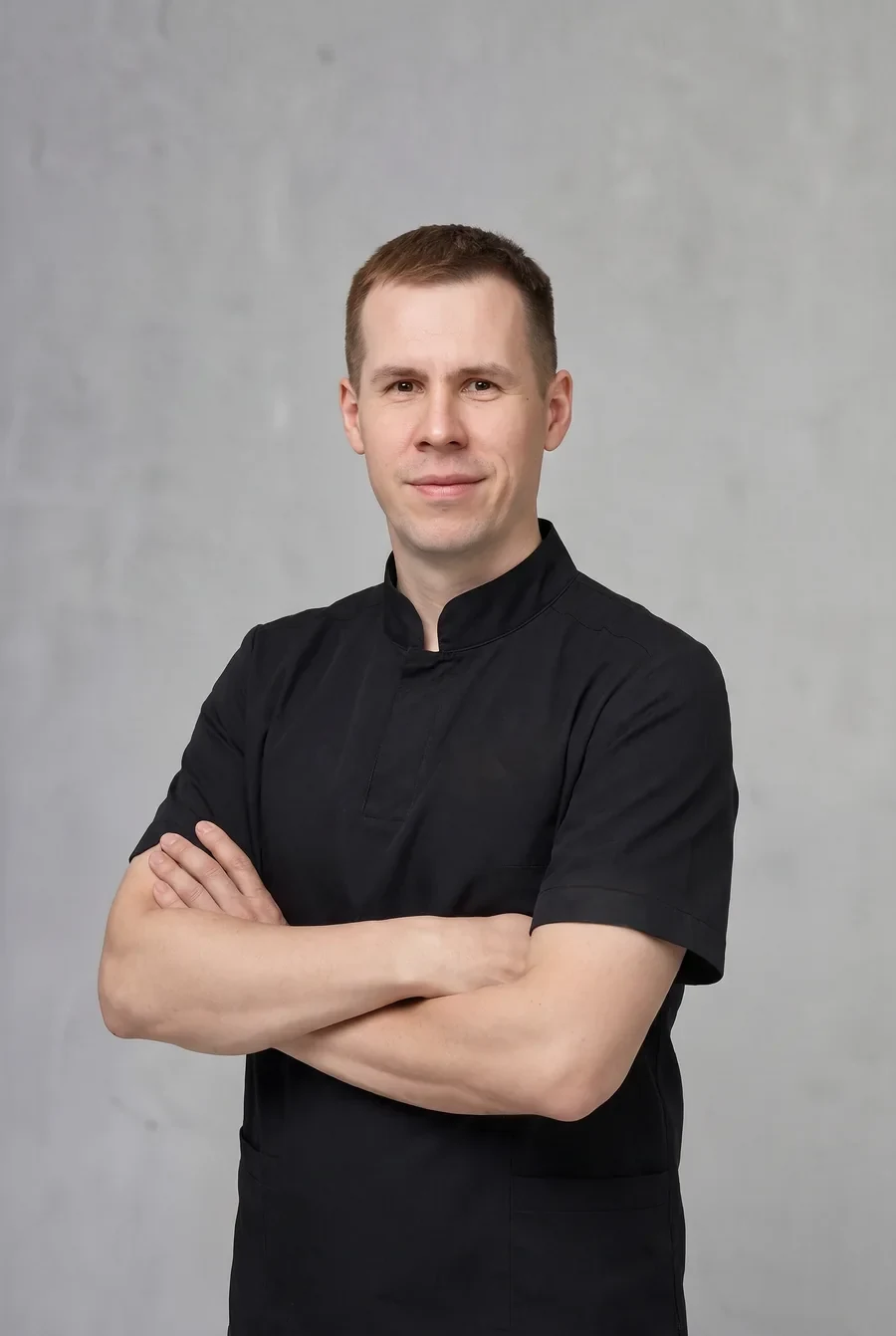
9 years of experience
Bariatric surgeon
Surgical oncologist
From the first consultation to the result, your surgeon operates and follows you.
The first consultation is with our patient care manager: they calculate your BMI, explain the methods and book you in with the surgeon. Free of charge.
Book a consultationCoordinators
We support you at every stage

The clinic's first contact for you — from your first message until the consultation
Specialist in patient care
Before the first consultation, answers your questions and helps find a date that suits you

By your side before and during your stay, from booking to discharge
Specialist in patient care
Helps with your preparation for surgery and stays in touch throughout your clinic stay

Accompanies you through recovery, from discharge to your final check-up
Specialist in patient care
Remains in touch during recovery and books your follow-up appointments with the surgeon
Advantages
We choose the optimal method for your health, lifestyle and goals, with our team beside you all the way.
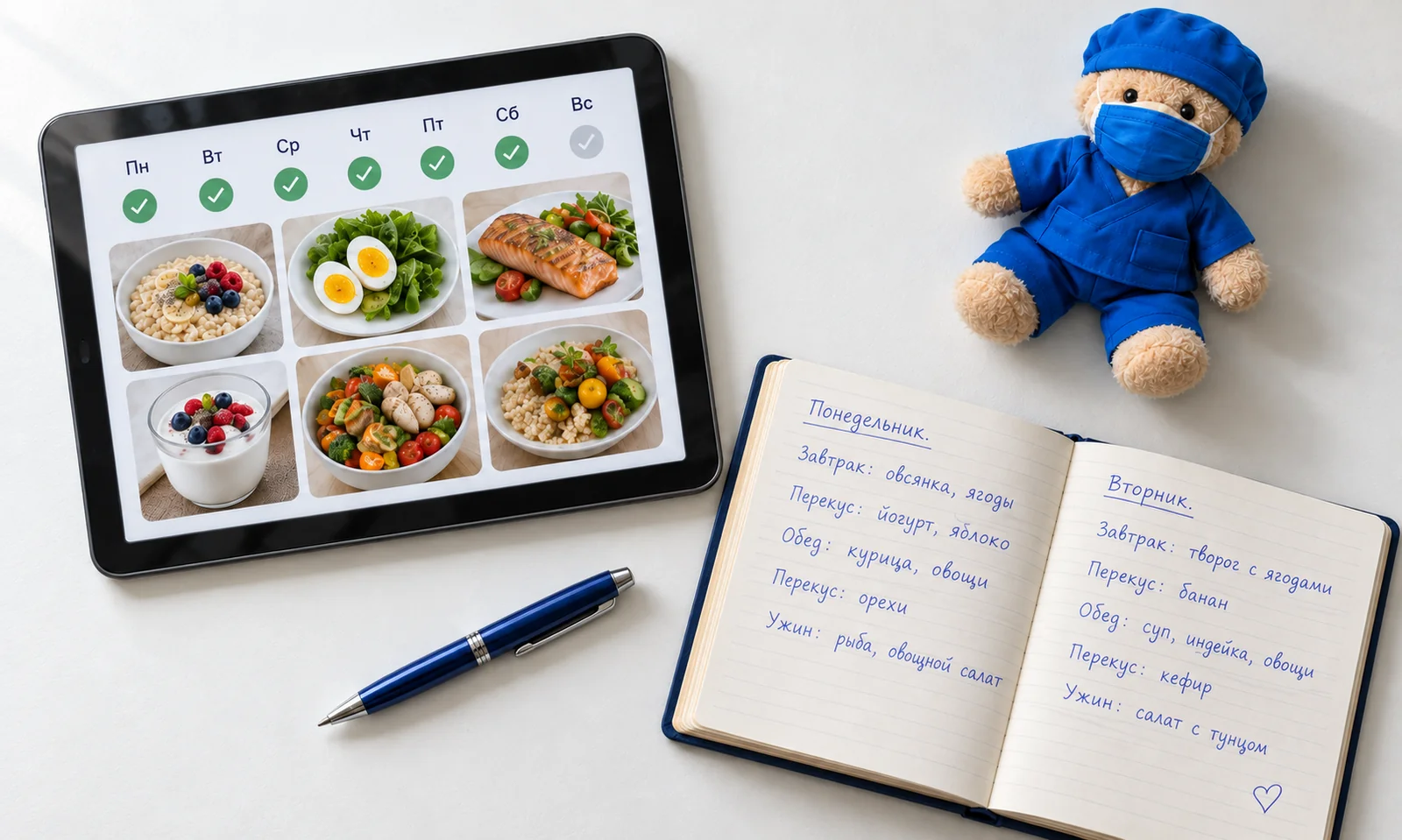
We help you track your results, keep them and adapt to new eating habits.

Steady weight loss, improved well-being and a better quality of life.

Respecting your time, we are available 24/7, offer easy booking and a personal approach, and adapt to your pace.

After the consultation the surgeon selects the method, and you get a transparent price — no hidden fees, no surprises on the road to your result.
FAQ
Experienced bariatric surgeons carry out bariatric operations at the clinic:
Message us and our coordinator will reply shortly and book your consultation. The consultation with a bariatric surgeon is free.
Surgery is prescribed only when clear criteria are met
BMI serves as the chief indicator of obesity severity. Divide body weight (kg) by height squared (m²) to calculate it. Surgery is normally justified at BMI above 40, or above 35 with serious accompanying conditions. In selected cases it is considered at lower values as well — if non-surgical methods did not help.
These two are frequently confused, although their goals differ at the core. Bariatric surgery is a medical treatment of obesity and related diseases that changes the workings of the digestive tract, targeting the causes of excess weight and metabolism. Plastic surgery corrects outer body contours; it does not treat obesity or change metabolism.
City Medical Centre offers four main types of bariatric surgery: sleeve gastrectomy, Roux-en-Y gastric bypass, mini gastric bypass (MGB) and SADI-S duodeno-ileal bypass. The method is chosen individually according to BMI, related conditions and the patient's goals.
The operation uses modern laparoscopic technique, through 4 small punctures of 5 to 15 mm. We place cosmetic sutures, and after healing the marks become almost invisible.
Recovery depends on what you plan to do. Office work: after 2–4 weeks. Physical work: after 1.5 months. Sport and activity: swimming after 30 days, other exercise phased in as weight drops. Travel and holidays: preferably not earlier than one month after surgery.
Your diet changes step by step: from liquid food to soft and then to solid. The emphasis is on protein and on cutting high-calorie, fatty food.
Getting pregnant after bariatric surgery is possible, but doctors advise waiting at least 12–18 months, so the body can stabilize, weight can reach target values and nutritional status can normalize.
Yes, vitamins after bariatric surgery are a must. Because the digestive anatomy changes, the body absorbs some nutrients less well, so regular vitamin and mineral supplements become a permanent part of the patient's life.
It is possible to regain weight after bariatric surgery, but very unlikely if you follow your doctor's advice. Proper nutrition, avoiding high-calorie drinks and regular follow-up with City Medical Centre specialists are essential.
Prices are in US dollars; the amount in brackets is an approximate conversion to IQD at the rate of 02.10.2026. The final price is fixed in your contract.
Prices start from $3,600 (≈ IQD 4,750,000). The surgeon sets the final price at the free consultation, and it is fixed in the contract, with no hidden extras.
General anaesthesia, a personal coordinator from day one, monitoring in the hospital and support for one year.
The hospital stay is 1–5 days, depending on the method and how you feel. Office work is possible after 2–4 weeks.
Yes. The first consultation is free and does not oblige you to anything. You can start online by sending a message to the coordinator.
Message us on WhatsApp or Telegram using the buttons below. A coordinator will answer your questions and book a free consultation where the doctor names the exact price.
By messaging us, you agree to our Privacy Policy
Weight that began in childhood, a family history of obesity, shortness of breath on stairs, avoiding photos — these are common reasons people in Najaf start thinking about surgery. A consultation is warranted not only by a high BMI but also by related conditions. The surgeon reviews your health and weight history and offers the most suitable of the four surgical methods.
It begins with a surgeon's consultation: medical history, choice of method and a recovery plan. Patients from Najaf then complete a work-up — blood and urine tests, biochemistry, HbA1c, coagulation, chest X-ray, ECG, abdominal and kidney ultrasound, leg vein Doppler and a required gastroscopy — plus consultations with a GP, endocrinologist, psychiatrist, cardiologist and, for women, a gynecologist.
Weight loss is written into the contract, and the package includes every stage: consultation, diagnostics, the operation, inpatient care with meals and a year of support. A personal coordinator guides you from day one. To begin, patients from Najaf leave a request on the page or message the clinic, then receive a free consultation with a bariatric surgeon.
Well-known people who spoke openly about this operation, in their own words.
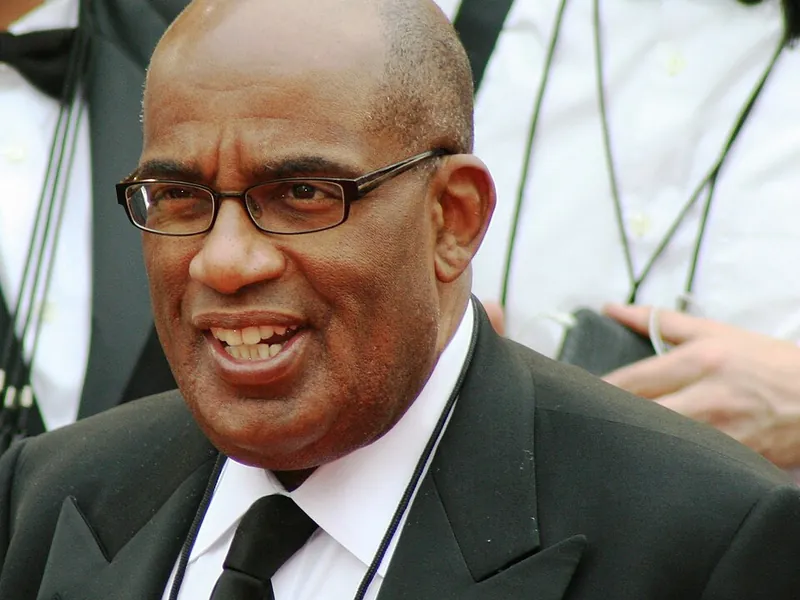 Al Roker and gastric bypass: twenty years of talking about it honestlyAl Roker had gastric bypass surgery in March 2002 and has talked about it for 20 years. His words, how the operation works and what recovery involves.
 Did Graham Elliot have weight-loss surgery? Yes, and he did it for his familyChef Graham Elliot had weight-loss surgery in 2013, saying it was what he needed to do for his family. His words, the operation and recovery.
 Did Randy Jackson have gastric bypass surgery? Yes, and he still talks about maintaining itRandy Jackson had gastric bypass surgery in 2003 and lost 114 pounds. His own words, how the operation works today and what recovery involves.
 Remi Bader and her weight-loss surgery: what she actually saidRemi Bader said in 2023 she had weight-loss surgery removing 80% of her stomach and lost 140 lbs. What she said, how the operation works, and recovery.
 Did Rex Ryan have weight-loss surgery? Yes, and he says it has been greatRex Ryan had Lap-Band surgery in March 2010 and lost over 100 pounds. His own words, how weight-loss surgery works today and what recovery involves.
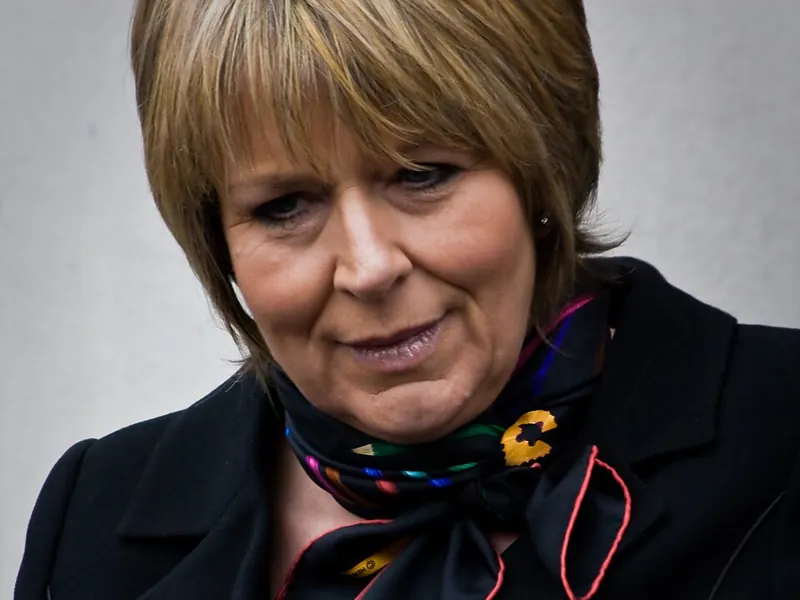 Fern Britton and her gastric band: “I did it for me”Fern Britton said in 2008 that she had a gastric band fitted two years earlier. Her words, how weight-loss surgery has changed and what it involves now.
What patients write after this operation. Reviews are translated from the original language.
Irina, 26
For a long time I doubted whether to go ahead with surgery, but after the consultation I felt much calmer. Andrey Georgievich explained in detail how gastric bypass is done, what to expect after the operation and how recovery would go. I especially liked that they talked to me calmly and without pressure. I am now gradually getting used to my new way of life and I am very glad I took this step.
Bariatric surgery
Doctor: Andrey G. Ugay
Angelina, 22
For me the hardest part was deciding to have the operation. At the consultation Ruslan Sergeyevich answered all my questions in detail and explained the specifics of sleeve gastrectomy and recovery. After the operation I always understood what I was doing and why. Thank you to the doctor and the whole team for their attentiveness.
Bariatric surgery
Doctor: Ruslan S. Menzulin
Anna, 31
For a very long time I tried to deal with my excess weight on my own, but I did not get the result I wanted. After the consultation with Andrey Georgievich I finally understood what to do next. I came through the operation well, and my recovery was supervised by the doctors. It was important for me to feel that I was not left alone after surgery.
Bariatric surgery
Doctor: Andrey G. Ugay
Veronika, 25
Before the operation I had many fears, mostly of the unknown. Ruslan Sergeyevich explained every stage of treatment in detail and answered even the simplest questions. Thanks to that I felt much more confident. I keep following the recommendations and I am gradually seeing the changes I had the operation for.
Bariatric surgery
Doctor: Ruslan S. Menzulin
Valentina, 23
The decision to have bariatric surgery was not easy for me. I worried both about the operation itself and about how my life would change afterwards. At the consultation Andrey Georgievich explained everything in detail, so little by little my fear turned into confidence. What matters most to me now is the result and the chance to treat my health and lifestyle differently.
Bariatric surgery
Doctor: Andrey G. Ugay
Anna, 27
I am very grateful to Ruslan Sergeyevich for his attentiveness. Before the operation I had a huge number of questions, and I got a clear answer to every one of them. After the operation it was also clear which recommendations to follow and how to eat. It was important to me that the doctor stayed in touch and I felt supported at every stage.
Bariatric surgery
Doctor: Ruslan S. Menzulin
The district of Najaf moved from 686,902 residents at the 2009 count to 1,082,091 at the official census dated 25 November 2024. Urban growth at that speed typically brings denser housing, longer desk hours and less everyday movement, and with it more residents reaching the point where diets and workouts plainly stop affecting a large excess of weight.
Take a sales employee in his forties: successful diet phases followed by the weight returning, blood pressure climbing, exhaustion shutting down his evenings early. His real question is not which diet to try next but whether the surgical route suits his situation at all — a question deserving an organized medical answer, not scattered advice.
The beginning is a message to coordinators on Telegram or Telegram who reply around the clock, laying out current weight, the history of attempts, and any accompanying conditions such as blood pressure or blood sugar. With that material, a surgeon says frankly whether surgery fits this case or another path deserves a try first.
The two principal options rest on different principles: sleeve gastrectomy reduces the stomach's volume and usually suits those without marked reflux, while bypass combines a smaller volume with rerouting part of the digestive path, considered particularly when reflux, diabetes or similar conditions are part of the picture.
Both are performed under general anaesthesia, and the hospital stay runs one to five days by the method and how the patient settles. These facts go into a written plan in advance, so no detail catches the patient by surprise on admission day.
What matters in the first conversation is that the surgeon's task is to rule options out as much as recommend one: an honest account of which option matches this patient's health history, not whichever sounds most attractive. Leaving the consultation knowing the reasons for exclusion is the surest marker of the team's quality.
After sleeve gastrectomy or bypass, the amount of food that fits shrinks dramatically, which is why a structured nutrition program runs for twelve full months. Its job is to rebuild habits around the new capacity without losing essential nutrients, through written stages tracked by set dates rather than impressions.
In a city where shared family meals and traditional dishes are part of the day's fabric, a program imagining a patient outside this context is bound to struggle. So the plan discusses real local eating patterns: what gets served at family gatherings, the everyday rice and bread, and how a meal is arranged so the patient sits at the same table with choices that serve him.
Patients treating year one as a continuous program with regular check-ins settle into the new pattern with visibly fewer setbacks than those who consider discharge day the end of the story. The operation opens a path, and the long-term outcome is manufactured by the habits built across the following twelve months.
Physical work generally resumes after about a month and a half, swimming is allowed from around day thirty, and remaining exercise is layered back in gradually by the surgeon's plan. A worker at the wholesale market, for instance, arranges a different distribution of heavy tasks with coworkers for the first stretch instead of a stop that threatens the family income.
The city's summer adds its familiar condition: daylight above 40°C between June and August makes regular water and shade a daily necessity through recovery — not because healing behaves differently in heat, but because a recovering body manages fluids less efficiently while fighting high outdoor temperatures. That is why some patients choose the mild winter, so early walking weeks skip the harshest months.
In any season, the surgeon's precise pace for restoring activity outweighs any calendar date, and the around-the-clock Telegram and Telegram coordinators keep the patient connected to the team between check-ins, so the early months pass without guesswork.
Bariatric surgery succeeds as a team: a surgeon for the operation, a dietitian building the twelve-month plan, and often a physician tracking blood pressure and blood sugar, conditions that frequently improve once significant weight comes off. Before choosing any establishment, a patient may ask who actually makes up that team, not only who holds the scalpel.
Verification starts from the official source: every physician practicing in Iraq is registered with the Ministry of Health of Iraq (moh.gov.iq), which licenses doctors and facilities. For an operation of this scale, matching registration details and specialty through the ministry is fundamental, and reputation alone does not substitute.
The cost is managed realistically: Iraq's public system provides essential care free or at low cost with fees for individual services since 2016, and whether an obesity case counts as medical necessity depends on the individual diagnosis, so the patient asks his treating physician directly. In practice, most patients today plan the cost and settle it personally.
Preparation turns a first photo consultation from small talk into a genuine evaluation. Build one file before anything else: blood pressure and blood sugar readings taken on consecutive mornings, the current medication list with doses, the dates of the major diet attempts and how long each held, and the year the weight gain began if it can be pinned down, since that year often holds the key to the story. Numbers assembled in advance let the surgeon see the whole timeline instead of extracting details from a nervous, fragmented conversation.
The question list gets written before the session, never trusted to memory: which of the two procedures fits this health history and why, what the twelve-month nutrition program looks like, who sits on the team and who tracks blood pressure and blood sugar, and what hospital stay to expect within the usual range of one to five days. Order the questions by importance and leave a blank line under each for the answer; memory after a long conversation trims more than anyone expects, and a serious team never tires of a well-asked question.
Sending is then straightforward: clear full-body photos from front and side in ordinary clothing and daylight, the written file, and the question list, all through Telegram or Telegram to coordinators who reply around the clock. The household joins the preparation: a wife recalls diet dates her husband has misplaced, a son takes the body photos in better light, and an old family photo from a long-past Eid pins down an earlier weight station. The first conversation then starts from knowledge rather than from zero.
Water earns its own place in the day once solid food returns in Najaf. Fill a bottle at home every morning and keep a second one in the shop or the car, because the sun between June and August pushes past 40°C and thirst arrives faster than any meal break. Sweet iced drinks from the cold-drinks counter feel like relief, but the written stages of your nutrition program count what a glass holds, so water stays the default. If the heat leaves you unsure about your drinking rhythm, coordinators on Telegram or Telegram answer around the clock and pass the question to the dietitian rather than leaving you to guess.
The daily routine works when meals sit at fixed points of the day. A shopkeeper who opens early and a clerk who ends late both know the hour when the household gathers, and the solid-food stage asks that this hour stay protected: sit down, take the small plate your program builds, keep the order it sets, and let the bread basket and the rice platter wait their turn at the table's center. Eating slowly stops being etiquette and becomes part of the plan, because the new capacity registers fullness on a delay. Fixed times also spare you the grazing that creeps in during the afternoon slump, when the body asks for something sweet out of habit.
The household and the street need a short rehearsal. Cook the family's usual dishes and set your portion aside before the sauce and the bread reach the table, so your plate never gets built by whoever serves last. Iraqi hospitality presses guests to eat more, so keep one polite sentence ready and repeat it warmly; hosts accept a line they have heard twice. For long shifts and visits carry a small container of food your stage allows, and add an evening walk once the air cools. Send the week's real picture through the same Telegram or Telegram thread, where coordinators reply around the clock, because a written week corrects itself faster than a remembered one.
The reduced volume changes both how much food fits and how fullness registers, and the team explains what to expect for your case across the first weeks. The twelve-month program exists precisely to help you adapt step by step without open-ended deprivation.
The nutrition program starts immediately with written stages set by the dietitian according to the method and your pace of recovery, leaving nothing to guesswork. Ask in the advance plan what the stages look like and how long each lasts.
Accompanying conditions frequently improve once significant weight is lost, which is why a physician on the team tracks them through the first year. Your specifics are assessed from tests and history, with realistic explanation instead of blanket promises.
Physical work generally resumes after about a month and a half, while swimming is allowed from around day thirty and the rest of exercise returns gradually. Anyone in a heavy trade arranges substitute task distribution in advance rather than risking an early return.
Yes, the evaluation rests on tests and a complete health history, which is why the first message asks for weight, previous attempts and accompanying conditions. Pre-operative testing establishes suitability and the procedure type, answering questions before the hospital.
Through coordinators on Telegram or Telegram available around the clock, who log your notes between check-ins and pass them to the team. A question never waits for the next appointment, and the team sees your picture continuously, month after month.
A temporary stall is a common, expected feature of the first year, not a failure. The team reviews your bloodwork, eating pattern and activity, then adjusts the plan — exactly the advantage of a follow-up team over the operation alone.
These two are the foundation of the discussion for most cases, but the decision comes out of your history and tests, not a general list. A surgeon who explains why alternative after alternative was ruled out shows the choice was made for your case.
A full-body picture from the front and from the side, in ordinary clothes and daylight, recent rather than pulled from years back. Older photographs travel along as documents of past weight stations. Everything goes through Telegram or Telegram, and the coordinator says whether the set is complete or one more angle is needed before it reaches the surgeon.
Because those numbers open the medical discussion: accompanying conditions change which procedure gets the advantage and how the plan is built. Documented readings on consecutive days beat the memory of a turbulent week and spare the team a round of repeat questions. A patient who arrives at the first consultation with an organized file gets a sharper answer, a faster decision and firmer footing for the next step.
Water stays central, and the written stages set the rhythm your body is ready for, so the bottle follows the program rather than the thirst of an August afternoon. Keep it filled and count sweet iced drinks separately. When a hot week leaves you unsure, one message in the thread brings the dietitian's answer.
Build your plate in the kitchen by the program's order, then join the table with everyone else so the meal stays social, not medical. Tell the host beforehand, keep your polite sentence ready, and let the household that knows the plan answer the second helping for you.
Page medically reviewed by Andrey G. Ugay, lead bariatric surgeon. Review date: .