



























Message our coordinator
Free online consultation · Reply within 15 minutes
Message us on TelegramMessage us on WhatsAppBy messaging us, you agree to our Privacy Policy





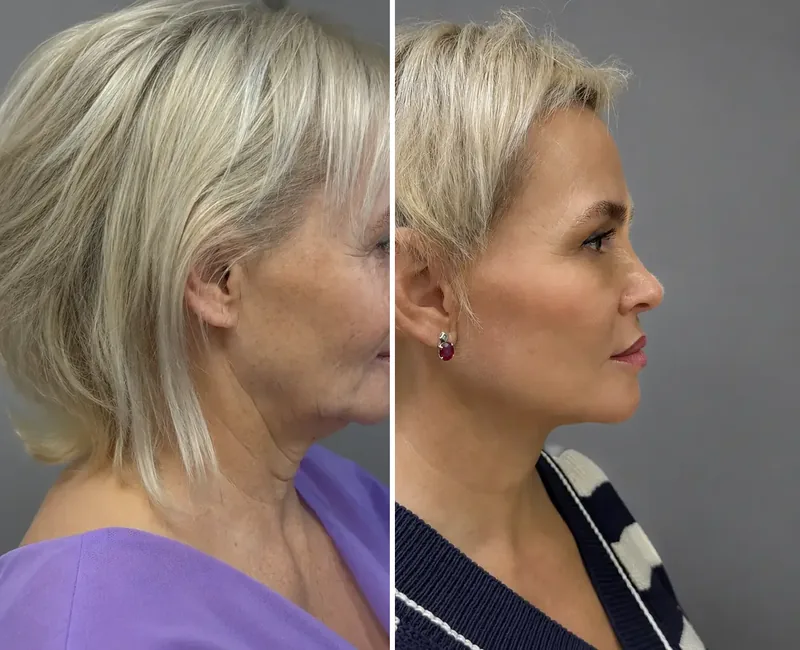

50 years
9 months
SMAS facelift
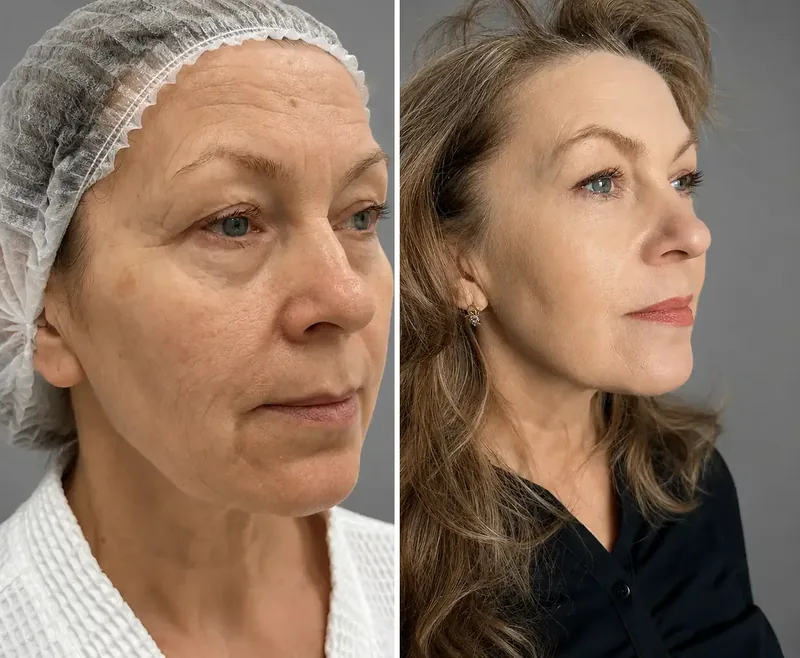
58 years
8 months
SMAS facelift
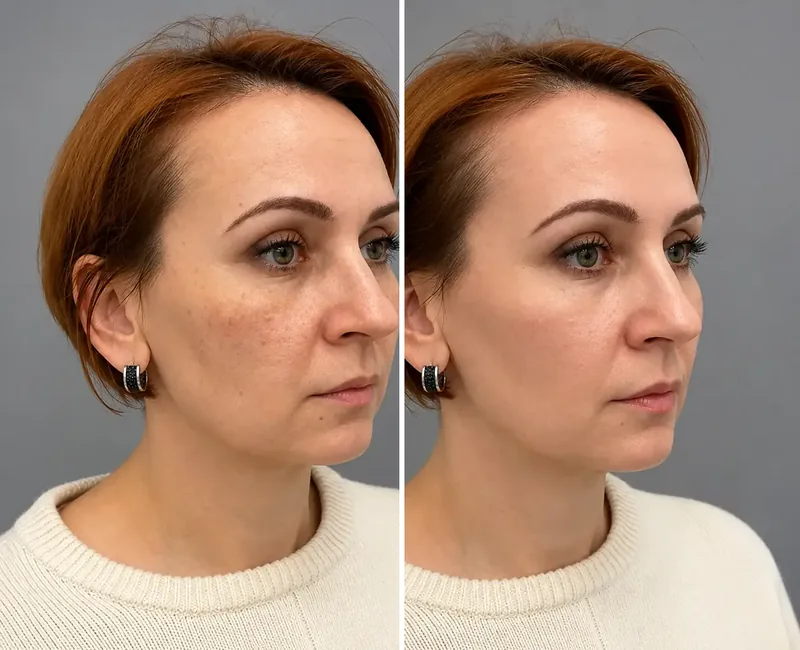
34 years
5 months
SMAS facelift
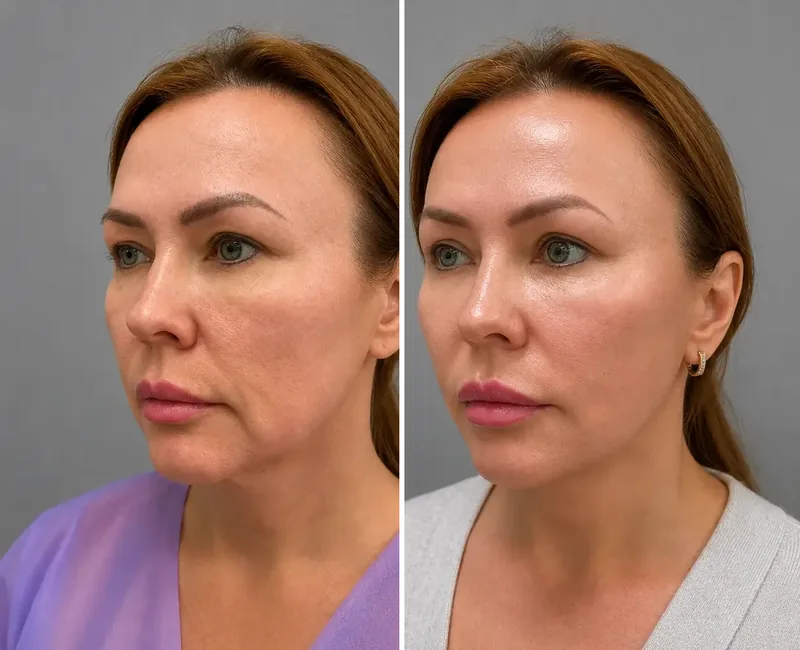
32 years
7 months
SMAS facelift
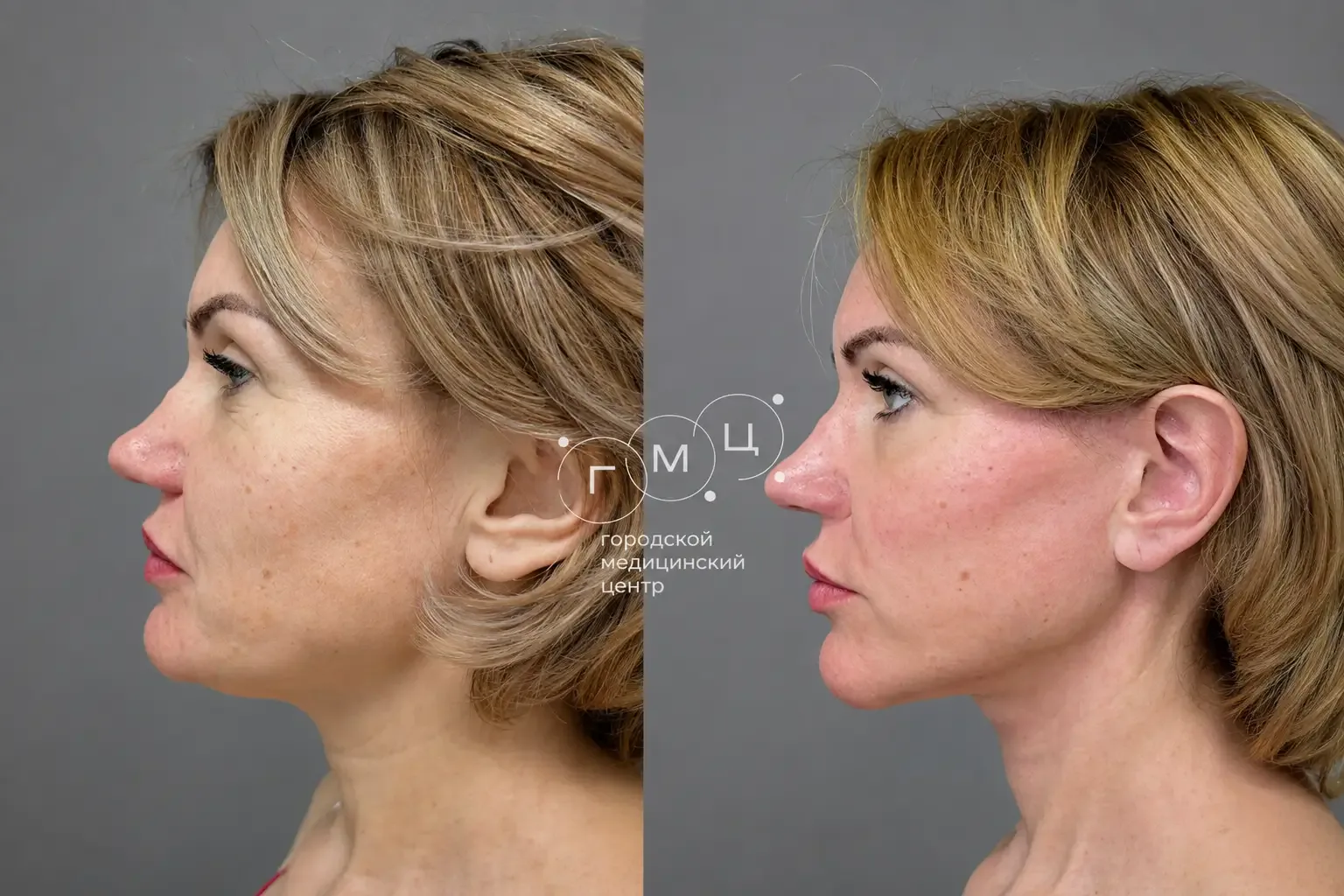
40 years
6 months
SMAS facelift
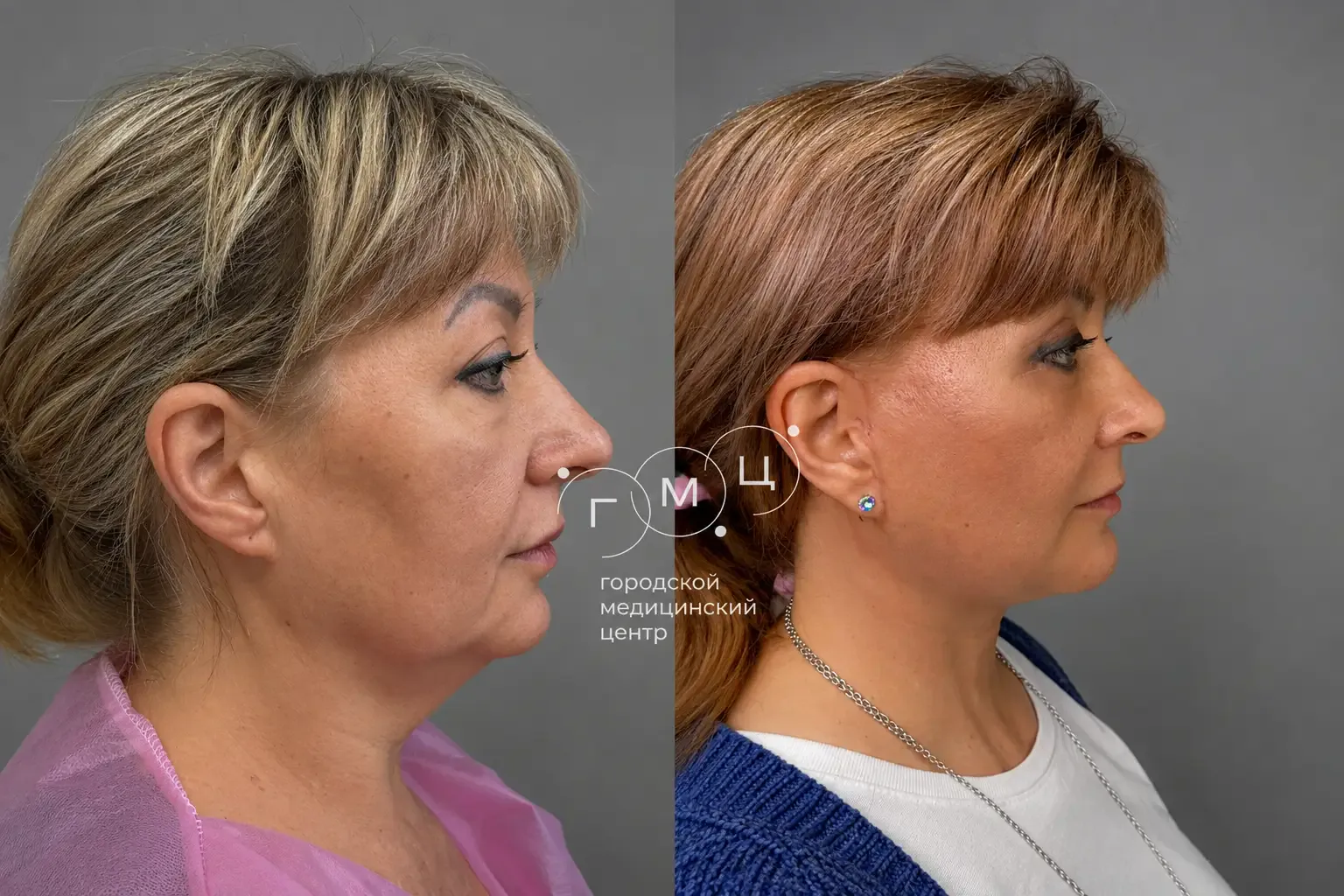
45 years
8 months
SMAS facelift
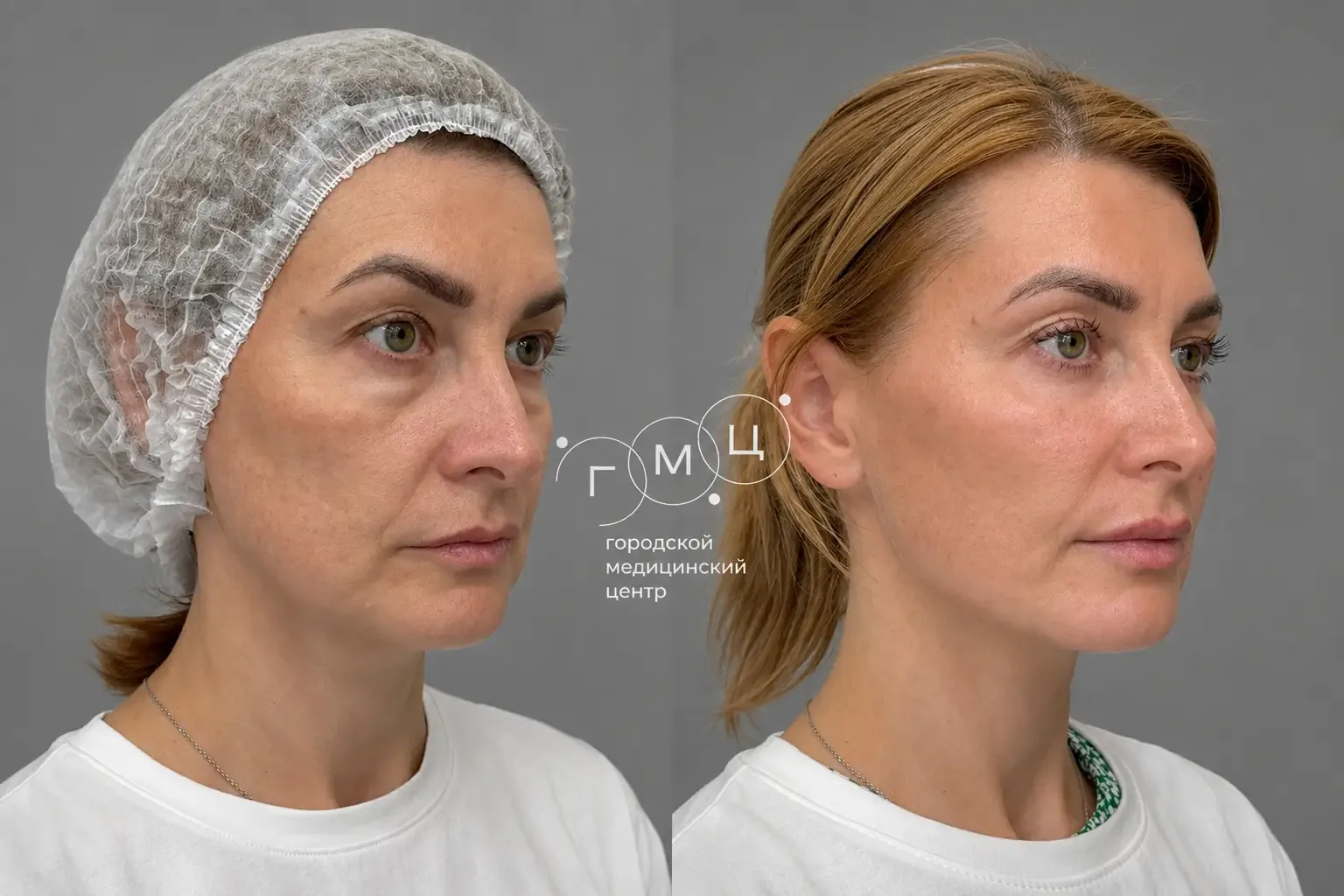
38 years
5 months
SMAS facelift
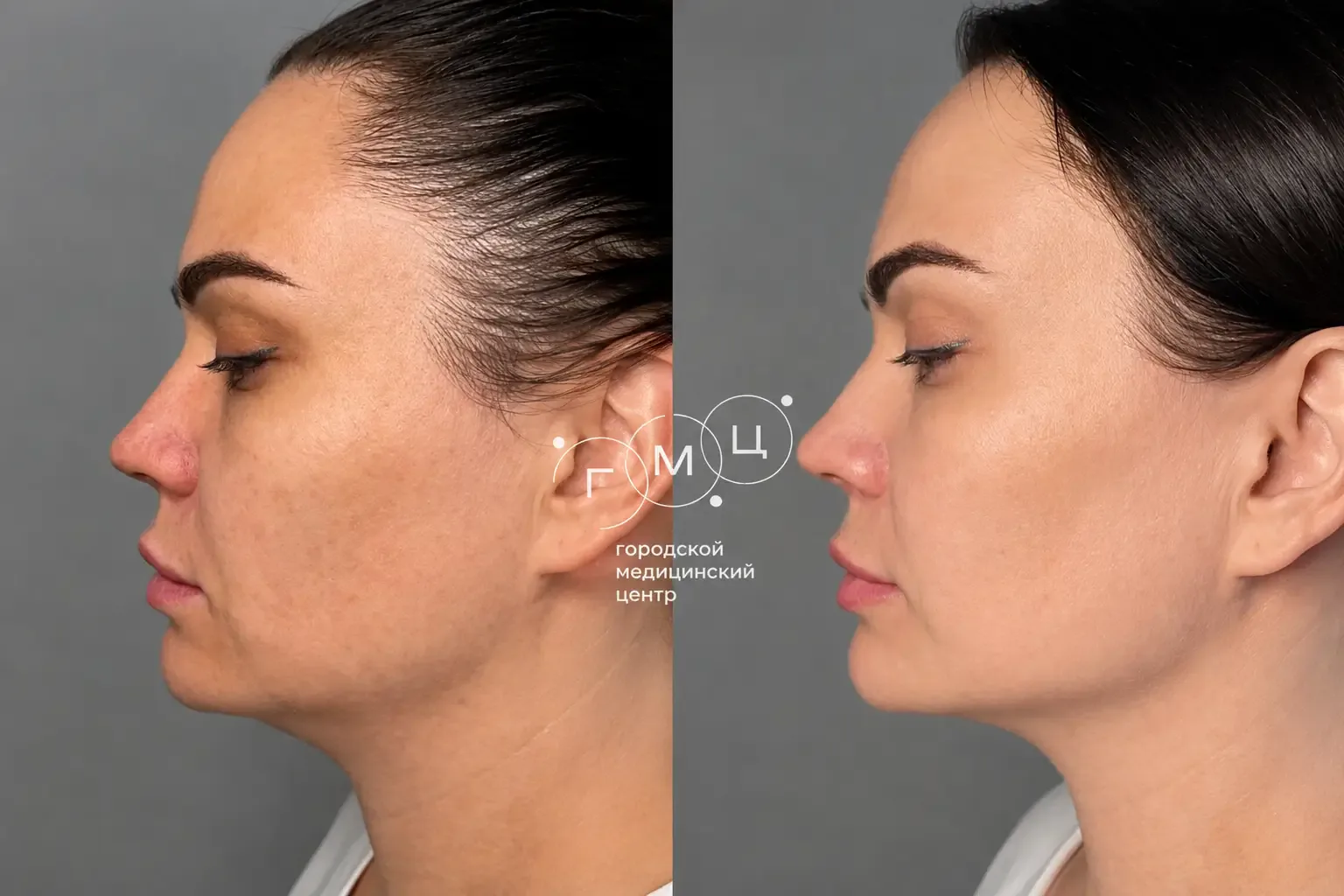
33 years
6 months
SMAS facelift
50 years
9 months
SMAS facelift
58 years
8 months
SMAS facelift
34 years
5 months
SMAS facelift
32 years
7 months
SMAS facelift
40 years
6 months
SMAS facelift
45 years
8 months
SMAS facelift
38 years
5 months
SMAS facelift
33 years
6 months
SMAS facelift
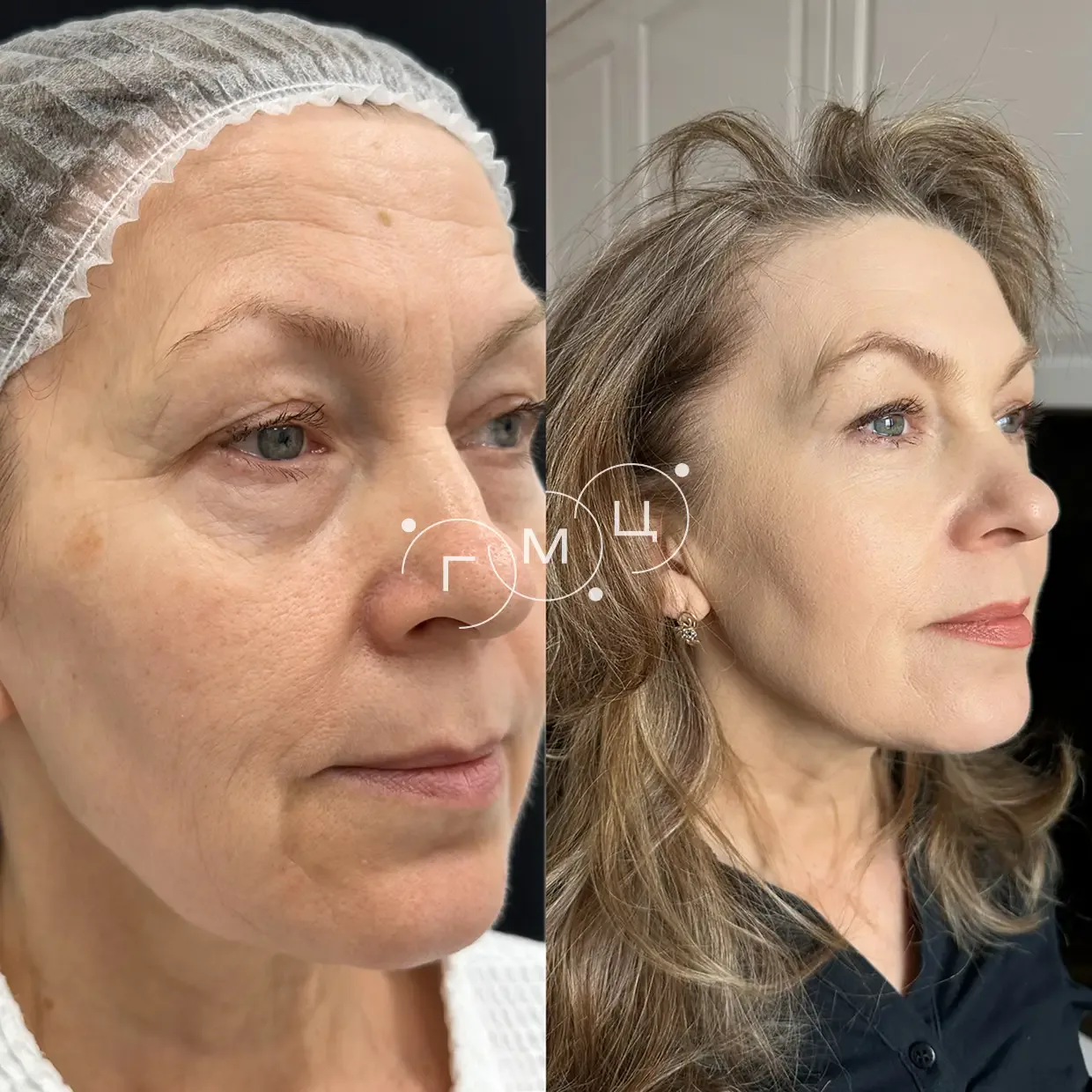

Marked sagging across the face and neck
Jowls and a blurred jawline
Double chin, loose skin on the neck
Pronounced nasolabial folds and marionette lines
A heavy, tired look from drooping brows
Significant loss of skin firmness after 40
Wanting a long-term result (7–10 years)

Age under 30
Active, acute inflammation of the skin
Being pregnant or breastfeeding
Severe heart and vascular disease
Disorders of blood clotting
Cancer
Decompensated diabetes
Facelift in Kut: what you should know
One surgery gives a complete result; a repeat procedure may be considered after 7–10 years if the patient wishes. That is the main advantage of a surgical approach over cosmetology for people in Kut with pronounced sagging. Because the surgeon works on the deep muscle and fascia layer rather than only the skin, the face keeps its new contours for years and continues to look natural.
Follow-up does not end at discharge. Throughout the first year, your plastic surgeon monitors how the face settles and checks the result until it is final. Personal support is provided before and after surgery. When combined procedures such as eyelid surgery or double-chin liposuction are planned, the surgeon sets their scope in advance. For patients from Kut, every step is agreed at the consultation.
Start with a free, no-pressure consultation: you get an assessment of your ageing type, an explanation of the expected result and answers on recovery. If you decide to proceed, a facelift costs from $2,400 (≈ IQD 3,150,000), with anaesthesia, the inpatient stay, meals and a year of follow-up included, and 0% instalments available. People in Kut can send a request online or message a coordinator.
Stories of well-known people
Well-known people who spoke openly about this operation, in their own words.
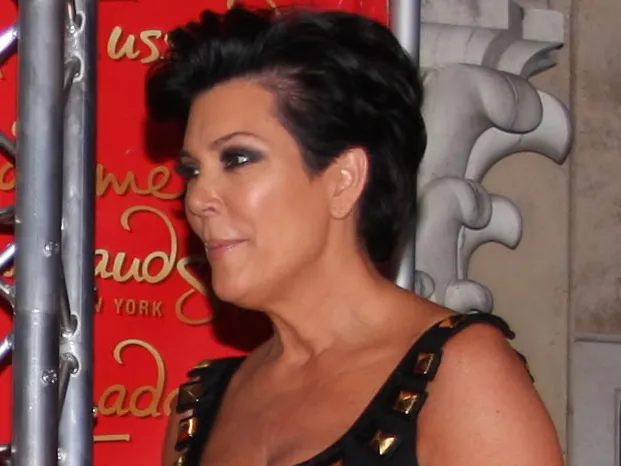 Kris Jenner’s facelift: “I love my facelift”Kris Jenner said she had a facelift about 15 years ago and a refresh before turning 70 — and that she loves it. How a SMAS facelift and recovery work.
 Did Vicki Gunvalson have a facelift? Yes, and she showed the result herselfVicki Gunvalson had a facelift in May 2018 after deciding fillers no longer looked like her. Her own words, how a facelift works and recovery.
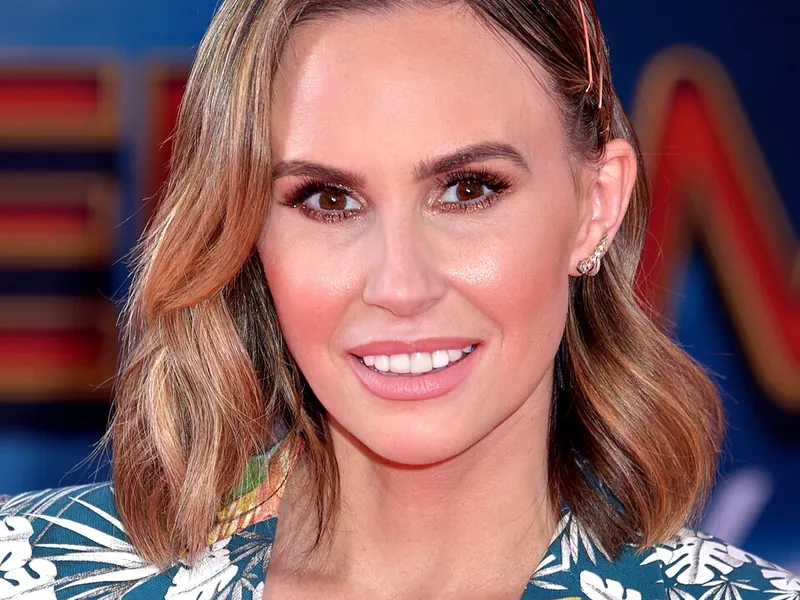 Keltie Knight’s facelift: why she decided to “just own it”Keltie Knight had a facelift in 2023 at 41 and chose to talk about it openly. What she said, how a SMAS facelift works and what recovery looks like.
 Did Linda de Mol have a neck lift? Yes, and she wrote about it herselfLinda de Mol wrote in LINDA. in 2025 that she had a neck lift. What she said, why she chose to be open, and how a face and neck lift works today.
 Linse Kessler and her facelifts: what she said herselfDanish reality star Linse Kessler has said openly that she has had several facelifts. Her words, how a modern facelift works and what recovery involves.
 Did Alice Bendová have a facelift? Yes, and she explained why herselfAlice Bendová confirmed a deep plane facelift in September 2026. Her words, how a facelift works, who it suits and what recovery looks like.
A face that few grew old in: dignity before beauty
In Wasit Governorate, whose census counted 1,644,273 residents, only about 56,756 have passed their sixty-fifth year, which means every older face in Kut is seen and remembered. That scarcity gives the features of the elders real weight in society, and turns the question of a facelift into a question of dignity before it is a question of beauty: a face its owner does not enjoy meeting in the car window. The questions from Kut reach coordinators on Telegram and Telegram around the clock, written first, because talk about one's face is among the heaviest things to conduct face to face.
A facelift treats precisely what time does: sagging in the cheeks, looseness along the jawline, deep creases around the neck. It does not return youth nor erase history; it arranges what has loosened into its right place, and the difference between a master surgeon and the rest shows in exactly that restraint. The consultation begins with three photos, front, side and three-quarter, in window light with a relaxed unsmiling face, plus a line about what bothers you specifically. The written reply describes the areas that gain from lifting, and politely declines the areas that need nothing, since declining is part of a good plan.
Whoever has lived in Kut on the rhythm of the market and the field knows that the face is the first identity card before any paper, and early news of a changed face outruns its owner. This is why facelift conversations here run in writing from the first line: the photos arrive, the surgeon answers honestly, and the dialogue stays in the phone until the decision ripens. Nothing in this stage requires appearance or exposure, and the channel stays open day and night for whoever prefers writing her questions after the house has settled. That privacy is not morbid silence but a way for a community to respect a decision that has not yet matured.
Before any step, hold two truths that compress the expectations: the operation is performed under general inhalation anaesthesia managed by a specialist, and full recovery takes about two months, with the features advancing in stages until they settle between the third month and the sixth. Whoever accepts those two truths from the start lives the path calmly, while whoever compares her face to the mirror every morning tortures herself needlessly. Write those two lines at the top of your question notebook, because every question after them is read in their light, and most of the first weeks' anxiety dissolves on rereading the first page rather than on hearing new dates.
The day, the week, and the two months
The operation day begins with a clean face, hair tied back and clothing that opens from the front, small details written into the pre-operative instructions that save the team minutes and the patient her tension. Under inhalation anaesthesia the anaesthesia specialist monitors breathing and pulse minute by minute, while the surgeon works on his pre-drawn plan without improvisation. Ask before the date about the anaesthesia doctor's role by name; that is a question every serious team raises its head to, and its written answer calms the household, since people in Kut are used to asking who stands in each role before they ask anything else.
The first week after a facelift is a week of two pillows, soft meals and politely postponed visitors, and in a Kut house whose doors open to unannounced visits this quiet needs organising: one sentence the family says at the door, a silent phone in the room, and the day's items on a nearby table. The head stays raised on two pillows, walking inside the house is light and frequent, and the screens are limited so the eyes are not pushed toward strain. Whoever arranged this week before entering the hospital lived it asleep in a house that knew its role; whoever improvised made every neighbour a potential visiting hour.
The following two months live on a calm household rhythm: a closed first week, then short evening outings once the air drops, with a loose scarf and sunglasses turning the passing swelling into something nobody looks at twice. Kut's hot summer keeps the air-conditioned house at the centre of this period, while the mild winter, whose January high sits near 17.5°C, makes going out easier. Walking the banks of the Tigris after the afternoon is the best exercise once the surgeon permits: open river air, a level path, and no lowering of the head below the heart.
Across those two months, follow-up runs more on photos than on attendance: one morning picture in the same light and the same three angles, sent on schedule through the same channel, with the surgeon's written comment coming back. This system fits the families of the districts around Kut specifically, because it turns every check-in from a ride of hours into a message of minutes and keeps the whole path in an album ordered by dates. Add your passing question to the album whenever one occurs, and by the end of the two months the file of written questions and answers becomes a record the surgeon reads, reassuring you that your recovery curve is your own.
Reading the result, the tales, and the offers
The final result of a facelift is read between the third month and the sixth, and the swelling that hides it in the first weeks is not a fault of the operation but its law. Early judgement is therefore off-limits: no morning mirror under a yellow bulb, no comparison with a friend's week, no emotional decision on a night of swelling. The patient in Kut who built her album on day one and ordered her photos month by month saw with certainty what the daily eye cannot, and when the surgeon declared the face settled she knew, by pictures rather than hope, that the road she had travelled was real.
The tale of the stretched, frozen face precedes every operation, and the answer lives in the surgeon's hands more than in time: a capable surgeon lifts by what the face needs rather than by what the eye covets, and returns the tissues to where they were years ago, not to somebody else's face. Ask in the consultation for results photos of faces your age and build, and read in them the surgeon's taste before his skill; the two are different things and the second assumes the first. A written answer to this tale specifically works as a page to be read in the council, because whoever answers it confidently owns the experience that reassures.
The grown children's questions about a mother's decision differ from the neighbours': they are afraid for her. The best entry for them is the page itself: a written plan, general anaesthesia managed by a specialist, two months of recovery with known stages, and photo follow-up. Ask the coordinator to answer their questions inside the same conversation, because a son who reads the answer from its source settles before dinner, and the mother who brought her children in early turned their worry into guardian eyes that serve through the two months. In a Kut household this family teamwork is easier than expected, since one house suffices to cover each absent role.
Before deciding, open the offer again and read four lines: the areas the lift enters, the position of the incisions against the hairline, the detail of follow-up across the first year, and the answer to what happens if a later adjustment is ever needed. Add the record question: how many face operations in the surgeon's year, and his certificate and its issuer through the Iraqi Board for Medical Specializations, which covers 37 specialties. Elective operations are paid privately, and a serious offer knows it and itemises in writing what it covers from day one. Whoever compared two offers on these lines found the difference clearer than any advertisement describes.
Preparation, return, and the patience of water
The home preparation list for the two months is short but it decides the quality of everything: two extra pillows for raised sleeping, an empty album named face photos, two front-opening garments, soft meals and drinks for a week, and a loose scarf with sunglasses for going out. Prepare them a week before entering the hospital, and ask the household to keep the forbidden list on the refrigerator: no heavy lifting, no long bending, no heat on the face in the first days. A house that reads the same list spares the patient half the reminders and turns the two months from a test of patience into a shared, comfortable programme.
The question of returning to work and daily life arrives every week, and its honest answer is graduated: the first weeks are household ones, then short outings, then a full return on the surgeon's signal once healing is trusted. Whoever works in a closed office returns easier than whoever stands in an open market under Kut's sun and dust, and the surgeon knows the difference from your description of the work. Do not commit to a date promised before the team's permission, because an early promise weighs more than an extra week; and whoever arranged her work on the surgeon's calendar rather than on enthusiasm's returned with a calm face, not a hurried one.
For those counting the months: full recovery takes about two months, and the result settles between the third month and the sixth, a span that accepts no speeding however great the enthusiasm, because the tissues work on their own clock. What the face's owner can speed up is the other side: keeping the photo schedule, drinking water, sleeping enough, and holding the follow-up dates to the letter. The two kinds of work do not trade places, and whoever tried to rush the first blocked the second. In a city that knows the seasons of harvest and holidays, the farming logic applies: the crop gathered before its time loses half its weight, and the face judged early loses its owner's calm with it.
The Kut Barrage has stood on the river since 1939, and it never imprisoned the water; it organised its course, and that is the meaning of a facelift done by a hand that knows its work: not a imprisonment of time but an ordering of its effect. Write your first message to the coordinators on Telegram or Telegram at any hour, attach your three photos with a line about your age and what bothers you, and let the written answer open the road. What follows is not a leap toward a new face but a river running at its own pace: a week, then a month, then six, until the features you will live with every morning have settled.
Who fits and who waits: the last gate before the message
No age alone grants candidacy and none forbids it: the verdict belongs to general health that can carry anaesthesia, to skin that kept some of its elasticity, and to expectations that accept the operation rearranges what loosened rather than erasing time. Whoever carries uncontrolled illnesses is calmly postponed until they are managed, and whoever asks for a face other than her own has those expectations discussed in a calm, plain conversation. All of this is conducted in writing from the first line, so you describe your case the way you would to an old family doctor, the surgeon answers with what he can and cannot do, and whoever accepts those limits lives the whole path reassured.
The operation's timing is built on your household's calendar rather than the markets': the gathering and wedding months are not the kindest place to start, and a quiet window after a big occasion, or between two school terms, or inside a known stretch of leave, suits better and surprises nobody. Tell your coordinator your family's rhythm across the year, and the date falls into a gap your household recognises, so recovery is managed inside a routine rather than against one. This scheduling is half the comfort bought without money, and whoever tried it knows that one calm week in its right time equals a month of anxiety at the wrong one.
The truest thing you can keep for yourself is the photo album: one picture before the operation, then follow-up photos by dates, one image each month in the same light. This album serves not only the surgeon but you, on the evening you ask yourself whether things are moving, and your family when they ask, and the whole story years later when it is told in a credible voice. Ordered photos turn complaint into measurement, and measurement on this road is worth more than feeling; whoever built her album from day one reached the end of the two months with nothing to ask about except the result itself.
And the river remains the last teacher: the Tigris in Kut's bend does not cut its way to the mouth in one leap but in a single unbroken flow, and whoever lived on its banks knows the finest things arrive gradually. Write your first message to coordinators on Telegram or Telegram at any hour, with a sentence about your age, photos, and a line about what bothers you, and read the reply bank by bank without hurry. What follows the message is a schedule walked rather than a leap jumped, and a city that knows both water and patience knows that a face to be lived with every morning deserves to be built at the river's calm rather than the wind's rush.
Is a facelift suitable after fifty?
It suits whoever's health allows surgery and general anaesthesia, regardless of the birth-year number, because the real verdict belongs to the condition of the skin and tissues and to the tests before the operation. Wasit's society is comparatively young, and those past sixty-five are few enough to be noticed, so the features of older people are read clearly there. Tell your whole health history in the first message; the surgeon reviews the tests and scans before judging, and the written answer about your suitability is what the decision is built on, not birth years and not the council's opinion.
How long does full recovery take, and when do I leave the house?
Full recovery takes about two months, passing through stages: a first week entirely closed at home, then short evening outings under a loose scarf and sunglasses, then a graduated life on the surgeon's signal. Light walking inside the house starts early and is welcome, while anything that lowers the head or strains the neck waits for his permission. Whoever arranged her house and distributed the tasks before the date lived the two months like someone reading a schedule; whoever improvised turned every outing into a new question deserving a written answer from the team rather than a guess.
When is the final result of a facelift visible?
Between the third month and the sixth, after the swelling recedes in stages and the face settles onto its new features. Swelling in the first weeks is part of the operation's law, not a fault in it, and whoever judged her result in the first week wronged herself. The honest picture is built by comparing two photos in the same light and the same angles, month against month, through the album sent to the surgeon. His written comment is what declares the face settled, and only then is the distance you travelled read with certainty rather than waiting.
Is a facelift done under general anaesthesia?
Yes, under general inhalation anaesthesia managed by an anaesthesia specialist from the moment you enter until the operation ends, so you know none of its details. Ask before the date about the anaesthesia doctor and his role by name; the question raises the head of every serious team and reassures the household more than you. Kut's people are used to knowing who holds each role in any major undertaking, and this question belongs to that same custom: a written plan, a name for every position, and a clear estimate of the duration before surgery day arrives.
What should I prepare at home before the operation?
A short list that decides the quality of the two months: two extra pillows for raised sleeping, an empty album named face photos, two front-opening garments, soft meals and drinks for a week, and a loose scarf with sunglasses for outings. Prepare it a week before entering the hospital, and pin the forbidden list on the refrigerator: no heavy lifting, no long bending, no heat on the face in the first days. A house that reads the same list spares half the reminders and turns recovery from an individual burden into a shared programme.
When do I return to work and daily life?
In stages the surgeon sets: the first weeks at home, then short outings, then a full return once he trusts the healing. Whoever works in a closed office returns easier than whoever stands in an open market under Kut's sun and dust, which is why the nature of the work is asked in the first consultation. Do not commit to a date promised before the team's permission; an early promise weighs more than an extra week. Ask for the answer written within the plan and arrange your work on the surgeon's calendar rather than on enthusiasm's, and you will return with a calm face rather than a hurried one.
How do I choose the right facelift surgeon?
Ask what share of his work sits in face and neck surgery specifically, and his years in it, and ask for results photos of faces your age and build, because those photos reveal his taste, which you will live with, before his skill. Iraqi physicians' certification runs through the Iraqi Board for Medical Specializations, which covers 37 specialties, and asking about the certificate and its issuer is an ordinary, expected question. Ask for the answer in writing through the coordinator and file it beside your tests; whoever compared two offers on these lines saw the difference more clearly than any advertisement describes.
Does the result of a facelift last for years?
The operation returns the loosened tissues to an earlier position and corrects today's sagging, and time continues its natural course afterwards as it does for everyone; whoever lived at a stable weight, away from smoking, and kept her skin from the sun, lengthened what was built. No honest surgeon promises anything absolute, and a realistic answer about the years ahead is the mark of trustworthiness to be read and kept. Ask in writing what to expect in the first years; a page that describes the path plainly serves the household as a reference, while absolute promises are what deserve caution, not the question.
Facelift in Kut: price and what is included
Prices are in US dollars; the amount in brackets is an approximate conversion to IQD at the rate of 02.10.2026. The final price is fixed in your contract.
- Faceliftfrom $2,400 (≈ IQD 3,150,000)
How much does a facelift in Kut cost?
Prices start from $2,400 (≈ IQD 3,150,000). The surgeon sets the final price at the free consultation, and it is fixed in the contract, with no hidden extras.
What is included in the price?
A one-to-one consultation, the medical team, anaesthesia, inpatient care with meals, 24/7 monitoring and twelve months of follow-up by the surgeon.
How do I get my exact price?
Message us on WhatsApp or Telegram using the buttons below. A coordinator will answer your questions and book a free consultation where the doctor names the exact price.
By messaging us, you agree to our Privacy Policy