


























 beforeafter
Irina, 26
Bariatric surgery
Bariatric surgery
$3,600
$4,800 · First consultation — Free
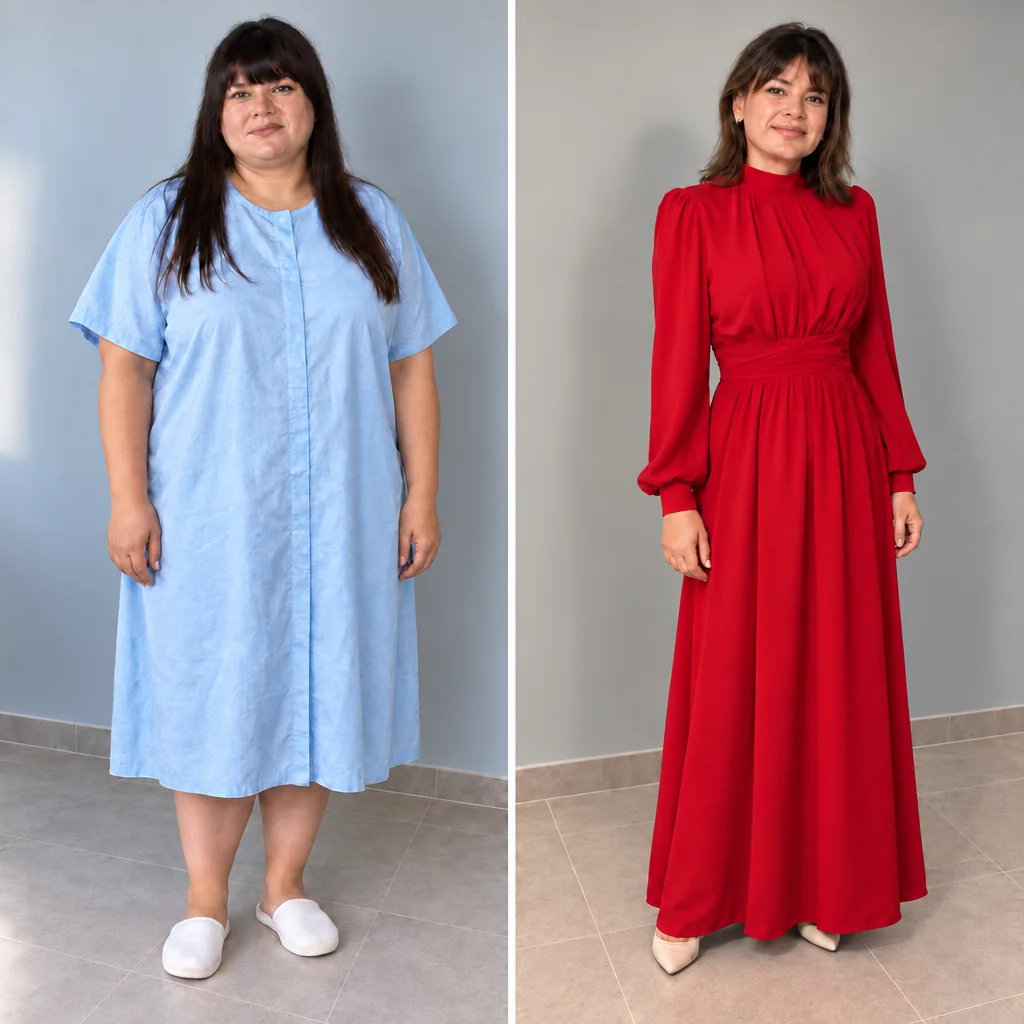 before
after
before
after
Message our coordinator
Free online consultation · Reply within 15 minutes
Message us on TelegramMessage us on WhatsAppBy messaging us, you agree to our Privacy Policy
Results
All cases are real patients of the clinic.
beforeafterBariatric surgery
 beforeafter
Bariatric surgery
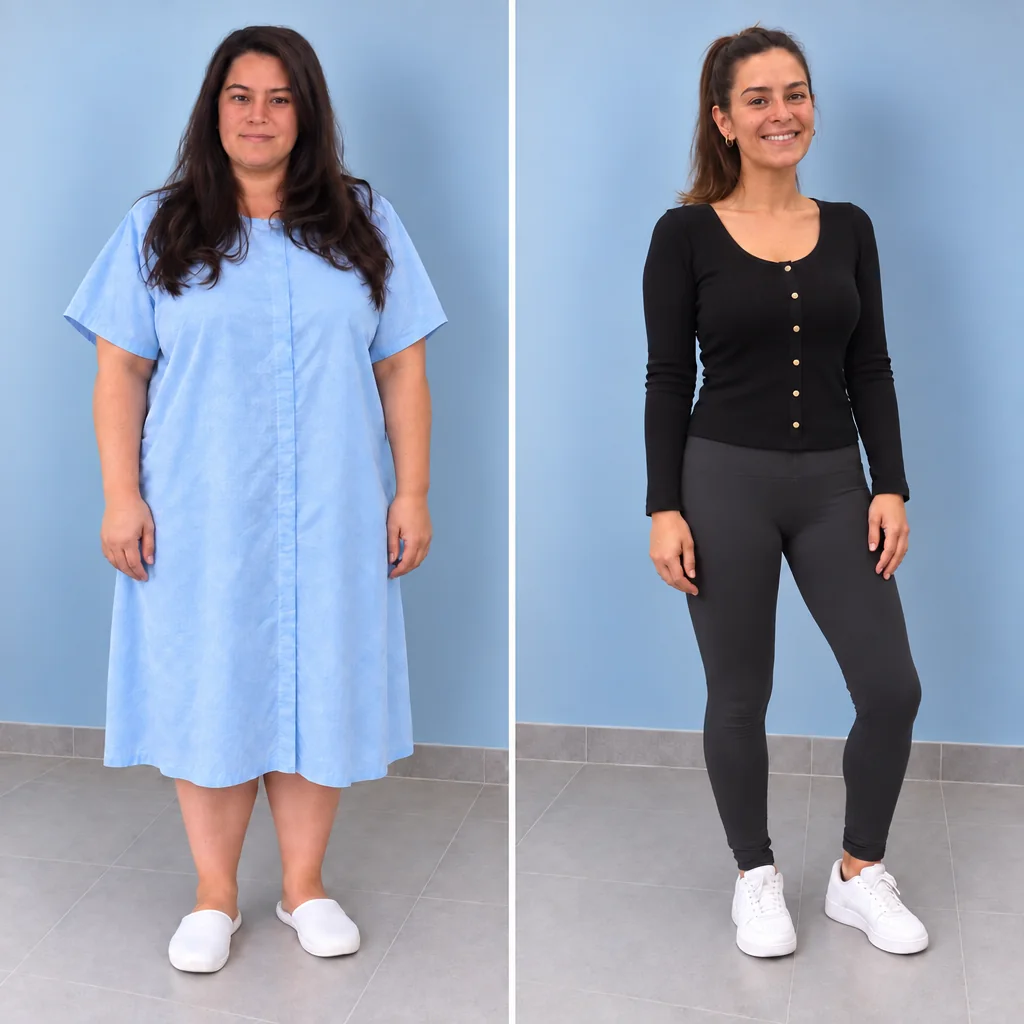 beforeafter
Bariatric surgery
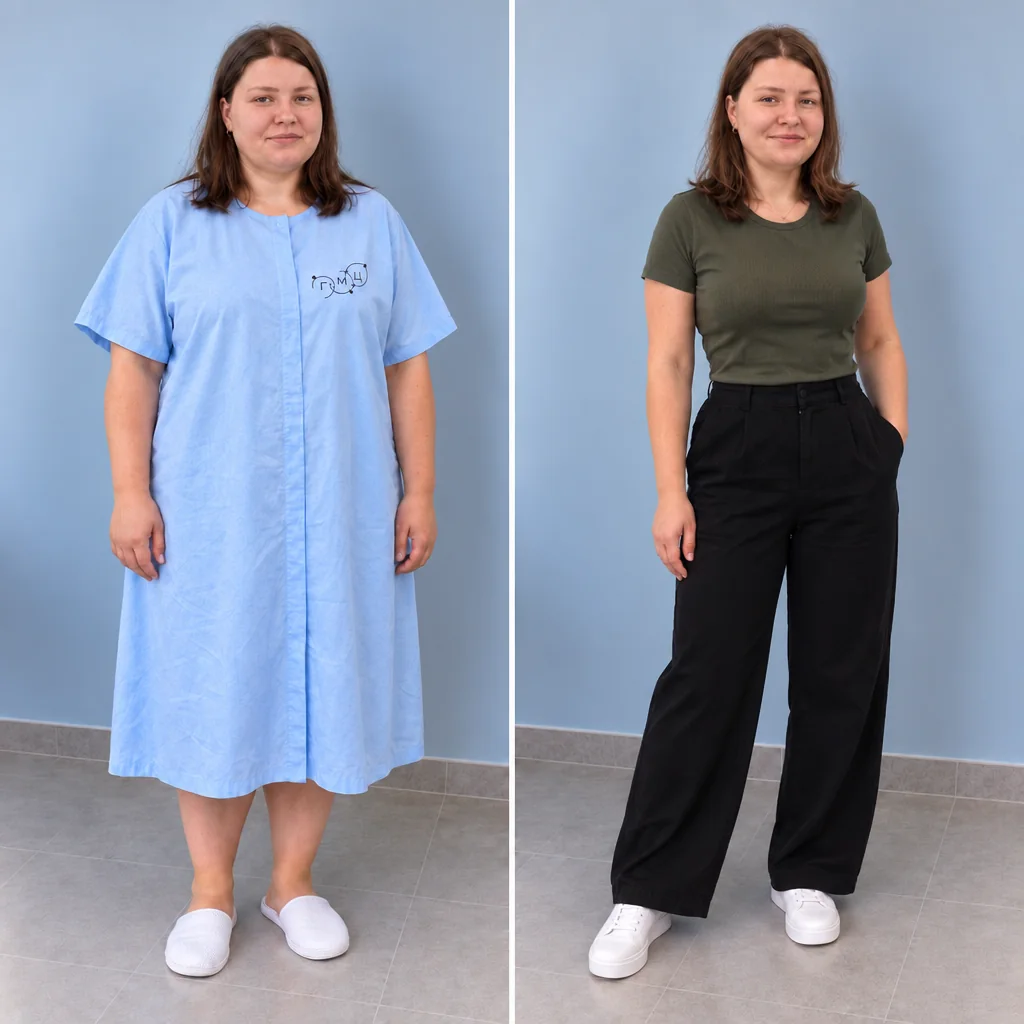 beforeafter
Bariatric surgery
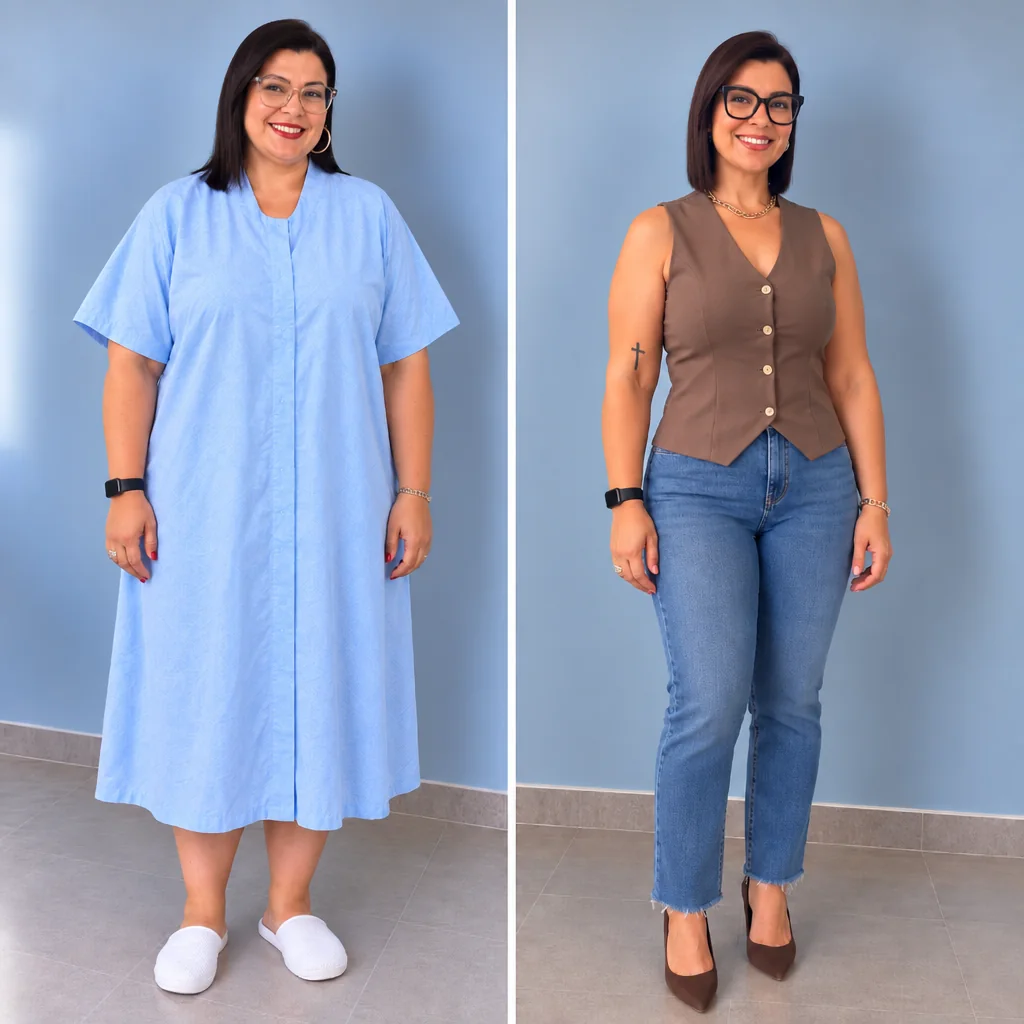 beforeafter
Bariatric surgery
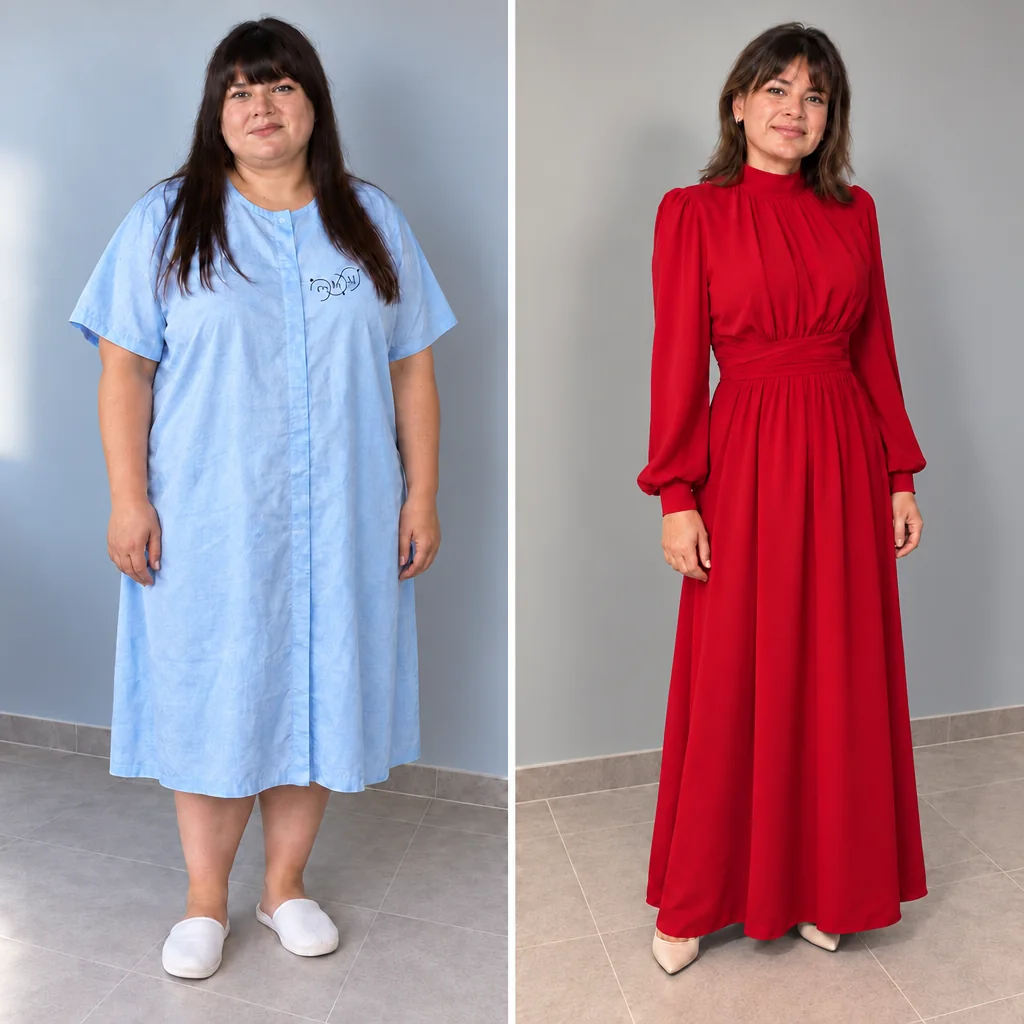 beforeafter
Bariatric surgery
 beforeafter
Bariatric surgery
 beforeafter
Bariatric surgery
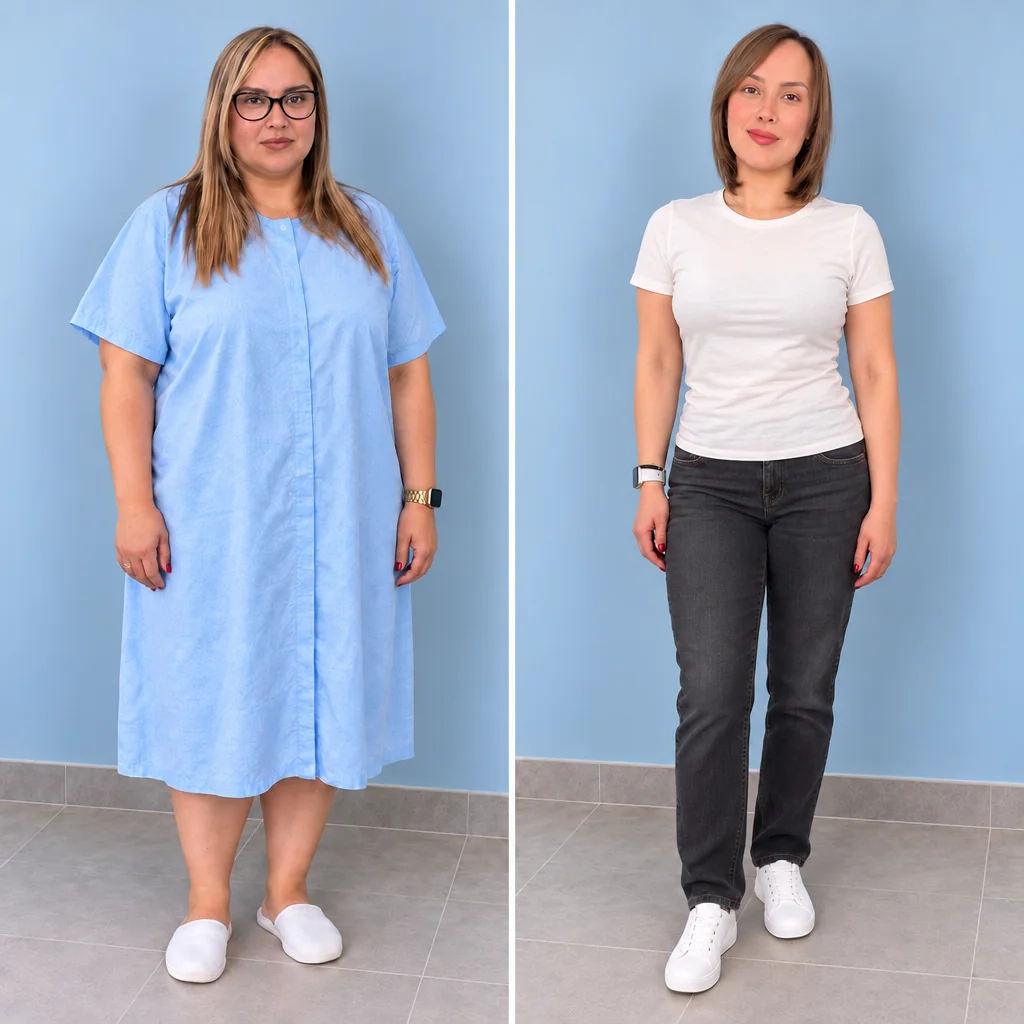 beforeafter
Bariatric surgery
 beforeafter
Bariatric surgery
 beforeafter
Bariatric surgery
Comparison
Choose your method with confidence by comparing our two main procedures — sleeve gastrectomy and gastric bypass — in terms of how they work, their purpose and their indications.
Making the stomach smaller
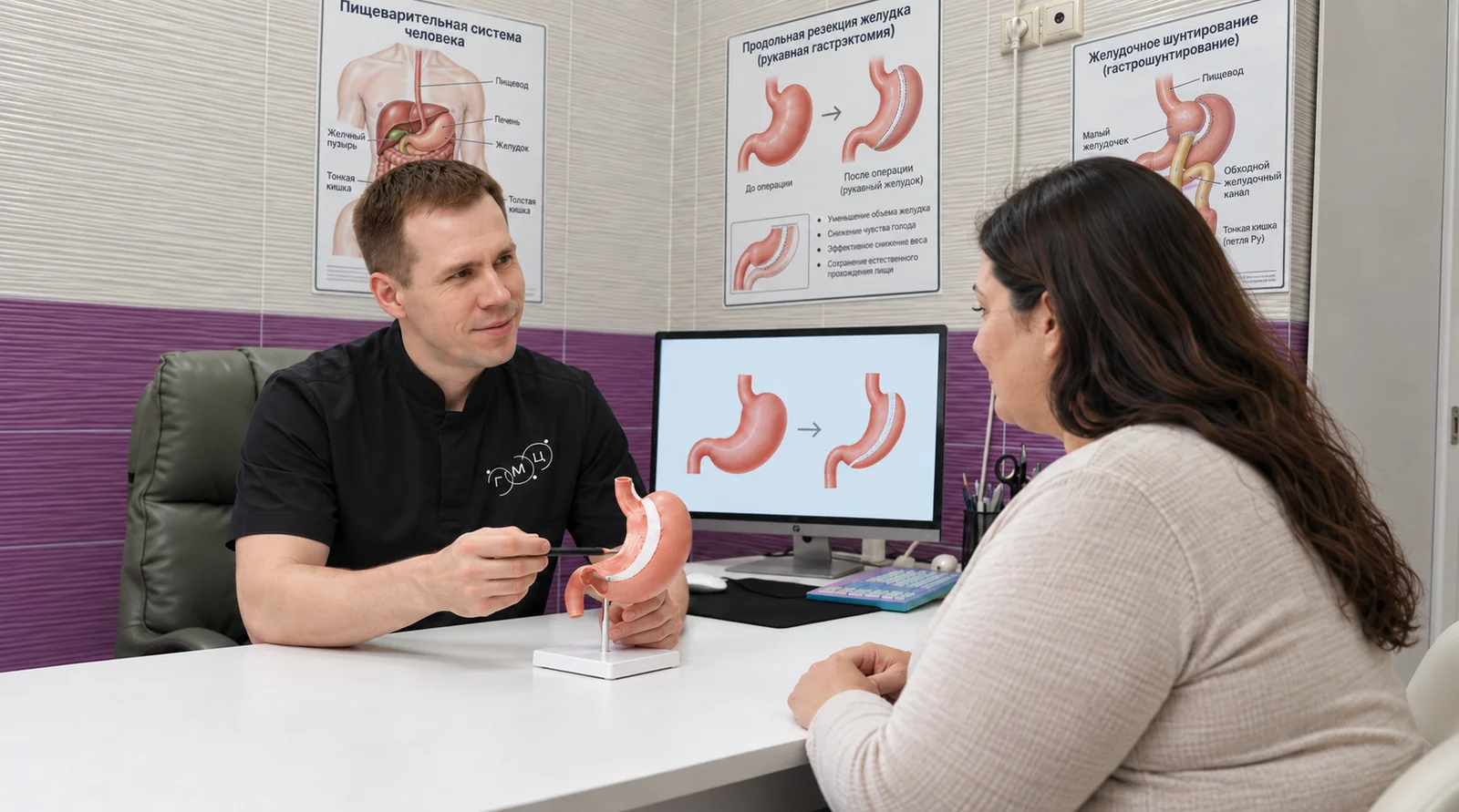
Discounted price
$3,600 $4,800
Less stomach volume and a changed route for food
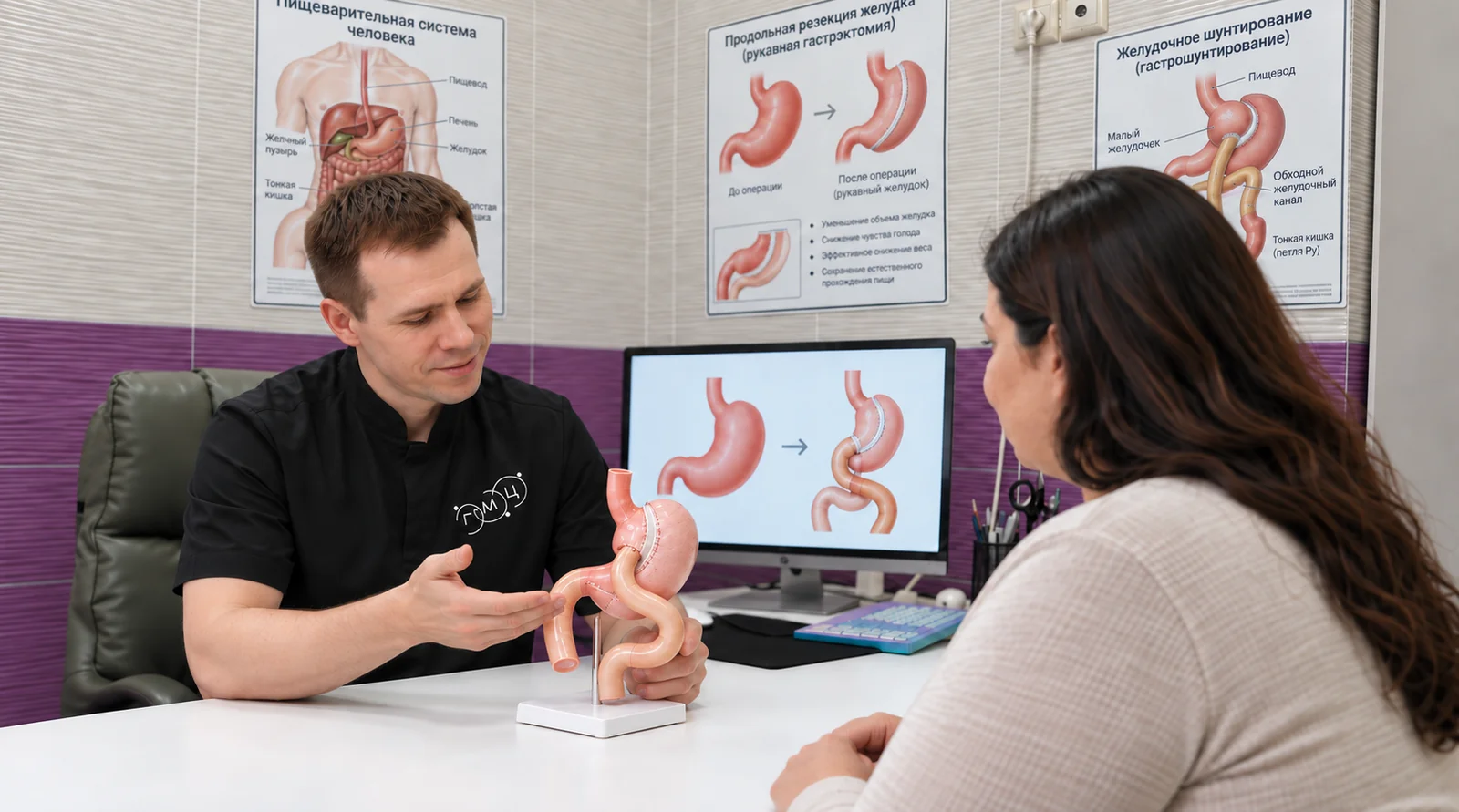
Discounted price
$4,000 $5,200
Treat the recovery times and benefits here as guidance averaged by method: how extensive the surgery is and how you recover depend on your own anatomy and features, and the surgeon confirms this at the consultation.
Book a consultationThe clinic
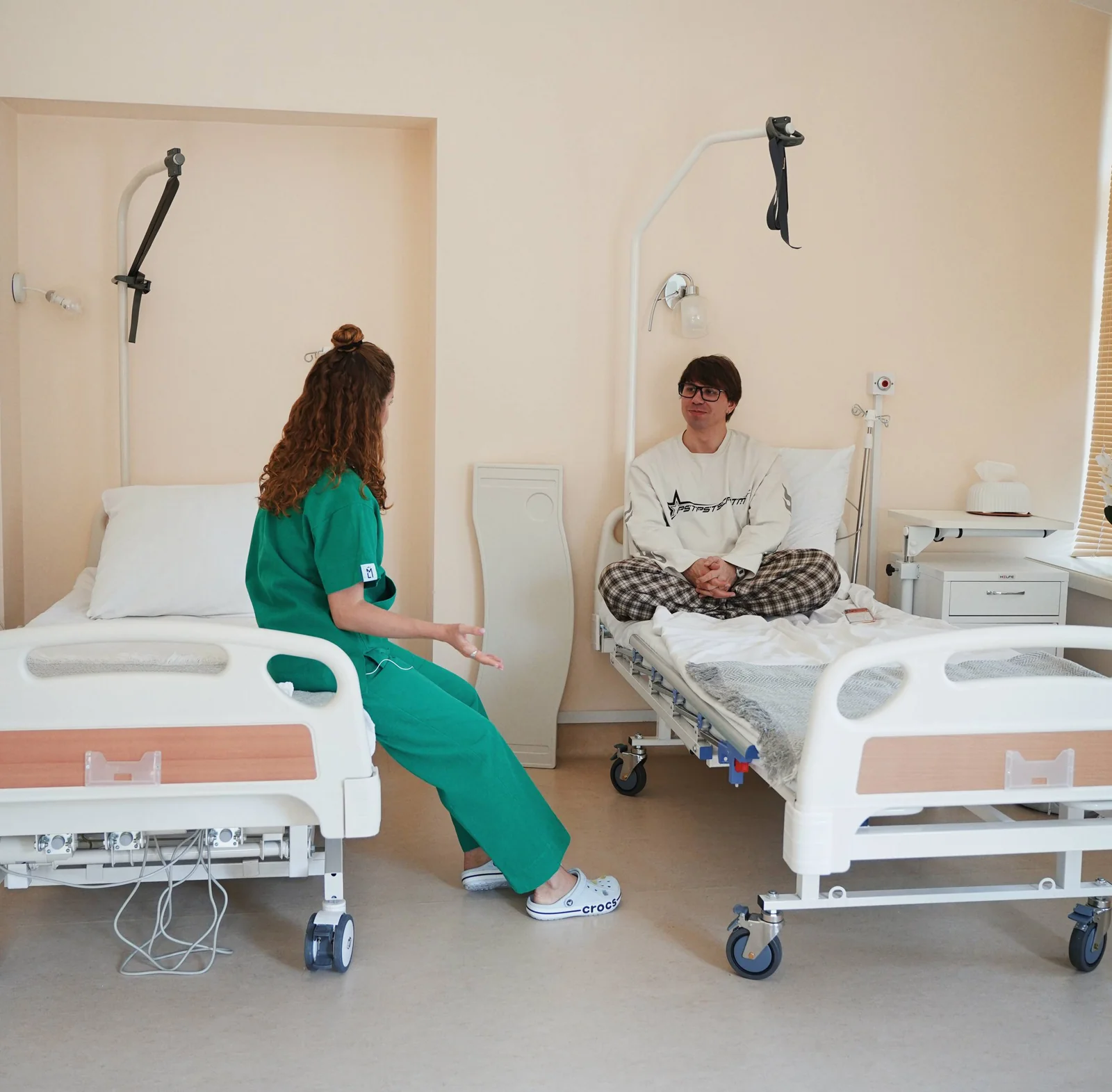
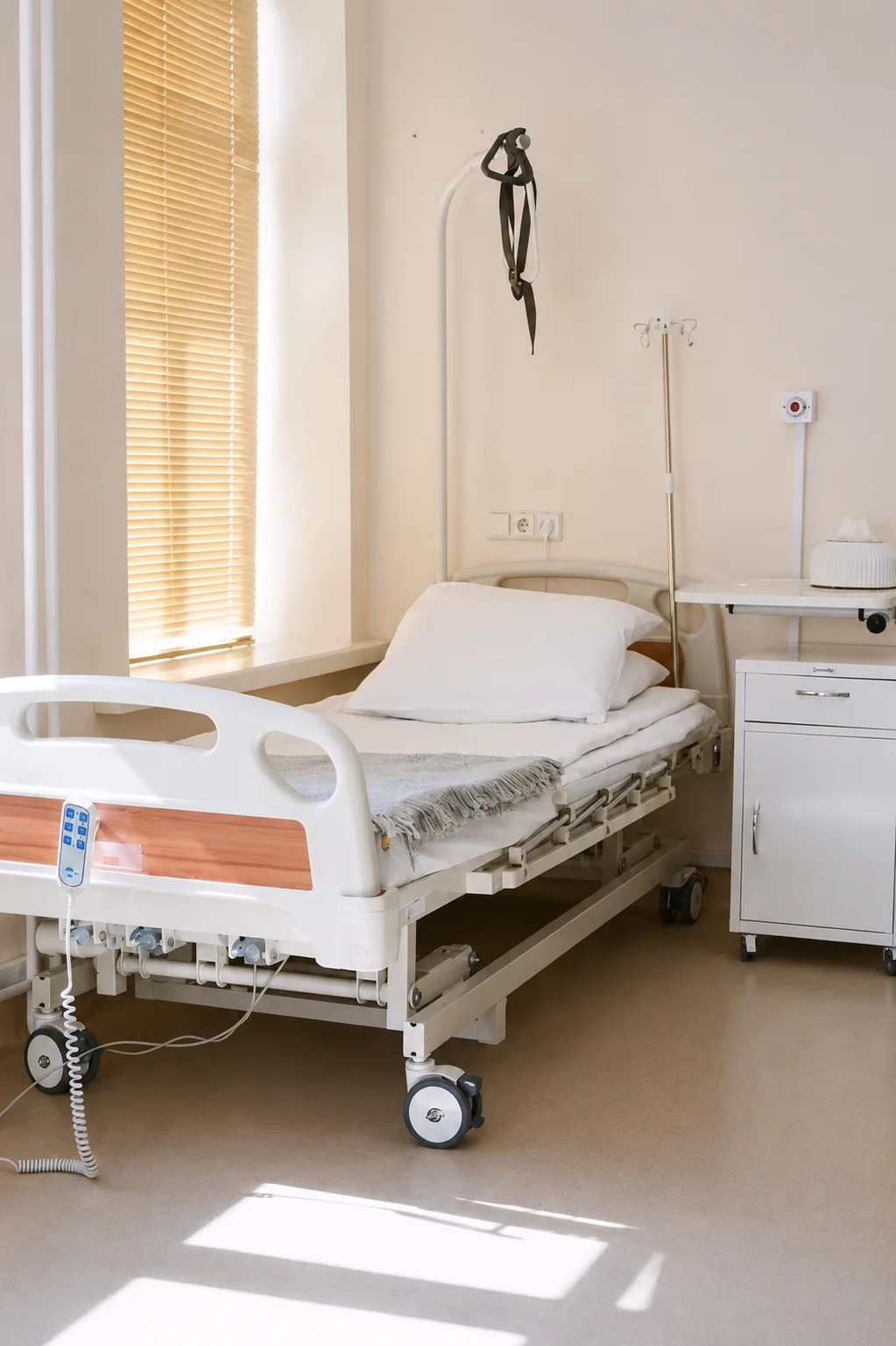
Modern technology, cosy rooms and personal attention for every patient

Ask us anything, and we will arrange a consultation at a time that suits you
Get a consultationWhether to have surgery is decided together with the surgeon after the consultation and check-up.


Can't tell which column fits your case?
Write to us on Telegram and our coordinator will tell you whether bariatric surgery is suitable. Your surgeon consultation is free and carries no commitment to surgery.
Find out if it suits me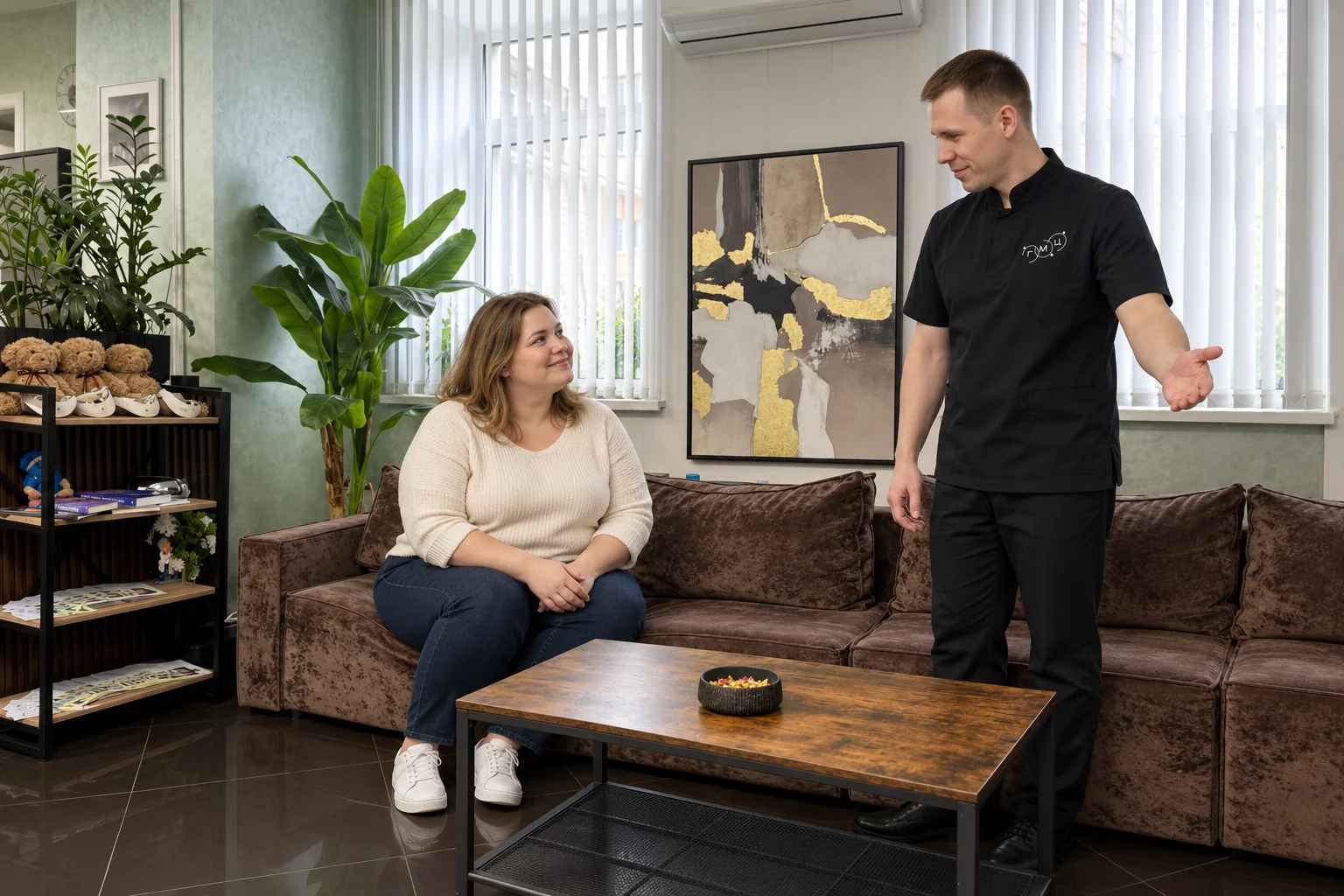
Prices
Your cost is confirmed at the consultation once the plan is ready and written into the contract.
Discounted price
Making the stomach smaller

$3,600$4,800
Discounted price
Weight loss and rerouting food

$4,000$5,200
Free
Your treatment plan follows the surgeon's examination

Free
the price of surgery is confirmed
and fixed in your contract
After assessing your health and discussing your goals, the doctor picks the right bariatric surgery method. You learn the cost at the consultation, and the contract fixes it.
Message our coordinator
Free online consultation · Reply within 15 minutes
Message us on TelegramMessage us on WhatsAppBy messaging us, you agree to our Privacy Policy

price
One package — from preparation to 12 months of support. No extra charges.From preparation for surgery
to support for 12 months.
What to expect
Support for a year, hospital monitoring and a treatment plan agreed in advance.
 1
1To choose the right bariatric surgery method, the doctor assesses your health, discusses your goals and orders the necessary tests.
2We book your surgery date: the deposit is payable by card at the clinic or online via bank transfer. All terms are fixed in the contract for medical services
 3
3Before surgery you will have blood and urine tests, an ECG, an ultrasound and a gastroscopy, plus specialist appointments. The doctor provides the exact list at the consultation.
 4
4The surgeon performs the bariatric procedure by the chosen method under general anaesthesia, and the medical team then monitors the patient after surgery.
 5
5After surgery you stay in hospital under doctors' supervision. The stay lasts from 1–3 to 4–5 days, depending on the complexity of the operation and how you feel.
 6
6Following discharge you get advice on diet and recovery, while scheduled check-ups track how you feel, your weight and tests. The clinic team supports you for a year.
A plan is drawn up by the doctor at the consultation, with an explanation of how surgery will go

You pay nothing for the consultation, happens before surgery, with no obligation.
Book a consultationDoctors

27 years of experience
Chief bariatric surgeon
Surgeon

9 years of experience
Bariatric surgeon
Surgical oncologist
Your surgeon carries out the operation and follows you from the first consultation to your result.
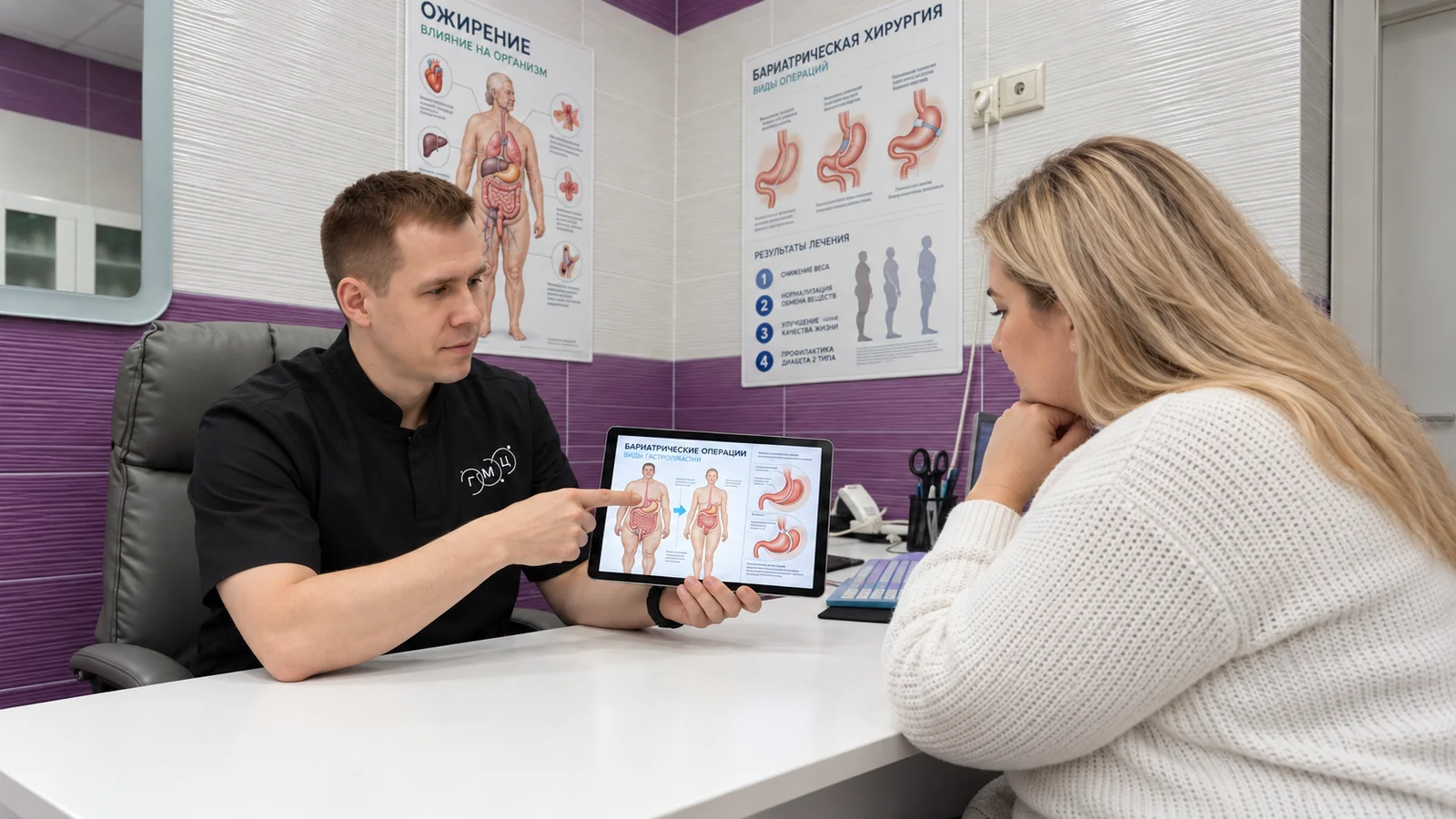
Your first step is a consultation with our patient care manager: BMI calculation, an explanation of the methods and booking with the surgeon. Free of charge.
Book a consultationCoordinators
Support at every step of the way

First contact at the clinic for you — from your first message through to the consultation
Patient support
Helps you find a convenient date and answers your questions before your first consultation

From booking to discharge — with you before and during your stay
Patient support
Guides your preparation for surgery and stays in contact while you are at the clinic

By your side from discharge to your final check-up during recovery
Patient support
Stays in touch during your recovery and schedules follow-up visits with the surgeon
Advantages
We choose the best method for your health, lifestyle and goals. Our team is with you all the way.

We support you in adapting to new eating habits, tracking results and keeping them.

Steady weight loss, better well-being and a higher quality of life.

Your time matters to us: we work 24/7, booking is simple and we take a personal approach at your pace.

No hidden fees and no surprises on the way to your result: after the consultation the surgeon chooses the method and you get a clear price.
FAQ
Bariatric operations at the clinic are performed by experienced bariatric surgeons:
Message us — our coordinator will get back to you shortly and book your consultation. The bariatric surgeon consultation is free.
Surgery is prescribed only when clear criteria are met
To gauge obesity, doctors rely primarily on BMI, which equals body weight (kg) divided by the square of height (m²). An operation is usually warranted with a BMI over 40, or over 35 with serious associated conditions. Occasionally surgery is weighed at lower values as well, once non-surgical options have failed.
People often confuse these two, though their aims are fundamentally different. Bariatric surgery is medical treatment of obesity and associated diseases. It changes the way the digestive tract works, acting on the causes of excess weight and on metabolism. Plastic surgery alters outer body contours and does not treat obesity or affect metabolism.
Four main bariatric surgery types are available at City Medical Centre: sleeve gastrectomy, Roux-en-Y gastric bypass, mini gastric bypass (MGB) and SADI-S duodeno-ileal bypass. The method is picked individually, considering BMI, related conditions and the patient's goals.
We rely on modern laparoscopic technique. The operation is performed through 4 small punctures of 5 to 15 mm. Cosmetic sutures are used, so after healing the marks are barely visible.
Recovery varies with your activities. Office work: after 2–4 weeks. Physical work: after 1.5 months. Sport and activity: swimming is permitted after 30 days; other exercise is added gradually as weight decreases. Travel and holidays: best scheduled at least a month after surgery.
Your meals progress in stages: liquid food, soft food, then solid. The stress is on protein and on reducing high-calorie, fatty food.
After bariatric surgery pregnancy is possible, yet doctors recommend at least 12–18 months of waiting. Meanwhile the body stabilizes, weight arrives at target values and nutritional status normalizes.
Yes, vitamins are a must after bariatric surgery. Changes in digestive anatomy mean the body absorbs some nutrients less effectively, so regular vitamin and mineral supplements are part of the patient's life for good.
Weight regain is possible after bariatric surgery but very unlikely provided you follow the doctor's advice. Eat properly, avoid high-calorie drinks and keep up regular follow-up with City Medical Centre specialists.
Prices are in US dollars; the amount in brackets is an approximate conversion to IQD at the rate of 02.10.2026. The final price is fixed in your contract.
Prices start from $3,600 (≈ IQD 4,750,000). The surgeon sets the final price at the free consultation, and it is fixed in the contract, with no hidden extras.
General anaesthesia, a personal coordinator from day one, monitoring in the hospital and support for one year.
The hospital stay is 1–5 days, depending on the method and how you feel. Office work is possible after 2–4 weeks.
Yes. The first consultation is free and does not oblige you to anything. You can start online by sending a message to the coordinator.
Message us on WhatsApp or Telegram using the buttons below. A coordinator will answer your questions and book a free consultation where the doctor names the exact price.
By messaging us, you agree to our Privacy Policy
The decision rests on clear criteria: body mass index, overall health with related chronic conditions, and failed previous attempts at weight loss. BMI is weight in kilograms divided by height in metres squared. Contraindications include acute illness, severe chronic or mental illness, and less than six months since breastfeeding ended. Kut patients receive a personal assessment against these points.
During the operation the surgeon works laparoscopically, which keeps rehabilitation as short as possible. Right after, you are under round-the-clock care in a ward, with meals and nursing included. After discharge, most people in Kut return to office work in 2–4 weeks, following a diet plan and avoiding saunas and heavy exercise for the first weeks.
Weight loss is written into the contract, and the package includes every stage: consultation, diagnostics, the operation, inpatient care with meals and a year of support. A personal coordinator guides you from day one. To begin, patients from Kut leave a request on the page or message the clinic, then receive a free consultation with a bariatric surgeon.
Well-known people who spoke openly about this operation, in their own words.
 Al Roker and gastric bypass: twenty years of talking about it honestlyAl Roker had gastric bypass surgery in March 2002 and has talked about it for 20 years. His words, how the operation works and what recovery involves.
 Did Billy Gardell have bariatric surgery? Yes — and he says it saved his lifeThe Mike & Molly star had bariatric surgery in 2021 after a diabetes diagnosis. His quotes on the decision, the 100-pound loss and his children.
 Did Graham Elliot have weight-loss surgery? Yes, and he did it for his familyChef Graham Elliot had weight-loss surgery in 2013, saying it was what he needed to do for his family. His words, the operation and recovery.
 Did Mama June have a gastric sleeve? Yes — in her own wordsJune 'Mama June' Shannon had a gastric sleeve in May 2015. Her quotes on the 550-pound start, the regain and starting over.
 Did Randy Jackson have gastric bypass surgery? Yes, and he still talks about maintaining itRandy Jackson had gastric bypass surgery in 2003 and lost 114 pounds. His own words, how the operation works today and what recovery involves.
 Remi Bader and her weight-loss surgery: what she actually saidRemi Bader said in 2023 she had weight-loss surgery removing 80% of her stomach and lost 140 lbs. What she said, how the operation works, and recovery.
What patients write after this operation. Reviews are translated from the original language.
Irina, 26
For a long time I doubted whether to go ahead with surgery, but after the consultation I felt much calmer. Andrey Georgievich explained in detail how gastric bypass is done, what to expect after the operation and how recovery would go. I especially liked that they talked to me calmly and without pressure. I am now gradually getting used to my new way of life and I am very glad I took this step.
Bariatric surgery
Doctor: Andrey G. Ugay
Angelina, 22
For me the hardest part was deciding to have the operation. At the consultation Ruslan Sergeyevich answered all my questions in detail and explained the specifics of sleeve gastrectomy and recovery. After the operation I always understood what I was doing and why. Thank you to the doctor and the whole team for their attentiveness.
Bariatric surgery
Doctor: Ruslan S. Menzulin
Anna, 31
For a very long time I tried to deal with my excess weight on my own, but I did not get the result I wanted. After the consultation with Andrey Georgievich I finally understood what to do next. I came through the operation well, and my recovery was supervised by the doctors. It was important for me to feel that I was not left alone after surgery.
Bariatric surgery
Doctor: Andrey G. Ugay
Veronika, 25
Before the operation I had many fears, mostly of the unknown. Ruslan Sergeyevich explained every stage of treatment in detail and answered even the simplest questions. Thanks to that I felt much more confident. I keep following the recommendations and I am gradually seeing the changes I had the operation for.
Bariatric surgery
Doctor: Ruslan S. Menzulin
Valentina, 23
The decision to have bariatric surgery was not easy for me. I worried both about the operation itself and about how my life would change afterwards. At the consultation Andrey Georgievich explained everything in detail, so little by little my fear turned into confidence. What matters most to me now is the result and the chance to treat my health and lifestyle differently.
Bariatric surgery
Doctor: Andrey G. Ugay
Anna, 27
I am very grateful to Ruslan Sergeyevich for his attentiveness. Before the operation I had a huge number of questions, and I got a clear answer to every one of them. After the operation it was also clear which recommendations to follow and how to eat. It was important to me that the doctor stayed in touch and I felt supported at every stage.
Bariatric surgery
Doctor: Ruslan S. Menzulin
On the left bank of the Tigris, inside the bend that wraps around the city, lives the largest of Wasit's towns: Kut, whose district counted 654,110 residents in the census of 25 November 2024. A river and farming city of office workers, growers and carpet traders, it shares with every Iraqi city the same quiet fact: for some people, excess weight simply refuses repeated diets. Bariatric surgery is neither a stigma nor a luxury but the treatment of a chronic condition, and that is why its questions from Kut arrive as direct messages to coordinators on Telegram and Telegram around the clock.
The first bariatric consultation is wider than most: a weight history across the years, the diets attempted and abandoned, chronic medication, the shape of your work from sitting to walking, and sleep. Whoever sends this full picture from Kut in the first week receives an initial opinion saying whether the operation fits, which type comes closest to the case, and which tests should be gathered. Here the file matters more than photographs, because this surgeon reads a history rather than a moment, and the coordinator arranges every paper into one folder before the team sees it.
The latest Wasit census draws a young society: roughly sixty percent of its ages sit between fifteen and sixty-four. Obesity in that bracket is not a matter of appearance alone; it is a silent load gathering on joints and heart and opening the door to diabetes, and whoever decides early treats the disease before its complications settle in. This is why messages from Kut's younger patients do not wait, and the surgeon answers plainly: whoever arrives in his thirties with a troublesome size may walk a shorter road than one who waits for his fifties, and the verdict belongs to the tests, not to age alone.
Before anything else, ask about what rules the operation out, from your own house: uncontrolled diabetes, serious heart disease, a pacemaker, epilepsy, intolerance of anaesthesia, and age under eighteen are all discussed in the first message rather than the last week. A written answer saves weeks of correspondence, and if a real contraindication exists the surgeon points you to the right road without embarrassment. That early transparency is what makes whoever compares two offers in Kut compare two medical files instead of two advertisements, and the difference shows in the questions before anything else.
Bariatric surgery carries a hospital stay from one day to five, according to the operation's type, extent and accompanying conditions, longer than most procedures and deserving preparation to match. The days bag: comfortable clothing, a long phone charger, a reader or player, personal toiletries, and a list of the visitors allowed. In Kut, where the surrounding districts' families head to the city's hospitals, many arrange a nearby bed for one relative through these days, so the translation between the medical team and the household happens in minutes rather than hours.
The first hours after surgery carry reassuring messages for whoever knows their meaning: early standing for a few steps, water in small doses, then a gradual move into liquid meals. The medical team explains every step and repeats it for whoever asks, and the surgeon passes daily to review the wound and the readings. Take the student's role in these days rather than the reluctant patient's: write what is said, ask about what repeats, and note the medicines' names and doses to the letter. The page you leave the hospital with is your first months' programme compressed into a few sheets you return to whenever memory slips.
In the last two days before discharge begins what many miss the importance of: the explanation of the staged diet stretching from a month to two, from liquids to soft food and then solids, the vitamin schedule that will accompany you, and the first follow-up dates. Ask about everything that will puzzle you at home: how to measure a liquid meal, whether a fatty broth is allowed, what to do about nausea. Written answers to these details make the difference between a calm application and a daily guess, and whoever takes his share of the explanation in hospital finds the first weeks easier than friends had told him.
After discharge the real counting starts: an average fall of about ten percent of the excess weight each month, with the pace slowing as the body nears its target. Those numbers are managed with one scale, one hour and a weekly log sent to the coordinator monthly. Whoever turned these rituals into habit in Kut watched the months pass on a measured course, while whoever dropped the follow-up returned after a year with a single question, why did the loss stop, and the answer sat in the months missing from the record. Commitment here is not piety but the management of a project that runs two full years.
Kut's kitchen sits on rice and bread, and they are the first things rearranged after surgery: the staged months pass from liquids to soft food to small solid portions, and they pass more gently in the cold months, when broth and soup already head the table. The summer wedding season needs an early arrangement with whoever runs the kitchen, so the patient does not find himself among full trays in his first week. Pin the food schedule to the refrigerator and let it be the house's law for those two months, then let it dissolve into the new habit without announcement.
Iraqi hospitality is a sharp weapon against a new diet: a cup of tea that cannot be refused, a bite pressed upon you, a table that stretches. The clever patient in Kut prepares the answer in advance: my doctor has paused the rice for now; if they insist, one bite is enough; if they press further, invite them in two months and let them see the result themselves. The ready sentence lifts ten embarrassments off your shoulders, and the coordinator writes you a short message that serves as a formal reply to be read in the council. The printed word earns here a respect that the passing, heated argument never does.
Once the staged phase passes, the new portions begin: a smaller plate, slower chewing, water between meals rather than with them, and protein at the head of every meal. The habits those first months build are what hold the weight once surgery has fixed it, which is why the follow-up team supervises them for months rather than weeks. Whoever returned to his routine in Kut having mastered them found the same table friendlier than feared: rice was not banned but measured, bread stayed with its portion, and tea without sugar became a habit rather than an imposition.
Facing August's 43.8 degrees, a new bariatric patient needs a fluid plan more than anyone: cool water through the day, natural juices without added sugar, and moderately salted soups. Heat raises sweating and speeds the loss of fluids, and the new body demands a strict drinking routine, so the fixed cup in hand is a habit built from week one. In the evening, when the river cools, walking along the Tigris banks becomes the cheapest gym in Kut, and the light version is enough in the first weeks before the surgeon raises the pace.
Vitamins after bariatric surgery are not an optional addition but part of the treatment: a daily schedule the surgeon sets and the periodic tests review, and interrupting it opens the door to deficiencies that show after months, not days. Make it a fixed habit in Kut: one box in one place, a phone alarm at one time, and a monthly renewal noted in the same list sent to the coordinator. Whoever tied the vitamins to the blood work found that the question of whether they are truly needed answers itself in the results before any arguing, and that keeping them is the cheapest cure for a deficiency caught late.
The periodic tests after this surgery measure what the scale cannot: iron, vitamin D and the rest of the markers, read at intervals the surgeon sets. In a city with a laboratory in nearly every quarter there is no excuse for postponing them, results arrive on the phone and their photos go to the coordinator the same day. Whoever has your surgeon reading your results along their whole course knows that iron has begun to fall before you complain, so matters are handled with an adjusted supplement rather than a crisis discovered late. This is the follow-up that turns an operation into a long-breathed health project run steadily.
The weight that settles between a year and a half and two years is tested by habits rather than by the surgical page, and the steepest slope on the road is a silent relapse that begins with the return of a small second helping, then an extra spoon of rice, then a scale that quietly stops moving. This is why the channel stays open the whole period: a monthly scale photo, a passing question at the first doubt, and a written comment from the surgeon that puts you back on the line. Whoever lived these two years in Kut on routine while everyone else argued reached the final result knowing his family's house anew.
Photo follow-up includes the face and the waist too, not to shame anyone but to see what the daily eye cannot, since a body changing slowly deceives its owner in the mirror, while a monthly photo in the same clothing and the same pose tells the whole story. Tie it to your scale in one file on the phone, send it to the coordinator on schedule, and the line this album draws is what the surgeon relies on in judging your course. At the end of the two years these photos become the truest story you can tell yourself and whoever asks: this is how I was, this is how I am, by a schedule rather than a tale.
Desk work usually resumes between the second and fourth week as recovery allows, while heavy work that lifts and strains does not return for around a month and a half. In a city where many work in trade and fields, this difference is arranged early: whoever can take the full leave takes it, whoever cannot arranges with a colleague or a relative to cover the first weeks until the wound settles, and tells the coordinator the nature of his work in the first conversation so the answer fits him rather than a generic office employee.
The harvest season, the carried sacks and the open markets are Kut's particular conditions, and whoever stands among them weekly naturally thinks of postponing the operation to autumn, an entirely acceptable arrangement if the weight allows the discussion. Whoever decides in summer arranges a lighter assignment for at least a month and writes the coordinator a detailed account of his work, and a written answer arrives defining what he can do and when. Nothing in this surgery succeeds by endless postponement, yet nothing in it calls for recklessness that wastes recovery for extra hours; the middle is a plan written weeks before the date.
Surgeons' records point out that bariatric surgery is two operations in one: an operation in the theatre, and the upbringing of habits that stretches years beyond it. This is why the surgeon is asked about his experience in this type specifically and about his follow-up afterwards, and Iraqi physicians' certification runs through the Iraqi Board for Medical Specializations established in 1986, with every such question entirely ordinary and expected. Elective operations like this one are arranged and paid privately, so a serious offer itemises what it covers of operation, tests and follow-up, and whoever has read three written offers in Kut has learned that the real differences hide in the details after the theatre.
The Tigris that embraces Kut does not leap toward its mouth but runs its course unhurried, and a city that knows dams and canals knows that water arrives through channels rather than jumps, which is exactly the logic of bariatric surgery from day one: month after month, schedule after schedule, until everything settles. Write your first message to coordinators on Telegram or Telegram at any hour, with your weight history and medicines, and let the written page draw the road. What follows are months that know how to pass in this city at its own pace, the way the river that has accompanied it for centuries knows how.
It fits whoever's health allows it, but the timing differs: heavy work that lifts and strains needs around a month and a half before returning, and whoever can set the date after the harvest has an entirely acceptable arrangement. State the nature of your work in the first message to the coordinator, and a written answer arrives defining when you return and under what conditions, so you arrange a lighter assignment with your employer for the required period instead of choosing between neglecting work and straining the wound.
The staged diet passes through phases: liquids first, then soft food, then small solid portions, stretching from a month to two until the new stomach takes its rhythm. In Kut's kitchen this is easiest in the cold months, when broth and soup head the table, while the wedding season needs an early arrangement with the household. The detailed schedule arrives written from the follow-up team, and you do not move between phases without their signal, however normal everything looks.
From one day to five, according to the operation's type, extent and accompanying conditions, a stay longer than most procedures and deserving a bag packed in advance: comfortable clothing, a long charger, personal items. The first days hold early standing, water in small doses, and the explanation of the vitamin schedule; they are the beginning of the programme, not silent waiting. Whoever comes to Kut from the surrounding districts arranges a nearby bed for a relative through these days to make the coordination easy.
The usual average is about ten percent of the excess weight monthly, slowing gradually as the body nears its target, which is normal rather than a fault. The numbers are read as a line, not dots: a steady week between two falling weeks is ordinary, while a full month without movement deserves a question to the surgeon through the coordinator. Weigh yourself once a week on the same scale at the same morning hour and send the monthly summary; your team reads the direction, not one night's figure.
Usually between the second and fourth week as your recovery runs, while heavy work with lifting and carrying needs around a month and a half. Tell the coordinator the nature of your work in the first consultation, because the office employee's answer differs from the answer of someone standing in the market or carrying sacks, and the estimate arrives written within the plan. That way every worker in Kut books leave to match the real need, not family guesses and not the early-return enthusiasm that wastes what has been built.
The vitamin schedule is part of the treatment rather than an optional addition, and it continues according to what the periodic tests measure at the long intervals the surgeon sets. Interrupting it opens the door to deficiencies that appear after months rather than days, and whoever tied it to blood work found the question of need answered in the results before any arguing. Make it a fixed habit: one box in one place, an alarm at one time, a monthly renewal noted in the list sent to the coordinator; keeping it is the cheapest cure for a deficiency caught late.
Age alone is not the verdict; the real barriers are your health: uncontrolled diabetes, serious heart disease, a pacemaker, epilepsy, intolerance of anaesthesia, and being under eighteen. Wasit's society is young, with about sixty percent of ages between fifteen and sixty-four, and whoever decides early treats the disease before its complications settle. Tell the whole health story in the first message; the verdict belongs to the tests and examinations, not to birth years and not to friends' estimates.
Prepare your answer in advance instead of improvising: my doctor has paused the rice for now; if they insist, one bite is enough; if they press further, invite them in two months and let them see the result themselves. Ask the coordinator for a short written message that serves as a formal reply to be read in the council, because the printed word earns a respect the passing argument never does. That way you keep both your relationships and your diet, and the household that understands the new logic becomes real support for the months that remain.
Page medically reviewed by Andrey G. Ugay, lead bariatric surgeon. Review date: .