


























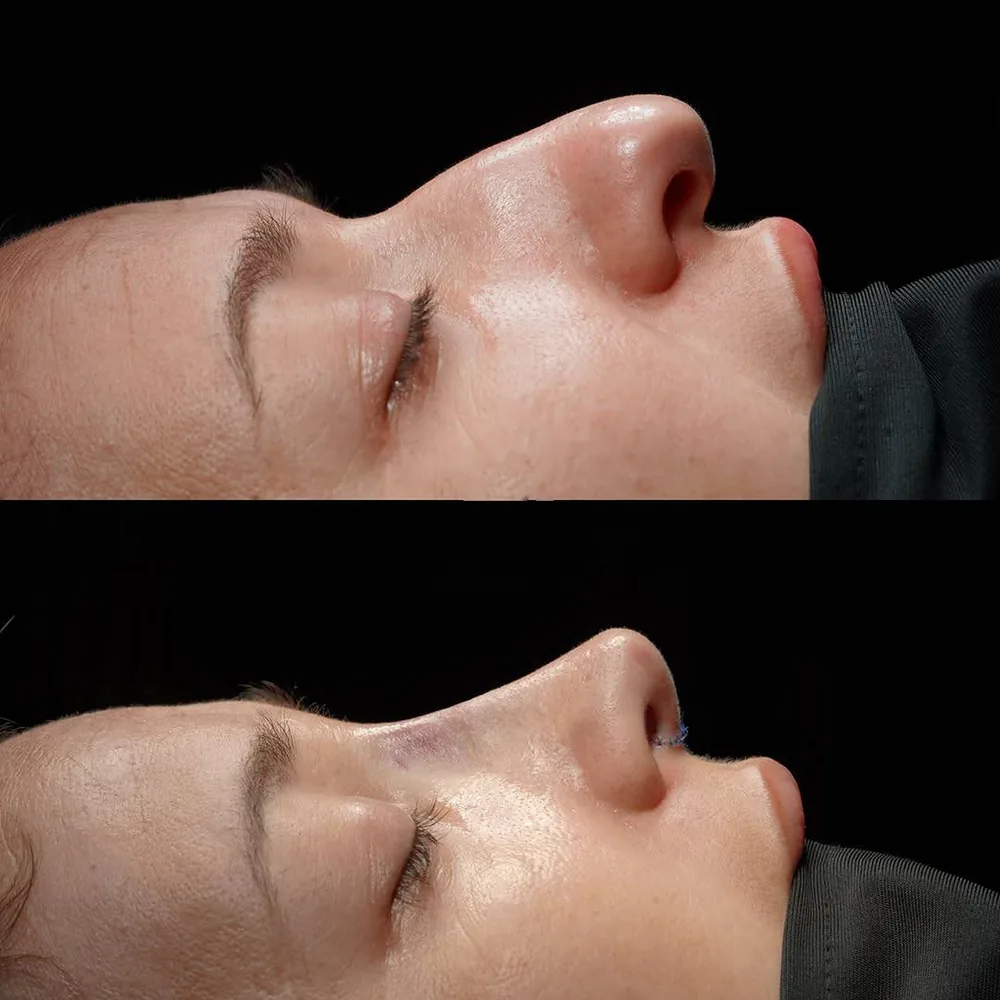
 beforeafter
Irina, 24
Rhinoplasty
Rhinoplasty
$4,200
Instead of $6,000 (≈ IQD 7,900,000) · First consultation — Free
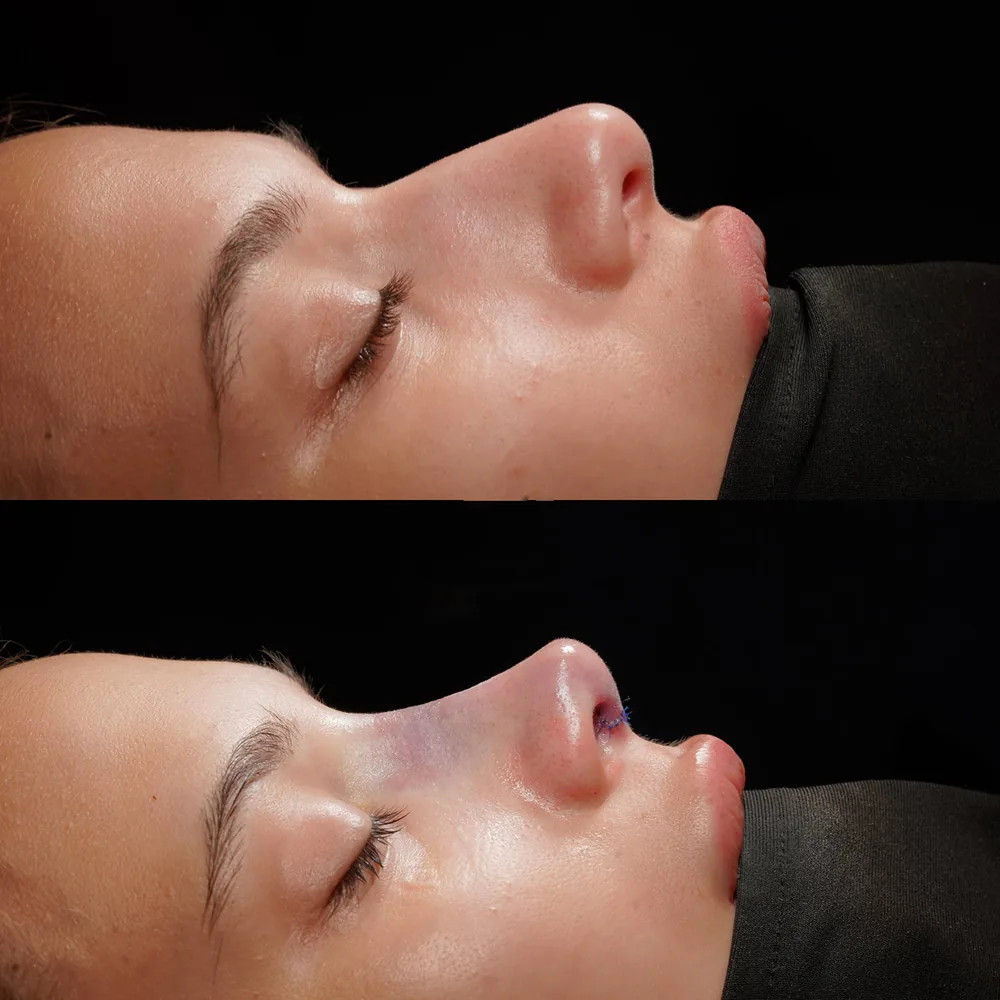 before
after
before
after
Message our coordinator
Free online consultation · Reply within 15 minutes
Message us on TelegramMessage us on WhatsAppBy messaging us, you agree to our Privacy Policy
Results
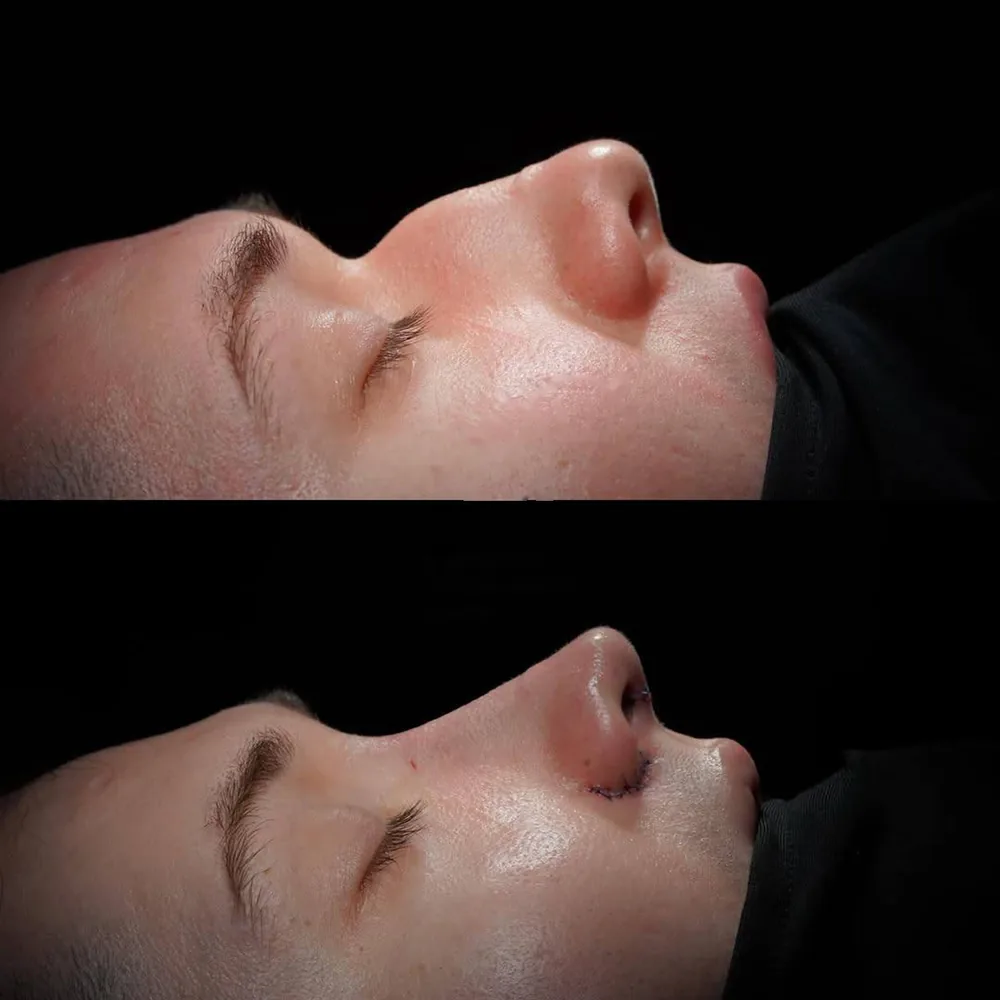
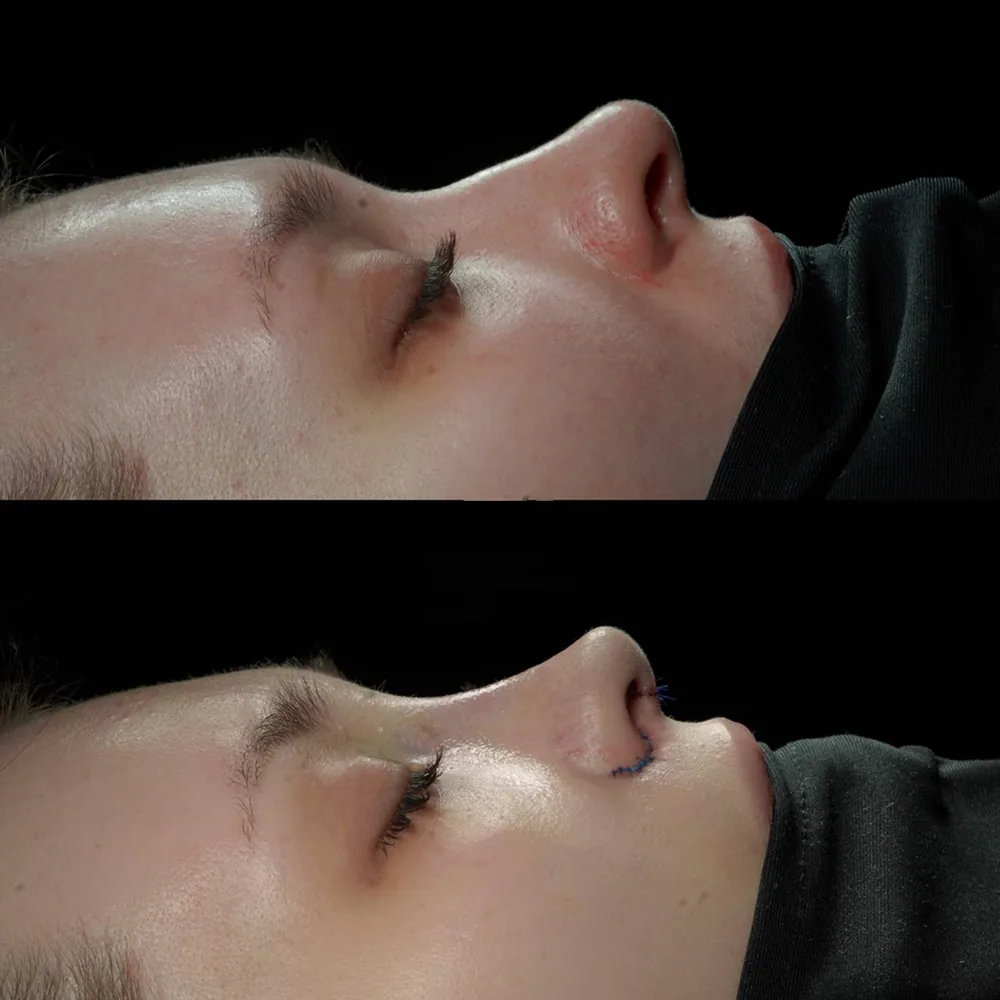
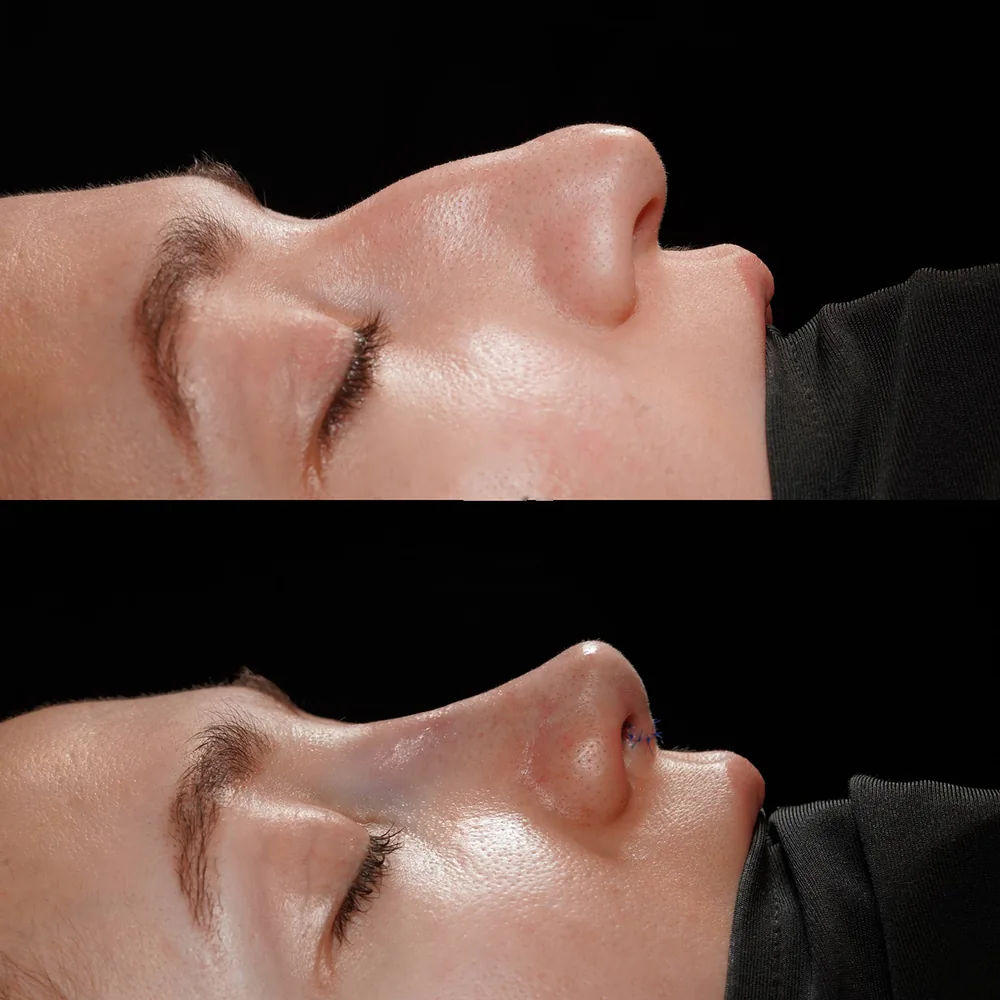
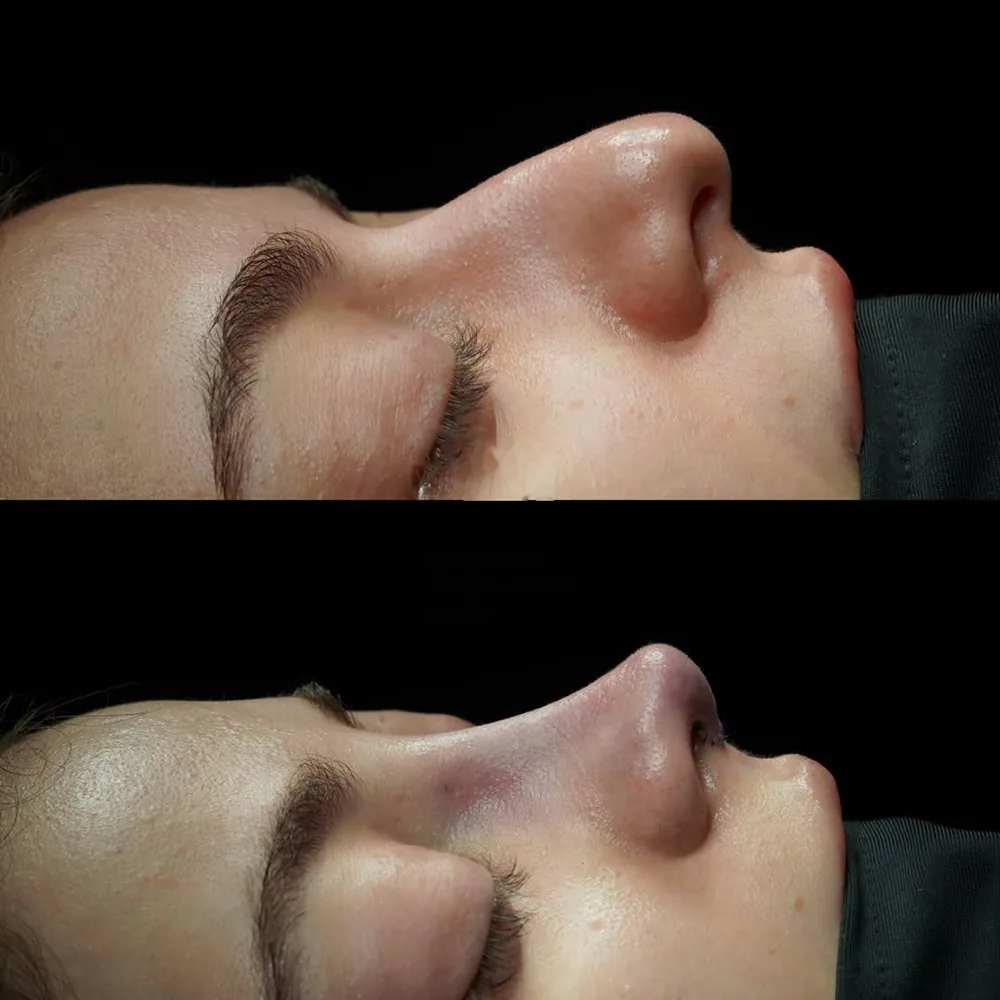
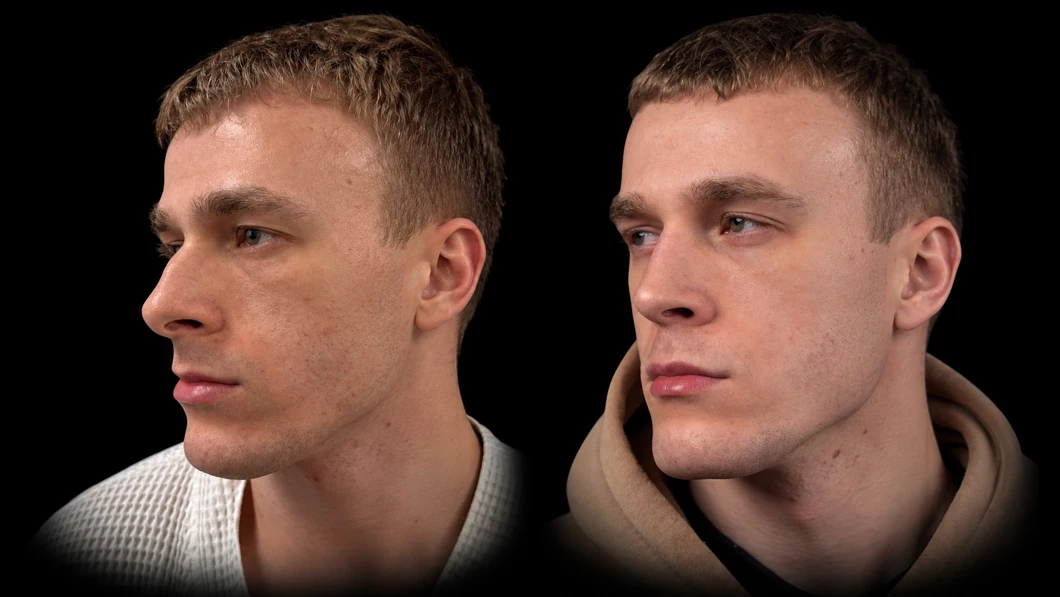
All cases are real patients of the clinic.
beforeafterRhinoplasty
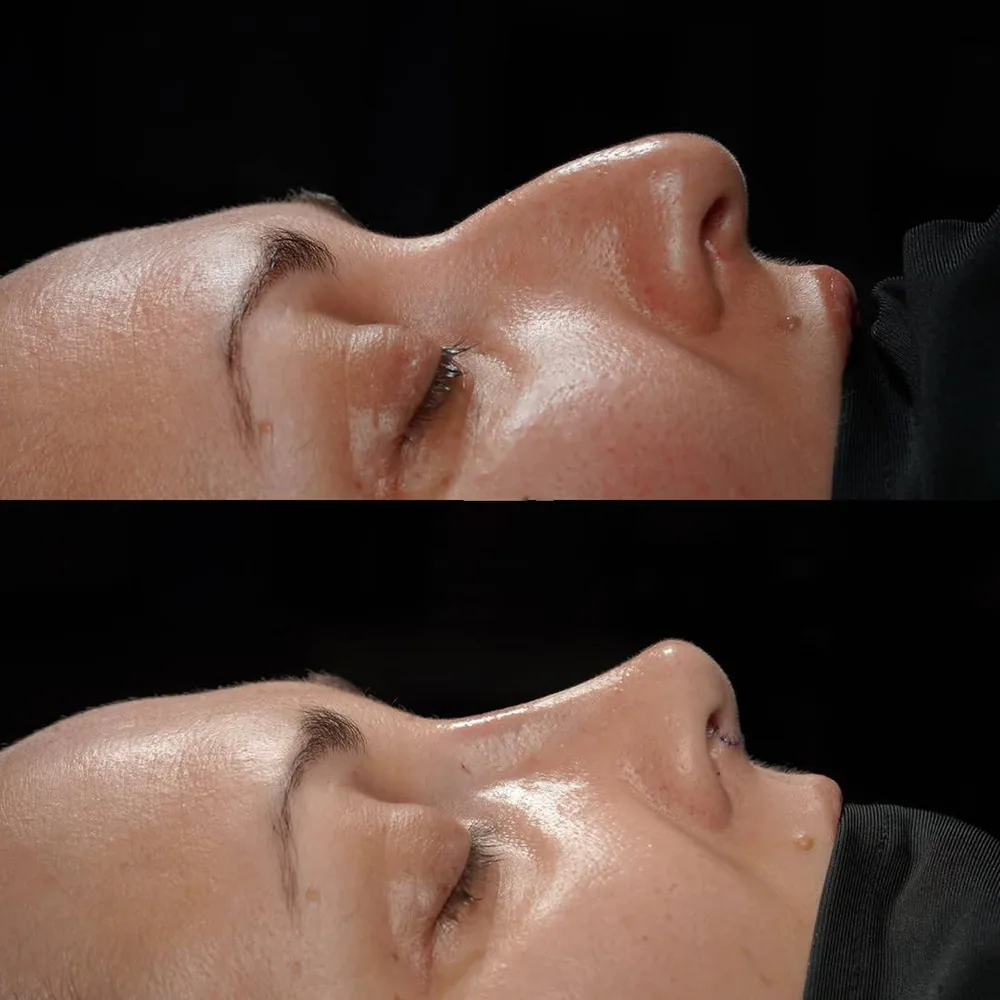 beforeafter
Rhinoplasty
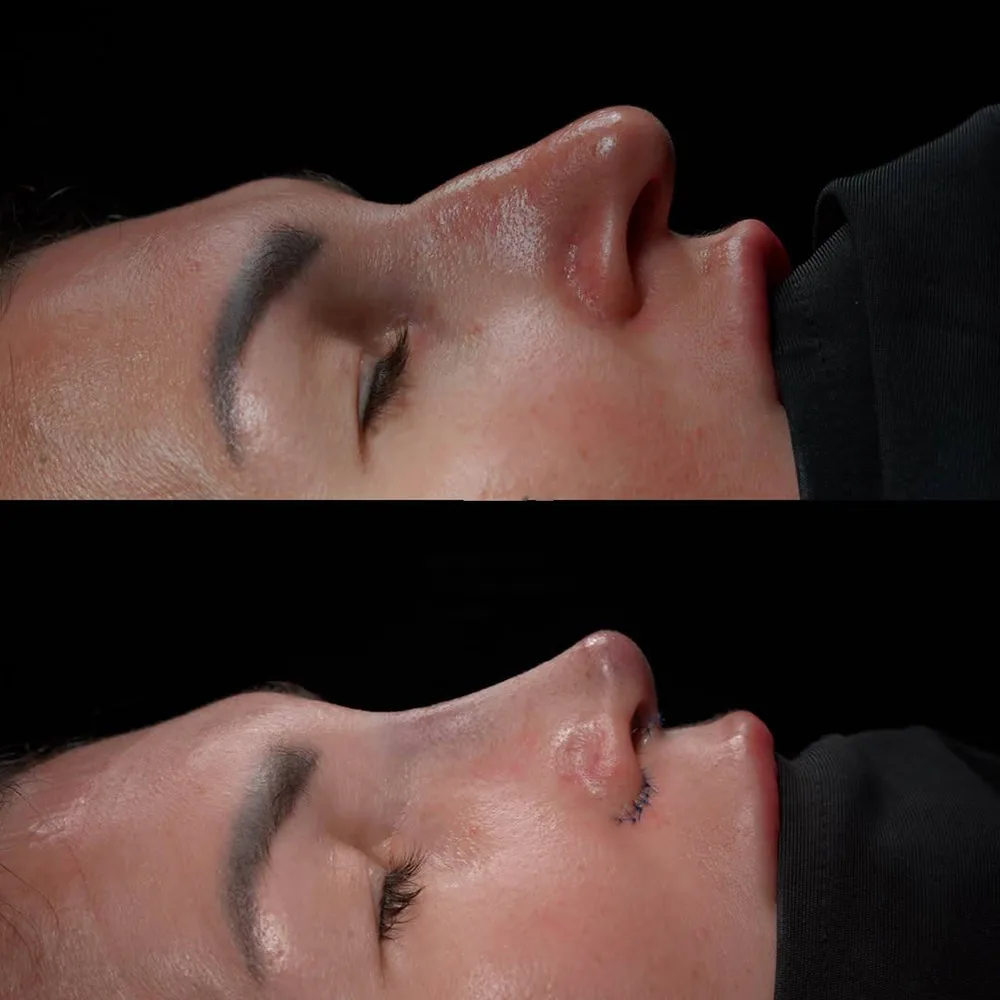 beforeafter
Rhinoplasty
 beforeafter
Rhinoplasty
 beforeafter
Rhinoplasty
beforeafterRhinoplasty
 beforeafter
Rhinoplasty
 beforeafter
Rhinoplasty
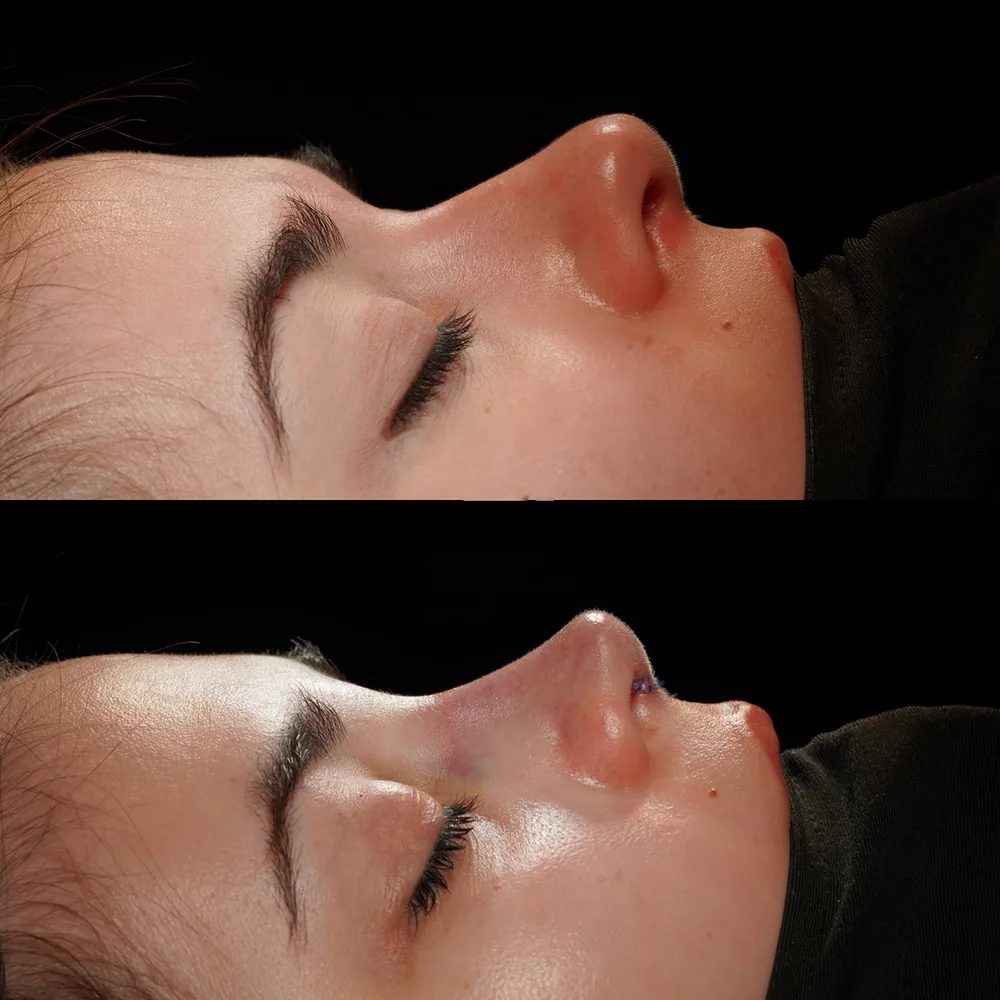 beforeafter
Rhinoplasty
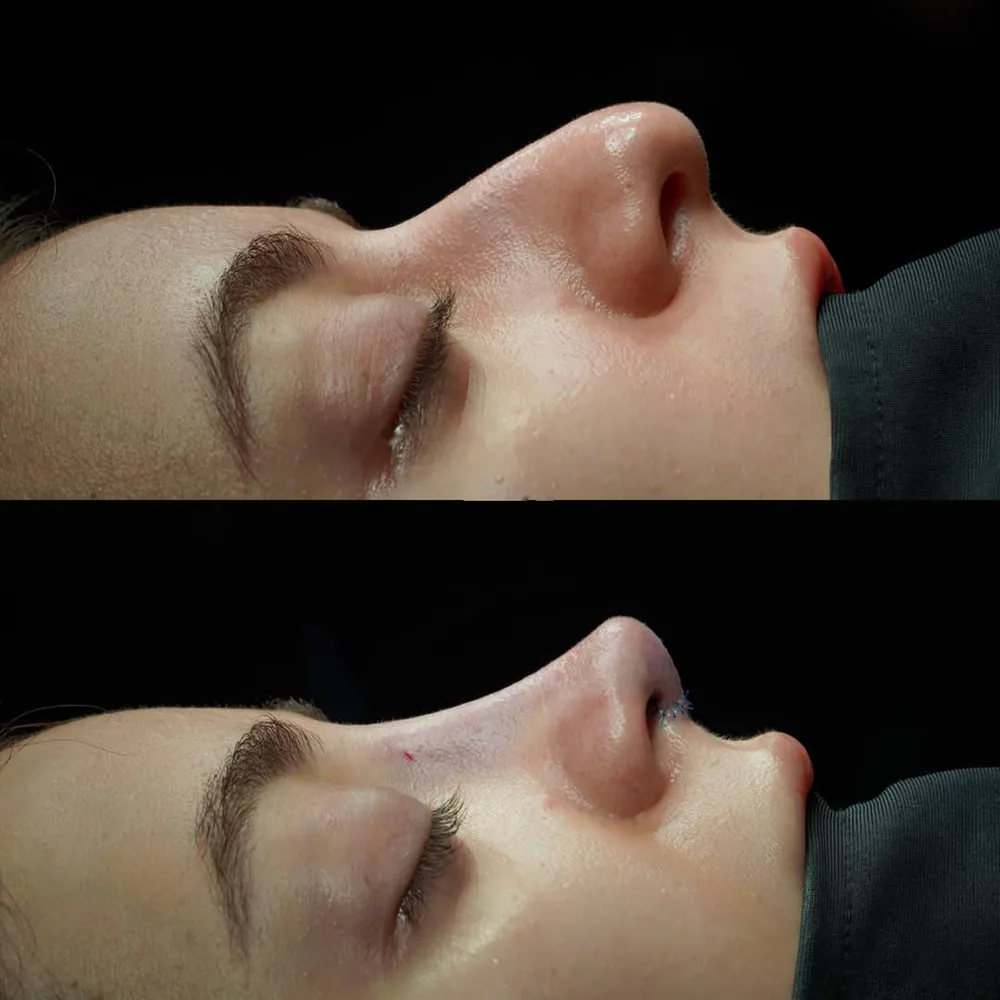 beforeafter
Rhinoplasty
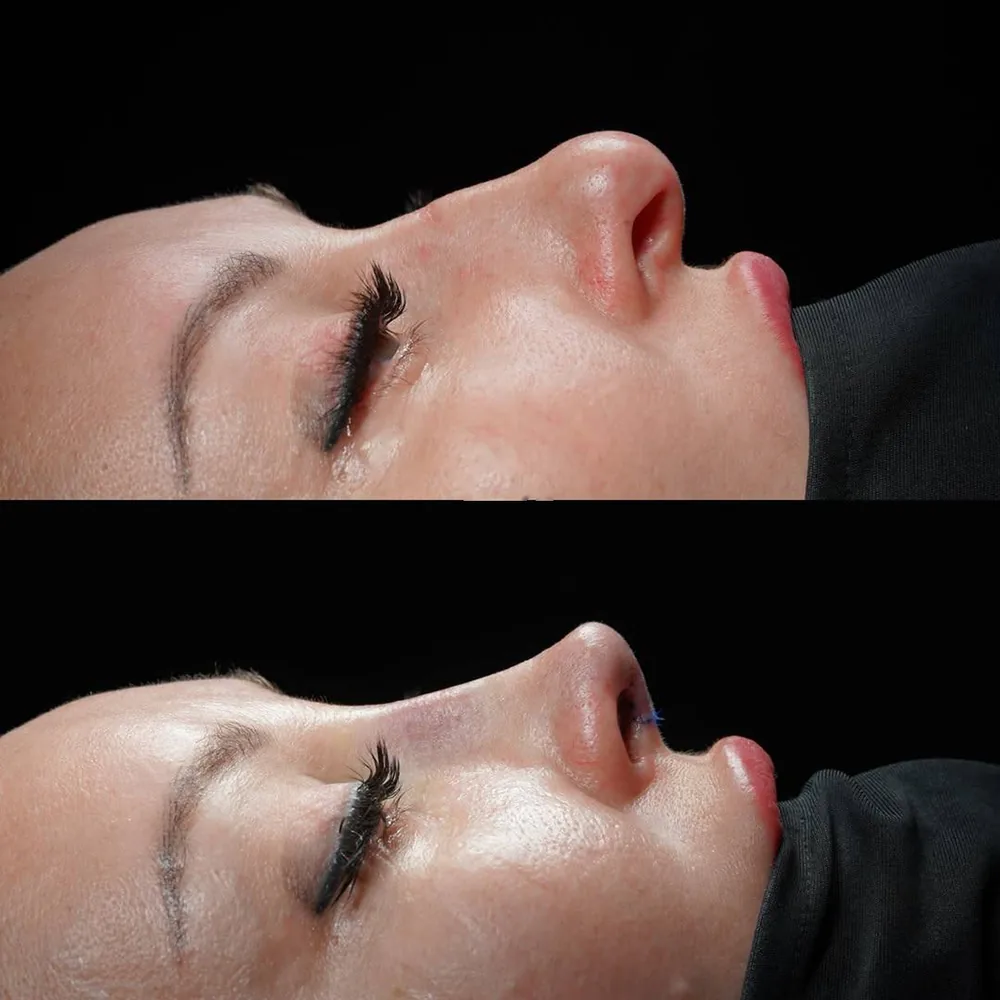 beforeafter
Rhinoplasty
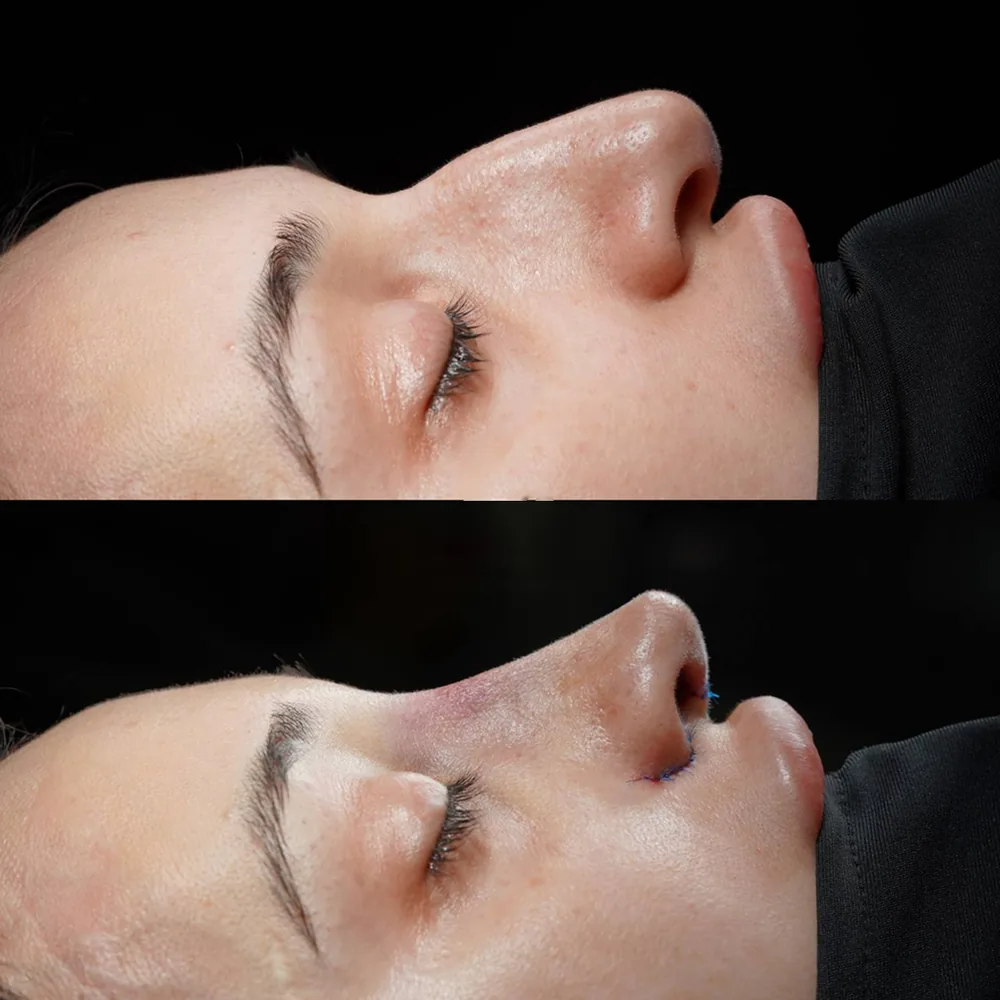 beforeafter
Rhinoplasty
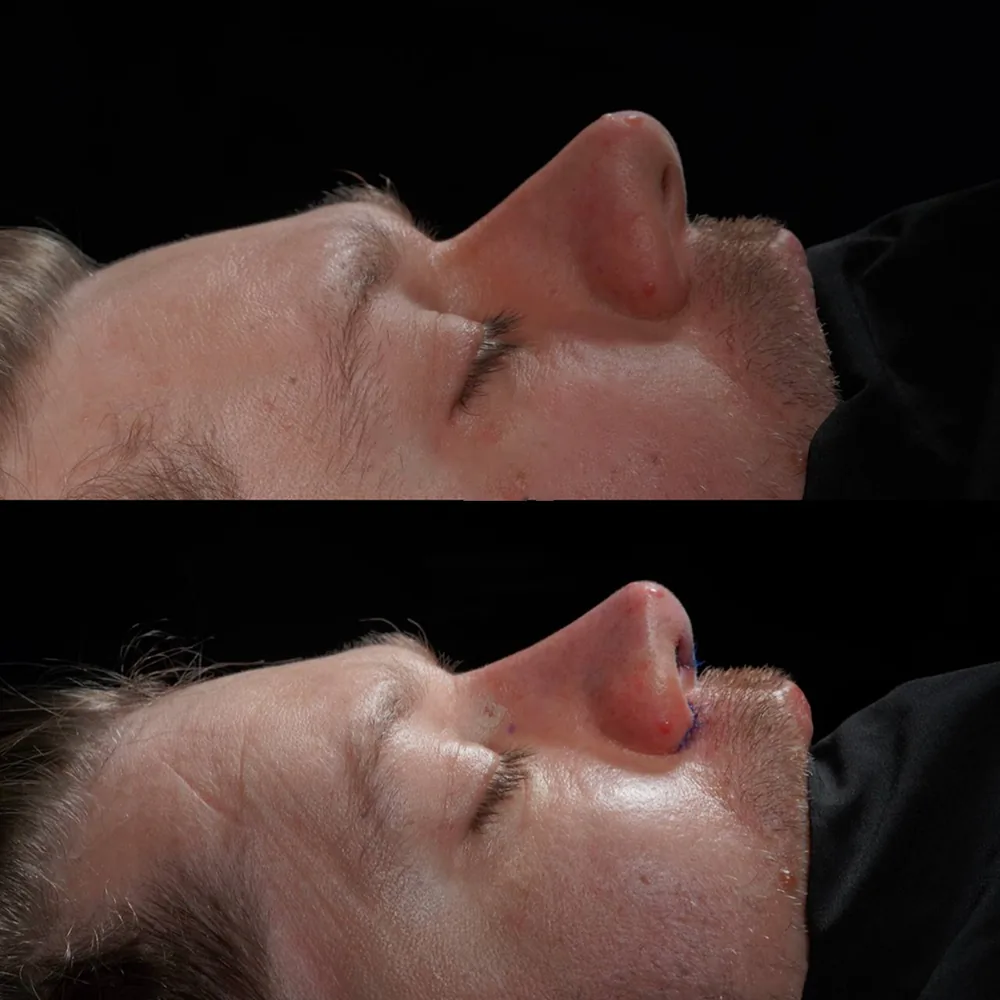 beforeafter
Rhinoplasty
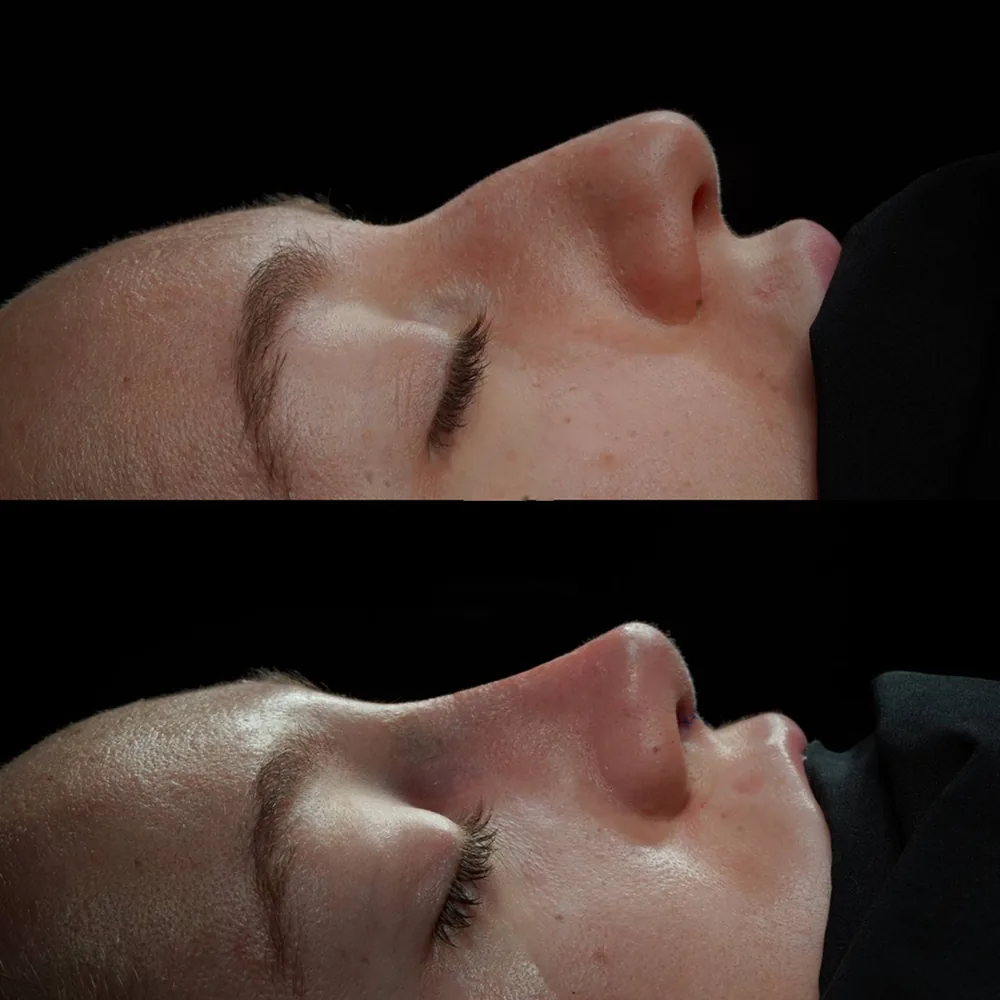 beforeafter
Rhinoplasty
Comparison
We'll pick the most effective solution for you and produce an excellent outcome.
A primary nasal operation that adjusts appearance and improves breathing when airflow is restricted.
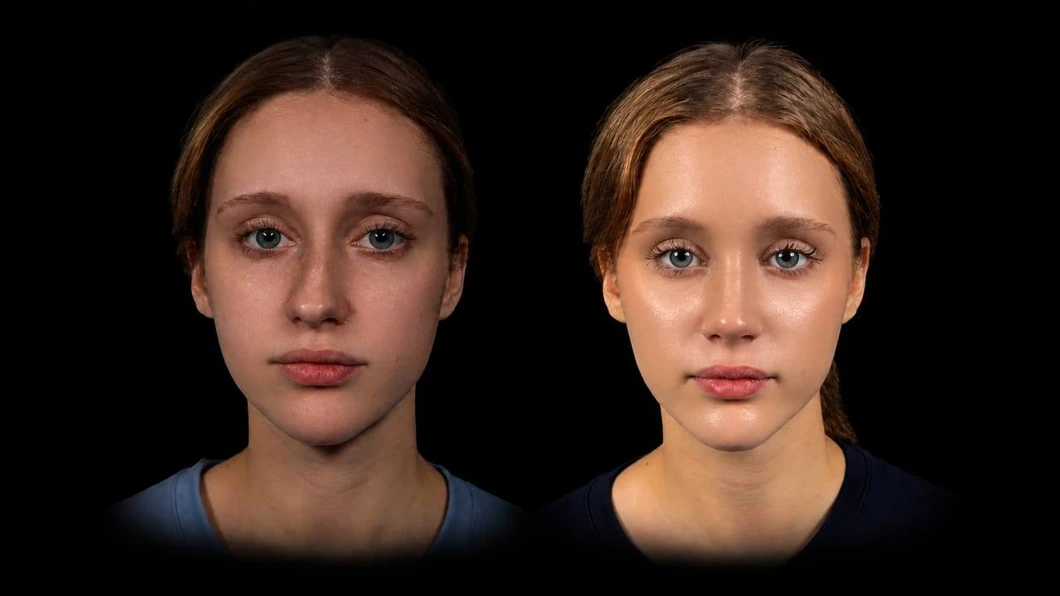
Discounted price
$4,200 $6,000
Repeat rhinoplasty: used to correct the nose following an operation that did not fully succeed. Scheduled no earlier than one year after the original surgery.
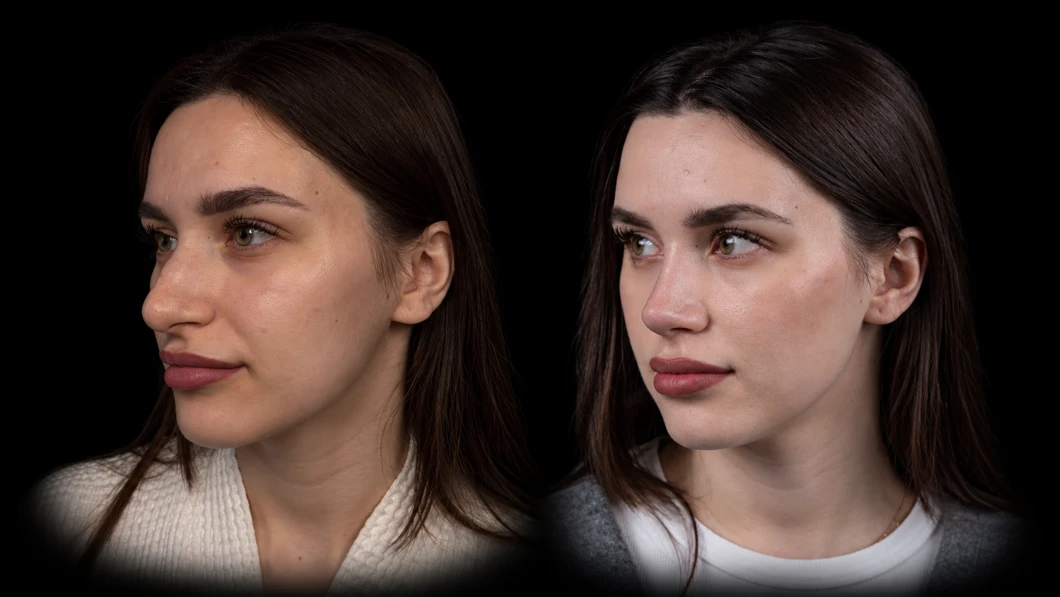
Discounted price
$5,400 $7,200
Surgery that corrects the septum while also changing how the nose looks.
Discounted price
$5,000 $6,600
Shown here are average benefits and recovery times by surgery type, for guidance only: the real extent of correction and recovery time depends on your anatomy, confirmed by the surgeon at the consultation.
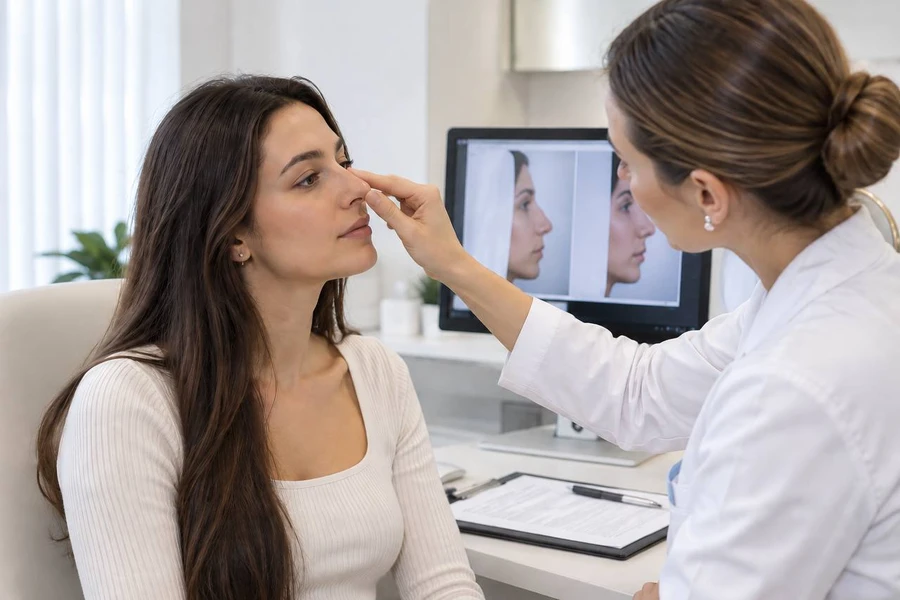
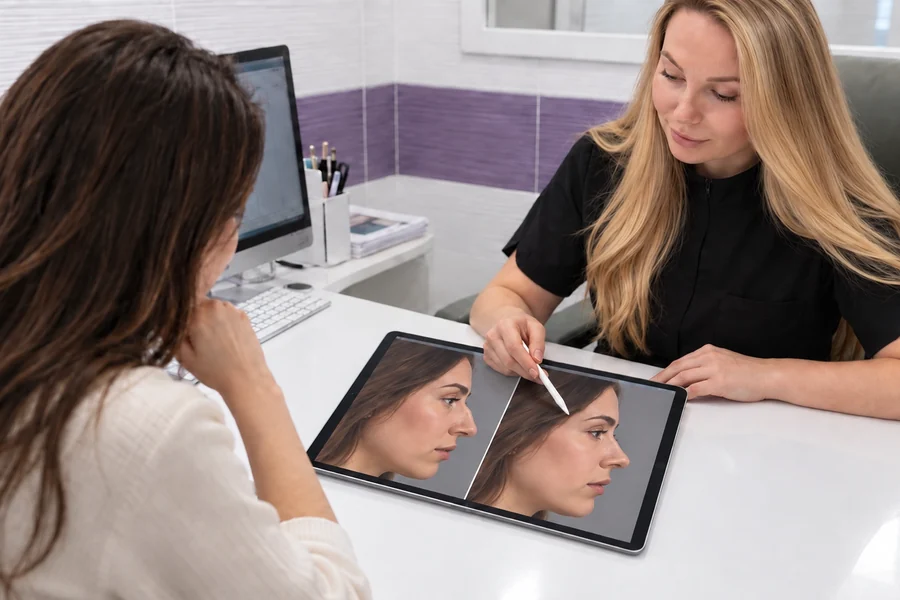
At the consultation, the doctor will build a 3D model of the expected result and explain
what your rhinoplasty will involve
Free of charge, before surgery, and with no obligation — that is the consultation.
Book a consultationThe clinic
Modern facilities, comfortable rooms and care given to every patient
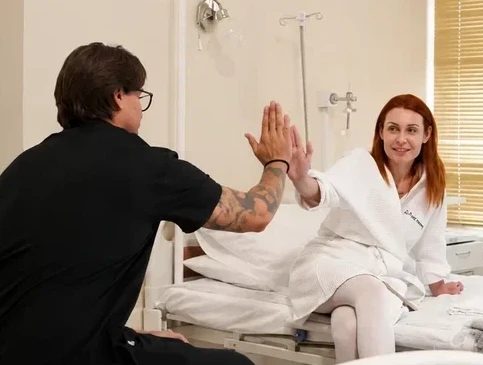
We answer every question and schedule the consultation at a time that suits you
Get a consultationIf surgery isn't actually needed in your case, the doctor will tell you this at the consultation, saving you an unnecessary expense.

Can't tell which column describes you?
Message us on Telegram and send photos of your nose — the doctor will tell you whether rhinoplasty is right for you. Free and with no commitment to surgery.
Find out if it suits me
Prices
The price is given during the free consultation, following result modelling, and confirmed in the contract.
Discounted price
a new shape for the nose
$4,200$6,000
Discounted price
secondary, revision
$5,400$7,200
Discounted price
shape of the nose and the septum
$5,000$6,600
Free
surgeon's assessment and a 3D model
Free
the price of surgery is confirmed
and fixed in your contract
The doctor will study your nasal anatomy, listen carefully to what you want
and pick the correction technique that suits you. The price is named at the consultation and set in the contract.
Message our coordinator
Free online consultation · Reply within 15 minutes
Message us on TelegramMessage us on WhatsAppBy messaging us, you agree to our Privacy Policy
Price
From preparation for surgery
to support for 12 months.
Discounted price
$4,200$6,000Discounted price
What to expect
An agreed correction plan, inpatient observation and recovery monitoring for a year.
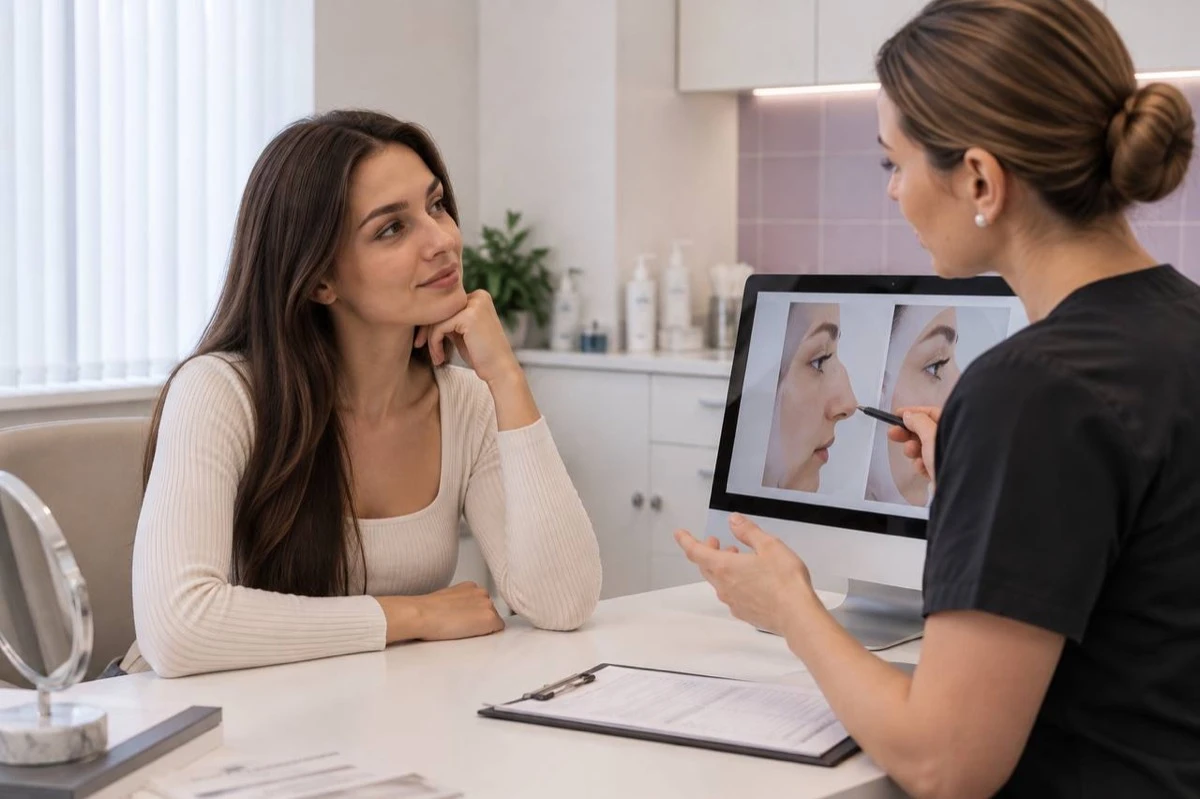
The doctor assesses your nose, discusses your wishes and carries out the examinations needed to choose the best correction technique

We book a surgery date in your name: the deposit is payable by card at the clinic or by online bank transfer, with terms fixed in the contract for medical services
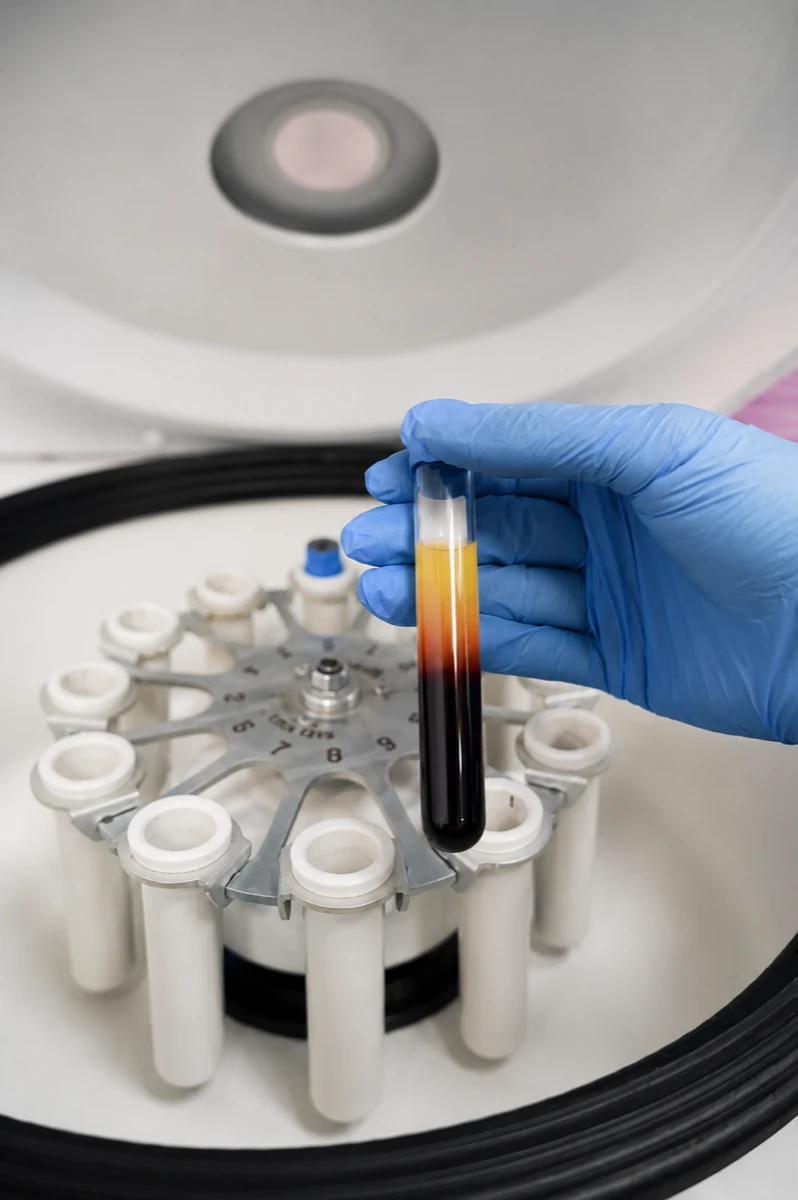
Before the operation you will need a complete set of lab tests — complete blood count, biochemistry, coagulation panel, chest X-ray and an X-ray of the sinuses
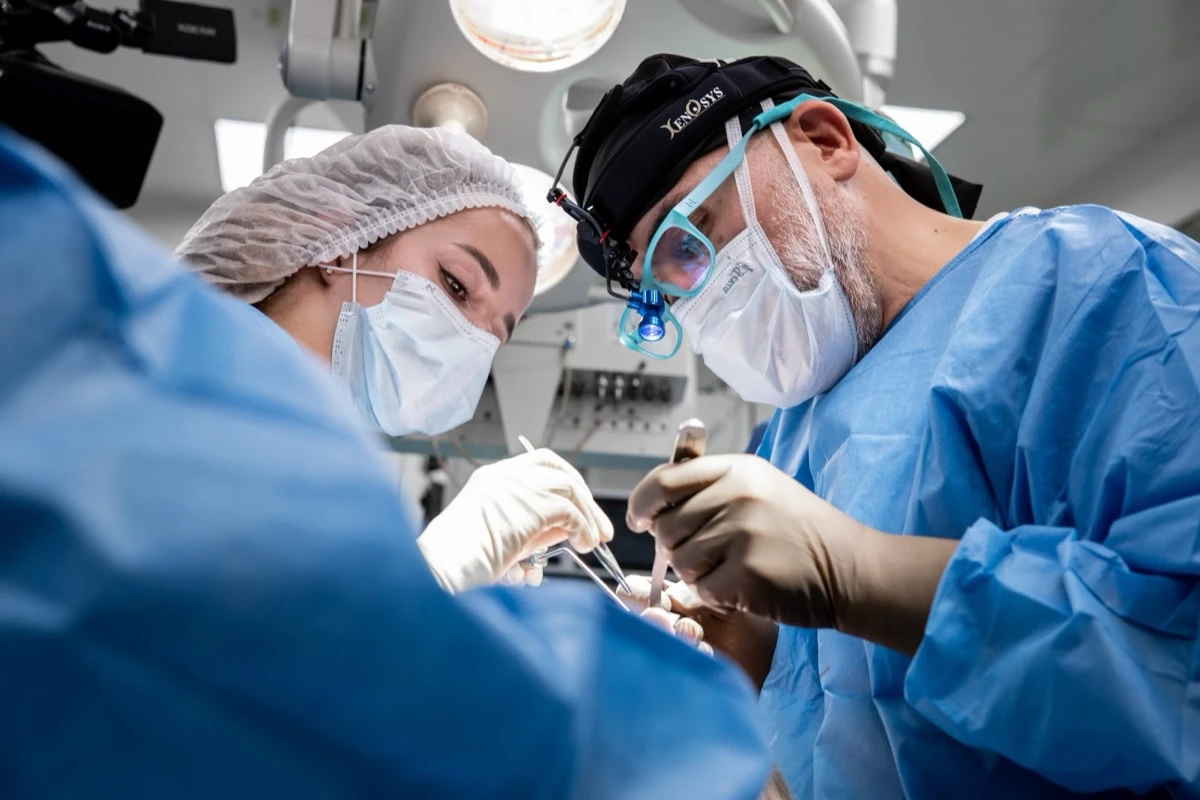
The surgeon operates with the selected technique under general or local anaesthesia, reshaping and correcting the structure of the nose
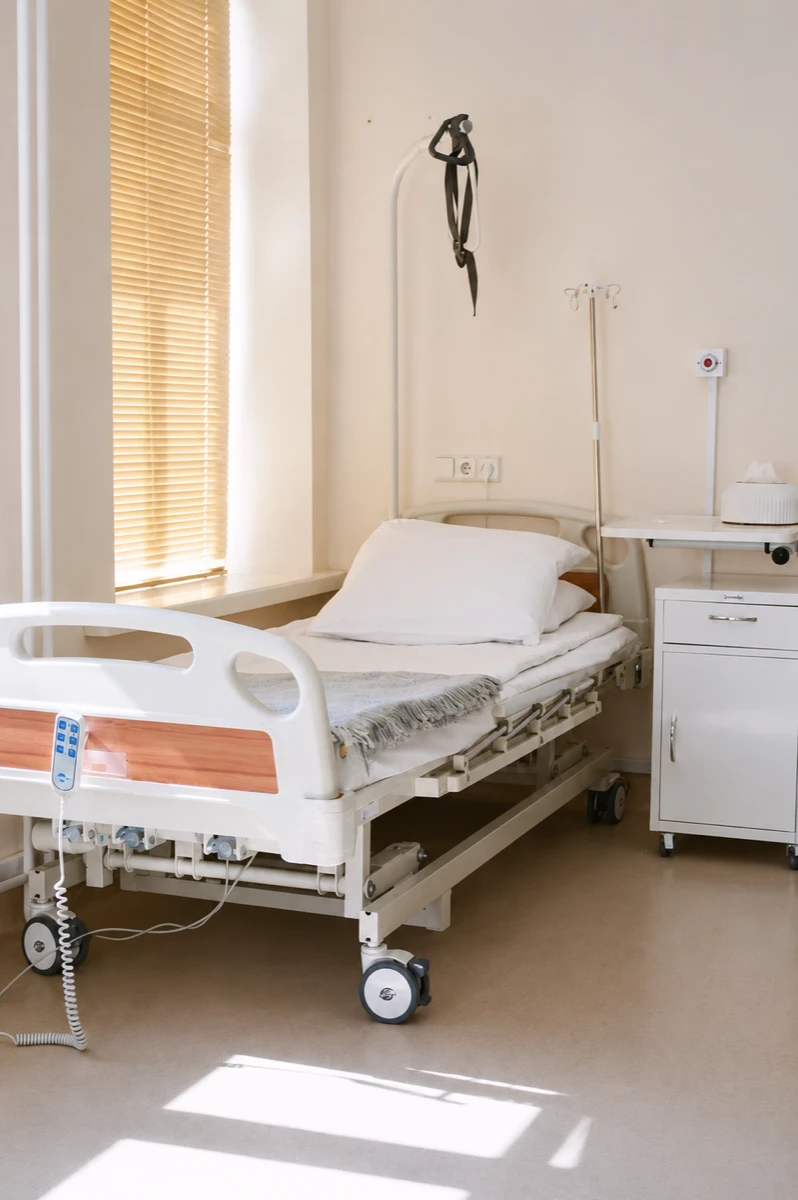
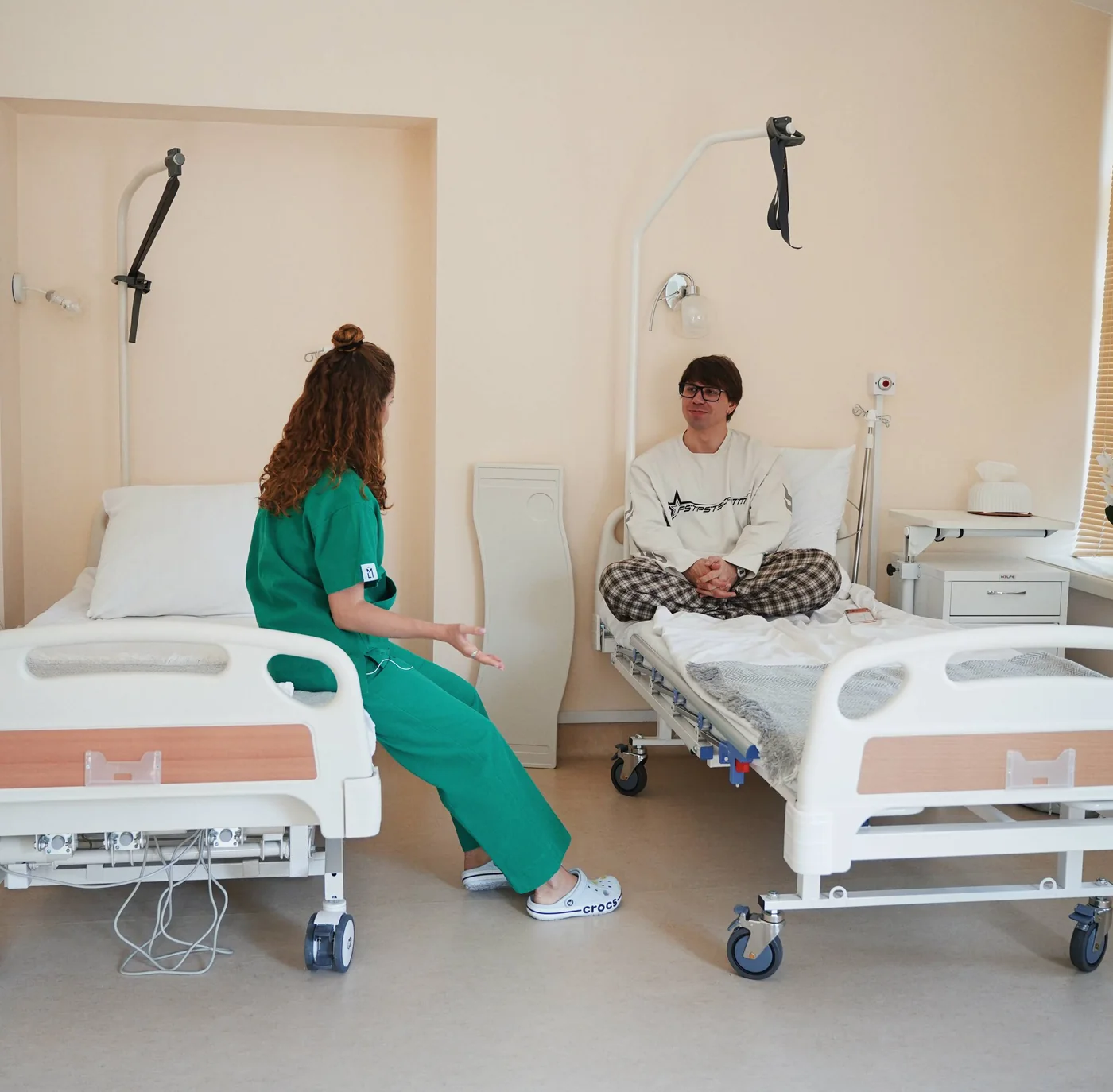
The clinic's inpatient unit is where all procedures are performed. You stay for one day post-surgery
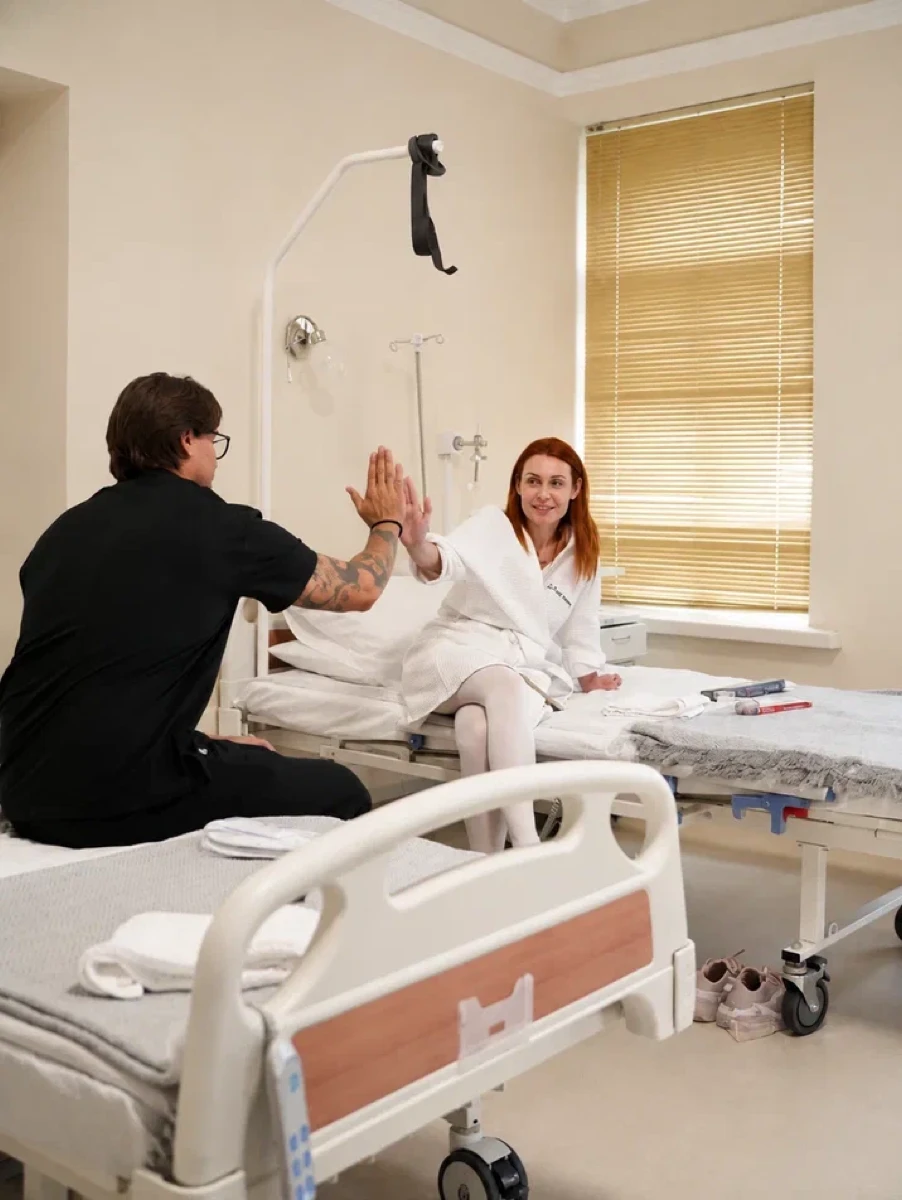
Once surgery is done, you follow a recovery programme, with check-ups at 7 days, 3 and 6 months to track progress. Consultations with your surgeon stay free for a year after surgery.
The consultation gives you a realistic forecast of what the result will look like
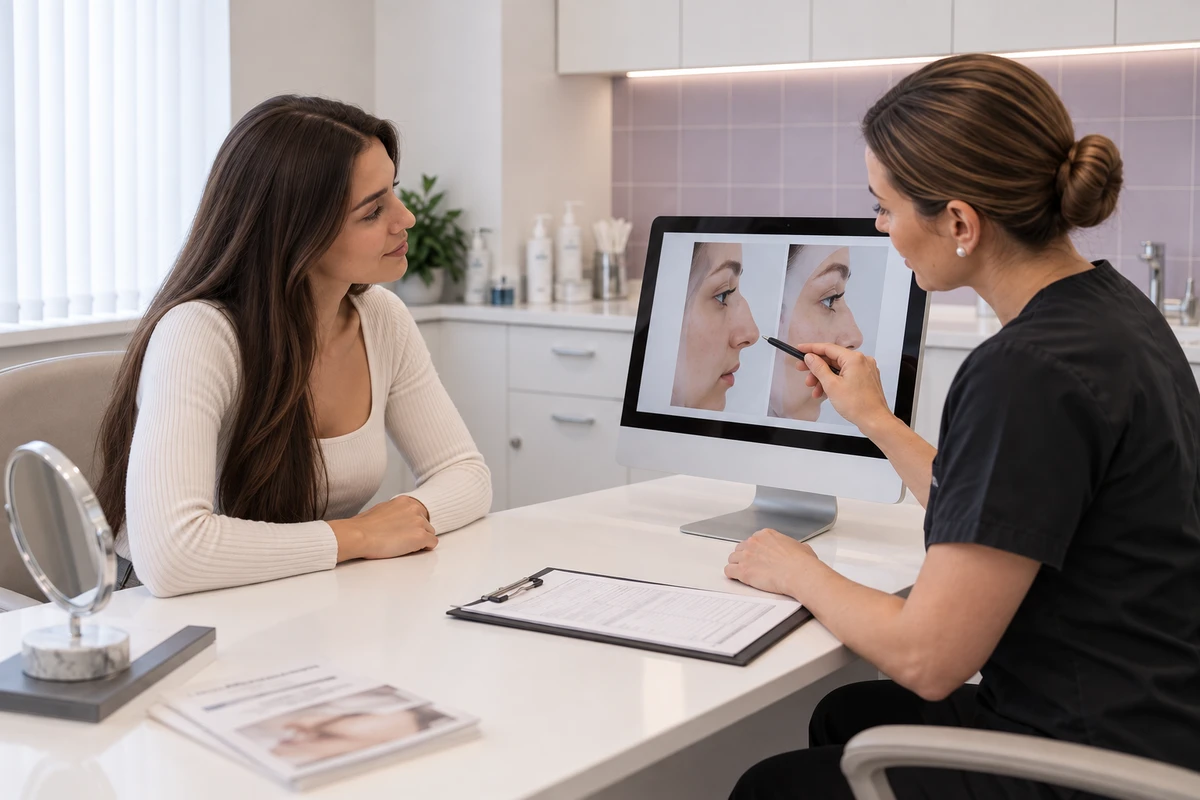
Free of charge, before surgery, and with no obligation — that is the consultation.
Book a consultationNasal splint
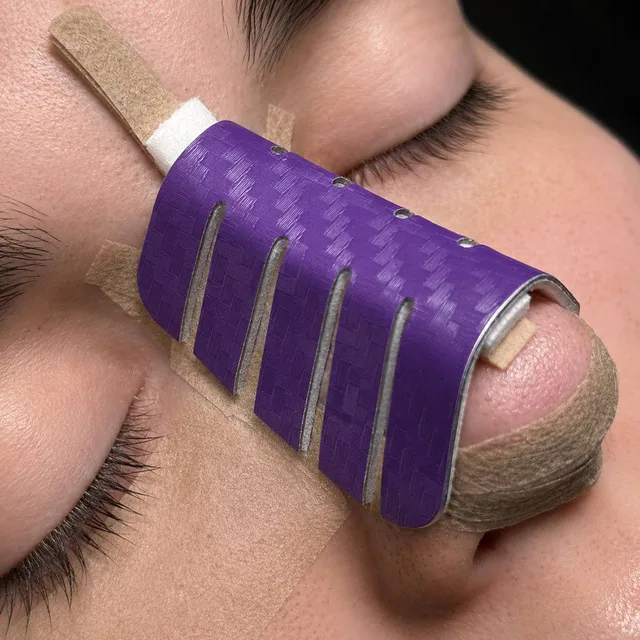
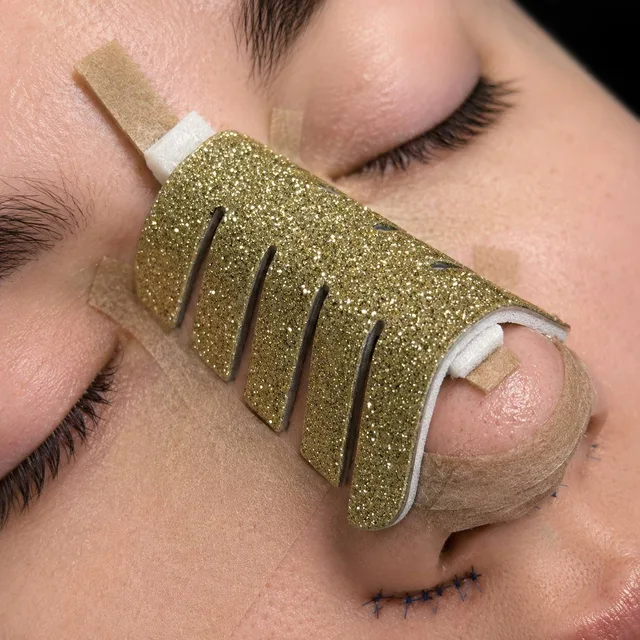
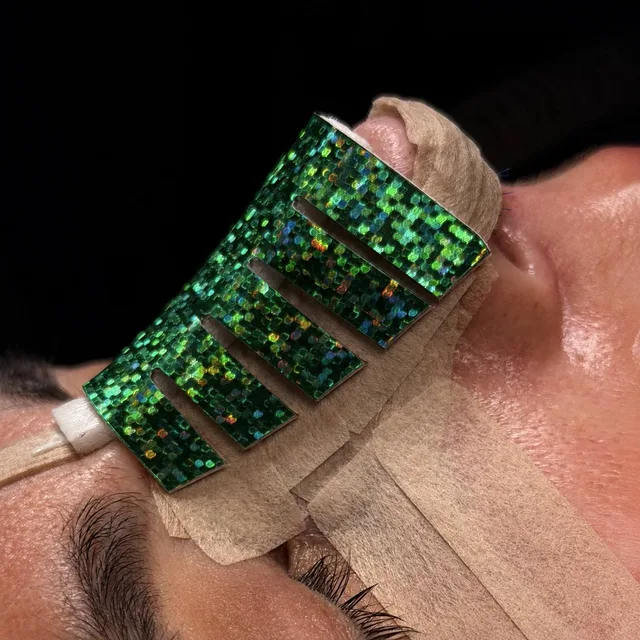
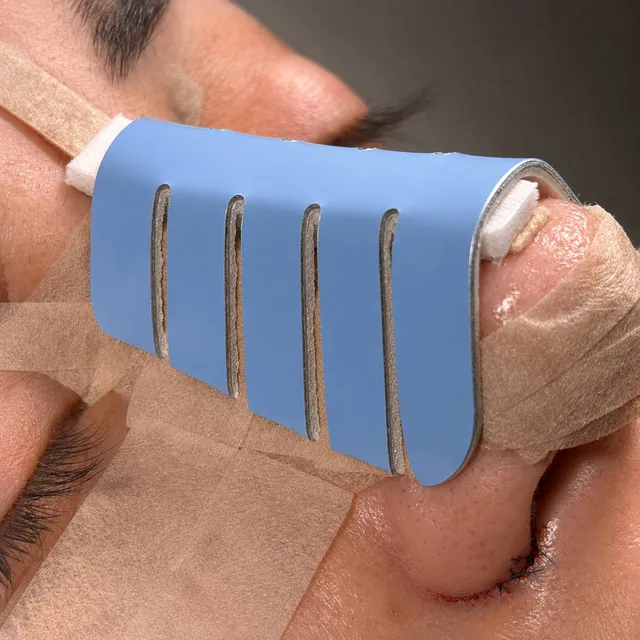
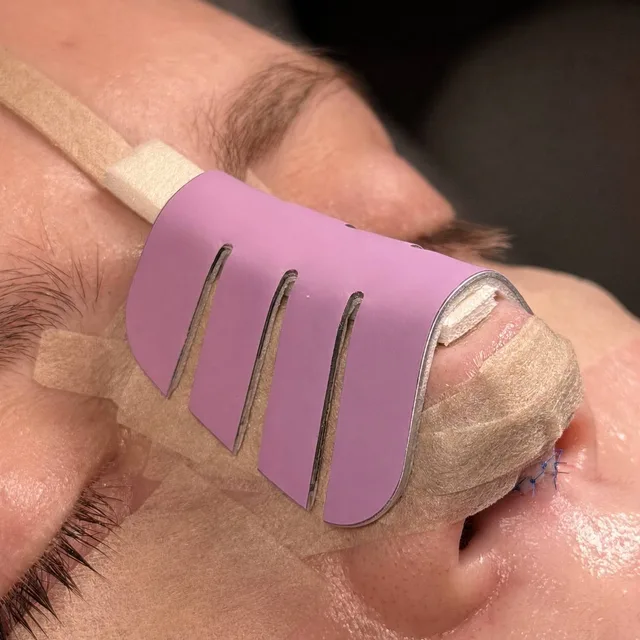
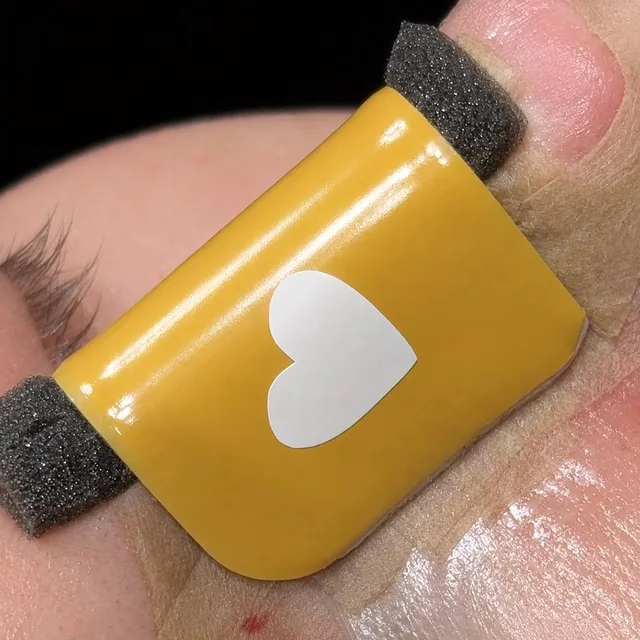
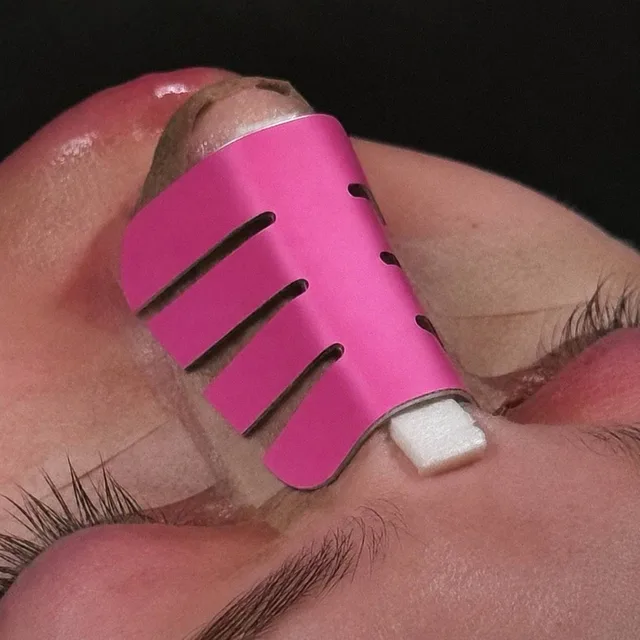
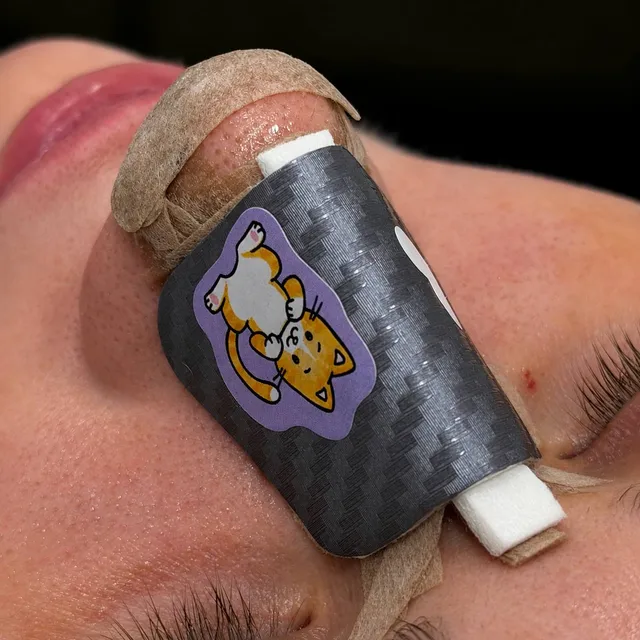
Every detail aims to highlight your natural beauty, and to make the recovery period more enjoyable, we let you pick the colour of your nasal splint.
Your own style, in the small details:
Pick a splint colour that matches your mood
Confidence starts with small things, just like your future profile
Doctors
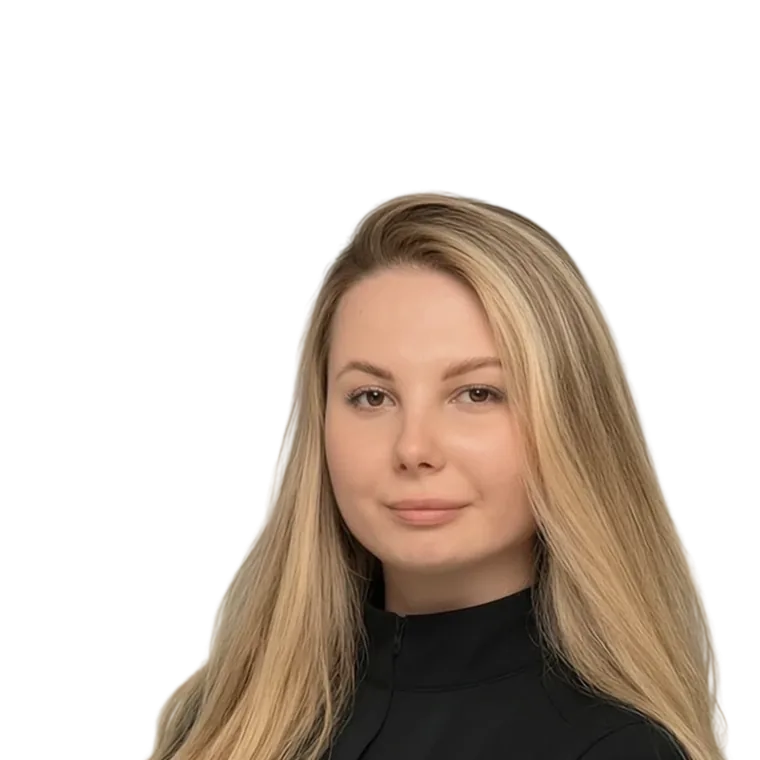
Rhinoplasty surgeon
At the consultation you talk to the surgeon who will operate
The doctor evaluates your facial proportions, listens carefully to your wishes and outlines which changes are possible.
Book a consultationCoordinators
We stay with you through every stage

A personal coordinator
Your first contact at the clinic — from your first message to the consultation
Patient support
Answers your questions ahead of the first consultation and helps you pick a convenient date

A personal coordinator
Supporting you before and during your stay, from booking right through to discharge
Patient support
Helps you prepare for the operation and stays in touch while you're at the clinic

A personal coordinator
Supporting you through recovery, from discharge to your final check-up
Patient support
Keeps you updated during recovery and sets up your follow-up visits with the surgeon
A private channel for people who value honesty and expertise
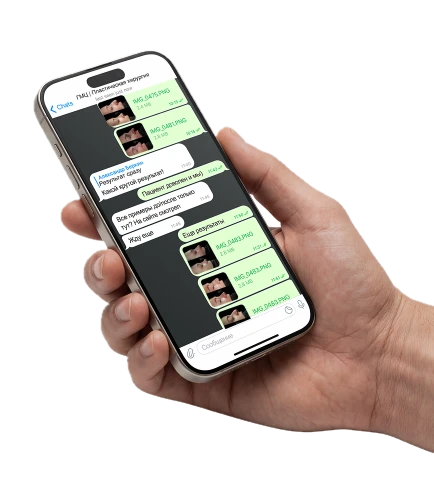
Message us — our coordinator will contact you shortly and book your consultation
Advantages
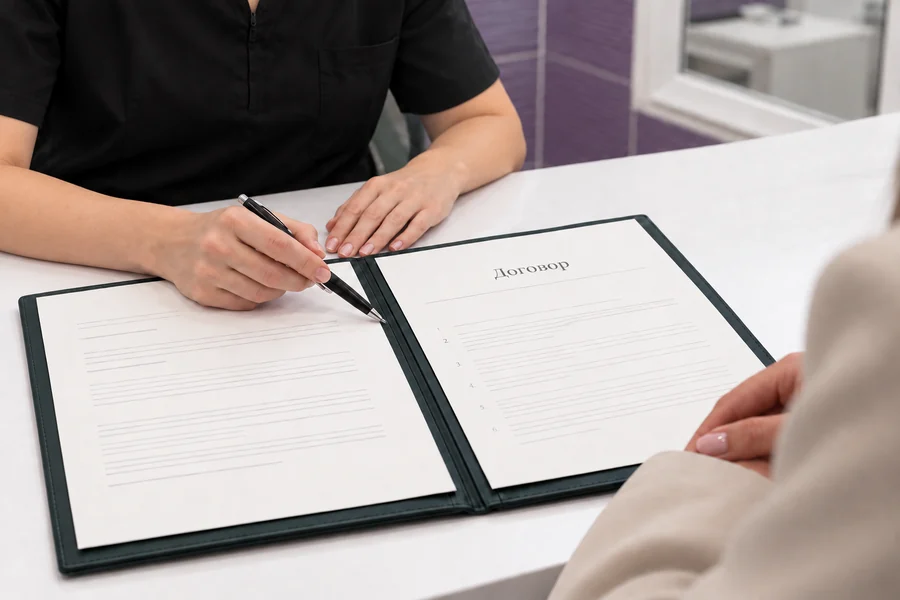
A lifetime guarantee, set out in the contract. The terms of the surgery, ongoing support and post-operative follow-up are all agreed in advance.
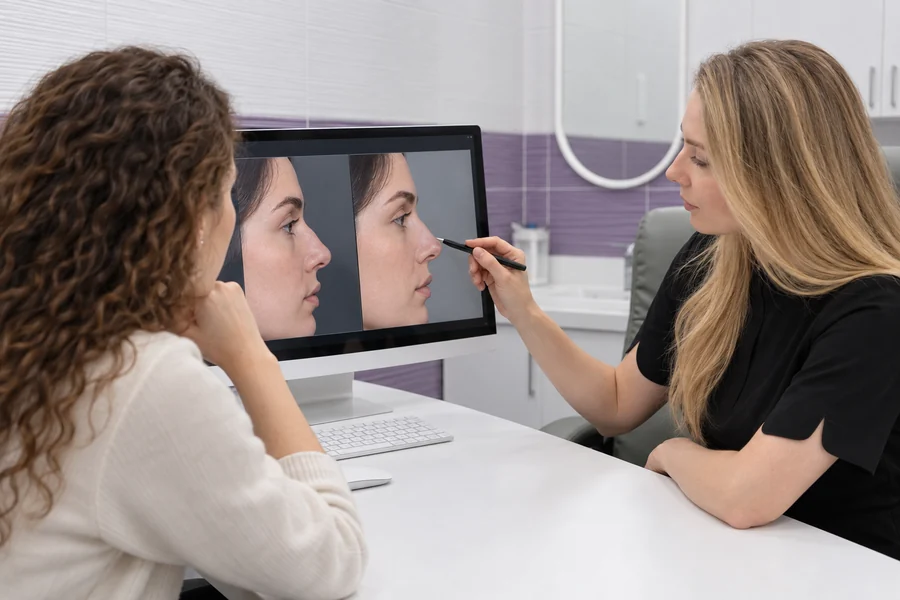
We review your case at a free consultation and tell you plainly whether rhinoplasty is right for you. Just the facts, with no push toward surgery.
If you come from another city or country, we arrange the consultation and the necessary preparation in one trip — so that the path to change is more comfortable and needs fewer journeys.
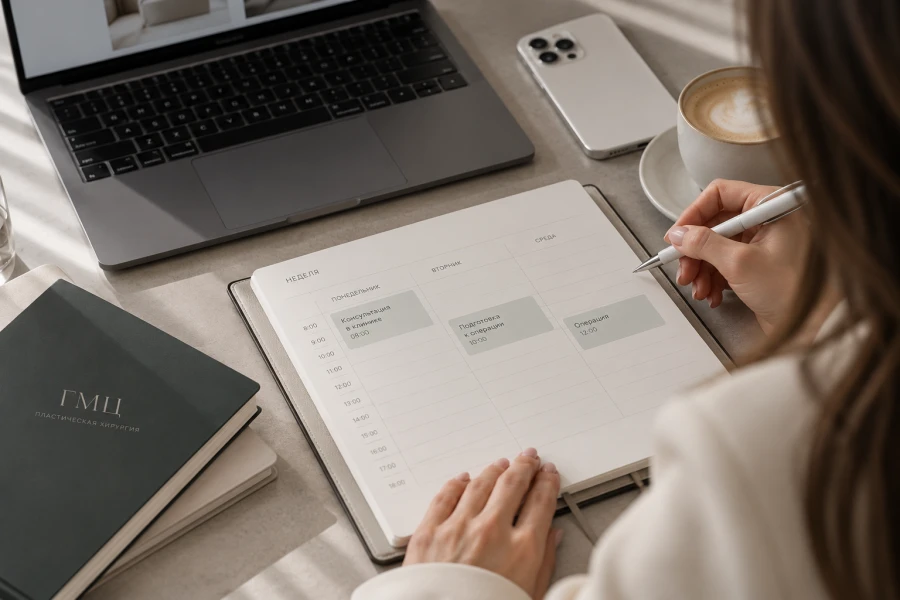
We respect your schedule: working 24/7, with easy booking and a personal approach that fits your pace.
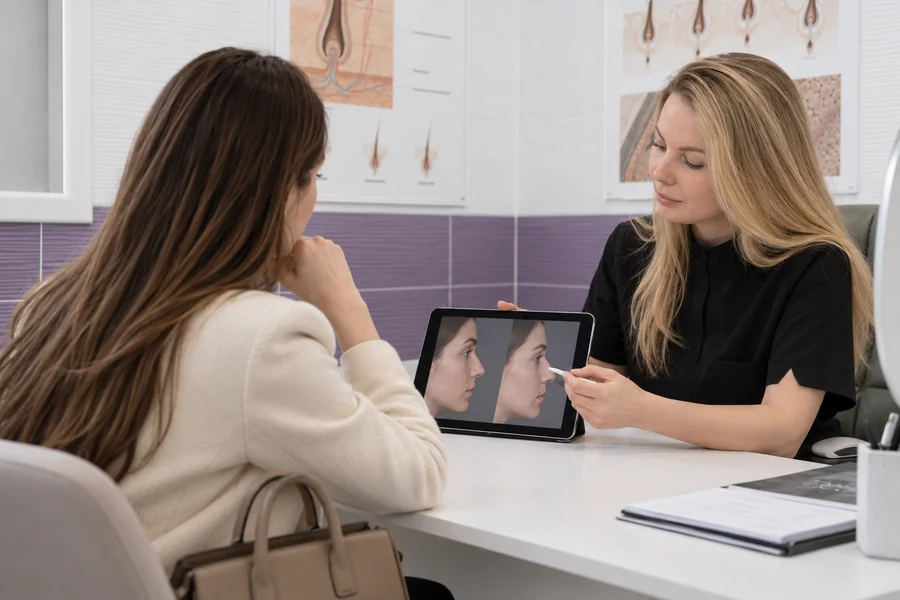
After the consultation the surgeon defines the extent of correction, and you get a clear price for the surgery — no surprises on the way to the result you want.
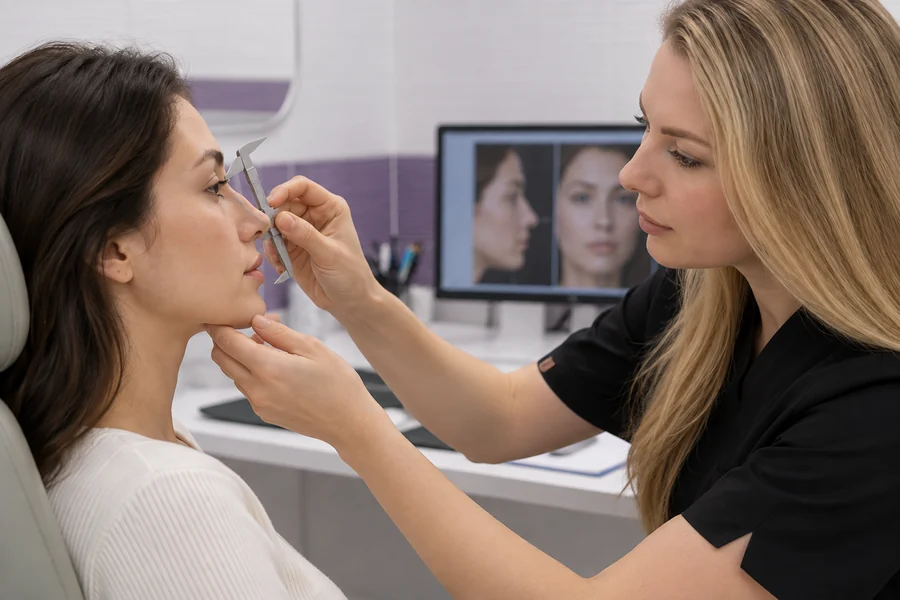
Modern equipment allows the surgeon to work precisely and gently, which matters where a single millimetre can affect proportions, profile and facial harmony.
Prices
Send a request and get a free consultation on any service
Free
BookPrice without discount: $6,000$4,200
Price without discount: $7,200$5,400
Price without discount: $6,600$5,000
Price without discount: $6,500$4,700
Price without discount: $7,200$5,400
FAQ
Rhinoplasty (nose job) — one of the most delicate and in-demand plastic surgeries, meant to reshape the nose according to the individual proportions of the nose and the whole face. Today's rhinoplasty is not simply an operation that changes how the nose looks, but complex surgical work aimed at an aesthetic ideal while protecting health.
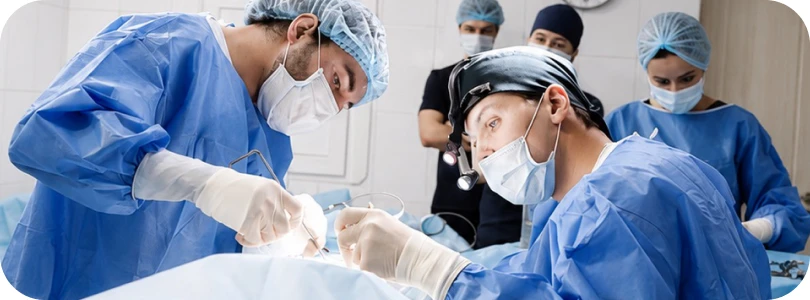
Surgery is best done at 18 to 45, when the nose has finished forming and tissues still heal well. If medically indicated, it can be done later in life, provided your general health allows
At its core, rhinoplasty is a comprehensive solution. It corrects both congenital and acquired nasal deformities, for example after a nasal injury. Patients are often bothered by a dorsal hump or an overly wide nose. Nose correction can also target the tip (tip rhinoplasty) or the nostrils (alar rhinoplasty). The surgical plan is created individually for each patient, taking every feature of their nose into account.
Rhinoplasty is performed under general anaesthesia and, depending on complexity, takes 1.5 to 3 hours.
The surgeon determines the extent and course of the surgery at the consultation, based on your goals and the anatomy of your nose.
Rhinoplasty — surgery to change the appearance of the nose (an aesthetic goal) and improve its function if breathing is impaired.
Septoplasty — correction of the nasal septum by surgery, restoring normal breathing with no change to the nose's outer contour.
Often both surgeries are combined, especially when a patient has a deviated septum and aesthetic concerns. This gives a harmonious look and restores full breathing. At City Medical Centre we perform rhinoseptoplasty — a combined surgery that solves both tasks at once
For a successful operation, preparation should begin 21 days before rhinoplasty. At the first appointment our plastic surgeon will give you a list of the required tests.
| Complete blood count (including ESR, white cell differential, platelets) | 2 weeks |
| Urinalysis | 2 weeks |
| Infection tests: HIV, HBsAg, anti-HCV, antibodies to Treponema pallidum | 2 weeks |
| Blood group and Rh factor | 2 weeks |
| Blood biochemistry (total protein; urea; uric acid; creatinine; glucose; total, unconjugated and conjugated bilirubin; ALT; AST; K; Na; Cl; cholesterol) | 2 weeks |
| Coagulation panel (Quick prothrombin, INR, APTT, D-dimer, antithrombin III) | 2 weeks |
| Electrocardiogram (ECG) tracing with a report | 2 weeks |
| Doppler ultrasound of the leg vessels / duplex scan of the leg veins | 2 weeks |
| Chest X-ray or fluorography with a report | 6 months |
| MSCT of the paranasal sinuses | 6 months |
| After the full laboratory work-up — a physician's report confirming there are no contraindications to surgery | 2 weeks |
To prepare, you'll have consultations with the plastic surgeon, lab tests (CBC, biochemistry, coagulation, infection tests), an ECG, a chest X-ray and an X-ray or CT of the nose. A week before surgery, stop anticoagulants, alcohol and smoking. Light meals the day before; nothing to eat 6 hours before surgery
Although nose surgery is one of the most popular and well-established aesthetic operations, like any surgery it carries certain risks. To minimise the likelihood of complications after rhinoplasty, our clinic provides thorough pre-operative preparation and post-operative monitoring.
Important: if after rhinoplasty you have difficulty breathing, severe pain, a high temperature or a change in the shape of your nose, contact your doctor immediately.
Rhinoplasty at City Medical Centre is performed with modern technology, safe materials and constant medical supervision, which keeps the risk of complications to a minimum.
We also provide post-operative monitoring and prescribe recovery therapy.
Recovery after nose surgery is just as important as the operation itself. Proper recovery determines how aesthetic and harmonious the final result will be. At City Medical Centre recovery is closely monitored and divided into three phases: early, intermediate and late
The first improvements emerge with reduced swelling (2–3 weeks), though the final rhinoplasty result becomes clear in 1–1.5 years, once tissues are fully stable
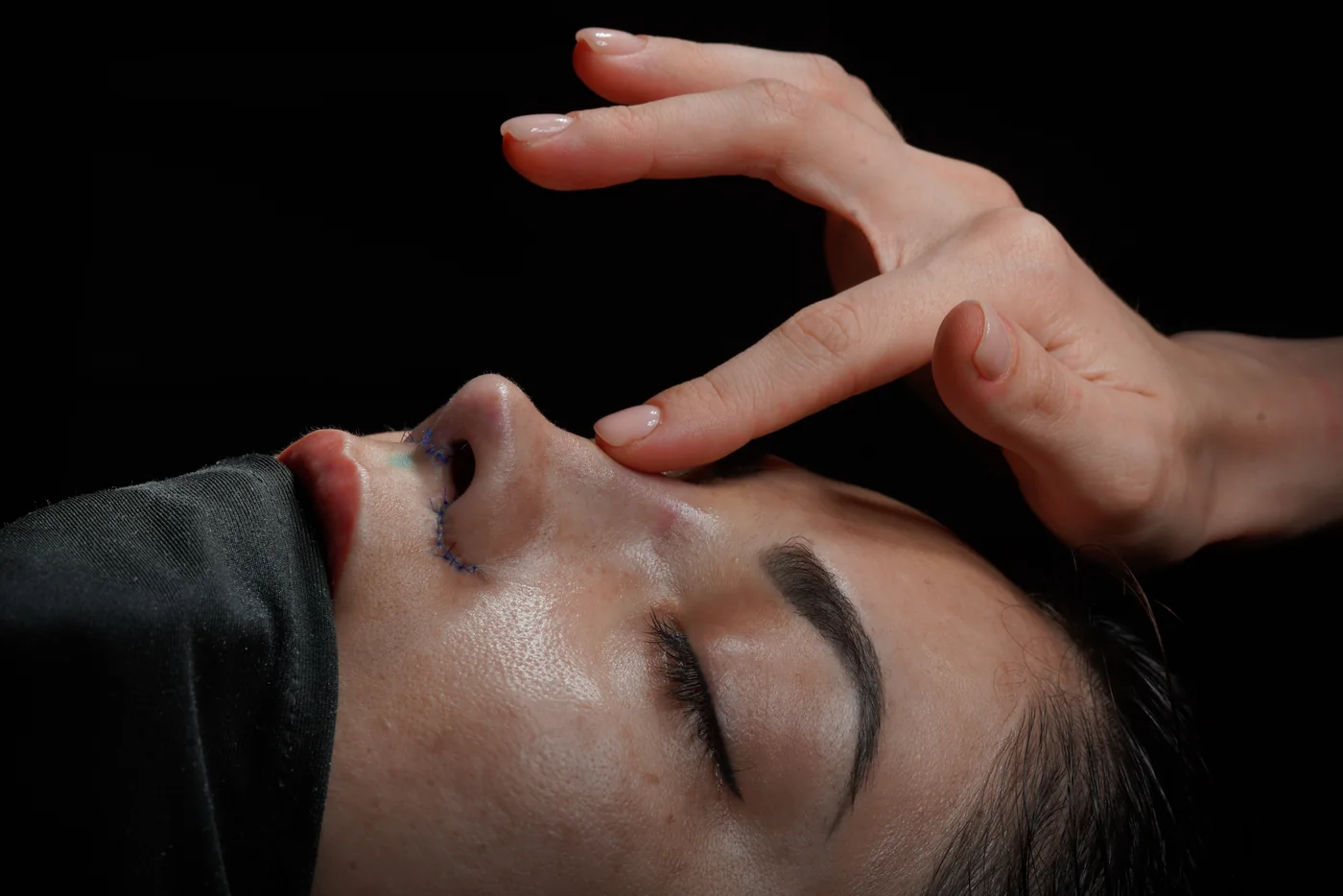
The nose needs to be protected after surgery. An aluminium cast is placed over the nose, with special silicone splints inside the nasal cavity. Nasal function is limited in the first days but recovers quickly. The final result of rhinoplasty can be assessed after 1–1.5 years, once the swelling has fully subsided.
Important: if nasal function is impaired after the first operation or you are not satisfied with the result, revision (secondary) rhinoplasty may be needed. It is a more complex procedure, performed no earlier than one year after the primary operation.
In the days right after surgery, splints or swelling may partly block the nasal passages. You usually breathe fully again within 1–2 weeks, depending on your body and how extensive the surgery was
Our doctors use microsurgical techniques and quality sutures to keep scars minimal
Rhinoplasty improves aesthetics and makes facial features more harmonious, without loss of individuality. With 3D modelling the predicted result is visible in advance, and you agree on changes with your surgeon
Rhinoplasty is a serious step. A well-performed rhinoplasty means the new nose is in perfect harmony with your facial features and works flawlessly. At the consultation the nasal surgeon assesses every parameter in detail: the size of the nose, tip projection, and the condition of the septum and nasal mucosa. We use 3D modelling so you can see the future proportions of your nose before the surgery is performed.
Don't just browse rhinoplasty photos online. Book a consultation to discuss what modern rhinoplasty can and cannot do for you. Correcting external nasal deformities and reshaping the nose is our speciality.
The price of rhinoplasty at City Medical Centre is $4,200 (≈ IQD 5,600,000) instead of $6,000 (≈ IQD 7,900,000) with the current discount. First consultation: free.
The cost varies with the extent of surgery and is finalised at the consultation: the doctor examines your nose and facial proportions, then names the exact price.
Surgery under general anaesthesia, one day spent in the inpatient unit, ongoing doctor monitoring and a free post-op check-up. The clinic gives a lifetime guarantee on the result.
At City Medical Centre the first consultation costs nothing. The doctor checks your nose, assesses your facial proportions and gives the exact surgery cost.
Blog
More about rhinoplasty
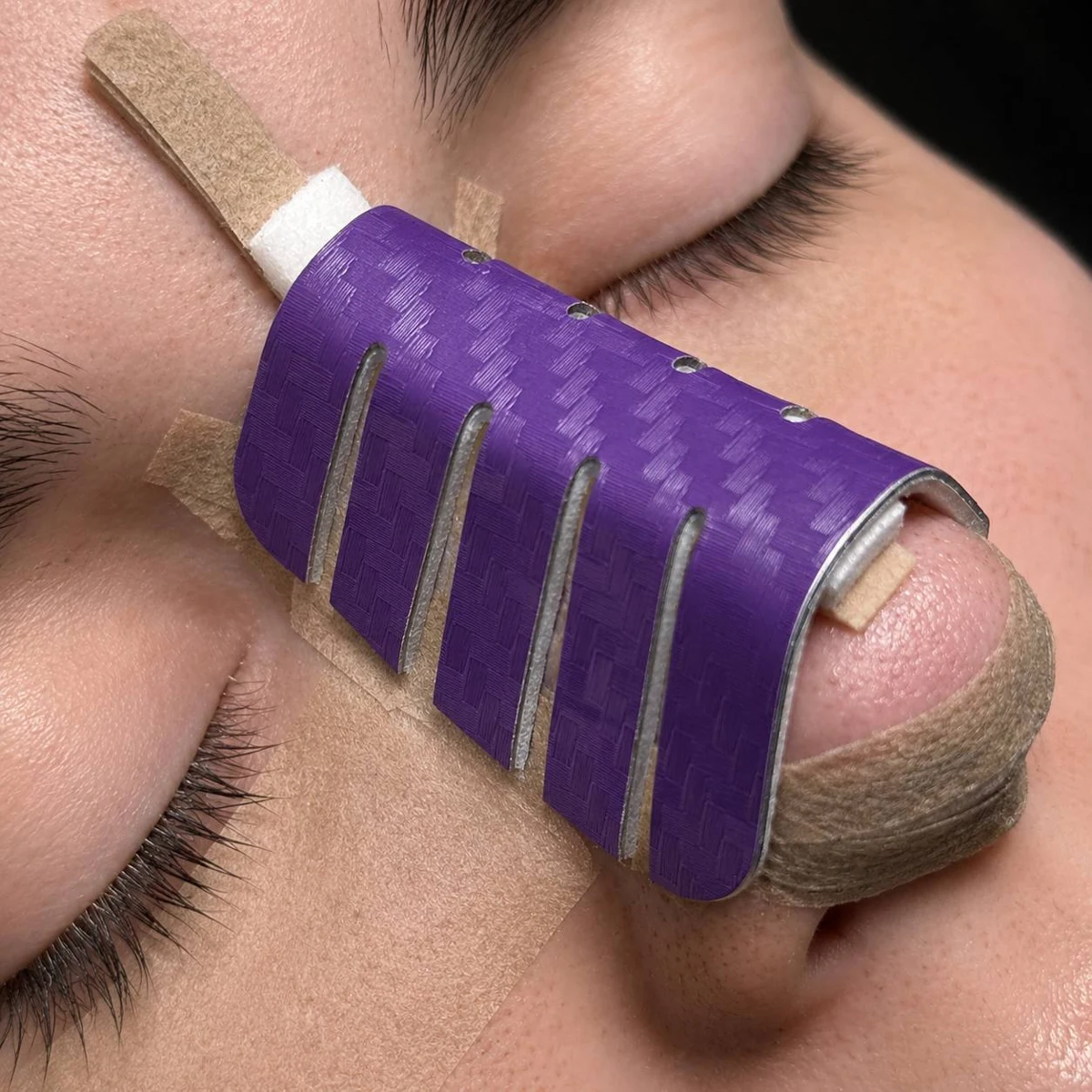
Find out how recovery after rhinoplasty goes in the first 7, 14 and 30 days
Read the article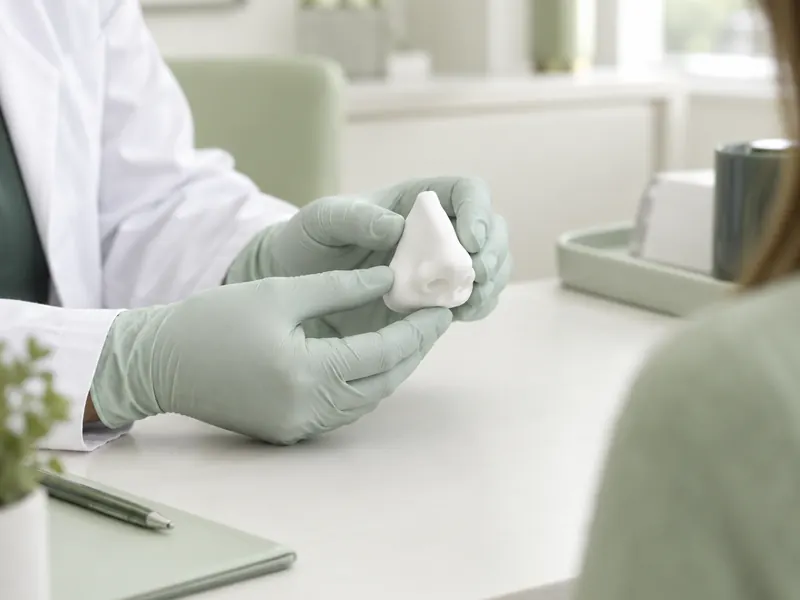
Preparation, recovery week by week, when the splint and stitches come out and how long to wait before flying home.
Read the articlePrices are in US dollars; the amount in brackets is an approximate conversion to IQD at the rate of 02.10.2026. The final price is fixed in your contract.
Prices start from $4,200 (≈ IQD 5,600,000). The surgeon sets the final price at the free consultation, and it is fixed in the contract, with no hidden extras.
The operation under general anaesthesia, a one-day inpatient stay, follow-up visits and dressings, plus a lifetime guarantee on the result.
Surgery takes 1.5–3 hours and you stay one day in the clinic. The nasal splints come out on day 7, and the cast is worn for up to 14 days.
Yes. The first consultation is free and does not oblige you to anything. You can start online by sending a message to the coordinator.
Message us on WhatsApp or Telegram using the buttons below. A coordinator will answer your questions and book a free consultation where the doctor names the exact price.
By messaging us, you agree to our Privacy Policy
What does rhinoplasty change? Depending on the plan, the bridge, tip, nostrils or septum are reshaped: excess tissue is removed or a graft is added. Anyone looking for rhinoplasty in Kut can weigh a closed technique with all incisions hidden inside the nose against an open technique for maximum control over shape. Either way, the proposed result is visualised with 3D modelling first.
What happens after surgery? For the first day you stay under observation in the inpatient unit. Swelling gradually subsides, though the tip and bridge may remain swollen for some time. Bending over, touching the nose and wearing glasses or makeup around it are off-limits early on. The final result for patients from Kut can be judged after 1–1.5 years, once tissues fully stabilise.
Start with a free, non-binding consultation: you get an assessment of nasal anatomy, a 3D forecast and answers on recovery. If you decide to proceed, rhinoplasty costs $4,200 (≈ IQD 5,600,000), including the operation, inpatient stay, follow-up visits and dressings, with a lifetime guarantee on the result. Patients from Kut can send a request online or message a coordinator.
Well-known people who spoke openly about this operation, in their own words.
 Ashley Tisdale's rhinoplasty: a breathing problem, a decision and the reactionAshley Tisdale had rhinoplasty in 2007 to fix a deviated septum and later wrote about the shaming that followed. Her words, the operation and recovery.
 Bhad Bhabie and her rhinoplasty: what she posted, day by dayIn January 2025 Bhad Bhabie (Danielle Bregoli) shared her rhinoplasty recovery on Instagram. What she wrote, why she had it, and how a nose job works.
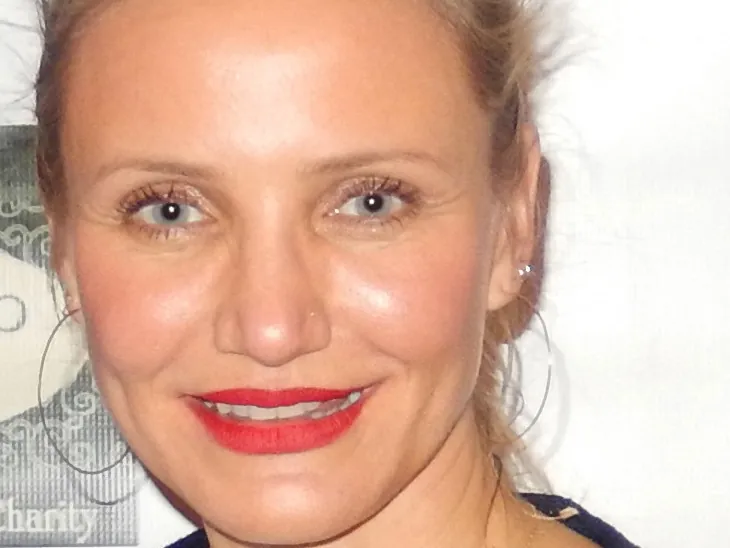 Did Cameron Diaz have a nose operation? Yes — and she called it purely medicalThe actress told GQ her septum was “like a train derailed” and had a nose operation so she could breathe. Her quotes, and how septorhinoplasty works today.
 Did Darcey Silva get a nose job? Yes, and she said so herselfDarcey Silva described getting a rhinoplasty on a 2021 'twinsformation' trip to Turkey with her twin sister Stacey. Her words, the surgery and recovery explained.
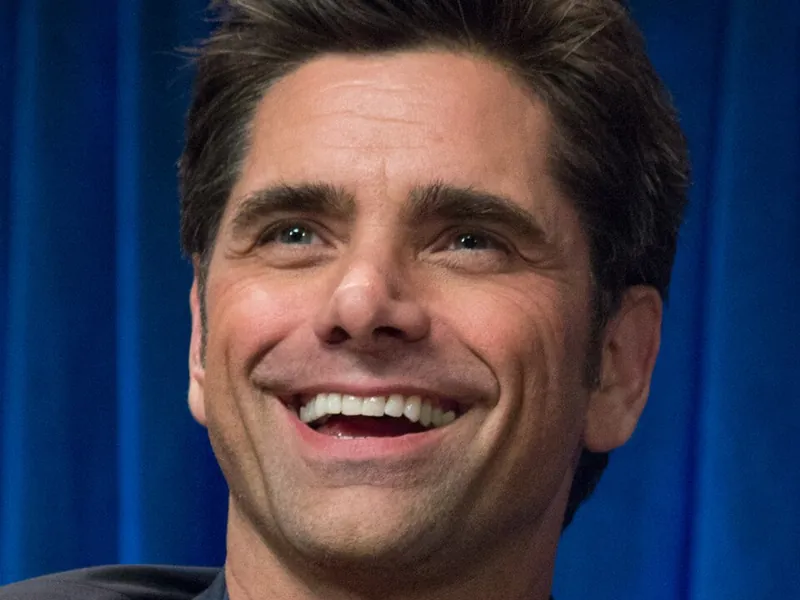 Did John Stamos have a nose job? Yes — two, he admits himselfThe Full House star admitted two rhinoplasties in the 1980s — a childhood golf-club break, vanity, and a famous surgeon's help.
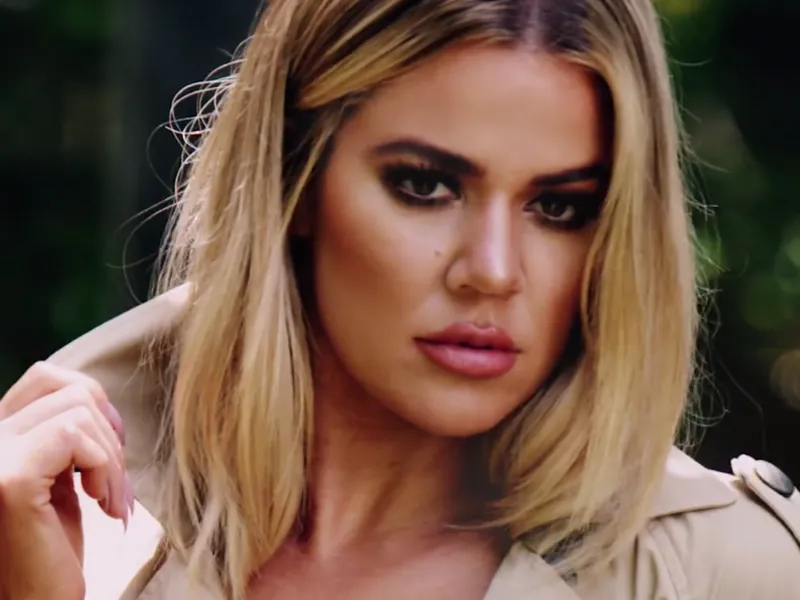 Did Khloé Kardashian have a nose job? Yes, and she confirmed it herselfKhloé Kardashian confirmed on Twitter that she had a nose job around 2019. Her own words, how rhinoplasty is done today and what recovery involves.
What patients write after this operation. Reviews are translated from the original language.
Ekaterina Ivanova
For a long time I was self-conscious about the length of my nose, until a friend who had had rhinoplasty recommended this clinic. At the very first consultation they set the date of surgery and explained every stage in detail. The rhinoplasty under general anaesthesia was performed by Mareta Meirieva: the swelling went down quickly, and after just a week my nose looked natural and neat. Modern equipment, attentive staff and appointments without delays made the whole process comfortable. I recommend the clinic to anyone who values professionalism and a quality result.
Rhinoplasty
Olga Vasilyeva
This was my first visit to the clinic, for rhinoseptoplasty, and to be honest I was very nervous. At the consultation they explained every stage of the operation and recovery in detail, which calmed me down straight away. The operation was performed by Mareta Meirieva: the swelling started to go down on the third day, and the result is visible to the naked eye. Everything inside is sterile and pleasant, the atmosphere inspires trust, and the staff are always responsive. I thank the clinic for the high level of service and the warm approach!
Rhinoplasty
Marina Samarina
Everything was first-class: clean, cosy and calm. Booking and choosing the right date was easy. The nose operation went smoothly and the nerve block was done perfectly: now I breathe freely without nasal drops! It is a real lifesaver for anyone tired of endless prescriptions and ineffective procedures. I recommend it to everyone who values professionalism and results.
Rhinoplasty
Viktoria Petrova
I recently had rhinoplasty and I am absolutely delighted. At the consultation they told me about every stage in detail, so I went into surgery fully prepared. The operation went smoothly: they straightened the bridge of my nose and made the nostrils symmetrical, and the shape came out very neat. The swelling lasted a little longer than I expected, but they explained straight away that full recovery takes more time. No unpleasant surprises, everything was within the normal range. I recommend the clinic to anyone looking for a confident result and an attentive attitude.
Rhinoplasty
Kut sits just 23 metres above sea level inside a bend of the Tigris, the largest city of Wasit Governorate, where the census of 25 November 2024 counted 1,644,273 people. In a low riverside city where roughly half the governorate's residents live in its urban fabric, the nose complains of two stories at once: the shape its owner sees in the mirror, and breathing that stumbles through dust and heat. Modern nose surgery looks at both stories together, which is why it starts from good photographs rather than from an advertisement.
The first message from Kut needs three pictures: front, side and three-quarter, with a relaxed face in daylight beside a window, plus two lines about what bothers you, the visible curve, evening breathing that labours, or both. The surgeon reads the photos and decides whether the matter is purely cosmetic or whether the internal septum enters the calculation, because that difference rewrites the whole plan. Coordinators on Telegram and Telegram take messages at any hour, and the written reply reaches you to read twice before deciding, with no booked date, no payment and no commitment at this stage.
Kut has stood for centuries facing Wasit, the city al-Hajjaj founded around 702 AD, and an urban population of about two-thirds of the governorate has since grown around it. That blend of an old place and a young population, with roughly sixty percent of residents aged between fifteen and sixty-four, means nose questions arrive from young adults thinking about work, marriage and their own photographs together, not from patients brooding over past decades. Young people ask directly, and a direct written answer cuts the road to a decision faster than any courtesy.
The University of Wasit, open since 2003 with fifteen colleges, has raised generations here who settle their decisions on paper before saying them aloud, and that is exactly what nose surgery needs. Write your first question after dinner, read the reply before work, and rephrase whatever stayed unclear in a second, shorter message. At that rhythm a patient in Kut arrives at examination day with every question gathered in one list, and the surgeon answers the list whole instead of scattering across fragments. Decisions built this way pass with the calm of the considered, not the dash of the impulsive.
Rhinoplasty is performed under general anaesthesia and runs between one and a half and three hours according to the complexity of the case, after which the patient spends one day in hospital under observation before heading home. Those few numbers frame the whole day: a morning of admission, measured surgical work, one night of monitoring, then a house to which recovery moves. Whoever arranges the day in Kut on that frame settles in advance who drives and who receives, and books the two working days around the date, so no step rests on a guess.
The single hospital night reassures families more than any words: a nurse a bell away, a doctor passing on rounds, regular measurements until morning. Next day the patient leaves for a car prepared in advance, a reclined back seat, a small pillow for the head, a route chosen for its fewest bumps. At home two pillows raise the head, soft meals wait ready, and the fridge holds what the first seven days need with no shopping. These arrangements look marginal until the day works through them, then they become the whole difference between an ordered night and a nervous one.
Weeks before the date, you are asked what every patient is asked: a set of tests the surgeon names, a list of daily medicines none of which stops without his order, and a straight answer about any chronic illness. Written answers to these three shield the operation from half its possible surprises and turn surgery day into completed work rather than an adventure. Tie the tests to a laboratory near your own quarter of Kut instead of postponing them, and send the results as clear photos, because the file that arrives complete the day before is read by the surgeon calmly, not in haste.
The surgeon's written plan for this operation carries three lines worth more than any speech: what he will do to the bridge, the septum and the tip, what will not change, and how follow-up will run afterwards. Whoever holds that page understands that rhinoplasty is design within limits, not a promise of a new face, and that the best results belong to a nose that looks as if it was born on this face. Ask for it in the first conversation, and hold it against other plans if any exist; a written comparison of two plans settles a council's argument in a quarter of an hour.
Kut's summer is among the hardest things a freshly operated nose meets: mean daily highs of 43.5°C in July and 43.8°C in August, nights holding near 26°C, and southerly winds lifting dust across the plains of central Iraq. Dust is the direct adversary of a swollen, newly operated nose, so the first weeks have one practical answer: staying indoors on dust-storm days, a simple mask when going out is unavoidable, and nasal rinsing exactly as the surgeon explains rather than as habit suggests. Heat alone is not an enemy of the same weight, but dryness deepens thirst and turns body hydration into a daily habit rather than an option.
Kut's winter is far kinder: January highs near 17.5°C and lows of 5.5°C, with the region's sparse rain, about 138 millimetres a year, confined to November through March. That is why many of the city's patients set the operation between October and March, so the first healing week passes in mild air and the visible swelling phase clears before the season of heat and dust. It is calculated comfort rather than a medical rule, and the surgery itself knows no forbidden season; whoever is pressed into July has it in July and manages those days inside air-conditioned rooms.
Kut is an agricultural river city, and the Kut Barrage built in 1939 waters the grain fields around it, so harvest summers gather dust and heat into a handful of weeks. Anyone working in a field or an open market arranges with the coordinator at least one week at home after the operation and postpones what outdoor tasks can be postponed, because a healing nose above dusty fields is a test with no need to take it early. The office employee has it easier: avoiding dust-storm hours on the road, and sleeping in a room of moderate air away from the direct stream of the air conditioner, is enough.
Students and staff at the University of Wasit know the academic rhythm well: a break between terms gives two quiet weeks at home, while the summer break gives a longer stretch but in the hottest, dustiest months of the year. Students therefore find the winter or spring term the natural window for the operation, taking it between exams and lectures and appearing the following term with an ordinary face nothing shows in. Whoever graduates this year runs a different calculation: a wedding and a job are approaching, and the decision gets built on a written schedule rather than the enthusiasm of one day.
Follow-up photos of the nose are taken at three fixed angles, front, side and three-quarter, in the same window light against the same background, once per interval the surgeon sets. The arrangement reveals what memory hides: an eye that sees the face daily does not notice slow swelling receding, while two photos weeks apart display the truth without flattery. Keep the album ordered by dates and send from it whatever is requested through the same channel, because the surgeon who sees your whole line of photos answers the question of whether you are on schedule with a confirmed answer, not a courtesy.
Between one check-in and the next the small questions arrive: light numbness at the tip, a passing tightness in the skin, an itch that comes and goes. Rank none of them too small for a message to the coordinator, because every question answered in writing blocks a guess that swells by evening and spoils the week. That file of questions and answers becomes, by the end of the period, a written record the surgeon reads to remind you of your own recovery curve, not someone else's, since faces heal at different speeds the way palms differ in their lines, and comparing yourself to others is the first habit advised against on this road.
Iraqi doctors' certification runs through the Iraqi Board for Medical Specializations, founded in 1986, training from 1988, covering 37 specialties today, and asking your surgeon which certificate he holds and who issued it is an entirely ordinary question. Add one more specific to this operation: how many nose cases he finishes in a year, and how many of those combined shape with breathing. The written answer to both, together with the operation plan, is what separates one offer from another more than any advertisement, and it is the advice given to anyone comparing, in Kut or beyond.
The question of what an offer includes goes to the coordinator in writing like everything else: the operation, anaesthesia, tests, and follow-up visits across the first year, where every item the offer answers precisely is a mark of readiness. Remember that elective cosmetic operations are arranged and paid for privately, since Iraq's public hospitals, which have charged for individual services since February 2016, exist for essential care rather than for these procedures. A detailed page protects both sides from later confusion, and whoever is too shy to itemise his offer tells you about his worth before anything begins.
In houses where three generations share a table, news of a nose decision arrives before the decision itself, so it is wise to tell the narrow circle first: a parent, a spouse, and one trusted person. The remaining councils need a single sentence: I have decided, and I am at peace. Do not spend yourself convincing every salon, the decision is yours, close family read the written page and settle, and the distant keep talking until the news grows old. That is how the recovery weeks pass in a calm household climate rather than an open debate.
The circulating tales about nose surgery come in two kinds: that the result fades with time, and that every nose comes out a copy of some famous one. Reality is simpler: the framework the surgeon builds from your own cartilage stays, and the natural changes time brings to every face happen afterwards as a slow update, not a cancellation. As for famous-nose copies, the surgeon's own method refutes them: a design that reads your forehead, chin and family features, not a picture from a screen. Ask for a written answer to both tales, because whoever wants to reassure the family needs a page, not an argument.
For those counting days: the operation is one day in hospital, a few hours under anaesthesia, then a recovery period at home that the surgeon has read through with you in the plan, then photo follow-up straight from your house. Nothing in that timetable asks you to disappear from your life for weeks, and no conversation in it needs a personal appearance before the surgery date itself arrives. That simplicity is why the first message is usually written on a quiet night, why the reply is the first thing read in the morning, and why the decision ripens in a season its owner chooses rather than on a deadline an advertisement imposes.
The Tigris runs through the bend that cradles Kut as it has through centuries of farming and boats, ever since Wasit rose opposite it around 702 AD, and a city at 23 metres of elevation knows that water moves at its own level and never leaps toward the peaks. Write your first message to coordinators on Telegram or Telegram at any hour of day or night, attach three clear photos, and let the written answer map the road. What follows moves step by step on a schedule the whole household understands, and a river that knows patience is older than any hurry.
Sometimes yes, depending on the cause: if the blockage comes from a deviated internal septum, the surgeon folds its correction into the same plan, while an allergy or a chronic inflammation may need its cause treated first. This is why the first photos ask about both stories together, shape and breathing, and a written reply separates them. This point is among the most important differences between a good plan and a shape-only operation, so never leave it as an undocumented verbal answer.
It runs from one and a half to three hours under general anaesthesia according to the complexity of the case, and you stay one day in hospital under observation before going home. Arrange with your family a comfortable car for the reception, a route with the fewest bumps, and a bedroom with two pillows to raise the head. Those three days around the date are all the schedule asks of you at the start; everything after is photo follow-up through the same channel from your home in Kut.
Yes, if you keep the conditions: natural daylight beside a window, three fixed angles of front, side and three-quarter, a relaxed unsmiling face, and no filters or editing. Add a line about how long the problem has lasted and whether anyone in the family went through the same, since nose shape runs strongly in families. Send the photos to the coordinators at any hour, and a first opinion arrives saying whether the matter is cosmetic or whether breathing enters the plan, before any talk of dates or examination.
The surgeon sets the return date according to your work and the course of your recovery, which is why the first consultation should state whether your work is a desk one or outdoors under sun and dust, because the timing difference between the two is large. The office employee usually returns sooner than a field worker in the harvest or the open market, and anyone in grain handling or construction needs a separate arrangement with their employer. Ask for the answer in writing within the plan, and book your leave on that basis rather than on family estimates.
In the first weeks dust irritates a healing nose, so the advice is to stay indoors on the days the southerly winds carry dirt, to wear a simple mask if going out is unavoidable, and to rinse the nose only the way the surgeon explains. Once recovery has settled, dust becomes the ordinary matter everyone in the plains of central Iraq deals with, with no effect on the result. Whoever sets the date in the cooler months from October to March passes most of this period without meeting the storm season.
The framework the surgeon builds from your own cartilage stays where it was placed, and time afterwards works as it does in every face: slow natural changes that renew the features over the years rather than cancel the operation. Talk of a result evaporating is an exaggeration that circulates between councils, and real confidence comes from a written plan and regular photo follow-up the surgeon reads himself. Ask for a written answer on this point specifically, since it is the first thing families ask, and a page from the source calms a council faster than any debate.
Put the two offers side by side and read four lines in each: what the surgeon will do to the bridge, septum and tip specifically, whether his plan discusses breathing along with shape, how many nose cases he finishes in a year, and what the first year of follow-up includes. The written answer to those four separates two offers more than any advertisement, and you can ask your coordinator to explain the differences line by line, since that is the daily work. The decision afterwards is a calm hour's matter, not weeks of drifting.
Give them the page, not the argument: a written plan from the surgeon, a date measured at one day in hospital, and photo follow-up from home. Ask the coordinator to answer their questions directly in the same conversation, because whoever reads the answer from its source settles sooner. Remind them this decision was not made overnight but passed through written conversations, reports and tests, and that the people of Kut proudest of their doctors are the ones who ask about certificates before anything else.
Page medically reviewed by Marina T. Pershikova, rhinoplasty surgeon. Review date: .