
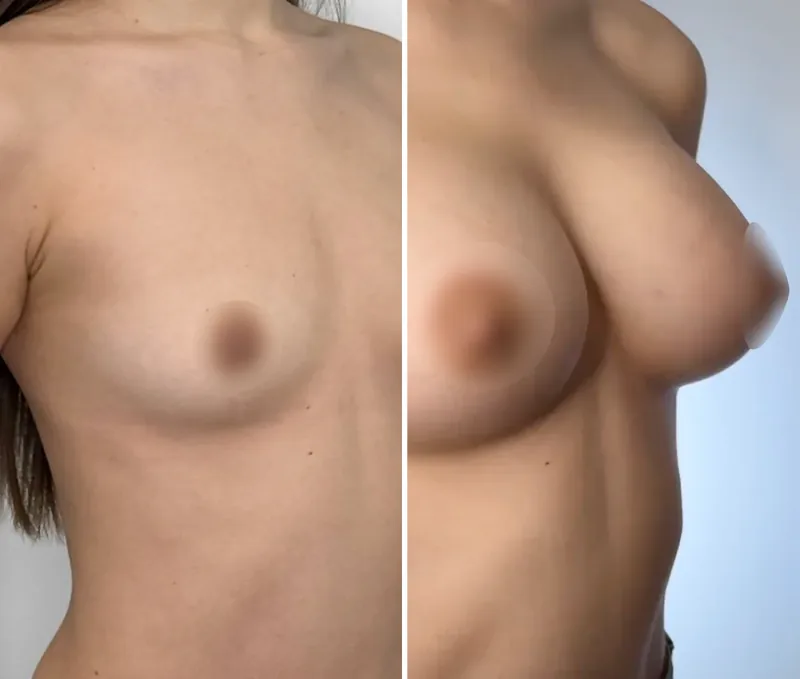
 beforeafter
Mammoplasty
Method: implants
Breast augmentation
$4,700
$5,900 · First consultation — Free
Message our coordinator
Free online consultation · Reply within 15 minutes
Message us on TelegramMessage us on WhatsAppBy messaging us, you agree to our Privacy Policy
Results
All cases are real patients of the clinic. Faces and identifying details are hidden.
beforeafterMethod: implants
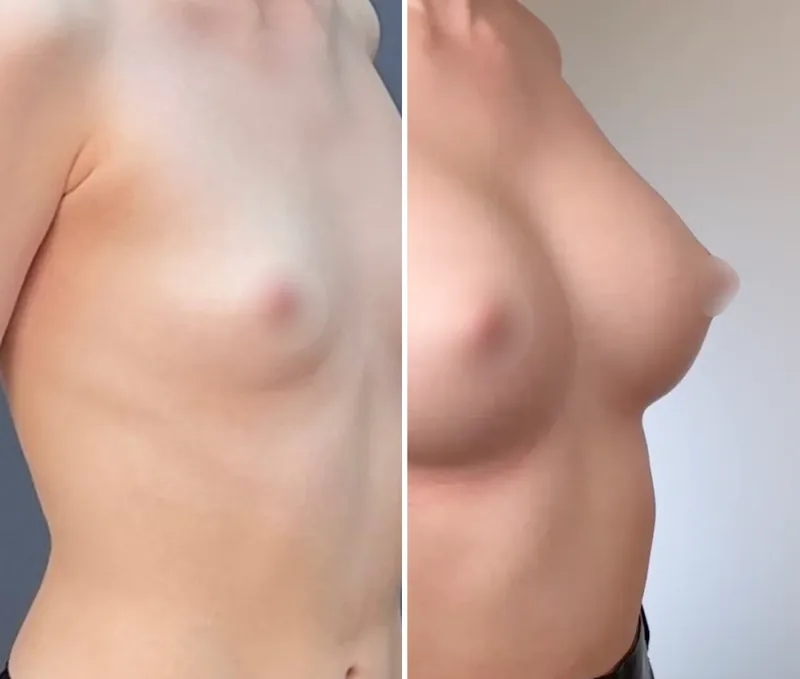 beforeafter
Method: implants
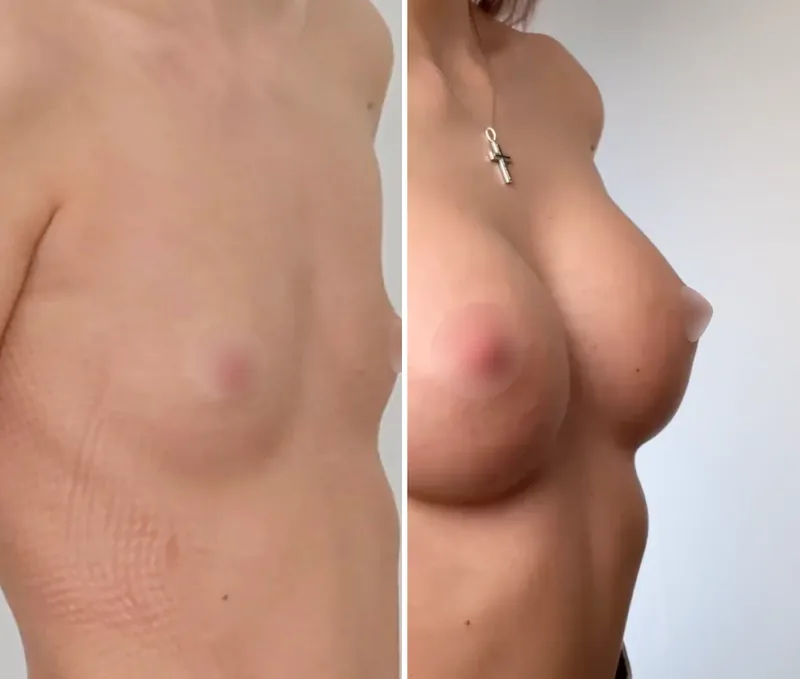 beforeafter
Method: implants
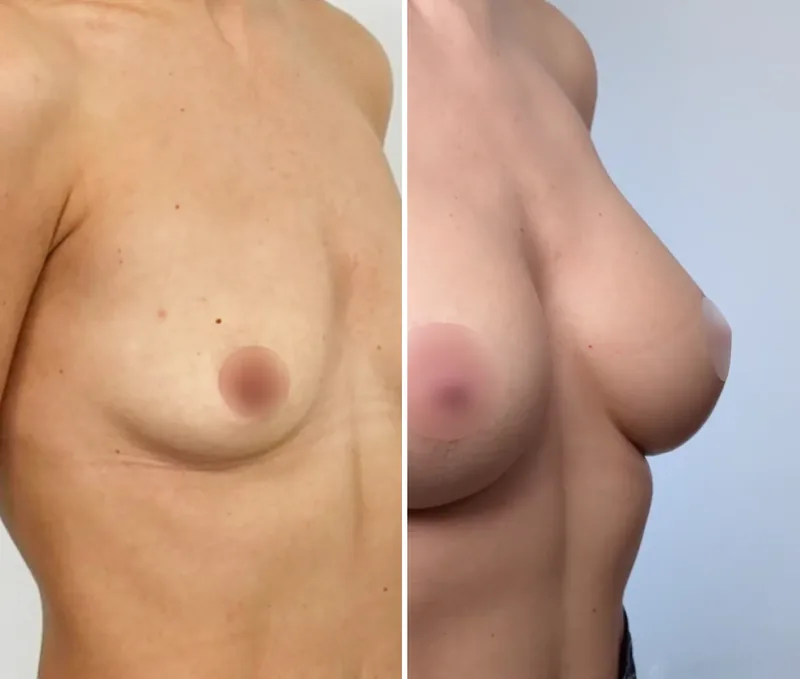 beforeafter
Method: implants
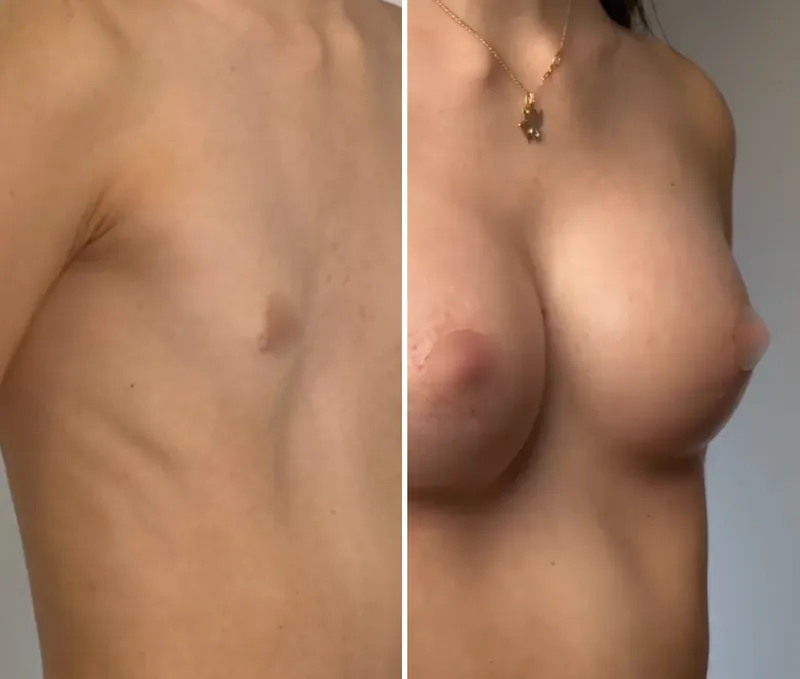 beforeafter
Method: implants
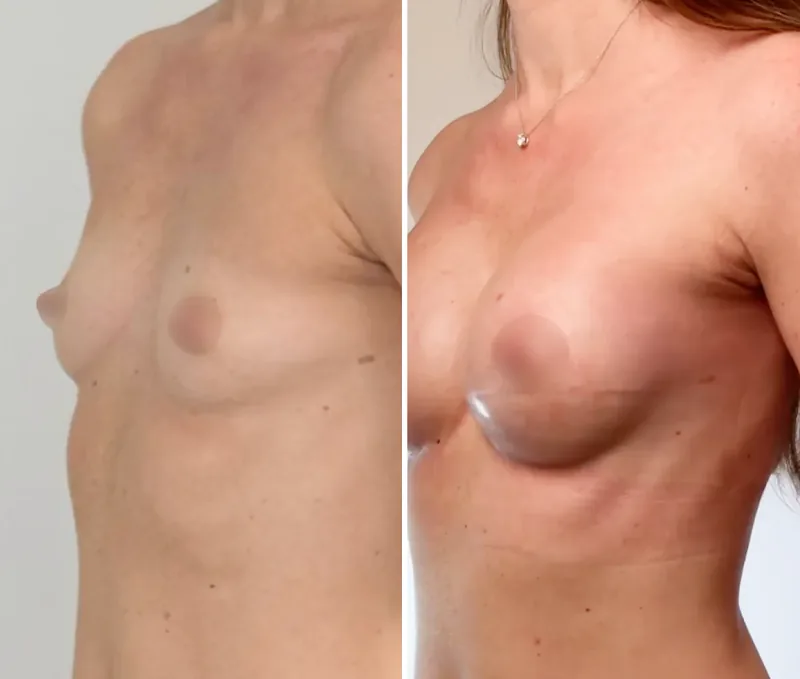 beforeafter
Method: implants
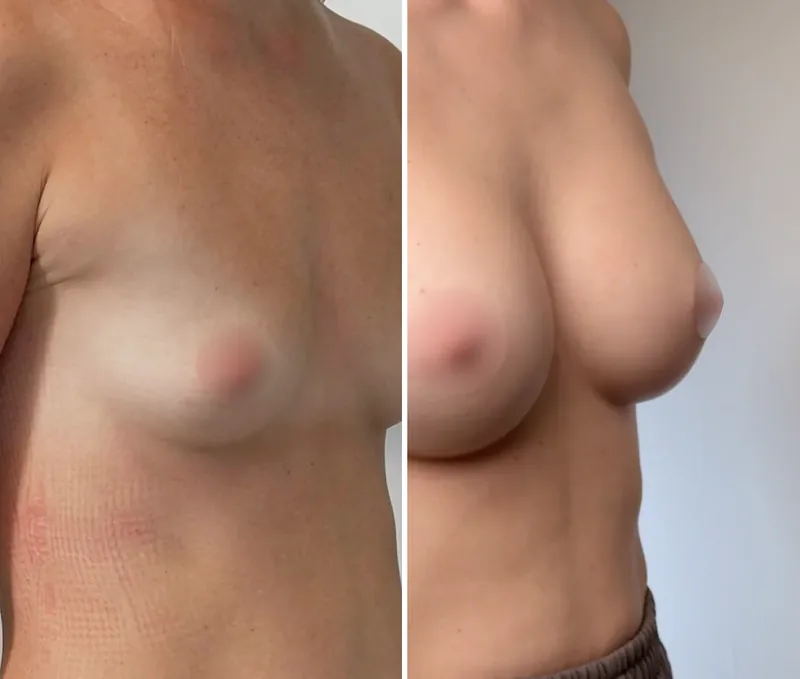 beforeafter
Method: implants
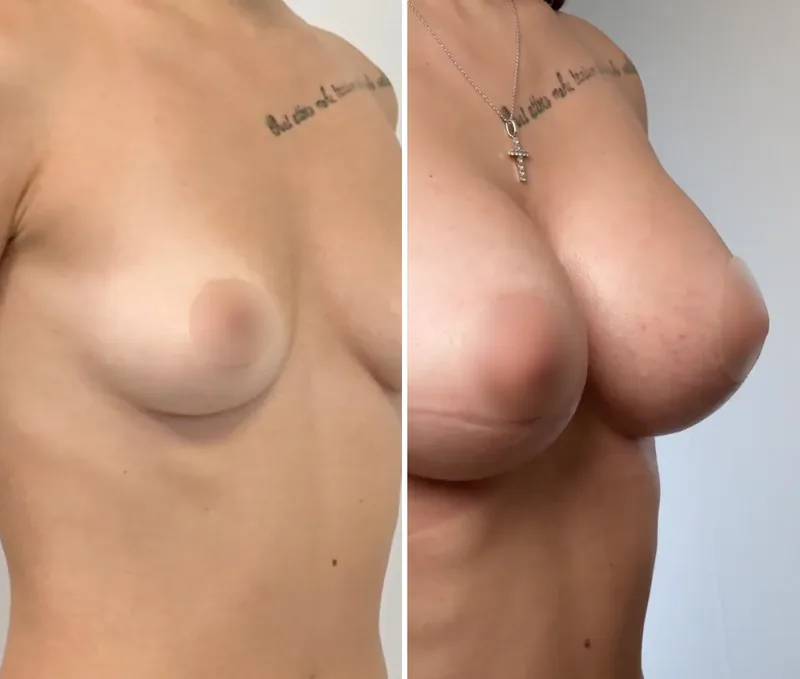 beforeafter
Method: implants
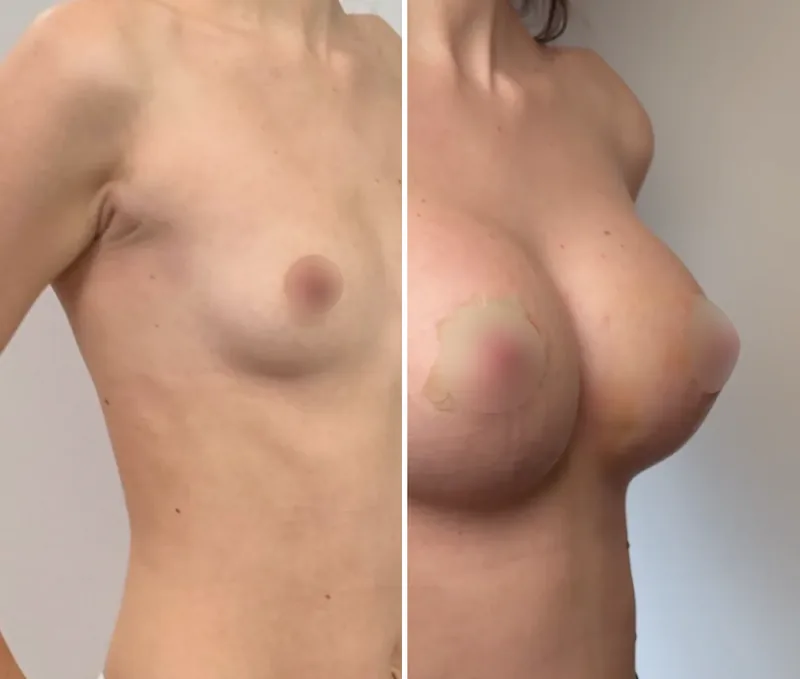 beforeafter
Method: implants
Comparison
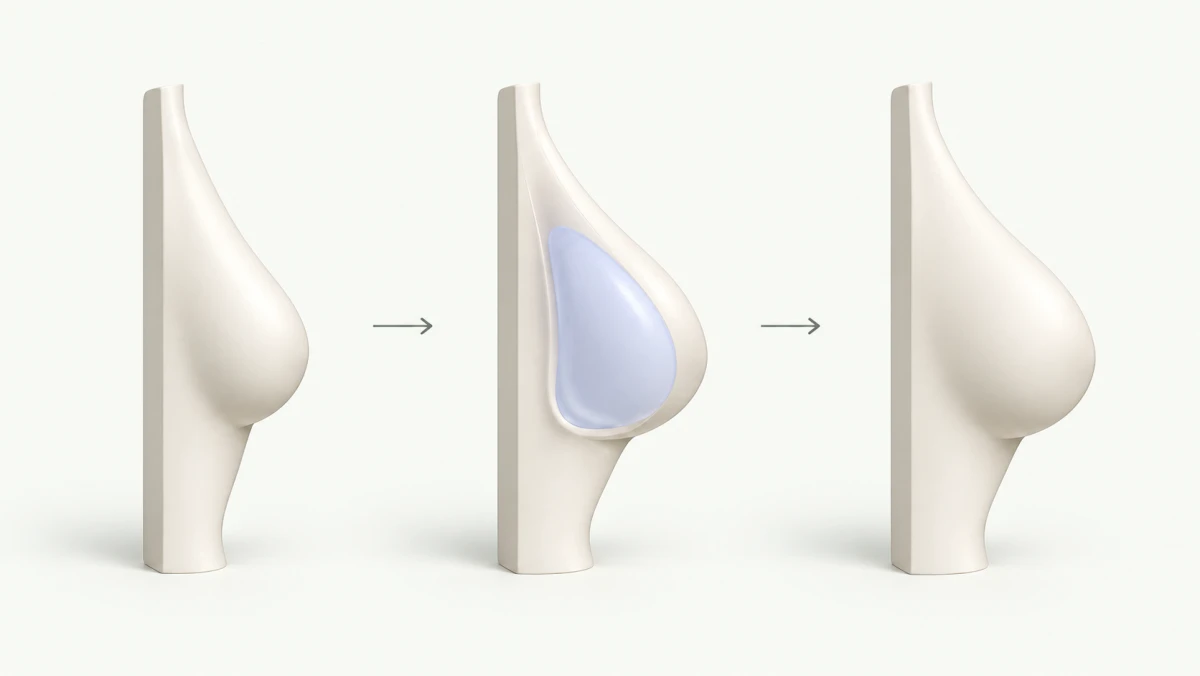
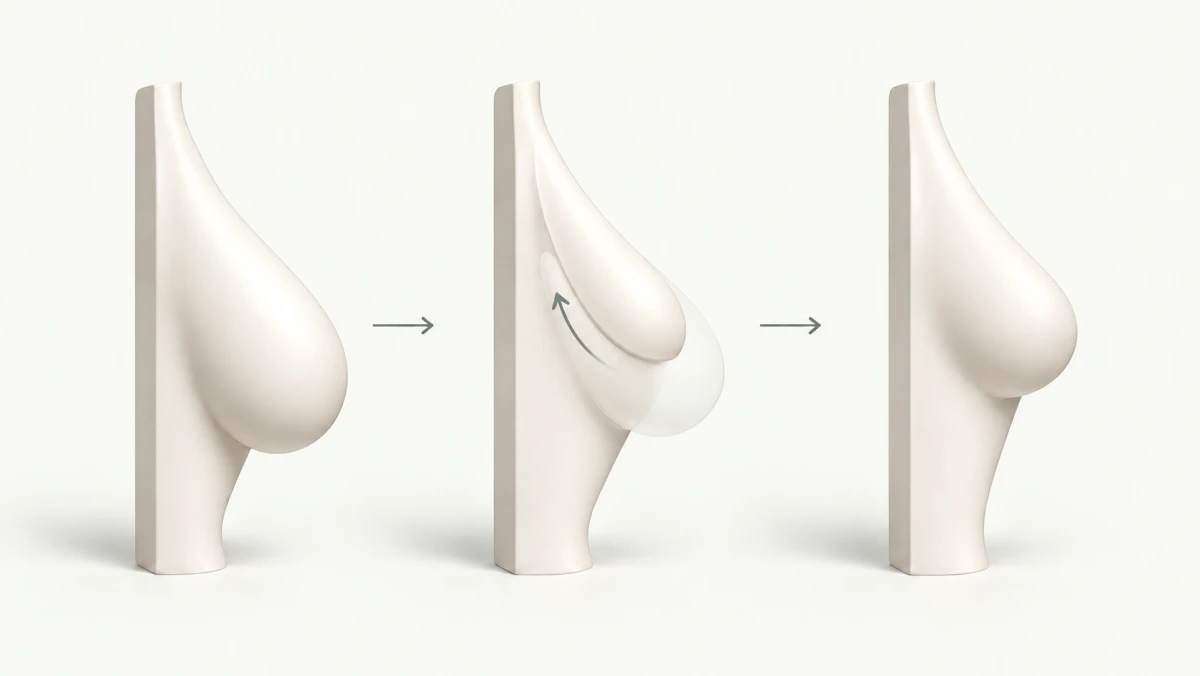
Augmentation and reduction are the two main breast correction methods we perform. Compare what each one achieves, how precise it is and when it is indicated.
Size and shape correction with implants
Discounted price
$4,700 $5,900
Correcting breast size by reducing volume and weight
Discounted price
$4,700 $5,900
The surgeon examines the shape and proportions of your breasts at the consultation, discusses your goals and picks the mammoplasty option that fits you best.
The consultation is free, before surgery and with no commitment.
Comparison
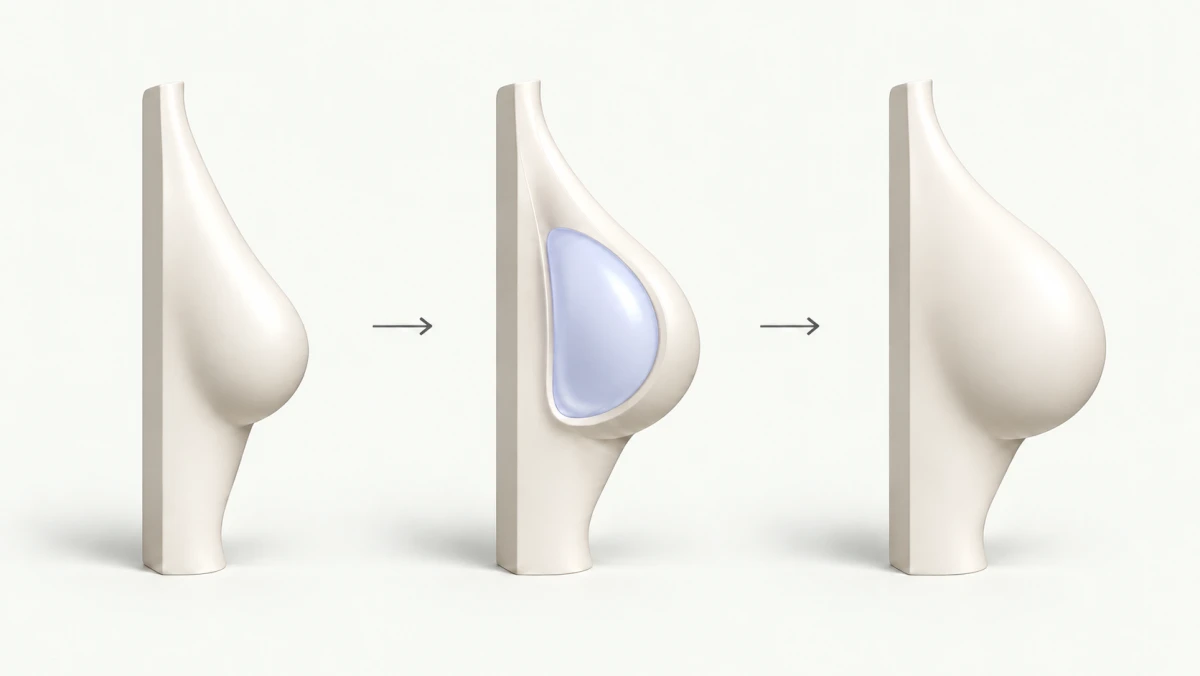
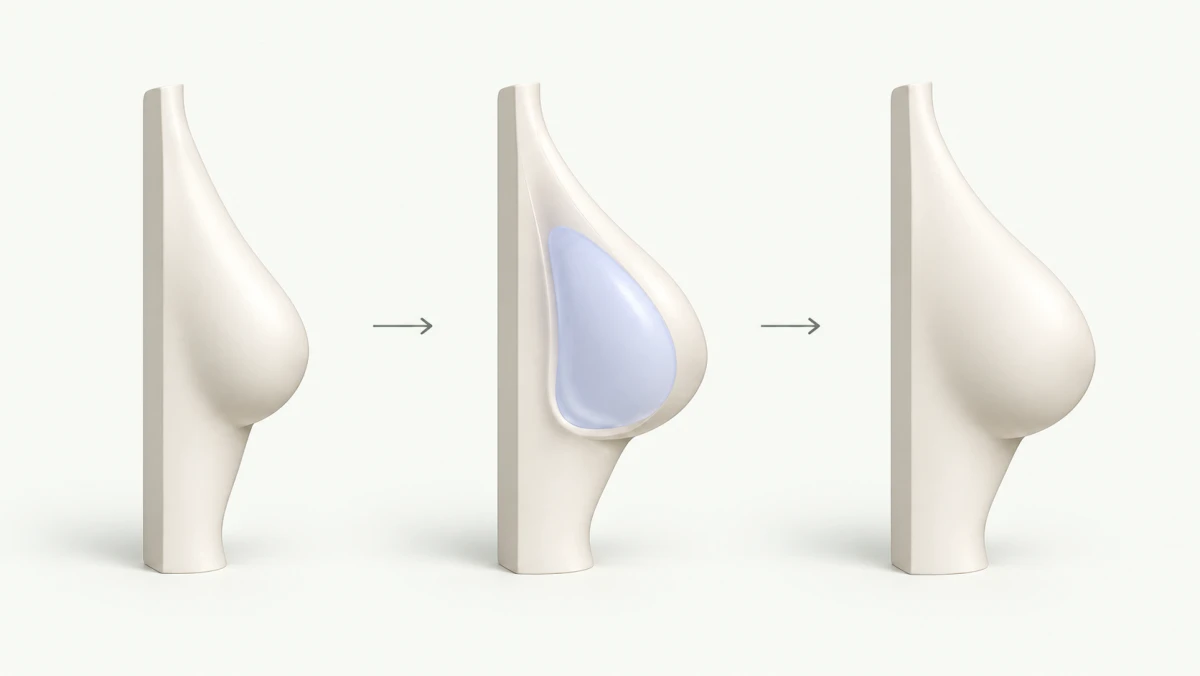
Round and anatomical implants are the two main types we work with. Each adds volume and corrects the shape, but the form and the final look differ.
Uniform volume and a fuller upper area
A gentle slope and a soft teardrop contour
The surgeon will help you choose the implant shape and volume.
Our clinic
Each patient gets care, comfortable rooms and modern equipment
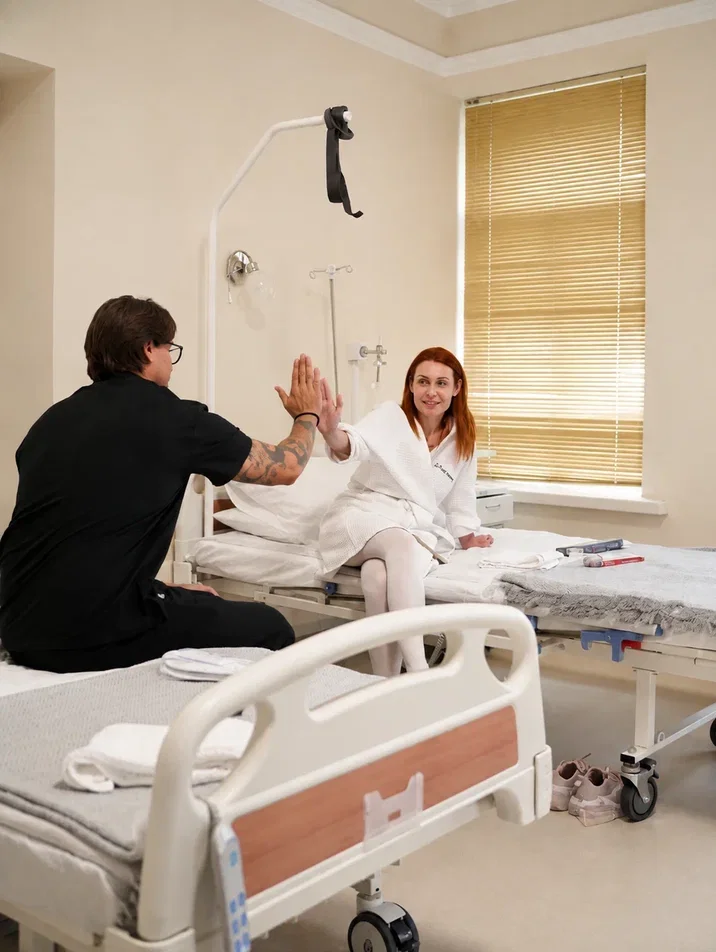
Ask us anything, and we will arrange a consultation at a time that suits you
If your case can be solved without surgery, the doctor will tell you so at the consultation — and you will not spend money for nothing.
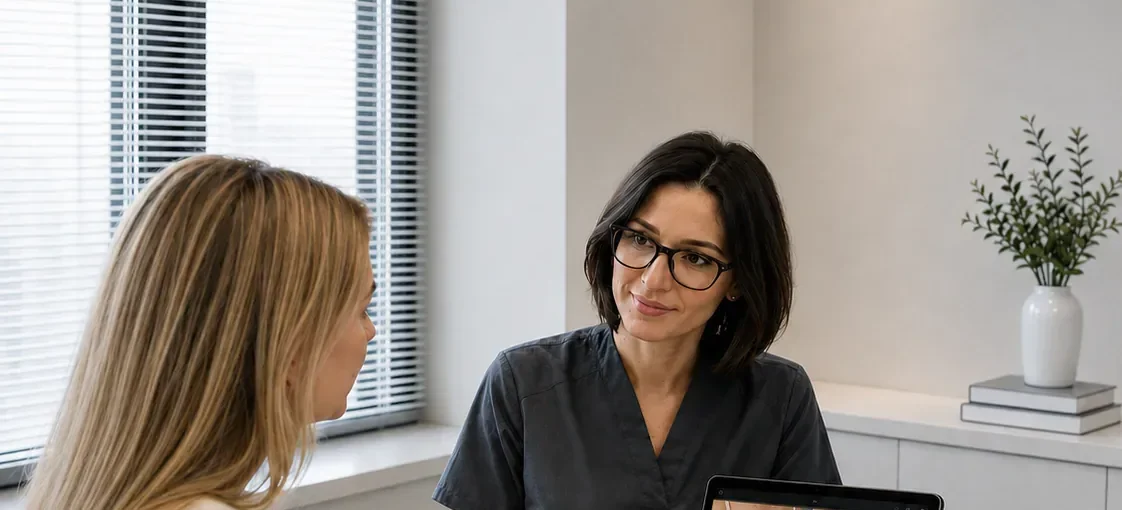

Not sure if surgery is right for you?
Write to us: your coordinator will request photos in a messenger, and the surgeon will review them and tell you whether mammoplasty suits you.
Find out if it suits me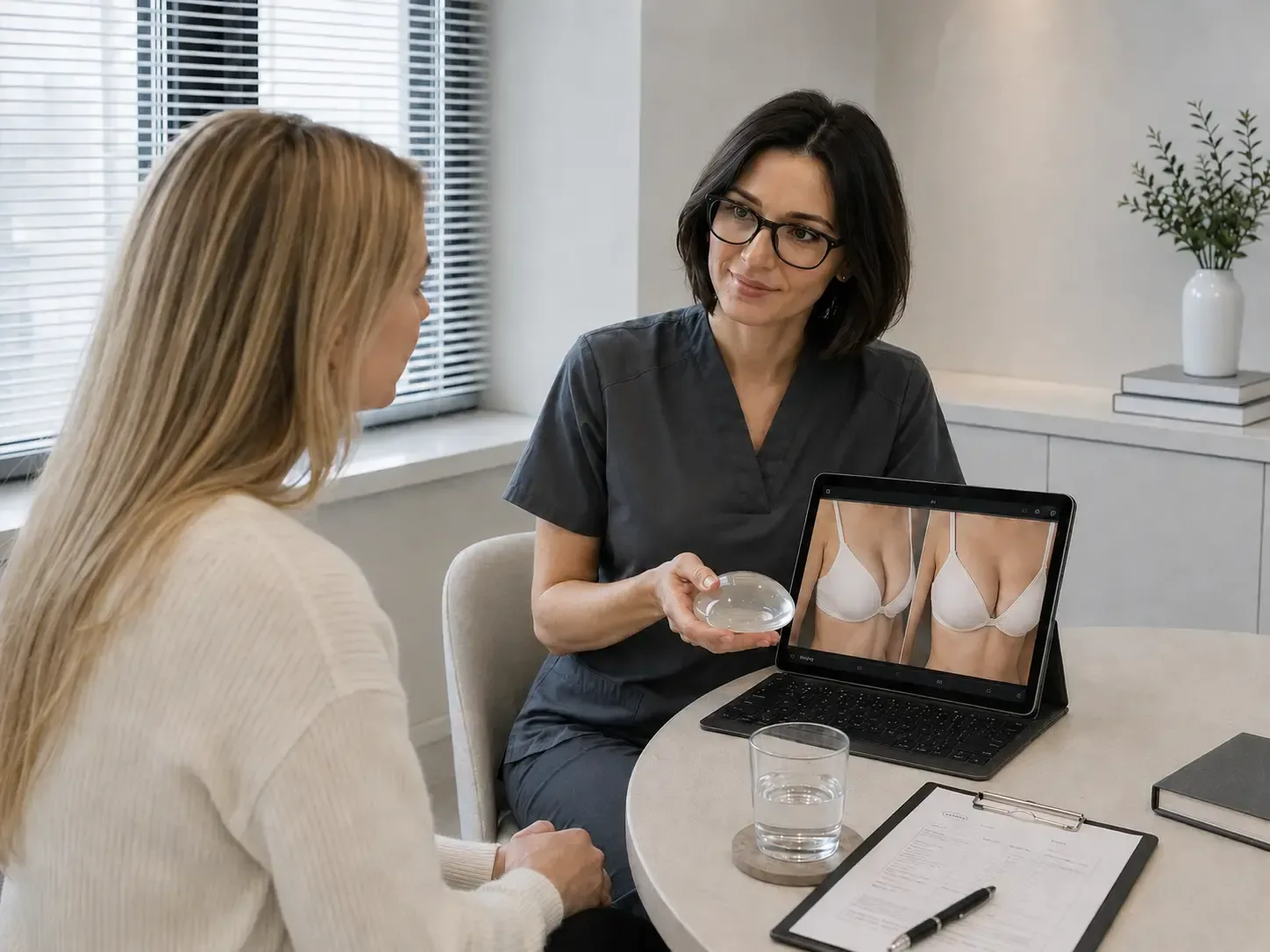
Prices
The price is set at the consultation and fixed in the contract.
Discounted price
Size and shape correction with implants
$4,700$5,900
Discounted price
Reducing the volume and weight of the breasts
$4,700$5,900
Breast restoration after mastectomy
The price is set at the consultation and fixed in the contract.
Get a consultationThe surgeon evaluates the anatomy and proportions of your breasts, hears what you want and selects the most suitable correction method.
The price is set at the consultation and fixed in the contract.
Message our coordinator
Free online consultation · Reply within 15 minutes
Message us on TelegramMessage us on WhatsAppBy messaging us, you agree to our Privacy Policy
all inclusive
From your pre-surgery preparation
to follow-up support for 12 months.
Discounted price
$4,700$5,900
Step by step
An agreed plan for correction, hospital observation and a year of recovery monitoring.
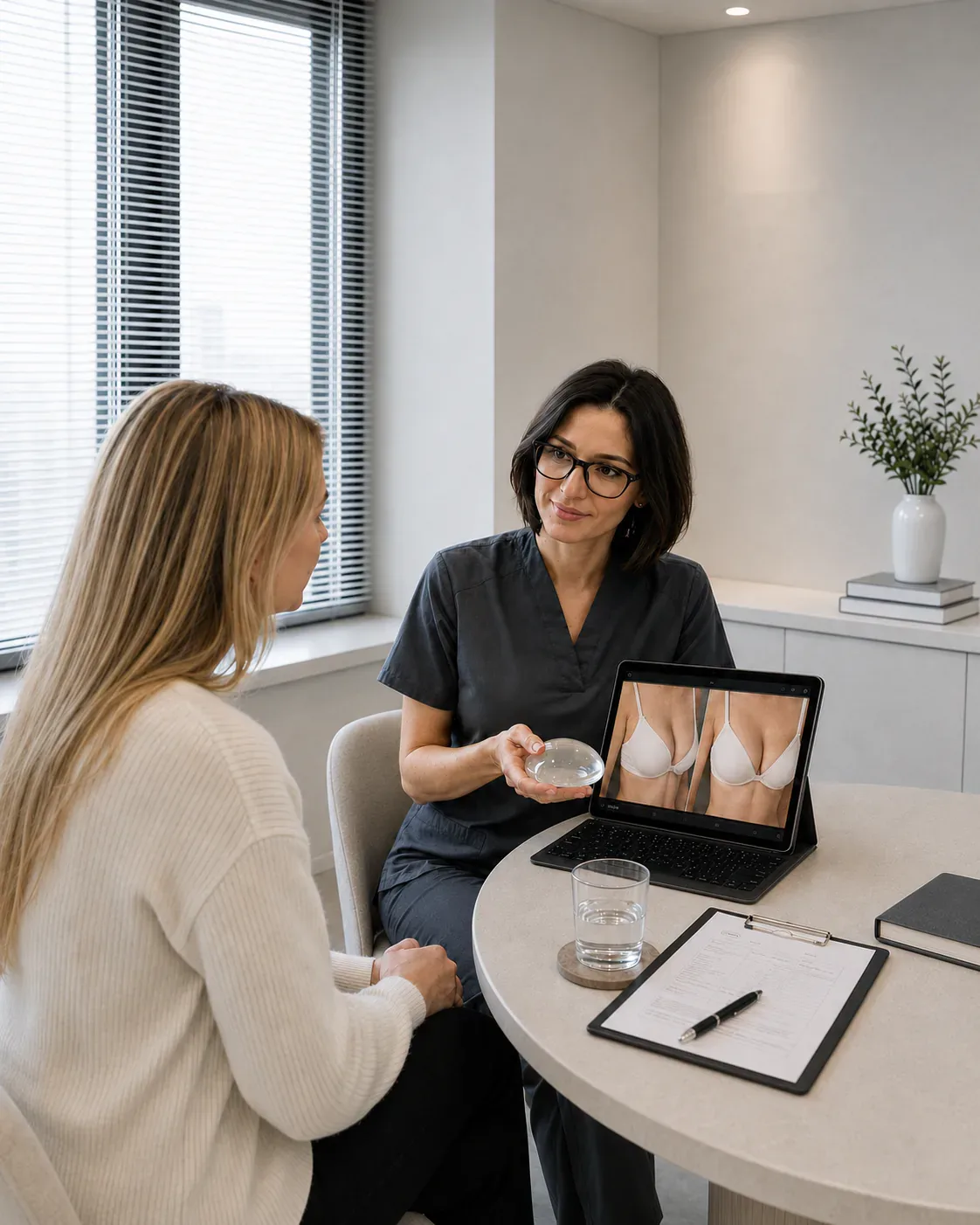 1
After assessing your figure and discussing your wishes, the surgeon chooses the best volume, shape and correction method.
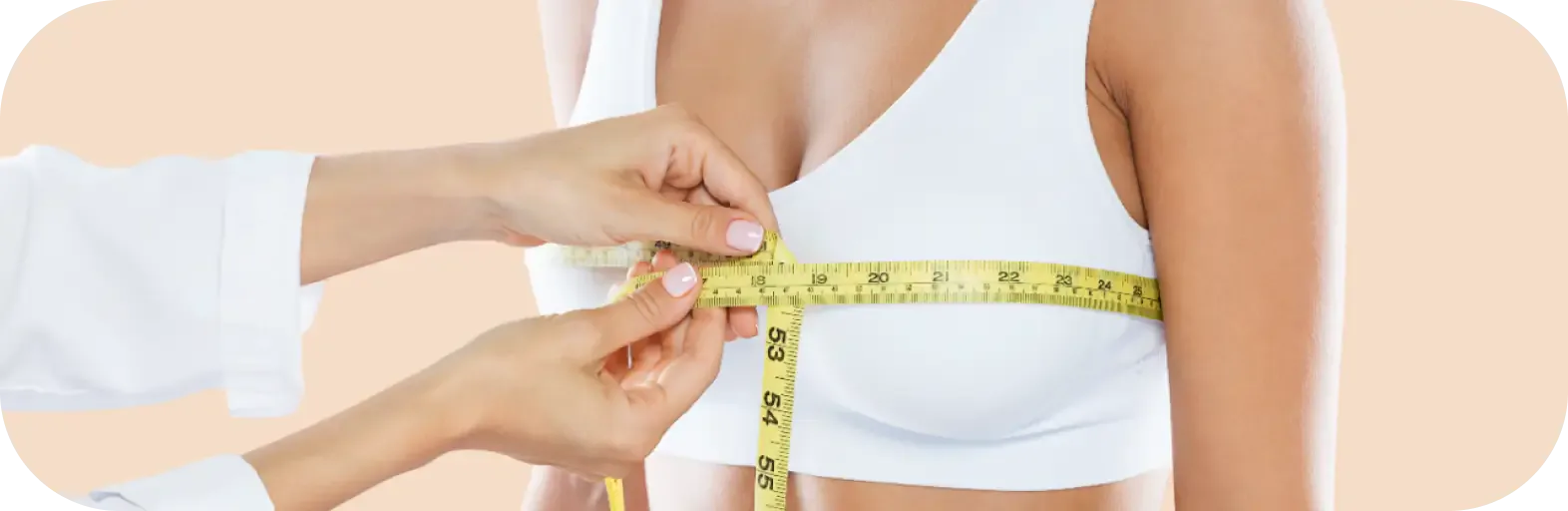 2
We reserve a surgery date for you: the deposit can be paid by card at the clinic or online by bank transfer. The terms are fixed in the contract for medical services
 3
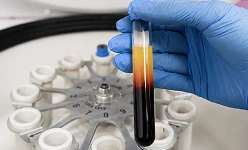
Ahead of surgery you go through full testing — blood tests, an ECG and other examinations as prescribed by the doctor.
 4
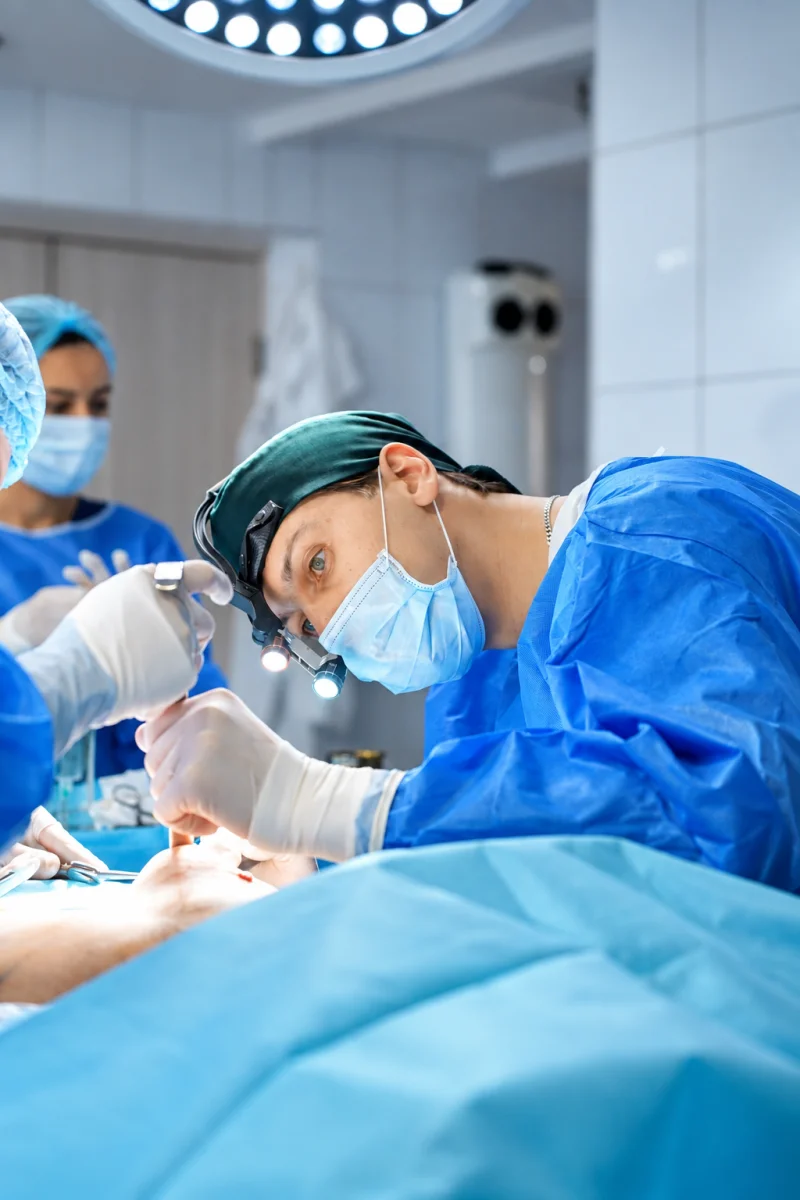
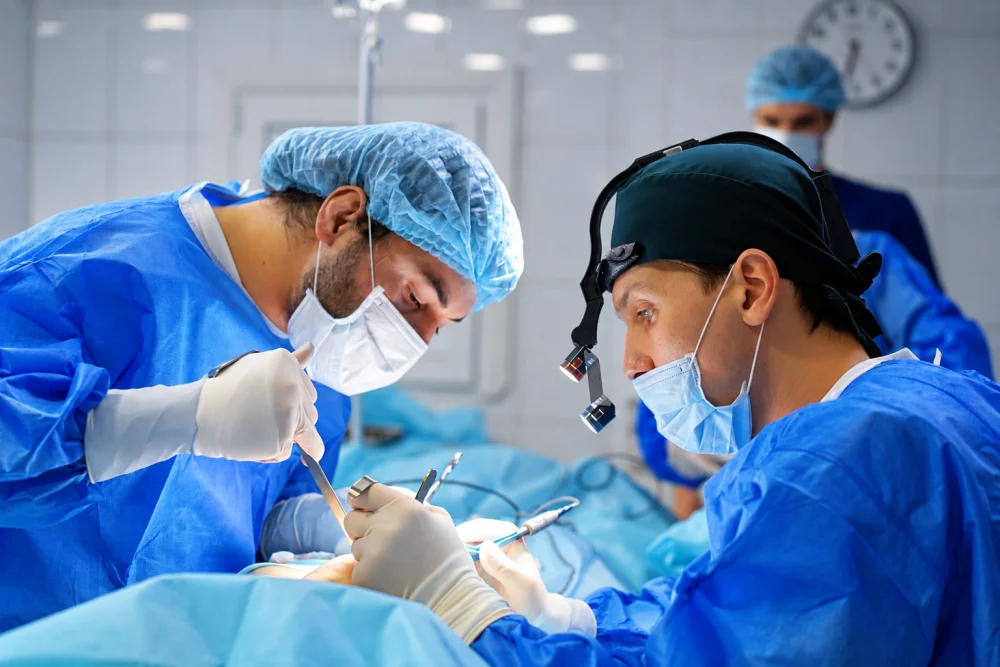
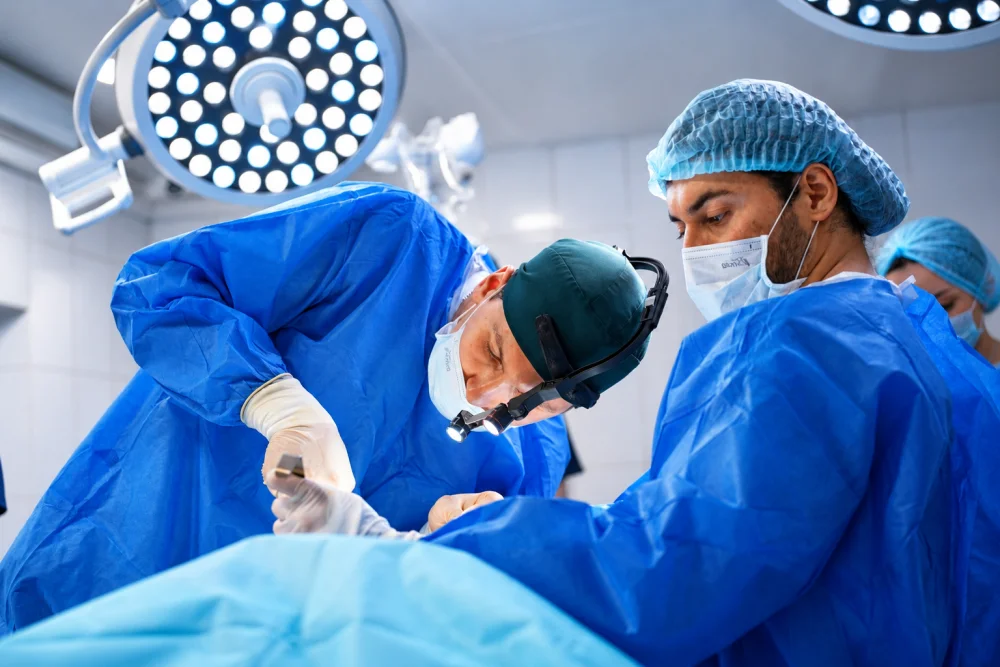
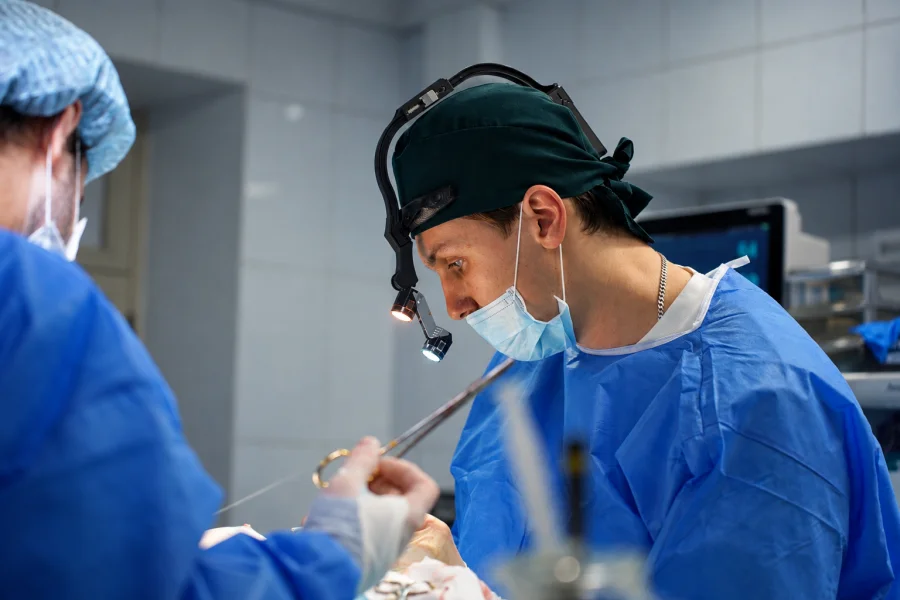
Mammoplasty is performed according to your individual plan. The surgery is done under general anesthesia while your condition is monitored throughout.
 5
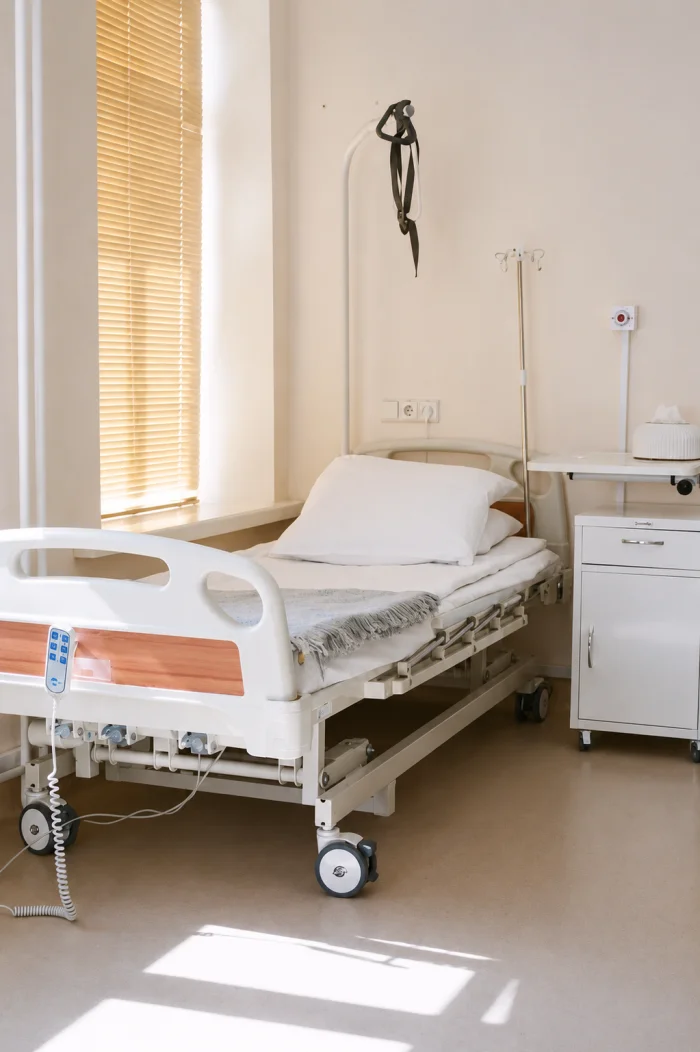
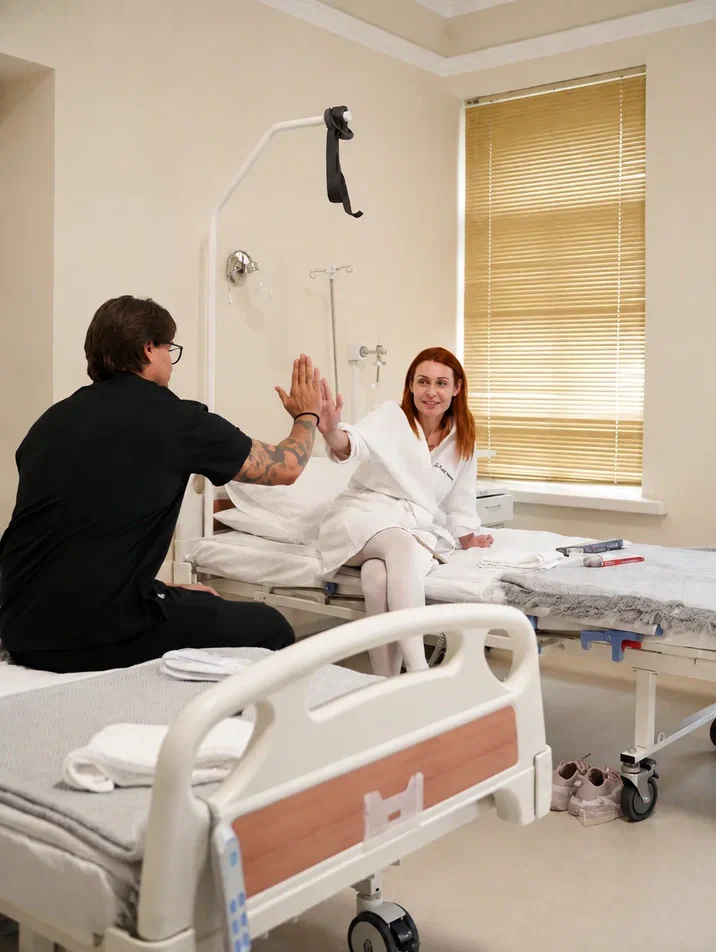
After the operation you remain in the clinic's comfortable inpatient ward, cared for by the medical team until you are discharged.
 6
You get a personal recovery programme after the operation. Follow-up visits at 7 days, 3 and 6 months monitor healing; for a year, surgeon consultations are free of charge.
Aspirin-containing drugs, steroids and hormonal medications for chronic conditions must be stopped before surgery
Stop hormonal oral contraceptives at least one month before the procedure
Do your tests a week before the operation
Before surgery, follow a few simple steps: keep a healthy work-rest balance, sleep more, avoid stress, anxiety and strong emotions, and reduce physical activity.
Intense gym workouts should be avoided for up to 40 days, along with overly active aerobics; after a month light cardio may be possible. Watch your diet.
After 3 weeks, post-op swelling disappears
Discomfort disappears after 3 months
Scars form within 3 weeks
No physical exertion (lifting over 3 kg)
Over 3 months, all inflammatory changes in the tissue resolve and a “pocket” forms around the implant
Post-correction recovery means wearing compression garments for 1–1.5 months
No lifting arms above shoulder height — 3 weeks
Baths and saunas are off-limits up to three months, as is physiotherapy
Doctors
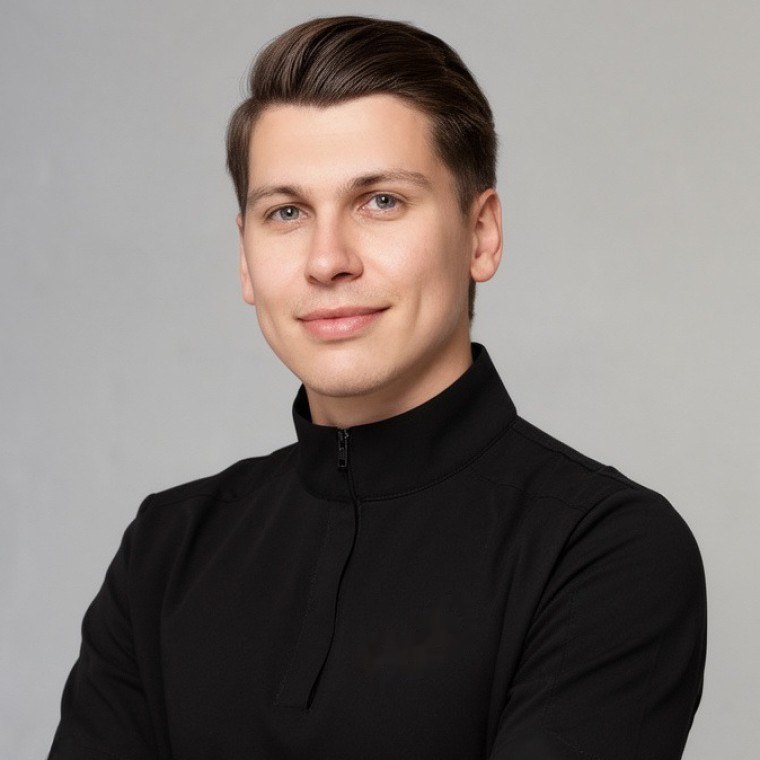
7 years of experience
Plastic surgeon
Residency in plastic surgery: Petrovsky National Research Centre of Surgery. Areas of expertise are aesthetic and reconstructive surgery of the breast and body.
At the consultation, you meet the surgeon who will operate
An experienced plastic surgeon attentive to the beauty and health of patients
Book a consultationAdvantages
During the consultation we discuss your wishes and model the planned changes. The surgeon explains what surgery can achieve, so you know exactly what result to expect.
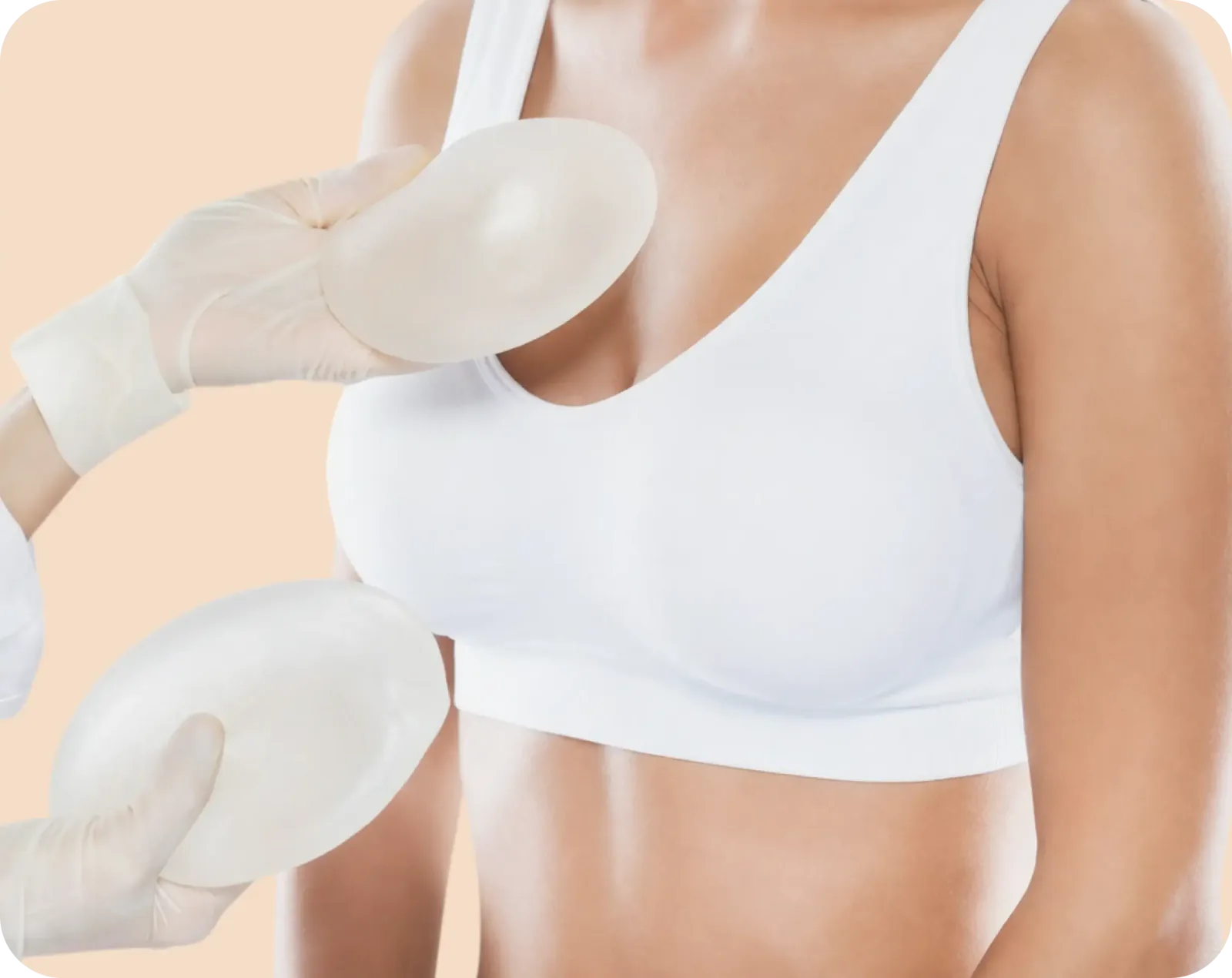
During the year after surgery the surgeon keeps track of your recovery and breast shape. The price already covers check-ups and dressings.
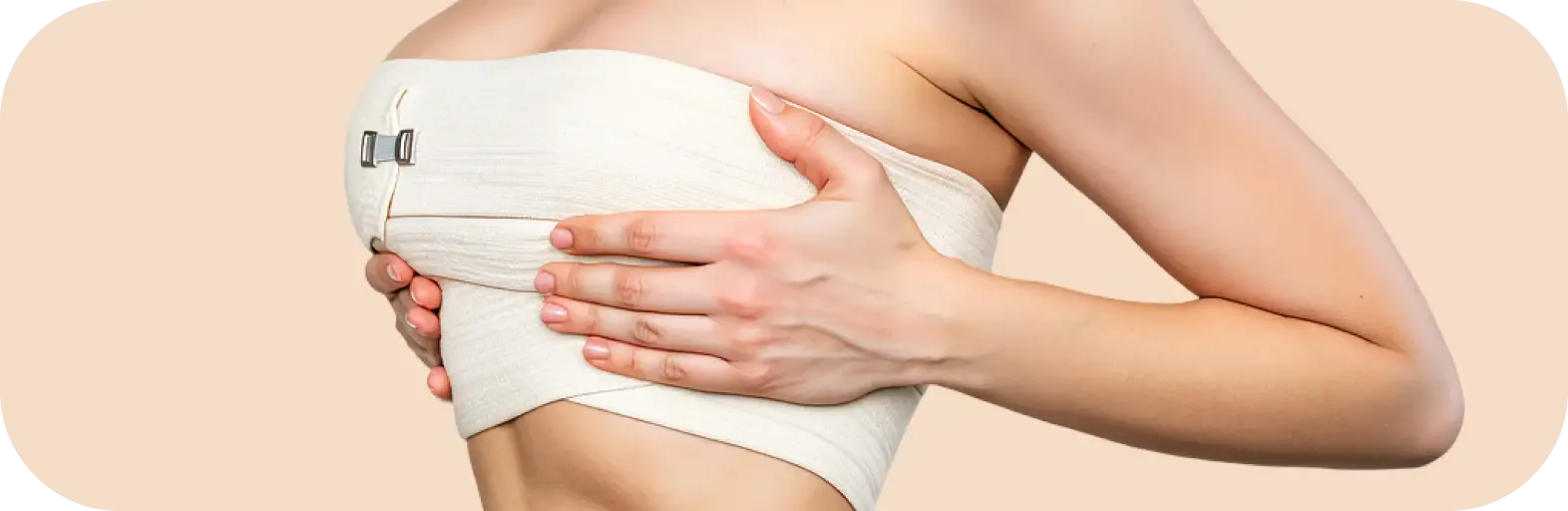
We select the shape, volume and correction method according to your anatomy and goals; for augmentation, implant size and profile are chosen just for you.
We respect your time: we work 24/7, with easy booking and a personal approach — we adapt to your pace.
After the consultation the surgeon defines the extent of correction, and you get a clear price for the surgery — no surprises on the way to the result you want.

Recovery starts in a comfortable inpatient ward with nursing care around the clock. Your stay and meals are already included in the price.
FAQ
The term mammoplasty covers several operations: augmentation (implants to increase volume), reduction (excess tissue and skin removed), mastopexy (a lift for sagging), reconstruction (after mastectomy) and correction of asymmetry. Which method is best is decided individually, from your wishes and the surgeon's advice.
Message us — our coordinator will get back to you shortly and book your consultation. The plastic surgeon consultation is free.
With every recommendation followed, complications seldom occur, though they can include hematoma or seroma, wound infection, reduced or increased nipple sensitivity, capsular contracture, aesthetic asymmetry, wound separation and tissue necrosis.
Mammoplasty gives a lasting result: around 10–15 years after augmentation (up to implant replacement) and 5–10 years after a lift or reduction. How long it holds depends on weight, pregnancy, skin aging and gravity. To keep the result, wear supportive underwear and keep your weight under control.
Breastfeeding after mammoplasty depends on which surgery was done. When augmentation is performed through an under-breast or armpit incision and the implant sits under the muscle, lactation is usually kept, as the glandular tissue stays intact. With a lift or reduction the risk rises, because ducts may be cut. Discuss this with your surgeon in advance.
Implant selection considers material (silicone gives the most natural look; saline is less common), shape (round or anatomical teardrop), surface (smooth or textured), size and profile. The surgeon picks the best fit for your anatomy and wishes.
The surgery is carried out under general anesthesia, and the patient feels nothing. Moderate discomfort is possible during the first 1–3 days and is relieved by pain medication. Pain falls significantly by day 5–7, and by weeks 2–3 discomfort is over. If you have severe pain, tell your doctor at once.
After 7–14 days you can resume work, provided there is no physical exertion. Light walking after 1–2 weeks. Fitness and swimming after 4–6 weeks, and strength training after 3 months. Pool and sea after 4–6 weeks. Wear compression garments for 4–6 weeks. The exact schedule depends on your recovery.
Science offers no evidence that mammoplasty increases breast cancer risk. Implants are not a cause of cancer. After the operation, keep having regular screening: self-exams, mammography and ultrasound. Make sure the examining doctor always knows about your implants.
Mammoplasty after a C-section is possible, but only once your body has fully recovered. Allow at least 6–12 months after giving birth and after breastfeeding stops. A consultation and check-up with a surgeon are required before surgery.
Mammoplasty does leave scars, but with a skilled surgeon they are minimal. Incisions are made in hidden areas — under the breast, around the areola or in the armpit. In the first months scars are reddish, but within 6–12 months they fade and become almost invisible.
It is normal to have slight asymmetry in the first weeks after surgery, because of swelling and uneven healing. If a difference in size or shape persists after 3–6 months, book an examination with your surgeon to find the cause.
After mammoplasty, nipple and breast sensitivity may change temporarily — decrease or increase. The cause is irritation of nerve endings. In most cases sensitivity returns within 3–12 months. If there is no improvement after a year, see your surgeon.
Hormonal drugs such as contraceptives and hormone replacement therapy do not influence implants directly. They may, however, cause swelling or breast tissue volume changes that temporarily affect how the breasts look. Inform your surgeon of these medications before surgery.
Prices are in US dollars; the amount in brackets is an approximate conversion to ZAR at the rate of 02.10.2026. The final price is fixed in your contract.
Prices start from $4,700 (≈ R79,000). The surgeon sets the final price at the free consultation, and it is fixed in the contract, with no hidden extras.
The surgical team's work, anaesthesia, the inpatient stay with meals, dressings and follow-up visits for twelve months.
Message us on WhatsApp or Telegram using the buttons below. A coordinator will answer your questions and book a free consultation where the doctor names the exact price.
By messaging us, you agree to our Privacy Policy
Enlargement with implants corrects both size and shape. It is aimed at patients who feel their breasts are too small, have lost volume or look asymmetrical. People searching for this surgery in Emalahleni should know that results typically last about 10 to 15 years, until the implants are replaced; weight, pregnancy, skin aging and gravity all influence how long they hold.
For anyone in Emalahleni planning augmentation, preparation starts weeks ahead. Aspirin-containing drugs, steroids and some hormonal medications are stopped 1–2 weeks before; oral contraceptives, at least a month before. Tests are taken a week prior. After the operation you remain in hospital for one day, then follow a recovery program focused on reducing swelling and caring for the breasts.
How much is breast augmentation in Emalahleni? From $4,700 (≈ R79,000) for the complete package. That sum includes the surgery, anesthesia, inpatient care with meals, round-the-clock monitoring by staff and a full year of post-op follow-up until the final result. To start, send your name and phone number or write in a messenger; a coordinator will contact you and book a free consultation.
What patients write after this operation. Reviews are translated from the original language.
Anna Smirnova
I went to Dmitry Sergeyevich for breast augmentation with implants. At the consultation everything was explained in detail, and together we chose the best size. The operation under combined anaesthesia took 2 hours, and I was discharged home the next day. The swelling went down in about a month, and my breasts look very natural. The year of follow-up care is a real lifesaver: you can always ask a question and get an answer. Thank you to the clinic!
Breast augmentation
Doctor: Dmitry S. Kuznetsov
Ekaterina Morozova
After two births I decided on a breast lift without implants. I chose Dmitry Sergeyevich and have no regrets. The result exceeded all my expectations: my breasts are lifted and the shape is youthful and firm. The incisions are minimal and almost invisible. I spent one day in the hospital, and the room was very comfortable. I recommend him!
Breast lift
Doctor: Dmitry S. Kuznetsov
Olga Kuznetsova
I had a combined operation, a breast lift with augmentation, with Dmitry Sergeyevich. At the consultation it was immediately clear that I was in the right place. Everything is included in the price, with no hidden charges. After a month my breasts already feel soft and natural. Personal follow-up after the operation is very valuable.
Breast lift with implants
Doctor: Dmitry S. Kuznetsov
Maria Lebedeva
Breast augmentation from a size 3 to a size 4 with Dmitry Sergeyevich. He chose perfect anatomical implants. The operation took 2 hours, and I woke up with almost no pain. In the ward I was fed and monitored around the clock. Four months have passed and the result looks like a magazine cover.
Breast augmentation
Doctor: Dmitry S. Kuznetsov
Natalia Vorobyova
I went to Dmitry Sergeyevich to correct breast asymmetry with a small lift. A true professional: at the consultation he immediately showed before-and-after photos of similar cases. Recovery was easy and the swelling went down quickly. I had my check-up after just 7 days. An excellent clinic!
Breast reconstruction
Doctor: Dmitry S. Kuznetsov
Yulia Romanova
I had a lift with implants after losing a lot of weight. I chose Dmitry Sergeyevich. At the consultation everything was explained in simple words, and my fears were gone. One day in the hospital, then care at home. Now my breasts look natural and keep their shape. I am very happy!
Breast lift with implants
Doctor: Dmitry S. Kuznetsov
Emalahleni, still widely called Witbank, sits on the Highveld of Mpumalanga within the Emalahleni Local Municipality. The Afrikaans name Witbank means “white ridge”, after a white sandstone outcrop where wagon drivers once rested. In 2006 the Mpumalanga government renamed the city eMalahleni, “the place of coal”, and both names are in daily use. The city was founded in 1890 and is known for coal mining in the surrounding region. For a woman here who is thinking about breast augmentation, this working, industrial setting shapes the practical questions: how to arrange time off, how to keep a healing body away from dust, and how to plan a calm recovery.
The 2011 figure from Statistics South Africa put the city's population at 108,674 people. The 2001 census counted 61,093. That is rapid growth over one decade, and it means many residents are young families, shift workers and newcomers who have built their lives in the city without a large extended network next door. A woman planning an operation therefore needs to think early about who will help in the first days at home.
Breast augmentation is a personal decision, and the best preparation is information. The centre offers a free online consultation from Emalahleni, so you can ask your questions from home before committing to anything. Coordinators are available around the clock (24/7) on Telegram and Telegram, which suits women whose working hours do not follow an office day.
Emalahleni lies in a coal mining area with more than 22 collieries in the municipal radius, plus power stations such as Duvha and a steel mill nearby. Many local families depend directly or indirectly on these employers, and the working week often includes early starts or rotating shifts. Women in administration, retail, education, healthcare, mine offices or logistics companies have different physical demands, and that matters for the date you choose.
The medical guidance is clear: you may go back to work, with no physical exertion, after 7–14 days. So a woman in an office or a customer-facing role may return within that window if her recovery is going well, while a woman whose job involves carrying, lifting or long periods on her feet should plan for the later end of it and talk to the surgeon about adapted duties. The rules on exertion are specific: no heavy exertion, meaning lifting more than 3 kg, and no lifting arms above shoulder height for 3 weeks.
Think through your own workday. Do you move stock, lift children, handle files from high shelves or drive long distances on the highway? Write these tasks down and bring the list to your online consultation. The surgeon can tell you which of them must wait and which you can handle. Employers in shift-based industries also usually need notice, so settling the schedule early avoids pressure on the recovery.
The city sits on the Highveld, and the seasons there affect recovery in practical ways. One local fact is relevant: summer rainfall has been relatively high since 2008, and it has damaged municipal roads and left debris and potholes. In the rainy part of the year, short errands can mean rough roads and wet surfaces. In the first weeks after surgery you should avoid jolts, sudden movements and any situation where you might have to brace yourself with your arms, so ask someone else to drive or plan fewer outings during that period.
Sun and heat call for general, common-sense care. Healing scars are reddish early on and over 6–12 months they fade and become almost unnoticeable. During that time, protect the skin from strong direct sun with suitable clothing instead of leaving the scar exposed, and avoid long exposure at midday. Heat also increases swelling and discomfort under compression garments, so choose light, breathable clothing to wear over them and rest in a cool room.
Dust and air quality deserve attention in a coal-mining region, where mining and power generation affect the air. Keep windows closed on dusty days, keep the dressing area clean, wash hands before touching the dressings and follow the surgeon's wound-care instructions closely. If you notice anything unusual around the incisions, tell your coordinator or surgeon right away rather than waiting.
The surgery is done under general anaesthesia, so there is no sensation during the operation. The medical facts for this procedure list general anaesthesia with a stay of 1 day, and in some cases 1–2 days. Throughout this period you are under 24/7 monitoring by medical staff.
Once you are home in Emalahleni, the first 1–3 days may bring moderate discomfort, which painkillers relieve. Pain subsides significantly by day 5–7 and the discomfort is gone by weeks 2–3. If pain becomes severe, inform your doctor right away. Do not try to wait it out or compare it with what a friend experienced.
Prepare the home before the operation. Place everyday items at waist or chest height so you do not reach above your shoulders, arrange meals in advance, and ask a relative or friend to be around in the first days. A coordinator will call you back 24/7, so a question that comes up late in the evening or after a night shift will not have to wait for morning.
Swelling after surgery goes away after 3 weeks. In the first weeks slight asymmetry is normal, because swelling and uneven healing cause it. If shape or size still differ after 3–6 months, see your surgeon for a check-up to find the reason. Do not judge the outcome in the first fortnight, when the breasts are still settling.
Compression garments are an important part of the process. The facts state that compression garments stay on for 4–6 weeks, and for a correction the recovery involves 1–1.5 months of compression garments. Timing depends on your recovery, and your surgeon will tell you what applies in your case. In a warm season, have two comfortable garments so one can be washed while you wear the other.
In 3 months any inflammatory changes in the tissue disappear, and a “pocket” forms around the implant. Discomfort fades after 3 months. Sensitivity of the breast and nipple may change for a time, going down or up, because nerve endings are irritated. In most cases it is restored within 3–12 months, and if nothing has improved after a year you should consult your surgeon.
Emalahleni has a sporting past: the Mpumalanga Black Aces football team, now dissolved, once called the city home, and the Pumas provincial rugby union used to be based here before moving to Mbombela. Sport is part of the local culture, and many women ask when they can return to training, to a gym or to watching and taking part in family sporting weekends.
The guidance is staged. You may take light walks after 1–2 weeks. Fitness and swimming come after 4–6 weeks, and pool and sea also after 4–6 weeks. Strength training is allowed after 3 months. For as long as 40 days, stay away from intense gym workouts and overly active aerobics. Light cardio is possible after a month, and you should monitor your diet and meals during recovery.
Family life also needs planning. A mother with small children has to avoid lifting more than 3 kg, which includes a toddler, and should not lift her arms above shoulder height for 3 weeks. Arrange help with carrying and bathing the children. If you have recently given birth, mammoplasty after a C-section is possible, but only once your body has fully recovered. Allow at least 6–12 months after giving birth and after breastfeeding stops, and have a consultation and check-up with a surgeon before surgery.
Gatherings around shared meals, a braai at the weekend, family celebrations and church or community events are part of life for many people in Emalahleni. These are good reasons to plan the operation for a period without major events, so that you can rest without social pressure and without having to stand for long hours helping in the kitchen.
Weight matters for the long-term outcome. Results after mammoplasty last a long while: about 10–15 years for augmentation (until implant replacement) and 5–10 years for a lift or reduction. Weight changes, pregnancy, skin aging and gravity affect how long the result lasts. To maintain it, choose supportive underwear and control your weight. During early recovery, keep a balanced diet rather than strict dieting.
The World Health Organization publishes general information on overweight and obesity, and it is worth reading if weight is a concern for you. Discuss your current weight and any plans to lose or gain weight with the surgeon during the consultation, because big changes after surgery can alter how the breasts look.
Breast augmentation suits adult women in good general health who want a larger or better-proportioned bust and who understand what the operation can and cannot do. Contraindications are decided individually. In general terms, an active illness, an infection, a recent pregnancy or breastfeeding, or unrealistic expectations are reasons to wait or reconsider. A consultation and check-up with a surgeon are required before surgery.
Prepare a list of questions. Ask which incision is suitable for you: the incisions go in discreet areas, such as under the breast, around the areola or in the armpit. Ask how scars will look, given that a skilled surgeon keeps them minimal. Ask about implant size, the pocket, the need for replacement after 10–15 years, the arrangements for monitoring and how to reach the team in an emergency.
Ask also about aftercare. After surgery you get a recovery programme. Check-ups at 7 days, 3 and 6 months help track your recovery. Follow-up support lasts 12 months, and for a year after surgery, consultations with your surgeon are free. Knowing this in advance helps you feel supported once you are back home.
Few cities carry their history in their name as clearly as Emalahleni. Witbank means “white ridge” in Afrikaans, after a white sandstone outcrop where wagon drivers stopped to rest. Early attempts to exploit the coal deposits failed until the railway from Pretoria reached the area in 1894. The settlement was proclaimed a town in 1903 and became a municipality in 1914. On 3 March 2006 the name changed officially to eMalahleni, “the place of coal”. Many signs have been replaced, some remain, and residents still tend to say Witbank. If you are planning breast augmentation, this double identity is a useful reminder that nobody here will find it odd if you use whichever name you like when you write to a coordinator.
A story often told locally says Winston Churchill passed near the Transvaal and Delagoa Bay Colliery during his escape from imprisonment in Pretoria, and that residents helped him hide. Whatever the details, it shows a town used to quietly helping someone through a difficult stretch. That is a good picture for the weeks after surgery: you do not have to manage alone. Decide before the operation who will be your helper, and write down their phone number next to the coordinator contact on Telegram or Telegram, where the team is available 24/7.
Emalahleni is a city of very different residential areas. To the west are large communities such as Vosman and Kwa-Guqa, whose name means “the Place of Kneeling” in Zulu, together with Lynnville, Ackerville and Schoongesicht. To the northwest newer communities have grown at Pine Ridge, Klarinet and Siyanqoba, while many families live in the more spacious suburbs around the city centre. Home layouts differ widely: a shared yard house with several generations, a townhouse, a flat near the centre.
Use that to plan. In a busy multi-generation household, agree in advance who will cook, who will carry the children and who will answer the door, because you must avoid lifting more than 3 kg and avoid raising your arms above shoulder height for 3 weeks. If you live alone in a flat, arrange for a relative or friend to stay for the first days. Put plates, water, a phone charger and your garments at waist height before the operation. Where several households share space and bathrooms, think about hygiene around the dressings and keep your own clean towels and supplies.
Emalahleni is genuinely multilingual. Afrikaans is widely spoken among the white population, isiZulu, isiSwati and isiNdebele among black residents, Asian residents mostly use English, and the 2001 census also recorded Northern Sotho speakers. Many women move between two or three languages in a single day.
This matters in medicine, because breast augmentation involves decisions about implant size, incision and expectations, and you should understand every detail. In your online consultation, say which language you are most comfortable in for medical explanations, and ask the coordinator to repeat anything in plainer words. Consider inviting a sister, mother or friend to join the video call so that two people hear the same explanation. Afterwards, write down the recovery milestones in the language you use at home, so the family member who helps you knows when walks, work and the check-ups at 7 days, 3 and 6 months are due.
Emalahleni sits on the way from Gauteng to the Kruger National Park, and the city has many hotels and guest houses used by business visitors. Beside the main highway there is a casino complex with two hotels, cinemas, ten-pin bowling and restaurants, and next to it stands the Highveld Mall, a retail hub for locals and for people from nearby towns.
Crowded places like these are tempting for a first outing, but crowds bring knocks and bumps. In the first weeks, avoid busy corridors, queues and shoving, and keep a bag light, never above 3 kg, carried on the shoulder away from the chest if the surgeon allows it. Light walks are possible after 1–2 weeks, so a calm stroll through a quiet part of the mall at a slow time is a reasonable goal, with someone beside you. Skip the bowling lane: ten-pin bowling is a heavy arm movement and belongs with the activities that wait until your surgeon clears them, as strength training is allowed only after 3 months.
Two national highways converge at Emalahleni and continue towards Mbombela and Komatipoort, forming the Maputo Corridor, and a railway line also runs through the city. In practice this means heavy goods traffic, long queues of trucks and, after the rainy summers since 2008, potholes on municipal roads. For recovery, that means vibration, sudden braking and the need to grip a steering wheel firmly.
Do not drive yourself home after the operation, and arrange a driver for the first check-up at 7 days. Ask the driver to keep to a slow speed and to avoid the busiest main highway hours. Wear the compression garment, as it supports you during the journey, and use a small cushion between the seat belt and your chest if the surgeon agrees. If you work in the city's industrial belt, ask your employer in advance whether a lift to and from work can be arranged for the first working days after 7–14 days.
You start by writing to a coordinator on Telegram or Telegram from your phone. Coordinators work around the clock (24/7), so you can send your first message after work or on a weekend. Your time matters to us: we work 24/7, booking is easy, and our personal approach adapts to your pace. A coordinator will call you back 24/7 if you prefer to talk.
The online consultation is free. You describe your wishes, your health history, any earlier surgeries, pregnancies and your work schedule, and the specialist explains what is realistic. You can ask all the questions from your list and take the time to think before making a decision. No one should rush you.
If you decide to go ahead, the coordinator helps with scheduling around your job, family and the recovery stages described above. After the operation you stay connected through the same channels, follow the recovery programme and use the check-ups and follow-up support to monitor the healing.
Yes. The online consultation is free, and coordinators are available around the clock (24/7) on Telegram and Telegram. You can send your questions from home and discuss your wishes and health history without leaving the city.
You may go back to work, with no physical exertion, after 7–14 days. If your job involves lifting, for example in stock rooms or on a workshop floor, talk to the surgeon about the later end of that range and about adapted duties.
General anaesthesia is used, so there is no sensation during the operation. The stay is 1 day, in some cases 1–2 days, with 24/7 monitoring by medical staff.
In the first 1–3 days you may feel moderate discomfort, which painkillers relieve. Pain subsides significantly by day 5–7 and discomfort is gone by weeks 2–3. If pain becomes severe, inform your doctor right away.
Compression garments stay on for 4–6 weeks, and the timing depends on your recovery. In warm weather choose light clothing over the garment, rest in a cool place and avoid long direct sun on healing scars.
Light walks are possible after 1–2 weeks. Fitness and swimming come after 4–6 weeks, as do pool and sea. Strength training is allowed after 3 months. Avoid intense gym workouts and overly active aerobics for as long as 40 days, and light cardio is possible after a month.
There are scars, though a skilled surgeon keeps them minimal. Incisions go under the breast, around the areola or in the armpit. Early on they are reddish, but over 6–12 months they fade and are almost unnoticeable.
Results after augmentation last about 10–15 years, until implant replacement. Weight changes, pregnancy, skin aging and gravity affect this. Supportive underwear and weight control help maintain the result.
Yes, but only once your body has fully recovered. Allow at least 6–12 months after giving birth and after breastfeeding stops, and have a consultation and check-up with a surgeon before surgery.
You get a recovery programme with check-ups at 7 days, 3 and 6 months. Follow-up support lasts 12 months, and for a year after surgery consultations with your surgeon are free.
Yes. Both names are in daily use in the city, and the coordinators on Telegram and Telegram understand both. Just tell them where you live and which language you prefer for explanations.
Agree in advance who will cook, carry children and handle the door, since you should not lift more than 3 kg or raise your arms above shoulder height for 3 weeks. Place everyday items at waist height and keep your dressing supplies clean and separate.
Light walks are possible after 1–2 weeks. Choose a quiet time, go with someone, carry little and avoid crowds and knocks. Heavy bags are not allowed, since lifting over 3 kg is restricted.
Not early. Intense gym workouts and overly active aerobics should wait for as long as 40 days, light cardio is possible after a month, fitness and swimming after 4–6 weeks, and strength training after 3 months.
Page medically reviewed by Dmitry S. Kuznetsov, plastic surgeon. Review date: .