
 1
Consultation and scan review
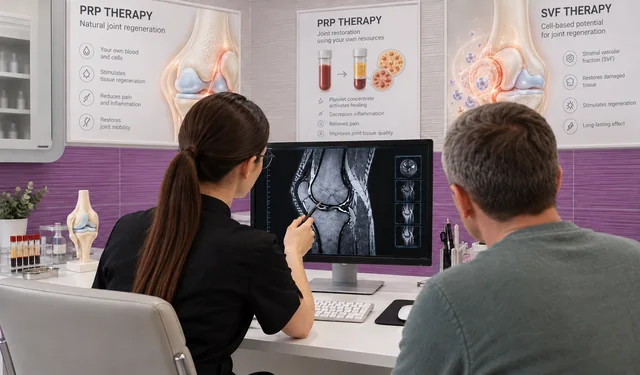
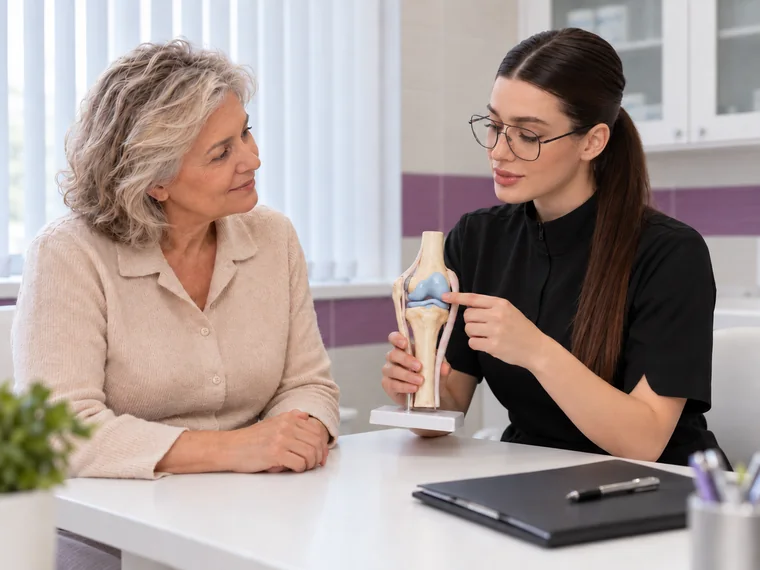
The doctor examines your joint, looks through your X-rays, MRI or ultrasound and decides whether the procedure is right for you. If you already have scans, you can send them ahead of the visit.
For knees, hips and other joints with arthrosis: SVF cell therapy and PRP. We check the stage from your X-rays or MRI at no cost
Message our coordinator
Free online consultation · Reply within 15 minutes
Message us on TelegramMessage us on WhatsAppBy messaging us, you agree to our Privacy Policy
What it is
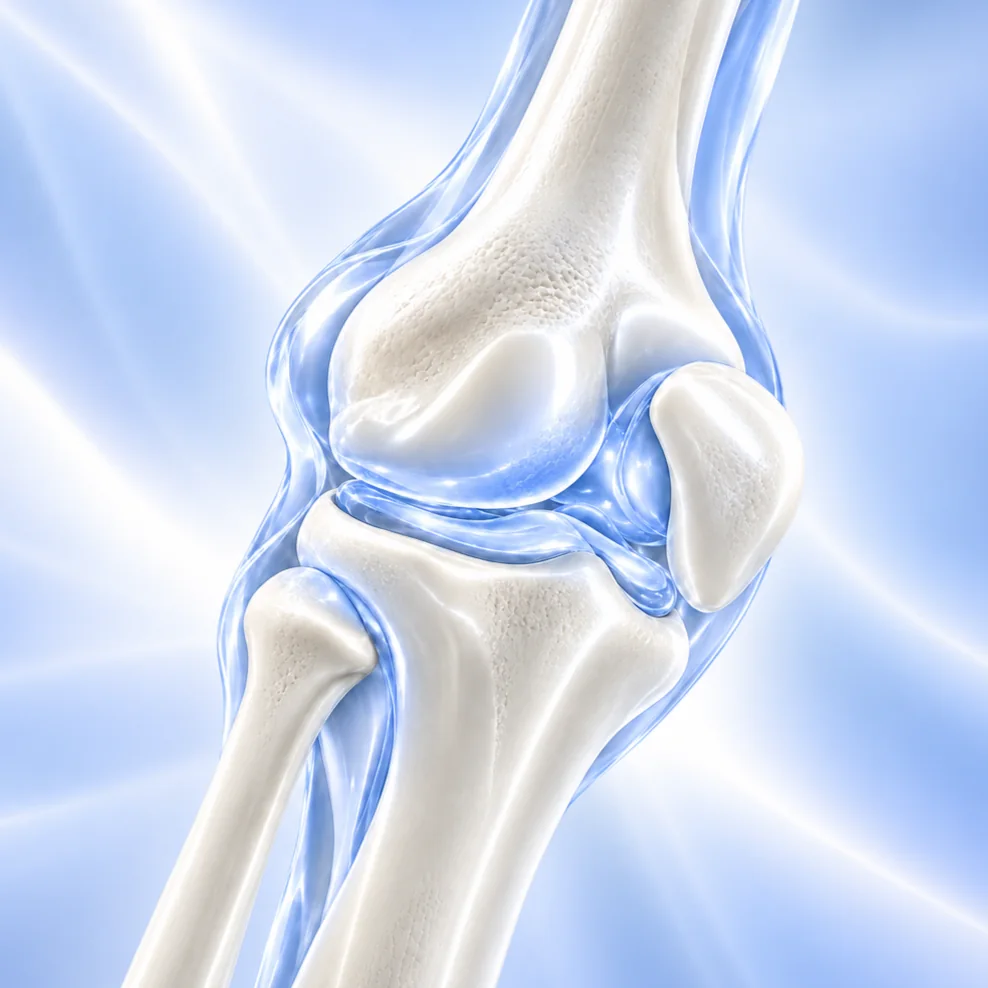
In osteoarthritis, sometimes called arthrosis, the joint's cartilage lining wears away bit by bit over years. That cartilage normally absorbs shock; once it breaks down, bone rubs on bone and the joint becomes painful, stiff and less mobile. It is a disease of wear rather than inflammation, even if episodes of swelling happen.
Typically the condition affects the joints that take the most strain — the knee (gonarthrosis) and hip (coxarthrosis), plus the ankle and small joints of the hand. It is most effective to treat at early and moderate stages, while the joint surfaces are not yet badly damaged; at a late stage the doctor will tell you openly whether joint replacement makes more sense.
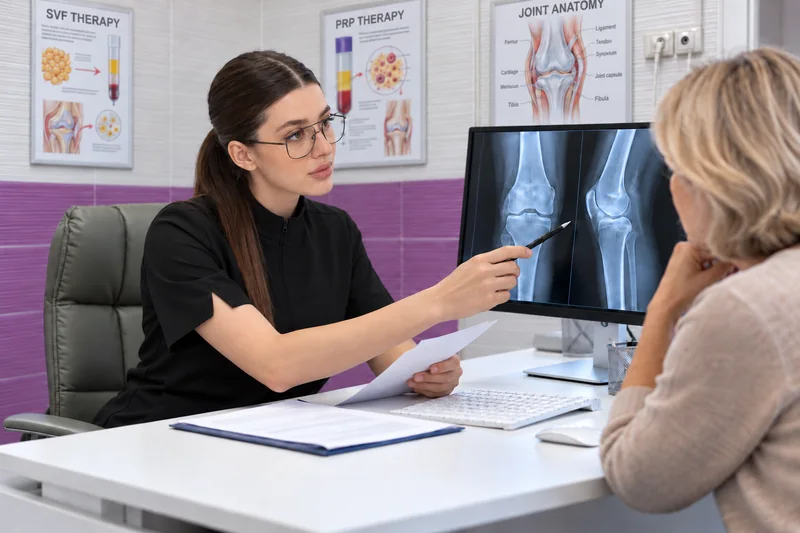
The doctor decides on suitability once you have been examined and your scans have been reviewed
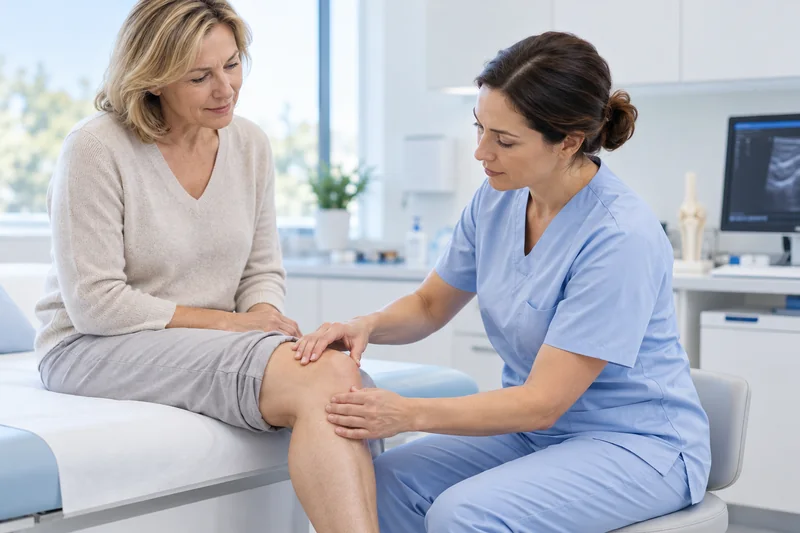
Not sure the treatment is right for you?
Leave your number — the coordinator will ask for your scans (X-ray, MRI or ultrasound), and the doctor will tell you whether treatment without surgery suits you.
Find out if it suits meWhat we treat
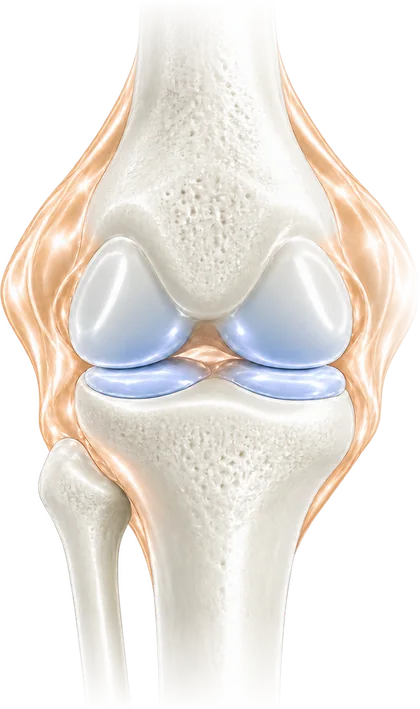 Arthritis
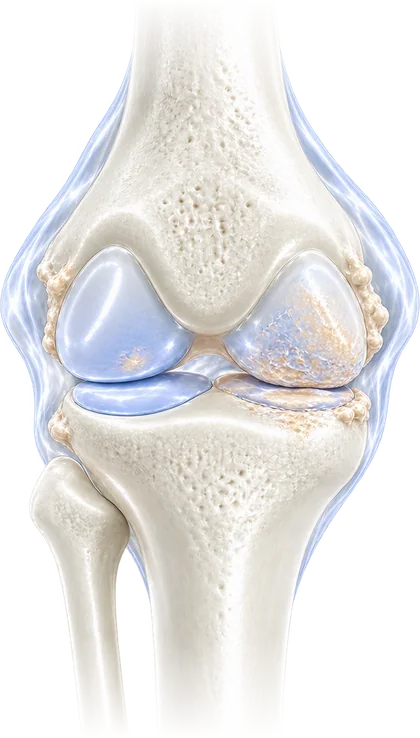 Arthrosis
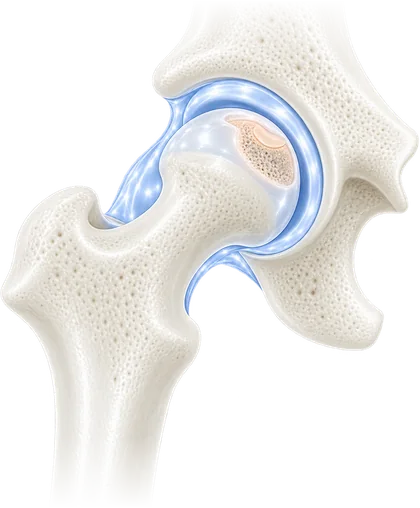 Avascular necrosis
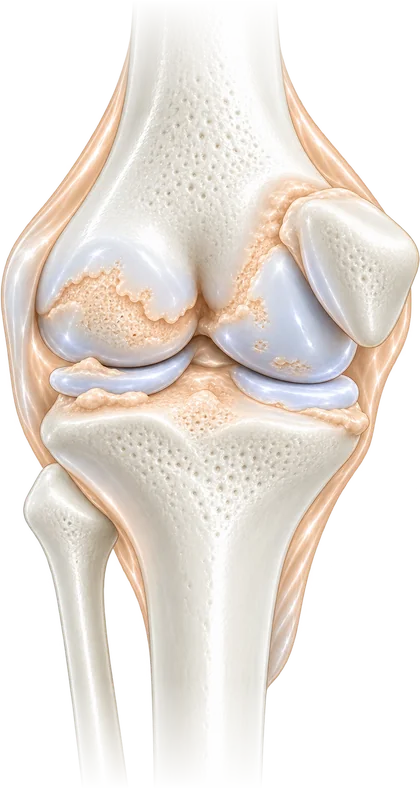 Osteoarthritis
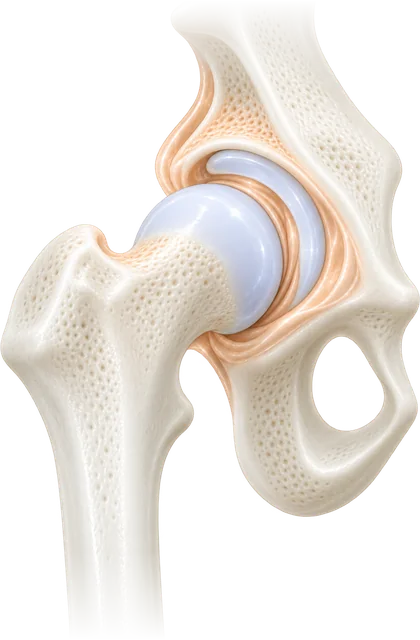 Coxarthrosis (hip osteoarthritis)
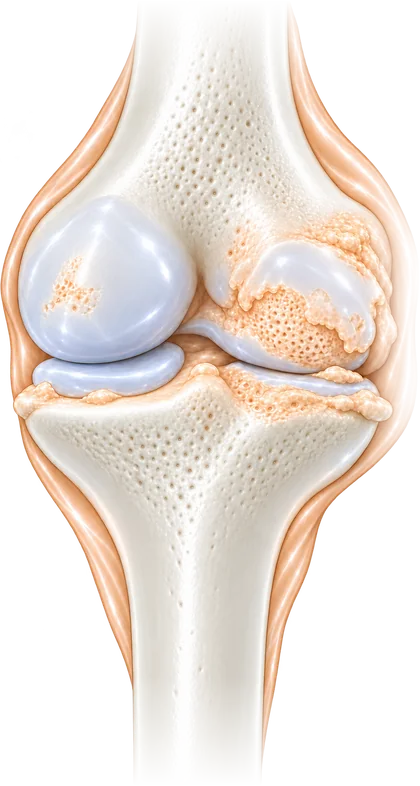 Gonarthrosis (knee osteoarthritis)
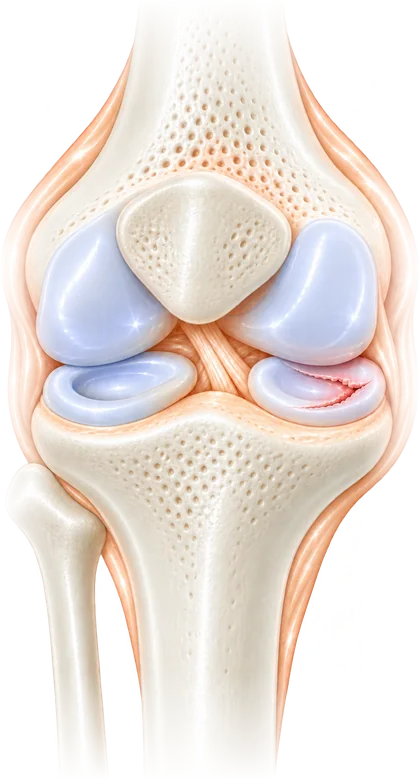 Meniscus pathology and injury
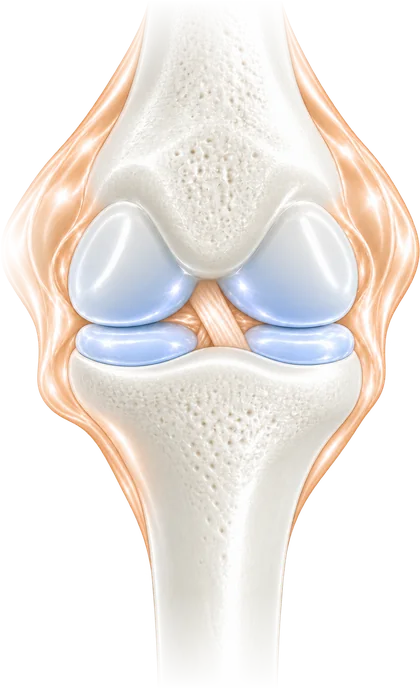 Rehabilitation after injuries and surgery
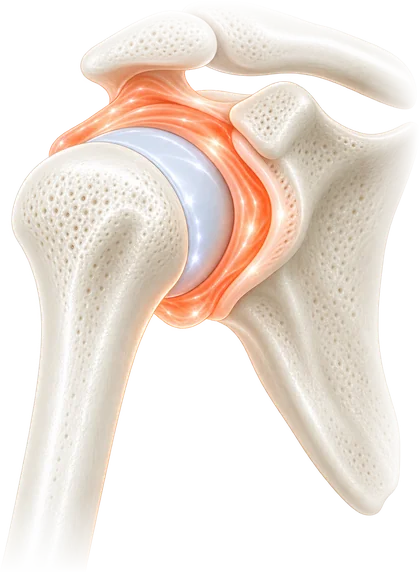 Inflammatory joint conditions
How it works
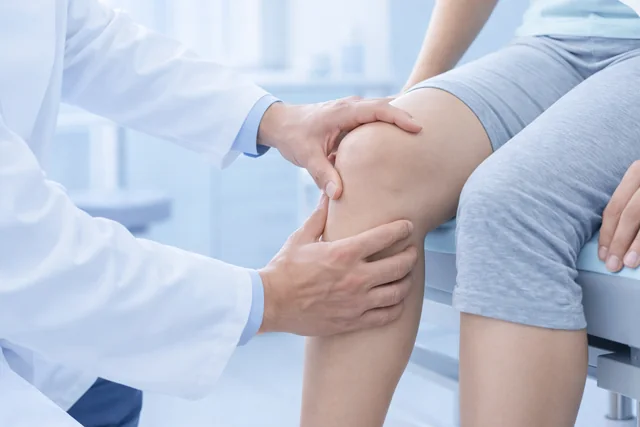
1The doctor examines your joint, looks through your X-rays, MRI or ultrasound and decides whether the procedure is right for you. If you already have scans, you can send them ahead of the visit.
 2
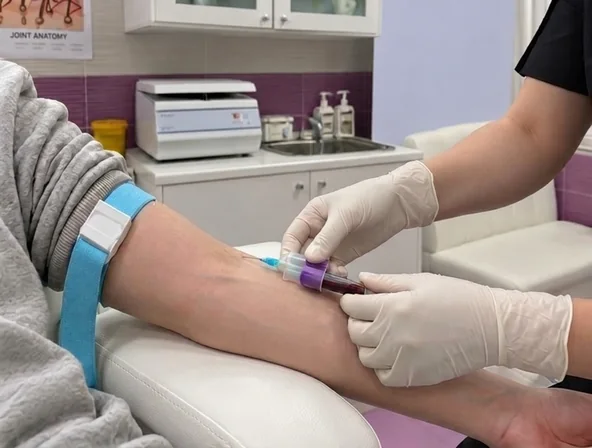
A small amount of venous blood is drawn, to be processed later into platelet-rich plasma with growth factors.
 3
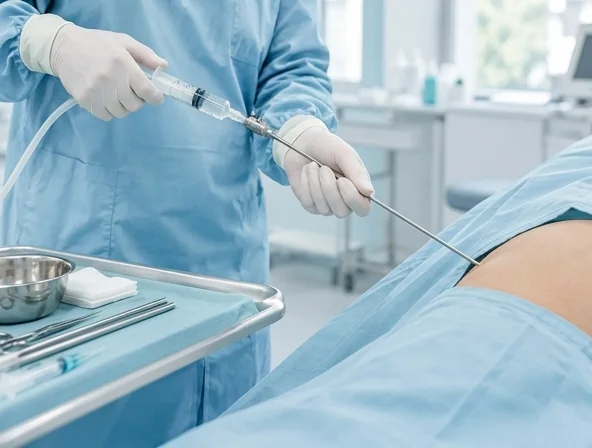
With local anaesthetic, a small amount of adipose tissue — around 30 ml — is obtained through a puncture on the abdomen or inner thigh, and no stitches are needed.
 4
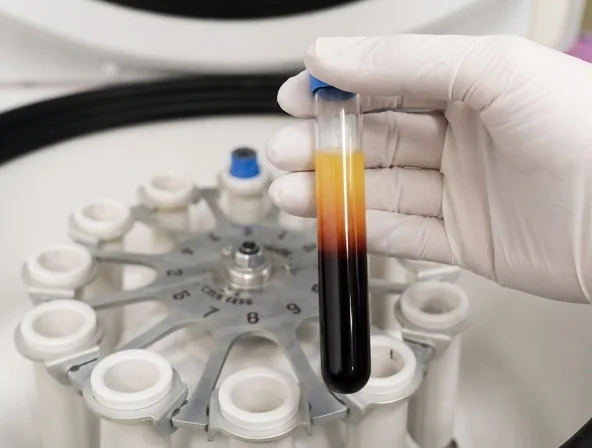
Layers form as the sample is spun in a centrifuge. The stromal vascular fraction is isolated and blended with the platelet-rich plasma.
 5
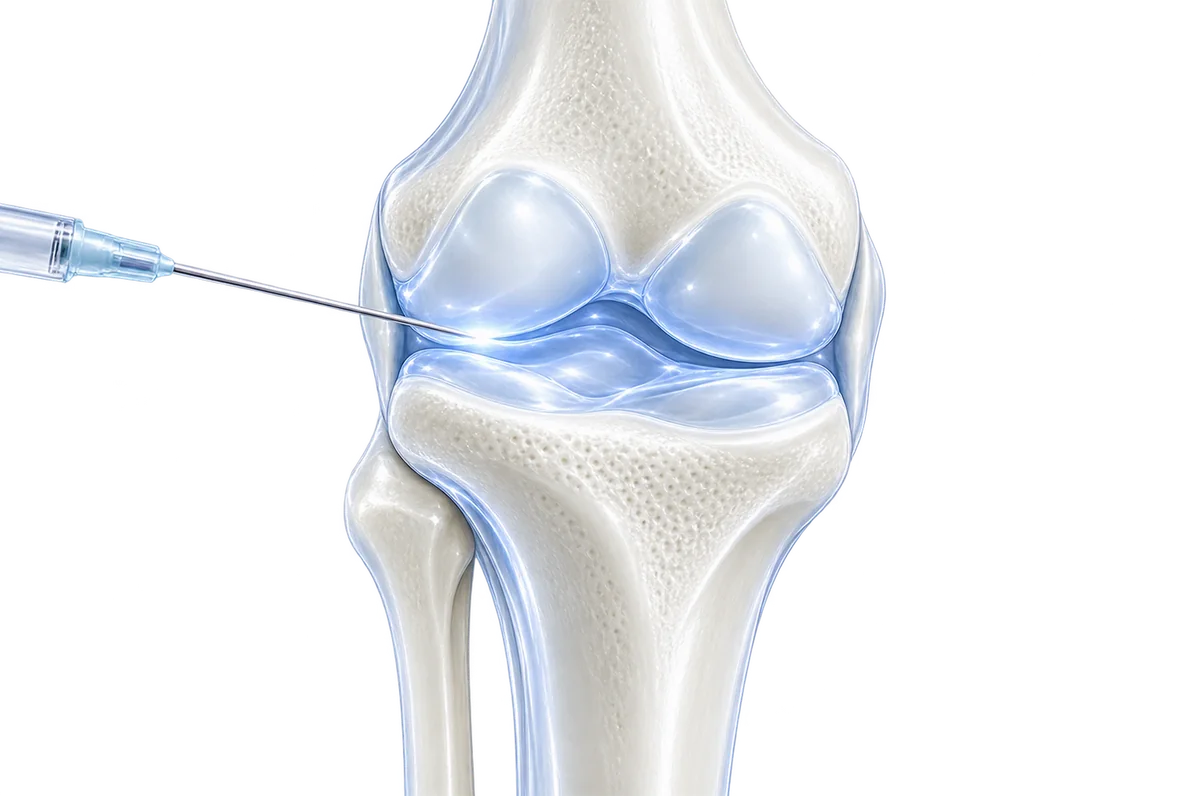
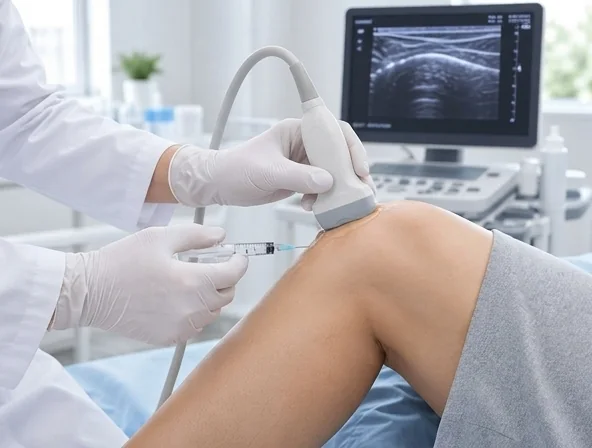
The prepared material is injected directly into the affected joint under ultrasound guidance, which helps place it precisely.
 6
No crutches are needed and there is no hospital stay. The doctor keeps in touch after the procedure to see how the joint responds.
Call or message us — our coordinator will contact you shortly and book your consultation

Results

The joint may ache a little more — this is an expected reaction.
The pain usually eases.
Mobility and activity improve.

The full effect develops.
How long it lasts differs from person to person and depends on the stage of the condition, body weight, activity and other factors — no one can promise a fixed result.
Comparison
Your own blood and adipose tissue only; donor and synthetic material are not used
First a small sample of adipose tissue is processed to isolate the stromal vascular fraction (SVF) — cells involved in tissue repair. This fraction, combined with your plasma, is then injected into the affected joint.
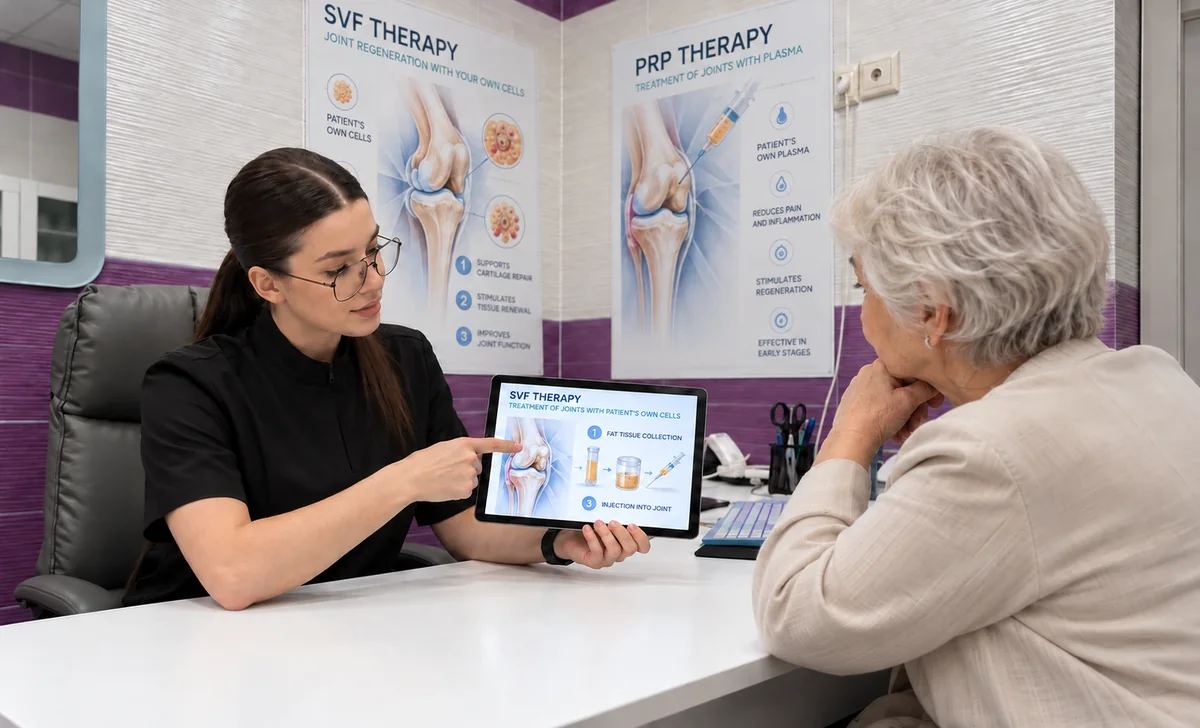
Most often it is applied in early and moderate osteoarthritis, helping slow the wear of cartilage and reduce friction in the joint.
From a little of your blood, plasma rich in platelets and growth factors is separated and injected into the joint. It calms inflammation and gives tissue repair better conditions.
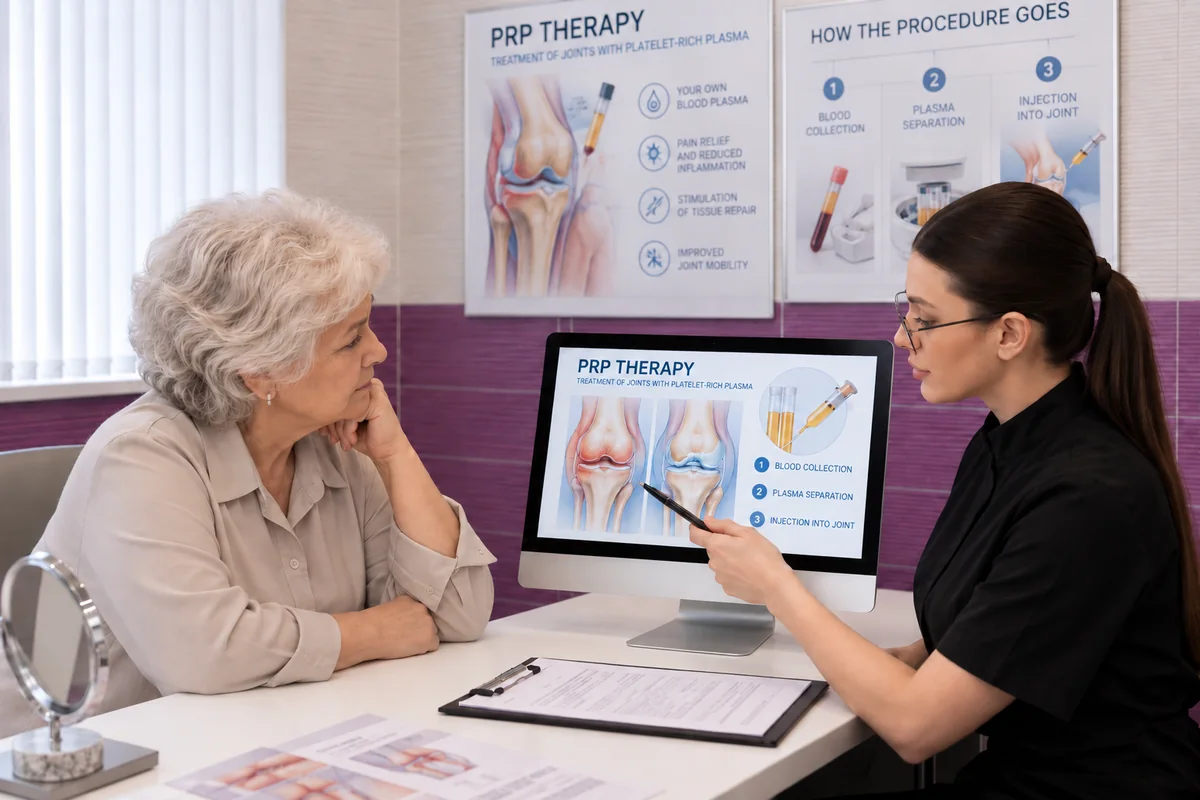
It is frequently used for mild osteoarthritis, and combined with SVF when a stronger effect is required.
The benefits and timings shown are averaged and given for guidance: the plan and recovery depend on your joint and individual features, and the doctor confirms them at the consultation.
At the consultation the doctor will review your scans and suggest a treatment plan
Free consultation
Joints
We treat large and small joints; the doctor picks the joint, method and injection count once your scans are reviewed
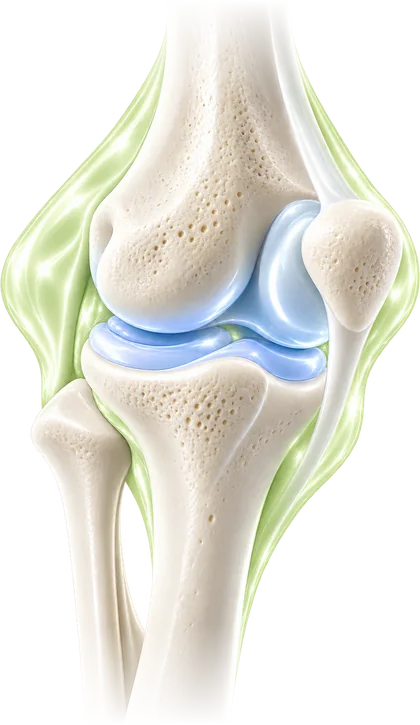 KneeMeniscus issues, wearing cartilage, stairs and walking bring pain
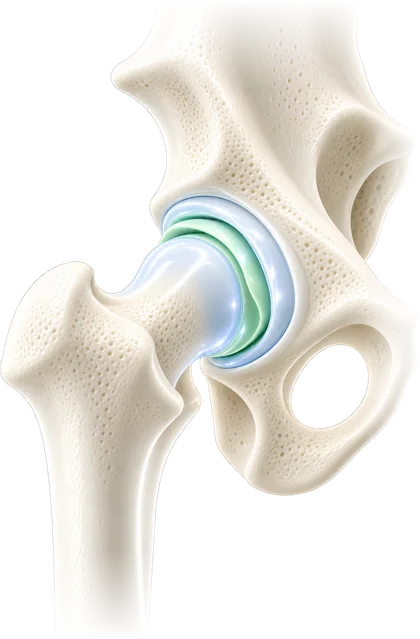 HipEarly hip osteoarthritis, groin pain, limited rotation
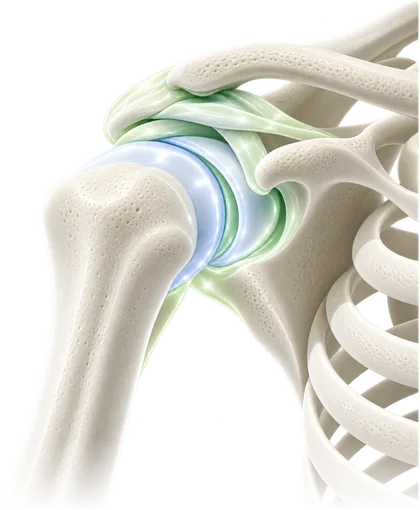 ShoulderPain as the arm goes up, wear in the joint and surrounding tendons
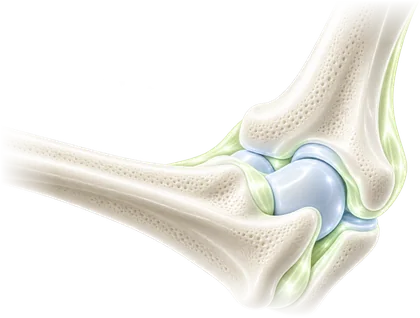 ElbowWorn joint surfaces and pain following overuse or sports strain
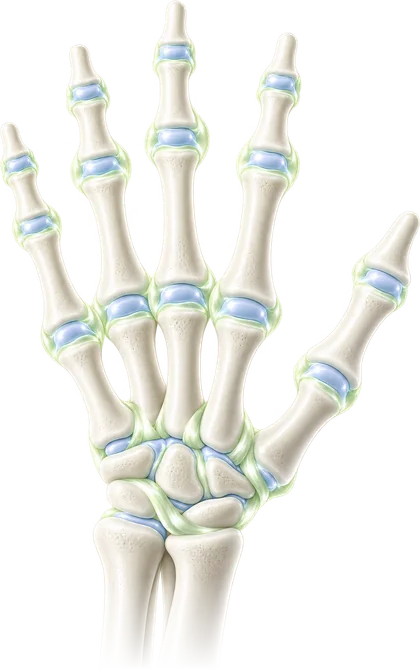 Hand and wrist jointsStiff, painful small joints in the fingers and the wrist
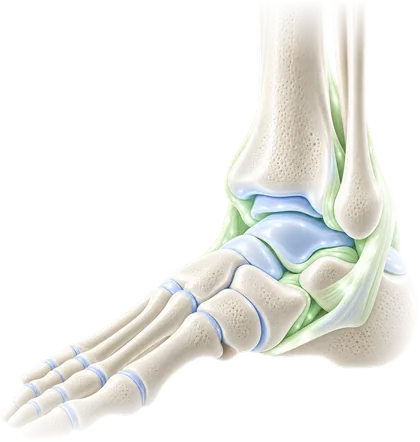 AnklePain and stiffness after sprains and old injuries
Advantages
Treatment without surgery — our aim is to keep your own joint, not to replace it
Your own blood and adipose tissue only; donor and synthetic material are not used
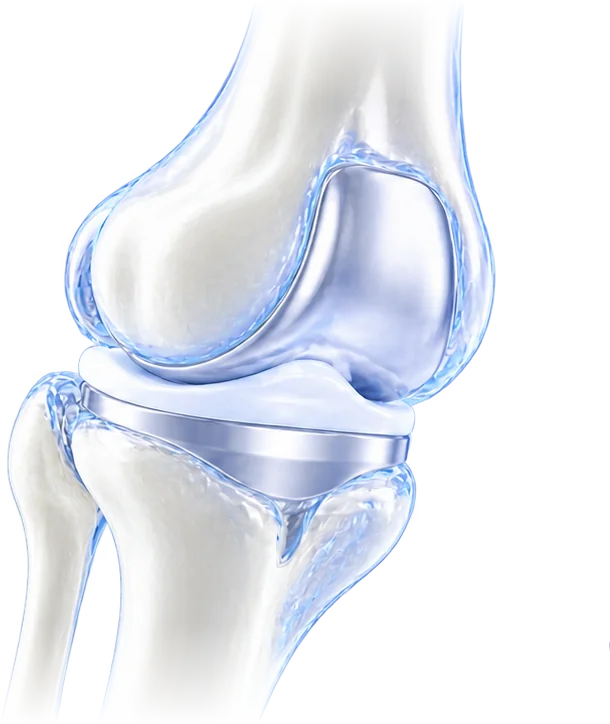
No long rehabilitation: local anaesthetic and punctures instead of incisions
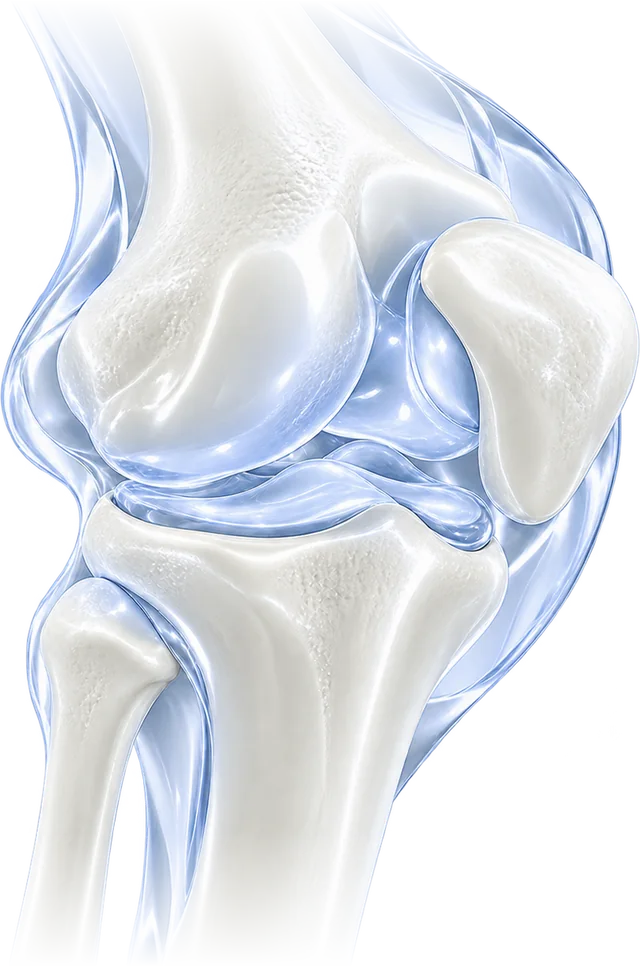
Send your reports, X-rays or MRI, and a doctor will independently assess them free of charge
We stay in contact once the procedure is done and follow the result beyond the day of the injection
About the clinic
Modern equipment, comfortable rooms and care for every patient
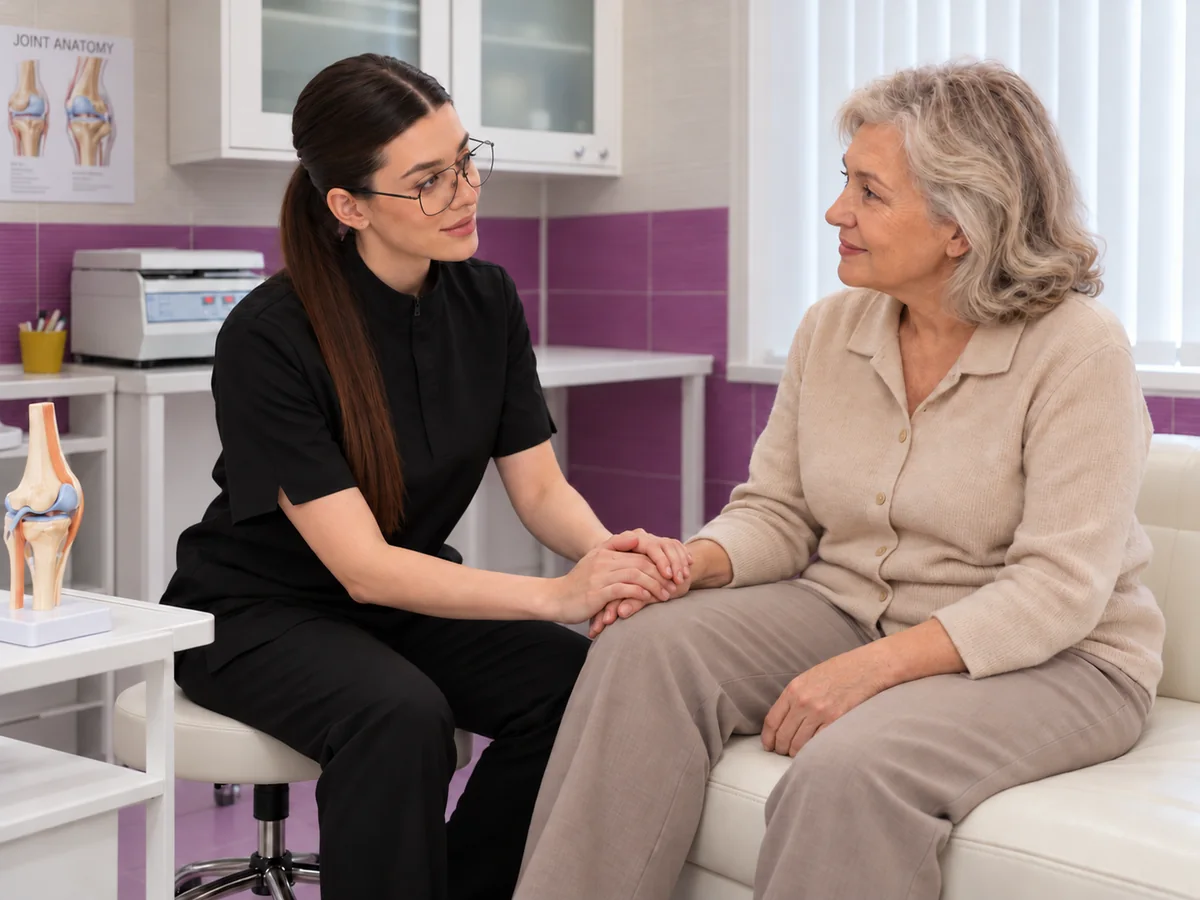
We will answer your questions and find a convenient time for a consultation
Price
The stage of osteoarthritis, the joint and the method all affect the cost, so it is named after the consultation
Free
Book — Consultation and review of your scansPrice at consultation
Book — PRP therapy (platelet-rich plasma)Price at consultation
Book — Cell therapy (SVF + PRP), one jointFAQ
The cartilage that covers the bone ends in a joint slowly wears away. Once it thins, cushioning is lost, bone rubs on bone and pain, stiffness and crunching appear. This is a degenerative condition, not an inflammatory one.
Often it can, as long as treatment is not postponed. SVF and PRP injections set out to reduce pain and support the cartilage, avoiding an operation; replacement of the joint is the last option when it is already destroyed.
Around 2–3 weeks after the procedure, many patients feel the first changes. A stable result builds over about six months and lasts from several months to several years, which varies individually. Since osteoarthritis is chronic, a single injection is not enough — it needs an ongoing plan.
When osteoarthritis is at an early or moderate stage. A milder stage generally brings a faster, longer-lasting effect and may reduce the need for regular hyaluronic acid injections; at the most advanced stage, with almost no joint space left, a lasting effect cannot be expected.
Mostly the heavily loaded knees, hips and ankles, along with the small joints of the hand and the spine. Regenerative treatment is used for all these joints.
Left alone, it usually progresses: pain becomes constant, the range of movement shrinks, the joint may become deformed and walking can be difficult. Early diagnosis, exercise, weight control and a doctor's guidance make a real difference.
The main method is an X-ray, which shows the stage. MRI gives a detailed picture of cartilage and soft tissues, ultrasound reveals inflammation and fluid in the joint, and blood tests help exclude inflammatory conditions. If you already have results, the doctor can review them free of charge.
Osteoarthritis is cartilage wear, with aching pain on movement, crunching and stiffness after rest. Arthritis is inflammation, with pain at rest and at night, swelling, redness and warmth over the joint. Treatment differs, so diagnosis comes first.
Yes. After you send X-rays, MRI or test results, a doctor reviews them free of charge, gauges the stage of osteoarthritis and proposes a non-surgical plan if it suits your case.
It is not only possible but advisable. Proper activity strengthens the muscles that unload the joint, improves cartilage nutrition and maintains your mobility. Swimming, water aerobics, cycling, Nordic walking and yoga are good choices; running on hard surfaces, jumps, heavy lifting and sudden movements are to be avoided.
About the conditions
Arthritis is an inflammatory disease of the joints. Typical signs are pain at rest and at night, morning stiffness lasting more than 30 minutes, swelling, redness and warmth over the joint. Causes include autoimmune conditions such as rheumatoid arthritis, infections, gout and psoriasis.
At early stages, PRP or SVF injections combined with exercise therapy and physiotherapy can reduce pain and improve movement. If the joint is already badly damaged, replacement may be the more realistic option — the doctor will tell you honestly after seeing your scans.
At early stages (1–2), SVF therapy may be considered to support blood supply to the femoral head and delay the need for joint replacement. At later stages surgery is usually required.
Treatment of osteoarthritis in Emalahleni uses your own tissue: plasma from a small blood sample and the stromal vascular fraction from a small sample of adipose tissue. There is no donor or synthetic material.
During the first week the joint may ache a little more — this is an expected reaction. Pain usually eases over the first month, and mobility improves over about three months. Patients from Emalahleni go home the same day.
Patients from Emalahleni can start with a free review of their scans: the doctor assesses the stage of osteoarthritis and tells you whether non-surgical treatment makes sense. The price is named at the consultation.
Emalahleni, still widely called Witbank, lies on the Highveld of Mpumalanga and is the seat of the Emalahleni Local Municipality. The name Witbank is Afrikaans for “white ridge”. In 2006 the Mpumalanga government renamed the city eMalahleni, “the place of coal”, and both names are in daily use. People who live and work here often put up with joint pain for years, because shifts, family duties and the pace of a growing city leave little room for medical appointments.
City Medical Centre works with residents of Emalahleni through a free online consultation. You do not need to arrange anything in advance. You write to the coordinators on Telegram or Telegram, who are available around the clock (24/7), send your questions and any scans or reports you already have, and a medical specialist reviews them with you remotely. The goal of the first conversation is not to sell a procedure. It is to understand whether your joint problem is really osteoarthritis, at what stage it is, and which options are realistic.
This text is a plan for thinking, not a diagnosis. Osteoarthritis is chronic, so it needs an ongoing plan rather than a single injection. A sensible conversation therefore covers exercise, weight, footwear, work habits and follow-up, as well as any procedure. Everything below is tied to life in Emalahleni: the work people do, the roads they use, the seasons, the food on the table and the family occasions that set the calendar.
Emalahleni sits in a coal-mining area with more than 22 collieries in the municipal radius, and power stations and a steel mill nearby depend on that coal. A great many local households therefore have a connection to heavy or shift-based work: mining, plant operation, maintenance, driving and logistics. Knees, hips and the lower back carry a lot of load in these jobs, and people from such backgrounds often ask whether years of kneeling, lifting, climbing or standing have led to their joint pain.
Other common questions come from office and retail staff, teachers and municipal employees, and from the many people who spend hours at the wheel on the busy national routes that pass through the city. Retired residents ask about walking, gardening and playing with grandchildren. Younger patients, often those who played rugby or football in school or club teams, ask whether an old injury is now turning into early osteoarthritis.
The online consultation is built for these questions. You describe which joint hurts, when it hurts, what your job demands, and what you want to be able to do again. The specialist then explains in plain language what the typical pattern of osteoarthritis looks like, which signs point to another cause, and which examinations are worth doing locally before any decision about treatment.
This distinction matters, and it is one of the first things we sort out with patients from Emalahleni. Arthritis is an inflammatory disease of the joints. Typical signs are pain at rest and at night, morning stiffness lasting more than 30 minutes, swelling, redness and warmth over the joint. Causes include autoimmune conditions such as rheumatoid arthritis, infections, gout and psoriasis. Those conditions need their own diagnosis and medical management, and they should not be treated as ordinary wear of the joint.
Osteoarthritis, in contrast, typically shows up as pain that grows with load and eases with rest, short morning stiffness, a feeling of grinding or reduced movement, and gradual loss of function. In practice the two can overlap, and a person with osteoarthritis can also develop gout. That is why a remote specialist will ask about swelling, redness, fever, skin changes such as psoriasis, and family history before talking about any procedure.
If your description suggests an inflammatory cause, the honest advice is to see a local doctor for blood tests and imaging first. Your family doctor or a rheumatology service in your area can arrange these. When you come back with the results, the online consultation can continue on a much firmer basis. The general approach to diagnosis and management of osteoarthritis in adults follows recognised clinical guidance such as NICE: Osteoarthritis in over 16s: diagnosis and management (NG226), and we use it as a reference point when explaining options.
For suitable patients, one option we discuss is therapy based on the stromal vascular fraction (SVF), obtained from the patient's own fat tissue. Under local anaesthetic, a small portion of adipose tissue (about 30 ml) is taken through a puncture on the abdomen or inner thigh. No stitches are needed. For a patient from Emalahleni this is useful to know, because there is no large wound to protect from dust, sweat or crowded public transport afterwards.
At early stages (1–2), SVF therapy may be considered to support blood supply to the femoral head and delay the need for joint replacement. At later stages surgery is usually required. We say this plainly in every consultation: the procedure is not a replacement for an operation when the joint is badly damaged, and it is not suitable for everyone. Your imaging, your age, your general health and your expectations all decide whether it makes sense to continue.
Timing of the result also needs a realistic discussion. Many patients notice the first changes 2–3 weeks after the procedure. A stable result forms over about six months and can last from several months to several years, depending on the individual. Because osteoarthritis is chronic, the specialist will present the procedure as one element of a longer plan, alongside exercise, weight management and regular review, and not as a single event that ends the problem.
Emalahleni is on the Highveld, and the city has seen relatively high summer rainfall since 2008. That rain has damaged municipal roads, leaving potholes and debris on the surface. For a person recovering from a procedure on the abdomen or inner thigh, or living with a painful knee or hip, this has practical meaning: uneven, wet roads raise the chance of a stumble, so choose stable footwear and take extra care on slippery or broken surfaces in the rainy months.
The area around Emalahleni is shaped by coal mining and power generation, and air quality is a concern for many residents. In general terms, anyone recovering from a minor procedure should keep the puncture site clean and dry, avoid dusty work areas in the first days, and follow the specialist's instructions about dressings. If you have a chest condition or allergies, mention it in the consultation, because it affects how comfortable the first days at home will be.
As for the best season, there is no single right answer. Many people prefer a quieter period at work, and a time with no major family event, school deadline or shutdown at their workplace. In the wet summer months, plan for easier movement at home and fewer long walks on damaged pavements. In cooler months, a loose layer of clothing is more comfortable over the puncture sites than tight belts or stiff waistbands. Whatever the season, avoid swimming pools and other shared water until the specialist confirms the puncture sites have closed and healed, and ask what compression or support, if any, is advised in your case.
Emalahleni is a working city. Its economy rests on mining, energy, steel and a fast-growing commercial sector, and the farm land around it is increasingly bought by investors, mining companies and developers. Many patients therefore ask the same question: when can I go back to work? The answer depends on what your work physically demands. A desk job, a heavy shift in a plant and a day behind the wheel of a truck are very different things, and the specialist will discuss each separately with you.
Since the procedure is done under local anaesthetic through a puncture, it is a lighter intervention than joint replacement surgery. Even so, the places where fat was taken need to settle, and your treated joint needs a sensible, gradual return to load. Tell the specialist your exact tasks: lifting, kneeling, climbing ladders, standing for hours, long-distance driving. Ask for a written, step-by-step plan for returning to each of them, and for the warning signs that mean you should stop and write to the coordinators.
Emalahleni lies where the N4 and N12 meet, and many people here spend long hours driving. Prolonged sitting can stiffen a painful hip or knee. Plan short breaks, change position often and ask in advance when it is reasonable to resume long drives. If you work shifts, tell the specialist so that follow-up messages and check-ins can be arranged around your schedule. The coordinators on Telegram and Telegram answer around the clock, which helps people on night shifts.
Sport is part of local identity. Witbank was the home town of the Mpumalanga Black Aces football team, now dissolved, and it once hosted the Pumas provincial rugby union, which has since moved to Mbombela. Many residents grew up playing football or rugby, and old knee and ankle injuries are a frequent background to osteoarthritis. If you still play socially, ask the surgeon how and when you can return to running, kicking and contact play, and which activities, such as cycling or swimming after healing, are kinder to the joint.
A return to sport should be gradual and agreed in advance. Do not restart on the first day you feel better. Early improvement can be misleading, because a stable result forms over about six months. Many patients are tempted to test the joint at a weekend match or a social game, and that is exactly when setbacks happen. A staged plan, with strength work for the muscles around the joint, is more useful than any single day of rest.
Family events, braais, church gatherings and long weekends fill the calendar, and the table is often generous. Food culture links to joints through body weight, since extra weight increases the load on knees and hips, and the WHO fact sheet on obesity and overweight explains why weight management is part of long-term health. We do not suggest any strict diet. A practical approach is to plan the event, eat sensibly in the weeks around the procedure, avoid heavy standing and carrying while you host or cook, and ask relatives to help with lifting. If you have gout, tell the specialist, because certain foods and alcohol may trigger attacks.
Everything begins with a message. You contact the coordinators on Telegram or Telegram, at any hour, and describe your complaint in your own words. You are asked for basic information: age, the affected joint, how long the problem has lasted, previous treatment, other illnesses and medicines. If you have X-rays, MRI, ultrasound or blood test results, you can send photographs or files. If not, the specialist will tell you which examinations are worth arranging locally, and you do not need to rush.
The consultation is free and online, so you take part from your home in Emalahleni, your workplace break room or any quiet place with a signal. Municipal services in the area are under strain, with water, electricity and roads often discussed by residents, so it is wise to choose a time when your connection is stable and to keep your phone charged. If the line drops, the coordinators simply continue the conversation in writing.
After reviewing your information, the specialist explains whether your case looks like early osteoarthritis, a later stage, or something that needs a different diagnosis. You then receive a plain description of options, expected course, limits and what follow-up would look like. You decide at your own pace. Nothing obliges you to proceed, and many people take several days to talk it over with family before replying.
Before any decision, prepare your questions. Which stage is my osteoarthritis, and does the imaging support early-stage treatment? What exactly will be done, and where will the fat be taken from? How many sessions might be needed, and what is the plan if the result is partial? What can I do for the joint myself, for example exercise, weight and footwear? What should I avoid in the first days, and when can I drive, work and exercise again? Who do I contact if something worries me at night?
In general terms, people with active infection, uncontrolled chronic illness, blood clotting problems or certain autoimmune or inflammatory conditions may not be suitable, and a late-stage joint with severe damage usually needs surgery. Pregnancy, current serious illness and some medicines also matter. These are not hard rules for this text, only topics the specialist will go through with you, and the decision is always made individually after reviewing your records.
Be open about everything, including smoking, alcohol, supplements and earlier injections into the joint. Ask for the plan in writing. A good consultation leaves you better informed whether or not you choose to continue, and it may well conclude that physiotherapy, weight management or a local orthopaedic review is the right next step for you at this time.
Yes. The consultation is free and takes place online. You write to the coordinators on Telegram or Telegram, they are available around the clock (24/7), and a specialist reviews your information with you remotely.
Arthritis is an inflammatory disease of the joints. Typical signs are pain at rest and at night, morning stiffness lasting more than 30 minutes, swelling, redness and warmth over the joint. Causes include autoimmune conditions such as rheumatoid arthritis, infections, gout and psoriasis. If you have these signs, get local tests first, then return to the consultation with the results.
Under local anaesthetic, a small portion of adipose tissue (about 30 ml) is taken through a puncture on the abdomen or inner thigh. No stitches are needed.
Many patients notice the first changes 2–3 weeks after the procedure. A stable result forms over about six months and can last from several months to several years, depending on the individual. Osteoarthritis is chronic, so it needs an ongoing plan rather than a single injection.
At early stages (1–2), SVF therapy may be considered to support blood supply to the femoral head and delay the need for joint replacement. At later stages surgery is usually required. The specialist will tell you honestly which group you fall into.
It depends on the physical demands of your job. Describe your tasks, such as lifting, kneeling, climbing or long standing, and the specialist will give you a staged return plan. Ask for it in writing, along with the signs that mean you should stop and get in touch.
They can. Wet summers have damaged many roads in Emalahleni, so wear stable footwear and watch your step while healing. Keep the puncture site clean and dry, avoid dusty areas in the first days and follow the dressing instructions you receive. Mention any chest condition or allergy during the consultation.
Many local residents play or used to play these sports. Return to sport should be gradual and agreed with the specialist, because a stable result forms over about six months. Strength work for the muscles around the joint helps, and a quick return to contact play is not advised.
Yes. Extra weight adds load to the knees and hips, and the WHO explains why managing overweight is part of long-term health. The specialist will talk about realistic, gradual steps and not about strict diets.
No. You receive an explanation of the options and can take time to think and talk to family. If the specialist feels another diagnosis or a local examination should come first, they will tell you so.