
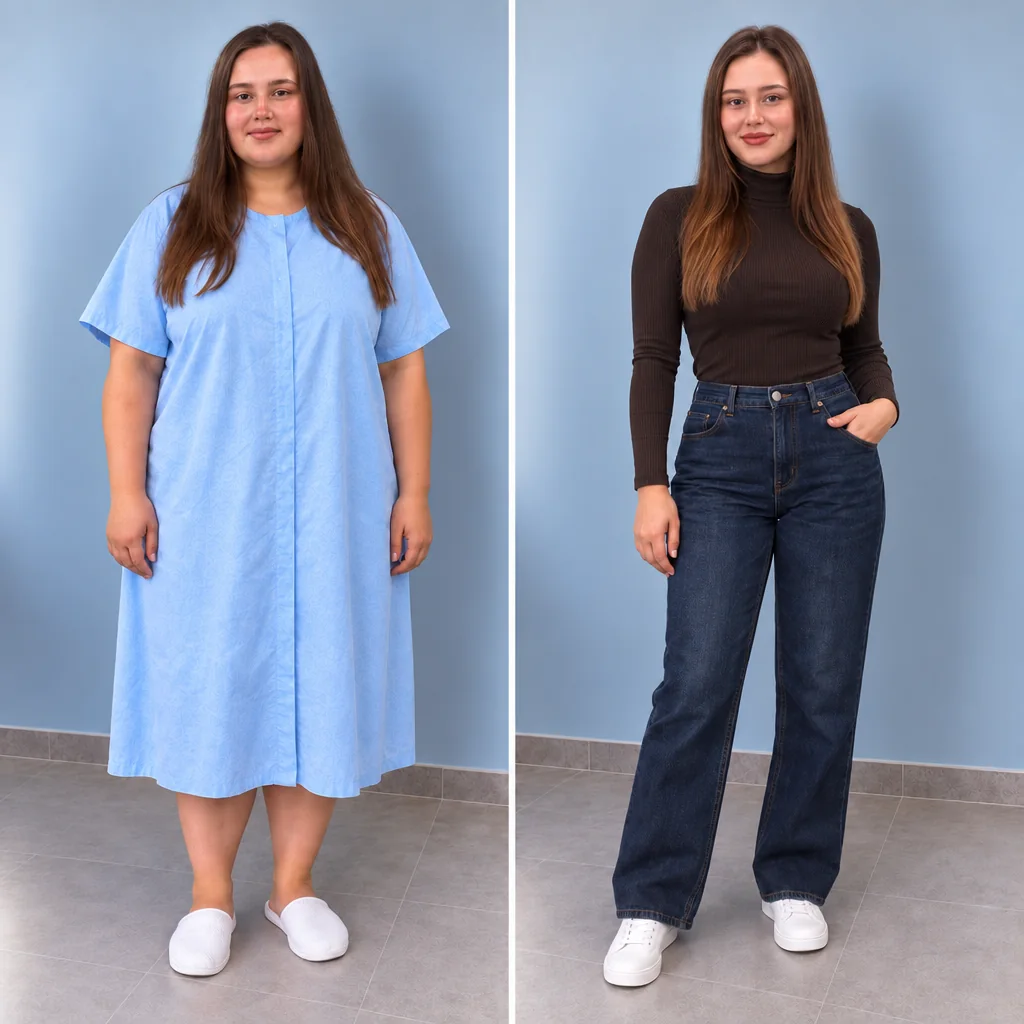
 beforeafter
Irina, 26
Bariatric surgery
Bariatric surgery
$3,600
$4,800 · First consultation — Free
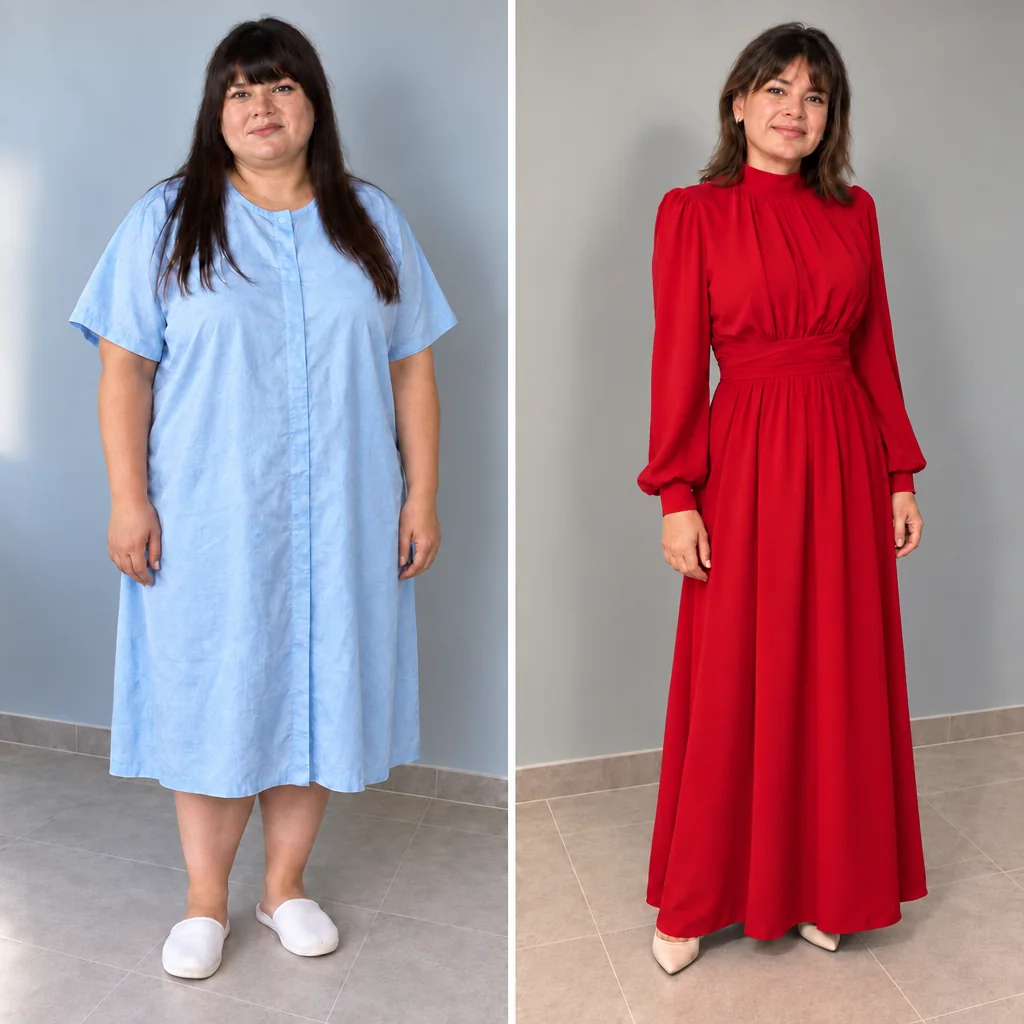 before
after
Message our coordinator
Free online consultation · Reply within 15 minutes
Message us on TelegramMessage us on WhatsAppBy messaging us, you agree to our Privacy Policy
Results
These are real patients treated at the clinic.
beforeafterBariatric surgery
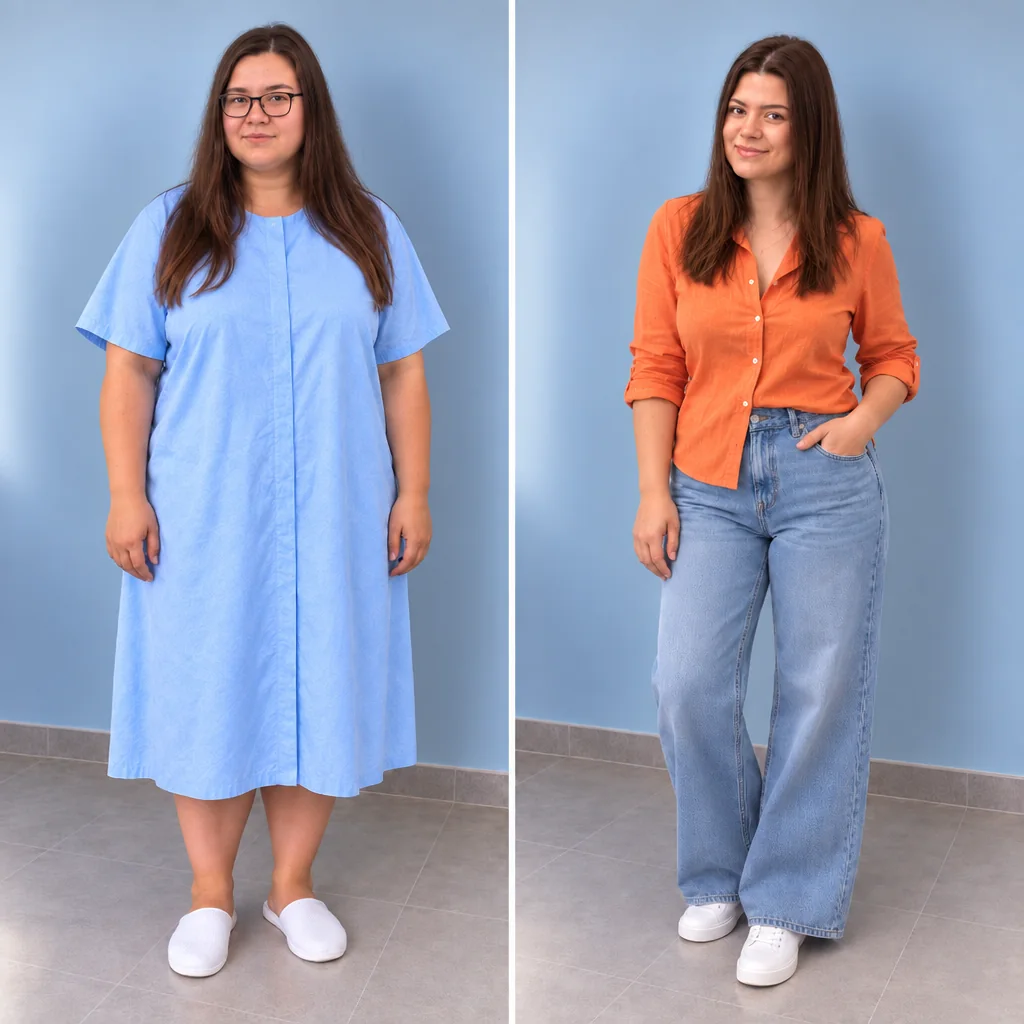 beforeafter
Bariatric surgery
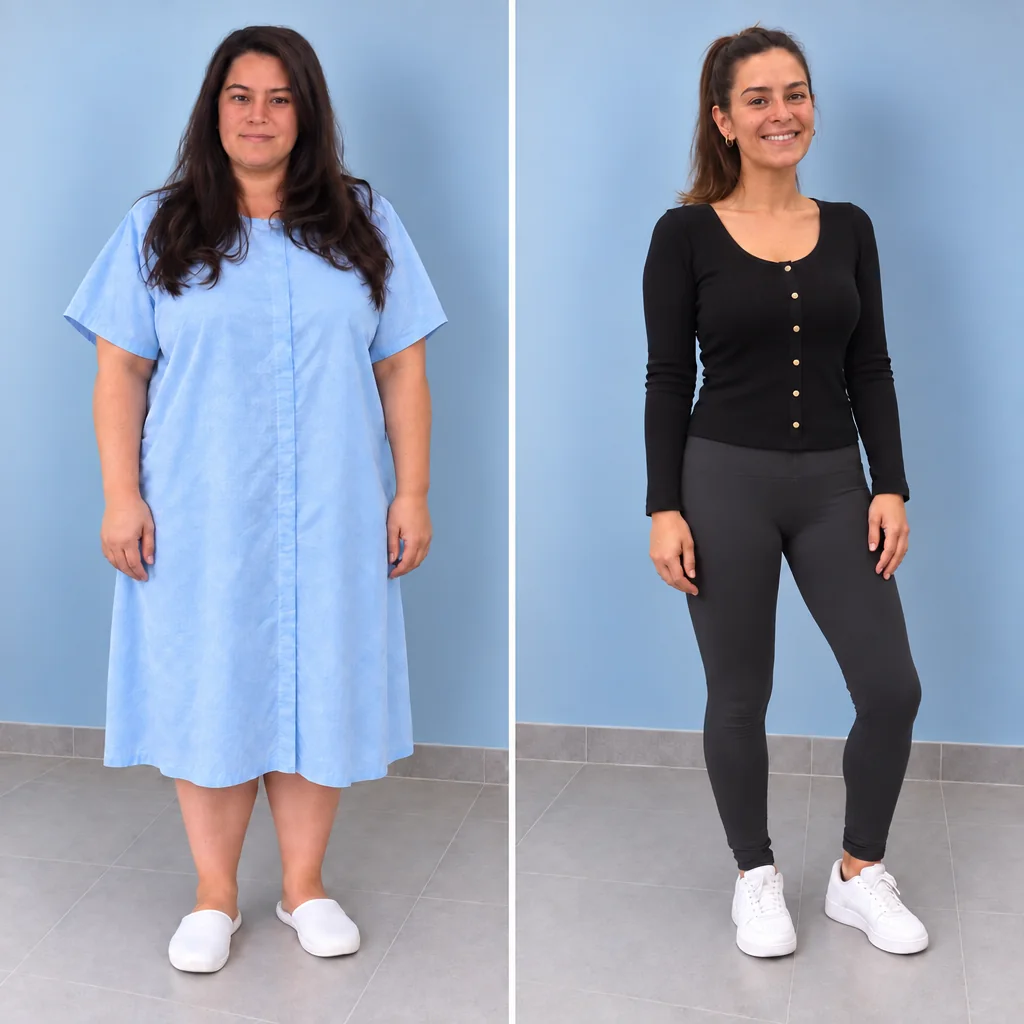 beforeafter
Bariatric surgery
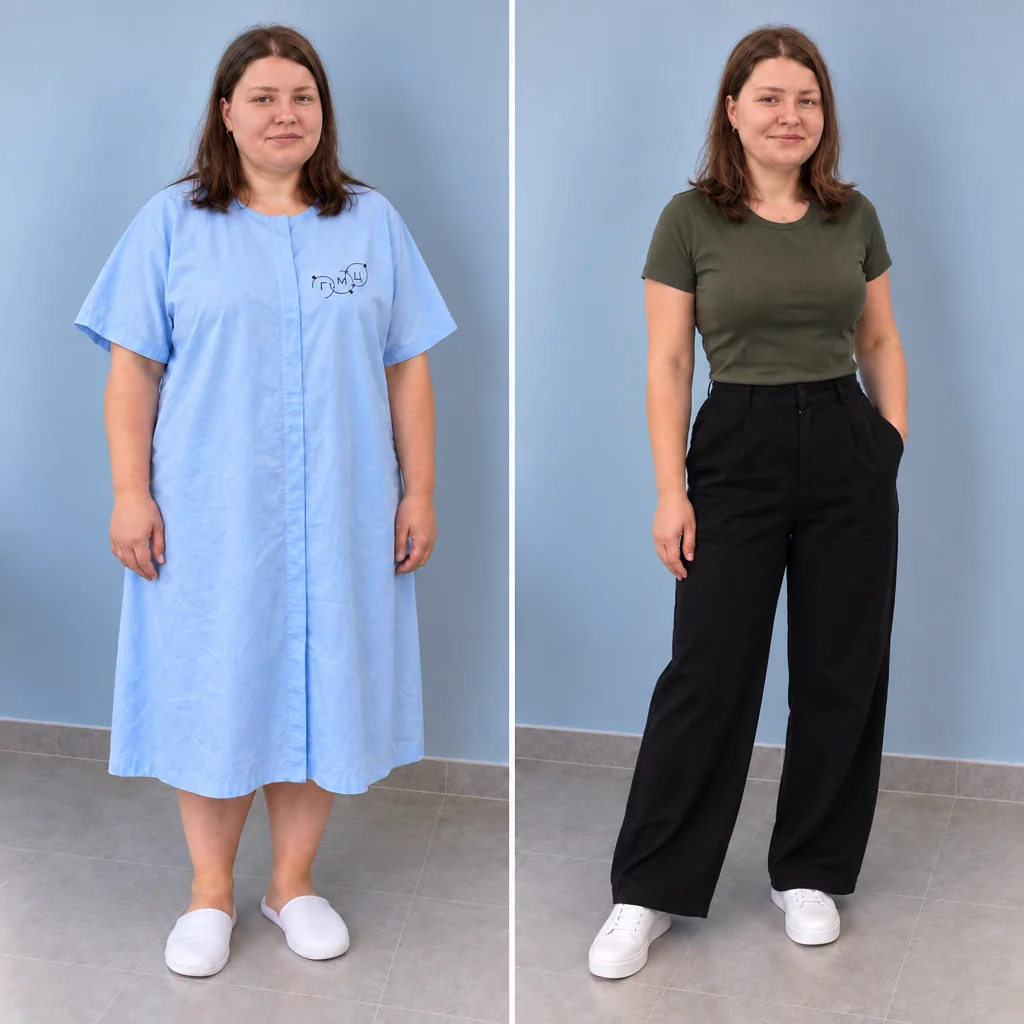 beforeafter
Bariatric surgery
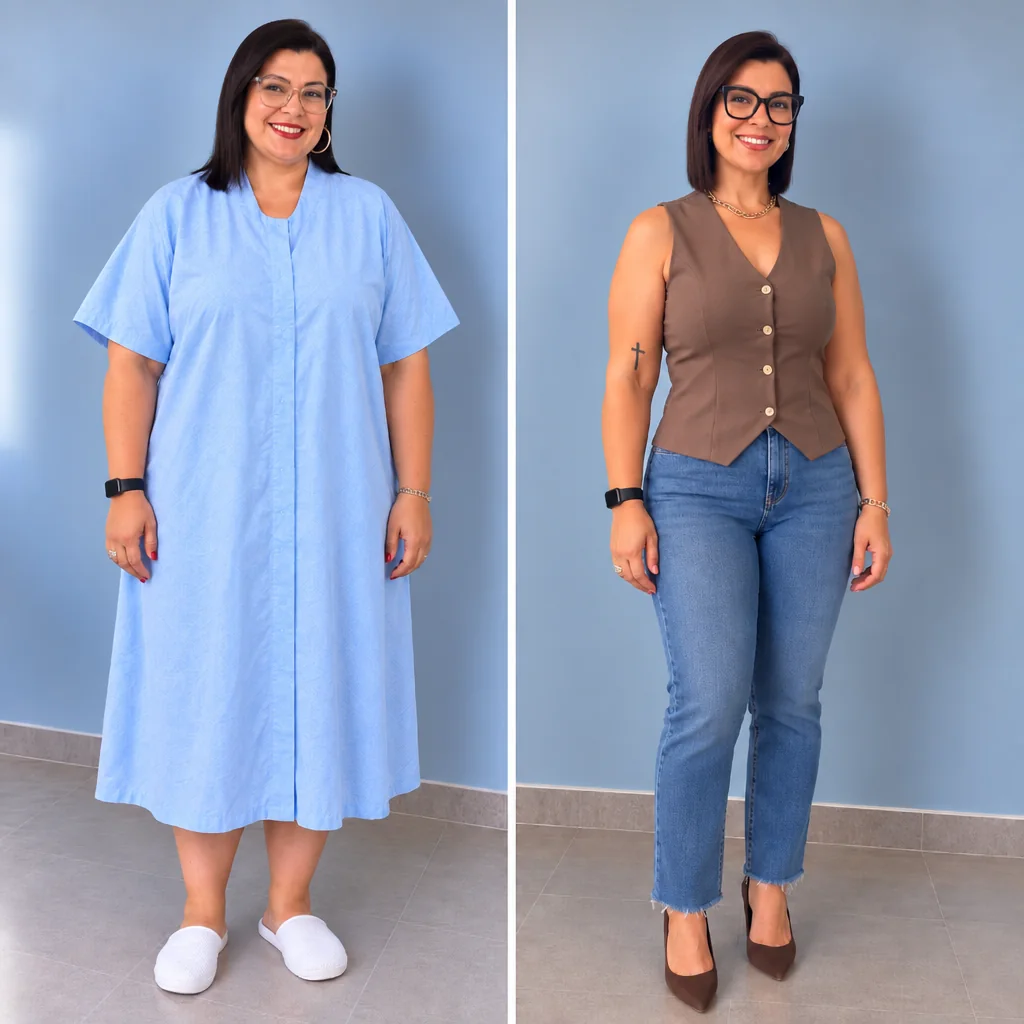 beforeafter
Bariatric surgery
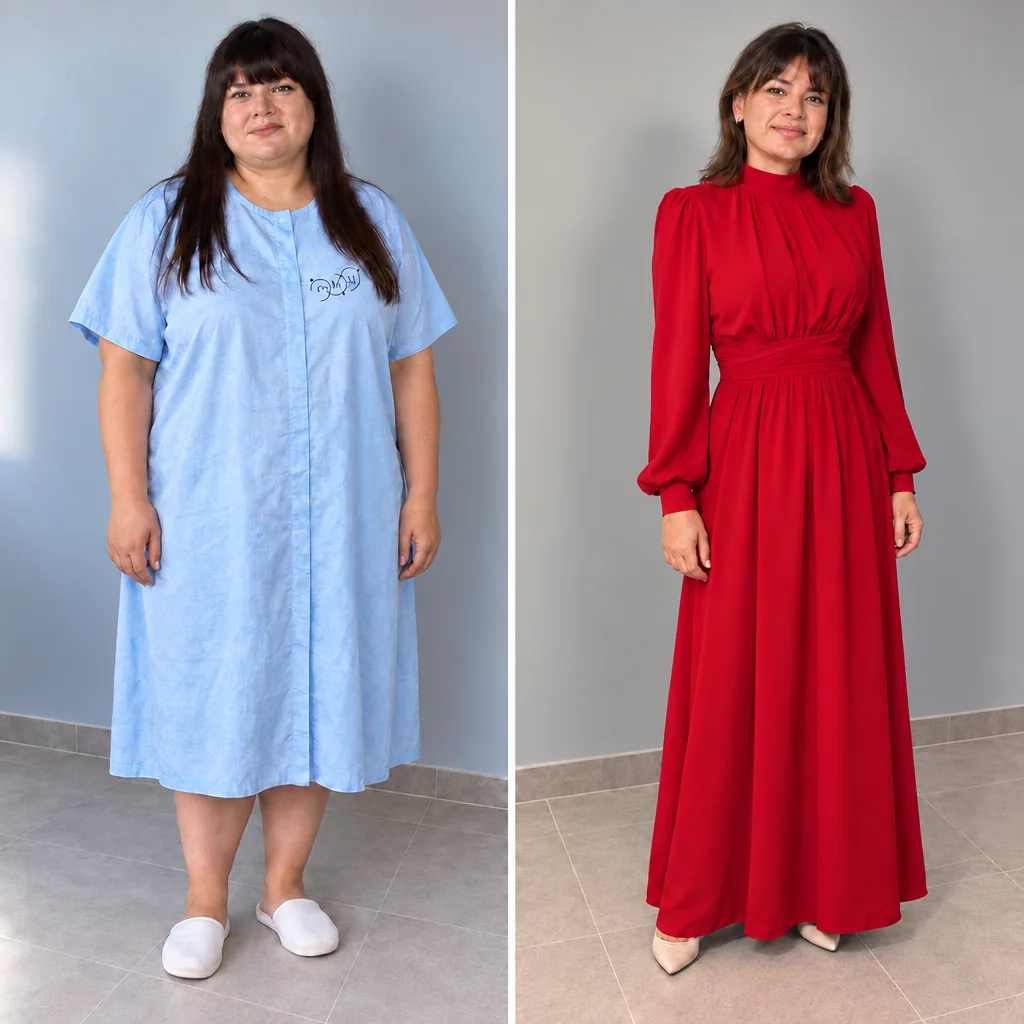 beforeafter
Bariatric surgery
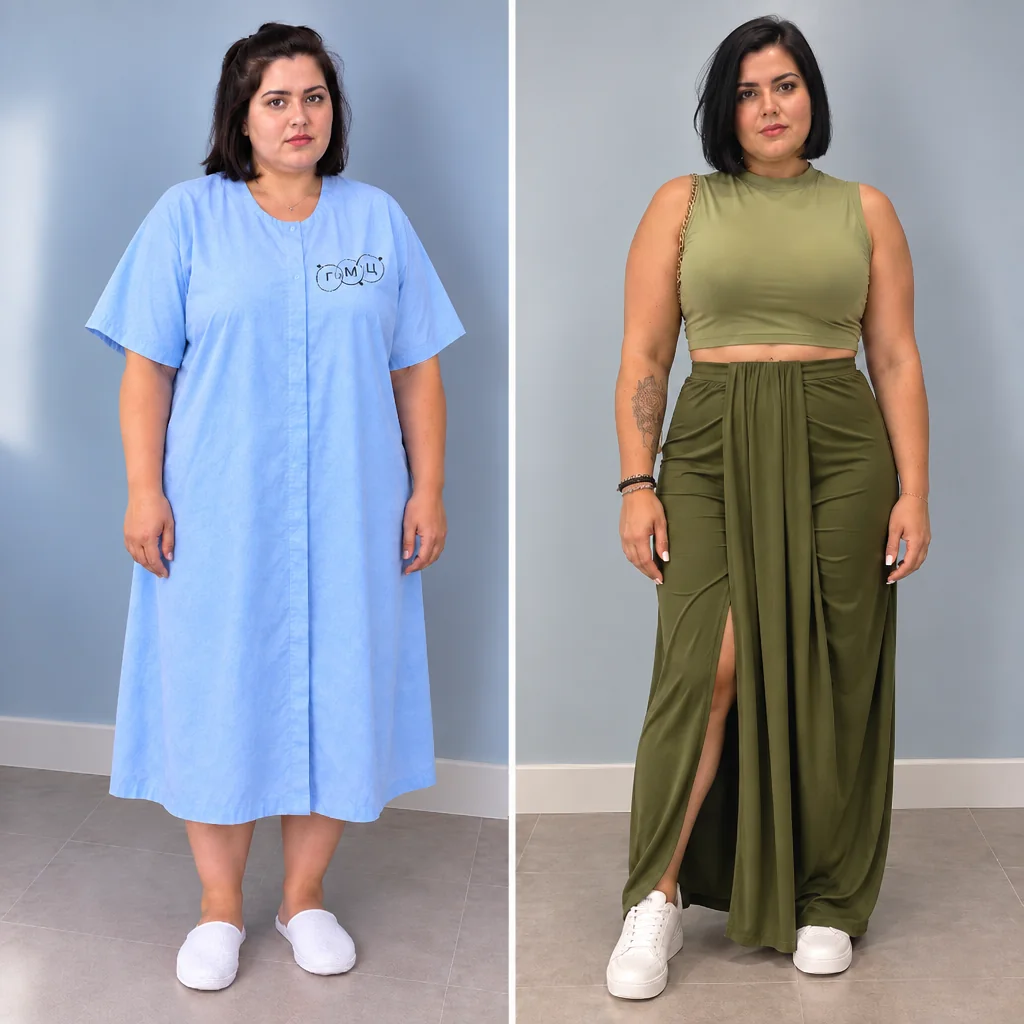 beforeafter
Bariatric surgery
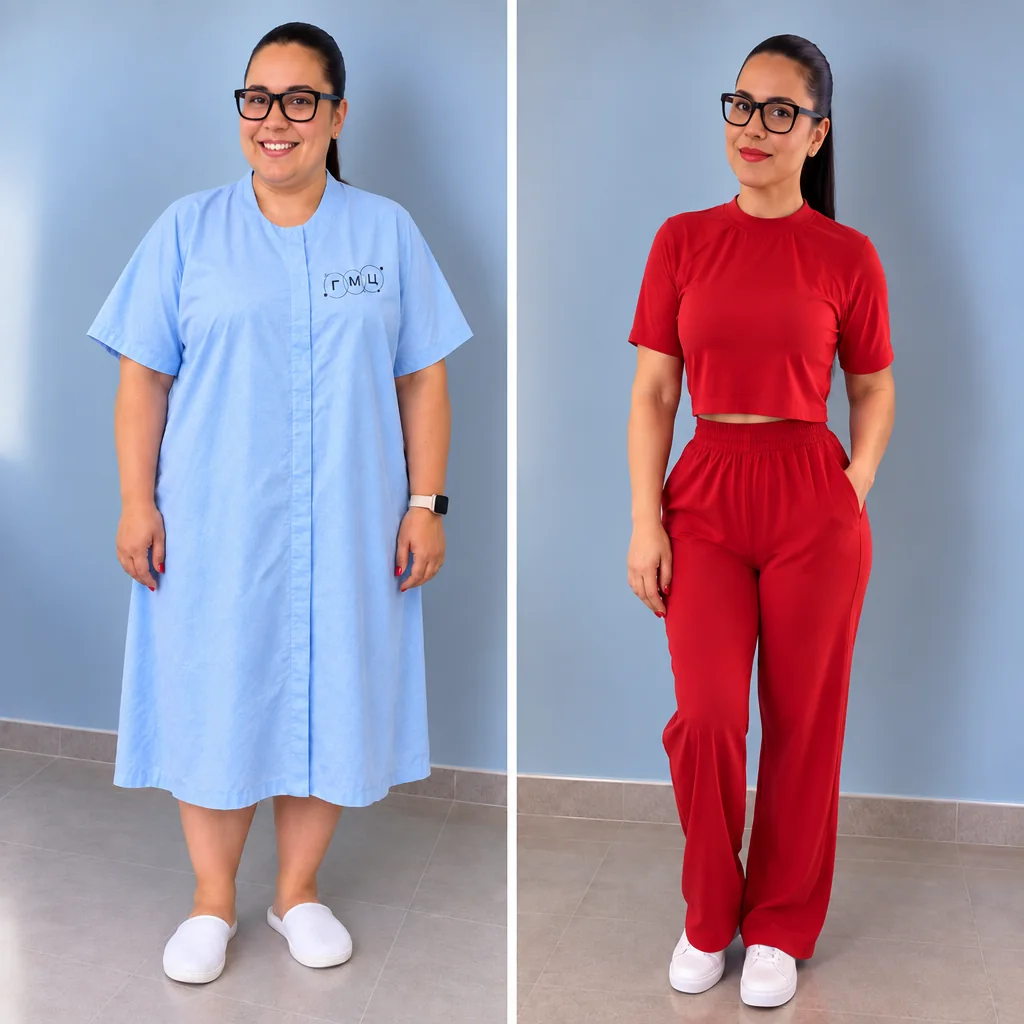 beforeafter
Bariatric surgery
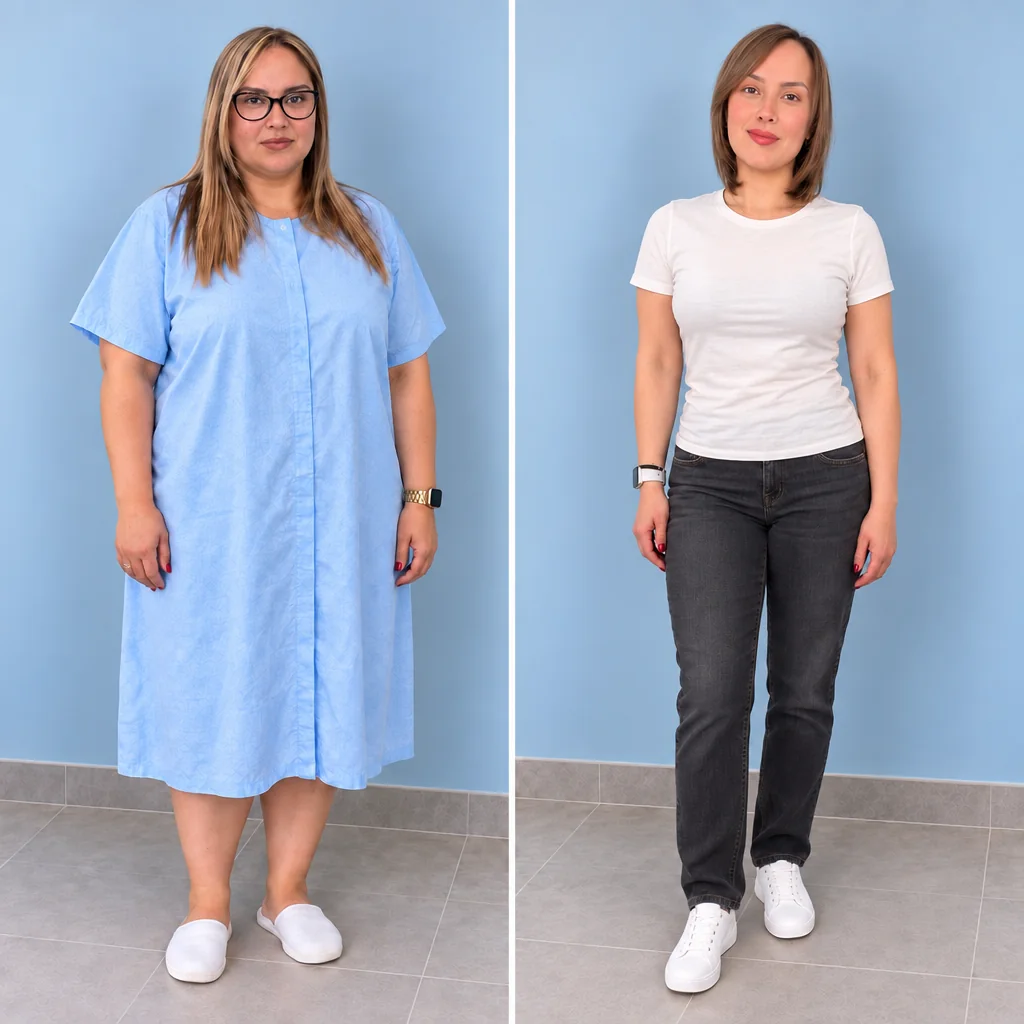 beforeafter
Bariatric surgery
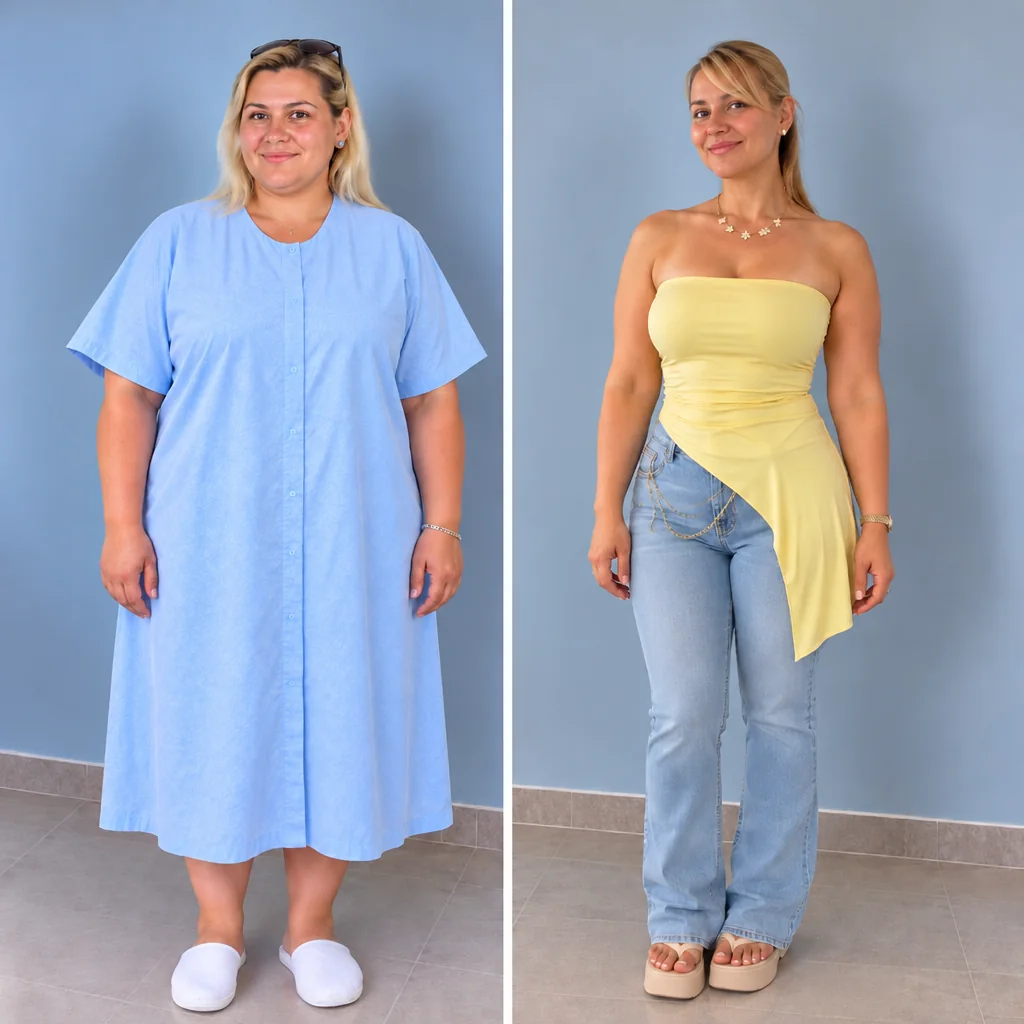 beforeafter
Bariatric surgery
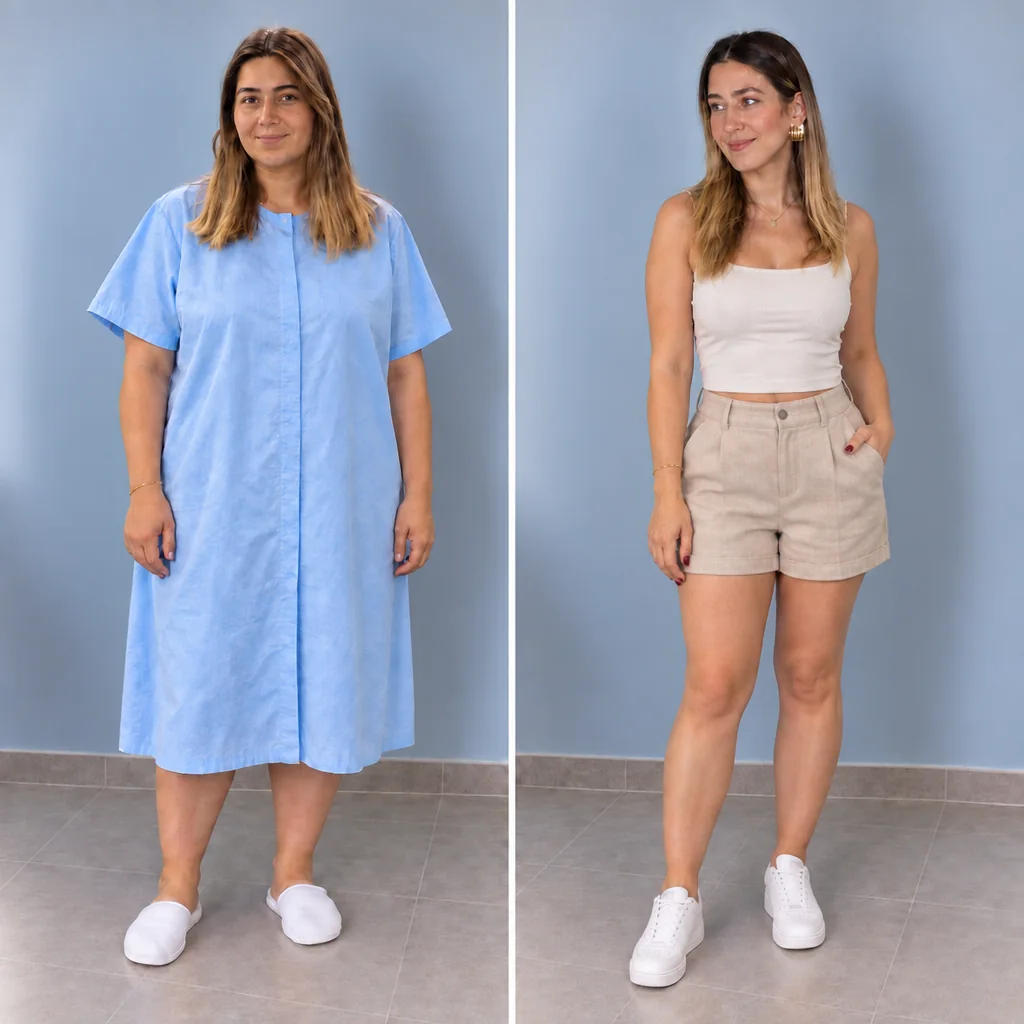 beforeafter
Bariatric surgery
Comparison
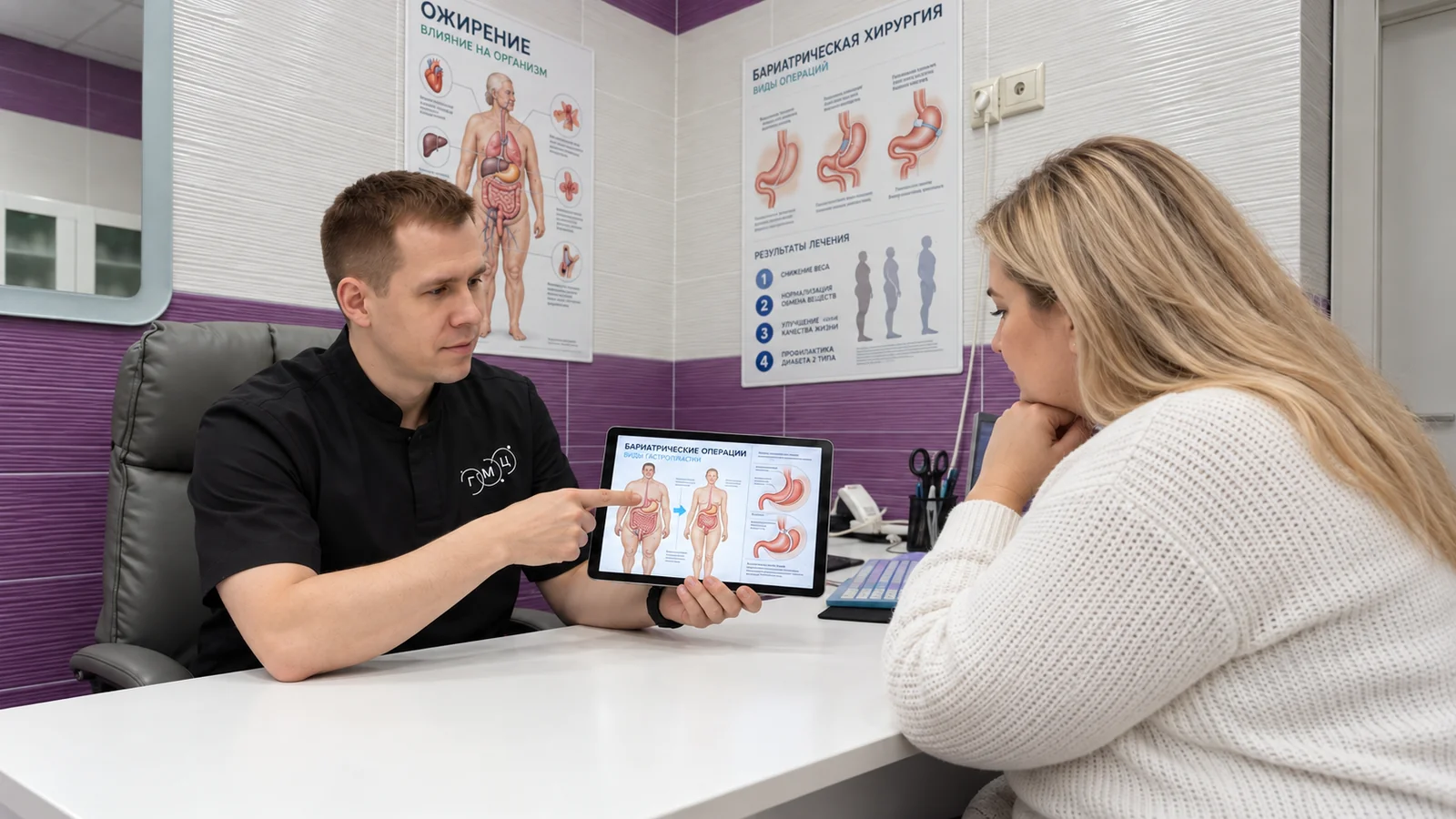
We perform two main operations: sleeve gastrectomy and gastric bypass. Compare how they work, what they are for and when they are indicated to choose your method with confidence.
Reduction of stomach volume
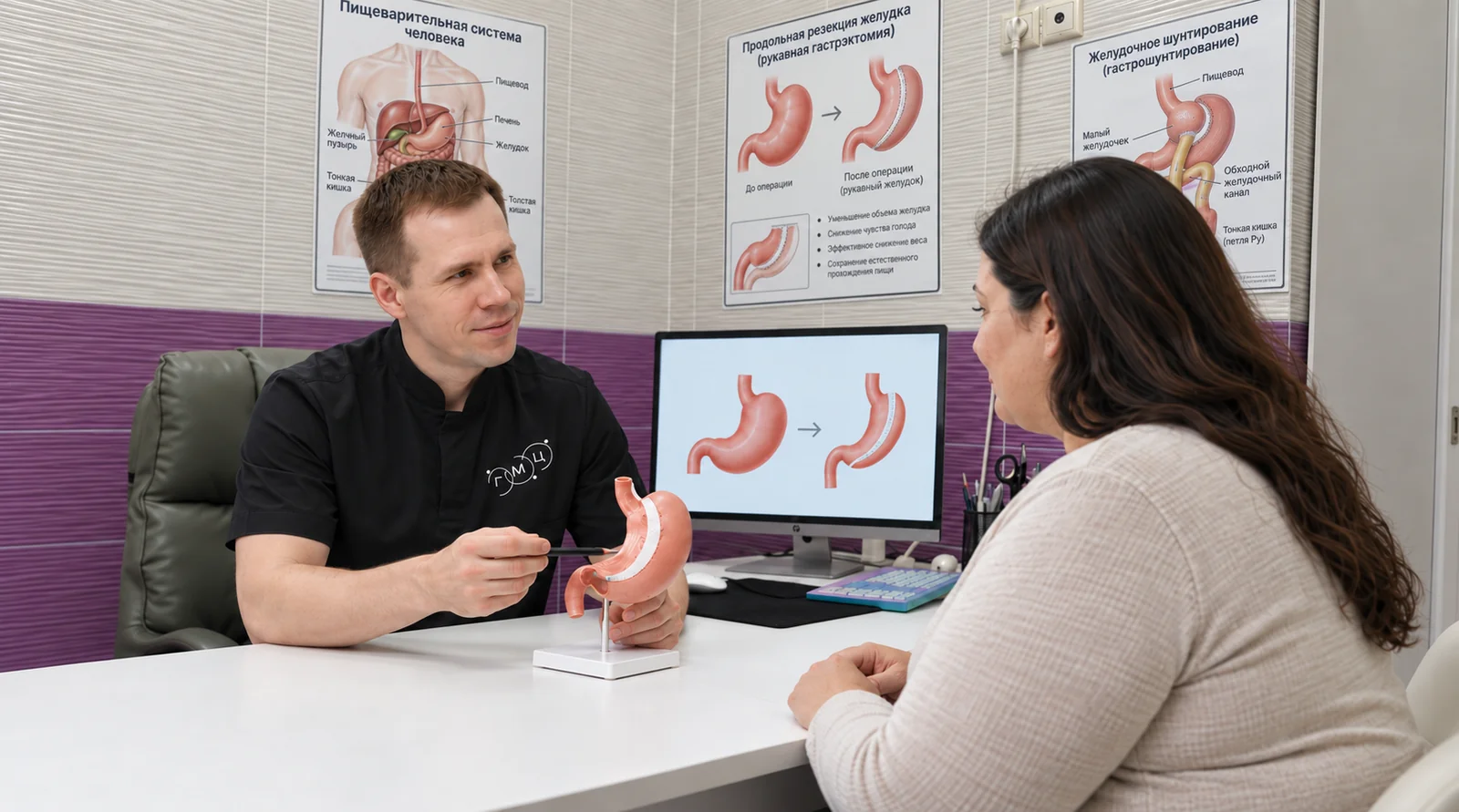
Discounted price
$3,600 $4,800
The stomach is made smaller and food is rerouted
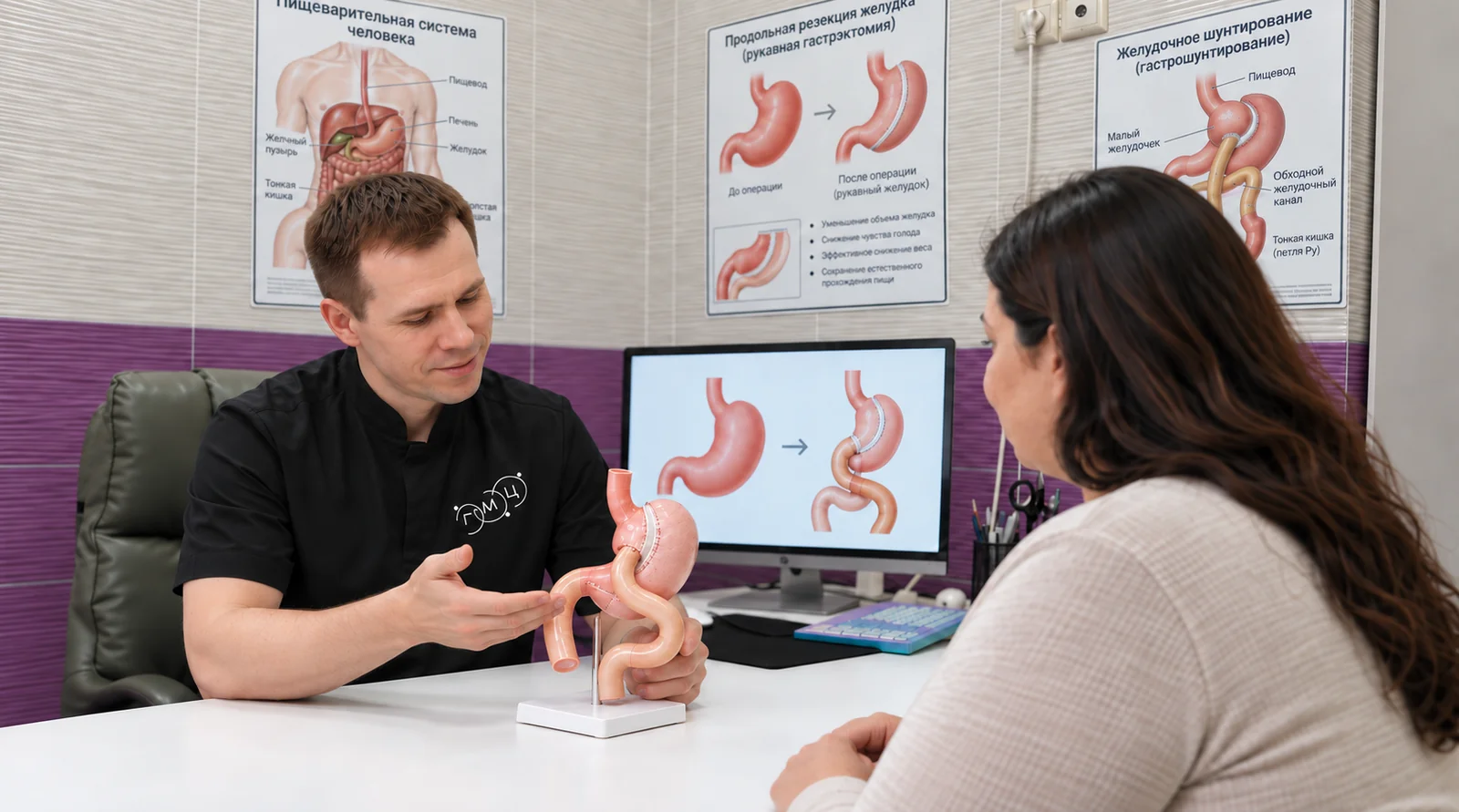
Discounted price
$4,000 $5,200
We show average benefits and recovery times for each method as a guide only: the extent of the operation and recovery are individual, set by your anatomy and features, and confirmed by the surgeon at the consultation.
Book a consultationOur clinic
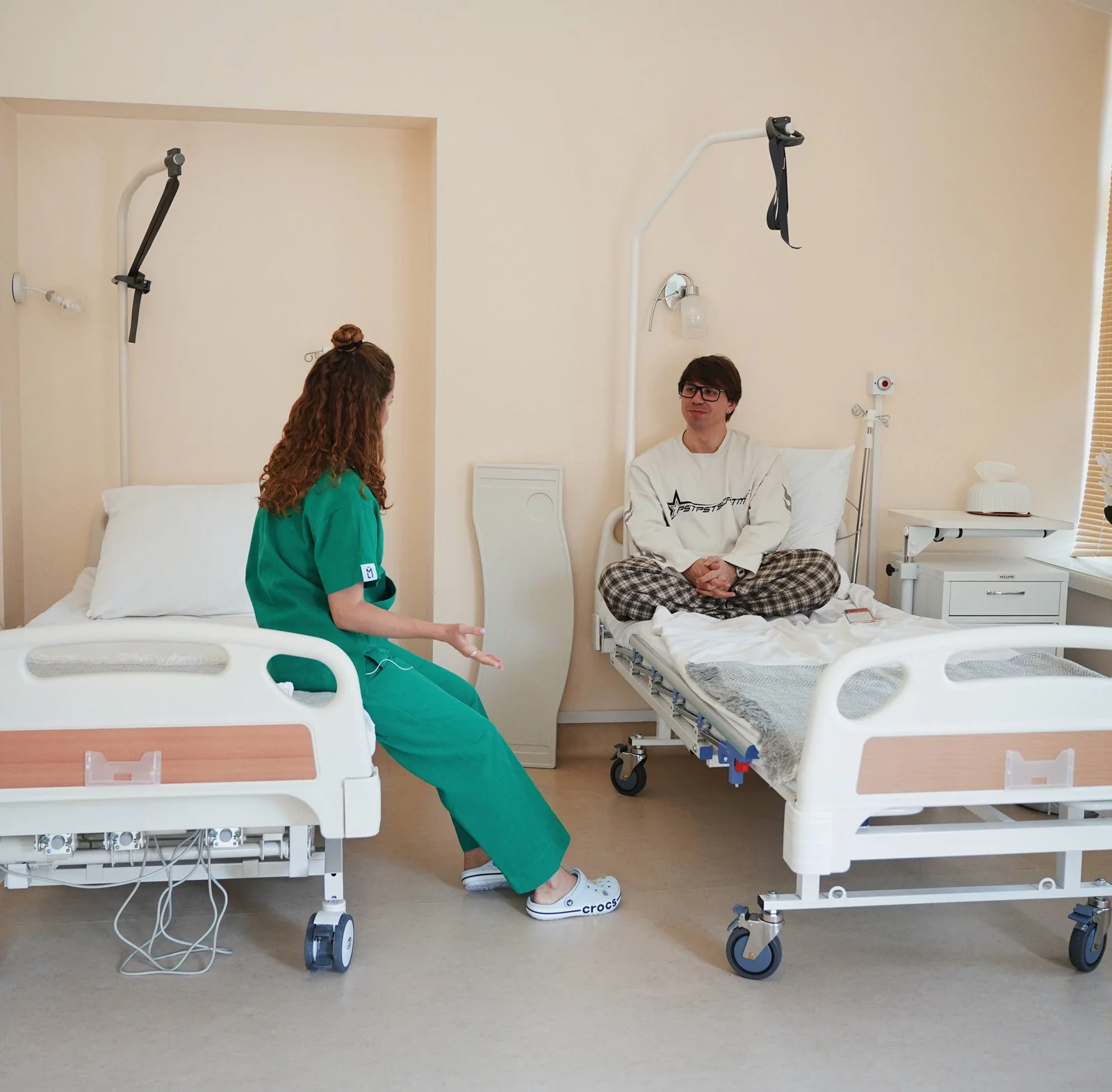
Each patient gets care, comfortable rooms and modern equipment
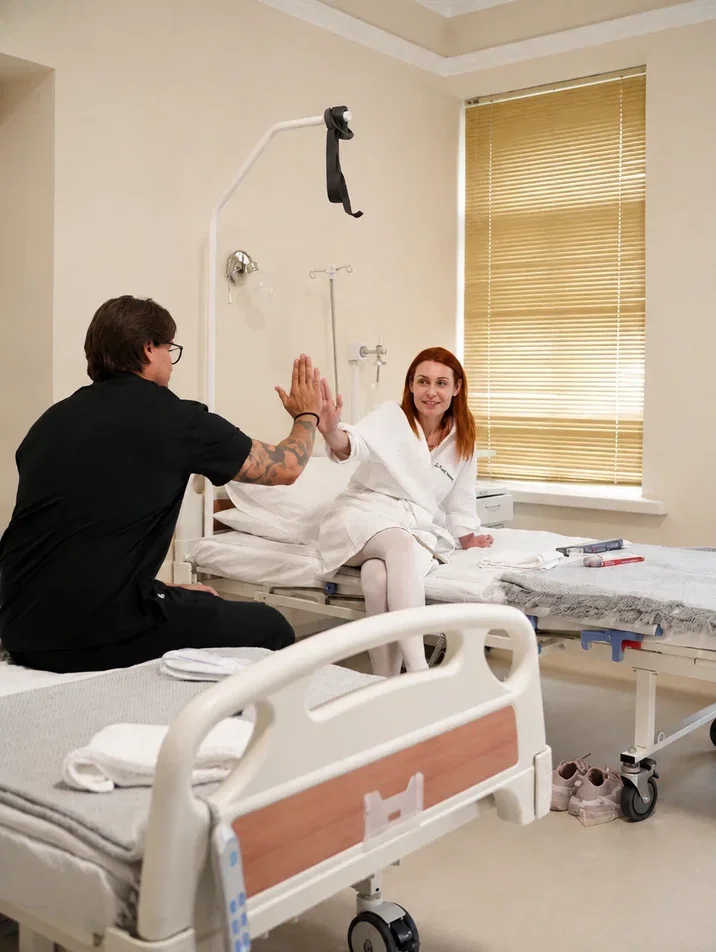
Ask us anything, and we will arrange a consultation at a time that suits you
Get a consultationSurgery is only decided jointly with the surgeon, once the consultation and check-up are done.
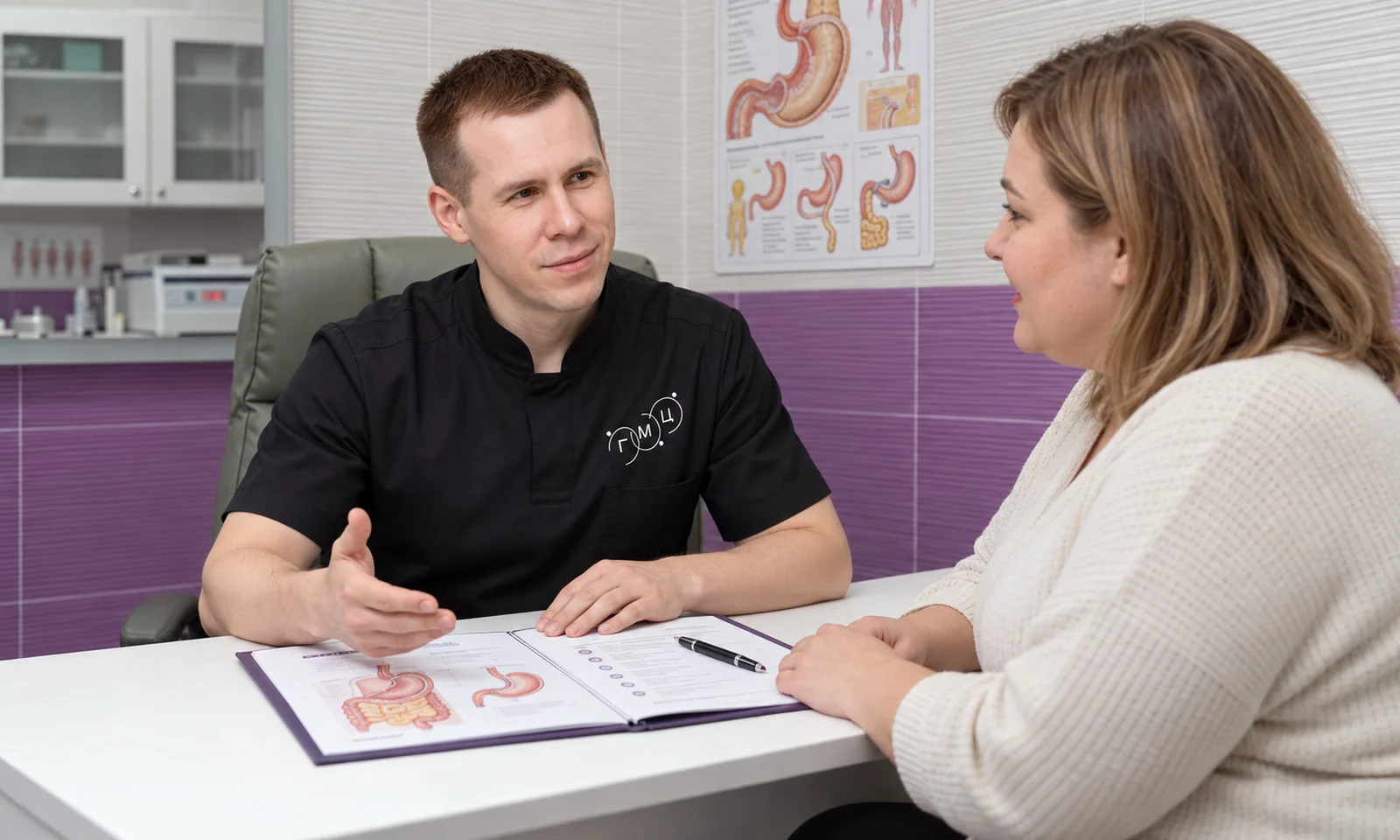
Can't tell which column fits your case?
Write to us on Telegram and our coordinator will tell you whether bariatric surgery is suitable. Your surgeon consultation is free and carries no commitment to surgery.
Find out if it suits me
Prices
The cost becomes known at the consultation after your plan is ready, and the contract fixes it.
Discounted price
Reduction of stomach volume
$3,600$4,800
Discounted price
Weight loss and a new route for food
$4,000$5,200
Free
Examination by the surgeon and a personal treatment plan

Free
the surgery price is set
and written into the contract
The doctor checks your health, goes over your goals and chooses a suitable bariatric surgery method. The cost is stated at the consultation and fixed in the contract.
Message our coordinator
Free online consultation · Reply within 15 minutes
Message us on TelegramMessage us on WhatsAppBy messaging us, you agree to our Privacy Policy
price
All in one package, from the preparation stage to 12 months of support — and no extra fees.From your pre-surgery preparation
to follow-up support for 12 months.
Step by step
A treatment plan we agree on, monitoring in the hospital and support for one year.
 1
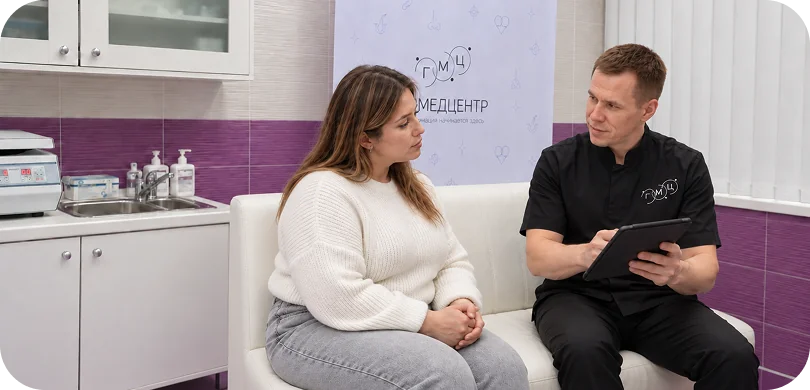
The doctor evaluates your health, talks through your goals and orders the tests needed to select the right bariatric surgery method.
2To reserve your surgery date, pay the deposit by card at the clinic or online by bank transfer. The terms are fixed in the contract for medical services
 3
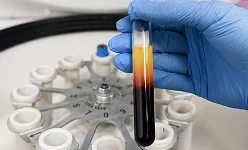
Ahead of surgery you take blood and urine tests, an ECG, an ultrasound and a gastroscopy, and see the specialists. The exact list is given by the doctor at the consultation.
 4
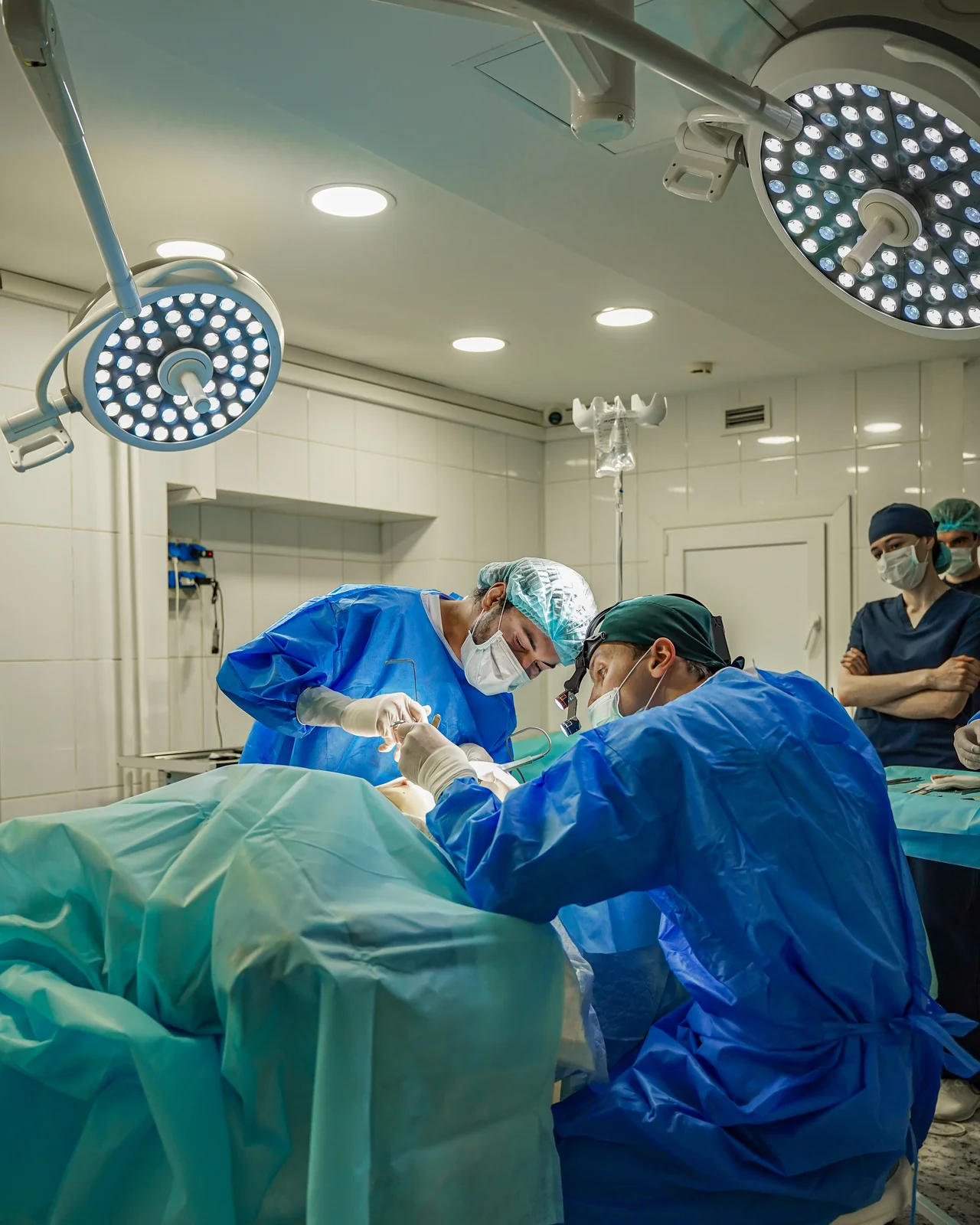
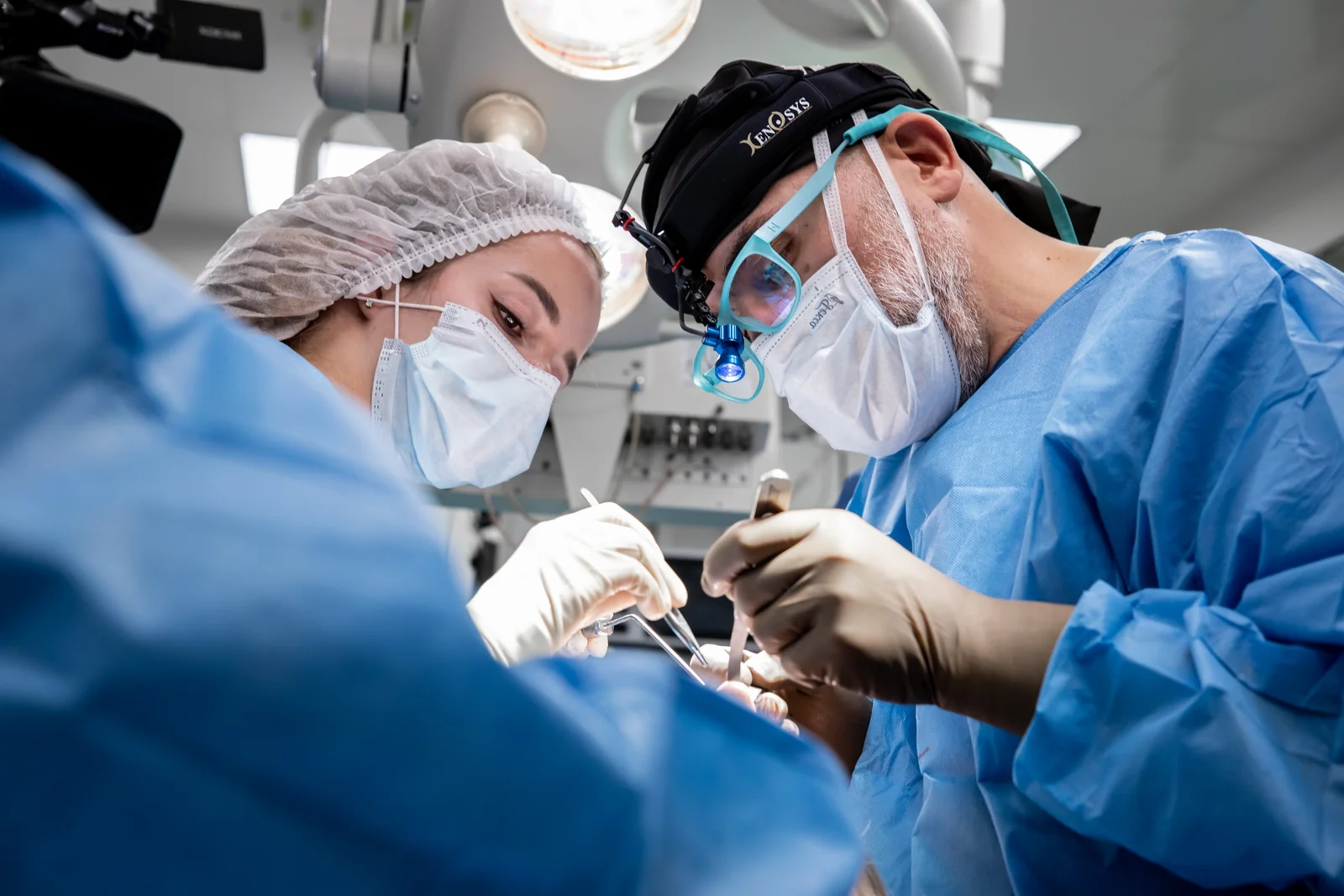
The surgeon carries out the chosen bariatric method under general anaesthesia. After the operation the patient is monitored by the medical team.
 5
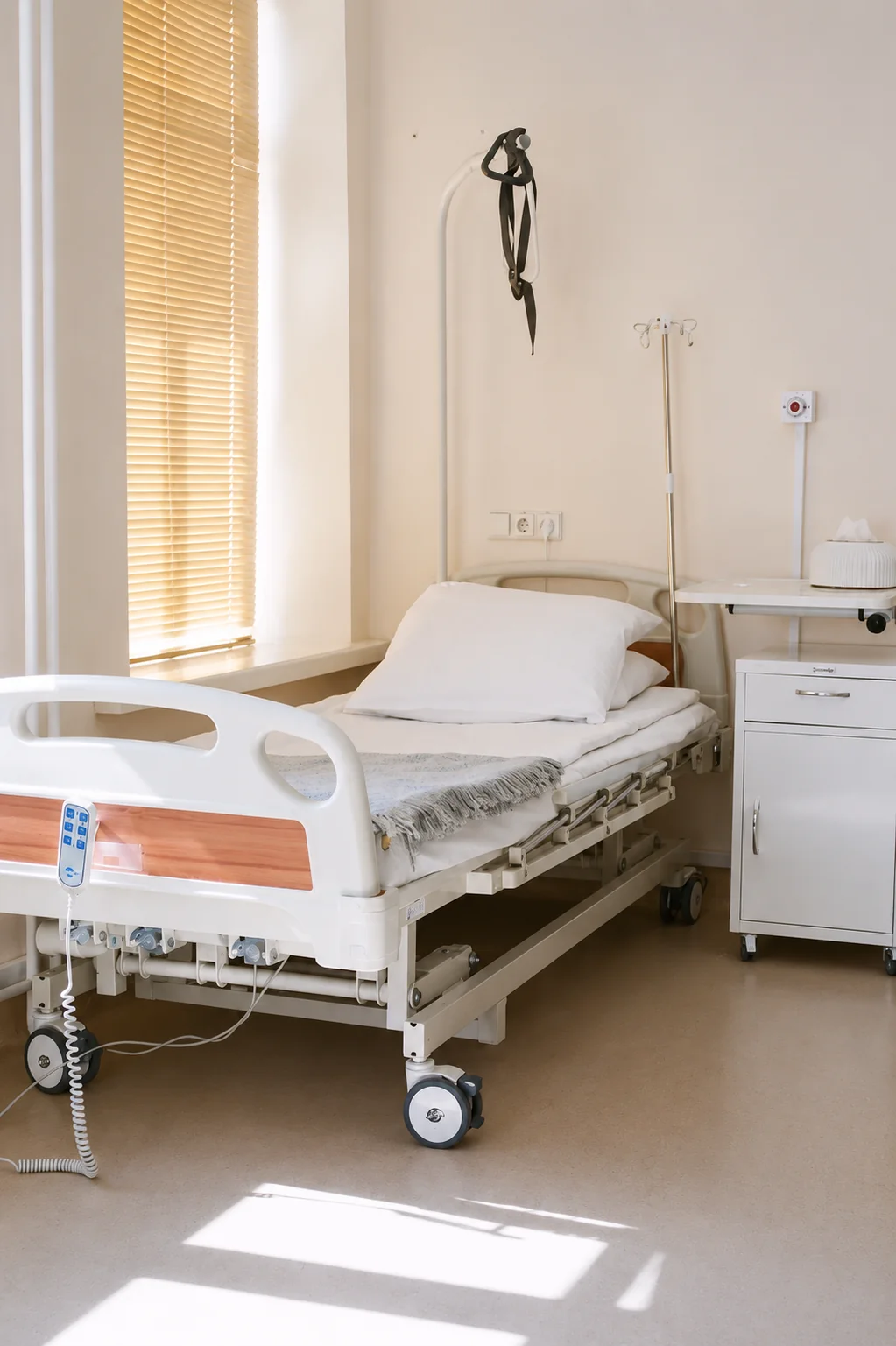
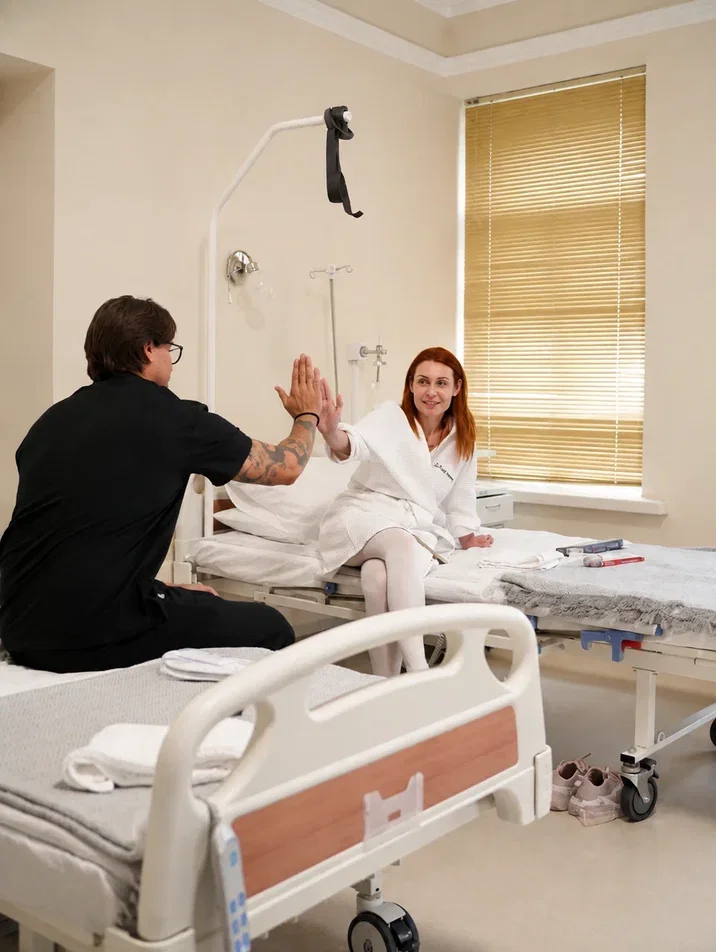
After surgery, doctors supervise you in hospital. You stay from 1–3 to 4–5 days, depending on the complexity of the operation and your well-being.
 6
When you are discharged, you get diet and recovery advice. Regular scheduled check-ups track your well-being, weight and test results, and the clinic team supports you for a year.
At the consultation the doctor makes a plan and tells you how the surgery will go
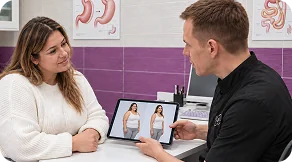
The consultation is free, before surgery and with no obligation.
Book a consultationDoctors
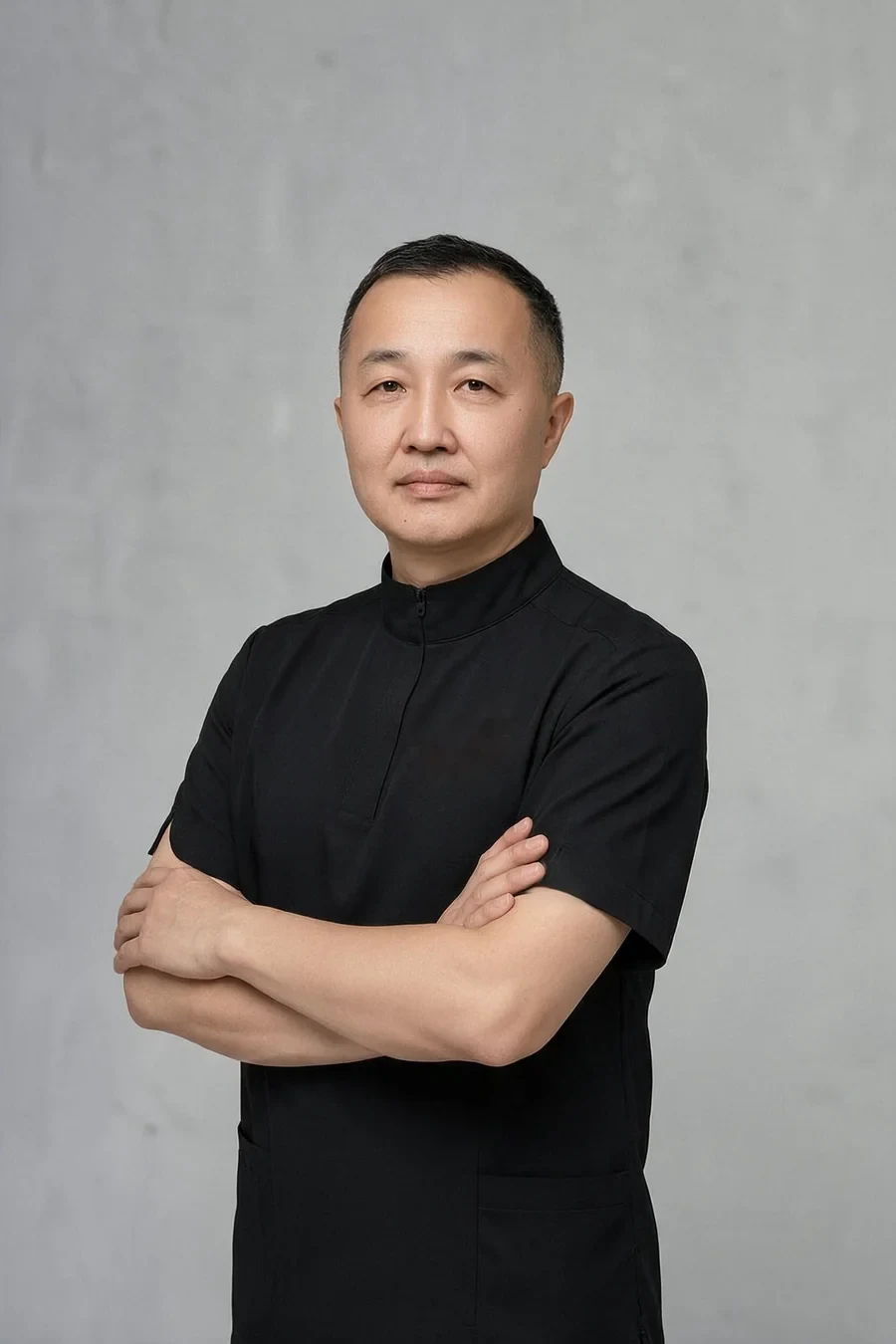
27 years of experience
Leading bariatric surgeon
Surgeon
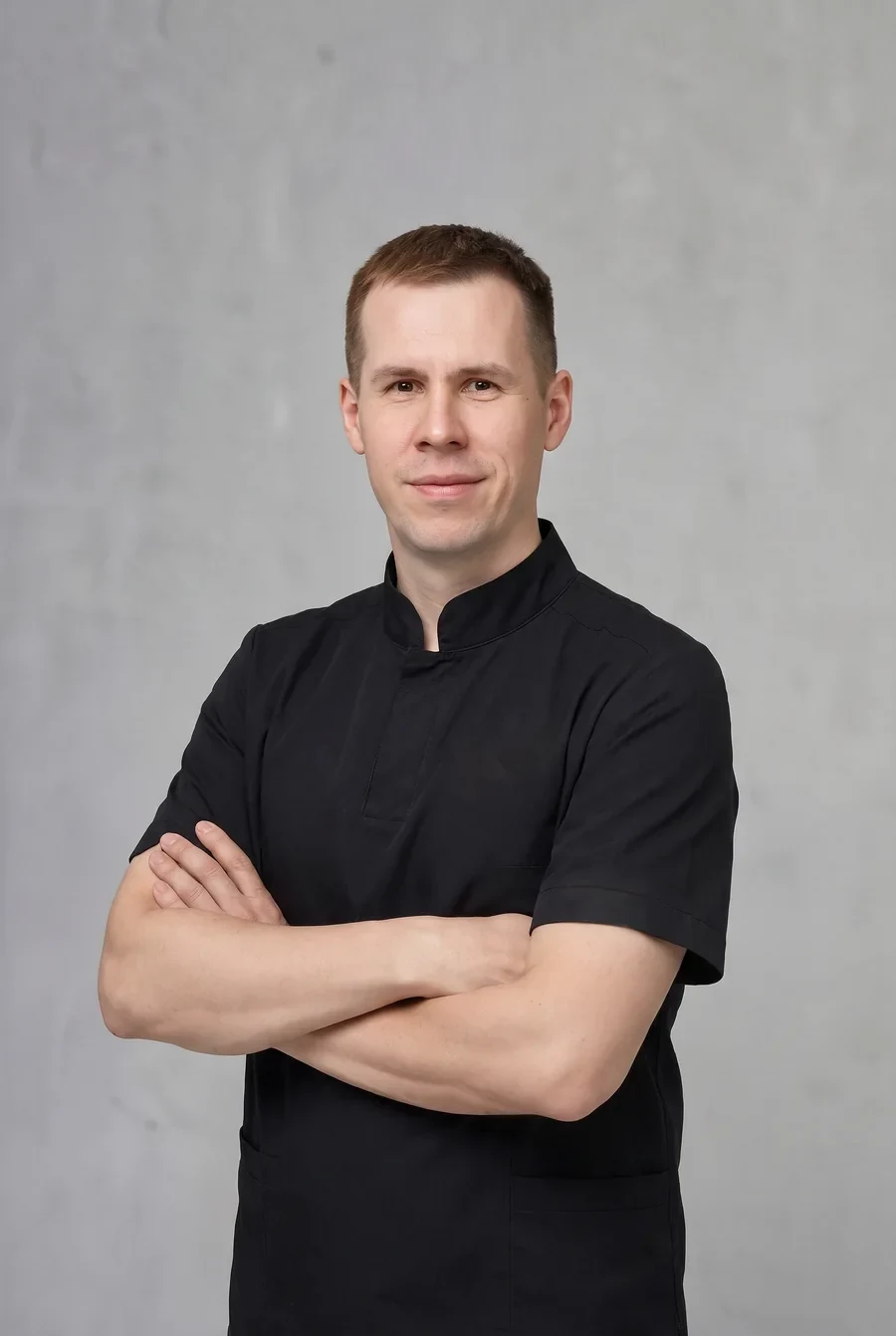
9 years of experience
Bariatric surgeon
Surgical oncologist
Your surgeon does the operation and follows your progress from the first consultation to the result.
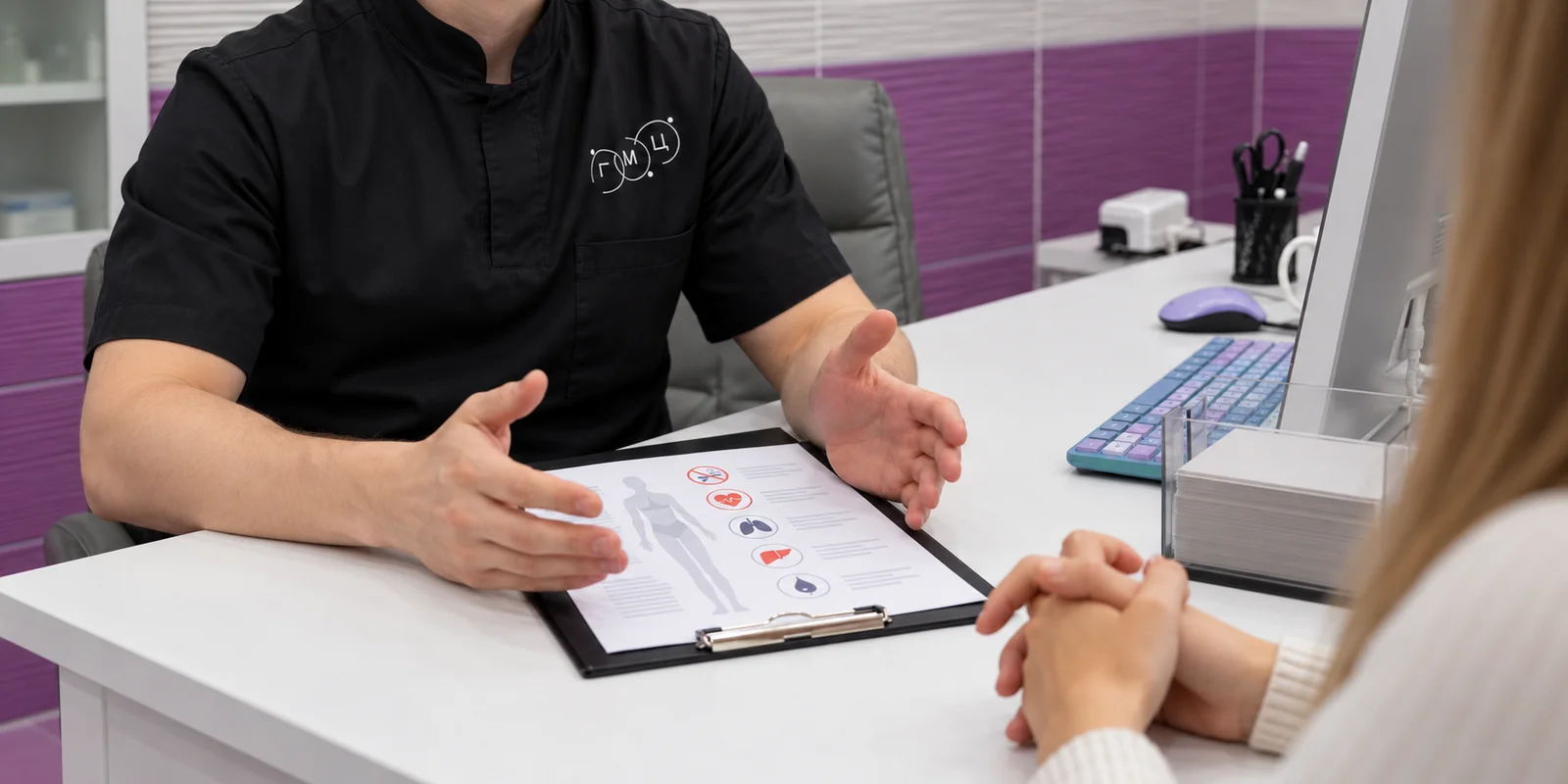
The first consultation, free of charge, is with our patient care manager, who works out your BMI, explains the methods and books you in with the surgeon.
Book a consultationCoordinators
We are with you at each stage

First contact at the clinic for you — from your first message through to the consultation
Patient support
Handles your questions before the first consultation and helps you choose a convenient date

From the moment you book to discharge — with you before and during your stay
Patient support
Helps you prepare for the operation and stays in touch while you are at the clinic

By your side through recovery, from discharge to your final check-up
Patient support
Books your follow-up visits with the surgeon and keeps in touch during recovery
Advantages
We select the most suitable method for your health, lifestyle and goals. Our team supports you all the way.
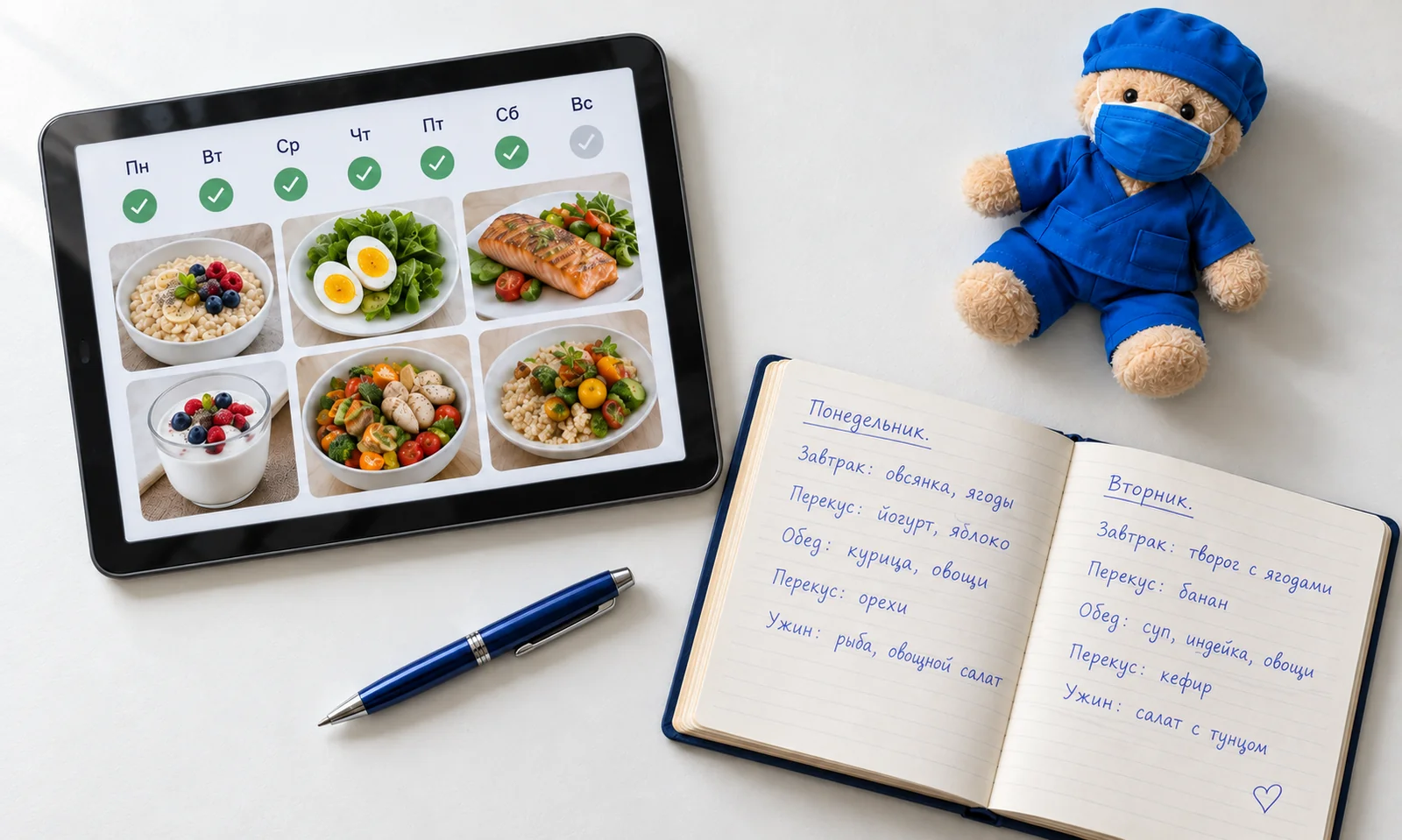
We support you in adapting to new eating habits, tracking results and keeping them.
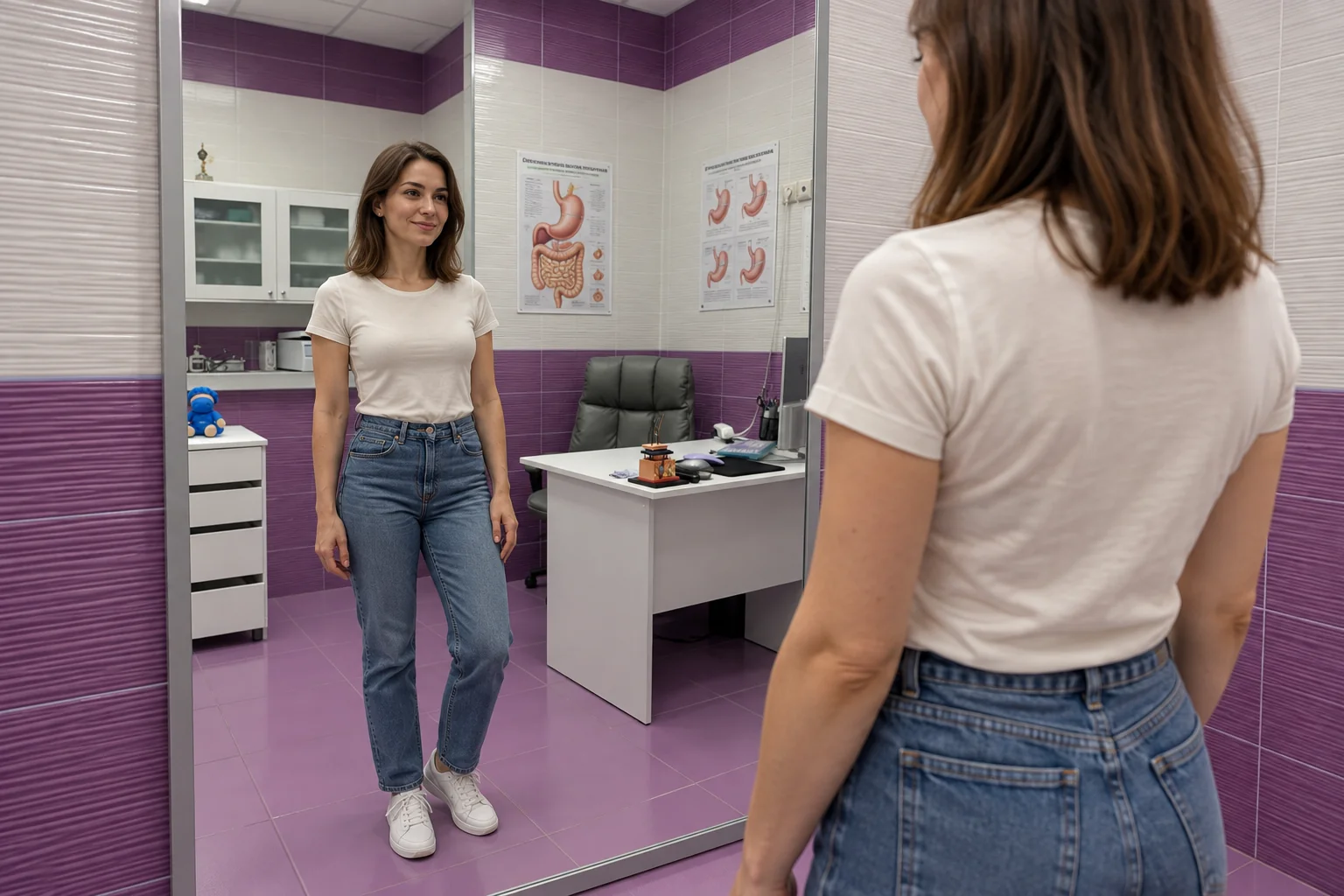
Steady weight loss, better well-being and a higher quality of life.
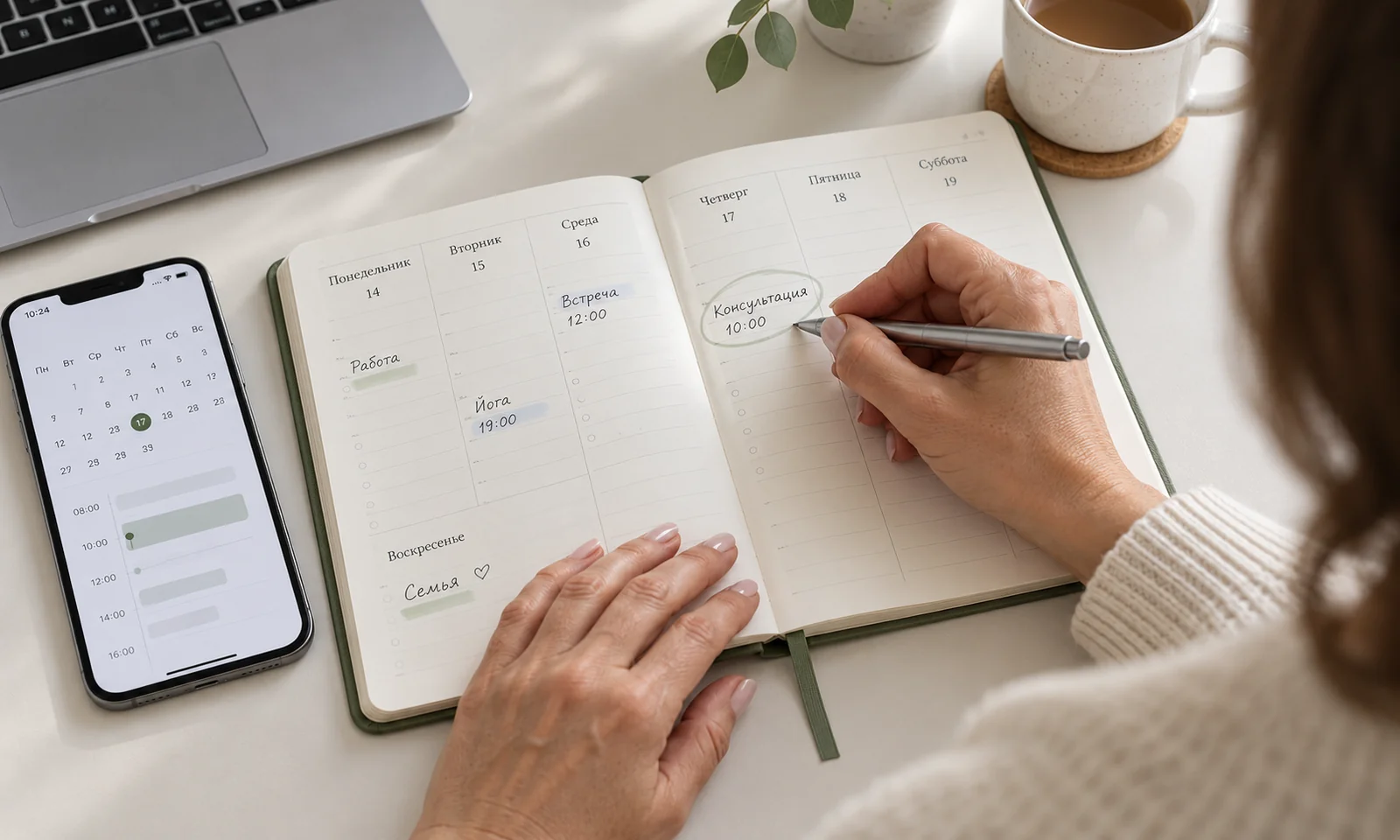
We respect your time — open 24/7, easy booking and a personal approach that follows your pace.
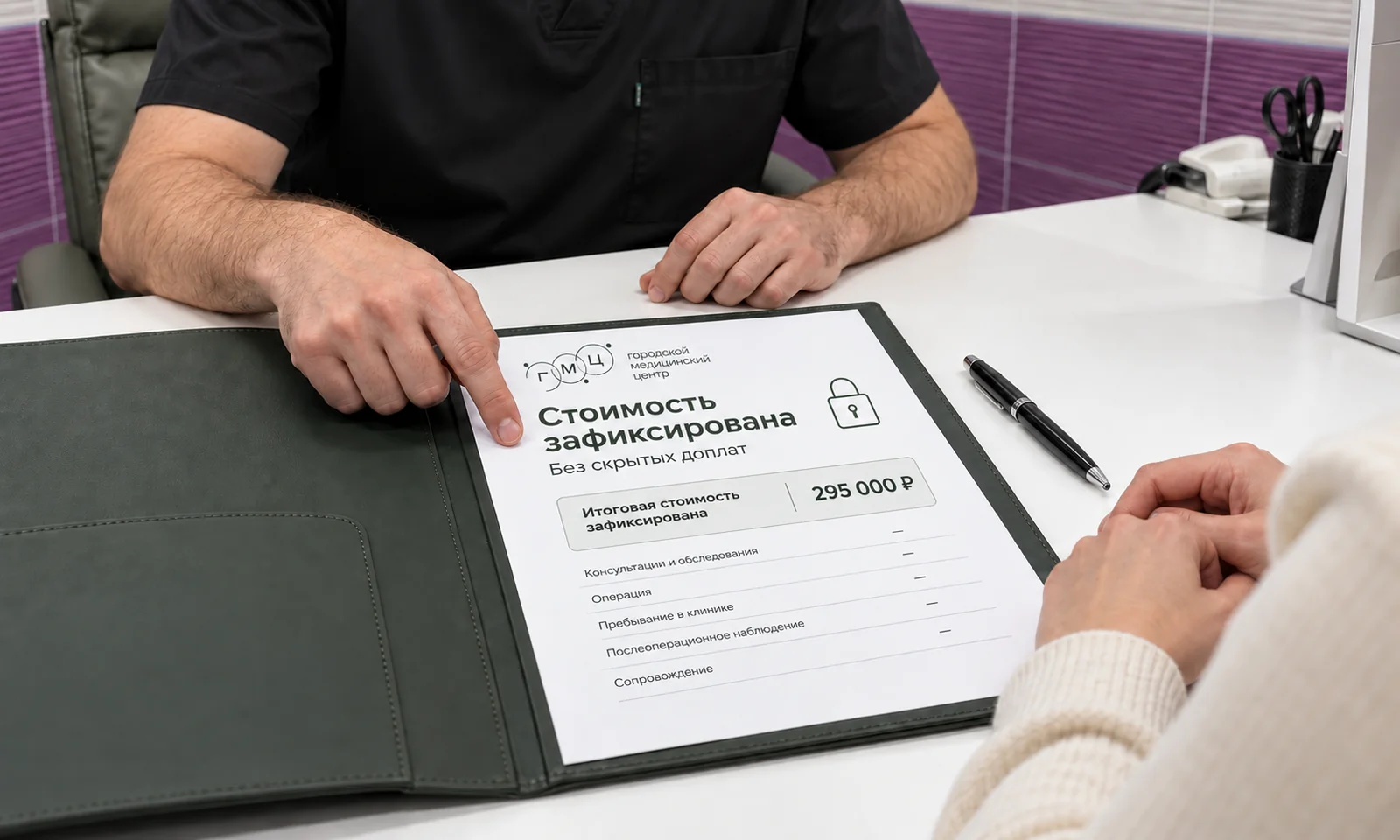
After the consultation you know the method the surgeon has chosen and the clear price, with no hidden fees and no surprises on the way to your result.
FAQ
Bariatric operations at the clinic are performed by experienced bariatric surgeons:
Message us and our coordinator will reply shortly and book your consultation. The consultation with a bariatric surgeon is free.
Surgery is prescribed only when clear criteria are met
BMI is the principal gauge of how advanced obesity is, found by dividing body weight (kg) by height squared (m²). Typically, a BMI above 40 — or above 35 with serious related conditions — justifies surgery. Some patients with lower values are considered for surgery too, if non-surgical options have failed.
Many people confuse them, but the goals are fundamentally different. Bariatric surgery is a medical way to treat obesity and related diseases. It changes how the digestive tract works, getting at the causes of excess weight and metabolism. Plastic surgery only reshapes the body's outer contours; it does not treat obesity or affect metabolism.
At City Medical Centre there are four main types of bariatric surgery — sleeve gastrectomy, Roux-en-Y gastric bypass, mini gastric bypass (MGB) and SADI-S duodeno-ileal bypass. Every method is chosen individually from BMI, related conditions and the patient's goals.
Using modern laparoscopic technique, we perform the operation via 4 small punctures of 5 to 15 mm. Cosmetic sutures are placed, leaving marks that are nearly invisible after healing.
Recovery is tied to what you do. Office work: after 2–4 weeks. Physical work: after 1.5 months. Sport and activity: you may swim after 30 days, and other exercise is added bit by bit as weight drops. Travel and holidays: best left until at least a month after surgery.
Your meals progress in stages: liquid food, soft food, then solid. The stress is on protein and on reducing high-calorie, fatty food.
Pregnancy after bariatric surgery is possible, though doctors recommend waiting at least 12–18 months. In that time the body stabilizes, weight reaches its target and nutritional status returns to normal.
Yes, bariatric surgery makes vitamins a must. Since digestive anatomy is changed, absorption of some nutrients drops, and regular vitamin and mineral supplements become permanent in the patient's life.
Weight regain after bariatric surgery is possible, but very unlikely if you follow the doctor's advice. Proper nutrition, avoiding high-calorie drinks and regular follow-up with City Medical Centre specialists are key.
Prices are in US dollars; the amount in brackets is an approximate conversion to ZAR at the rate of 02.10.2026. The final price is fixed in your contract.
Prices start from $3,600 (≈ R61,000). The surgeon sets the final price at the free consultation, and it is fixed in the contract, with no hidden extras.
General anaesthesia, a personal coordinator from day one, monitoring in the hospital and support for one year.
The hospital stay is 1–5 days, depending on the method and how you feel. Office work is possible after 2–4 weeks.
Yes. The first consultation is free and does not oblige you to anything. You can start online by sending a message to the coordinator.
Message us on WhatsApp or Telegram using the buttons below. A coordinator will answer your questions and book a free consultation where the doctor names the exact price.
By messaging us, you agree to our Privacy Policy
Roux-en-Y gastric bypass creates a small 50–70 ml pouch at the top of the stomach and connects it straight to the small intestine. It is considered the gold standard for a BMI over 45–50 with type 2 diabetes, bringing excess weight loss of 75–85%. Anyone researching bypass in Emalahleni should know that it requires lifelong vitamin and mineral supplements.
The work-up is done in one building with its own lab, ultrasound and gastroscopy, so preparation is quick and without queues. After laparoscopic surgery, the patient stays under observation for 1 to 5 days depending on the extent of the operation. Within the first hours you may sit up, stand and drink. Most Emalahleni patients are up and moving on day one.
One package covers the full journey, from consultation to final result. There are no separate charges added later: ward, meals, nursing care and coordinator support are included. To find out whether surgery suits you, patients in Emalahleni can book a free surgeon consultation; the doctor reviews BMI, health and weight history and recommends a method.
What patients write after this operation. Reviews are translated from the original language.
Irina, 26
For a long time I doubted whether to go ahead with surgery, but after the consultation I felt much calmer. Andrey Georgievich explained in detail how gastric bypass is done, what to expect after the operation and how recovery would go. I especially liked that they talked to me calmly and without pressure. I am now gradually getting used to my new way of life and I am very glad I took this step.
Bariatric surgery
Doctor: Andrey G. Ugay
Angelina, 22
For me the hardest part was deciding to have the operation. At the consultation Ruslan Sergeyevich answered all my questions in detail and explained the specifics of sleeve gastrectomy and recovery. After the operation I always understood what I was doing and why. Thank you to the doctor and the whole team for their attentiveness.
Bariatric surgery
Doctor: Ruslan S. Menzulin
Anna, 31
For a very long time I tried to deal with my excess weight on my own, but I did not get the result I wanted. After the consultation with Andrey Georgievich I finally understood what to do next. I came through the operation well, and my recovery was supervised by the doctors. It was important for me to feel that I was not left alone after surgery.
Bariatric surgery
Doctor: Andrey G. Ugay
Veronika, 25
Before the operation I had many fears, mostly of the unknown. Ruslan Sergeyevich explained every stage of treatment in detail and answered even the simplest questions. Thanks to that I felt much more confident. I keep following the recommendations and I am gradually seeing the changes I had the operation for.
Bariatric surgery
Doctor: Ruslan S. Menzulin
Valentina, 23
The decision to have bariatric surgery was not easy for me. I worried both about the operation itself and about how my life would change afterwards. At the consultation Andrey Georgievich explained everything in detail, so little by little my fear turned into confidence. What matters most to me now is the result and the chance to treat my health and lifestyle differently.
Bariatric surgery
Doctor: Andrey G. Ugay
Anna, 27
I am very grateful to Ruslan Sergeyevich for his attentiveness. Before the operation I had a huge number of questions, and I got a clear answer to every one of them. After the operation it was also clear which recommendations to follow and how to eat. It was important to me that the doctor stayed in touch and I felt supported at every stage.
Bariatric surgery
Doctor: Ruslan S. Menzulin
Emalahleni, still widely called Witbank, sits on the Highveld of Mpumalanga within the Emalahleni Local Municipality. The Afrikaans name Witbank means “white ridge” and comes from a white sandstone outcrop where wagon drivers once rested. The town was founded in 1890, and in 2006 the Mpumalanga government renamed it eMalahleni, “the place of coal”. Both names are in daily use, and patients here tend to switch between them without thinking.
As of 2011, Statistics South Africa put the city's population at 108,674 people. The 2001 census had counted 61,093. A city that has grown this fast has a working rhythm of its own: shifts, commuting, family obligations and a lot of people who rarely find time for themselves. Bariatric surgery (sleeve gastrectomy or gastric bypass) is a planned operation, so it helps to think about it the way you would any big commitment: how it fits around work, home and the people who depend on you.
City Medical Centre does not have a clinic in Emalahleni, and nothing in this text suggests otherwise. What you get is a free online consultation from your own home, with coordinators who are available 24/7 on Telegram and Telegram. You can start the conversation after a night shift or on a quiet Sunday, and you set the pace.
The Emalahleni area has more than 22 collieries within the municipal radius, along with power stations and a steel mill nearby. Many households here depend on mining, energy, transport or the businesses that serve them. That means shift patterns, early starts and physical jobs, and each of these affects when you can realistically have surgery.
The recovery facts are clear. After bariatric surgery, office work is possible after 2–4 weeks, and the figure in our materials is a return to work after 2–4 weeks. Physical work comes later: after 1.5 months. If you work underground, on a plant floor, behind the wheel of a heavy vehicle or on a site, the second figure is the one that matters. Raise it with your employer early and ask whether lighter duties are possible during the transition.
Prepare the practical side before the operation: tell your supervisor, check what leave you are entitled to, and ask a family member to cover the household tasks that involve lifting. At the online consultation, describe your job in detail. The surgeon can then discuss how to schedule the operation and how to adjust your first weeks back so the work does not hurt your recovery.
For anyone on rotating shifts, the bigger question is meals. Regular small portions are easier to keep when your day has a pattern. Think now about where you will eat, what you can bring with you and who can help you plan your week.
The local economy rests on coal mining and power generation, and the region's air is heavily affected by that industry. For someone recovering from surgery under general anaesthesia, this is worth remembering in general terms. In the first days at home, keep rooms ventilated sensibly, avoid dusty places and avoid heavy exertion outdoors. Follow your surgeon's instructions on breathing exercises and gentle walking, and ask if you have a lung or sinus condition.
Summers on the Highveld bring relatively high rainfall, and since 2008 it has damaged many municipal roads and left potholes and debris. For recovery, this has a small but practical meaning. Short walks are an important part of getting moving again, so plan routes that are even and safe, and do not rely on rough pavements while you are still tired. Wet weather also makes it easy to stay indoors for too long, so build a walking routine inside the house when needed.
Warm weather brings its own habits: you may sweat more under clothing, and sun on the incision area is best avoided during healing. The marks are small, since the operation is performed through 4 small punctures of 5 to 15 mm with cosmetic sutures, and after healing they are barely visible. Still, shade and loose, breathable clothing help while the skin settles. Staying hydrated in small sips matters in every season.
Ask the surgeon how to handle weather in the first weeks, for example when it is better to stay in and what warning signs to report to the coordinator straight away.
Eating out and eating together are part of life here. Highveld Mall, built next to the casino complex off the N4, is a retail hub for locals and for residents of nearby towns, and it draws people in with restaurants and cinemas. Family braais, church gatherings, work celebrations and weekend lunches are the kind of occasions where portions are large and plates are shared. After bariatric surgery, your stomach holds much less, and you will need a different approach to such events.
Practical habits help. Eat slowly. Choose protein first. Take a small plate, and decide beforehand what you will eat instead of grazing. Tell hosts and relatives plainly that you have had surgery, since most people respond with respect once they know. If you are going to a celebration in the early weeks, ask your surgeon what stage of the diet you are on and what to bring along.
The details of the diet, the stages from liquids to solid food, and vitamin support are set by the surgeon and the support team. We do not publish a generic plan, because it depends on the operation chosen and on how you feel. What we offer is support that continues: our programme runs from preparation to 12 months of support, all in one package, with follow-up support for 12 months.
Bring your real food questions to the online consultation: what you cook at home, what you buy at the shops near you, how often your family eats out and whether you often have meals on the road. The more specific you are, the more useful the answer.
Bariatric surgery is usually considered when BMI is over 40, or over 35 with related health conditions. The surgeon confirms whether surgery suits you at the consultation. BMI is the main tool for assessing the degree of obesity: you divide body weight in kilograms by height in metres squared. The World Health Organization publishes a fact sheet on obesity and overweight, and it is a good starting point for general background.
In some cases surgery is considered at lower values too, if non-surgical approaches have failed. Many people in Emalahleni will have tried diets, exercise plans and medical advice before they think about an operation. Bring that history with you: what you tried, for how long and what happened. It helps the surgeon see the full picture.
Sleeve gastrectomy and gastric bypass are different operations, and the choice is made by the surgeon with you, based on your health, your eating habits, other conditions and your goals. We do not recommend one over the other in advance. Ask about the advantages and limits of each for someone with your profile.
General contraindications are also discussed at the consultation: certain untreated medical or mental health conditions, an unstable situation around pregnancy, or inability to follow the later diet and supplement plan. Be honest about your medical history and the medicines you take, including any prescribed for the heart, blood pressure, blood sugar or breathing.
You do not need to leave the city for the first step. Write to a coordinator on Telegram or Telegram, and the conversation starts there. Coordinators work 24/7, so booking is easy, the approach is personal and we adapt to your pace. If you prefer, ask for a call: a coordinator will call you back 24/7.
Before the online consultation, prepare a short list. Your height and weight, so BMI can be worked out. Your medical history, any previous operations and the medicines you take. Recent test results if you have them. Your work pattern and what your family situation is. This lets the surgeon spend the time on decisions and not on collecting basic information.
The consultation is free. During it, the surgeon explains what the operation involves, whether it suits you and what preparation is needed. It is a good moment to ask about anything you have been hesitant to bring up with others. There is no pressure to decide on the spot, and you can come back with more questions after discussing it with family.
Good connectivity matters for a video call. If your home connection is unreliable, say so to the coordinator and agree on another way to talk, for example a voice call or messages followed by a video session at a better moment.
We rely on modern laparoscopic technique. The operation is performed under general anaesthesia through 4 small punctures of 5 to 15 mm. Cosmetic sutures are used, so after healing the marks are barely visible. The hospital stay is 1–5 days, depending on the method and how you feel. Doctors supervise you in hospital after surgery for a stay of 1–3 to 4–5 days, depending on the complexity of the operation and how you are feeling.
When you return home to Emalahleni, the first weeks are about rest, short walks, small portions and following the instructions you were given. Put the essentials within easy reach, and arrange for someone to be with you at first. Do not try to go back to your usual speed in the first days. Office work is possible after 2–4 weeks, and physical work after 1.5 months.
Sport comes back in stages. Swimming is allowed after 30 days, and other exercise is gradually added as weight goes down. This applies to pools and to any open water you might visit on a weekend. Ask the surgeon before going back to rugby, football, the gym or heavy lifting, because the right moment depends on your recovery and not on a calendar alone.
Local football and rugby have long been part of the city's identity, and the former Pumas rugby union and the Mpumalanga Black Aces are remembered here. If you used to play or coach, you may want to return to that. Plan it with the surgeon, starting with walking and gentle activity and building up slowly.
Weight loss is gradual. The expected timing of the main result is 18–24 months after surgery, so patience matters. In the first months the body changes quickly, then the pace slows. The aim is to keep habits that last, and for that reason the follow-up is as important as the operation itself.
Support continues through the first year: from preparation to 12 months of support, all in one package, with follow-up support for 12 months. You stay in touch with the coordinators, who are available around the clock, and you can raise questions about food, supplements, energy, skin, mood and activity as they come up.
If you plan to have children, note that getting pregnant after bariatric surgery is possible, but doctors advise waiting at least 12–18 months, so the body can stabilize, weight can reach target values and nutritional status can normalize. Discuss family plans at the first consultation, not after.
Emalahleni is a busy place on the Maputo Corridor, where the N4 and N12 meet. People pass through all the time, and local life revolves around work. After surgery, many patients find that they can take part in that life more fully, whether that means walking in the shopping centre without getting tired, keeping up with children or being more active on the job. Define your own goals with the surgeon so you can measure progress in practical ways.
Yes, you start from home. The first consultation is free and online, and coordinators are available 24/7 on Telegram and Telegram. You do not need to go anywhere to ask your first questions.
Usually a BMI over 40, or over 35 with related health conditions. In some cases surgery is considered at lower values too, if non-surgical approaches have failed. The surgeon confirms at the consultation whether surgery suits you.
BMI is the main tool for assessing the degree of obesity. Divide body weight in kilograms by height in metres squared. Surgery is usually justified with a BMI above 40, or above 35 with serious related conditions.
The hospital stay is 1–5 days, depending on the method and how you feel. Doctors supervise you in hospital after surgery, and the length depends on the complexity of the operation.
Office work is possible after 2–4 weeks. Physical work is possible after 1.5 months. If you work in mining, industry or transport around Emalahleni, discuss your exact duties with the surgeon.
Swimming is allowed after 30 days. Other exercise is gradually added as weight goes down. Ask the surgeon before returning to contact sports or heavy lifting.
The operation is done under general anaesthesia, using laparoscopic technique through 4 small punctures of 5 to 15 mm. Cosmetic sutures are used, so after healing the marks are barely visible.
The main result is expected 18–24 months after surgery. Weight changes gradually, and follow-up support for 12 months helps you stay on track.
It is possible, but doctors advise waiting at least 12–18 months, so the body can stabilize, weight can reach target values and nutritional status can normalize. Talk about your plans early.
The programme runs from preparation to 12 months of support, all in one package. A coordinator will call you back 24/7, booking is easy, the approach is personal and we adapt to your pace.
Ask which operation suits you and why, how the diet progresses, what the hospital stay will be, when you can return to your work, what follow-up looks like and which warning signs need an immediate call. Prepare your height, weight, medicines and test results beforehand.
Page medically reviewed by Andrey G. Ugay, lead bariatric surgeon. Review date: .