
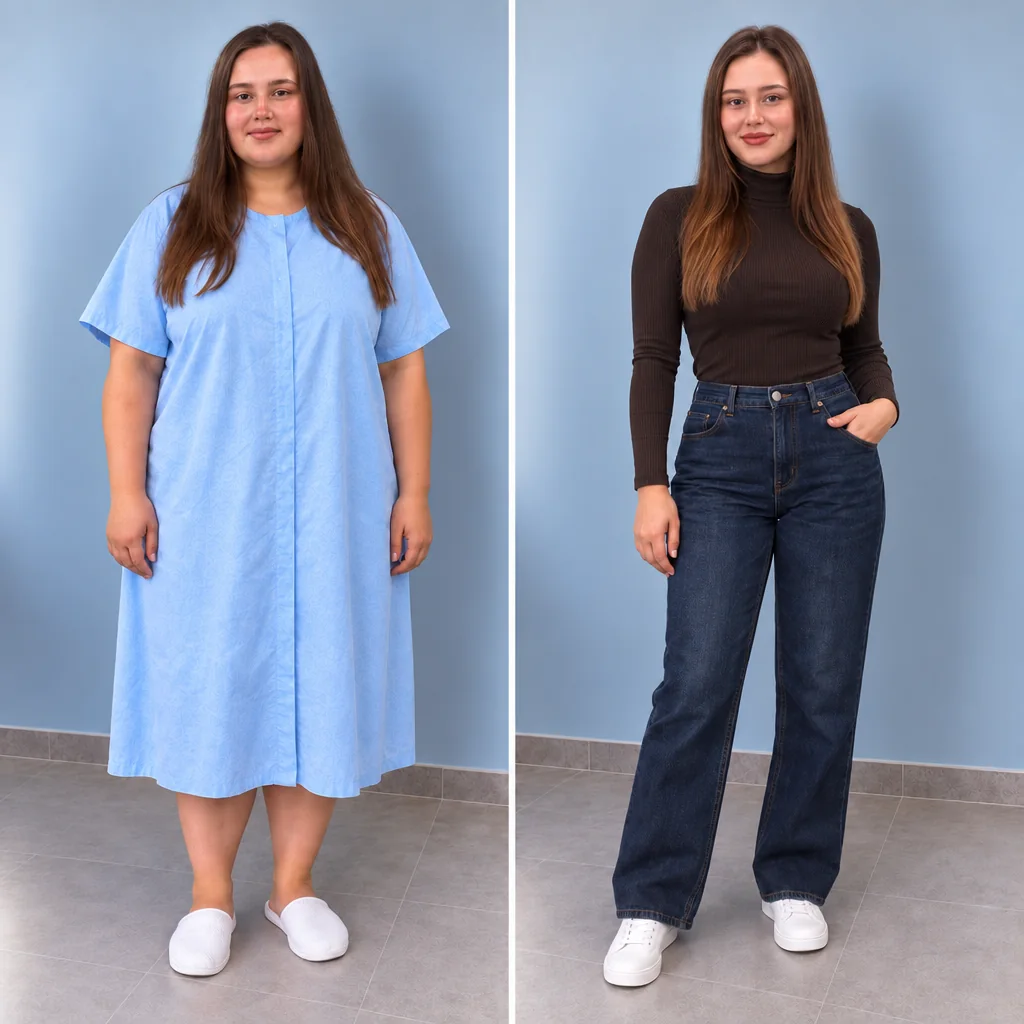
 beforeafter
Irina, 26
Bariatric surgery
Bariatric surgery
$3,600
$4,800 · First consultation — Free
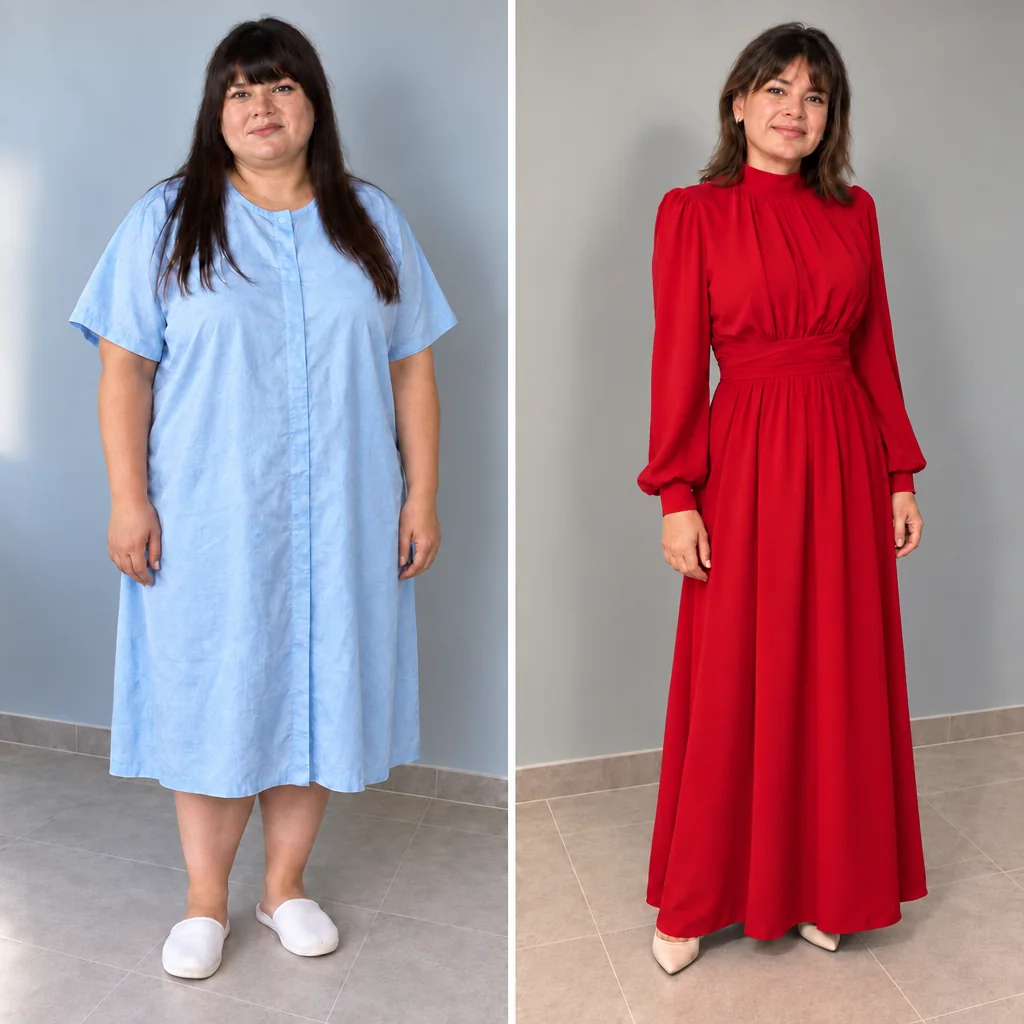 before
after
Message our coordinator
Free online consultation · Reply within 15 minutes
Message us on TelegramMessage us on WhatsAppBy messaging us, you agree to our Privacy Policy
Results
All cases are real patients of the clinic.
beforeafterBariatric surgery
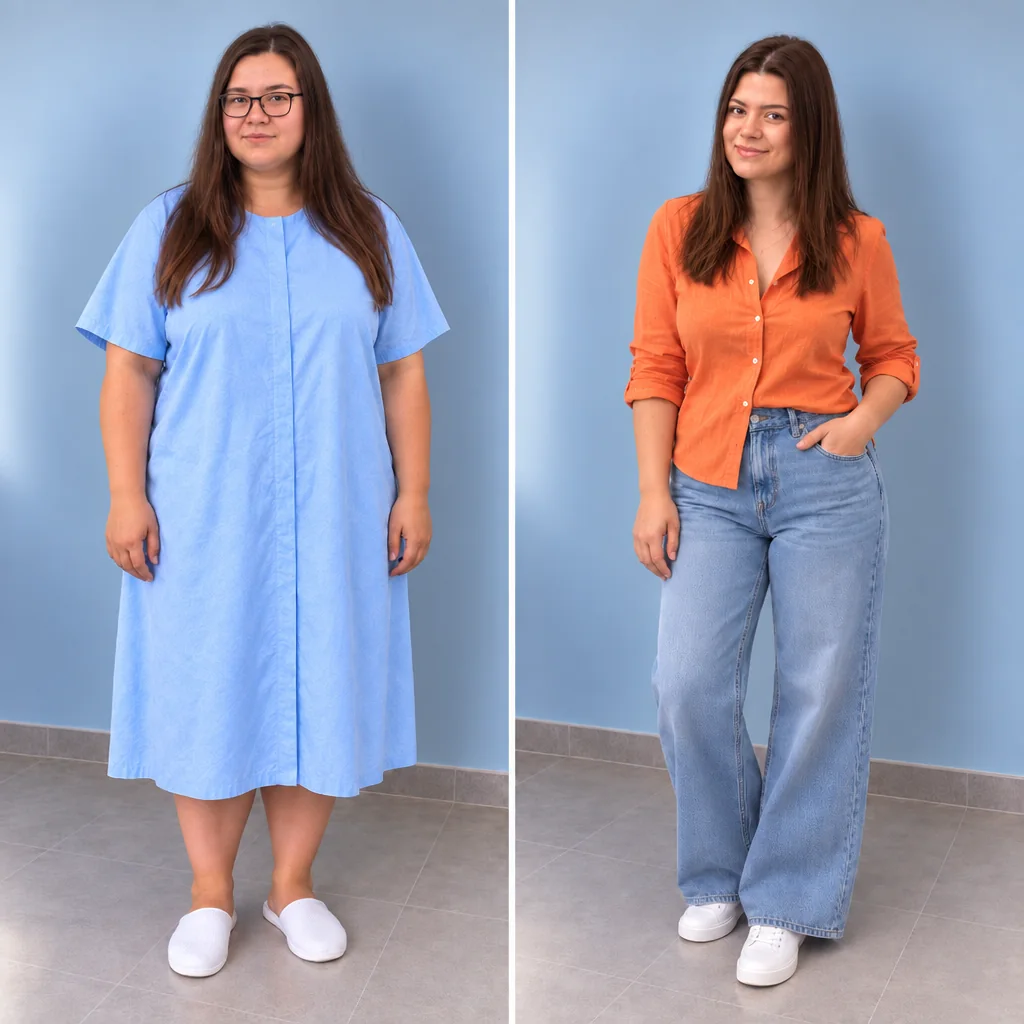 beforeafter
Bariatric surgery
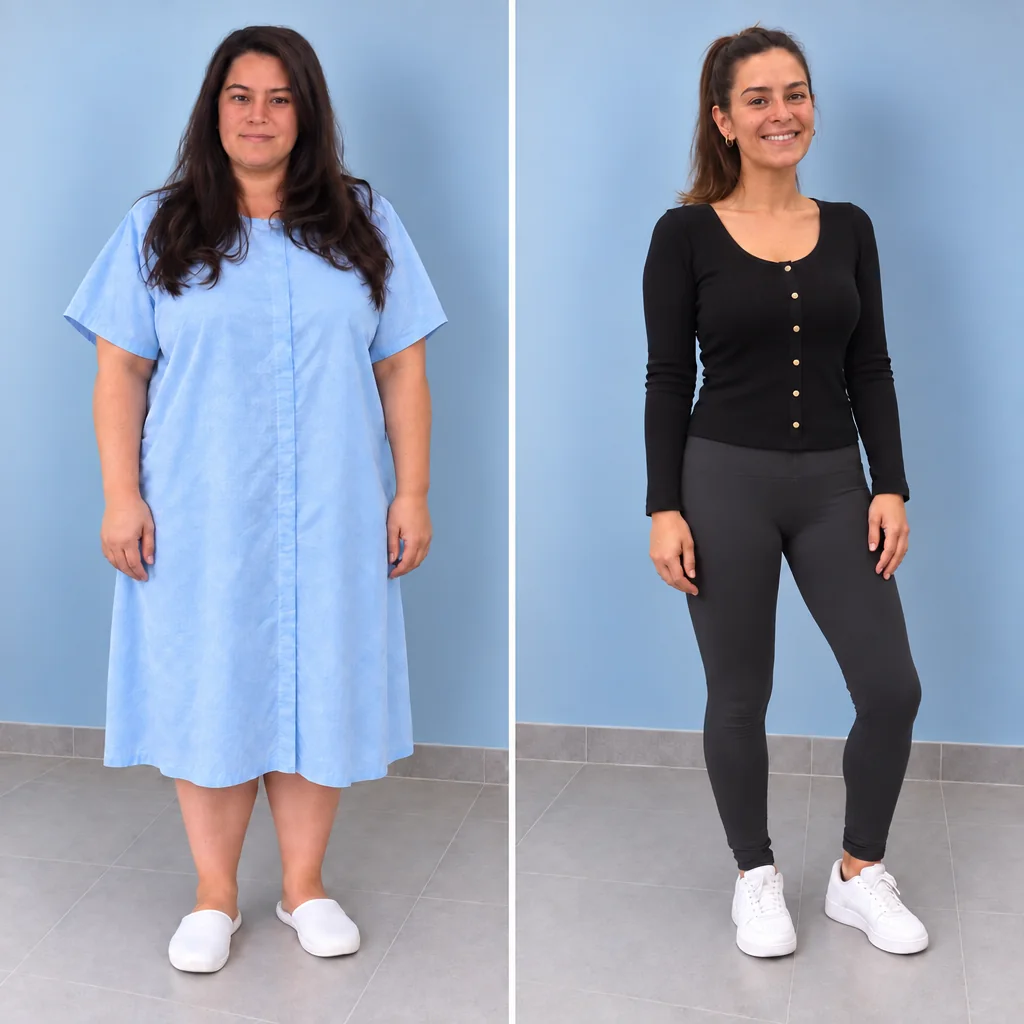 beforeafter
Bariatric surgery
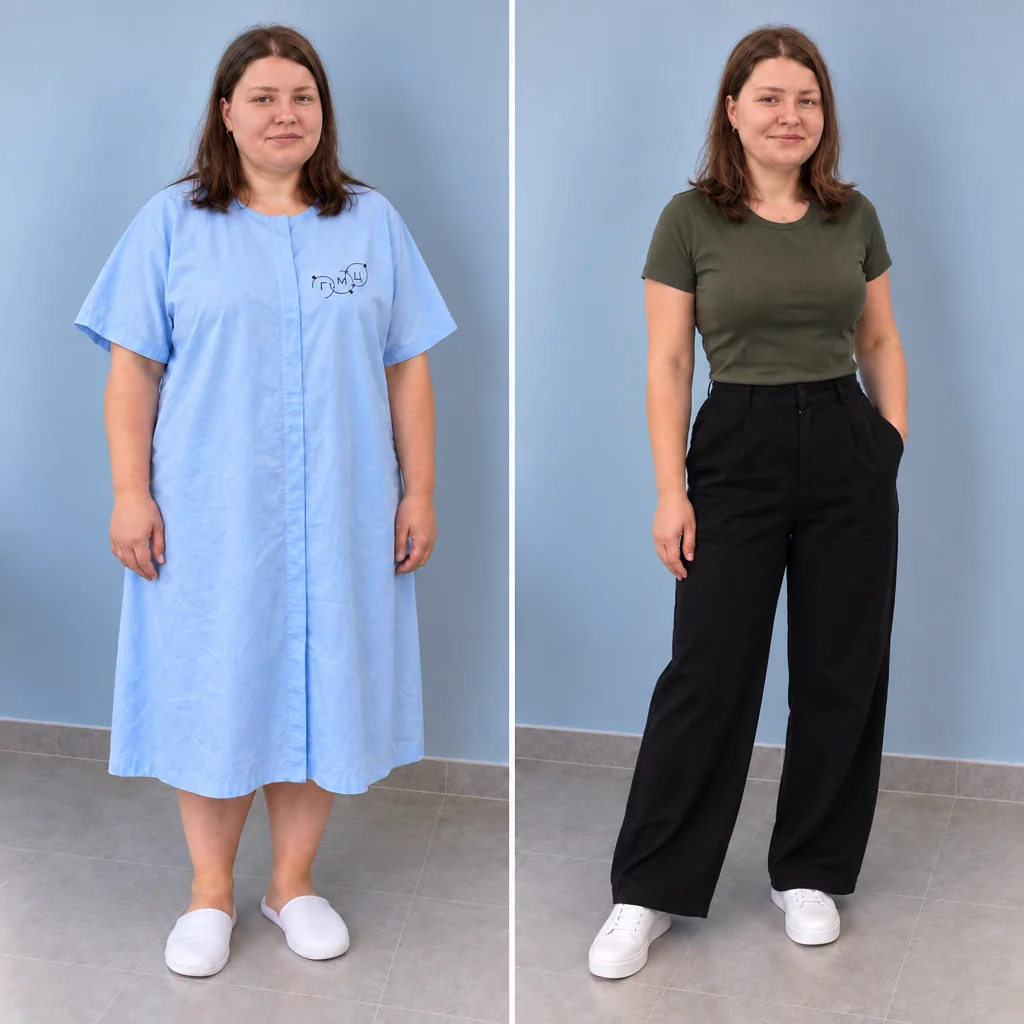 beforeafter
Bariatric surgery
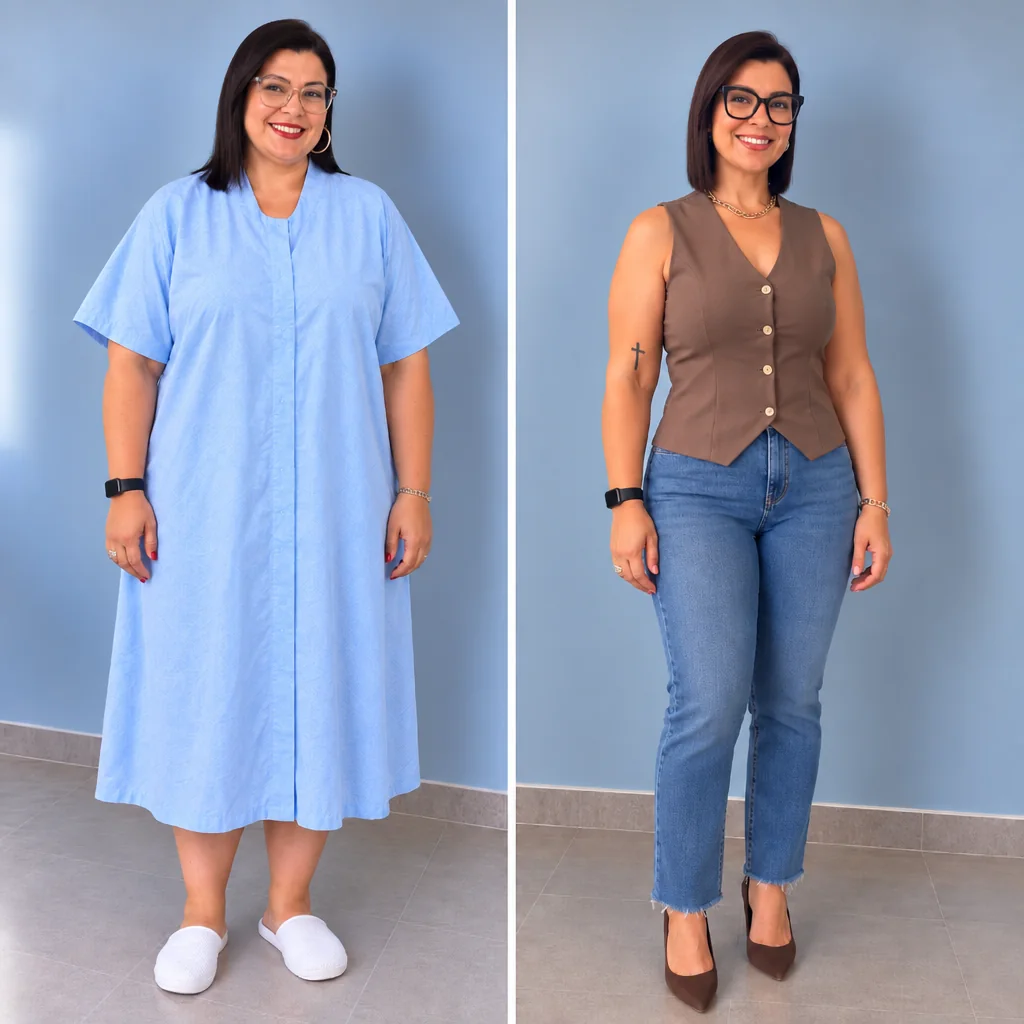 beforeafter
Bariatric surgery
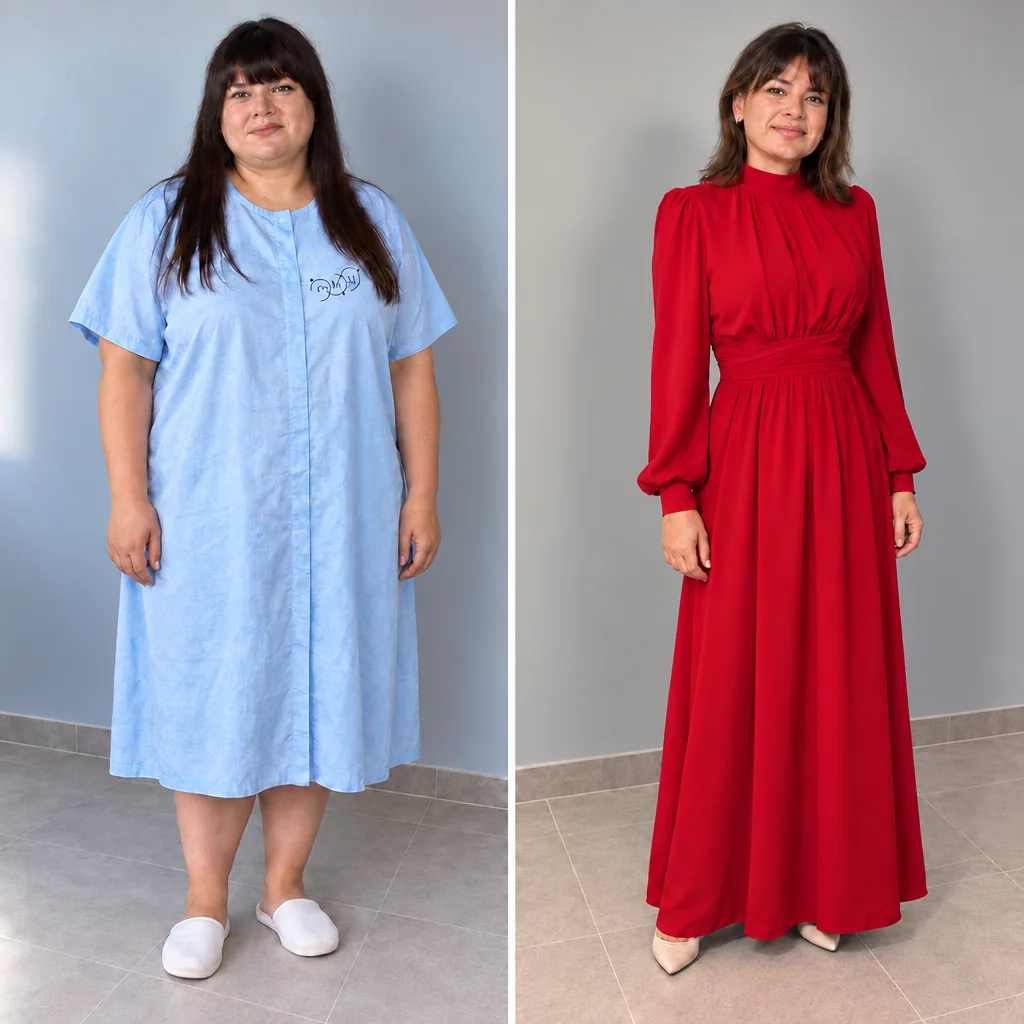 beforeafter
Bariatric surgery
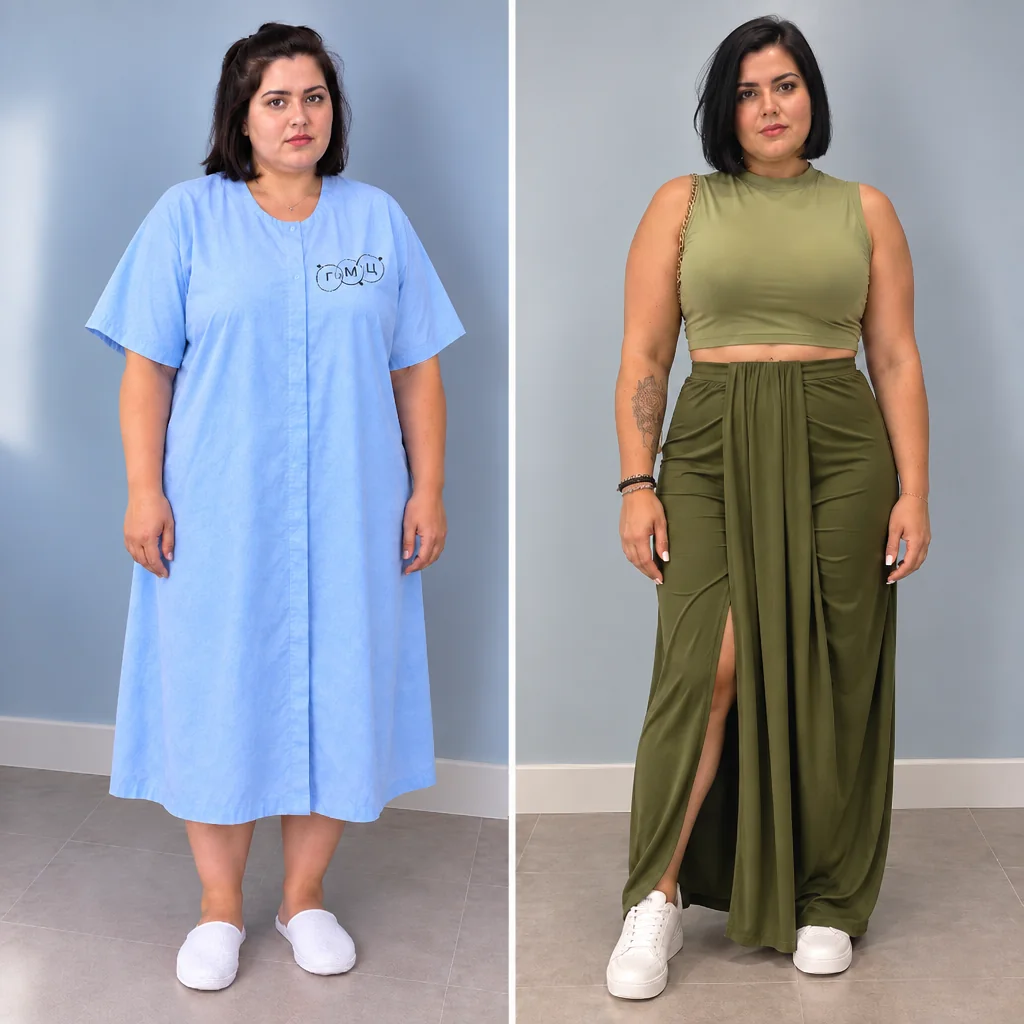 beforeafter
Bariatric surgery
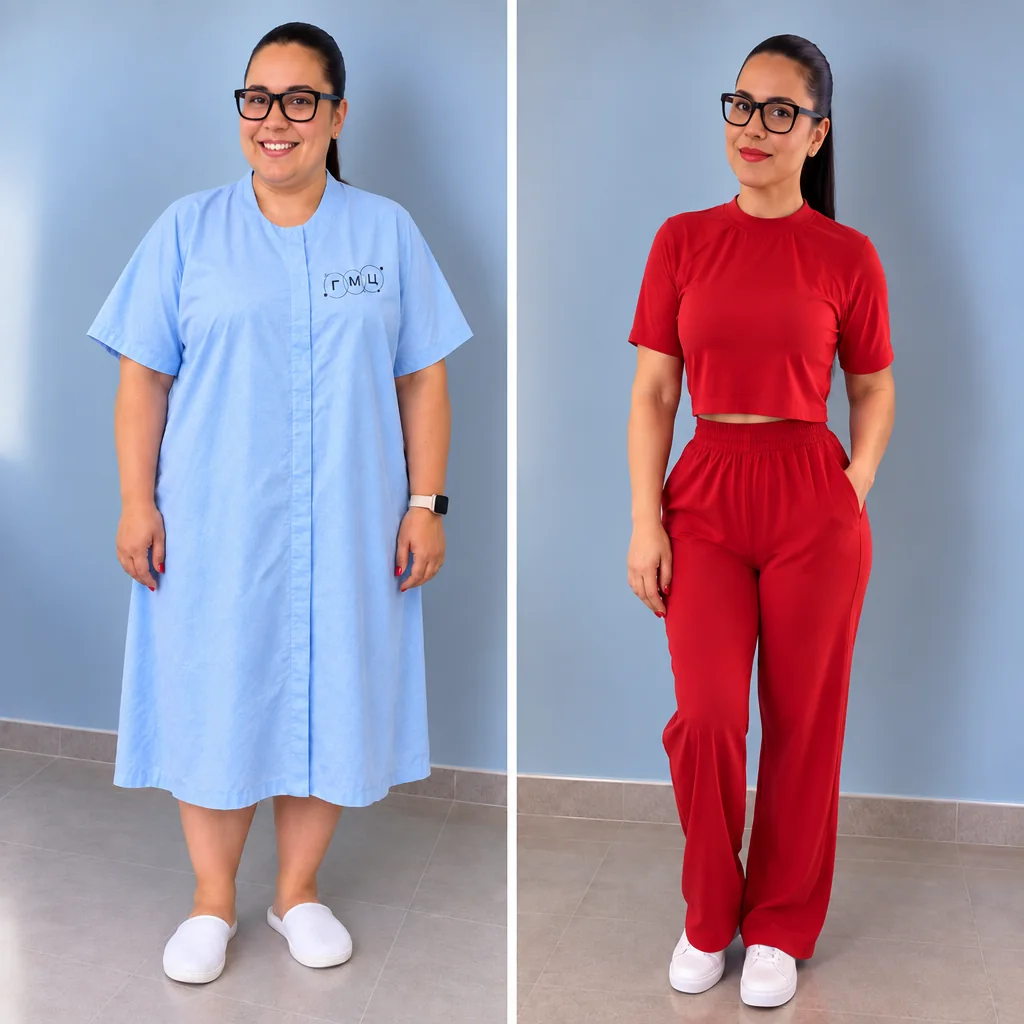 beforeafter
Bariatric surgery
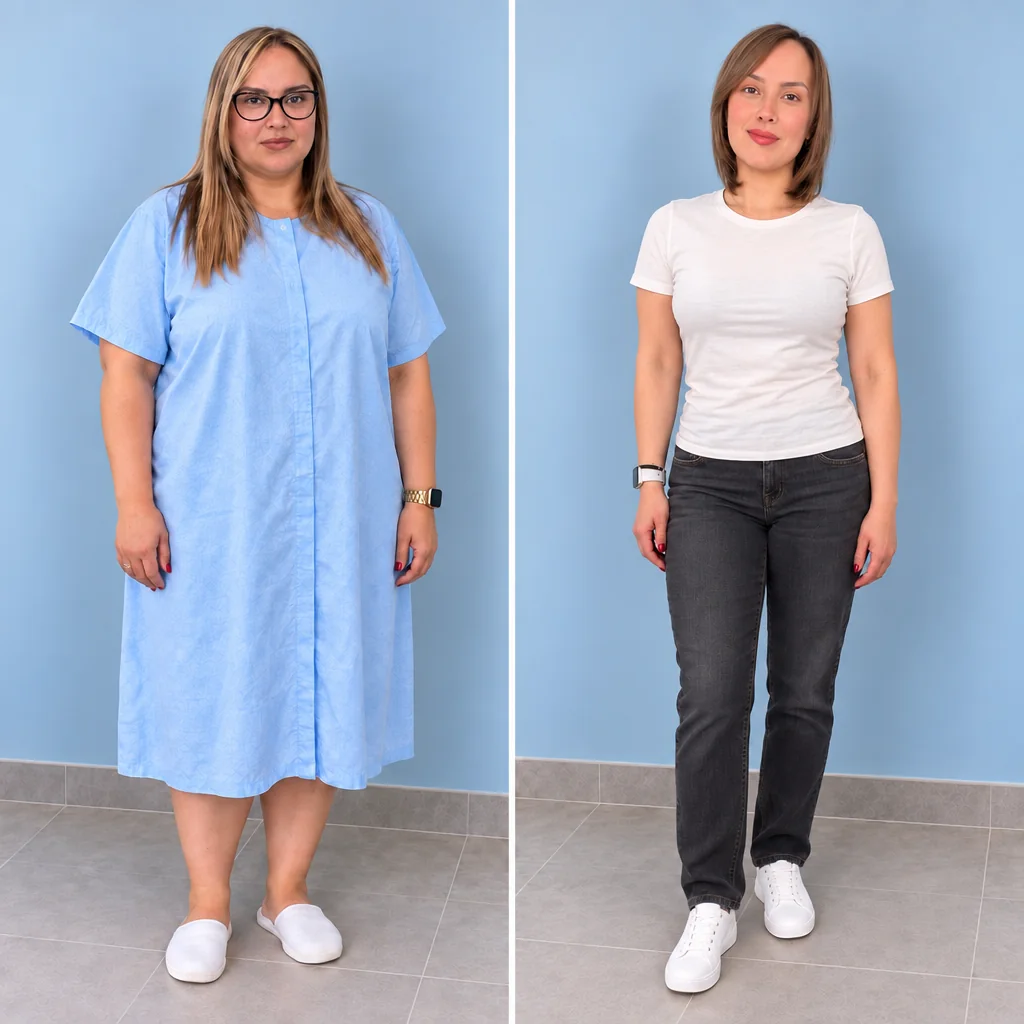 beforeafter
Bariatric surgery
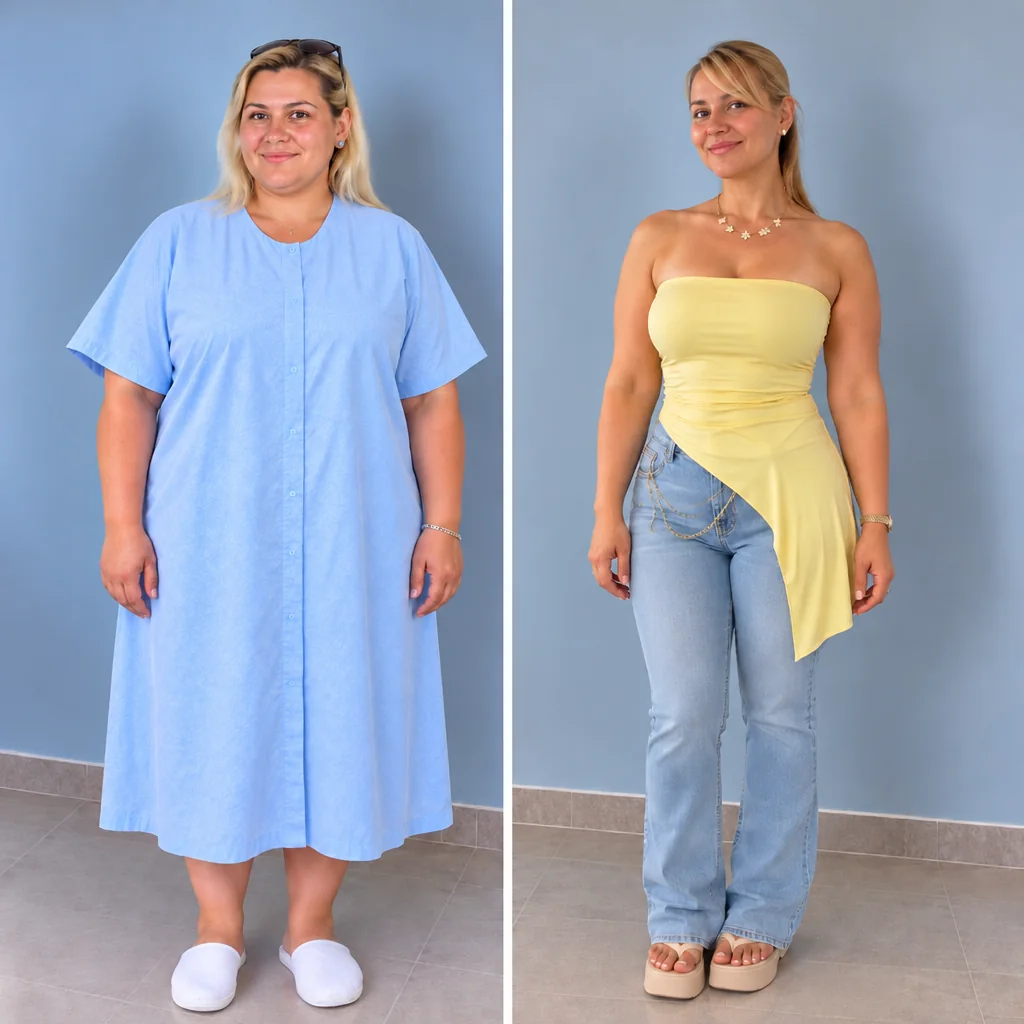 beforeafter
Bariatric surgery
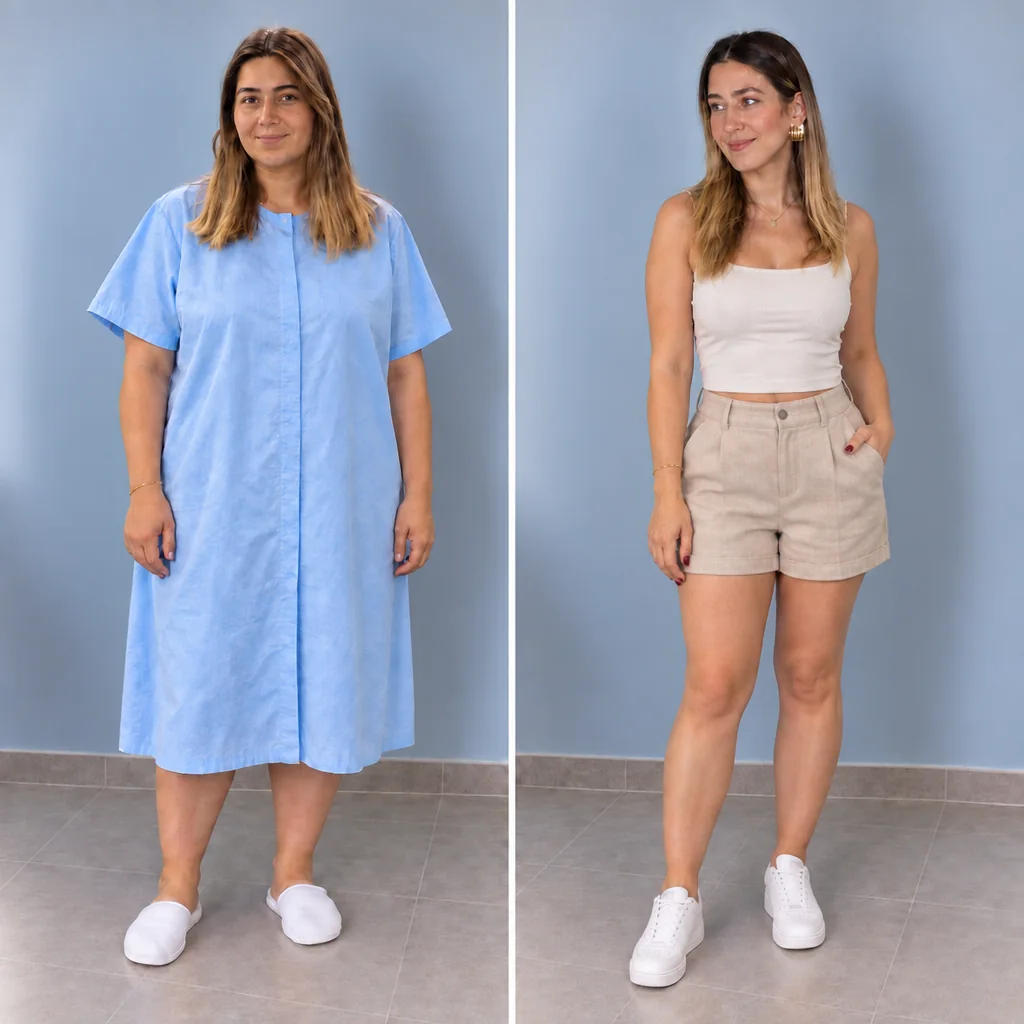 beforeafter
Bariatric surgery
Comparison
We offer two main options: gastric bypass and sleeve gastrectomy. Weigh up how each works, its purpose and its indications to settle on your method with confidence.
Reduction of stomach volume
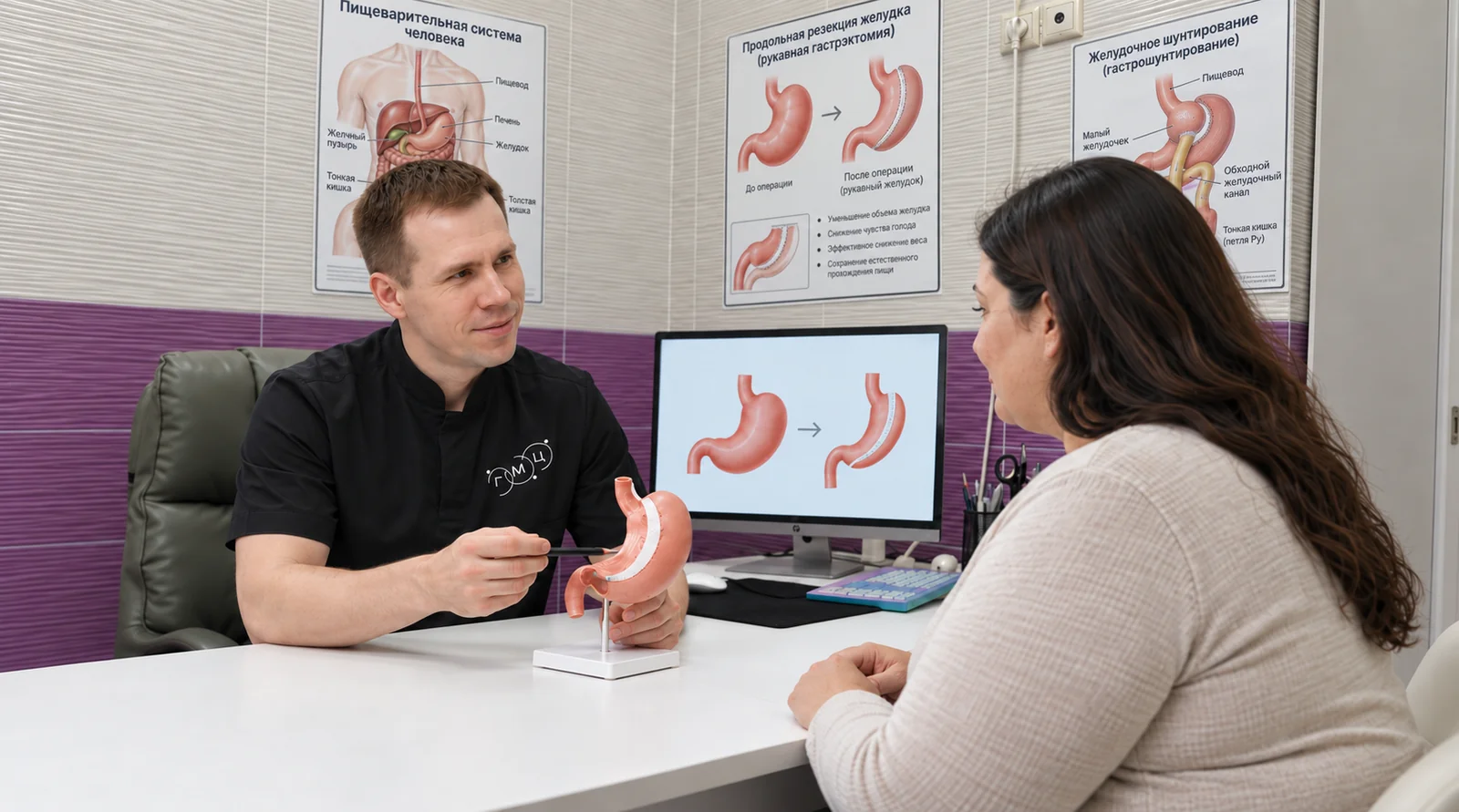
Discounted price
$3,600 $4,800
Reducing the stomach volume and rerouting food
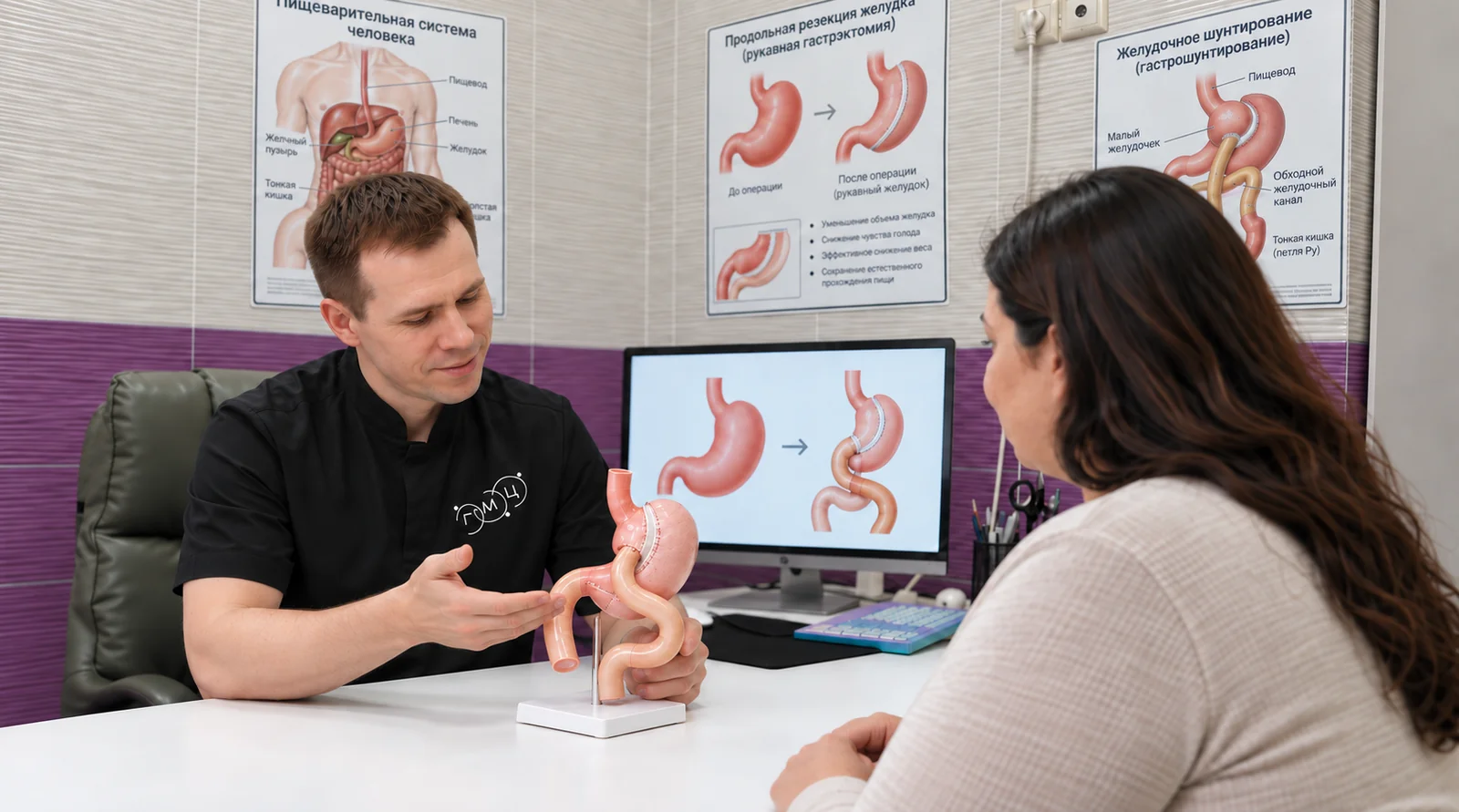
Discounted price
$4,000 $5,200
The benefits and recovery times are method averages meant as a guide; the actual scope of the operation and your recovery depend on your anatomy and individual features. The surgeon confirms them at the consultation.
Book a consultationThe clinic
Modern technology, cosy rooms and personal attention for every patient
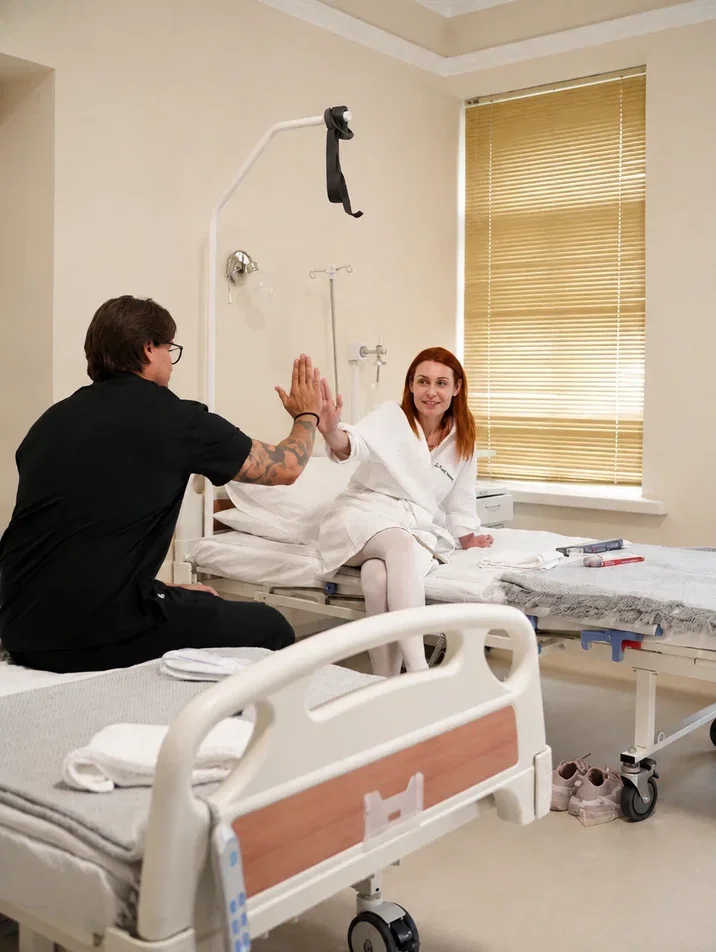
You get answers to your questions and a consultation slot that fits your schedule
Get a consultationTogether with the surgeon, you decide on surgery after a consultation and check-up.
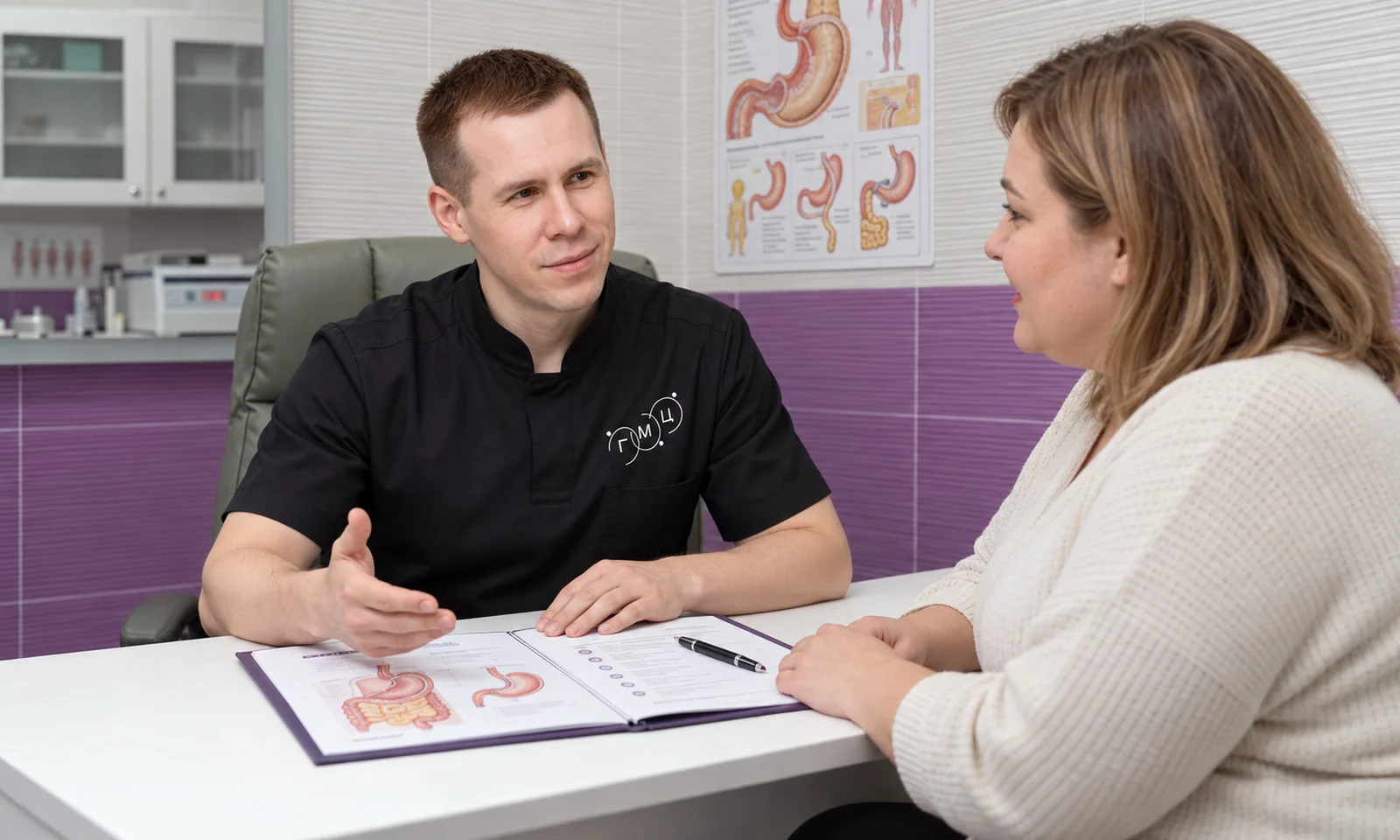
Unsure which column describes you?
Write to us on Telegram — a coordinator will let you know whether bariatric surgery is an option for you. The surgeon consultation costs nothing and carries no obligation to operate.
Find out if it suits me
Prices
At the consultation, when your plan is ready, we name the cost and fix it in the contract.
Discounted price
Reduction of stomach volume
$3,600$4,800
Discounted price
Weight loss and a new route for food
$4,000$5,200
Free
Surgeon's examination and a treatment plan

Free
the price of surgery is confirmed
and fixed in your contract
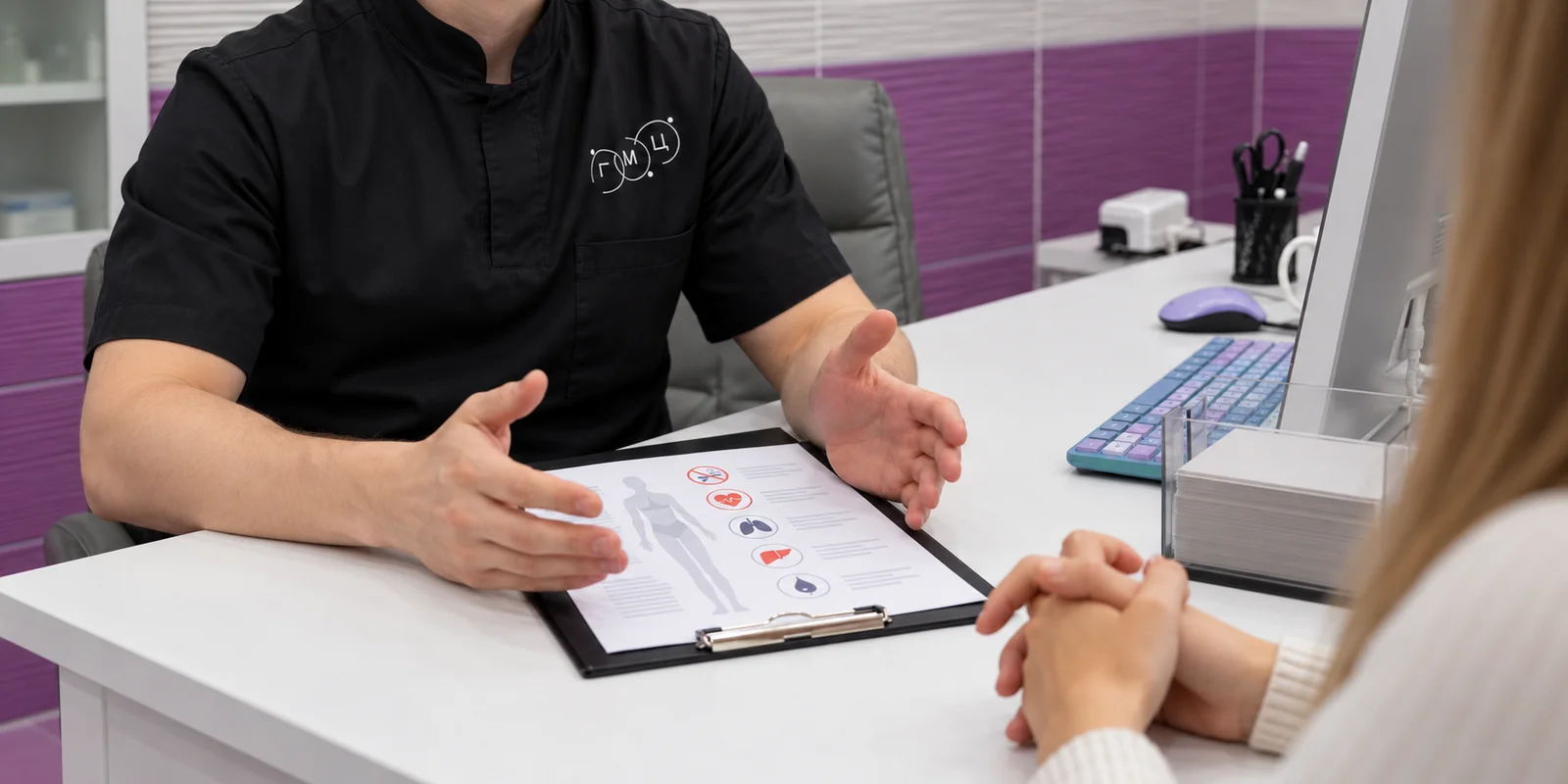
Assessing your health and discussing what you want to achieve, the doctor selects the right bariatric method. The cost is named at the consultation and written into the contract.
Message our coordinator
Free online consultation · Reply within 15 minutes
Message us on TelegramMessage us on WhatsAppBy messaging us, you agree to our Privacy Policy
price
You get one package, preparation to 12 months of support, with nothing extra.From getting ready for surgery
to 12 months of support.
How it goes
An agreed treatment plan, close monitoring in hospital and support lasting a year.
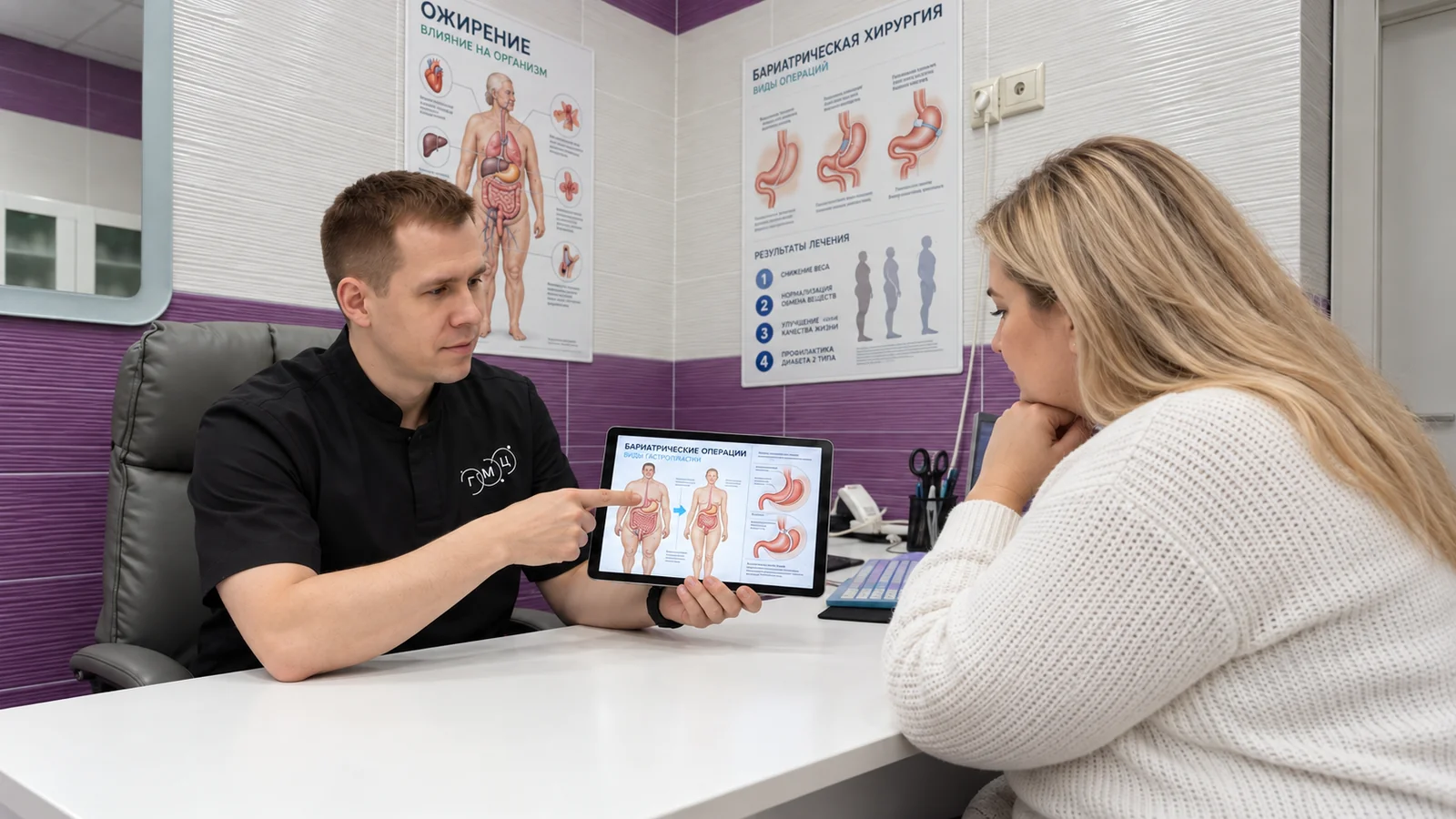 1
To choose the right bariatric surgery method, the doctor assesses your health, discusses your goals and orders the necessary tests.
2We secure a date for your surgery: you can pay the deposit by card at the clinic or by bank transfer online. The terms are fixed in the medical services contract
 3
Before surgery you will have blood and urine tests, an ECG, an ultrasound and a gastroscopy, plus specialist appointments. The doctor provides the exact list at the consultation.
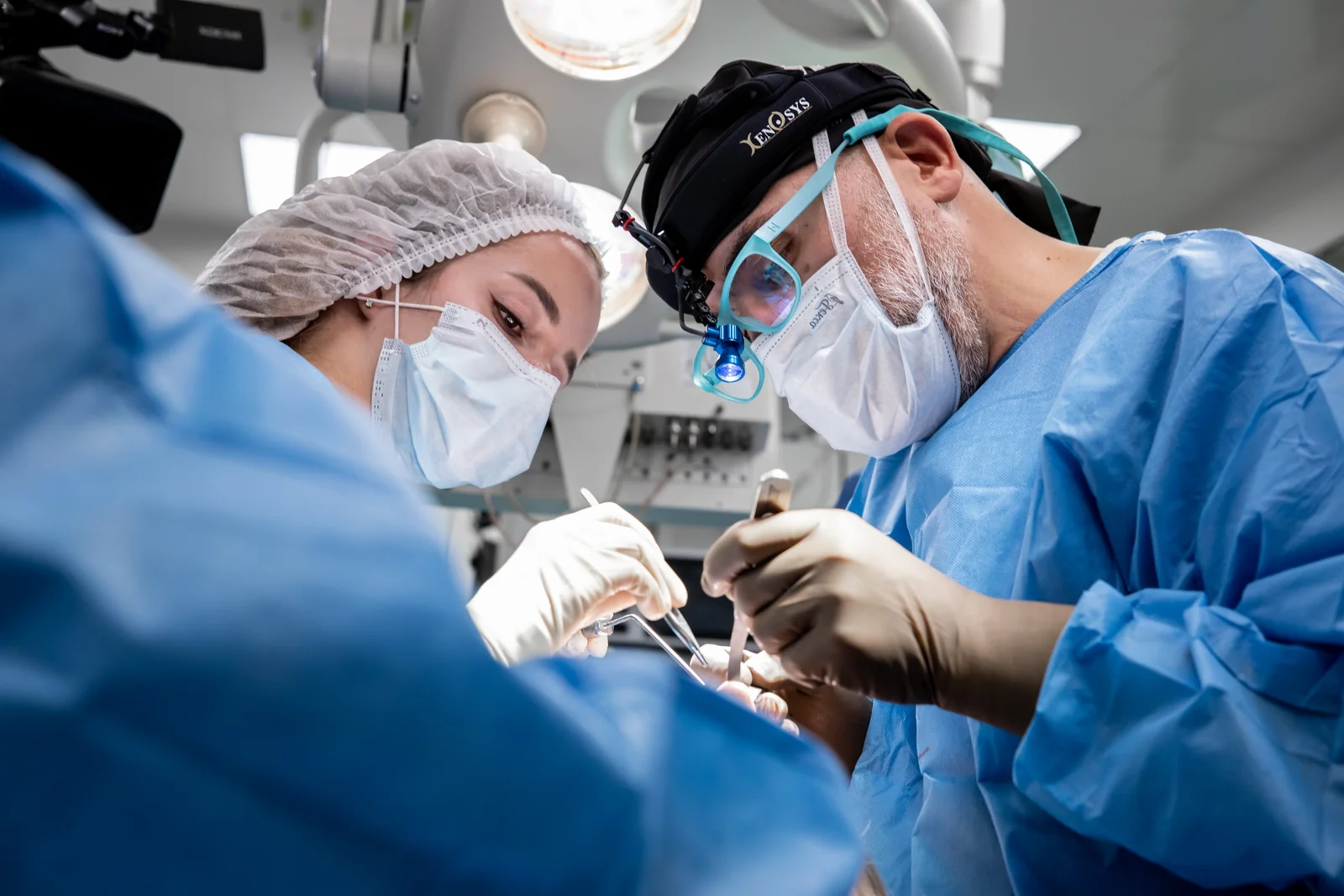 4
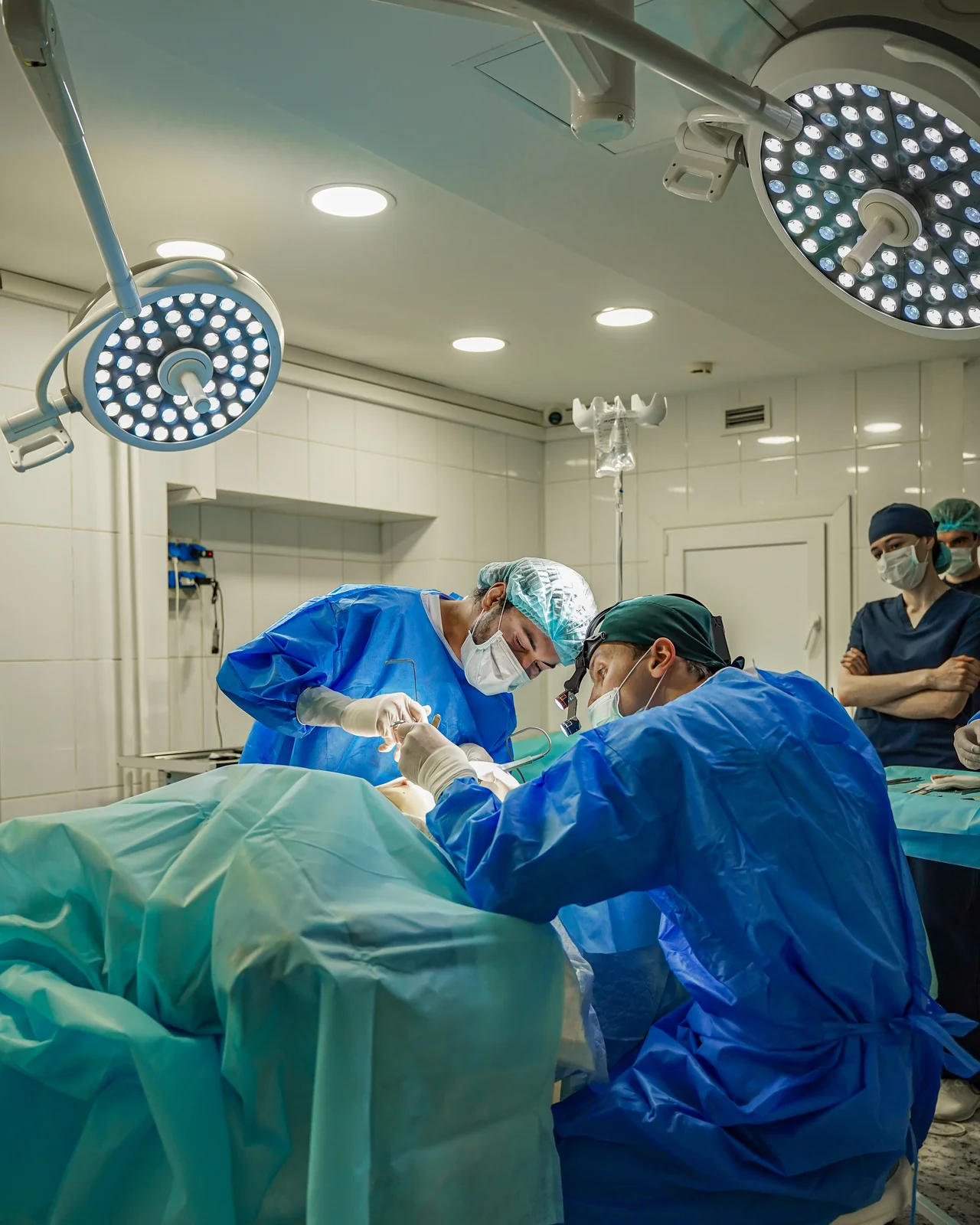
Your surgeon performs the bariatric operation with the chosen method under general anaesthesia, and after surgery the medical team monitors you.
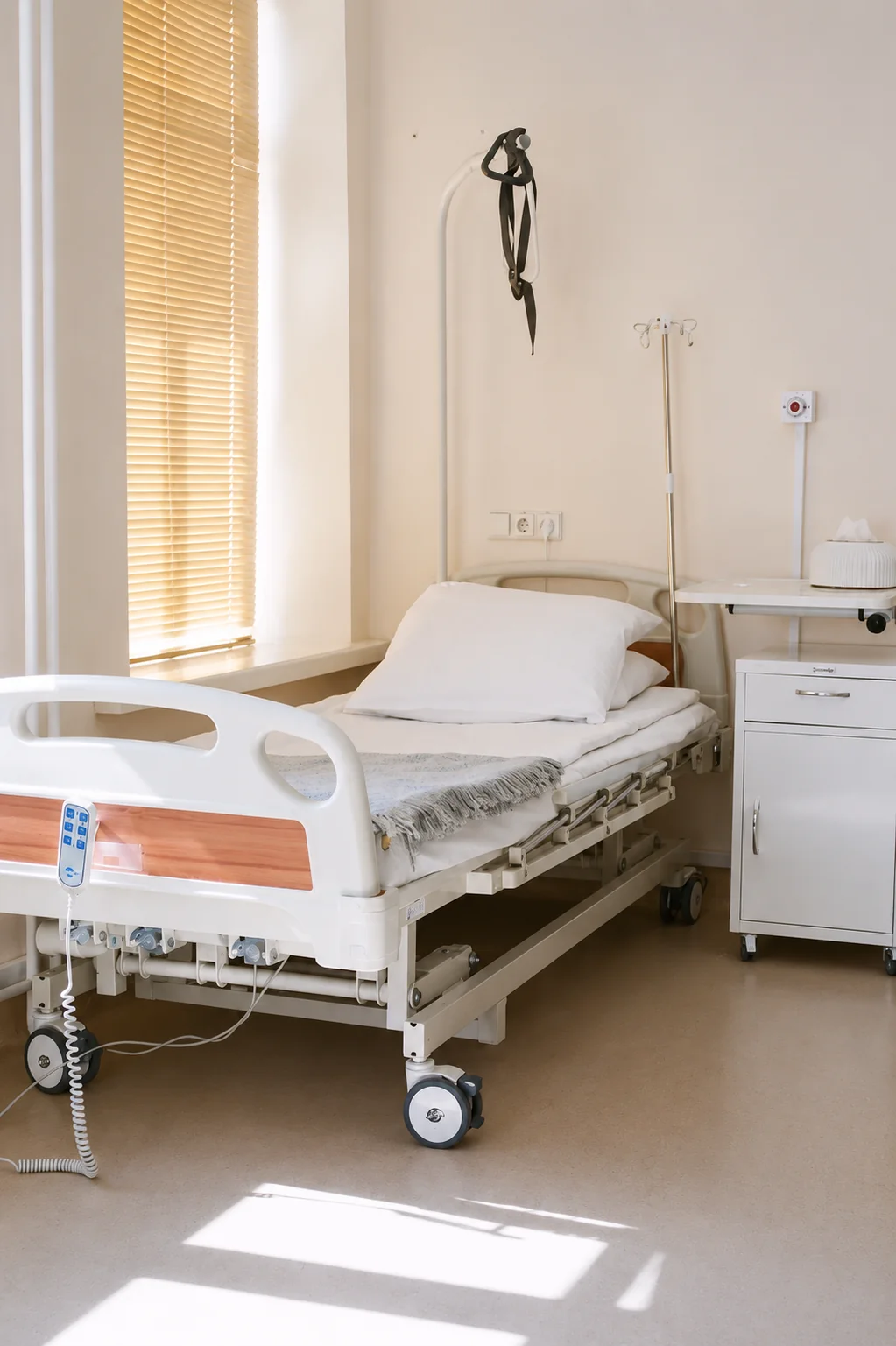 5
After surgery you remain in hospital under doctors' supervision. Expect a stay of 1–3 to 4–5 days, depending on the complexity of the operation and how you feel.
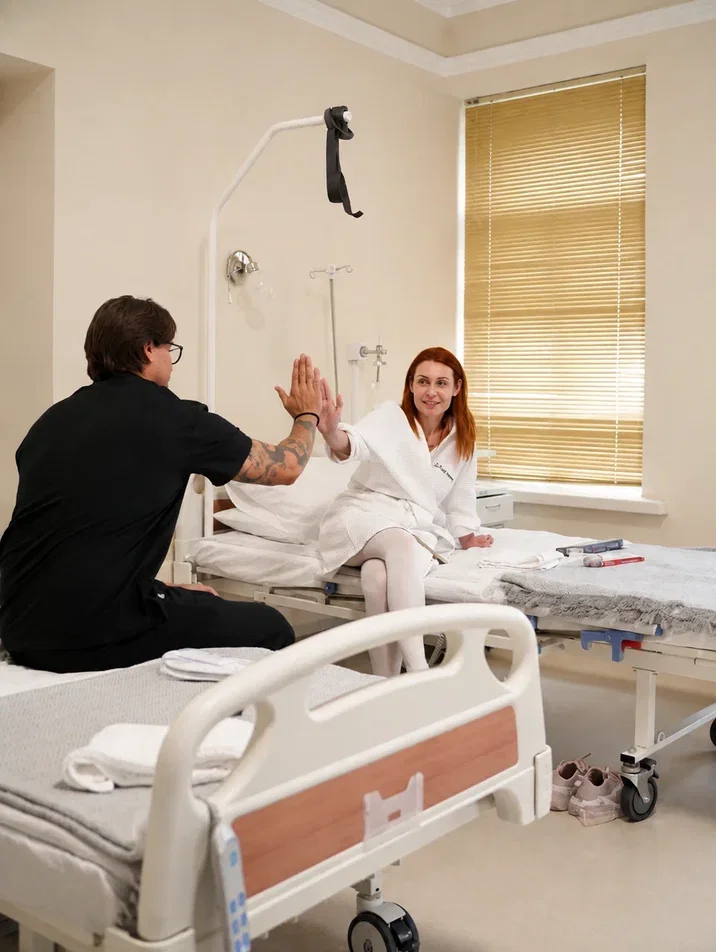 6
On discharge you receive diet and recovery advice. Scheduled check-ups monitor how you feel, your weight and your test results, and the clinic team supports you for a year.
A plan is drawn up by the doctor at the consultation, with an explanation of how surgery will go
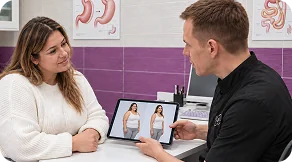
The consultation costs nothing, takes place before surgery and has no obligation.
Book a consultationDoctors
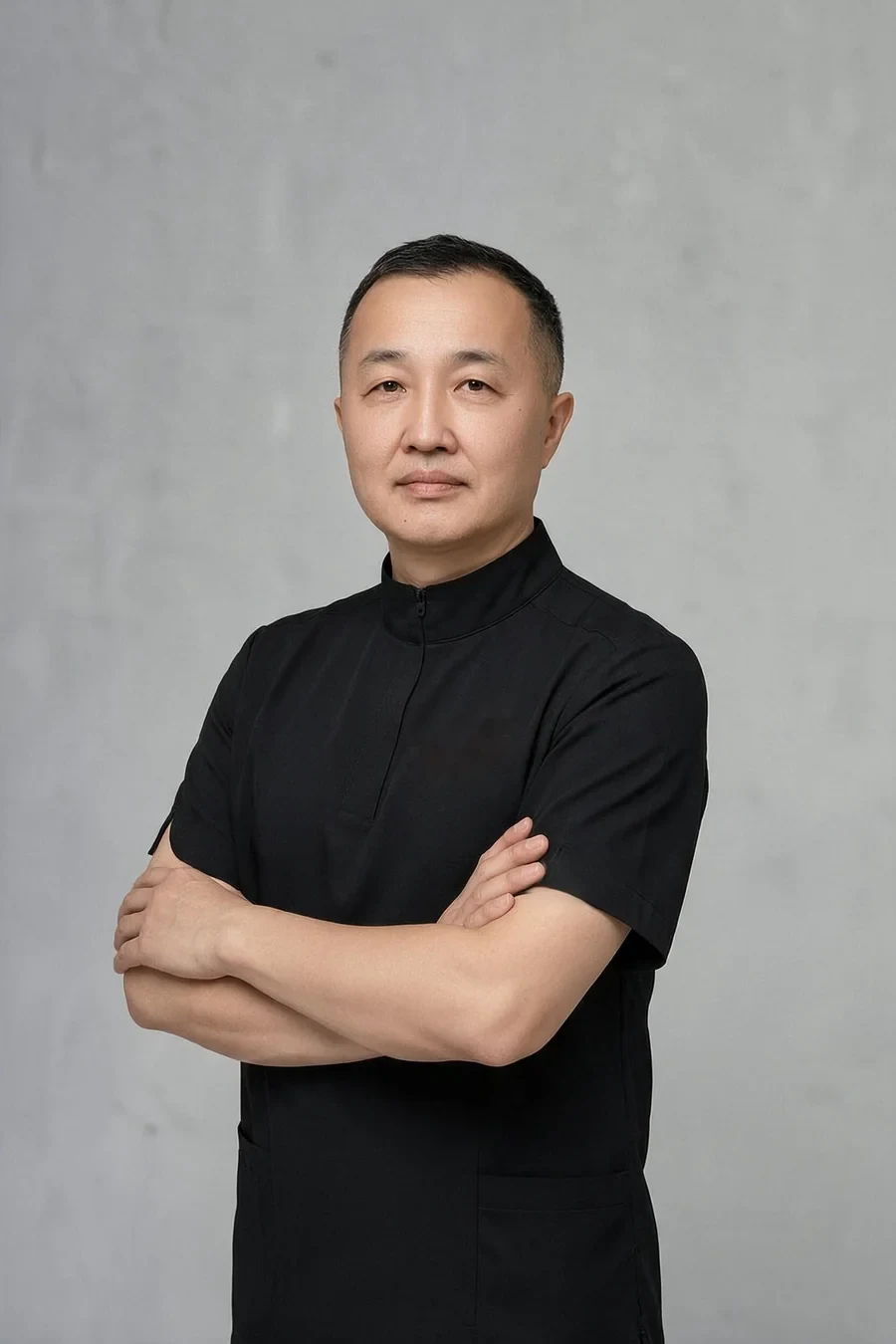
27 years of experience
Lead bariatric surgeon
Surgeon
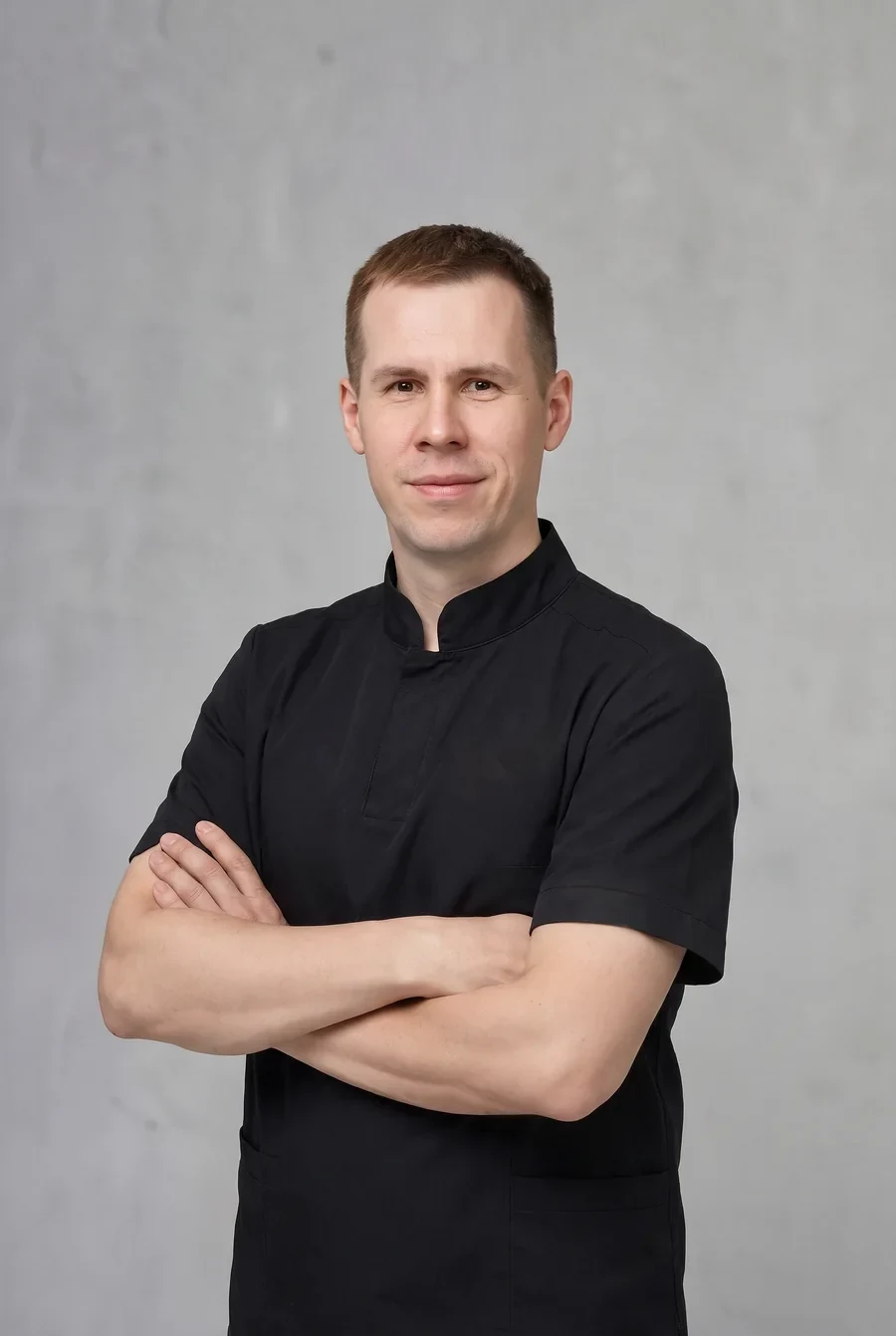
9 years of experience
Bariatric surgeon
Surgical oncologist
The surgeon operates and then follows you, from the very first consultation to the result.
The patient care manager holds your first consultation free of charge: they work out your BMI, explain the methods and book your appointment with the surgeon.
Book a consultationCoordinators
We support you at every stage

First contact at the clinic for you — from your first message through to the consultation
Specialist in patient care
Helps you choose a convenient date and answers your questions before the first consultation

With you before and while you stay with us, from booking to discharge
Specialist in patient care
Stays in touch during your clinic stay and helps you prepare for surgery

With you through recovery — from discharge to your final check-up
Specialist in patient care
Stays in touch while you recover and books your follow-up visits with the surgeon
Advantages
The best method is chosen for your health, lifestyle and goals, and our team is with you all the way.
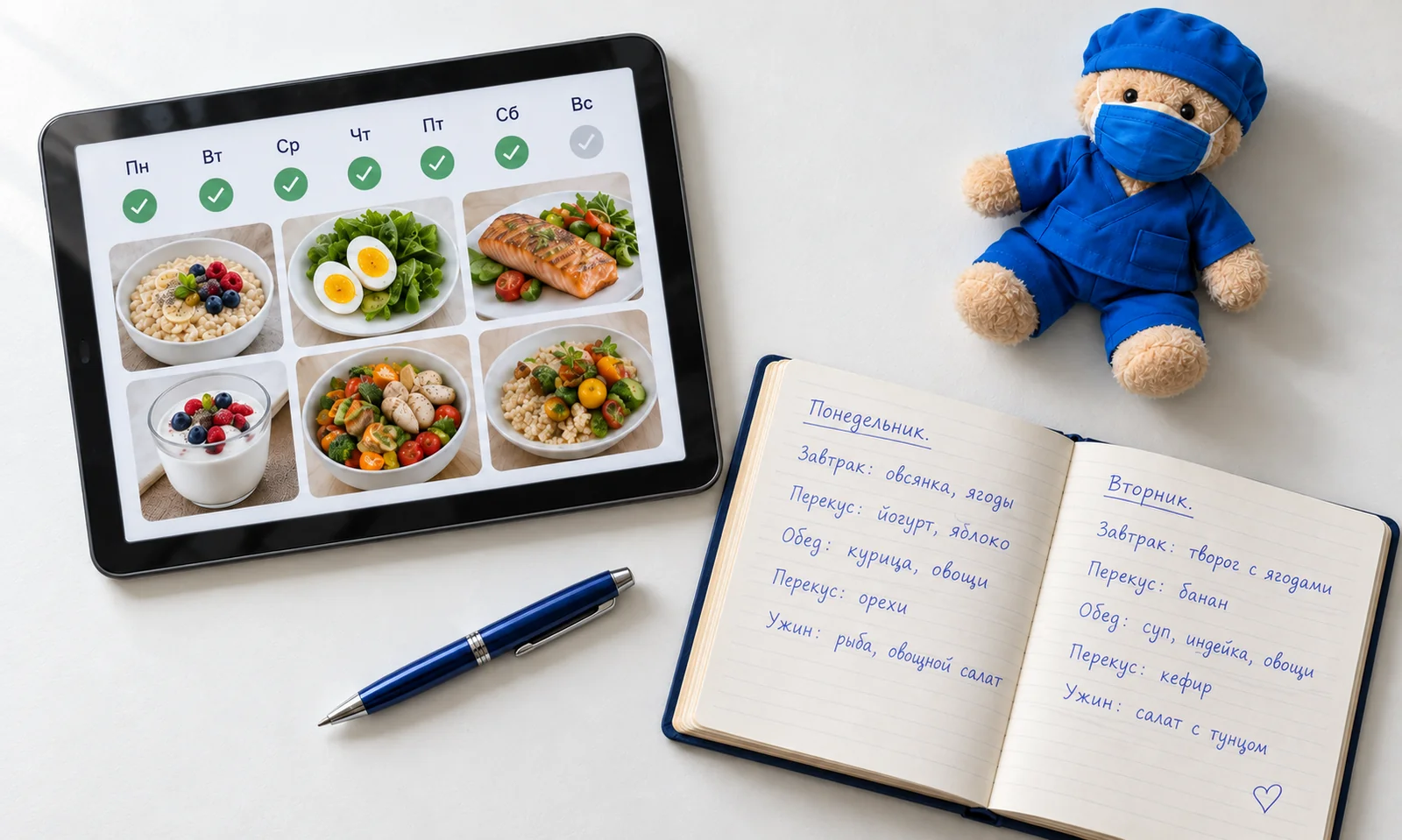
We help you adjust to new eating habits, follow your results and maintain them.
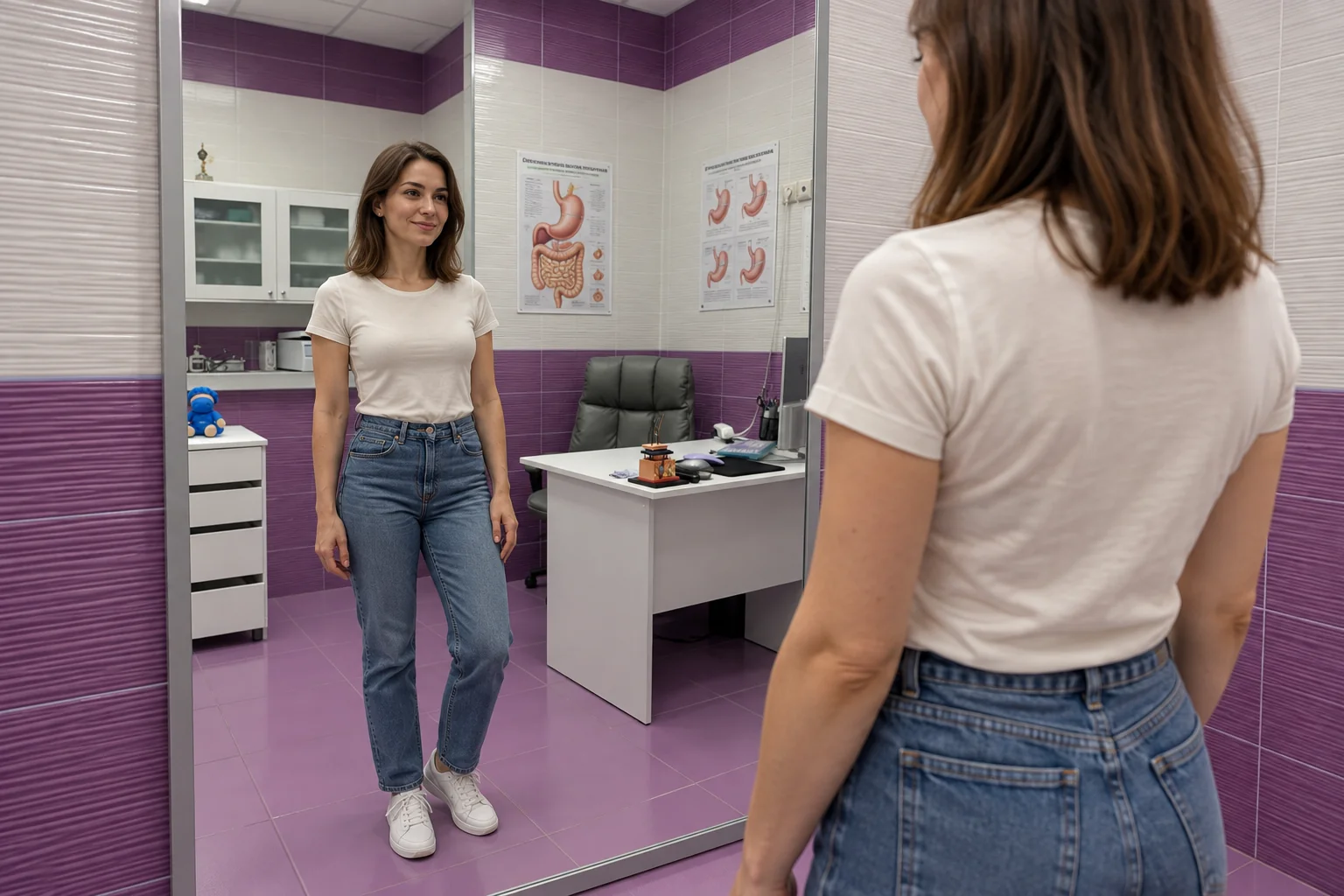
Stable weight loss, improved well-being and a higher quality of life.
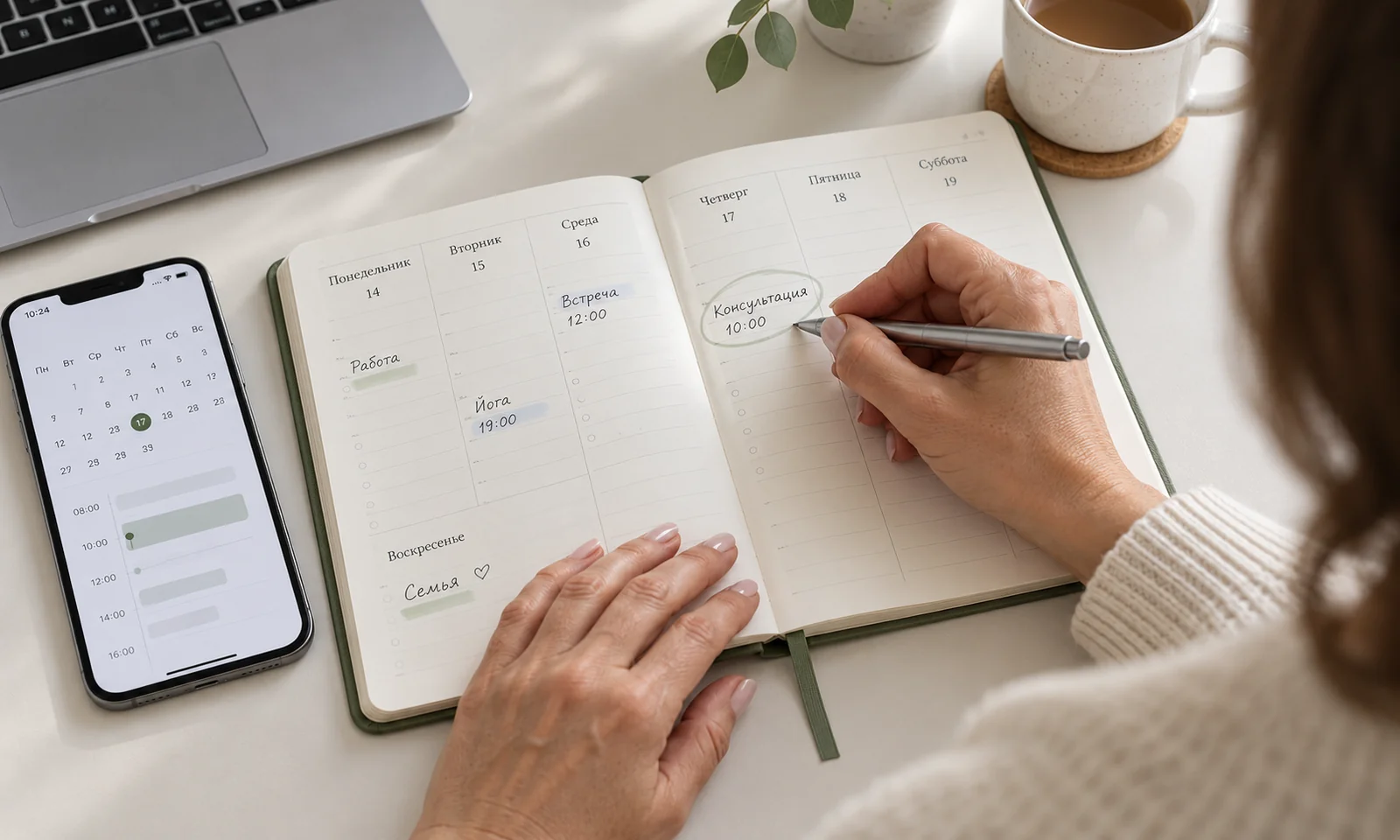
We value your time: we are open 24/7, booking is easy and the approach is personal — we adapt to your pace.
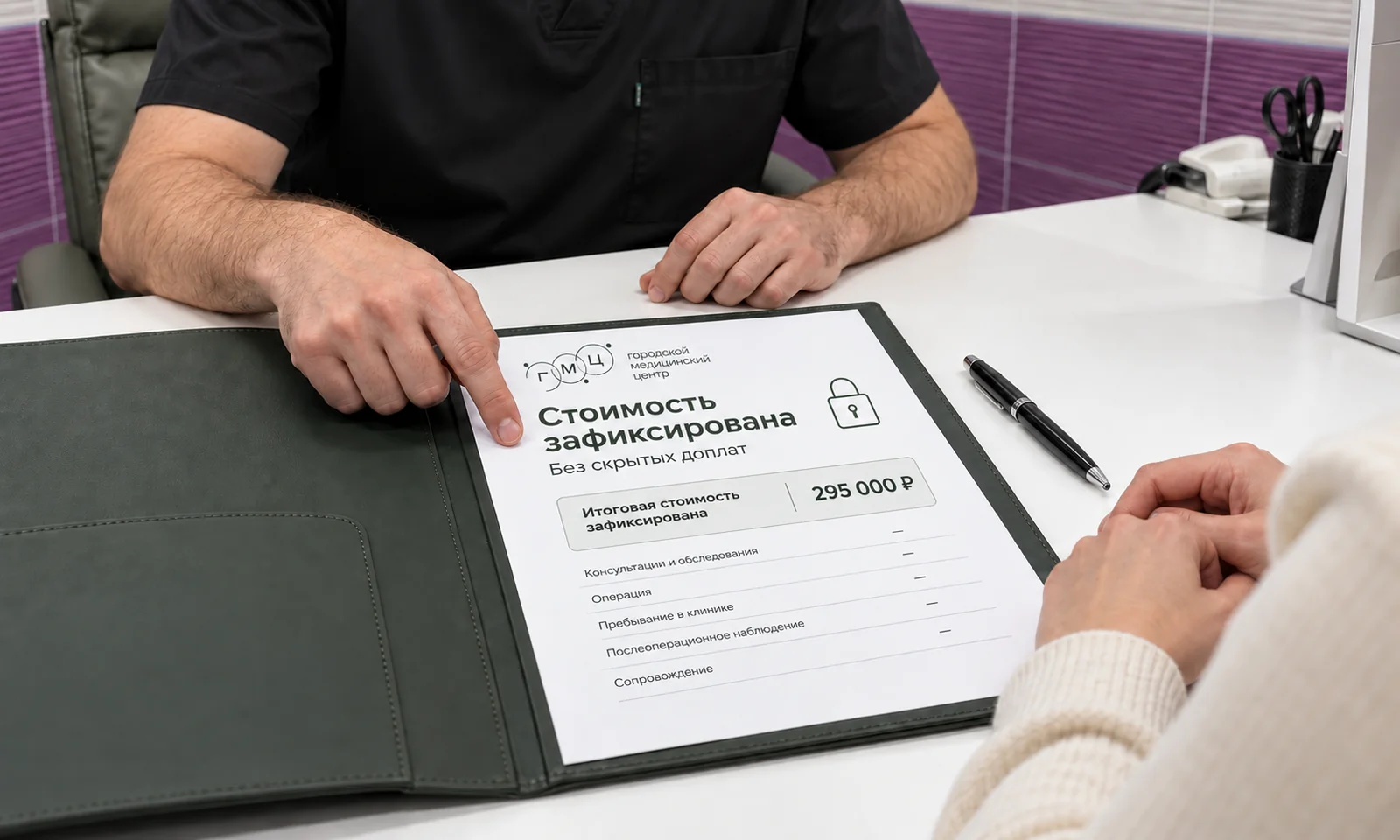
You get a clear price after the consultation, when the surgeon chooses the method: no hidden fees and no surprises along the way to your result.
FAQ
Experienced bariatric surgeons perform the bariatric operations at the clinic:
Write to us — a coordinator will get back to you soon and arrange your consultation. The bariatric surgeon consultation is free of charge.
Surgery is prescribed only when clear criteria are met
The main way to assess the degree of obesity is BMI. It is body weight (kg) divided by height squared (m²). Generally, surgery is justified with BMI above 40, or above 35 combined with serious related conditions. Lower values may sometimes be considered for surgery too, when non-surgical measures have failed.
The two are often confused, yet their goals differ fundamentally. Bariatric surgery is a medical treatment for obesity and its related diseases. It alters how the digestive tract works, tackling the causes of excess weight and metabolism. Plastic surgery changes the body's outer contours; it neither treats obesity nor affects metabolism.
The four main types of bariatric surgery at City Medical Centre are sleeve gastrectomy, Roux-en-Y gastric bypass, mini gastric bypass (MGB) and SADI-S duodeno-ileal bypass. Each method is matched individually to BMI, related conditions and the patient's goals.
Using modern laparoscopic technique, we perform the operation via 4 small punctures of 5 to 15 mm. Cosmetic sutures are placed, leaving marks that are nearly invisible after healing.
When you recover depends on your activity. Office work: after 2–4 weeks. Physical work: after 1.5 months. Sport and activity: swimming is fine after 30 days; other exercise gets added gradually as weight drops. Travel and holidays: best planned from a month after surgery.
Your diet changes in stages: from liquid food to soft, then to solid. The focus is on protein and on limiting high-calorie, fatty food.
Pregnancy after bariatric surgery is possible, though doctors recommend waiting at least 12–18 months. In that time the body stabilizes, weight reaches its target and nutritional status returns to normal.
Yes, vitamins are essential after bariatric surgery. As digestive anatomy changes, the body absorbs certain nutrients less well, so regular vitamin and mineral supplements become a lasting part of the patient's life.
Weight regain after bariatric surgery is possible, but very unlikely if you follow the doctor's advice. Proper nutrition, avoiding high-calorie drinks and regular follow-up with City Medical Centre specialists are key.
Prices are in US dollars; the amount in brackets is an approximate conversion to ZAR at the rate of 02.10.2026. The final price is fixed in your contract.
Prices start from $3,600 (≈ R61,000). The surgeon sets the final price at the free consultation, and it is fixed in the contract, with no hidden extras.
General anaesthesia, a personal coordinator from day one, monitoring in the hospital and support for one year.
The hospital stay is 1–5 days, depending on the method and how you feel. Office work is possible after 2–4 weeks.
Yes. The first consultation is free and does not oblige you to anything. You can start online by sending a message to the coordinator.
Message us on WhatsApp or Telegram using the buttons below. A coordinator will answer your questions and book a free consultation where the doctor names the exact price.
By messaging us, you agree to our Privacy Policy
Bariatric surgery is a medical treatment for obesity and related diseases. Unlike plastic surgery, it changes how the digestive tract works and addresses the causes of excess weight. For patients from Vereeniging, four main methods are available: sleeve gastrectomy, Roux-en-Y gastric bypass, mini gastric bypass and SADI-S. Each is chosen individually based on BMI, related conditions and personal goals.
Recovery is short thanks to the minimally invasive technique, and absorbable sutures dissolve on their own. Office work is usually resumed after 2–4 weeks and physical work after about 1.5 months; swimming is allowed after 30 days, with other exercise added gradually. For the first weeks, no sauna or intense training. Vereeniging residents get the same step-by-step guidance from the team.
Before spending on another diet, get a professional assessment. A short no-cost talk with the surgeon, about a quarter of an hour, shows whether your BMI and related conditions justify surgery. If they do, one package takes you through tests, the operation, care in the ward and follow-up, with the weight loss result set in a contract. Residents of Vereeniging can apply online.
What patients write after this operation. Reviews are translated from the original language.
Irina, 26
For a long time I doubted whether to go ahead with surgery, but after the consultation I felt much calmer. Andrey Georgievich explained in detail how gastric bypass is done, what to expect after the operation and how recovery would go. I especially liked that they talked to me calmly and without pressure. I am now gradually getting used to my new way of life and I am very glad I took this step.
Bariatric surgery
Doctor: Andrey G. Ugay
Angelina, 22
For me the hardest part was deciding to have the operation. At the consultation Ruslan Sergeyevich answered all my questions in detail and explained the specifics of sleeve gastrectomy and recovery. After the operation I always understood what I was doing and why. Thank you to the doctor and the whole team for their attentiveness.
Bariatric surgery
Doctor: Ruslan S. Menzulin
Anna, 31
For a very long time I tried to deal with my excess weight on my own, but I did not get the result I wanted. After the consultation with Andrey Georgievich I finally understood what to do next. I came through the operation well, and my recovery was supervised by the doctors. It was important for me to feel that I was not left alone after surgery.
Bariatric surgery
Doctor: Andrey G. Ugay
Veronika, 25
Before the operation I had many fears, mostly of the unknown. Ruslan Sergeyevich explained every stage of treatment in detail and answered even the simplest questions. Thanks to that I felt much more confident. I keep following the recommendations and I am gradually seeing the changes I had the operation for.
Bariatric surgery
Doctor: Ruslan S. Menzulin
Valentina, 23
The decision to have bariatric surgery was not easy for me. I worried both about the operation itself and about how my life would change afterwards. At the consultation Andrey Georgievich explained everything in detail, so little by little my fear turned into confidence. What matters most to me now is the result and the chance to treat my health and lifestyle differently.
Bariatric surgery
Doctor: Andrey G. Ugay
Anna, 27
I am very grateful to Ruslan Sergeyevich for his attentiveness. Before the operation I had a huge number of questions, and I got a clear answer to every one of them. After the operation it was also clear which recommendations to follow and how to eat. It was important to me that the doctor stayed in touch and I felt supported at every stage.
Bariatric surgery
Doctor: Ruslan S. Menzulin
Vereeniging is a city in the south of Gauteng province, South Africa, at the point where the Klip River empties into the northern loop of the Vaal River. It is one of the constituent parts of the Vaal Triangle region and forms the southern portion of the Pretoria-Witwatersrand-Vereeniging conurbation. Its neighbours are Vanderbijlpark to the west, Three Rivers to the east, Meyerton to the north and Sasolburg to the south. Many people from this part of Gauteng think about weight loss surgery quietly and for a long time before they ask anyone about it.
The population figure for the area is about 474681 inhabitants. Behind that number are shift workers, office staff, teachers, parents and retired people, and each of them has a different reason for asking about sleeve gastrectomy or gastric bypass. Some want to move more easily. Others are worried about diabetes, blood pressure or joint pain. Others have tried diets and supervised programmes many times without lasting change.
City Medical Centre does not have an office in Vereeniging. You contact the centre from your own city through a free online consultation. Coordinators are available around the clock, 24/7, on Telegram and Telegram, so you can write when your shift ends or after the family has gone to bed.
Vereeniging is described as one of the most important industrial manufacturing centres in South Africa. Its chief products are iron, steel, pipes, bricks, tiles and processed lime. That tells you something about the working life of many residents: physical jobs, plant and factory environments, shift patterns and also the office and administrative work that supports industry.
This matters for planning. The recovery guidance is clear: office work is possible after 2–4 weeks, and physical work after 1.5 months. If you work in a heavy industrial setting in or around Vereeniging, plan on the longer timetable and talk to your employer early about lighter duties. If your work is mainly at a desk, the shorter period is the one to discuss with your surgeon.
Shift workers should say so during the consultation. The coordinators work 24/7 and adapt to your pace, so a call can be arranged around night shifts instead of forcing you to take time off just to talk.
Gauteng has distinct seasons, and the choice of month affects comfort after surgery more than many people expect. This is general advice and not a medical rule. In the hot months, keep the home cool, dress in loose breathable clothing and drink fluids in small, regular sips, as your surgeon advises. Avoid long periods in strong sun while you are still tired and recovering.
In the cooler months, the main task is to stay warm and keep moving gently. Short walks at home or nearby help circulation, and light layers are easier to manage than tight clothing over the small healing marks on the abdomen.
Dust and wind from an industrial region can irritate some people, so keep windows and your living space clean while resting. Ask the surgeon whether any specific clothing or abdominal support is advised for you. Do not buy anything before that conversation.
The Vaal River loop is a defining feature of Vereeniging, and for many families time on or near the water is part of weekends and holidays. After bariatric surgery, swimming is allowed after 30 days. Other exercise is added gradually as weight goes down.
So if you plan a day at the river, a pool afternoon or a family gathering by the water, count 30 days from the operation and then confirm with your surgeon that your wound healing allows it. Sunburn and tiredness are separate issues, so go slowly the first time.
For sport, do not rush back to your previous level. Begin with walking, add activity step by step and let your body set the pace. Your weight will change, and the surgeon can tell you how to increase the load over the following months.
Vereeniging is a place where English, Sesotho and Afrikaans are all spoken, and the food and gatherings of its communities are varied. Shared meals, weekend gatherings and celebrations are central to family life, and they will not stop after surgery. What changes is how you take part.
Before the operation, think about the events in your calendar. Weddings, birthdays, funerals and church or community gatherings often involve large, rich meals. You do not need to avoid these occasions. You do need a plan: smaller portions, eating slowly, and following the dietary stages you are given. The support programme lasts up to 12 months, so you will not be handling these situations alone.
Tell family members what to expect. Relatives who understand why you eat less are more likely to support you than to press you to take more.
Surgery is usually considered with a BMI over 40, or over 35 with related health conditions. BMI is the main tool for assessing the degree of obesity and is calculated by dividing body weight in kilograms by height in metres squared. In some cases surgery is considered at lower values too, if non-surgical approaches have failed. The surgeon confirms whether surgery suits you at the consultation.
The World Health Organization treats obesity as a major health problem, and it is a reason to take the question seriously and not to feel ashamed of it. Bring your medical history to the online consultation: current medicines, chronic conditions such as diabetes or high blood pressure, previous operations and earlier attempts to lose weight.
Contraindications are decided individually. Do not rely on general lists found online. Be honest about your health and your habits so the surgeon can judge whether the operation is appropriate and which method, sleeve gastrectomy or gastric bypass, is more suitable.
The operation is done under general anaesthesia. The centre relies on modern laparoscopic technique, performed through 4 small punctures of 5 to 15 mm. Cosmetic sutures are used, so after healing the marks are barely visible.
The hospital stay is 1–5 days, depending on the method and how you feel. Doctors supervise you in hospital after surgery, with a stay that depends on the complexity of the operation and your condition. Expect 1–5 days under observation.
Residents of Vereeniging should plan help at home for the first days after discharge, such as someone to cook suitable food, drive you to appointments and be with you if you feel unwell.
You write to a coordinator on Telegram or Telegram at any hour. A coordinator will call you back 24/7. The first consultation is free and online, so you do not need to take a day off or arrange transport within the Vaal Triangle.
Prepare your height, weight, medical history, medicines and questions. The surgeon assesses your case, explains the options and confirms whether surgery suits you. The programme runs from preparation to 12 months of support, all in one package, with no added fees.
Booking is easy, the approach is personal and the team adapts to your pace. You can take time to think, discuss with your family and return with more questions.
Vereeniging began with coal. In 1879 George William Stow found a coal deposit twelve feet thick on the farm Leeuwkuil, and in 1880 the farm was bought for the company founded by Samuel Marks to supply energy to the Kimberley diamond fields. From 1881 coal went to Kimberley by ox-wagon, and by 1882 so much had grown around the mining area that a village was surveyed on two former farms. The Volksraad agreed to name it Vereeniging, a shortened form of the company's name, a Dutch word meaning association.
Why does this matter for bariatric surgery? A town built on mining and heavy industry has a long tradition of long shifts, big meals after hard work and little talk about personal health. Many families in the Vaal Triangle still carry that habit. If you are the first person in your household to consider sleeve gastrectomy or gastric bypass, it helps to see the decision as a practical step for your health, in the same way people here treat maintenance on a machine.
The city motto, Per Pacem ad Industriam, means Through Peace to Industry. Borrow the spirit of it when you plan: calm preparation first, then the work of recovery. Gather your medical history, write down your questions and talk to your family before the online consultation, so the weeks after the operation are not filled with avoidable stress.
The area around Vereeniging still has coal mines, with reserves estimated at four billion tons, as well as mines for fire-clay, silica and building stone. Several Eskom thermal power plants supply electricity to the nearby goldmines, and the steelworks on the bank of the Vaal River are part of the city's identity. Many residents work for these employers or for the suppliers around them: pipes, bricks, tiles and processed lime.
If your job is in a plant, a kiln yard, a workshop or underground, speak to your occupational health contact or supervisor before you fix a date. Office work is possible after 2–4 weeks, while physical work is possible after 1.5 months. A person who drives a loader or lifts materials all day should plan for the longer period, and a person in the planning office or the control room may be able to return sooner. Your surgeon decides what is right for you.
Ask whether a phased return with lighter duties is possible. Shift patterns in industry can be rigid, so raise the subject early. A coordinator can speak with you at any hour, 24/7, which is useful if your roster changes from week to week.
Vereeniging consists of 21 suburbs and, since 1999, belongs to the Emfuleni Local Municipality together with Vanderbijlpark, Sharpeville and Sebokeng. In practice people from these neighbouring places share workplaces, schools, churches and family networks. A cousin in Sebokeng, a colleague in Vanderbijlpark and a friend in Three Rivers may all be part of your support circle after surgery.
Use that network deliberately. Choose one person who will be available during the first days after discharge, another who can help with shopping for suitable food, and a third who can phone you every day in the first weeks. Because the first consultation is held online, you can include relatives from other suburbs in the call without anyone taking time away from work.
The municipality was placed under administration in 2018 after problems with service delivery. Do not let this worry you in terms of the operation itself, but do think about household basics for your recovery period: reliable water for drinking and cooking, a plan for when electricity is cut, and a cool or warm place to rest depending on the season.
Vereeniging hosts campuses of the University of South Africa, Damelin College, CTU Training Solutions, Sedibeng College and Boston City Campus, and it is also close to the North-West University Vaal Triangle Campus and the Vaal University of Technology in Vanderbijlpark. Many adults here study part time while working, often through distance learning.
This flexibility helps. If you are enrolled in a course, talk to your institution early about the weeks of recovery. Office work is possible after 2–4 weeks, and study at a desk is comparable, although tiredness may affect concentration at first. Schedule deadlines and exams so that they do not fall in the first weeks after the operation.
Young adults who study and live with their parents often ask whether they can be considered. The answer depends on BMI, health conditions and earlier attempts to lose weight, and the surgeon confirms at the consultation whether surgery suits you. Bring a list of your questions, and bring a parent or guardian if you would like support during the conversation.
Vereeniging has produced well known sportspeople: Springbok rugby players such as Gerald Bosch and Francois Pienaar, the golfer Charl Schwartzel, cricketers who attended Vereeniging High, and the tennis player Pieter Aldrich. The Maccauvlei Golf Course lies on the Vaal River. Sport is part of conversation at work, at school and at family braais.
If you play club rugby, cricket or social golf, plan your return step by step. Swimming is allowed after 30 days, and other exercise is added gradually as weight goes down. A round of golf, which is mostly walking, can be a gentle way to rebuild stamina once your surgeon agrees. Contact sports need a specific discussion with the surgeon, because the small healing marks on the abdomen and your energy level matter.
Many people find that sport becomes easier over the following months. Weight loss continues until 18–24 months after surgery, so set goals in stages: first daily walks, then regular light training, then your usual sport. Ask the surgeon what to eat before and after training during the early stages.
Good questions include: which method suits me, sleeve gastrectomy or gastric bypass, and why? How long will I stay in hospital? When can I return to my type of work? What will I eat in each stage? Who supports me during the 12 months, and how do I reach them?
Results develop over time, and the weight loss is expected to continue until 18–24 months after surgery. Pregnancy after bariatric surgery is possible, but doctors advise waiting at least 12–18 months so the body can stabilize, weight can reach target values and nutritional status can normalize.
Local health services in Vereeniging include facilities such as Vereeniging Medi-Clinic, Kopanong Hospital, Naledi-Nkanyezi Hospital and Midvaal Private Hospital. Ask your surgeon which routine checks or blood tests can be done through local services during follow-up, and how the results are shared with the team.
Yes. The consultation is free and online. Write to the coordinators on Telegram or Telegram, and a coordinator will call you back 24/7.
Usually a BMI over 40, or over 35 with related health conditions. In some cases surgery is considered at lower values too, if non-surgical approaches have failed. The surgeon confirms at the consultation whether surgery suits you.
Divide body weight in kilograms by height in metres squared. It is the main tool for assessing the degree of obesity.
General anaesthesia is used. The hospital stay is 1–5 days, depending on the method and how you feel.
With modern laparoscopic technique through 4 small punctures of 5 to 15 mm. Cosmetic sutures are used, so after healing the marks are barely visible.
Office work is possible after 2–4 weeks. Physical work, common in an industrial city like Vereeniging, is possible after 1.5 months.
Swimming is allowed after 30 days. Other exercise is added gradually as weight goes down, and your surgeon confirms what suits you.
The programme runs from preparation to 12 months of support, all in one package with no added fees.
Results continue to develop, up to 18–24 months after surgery.
It is possible, but doctors advise waiting at least 12–18 months so the body can stabilize, weight can reach target values and nutritional status can normalize.
Coal found on the farm Leeuwkuil in 1879 led to the mining company, and the village surveyed in 1882 took its name, Vereeniging, from the company's name. Industry has shaped local working life ever since.
Office work is possible after 2–4 weeks and physical work after 1.5 months. Discuss lighter duties and a phased return with your employer and your surgeon.
Yes. Because the first consultation is online and free, you can plan dates around deadlines. Desk-based study is comparable to office work, which is possible after 2–4 weeks.
Swimming is allowed after 30 days and other exercise is added gradually as weight goes down. Ask your surgeon about your particular sport and how to build up.
Page medically reviewed by Andrey G. Ugay, lead bariatric surgeon. Review date: .