Vereeniging and why liposuction planning here is a local matter
Vereeniging sits in the south of Gauteng province, at the point where the Klip River empties into the northern loop of the Vaal River. It is one of the constituent parts of the Vaal Triangle region and was formerly part of the Transvaal province. The name is the Dutch word for 'association', which suits a city built around working together. The population is about 474681 inhabitants. A city of this size has many people who are curious about body contouring but have no clear, unhurried place to ask questions.
Most people who write to us from Vereeniging are not looking for a dramatic change. They have a stubborn area, such as the abdomen, flanks, thighs, inner knees, upper arms or under the chin, that has not responded to steady effort with food and exercise. They want to understand what liposuction can and cannot do, how long recovery takes, and how to fit it around a working week. This text is written for exactly those questions, with Vereeniging's rhythm of life in mind.
Liposuction is a contouring procedure. It removes localised fat deposits and refines the shape of the body. It is not a treatment for obesity and not a shortcut to a lower weight. The World Health Organization describes overweight and obesity as conditions that call for broader, long-term health management. If your main concern is overall body weight, say so at the first consultation so that the surgeon can tell you honestly whether contouring is the right step for you.
A working city: planning surgery around industry, shifts and family
Vereeniging is one of the most important industrial manufacturing centres in South Africa. Iron, steel, pipes, bricks, tiles and processed lime are its chief products. That tells us something about the people we speak to. Many work shifts, manage teams, drive, supervise or stand for long hours. Others work in offices, schools, shops or services that support the industrial base. Each of these jobs asks something different of the body during recovery.
The medical guidance is the same for everyone: most patients return to their usual routine and work in 7–10 days, and the first 7 days mean no physical exertion or heavy lifting. For a desk job, 7–10 days is often realistic. For a role that involves lifting, long periods on your feet or physical supervision, talk to the surgeon about how to phase your return. A plant or workshop environment also calls for care with the dressings and the compression garment, which should stay clean and comfortable.
Practical planning helps. Tell your employer or team lead early, choose a period when deadlines are lighter, and arrange for someone to handle heavy household tasks for the first week. Because our coordinators work 24/7 on Telegram and Telegram, you can ask about scheduling at any hour, including after a late shift, without arranging time off just to make a phone call.
How the remote consultation works from Vereeniging
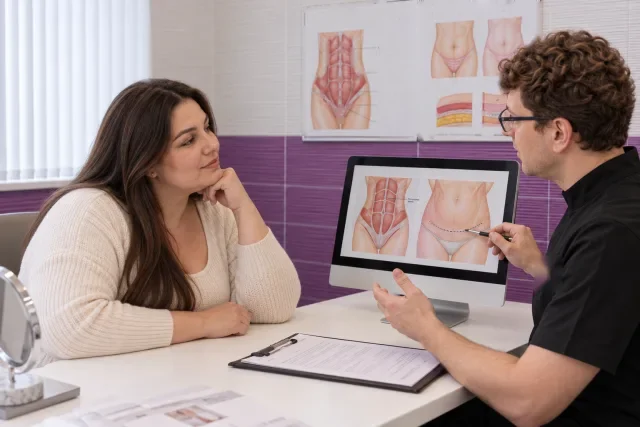
The first consultation is a free online consultation, so you begin from your own home in Vereeniging. You write to a coordinator on Telegram or Telegram. Coordinators are available around the clock, 24/7. You describe the area that concerns you, share a few photographs taken in good light, and mention your general health, any medications and any earlier operations.
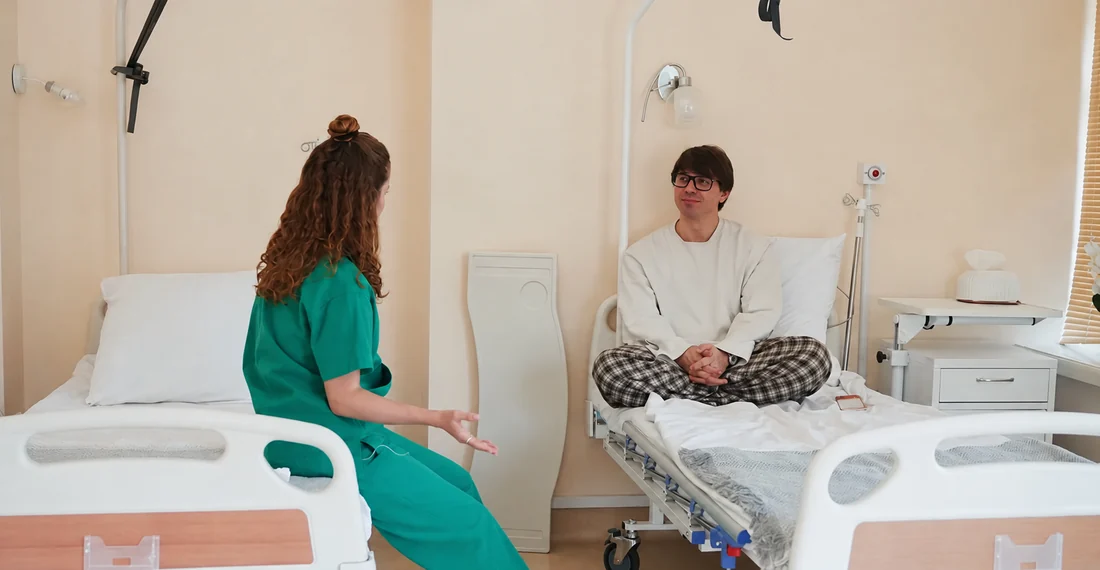
The surgeon then reviews your information and explains whether liposuction suits your goals. You discuss the technique, the anaesthesia choice, the expected length of surgery, and what the recovery looks like. Nothing in this first step commits you to anything. It is a way to ask questions in your own language, whether you are most comfortable in English, Sesotho or Afrikaans, the languages most spoken in Vereeniging, and to decide calmly.
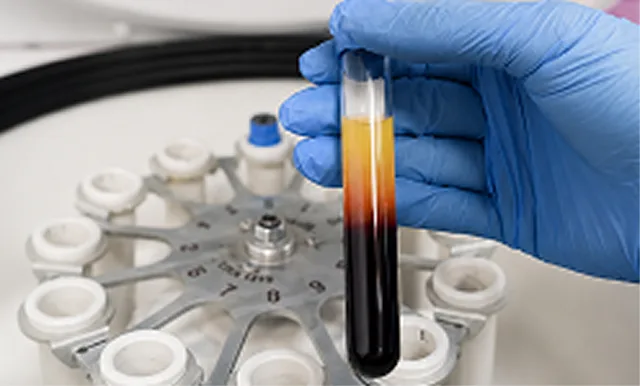
If you go ahead, you receive a full list of instructions after the first consultation. These include the pre-operative tests: blood tests, ECG, ultrasound, and consultations with a GP and an anaesthesiologist. Many people in Vereeniging can do these tests locally, and your results are reviewed as part of the planning. Keep your questions in a note on your phone as they arise during the week, then send them together so that nothing is forgotten.
Candidates, contraindications and honest expectations
We operate from age 18+, if there are no contraindications. There is no upper age limit. After an examination and health assessment, the decision is made individually. This matters in a city with a broad mix of ages: young adults finishing studies, working parents, and older residents who want to feel comfortable in their clothes again.
A good candidate is generally in stable health, has realistic expectations and has a localised area of fat that does not respond to lifestyle changes. Skin quality matters too, because the skin must adapt to the new contour. The surgeon will discuss this with you from your photographs and, later, from the pre-operative assessment. Conditions that affect clotting, the heart, or the ability to tolerate anaesthesia can be contraindications, which is why the medical tests are required and not optional.
Be honest about your health history when you speak with the surgeon. Mention smoking, alcohol, supplements and any medication, especially aspirin or other drugs that affect clotting. These details protect you. A frank conversation at the start leads to a safer plan and a more predictable recovery. If liposuction turns out not to be the right option for you, a responsible surgeon will say so.
The procedure itself, explained for someone deciding in Vereeniging
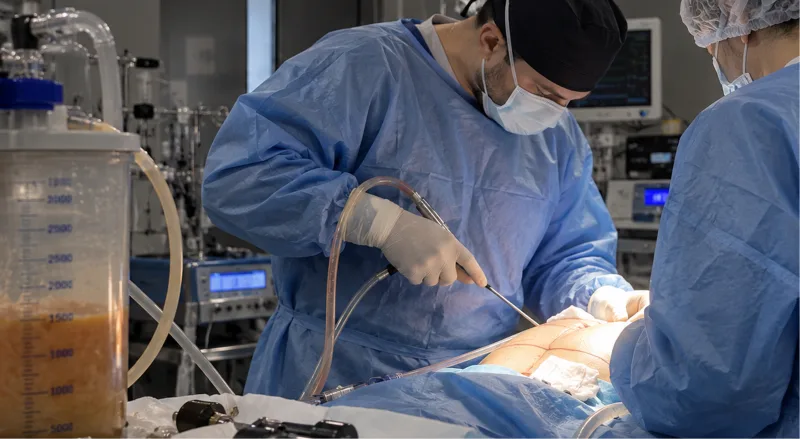
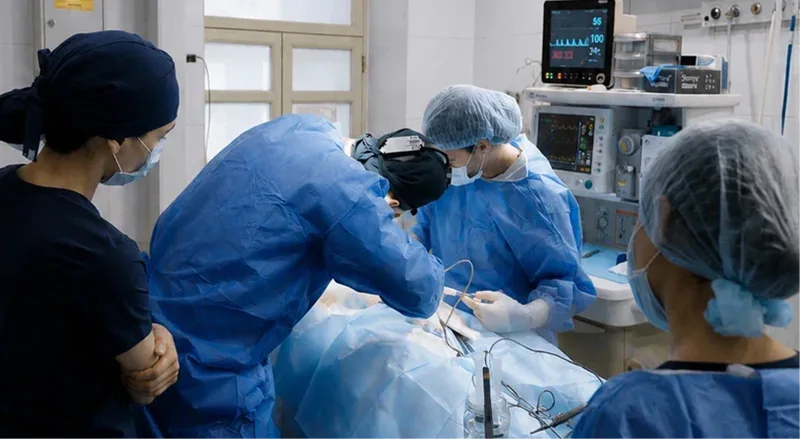
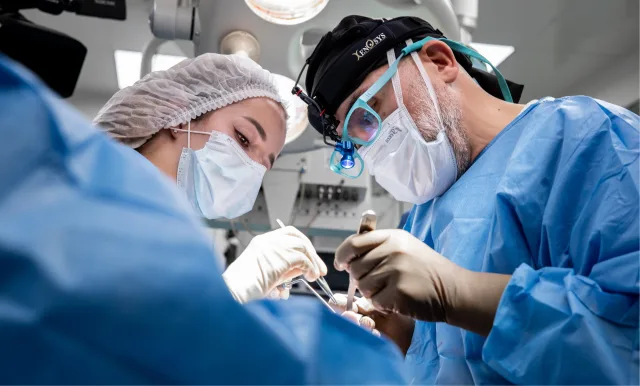
The operation uses tumescent and VASER techniques, with micro-incisions of 3–5 mm and precise volume control. The aim is a smooth contour that keeps the natural proportions of your body. Before surgery, the surgeon marks the areas and you are fitted with compression garments. Under local or general anaesthesia, the surgeon removes fat through 3–5 mm micro-punctures. The operation lasts from 1 hour for small areas to 3–4 hours for a combined procedure.
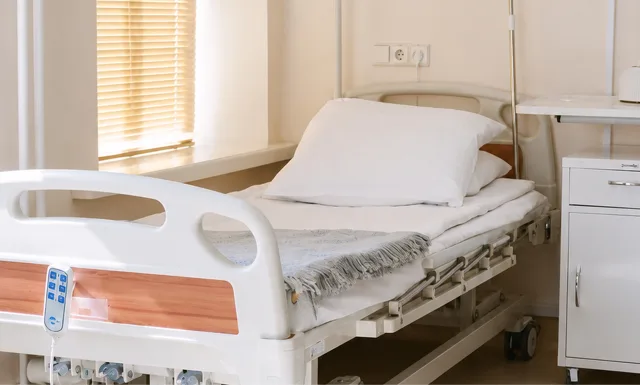
Anaesthesia can be local or general, and the choice depends on the size of the area, your health and your preference. With local anaesthesia you go home 3–4 hours after surgery. With general anaesthesia you stay one day in a comfortable ward under medical supervision. Either way, plan for a calm first evening at home, with someone nearby.
Because the punctures are only 3–5 mm across, they usually need no stitches. Once healed, the marks are barely visible, and with proper care during recovery they fade completely. For people in Vereeniging who spend time in swimwear at a dam or river, or in fitted work clothing, this is reassuring, although you should still follow the rule of no pool or active sport during the healing period.
Choosing the season and thinking about weather and recovery
There is no single right month for liposuction in Vereeniging. What matters is how comfortable your recovery will be. The compression garment must be worn for 30–45 days, and in the medical guidance the period for avoiding the bathhouse, sauna, pool and active sport is 4–6 weeks. In warmer months, a tight garment can feel heavy, so wear breathable fabric underneath, keep the skin clean and dry, and rest in a cool room. In cooler months, a garment is easier to tolerate, but you should still avoid overheating from heaters or heavy blankets over swollen areas.
Sun deserves care. Tanning beds are off-limits for at least a month, and it is sensible to keep healing skin out of direct sunshine and use loose clothing over the treated areas. Wear a hat or cap if you go outside and avoid long hours outdoors until the surgeon says otherwise. Healing skin can react to strong sun, and irritation is easier to prevent than to treat.
Vereeniging is a working industrial city, so think about your surroundings during the first days of recovery. Rest at home, keep dressings clean, and avoid dusty or heavily soiled environments while the punctures are healing. If your routine includes time in a workshop, yard or building site, discuss this with the surgeon and plan to stay away from it for the first period. General advice like this does not replace the individual recommendations your surgeon gives after surgery.
Recovery timeline: what to expect week by week
Most patients return to their usual routine and work in 7–10 days. In the first 7 days, avoid physical exertion and heavy lifting. Swelling and bruising clear by weeks 4–5. Compression garments are worn for 30–45 days. The first changes show at 2 weeks, once swelling subsides. An interim result is assessed at 1.5–2 months, and the final result forms in 3–6 months, once the tissues have fully adapted.
Check-ups take place after 7 days, at 3 months and at 6 months. At these visits the surgeon follows your recovery and the new body contour. Check-ups, dressings and aftercare advice are already included in the price of surgery. Until the end of the year, you can also get a post-surgery consultation with your surgeon to review results and get more information, at the clinic's expense. Because you are in Vereeniging, these follow-ups work well alongside the online format and your coordinator's 24/7 availability.
Be patient with the mirror. Early swelling can hide the shape, and the contour becomes clearer gradually. Take photographs in the same light at set intervals, for example at 2 weeks, at 1.5–2 months and at 3 months, so you can compare. Send any worry to your coordinator on Telegram or Telegram instead of waiting, since quick advice often settles concerns.
Sport, social life and food culture during healing
Vereeniging sits in the Vaal Triangle, close to the Vaal River, and many residents enjoy time outdoors and with family. After liposuction, active sport, the pool, the bathhouse and the sauna should be avoided for 4–6 weeks. Alcohol is off-limits for at least a month. This affects weekend plans, so look at the calendar before you choose a date, and avoid scheduling surgery just before a major family event.
Family gatherings and shared meals are central in the Vaal region's communities, and in a city where English, Sesotho and Afrikaans are all part of daily life, hospitality matters. If a celebration falls during your recovery, you can usually attend quietly, wearing comfortable clothing over the compression garment, and sit rather than stand for long periods. Ask relatives to take on cooking and lifting tasks, and say plainly that you are recovering.
Food does not have to stop, but eat lightly and sensibly, drink water and avoid alcohol. Liposuction does not remove the need for balanced habits. The result is easier to maintain when your eating and activity are steady after the final contour forms. Returning gradually to walking, then to light activity, and only then to full training, as your surgeon allows, is the safest route.
Questions Vereeniging patients ask before choosing the area
People who contact us from Vereeniging often begin with a simple question: which area is worth treating first? The answer depends on your proportions, your skin and your goals, not on a fixed list. Some patients want the abdomen and flanks treated together, while others prefer one small area, such as the chin or inner knees. A small area takes from 1 hour, while a combined procedure takes 3–4 hours, so the plan you choose changes both the length of surgery and the way you organise the days around it.
A second common question is whether treating several areas at once is sensible. The surgeon decides this after looking at your photographs and your health assessment. A larger plan can mean a longer operation and a more demanding first week, so ask for the reasoning behind the recommendation. In a city where many households run on tight schedules, it helps to know in advance whether one session or a more modest plan will fit your life better.
A third question is about the look of the result in everyday clothing. The surgeon aims for a smooth contour that keeps the natural proportions of your body, so the goal is a balanced figure and not an exaggerated one. Send photographs in the clothes you wear most, whether work uniform, school-run outfit or weekend wear, and say clearly which line of the body bothers you. That gives the surgeon something practical to work with.
The first night and first week at home in Vereeniging
The first evening after surgery is easier when the home is ready. Choose a bedroom close to the bathroom, keep water, loose clothing and simple meals within reach, and ask a family member to stay nearby. If you had local anaesthesia, you go home 3–4 hours after surgery. If you had general anaesthesia, you spend one day in a comfortable ward under medical supervision and go home the next day.
During the first 7 days there is no physical exertion or heavy lifting. In practice this means no carrying shopping bags from the car, no lifting children, and no moving furniture or gardening tools. Many Vereeniging homes have a yard or garden that normally needs regular attention, so arrange for someone else to take over those jobs for the first week. Short, gentle walks around the house are usually welcome, but follow your surgeon's individual instructions.
Keep the compression garment on as instructed, since it is worn for 30–45 days. Check that it is clean, smooth and not folded, and keep a second one for washing if the surgeon advises it. If you notice anything that worries you, such as unusual pain, a sudden change in swelling or a dressing that does not look right, write to your coordinator on Telegram or Telegram at once. The team works 24/7, so a late-night message does not have to wait for morning.
Looking after the result after the final contour forms
Once the final result forms in 3–6 months, the work moves from recovery to maintenance. Liposuction shapes the body, but it does not replace steady habits. A regular walking routine, sensible meals and enough sleep help you keep the shape you worked towards. For many people in Vereeniging, that means building small habits into the working week, such as walking after a shift or choosing lighter meals on busy days.
Check-ups at 7 days, at 3 months and at 6 months give you fixed points to ask questions and compare photographs. Use the 3-month and 6-month visits to talk about returning to full training, to swimming or to any sport you enjoy. Ask the surgeon what pace suits your body, and do not rush back to old intensity because you feel well.
If your weight changes noticeably later, the contour can change with it, so talk to the surgeon rather than guessing. Liposuction treats localised fat, and it is not a substitute for broader care of your overall health. The World Health Organization describes overweight and obesity as matters of long-term health, which is a useful reminder that the operation works best as one step within a wider commitment to your wellbeing.
Reading your own body honestly before you write from Vereeniging
Before the first message, many people in Vereeniging find it useful to spend a week simply observing. Notice which area bothers you in everyday clothes, in a mirror at home, and in photographs taken by family. Note whether the concern is volume, a bulge above a waistband, or a line that looks uneven. A clear description helps the surgeon understand your goal far faster than a general wish to look slimmer.
Take photographs in steady daylight from the front, side and back, standing relaxed, without tight clothing pulling the shape. Repeat them on another day, because the body looks different after a large meal or at the end of a long shift. Two or three sets give the surgeon a more honest picture and spare you the feeling of having shown only a single, unlucky angle.
Write down what you have already tried, such as regular walking, changes in meals or training at a gym. Liposuction is meant for localised fat that stays after sensible effort. It is not a replacement for habits, and the surgeon will ask about yours in a friendly, practical way, not to judge you but to plan a result that you can keep.
Tumescent and VASER techniques: what the words mean for you
Patients from Vereeniging often see the names of techniques and wonder whether they matter. The operation uses tumescent and VASER techniques, with micro-incisions of 3–5 mm and precise volume control. In plain terms, the aim is to treat the chosen area carefully and evenly, so the contour looks smooth and the natural proportions of your body are kept.
Precise volume control matters because the goal is a balanced figure, not the largest possible removal. A surgeon who controls the volume can blend the treated area into its neighbours, so that the waist, flanks or thighs flow into each other without steps or hollows. Ask to see how the surgeon explains this using your own photographs.
Do not choose a technique by name alone. Ask why it fits your areas, how it affects the length of the operation, and what it means for the first week at home. The surgeon removes fat through 3–5 mm micro-punctures, from 1 hour for small areas to 3–4 hours for a combined procedure, and the explanation should connect the method to your specific plan.
Family decisions and talking about surgery at home
In a city where English, Sesotho and Afrikaans are all heard in daily life, conversations about surgery happen in several languages and often involve more than one generation. Some relatives will be supportive, others worried. It helps to explain the facts calmly: this is a contouring operation, done under local or general anaesthesia, with micro-punctures of 3–5 mm and fixed check-ups afterwards.
Invite the person who will help you during the first days to read the instructions with you. A spouse, a sister, a grown child or a close friend will be more relaxed if they know the plan: no heavy lifting for 7 days, compression garments for 30–45 days, and clear steps for contacting the coordinators if a question arises.
You do not owe anyone a detailed explanation of your reasons. Some people prefer to share only that they are having a minor procedure and will be resting for a few days. Choose the level of openness that makes you comfortable, and keep in mind that quiet, steady support at home is more useful than many opinions.
Preparing well: tests, habits and questions for the surgeon
Preparation starts about 7–10 days before surgery. Give up smoking, alcohol and medications that affect clotting, such as aspirin, for that period. Pre-operative tests, including blood tests, ECG, ultrasound and consultations with a GP and an anaesthesiologist, are required. You will receive all instructions after the first consultation, so write them down and tick them off.
Prepare practical items at home in Vereeniging: loose clothing, a comfortable place to rest, easy meals, and a helper for the first days. Plan how you will get home after surgery with someone you trust, and arrange for a family member to be near you on the first night.
Bring a list of questions to the surgeon. Useful ones include: Which technique suits my areas, and why? Is local or general anaesthesia better for me? How long will the operation last? How will I be supported during the first week? When will I see first changes, and when will the final result be clear? What signs should make me contact the team immediately? Who do I write to at night, and how fast do you reply? Clear answers build confidence, and the 24/7 coordinators on Telegram and Telegram are there to keep the conversation going.
Can I have the first liposuction consultation from Vereeniging without leaving home?
Yes. The first consultation is free and online. You write to a coordinator on Telegram or Telegram, send photographs and describe your health, and the surgeon reviews your case. Coordinators are available around the clock, 24/7.
How long does the liposuction operation take?
It depends on the areas. Surgery lasts from 1 hour for small areas to 3–4 hours for a combined procedure. It is done under local or general anaesthesia, and the surgeon removes fat through 3–5 mm micro-punctures.
Will I go home the same day?
With local anaesthesia you go home 3–4 hours after surgery. With general anaesthesia you stay one day in a comfortable ward under medical supervision.
When can I go back to work?
Most patients return to their usual routine and work in 7–10 days. In Vereeniging, many jobs involve physical effort or long hours on your feet, so ask the surgeon how to phase your return. For the first 7 days avoid physical exertion and heavy lifting.
How long must I wear the compression garment?
Compression garments are worn for 30–45 days. During 4–6 weeks you should also avoid the bathhouse, sauna, pool and active sport. Your surgeon gives all individual recommendations after surgery.
Will liposuction leave visible scars?
The punctures are only 3–5 mm across and usually need no stitches. Once healed, the marks are barely visible, and with proper care during recovery they fade completely.
When will I see the result?
First changes show at 2 weeks, once swelling subsides. An interim result is assessed at 1.5–2 months, and the final contours form in 3–6 months, once the tissues have fully adapted. Swelling and bruising clear by weeks 4–5.
Is there an age limit?
We operate from age 18+, if there are no contraindications. There is no upper age limit. After an examination and health assessment, the decision is made individually.
How do I prepare for the operation?
Give up smoking, alcohol and medications that affect clotting, such as aspirin, 7–10 days before liposuction. Pre-operative tests are required: blood tests, ECG, ultrasound, and consultations with a GP and an anaesthesiologist. You receive all instructions after the first consultation.
Is liposuction a weight-loss treatment?
No. It is a contouring procedure for localised fat. The World Health Organization treats overweight and obesity as broader health matters, so discuss your overall weight and goals openly with the surgeon. The technique used is tumescent and VASER, with micro-incisions of 3–5 mm, aiming at a smooth contour that keeps natural proportions.
What follow-up care is included?
Check-ups after 7 days, at 3 months and at 6 months. Check-ups, dressings and aftercare advice are already included in the price of surgery. Until the end of the year you can also get a post-surgery consultation with your surgeon, at the clinic's expense.
Can I combine liposuction of several areas in one operation?
Often yes, and the surgeon decides this from your photographs and health assessment. A combined procedure takes up to 3–4 hours, compared with from 1 hour for a small area, so ask which plan suits your health and your schedule in Vereeniging.
What should I prepare at home in Vereeniging before surgery?
Prepare loose clothing, a quiet place to rest, easy meals and a helper for the first days. For the first 7 days there is no physical exertion or heavy lifting, so arrange help with the yard, shopping and children.
Who do I contact if I have a worry after surgery?
Write to your coordinator on Telegram or Telegram. The team is available 24/7, and you also have check-ups after 7 days, at 3 months and at 6 months with your surgeon.
Which areas can be treated with liposuction?
Common areas include the abdomen, flanks, thighs, inner knees, upper arms and under the chin. The right choice depends on your proportions, skin and goals, and the surgeon decides after reviewing your photographs and health assessment.
Do the punctures need stitches?
The surgery is done through punctures only 3–5 mm across, and they usually need no stitches. Once healed, the marks are barely visible.
Can I avoid the sun and heat while healing in Vereeniging?
Yes, and it is sensible. Tanning beds are off-limits for at least a month, and healing skin is best kept in loose clothing and out of strong direct sun. Follow the individual recommendations your surgeon gives after surgery.

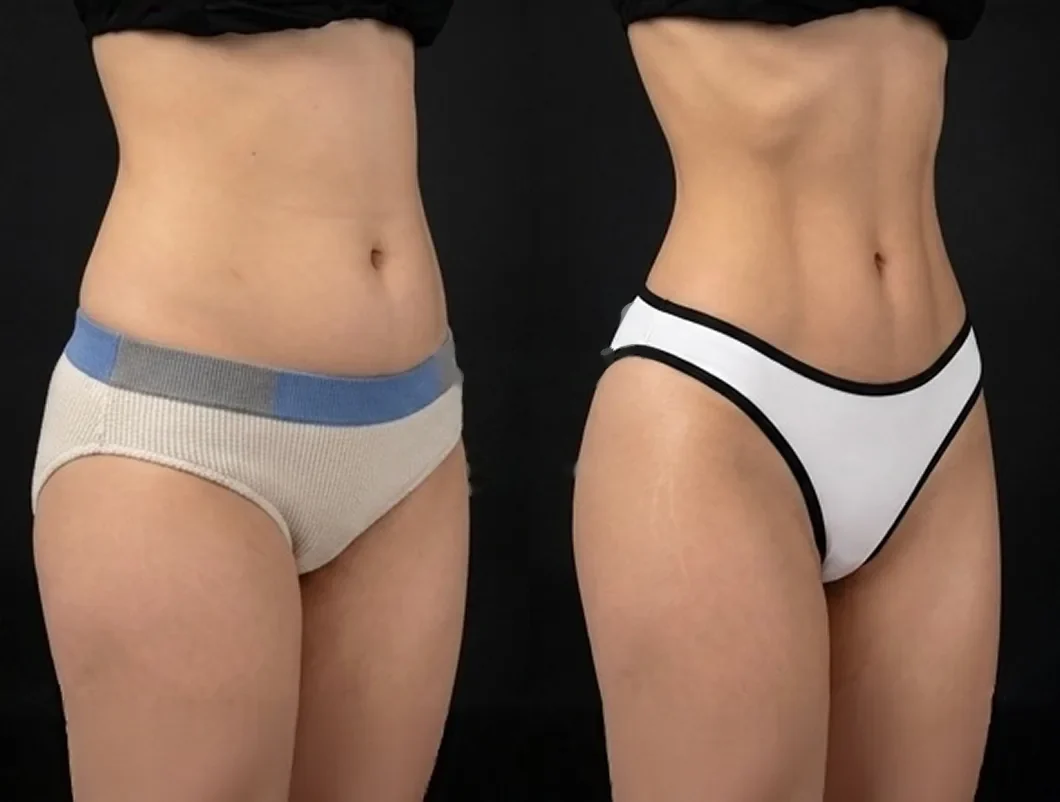 beforeafter
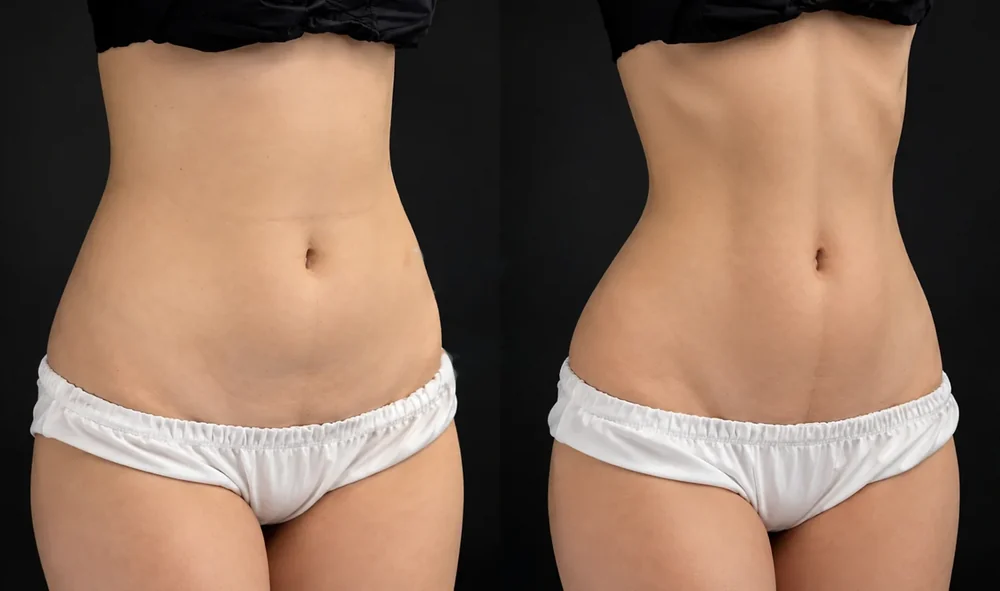
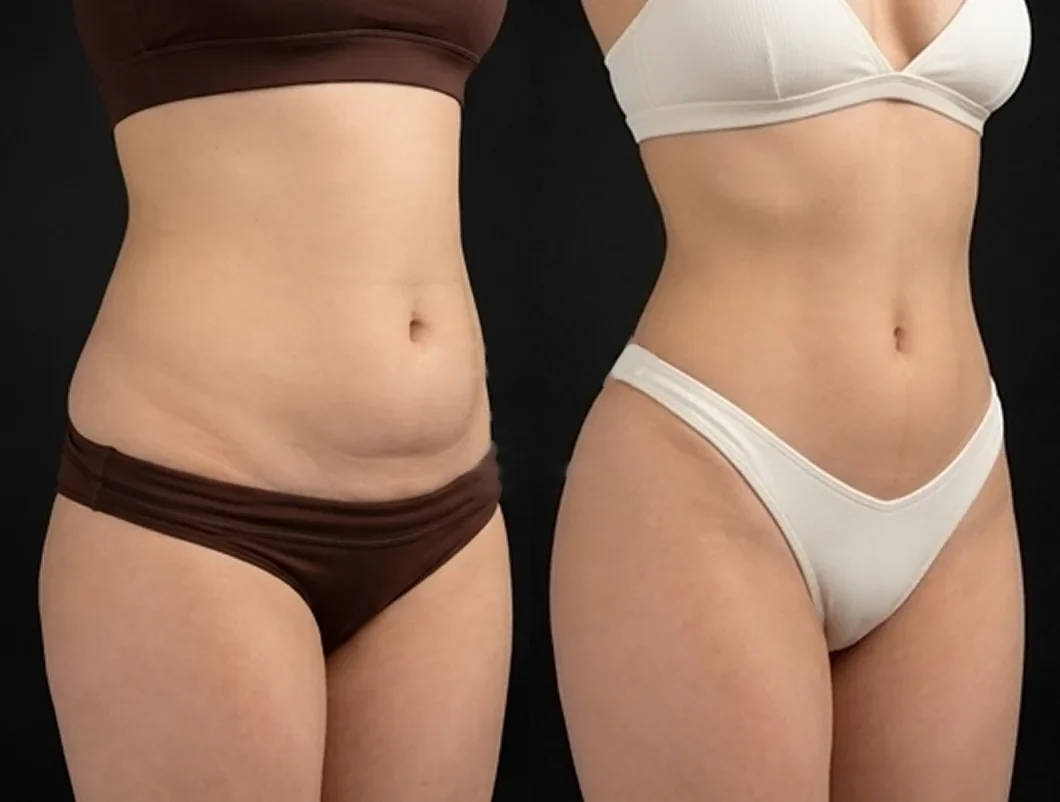 beforeafter
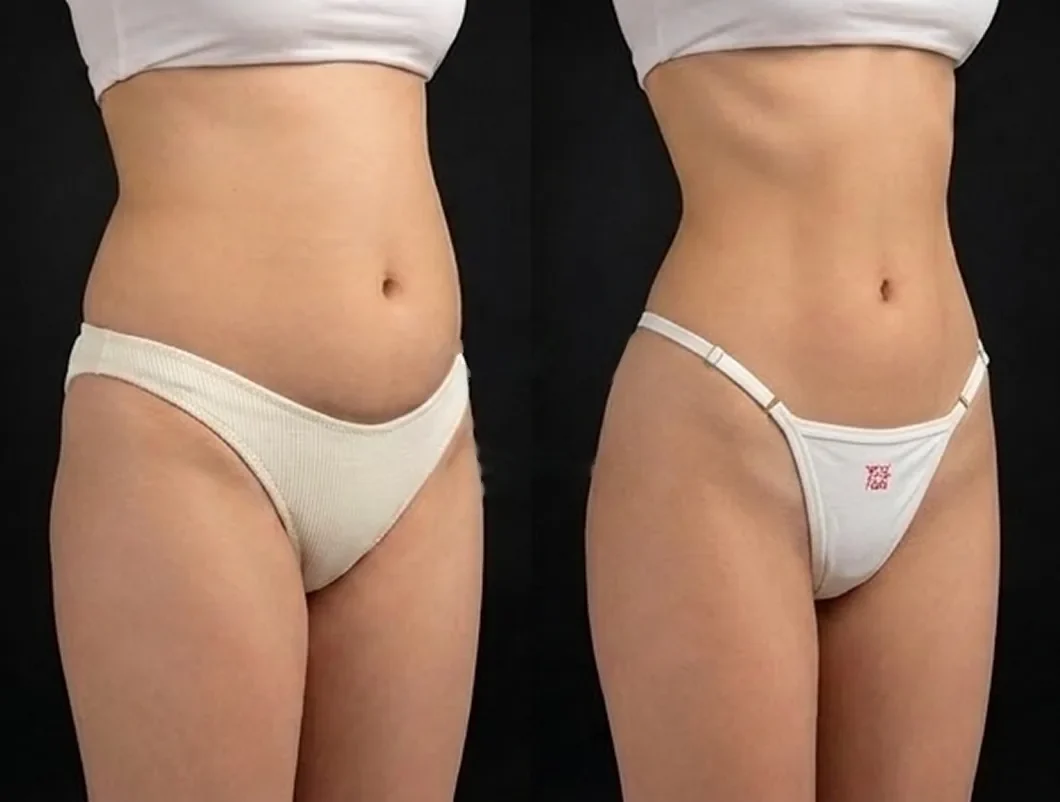 beforeafter
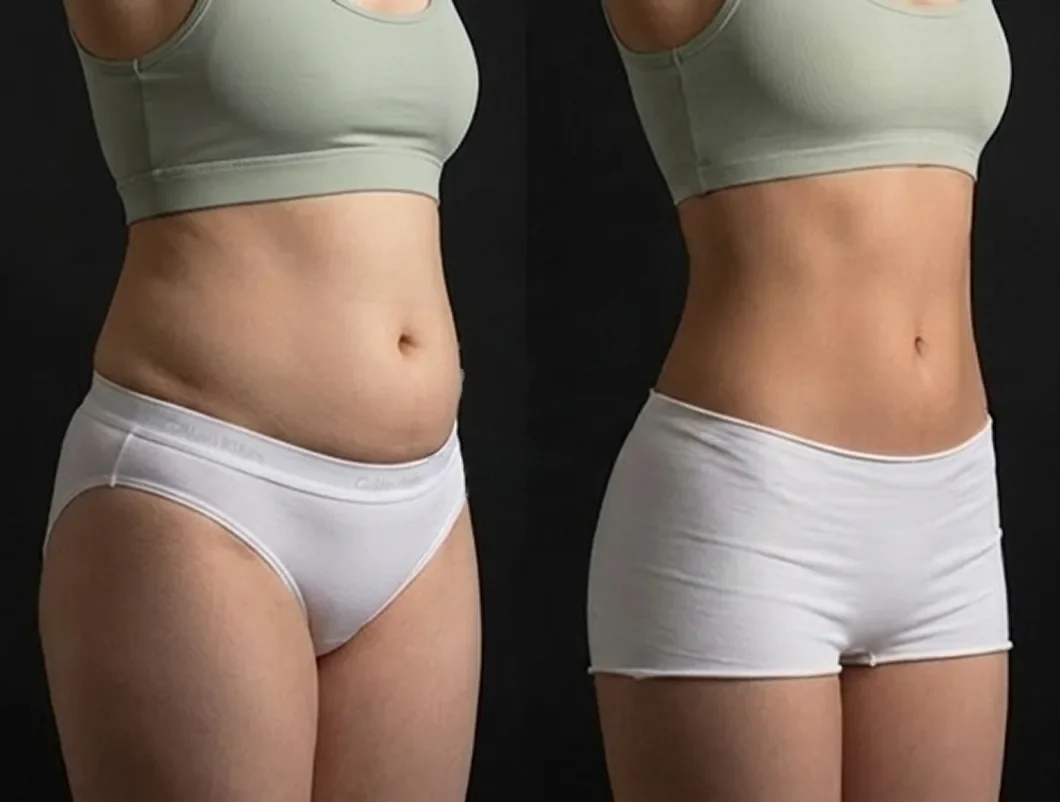 beforeafter
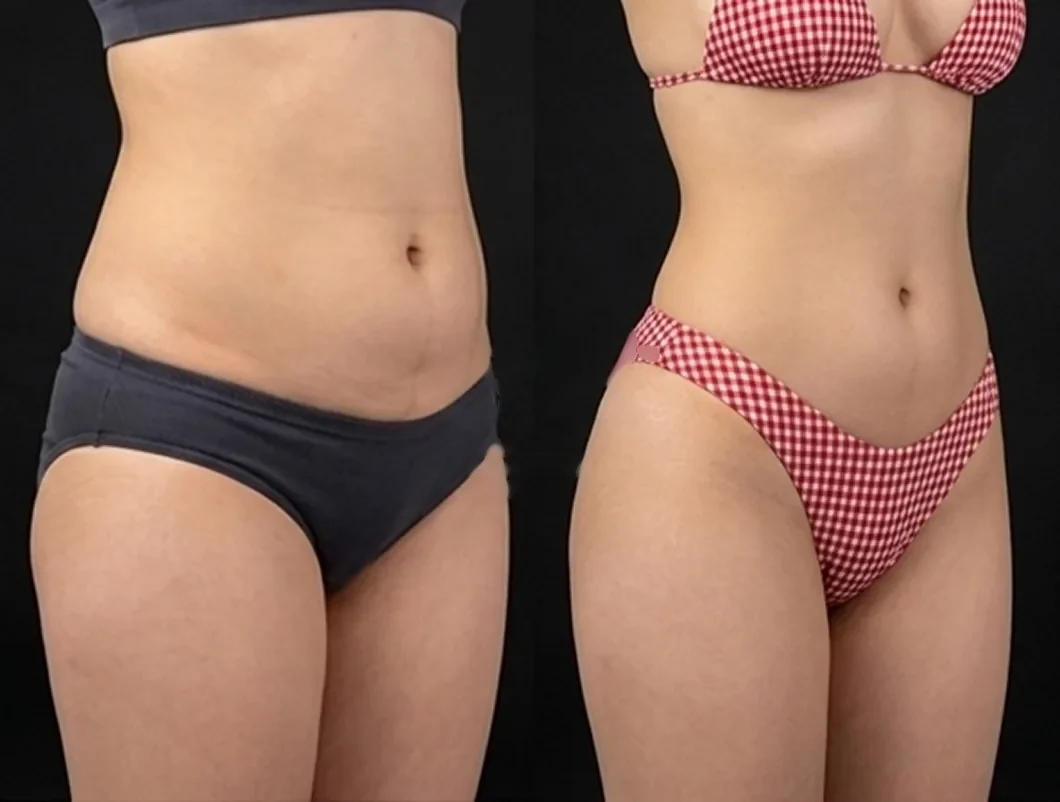 beforeafter
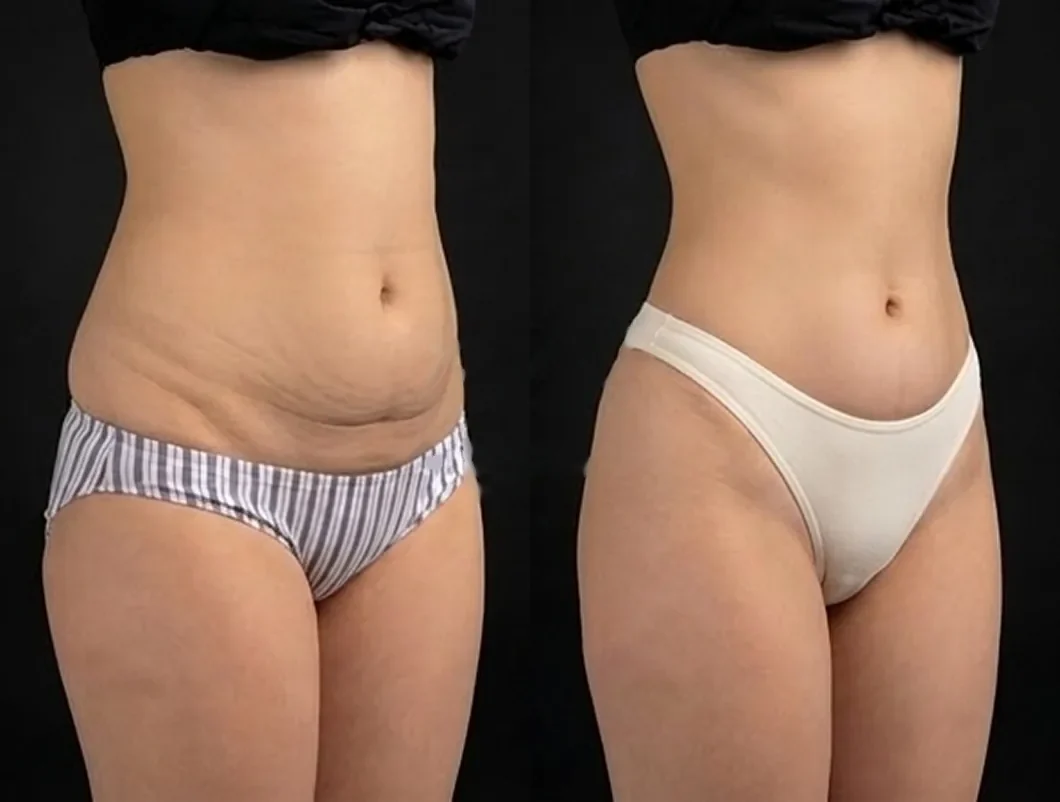 beforeafter
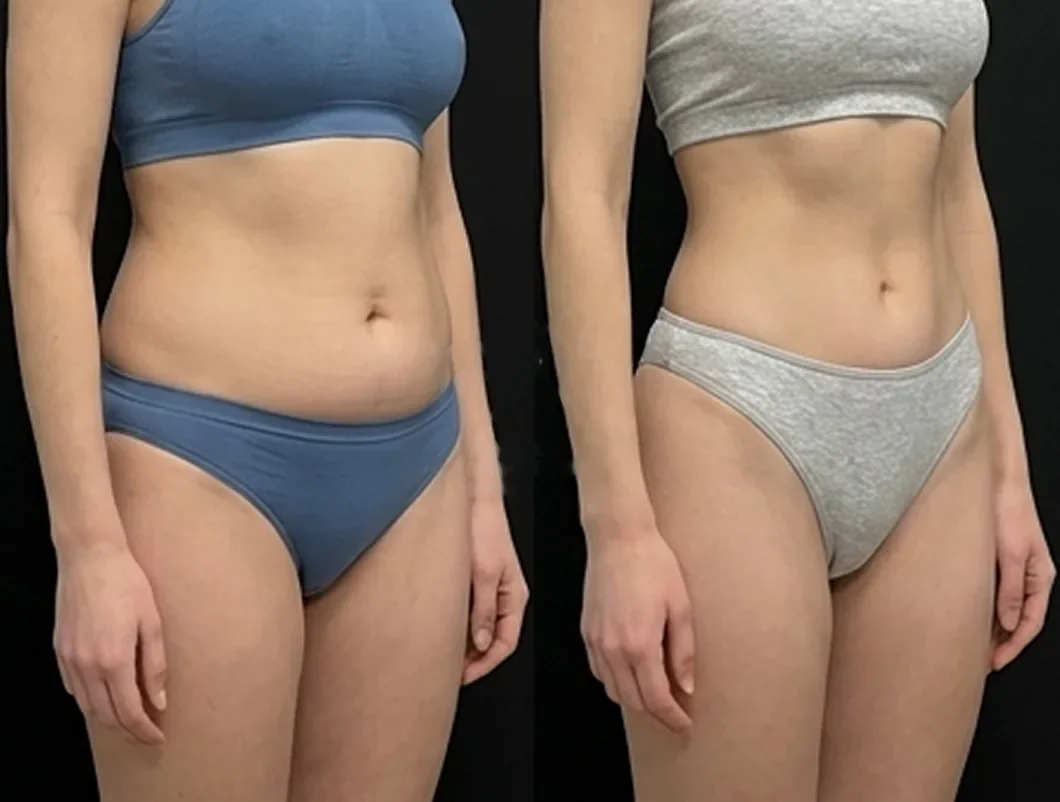 beforeafter
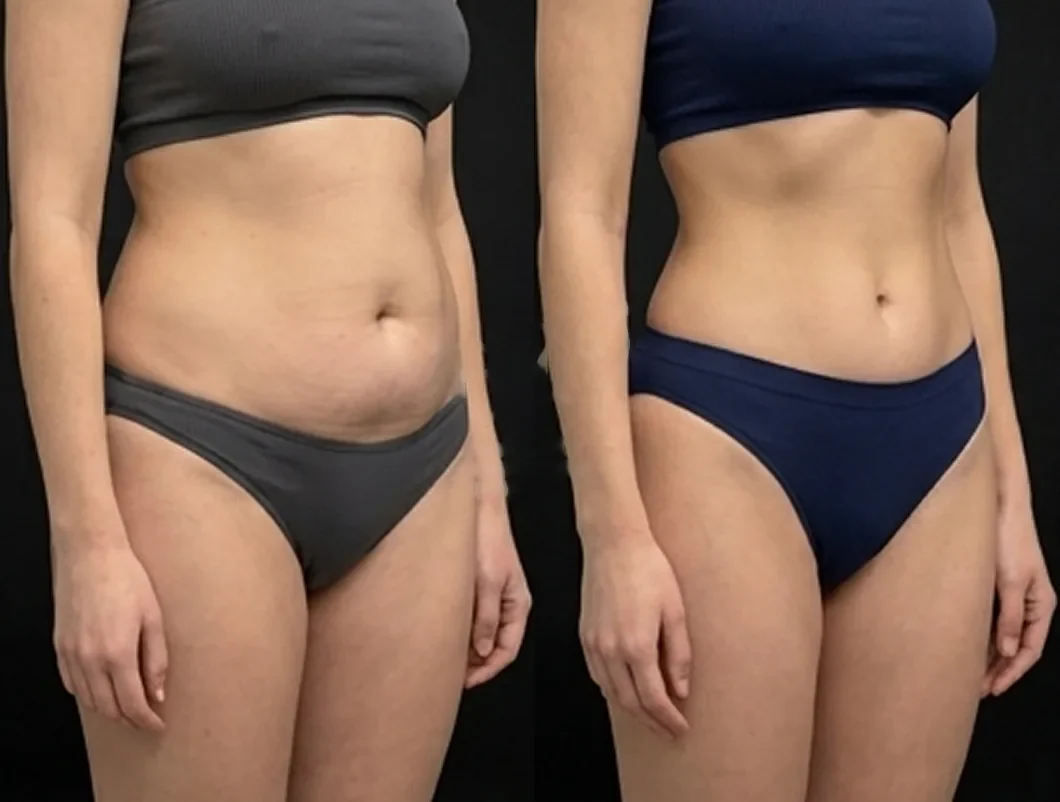 beforeafter
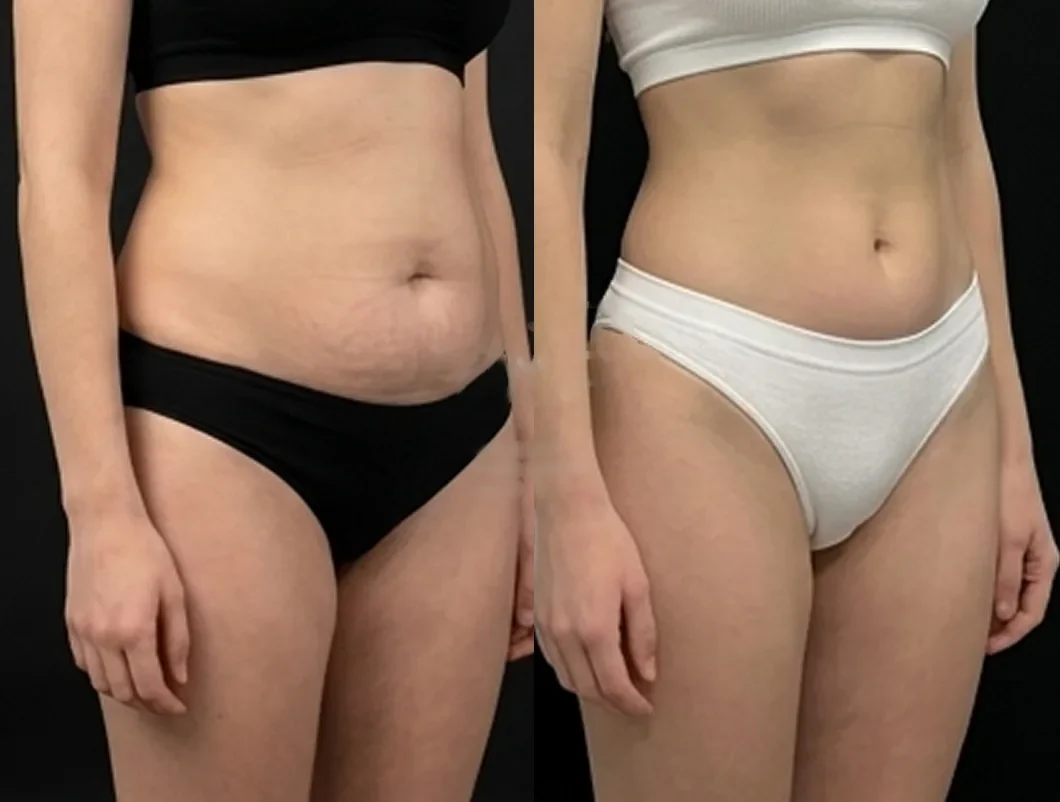 beforeafter
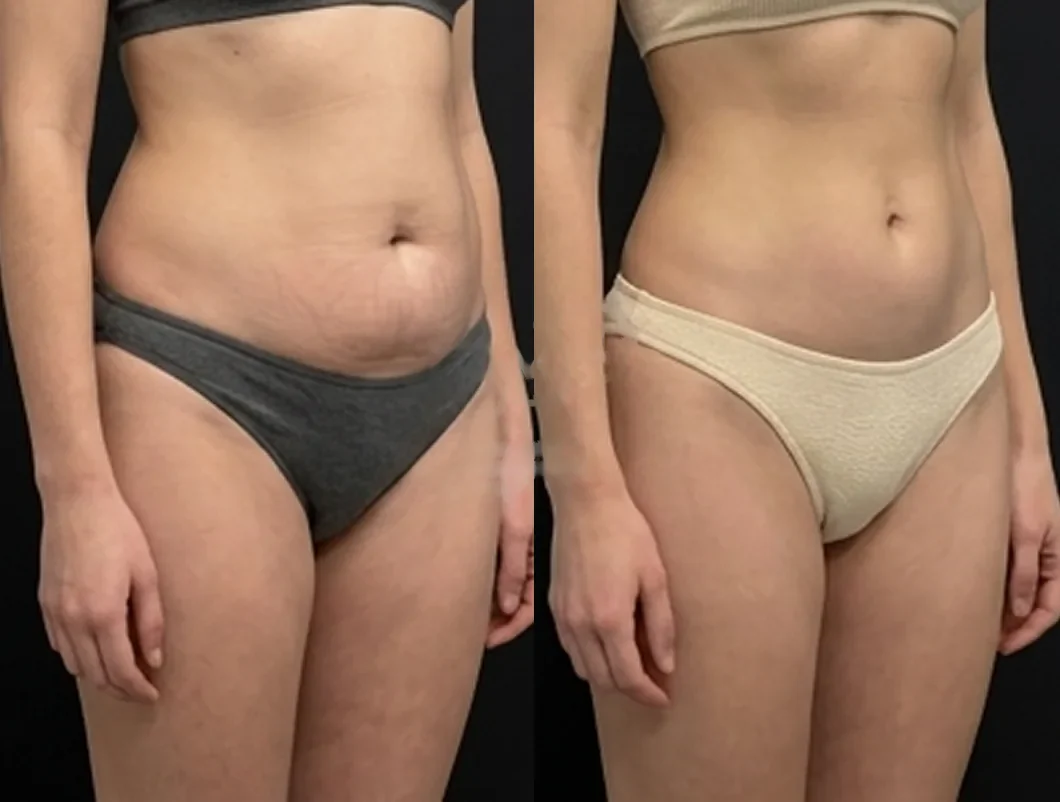 beforeafter
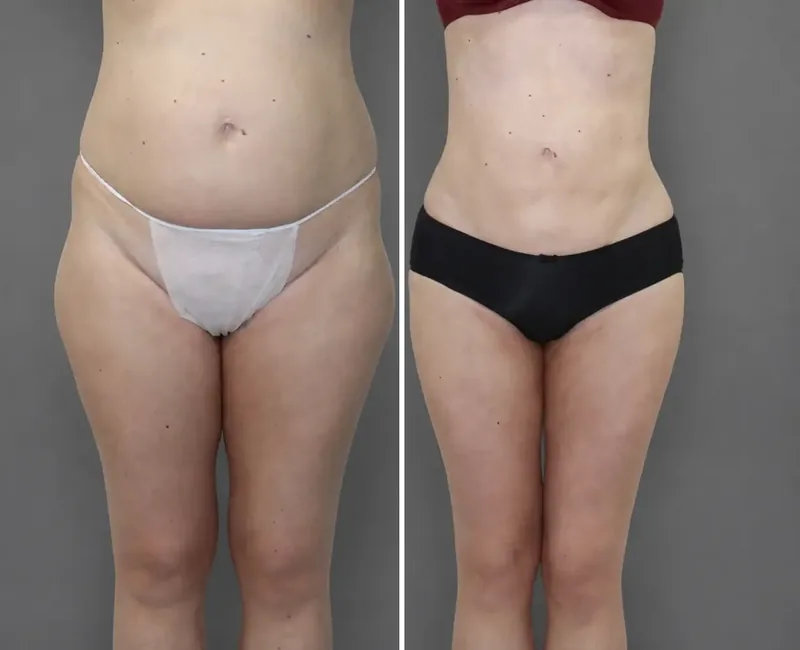
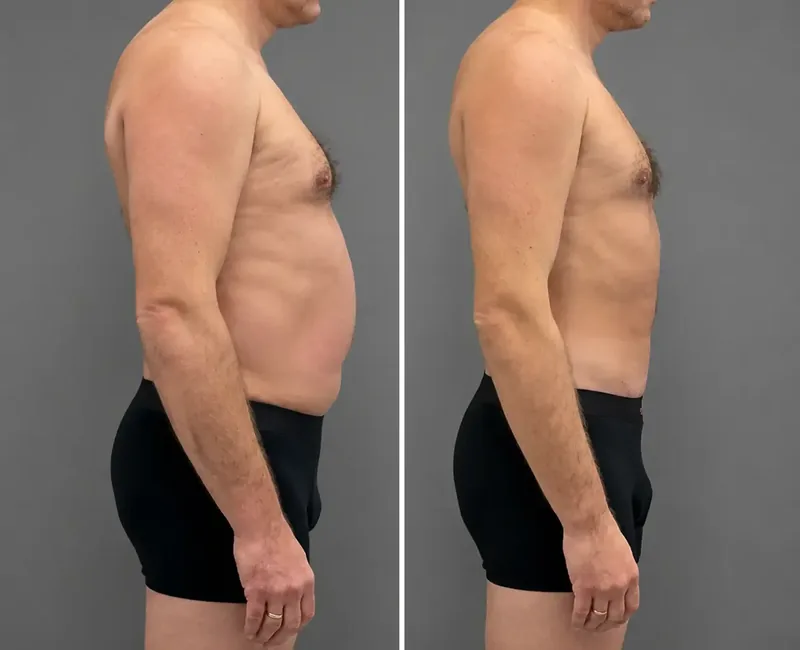
 1
 2
 3
 4
 5
 6