
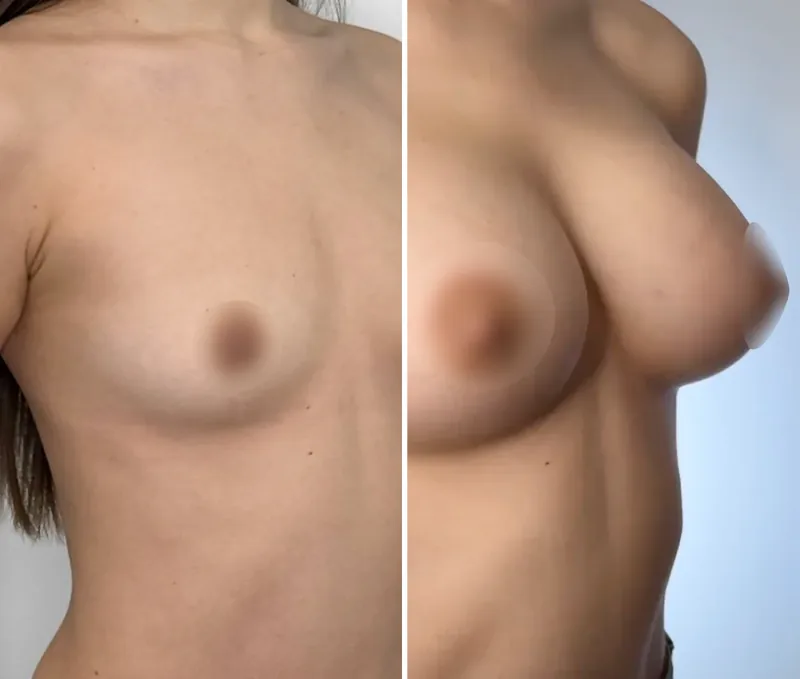
 beforeafter
Mammoplasty
Method: implants
Breast augmentation
$4,700
$5,900 · First consultation — Free
Message our coordinator
Free online consultation · Reply within 15 minutes
Message us on TelegramMessage us on WhatsAppBy messaging us, you agree to our Privacy Policy
Results
These are real patients of the clinic, with faces and identifying details hidden.
beforeafterMethod: implants
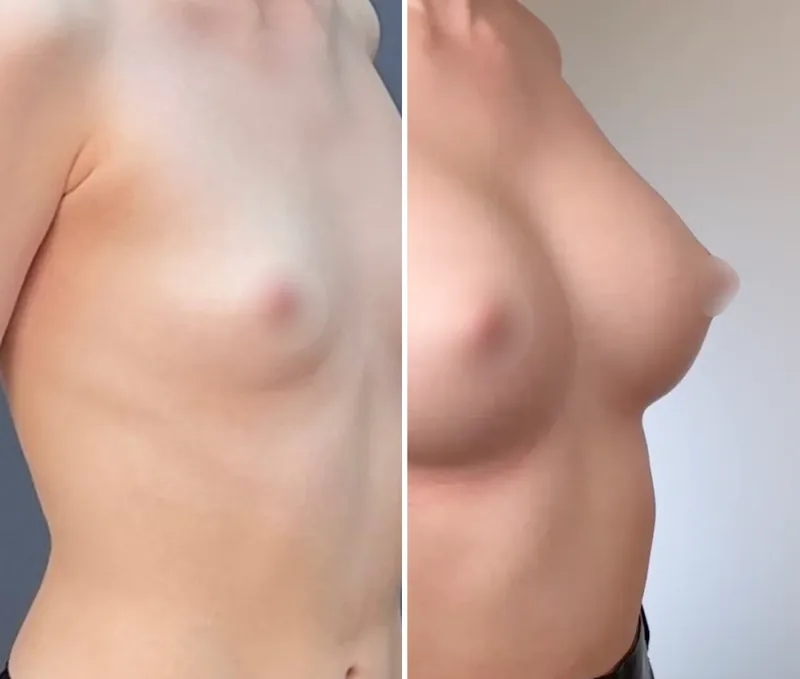 beforeafter
Method: implants
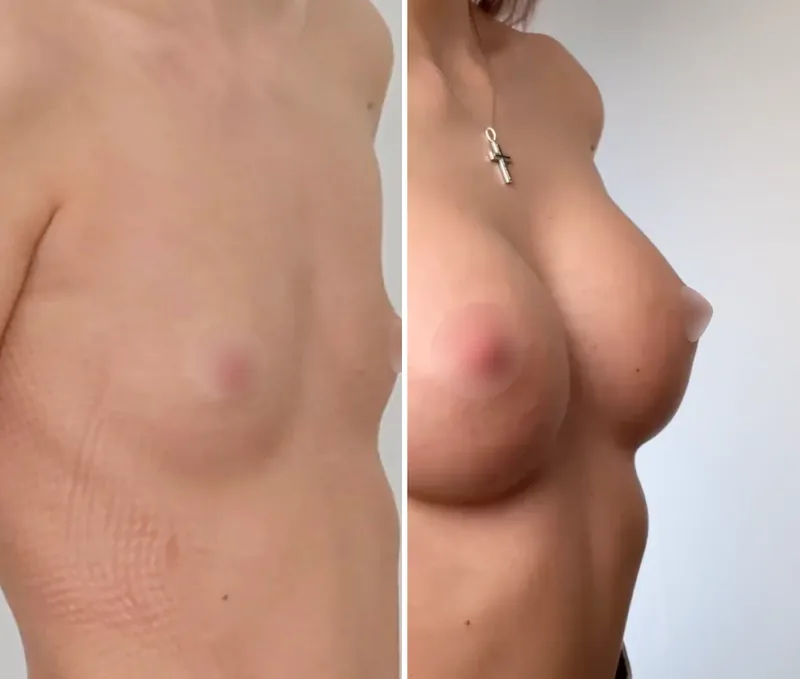 beforeafter
Method: implants
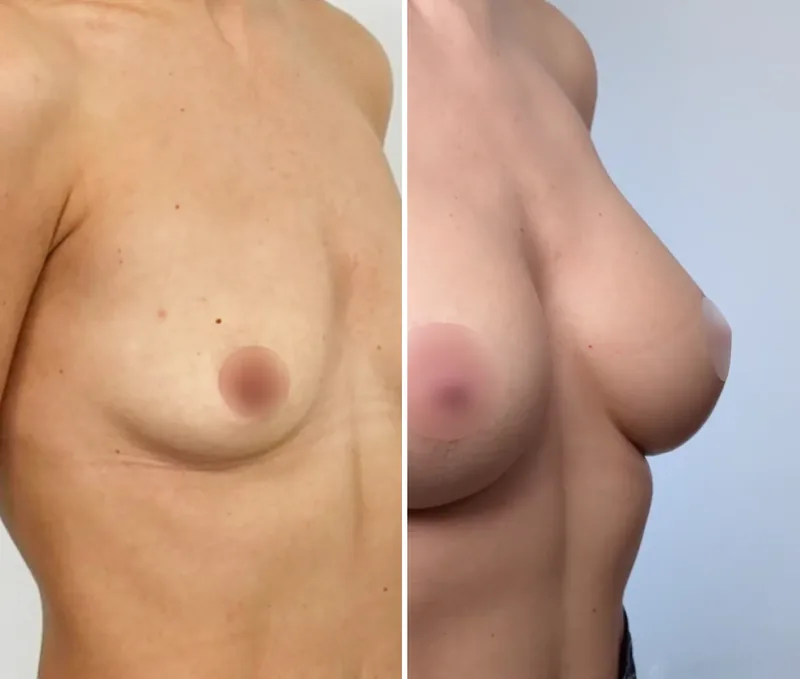 beforeafter
Method: implants
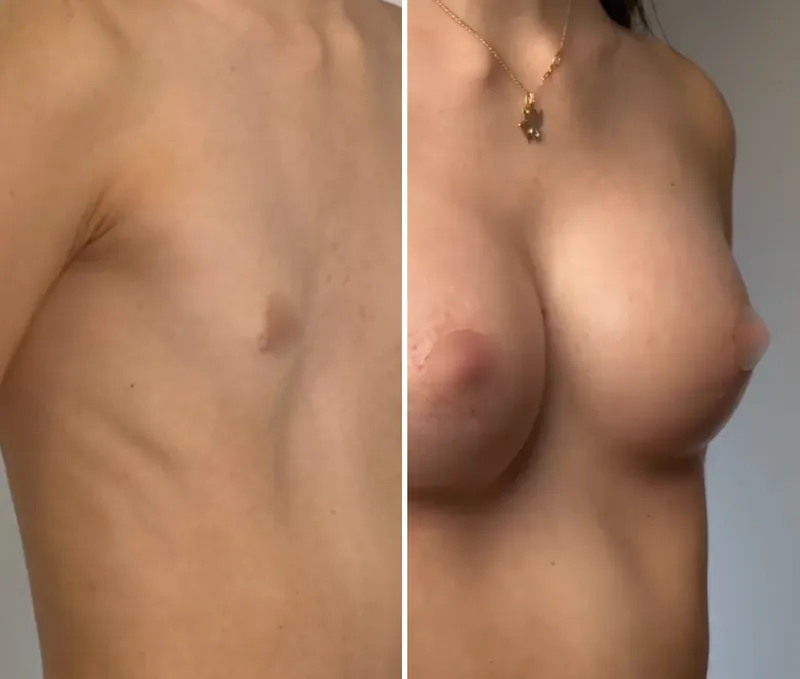 beforeafter
Method: implants
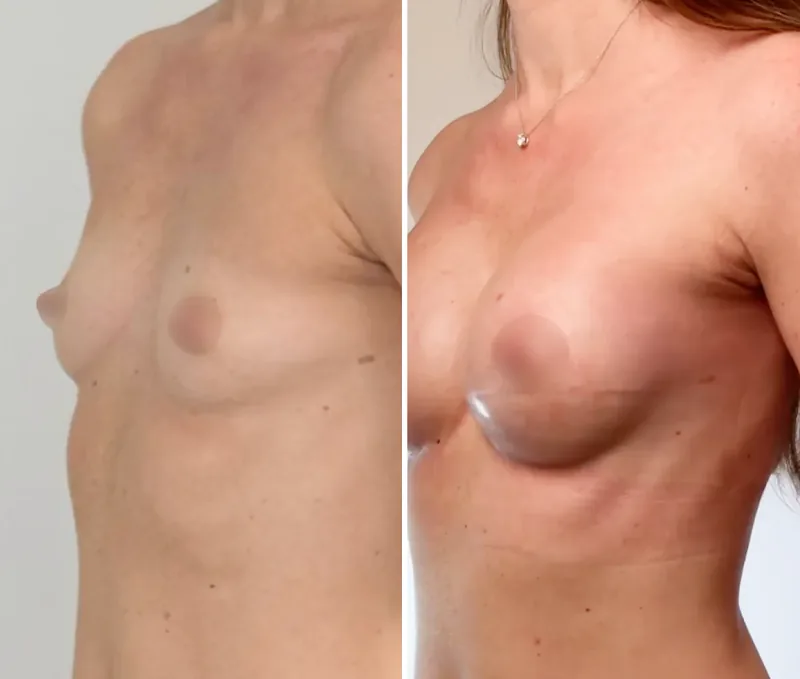 beforeafter
Method: implants
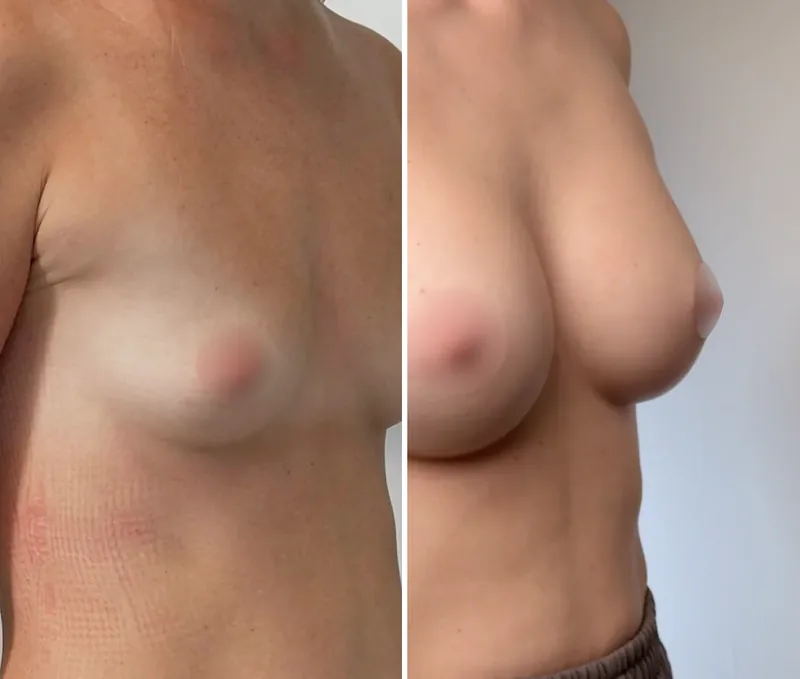 beforeafter
Method: implants
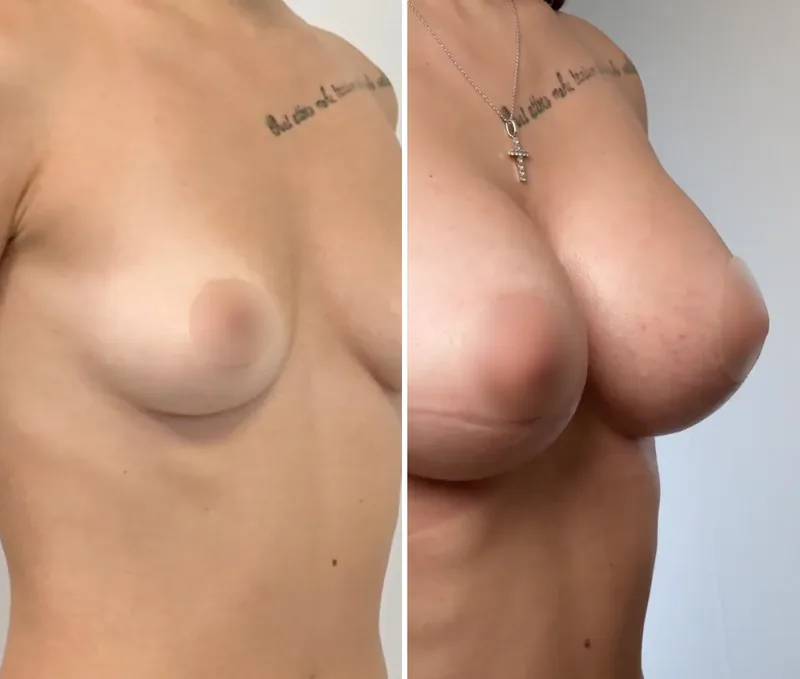 beforeafter
Method: implants
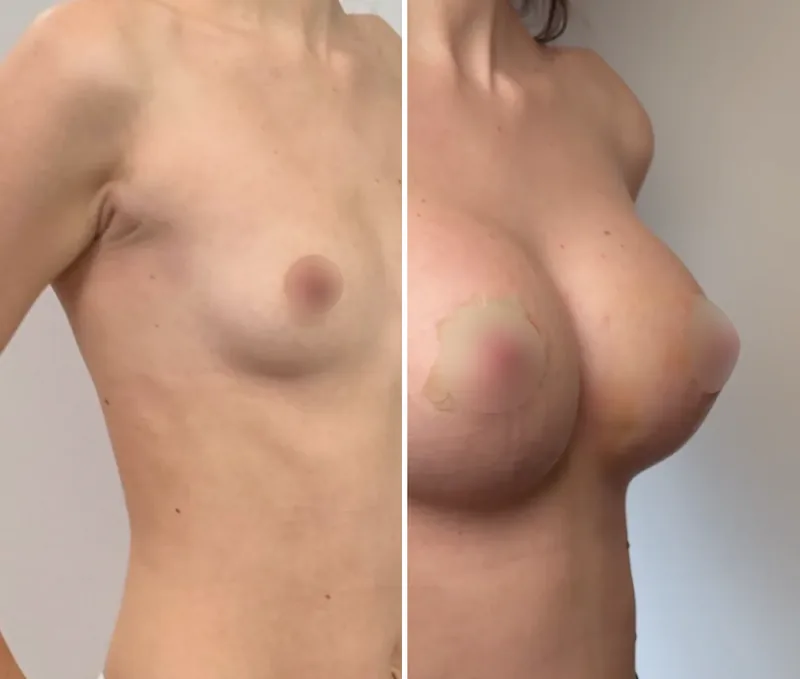 beforeafter
Method: implants
Comparison
Augmentation and reduction are the two main breast correction methods we perform. Compare what each one achieves, how precise it is and when it is indicated.
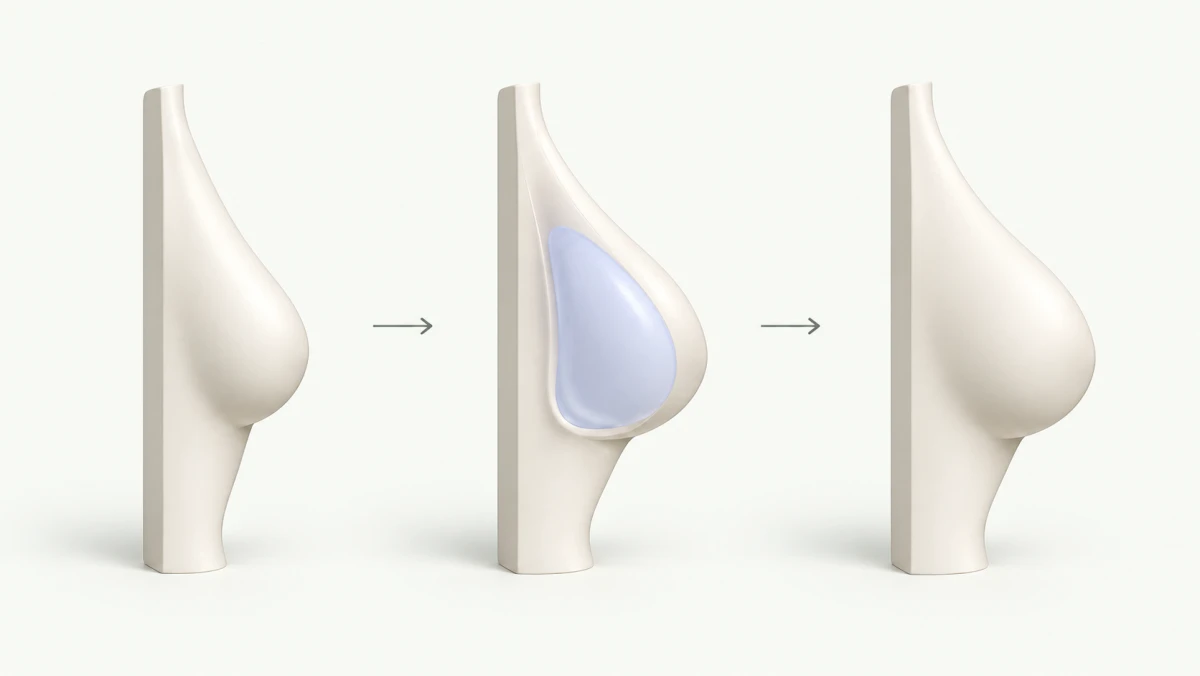
Size and shape correction with implants
Discounted price
$4,700 $5,900
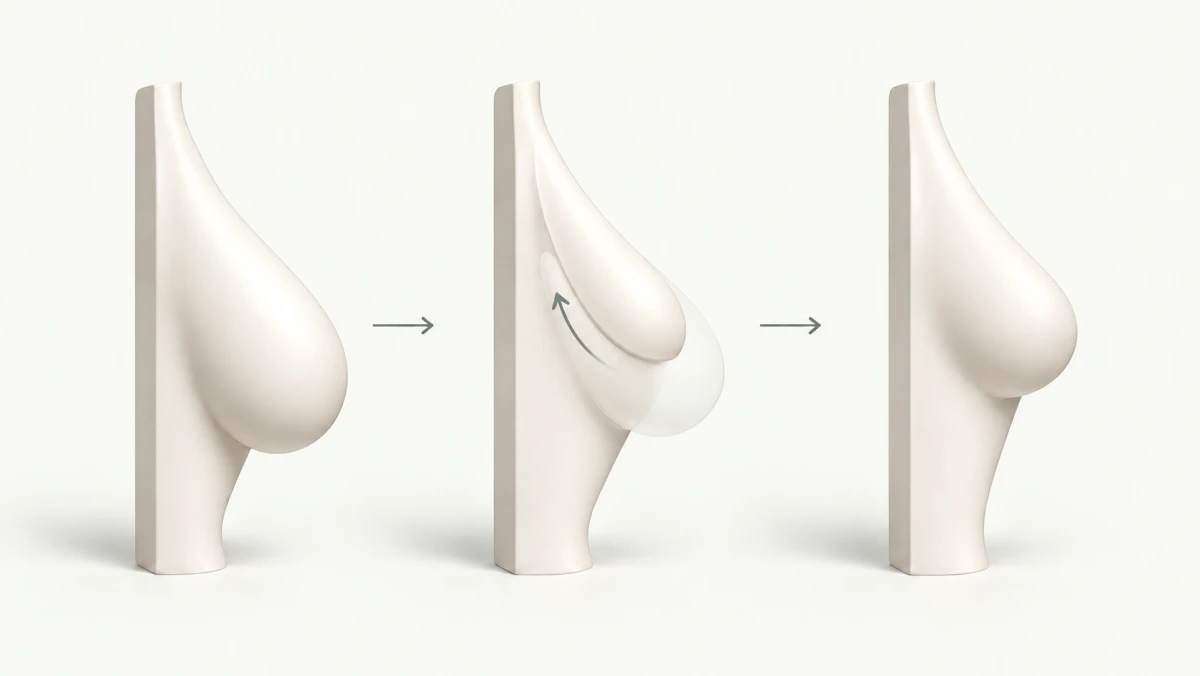
Breast size correction through reduced volume and weight
Discounted price
$4,700 $5,900
During the consultation the surgeon evaluates the shape and proportions of your breasts, listens to your wishes and selects the most suitable type of mammoplasty.
The consultation is free, before surgery and with no commitment.
Comparison
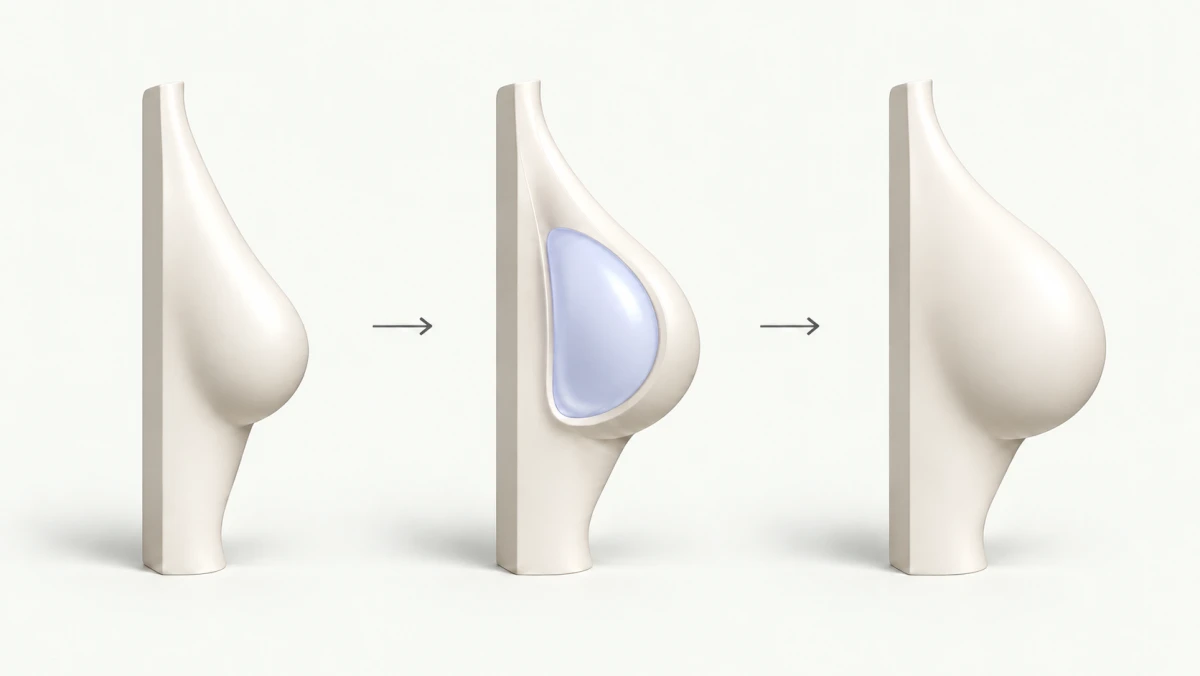
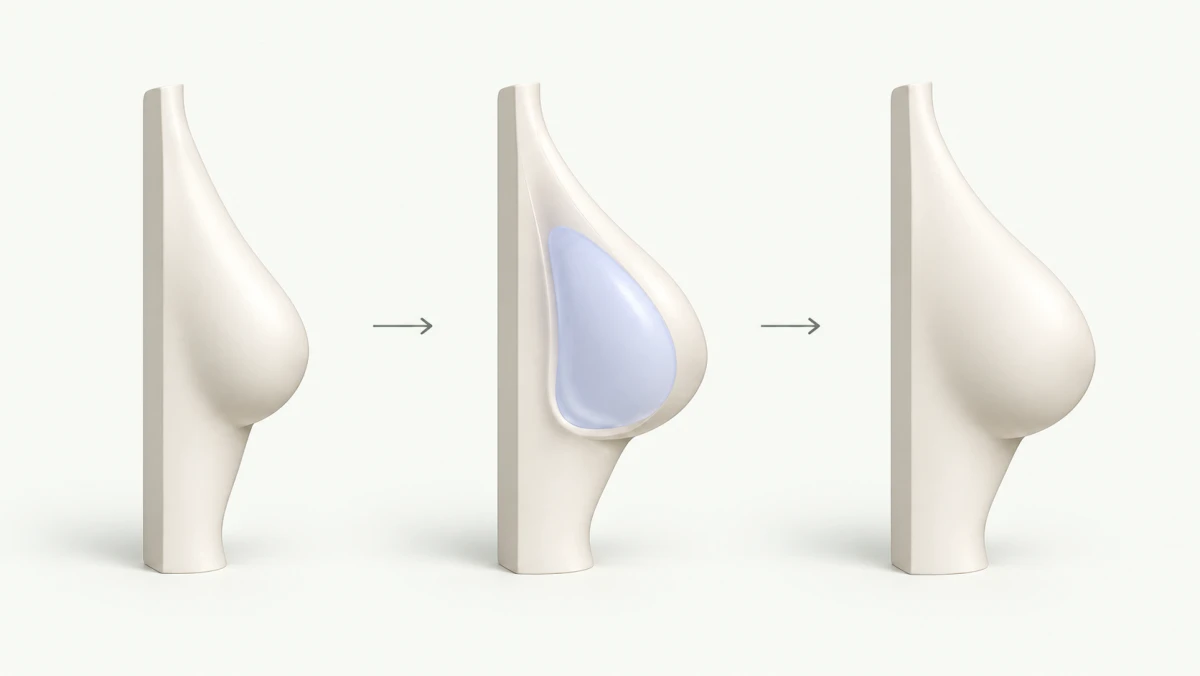
We work with two main types of implants: round and anatomical. Both add volume and correct the shape of the breasts, but they differ in shape and in the kind of result.
A fuller upper pole with even volume
A gentle slope and a soft teardrop contour
The surgeon will help you choose the implant shape and volume.
The clinic
Modern technology, cosy rooms and personal attention for every patient
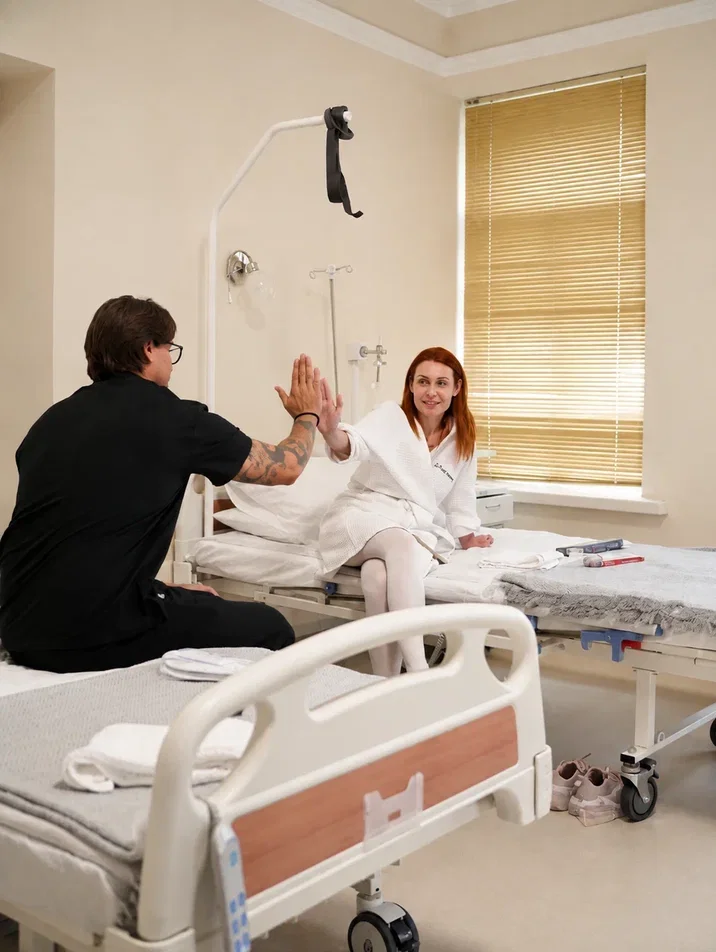
You get answers to your questions and a consultation slot that fits your schedule
When surgery is not needed, the doctor tells you honestly at the consultation — and you avoid spending money on an unnecessary operation.

Not certain if surgery is the right choice for you?
Write to us: your coordinator will request photos in a messenger, and the surgeon will review them and tell you whether mammoplasty suits you.
Find out if it suits me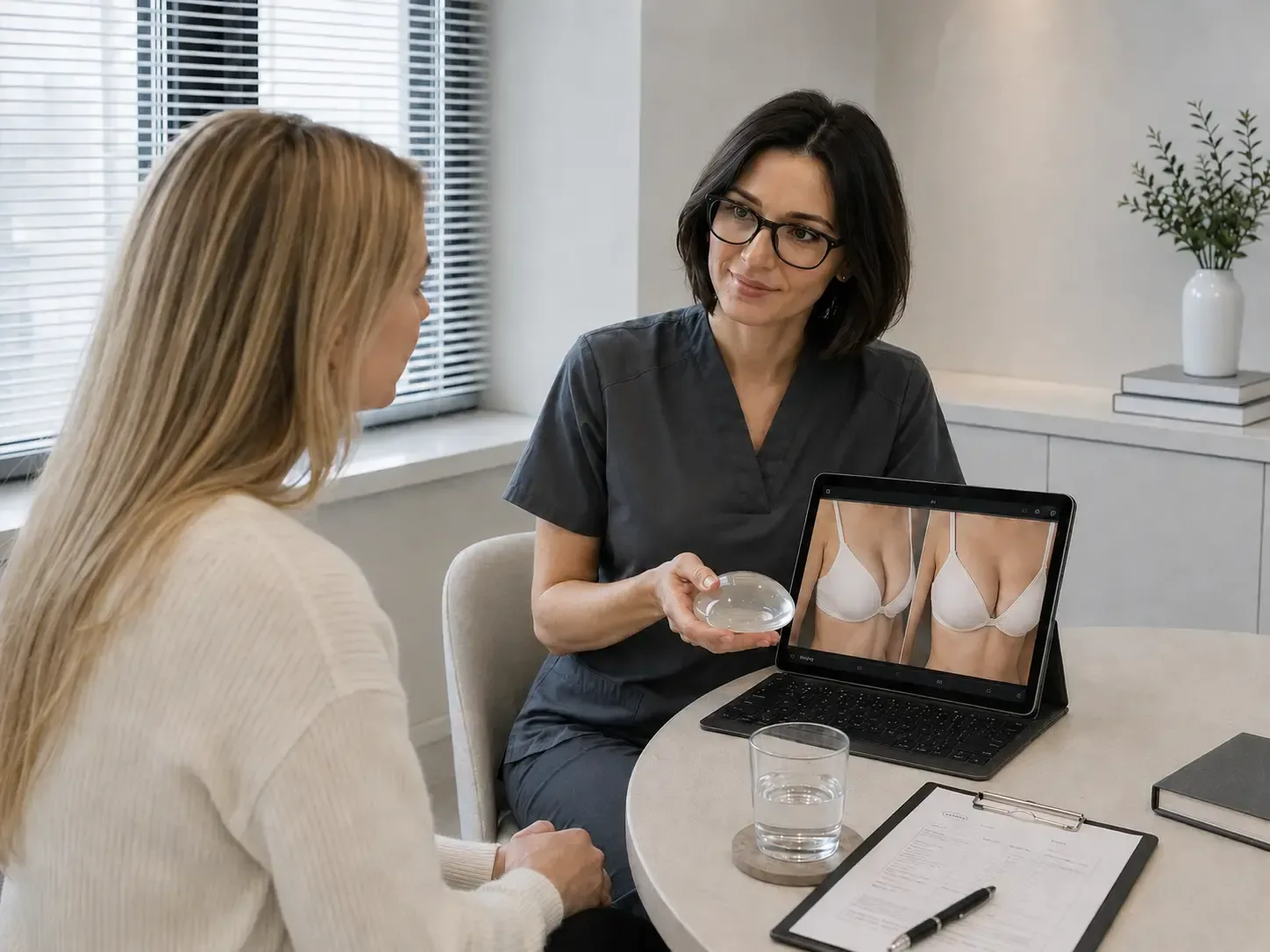
Prices
The price is set at the consultation and fixed in the contract.
Discounted price
Size and shape correction with implants
$4,700$5,900
Discounted price
Reducing the volume and weight of the breasts
$4,700$5,900
Breast restoration after mastectomy
The price is set at the consultation and fixed in the contract.
Get a consultationYour surgeon examines the anatomy and proportions of your breasts, discusses your wishes and recommends the right way to correct them.
The price is set at the consultation and fixed in the contract.
Message our coordinator
Free online consultation · Reply within 15 minutes
Message us on TelegramMessage us on WhatsAppBy messaging us, you agree to our Privacy Policy
all inclusive
From getting ready for surgery
to 12 months of support.
Discounted price
$4,700$5,900
How it goes
A correction plan agreed with you, inpatient observation and a year of follow-up.
 1
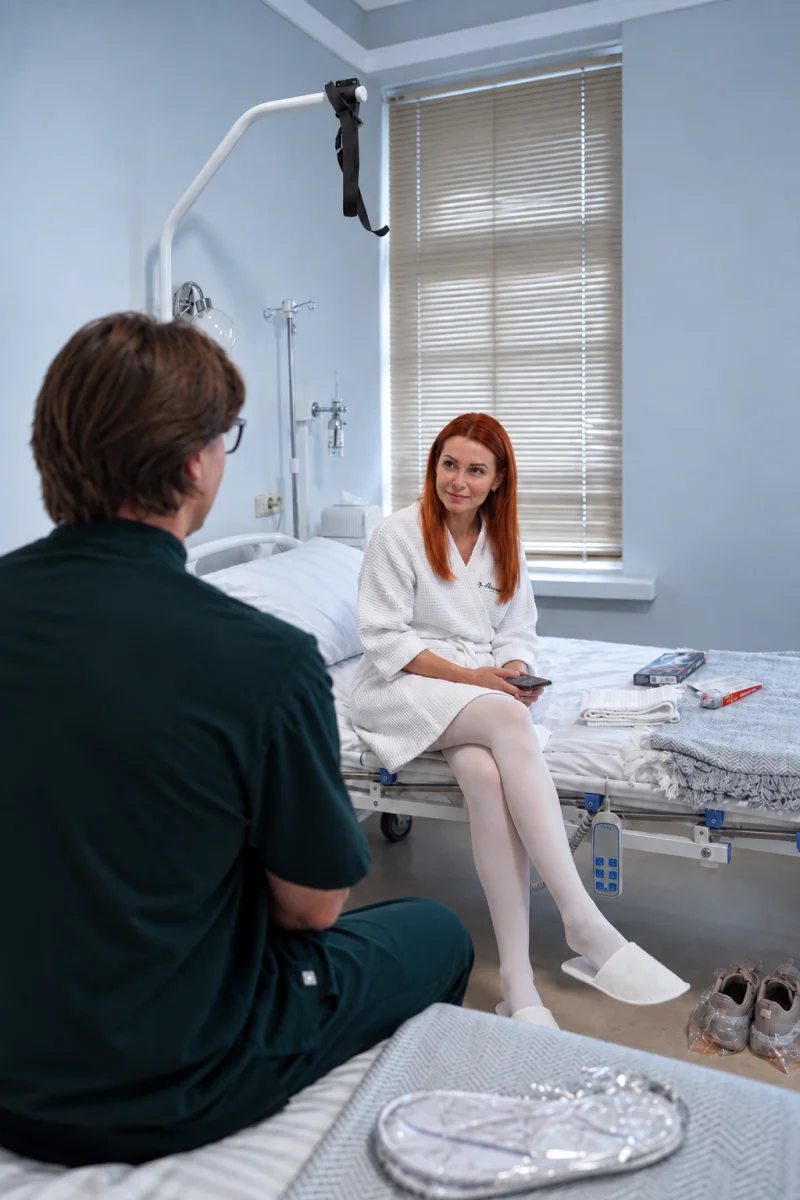
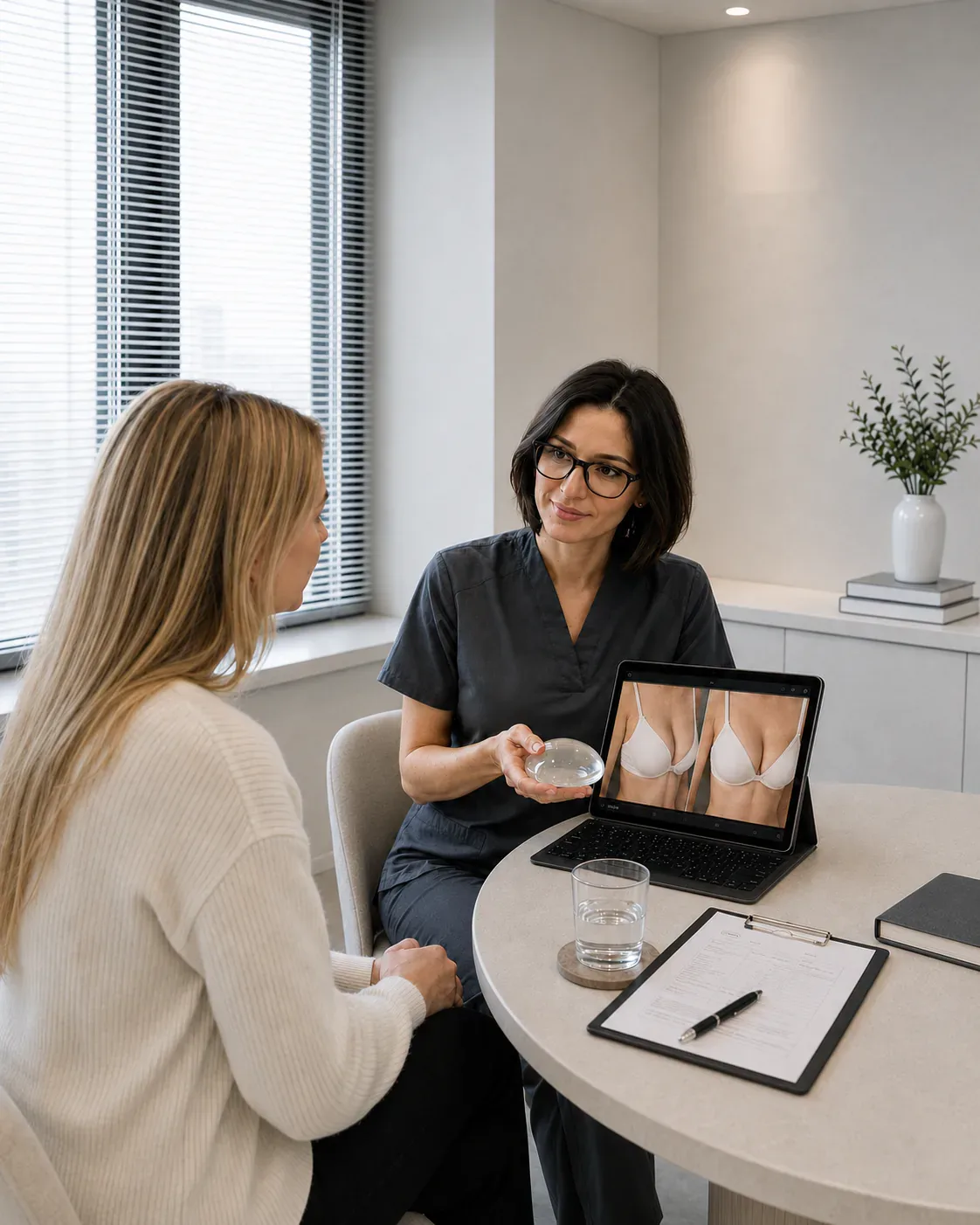
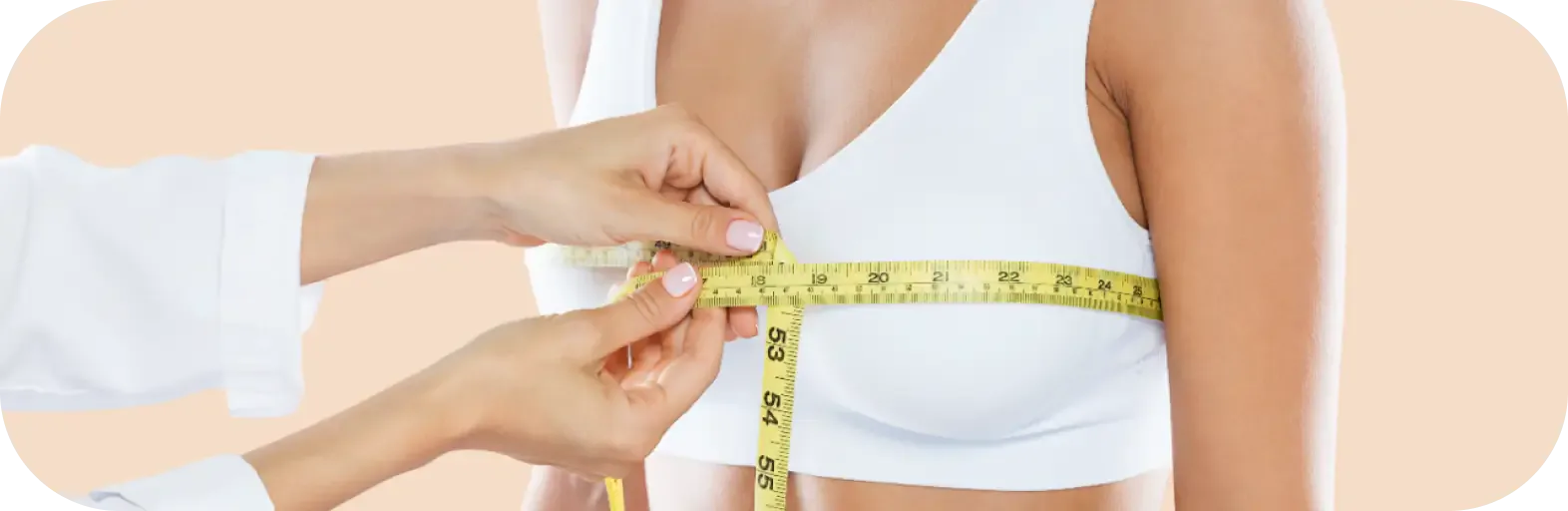
The surgeon assesses your figure, discusses your wishes and chooses the best volume, shape and correction method.
 2
We reserve a surgery date for you: the deposit can be paid by card at the clinic or online by bank transfer. The terms are fixed in the contract for medical services
 3
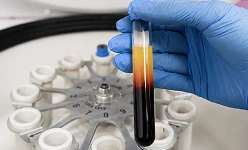
Before the operation you take a full set of tests: blood tests, an ECG and any other examinations the doctor prescribes.
 4
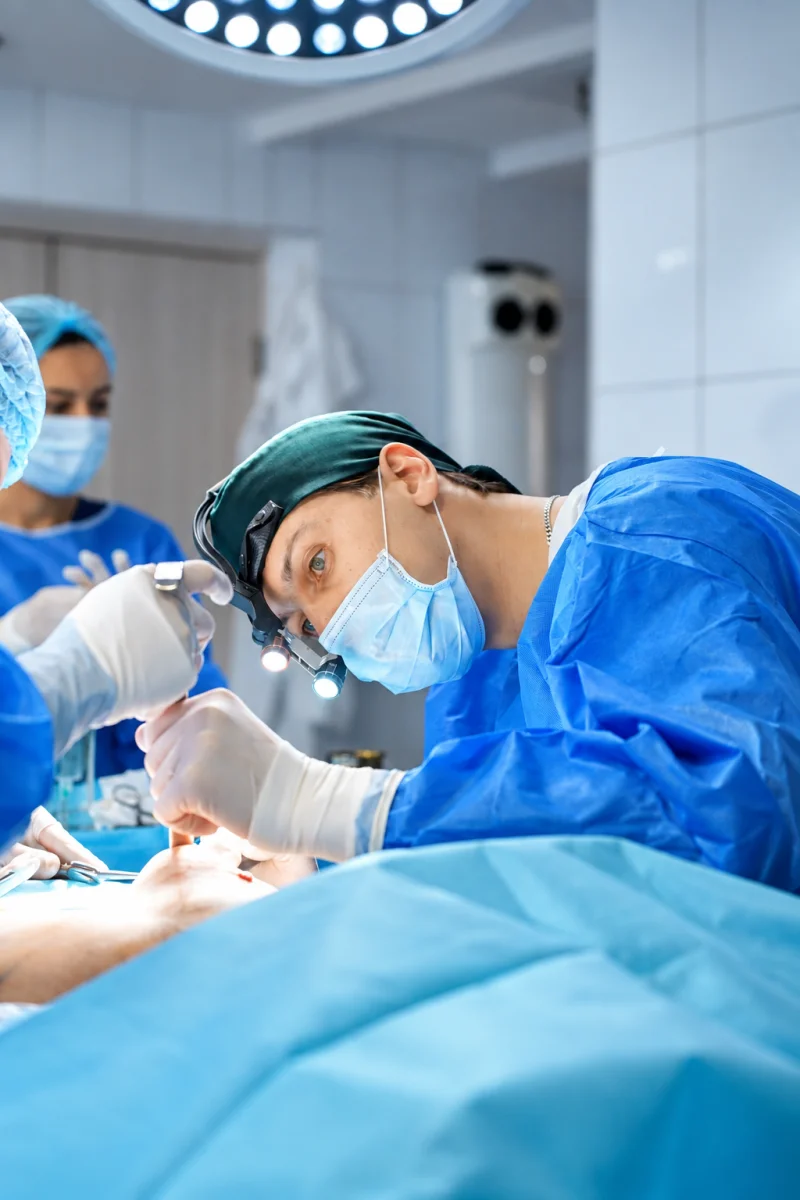
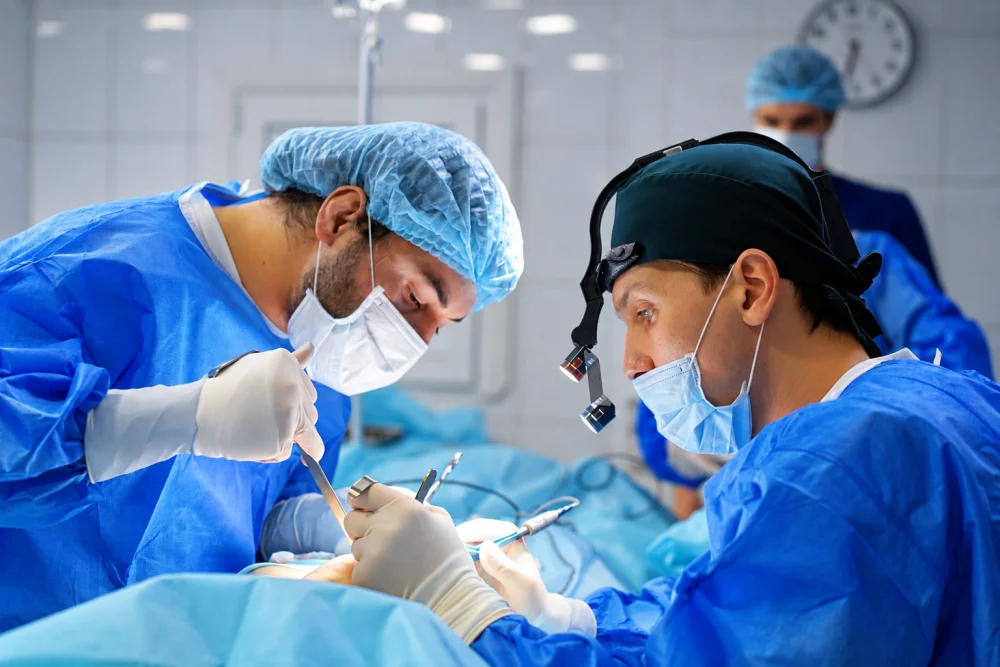
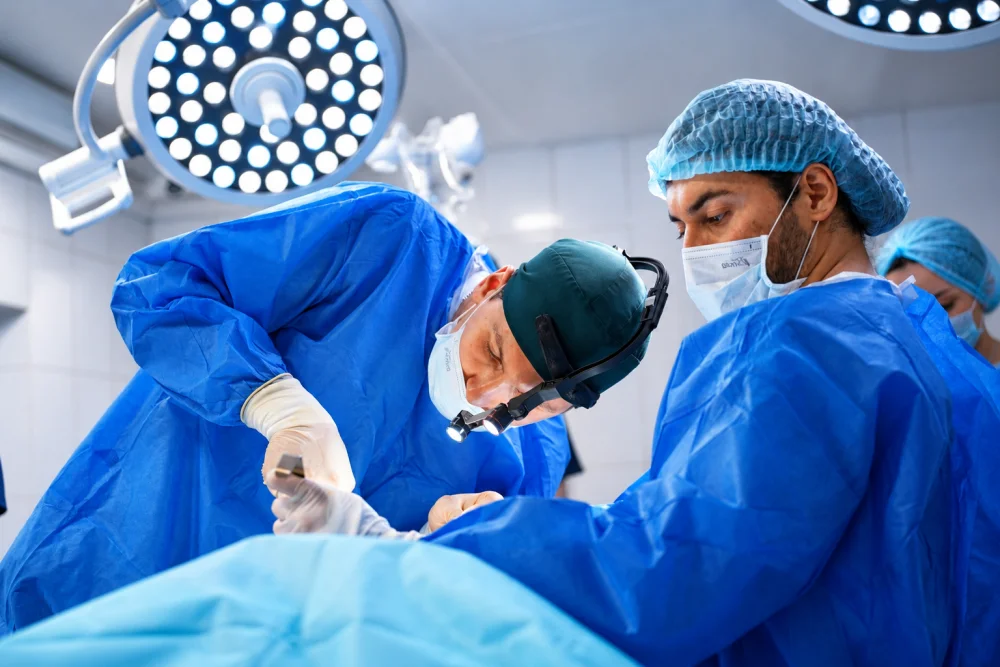
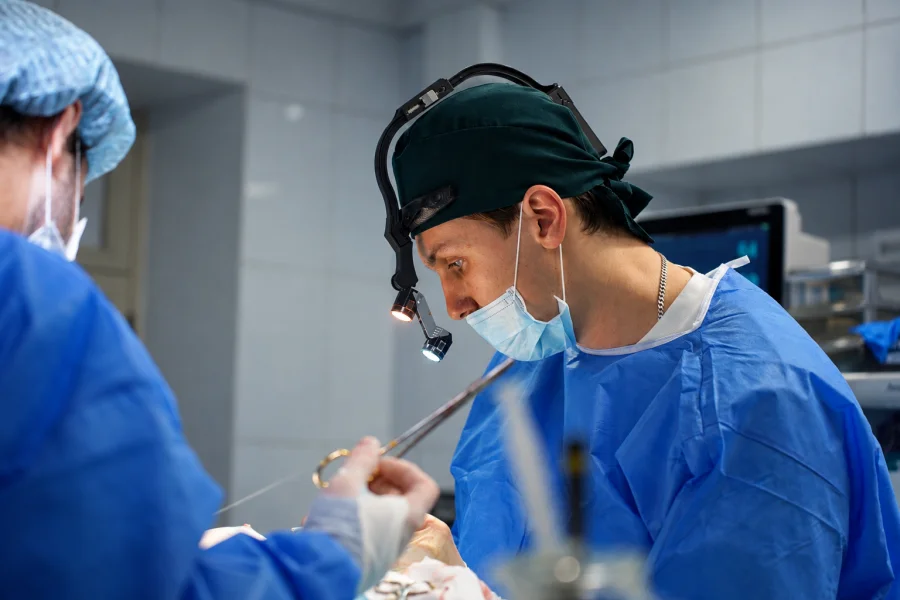
The surgeon performs mammoplasty according to your individual plan. The operation takes place under general anesthesia with continuous patient monitoring.
 5
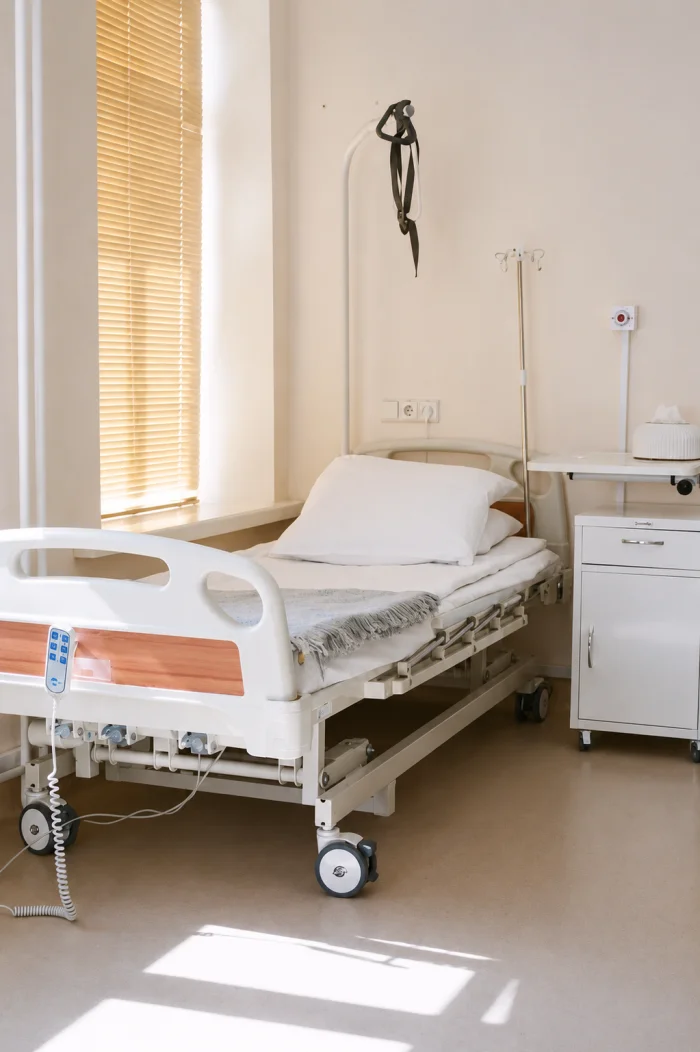
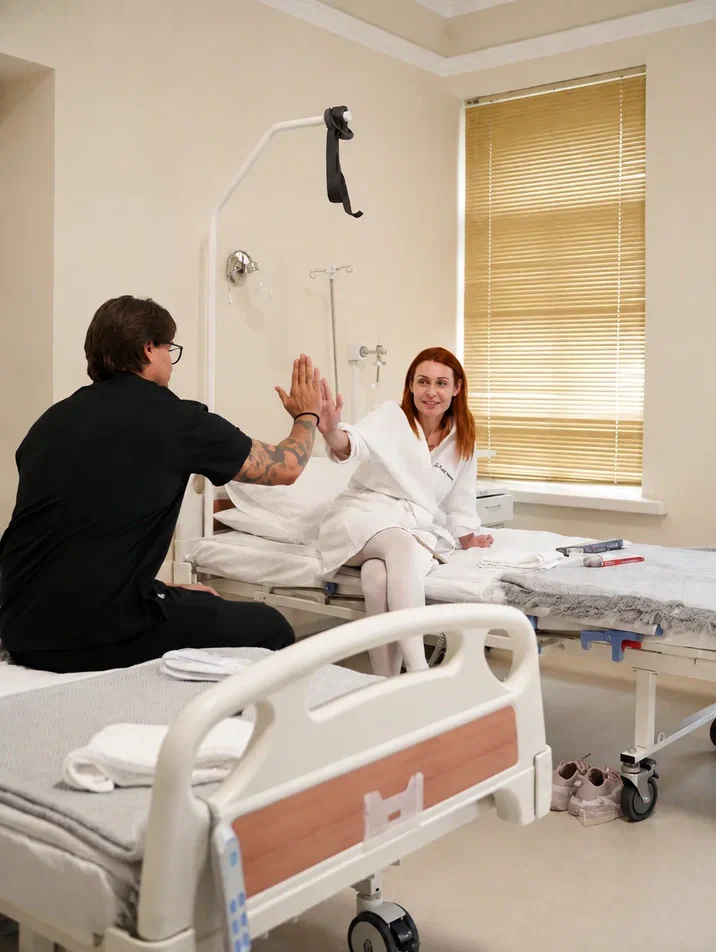
Once the operation is over, you stay in the clinic's comfortable ward under the medical team's supervision until discharge.
 6
After surgery you receive a recovery programme. Check-ups at 7 days, 3 and 6 months track your progress, and consultations with your surgeon are free for a year.
Stop using drugs with aspirin, steroids and hormonal medications prescribed for chronic conditions before surgery
Discontinue hormonal oral contraceptives at least a month ahead of the procedure
Take your tests a week before surgery
A few simple rules before surgery: keep a healthy balance of work and rest, sleep longer, avoid stress, worry and intense emotions, and lower your physical activity.
Skip intense gym training for up to 40 days and avoid overly active aerobics; light cardio may be possible after a month. Pay attention to your diet and meals.
Swelling from surgery fades after 3 weeks
Discomfort fades after 3 months
Scars take shape within 3 weeks
No strenuous activity (lifting over 3 kg)
In 3 months any inflammatory changes in the tissue disappear, and a “pocket” forms around the implant
Recovery after the correction involves wearing compression garments for 1–1.5 months
No lifting arms above shoulder height — 3 weeks
For as long as three months, no baths, saunas or physiotherapy
Doctors
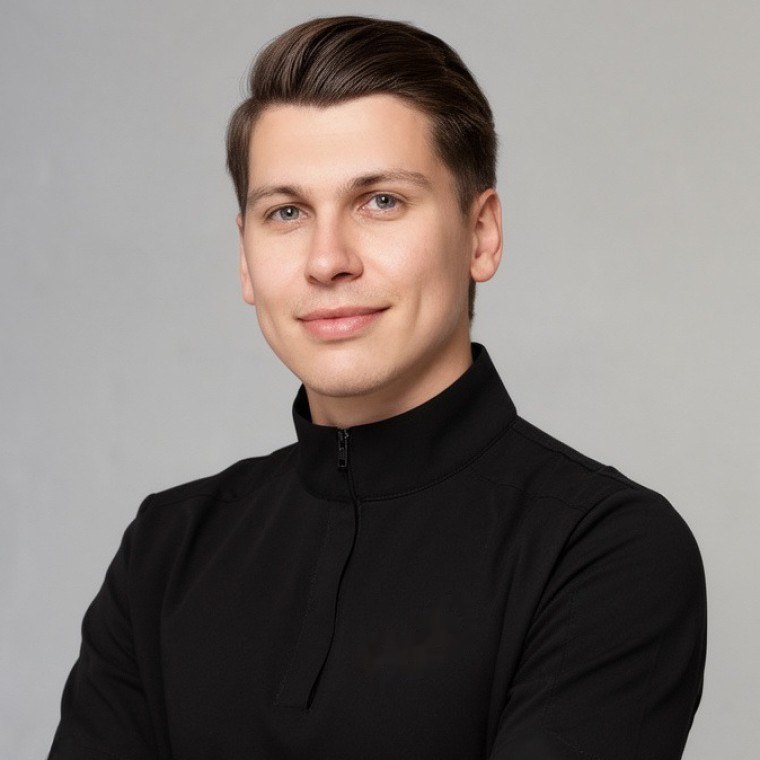
7 years of experience
Plastic surgeon
Residency in plastic surgery: Petrovsky National Research Centre of Surgery. Areas of expertise are aesthetic and reconstructive surgery of the breast and body.
You speak with the operating surgeon at the consultation
A seasoned plastic surgeon who cares for patients' health as well as their beauty
Book a consultationAdvantages
At the consultation we talk through what you want and model the changes. The surgeon explains the possibilities of surgery so that the goal is clear to you.
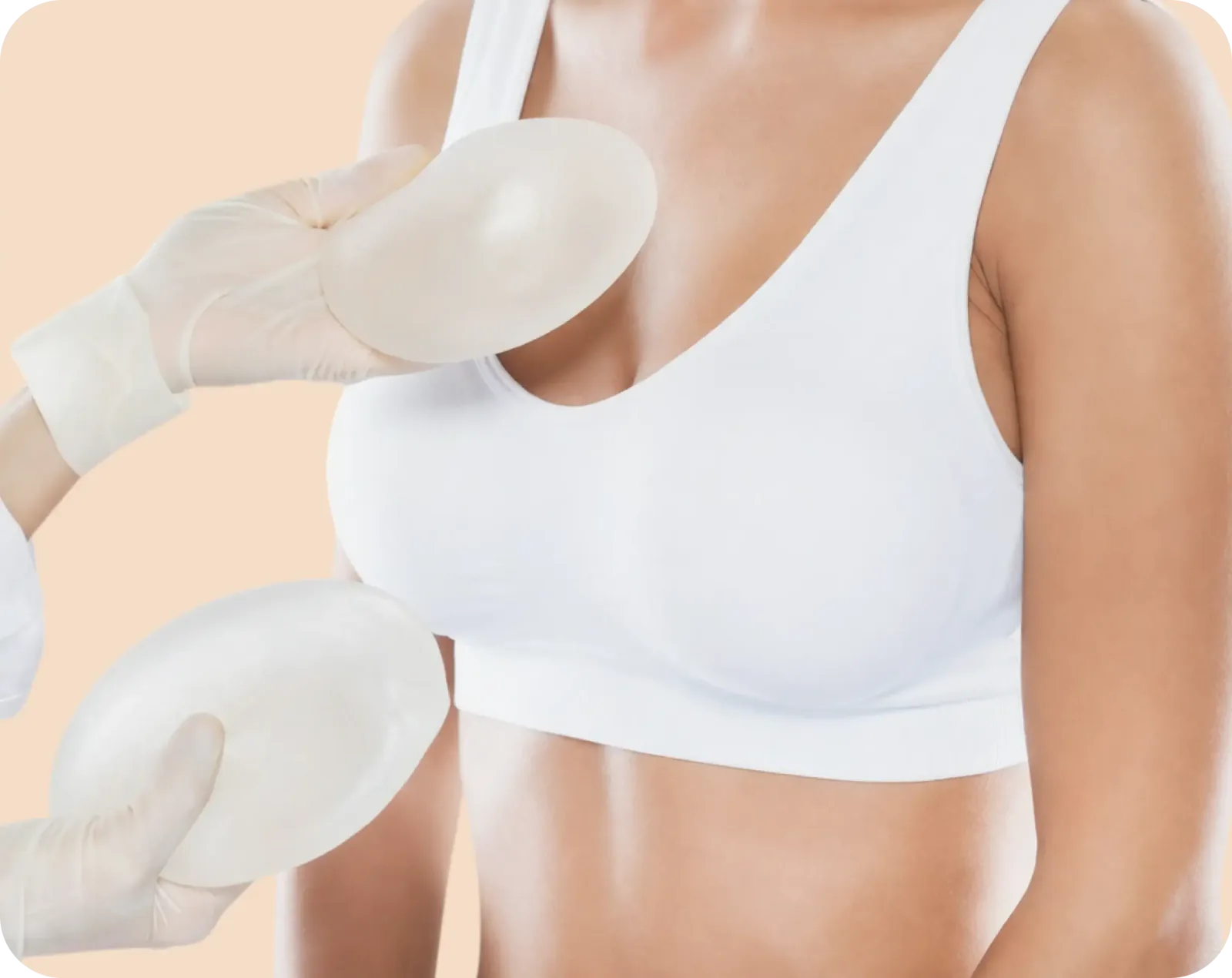
Your surgeon follows your recovery and the changes in your breast shape for a full year; check-ups and dressings are included in the price.
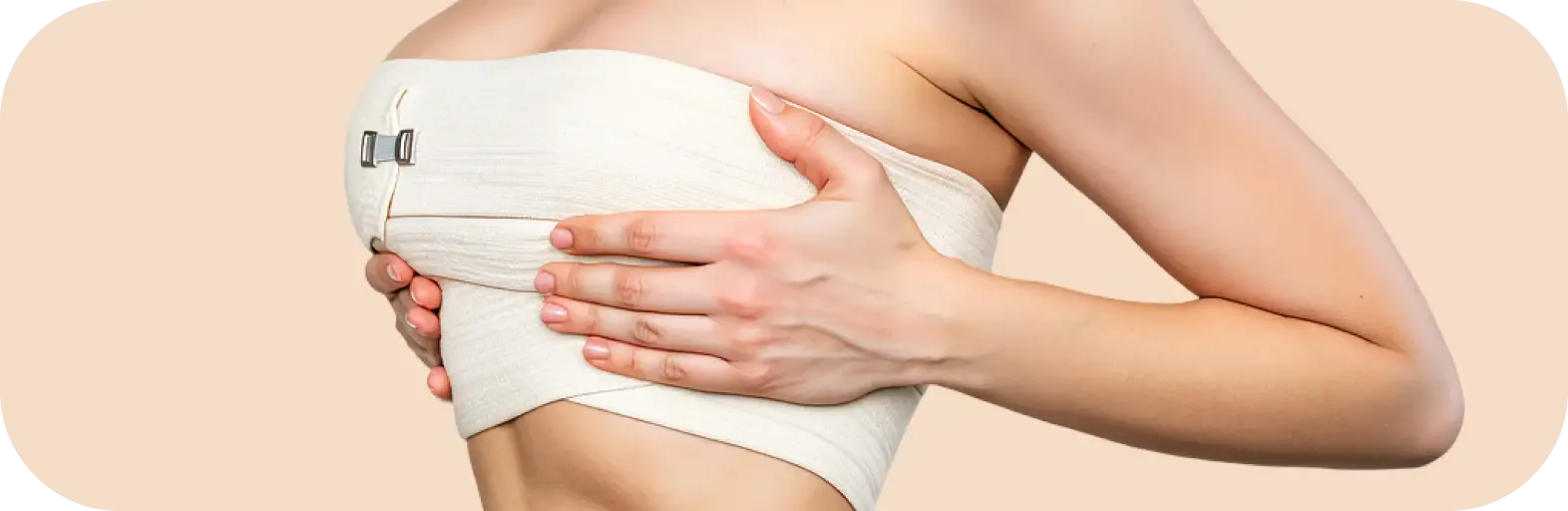
Shape, volume and correction method are chosen to match your anatomy and wishes. For augmentation, the implant size and profile are selected individually.
We respect your time: we work 24/7, with easy booking and a personal approach — we adapt to your pace.
After the consultation the surgeon determines the scope of correction, and you receive a clear price for the surgery with no surprises along the way.

You begin your recovery in a comfortable ward under constant nursing supervision; the stay and meals are included in the price.
FAQ
Several procedures fall under mammoplasty: augmentation (volume increase with implants), reduction (excision of extra tissue and skin), mastopexy (lift of sagging breasts), reconstruction (after mastectomy) and asymmetry correction. The right method is chosen for each patient according to her wishes and the surgeon's advice.
Message us — our coordinator will get back to you shortly and book your consultation. The plastic surgeon consultation is free.
When all recommendations are followed, complications are rare. They can include hematoma or seroma, wound infection, reduced or heightened nipple sensitivity, capsular contracture, aesthetic asymmetry, wound separation and tissue necrosis.
Mammoplasty results hold for a long time, roughly 10–15 years after augmentation (up until implant replacement) and 5–10 years after a lift or reduction. Weight, pregnancy, the aging of skin and gravity play a role in duration. Supportive underwear and weight control help maintain the result.
Breastfeeding after mammoplasty depends on the type of surgery. With augmentation through an under-breast or armpit incision and the implant placed under the muscle, lactation is usually preserved — the glandular tissue is not damaged. After a lift or reduction the risk is higher because ducts may be cut. Discuss this with your surgeon in advance.
Implant choice considers material (silicone looks most natural, saline is used less often), shape (round or anatomical teardrop), surface (smooth or textured), size and profile. The surgeon will choose the best option for your anatomy and wishes.
The operation itself happens under general anesthesia, so nothing is felt. Moderate discomfort can occur in the first 1–3 days and responds to painkillers. By day 5–7 pain decreases a lot, and by weeks 2–3 discomfort is gone. In case of severe pain, tell your doctor right away.
Most patients return to work (without physical exertion) after 7–14 days. Light walks are fine after 1–2 weeks. Fitness and swimming come after 4–6 weeks, strength training after 3 months, pool and sea after 4–6 weeks. Compression garments are worn for 4–6 weeks. Exact timing depends on your recovery.
Science has found no evidence that mammoplasty increases the risk of breast cancer. Implants are not a cause of cancer. After the procedure, go on with regular screening, including self-exams, mammography and ultrasound, and always tell the examining doctor about the implants.
Mammoplasty after a C-section is possible, but only once your body has fully recovered. Allow at least 6–12 months after giving birth and after breastfeeding stops. A consultation and check-up with a surgeon are required before surgery.
Scars do remain after mammoplasty, but a skilled surgeon keeps them to a minimum. Incisions are placed in hidden zones: beneath the breast, around the areola or in the armpit. The scars are reddish for the first months and fade within 6–12 months to become almost invisible.
During the first weeks after the operation, slight asymmetry is normal, since swelling and healing are uneven. If a size or shape difference continues after 3–6 months, see your surgeon for an exam to find its cause.
Nipple and breast sensitivity can change temporarily after mammoplasty, either decreasing or increasing. It happens because nerve endings are irritated. Sensitivity usually returns within 3–12 months. If there is still no improvement after a year, consult your surgeon.
Hormonal medicines (contraceptives, hormone replacement therapy) do not directly affect implants but may trigger swelling or changes in breast tissue volume, which temporarily affects appearance. You must tell your surgeon about such drugs before the operation.
Prices are in US dollars; the amount in brackets is an approximate conversion to ZAR at the rate of 02.10.2026. The final price is fixed in your contract.
Prices start from $4,700 (≈ R79,000). The surgeon sets the final price at the free consultation, and it is fixed in the contract, with no hidden extras.
The surgical team's work, anaesthesia, the inpatient stay with meals, dressings and follow-up visits for twelve months.
Message us on WhatsApp or Telegram using the buttons below. A coordinator will answer your questions and book a free consultation where the doctor names the exact price.
By messaging us, you agree to our Privacy Policy
Breast augmentation is a mammoplasty in which implants add volume and correct the shape of the breasts. For patients from Vereeniging, the surgeon helps choose the implant material, shape, surface, size and profile to match individual anatomy. Silicone implants give the most natural look, and both round and anatomical teardrop shapes are available. The procedure suits women who want fuller breasts or a better contour.
Recovery follows a clear timeline. Swelling subsides in about three weeks, scars form over the same period, and discomfort fades by three months. Compression garments are worn for 1–1.5 months, arms should not be raised above shoulder level for three weeks, and baths or saunas are off-limits for up to three months. Patients from Vereeniging get detailed care advice from the surgeon.
A free consultation is the easiest way to get an exact figure. The surgeon assesses your anatomy, models the result and confirms the plan; the base cost of augmentation is from $4,700 (≈ R79,000). Everything around the surgery — anesthesia, inpatient stay, 24/7 monitoring, personal support and a year of follow-up — is in that amount. Patients from Vereeniging can apply through the site or a messenger.
What patients write after this operation. Reviews are translated from the original language.
Anna Smirnova
I went to Dmitry Sergeyevich for breast augmentation with implants. At the consultation everything was explained in detail, and together we chose the best size. The operation under combined anaesthesia took 2 hours, and I was discharged home the next day. The swelling went down in about a month, and my breasts look very natural. The year of follow-up care is a real lifesaver: you can always ask a question and get an answer. Thank you to the clinic!
Breast augmentation
Doctor: Dmitry S. Kuznetsov
Ekaterina Morozova
After two births I decided on a breast lift without implants. I chose Dmitry Sergeyevich and have no regrets. The result exceeded all my expectations: my breasts are lifted and the shape is youthful and firm. The incisions are minimal and almost invisible. I spent one day in the hospital, and the room was very comfortable. I recommend him!
Breast lift
Doctor: Dmitry S. Kuznetsov
Olga Kuznetsova
I had a combined operation, a breast lift with augmentation, with Dmitry Sergeyevich. At the consultation it was immediately clear that I was in the right place. Everything is included in the price, with no hidden charges. After a month my breasts already feel soft and natural. Personal follow-up after the operation is very valuable.
Breast lift with implants
Doctor: Dmitry S. Kuznetsov
Maria Lebedeva
Breast augmentation from a size 3 to a size 4 with Dmitry Sergeyevich. He chose perfect anatomical implants. The operation took 2 hours, and I woke up with almost no pain. In the ward I was fed and monitored around the clock. Four months have passed and the result looks like a magazine cover.
Breast augmentation
Doctor: Dmitry S. Kuznetsov
Natalia Vorobyova
I went to Dmitry Sergeyevich to correct breast asymmetry with a small lift. A true professional: at the consultation he immediately showed before-and-after photos of similar cases. Recovery was easy and the swelling went down quickly. I had my check-up after just 7 days. An excellent clinic!
Breast reconstruction
Doctor: Dmitry S. Kuznetsov
Yulia Romanova
I had a lift with implants after losing a lot of weight. I chose Dmitry Sergeyevich. At the consultation everything was explained in simple words, and my fears were gone. One day in the hospital, then care at home. Now my breasts look natural and keep their shape. I am very happy!
Breast lift with implants
Doctor: Dmitry S. Kuznetsov
Vereeniging sits in the south of Gauteng province, where the Klip River empties into the northern loop of the Vaal River. It is part of the Vaal Triangle region and has about 474,681 inhabitants. A city of this size has plenty of working women, students, mothers and carers, and each of them plans a major operation around a different set of obligations. Breast augmentation is rarely an impulsive step. Most women who ask about it have thought about it for months, and the first questions are practical: how long it takes, how recovery goes, when normal life resumes and what the result will look like in everyday clothes.
This text is written for people in Vereeniging who want to prepare properly. It does not replace a medical examination. It helps you arrive at the consultation with clear questions and a realistic picture of the process. The operation is performed under general anaesthesia, so there is no sensation during the surgery itself. The hospital stay is short, and the recovery programme afterwards is structured, with set check-ups and support from the medical team.
The name Vereeniging comes from a Dutch word meaning 'association'. In a way, a good surgical plan is also an association: between your wishes, your anatomy, your lifestyle and the surgeon's experience. The sections below follow that idea and tie each stage of the procedure to the way life actually runs in the city.
You do not need to rearrange your week to start. The consultation with City Medical Centre is free and online, and you take it from home or from work in Vereeniging. Coordinators are available around the clock (24/7) on Telegram and Telegram, so a message sent late in the evening after the children are asleep, or in a break between shifts, will be answered. A coordinator will call you back 24/7, which means you can choose a moment that suits you rather than adjusting to a fixed schedule.
In the first conversation you describe your goals, your general health, previous operations, pregnancies and breastfeeding, and any medicines you take. Photographs and basic measurements help the surgeon understand your starting point. The surgeon then explains which approaches might suit you, how the implant sits and what scars to expect. You can ask as many questions as you need. Nobody is rushing you into a decision.
Your time matters to us: we work 24/7, booking is easy, and our personal approach adapts to your pace. For a city where many people work in industry, logistics, retail and healthcare, often in shifts, this flexibility is practical. You can speak at the moment that fits your rota and come back with follow-up questions in writing, for example in the evening after a long day.
Vereeniging is described as one of the most important industrial manufacturing centres in South Africa, with iron, steel, pipes, bricks, tiles and processed lime among its main products. Many residents work in or around this sector, in offices, on production lines, in transport and in services that support them. That matters for planning, because the first weeks after surgery limit physical effort.
You may go back to work after 7–14 days, but only with no physical exertion. If your job is at a desk, in a call centre, in a shop at the till or in administration, a return within this period is realistic, depending on how you feel. If your work involves lifting, pushing or long hours on your feet in a plant or workshop, talk to your employer in advance about lighter duties. No heavy exertion is allowed, meaning no lifting of more than 3 kg, and no lifting of arms above shoulder height for 3 weeks.
Practical points to settle before the operation: who will take over lifting at home, how you will carry bags from the car, and whether your workplace can adjust tasks for a short time. In a working city, these small arrangements decide whether recovery is calm or stressful. Dusty workplaces are another consideration. Ask the surgeon how to keep incisions clean and protected if your environment is dusty, and avoid returning to such areas until you are cleared.
Choosing the season is a question patients in Vereeniging ask often. The general principles are the same anywhere. In the hot months, heat and strong sun are uncomfortable when you wear a compression garment for a long time, and swelling can feel worse in warm conditions. Scars are sensitive in their early stage, and direct sun on healing skin is best avoided. In cooler months, layered clothing hides the garment easily, and you are less likely to feel overheated.
Whichever season you choose, plan loose, front-opening tops, soft cotton fabrics and a comfortable supportive bra. The compression garment stays on for 4–6 weeks according to the standard guidance, and after a correction procedure compression can last 1–1.5 months. Keep a spare garment so you can wash one while wearing the other. Wear a hat or stay in shade outdoors, and protect scar areas from direct sunlight during the first months.
Swelling after surgery goes away after 3 weeks. Discomfort fades after 3 months. If you want to look relaxed at a particular event, count backwards from the date and leave generous time for healing. Your surgeon can help you choose a month when your calendar is calm and your recovery will not collide with big commitments.
English is the predominant language in Vereeniging, followed closely by Sesotho and Afrikaans, and family life in the city often involves several generations under one roof or close by. That is helpful during recovery. Ask relatives to take over cooking, school runs, laundry and lifting for the first weeks. Say plainly that you cannot pick up small children or heavy shopping bags, because the limit of 3 kg is easy to exceed without noticing.
Food culture in many households centres on shared meals and gatherings. After the operation you are advised to monitor your diet and meals. Eat regular, balanced food, drink enough water and avoid heavy, salty dishes that increase swelling. If a family celebration falls shortly after your date, decide in advance how much you will take part. Sitting with the family is fine. Standing for hours at the stove or carrying large pots is not.
Weight control also supports the result. Weight changes affect how long the outcome lasts, so a stable, sensible eating pattern is part of the plan, not just a short-term measure. If you want general background on weight and health, the World Health Organization publishes a fact sheet on obesity and overweight, which can help you think about long-term habits.
General anaesthesia is used for the surgery itself, so there is no sensation. In the first 1–3 days you may feel moderate discomfort, which painkillers relieve. Pain subsides significantly by day 5–7, and discomfort is gone by weeks 2–3. If pain becomes severe, inform your doctor right away. Patients often ask whether they will manage at home, and the answer is that the early days are the most demanding, so arrange help for that period.
There are scars after mammoplasty, though a skilled surgeon keeps them minimal. The incisions go in discreet areas, such as under the breast, around the areola or in the armpit. Early on the scars are reddish, but over 6–12 months they fade and are almost unnoticeable. Ask which incision is planned for you and why, because the choice depends on your anatomy and the implant.
Breast and nipple sensitivity may change for a time, going down or up, because of irritation of nerve endings. In the majority of cases sensitivity is restored within 3–12 months. If nothing has improved after a year, consult your surgeon. In the first weeks slight asymmetry is normal: swelling and uneven healing are behind it. If shape or size still differ after 3–6 months, see your surgeon for a check-up to find the reason. In 3 months any inflammatory changes in the tissue disappear, and a 'pocket' forms around the implant.
The Vaal River and the surrounding region give many residents of Vereeniging a habit of being outdoors, and people ask when they can return to walking, the gym or the water. The guidance is clear. Take light walks after 1–2 weeks. Fitness and swimming are possible after 4–6 weeks, and the same period applies to pool and sea. Strength training is allowed after 3 months. Timing depends on your recovery, and your surgeon makes the final decision.
For as long as 40 days, stay away from intense gym workouts and overly active aerobics. Light cardio is possible after a month. Do not rush this stage. Returning to exercise too early can disturb the position of the implant and extend swelling. A sensible approach is to begin with walking, then gentle cardio, and add upper body work only when your surgeon confirms it.
If you take part in a team sport, a running group or fitness classes, tell the instructor that you are recovering and will rejoin later. Keep your supportive underwear on for exercise, since good support helps maintain the result in the long run.
Breast augmentation suits adult women in good general health who want to change the size or shape of their breasts and have realistic expectations. A candidate understands that the operation is a surgical procedure with a recovery period, scars and follow-up care, and that implants are not a one-time purchase for life. Results last a long while: about 10–15 years for augmentation, until implant replacement. Weight changes, pregnancy, skin ageing and gravity affect their duration.
Some situations call for waiting or for extra assessment. If you have recently given birth, mammoplasty after a C-section is possible, but only once your body has fully recovered. Allow at least 6–12 months after giving birth and after breastfeeding stops. A consultation and check-up with a surgeon are required before surgery. Chronic illnesses, unstable weight, infections and certain medicines also need discussion, and the surgeon may ask for tests before agreeing to operate.
Be honest during the remote consultation about your health history. A complete picture protects you. If the surgeon advises postponing, it is a decision based on your safety, not a refusal of your wishes.
Vereeniging began with a coal deposit. In 1879 George William Stow found a seam twelve feet thick on the farm Leeuwkuil, and the idea of mining it was first turned down because the deposit seemed too far away and transport was lacking. Samuel Marks later formed a coal and mineral association, Stow bought the farm, and from 1881 coal travelled by ox-wagon to the Kimberley diamond fields. By 1882 a village was surveyed on two former farms, and the Volksraad named it after the association. The lesson for a patient is practical: a good result needs preparation and logistics, not only a decision.
Think of your own plan in the same way. Before the date is fixed, work out who will be at home, how you will get to and from the hospital, and who will lift and carry for you. The limit of no lifting above 3 kg and no lifting of arms above shoulder height for 3 weeks is easy to forget in a busy household. Write the arrangements down and share them with your family a few weeks ahead.
The municipality was established in 1912, and the motto Per Pacem ad Industriam, 'Through Peace to Industry', still suits the mindset of a calm recovery: keep things peaceful at home for the first weeks and let your body do its work.
Vereeniging has 21 suburbs and, since 1999, belongs to the Emfuleni Local Municipality together with Vanderbijlpark, Sharpeville and Sebokeng. Meyerton lies to the north, Vanderbijlpark to the west, Three Rivers to the east and Sasolburg to the south. Women from these neighbouring areas often ask the same questions, and the online consultation removes the need to cross town for a first conversation with a surgeon.
Because the municipality has faced difficulties with services, it is sensible to build some independence into your recovery plan. Keep a supply of drinking water at home, charge your phone and power bank in advance so you can reach the coordinators on Telegram or Telegram at any hour, and prepare your meals ahead. During the first days you want everything within easy reach at waist height, so you do not stretch or lift.
If you live in one suburb and your relatives in another, decide where you will spend the first week. Staying where the most help is available matters more than staying in your own house.
The city stands where the Klip River meets the northern loop of the Vaal River. After heavy rain in December 2010 and January 2011, extra water was released from the Vaal Dam and parts of Vereeniging and Three Rivers were flooded. A history like this is a reminder to avoid scheduling surgery at a time when you might have to move quickly, carry belongings or deal with disruption at home.
Wet conditions also affect recovery in small ways. Keep the wound area clean and dry, wear loose layers that are easy to change, and avoid slippery paths where a fall could strain your chest and arms. Ask your surgeon what to do if a garment gets damp.
The riverside is a place many residents enjoy, but water activities must wait. Pool and sea are possible after 4–6 weeks, and fitness and swimming after 4–6 weeks, depending on your recovery. Until your surgeon confirms, enjoy the view from the bank rather than the water.
Vereeniging has produced well-known sportspeople: Springbok rugby players Gerald Bosch and Francois Pienaar, the golfer Charl Schwartzel, the cricketers Tertius Bosch, Morne Morkel and Albie Morkel, who attended Vereeniging High, and the tennis player Pieter Aldrich. Sport is part of local life, and many patients are active women or the mothers of young players who spend weekends on the touchline.
If you play tennis or golf, remember that swinging a racket or club is a repeated arm movement. Strength training is allowed after 3 months, and for as long as 40 days intense gym workouts and overly active aerobics are off limits. Light cardio is possible after a month. Watching a match from the stands is fine earlier, as long as you avoid carrying cool boxes, chairs or bags above the 3 kg limit.
The Maccauvlei Golf Course, on the bank of the Vaal River, is a good reminder that a gentle walk is a sensible first goal. Start with light walks after 1–2 weeks, and return to anything involving a swing only when your surgeon agrees.
Vereeniging hosts campuses of the University of South Africa, Damelin College, CTU Training Solutions, Sedibeng College and Boston City Campus, and it is close to the North-West University Vaal Triangle Campus and the Vaal University of Technology in Vanderbijlpark. Students can use distance study to their advantage: plan the operation between assessment periods and take your lectures and reading at home.
Sitting at a laptop is realistic once the first days of moderate discomfort have passed, but take breaks, support your arms on cushions and avoid reaching for high shelves. A return to work with no physical exertion is possible after 7–14 days.
Employers in a city with mines, power plants and factories are used to planning around shifts. Tell your manager early that you will need light duties for a short time.
Prepare a short list before your online consultation. Ask about the incision location, the implant position, how the 'pocket' forms, what to expect in the first days, which activities to avoid, how scars are cared for, and what signs mean you should call straight away. Ask also how asymmetry is assessed, what happens if sensitivity does not return, and when an implant may need replacement.
The aftercare structure is part of the decision. After surgery you get a recovery programme. Check-ups at 7 days, 3 and 6 months help track your recovery. For a year after surgery, consultations with your surgeon are free. Follow-up support lasts for 12 months. The hospital stay after general anaesthesia is 1 day or 1–2 days depending on the case, with 24/7 monitoring by medical staff during that time.
From Vereeniging you stay in touch with coordinators through Telegram and Telegram, and you can send questions or photographs at any hour. Keep notes of each check-up, your garment schedule and any symptoms, so that the conversation with the surgeon is precise and useful.
Yes. The consultation is free and online, and you take it from home or work. Coordinators are available 24/7 on Telegram and Telegram, and a coordinator will call you back 24/7.
General anaesthesia is used, so there is no sensation during surgery. The stay is 1 day or 1–2 days depending on the case, with 24/7 monitoring by medical staff.
You may go back to work after 7–14 days, with no physical exertion. If your job involves lifting, discuss lighter duties with your employer in advance.
No heavy exertion, meaning no lifting of more than 3 kg, and no lifting arms above shoulder height for 3 weeks. For as long as 40 days, avoid intense gym workouts and overly active aerobics.
Compression garments stay on for 4–6 weeks. After a correction procedure, recovery involves 1–1.5 months of compression garments. Your surgeon will confirm the exact timing for you.
Fitness and swimming are possible after 4–6 weeks, and pool and sea after 4–6 weeks. Strength training is allowed after 3 months. Timing depends on your recovery.
In the first 1–3 days you may feel moderate discomfort, which painkillers relieve. Pain subsides significantly by day 5–7, and discomfort is gone by weeks 2–3. If pain becomes severe, inform your doctor right away.
There are scars, though a skilled surgeon keeps them minimal. Incisions go under the breast, around the areola or in the armpit. Early on they are reddish, but over 6–12 months they fade and are almost unnoticeable.
Results last about 10–15 years for augmentation, until implant replacement. Weight changes, pregnancy, skin ageing and gravity affect duration. Supportive underwear and weight control help maintain the result.
You get a recovery programme with check-ups at 7 days, 3 and 6 months. Consultations with your surgeon are free for a year, and follow-up support lasts for 12 months.
Dusty places are best avoided until your surgeon clears you. Keep the wound area clean and protected, and ask how to care for it if your workplace or neighbourhood is dusty.
Yes. Many campuses in and near the city offer distance learning. Choose a quiet period, rest at home and return to work or classes with no physical exertion after 7–14 days, depending on your recovery.
Yes. The free online consultation works from any of these places, and coordinators are available 24/7 on Telegram and Telegram.
Not at first. Take light walks after 1–2 weeks, and do fitness after 4–6 weeks. Strength training is allowed after 3 months, so ask your surgeon when swinging movements are safe for you.
Page medically reviewed by Dmitry S. Kuznetsov, plastic surgeon. Review date: .