










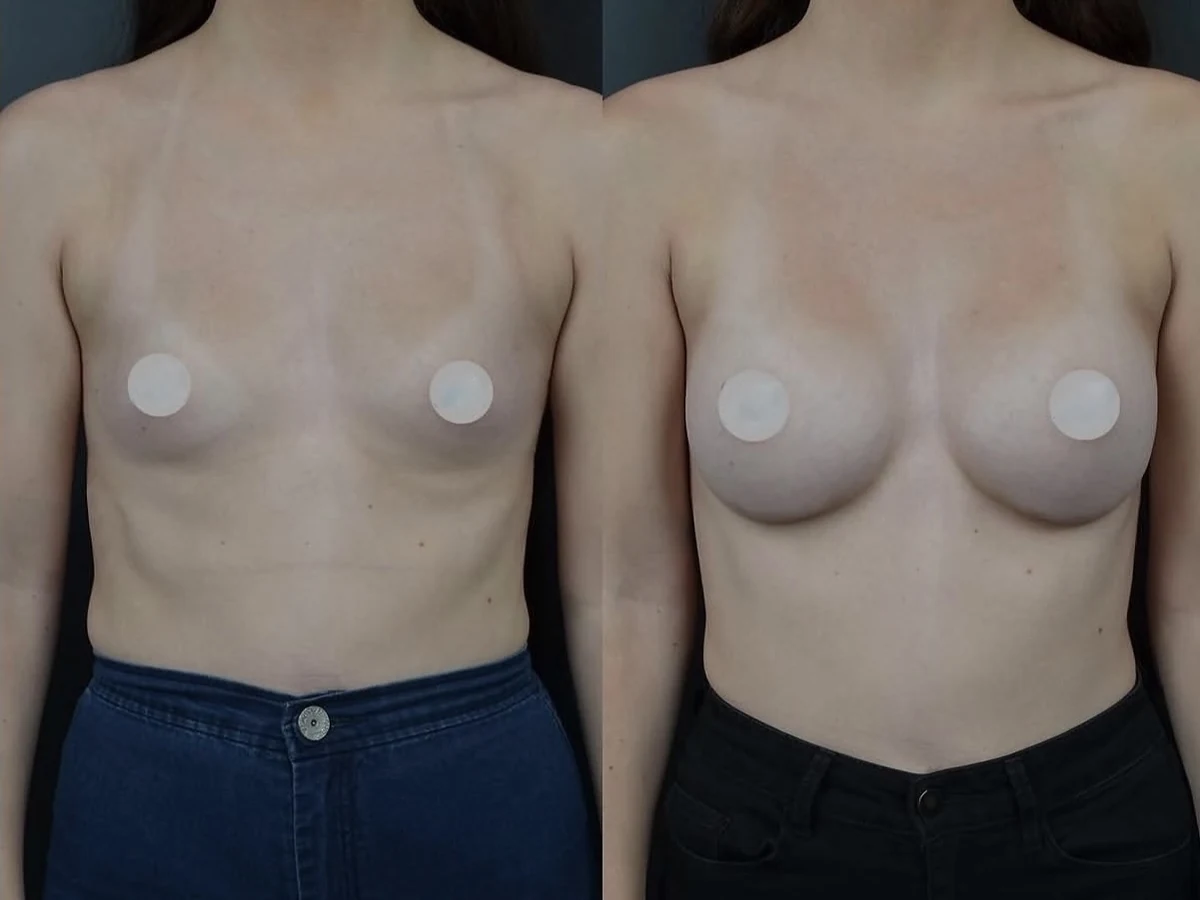
 beforeafter
Mammoplasty
Method: implants
Breast augmentation
$4,700
$5,900 · First consultation — Free
Free online consultation · Reply within 15 minutes
Message our coordinator
Free online consultation · Reply within 15 minutes
Message us on TelegramMessage us on WhatsAppBy messaging us, you agree to our Privacy Policy
Breast augmentation for patients from Cape Town at City Medical Centre starts at $4,700. The first online consultation is free; the doctor names the final price and it is fixed in the contract.
How it works · Breast augmentation prices
Information current as of 5 November 2026
Results
All photos show real patients of the clinic, with identifying details and faces hidden.
beforeafterMethod: implants
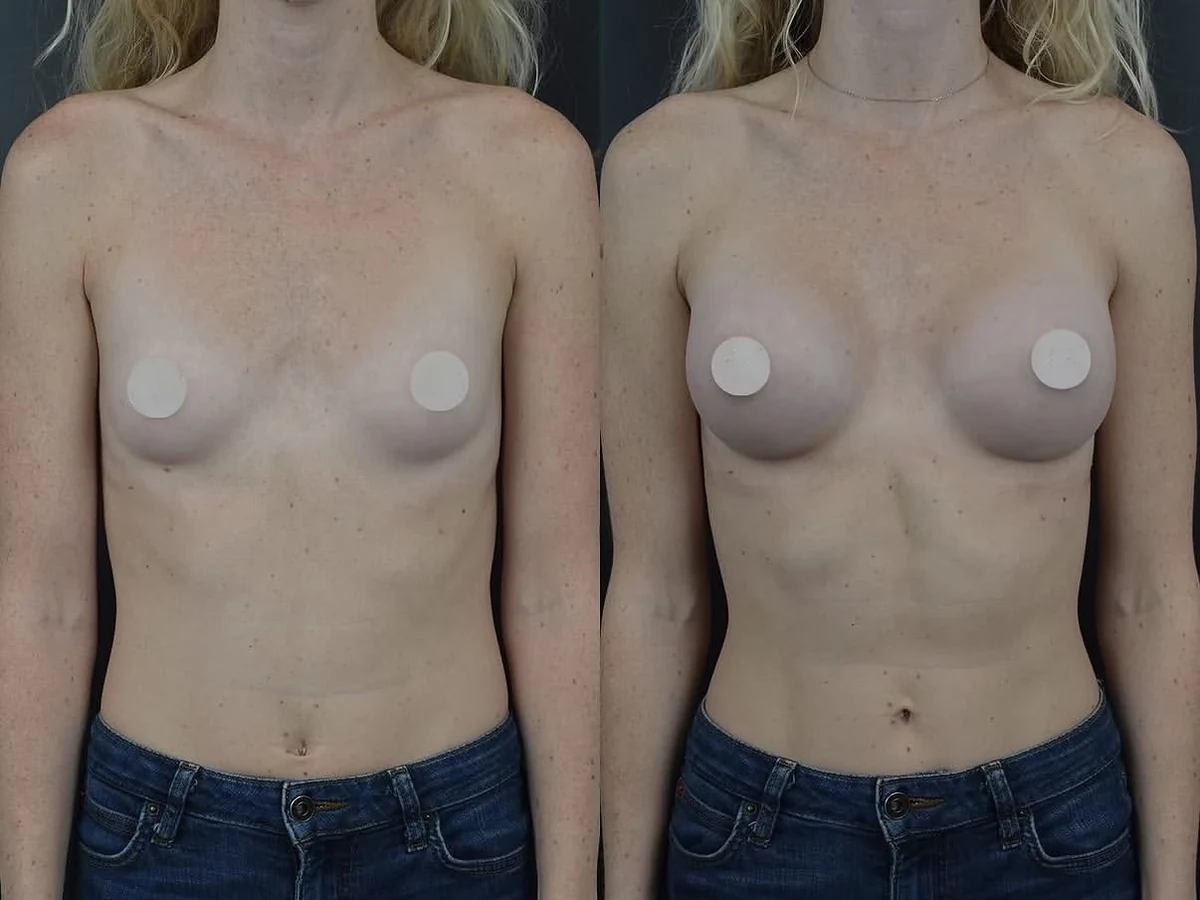 beforeafter
Method: implants
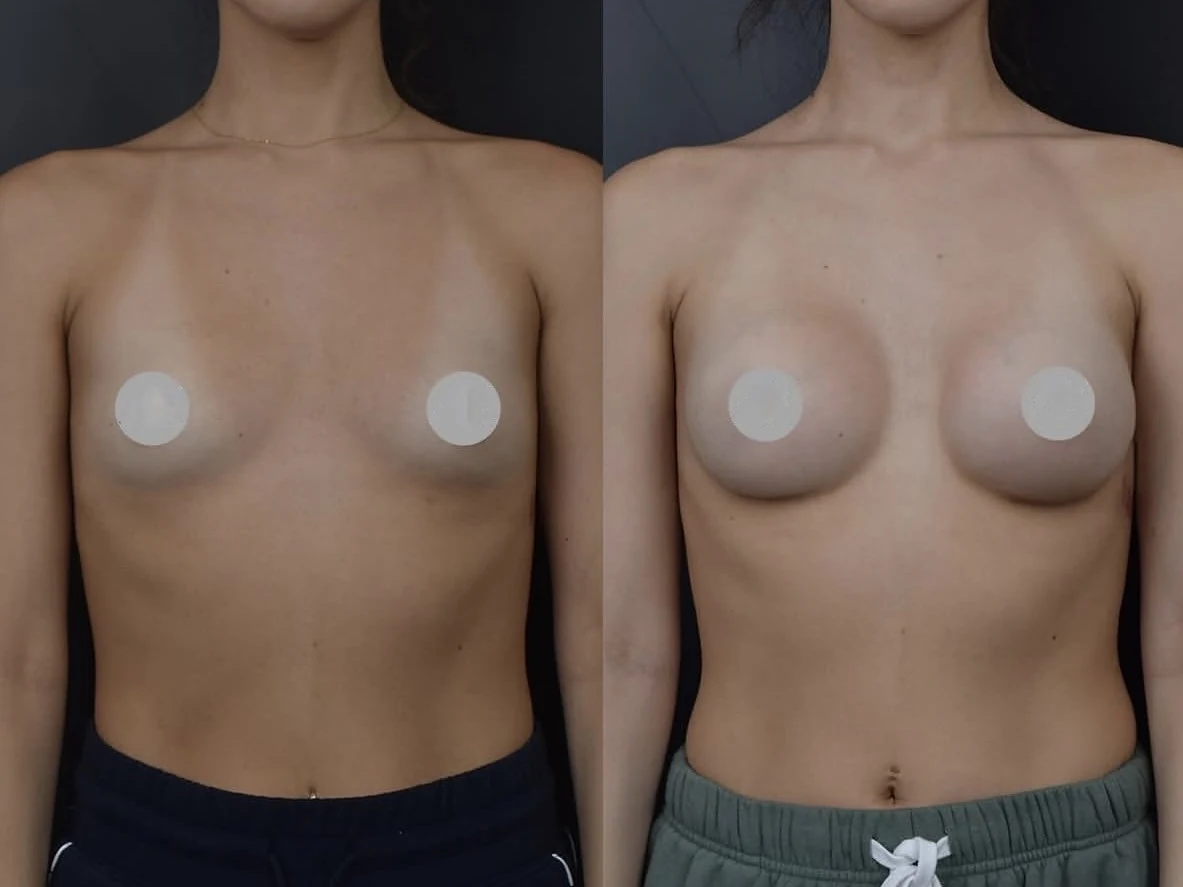 beforeafter
Method: implants
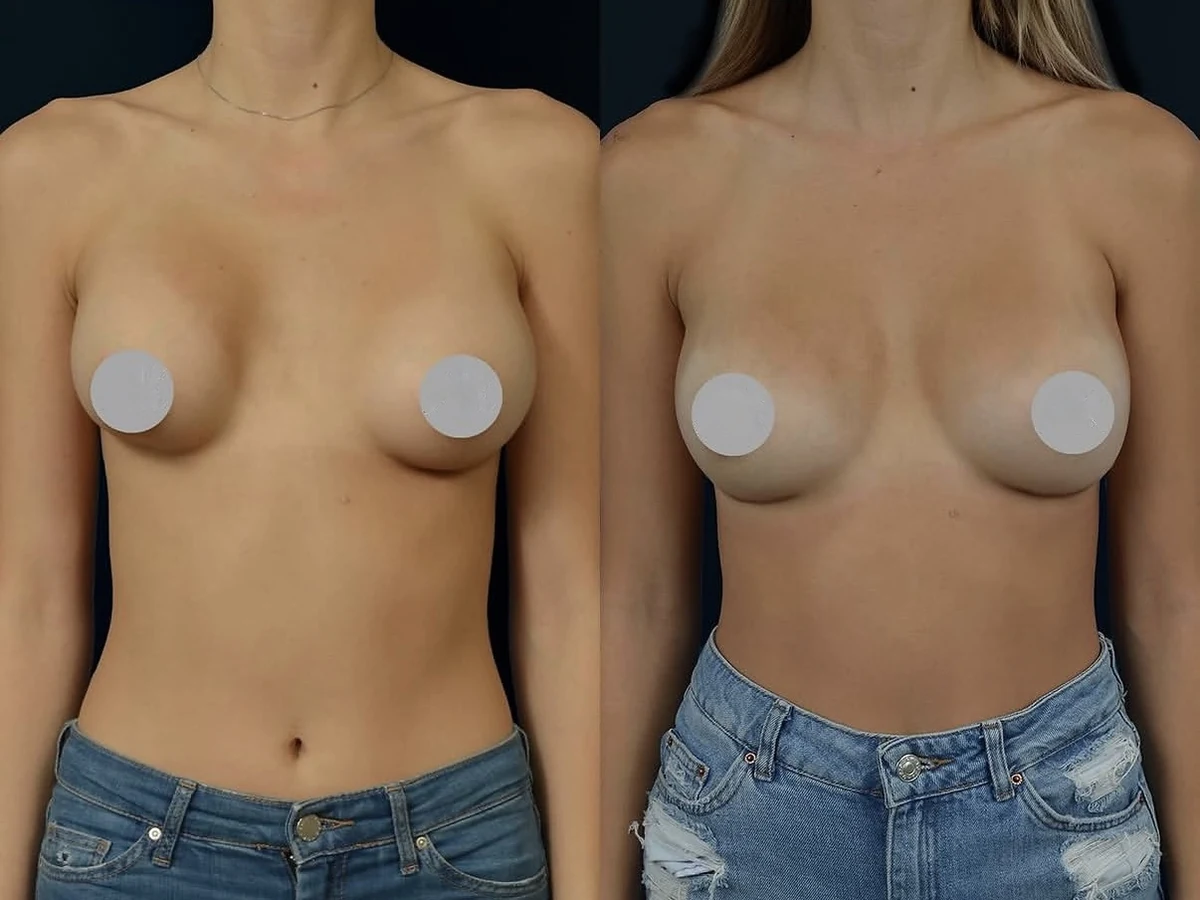 beforeafter
Method: implants
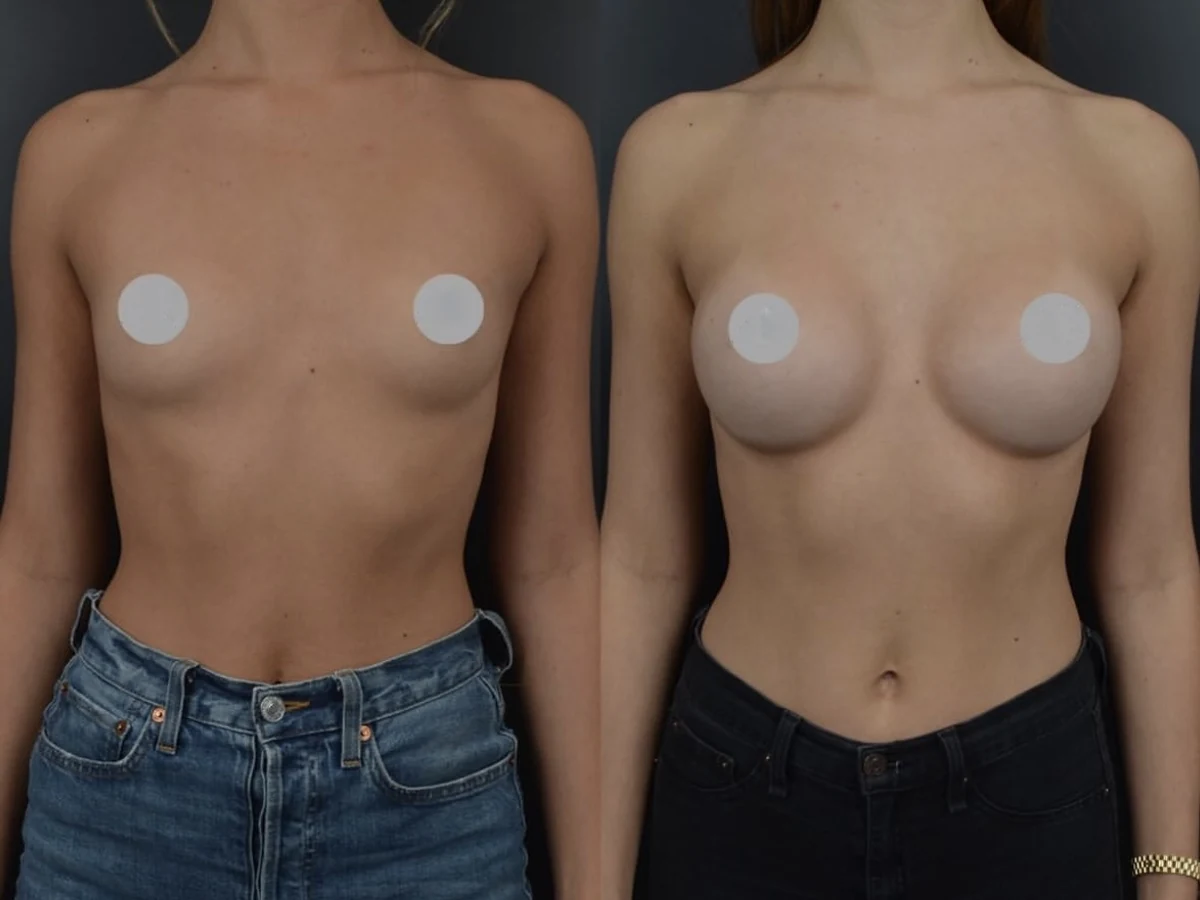 beforeafter
Method: implants
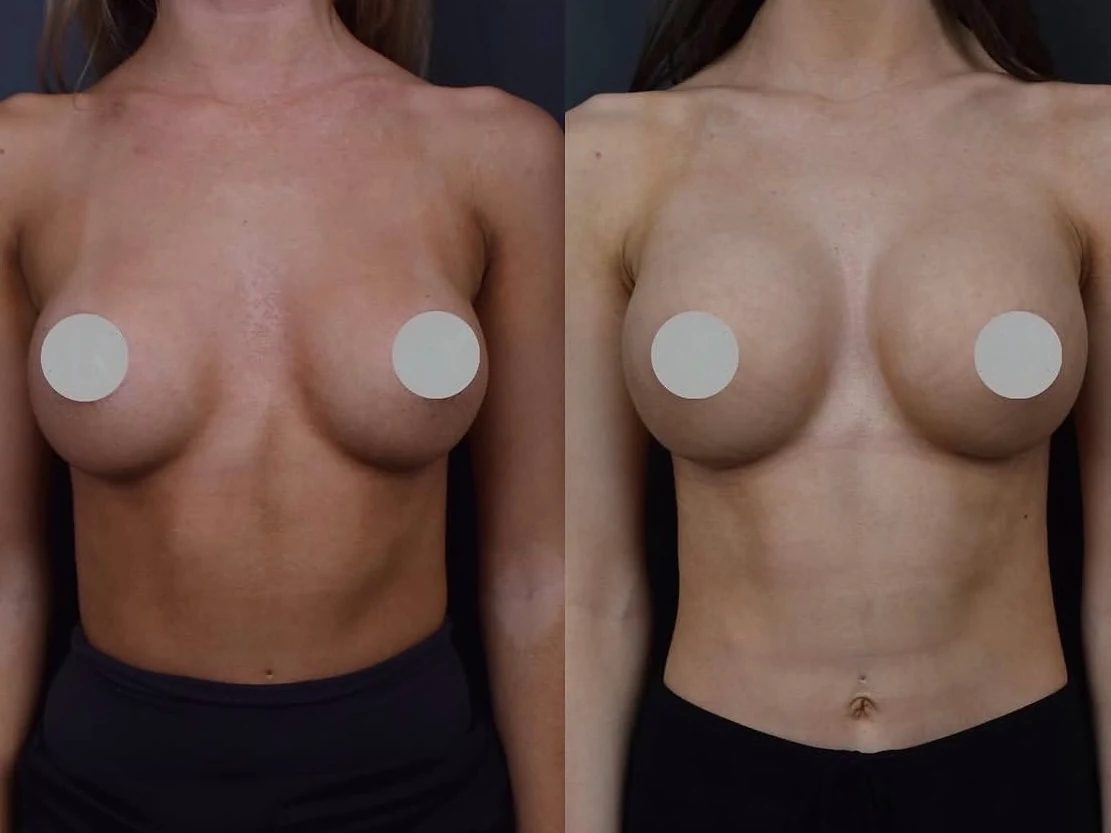 beforeafter
Method: implants
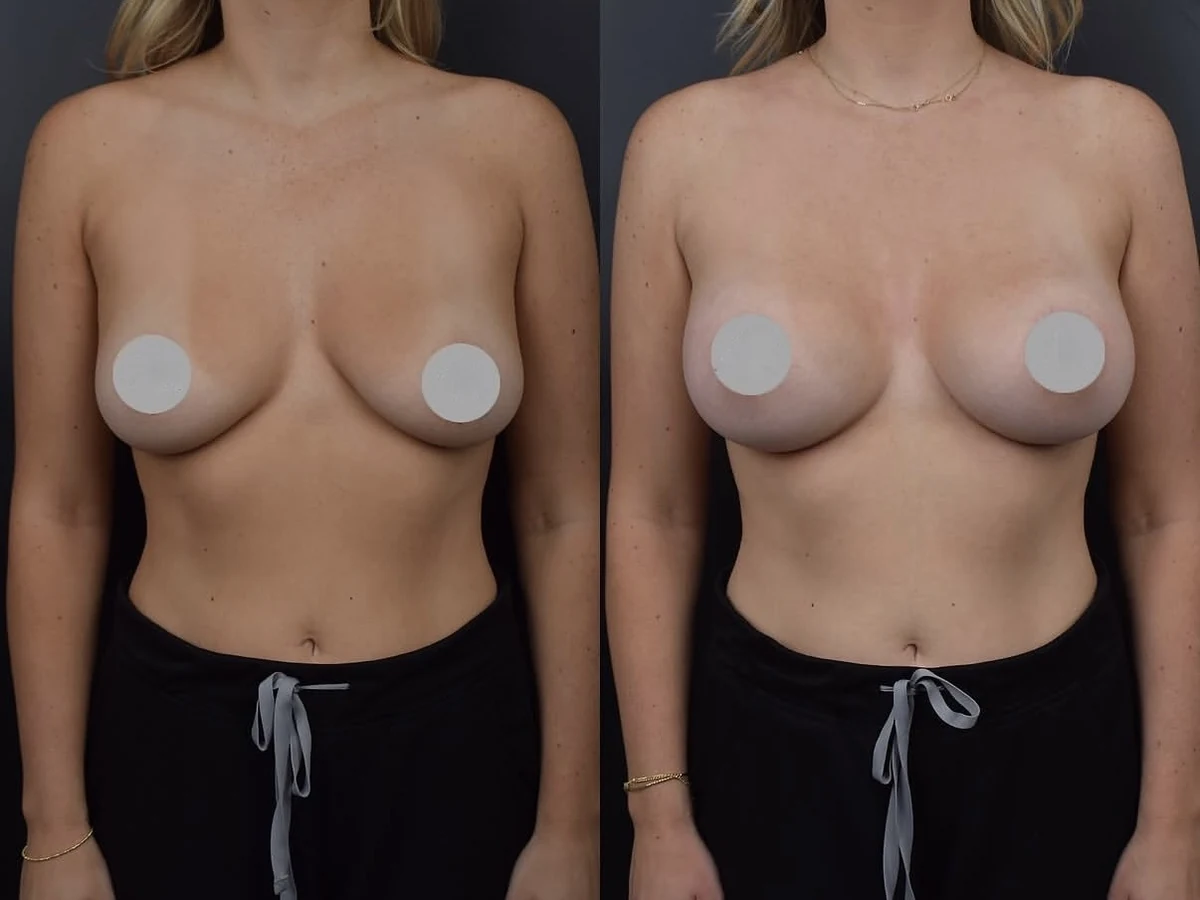 beforeafter
Method: implants
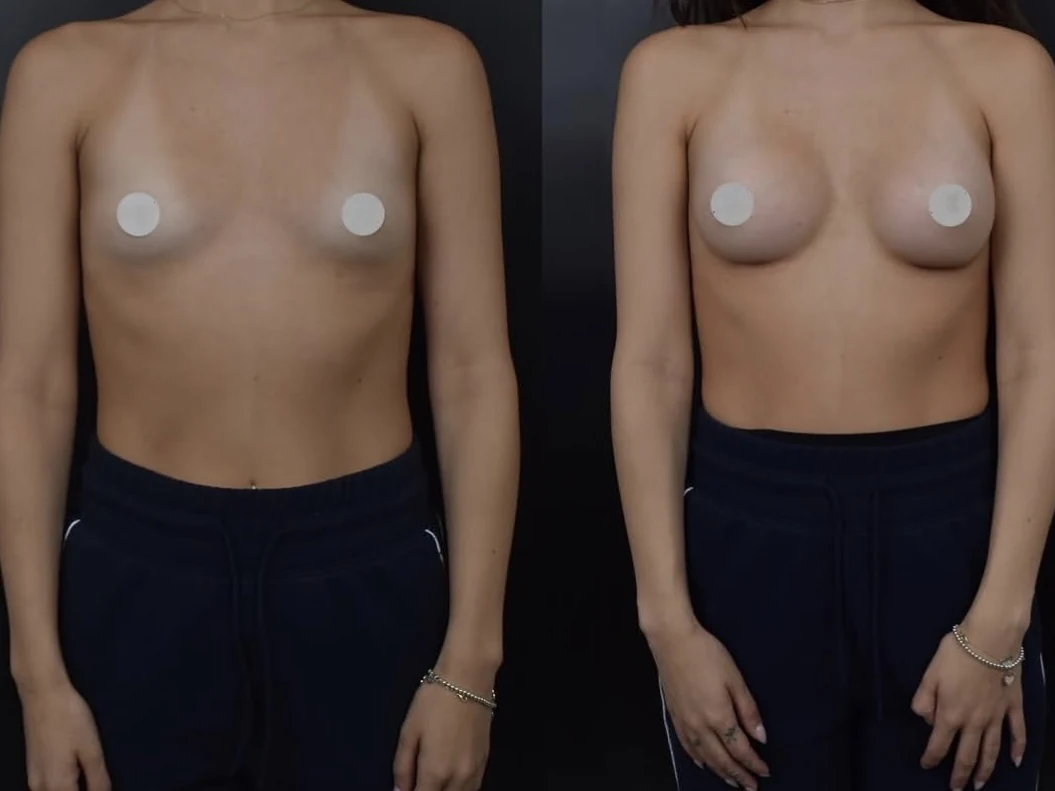 beforeafter
Method: implants
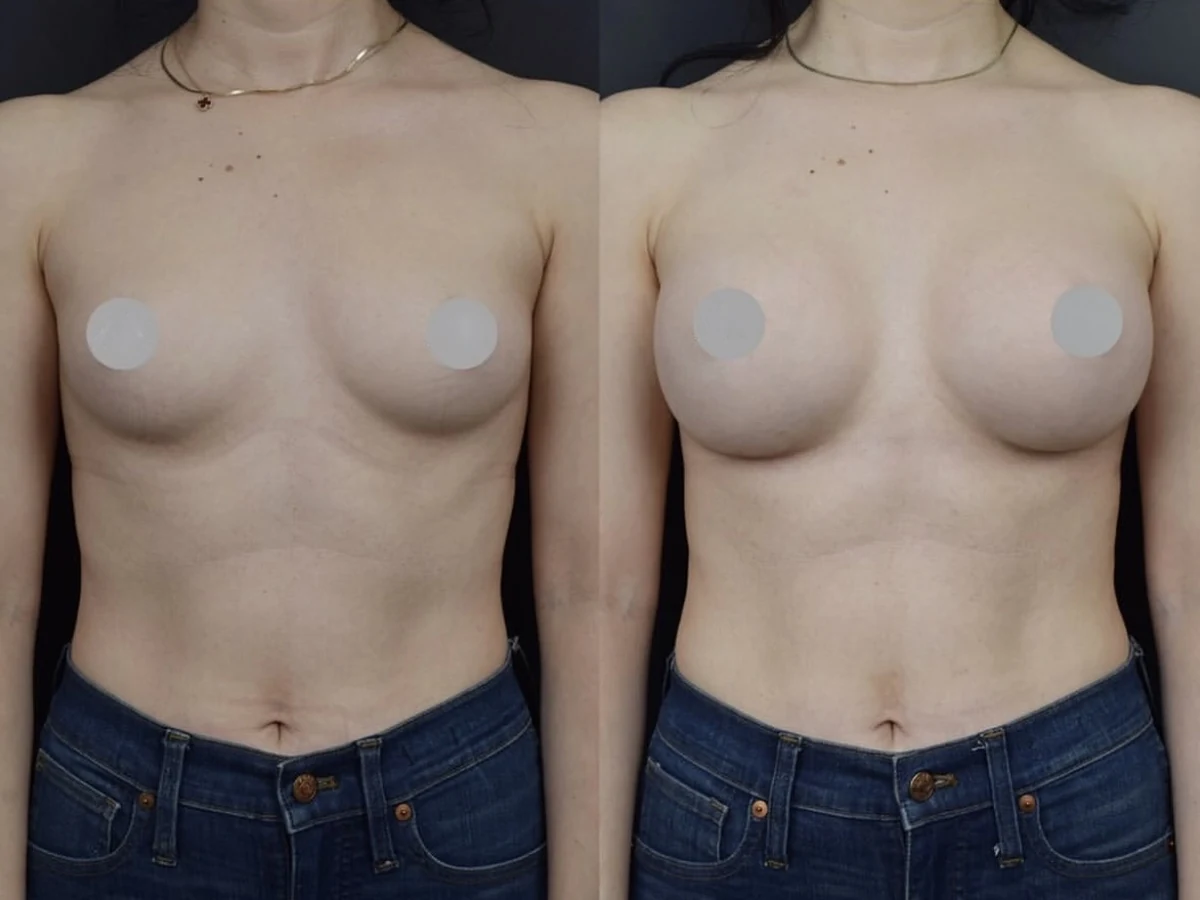 beforeafter
Method: implants
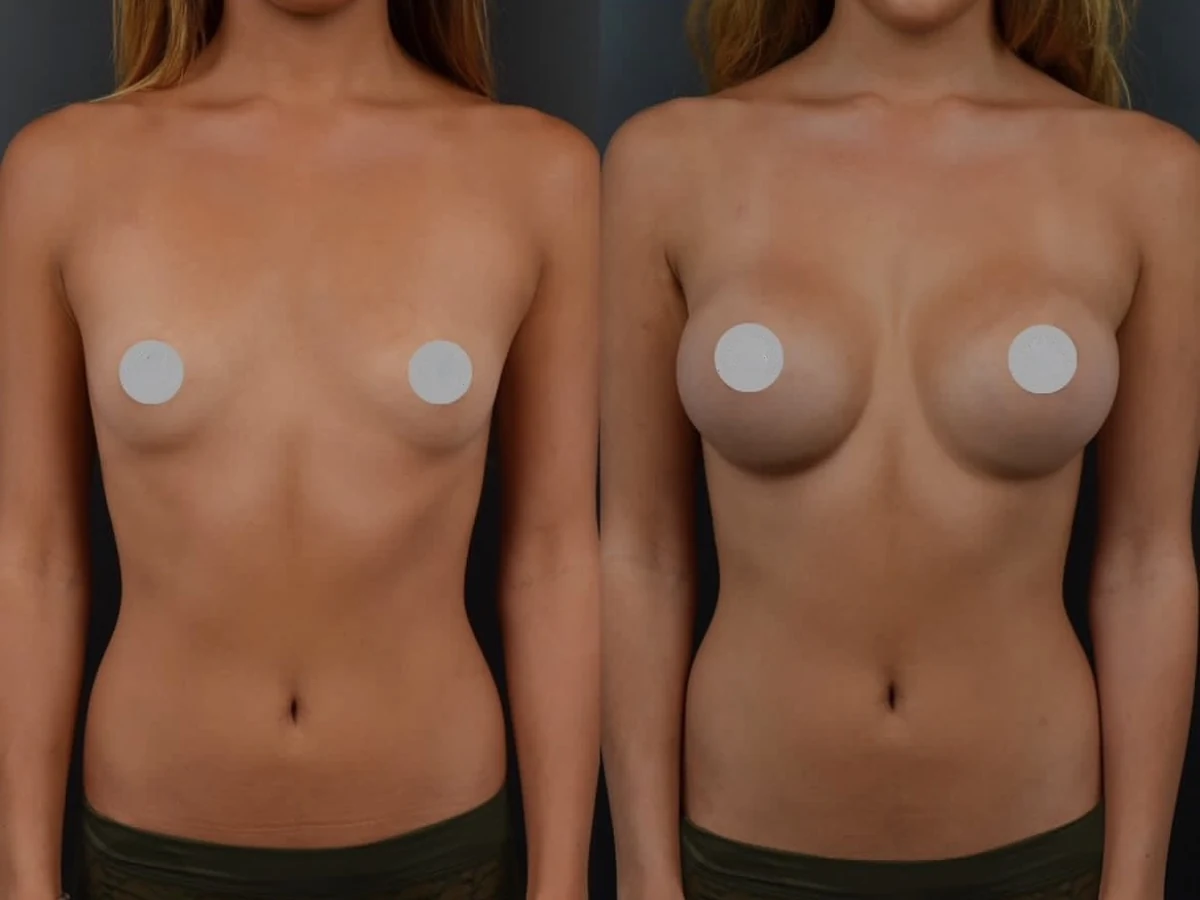 beforeafter
Method: implants
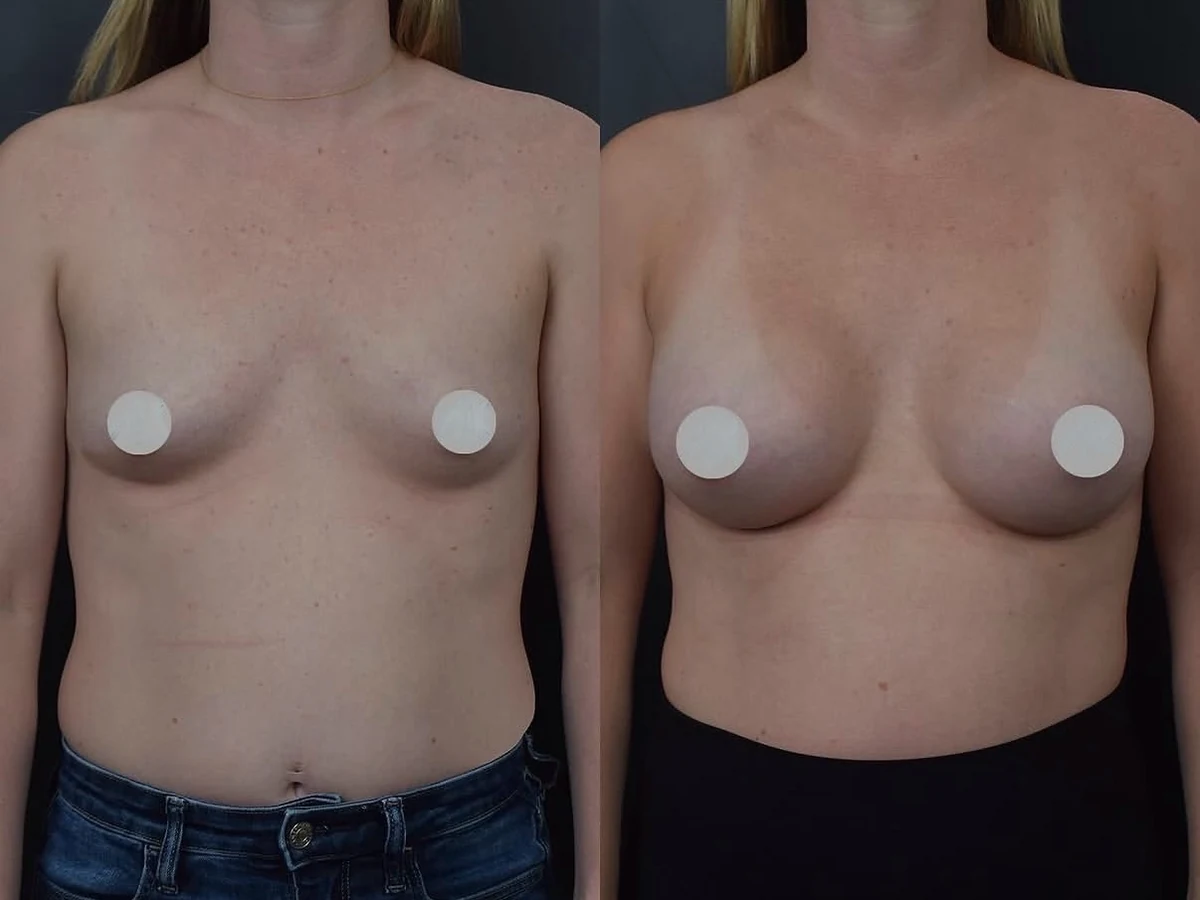 beforeafter
Method: implants
Comparison
We work with two main breast correction methods: augmentation and reduction. Compare the main goal, the precision of correction and the indications to choose your method with confidence.
Size and shape correction with implants
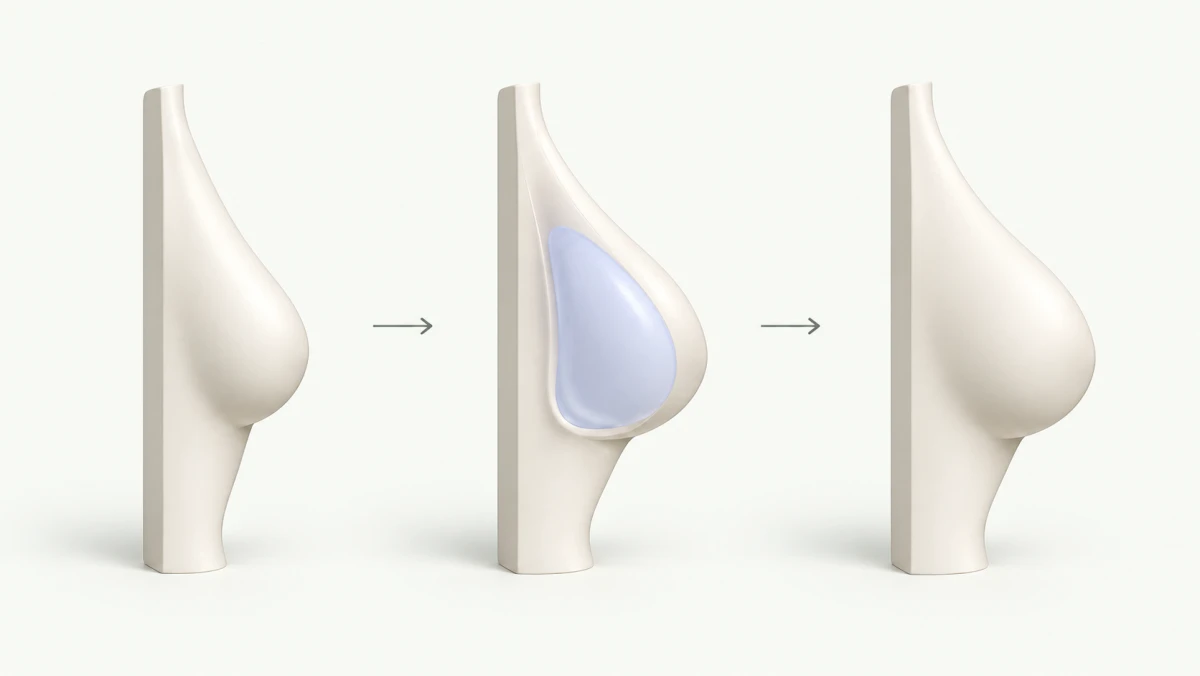
Discounted price
$4,700 $5,900
Breast size correction: making the breasts smaller and lighter
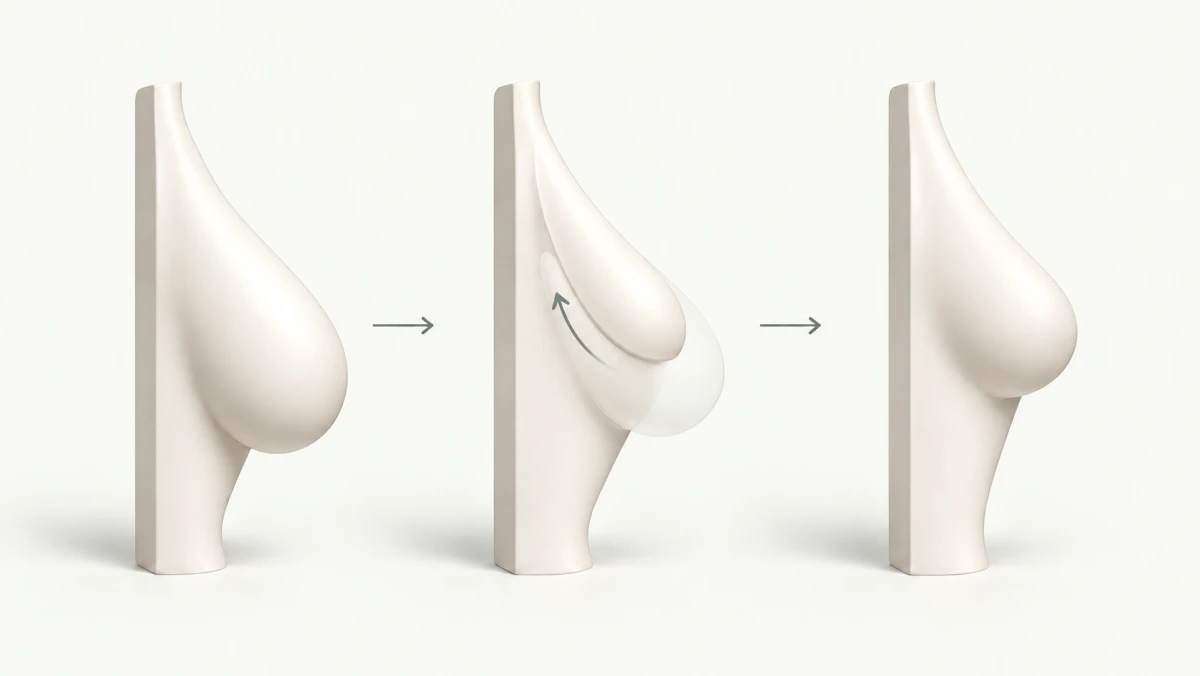
Discounted price
$4,700 $5,900
During the consultation the surgeon evaluates the shape and proportions of your breasts, listens to your wishes and selects the most suitable type of mammoplasty.
The consultation is free, before surgery and with no commitment.
Comparison
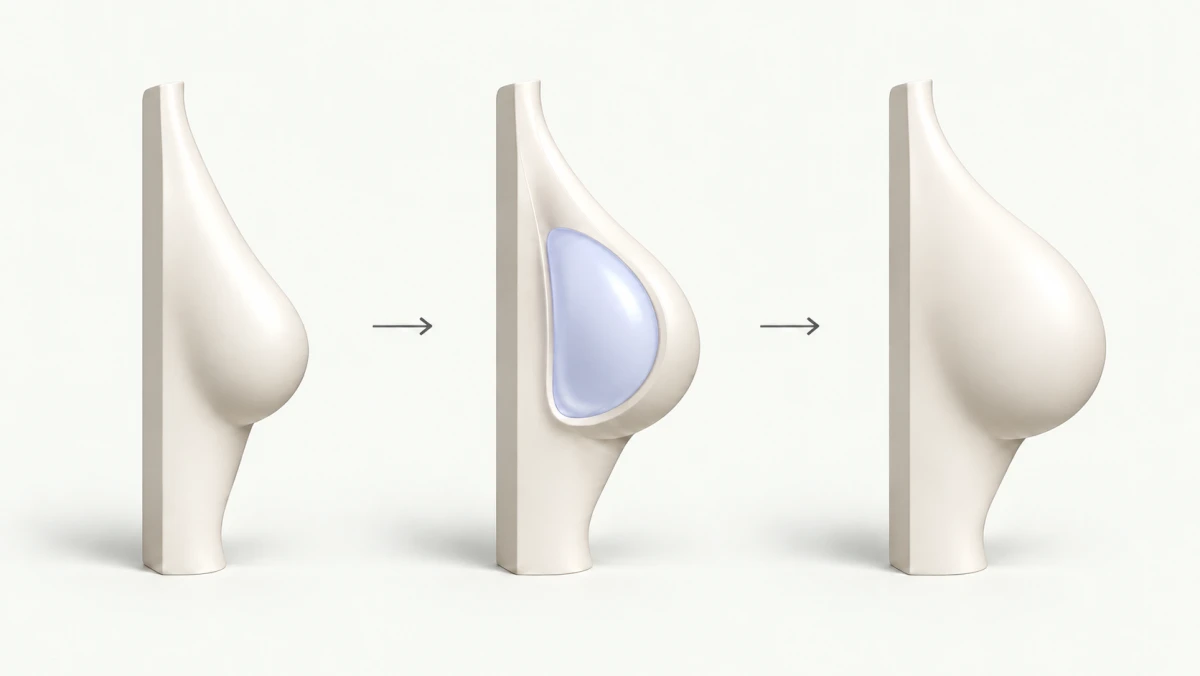
There are two main types of implants we place: round and anatomical. Both enlarge and reshape the breasts, while their form and the resulting look are different.
A fuller upper pole with even volume
A natural slope and a soft teardrop shape
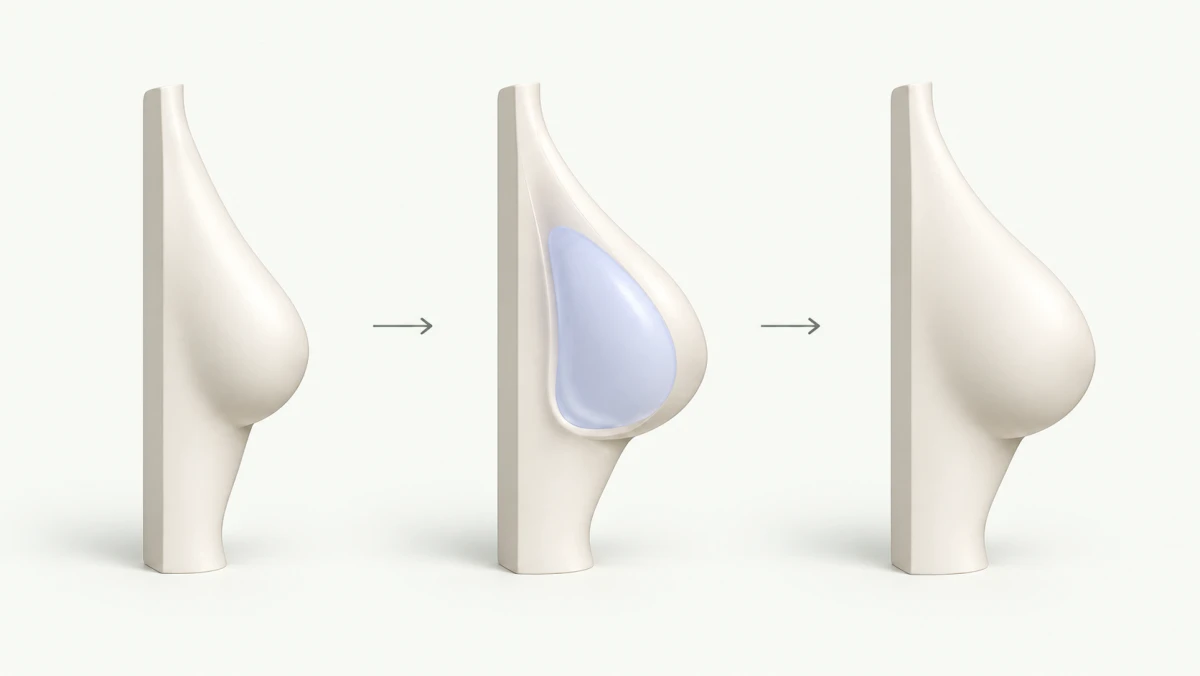
The surgeon will help you choose the implant shape and volume.
About the clinic
Modern technology, cosy rooms and personal attention for every patient
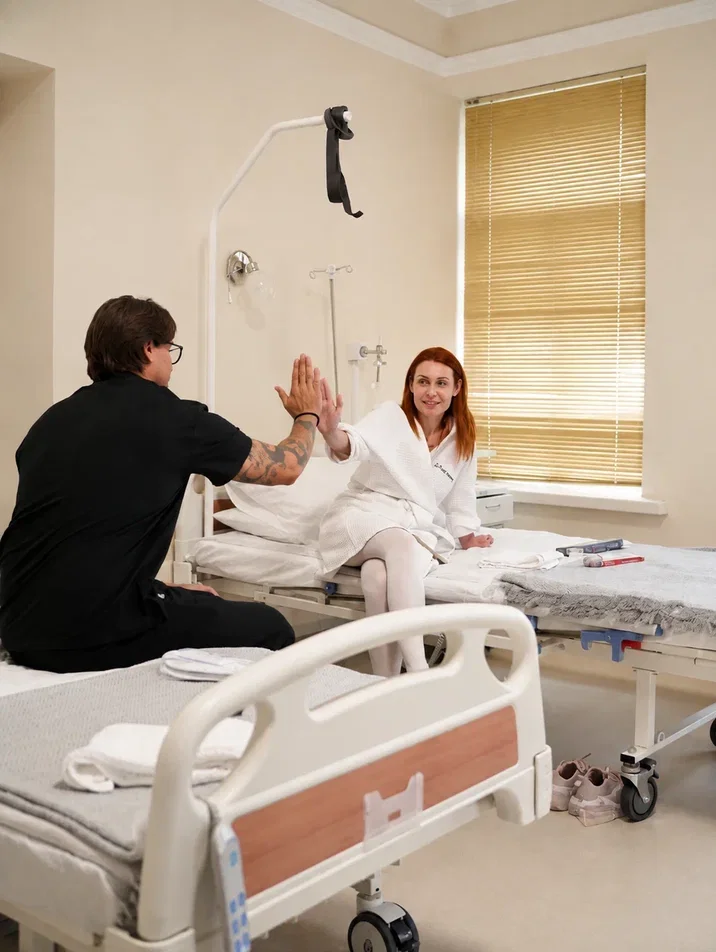
You get answers to your questions and a consultation slot that fits your schedule
By messaging us, you agree to our Privacy Policy
If your case can be solved without surgery, the doctor will tell you so at the consultation — and you will not spend money for nothing.


Not certain if surgery is the right choice for you?
Message us — your coordinator will ask for photos in a messenger, and the surgeon will look at them and tell you whether mammoplasty is right for you.
Find out if it suits me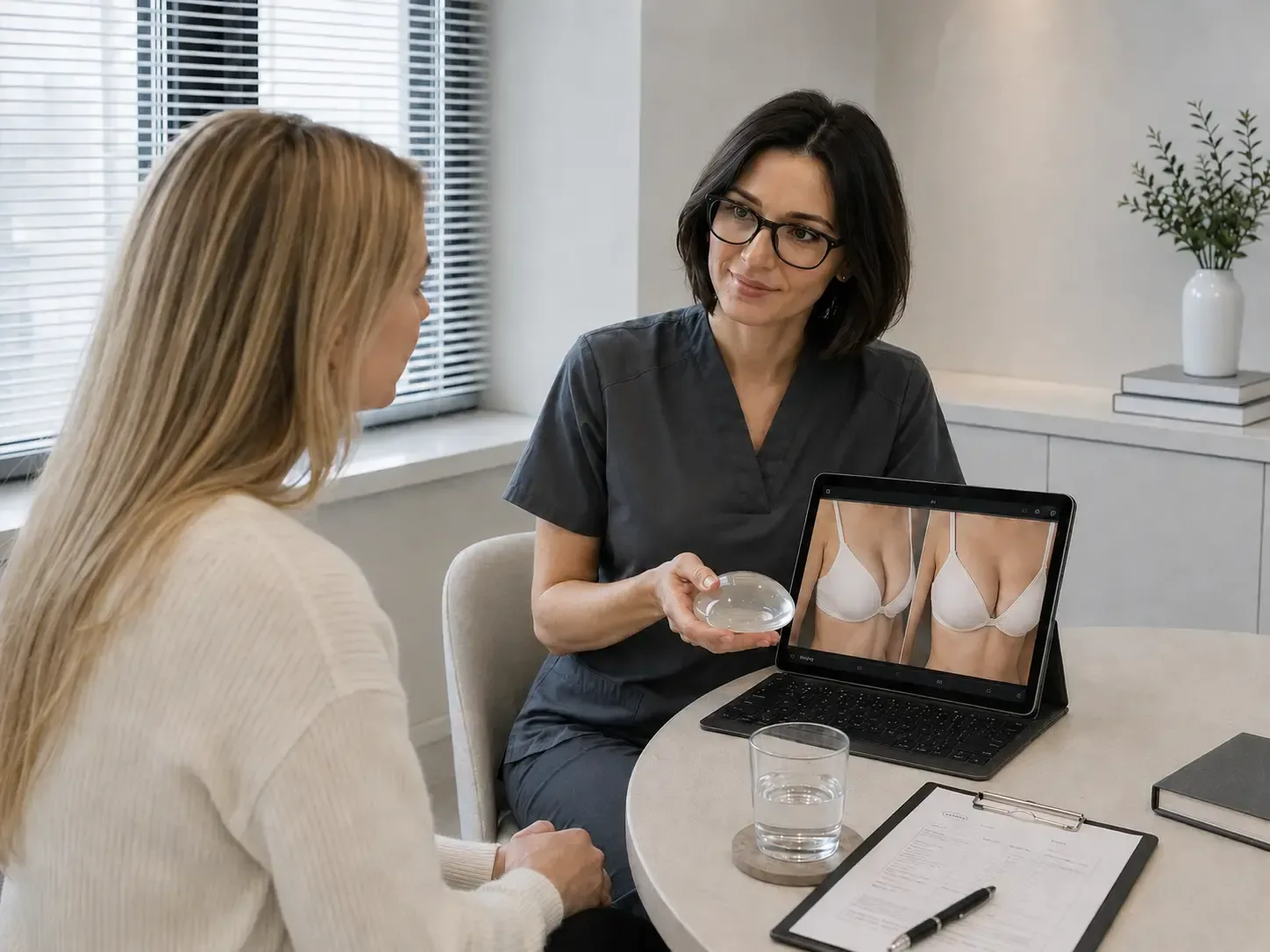
Prices
The price is set at the consultation and fixed in the contract.
Discounted price
Size and shape correction with implants
$4,700$5,900
Discounted price
Reducing the volume and weight of the breasts
$4,700$5,900
Breast restoration after mastectomy
The price is set at the consultation and fixed in the contract.
Get a consultationThe surgeon assesses the anatomy and proportions of your breasts, listens to your wishes and chooses the right correction method.
The price is set at the consultation and fixed in the contract.
Message our coordinator
Free online consultation · Reply within 15 minutes
Message us on TelegramMessage us on WhatsAppBy messaging us, you agree to our Privacy Policy

all inclusive
From your pre-surgery preparation
to follow-up support for 12 months.
Discounted price
$4,700$5,900
Step by step
An agreed plan for the correction, observation in hospital and recovery monitoring for a year.
 1
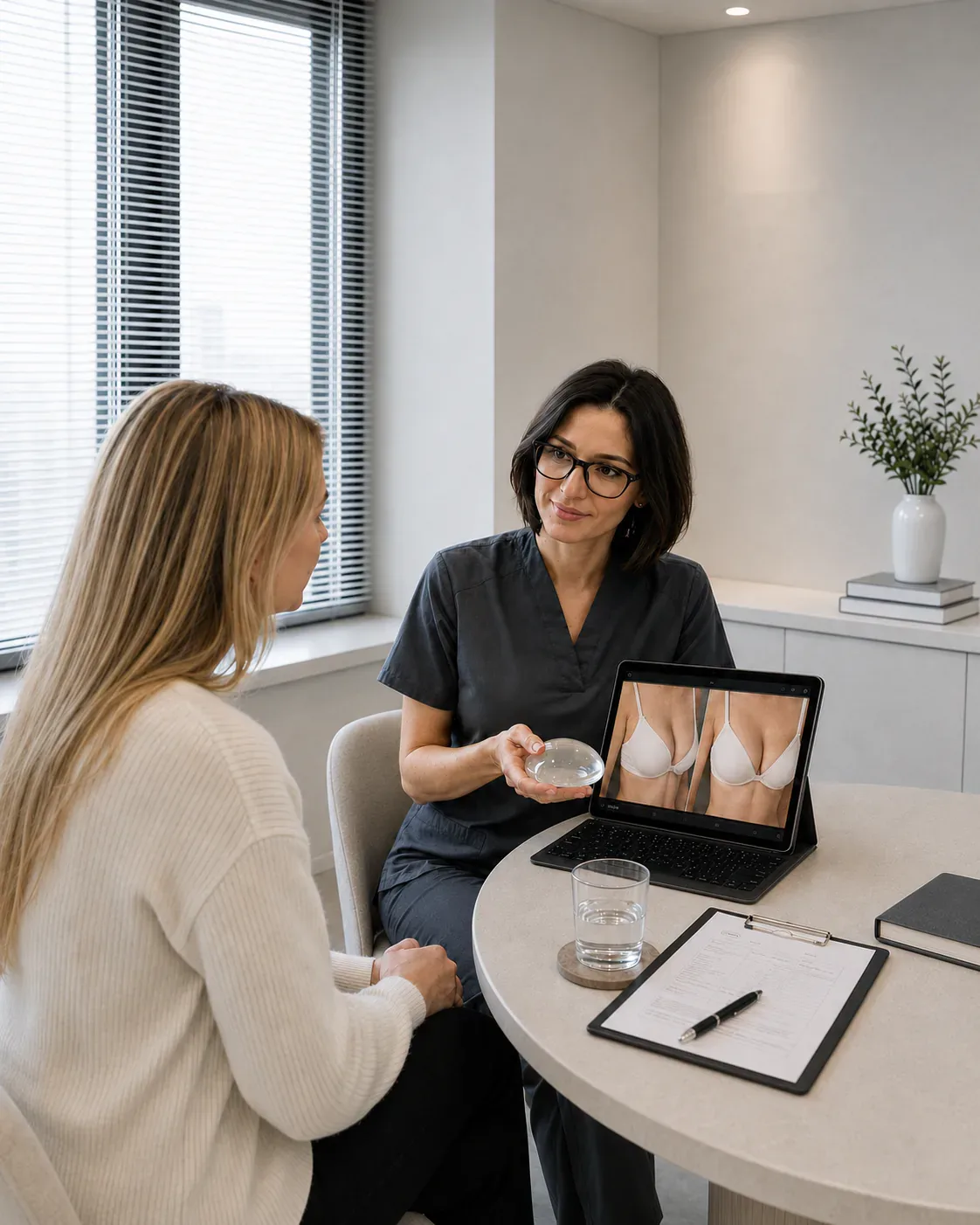
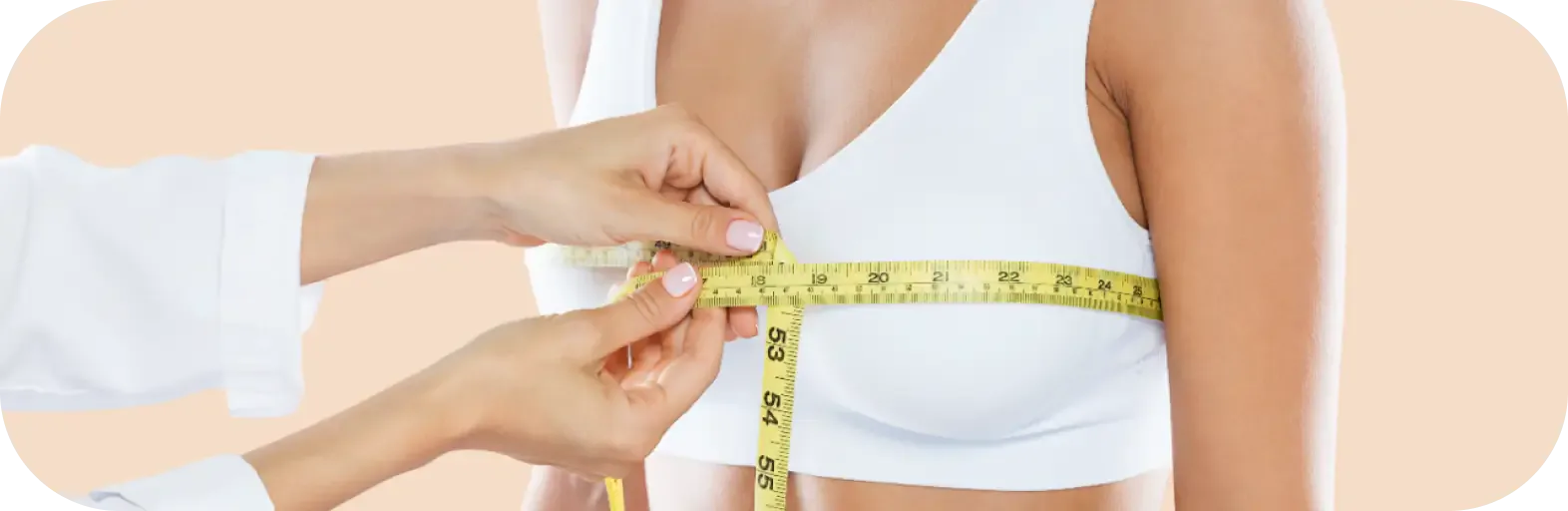
The surgeon examines your figure, discusses your wishes and selects the best volume, shape and correction method.
 2
A surgery date is booked in your name: pay the deposit by card at the clinic or by online bank transfer. The terms are recorded in the contract for medical services
 3
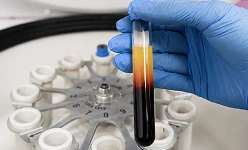
A complete pre-operative check-up comes first: blood tests, an ECG and the other examinations prescribed by your doctor.
 4
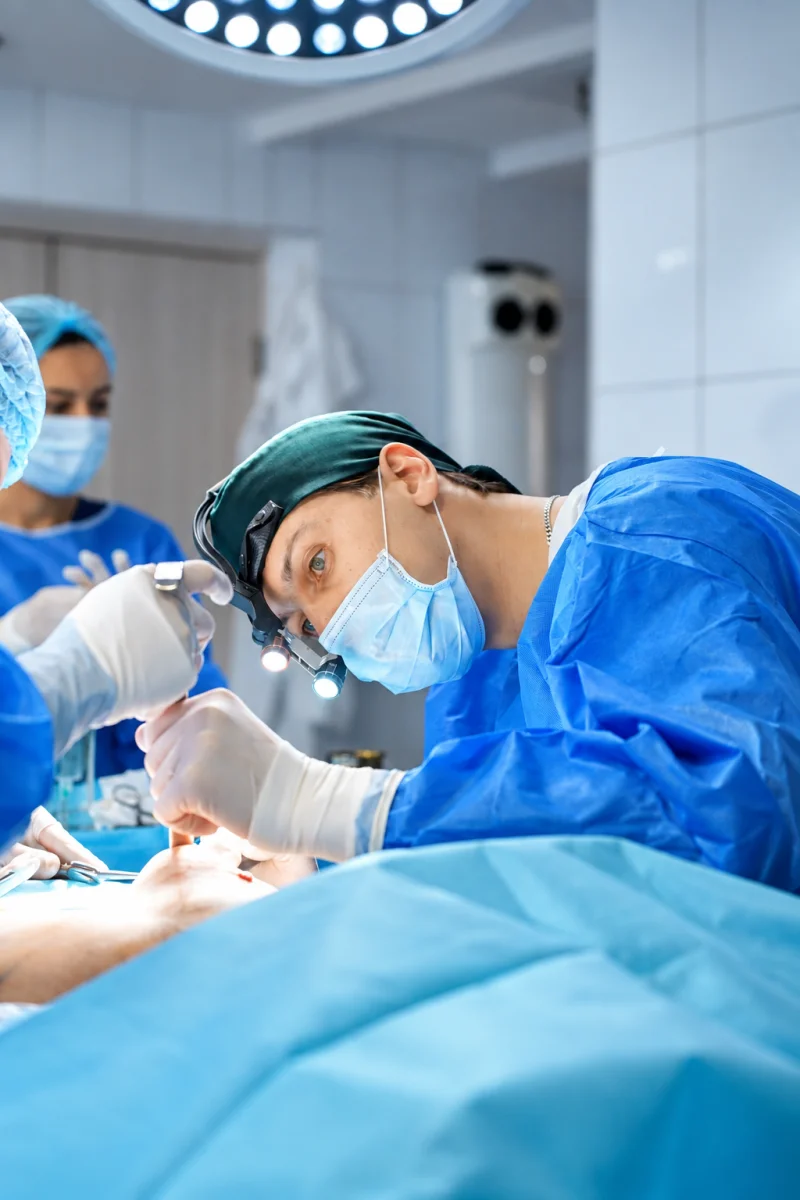
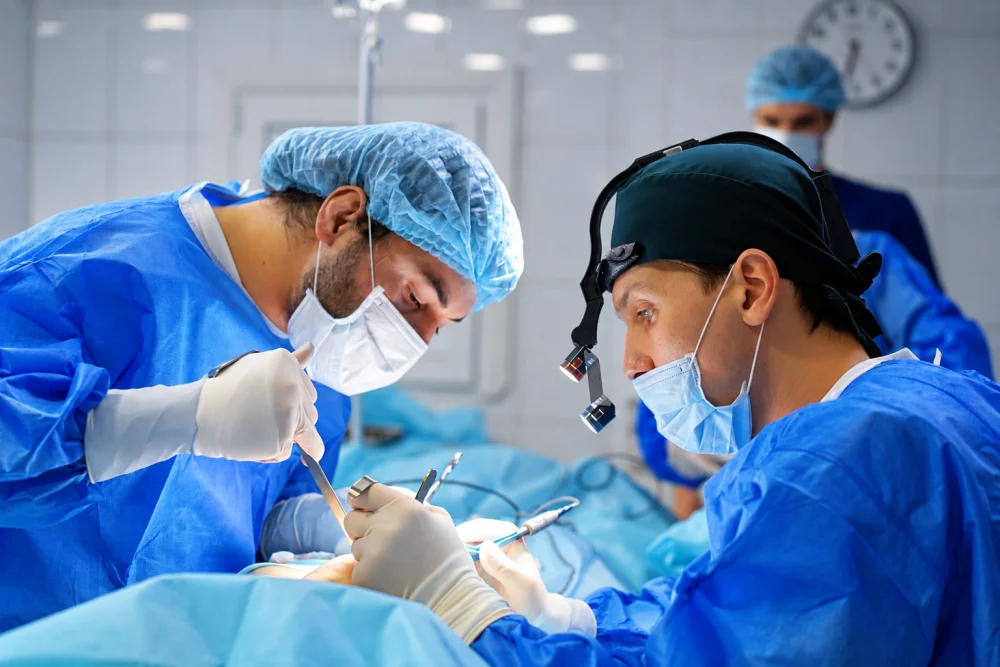
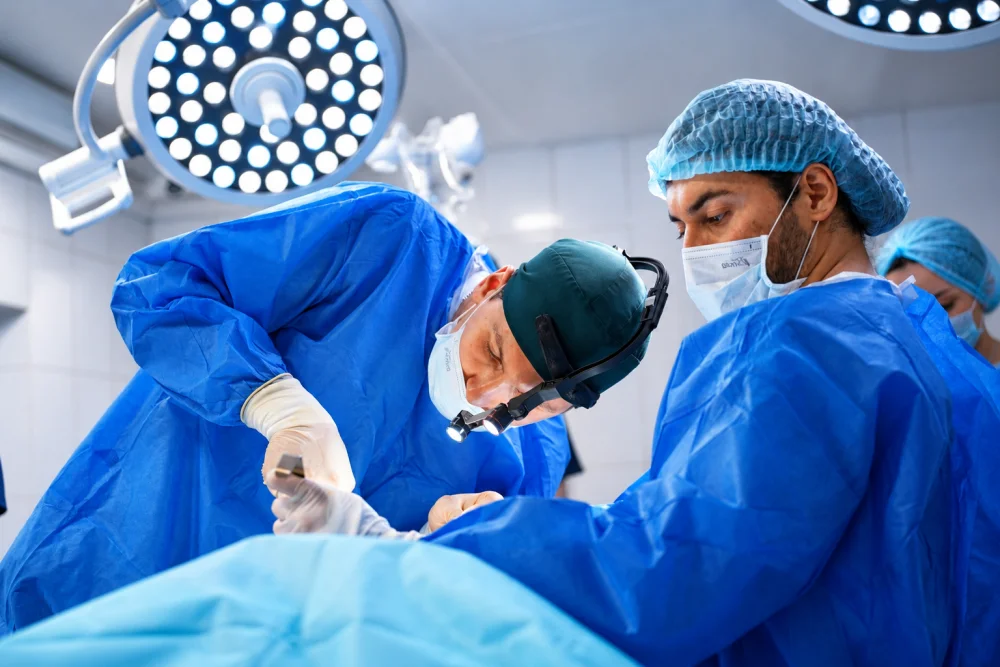
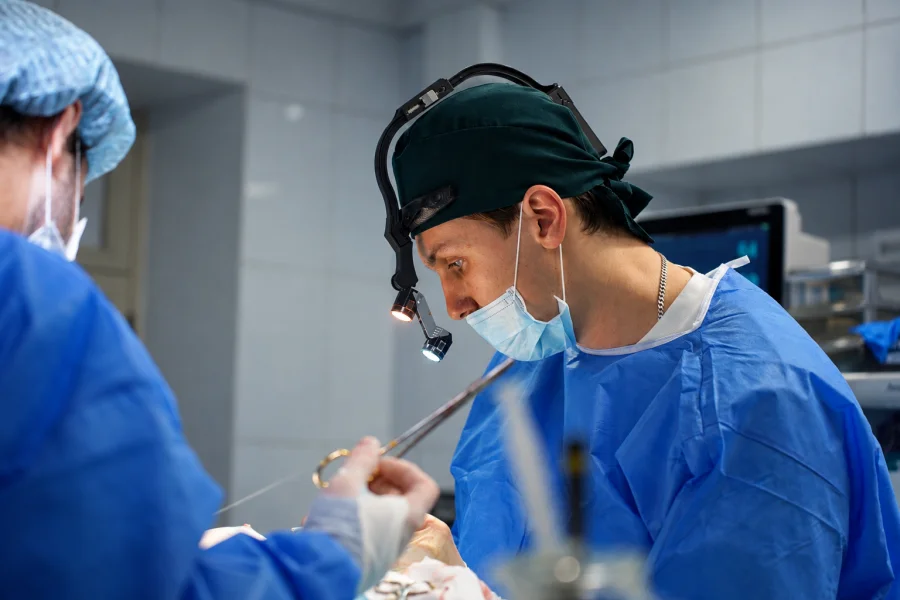
Mammoplasty is performed according to your individual plan. The surgery is done under general anaesthesia while your condition is monitored throughout.
 5
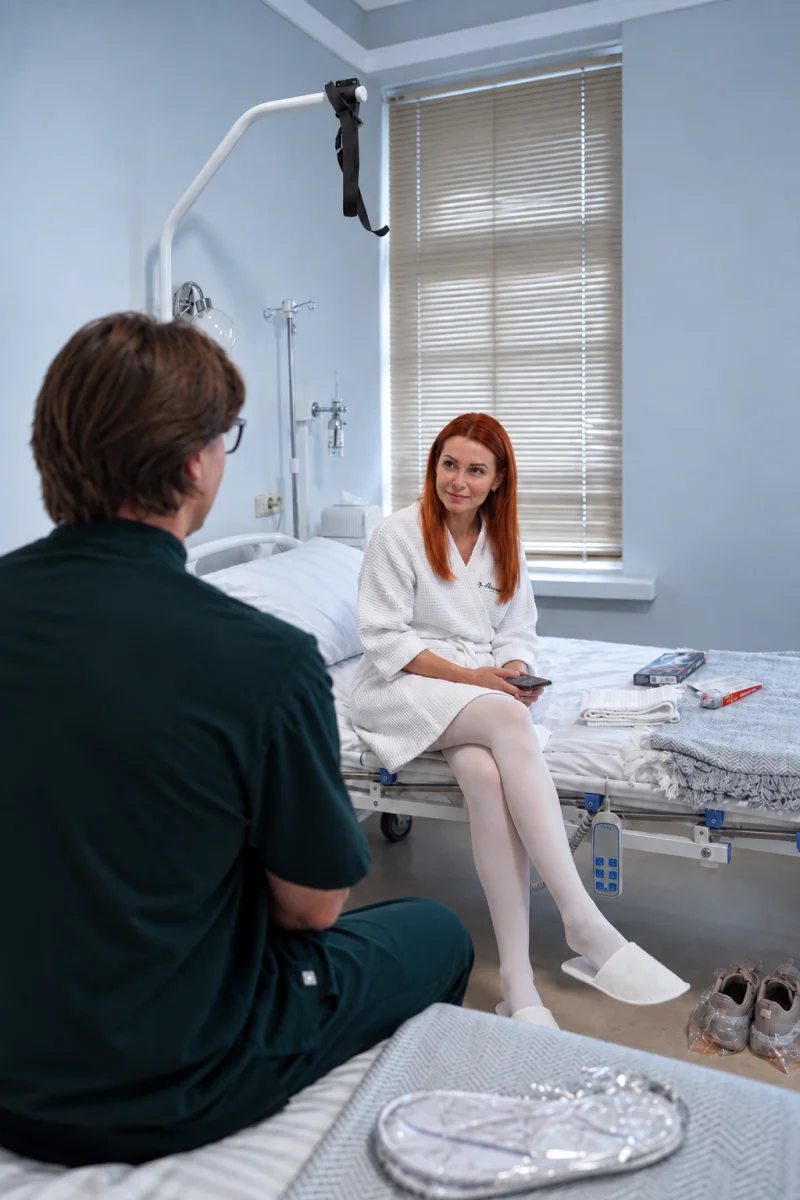
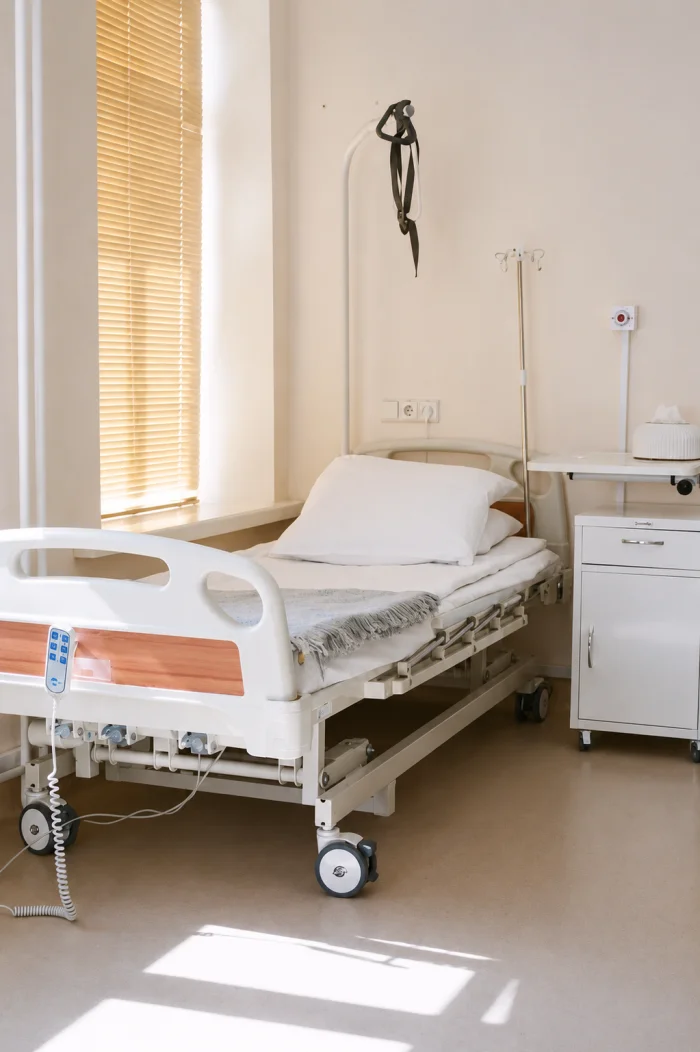
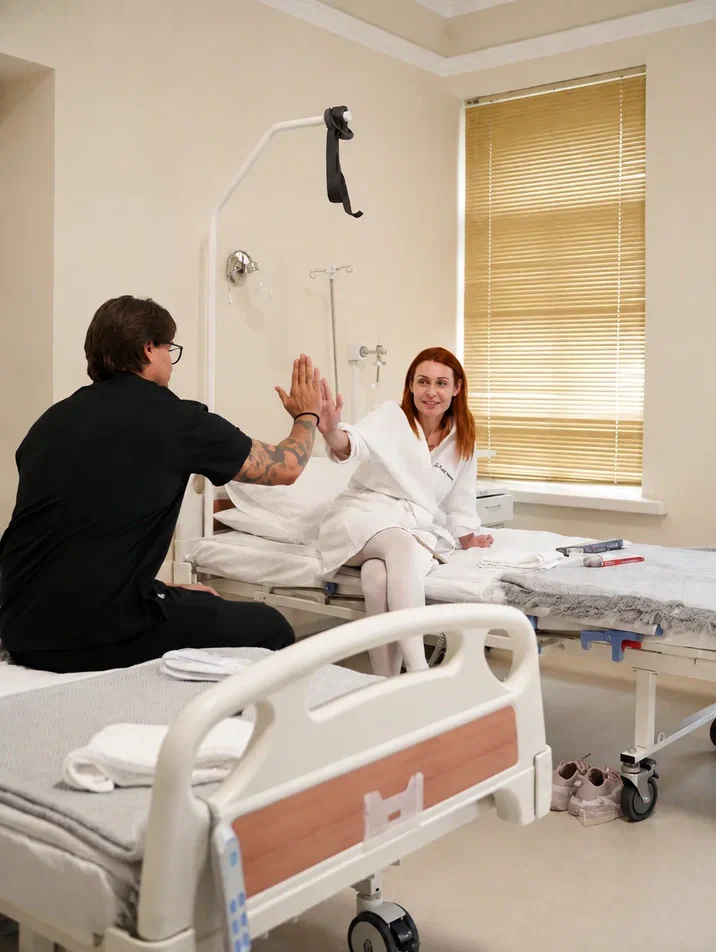
Once the operation is over, you stay in the clinic's comfortable ward under the medical team's supervision until discharge.
 6
After surgery you receive a recovery programme. Check-ups at 7 days, 3 and 6 months track your progress, and consultations with your surgeon are free for a year.
To prepare for surgery, stick to a few simple guidelines: balance work with rest, get extra sleep, avoid stress, anxiety and strong emotions, and limit exercise.
Hormonal contraceptive pills need to be stopped a minimum of a month before the procedure
Ahead of surgery, pause any aspirin-containing medicines, steroids and hormonal drugs taken for chronic conditions
Do your tests a week before the operation
Swelling from surgery fades after 3 weeks
Scars form within 3 weeks
Avoid physical exertion (lifting over 3 kg)
Keep arms below shoulder level — 3 weeks
Part of recovery after the correction is wearing compression garments for 1–1.5 months
For up to 40 days, avoid hard gym workouts and very active aerobics; after a month you may do light cardio. Keep an eye on your diet and meals.
Within 3 months, discomfort disappears
For as long as three months, no baths, saunas or physiotherapy
During 3 months all tissue inflammation subsides and a “pocket” forms around the implant
Doctors
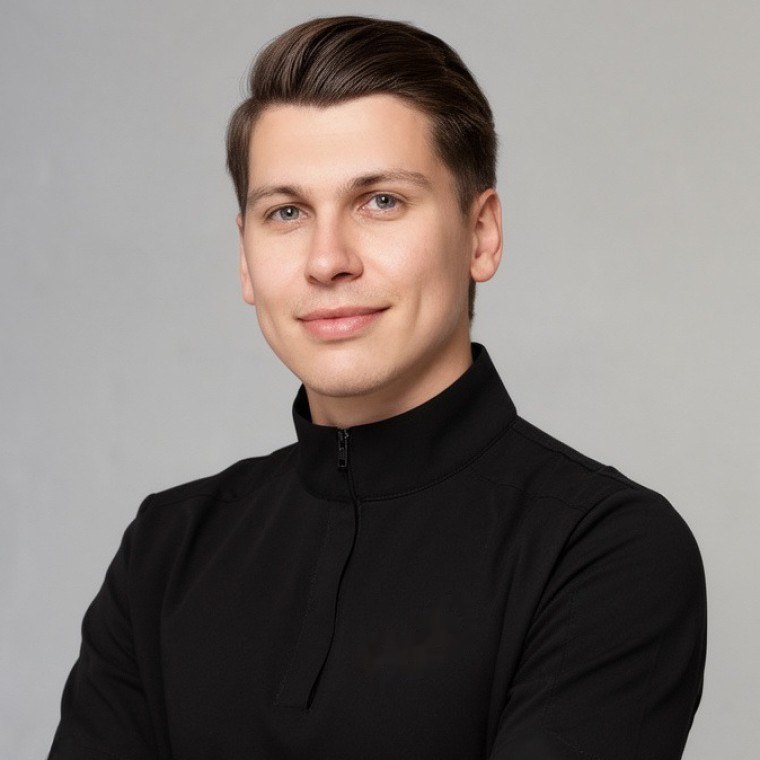
7 years of experience
Plastic surgeon
Residency in plastic surgery — Petrovsky National Research Centre of Surgery. Specializes in aesthetic and reconstructive breast and body surgery.
You speak with the operating surgeon at the consultation
An experienced plastic surgeon attentive to the beauty and health of patients
Book a consultationAdvantages
At the consultation we talk through what you want and model the changes. The surgeon explains the possibilities of surgery so that the goal is clear to you.
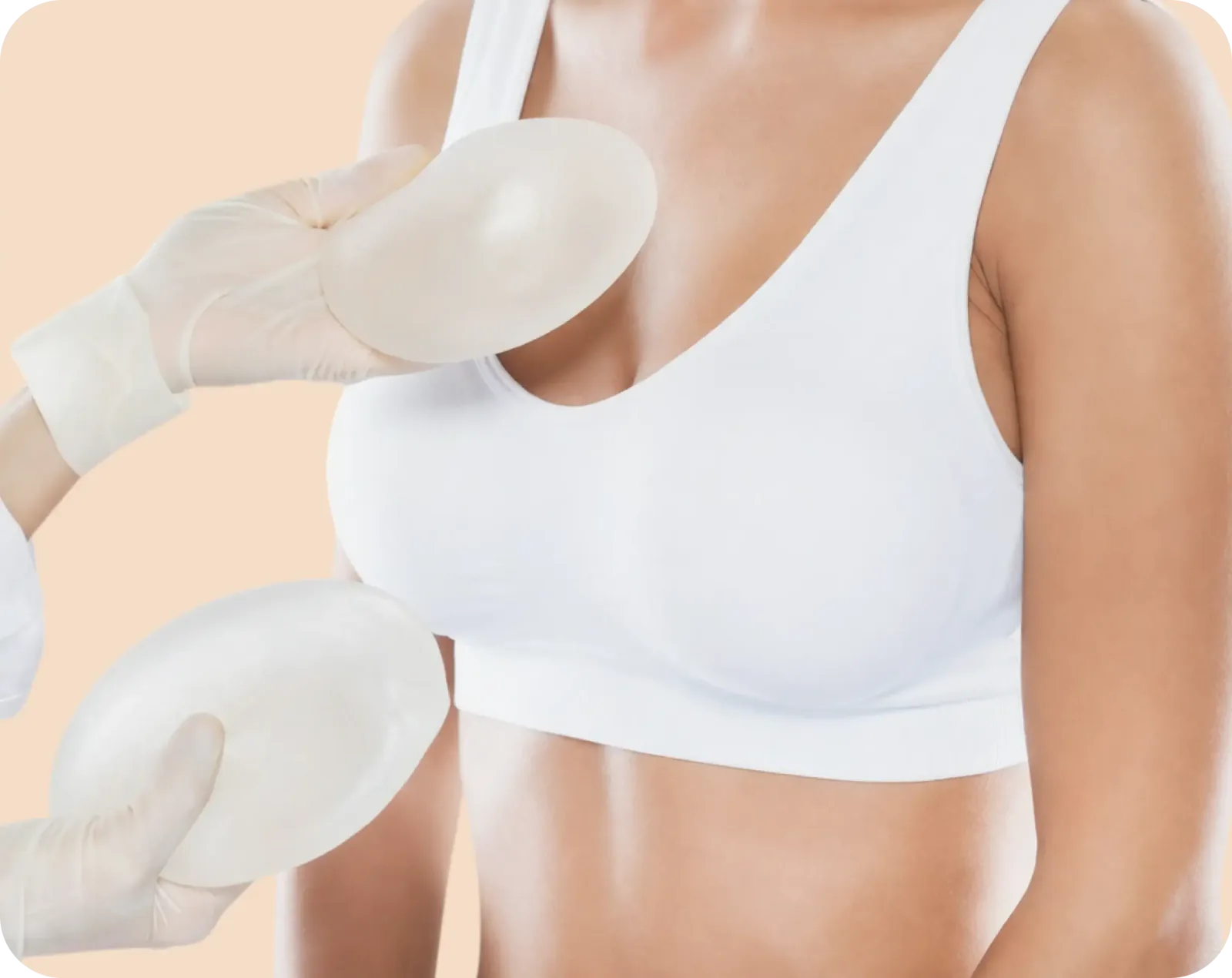
Your surgeon follows your recovery and the changes in your breast shape for a full year; check-ups and dressings are included in the price.
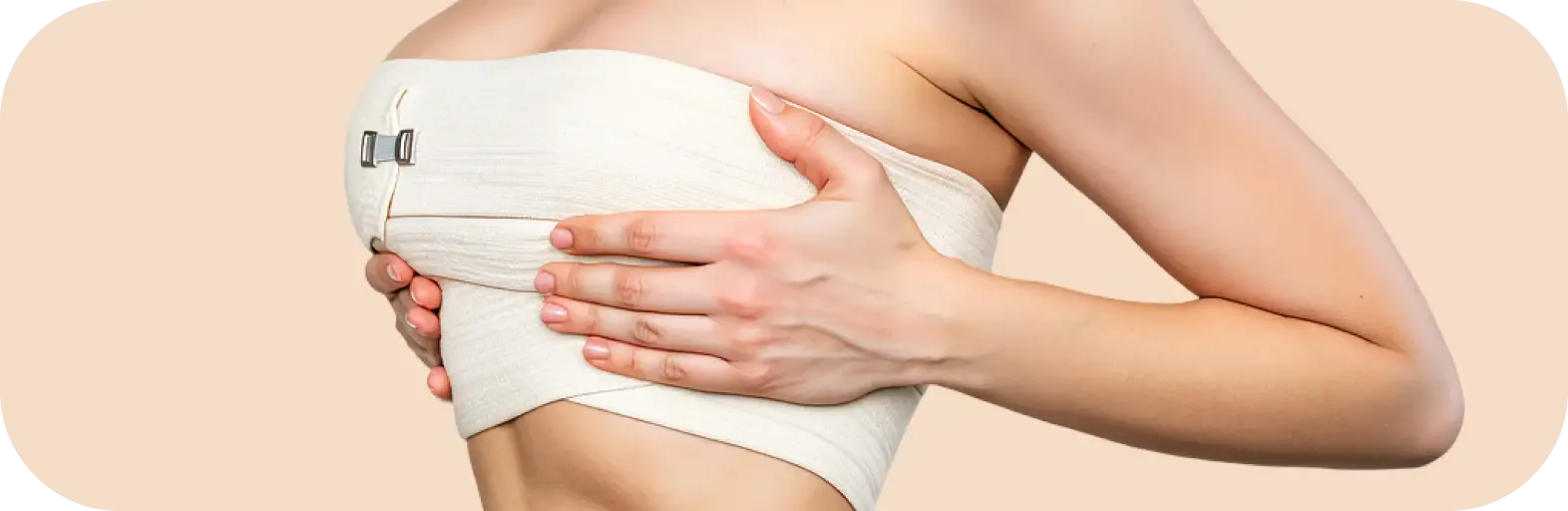
Shape, volume and correction method are chosen to match your anatomy and wishes. For augmentation, the implant size and profile are selected individually.
We respect your time: we work 24/7, with easy booking and a personal approach — we adapt to your pace.
The surgeon sets the extent of correction after the consultation, and you get a transparent price for the operation, without unexpected costs.
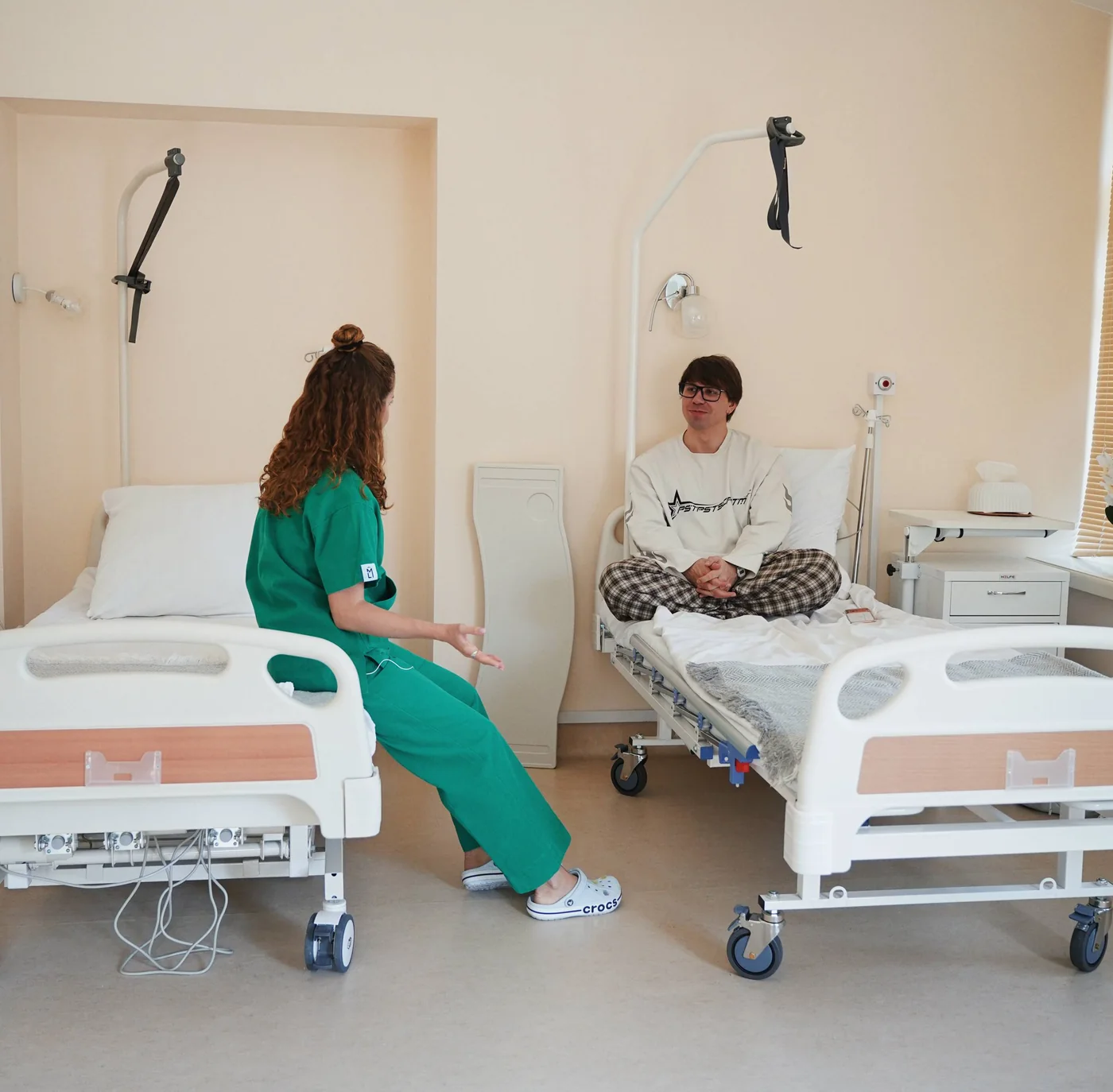
Recovery begins in a comfortable inpatient ward under round-the-clock nursing care. The stay and meals are already included in the price.
FAQ
Yes. Boob job is the everyday name for breast augmentation. At City Medical Centre it is done with round or anatomical implants that the surgeon chooses with you at the consultation.
Breast enlargement adds volume with implants. A breast lift (mastopexy) raises sagging breasts and removes excess skin. Which one suits you is decided at the free consultation.
The term mammoplasty covers several operations: augmentation (implants to increase volume), reduction (excess tissue and skin removed), mastopexy (a lift for sagging), reconstruction (after mastectomy) and correction of asymmetry. Which method is best is decided individually, from your wishes and the surgeon's advice.
Message us — our coordinator will get back to you shortly and book your consultation. The plastic surgeon consultation is free.
As long as all recommendations are kept, complications are rare. Among the possible ones: hematoma or seroma, wound infection, reduced or increased nipple sensitivity, capsular contracture, aesthetic asymmetry, wound separation and tissue necrosis.
Mammoplasty results hold for a long time, roughly 10–15 years after augmentation (up until implant replacement) and 5–10 years after a lift or reduction. Weight, pregnancy, the aging of skin and gravity play a role in duration. Supportive underwear and weight control help maintain the result.
Your ability to breastfeed after mammoplasty depends on the surgery type. For augmentation using an under-breast or armpit incision and an implant placed under the muscle, lactation is usually preserved: the glandular tissue is not damaged. A lift or reduction raises the risk, as ducts may be cut. Discuss this with your surgeon ahead of time.
Implant choice considers material (silicone looks most natural, saline is used less often), shape (round or anatomical teardrop), surface (smooth or textured), size and profile. The surgeon will choose the best option for your anatomy and wishes.
During the operation the patient is under general anaesthesia and feels nothing at all. For the first 1–3 days there may be moderate discomfort, relieved by painkillers. By day 5–7 pain is much lower, and by weeks 2–3 discomfort passes. Report severe pain to your doctor straight away.
Most patients return to work (without physical exertion) after 7–14 days. Light walks are fine after 1–2 weeks. Fitness and swimming come after 4–6 weeks, strength training after 3 months, pool and sea after 4–6 weeks. Compression garments are worn for 4–6 weeks. Exact timing depends on your recovery.
There is no scientific proof linking mammoplasty to a higher breast cancer risk. Implants do not cause cancer. Continue regular screening after surgery, including self-exams, mammography and ultrasound, and always inform the examining doctor about your implants.
Mammoplasty after a C-section is an option, though the body should recover fully beforehand. Wait at least 6–12 months after delivery and after you finish breastfeeding. You will need a surgeon's consultation and check-up before surgery.
Scarring is part of mammoplasty, but with an experienced surgeon it stays minimal. Incisions are hidden under the breast, around the areola or in the armpit. During the first months scars appear reddish; within 6–12 months they lighten and become almost invisible.
Slight asymmetry is normal in the first weeks after surgery and comes from swelling and uneven healing. When a difference in shape or size lasts beyond 3–6 months, visit your surgeon for an examination to pinpoint the cause.
Breast and nipple sensitivity may change for a time after mammoplasty, going down or up. The cause lies in irritation of nerve endings. In the majority of cases sensitivity is restored within 3–12 months. If nothing has improved after a year, consult your surgeon.
Hormonal drugs (contraceptives, hormone replacement therapy) do not affect implants directly, but may cause swelling or changes in breast tissue volume, temporarily affecting appearance. Be sure to tell your surgeon about such medications before surgery.
Prices are in US dollars; the amount in brackets is an approximate conversion to ZAR at the rate of 02.10.2026. The final price is fixed in your contract.
Prices start from $4,700 (≈ R79,000). The surgeon sets the final price at the free consultation, and it is fixed in the contract, with no hidden extras.
The surgical team's work, anaesthesia, the inpatient stay with meals, dressings and follow-up visits for twelve months.
Message us on WhatsApp or Telegram using the buttons below. A coordinator will answer your questions and book a free consultation where the doctor names the exact price.
By messaging us, you agree to our Privacy Policy
Implants are the core of augmentation, and their choice defines the look. Round or teardrop, smooth or textured shells, different sizes and profiles — every option changes the final contour. If you are weighing breast augmentation in Cape Town, the plastic surgeon will compare the variants against your anatomy and help pick the one closest to the result you have in mind.
Follow-up does not end at discharge. Throughout the year after mammoplasty, patients from Cape Town can get free post-op consultations with the plastic surgeon, alongside dressings and planned check-ups. Slight asymmetry in the first weeks is normal and caused by swelling; if a difference persists after 3–6 months, the surgeon examines you to find the reason. Nipple sensitivity usually returns within 3–12 months.
Breast augmentation costs from $4,700 (≈ R79,000), and the price is all-inclusive. For patients from Cape Town, it covers a personal consultation with result modelling, an experienced medical team, combined inhalation anaesthesia, comfortable inpatient rooms, 24/7 monitoring, meals, personal support before and after surgery, and dressings plus check-ups for a full year. Start with a free consultation by leaving a request.
Well-known people who spoke openly about this operation, in their own words.
Written by Dmitry S. Kuznetsov, plastic surgeon
How we prepare and review medical content · Medical disclaimer
Page last updated:
Before the first conversation about augmentation, it helps to turn the picture in your head into words. A photograph alone is a poor instrument for choosing an implant. A better one is a short sheet that you fill in before you write and then compare with what the surgeon says.
Begin with the two silhouettes on offer. The round one is fuller toward the top of the breast and looks evenly rounded from every angle. The anatomical one tapers like a drop of water and slopes gently, so it reads as the more natural outline. Mark which description matches the picture in your head, then ask the surgeon whether your own proportions support that choice, and why.
Other variables follow: material, surface, size and profile. Silicone gives the most natural look and saline is less common; surfaces may be smooth or textured; size and profile are fitted to the individual. None of this needs to be settled before you write. What you should ask is who decides, on which grounds, and whether the decision is recorded in the plan that reaches you.
In South Africa, the body that decides who may practise a health profession is the Health Professions Council of South Africa. It describes itself as a statutory health regulatory body mandated to protect the public and guide the professions. It oversees registration and education and handles complaints and discipline.
For a patient, the useful part is the public tool. Members of the public are encouraged to use the Council's iRegister platform to confirm that a practitioner is registered, and a call centre is available if a name does not appear. A registration certificate shows that its holder is legally qualified to practise in the country.
Turn that into a habit with three lines on your sheet. First, the full name of the surgeon who will operate on you. Second, the registration details you find in the register. Third, the date on which you checked. Ask your coordinator for the surgeon's name in writing, and note the clinic's own words on the subject: you can check everything before you pay, including the diplomas and certificates of the doctors.
The Cape Town metropolitan area counted 4,772,846 residents in the 2022 census, with a median age of 31. Wherever you live in it, the first step is the same and happens on your phone: photos go to a coordinator, the surgeon studies them and tells you whether mammoplasty makes sense for you. The consultation costs nothing and commits you to nothing.
Think of the first three weeks as the period when the body does its quiet work: swelling recedes and scars take their shape. Do not raise your arms above shoulder level during those three weeks. Lifting more than 3 kg is off limits for up to three months, by which time discomfort has faded and the tissue has settled into a pocket around the implant.
A support garment accompanies the first 1 to 1.5 months. Baths and saunas wait up to three months, and so does physiotherapy. Ask your coordinator to demonstrate how the garment goes on, how often to swap it and what to do if it chafes, and have the answer sent in writing so you can reread it late at night.
Ordinary life comes back in stages. An office day with no lifting is realistic after 7 to 14 days and short walks after 1 to 2 weeks. Fitness classes and swimming wait for weeks 4 to 6, and strength training for month 3. Treat these as a frame only: the surgeon's word decides for your body.
Before the operation there are limits as well, and the coordinator will give you the exact list: some regular medicines are stopped one to two weeks ahead, hormonal contraceptives at least a month ahead, and tests are finished a week before. If you take anything regularly, write it down and send the list early.
It is common to hold two opinions at once, and a comparison works only if both are laid out in the same rows. Make a table with a column for each surgeon and fill it in from written answers, never from memory of a call.
Useful rows are the operation proposed, the implant shape and the reasons given, the anaesthesia, the length of stay, the follow-up visits and what the price includes. For this clinic, the entries are: one day for augmentation, general anaesthesia, observation in a comfortable ward with meals, check-ups at 7 days, 3 months and 6 months, free conversations with the surgeon for a year after surgery, and dressings and check-ups for the full year within the price.
Then look at how each answer is built. A good answer contains a reason ('your tissue is thin at the top, so this shape suits you'). A weak one contains only a result ('this is what everyone gets'). Notice whether the surgeon separated what is possible from what is likely, and whether anything unwelcome was said aloud.
Continuity deserves its own row. At the consultation you meet the surgeon who will operate, and the same surgeon follows your recovery and the changes in your breast shape for a full year. Put the same two questions to any team: who will see me at the first check-up, and who answers my message on a Sunday evening? Here coordinators reply round the clock on WhatsApp and Telegram.
The clinic considers augmentation for several situations: low volume, asymmetry, sagging, a change after pregnancy, breastfeeding or weight loss, congenital features of shape, and correction after an earlier operation. If you recognise yourself in one of these, you have a reason to ask, and not yet a reason to book.
The reasons to wait are more numerous than most expect: pregnancy and breastfeeding, acute infections, inflamed or damaged skin where the incision goes, chronic illness that is not under control, age under 18, clotting disorders, uncontrolled diabetes and any malignant breast tumour before treatment ends. Ask the team to send the full list and to mark in writing any item that concerns you.
Photographs come next. The coordinator asks for them in a messenger, and the surgeon decides from them whether to continue. Ask the coordinator exactly which photographs are needed and send them from your phone, in your own time. Nothing is booked by sending them.
If the answer is yes, ask what happens next and in what order: consultation with result modelling, a reserved date with a deposit and terms in the contract, the pre-operative check-up, surgery, a day in the ward and then the recovery programme. If the answer is not yet, ask what would have to change, and when it makes sense to ask again.
A list of what bothers you in plain words, a short health history, the medicines you take regularly, and the photographs your coordinator asks for. Your coordinator gives these to the surgeon.
Use the iRegister platform of the Health Professions Council of South Africa and compare the name and registration with what the clinic gave you in writing. The Council also has a call centre.
The consultation and result modelling, the surgical team, combined inhalation anaesthesia, the stay in a ward with meals, dressings and check-ups for a full year and monitoring by medical staff round the clock. Ask for the list inside the contract.
Yes. When a case can be solved without surgery, the doctor says so during the consultation, so asking carries no cost.
The plan should name the shape and give the reason. Round means even volume with a fuller upper breast; anatomical means a teardrop with a natural slope.
The check-ups at 7 days, 3 months and 6 months, and the consultations with the surgeon that stay free for a year after the operation. Enter them as soon as your date is reserved.
Your coordinator, and the medical team monitors you in the ward. The clinic works around the clock, so questions do not wait for office hours.