



original
after 12 months
2,800 grafts
FUE method
City Medical Centre
0% instalments
from $367/mo
Meeting and a quote — $0.
Real story
original
after 12 months
FUE leaves no incisions or stitches. Grafts and outcome forecast done for you, free of fee — before you decide.
With no fee, no surgery booking required
Message our coordinator
Free online consultation · Reply within 15 minutes
Message us on TelegramMessage us on WhatsAppBy messaging us, you agree to our Privacy Policy
results
Each example is drawn from a genuine patient.
original
after 12 months
2,800 grafts
FUE method

original
after 12 months
3,500 grafts
FUE method

original
after 12 months
2,600 grafts
FUE method

original
after 12 months
3,000 grafts
FUE method

original
after 12 months
2,700 grafts
FUE method

original
after 12 months
3,300 grafts
FUE method

original
after 12 months
2,900 grafts
FUE method

original
after 12 months
2,500 grafts
FUE method

original
after 12 months
3,400 grafts
FUE method

original
after 12 months
2,500 grafts
FUE method

original
after 12 months
3,100 grafts
FUE method

original
after 12 months
3,600 grafts
FUE method

original
after 12 months
4,000 grafts
FUE method

original
after 12 months
3,200 grafts
FUE method

original
after 12 months
3,000 grafts
FUE method

original
after 12 months
3,700 grafts
FUE method

original
after 12 months
2,700 grafts
FUE method

original
after 12 months
3,800 grafts
FUE method

original
after 12 months
3,300 grafts
FUE method

original
after 12 months
2,800 grafts
FUE method

original
after 12 months
2,500 grafts
FUE method

original
after 12 months
3,900 grafts
FUE method

original
after 12 months
3,500 grafts
FUE method

original
after 12 months
3,800 grafts
FUE method

original
after 12 months
2,900 grafts
FUE method

original
after 12 months
3,600 grafts
FUE method

original
after 12 months
2,600 grafts
FUE method

original
after 12 months
2,700 grafts
FUE method

original
after 12 months
3,700 grafts
FUE method

original
after 12 months
3,200 grafts
FUE method

original
after 12 months
3,000 grafts
FUE method

original
after 12 months
2,800 grafts
FUE method

original
after 12 months
4,000 grafts
FUE method

original
after 12 months
3,400 grafts
FUE method

original
after 12 months
2,900 grafts
FUE method

original
after 12 months
3,100 grafts
FUE method

original
after 12 months
2,600 grafts
FUE method

original
after 12 months
3,300 grafts
FUE method

original
after 12 months
3,900 grafts
FUE method

original
after 12 months
3,500 grafts
FUE method

original
after 12 months
2,700 grafts
FUE method

original
after 12 months
3,800 grafts
FUE method

original
after 12 months
3,200 grafts
FUE method

original
after 12 months
3,000 grafts
FUE method

original
after 12 months
2,800 grafts
FUE method

original
after 12 months
3,100 grafts
FUE method

original
after 12 months
3,600 grafts
FUE method
Comparison
Graft transfer here comes in three technologies: classic FUE, suture-free DHI and a combined protocol. Compare them on implantation technique, tissue trauma and graft survival and choose knowingly.
Classic method requiring no cuts or sutures

$2,200
$2,700
Graft implantation technique
ForcepsGraft trauma
MinimalThe natural growth angle
NaturalGraft survival
98–100%Suitable for
Androgenetic alopeciaSuture-free placement with a Choi pen

$2,500
$2,900
Graft implantation technique
Choi implanter, DHI penGraft trauma
MinimalThe natural growth angle
NaturalGraft survival
98–100%Suitable for
DensificationFUE extraction, DHI pen implant

$2,700
$2,900
Graft implantation technique
FUE extraction plus DHI implantGraft trauma
MinimalThe natural growth angle
NaturalGraft survival
98–100%Suitable for
Densification for androgenetic alopeciaAveraged for each method, the survival and trauma figures are a guide only: the exact numbers depend on the transplant area and the patient's individual features and are clarified by the doctor at the consultation.
Arrange a consultation


















about the clinic
Fresh equipment, a comfortable room, attentive care throughout

We will go through your questions and find a convenient time to consult
Message us on WhatsApp Send your detailsWhere the problem can be settled without an operation, the consultation gives you that answer straight away — your money stays in your pocket. Below are the situations in which a transplant genuinely works.

Leave your number - photos to the coordinator in a messenger, and the doctor's answer on whether a transplant will help. Free.

services
The price depends on the graft count, which is done at the free consultation and recorded in the contract.
suture-free graft extraction

$2,200$2,700
or $367/mo — 0% instalments for 6 months
Secure the priceimplantation without channels

$2,500$2,900
or $417/mo — 0% instalments for 6 months
Secure the pricecombined technique

$2,700$2,900
or $450/mo — 0% instalments for 6 months
Secure the price| The first sit-down | Free |
|---|---|
| Eyebrow transplant, FUE | |
| Beard transplant, FUEinstalments $467/mo | |
| Hair trichopigmentation | |
| PRP therapy / session | $200 |
all included
Guidance before the operation and across 12 months after.
You will not be asked for more on surgery day.
two extra zones
Hair for any zone comes from the back of the head, and the method used is FUE in every single case.
FUE, no incisions and no stitches

Grafts come from the donor area at the back of the head and are placed through micro-punctures about 1 mm across, and no scars are left. The shape is discussed with you before the operation, with your facial features taken into account. Transplanted hair grows for life: trim and style the beard as usual.
$2,800$3,000
or $467/mo — 0% instalments for 6 months
Secure the priceFUE, no incisions and no stitches

First comes the drawing, which the surgeon makes at the first consultation: you look at example photos together and your facial proportions shape the curve. Hairs are angled exactly as they should grow, so the brows look natural. It also helps where years of plucking stopped growth.
$1,600$1,700
a procedure that needs no stay, numbed locally
Secure the priceThe doctor will assess your donor area, count the grafts and show what result is possible in your case. The cost is quoted at the consultation and fixed in the contract.

Message our coordinator
Free online consultation · Reply within 15 minutes
Message us on TelegramMessage us on WhatsAppBy messaging us, you agree to our Privacy Policy
Process
From consultation to going home — all in one day

At this first meeting, the doctor walks you through both the FUE and DHI methods, addresses any questions you have, and designs a surgical plan built around your case — at no cost.

For patients in Emalahleni, booking the surgery date means placing a deposit by card at the clinic or online, with terms set in a medical services contract.

Getting ready for surgery means completing the required tests, and the clinic supplies the list and instructions to make it straightforward.

Local anaesthesia ensures the procedure is carried out without any pain.

Each graft is removed from the donor zone behind the head or near the temples, and no suture closes the site.

The surgeons then implant the harvested grafts into the balding area.
You are sent home with the required items and a complete explanation of how to heal quickly.

The scabs shed, the swelling fades out, the skin returns to normal

Right on cue: shafts drop away, the roots remain settled

New hairs come gradually, the result starts showing

Density rises and the main volume and the hairline become clear

Volume is complete and the hairline reads as natural

Free, before surgery, and it commits you to nothing.
Arrange a consultationdoctors

Hair transplant doctor, trichologist, surgeon
10 years in practice

Dermatovenereologist, trichologist, surgeon
11 years of experience

Plastic surgeon
9 years in practice

Plastic surgeon
9 years in practice

Assistant
9 years in practice
The doctor will assess your donor area, count the grafts and say what result is achievable.
Arrange a consultationcoordinators
A coordinator is given to you personally and remains with the case until recovery is done.
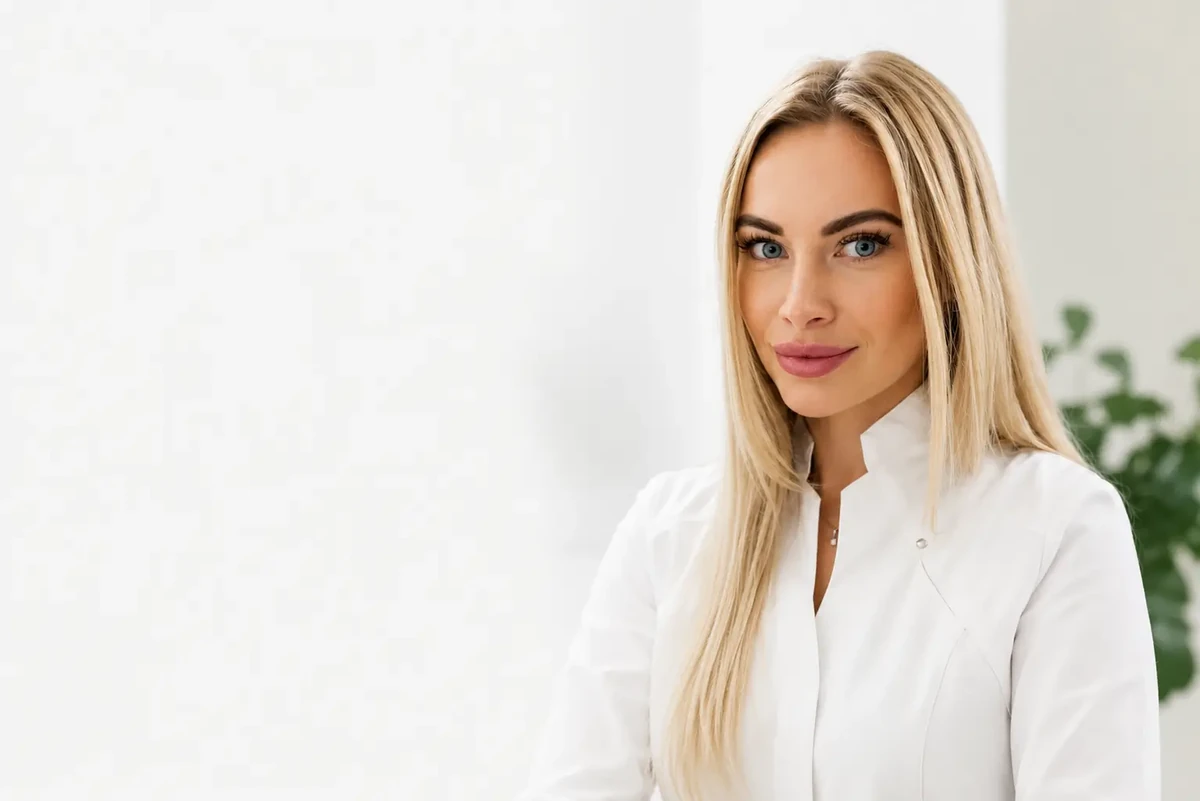
Patient care coordinator
Stays in contact through every stage
Sorts out all your paperwork and bookings

Patient care coordinator
Stays in contact through every stage
Sorts out all your paperwork and bookings

Patient care coordinator
Stays in contact through every stage
Sorts out all your paperwork and bookings
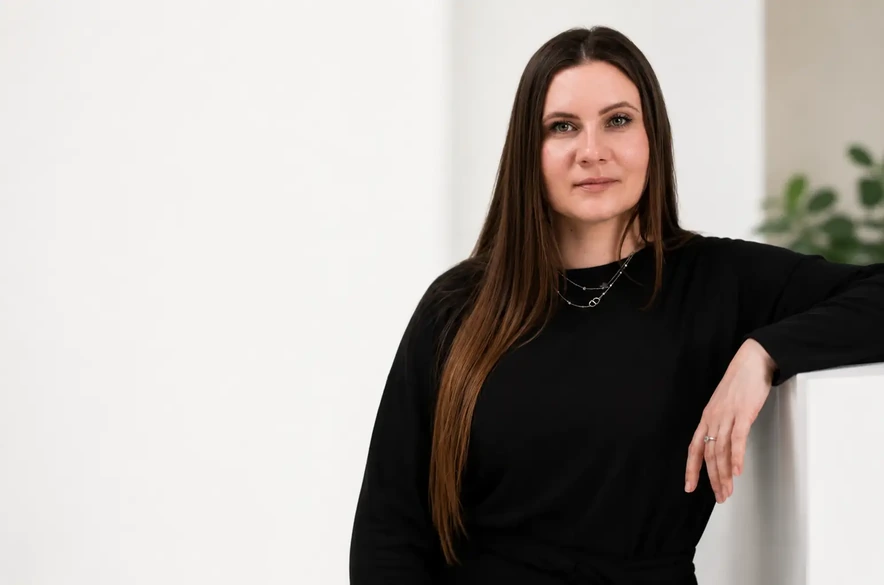
Patient care coordinator
Stays in contact through every stage
Sorts out all your paperwork and bookings













We will go through your questions and find a convenient time to consult
Message us on WhatsApp Send your detailsAsked most often

Yes. People from scattered cities and other countries are taken on without difficulty, and everything can be settled online beforehand.
FUE: $2,200 (≈ R37,000). DHI: $2,500 (≈ R42,000). Combined: $2,700 (≈ R45,500). A free consultation and graft count gives you the final, contract-fixed price with no hidden extras.
The whole operation is completed in one day, with no overnight stay needed.
Local anesthesia numbs everything, leaving no pain behind.
FUE means tweezer-based, incision-free graft harvesting. DHI means channel-free implantation with a Choi pen. Combined DHI+FUE uses FUE for harvesting and the DHI pen for implanting.
Nobody can guess it in advance; the doctor counts them at a free appointment based on your donor reserve.
The first stage is 0–10 days of healing. Shedding at 2–4 weeks is normal. From 3–4 months hair grows again, by 6–9 months density is obvious, and at 12–18 months the result is complete.
A contract-backed, lifetime guarantee of hair growth comes with every procedure.
The clinic operates under a medical licence; care follows the standards and clinical guidelines
of Ministry of Health.

The diplomas and certificates of your operating doctors
Browse the documentsAKC POMOSHCH LLC
the firm's legal entity
1057746096924
OGRN
7728536872
INN
The method suits a patient in Emalahleni because it asks so little: FUE and DHI, no cuts, no stitches, local anaesthesia and one day of your time. Graft survival is 98-100 %, and a price from $2,200 (≈ R37,000) is put into the contract after a free count of the grafts.
A patient in Emalahleni starts with photos, not with a trip: the free online consultation lets the doctor see the thinning area and count the grafts. Every day the clinic is available 24/7, so questions are answered without waiting for morning.
Healing fits into 0-10 days, and at 2-4 weeks the transplanted hairs shed exactly as the protocol predicts. Growth begins at 3-4 months, density comes at 6-9 and the final result at 12-18. Check-ups at 1, 3, 6, 9 and 12 months with photo tracking by a personal coordinator and a lifetime growth guarantee.
Prices are in US dollars; the amount in brackets is an approximate conversion to ZAR at the rate of 02.10.2026. The final price is fixed in your contract.
By messaging us, you agree to our Privacy Policy
What patients write after this operation. Reviews are translated from the original language.
Andrey M.
I had the operation a month ago. Before and after surgery they were always in touch and helped with questions about my tests. The operation itself went wonderfully, the staff are polite and masters of their craft, you feel you are in safe hands. I am recovering now, and they answer all my questions. I am happy and I recommend them!
DHI hair transplant
Pavel Sinitsyn
The best clinic of all the ones I was choosing from. No regrets at all! The result is simply amazing, I am thrilled. I recommend it to everyone: these people do great work and make people happy. Once again, a huge thank you to everyone. Roman, the head of the clinic, is the best: he was personally in touch with me and looked after my recovery. Thank you for making my dream come true.
FUE hair transplant
Maria Akopyan
I thought about an eyebrow transplant for a long time and finally went for it. At first I was afraid the result would look unnatural, but when I saw my new eyebrows I was delighted! They came out full and in harmony with my face. I can hardly believe that now I just wash my face and go, I have never felt so free. For anyone tired of constant make-up, a transplant is a real lifesaver!
Eyebrow transplant (FUE)
Alexander M.
I really wanted a thick beard, but I had problems with it. I tried every home remedy and minoxidil, and nothing helped. After a long search for the best clinic I settled on this one. Thank you so much for the service, I liked everything and now I am happy! I had the beard transplant 10 months ago and I am very pleased with the result. By the way, the music in the clinic was great, as far as I remember. A friend of mine has already come to you for a transplant on my advice and was also happy with the result. I wish you every success!
Beard transplant (FUE)
Vladimir Z.
I went to the clinic to see a trichologist and had a hair transplant. I really liked the doctor's approach, and all the recommendations helped. I want to point out that nobody tries to sell you extra services: they tell you things as they are, and if some treatment is not needed, they do not push it. Cosy and clean.
DHI hair transplant
Artem Popov
This may sound obvious, but a head of hair really changes everything in your life. You feel much more confident and go through life like a winner. And it is all thanks to the doctor at this clinic and to the staff who take care of their patients. Many thanks to the clinic for a happy life with new hair, for the comfortable conditions and for the professionalism during the hair transplant.
FUE hair transplant
Emalahleni, still widely called Witbank, is a city on the Highveld of Mpumalanga, South Africa, inside the Emalahleni Local Municipality. Witbank is Afrikaans for “white ridge”, after a white sandstone outcrop where wagon drivers once rested. The city was founded in 1890 and renamed eMalahleni, “the place of coal”, in 2006. Both names are in daily use, and patients here use either one when they write to us.
As of 2011, Statistics South Africa put the city's population at 108,674 people. It is a working city built around coal mining, power generation and the businesses that serve them. People here spend long days outdoors, on sites, in vehicles and in workshops, and they are used to planning around shifts. That practical habit helps with a hair transplant, which rewards patients who plan the weeks after surgery as carefully as the surgery itself.
Most enquiries from Emalahleni come from men who notice thinning at the temples or crown, a receding frontal hair line, or patchy areas in the beard, and who want a natural result that does not look like a procedure. Others have simply put the question off for years. A free online consultation lets you ask everything from home before you decide anything.
You do not need to leave the city to start. You write to the coordinators on Telegram or Telegram, and a coordinator is on the phone 24/7. That matters in a city where many people work in shifts: you can send photos after a night shift or on a weekend, and you do not have to fit around office hours.
You will normally be asked for clear photos of the front, the sides, the crown and the back of the head, in daylight and without a cap. You will also be asked about your medical history, any medication, how long the hair loss has been going on and whether it runs in your family. From this the doctor can say in general terms whether the donor area is suitable and which technique, FUE or DHI, fits your case.
The consultation costs nothing and commits you to nothing. Treat it as a way to collect answers and compare them with what you have heard from friends, colleagues or online. Bring your questions in writing, since the conversation is easier when you have listed them beforehand.
Grafts are taken from the back of the head, the donor area, and moved through micro-punctures of about 1 mm, so nothing scars over. FUE and DHI differ in how the grafts are placed, and the doctor will explain which approach suits your hair type and the area to be covered. The technique is chosen for your head, not by habit.
The doctor discusses the shape with you before the operation, taking your facial features into account. For a man from Emalahleni this usually means a frontal hair line that matches his age and face rather than copying a photo of someone else. A line that is too low or too straight is the most common reason a result looks artificial, so say plainly what you want and listen to the reasons if the doctor suggests something more modest.
The same logic applies to the beard. Patients ask about filling gaps in the cheeks or the chin, or about shaping a denser beard. Transplanted hair grows for life: trim and style the beard as usual. One patient described it this way: from about the 4th month active, even growth began, the transplanted hair took very well, no bald patches were left, and the beard became much thicker and denser, with the shape he had thought about for a long time.
Emalahleni lies on the Highveld, and the first days after surgery are about protecting the scalp. Strong sun is the main concern in the warmer months. The newly treated area should not be exposed to direct sun in the early healing period, and the doctor will tell you when a loose, clean hat is acceptable and when it is better to stay in the shade. Choose headwear that is soft, breathable and does not press on the grafts.
Summer rainfall in the area has been relatively high in recent years, and the roads have suffered for it. For recovery this means that on rainy days you can often stay indoors without feeling you are missing something, and you should avoid getting caught in a downpour with an unprotected scalp in the first days. Follow the washing instructions you are given rather than improvising with whatever is at hand.
Dust deserves attention in a city surrounded by collieries, power stations and heavy industry. The area is known for poor air quality linked to coal mining and power generation. For the first days, avoid dusty places, building sites, mine-adjacent work and open vehicle windows on dirt roads. Ask the surgeon how to keep the scalp clean without irritating it, and when ordinary outdoor life can resume.
Swelling and tightness around the forehead can appear in the first days, which is normal. Sleeping with your head slightly raised and keeping your plans light helps. Any compression or protective garment advice, for example for the donor area, comes from the doctor, and you should follow it exactly instead of guessing.
Because the economy of Emalahleni rests on mining, power stations and the industry around them, many patients ask first about work. The honest answer depends on what you do. Office or light duties are easier to resume than dusty, hot or physically heavy work. Tell the doctor your exact job and ask how long you should stay away from dust, helmets, sweat and heat.
The healing and growth timeline is: 0–10 days for healing, 2–4 weeks for normal shedding of transplanted hair, 3–4 months for new growth to start, 6–9 months for real density, and 12–18 months for the final result. Put another way: 2-4 weeks, transplanted hairs let go, as expected; 3-4 months, hair comes back; 6-9 months, visibly thicker; 12-18 months, settled look.
Plan the operation so the first stage of healing does not coincide with an important event at work or in the family. The shedding stage worries many men who did not expect it, so it helps to know in advance that it is part of the process and not a failure. Avoid judging the result before the months where density actually develops.
Mining and shift schedules can be rigid, so discuss dates with your employer early if you need to be away. Ask the coordinator to help you arrange the consultation and the follow-up so that they fit around your roster.
Sport is part of life in the area. The city was home to the Mpumalanga Black Aces football team, now dissolved, and once to the Pumas provincial rugby union, which has since moved to Mbombela. People still play and watch football and rugby, and many ask when contact sport is possible again. Do not decide this yourself. A blow to the head or heavy sweating too early can harm the grafts, so ask the surgeon for specific limits on running, gym work, swimming and team sport, and stick to them.
Social life affects planning as well. The Highveld Mall, the casino complex with its restaurants and cinemas, and the many guest houses in the city are where people meet for family occasions and business meals. If a wedding, a family celebration or a work event is coming, choose an operation date with enough time before it, and remember that the early stage shows redness and small scabs that need to be settled before you appear in public.
Food culture rarely changes the outcome directly, but a balanced diet supports healing in general. Heavy alcohol around the operation date is not a good idea, and the doctor will tell you what to avoid in the first days. Big shared meals and braai gatherings usually mean smoke, heat and crowds, so it is sensible to skip them while the scalp is sensitive.
Think also about closeness: the first days are easier when family at home know what you are doing and can help with simple things such as keeping the pillow clean and watching that you do not scratch the area.
In general terms, a good candidate has stable hair loss, enough healthy hair in the donor area, realistic expectations and good general health. Younger men whose hair loss is still progressing may be advised to wait or to start with other measures first, since a transplant does not stop the loss of the hair that was not moved.
Certain conditions call for caution or a delay: uncontrolled chronic illness, problems with blood clotting, active skin disease of the scalp, and some medications. Tell the doctor everything, including supplements. Body weight and overall health can also matter for how the body copes with a procedure, and the World Health Organization describes obesity and overweight as a significant health concern worth discussing with a physician when planning any operation.
If your donor area is limited, the doctor may suggest a smaller plan, such as covering the front and leaving the crown, or filling the beard instead of the scalp. A good surgeon will say no or not yet when that is the right answer. You should be more suspicious of anyone who agrees to everything.
We stay with you from pre-op planning to 12 months later. Check-ups are at months 1, 3, 6, 9 and 12, and between them a coordinator will be on the phone 24/7. For a patient in Emalahleni this works through photos and messages, so you do not need to rearrange your week for each check.
At each check-up you send photos in the same light and from the same angles. The doctor compares them with the expected stage: shedding, first regrowth, thickening and finally the settled look at 12–18 months after surgery. If something looks unusual, such as persistent redness, pain or an area that is slow to grow, write straight away instead of waiting for the next check-up.
Keep a simple record at home: dates, photos and the instructions you received. It makes the later conversations clearer and helps you judge progress calmly, which is the hardest part when the early months show little change.
Prepare your questions in advance. Ask which technique, FUE or DHI, is proposed for you and why. Ask how the donor area will be handled, how the frontal hair line will be designed for your face, and who will perform each stage of the operation. Ask what you should and should not do in the first days, which activities to avoid in a dusty or sunny environment, and when you can go back to your usual work.
Ask what a realistic outcome looks like for your hair type, how the timeline of shedding and regrowth applies to you, and what happens if growth in some areas is weaker than expected. Ask how the follow-up at months 1, 3, 6, 9 and 12 is organised, and how to reach a coordinator if you have a concern in the evening or at night.
A clear, patient answer to each question is a good sign. If you feel rushed or the answers are vague, take more time. The decision is yours, and a free consultation from Emalahleni is meant to give you the information to make it.
Yes. The online consultation is free and takes place from your own city. You write to the coordinators on Telegram or Telegram, send photos and answer questions about your health, and the doctor gives a general assessment. A coordinator is on the phone 24/7.
Both take grafts from the back of the head, the donor area, and move them through micro-punctures of about 1 mm. They differ in how the grafts are placed. The doctor explains which one suits your hair type and the area to be covered.
Grafts are taken from the back of the head and moved through micro-punctures of about 1 mm, so nothing scars over. The doctor will explain what you will see during the first days of healing.
Healing takes 0–10 days. Transplanted hairs let go after 2–4 weeks, which is expected. New growth starts after 3–4 months, the hair is visibly thicker at 6–9 months, and the settled look comes at 12–18 months after surgery.
Avoid direct sun and dusty places in the early healing period, and wear only the loose, clean headwear the doctor approves. Stay away from building sites and dusty work, and follow the washing instructions exactly.
It depends on your job and the technique used. Office duties are usually easier than dusty or heavy work. For football, rugby, the gym or swimming, ask the surgeon for specific limits and keep to them until you are told otherwise.
Yes. Transplanted hair grows for life, and you can trim and style the beard as usual. One patient reported that growth became active from about the 4th month and that the beard became thicker and denser in the shape he wanted.
We stay with you from pre-op planning to 12 months later. Check-ups are at months 1, 3, 6, 9 and 12, and a coordinator will be on the phone 24/7 in between.
Page medically reviewed by Anastasia A. Kolesnik, hair transplant doctor. Review date: .

 Forceps
 Minimal


