

Message our coordinator
Free online consultation · Reply within 15 minutes
Message us on TelegramMessage us on WhatsAppBy messaging us, you agree to our Privacy Policy


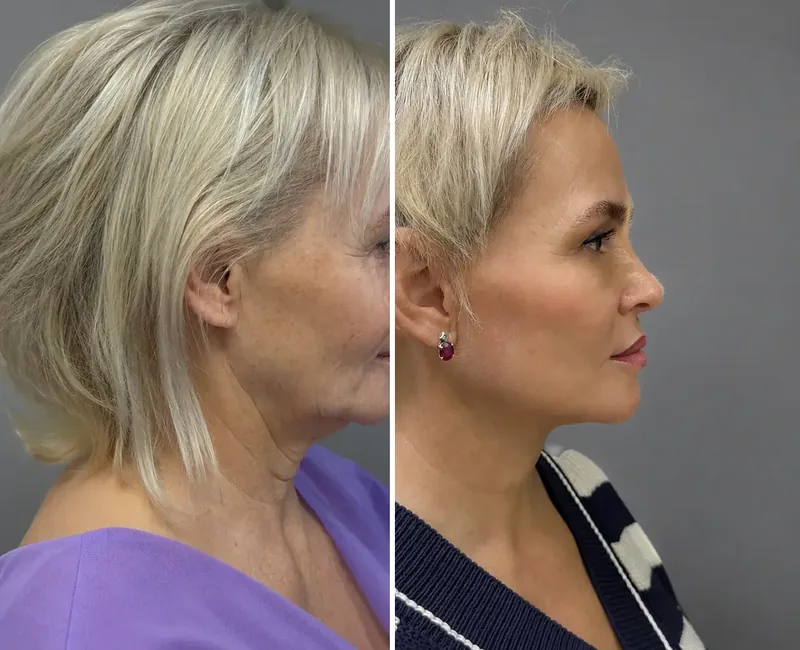
50 years
9 months
SMAS facelift
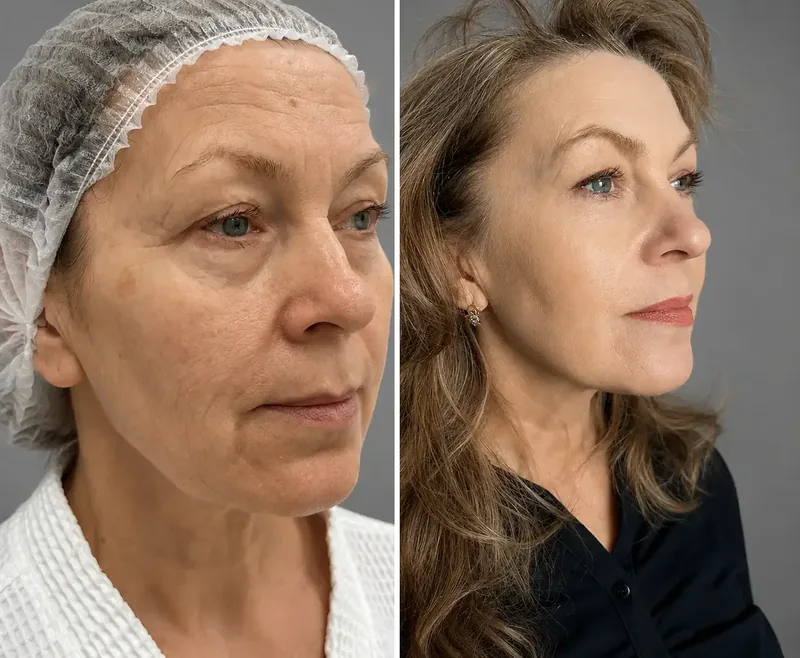
58 years
8 months
SMAS facelift
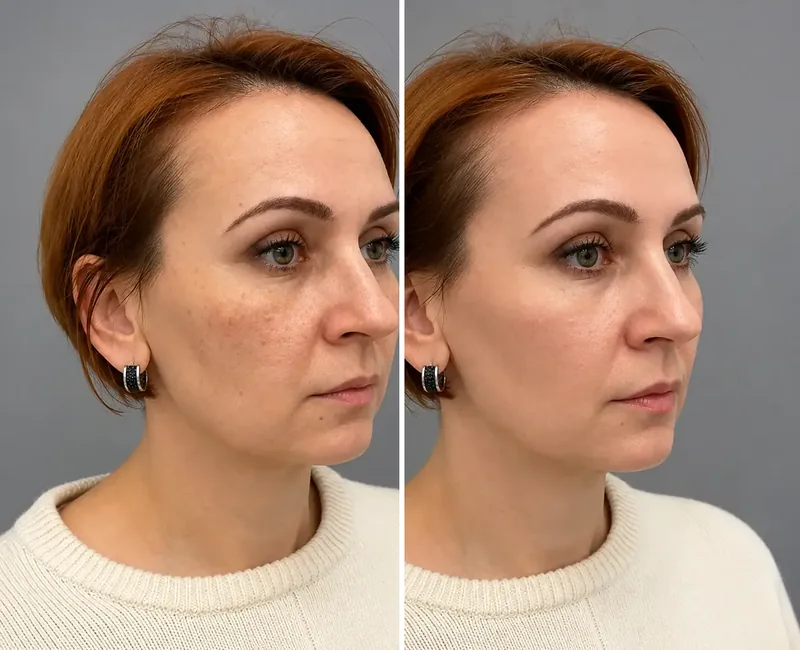
34 years
5 months
SMAS facelift
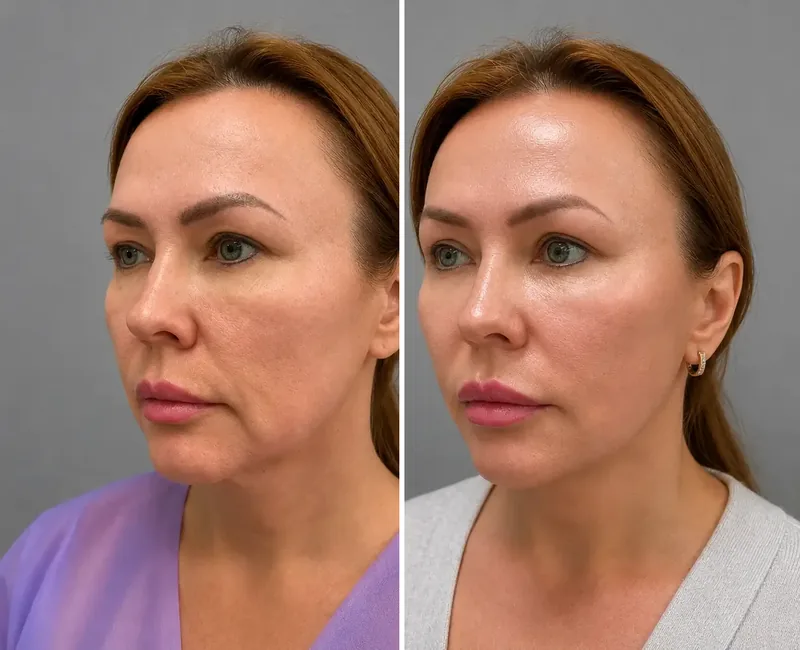
32 years
7 months
SMAS facelift
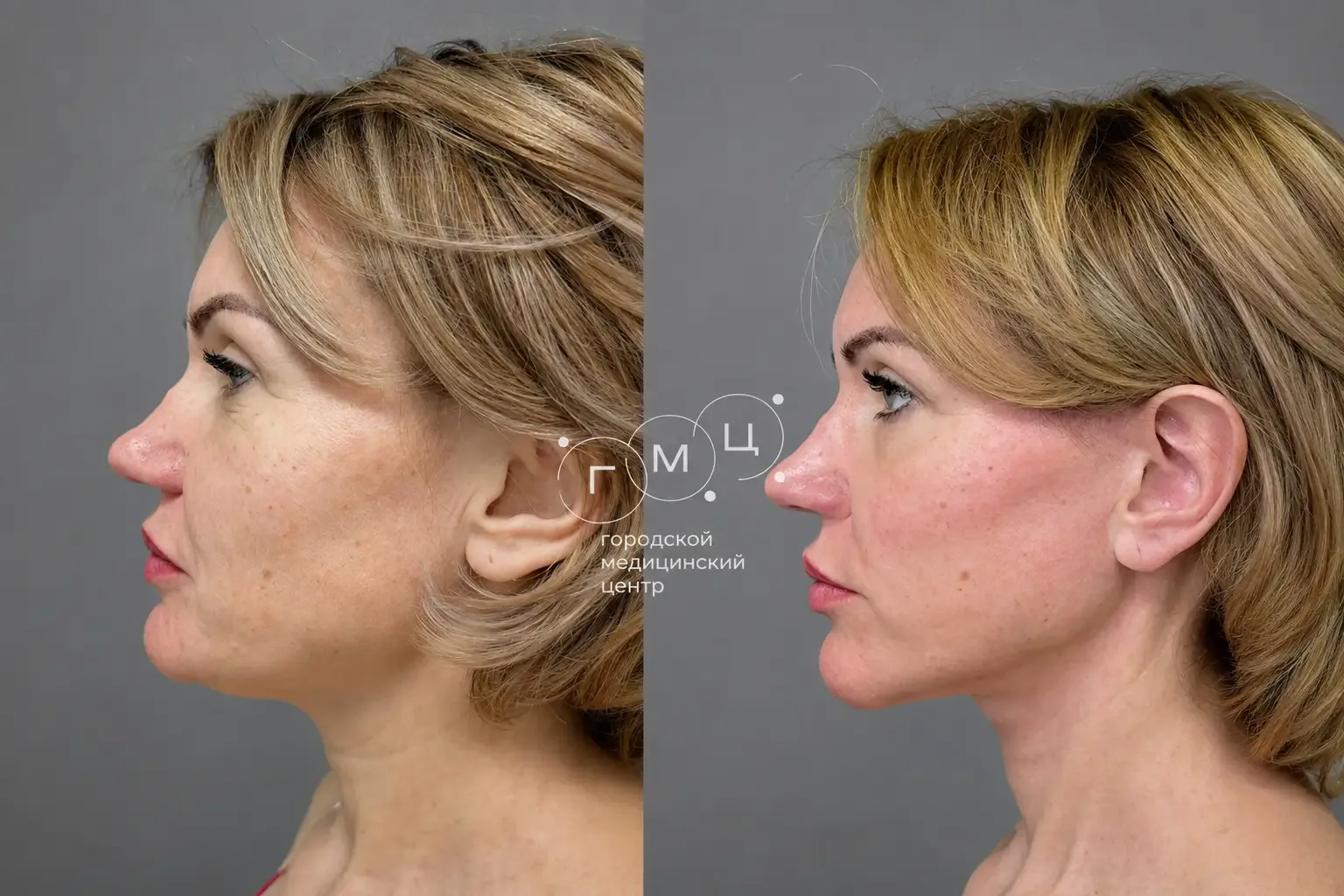
40 years
6 months
SMAS facelift
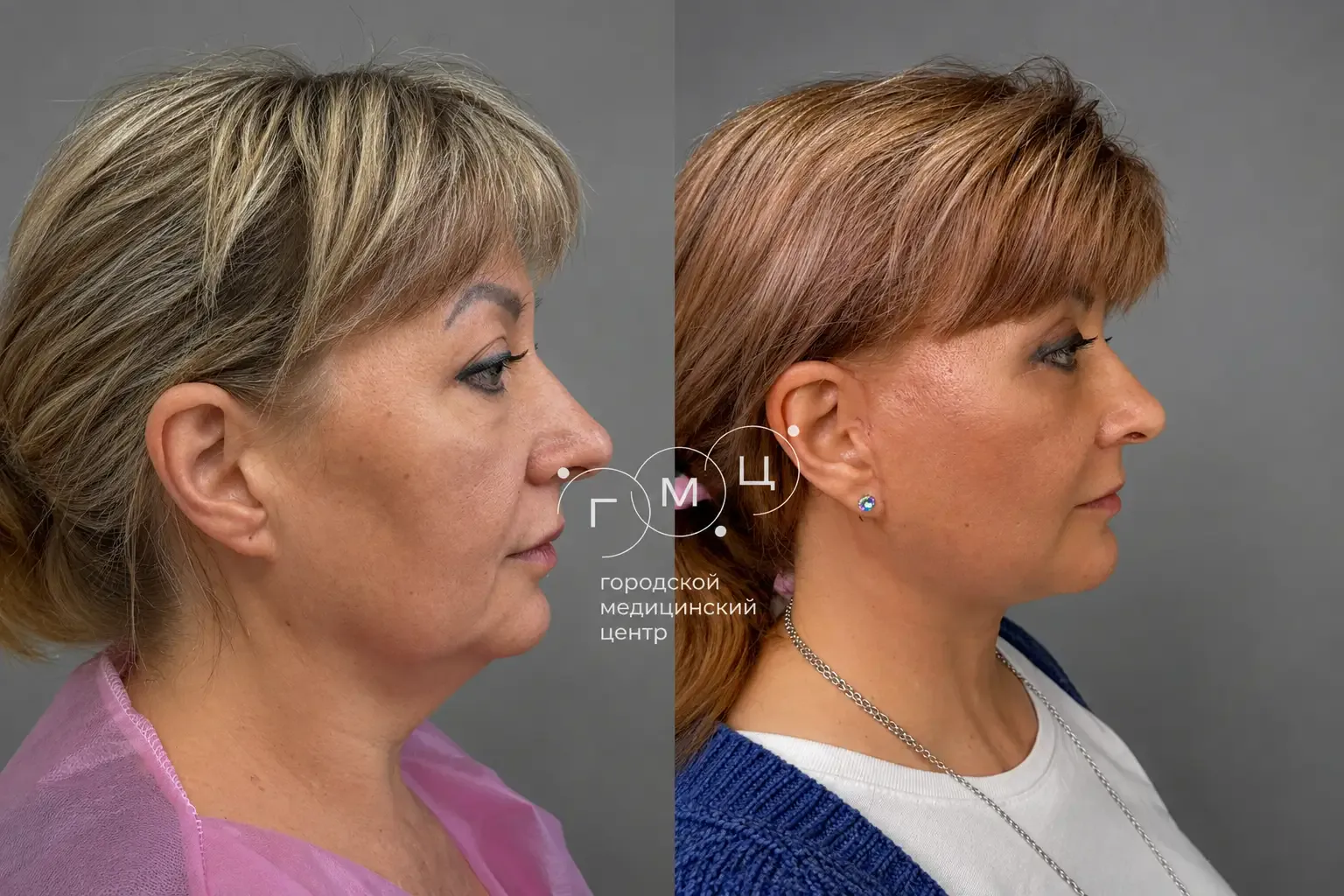
45 years
8 months
SMAS facelift
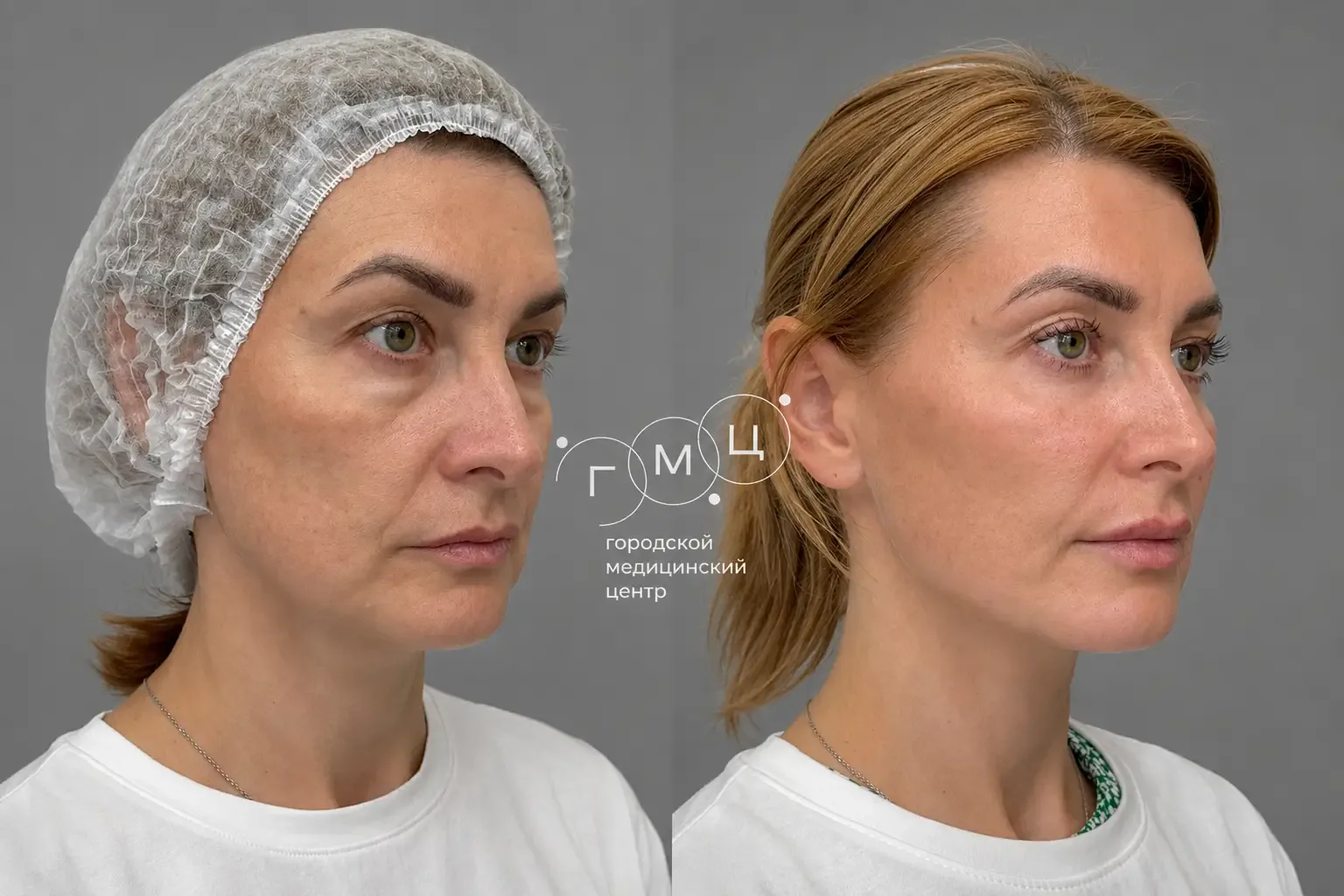
38 years
5 months
SMAS facelift
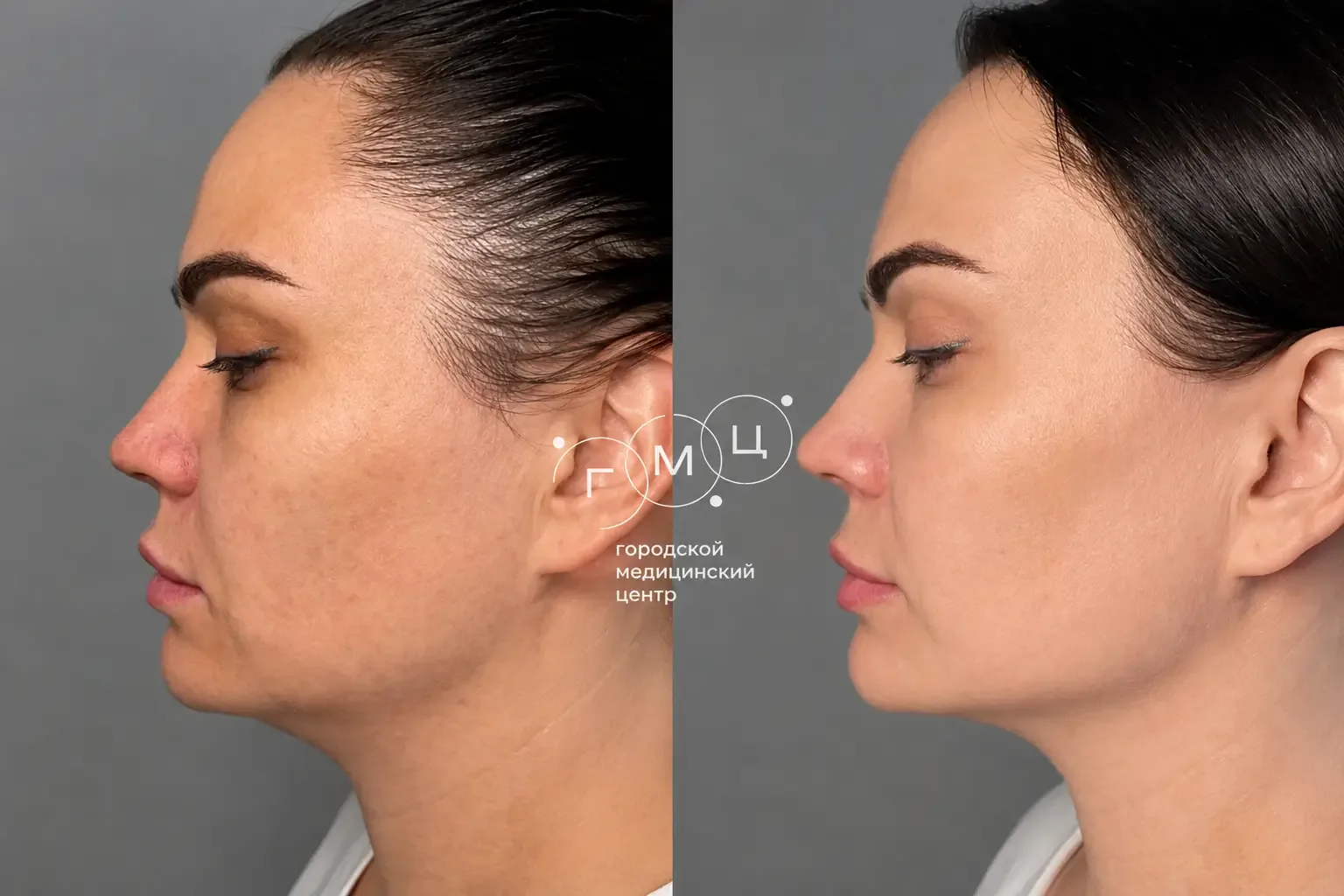
33 years
6 months
SMAS facelift
50 years
9 months
SMAS facelift
58 years
8 months
SMAS facelift
34 years
5 months
SMAS facelift
32 years
7 months
SMAS facelift
40 years
6 months
SMAS facelift
45 years
8 months
SMAS facelift
38 years
5 months
SMAS facelift
33 years
6 months
SMAS facelift
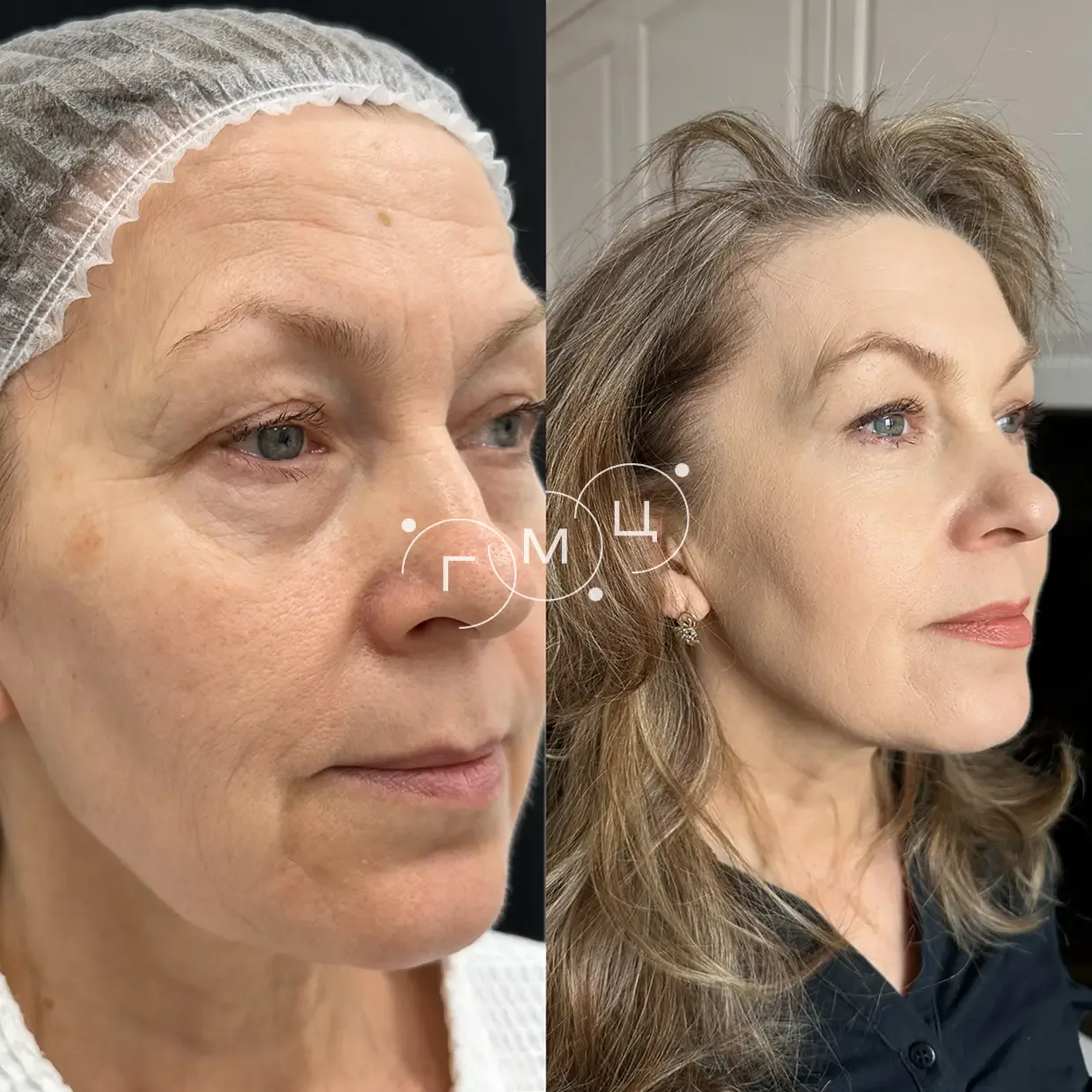

Pronounced sagging in the face and neck
A loss of jawline definition, jowls
A double chin and loose neck skin
Marionette lines and deep nasolabial folds
Brows that droop, giving a heavy look
A significant drop in skin firmness after 40
Preference for a long-term result (7–10 years)

Younger than 30
An acute skin inflammation
Pregnancy and the breastfeeding stage
A severe disease of the cardiovascular system
A blood-clotting disorder
Cancer
Decompensated diabetes
Facelift in Emalahleni: from consultation to result
The operation works on three levels. The skin flap is lifted, redraped and the excess removed, so the surface lies smoothly without tension. Fat in the cheeks and lower face is redistributed to restore volume and remove heaviness. Finally, the SMAS layer of muscles and ligaments is lifted and secured, which is the key step. For patients in Emalahleni, this layered approach gives results of up to 10 years.
Recovery follows a clear timeline. For the first 7–10 days you need rest, a compression bandage and reduced physical activity. Swelling and bruising fade in 2–4 weeks, and full recovery takes about two months. The first clear changes appear after 3–4 weeks, and the face takes on its final look within 3–6 months. Patients from Emalahleni are guided by the surgeon throughout.
The price starts at $2,400 (≈ R40,500) and already covers the essentials: anaesthesia, the inpatient stay with meals, round-the-clock monitoring and a year of surgeon follow-up until the final result. Emalahleni residents can pay through in-house 0% instalments with no overpayment. The first consultation is free: send your name and phone number, and a coordinator will contact you.
Facelift for residents of Emalahleni: why the question comes up here
Emalahleni, still widely called Witbank, is a city on the Highveld of Mpumalanga in South Africa. Its name means 'the place of coal', and the surrounding region is known for coal mining. The city's population stood at 108,674 people as of 2011 (Statistics South Africa). It is a working city, and many residents spend their days in offices, workshops, shops, schools and on the road. People who face the public every day, or who run their own business, tend to notice changes in their face early and ask what can be done about them.
The typical enquiry from Emalahleni is practical rather than cosmetic. Patients describe heavier jowls, a blurred jawline, drooping cheeks and a tired look that does not match how they feel. Beyond 40–50 the skin gradually loses firmness, and creams or surface treatments stop keeping pace. This is where a surgical SMAS facelift enters the conversation, because it works deeper than cosmetology. It repositions the muscle and fascia layer and treats the cause of sagging, not only its effects.
This text helps you prepare for a conversation with a surgeon from Emalahleni, taking into account your city, your routine and the seasons you live through. It is general information and does not replace an examination.
What a SMAS facelift is and how it differs from surface treatments
A surgical SMAS facelift tightens the deep SMAS layer under the skin, not only the skin itself, so the lower face, jawline and neck stay firmer for longer. The operation corrects at 3 levels. The central step is lifting and securing the muscle and fascia layer, which lets the surgeon treat the real cause of sagging: weakened ligaments and descended muscles. Deep work on the SMAS gives a natural look and a result lasting up to 10 years.
For a person in Emalahleni who has already tried masks, devices or injections, this is the key difference. Surface methods can improve texture and tone, but they do not move descended tissue back to where it belongs. A marked loss of skin firmness after 40 is the typical situation in which patients decide to ask about surgery instead of another course of procedures.
The aim is not a different face but a rested version of your own. The comprehensive lift in particular is described as delivering a natural look, free of a 'mask' effect. Bring this wording to your consultation and ask the surgeon how it applies to your features.
Four options and how to choose between them
There are 4 main options. At the consultation, the surgeon helps select the best one for your age and type of ageing. Two of them are worth describing in detail so you can arrive prepared.
The classic SMAS lift of the mid and lower face works on the skin and the SMAS layer through incisions hidden along the hair line and around the ears. It removes jowls, sagging cheeks, a double chin and deep nasolabial folds. Results last 7–10 years. It suits people whose main concern is the lower half of the face.
The comprehensive lift covers the forehead, temples, mid and lower face and neck. It suits marked sagging in several areas at once and delivers the most complete rejuvenation. Results last up to 10 years. Patients from Emalahleni who notice both a heavy brow and a loose neck often discuss this option first.
Do not choose from a list alone. Send clear photographs in daylight during the online consultation, describe what bothers you most, and let the surgeon explain which option matches your anatomy.
Who is a candidate and who should wait
As a rule, surgery is recommended for patients aged 40+ with marked tissue sagging, and in some cases from 35. The recommendation is made individually after an examination. Age alone decides nothing: a person of 38 with pronounced changes and a person of 55 with mild ones are different cases.
Typical candidates are those with a marked loss of skin firmness after 40 and those looking for a result that lasts (7–10 years). People who only want a small change in a single spot are usually better served by a conversation about less invasive steps.
In general terms, surgery needs a stable general condition. Tell the surgeon about chronic illnesses, regular medicines, smoking, previous operations and any tendency to heavy bruising. Active infections, uncontrolled chronic disease or unrealistic expectations are reasons to postpone or reconsider. Body weight matters too, and the WHO fact sheet on obesity and overweight is a useful general reference on why weight and health are discussed before any elective surgery. The final decision always belongs to the surgeon after assessing your health.
Climate, sun and dust: planning recovery on the Highveld
Emalahleni lies on the Highveld, and the region has relatively high summer rainfall in recent years. The area is also shaped by coal mining and power stations such as Duvha, which affect air quality. None of this prevents surgery, but it influences how you organise the weeks afterwards.
In the first days, the face is swollen and bruised, and the skin is sensitive. General advice: keep the healing skin out of direct sun, wear a wide-brimmed hat or use shade when you must go outside, and follow the surgeon's instructions on sun protection. Hot weather can make swelling feel worse, so cool, ventilated rooms help. In the rainy season, damp and muddy surroundings are best avoided while wounds heal, and the condition of local roads, with potholes and debris after heavy rain, is one more reason to limit unnecessary outings early on.
Dust and polluted air are a practical concern for fresh incisions. Keep windows closed on dusty days, keep bedding clean, and ask the surgeon how to care for the hidden incisions along the hair line and around the ears. Wearing the compression bandage as instructed also protects the area. Swimming pools and the sea should wait until the surgeon allows them.
Choosing the season for the operation
There is no single correct month. The better question is when you can afford about 2 months for full recovery without pressure. During the first 7–10 days you need rest, a compression bandage and less physical activity. Swelling and bruising fade within 2–4 weeks, and full recovery takes about 2 months.
Think about your own calendar in Emalahleni. Mining shifts, school terms, end-of-year work, family weddings, funerals and holiday gatherings all matter. If a major family event is coming, plan the operation so that it falls well before it. After 3–4 weeks, as the swelling settles, the first clear changes appear. The face takes on its final look in 3–6 months, so an event in the following few weeks may catch you in the middle of the process.
Cooler months make it more comfortable to wear a compression bandage and cover the face with a hat or scarf. Summer is possible too, but demands stricter sun protection and more time in shade. Discuss the season with the surgeon during the remote consultation and choose the one in which you can truly rest.
Work, driving, study and sport after a facelift
Many people in Emalahleni work in mining-related companies, in trade, in services or in their own business. Office work and calls can usually be planned around the first 7–10 days of rest and reduced activity, but jobs involving physical effort, dust or heavy equipment need a longer pause and the surgeon's permission. Ask directly when you may return to your specific job.
Daily errands such as shopping at the Highveld Mall, meeting friends or going out for a meal are best postponed until the visible swelling and bruising have faded, which happens within 2–4 weeks. If you drive on the N4 or N12 or on city roads, ask when it is safe to drive again, because the bandage, swelling and any medicines can affect that.
Sport needs patience. Rugby and football are part of local culture, and many residents are active, but any activity that raises blood pressure or risks a blow to the face should wait. Light walking is usually accepted earlier; training, swimming and contact sport only after the surgeon's approval. Ask for a written schedule for returning to each activity.
Food, family life and everyday habits during recovery
Meals in Emalahleni often bring the family together, and braai gatherings are a familiar part of South African life. During the first days, chewing may be uncomfortable and the face is swollen, so soft and simple food is easier. Ask the surgeon about diet, and about alcohol and smoking, which are generally discouraged in the healing period.
Arrange help at home in advance: someone to cook, to take care of children and to accompany you if you need to leave the house. Tell close relatives what to expect, because bruising can look more dramatic than it is. Sleeping with the head raised, as instructed, and avoiding bending and heavy lifting protect the result.
Think about privacy too. Some patients prefer to tell only a few people, while others share openly. Both choices are fine. If you have a family event in the first weeks, decide beforehand whether you will attend or reschedule.
How the remote consultation works from Emalahleni
You contact City Medical Centre from your own city. The online consultation is free, and coordinators are available around the clock (24/7) on Telegram and Telegram. We are open 24/7 with flexible booking and a personal approach: we fit around your busy schedule and adapt to you, which matters if you work shifts.
Prepare photographs of your face from the front and sides in good light, a list of your medicines and illnesses, and your questions. In a one-to-one consultation the surgeon examines your case, explains which of the 4 options suits your age and type of ageing, and describes the stages of the process. What is included: a one-to-one consultation, the medical team, anaesthesia, inpatient care with meals, 24/7 monitoring and twelve months of follow-up by the surgeon.
Take your time. You do not have to decide during the first conversation. Compare what you hear with your plans for work, family and the season, and return with further questions when you are ready.
Questions to ask the surgeon
Write your questions down before the call. Useful ones: Which of the 4 options suits my face and why? Which areas will be treated, and at which of the 3 levels? Where will the incisions be hidden? What type of anaesthesia will be used, and how long will I stay under inpatient care? What exactly do I do during the first 7–10 days?
Ask about timing: when will swelling and bruising fade, when will the first clear changes appear, and when will the final look be visible? Ask how the 24/7 monitoring works and how the follow-up works during the twelve months after surgery. Ask what you must avoid in a dusty or sunny environment and when you may go back to work, driving and sport.
Also ask about limits. A facelift does not stop ageing, and the surgeon should explain honestly what can and cannot be changed. A repeat procedure is possible after 7–10 years if the patient wants it, but one operation gives a complete result.
At what age should a resident of Emalahleni consider a facelift?
As a rule, surgery is recommended for patients aged 40+ with marked tissue sagging, and in some cases from 35. The recommendation is made individually after an examination, so the surgeon decides on the basis of your face, not your passport.
How long does a facelift last?
The result lasts up to 10 years, and for the classic and SMAS approaches it is described as 7–10 years. A repeat procedure is possible after 7–10 years if the patient wants it.
How long is the recovery?
During the first 7–10 days you need rest, a compression bandage and less physical activity. Swelling and bruising fade within 2–4 weeks, and full recovery takes about 2 months.
When will I see the result?
After 3–4 weeks, as the swelling settles, the first clear changes appear. Your face takes on its final look in 3–6 months.
How is a SMAS facelift different from cosmetology?
It tightens the deep SMAS layer under the skin, not only the skin itself. It repositions the muscle and fascia layer and treats the cause of sagging, so the lower face, jawline and neck stay firmer for longer.
Does dust or sun in Emalahleni affect healing?
In general, yes: fresh incisions and sensitive skin should be protected from direct sun, dust and polluted air. Use shade and a hat, keep bedding clean, and follow the surgeon's care instructions. Pools and the sea should wait until the surgeon permits them.
Can I have a consultation without leaving the city?
Yes. The online consultation is free. Coordinators are available 24/7 on Telegram and Telegram, and the surgeon will discuss your case remotely and help select one of the 4 options.
What does the programme include?
A one-to-one consultation, the medical team, anaesthesia, inpatient care with meals, 24/7 monitoring and twelve months of follow-up by the surgeon.
Who is not a good candidate?
People with uncontrolled chronic illness, active infection or unrealistic expectations should wait or reconsider. Those who want only a minor change in one spot may need a different approach. Only the surgeon can decide after the examination.
Facelift in Emalahleni: price and what is included
Prices are in US dollars; the amount in brackets is an approximate conversion to ZAR at the rate of 02.10.2026. The final price is fixed in your contract.
- Faceliftfrom $2,400 (≈ R40,500)
How much does a facelift in Emalahleni cost?
Prices start from $2,400 (≈ R40,500). The surgeon sets the final price at the free consultation, and it is fixed in the contract, with no hidden extras.
What is included in the price?
A one-to-one consultation, the medical team, anaesthesia, inpatient care with meals, 24/7 monitoring and twelve months of follow-up by the surgeon.
How do I get my exact price?
Message us on WhatsApp or Telegram using the buttons below. A coordinator will answer your questions and book a free consultation where the doctor names the exact price.
By messaging us, you agree to our Privacy Policy