
 1
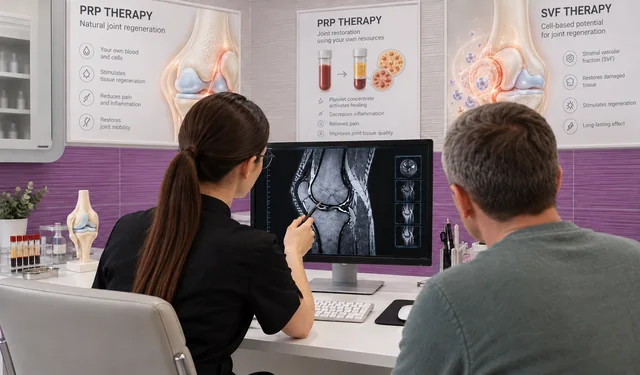
Consultation and scan review
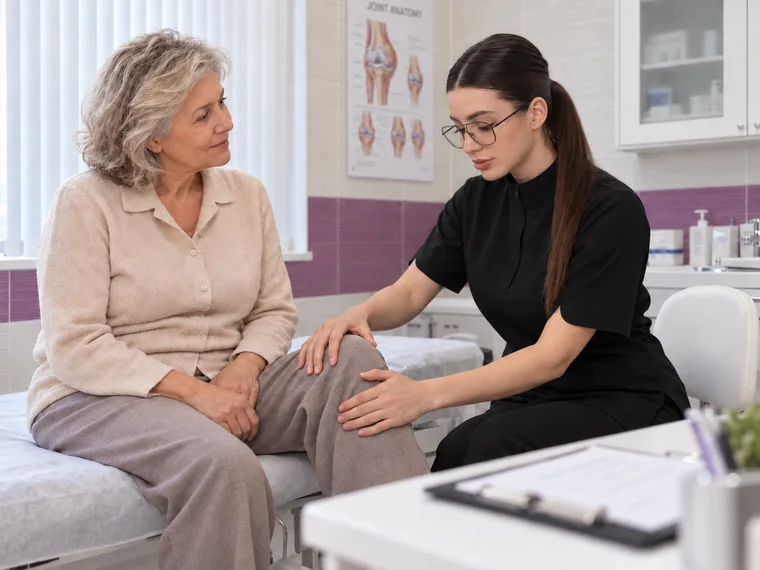
The doctor examines your joint, looks at your X-rays, MRI or ultrasound and decides whether the procedure is right for you. Scans you already have can be sent ahead of the visit.
SVF cell therapy and PRP for knees, hips, shoulders and other joints — with a free scan review before you decide anything
Message our coordinator
Free online consultation · Reply within 15 minutes
Message us on TelegramMessage us on WhatsAppBy messaging us, you agree to our Privacy Policy
What it is
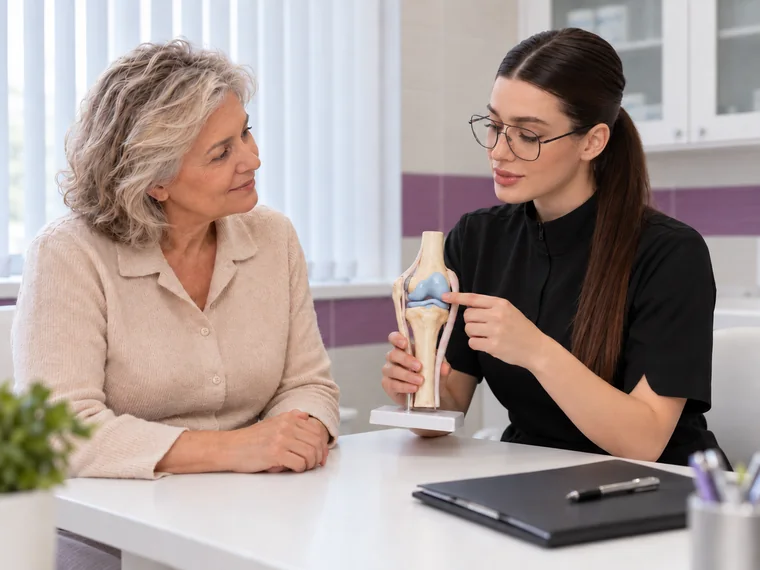
In regenerative joint therapy, two materials from your own body are used — platelet-rich plasma (PRP), taken from blood, and the stromal vascular fraction (SVF), taken from a small adipose tissue sample. Once injected into the affected joint, they work to cut pain and inflammation and support the tissues there.
Suitable for people with joint pain who would rather avoid or postpone surgery, or who were told a joint replacement is inevitable. The earlier the condition, the better the odds of a lasting effect — something the doctor judges from your scans.
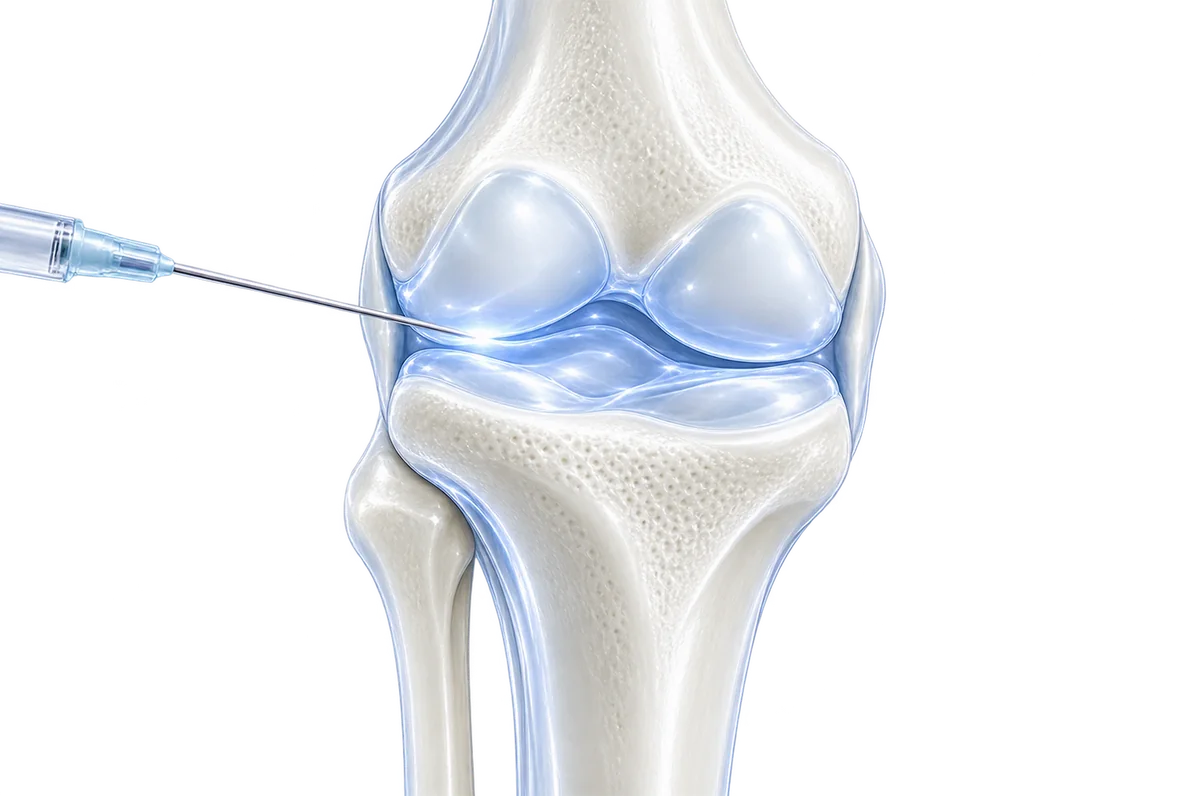
The decision on whether the treatment suits you is made by a doctor, after an examination and a look at your scans
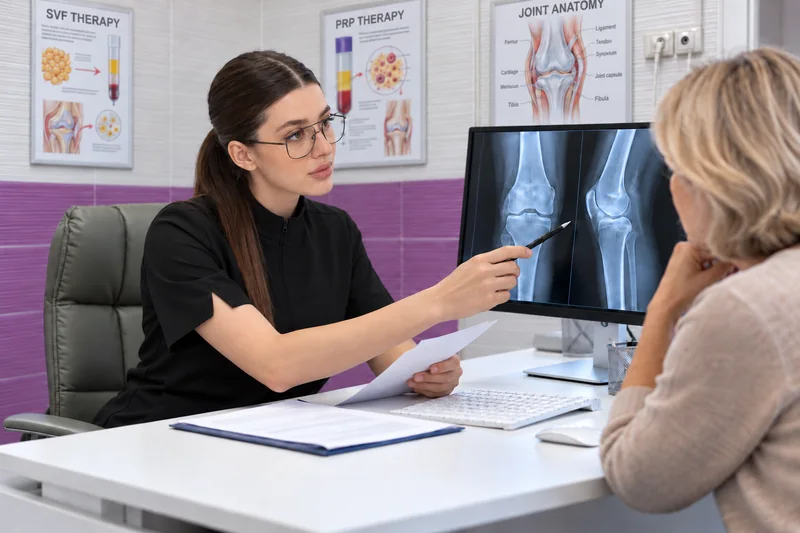
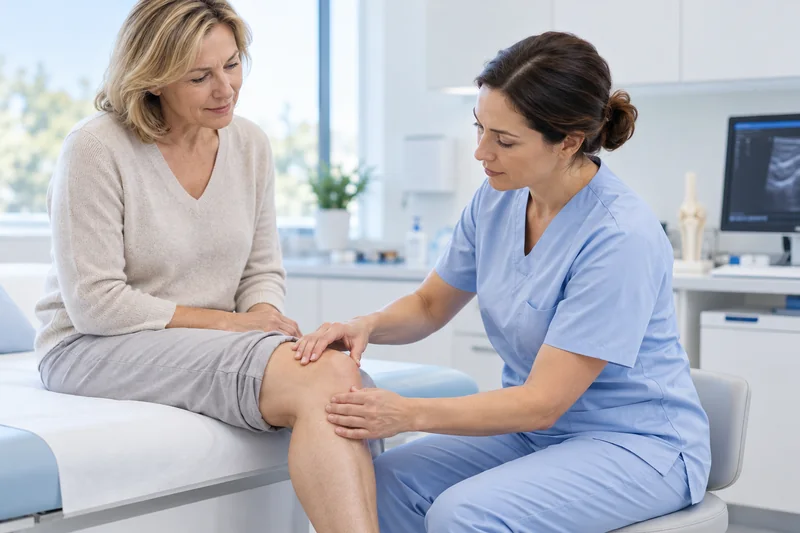
Not sure the treatment is right for you?
Leave your number — the coordinator will ask for your scans (X-ray, MRI or ultrasound), and the doctor will tell you whether treatment without surgery suits you.
Find out if it suits meWhat we treat
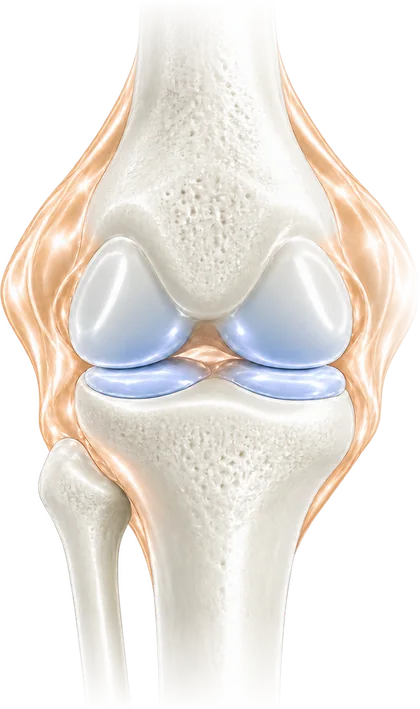 Arthritis
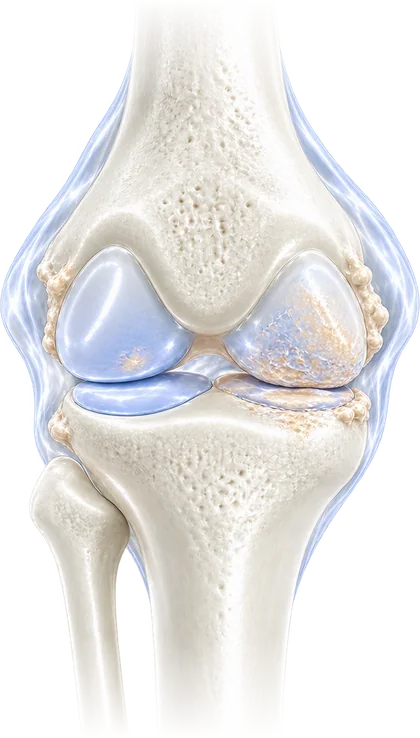 Arthrosis
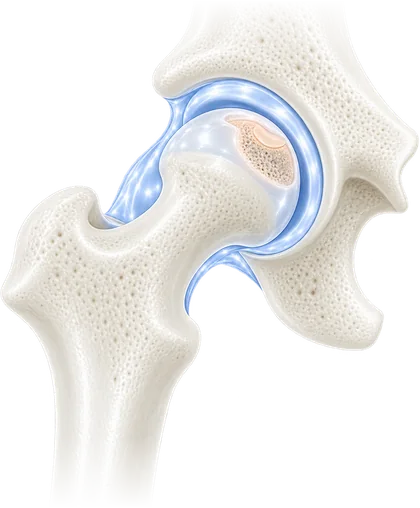 Avascular necrosis
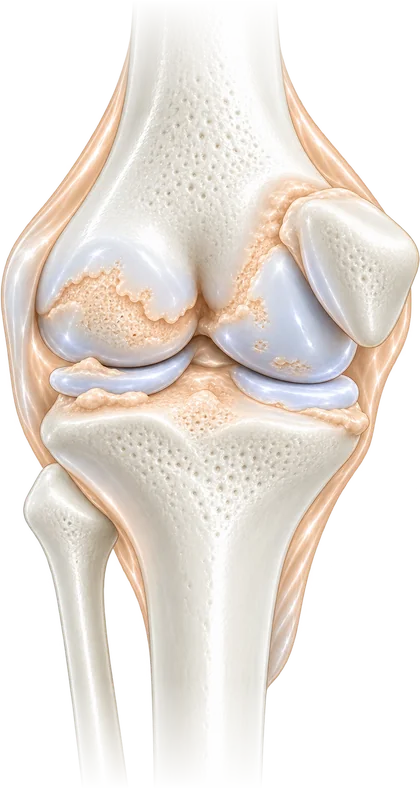 Osteoarthritis
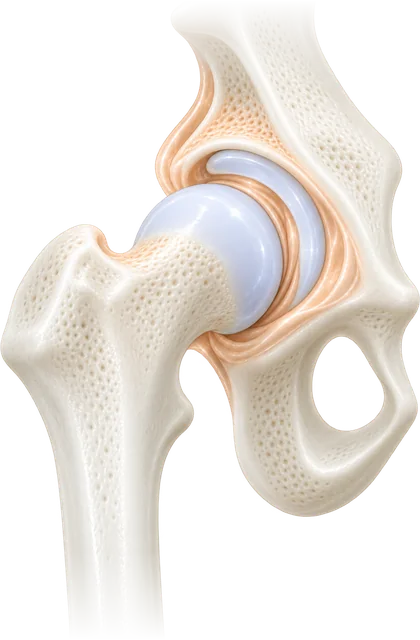 Coxarthrosis (hip osteoarthritis)
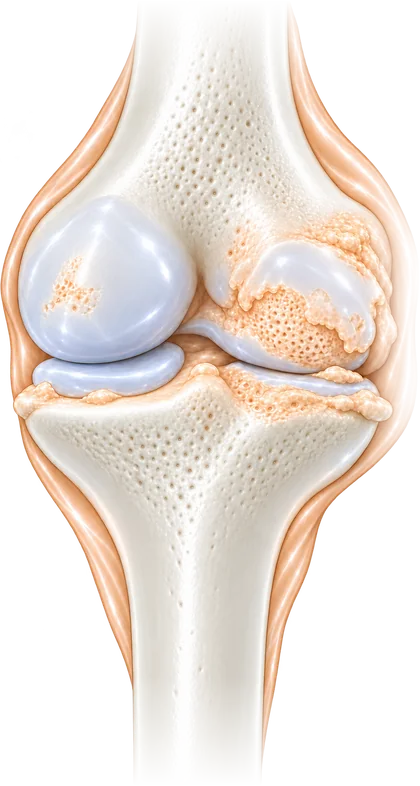 Gonarthrosis (knee osteoarthritis)
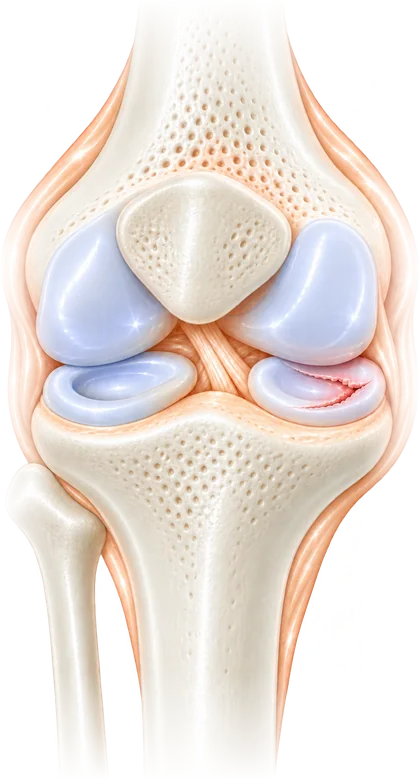 Meniscus pathology and injury
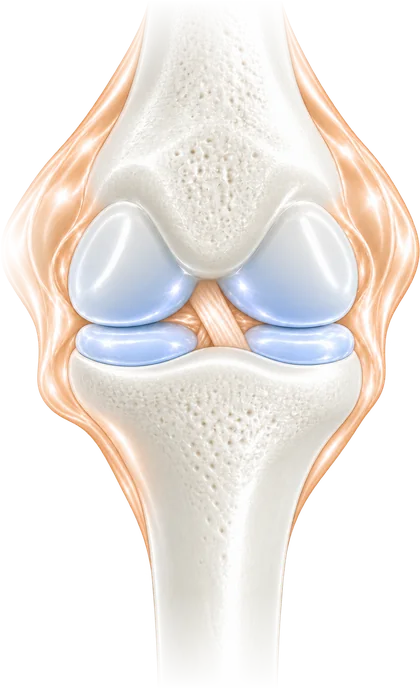 Rehabilitation after injuries and surgery
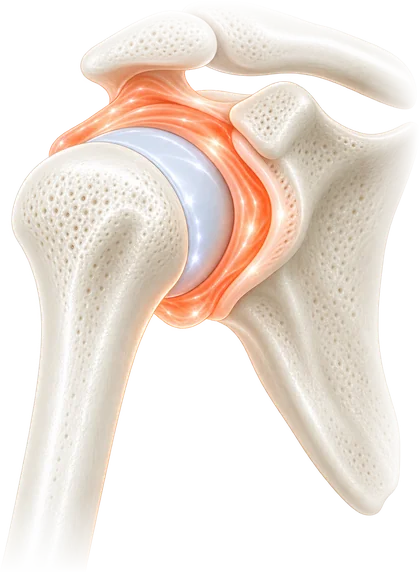 Inflammatory joint conditions
How it works
1The doctor examines your joint, looks at your X-rays, MRI or ultrasound and decides whether the procedure is right for you. Scans you already have can be sent ahead of the visit.
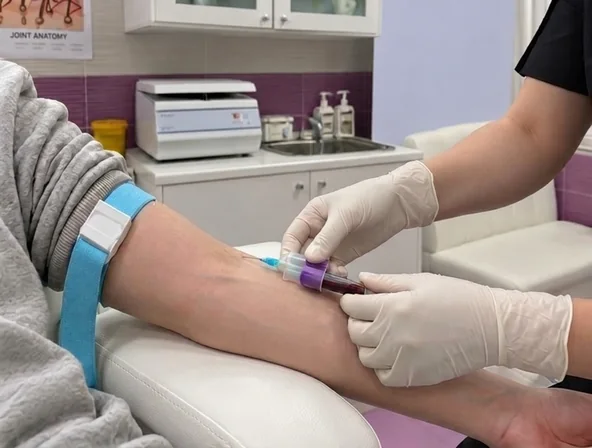 2
From a vein, a small amount of blood is taken. It is later used to prepare plasma rich in platelets and growth factors.
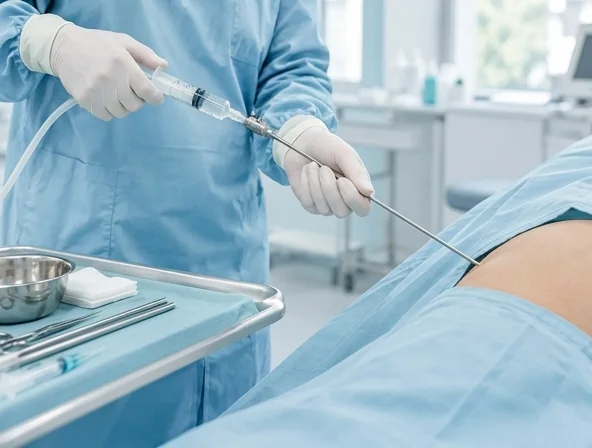 3
With local anaesthetic, a small amount of adipose tissue (around 30 ml) is taken via a puncture on the abdomen or inner thigh — without stitches.
 4
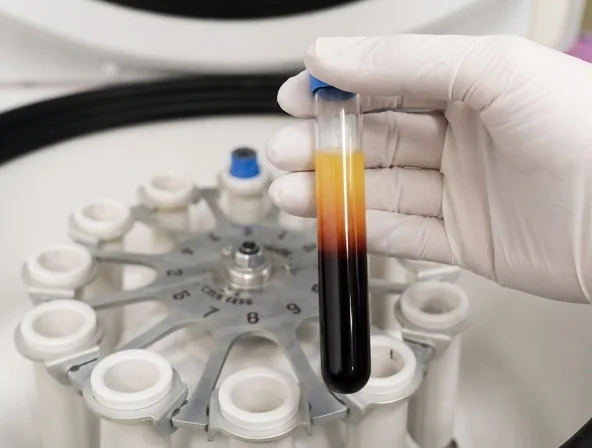
Once spun in a centrifuge, the sample separates into layers, and the stromal vascular fraction isolated from it is mixed with platelet-rich plasma.
 5
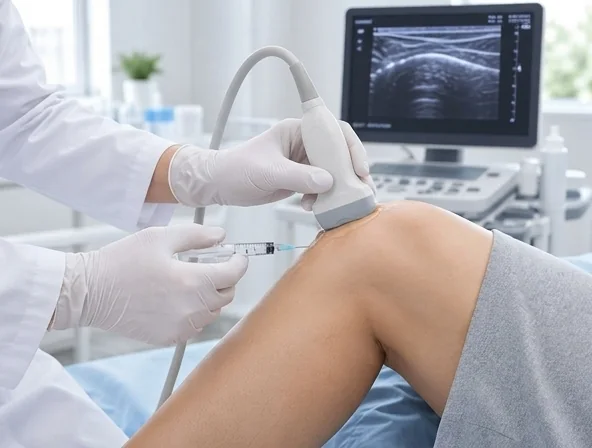
The prepared material is injected directly into the affected joint under ultrasound guidance, which helps place it precisely.
 6
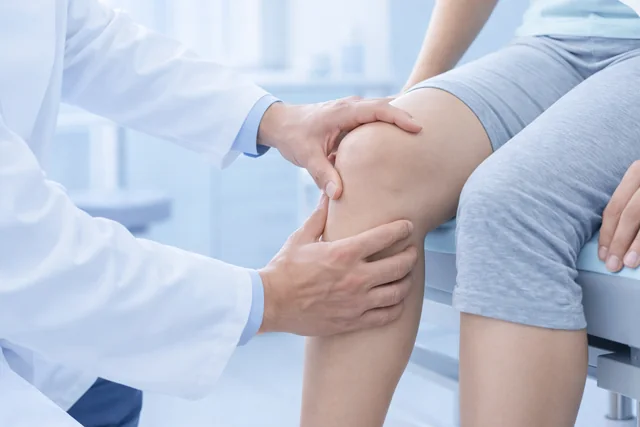
No stay in hospital and no crutches are needed. The doctor stays in touch after the procedure to see how the joint responds.
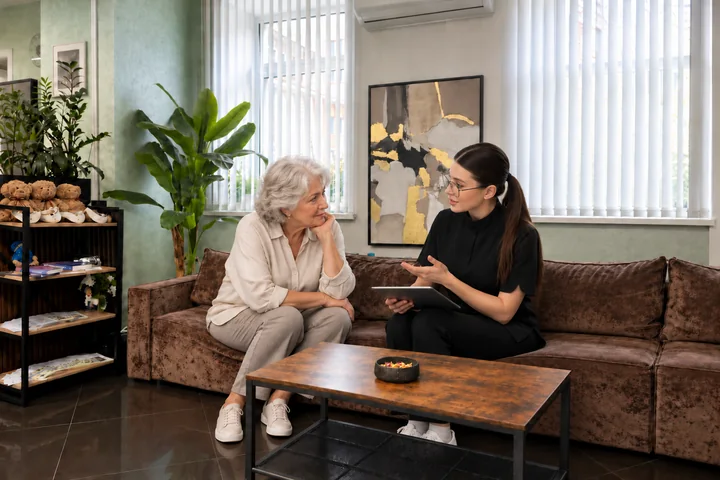
Call or message us — our coordinator will contact you shortly and book your consultation
Results

The joint may ache a little more — this is an expected reaction.
The pain usually eases.
Mobility and activity improve.

The full effect develops.
How long it lasts differs from person to person and depends on the stage of the condition, body weight, activity and other factors — no one can promise a fixed result.
Comparison
We rely solely on your own blood and adipose tissue, without donor or synthetic material
The method starts with a small adipose tissue sample, which is processed to separate the stromal vascular fraction (SVF), a mix of cells active in tissue repair. With your own plasma added, it is injected into the affected joint.
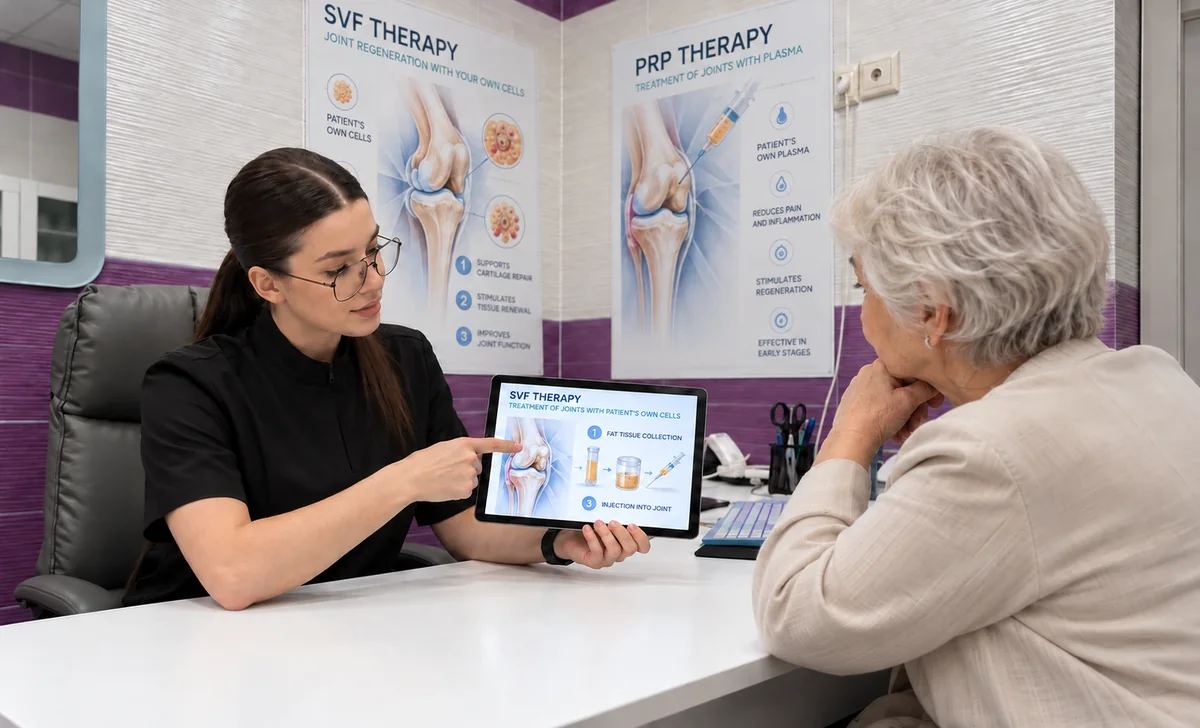
Doctors tend to choose it when the joint shows more pronounced changes and a more durable effect is wanted.
From a small blood sample, plasma rich in platelets and growth factors is separated and injected into the joint. It helps ease inflammation and creates a better environment for tissues to repair.
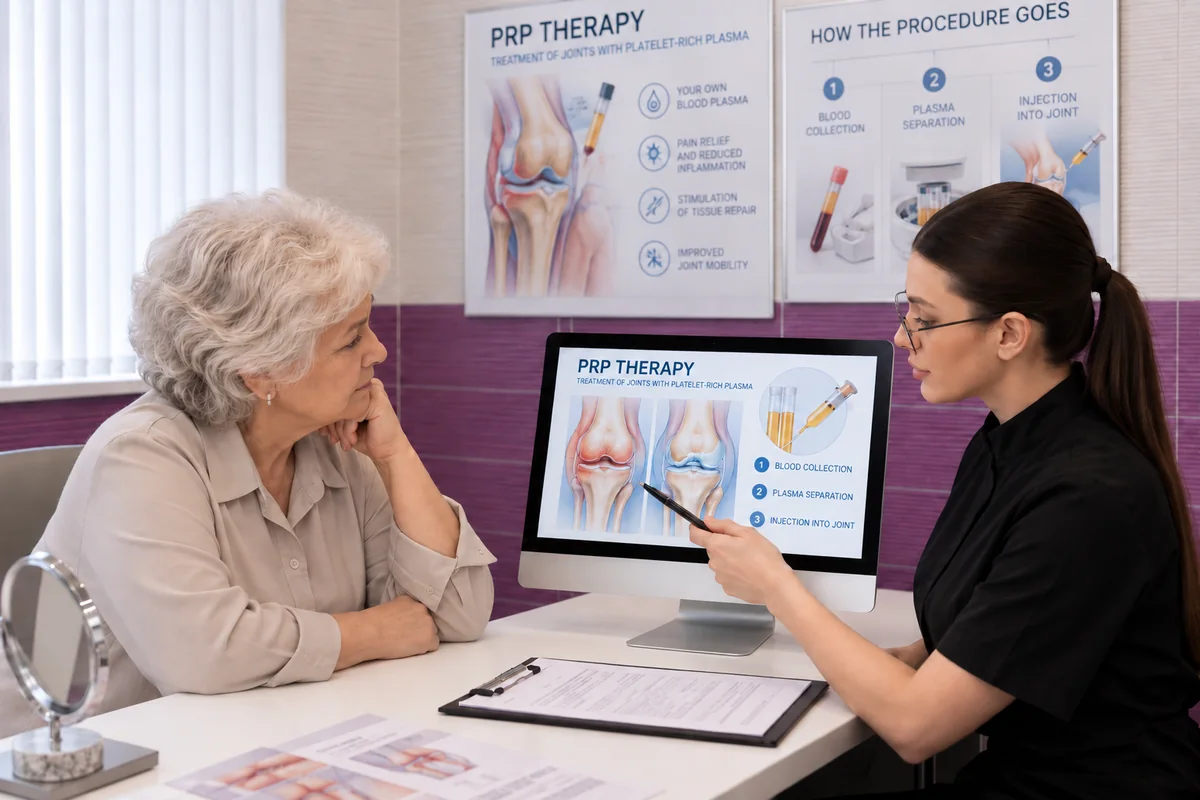
It can be a course of injections on its own or be combined with SVF.
The benefits and timings shown are averaged and given for guidance: the plan and recovery depend on your joint and individual features, and the doctor confirms them at the consultation.
At the consultation the doctor will review your scans and suggest a treatment plan
Free consultation
Joints
We treat large and small joints — which joint, which method and how many injections is decided by the doctor after a scan review
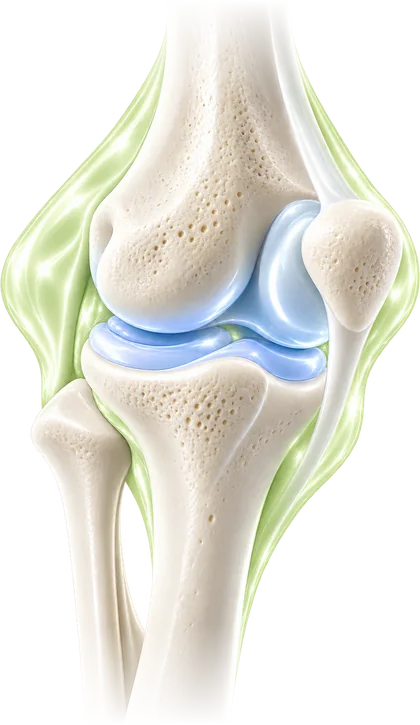 KneeMeniscus trouble, worn cartilage, pain when using stairs or after walking
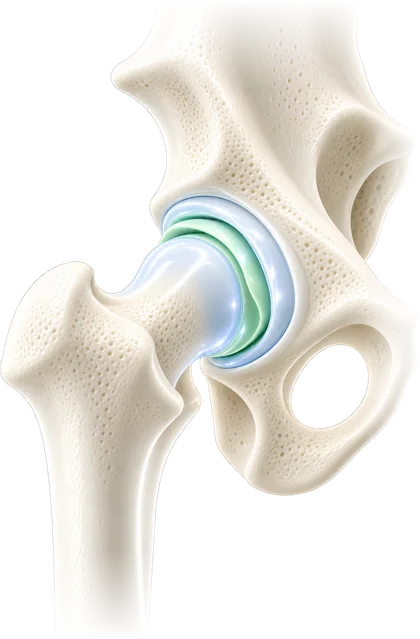 HipEarly hip osteoarthritis, groin pain, limited rotation
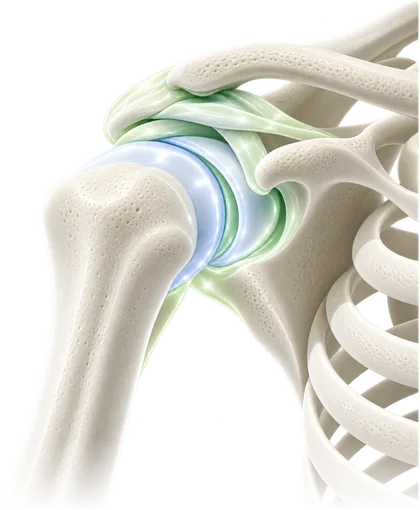 ShoulderPain on raising the arm and wear of the joint and nearby tendons
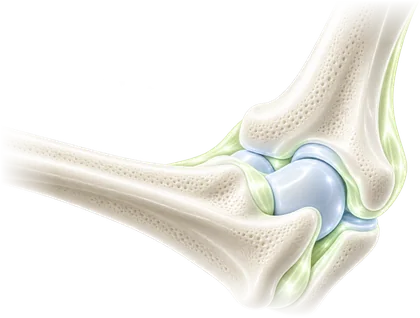 ElbowOveruse or sports-related pain and wear of the joint surfaces
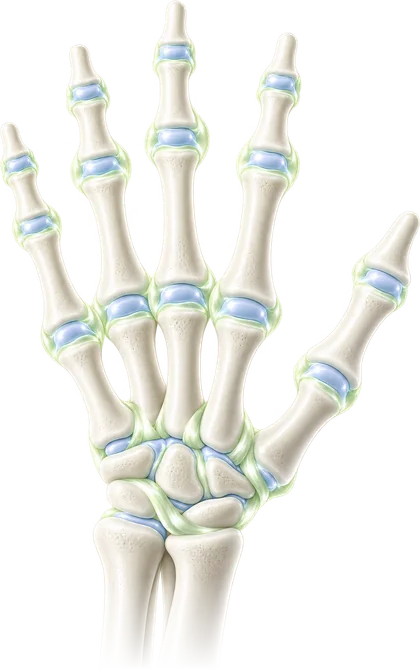 Hand and wrist jointsStiff, painful small joints in the fingers and wrist
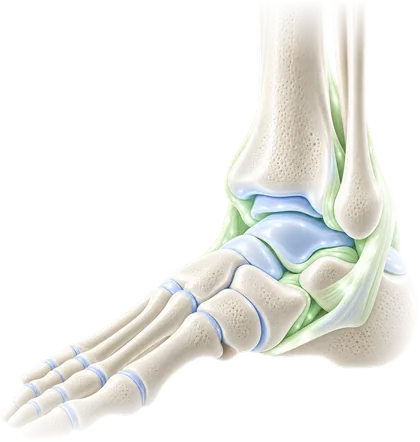 AnklePain and stiffness after sprains and old injuries
Advantages
Our aim is to keep your own joint, not replace it — treatment without surgery
We rely solely on your own blood and adipose tissue, without donor or synthetic material
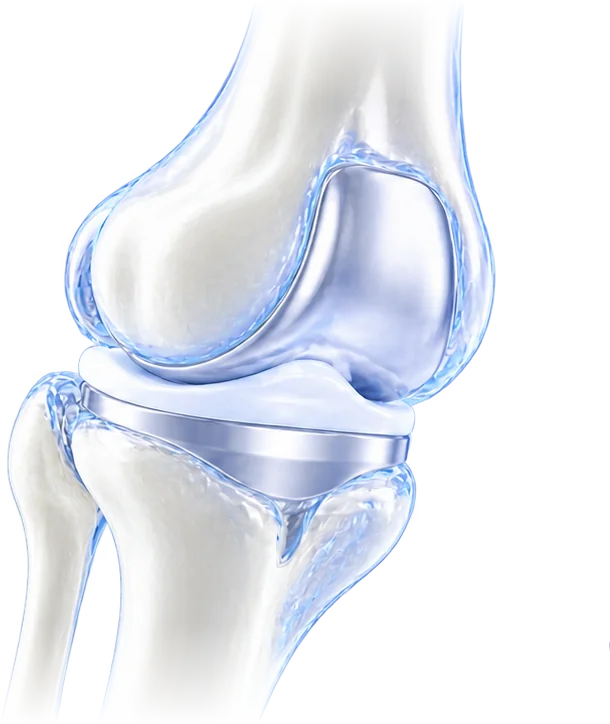
Punctures, not incisions; local anaesthetic; no prolonged rehabilitation
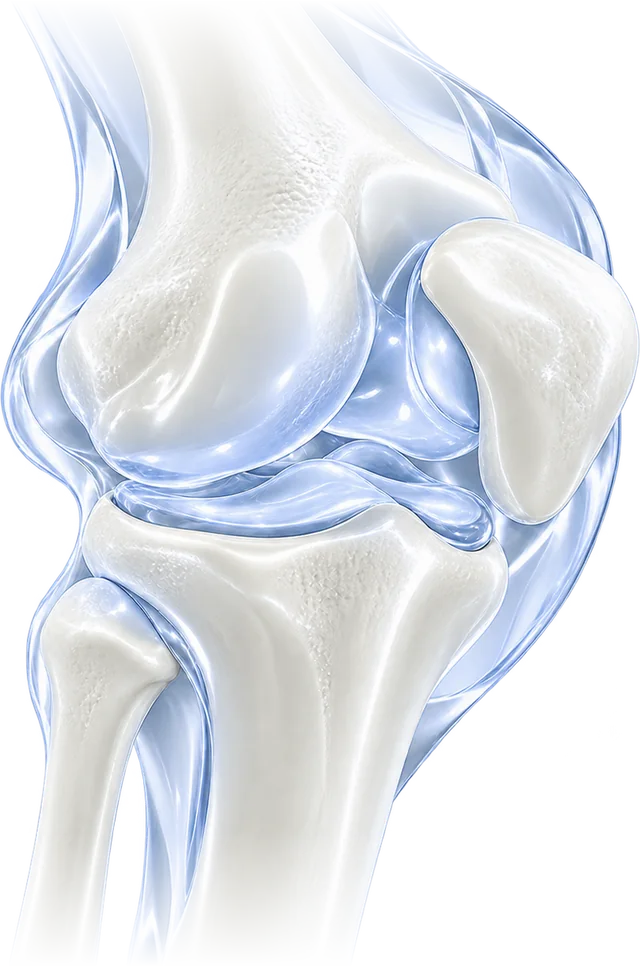
A doctor will independently assess your X-rays, MRI or reports free of charge once you send them
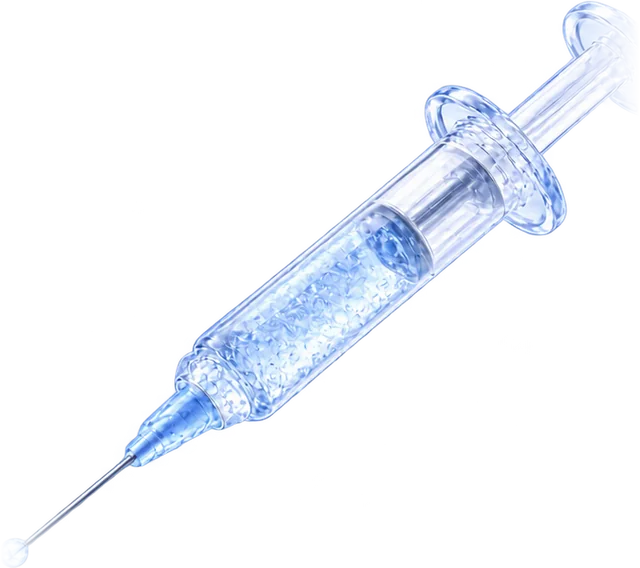
We keep following the result and stay in touch after the procedure, not only on injection day
About the clinic
Modern equipment, comfortable rooms and care for every patient
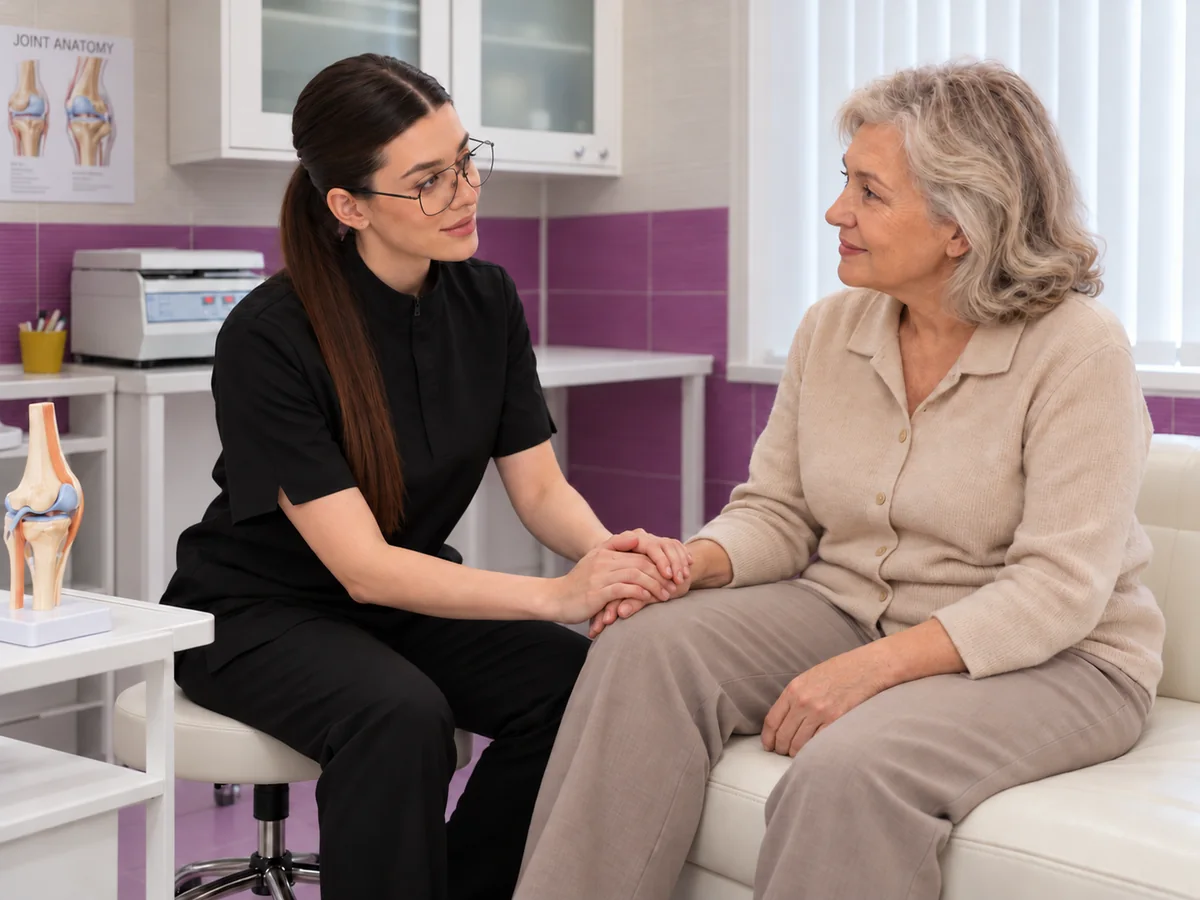
We will answer your questions and find a convenient time for a consultation
Price
Because the joint, the stage of the condition and the method all affect the cost, the doctor states it after the consultation
Free
Book — Consultation and review of your scansPrice at consultation
Book — PRP therapy (platelet-rich plasma)Price at consultation
Book — Cell therapy (SVF + PRP), one jointFAQ
PRP is platelet-rich plasma made from your blood; SVF is a fraction of cells isolated from a small sample of your adipose tissue. They act in different ways and are often used together for a stronger regenerative effect in the joint.
The risk of rejection or allergy is very low, since both methods use your own tissue. Like any injection, they can cause temporary pain, swelling or bruising, while infection happens rarely. At the consultation the doctor explains what the risks are for you.
It depends. PRP usually gives an effect lasting from several months to about a year; with SVF it can last longer. Because the stage of the condition and your body affect the duration, no one can promise a fixed result.
Cancer, acute infections, blood clotting disorders, pregnancy and a flare-up of a serious chronic illness all rule the procedure out. The doctor checks this at the consultation.
In early stages, a combination of PRP or SVF injections, exercise therapy and physiotherapy can reduce pain and improve movement. Where the joint is already badly damaged, replacement may be more realistic; the doctor will be honest with you once your scans are reviewed.
SVF therapy may be an option at early stages (1–2) to support blood supply to the femoral head and postpone joint replacement. At later stages, surgery is usually needed.
With early or moderate changes, trying to keep your own joint first is often the sensible path — a replacement means major surgery, lengthy rehabilitation, risks such as infection and implants that might eventually be redone.
Yes — send your X-rays, MRI, CT or medical reports, and a doctor will look at them free of charge, then tell you whether the procedure could suit you and what else may be needed.
In most cases within a day or two. No crutches, no long rehabilitation — the doctor recommends how to manage load and exercise in the first weeks.
PRP helps with shoulder joint and rotator cuff problems, and SVF may be considered when shoulder arthritis is more advanced. It depends on the cause of the pain — the doctor establishes it first.
About the conditions
Arthritis is an inflammatory disease of the joints. Typical signs are pain at rest and at night, morning stiffness lasting more than 30 minutes, swelling, redness and warmth over the joint. Causes include autoimmune conditions such as rheumatoid arthritis, infections, gout and psoriasis.
It is gradual wear of the cartilage that covers the ends of the bones in a joint. When the cartilage thins, the joint loses its cushioning, the bones rub against each other, and pain, stiffness and crunching appear. It is a degenerative condition, not an inflammatory one.
Osteoarthritis is wear of the cartilage: aching pain on movement, crunching, stiffness after rest. Arthritis is inflammation: pain at rest and at night, swelling, redness and warmth over the joint. The approach to treatment differs, so the diagnosis comes first.
The earlier the stage, the better the chance of a lasting effect. That is why patients from Emalahleni start with a review of their X-rays or MRI: the doctor assesses the joint and tells you honestly whether SVF or PRP is likely to help or whether another option is more realistic.
Most patients from Emalahleni go home the same day and return to normal daily activity within a day or two. During the first week the joint may ache a little more — this is an expected reaction. Pain usually eases over the first month.
Patients from Emalahleni can start with a free second opinion: send your X-rays, MRI, CT or reports, and a doctor will tell you whether SVF or PRP could help. The price of treatment is named at the consultation.
Emalahleni, also known as Witbank, sits on the Highveld of Mpumalanga and is the main city of the Emalahleni Local Municipality. Witbank was founded in 1890. In 2006 the Mpumalanga government renamed it eMalahleni, 'the place of coal', to match the municipality, and both names are in daily use. The name Witbank is Afrikaans for 'white ridge'. It comes from a white sandstone outcrop where wagon drivers once rested. The city's story is tied to coal, to the railway and to physical work, and that history shapes how people here think about their knees and hips.
As of 2011 (Statistics South Africa) the city's population stood at 108,674 people. In a city of that size, many families know someone who has put up with knee or hip pain for years, often because the job, the commute and family duties left little room for treatment. This text is for people in Emalahleni who want to understand joint treatment calmly before deciding anything. It covers conservative care, arthroscopy and joint replacement, and how each fits with working life in the city.
The City Medical Centre does not run a clinic in Emalahleni. What it offers residents is a free online consultation with coordinators who are available around the clock (24/7) on Telegram and Telegram. You can start from home, send your questions and scans, and prepare for a conversation with a surgeon without leaving the city.
Emalahleni lies in a coal mining area with more than 22 collieries in the municipal radius. Power stations such as Duvha and a steel mill nearby also depend on coal. Many local households therefore have someone in heavy industry, in transport or in maintenance. These jobs involve kneeling, climbing, lifting, long periods on concrete floors and getting in and out of vehicles. Over the years they can wear on the joints, and patients often say the pain first showed up at the end of a shift.
Work also shapes timing. A person on a physical job usually cannot go back to full duties the day after a procedure, and a desk job allows a different pace of return. When you speak to a surgeon, describe your real daily tasks in detail: how many hours you stand, whether you climb ladders, whether you drive. The surgeon can then judge whether conservative care is enough for now, whether arthroscopy makes sense, or whether replacement should be discussed.
Ask your employer early about sick leave rules and lighter duties. Planning this conversation before the procedure is far calmer than arranging it afterwards. The coordinators can help you write down the questions about work restrictions to put to the surgeon, so that the answers fit your actual job and not a general template.
The air of the region is affected by coal mining and by the power stations around the city. For someone recovering from a joint procedure, this is a practical matter. Dust and fine particles are a reason to keep the home clean, to ventilate sensibly and to avoid long walks on dusty roads during the first period of recovery. If you have asthma or another chest condition, tell the surgeon and the anaesthetist, because it can matter for the choice of anaesthesia and for how you rest afterwards.
Summer rainfall has been relatively high since 2008, and it has damaged many municipal roads, leaving potholes and debris on the surface. For a person with a new joint, or with a joint that has just been treated by arthroscopy, uneven ground is a genuine hazard. In the early weeks, plan short, safe walks on level surfaces, with the walking aid the surgeon recommends. Wet weather also makes smooth floors and steps more slippery, so non-slip footwear and dry entrances help.
Heat calls for general sense, not special rules. Loose clothing, light fabrics and shade help when you are going out. Swelling can increase when you stand a lot in warm conditions, so rest with the leg raised if the surgeon advises it. Follow the guidance on compression garments and wound care that your surgeon gives you. Do not swap it for advice from friends, however well meant.
Most people who contact us from the city begin with the same question: do I really need an operation? In many cases the first step is conservative care. This includes a proper diagnosis with examination and imaging, guided exercise, weight management, adjustment of activity, and medication chosen by a doctor. The purpose is to relieve pain, keep the joint moving and protect the muscles around it.
Weight is a topic worth raising honestly. The World Health Organization treats obesity and overweight as a health concern with broad effects on the body, and extra body weight puts additional load on knees and hips. A realistic plan for gradual weight reduction can be part of conservative care and also prepares the body for surgery if it becomes necessary. A surgeon can say how much it matters in your case.
Another frequent question is whether a painful joint is arthritis. Arthritis is an inflammatory disease of the joints. Typical signs are pain at rest and at night, morning stiffness lasting more than 30 minutes, swelling, redness and warmth over the joint. Causes include autoimmune conditions such as rheumatoid arthritis, infections, gout and psoriasis. Pain that comes only after activity and eases with rest points elsewhere, but only an examination can separate the possibilities. If you recognise the first set of signs, ask for an assessment rather than waiting.
Some patients ask about options that might delay replacement. At early stages (1–2), SVF therapy may be considered to support blood supply to the femoral head and delay the need for joint replacement. At later stages surgery is usually required. The stage is established by a specialist from your imaging and examination, so a scan taken in Emalahleni and sent online is the natural starting point for this conversation.
The procedure itself is gentle in outline. Under local anaesthetic, a small portion of adipose tissue (about 30 ml) is taken through a puncture on the abdomen or inner thigh. No stitches are needed. For a person with a busy week, the absence of a surgical wound at the donor site simplifies aftercare. Your surgeon will explain how the material is prepared and used, and what follow-up to expect.
Be wary of any suggestion that this approach suits everyone. It is considered for particular stages and particular problems, and it does not replace replacement when the joint is already badly damaged. A good question to put to the surgeon is: at which stage am I on my current images, and what happens if the condition progresses?
Arthroscopy is a keyhole approach used to look inside a joint and treat certain problems, and it is most often discussed for the knee. Joint replacement is a larger operation considered when the joint surface is badly worn and pain limits daily life despite conservative care. The centre's coordinators can explain the difference in plain language, but the decision belongs to you and the surgeon after reviewing your images.
Prepare your questions in writing before the consultation. Useful ones: What is the exact diagnosis and stage? Which options exist for my case, and why this one first? What type of anaesthesia is planned? How long is the hospital stay and how long until I can walk with support? What are the limits on sitting, kneeling and driving? When may I go back to my job and to sport? What complications are possible and how are they handled? What does follow-up look like once I am home in Emalahleni?
Candidates and contraindications are discussed in general terms first. Good candidates have a clear diagnosis, pain that affects sleep, work or walking, and have already tried reasonable conservative care. Active infection, uncontrolled chronic illness, some heart or blood conditions and unrealistic expectations can postpone or rule out an operation. Be completely open about your medical history, medicines and habits such as smoking, because they change both the plan and the recovery.
Choosing a season in Emalahleni is a matter of practicality. The rainy summer months bring slippery and damaged roads, which is a poor setting for the first weeks on a walking aid. Drier months make short outdoor walks easier, but dust in the air is a reason to stay careful. Whatever the season, the best time is when you can rest, when someone can help at home, and when you do not face a major work deadline or family event.
Family events and gatherings are central to life in the city, and so is food. Shared meals tend to be long and sociable, which means long sitting or standing and plenty of invitations. During early recovery, tell relatives plainly that you will keep gatherings short, sit with the leg supported and avoid carrying dishes. Nutrition also supports healing: sensible portions, enough protein and vegetables, and plenty of water help, and they also help with weight control, which matters for the joints.
Think about the household in advance. Arrange who will cook, drive and help with the stairs, and make the bathroom safe with a stable seat and non-slip mats. If you look after children or older relatives, line up help for the first period so you are not tempted to lift or hurry. A short list written with the coordinators before the procedure removes most surprises.
The first contact is free and takes place online. Write to the coordinators on Telegram or Telegram at any hour, since they are available 24/7. Describe the problem: which joint, how long the pain has lasted, what makes it worse, what treatment you have already tried, and what your job demands. Attach existing X-ray, MRI or CT images and reports if you have them. Clear photos or files are enough to begin.
The materials are passed to a specialist for review, and you receive an explanation of the likely stage, the options and the next steps. You can ask follow-up questions in writing, and the conversation continues at your pace. Nothing in this first stage commits you to a procedure. It is a way to understand your situation with a calm head, away from a crowded waiting room and without taking a day off work.
Because you stay in Emalahleni, follow-up questions after any procedure can also be handled remotely: you report how the joint feels, send photos of the area if needed, and ask about exercises and restrictions. Keep a note of your questions and of the surgeon's answers, and share them with a family member so that someone else at home understands the plan.
Return to work depends on the joint, the procedure and the job. A desk-based or light job usually allows an earlier return than work on foot, with climbing or lifting. Heavy industrial tasks of the kind common around the collieries and power stations need a longer and more careful plan, sometimes with temporary light duties. Ask the surgeon for specific written advice that you can show your employer.
Sport matters in a city that has followed football and rugby for decades, and many residents play or coach at amateur level. Do not go back to running, kicking or contact sport until the surgeon agrees. Walking, gentle cycling on a stationary bike and guided exercises usually come first, and a physiotherapist can build the programme step by step. Muscles around the joint need time, and rushing is a common cause of setbacks.
Everyday movement also deserves attention: getting in and out of a car, using steps, walking on uneven pavements, standing in queues at the shopping centre. Practise these with the aid recommended by the surgeon, and increase the load gradually. Pain, new swelling, redness or warmth around the joint is a reason to contact the coordinators and the surgeon promptly instead of waiting.
Yes. The consultation is online and free. Write to the coordinators on Telegram or Telegram, describe your problem and send your scans and reports. They are available 24/7, so you can do it when it suits your shift or family schedule.
Arthritis is an inflammatory disease of the joints. Typical signs are pain at rest and at night, morning stiffness lasting more than 30 minutes, swelling, redness and warmth over the joint. Causes include autoimmune conditions such as rheumatoid arthritis, infections, gout and psoriasis. Only an examination and tests can confirm the cause.
No. Many people begin with conservative care: diagnosis, exercise, weight management and medication chosen by a doctor. Arthroscopy or replacement is considered when the problem and the images justify it and simpler measures no longer help enough.
At early stages (1–2), SVF therapy may be considered to support blood supply to the femoral head and delay the need for joint replacement. At later stages surgery is usually required. The stage is determined by a specialist from your images.
Under local anaesthetic, a small portion of adipose tissue (about 30 ml) is taken through a puncture on the abdomen or inner thigh. No stitches are needed.
The air in the region is affected by coal mining and power stations, so it is sensible to keep the home clean, avoid long walks on dusty roads in the early period and tell your doctors about any chest condition. Follow the surgeon's instructions on wound care.
There is no single answer. Rainy summer months can leave roads slippery and damaged, which is awkward when you use a walking aid. Choose a time when you can rest, have help at home and do not face a major work or family deadline.
It depends on the joint, the procedure and your job, so the surgeon must give you individual advice. Heavy physical work and contact sport come later than office work or walking. Ask for written restrictions to show your employer.
Send existing X-ray, MRI or CT images and reports, a list of your medicines and illnesses, and a short description of your symptoms and daily work. If something is missing, the coordinators will tell you what else is useful.