


























Osteoarthritis in Bloemfontein: Treatment by Stage
Arthrosis of the knee, hip or another joint treated with SVF cells and PRP. Your X-rays or MRI are reviewed free of charge to confirm the stage
Message our coordinator
We reply right in the chat — you can send photos
Message us on TelegramMessage us on WhatsAppBy messaging us, you agree to our Privacy Policy
No surgery — an injection instead of an operation
Own tissue — your blood and adipose tissue

Ultrasound guidance for every injection

Free consultation
and review of your scans
What is osteoarthritis
(arthrosis)?
Osteoarthritis (arthrosis) is a long-term condition where the cartilage covering a joint slowly thins and wears down. Because cartilage cushions the joint, its loss lets the bones grind against one another, bringing pain, stiffness and reduced movement. The disease is degenerative, not inflammatory, though swollen flare-ups can occur.
It most often affects the joints that carry the most load — the knee (gonarthrosis) and the hip (coxarthrosis), as well as the ankle and the small joints of the hand. Treatment works best at early and moderate stages, before the joint surfaces are badly damaged; at an advanced stage the doctor will tell you honestly if joint replacement is the more realistic option.
No surgery — an injection instead of an operation
Ultrasound guidance for every injection
Free consultation and review of your scans
Joints we treat
Small and large joints are treated; the doctor determines the joint, method and number of injections after looking at your scans
Elbow
Pain after overuse or sports strain, wear of the joint surfaces
Hand and wrist joints
Stiffness and pain in the small joints of the fingers and wrist
Knee
Pain after walking and climbing stairs, worn cartilage, meniscus problems
Hip
Early hip osteoarthritis, groin pain, limited rotation
Ankle
Pain and stiffness after sprains and old injuries
Shoulder
Raising the arm is painful; wear of the joint and nearby tendons

Methods we use
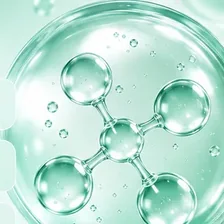
Cell therapy (SVF) from your own adipose tissue
A little of your adipose tissue is taken and processed so that the stromal vascular fraction (SVF) can be separated: cells that help tissues repair. This is combined with your own plasma and injected into the joint affected by the disease.
Most often it is applied in early and moderate osteoarthritis, helping slow the wear of cartilage and reduce friction in the joint.
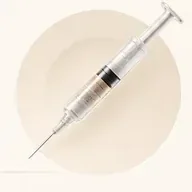
PRP — platelet-rich plasma from your own blood
Taken from a small amount of your blood, plasma rich in platelets and growth factors is injected into the joint. There it helps calm inflammation and sets up better conditions for tissue repair.
It is a common option in mild osteoarthritis and is combined with SVF where a stronger effect is needed.
How the procedure goes: step by step

Consultation and scan review
The doctor examines your joint, looks through your X-rays, MRI or ultrasound and decides whether the procedure is right for you. If you already have scans, you can send them ahead of the visit.

Blood sample for PRP
A small volume of venous blood is collected; from it, platelet-rich plasma with growth factors is prepared later on.
The doctor tells you in advance which tests are needed.

Adipose tissue sample
Under local anaesthetic, a small portion of adipose tissue (about 30 ml) is taken through a puncture on the abdomen or inner thigh. No stitches are needed.

Processing in a centrifuge
A centrifuge separates the sample into layers. From them the stromal vascular fraction is isolated and added to the platelet-rich plasma.
The whole procedure is done in one day.

Injection into the joint
The material is injected directly into the affected joint, guided by ultrasound for precise placement.

Follow-up
No crutches, no stay in hospital. The doctor keeps in contact after the procedure and watches how your joint responds.
Consultation and scan review
The doctor examines your joint, looks through your X-rays, MRI or ultrasound and decides whether the procedure is right for you. If you already have scans, you can send them ahead of the visit.
Blood sample for PRP
A small volume of venous blood is collected; from it, platelet-rich plasma with growth factors is prepared later on.
The doctor tells you in advance which tests are needed.
Adipose tissue sample
Under local anaesthetic, a small portion of adipose tissue (about 30 ml) is taken through a puncture on the abdomen or inner thigh. No stitches are needed.
Processing in a centrifuge
A centrifuge separates the sample into layers. From them the stromal vascular fraction is isolated and added to the platelet-rich plasma.
The whole procedure is done in one day.
Injection into the joint
The material is injected directly into the affected joint, guided by ultrasound for precise placement.
Follow-up
No crutches, no stay in hospital. The doctor keeps in contact after the procedure and watches how your joint responds.
Follow-up visits
Follow-up visits show the doctor how your joint responds so the plan can be adjusted; usually pain eases within the first month, mobility improves over about three months, and the full effect takes around six months to develop.
Get a consultation
Get a consultation at the clinic's expense when you apply before the end of the year!
Message our coordinator
We reply right in the chat — you can send photos
Message us on TelegramMessage us on WhatsAppBy messaging us, you agree to our Privacy Policy
Or message us in any messenger
Conditions we treat
A doctor examines you, reviews your scans and then decides whether the treatment is suitable
What we work with

Arthritis
Arthrosis
Avascular necrosis
Osteoarthritis
Gonarthrosis (knee osteoarthritis)
Coxarthrosis (hip osteoarthritis)
Meniscus pathology and injury
Rehabilitation after injuries and surgery
Inflammatory joint conditions
Contraindications

Cancer
Pregnancy
Blood clotting disorders
Acute infections, including infection in or near the joint
Flare-up of a serious chronic illness
Cancer
Pregnancy and breastfeeding
Serious heart, kidney or liver disease
Temporary contraindications: a fever, a cold or flu, or skin inflammation over the joint to be treated
Book a consultation
Message our coordinator
Call or message us —
our coordinator will contact you shortly
and book your consultation
We reply right in the chat — you can send photos
Message our coordinator
We reply right in the chat — you can send photos
Message us on TelegramMessage us on WhatsAppBy messaging us, you agree to our Privacy Policy
Book a consultation
Message our coordinator
Call or message us —
our coordinator will contact you shortly
and book your consultation
We reply right in the chat — you can send photos
After the procedure
Most patients are home the same day and resume normal daily life within a day or two, with small dressings on the punctures. Slightly more aching in the joint during the first week is an expected reaction. Over the first month pain usually eases; over about three months activity and mobility improve; over around six months the full effect develops. The duration of the result is individual, depending on the stage, body weight, activity and other factors — no one can promise a fixed outcome. Regular, joint-friendly exercise and a healthy weight help it last longer.
- 1 week
- 1 month
- ~3 months
- ~6 months
Why patients choose City Medical Centre
We work to keep the joint you have instead of replacing it, using treatment without surgery
Your own tissue
Your own blood and adipose tissue only; donor and synthetic material are not used

No crutches
Punctures instead of incisions, local anaesthetic, no long rehabilitation
Second opinion
Send us your MRI, X-rays or reports for an independent assessment by a doctor at no cost
Support after the procedure
After the procedure, we keep in touch and watch the result — our work does not end on the injection day
Get a consultation
Get a consultation at the clinic's expense when you apply before the end of the year!
Message our coordinator
We reply right in the chat — you can send photos
Message us on TelegramMessage us on WhatsAppBy messaging us, you agree to our Privacy Policy
Or message us in any messenger
Osteoarthritis treatment prices
Because the cost varies with the joint, the osteoarthritis stage and the method, the doctor names it after the consultation
Service
Price
Consultation and review of your scans
Free
Get a consultation
Get a consultation at the clinic's expense when you apply before the end of the year!
Message our coordinator
We reply right in the chat — you can send photos
Message us on TelegramMessage us on WhatsAppBy messaging us, you agree to our Privacy Policy
Or message us in any messenger
PRP therapy (platelet-rich plasma)
Price at consultation
Get a consultation
Get a consultation at the clinic's expense when you apply before the end of the year!
Message our coordinator
We reply right in the chat — you can send photos
Message us on TelegramMessage us on WhatsAppBy messaging us, you agree to our Privacy Policy
Or message us in any messenger
Cell therapy (SVF + PRP), one joint
Price at consultation
Get a consultation
Get a consultation at the clinic's expense when you apply before the end of the year!
Message our coordinator
We reply right in the chat — you can send photos
Message us on TelegramMessage us on WhatsAppBy messaging us, you agree to our Privacy Policy
Or message us in any messenger
Get a consultation
Get a consultation at the clinic's expense when you apply before the end of the year!
Message our coordinator
We reply right in the chat — you can send photos
Message us on TelegramMessage us on WhatsAppBy messaging us, you agree to our Privacy Policy
Or message us in any messenger
Get a consultation
Get a consultation at the clinic's expense when you apply before the end of the year!
Message our coordinator
We reply right in the chat — you can send photos
Message us on TelegramMessage us on WhatsAppBy messaging us, you agree to our Privacy Policy
Or message us in any messenger
Get a consultation
Get a consultation at the clinic's expense when you apply before the end of the year!
Message our coordinator
We reply right in the chat — you can send photos
Message us on TelegramMessage us on WhatsAppBy messaging us, you agree to our Privacy Policy
Or message us in any messenger
Get a consultation
Get a consultation at the clinic's expense when you apply before the end of the year!
Message our coordinator
We reply right in the chat — you can send photos
Message us on TelegramMessage us on WhatsAppBy messaging us, you agree to our Privacy Policy
Or message us in any messenger
Consultation and review of your scans
Free
Get a consultation
Get a consultation at the clinic's expense when you apply before the end of the year!
Message our coordinator
We reply right in the chat — you can send photos
Message us on TelegramMessage us on WhatsAppBy messaging us, you agree to our Privacy Policy
Or message us in any messenger
PRP therapy (platelet-rich plasma)
Price at consultation
Get a consultation
Get a consultation at the clinic's expense when you apply before the end of the year!
Message our coordinator
We reply right in the chat — you can send photos
Message us on TelegramMessage us on WhatsAppBy messaging us, you agree to our Privacy Policy
Or message us in any messenger
Cell therapy (SVF + PRP), one joint
Price at consultation
Get a consultation
Get a consultation at the clinic's expense when you apply before the end of the year!
Message our coordinator
We reply right in the chat — you can send photos
Message us on TelegramMessage us on WhatsAppBy messaging us, you agree to our Privacy Policy
Or message us in any messenger
Book a consultation
Message our coordinator
Call or message us —
our coordinator will contact you shortly
and book your consultation
We reply right in the chat — you can send photos
Book a consultation
Message our coordinator
Call or message us —
our coordinator will contact you shortly
and book your consultation
We reply right in the chat — you can send photos
Message our coordinator
We reply right in the chat — you can send photos
Message us on TelegramMessage us on WhatsAppBy messaging us, you agree to our Privacy Policy
Joint treatment: frequently asked questions
What is osteoarthritis in simple terms?
Osteoarthritis is slow wear of the cartilage over the ends of the bones inside a joint. Thinner cartilage means less cushioning, so the bones rub and you get pain, stiffness and crunching. It is degenerative, not inflammatory.
Can hip osteoarthritis be treated without surgery?
Often it can, as long as treatment is not postponed. SVF and PRP injections set out to reduce pain and support the cartilage, avoiding an operation; replacement of the joint is the last option when it is already destroyed.
How soon will I notice a result?
Many patients see the first changes 2–3 weeks after the procedure. A stable result takes about six months to form and can last from several months to several years, depending on the person. Because osteoarthritis is chronic, it needs an ongoing plan, not a single injection.
At which stage does the treatment work best?
At early and moderate stages. The milder the stage, the quicker and more lasting the effect tends to be, and it may reduce how often hyaluronic acid injections are needed. At the most advanced stage, when the joint space has nearly gone, a lasting effect should not be expected.
Which joints are most often affected?
The joints with the highest load, namely knees, hips and ankles, as well as the small joints of the hand and the spine. Regenerative treatment covers all of these joints.
What happens if osteoarthritis is left untreated?
Typically it progresses, with constant pain, more limited movement, possible joint deformity and difficulty walking. Early diagnosis, weight control, exercise and working together with a doctor make a real difference.
Which tests and scans are needed?
Mainly with an X-ray, which reveals the stage. MRI shows the cartilage and soft tissues in detail, ultrasound shows fluid and inflammation in the joint, and blood tests help rule out inflammatory conditions. If you have results already, the doctor can review them at no charge.
How is osteoarthritis different from arthritis?
With osteoarthritis the cartilage wears down: you get aching pain on movement, crunching and stiffness after rest. With arthritis there is inflammation: pain at rest and at night, swelling, redness and warmth over the joint. The treatment approach is different, so diagnosis comes first.
Can I get a consultation about my case?
Yes. After you send X-rays, MRI or test results, a doctor reviews them free of charge, gauges the stage of osteoarthritis and proposes a non-surgical plan if it suits your case.
Can I exercise with osteoarthritis?
Definitely yes. The right kind of activity strengthens muscles that unload the joint, supports cartilage nutrition and preserves mobility. Pick swimming, water aerobics, cycling, Nordic walking or yoga; steer clear of running on hard surfaces, jumping, heavy lifting and sudden movements.
Other services at our clinic
Osteoarthritis treatment in Bloemfontein step by step
For patients from Bloemfontein, the aim is to keep your own joint as long as possible. The milder the stage, the faster and longer-lasting the effect usually is, and it may reduce the need for regular hyaluronic acid injections.
Many patients in Bloemfontein notice the first changes 2–3 weeks after the procedure. A stable result forms over about six months and can last from several months to several years, depending on the individual.
A consultation is the first step for every patient from Bloemfontein. It is free, and after it you know the stage, the method and the cost of treatment.
This website uses cookies. By continuing to use it, you agree to the Privacy Policy and data processing terms
Get a consultation
Apply before the end of the year and get a consultation at the clinic's expense!
Message our coordinator
We reply right in the chat — you can send photos
Message us on TelegramMessage us on WhatsAppBy messaging us, you agree to our Privacy Policy