


























Bariatric surgeryChile5 min read
Did Carolina Soto have a gastric sleeve? Yes — and she explained her reasons
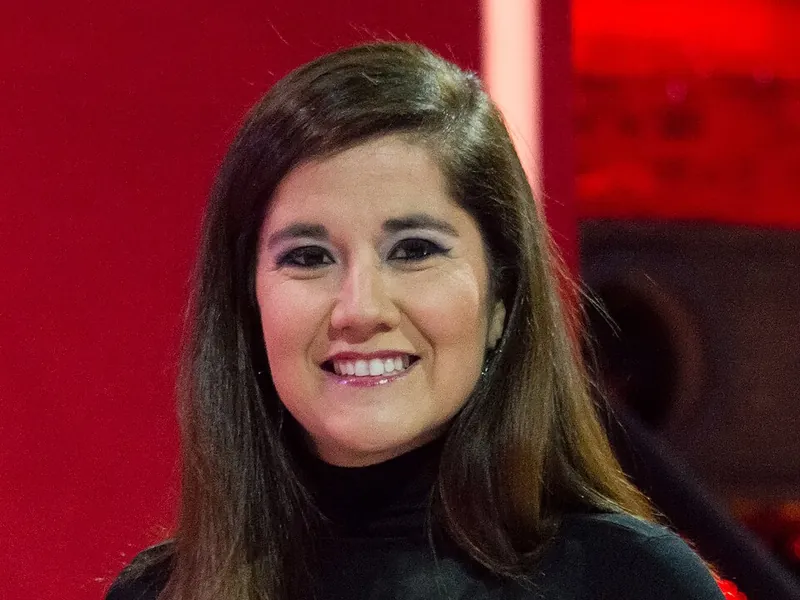
Carolina Soto, the Chilean singer who rose to fame on TVN's Rojo and later returned to the show as a coach, had tried to lose weight for her entire adult life. In March 2019 she had a gastric sleeve operation, and three months later she told the press, in detail, why she had finally done it. Here is what she said and how the surgery works.
By messaging us, you agree to our Privacy Policy
Medically reviewed by Andrey G. Ugay, lead bariatric surgeon. Review date: .
Key facts about the procedure
- Back to work2–4 weeks
- Stay in clinic1–5 days
- Final result18–24 months
- Price
$4,800from $3,600
Profile
Carolina Soto
- Country
- Chile
- Who
- Chilean singer, Rojo
- Year of operation
- 2019
- Quote source
- BioBioChile, 19 June 2019
What did Carolina Soto say about her gastric sleeve?
Interviewed by the newspaper Las Últimas Noticias three months after the operation, as reported by BioBioChile and Página7 in June 2019, Carolina Soto gave a reason many patients will recognise: “Me cansé de hacer dietas” — she was tired of dieting. She explained: “Llevo toda una vida haciendo dietas, y tuve trastornos alimenticios cuando fui más chica” — she had spent her whole life on diets and had had eating disorders when she was younger.
Bariatric Surgery Birmingham, Bariatric Surgery Dublin — price and consultation.
Price in your country — message us on WhatsApp
WhatsAppShe was also precise about her medical picture: “No tengo ninguna enfermedad preexistente, no tengo problemas con la insulina o algo similar” — no pre-existing illness, no insulin problems. Her body, not a diagnosis, had pushed her to the decision: “Mi cabeza se agotó. Me topé con personas que se hicieron esta operación” — her mind was exhausted, and she had met people who had had the operation. The result at three months: 22 kilos gone, clothing size from 42 to 38, and a new eating rhythm — “Estoy comiendo súper poquito pero cada tres horas”, very little but every three hours.
That is what this article relies on: her own words, quoted by the Chilean press. She did not name the clinic or the surgeon, so nothing is assumed here about her treatment. What follows describes the gastric sleeve in general.
What her story makes clear about the operation
Two of her points matter for anyone considering the sleeve.
More on this topic: Bariatric surgery with support all the way to your result, Gastric Sleeve (Sleeve Gastrectomy), Gastric Bypass (Roux-en-Y), Obesity Surgery in Singapore, Laparoscopic Bariatric Surgery in Benoni.
First, bariatric surgery is not only for patients with diabetes or other serious related conditions — it is also for people whose weight problem has resisted every diet and worn them down psychologically, as she described. The assessment weighs the whole history, not one number.
Second, the operation changes the container, not the habits. Her description of eating very little every three hours is exactly what the sleeve asks for: small portions, protein first, regular rhythm. Patients who keep that rhythm keep the result; those who return to old patterns can regain weight.

What bariatric options look like today
The gastric sleeve is one of several weight-loss operations, all chosen with a doctor after tests and consultations.
Gastric sleeve
- How it works
- Most of the stomach is removed, leaving a narrow tube
- Notes
- The most common operation today; permanent
Gastric bypass
- How it works
- A small pouch is connected to the small intestine
- Notes
- Larger operation; often favoured with reflux or diabetes
Gastric balloon
- How it works
- A soft balloon in the stomach limits portions; removed after about 6 months
- Notes
- Non-surgical placement; temporary by design
Which option fits depends on weight history, related conditions and eating patterns — a decision made at a consultation, not from a celebrity story.
Who is a candidate and how to prepare
Surgery is generally considered for adults with a body mass index above 40, or above 35 with serious related conditions, sometimes lower when other approaches have failed. Preparation is a process, not a formality:
- Assessment: blood and urine tests, biochemistry, coagulation panel, HbA1c, and reviews by a GP, endocrinologist, psychiatrist and cardiologist.
- Before the operation: cut fast carbohydrates and fats for two to four weeks and stop smoking a month before.
- Plan the first year: the surgical team follows the patient through the months of change — the follow-up is part of the treatment.
What the operation and recovery look like
The sleeve is done laparoscopically, through four small punctures of 5–15 millimetres, leaving a narrow tube where the stomach used to be. Patients stay at the clinic one to five days and are up and moving from the first day. Office work usually resumes in two to four weeks; physical work takes longer.
Food returns in stages — liquids, then soft food, then solids — over one to two months, and swimming is possible after about thirty days.
The final result is assessed over one and a half to two years. That is the honest timeline behind the twenty-two kilos Carolina Soto reported in her first three months — the fastest phase, which then settles into a slower, steadier curve.

How the first year after a gastric sleeve usually goes
- Day of surgeryLaparoscopic operation through four small punctures; observation at the clinic begins.
- Days 1–5Observation at the clinic; up and moving from the first day, liquids first.
- Weeks 2–4Return to office work; the diet moves from liquids to soft food.
- Months 1–2Solid food returns in small portions, protein first, regular rhythm.
- Months 3–6The fastest weight-loss phase, like Carolina Soto's first 22 kilos.
- Months 18–24The final result is assessed; stable habits keep it in place.
Bariatric treatment at City Medical Centre
City Medical Centre performs gastric sleeve and gastric bypass surgery for international patients, including patients from Santiago. The first consultation is free and can start online: the surgeon reviews your history and tests, agrees the operation, and the price is fixed in the contract before a date is booked. Prices start at $3,600 for a gastric sleeve, with gastric bypass from $4,000. The team follows up during the first year.
More details are on the bariatric surgery page and the page for patients from Santiago.
To be clear: City Medical Centre has no connection with Carolina Soto or her treatment. Her story is quoted here only because she chose to talk about her operation openly.
Frequently asked questions
Did Carolina Soto have a gastric sleeve?
Yes. She had the operation in March 2019 and spoke about it three months later, when she had lost 22 kilos and gone from size 42 to 38, as reported by BioBioChile and Página7.
Why did Carolina Soto have the operation?
She said she was tired of a lifetime of dieting, had a history of eating disorders, and her mind was exhausted. Meeting people who had had the operation convinced her to research it seriously.
Did Carolina Soto have any related illness?
No. She said she had no pre-existing disease and no insulin problems — the decision came from her weight history and her exhaustion with diets, not from a diagnosis.
How fast do patients lose weight after a gastric sleeve?
The first months are the fastest — Carolina Soto lost 22 kilos in about three months — and the curve then settles, with the final result assessed over one and a half to two years.
What bariatric surgery is available at City Medical Centre?
Gastric sleeve surgery from $3,600 and gastric bypass from $4,000, with the price fixed in the contract after a free consultation.
Sources
What the article says about the celebrity is based only on these public statements.
- BioBioChile, 19 June 2019
- Página7, 19 June 2019
Medical background and further reading
General information about the procedure from health authorities and medical societies. It is not advice for any individual patient.
- PubMed / NCBI — Benefits and Risks of Bariatric Surgery in Adults: A Review (JAMA, 2020)
- PubMed / NCBI — Laparoscopic sleeve gastrectomy vs Roux-en-Y gastric bypass: systematic review and meta-analysis (2016)
- World Health Organization — Obesity and overweight
- American Society for Metabolic and Bariatric Surgery — Bariatric Surgery Procedures
How we prepare and review medical content · Medical disclaimer
Considering the same operation? Get a free consultation
Message a coordinator on Telegram: we reply right in the chat, and you can send photos and questions there too.
- The first consultation is free, online consultations are available
- The doctor names the cost after the assessment, and it is fixed in the contract
- A personal coordinator guides you from the first message to recovery
Message our coordinator
We reply right in the chat — you can send photos
Message us on TelegramMessage us on WhatsAppBy messaging us, you agree to our Privacy Policy
Read also
 Bariatric surgery
Did 'Coronel' Valverde have bariatric surgery? Yes, and he explained why
Chilean comedian Marcelo 'Coronel' Valverde announced his bariatric surgery in July 2024. His words, how gastric bypass works and what recovery involves.
 Gastric bypass
Al Roker and gastric bypass: twenty years of talking about it honestly
Al Roker had gastric bypass surgery in March 2002 and has talked about it for 20 years. His words, how the operation works and what recovery involves.
 Bariatric surgery
Did Billy Gardell have bariatric surgery? Yes — and he says it saved his life
The Mike & Molly star had bariatric surgery in 2021 after a diabetes diagnosis. His quotes on the decision, the 100-pound loss and his children.
 Bariatric surgery
Gastric Sleeve vs Gastric Bypass: Differences, Weight Loss, Risks and Cost
Gastric sleeve vs gastric bypass compared: how each works, weight loss by the clinic's figures, side effects, who each suits, recovery, travel and cost.