Thika and the question of a tummy tuck
Thika is an industrial town and commerce hub in Kiambu County, northeast of Nairobi, close to where the Thika and Chania Rivers meet. The 2019 National Census recorded a population of 279,429, and the town is growing rapidly. In a place that is busy and expanding, many people live at a fast pace: they work, run small businesses, study and look after families. A tummy tuck (abdominoplasty) in that kind of life is a decision to plan around real obligations, not only a wish about appearance.
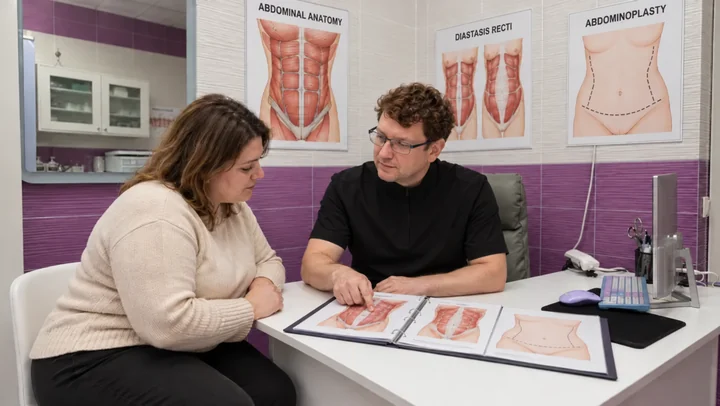
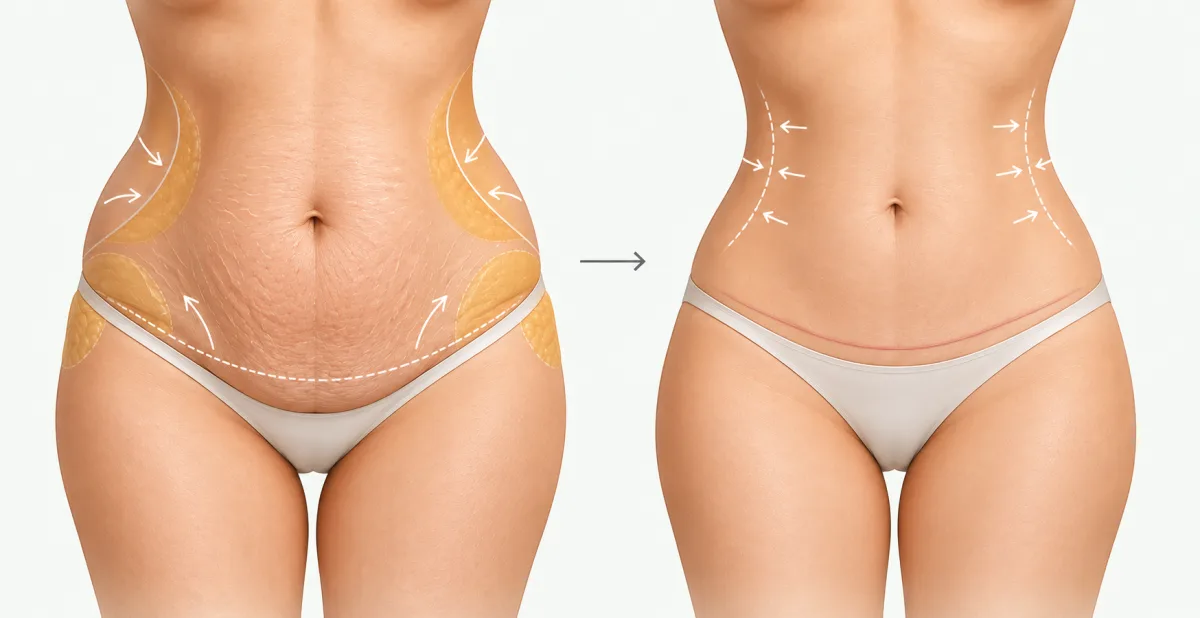
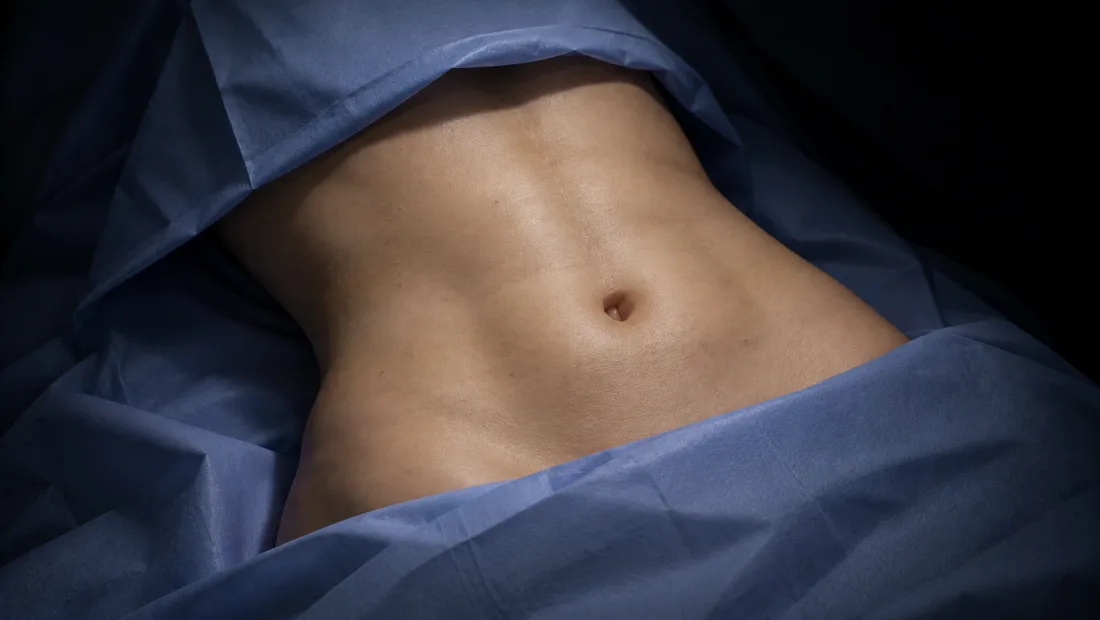
People in Thika usually come to the topic after pregnancies and childbirth, after significant weight loss, or after years of living with loose abdominal skin and a stretched abdominal wall that diet and exercise no longer change. The operation removes excess skin and fat and can tighten the muscles, so the abdominal contour changes. It is surgery under general anaesthesia, not a cosmetic shortcut, so the first conversation should be honest and unhurried.
City Medical Centre works with patients from Thika through a free online consultation. Coordinators are available 24/7 on Telegram and Telegram, so a question that comes up in the evening after work or early in the morning before the children wake can be sent at once. You do not need to rearrange your week in Thika just to ask whether you may be a candidate.
Climate in Thika and how it shapes recovery
Thika has a subtropical highland climate with sunshine most of the year and an average annual temperature of 19.8 °C. Its elevation is approximately 1,631 metres, which is why the town feels milder than many people expect from an equatorial country. For a patient recovering from a tummy tuck, a moderate climate helps: you are less likely to be stuck in heavy heat while wearing a compression garment around the clock.
The hottest period is March and April, leading into the long rains. If the first weeks of recovery fall in those months, expect warmer days and plan breathable clothing worn over the garment, plenty of rest in the shade, and no strenuous walking in midday sun. Heat can make swelling feel more uncomfortable, and sweating under a garment needs careful skin care, which your surgeon will explain.
July is the coolest month. Many patients find cooler weather easier for wearing a garment continuously. Cooler days also make it simpler to stay at home, rest and keep to the rule of avoiding physical exertion in the first 2–3 weeks. This is general advice; the final choice of month depends on your health, your schedule and the surgeon's recommendation.
Rainy seasons, dust and everyday movement
The long rains in Thika run from March or April to May or June, and the short rains come from October to November or December. During wet weeks, paths can be slippery. After a tummy tuck you must avoid sudden movements and heavy lifting during the first 2–3 weeks, so a slip, a rushed step or carrying a wet umbrella and a bag at the same time is exactly what you want to avoid. Arrange for someone to help with shopping and school runs.
Wet weather also affects dressings and skin. Keep the dressings dry, follow the aftercare advice you receive, and do not go out just because the sky looks clear for a moment. If you must leave home for a check-up or an urgent matter, plan to be driven rather than walk long distances in rain.
In drier spells, dust is the issue. Dust and dirt on hands, clothes or the garment can irritate healing skin. Wash your hands before touching dressings, change clothes that have been outdoors, and keep the garment clean according to the surgeon's instructions. Ask your coordinator which hygiene steps matter most for your home setting.
Choosing the season and planning around Thika life
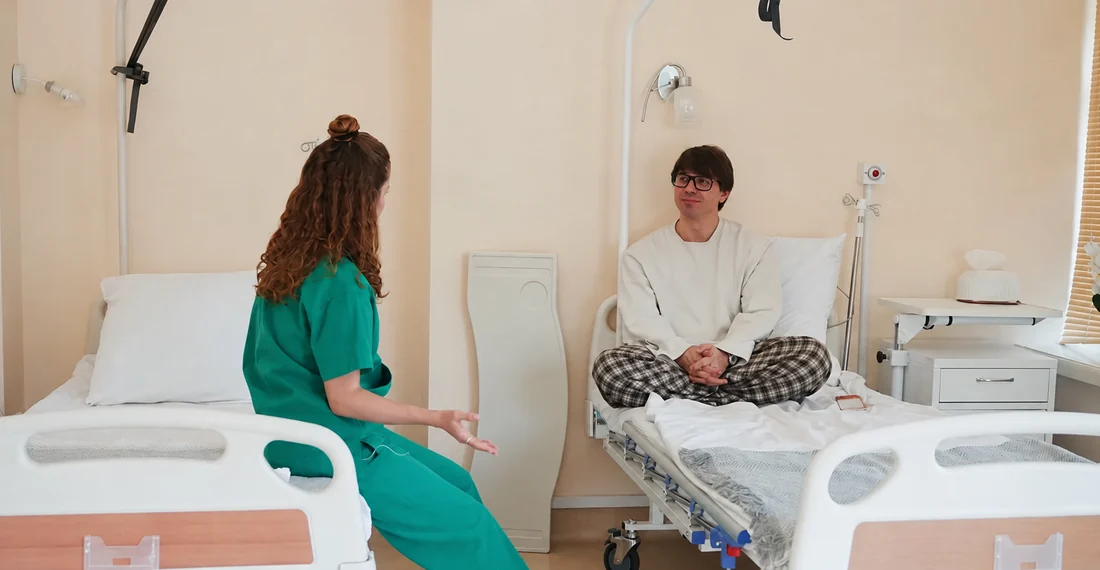
There is no single correct month for a tummy tuck in Thika. The better question is which weeks in your calendar can be kept quiet. After surgery the patient stays for 1–3 days in a comfortable hospital ward with meals, under medical supervision, and then continues recovery at home. For a mini tummy tuck, one day is usually enough. Back to work after 2–3 weeks is the general expectation for office-type duties.
Think about the rhythm of the year: school terms, family events, the busy periods of your own work, and the rainy seasons described above. If you run a shop or a small enterprise in a busy commercial town like Thika, line up someone you trust to cover the first weeks. If you work in an office, discuss it with your employer in advance and keep the dates flexible, because the surgeon sets the real timeline.
Preparation is a must. You stop smoking, drinking alcohol and taking medicines that affect blood clotting 7–10 days before the operation. The pre-surgery check-up covers blood tests, ECG, leg vein ultrasound and consultations with a GP and anaesthetist. Get it done in advance, not the day before. Tests usually stay valid for 10–14 days, so the order in which you do them matters, and your coordinator can help you plan it.
Work, study, family and food in the first weeks
Thika has the largest economy in Kiambu County. That means many patients have jobs that depend on being present: supervising staff, serving customers, working at a desk, or managing logistics. The recovery milestones help to plan: after 2–3 weeks you can do office work, by 1.5–2 months swelling and tightness pass, and at 6–12 months, with the tissues fully adapted, the final result and scar are assessed.
Students should think about the same milestones. Sitting for lectures is possible earlier than carrying a heavy bag across a campus. Ask someone to carry your books and laptop in the first 2–3 weeks. If an exam period is near, schedule surgery after it, not before.
Family life also changes for a short time. Lifting small children is heavy lifting for the abdomen, so parents need help with toddlers during the early weeks. Shared family meals continue, but plan simple, light food that is easy to digest and ask relatives to cook so you do not stand long at the stove. Alcohol is out for at least a month, which matters at celebrations and gatherings, so tell your family in advance and have a non-alcoholic drink ready.
Sport, fitness and the rules after surgery
The rules after a tummy tuck are the same for everyone. For the first 2–3 weeks you avoid physical exertion, heavy lifting and sudden movements. Sauna, steam bath, pool, tanning beds, alcohol and smoking are out for at least a month. Sport is resumed gradually, with the surgeon's approval only, and compression garments are worn for another 4–8 weeks.
Thika has green surroundings, rivers and waterfalls nearby, such as Chania Falls and Fourteen Falls on the River Athi, and Ol Donyo Sabuk National Park lies to the southeast. Such places are tempting for walks and outings, but the first weeks are not for climbing or long hikes. Gentle walking at home is the start; leave the falls and the park until the surgeon allows more activity.
Golf and sports clubs also exist in the greater Thika area. Patients who play regularly should ask the surgeon when swinging, running or gym work is realistic, and accept that the answer is individual. Returning too early is a common reason for discomfort and slow healing. It is better to return later and stay steady than to rush.
The compression garment, heat and daily comfort
The compression garment is a requirement. Recovery is worse without it because it supports the tissues and reduces swelling. The first 3–4 weeks it stays on around the clock, then during the daytime for roughly a month more. Your operating surgeon will name the exact period.
In a climate with sunshine most of the year, comfort matters. Choose loose cotton clothing in light colours over the garment, keep a spare garment so one can be washed and dried, and avoid direct strong sun on the skin. During the hottest period in March and April you will notice the garment more, so rest in a cooler room and drink enough water. In the cooler weeks around July it is easier to keep to the schedule.
Sleep is part of comfort too. Ask your surgeon how to position yourself in bed and how to rise without straining the abdomen. Keep your phone with the coordinator chat within reach, since the team is available 24/7, and send a message when something about the garment, dressing or swelling seems unclear.
Who is a candidate and how the online consultation works
You must be at least 18, with no contraindications. No upper limit exists; at the clinic each case is considered individually, after an examination and health assessment. In general terms, people who plan future pregnancies, who smoke and will not stop, or who have conditions that affect healing or clotting need a careful discussion, and some may be advised to wait. Do not decide on your own in either direction.
The consultation from Thika is online and free. You write to a coordinator on Telegram or Telegram at any hour, since coordinators work around the clock, send photographs and a short medical history, and then discuss with the surgeon whether a classic or a mini tummy tuck suits you. Easy booking and a personal approach mean the plan is adapted to your pace.
After surgery you get a recovery programme. Check-ups at 7 days, 3 and 6 months help track your recovery. The surgeon follows your recovery and the changing abdominal contour at those check-ups. Check-ups, dressings and aftercare advice are already included in the price of surgery, and until the end of the year you can get a post-surgery consultation with your surgeon to review results, at the clinic's expense.
Commuting, errands and the Thika-Nairobi corridor during recovery
Thika lies northeast of Nairobi on the main highway, and many residents have working lives that connect the two. If your daily routine includes long hours in a vehicle, plan the early weeks of recovery differently. Sitting for a long time in traffic, getting in and out of a minibus or climbing steps with a bag involves the sudden movements and lifting that the surgeon asks you to avoid during the first 2–3 weeks.
A practical approach is to ask your employer or colleagues in advance for flexible arrangements, and to arrange for a relative or friend to do errands that would normally take you across town. Back to work after 2–3 weeks is the general guide for office duties, but a commute is part of the working day, so tell the surgeon about your real route and schedule during the online consultation.
Keep the compression garment on during any necessary outing, carry water, and avoid standing in crowded places for long. If something feels wrong on the way, message the coordinators, who are available 24/7 on Telegram and Telegram.
Home, help and a quiet room in a growing town
Thika is growing rapidly, and many households combine work, children and extended family under one roof. That can be a strength during recovery, because help is close, but it also means noise, visitors and constant requests. Decide beforehand who will cook, who will take care of children and who will answer the door.
Prepare one room before the operation: a bed that is easy to get out of, a table with water, medicines recommended by the surgeon, clean dressings supplies as advised, a spare compression garment and your phone. Stay in hospital lasts 1–3 days, so everything should be ready when you return home.
Visitors are common in family life, and a polite wish for rest is understood. Ask people to visit briefly, not to hug tightly around the abdomen and not to ask you to host. Sauna, steam bath, pool, tanning beds, alcohol and smoking are out for at least a month, so those social habits need a short pause.
Scars, clothing and confidence after the operation
Many patients from Thika ask about the scar and what they can wear. The scar is assessed at 6–12 months, when the tissues are fully adapted, so early appearance is not the final picture. Swelling and tightness pass by 1.5–2 months, and clothing often feels more comfortable from that stage.
In the early weeks choose loose, soft clothes that do not press on the wound. Keep out of strong sunshine with the scar uncovered; Thika has sunshine most of the year, so ask the surgeon how to protect the scar area and when it is safe to expose it.
Confidence grows gradually. Ask the surgeon to show you what to expect at each check-up, after 7 days, 3 and 6 months, and use those visits to raise any question about the scar or the contour.
Thika's rivers, falls and the temptation of weekend outings
Thika sits on a gentle plain before the ascent into the central highlands, and small valleys along the Chania and Thika Rivers run along its western and northern edges. These rivers have many waterfalls and meet on the northwestern edge of town. For residents, this green setting is part of everyday leisure: a Sunday walk, a family picnic, a visit to Fourteen Falls, which lies on a broad section of the River Athi. After a tummy tuck, this is exactly the kind of habit that needs a pause.
In the first 2–3 weeks you avoid physical exertion, heavy lifting and sudden movements. Uneven ground near a river, steps cut into a slope, a jolting drive on a side road and a crowd at a viewpoint all involve the twisting and bracing that the abdomen should not have to do while it heals. A quiet walk around the house or the compound is a better start than any scenic outing.
Water deserves a separate word. Pool, sauna and steam bath are out for at least a month, and the same caution is sensible for any open water until the surgeon confirms that the wound has healed. Plan the first outings to the falls for a later stage, and ask the surgeon at the 3-month check-up whether a longer walk with some climbing is reasonable for you.
Friends often propose a visit to Ol Donyo Sabuk National Park to the southeast. Treat it as a goal for the later recovery stage, not for the first weeks, and tell your friends in advance so that nobody is disappointed.
Talking to your employer, colleagues and customers in Thika
Thika is an industrial town and commerce hub, so many patients are either employees of a larger business or the owners of a small one. Both groups face the same practical question: how to explain a gap of a few weeks. You do not have to share every detail. A short and calm statement that you are having planned surgery and will be back to office-type work after 2–3 weeks is usually enough, and it gives your team time to organise cover.
If your work involves standing, lifting stock, driving or supervising a production floor, say so clearly during the online consultation. The surgeon can only give a realistic timeline if he knows what your working day actually contains. The milestone of office work after 2–3 weeks is not the same as a return to heavy duties, and a gradual restart often works better than a sudden full load.
Shop owners and traders can prepare a written list: who opens, who handles suppliers, who deals with cash and who answers the phone. Put the list in the shared chat of your family or staff, so that you are not interrupted every hour with questions during the first quiet days.
Employees may prefer to arrange the dates in advance with a manager and keep a flexible window. Check-ups at 7 days, 3 and 6 months are planned in the recovery programme, so tell your employer early that you will need short absences or calls on those days.
Family expectations, privacy and honest conversations
In a growing town where several generations often live close to each other, a decision about surgery can become a family topic very quickly. Some relatives will offer support, others will ask why you need the operation at all. Decide in advance how much you want to share and with whom, and choose one or two people who will actually help in the first weeks.
A husband or wife, a sister or a close friend can be a real support: collecting you from hospital after the 1–3 days of supervision, helping with the garment, preparing meals and taking over the school run. Speak with this person before the operation and read the rules together, so that they understand why you cannot lift a child or a heavy pot even when you feel better.
If you have doubts, bring them to the online consultation. The coordinators are available 24/7 on Telegram and Telegram, and the consultation is free, so there is no reason to carry a worry for weeks. Questions about pregnancy plans, earlier operations or chronic conditions are best asked before booking, not after.
Remember that the decision belongs to you, and the surgeon will assess it individually after an examination and health assessment. Pressure from relatives, in either direction, is not a medical argument.
After the first months: what to watch and when to ask
Recovery does not end when you return to work. By 1.5–2 months swelling and tightness pass, and at 6–12 months, with the tissues fully adapted, the final result and scar are assessed. During this long period it is normal to have days when the abdomen feels tight or looks uneven. Write down what you notice and bring it to the check-ups at 3 and 6 months.
Thika has sunshine most of the year, so protect the scar area from strong sun as the surgeon advises, and avoid tanning beds completely for at least a month. Keep wearing the garment for the period named by your operating surgeon, and do not stop earlier because the weather is warm or the clothes feel tight.
Return to sport is gradual and only with the surgeon's approval. If you play golf, run, or train at a gym in the greater Thika area, agree a step-by-step plan with the surgeon and follow it even when you feel strong. Until the end of the year you can use a post-surgery consultation to review results, at the clinic's expense, so use it to ask everything that remained unclear.
Weight, health and questions to ask your surgeon
The World Health Organization treats overweight and obesity as a major health concern, and a tummy tuck is not a method of losing weight. If you are still losing or gaining weight, tell the coordinator, because stable weight helps the surgeon plan the result. Thika residents often come after weight change or pregnancy, and this honest discussion is part of a safe plan.
Useful questions for the surgeon: Which type of tummy tuck suits my body, classic or mini? How long will I stay in hospital? Which tests do I need and in what order? When can I return to work and to sport? How long will I wear the garment? What will my scar look like and when is it assessed? What should I do if swelling, pain or dressings worry me at home?
Expect clear answers. The first changes appear 2 weeks after surgery as the main swelling subsides, followed by two checkpoints: the interim result at 1.5–2 months and the final contours at 6–12 months. Write your questions down before the online call and ask the coordinator to confirm the plan in writing in the chat, so you can read it again during recovery at home in Thika.
How soon can I return to work in Thika after a tummy tuck?
For office-type work, the general expectation is back to work after 2–3 weeks. Jobs that involve lifting, long standing or physical effort need more time, and the surgeon gives the final permission at your check-up.
How long will I be in hospital?
General anaesthesia is used, with up to 3 days in hospital. A classic tummy tuck means 1–3 days under medical supervision in a comfortable ward with meals; for a mini tummy tuck, one day is usually enough. Recovery then continues at home with scheduled check-ups.
What are the rules in the first weeks?
For the first 2–3 weeks you avoid physical exertion, heavy lifting and sudden movements. Sauna, steam bath, pool, tanning beds, alcohol and smoking are out for at least a month. Sport is resumed gradually, with the surgeon's approval only.
Do I have to wear a compression garment, even in warm weather?
Yes, it is a requirement. Recovery is worse without it because it supports the tissues and reduces swelling. The first 3–4 weeks it stays on around the clock, then during the daytime for roughly a month more. Your surgeon names the exact period, so choose loose, breathable clothing over it in the warm months.
How should I prepare before surgery?
Preparation is a must. Stop smoking, drinking alcohol and taking medicines that affect blood clotting 7–10 days before. The pre-surgery check-up covers blood tests, ECG, leg vein ultrasound and consultations with a GP and anaesthetist. Get it done in advance, not the day before.
Which tests are needed?
The list is identical for all: blood and urine tests, coagulation panel, biochemistry, infection tests, ECG, chest X-ray, ultrasound of the leg veins and a GP's report. The exact list comes from the surgeon at the consultation, and tests usually stay valid for 10–14 days.
When will I see the result?
The first changes appear 2 weeks after surgery as the main swelling subsides. The interim result comes at 1.5–2 months and the final contours at 6–12 months, when the tissues are fully adapted and the final result and scar are assessed.
Am I too old or too young for a tummy tuck?
You must be at least 18, with no contraindications. No upper limit exists; each case is considered individually, after an examination and health assessment.
Which follow-up check-ups are planned?
The surgeon follows your recovery and the changing abdominal contour at check-ups after 7 days, 3 and 6 months. Dressings and aftercare advice are already included in the price of surgery, and until the end of the year you can get a post-surgery consultation to review results.
How do I start the consultation from Thika?
Write to the coordinators on Telegram or Telegram. They work 24/7, the online consultation is free, and booking is easy and adapted to your pace.
Can I take a minibus or a matatu soon after the operation?
Ask the surgeon for your specific case. In the first 2–3 weeks you avoid physical exertion, heavy lifting and sudden movements, so crowded or bumpy rides are best avoided. Arrange a lift with someone you trust for the check-ups.
Does the rainy season change when I should have the operation?
It can influence comfort, not safety rules. Wet weather makes paths slippery and dressings harder to keep dry, so some patients prefer drier or cooler weeks. The surgeon and your calendar decide the final choice.
Can the coordinators help me plan around my family and work in Thika?
Yes. Coordinators work 24/7 on Telegram and Telegram, the consultation is free, and the plan is adapted to your pace, including work, family and the sequence of tests.
Can I visit Fourteen Falls or Chania Falls soon after the operation?
Not in the first weeks. For 2–3 weeks you avoid physical exertion, heavy lifting and sudden movements, and uneven ground near falls makes these movements more likely. Pool and similar water activities are out for at least a month. Ask the surgeon at a check-up when a longer outing is reasonable.
How should I tell my employer in Thika about the operation?
A short, calm statement is enough: you are having planned surgery and expect to be back to office-type work after 2–3 weeks. Describe your real duties to the surgeon during the online consultation, so the timeline fits your job, and mention the check-ups at 7 days, 3 and 6 months.
Who should help me at home after the hospital stay?
Choose one or two reliable people, such as your husband or wife, a relative or a close friend. They should help with cooking, children, shopping and the garment, and they should know the rules: no lifting, no sudden movements and no alcohol or smoking for at least a month.

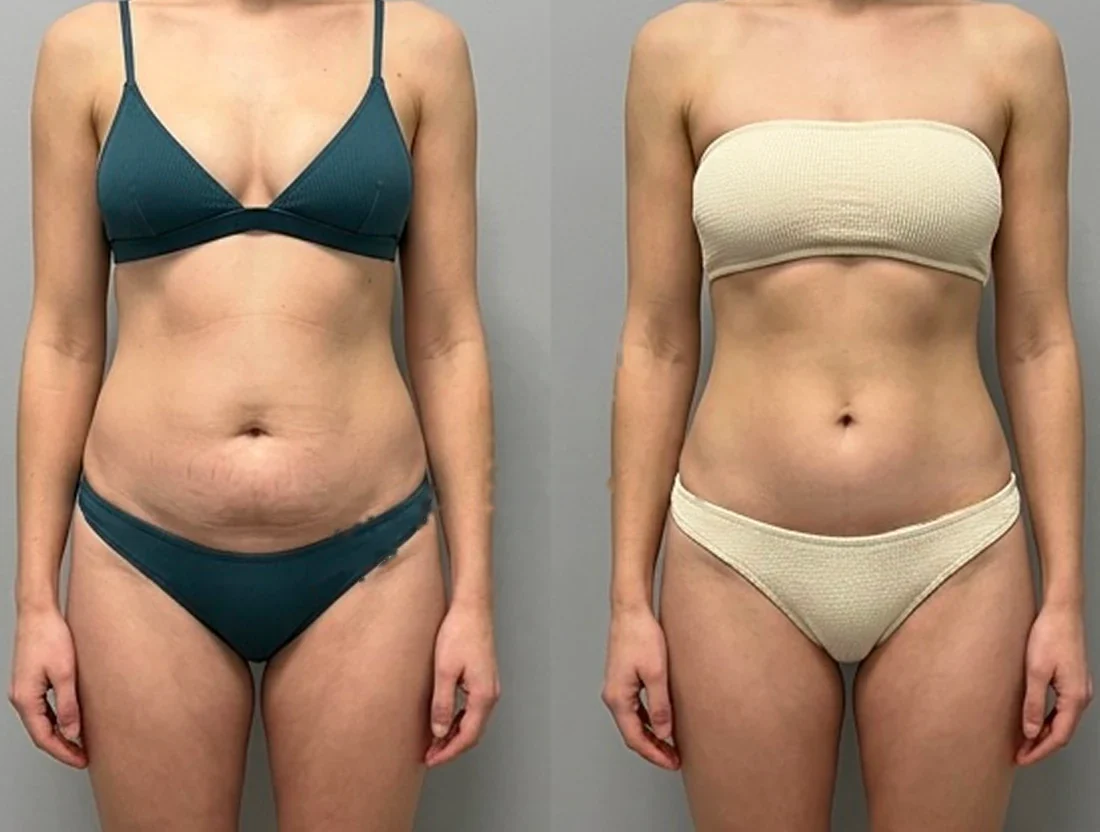 beforeafter
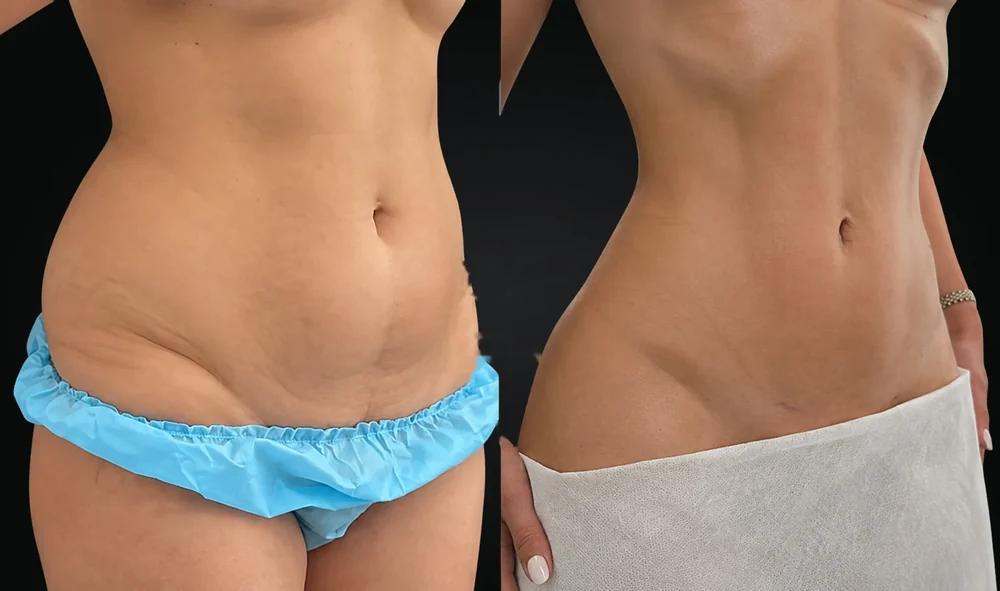
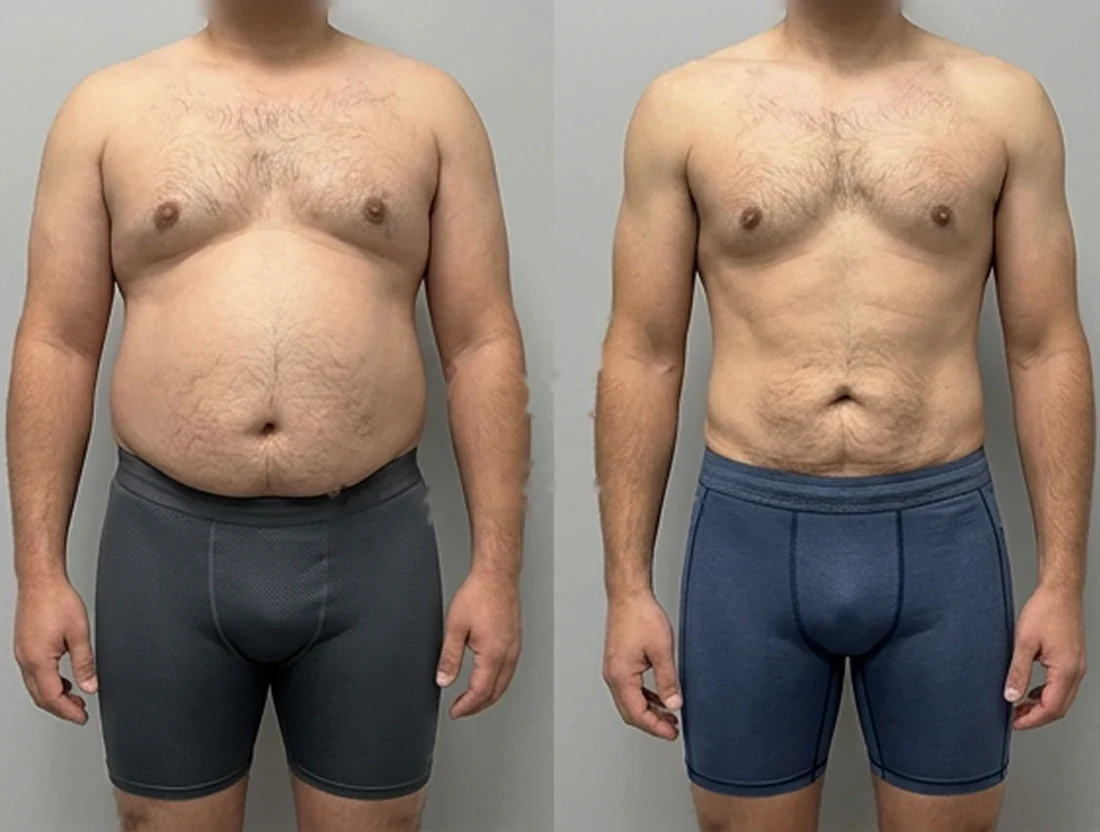 beforeafter
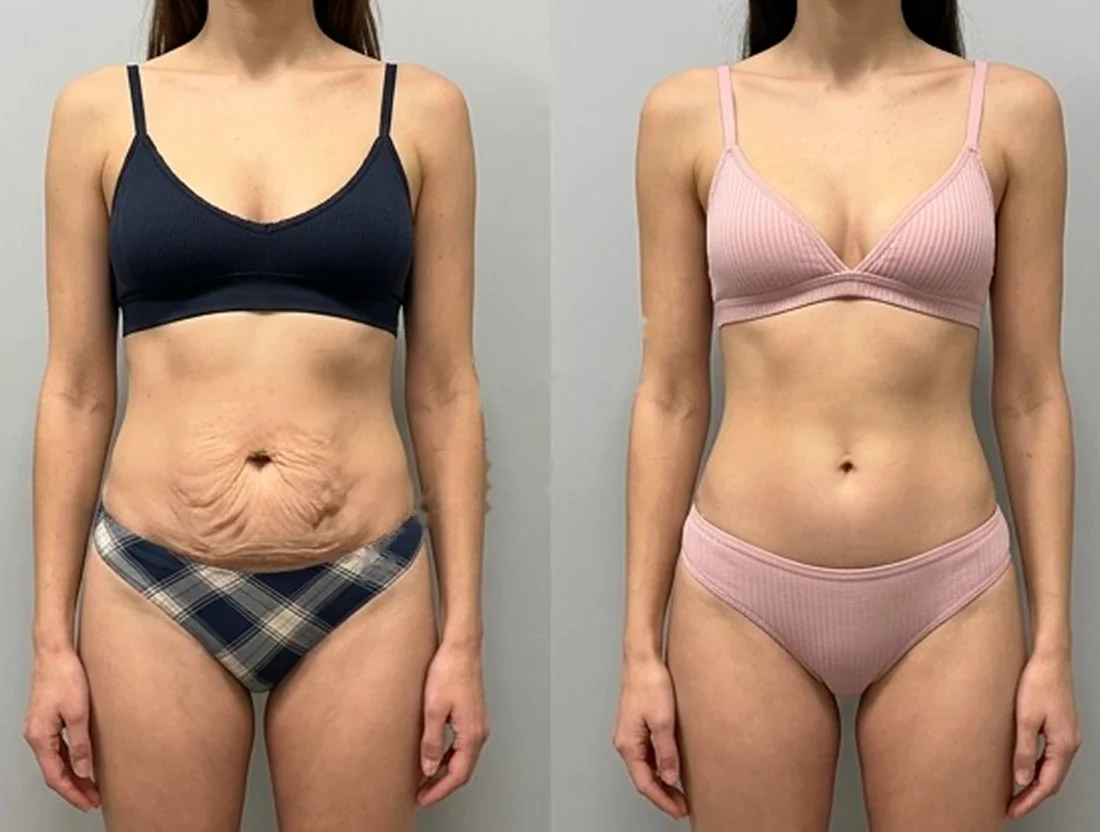 beforeafter
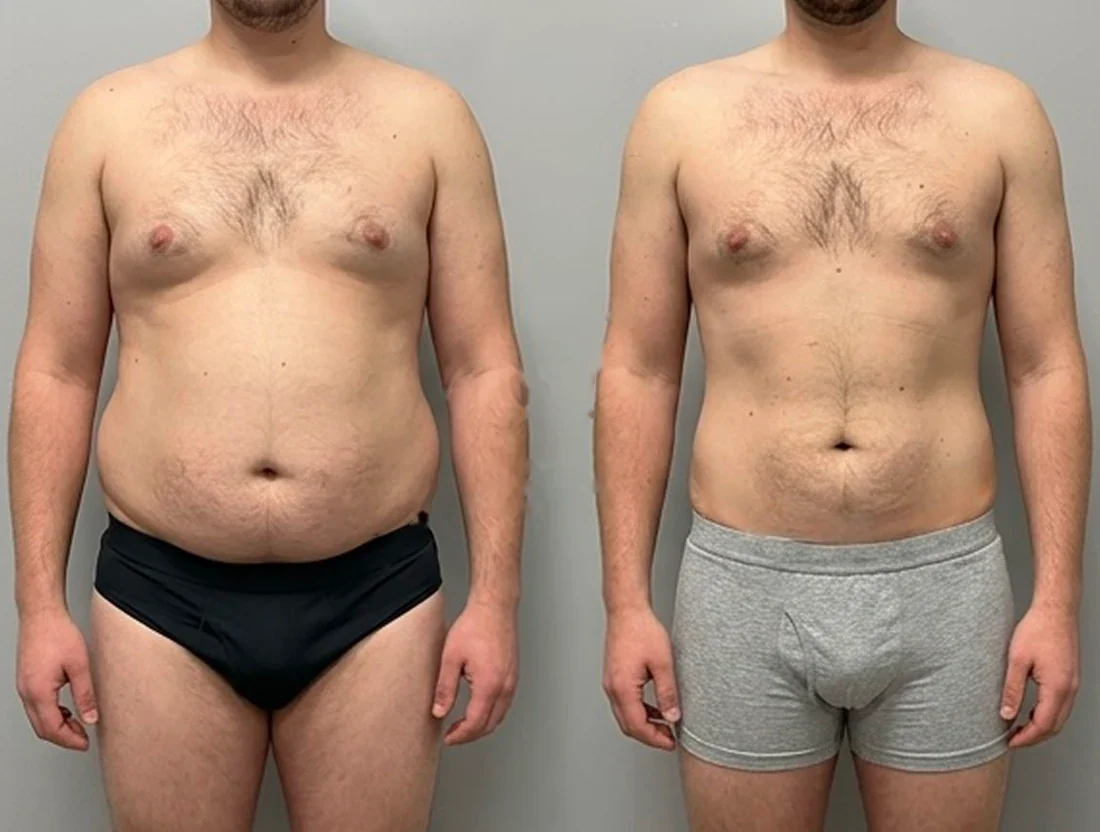 beforeafter
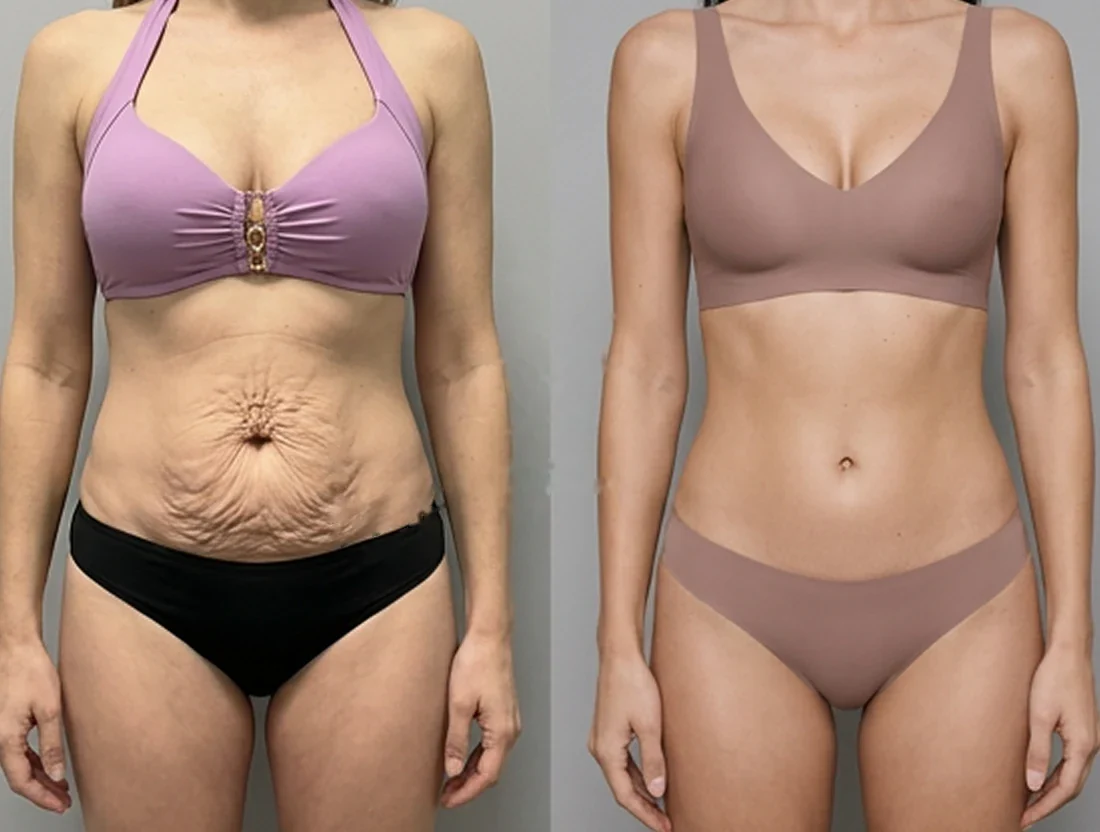 beforeafter
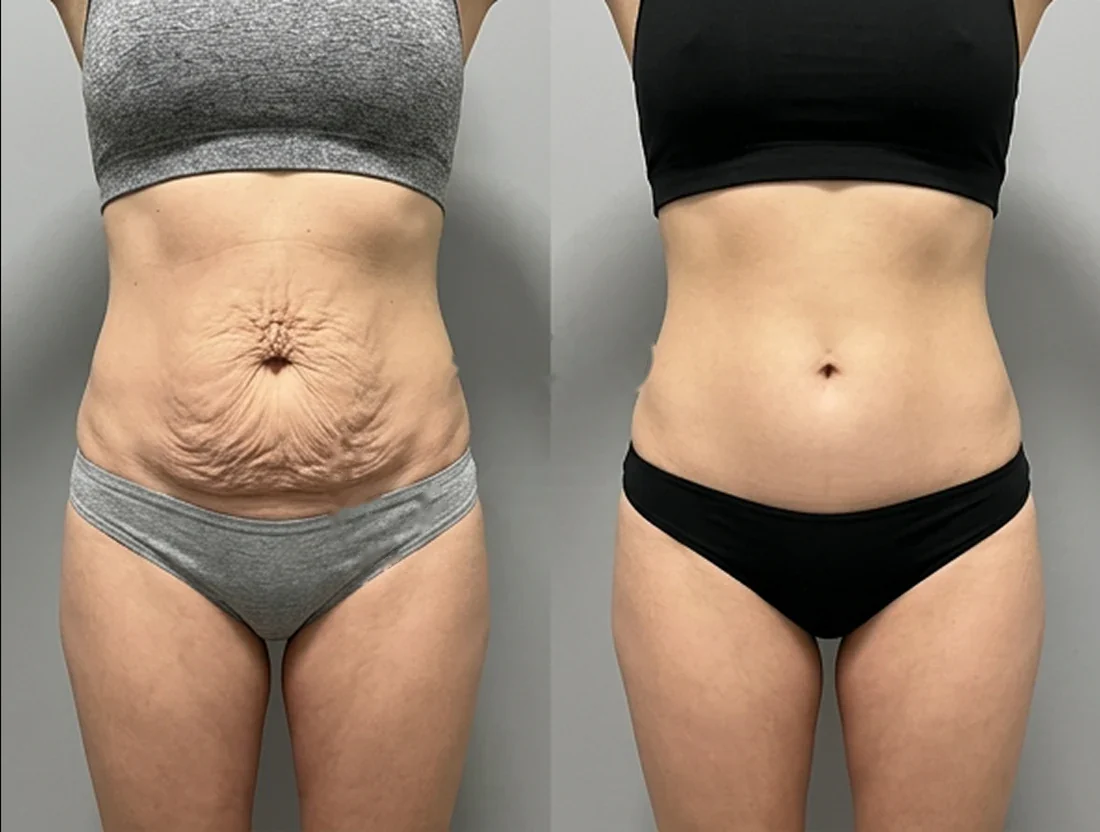 beforeafter
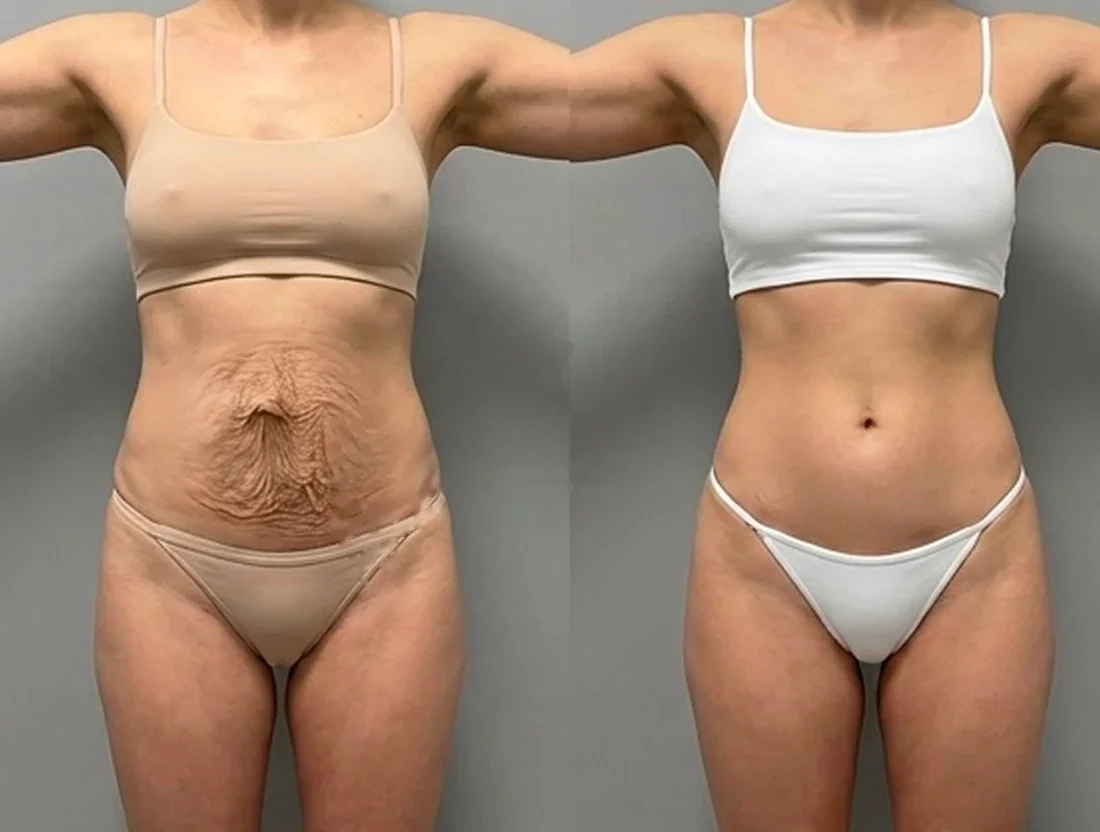 beforeafter
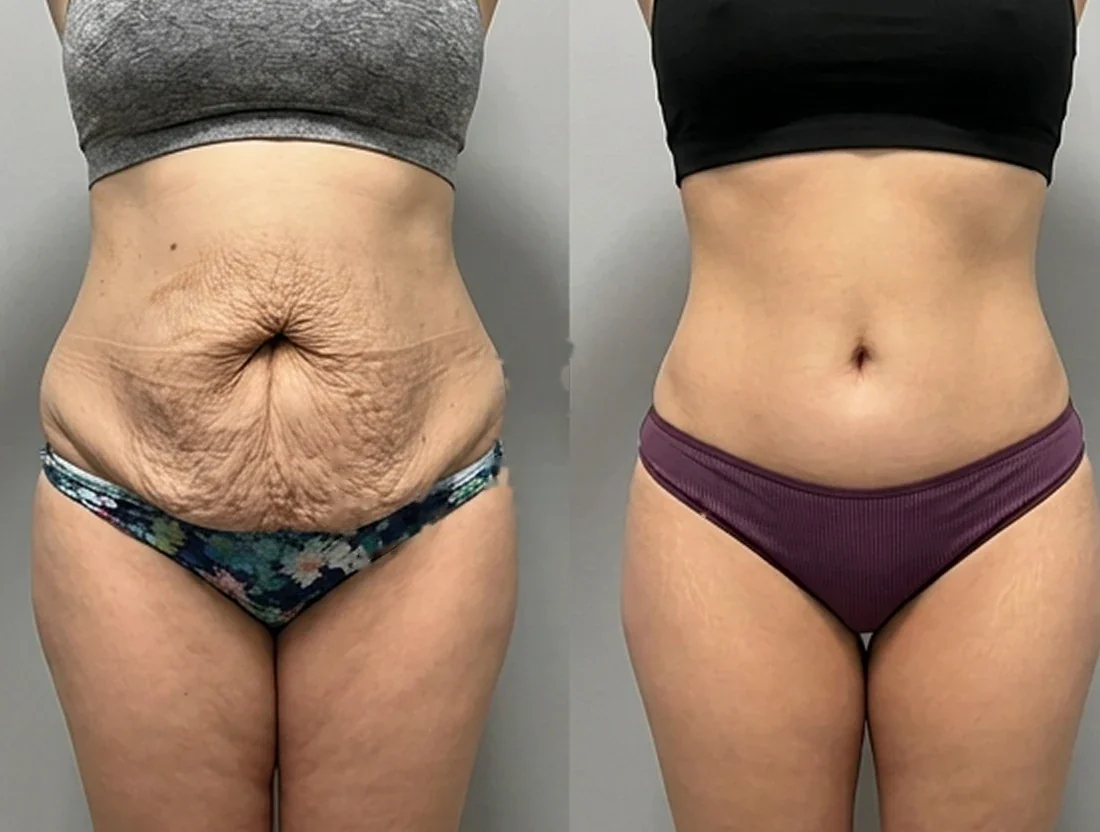 beforeafter
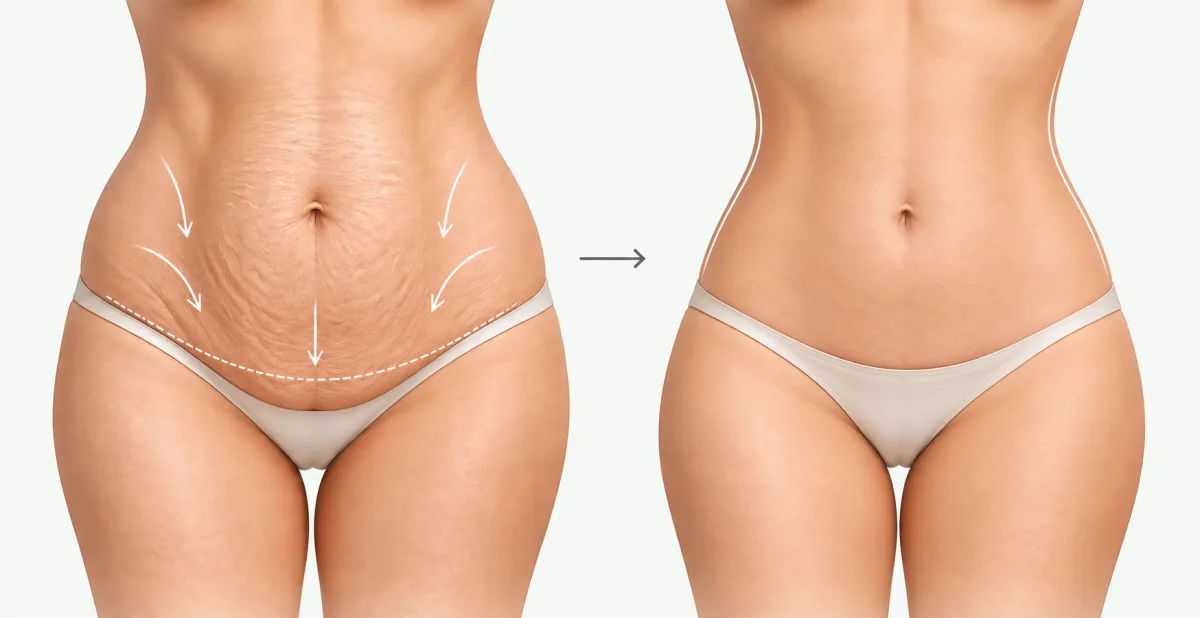






 1
 2
 3
 4
 5
 6