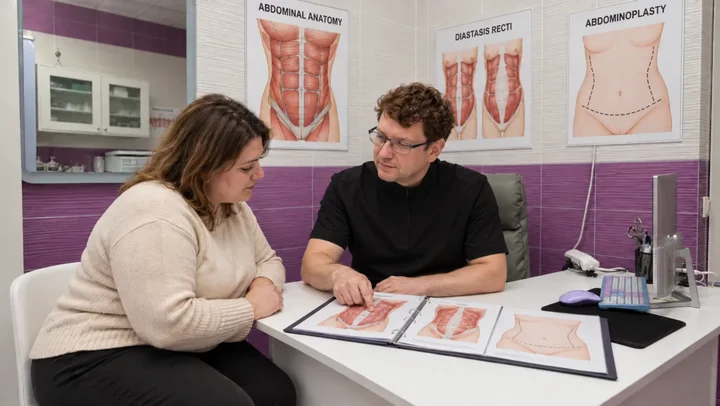
Liposuction for people in Thika: what to know before you start
Thika is an industrial town and commerce hub in Kiambu County, 42 kilometres northeast of Nairobi, near the confluence of the Thika and Chania Rivers. It had a population of 279,429 as of the 2019 National Census and is growing rapidly. In a town like this, people are busy with work, business, study and family, so a planned body-contouring procedure is usually weighed against a real calendar and not an abstract wish. This text is written for readers in Thika who are considering liposuction and want a clear, calm picture of the process.
City Medical Centre works with patients from Thika through a free online consultation. You write to the coordinators on Telegram or Telegram. They are available 24/7, so you can write at the hour that suits a shift, a market day or a lecture timetable. You do not need to rearrange your week to take the first step. You send your questions, describe the areas that concern you, and a conversation with a specialist is arranged on your terms.
Liposuction removes localised fat deposits that stay in place despite sensible eating and regular movement. It is a contouring operation. It is not a method of treating obesity, and it does not replace the long-term work of nutrition, activity and medical follow-up. The WHO fact sheet on obesity and overweight is a useful reminder that body weight is a wider health subject. A contouring procedure belongs alongside general health care, not instead of it.
The techniques used are tumescent and VASER, with micro-incisions of 3–5 mm and precise volume control. The aim is a smooth contour that keeps the natural proportions of your body, not an exaggerated or artificial shape. Keep this aim in mind when you speak to the surgeon: a good result is one that looks like you, only more even.
Because Thika is a growing town with many young families, students and working adults, the questions that come from here are usually about time: how many days away from the workshop, the shop, the office or the lecture hall, and how soon the body looks and feels normal again. The sections below answer these questions step by step, with Thika's own climate and daily life in mind.
Thika's climate and what it means for recovery after liposuction
Thika has a subtropical highland climate with sunshine most of the year and an average annual temperature of 19.8 °C. The town lies at an elevation of approximately 1,631 metres, so the heat is moderate compared with lowland towns. For someone recovering from liposuction this is a real advantage. A close-fitting compression garment is far more bearable at mild temperatures than in intense heat, and sweating under the garment is easier to manage.
The hottest period is March and April, leading into the long rains. If your operation falls in these weeks, plan for lighter clothing worn over the garment, breathable fabrics, and enough fluids. Avoid long hours in direct sun, and do not expose the treated skin to strong sunlight during early recovery. Tanning beds are off-limits for at least a month, and the same caution applies to deliberate sunbathing.
July is the coolest month. Cooler weather can feel comfortable under compression, but it may also tempt you to stay in a warm room with little movement. Short, gentle walks are useful during recovery, as long as they stay within what your surgeon allows. For the first 7 days no physical exertion or heavy lifting is permitted, so think of walking indoors and around the house, not of training.
The long rains run from March/April to May/June and the short rains from October to November/December. Wet weather brings mud, slippery paths and crowded matatu stages, which matters when you are sore and wearing a garment. In rainy weeks, arrange for someone to help with errands, and keep the dressing area clean and dry. Your surgeon gives all individual recommendations after surgery, and they take priority over any general weather advice.
The plain, the rivers and the dust: small climate details that affect healing
Thika lies on a gentle plain before the ascent into the central highlands, with small valleys on the western and northern edges following the Chania and Thika Rivers. This setting means that mornings and evenings can be fresh while midday sun is strong. Under a compression garment, a thin layer of breathable clothing that you can add or remove through the day is more practical than one heavy layer.
In drier weeks, dust from busy roads and building work in a fast-growing town can settle on clothing and dressings. Change into clean, loose clothing at home, wash your hands before touching any dressing, and follow the aftercare advice you receive. Keep the garment clean according to the instructions, because the compression garment is worn for 30–45 days and becomes part of your daily routine.
In wet weeks, damp air and mud make it more important to keep the garment dry. Have a spare garment ready if your surgeon recommends it, and ask about washing and drying so that the compression stays correct. Do not go into rivers, ponds or swimming pools while the restrictions are in force: for 4–6 weeks, avoid the bathhouse, sauna, pool and active sport.
Sunny days are the rule in Thika, so headwear and shade are part of everyday life. During recovery, a wide-brimmed hat and a light shirt help you stay comfortable on short walks, while keeping the treated skin out of strong sun. These are general habits, and your surgeon will tell you what applies to your areas and your skin.
Choosing the season for your operation in Thika
There is no single perfect month, because the climate of Thika is mild throughout the year. The choice is better made from your own calendar. The main questions are: when can you step back from heavy work for the first 7 days, when will you be able to return to work in 7–10 days, and when do you want the result to show? The first changes appear at 2 weeks, once swelling subsides, but the final result forms in 3–6 months.
Consider the weeks between the rains and the cooler period around July. These times are often calmer for movement outdoors, and the lower temperature makes the compression garment easier to tolerate. Someone who plans surgery for the hotter weeks of March and April can still recover well, but should expect to be more careful with sun, fluids and clothing.
Think also about events. A wedding, a graduation, a church or family gathering, or a holiday with relatives are fixed dates. The interim result is assessed at 1.5–2 months and the final contours settle in 3–6 months, so do not schedule the operation just before an important event and expect to see your final shape. Swelling and bruising clear by weeks 4–5, so leave at least that much time, and preferably more, before any occasion at which you want to feel comfortable in fitted clothes.
If you work in an office, in a shop or in the town's industrial and commercial sector, ask your coordinator to help you map a realistic timeline. If your work is physical, plan a longer quiet period and discuss it frankly with the surgeon. Most patients return to their usual routine and work in 7–10 days, but a job that involves lifting or long hours on your feet may need a more careful return.
Daily life in Thika: work, study, family and food during recovery
Thika has the largest economy in Kiambu County, and its rhythm is that of a working town: early starts, shops and workshops, studies, and family obligations. A procedure that needs a week of rest has to fit into this rhythm. Talk to your employer or your family early, explain that you need a short quiet period, and arrange for help with children, cooking and shopping during the first days.
With local anaesthesia you go home 3–4 hours after surgery, and with general anaesthesia you stay one day in a comfortable ward under medical supervision. In both cases the first evening at home matters. Prepare a comfortable place to rest, loose clothing to wear over the garment, water within reach, and a phone with the coordinators' Telegram or Telegram contact, since they are available 24/7. If a question comes up at night, you do not have to wait for morning.
Meals in Thika are often shared with family, and street snacks are part of the working day. During recovery, favour simple, balanced meals, enough water and moderate portions. Very salty food can make swelling feel worse for some people, so ask your surgeon for dietary guidance. Alcohol is off-limits for at least a month, which is worth remembering if family gatherings and celebrations are part of your calendar.
Before the operation, give up smoking, alcohol and medications that affect clotting, such as aspirin, 7–10 days earlier. In daily life this means telling relatives who cook for you, and avoiding situations in which a toast or a social drink would be hard to refuse. Planning ahead makes the preparation much simpler and takes pressure off the weeks around the operation.
Students in Thika have their own questions: lectures, practical sessions and examinations. If you study, plan the operation for a period when attendance is flexible, and ask a classmate to share notes. The first week is for rest, and most patients are back to their usual routine in 7–10 days.
Sport, outdoor leisure and the waterfalls near Thika
Thika is home to Chania Falls and is near Fourteen Falls on the River Athi, which consists of 14 distinct waterfalls on a broad section of the river, about 65 kilometres northeast of Nairobi. Ol Donyo Sabuk National Park lies to the southeast. For many residents, walks, picnics, jogging and weekend outings are a normal part of life, so it is natural to ask when they can return to them.
The rules are clear. For the first 7 days, no physical exertion or heavy lifting. For 4–6 weeks, wear compression garments and avoid the bathhouse, sauna, pool and active sport. That includes swimming in a river pool, long hikes in the heat, and any activity that causes strong friction or impact on the treated area. Gentle walking on level ground is usually the first thing patients return to, when the surgeon agrees.
Jogging, gym training, football and other team sport should wait until your surgeon gives permission at a check-up. Do not decide for yourself that you feel fine. Swelling and bruising clear by weeks 4–5, and the tissues continue to adapt until the result is final at 3–6 months. A careful return protects the contour you are working to achieve.
Plan outings around the calendar of your recovery. A family picnic near the falls is a pleasant goal for after the restricted period, not for the first weeks. Bring a hat, light clothing and water, and keep the treated skin out of strong sun. Your surgeon gives all individual recommendations after surgery, and they take precedence over general guidance.
What patients from Thika ask about liposuction
Questions from Thika tend to be practical. Will it leave scars? The surgery is done through punctures only 3–5 mm across, which usually need no stitches. Once healed, the marks are barely visible, and with proper care during recovery they fade completely. Will I be awake? That depends on the plan: local or general anaesthesia, chosen with the surgeon and the anaesthesiologist after your examination.
How long does it take? Surgery lasts from 1 hour for small areas to 3–4 hours for a combined procedure. Under local or general anaesthesia the surgeon removes fat through the micro-punctures, after marking the areas and fitting the compression garments. Many patients also ask how soon they will see a difference. The first changes show at 2 weeks, an interim result is assessed at 1.5–2 months, and the final contours form in 3–6 months.
Another frequent question is whether liposuction is a way to lose weight. It is not. It reshapes specific areas, and it works best for people whose weight is reasonably stable. The WHO material on obesity and overweight shows that weight is a broader health matter, and your doctor may suggest dealing with it separately. Be honest about your goals, and let the surgeon tell you plainly what the procedure can and cannot do.
People also ask about age and health. We operate from age 18+, if there are no contraindications. There is no upper age limit: after an examination and health assessment, the decision is made individually. Questions about long-term conditions, medicines and previous operations should be raised in the first consultation, so the surgeon can plan safely.
Candidates, contraindications and preparation
A good candidate is an adult in generally good health who has localised fat that does not respond to diet and exercise, realistic expectations, and a willingness to follow the recovery rules. The skin should have reasonable elasticity, because the contour depends on how the skin settles after fat is removed. The surgeon assesses this during the consultation and can explain what to expect for your body.
Contraindications are decided by the doctor, not by a general list, but in broad terms they include conditions that make anaesthesia or healing unsafe, uncontrolled chronic illness, problems with blood clotting, and active infection. Pregnancy and unrealistic expectations are also reasons to wait or reconsider. If you are unsure whether something applies to you, say so in the first conversation, and the team will advise you.
Preparation is required. Give up smoking, alcohol and medications that affect clotting, such as aspirin, 7–10 days before liposuction. Pre-operative tests are also needed: blood tests, ECG, ultrasound, and consultations with your GP and an anaesthesiologist. You will receive all instructions after the first consultation, so you do not have to remember them from a general article.
Patients in Thika can arrange many of these tests locally and then share the results with the coordinators for review. Keep your documents together: previous test results, a list of medicines you take, and notes about earlier operations or allergies. A well-prepared file saves time and helps the surgeon form an accurate plan.
How the remote consultation works from Thika
The first consultation is free and online. You contact the coordinators on Telegram or Telegram. They work 24/7, with easy booking and a personal approach, and they adapt to your pace. You can write in the evening after work, during a break between classes, or on a quiet weekend morning. There is no need to be in a particular place at a particular time.
In the conversation, describe the areas you want to improve, your general health, the medicines you take and your plans for the next months. Photographs taken in good light may help the specialist understand your proportions. The specialist explains the suitable technique, the type of anaesthesia, the likely duration, and what the recovery looks like in your situation.
After the consultation you receive instructions for preparation and testing. Questions do not stop once the operation is booked: the surgeon follows your recovery and the new body contour at check-ups after 7 days, 3 and 6 months. Check-ups, dressings and aftercare advice are already included in the price of surgery. Until the end of the year, you can also get a post-surgery consultation with your surgeon to review results and get more information, at the clinic's expense.
For readers in Thika, this means that the conversation, the planning and much of the follow-up can happen from home, while the operation itself is carried out by a qualified team with an anaesthesiologist and a ward for the patient who needs to stay for one day. Keep your phone close during the first days, and write to the coordinators whenever something seems unclear.
Thika's economy and calendar: fitting liposuction around a working week
Thika is an industrial town and commerce hub, and it has the largest economy in Kiambu County. That shapes how residents plan anything that needs time off. A shopkeeper, a factory colleague, a teacher, a driver or a self-employed trader each has a different kind of week. Before you ask for a date, write down which days are fixed and which can be moved, and bring that list to the first online conversation.
The coordinators work 24/7 on Telegram and Telegram, so the planning does not have to happen in office hours. Many people in a commercial town prefer to write late in the evening, after the shutters are down or the shift is over. Send your questions then, and read the answers when you are rested and can think clearly.
Think about who covers your tasks. If you run a small business, decide who opens, who handles suppliers and who deals with customers during the first 7 days, when no physical exertion or heavy lifting is allowed. Most patients are back to their usual routine and work in 7–10 days. A job based on a desk or a counter is usually easier to resume than one built on carrying loads, so be honest with the surgeon about what your day really involves.
Put the plan in writing. A simple table with the date of the operation, the first week of rest, the return to work, and the check-ups after 7 days, 3 months and 6 months helps you see where the surgery sits in your year. It also helps relatives understand why you need a quiet period and some extra help at home.
Reading the town's growth: why a clear plan matters for a busy community
Thika had a population of 279,429 as of the 2019 National Census and is growing rapidly. Rapid growth means a lively town with many newcomers, young workers and families who are still settling in. Many of them have no relative nearby to help after a procedure, so support has to be arranged on purpose rather than assumed.
If you live in one of the residential areas around the town, some of which belong administratively to Murang'a County, think about daily logistics during recovery: who can shop for you, who can collect children, and who can stay with you the first night. With general anaesthesia you stay one day in a comfortable ward under medical supervision, and with local anaesthesia you go home 3–4 hours after surgery, so the first evening at home needs a helper either way.
Newcomers to the town sometimes hesitate to ask colleagues or neighbours for help. Remember that you only need to explain that you are recovering from a planned procedure and need a short quiet period. Most people respond well to a simple, direct request.
Keep the coordinators' contact within reach. Because they are available around the clock, you can send a short message whenever something is unclear in the first days. This is especially useful for people who live alone, since a quick written answer can settle a worry before it grows.
Realistic expectations: contour, timing and the long view
Liposuction in Thika, as anywhere, is about shape rather than weight. The surgeon works with tumescent and VASER techniques, micro-incisions of 3–5 mm and precise volume control, with the aim of a smooth contour that keeps the natural proportions of your body. The WHO fact sheet on obesity and overweight is a reminder that weight is a wider health question that deserves its own attention.
Timing of the result is gradual. The first changes show at 2 weeks, once swelling subsides. An interim result is assessed at 1.5–2 months, and the final contours form in 3–6 months, once the tissues have fully adapted. Do not judge the outcome in the first days, when swelling and bruising hide the new line of the body.
Compression is part of the result. Garments are worn for 30–45 days, and they support the tissues while they settle. Patients who wear them as instructed usually find the process easier to follow, and the check-ups at 7 days, 3 and 6 months let the surgeon correct the plan if needed.
Keep a simple photo diary in the same light and clothing at each stage. It is a calm way to see slow change, and it gives you something concrete to show the surgeon at check-ups. Steady habits of eating and movement afterwards help the contour stay balanced.
Questions to ask your surgeon and a realistic view of results
Prepare a short list before the consultation. Which areas are suitable for treatment, and which are better left alone? Which technique is proposed, tumescent or VASER, and why? Will local or general anaesthesia be used, and how long is the operation expected to last? What should I wear, eat and avoid in the days before and after surgery? Which signs during recovery should make me get in touch at once?
Ask also about the timeline in terms of your own life. When will I be able to return to work, to school or university, to the gym, and to social events? Most patients get back to their usual routine and work in 7–10 days. Swelling and bruising clear by weeks 4–5. The final result forms in 3–6 months, once the tissues have fully adapted. A surgeon who answers these questions clearly is one you can trust.
Be realistic about the result. The aim is a smooth contour that keeps the natural proportions of your body. Liposuction does not tighten loose skin on its own, and it does not stop the body from changing if weight, hormones or habits change. Maintaining the result depends on steady eating, movement and attention to your health in the months and years afterwards.
Finally, think about support. Choose a person at home who can help in the first days, and agree with them on practical details: meals, transport, children, and the time you will need to rest. In a town as busy as Thika, a little planning makes the recovery calmer and helps you give the tissues the time they need.
Is the online consultation from Thika really free?
Yes. The first consultation is free and takes place online. You write to the coordinators on Telegram or Telegram, and they are available 24/7, so you can choose a time that fits your work or study in Thika.
How long does liposuction take and will I be awake?
Surgery takes from 1 hour for small areas to 3–4 hours for a combined procedure. It is done under local or general anaesthesia, and the choice is made with the surgeon and anaesthesiologist after your examination.
When do I go home after the operation?
With local anaesthesia you go home 3–4 hours after surgery. With general anaesthesia you stay one day in a comfortable ward under medical supervision.
How long is the recovery, and when can I return to work?
Most patients get back to their usual routine and work in 7–10 days. Swelling and bruising clear by weeks 4–5, and the final result forms in 3–6 months. If your job is physical, discuss it with the surgeon first.
How long must I wear the compression garment in Thika's warm months?
Compression garments are worn for 30–45 days. In the hotter weeks of March and April, choose light, breathable clothing over the garment, drink enough fluids, and keep the treated skin out of strong sun.
Will liposuction leave visible scars?
The surgery is done through punctures only 3–5 mm across, which usually need no stitches. Once healed, the marks are barely visible, and with proper care during recovery they fade completely.
When can I swim or go back to the gym?
For the first 7 days, avoid physical exertion and heavy lifting. For 4–6 weeks, wear compression garments and avoid the bathhouse, sauna, pool and active sport. Alcohol and tanning beds are off-limits for at least a month. Your surgeon gives individual recommendations.
How should I prepare for the operation?
Give up smoking, alcohol and medications that affect clotting, such as aspirin, 7–10 days before. Pre-operative tests are required: blood tests, ECG, ultrasound, and consultations with your GP and an anaesthesiologist. You receive all instructions after the first consultation.
Who can have liposuction, and is there an age limit?
We operate from age 18+, if there are no contraindications. There is no upper age limit: after an examination and health assessment, the decision is made individually.
What follow-up is there after surgery?
The surgeon follows your recovery and the new body contour at check-ups after 7 days, 3 and 6 months. Check-ups, dressings and aftercare advice are already included in the price of surgery, and until the end of the year you can get a post-surgery consultation at the clinic's expense.
How do I plan liposuction around a busy work week in Thika?
List your fixed days, arrange cover for the first 7 days when no heavy lifting is allowed, and expect to return to usual work in 7–10 days. The coordinators are available 24/7 on Telegram and Telegram, so you can plan at any hour.
Can I arrange the pre-operative tests near Thika?
Many patients complete blood tests, ECG, ultrasound and GP and anaesthesiologist consultations locally and share the results with the coordinators. You receive full instructions after the first consultation.
Will I need help at home after surgery?
Yes, it is wise to. With local anaesthesia you go home 3–4 hours after surgery, with general anaesthesia after one day, so arrange a helper for the first evening and the first week.

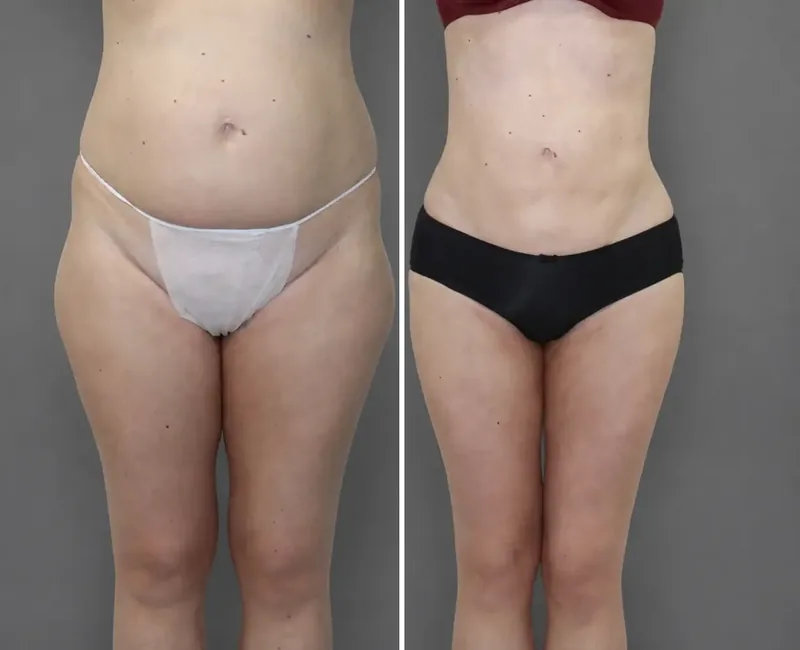
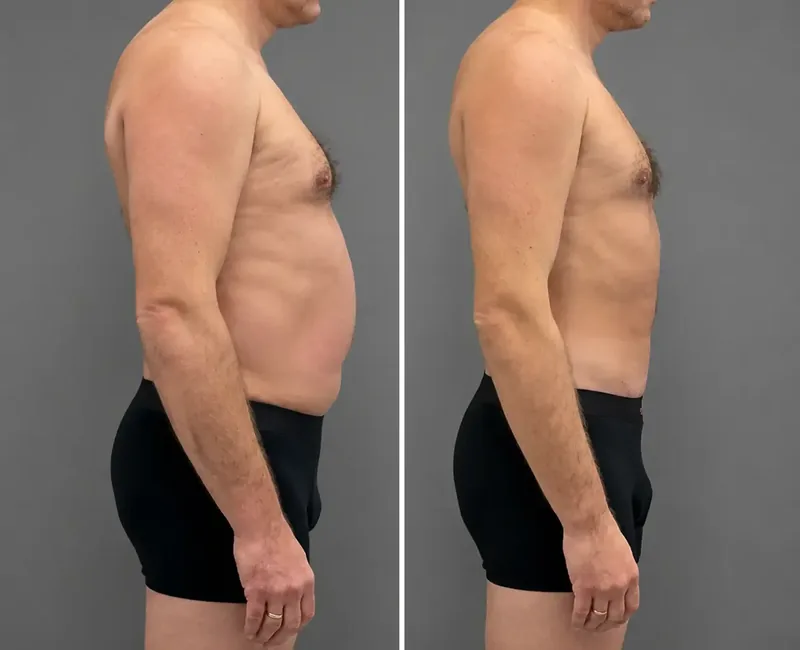
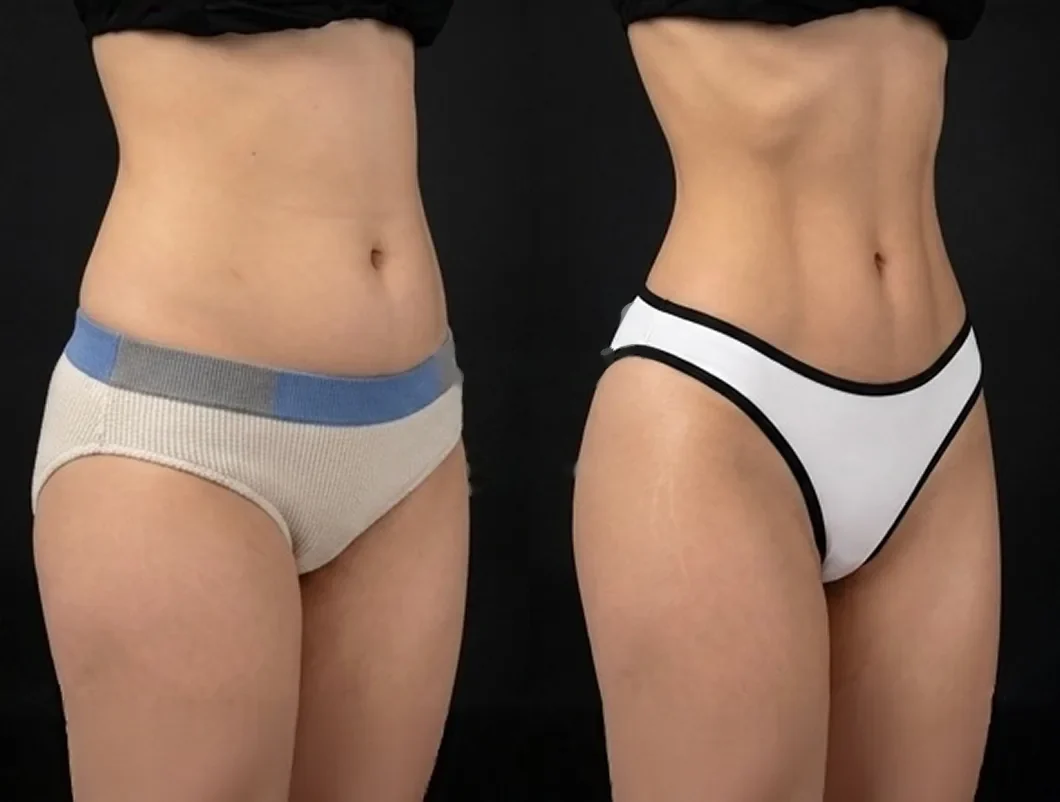 beforeafter
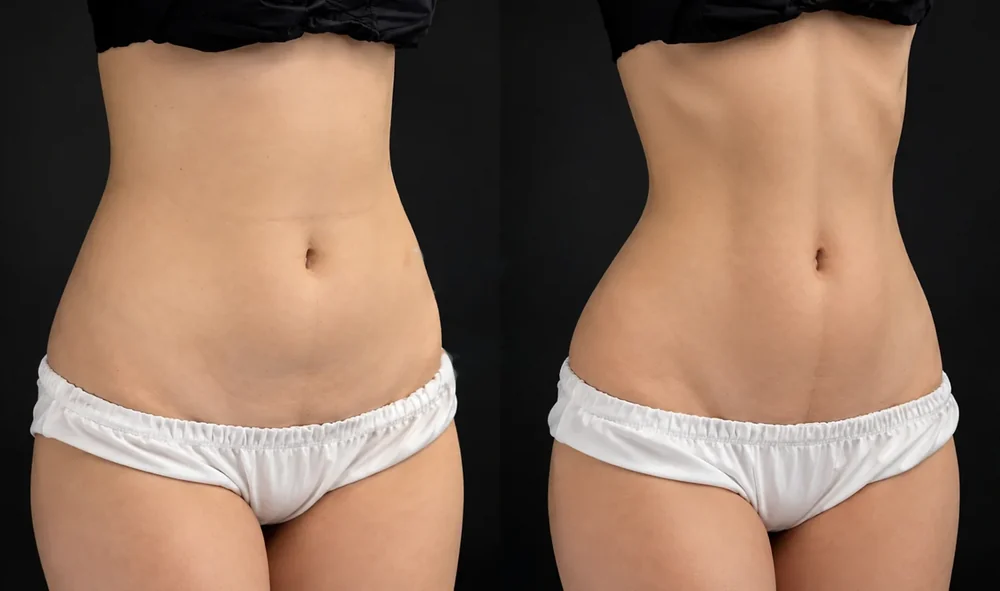
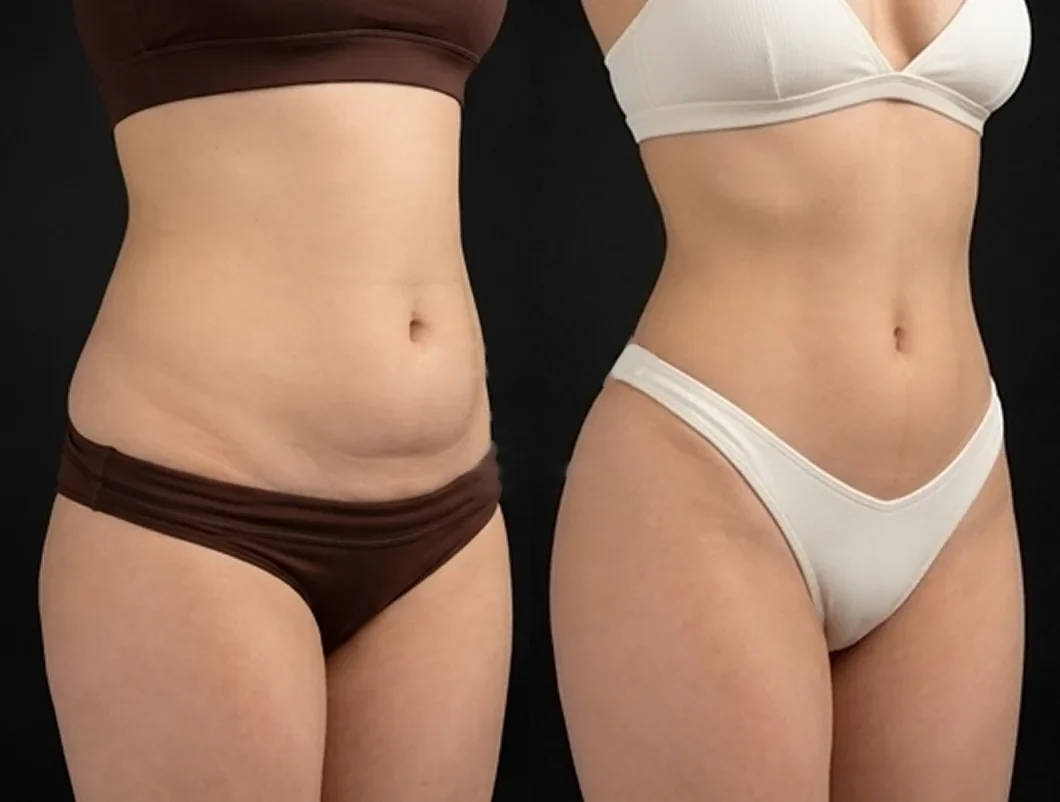 beforeafter
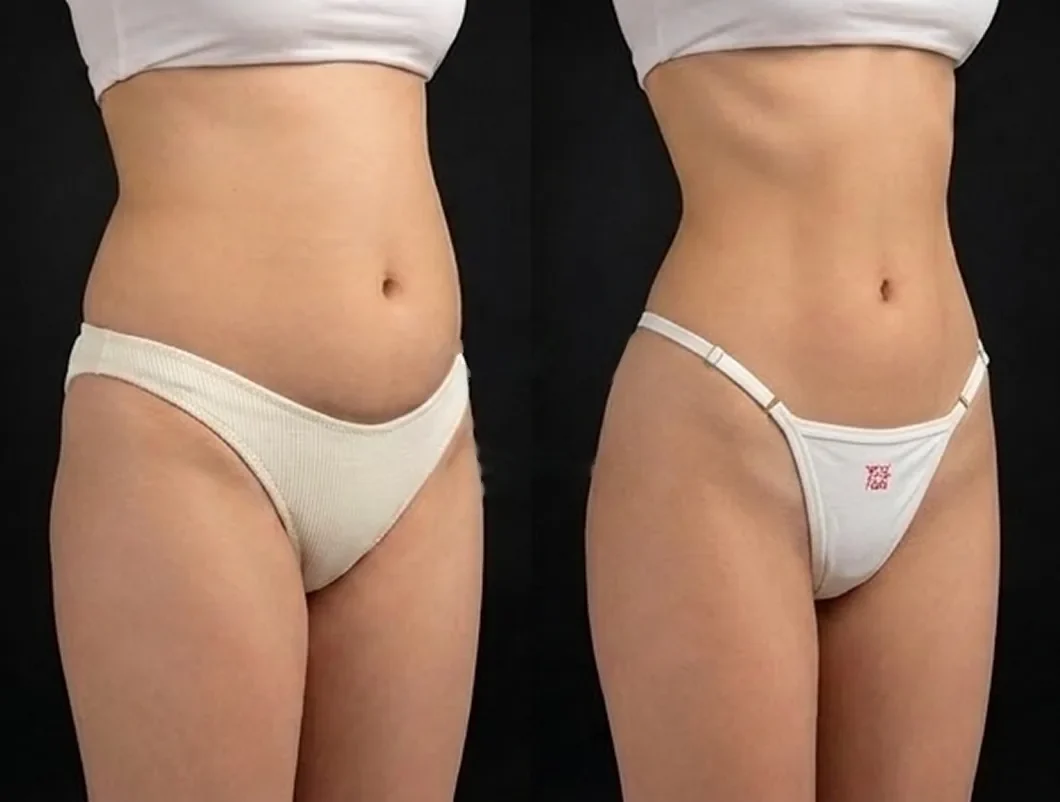 beforeafter
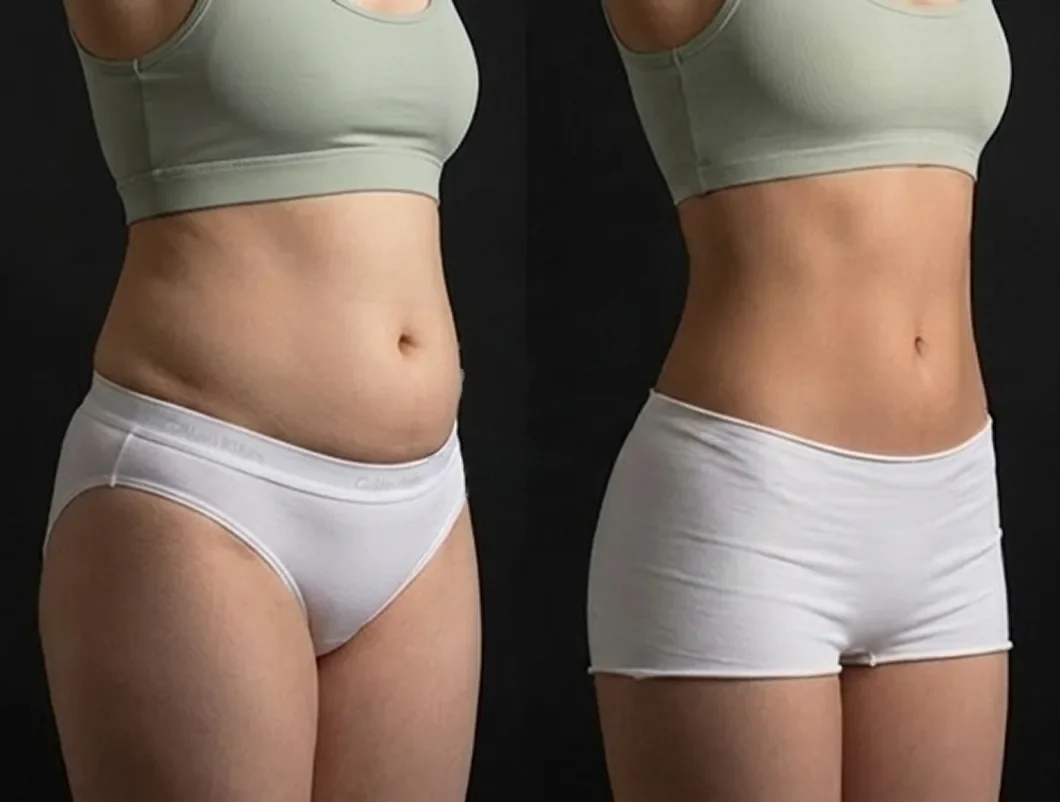 beforeafter
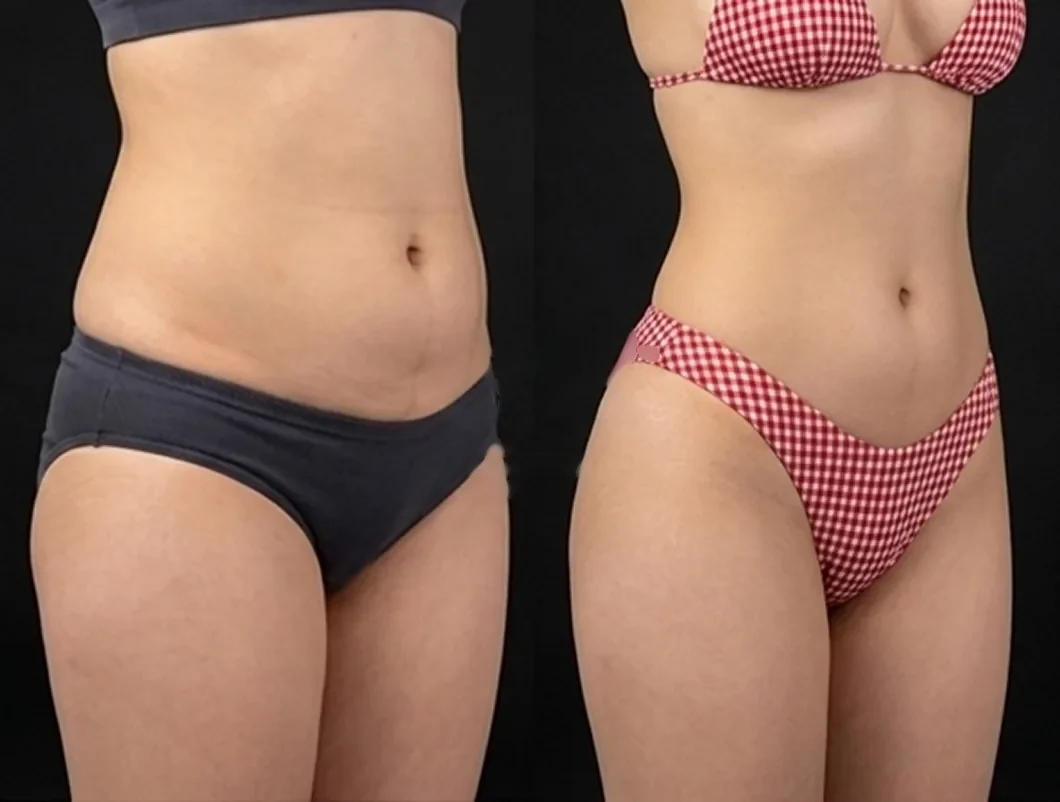 beforeafter
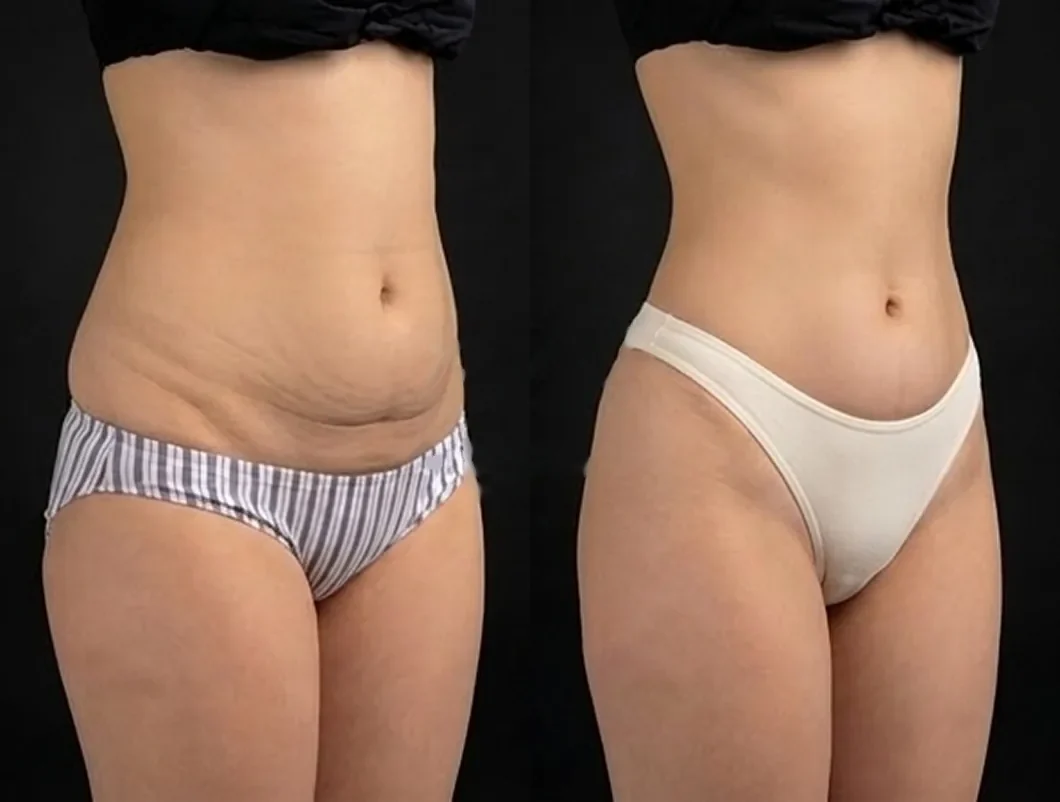 beforeafter
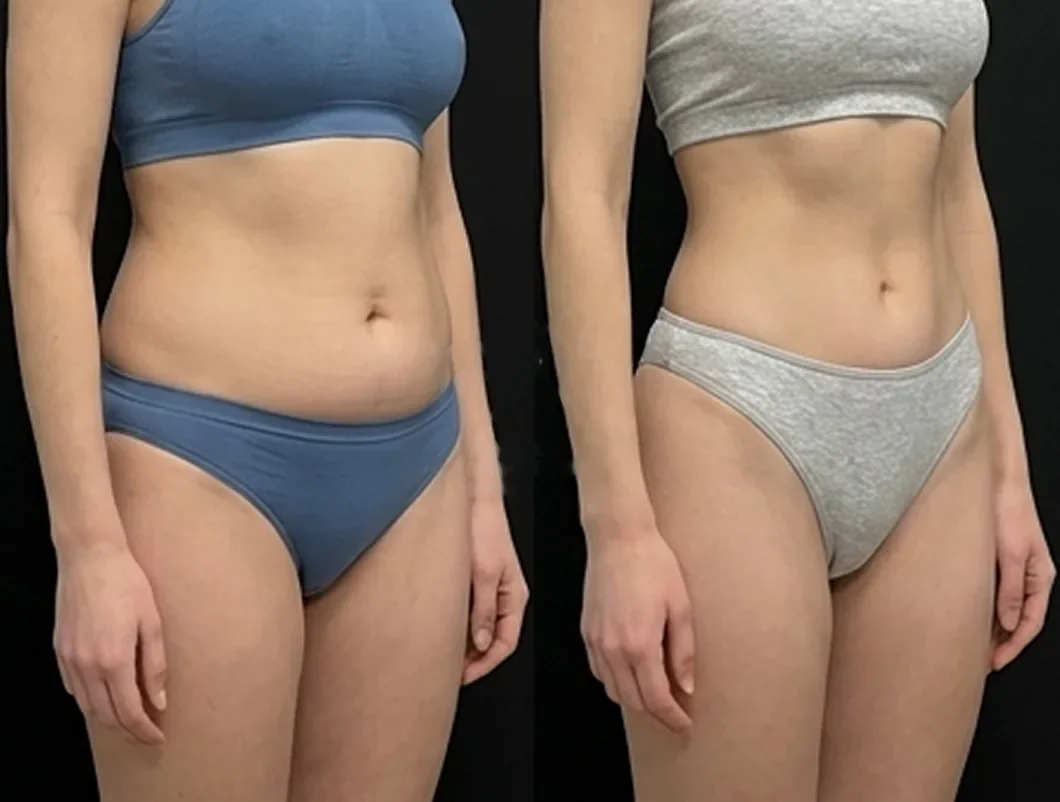 beforeafter
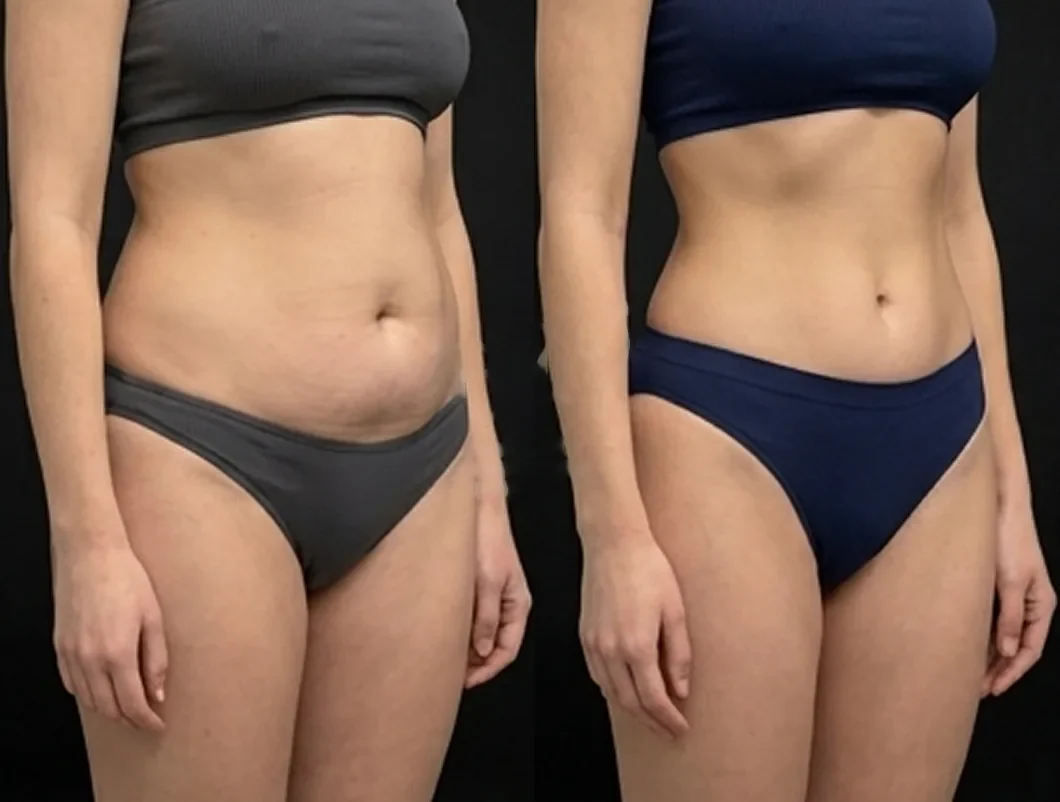 beforeafter
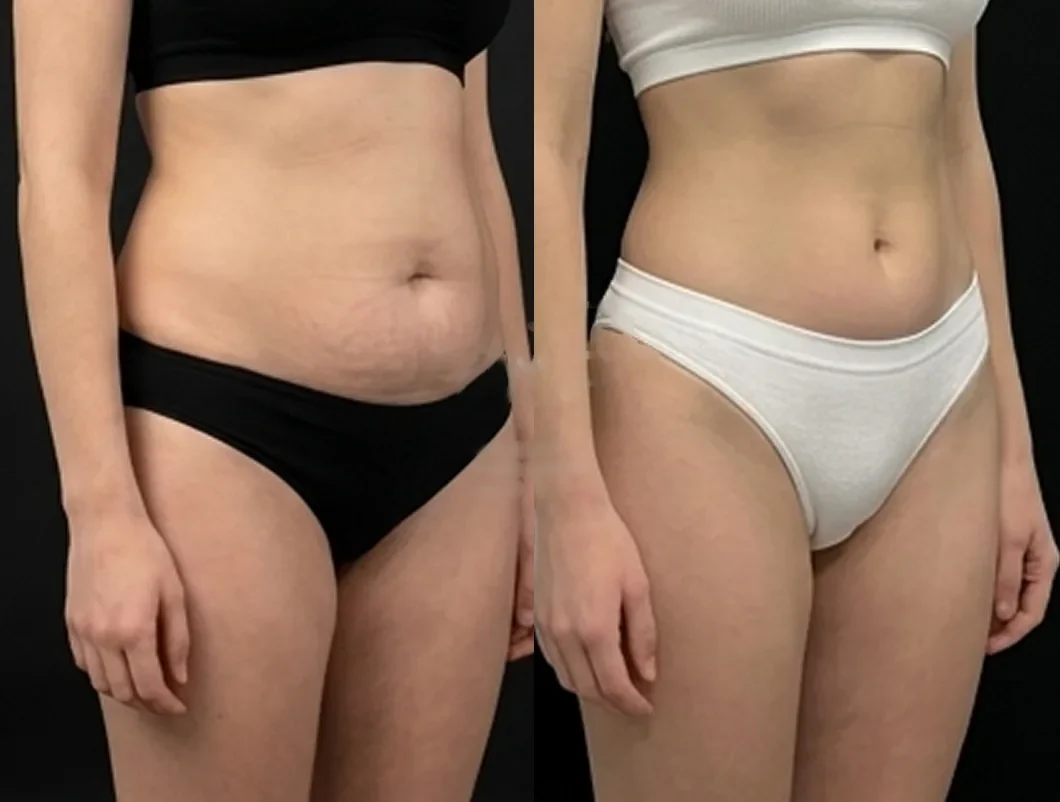 beforeafter
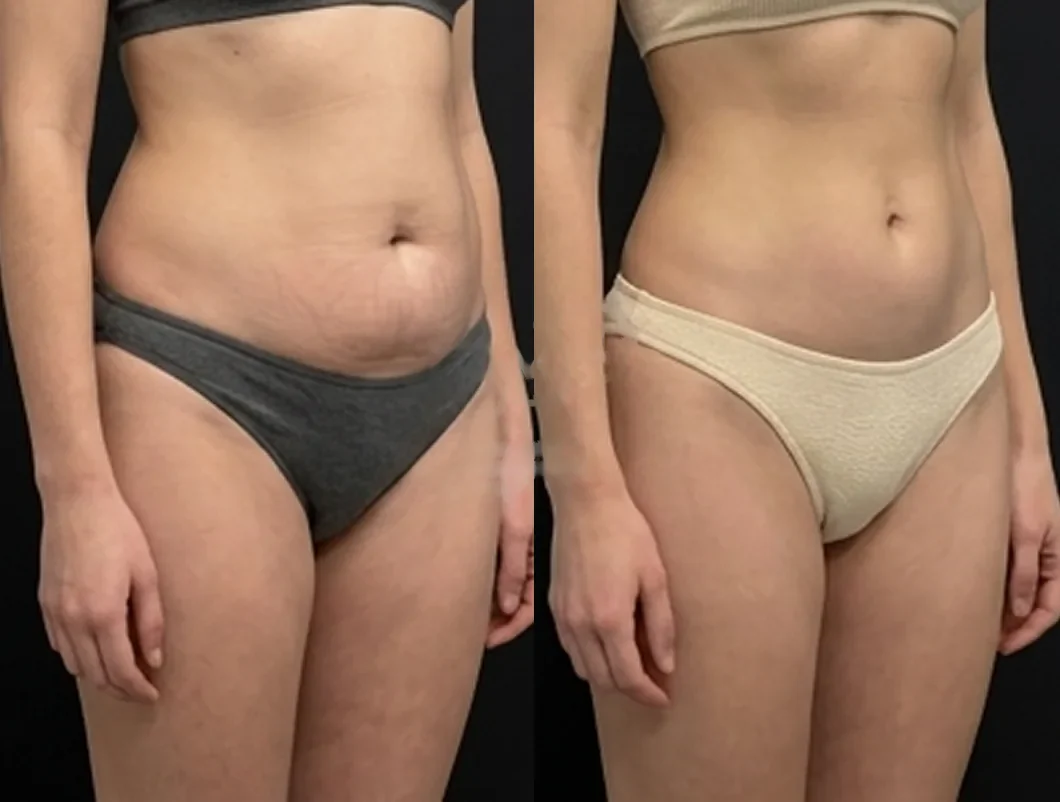 beforeafter







 1
 2
 3
 4
 5
 6