
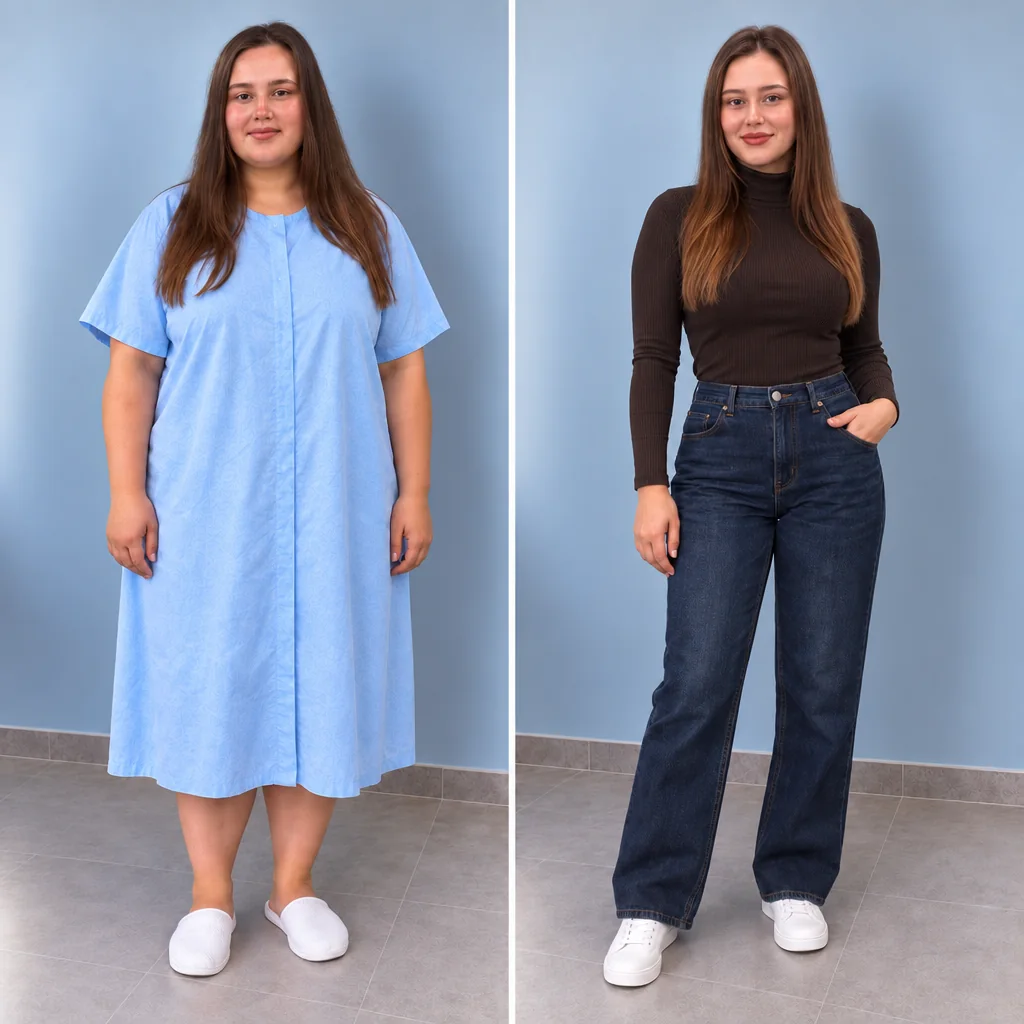
 beforeafter
Irina, 26
Bariatric surgery
Bariatric surgery
$3,600
$4,800 · First consultation — Free
 before
after
Message our coordinator
Free online consultation · Reply within 15 minutes
Message us on TelegramMessage us on WhatsAppBy messaging us, you agree to our Privacy Policy
Results
These are real patients treated at the clinic.
beforeafterBariatric surgery
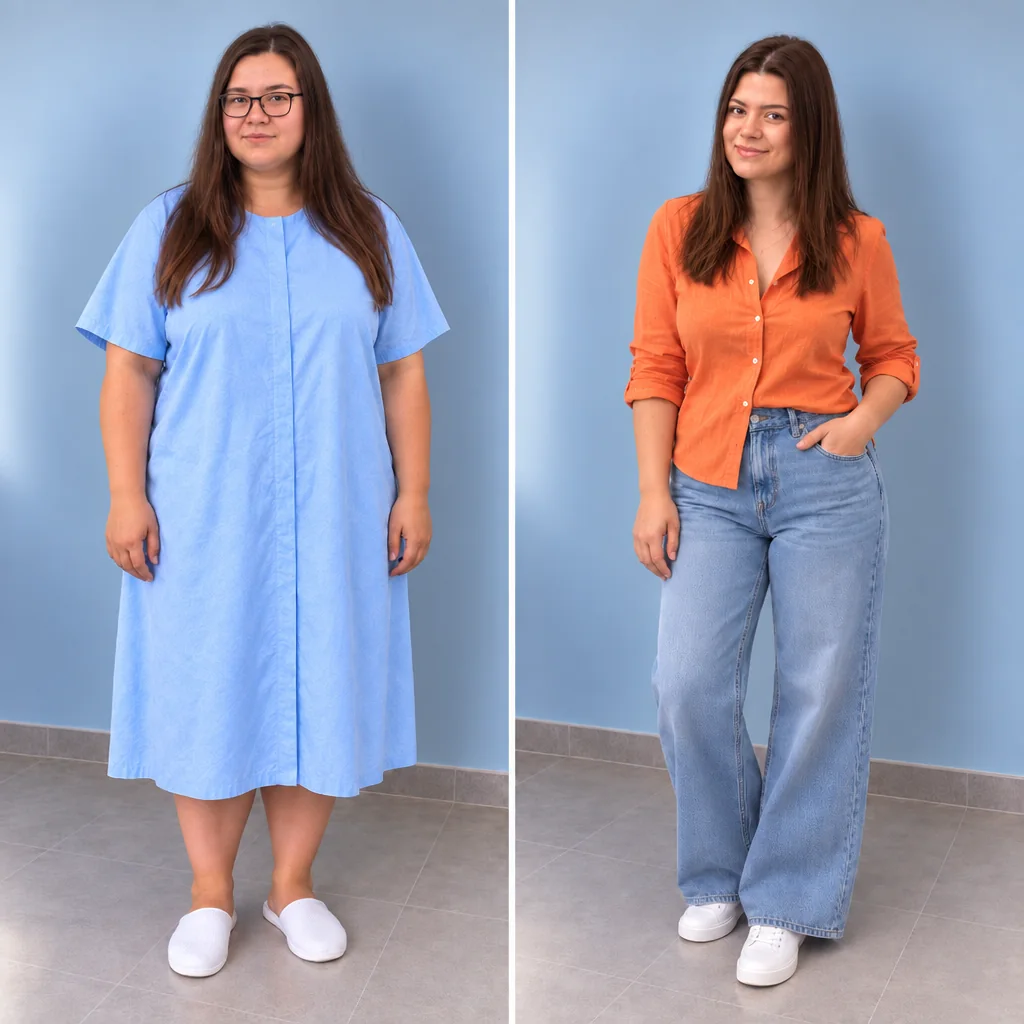 beforeafter
Bariatric surgery
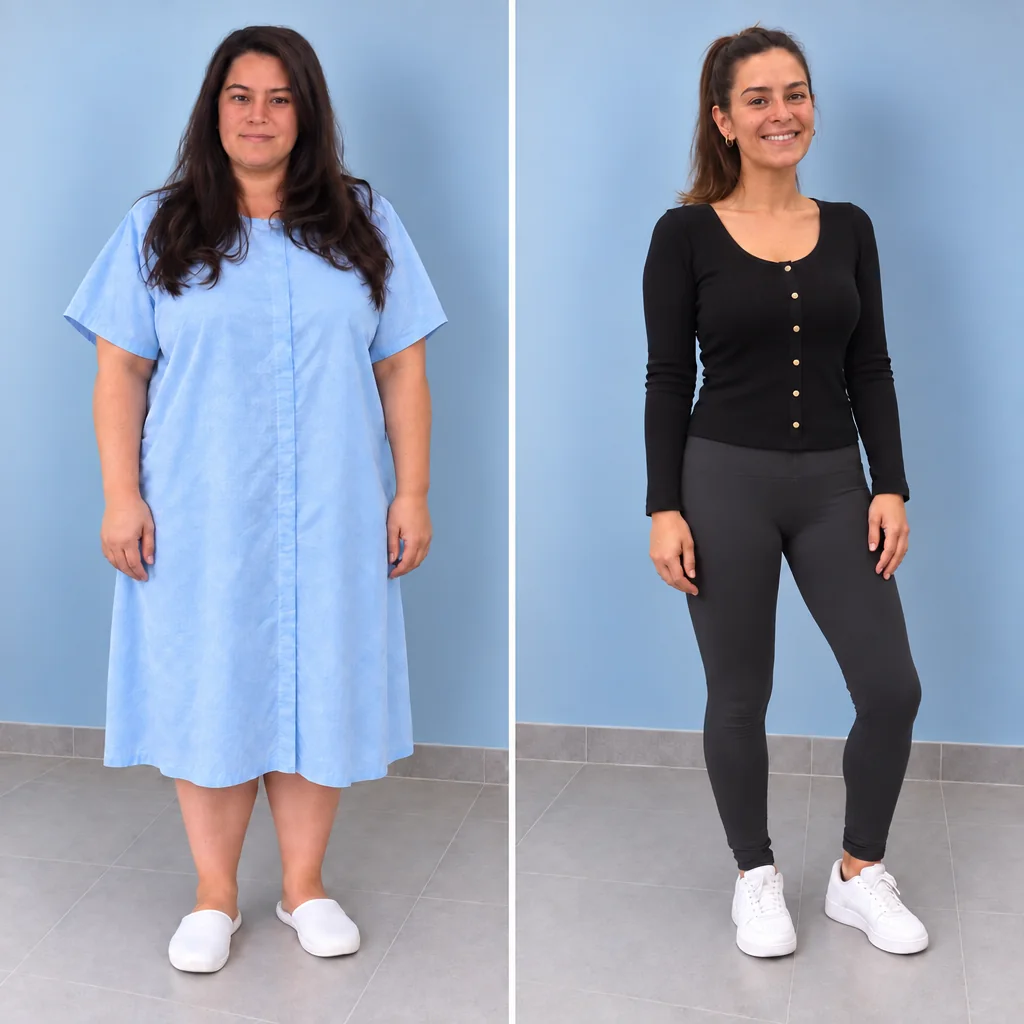 beforeafter
Bariatric surgery
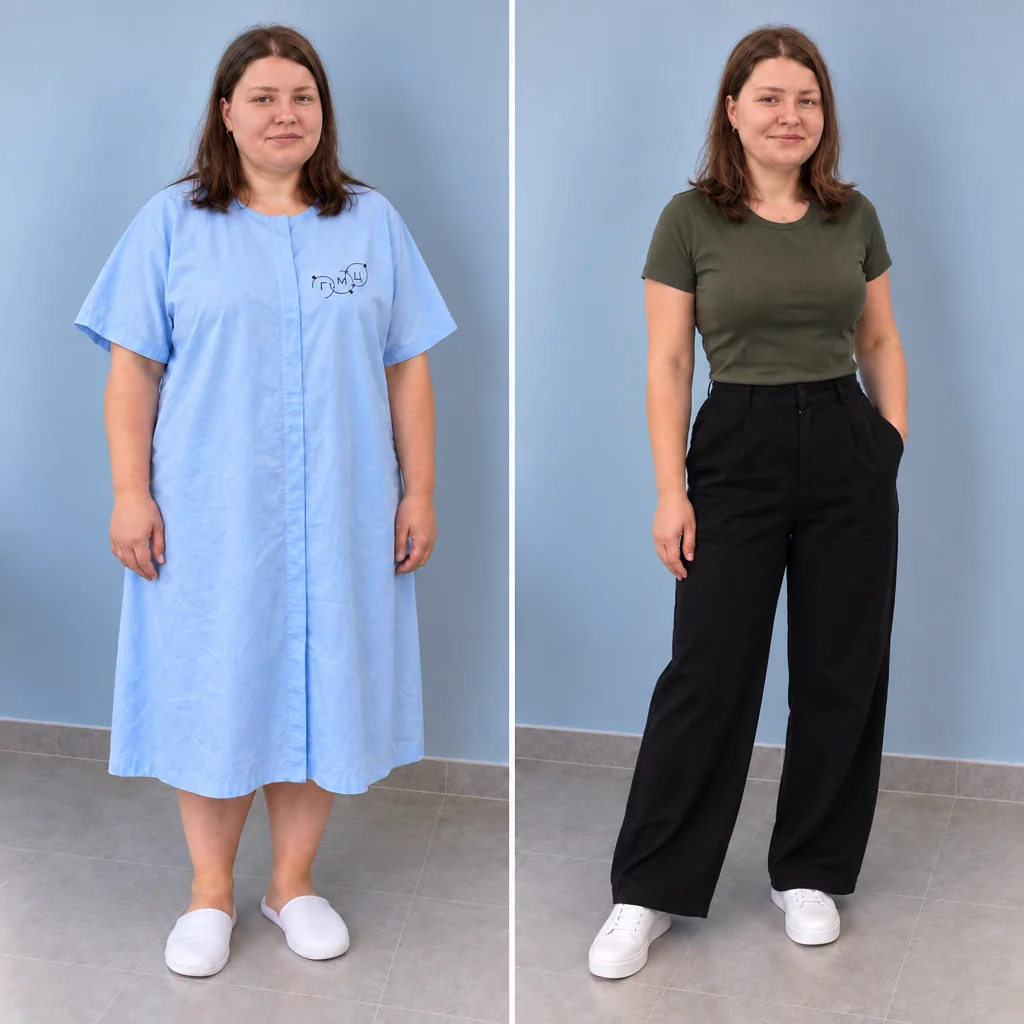 beforeafter
Bariatric surgery
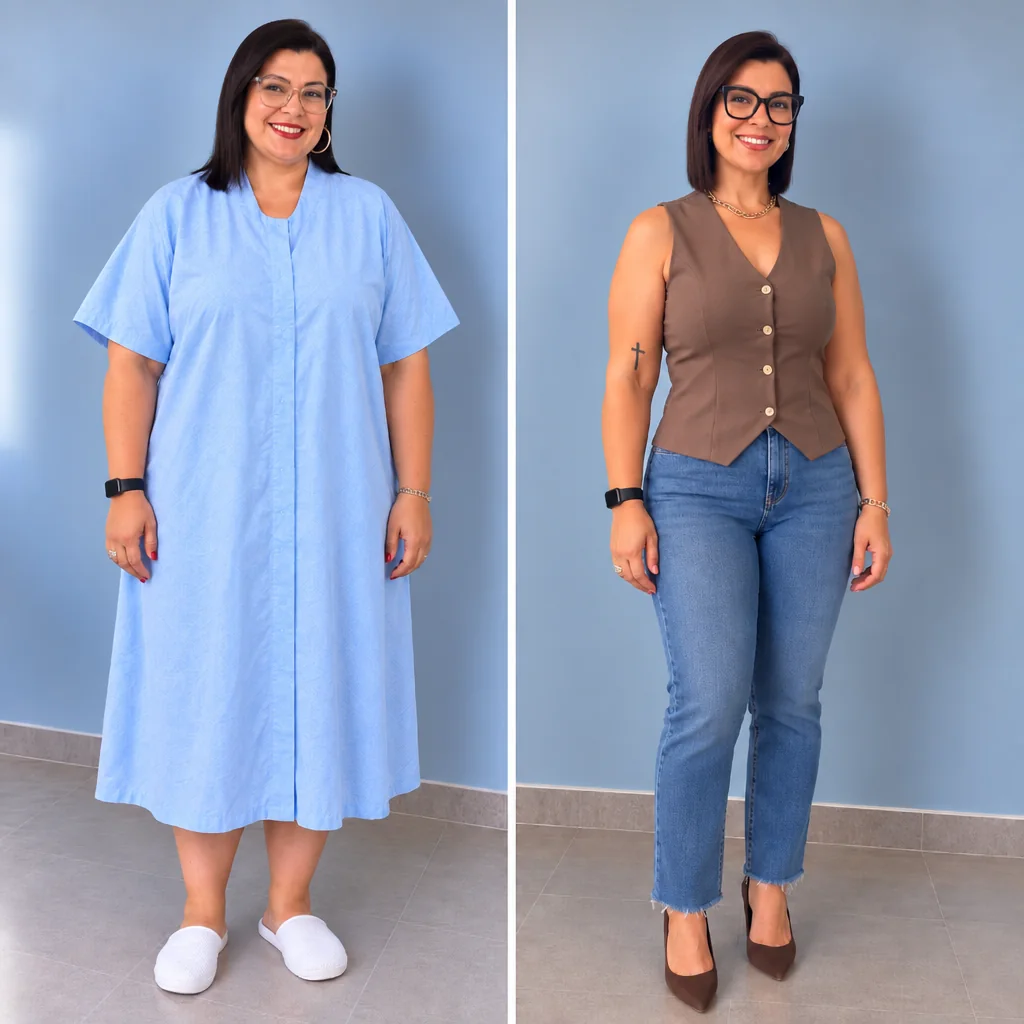 beforeafter
Bariatric surgery
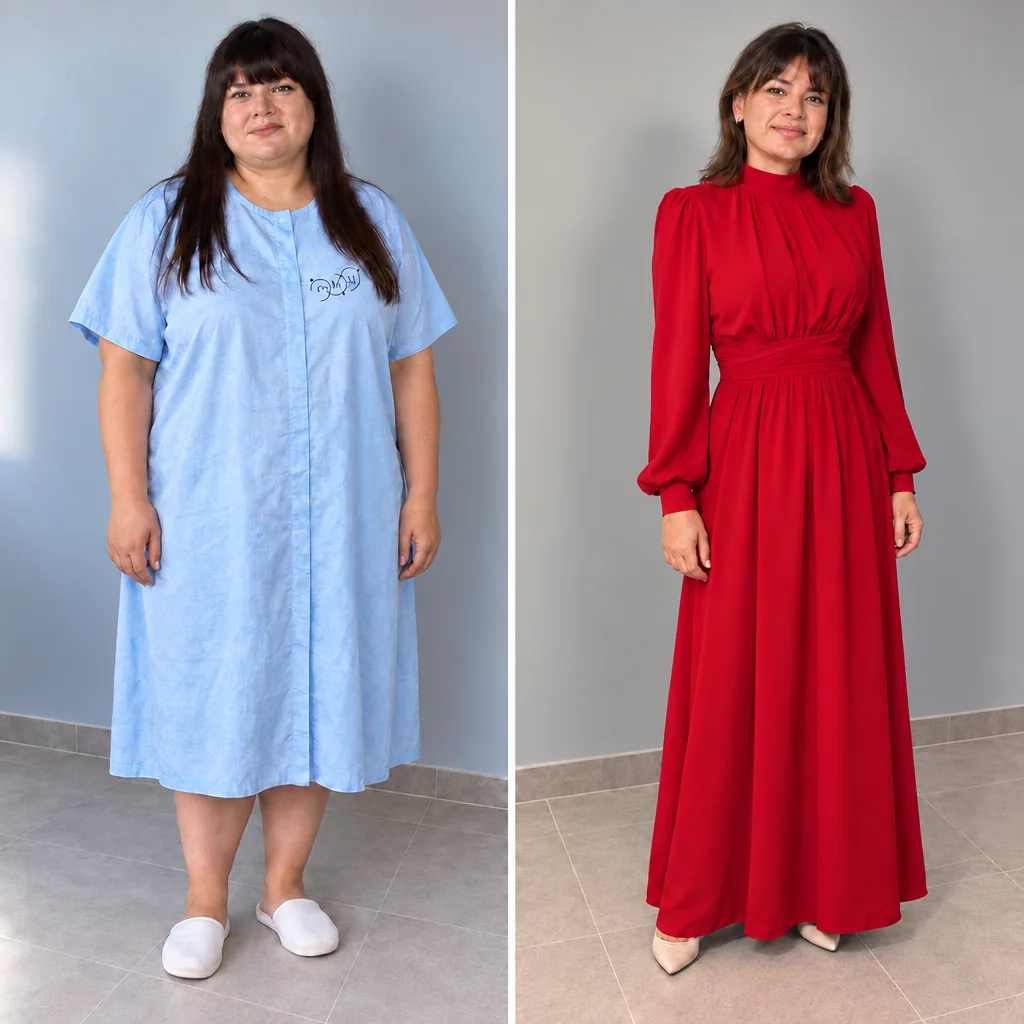 beforeafter
Bariatric surgery
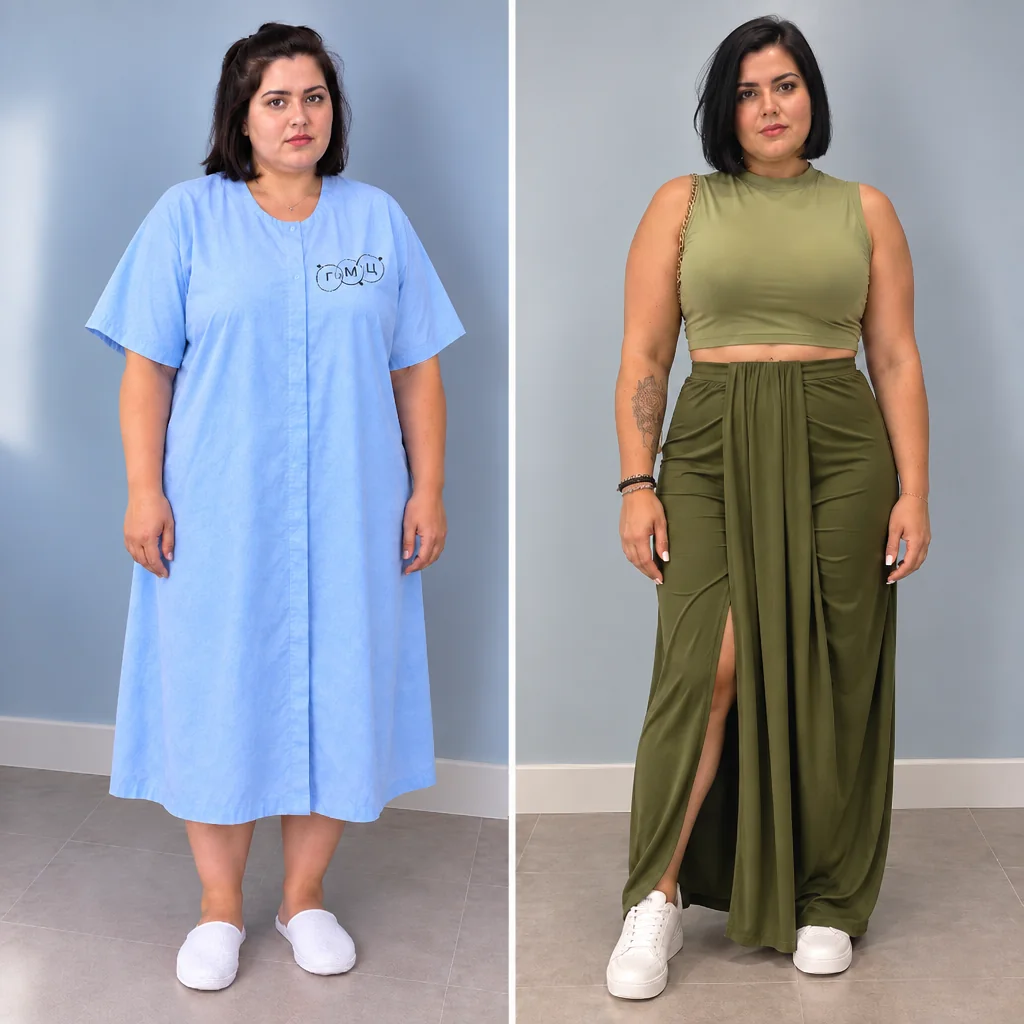 beforeafter
Bariatric surgery
 beforeafter
Bariatric surgery
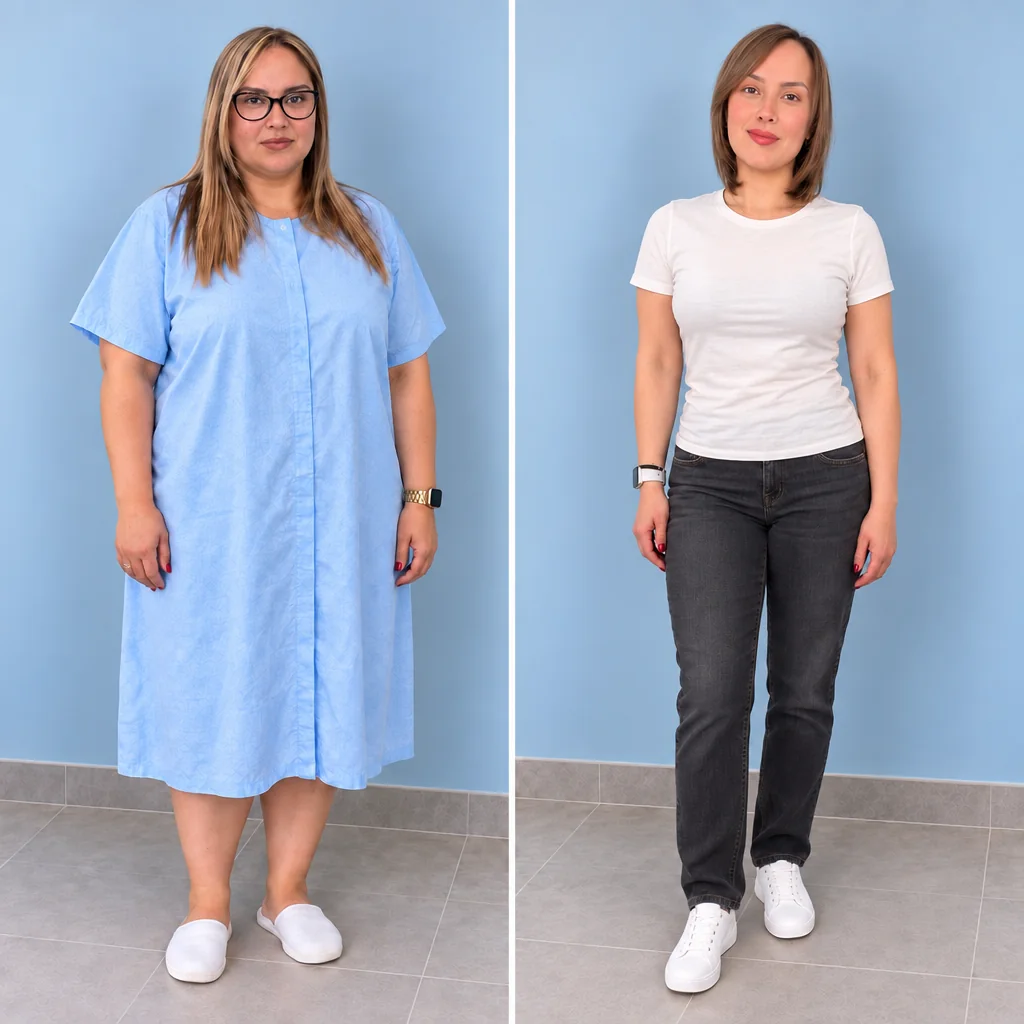 beforeafter
Bariatric surgery
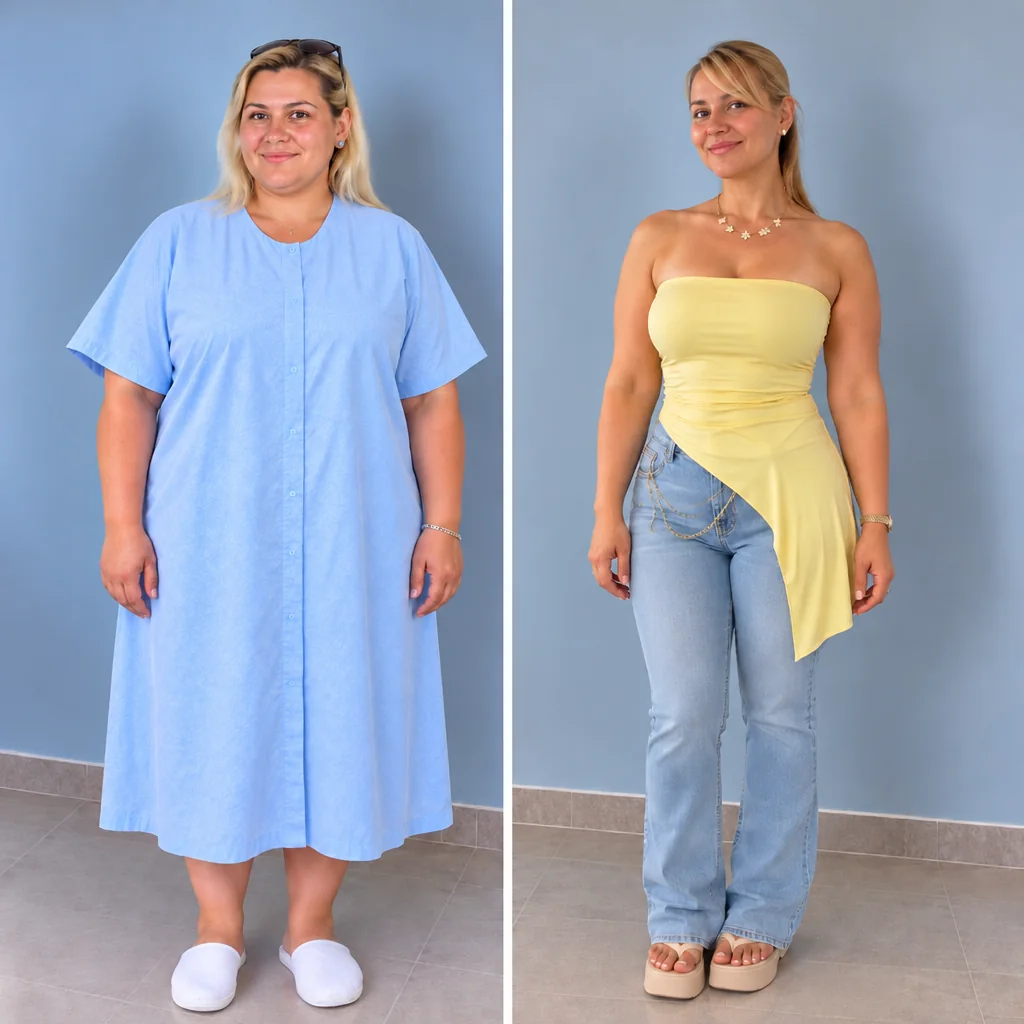 beforeafter
Bariatric surgery
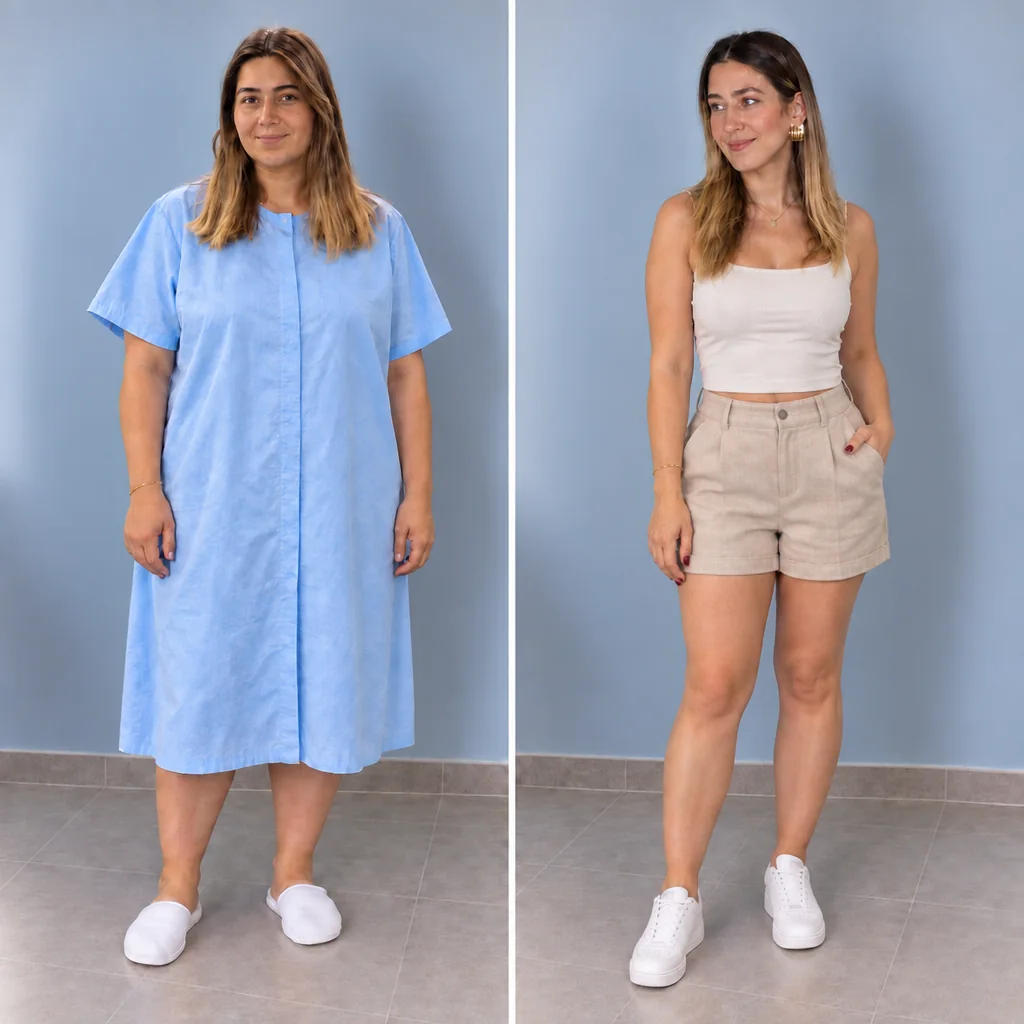 beforeafter
Bariatric surgery
Comparison
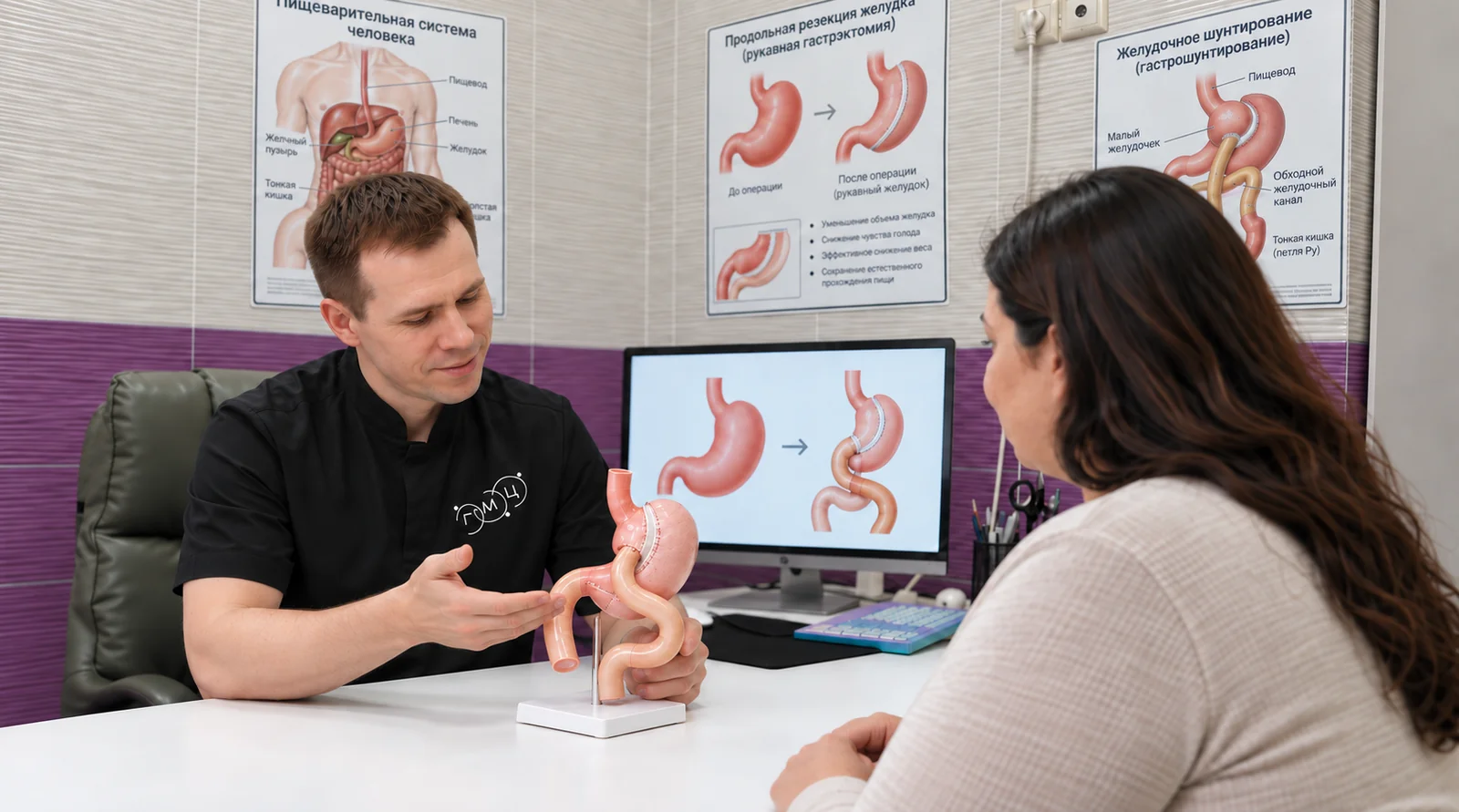
Our surgeons perform two key operations — sleeve gastrectomy and gastric bypass. A side-by-side look at how, why and when each is used helps you choose with confidence.
Reducing the stomach volume
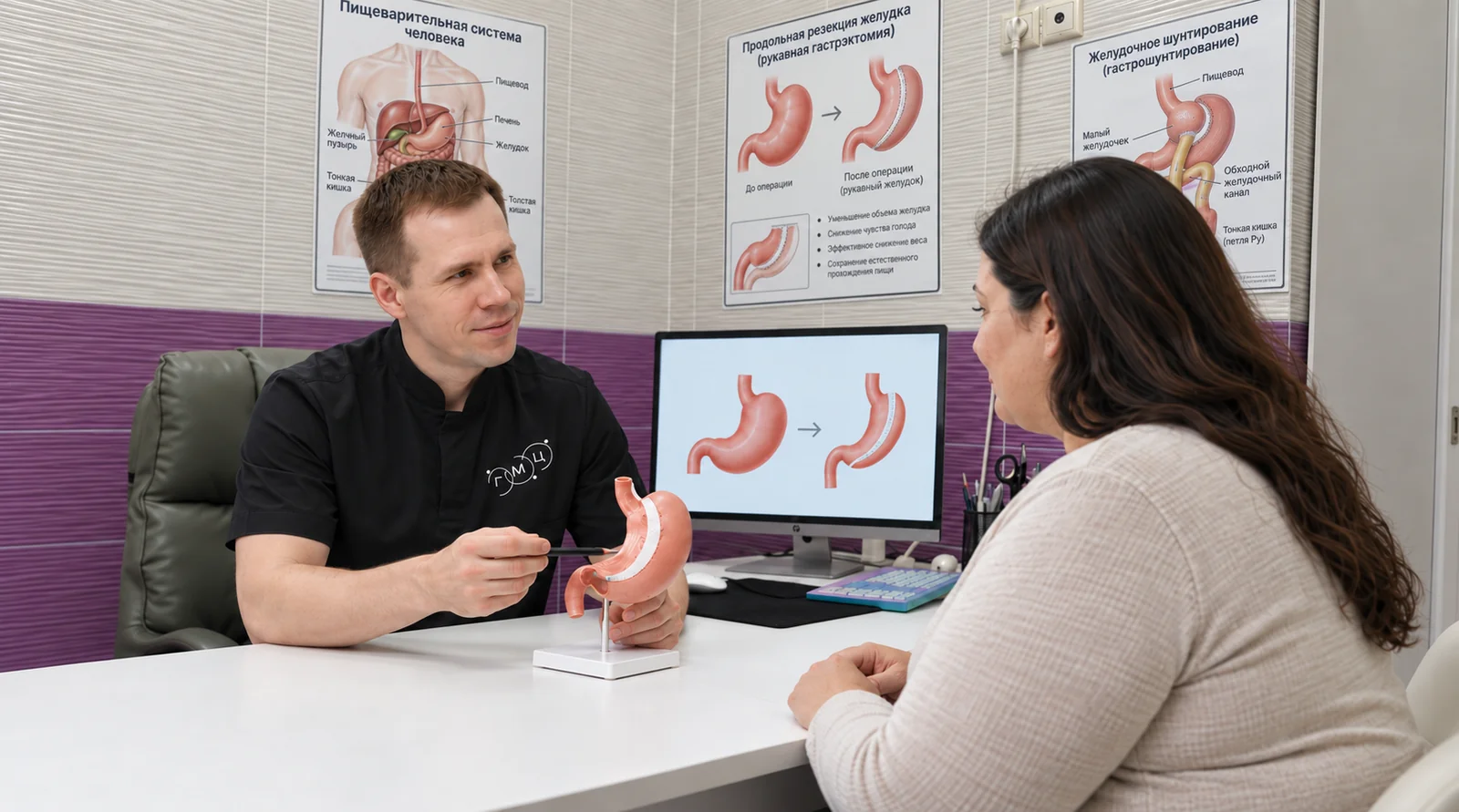
Discounted price
$3,600 $4,800
Stomach volume is reduced and the food path is changed
Discounted price
$4,000 $5,200
Shown for guidance, the benefits and recovery times are averages by method. The surgeon confirms the extent of surgery and recovery at the consultation, since they depend on your anatomy and individual features.
Book a consultationAbout us
Modern equipment, comfortable rooms and care for every patient
Ask us anything, and we will arrange a consultation at a time that suits you
Get a consultationWhether to have surgery is decided together with the surgeon after the consultation and check-up.
Unsure which column describes you?
Text us on Telegram — our coordinator will let you know if bariatric surgery is the right choice for you. The surgeon consultation is free, with no obligation to go ahead with surgery.
Find out if it suits me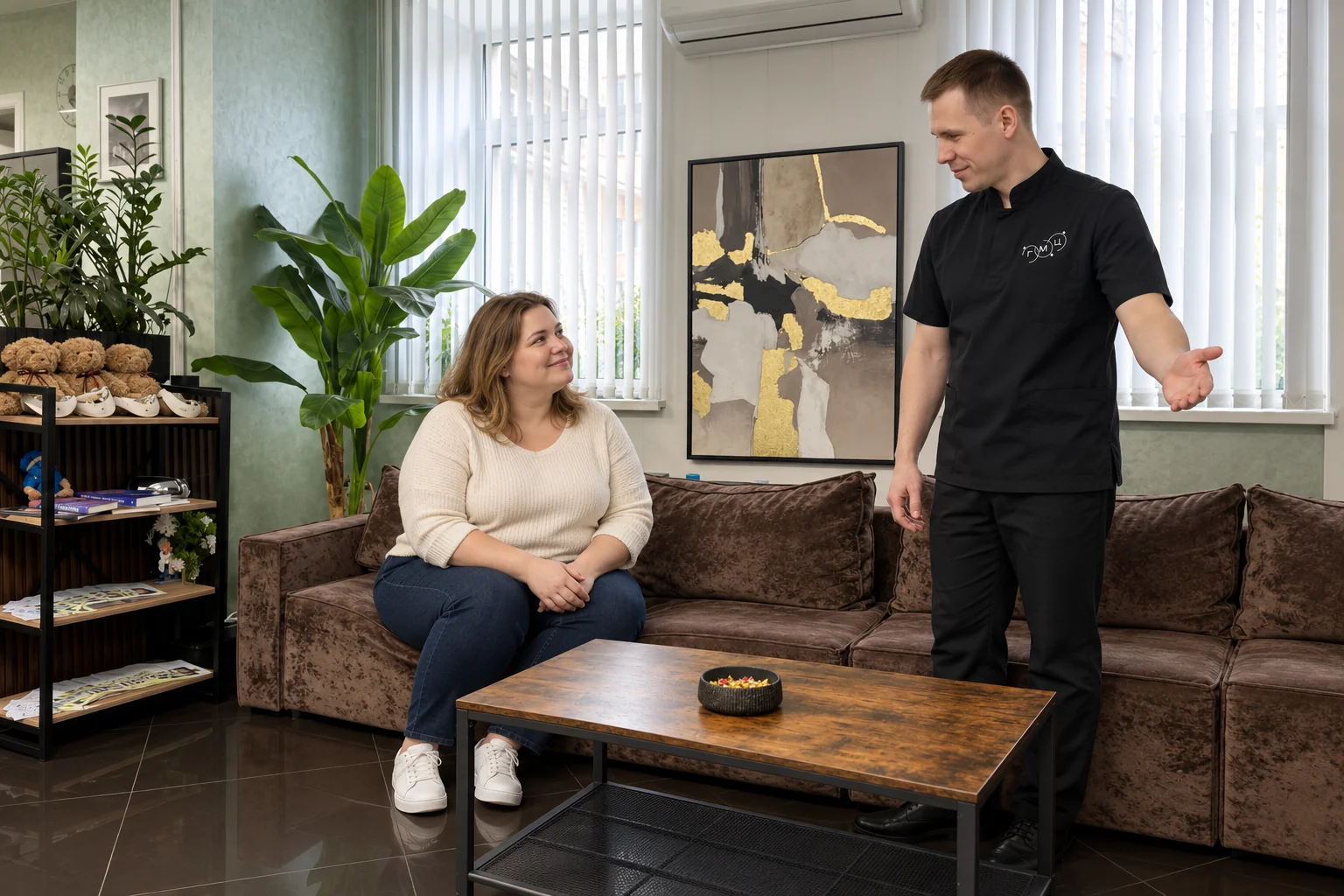
Prices
When your plan is prepared, the cost is named at the consultation and locked in the contract.
Discounted price
Reducing the stomach volume
$3,600$4,800
Discounted price
Weight loss and a new route for food
$4,000$5,200
Free
A treatment plan after the surgeon's examination

Free
the price of surgery is confirmed
and fixed in your contract
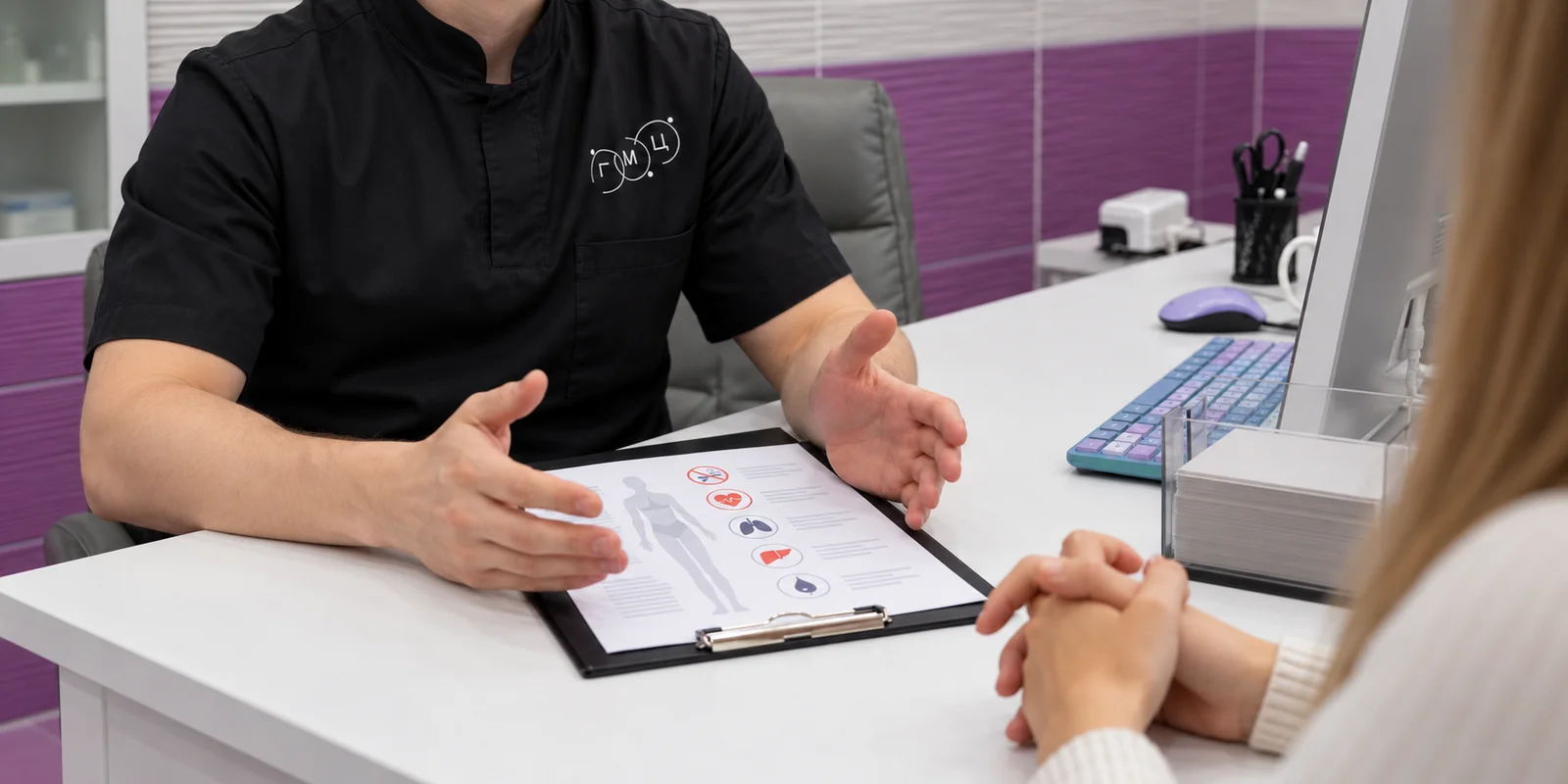
The doctor evaluates your health, talks through your goals and selects the right bariatric surgery method. The cost is named at the consultation and set in the contract.
Message our coordinator
Free online consultation · Reply within 15 minutes
Message us on TelegramMessage us on WhatsAppBy messaging us, you agree to our Privacy Policy

price
All in one package, from the preparation stage to 12 months of support — and no extra fees.From your pre-surgery preparation
to follow-up support for 12 months.
How it goes
An agreed plan of treatment, in-hospital monitoring and a year of support.
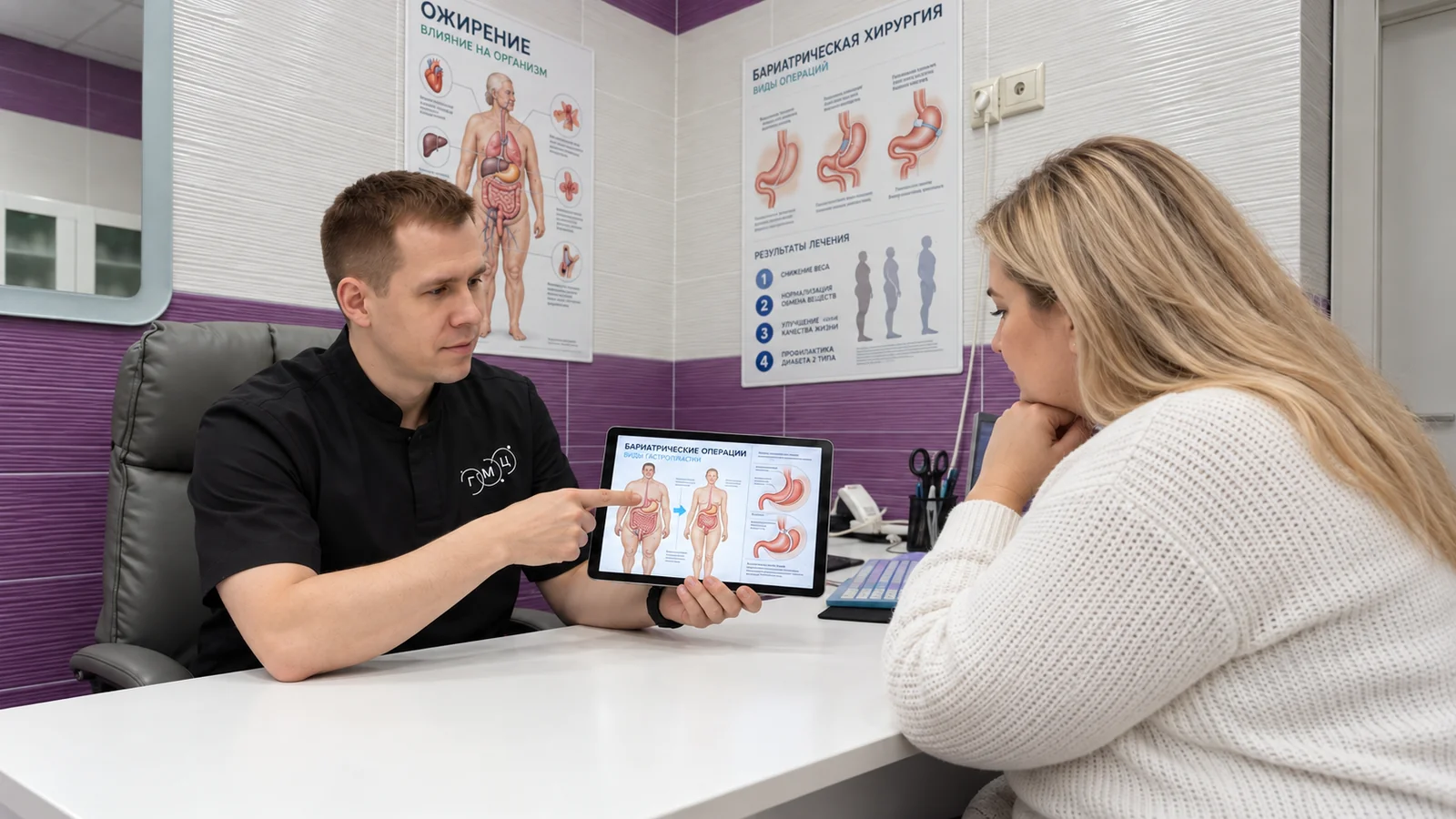 1
The doctor looks at your health, talks about your goals and requests the tests needed to choose the right bariatric surgery method.
2We reserve a surgery date for you: the deposit can be paid by card at the clinic or online by bank transfer. The terms are fixed in the contract for medical services
 3
Before the operation you have blood and urine tests, an ECG, an ultrasound and a gastroscopy, and see specialists. The doctor gives you the exact list at the consultation.
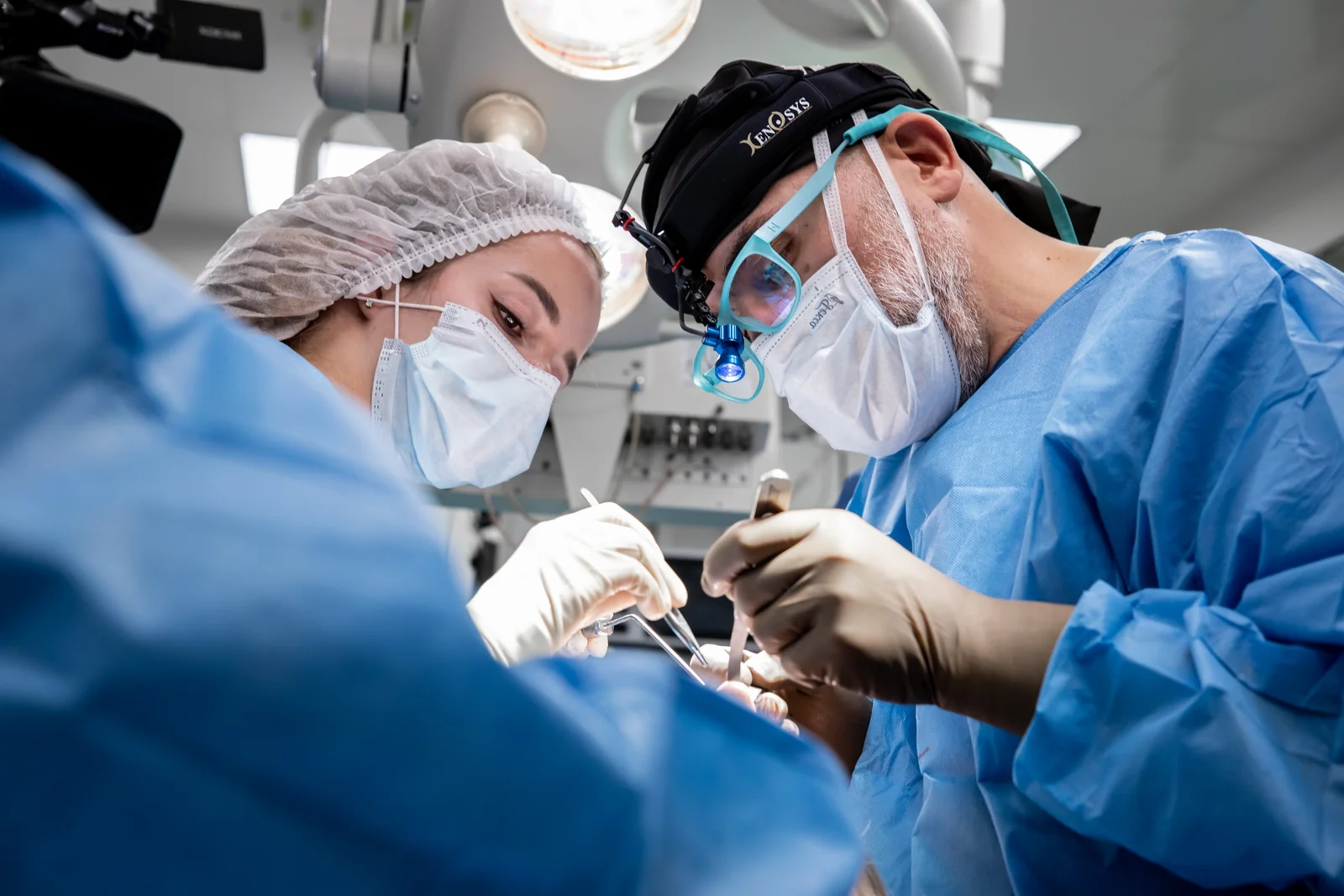 4
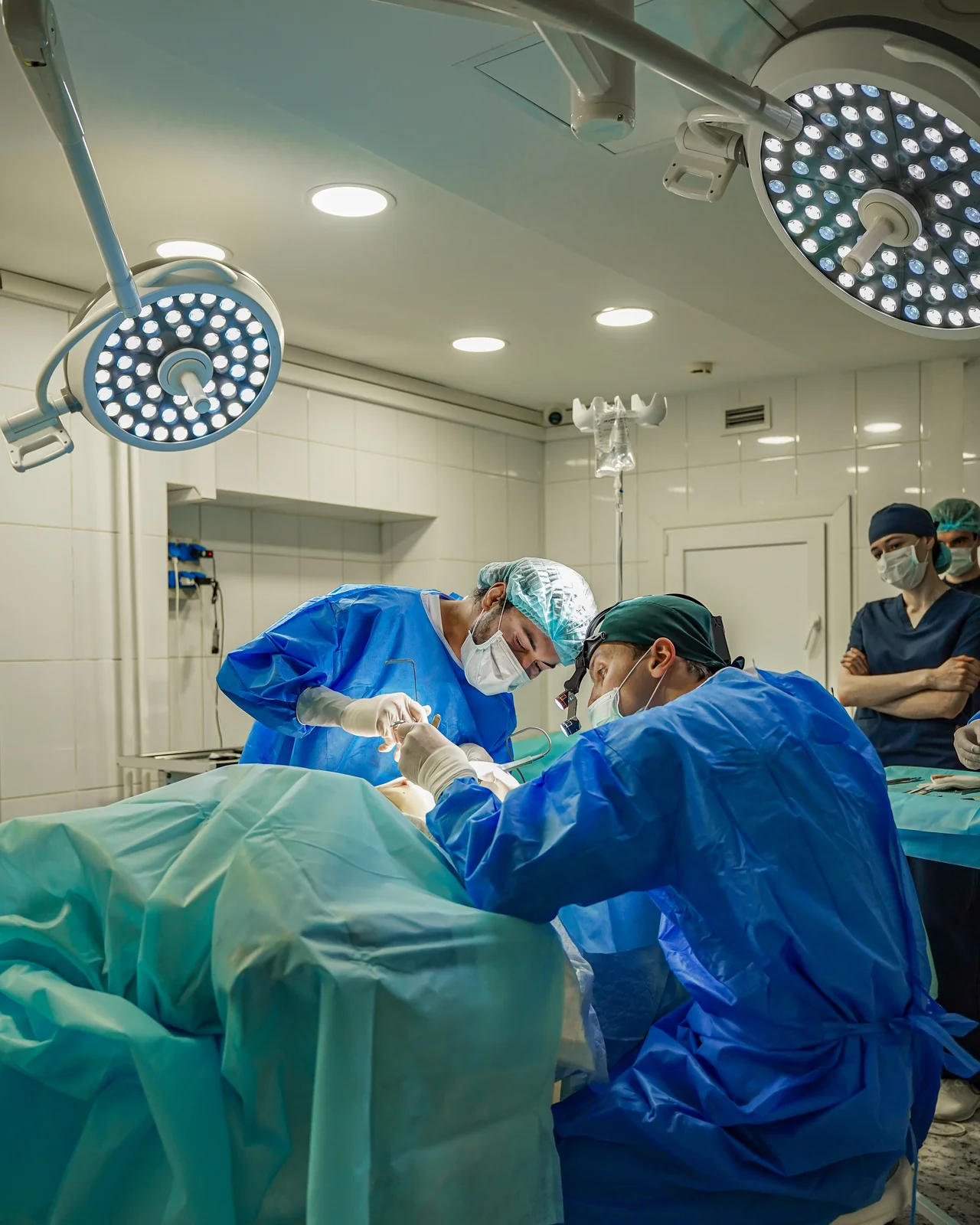
The surgeon carries out the chosen bariatric method under general anaesthesia. After the operation the patient is monitored by the medical team.
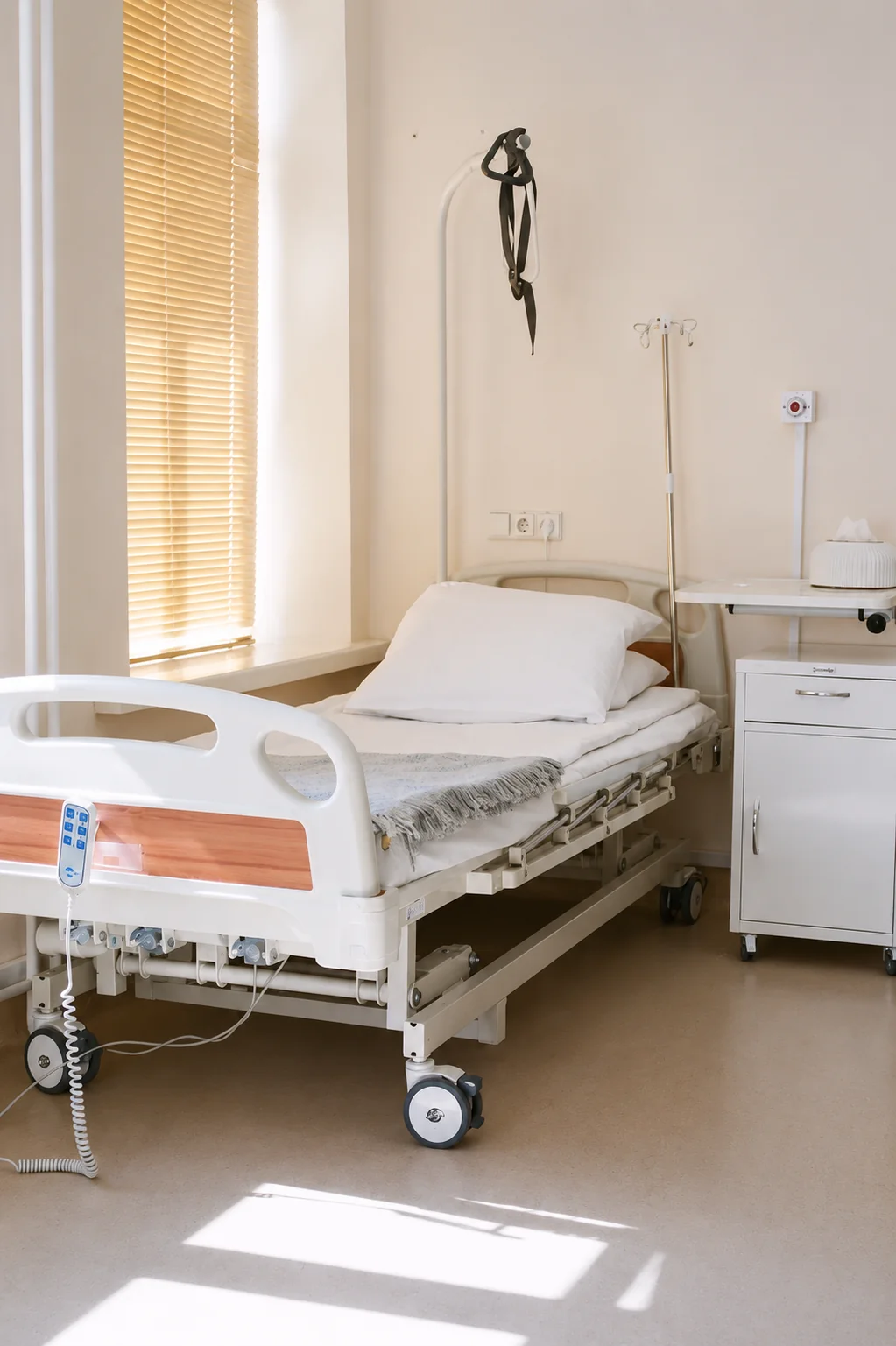 5
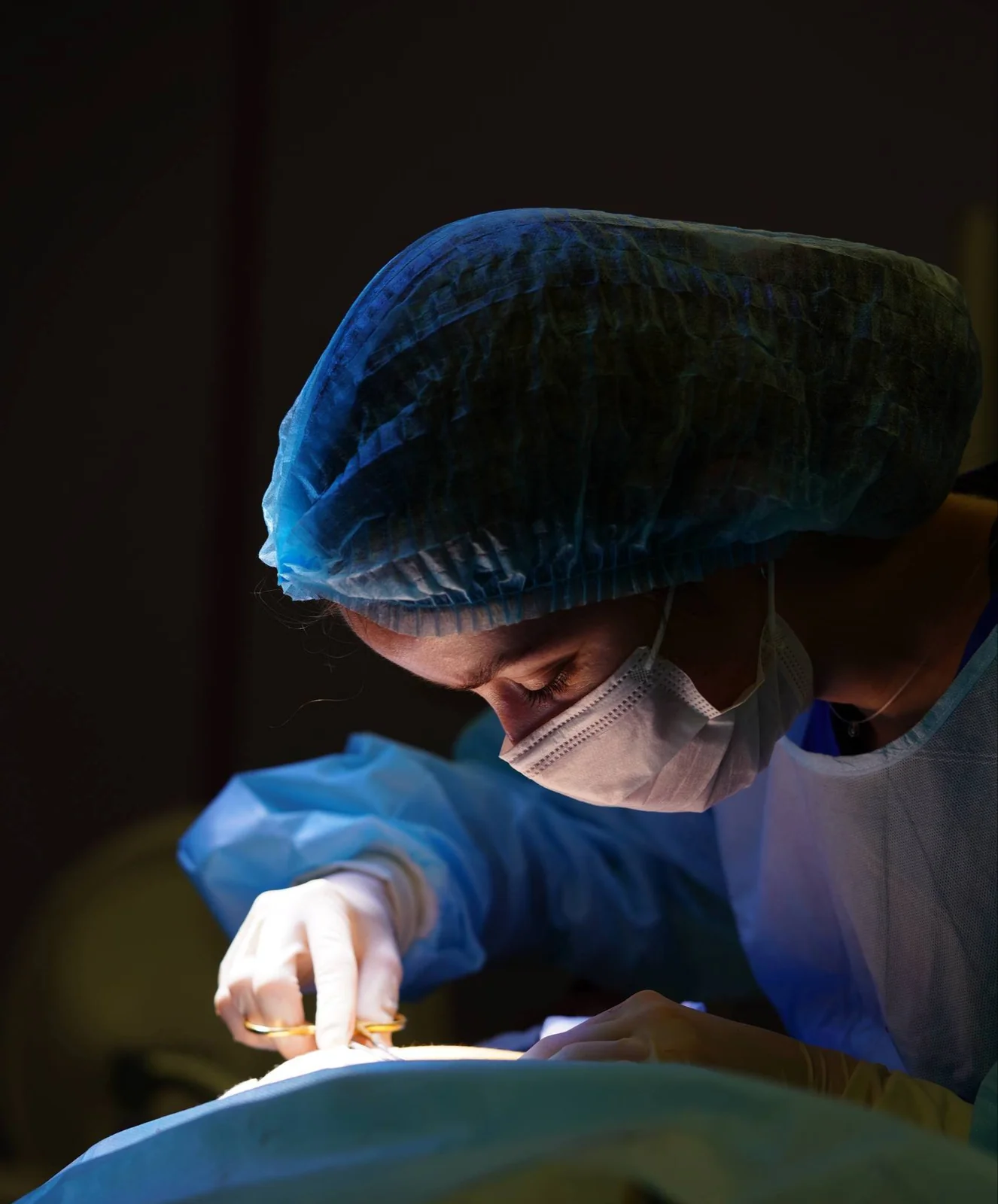
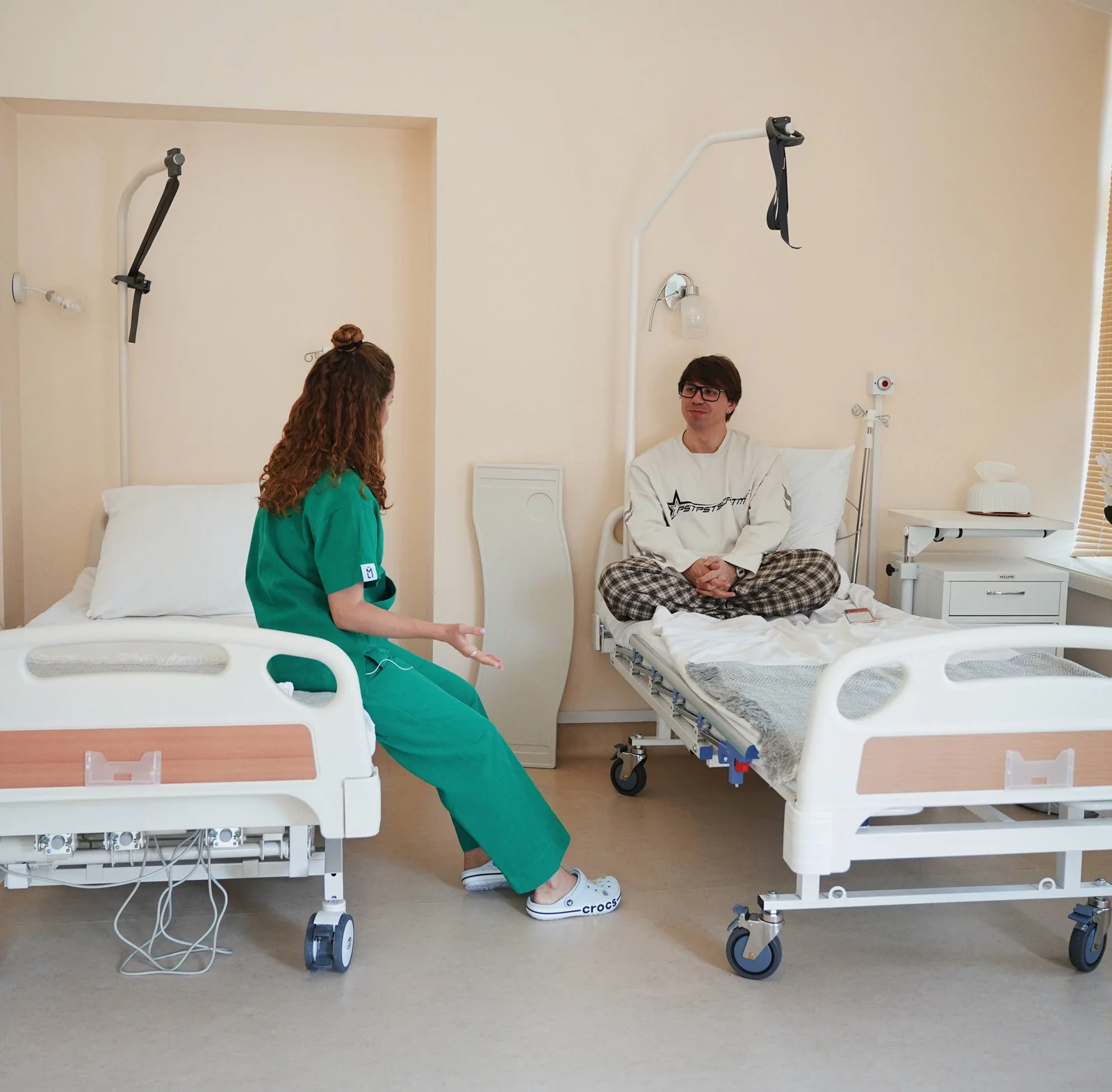
Following surgery you remain in hospital, supervised by doctors. The stay is from 1–3 to 4–5 days, depending on the operation's complexity and how you feel.
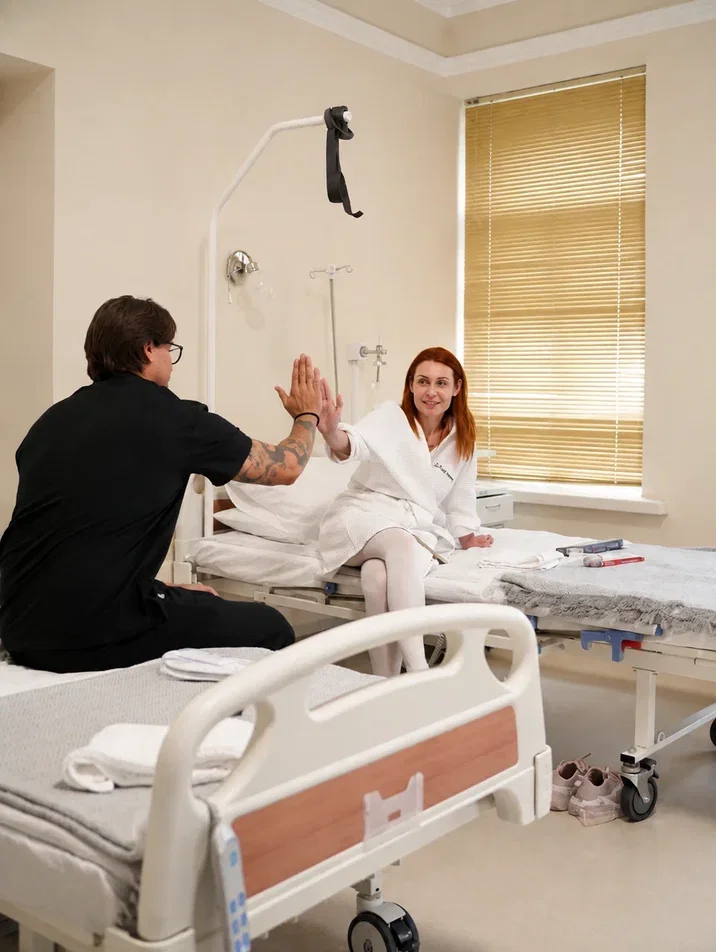 6
Scheduled check-ups after discharge follow your well-being, weight and test results, alongside advice on diet and recovery. For a year, the clinic team supports you.
A plan is drawn up by the doctor at the consultation, with an explanation of how surgery will go
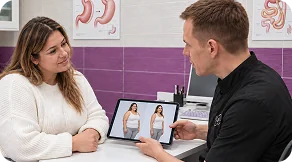
The consultation is free of charge, comes before surgery and obliges you to nothing.
Book a consultationDoctors
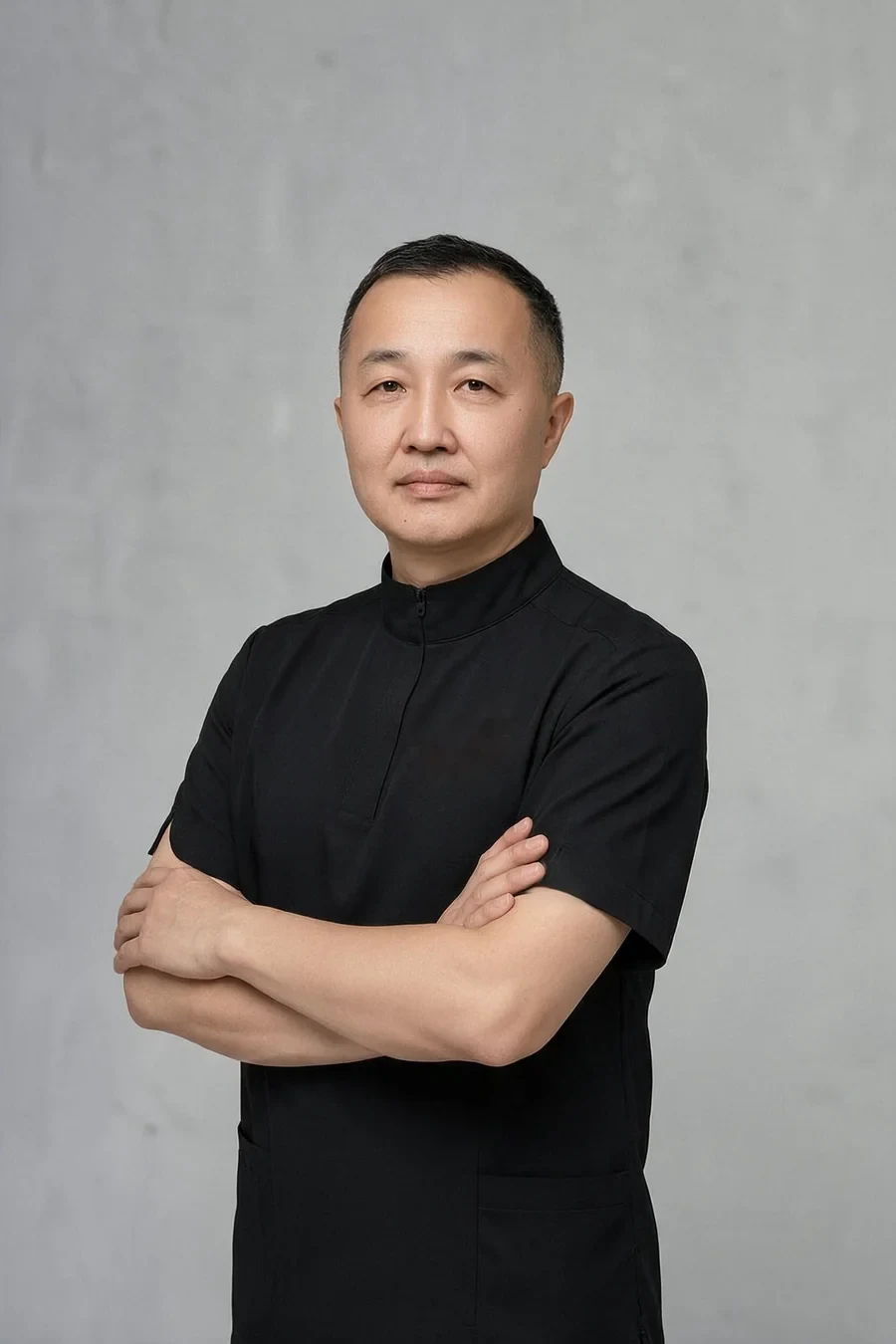
27 years of experience
Lead bariatric surgeon
Surgeon
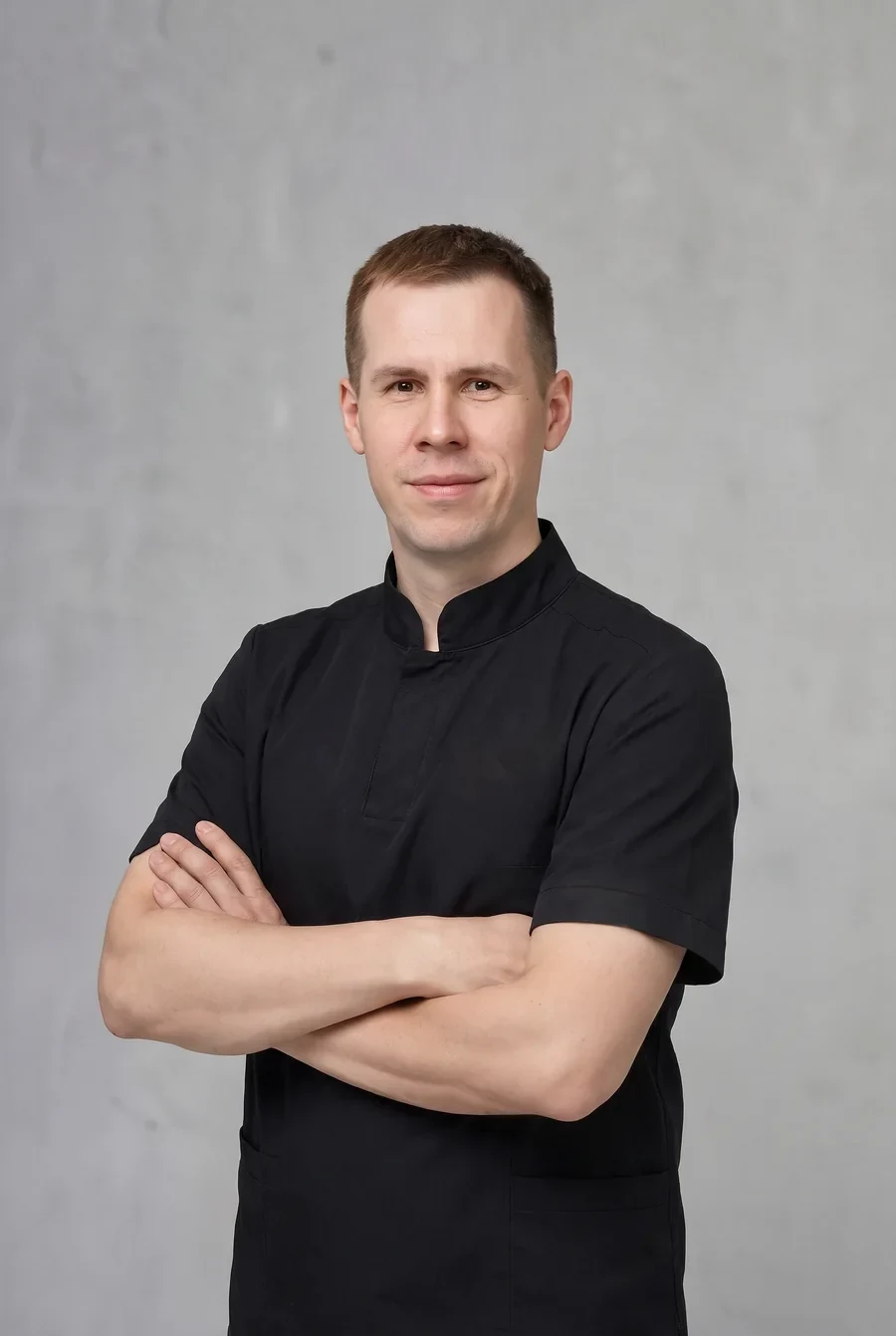
9 years of experience
Bariatric surgeon
Surgical oncologist
One surgeon operates and follows you all the way, from the first consultation to the result.
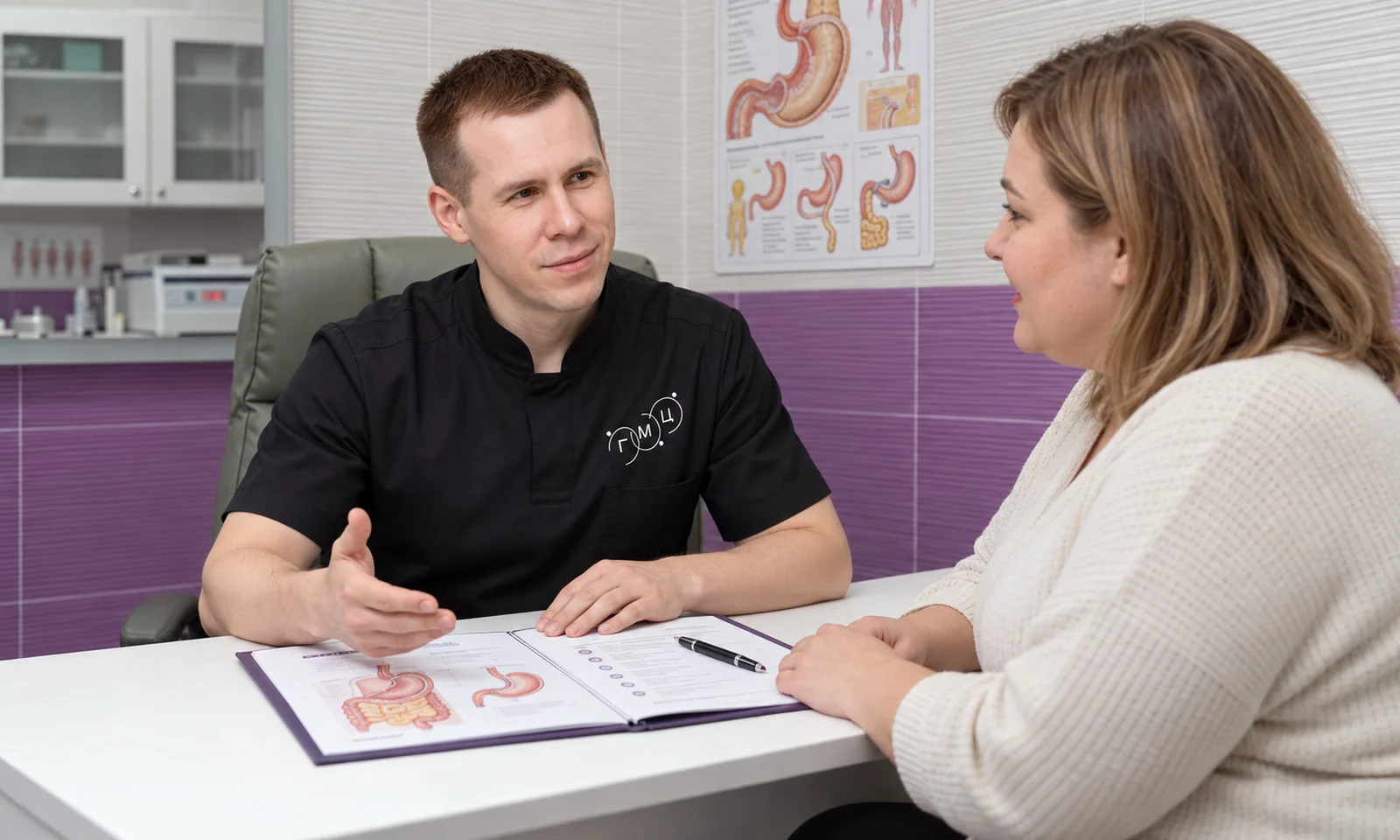
Your first step is a consultation with our patient care manager: BMI calculation, an explanation of the methods and booking with the surgeon. Free of charge.
Book a consultationCoordinators
Support at every step of the way

The first person you deal with at the clinic, from your first message to the consultation
Patient support
Answers your questions before the first consultation and helps select a date that works for you

Accompanies you before and during your stay, from booking to discharge
Patient support
Helps you prepare for the operation and stays in touch while you are at the clinic

Supports you through recovery — from discharge through to your last check-up
Patient support
Stays in touch during your recovery and schedules follow-up visits with the surgeon
Advantages
Your health, lifestyle and goals guide us to the best method, and our team is with you every step of the way.
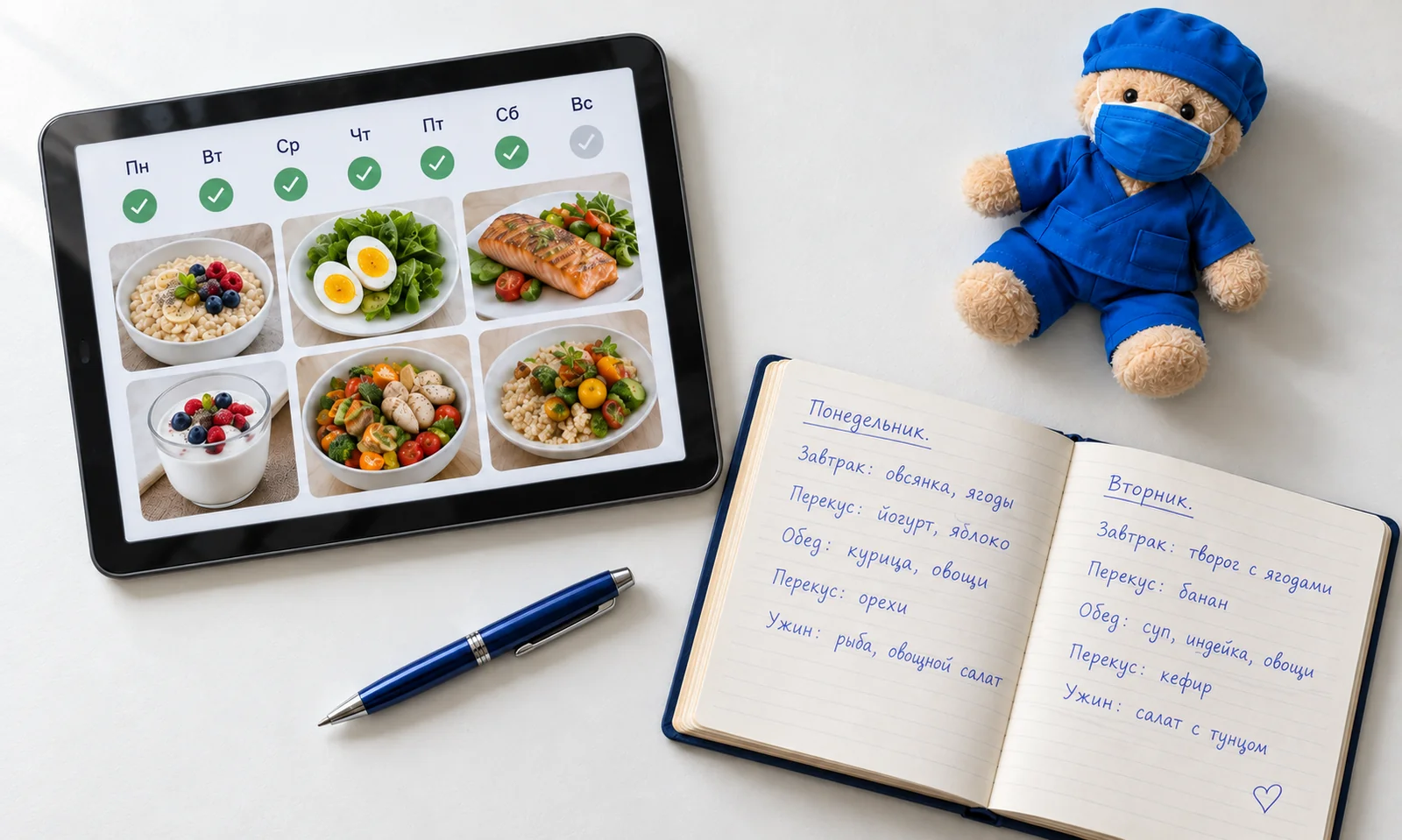
We help you adjust to new eating habits, follow your results and maintain them.
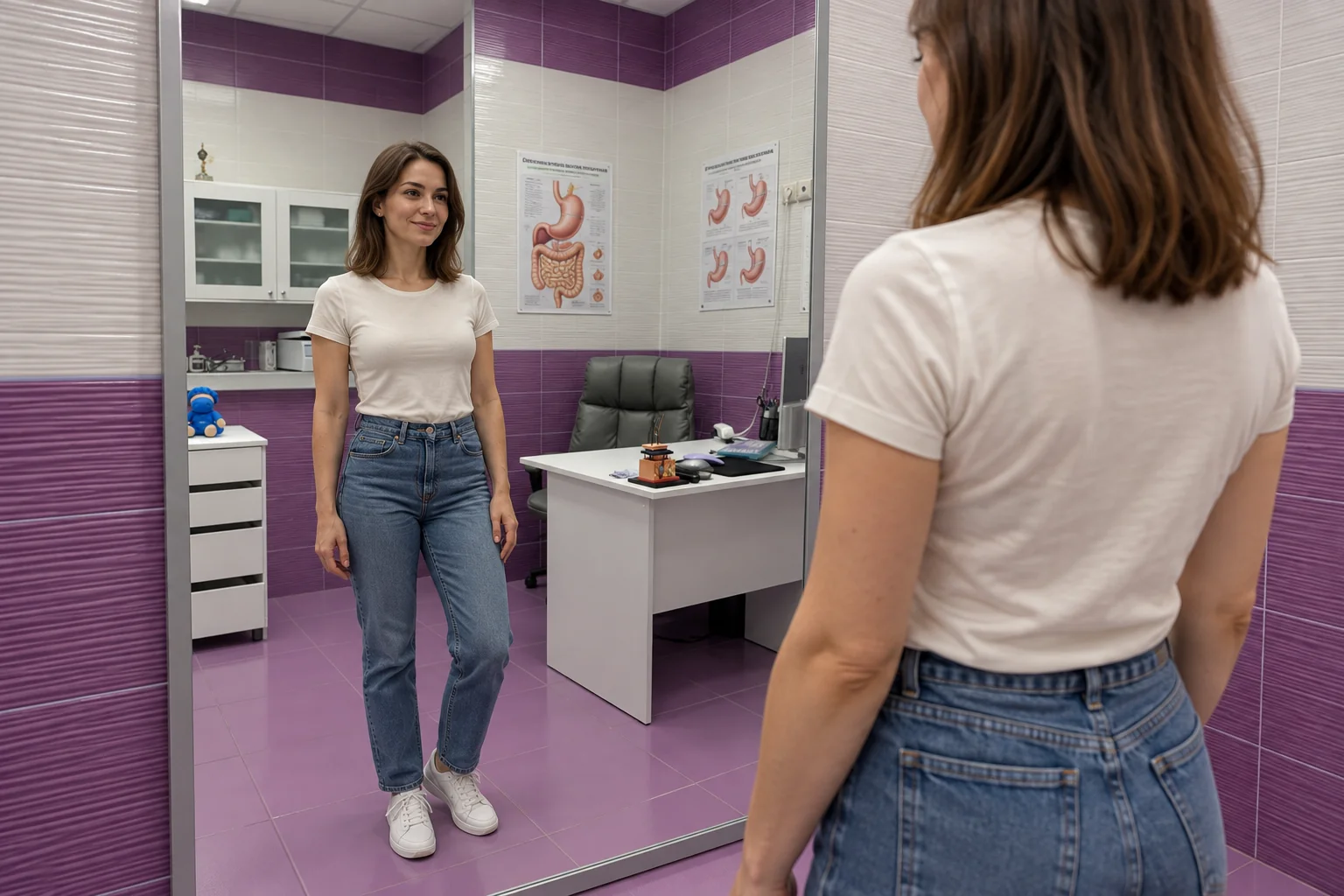
Steady weight loss, better well-being and a higher quality of life.

We value your time: we are open 24/7, booking is easy and the approach is personal — we adapt to your pace.
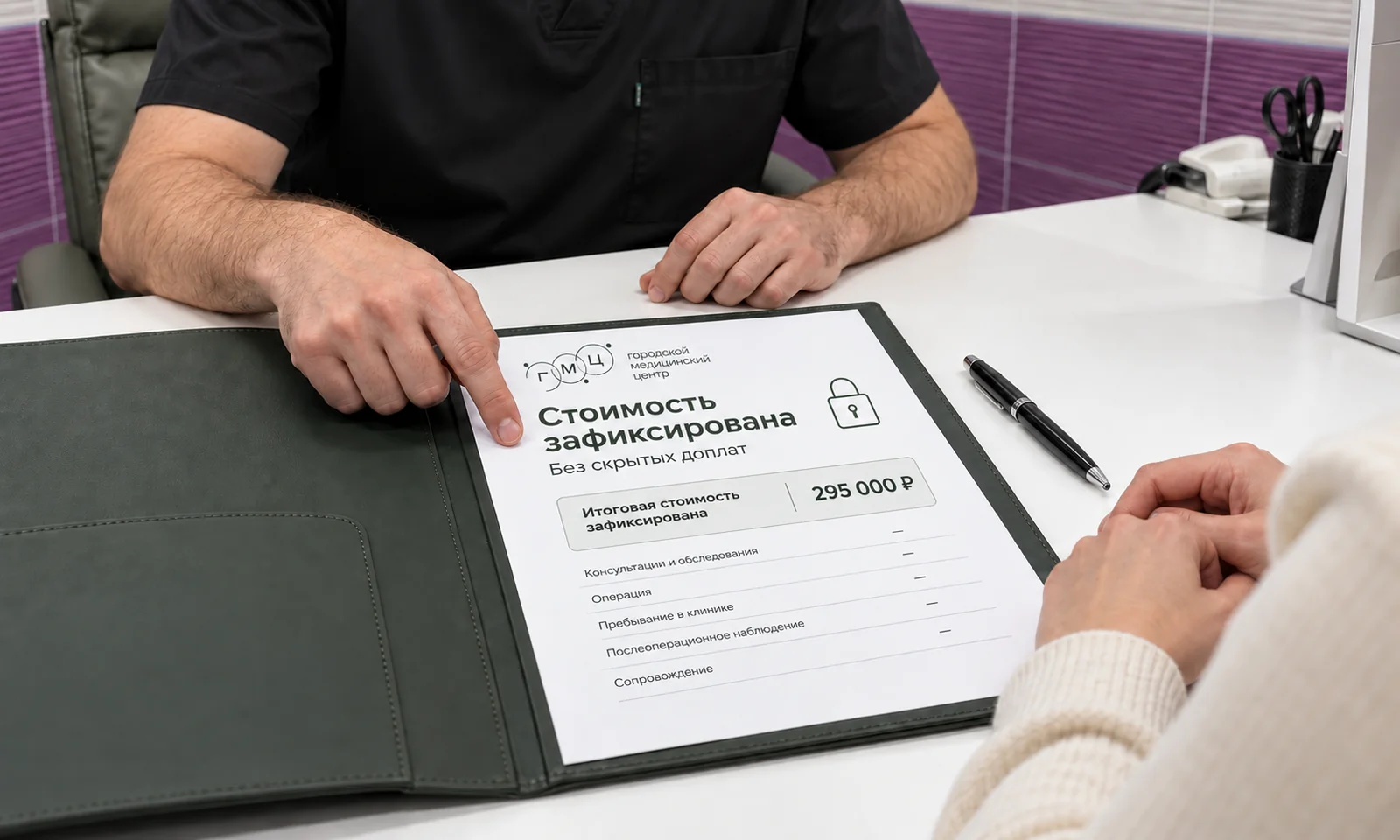
After the consultation you know the method the surgeon has chosen and the clear price, with no hidden fees and no surprises on the way to your result.
FAQ
The bariatric operations at our clinic are done by experienced bariatric surgeons:
Message us — our coordinator will reply soon and schedule your consultation. Your consultation with the bariatric surgeon is free.
Surgery is prescribed only when clear criteria are met
BMI is the principal gauge of how advanced obesity is, found by dividing body weight (kg) by height squared (m²). Typically, a BMI above 40 — or above 35 with serious related conditions — justifies surgery. Some patients with lower values are considered for surgery too, if non-surgical options have failed.
Many confuse the two, yet their purposes are fundamentally different. Bariatric surgery is medicine's treatment for obesity and related diseases: it changes how the digestive tract operates and addresses the causes of excess weight and metabolism. Plastic surgery reshapes outer contours of the body without treating obesity or affecting metabolism.
City Medical Centre carries out four main types of bariatric surgery: sleeve gastrectomy, Roux-en-Y gastric bypass, mini gastric bypass (MGB) and SADI-S duodeno-ileal bypass. The choice of method is individual, based on BMI, related conditions and the patient's goals.
Our approach is modern laparoscopic technique: 4 small punctures of 5 to 15 mm. We use cosmetic sutures, so the marks turn almost invisible after healing.
The recovery timeline depends on your activity. Office work: after 2–4 weeks. Physical work: after 1.5 months. Sport and activity: swimming allowed from 30 days, other exercise added gradually as weight comes down. Travel and holidays: best planned at least a month after surgery.
You move through diet stages from liquid food to soft and finally solid. Protein comes first, and high-calorie, fatty food is restricted.
It is possible to get pregnant after bariatric surgery, but doctors recommend a minimum wait of 12–18 months. During it the body stabilizes, weight reaches its target and nutritional status is normalized.
Yes, taking vitamins after bariatric surgery is mandatory. Because digestion is anatomically altered, the body absorbs some nutrients poorly, so regular vitamin and mineral supplements stay in the patient's life permanently.
Weight can come back after bariatric surgery, but this is very unlikely if you follow your doctor's advice. Proper nutrition, skipping high-calorie drinks and regular follow-up with City Medical Centre specialists are key.
Prices are in US dollars; the amount in brackets is an approximate conversion to KES at the rate of 02.10.2026. The final price is fixed in your contract.
Prices start from $3,600 (≈ KES 470,000). The surgeon sets the final price at the free consultation, and it is fixed in the contract, with no hidden extras.
General anaesthesia, a personal coordinator from day one, monitoring in the hospital and support for one year.
The hospital stay is 1–5 days, depending on the method and how you feel. Office work is possible after 2–4 weeks.
Yes. The first consultation is free and does not oblige you to anything. You can start online by sending a message to the coordinator.
Message us on WhatsApp or Telegram using the buttons below. A coordinator will answer your questions and book a free consultation where the doctor names the exact price.
By messaging us, you agree to our Privacy Policy
Weight that began in childhood, a family history of obesity, shortness of breath on stairs, avoiding photos — these are common reasons people in Thika start thinking about surgery. A consultation is warranted not only by a high BMI but also by related conditions. The surgeon reviews your health and weight history and offers the most suitable of the four surgical methods.
During the operation the surgeon works laparoscopically, which keeps rehabilitation as short as possible. Right after, you are under round-the-clock care in a ward, with meals and nursing included. After discharge, most people in Thika return to office work in 2–4 weeks, following a diet plan and avoiding saunas and heavy exercise for the first weeks.
Your investment covers more than surgery. The package includes the full diagnostic programme, the chosen laparoscopic method, inpatient care with food and nursing staff, round-the-clock medical presence and specialists tracking your weight and tests throughout the first year. For people searching for weight loss surgery in Thika, the first consultation with the surgeon is free and takes about 15 minutes.
What patients write after this operation. Reviews are translated from the original language.
Irina, 26
For a long time I doubted whether to go ahead with surgery, but after the consultation I felt much calmer. Andrey Georgievich explained in detail how gastric bypass is done, what to expect after the operation and how recovery would go. I especially liked that they talked to me calmly and without pressure. I am now gradually getting used to my new way of life and I am very glad I took this step.
Bariatric surgery
Doctor: Andrey G. Ugay
Angelina, 22
For me the hardest part was deciding to have the operation. At the consultation Ruslan Sergeyevich answered all my questions in detail and explained the specifics of sleeve gastrectomy and recovery. After the operation I always understood what I was doing and why. Thank you to the doctor and the whole team for their attentiveness.
Bariatric surgery
Doctor: Ruslan S. Menzulin
Anna, 31
For a very long time I tried to deal with my excess weight on my own, but I did not get the result I wanted. After the consultation with Andrey Georgievich I finally understood what to do next. I came through the operation well, and my recovery was supervised by the doctors. It was important for me to feel that I was not left alone after surgery.
Bariatric surgery
Doctor: Andrey G. Ugay
Veronika, 25
Before the operation I had many fears, mostly of the unknown. Ruslan Sergeyevich explained every stage of treatment in detail and answered even the simplest questions. Thanks to that I felt much more confident. I keep following the recommendations and I am gradually seeing the changes I had the operation for.
Bariatric surgery
Doctor: Ruslan S. Menzulin
Valentina, 23
The decision to have bariatric surgery was not easy for me. I worried both about the operation itself and about how my life would change afterwards. At the consultation Andrey Georgievich explained everything in detail, so little by little my fear turned into confidence. What matters most to me now is the result and the chance to treat my health and lifestyle differently.
Bariatric surgery
Doctor: Andrey G. Ugay
Anna, 27
I am very grateful to Ruslan Sergeyevich for his attentiveness. Before the operation I had a huge number of questions, and I got a clear answer to every one of them. After the operation it was also clear which recommendations to follow and how to eat. It was important to me that the doctor stayed in touch and I felt supported at every stage.
Bariatric surgery
Doctor: Ruslan S. Menzulin
Thika is an industrial town and commerce hub in Kiambu County, on the A2 road, close to where the Thika and Chania Rivers meet. It had a population of 279,429 as of the 2019 National Census and is growing rapidly. Thika also has the largest economy in Kiambu County. Many residents work in factories, trading, transport, services and small businesses, and the working day is often long and busy.
A life like this leaves little room for regular cooking at home, planned exercise or long medical appointments. Many people in a growing commercial town eat on the move, at work or during errands, and weight tends to creep up over the years. When diet and exercise have been tried repeatedly without a lasting result, people start asking about bariatric surgery, meaning sleeve gastrectomy and gastric bypass.
This text is written for residents of Thika who want to understand how such surgery fits into their own routine, work and family life, and how to prepare for it sensibly. It is general information and does not replace the assessment of the operating surgeon.
Body mass index is the main tool for judging the degree of obesity. It is calculated by dividing body weight in kilograms by height in metres squared. Surgery is usually justified with a BMI above 40, or above 35 with serious related conditions. In some cases surgery is considered at lower values too, if non-surgical approaches have failed. The surgeon confirms at the consultation whether surgery suits you.
In practice, the related conditions that patients in a town like Thika mention most often are raised blood sugar, high blood pressure, sleep disturbance with loud snoring, painful knees and back, and shortness of breath on stairs or when walking between workplaces. These are worth listing in detail before the consultation, together with the medicines you take and the results of any recent tests.
Surgery is not suitable for everyone. Active serious illness, an untreated eating disorder, ongoing alcohol or substance dependence, pregnancy, or an unwillingness to follow a long-term eating plan are general reasons for the surgeon to pause or decline. Your doctor will go through your history and may ask for additional examinations before any decision is made.
The World Health Organization describes obesity as a chronic condition that raises the likelihood of other diseases. Seeing it as a medical condition rather than a lack of willpower is often the first step for people who have blamed themselves for years.
The first step is a free online consultation. You contact the centre from Thika by Telegram or Telegram, and coordinators are available around the clock, 24/7. If you write late in the evening after work, or early in the morning, a coordinator will still answer, and a coordinator will call you back 24/7 if you prefer to talk.
Before the conversation, prepare your height and weight, so that your BMI can be calculated, a list of long-standing conditions, previous operations, allergies and the medicines you take, and any recent blood test results. A short note about your eating habits and previous attempts to lose weight helps the surgeon understand your situation quickly.
Booking is easy, the approach is personal and the process adapts to your pace. You are not pushed to decide on the first call. Many people from Thika prefer to talk it over with a spouse, parents or an older relative, and to ask further questions in writing a few days later. That is a reasonable way to take a decision of this size.
The programme runs from preparation to 12 months of support, all in one package, with no added fees. Follow-up support continues for 12 months, which matters because most of the real work of bariatric surgery happens in the months after the operation, at home.
Thika has a subtropical highland climate with sunshine most of the year and an average annual temperature of 19.8 °C. The town lies at an elevation of about 1,631 metres. This mild climate is a practical advantage during recovery: you rarely face extreme heat that makes a compression garment or loose clothing uncomfortable, and fresh air walks are pleasant on most days.
The hottest period is March and April, leading into the long rains, and the coolest month is July. If you plan the operation so that the first days at home fall in a cooler month, light layers are easy to manage and you sweat less around the small wounds. In the hotter weeks, choose soft, breathable cotton clothing, keep the skin dry and avoid strong midday sun during early recovery.
The long rains run from March or April to May or June, and the short rains from October to November or December. Rain affects daily life: muddy roads, crowded matatus and wet pavements. In the first days after leaving hospital, avoid crowded transport, slippery surfaces and long waits outdoors. Ask a relative to help with errands during rainy spells so that you can rest.
Dehydration is a common concern after bariatric surgery, and a warm, dry spell can make it more noticeable. Small, frequent sips of fluid through the day are the usual advice, and your surgeon will give you the exact plan.
There is no single best month, but Thika's calendar offers useful guidance. The cooler period around July gives comfortable conditions for the first weeks. The rainy seasons are workable too, as long as you arrange help at home and avoid unnecessary outings. The hottest months of March and April ask for a little more attention to hydration and clothing.
Think about your own year as much as the weather. Harvest and trading peaks, school terms and fees periods, weddings, funerals and church or community gatherings all bring long meals and social pressure to eat. In the early weeks after surgery your portions will be small and your diet staged, so it is easier to start recovery when no big event is near.
Office work is possible after 2–4 weeks. Physical work, for example in a factory, on a building site or in loading and transport, usually requires about 1.5 months. If your job is physical, discuss with your employer in advance whether lighter duties are possible during the transition. A medical note from the surgeon can help with this conversation.
Students in Thika's colleges can plan the operation for a break between terms, so that missed classes and exams do not add stress to recovery.
Both operations are performed under general anaesthesia using modern laparoscopic technique. The surgeon works through 4 small punctures of 5 to 15 mm. Cosmetic sutures are used, so after healing the marks are barely visible. For many patients this matters because the scars are not a topic they must explain at work or at family gatherings.
In a sleeve gastrectomy, the stomach is reduced in size so that you feel full after a small portion. In a gastric bypass, the stomach is made smaller and the route of food through the digestive tract is changed. Which method suits you depends on your weight, health conditions, eating pattern and the surgeon's assessment. Ask the surgeon to explain why one method is proposed over the other for you specifically.
The hospital stay is 1–5 days, depending on the method and how you feel. Doctors supervise you in hospital after surgery, with a stay of 1–3 to 4–5 days depending on the complexity of the operation and how you are feeling. You remain under observation for 1–5 days, and the team decides when you are ready to go home.
Because the consultation is remote, you will receive the explanation of the steps, the preparation and the schedule in advance, so that you and your family in Thika know what to expect at each stage.
Recovery time depends on activity. Office work is possible after 2–4 weeks. Physical work is possible after 1.5 months. For people working in Thika's shops, offices, schools and service jobs, the first group applies; for those in industry, construction or transport, plan for the longer period and discuss lighter duties.
Swimming is allowed after 30 days. Other exercise is added gradually as weight goes down. Thika is a town where many people walk a lot, and walking is a natural start: short, slow walks around the neighbourhood, gradually longer as you feel stronger. The gentle plain on which the town lies makes flat walking routes easy to find, and the Thika Sports Golf Club area and other green areas can be pleasant for easy exercise later on.
Football, running and gym work should return step by step, following the surgeon's advice. Do not rush to lift heavy loads or to start intense training because you feel well; the body needs time for internal healing even when you feel energetic.
Weight loss continues for a long time. The result is assessed at 18–24 months after surgery, and during this period your clothing sizes, your energy and your health markers will change. Keep a simple diary of weight, meals and activity so that you can share it during follow-up.
Kenyan home cooking often centres on filling staples, stews, greens and shared plates, and in Thika, as in many Kenyan towns, meals are social. After bariatric surgery, the volume you can eat is much smaller, and the order of foods changes: protein first, then vegetables, and starchy foods in small amounts. Tell your family early so that no one insists that you finish your plate.
Street food and quick snacks are part of working life in a commercial hub. Fried snacks, sweet tea and sugary drinks are easy to buy between tasks but can undermine results, and some foods may cause discomfort after the operation. Prepare simple food to carry from home during the first months, and agree with colleagues that you are on a medical eating plan.
Eat slowly, chew thoroughly and stop when you feel full. Drink between meals rather than during them, as your care team will explain. Your surgeon or dietitian will provide staged guidance for liquid, soft and normal foods, and it is best to follow that guidance rather than advice from friends who had a different operation.
Vitamin and mineral supplements are usually part of long-term care after these operations. Keep taking them as prescribed and attend your follow-up checks, which is one of the reasons that the 12 months of support are built into the programme.
Thika is known for agricultural processing and manufacturing. Pineapple, coffee, cooking oils, animal feed, textiles, macadamia nuts, tanneries, motor vehicle assembly, bakeries and packaging all operate in and around the town, with about 100 small-scale industries and about 50 major factories. For a patient this means that many neighbours, relatives and friends work on production lines, in warehouses, in packing halls or on loading bays.
If you work on a line or on your feet in a processing plant, think about the return date early. Office work is possible after 2–4 weeks, but physical work comes after 1.5 months. Ask your supervisor or human resources department whether a period of lighter duties, such as sorting, checking or desk tasks, can be arranged. A bakery or food-packing worker should also think about long hours beside hot ovens and about tasting food all day, which makes the new eating plan harder to follow.
Shift workers should tell the surgeon about their sleep pattern and meal times. Eating at night or skipping meals during a shift often leads to snacking. Together with the dietitian, plan small portions that you can carry to work in a closed container.
Thika is home to or close to three universities, tens of middle-level colleges and hundreds of schools. Mount Kenya University, Gretsa University, the Thika Institute of Science and Technology, Thika Technical Institute and several medical and business colleges all draw young people to the town. Staff, lecturers and older students are also among those who ask about weight surgery.
A teacher or lecturer can often plan the operation for a holiday between terms, and then return to the classroom after 2–4 weeks, since teaching is mostly office-type work. Standing for long lessons and speaking for hours can feel tiring at first, so ask whether you can sit during the first days back.
Campus life around Thika and nearby Juja is lively at weekends, with clubs, snacks and late nights. If you are a student, the first months after surgery are easier when you explain your eating plan to roommates and avoid sweet drinks and heavy fried food in group outings. Choose a calm period without exams.
The Thika and Chania Rivers meet on the north-western edge of town, and the area is known for Chania Falls and for Fourteen Falls on the River Athi. Ol Donyo Sabuk National Park lies to the south-east. These places are part of local weekend life, and many families like to spend a day outdoors there.
Treat them as goals for later months, not for the first weeks. Uneven ground, wet rocks near falling water and long days without a proper meal are not suitable for early recovery. Start with short flat walks near home on the gentle plain on which Thika lies, and add distance as your strength returns and the surgeon agrees.
Swimming is allowed after 30 days. Even then, do not plan a long day at a river or waterfall pool without clean drinking water, a small meal in your bag and a companion. Cold water and tiredness can come together more quickly than you expect.
Thika is served by an eight-lane superhighway towards Nairobi, a highway to Garissa and a highway to the central highlands, and the town has a well maintained internal road network. Most people move around by matatu, boda boda, private car or on foot, and the main roads are busy in the morning and evening.
After the hospital stay of 1–5 days, you will need a calm return home. Arrange a relative or friend with a car for the day you are discharged, and avoid packed matatus and boda boda rides in the first weeks, because sudden braking and bumps are uncomfortable when the abdomen is healing. Ask your surgeon about driving and wait for the go-ahead.
For follow-up, much of the contact is by phone and messages, so you do not have to spend hours in traffic. The coordinator will call you back 24/7 if you have a question.
Thika received town status by government gazette in 1924 and became a municipality in 1963. Its history includes the legend of the giant fig tree at Mugumo Gardens, linked with the seer Mugo wa Kibiro, and the story of the Flame Trees of Thika, written by Elspeth Huxley. Local people carry a strong sense of long memory and patience.
That attitude helps with bariatric surgery. The operation is a beginning, and the result is assessed at 18–24 months after surgery. Many patients find it helpful to keep a notebook of weight, meals and walks, in the same spirit in which a family keeps its stories.
Quiet places such as Mugumo Gardens can also serve as a gentle walking goal once the surgeon allows light activity.
Getting pregnant after bariatric surgery is possible, but doctors advise waiting at least 12–18 months, so the body can stabilize, weight can reach target values and nutritional status can normalize. If you are a woman in Thika planning a family, raise this at the first consultation so that the timing of the operation fits your plans.
Useful questions for the surgeon: Which operation do you recommend for me and why? What preparation do I need before surgery? How long will I stay in hospital? What will I eat in the first weeks? When can I go back to my kind of work? Which symptoms mean I should contact the team immediately? What follow-up checks are planned over the 12 months?
Also ask about your own medicines, especially for diabetes and blood pressure, because doses often need to be reviewed as weight falls. Ask how contact with the team works once you are back in Thika, and who answers when a question arises at night. The coordinators work 24/7, and this is meant to make it easy to ask.
Bring a relative or friend into the conversation if you can. A second listener often remembers details that you may miss, and support at home is one of the strongest helps during the first months.
Usually people with a BMI over 40, or over 35 with related health conditions. In some cases surgery is considered at lower values too, if non-surgical approaches have failed. The surgeon confirms at the consultation whether surgery suits you.
Contact the centre on Telegram or Telegram. The online consultation is free and coordinators are available 24/7. Prepare your height, weight, list of conditions and medicines, and the surgeon will assess your case remotely.
Divide your body weight in kilograms by your height in metres squared. BMI is the main tool for assessing the degree of obesity, and the surgeon uses it together with your health conditions.
The operation is performed under general anaesthesia. The hospital stay is 1–5 days, depending on the method and how you feel, and doctors supervise you throughout this period.
The laparoscopic technique uses 4 small punctures of 5 to 15 mm. Cosmetic sutures are used, so after healing the marks are barely visible.
Office work is possible after 2–4 weeks. Physical work is possible after about 1.5 months. If your job in Thika is physical, plan for the longer period and discuss lighter duties with your employer.
Swimming is allowed after 30 days. Other exercise is added gradually as weight goes down, starting with short walks.
The mild highland climate with an average annual temperature of 19.8 °C is comfortable for recovery. Wear breathable clothing in the warmer months of March and April, drink small amounts regularly, and avoid crowds and slippery roads during the long and short rains.
The result is assessed at 18–24 months after surgery. Weight goes down gradually, and your follow-up checks over the 12 months of support help you stay on track.
It is possible, but doctors advise waiting at least 12–18 months, so the body can stabilize, weight can reach target values and nutritional status can normalize.
It runs from preparation to 12 months of support, all in one package, with no added fees. Follow-up support continues for 12 months, and a coordinator will call you back 24/7.
Physical work is usually possible after about 1.5 months, and office work after 2–4 weeks. Ask your employer about lighter duties during the transition.
Not in the early weeks. Start with short flat walks, and plan such outings for later when your strength has returned. Swimming is allowed after 30 days, and the surgeon confirms what suits you.
Ask a relative to take you in a private car, and avoid crowded matatus and boda boda rides in the first weeks. The stay itself is 1–5 days.
A break between terms is practical. Office-type work is possible after 2–4 weeks, and you should tell the surgeon about your exam and teaching calendar.
Page medically reviewed by Andrey G. Ugay, lead bariatric surgeon. Review date: .