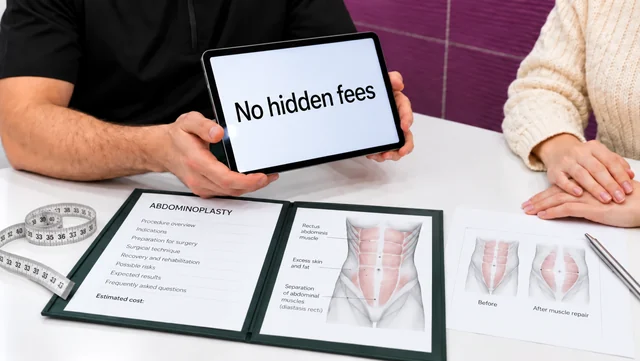
From Fedala to Mohammedia: A Town That Learned to Reshape Itself
The place now called Mohammedia was Fedala for almost two centuries. Sultan Mohammed ben Abdallah turned it into a grain warehouse in 1773 and built a kasbah to guard the traders' shops; industrialists developed the port after 1912; and on 25 June 1960 the town took the name of King Mohammed V. A place that has changed its purpose and its name more than once does not find the idea of reshaping strange, and the women who write to us about a tummy tuck usually describe a body that has changed in the same quiet, gradual way.
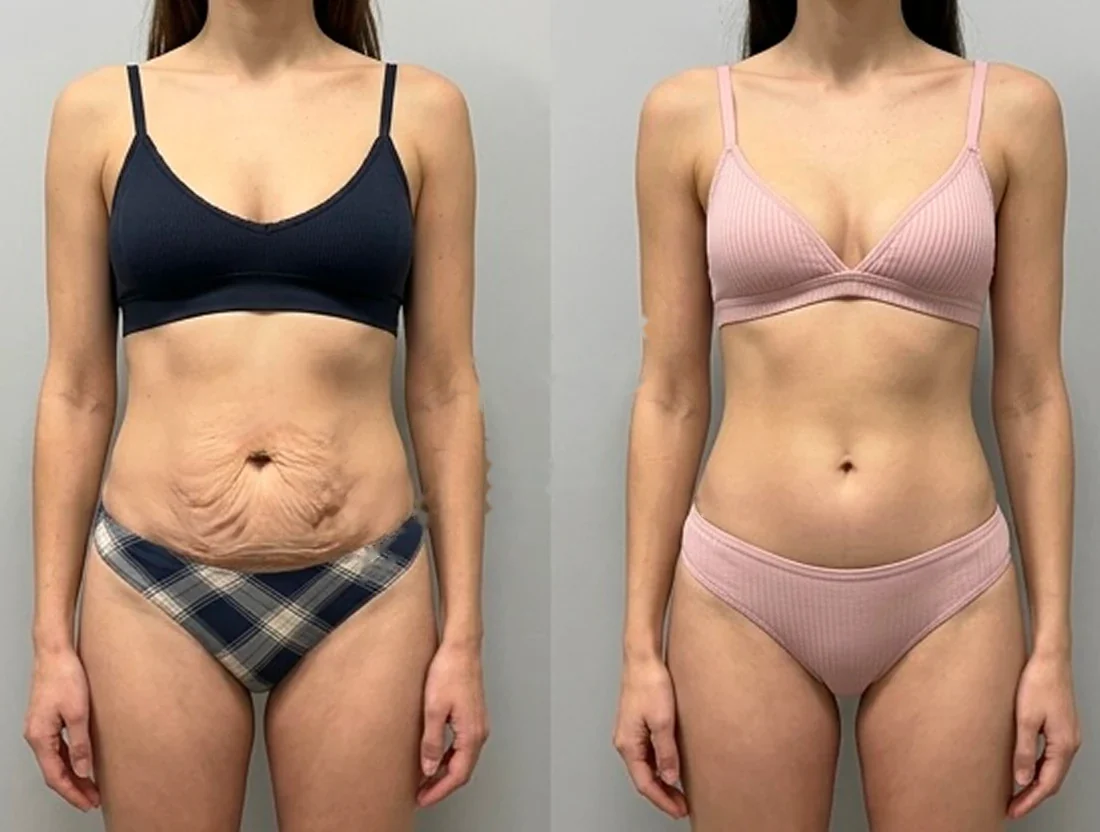
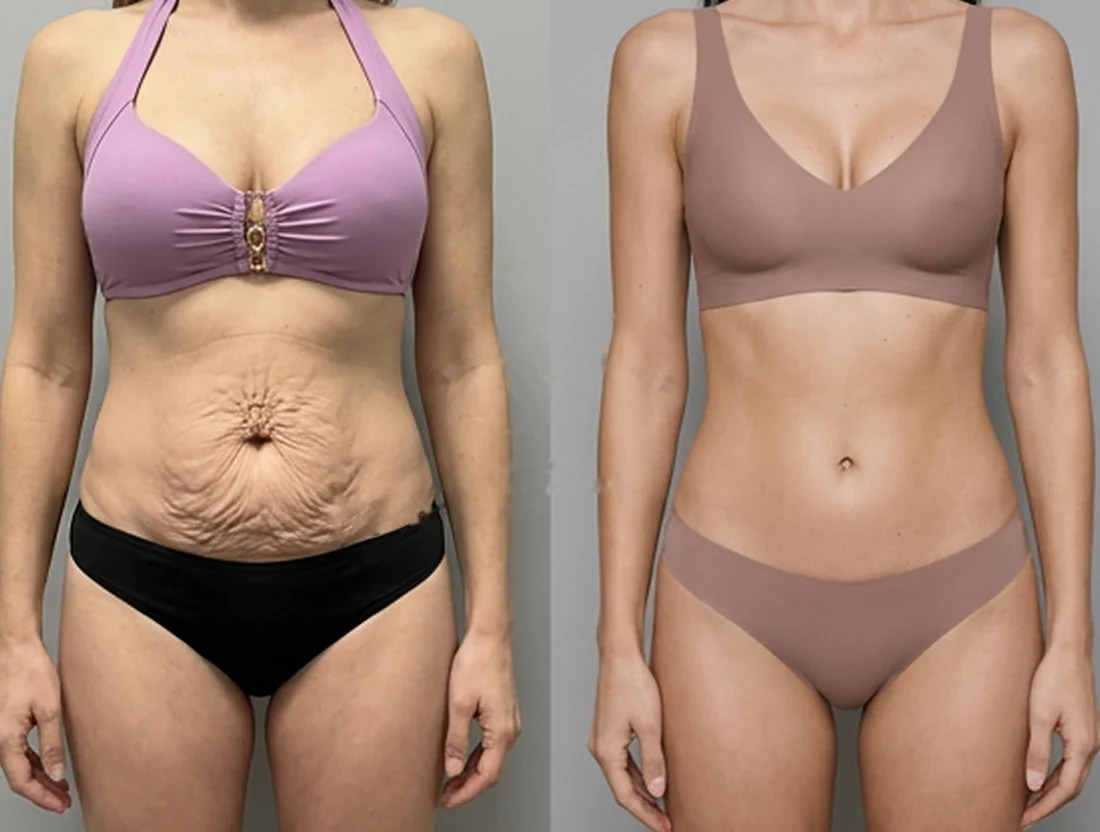
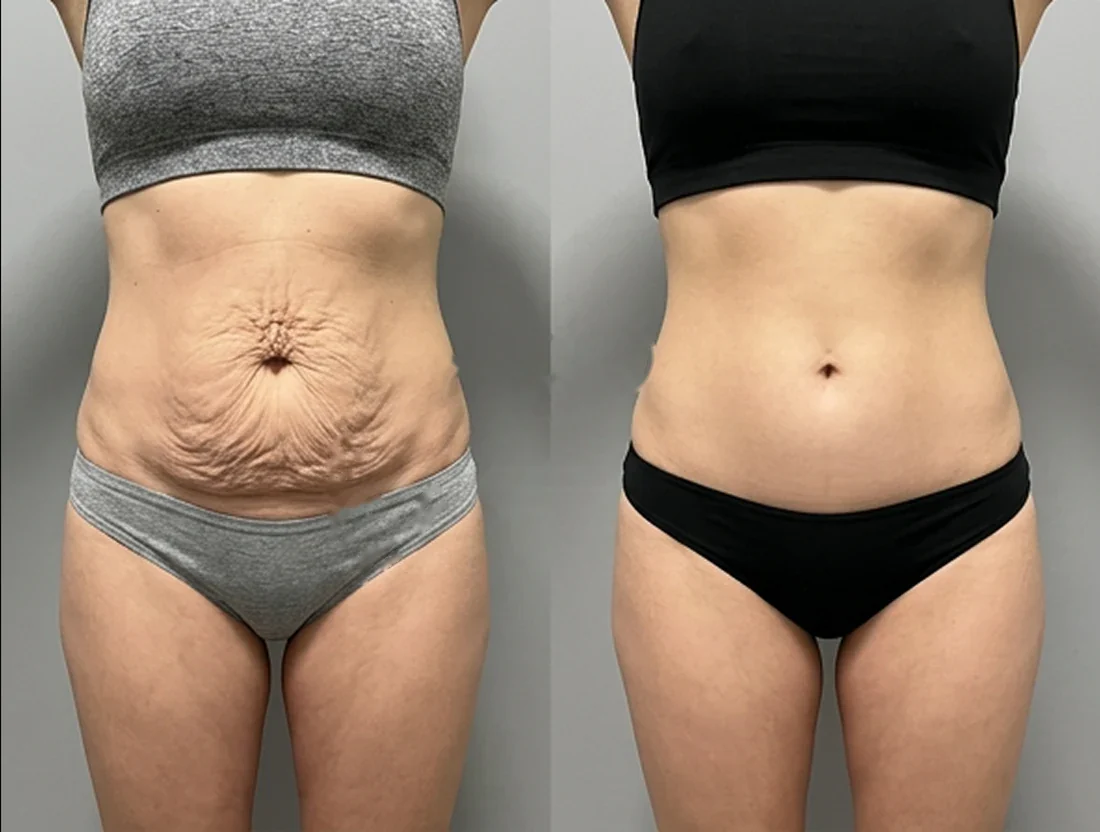
Most of them are mothers. Pregnancy stretches the abdominal wall and the skin, and after one or several births many women find that a flat stomach does not return whatever they do: a soft apron of skin below the navel, a separation of the muscles, stretch marks that no cream touches. Others have lost a great deal of weight and are left with folds. A tummy tuck deals with exactly these two things, loose skin and a weakened wall, which is why it differs from liposuction and why the consultation begins with a clear picture of what is stretched and what is simply fat.
The consultation is online, free and available at any hour through Telegram and Telegram. You send standing photographs from the front, the side and the back, in daylight, together with your pregnancy history, earlier operations, any caesarean scars and the story of your weight. The surgeon replies with an assessment and tells you whether a full tummy tuck, a mini tummy tuck or another approach suits the case.
The Operation, Step by Step
A tummy tuck is performed under general anaesthesia and takes 2 to 4 hours. On the day you meet the surgeon, the skin is marked while you stand, and compression garments are prepared. The surgeon removes the excess skin and fat, tightens the abdominal wall where needed and repositions the navel. The final scar sits low, where underwear and swimwear can cover it, and the surgeon explains its length before the operation, not after.
The stay in hospital is part of the plan. After a classic tummy tuck you remain 1 to 3 days in a comfortable ward, with meals, under medical supervision; after a mini tummy tuck, one day is usually enough. Recovery then continues at home, and the surgeon monitors it at scheduled check-ups.
Preparation is straightforward but strict. Smoking, alcohol and medicines that affect clotting stop 7 to 10 days before the operation, and the last meal is taken eight hours before. The pre-surgery check-up covers blood and urine tests, a coagulation panel, biochemistry, infection tests, an ECG, a chest X-ray, an ultrasound of the leg veins and a report from a GP, and consultations with the anaesthetist. The results usually stay valid for 10 to 14 days, so do the tests in a sensible order and not the day before.
The Rainy Months, the Dry Months and a Garment You Cannot Skip
The compression garment is not optional. Recovery is worse without it, because it supports the tissues and reduces swelling. For the first 3 to 4 weeks it stays on around the clock, then during the day for roughly another month, and your operating surgeon names the exact period. Some women find it surprisingly comfortable once they have it fitted well; others need adjustments, and the coordinators help with that.
Mohammedia's climate is a plus. The Atlantic softens both winter and summer, and the yearly average high is about 22 degrees with a low of 14. The wettest month is November, with 77 mm, followed by December with 75 mm, and the driest months are July and August with 1 mm each. A garment worn through a cool, damp December is less of an ordeal than the same garment in a hot spell, and rain keeps you at home, which suits a recovery that asks for rest.
For the first 2 to 3 weeks there is no physical exertion, no heavy lifting and no sudden movements. Sauna, steam bath, pool, tanning beds, alcohol and smoking are out for at least a month. Sport returns gradually and with the surgeon's approval only. Once those weeks have passed, the compression garments continue to be worn for another 4 to 8 weeks.
Recovery in Three Milestones
The recovery has three milestones that are easy to remember. After 2 to 3 weeks office work is possible. By 1.5 to 2 months, swelling and tightness pass. At 6 to 12 months, with the tissues fully adapted, the final result and the scar are assessed. Along the way, the first changes appear 2 weeks after surgery as the main swelling subsides, and the interim result is judged at 1.5 to 2 months.
The check-ups are fixed: at 7 days, 3 months and 6 months. Until the end of the year you can have a post-surgery consultation to review the results and get more information at the clinic's expense. After the operation you receive a recovery programme, so you know what to do on each day.
Women in Mohammedia who have small children often plan the weeks around them. A sensible arrangement is to have a relative or friend available for lifting and carrying in the first 2 to 3 weeks, to keep the baby's changing and bath routine at waist height, and to leave stairs and shopping to others. The seafront, the park and the quiet streets around the Kasbah give you somewhere to take short, slow walks once the surgeon allows them.
Planning Around the Moroccan Working Week
In Morocco the working week runs from Monday to Friday, so the weekend is a natural start for the quiet days after surgery. Because office work is possible after 2 to 3 weeks, most patients with desk jobs plan one long leave rather than several short ones. If your job is physical, tell the coordinators, because the weeks without lifting apply fully and the return to heavy tasks will be later.
The city has three industrial zones, a working port and a busy administrative life, and shift patterns vary widely. The coordinators will ask about your schedule and your family obligations and then propose dates. If a particular month is difficult, for example during religious holidays or the school exam period, say so, and the dates will be built around it.
Think also about who will be with you in the hospital stay and in the first days at home. Surgery of this size is easier when someone can help you stand, cook and keep the household going, and it is better to arrange it in advance than to improvise.
Full or Mini: How the Choice Is Made
The surgeon decides between a mini and a full tummy tuck from your photographs and history, not from a catalogue. A mini operation suits a small area of loose skin below the navel with a wall that is still firm. A full operation is for a larger excess of skin, a lax abdominal wall, or both, and it includes repositioning the navel. If the photographs leave doubt, the surgeon says so and asks for further angles.
Patients sometimes arrive with a preference built from a friend's story. That is understandable, but bodies differ, and a result that suited one woman may not suit another. The better question is what your abdomen needs. The answer shapes everything that follows: the length of the scar, the days in the ward, the weeks in the garment and the date of the final assessment.
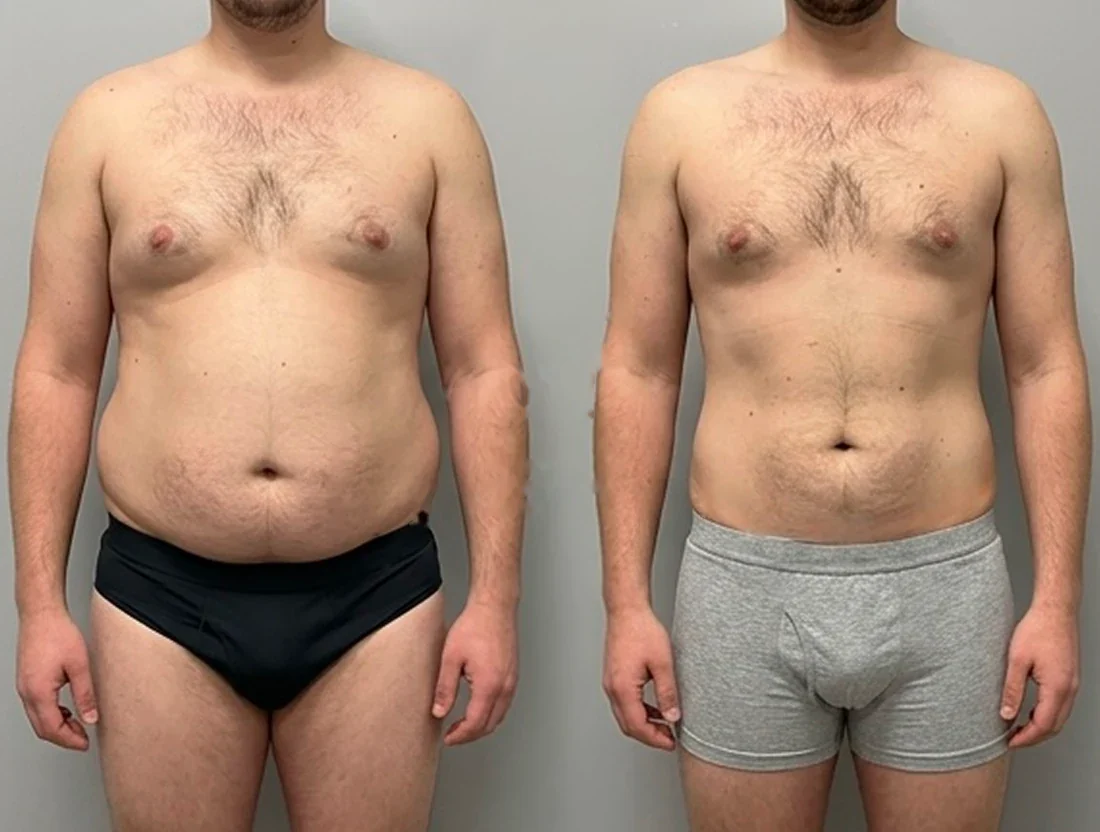
If the picture shows that stubborn fat is the main issue, with firm skin and a sound wall, liposuction may be enough, and the surgeon will not recommend a larger operation than you need. If both loose skin and fat are present, the plan may combine steps. The honest recommendation matters more than the size of the booking.
Pregnancy, Planning and Timing
Many women ask when to operate relative to pregnancy. The practical rule is to wait until your family is complete, because a new pregnancy would stretch the repaired wall again. If you are still nursing or have given birth recently, the body needs time to settle first. The surgeon will ask about these plans during the consultation and advise on the right interval.
Weight should also be stable. Large changes after the operation can alter the result, so reaching a steady weight before surgery gives the best chance of a lasting outcome. The surgeon can tell from your history whether you are close enough, or whether it is better to wait several months.
None of this is a reason to delay a consultation. Asking early costs nothing and gives you a plan: what to do in the months before surgery, which tests to schedule and when to start thinking about leave from work.
Everyday Mohammedia During the Weeks Without Exertion
The first fortnight is the hardest part for people who like to be busy. The city offers a few gentle distractions that fit the restrictions: reading on a balcony facing the sea air, a short slow walk along the Mohamed V boulevard when the surgeon allows it, a quiet hour in the park, or an evening at home with the family. Household errands should be passed to others, along with the heavy shopping.
Eating well helps. Light meals, plenty of fluids and enough protein are standard advice in recovery, and the surgeon gives individual guidance. The local markets supply fresh vegetables, fish and fruit throughout the year, which makes it easy to prepare simple food in advance and freeze it before the operation.
Sleep takes some adjustment. Many patients rest propped up on pillows in the first days so that the abdomen is not pulled, and a bed with good access is more comfortable than a high one. Prepare the room beforehand: put what you need within reach, place a chair near the bed and keep the phone charged for messages to the coordinators.
Checking the Surgeon and Asking What Matters
Every practising doctor in Morocco must be registered with the Conseil National de l'Ordre des Médecins, which brings public and private doctors together. The website cnom-maroc.com has no public search on the home page, so the practical route is to ask the surgeon for registration details and specialty in writing. A good surgeon provides them without fuss.
Questions worth asking in the online consultation: how long will the scar be and where exactly will it sit, is a mini or a full tummy tuck right for my photographs, will the muscles need tightening, how many days will I stay, what will the garment schedule be, and when are the check-ups. Ask also about the age rule: patients must be at least 18, with no contraindications, and there is no upper limit, each case being considered individually after an examination and health assessment.
Building a Photo File the Surgeon Can Actually Read
A remote assessment is only as good as the pictures behind it, and most delays come from files that are too dark, too tight or taken at the wrong moment. Choose a bright room with a plain wall, switch off the flash and ask someone at home to hold the phone at navel height, a few steps away, so that the whole torso from the chest to the upper thighs sits in the frame. A mirror selfie distorts the proportions and hides exactly the area the surgeon needs to judge.
Take the set in a fixed order: front, each side, the back, and then one relaxed view and one with the abdomen drawn in. Add a close photograph of any scar, whether from a caesarean, an appendix operation or an old hernia repair, and one picture while you gently pinch the loose skin below the navel. These last two tell the surgeon more about elasticity than a dozen standing shots, and they save a round of questions.
Keep the originals in a single folder and send them as files, not as compressed screenshots. Write beneath them, in plain sentences, your height, your current weight, the lowest and highest weight of the past few years, the number and dates of births and every operation you have had. Women in Mohammedia often send this at the end of a working day, and the coordinators read it whenever it arrives, so there is no need to wait for a convenient hour.
Reading the Surgeon's Answer Without Rushing to a Verdict
A good reply to your photographs is specific. It names which operation fits your abdomen and why, says what the surgeon cannot judge from pictures and asks for more angles if needed. Be cautious about any answer that is warm but vague, or that praises the idea of surgery before it has described your own anatomy. The first honest sign of quality is a surgeon willing to say what your case does not need.
Read the answer twice, once on the day and once after a night's sleep. Underline every sentence that contains a concrete statement, such as the type of operation, the length of the stay, the garment schedule and the check-ups, and write your follow-up questions beside them. If a point is unclear, ask for it in different words; an unclear reply is a reason to ask again, not a reason to guess.
It is perfectly normal to forward the reply to a sister, a friend or your own family doctor and to discuss it for as long as you like. Nobody on the coordinating side will press you for a date. A decision made calmly, with the written assessment in front of you, holds up far better in the weeks of recovery than one made in the excitement of a first conversation.
Comparing Offers by What the Operation Includes
When a woman collects several opinions, the instinct is to line them up by promises: whose result sounds most dramatic, whose scar sounds smallest. That is the weakest way to compare. Line them up by content instead. Which structures does the plan treat, skin only or skin and the abdominal wall? Is the navel repositioned? What is the anaesthesia, how long is the supervised stay and which check-ups are written into the plan?
Two plans that look similar can describe very different operations. A mini tummy tuck and a full one are not the same procedure in two sizes; they deal with different amounts of skin and different depths of tissue. If one offer says nothing about the abdominal wall and another explains it in detail, the second is giving you the information you need to decide, and the first may simply be leaving it out.
Ask each side the same list of questions and keep the replies in one document. After a week you will see which answers were concrete and which only sounded reassuring. The plan you can describe back to a relative in your own words is usually the plan you understood, and understanding is what makes the recovery weeks less stressful.
Preparing the Home Before the Operation Day
The most useful preparation is done in the week before surgery and costs almost nothing. Move the things you use every day to waist height: plates, a kettle, the children's cups, towels, medicines. Bending and stretching are exactly the movements you will want to avoid, and a kitchen arranged in advance means you will not need to ask for help every time you want a glass of water.
Prepare the sleeping place with the same care. Several firm pillows for support, a small table within reach, a lamp you can switch on without sitting up, a charged phone and its cable are enough. Loose, soft clothing that opens at the front is more comfortable than anything pulled over the head, and it fits easily over the compression garment. Wash and set aside two or three outfits so you are never searching a cupboard.
Cook ahead if you can. Simple soups, rice dishes and stews freeze well, and a full freezer takes a whole category of small decisions off the family. Agree in advance who covers school runs, who handles the shopping and who answers the door. A written list on the fridge turns good intentions into a routine that works even when you are tired.
Talking to Your Family and Your Employer
Some women tell everyone, others tell only their husband or their mother, and both choices are legitimate. What matters is that at least one adult at home knows the plan in detail: the dates, the weeks without lifting and the signs for which you should message the coordinators. That person becomes your second pair of ears when the surgeon explains the recovery programme.
At work, you owe your employer a period of absence and a return date, not a medical history. Many patients simply say that they are having planned surgery and will be back after the agreed leave. If your duties involve standing for long hours or carrying loads, discuss temporary changes on your return so that you do not have to prove yourself too early.
If children are involved, explain to them in simple words that mother will be resting and cannot lift them for a while. Children adapt quickly when they have a role: bringing a book, fetching a cushion, keeping the room tidy. It also protects you from the situation where a toddler leaps into your arms in the second week, which is far more common than people expect.
Habits That Protect the Result Over the Following Months
The operation changes the structure of the abdomen, but the long-term outcome also depends on what happens afterwards. Stable weight is the single biggest factor. Large gains or losses pull on the repaired tissues and can blur the contour that the surgery created, so many surgeons ask patients to think of the weeks after the operation as the start of a new routine and not a finish line.
Gentle, regular movement matters more than intense bursts. When the surgeon allows it, walking is the natural first step, followed by easy exercise that does not strain the abdominal wall, and only later by anything demanding. Skin care also counts: keep the scar clean, moisturised as advised and out of strong sun, and ask the surgeon what products are suitable and when they may begin.
Women often worry about the scar more than anything else. It is useful to remember that a scar matures slowly, passing through redness and firmness before it softens, and that judging it early is unfair to the result. The scheduled check-ups exist precisely so that a professional can look at it with you and say whether it is following the expected course.
Mistakes Patients Make and How to Avoid Them
The most frequent mistake is treating a tummy tuck as a weight-loss method. It is not. It removes excess skin and tightens the wall, and a patient who expects a smaller number on the scale will be disappointed, whereas a patient who expects a flatter, firmer contour will usually be pleased. Being clear on this before the consultation makes every later conversation more honest.
The second mistake is a rushed schedule. Booking the operation just before a wedding, a family event or a big deadline leaves no margin for swelling and tiredness, and it turns a normal recovery into a source of anxiety. Leave a comfortable gap, and tell the coordinators about every date that matters so that the plan can be built around it.
The third is silence. A woman who feels unwell or unsure after surgery and decides not to bother anyone loses time that matters. The coordinators are reachable around the clock on Telegram and Telegram precisely so that small worries are heard early. Send a message, attach a photograph if it helps and let the surgeon decide whether it needs attention.
A Photo Diary of Your Own Progress
Memory is a poor judge of change. Swelling hides the early outline, the scar looks dramatic in the first weeks and by the time the final contour appears most patients have forgotten how the abdomen looked before. A simple photo diary solves this. Take pictures from the same angles, in the same light and at the same time of day, and store them with the date in a dedicated album.
Do not photograph every day; it only feeds anxiety. A weekly picture in the early period and a monthly one later is enough to see the direction of change. Wear the same plain clothing or none, stand in the same spot and keep the posture relaxed. Consistency is what turns a pile of images into evidence.
These pictures are also useful for the surgeon. At a check-up, a dated sequence shows how the swelling has settled and whether the scar is behaving as expected, and it makes any question you send between visits far easier to answer. Many women say that looking back at the diary after half a year was the moment the whole process finally felt worth it.
Mohammedia Rhythms and How They Fit a Recovery Plan
The town combines a working port, industrial zones and a long coastline, so daily life swings between commuting hours and quiet seaside evenings. For a recovery that asks for calm, this is an advantage when planned well: you can arrange your most restful days around the busiest weeks at home and keep the lighter ones for the first short walks near the sea.
Because the working week runs from Monday to Friday, many patients choose to begin the quiet period at the start of a weekend, so that the first days pass without messages from the office. Talk it through with the coordinators, who ask about your household, your shifts and the school calendar and propose dates that suit them.
Finally, remember that an online consultation from your own living room removes one more obstacle: you can discuss the plan with your family around you, take your time and decide where you feel comfortable. Whatever the outcome, whether you go ahead, wait for a better season of life or choose another option, the assessment has done its job if it leaves you better informed.
Can I start from Mohammedia without visiting anyone first?
Yes. Send standing photographs in daylight with your pregnancy history and weight history through Telegram or Telegram. Coordinators are available around the clock and the surgeon replies with an opinion.
What anaesthesia is used and how long does it take?
General anaesthesia, and the operation takes 2 to 4 hours.
Do I have to stay in hospital?
Yes. A classic tummy tuck means 1 to 3 days under medical supervision; after a mini tummy tuck one day is usually enough.
When can I go back to the office?
Office work is possible after 2 to 3 weeks. For those first 2 to 3 weeks there is no physical exertion, heavy lifting or sudden movement.
How long is the compression garment worn?
For the first 3 to 4 weeks around the clock, then during the day for roughly another month. Your surgeon names the exact period.
When will I see the result?
First changes at 2 weeks, an interim result at 1.5 to 2 months, and the final contours and scar at 6 to 12 months.
How should I prepare?
Stop smoking, alcohol and medicines affecting clotting 7 to 10 days before, take the pre-surgery tests, and have your last meal eight hours before the operation.
Is there an age limit?
You must be at least 18 with no contraindications. There is no upper limit; each case is considered individually after an examination and health assessment.
What check-ups follow?
At 7 days, 3 months and 6 months, and a post-surgery consultation with the surgeon until the end of the year at the clinic's expense.
What if the surgeon decides I do not need a tummy tuck?
That is a valid and useful outcome. The assessment is meant to match the operation to your abdomen, and the surgeon may suggest liposuction, a mini tummy tuck or waiting until your weight or family plans are settled.
How many photographs should I send?
Send the full set described by the coordinators: front, both sides and back, plus close pictures of any scars. More angles are welcome when they are taken in the same light, and the surgeon will ask for extra ones if something is unclear.
Can a relative join the conversation?
Yes. Many women invite a sister or husband to read the replies with them. It helps to have a second person who remembers the preparation steps and the recovery programme.
Is a tummy tuck a method of losing weight?
No. It removes loose skin and tightens the abdominal wall, so the contour changes, but it is not a substitute for a stable, healthy weight.



























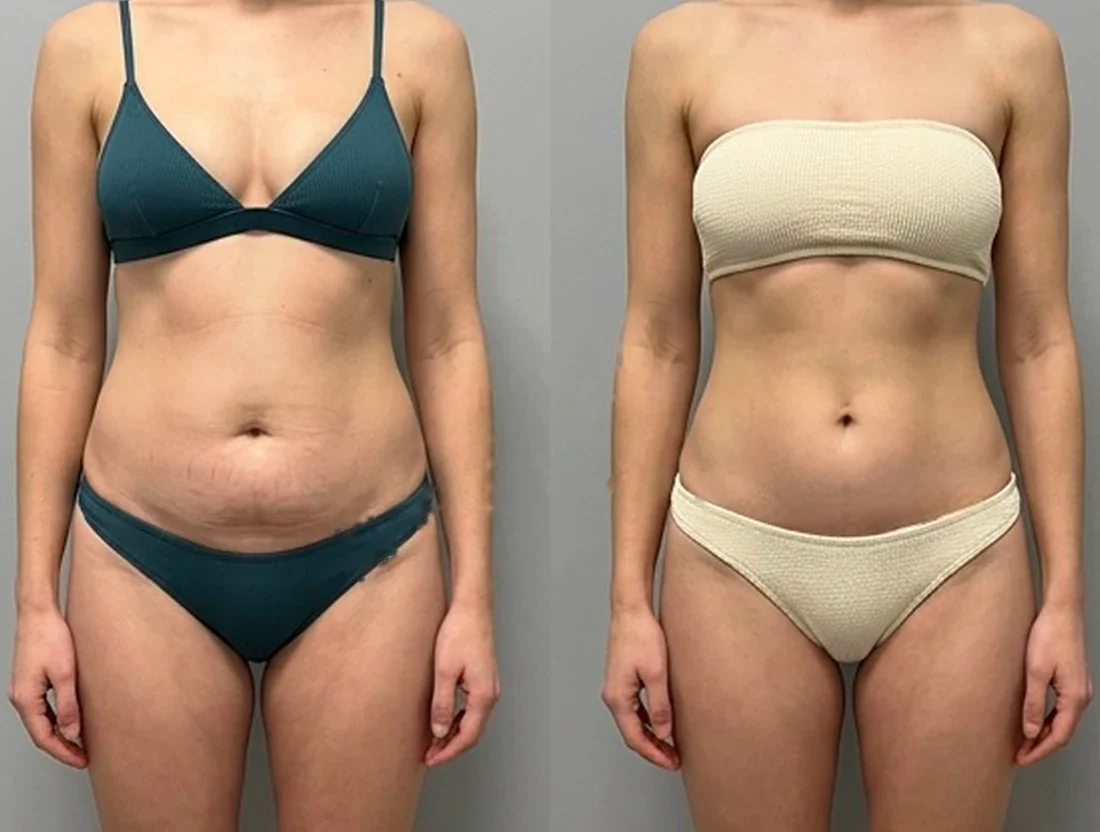 beforeafter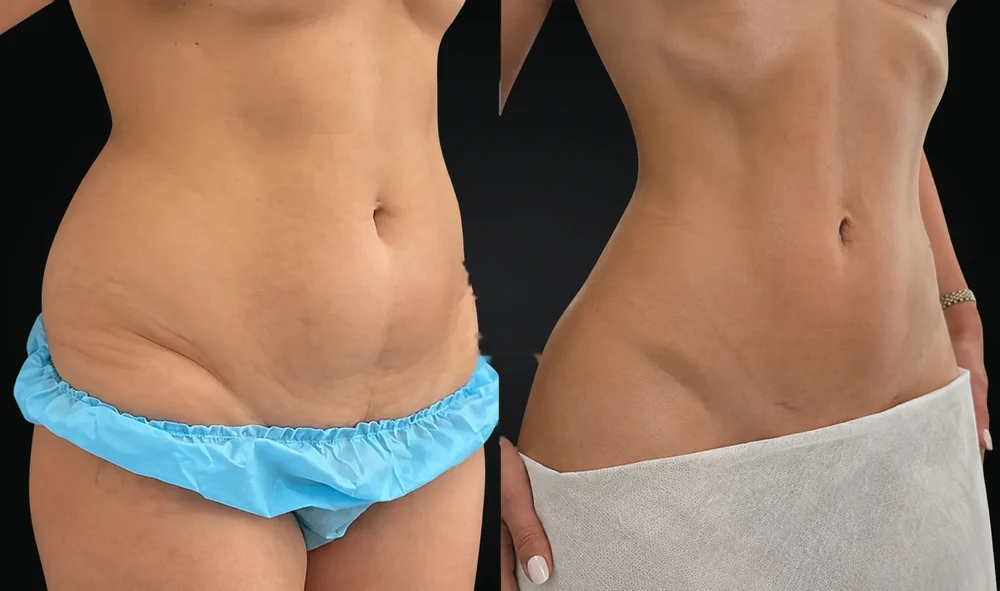
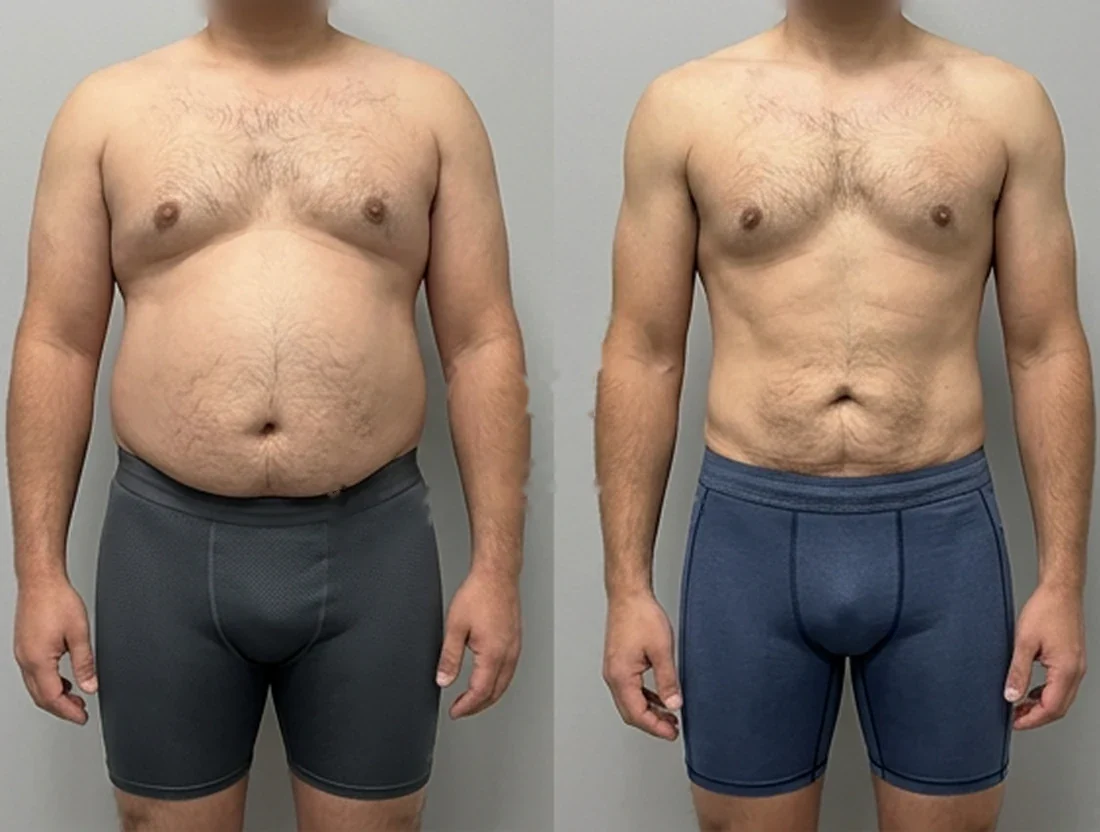 beforeafter
 beforeafter
 beforeafter
 beforeafter
 beforeafter
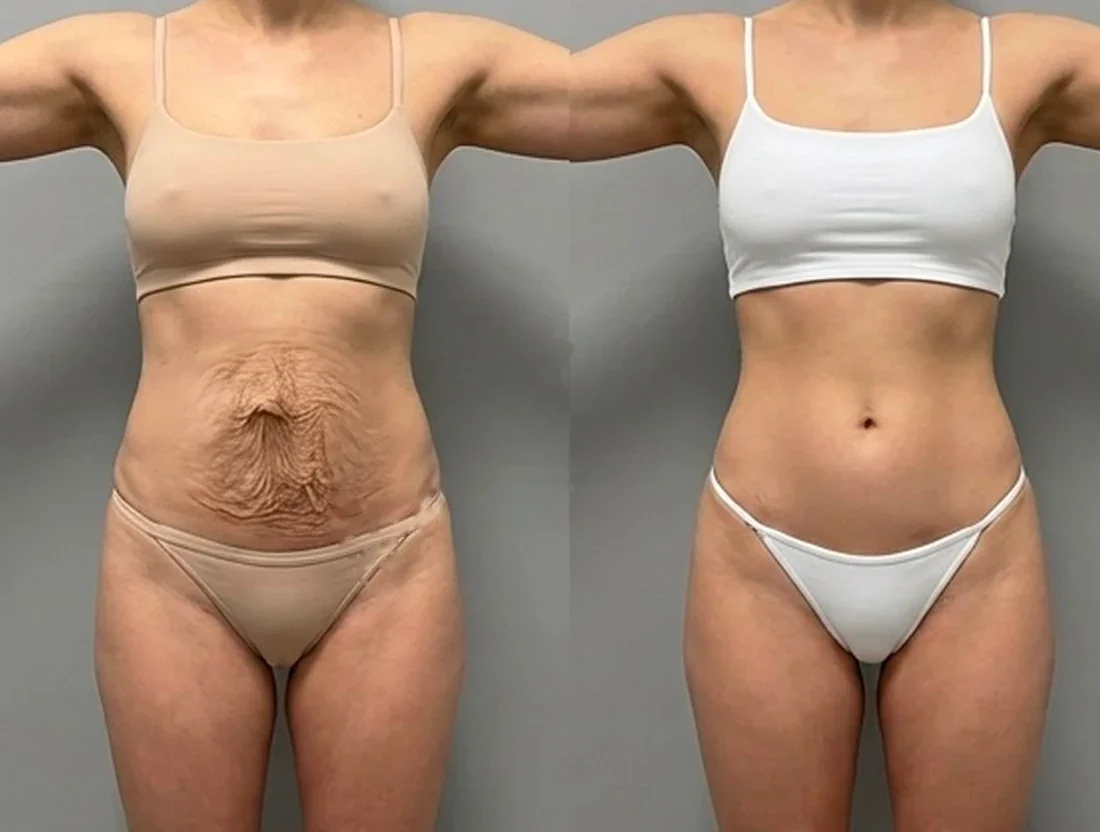 beforeafter
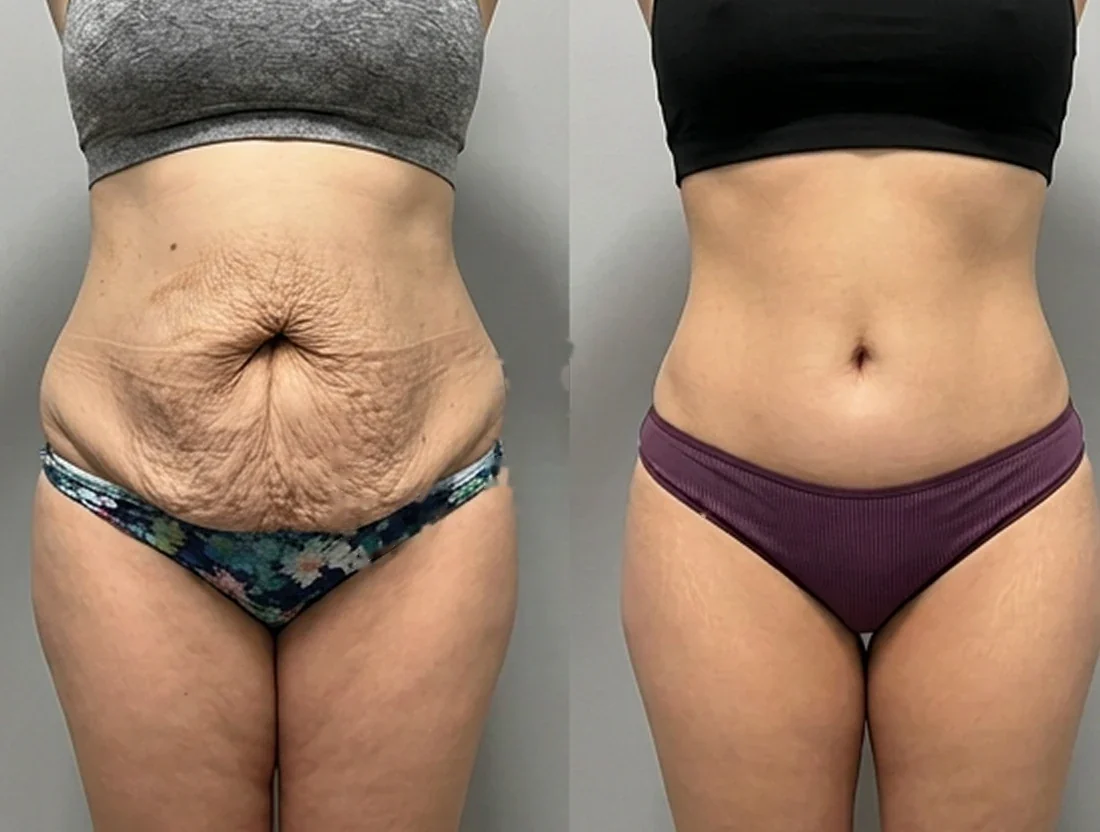 beforeafter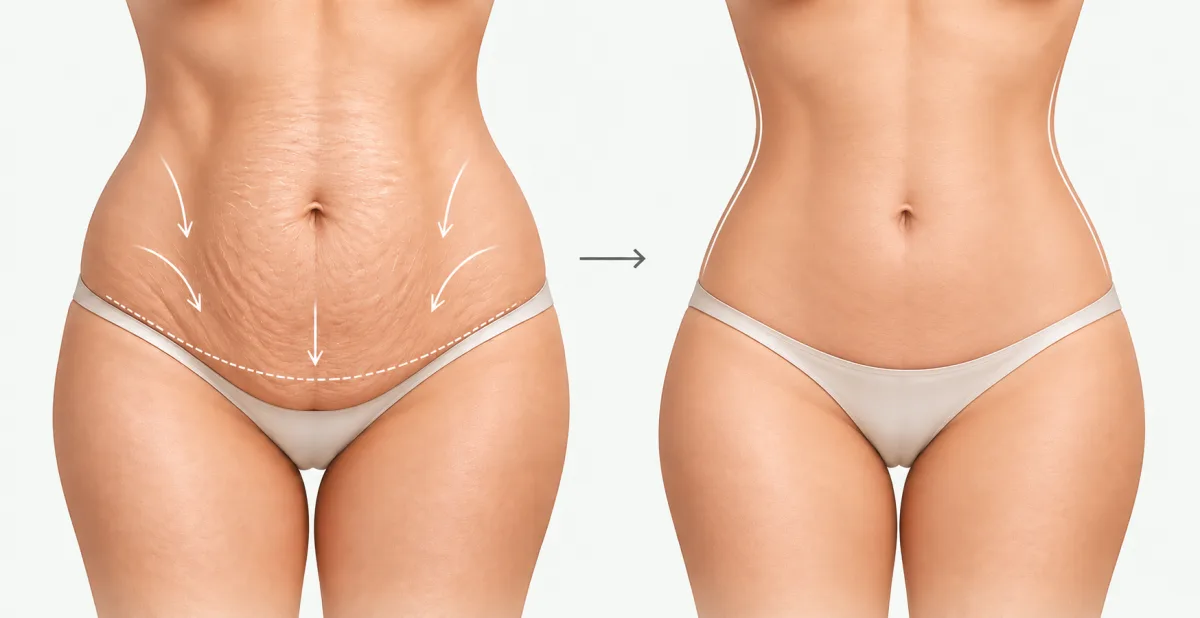
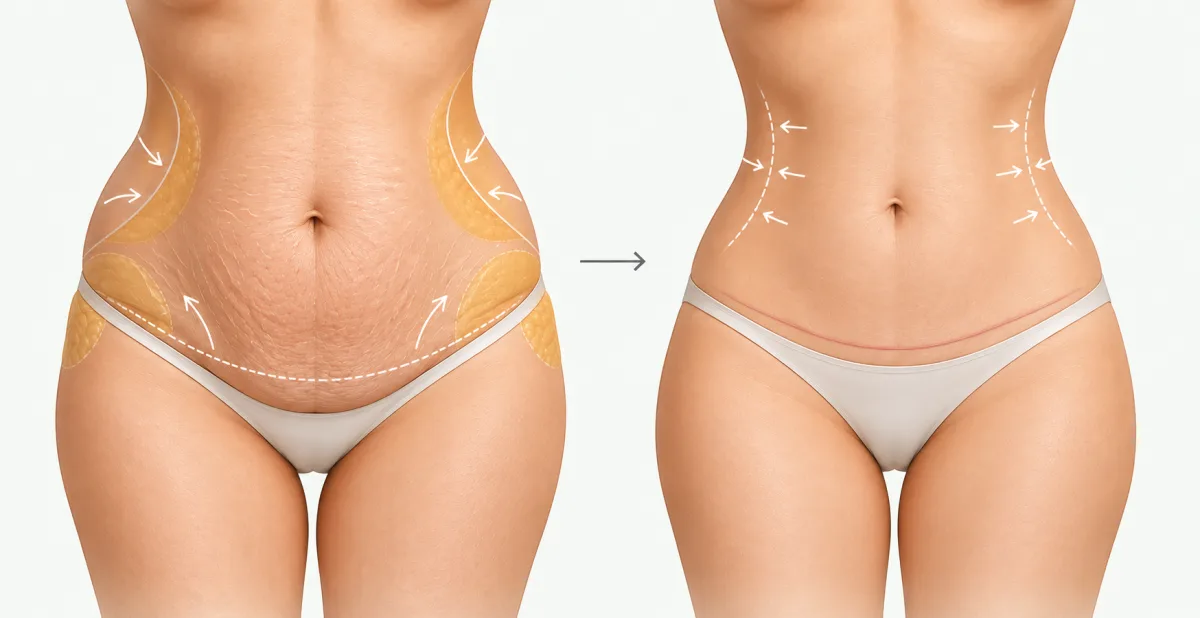








 1
1 2
2 3
3 4
4 5
5 6
6