



























Message our coordinator
Free online consultation · Reply within 15 minutes
Message us on TelegramMessage us on WhatsAppBy messaging us, you agree to our Privacy Policy





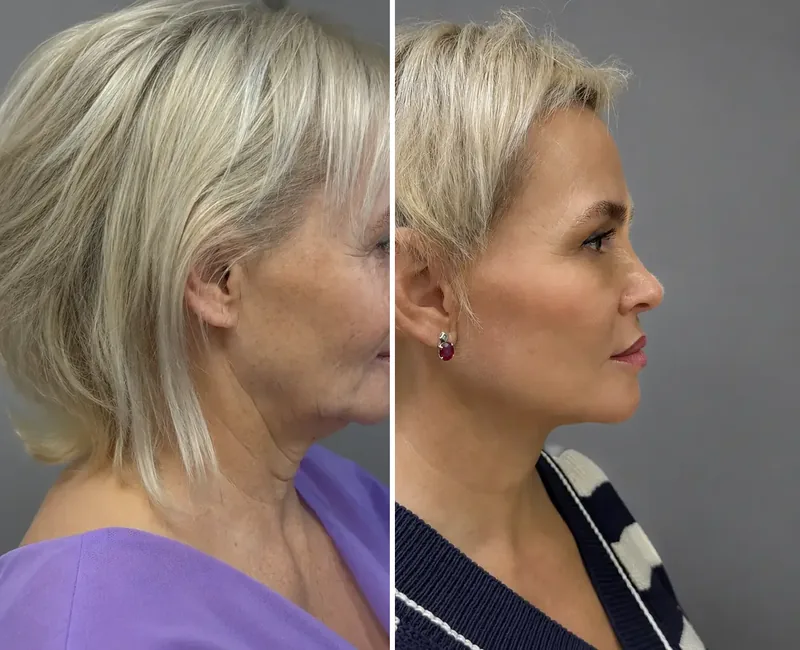

50 years
9 months
SMAS facelift
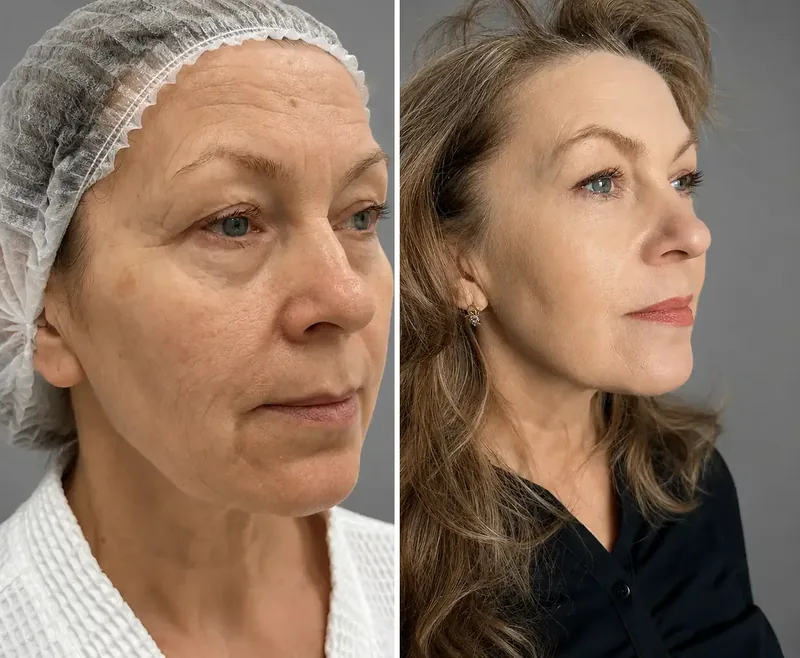
58 years
8 months
SMAS facelift
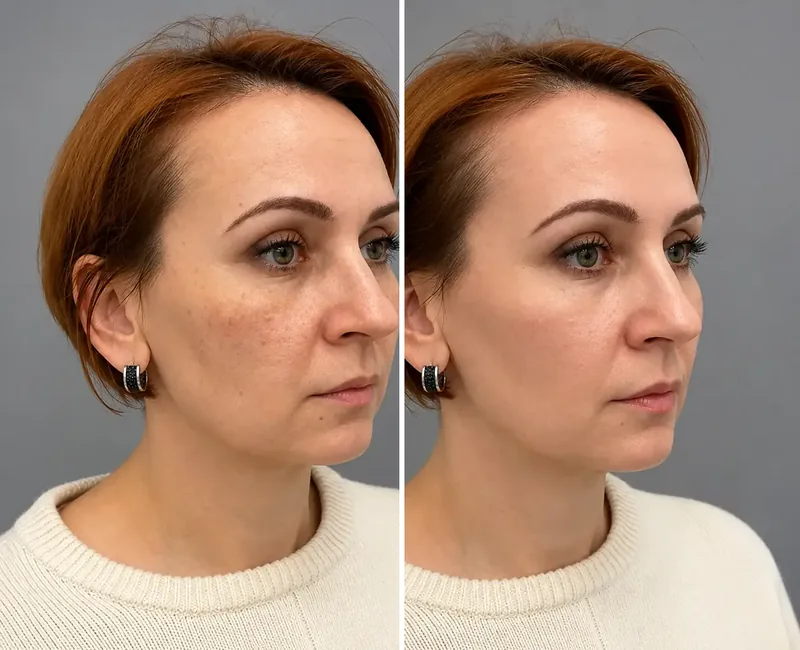
34 years
5 months
SMAS facelift
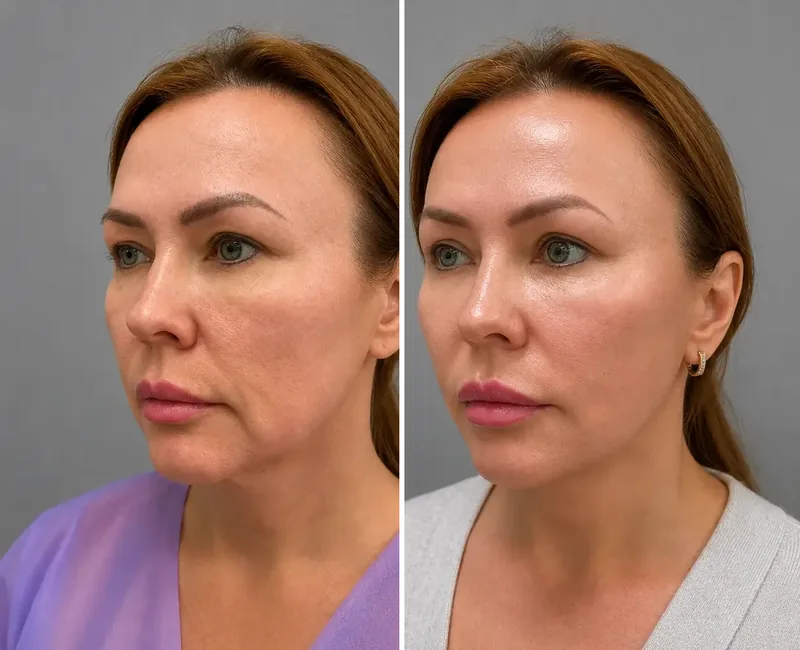
32 years
7 months
SMAS facelift
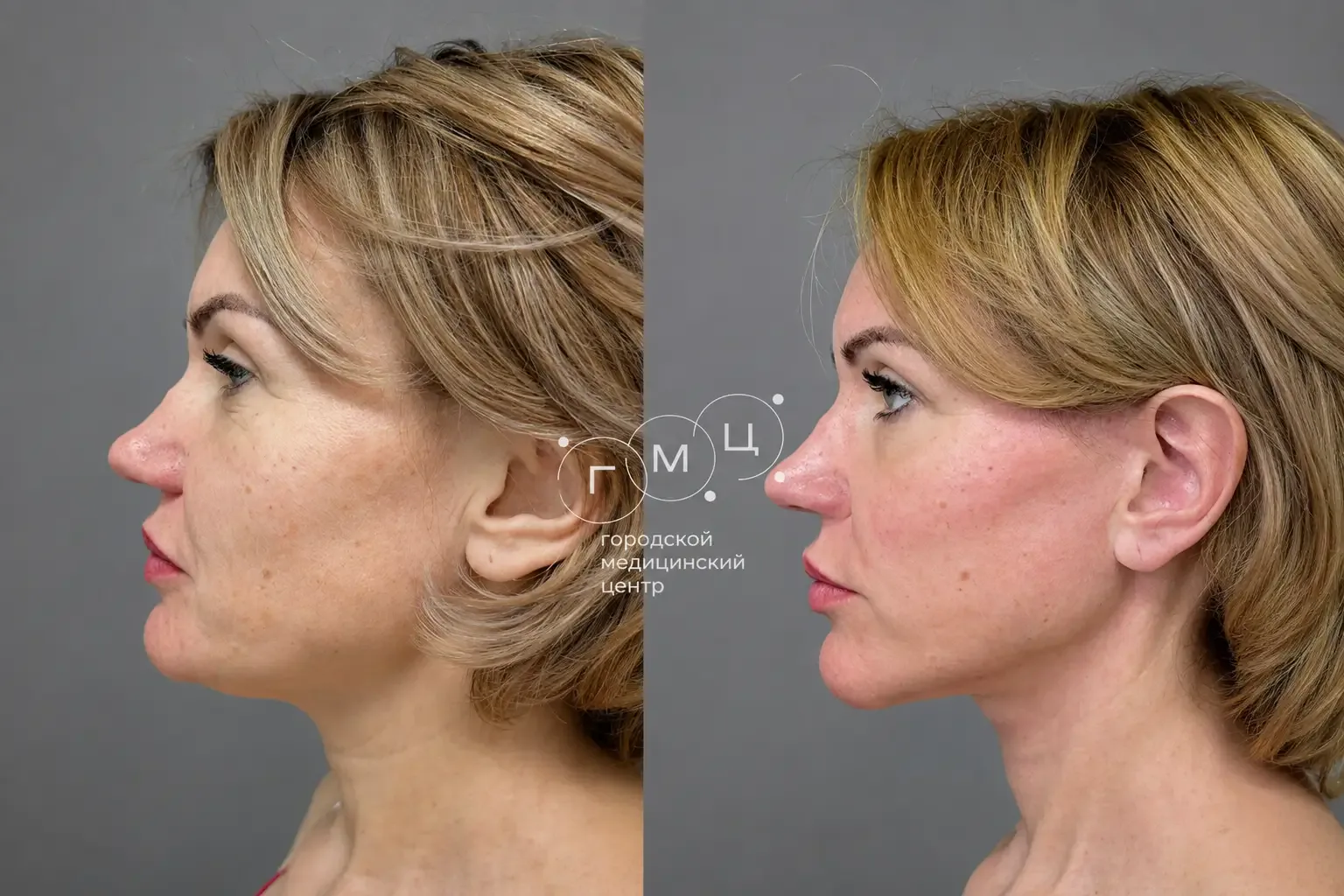
40 years
6 months
SMAS facelift
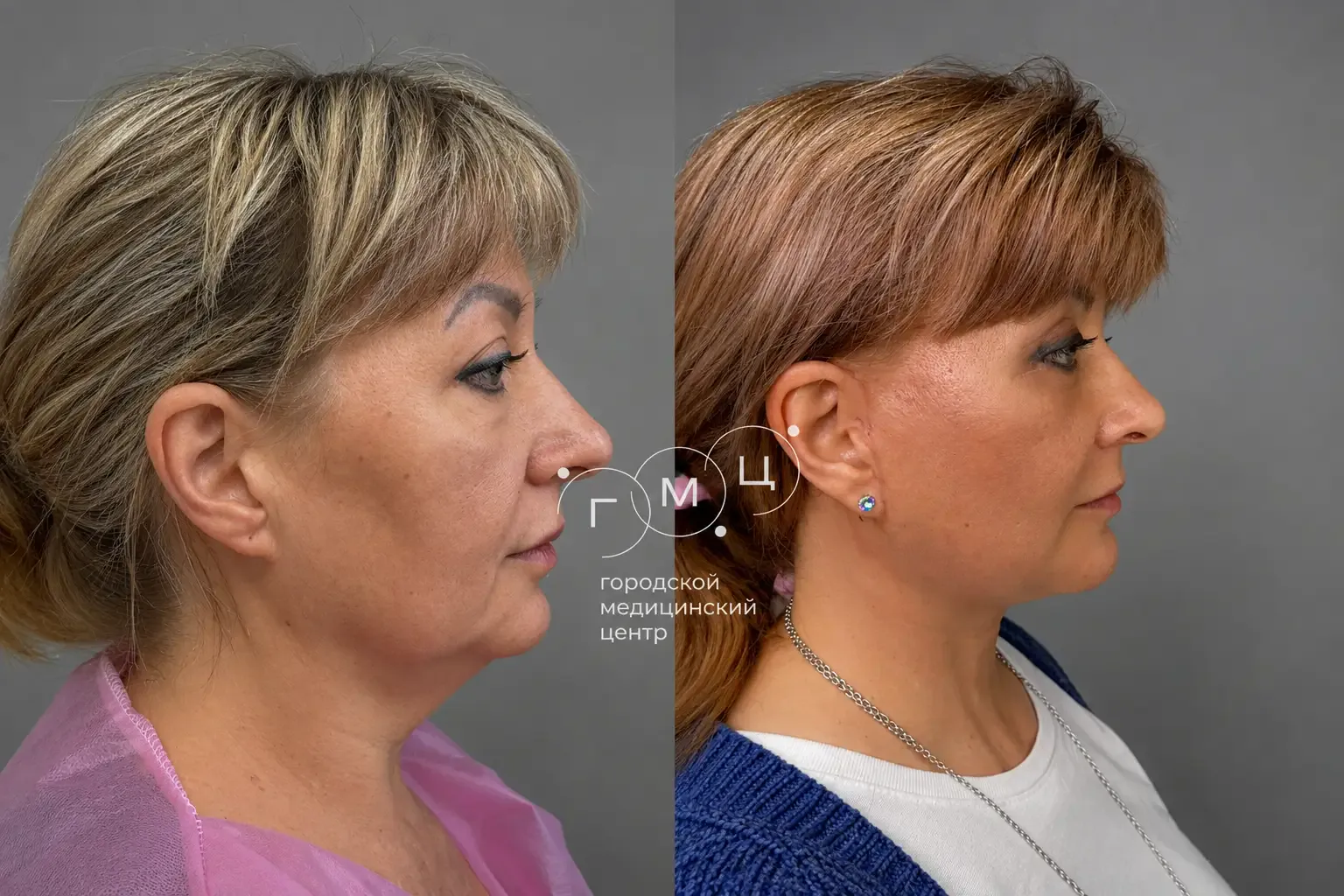
45 years
8 months
SMAS facelift
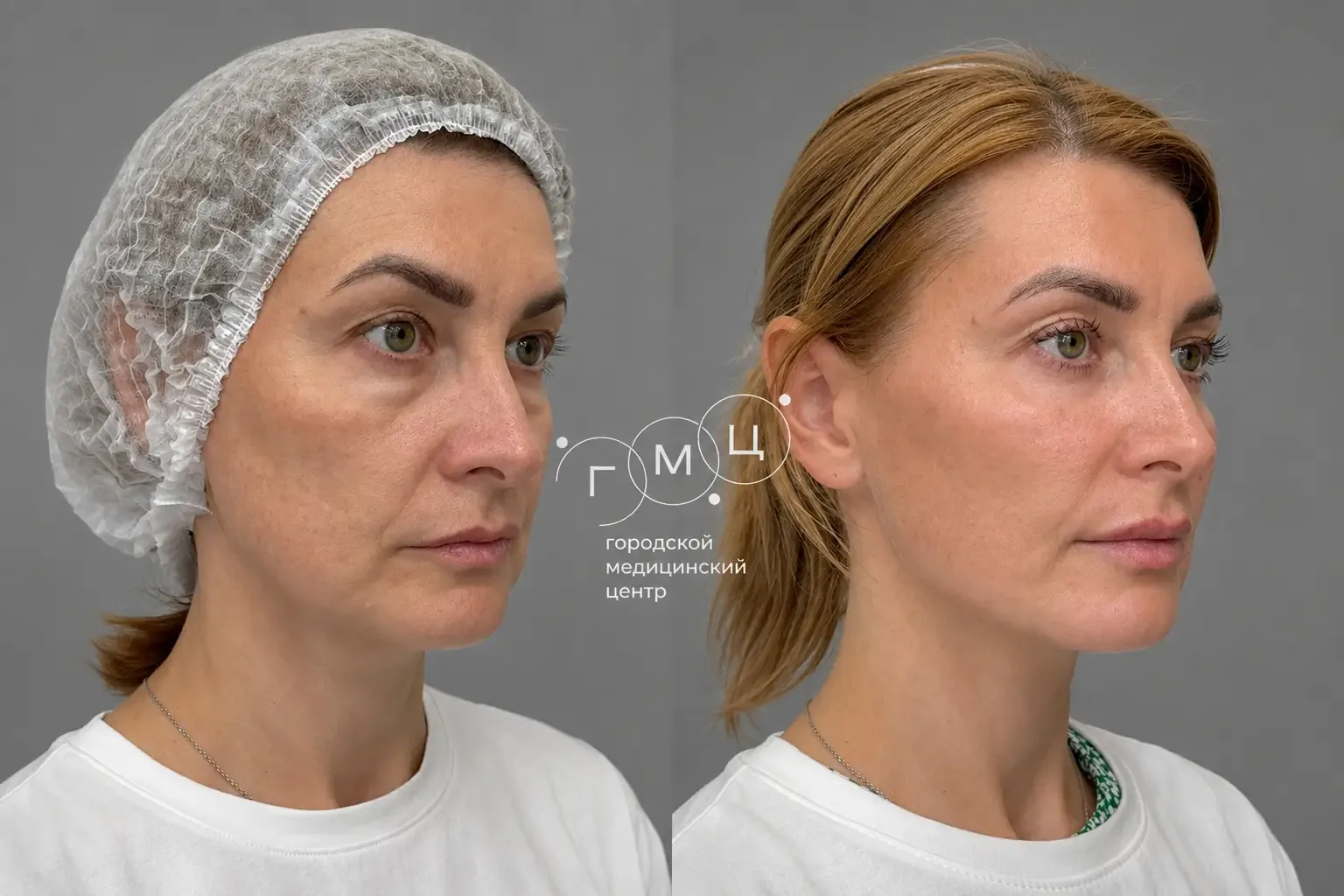
38 years
5 months
SMAS facelift
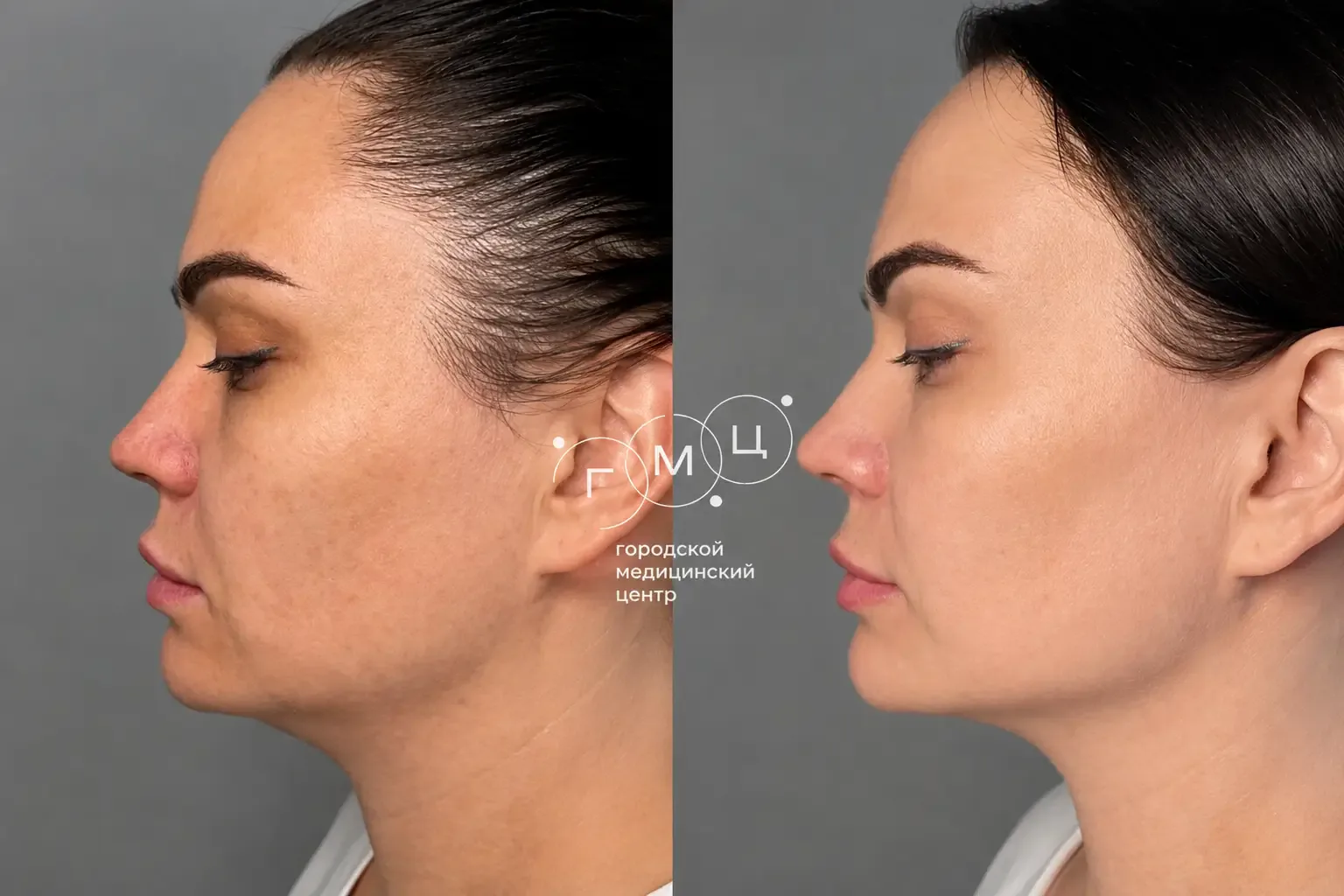
33 years
6 months
SMAS facelift
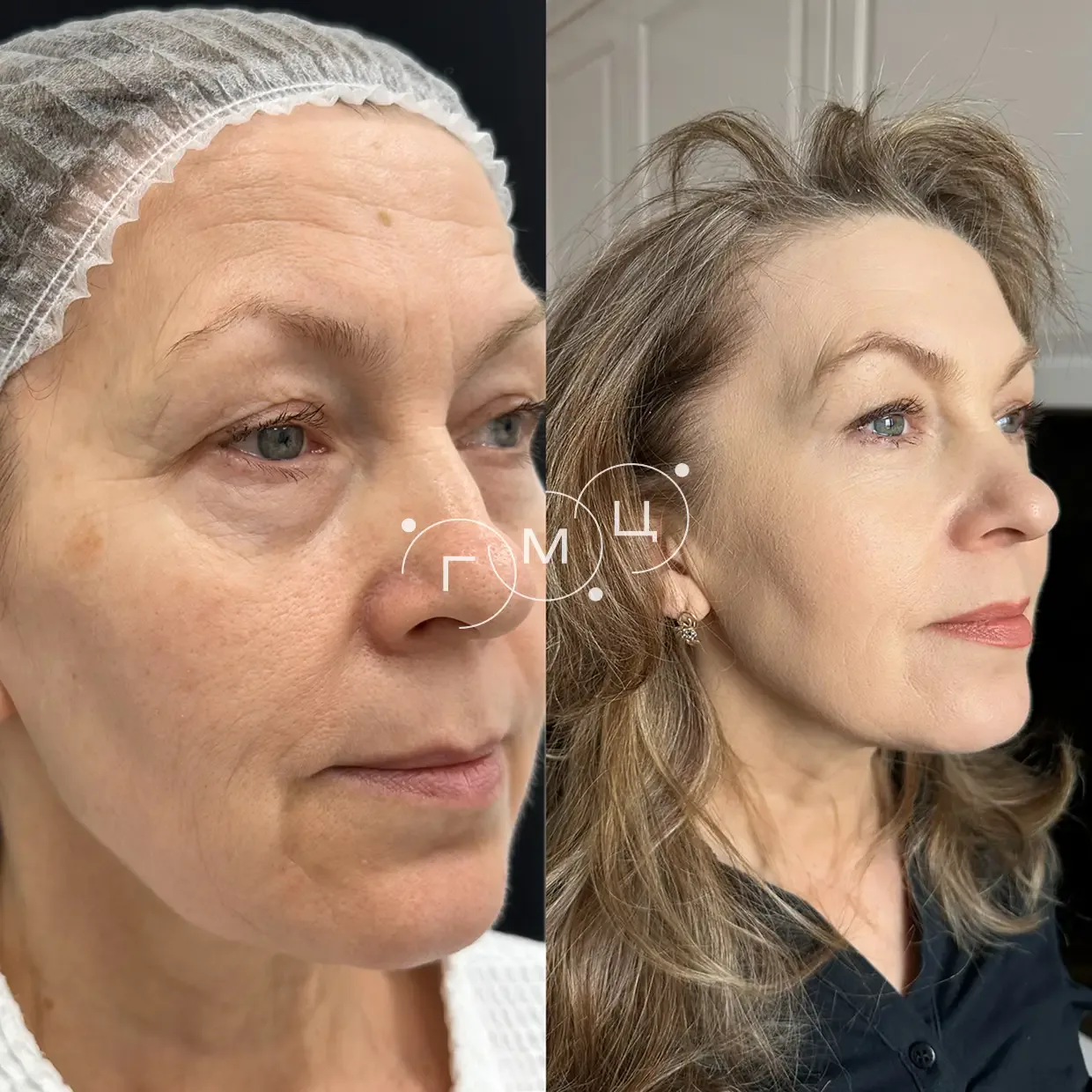
50 years
9 months
SMAS facelift
58 years
8 months
SMAS facelift
34 years
5 months
SMAS facelift
32 years
7 months
SMAS facelift
40 years
6 months
SMAS facelift
45 years
8 months
SMAS facelift
38 years
5 months
SMAS facelift
33 years
6 months
SMAS facelift

Marked sagging across the face and neck
Jowls and a blurred jawline
Loose neck skin and a double chin
Deep marionette lines and nasolabial folds
A heavy, tired look from drooping brows
Skin firmness lost significantly after 40
Wish for a long-term result (7–10 years)

Age under 30
Acute inflammation of the skin
Pregnancy or the breastfeeding period
A severe disease of the cardiovascular system
Problems with blood clotting
Cancer
Decompensated diabetes
Choosing a facelift in Mohammedia
What is the difference between a standard and a SMAS facelift? A skin-only lift affects just the top layer and gives a short-lived effect. A SMAS facelift is deeper surgery: the surgeon lifts and secures the facial muscle and fascia layer, addressing weakened ligaments and descended muscles. For anyone researching a facelift in Mohammedia, that depth is what makes the outcome natural and long-lasting.
It starts with a free consultation: the surgeon examines you, assesses the type and degree of ageing and the areas to correct, explains the expected result and answers your questions. Then the scope of surgery is defined and one of four facelift types is chosen. For patients from Mohammedia, every stage is explained in advance, with no pushing and no pressure to decide on the spot.
The price starts at $2,400 (≈ MAD 24,000) and already covers the essentials: anaesthesia, the inpatient stay with meals, round-the-clock monitoring and a year of surgeon follow-up until the final result. Mohammedia residents can pay through in-house 0% instalments with no overpayment. The first consultation is free: send your name and phone number, and a coordinator will contact you.
Stories of well-known people
Well-known people who spoke openly about this operation, in their own words.
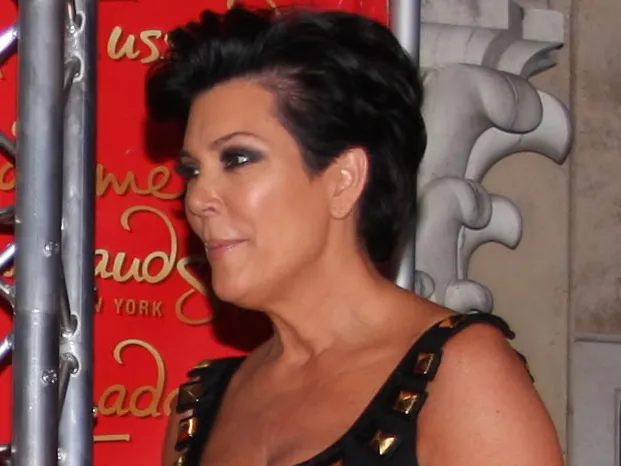 Kris Jenner’s facelift: “I love my facelift”Kris Jenner said she had a facelift about 15 years ago and a refresh before turning 70 — and that she loves it. How a SMAS facelift and recovery work.
 Did Vicki Gunvalson have a facelift? Yes, and she showed the result herselfVicki Gunvalson had a facelift in May 2018 after deciding fillers no longer looked like her. Her own words, how a facelift works and recovery.
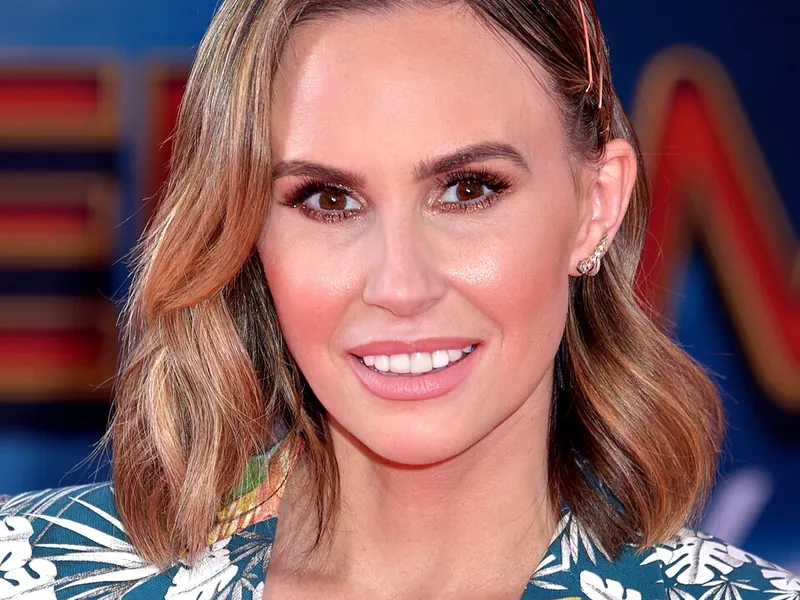 Keltie Knight’s facelift: why she decided to “just own it”Keltie Knight had a facelift in 2023 at 41 and chose to talk about it openly. What she said, how a SMAS facelift works and what recovery looks like.
 Did Linda de Mol have a neck lift? Yes, and she wrote about it herselfLinda de Mol wrote in LINDA. in 2025 that she had a neck lift. What she said, why she chose to be open, and how a face and neck lift works today.
 Linse Kessler and her facelifts: what she said herselfDanish reality star Linse Kessler has said openly that she has had several facelifts. Her words, how a modern facelift works and what recovery involves.
 Did Alice Bendová have a facelift? Yes, and she explained why herselfAlice Bendová confirmed a deep plane facelift in September 2026. Her words, how a facelift works, who it suits and what recovery looks like.
Beach Town, Public Face: Opening a Facelift File in Mohammedia
Mohammedia, once Fedala, the grain depot of 1773, then renamed for King Mohammed V in 1960, is a city where the Sablet beach meets the petrochemicals port, and its urban commune counted 194,358 residents in the 2024 census inside a prefecture of 514,057; along its corniche and in its shops live plenty of people past fifty-five who watch their reflection in shop windows and ask it: where did the jawline I knew go?
The facelift is the answer to that question when slackness is the whole story: an intervention that raises the cheek, redraws the jaw and softens the neck, and its file opens from the phone with daylight photographs of the whole face, front, both sides and a three-quarter angle, without filters and without theatrical lighting, plus lines about age, health, smoking and any earlier face surgery, sent over Telegram and Telegram to a team that reads at every hour.
The honest photograph is what decides in this file: one filter that hides jaw slackness postpones the correct answer by weeks, while a close picture in a natural stance gives the surgeon in a single reading your skin quality, the position of the drooping and the thickness of the face, the very inputs on which he divides between a full lift of face and neck, a partial lift of one bounded region, or a path altogether smaller than the operation.
And the city's calendar, half beach and half shift work, gives every file its fitting date: employees of the port and the three industrial zones know the gaps between rotations, and teachers and about 25,000 students in the city's higher-education institutions know their calm terms; the file opens today, and the operation sits on the date the owner of the face picks, which is the first gain of the remote consultation.
Inhaled General Anaesthesia and Incisions Placed Before the Lift
The operation runs under inhaled general anaesthesia handled by an anaesthetist, and the patient passes an entire session in deep sleep from the first incision to the final stitch, waking only in the recovery room under the team's observation; this is the accepted form for the facelift in particular because the work extends into the deep layers of the face rather than its skin surface alone.
Before any lifting, the incision sites are planned: lines that fold inside the hair or around the ear's flap where an ordinary appearance hides them, with length and course read from your face's anatomy and slackness rather than from one mould passed over everyone; at the consultation ask precisely: where will my incisions fall, does the plan include the neck, and what can be postponed to another session without weakening the result.
Ask as well about the deep layers, not the skin alone: what is raised beneath it, how the tissues are redistributed, and what is done with relaxed muscles if they exist; a facelift that works deep is the one that gives a result looking like rest rather than like pulling, and the surgeon who explains this in language you can hold hands you a first proof that your file is being read as it deserves.
And remember above everything that the lift restores arrangement without manufacturing a borrowed face: your features remain, moved to an earlier setting, and whoever grasped that before signing lived the weeks after the operation satisfied, while whoever waited for a smaller, different face left follow-up with a disappointment his own expectations manufactured rather than the surgeon's hands; this sentence alone deserves to be read twice before any date.
Two Months Between November's Rain and the Dry Summer
Full recovery asks for about two months, and its stations are known in advance: swelling and bruises in the opening days that ease after days, then feeling returns to the skin and the area around the ear softens, and the lines settle onto your features gradually; whoever memorised the stations lived the two months calmly, and whoever did not read the fourth day's swelling as a black prophecy rather than a passing stage.
In your Mohammedia house recovery moves with the city's year: November and December, with rains near 77 and 75 mm, build ideal indoor weeks for the opening of healing away from the street, while the nearly rainless July and August demand a temperate, aired room and strict distance from the midday sun on the corniche; the mild yearly means of 22C and 14C mean no month is an enemy of recovery once your house is arranged with sense.
The two months' rules are written: sleep on the back with the head raised, hands away from the face and its wounds, light walking inside the house with the surgeon's permission, and postponement of sport, carrying and any effort that raises pressure in the face until a separate clearance for each stage; and whoever lives in staircased parts of the Kasbah should agree with a relative on help with the climb in the first days, for the staircase then is a load on a treated neck, not a morning walk.
Place follow-up calls away from your shift, and keep a weekly notebook of observations: how the swelling changes, and when feeling returns at specific spots; the team following you over Telegram and Telegram at any hour carries the notebook to the doctor, and the reply that returns is built on your own file rather than on a mould of general advice, which by itself makes the weeks calmer.
From Month Three to Six: The Face Returns to Old Photographs
The result does not ripen in the first month: between the third month and the sixth, the last remains of deep swelling recede, what lies beneath the skin softens, and the new lines settle until they become your natural features rather than the trace of an operation; and whoever keeps old pictures of his own face from years back will recognise in this period a face nearer to those pictures than the mirror of recent years ever showed.
The months' details are learned beforehand so they do not worry you: temporary numbness at spots of the face where feeling returns by degrees, a hairline adapting around the incisions, and a sensation of tightness that passes like a guest; the surgeon reads each of these stations at the visits and explains them in language you can hold, so the patient is left neither to his own guesses nor to the analysis of friends at the cafes.
Old photographs are an important file in themselves: bring them to the first consultation, for they give the surgeon the direction of restoration that fits your build and explain to him what changed across the years and when the slackness began; attach them to the first message beside current pictures, since the comparison between the two editions is what makes the lifting plan rest on your face's history rather than on the impression of one sitting.
And when the shape settles, the endless file of preservation opens: the corniche sun in summer is strong on treated skin, so shade and sun protection become a fixed habit, smoke works against the skin's elasticity every day, and a stable weight guards what was redistributed; the result you saw lasting years for someone else was not chance but management, and that sentence summarises every post-operative habit at once.
The Registration Sheet and a Decision Built on Papers
Before agreeing on any date, ask for the first sheet: the surgeon's entry on the roll of the National Council of the Order of Physicians, the independent institution that gathers all of Morocco's doctors by obligation across the public and private branches; ask for the entry number and the exact specialty and keep the answer in writing, noting that the council's site places no open lookup list at its entrance, which leaves your direct documented question as the only passage to reassurance.
Then give every offer a complete sheet: which regions the intervention covers, where the incisions fall in your own plan, how the visits run until recovery completes, and who answers between visits and through which channel; the facelift belongs to operations where the gap in experience shows in details only a specialist sees, and papers are what let you read that gap before signing rather than in a courtroom after.
Beware of the three well-known ones: the promise of an entirely new face, the hurry toward deciding in one sitting, and the embarrassment before the registration question; each is a piece of information that enters the account by itself, because this decision lives on your face before your family and colleagues in Mohammedia every day and does not deserve to be born from the noise of an hour or promises hanging in the air.
And grant the decision its full span: read the papers in the calm of your home, consult the person who carries your trust, and raise whatever lingers in your mind to the follow-up team over Telegram and Telegram at any hour; the remote consultation was framed to move with your rhythm, the span you grant your thinking is part of the result's quality rather than a shortage of it, and the face you will meet every morning deserves a decision born of stillness.
Is a facelift reserved for the very advanced in years?
No, the standard is the state of the tissues and the degree of slackness rather than the age number: some faces lose their frame early and others, advanced in years, still hold their structure; honest photographs at the consultation are what say whether the lift is the fitting path now or whether a smaller intervention suffices, a verdict read from your file rather than from your birth date.
What does a full facelift usually include?
It usually covers the cheek, the jawline and the slackness beneath the chin, and may extend to the neck if your photographs show the drooping does not stop at the jaw; the eyelids and the brow may join one plan or wait for another session according to the surgeon's judgment and the safety of the time, a point defined openly at the consultation rather than assumed after booking.
When can I hide the operation's traces from colleagues?
The traces recede in stages: swelling and bruises across the first weeks, then the features return gradually until recovery completes in about two months; longer hair or a wide collar helps in the opening weeks, and whoever plans his leave and his return with the surgeon beforehand lives this stage far from the questions of the workshop and the office.
May I drive in the first week of recovery?
Not in the opening days: bending the neck, mirror-checking and sudden movement are not in the favour of the new tissues, and driving returns with the surgeon's clearance once he is satisfied with your movement; arrange in advance who drives you in the first days and accompanies you, since this arrangement belongs to the recovery plan rather than to an added luxury.
What role do old photographs play in planning the lift?
An important one: pictures of your face from years back give the surgeon the direction of restoration that fits your build and explain what changed across time and when the slackness began; attach them to the first message beside the current ones, since comparing the two editions is what makes the lifting plan rest on your face's history rather than on the impression of a single session.
Is a facelift affected by body weight and its swings?
Yes, a stable weight before and after the operation guards what was redistributed, and large swings pull the skin in new directions that alter the result; this is why the surgeon asks about your weight's stability from the first consultation, and whoever is in a phase of losing weight arranges the path so the loss completes first and the lift comes after to adjust what remains.
What should I do if I notice uneven swelling after the operation?
Immediate contact rather than waiting: photograph the region in the same lighting and angle the surgeon arranged and send it over Telegram or Telegram to the follow-up team, which reads at any hour, so the observation reaches the doctor and his answer comes back in time; uneven swelling is in most cases a passing, ordinary event, but the difference between passing and worrying is read by the doctor, never by the mirror.
How do I settle my choice between two facelift offers?
By comparing papers asked identical questions: which regions in each plan, where the incisions fall, how the visits run until the result completes, and who answers between visits; then read the two sheets in the calm of your home in Mohammedia and decide by the difference in writing rather than the loudness of talk, sending any doubt that remains to the follow-up team over Telegram and Telegram at any time.
Facelift in Mohammedia: price and what is included
Prices are in US dollars; the amount in brackets is an approximate conversion to MAD at the rate of 02.10.2026. The final price is fixed in your contract.
- Faceliftfrom $2,400 (≈ MAD 24,000)
How much does a facelift in Mohammedia cost?
Prices start from $2,400 (≈ MAD 24,000). The surgeon sets the final price at the free consultation, and it is fixed in the contract, with no hidden extras.
What is included in the price?
A one-to-one consultation, the medical team, anaesthesia, inpatient care with meals, 24/7 monitoring and twelve months of follow-up by the surgeon.
How do I get my exact price?
Message us on WhatsApp or Telegram using the buttons below. A coordinator will answer your questions and book a free consultation where the doctor names the exact price.
By messaging us, you agree to our Privacy Policy