


























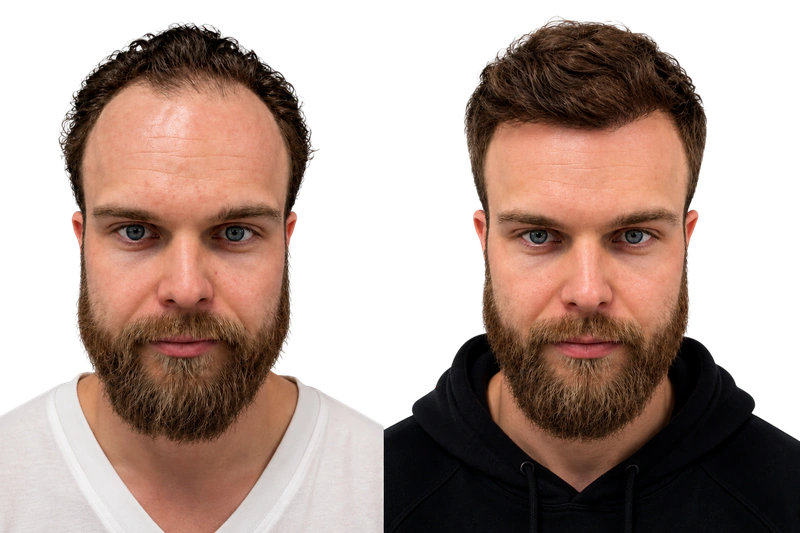

pre-op
12 months out
2,800 grafts
FUE method
City Medical Centre
0% instalments
from $367/mo
A chat and a costing — $0.
Honest case
pre-op
12 months out
FUE work needs neither incisions nor stitches. Grafts counted, outcome forecast estimated and not billed — before you decide.
At no charge, no surgery booking required
Message our coordinator
Free online consultation · Reply within 15 minutes
Message us on TelegramMessage us on WhatsAppBy messaging us, you agree to our Privacy Policy
results
All the cases are real CMC patients.
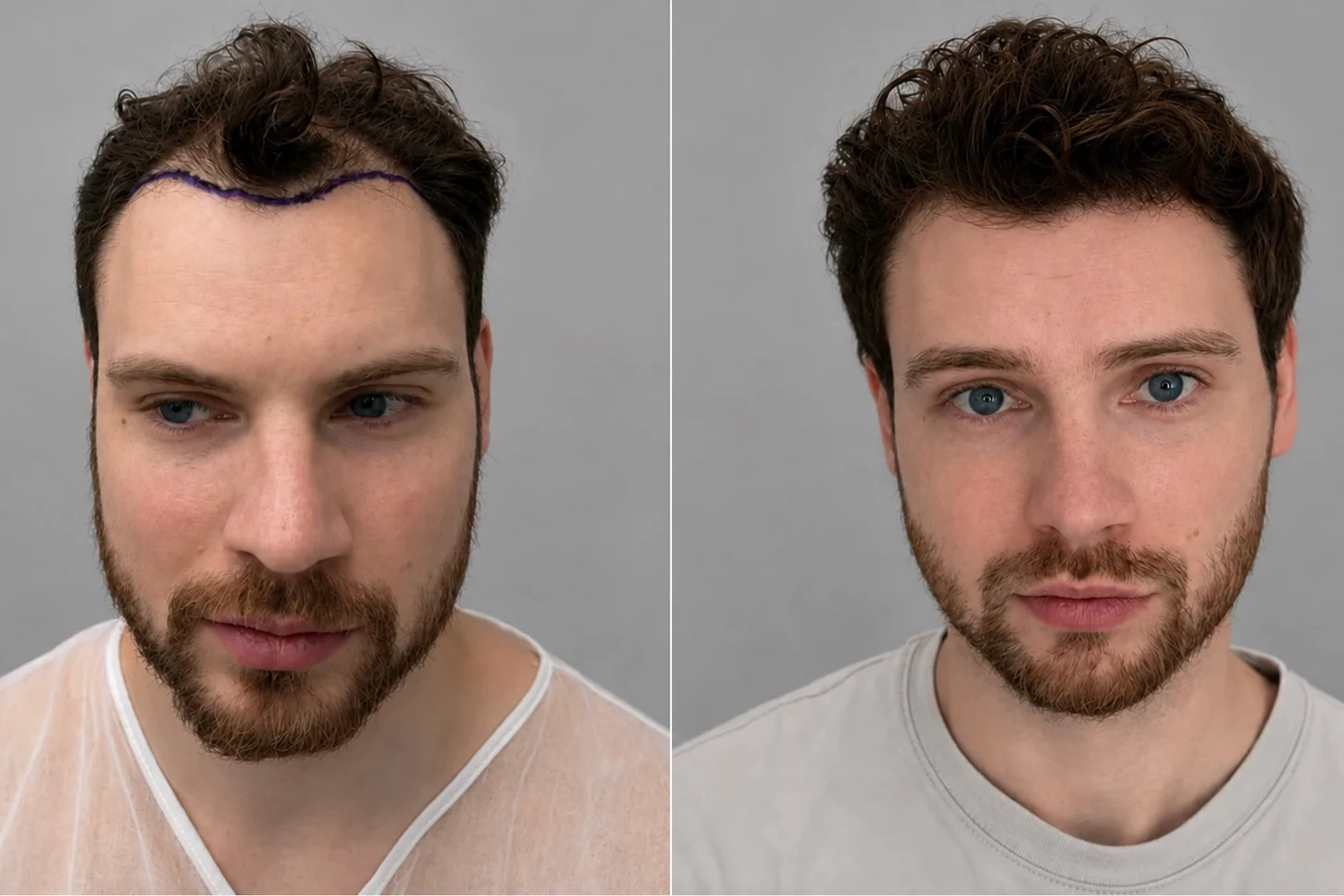
pre-op
12 months out
2,800 grafts
FUE method
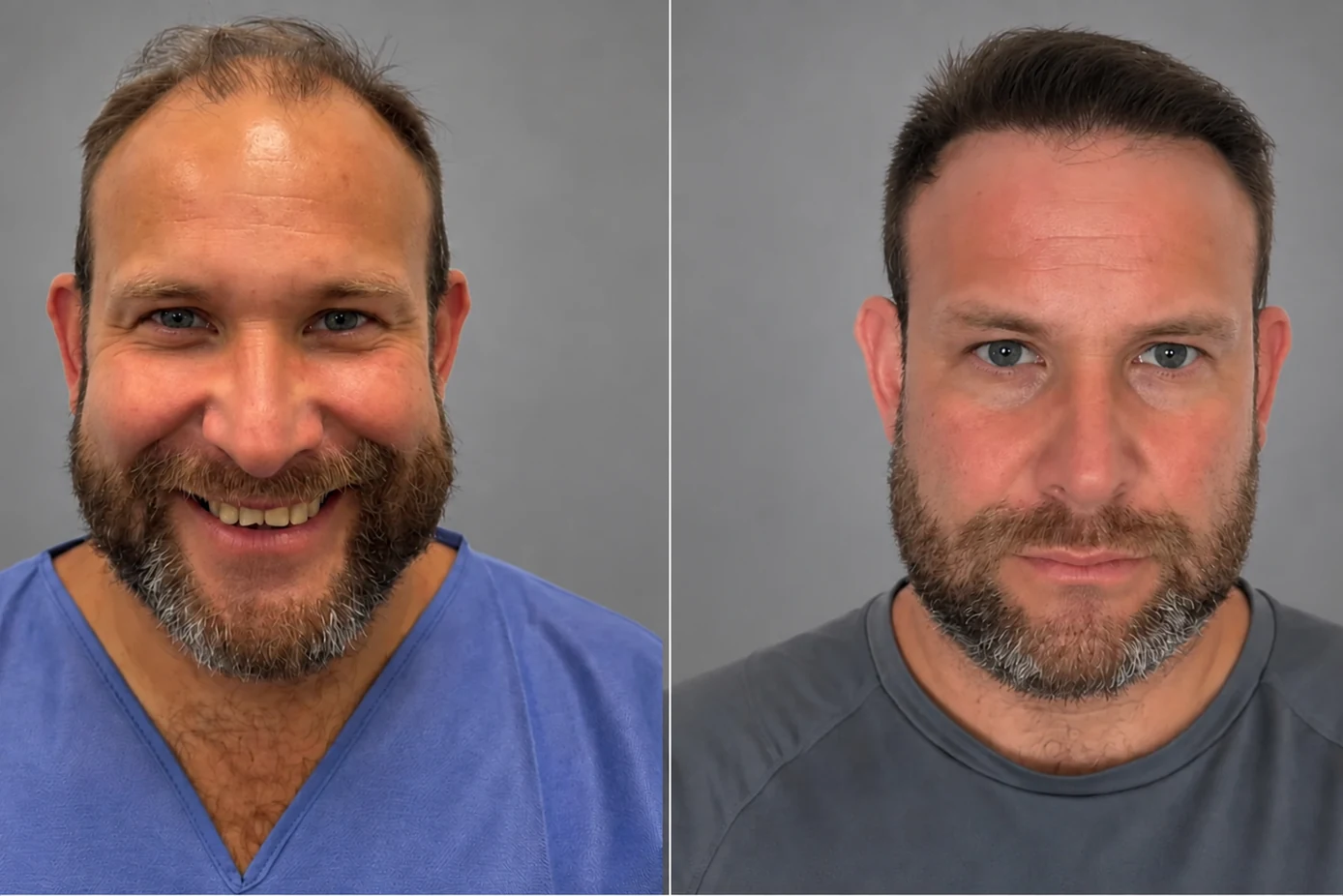
pre-op
12 months out
3,500 grafts
FUE method
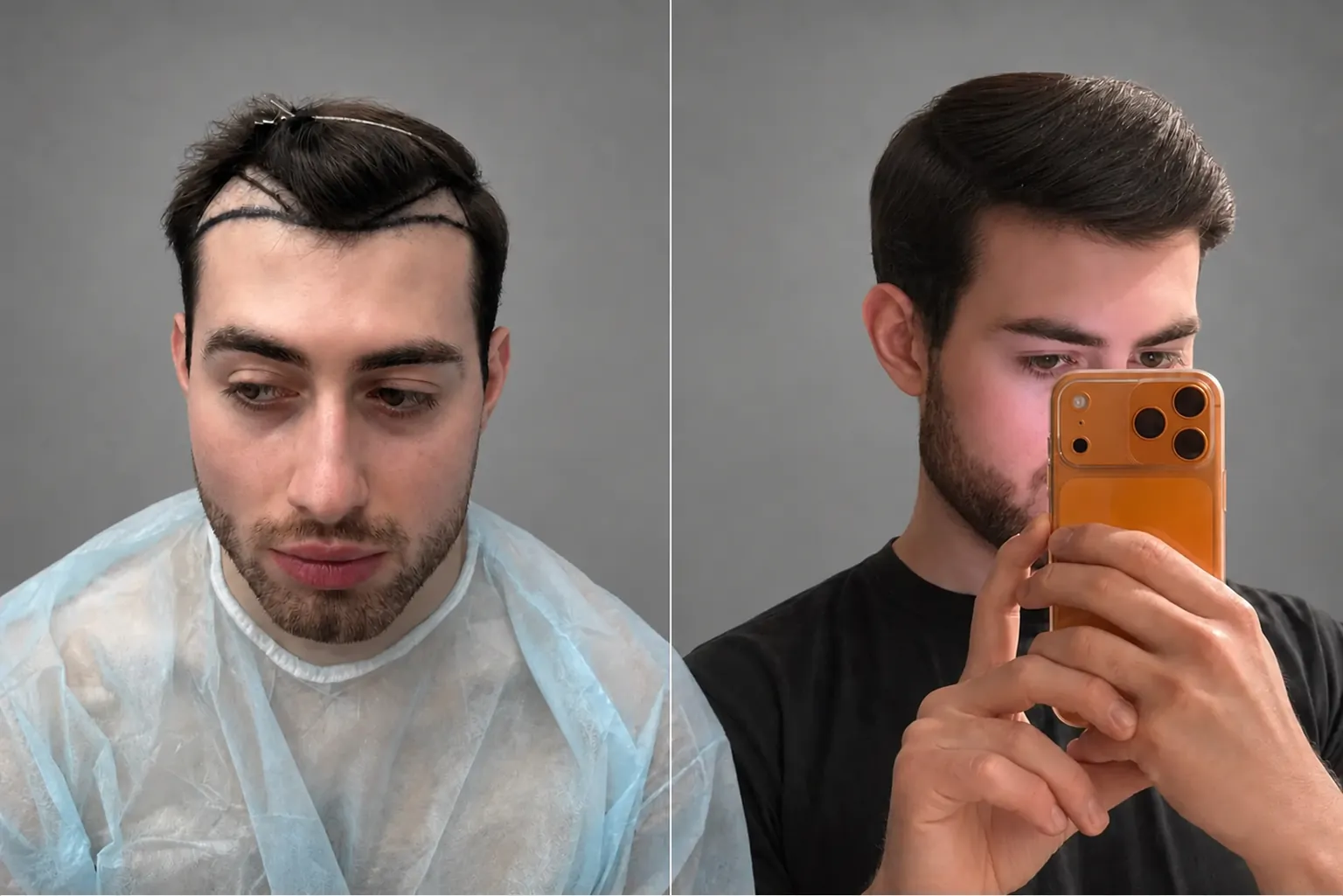
pre-op
12 months out
2,600 grafts
FUE method
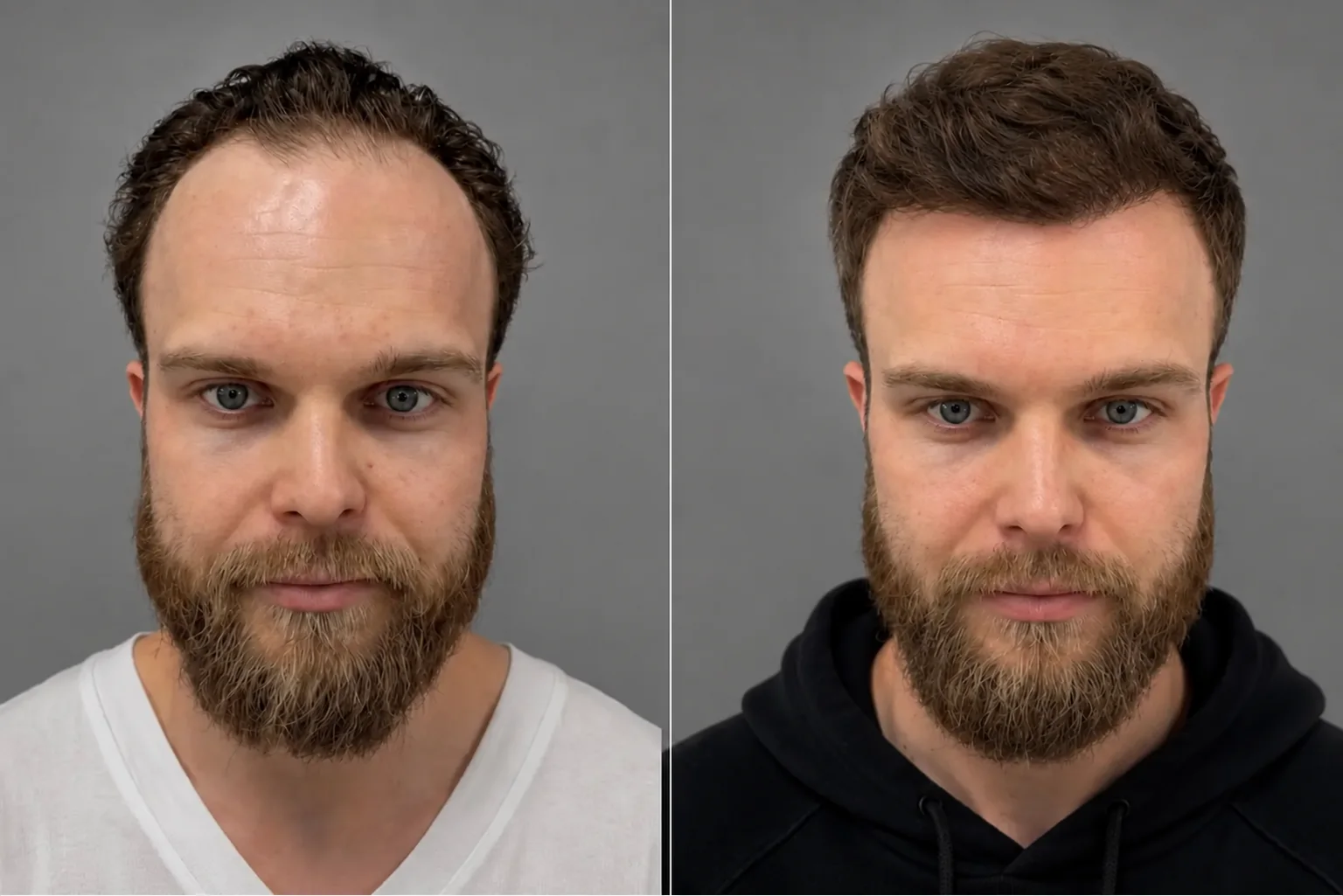
pre-op
12 months out
3,000 grafts
FUE method
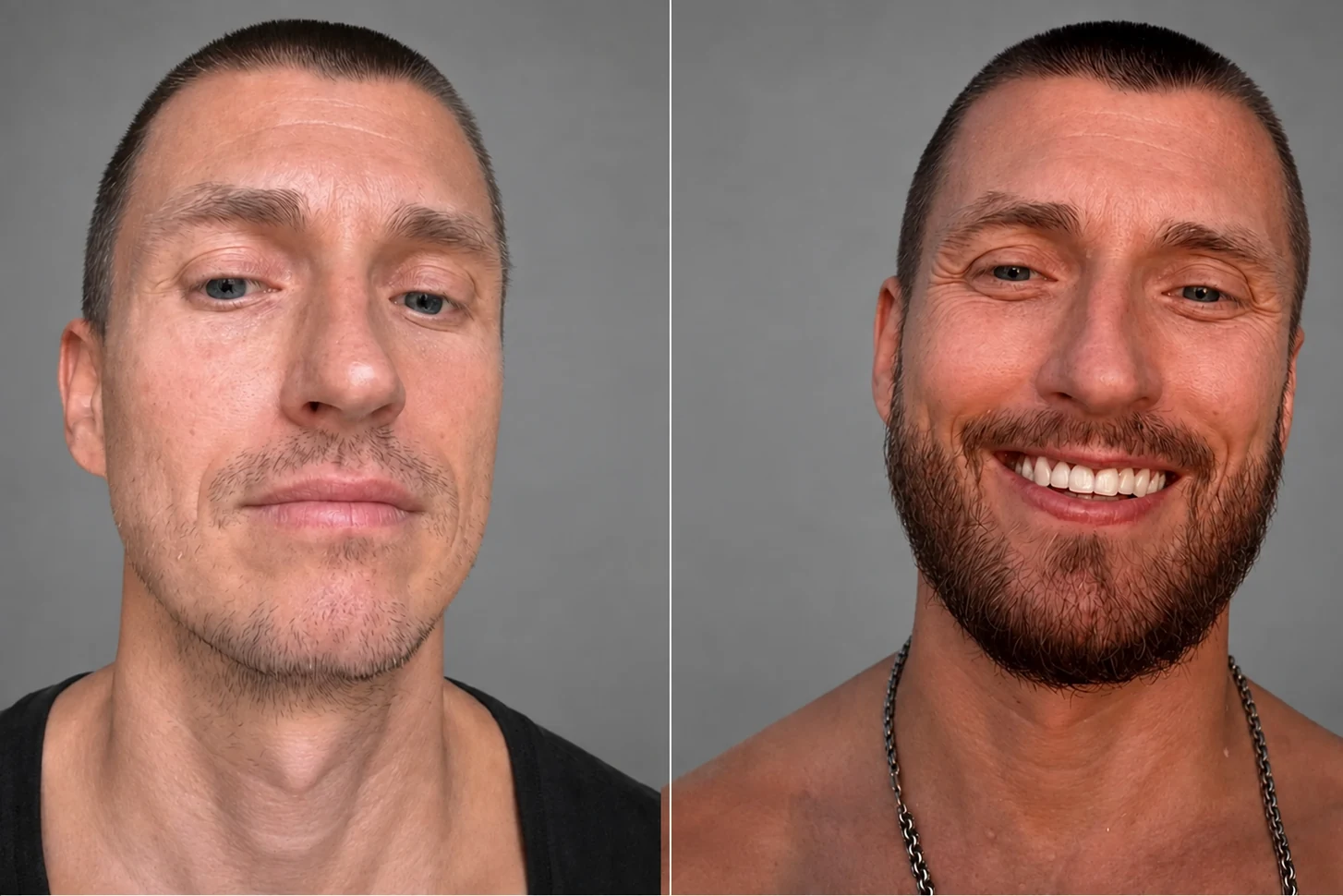
pre-op
12 months out
2,700 grafts
FUE method
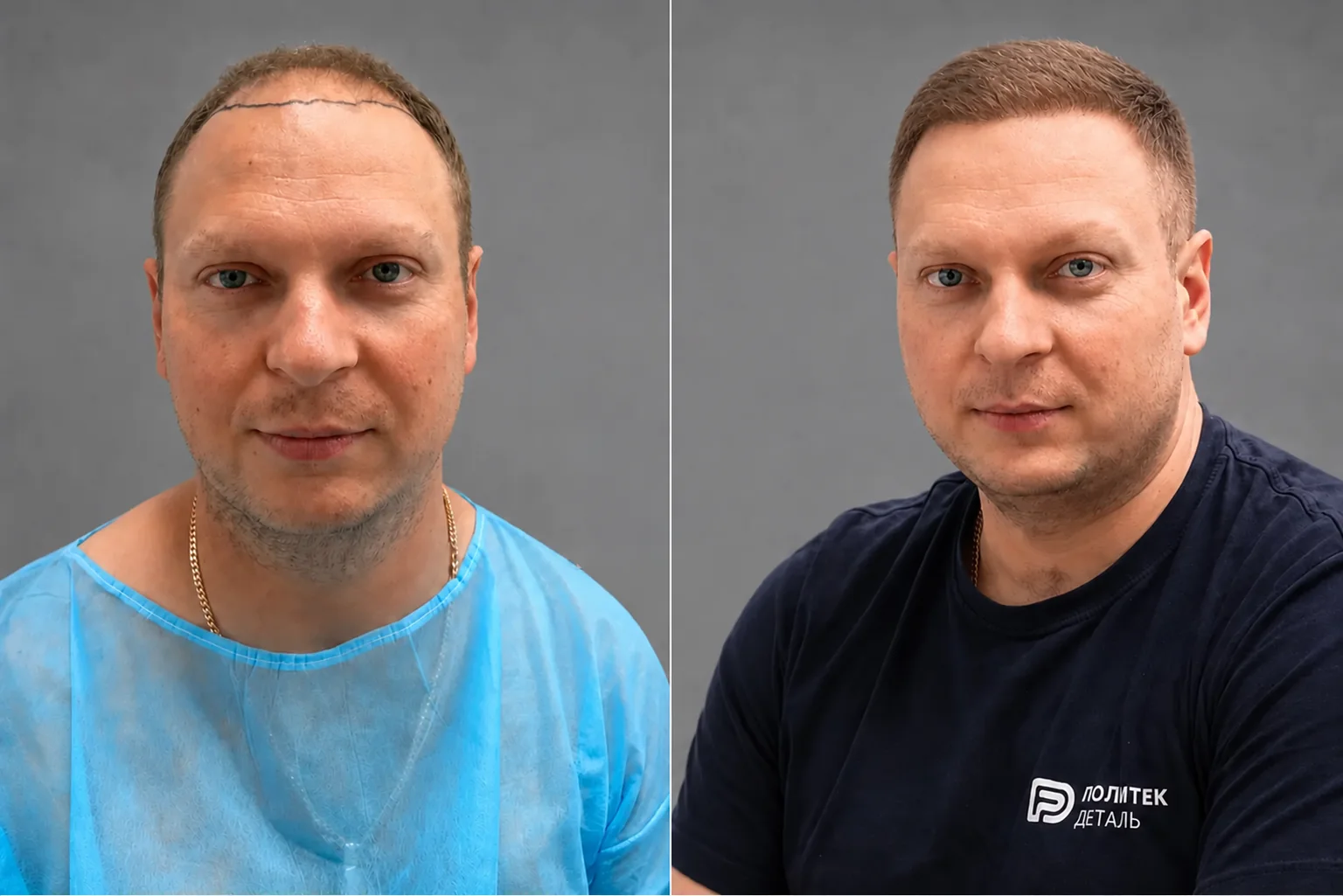
pre-op
12 months out
3,300 grafts
FUE method
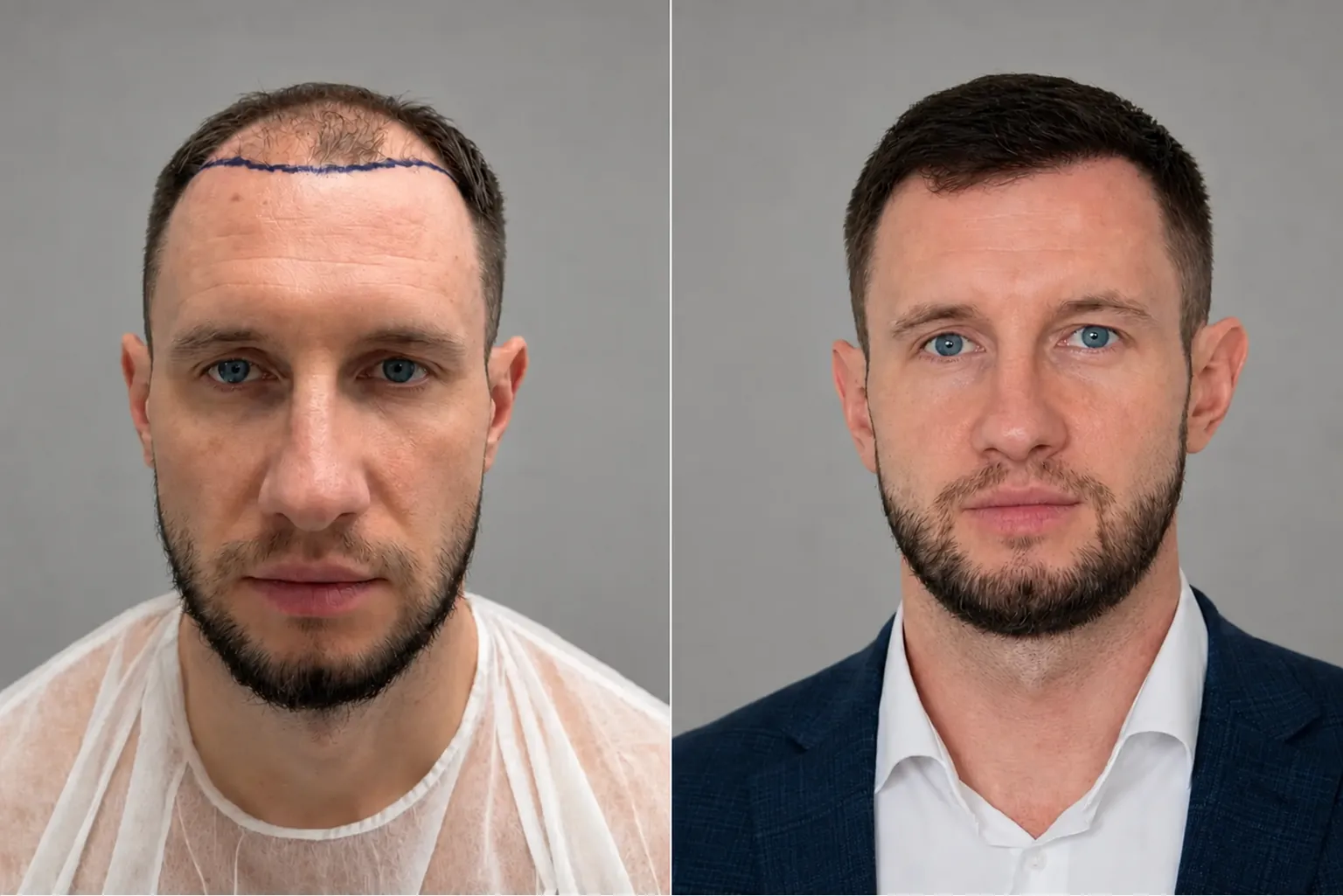
pre-op
12 months out
2,900 grafts
FUE method
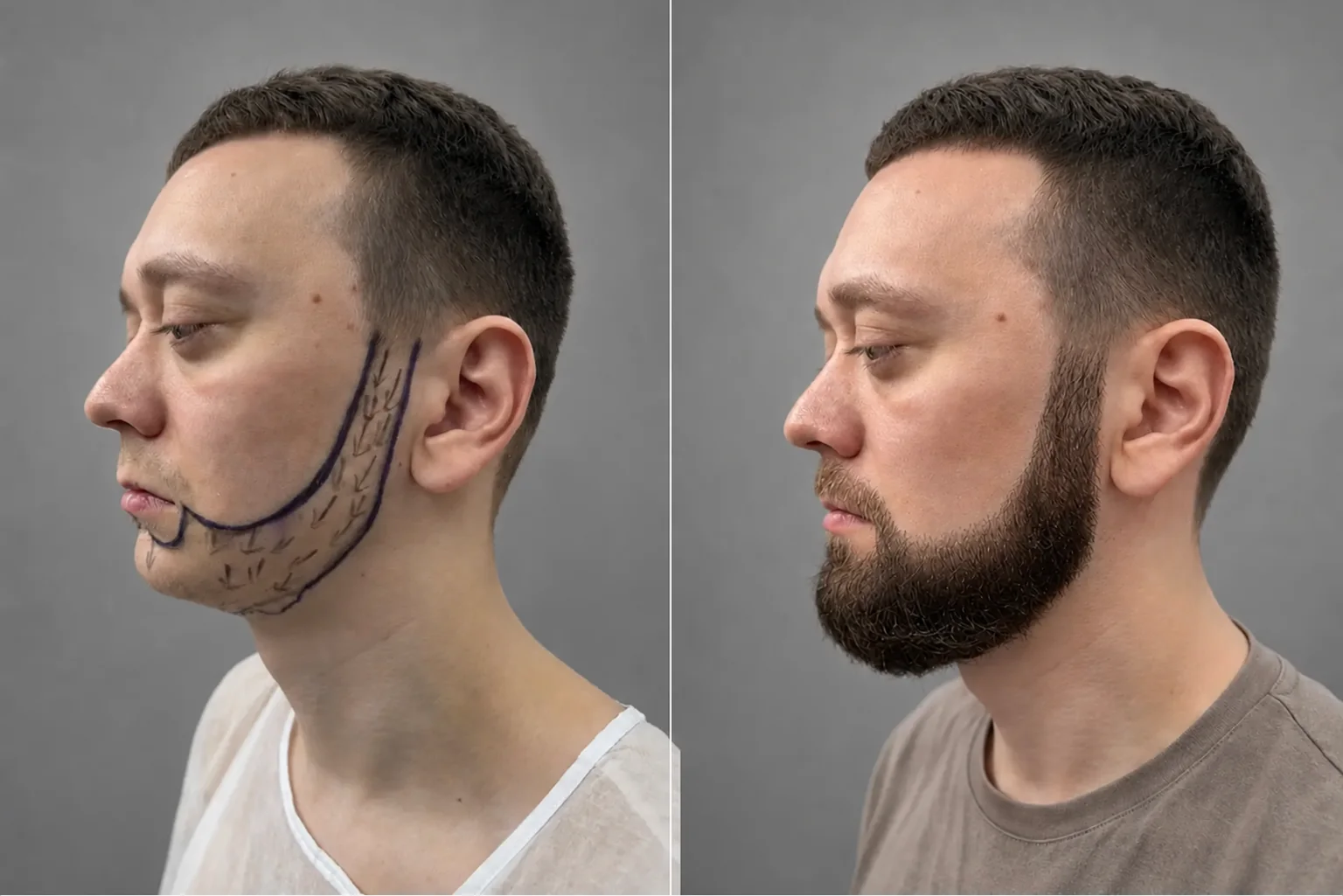
pre-op
12 months out
2,500 grafts
FUE method
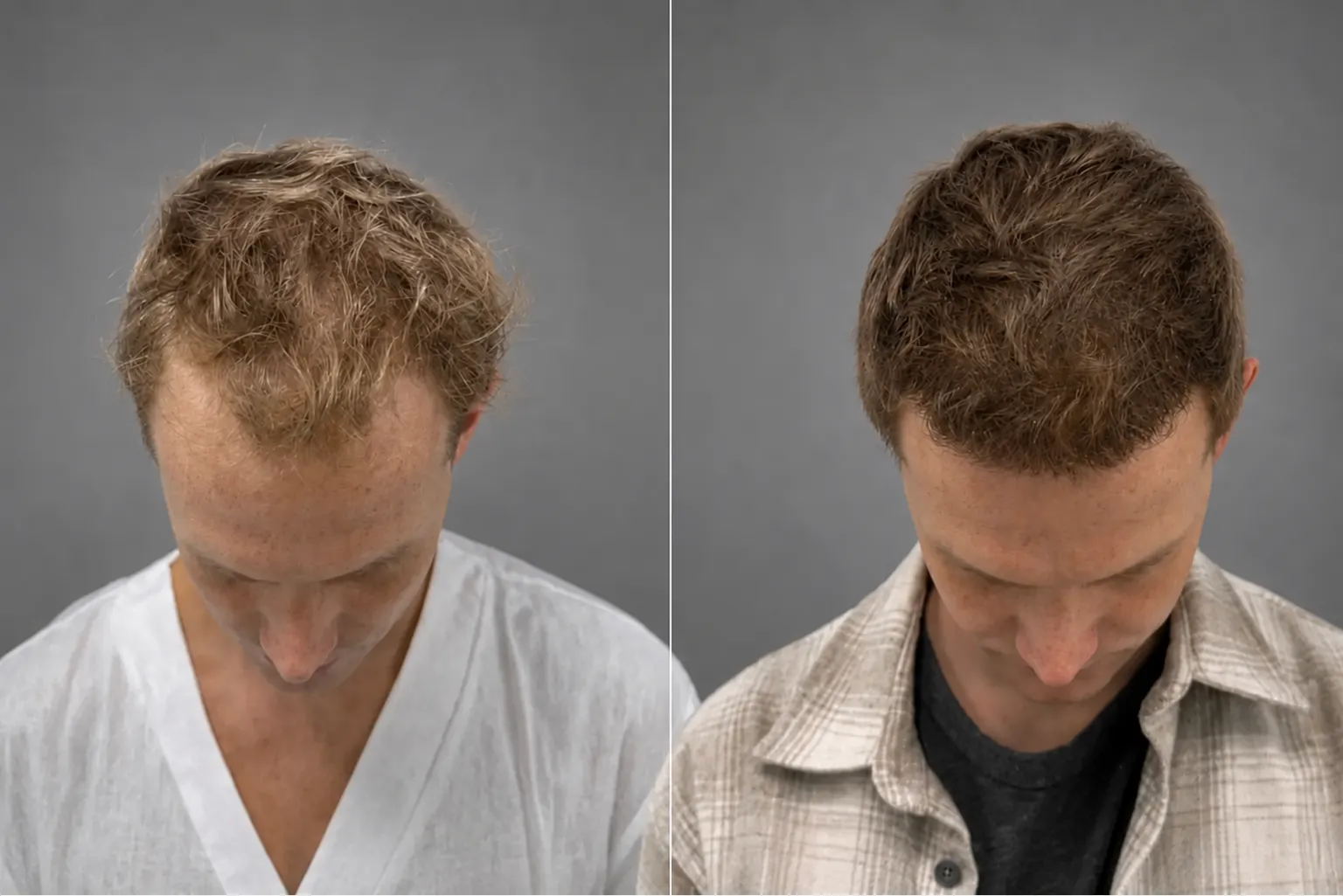
pre-op
12 months out
3,400 grafts
FUE method
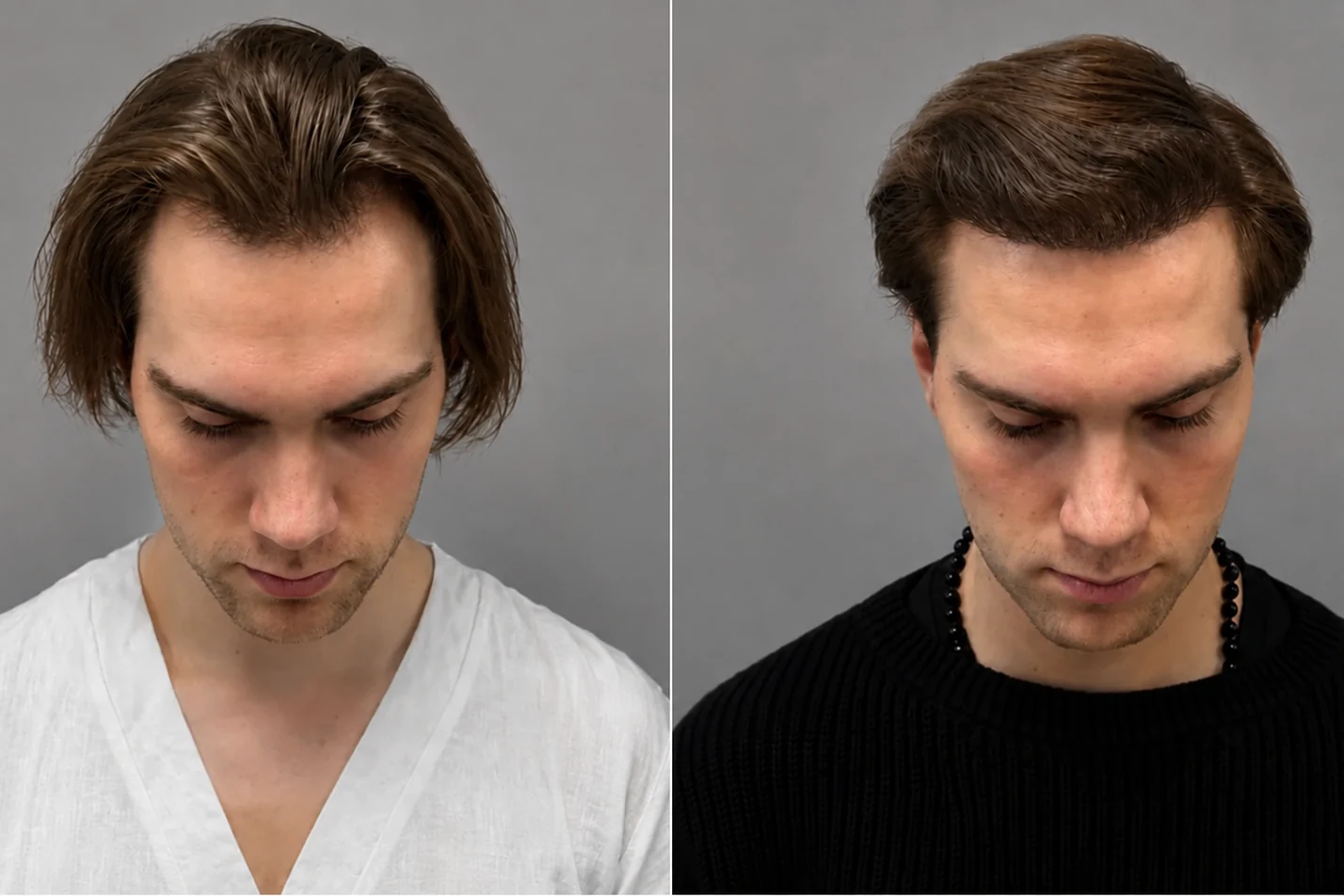
pre-op
12 months out
2,500 grafts
FUE method
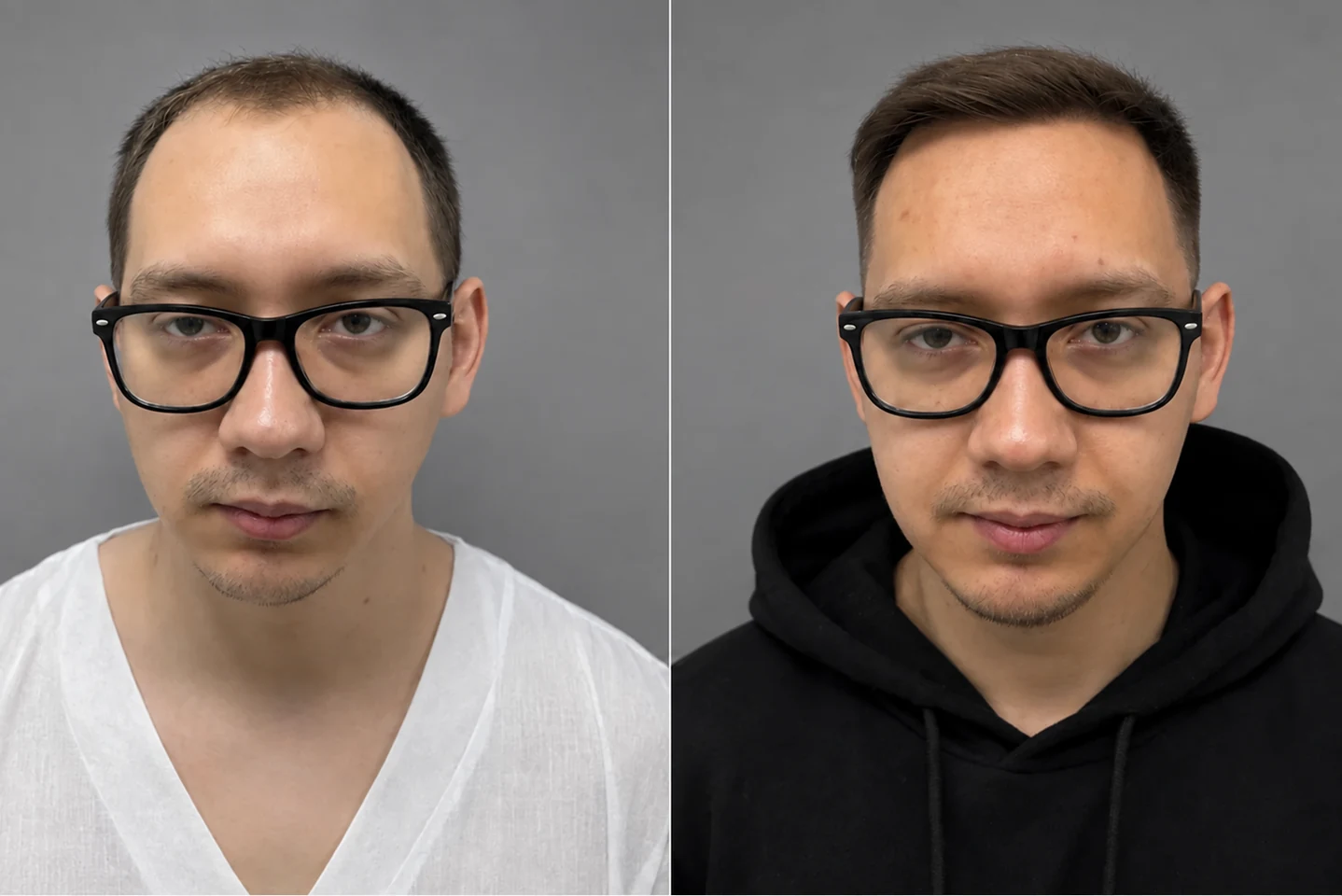
pre-op
12 months out
3,100 grafts
FUE method
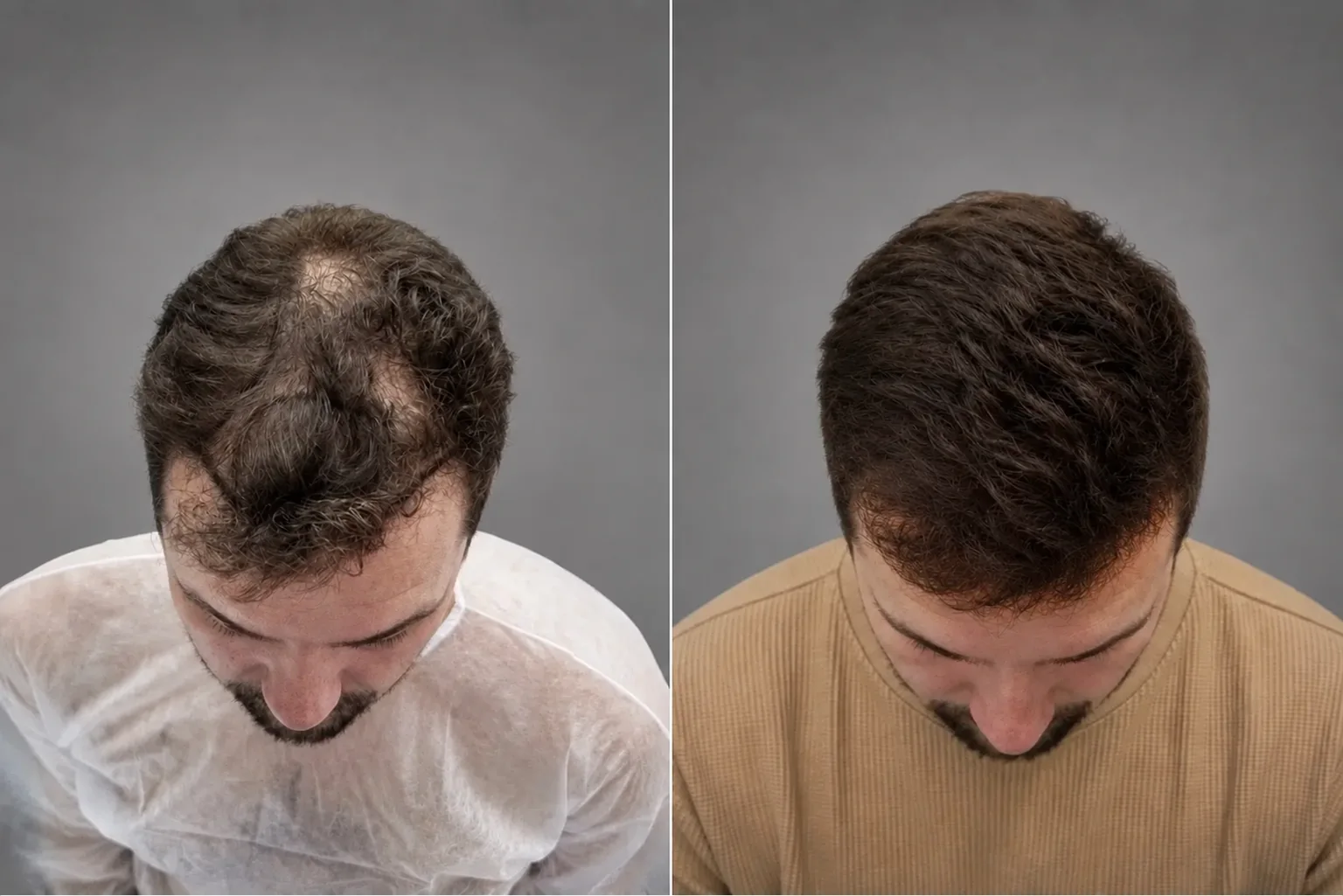
pre-op
12 months out
3,600 grafts
FUE method
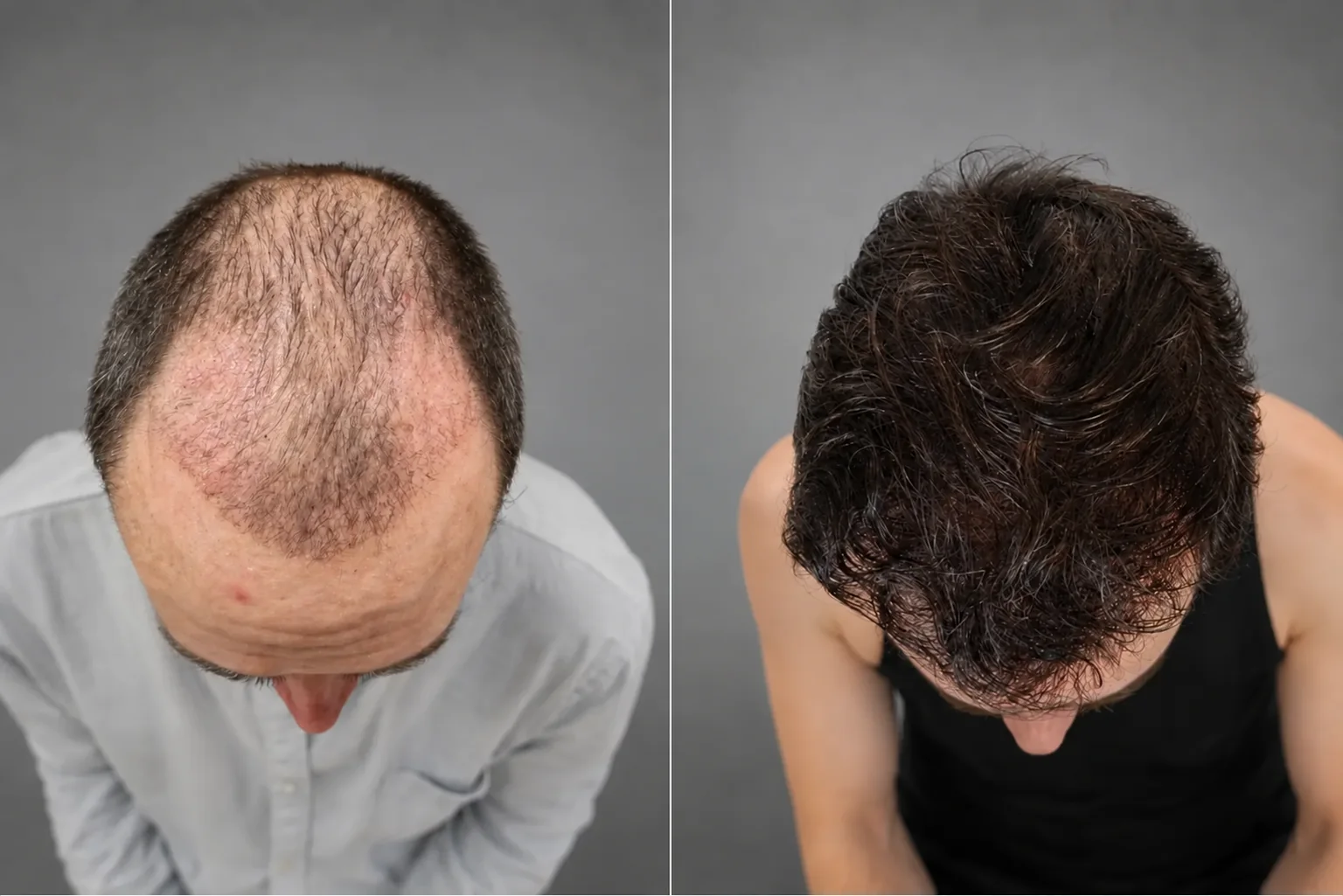
pre-op
12 months out
4,000 grafts
FUE method
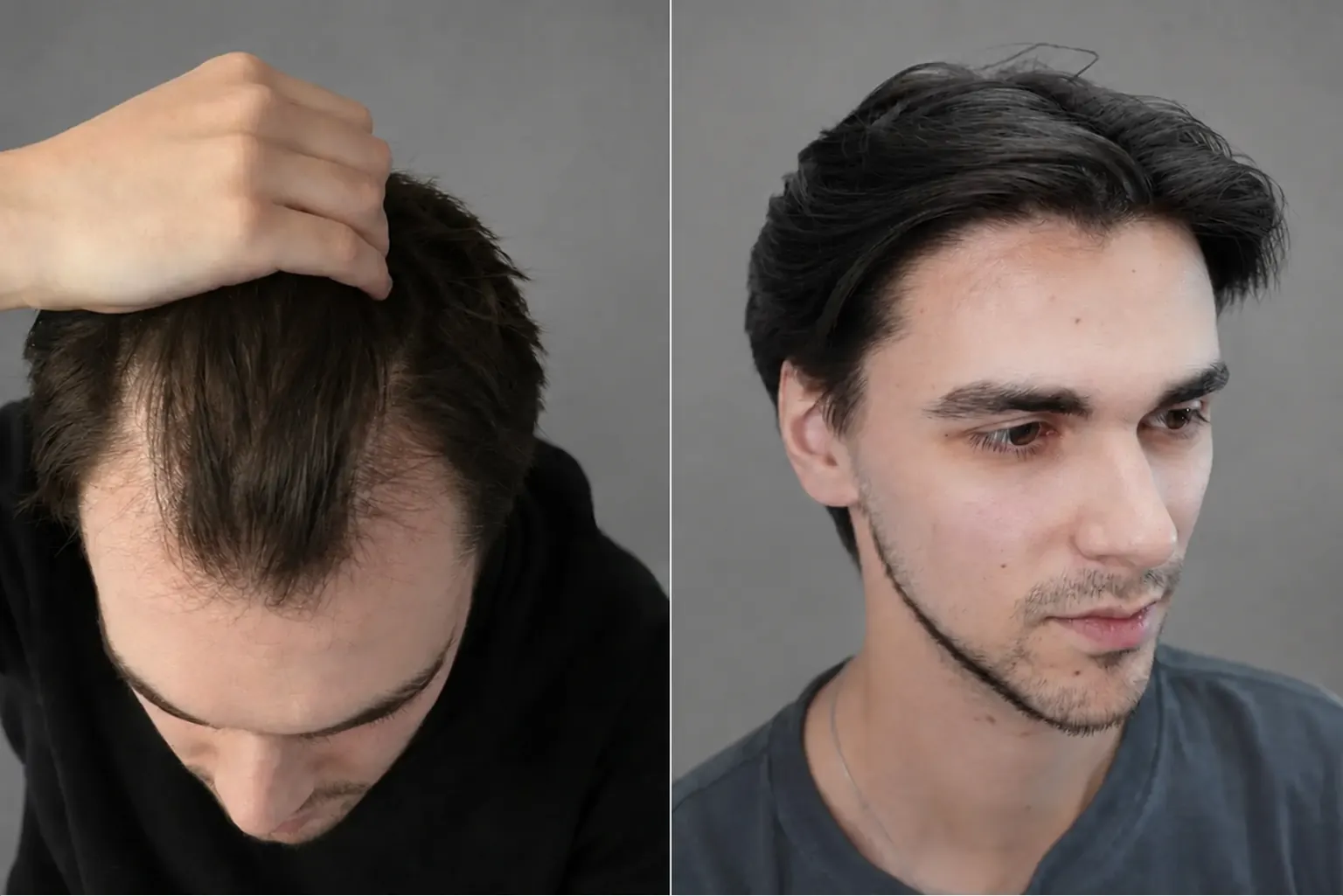
pre-op
12 months out
3,200 grafts
FUE method
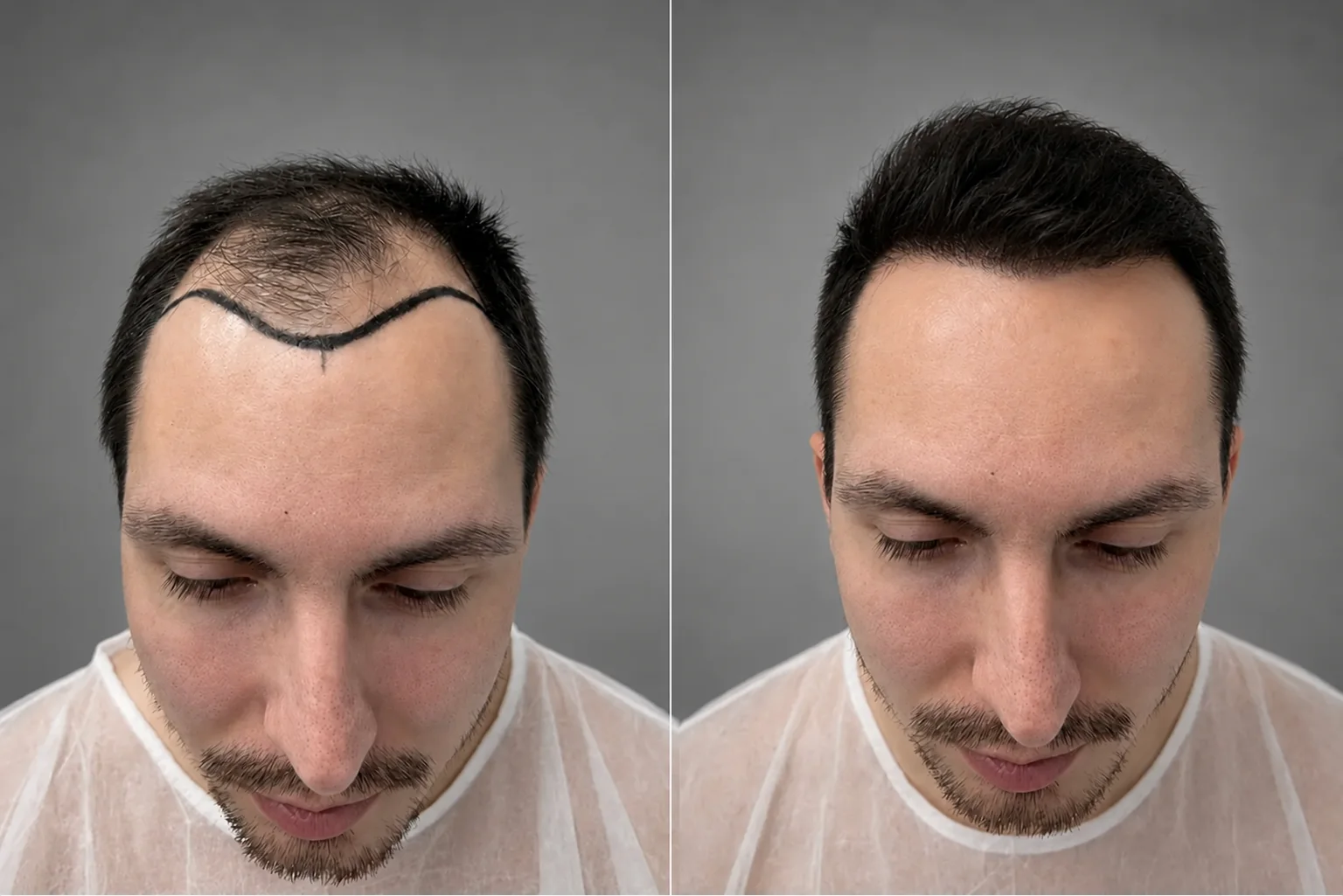
pre-op
12 months out
3,000 grafts
FUE method
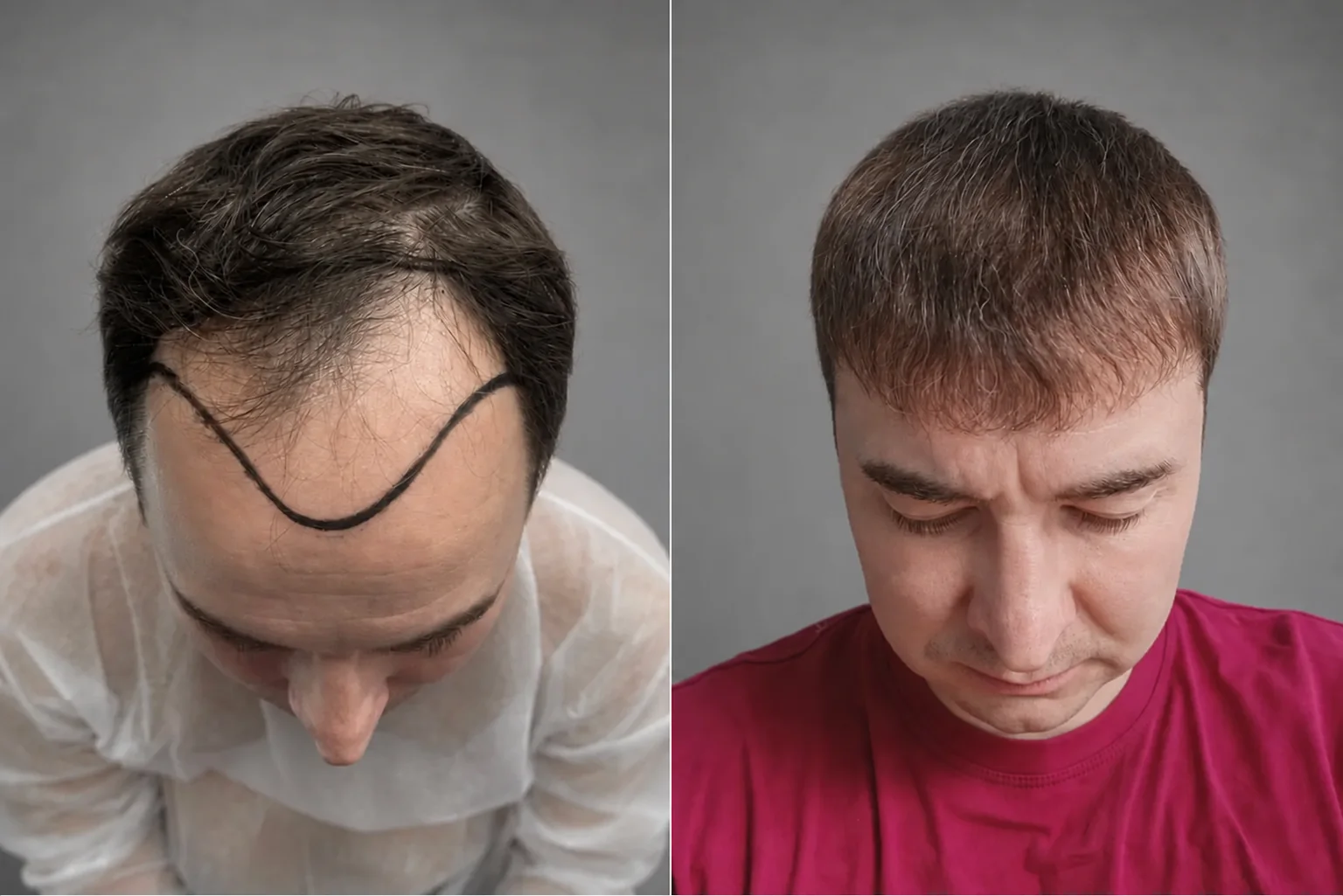
pre-op
12 months out
3,700 grafts
FUE method
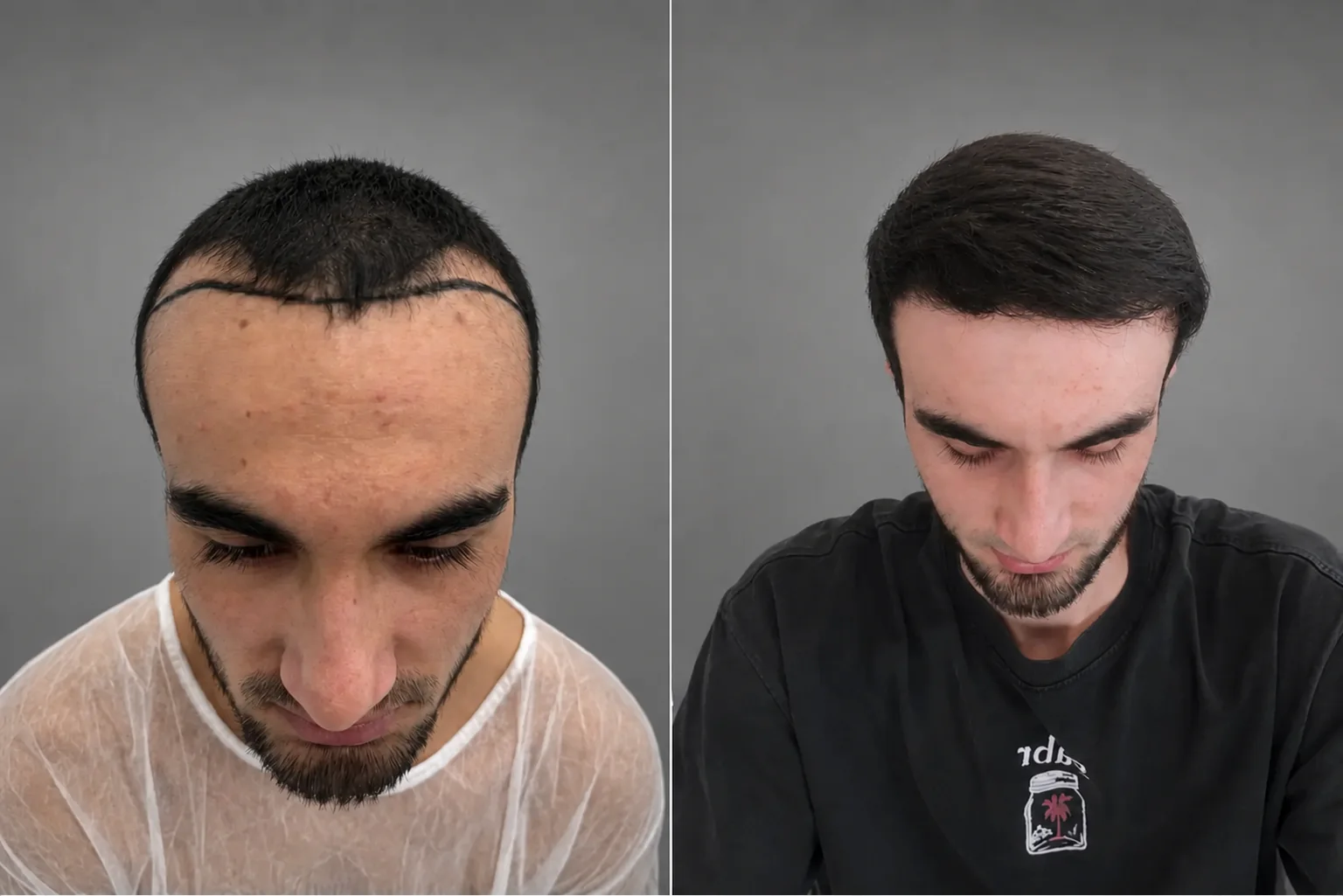
pre-op
12 months out
2,700 grafts
FUE method
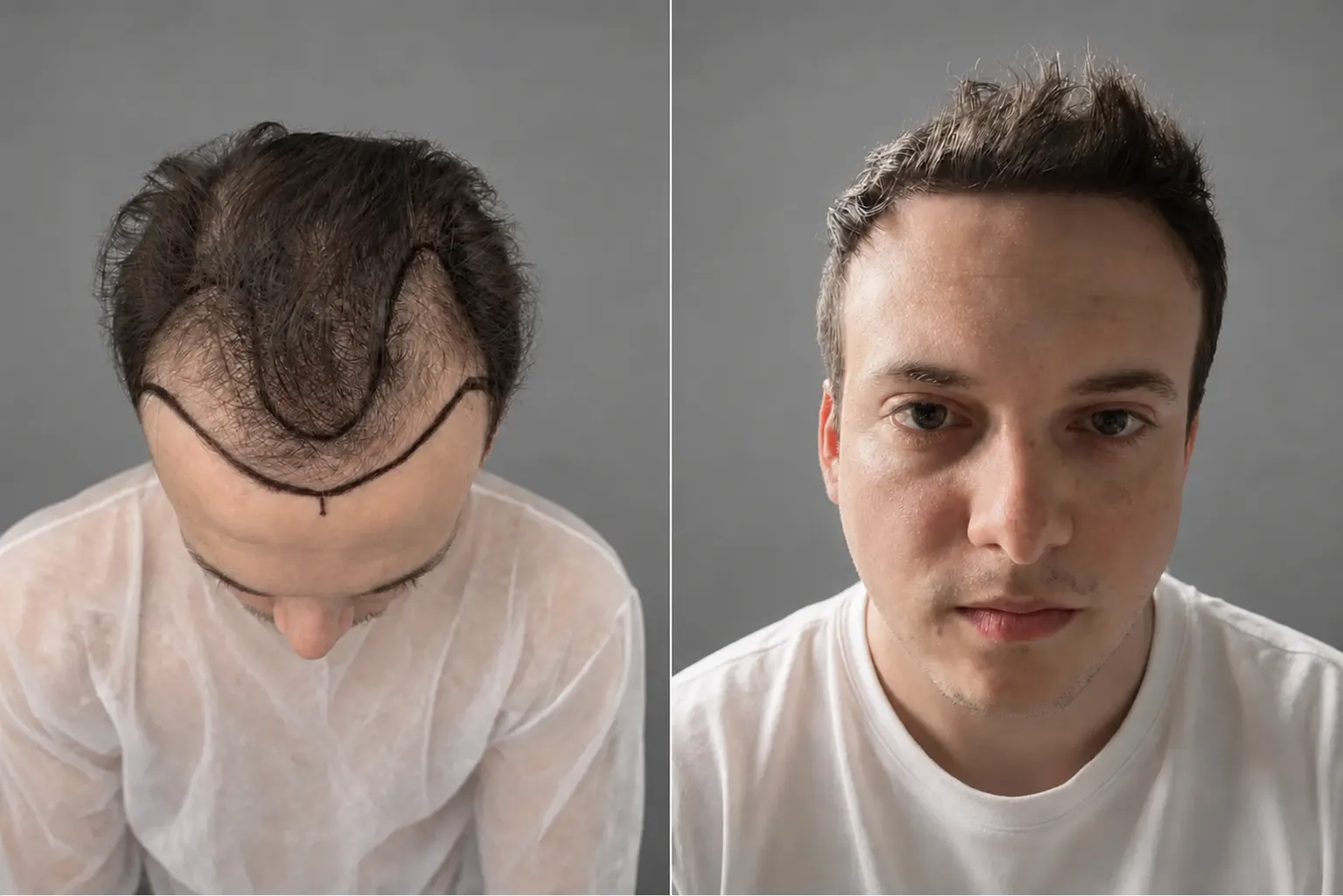
pre-op
12 months out
3,800 grafts
FUE method
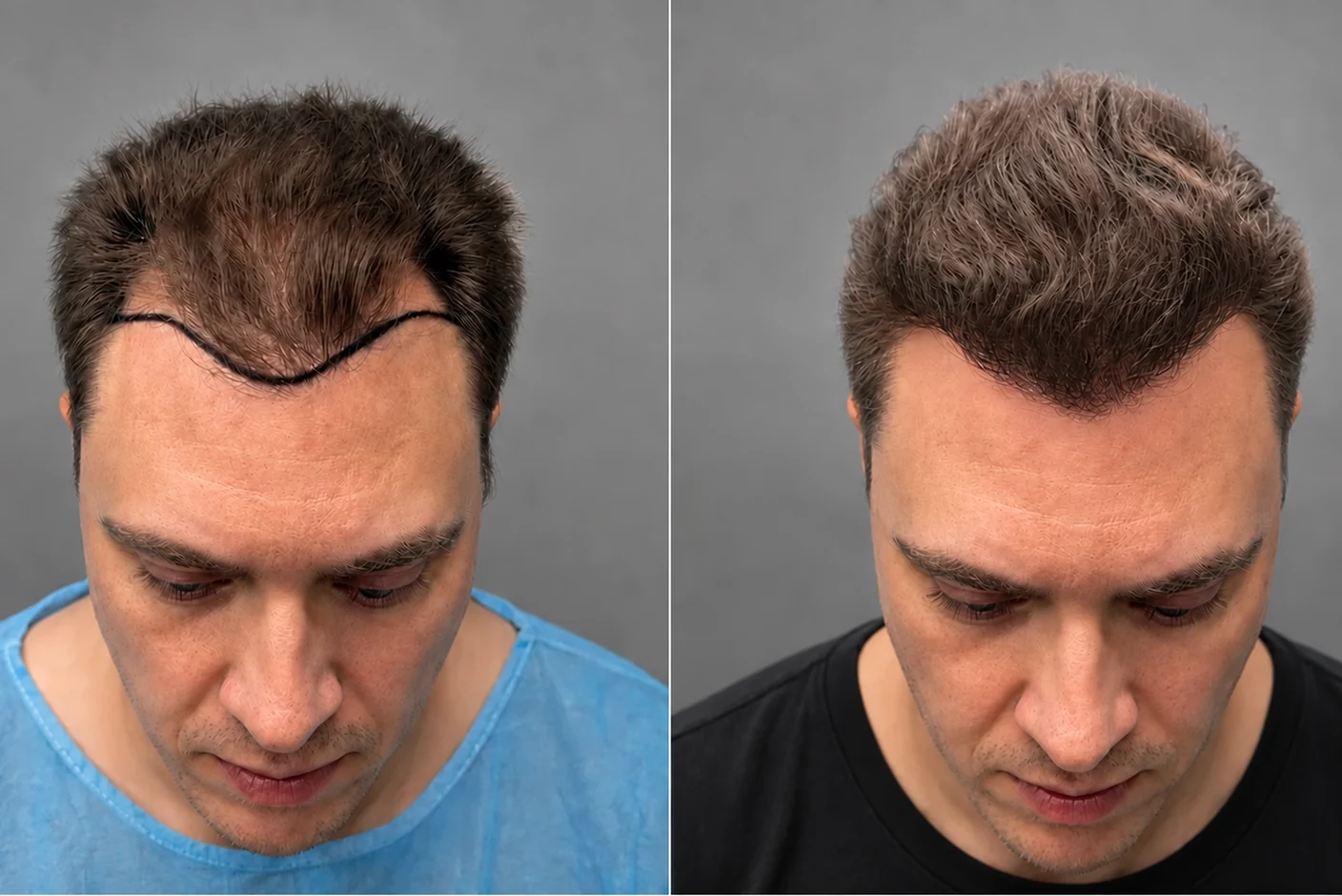
pre-op
12 months out
3,300 grafts
FUE method
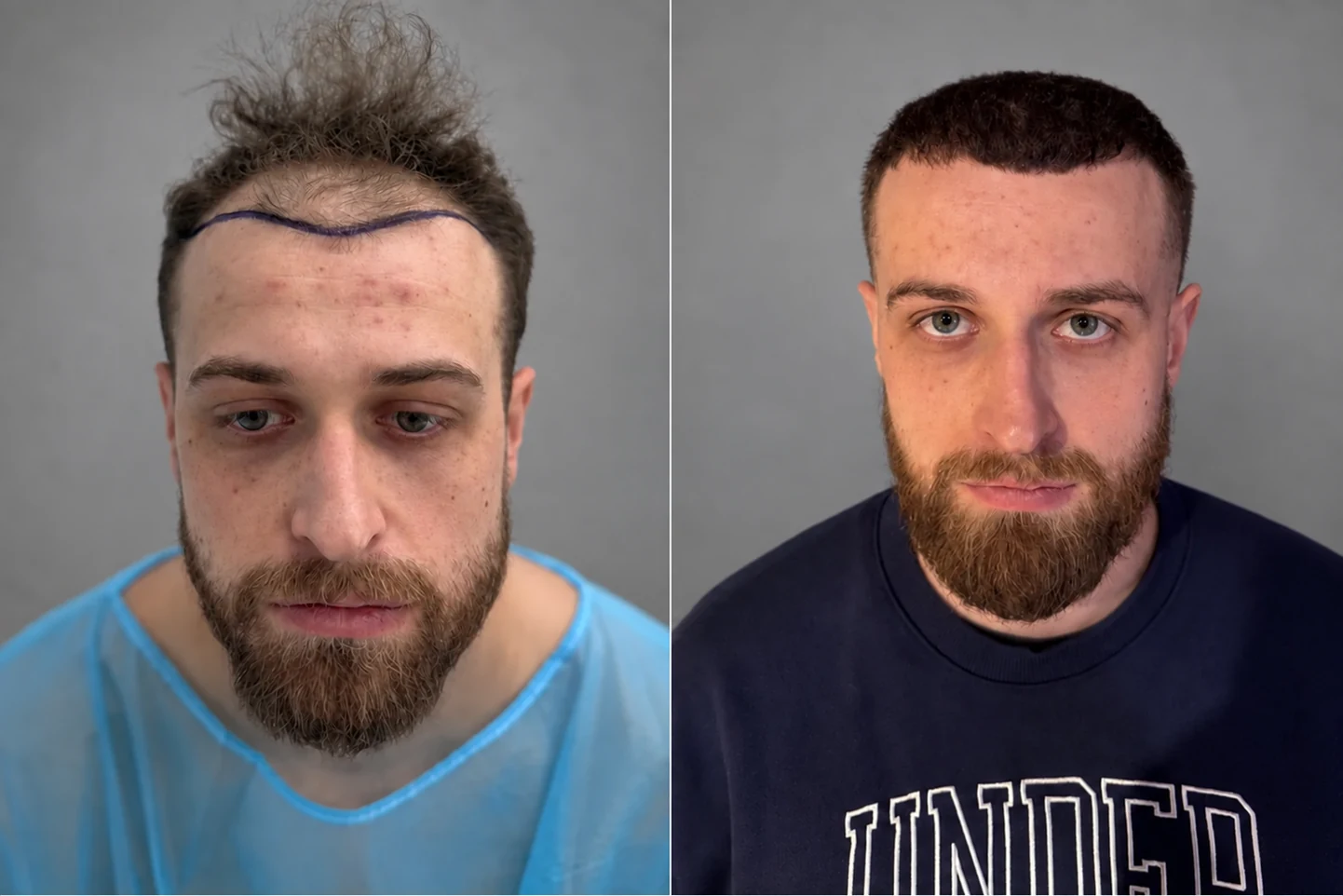
pre-op
12 months out
2,800 grafts
FUE method
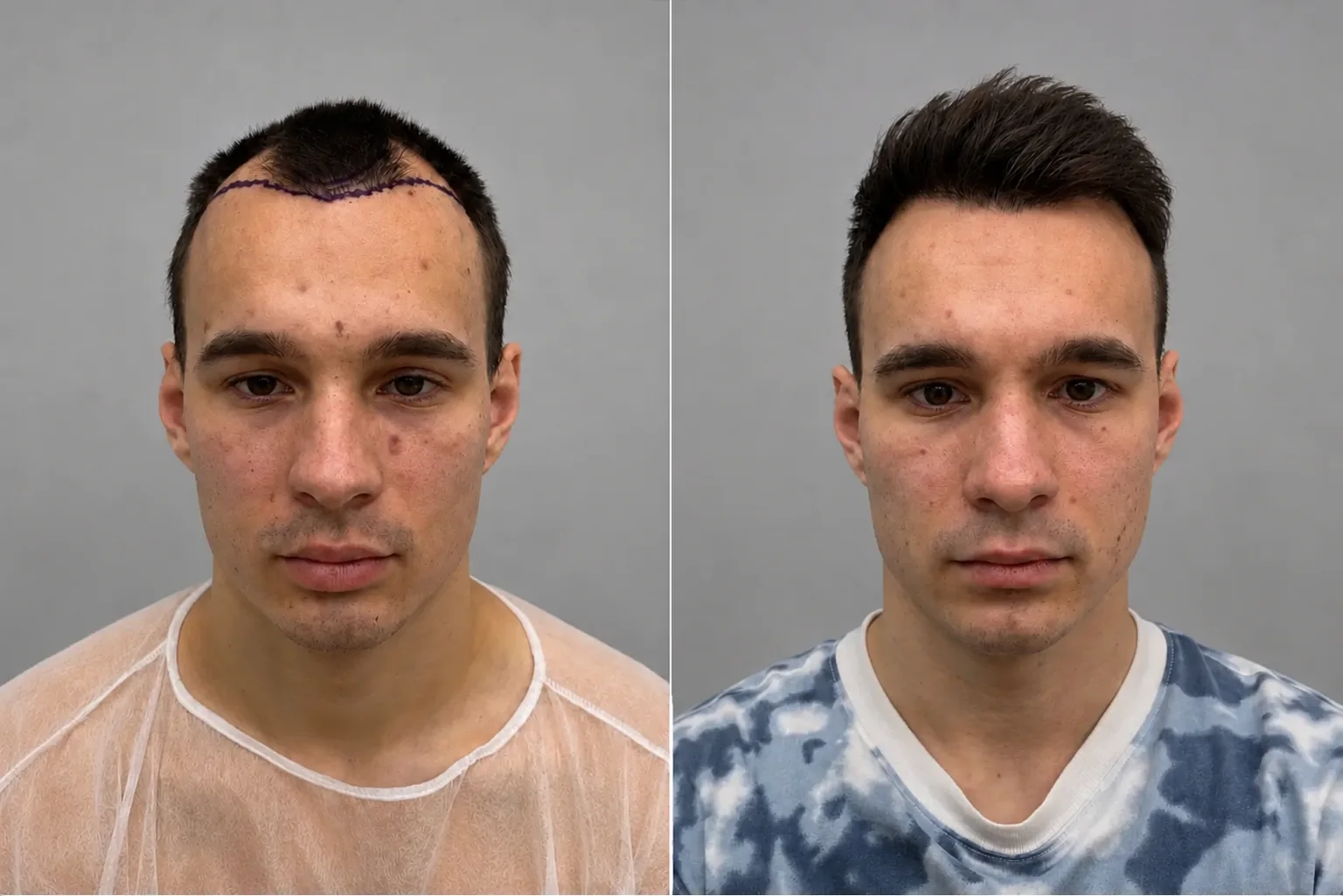
pre-op
12 months out
2,500 grafts
FUE method
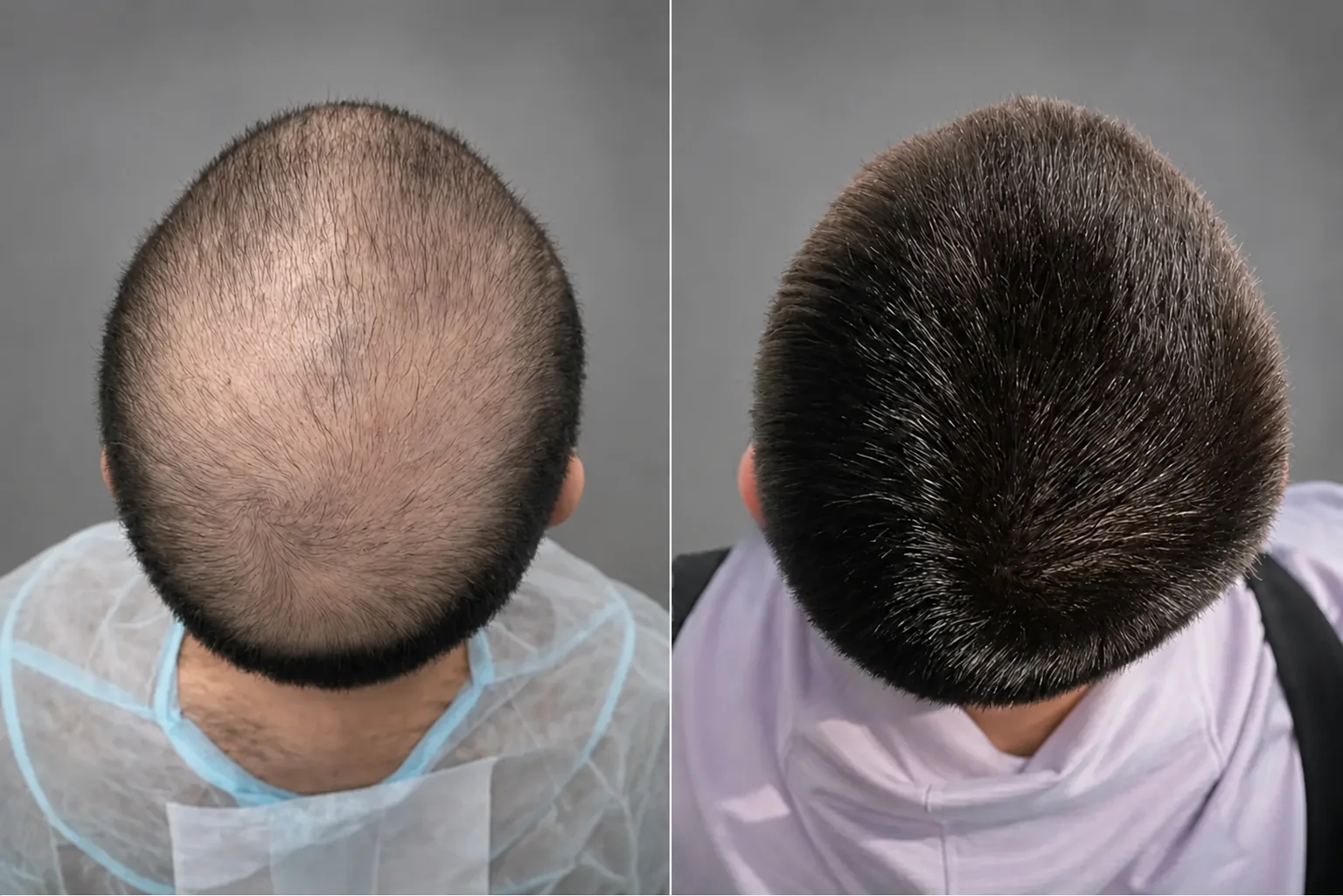
pre-op
12 months out
3,900 grafts
FUE method
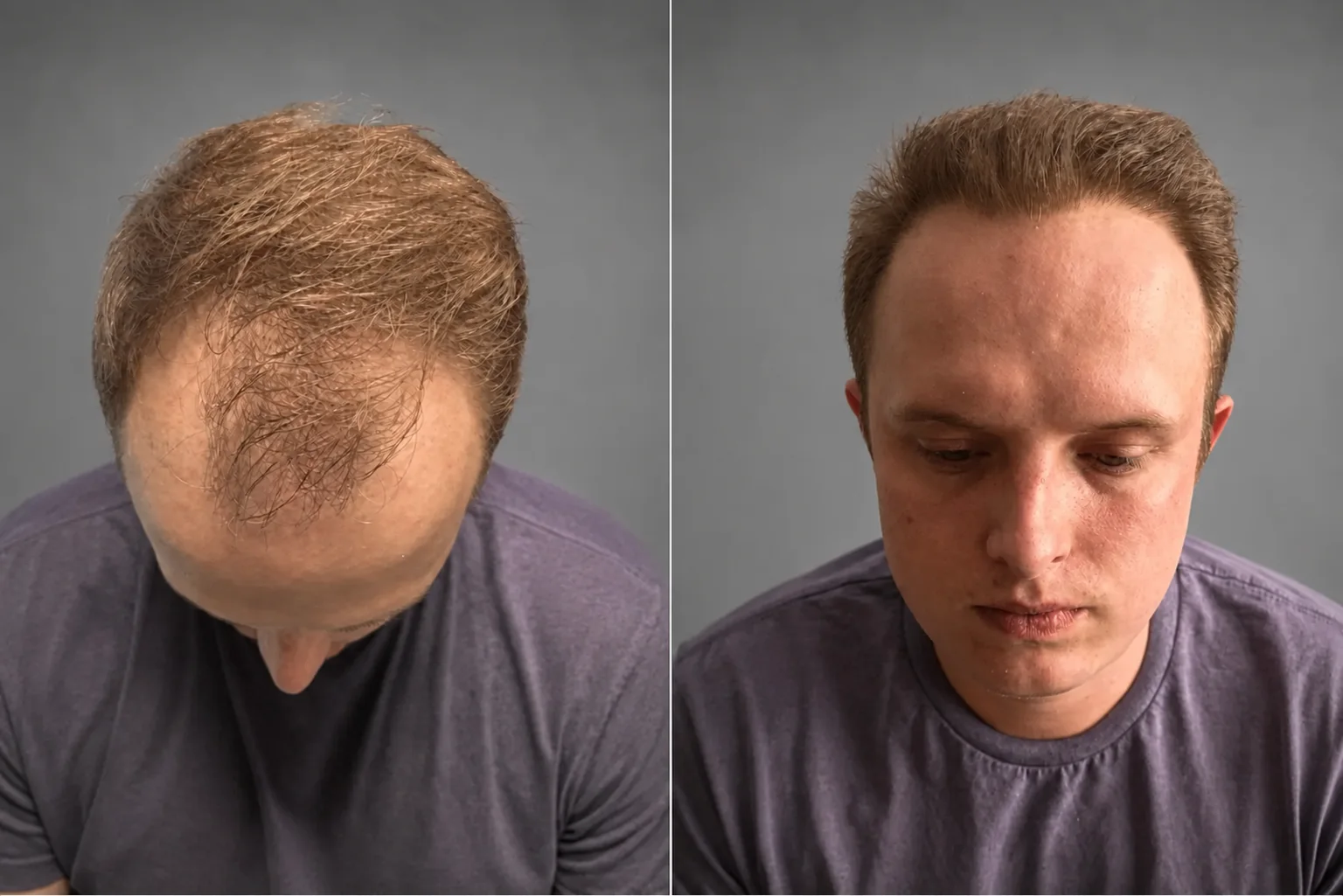
pre-op
12 months out
3,500 grafts
FUE method
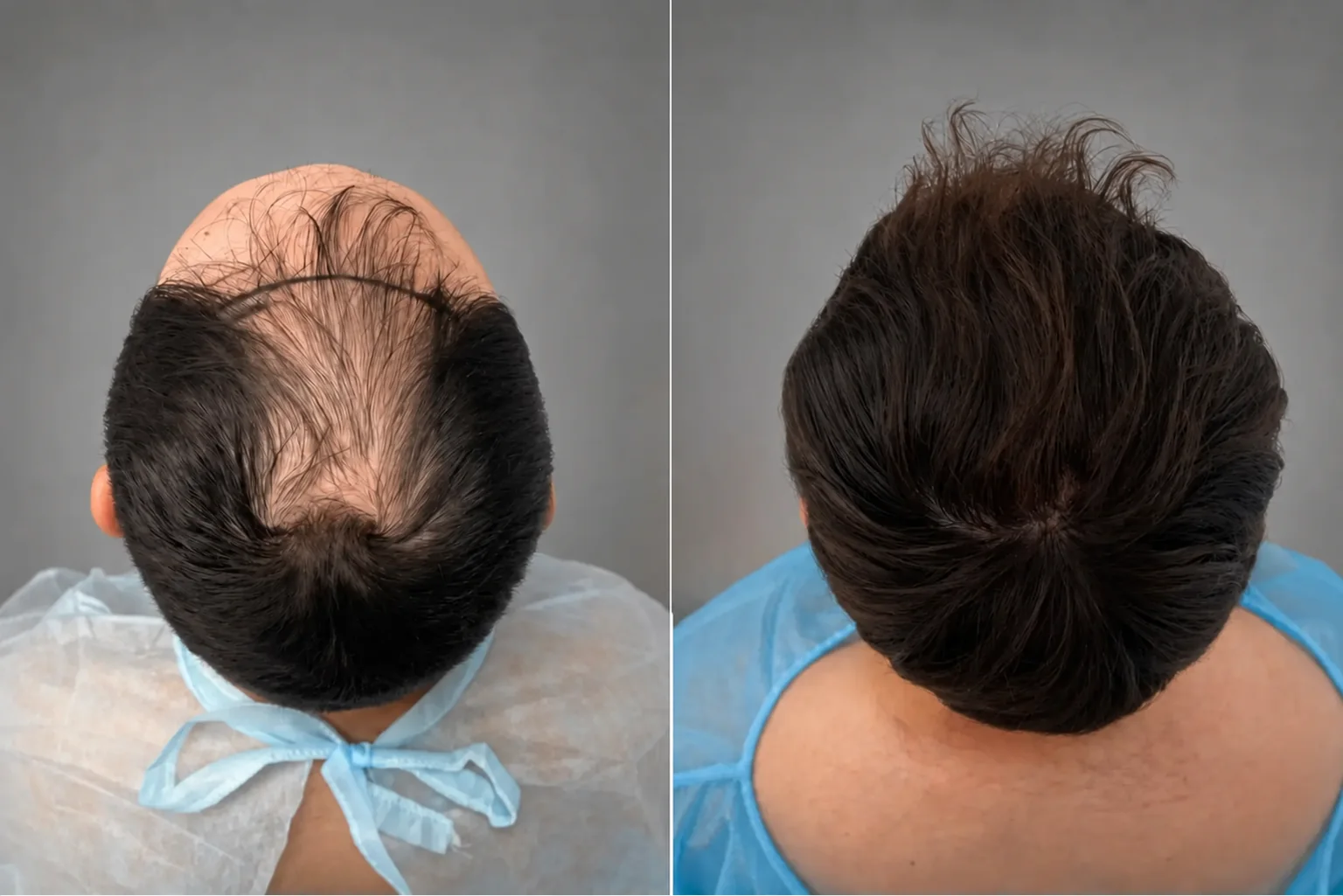
pre-op
12 months out
3,800 grafts
FUE method
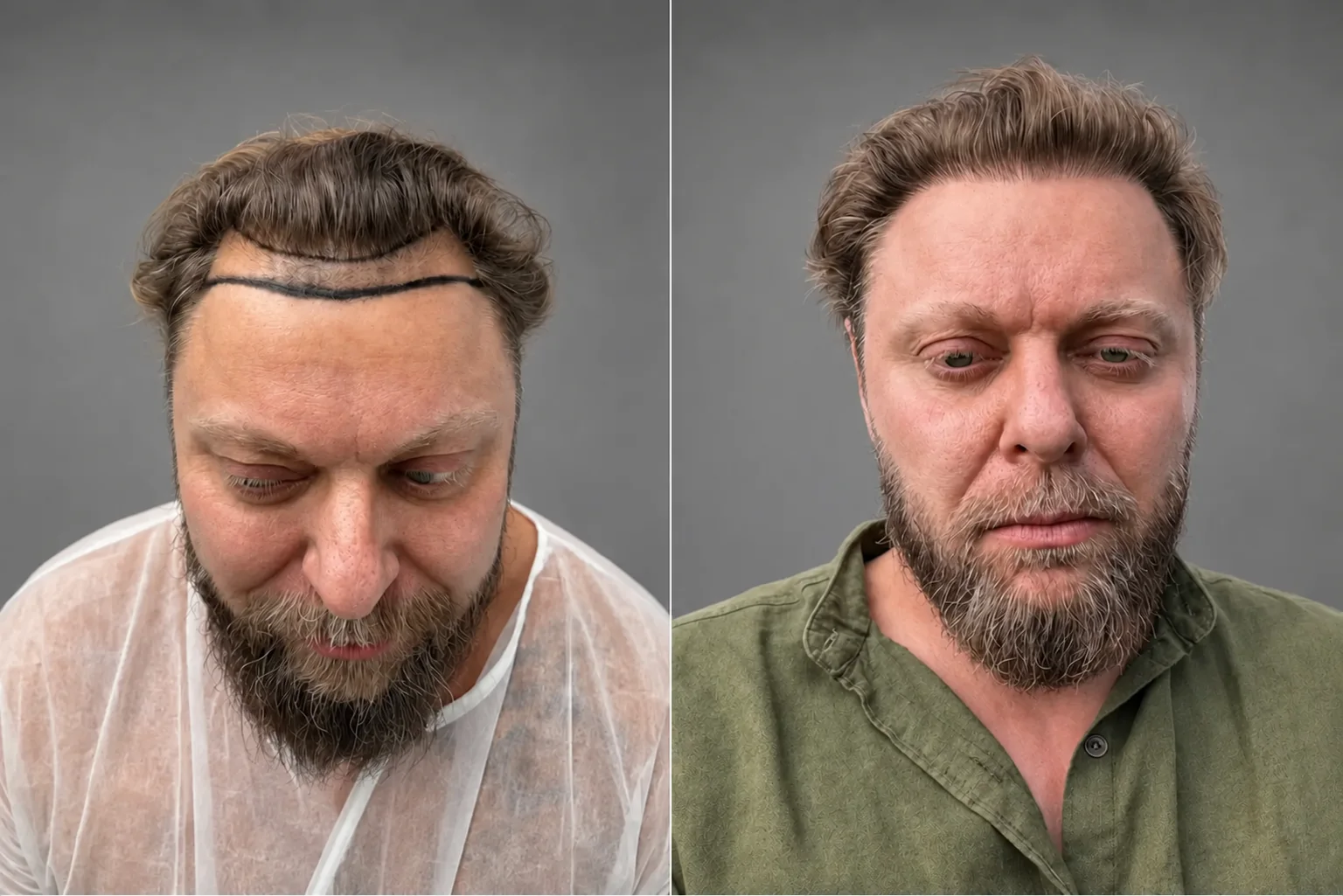
pre-op
12 months out
2,900 grafts
FUE method
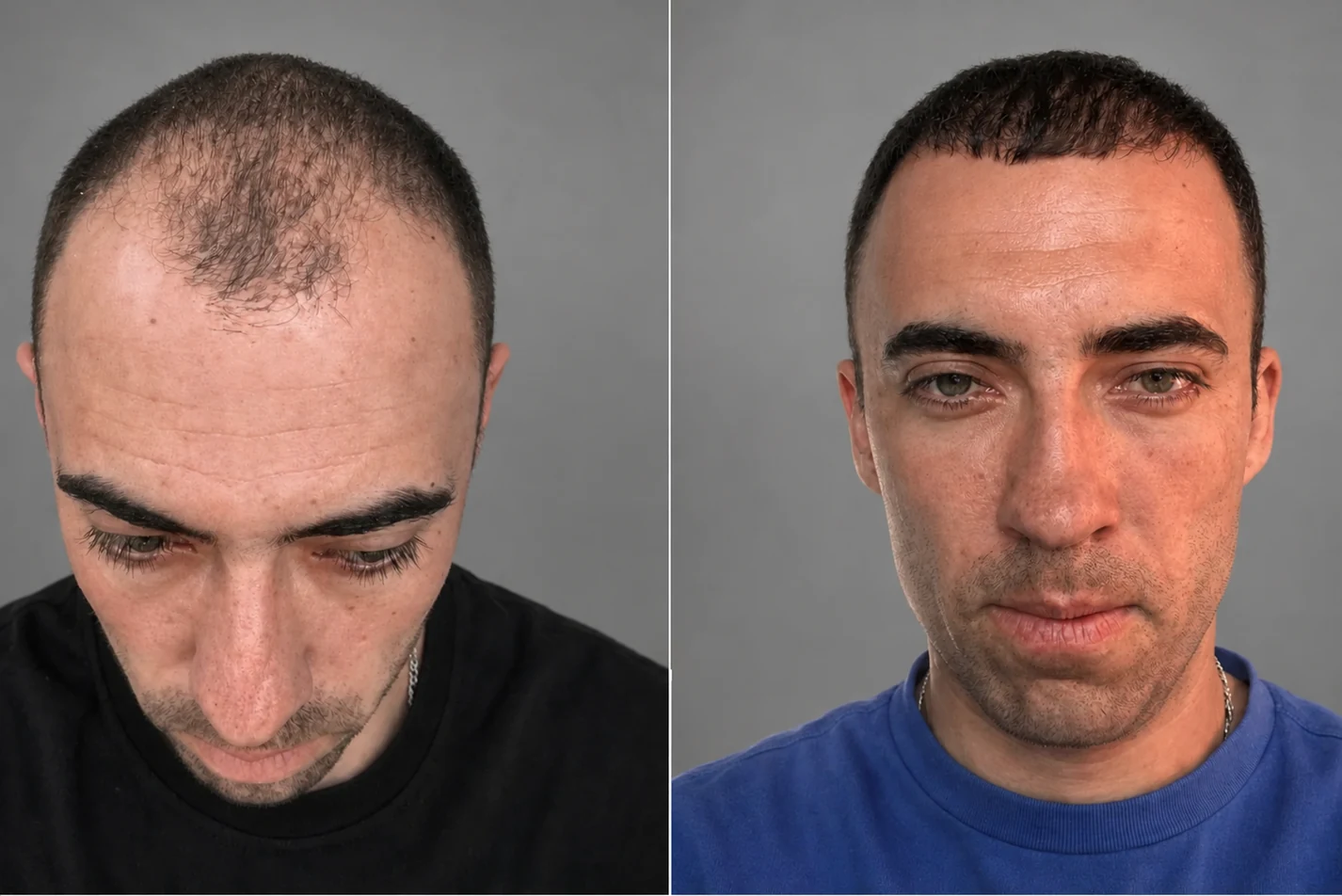
pre-op
12 months out
3,600 grafts
FUE method
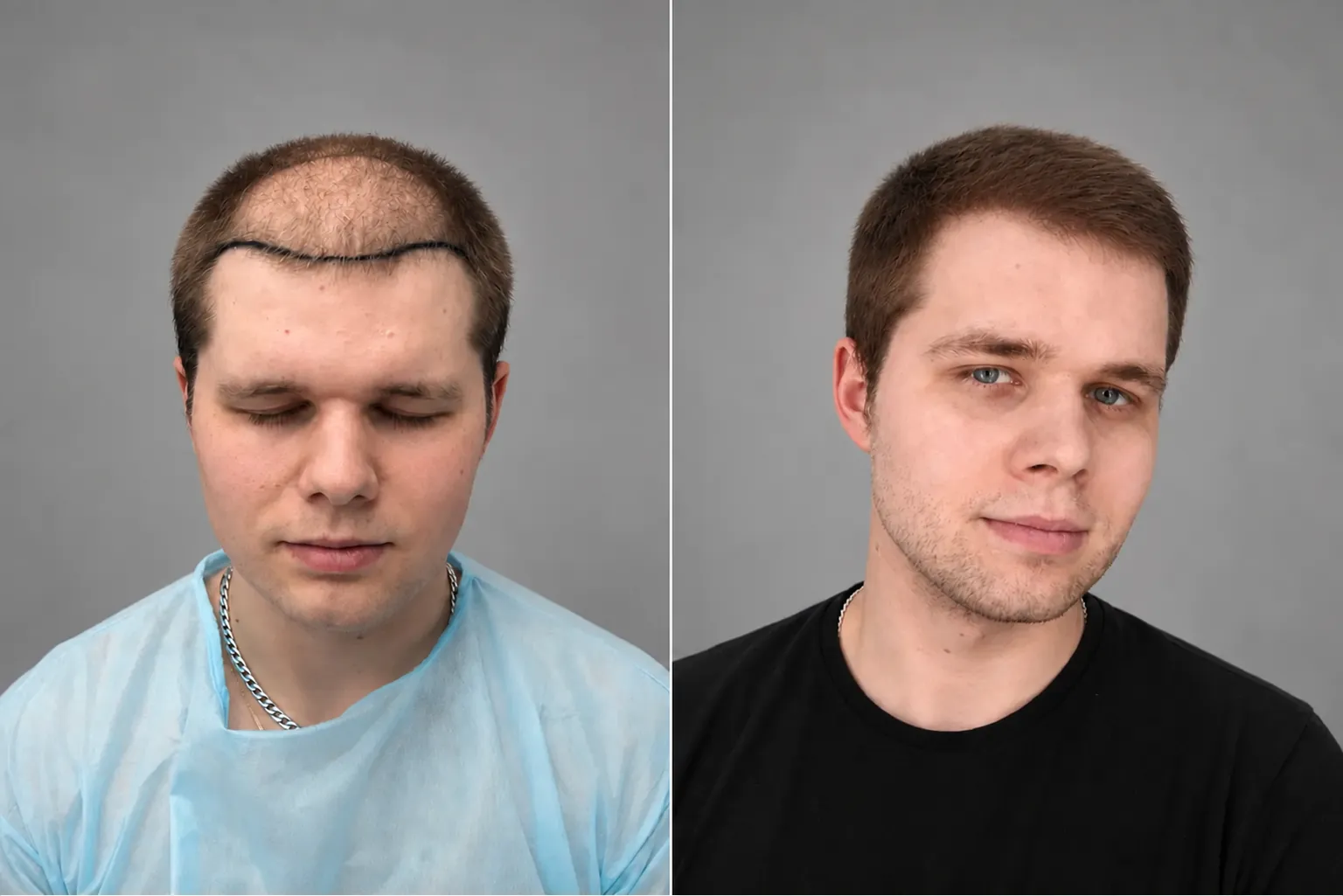
pre-op
12 months out
2,600 grafts
FUE method
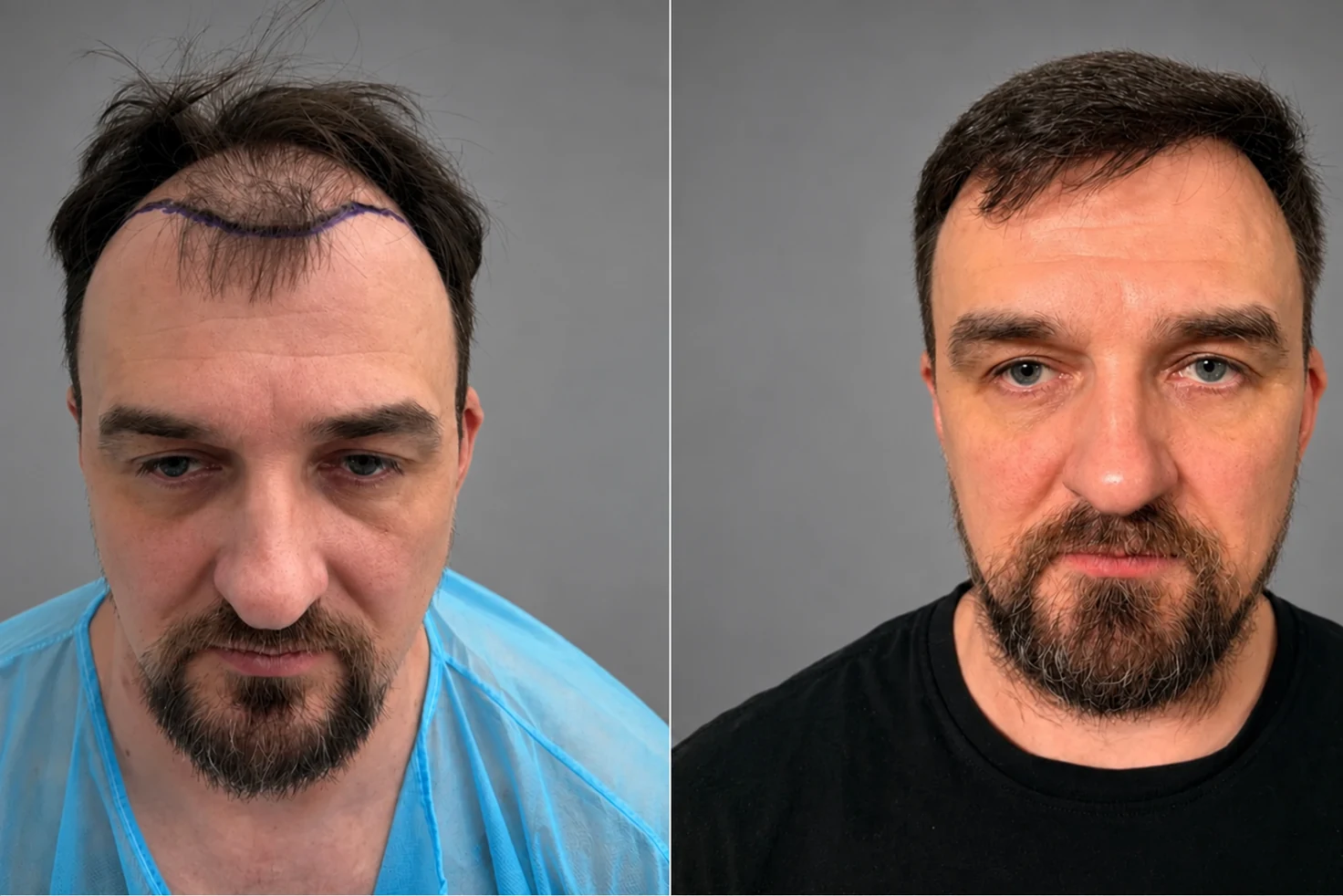
pre-op
12 months out
2,700 grafts
FUE method
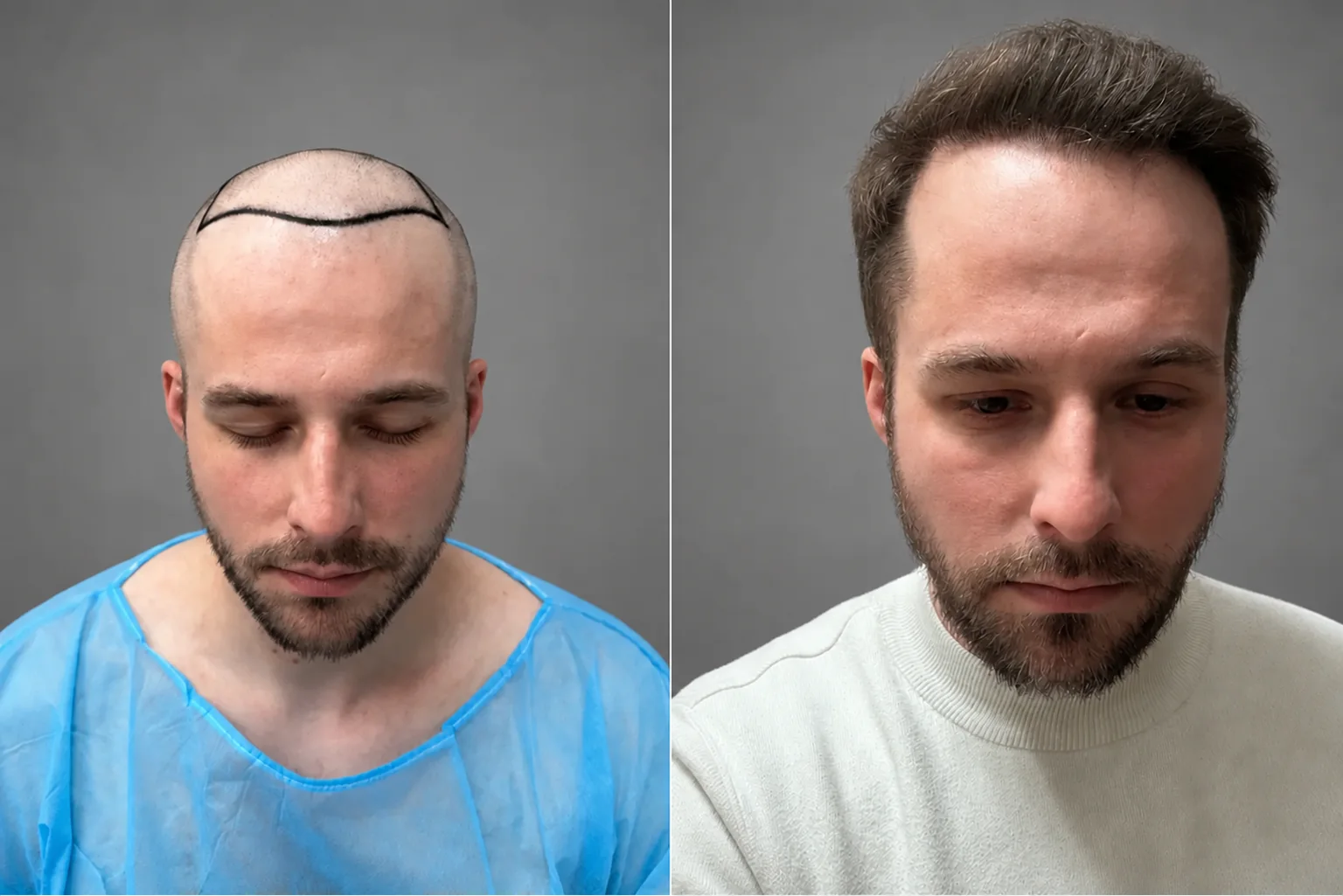
pre-op
12 months out
3,700 grafts
FUE method
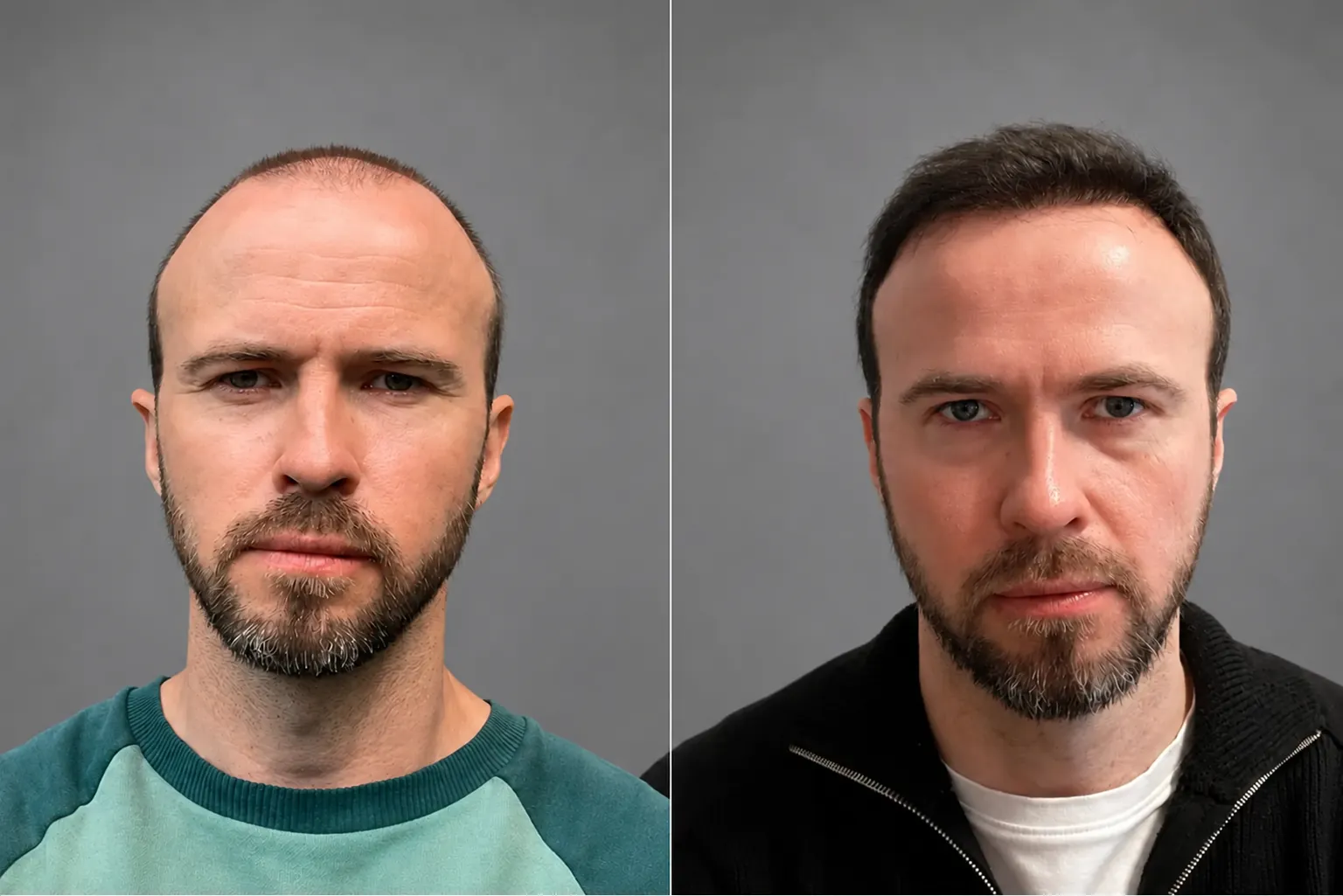
pre-op
12 months out
3,200 grafts
FUE method
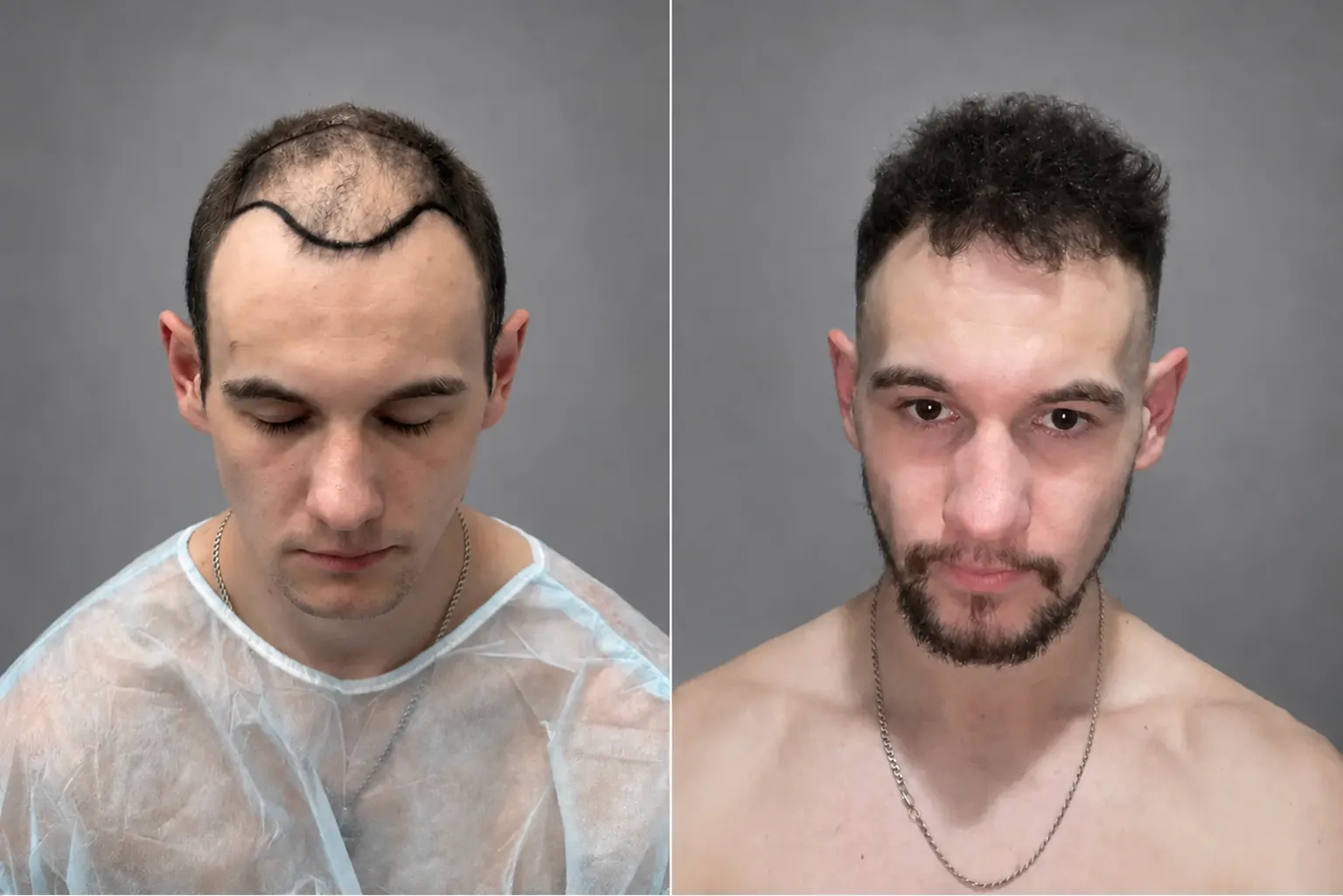
pre-op
12 months out
3,000 grafts
FUE method
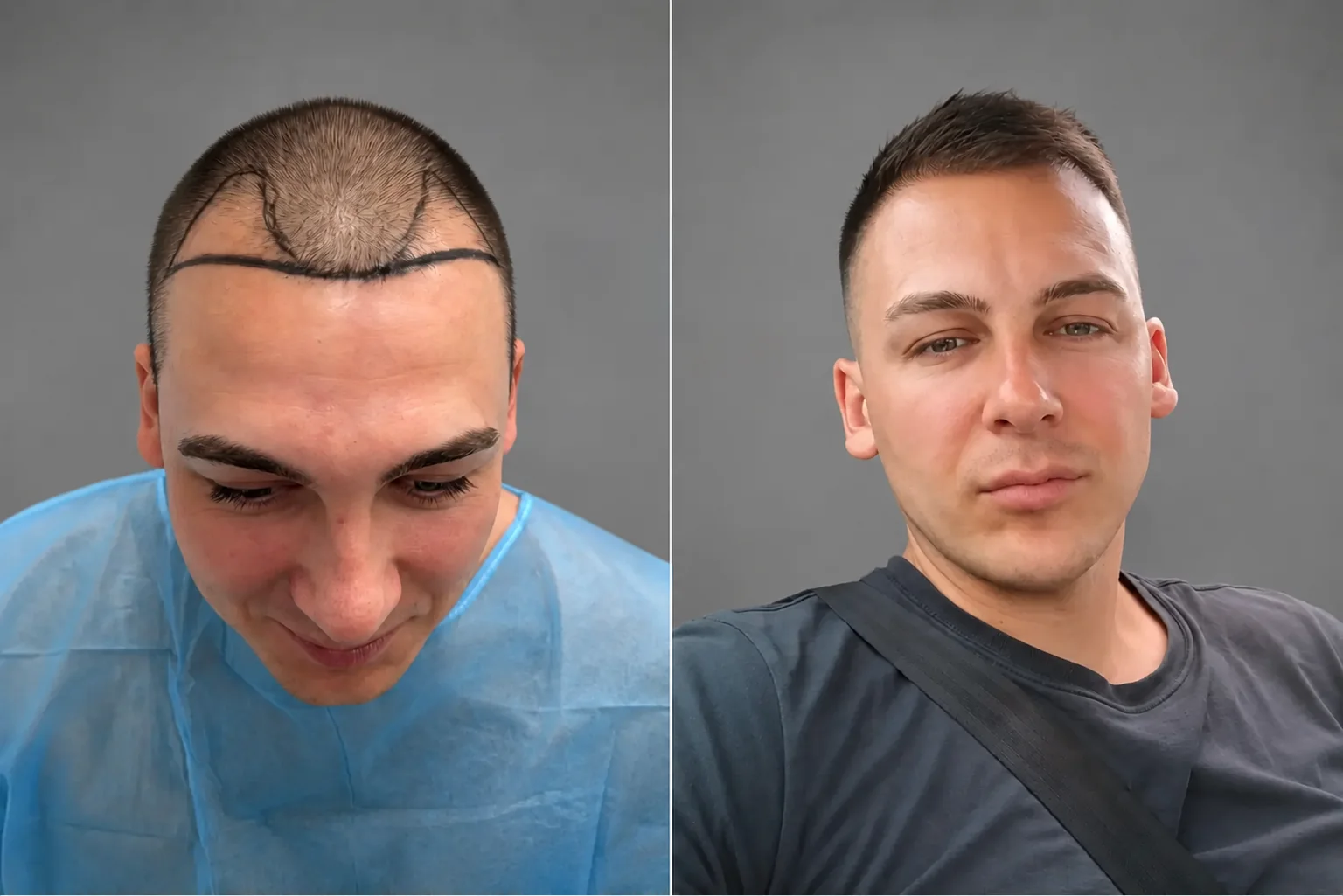
pre-op
12 months out
2,800 grafts
FUE method
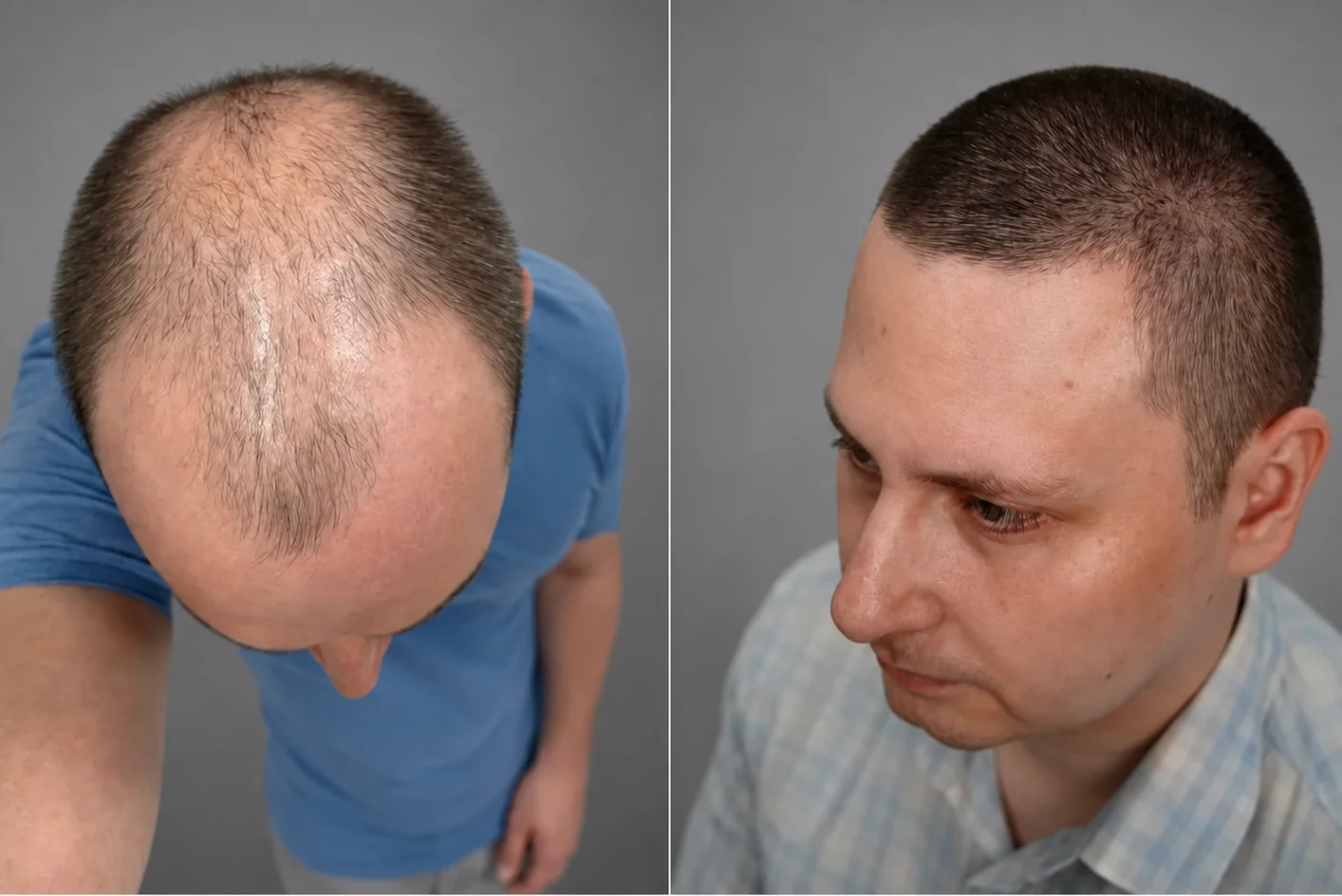
pre-op
12 months out
4,000 grafts
FUE method
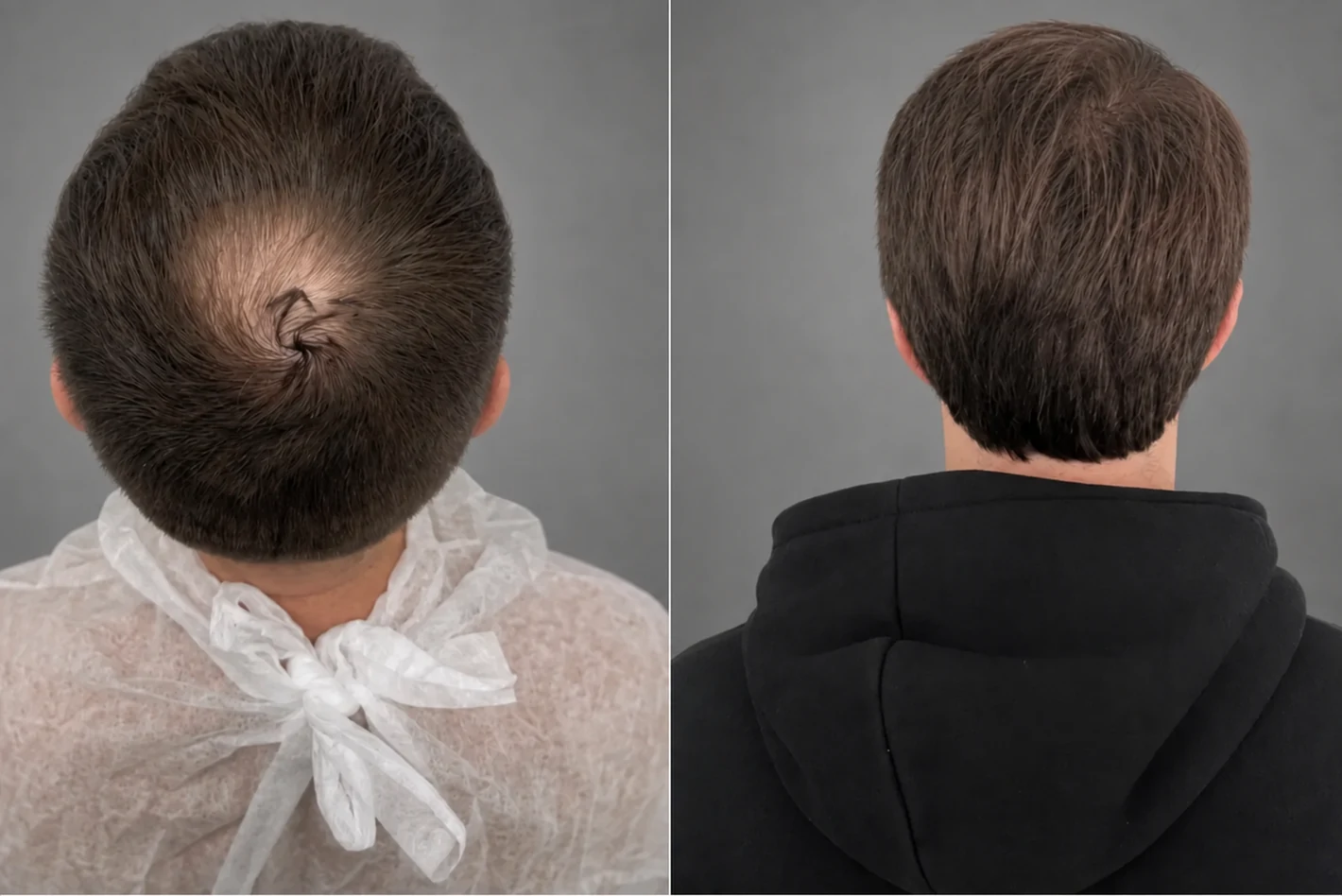
pre-op
12 months out
3,400 grafts
FUE method
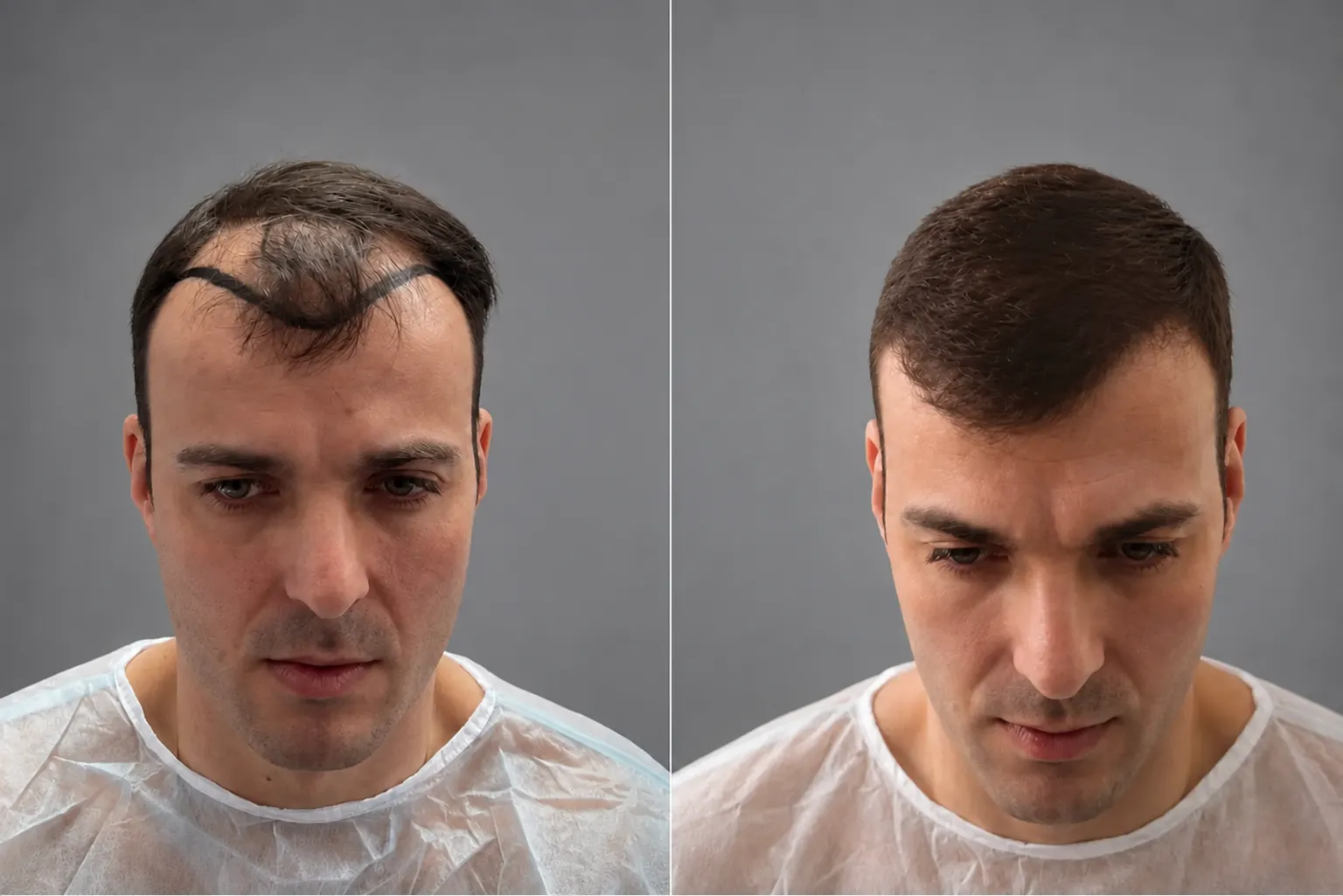
pre-op
12 months out
2,900 grafts
FUE method
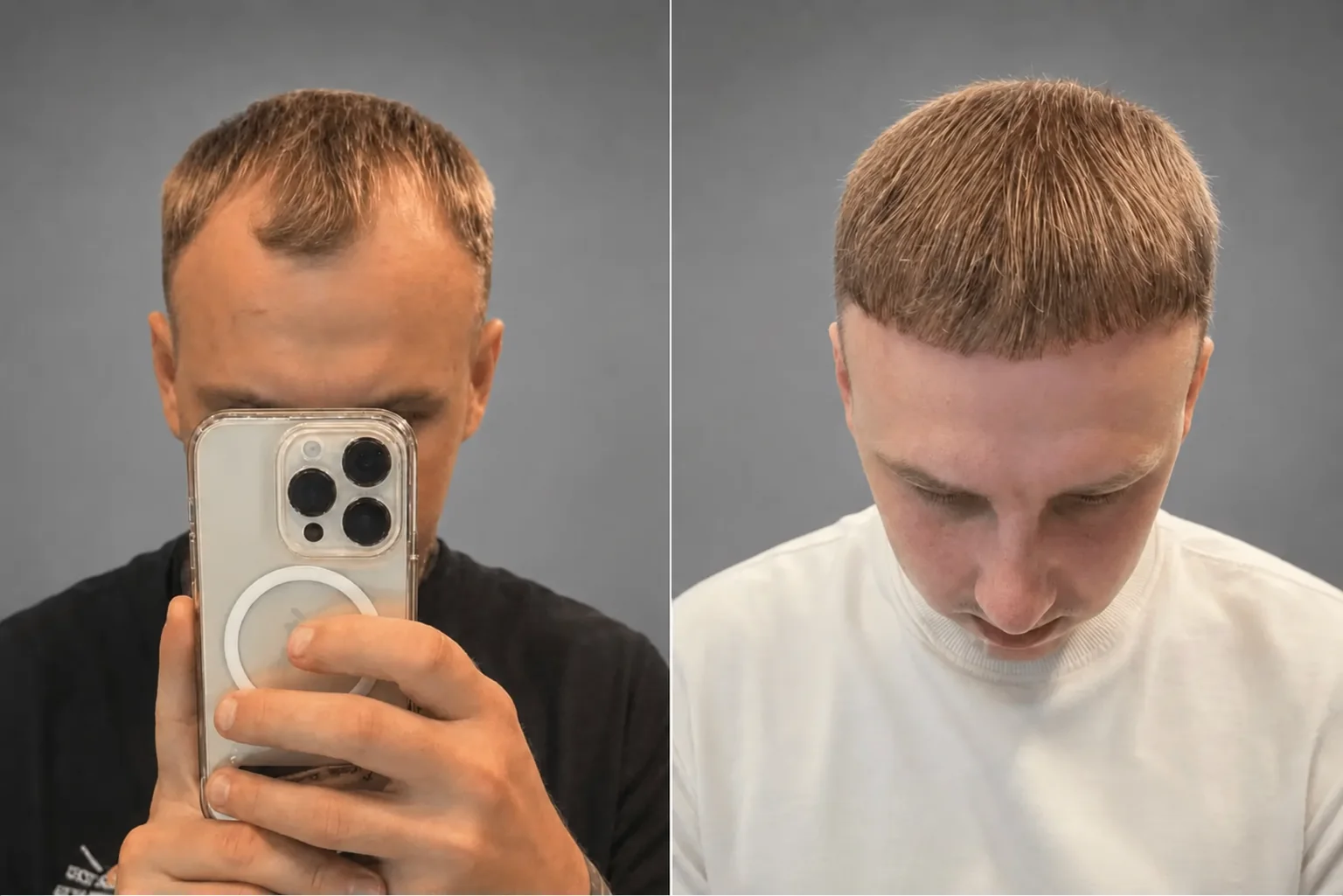
pre-op
12 months out
3,100 grafts
FUE method
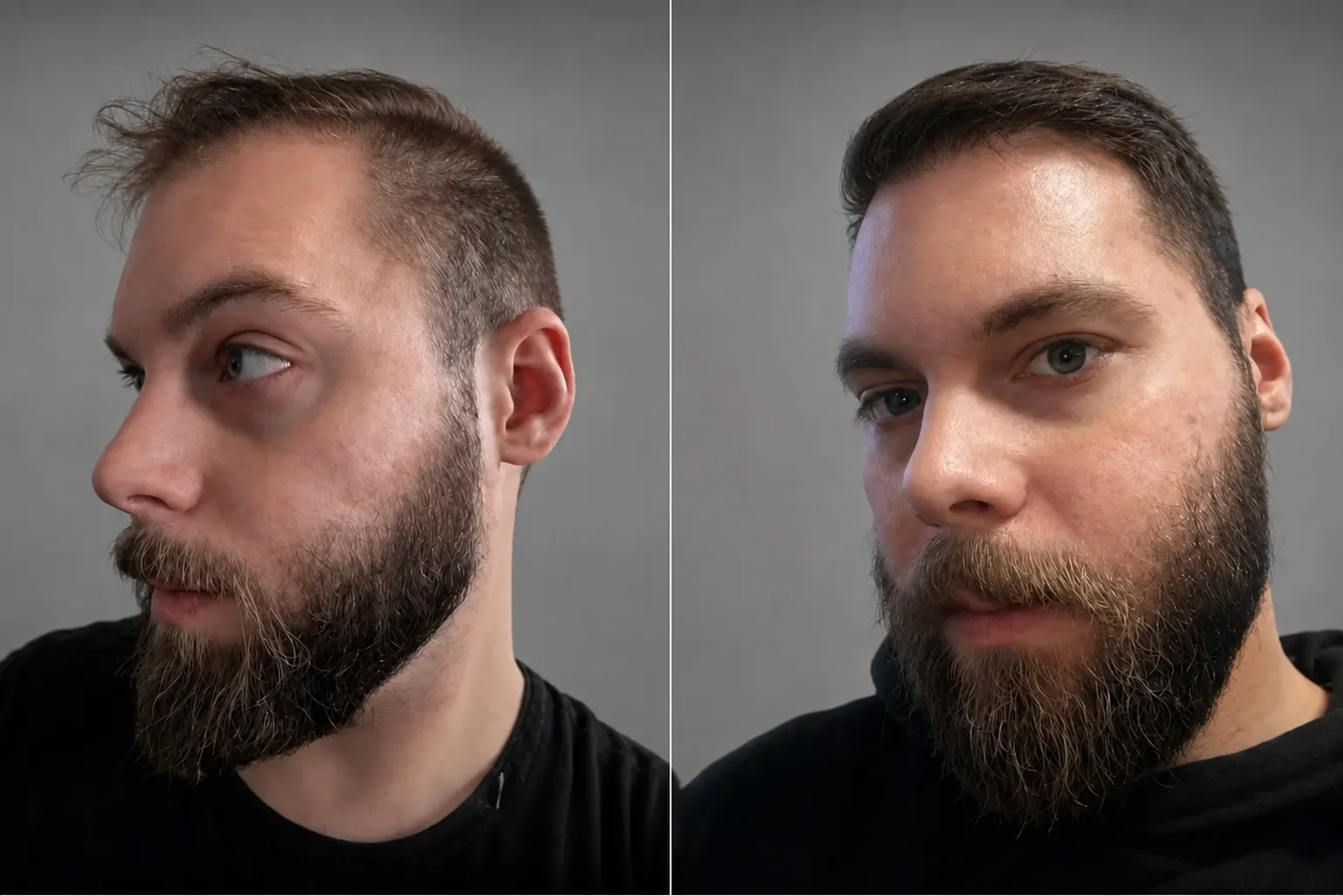
pre-op
12 months out
2,600 grafts
FUE method
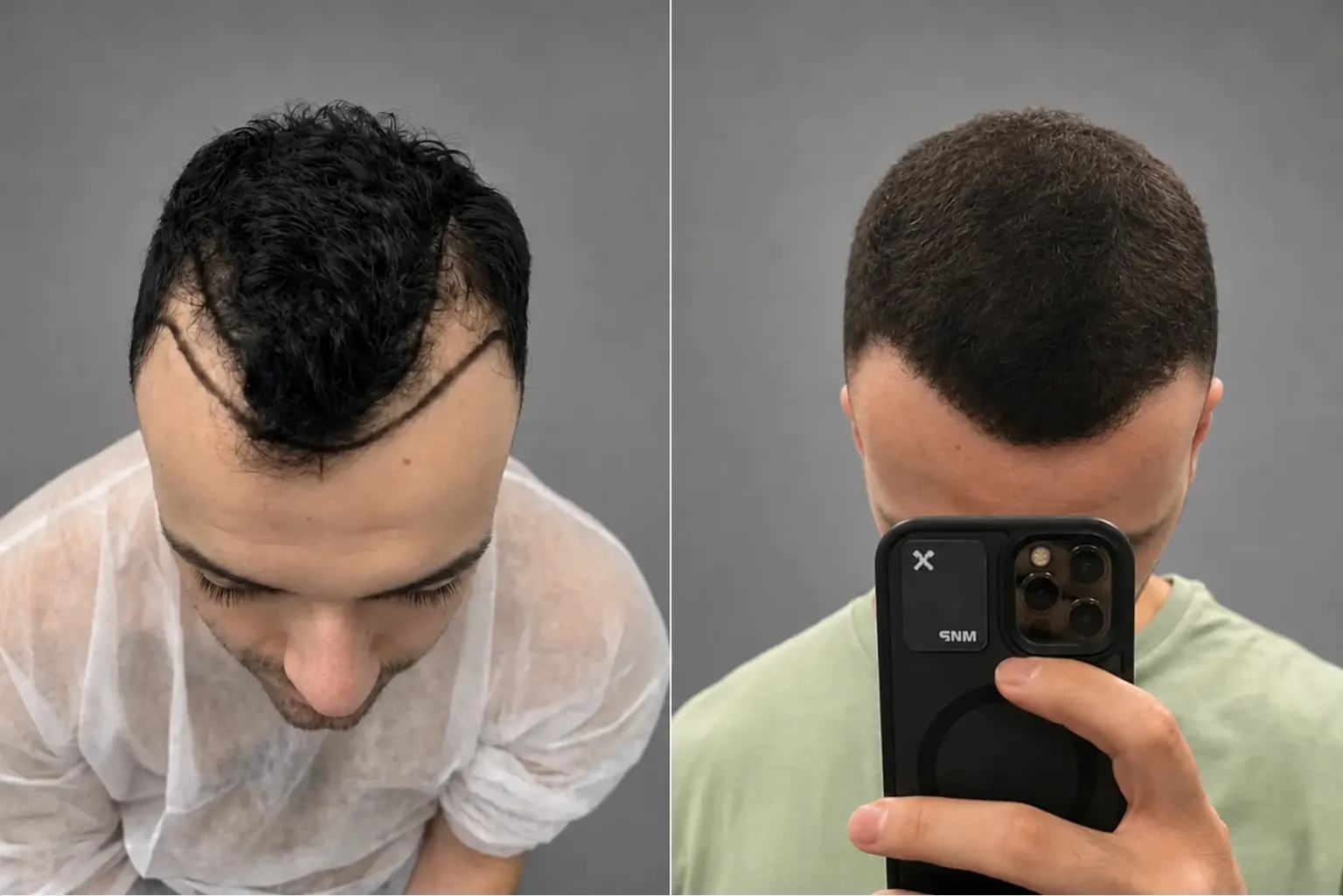
pre-op
12 months out
3,300 grafts
FUE method
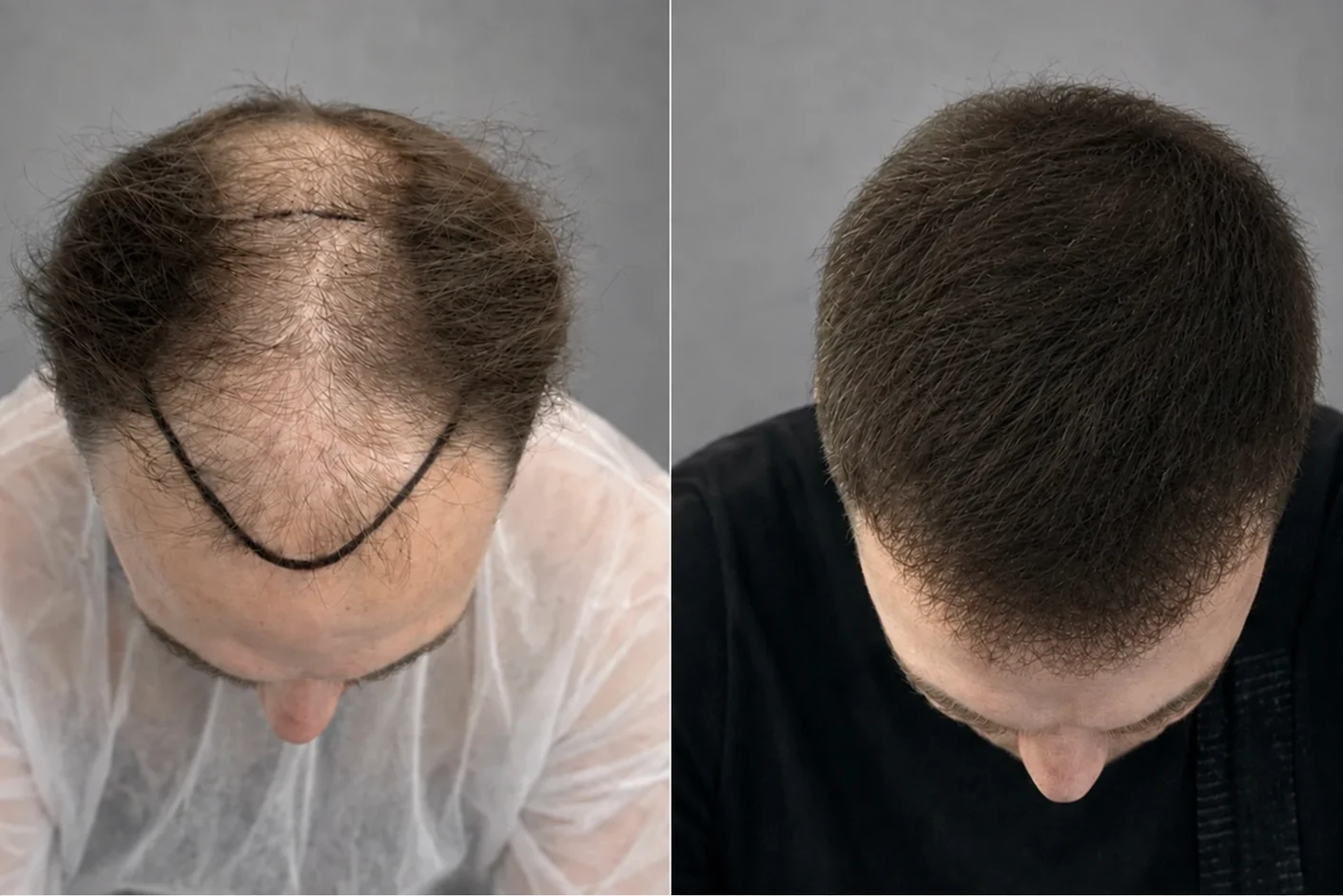
pre-op
12 months out
3,900 grafts
FUE method
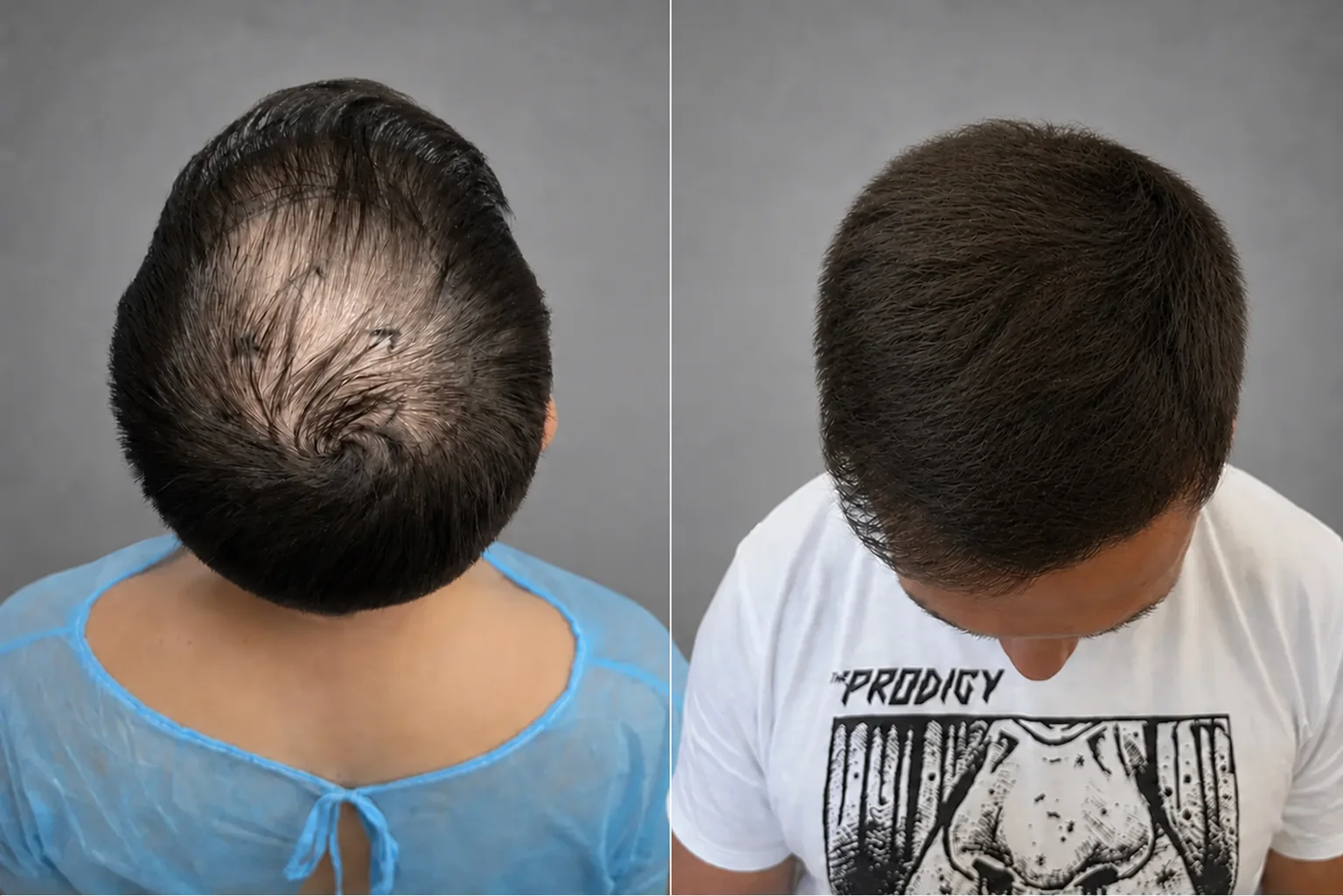
pre-op
12 months out
3,500 grafts
FUE method
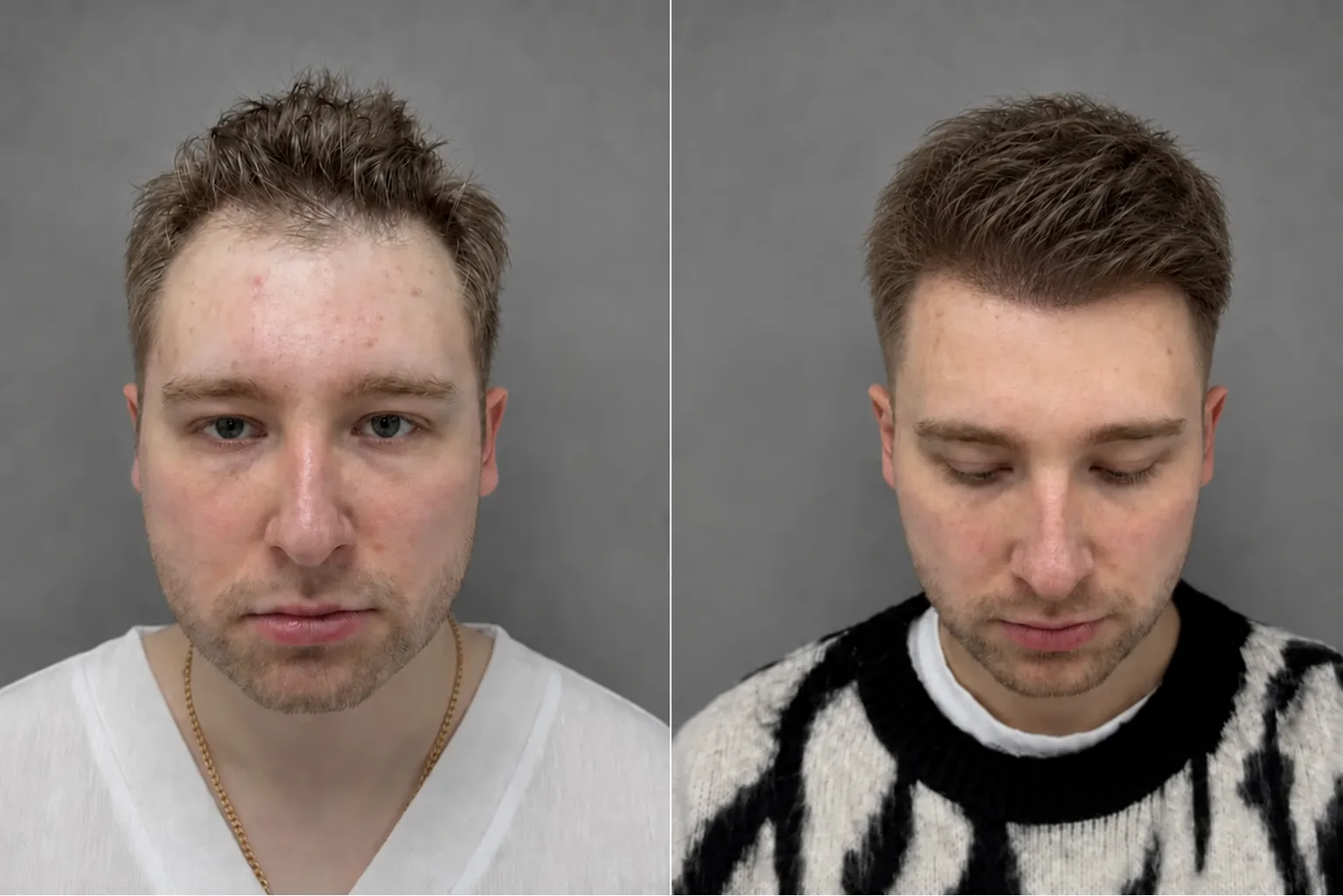
pre-op
12 months out
2,700 grafts
FUE method
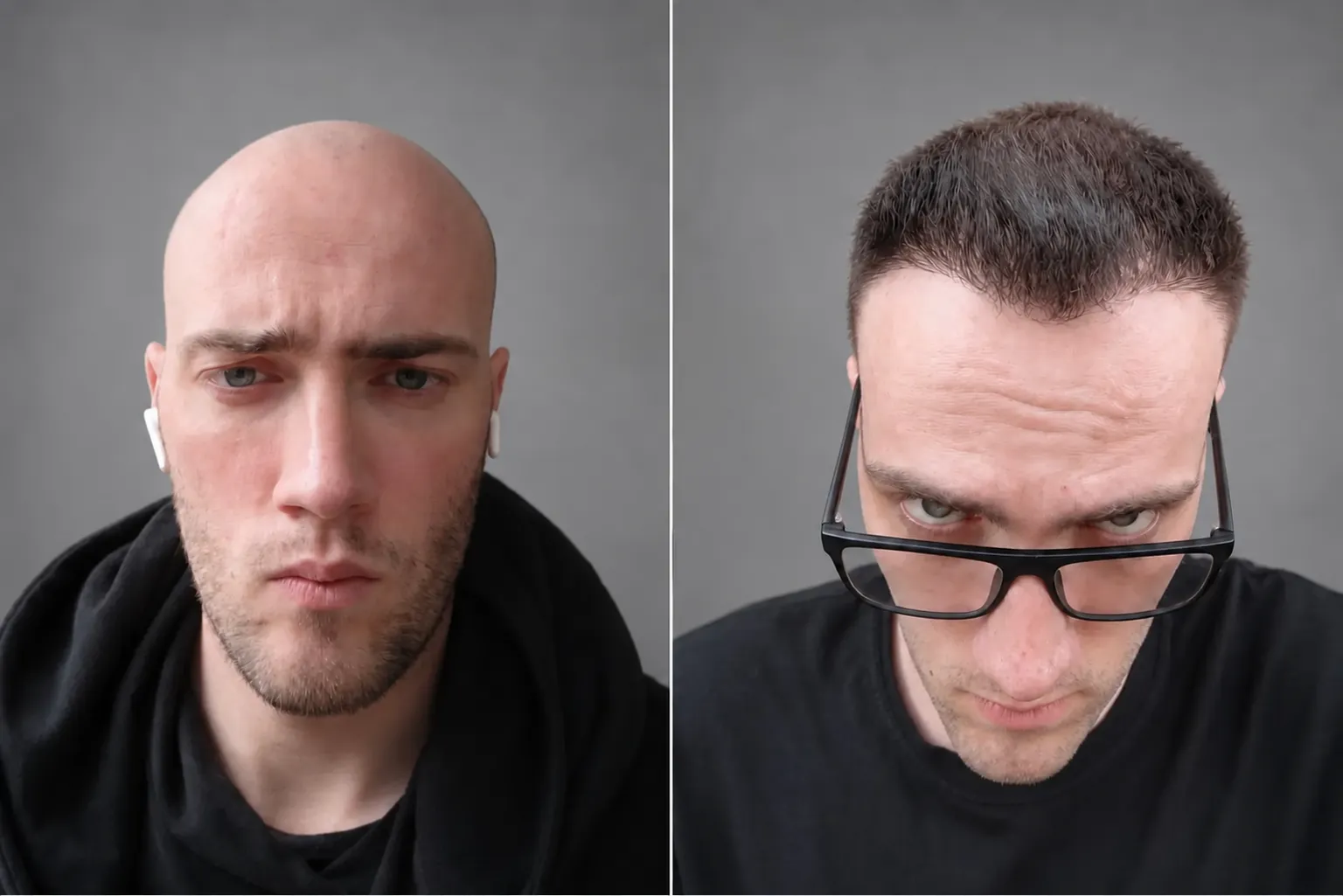
pre-op
12 months out
3,800 grafts
FUE method
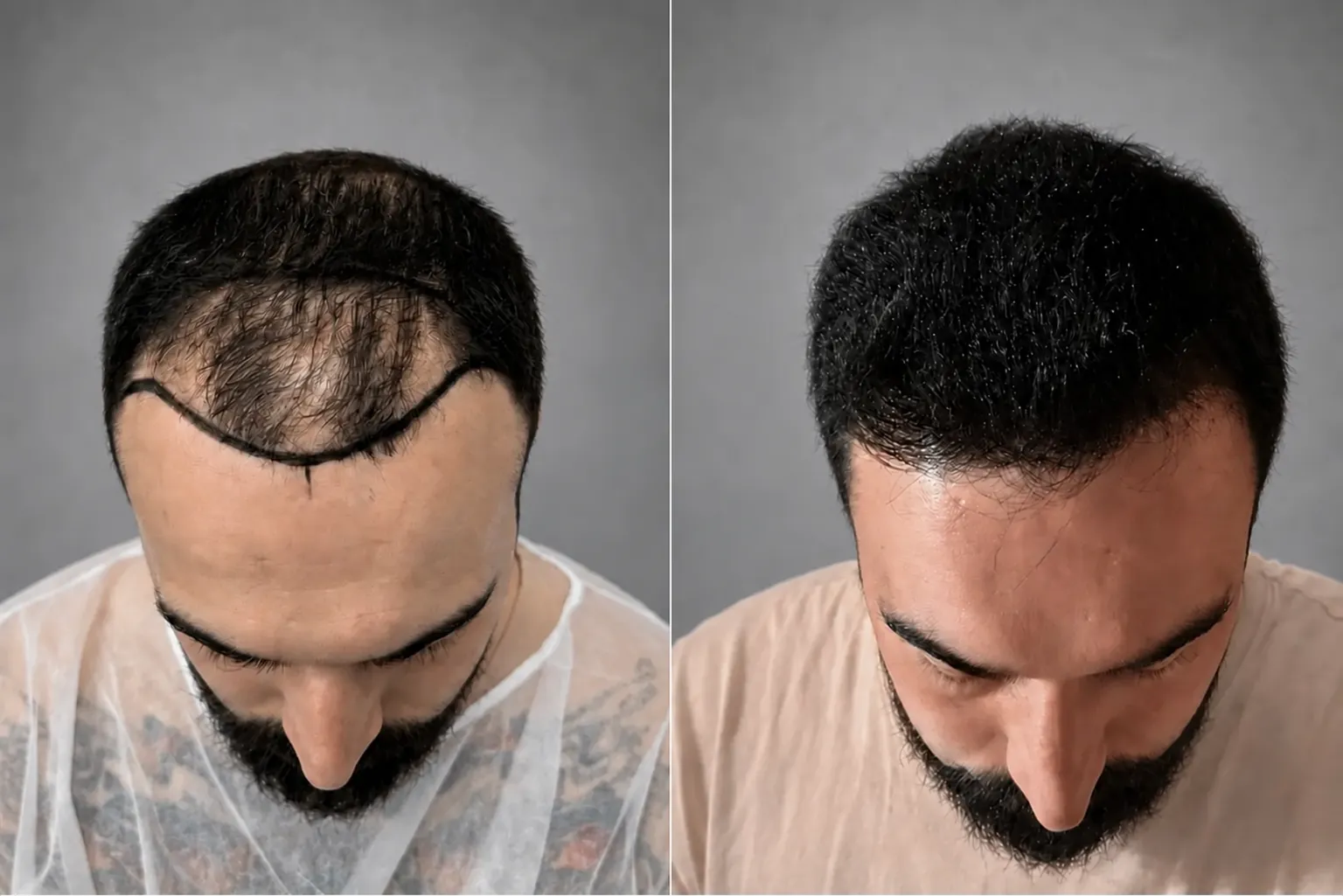
pre-op
12 months out
3,200 grafts
FUE method
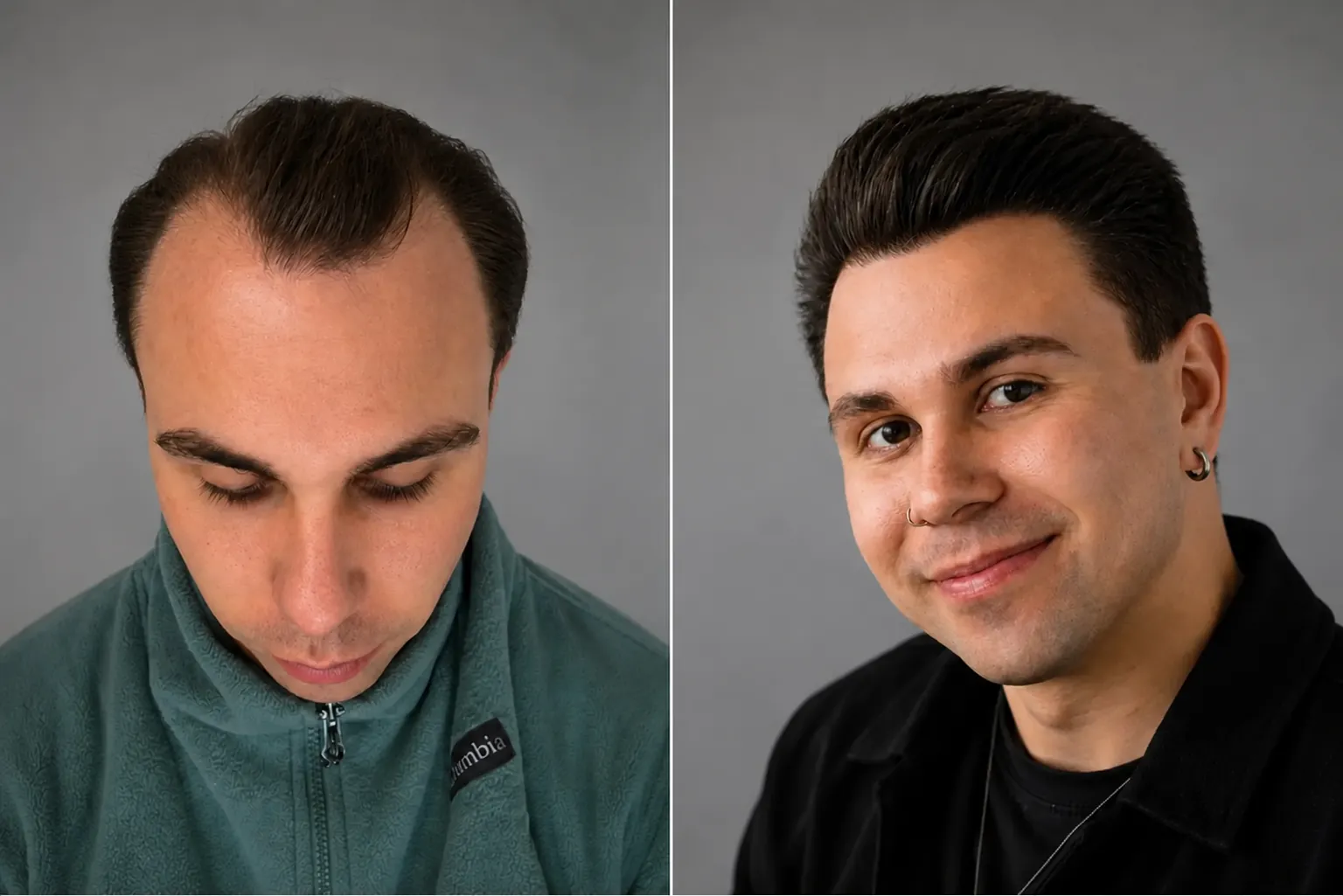
pre-op
12 months out
3,000 grafts
FUE method
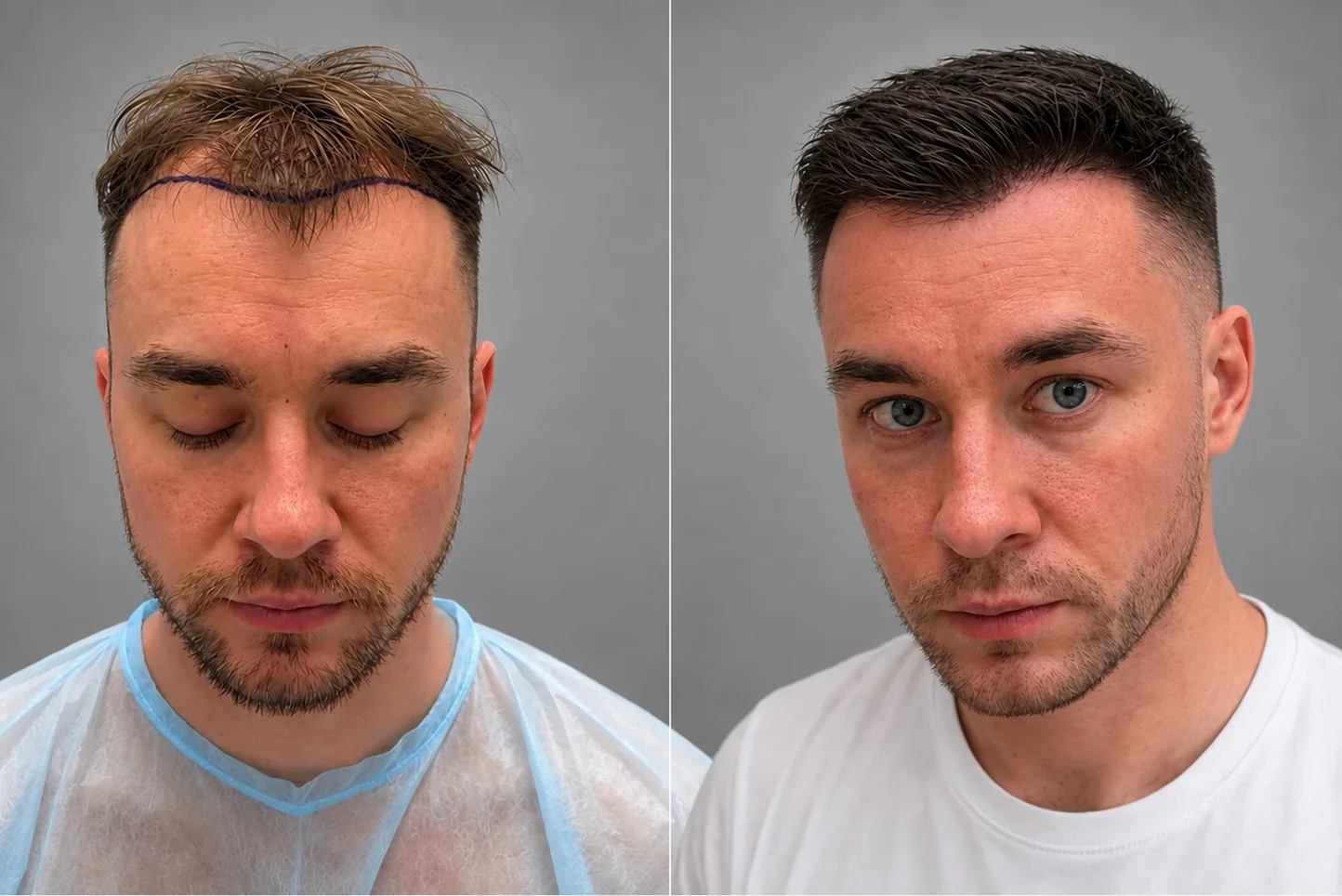
pre-op
12 months out
2,800 grafts
FUE method
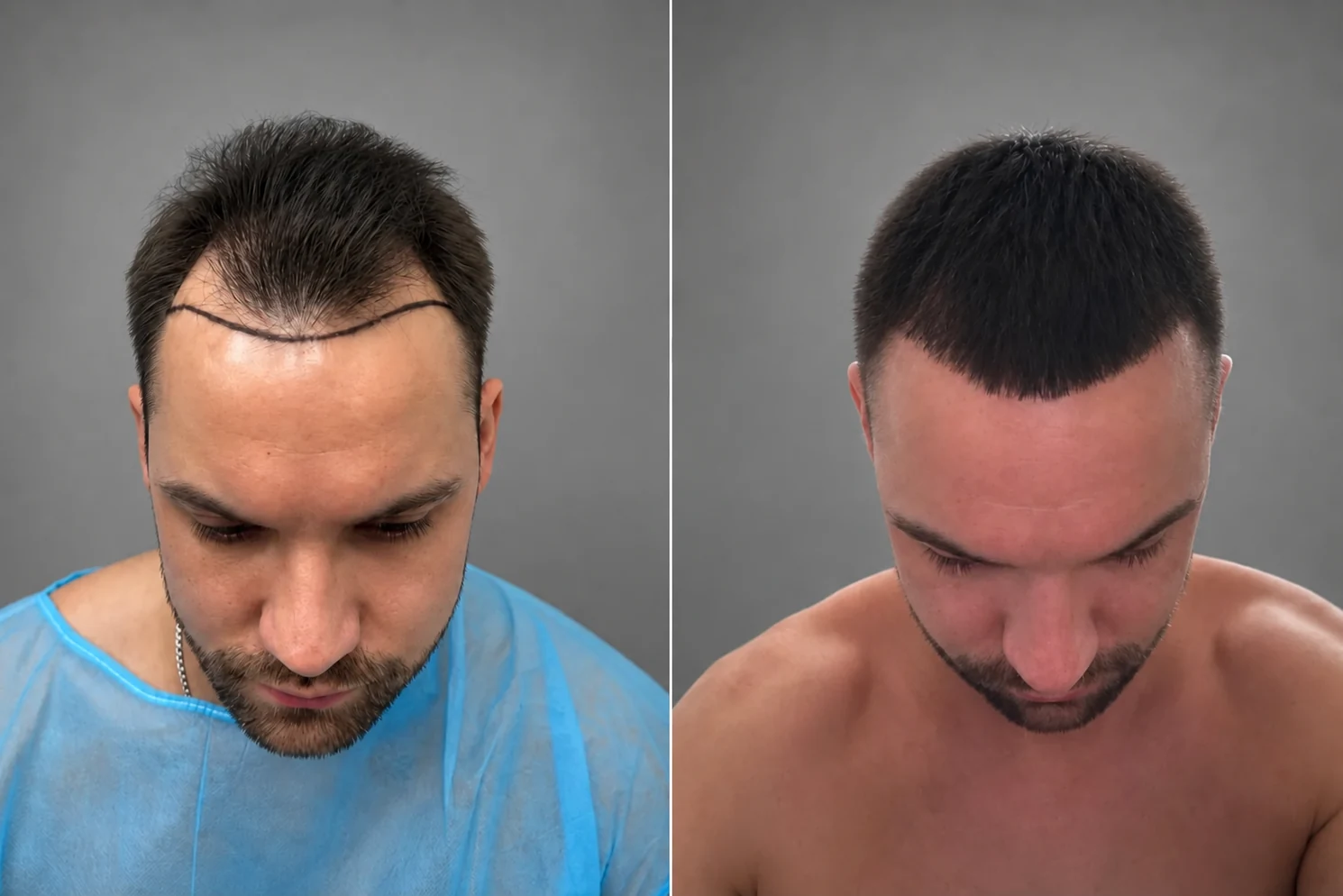
pre-op
12 months out
3,100 grafts
FUE method
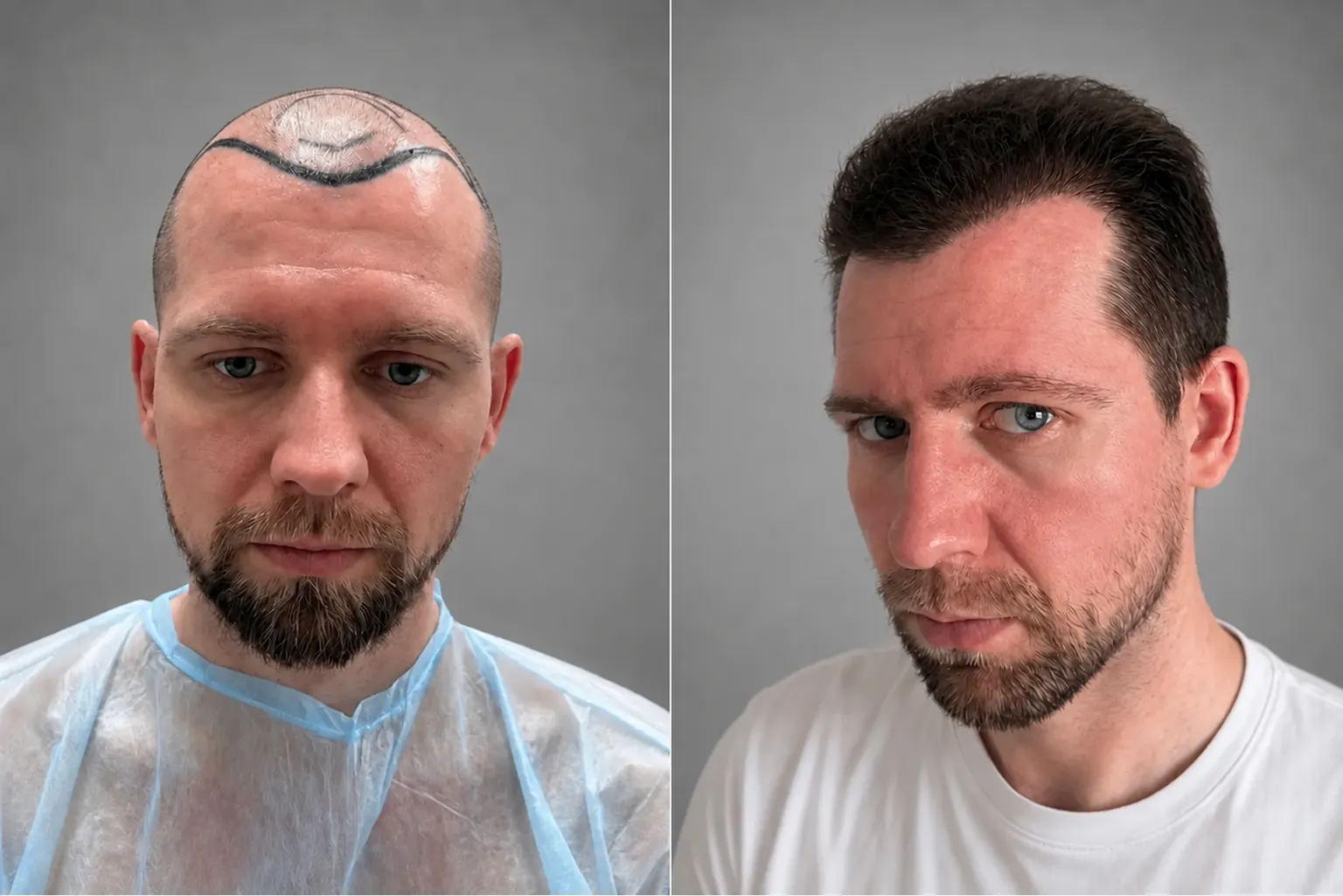
pre-op
12 months out
3,600 grafts
FUE method
Comparison
We use three technologies to transfer grafts: classic FUE, suture-free DHI and a combined protocol. Compare the implantation technique, the tissue trauma and the graft survival, and choose knowingly.
Classic technique without incisions or stitches
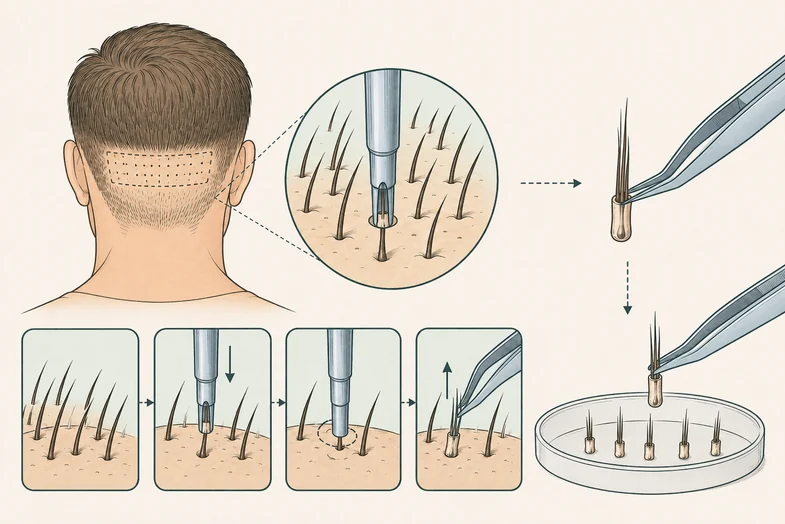
$2,200
$2,700
Graft implantation technique
ForcepsGraft trauma
MinimalA natural growth angle
NaturalGraft survival
98–100%Suitable for
Androgenetic alopeciaSuture-free placement with a Choi pen
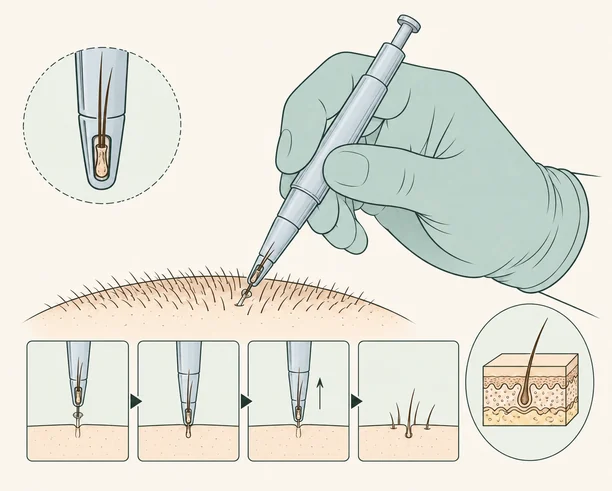
$2,500
$2,900
Graft implantation technique
DHI pen (Choi implanter)Graft trauma
MinimalA natural growth angle
NaturalGraft survival
98–100%Suitable for
DensificationExtraction by FUE, DHI implant
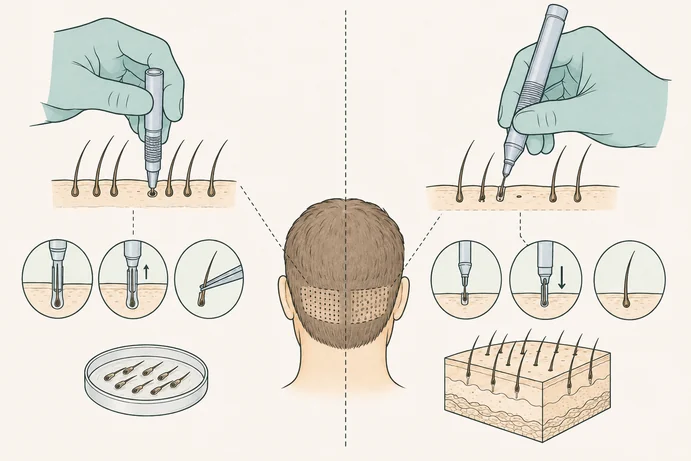
$2,700
$2,900
Graft implantation technique
Extraction by FUE, DHI implantGraft trauma
MinimalA natural growth angle
NaturalGraft survival
98–100%Suitable for
Androgenetic alopecia and densificationSurvival and trauma are shown as averages for each method, as a guide: the exact numbers depend on the transplant area and the patient's individual features, and the doctor details them at the consultation.
Reserve an appointment
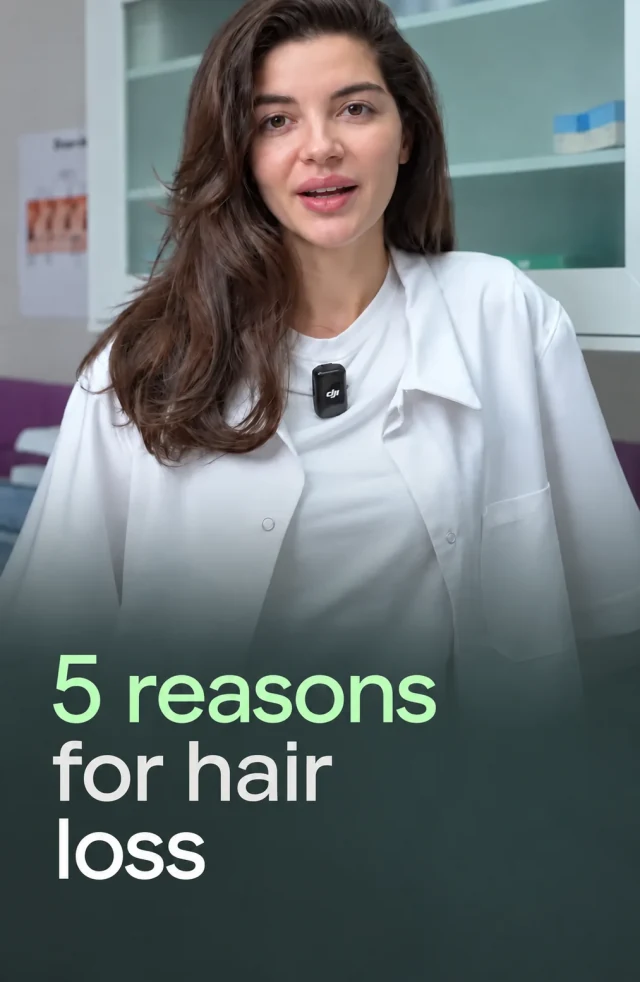
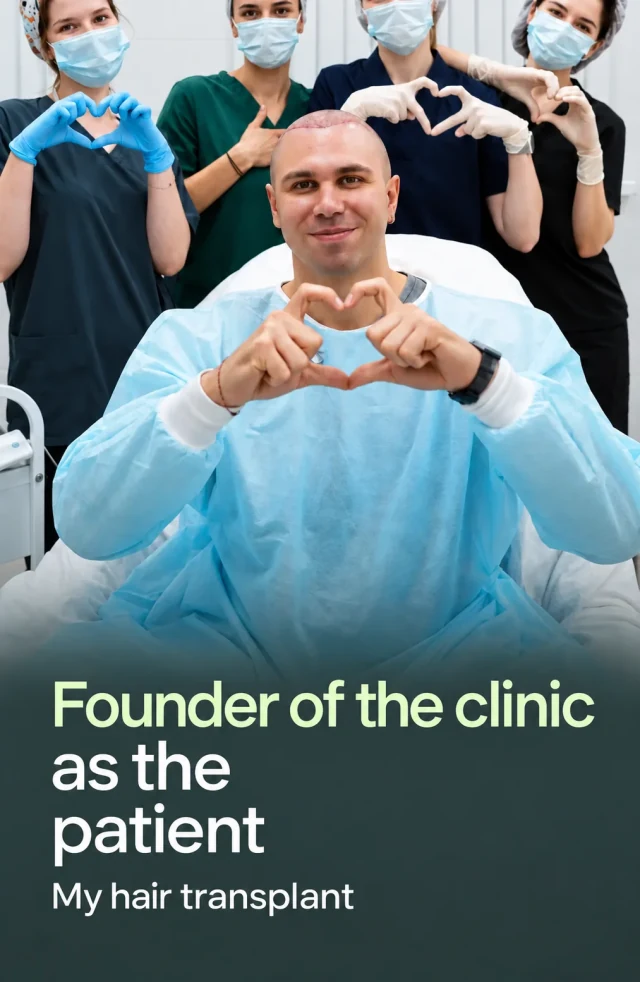
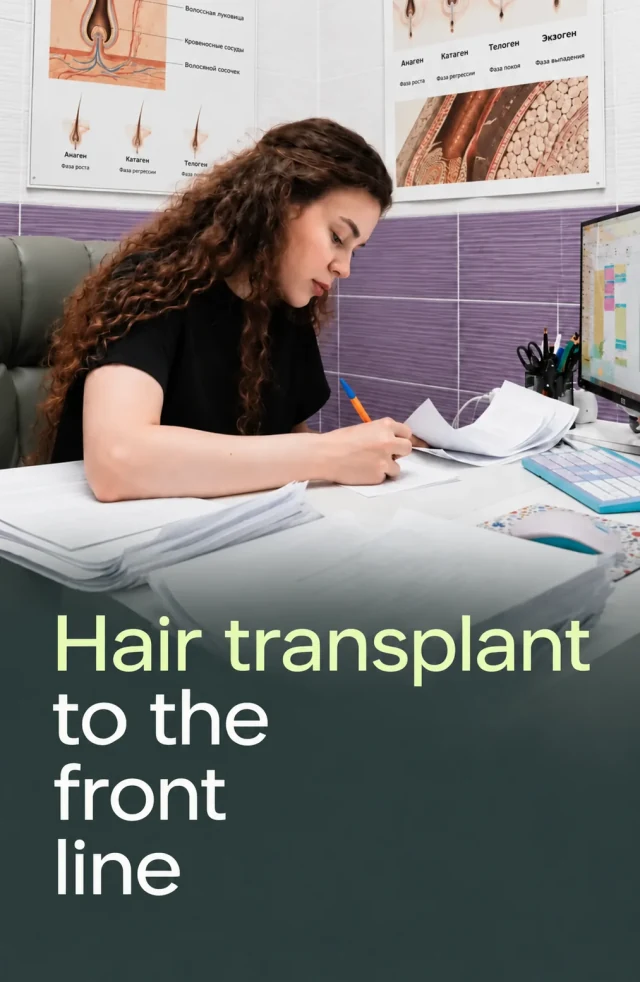
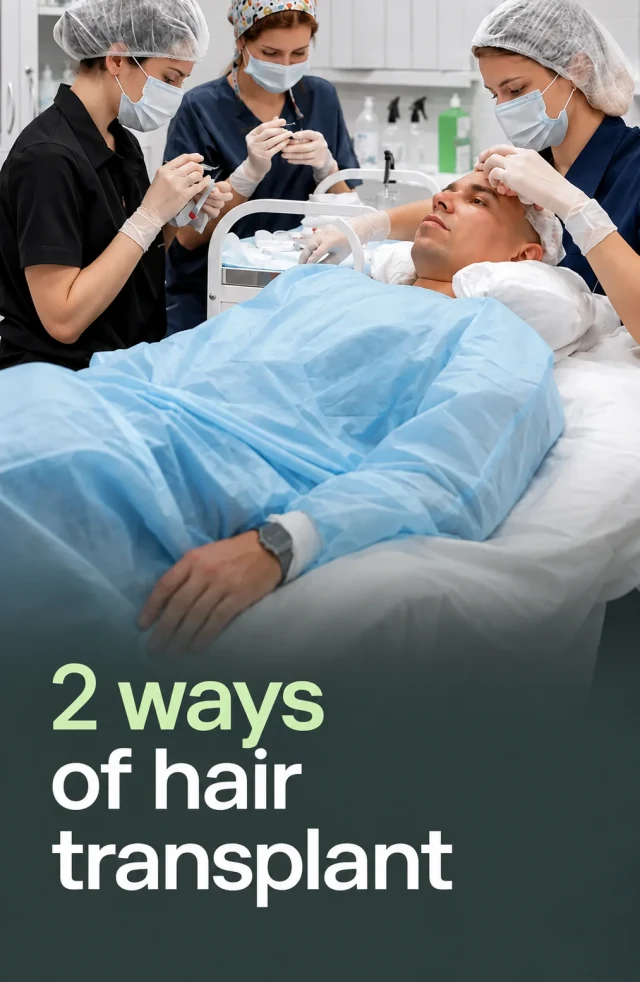


about the clinic
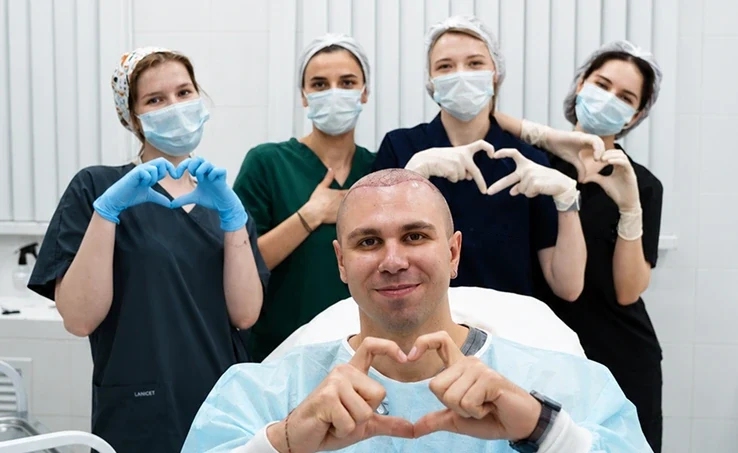
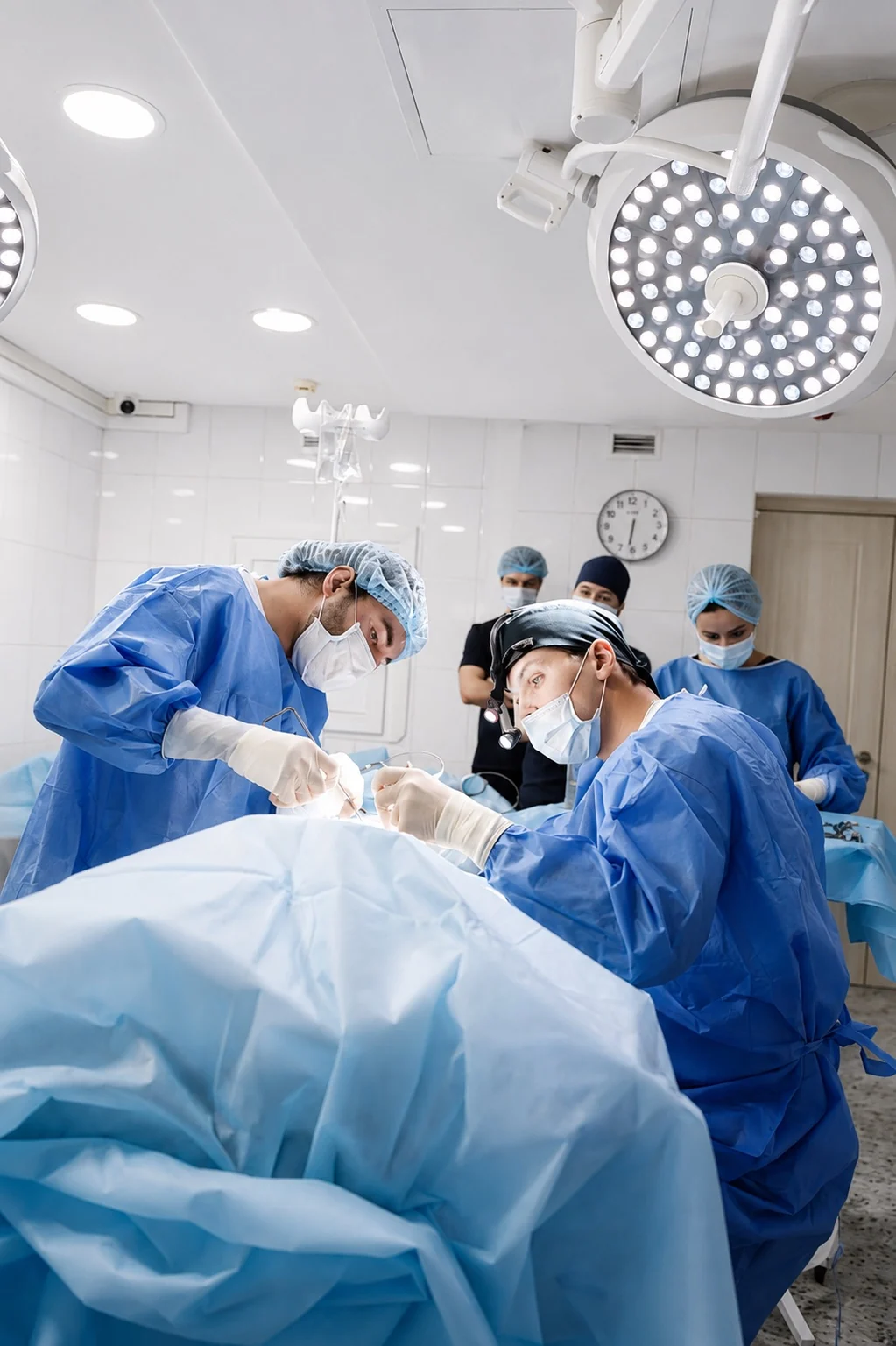
Well equipped, comfortable, attentive to each patient
Ask us anything, and a consultation slot that fits your day will be agreed
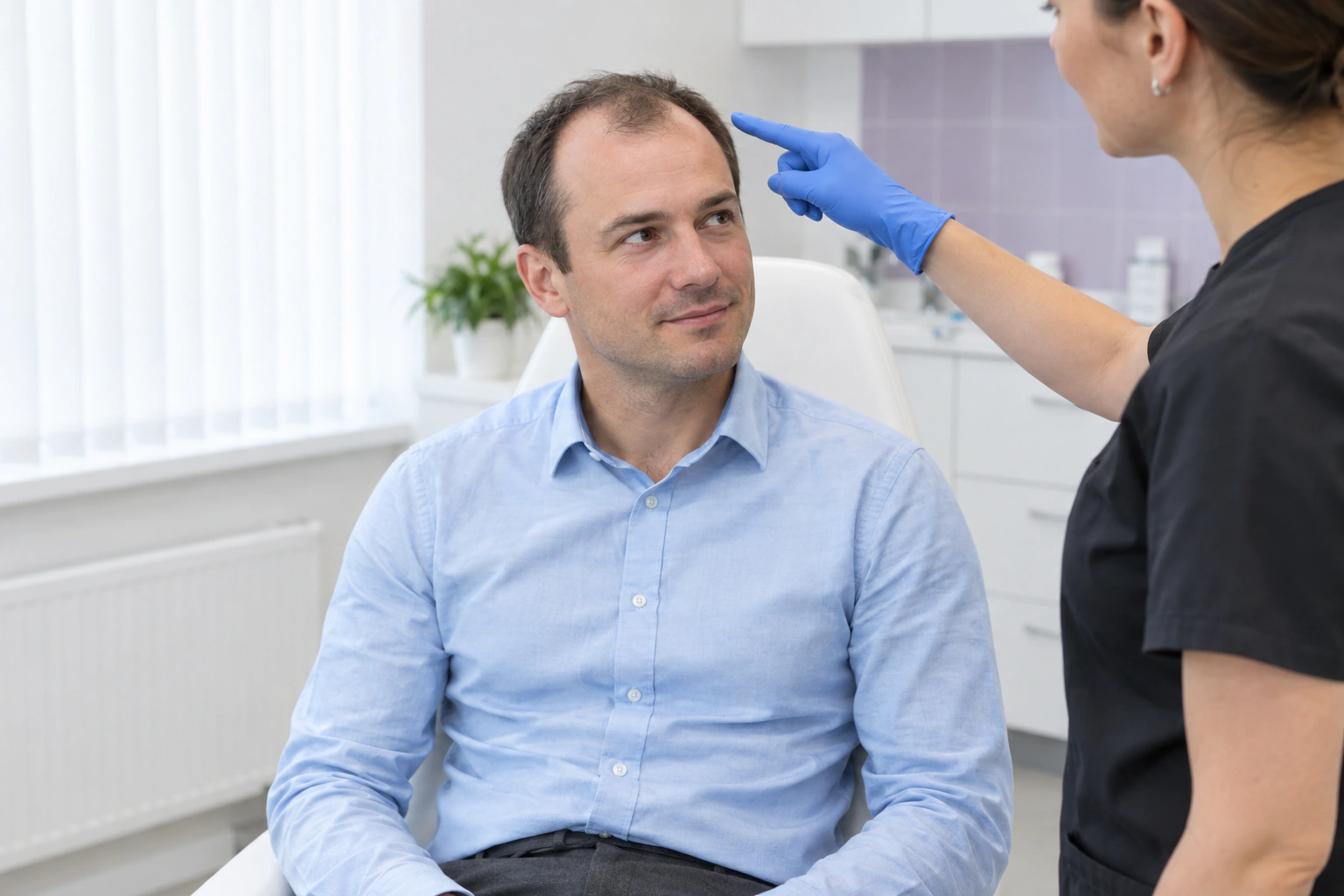
Message us on Telegram Submit a requestAn unnecessary operation will be ruled out at the consultation itself, sparing you the expense. Just below are the situations in which a transplant genuinely helps.
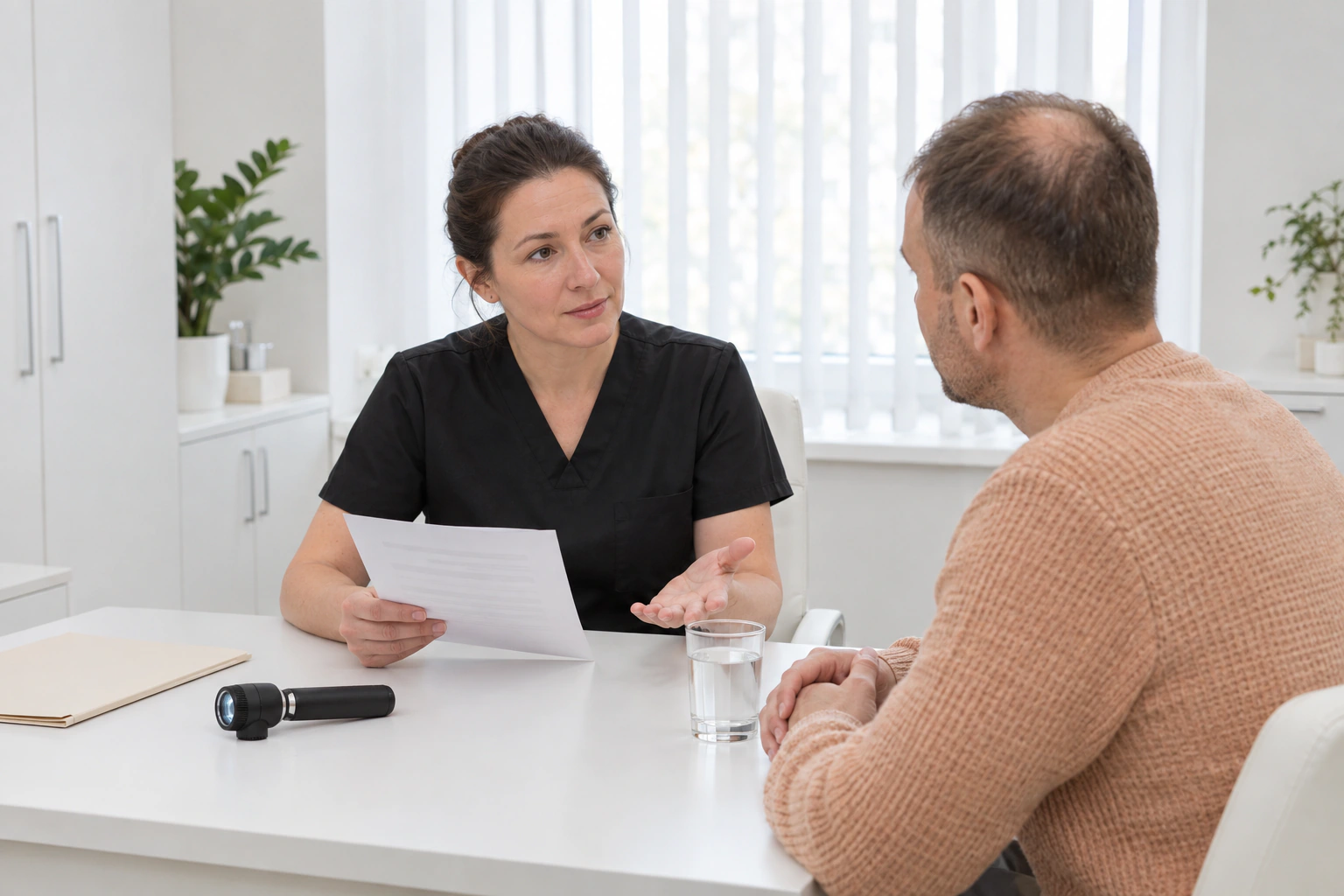
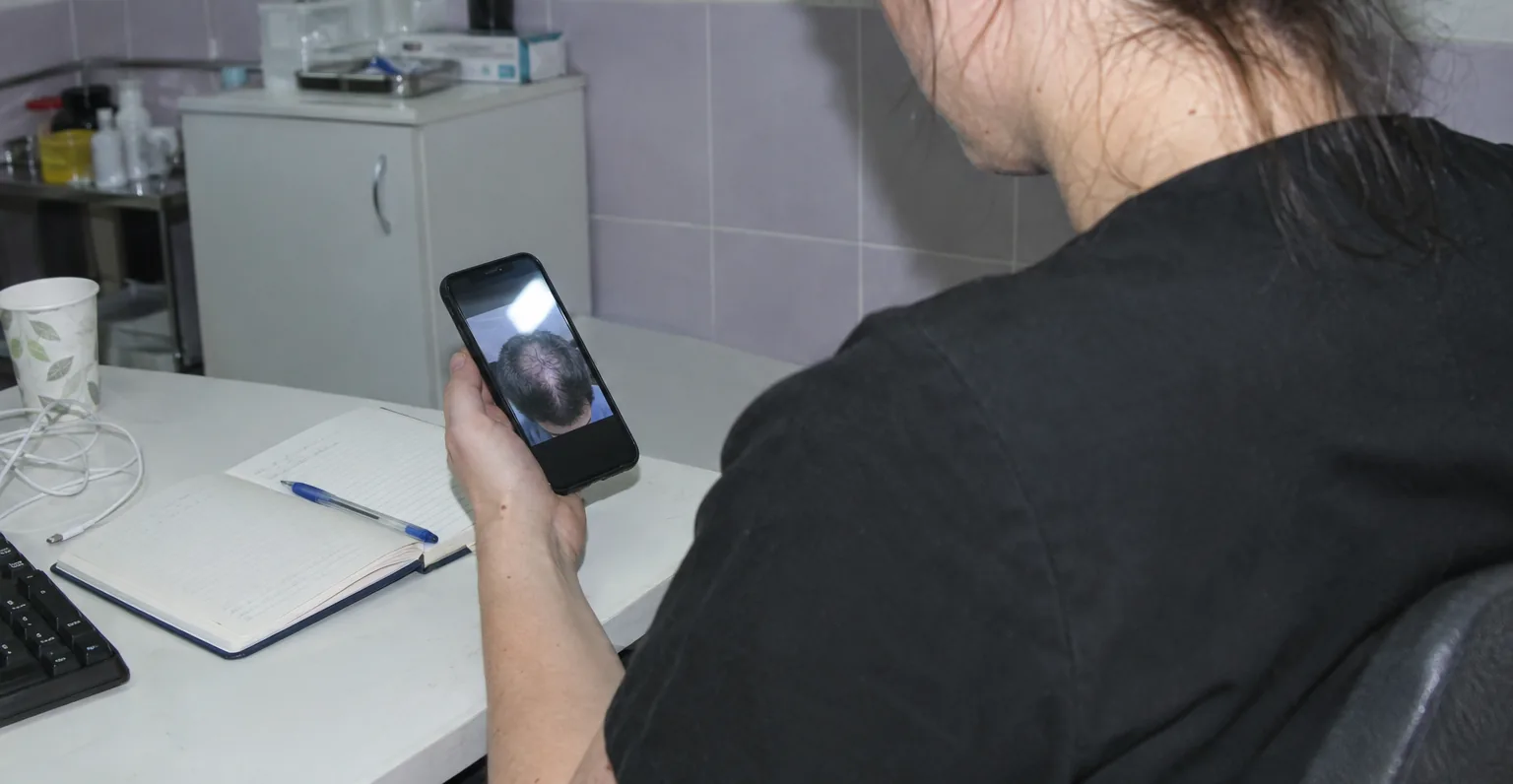
Drop your number: photos in a messenger to the coordinator, then the doctor's answer on whether a transplant helps. Free, no booking.
services
The graft count comes first, at no charge, and the resulting price is set down in the contract.
suture-free graft extraction
$2,200$2,700
or $367/mo — 0% instalments for 6 months
Hold the cost nowimplantation without channels
$2,500$2,900
or $417/mo — 0% instalments for 6 months
Hold the cost nowcombined technique
$2,700$2,900
or $450/mo — 0% instalments for 6 months
Hold the cost now| A look at your scalp | Free |
|---|---|
| Eyebrow transplant, FUE | |
| Beard transplant, FUEinstalments $467/mo | |
| Hair trichopigmentation | |
| PRP therapy / session | $200 |
all included
Care begins before the operation and runs 12 months on.
The price does not grow on surgery day.
two other spots
A transplant is not only about the scalp: the same grafts from the back of the head, the same FUE method, only the area changes.
FUE, no incisions and no stitches
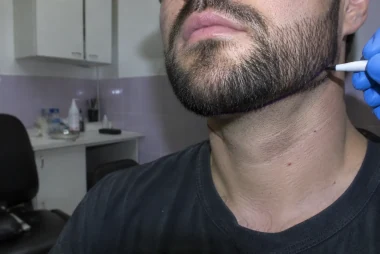
Grafts come from the donor area at the back of the head and are placed through micro-punctures about 1 mm across, and no scars are left. The shape is discussed with you before the operation, with your facial features taken into account. Transplanted hair grows for life: trim and style the beard as usual.
$2,800$3,000
or $467/mo — 0% instalments for 6 months
Hold the cost nowFUE, no incisions and no stitches
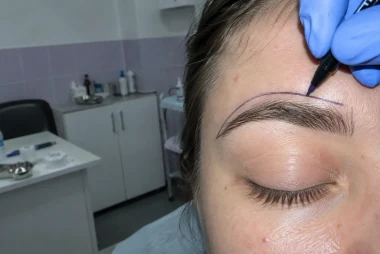
First comes the drawing, which the surgeon makes at the first consultation: you look at example photos together and your facial proportions shape the curve. Hairs are angled exactly as they should grow, so the brows look natural. It also helps where years of plucking stopped growth.
$1,600$1,700
a walk-in, walk-out op under local anaesthesia
Hold the cost nowThe doctor will assess your donor area, count the grafts and show what result is possible in your case. The cost is quoted at the consultation and fixed in the contract.
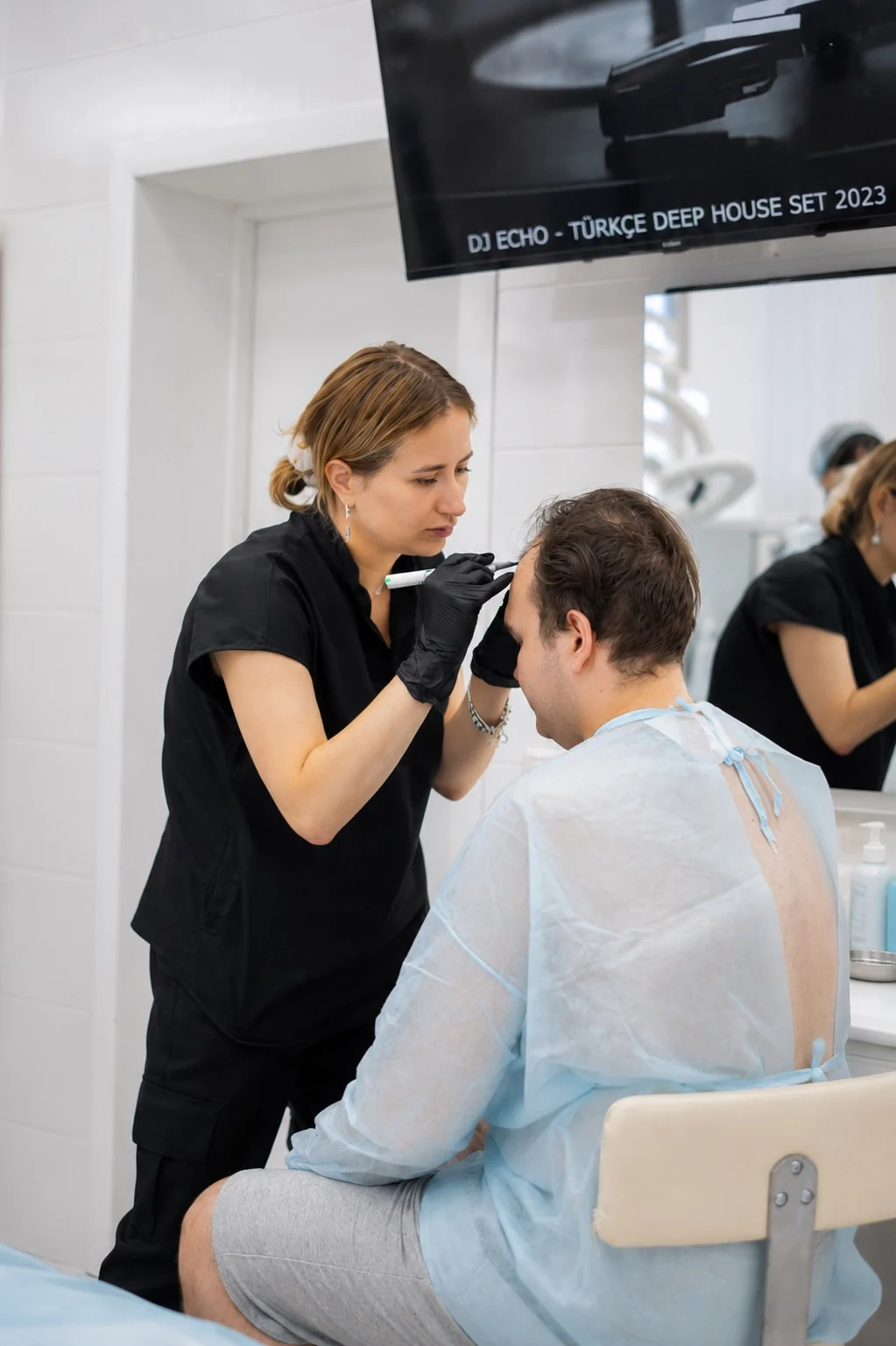
Message our coordinator
Free online consultation · Reply within 15 minutes
Message us on TelegramMessage us on WhatsAppBy messaging us, you agree to our Privacy Policy
Process
From consultation to going home — all in one day
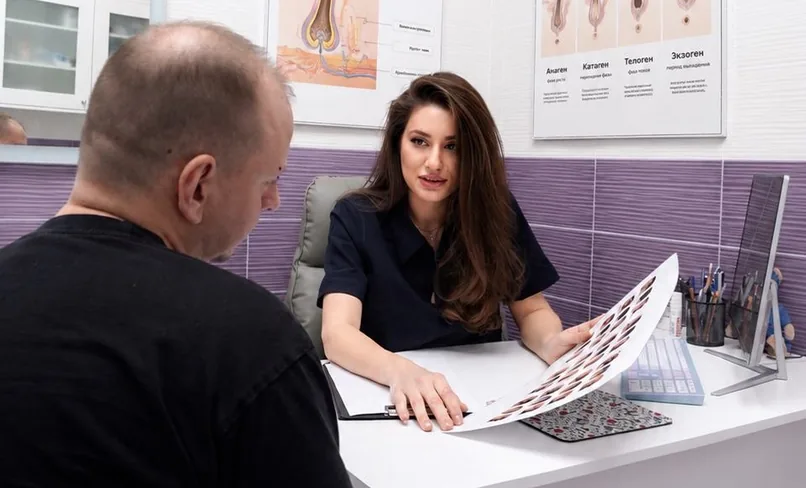
An explanation of the FUE and DHI methods, answers to your questions, and an assessment of the donor zone make up this first appointment.

Reserving a day means putting down a deposit, and there are two routes for that: using a card in the clinic or paying online.
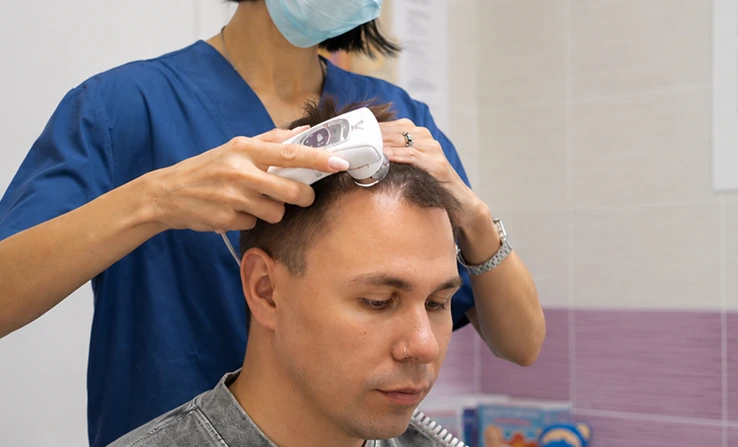
Before surgery day, the required tests are completed with the help of a list and instructions provided by the clinic.
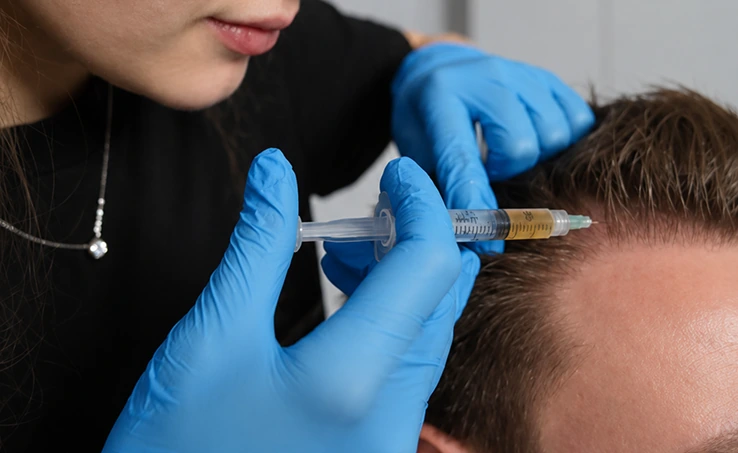
The area is treated with local anaesthesia beforehand, so the surgery itself is painless.
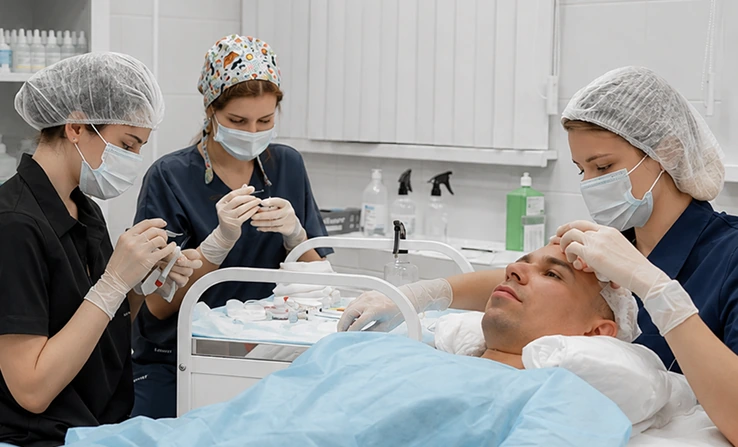
The donor area, located at the back of the head or the temples, provides the grafts, collected without any stitching.
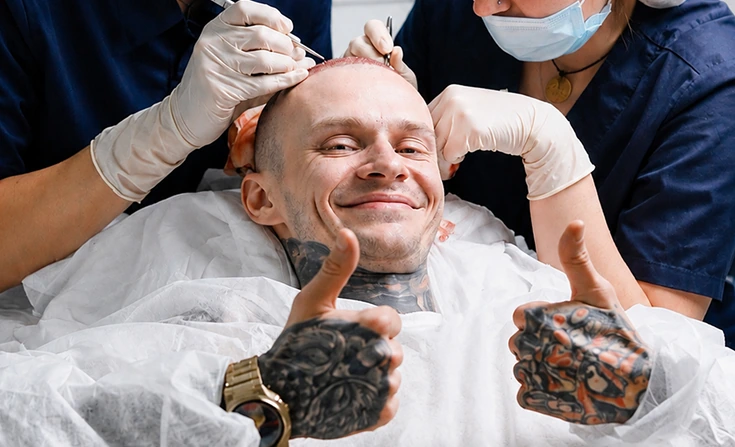
The surgeons then implant the harvested grafts into the balding area.
The clinic sees to the recovery period, providing what is needed and setting out clear directions.
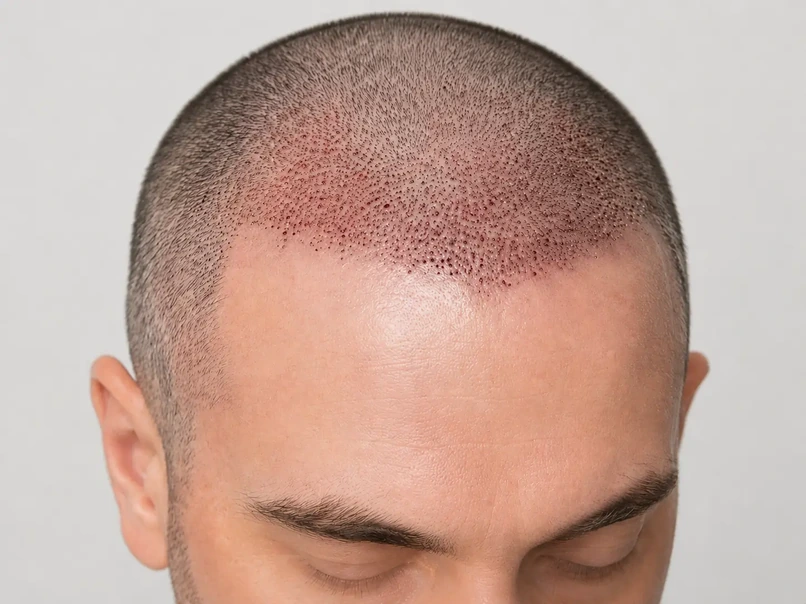
The crusts come off and the swelling goes down as the area recovers
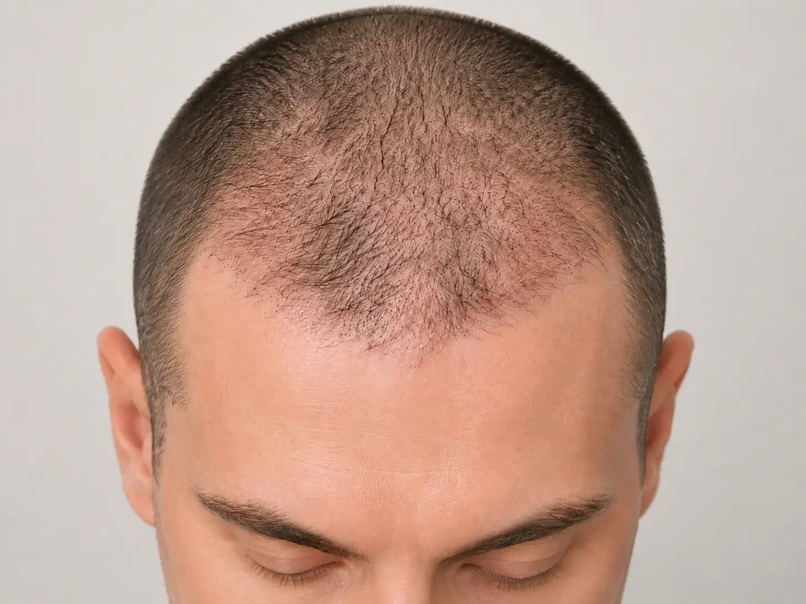
Planned and harmless. Shafts come away, roots stay where they were
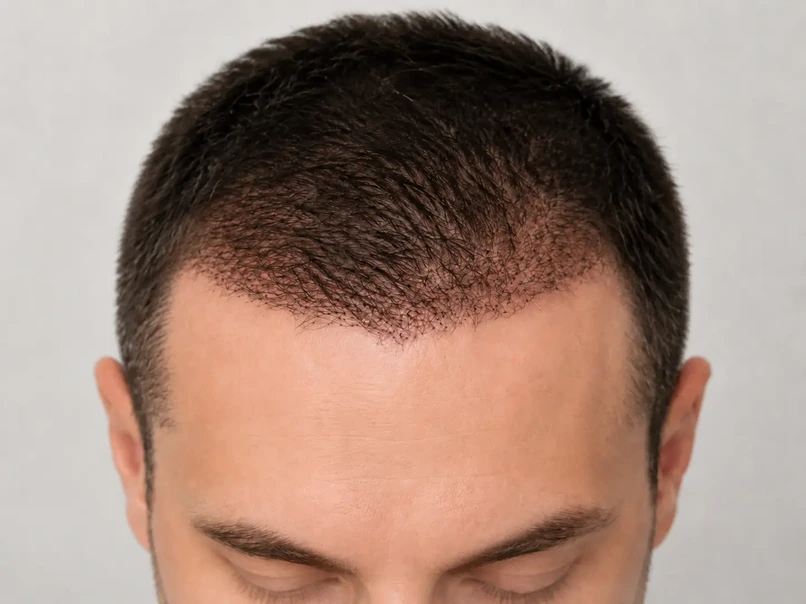
Strand by strand the growth comes, and the change is seen
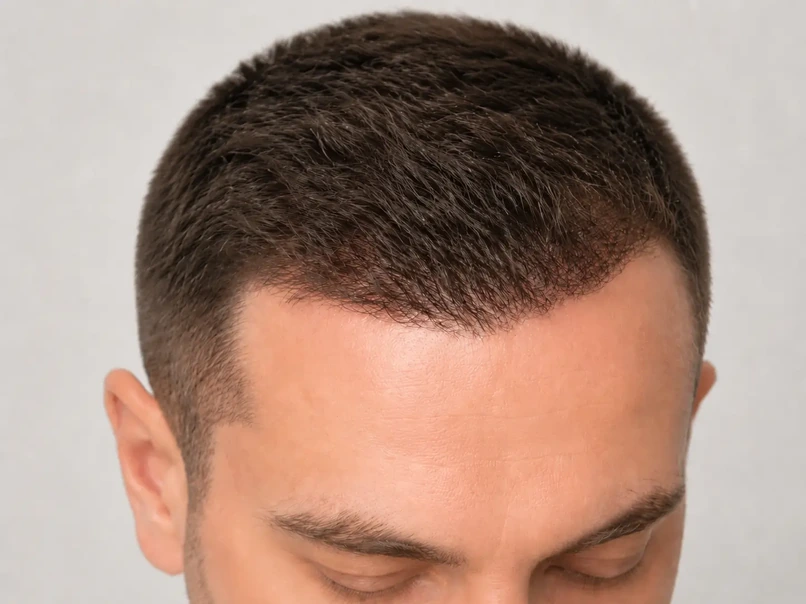
The hair comes in fuller, the mass and the shape are apparent
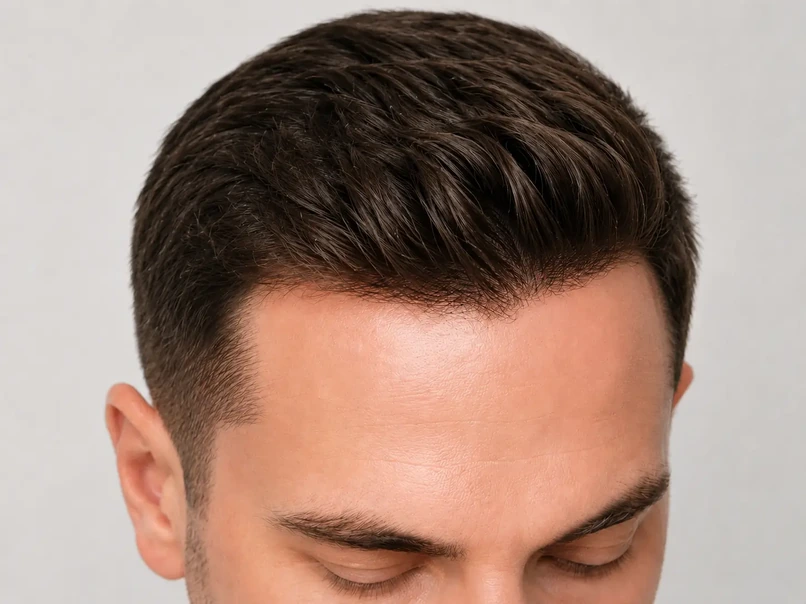
The hair reaches its full volume and a natural edge
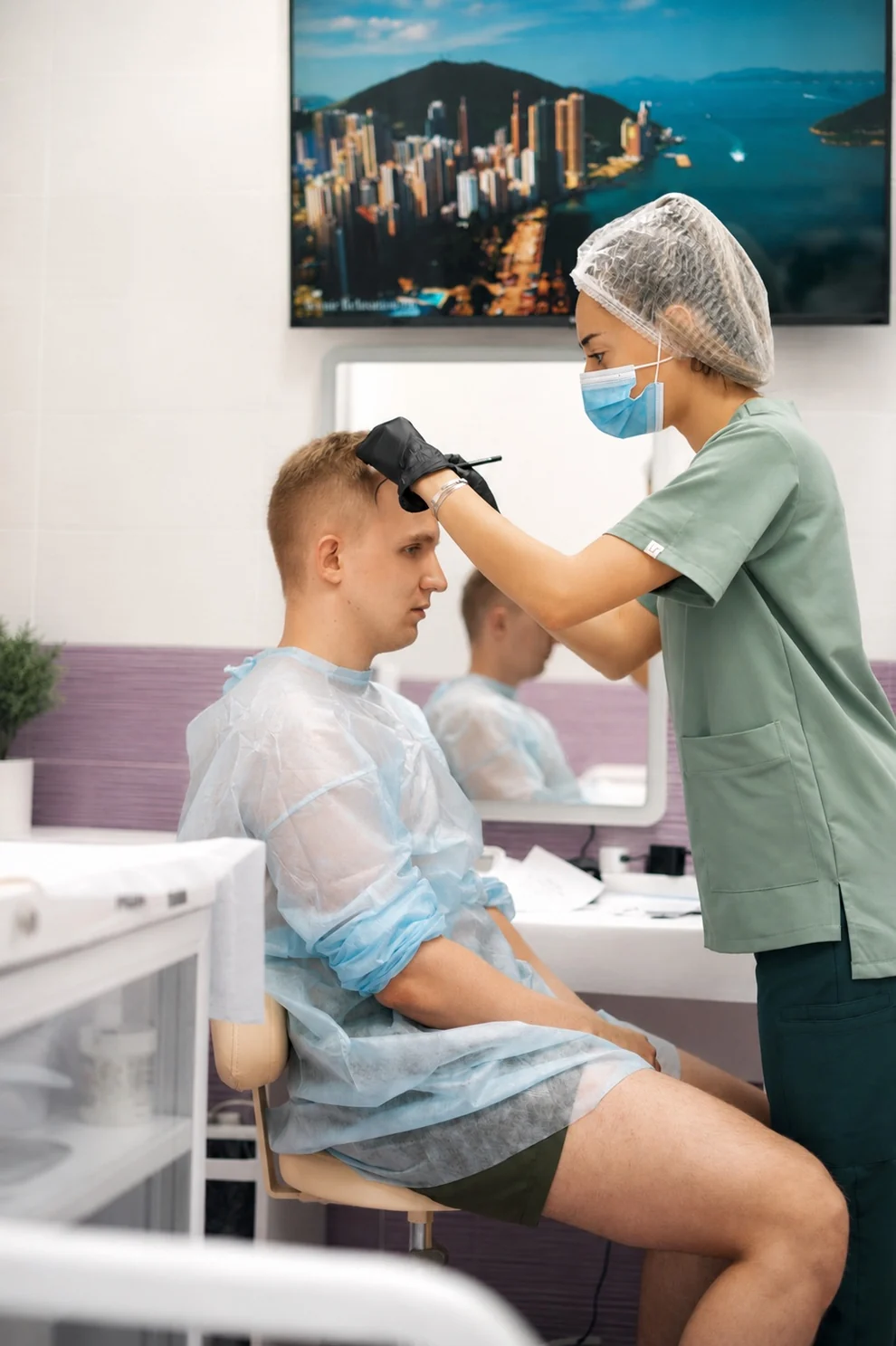
Free, in advance of surgery, no strings at all.
Reserve an appointmentdoctors
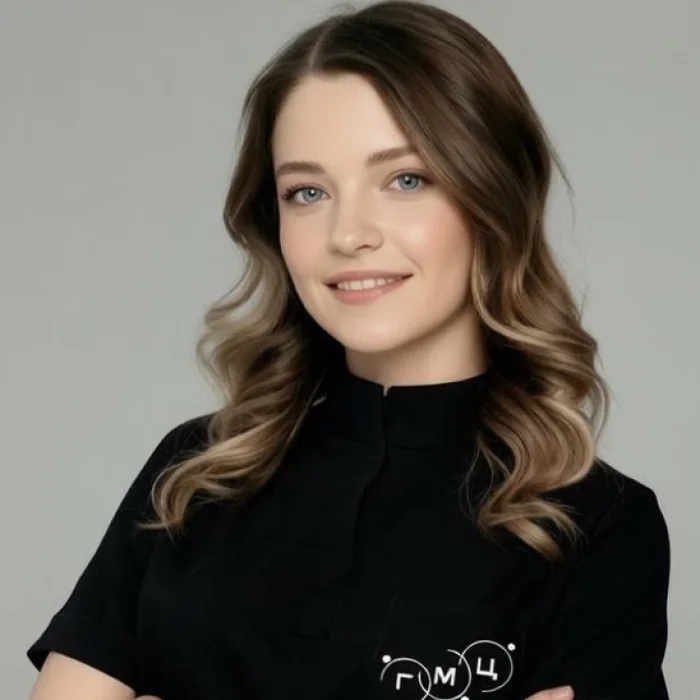
Hair transplant doctor, trichologist, surgeon
10 years in practice

Dermatovenereologist, trichologist, surgeon
11 years of experience
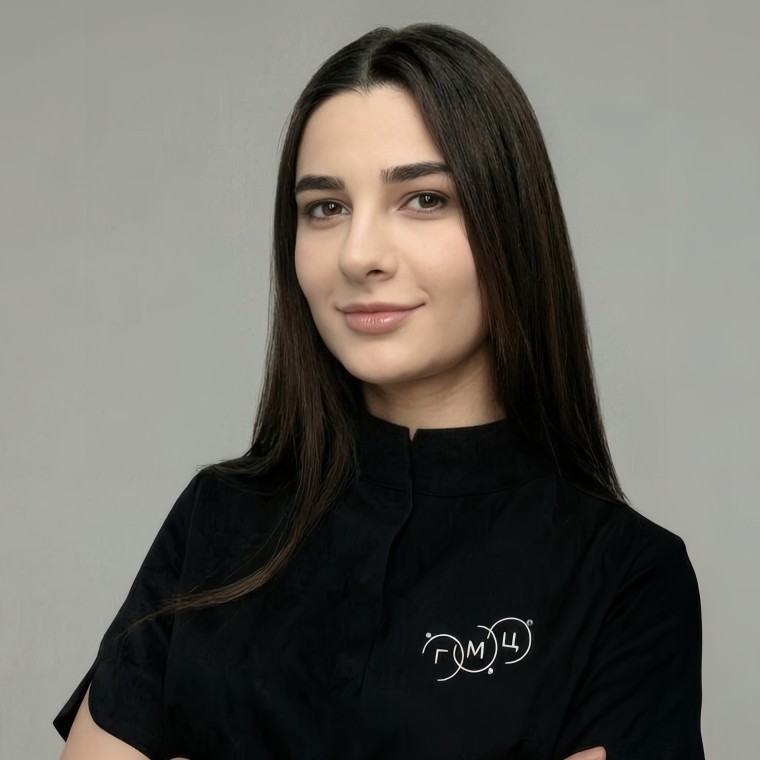
Plastic surgeon
9 years of experience
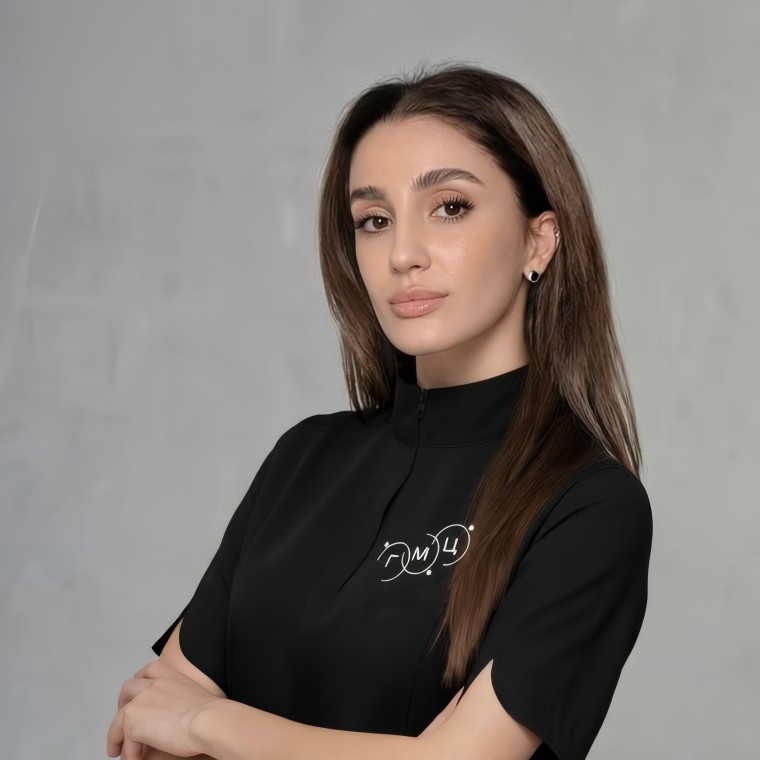
Plastic surgeon
9 years of experience
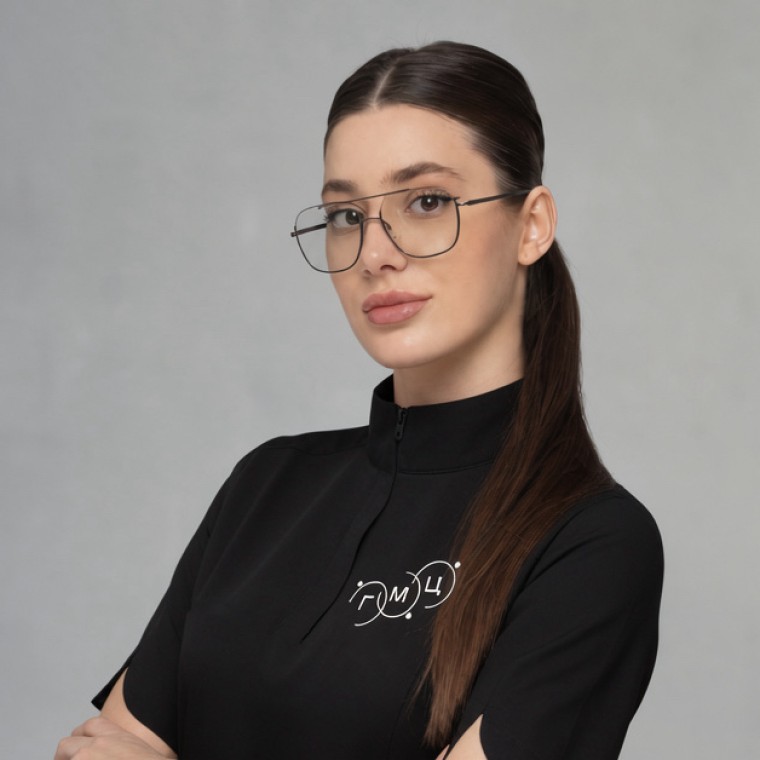
Assistant
9 years of experience
The doctor will assess your donor area, count the grafts and say what result is achievable.
Reserve an appointmentcoordinators
The same coordinator answers you before, during and after, all the way through recovery.
Your care coordinator
Is on hand through preparation and healing
Covers the paperwork and the scheduling
Your care coordinator
Is on hand through preparation and healing
Covers the paperwork and the scheduling
Your care coordinator
Is on hand through preparation and healing
Covers the paperwork and the scheduling
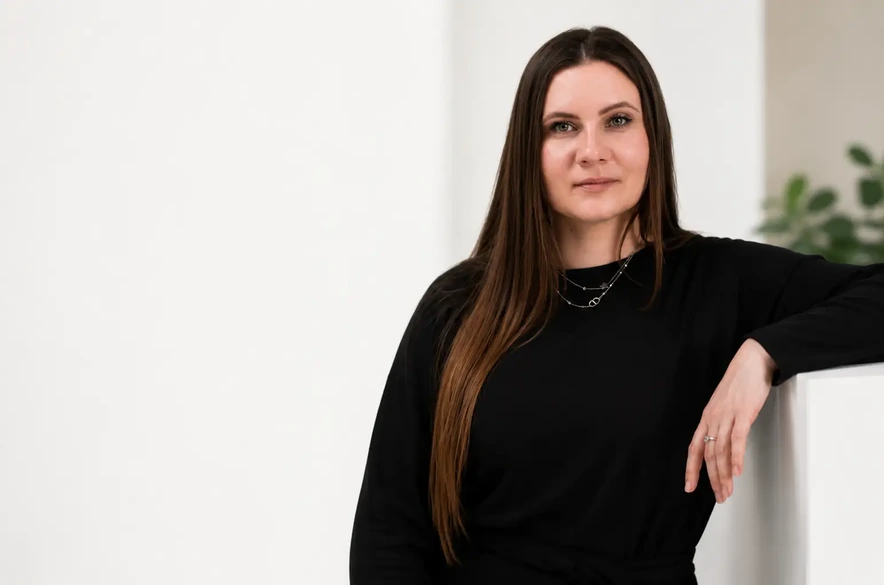
Your care coordinator
Is on hand through preparation and healing
Covers the paperwork and the scheduling

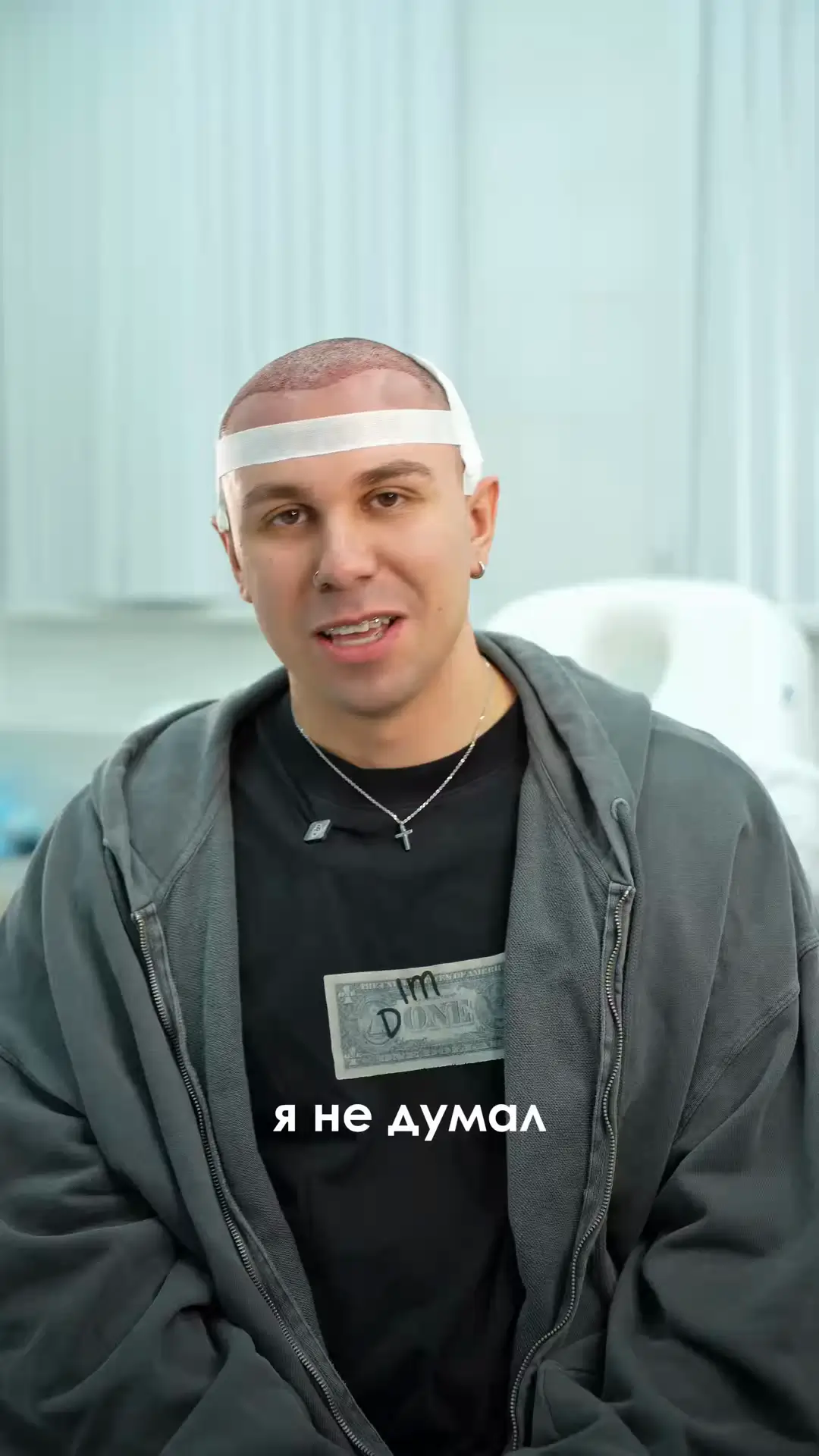
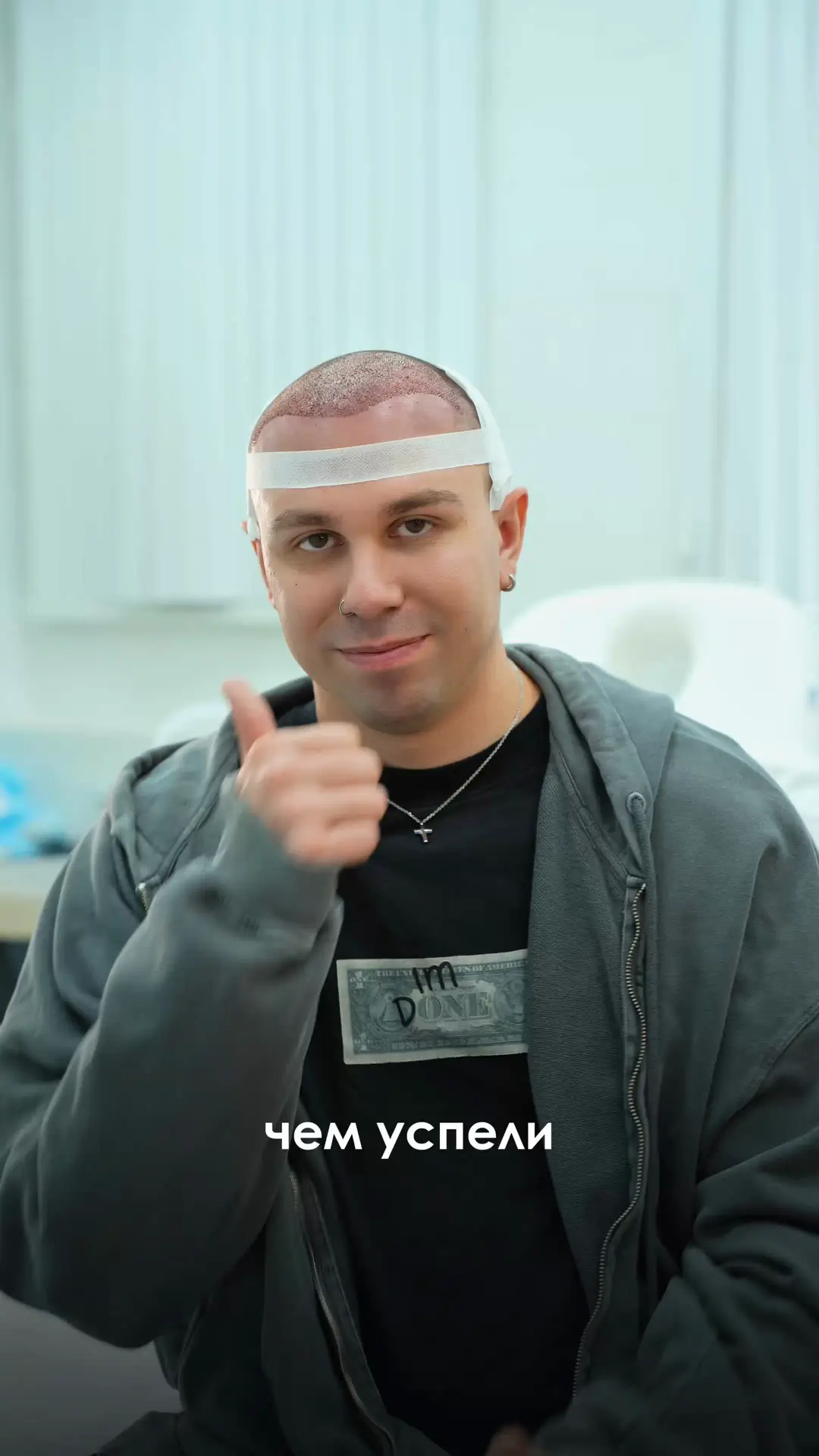
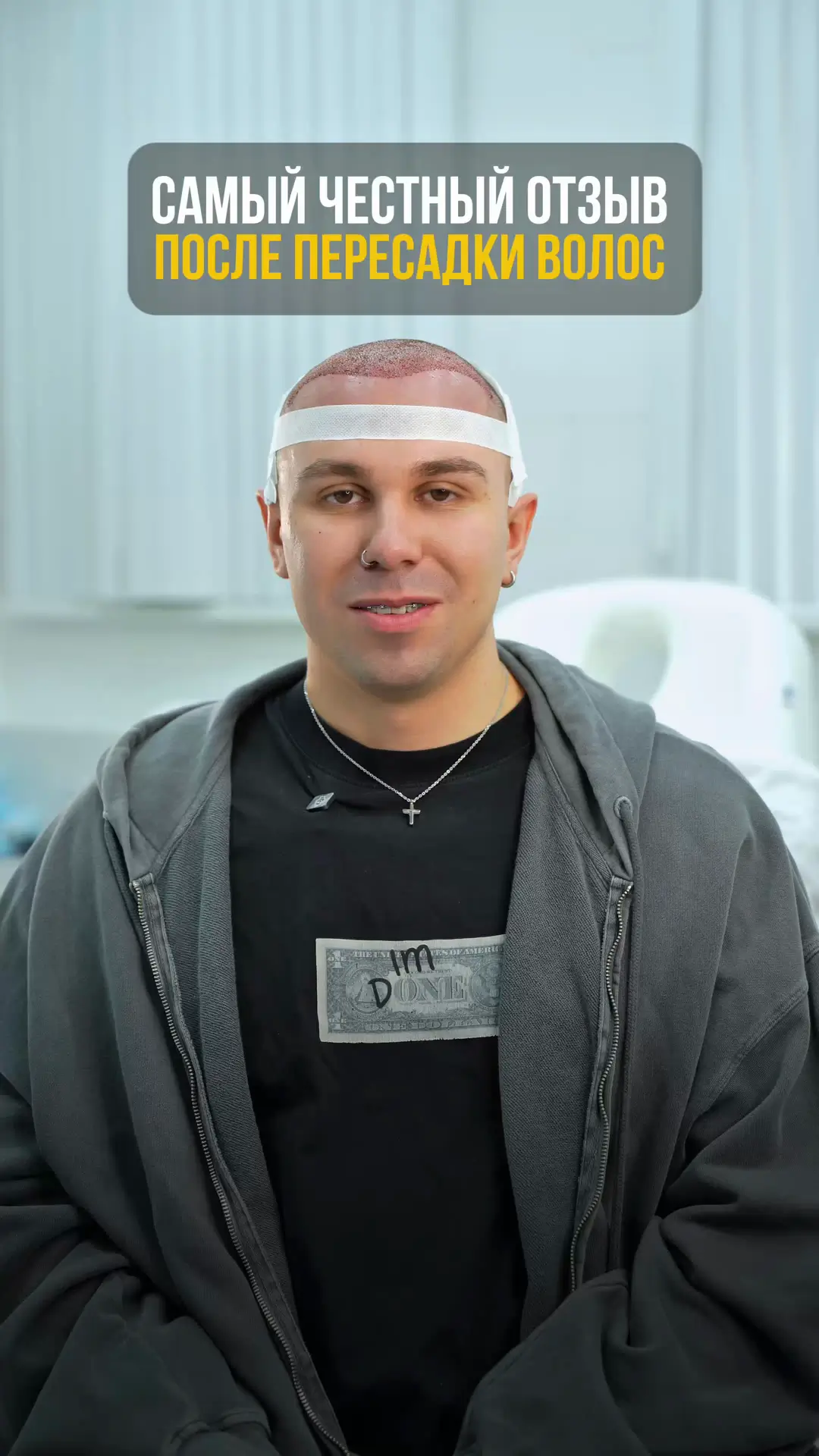
Ask us anything, and a consultation slot that fits your day will be agreed
Message us on Telegram Submit a requestAsked most often
Yes — patients based far from one another are treated all the time, and an online session with the doctor can be booked.
FUE: $2,200 (≈ MAD 22,000). DHI: $2,500 (≈ MAD 25,000). Combined: $2,700 (≈ MAD 27,000). A free consultation and graft count gives you the final, contract-fixed price with no hidden extras.
It occupies a single day and patients then head home.
No, not painful at all, thanks to numbing applied locally.
FUE is the classic method: grafts are harvested with tweezers, with no cuts or stitches. DHI implants grafts without channels, using a Choi pen. A combined method harvests grafts by FUE and implants them with the DHI pen.
The doctor decides it on the basis of the donor area, and the consultation where this happens is free.
Healing runs its course in 0–10 days, then transplanted hairs shed at 2–4 weeks, which is standard. Growth starts at 3–4 months, fullness follows at 6–9 months, with 12–18 months as the endpoint.
A contract-backed, lifetime guarantee of hair growth comes with every procedure.
We hold a medical licence, and care is provided to the standards and clinical guidelines
of Ministry of Health.
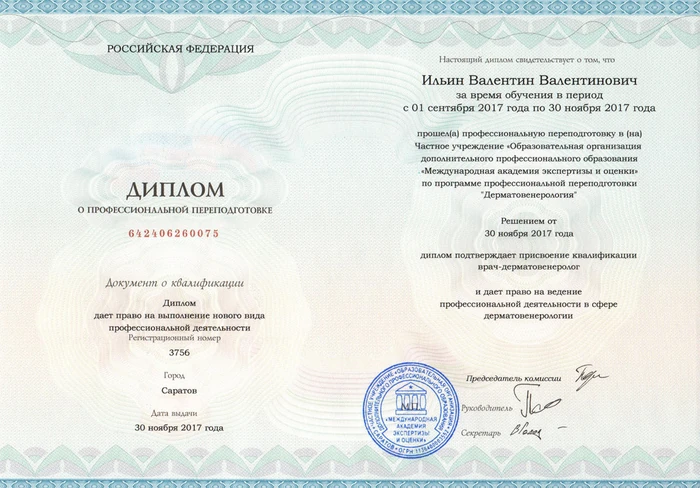
Diplomas and certificates of the doctors who operate
Read the documentsAKC POMOSHCH LLC
the clinic's legal entity
1057746096924
OGRN
7728536872
INN
FUE and DHI fit a patient in Mohammedia because the demands are small. There is no cut to make and nothing to stitch up, the anaesthesia stays local, and the procedure is complete within the span of one day.
You can get started in Mohammedia from the kitchen table. The online consultation is free, the doctor reviews photographs of the area and says whether a transplant is likely to help. The line is open 24/7.
After the operation: 0-10 days to heal, 2-4 weeks until the transplanted hairs shed, which is a normal phase, 3-4 months to the start of growth, 6-9 to real density and 12-18 to the final result. Check-ups at 1, 3, 6, 9 and 12 months, photos with a personal coordinator, lifetime growth guarantee.
Prices are in US dollars; the amount in brackets is an approximate conversion to MAD at the rate of 02.10.2026. The final price is fixed in your contract.
By messaging us, you agree to our Privacy Policy
Public figures who spoke openly about this operation, in their own words.
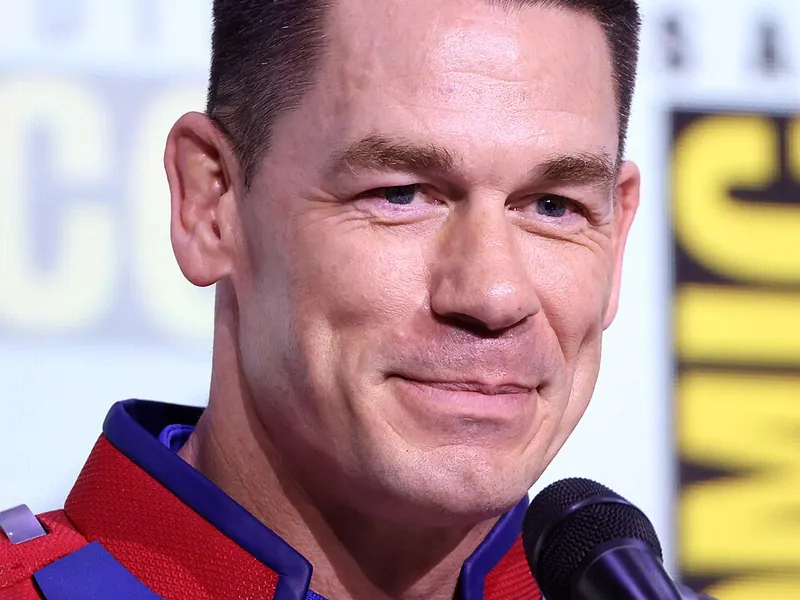 John Cena's hair transplant: “I got a problem, I try to fix it”John Cena spoke openly in 2025 about his hair transplant and the fan signs that pushed him to it. His words, how the procedure works and the recovery.
 Did Calum Best have a hair transplant? Yes, and he said so himselfCalum Best said in 2023 he had his sixth hair transplant, this time using patches of beard hair. His words, how the procedure works and recovery.
 Did Chloe Goodman have a hair transplant? Yes, and she explained whyChloe Goodman had a hair transplant in 2025 after losing hair following pregnancy. Her own words, how the procedure works and what recovery involves.
 Did Dean McCullough have a hair transplant? Yes, and he filmed itRadio 1 presenter Dean McCullough shared his FUE hair transplant on TikTok in 2024. His own words, what the swelling means and how results develop.
 Did Ella Morgan have a hair transplant? Yes — to cover a hairline scarThe Married at First Sight star revealed a hair transplant in 2025 to cover scarring along her hairline from facial surgery. Her own words and the facts.
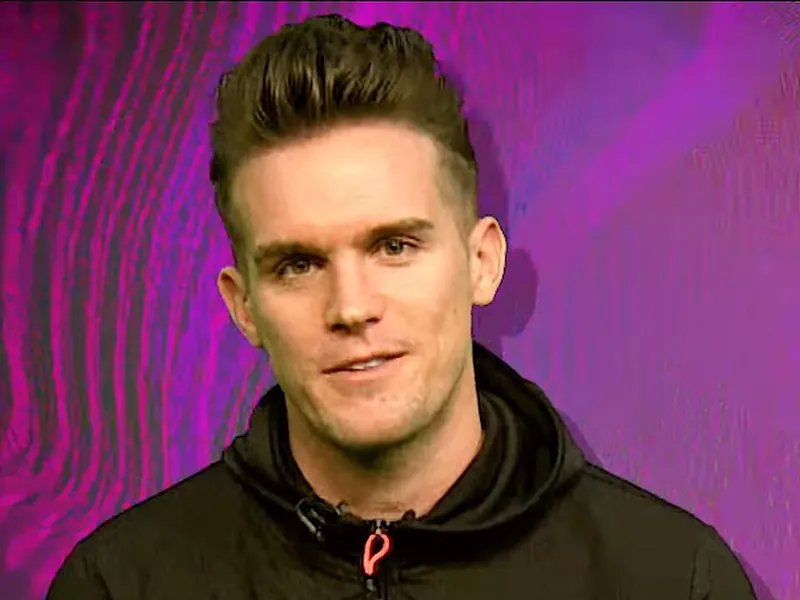 Gaz Beadle on his beard transplant: “I LOVE IT”Gaz Beadle told his 3.6 million followers he had a beard transplant after years of patchy stubble. His own words, and how a hair or beard transplant works today.
What patients write after this operation. Reviews are translated from the original language.
Andrey M.
I had the operation a month ago. Before and after surgery they were always in touch and helped with questions about my tests. The operation itself went wonderfully, the staff are polite and masters of their craft, you feel you are in safe hands. I am recovering now, and they answer all my questions. I am happy and I recommend them!
DHI hair transplant
Pavel Sinitsyn
The best clinic of all the ones I was choosing from. No regrets at all! The result is simply amazing, I am thrilled. I recommend it to everyone: these people do great work and make people happy. Once again, a huge thank you to everyone. Roman, the head of the clinic, is the best: he was personally in touch with me and looked after my recovery. Thank you for making my dream come true.
FUE hair transplant
Maria Akopyan
I thought about an eyebrow transplant for a long time and finally went for it. At first I was afraid the result would look unnatural, but when I saw my new eyebrows I was delighted! They came out full and in harmony with my face. I can hardly believe that now I just wash my face and go, I have never felt so free. For anyone tired of constant make-up, a transplant is a real lifesaver!
Eyebrow transplant (FUE)
Alexander M.
I really wanted a thick beard, but I had problems with it. I tried every home remedy and minoxidil, and nothing helped. After a long search for the best clinic I settled on this one. Thank you so much for the service, I liked everything and now I am happy! I had the beard transplant 10 months ago and I am very pleased with the result. By the way, the music in the clinic was great, as far as I remember. A friend of mine has already come to you for a transplant on my advice and was also happy with the result. I wish you every success!
Beard transplant (FUE)
Vladimir Z.
I went to the clinic to see a trichologist and had a hair transplant. I really liked the doctor's approach, and all the recommendations helped. I want to point out that nobody tries to sell you extra services: they tell you things as they are, and if some treatment is not needed, they do not push it. Cosy and clean.
DHI hair transplant
Artem Popov
This may sound obvious, but a head of hair really changes everything in your life. You feel much more confident and go through life like a winner. And it is all thanks to the doctor at this clinic and to the staff who take care of their patients. Many thanks to the clinic for a happy life with new hair, for the comfortable conditions and for the professionalism during the hair transplant.
FUE hair transplant
In Mohammedia, the city that joined the Sablet beach to the petrochemicals port across decades since it was Fedala, the grain depot of 1773, the young man's cap has become a double language: protection from the corniche sun, and cover for heads whose front line began retreating early or whose crown thinned; the 2024 census counts the urban commune at 194,358 residents inside a prefecture of 514,057, and among them are those who decided the cap is not a lifelong answer.
A hair transplant is that answer when the donor follicles are sound and the emptiness can be sculpted; its file opens remotely with daylight photographs of the scalp from above, from the front, over the crown and behind the ears, plus lines about when the recession began, its family history and any previous treatment, sent over Telegram and Telegram to a team that reads at every hour, and a first estimate returns defining the follicle count and your case's suitability.
Honest photographs are the foundation of everything that follows: an arranged picture hiding the emptiness returns a hollow estimate, and a bare head in a natural stance exposes the baldness pattern and the donor's strength, the inputs by which the surgeon distributes your follicles along a line resembling no one else's; your head is a map that does not repeat, and a plan that does not read it in full is a form of estimating into thin air.
And the city's calendar sets its own timing: employees of the port and the industrial zones know the gaps between rotations, students of the city's faculties, part of roughly 25,000, know the term breaks, and the owners of cafes on the corniche know the peak seasons; the file opens today from the phone, and the session seats itself on one single day its owner picks, which is the maximum interruption his work knows.
The transplant is done under local anaesthesia, with the doctors numbing the operating area, so the patient passes the session awake and comfortable without sensation at the sites of extraction and implantation, able to talk and rest whenever he wants; no general anaesthesia and nothing attached to it is needed anew, and that is what makes the following day a day of home rather than of hospital.
The patient spends one day at the clinic under the team's watch after the session ends, then returns to his home in Mohammedia to begin the knitting in his usual surroundings; arrange that day in advance: someone to take you in the morning and receive you in the evening, a pillow that raises the head, front-buttoning clothes, and household quiet for at least the first two nights.
Ask in the consultation about the plan drawn on your own head: how many follicles the surgeon proposes, how he spreads them between the front line, the crown and the gaps, and how many sessions the case needs if more than one; numbers alone do not suffice, and it is the distribution that separates a line drawn onto your face from a line copied onto your head.
Arrange the reading of answers in a quiet hour away from your shift: an evening after you come down from work, or a weekend morning when the Moroccan Monday-to-Friday schedule stops; the team following you over Telegram and Telegram at any hour answers whatever lingers, and keeping the answers in one file becomes your reference on the day you compare two offers.
The ten days after the session are the days of knitting: fine crusts form over the transplanted area and come off with organised washing, any mild swelling fades, and the scalp returns to complete calm; in these days your discipline at home is worth more than everything that comes later in the schedule.
The rules of the ten days are fixed: sleep on the back with the head raised, both hands away from the head however the itch calls, dust and flying particles kept far, and washing according to the team's schedule and method rather than your own habit; whoever works in a dusty environment like construction yards or the port's warehouses should take the whole ten days, since dust in this stage is a direct enemy.
And the city's year helps in choosing the season: November and December, with rains near 77 and 75 mm, build indoor weeks suited to the beginnings, and the dry, mild July-August at 26C by day asks for a temperate aired room and distance from the midday sun; January's cool nights of 8C make sleeping with a raised head comfortable without excess heat.
Document every stage with a photograph every second day at the same angle and light, kept in one file: the series is what later shows you the departure of the crusts, the fading of the redness and the arrival of the first new hair; the team following you over Telegram and Telegram at any hour receives the pictures and answers them, so your follow-up becomes a documented file rather than scattered conversations.
Between the second week and the fourth the transplanted hair falls, a recognised stage in the schedule in which the hair alone falls while the follicle stays fixed in its place; whoever knew this stage from the first consultation passed without anxiety, and whoever was surprised believed on his last day that everything built had been lost, and the difference between the two men was one piece of information the first had heard.
After it the growth begins: in the third to fourth month the first fine new hairs emerge from the settled follicles, then harden and multiply with the months; the daily mirror does not see this development because it measures today against yesterday, while monthly photographs from one angle see it at once, and whoever documented from day one saw in his records what the naked eye missed.
From the sixth month to the ninth the density becomes a reality people see: the new hair thickens and its look approaches the natural, and the front line settles onto its outline; in this stage many in Mohammedia return to their usual barber in the Kasbah quarter, and the beach photographs return to confident uncovered heads rather than covered ones.
And the final result does not settle before the twelfth to eighteenth month, when the density completes and the line ripens; this long span crosses all the year's seasons from winter rains to summer dryness, and regular follow-up across it is what catches at every station any small deviation before it hardens, handing you papers that prove your course from the first day to the last.
Before any booking, ask for the first sheet: the surgeon's entry number on the roll of the National Council of the Order of Physicians, the independent institution that gathers all of Morocco's doctors by obligation in the public and private branches; keep the answer with the specialty in writing, noting that the council's site places no open lookup list at its entrance, which leaves your direct documented question as the only passage to reassurance.
Then ask every offer for a sheet holding: the number of follicles proposed for your head and its distribution over the regions, the number of planned sessions, and the reach of the visit plan through the eighteenth month; these three papers are what turn the comparison between two offers into a real comparison, and whoever reads them side by side knows which one is a studied plan and which is an inflated number without a map.
Ask openly about the reason for the distribution: why this density at the front specifically, why this limit for the crown, and what happens if the path needs an additional session; the clear answer here is the first measure of the surgeon's level, and whoever answered with a repeated general sentence gave you an indicator that suffices before any talk of prices or dates.
And grant your decision its full time: read the papers in the calm of your home in Mohammedia, consult someone who carries your trust, and raise whatever lingers in your mind to the team over Telegram and Telegram at any hour; the decision that will accompany you in every beach photograph and every morning before the mirror deserves to be born of a calm reading rather than half an hour's excitement.
The transplant needs one day at the clinic under observation and then a return home to complete the knitting in familiar surroundings; the return to work is set by the nature of the job and the surgeon's instructions, since calm office work differs from a dusty workshop or the open port, and whoever arranged his leave from the first message lived the first week without double accounting.
Mild itching is part of the scalp healing and is common in this stage, but scratching and rubbing are forbidden however strong it grows, since the fresh implants are at their most sensitive; organised washing on the team's schedule eases the itch, and anyone who feels severe itching or sees unfamiliar marks sends a photograph through the follow-up channel instead of deciding alone.
Washing in the beginnings follows the team's schedule and its step-by-step method, not your usual routine; once the surgeon gives the clearance, washing moves home using the way he explained, and holding to the gradual order is what keeps the crusts on their natural falling path instead of tearing off what lies beneath before its time.
After the surgeon's full clearance and not before: water and sun in the first weeks do not serve the fresh implants, and swimming returns within the chapter of activity that opens in stages as healing advances; Sablet beach is not going anywhere, while a session done with care needs your guarding through its first weeks so it can give what it was built to give.
It depends on the size of the emptiness and the strength of the donor: many cases complete in one session, and wider ones divide across sessions the surgeon plans from the beginning; the essential is that the number of sessions be on the sheet from the first offer, since a late surprise of an additional session is the mark of a plan that never finished its arithmetic when it could.
Yes, the baldness pattern is the whole map of planning: a retreating front line alone is handled one way, an open crown another, and scattered gaps a third, with the donor's strength setting the ceiling of the possible in each; this is why photographs from every angle are requested, and whoever sent them complete received a plan drawn on his head rather than on a general template.
Ask for the distribution in writing, not the number alone: how many follicles on the front, how many on the crown, how many in the gaps, and by which standard they were counted; an inflated number without a map shows up in the comparison between two offers, and written papers are what hold the surgeon to his word, while whoever refused to write down gave you an answer about himself before anything else.
The follow-up team that reads your messages over Telegram and Telegram at any hour: it receives your daily photographs, passes your observations to the doctor, and returns updated instructions on the washing schedule and the coming stage; the visits with the surgeon keep their dates in the plan, and the clear division between the two channels turns the long months through the eighteenth into a familiar path rather than a hanging one.
Page medically reviewed by Anastasia A. Kolesnik, hair transplant doctor. Review date: .

 Forceps
 Minimal


