


























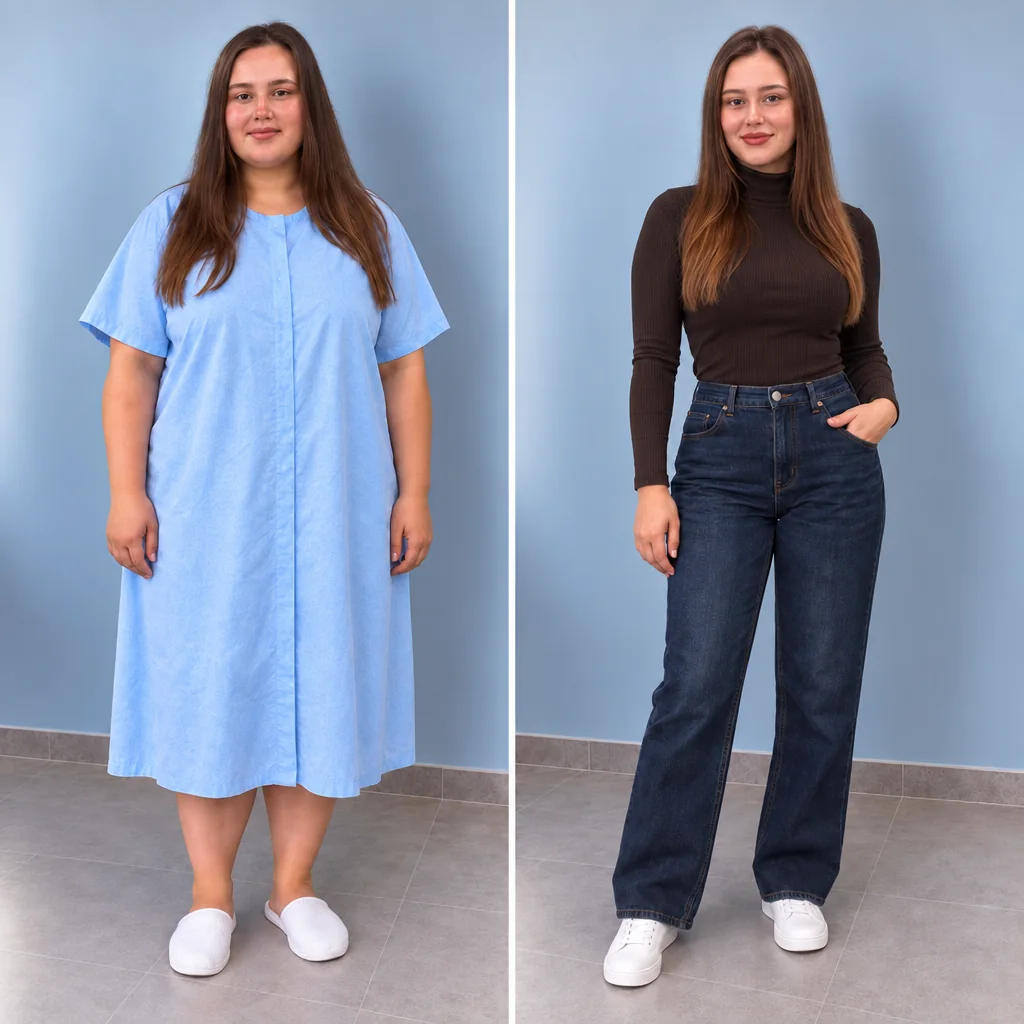
 beforeafter
Irina, 26
Bariatric surgery
Bariatric surgery
$3,600
$4,800 · First consultation — Free
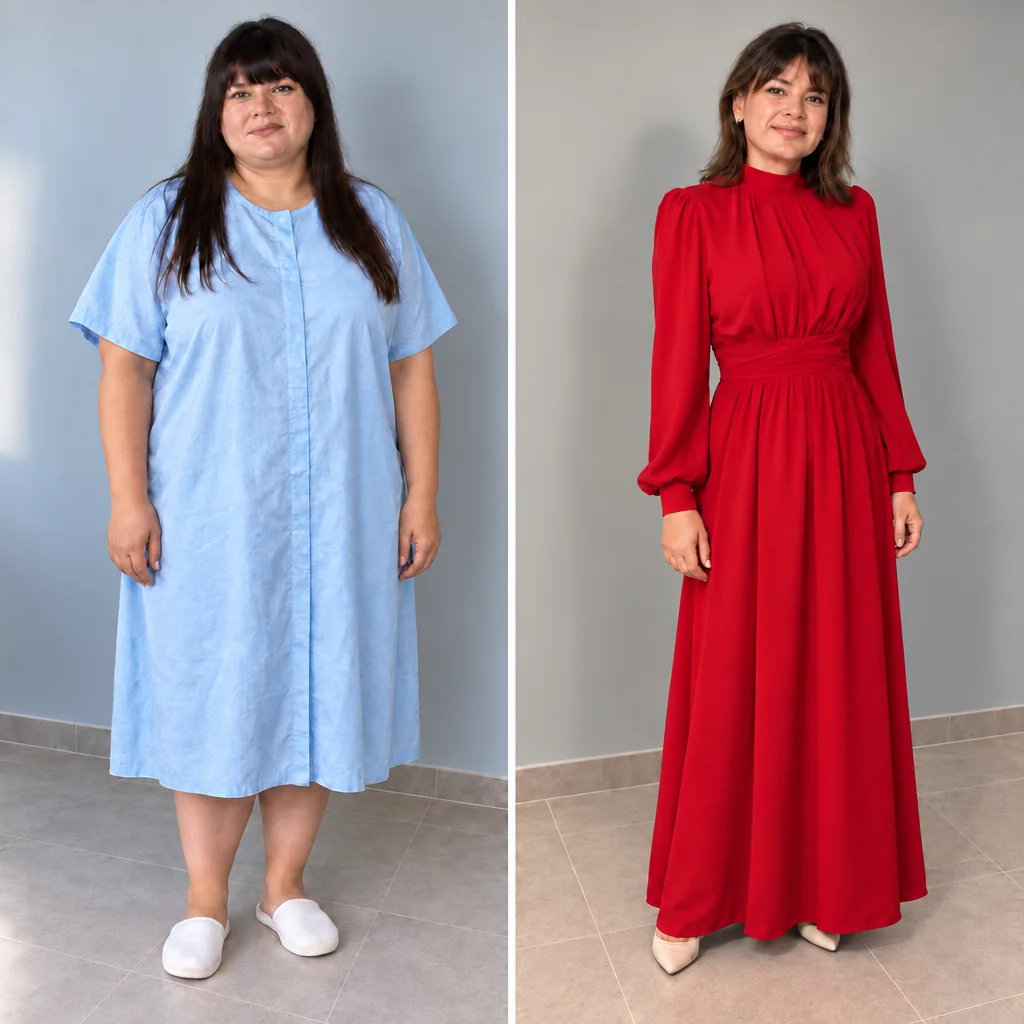 before
after
before
after
Message our coordinator
Free online consultation · Reply within 15 minutes
Message us on TelegramMessage us on WhatsAppBy messaging us, you agree to our Privacy Policy
Results
Only real clinic patients appear here.
beforeafterBariatric surgery
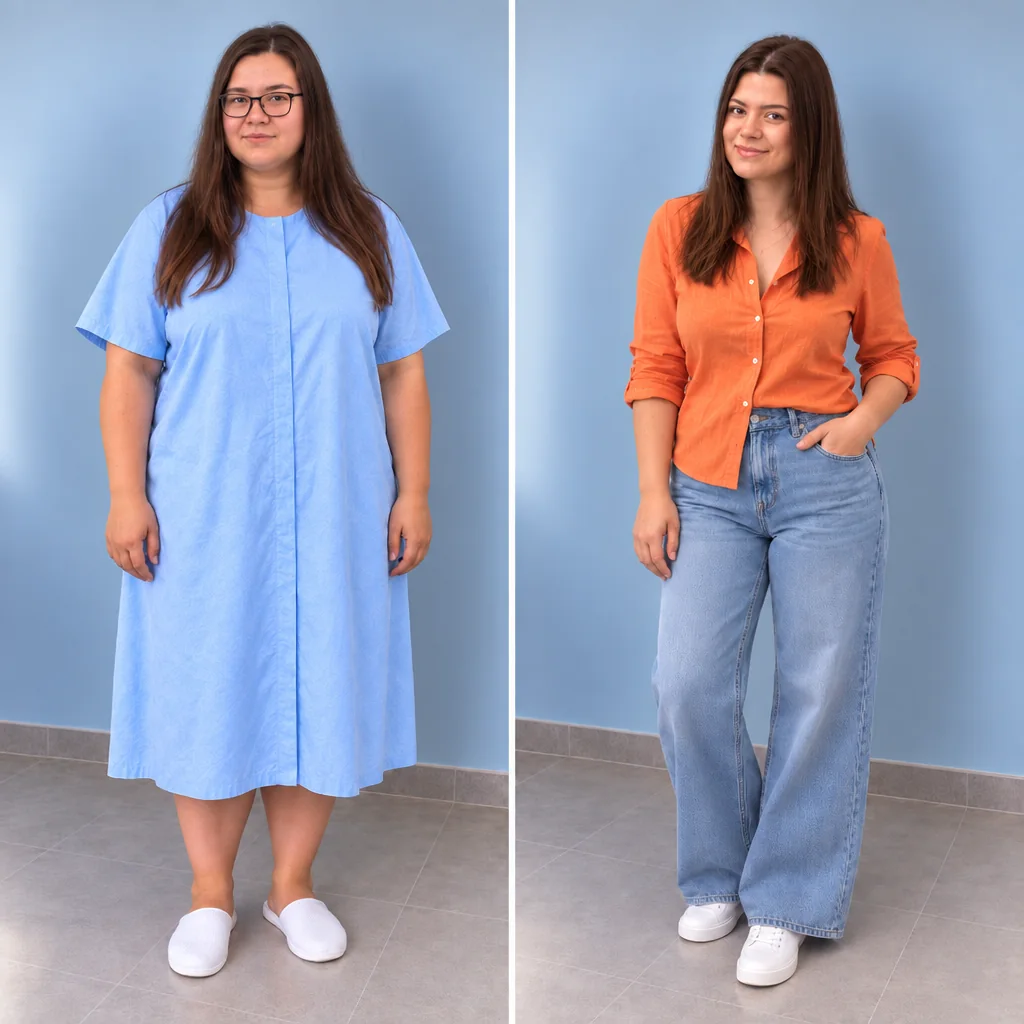 beforeafter
Bariatric surgery
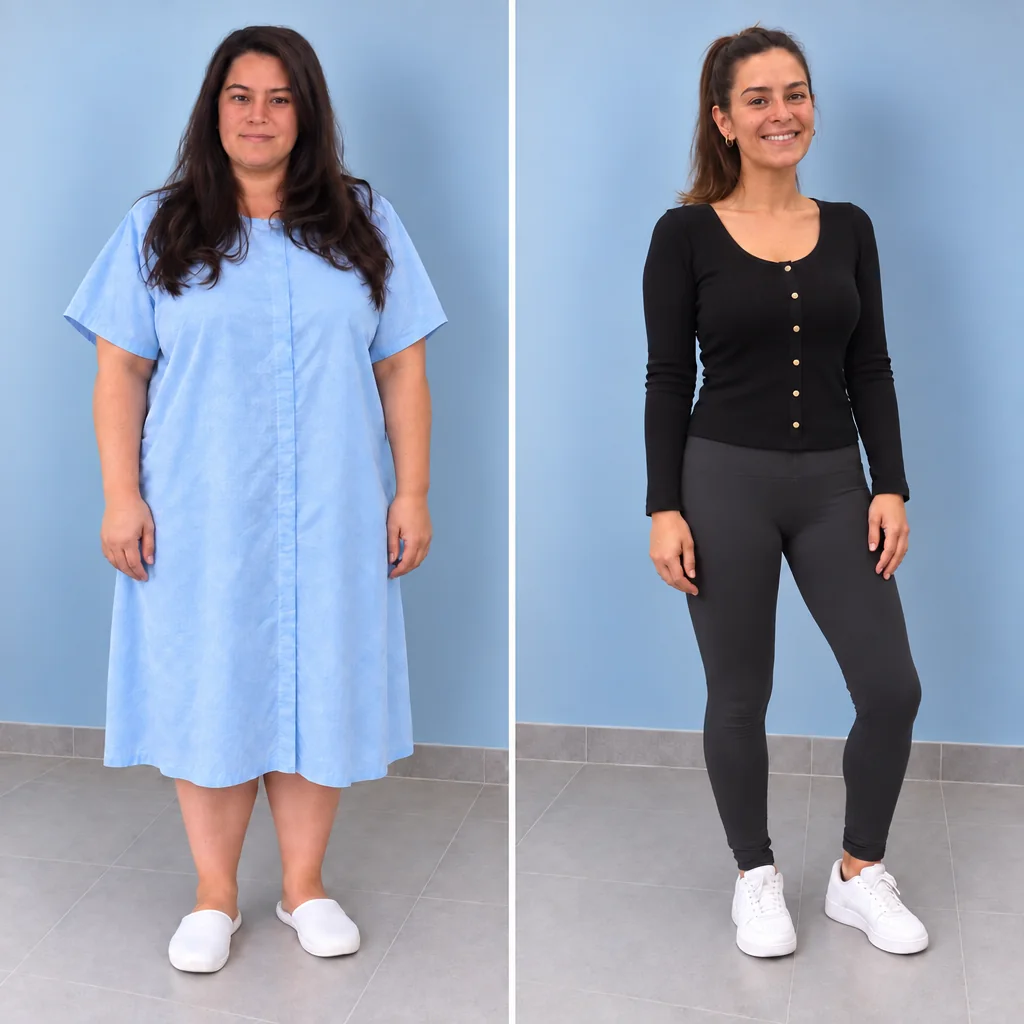 beforeafter
Bariatric surgery
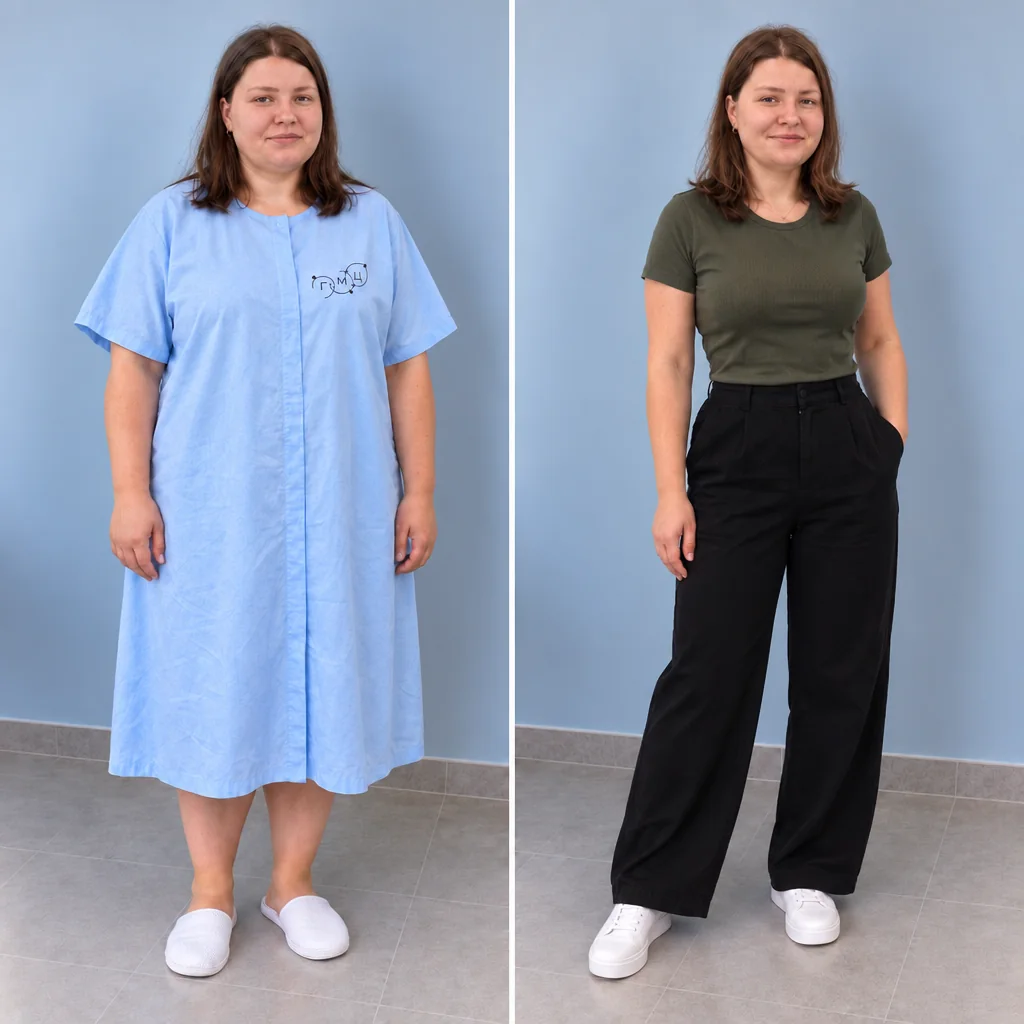 beforeafter
Bariatric surgery
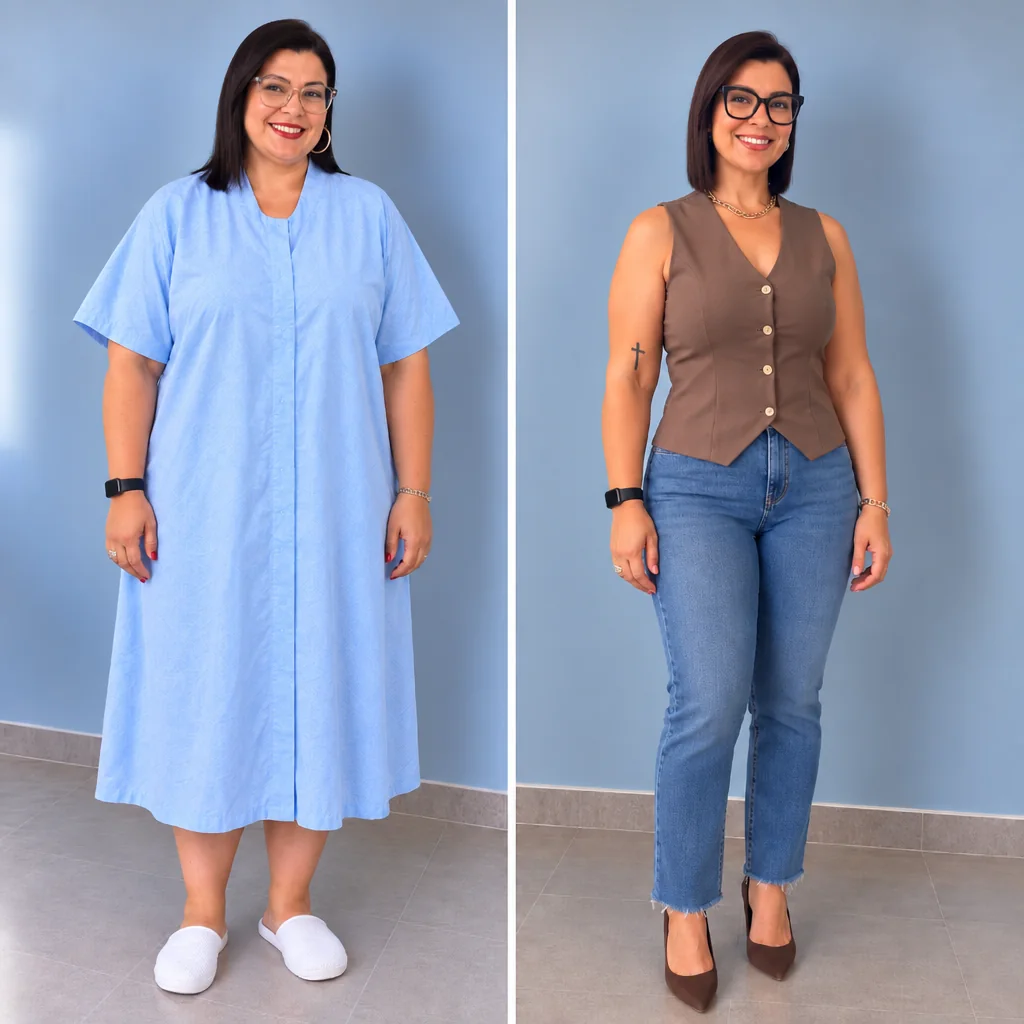 beforeafter
Bariatric surgery
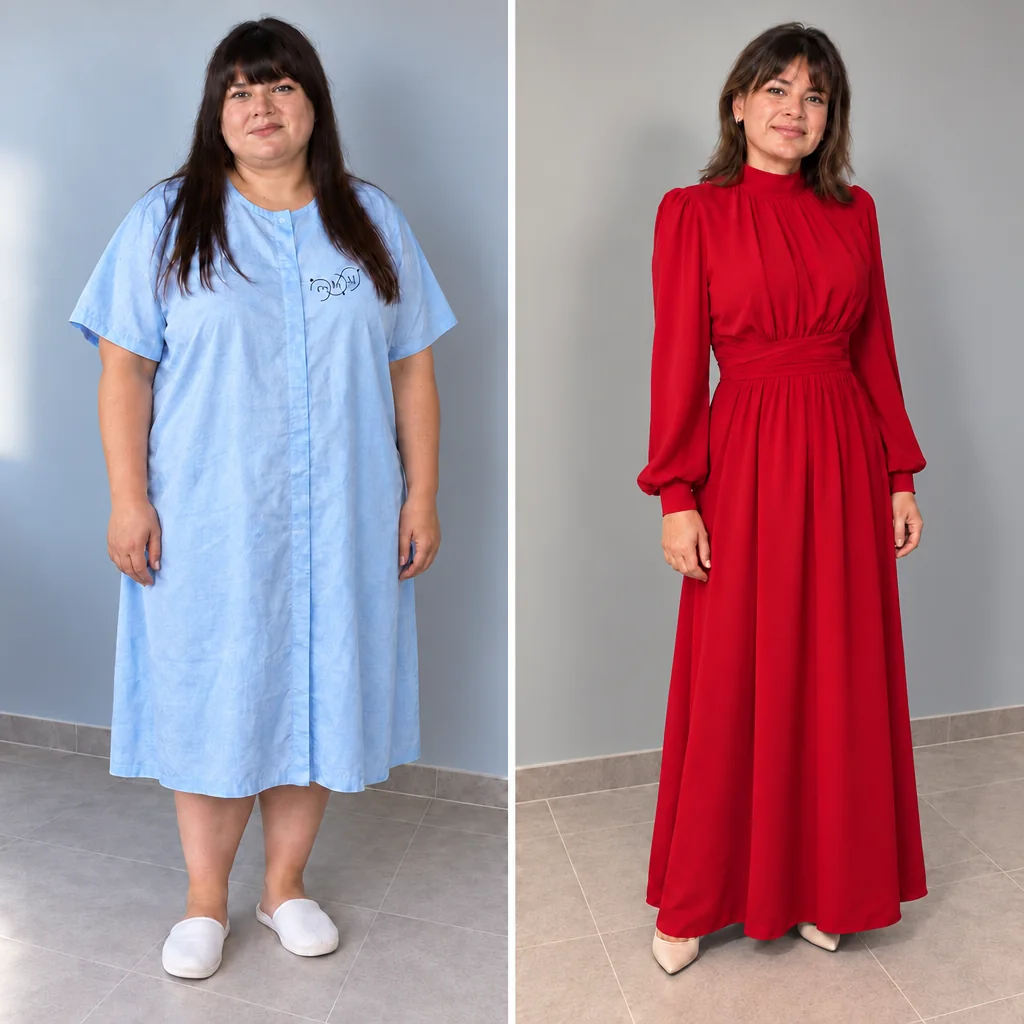 beforeafter
Bariatric surgery
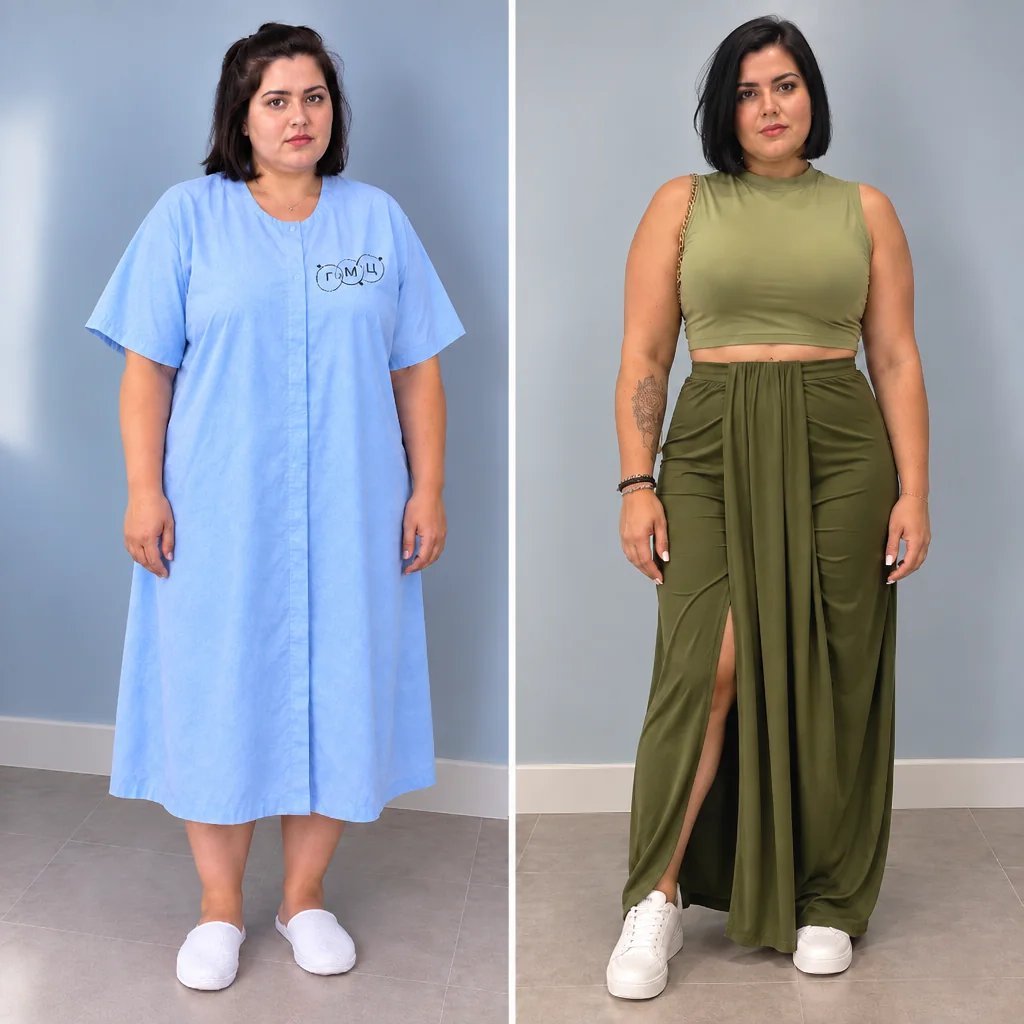 beforeafter
Bariatric surgery
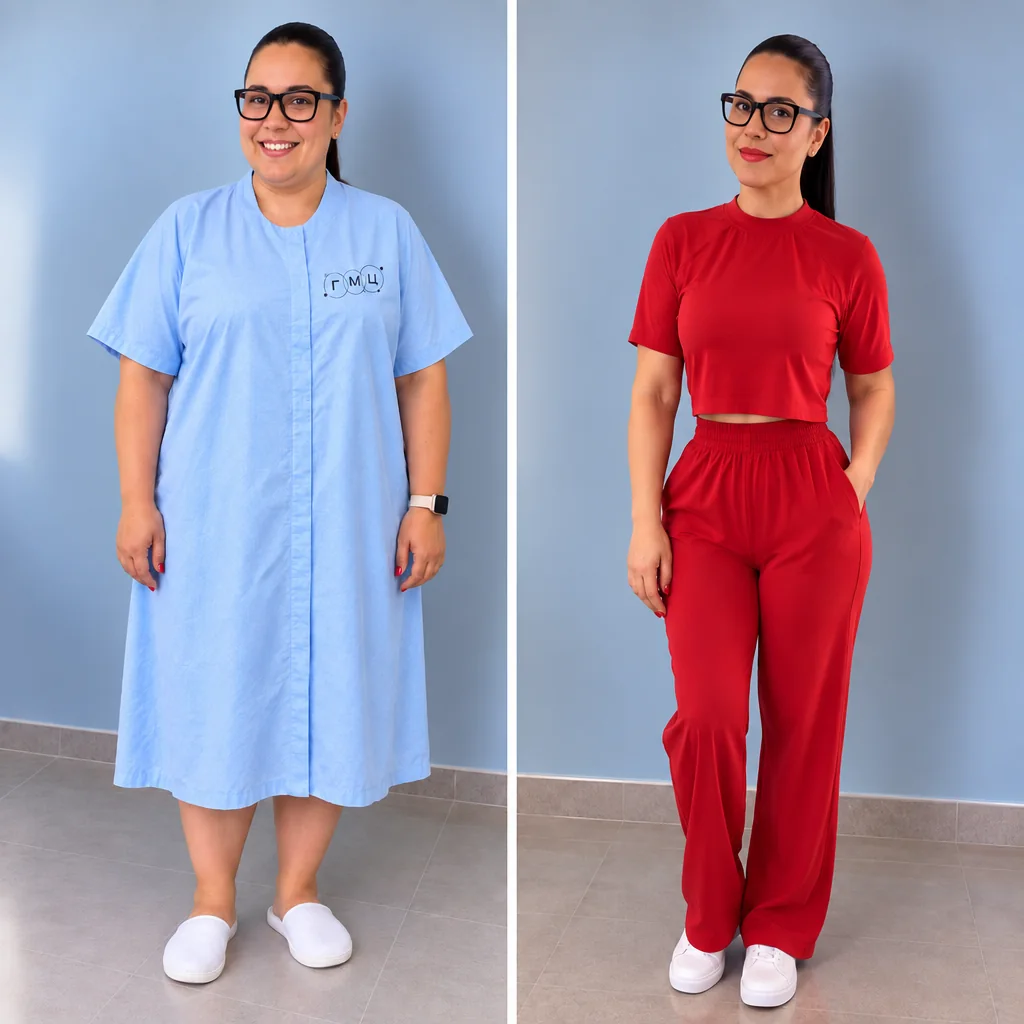 beforeafter
Bariatric surgery
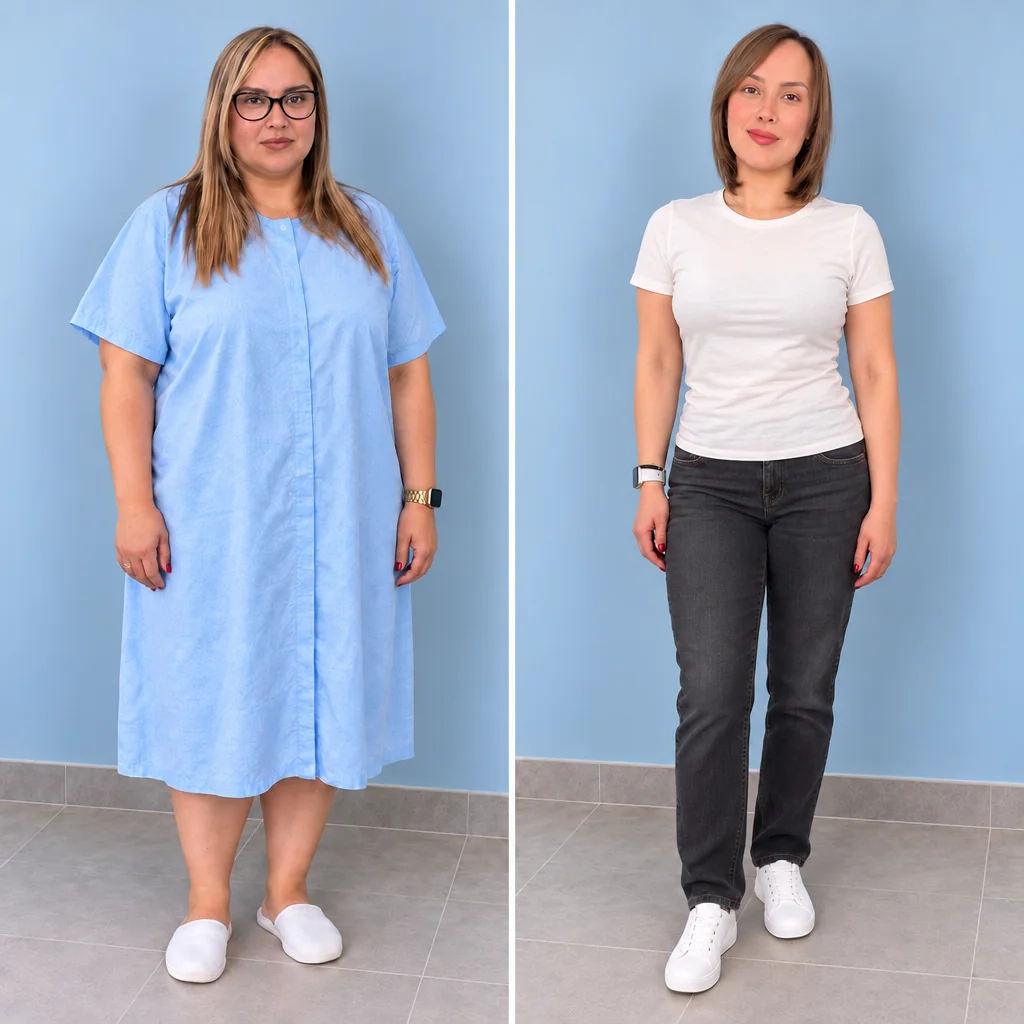 beforeafter
Bariatric surgery
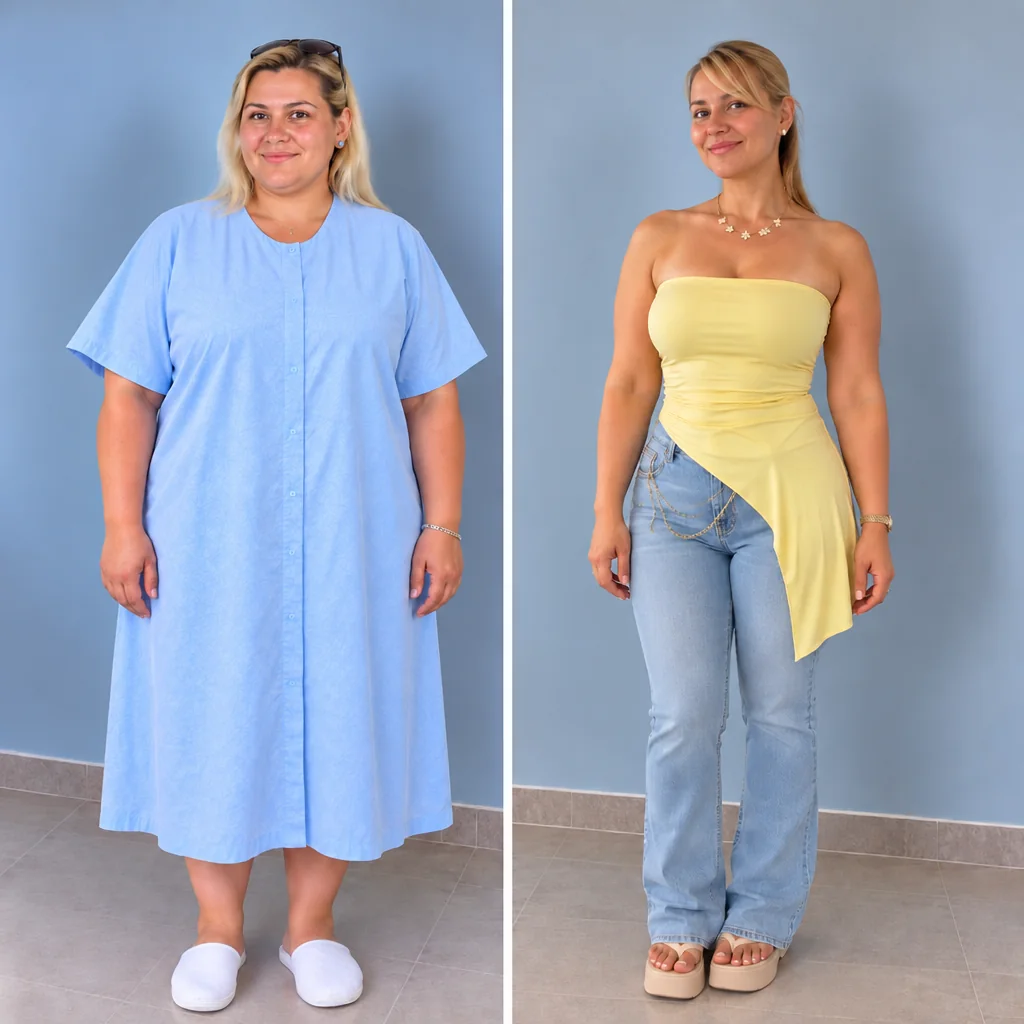 beforeafter
Bariatric surgery
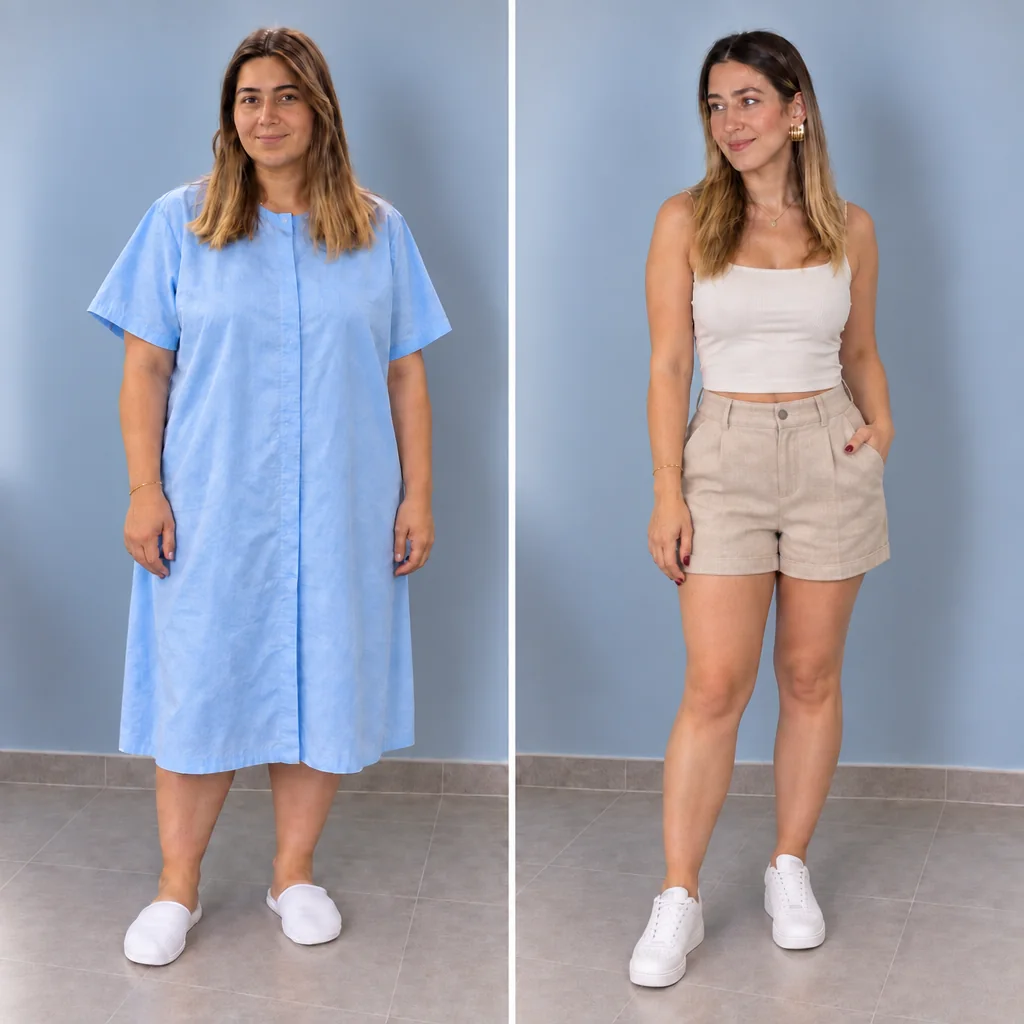 beforeafter
Bariatric surgery
Comparison
Choose your method with confidence by comparing our two main procedures — sleeve gastrectomy and gastric bypass — in terms of how they work, their purpose and their indications.
Reducing the stomach volume
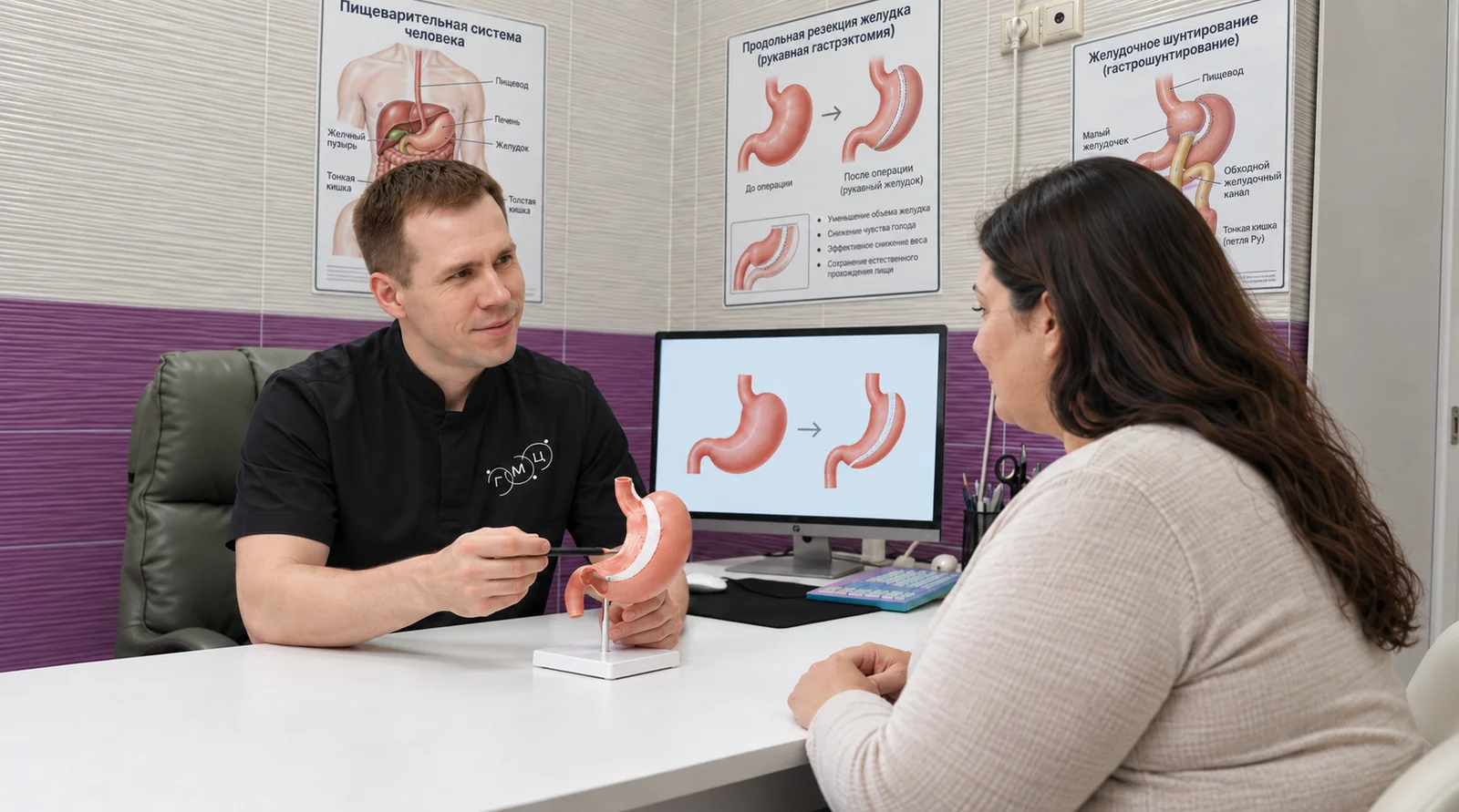
Discounted price
$3,600 $4,800
A smaller stomach volume plus a new route for food
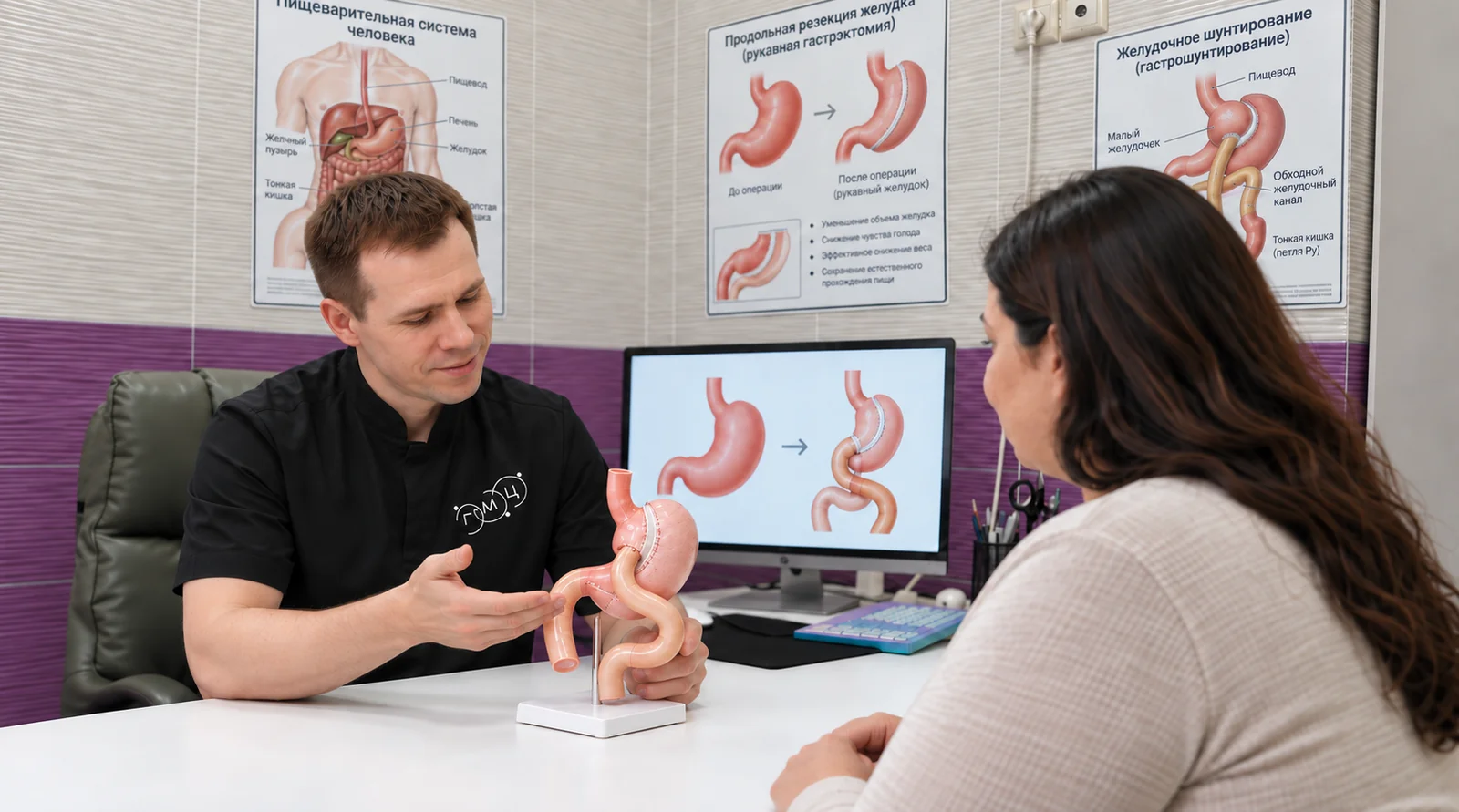
Discounted price
$4,000 $5,200
Treat the recovery times and benefits here as guidance averaged by method: how extensive the surgery is and how you recover depend on your own anatomy and features, and the surgeon confirms this at the consultation.
Book a consultationOur clinic
Modern technology, cosy rooms and personal attention for every patient
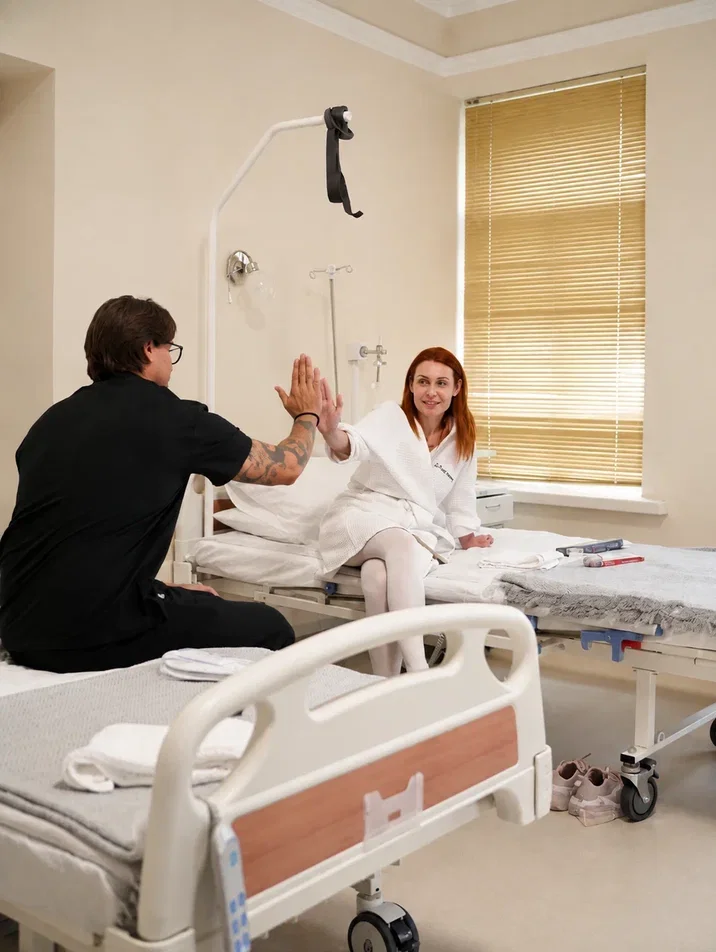
We answer your questions and pick a convenient consultation time
Get a consultationThe choice to operate is made jointly with your surgeon following a consultation and check-up.
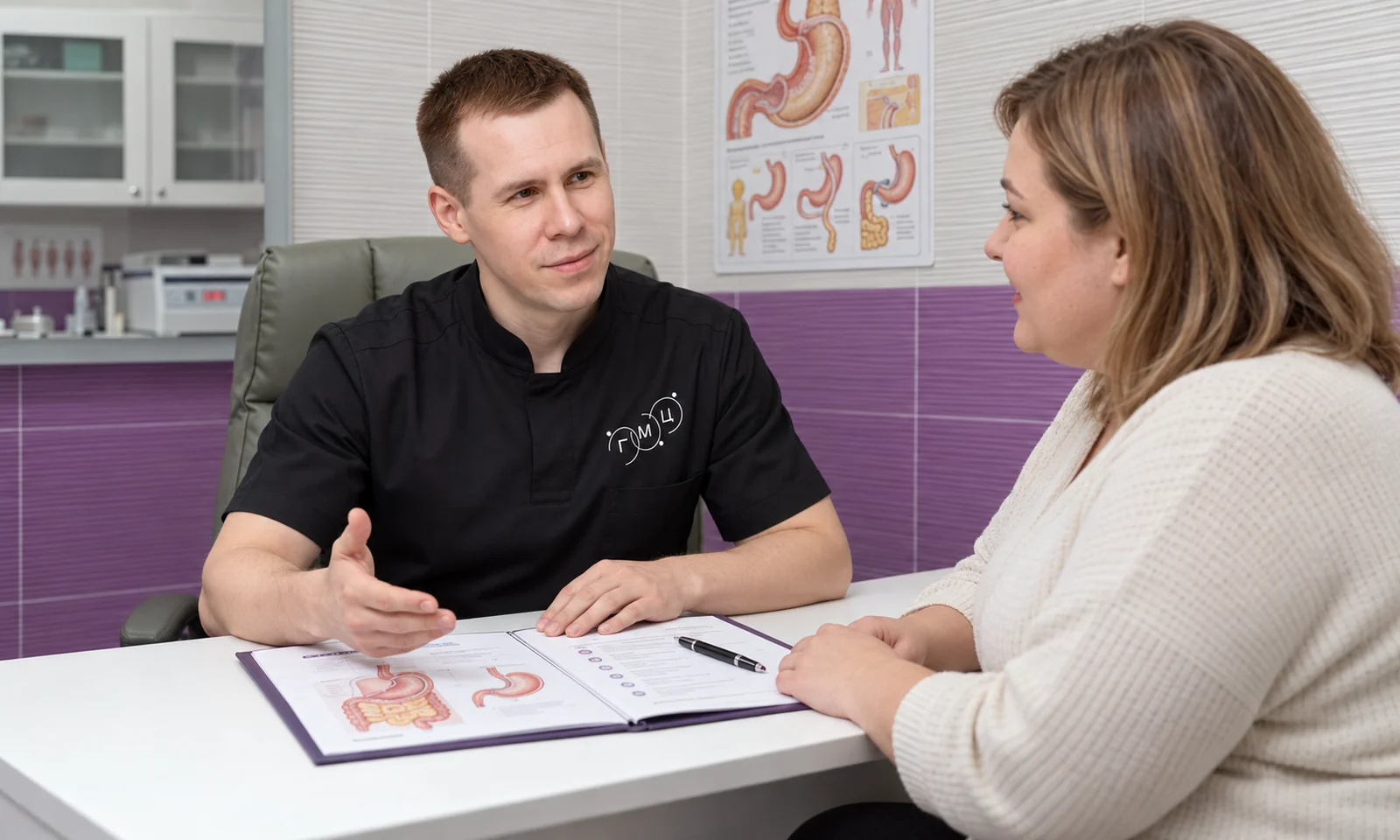
Not certain which side you are on?
Text us on Telegram — our coordinator will let you know if bariatric surgery is the right choice for you. The surgeon consultation is free, with no obligation to go ahead with surgery.
Find out if it suits me
Prices
Once your plan is ready, the price is given at the consultation and set in the contract.
Discounted price
Reducing the stomach volume
$3,600$4,800
Discounted price
Rerouting food and losing weight
$4,000$5,200
Free
Your treatment plan follows the surgeon's examination

Free
the cost of the operation is named
and recorded in the contract
Your goals are discussed, your health is assessed and the right bariatric method is chosen by the doctor. The price is given at the consultation and fixed in the contract.
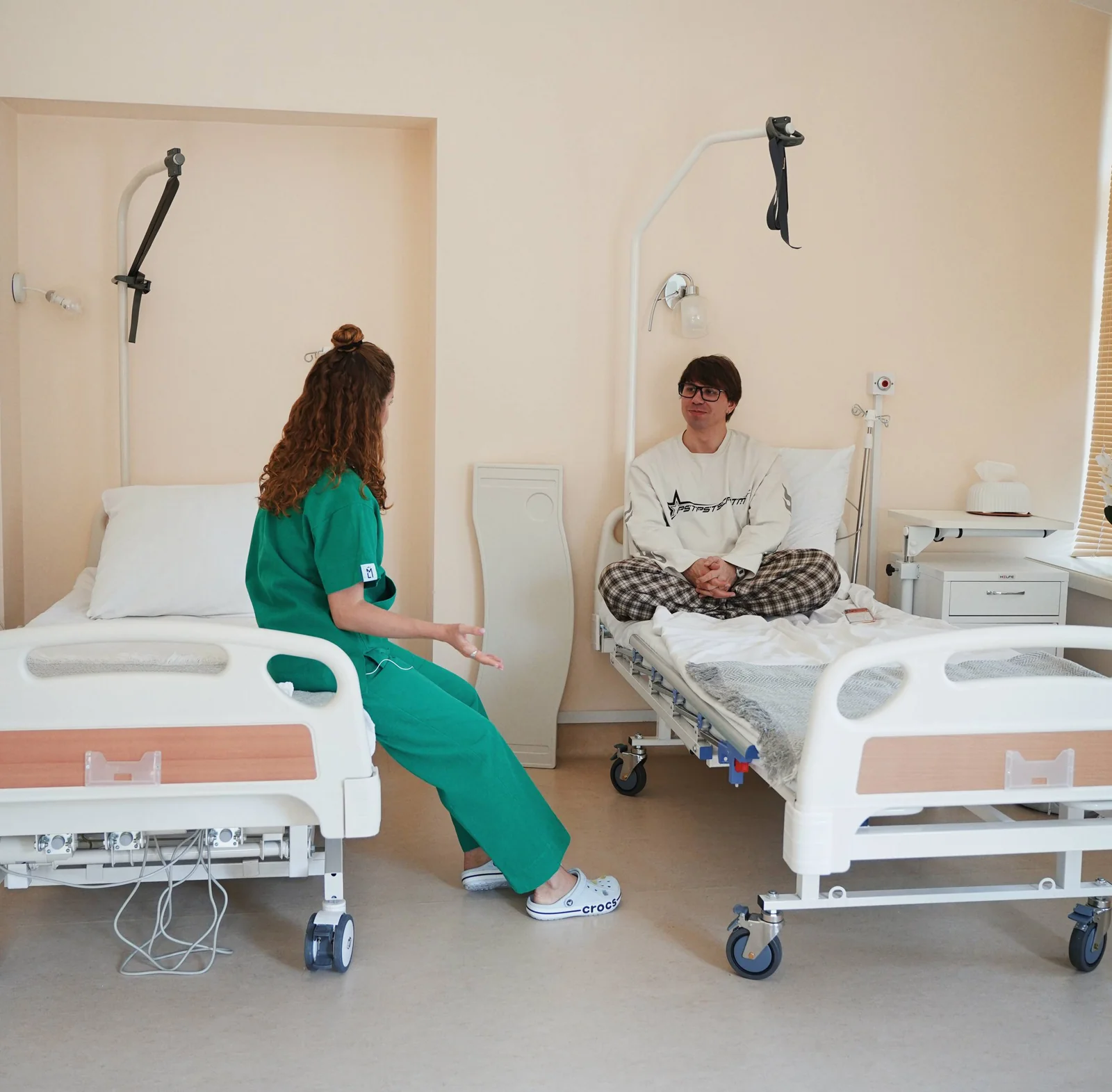
Message our coordinator
Free online consultation · Reply within 15 minutes
Message us on TelegramMessage us on WhatsAppBy messaging us, you agree to our Privacy Policy

price
All in one package, from the preparation stage to 12 months of support — and no extra fees.From your pre-surgery preparation
to follow-up support for 12 months.
What to expect
A jointly agreed treatment plan, monitoring in hospital and support over a year.
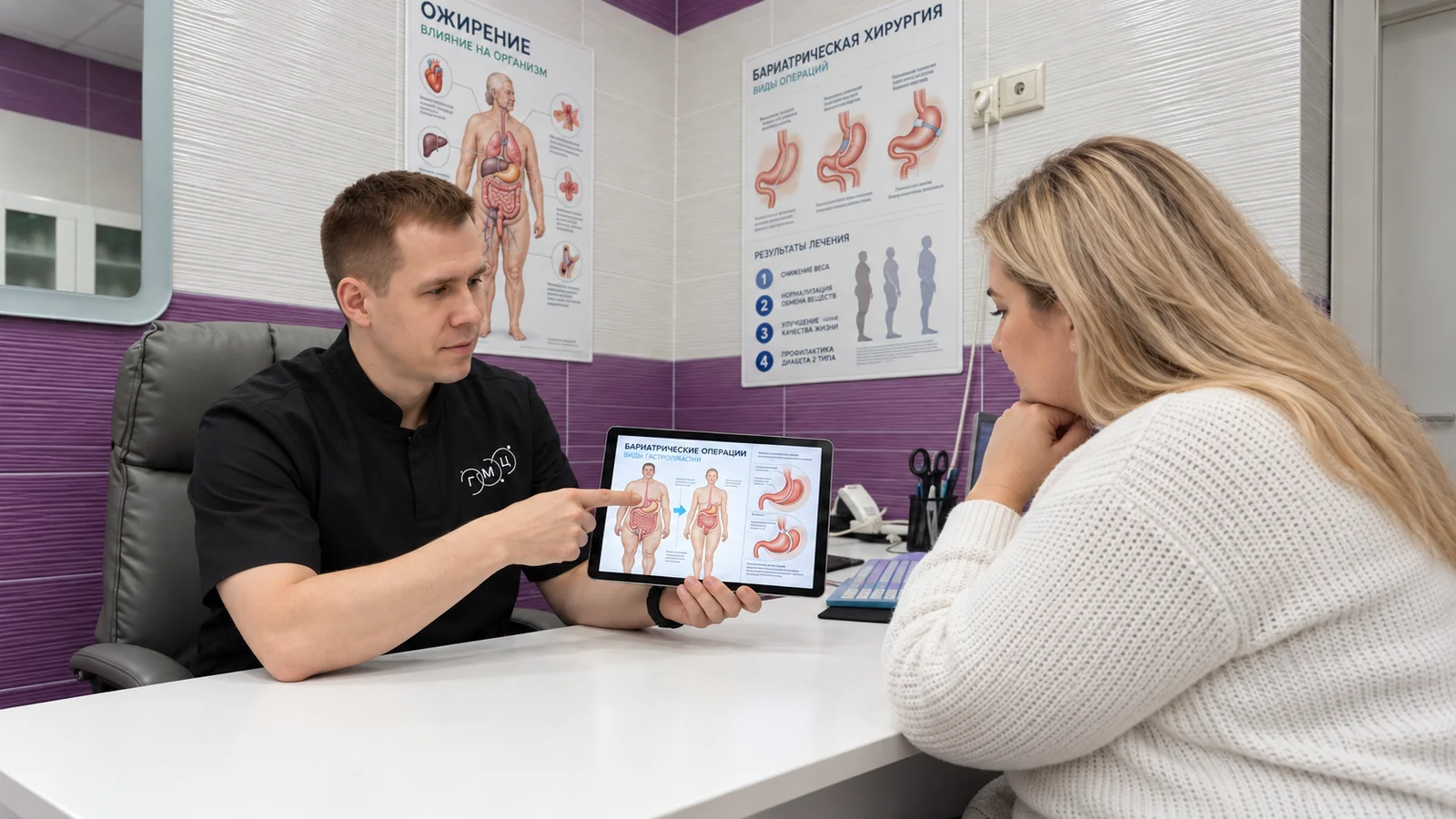 1
1The doctor evaluates your health, talks through your goals and orders the tests needed to select the right bariatric surgery method.
2We reserve your surgery date; the deposit can be made by card in the clinic or by online bank transfer. The contract for medical services sets the terms
 3
3Preparation for surgery means blood and urine tests, an ECG, an ultrasound, a gastroscopy and specialist consultations. Your doctor gives you the exact list at the consultation.
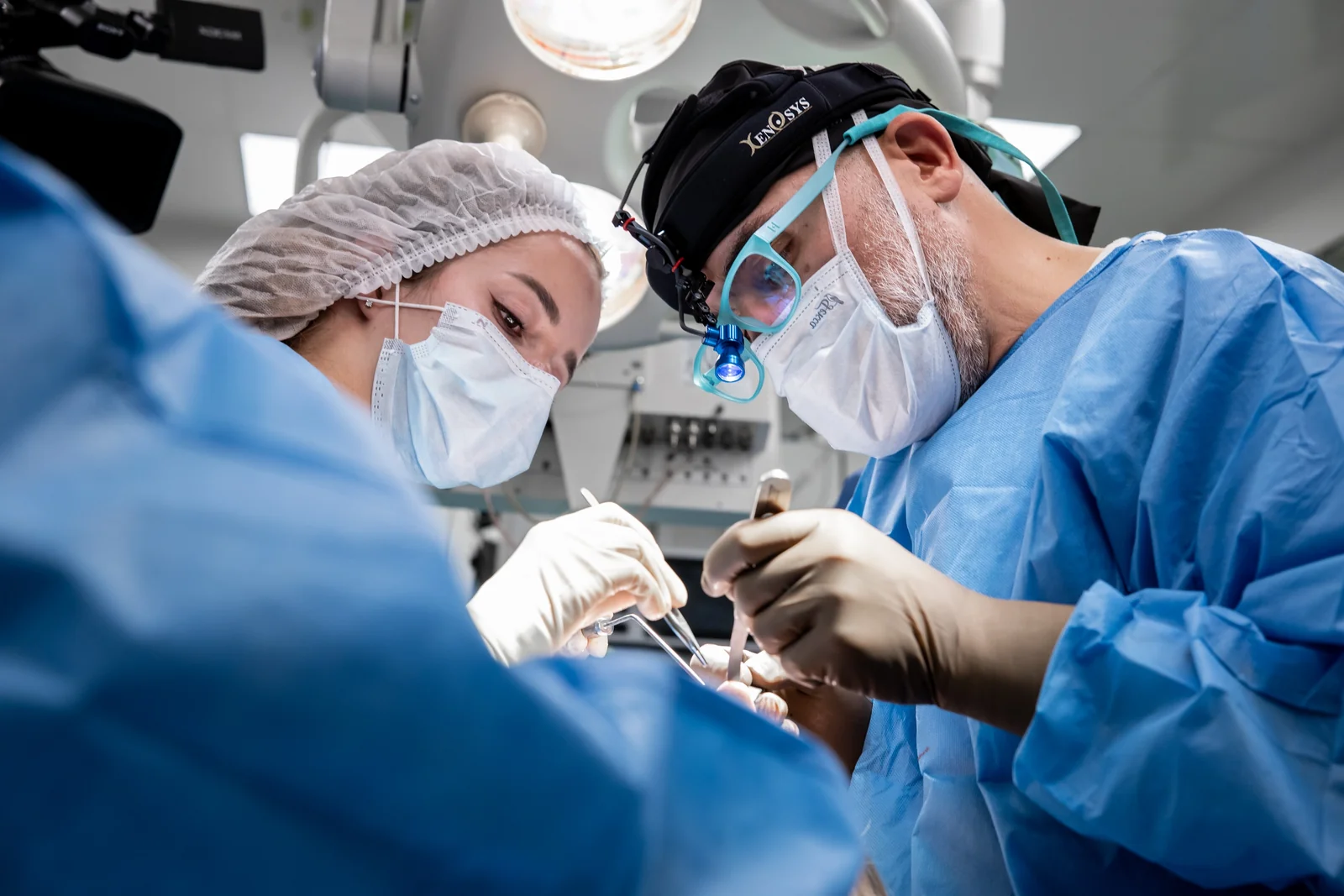 4
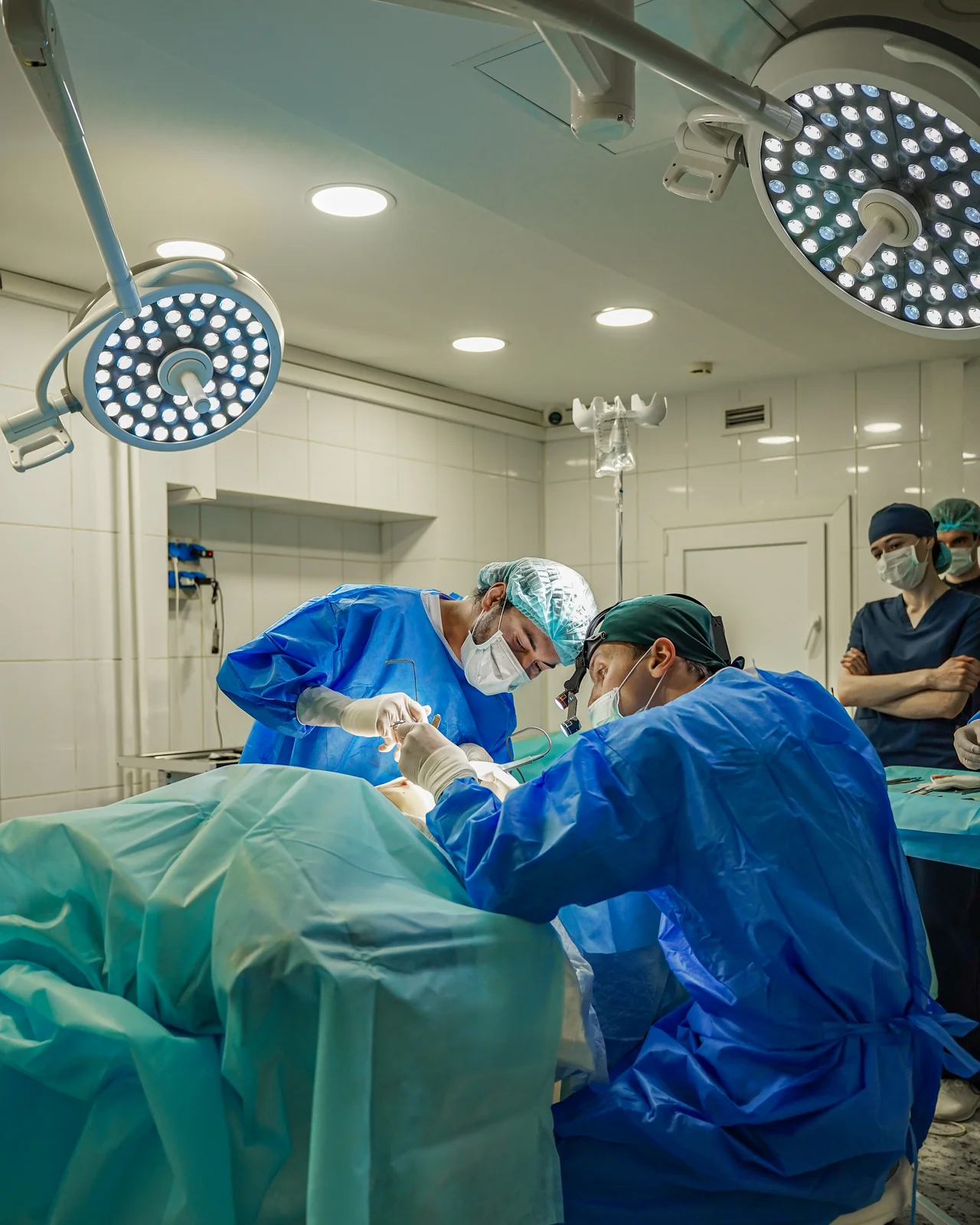
4The surgeon carries out the chosen bariatric method under general anaesthesia. After the operation the patient is monitored by the medical team.
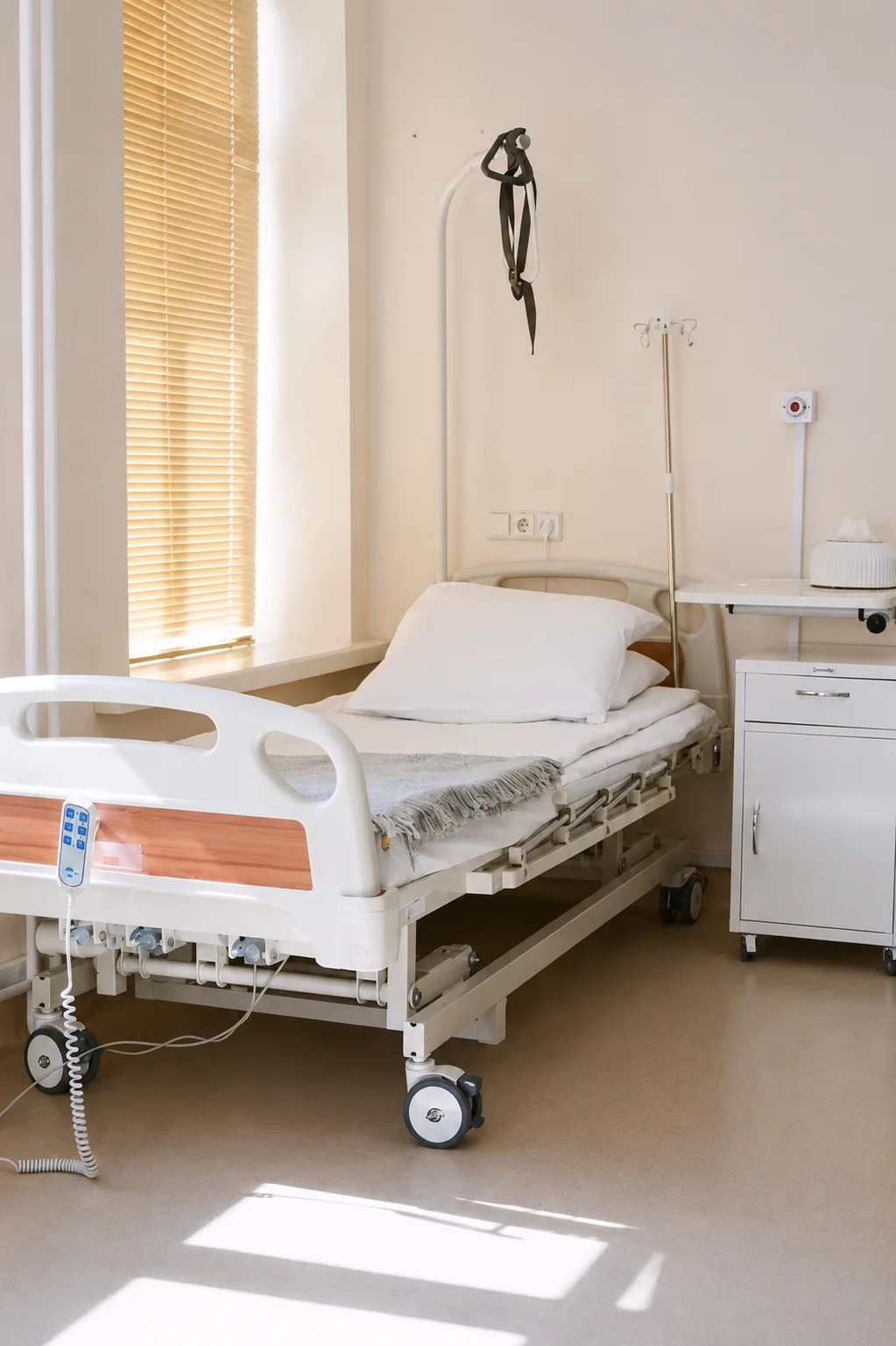 5
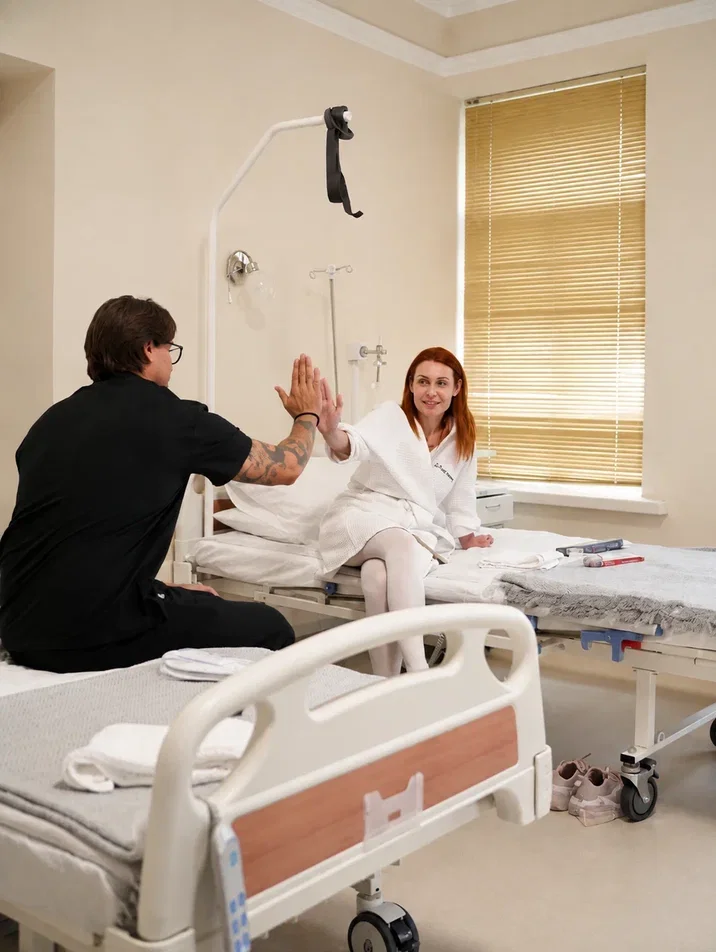
5After the operation you stay in hospital under doctors' supervision for 1–3 to 4–5 days, depending on the complexity of the operation and how you feel.
 6
6After discharge you get advice on diet and recovery. Scheduled check-ups track how you feel, your weight and your test results. The clinic team supports you for a year.
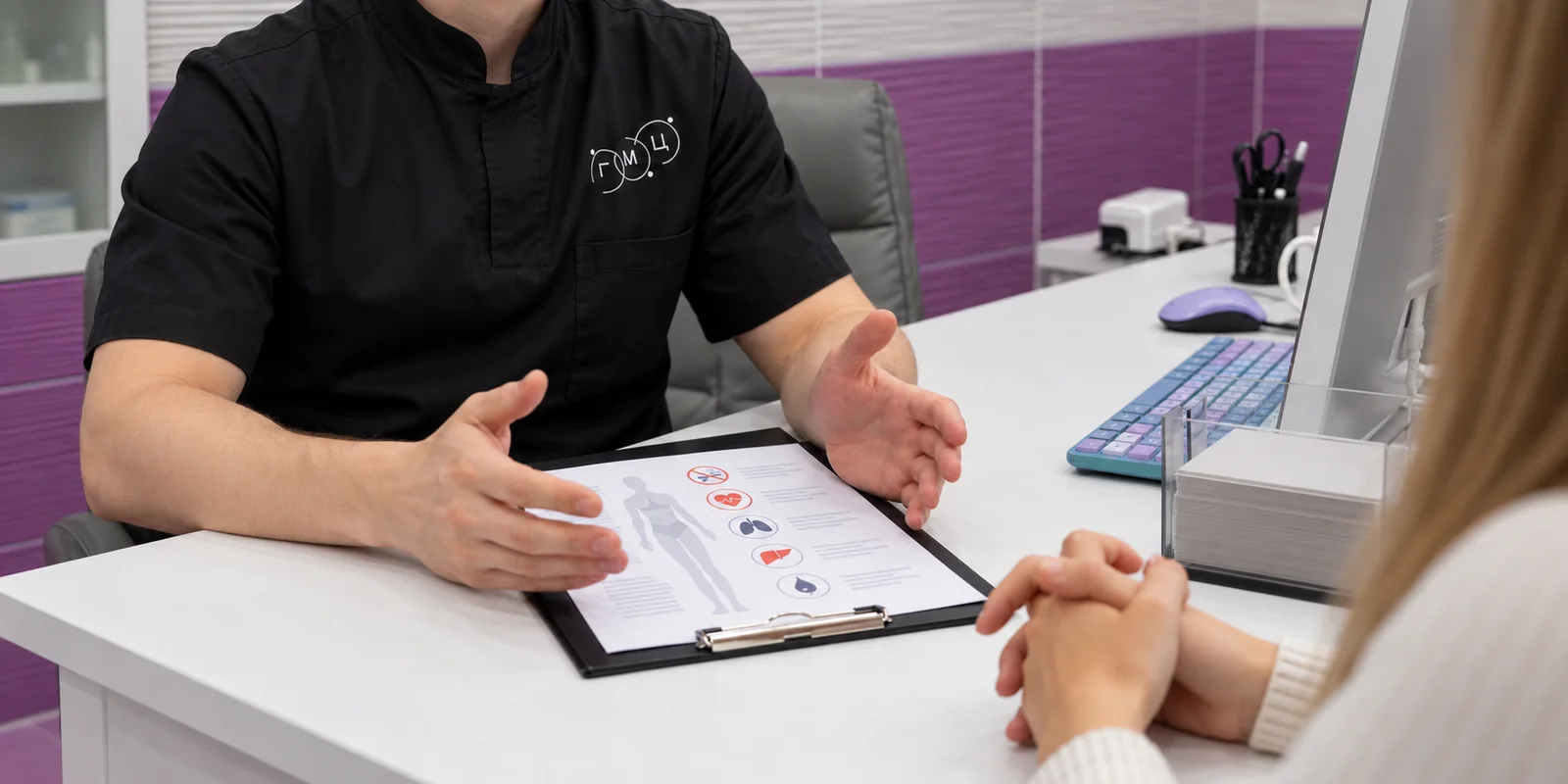
At the consultation you get a plan from the doctor and an explanation of how surgery will go
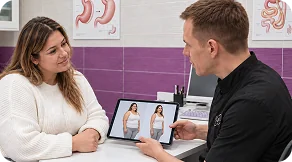
The consultation is free of charge, comes before surgery and obliges you to nothing.
Book a consultationDoctors
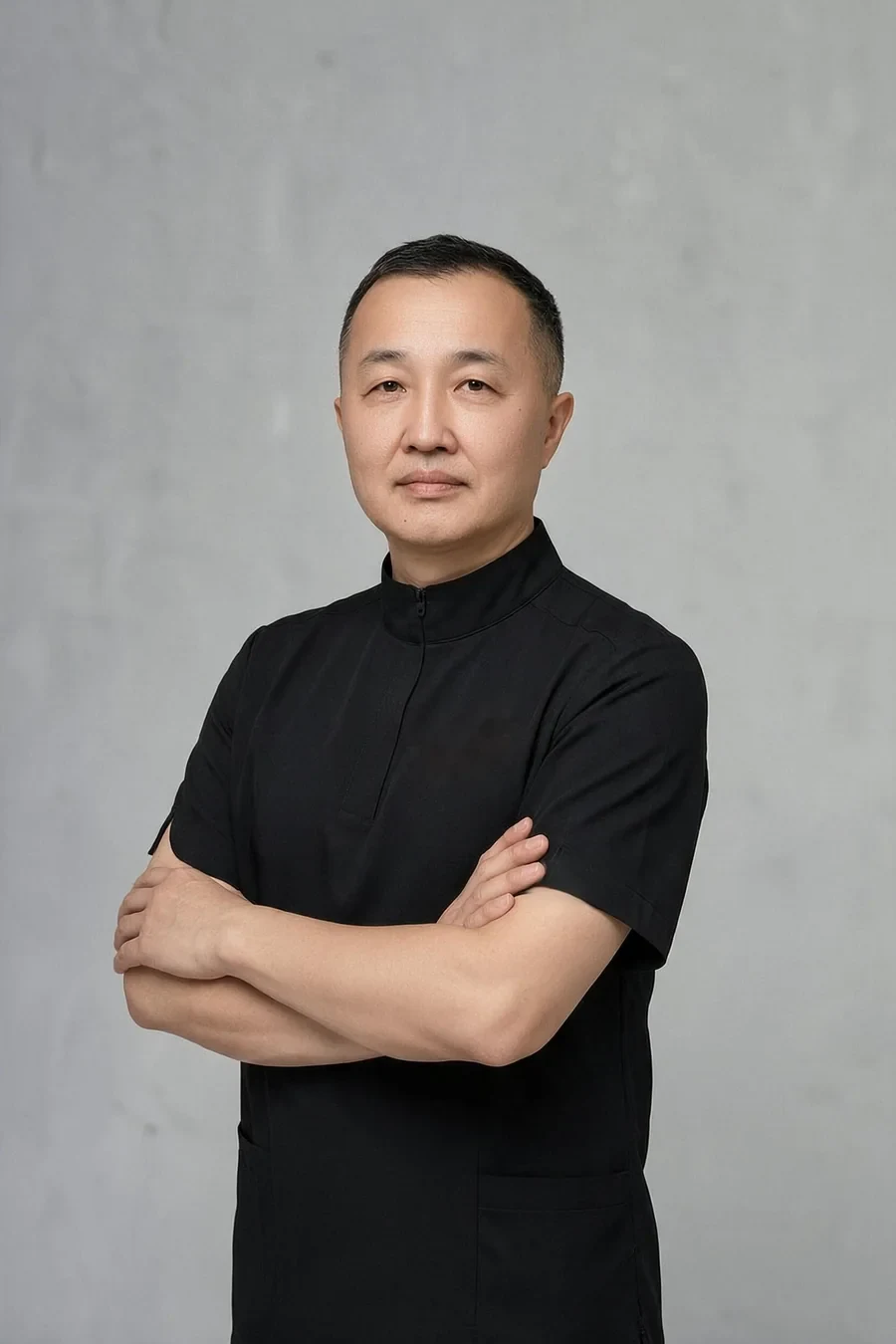
27 years of experience
Lead bariatric surgeon
Surgeon
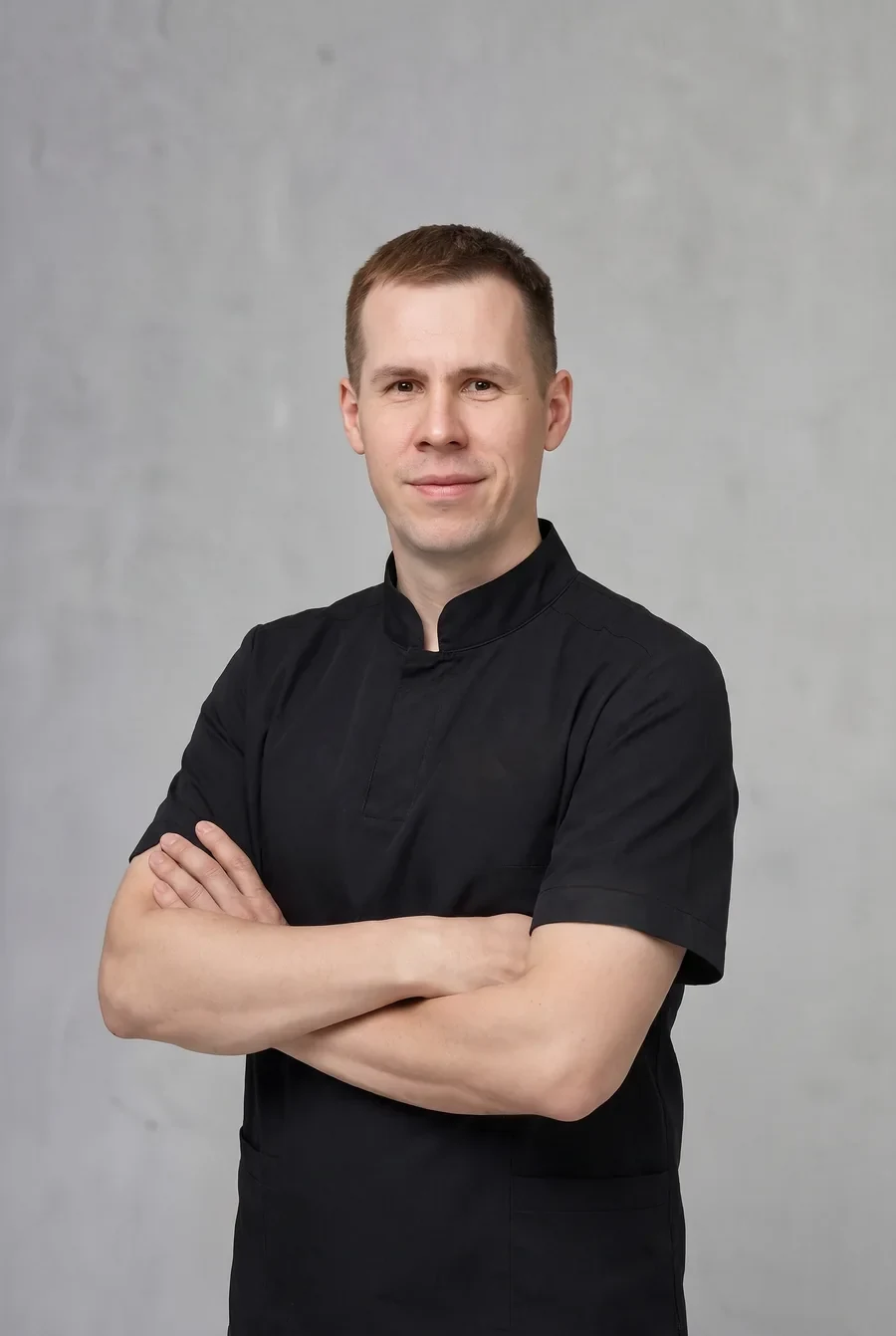
9 years of experience
Bariatric surgeon
Surgical oncologist
Your surgeon operates and follows you — from the first consultation to the result.
The first consultation is with our patient care manager: they calculate your BMI, explain the methods and book you in with the surgeon. Free of charge.
Book a consultationCoordinators
We support you at every stage

Your first contact at the clinic, all the way from your first message to the consultation
Patient care specialist
Before the first consultation, answers your questions and helps find a date that suits you

With you before your stay and during it, from booking to discharge
Patient care specialist
Helps prepare you for surgery and remains in touch during your stay at the clinic

By your side from discharge to your final check-up during recovery
Patient care specialist
Keeps in touch during recovery and books your follow-up visits with the surgeon
Advantages
We choose the best method for your health, lifestyle and goals. Our team is with you all the way.
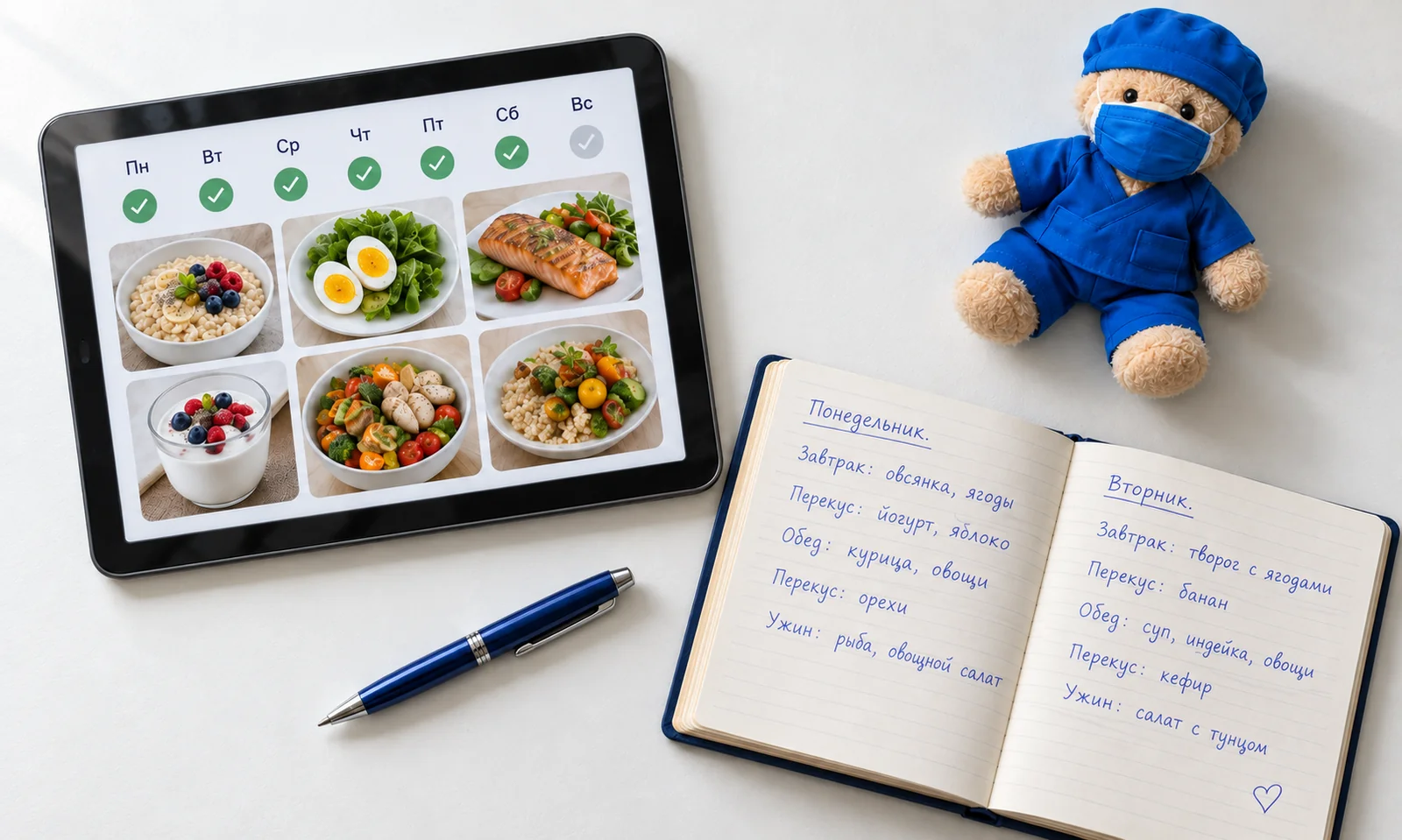
We help you get used to new eating habits, monitor your results and hold on to them.
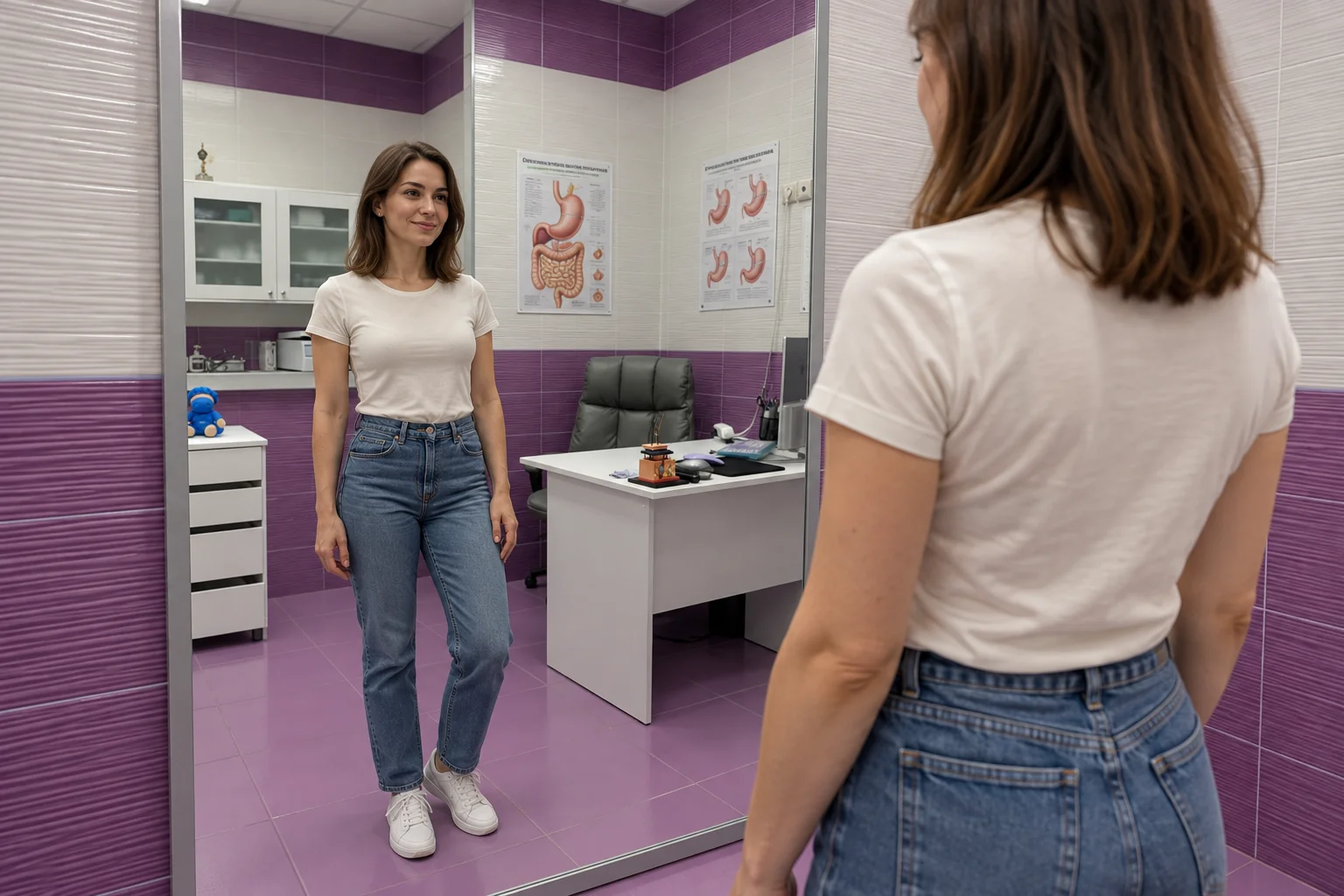
Stable weight loss, improved well-being and a higher quality of life.

We work 24/7 out of respect for your time, with easy booking and a personal approach — we adapt to your pace.
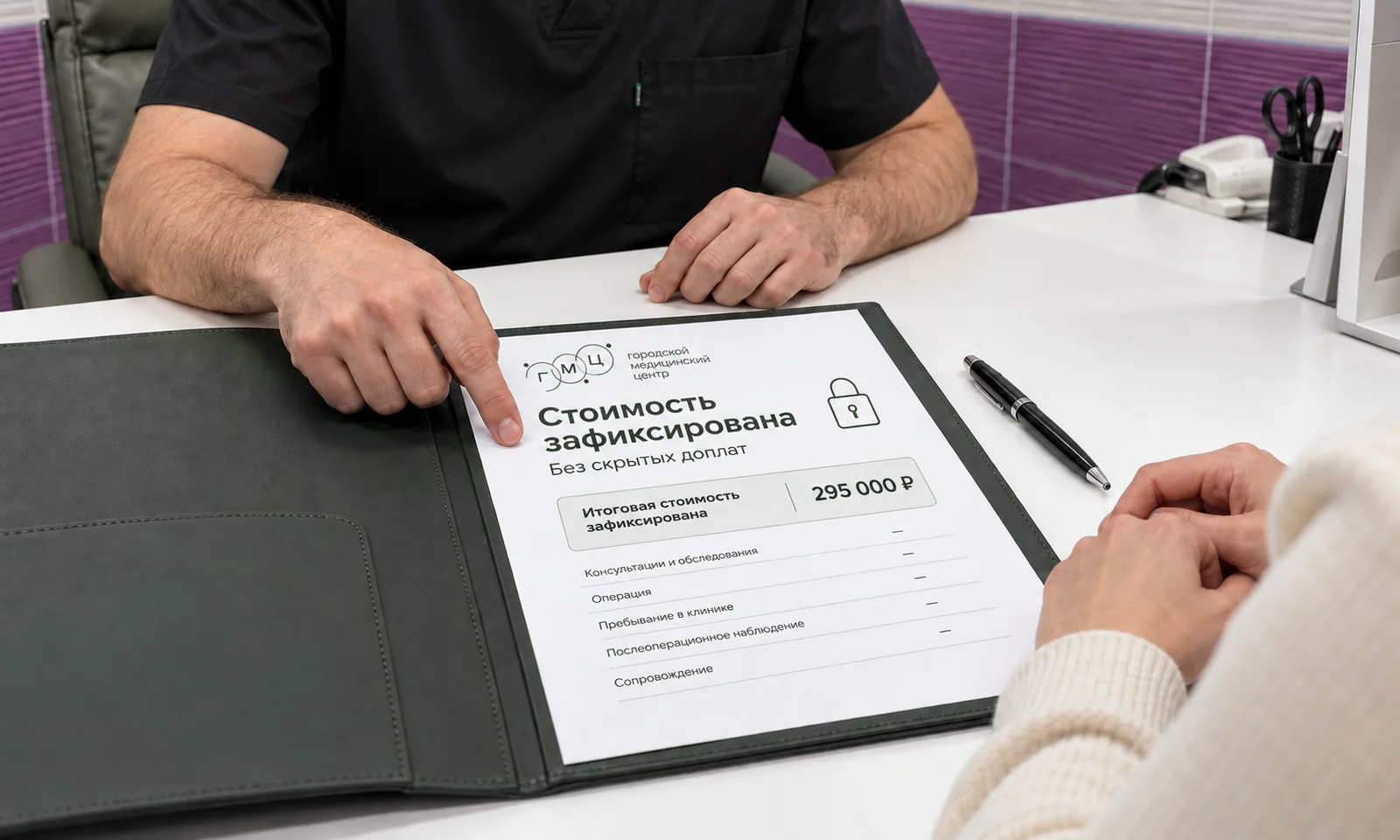
After the consultation the surgeon chooses the method and you get a clear price — no hidden fees and no surprises on the way to your result.
FAQ
At the clinic, experienced bariatric surgeons perform the bariatric operations:
Write to us — a coordinator will get back to you soon and arrange your consultation. The bariatric surgeon consultation is free of charge.
Surgery is prescribed only when clear criteria are met
Obesity is graded mainly by BMI, calculated as body weight (kg) over height squared (m²). A BMI above 40 usually justifies surgery, as does a BMI above 35 with serious related conditions. In certain cases surgery is considered at lower values too, if approaches without surgery have not succeeded.
The two are often confused, yet their goals differ fundamentally. Bariatric surgery is a medical treatment for obesity and its related diseases. It alters how the digestive tract works, tackling the causes of excess weight and metabolism. Plastic surgery changes the body's outer contours; it neither treats obesity nor affects metabolism.
City Medical Centre provides four main types of bariatric surgery: sleeve gastrectomy, Roux-en-Y gastric bypass, mini gastric bypass (MGB) and SADI-S duodeno-ileal bypass. We choose each method individually by BMI, related conditions and the patient's goals.
We use modern laparoscopic technique. The operation is done through 4 small punctures of 5 to 15 mm. Cosmetic sutures are placed, so once healed the marks become almost invisible.
Recovery varies with your activities. Office work: after 2–4 weeks. Physical work: after 1.5 months. Sport and activity: swimming is permitted after 30 days; other exercise is added gradually as weight decreases. Travel and holidays: best scheduled at least a month after surgery.
You move through diet stages from liquid food to soft and finally solid. Protein comes first, and high-calorie, fatty food is restricted.
Bariatric surgery does not rule out pregnancy, but doctors suggest waiting 12–18 months or more. During that time the body settles, weight reaches target values and nutrition status normalizes.
Yes, vitamins after bariatric surgery are a must. Because the digestive anatomy changes, the body absorbs some nutrients less well, so regular vitamin and mineral supplements become a permanent part of the patient's life.
Weight regain after bariatric surgery is possible, but very unlikely if you follow the doctor's advice. Proper nutrition, avoiding high-calorie drinks and regular follow-up with City Medical Centre specialists are key.
Prices are in US dollars; the amount in brackets is an approximate conversion to MAD at the rate of 02.10.2026. The final price is fixed in your contract.
Prices start from $3,600 (≈ MAD 36,000). The surgeon sets the final price at the free consultation, and it is fixed in the contract, with no hidden extras.
General anaesthesia, a personal coordinator from day one, monitoring in the hospital and support for one year.
The hospital stay is 1–5 days, depending on the method and how you feel. Office work is possible after 2–4 weeks.
Yes. The first consultation is free and does not oblige you to anything. You can start online by sending a message to the coordinator.
Message us on WhatsApp or Telegram using the buttons below. A coordinator will answer your questions and book a free consultation where the doctor names the exact price.
By messaging us, you agree to our Privacy Policy
Why do diets fail? The body fights back: metabolism slows, appetite grows, and lost kilos return. When diet changes and medication cannot fundamentally improve the situation, surgery becomes the effective way out. Mohammedia residents who have tried diets, fasting and pills for years without a lasting result are exactly the patients for whom bariatric operations are intended.
It begins with a surgeon's consultation: medical history, choice of method and a recovery plan. Patients from Mohammedia then complete a work-up — blood and urine tests, biochemistry, HbA1c, coagulation, chest X-ray, ECG, abdominal and kidney ultrasound, leg vein Doppler and a required gastroscopy — plus consultations with a GP, endocrinologist, psychiatrist, cardiologist and, for women, a gynecologist.
One package covers the full journey, from consultation to final result. There are no separate charges added later: ward, meals, nursing care and coordinator support are included. To find out whether surgery suits you, patients in Mohammedia can book a free surgeon consultation; the doctor reviews BMI, health and weight history and recommends a method.
Well-known people who spoke openly about this operation, in their own words.
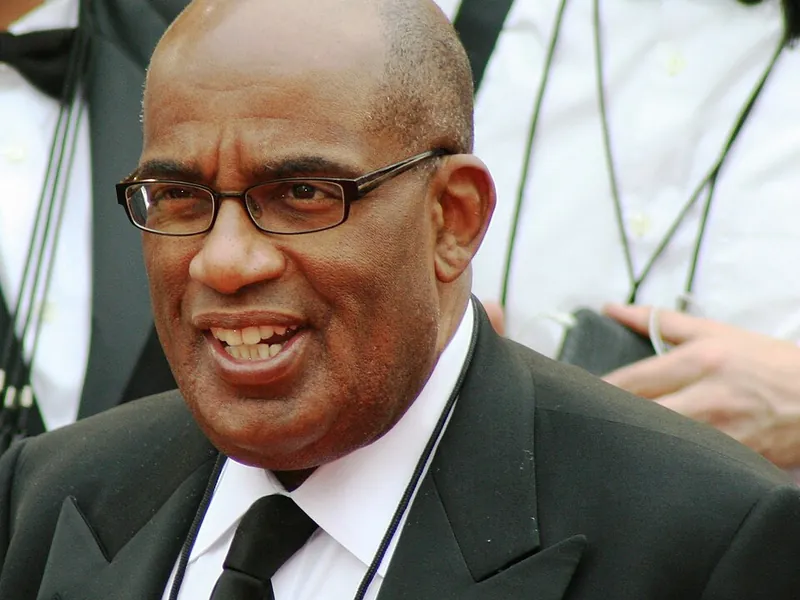 Al Roker and gastric bypass: twenty years of talking about it honestlyAl Roker had gastric bypass surgery in March 2002 and has talked about it for 20 years. His words, how the operation works and what recovery involves.
 Did Billy Gardell have bariatric surgery? Yes — and he says it saved his lifeThe Mike & Molly star had bariatric surgery in 2021 after a diabetes diagnosis. His quotes on the decision, the 100-pound loss and his children.
 Did Graham Elliot have weight-loss surgery? Yes, and he did it for his familyChef Graham Elliot had weight-loss surgery in 2013, saying it was what he needed to do for his family. His words, the operation and recovery.
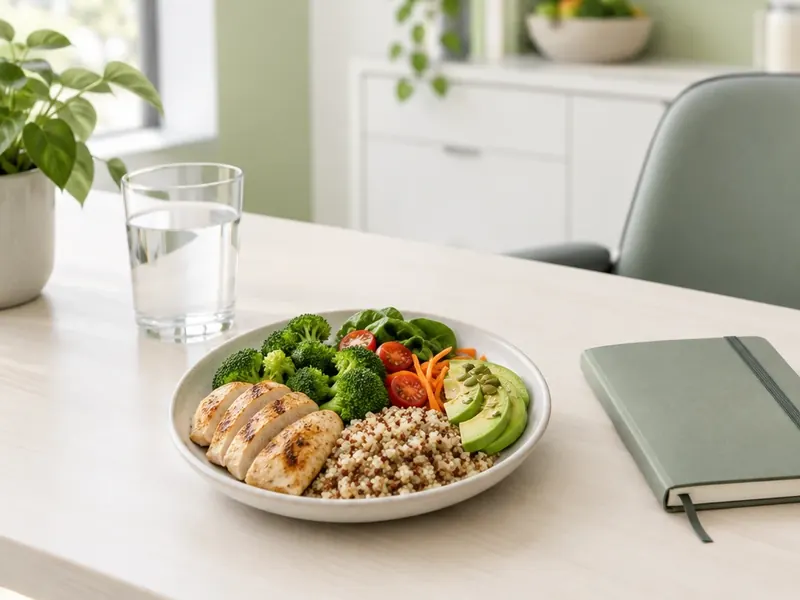 Did Mama June have a gastric sleeve? Yes — in her own wordsJune 'Mama June' Shannon had a gastric sleeve in May 2015. Her quotes on the 550-pound start, the regain and starting over.
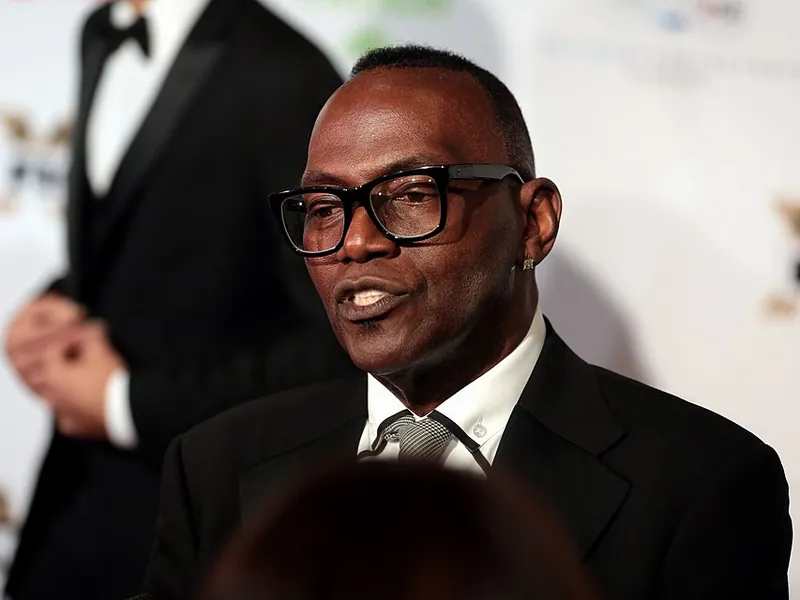 Did Randy Jackson have gastric bypass surgery? Yes, and he still talks about maintaining itRandy Jackson had gastric bypass surgery in 2003 and lost 114 pounds. His own words, how the operation works today and what recovery involves.
 Remi Bader and her weight-loss surgery: what she actually saidRemi Bader said in 2023 she had weight-loss surgery removing 80% of her stomach and lost 140 lbs. What she said, how the operation works, and recovery.
What patients write after this operation. Reviews are translated from the original language.
Irina, 26
For a long time I doubted whether to go ahead with surgery, but after the consultation I felt much calmer. Andrey Georgievich explained in detail how gastric bypass is done, what to expect after the operation and how recovery would go. I especially liked that they talked to me calmly and without pressure. I am now gradually getting used to my new way of life and I am very glad I took this step.
Bariatric surgery
Doctor: Andrey G. Ugay
Angelina, 22
For me the hardest part was deciding to have the operation. At the consultation Ruslan Sergeyevich answered all my questions in detail and explained the specifics of sleeve gastrectomy and recovery. After the operation I always understood what I was doing and why. Thank you to the doctor and the whole team for their attentiveness.
Bariatric surgery
Doctor: Ruslan S. Menzulin
Anna, 31
For a very long time I tried to deal with my excess weight on my own, but I did not get the result I wanted. After the consultation with Andrey Georgievich I finally understood what to do next. I came through the operation well, and my recovery was supervised by the doctors. It was important for me to feel that I was not left alone after surgery.
Bariatric surgery
Doctor: Andrey G. Ugay
Veronika, 25
Before the operation I had many fears, mostly of the unknown. Ruslan Sergeyevich explained every stage of treatment in detail and answered even the simplest questions. Thanks to that I felt much more confident. I keep following the recommendations and I am gradually seeing the changes I had the operation for.
Bariatric surgery
Doctor: Ruslan S. Menzulin
Valentina, 23
The decision to have bariatric surgery was not easy for me. I worried both about the operation itself and about how my life would change afterwards. At the consultation Andrey Georgievich explained everything in detail, so little by little my fear turned into confidence. What matters most to me now is the result and the chance to treat my health and lifestyle differently.
Bariatric surgery
Doctor: Andrey G. Ugay
Anna, 27
I am very grateful to Ruslan Sergeyevich for his attentiveness. Before the operation I had a huge number of questions, and I got a clear answer to every one of them. After the operation it was also clear which recommendations to follow and how to eat. It was important to me that the doctor stayed in touch and I felt supported at every stage.
Bariatric surgery
Doctor: Ruslan S. Menzulin
For decades the Samir refinery was the centre of Morocco's petroleum industry, and Mohammedia was the town that lived around it. It closed in 2015, but the habits of an industrial port town are still visible: shift work, canteen lunches, long hours in a vehicle or at a control desk, and a seafront that is more often a view than a training ground. In that setting weight tends to arrive slowly, and by the time a person writes to us it has often been a medical question for years.
The numbers behind that question are simple. Body mass index, weight in kilograms divided by height in metres squared, is the main tool for judging the degree of obesity. Surgery is usually justified above a BMI of 40, or above 35 when serious related conditions such as type 2 diabetes or high blood pressure are present. In some cases surgery is considered at lower values too, if non-surgical approaches have failed. The first job of the online consultation is to place you honestly on that scale.
You send your height, current weight, weight history, diagnoses, medicines and the diets or supervised programmes you have already tried. Coordinators answer through Telegram and Telegram at any hour, which suits people who start work before dawn at the port or finish after midnight. A bariatric surgeon then reads the file and tells you whether an operation fits your case and which method is worth discussing.
The operation relies on modern laparoscopic technique. Instead of one long incision, the surgeon works through 4 small punctures of 5 to 15 mm, and cosmetic sutures are used, so after healing the marks are barely visible. The anaesthesia is general. The method itself, whether a sleeve or another operation, is chosen with you after the surgeon has seen your history, and the consultation is the place to ask why one method is proposed rather than another.
Hospital stay depends on the method and how you feel. It runs from 1 to 5 days, with doctors supervising you after surgery for 1 to 3 days or, in more complex cases, 4 to 5. Everything from preparation to 12 months of follow-up support is organised as a single programme, so the work after the operation is as planned as the operation itself.
People often ask whether this is the easy way out. It is not. The operation changes the stomach, but the results depend on what happens afterwards: eating habits, protein, vitamins, movement and regular check-ups. A year of support exists because the first twelve months are when habits form.
Preparation is practical and has a clear order. Two to four weeks before surgery, cut fast carbohydrates and fats. A month before, quit smoking, reduce physical activity and avoid stress. The day before, switch to light meals, with a last light meal in the evening and the last fluids 3 to 4 hours before the operation. The same plan applies to everyone preparing for bariatric surgery.
A town that handles liquid bulk and petrochemicals understands checklists. Treat this one like a manifest: tests booked, medicines reviewed with the surgeon, a person arranged to help at home in the first days, leave from work agreed, and a list of questions ready. If you work shifts, tell the coordinators your rota so that the last meal and the last fluids can be timed against it.
Stress is on the list for a reason. People in demanding jobs often eat in response to tension, and the weeks before surgery are a good moment to notice that pattern. Short walks on the corniche, regular sleep and honest conversations with family members help more than any restriction.
Recovery time depends on the activity. Office work is possible after 2 to 4 weeks. Physical work, which in Mohammedia can mean port, factory or fishing tasks, waits for 1.5 months. Swimming is allowed after 30 days, and other exercise is added gradually as weight goes down. Holidays and any longer break should be planned no sooner than one month after surgery.
The climate is on your side. Winters are mild and summers are cooled by the Atlantic, with annual averages of about 22 degrees by day and 14 by night, so there is almost never a season in which walking outdoors is unpleasant. The corniche and the beaches of Sablet, Mimosa and Manesmane offer flat, open routes. In the early weeks, short walks are the target; swimming comes at 30 days.
The Moroccan working week runs from Monday to Friday, so many patients arrange the operation to begin on a weekend and take leave through the first two weeks at least. If your job is physical, the coordinators will help you reckon the 1.5 months and talk to the surgeon about alternatives such as lighter duties.
The weight will fall, and what matters is what you do alongside it. As weight goes down, exercise grows from walking to the swimming that opens at 30 days and, later, to sport. Meals become smaller and more deliberate. The follow-up programme covers this in detail, and the surgeon explains the stages of food: liquids, soft food, then ordinary meals in small portions.
Families in a coastal town often eat together and often eat generously. Telling relatives what to expect, asking them to serve smaller portions and inviting them to walk with you makes a difference. Many patients say the hardest part is not the operation but the first dinner at a relative's house.
Pregnancy is possible after bariatric surgery, but doctors advise waiting at least 12 to 18 months so the body can stabilize, the weight can reach target values and nutritional status can normalise. Women planning a family should raise this at the consultation, because it shapes the timing of the operation.
A common profile is the person who has carried 30 kg or more above a healthy weight for years and has watched it return after every diet. Another is a man in his forties who drives, supervises or sits for most of a shift and has been told that his blood sugar or blood pressure is rising. Another is a woman whose weight rose after pregnancies and never came down, and who now has painful knees and little energy for the school run.
None of these stories is a failure of character. Obesity is a medical condition with hormonal, genetic and environmental causes, and the working patterns of an industrial coast are part of the environment. What matters is whether a person has tried properly, whether health is already affected, and whether surgery would help more than it risks.
The surgeon will also ask about things people often forget to mention: sleep apnoea, joint pain, reflux, earlier abdominal operations and medicines. These details decide the method and the preparation, and they are the reason the first consultation is a conversation and not a form.
After surgery the stomach is smaller and needs time. The first days are liquids, followed by blended and soft food, and only later ordinary meals in small portions. The team gives a written plan for each stage so that you are not left to guess. Protein comes first, then vegetables, with sugary drinks and fried food left out as far as possible.
A smaller stomach also means a different relationship with eating speed. Chewing carefully, pausing between mouthfuls and stopping at the first sign of fullness become habits you can build in a week. Vitamins and minerals are prescribed according to the method, and blood tests during the follow-up show whether they are working.
Fish is plentiful on this coast, and grilled fish with vegetables is an obvious part of a post-operative menu. The Mimosa and Sablet seafront cafes, the boardwalk and the evening social life remain part of your life; the difference is what you order and how much.
Mohammedia has the setting for habits that last. The corniche is flat and open, the beaches give space for early-morning walks, and the city is known for its golf and tennis clubs. You do not need to join either; a daily walk of thirty minutes, increased gradually, produces most of the benefit in the first months.
Swimming opens after 30 days, which in a seaside town is a strong incentive. Many patients set the date on the calendar and aim to be in the water on it. Keep in mind that swimming is only one part of activity: climbing stairs, walking to the market and playing with children all count.
As weight goes down, other exercise can be added gradually. The surgeon and the follow-up team suggest how fast to go, and it is better to be a little too careful than too keen. If an activity causes pain or dizziness, stop and report it.
Morocco has one professional body for doctors, the Conseil National de l'Ordre des Médecins, to which all practising doctors in the public and private sectors must belong. Its site, cnom-maroc.com, has no public search on the front page, so ask the surgeon for the registration details and the specialty in writing. A surgeon who works through an online consultation should have no difficulty doing this.
Good questions: which method do you propose and why, how many days will I stay, how will I eat in the first weeks, what supplements will I need, which check-ups are planned within the 12 months, and what would make you advise against surgery. A frank answer to the last one tells you a great deal about the team.
Take your time. The consultation is free and has no deadline. People in Mohammedia who decide calmly, with the facts and a family conversation behind them, are usually the ones who are happiest a year later.
Yes. It is online and free. Send your height, weight, history, medicines and earlier attempts to lose weight through Telegram or Telegram; coordinators answer around the clock and a bariatric surgeon gives an opinion.
Surgery is usually justified above a BMI of 40, or above 35 with serious related conditions. In some cases it is considered at lower values if non-surgical approaches have failed.
Laparoscopically, through 4 small punctures of 5 to 15 mm, under general anaesthesia. Cosmetic sutures leave marks that are barely visible after healing.
From 1 to 5 days, depending on the method and how you feel.
Office work after 2 to 4 weeks; physical work after 1.5 months.
Swimming is allowed after 30 days. Other exercise is added gradually as weight goes down.
Two to four weeks before, cut fast carbohydrates and fats; a month before, quit smoking, reduce physical activity and avoid stress; the day before, eat lightly, with the last fluids 3 to 4 hours before surgery.
Yes, but doctors advise waiting at least 12 to 18 months.
Yes. The programme runs from preparation through 12 months of follow-up support.
Page medically reviewed by Andrey G. Ugay, lead bariatric surgeon. Review date: .