


























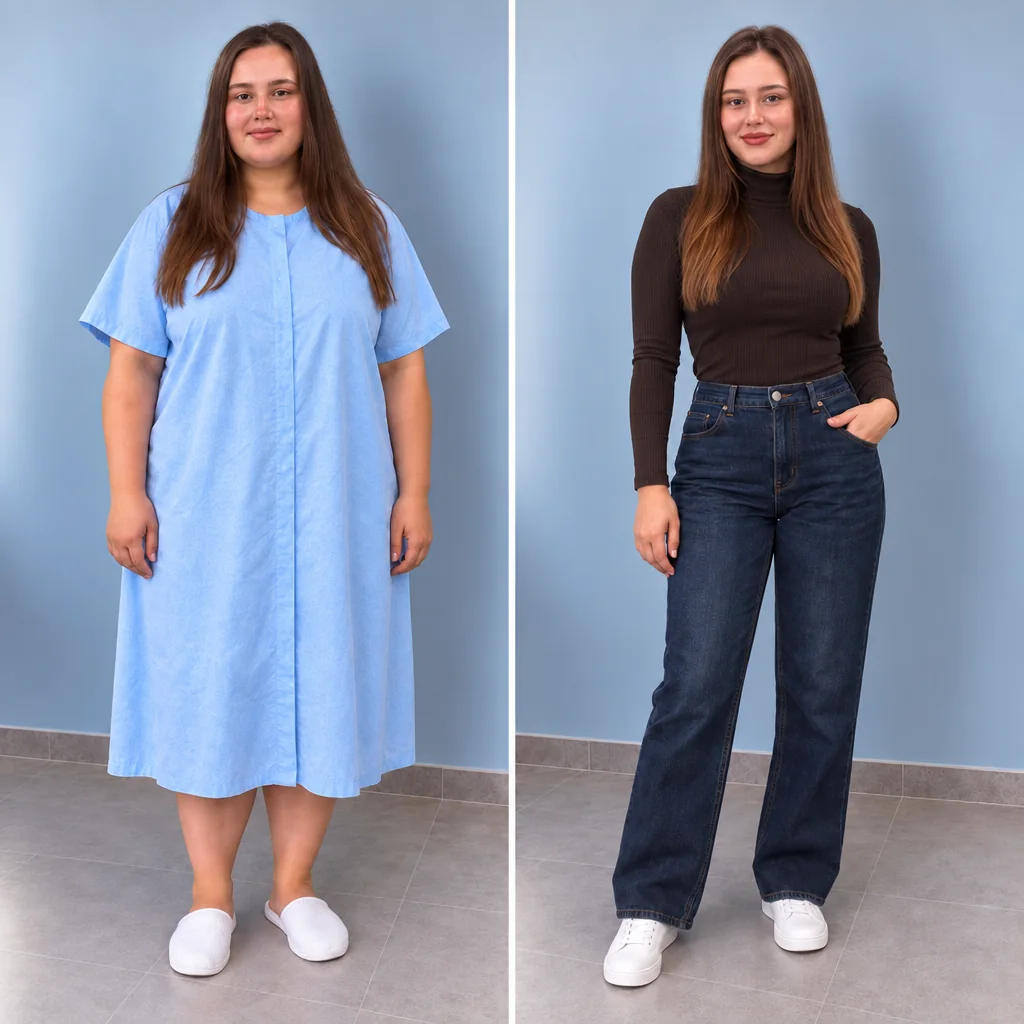
 beforeafter
Irina, 26
Bariatric surgery
Bariatric surgery
$3,600
$4,800 · First consultation — Free
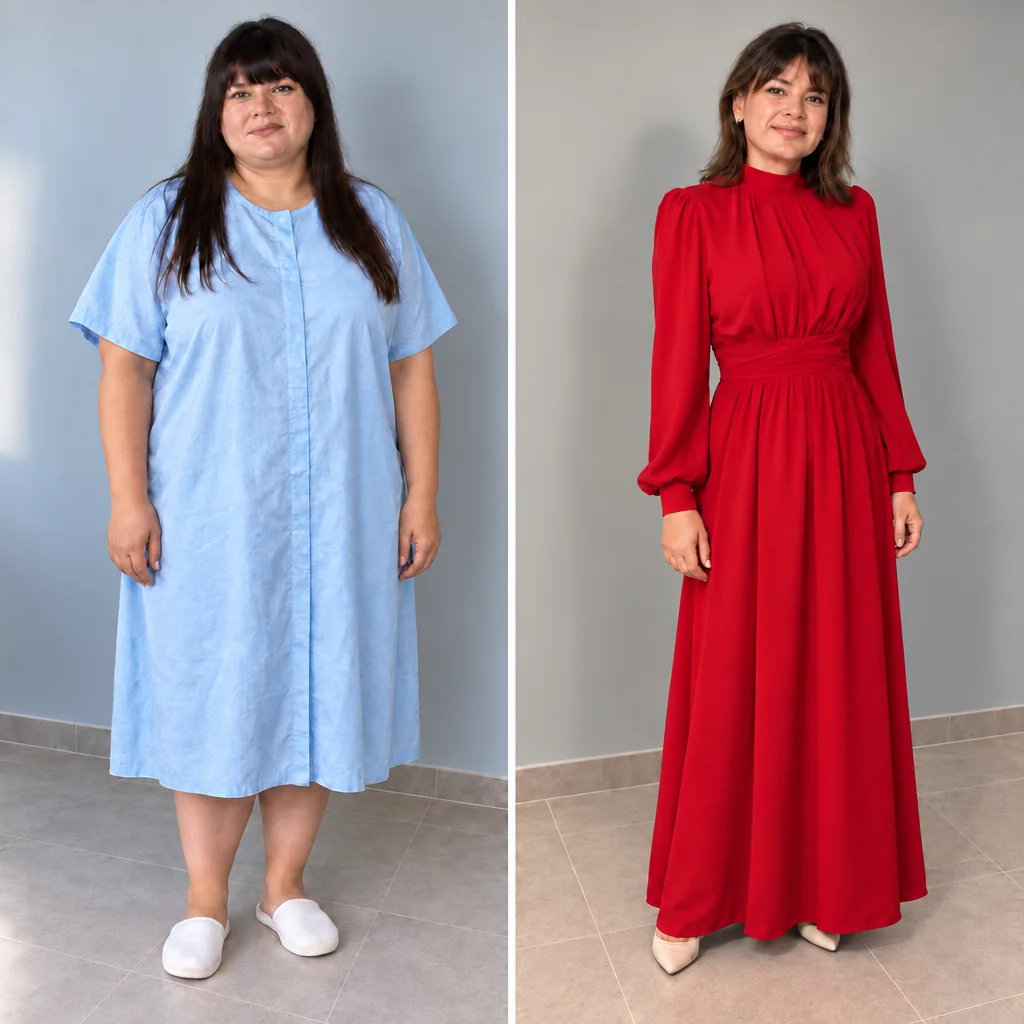 before
after
before
after
Message our coordinator
Free online consultation · Reply within 15 minutes
Message us on TelegramMessage us on WhatsAppBy messaging us, you agree to our Privacy Policy
Results
Every case shown is a real clinic patient.
beforeafterBariatric surgery
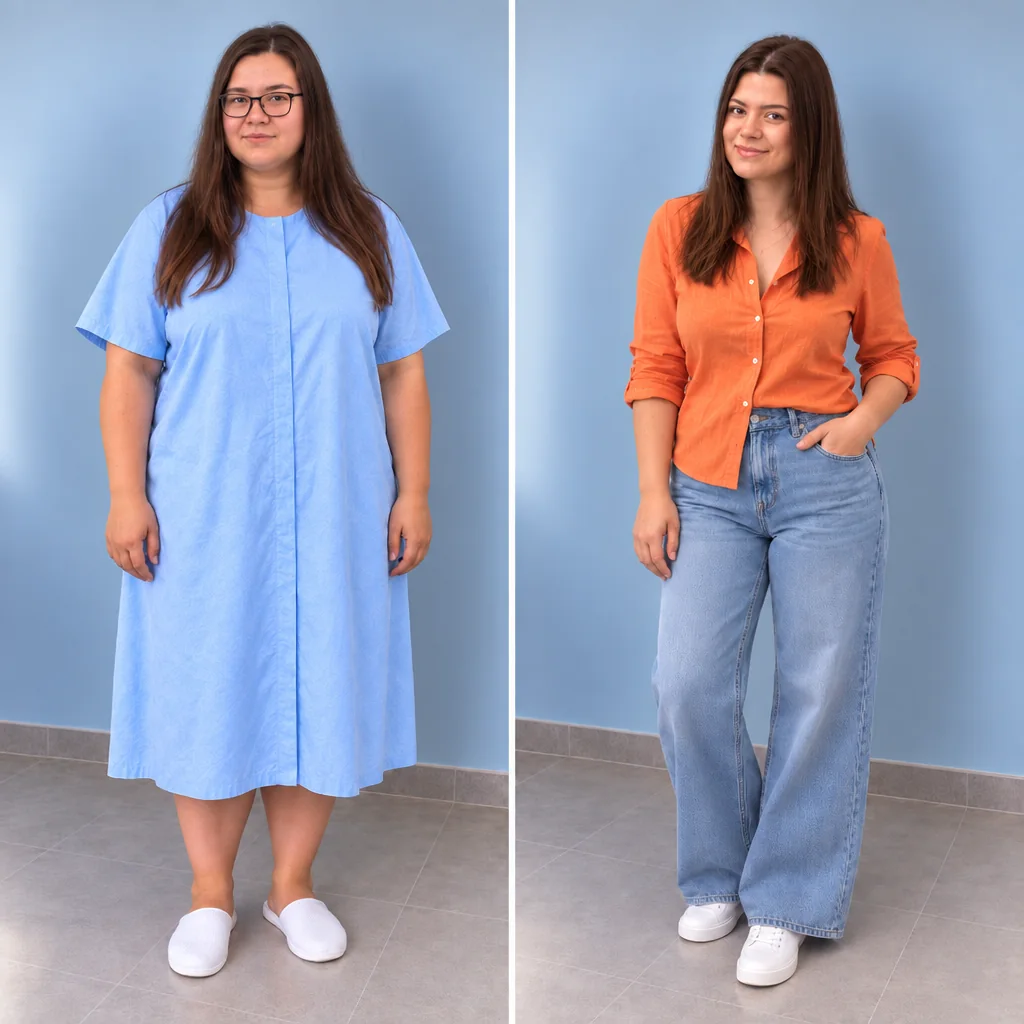 beforeafter
Bariatric surgery
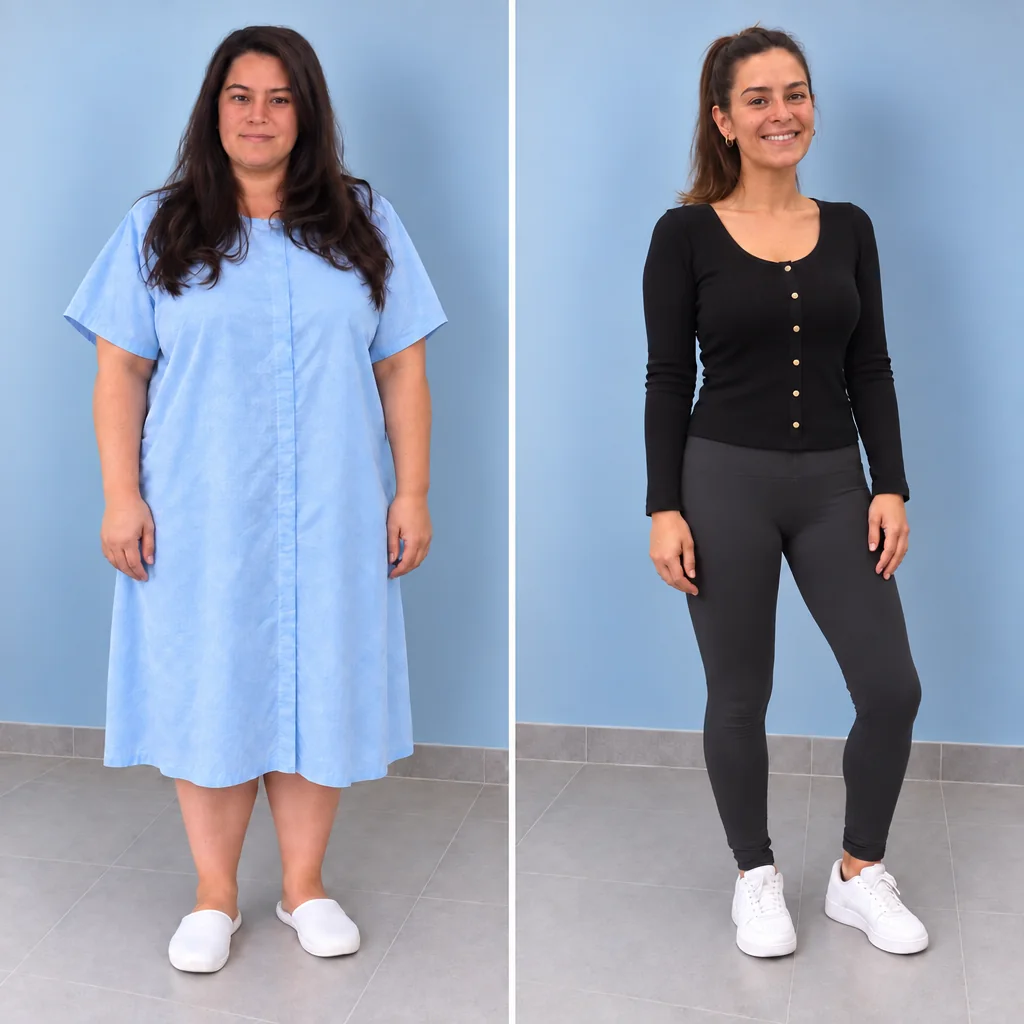 beforeafter
Bariatric surgery
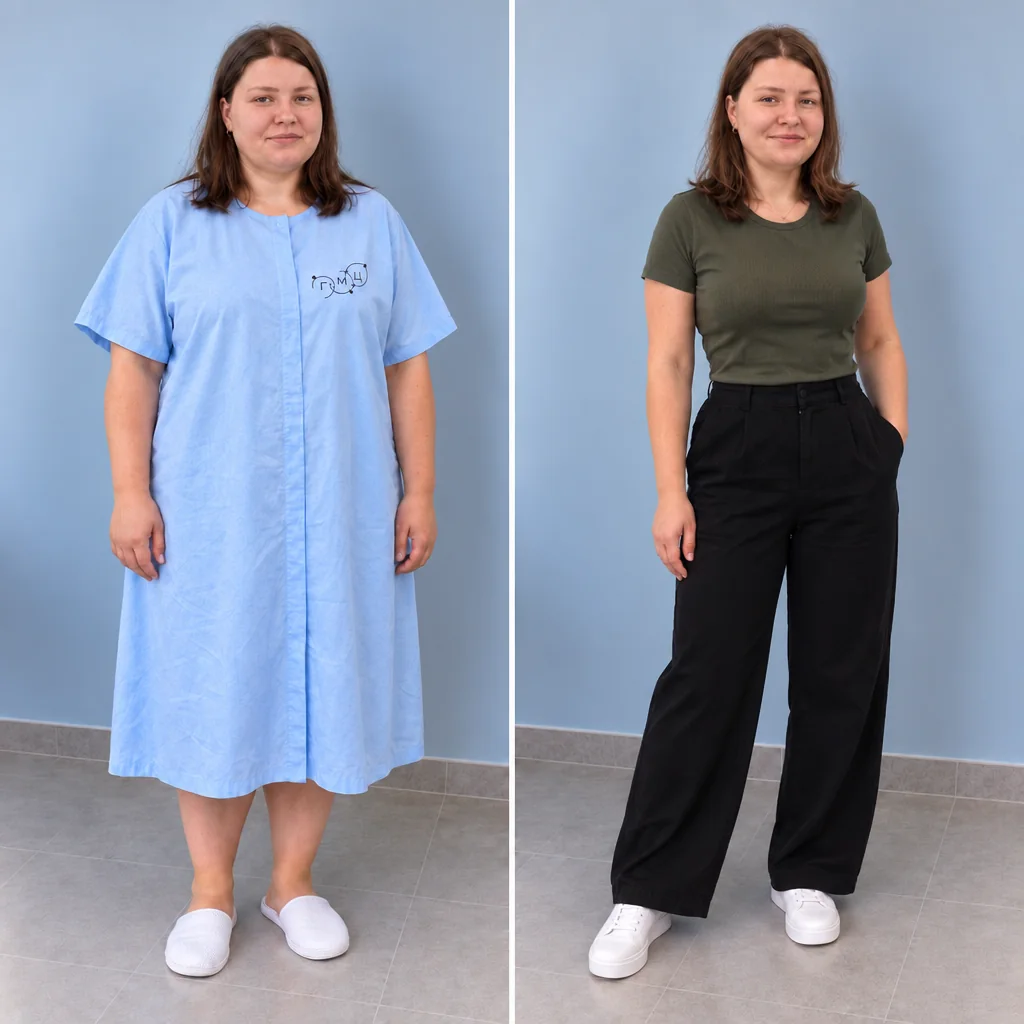 beforeafter
Bariatric surgery
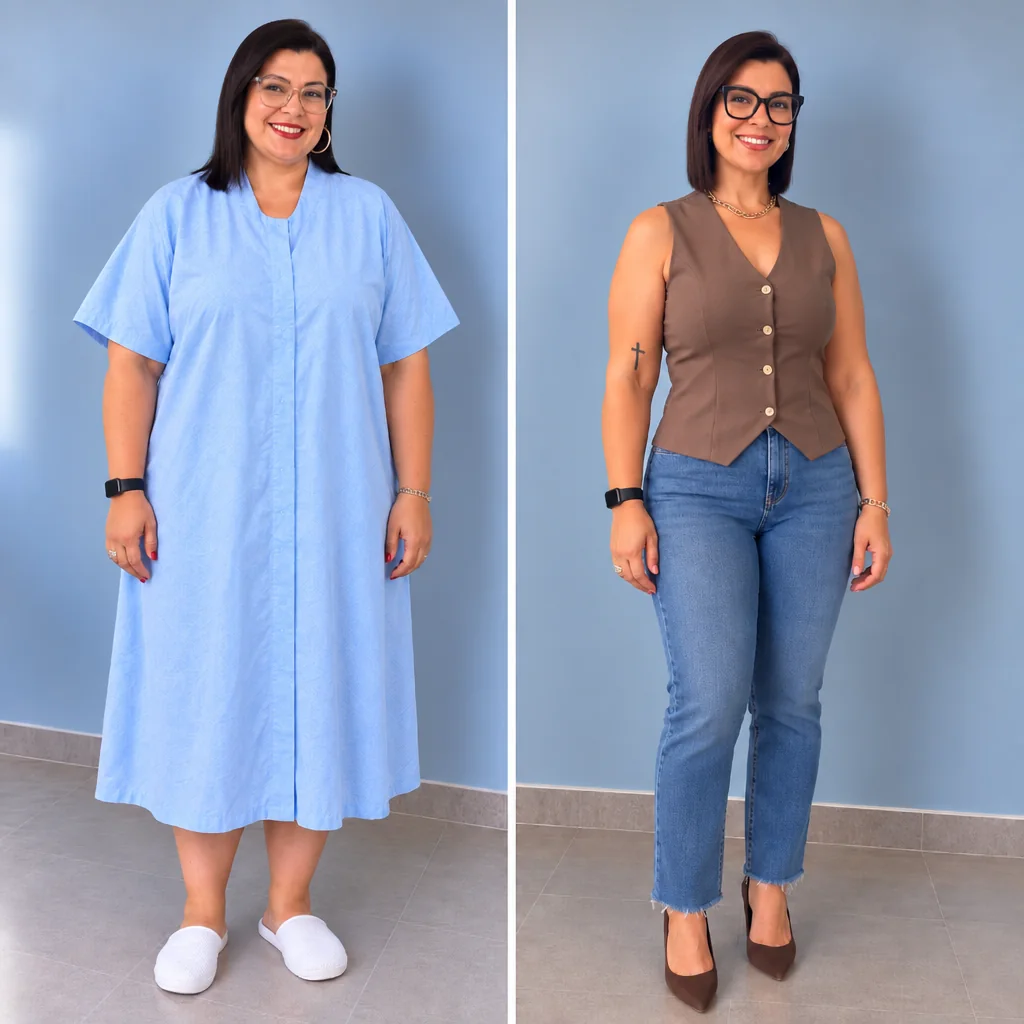 beforeafter
Bariatric surgery
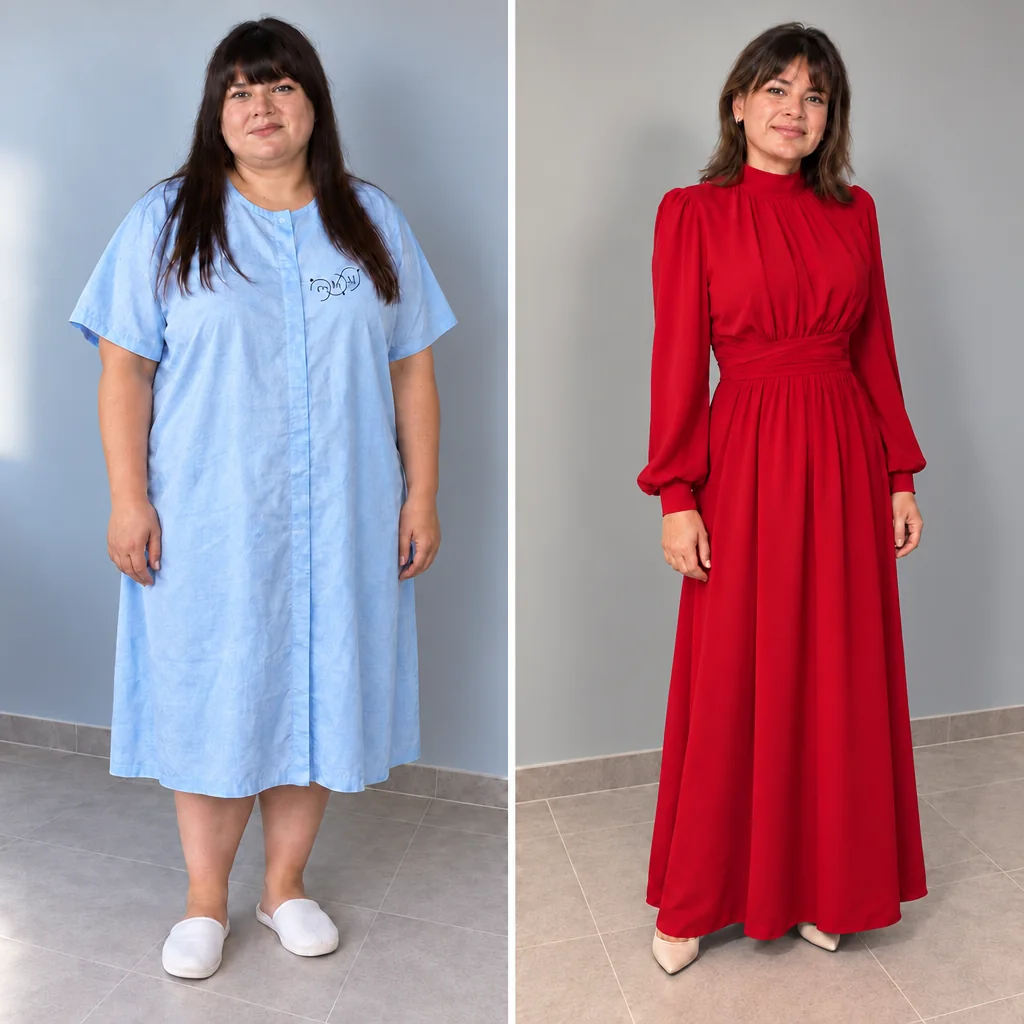 beforeafter
Bariatric surgery
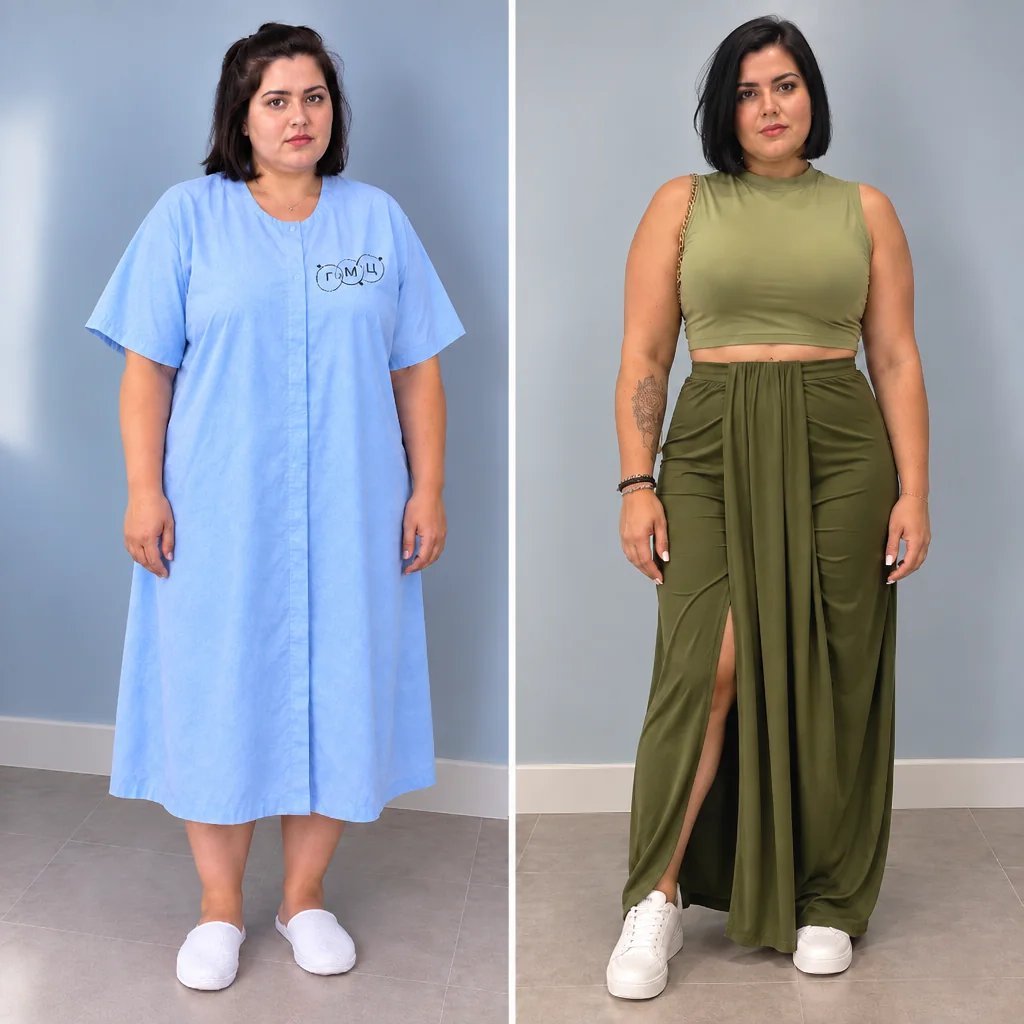 beforeafter
Bariatric surgery
 beforeafter
Bariatric surgery
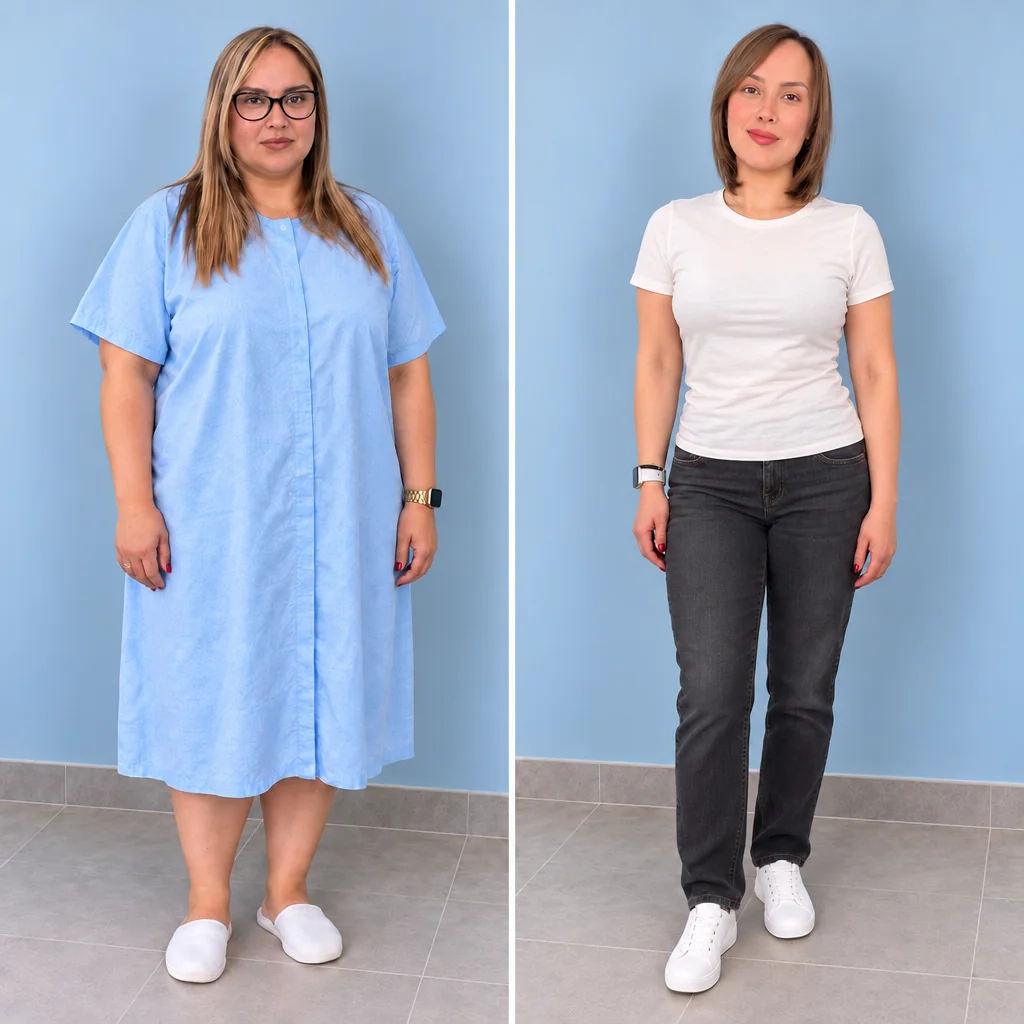 beforeafter
Bariatric surgery
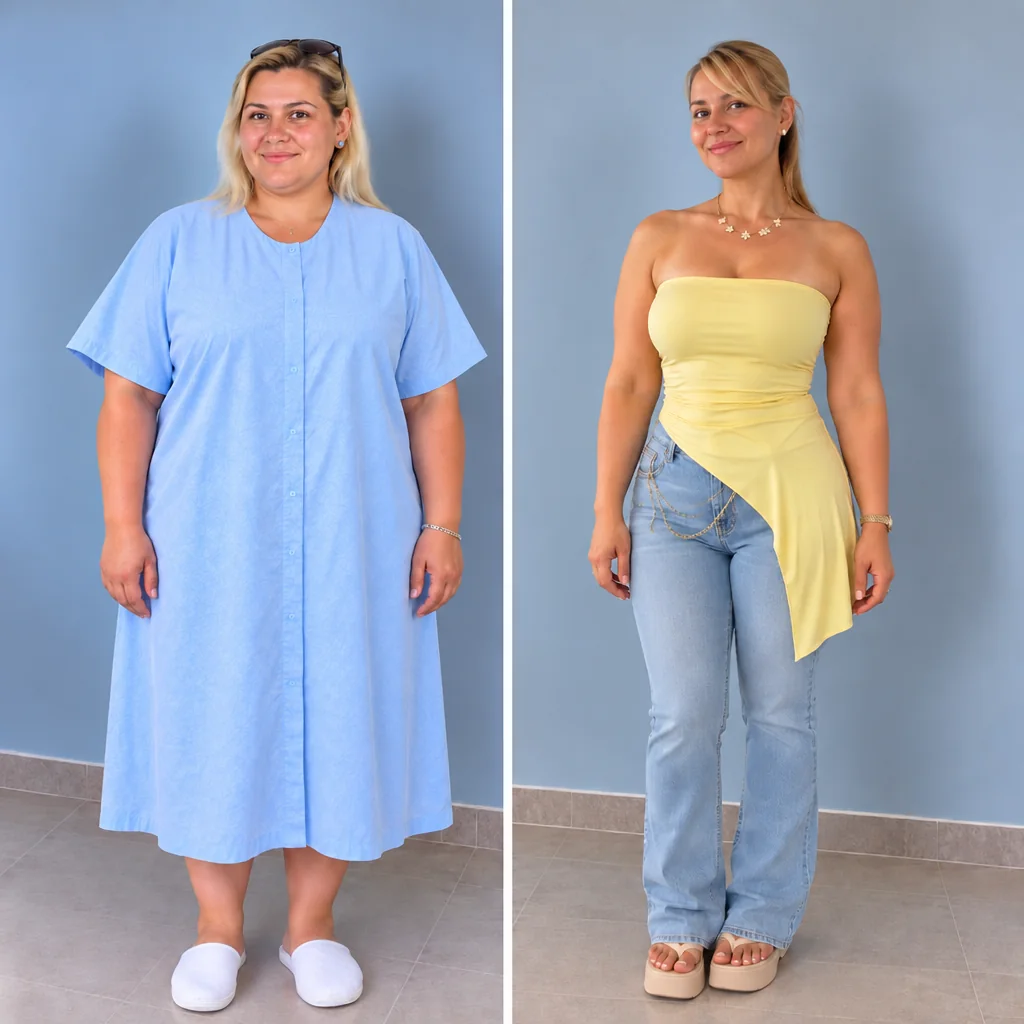 beforeafter
Bariatric surgery
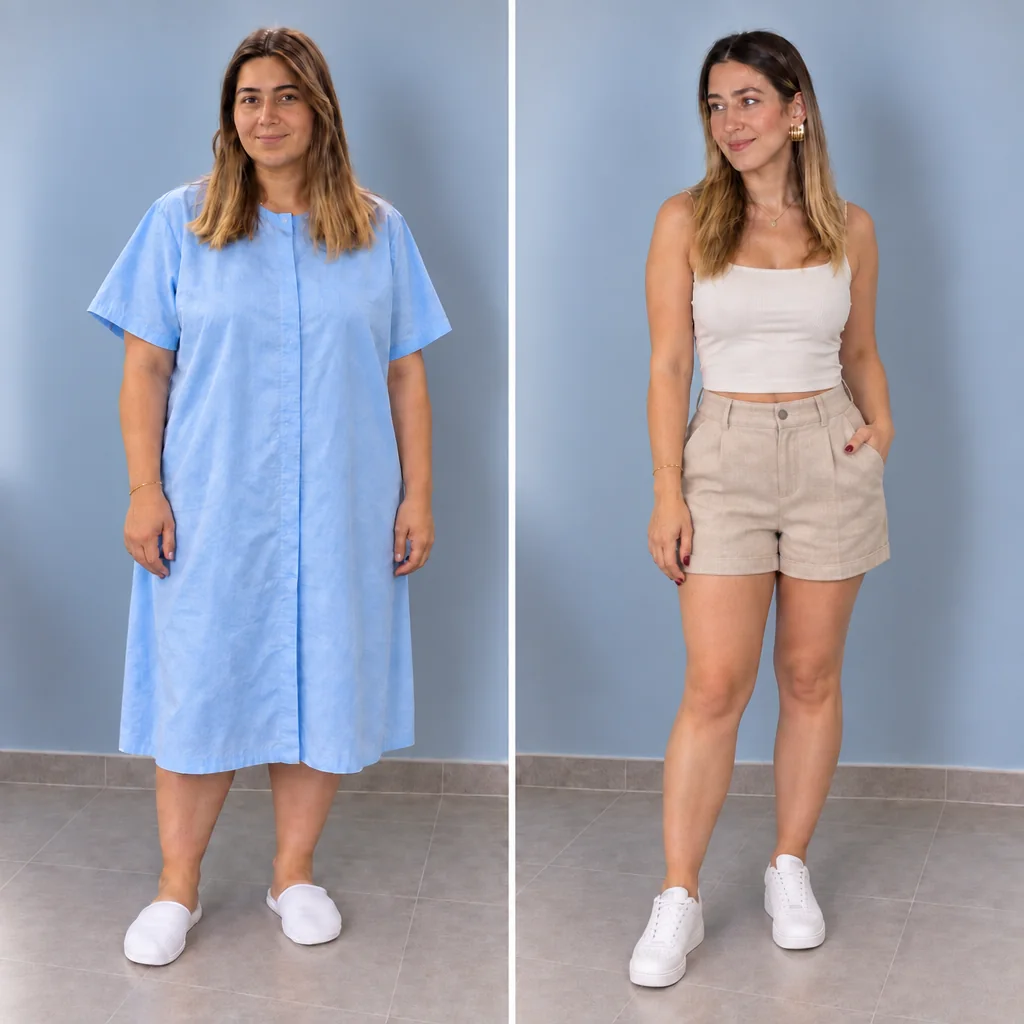 beforeafter
Bariatric surgery
Comparison
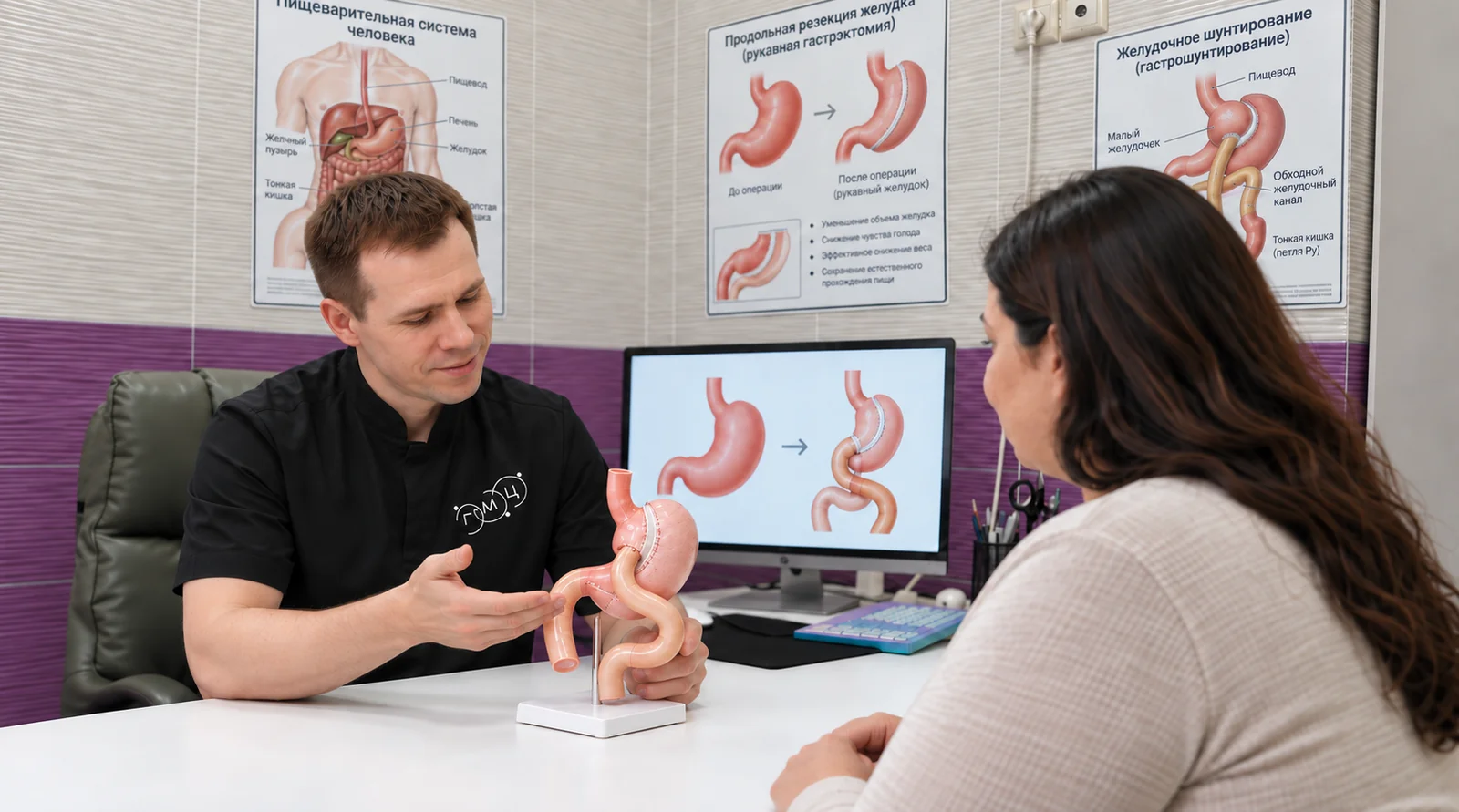
Sleeve gastrectomy and gastric bypass are the two main operations we perform. Compare their mechanism, goals and indications to make a confident choice of method.
Making the stomach smaller
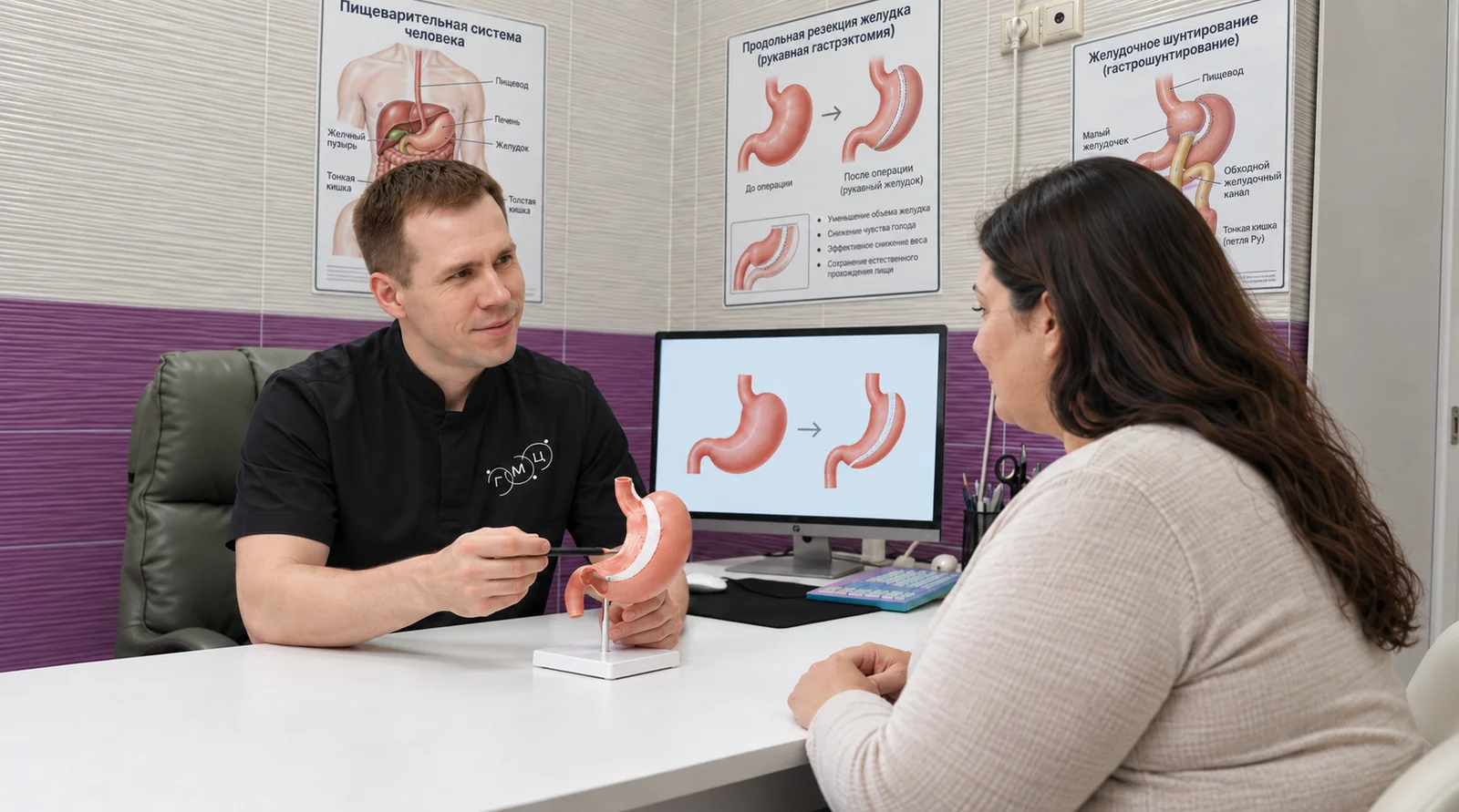
Discounted price
$3,600 $4,800
Reducing the stomach volume and rerouting food
Discounted price
$4,000 $5,200
Treat the recovery times and benefits here as guidance averaged by method: how extensive the surgery is and how you recover depend on your own anatomy and features, and the surgeon confirms this at the consultation.
Book a consultationOur clinic
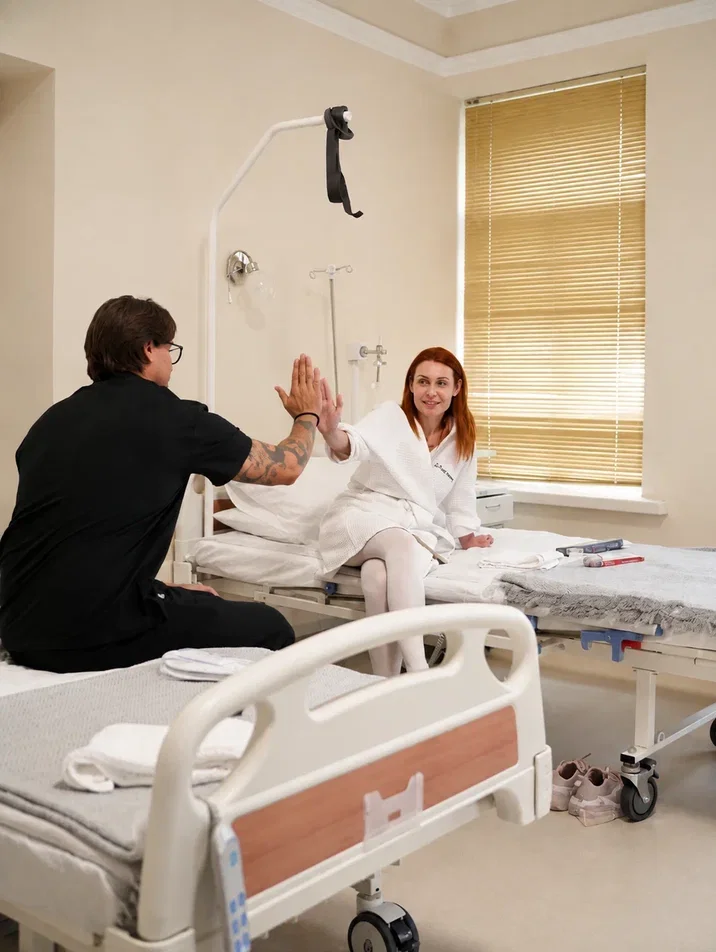
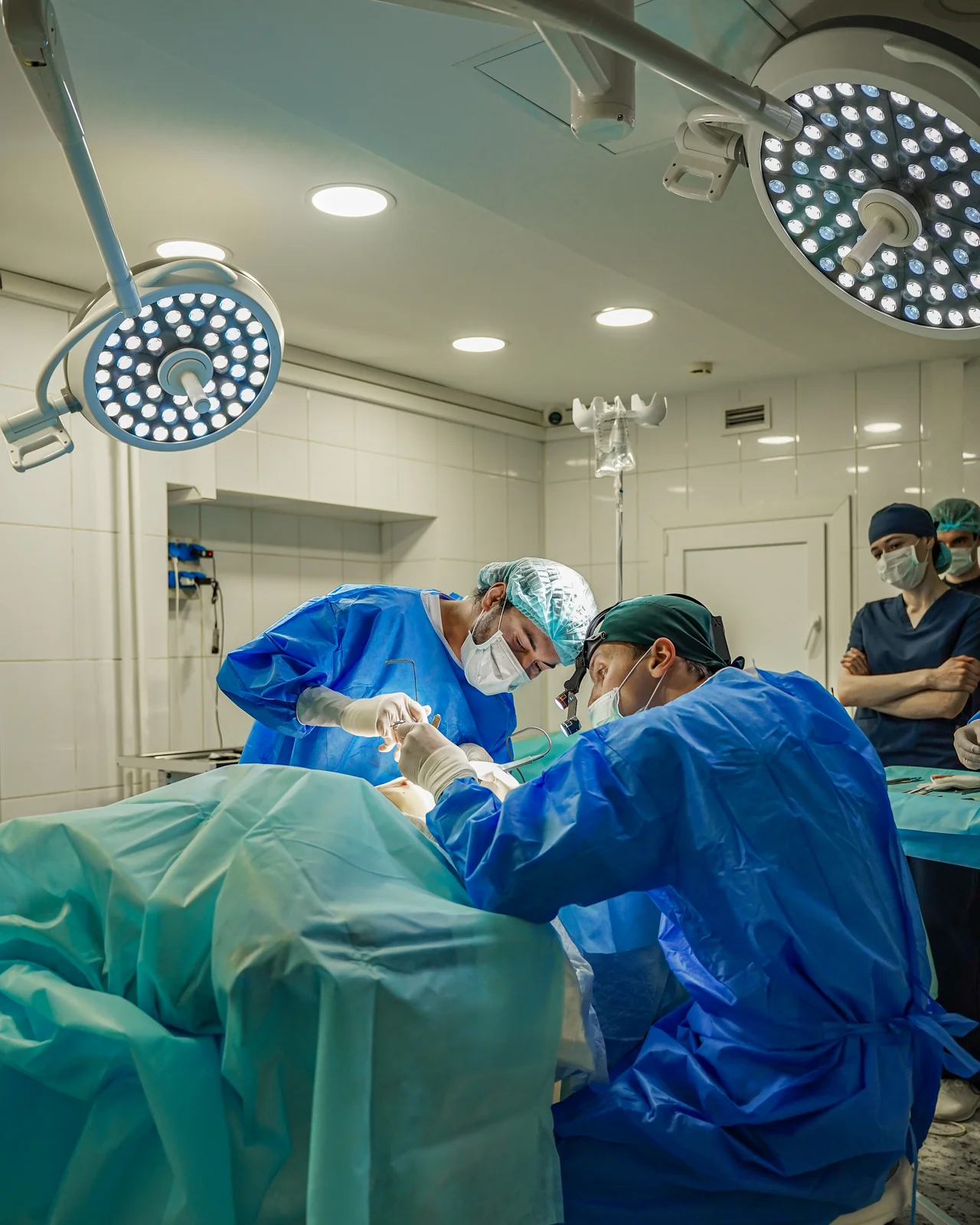
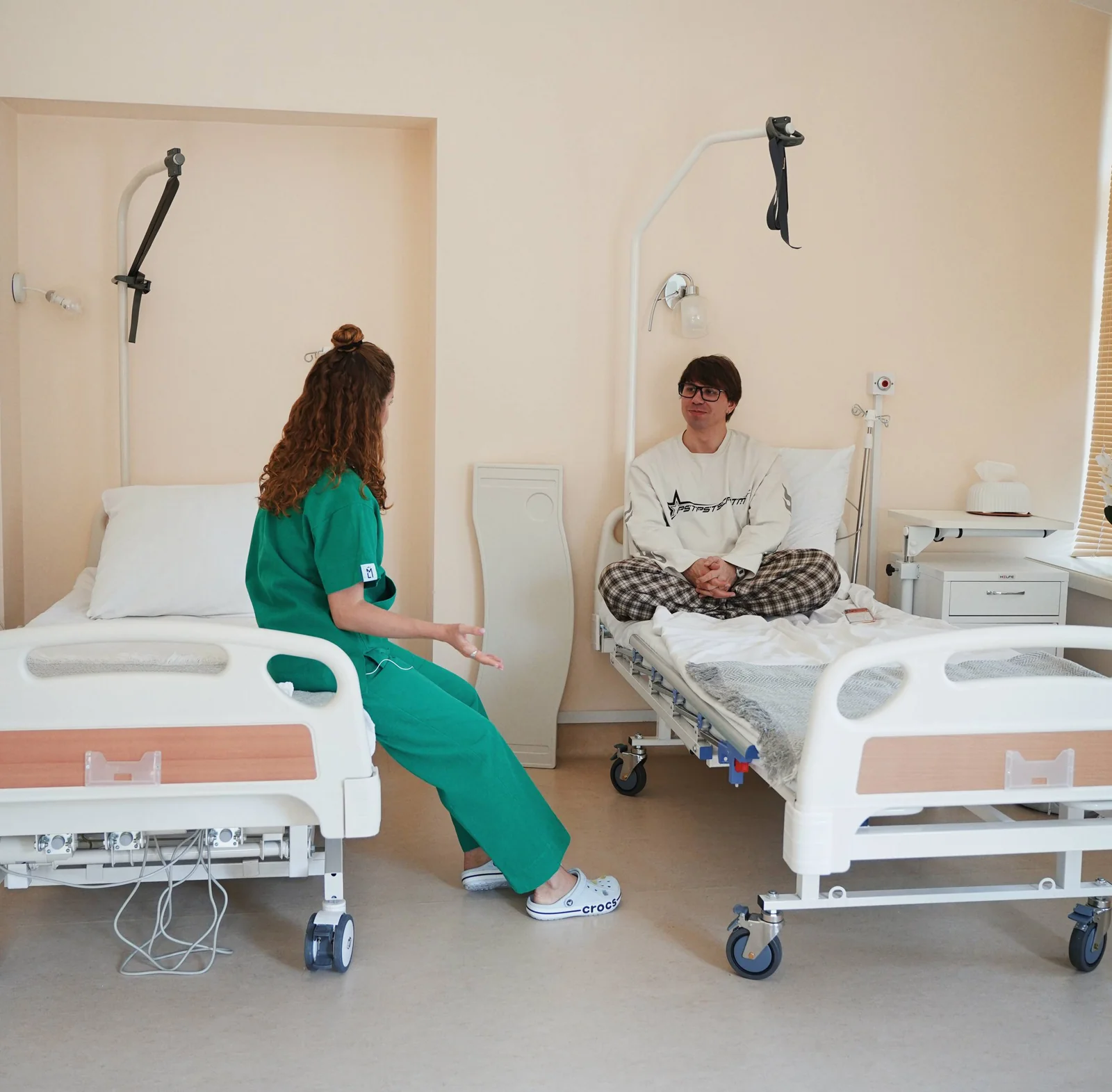
Modern equipment, comfortable rooms and care for every patient
We will answer your questions and find a convenient time for a consultation
Get a consultationThe decision on surgery is made together with the surgeon after a consultation and check-up.
Can't tell which column fits your case?
Send us a Telegram message to find out from our coordinator if bariatric surgery is right for you. There is no charge for the surgeon consultation and no commitment to surgery.
Find out if it suits me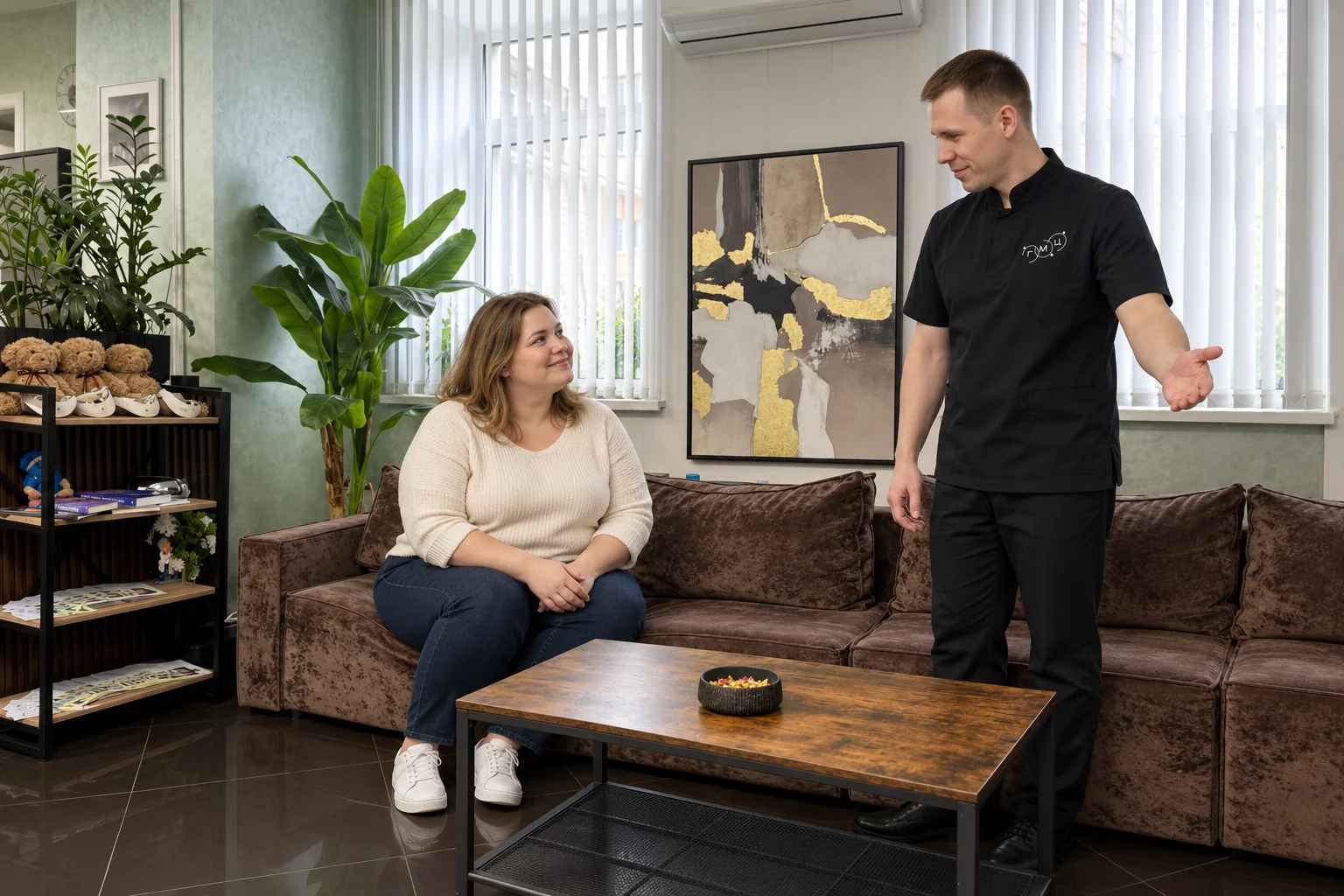
Prices
The cost is named at the consultation once your plan is ready, and it is fixed in the contract.
Discounted price
Making the stomach smaller
$3,600$4,800
Discounted price
Weight reduction with rerouting of food

$4,000$5,200
Free
A treatment plan after the surgeon's examination

Free
the price of surgery is confirmed
and fixed in your contract
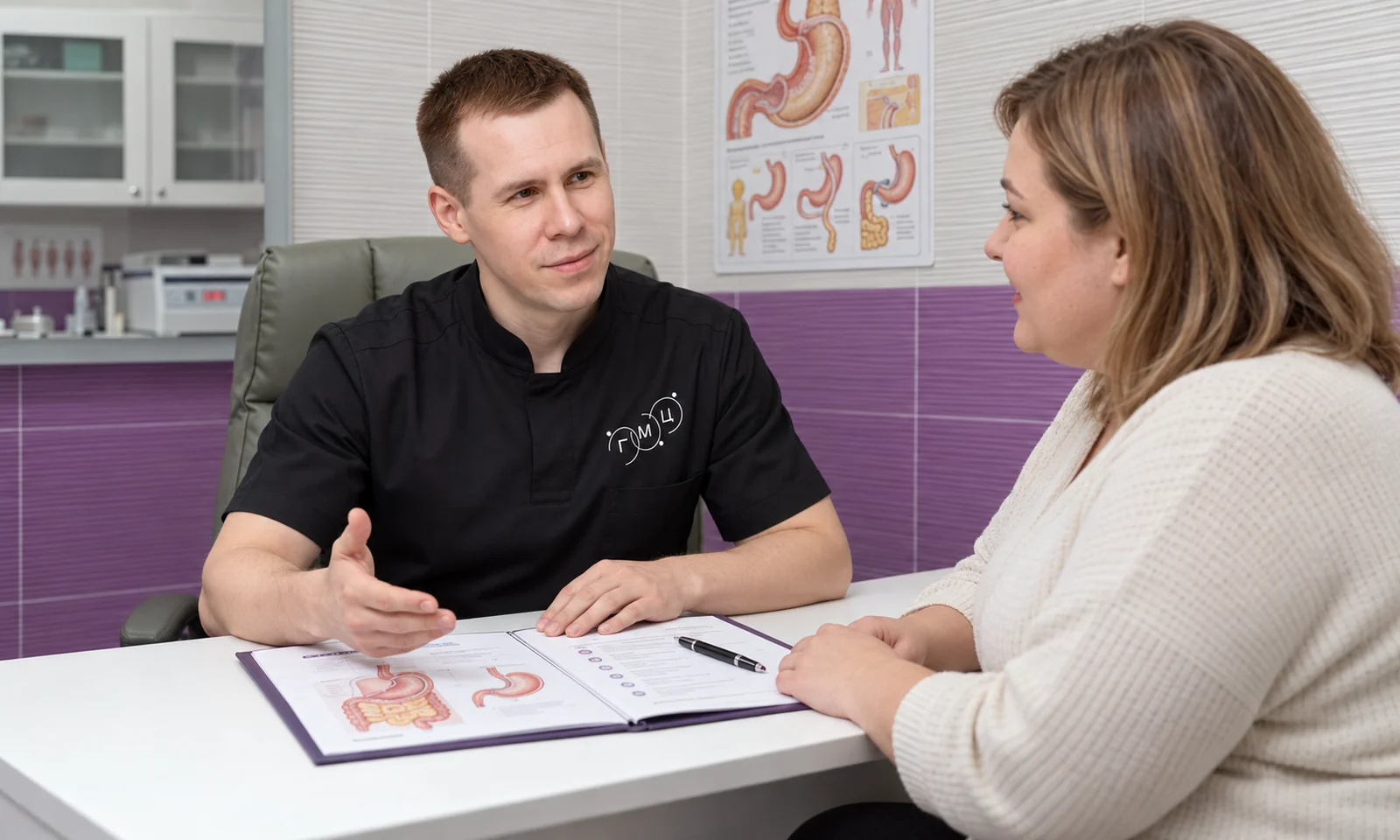
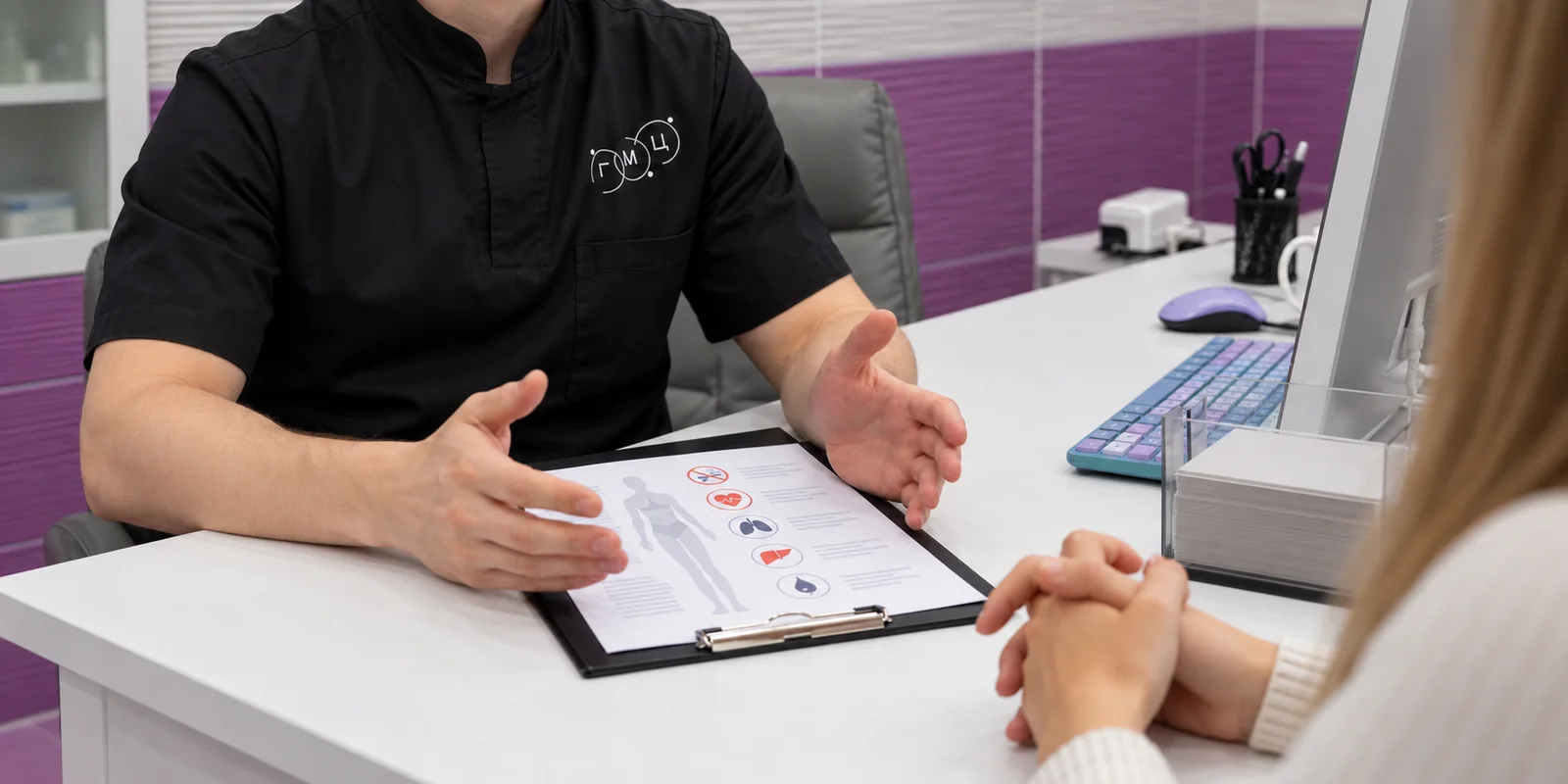
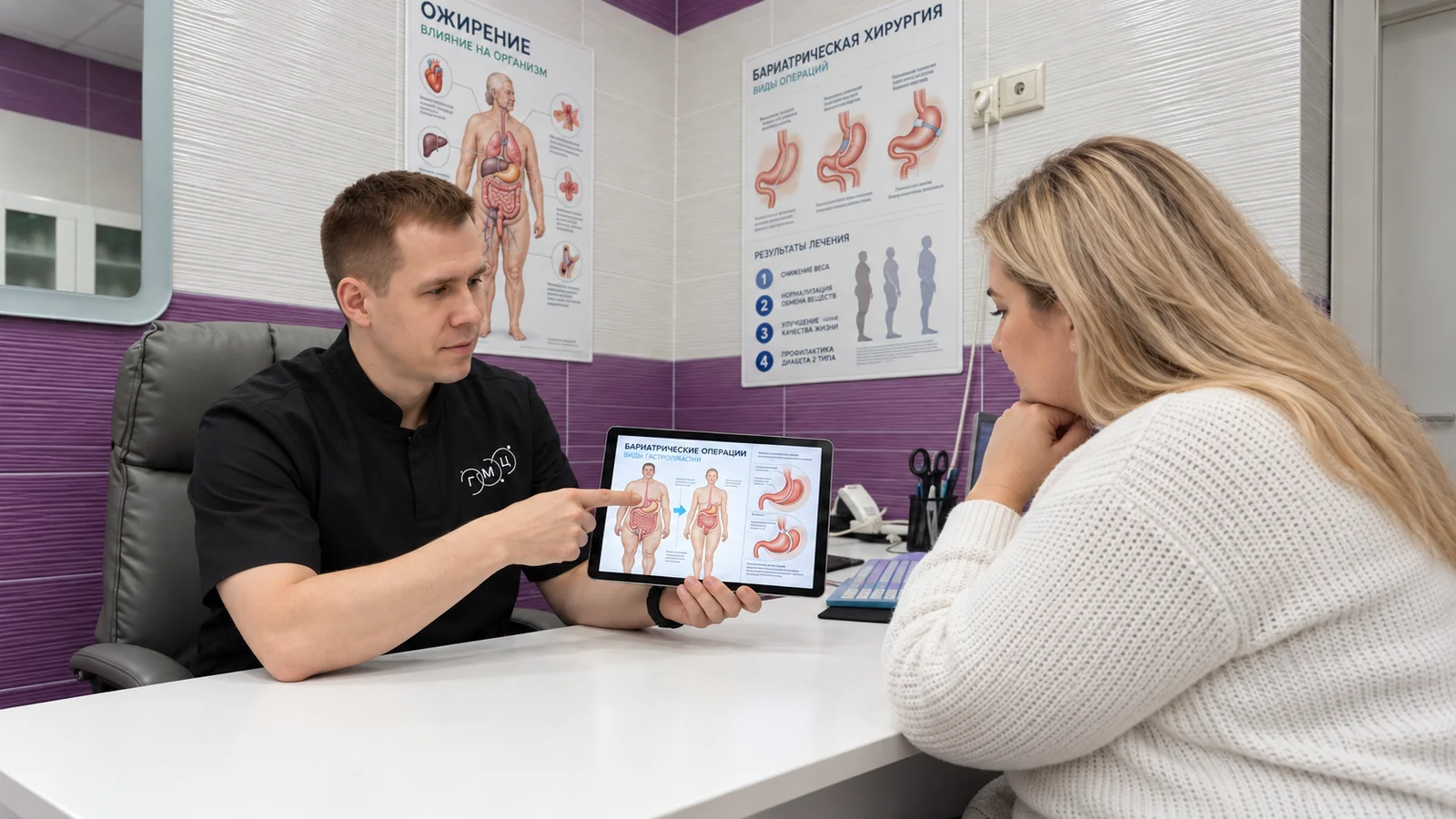
Your doctor assesses your health, discusses your goals and chooses the appropriate bariatric surgery method. The consultation gives you the cost, which is fixed in the contract.
Message our coordinator
Free online consultation · Reply within 15 minutes
Message us on TelegramMessage us on WhatsAppBy messaging us, you agree to our Privacy Policy

price
One package — from preparation to 12 months of support. No extra charges.From preparation for surgery
to support for 12 months.
Step by step
Your agreed treatment plan, monitoring during your hospital stay and support for a year.
 1
1The doctor checks your health, goes over your goals and arranges the tests needed to choose a suitable bariatric surgery method.
2To reserve your surgery date, pay the deposit by card at the clinic or online by bank transfer. The terms are fixed in the contract for medical services
 3
3Ahead of surgery you take blood and urine tests, an ECG, an ultrasound and a gastroscopy, and see the specialists. The exact list is given by the doctor at the consultation.
 4
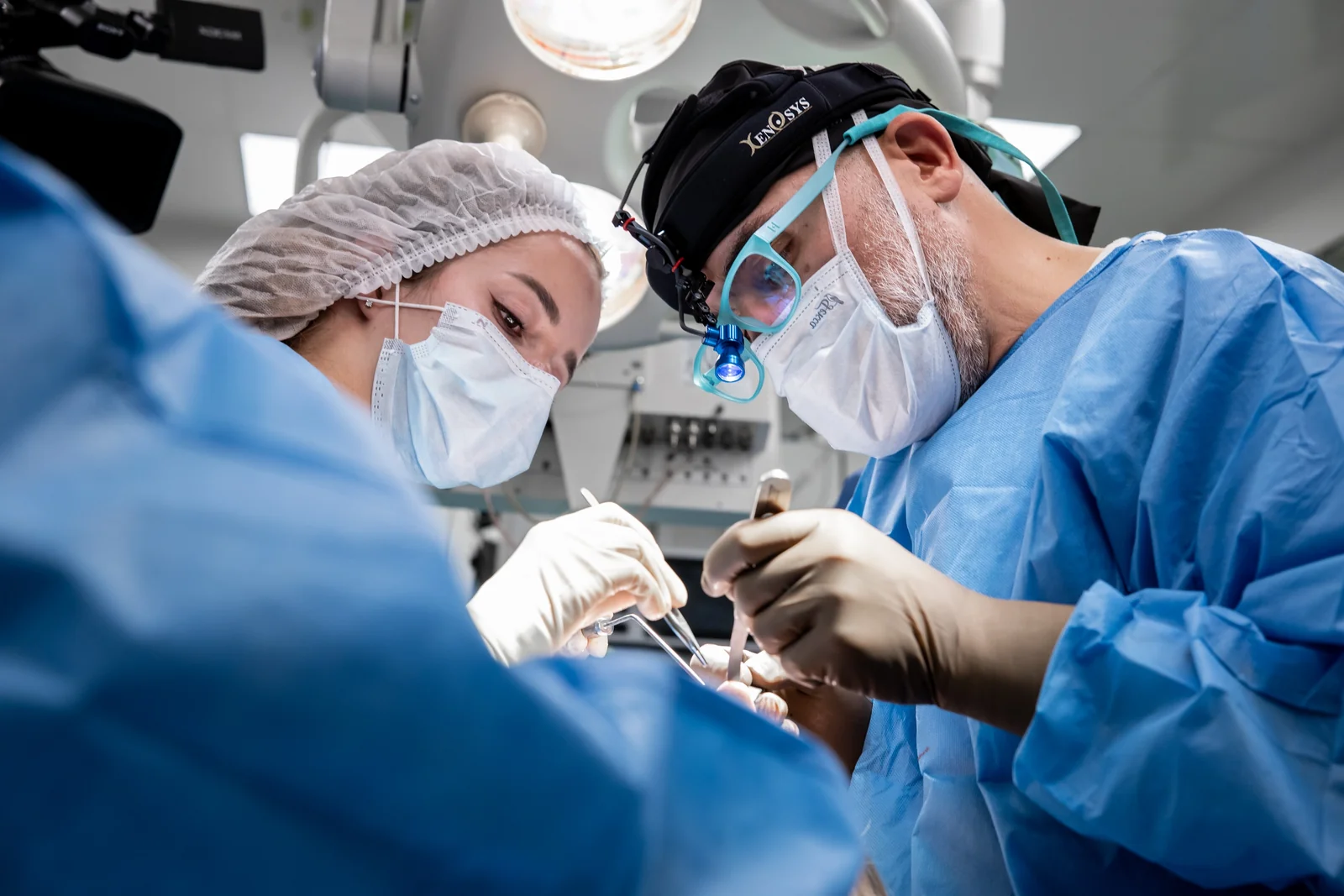
4Your surgeon performs the bariatric operation with the chosen method under general anaesthesia, and after surgery the medical team monitors you.
 5
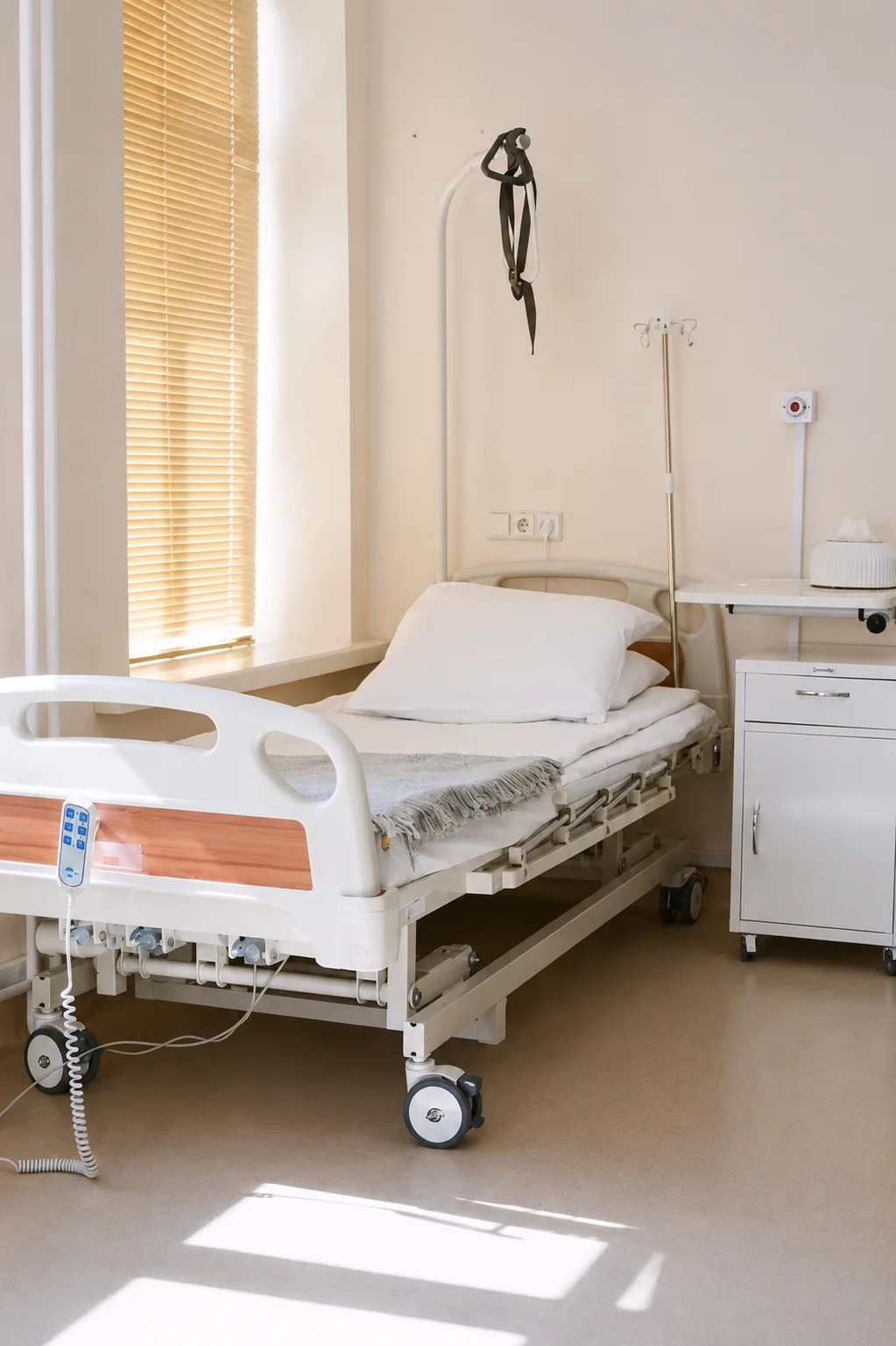
5Your hospital stay after surgery lasts from 1–3 to 4–5 days under doctors' supervision; the length depends on how complex the operation was and how you feel.
 6
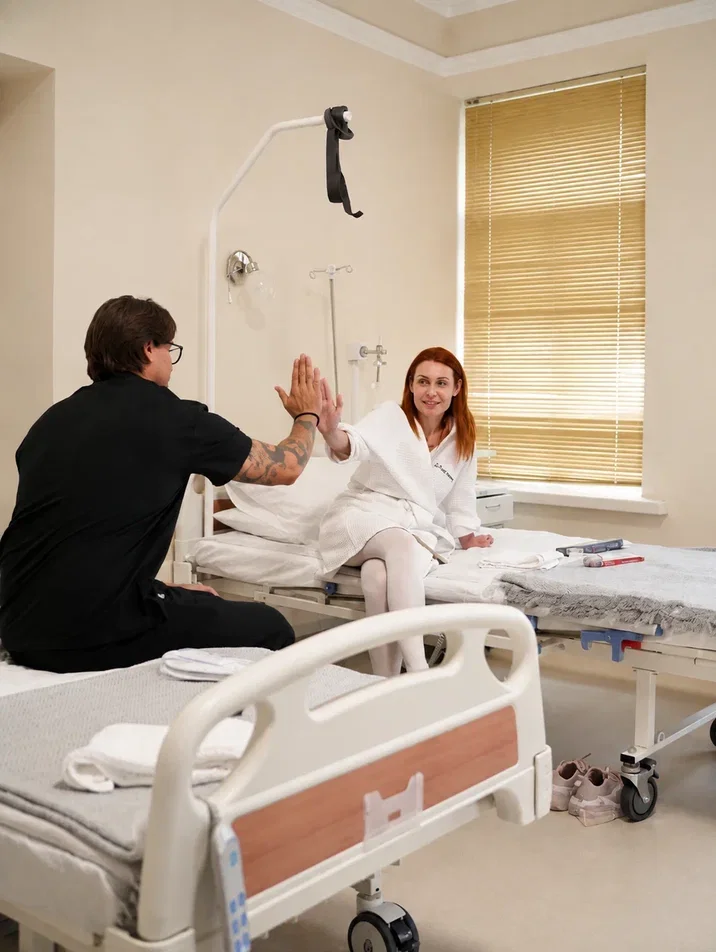
6When you are discharged, you get diet and recovery advice. Regular scheduled check-ups track your well-being, weight and test results, and the clinic team supports you for a year.
At the consultation the doctor draws up a plan and explains how the surgery will go
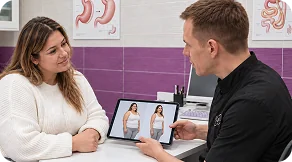
You pay nothing for the consultation, happens before surgery, with no obligation.
Book a consultationDoctors
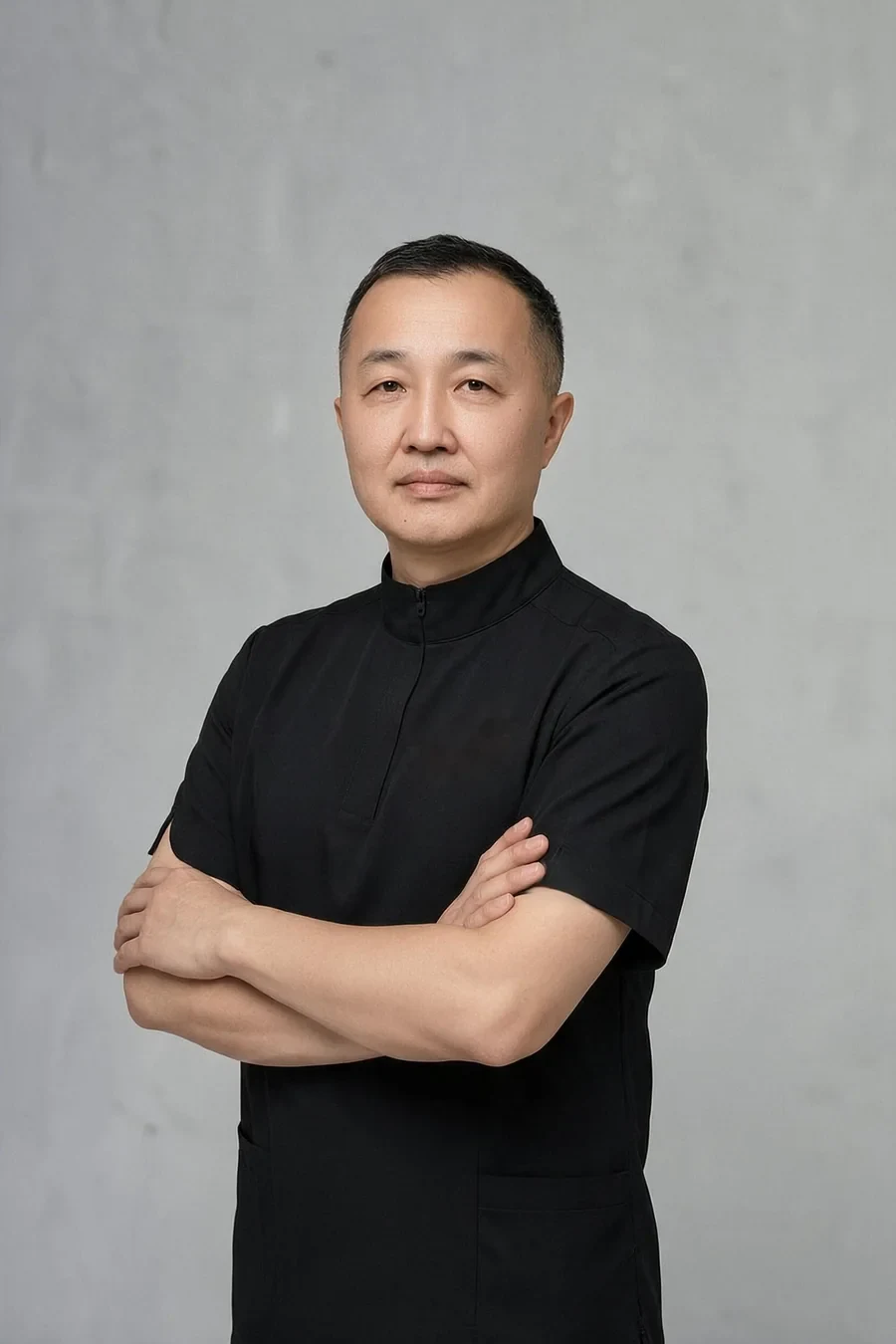
27 years of experience
Head bariatric surgeon
Surgeon
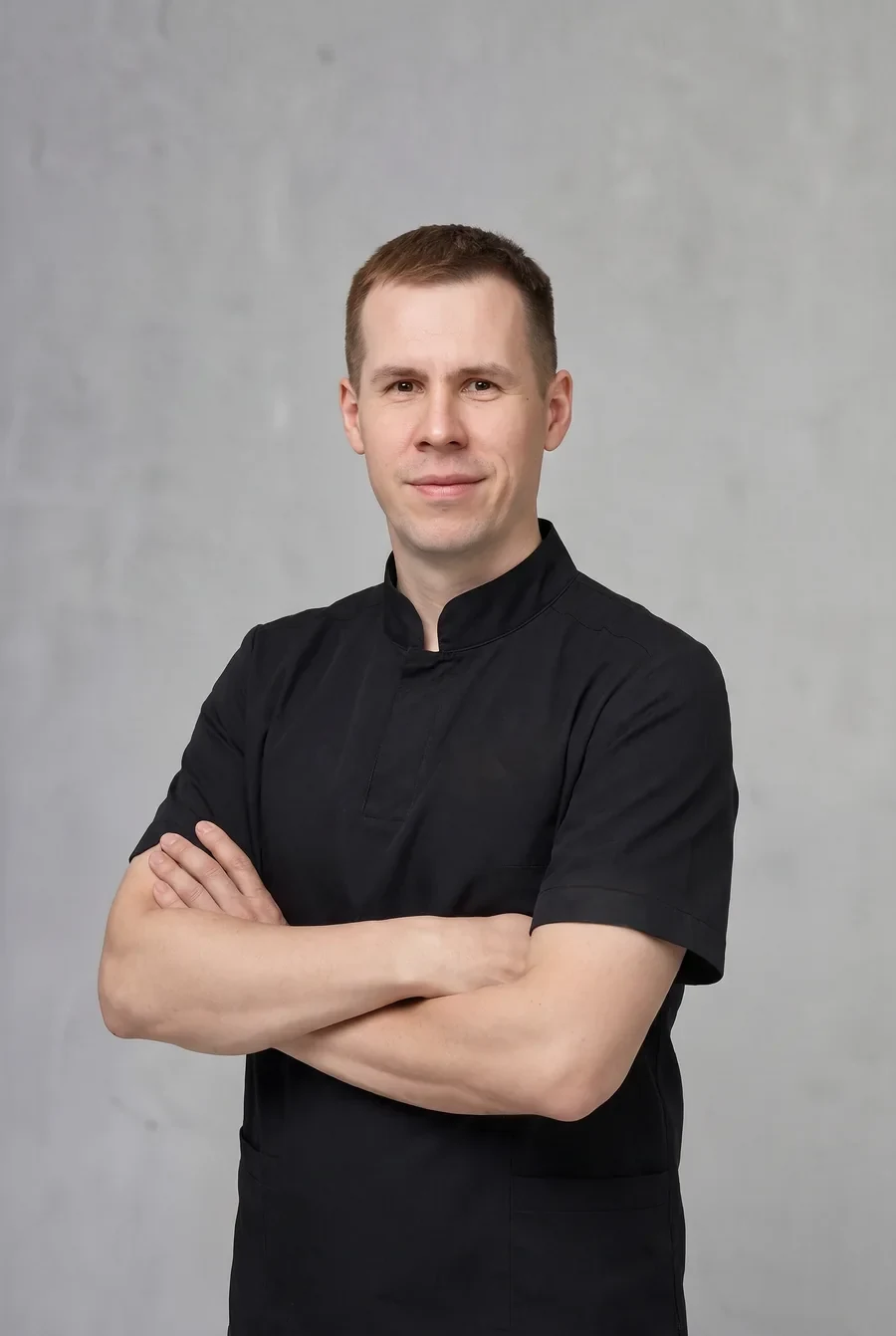
9 years of experience
Bariatric surgeon
Surgical oncologist
Your surgeon carries out the operation and follows you from the first consultation to your result.
Free of charge, the first consultation with our patient care manager covers calculating your BMI, explaining the methods and booking you in with the surgeon.
Book a consultationCoordinators
Our team supports you at each stage

From your first message to the consultation — your first contact at the clinic
Patient care specialist
Answers any questions before your first consultation and helps you choose a suitable date

With you before and during your stay — from booking to discharge
Patient care specialist
Keeps in contact during your stay at the clinic and helps you prepare for surgery

By your side through recovery, from discharge to your final check-up
Patient care specialist
Arranges your follow-up visits with the surgeon and stays in touch while you recover
Advantages
We match the best method to your health, lifestyle and goals. Our team is by your side all the way.
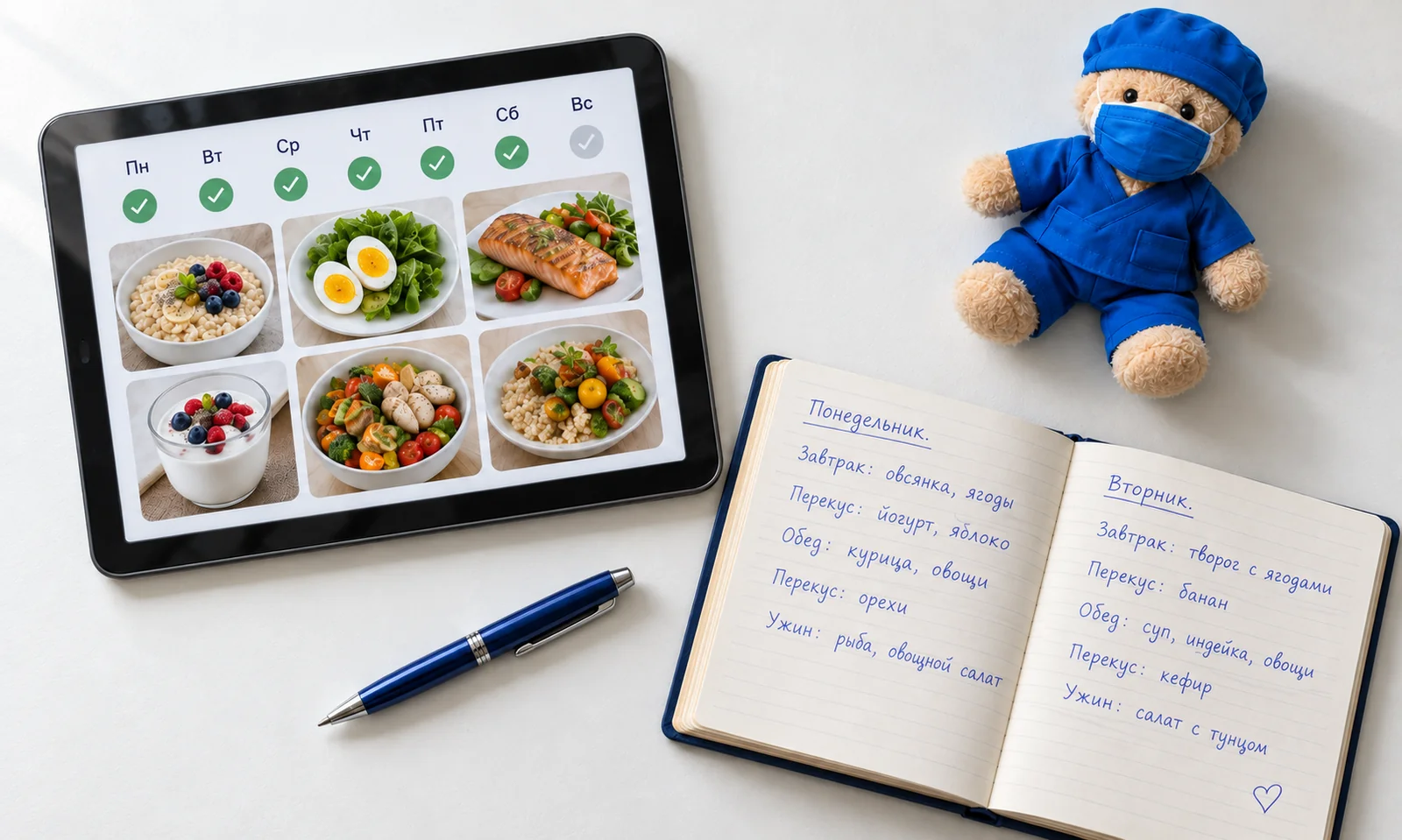
We help you track your results, keep them and adapt to new eating habits.

Consistent weight loss, better well-being and a higher quality of life.

We work 24/7 out of respect for your time, with easy booking and a personal approach — we adapt to your pace.
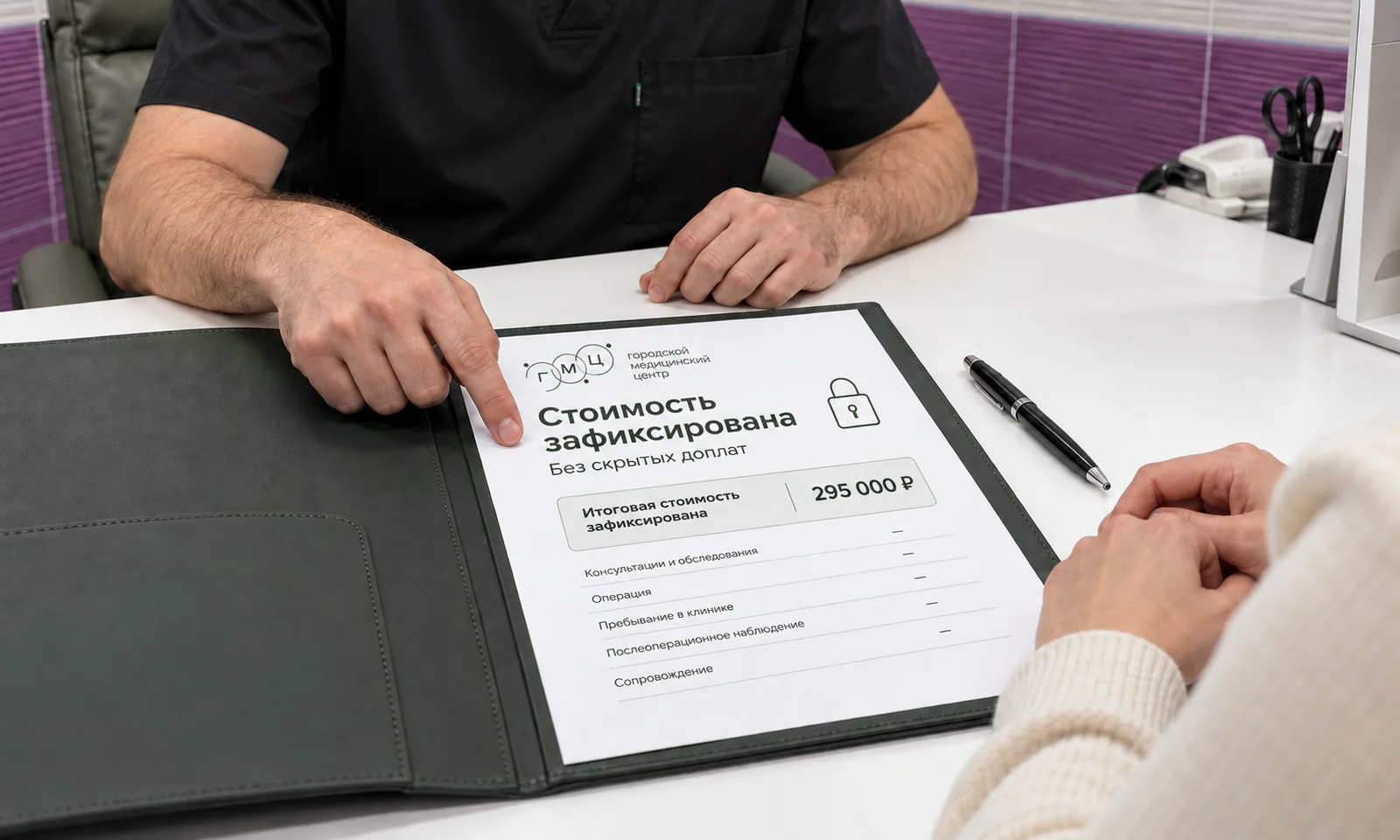
Once the consultation is over, the surgeon chooses the method and you receive a clear price — no hidden fees and no surprises on the way to your result.
FAQ
Experienced bariatric surgeons perform the bariatric operations at the clinic:
Write to us and our coordinator will respond shortly and book you in for a consultation. The consultation with the bariatric surgeon is free.
Surgery is prescribed only when clear criteria are met
BMI is the main tool for assessing the degree of obesity. It is calculated by dividing body weight (kg) by height squared (m²). Surgery is usually justified with a BMI above 40, or above 35 with serious related conditions. In some cases surgery is considered at lower values too — if non-surgical approaches have failed.
The two are often confused, yet their goals differ fundamentally. Bariatric surgery is a medical treatment for obesity and its related diseases. It alters how the digestive tract works, tackling the causes of excess weight and metabolism. Plastic surgery changes the body's outer contours; it neither treats obesity nor affects metabolism.
At City Medical Centre there are four main types of bariatric surgery — sleeve gastrectomy, Roux-en-Y gastric bypass, mini gastric bypass (MGB) and SADI-S duodeno-ileal bypass. Every method is chosen individually from BMI, related conditions and the patient's goals.
Modern laparoscopic technique allows the operation through 4 small punctures of 5 to 15 mm. Cosmetic sutures make the marks almost invisible when fully healed.
Your recovery depends on your activities. Office work: in 2–4 weeks. Physical work: in 1.5 months. Sport and activity: swimming after 30 days, with other exercise introduced gradually as weight drops. Travel and holidays: plan them a month or more after surgery.
The diet shifts in stages — liquid, then soft, then solid food. Protein is the priority, while high-calorie, fatty food is limited.
It is possible to get pregnant after bariatric surgery, but doctors recommend a minimum wait of 12–18 months. During it the body stabilizes, weight reaches its target and nutritional status is normalized.
Yes — vitamins are required after bariatric surgery. With the digestive anatomy changed, some nutrients are absorbed less well, and regular vitamin and mineral supplements become a permanent part of life.
Regain after bariatric surgery is possible, but very unlikely if you follow the doctor's advice. Proper nutrition, no high-calorie drinks and regular follow-up visits with City Medical Centre specialists make the difference.
Prices are in US dollars; the amount in brackets is an approximate conversion to MAD at the rate of 02.10.2026. The final price is fixed in your contract.
Prices start from $3,600 (≈ MAD 36,000). The surgeon sets the final price at the free consultation, and it is fixed in the contract, with no hidden extras.
General anaesthesia, a personal coordinator from day one, monitoring in the hospital and support for one year.
The hospital stay is 1–5 days, depending on the method and how you feel. Office work is possible after 2–4 weeks.
Yes. The first consultation is free and does not oblige you to anything. You can start online by sending a message to the coordinator.
Message us on WhatsApp or Telegram using the buttons below. A coordinator will answer your questions and book a free consultation where the doctor names the exact price.
By messaging us, you agree to our Privacy Policy
Weight that began in childhood, a family history of obesity, shortness of breath on stairs, avoiding photos — these are common reasons people in Tetouan start thinking about surgery. A consultation is warranted not only by a high BMI but also by related conditions. The surgeon reviews your health and weight history and offers the most suitable of the four surgical methods.
Several things are worth planning ahead. Pregnancy is advised no earlier than 12–18 months after surgery, once weight and nutritional status stabilise. Vitamins become a permanent part of life because the body absorbs some nutrients less well. Swimming waits 30 days, strength work longer. Patients from Tetouan discuss these points with the surgeon well before the operation date.
If you are comparing bariatric surgery options in Tetouan, look beyond the operation itself. Here the package bundles the work-up in the centre's own lab, laparoscopic surgery, the stay with meals and nursing, a doctor on hand 24/7 and a year of follow-up. Apply for a free surgeon consultation to see how this applies to your case.
Well-known people who spoke openly about this operation, in their own words.
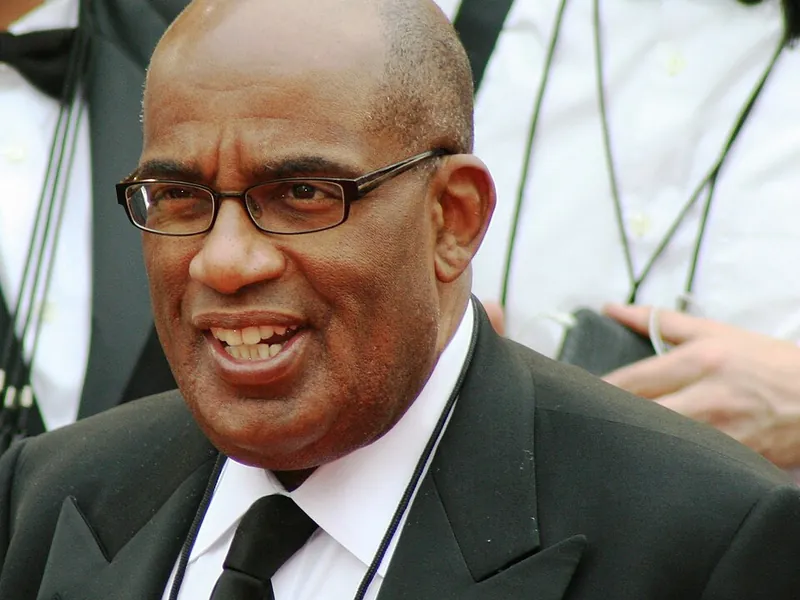 Al Roker and gastric bypass: twenty years of talking about it honestlyAl Roker had gastric bypass surgery in March 2002 and has talked about it for 20 years. His words, how the operation works and what recovery involves.
 Did Billy Gardell have bariatric surgery? Yes — and he says it saved his lifeThe Mike & Molly star had bariatric surgery in 2021 after a diabetes diagnosis. His quotes on the decision, the 100-pound loss and his children.
 Did Graham Elliot have weight-loss surgery? Yes, and he did it for his familyChef Graham Elliot had weight-loss surgery in 2013, saying it was what he needed to do for his family. His words, the operation and recovery.
 Did Mama June have a gastric sleeve? Yes — in her own wordsJune 'Mama June' Shannon had a gastric sleeve in May 2015. Her quotes on the 550-pound start, the regain and starting over.
 Did Randy Jackson have gastric bypass surgery? Yes, and he still talks about maintaining itRandy Jackson had gastric bypass surgery in 2003 and lost 114 pounds. His own words, how the operation works today and what recovery involves.
 Remi Bader and her weight-loss surgery: what she actually saidRemi Bader said in 2023 she had weight-loss surgery removing 80% of her stomach and lost 140 lbs. What she said, how the operation works, and recovery.
What patients write after this operation. Reviews are translated from the original language.
Irina, 26
For a long time I doubted whether to go ahead with surgery, but after the consultation I felt much calmer. Andrey Georgievich explained in detail how gastric bypass is done, what to expect after the operation and how recovery would go. I especially liked that they talked to me calmly and without pressure. I am now gradually getting used to my new way of life and I am very glad I took this step.
Bariatric surgery
Doctor: Andrey G. Ugay
Angelina, 22
For me the hardest part was deciding to have the operation. At the consultation Ruslan Sergeyevich answered all my questions in detail and explained the specifics of sleeve gastrectomy and recovery. After the operation I always understood what I was doing and why. Thank you to the doctor and the whole team for their attentiveness.
Bariatric surgery
Doctor: Ruslan S. Menzulin
Anna, 31
For a very long time I tried to deal with my excess weight on my own, but I did not get the result I wanted. After the consultation with Andrey Georgievich I finally understood what to do next. I came through the operation well, and my recovery was supervised by the doctors. It was important for me to feel that I was not left alone after surgery.
Bariatric surgery
Doctor: Andrey G. Ugay
Veronika, 25
Before the operation I had many fears, mostly of the unknown. Ruslan Sergeyevich explained every stage of treatment in detail and answered even the simplest questions. Thanks to that I felt much more confident. I keep following the recommendations and I am gradually seeing the changes I had the operation for.
Bariatric surgery
Doctor: Ruslan S. Menzulin
Valentina, 23
The decision to have bariatric surgery was not easy for me. I worried both about the operation itself and about how my life would change afterwards. At the consultation Andrey Georgievich explained everything in detail, so little by little my fear turned into confidence. What matters most to me now is the result and the chance to treat my health and lifestyle differently.
Bariatric surgery
Doctor: Andrey G. Ugay
Anna, 27
I am very grateful to Ruslan Sergeyevich for his attentiveness. Before the operation I had a huge number of questions, and I got a clear answer to every one of them. After the operation it was also clear which recommendations to follow and how to eat. It was important to me that the doctor stayed in touch and I felt supported at every stage.
Bariatric surgery
Doctor: Ruslan S. Menzulin
Sitting between the Rif ridges and the Martil valley, Tetouan was settled in the late fifteenth century by Andalusian families from Granada, and its habit of generous, slow, shared meals has outlived every century since. The city's 2024 estimate of 422,757 residents includes many who love that table and are now tired of what the scale reports, and for them the first step towards bariatric surgery is a conversation rather than an operation.
The conversation starts on your phone. Gather height, current weight, the highest and lowest weights of the last ten years, chronic conditions such as diabetes or high pressure, current medicines, earlier diets and their outcomes, and any recent blood tests. Send the bundle through Telegram or Telegram to coordinators who answer at any hour, and a surgeon reads it before offering a view on whether surgery suits you, which type fits, or whether another route comes first.
Surgery is considered when organised diets and exercise, tried honestly over years, have not delivered enough, or when weight is complicating other illnesses. For this reason no surgeon should settle the matter from one message: expect requests for tests and sometimes a nutritional and psychological review, because the result is judged over years and readiness of mind and habit is half of the work.
Within hours of the operation you are helped to sit, stand and take fluids in small amounts, an early sign the path has begun. Hospital observation then runs from one to five days depending on how extensive the procedure was and on your general condition, and nobody is discharged until the team is satisfied with every vital sign.
Use those days as a classroom. Nurses and the nutrition team show the slow-sip method, let you practise with the first measured quantities of water and explain what the next weeks look like. Patients who leave having memorised these rules start on firm ground; those who slide back into old eating patterns during week one begin the whole journey facing the wrong way.
Think about the house you are returning to. Many Tetouan homes, particularly around the old medina, are built on narrow staircases and split levels, so prepare a bed on the most convenient floor, put water and a small measuring cup within reach, and ask a relative to handle shopping and cooking for the first week. Stairs are allowed in measured doses, not banned, and the team adjusts the allowance as days pass.
Fix the follow-up rhythm before leaving: scheduled visits, calls and messages on Telegram or Telegram, and a pocket notebook where each sip and spoonful is written down. That notebook is what you will hand your surgeon at every review, and without it half of the picture he reads your progress from is missing.
Months one and two are the stage of gradual progression: liquids first, then purees, then soft foods, then solids step by step. Each stage trains the new system. The small stomach learns volume, the tongue learns patience, and the mind learns that the feeling of fullness arrives earlier than the feeling of being stuffed. This triple lesson is the centre of the journey, not a footnote.
Tetouan's kitchen is rooted in Andalusi tradition and shares much with Spanish cooking, with olive oil, vegetables, legumes, fish from the nearby coast and slow-simmered pots, so the city has a natural head start. The idea is to keep the quality and shrink the portion: poached or grilled fish, soft vegetable stews, yoghurt, eggs, with protein served first on a small plate, and sweet pastries or fried snacks left for later weeks when the surgeon allows them.
Families who cook for six need a plan for one. Give the patient a small dedicated plate, agree on fixed meal hours and explain to everyone that the new portions follow healing rules rather than personal strictness. One calm family conversation spares the patient weeks of awkward evenings at a crowded table.
Work comes back in stages. Desk jobs without physical effort resume after two to four weeks; occupations on the move or on the feet, such as hospitality or market stalls, wait about a month and a half. The body is building repair material from small meals, and early strain steals from that process, so describe your real working day to the surgeon without softening it.
A Tetouan year is organised around occasions that revolve around food: the evenings of Ramadan, family weddings that fill the summer, religious feasts, and long winter Sundays when rain keeps everybody indoors with tea and pastries. Surgery planned without looking at this calendar tends to collide with it, and collisions at the table are exactly when old habits return.
Choose the operation date with the calendar in hand. Many patients prefer a quieter stretch with no large gatherings in the first two months, when liquids and purees dominate and watching others eat feels hardest. If fasting is part of your practice, raise the question openly at consultation: whether and when it is sensible after the operation is a medical decision for your surgeon, who will judge it from your recovery and tests, not from a general rule.
Prepare short, friendly sentences for relatives who push second helpings, a very Mediterranean form of affection. Something like: my doctor has set my portions and my plate, and I am following the plan. Hosts usually accept this quickly, and many end up asking for the same advice for themselves. Keep your small plate and water bottle beside you at every gathering, and keep the notebook in your bag too.
Weight comes off at a known rhythm. On average about ten percent of the excess weight goes each month, quickly at first and then more gently. A slowing after the early months is natural and does not mean progress has stopped; the direction visible at follow-up visits matters more than month-to-month comparison.
The final result settles between a year and a half and two years, a span that crosses every season Tetouan offers. The Mediterranean-type climate gives a wet winter, with December averaging 100.4 mm of rain, and a warm summer with August highs near 30.3 degrees, so wardrobes will change size more than once, and the long timeline is best viewed through photographs taken on the same day each month.
Movement should grow alongside. The mild, hilly streets of the city suit steady walking, and as strength returns the surgeon may suggest longer routes, such as an evening walk along the seafront at Martil, the nearest beach town, on a dry day. Water between meals, protein first on the plate, and visits that are never skipped make up the daily timetable of lasting change.
Follow-up across two years is not optional. Periodic blood tests watch the vitamins and minerals whose absorption falls after surgery, weight is recorded monthly and questions are raised before they turn into problems. The coordinators who answer round the clock pass your readings to the surgeon, who watches small changes long before they grow.
Medical practice in Morocco sits under the National Council of the Order of Physicians, an independent body with legal personality that every doctor in the public and private sectors must join, with regional councils handling applications. Ask any surgeon for his registration number and his specialty, and keep the answer in writing; the council's homepage displays no open lookup directory, so a documented direct question is the realistic way to be reassured.
Ask each proposal to put four items on one sheet: the type of operation recommended for you and the reasoning, the length of the hospital stay within the one-to-five-day range, the nutritional and medical follow-up plan covering the first eighteen months at least, and the channel through which questions are answered between visits. Bariatric care is among the longest follow-ups in medicine, and a written plan shows who has designed a course and who is merely selling a date.
Treat three signals as warnings: a promised target weight, pressure to decide in a single sitting without tests, and discomfort when you ask about registration. Then take time. Read the answers at home, talk to your family and to your family doctor, and send leftover doubts to the coordinators on Telegram or Telegram. A decision that will reshape every meal deserves a week of quiet thought.
It can be considered when organised diets and activity, tried properly over years, have not been enough, especially if weight complicates other conditions. The decision never comes from one message, though; the surgeon studies a full file and then states whether surgery is appropriate and which type fits.
A comprehensive set of blood tests and a general health assessment, and in some cases a nutritional and psychological review. A surgeon who asks for these before naming a date is showing the seriousness the journey requires.
Only fluids, taken in small spaced sips using the slow-drinking method taught during your hospital observation. Small repeated amounts are the new system, and rushing quantities or returning to old habits in week one sends the whole process in the wrong direction.
Between one and five days, depending on how extensive the operation is and on your general condition. You leave once the team is satisfied with every vital sign and you have practised the drinking method.
They are counted in measured doses with pauses and a hand on the rail rather than forbidden. Arranging a bed near the entrance for the first two weeks removes much of the difficulty, and the team widens the allowance as weeks pass.
Office work without physical effort usually resumes after two to four weeks. Jobs that keep you moving or standing, including hospitality and market work, wait about a month and a half, with the surgeon planning a staged return.
Because loss averages roughly ten percent of excess weight per month, fast early and calmer later. The slowdown is expected and says nothing about failure; the surgeon reads the overall direction during follow-up.
Yes, the date can be set around the calendar, and many people choose a quieter period for the first two months of liquids and purees. Whether and when fasting is advisable afterwards is a decision for your surgeon, based on your recovery and test results.
Keep it short and kind: your doctor has fixed your portions and you are following the plan. Bring your small plate and water bottle to gatherings and keep recording in the notebook; most hosts accept the explanation quickly.
Absorption of vitamins and minerals falls after surgery, so periodic tests and the supplements your doctor sets are routine preventive care, and skipping them can allow deficiencies to appear months later.
Page medically reviewed by Andrey G. Ugay, lead bariatric surgeon. Review date: .