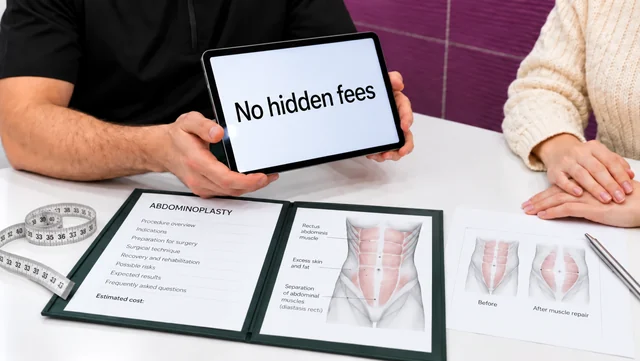
Skin, Muscle and Timing: Who Considers a Tummy Tuck
A tummy tuck deals with three things at once: skin that has stretched and stays loose, abdominal muscles that drifted apart during pregnancies or weight change, and the line of the lower belly. It is a contouring operation, not a way to lose weight. Anyone who still needs to lose a significant amount completes that path first, because a tuck done on a shifting weight loses what it builds, and this order is a condition of the result rather than a formality.
In a city of 422,757 people (2024 estimate), where mothers run households, shops and offices at the same time, this operation is often asked about quietly. A mother who has raised several children and returned to a stable weight may find that no exercise gathers what pregnancies separated. The first conversation costs nothing but a few photographs and a few lines from your phone.
Send daylight photographs of the abdomen from the front, both sides and a full side stance, add the number of pregnancies, how long your weight has been stable and whether another pregnancy is planned, and message the coordinators on Telegram or Telegram. They answer round the clock and pass your file to a surgeon, who replies with an opinion on the extent of tightening and on timing.
Planning Around a Busy Household in Tetouan
Few people can disappear from home for two weeks. A shop owner in the souks waits for a quiet week, an employee waits for leave, a mother waits for someone to take over the climbing and carrying. The advantage of an online file is that every preparatory step takes place at the speed of your own calendar, and nothing is fixed until you say so.
Houses in the old city are built on stairs and turns, and a doubled arrangement before any operation is wise. Decide who sleeps nearby for the first nights, who does the shopping and cooking in the first week, who looks after small children, and where the bed will be. A room on the ground floor or near the entrance changes the entire first week.
Choose the season with equal care. Hot August afternoons near 30.3 degrees are hard to bear in a binder, while a mild February with highs near 17.7 and nights near 10 lets you wear layers over the compression garment without anyone asking questions. Autumn rains arrive in force by December, which averages 100.4 mm, so a dry, warm interior and a stocked fridge matter more than outings.
Anaesthesia, Hospital Days and the Drains
The operation is performed under general anaesthesia and takes from two to four hours depending on how much tightening is needed. You stay in hospital from one to three days under medical watch. During those days the nurses manage the drains, read the wound morning and evening, and help you take your first steps inside the room.
The drains are usually removed about two days after the operation, which typically falls inside the hospital stay. From that day the home course begins. Prepare a semi-seated bed with pillows under the knees to ease the pull on the suture line, front-buttoning clothes that do not press on the abdomen, and someone willing to do every task that requires bending during the first week.
At the consultation, ask three things and keep the answers: which extent of tightening suits your abdomen and why, where the scar line will sit in relation to your belt line, and how your first days will be managed in a house with stairs. A clear reply to all three shows a surgeon who has read your file, not a template.
The Fortnight: Stitches on Day Seven, Then Back to Work
Day seven is the date of the stitches. The threads come out, the surgeon checks the wound, and from that station the count to the office begins. Desk work without physical effort resumes after two to three weeks, and the surgeon fixes the date inside that span by the progress of healing, not by pressure at work or by the enthusiasm of the second week.
Even within these weeks the abdomen leads a careful life. The compression binder is worn from the first day, bending is forbidden so washing and dishes go to a helper, and the staircase counts as a load, not a walk. Break long sitting with short walks inside the house, because continuous sitting increases the pull on the suture line and slows circulation.
Keep a weekly notebook: a photograph from the same angle and light, one line on swelling, one on pain, one on anything new. The coordinators pass it to the surgeon, and the reply arrives built on a written series, not a description from memory. Week by week, the series turns recovery from a silent worry into a course that can be read.
Day Thirty and the Binder Months
By day thirty most of the swelling has gone, and a clearer picture appears of what the tightening has built. Small fluctuations may remain, lighter in the morning and heavier in the evening, and a sense of tightness softens gradually. Read the direction of the weeks, not a single swollen day, and leave interpretation to the surgeon at follow-up.
The binder stage lasts from a month and a half to two months, during which the remaining swelling calms and the abdomen settles onto its line. After it, activities reopen in stages, while heavy lifting and strong sport wait for full clearance, because the deep muscle layers complete their healing after the skin surface calms.
Many women find that the binder months coincide with the cooler season if the operation was planned for winter. Loose tunics and long cardigans cover the garment, and a walk along the gentle slopes of the city, or later on the promenade of Martil, becomes the first regular exercise once the surgeon approves each step.
Six to Twelve Months: The Scar and the Final Contour
The final result and the scar have their appointment between six months and twelve. The contours complete, and the scar passes through stages from red to pale before it reaches its last colour. Care during these months, including sun protection and the moisturising the surgeon prescribes, draws its final shape.
Whoever judged the result in the third month judged one chapter of a book not yet finished. Plan your photographs: the same wall, the same light, the same distance, once a month. When the year is complete, you will see an abdomen returned to its structure and a scar sitting in the belt line where clothing does not reveal it.
Summer holidays by the sea are a natural goal for many. Plan swimming only on the dates the surgeon gives, keep the scar out of strong sun, and remember that a hurried first summer costs more than a patient second one.
Verifying the Surgeon and Reading Offers
Every doctor in Morocco, public or private, belongs by obligation to the National Council of the Order of Physicians, an independent body with legal personality, and its regional boards handle applications. Ask the surgeon for his registration number and specialty and keep the reply in writing. The homepage of the council has no open lookup directory, so a direct, documented question is the realistic path.
Ask every offer for one sheet covering four matters: the extent of tightening proposed for your abdomen and why, the expected scar position relative to the belt line, the hospital stay within one to three days, and the visit plan through the sixth month. Who wrote a plan and who arranged phrases becomes clear very quickly.
Beware of three signals: a promised result copied from someone else's photograph, pressure to decide in one sitting, and discomfort about the registration question. Read the answers at home, consult someone you trust, and send what lingers to the coordinators on Telegram or Telegram.
Assembling a Photo File That a Surgeon Can Actually Read
Most remote opinions go wrong at the very first step, and the cause is rarely the surgeon. It is a handful of blurred, dim or cropped pictures taken in a hurry. Set aside ten unhurried minutes near a window in Tetouan, in the soft light of mid-morning, with a plain wall behind you. Stand with your feet at shoulder width, arms relaxed, and ask a family member to hold the phone at navel height rather than from above, because a downward angle shortens the torso and hides the fold.
Take five frames: straight on, a three-quarter turn to each side, a full side profile, and one with a gentle forward bend so the loose skin shows its true behaviour. Wear plain underwear or nothing that pulls on the waist, since elastic leaves marks that mimic a fold. Photograph any existing scar, for example from a caesarean birth, with a close frame and a wider one, because the surgeon plans the new line in relation to the old one.
Beside the images, write four short facts in your own words: the number of pregnancies and the year of the last, your weight today and whether it has held steady, any earlier operations, and the long-term medicines you take. Add the sentence that matters most to you, whether it is the bulge below the navel, the loose skin, the feeling of a weak centre, or the way trousers sit. A surgeon who reads a clear priority replies to your priority instead of to a stock reply.
Keep the originals and avoid filters, beauty modes and heavy cropping. Send them to the coordinators on Telegram or Telegram, who are available around the clock, and note the date. The same five frames, repeated later in the same light, become the baseline for everything that follows, so this small ritual pays back for the whole year.
Questions Worth Asking, and How to Read the Answers
A consultation is a conversation in which you hold the pen. Prepare questions on paper before the reply arrives, and keep a column beside each for the answer. The first question is the simplest: what is the extent of tightening you propose for my abdomen, and what in my photographs led to that proposal? A reply that cites your skin, your muscle line and your pregnancy history is a reply written for you.
The second question concerns the alternatives. Ask what would happen if you chose a smaller procedure, or waited, or first completed a weight plan, and ask what the surgeon would be unwilling to promise. Honest answers include limits. If every path leads to the same operation on the same day, the file has probably not been read, and it is fair to say so politely and ask again.
The third group is about the practical shape of the stay: how many days in hospital, who looks after the drains, how the first walk is organised, and what the visit schedule looks like until the sixth month. Write the replies down and compare them with the figures you already have for the operation, which are general anaesthesia, two to four hours, and one to three hospital days. Differences deserve an explanation, not an argument.
Finally, read the tone. Clear sentences, a willingness to say what is uncertain and patience with repeated questions are good signs. A rush to fix a date, a request to decide on the spot, or irritation at your list are signs to slow down. Nobody who plans a body contour operation seriously objects to a patient who asks carefully.
Comparing Offers by What Is Being Done, Not by How It Sounds
When two or three proposals arrive, they rarely look alike, and the temptation is to choose the one with the warmest wording. Resist it. Take a sheet of paper and make a row for each element that defines the operation: the extent of tightening, whether the muscle line is addressed, the position of the scar, the anaesthesia, the hospital stay and the follow-up plan. Fill each cell from the written offer, and leave it empty where the offer is silent.
Empty cells matter more than full ones. A proposal that does not mention muscle repair, yet promises a flat abdomen, is describing a different operation from one that does. A proposal that names the scar position relative to your belt line is thinking about your wardrobe and your summers. Whoever describes the follow-up as a schedule, rather than as a friendly assurance, has usually thought it through.
Be wary of comparisons based only on photographs of other patients. Bodies differ in skin thickness, previous scars and the distance between the muscles, so a before-and-after pair says something about one person and little about you. Ask instead how your case differs from the examples and what the surgeon would change for you.
If two offers match on content, choose the one whose answers were the clearest and whose coordinator replied to your small questions without hurry. A decision made on content survives the second thoughts of the third night, which a decision made on enthusiasm usually does not.
Preparing Home, Work and Family Before the Date Is Fixed
Preparation begins weeks before the operation and mostly consists of removing small obstacles. Start with the household: who cooks during the first week, who takes children to school, who carries shopping up the stairs. In many families in Tetouan the mother is the invisible centre of the day, and the plan fails if nobody has been named to take her place. Write names next to tasks, and confirm them aloud so that no one is surprised later.
Next comes the workplace. Morocco keeps a Monday to Friday working week, so many patients prefer to begin a leave on a weekday and use the following weekend as a quiet buffer. Tell your employer or your co-owners in the shop early, in plain words, and agree on how you can be reached for one or two essential decisions. Having this settled removes the urge to check messages from a hospital bed.
Then the room. Arrange a bed that can be raised to a semi-seated position with pillows, a low table within arm's reach, a phone charger, a bottle with a straw, and front-opening clothes. Remove rugs that catch the foot and place a night light on the route to the bathroom. These are small things, yet they decide whether the first nights feel safe or anxious.
Last, prepare the conversation with those who will help. Show them the surgeon's instructions, explain why bending and lifting are off the list, and agree that you will not be asked to prove you are fine. A household that understands the rules spares you the quiet pressure of expectations, and recovery becomes the only task of the week.
Winter Rain, Summer Heat: Matching the Season to the Binder
Tetouan sits between the mountains and the Mediterranean, and its weather shapes the weeks after surgery more than most patients expect. The climate record for 1991 to 2020 shows a mild February with highs near 17.7 degrees, an August near 30.3 degrees, and rain that gathers in winter, with December averaging 100.4 mm and January 93.4 mm, while July is nearly dry at 0.6 mm. Each season asks something different of you.
In the cool months, the compression garment disappears under layers, and the house is the safe place to be. The cost is damp: wet coats, slippery steps and drafts in older buildings. Plan the first walks for dry hours, keep the floor near the entrance dry, and let someone else carry umbrellas and bags. A warm, dry room is worth more than any outing.
In summer the garment is harder to tolerate. Heat raises the urge to loosen it, to shower more often, to sit in front of a fan, and to go to the sea. Cotton layers, an air-conditioned or well-shaded room, and a firm rule that swimming begins only on the surgeon's word will keep the season from becoming a setback. Shade also protects a young scar, which fades more gently when it is kept out of strong sun.
None of this makes one season right and the other wrong. It means that the honest question is not which month is best, but which month your household can support. Choose the period when someone can be with you, the room is comfortable and the calendar is quiet, then ask the surgeon whether the timing fits your file.
Giving Yourself Permission to Slow Down, Decline or Wait
A consultation can end with a plan, a postponement or a refusal, and all three are legitimate outcomes. Some patients learn that their weight is still moving, that a planned pregnancy changes the order of things, or that a smaller procedure fits better. Hearing this from a surgeon is a sign of respect, not rejection, and it is the main reason to share a complete file with honest answers.
If you feel hesitation, name its source. Is it fear of the operation, worry about the household, doubt about the surgeon, or a feeling that the timing is wrong? Each has a different remedy. Fear is answered with information, worry with a better plan, doubt with another opinion, and timing with a calendar. Write the source down, and bring it to the coordinators as a question rather than as a decision.
Family opinions are part of this too. Relatives may encourage, or they may worry aloud, and both can feel like pressure. Decide who needs to know, tell them in your own time, and remember that the operation concerns your body and your recovery. A calm explanation of the plan usually turns objections into offers of help.
Postponing is not failing. A patient who returns six months later, with a steady weight and a prepared home, often has a smoother course than one who rushed. The file stays with you, the photographs can be repeated, and the coordinators will pick the conversation up where you left it.
Keeping a Recovery Diary That Helps Your Surgeon
The weeks after the operation pass in a blur, and memory edits them kindly or unkindly depending on mood. A diary replaces mood with evidence. Use one page per day for the first two weeks, then one per week. On each page write the date, a number from one to ten for discomfort, a line on swelling, a line on sleep, and anything new, however small.
Add a photograph at the same hour, in the same light, from the same positions as your baseline set. Do not remove the garment against instructions for the sake of a picture; take the frames at moments when the surgeon's plan already allows it, such as dressing changes and follow-up visits. If a frame would be unsafe, skip it and write a sentence instead.
Share the diary with the coordinators before each follow-up, so the surgeon reads a sequence instead of a memory. A rising discomfort number, a sudden one-sided swelling or a change in the wound deserves a prompt message rather than a note kept for later. The diary also quietly protects against disappointment, because progress that feels invisible from day to day is visible across a month of pages.
When the months have passed, the diary becomes something different: a short, honest account of what was hard, what helped and what you would repeat. Many patients find it useful to read in the second year, and some share its lessons with friends who are deciding.
Common Mistakes Patients Make, and Simple Ways Around Them
The first mistake is to treat the operation as a shortcut to weight loss. It reshapes skin and muscle after weight has settled, and it works best on a stable body. If the scale is still moving, finish that path first and take photographs from the same angles at the start and the end, so the surgeon can see the stability.
The second is to underestimate the help needed at home. Many patients plan for the hospital and forget the second week, when energy is low, bending is still prohibited and stairs are a real burden. Arrange help for at least that fortnight, and keep a list of small tasks that anyone can take over, from laundry to school runs.
The third is to judge the result too early. Swelling hides the line for weeks, and the full contour and scar settle only between six and twelve months. Take the monthly photograph, compare like with like, and wait for the surgeon's reading before forming a view.
The fourth is to hide a medical detail out of embarrassment, whether a long-term medicine, an old scar or a smoking habit. The surgeon cannot plan around what is unsaid. Say it plainly in the first message and let the professional decide what matters. Finally, do not skip the follow-up visits when you feel well; they are where small problems are found while they are still small.
Is a tummy tuck a weight-loss operation?
No. It restores skin and muscles to their place after weight has settled. If you still need to lose weight, complete that first, because a tuck on shifting weight loses what it builds.
How long does the operation take and how long is the hospital stay?
It takes two to four hours under general anaesthesia depending on the extent of tightening, and the hospital stay lasts one to three days under medical watch.
Are the drains removed in hospital?
Usually about two days after the operation, which mostly falls inside the stay. At home, use a semi-seated bed, pillows under the knees and someone to do the bending tasks for the first week.
When do the stitches come out?
On day seven, when the surgeon reads the wound and sets the way back to work.
When can I return to desk work?
After two to three weeks, with the date set by the surgeon according to healing.
How long do I wear the binder?
A month and a half to two months, after which activities reopen in stages while heavy lifting and strong sport wait for clearance.
Can I climb the stairs of an old house?
In stages. In the first days, with stops and support; bending and carrying are forbidden until the suture line calms. Arrange for a relative to carry for you during two weeks.
When do I see the final shape and scar?
Between six and twelve months. The scar passes from red to pale, and sun protection and moisturising as prescribed help it.
Which season suits the operation?
A cooler one often suits better, as February highs near 17.7 degrees let you wear layers over the binder, while August near 30.3 is harder. Any season works with adjusted protection.
Does an upcoming pregnancy matter?
Yes. Tell the surgeon in the first message whether another pregnancy is planned, since it affects timing.
What photographs should I send for a first opinion?
Five daylight frames against a plain wall: front, two three-quarter turns, a side profile and one with a slight forward bend. Add any scar close up, plus your pregnancy history, weight today and current medicines.
Is it acceptable to hear that I should wait?
Yes. A recommendation to wait for a steady weight, finish a pregnancy plan or choose a smaller procedure is a normal outcome of an honest assessment and saves you from a poor result.
Who should help me at home in the first fortnight?
At least one adult for the nights and tasks that need bending or lifting, plus someone for children, shopping and the stairs. Name them before the date is fixed.
Do the coordinators reply at night?
Yes. They are available around the clock on Telegram and Telegram, and they pass your file and your questions to the surgeon.
What photographs should I send for a first opinion?
Five daylight frames against a plain wall: front, two three-quarter turns, a side profile and one with a slight forward bend. Add any scar close up, plus your pregnancy history, weight today and current medicines.
Is it acceptable to hear that I should wait?
Yes. A recommendation to wait for a steady weight, finish a pregnancy plan or choose a smaller procedure is a normal outcome of an honest assessment and saves you from a poor result.
Who should help me at home in the first fortnight?
At least one adult for the nights and tasks that need bending or lifting, plus someone for children, shopping and the stairs. Name them before the date is fixed.
Do the coordinators reply at night?
Yes. They are available around the clock on Telegram and Telegram, and they pass your file and your questions to the surgeon.
What photographs should I send for a first opinion?
Five daylight frames against a plain wall: front, two three-quarter turns, a side profile and one with a slight forward bend. Add any scar close up, plus your pregnancy history, weight today and current medicines.
Is it acceptable to hear that I should wait?
Yes. A recommendation to wait for a steady weight, finish a pregnancy plan or choose a smaller procedure is a normal outcome of an honest assessment and saves you from a poor result.
Who should help me at home in the first fortnight?
At least one adult for the nights and tasks that need bending or lifting, plus someone for children, shopping and the stairs. Name them before the date is fixed.
Do the coordinators reply at night?
Yes. They are available around the clock on Telegram and Telegram, and they pass your file and your questions to the surgeon.



























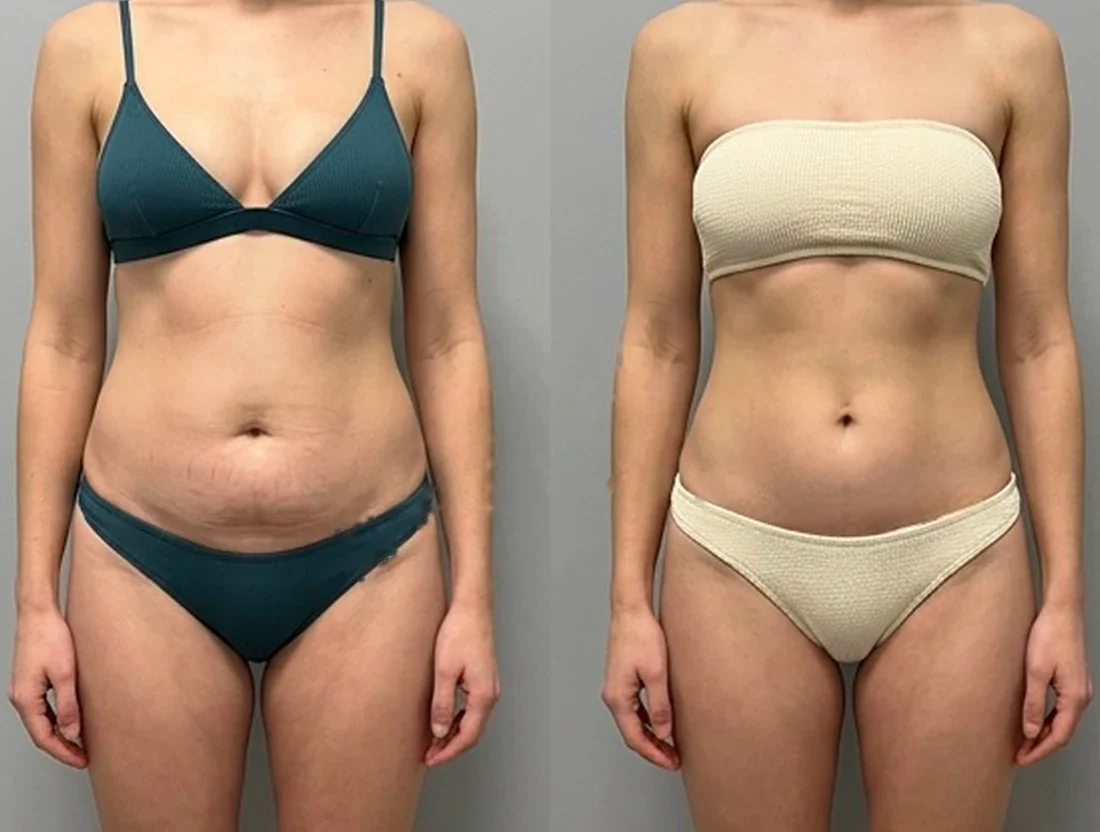 beforeafter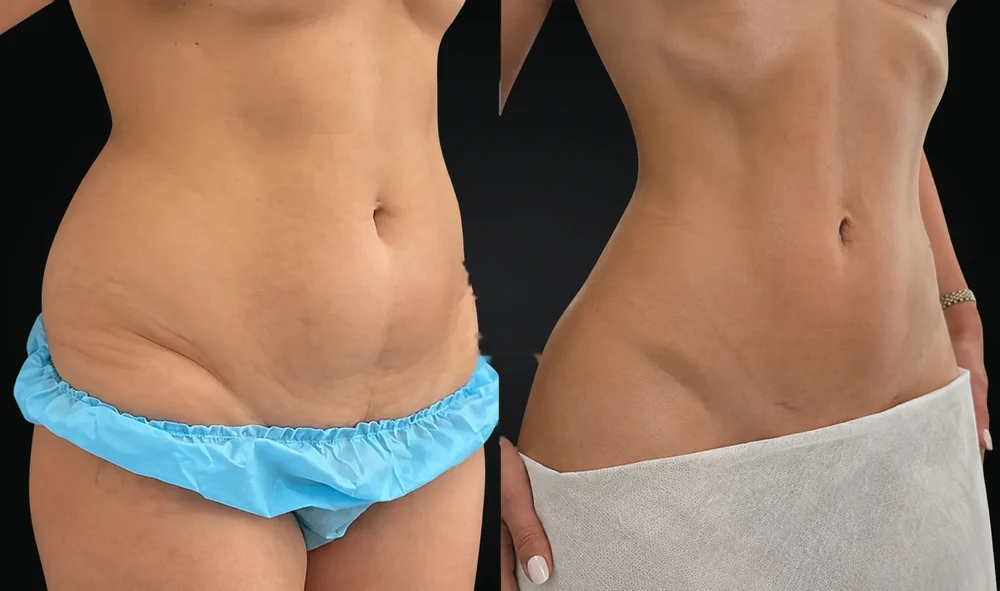
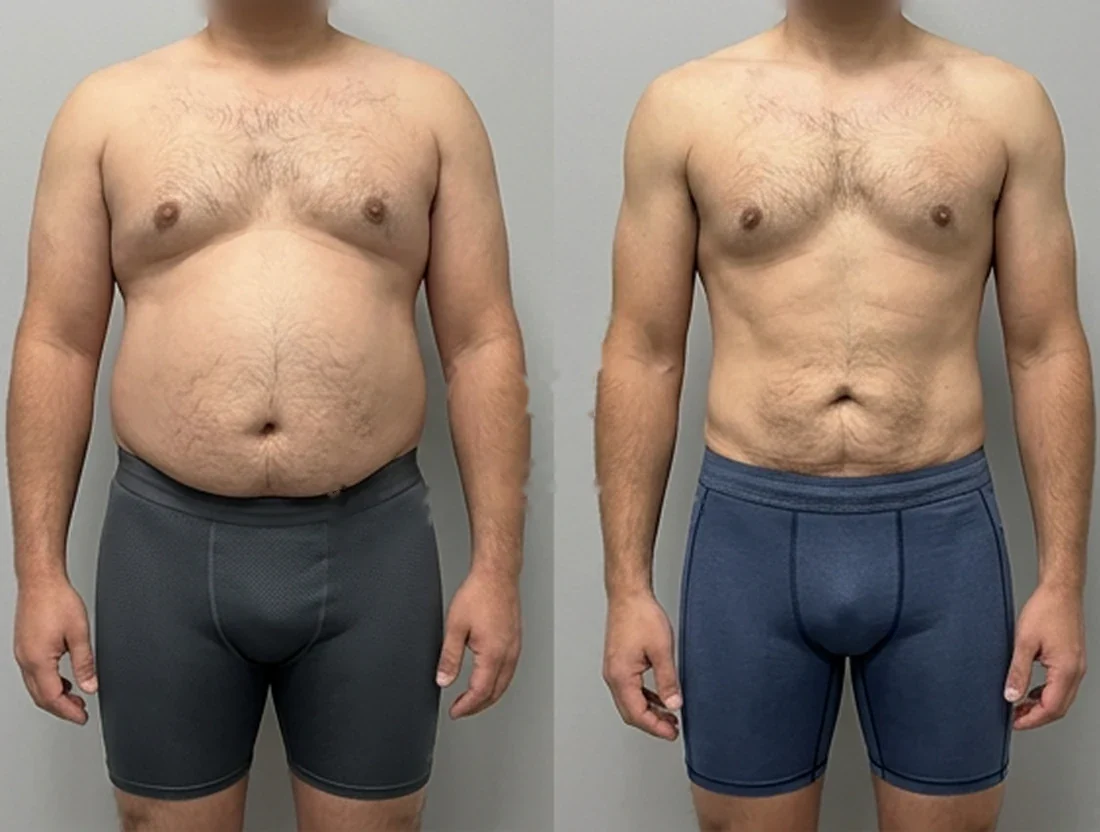 beforeafter
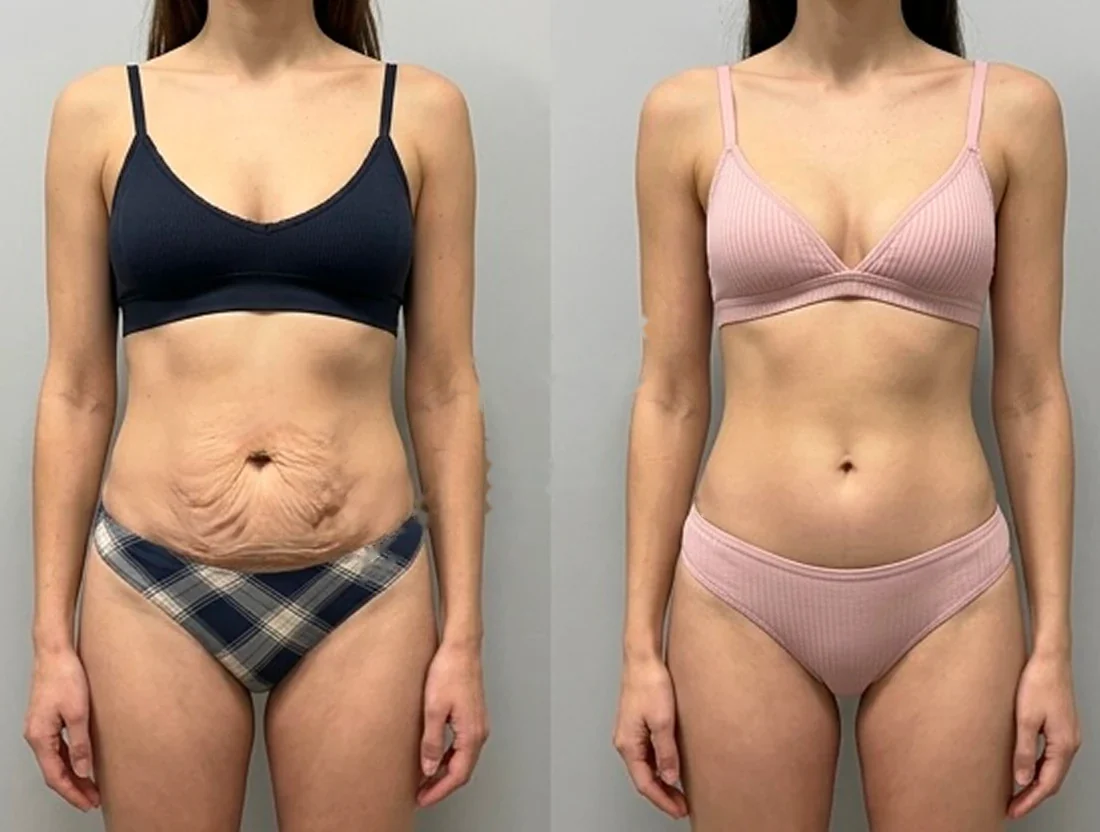 beforeafter
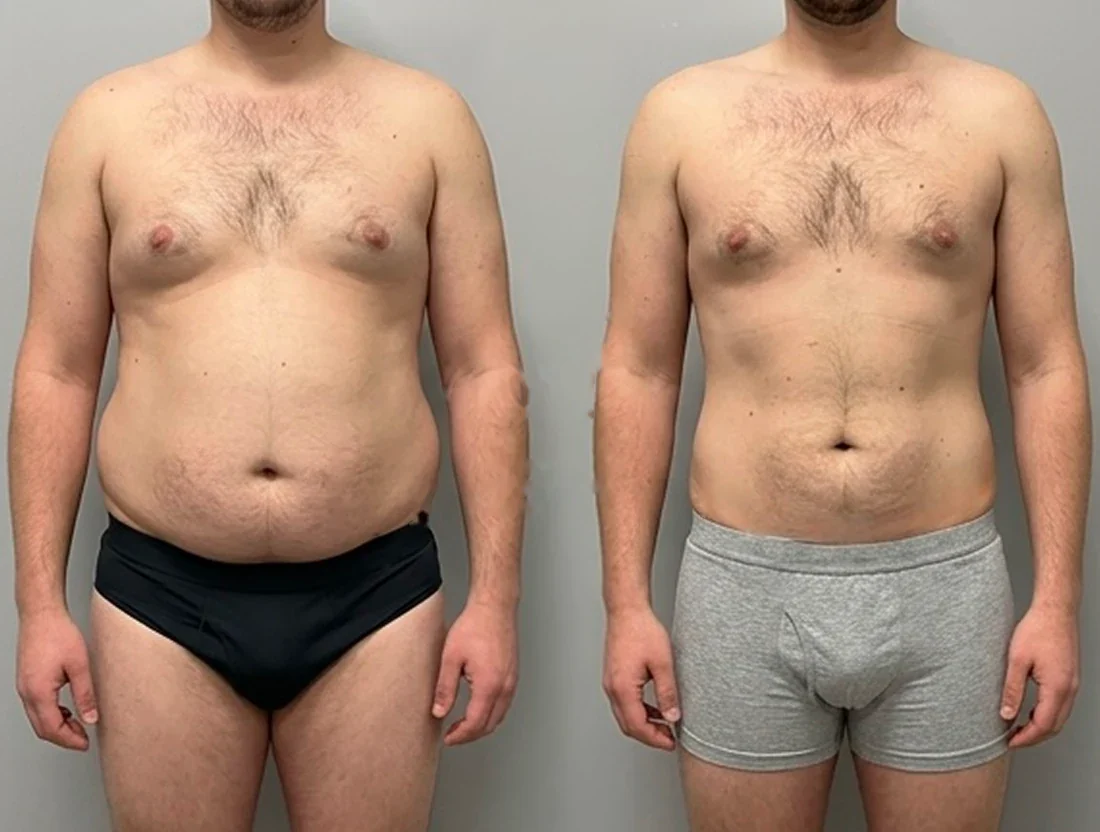 beforeafter
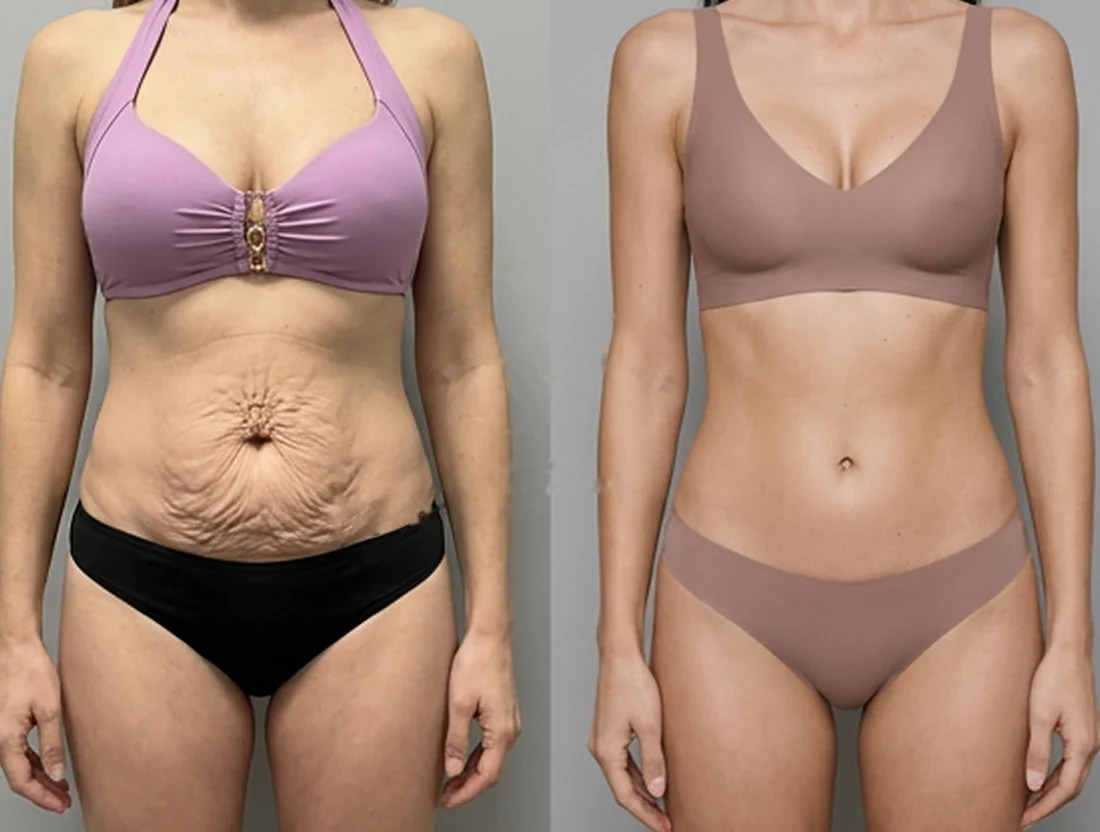 beforeafter
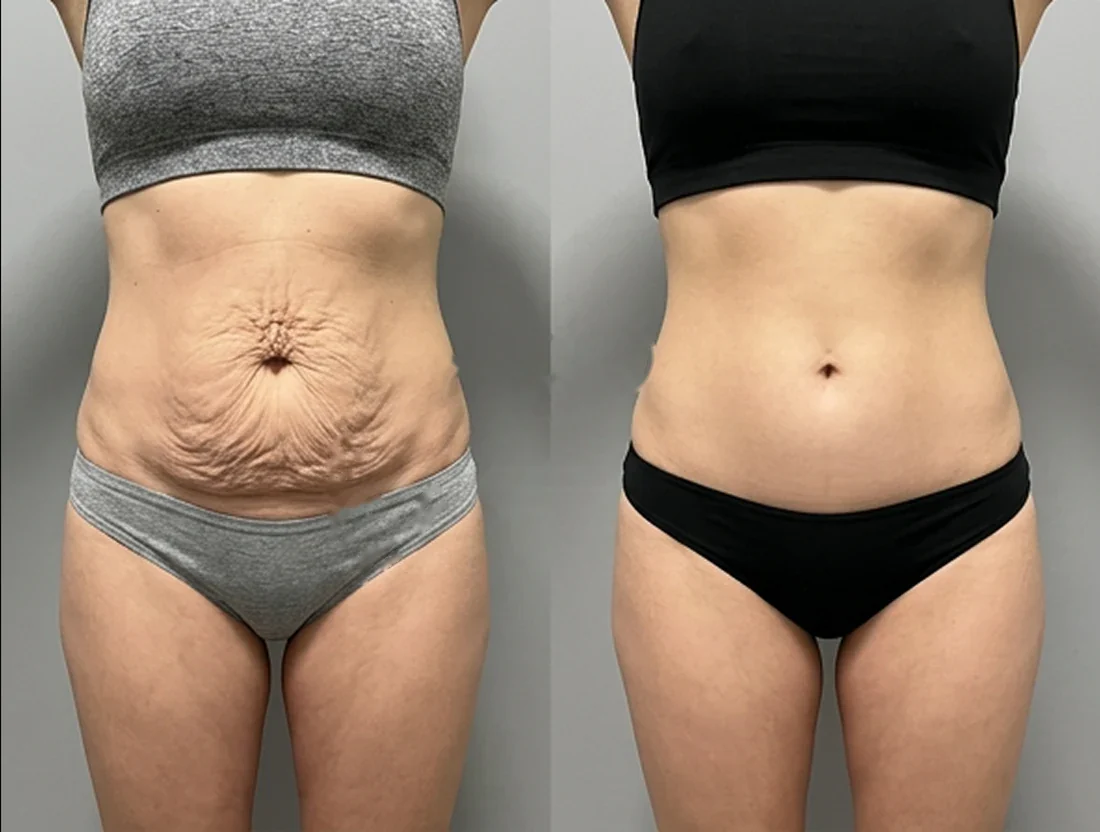 beforeafter
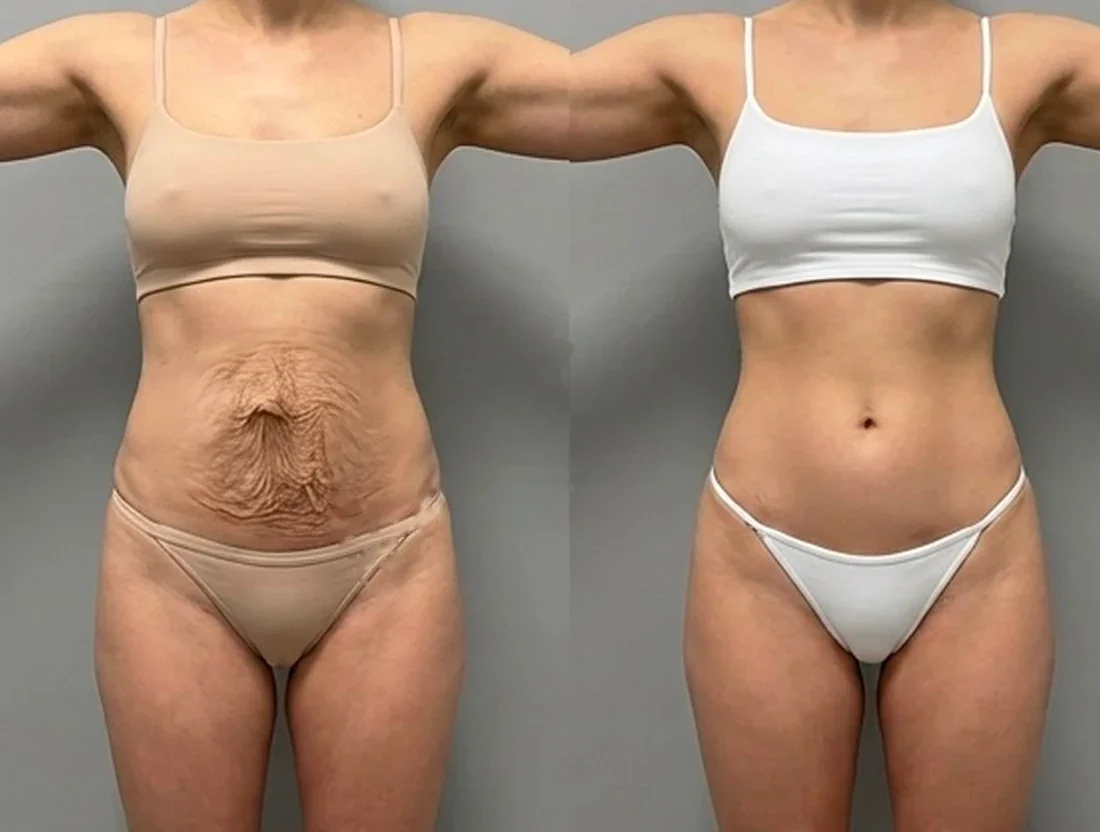 beforeafter
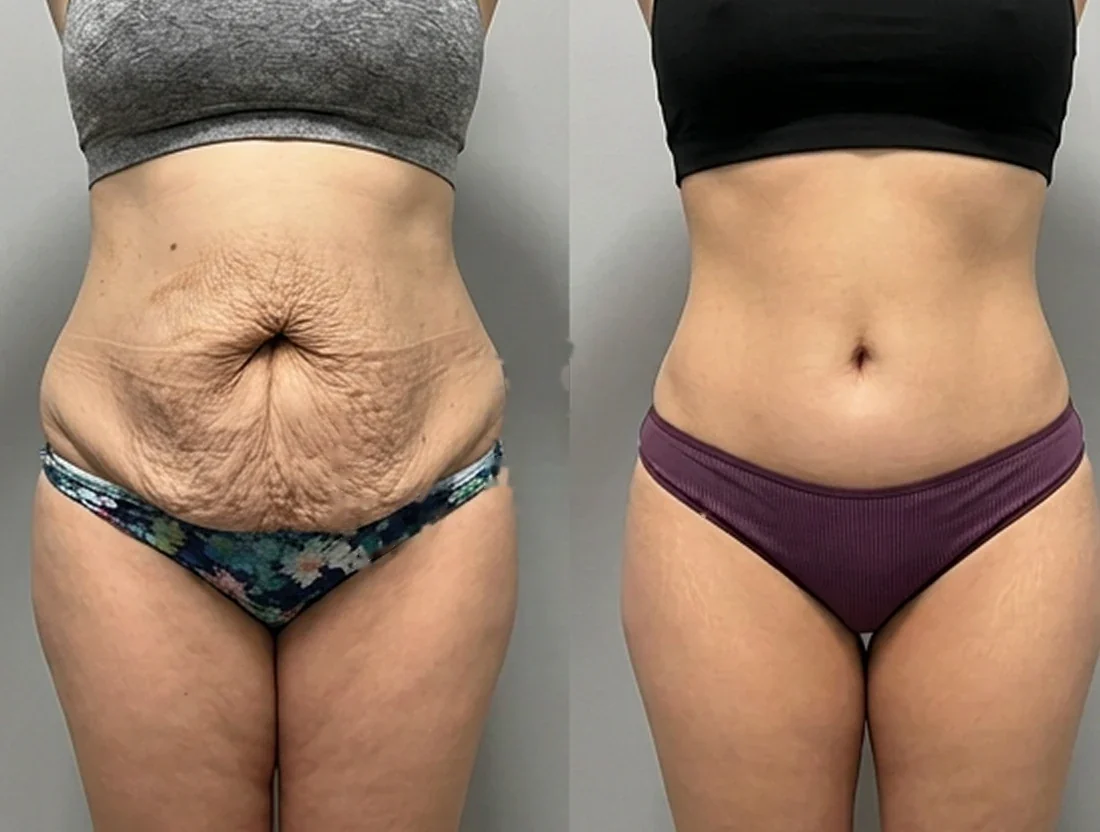 beforeafter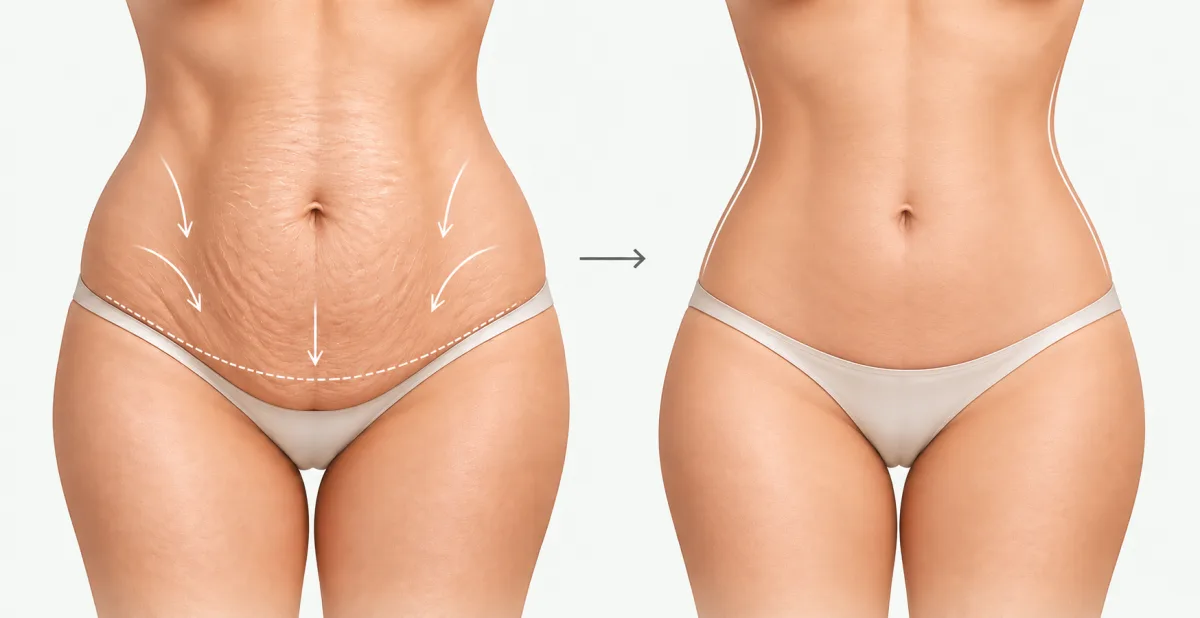
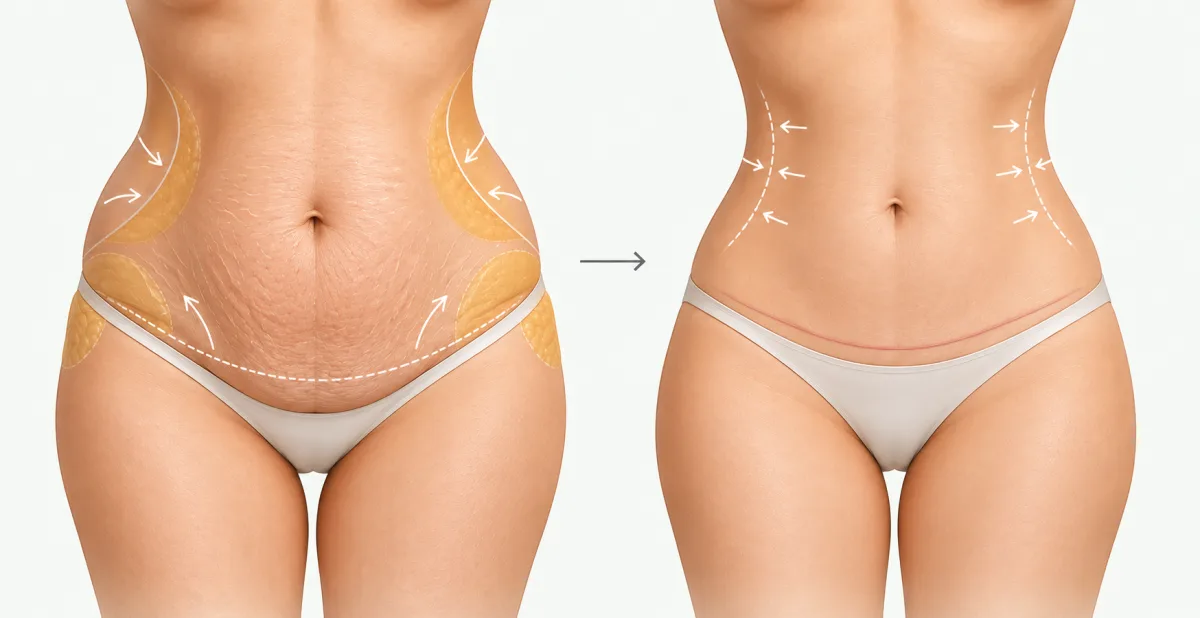








 1
1 2
2 3
3 4
4 5
5 6
6