



























Message our coordinator
Free online consultation · Reply within 15 minutes
Message us on TelegramMessage us on WhatsAppBy messaging us, you agree to our Privacy Policy





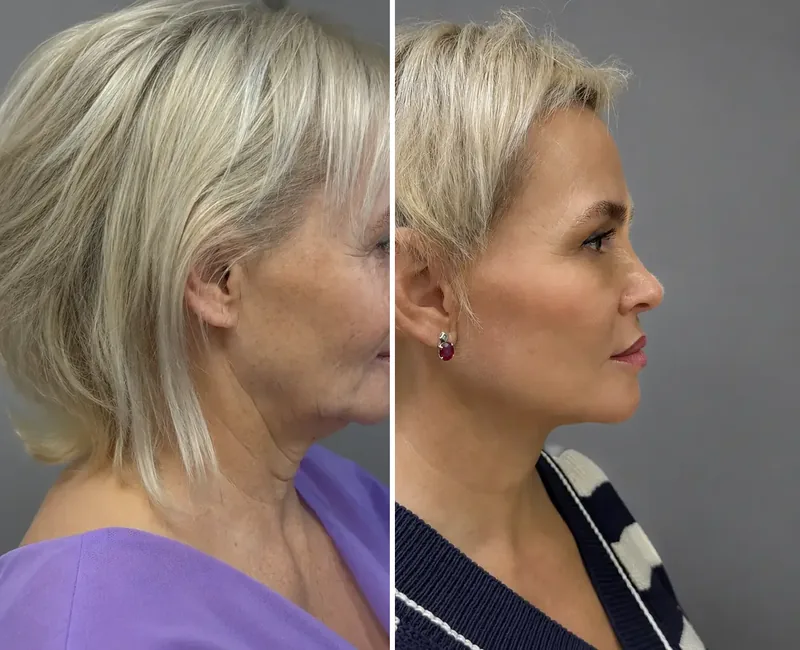

50 years
9 months
SMAS facelift
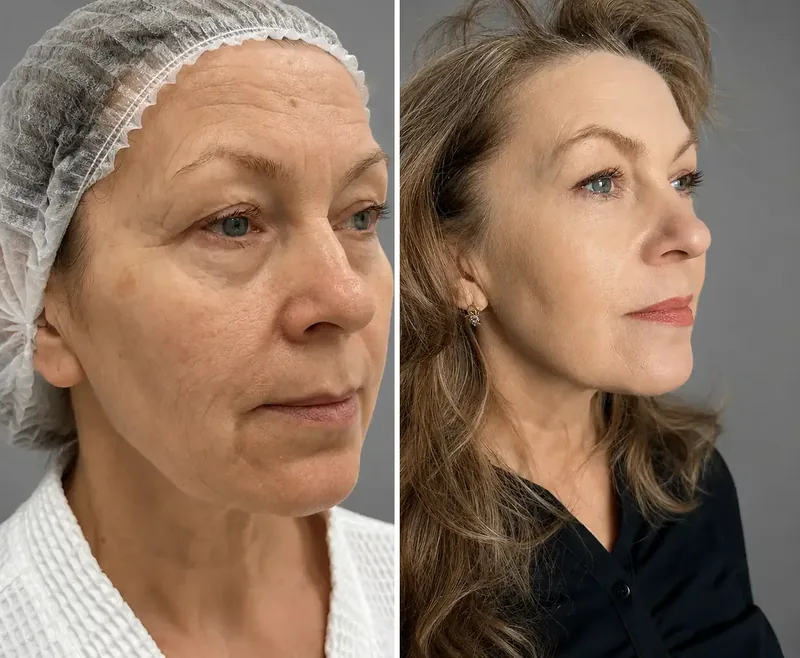
58 years
8 months
SMAS facelift
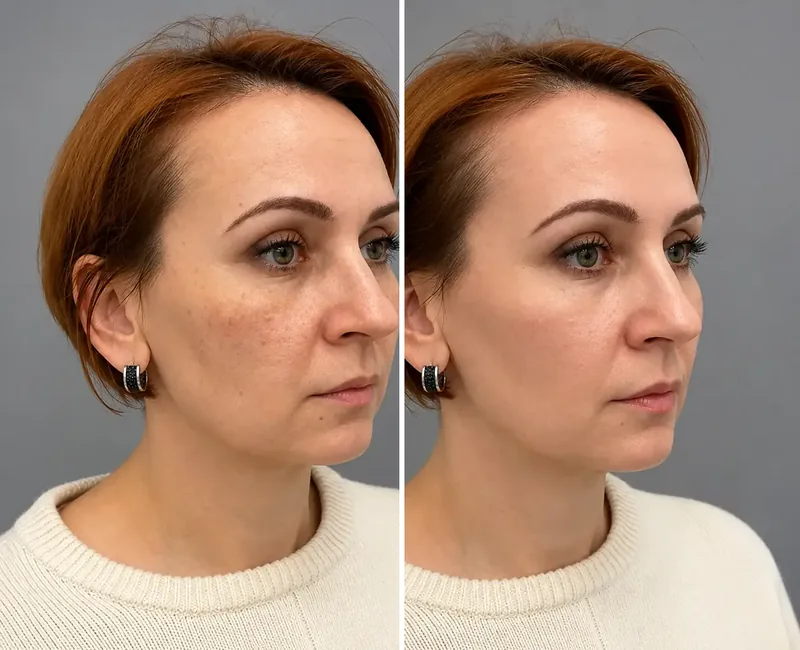
34 years
5 months
SMAS facelift
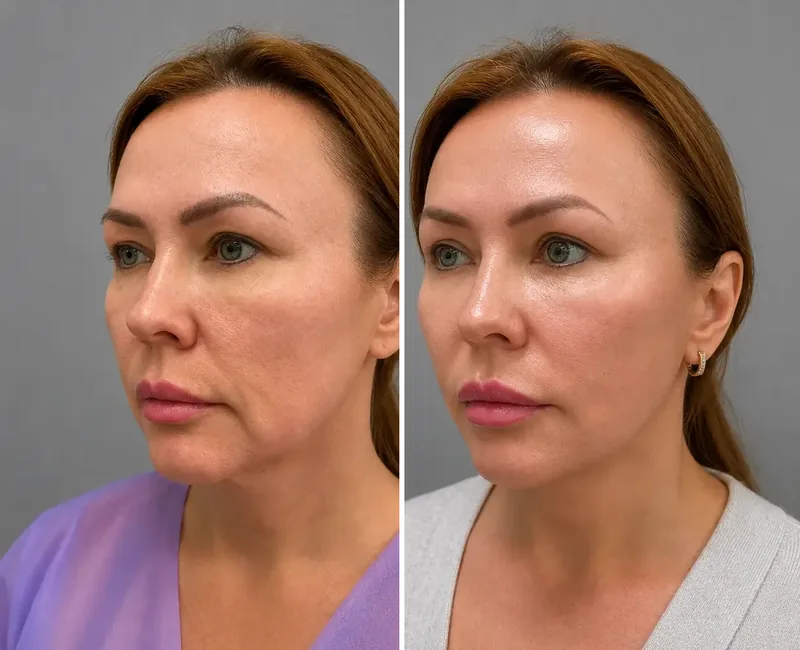
32 years
7 months
SMAS facelift
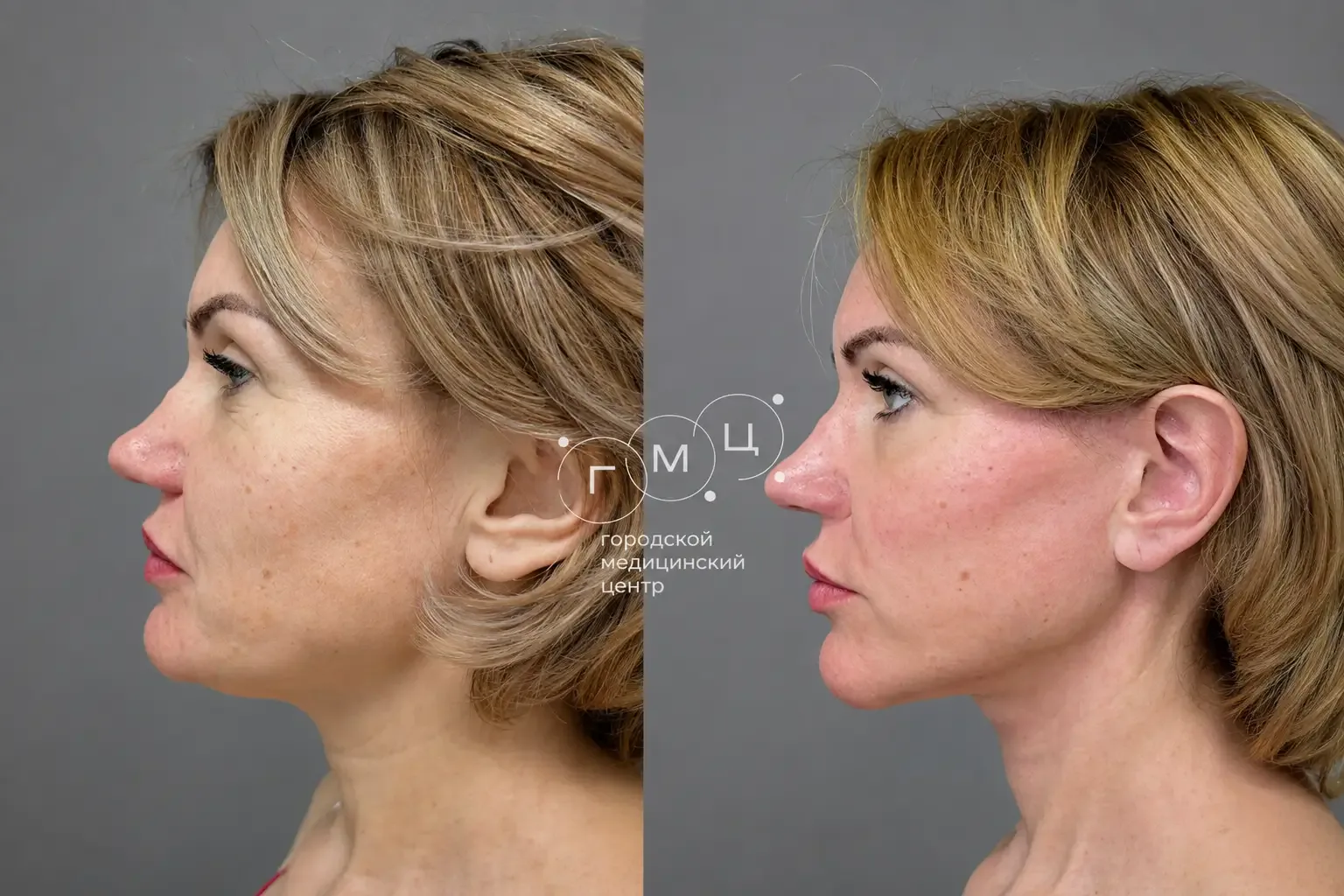
40 years
6 months
SMAS facelift
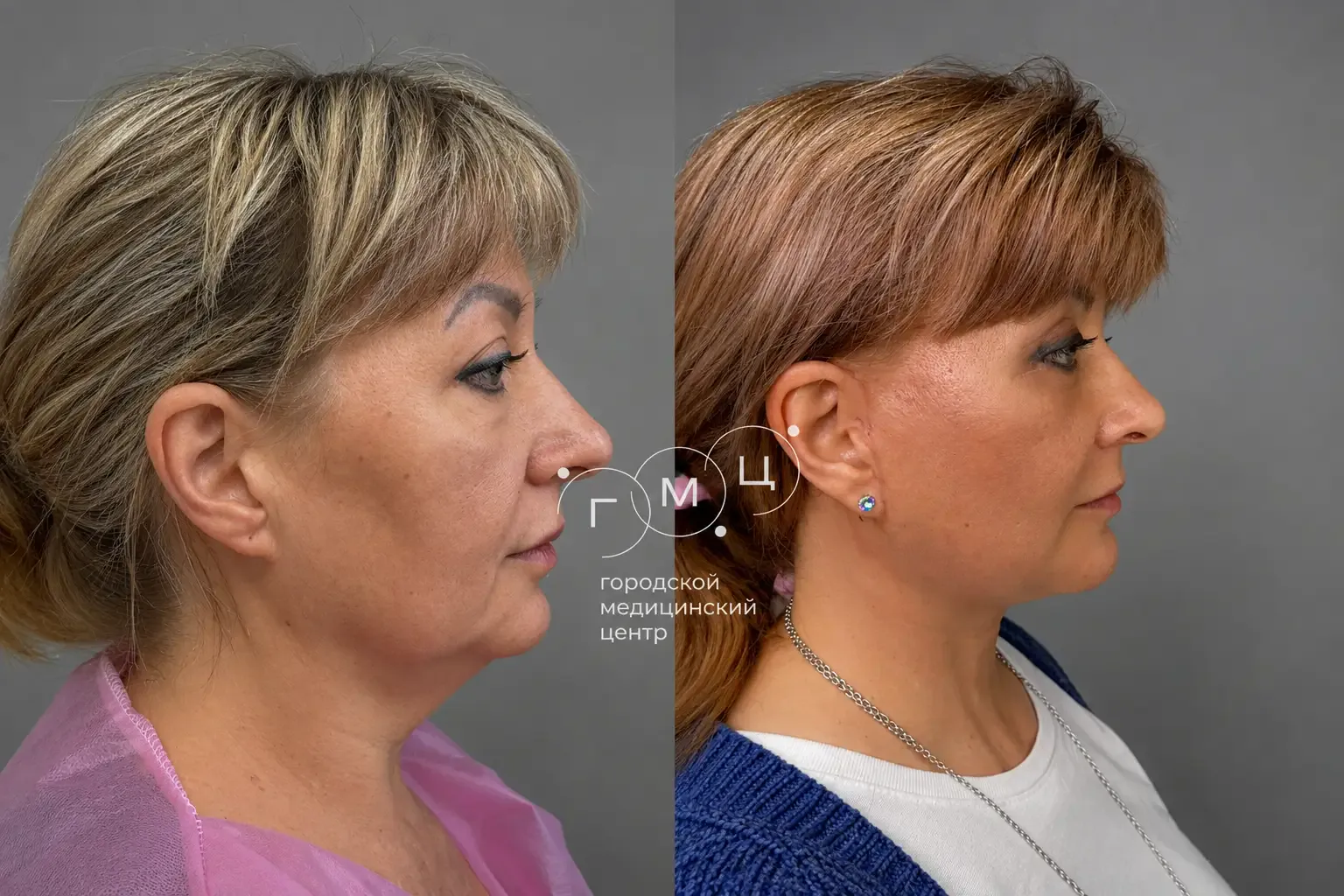
45 years
8 months
SMAS facelift
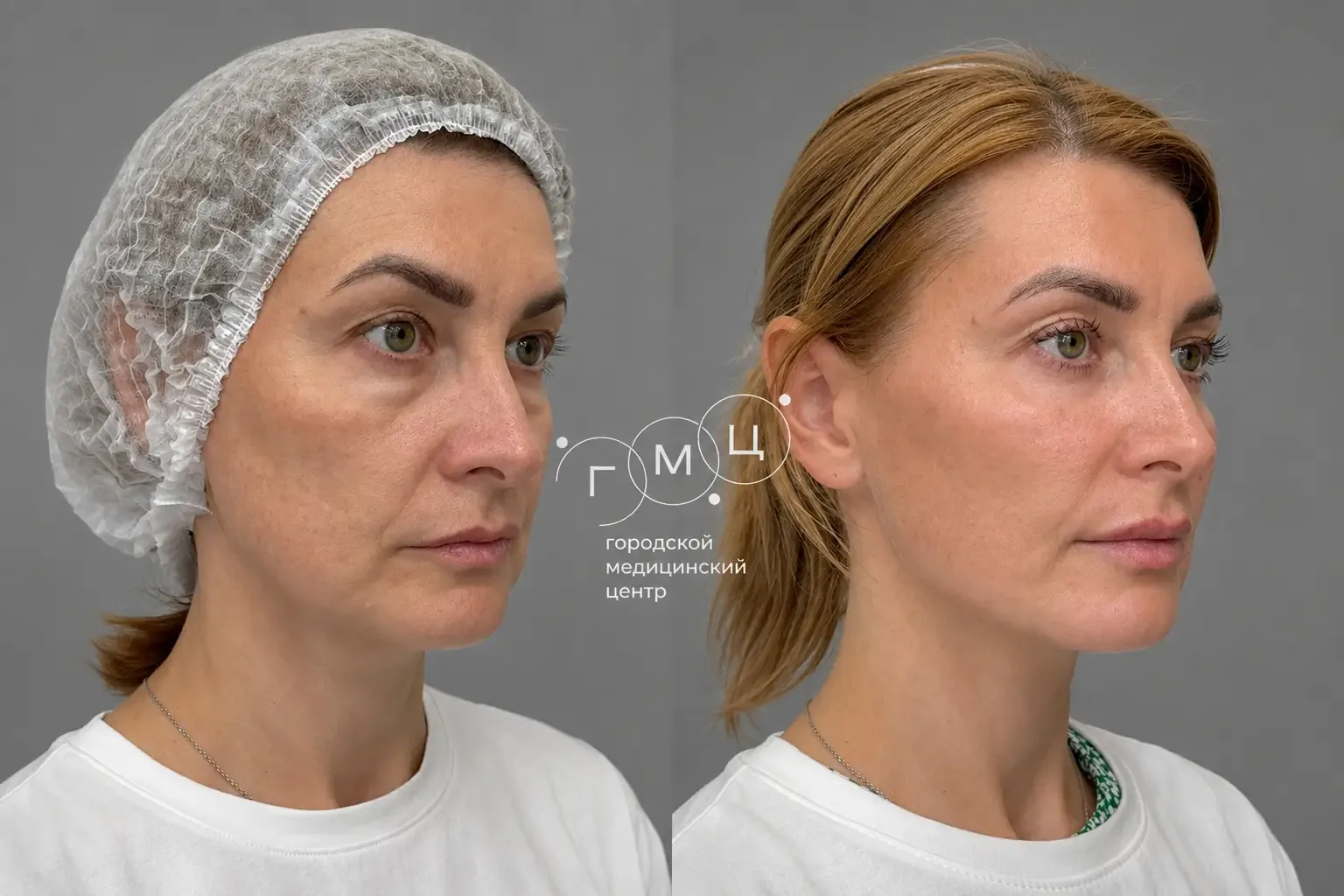
38 years
5 months
SMAS facelift
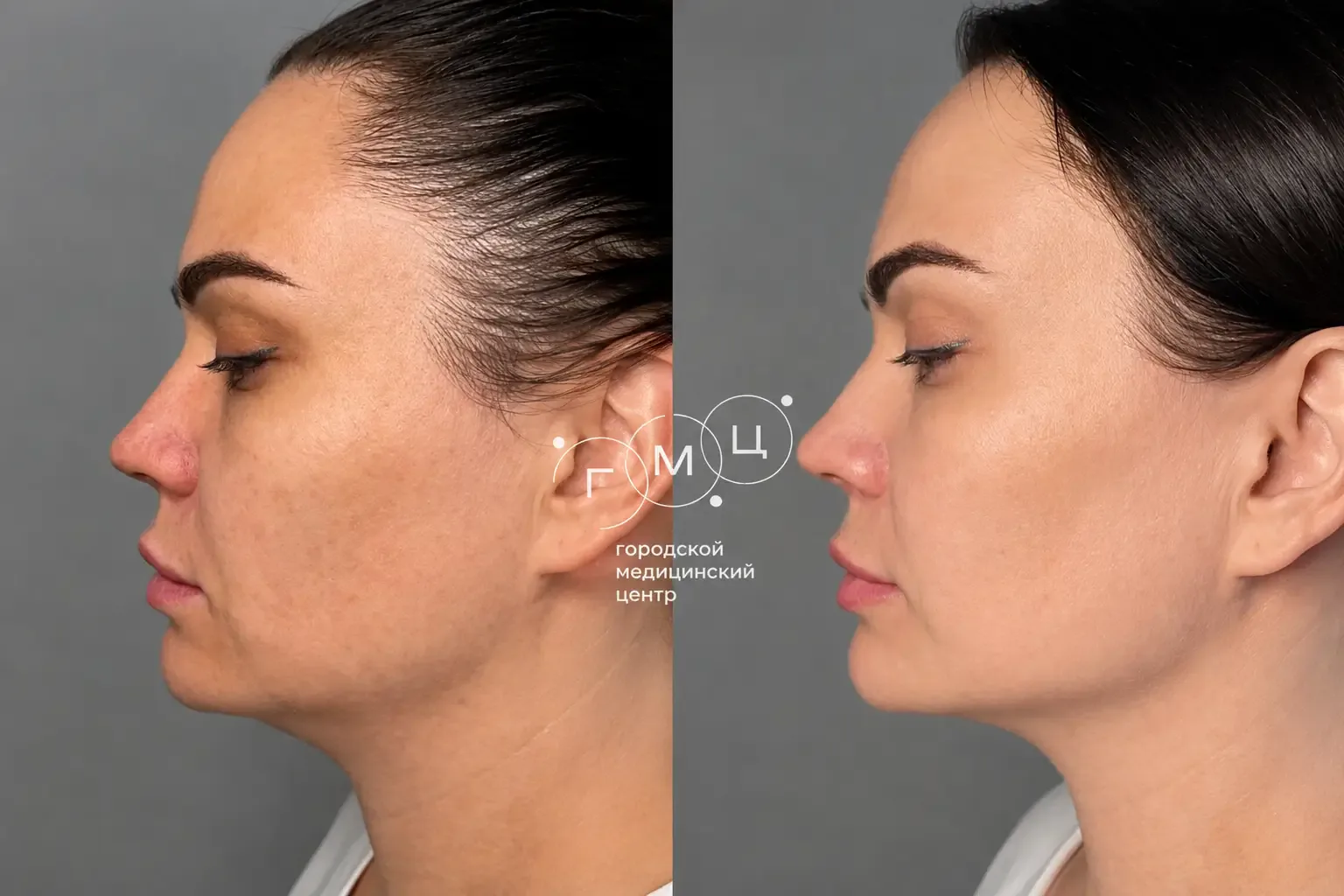
33 years
6 months
SMAS facelift
50 years
9 months
SMAS facelift
58 years
8 months
SMAS facelift
34 years
5 months
SMAS facelift
32 years
7 months
SMAS facelift
40 years
6 months
SMAS facelift
45 years
8 months
SMAS facelift
38 years
5 months
SMAS facelift
33 years
6 months
SMAS facelift
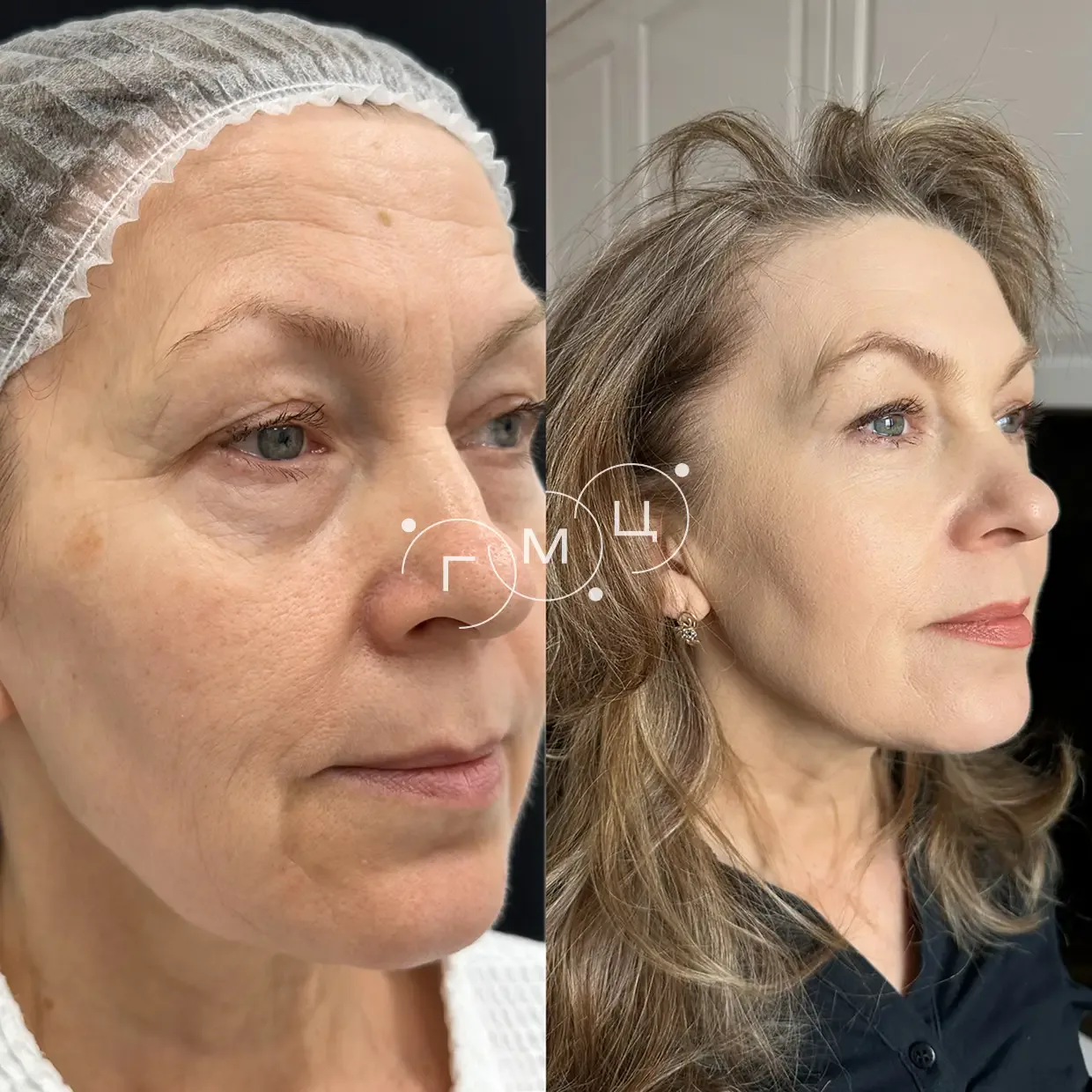

Marked sagging of the face and neck
A loss of jawline definition, jowls
A double chin and loose neck skin
Marionette lines and deep nasolabial folds
A heavy, tired look from drooping brows
Significant loss of skin firmness after 40
Preference for a long-term result (7–10 years)

Younger than 30
Active, acute inflammation of the skin
Being pregnant or breastfeeding
Severe cardiovascular disease
Impaired blood clotting
Cancer
Decompensated diabetes
How a SMAS facelift works for Tetouan residents
A facelift can also be part of a broader plan. It is often combined with blepharoplasty (eyelid surgery), rhinoplasty or double-chin liposuction, and the scope of a combined procedure is set by the surgeon at the consultation. This lets patients from Tetouan address several concerns in one combined procedure. The surgeon never suggests surgery where it is not needed and never prescribes anything extra.
Is a SMAS facelift painful? No: the surgery is done under general inhalation anaesthesia, so you feel nothing. Afterwards, discomfort and tightness are possible for a few days and are eased with prescribed medication. A compression bandage and reduced activity help the tissues settle in the first 7–10 days. That is the typical course for people in Tetouan after surgery.
If you are comparing facelift prices in Tetouan, check what each offer includes and how long the result lasts. Here the price starts from $2,400 (≈ MAD 24,000) and covers anaesthesia, the stay, meals, 24/7 monitoring and a year of follow-up, while a surgical SMAS lift holds for 7–10 years. The final amount is fixed at the consultation. Book yours for free via the form.
Stories of well-known people
Well-known people who spoke openly about this operation, in their own words.
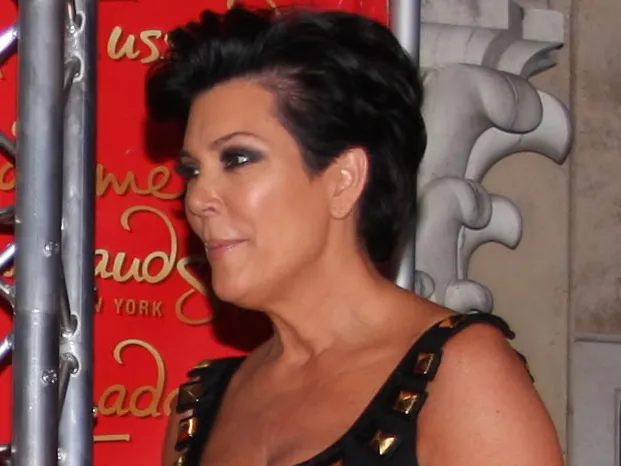 Kris Jenner’s facelift: “I love my facelift”Kris Jenner said she had a facelift about 15 years ago and a refresh before turning 70 — and that she loves it. How a SMAS facelift and recovery work.
 Did Vicki Gunvalson have a facelift? Yes, and she showed the result herselfVicki Gunvalson had a facelift in May 2018 after deciding fillers no longer looked like her. Her own words, how a facelift works and recovery.
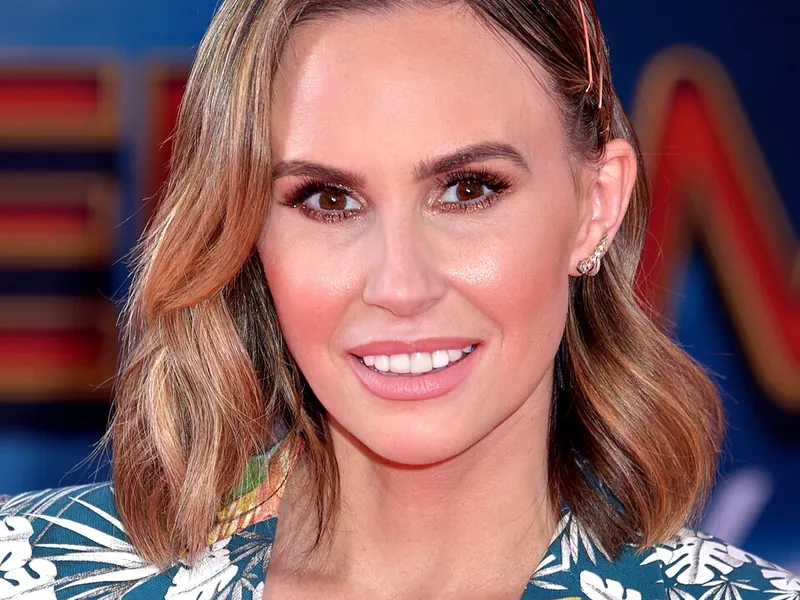 Keltie Knight’s facelift: why she decided to “just own it”Keltie Knight had a facelift in 2023 at 41 and chose to talk about it openly. What she said, how a SMAS facelift works and what recovery looks like.
 Did Linda de Mol have a neck lift? Yes, and she wrote about it herselfLinda de Mol wrote in LINDA. in 2025 that she had a neck lift. What she said, why she chose to be open, and how a face and neck lift works today.
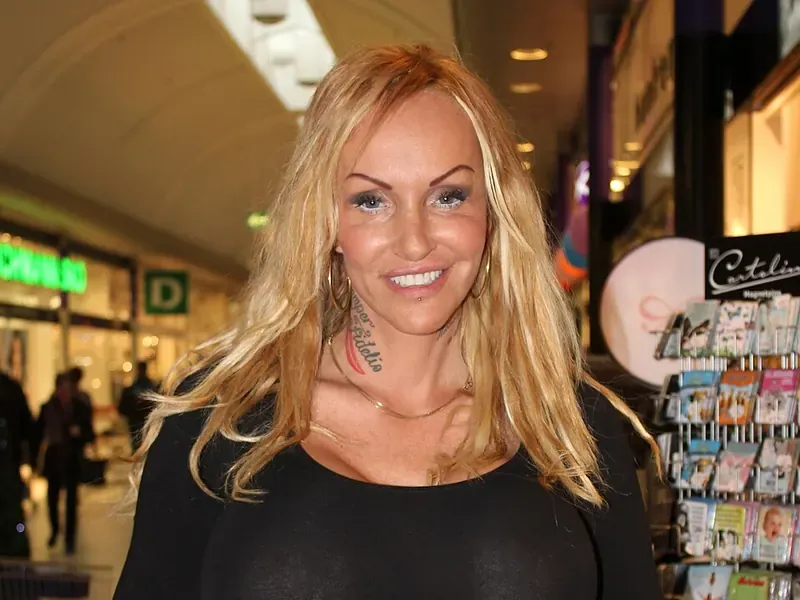 Linse Kessler and her facelifts: what she said herselfDanish reality star Linse Kessler has said openly that she has had several facelifts. Her words, how a modern facelift works and what recovery involves.
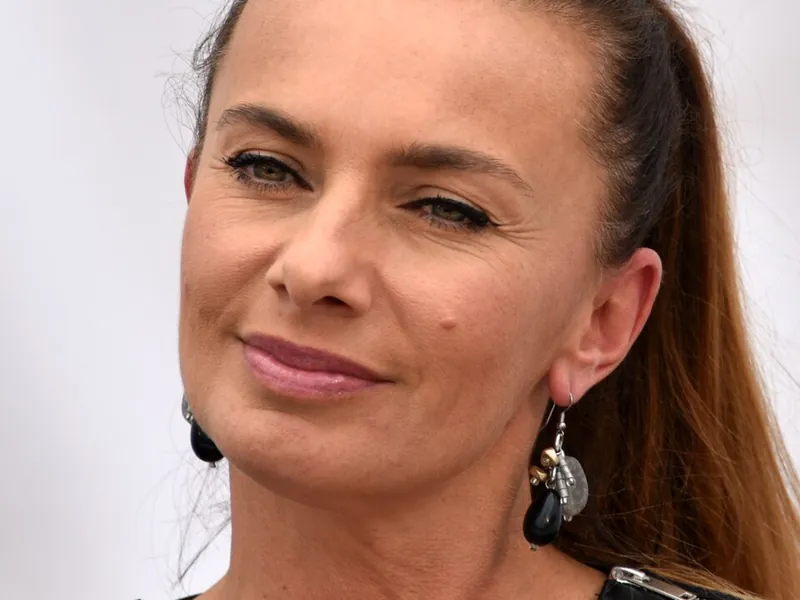 Did Alice Bendová have a facelift? Yes, and she explained why herselfAlice Bendová confirmed a deep plane facelift in September 2026. Her words, how a facelift works, who it suits and what recovery looks like.
Close, Honest Photographs Open the Facelift File in an Arts City
Tetouan, the Andalusian-rooted city that carved its name into Morocco's memory through plaster engraving and silver inlay, counted 422,757 residents in the 2024 estimate with a mild yearly mean of 18.9C; inside it lives a whole generation past fifty who see in the mirror what patience does not hide: creases gathering around the mouth, a jawline that lost its edge, cheeks beginning to slide from their position toward the jaw.
This is the public of the facelift, and its file opens from whatever lies closest to the truth: close daylight photographs of the face without makeup and without filters, front, both sides and a three-quarter angle, plus lines about age, health, smoking and any earlier face work; the set travels over Telegram and Telegram to a team that reads at every hour, and a first assessment returns that sorts the case: a full lift, a partial one, or a path smaller than the operation.
In a city that has lived on mastering the fine detail, its people can be trusted to apply the craftsman's standard to their own face file: one decorated photo with a filter postpones the correct answer by weeks, while an honest daylight image gives the surgeon what he needs in one sitting to judge your skin quality, the position of the slackness and the thickness of the face, the three inputs on which the whole plan, or the decision to wait, is built.
And the people of professions that meet many faces, from hospitality in the old city to traders in the souks, know that a face decision is not announced in the market but seated until it ripens: the file opens today from the phone, and the visits arrange themselves after their owner decides the right gap in his calendar, not the reverse; timing thus serves the decision instead of ruling it.
Inhaled General Anaesthesia and Incisions Planned to Stay Unseen
The operation runs under inhaled general anaesthesia handled by an anaesthetist, and the patient passes the whole session unconscious from the first incision to the last stitch, returning to awareness only in the recovery room under the team's watch; this is the accepted form for the facelift because the surgeon's work extends into the deep layers of the face, not its surface alone.
The art of incisions in a facelift is the art of hiding: lines that fold inside the hairline or around the ear's flap so their trace disappears beneath a natural appearance, with position and length decided by your face's anatomy and slackness rather than by one mould applied to everyone; this is why the consultation speaks of your plan specifically: where the incisions fall, whether the plan extends to the neck, and what stays for another session if needed.
Ask in the same session about the layers, not the skin alone: what is lifted beneath the skin, how it is redistributed, and what is done with relaxed muscles if they exist; the modern facelift works deep before it finishes at the surface, and the surgeon who explains this distinction clearly shows you that your file is read at its true level rather than at the level of advertisements.
And remember that a facelift restores position without manufacturing a new face: your features remain your features, rearranged into an earlier setting; whoever grasped this sentence before signing entered the operating room with a settled heart, and whoever waited for a magazine's face left follow-up carrying a burden no one could lift from him.
Two Recovery Months Between December Rains and Summer Warmth
Full recovery asks for about two months, lived through clear stations: swelling and bruises in the first faces of the journey that ease after days, then feeling returning to the skin and the region around the ear softening, and the new lines taking their place; whoever knew the stations beforehand travelled them calmly, and whoever did not turned the third day's swelling into a tragedy rather than a passing stage.
In your Tetouan home these two months follow the seasons: if you sit for the operation near December, its rains of 100.4 mm become an ally that keeps you in a temperate house rather than on the street, and if your plan falls in summer, August's usual 30.3C by day imposes a cool-aired home and complete distance from the midday sun; recovery wants no heroism, only a room and an arrangement.
The two months' rules are few and binding: sleep on the back with the head raised on a pillow that supports the neck, keep hands away from the face and its wounds, light walking inside the house from the day the surgeon permits, and postponement of sport, lifting and any effort that raises pressure in the face; the repeated staircases of the old city wait weeks before returning to being ordinary steps rather than a load on a treated neck.
Arrange follow-up calls in the quiet stretches of your day, and keep a weekly notebook: how the swelling changes, when feeling returns at specific spots, and any new observation; the team answering over Telegram and Telegram at all hours carries your notebook to the doctor, and his reply returns built on your course rather than on advice recycled for every patient.
From Month Three to Six: Patience That Shows in Photographs
The face does not speak its final word in the first week: between the third month and the sixth, the last remains of deep swelling recede, what lies beneath the skin softens, and the tissues knit onto the new lines until the result becomes your features rather than the trace of an operation; it is in this period especially that the patient separates himself from whoever hurried to a verdict in month one.
The details of these months are known in advance so they do not shock you: temporary numbness at spots of the face where feeling returns by degrees, a hairline adapting around the incisions, and a sensation of tightness that passes like a guest rather than a resident; the surgeon reads all these stations at follow-up visits, and the more faithfully you record them in your notebook, the nearer his answer about your state comes to medicine and the further from guesswork.
When the result completes, the file of preservation begins: summer sun on the city's rooftops is strong on treated skin, so shade and sun protection turn into a fixed habit, smoke returns to the skin in the wrong direction the elasticity that time took from it, and a stable weight guards what was redistributed; in a facelift, the result is managed across years, not purchased once.
At that point you will understand why the surgeon asked for patience at the start: the face that settles in the fifth month looks like someone who slept deeply for years rather than someone who left an operation, and this is the standard separating respectable work that lasts from hasty work that time exposes; the people of Tetouan, who live by details, know the worth of this difference better than most.
The Registration Paper and Offers Compared on Paper, Not Volume
Before placing a date, ask for the first sheet: the surgeon's entry on the roll of the National Council of the Order of Physicians, the independent body that gathers every doctor in Morocco by obligation across the public and private branches; ask about the entry number and the specialty and keep the answer in writing, noting that the council's site places no open lookup list at its entrance, which leaves your direct documented question as the practical road to reassurance.
Then give every offer a sheet of its own: which regions the intervention covers, where the incisions sit, how the visits run until recovery completes, and who answers you between visits; the facelift belongs to operations where the gap in experience appears in details only a specialist sees, and written papers are the only thing that lets you read that gap before signing rather than after.
Beware of the three that everyone knows: whoever promises a wholly new face sells what he does not own; whoever hurries you to decide in one session cuts short your freedom; and whoever is embarrassed by the question of registration has answered it through his silence; the face your family and neighbours in Tetouan see every day does not deserve to become an experiment in noise rather than papers.
And grant the decision its share of time: read what arrived in the calm of your home, consult the person who carries your trust, and raise whatever lingers to the follow-up team over Telegram and Telegram at any hour; the remote consultation exists in the first place to match your own rhythm, and the span you grant your thinking is part of the result's quality, never a shortage of it.
Is there a right age for a facelift?
No birth-year number settles the question, for the standard is the condition of the skin and the position of the slackness rather than the date of birth: some faces need the intervention early and others advanced in years still hold their frame; honest photographs at the consultation are what say whether the lift suits you now or whether a lighter path suffices, an answer read from your file, not from your identity card.
Will people notice the scars of a facelift?
The incisions are planned where hiding lives: inside the hairline or around the ear's flap where a natural appearance conceals them, and they soften with time in healthy skin that is not smoked; every face's scar follows its own course according to your skin type and your care with the surgeon's instructions, and this is a perfectly fair question at the consultation, since whoever plans your face should tell you where his threads end.
Can I go back to my shop during recovery?
Full recovery takes about two months, but the return to the office or the shop is set by the nature of your work and the progress of your case together: calm seated work permits an earlier return with the surgeon's clearance, while a profession of standing, meetings and sun exposure asks for the wider span; whoever plans his return with the surgeon at the consultation lives the recovery weeks without pressure or surprises.
May the facelift be joined by other procedures in one session?
It may, according to your case and the safety of the time: some plans add the eyelids, the brow or the neck to the face session, and others divide the path into sessions; the decision to combine returns to the surgeon's judgment after a complete examination rather than to a wish of saving time, and whoever wants the combination should raise the question plainly at the consultation, not after booking.
How should I sleep in the first weeks of recovery?
On the back with the head raised on a pillow that supports the neck, away from direct pressure on the surgical faces, in a temperate room whose heat does not worsen the swelling; the habitual side sleeper can brace himself with two pillows along the sides to quiet unconscious turning, and should keep the room slightly cool, for these small details guard the new distribution in its first weeks.
Do men have facelifts too?
Yes, the principle of the operation is one: restoring skin and tissue to an earlier position, but the plan differs in the details because a man's beard and hair density change the planning and hiding of the incisions; the surgeon therefore examines a man's face photograph by photograph as he does a woman's and writes him a plan of his own, one intervention with a course designed for each face separately.
What happens if I ignore the sun instructions after the operation?
Sun on freshly treated skin can set pigmentation in place and weaken the quality of the result in its first months, particularly since facial skin is fine around the incision sites; this is why shade and sun protection turn after recovery into a daily habit rather than a forgotten tip, and anyone who lives under this city's sun knows that protecting the face from the midday heat is an investment in the result, not an added luxury.
Who answers my questions between visits?
The follow-up team that reads your messages over Telegram and Telegram at all hours, placed in the first place for a course like this: it passes your observations to the doctor and brings his updated instructions back to you, and it arranges the appointments; purely medical judgment stays with the surgeon at his visits, and the clear division between the two channels makes the weeks calmer and the answers more precise.
Facelift in Tetouan: price and what is included
Prices are in US dollars; the amount in brackets is an approximate conversion to MAD at the rate of 02.10.2026. The final price is fixed in your contract.
- Faceliftfrom $2,400 (≈ MAD 24,000)
How much does a facelift in Tetouan cost?
Prices start from $2,400 (≈ MAD 24,000). The surgeon sets the final price at the free consultation, and it is fixed in the contract, with no hidden extras.
What is included in the price?
A one-to-one consultation, the medical team, anaesthesia, inpatient care with meals, 24/7 monitoring and twelve months of follow-up by the surgeon.
How do I get my exact price?
Message us on WhatsApp or Telegram using the buttons below. A coordinator will answer your questions and book a free consultation where the doctor names the exact price.
By messaging us, you agree to our Privacy Policy