



























Message our coordinator
Free online consultation · Reply within 15 minutes
Message us on TelegramMessage us on WhatsAppBy messaging us, you agree to our Privacy Policy





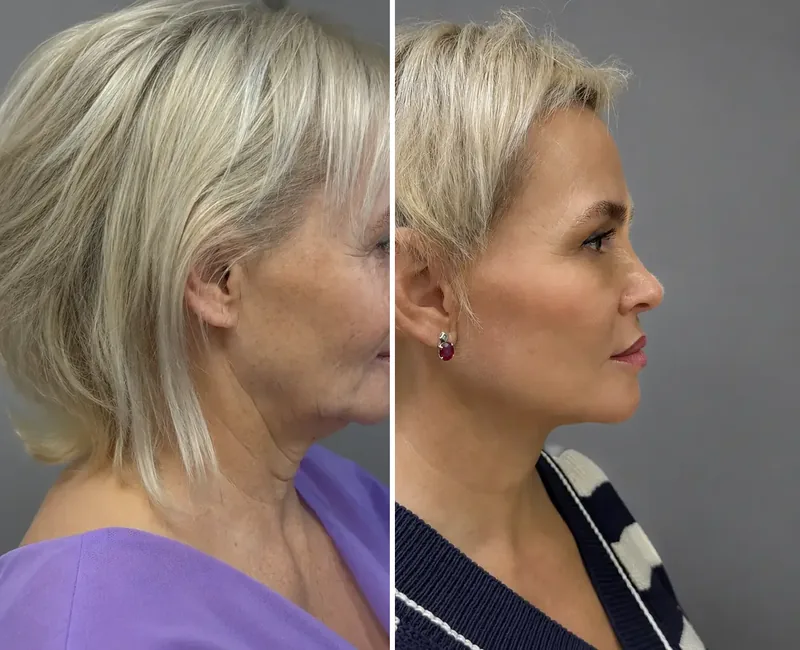

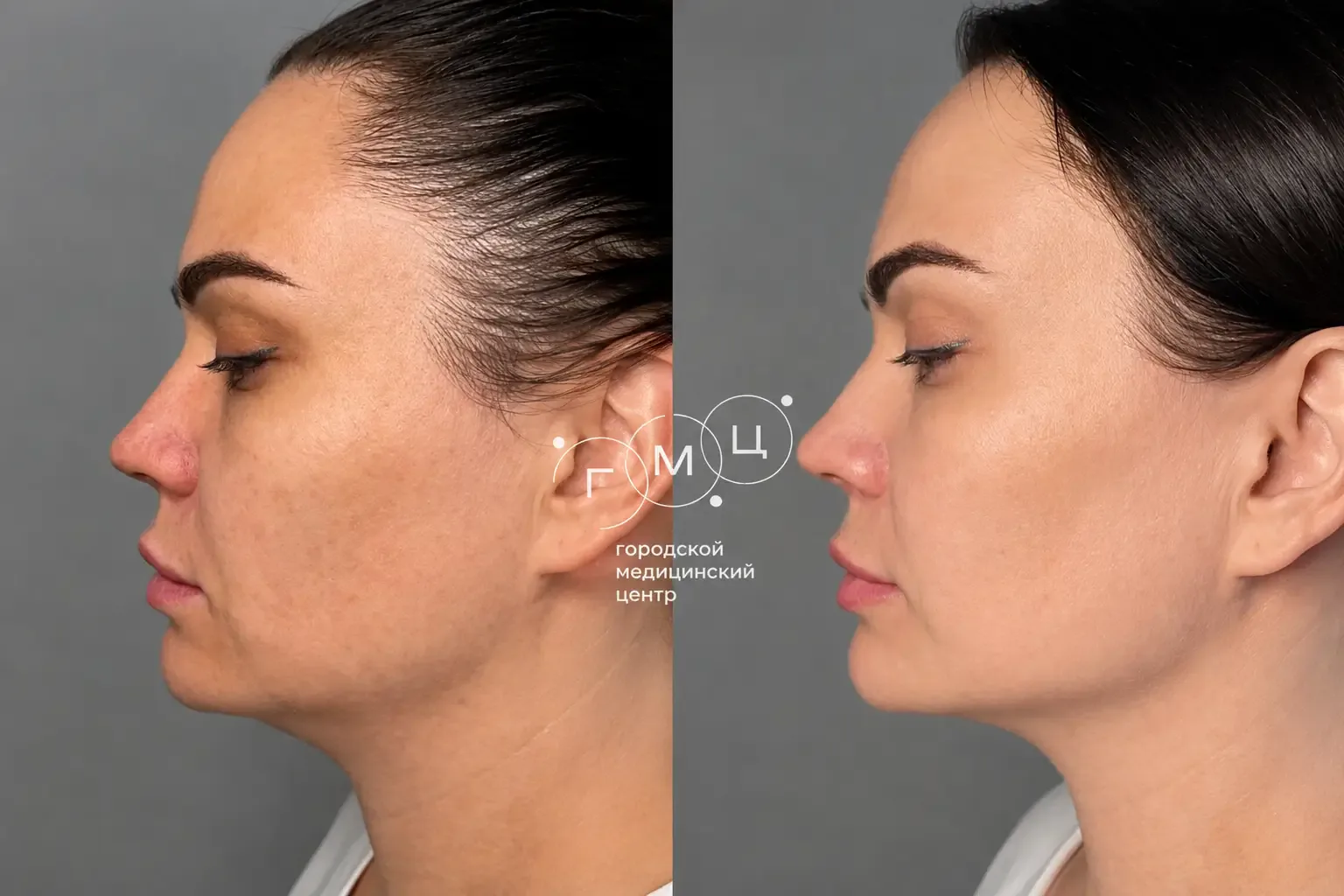
50 years
9 months
SMAS facelift
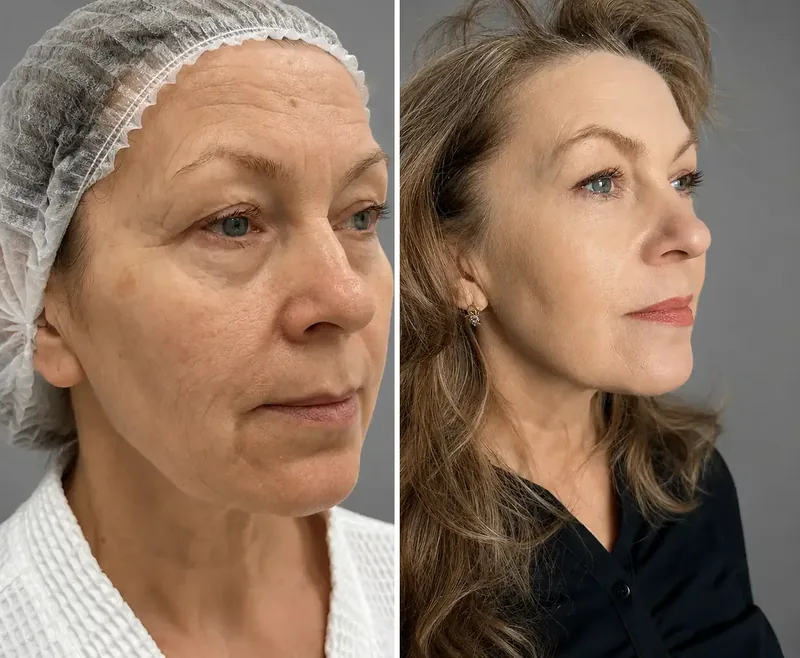
58 years
8 months
SMAS facelift
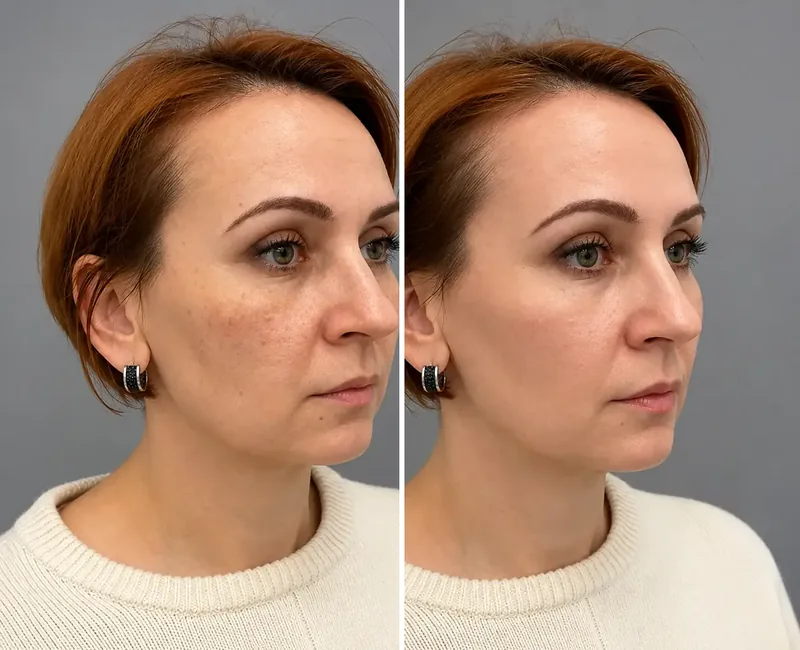
34 years
5 months
SMAS facelift
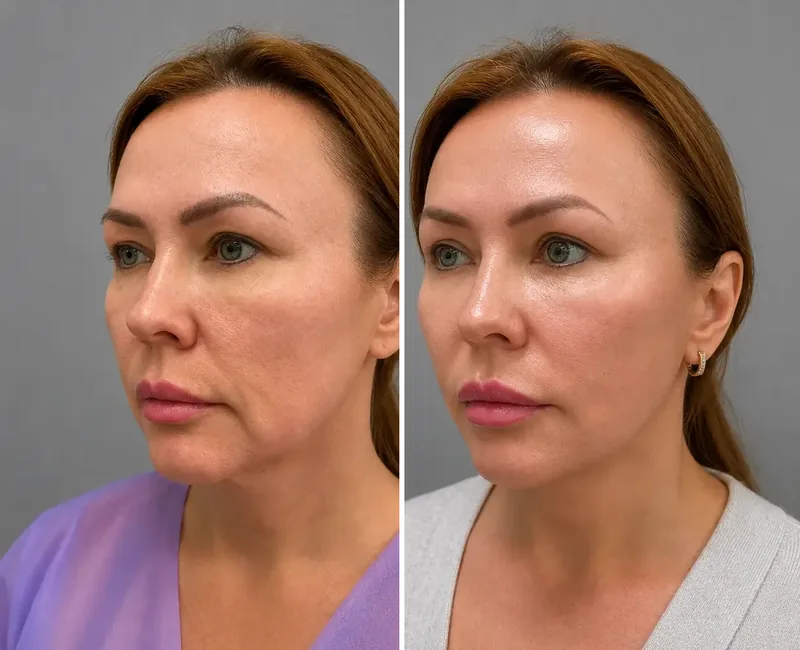
32 years
7 months
SMAS facelift
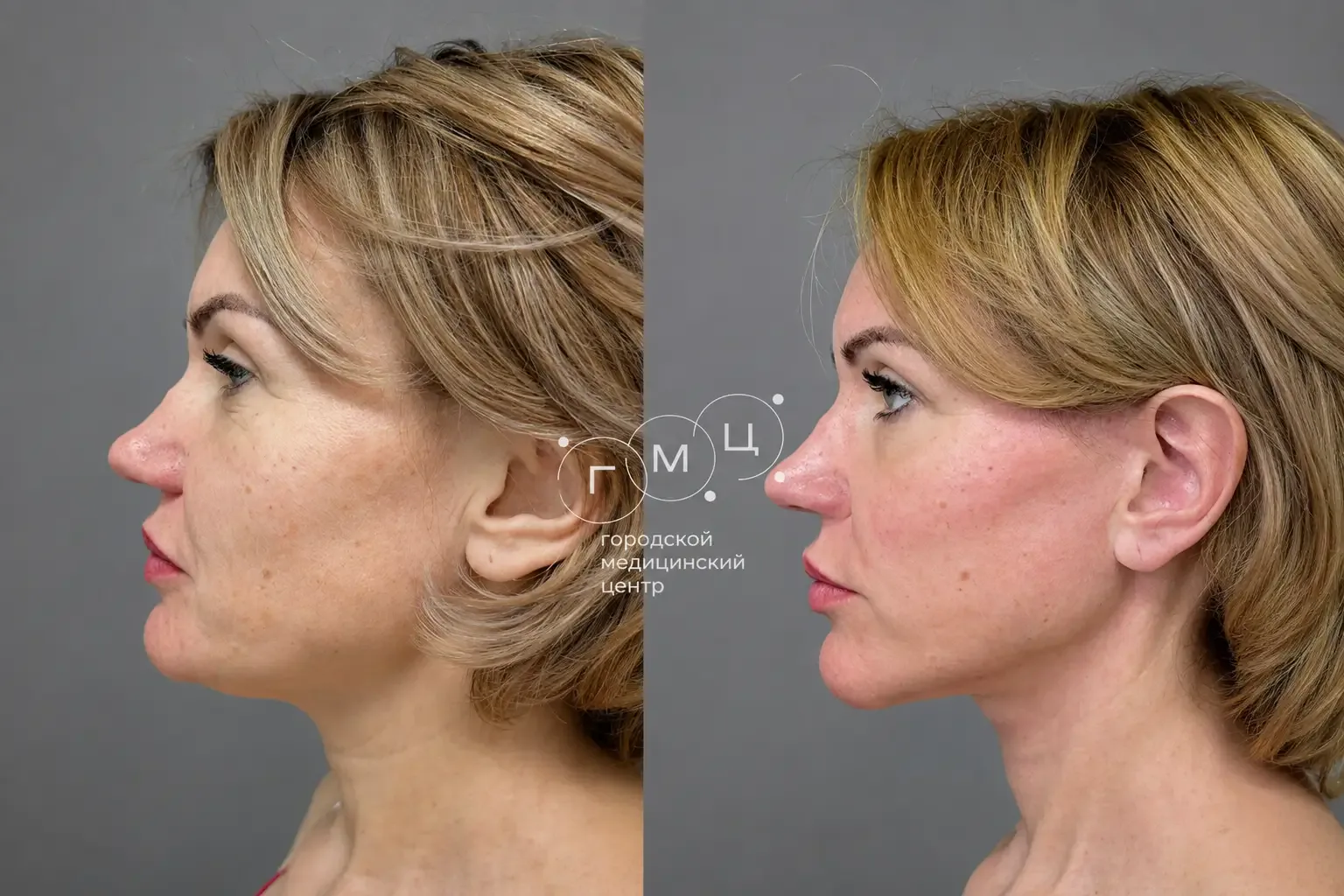
40 years
6 months
SMAS facelift
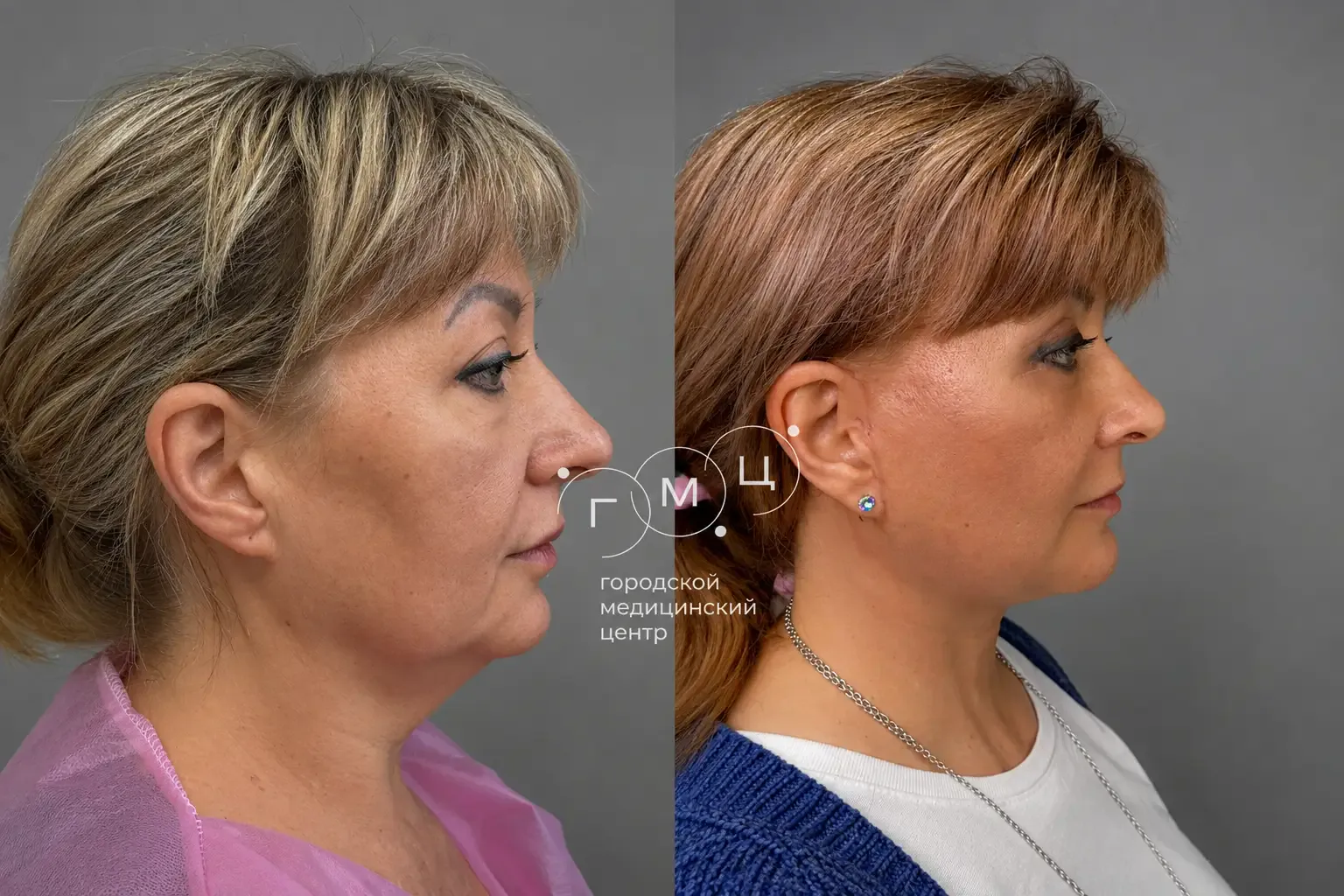
45 years
8 months
SMAS facelift
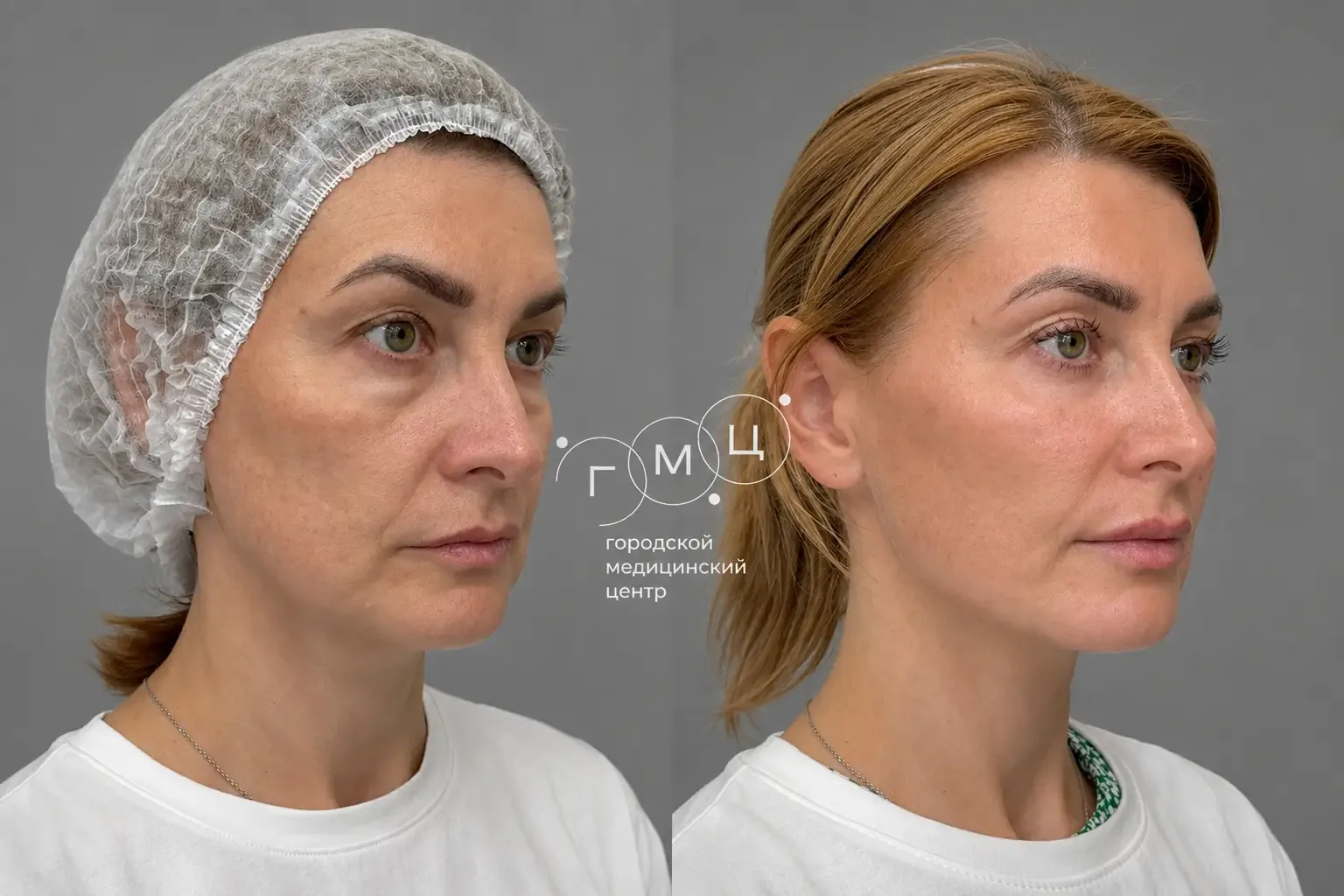
38 years
5 months
SMAS facelift
33 years
6 months
SMAS facelift
50 years
9 months
SMAS facelift
58 years
8 months
SMAS facelift
34 years
5 months
SMAS facelift
32 years
7 months
SMAS facelift
40 years
6 months
SMAS facelift
45 years
8 months
SMAS facelift
38 years
5 months
SMAS facelift
33 years
6 months
SMAS facelift
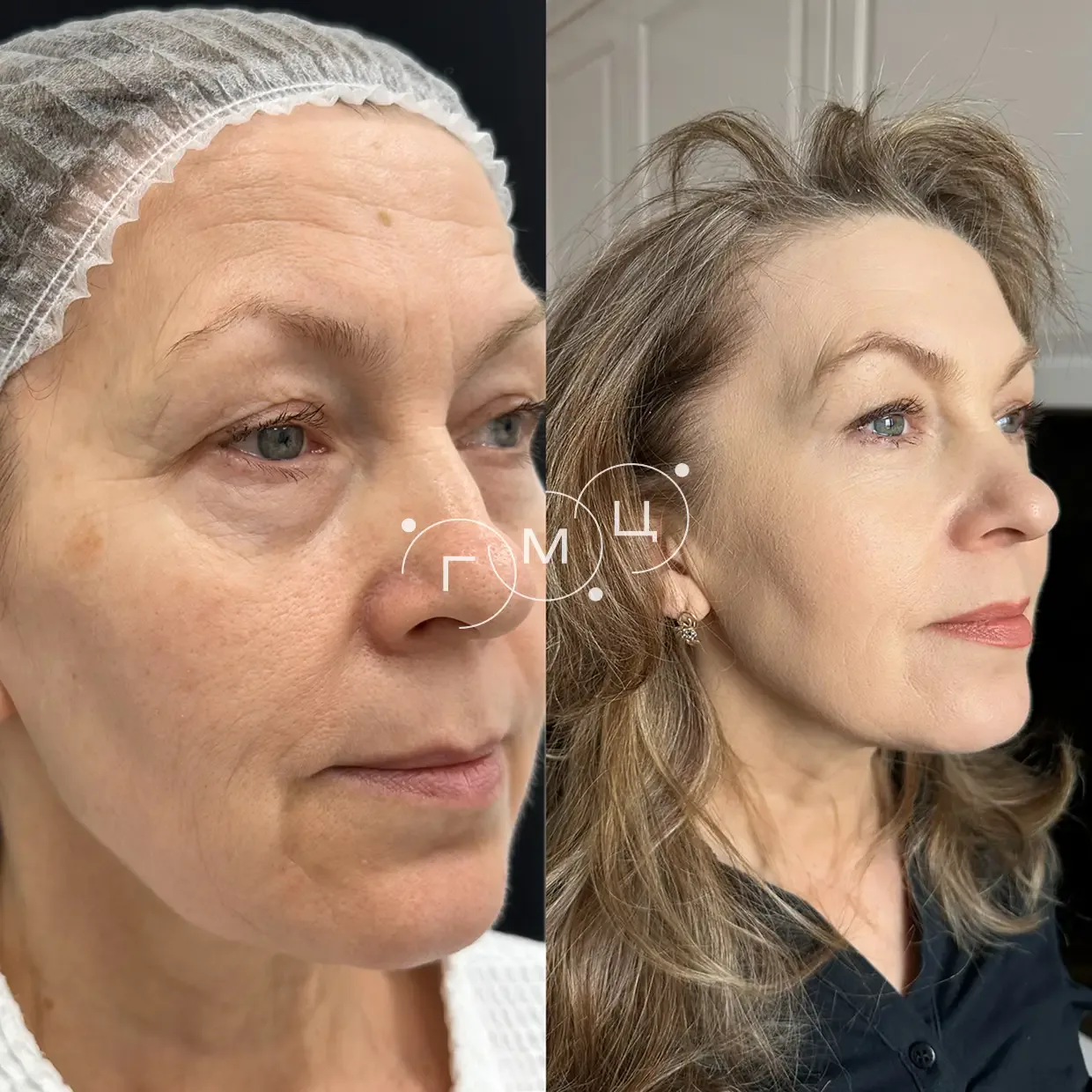

The face and neck show marked sagging
Jowls and a blurred jawline
A double chin and loose neck skin
Pronounced nasolabial folds and marionette lines
A heavy look caused by drooping brows
Significant loss of skin firmness after 40
Wanting a long-term result (7–10 years)

Patients under the age of 30
Acute skin inflammation
Pregnancy or the breastfeeding period
Severe cardiovascular disease
A blood-clotting disorder
Cancer
Decompensated diabetes
Everything about facial rejuvenation in Kenitra
After 40–50 the skin gradually loses firmness: tissues sag, jowls form, the jawline blurs and the cheeks droop. A surgical SMAS facelift works deeper than cosmetology, repositioning the muscle and fascia layer so it treats the cause of sagging rather than its effects. For patients from Kenitra, this gives a lasting result even when changes are significant, with the effect holding for 7–10 years.
It starts with a free consultation: the surgeon examines you, assesses the type and degree of ageing and the areas to correct, explains the expected result and answers your questions. Then the scope of surgery is defined and one of four facelift types is chosen. For patients from Kenitra, every stage is explained in advance, with no pushing and no pressure to decide on the spot.
The price starts at $2,400 (≈ MAD 24,000) and already covers the essentials: anaesthesia, the inpatient stay with meals, round-the-clock monitoring and a year of surgeon follow-up until the final result. Kenitra residents can pay through in-house 0% instalments with no overpayment. The first consultation is free: send your name and phone number, and a coordinator will contact you.
Stories of well-known people
Well-known people who spoke openly about this operation, in their own words.
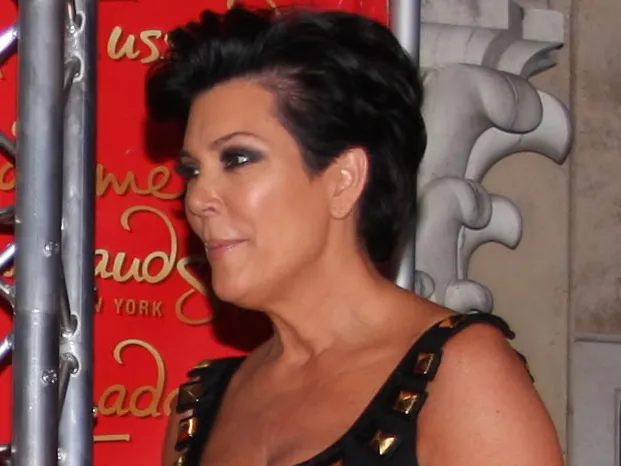 Kris Jenner’s facelift: “I love my facelift”Kris Jenner said she had a facelift about 15 years ago and a refresh before turning 70 — and that she loves it. How a SMAS facelift and recovery work.
 Did Vicki Gunvalson have a facelift? Yes, and she showed the result herselfVicki Gunvalson had a facelift in May 2018 after deciding fillers no longer looked like her. Her own words, how a facelift works and recovery.
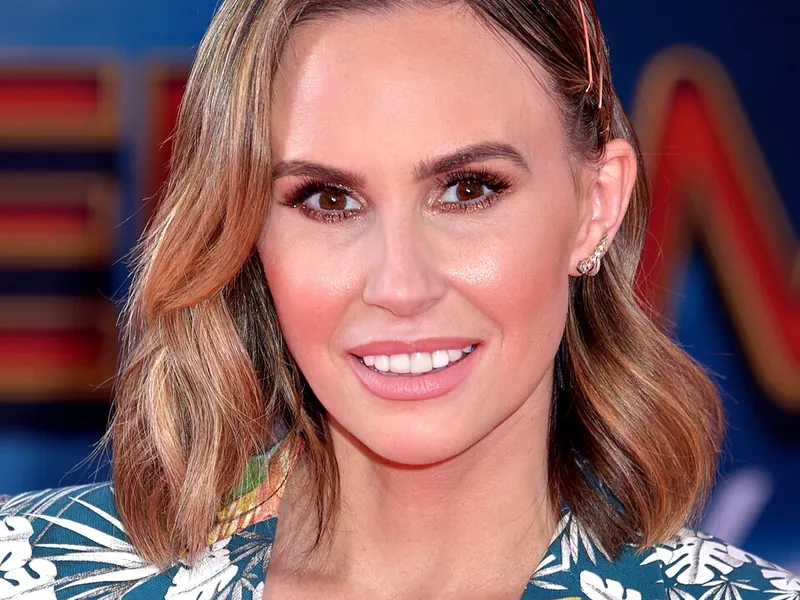 Keltie Knight’s facelift: why she decided to “just own it”Keltie Knight had a facelift in 2023 at 41 and chose to talk about it openly. What she said, how a SMAS facelift works and what recovery looks like.
 Did Linda de Mol have a neck lift? Yes, and she wrote about it herselfLinda de Mol wrote in LINDA. in 2025 that she had a neck lift. What she said, why she chose to be open, and how a face and neck lift works today.
 Linse Kessler and her facelifts: what she said herselfDanish reality star Linse Kessler has said openly that she has had several facelifts. Her words, how a modern facelift works and what recovery involves.
 Did Alice Bendová have a facelift? Yes, and she explained why herselfAlice Bendová confirmed a deep plane facelift in September 2026. Her words, how a facelift works, who it suits and what recovery looks like.
A Face Read Through Photographs: Facelift Files From Kenitra
Kenitra, the river-port, administrative and university city on the bank of the Sebou, counted 507,736 residents in the 2024 census, and plenty of them past their fifties see in the mirror a mark no diet and no cream dissolves: one deep line running from the side of the nose toward the mouth, slack along the jawline, skin sagging under the chin. These are the public of the facelift, people who want their own face restored to its place, not a new face manufactured.
The good candidate for this intervention is recognised by the surgeon from photographs at a surprising speed: daylight images of the whole face, front, both sides and a three-quarter angle, without a forced smile and without filters, plus lines about age, general health, smoking and any earlier face surgery; the set travels over Telegram and Telegram to a team that reads messages at every hour, and an assessment returns that says whether the facelift is the right door or whether a lighter path suffices.
The first purpose of this assessment is to separate files that resemble each other from afar: who needs a full lift of face and neck, who is served by a partial lift in one region, and whose trouble is skin rather than muscle, pointing to other routes; the sorting rests on skin quality, the position of the slackness and the thickness of the face, and whoever sent honest pictures received an honest classification with the very first reply.
The city itself supplies a daily lesson in timing: a manager in one of the port offices wants his pause in a calm stretch, a professor at Ibn Tofail University waits for the semester break, and the owner of a shop in the Val Fleuri district plans between two seasons; the remote consultation means your file opens today, while every stage sits on the date you choose, not on a date an office imposes.
Inhaled General Anaesthesia and a Plan Drawn for Your Face Alone
The facelift is performed under inhaled general anaesthesia handled by an anaesthetist, so the patient stays unconscious through the session from the first incision to the last stitch and wakes only in the recovery room under the medical team's eye; this form of anaesthesia is the standard for this operation specifically because its scope crosses several layers of the face rather than one superficial zone.
The surgical plan is drawn at the consultation, never inside the operating room: which layers are lifted, where the hidden incisions sit near the hairline and in front of the ear, whether the plan includes the neck or the face alone, and whether touches to the eyelids or the brow join the same session or wait for another; each of these four answers depends on your own anatomy, which is why they deserve to be written and kept before any date.
Ask in the consultation about matters no less important than the incisions themselves: how a scar behaves in skin of your type, what happens if a corrective touch is needed after a few years, and whether the follow-up plan includes regular visits until recovery completes; the surgeon who answers these without hesitation is the one to trust with your face, because a facelift is not a one-day affair but a path that keeps its follow-up to the end.
And above all, understand the philosophy in full: a facelift restores position and contour, it does not restore youth nor stop at it, for the skin continues its natural age after the operation, and the result is built on your features rather than on a magazine's face; whoever enters with this understanding leaves follow-up at ease, and whoever enters expecting a miracle carries a disappointment nobody but himself prepared.
Two Months to Full Recovery, Lived One Week at a Time
Full recovery from a facelift takes about two months, and they are lived in clear stages: swelling and bruises in the opening days that fade gradually, then the skin regains its natural feeling and the tightness around the ear softens, and the new contours appear slowly rather than in one stroke; whoever knows this schedule beforehand lives the weeks calmly, and whoever does not turns every morning into a mistaken final verdict.
In your house in Kenitra these two months take the city's measure: sleeping with the head raised in a temperate room, no sudden bending of the neck when lifting anything, staying away from the midday sun that reaches an average of 28.7C in August, and the light walking the surgeon approves first in the calm streets of Val Fleuri or Bir Rami before anything greater.
Winter here is an ally of recovery, not its enemy: January offers a mild 17.9C by day with cool nights of 7C, and a closed, temperate home without aggressive heating is the ideal setting for the opening fortnight, while November's rains of 104.9 mm turn a reading chair by the window into a quiet substitute for going out; wide-collared clothes hide the healing stages from office eyes week after week.
Since the working week runs from Monday to Friday, place follow-up calls after your free hours, and keep a notebook recording each week: how the swelling fades, when feeling returns to the skin, and every new point you notice; the team following you over Telegram and Telegram at any hour passes this notebook to the doctor, so his instructions arrive built on your course rather than on general advice.
The Final Look Between Month Three and Month Six
The face does not finish its path to the final look in a week or two: between the third month and the sixth, the last traces of deep swelling leave, the tissues beneath the skin soften, and the new lines settle onto your own features until the shape the surgeon built becomes simply your shape; this period of patience is half of the real operation.
Through those months you live with small details worth knowing beforehand: temporary numbness in regions of the face whose feeling returns gradually, a hairline adapting around the incisions, and a passing sense of tightness that leaves with time; the surgeon reads all of these at follow-up and reassures you with reasons, and the essential thing is not to judge the result in the first month nor to compare your face with a friend's after the identical operation.
Protecting the result after it completes is a shared duty: the city's strong summer sun is the enemy of treated skin, so shade and sun protection become a daily habit rather than a forgotten tip, and the smoke that steals elasticity from facial skin remains a standing enemy, while a stable weight keeps what was redistributed in place; the result that lasted long years for someone else was not luck, it was habits.
And when these months close, you will understand why the surgeon asked for patience: the face that settles in the fourth or fifth month is a face that looks as if you slept well for years, not a face that looks operated; this is the difference that time and discipline build together, and it is what makes the facelift path closer to an organised investment than to a passing procedure.
From the Physicians' Roll to Comparing Offers Without Noise
Before any talk of a date, examine the first paper: the surgeon's entry on the roll of the National Council of the Order of Physicians, the independent institution that gathers all of Morocco's doctors by obligation across the public and private branches; ask for the entry number and the exact specialty and keep the answer in writing, noting that the council's site places no open lookup list at its entrance, which leaves your direct documented question as the only road to certainty.
Then ask every offer for a written plan rather than an oral description: which regions the intervention covers, where the incisions sit, how the visits are organised until recovery completes, and who answers your questions between visits; the facelift is among the operations where the difference in experience shows in the small details, and papers alone reveal who knows what he says and who improvises.
Beware of ready phrases known to everyone: whoever promises you a twenty-year-old face at seventy is selling what he does not own; whoever hurries you to sign in a single sitting is cutting short your freedom, not your path; and whoever resents the question about his entry has answered it; your face is exhibited every day before your family and colleagues in Kenitra, and a decision that concerns it deserves to rest on papers rather than noise.
In the end, grant yourself what a decision of this size is owed: read the answers in the calm of your home, consult someone who carries your trust, and raise whatever lingers in your mind to the follow-up team over Telegram and Telegram at any hour; the remote consultation was placed to respect your rhythm in the first place, and the time you grant yourself before committing is part of the result's quality, not a delay of it.
Does a facelift include the neck as well?
It depends on where the slackness sits in your face: when the drooping extends beneath the chin, the surgeon tends to include the neck with the face in one session, and when it stays confined to limited regions a partial intervention may suffice; the decision rests on your photographs and anatomy at the consultation, which is why it deserves a plain question before booking rather than an assumption after it.
Will I be aware during the operation?
No, the operation runs under inhaled general anaesthesia handled by an anaesthetist, keeping the patient unconscious through the session and waking him only in the recovery room under the team's observation; the days after are managed by the surgeon with medication set for your case, and any pain outside the ordinary calls for immediate contact rather than silent endurance.
How long until full recovery from a facelift?
About two months to full recovery, lived in stages: swelling and bruises in the opening days fading gradually, then feeling returning to the skin and tightness around the ear softening, with the new contours settling little by little; whoever knows this course beforehand lives the weeks calmly, and whoever delivers a final verdict each morning gives himself worry without cause.
When does the settled look appear?
Between the third month and the sixth, the last traces of deep swelling leave, the tissues soften, and the new lines settle onto your original features; this is why two patients' results are not compared in the same month, every face moves at its own pace, and regular follow-up is what reads the course for you and reassures you at each passing stage before the settled shape arrives.
Does ageing continue after a facelift?
Yes, the operation restores position and contour to an earlier setting but does not stop time: the skin continues its natural age after the lift, and sun, smoke and stable or shifting weight speak for or against the result; a good plan therefore describes post-operative habits as much as the operation itself, since a protected face stays younger than a neglected one.
How is a facelift different from a brow or eyelid lift?
Each treats a region and a problem of its own: the facelift works on the cheek, the jawline and neck slackness, the brow lift raises the eyebrows and softens forehead creases, and eyelid surgery treats bags and slackness confined to the eyes; the surgeon may combine two of them in one plan when your photographs call for it, but combining is a medical decision built at the consultation, not an aesthetic request imposed by the patient.
Does smoking slow the healing of a facelift?
Yes, smoking reduces the fine blood supply the healing needs around the incisions and can weaken the quality of the whole result; the surgeon therefore asks about smoking from the first consultation and arranges a plan with you before the operation and after it, and candour on this question in particular saves you complications that simple habits across the sensitive weeks could have avoided.
How do I check a face surgeon's registration before committing?
Ask him for his entry number on the roll of the National Council of the Order of Physicians, the independent institution gathering all of Morocco's doctors by obligation in the public and private branches, together with his exact specialty, and keep the answer in writing; the council's site places no open verification list at its entrance, so your direct documented request is the route, and whoever finds the question heavy has given you an answer about himself worth noting down.
Facelift in Kenitra: price and what is included
Prices are in US dollars; the amount in brackets is an approximate conversion to MAD at the rate of 02.10.2026. The final price is fixed in your contract.
- Faceliftfrom $2,400 (≈ MAD 24,000)
How much does a facelift in Kenitra cost?
Prices start from $2,400 (≈ MAD 24,000). The surgeon sets the final price at the free consultation, and it is fixed in the contract, with no hidden extras.
What is included in the price?
A one-to-one consultation, the medical team, anaesthesia, inpatient care with meals, 24/7 monitoring and twelve months of follow-up by the surgeon.
How do I get my exact price?
Message us on WhatsApp or Telegram using the buttons below. A coordinator will answer your questions and book a free consultation where the doctor names the exact price.
By messaging us, you agree to our Privacy Policy