City Medical Centre · multi-specialty surgery clinicOpen 24/7

Tummy tuck

Tummy Tuck in Juba: Free Consultation

Free consultation

Price at consultation

The price is fixed in the contract before surgery
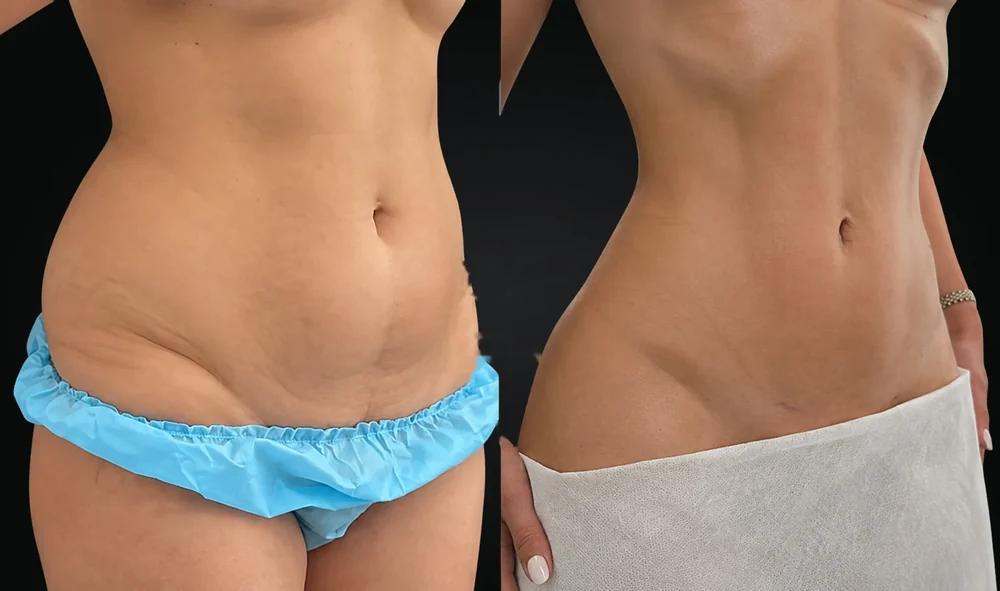
Real case
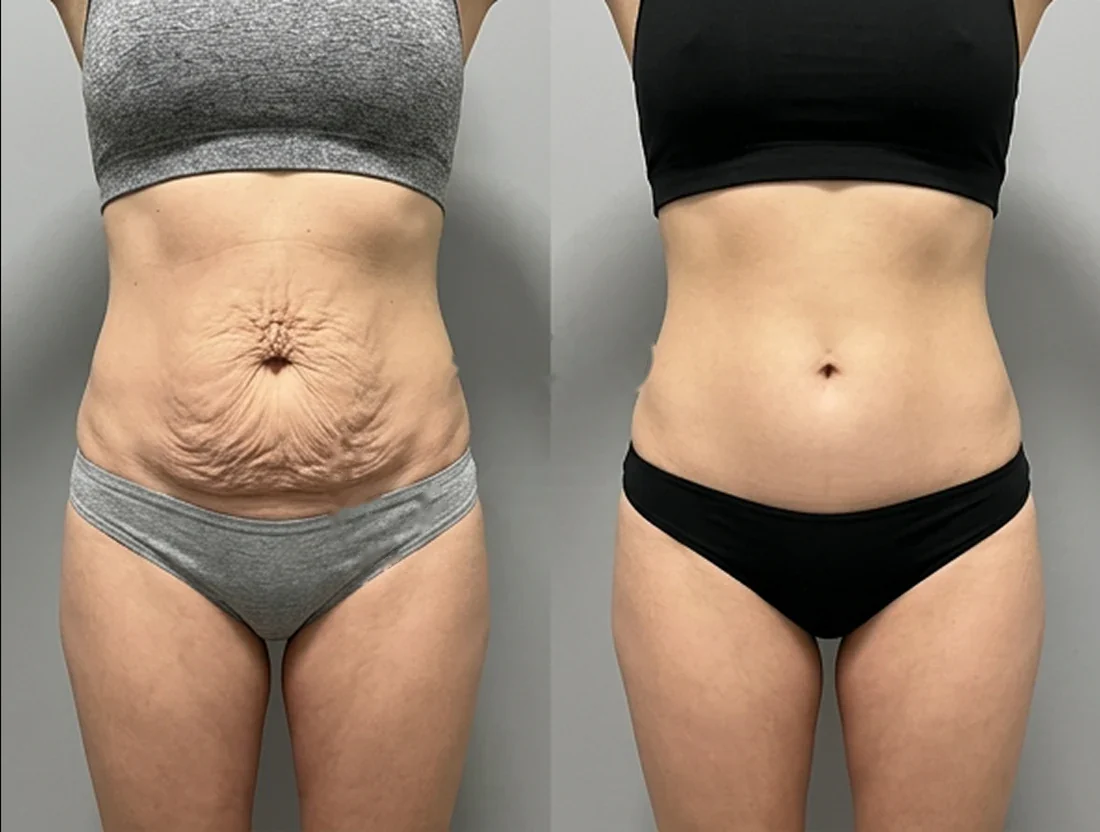
Tummy tuck: a patient's abdomen before and after surgery before after
A flat tummy and a toned silhouette in one operation. Your individual surgical plan and the expected result are discussed at the consultation

Message our coordinator

Free online consultation · Reply within 15 minutes

Message us on Telegram

By messaging us, you agree to our Privacy Policy

Results

Tummy tuck results
of our patients

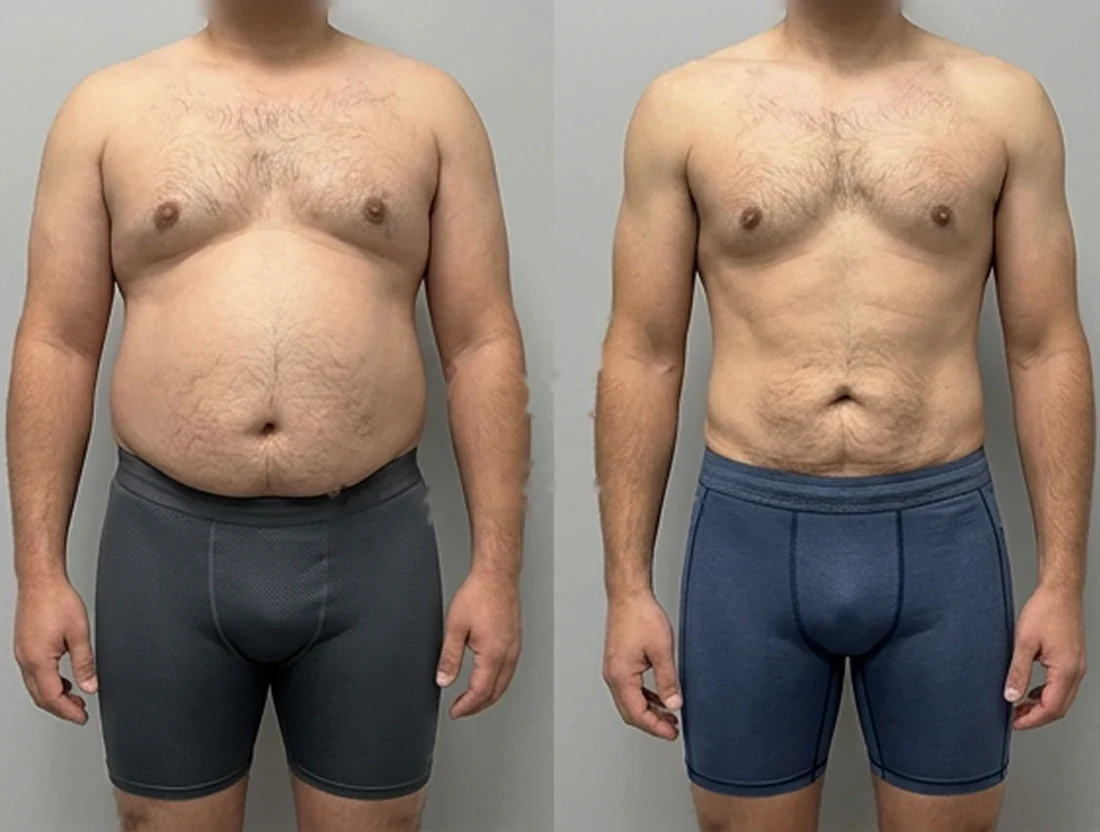
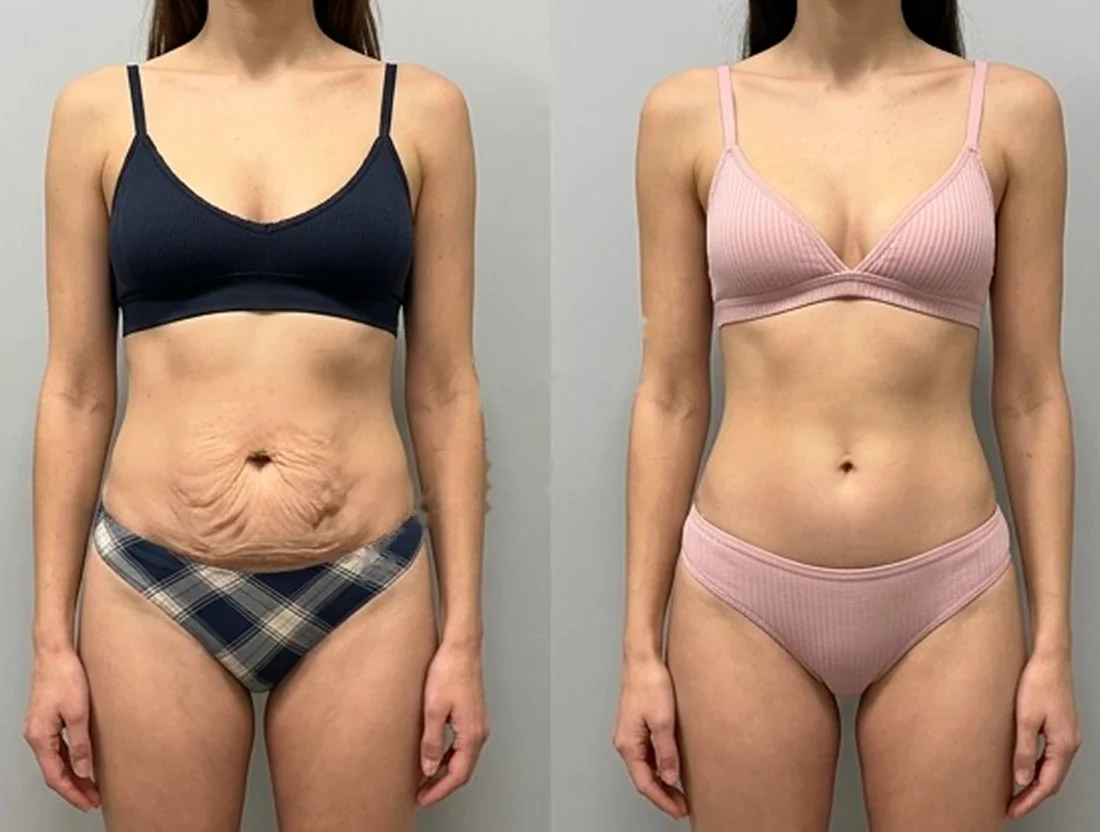
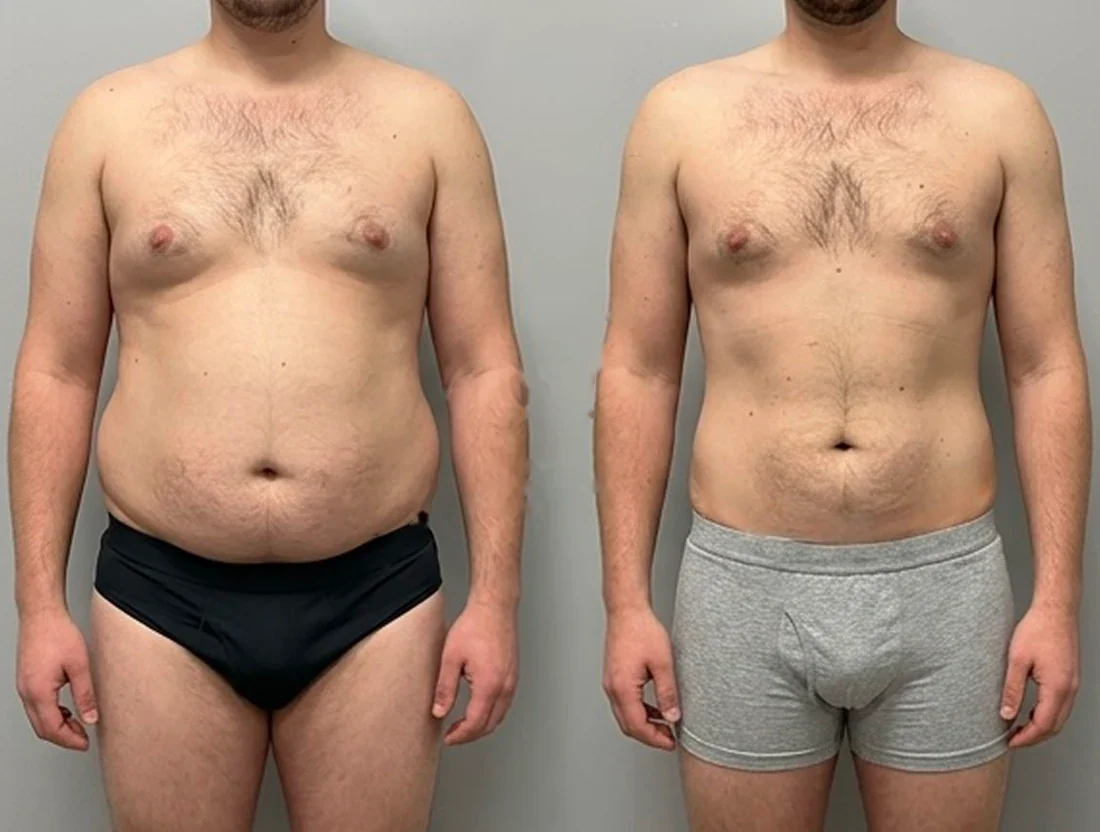
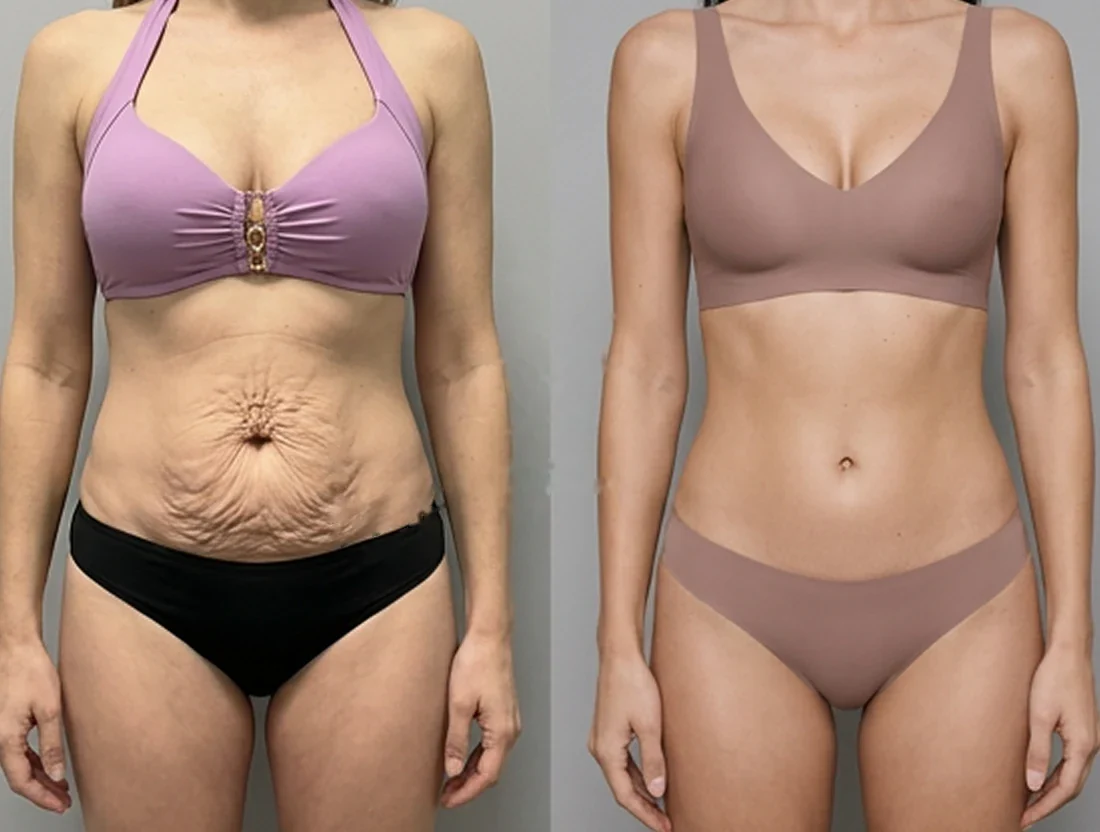
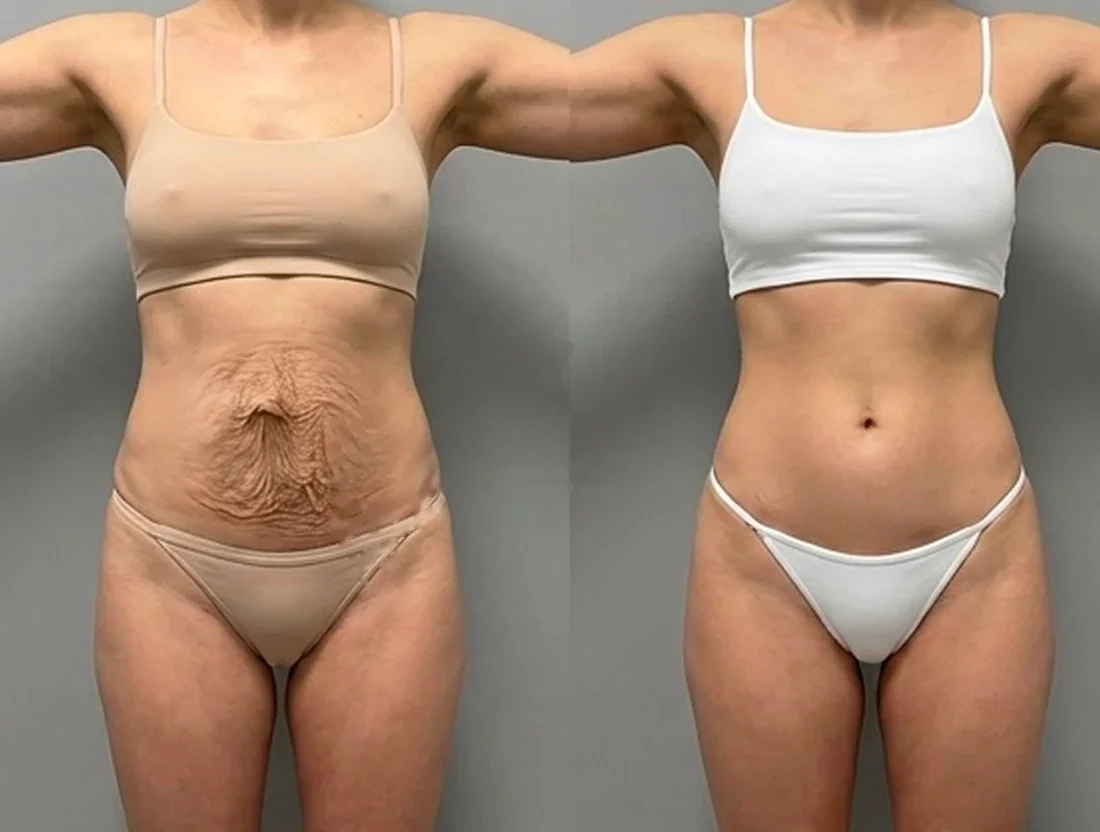
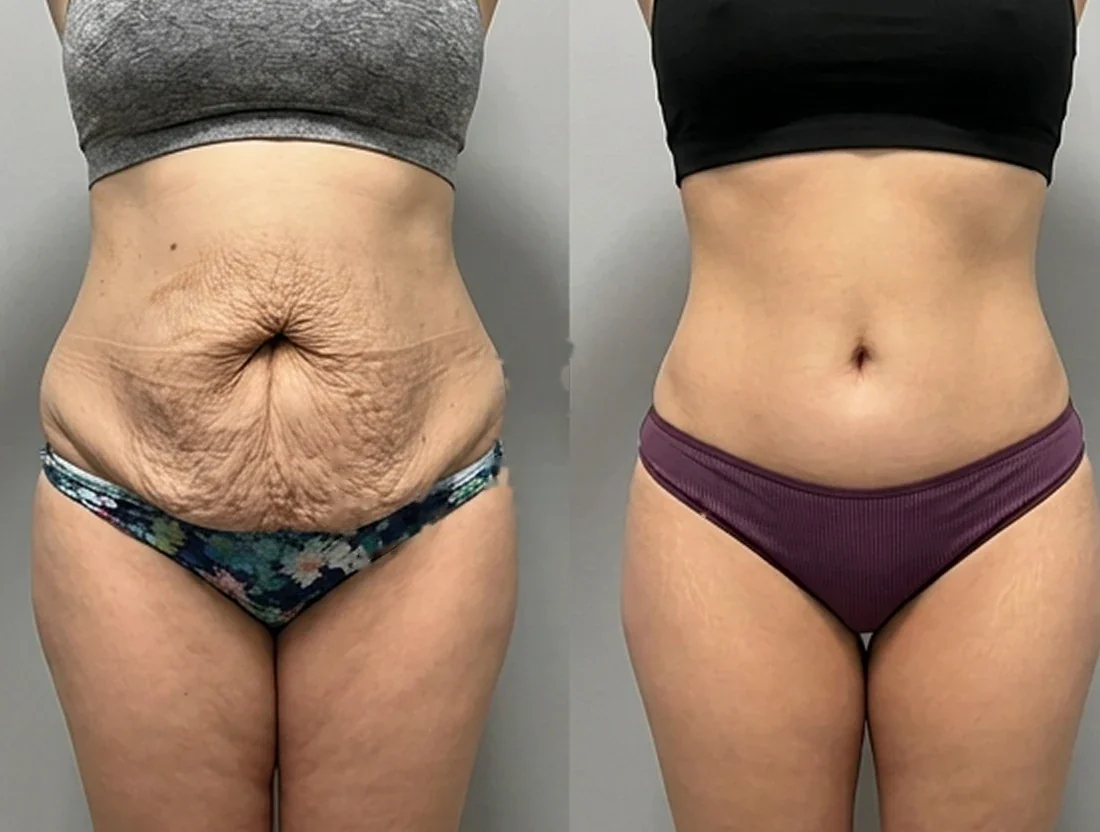
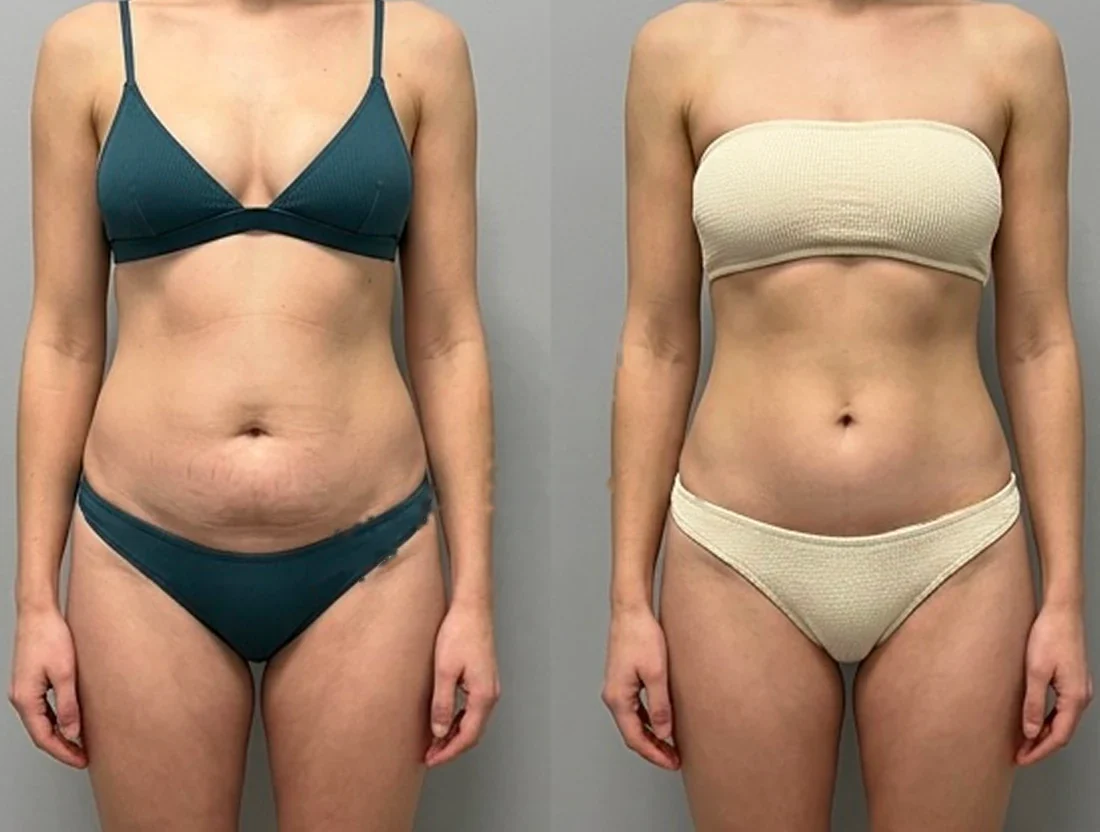
All cases are real patients. Faces and identifying details are hidden.

Tummy tuck: a female patient's abdomen before and after surgerybeforeafter
Tummy tuck: a male patient's abdomen before and after surgerybeforeafter
Tummy tuck: a female patient's abdomen before and after surgerybeforeafter
Tummy tuck: a male patient's abdomen before and after surgerybeforeafter
Tummy tuck: a female patient's abdomen before and after surgerybeforeafter
1 of 8

Comparison

Tummy tuck techniques

A tummy tuck is done as a full (classic) or mini operation, or combined with liposuction as lipoabdominoplasty. Compare the scope of surgery, the indications and the expected results to choose the right technique together with your surgeon.

Tummy tuck

Removal of excess skin, abdominal muscle tightening
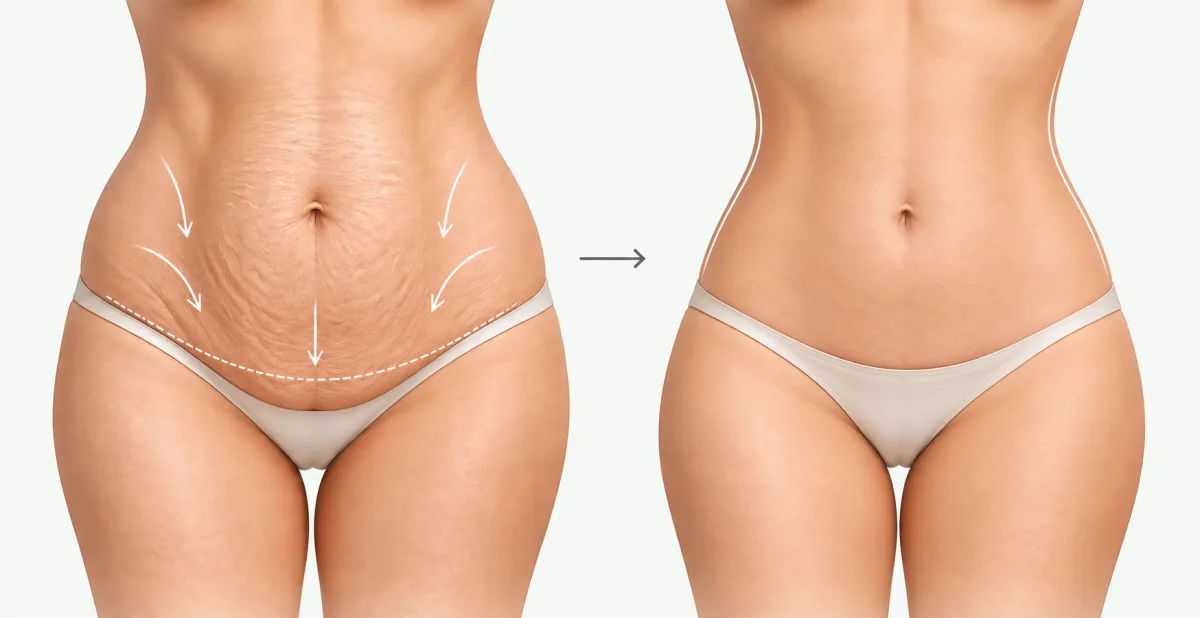
Tummy tuck diagram: the abdomen before surgery with the incision line, and the result
Main goal
Removal of excess skin, diastasis repair
When it is done
Excess skin after childbirth or weight loss
Anaesthesia and stay
General anaesthesia, up to 3 days in hospital

Lipoabdominoplasty

Tummy tuck with added liposuction
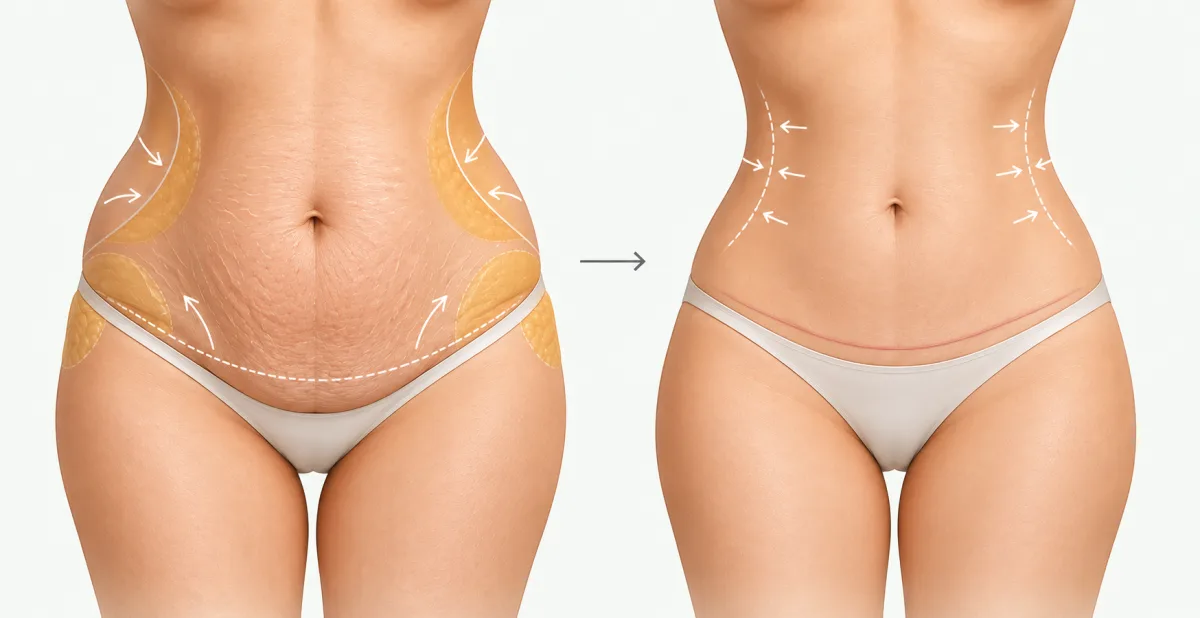
Lipoabdominoplasty diagram: the abdomen with fat on the flanks before surgery, and the result
Main goal
Tummy tightening and waist contouring
When it is done
For fat deposits on the flanks and waist
Anaesthesia and stay
General anaesthesia, up to 3 days in hospital

The benefits and recovery times shown are averaged for each technique and given for guidance: the scope of correction and rehabilitation depend on your anatomy and individual features, and the surgeon confirms them at the consultation.

At the consultation the surgeon draws up a plan for your case and explains how your tummy tuck will go.

Free, before surgery and with no obligation.

Book a consultation

Tummy tuck from the inside

About the clinic

A clinic where you can feel at ease

Modern equipment, comfortable rooms and care for every patient

A doctor and a patient in a clinic ward

Contact us the way that suits you

We will answer your questions and find a convenient time for a consultation

A tummy tuck is not for everyone

If your case can be solved without surgery, the doctor will tell you so at the consultation — and you will not spend money for nothing.

Suitable

A surgeon shows a patient on a model and a monitor how the abdominal contour changes after a tummy tuck
  • Rectus abdominis diastasis
  • Skin folds after weight loss
  • Loose abdominal skin
  • Stretched skin after pregnancy
  • A distorted abdominal contour

Not suitable

A surgeon discusses the indications and contraindications for a tummy tuck with a patient
  • Acute infections
  • Severe heart, kidney or liver disease
  • Clotting disorders of the blood
  • Age below 18
  • Decompensated diabetes
  • Cancer
  • Skin inflammation in the surgical area
  • Pregnancy and breastfeeding

Not sure the surgery is right for you?

Message us — the coordinator will ask for your photos in the messenger, and the surgeon will tell you whether a tummy tuck suits you. No surgery booking needed.

Find out if it suits me

A surgeon goes through a tummy tuck diagram with a patient at the consultation

Prices

You know the price
before surgery

The price is set at the consultation and fixed in the contract.

Other services

  • First consultationFree
  • Liposuction of the abdomen and flanksfrom $1,700
Book a consultation

Find out your tummy tuck plan and price

The surgeon assesses your abdominal skin and muscles, listens to your wishes and chooses the right correction technique.
The price is set at the consultation and fixed in the contract.
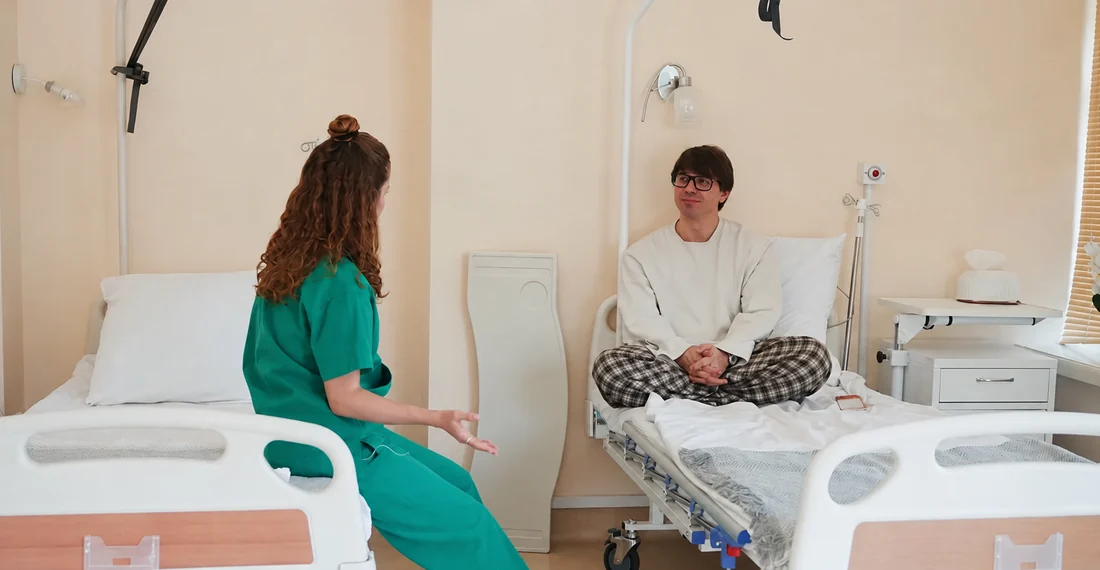
A nurse talks to a patient in a clinic ward

Message our coordinator

Free online consultation · Reply within 15 minutes

Message us on Telegram

By messaging us, you agree to our Privacy Policy
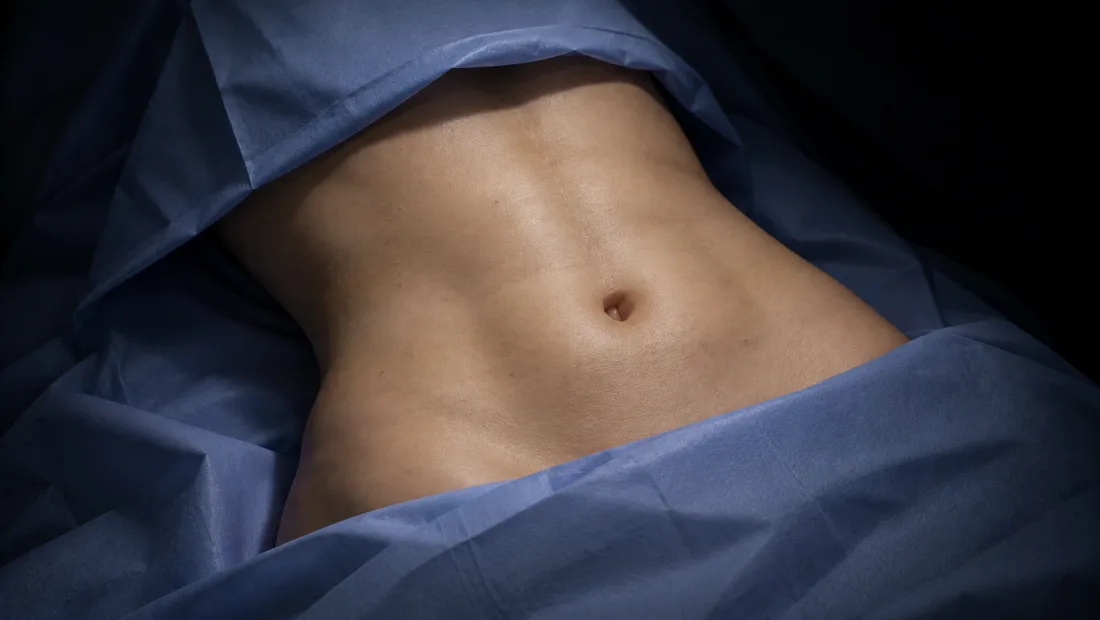
A patient's abdomen before a tummy tuck in the operating room

all inclusive

What the price includes

From preparation for surgery
to post-op check-ups.

  • All scheduled dressings
  • Scheduled post-op check-ups
  • A personal coordinator on call
  • Compression garments fitted on the day of surgery
  • A stay in a comfortable
    hospital ward with meals
  • Individual recommendations
    for recovery
  • Remote progress monitoring
    by photos

How it works

Three days at the clinic —
from preparation to discharge

An agreed correction plan, inpatient observation and post-op check-ups.

A doctor shows a patient a tummy tuck diagram on a monitor1

Consultation
and the surgical plan

The surgeon assesses your abdominal skin and muscles and checks for diastasis, listens to your wishes and chooses the right correction technique.

Paying the deposit by card at the clinic reception2

Booking the date
of surgery

We reserve a surgery date for you: the deposit can be paid by card at the clinic or online by bank transfer. The terms are fixed in the contract for medical services

A blood sample tube for tests before a tummy tuck3

Check-up before
surgery

Before surgery you complete a full lab check-up: blood tests, an ECG, a chest X-ray and reports from the required specialists.

The surgical team during the operation4

Surgery

The surgeon performs the tummy tuck with the chosen technique, repairs diastasis if needed and shapes a firmer abdominal contour.

A hospital ward at the clinic5

Inpatient stay

After surgery the patient stays for 1–3 days in a comfortable hospital ward with meals, under medical supervision.

A surgeon and a patient in the ward during recovery6

Recovery

After surgery you get a recovery programme. Check-ups at 7 days, 3 and 6 months help track your recovery.
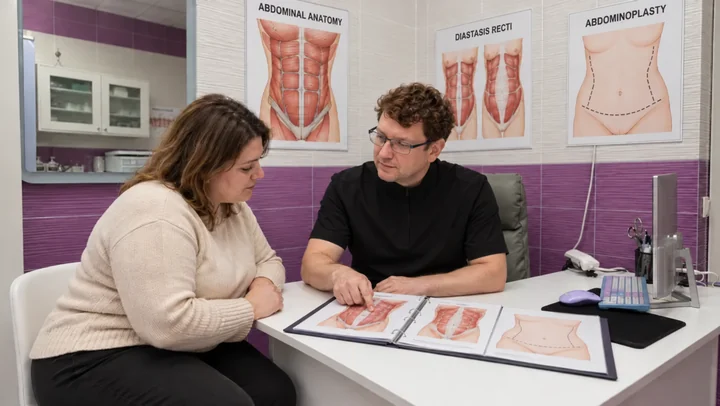
Book a free consultation — the surgeon will plan every step with you.

A doctor discusses the tummy tuck plan with a patient
Book a consultation
A doctor discusses the tummy tuck plan with a patient

How it really happens

After a tummy tuck: recovery

Following surgery, the patient stays 1–3 days in hospital under medical supervision. Drains usually come out after two days, and stitches after 7 days. For 1.5–2 months a compression binder supports the abdominal wall and shapes a smooth contour. Within 30 days most swelling goes, and office work is possible after 2–3 weeks. Sports, sauna and heavy lifting are not allowed for 2–3 months; in the early days, sleep on your back with your knees bent. By 12 months the scar is fully mature: faded and barely noticeable.

Post-op check-ups

After 7 days, at 3 months and at 6 months. Until the end of the year, get a post-surgery consultation with your surgeon to review results and get more information, at the clinic's expense

Advantages

Why patients pick City Medical Centre

A surgeon discusses the tummy tuck plan with a patient at the consultation

Just find out — you lose nothing

At the consultation we discuss your wishes and assess your abdominal skin and muscles. The surgeon explains what changes are possible, chooses the correction technique and answers your questions.

A surgeon on a video call with a patient after surgery

We stay with you after surgery

The surgeon follows your recovery and the changing abdominal contour at check-ups after 7 days, 3 and 6 months. Check-ups, dressings and aftercare advice are already included in the price of surgery.

A surgeon shows a patient a model and tummy tuck diagrams

A beautiful contour that fits your figure

We choose the correction technique based on your skin, muscles and figure. Our aim is a harmonious abdominal contour that keeps the natural proportions of your body.

A patient writes down a convenient visit time in her planner

Your schedule is our priority

We respect your time: we work 24/7, with easy booking and a personal approach — we adapt to your pace.
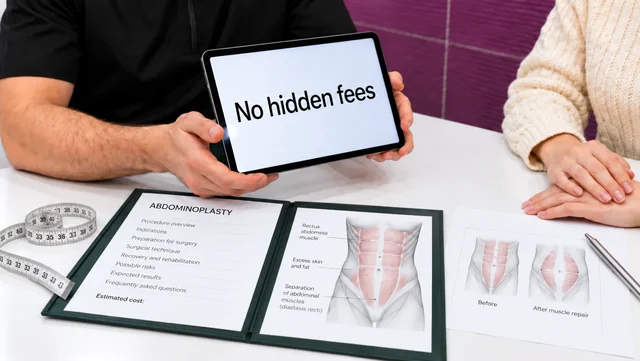
A surgeon shows a patient the fixed price of surgery with no extra charges

Fixed prices

After the consultation the surgeon defines the extent of correction, and you get a clear price for the surgery — no surprises on the way to the result you want.

A surgeon visits a patient in the hospital ward after surgery

Round-the-clock care after surgery

Recovery starts in a comfortable hospital ward under round-the-clock nursing care. The stay and meals are already included in the price.

FAQ

We answer what
people ask before booking

What Juba residents ask about a tummy tuck

Abdominoplasty is often combined with other procedures. Liposuction of the flanks and waist can be added to shape the silhouette, and after childbirth rectus diastasis repair is included. One anaesthesia and one recovery period cover everything, and the surgeon decides the scope at an in-person consultation. This makes the operation a complete abdominal correction for patients from Juba.

Pre-surgery tests should be completed in advance, not the day before. The surgeon gives the exact list at the consultation, and results are usually valid for 10–14 days. Seven to ten days before the operation, stop smoking, alcohol and medicines that affect blood clotting. Anyone in Juba preparing for a tummy tuck also sees a GP and an anaesthetist before the surgery date.

There is no single price for abdominoplasty, since a mini tummy tuck and a classic operation with diastasis repair differ in scope. What stays constant is the approach: the surgeon names the cost after an in-person examination, and it is fixed in the contract without surprises. Juba residents can apply before the end of the year and get the consultation at the clinic's expense.

Juba and the decision to have a tummy tuck

Juba is the capital and largest city of South Sudan, standing on the White Nile and serving as the capital of Central Equatoria State. The city was established in 1920–21 in a small Bari village of the same name. Its growth accelerated after 2005, and in 2017 it had a population of 525,953. A city that has expanded this quickly is full of people with busy schedules: traders, office staff, teachers, students, parents and people who run small businesses. For many of them, the decision about abdominoplasty comes after years of thinking, usually following pregnancies, a large change in weight or a long period when the abdominal wall and skin no longer respond to exercise.

A tummy tuck removes excess skin and fat from the lower and middle abdomen and, when needed, tightens the abdominal muscles. In Juba the question is rarely about the operation alone. People ask how it fits into work, family obligations and the weather, and who will help at home during the first days. This text is built around those practical questions, so that you arrive at your online consultation with a clear list and realistic expectations.

The consultation itself takes place from your own city. You write to the coordinators on WhatsApp or Telegram, who are available 24/7, send photographs and a short medical history, and then speak with the surgeon online. Nothing about the first conversation requires you to leave Juba, and you can ask all your questions before deciding anything.

Climate of Juba and what it means for recovery

Juba has a tropical wet and dry climate and, because it lies near the equator, temperatures are hot all year. Little rain falls from November to March, which is also the time of the hottest daytime temperatures, reaching 37.8 °C in February. From April to October more than 100 millimetres of rain falls per month, and the annual total is nearly 1,000 millimetres. These conditions shape how you plan the weeks after surgery.

Heat is the main factor. A compression garment must be worn around the clock for the first 3–4 weeks, then during the daytime for roughly a month more, and your operating surgeon will name the exact period. In a hot climate this is uncomfortable, so patients in Juba should prepare breathable cotton layers to wear under and over the garment, keep the bedroom cool and ventilated, and plan quiet days indoors. Sweating, friction and skin irritation under the garment are worth discussing with the surgeon in advance, along with how to keep the dressings and the skin clean and dry.

Direct sun is the second concern. During recovery the scar and the skin of the abdomen should be protected from strong sunlight, so loose clothing that covers the area is a sensible choice. Tanning beds are excluded for at least a month, and the same caution applies to long hours in open sun while the tissues are still healing. Swelling can also feel heavier in humid and hot weather, which is another reason to rest in a shaded, cool room and to follow the recovery programme you receive after surgery.

Rainy season, dry season and choosing the time of year

Because Juba has two clearly different periods, many patients ask which one is better for a tummy tuck. There is no single correct answer, only trade-offs. The dry months from November to March are the hottest, and the compression garment and the wound will be under more thermal stress. The rainy months from April to October bring cooler spells and less direct sun, but also mud and, in a city where many roads are unpaved, slower movement around town.

For the first 2–3 weeks you avoid physical exertion, heavy lifting and sudden movements. That means stepping over puddles, climbing into crowded minibuses or carrying shopping through wet streets are things to plan around. If you choose the rainy season, arrange transport for your errands and household help before the date is set, so that you do not need to push through difficult conditions. If you choose the dry season, prepare for heat and strong sun and keep the home as cool as you can.

The practical rule is to pick a window when your work and family life are quietest, when someone can stay with you for the first days at home, and when you will not have to be outdoors much. Discuss the date with the coordinator and the surgeon online. They will explain how long the pre-surgery tests stay valid, which is usually 10–14 days, so that the whole preparation fits in without repeating anything.

Work, study and daily life in Juba after abdominoplasty

Juba is a working city. It has banks, trading businesses, offices, construction and a growing number of universities, including the University of Juba, founded in 1975. Many residents are self-employed or manage small shops and markets, where being present matters. With a tummy tuck you can return to office work after 2–3 weeks, which is the first of three recovery milestones. The next one comes at 1.5–2 months, when swelling and tightness pass, and the last one at 6–12 months, when the tissues have fully adapted and the final result and scar are assessed.

If your work is physical, such as lifting goods, standing for long hours at a market stall or moving between building areas, discuss it openly with the surgeon. The rules after a tummy tuck are the same for everyone: for the first 2–3 weeks you avoid physical exertion, heavy lifting and sudden movements. A desk job and a heavy job are therefore very different cases, and the second needs a longer, agreed break and a gradual return.

Students should think about the academic calendar. Sitting through lectures after 2–3 weeks is realistic for many people, but sitting for long hours with a tight garment in a hot room needs preparation: a cushion, regular short standing breaks and plenty of water. Parents of small children should arrange help with lifting and carrying, since sudden movements are to be avoided. Planning these things before surgery is more useful than any hope about the speed of healing.

Food, family events and social life

Family life in Juba is lively. Weddings, church celebrations, funerals, community gatherings and meals shared with relatives take a large share of the calendar, and invitations come at short notice. Before choosing a date for surgery, look at the coming months and note events you cannot miss. In the first weeks you will not be comfortable dancing, standing for hours or carrying dishes, and a tight garment under festive clothes is something to think about.

Food culture matters too. Meals based on starches, stews, fish from the Nile, grilled meat and sweet tea are common, and shared eating often means large portions. After a tummy tuck, constipation, bloating and a heavy stomach are unpleasant because the abdominal wall is tight and tender. Lighter meals, fibre, enough fluids and a calm eating rhythm make recovery easier. Alcohol and smoking are out for at least a month, and you should stop them 7–10 days before the operation, which can be a real social adjustment if celebrations include them.

Tell relatives who will help you what to expect: that you will rest, that you may move slowly, and that guests should not expect you to host. In a hospital ward you stay for 1–3 days with meals and medical supervision, so you do not need to organise food for those days. At home, a few prepared light meals and someone to help for the first days are the most useful things you can arrange.

Who is a suitable candidate and who is not

You must be at least 18 and have no contraindications. There is no upper age limit, and each case is considered individually, after an examination and a health assessment. In practice, candidates are adults who are bothered by loose skin, a bulging lower abdomen or separated muscles that do not respond to diet and exercise, and who are in stable general health.

Weight matters. A tummy tuck is not a method of losing weight, and the WHO describes overweight and obesity as health conditions that need their own management. If you plan further weight loss or another pregnancy, tell the surgeon, because the result is judged against your future plans. A stable weight for some time before the operation is a sensible goal, and the surgeon will advise on timing.

Contraindications are decided by the doctor after tests, and the online consultation is where this discussion starts. Conditions affecting blood clotting, serious heart or lung problems, active infections and uncontrolled chronic disease will all be considered. Smoking is another point, because it affects healing, so you will be asked to stop. Be honest about medicines and supplements you use, including those bought locally, since some affect clotting and must be stopped 7–10 days before surgery.

Preparation, tests and hospital stay

Preparation is a must. Stop smoking, drinking alcohol and taking medicines that affect blood clotting 7–10 days before a tummy tuck. The pre-surgery check-up covers blood tests, ECG, leg vein ultrasound and consultations with a GP and anaesthetist. Get it done in advance, not the day before. The full list is the same for all patients: blood and urine tests, coagulation panel, biochemistry, infection tests, ECG, chest X-ray, ultrasound of the leg veins and a GP's report. The exact list comes from the surgeon at the consultation, and tests usually stay valid for 10–14 days.

In Juba, where laboratory and imaging services may be spread over several places and queues can be long, it helps to start collecting results early but not too early, so that they remain valid on the day. Ask the coordinator to confirm the list in writing in the chat, and keep paper and digital copies of every result.

The operation is performed under general anaesthesia, with up to 3 days in hospital. A classic abdominoplasty means 1–3 days under medical supervision, while for a mini tummy tuck one day is usually enough. You stay in a comfortable ward with meals and supervision. Recovery then continues at home, and the surgeon monitors it at scheduled check-ups. After surgery you get a recovery programme, and check-ups at 7 days, 3 months and 6 months help track how you are healing.

Healing timeline, compression and return to sport

The first changes appear 2 weeks after surgery, as the main swelling subsides. Two checkpoints follow: the interim result at 1.5–2 months and the final contours at 6–12 months. This timetable is the same for everyone, so a neighbour's quick recovery should not be your measure. Tissues need time, and the abdominal contour keeps changing for months.

The compression garment is a requirement. Recovery is worse without it because it supports the tissues and reduces swelling. For the first 3–4 weeks it stays on around the clock, then during the daytime for roughly a month more. In the heat of Juba this is the hardest part for many patients, so choose a well-fitting garment, keep spare clean ones, and wash them as the surgeon advises.

Sport is resumed gradually and only with the surgeon's approval. Sauna, steam bath, pool, tanning beds, alcohol and smoking are out for at least a month, and compression garments are worn for another 4–8 weeks. This applies to swimming in pools and to any water activity near the White Nile, which should wait until the wounds are fully healed and the surgeon agrees. For football, running or gym work, ask for a stage-by-stage plan instead of a single date.

The surgeon follows your recovery and the changing abdominal contour at check-ups after 7 days, 3 months and 6 months. These check-ups, dressings and aftercare advice are already included in the surgery. You can also get a post-surgery consultation with your surgeon until the end of the year to review results and ask further questions.

Sleeping, moving and caring for the wound at home in Juba

The first nights at home are where many patients feel the real difference between planning and reality. In a hot city such as Juba, where temperatures stay high all year, sleep can be light and restless while you wear a compression garment. Prepare the bedroom before the operation: clean bedding, a fan or ventilation that works even when the power supply is uncertain, a bottle of water within reach and a few soft pillows to help you find a comfortable position. Ask the surgeon at the online consultation which sleeping position is advised in the first days, and how to rise from bed without sudden movements.

For the first 2–3 weeks you avoid physical exertion, heavy lifting and sudden movements. At home this affects very ordinary things: lifting a bucket of water, carrying a child, bending to a low cupboard or pushing a heavy door. Rearrange the house so that what you need daily sits at waist height. If water is brought in containers, ask a relative or neighbour to take over this task for the first weeks instead of testing your strength.

Dressings and wound care are part of the aftercare advice that is already included in the surgery, and the surgeon follows your progress at check-ups after 7 days, 3 months and 6 months. Between check-ups, keep a simple diary: a photograph of the abdomen in the same light every few days, notes on swelling, pain and temperature, and questions that come to mind. You can send these to the coordinators on WhatsApp or Telegram at any hour, because they work 24/7, and the surgeon can then tell you whether what you see is part of normal healing.

Who helps you at home: family, neighbours and the first days

In Juba, as in many cities that have grown quickly with people arriving from the countryside, households are often large and several generations may live close together. This is a real advantage during recovery. Decide in advance who will stay with you for the first days after you leave the hospital ward, who will cook light meals, who will look after children, and who will answer calls from work so that you can rest.

Talk openly with your husband or wife, parents or adult children about what the operation involves. A tummy tuck is a planned surgical procedure under general anaesthesia, not a quick cosmetic appointment, and the people around you should understand that you will move slowly and tire easily. Explain also that the compression garment is a requirement, because recovery is worse without it, and that it supports the tissues and reduces swelling.

If you live alone or your relatives are far away, say so during the online consultation. The coordinators and the surgeon can help you think through a realistic plan, for example choosing a calmer period, asking a friend to stay for several days, or arranging for groceries to be delivered. A short list of names and phone numbers kept next to the bed is a small step that makes the first nights much easier.

Weight, health and long-term habits in a growing city

Juba is changing fast. New offices, banks, hotels and universities have appeared, and many residents spend more of the day sitting, moving around by motorbike or minibus and eating on the go. The WHO treats overweight and obesity as health conditions that call for their own long-term management, and a tummy tuck does not replace it. The operation reshapes the abdominal contour by removing excess skin and fat and, where needed, tightening muscles; it does not change eating habits or daily activity.

For this reason the surgeon will ask about your weight history, planned pregnancies and lifestyle. A stable weight before the operation and sensible habits afterwards help you keep the contour you worked for. Walking is a good first step in the weeks after surgery, as long as you avoid exertion and follow the surgeon's advice, and return to regular exercise should be gradual and approved by the surgeon.

Think also about the kind of food that is easy to prepare and good for healing: vegetables, fruit, fish, lentils and beans, enough water and moderate portions. Heavy, very oily meals and long gaps between eating make the abdomen feel uncomfortable under the garment. Making these changes before surgery helps you arrive in better condition and makes recovery calmer.

How the remote consultation works from Juba and what to ask the surgeon

The process starts with a message to the coordinators on WhatsApp or Telegram. They work 24/7, with easy booking and a personal approach, so you can write in the evening after work or at the weekend. You send photographs, your height and weight, a list of previous operations, pregnancies, medicines and allergies. The surgeon then reviews the information and holds an online consultation, where you discuss the type of tummy tuck, the expected scar, the hospital stay and the recovery plan.

Prepare your questions in advance. Useful ones include: Which type of operation suits my case, a classic or a mini tummy tuck? Do I need muscle tightening? What will the scar look like and where will it lie under my clothes? How long will I stay in hospital? Which tests do I need and how long do they stay valid? How should I wear and wash the garment in hot weather? When can I return to my specific job, to driving, to carrying children and to sport? What signs should make me contact you urgently?

Ask also about practical things in your daily life: how to arrange help at home, what to do about swelling in humid heat, how to protect the scar from strong sun, and how to keep in touch with the team between check-ups. Nobody can promise a particular outcome, and a good surgeon will say so openly. What you can expect is a clear plan, honest answers and support through every stage.

How soon can I return to work in Juba after a tummy tuck?

Most people with office work are back after 2–3 weeks. If your work involves lifting, long standing or physical effort, the break is longer and the return gradual, and you should agree this with the surgeon at the online consultation.

Does the heat of Juba affect recovery?

Heat makes the compression garment less comfortable and can increase sweating and swelling. Breathable cotton clothes, a cool and ventilated room, rest and protection of the scar from strong sun help. The garment stays on around the clock for the first 3–4 weeks, then during the daytime for roughly a month more.

Which season is best for the operation?

There is no single best season. The dry months from November to March are hottest, reaching 37.8 °C in February, and the rainy months from April to October bring mud and slow movement around the city. Choose the period when your work and family life are calmest and when someone can help you at home.

How long will I stay in hospital?

You have general anaesthesia and stay up to 3 days in hospital. A classic tummy tuck means 1–3 days under medical supervision, in a comfortable ward with meals. For a mini tummy tuck one day is usually enough.

What tests do I need before surgery?

The list is the same for everyone: blood and urine tests, coagulation panel, biochemistry, infection tests, ECG, chest X-ray, ultrasound of the leg veins and a GP's report. The surgeon gives the exact list at the consultation, and tests usually stay valid for 10–14 days. Preparation also includes seeing a GP and an anaesthetist.

When can I swim or exercise again?

Sauna, steam bath, pool, tanning beds, alcohol and smoking are out for at least a month. Sport is resumed gradually and only with the surgeon's approval, and compression garments are worn for another 4–8 weeks. For the first 2–3 weeks avoid physical exertion, heavy lifting and sudden movements.

Who can have a tummy tuck?

You must be at least 18, with no contraindications. There is no upper age limit, and each case is considered individually after an examination and health assessment. A tummy tuck is not a way to lose weight, so discuss your weight and any plans for pregnancy openly.

When will I see the result?

The first changes appear 2 weeks after surgery, when the main swelling subsides. The interim result comes at 1.5–2 months, and the final contours and scar are assessed at 6–12 months. Check-ups at 7 days, 3 months and 6 months follow the process.

Do I need to stop smoking and alcohol?

Yes. Stop smoking, drinking alcohol and taking medicines that affect blood clotting 7–10 days before the operation. Alcohol and smoking remain out for at least a month afterwards, which is worth planning around social events in Juba.

How do I start the consultation from Juba?

Write to the coordinators on WhatsApp or Telegram at any time, since they work 24/7. Send photographs and your medical history, and the surgeon will then speak with you online, answer your questions and explain the plan step by step.

What should I prepare at home in Juba before the operation?

Prepare a cool, ventilated bedroom, clean bedding, extra pillows, light meals and breathable cotton clothes to wear over the garment. Arrange help with lifting, carrying water and looking after children, because for the first 2–3 weeks you avoid physical exertion, heavy lifting and sudden movements.

Can I contact the team if something worries me at home?

Yes. The coordinators are available 24/7 on WhatsApp and Telegram. Send a photograph and a short description, and they will pass it to the surgeon. Scheduled check-ups after 7 days, 3 months and 6 months, dressings and aftercare advice are already included in the surgery.

Is a tummy tuck a way to lose weight?

No. It removes excess skin and fat and, when needed, tightens the abdominal muscles, but it is not a weight-loss method. Overweight and obesity need their own management, and the surgeon will discuss your weight and plans for pregnancy before recommending the operation.