
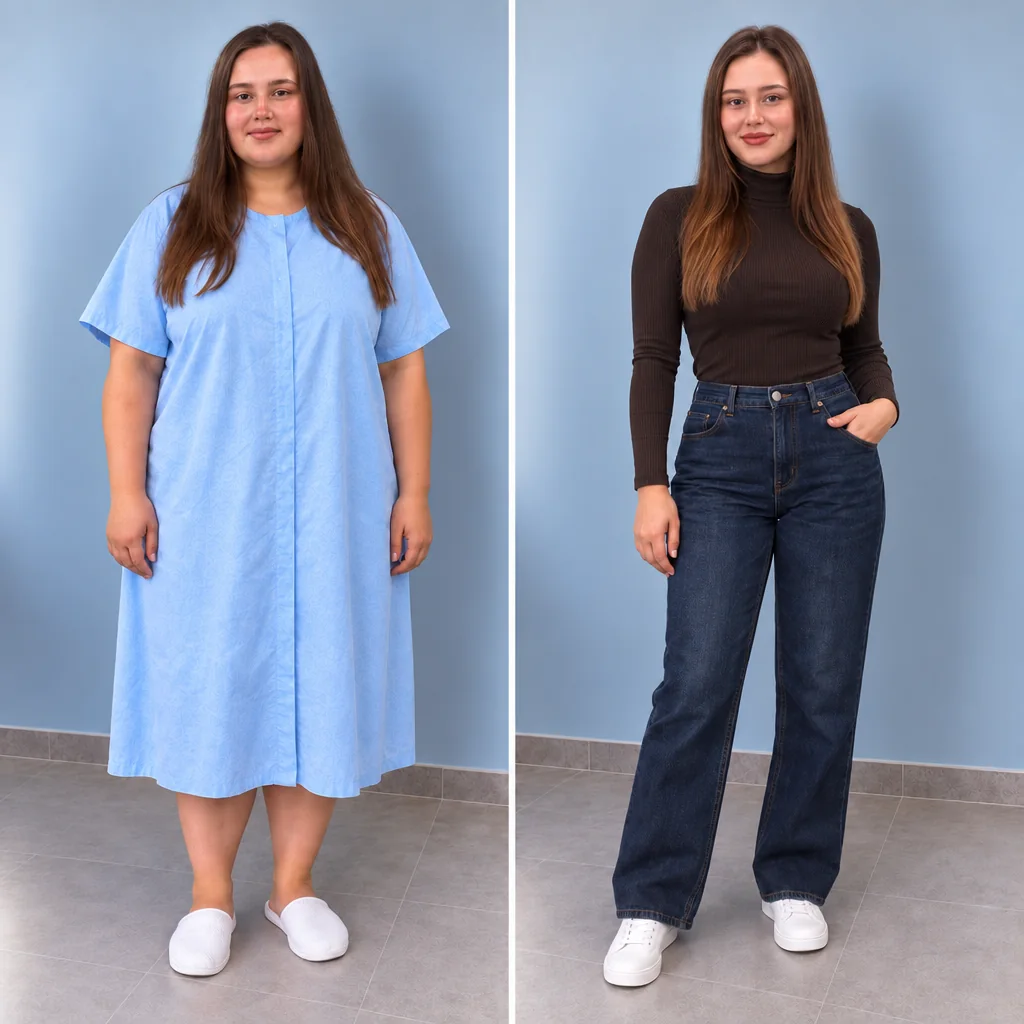
 beforeafter
Irina, 26
Bariatric surgery
Bariatric surgery
$3,600
$4,800 · First consultation — Free
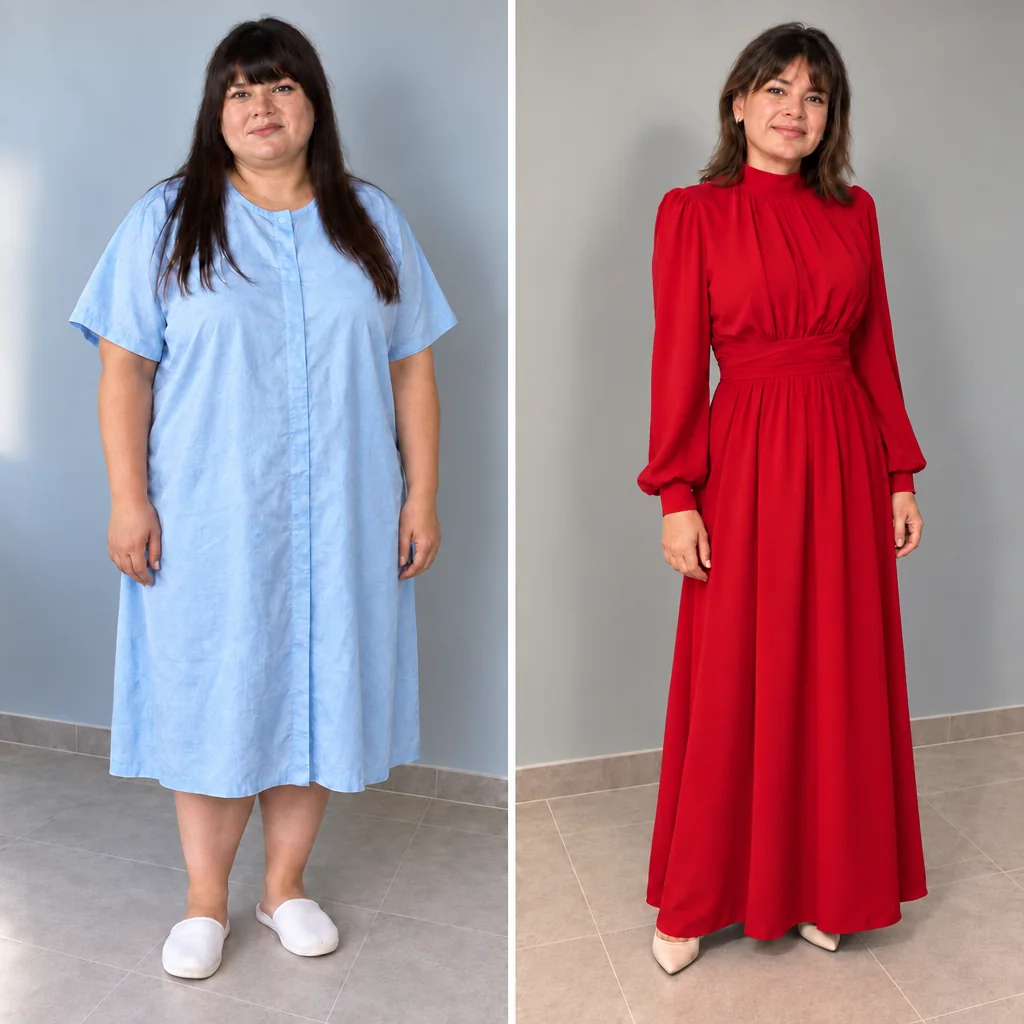 before
after
Message our coordinator
Free online consultation · Reply within 15 minutes
Message us on TelegramMessage us on WhatsAppBy messaging us, you agree to our Privacy Policy
Results
These are real patients treated at the clinic.
beforeafterBariatric surgery
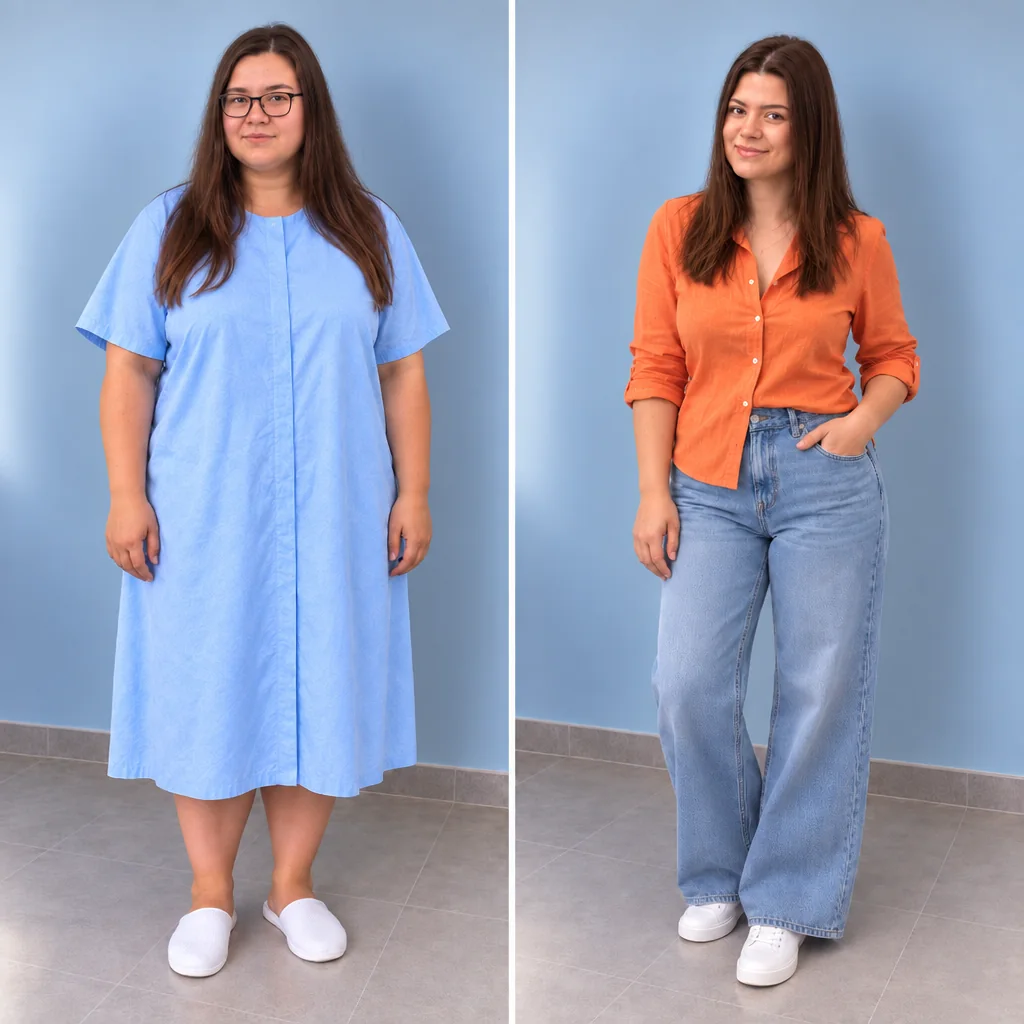 beforeafter
Bariatric surgery
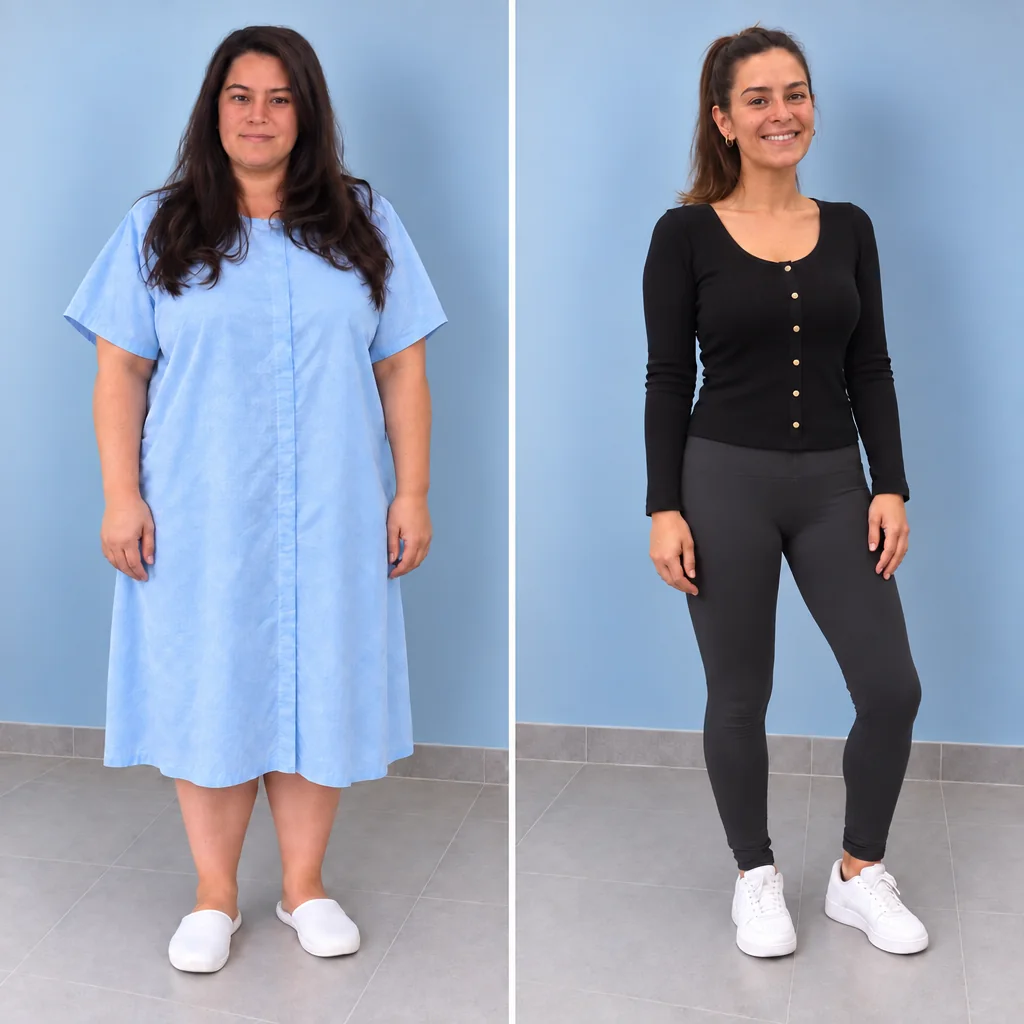 beforeafter
Bariatric surgery
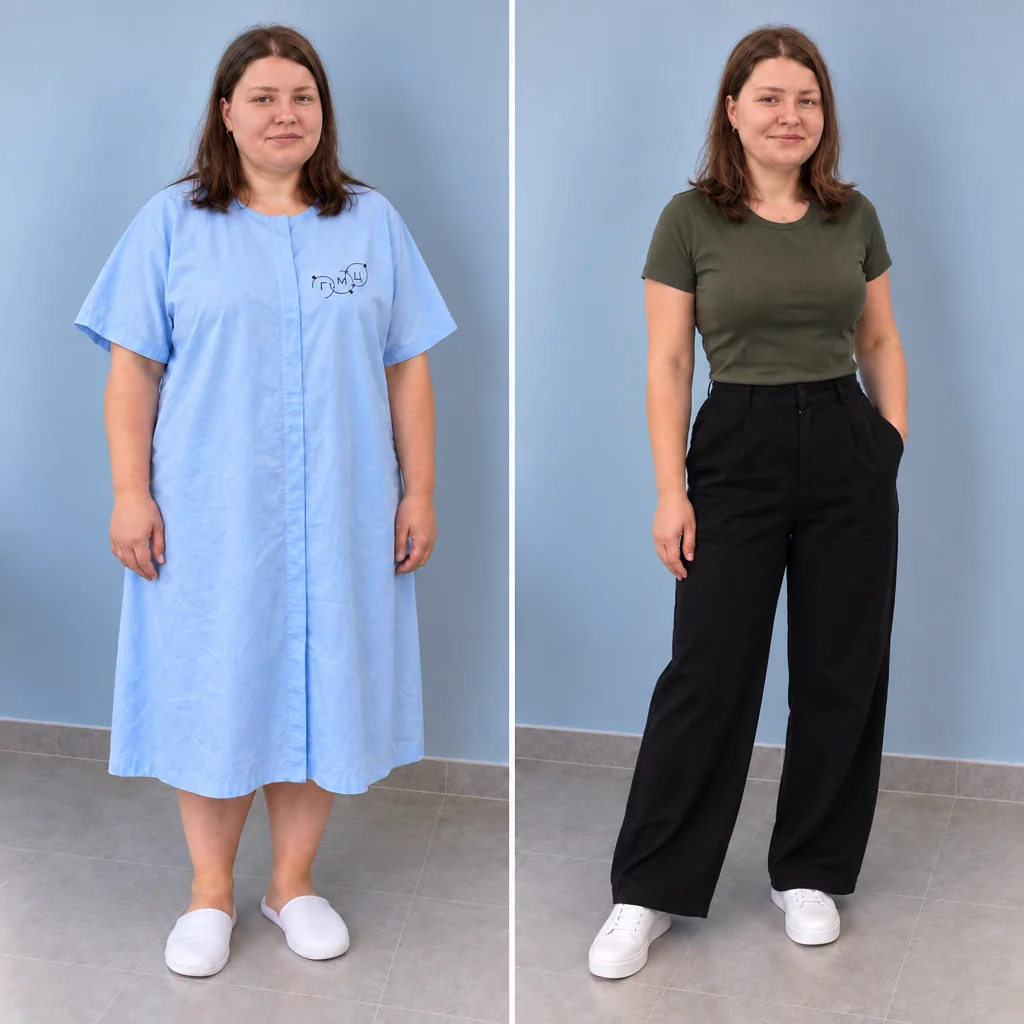 beforeafter
Bariatric surgery
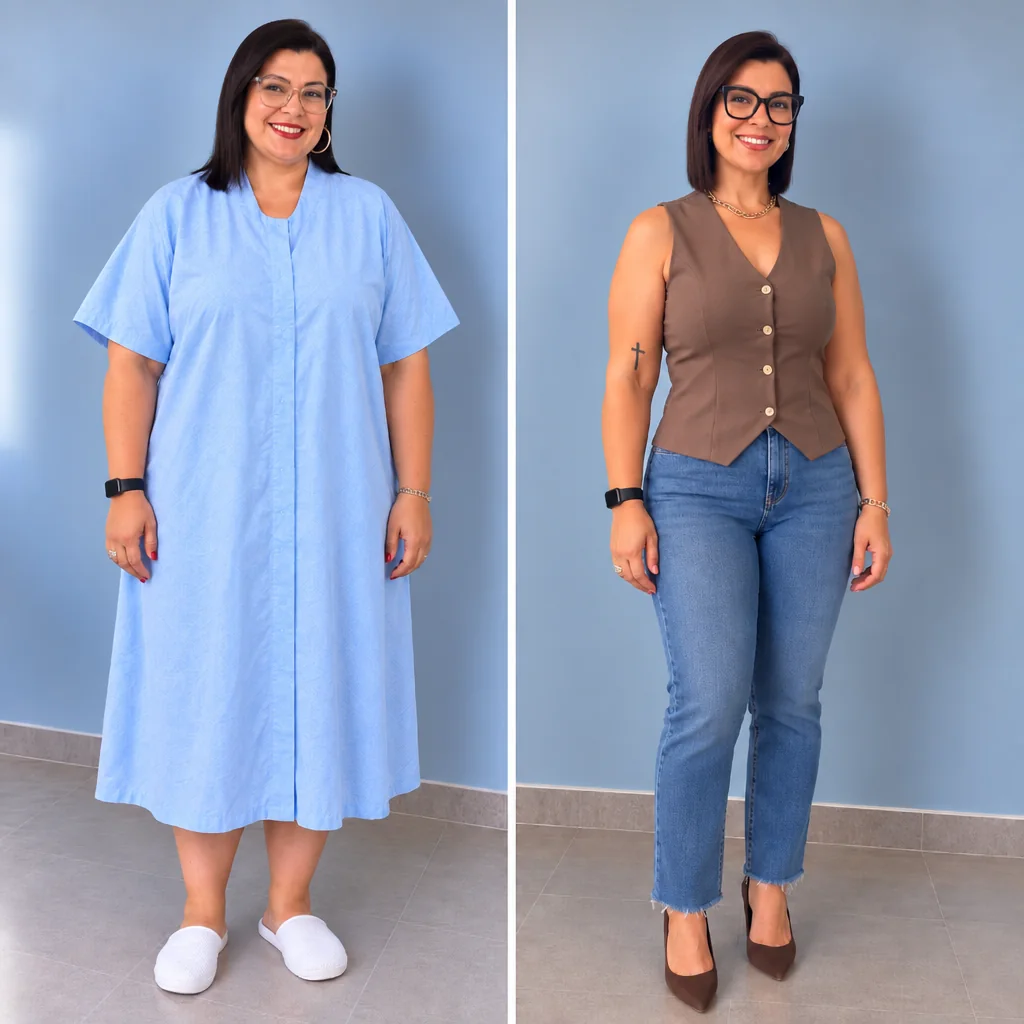 beforeafter
Bariatric surgery
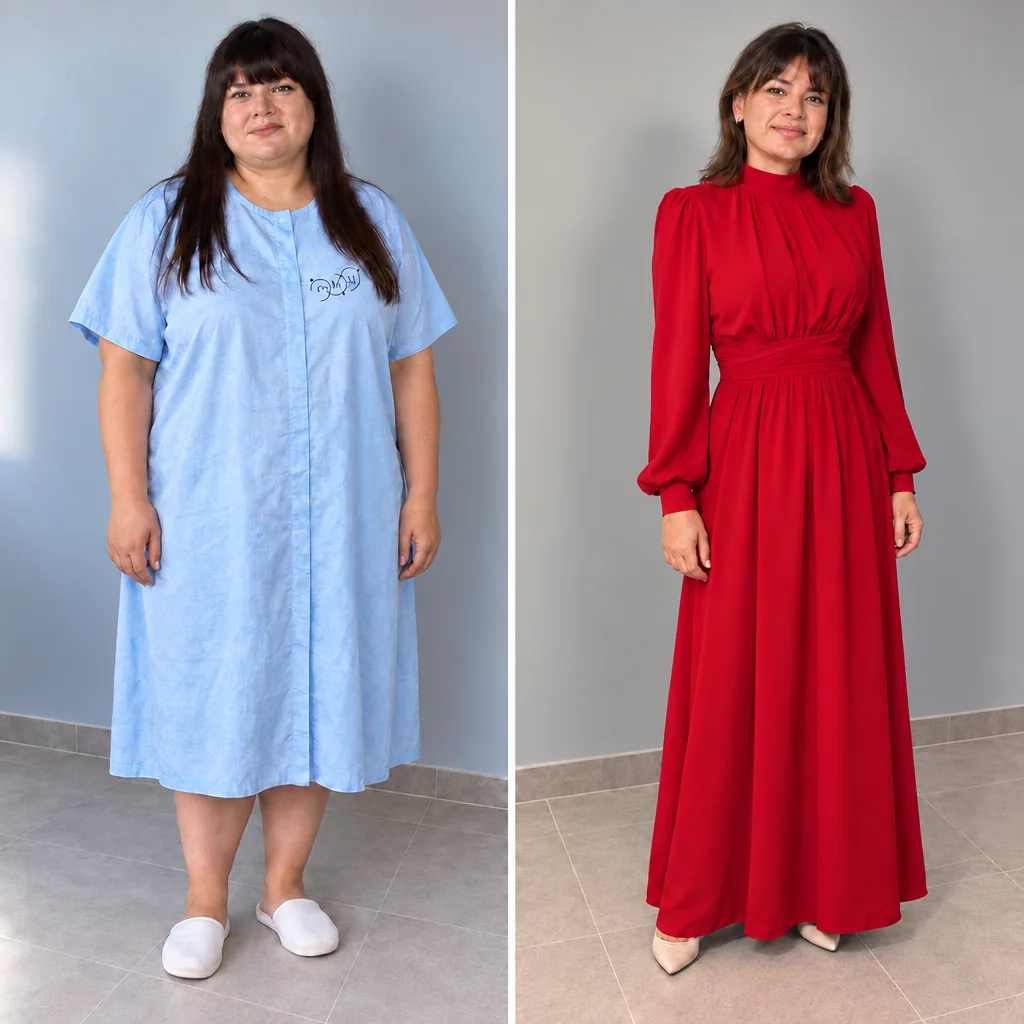 beforeafter
Bariatric surgery
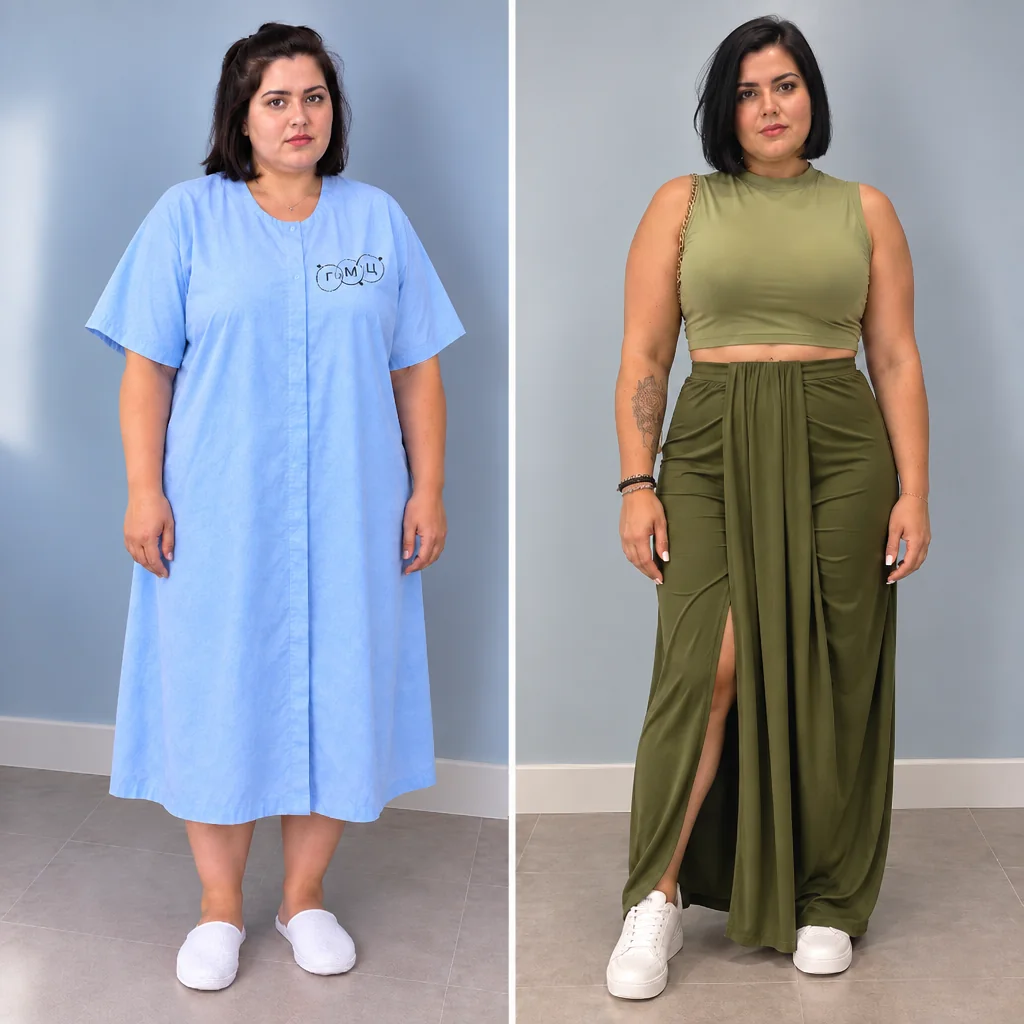 beforeafter
Bariatric surgery
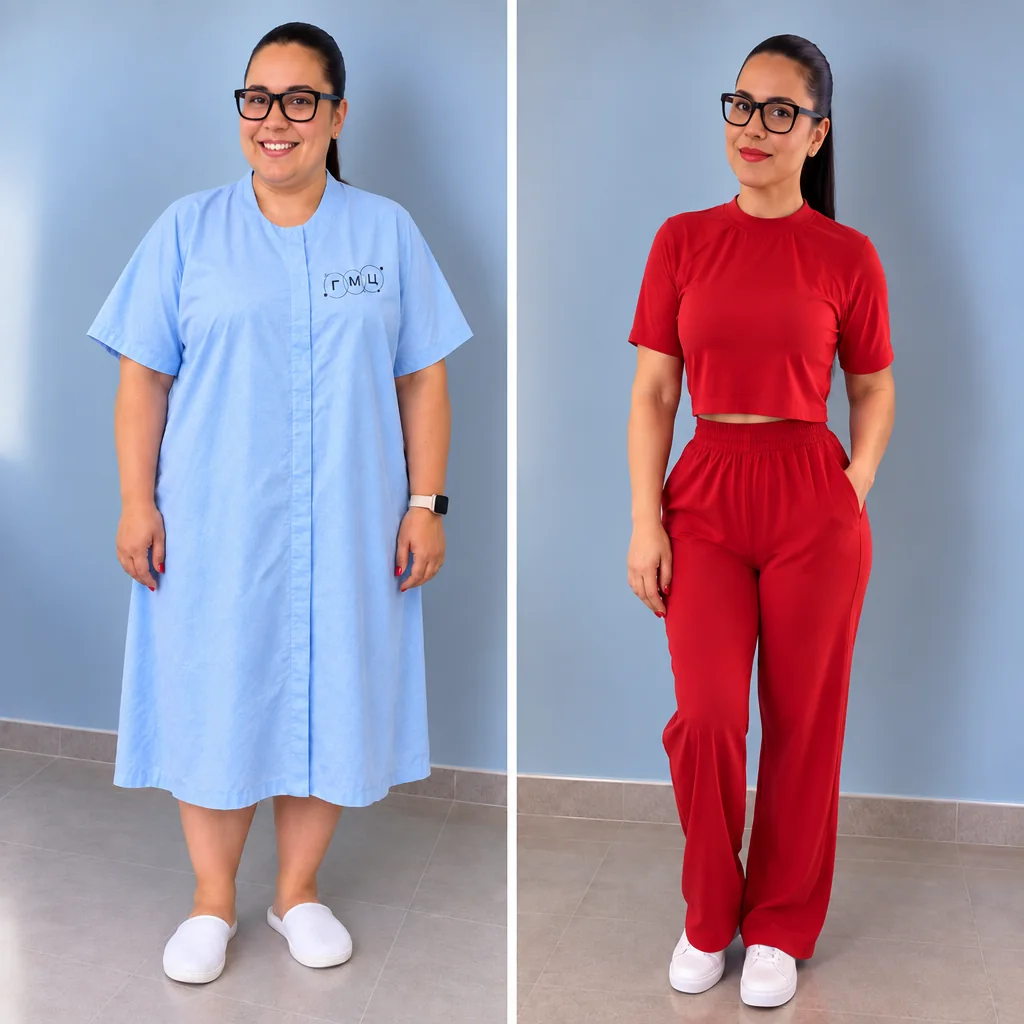 beforeafter
Bariatric surgery
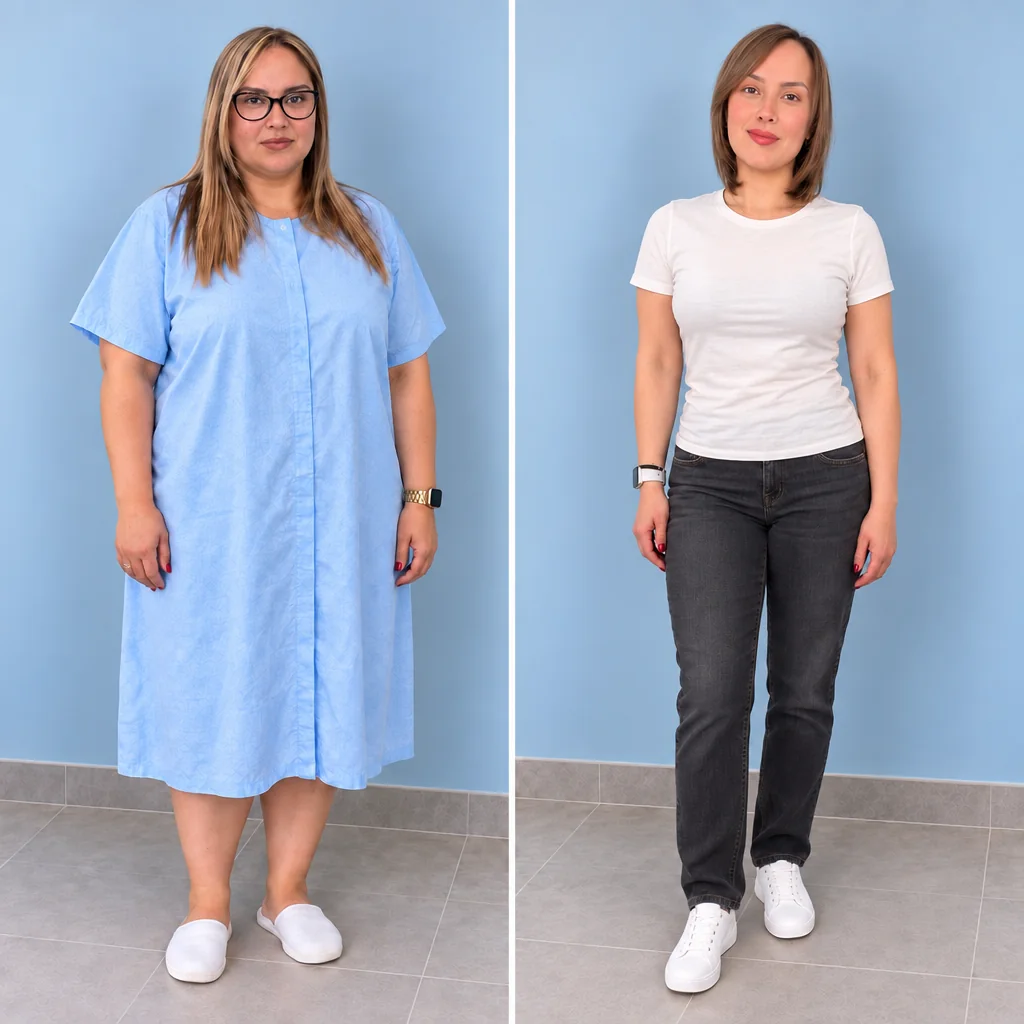 beforeafter
Bariatric surgery
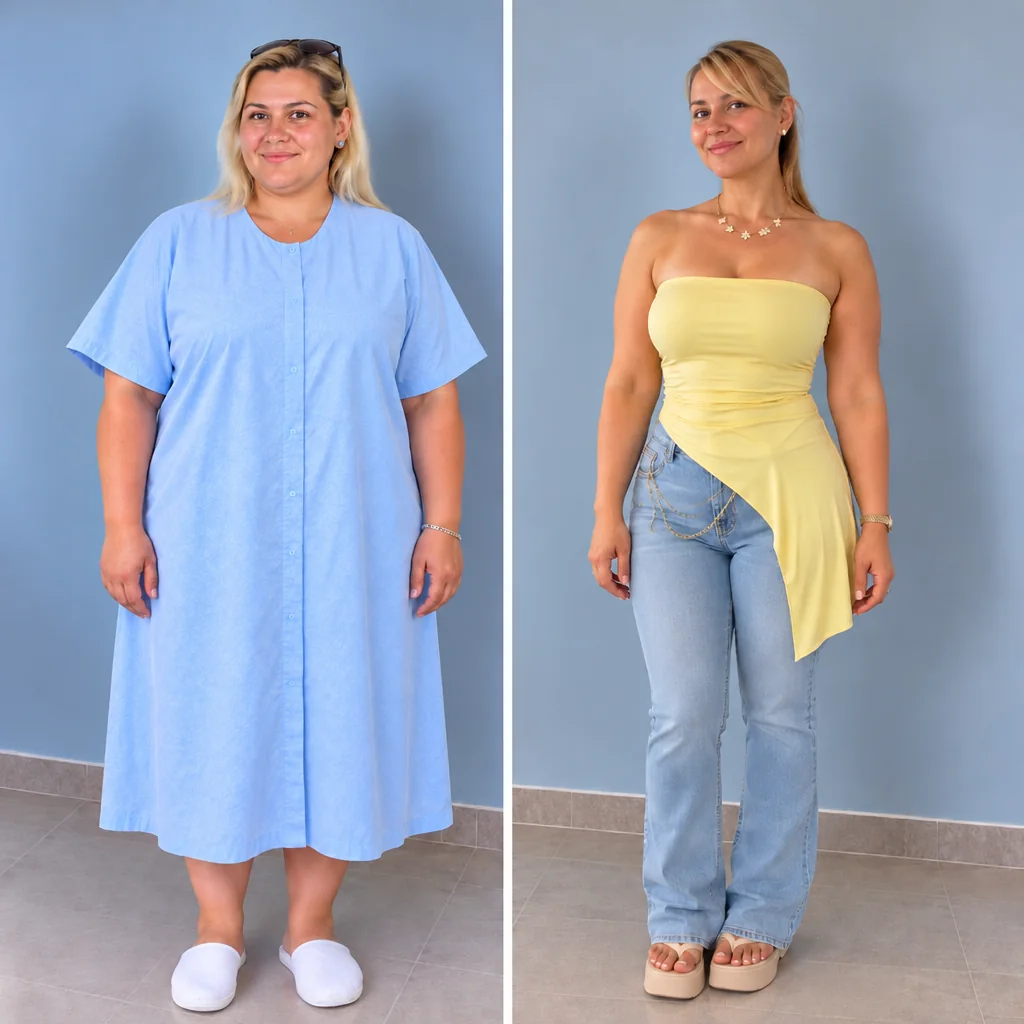 beforeafter
Bariatric surgery
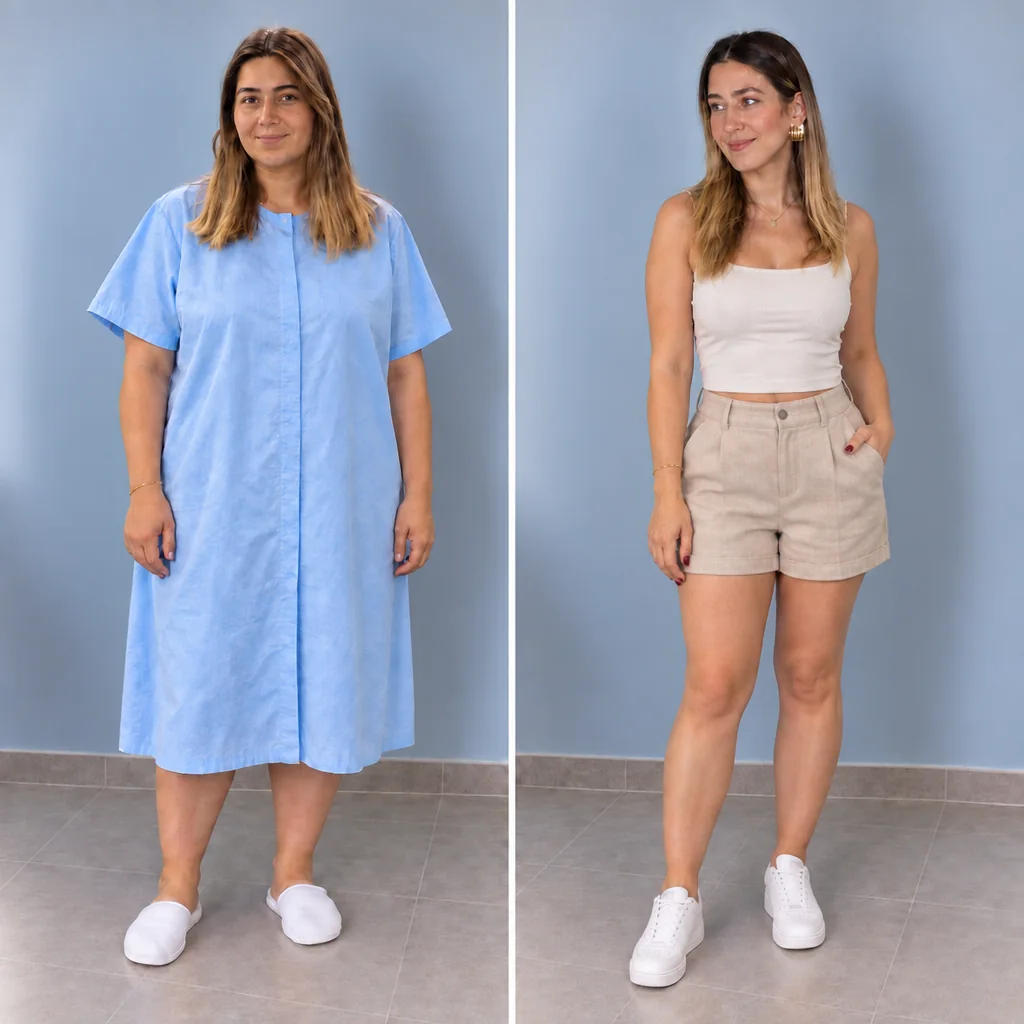 beforeafter
Bariatric surgery
Comparison
Choose your method with confidence by comparing our two main procedures — sleeve gastrectomy and gastric bypass — in terms of how they work, their purpose and their indications.
A smaller stomach volume
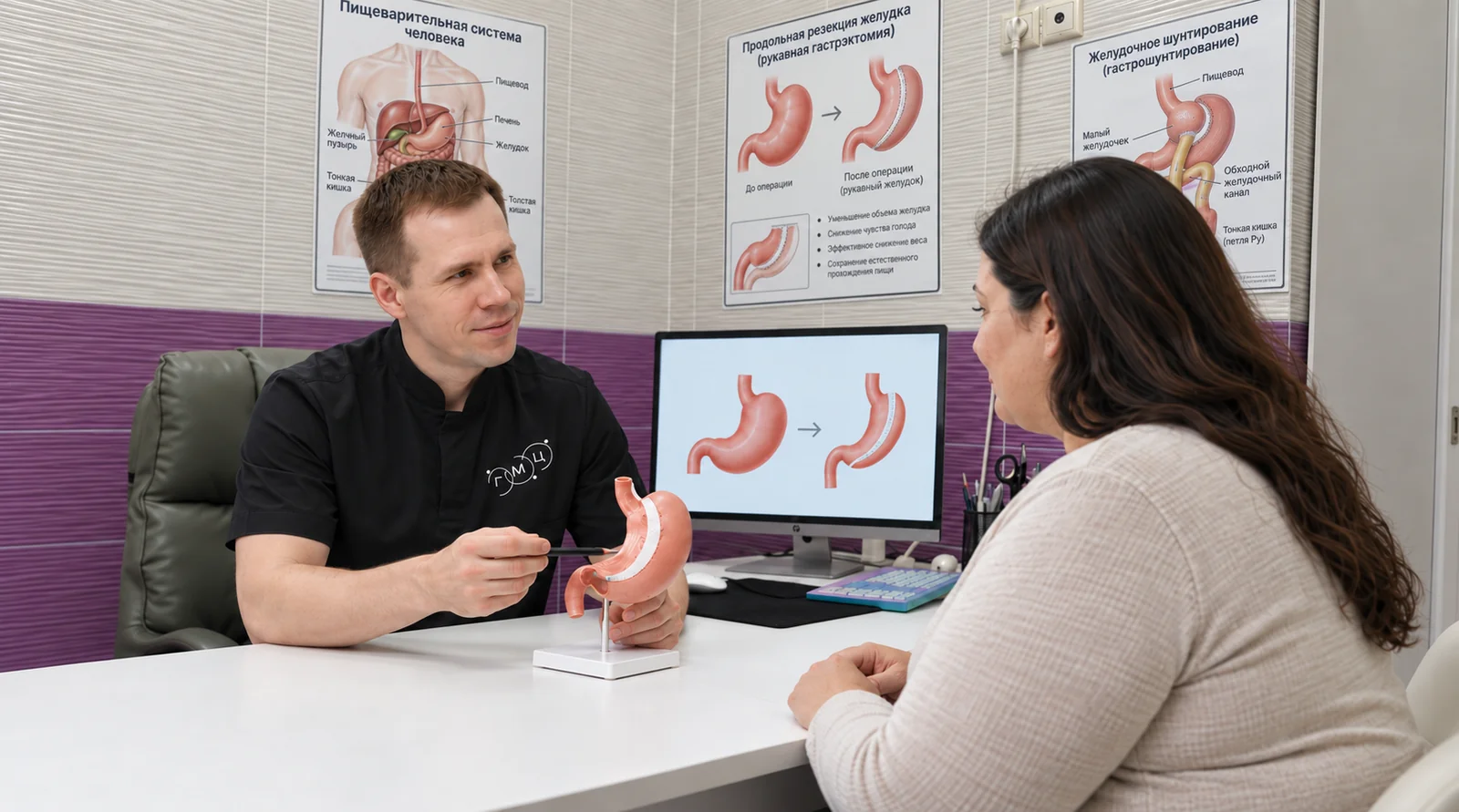
Discounted price
$3,600 $4,800
The stomach is made smaller and food is rerouted
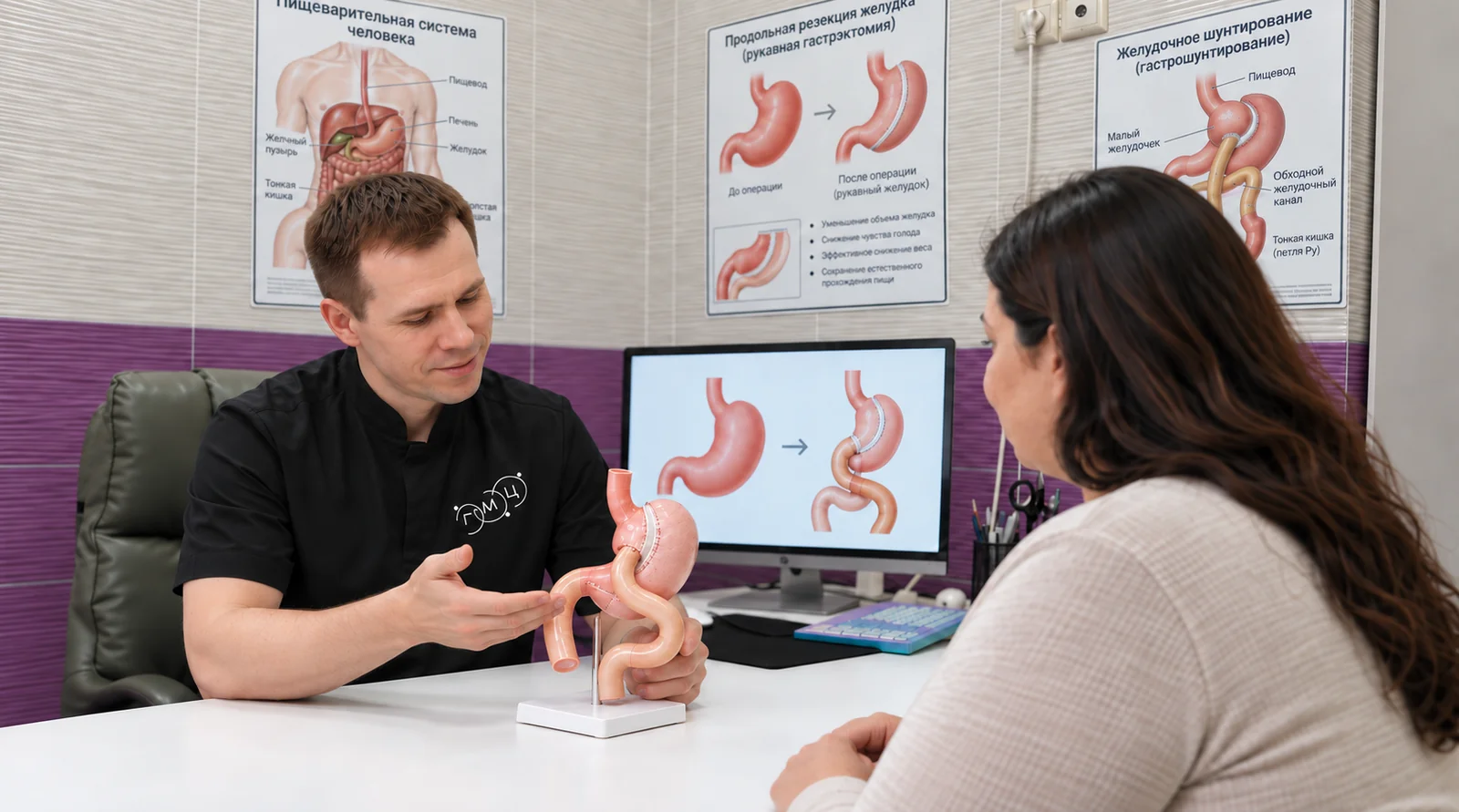
Discounted price
$4,000 $5,200
The benefits and recovery times are method averages meant as a guide; the actual scope of the operation and your recovery depend on your anatomy and individual features. The surgeon confirms them at the consultation.
Book a consultationThe clinic
Modern equipment, comfortable rooms and care for every patient
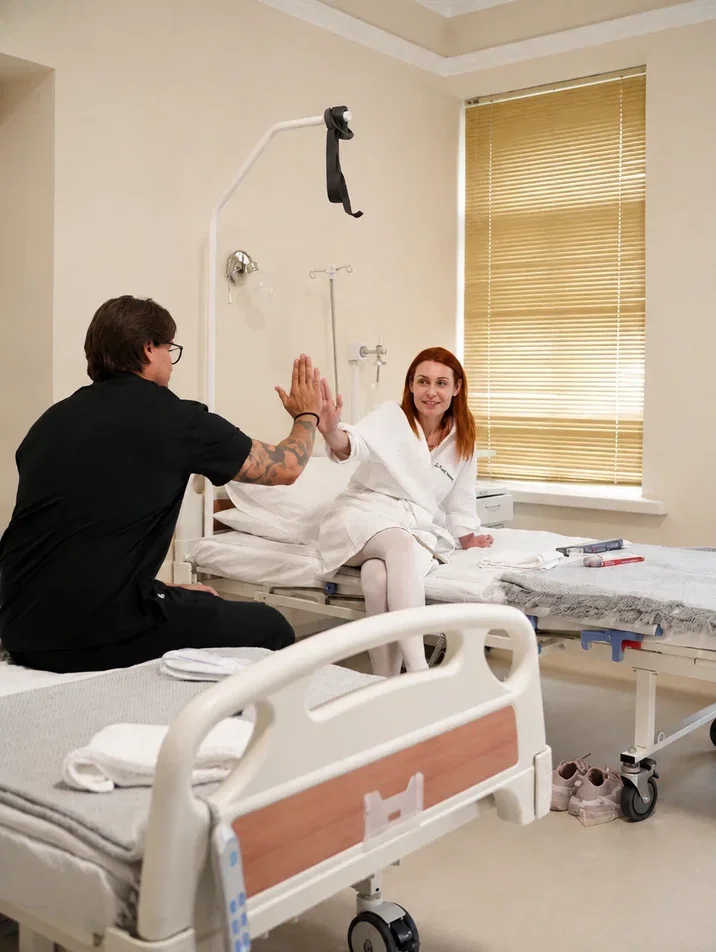
We answer your questions and pick a convenient consultation time
Get a consultationOnly after a consultation and check-up is the decision on surgery made, jointly with the surgeon.
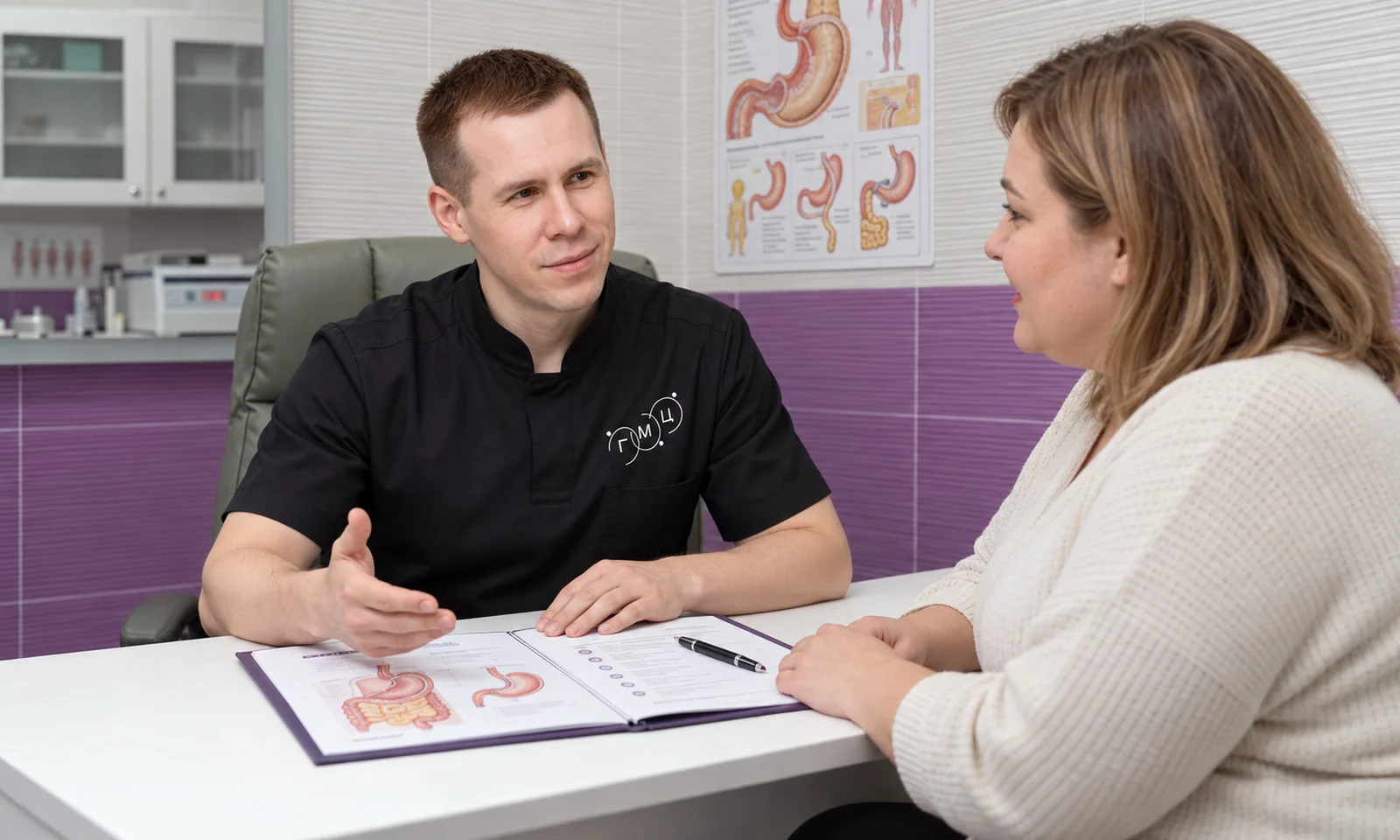
Unsure which column describes you?
Get in touch on Telegram — our coordinator will explain whether bariatric surgery is right for you. The consultation with a surgeon is free, and there is no commitment to an operation.
Find out if it suits me
Prices
Once your plan is ready, the price is given at the consultation and set in the contract.
Discounted price
A smaller stomach volume
$3,600$4,800
Discounted price
Weight loss and rerouting food
$4,000$5,200
Free
The surgeon examines you and draws up a treatment plan

Free
the cost of surgery is named
and fixed in the contract
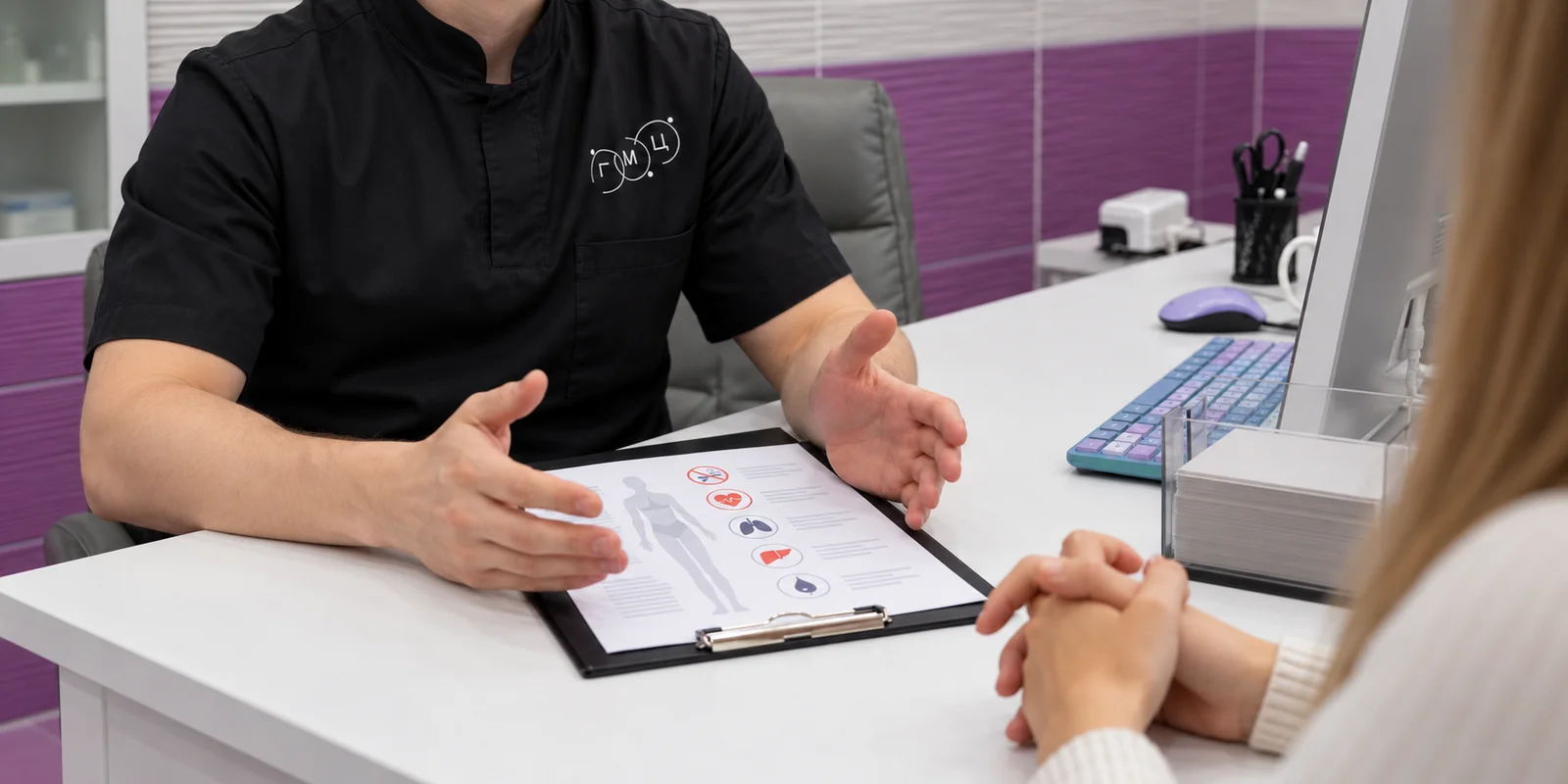
Your doctor assesses your health, discusses your goals and chooses the appropriate bariatric surgery method. The consultation gives you the cost, which is fixed in the contract.
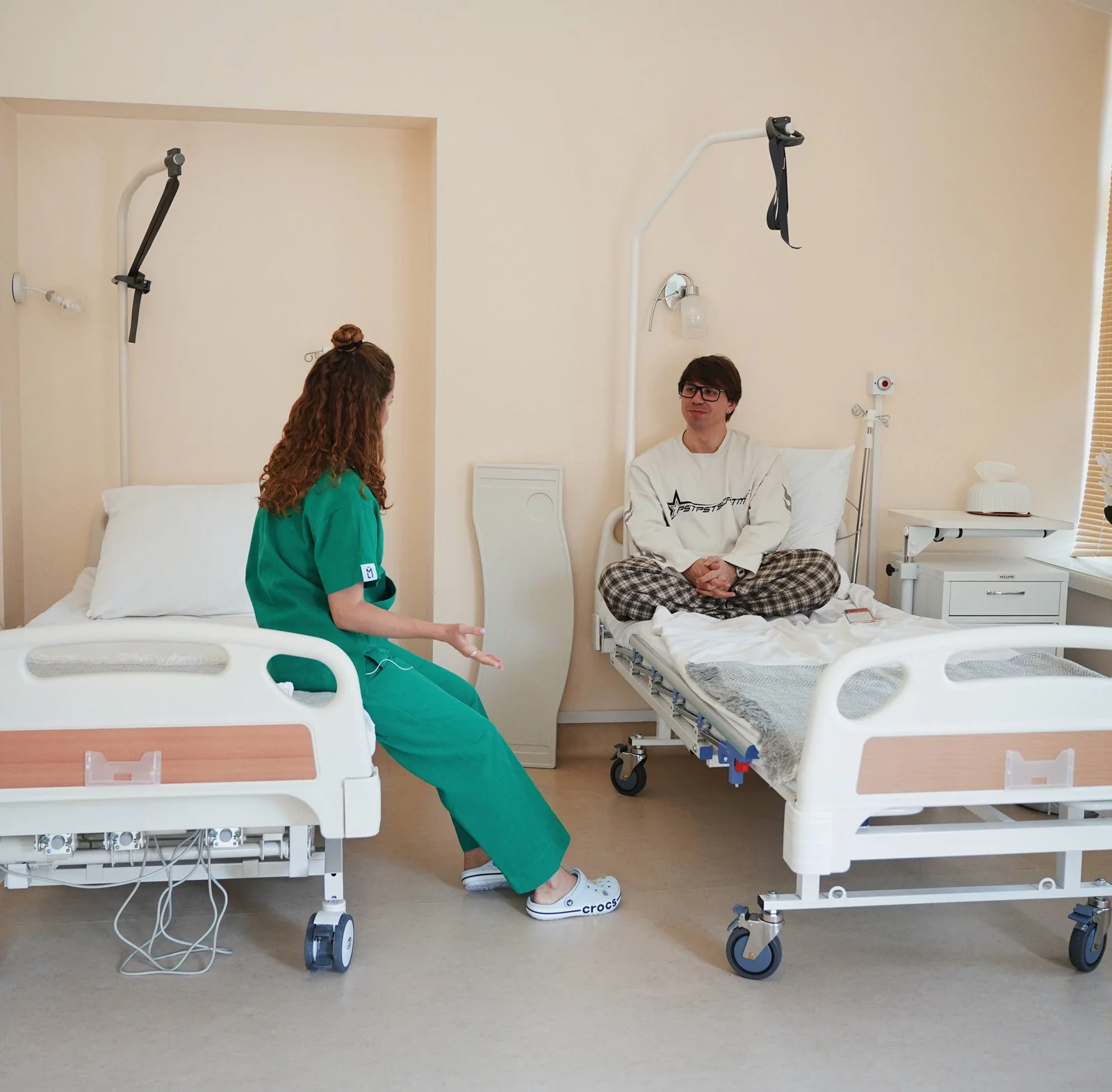
Message our coordinator
Free online consultation · Reply within 15 minutes
Message us on TelegramMessage us on WhatsAppBy messaging us, you agree to our Privacy Policy

price
From preparation to 12 months of support, all in one package. No added fees.From getting ready for surgery
to 12 months of support.
Step by step
Hospital monitoring, a treatment plan agreed with you and a year of support.
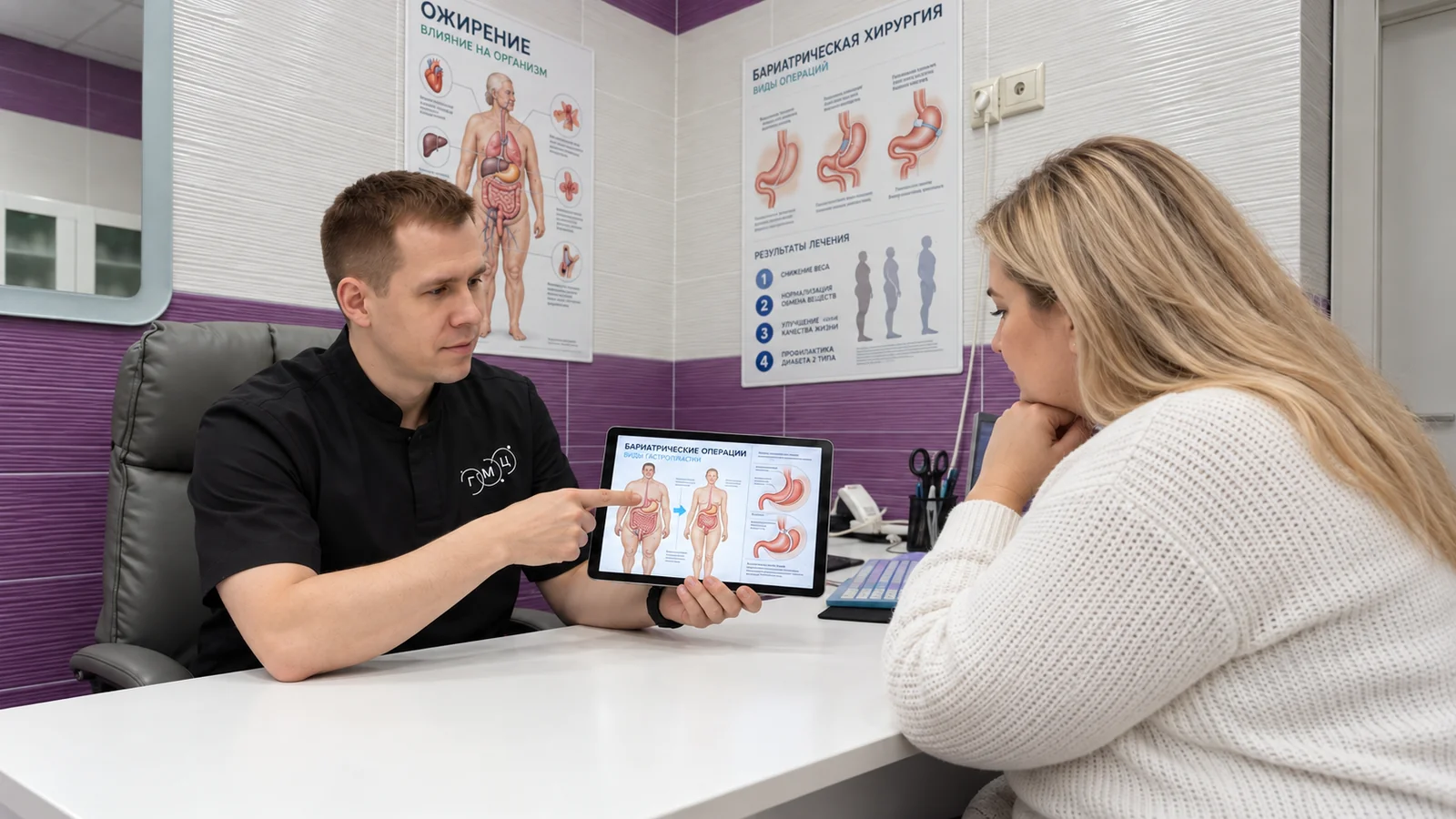 1
The doctor reviews your health and goals and orders the tests required to decide on the right bariatric surgery method.
2We reserve your surgery date; the deposit can be made by card in the clinic or by online bank transfer. The contract for medical services sets the terms
 3
Blood and urine tests, an ECG, an ultrasound, a gastroscopy and specialist visits come before surgery. At the consultation the doctor gives you the exact list.
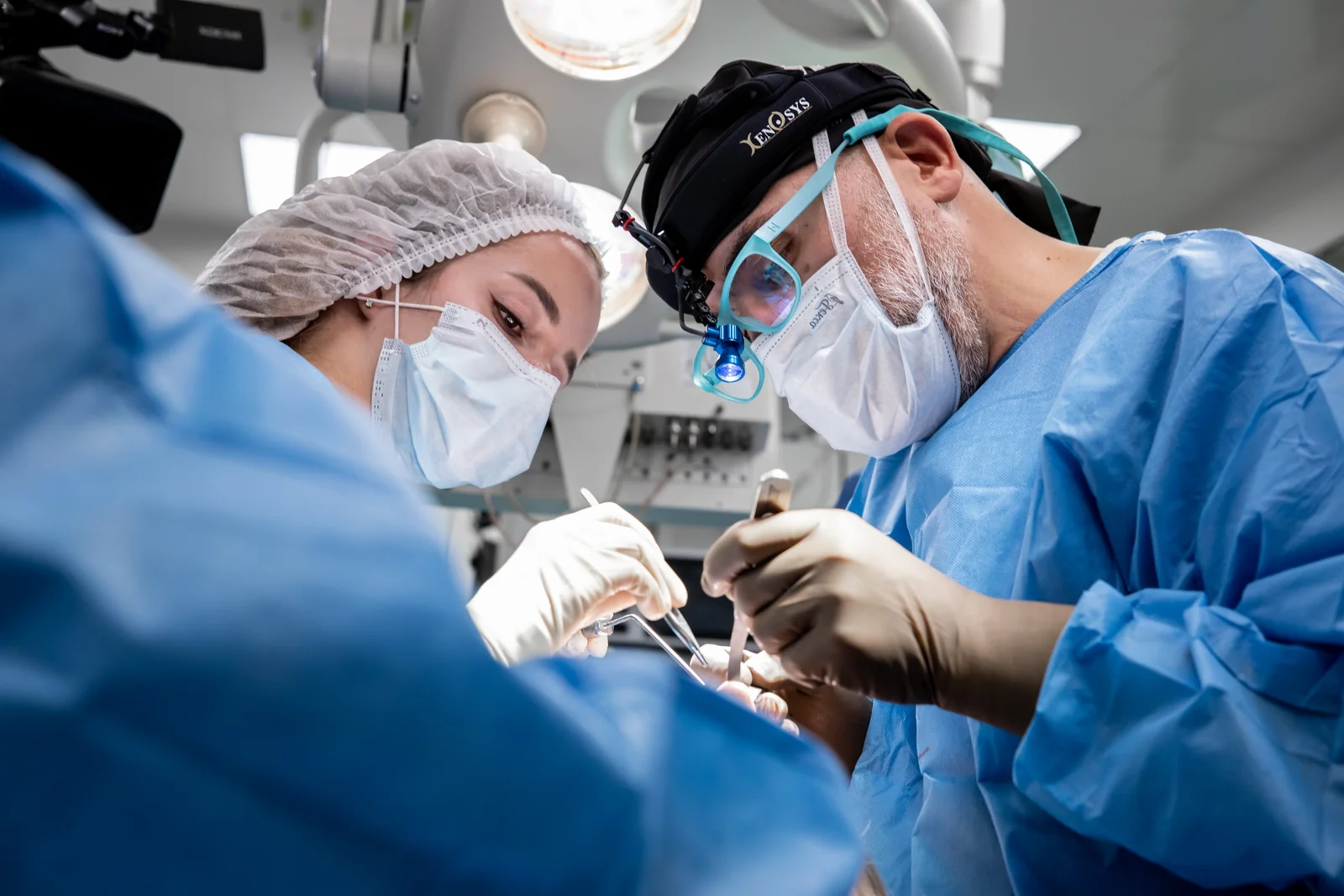 4
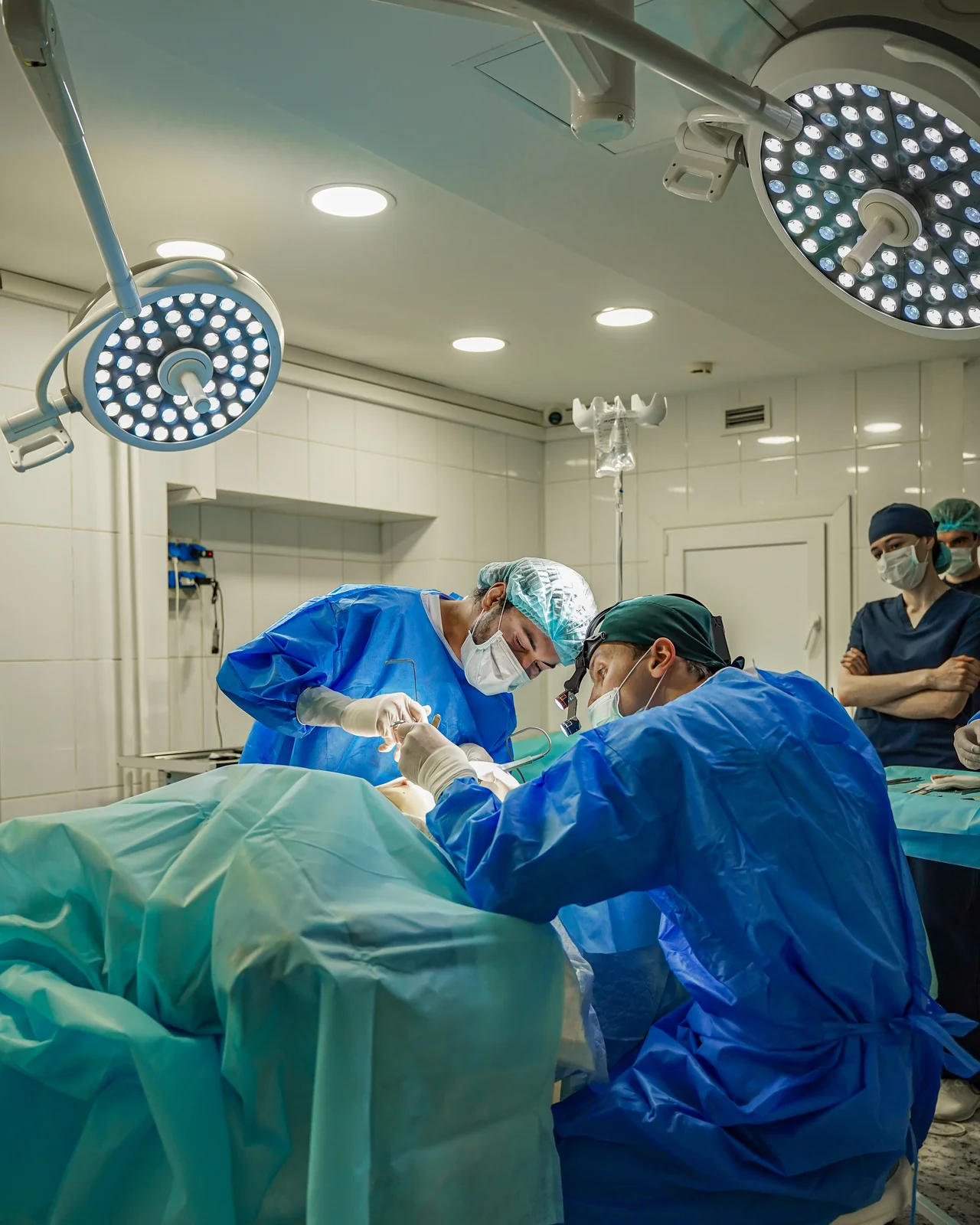
Using the chosen method, the surgeon performs the bariatric surgery under general anaesthesia. Once it is over, the medical team monitors the patient.
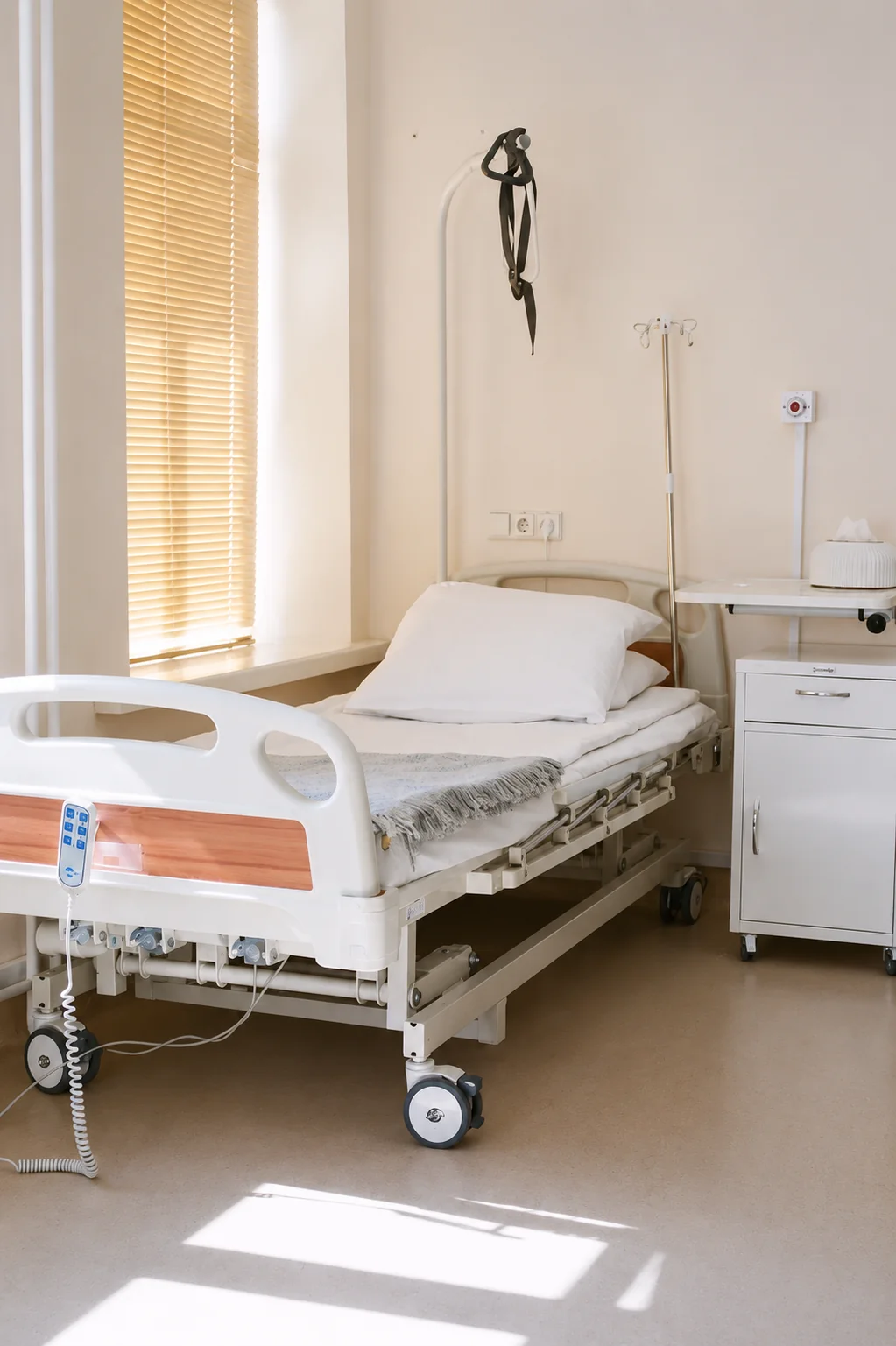 5
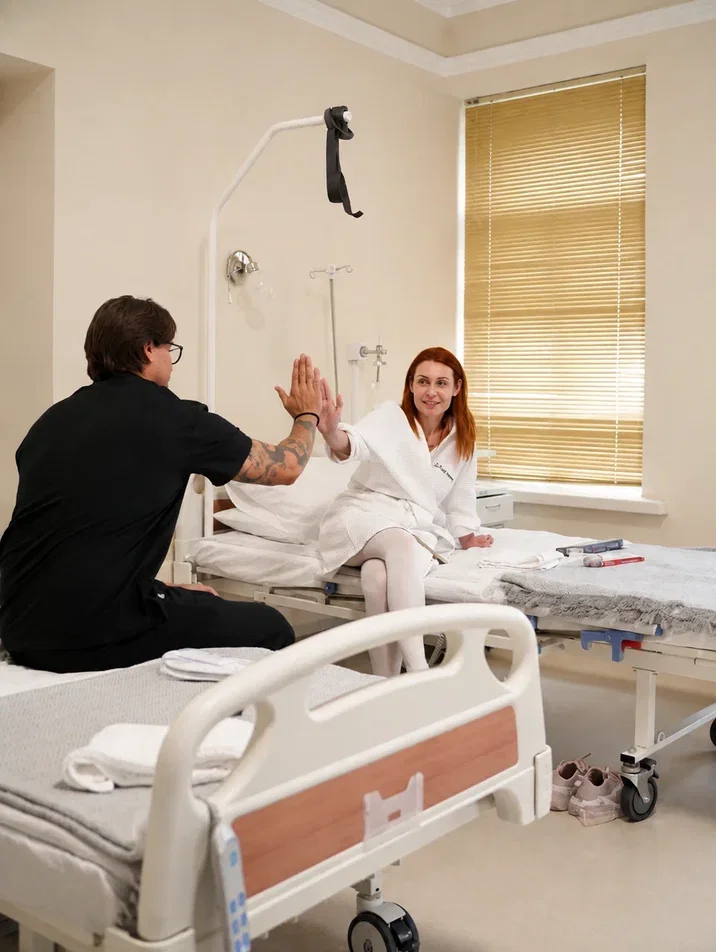
After the operation you stay in hospital under doctors' supervision for 1–3 to 4–5 days, depending on the complexity of the operation and how you feel.
 6
You leave with advice on diet and recovery. Scheduled check-ups then track how you feel, your weight and your test results, and the clinic team stays with you for a year.
Your plan is drawn up at the consultation, where the doctor explains how the surgery will go
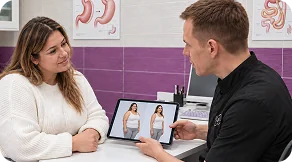
You pay nothing for the consultation, happens before surgery, with no obligation.
Book a consultationDoctors
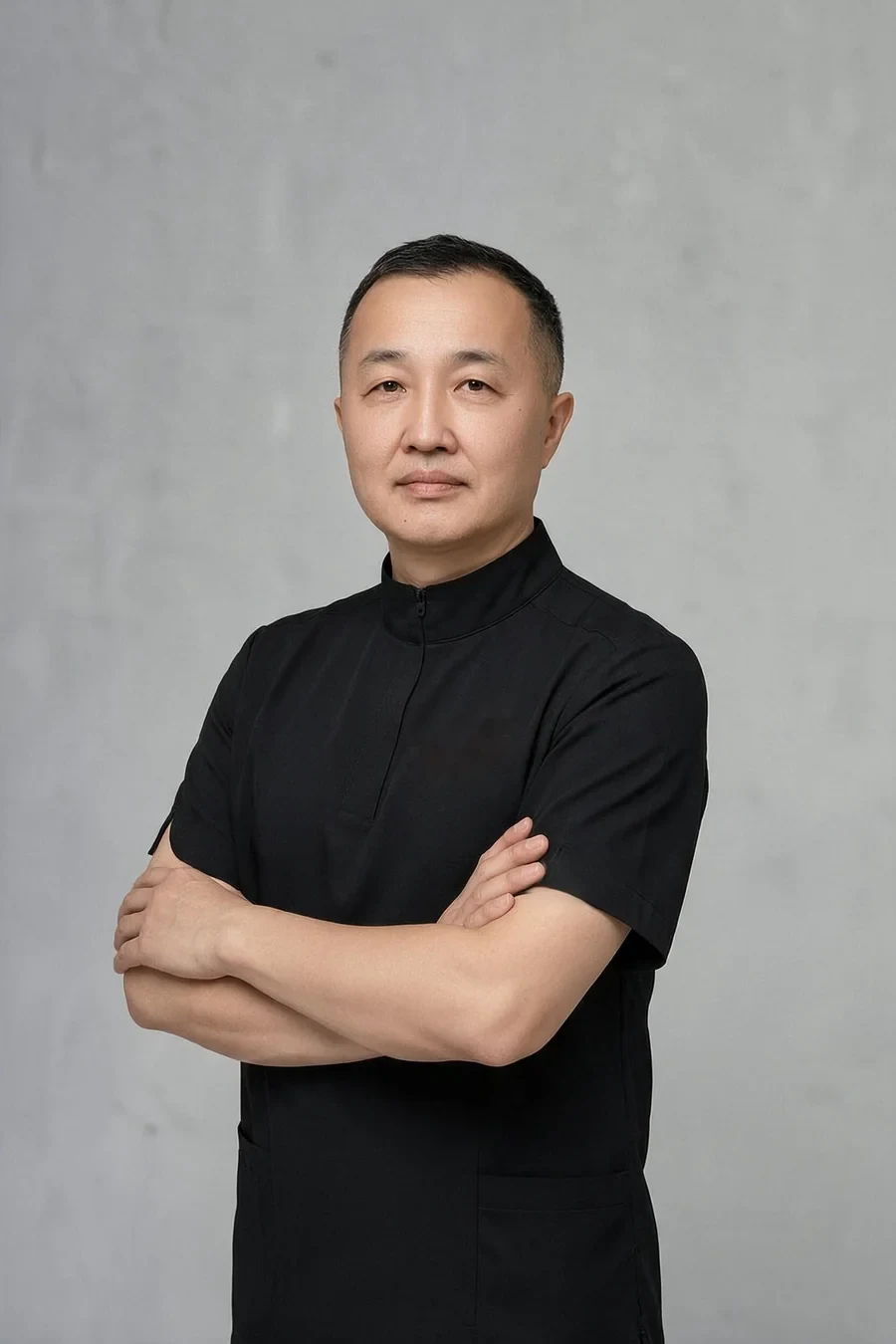
27 years of experience
Lead bariatric surgeon
Surgeon
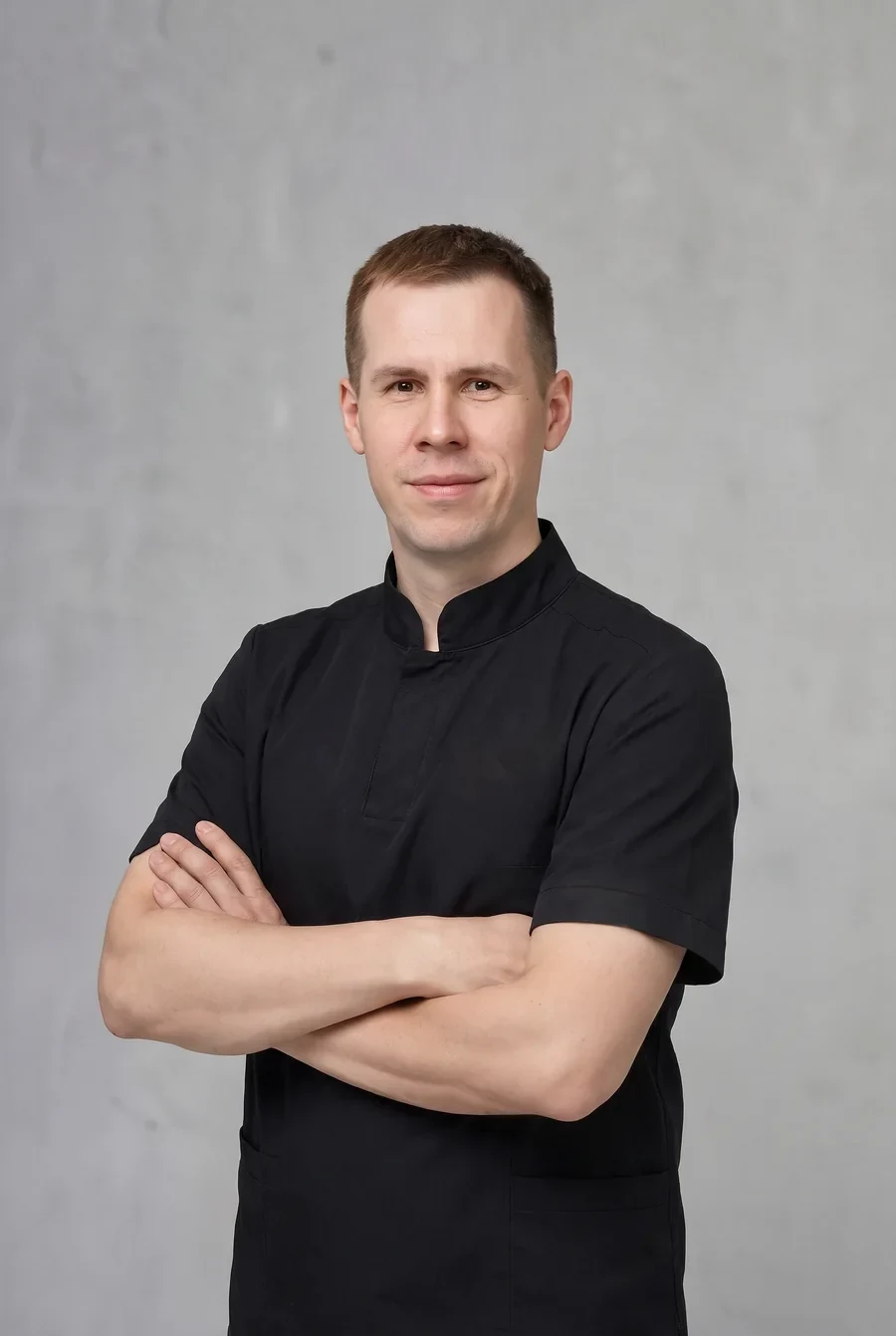
9 years of experience
Bariatric surgeon
Surgical oncologist
The surgeon operates and then follows you, from the very first consultation to the result.
The patient care manager holds your first consultation free of charge: they work out your BMI, explain the methods and book your appointment with the surgeon.
Book a consultationCoordinators
You have our support at every step

Your first contact at the clinic, all the way from your first message to the consultation
Patient support
Answers your questions before the first consultation and helps select a date that works for you

With you before and during your stay — from booking to discharge
Patient support
Helps with your preparation for surgery and stays in touch throughout your clinic stay

With you all through recovery, from discharge to the final check-up
Patient support
Stays in touch while you recover and books your follow-up visits with the surgeon
Advantages
We pick the best method for your health, lifestyle and goals, and our team is with you all the way.
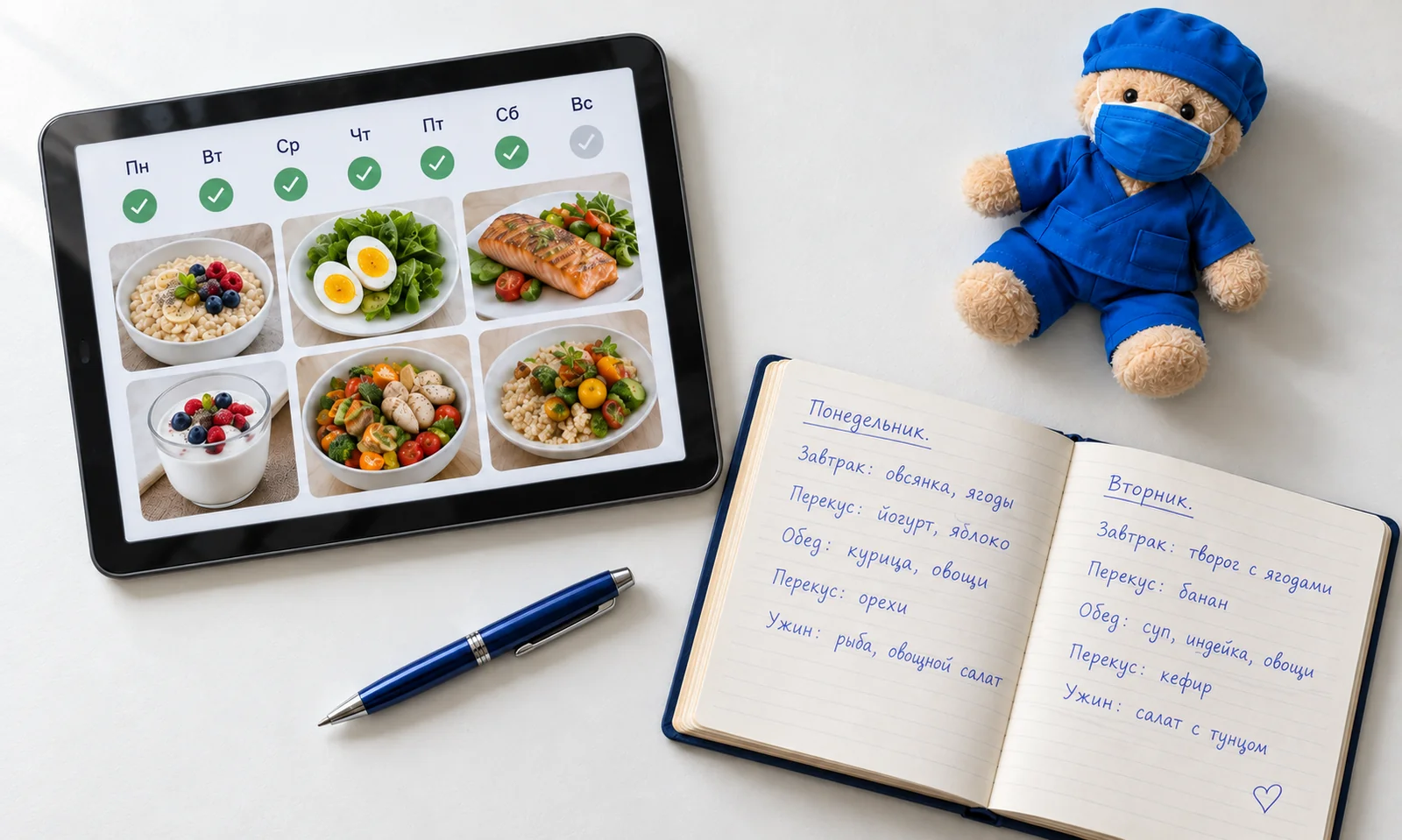
Adapting to new eating habits, tracking and keeping results — we help with it.
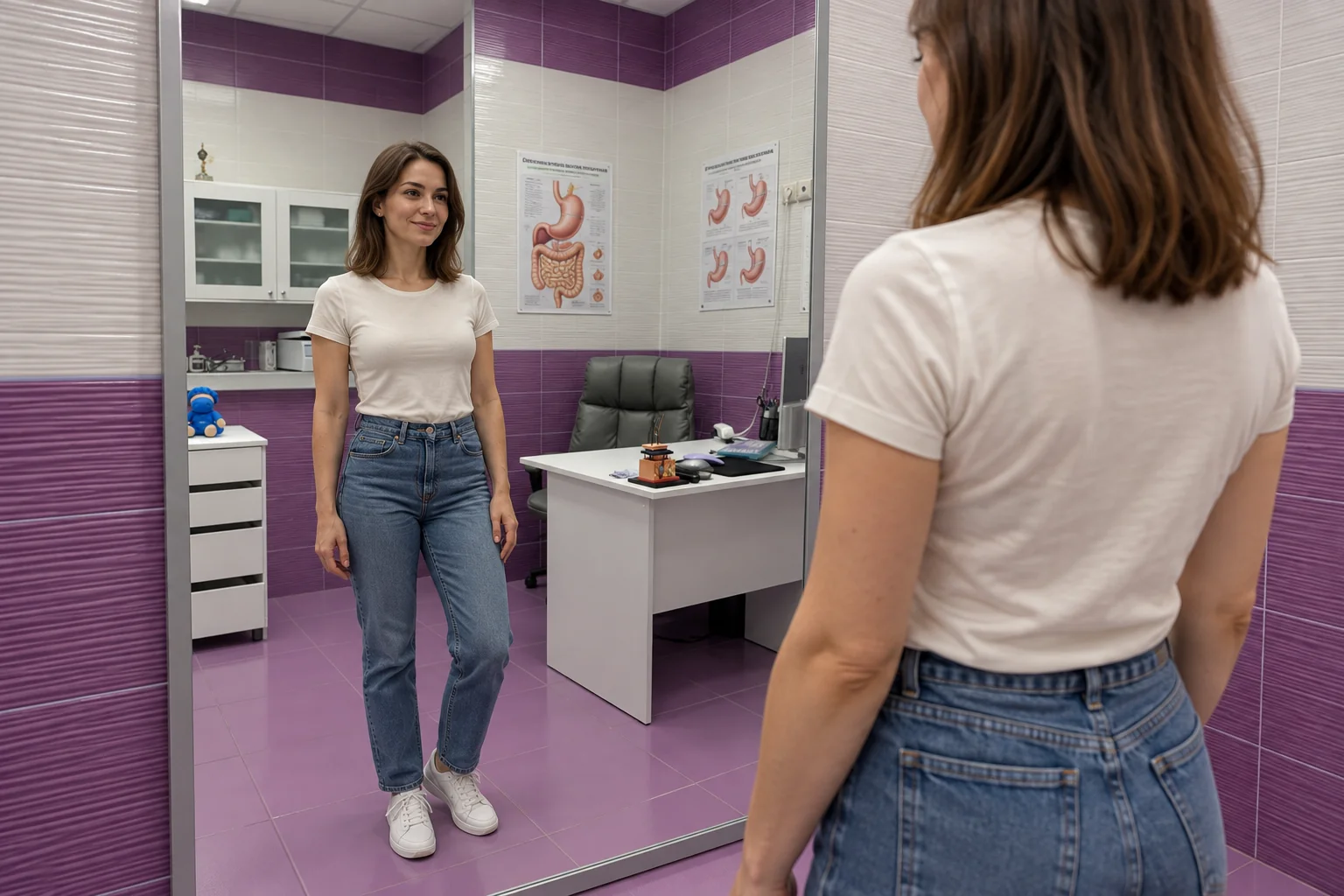
Stable weight loss, improved well-being and a higher quality of life.

We adapt to your pace and respect your time — easy booking, a personal approach and open 24/7.
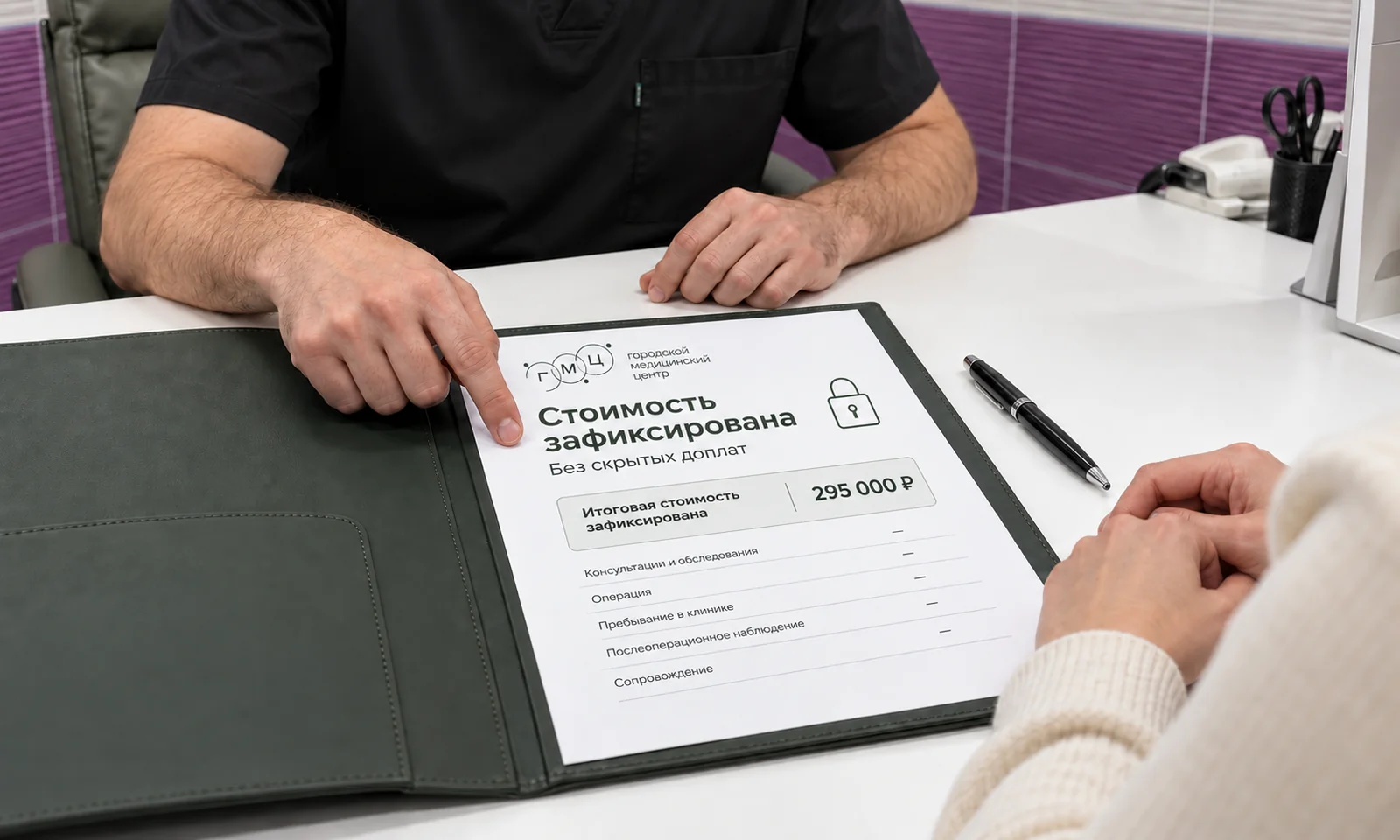
Following the consultation, the surgeon picks the method and you get a clear price — without hidden fees or surprises on the way to your result.
FAQ
At the clinic, experienced bariatric surgeons perform the bariatric operations:
Send us a message to have our coordinator contact you shortly and book your consultation; the bariatric surgeon consultation costs nothing.
Surgery is prescribed only when clear criteria are met
BMI is the main tool for assessing the degree of obesity. It is calculated by dividing body weight (kg) by height squared (m²). Surgery is usually justified with a BMI above 40, or above 35 with serious related conditions. In some cases surgery is considered at lower values too — if non-surgical approaches have failed.
People often confuse these two, though their aims are fundamentally different. Bariatric surgery is medical treatment of obesity and associated diseases. It changes the way the digestive tract works, acting on the causes of excess weight and on metabolism. Plastic surgery alters outer body contours and does not treat obesity or affect metabolism.
City Medical Centre carries out four main types of bariatric surgery: sleeve gastrectomy, Roux-en-Y gastric bypass, mini gastric bypass (MGB) and SADI-S duodeno-ileal bypass. The choice of method is individual, based on BMI, related conditions and the patient's goals.
We use modern laparoscopic technique. The operation is done through 4 small punctures of 5 to 15 mm. Cosmetic sutures are placed, so once healed the marks become almost invisible.
Recovery depends on what you plan to do. Office work: after 2–4 weeks. Physical work: after 1.5 months. Sport and activity: swimming after 30 days, other exercise phased in as weight drops. Travel and holidays: preferably not earlier than one month after surgery.
In stages, your diet goes from liquid to soft to solid food. The main focus is protein and restricting high-calorie, fatty food.
Pregnancy after bariatric surgery can happen, though doctors advise holding off at least 12–18 months. In this period the body becomes stable, weight reaches target values and nutritional status normalizes.
Yes, vitamins become essential after bariatric surgery. The changed digestive anatomy lowers absorption of some nutrients, so regular vitamin and mineral supplements turn into a permanent part of the patient's life.
Regaining weight after bariatric surgery is possible, yet very unlikely when you stick to the doctor's advice. The keys are proper nutrition, no high-calorie drinks and regular check-ups with City Medical Centre specialists.
Prices are in US dollars; the amount in brackets is an approximate conversion to SSP at the rate of 02.10.2026. The final price is fixed in your contract.
Prices start from $3,600 (≈ SSP 20,500,000). The surgeon sets the final price at the free consultation, and it is fixed in the contract, with no hidden extras.
General anaesthesia, a personal coordinator from day one, monitoring in the hospital and support for one year.
The hospital stay is 1–5 days, depending on the method and how you feel. Office work is possible after 2–4 weeks.
Yes. The first consultation is free and does not oblige you to anything. You can start online by sending a message to the coordinator.
Message us on WhatsApp or Telegram using the buttons below. A coordinator will answer your questions and book a free consultation where the doctor names the exact price.
By messaging us, you agree to our Privacy Policy
Weight that began in childhood, a family history of obesity, shortness of breath on stairs, avoiding photos — these are common reasons people in Juba start thinking about surgery. A consultation is warranted not only by a high BMI but also by related conditions. The surgeon reviews your health and weight history and offers the most suitable of the four surgical methods.
During the operation the surgeon works laparoscopically, which keeps rehabilitation as short as possible. Right after, you are under round-the-clock care in a ward, with meals and nursing included. After discharge, most people in Juba return to office work in 2–4 weeks, following a diet plan and avoiding saunas and heavy exercise for the first weeks.
One package covers the full journey, from consultation to final result. There are no separate charges added later: ward, meals, nursing care and coordinator support are included. To find out whether surgery suits you, patients in Juba can book a free surgeon consultation; the doctor reviews BMI, health and weight history and recommends a method.
What patients write after this operation. Reviews are translated from the original language.
Irina, 26
For a long time I doubted whether to go ahead with surgery, but after the consultation I felt much calmer. Andrey Georgievich explained in detail how gastric bypass is done, what to expect after the operation and how recovery would go. I especially liked that they talked to me calmly and without pressure. I am now gradually getting used to my new way of life and I am very glad I took this step.
Bariatric surgery
Doctor: Andrey G. Ugay
Angelina, 22
For me the hardest part was deciding to have the operation. At the consultation Ruslan Sergeyevich answered all my questions in detail and explained the specifics of sleeve gastrectomy and recovery. After the operation I always understood what I was doing and why. Thank you to the doctor and the whole team for their attentiveness.
Bariatric surgery
Doctor: Ruslan S. Menzulin
Anna, 31
For a very long time I tried to deal with my excess weight on my own, but I did not get the result I wanted. After the consultation with Andrey Georgievich I finally understood what to do next. I came through the operation well, and my recovery was supervised by the doctors. It was important for me to feel that I was not left alone after surgery.
Bariatric surgery
Doctor: Andrey G. Ugay
Veronika, 25
Before the operation I had many fears, mostly of the unknown. Ruslan Sergeyevich explained every stage of treatment in detail and answered even the simplest questions. Thanks to that I felt much more confident. I keep following the recommendations and I am gradually seeing the changes I had the operation for.
Bariatric surgery
Doctor: Ruslan S. Menzulin
Valentina, 23
The decision to have bariatric surgery was not easy for me. I worried both about the operation itself and about how my life would change afterwards. At the consultation Andrey Georgievich explained everything in detail, so little by little my fear turned into confidence. What matters most to me now is the result and the chance to treat my health and lifestyle differently.
Bariatric surgery
Doctor: Andrey G. Ugay
Anna, 27
I am very grateful to Ruslan Sergeyevich for his attentiveness. Before the operation I had a huge number of questions, and I got a clear answer to every one of them. After the operation it was also clear which recommendations to follow and how to eat. It was important to me that the doctor stayed in touch and I felt supported at every stage.
Bariatric surgery
Doctor: Ruslan S. Menzulin
Page medically reviewed by Andrey G. Ugay, lead bariatric surgeon. Review date: .
Juba is the capital and largest city of South Sudan, standing on the White Nile and serving as the capital of Central Equatoria State. In 2017 the city had a population of 525,953. It grew quickly after 2005 and especially after independence in 2011, and many residents arrived from the countryside looking for work and a steadier income. Daily life here is busy, and for many families health questions are pushed behind work, school fees and household duties.
Because of that pace, a decision about bariatric surgery (sleeve gastrectomy or gastric bypass) is rarely made quickly. People in Juba usually start by reading, asking relatives and colleagues, and comparing what they hear. The aim of this text is to give a calm, practical picture of how the operation fits into life in your city: when to plan it, how to arrange work and family, and what to ask the surgeon.
Excess weight is a recognised health problem worldwide, and the World Health Organization describes obesity as a chronic condition linked to diabetes, heart disease and joint problems. If your weight is already affecting your blood sugar, blood pressure, sleep or mobility, a consultation is a sensible next step, not a final decision.
You do not need to leave Juba for the first stage. The consultation is online and free. You write to the coordinators on WhatsApp or Telegram, and they are available around the clock, 24/7. A coordinator will call you back 24/7, so you can choose a moment that suits your own working day, whether that is early morning before the heat or in the evening at home.
Before the call it helps to prepare a short summary: your height and weight, the diseases you have been told about, medicines you take, previous operations, and any attempts at losing weight through diet, exercise or supervised programmes. Photos or scans of existing tests are useful. If the mobile network in your part of Juba is unstable, send the documents by message first, so that the conversation can be shorter and calmer.
The approach is personal and adapts to your pace. You can ask questions several times, discuss the plan with your family and return to the conversation after you have thought about it. The surgeon confirms at the consultation whether surgery suits you; the coordinator does not make this decision.
BMI is the main tool for assessing the degree of obesity. It is calculated by dividing body weight in kilograms by height in metres squared. Surgery is usually justified with a BMI above 40, or above 35 with serious related conditions. In some cases surgery is considered at lower values too, if non-surgical approaches have failed.
For a resident of Juba this means a simple home calculation before the first contact: measure your height honestly, weigh yourself in the morning, and write both numbers down. Then list the related conditions you know about, such as type 2 diabetes, high blood pressure, sleep apnoea or painful knees. These details let the surgeon see quickly whether your case falls into the usual range.
General reasons for caution include serious uncontrolled heart or lung disease, active infections, untreated eating disorders, current pregnancy, and an unwillingness to follow the dietary rules after the operation. None of these automatically closes the door, but each must be discussed openly with the surgeon. Honest answers about your habits, including alcohol and smoking, make the plan safer and more realistic.
Both operations are performed with modern laparoscopic technique. The operation is performed through 4 small punctures of 5 to 15 mm, and cosmetic sutures are used, so after healing the marks are barely visible. The operation is done under general anaesthesia. Ask the surgeon why one method is recommended for you over the other, and how your own diseases, eating habits and weight history influenced that choice.
Useful questions for a patient from Juba: How will my diabetes medicines be adjusted? Which foods will I tolerate first, and how do I handle meals with family when the dishes are heavy, starchy or fried? What vitamins and minerals will I need, and for how long? What symptoms after discharge mean I should message the coordinator immediately? How is follow-up arranged when I am at home in Juba?
Also ask about the realistic course of weight loss. Results develop gradually, and the full effect is judged 18–24 months after surgery. Ask what you can influence yourself during that period, such as protein intake, fluids, walking and regular check-ups, and what depends on the operation itself.
The operation is performed under general anaesthesia, with 1–5 days in hospital. Doctors supervise you in hospital after surgery, and the stay depends on the complexity of the operation and how you are feeling. Some patients are under observation for 1–5 days, and the team decides on discharge only when you are stable, drinking, walking and comfortable.
For a family in Juba, planning matters in practical ways. Arrange who will look after children, who will manage the household and who will stay in contact with the coordinators during these days. Tell your employer or colleagues in advance that you will be absent. Decide beforehand which relative will be your contact person, so that information is not lost if you are tired after the procedure.
The whole programme is built as one package: from preparation to 12 months of support, all in one package, with no added fees. After discharge you stay connected with the coordinators, who are available 24/7, and follow-up support continues for 12 months. That continuity is especially valuable when you recover at home in Juba and need a quick answer to a simple question.
Juba has a tropical wet and dry climate and is hot all year, as it lies near the equator. Little rain falls from November to March, which is also the time of the hottest maximum temperatures, reaching 37.8 °C in February. From April to October more than 100 millimetres of rain fall per month, and the annual total is nearly 1,000 millimetres.
For recovery, this means two different challenges. In the dry, hot months the main concerns are dehydration, tiredness and dust. After bariatric surgery you drink in small, frequent sips, so keep water within reach, stay in shade, avoid heavy outdoor work in midday heat and wear light, loose cotton clothing that does not press on the abdomen. In the rainy months the issues are humidity, mud and heavy downpours that make moving around the city slow. Plan short, dry-ground walks and avoid situations where you must stand in crowded, wet places.
There is no single perfect month. Choose the period when you can rest at home, keep the cooling and hydration routine, and have calm days without large family obligations. Ask the surgeon whether your health condition favours an earlier or later date, and let the coordinator help build a timetable around your own commitments.
Recovery time depends on the activity. Office work is possible after 2–4 weeks, and you can be back to work after 2–4 weeks if you have a desk job in an office, a school, a bank or an organisation. Physical work, such as lifting, building or long hours on your feet in the market, is considered after 1.5 months. Juba has a lively construction sector and many people work in trade, so this difference matters when you speak to your employer or customers.
Students at the university or other colleges in Juba can plan the procedure between study blocks and discuss with teachers how to catch up on lessons. Sport and activity are introduced step by step: swimming is allowed after 30 days, and other exercise is gradually added as weight goes down. Walking comes first; heavy training waits until the surgeon agrees. Teammates and training friends should know that your return will be gradual.
Weddings, funerals, church services and large family gatherings are important in Juba, and the table is often central. Do not plan the operation right before a major event. Afterwards you can attend, but you will eat small portions slowly, and your family should understand this in advance. Telling relatives early reduces pressure to take second helpings and makes the event easier for everyone.
Juba began in 1920-21 as a mission and the Nugent Memorial Intermediate School, set up by the Church Missionary Society in a small Bari village that was also called Juba. In the late 1920s the town was built as the capital of Mongalla Province, partly because of its river access on the Nile, and the Governor's office moved there in 1930. A city that grew from a school and a river landing is used to planning in stages, and bariatric surgery (sleeve gastrectomy or gastric bypass) is best approached the same way: preparation, operation, then months of follow-up.
Juba became the capital of South Sudan on 9 July 2011. Between 2006 and 2011 its population rose quickly, and many families came from different regions and kept their old ways of eating and living. For this reason, ask the dietitian to speak with your whole household, not only with you. A patient whose relatives cook in the old village style and one whose family has settled into a new routine will need different food plans after the operation.
Greek merchants built much of the downtown Juba Market area in the 1920s and later, and trade is still a main source of income in the city. Many traders stand for long hours at a stall. That is physical work, so the 1.5 months before heavy tasks are allowed matter for you. Ask a relative or colleague to cover the stall, and do not return to lifting sacks or crates earlier than the surgeon permits.
Juba is also the headquarters city of banks such as Buffalo Commercial Bank, Ivory Bank and Nile Commercial Bank, and many people work in offices, organisations and hotels. For such desk work the figure is 2-4 weeks. Tell your manager the planned absence in advance, and keep a coordinator's call at a time that does not clash with meetings. Construction is also active in the city, and builders should plan for the longer physical-work period.
The University of Juba was founded in 1975, and the city also has Kampala International University, the Catholic University of South Sudan, the Episcopal University of South Sudan, Starford International University and Ayii University. A student can schedule the operation between study blocks and ask lecturers for notes in advance. The Juba Public Peace Library, opened on 1 October 2019 with over 13,000 books, is a quiet place to read and prepare questions for the surgeon before the consultation.
Basketball has a visible place in Juba's culture, and Mangok Mathiang, born in 1992, is one of the city's notable sportspeople. For anyone who plays basketball or football with friends, the rule is clear: swimming is allowed after 30 days, and other exercise is added gradually as weight goes down. Walking along the White Nile in the cooler hours is a gentle way to restart before you return to team games.
Juba's table is built on kisra, asida, ugali, bamia, malakwang and ful medames. These are filling, starchy or stew-based dishes, and the thick porridges are the hardest to portion after surgery. Ask the dietitian how to reintroduce them, how small a portion to take, and whether stews with okra, leafy greens or beans can be eaten first, with protein before starch.
Ful medames at breakfast and bamia with beef or goat give protein you can build on, while kisra and ugali are used to scoop up stew, so it is easy to eat too fast. Chew slowly, use a small plate and put the starch last. Malakwang is cooked with peanuts and butter, so ask whether to reduce the fat in your version at home.
The rainy season in the region lasts from March until October according to local road reports, and unpaved roads become muddy. If your recovery falls in those months, arrange transport for check-ups and medicine pickups in advance, and keep medicines and water at home so you do not need to go out in heavy rain.
Juba has the Juba Teaching Hospital, Al Sabah Children's Hospital and primary health centres such as Munuki and Gurei. For general matters like routine blood tests or a fever, your family should know where local care is. Tell the local team that you had bariatric surgery, and contact the coordinators, who are available 24/7, so that surgical questions go to the surgeon.
After sleeve gastrectomy or gastric bypass, the stomach holds much less, so what you choose to eat matters more than ever. In Juba, meals often include porridge, starchy staples, stews, fish from the Nile, grilled meat and sweet tea or soft drinks. These foods are not forbidden by nature, but the surgical team will advise on the order of reintroduction, portion size, protein first, limited sugar and careful chewing. Ask the dietitian to adapt the advice to the dishes your household actually cooks, not to an abstract menu.
Shopping and cooking habits change too. Think about how you will store prepared food in the heat, how you will keep safe drinking water and how you will carry small meals when you are at work or class. Plan protein sources that are easy to find locally and ask the coordinators what to do if some recommended products are hard to obtain.
Pregnancy deserves a special note. Getting pregnant after bariatric surgery is possible, but doctors advise waiting at least 12–18 months, so the body can stabilize, weight can reach target values and nutritional status can normalize. Regular check-ups, blood tests and contact with the care team throughout the 12 months of support help you notice deficiencies and keep your habits on track.
Yes. The consultation is online and free. You write on WhatsApp or Telegram, and the coordinators respond around the clock, 24/7. A coordinator will call you back 24/7, at a time that suits you.
Usually a BMI over 40, or over 35 with related health conditions. In some cases surgery is considered at lower values too, if non-surgical approaches have failed. The surgeon confirms at the consultation whether surgery suits you.
Divide your body weight in kilograms by your height in metres squared. Weigh yourself in the morning and measure your height carefully, then send both numbers to the coordinator with a list of your health conditions.
The operation is done under general anaesthesia, with 1–5 days in hospital. The exact length depends on the method, the complexity of the operation and how you feel. Doctors supervise you in hospital after surgery.
No large incisions are used. The operation is performed through 4 small punctures of 5 to 15 mm with modern laparoscopic technique. Cosmetic sutures are used, so after healing the marks are barely visible.
Office work is possible after 2–4 weeks. Physical work is considered after 1.5 months. Discuss your exact duties with the surgeon, especially if your job in Juba involves lifting or long hours in the heat.
Swimming is allowed after 30 days. Other exercise is gradually added as weight goes down. Start with walking in the cooler parts of the day and ask the surgeon before increasing the load.
Heat is not a reason to avoid surgery, but it requires planning. Drink small sips often, stay in shade, wear loose light clothing and avoid heavy outdoor effort in midday heat, particularly in the dry months from November to March. In the rainy months from April to October, avoid wet, crowded places while you are weak.
The programme runs from preparation to 12 months of support, all in one package, with no added fees. Follow-up support continues for 12 months, and the coordinators work 24/7, so you can ask questions from home in Juba.
Pregnancy is possible after bariatric surgery, but doctors advise waiting at least 12–18 months, so the body can stabilize, weight can reach target values and nutritional status can normalize. Discuss contraception and timing with the surgeon before the operation.
Market work involves standing and lifting, so physical work is considered after 1.5 months. Arrange cover for your stall with a relative or colleague and plan your return step by step with the surgeon.
They are not banned by nature, but the dietitian will set the order and portion size. Start with protein, take small portions, chew slowly and put the starch last.
Choose a gap between study blocks. Office-type activity is possible after 2-4 weeks, so ask teachers in advance how to catch up on lessons and tell them your plan.
Tell your family, your employer and, for other medical matters, the local health centre or hospital you use. For anything related to the operation itself, message the coordinators, who work 24/7.