

Message our coordinator
Free online consultation · Reply within 15 minutes
Message us on TelegramMessage us on WhatsAppBy messaging us, you agree to our Privacy Policy

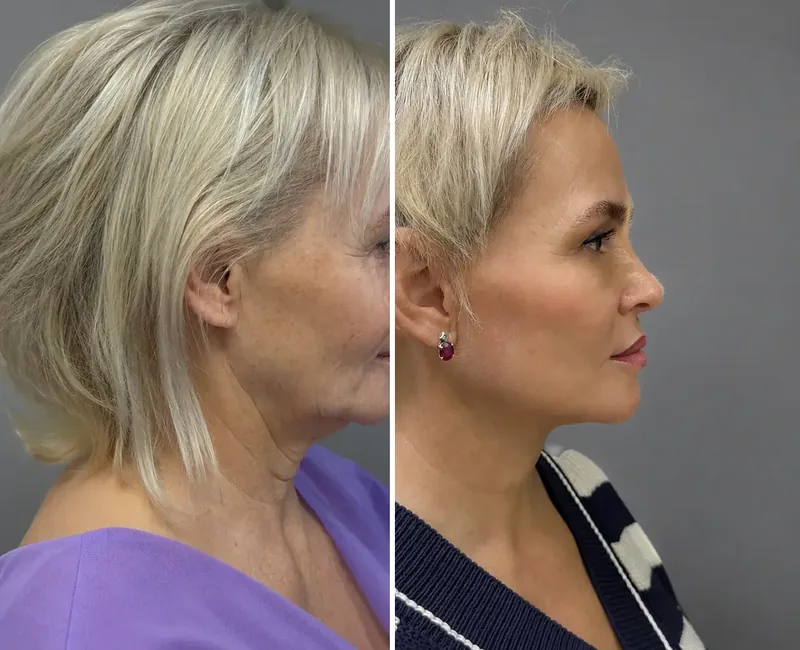
50 years
9 months
SMAS facelift
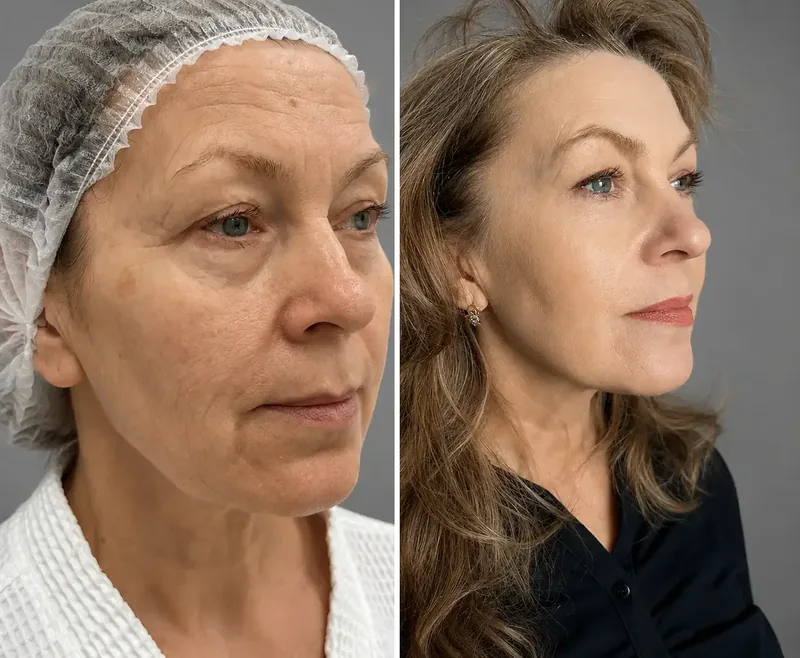
58 years
8 months
SMAS facelift
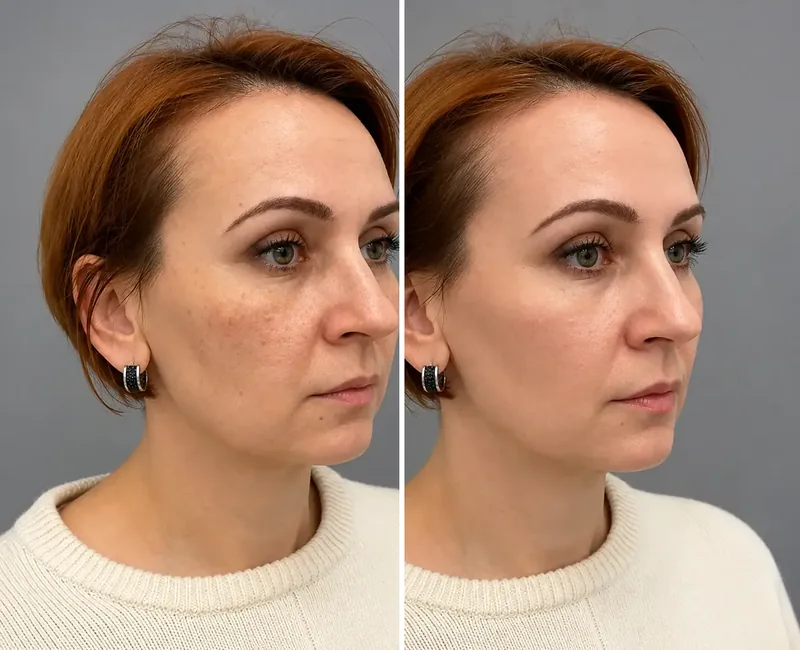
34 years
5 months
SMAS facelift
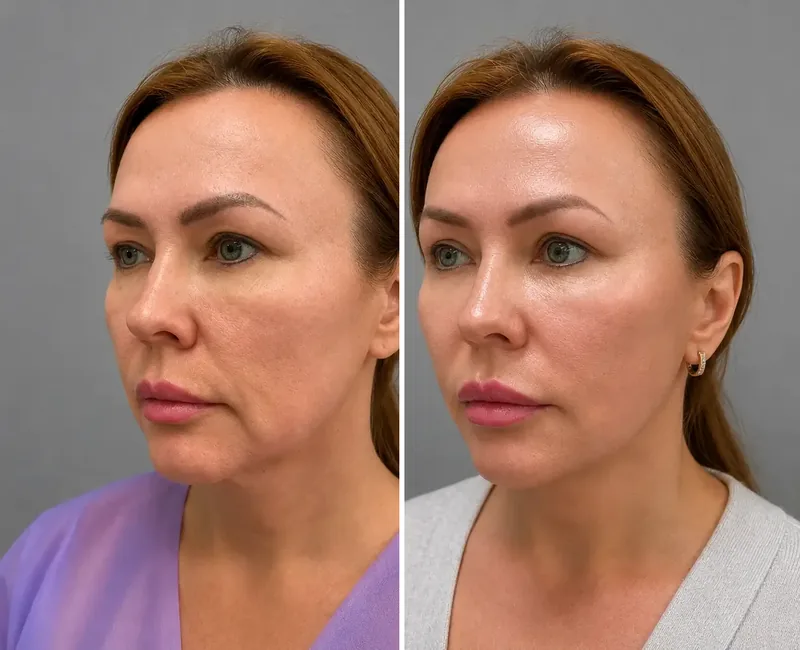
32 years
7 months
SMAS facelift
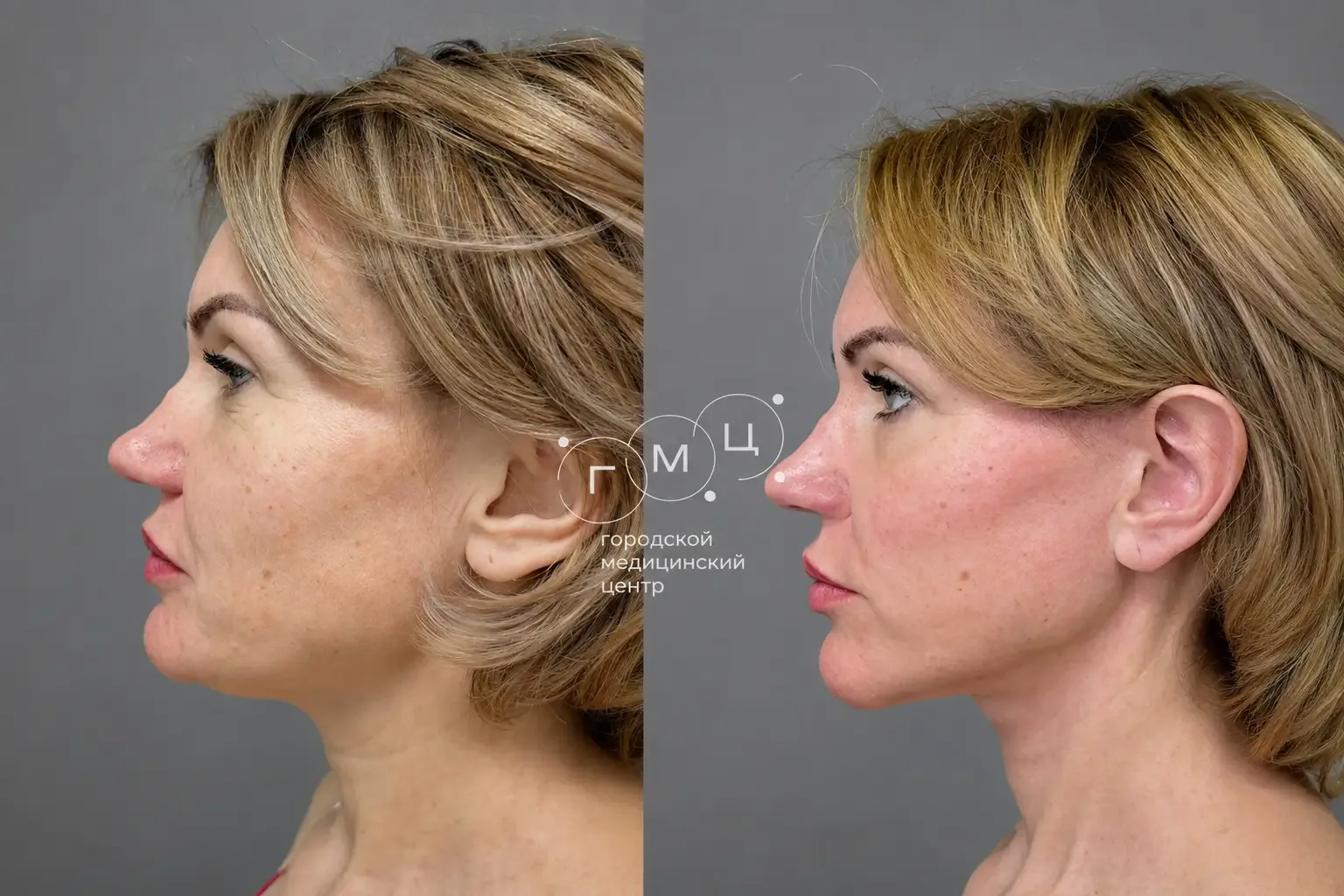
40 years
6 months
SMAS facelift
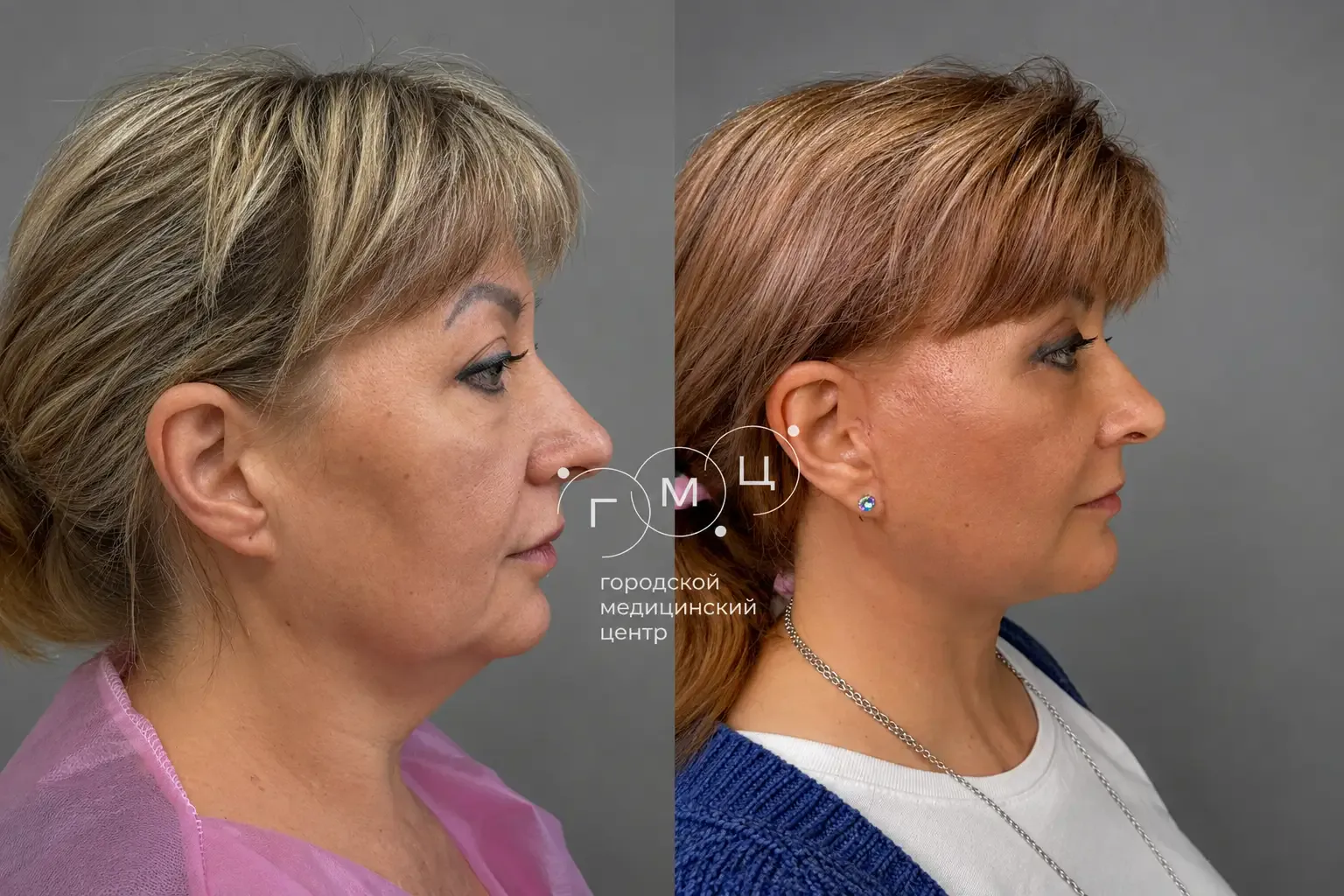
45 years
8 months
SMAS facelift
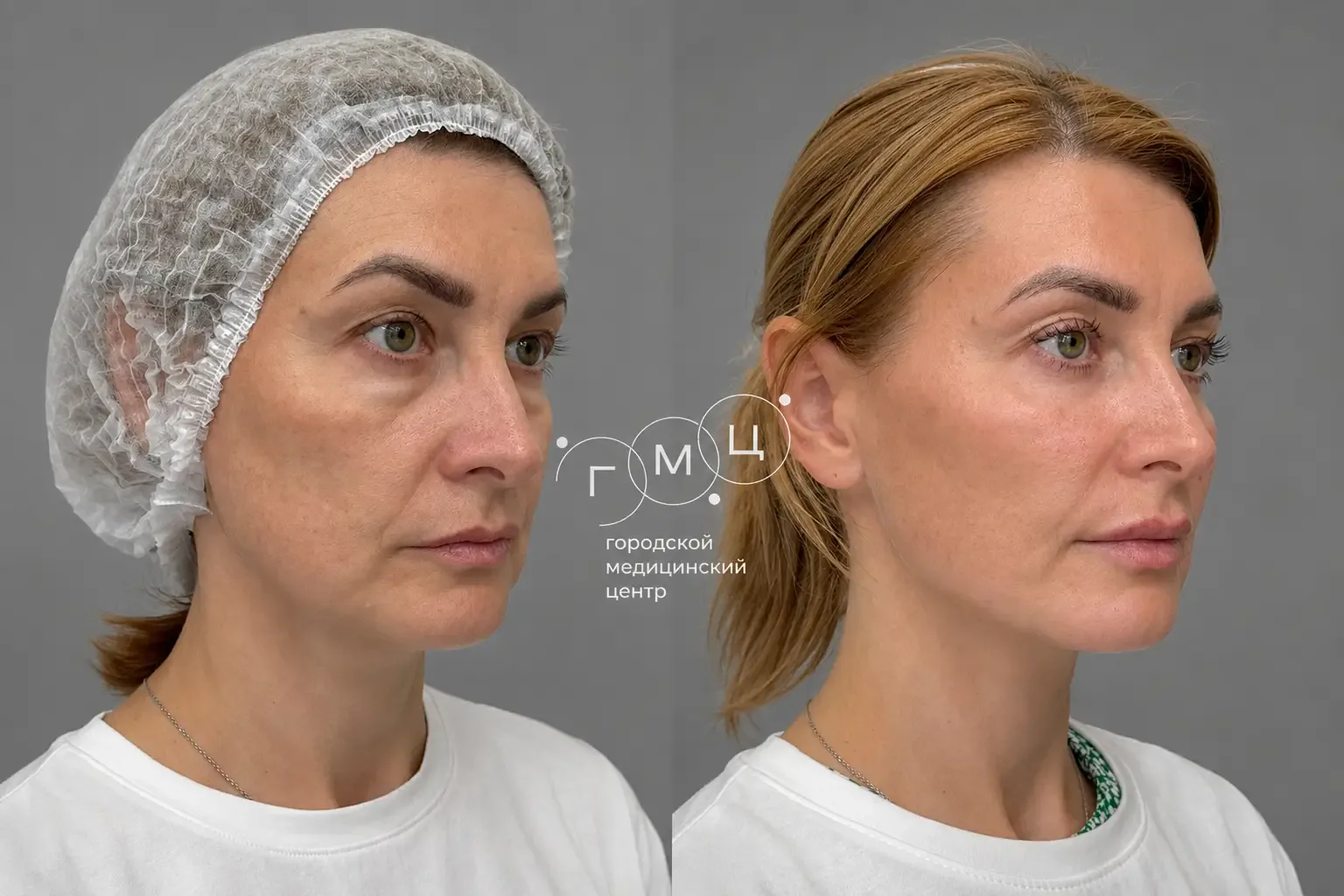
38 years
5 months
SMAS facelift
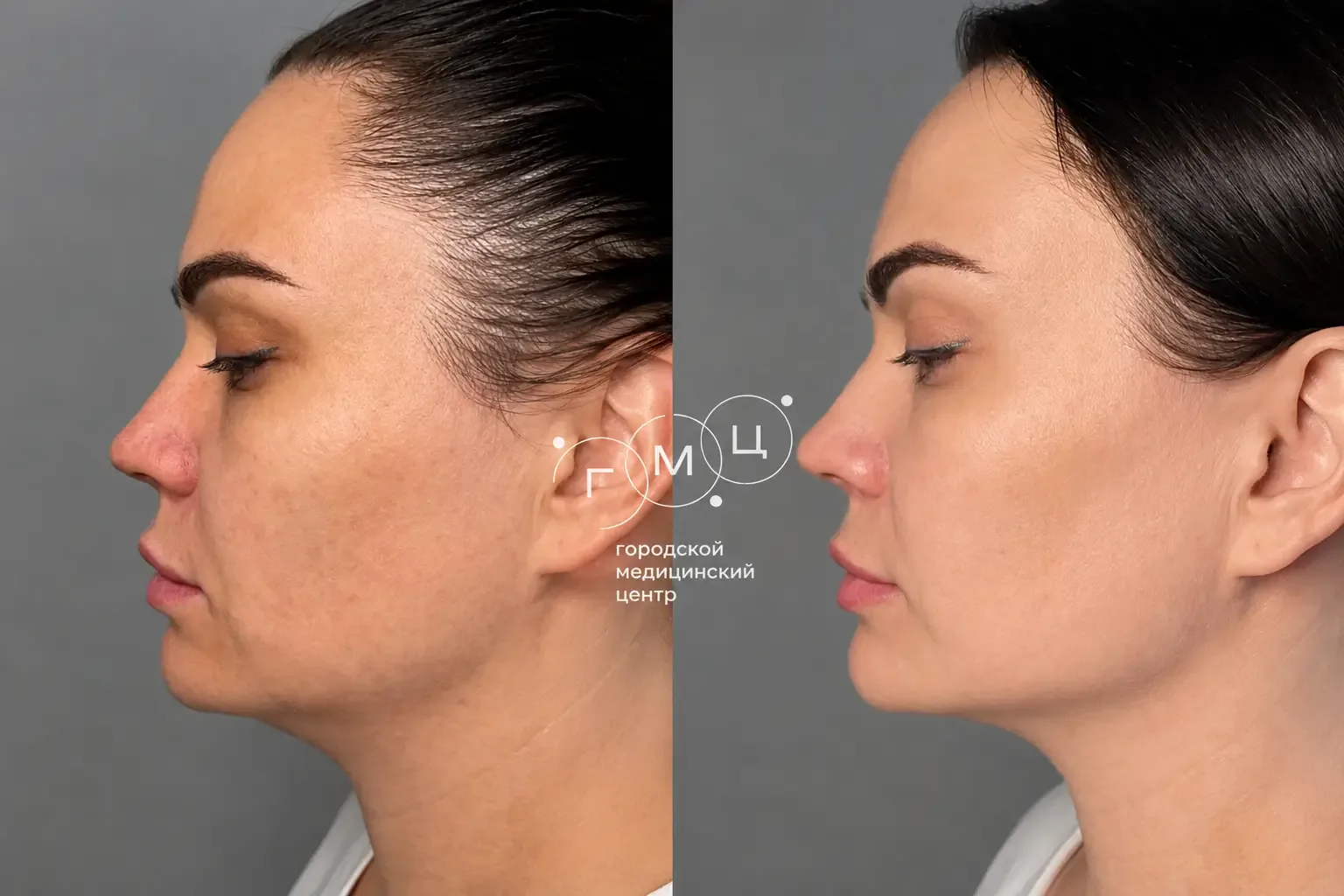
33 years
6 months
SMAS facelift
50 years
9 months
SMAS facelift
58 years
8 months
SMAS facelift
34 years
5 months
SMAS facelift
32 years
7 months
SMAS facelift
40 years
6 months
SMAS facelift
45 years
8 months
SMAS facelift
38 years
5 months
SMAS facelift
33 years
6 months
SMAS facelift
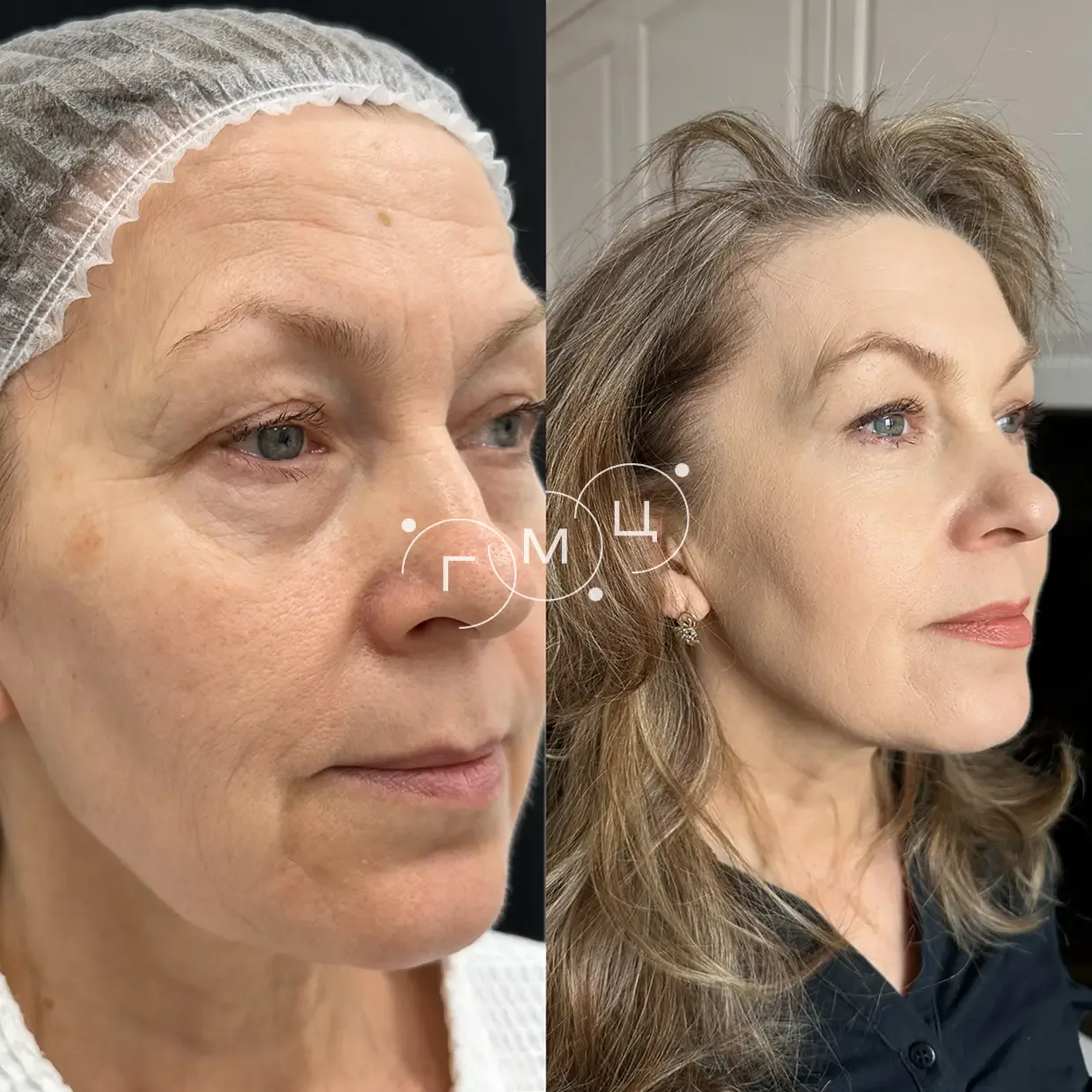

The face and neck show marked sagging
A blurred jawline with jowls
Double chin, loose skin on the neck
Pronounced nasolabial folds and marionette lines
Brows that droop, giving a heavy look
A significant drop in skin firmness after 40
Preference for a long-term result (7–10 years)

Being under 30
Active, acute inflammation of the skin
Pregnancy and breastfeeding
A severe disease of the cardiovascular system
Impaired blood clotting
Cancer
Decompensated diabetes
What Juba residents ask about a facelift
A facelift can also be part of a broader plan. It is often combined with blepharoplasty (eyelid surgery), rhinoplasty or double-chin liposuction, and the scope of a combined procedure is set by the surgeon at the consultation. This lets patients from Juba address several concerns in one combined procedure. The surgeon never suggests surgery where it is not needed and never prescribes anything extra.
Follow-up does not end at discharge. Throughout the first year, your plastic surgeon monitors how the face settles and checks the result until it is final. Personal support is provided before and after surgery. When combined procedures such as eyelid surgery or double-chin liposuction are planned, the surgeon sets their scope in advance. For patients from Juba, every step is agreed at the consultation.
The price starts at $2,400 (≈ SSP 14,000,000) and already covers the essentials: anaesthesia, the inpatient stay with meals, round-the-clock monitoring and a year of surgeon follow-up until the final result. Juba residents can pay through in-house 0% instalments with no overpayment. The first consultation is free: send your name and phone number, and a coordinator will contact you.
Facelift in Juba: price and what is included
Prices are in US dollars; the amount in brackets is an approximate conversion to SSP at the rate of 02.10.2026. The final price is fixed in your contract.
- Faceliftfrom $2,400 (≈ SSP 14,000,000)
How much does a facelift in Juba cost?
Prices start from $2,400 (≈ SSP 14,000,000). The surgeon sets the final price at the free consultation, and it is fixed in the contract, with no hidden extras.
What is included in the price?
A one-to-one consultation, the medical team, anaesthesia, inpatient care with meals, 24/7 monitoring and twelve months of follow-up by the surgeon.
How do I get my exact price?
Message us on WhatsApp or Telegram using the buttons below. A coordinator will answer your questions and book a free consultation where the doctor names the exact price.
By messaging us, you agree to our Privacy Policy
Juba and the question of a facelift
Juba is the capital and largest city of South Sudan, built on the White Nile and also the capital of Central Equatoria State. The city had a population of 525,953 in 2017, and it keeps drawing people from the countryside who come for work and opportunity. A city this young and busy has many residents in their forties, fifties and beyond. They are builders of businesses, teachers, administrators, traders and parents, and many of them start asking about facial rejuvenation once the mirror shows jowls, heavier cheeks and a softer jawline.
Juba was founded in 1920–21 around a small Bari village and became a national capital only in 2011. Its residents are used to planning carefully and to getting things done through their own networks. A facelift is the same kind of project: it needs preparation, patience and clear information. City Medical Centre works with patients from Juba through a free online consultation. Coordinators are available around the clock (24/7) on WhatsApp and Telegram, so you can ask a first question in the evening after work or early in the morning before the day heats up.
This text explains how a surgical SMAS facelift fits into life in Juba: the climate, the working week, family events, food, and the questions that patients here most often ask before deciding.
What a SMAS facelift does, in plain words
Beyond 40–50 the skin gradually loses firmness. Patients notice sagging, jowls, a blurred jawline and drooping cheeks. A surgical SMAS facelift works deeper than cosmetology. It repositions the muscle and fascia layer, so it treats the cause of sagging rather than its effects. The result is lasting even when the changes are significant.
The operation corrects at 3 levels. The central step is lifting and securing the muscle and fascia layer. This lets the surgeon deal with the cause itself: weakened ligaments and descended muscles. Deep work on the SMAS gives a natural look and a result lasting up to 10 years. For a resident of Juba who spends much of the day outdoors in strong light and heat, this depth matters, because a lift that only pulls the skin tends to look tight without being firm.
In practical terms, a SMAS facelift tightens the deep layer under the skin and not only the skin itself, so the lower face, jawline and neck stay firmer for longer. The result lasts about 7–10 years. That is a useful frame for planning: one operation, a defined recovery, and then years of benefit.
Four options and how the choice is made
There are 4 main options. At the consultation the surgeon helps select the most suitable one for your age and type of ageing. You do not need to arrive with a decision. Photographs, your own description of what bothers you and a calm conversation are enough to start.
The classic SMAS lift of the mid and lower face is one option. The surgeon works on the skin and the SMAS layer through incisions hidden along the hair line and around the ears. It removes jowls, sagging cheeks, a double chin and deep nasolabial folds. Results last 7–10 years. Many patients in their late forties from Juba who notice mainly the lower face and jawline start the conversation here.
The comprehensive lift covers the forehead, temples, mid and lower face and neck. It suits marked sagging in several areas at once. It delivers the most complete rejuvenation and a natural look, free of a mask effect. Results last up to 10 years. The other options sit between these two in scope, and the surgeon explains which area each one treats and why it matches your face.
Because the incisions follow the hair line and the ears, patients often ask how visible the marks will be in daily life. The surgeon can show where the lines lie and how hair and the natural folds near the ear cover them. Ask for this explanation during the online consultation.
Climate in Juba and recovery
Juba has a tropical wet and dry climate and lies near the equator, so it is hot all year. Little rain falls from November to March, which is also when maximum temperatures are highest, reaching 37.8 °C in February. From April to October more than 100 millimetres of rain falls per month, and annual rainfall is nearly 1,000 millimetres. The rainy season, from March until October, is long and shapes how people move around the city.
For recovery, heat and sun are the main practical factors. During the first 7–10 days the plan is rest, a compression bandage and less physical activity. In the dry, hot months a patient in Juba should stay in shade or indoors during the strongest hours, keep the room cool and avoid sweating under the bandage. Heat can make swelling feel heavier, so cool surroundings help comfort. Direct sun on healing skin should be avoided; a wide-brimmed hat and shade are sensible general measures once the surgeon allows you to go outside.
In the rainy months humidity is high and the ground is often wet and muddy. The concern is less the heat and more infection hygiene and slipping. Keep dressings dry, avoid crowded wet markets in the first days, and ask the team how to protect the bandage in damp weather. Dust is also common in the dry season, so keep the healing area clean and follow the washing instructions you are given.
Neither season is forbidden for surgery. What matters is that you can rest in a comfortable, clean place. Many patients choose the period when their work and family obligations are lightest, and then adapt the home arrangements to the weather.
Planning around work, study and family life in Juba
Juba is a city of traders, civil servants, bank and insurance employees, teachers and university students. The University of Juba was founded in 1975, and several other universities now operate in the city. Many residents have fixed hours or a business they cannot leave unattended. Recovery after a facelift takes this into account: swelling and bruising fade within 2–4 weeks, and full recovery takes about 2 months.
A trader or business owner can use the first 7–10 days for strict rest and handle orders by phone or through staff. An office employee or teacher will want to plan leave around the days when bruising is most visible. After 3–4 weeks, as the swelling settles, the first clear changes appear. Most people choose to return to public-facing work once the remaining marks are no longer obvious, and the surgeon advises on timing individually.
Family matters here. Weddings, church gatherings, funerals and community celebrations are central to life in Juba, and people usually want to be present and looking well. Decide on the date of the operation with these events in mind. It is better to schedule surgery so that an important event falls after the face has taken on its final look in 3–6 months, rather than in the first weeks of swelling.
Arrange practical help at home: someone to look after children, cook light meals and support you in the early days. Being prepared in this way lets you follow the rest rules without stress.
Food, daily habits and healing
Everyday food in Juba includes stews, fish from the Nile, beans, sorghum and maize porridge, groundnuts, vegetables and fruit sold at the city markets. These are good everyday foods, and nothing in them conflicts with a facelift. During recovery, the general advice is simple: eat regular, balanced meals, drink enough water in the heat, and avoid anything that makes you strain your face. Soft foods are easier in the first days, when chewing widely may be uncomfortable.
Very hot, spicy dishes and hot drinks may increase warmth and flushing in the face, so many patients prefer milder food at first. Ask the team for specific guidance about smoking and alcohol before and after surgery, since both affect healing and the surgeon will give instructions that fit your case.
In the hospital stay, the package includes inpatient care with meals, so you do not need to organise food during the first stage. After you return home, relatives can prepare light dishes. Family meals and shared tables are central in Juba, so explain to your household that you will eat quietly for a short period and avoid crowded gatherings while the bruising fades.
Body weight also matters. Large changes in weight after surgery can affect how the face looks. If you plan to lose or gain weight, discuss it with the surgeon beforehand so the result is judged on a stable condition.
Sport, exercise and everyday activity
Football, running, walking along the Nile and gym sessions are common ways to stay active in Juba. After a facelift, physical activity is limited during the first 7–10 days, and the compression bandage stays on as instructed. Light walking in shade is normally encouraged, because it supports circulation, but anything that raises blood pressure to the face, heavy lifting or straining should wait until the surgeon allows it.
Heat adds a second reason for caution. Exercising outdoors in the hot months can cause heavy sweating and facial flushing, which is uncomfortable on healing tissue. Plan a gradual return, starting indoors or at cooler times of day, and follow the schedule the surgeon gives you after the examination. Full recovery takes about 2 months, and that is the sensible horizon for contact sport or intense training.
River water and swimming pools are often attractive in a hot city, but you should not go into them until the surgeon confirms that the incisions have healed. Natural water may carry bacteria, and chlorine can irritate fresh scars. Ask the team directly when swimming is allowed in your case.
Remember sun protection once you resume outdoor sport: a hat, shade and the sun protection recommended by your surgeon help scars and skin settle evenly.
Who is a candidate and who should wait
As a rule, surgery is recommended for patients aged 40+ with marked tissue sagging, and in some cases from 35. The recommendation is made individually after an examination. A marked loss of skin firmness after 40 and the wish for a result that lasts 7–10 years are the typical reasons patients choose a SMAS facelift over lighter treatments.
Some conditions call for caution or postponement: uncontrolled chronic illness, unstable blood pressure, active infections, smoking that cannot be paused, and unrealistic expectations. In Juba, patients should also tell the surgeon about any tropical infection history, recent fevers or chronic conditions, because general health influences safety and healing. The surgeon decides after reviewing your health information. Nobody should be pushed into surgery; sometimes waiting or choosing a smaller procedure is the right answer.
A facelift changes the lower face, jawline and neck. It does not replace treatment of the eyelids, nose or skin quality, though these can be discussed in the same consultation. Be clear about what you want to change, and ask the surgeon to say honestly what the operation can and cannot do for your face.
How the remote consultation from Juba works
The first consultation is free and online. You contact the coordinators on WhatsApp or Telegram, available 24/7, and send clear photographs of your face from the front and sides in daylight, together with a short description of your concerns and general health. The medical team reviews the material and arranges a conversation with the surgeon.
Open 24/7 with flexible booking and a personal approach, the centre fits around your busy schedule and adapts to you. This is useful in a city where electricity and connections can be uneven: if a call drops, you can simply continue by message or reschedule without losing your place. Choose a quiet moment, charge your phone and have your questions written down.
The package includes a one-to-one consultation, the medical team, anaesthesia, inpatient care with meals, continuous 24/7 monitoring by the medical team and twelve months of follow-up by the surgeon. For the whole first year your operating surgeon follows you up, so questions that come up at home in Juba during recovery have a clear place to go.
Between the consultation and the operation, you will receive instructions on tests, medicines to avoid and what to prepare at home. Keep your messages in one thread so that nothing is lost.
Questions to ask the surgeon
Prepare a list before the call. Ask which of the 4 main options suits your age and type of ageing, and why. Ask which areas will be treated, where the incisions will lie along the hair line and around the ears, and what the face will look like during the first weeks of swelling.
Ask about anaesthesia, the length of stay, what the compression bandage involves and how long you should rest. Ask what signs during recovery in a hot, humid city should make you contact the team at once, such as increasing pain, fever or one-sided swelling.
Ask when you can return to work, school or sport, when you can attend family events without feeling self-conscious, and when you can be in the sun again. Ask what the result will look like after 3–4 weeks and at 3–6 months, and what follow-up during the twelve months involves.
Finally, ask what happens if you want a repeat procedure. One operation gives a complete result, and a repeat is possible after 7–10 years if the patient wants it. Knowing the whole timeline helps you decide calmly.
Can I have the first consultation from Juba?
Yes. The first consultation is free and online. You write to the coordinators on WhatsApp or Telegram, available around the clock (24/7), send photographs and talk with the surgeon remotely.
How long does recovery take?
During the first 7–10 days you rest, wear a compression bandage and limit physical activity. Swelling and bruising fade within 2–4 weeks, and full recovery takes about 2 months.
When will I see the result?
After 3–4 weeks, as the swelling settles, the first clear changes appear. Your face takes on its final look in 3–6 months.
How long does the result last?
A surgical SMAS facelift gives an effect that lasts 7–10 years, and with the comprehensive lift results last up to 10 years.
Is the hot weather in Juba a problem for healing?
Heat and strong sun call for care rather than a ban. Rest in a cool, shaded place, protect the healing skin from direct sun, keep the bandage clean and dry, and follow the surgeon's instructions on when you may go outside.
What age is right for a facelift?
As a rule, surgery is recommended for patients aged 40+ with marked tissue sagging, and in some cases from 35. The recommendation is made individually after an examination.
How does a SMAS facelift differ from cosmetology?
It tightens the deep SMAS layer under the skin, not only the skin itself, so it treats the cause of sagging rather than its effects. The lower face, jawline and neck stay firmer for longer.
Who follows me up after the operation?
Your operating surgeon follows you up for the whole first year. The package also includes the medical team, anaesthesia, inpatient care with meals and continuous 24/7 monitoring.
Can the operation be repeated?
One operation gives a complete result. A repeat procedure is possible after 7–10 years if the patient wants it.