
 1
Consultation and scan review
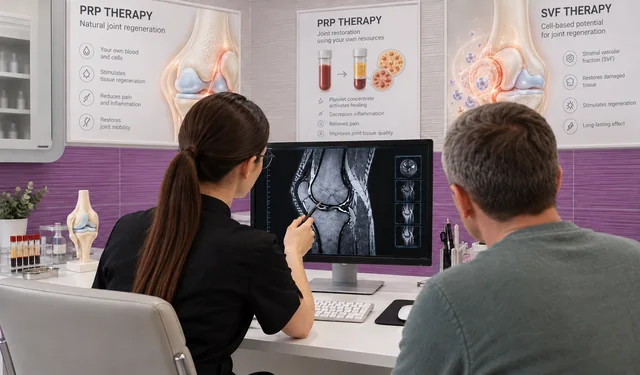
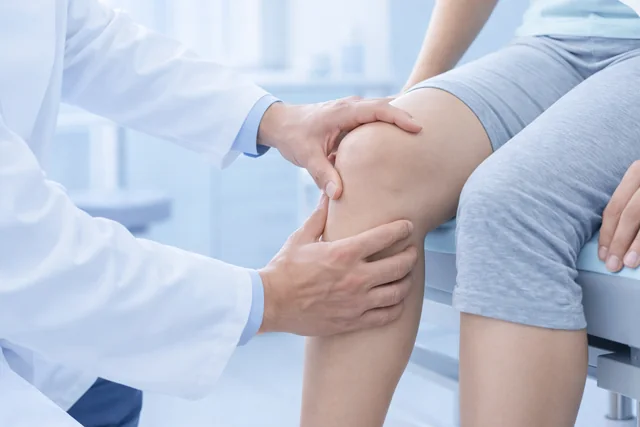
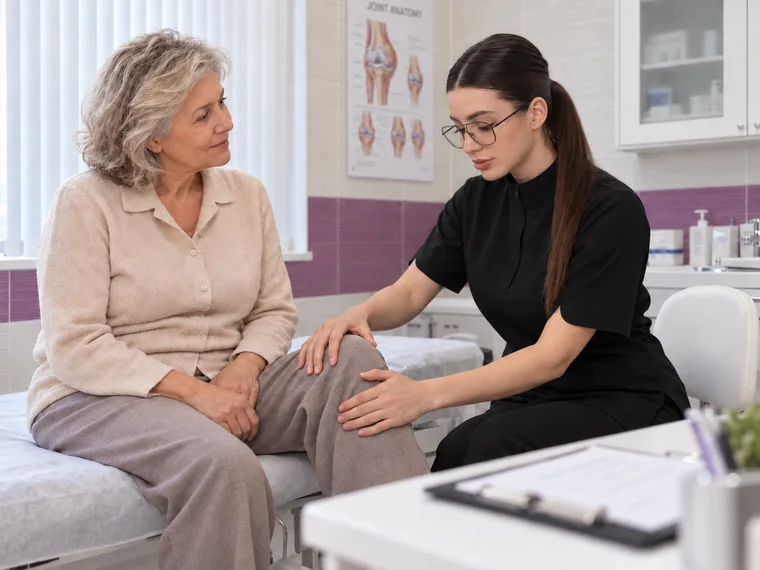
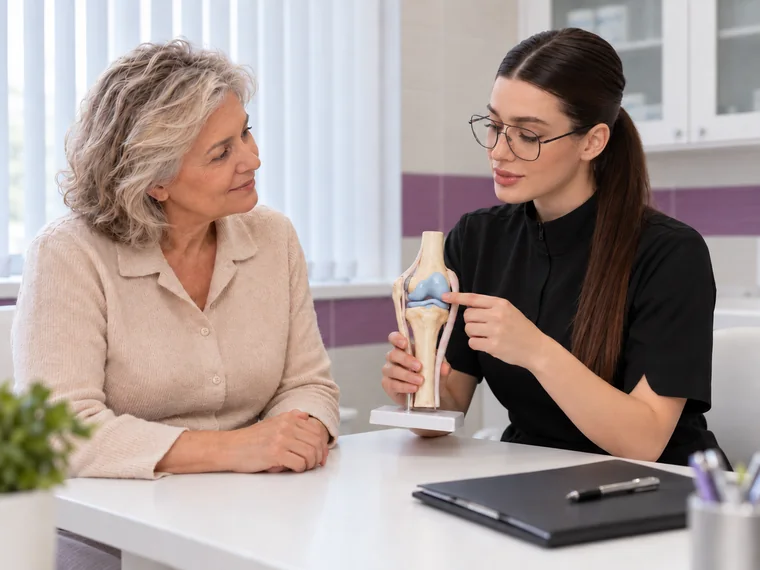
Your joint is examined and your X-rays, MRI or ultrasound are reviewed; then the doctor decides if the procedure suits you. You may send any scans you have before you come.
Treatment of arthritic knees, hips and other joints using SVF and PRP. A doctor reviews your MRI or X-rays free to establish the stage
Message our coordinator
Free online consultation · Reply within 15 minutes
Message us on TelegramMessage us on WhatsAppBy messaging us, you agree to our Privacy Policy
What it is
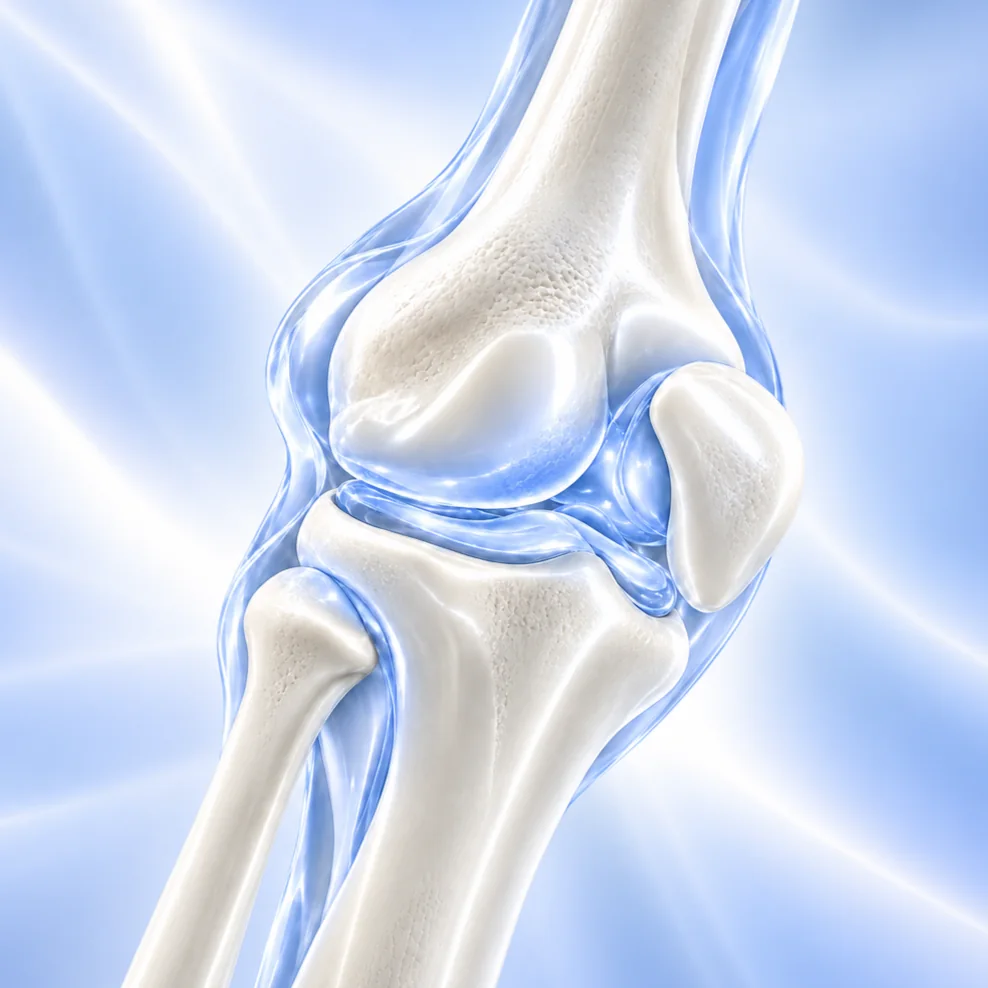
Osteoarthritis (arthrosis) is a long-term condition where the cartilage covering a joint slowly thins and wears down. Because cartilage cushions the joint, its loss lets the bones grind against one another, bringing pain, stiffness and reduced movement. The disease is degenerative, not inflammatory, though swollen flare-ups can occur.
It most often affects the joints that carry the most load — the knee (gonarthrosis) and the hip (coxarthrosis), as well as the ankle and the small joints of the hand. Treatment works best at early and moderate stages, before the joint surfaces are badly damaged; at an advanced stage the doctor will tell you honestly if joint replacement is the more realistic option.
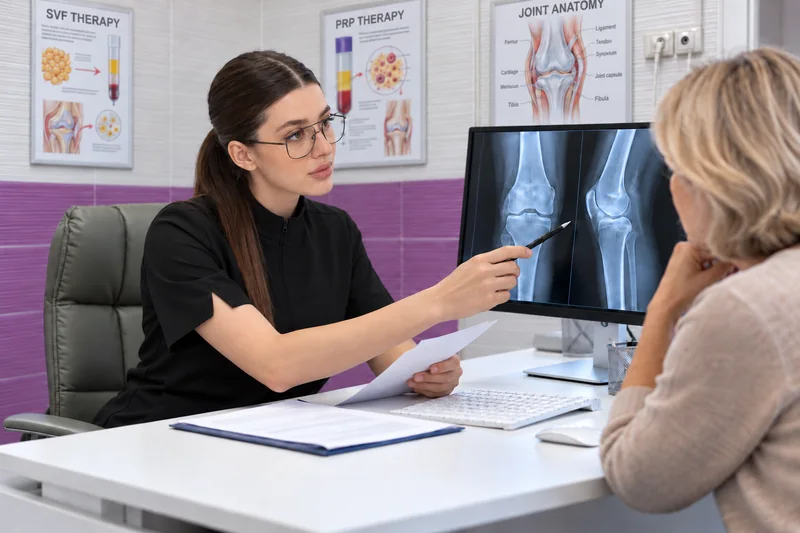
After an examination and a review of your scans, a doctor decides whether the treatment suits you
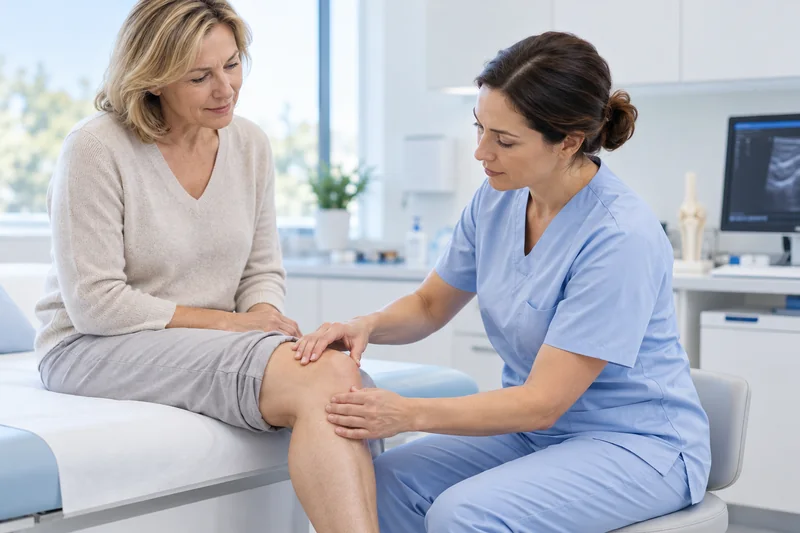
Not sure the treatment is right for you?
Leave your number — the coordinator will ask for your scans (X-ray, MRI or ultrasound), and the doctor will tell you whether treatment without surgery suits you.
Find out if it suits meWhat we treat
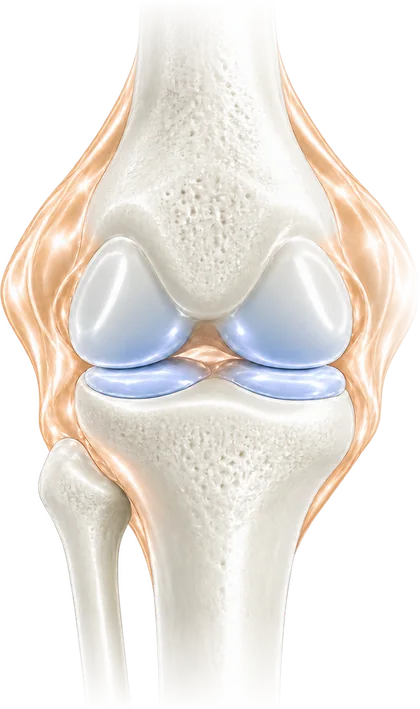 Arthritis
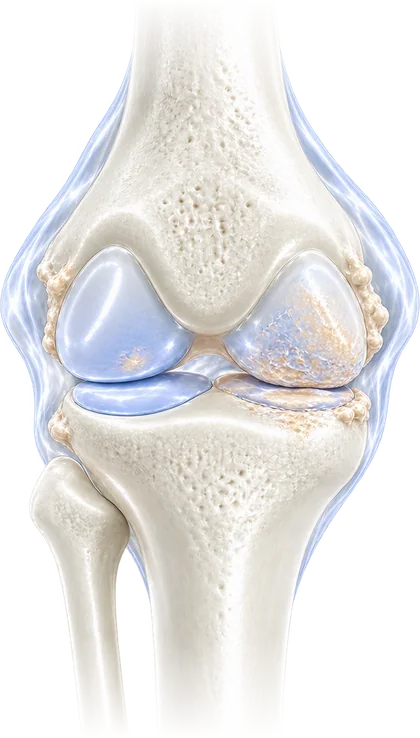 Arthrosis
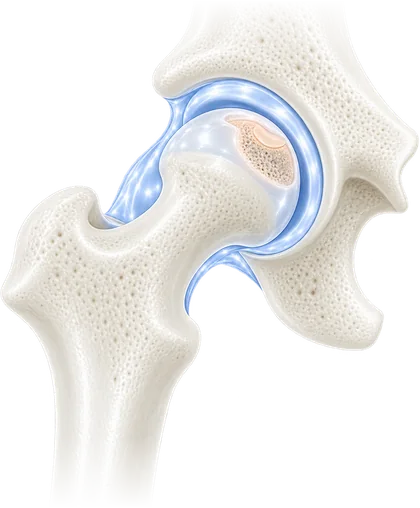 Avascular necrosis
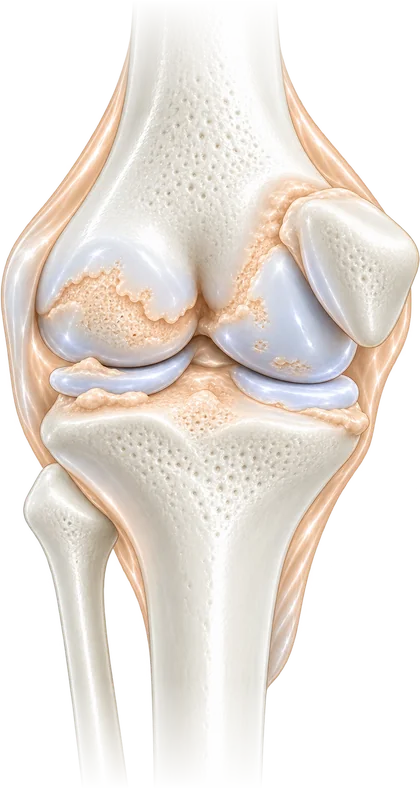 Osteoarthritis
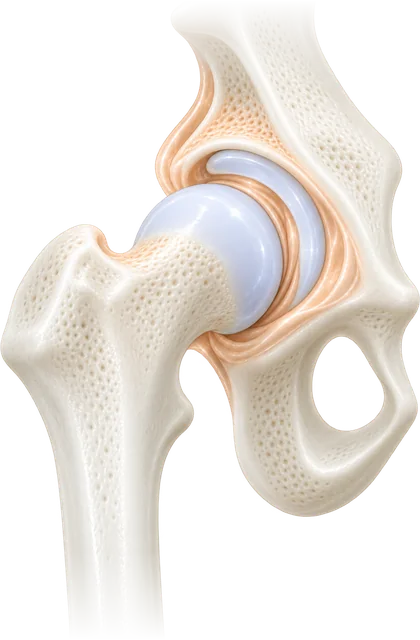 Coxarthrosis (hip osteoarthritis)
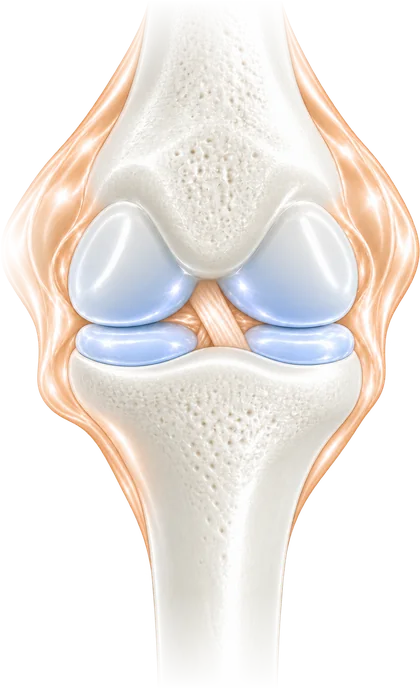
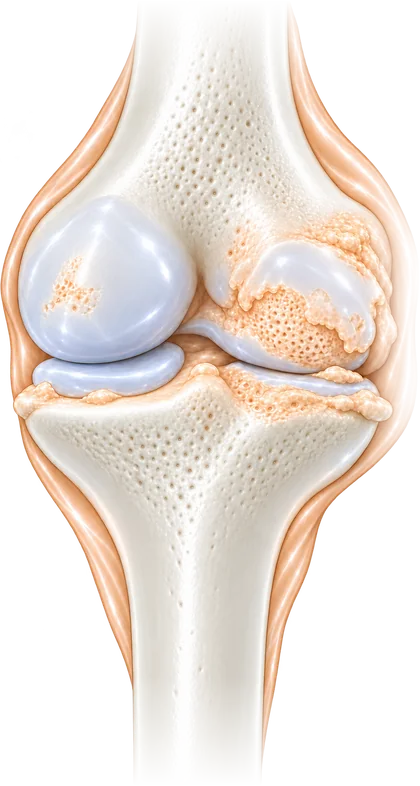 Gonarthrosis (knee osteoarthritis)
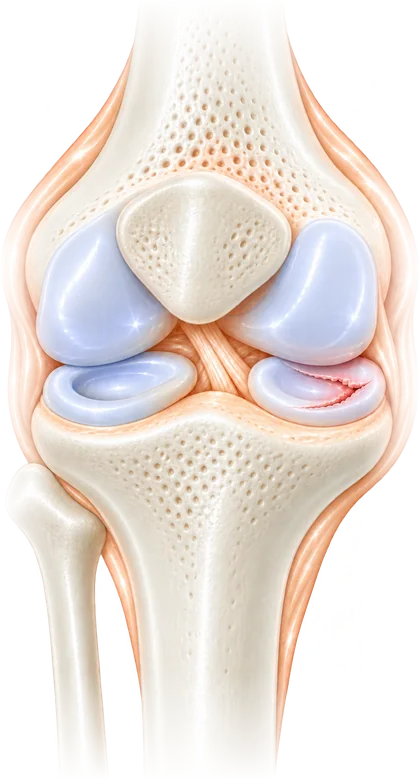 Meniscus pathology and injury
 Rehabilitation after injuries and surgery
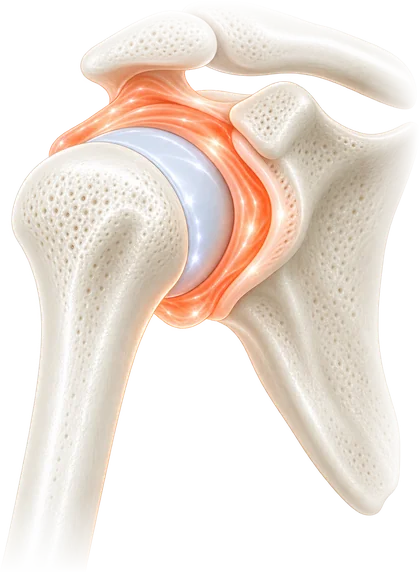 Inflammatory joint conditions
How it works
1Your joint is examined and your X-rays, MRI or ultrasound are reviewed; then the doctor decides if the procedure suits you. You may send any scans you have before you come.
 2
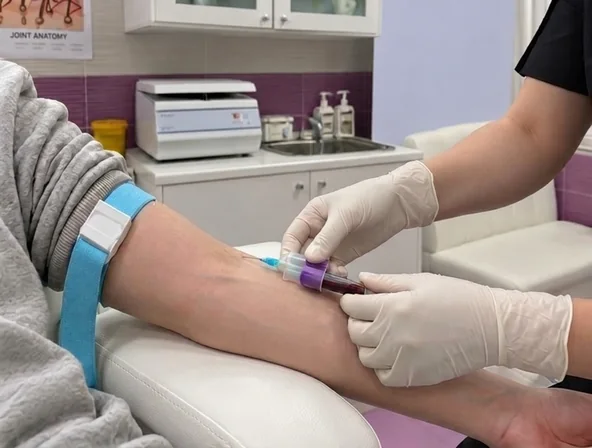
Blood is taken from a vein in a small amount. Later, platelet-rich plasma containing growth factors is prepared from it.
 3
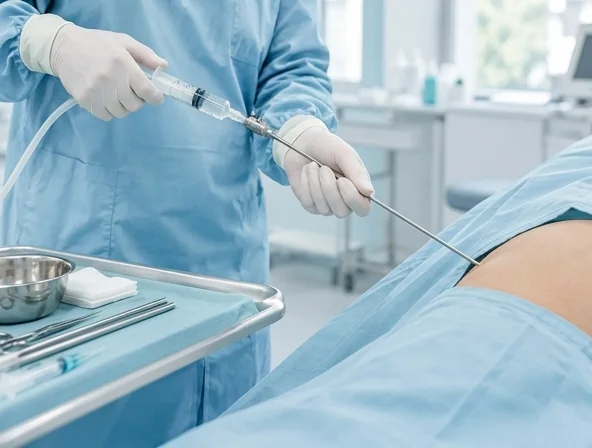
Under local anaesthetic, the doctor collects a small portion of adipose tissue (roughly 30 ml) via a puncture on the abdomen or the inner thigh. Stitches are not needed.
 4
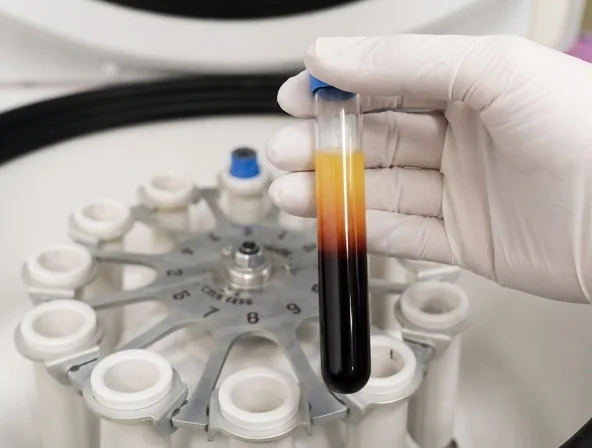
The sample is spun in a centrifuge and separates into layers. The stromal vascular fraction is isolated and mixed with the platelet-rich plasma.
 5
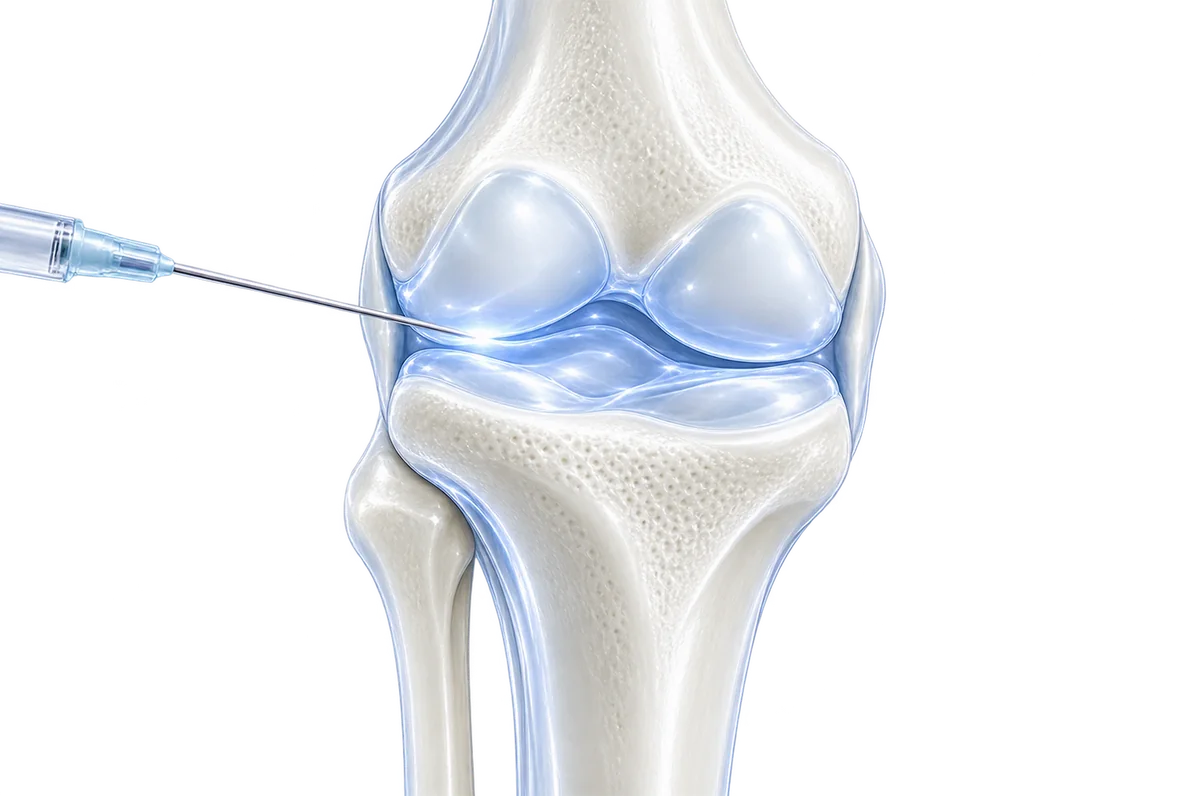
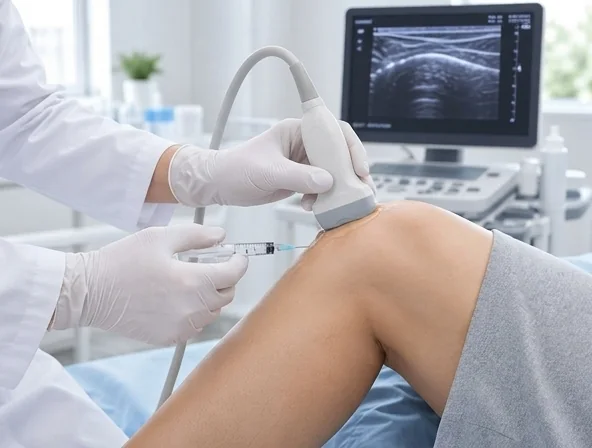
Prepared material is delivered by injection straight into the affected joint, and ultrasound guidance helps with precise placement.
 6
There is no hospital stay and you will not need crutches. The doctor remains in contact after the procedure and follows the joint's response.
Call or message us — our coordinator will contact you shortly and book your consultation

Results

The joint may ache a little more — this is an expected reaction.
The pain usually eases.
Mobility and activity improve.

The full effect develops.
How long it lasts differs from person to person and depends on the stage of the condition, body weight, activity and other factors — no one can promise a fixed result.
Comparison
No donor or synthetic material: we use only your own blood and adipose tissue
First a small sample of adipose tissue is processed to isolate the stromal vascular fraction (SVF) — cells involved in tissue repair. This fraction, combined with your plasma, is then injected into the affected joint.
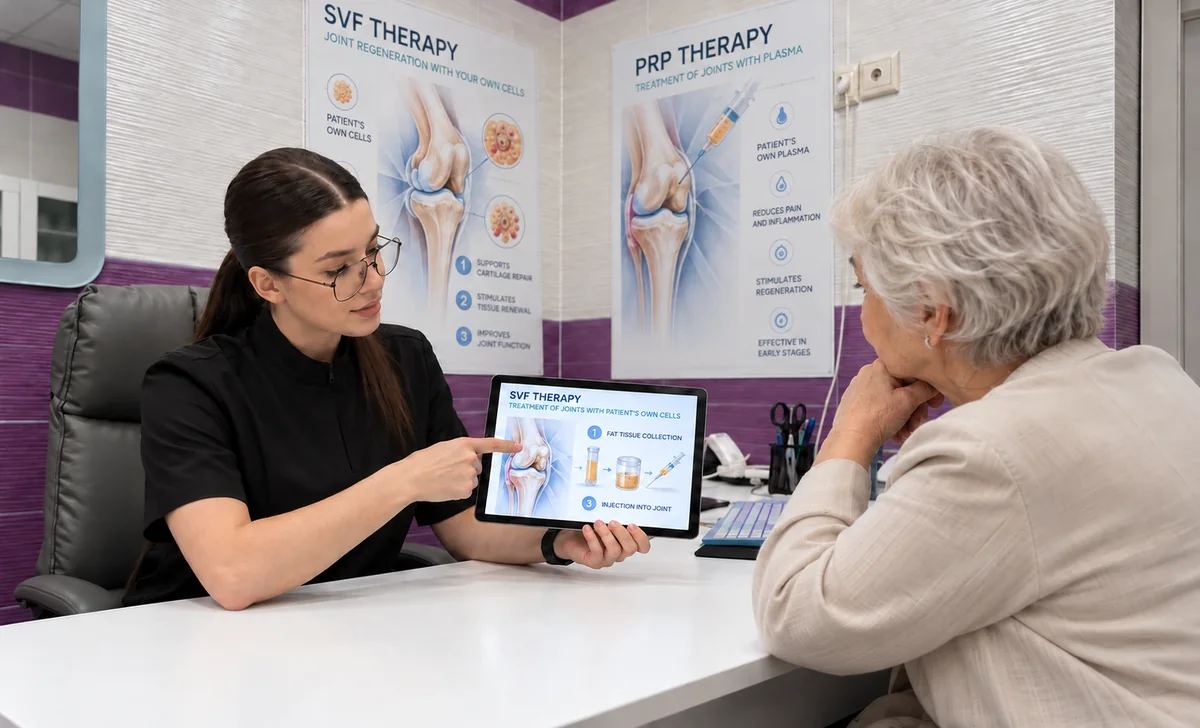
It is chosen mostly for early and moderate osteoarthritis, where it slows cartilage wear and reduces friction between joint surfaces.
A small amount of your blood is used to separate plasma rich in platelets and growth factors, which is then injected into the joint. It helps settle inflammation and creates better conditions for tissue repair.
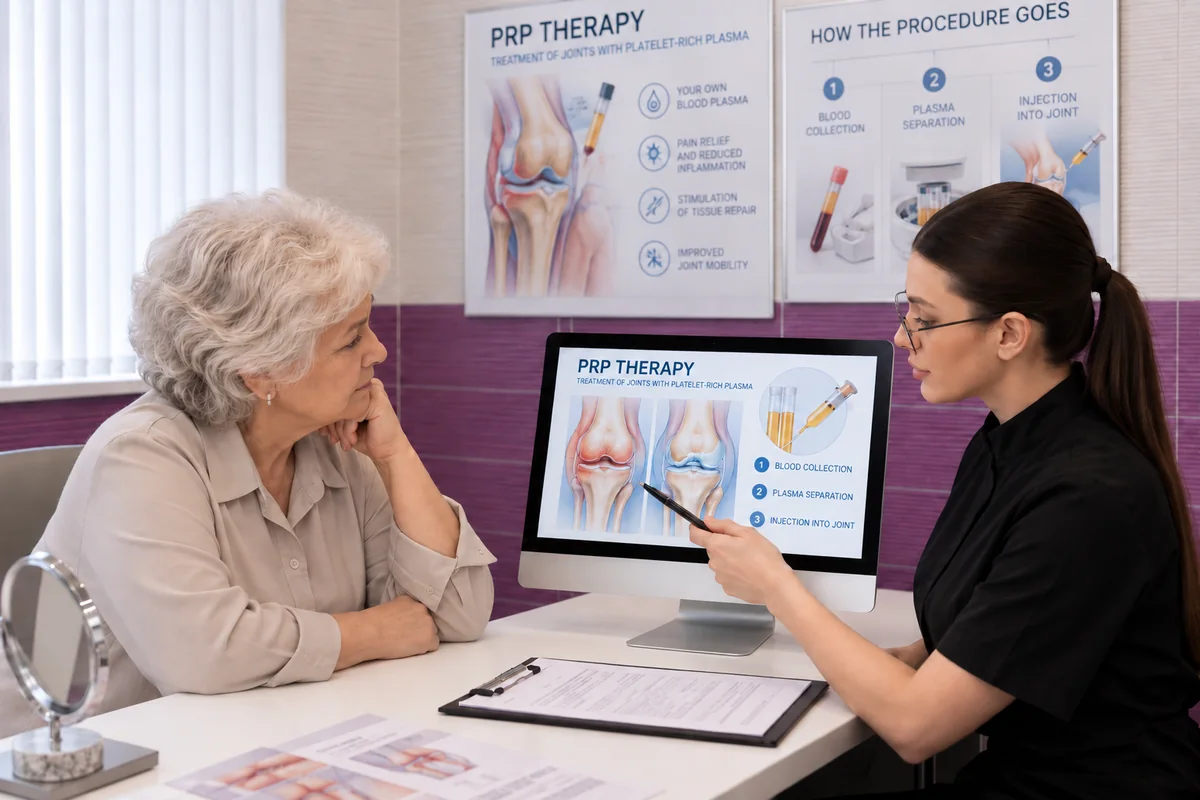
In mild osteoarthritis it is used often; to get a stronger effect it is combined with SVF.
The benefits and timings shown are averaged and given for guidance: the plan and recovery depend on your joint and individual features, and the doctor confirms them at the consultation.
At the consultation the doctor will review your scans and suggest a treatment plan
Free consultation
Joints
We treat large and small joints; the doctor picks the joint, method and injection count once your scans are reviewed
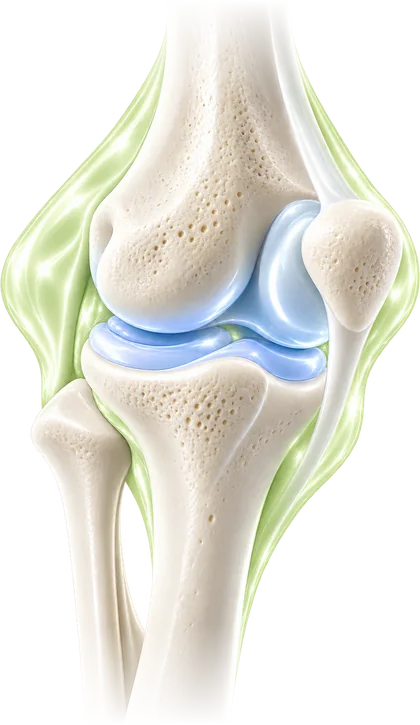 KneeMeniscus issues, wearing cartilage, stairs and walking bring pain
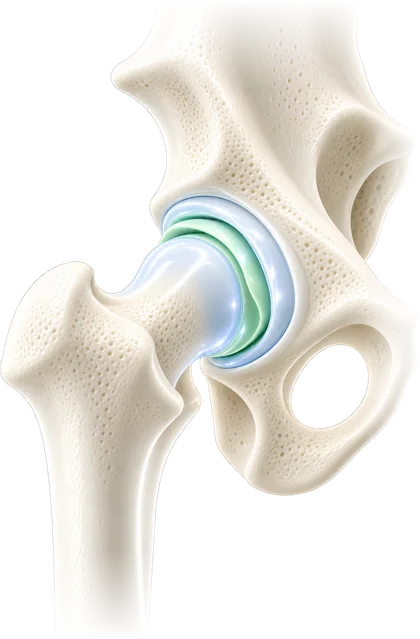 HipEarly hip osteoarthritis, groin pain, limited rotation
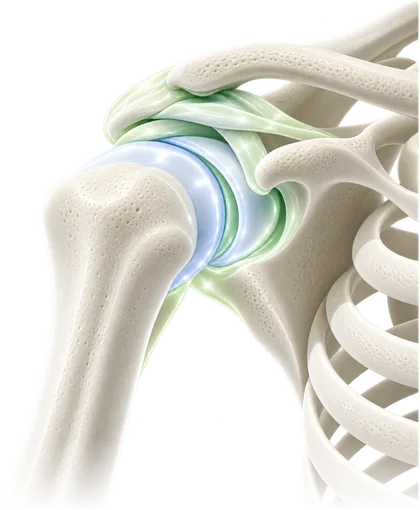 ShoulderLifting the arm hurts; the joint and surrounding tendons are worn
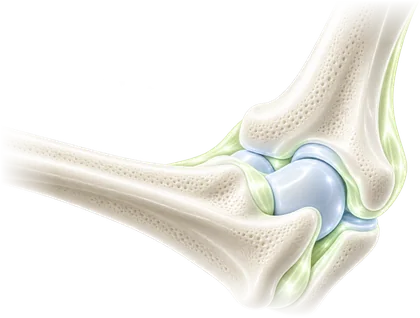 ElbowOveruse or sports strain causing pain; worn joint surfaces
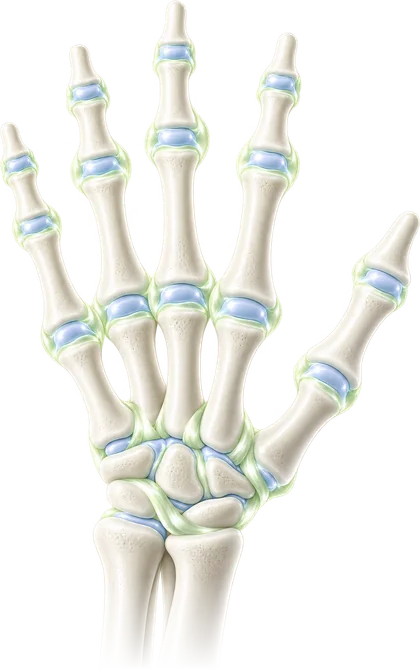 Hand and wrist jointsSmall joints of the fingers and wrist: pain and stiffness
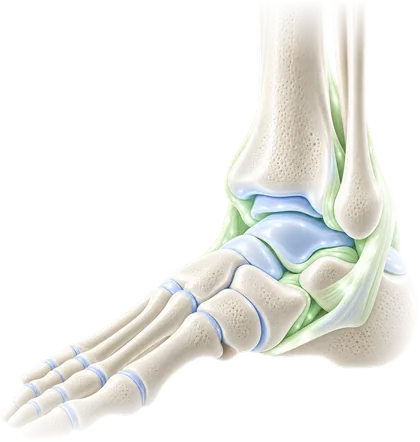 AnklePain and stiffness after sprains and old injuries
Advantages
Your own joint is kept, not replaced — we treat without surgery
No donor or synthetic material: we use only your own blood and adipose tissue
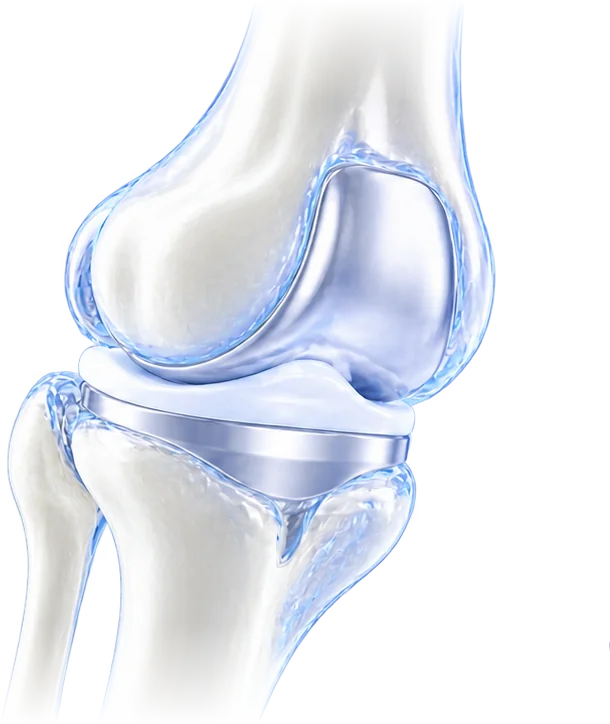
Local anaesthetic, punctures rather than incisions, and no long rehabilitation
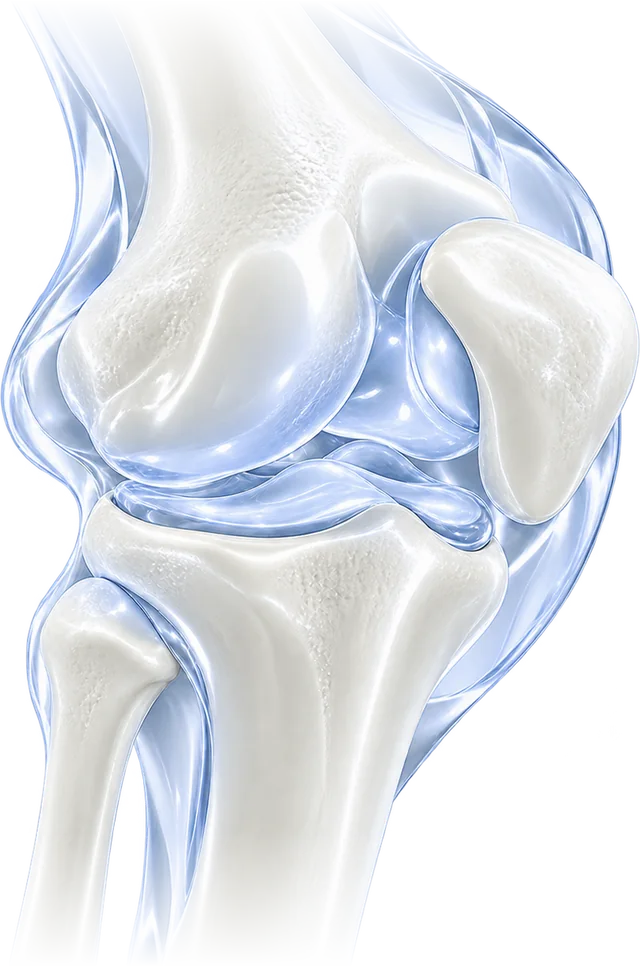
A doctor will assess your X-rays, MRI or reports independently and free of charge — just send them
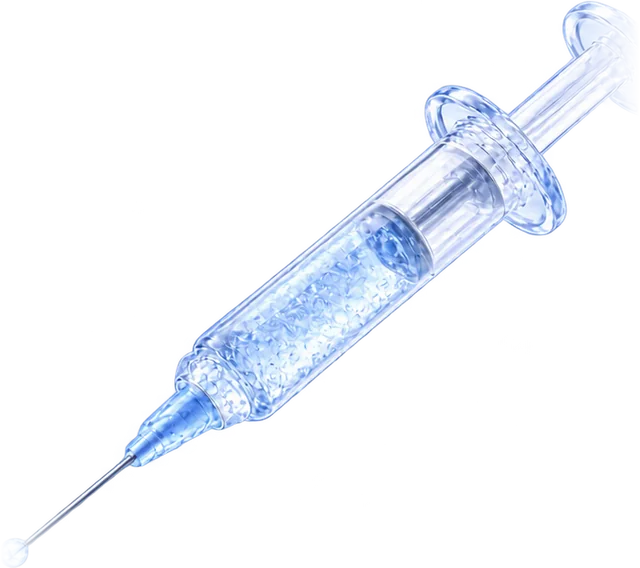
We keep in contact after the procedure and monitor the result, rather than stopping on the day of the injection
About the clinic
Modern equipment, comfortable rooms and care for every patient
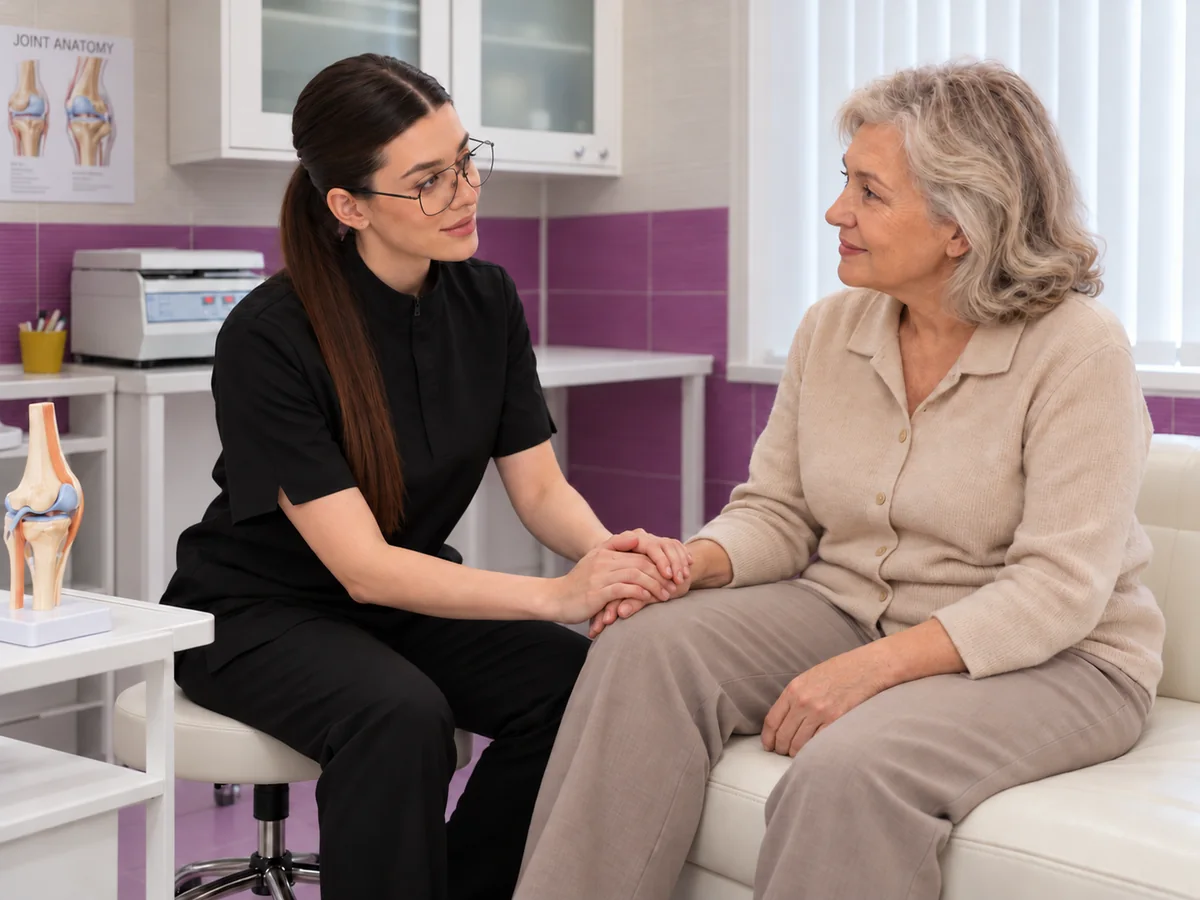
We will answer your questions and find a convenient time for a consultation
Price
The cost depends on the joint, the stage of osteoarthritis and the method, so the doctor names it after the consultation
Free
Book — Consultation and review of your scansPrice at consultation
Book — PRP therapy (platelet-rich plasma)Price at consultation
Book — Cell therapy (SVF + PRP), one jointFAQ
Osteoarthritis is slow wear of the cartilage over the ends of the bones inside a joint. Thinner cartilage means less cushioning, so the bones rub and you get pain, stiffness and crunching. It is degenerative, not inflammatory.
Yes, in many cases — if you do not delay treatment. SVF and PRP injections are meant to ease pain and support the cartilage without an operation, while joint replacement is kept as the last option for a destroyed joint.
The first changes are often felt 2–3 weeks after the procedure, and a stable result forms over about six months, lasting several months to several years depending on the person. Osteoarthritis is chronic, which is why it needs an ongoing plan instead of one injection.
It works at early and moderate stages: a milder stage usually means a faster and more durable effect and may reduce the need for regular hyaluronic acid injections. At the most advanced stage, with the joint space almost gone, you cannot expect a lasting effect.
Mostly the heavily loaded knees, hips and ankles, along with the small joints of the hand and the spine. Regenerative treatment is used for all these joints.
Left alone, it usually progresses: pain becomes constant, the range of movement shrinks, the joint may become deformed and walking can be difficult. Early diagnosis, exercise, weight control and a doctor's guidance make a real difference.
The main method is an X-ray, which shows the stage. MRI gives a detailed picture of cartilage and soft tissues, ultrasound reveals inflammation and fluid in the joint, and blood tests help exclude inflammatory conditions. If you already have results, the doctor can review them free of charge.
The difference: osteoarthritis is wear of the cartilage (aching pain on movement, crunching, stiffness after rest), while arthritis is inflammation (pain at rest and at night, swelling, redness, warmth over the joint). Treatment differs, which is why diagnosis comes first.
Yes. After you send X-rays, MRI or test results, a doctor reviews them free of charge, gauges the stage of osteoarthritis and proposes a non-surgical plan if it suits your case.
Definitely yes. The right kind of activity strengthens muscles that unload the joint, supports cartilage nutrition and preserves mobility. Pick swimming, water aerobics, cycling, Nordic walking or yoga; steer clear of running on hard surfaces, jumping, heavy lifting and sudden movements.
About the conditions
Arthritis is an inflammatory disease of the joints. Typical signs are pain at rest and at night, morning stiffness lasting more than 30 minutes, swelling, redness and warmth over the joint. Causes include autoimmune conditions such as rheumatoid arthritis, infections, gout and psoriasis.
At early stages, PRP or SVF injections combined with exercise therapy and physiotherapy can reduce pain and improve movement. If the joint is already badly damaged, replacement may be the more realistic option — the doctor will tell you honestly after seeing your scans.
At early stages (1–2), SVF therapy may be considered to support blood supply to the femoral head and delay the need for joint replacement. At later stages surgery is usually required.
Osteoarthritis is not the same as arthritis. Arthrosis is wear of the cartilage; arthritis is inflammation with pain at rest, swelling and warmth. The approach differs, so the diagnosis comes first for everyone in Juba.
Osteoarthritis treatment in Juba is not done with cancer, acute infections, blood clotting disorders, during pregnancy or during a flare-up of a serious chronic illness. The doctor checks this at the consultation.
Patients from Juba can start with a free review of their scans: the doctor assesses the stage of osteoarthritis and tells you whether non-surgical treatment makes sense. The price is named at the consultation.
Juba is the capital and largest city of South Sudan, built along the White Nile. It had a population of 525,953 in 2017, and the city keeps growing as people move in from the countryside for work. Many of its residents spend the day on their feet: traders in the markets, builders on the many construction sites, teachers, drivers, office staff and families who walk between neighbourhoods. When knees, hips, hands or the lower back start to hurt, the effect shows up quickly in daily life and in income.
Osteoarthritis is a chronic joint condition, and the people of Juba usually notice it in the same way: pain on climbing stairs or getting out of a low seat, stiffness after sitting, a knee that swells after a long day, or a hip that makes walking to the market harder. Many patients first put this down to age or heavy work and wait for months. Early assessment matters because the plan depends on the stage of the joint, and the earlier stages leave more options open.
City Medical Centre works with patients in Juba through a free online consultation. Coordinators are available around the clock (24/7) on WhatsApp and Telegram, so you can send your questions at a time that suits your working day. The first conversation is about your symptoms, your earlier examinations and what you want to be able to do again, whether that is walking without pain, working a full day or playing with your grandchildren.
Patients in Juba often use the words arthritis and osteoarthritis as if they meant the same thing. They do not. Arthritis is an inflammatory disease of the joints. Typical signs are pain at rest and at night, morning stiffness lasting more than 30 minutes, swelling, redness and warmth over the joint. Causes include autoimmune conditions such as rheumatoid arthritis, infections, gout and psoriasis. Osteoarthritis is a wear-related, chronic condition where pain usually grows with load and eases with rest, although it can also flare.
This difference matters because the treatment is different. An inflamed, hot, red joint with night pain needs a medical examination of its cause first, and SVF therapy is not a substitute for that. If you live in Juba and have these signs, tell the coordinator in the first message. The doctor will ask for your existing results and may ask you to repeat some tests before any plan is discussed.
A practical habit helps: for two weeks, note when the joint hurts, how long the morning stiffness lasts, whether the pain wakes you at night and whether the joint is warm or swollen. Short notes like these make the remote consultation much more useful than a general statement such as «my knee hurts». The national guideline NICE NG226, on diagnosis and management of osteoarthritis in people over 16, also builds the assessment around this kind of history, and your questions to the doctor can follow the same logic.
Juba has a tropical wet and dry climate and, because it lies near the equator, it is hot all year. Little rain falls from November to March, and this is also the time with the hottest daytime temperatures, reaching 37.8 °C in February. From April to October more than 100 millimetres of rain falls per month, and the annual total is nearly 1,000 millimetres. For a patient planning treatment, this means two quite different recovery conditions.
In the dry, hot months, the main concerns are heat, dust and dehydration. Small puncture areas on the abdomen or inner thigh need to stay clean, so plan to avoid dusty outdoor work in the first days and keep the area covered as the doctor instructs. Light, loose cotton clothing is more comfortable than tight garments in heat. Drink water regularly and avoid sitting for hours in an overheated vehicle, because a joint that is already irritated tends to stiffen.
In the rainy months, the issue is the ground. Many roads in the city are unpaved, and during the long rainy season, from March until October, they become muddy and slippery. A painful knee or hip is less stable on wet ground, so choose footwear with a good grip and consider a walking stick for the first period of recovery. Humidity can also make some people feel their joints are stiffer in the morning. This is a personal experience, not a rule, but it is worth recording in your notes for the doctor.
The method discussed for early osteoarthritis is SVF therapy. Under local anaesthetic, a small portion of adipose tissue, about 30 ml, is taken through a puncture on the abdomen or inner thigh. No stitches are needed. This is relevant for Juba patients who worry about wound care in a hot, humid climate: a small puncture area is simpler to keep clean than a surgical incision, though you must still follow the care instructions exactly.
SVF therapy is not offered as a quick fix. Osteoarthritis is chronic, so it needs an ongoing plan rather than a single injection. That plan usually includes weight management where relevant, strengthening exercises, sensible loading of the joint, and follow-up reviews. The WHO fact sheet on obesity and overweight is a reminder that excess weight is a recognised health concern, and for knees and hips it is one of the factors you and your doctor will talk about openly.
At early stages (1–2), SVF therapy may be considered to support blood supply to the femoral head and delay the need for joint replacement. At later stages surgery is usually required. A person in Juba with a long-standing, badly worn joint should hear this honestly in the first consultation, so that expectations are realistic from the beginning.
Many patients notice the first changes 2–3 weeks after the procedure. A stable result forms over about six months and can last from several months to several years, depending on the individual. This long timeline should be built into your plans in Juba. If you have a family event, a work deadline or a busy trading period approaching, do not expect the full effect to arrive before it.
Because the result develops gradually, keep a simple record. Rate your pain on an ordinary day, note how far you can walk, how many stairs you manage and how you sleep. Compare these notes at the follow-up conversations with the coordinator and doctor. Many people judge progress by memory and feel disappointed, while a written record often shows slow but real change.
Be realistic about the range. The phrase «from several months to several years» means that some people need repeat assessment sooner than others. This is why the plan is ongoing: if symptoms return, you discuss the next step rather than waiting in pain. Your lifestyle in Juba, including how much you stand, carry and walk, will influence how long the benefit feels useful.
There is no single correct month in Juba, but each period has its own advantages. The dry months, from November to March, mean firmer ground and fewer problems with mud, so walking exercises are easier to organise outdoors. The disadvantage is heat, with the hottest maximum temperatures in February, and dust. If you work outdoors, ask yourself whether you can really rest in those weeks.
The rainy season, from April to October, is cooler in the sense that daily heat is lower, and the air is less dusty, which some patients prefer for the healing of the puncture area. But wet and slippery surfaces raise the risk of a fall for someone with a weak joint. If you choose this period, plan your movements carefully, limit unnecessary outings in heavy rain and make sure someone can help with errands in the first days.
Whatever season you pick, discuss the date with the coordinator in advance. Include your work calendar, school fees or exam periods for children, planned celebrations and any religious or community events. A calm start is better than a procedure squeezed between obligations. A free online consultation costs you nothing to ask these questions, and the coordinators on WhatsApp and Telegram can answer at any hour, around the clock.
Juba is a working city. Following independence in 2011 it saw rapid growth, with traders, builders, bank staff and many small businesses. Many patients cannot stop completely. Light desk work, teaching in a seated position or managing a shop from a chair is usually easier to resume than manual labour, lifting loads or standing for a whole day at a market stall. Ask the doctor for a specific plan for your type of work, and do not rely on what a colleague did after a different procedure.
Students at the University of Juba and other colleges in the city face a different problem: long hours on hard benches, and walking between classes in heat or rain. A cushion, regular short breaks to stand and stretch and sensible bags that do not overload the spine can help. For students and young adults with sports injuries that led to early joint wear, ask about a gradual return to football or running rather than going back to full matches at once.
For sport and exercise in general, the guidance is to restart slowly. Walking on level ground comes first, then cycling or gentle strengthening, and impact sports last. Swimming in the river is not advised casually, since open water and healing puncture areas do not mix, and for the pool or sport you should follow the doctor's instruction on timing. Heavy lifting, for example carrying water containers or building materials, should wait until the doctor confirms the joint and the puncture area are ready.
In Juba, family obligations are strong, and meals, weddings, funerals and church or community gatherings often involve long periods of sitting on low seats, standing to greet guests and carrying food. A patient with a painful knee should plan these events in advance: choose a higher chair, ask a relative to carry heavy dishes and avoid long kneeling or squatting positions during the first months of recovery.
Food is part of the plan, mainly through body weight. Local meals often rely on staples such as porridge, cassava, beans, fish from the Nile, vegetables and meat dishes. There is nothing wrong with traditional food, and the point is balance and portion size. Because extra weight adds load to the knees and hips, even modest, steady changes can help. Ask the doctor for realistic advice that fits your household budget and what is available in the local market, rather than a diet that is hard to follow.
Smoking, long periods without movement and untreated conditions such as gout also affect joints. If you have had swollen painful episodes at the big toe or elsewhere, mention it. Gout is one of the causes of arthritis listed above, and it needs its own treatment. Talking openly with the doctor, and involving your spouse or an older child in the plan, makes it easier to keep new habits at home.
In general terms, SVF therapy is considered for people with early osteoarthritis, at stages 1–2, who want to support the joint and delay replacement. It may not suit someone with advanced joint destruction, an active infection, an untreated inflammatory disease, a bleeding disorder or a serious general illness. The final decision belongs to the doctor after reviewing your results, and some people will be advised to choose another route, including surgery.
The remote consultation from Juba is simple. You contact the coordinators on WhatsApp or Telegram, available 24/7, and send your complaints, age, weight, earlier X-rays or MRI images if you have them, current medicines and allergies. The doctor reviews this material and replies with questions, a view on the stage of the joint and a suggested plan. The consultation is free and does not commit you to anything.
Prepare your questions beforehand. Ask which stage the joint is at, what result is realistic, how the puncture area should be cared for in a hot, humid climate, when you can return to work, what warning signs need an urgent message, and what follow-up will look like. Having these written down means the conversation is focused and nothing important is forgotten.
No. Arthritis is an inflammatory disease of the joints, with pain at rest and at night, morning stiffness lasting more than 30 minutes, swelling, redness and warmth over the joint. Causes include rheumatoid arthritis and other autoimmune conditions, infections, gout and psoriasis. Osteoarthritis is a chronic wear-related condition. The doctor must separate the two before any plan is made.
Yes. The online consultation is free. Coordinators are available around the clock (24/7) on WhatsApp and Telegram, so you can write when it suits you and send your earlier results for review.
Under local anaesthetic, a small portion of adipose tissue, about 30 ml, is taken through a puncture on the abdomen or inner thigh. No stitches are needed. The puncture area must be kept clean, which needs extra attention in Juba's heat and dust.
Many patients notice the first changes 2–3 weeks after the procedure. A stable result forms over about six months. Keep notes on your pain, walking distance and sleep so that you can judge progress reliably.
It can last from several months to several years, depending on the individual. Osteoarthritis is chronic, so it needs an ongoing plan rather than a single injection, and your doctor will discuss follow-up with you.
No. At early stages (1–2), SVF therapy may be considered to support blood supply to the femoral head and delay the need for joint replacement. At later stages surgery is usually required. An honest assessment of your stage comes first.
Both have advantages. From November to March it is dry, with firmer ground, but the hottest maximum temperatures arrive in February and dust is common. From April to October it rains, with more than 100 millimetres per month, and wet ground raises the risk of slipping. Choose according to your work, family events and ability to rest.
Keep it clean and dry, wear loose cotton clothing, avoid dusty work in the first days and follow the doctor's care instructions. Do not enter the river or other open water until the doctor allows it.
Walk on level ground, avoid long kneeling and squatting, use a higher chair, keep a sensible body weight, strengthen the muscles around the joint with the doctor's guidance and treat other conditions such as gout. Excess weight is a recognised health concern, as the WHO notes, and it adds load to knees and hips.
Ask about the stage of your joint, whether SVF therapy suits you, what result is realistic, when you can return to work and sport, which warning signs matter, what follow-up is planned and what the alternatives are, including surgery if the joint is badly worn.