
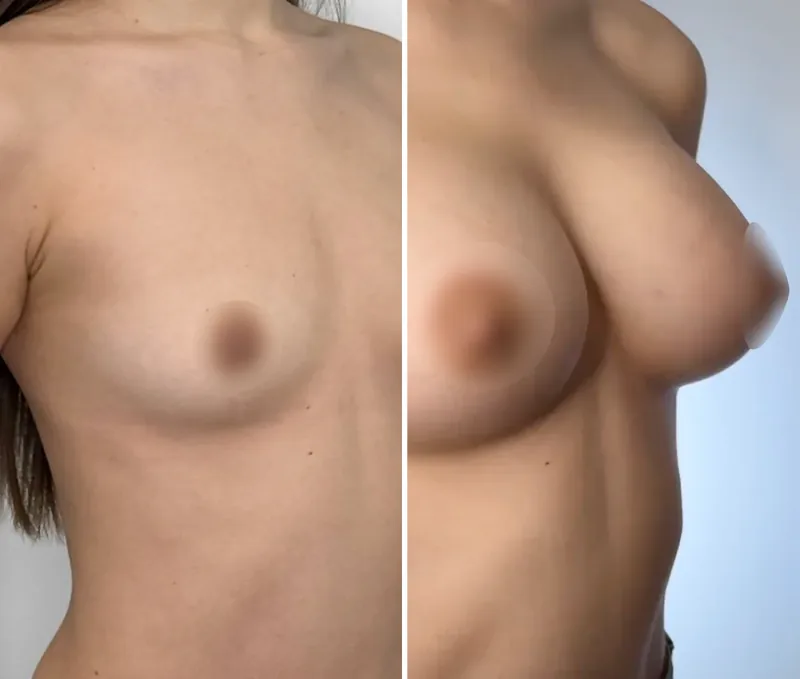
 beforeafter
Mammoplasty
Method: implants
Breast augmentation
$4,700
$5,900 · First consultation — Free
Message our coordinator
Free online consultation · Reply within 15 minutes
Message us on TelegramMessage us on WhatsAppBy messaging us, you agree to our Privacy Policy
Results
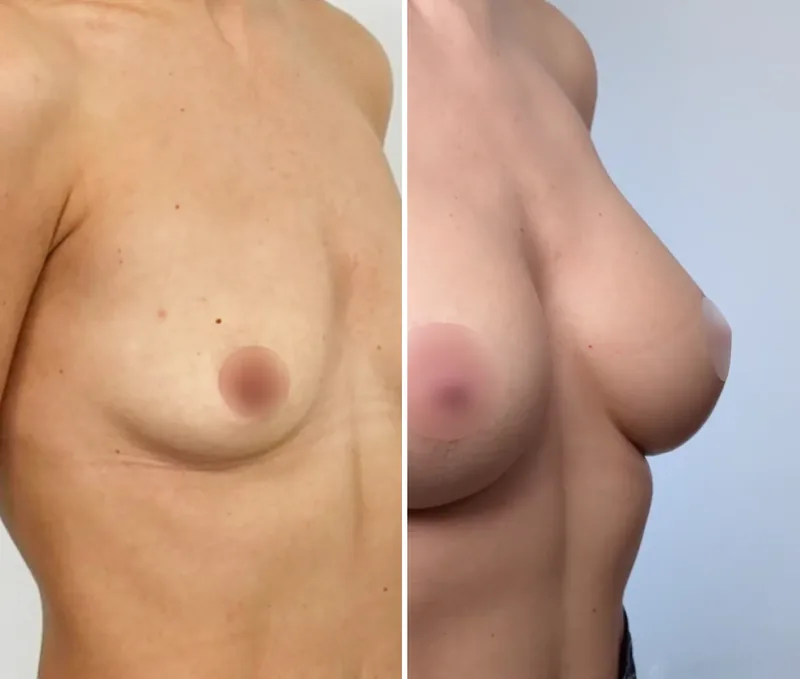
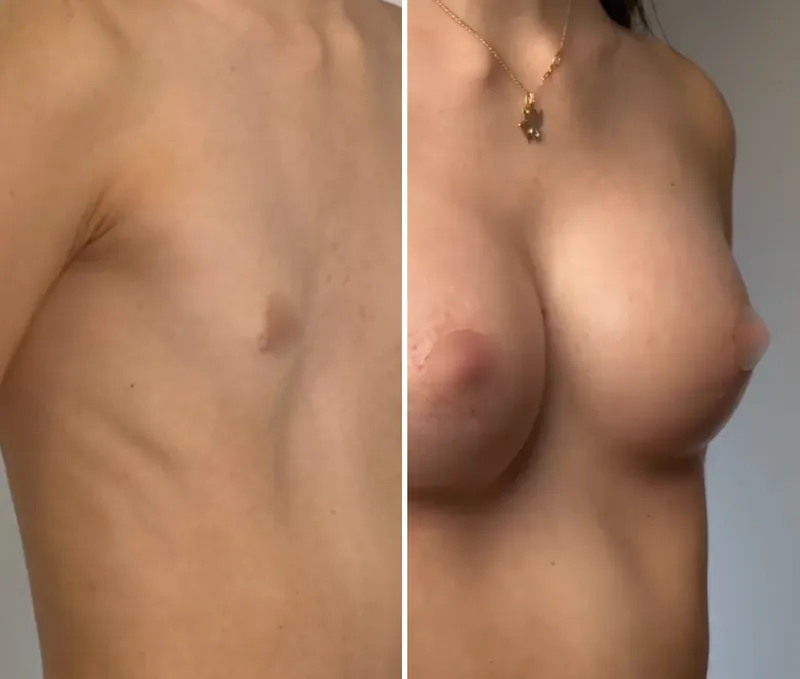
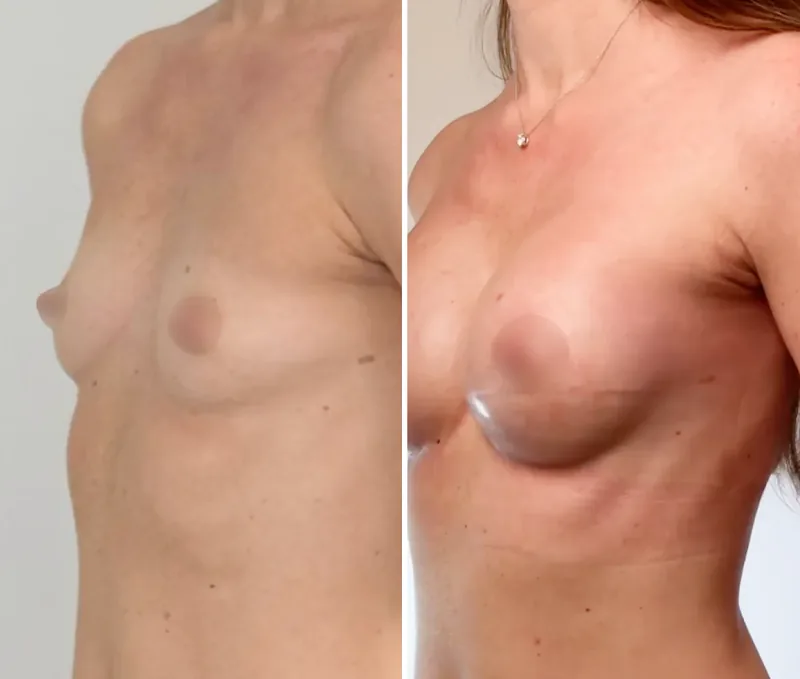
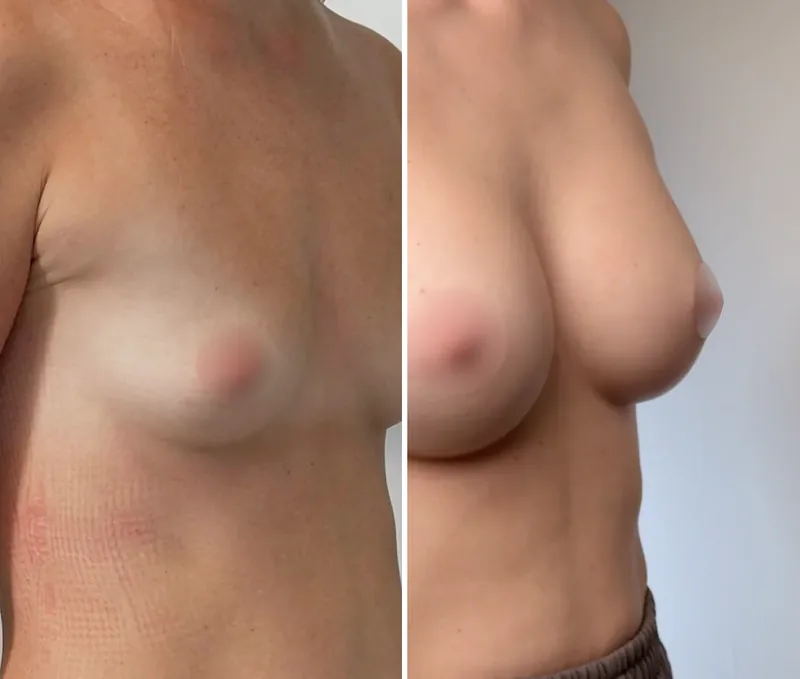
All photos show real patients of the clinic, with identifying details and faces hidden.
beforeafterMethod: implants
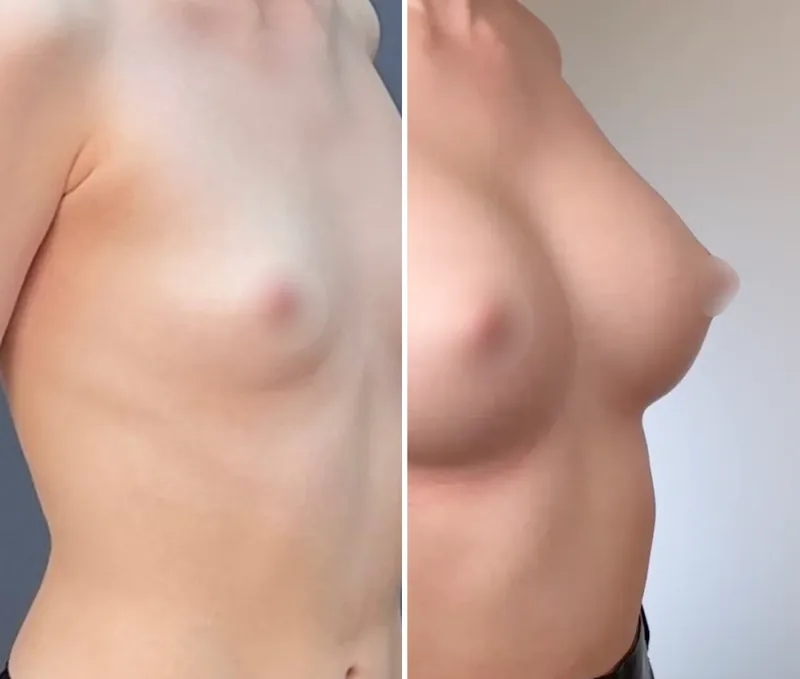 beforeafter
Method: implants
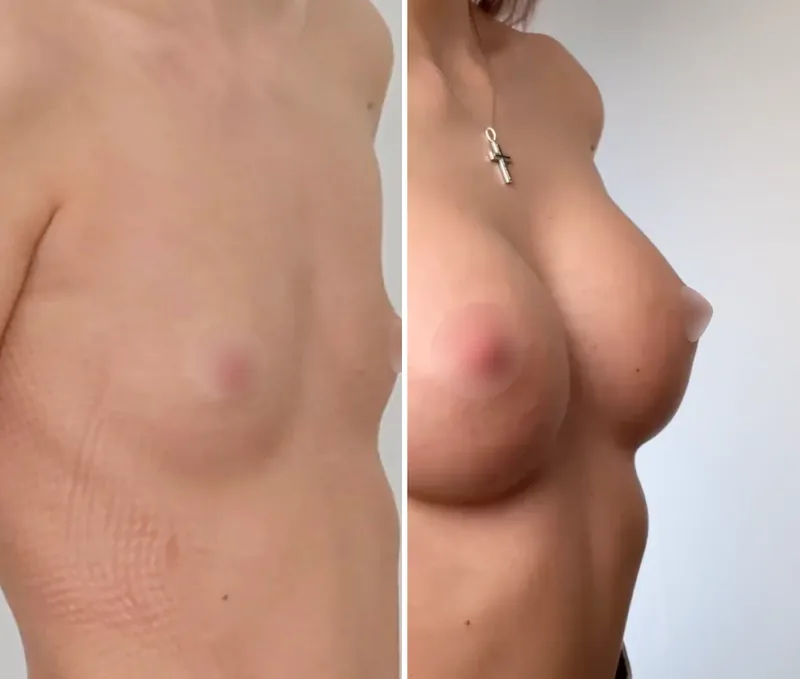 beforeafter
Method: implants
 beforeafter
Method: implants
 beforeafter
Method: implants
 beforeafter
Method: implants
 beforeafter
Method: implants
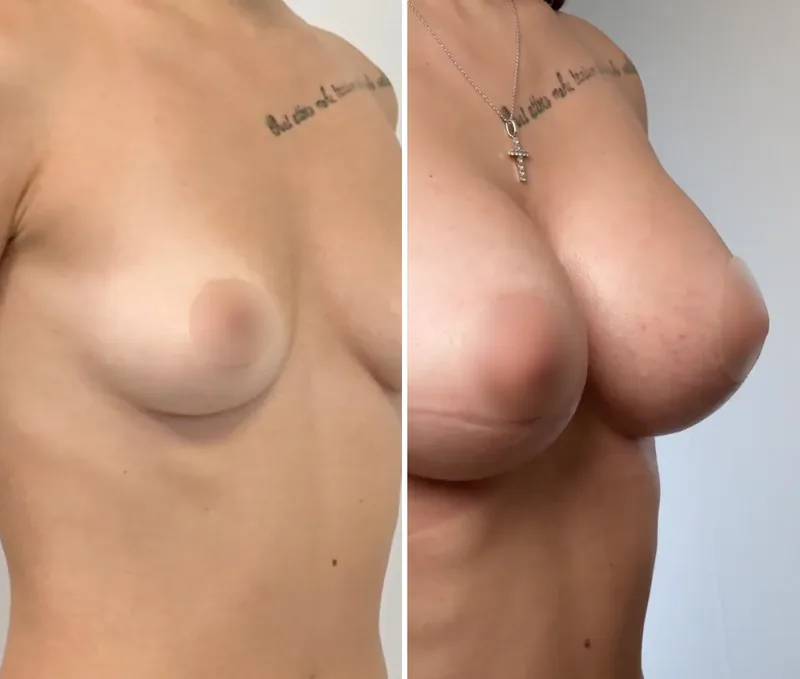 beforeafter
Method: implants
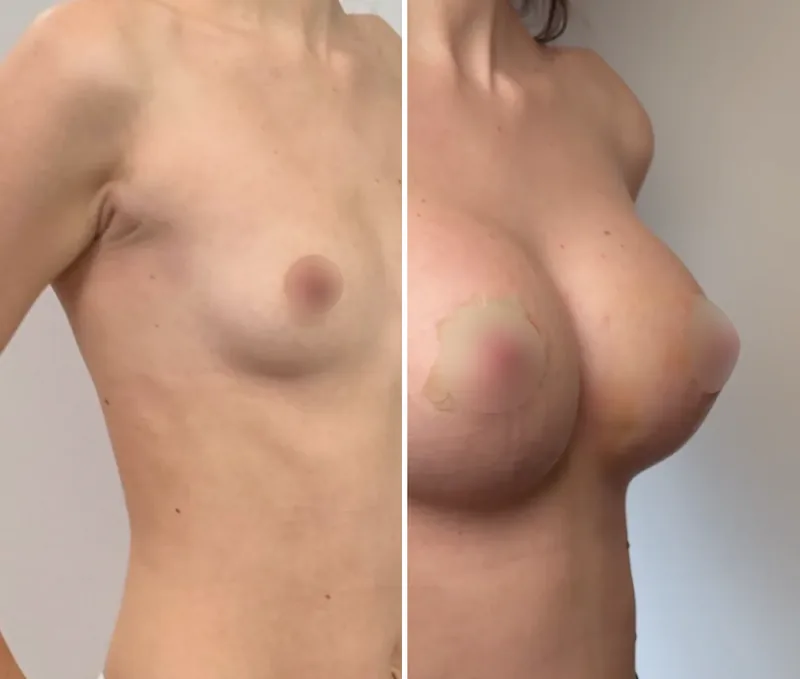 beforeafter
Method: implants
Comparison
Augmentation and reduction are the two main breast correction methods we perform. Compare what each one achieves, how precise it is and when it is indicated.
Size and shape correction with implants
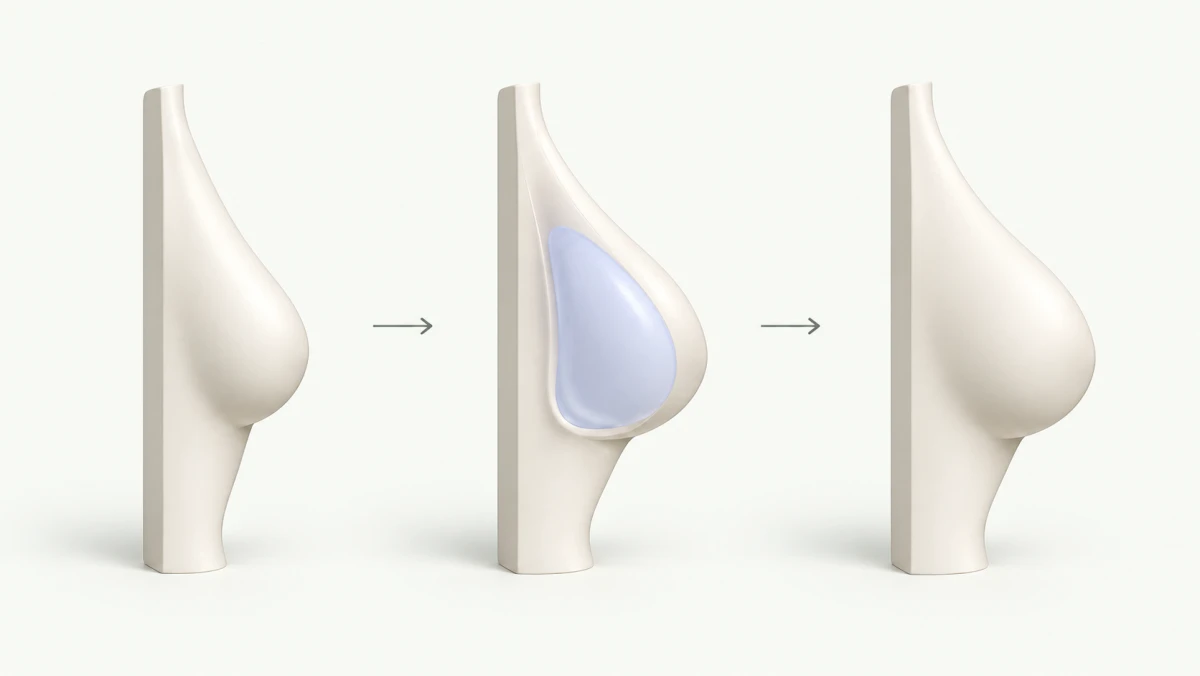
Discounted price
$4,700 $5,900
Correcting breast size by reducing volume and weight
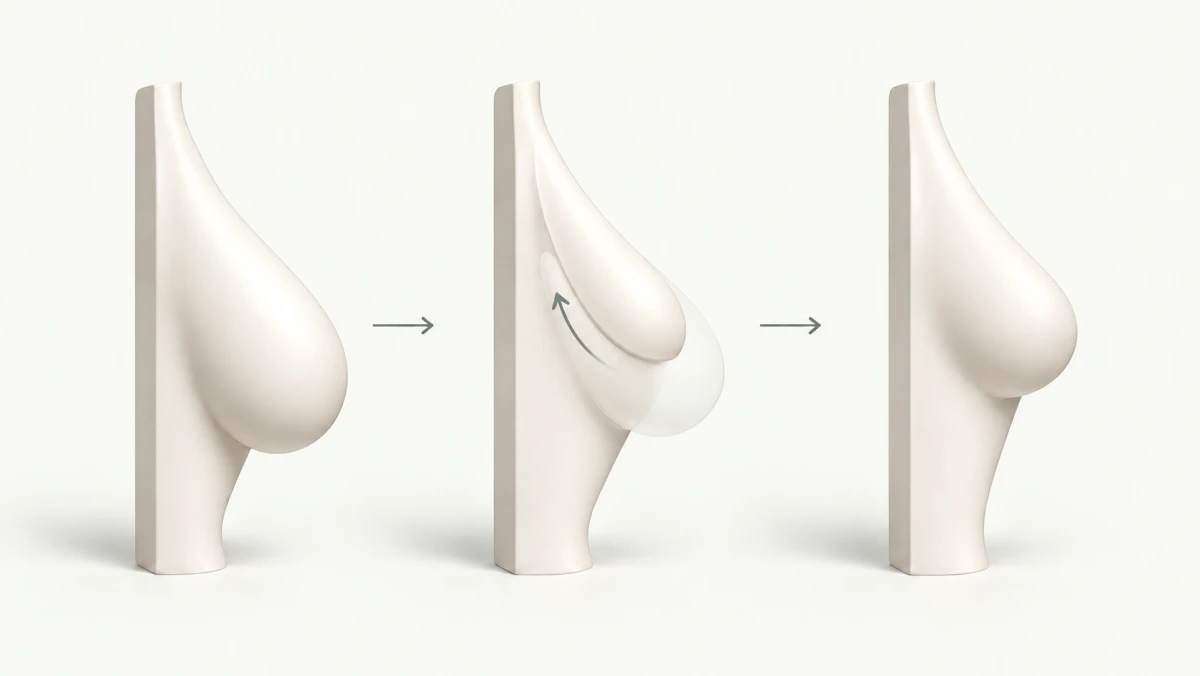
Discounted price
$4,700 $5,900
At your consultation the surgeon looks at the shape and proportions of your breasts, talks through what you want and recommends the best mammoplasty option.
The consultation is free, before surgery and with no commitment.
Comparison
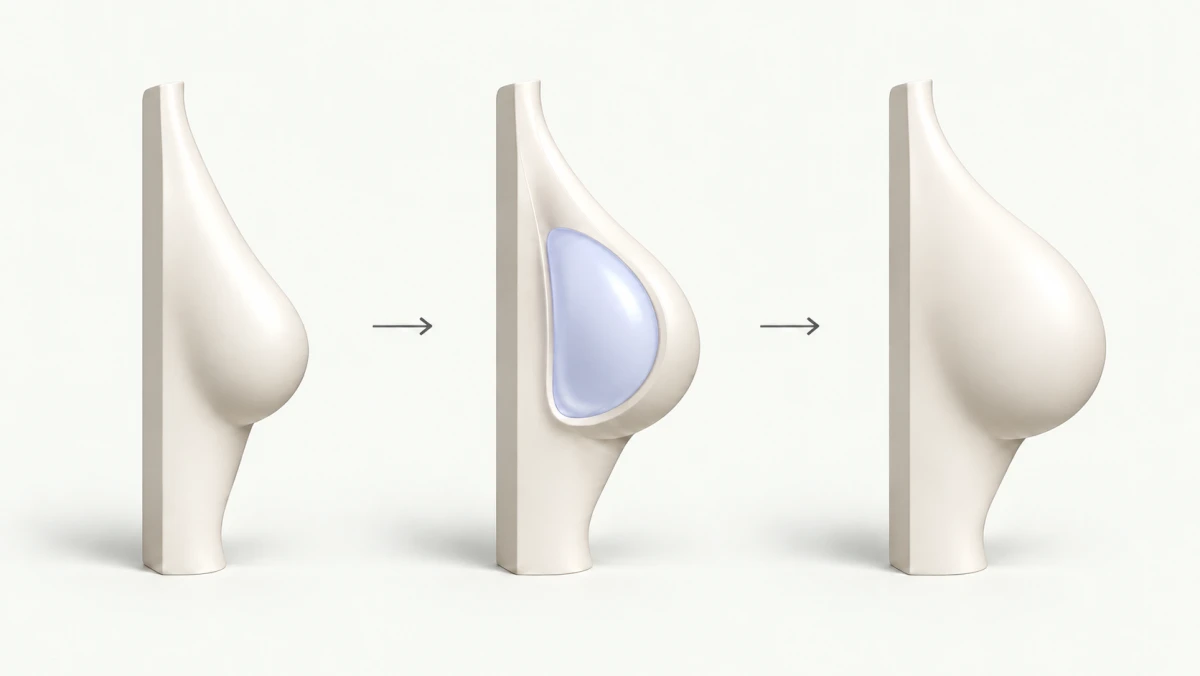
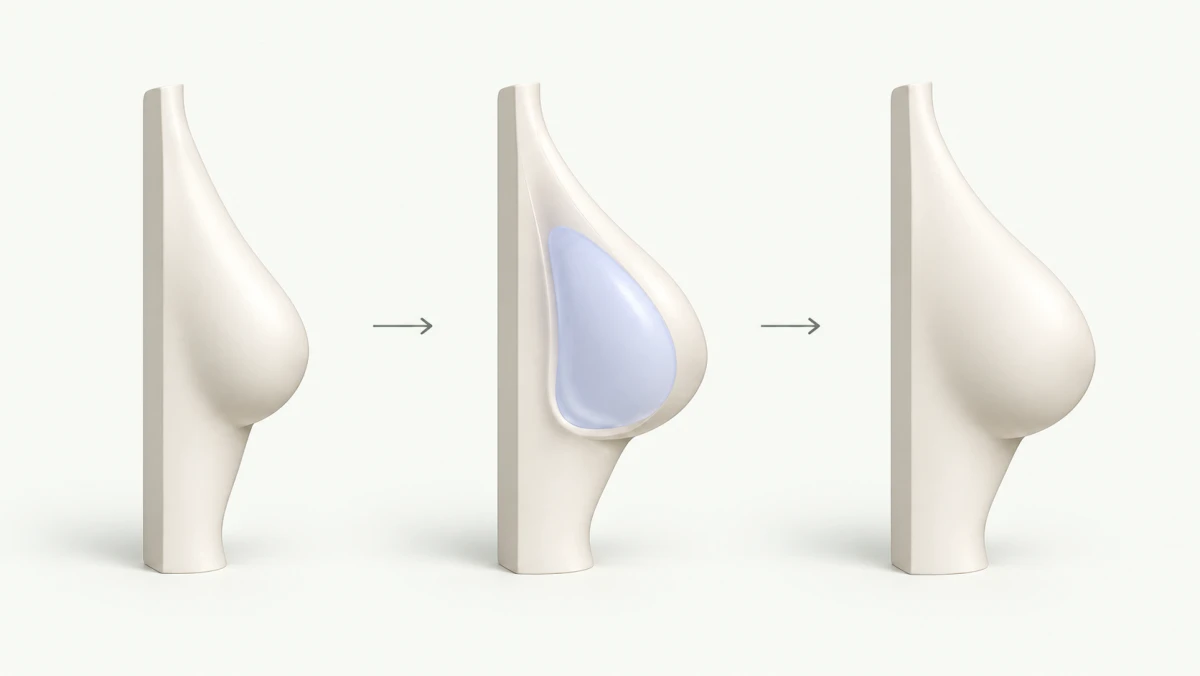
Round and anatomical implants are the two main types we work with. Each adds volume and corrects the shape, but the form and the final look differ.
Balanced volume and a fuller upper pole
A gentle slope and a soft teardrop contour
The surgeon will help you choose the implant shape and volume.
The clinic
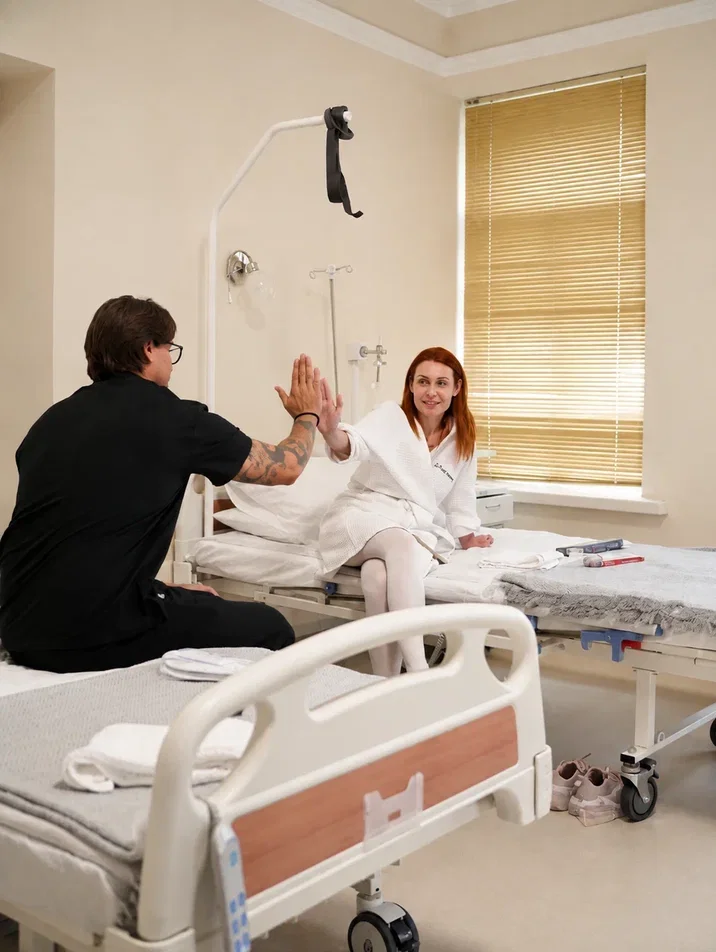
Modern equipment, comfortable rooms and care for every patient
We answer your questions and pick a convenient consultation time
Should your case not require surgery, you will hear it from the doctor at the consultation, and no money will be spent in vain.

Not sure if surgery is right for you?
Get in touch: your coordinator will ask you for photos in a messenger, the surgeon will study them and say whether mammoplasty is a good option for you.
Find out if it suits me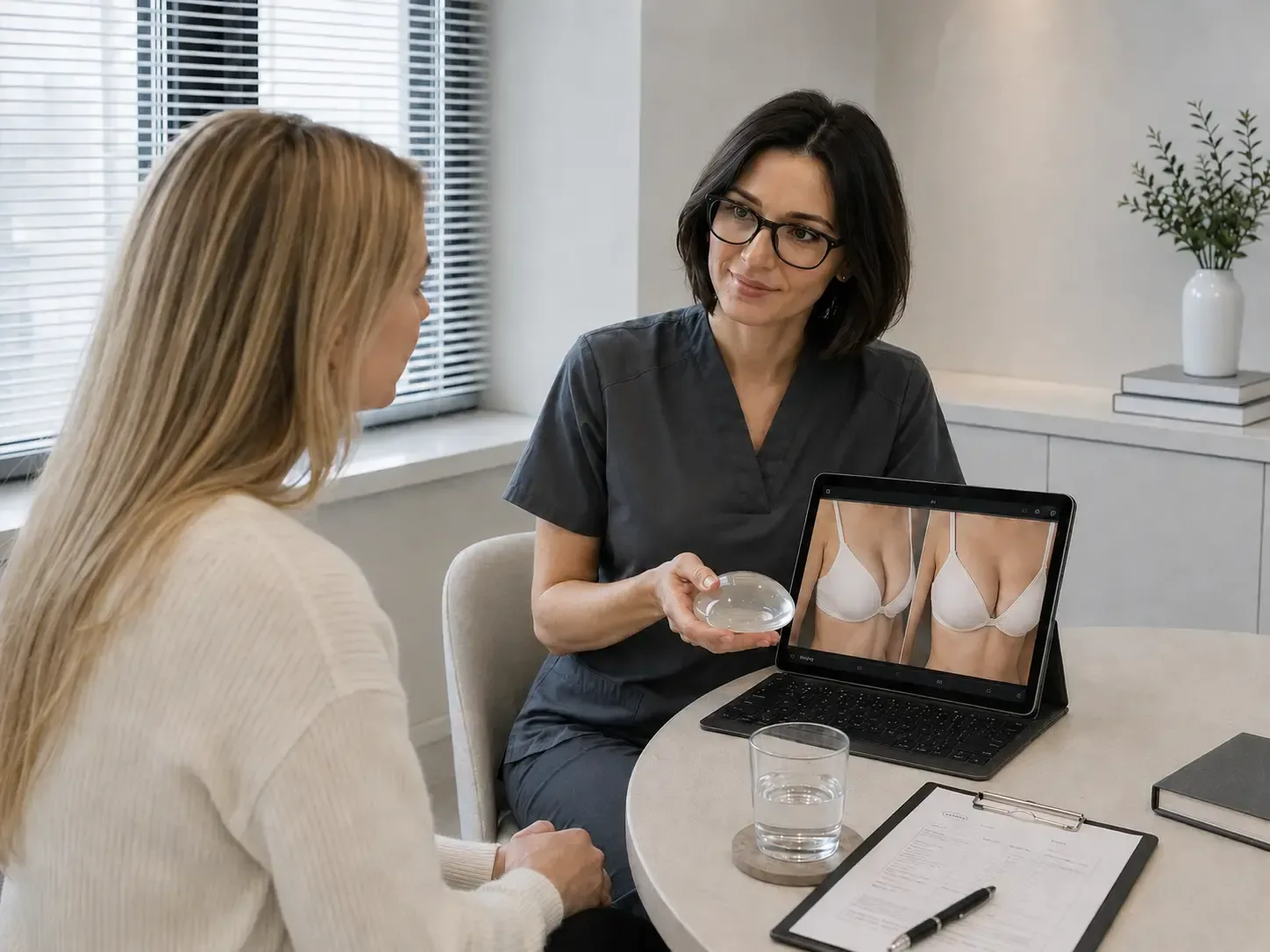
Prices
The price is set at the consultation and fixed in the contract.
Discounted price
Size and shape correction with implants
$4,700$5,900
Discounted price
Reducing the volume and weight of the breasts
$4,700$5,900
Breast restoration after mastectomy
The price is set at the consultation and fixed in the contract.
Get a consultationThe surgeon assesses the anatomy and proportions of your breasts, listens to your wishes and chooses the right correction method.
The price is set at the consultation and fixed in the contract.
Message our coordinator
Free online consultation · Reply within 15 minutes
Message us on TelegramMessage us on WhatsAppBy messaging us, you agree to our Privacy Policy
all inclusive
From getting ready for surgery
to 12 months of support.
Discounted price
$4,700$5,900
Step by step
An agreed plan for correction, hospital observation and a year of recovery monitoring.
 1
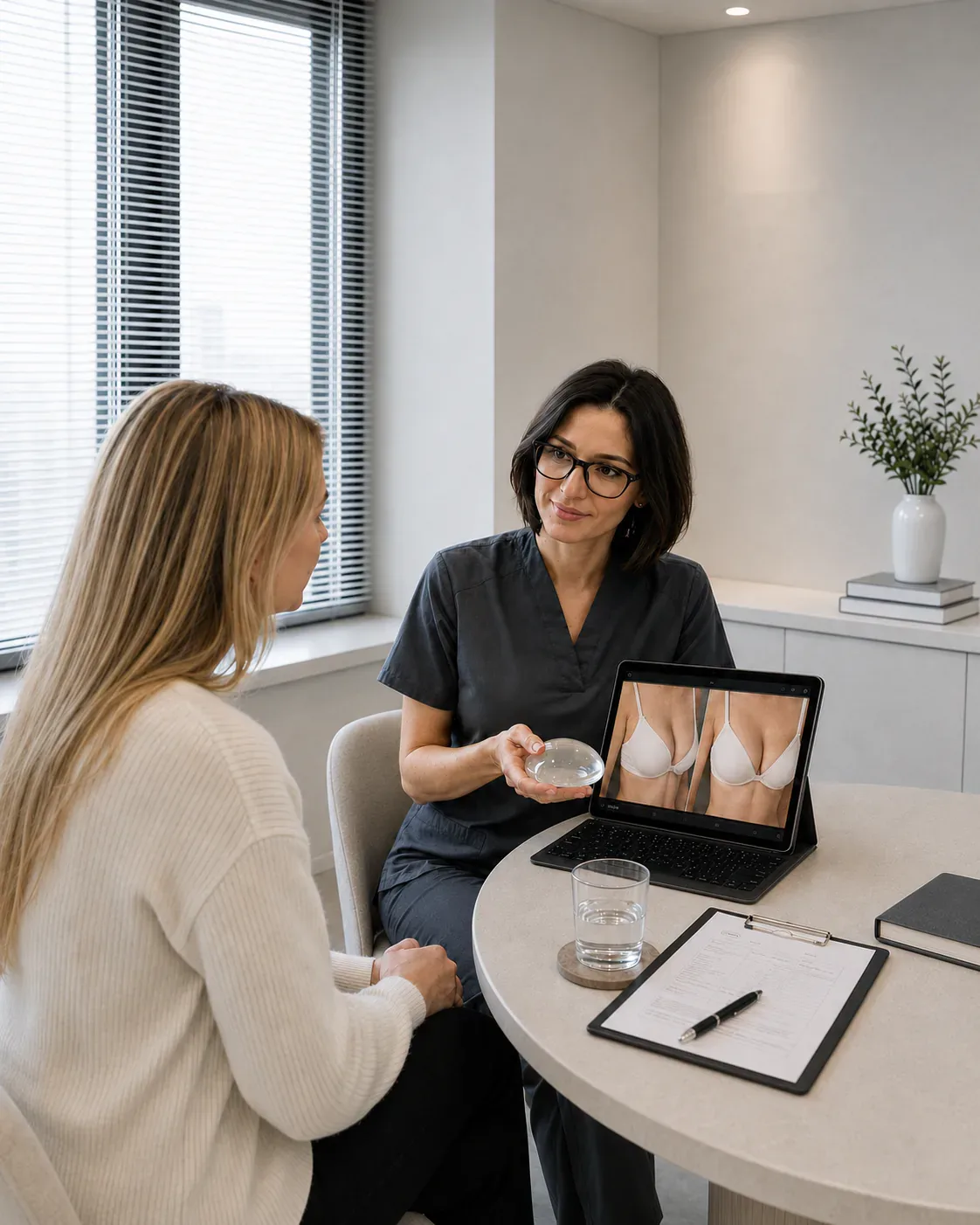
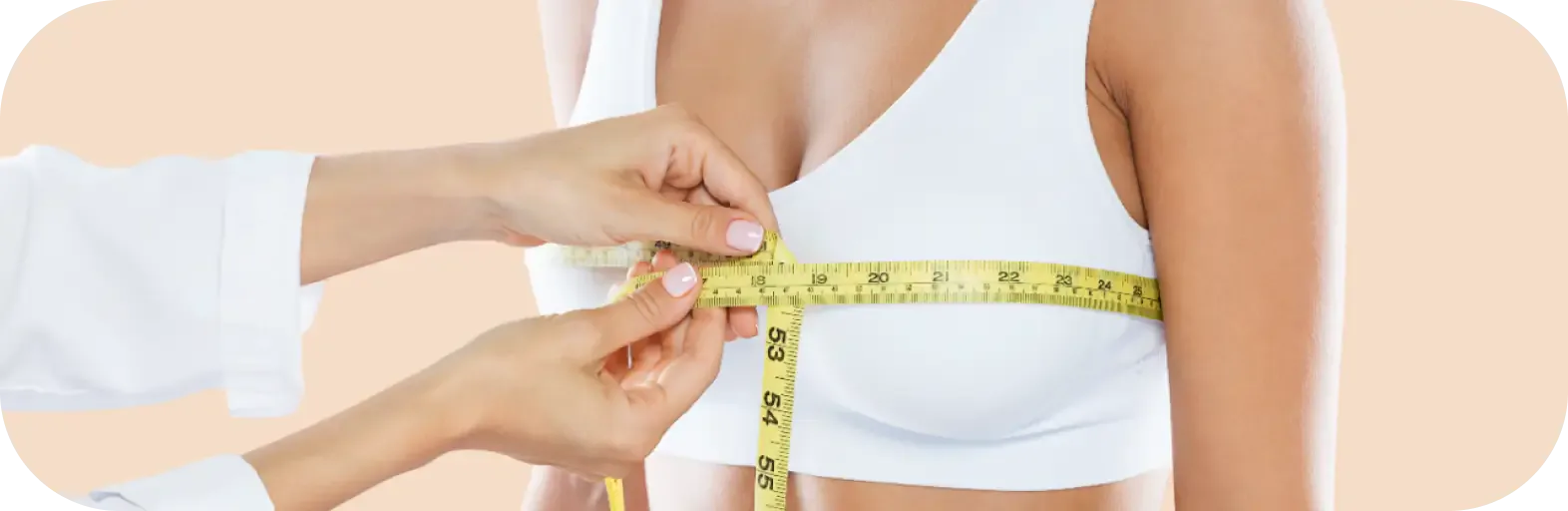
The surgeon examines your figure, discusses your wishes and selects the best volume, shape and correction method.
 2
A surgery date is booked in your name: pay the deposit by card at the clinic or by online bank transfer. The terms are recorded in the contract for medical services
 3
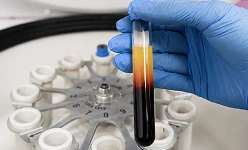
A complete pre-operative check-up comes first: blood tests, an ECG and the other examinations prescribed by your doctor.
 4
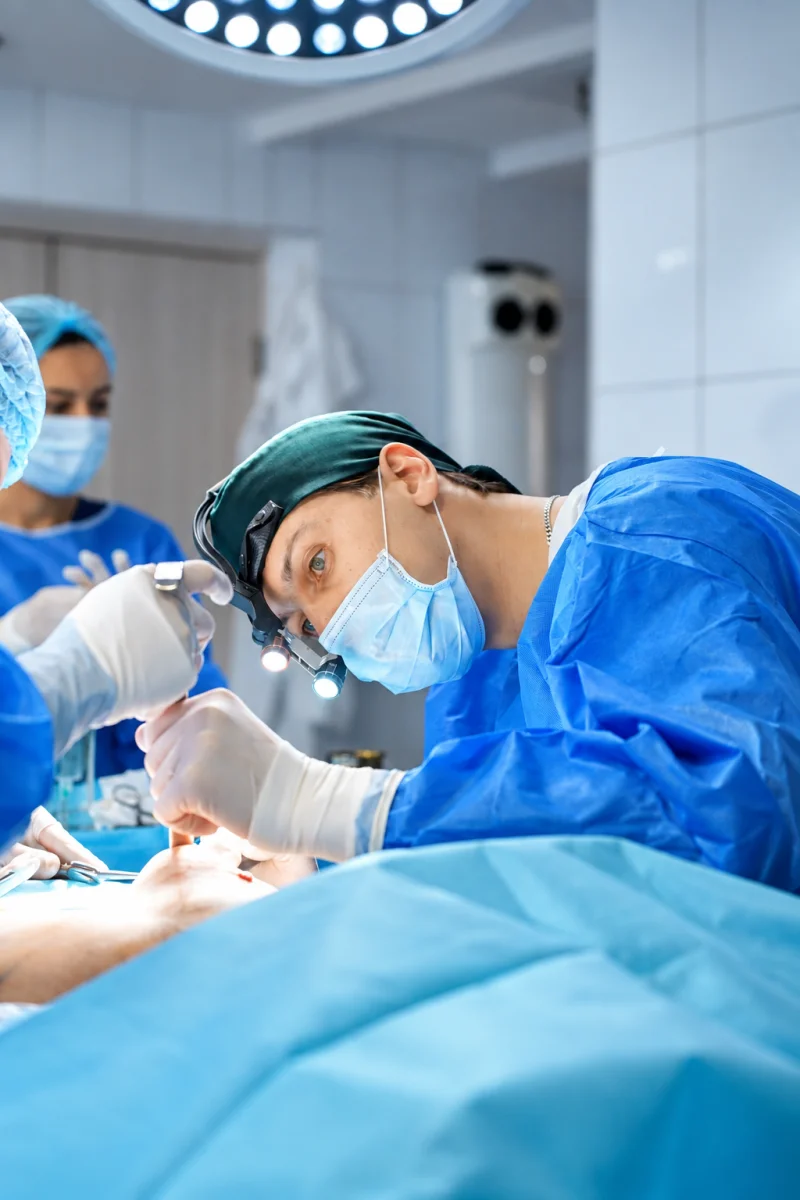
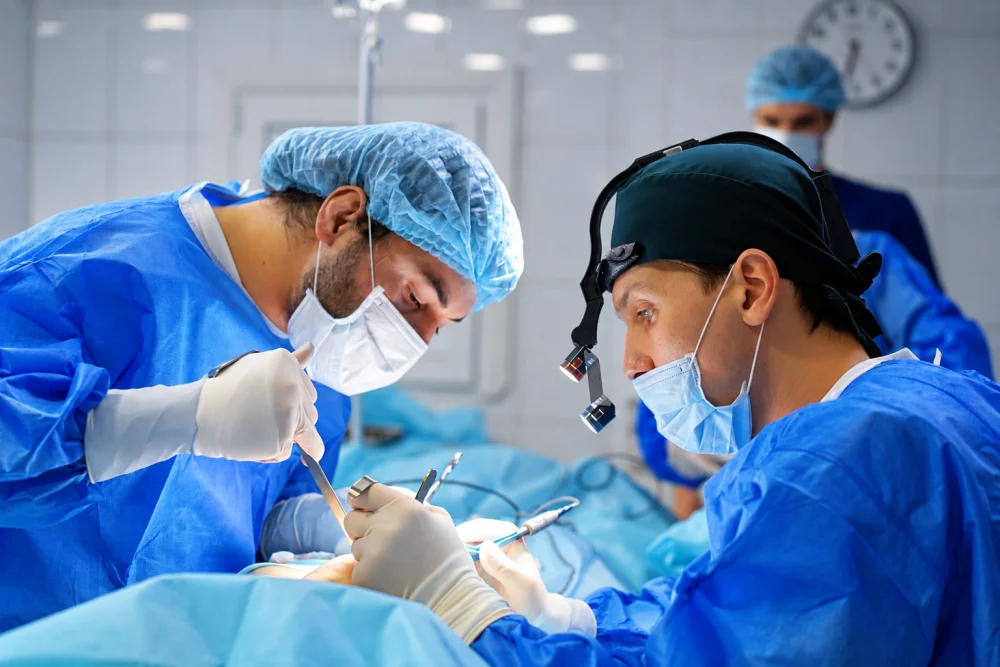
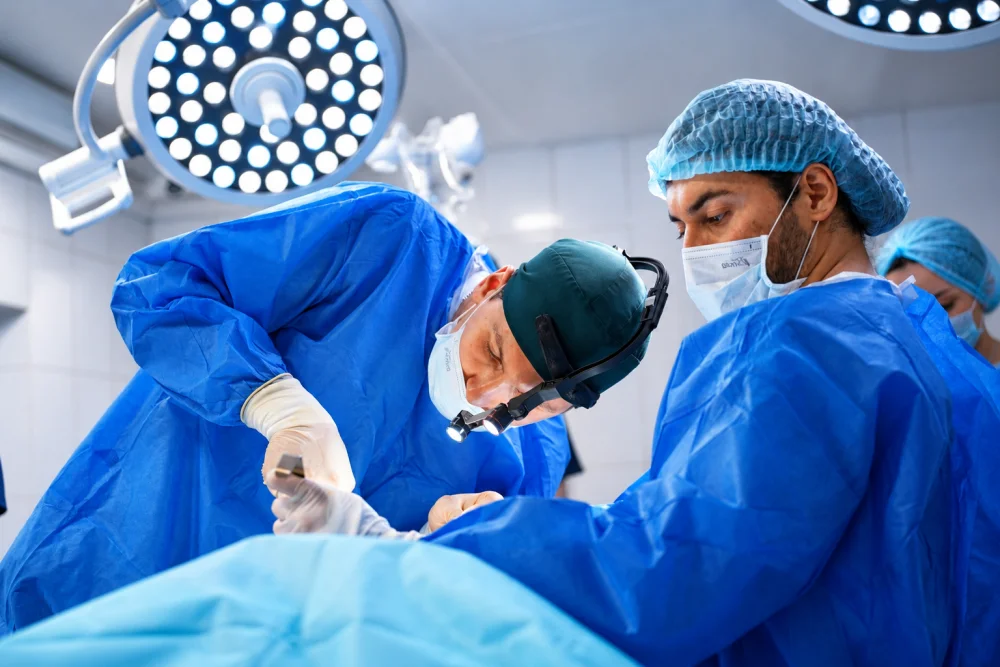
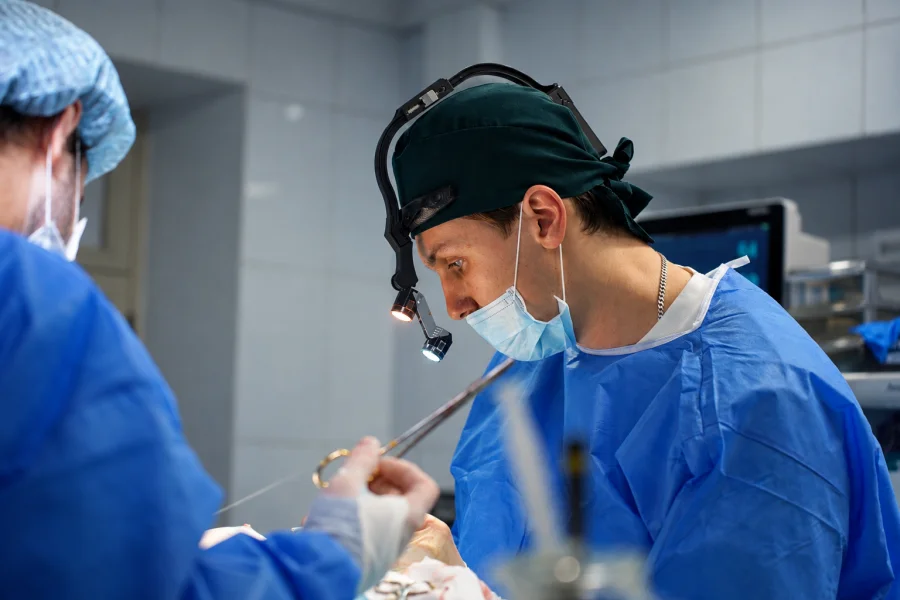
Your surgeon carries out the mammoplasty following your personal plan, under general anesthesia and with constant monitoring of your condition.
 5
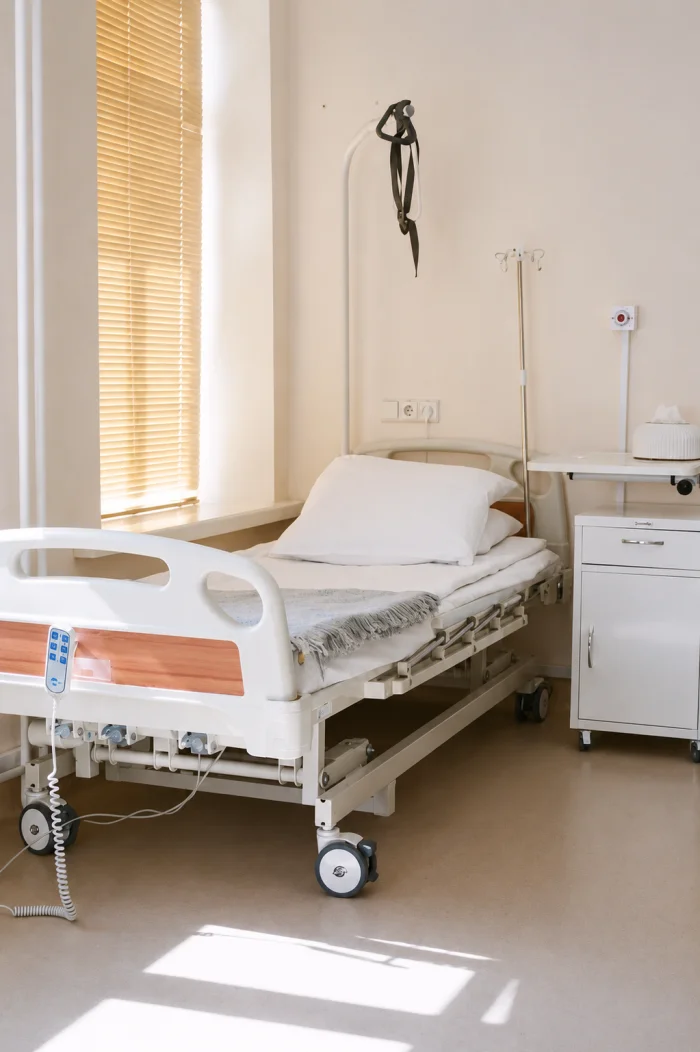
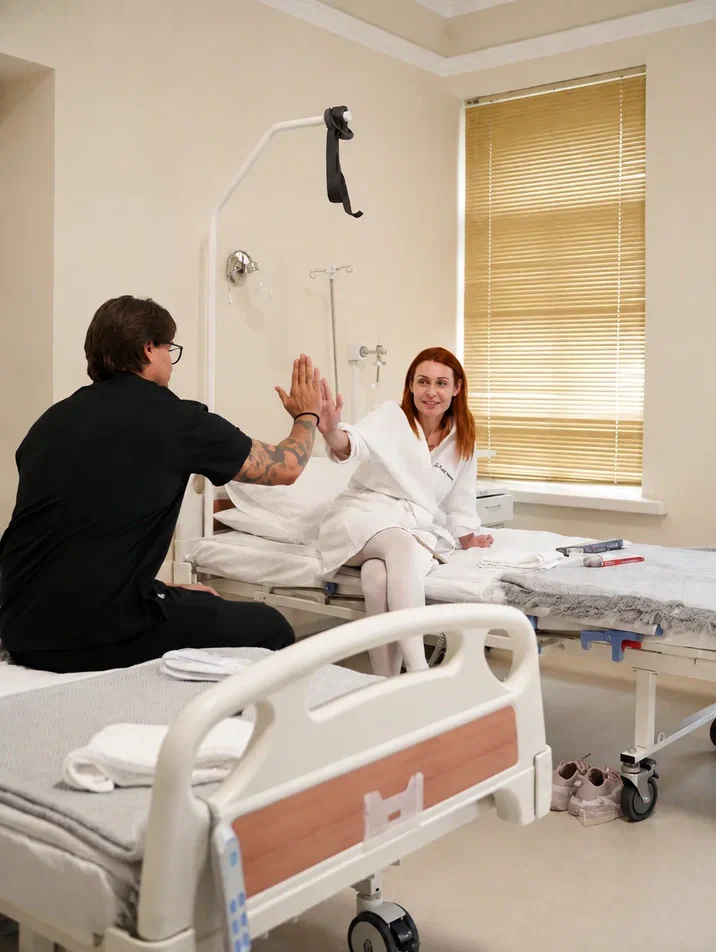
Following surgery, you recover in a comfortable inpatient ward of the clinic with the medical team looking after you until discharge.
 6
After surgery you get a recovery programme. Check-ups at 7 days, 3 and 6 months help track your recovery. For a year after surgery, consultations with your surgeon are free.
Before surgery, come off aspirin-containing drugs, steroids and any hormonal medications for chronic conditions
Come off hormonal oral contraceptives no later than a month before the procedure
Take your tests a week before surgery
Follow a few simple rules before surgery: balance work and rest sensibly, sleep more, avoid stress, anxiety and strong emotions, and scale back physical activity.
Avoid heavy gym workouts and overly energetic aerobics for up to 40 days; after a month, light cardio may be allowed. Mind your diet and your meals.
Swelling from surgery fades after 3 weeks
Within 3 months, discomfort disappears
Scars form within 3 weeks
No physical exertion (lifting over 3 kg)
It takes up to 3 months for inflammatory tissue changes to resolve and for a “pocket” to form around the implant
After the correction, recovery involves 1–1.5 months of compression garments
No raising arms above shoulder level — 3 weeks
Baths, saunas and physiotherapy are not allowed for up to three months
Doctors
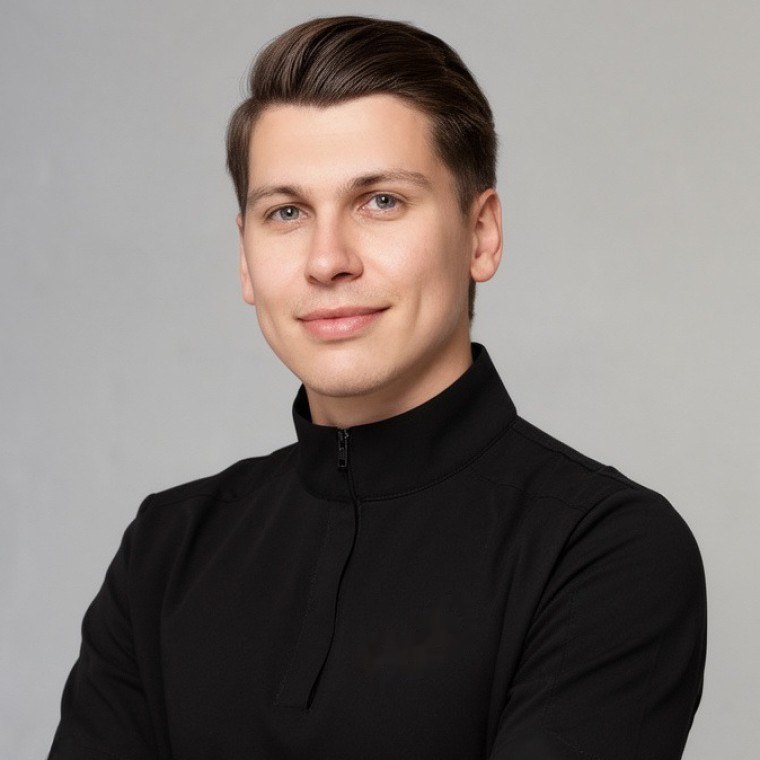
7 years of experience
Plastic surgeon
Underwent residency in plastic surgery at the Petrovsky National Research Centre of Surgery. Specializes in breast and body surgery, aesthetic and reconstructive.
At the consultation you talk to the surgeon who will operate
A skilled plastic surgeon who cares about the beauty and health of patients
Book a consultationAdvantages
We review your wishes at the consultation and model the planned result. The surgeon explains what the operation can do, so you understand exactly what we are aiming for.
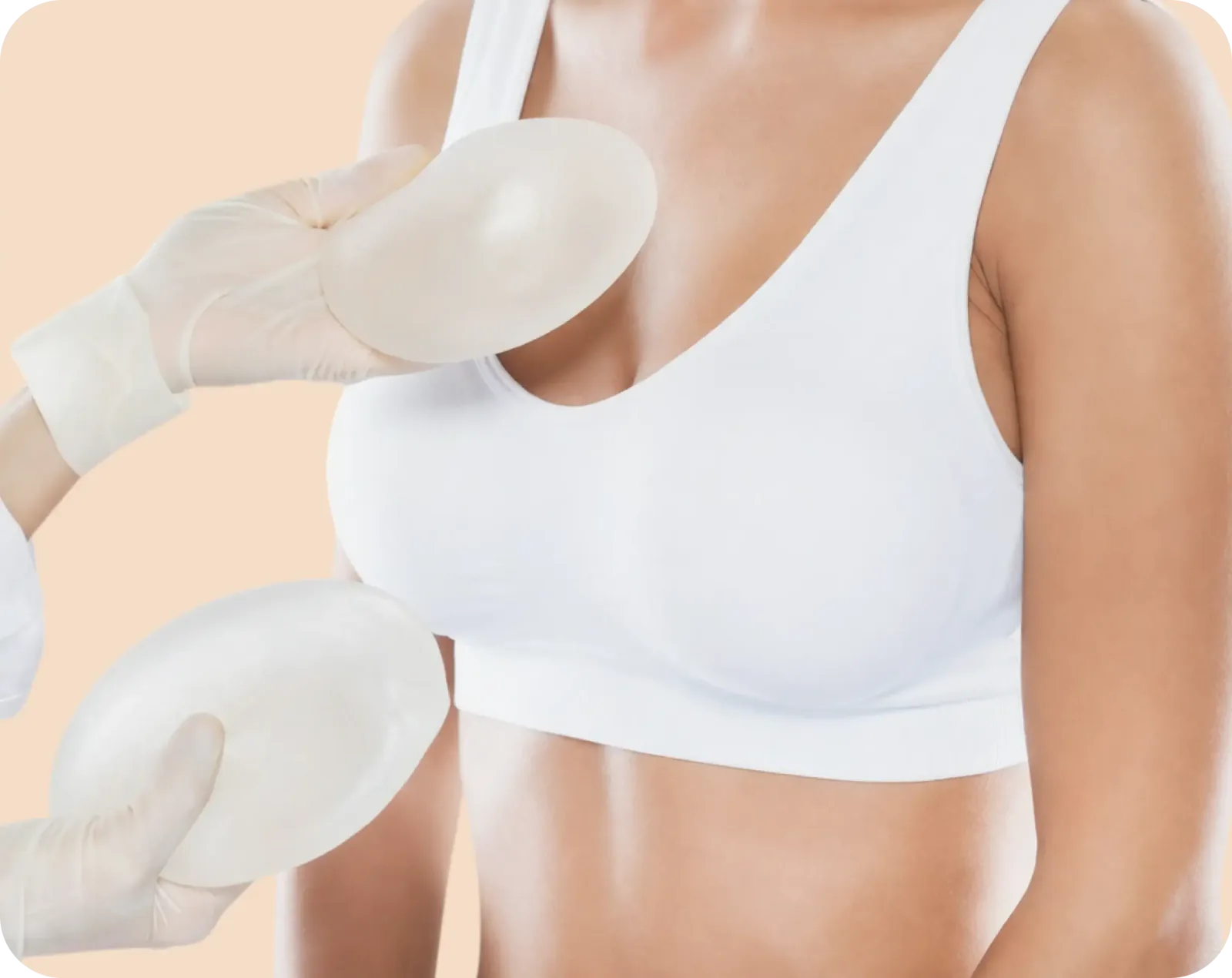
Your surgeon follows your recovery and the changes in your breast shape for a full year; check-ups and dressings are included in the price.
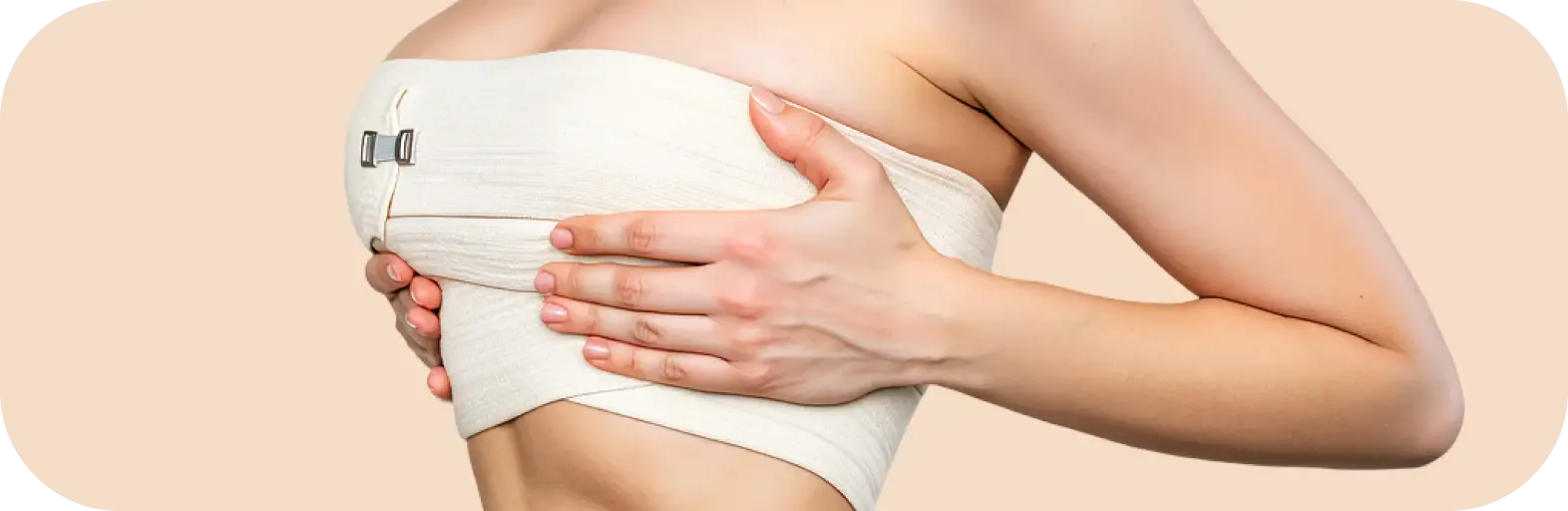
We choose the shape, volume and correction method based on your anatomy and wishes. For augmentation, implant size and profile are chosen individually.
We respect your time: we work 24/7, with easy booking and a personal approach — we adapt to your pace.
Once the surgeon has defined the extent of correction at the consultation, you get a clear surgery price — no surprises on the way to your result.

You begin your recovery in a comfortable ward under constant nursing supervision; the stay and meals are included in the price.
FAQ
Mammoplasty includes several procedures: augmentation (adding volume with implants), reduction (removing excess tissue and skin), mastopexy (lifting sagging breasts), reconstruction (after mastectomy) and asymmetry correction. The optimal method is selected individually, based on your wishes and the surgeon's recommendation.
Message us — our coordinator will get back to you shortly and book your consultation. The plastic surgeon consultation is free.
When all recommendations are followed, complications are rare. They can include hematoma or seroma, wound infection, reduced or heightened nipple sensitivity, capsular contracture, aesthetic asymmetry, wound separation and tissue necrosis.
You can expect a long-lasting mammoplasty result: about 10–15 years after augmentation (until the implants are replaced) and 5–10 years after a lift or reduction. How long it lasts is affected by weight, pregnancy, skin aging and gravity. Wear supportive underwear and control your weight to keep it.
Breastfeeding after mammoplasty depends on the type of surgery. With augmentation through an under-breast or armpit incision and the implant placed under the muscle, lactation is usually preserved — the glandular tissue is not damaged. After a lift or reduction the risk is higher because ducts may be cut. Discuss this with your surgeon in advance.
Implant choice is based on material (silicone gives the most natural appearance, saline is used more rarely), shape (round or anatomical teardrop), surface (smooth or textured), size and profile. Your surgeon will pick the best one for your anatomy and goals.
The patient feels nothing during surgery, which is performed under general anesthesia. Moderate discomfort in the first 1–3 days is possible and is treated with painkillers. By day 5–7 the pain is greatly reduced, and by weeks 2–3 no discomfort remains. With severe pain, contact your doctor immediately.
Work is possible after 7–14 days, as long as it involves no physical exertion. Take light walks after 1–2 weeks. Fitness and swimming after 4–6 weeks; strength training after 3 months. Pool and sea after 4–6 weeks. Compression garments are worn for 4–6 weeks. Timing depends on your recovery.
There is no scientific evidence that mammoplasty increases breast cancer risk. Implants do not cause cancer. After surgery, keep up regular screening — self-exams, mammography and ultrasound. Always tell the examining doctor about your implants.
It is possible to have mammoplasty after a C-section, provided the body has recovered fully. Wait no less than 6–12 months after birth and after finishing breastfeeding. A surgeon's consultation and examination are needed before the operation.
Scars do remain after mammoplasty, but a skilled surgeon keeps them to a minimum. Incisions are placed in hidden zones: beneath the breast, around the areola or in the armpit. The scars are reddish for the first months and fade within 6–12 months to become almost invisible.
Slight asymmetry early on, in the first weeks after surgery, is normal and is due to swelling and uneven healing. If the difference in shape or size persists after 3–6 months, get examined by your surgeon to identify the cause.
Breast and nipple sensitivity may change for a time after mammoplasty, going down or up. The cause lies in irritation of nerve endings. In the majority of cases sensitivity is restored within 3–12 months. If nothing has improved after a year, consult your surgeon.
Hormonal drugs such as contraceptives and hormone replacement therapy do not influence implants directly. They may, however, cause swelling or breast tissue volume changes that temporarily affect how the breasts look. Inform your surgeon of these medications before surgery.
Prices are in US dollars; the amount in brackets is an approximate conversion to SSP at the rate of 02.10.2026. The final price is fixed in your contract.
Prices start from $4,700 (≈ SSP 27,000,000). The surgeon sets the final price at the free consultation, and it is fixed in the contract, with no hidden extras.
The surgical team's work, anaesthesia, the inpatient stay with meals, dressings and follow-up visits for twelve months.
Message us on WhatsApp or Telegram using the buttons below. A coordinator will answer your questions and book a free consultation where the doctor names the exact price.
By messaging us, you agree to our Privacy Policy
This operation suits adult women who wish to restore or increase breast volume, including after childbirth once the body has fully recovered. Surgeons advise waiting at least 6–12 months after giving birth and after breastfeeding ends. Patients from Juba considering it after a C-section can go ahead too, but a consultation and check-up are mandatory first.
Here is the route in brief. Consultation and choice of implants. Lab tests and instrumental examinations. Surgery lasting on average 1.5 to 3 hours. One day under round-the-clock observation. Then a recovery program with swelling control and compression garments, plus check-ups at one week, three months and half a year. Women in Juba follow this same sequence.
How much is breast augmentation in Juba? From $4,700 (≈ SSP 27,000,000) for the complete package. That sum includes the surgery, anesthesia, inpatient care with meals, round-the-clock monitoring by staff and a full year of post-op follow-up until the final result. To start, send your name and phone number or write in a messenger; a coordinator will contact you and book a free consultation.
What patients write after this operation. Reviews are translated from the original language.
Anna Smirnova
I went to Dmitry Sergeyevich for breast augmentation with implants. At the consultation everything was explained in detail, and together we chose the best size. The operation under combined anaesthesia took 2 hours, and I was discharged home the next day. The swelling went down in about a month, and my breasts look very natural. The year of follow-up care is a real lifesaver: you can always ask a question and get an answer. Thank you to the clinic!
Breast augmentation
Doctor: Dmitry S. Kuznetsov
Ekaterina Morozova
After two births I decided on a breast lift without implants. I chose Dmitry Sergeyevich and have no regrets. The result exceeded all my expectations: my breasts are lifted and the shape is youthful and firm. The incisions are minimal and almost invisible. I spent one day in the hospital, and the room was very comfortable. I recommend him!
Breast lift
Doctor: Dmitry S. Kuznetsov
Olga Kuznetsova
I had a combined operation, a breast lift with augmentation, with Dmitry Sergeyevich. At the consultation it was immediately clear that I was in the right place. Everything is included in the price, with no hidden charges. After a month my breasts already feel soft and natural. Personal follow-up after the operation is very valuable.
Breast lift with implants
Doctor: Dmitry S. Kuznetsov
Maria Lebedeva
Breast augmentation from a size 3 to a size 4 with Dmitry Sergeyevich. He chose perfect anatomical implants. The operation took 2 hours, and I woke up with almost no pain. In the ward I was fed and monitored around the clock. Four months have passed and the result looks like a magazine cover.
Breast augmentation
Doctor: Dmitry S. Kuznetsov
Natalia Vorobyova
I went to Dmitry Sergeyevich to correct breast asymmetry with a small lift. A true professional: at the consultation he immediately showed before-and-after photos of similar cases. Recovery was easy and the swelling went down quickly. I had my check-up after just 7 days. An excellent clinic!
Breast reconstruction
Doctor: Dmitry S. Kuznetsov
Yulia Romanova
I had a lift with implants after losing a lot of weight. I chose Dmitry Sergeyevich. At the consultation everything was explained in simple words, and my fears were gone. One day in the hospital, then care at home. Now my breasts look natural and keep their shape. I am very happy!
Breast lift with implants
Doctor: Dmitry S. Kuznetsov
Page medically reviewed by Dmitry S. Kuznetsov, plastic surgeon. Review date: .
Juba is the capital and largest city of South Sudan and lies on the White Nile. It is also the capital of Central Equatoria State. The city had a population of 525,953 in 2017, and it keeps growing as people from the surrounding countryside move in for work and study. Many women in Juba juggle a job, a household and a wide family circle, so a decision about breast augmentation is rarely made on impulse. It is usually weighed for months, discussed with a trusted friend or a spouse, and planned around the rhythm of the year.
Breast augmentation is an elective operation. It is done under general anaesthesia and requires a calm, well-prepared period afterwards. Women in Juba tend to ask first about safety, then about how visible the scars are, and then about how quickly they can return to their routine. This text goes through those questions one by one, with the specifics of life in Juba in mind: the heat, the rainy months, busy markets, long working days and family occasions.
City Medical Centre works with patients in Juba through a free online consultation. You do not need to arrange anything in person to start. A coordinator is available around the clock (24/7) on WhatsApp and Telegram, so you can write when it suits you, whether that is between lessons at a university, after work or late in the evening when the household is quiet.
Juba has a tropical wet and dry climate and, because it lies near the equator, it is hot all year. Little rain falls from November to March, and this is also when the highest daytime temperatures occur, reaching 37.8 °C in February. From April to October more than 100 millimetres of rain falls each month, and the annual total is nearly 1,000 millimetres. Both halves of the year affect how you recover, just in different ways.
In the hot dry months the main concerns are sweating under a compression garment, skin irritation and the temptation to be outside in strong sun. After the correction, recovery involves 1–1.5 months of compression garments, so choose soft, breathable cotton layers to wear over or under it, keep the skin clean and dry, and spend the hottest part of the day indoors. Loose, front-opening tops are easier to put on when you are not allowed to lift your arms above shoulder height, which applies for 3 weeks.
In the rainy months humidity is high and the air is damp, which makes it harder for clothing to dry and can make a wound feel uncomfortable. Plan a spare set of garments so that you can change them when needed. Wet roads and puddles also make walking less comfortable, so arrange for a lift to a check-up instead of walking long distances. Your surgeon will give you precise instructions on wound care, and you should follow them rather than general advice.
There is no single right month, but the climate offers a useful framework. The dry season, November to March, brings the strongest heat, and the heat peaks in February. The rainy season, April to October, is cooler in the sense of fewer scorching days, but it is humid. Many women decide on the basis of their calendar rather than the weather: a quieter period at work, school holidays for the children, or the weeks after an exam session at a university.
Swelling after surgery goes away after 3 weeks, and compression garments stay on for 4–6 weeks according to the standard recovery plan. Counting forward from the intended date, make sure the first month does not coincide with a wedding, a funeral gathering, a graduation or a long family reunion where you would be expected to host, cook or carry things. These events are important in Juba, and it is easier to skip them in advance than to attend and strain yourself.
If you plan to spend time in the sun or by water, remember that pool and sea are allowed after 4–6 weeks, and the timing depends on your recovery. Whichever season you choose, ask the coordinator to help you build a calendar: surgery date, the first days of rest, the check-ups at 7 days, 3 and 6 months, and the date when you expect to return to normal activity.
The first step is a free online consultation. You write to the coordinator on WhatsApp or Telegram, tell them briefly about your goals, your health history and any previous operations, and send the photographs that the surgeon asks for. The coordinators work around the clock, so a message sent in the evening will be answered without waiting for a working day. If you miss a call, a coordinator will call you back 24/7.
During the consultation the surgeon looks at your anatomy, your skin and your wishes, and explains which approach suits you. You can ask about implant size and shape, the position of the incision, the anaesthesia and the recovery. Take your time. Your time matters to us: we work 24/7, booking is easy, and our personal approach adapts to your pace.
Because Juba has only intermittent mobile data in some areas and power interruptions are possible, it helps to prepare in advance. Charge your phone, write your questions in a note, and keep your photographs and any medical documents in one folder. If the connection drops, simply continue in the chat. Nothing is lost, and the coordinator will pick up where you stopped.
In general terms, breast augmentation suits adult women in good health who want to increase volume, improve the shape, or restore fullness after pregnancy and breastfeeding. A good candidate has realistic expectations and understands that the operation changes proportions but does not change life by itself. The surgeon assesses skin quality, the thickness of the tissue and the shape of the chest wall before suggesting an approach.
There are situations in which it is better to wait or to decline. These include acute infections, uncontrolled chronic illness, unstable weight, and recent pregnancy or breastfeeding. Mammoplasty after a C-section is possible, but only once your body has fully recovered. Allow at least 6–12 months after giving birth and after breastfeeding stops. A consultation and check-up with a surgeon are required before surgery.
Weight matters as well. The WHO treats excess weight and obesity as a factor that affects health and the course of surgery, so be open with the surgeon about your weight and any recent change. Results after mammoplasty last a long while, about 10–15 years for augmentation (until implant replacement), and weight changes, pregnancy, skin aging and gravity affect their duration. To maintain the result, choose supportive underwear and control your weight.
The surgery is performed under general anaesthesia, so there is no sensation during the operation. The stay is organised as General anaesthesia, 1 day or General anaesthesia, 1–2 days, depending on how you feel and what the surgeon sees. During this time there is 24/7 monitoring by medical staff.
In the first 1–3 days you may feel moderate discomfort, which painkillers relieve. Pain subsides significantly by day 5–7 and discomfort is gone by weeks 2–3. If pain becomes severe, inform your doctor right away. Do not wait for the next scheduled check-up, and do not try to manage a sudden change with home remedies.
At home, arrange help in advance. In many households in Juba relatives are close by, which is a real advantage: someone can cook, take care of children and carry shopping. No heavy exertion is allowed (lifting more than 3 kg), so a child, a full water container or a bag from the market should be handled by someone else. Lifting your arms above shoulder height is not allowed for 3 weeks, which also affects hair care and reaching to high shelves.
You may go back to work (with no physical exertion) after 7–14 days, take light walks after 1–2 weeks, and do fitness and swimming after 4–6 weeks. Strength training is allowed after 3 months. Timing depends on your recovery. For an office job, a post in a bank, a role at an organisation or a lecture schedule at a university, return after 7–14 days is realistic. If your job involves lifting, standing for long hours or working in the heat outdoors, discuss a longer rest with the surgeon.
For sport, the plan is gradual. For as long as 40 days, stay away from intense gym workouts and overly active aerobics. Light cardio is possible after a month. Monitor your diet and meals. In Juba, where meals are often built around starchy staples, stews, fish from the river and shared dishes at gatherings, it is worth keeping portions sensible during recovery, so that your weight stays steady and the result is not put under additional strain.
Heat is part of everyday life, so think about transport. A packed minibus or motorbike taxi can mean jolts and crowding against the chest. During the first weeks, ask a family member for a private lift when you must go out, and keep outings short. Light walks in the cooler hours of the day are better than long ones in midday heat.
There are scars after mammoplasty, though a skilled surgeon keeps them minimal. The incisions go in discreet areas, such as under the breast, around the areola or in the armpit. Early on the scars are reddish, but over 6–12 months they fade and are almost unnoticeable. In a hot, sunny climate like Juba, protect the scars from direct sun with clothing and ask the surgeon what care to use.
In the first weeks after surgery, slight asymmetry is normal: swelling and uneven healing are behind it. If shape or size still differ after 3–6 months, see your surgeon for a check-up to find the reason. Breast and nipple sensitivity may change for a time, going down or up, because of irritation of nerve endings. In the majority of cases sensitivity is restored within 3–12 months. If nothing has improved after a year, consult your surgeon.
In 3 months any inflammatory changes in the tissue disappear, and a pocket forms around the implant. Discomfort fades after 3 months. After surgery you get a recovery programme. Check-ups at 7 days, 3 and 6 months help track your recovery. For a year after surgery, consultations with your surgeon are free, and follow-up support lasts for 12 months.
Juba began in 1920–21, when the Church Missionary Society set up a mission and the Nugent Memorial Intermediate School in a small Bari village that was also called Juba. In the late 1920s the town was planned as the capital of Mongalla Province, partly because of that school and partly because of its closeness to river transport on the Nile. Major construction was underway by 1927, and the Governor's office of Mongalla moved there in 1930. A city that grew from a school and a river landing has always been a place of newcomers, and many women in Juba today come from families that moved here from other parts of the country.
This matters for planning a breast augmentation, because family networks in Juba are often stretched across several households and towns. A woman may need to decide who will stay with her in the first days, who will look after the children, and who will take over errands. Because lifting more than 3 kg is not allowed, it helps to agree these roles with relatives before the surgery date rather than on the day.
Juba also grew fast: from 2006 to 2011 its population rose from 250,000 to a million, according to the city history, and the city council later spoke of even higher numbers in the wider suburbs. Such a young, mixed city means that many patients have no older relative who has gone through a cosmetic operation. For that reason the online conversation with the coordinator often becomes the main place to ask questions that you might hesitate to raise at home.
The downtown Juba Market area and the small suburb of Hai Jalaba, once called the Greek Quarter, hold many of the older buildings in the city, built in the early and middle twentieth century by Greek merchants. Banks such as Ivory Bank, Nile Commercial Bank and Buffalo Commercial Bank keep their headquarters in the city. This is the busy commercial core, with crowds, queues and noise.
In the first weeks after augmentation this is exactly the kind of place to avoid. Crowded counters and market lanes mean jostling against the chest, and carrying purchases is off limits because of the 3 kg limit. Do your banking, shopping and paperwork before the operation, and ask a relative or a colleague to handle anything that cannot wait. Lifting your arms above shoulder height is not allowed for 3 weeks, so reaching for items on high market shelves is another reason to delegate.
If your work is in a bank or an office in the centre, the return to work after 7–14 days without physical exertion fits well with desk duties. Ask your employer in advance whether you can avoid carrying files or boxes for the first period, and whether a quiet corner is available for short rests.
Juba is the home of the University of Juba, founded in 1975, and of several other institutions including the Catholic University of South Sudan, the Episcopal University of South Sudan, Kampala International University, Starford International University and Ayii University. The Juba Public Peace Library, opened on 1 October 2019 as the first public library in South Sudan, holds over 13,000 books.
For a student or a young teacher this gives a practical way to plan. A quiet reading period in the first week after surgery, when you are resting and walking only lightly, is easier to use than it seems. You may go back to work with no physical exertion after 7–14 days, and the same timing is a sensible guide for returning to lectures. Carrying a heavy bag of books is the part to watch: keep your load well under 3 kg and use a light bag or a digital copy.
Exam sessions are a good moment to schedule around. Do not place surgery in the weeks before important exams, because stress, short sleep and swelling together make the early recovery harder. Plan so that your first check-up at 7 days does not collide with an exam day.
Everyday meals in Juba include kisra, a sorghum or maize flatbread, bamia stew with okra, tomatoes and meat, asida porridge, malakwang with leafy greens and peanuts, ugali, and ful medames at breakfast. These dishes are filling and often shared from one pot at family gatherings. Because you should monitor your diet and meals during recovery, think in advance about portions, particularly if sport is on hold for 40 days.
Cooking them is also physical work: stirring a thick asida or ugali paste over a fire demands strong arms and leaning over a hot pot. During the first weeks, let someone else do the stirring and carrying of heavy pots, and keep your arms below shoulder height. Prepare simple portions ahead of time or ask relatives to bring cooked food.
The White Nile runs through the city, and the river is part of local life. After surgery, pool and sea are allowed only after 4–6 weeks, and the timing depends on your recovery. Keep clear of river water and crowded riverside outings until your surgeon confirms that the wounds have healed.
Prepare a short list before the online consultation. Ask which implant size and shape suit your frame, where the incision will be and why, how the implant will be positioned, and what the realistic outcome looks like for a woman with your build. Ask what happens if you are unhappy with the shape, and how follow-up works after you return to your normal life in Juba.
Ask also about your own circumstances: how to plan around your job, your classes or your family duties, what to do if swelling or discomfort changes between check-ups, and which warning signs mean you should write to the coordinator immediately. Ask how often implants are replaced and what to expect after 10–15 years.
Finally, ask what you personally can do to support the result: supportive underwear, steady weight, avoiding sun on fresh scars and following the schedule for sport. A good surgeon answers calmly and in plain language, and does not rush you. If something is unclear, ask again in the chat. The coordinators are available around the clock.
Yes. The first consultation is free and online. You write to a coordinator on WhatsApp or Telegram, send the photographs the surgeon asks for and discuss your plan by message or call. Coordinators are available 24/7, and a coordinator will call you back 24/7.
The surgery is done under general anaesthesia. The stay is General anaesthesia, 1 day or General anaesthesia, 1–2 days, with 24/7 monitoring by medical staff.
General anaesthesia is used for the surgery itself, so there is no sensation. In the first 1–3 days you may feel moderate discomfort, which painkillers relieve. Pain subsides significantly by day 5–7 and discomfort is gone by weeks 2–3. If pain becomes severe, inform your doctor right away.
You may go back to work, with no physical exertion, after 7–14 days. Light walks are possible after 1–2 weeks. Timing depends on your recovery, and heavy or outdoor work in the heat may need a longer break.
Fitness and swimming are possible after 4–6 weeks, and pool and sea after 4–6 weeks. Strength training is allowed after 3 months. For as long as 40 days, avoid intense gym workouts and overly active aerobics; light cardio is possible after a month.
Compression garments stay on for 4–6 weeks. After the correction, recovery involves 1–1.5 months of compression garments. Choose breathable cotton layers, keep your skin clean and dry, and rest indoors during the hottest hours.
There are scars, though a skilled surgeon keeps them minimal. The incisions go under the breast, around the areola or in the armpit. Early on they are reddish, but over 6–12 months they fade and are almost unnoticeable. Protect them from strong sun.
It is possible, but only once your body has fully recovered. Allow at least 6–12 months after giving birth and after breastfeeding stops. A consultation and check-up with a surgeon are required before surgery.
Results last a long while: about 10–15 years for augmentation, until implant replacement. Weight changes, pregnancy, skin aging and gravity affect their duration. Supportive underwear and weight control help maintain the result.
After surgery you get a recovery programme. Check-ups at 7 days, 3 and 6 months help track your recovery. For a year after surgery, consultations with your surgeon are free, and follow-up support lasts for 12 months.
Gatherings in Juba often involve cooking large pots, carrying dishes and hosting guests. In the first weeks you must not lift more than 3 kg and must keep your arms below shoulder height for 3 weeks, so it is easier to schedule surgery away from big events.
You may go back to work, with no physical exertion, after 7–14 days. Avoid crowded markets and carrying loads, and ask colleagues to help with heavy tasks at first.
Return to lectures is usually possible at about the same time as return to light work, after 7–14 days, depending on your recovery. Use a light bag, well under 3 kg.
Stirring thick porridge and lifting heavy pots strains the chest and arms. Let family members do it at first, keep your arms below shoulder height for 3 weeks, and follow your surgeon's instructions on when to resume.