



























Message our coordinator
Free online consultation · Reply within 15 minutes
Message us on TelegramMessage us on WhatsAppBy messaging us, you agree to our Privacy Policy





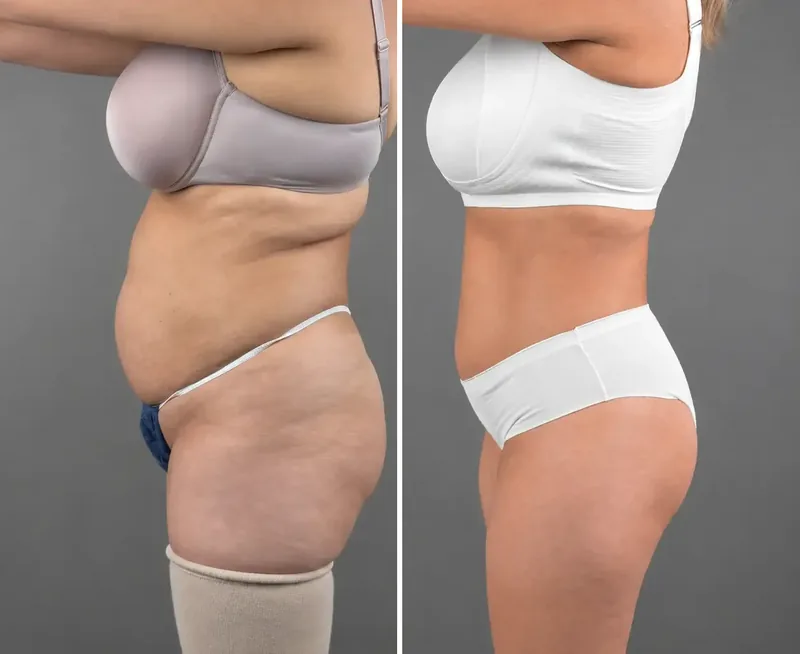
Age 48
6 months
Abdominal liposuction
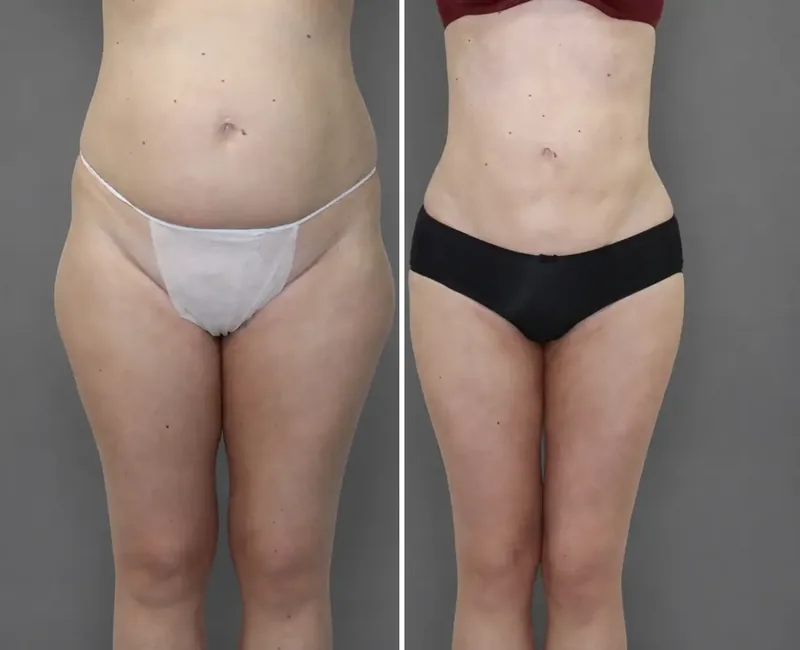
Age 52
8 months
Liposuction
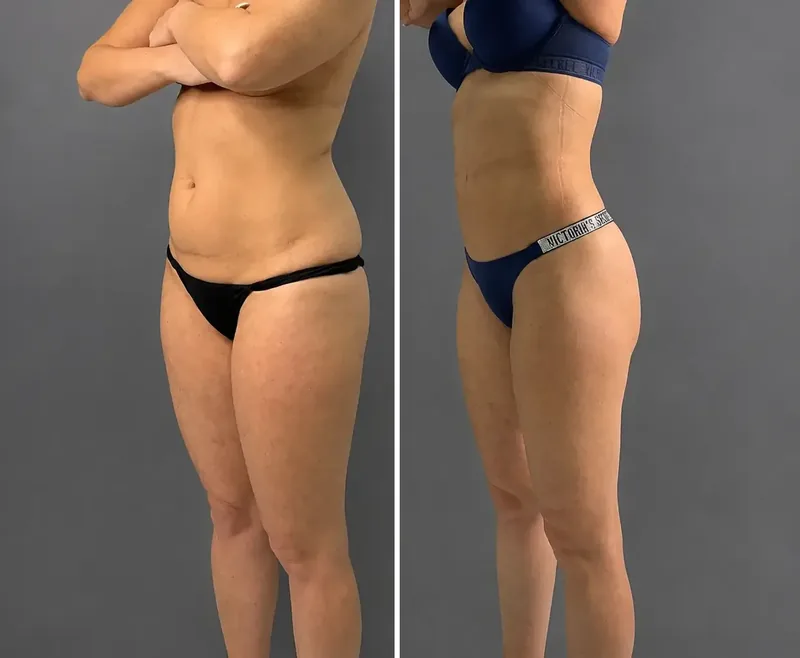
Age 37
7 months
Abdominal liposuction
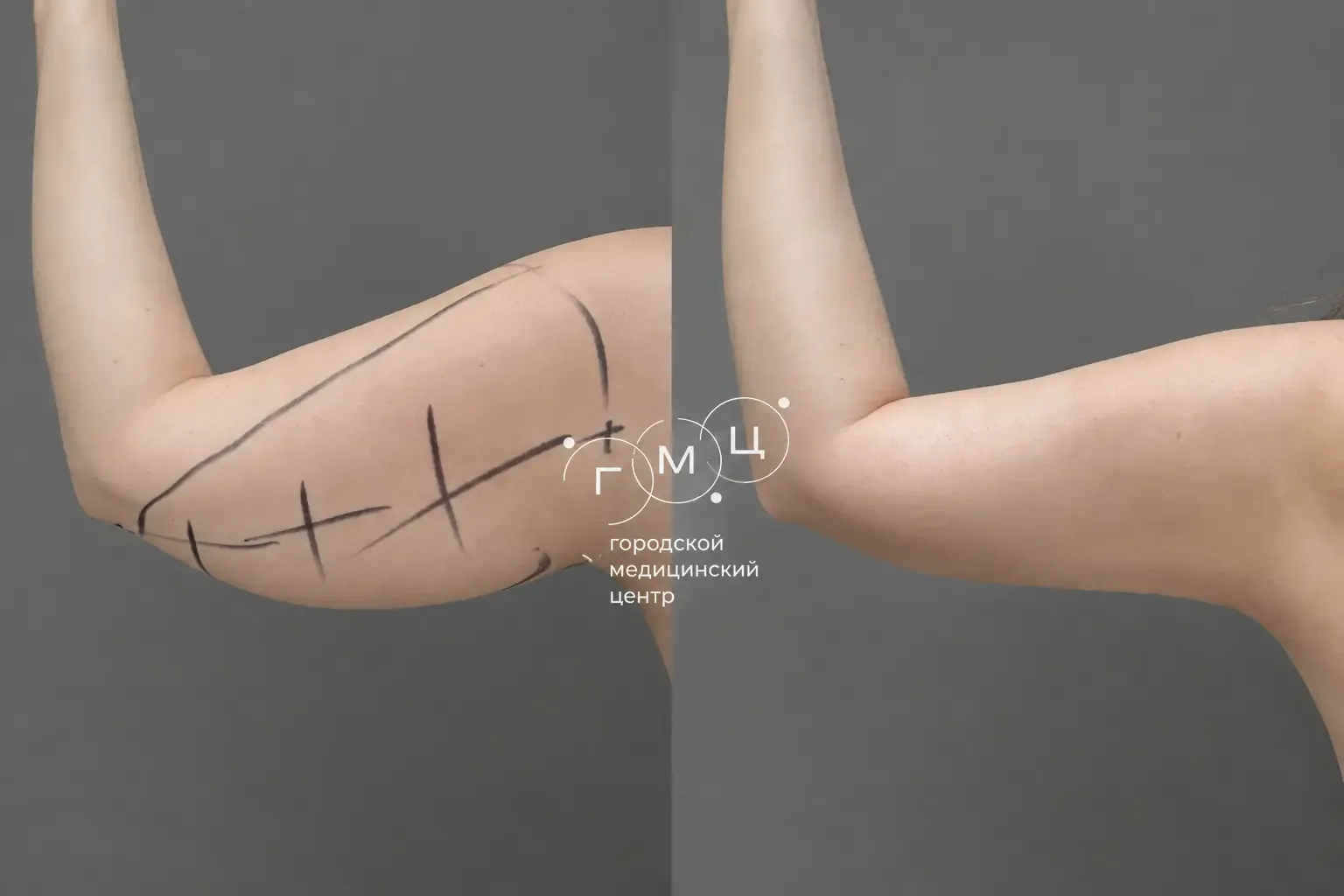
Age 30
9 months
Arm liposuction
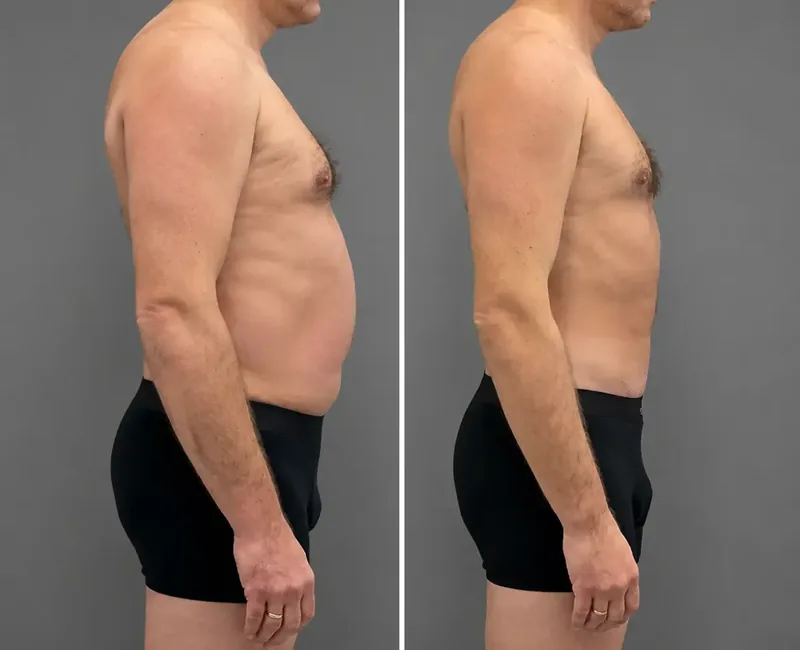
Age 49
10 months
Abdominal liposuction
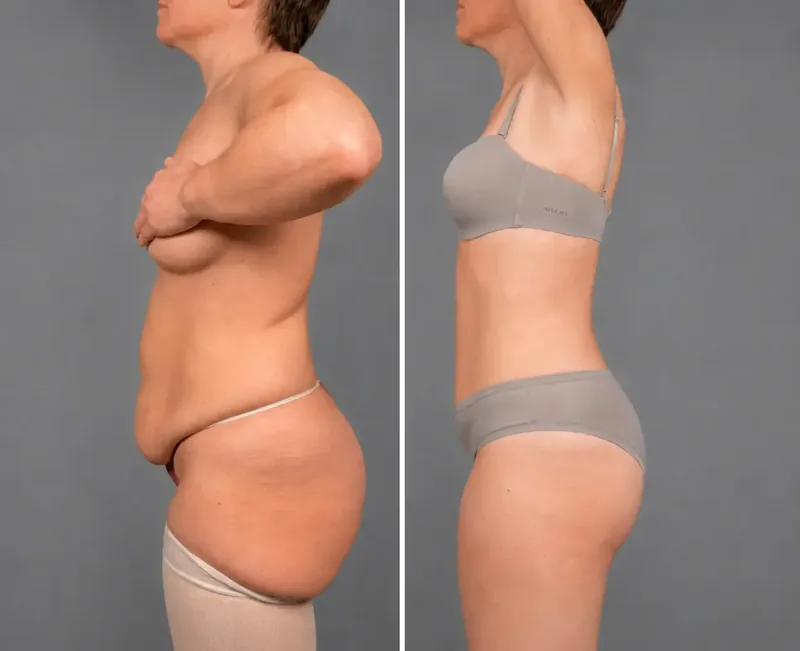
32 years
6 months
Liposuction
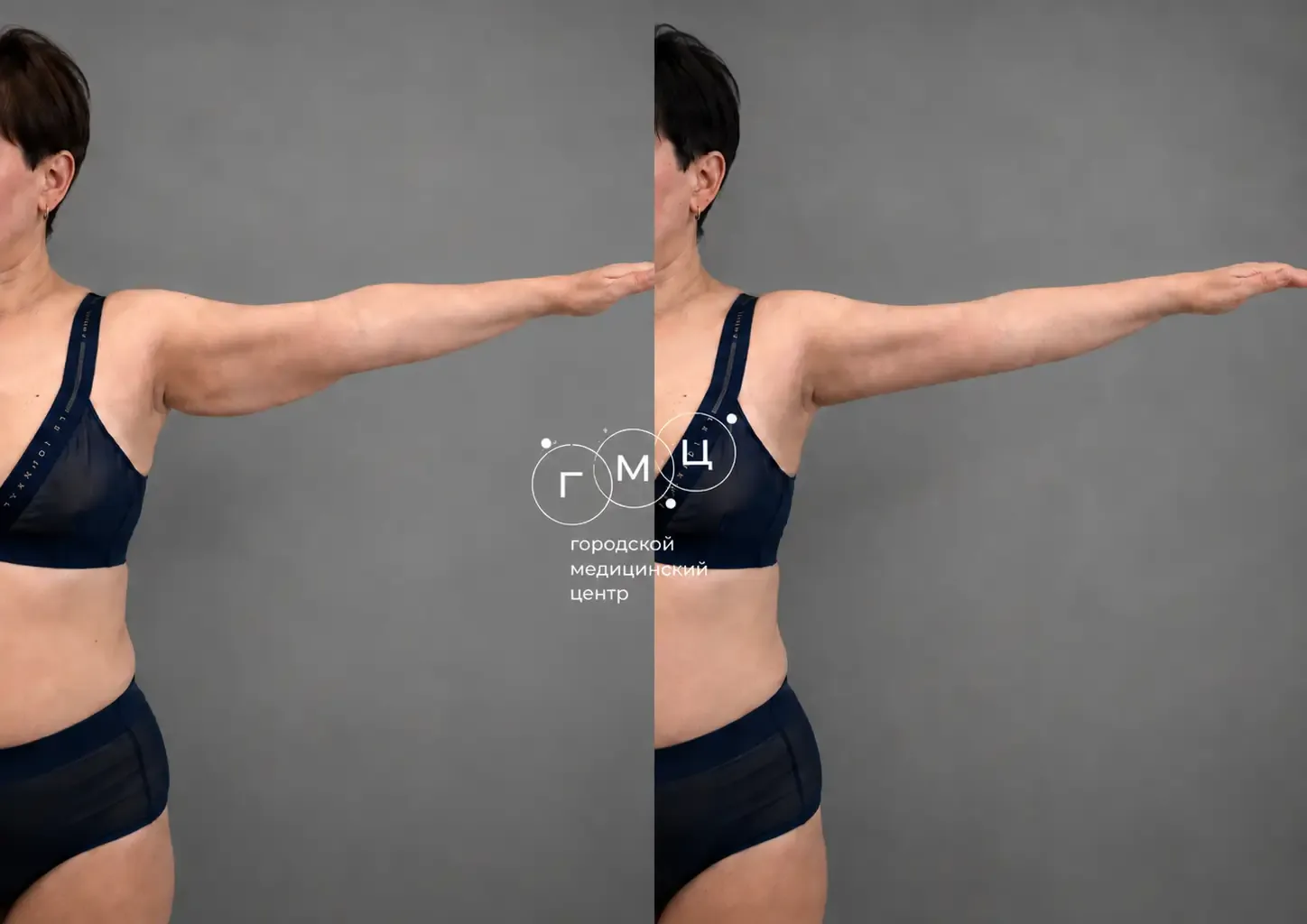
Age 51
6 months
Arm liposuction
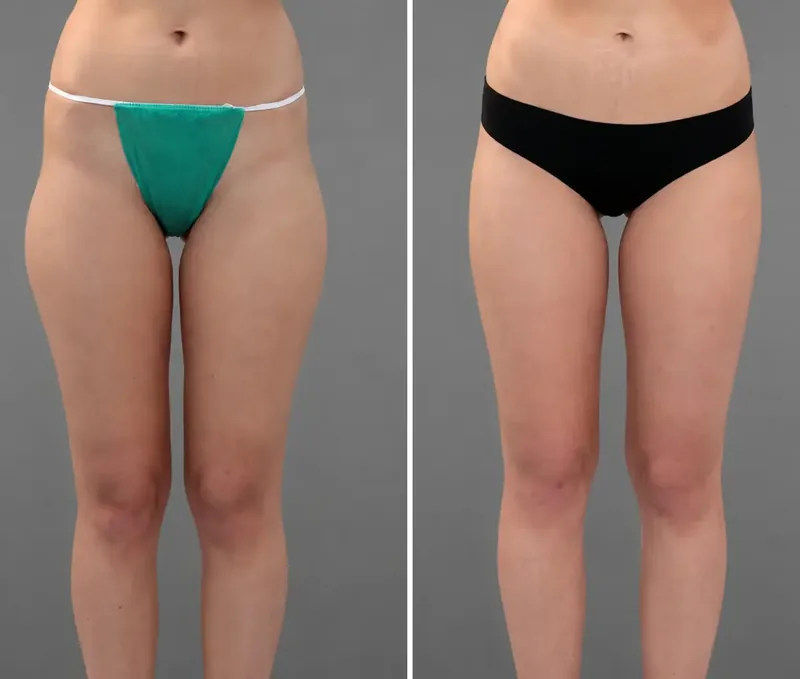
Age 30
8 months
Thigh liposuction
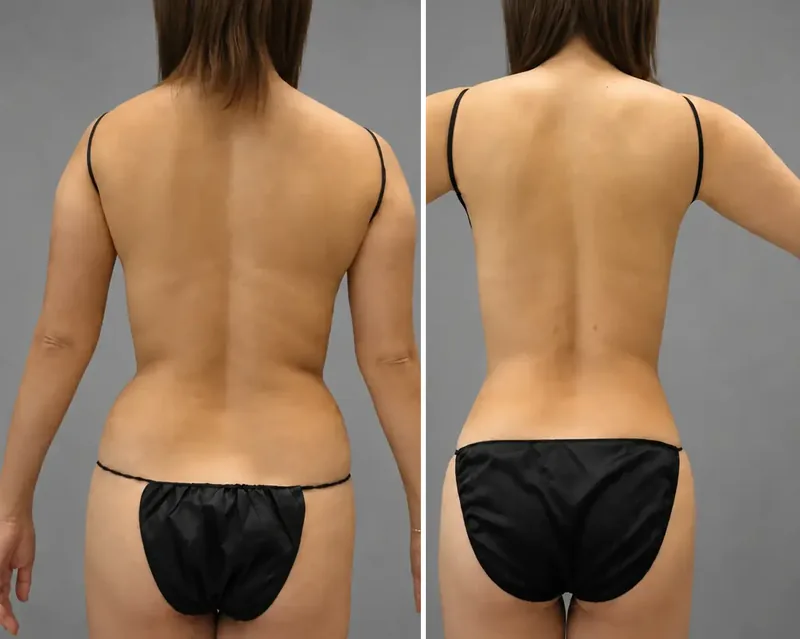
Age 38
7 months
Back liposuction
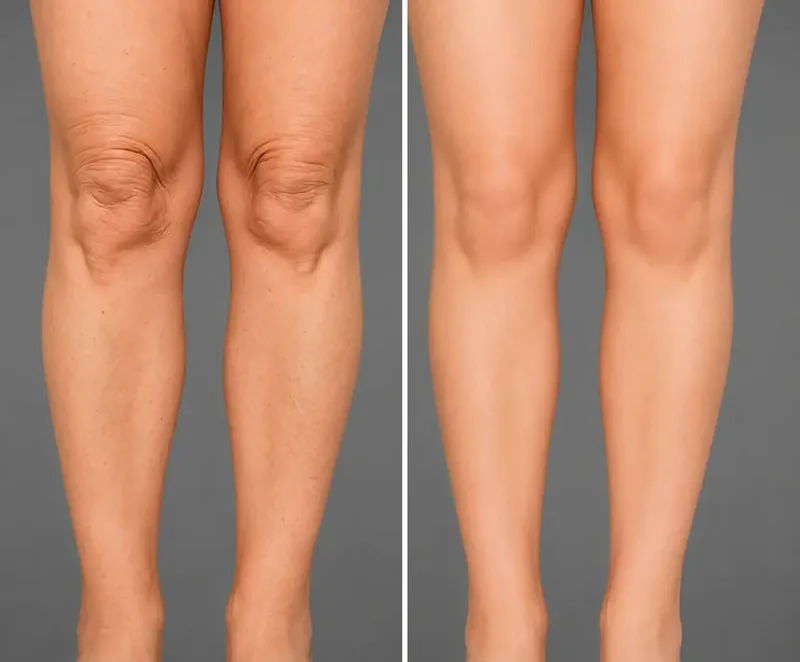
Age 35
6 months
Knee liposuction
Age 48
6 months
Abdominal liposuction
Age 52
8 months
Liposuction
Age 37
7 months
Abdominal liposuction
Age 30
9 months
Arm liposuction
Age 49
10 months
Abdominal liposuction
32 years
6 months
Liposuction
Age 51
6 months
Arm liposuction
Age 30
8 months
Thigh liposuction
Age 38
7 months
Back liposuction
Age 35
6 months
Knee liposuction







Fat deposits that don't respond to diet and exercise
Uneven distribution of subcutaneous fat
Altered body proportions and contours
Getting your silhouette back after childbirth or sudden weight loss
Gynecomastia in men (the fat component)

Being under 18
Endocrine obesity
Severe chronic illness or mental illness
Decompensated diabetes
Conditions affecting blood clotting
Cancer
Pregnancy and the breastfeeding period
Serious heart, kidney or liver disease
Temporary contraindications: acute infections, inflamed skin in the treatment area, menstruation, use of anticoagulant drugs
About liposuction for patients from Ismailia
Two techniques are used. In tumescent liposuction a saline-based solution with lidocaine and adrenaline is injected first; it loosens fat and constricts vessels, so blood loss is minimal and there is almost no bruising. In VASER liposuction ultrasound breaks down fat cells before vacuum removal, which suits athletic abs and delicate zones. The surgeon picks the method for each patient in Ismailia.
Is it painful? No: the procedure is done under anaesthesia, local or general depending on scope. Afterwards mild discomfort is possible and is relieved with painkillers prescribed by the doctor. Most patients return to their usual routine in 7–10 days, while swelling and bruising resolve by weeks 4–5. That is the typical course for people in Ismailia after liposuction.
If you are comparing liposuction prices in Ismailia, check what the figure depends on: the number of zones, their size and the chosen technique. Here the starting price is $1,200 (≈ EGP 63,000), the final sum is set after an examination and nothing hidden is added. Hormonal screening before surgery and surgeon support through recovery are part of the approach. Book a free consultation to get your plan.
Stories of well-known people
Well-known people who spoke openly about this operation, in their own words.
 Amy Schumer's liposuction: “thanks for helping me get my strength back”Amy Schumer revealed her liposuction on Instagram in 2022 and explained why. Her words, how liposuction works today and what recovery looks like.
 Brooks Nader and her liposuction regret: what she actually saidModel Brooks Nader told People she regrets a past liposuction, saying it left dimples and ripples. What she said, how liposuction works, and recovery.
 Stacey Silva's liposuction: what was reported, and what wasn'tStacey Silva and her twin Darcey had liposuction on a 2021 trip to Turkey, reported by Showbiz Cheat Sheet. What was said, how the procedure works and recovery.
 Did Josie Gibson have liposuction? Yes, and she explained whyJosie Gibson had liposuction and skin removal on her arms in 2026 because of lipoedema. Her own words, how liposuction works and what recovery involves.
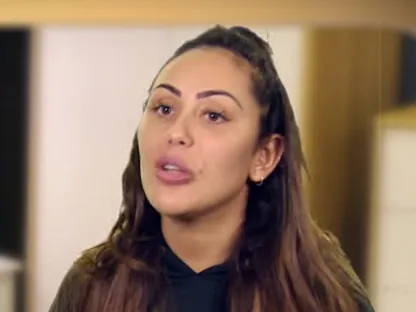 Sophie Kasaei: “Horrible insecurities drilled into me”Sophie Kasaei flew to Turkey in 2016 for a free BBL that nearly killed her. Her own words about the insecurities behind it, and what safe liposuction involves.
 Did Emmy Russ have liposuction? Yes, and she explained why herselfGerman reality TV personality Emmy Russ confirmed liposuction and skin tightening in October 2026 and explained why. Her words, the procedure and recovery.
Liposuction Questions From Patients in Ismailia
Ismailia counts 429,465 residents by administrative population data, and among them are plenty of people who have genuinely worked on diet and exercise yet still carry a stubborn pocket of fat on the flanks, abdomen or thighs that simply won't move. That specific, localized problem — not general weight — is exactly what liposuction is built to treat.
Patients writing in from Ismailia usually describe which areas bother them and attach daylight photos, sent to coordinators on Telegram or Telegram who reply at any hour. From there a surgeon can give an honest read on whether liposuction fits the case or a different procedure would serve the goal better.
Setting Expectations Correctly
Liposuction is not a weight-loss method; it targets fat deposits that diet and exercise have already failed to shift, reshaping specific areas rather than reducing overall body weight.
Depending on scope, it takes about an hour to four hours, under local or general anaesthesia. With general, patients spend a day in hospital; with local, they go home a few hours after.
Recovery Through Ismailia's Heat, Dust and Khamsin Winds
Compression garments are worn for 30–45 days, during which saunas, steam baths, swimming pools and intense sport are avoided while the treated areas settle. Visible changes appear within three to four weeks, and the final result, once the skin has fully tightened, is assessed around three months after surgery.
Ismailia sits on the Suez Canal where it opens into Lake Timsah, and its spring khamsin winds carry fine desert dust while pushing afternoon heat toward 40°C; summer highs average near 36°C against roughly 19°C in winter. Wearing a compression garment through that hottest, dustiest stretch is simply less comfortable than wearing it through the milder winter months.
Whatever the season, staying hydrated, resting in shaded or air-conditioned spaces during the hottest hours, and following the surgeon's specific instructions on when activity can resume are the habits that matter most for comfort during these weeks.
Insurance and Checking Who Performs the Procedure
Egypt's Health Insurance Organization funds essential care for about 60% of the population through payroll contributions, but it is not designed to cover an elective cosmetic procedure like liposuction, so patients in Ismailia cover it privately, the same way cosmetic surgery is handled anywhere it is a personal choice rather than a medical necessity.
Whoever performs the surgery should be checkable. Every physician licensed to practise in Egypt is registered with the Egyptian Medical Syndicate, and asking for a surgeon's registration number and specialty, then confirming it through that body, is a reasonable step before agreeing to anything.
Choosing the Right Areas and the Right Moment
People in Ismailia tend to ask about the same handful of areas: the flanks and lower back, the abdomen, the inner and outer thighs, and the upper arms — spots where fat sits stubbornly regardless of activity level and diet. A good consultation spends real time on which of those areas are actually suitable candidates rather than simply agreeing to treat whatever a patient points at first.
Timing matters almost as much as area selection. Beyond the comfort of avoiding the hottest, dustiest months in a compression garment, it helps to pick a stretch of several weeks where work and family obligations are lighter than usual, since early recovery goes more smoothly without pressure to resume full activity before the surgeon advises it.
Ismailia's Canal-City Geography and Who Asks About Liposuction
Ismailia stands apart among Egypt's canal cities for how deliberately it was built: Khedive Ismail founded it in 1863 specifically to serve construction of the Suez Canal, and it grew up around the exact point where the waterway widens into Lake Timsah. Today the surrounding governorate counts 1,479,511 residents by a 2023 estimate, making it one of the larger administrative areas along the whole route of the canal.
That history as a planned, canal-centred city means a large share of residents work in roles tied to the Suez Canal Authority, whose headquarters still sits in Ismailia, or in trade and logistics around the port cities on either side — long hours at a desk or standing at a counter, exactly the kind of routine that leaves a stubborn, localized fat deposit that resists diet and exercise regardless of effort.
Patients from this specific canal-city background tend to ask one practical question before anything else: whether the compression-garment weeks can be scheduled around work shifts rather than disrupting them, which is exactly the kind of detail a Telegram or Telegram conversation with a coordinator can map out before any appointment is set.
A University and Canal-Authority City's Younger Patients
Since 1974, Ismailia has also been home to Suez Canal University, which means a fair number of patients writing in about liposuction are students or recent graduates alongside the career canal-authority and logistics employees already mentioned — two quite different age groups, but both routinely dealing with the same kind of stubborn, localized fat that diet and exercise alone do not reach.
Whichever group a patient from Ismailia falls into, the surgeon's assessment of which areas are actually suitable candidates for liposuction works the same way — from photos and a short conversation, not from assumptions based on age or occupation.
The Emotional Side of Liposuction Recovery: Reading Your Own Progress Without Panic
Well-prepared patients from Ismailia still go through strange evenings after liposuction: standing in front of the mirror after dinner hunting for a difference that is not there yet, stepping on the scale and feeling deflated by a number that has barely moved. The reason is simple and easy to forget in a worried moment. The procedure reshapes specific areas rather than lowering body weight, swelling temporarily masks part of the new contour while the tissue heals, and the compression garment worn through the early weeks decides what the mirror is allowed to show.
What counts as normal is measured against the written schedule, not against a passing feeling. Visible changes start within three to four weeks, the final shape is assessed around three months once the skin has tightened, and the scheduled reviews at seven days and three and six months compare swelling and skin tone against exactly that timeline. Mood follows its own curve in the first week, which is routine for anyone fresh out of an operating room, especially anyone used to constant activity now moving at half speed; the dip lifts the first time you set today's photo beside an older one.
What surprises most patients is how easily the people closest to them unsettle that fragile calm: a relative remarking at a family gathering that nothing looks different yet, or a sibling joking about the scale, lands hardest when patience is thinnest. Ask your household to hold their observations for a while, and claim a quiet evening walk along the Lake Timsah corniche once the surgeon clears movement; mild air off the water settles the head better than anything else at this stage. And any worry the written schedule cannot explain should become a message to the Telegram or Telegram coordinator right away.
What preparation is required before liposuction?
Blood-thinning medication stops two weeks ahead, alcohol and smoking stop a week ahead, and the last meal is eight hours before surgery; blood tests, an ECG, an ultrasound and consultations with a GP and anaesthesiologist are also required.
Is a hormonal screening really necessary?
It helps the surgeon predict how the result will hold over the long term, which is why it is included in the pre-surgery work-up.
Is liposuction a way to lose weight?
No. It targets specific pockets of fat that have not responded to diet and exercise and reshapes those areas; it is not designed to reduce overall body weight and works best for people already close to a stable weight.
How long are compression garments worn after liposuction?
Typically 30–45 days, during which saunas, steam baths, swimming pools and intense sport are avoided while the treated areas settle.
Does Ismailia's summer heat and dust make wearing a compression garment harder?
It makes it less comfortable, since summer afternoons often approach 36°C and spring khamsin winds carry dust. Many patients prefer scheduling the procedure for the milder winter months, when average highs sit closer to 19°C.
When will results show, and when is the final shape assessed?
Visible changes usually appear within three to four weeks, and the final result, once the skin has fully tightened, is typically assessed around three months after surgery.
Is the procedure done under general anaesthesia?
It can be local or general depending on scope. With general anaesthesia, patients usually spend one day in hospital under observation; with local anaesthesia, they go home three to four hours after surgery.
Will Egypt's public health insurance cover the cost?
No. Liposuction is an elective cosmetic procedure, and the Health Insurance Organization, which covers essential care for about 60% of the population, does not fund it. It is arranged and paid for privately.
How can a patient from Ismailia verify a surgeon's licence?
Every physician practising in Egypt is registered with the Egyptian Medical Syndicate. Asking for registration details and specialty, then checking them through that body, is a sensible step before committing.
Can the whole evaluation be done without an in-person visit first?
Yes. Photos, a description of the areas of concern, and initial questions are handled through Telegram or Telegram coordinators available around the clock.
Can liposuction be combined with a tummy tuck in one visit?
Sometimes, when the surgeon judges at consultation that both procedures are needed and the combined scope is safe for the patient's health, though many cases are better served by treating liposuction areas first and assessing the abdomen separately afterward.
Does liposuction treat cellulite?
No. Liposuction removes fat, not the skin structure responsible for cellulite's dimpled appearance, so it is not the right procedure for that concern on its own.
What happens during the scheduled check-ins at 7 days, 3 and 6 months?
The surgeon reviews how swelling and skin tone are progressing against the expected timeline and answers any questions about returning to normal activity, so a patient from Ismailia is never left guessing whether healing is on track.
Can liposuction be repeated on the same area later if fat returns?
Treated fat cells themselves do not return, but weight gain can still add new fat elsewhere or, rarely, in nearby untreated tissue, which a second consultation would look at on its own terms rather than assuming the first result failed.
How do I tell normal recovery from something worth asking about?
Compare your days against the written timeline rather than your mood hour by hour. What stays inside the expected range is normal; what runs against it, or simply worries you, deserves a message to the coordinator at any hour.
Two weeks in and the scale has not moved. Did it fail?
No. The procedure reshapes chosen areas instead of reducing weight; visible changes begin within three to four weeks and the final shape settles around three months as the skin tightens. Compare today's photo with an earlier one taken in similar light, which reads far more honestly than the scale at this stage.
Liposuction in Ismailia: price and what is included
Prices are in US dollars; the amount in brackets is an approximate conversion to EGP at the rate of 02.10.2026. The final price is fixed in your contract.
- Liposuctionfrom $1,200 (≈ EGP 63,000) per area
How much does liposuction in Ismailia cost?
Prices start from $1,200 (≈ EGP 63,000) per area. The surgeon sets the final price at the free consultation, and it is fixed in the contract, with no hidden extras.
What is included in the price?
The operation under local or general anaesthesia and the surgeon's support throughout recovery. The price is per area and fixed in the contract.
How do I get my exact price?
Message us on WhatsApp or Telegram using the buttons below. A coordinator will answer your questions and book a free consultation where the doctor names the exact price.
By messaging us, you agree to our Privacy Policy