


























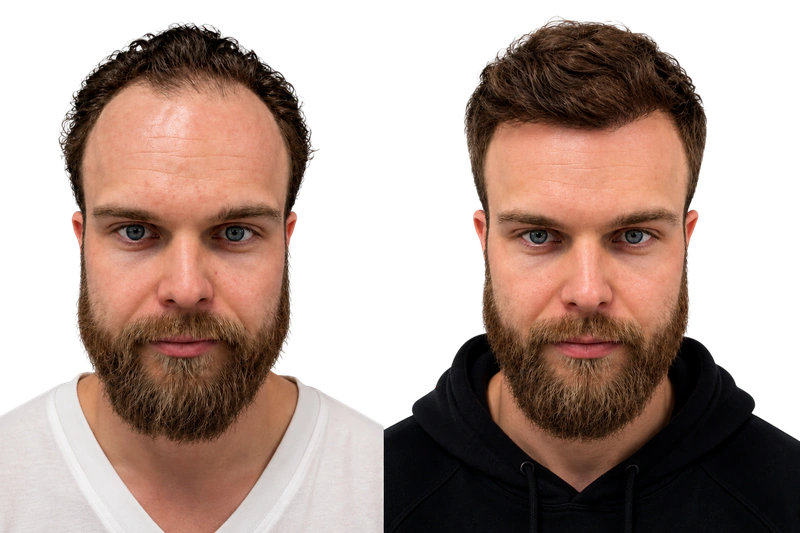

first
by 12 months
2,800 grafts
FUE method
City Medical Centre
0% instalments
from $367/mo
Appraisal with a sum — $0.
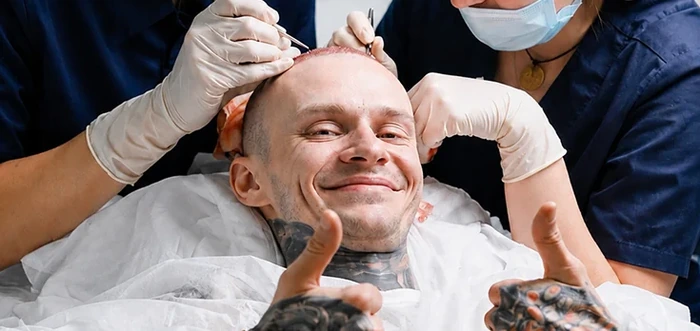
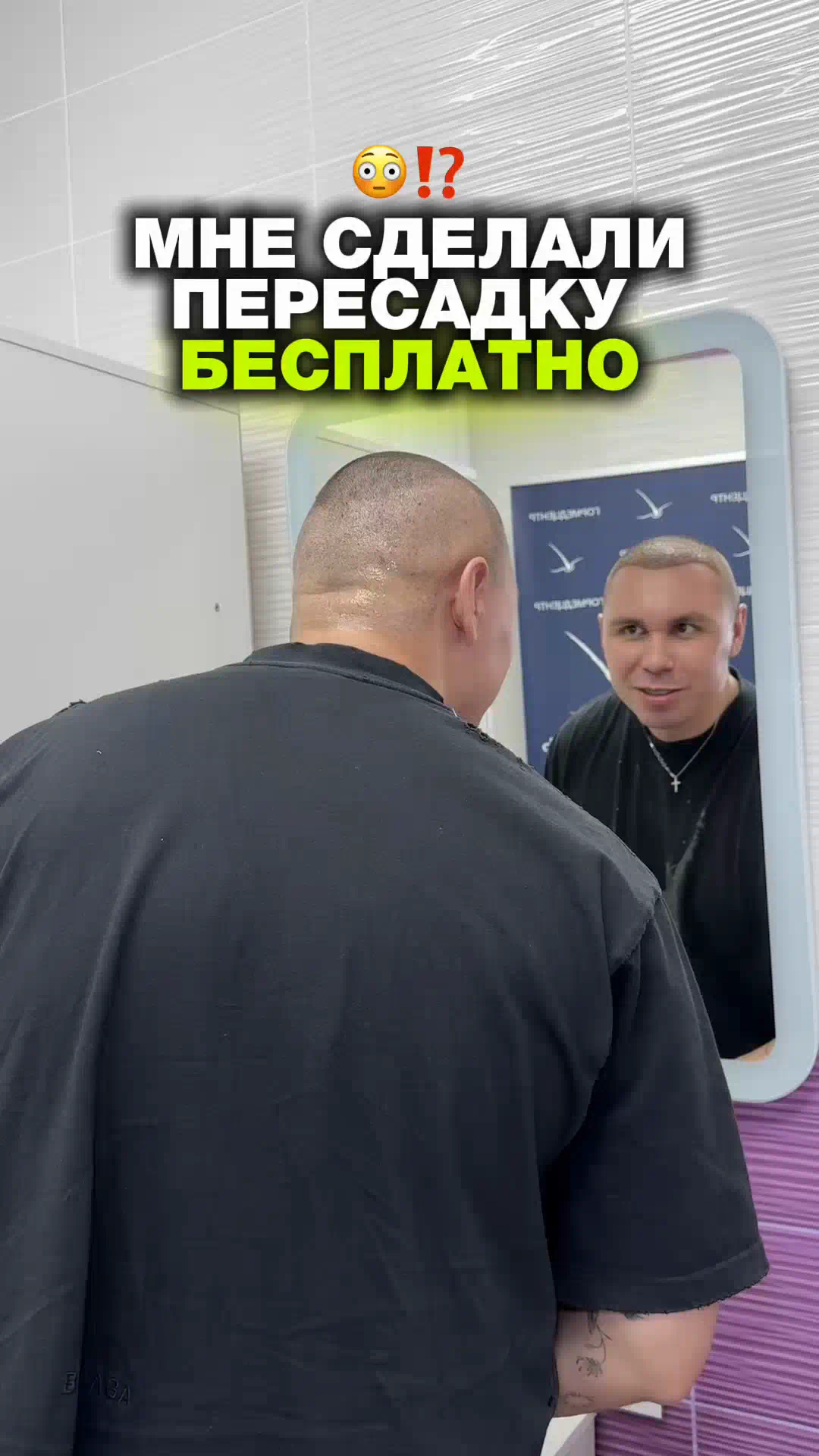
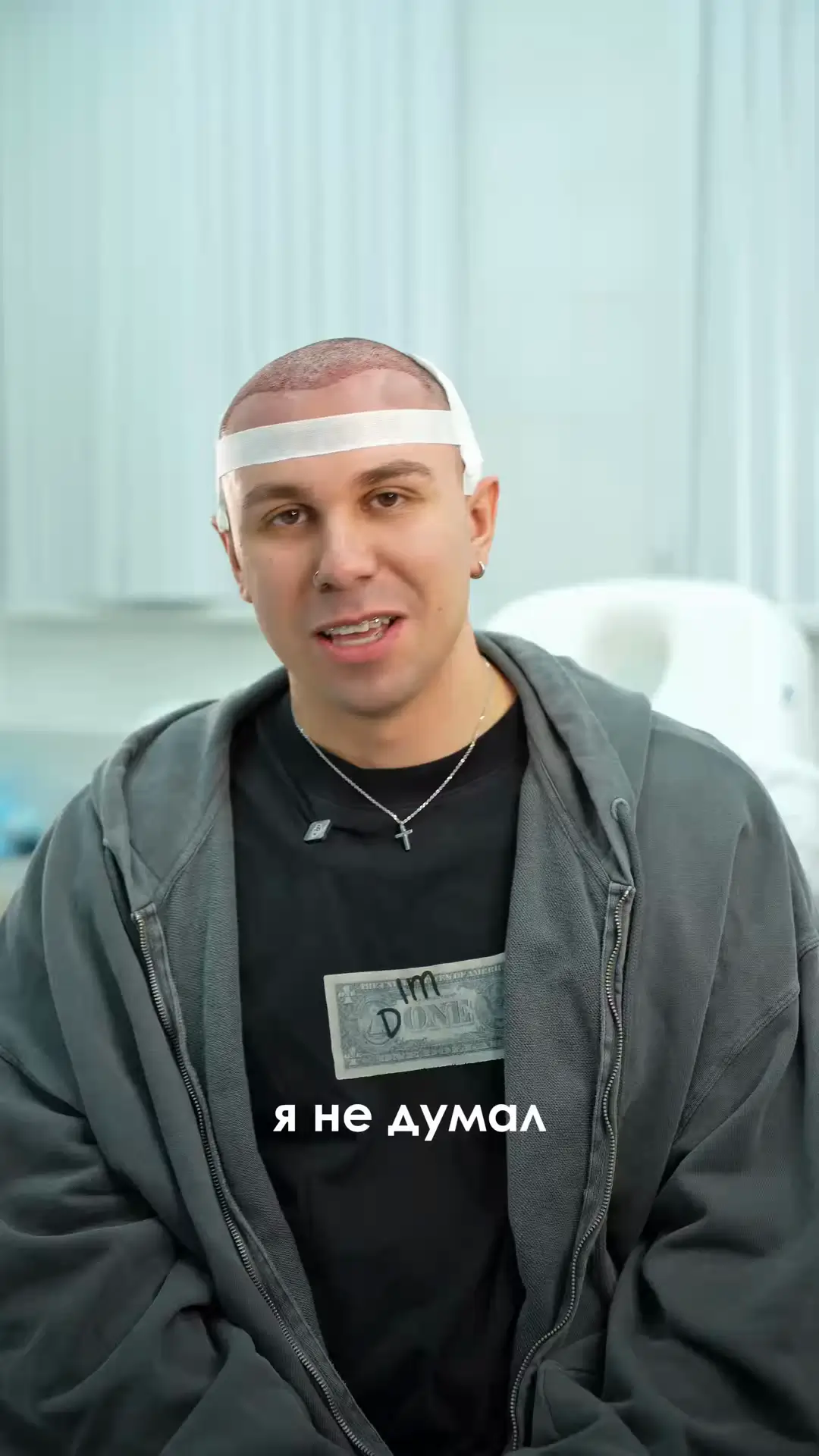
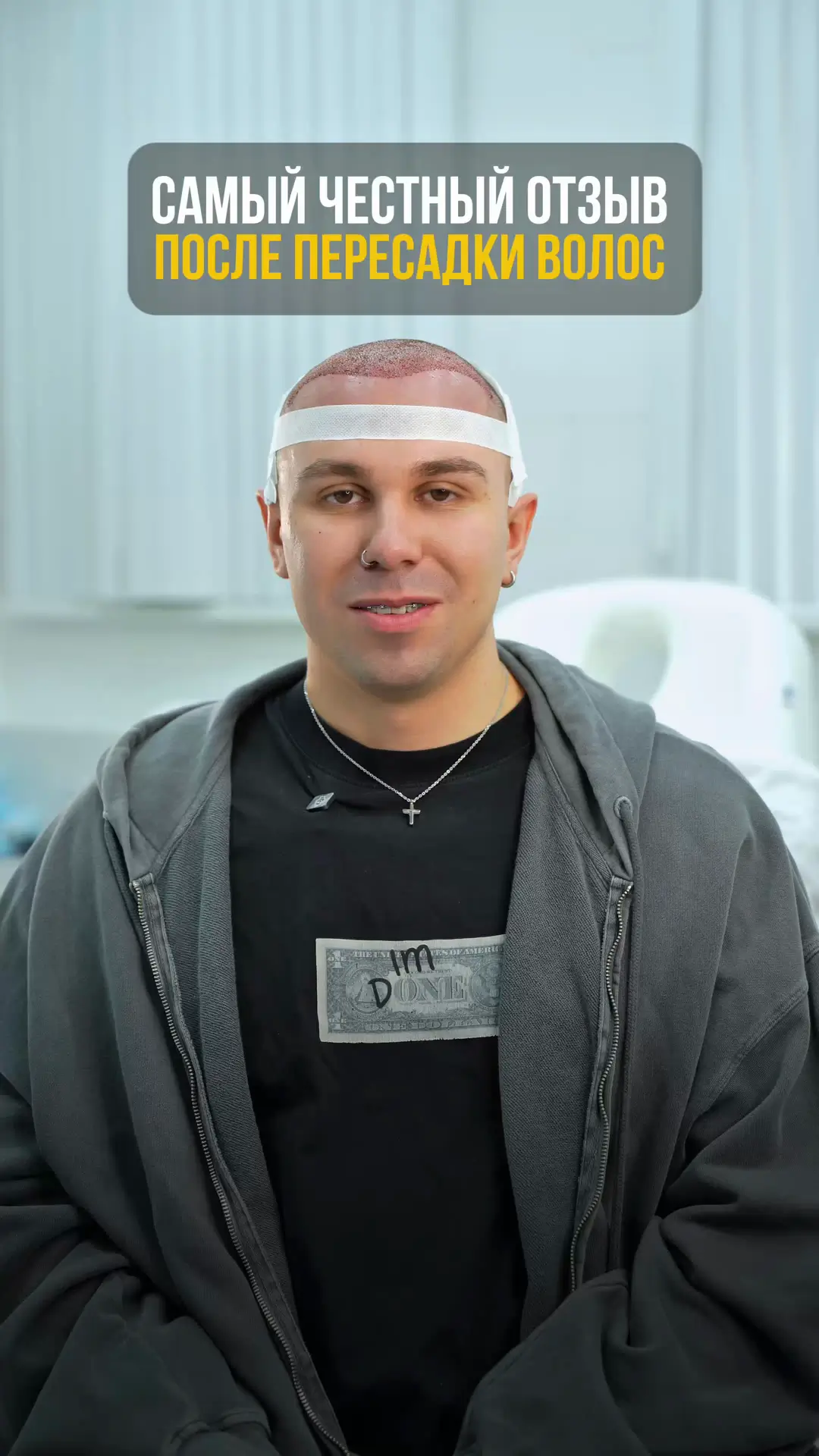
Real patient
first
by 12 months
No scalpel, no sutures — the FUE method. Graft count and forecast counted without any fee — before you decide.
Costs nothing, no surgery booking required
Message our coordinator
Free online consultation · Reply within 15 minutes
Message us on TelegramMessage us on WhatsAppBy messaging us, you agree to our Privacy Policy
results
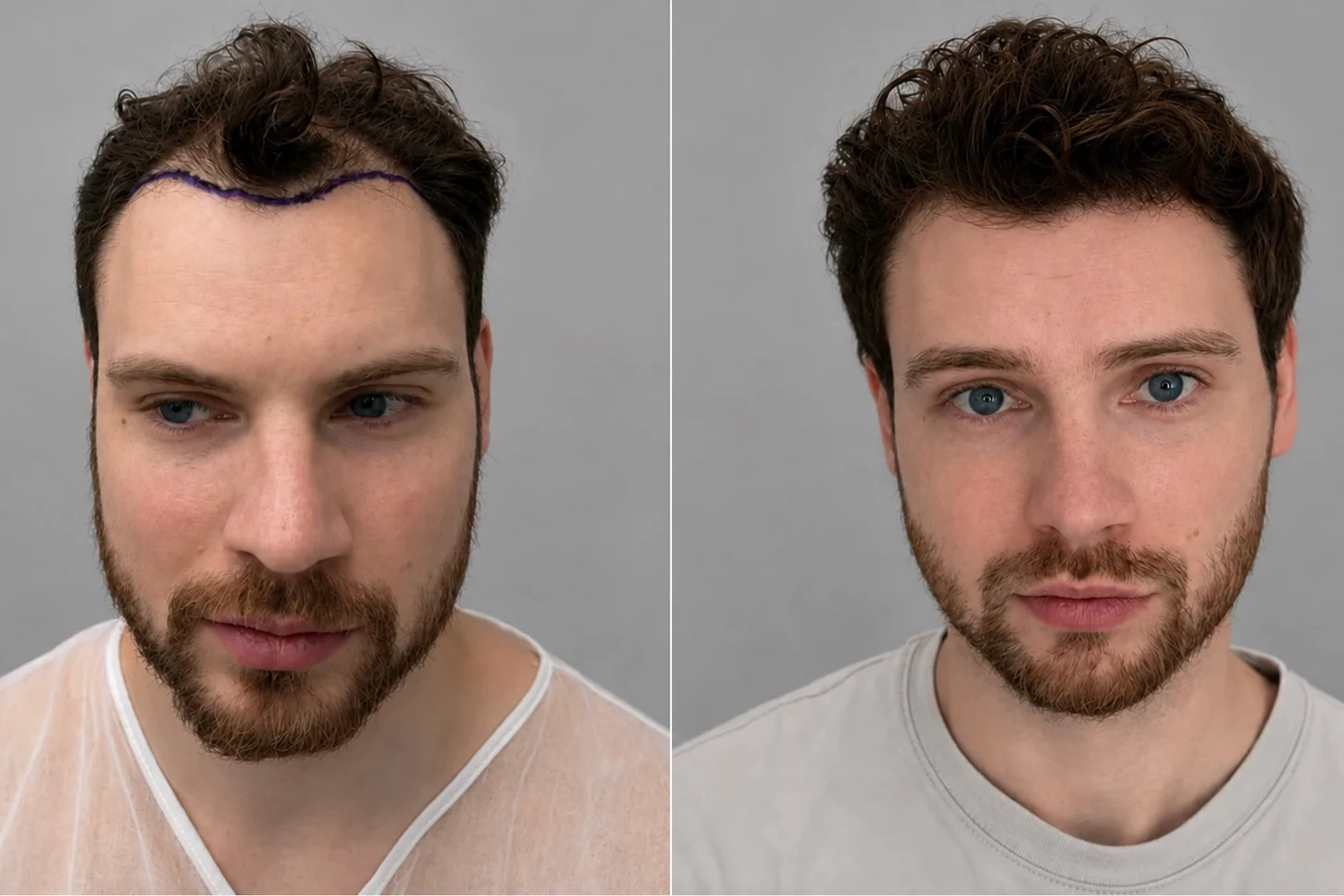
All cases come from real CMC patients.
first
by 12 months
2,800 grafts
FUE method
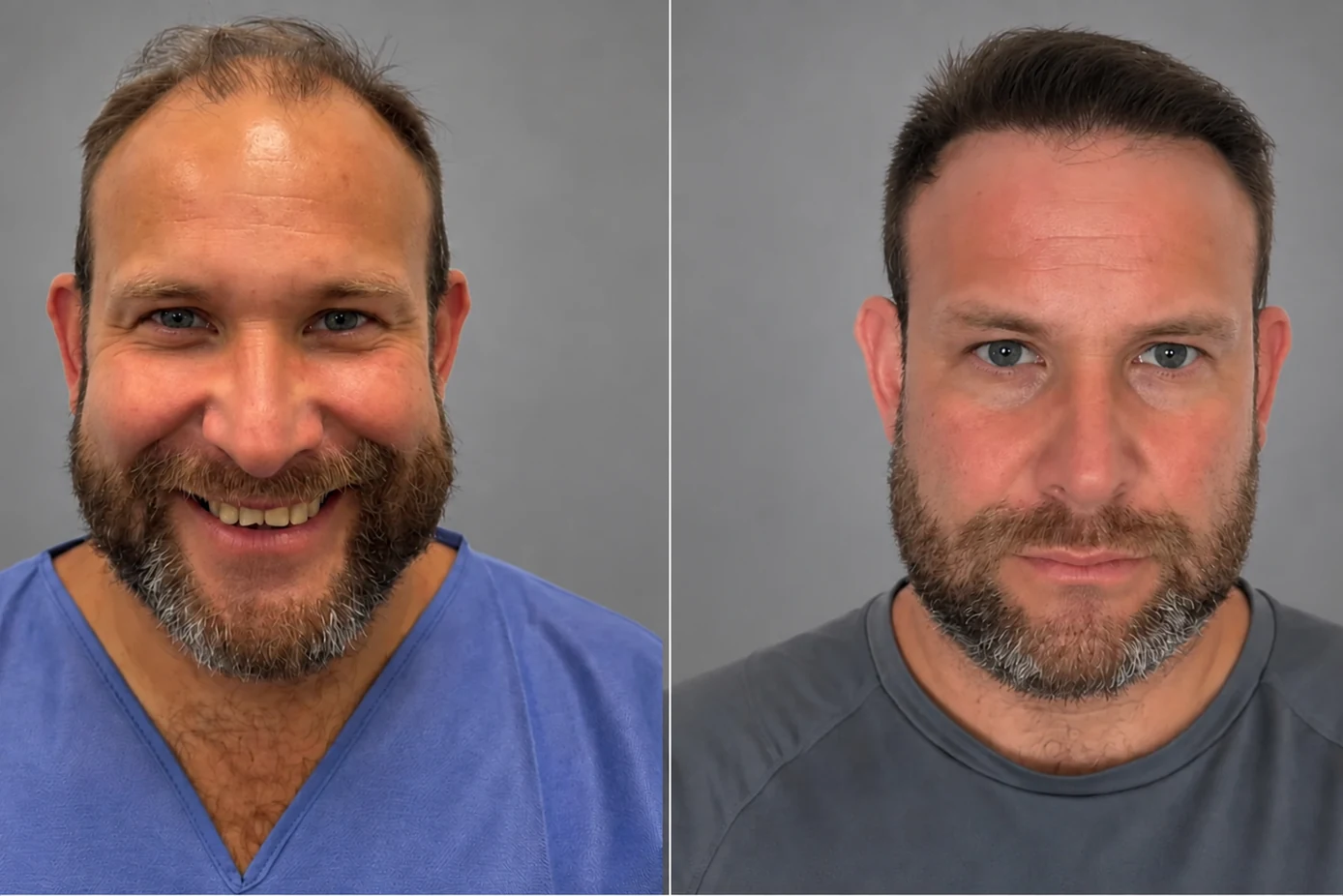
first
by 12 months
3,500 grafts
FUE method
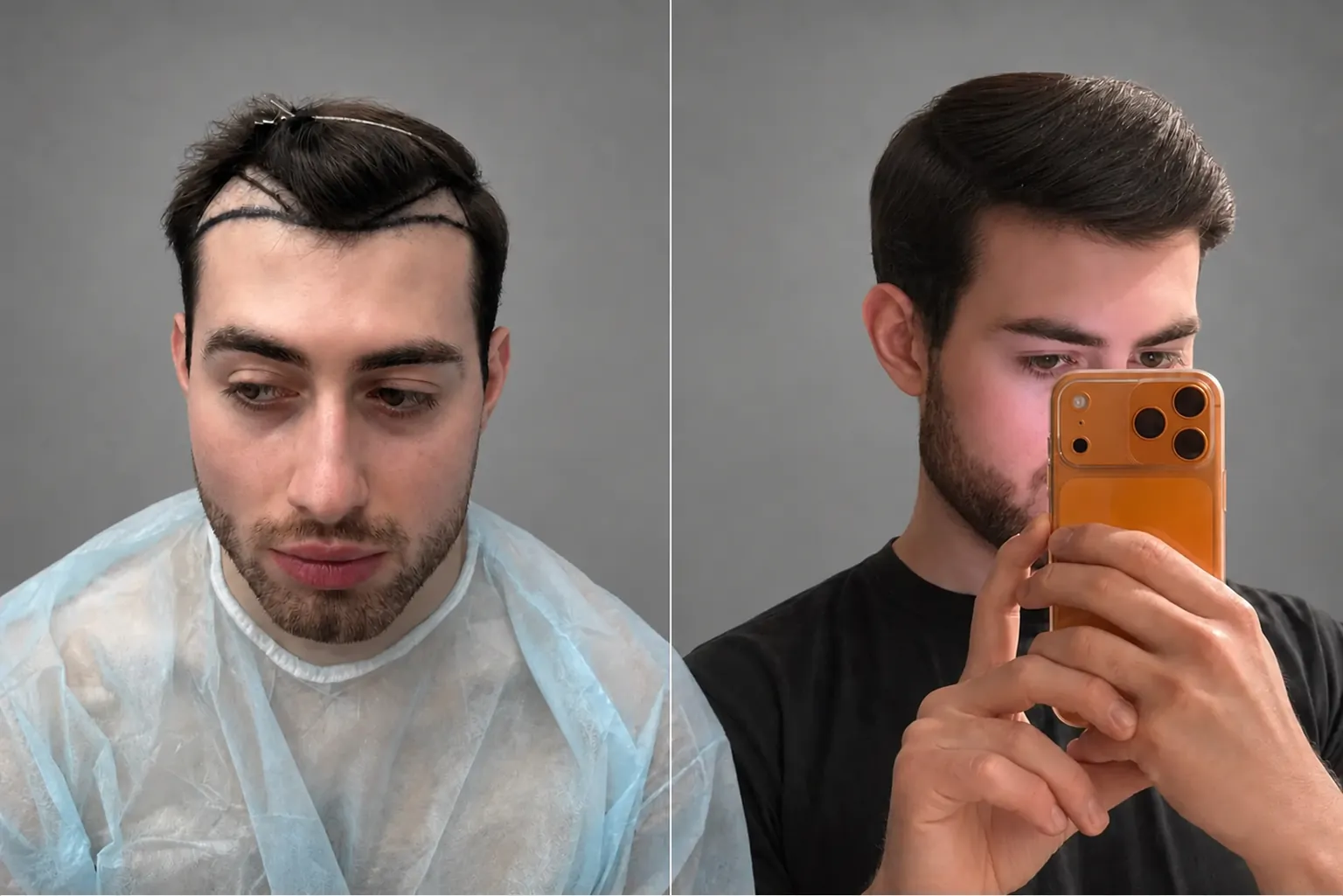
first
by 12 months
2,600 grafts
FUE method
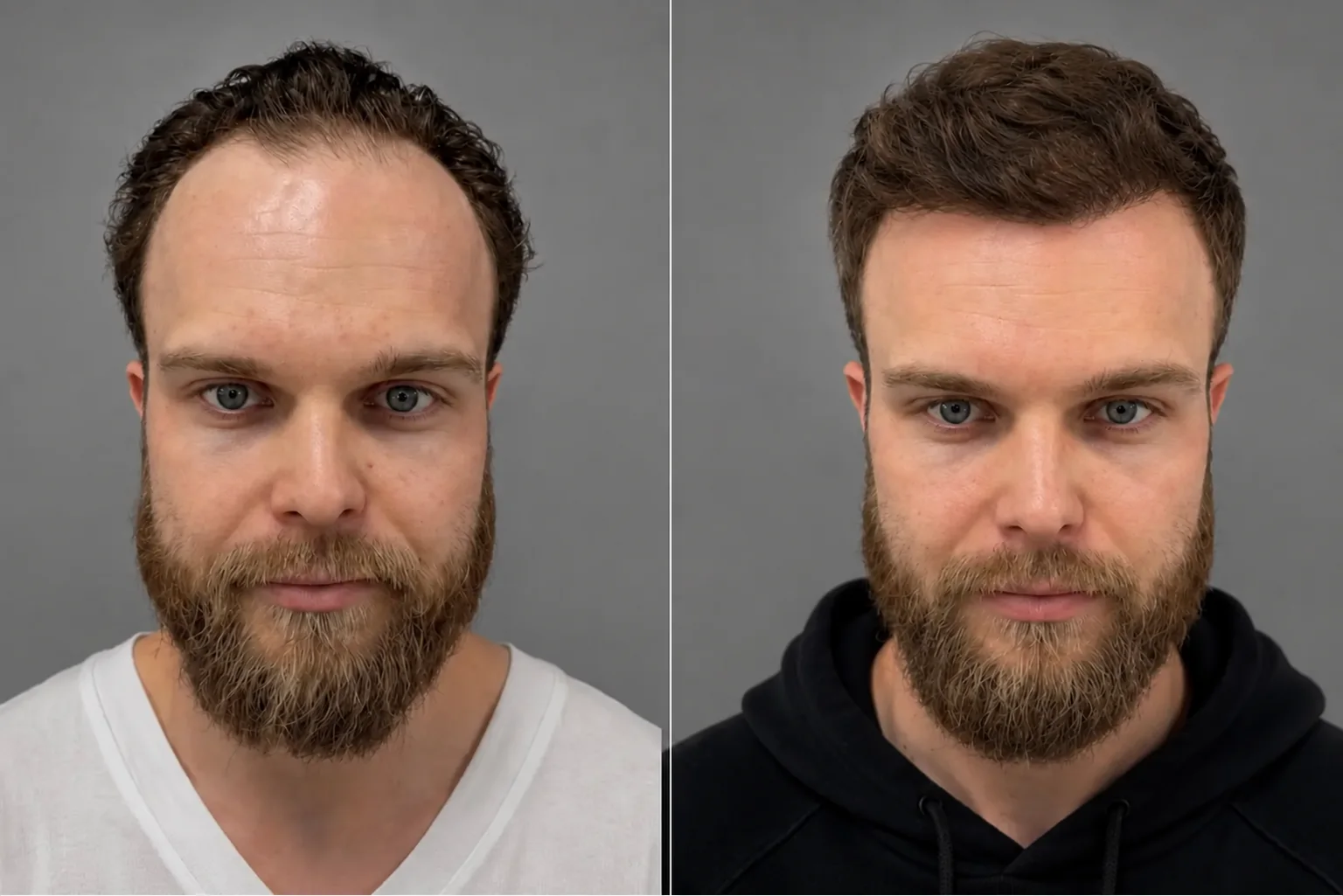
first
by 12 months
3,000 grafts
FUE method
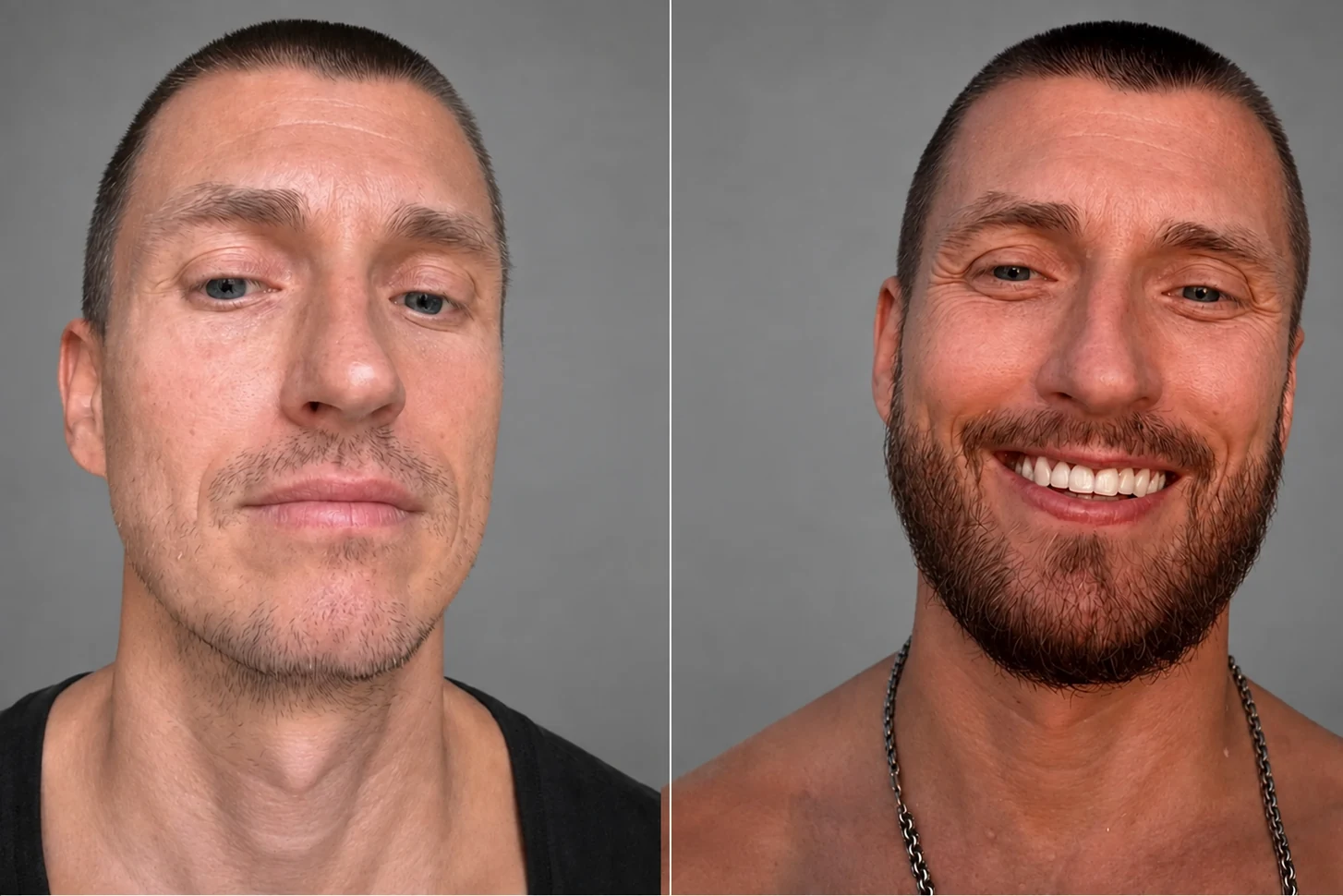
first
by 12 months
2,700 grafts
FUE method
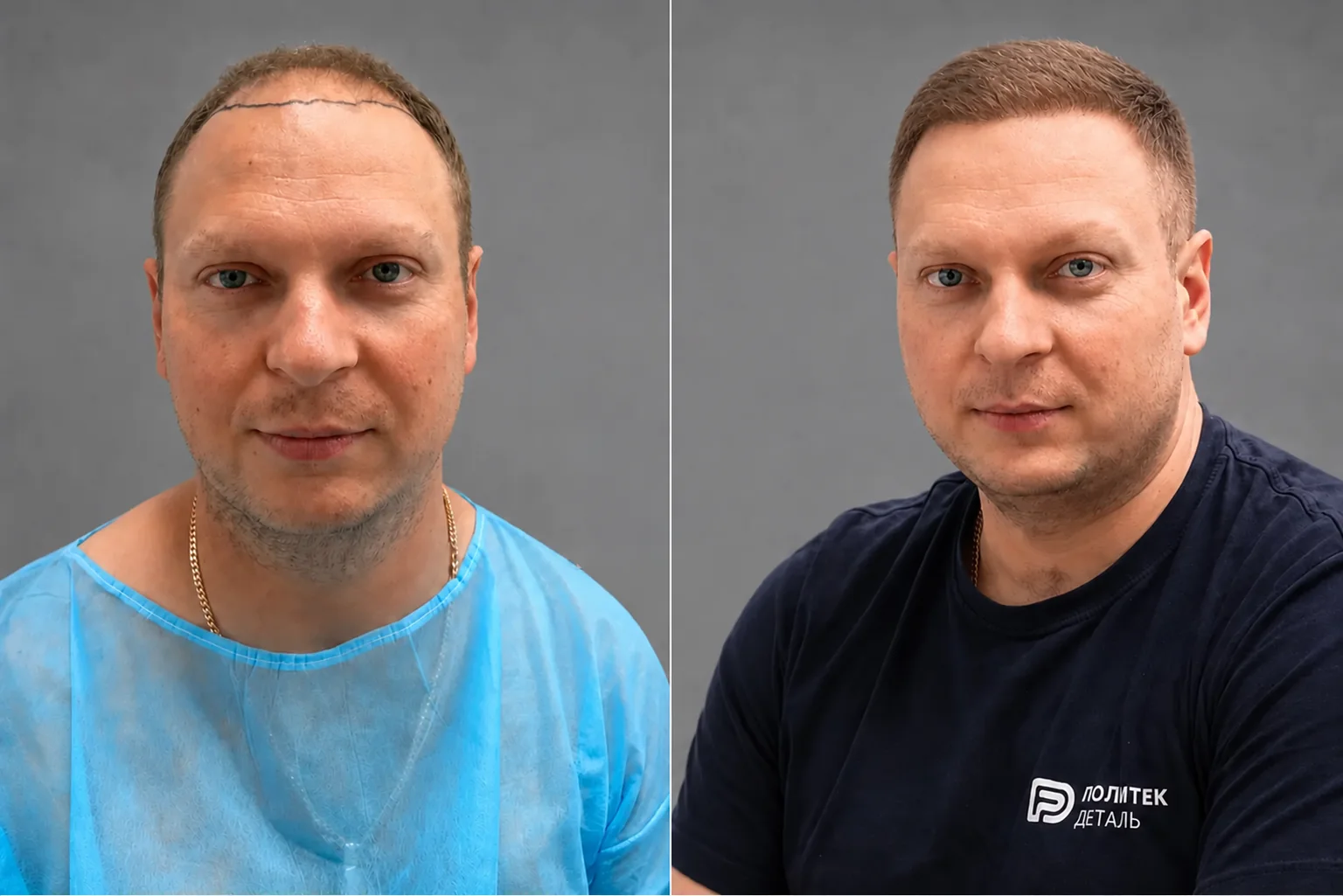
first
by 12 months
3,300 grafts
FUE method
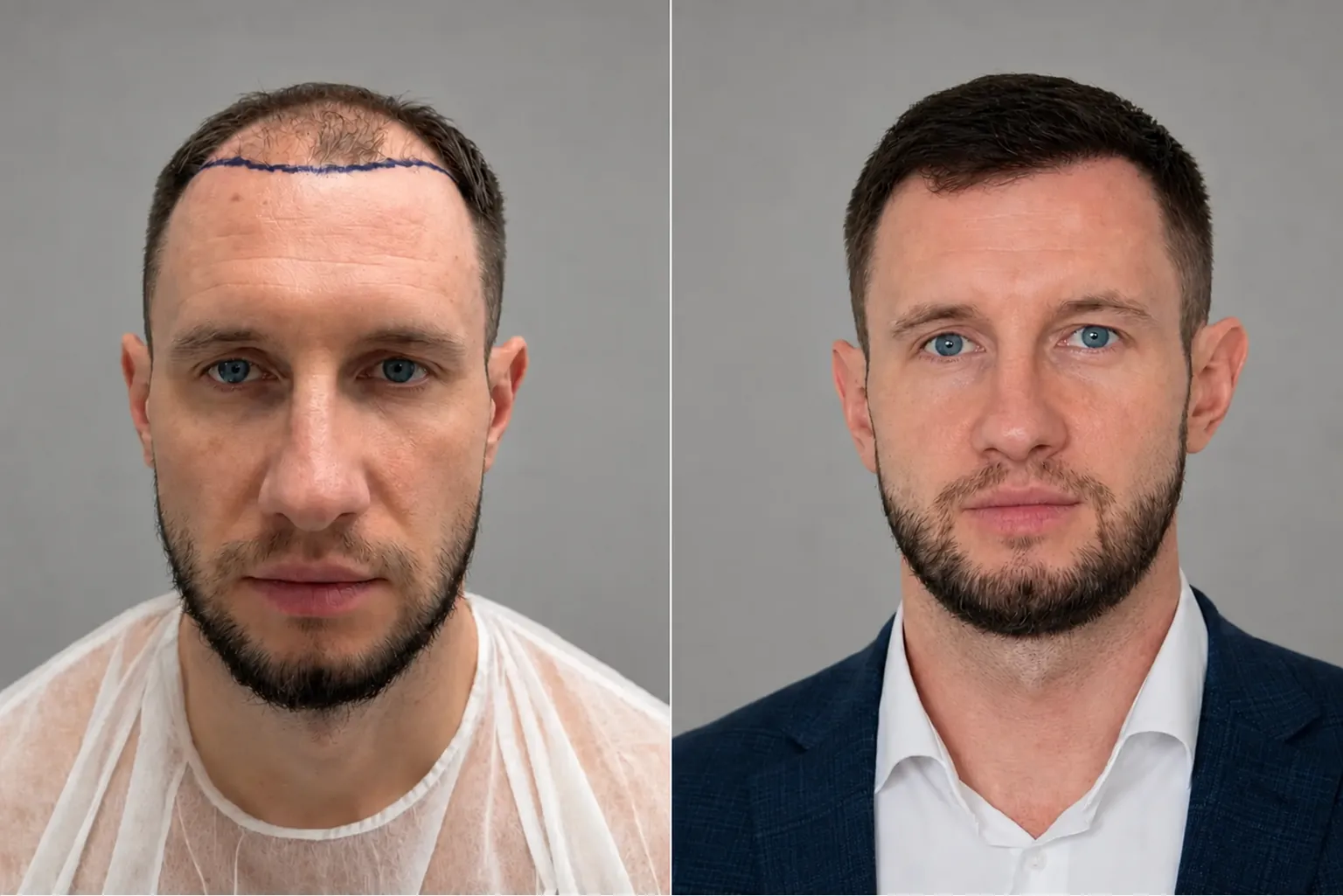
first
by 12 months
2,900 grafts
FUE method
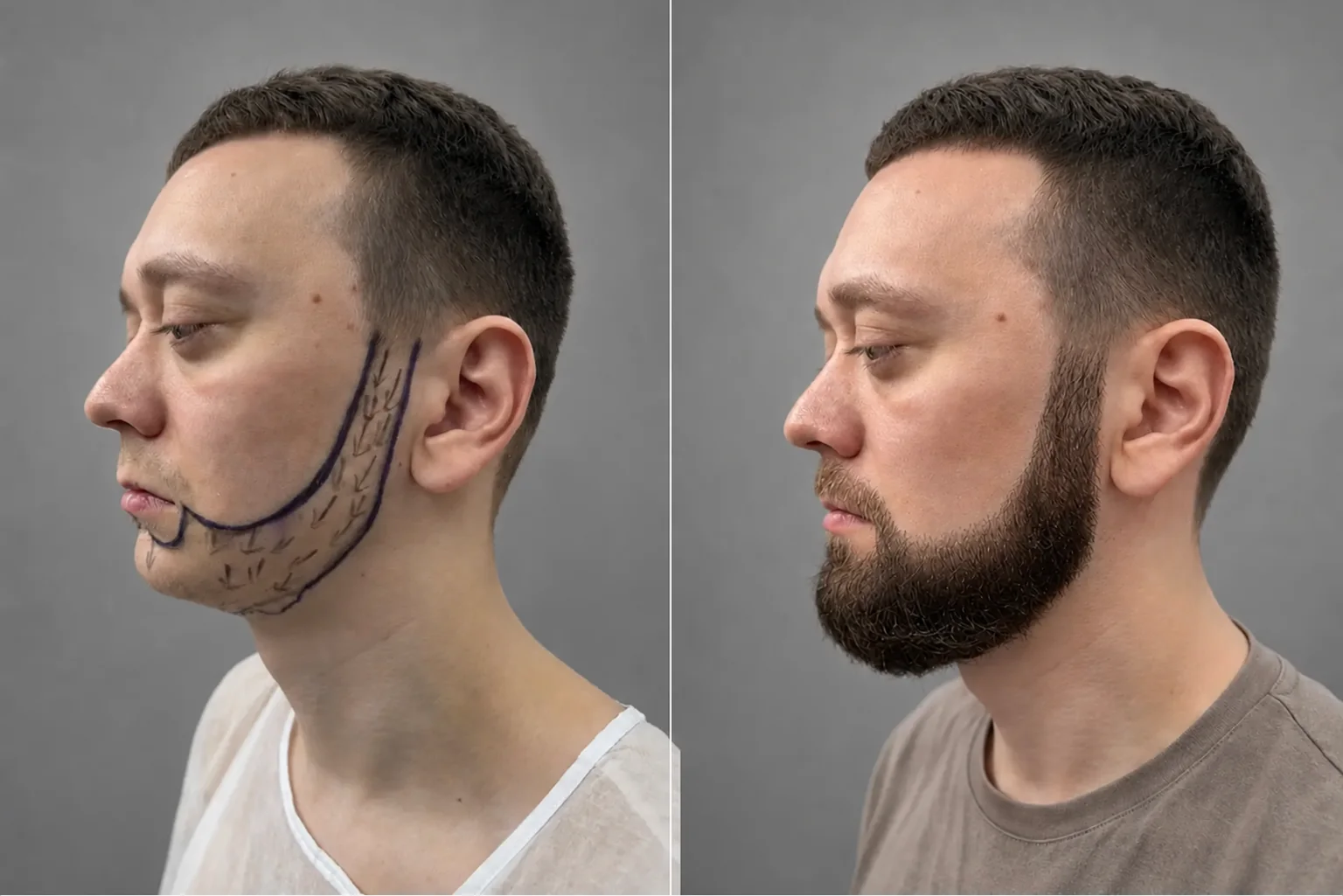
first
by 12 months
2,500 grafts
FUE method
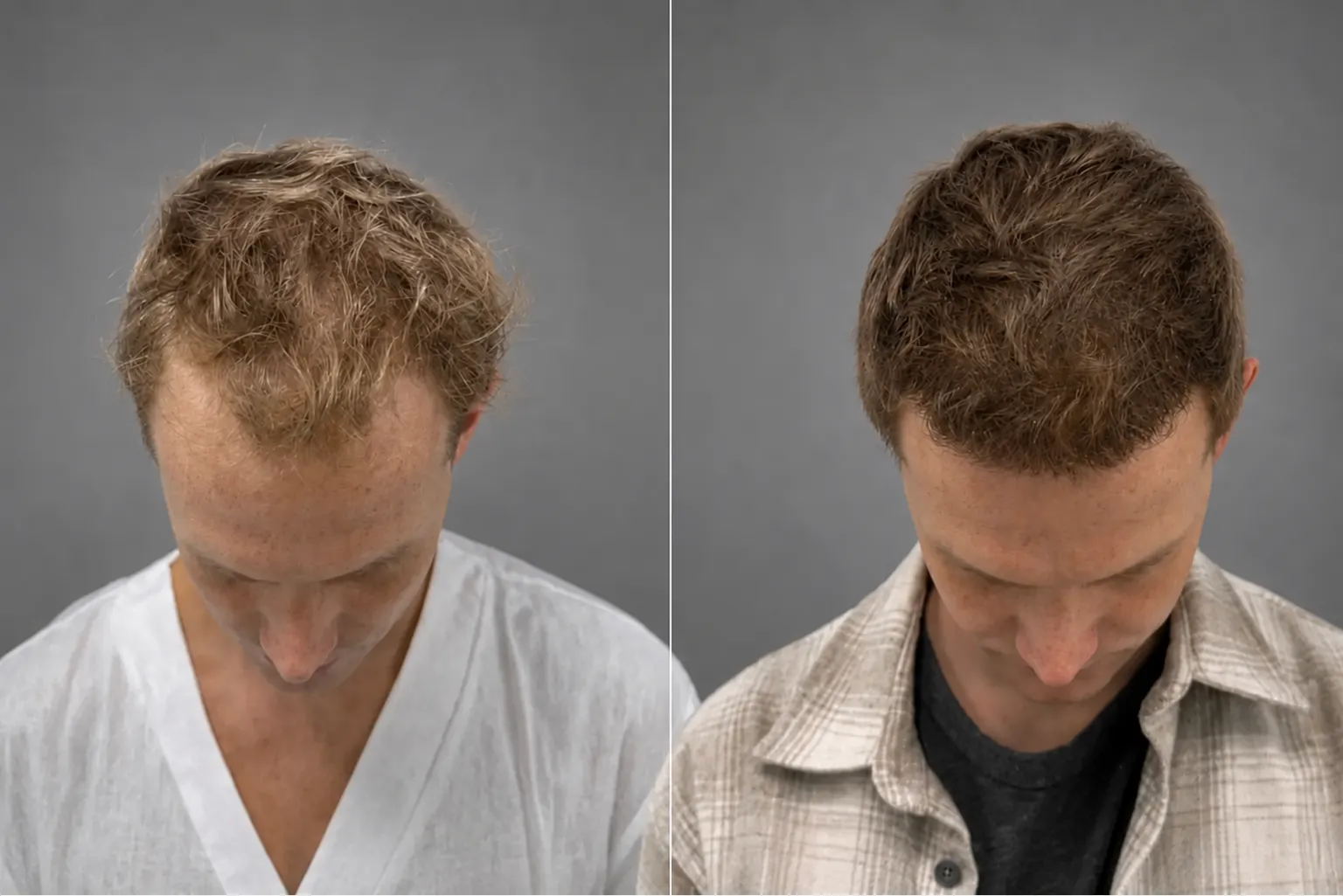
first
by 12 months
3,400 grafts
FUE method
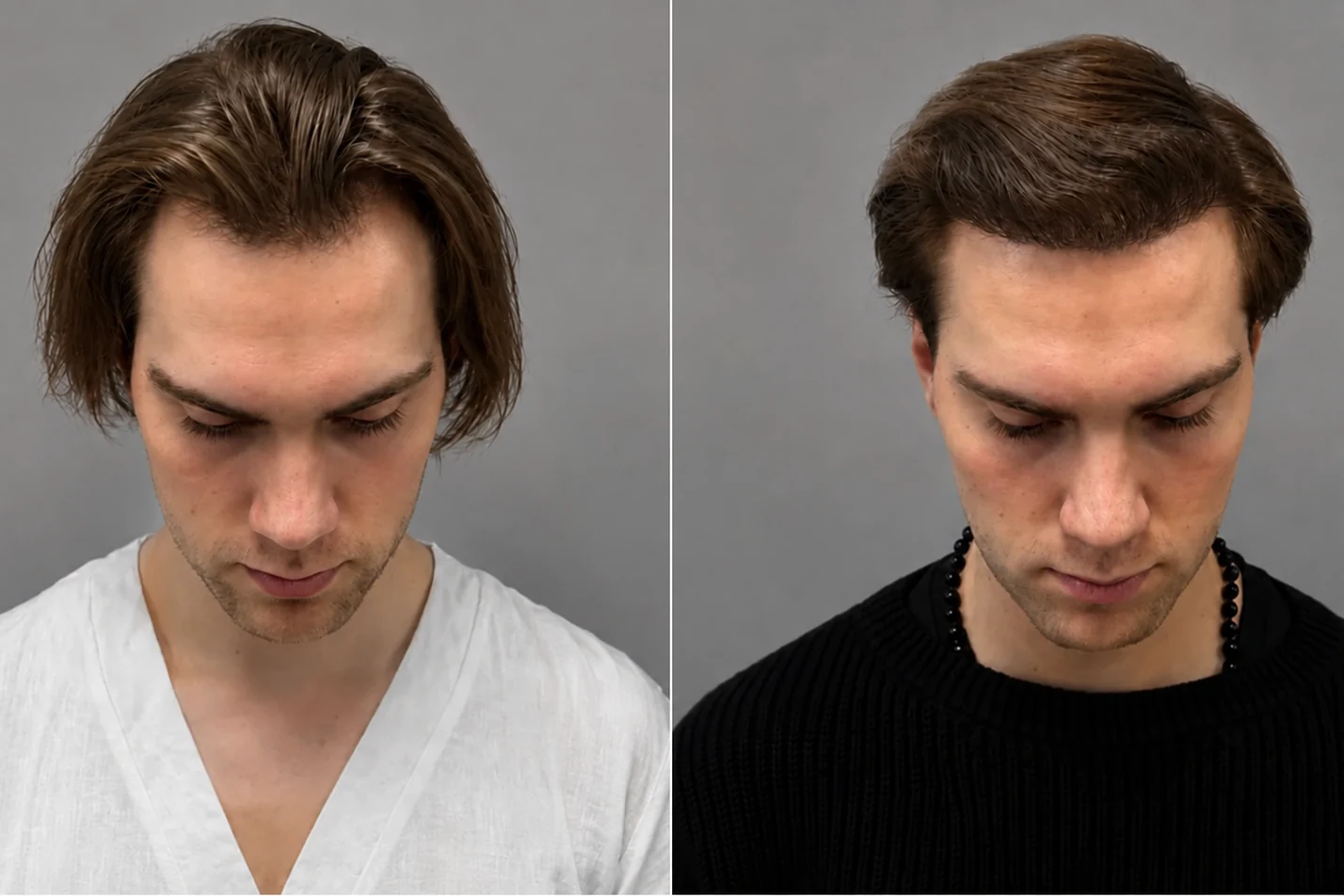
first
by 12 months
2,500 grafts
FUE method
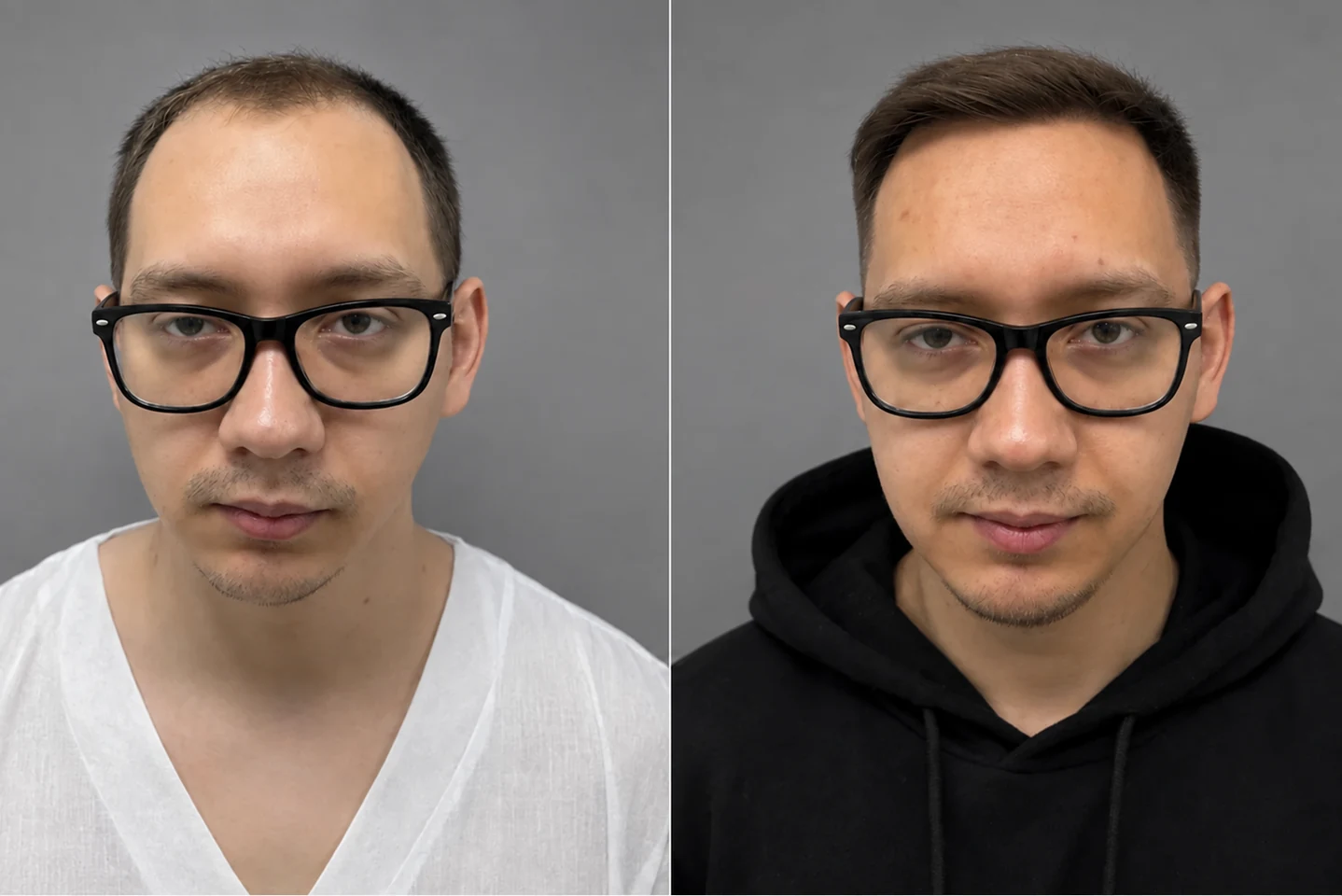
first
by 12 months
3,100 grafts
FUE method
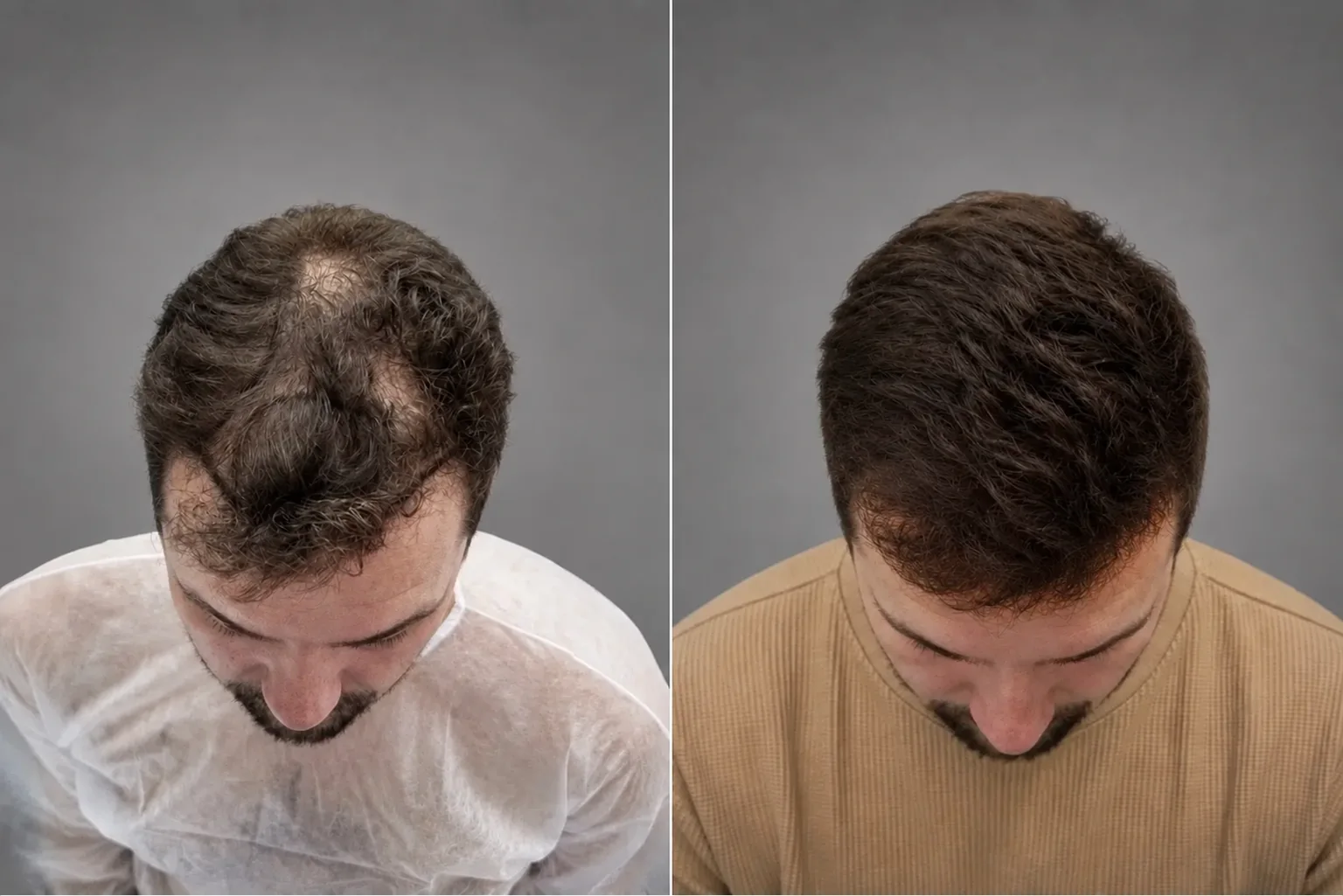
first
by 12 months
3,600 grafts
FUE method
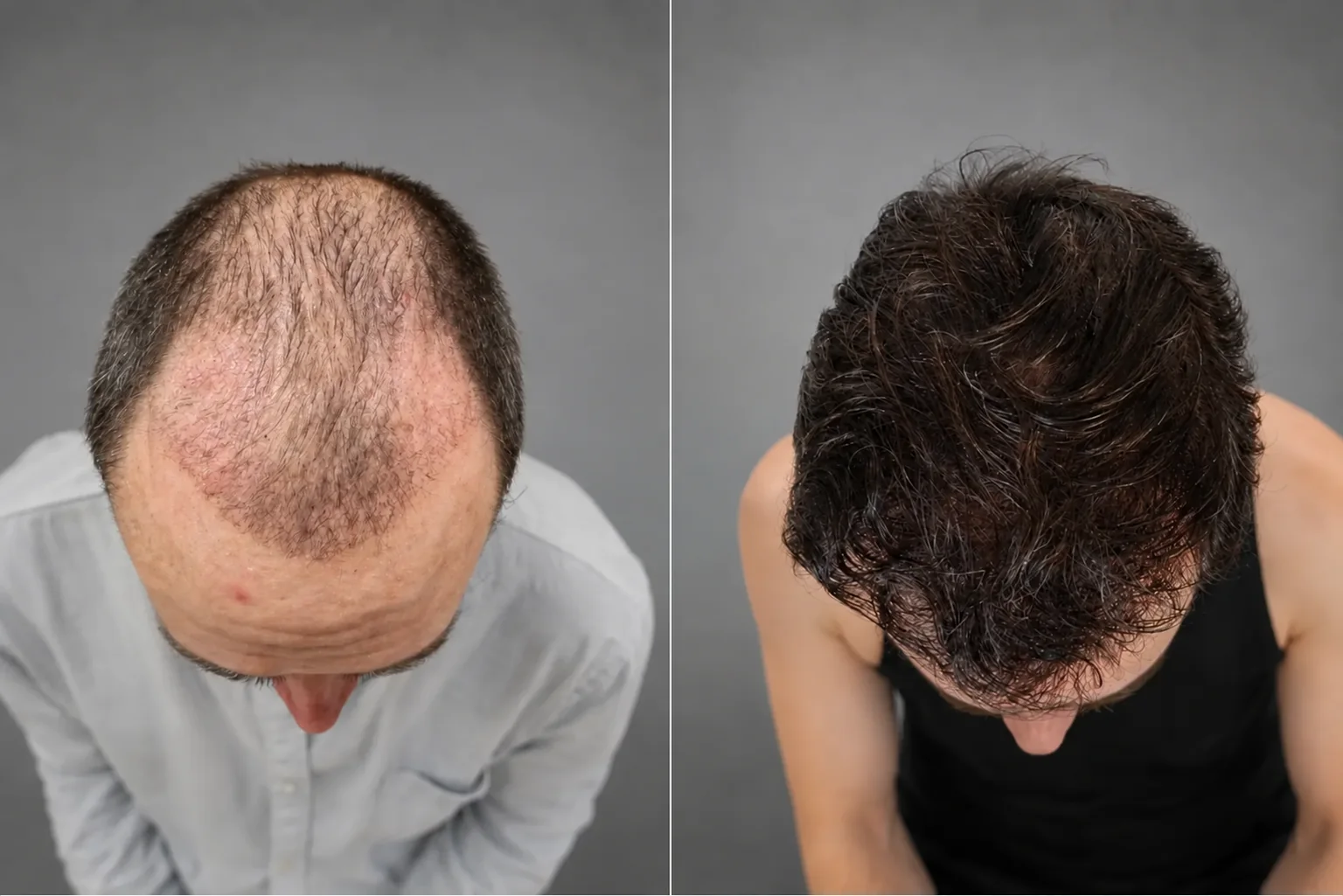
first
by 12 months
4,000 grafts
FUE method
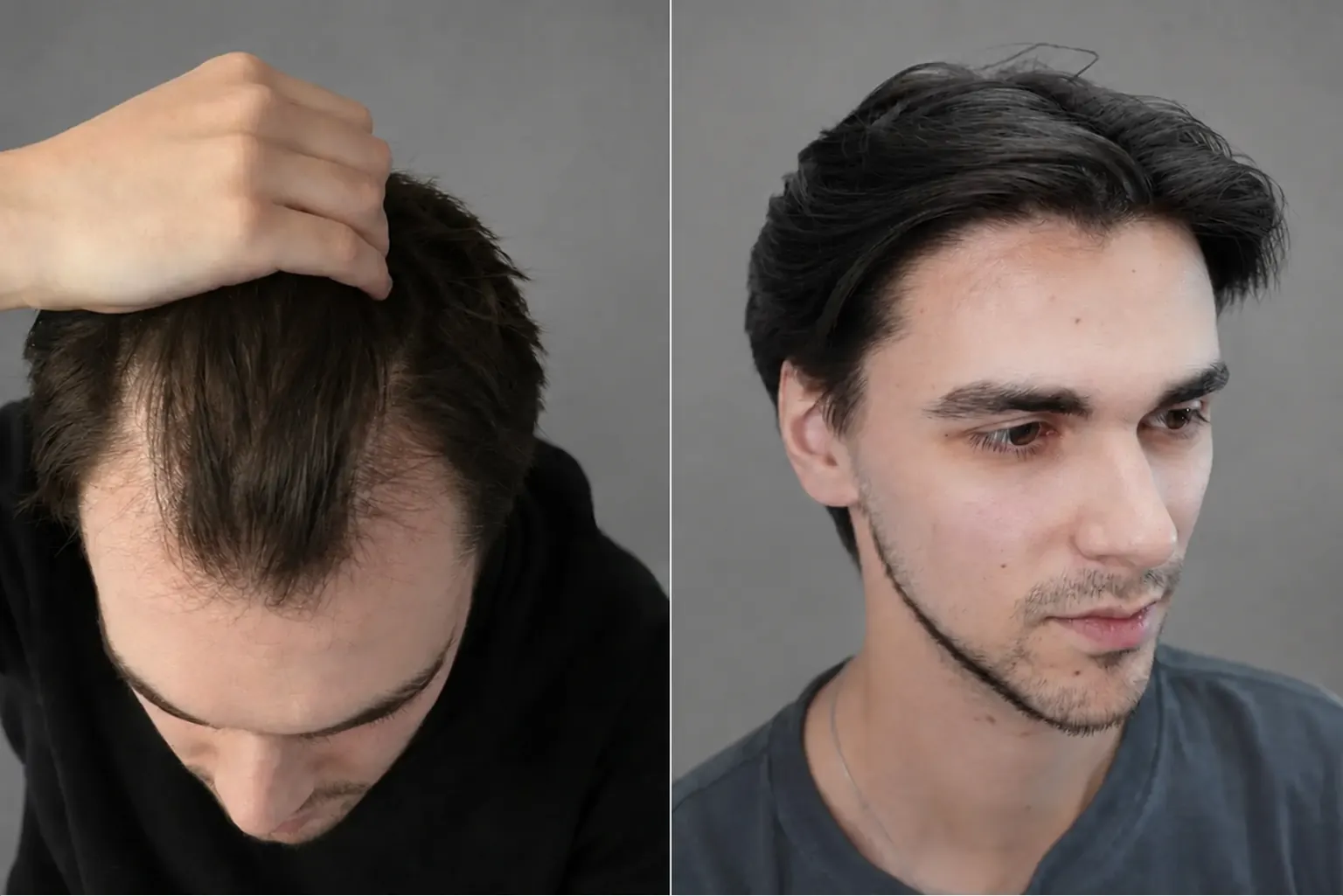
first
by 12 months
3,200 grafts
FUE method
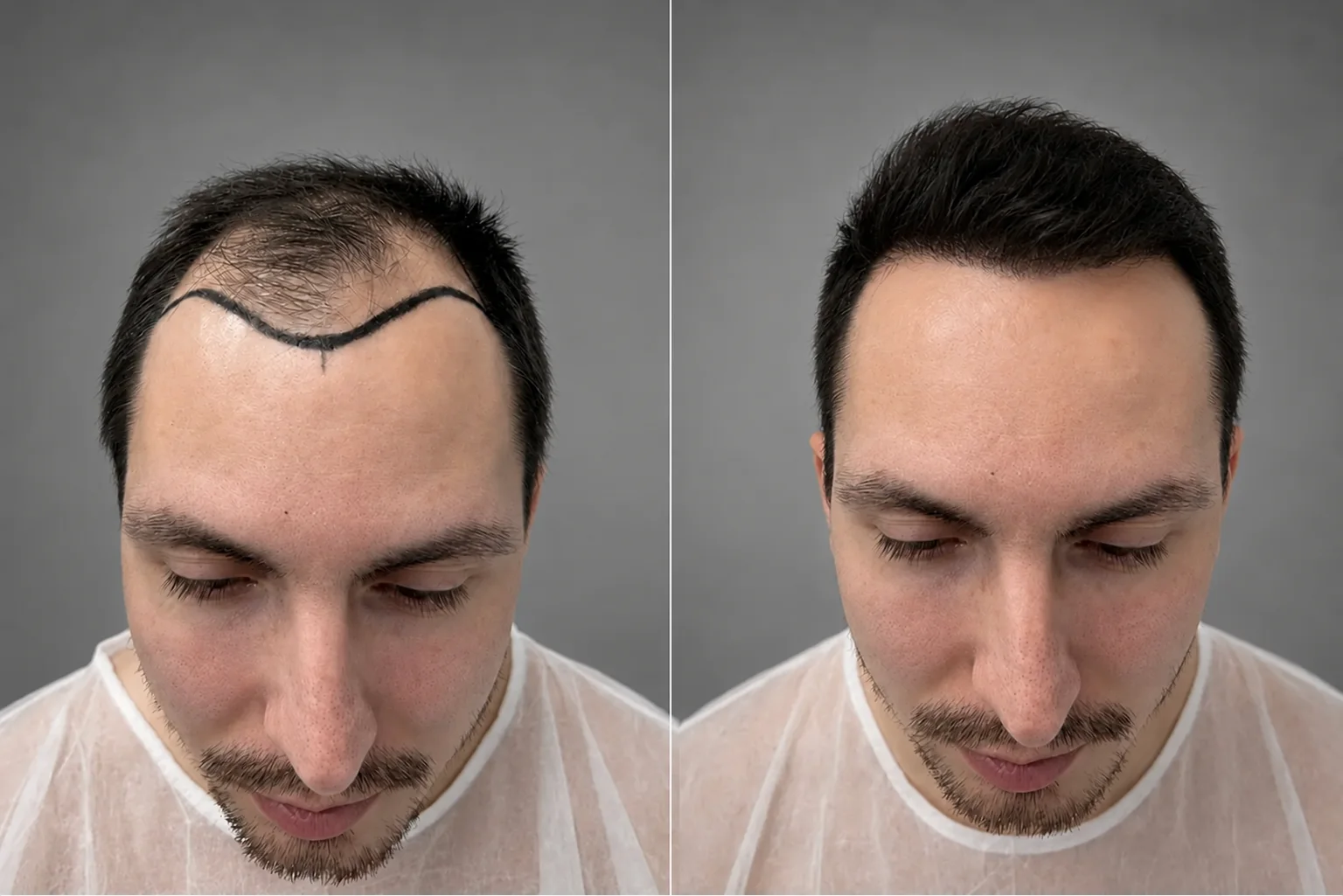
first
by 12 months
3,000 grafts
FUE method
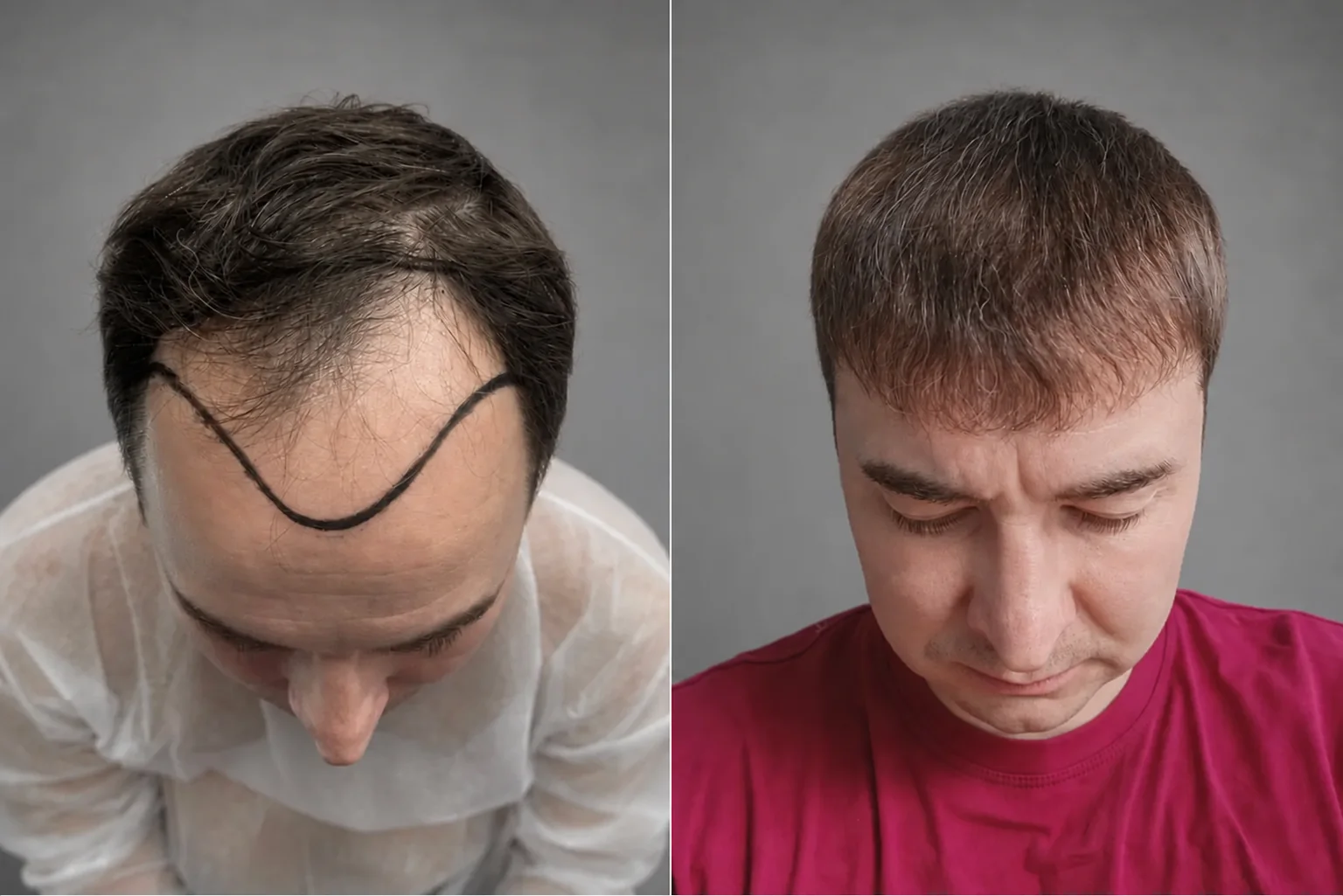
first
by 12 months
3,700 grafts
FUE method
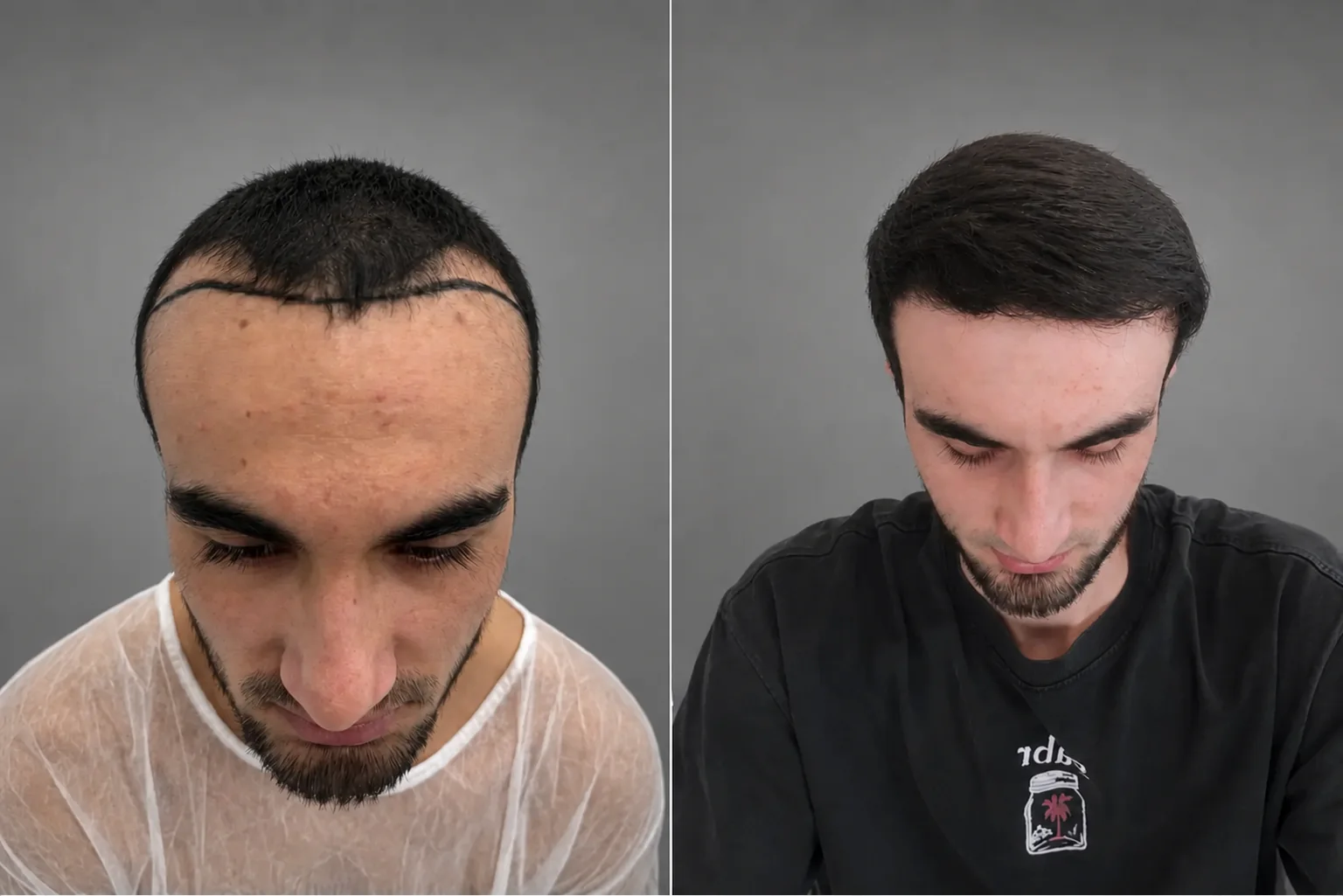
first
by 12 months
2,700 grafts
FUE method
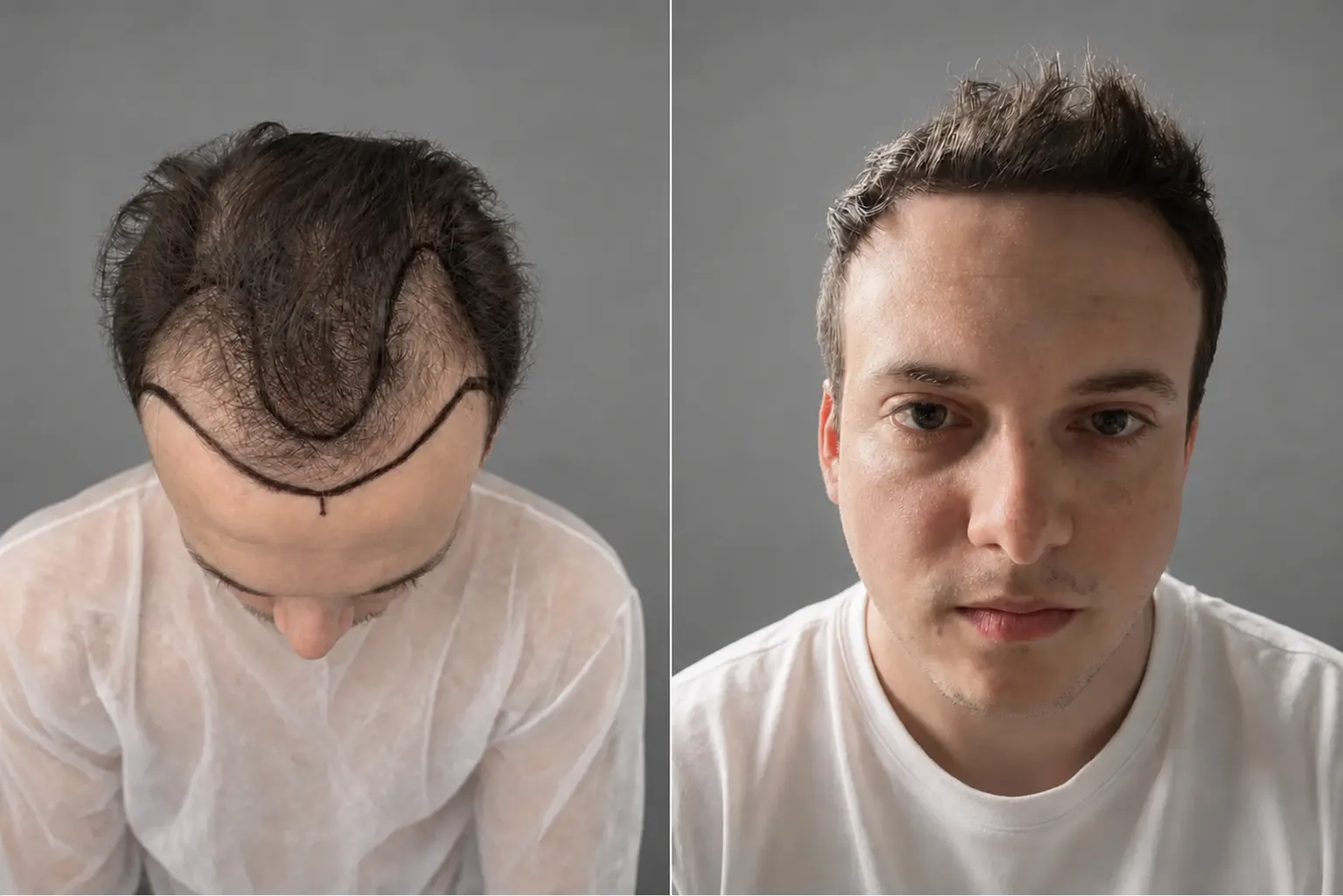
first
by 12 months
3,800 grafts
FUE method
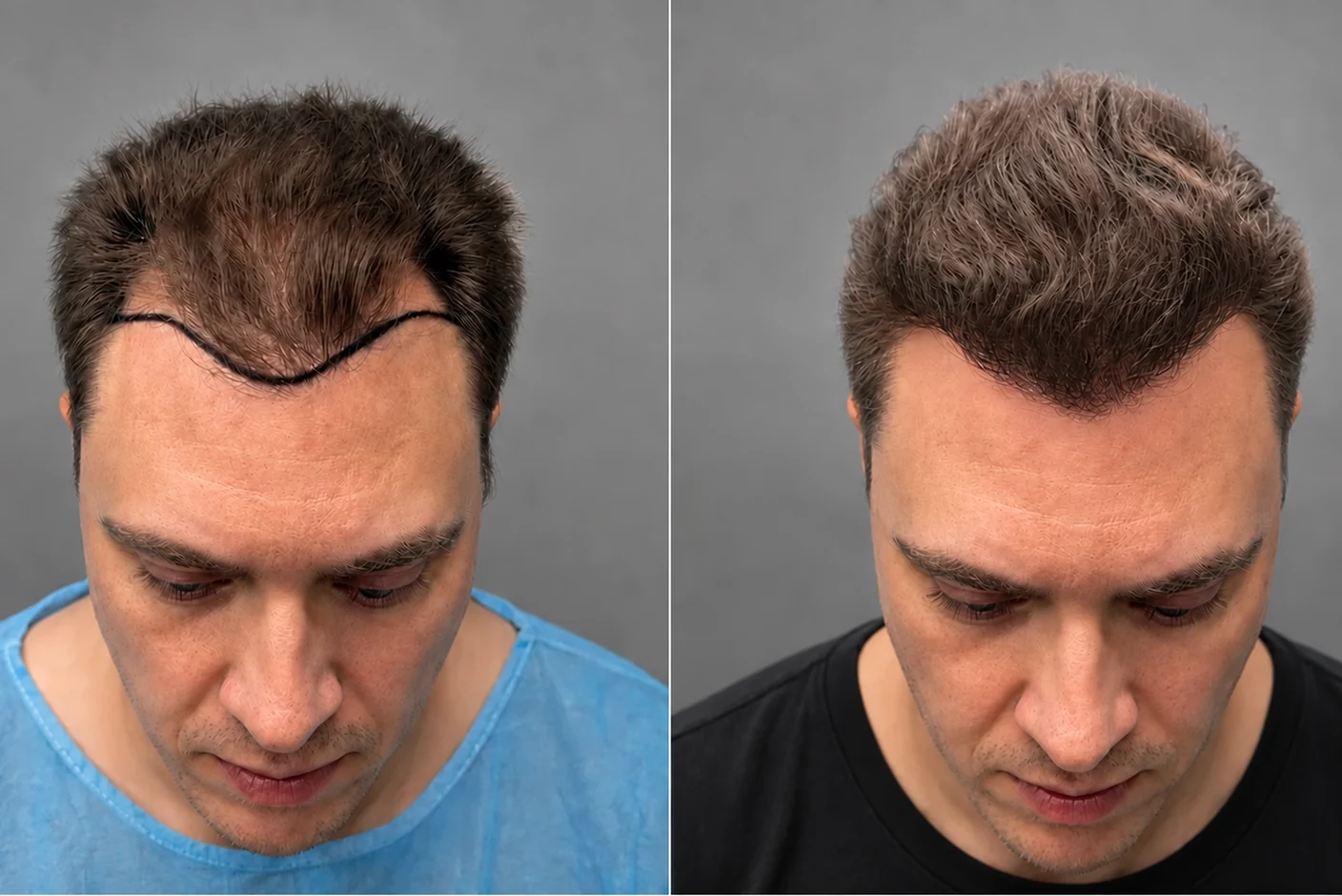
first
by 12 months
3,300 grafts
FUE method
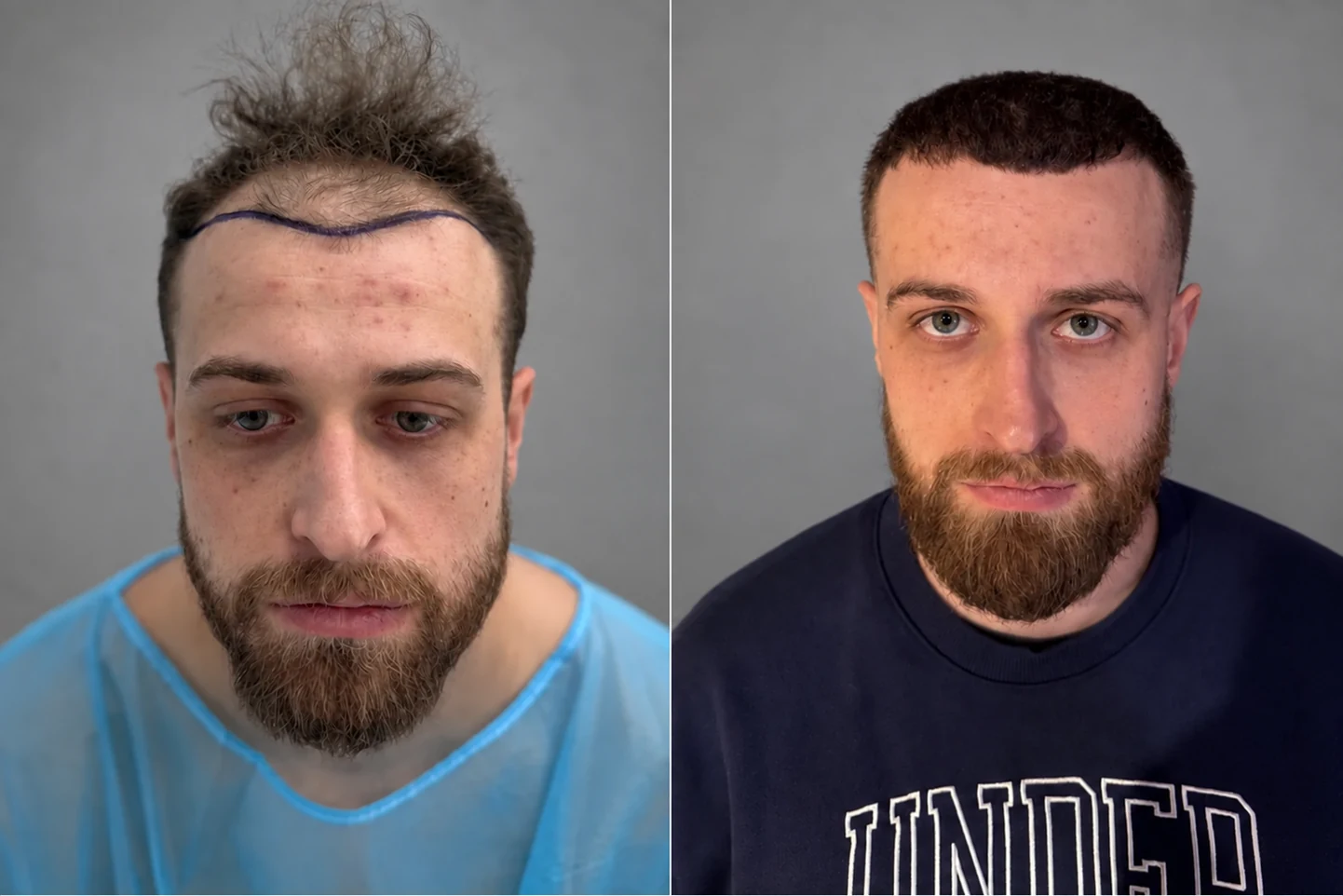
first
by 12 months
2,800 grafts
FUE method
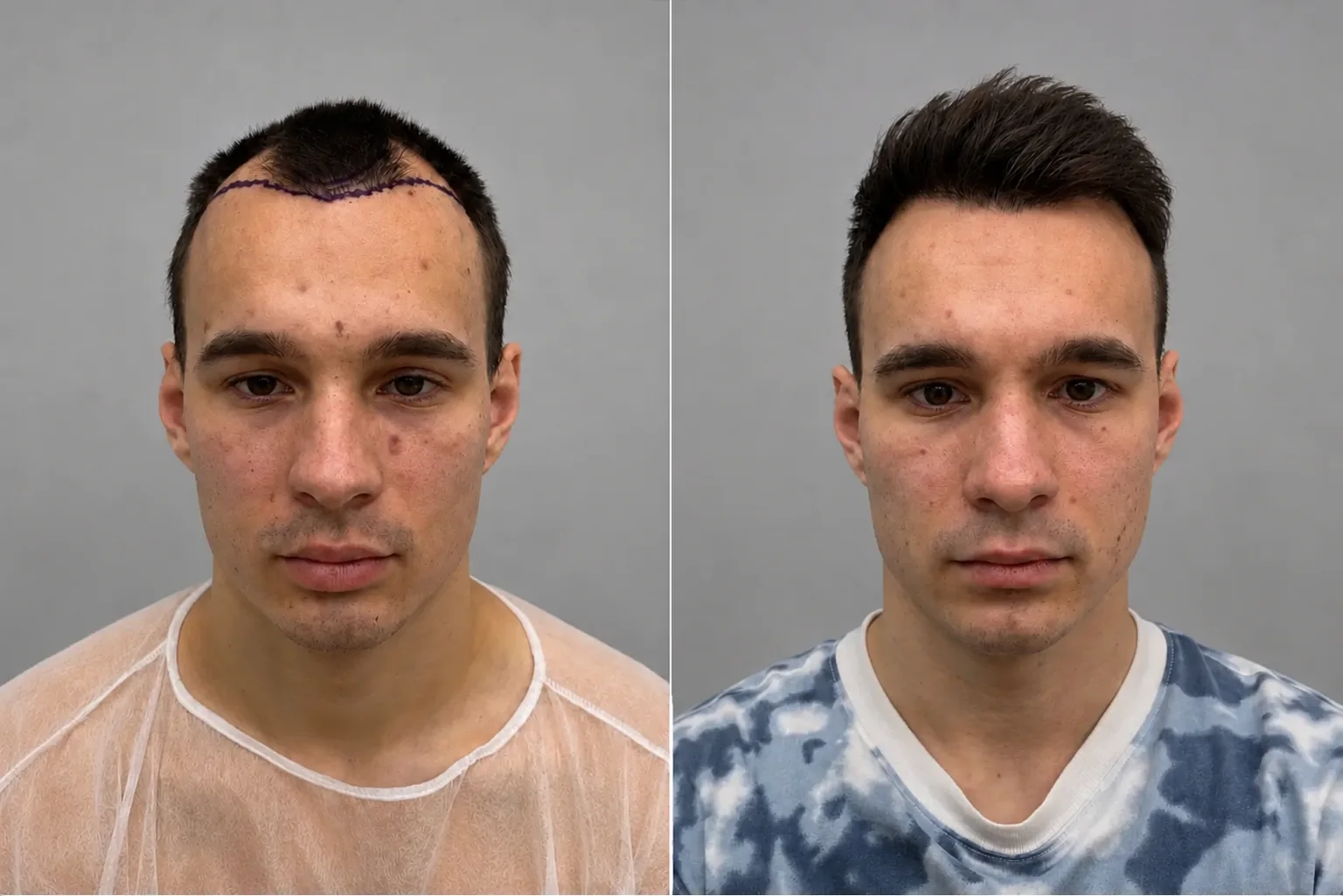
first
by 12 months
2,500 grafts
FUE method
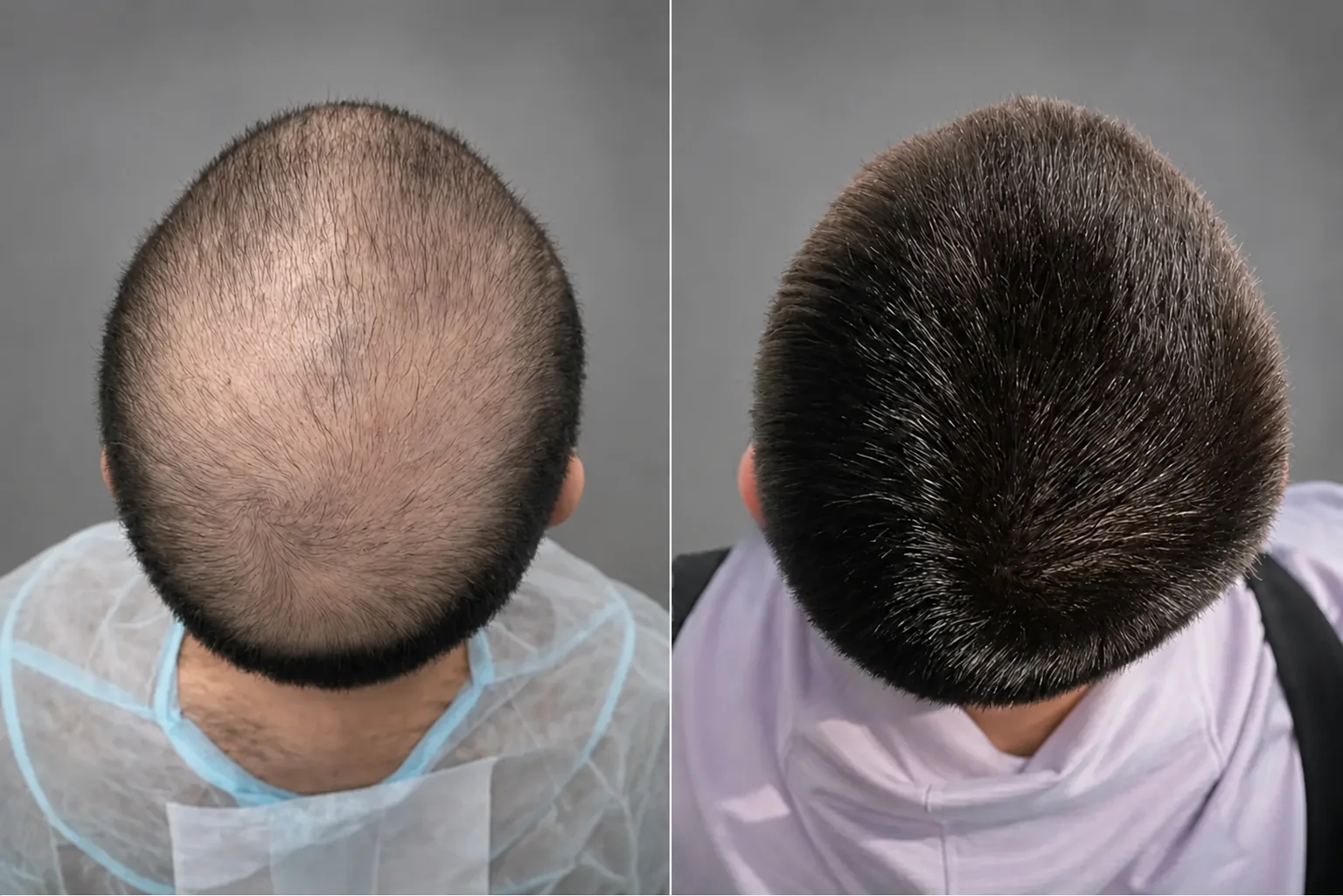
first
by 12 months
3,900 grafts
FUE method
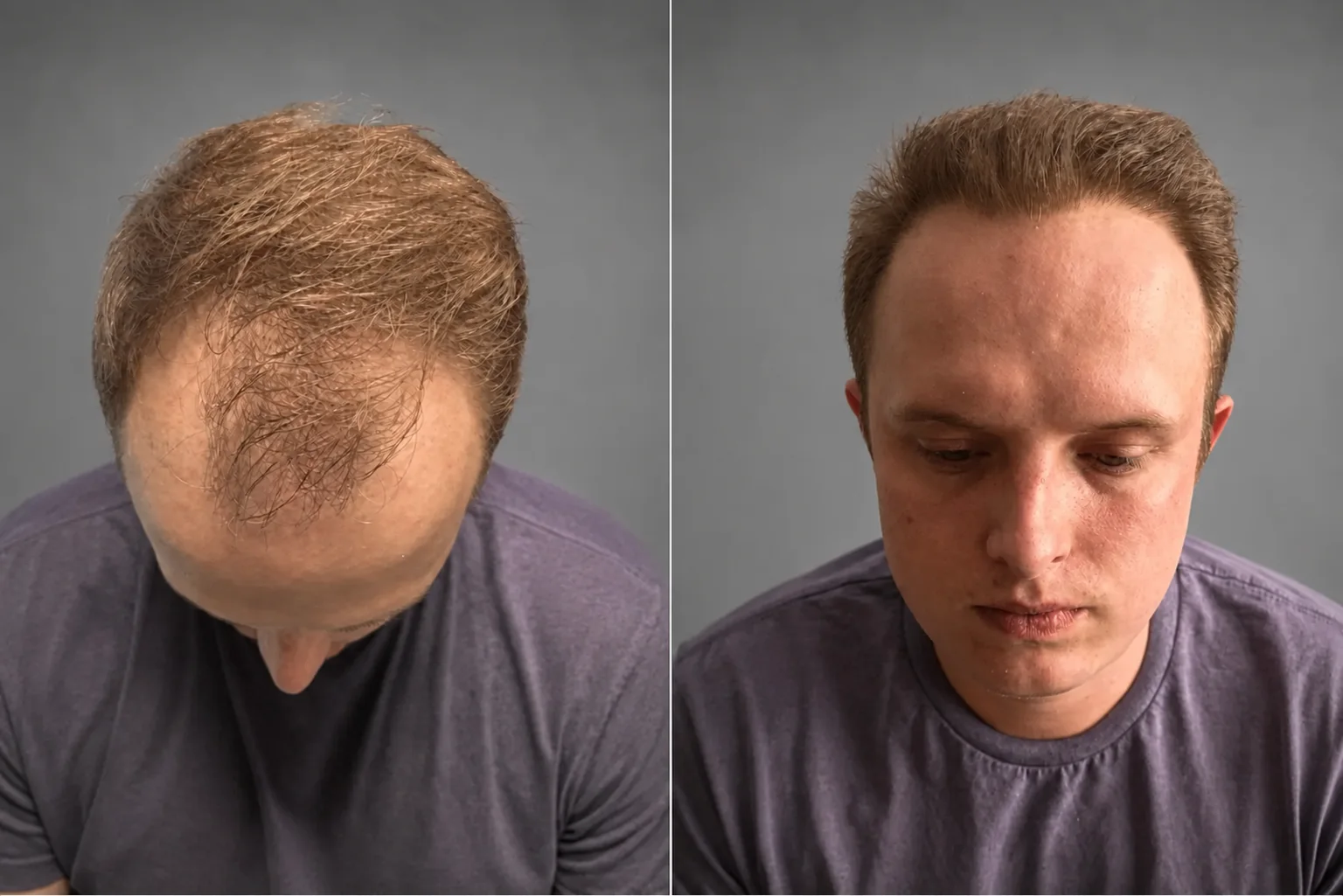
first
by 12 months
3,500 grafts
FUE method
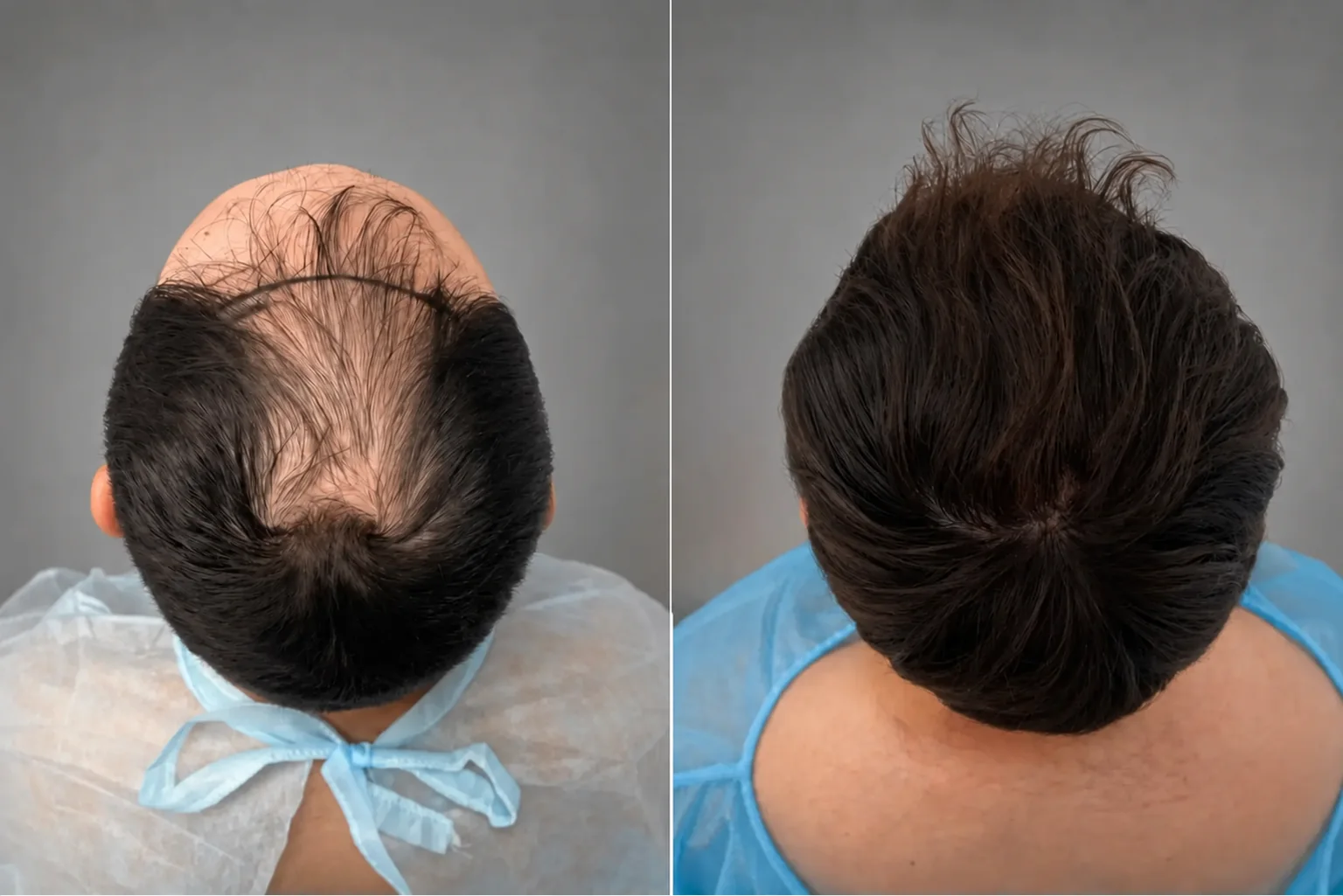
first
by 12 months
3,800 grafts
FUE method
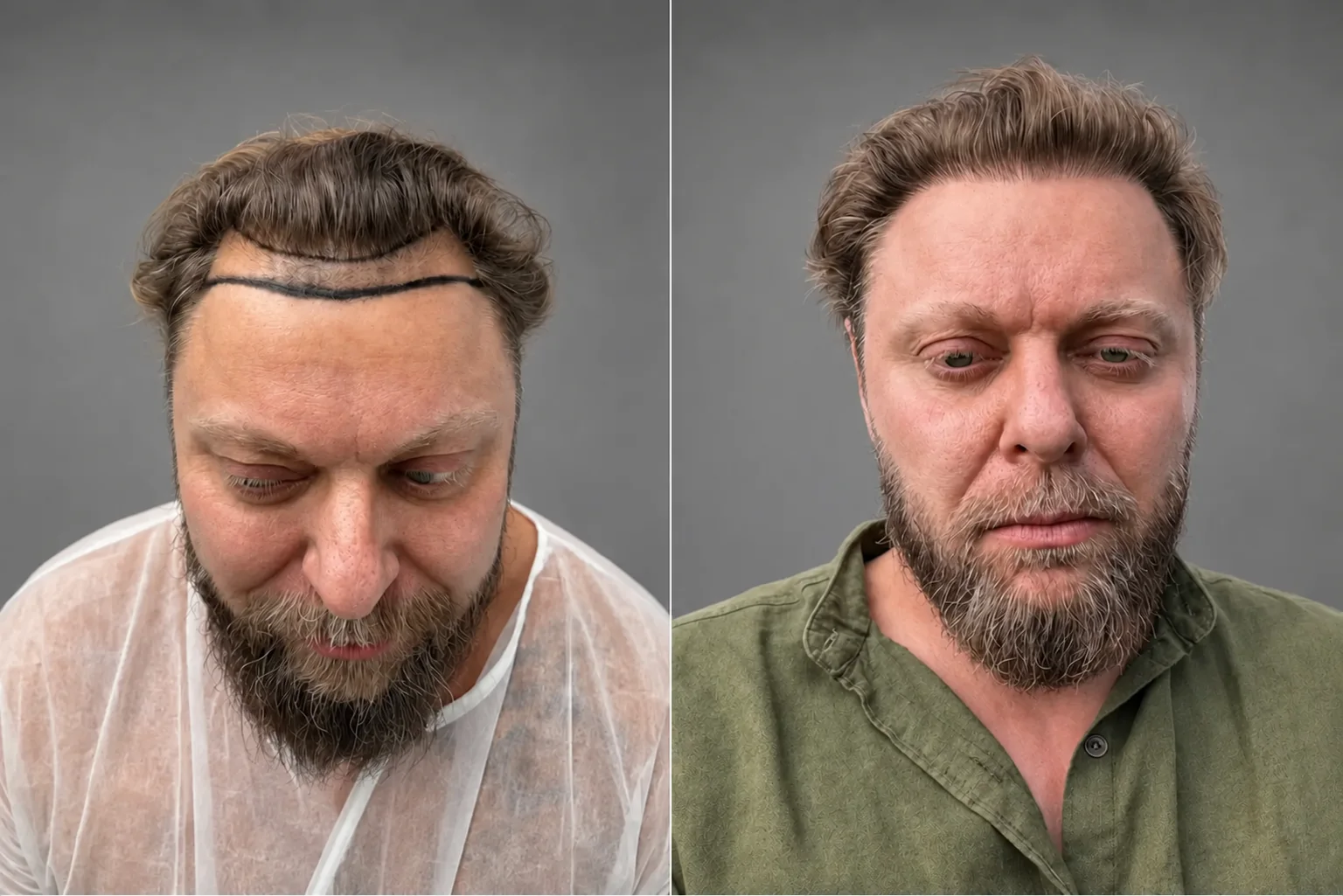
first
by 12 months
2,900 grafts
FUE method
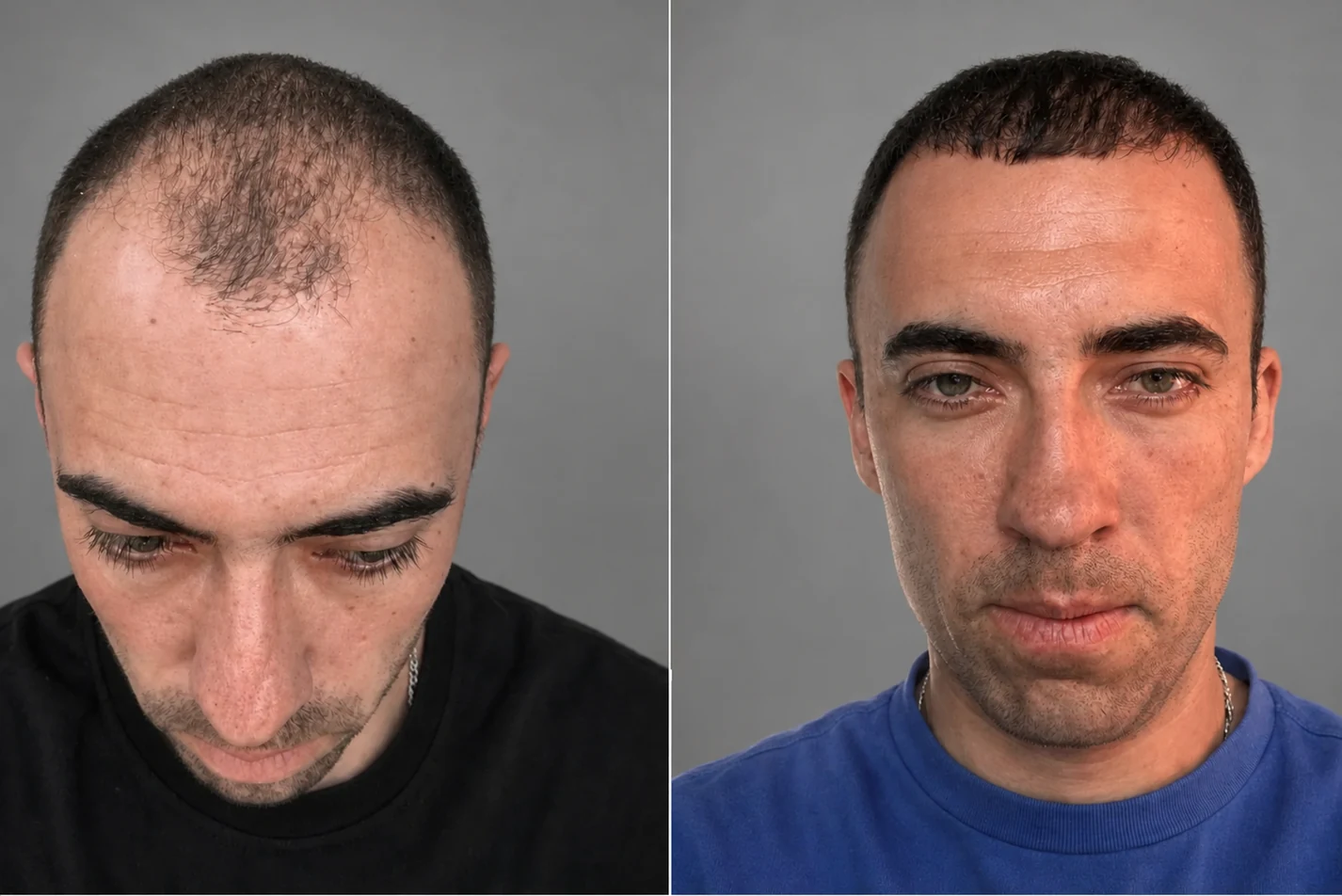
first
by 12 months
3,600 grafts
FUE method
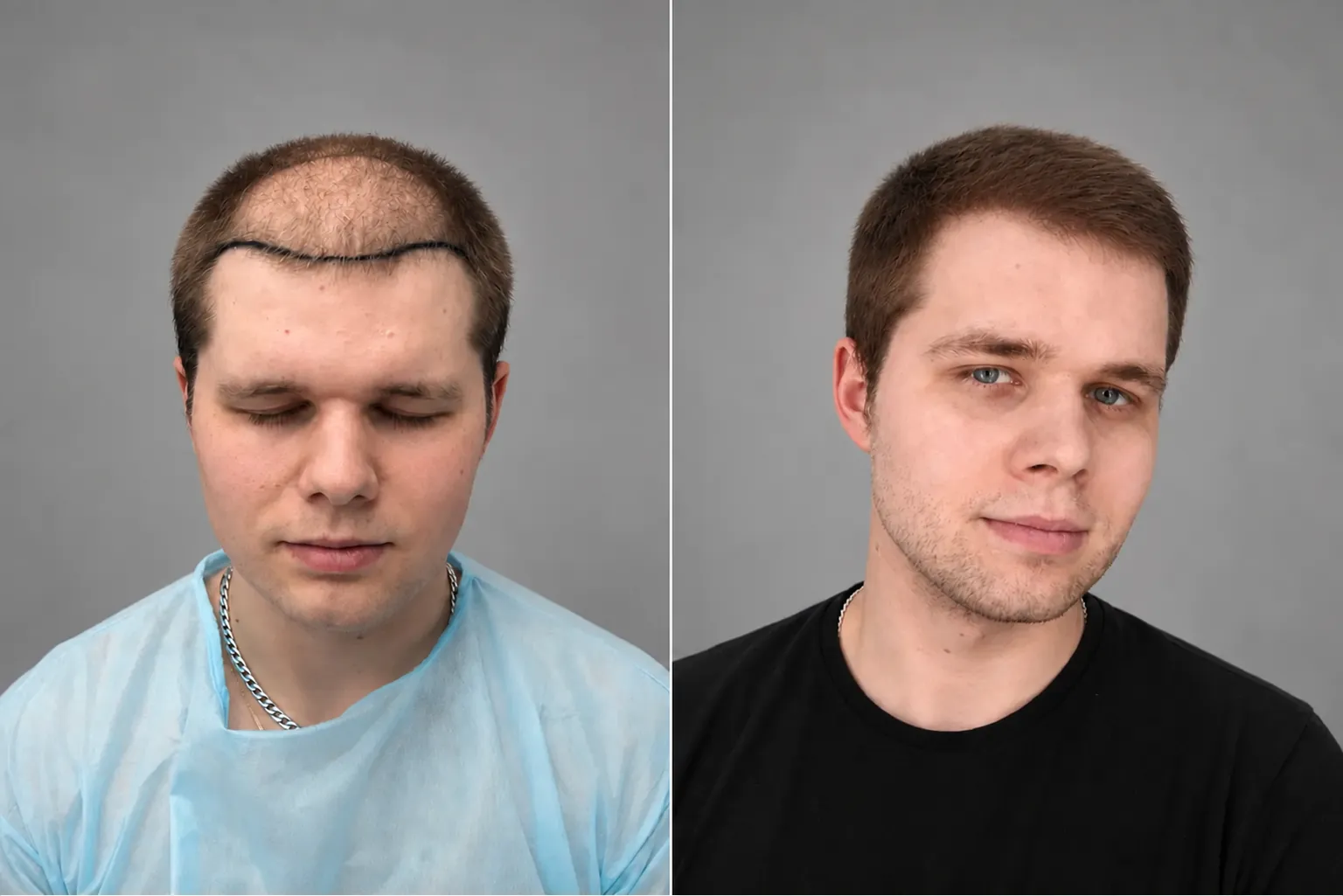
first
by 12 months
2,600 grafts
FUE method
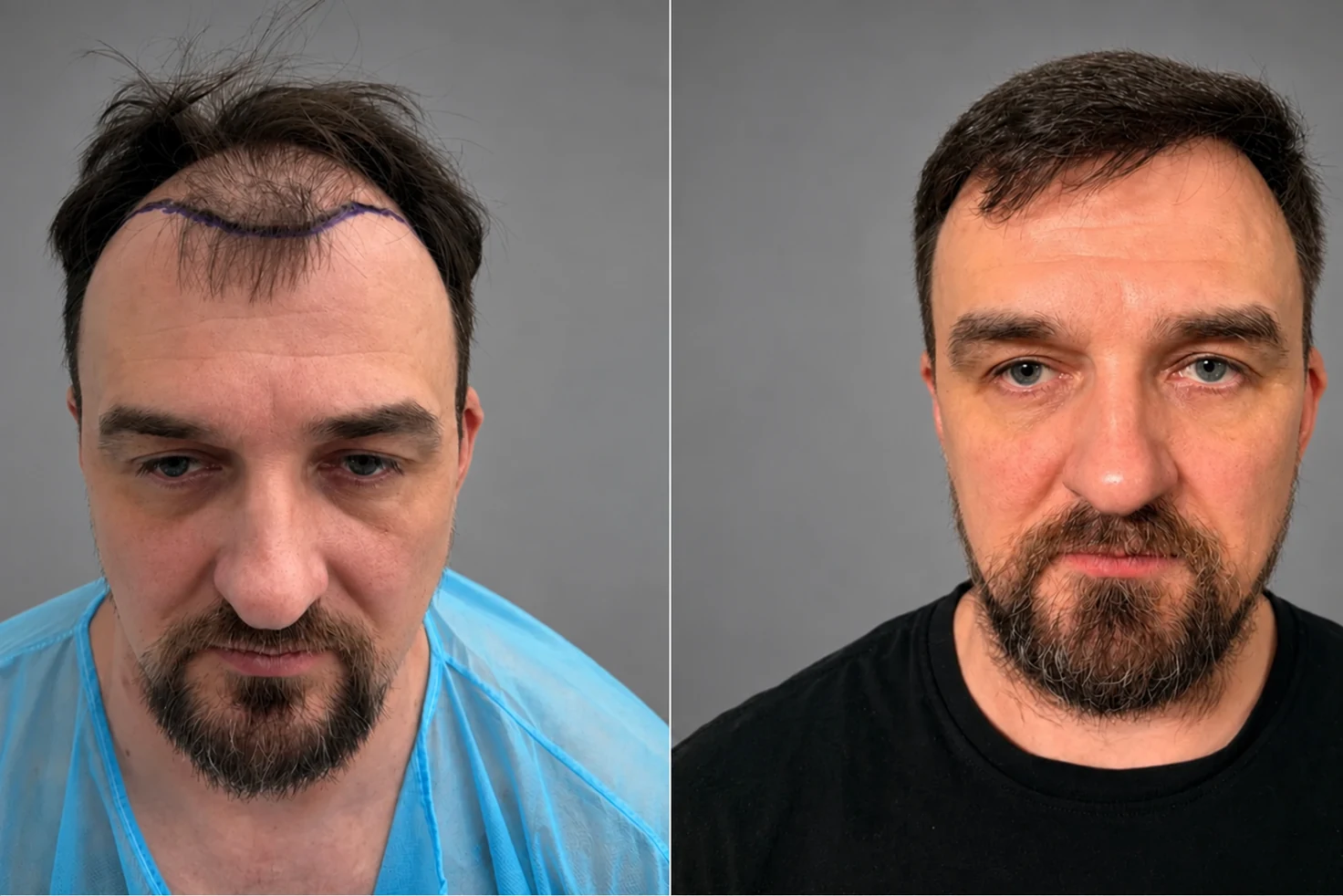
first
by 12 months
2,700 grafts
FUE method
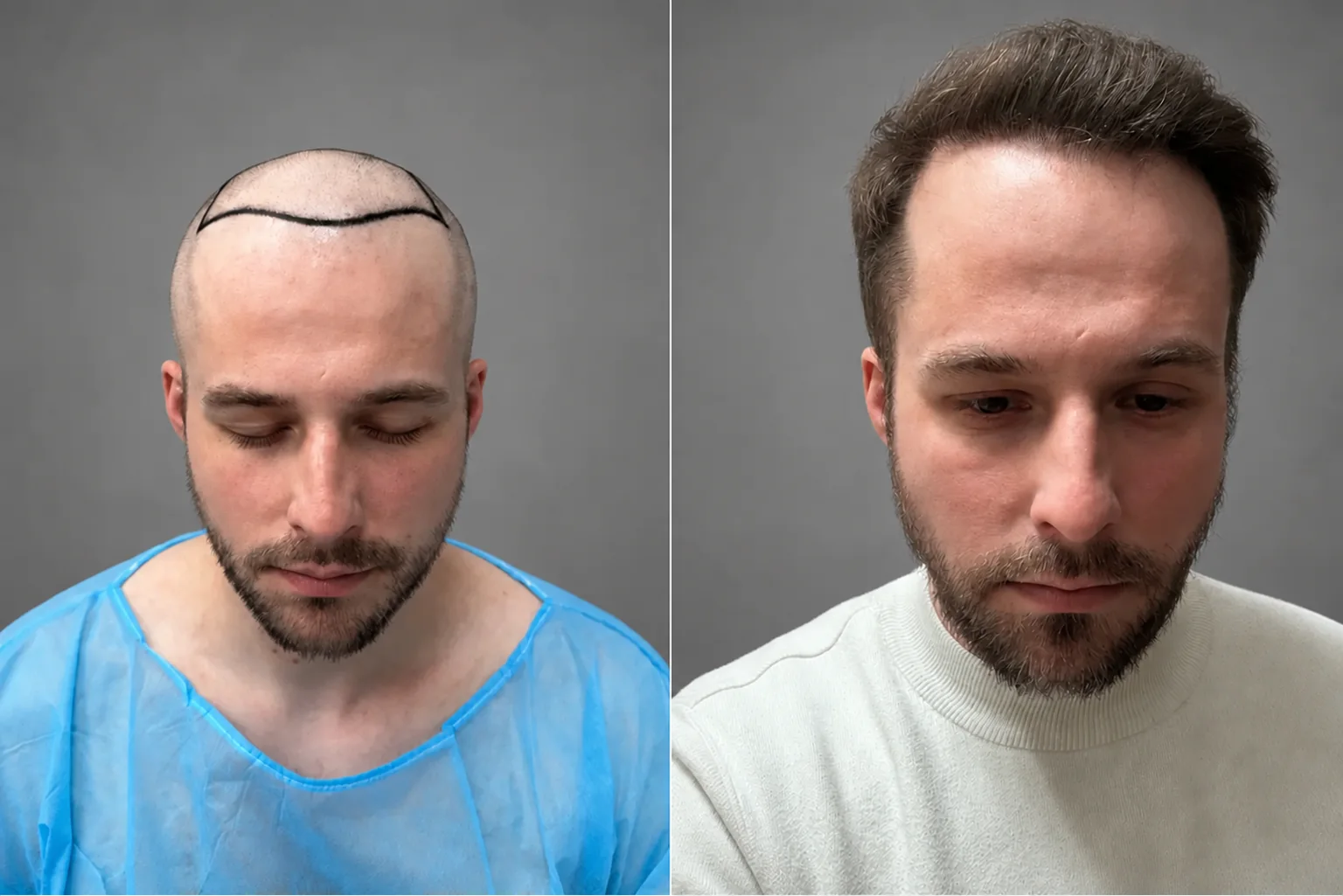
first
by 12 months
3,700 grafts
FUE method
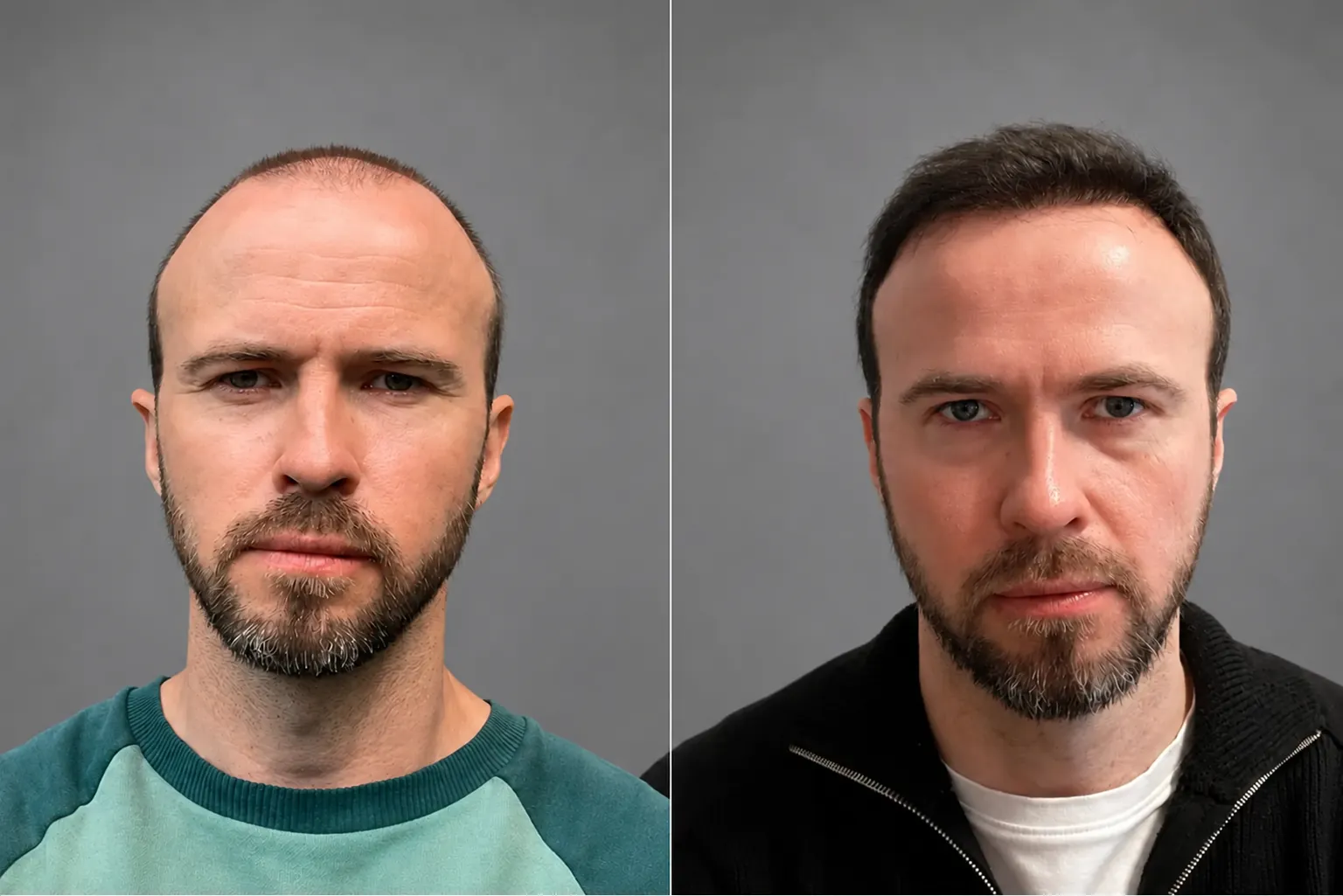
first
by 12 months
3,200 grafts
FUE method
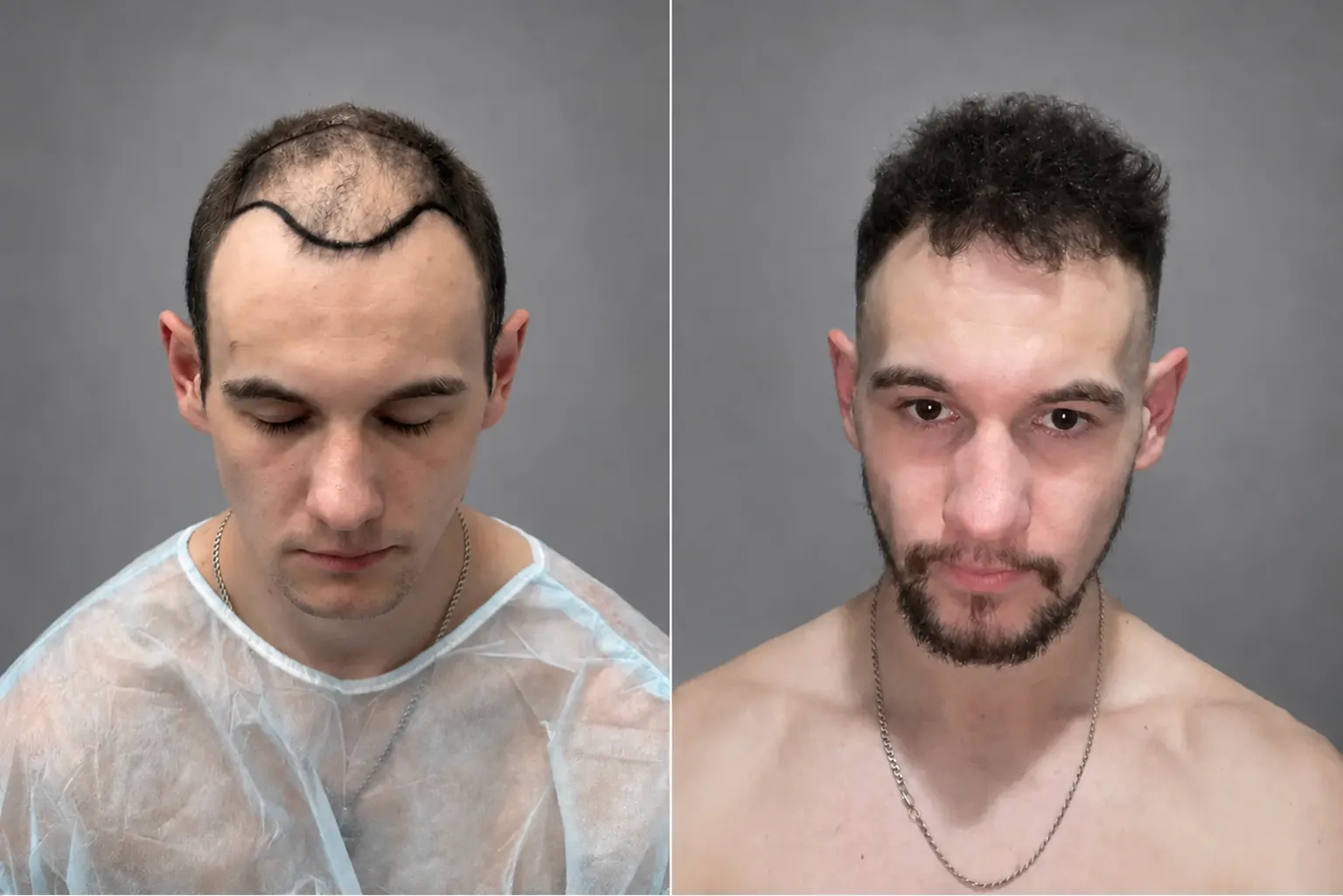
first
by 12 months
3,000 grafts
FUE method
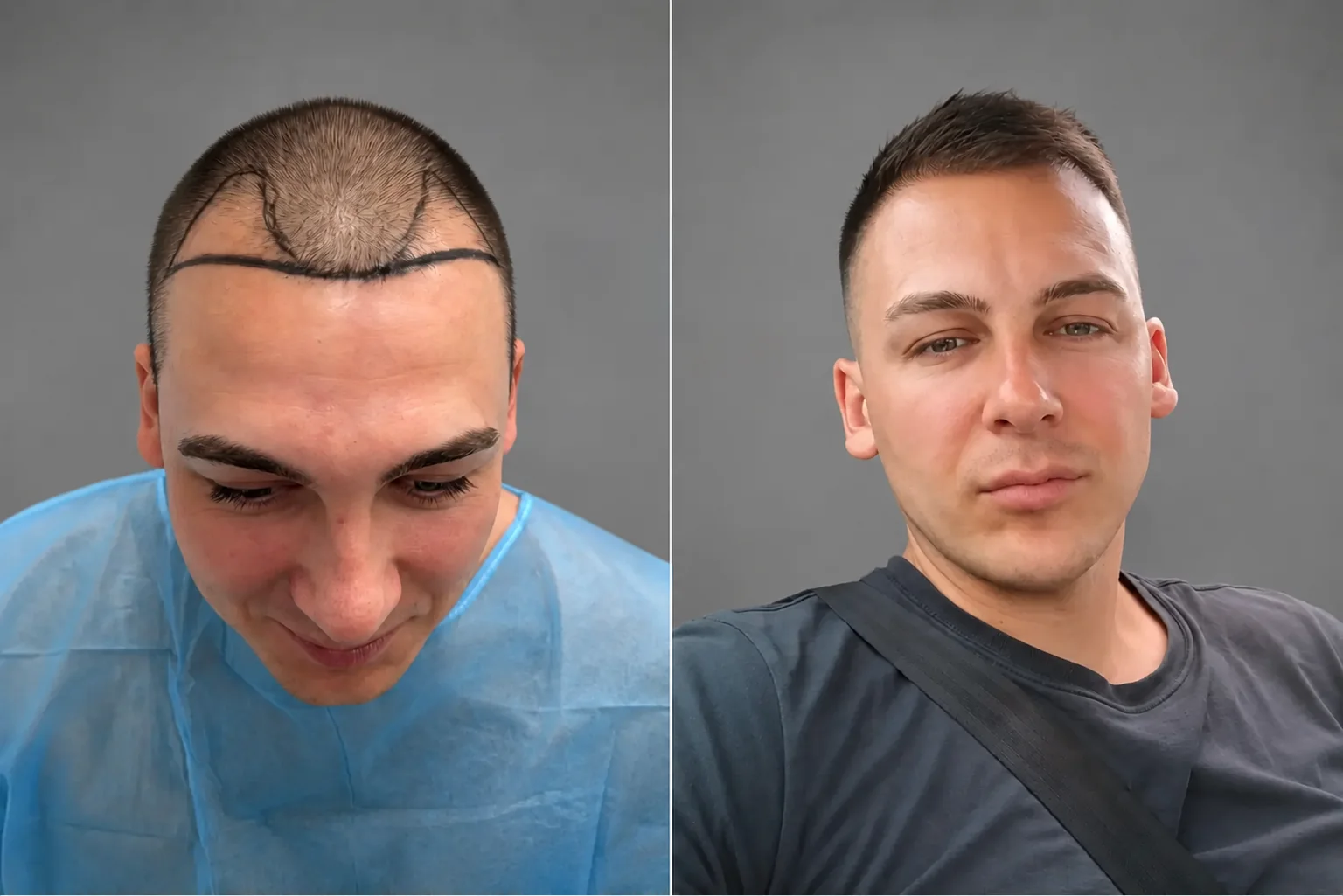
first
by 12 months
2,800 grafts
FUE method
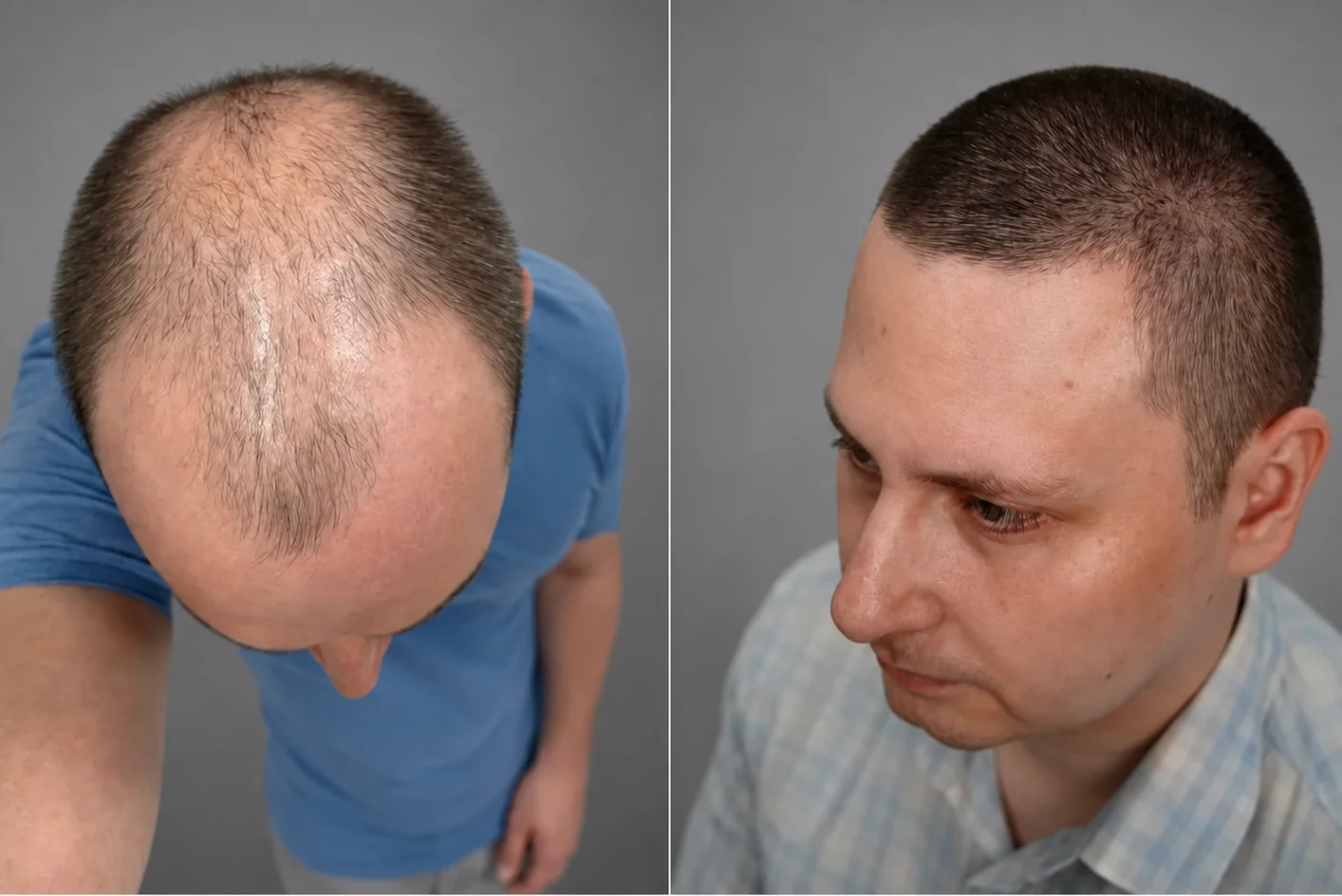
first
by 12 months
4,000 grafts
FUE method
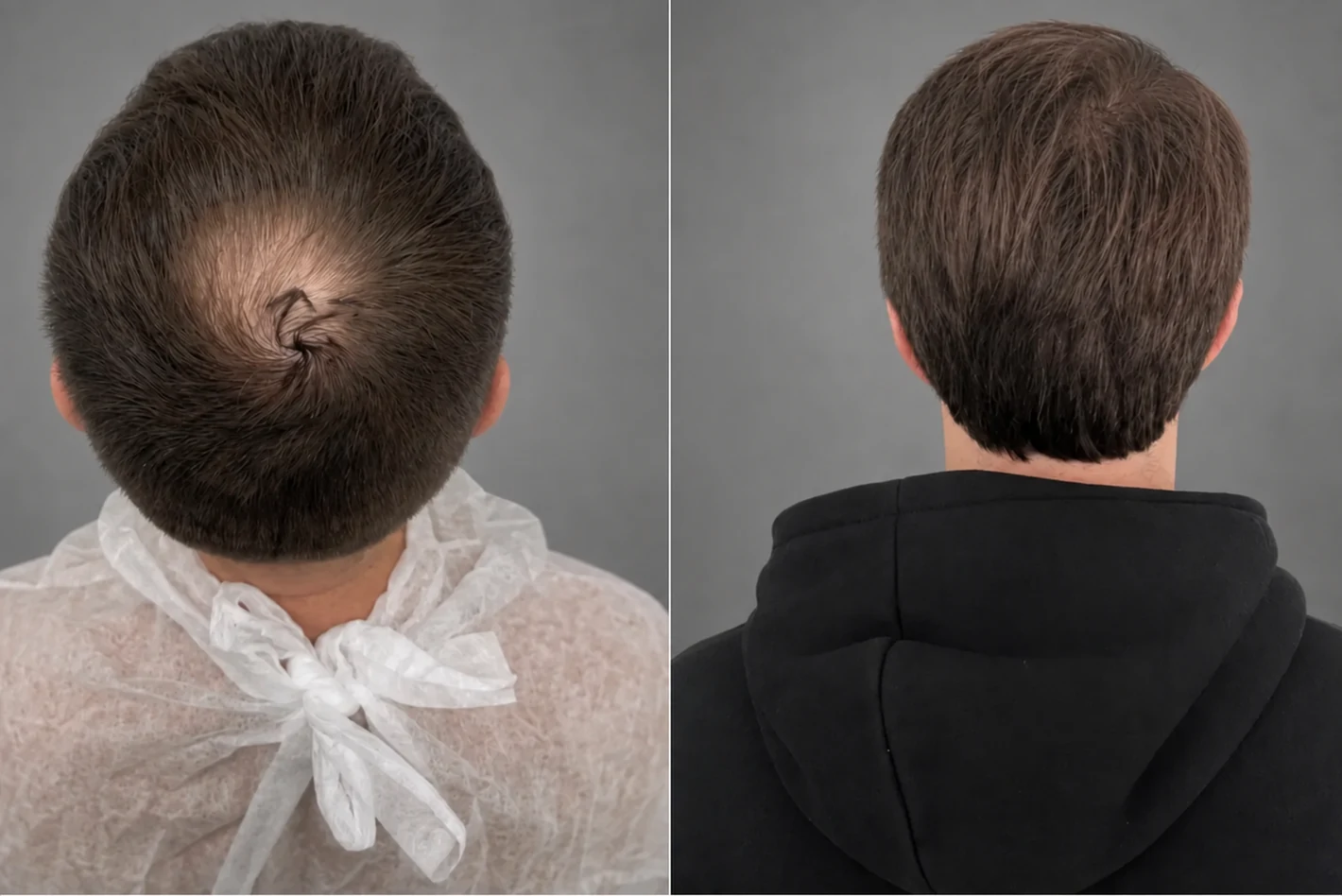
first
by 12 months
3,400 grafts
FUE method
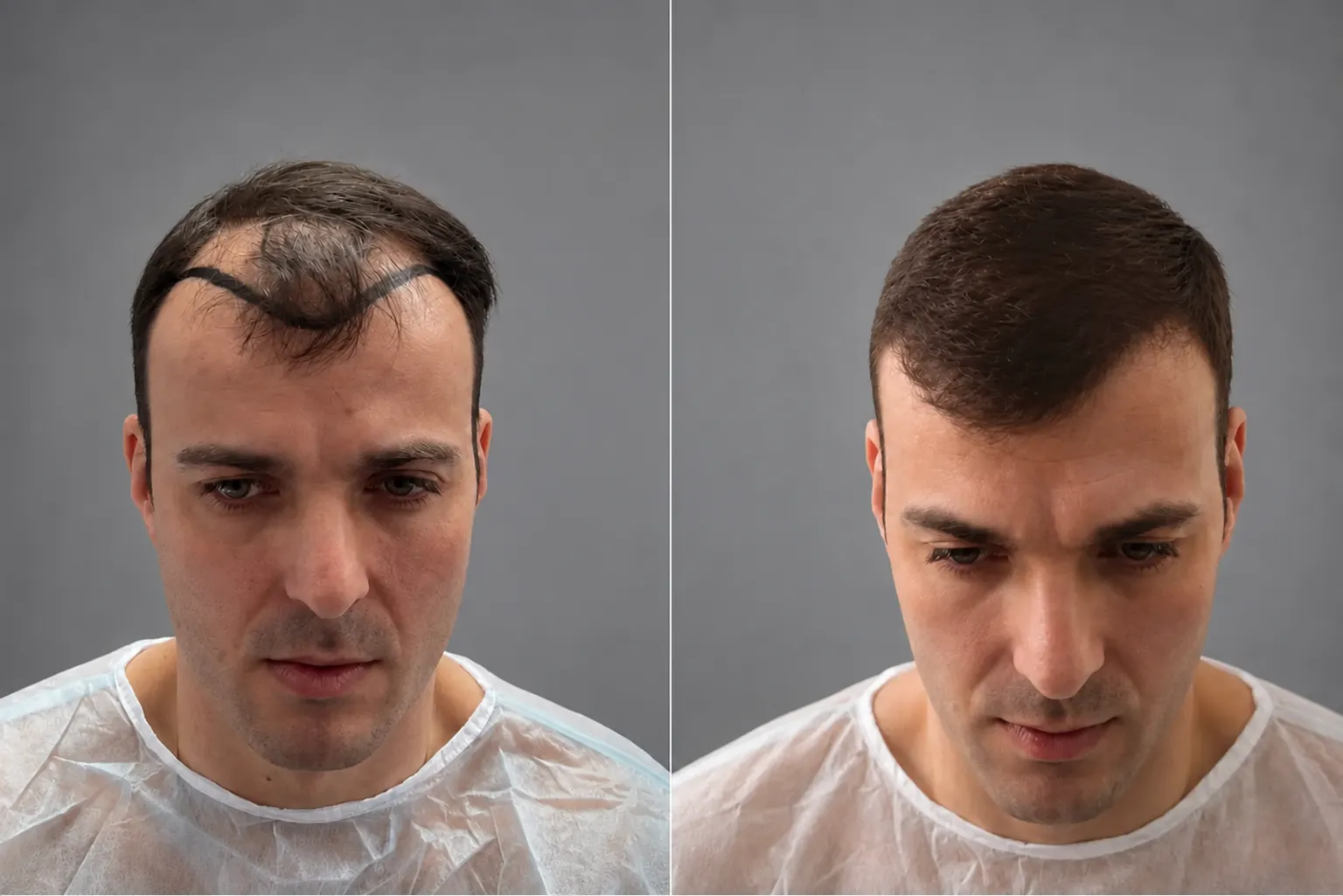
first
by 12 months
2,900 grafts
FUE method
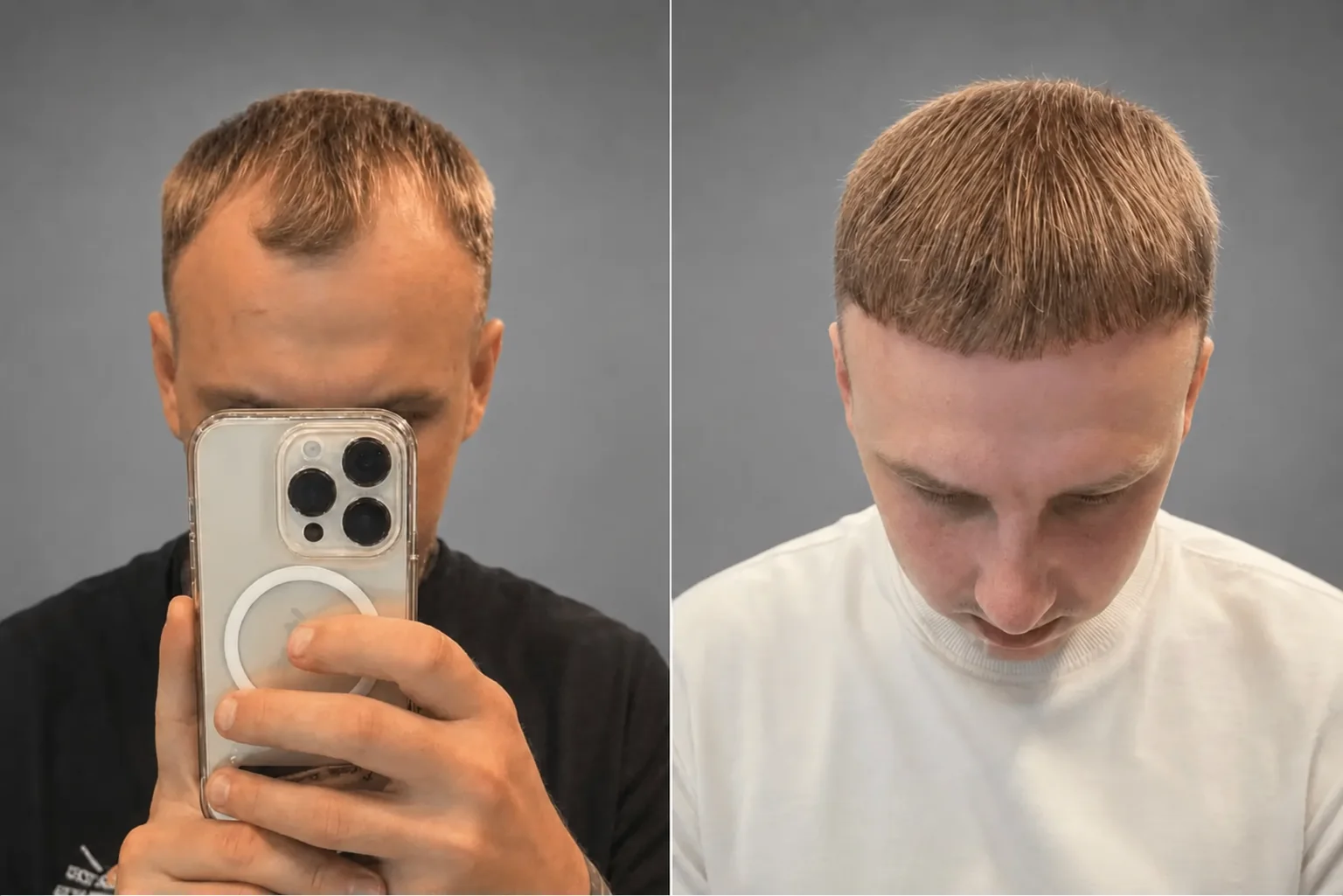
first
by 12 months
3,100 grafts
FUE method
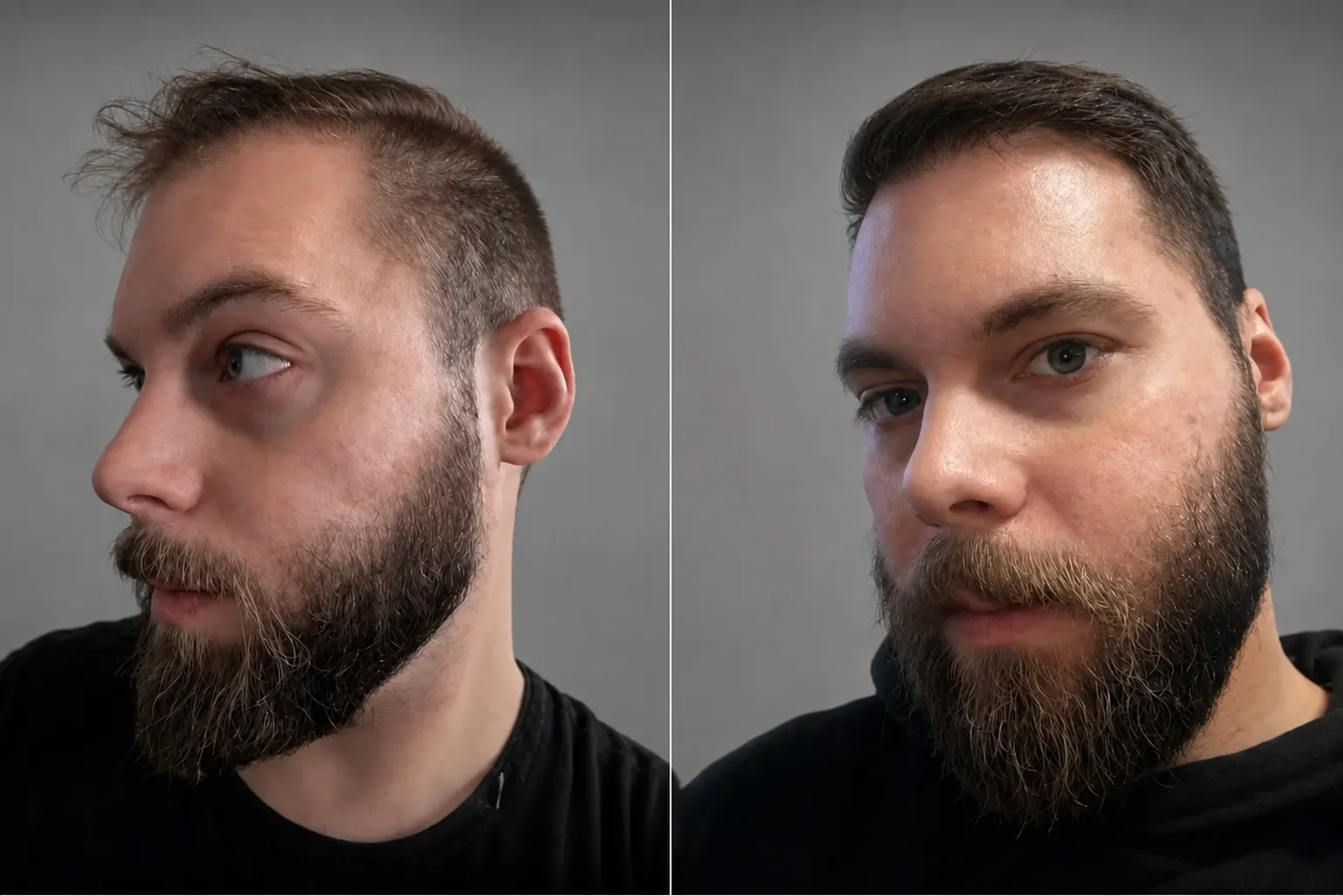
first
by 12 months
2,600 grafts
FUE method
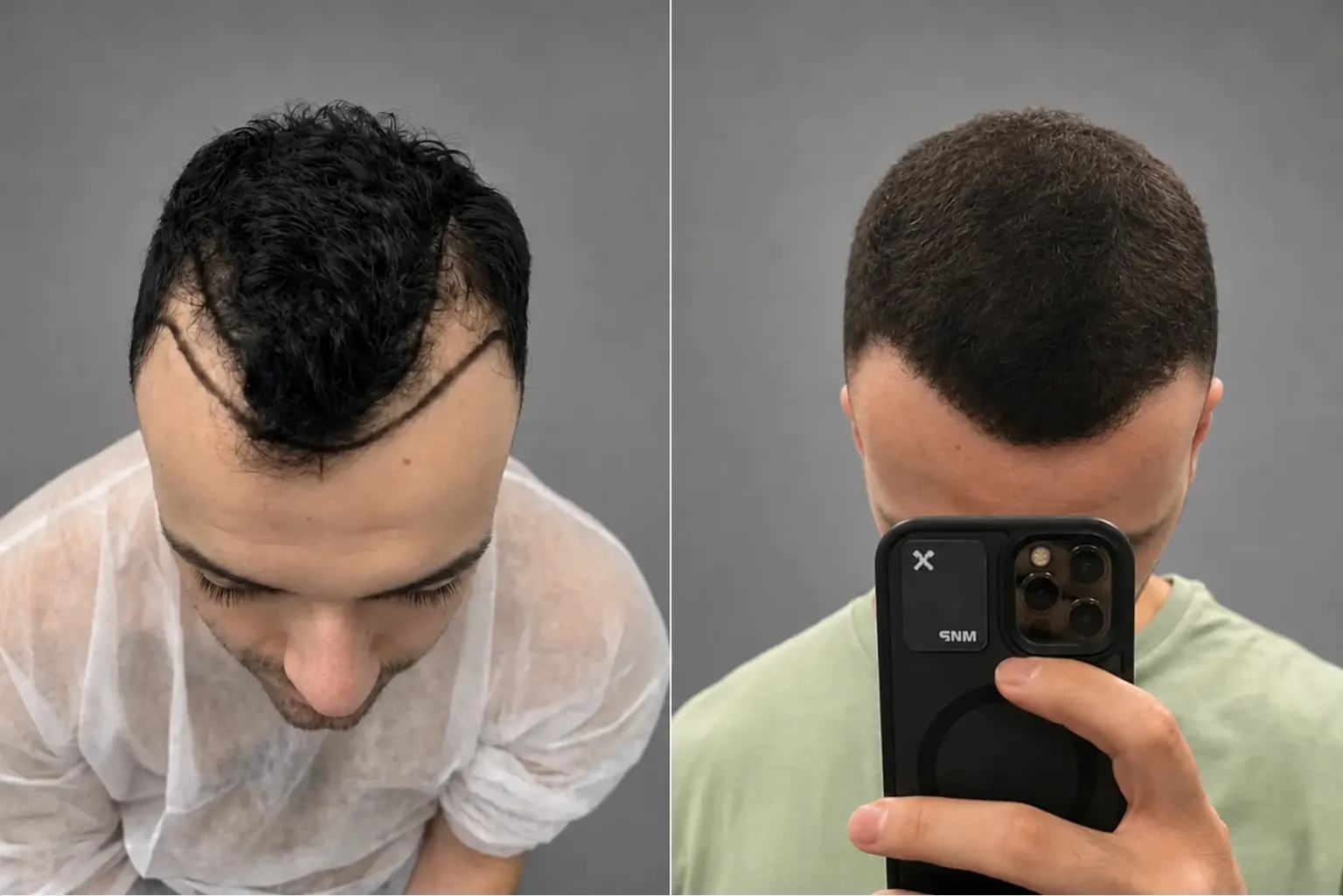
first
by 12 months
3,300 grafts
FUE method
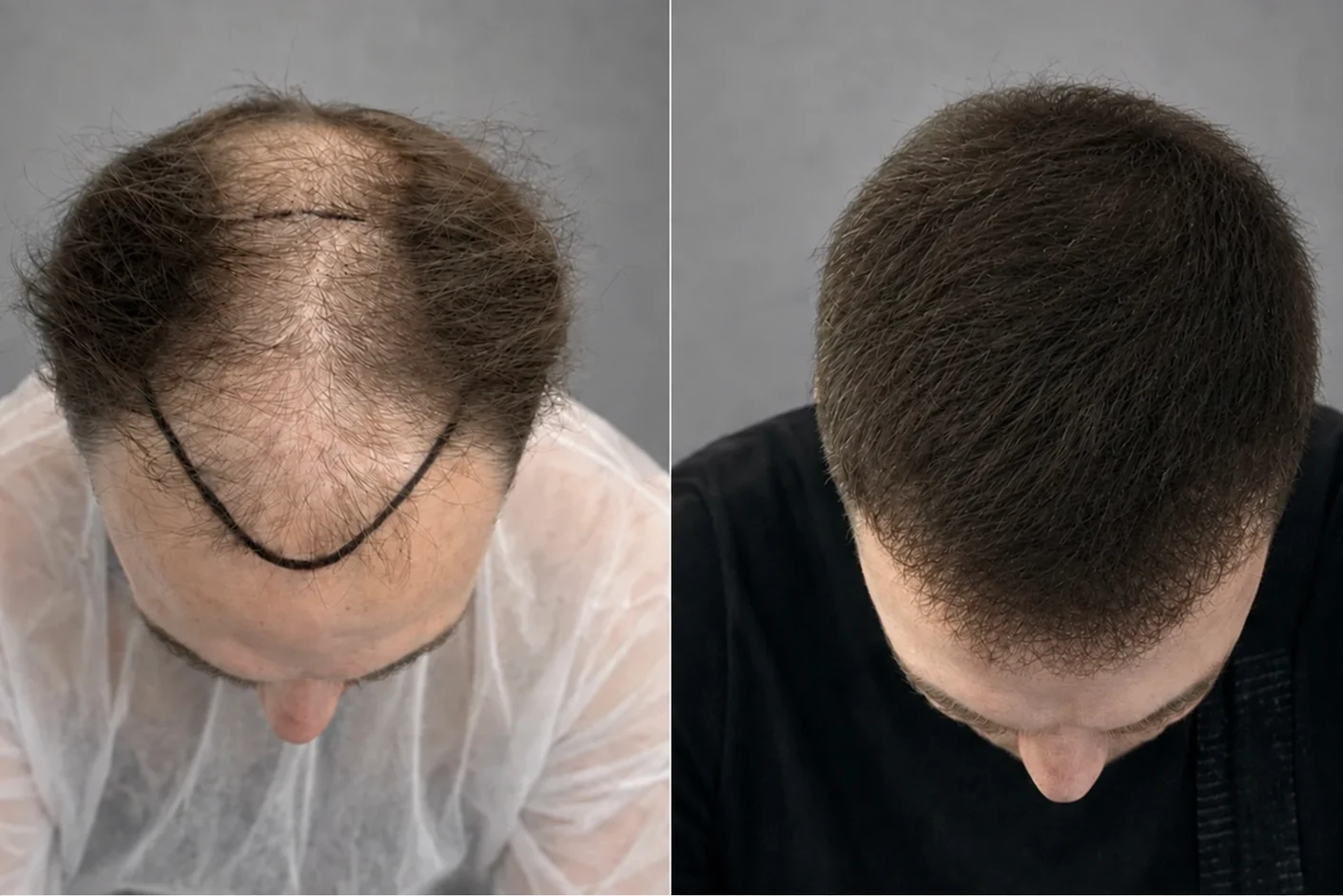
first
by 12 months
3,900 grafts
FUE method
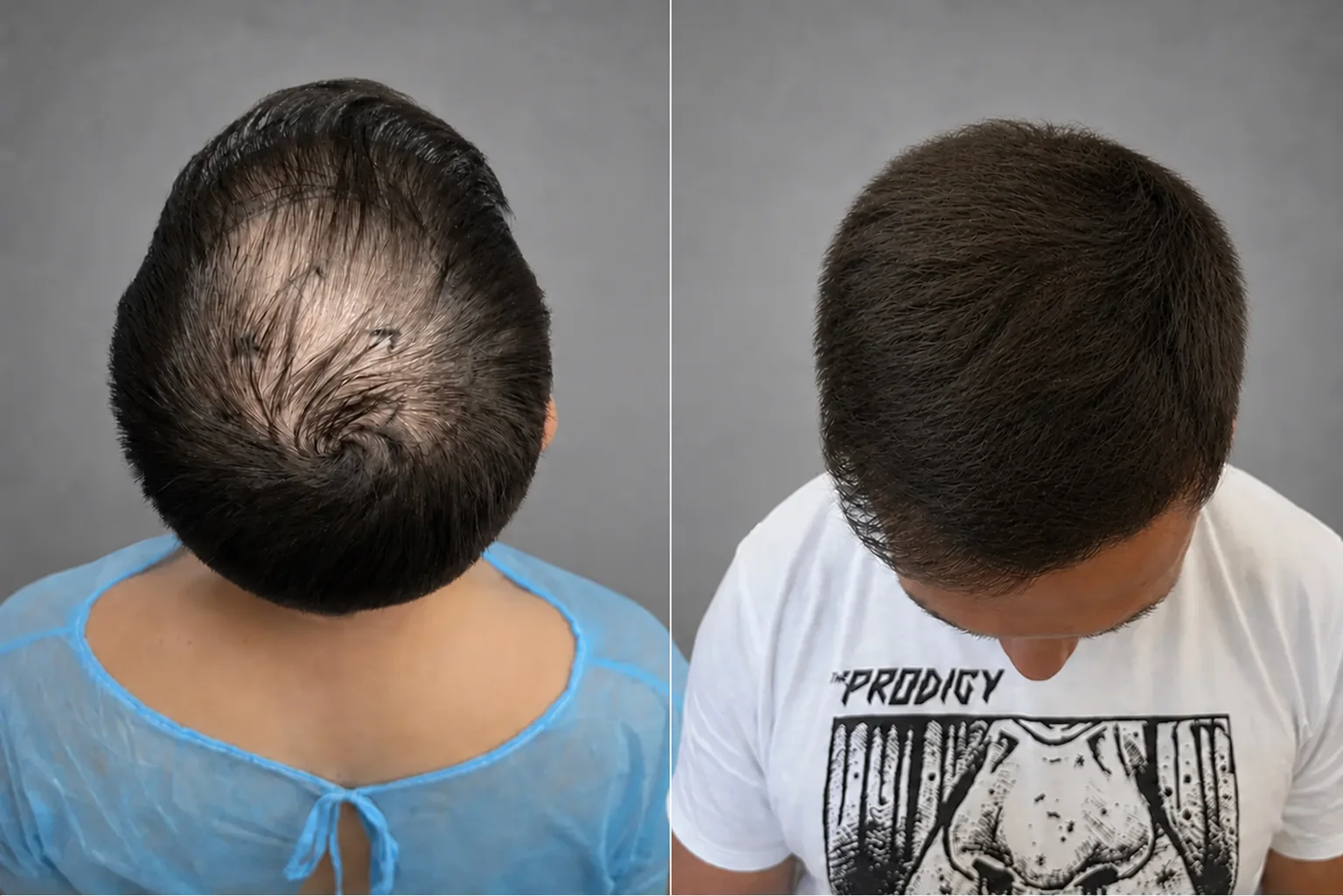
first
by 12 months
3,500 grafts
FUE method
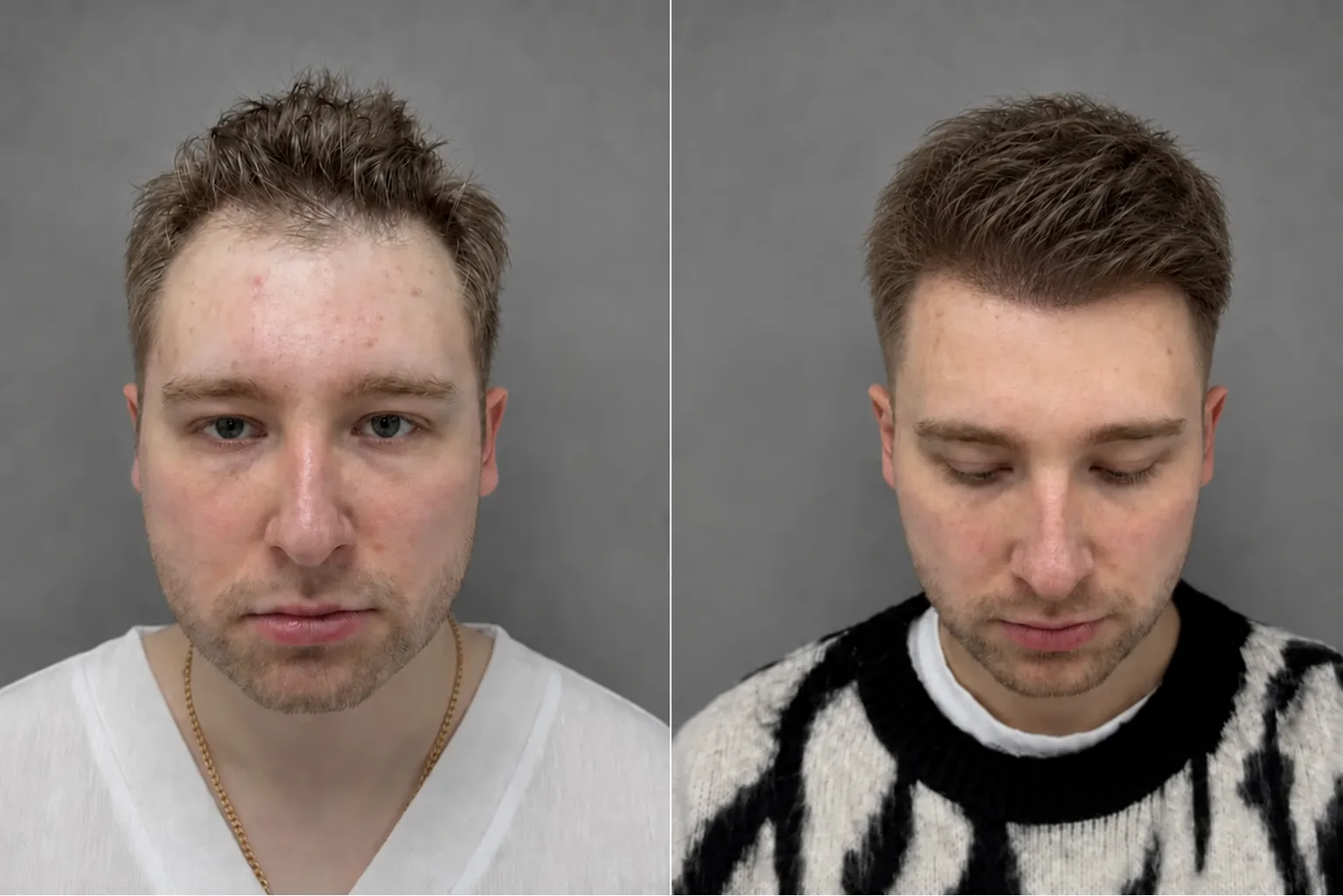
first
by 12 months
2,700 grafts
FUE method
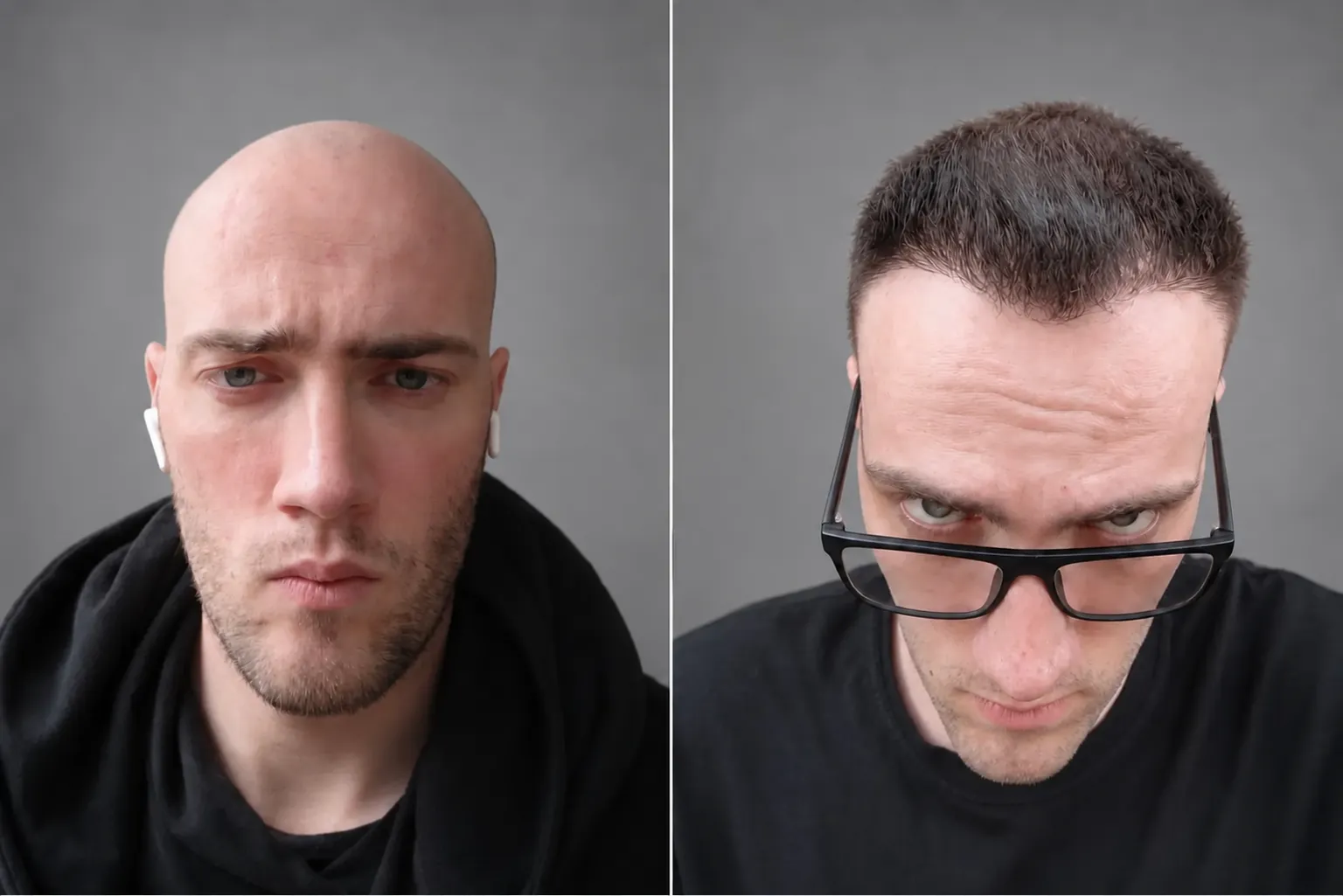
first
by 12 months
3,800 grafts
FUE method
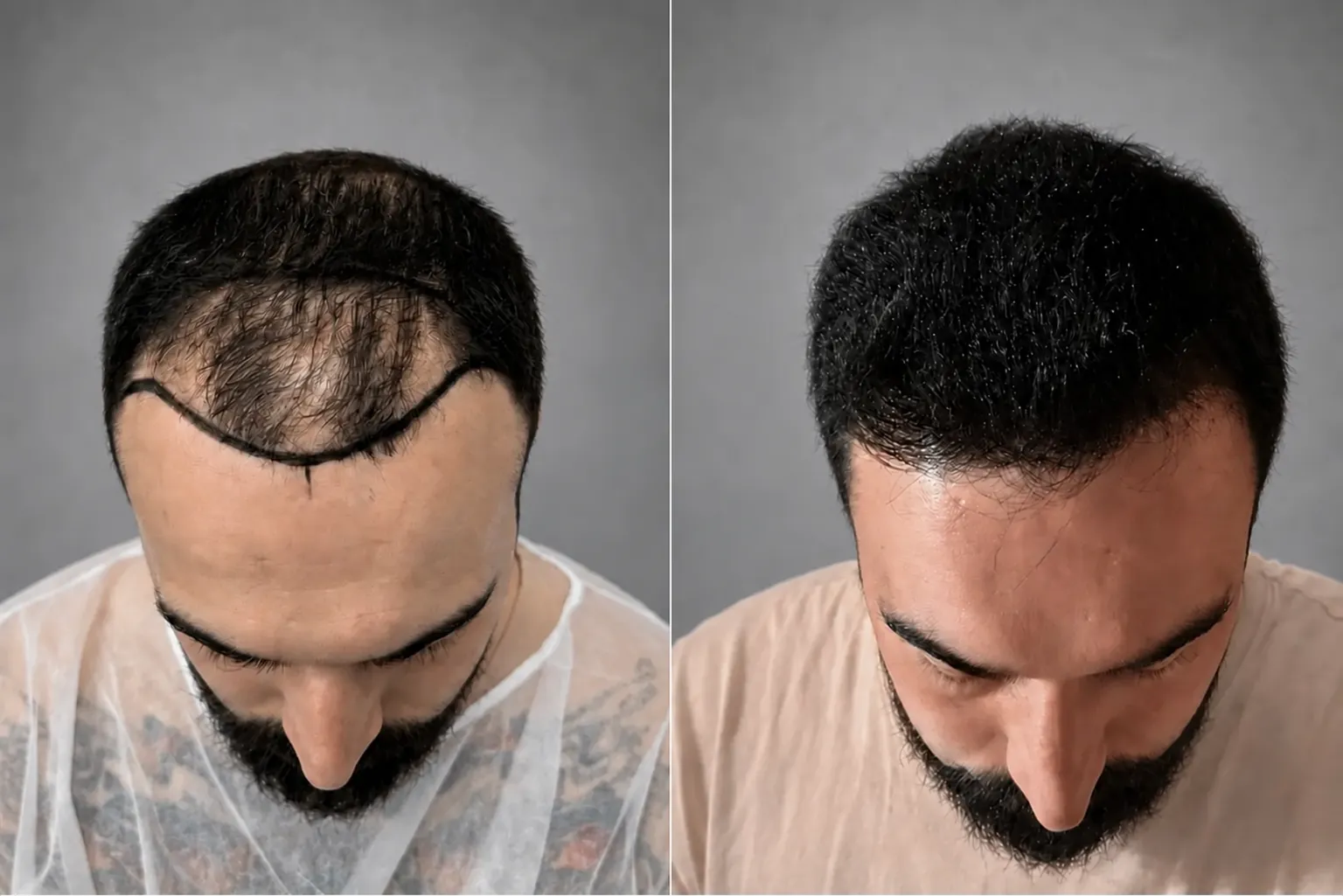
first
by 12 months
3,200 grafts
FUE method
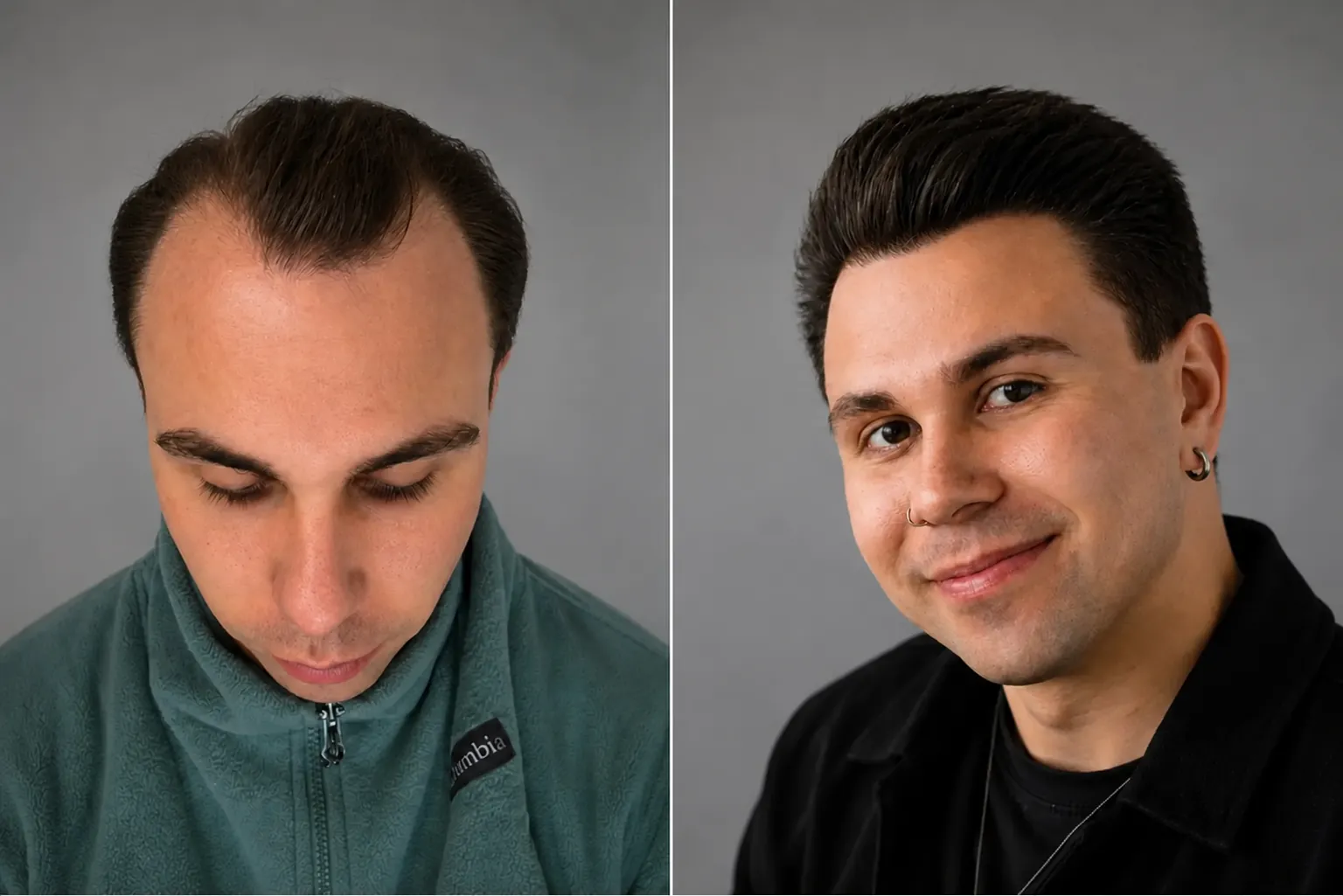
first
by 12 months
3,000 grafts
FUE method
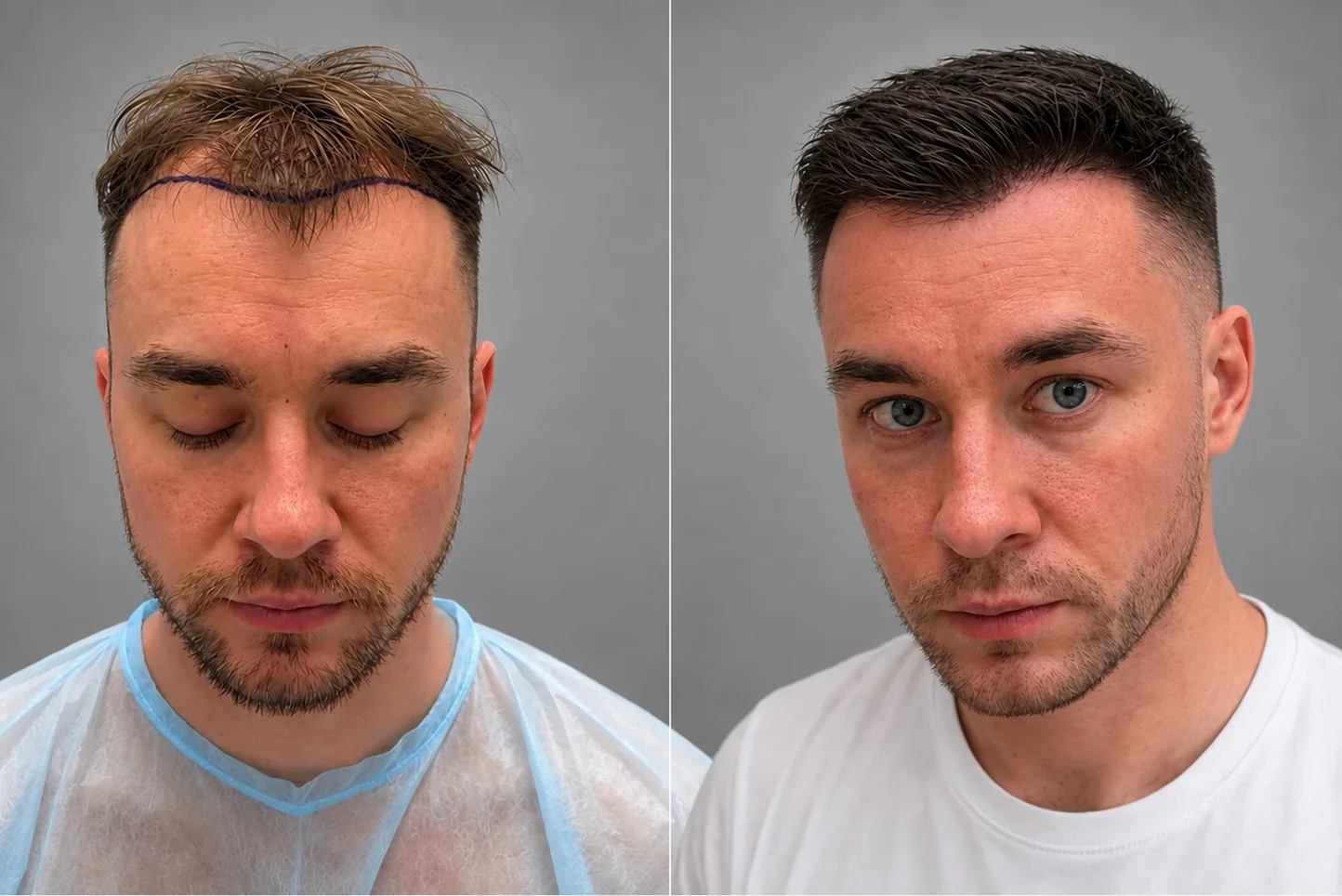
first
by 12 months
2,800 grafts
FUE method
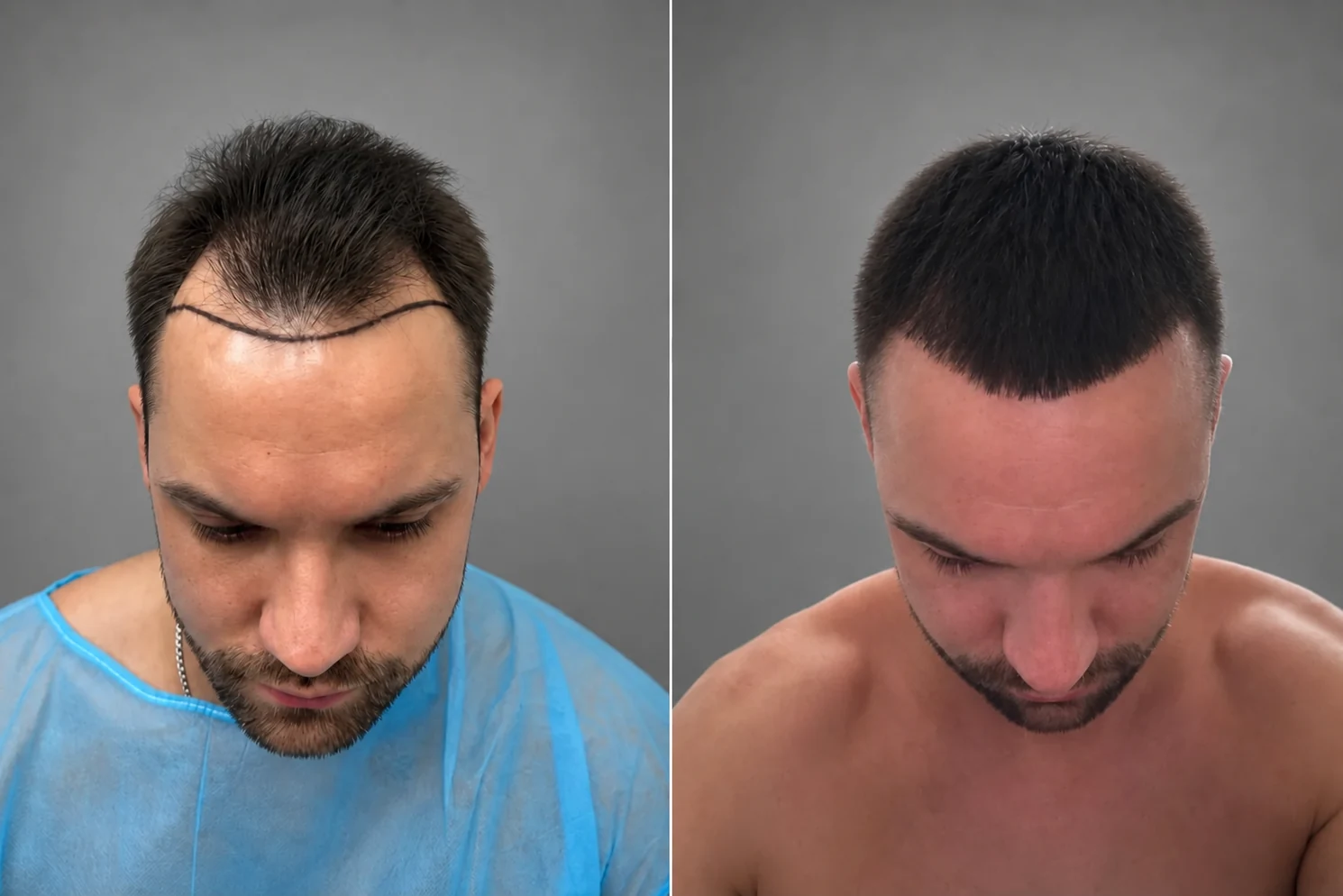
first
by 12 months
3,100 grafts
FUE method
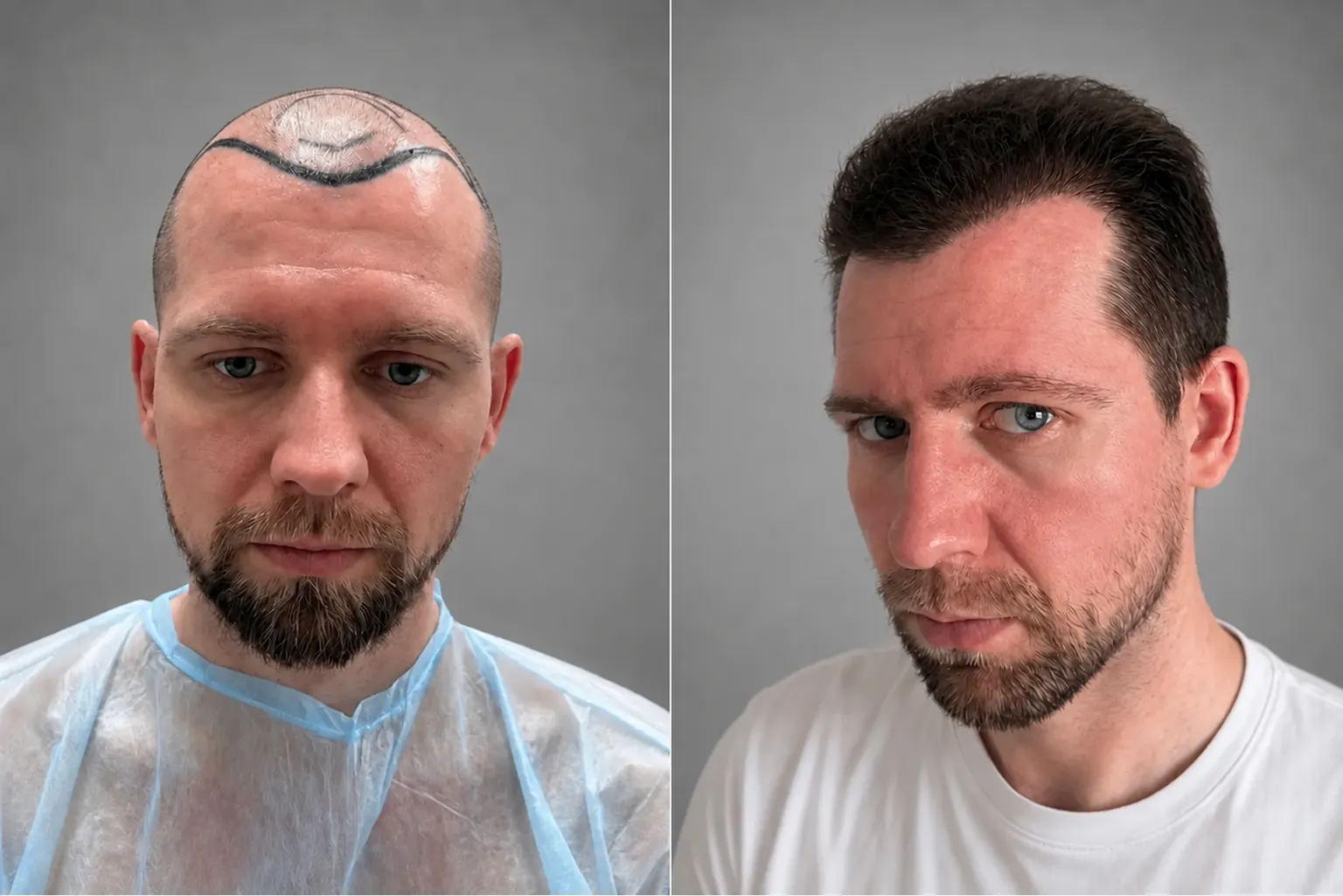
first
by 12 months
3,600 grafts
FUE method
Comparison
Three graft transfer technologies are in use here: classic FUE, suture-free DHI and a combined protocol. Weigh the implantation technique, tissue trauma and graft survival, and choose your method knowingly.
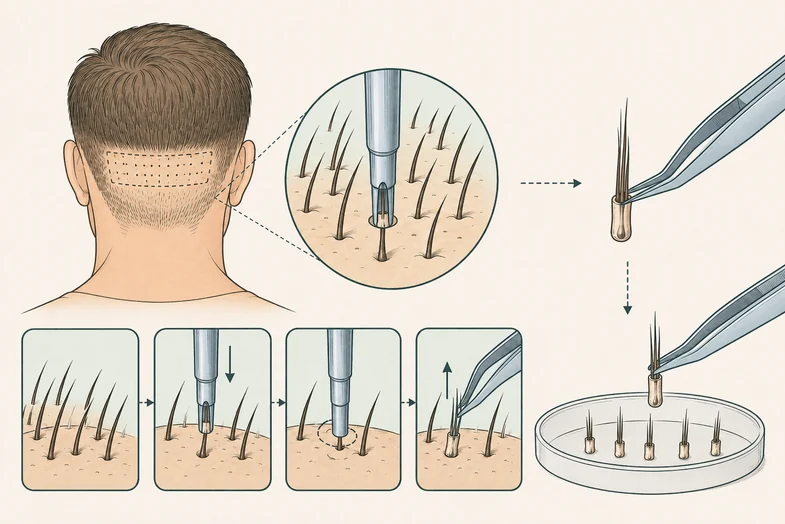
Classic method requiring no cuts or sutures
$2,200
$2,700
Graft implantation technique
ForcepsGraft trauma
MinimalA natural angle for hair
NaturalGraft survival
98–100%Suitable for
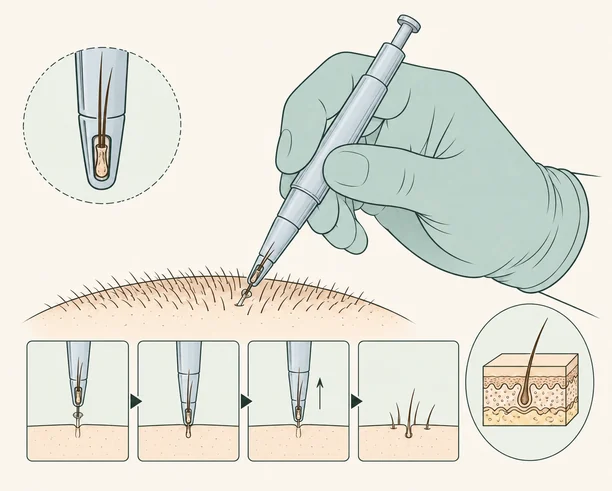
Androgenetic alopeciaNo-stitch implantation with a Choi pen
$2,500
$2,900
Graft implantation technique
Choi implanter, DHI penGraft trauma
MinimalA natural angle for hair
NaturalGraft survival
98–100%Suitable for
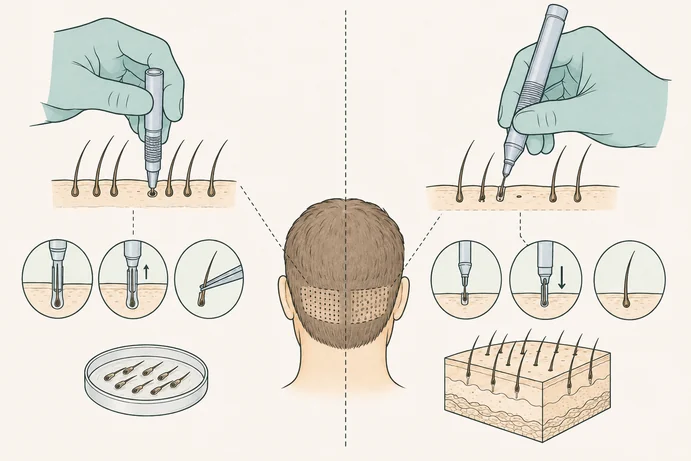
DensificationFUE extraction, DHI pen implant
$2,700
$2,900
Graft implantation technique
FUE extraction with DHI implantGraft trauma
MinimalA natural angle for hair
NaturalGraft survival
98–100%Suitable for
Androgenetic alopecia and densificationFor each method the survival and trauma figures are averaged and act as a guide: exact numbers depend on the transplant area and the patient's individual features, and the doctor clarifies them at the consultation.
Ask a hair expert
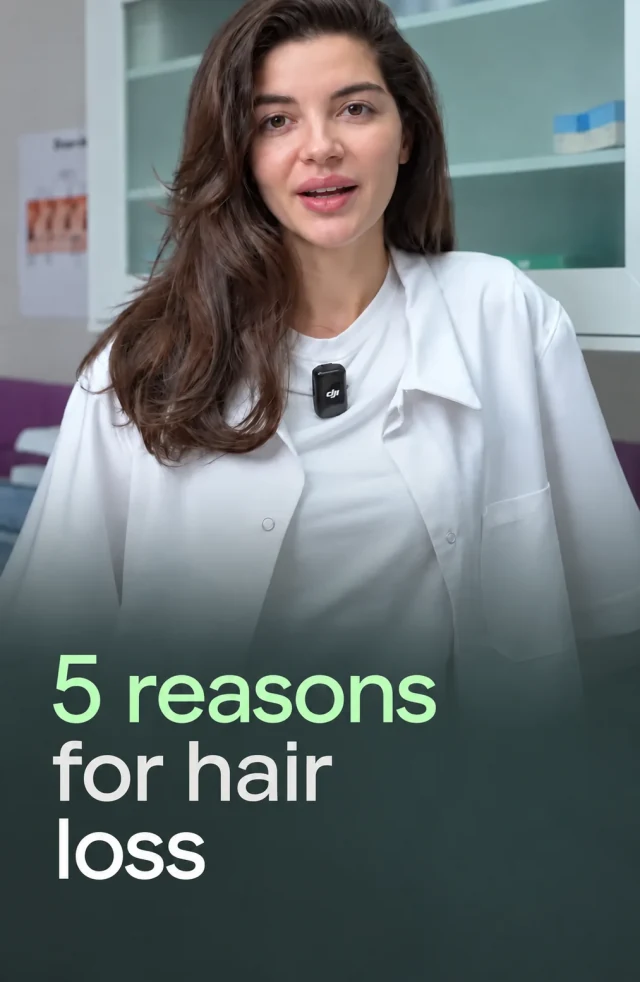
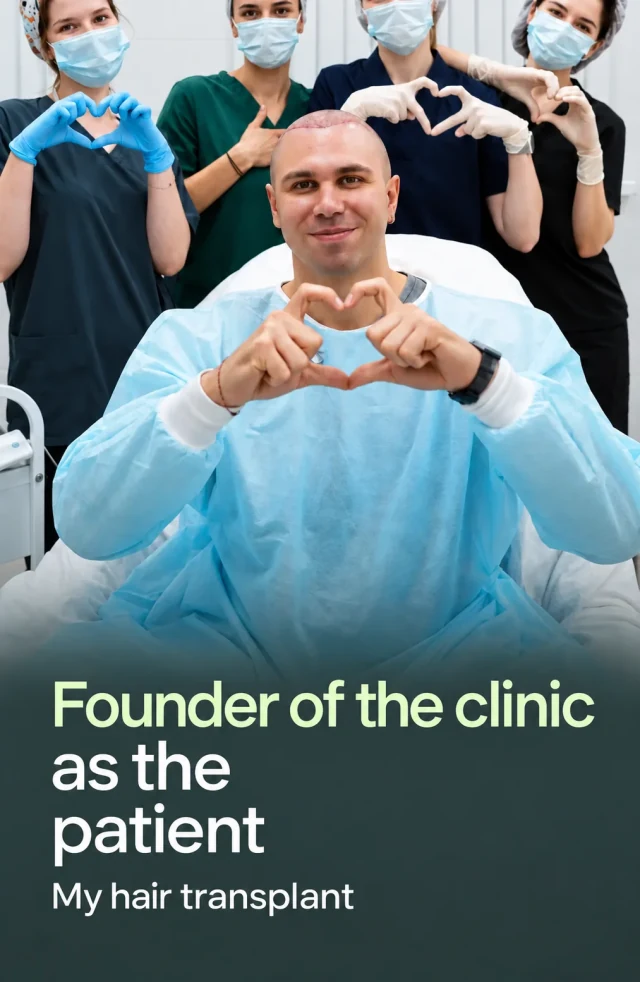
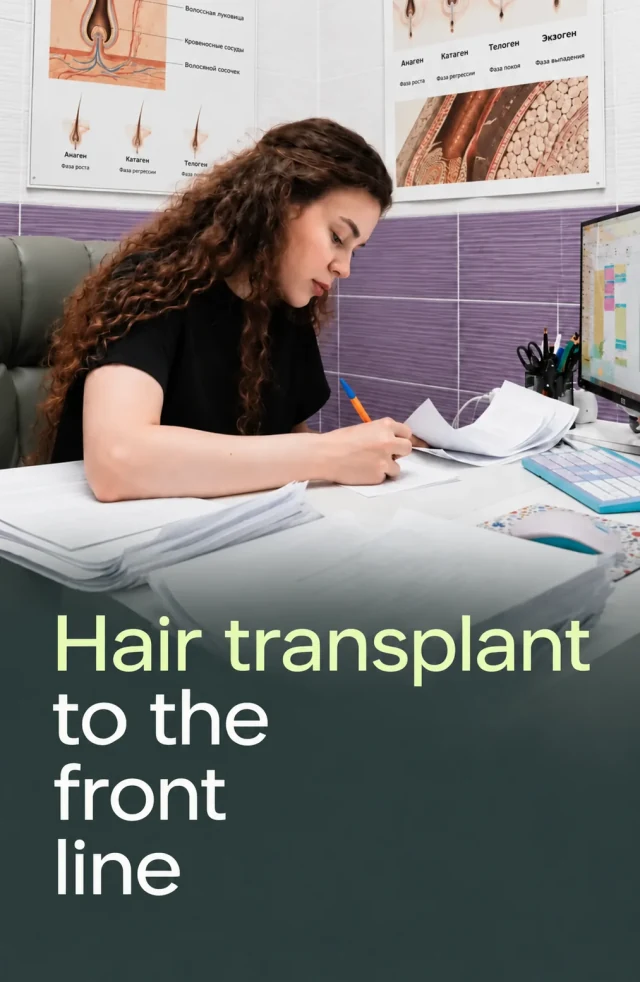
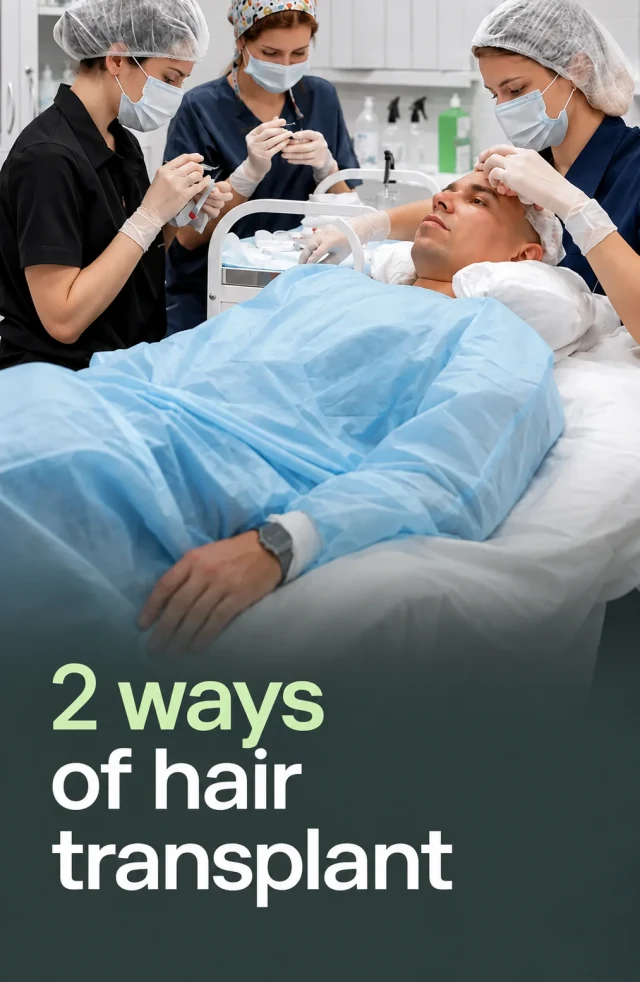


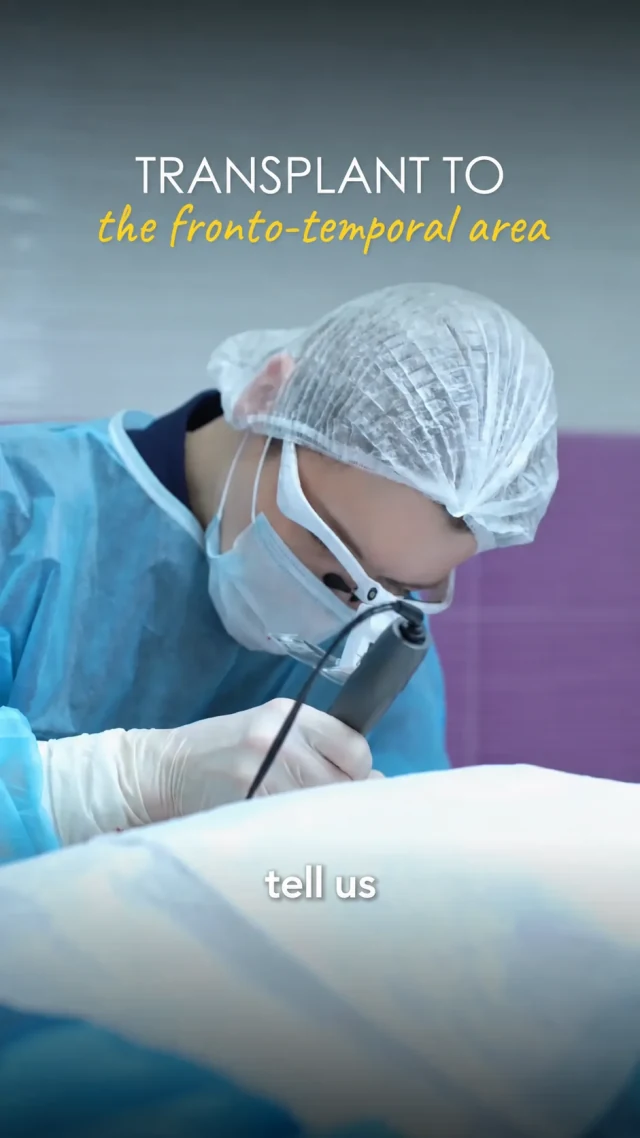

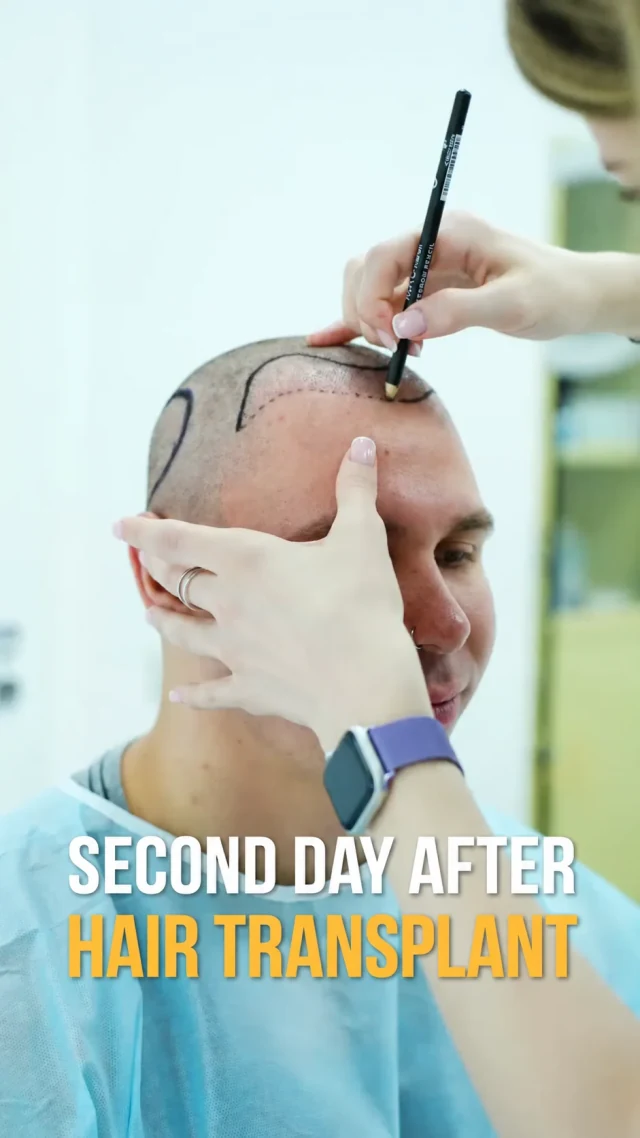
about the clinic
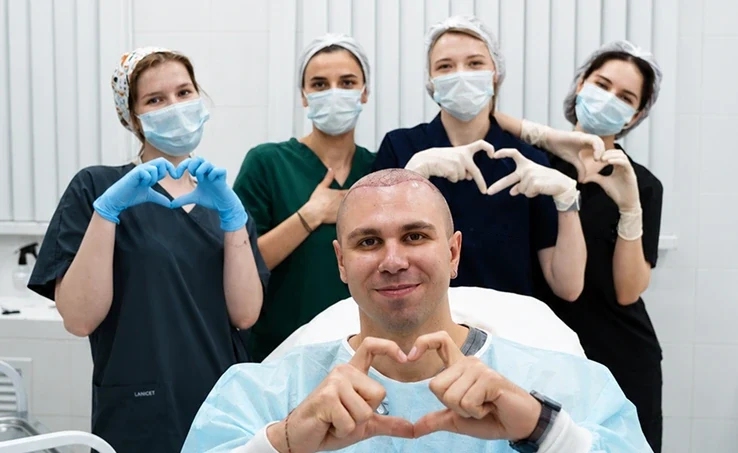
Modern equipment and comfortable rooms, care for every patient
We give you the answers and slot your appointment in at a convenient time
Message us on Telegram Submit the formYou will be told at the consultation when surgery has nothing to offer you, which keeps your money where it is. The situations in which a transplant is truly effective are set out below.
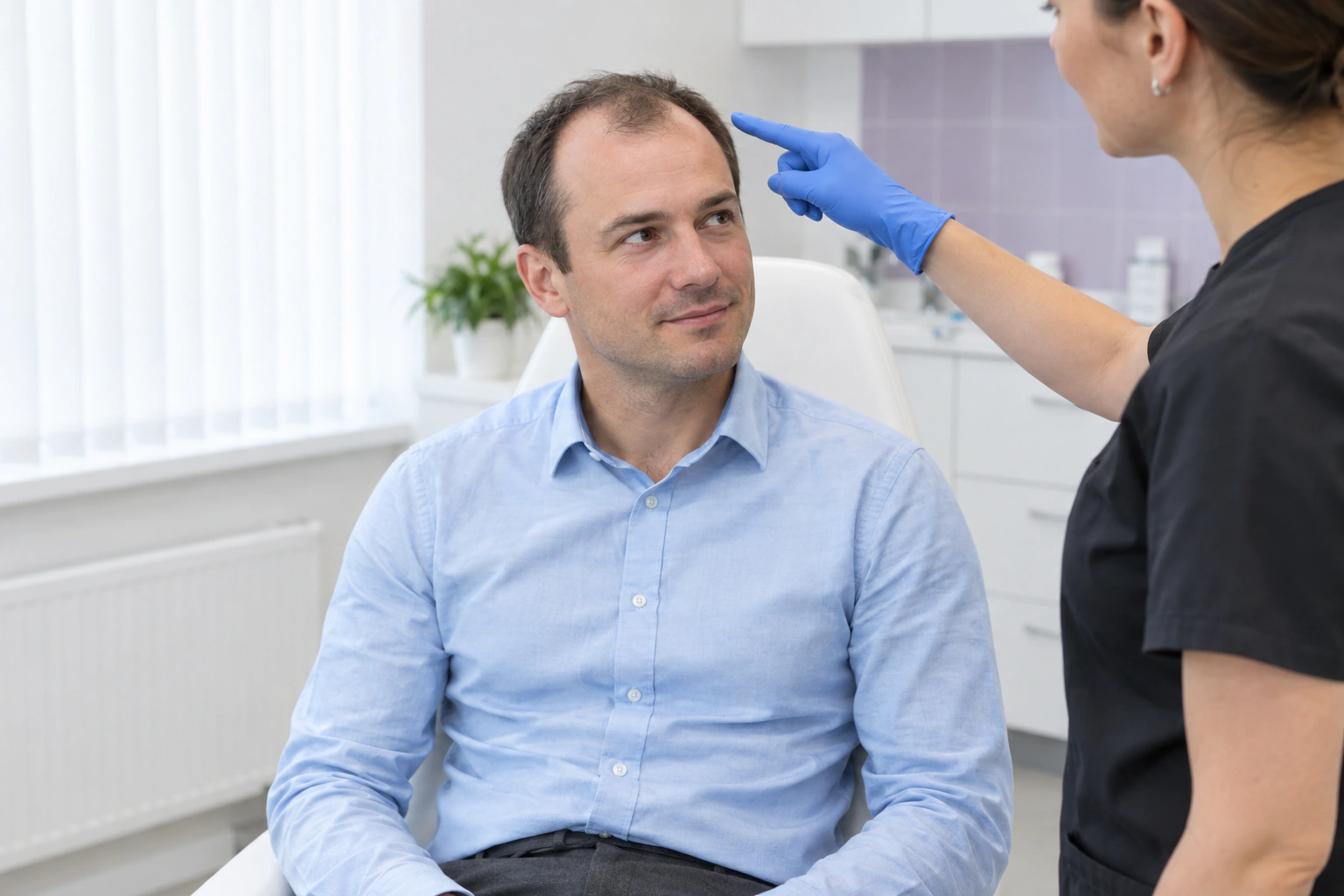

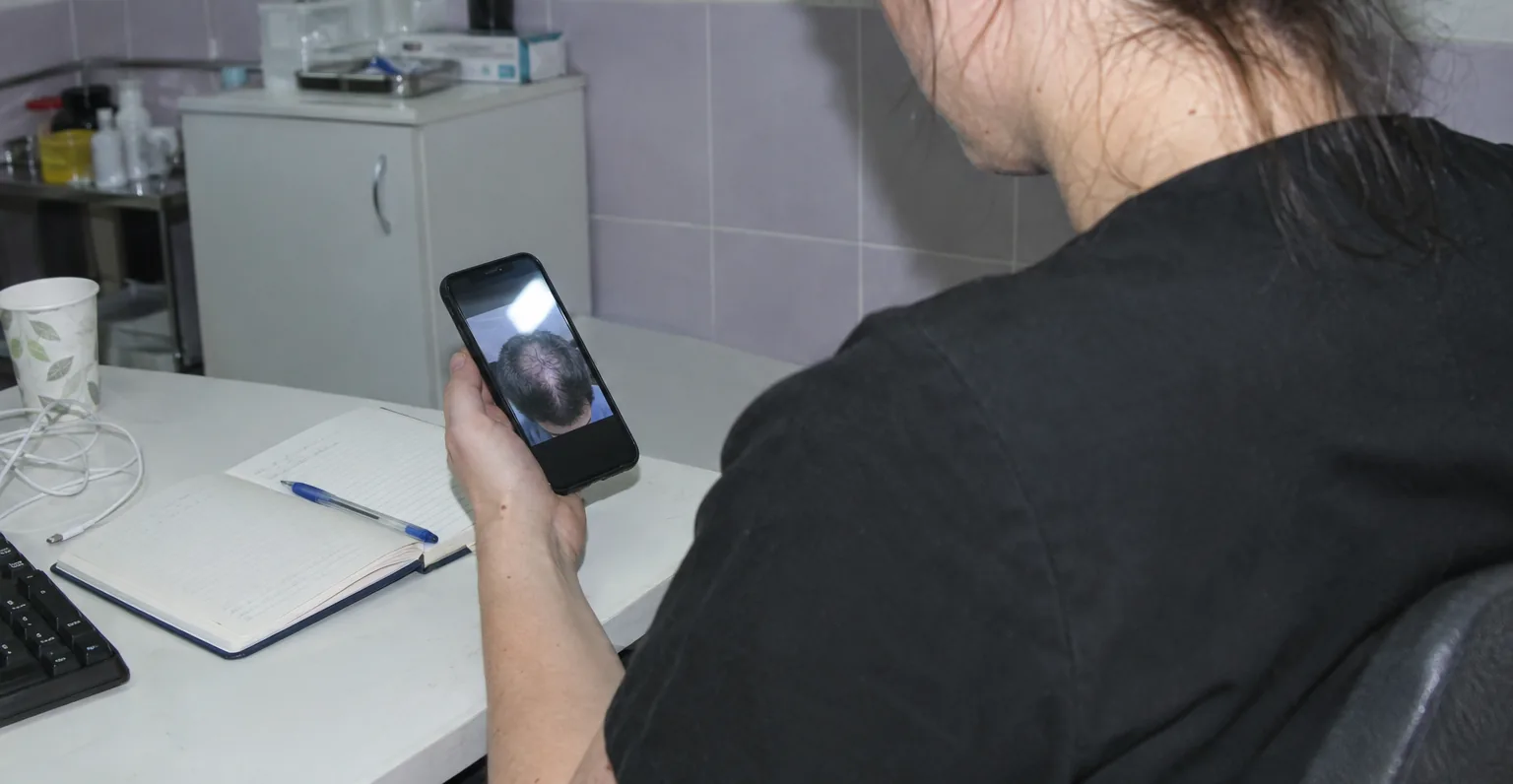
A phone number is all it takes. The coordinator collects close-up pictures through a messenger, a doctor reviews them and says whether a transplant would help. No fee, and no operation is booked.
services
Cost is quoted at the free consultation, after the grafts are counted, and fixed in the contract.
suture-free graft extraction
$2,200$2,700
or $367/mo — 0% instalments for 6 months
Set the price nowimplantation without channels
$2,500$2,900
or $417/mo — 0% instalments for 6 months
Set the price nowcombined technique
$2,700$2,900
or $450/mo — 0% instalments for 6 months
Set the price now| Talking to a doctor | Free |
|---|---|
| Eyebrow transplant, FUE | |
| Beard transplant, FUEinstalments $467/mo | |
| Hair trichopigmentation | |
| PRP therapy / session | $200 |
all included
Groundwork beforehand, then 12 months of aftercare.
The day of surgery adds nothing to the price.
two extra areas
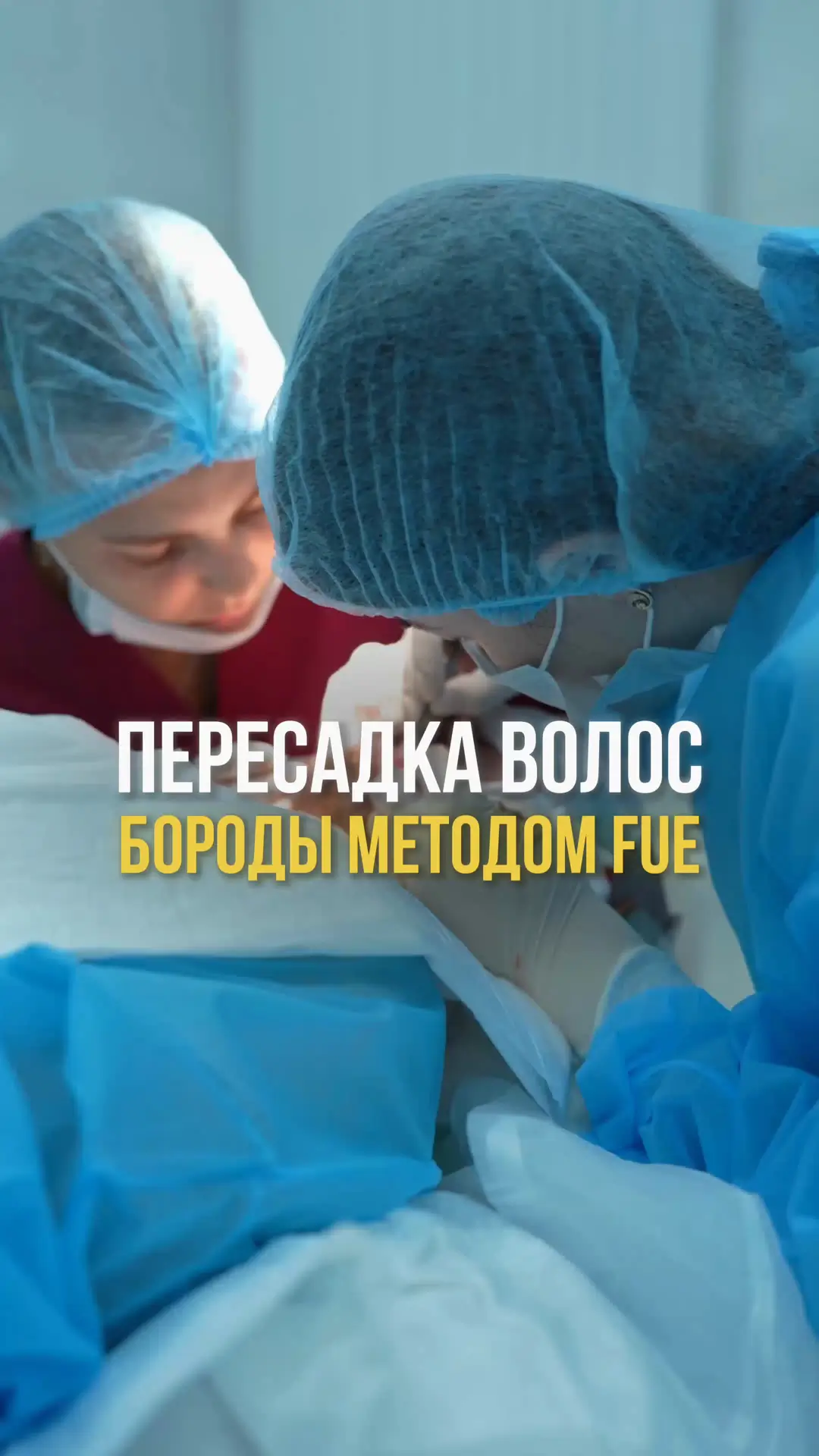
Not only on the scalp: the same grafts from the back of the head, the same FUE method — only the area changes.
FUE method, no cuts or stitches
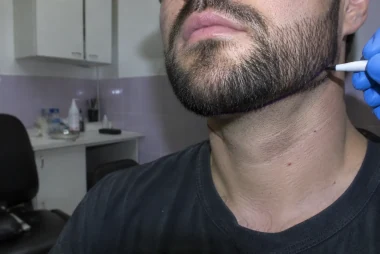
Donor grafts are taken at the back of the head and moved through micro-punctures of about 1 mm, leaving no scars. The doctor talks the shape over with you before the operation, allowing for your facial features. Transplanted hair grows for life, so the beard can be trimmed and styled as usual.
$2,800$3,000
or $467/mo — 0% instalments for 6 months
Set the price nowFUE method, no cuts or stitches
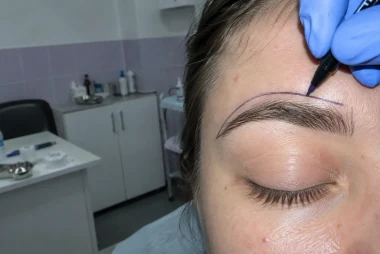
Contour first: the surgeon draws it at the first appointment, references are lined up for comparison, and the design follows your facial proportions. Hairs set at the growth angle make the brows look natural up close. Where years of plucking stopped growth, this is the answer.
$1,600$1,700
a procedure that needs no stay, numbed locally
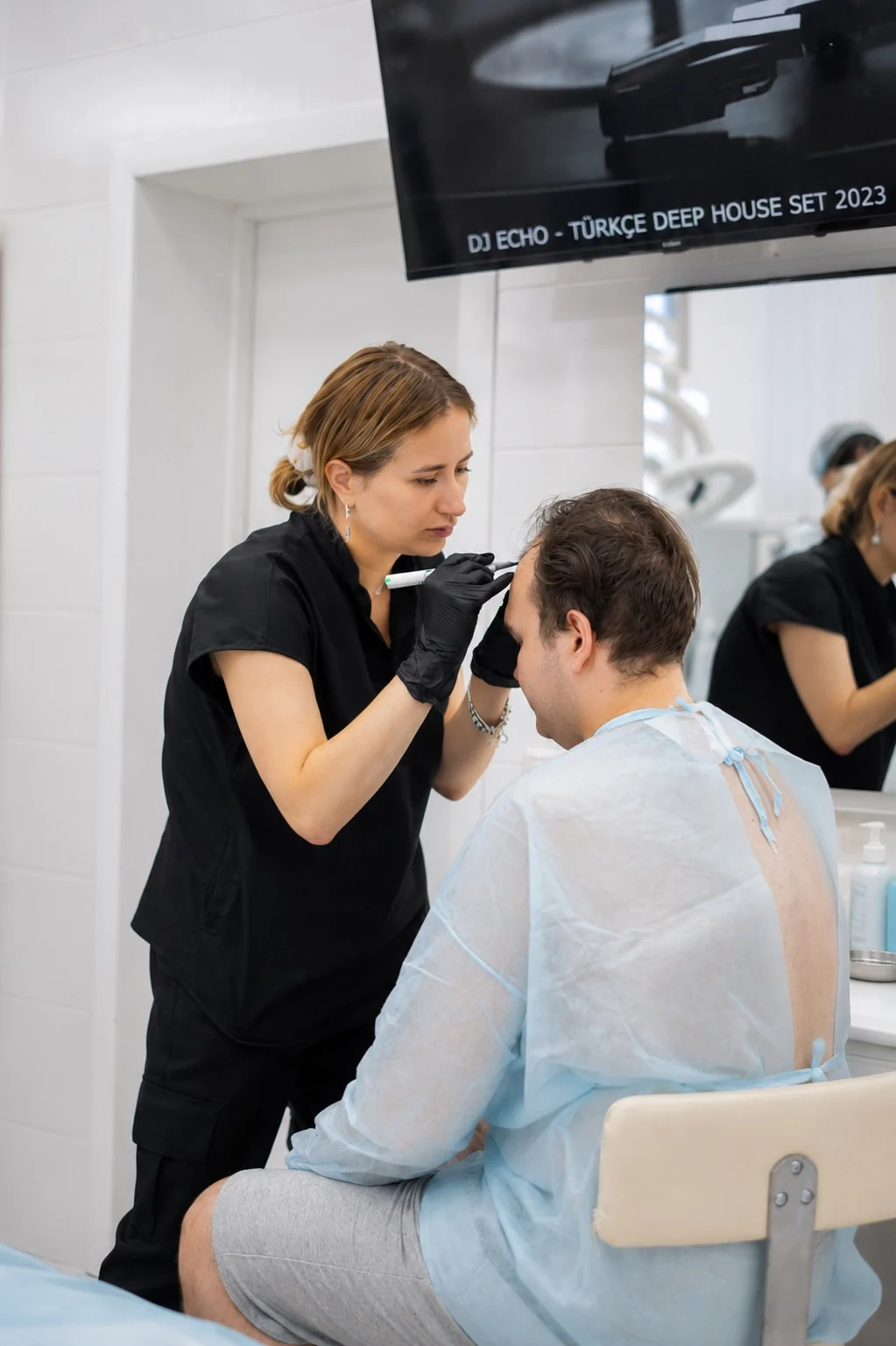
Set the price nowThe doctor assesses your donor area, counts the grafts and shows the result achievable in your case; the cost is quoted at the consultation and fixed in the contract.
Message our coordinator
Free online consultation · Reply within 15 minutes
Message us on TelegramMessage us on WhatsAppBy messaging us, you agree to our Privacy Policy
Process
From consultation to going home — all in one day
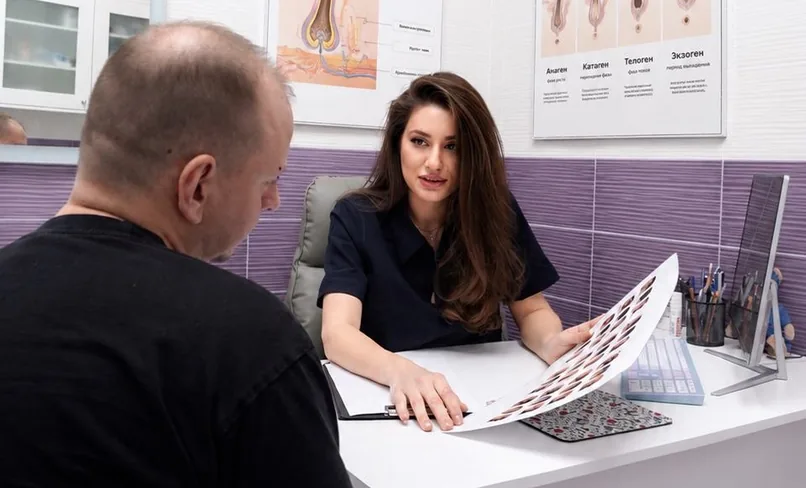
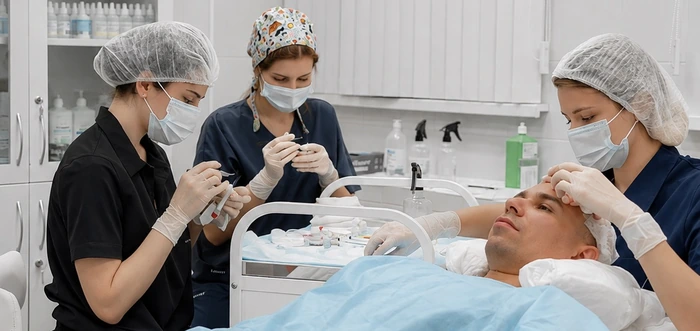
Everything begins with a free consultation: the doctor explains the FUE and DHI methods, answers your questions, and puts together a plan designed specifically for you.

Once the deposit reaches the clinic, your surgical date is fixed. Cards are accepted on site, and online payment is available.
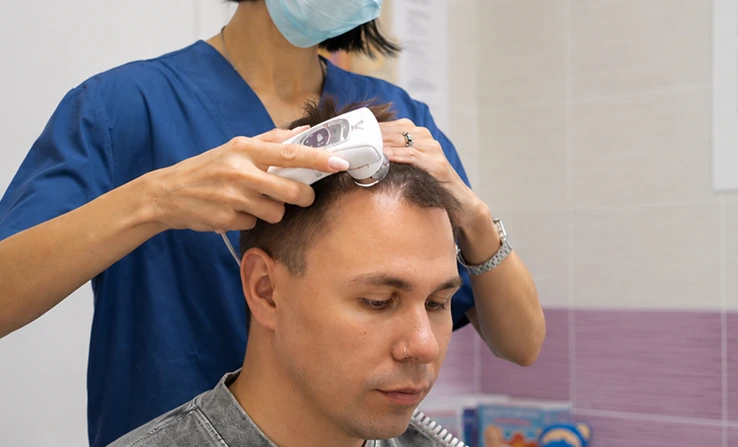
A course of analyses precedes the transplant, and everything needed for it, list and directions alike, comes from the clinic.
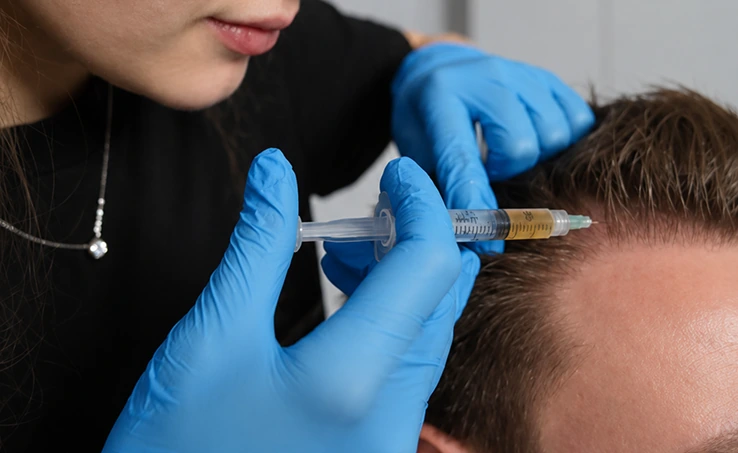
With local anaesthesia in place, the operation is painless throughout its duration.
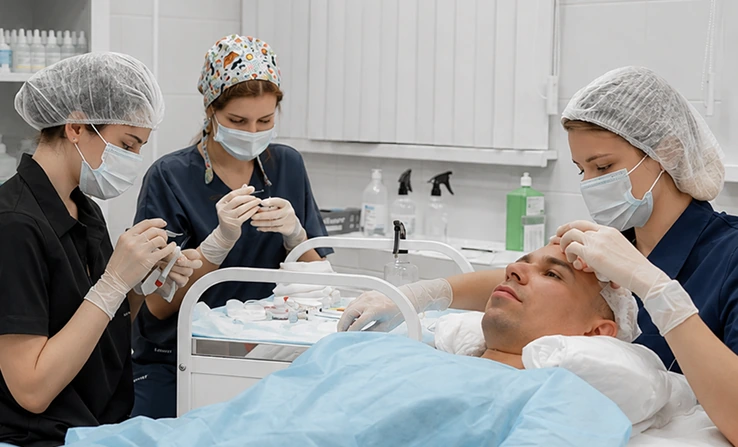
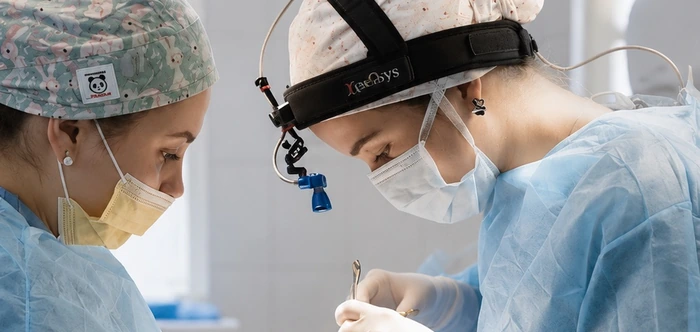
Extraction happens towards the rear of the head, or at the temples, and no suture goes into the donor zone.
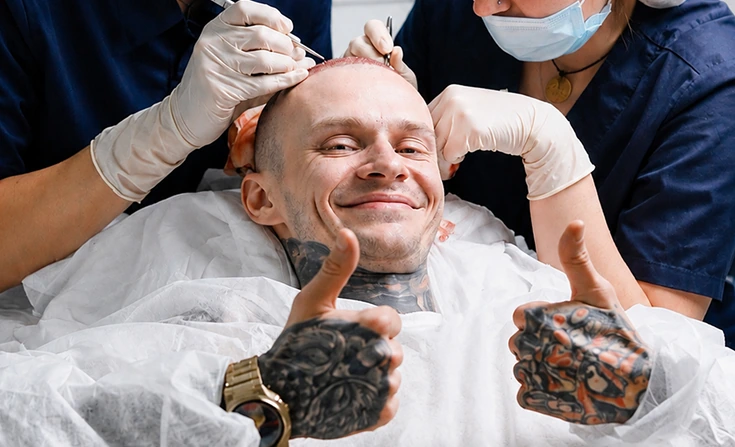
The grafts are implanted, one after another, where the hair has gone.
Everything required afterwards comes from the clinic, together with a complete set of directions.
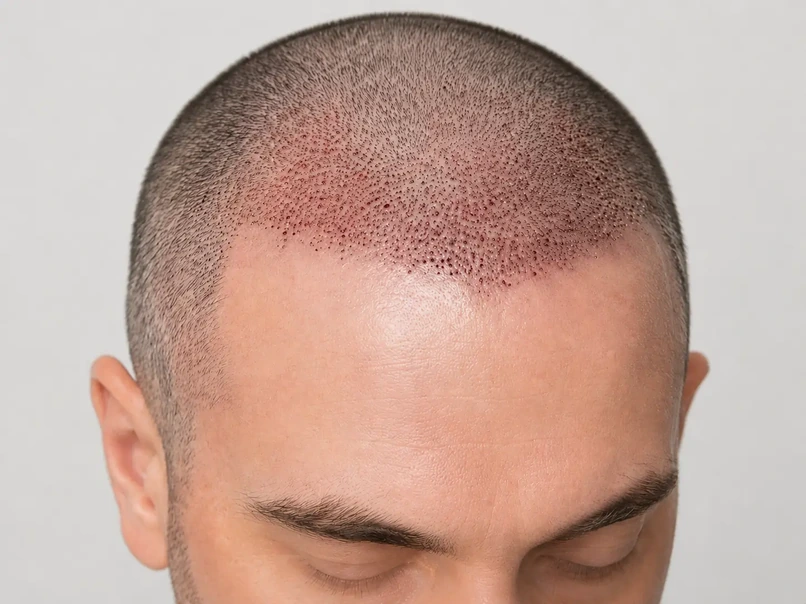
Scabs disappear, the swelling goes down, the skin returns to normal
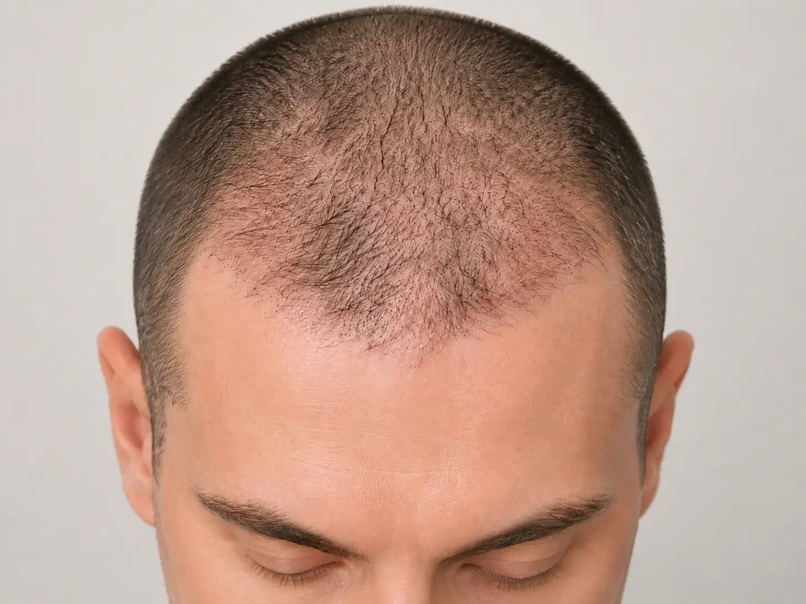
A normal stage. Only hairs fall out, the follicles stay in place
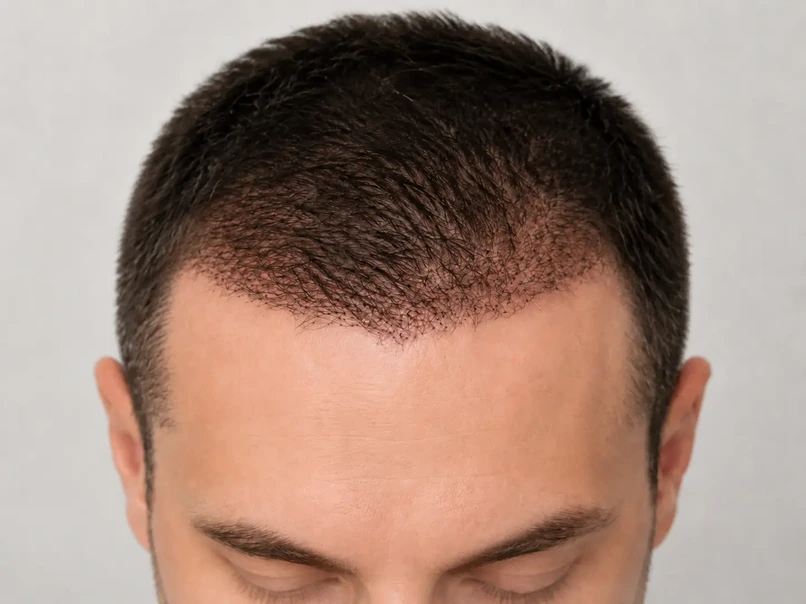
Growth comes on steadily, and the change becomes clear
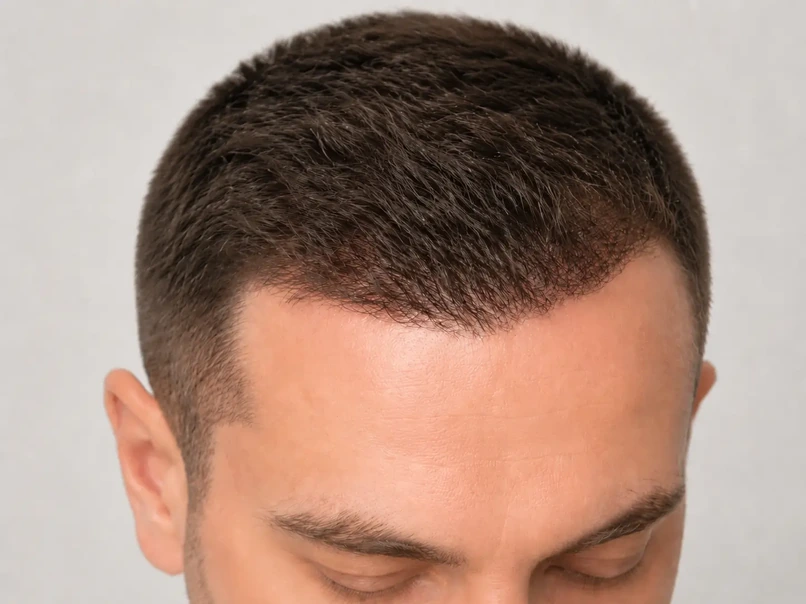
Hair density climbs, the principal volume and outline are clear
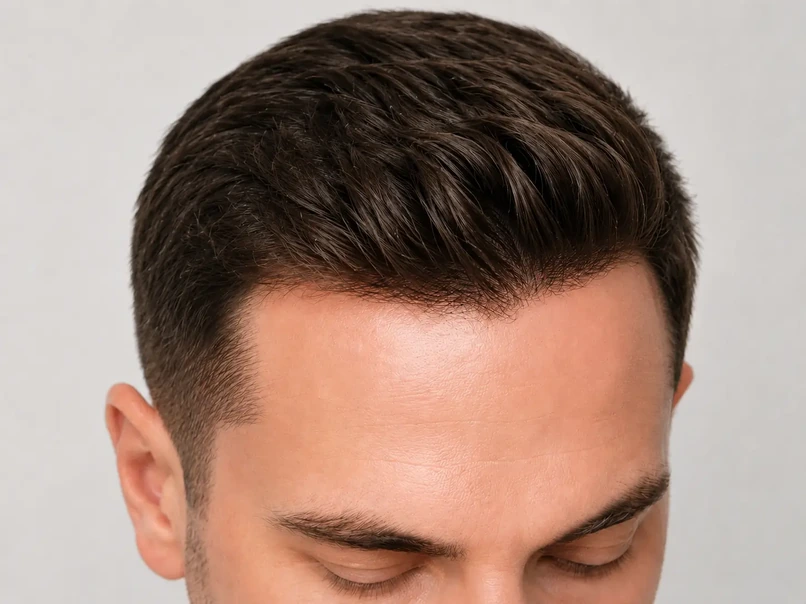
Final density and a natural hairline are in place
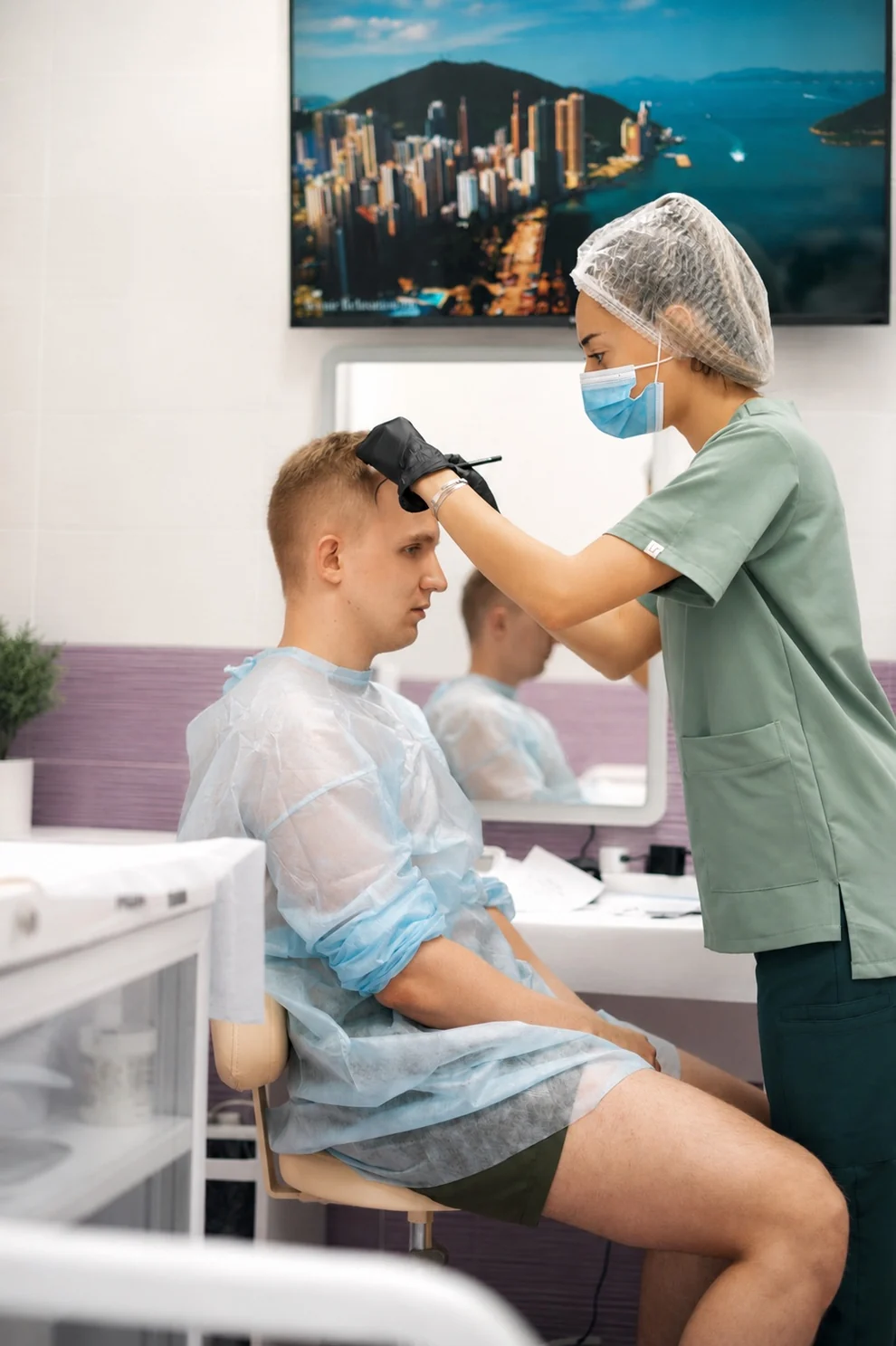
Free, before surgery, with nothing binding you.
Ask a hair expertdoctors
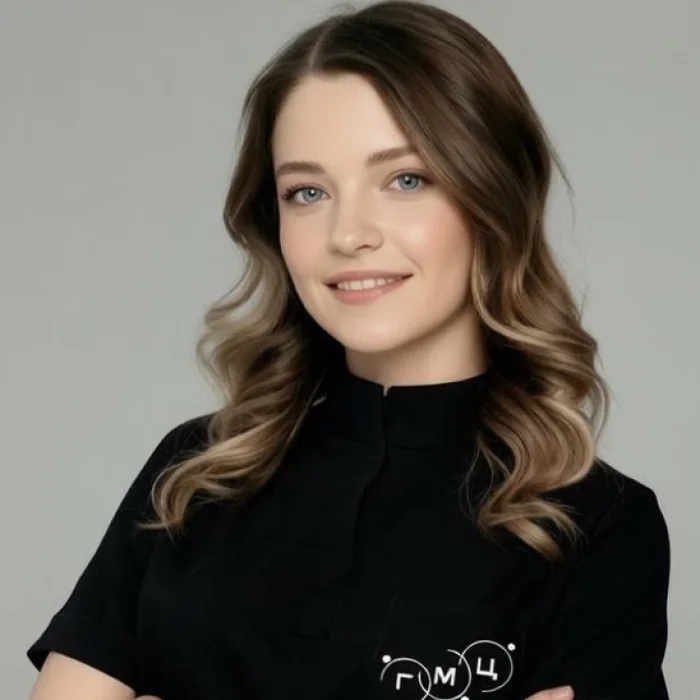
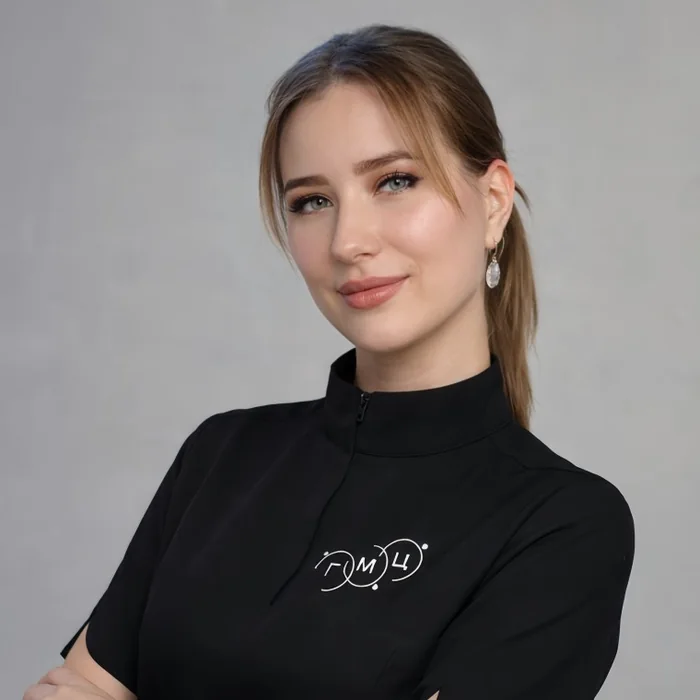
Hair transplant doctor, trichologist, surgeon
10 years in practice
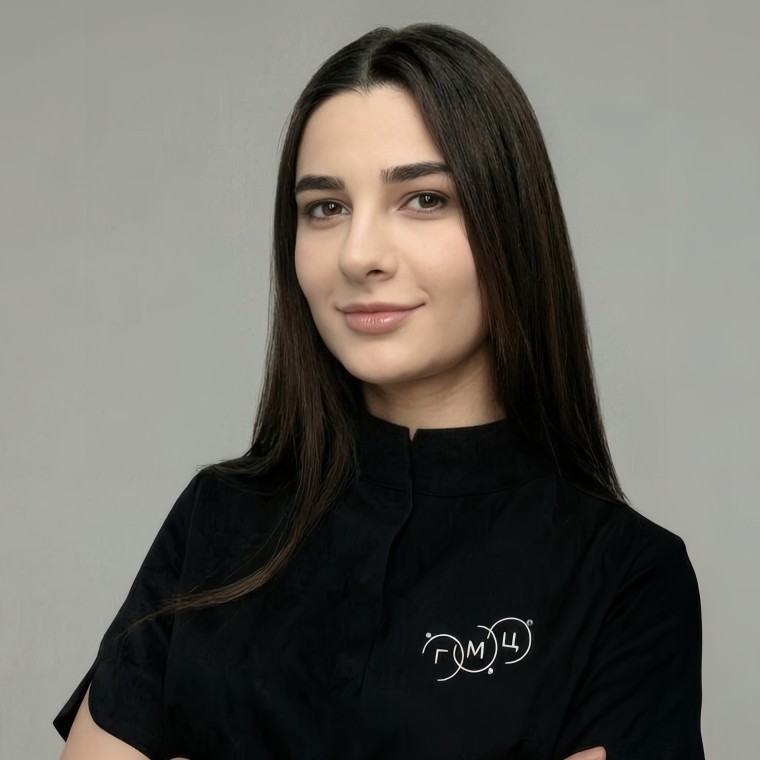
Dermatovenereologist, trichologist, surgeon
11 years of experience
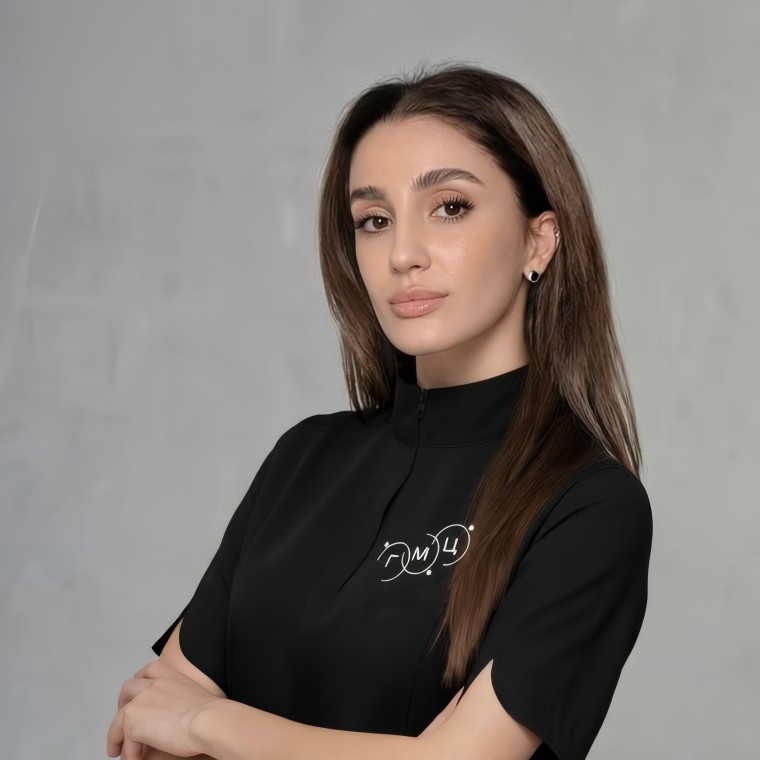
Plastic surgeon
9 years in practice
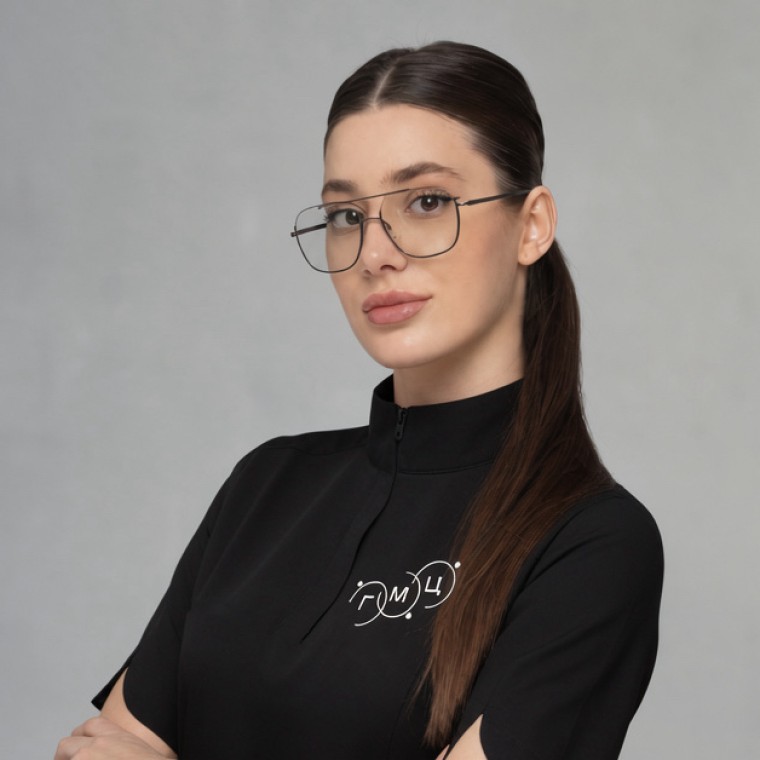
Plastic surgeon
9 years in practice
Assistant
9 years in practice
The doctor will assess your donor area, count the grafts and say what you can achieve.
Ask a hair expertcoordinators
Every patient is assigned a personal coordinator, from the first enquiry to recovery.
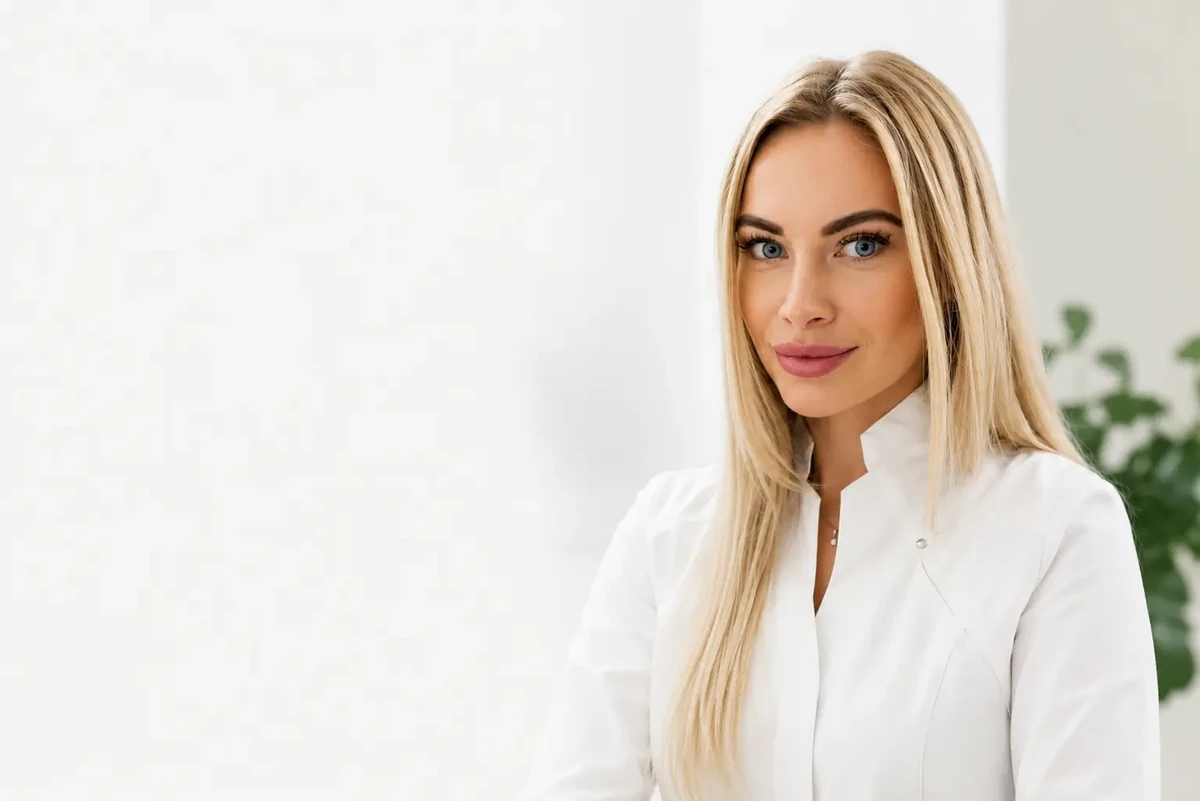
Patient support officer
Will help you before and after the surgery
Sees your papers through and books slots
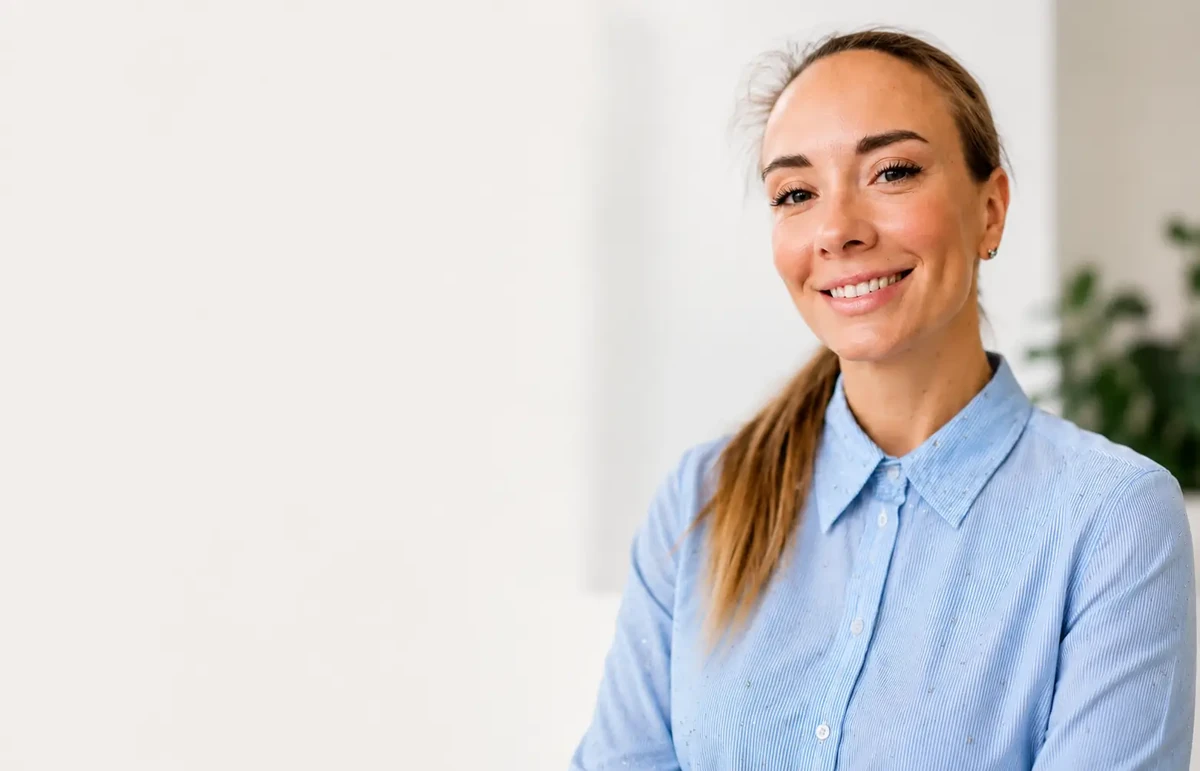
Patient support officer
Will help you before and after the surgery
Sees your papers through and books slots
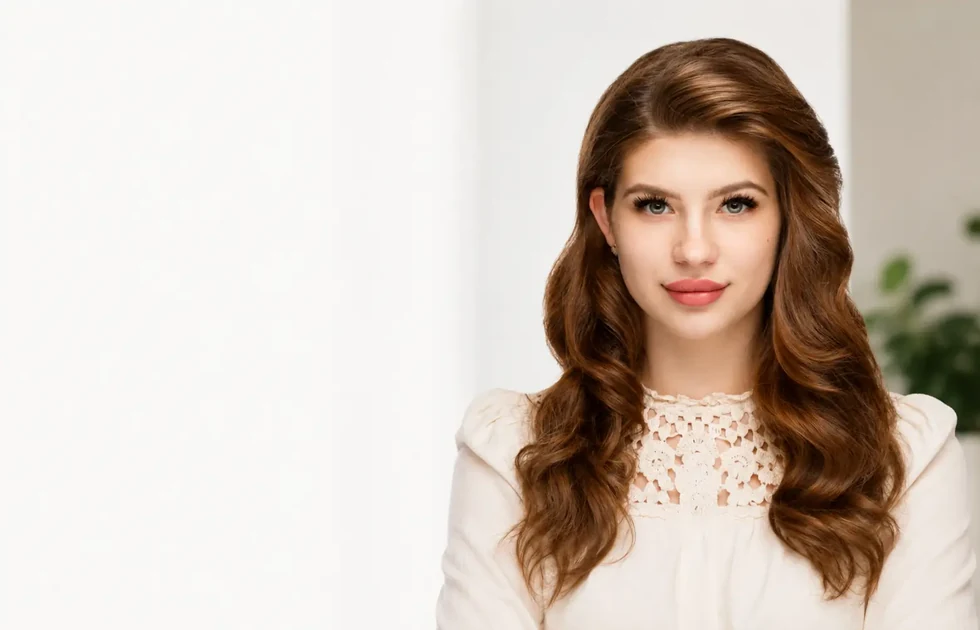
Patient support officer
Will help you before and after the surgery
Sees your papers through and books slots
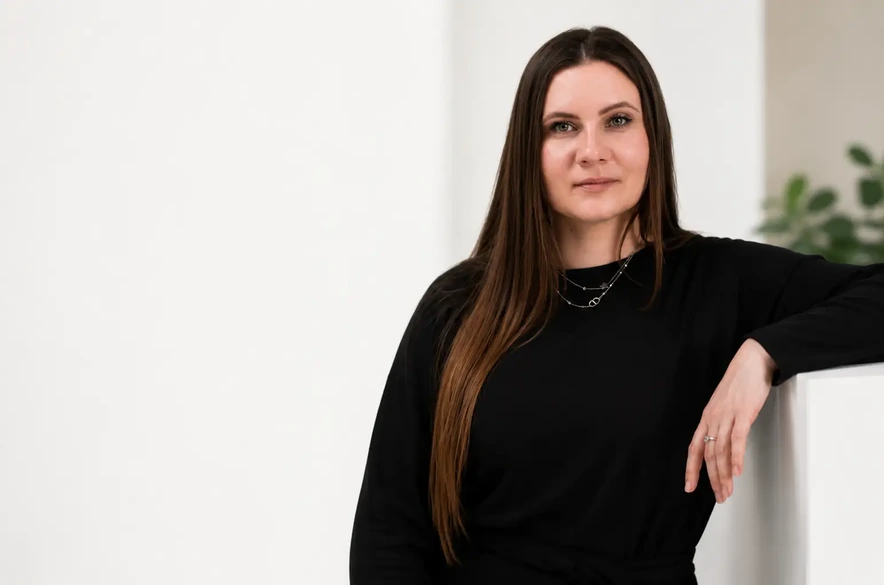
Patient support officer
Will help you before and after the surgery
Sees your papers through and books slots

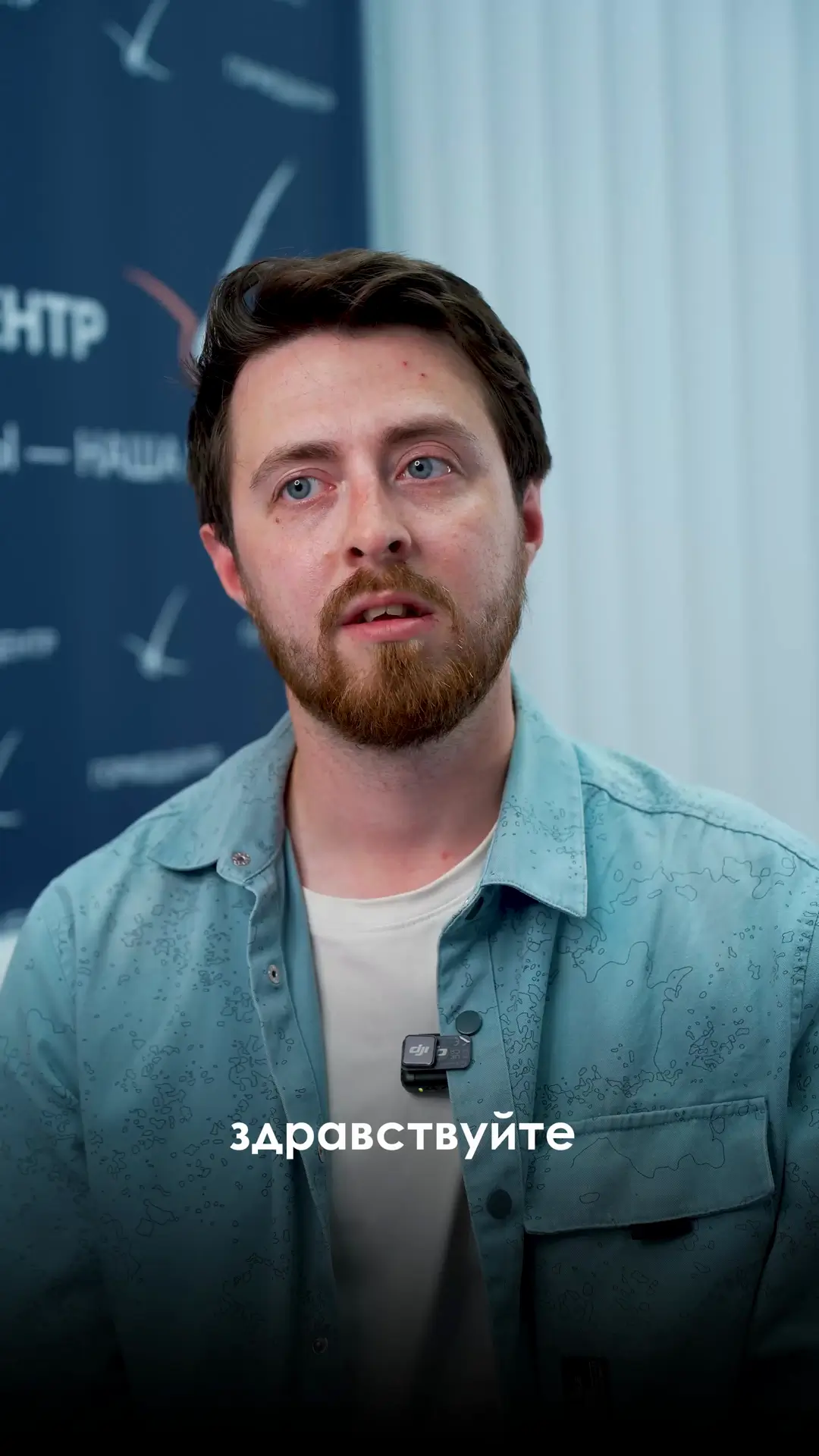
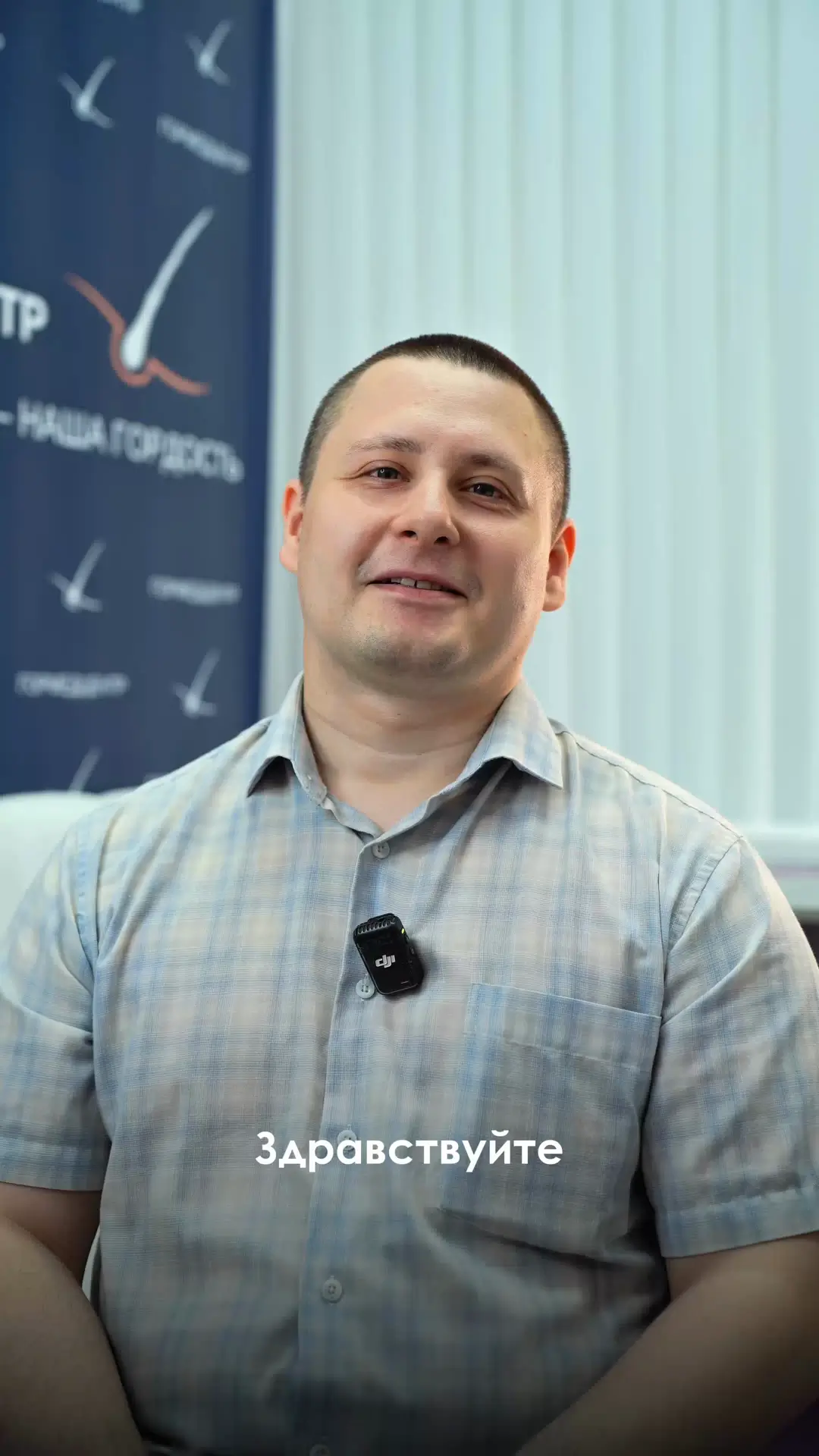
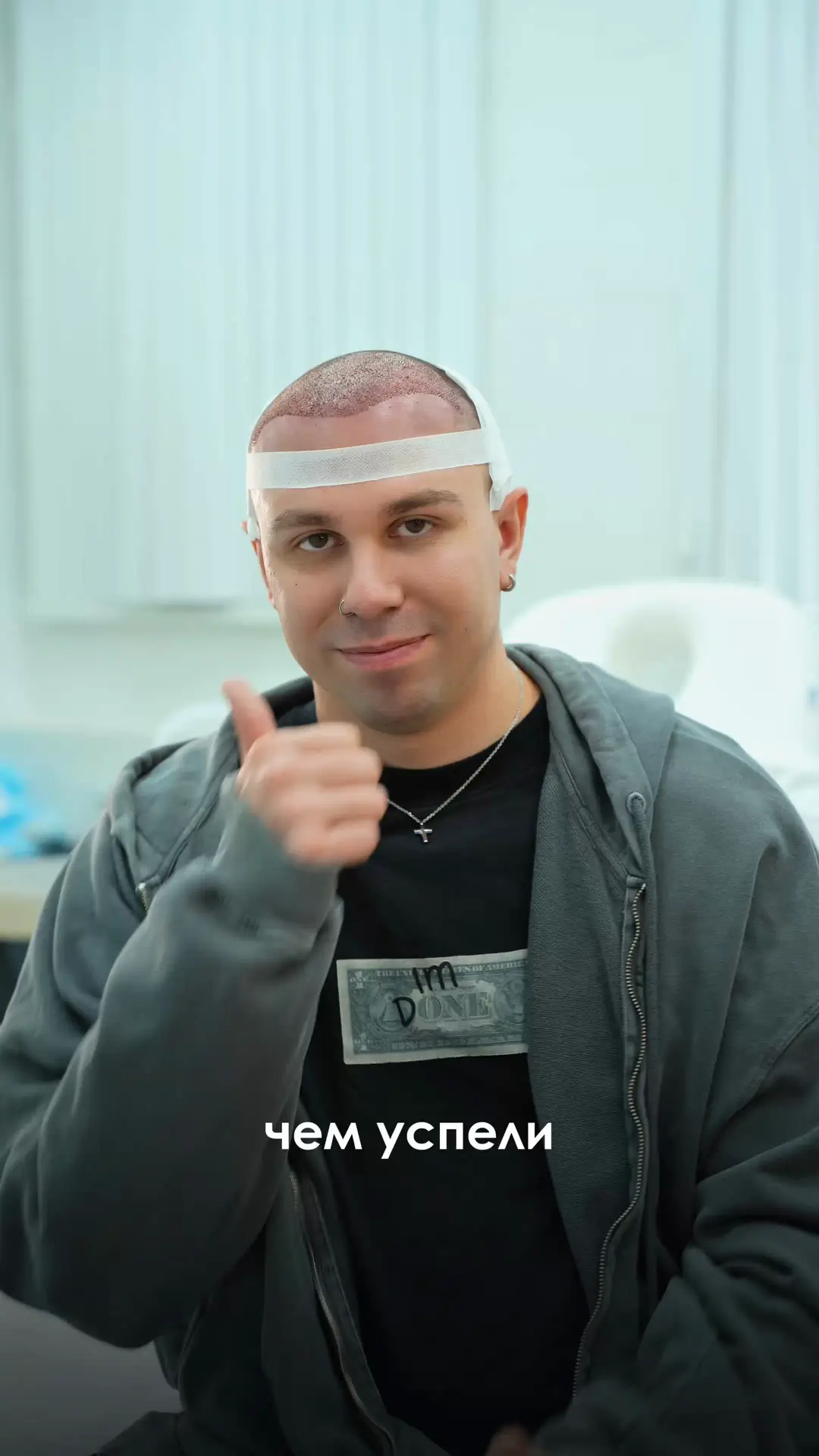

We give you the answers and slot your appointment in at a convenient time
Message us on Telegram Submit the formWhat people ask
Yes. People from all manner of towns and countries form a large part of the practice, and an online consultation opens everything.
Pricing starts from $2,200 (≈ EGP 115,000) for FUE, $2,500 (≈ EGP 135,000) for DHI, and $2,700 (≈ EGP 145,000) for combined DHI+FUE. The exact figure is confirmed for free after a graft count and written into the contract.
A single day, start to end, and then patients are home.
No. Under local anaesthesia there is nothing painful about it.
FUE means tweezer-based, incision-free graft harvesting. DHI means channel-free implantation with a Choi pen. Combined DHI+FUE uses FUE for harvesting and the DHI pen for implanting.
An exact number comes from the doctor, at no charge, after a proper look at your donor area.
Healing: 0–10 days. Shedding: 2–4 weeks, and that is normal. Growth: from 3–4 months. Visible density: 6–9 months. Final result: 12–18 months.
A lifetime guarantee of hair growth is included, confirmed in your contract.
We work under a medical licence, and care follows the standards and clinical guidelines
of the Ministry of Health.
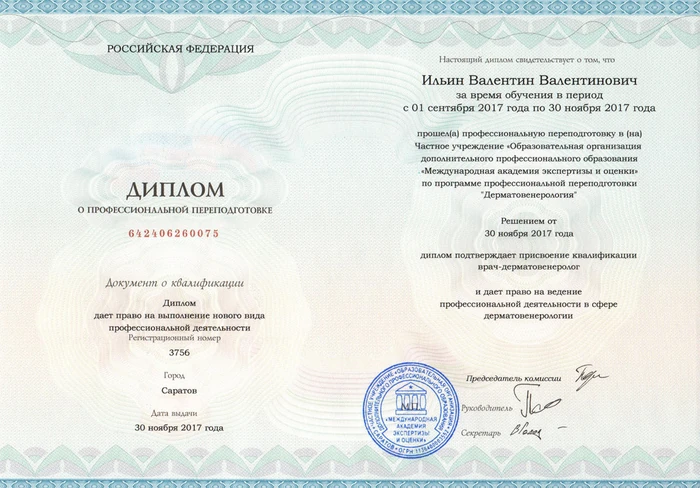
Diplomas and certificates of the doctors who operate on you
Read the documentsAKC POMOSHCH LLC
the clinic's legal entity
1057746096924
OGRN
7728536872
INN
A hair transplant by FUE or DHI works for a resident of Ismailia exactly as it does for anyone else: no cuts, no stitches, local anaesthesia, one day. Graft survival reaches 98-100 %, and a price from $2,200 (≈ EGP 115,000) is written into the contract after a free graft count.
Getting an opinion costs a patient from Ismailia nothing: the consultation is online and free, the doctor sees photos of the thinning area and counts the grafts. The clinic answers 24/7, and replies come inside that window.
Set aside 0-10 days for healing and the rest looks after itself. The transplanted hairs shed at 2-4 weeks - a normal step, though it rarely feels like one. Regrowth sets in at 3-4 months and continues steadily afterwards.
Prices are in US dollars; the amount in brackets is an approximate conversion to EGP at the rate of 02.10.2026. The final price is fixed in your contract.
By messaging us, you agree to our Privacy Policy
Known people who talked openly about this operation, in their own words.
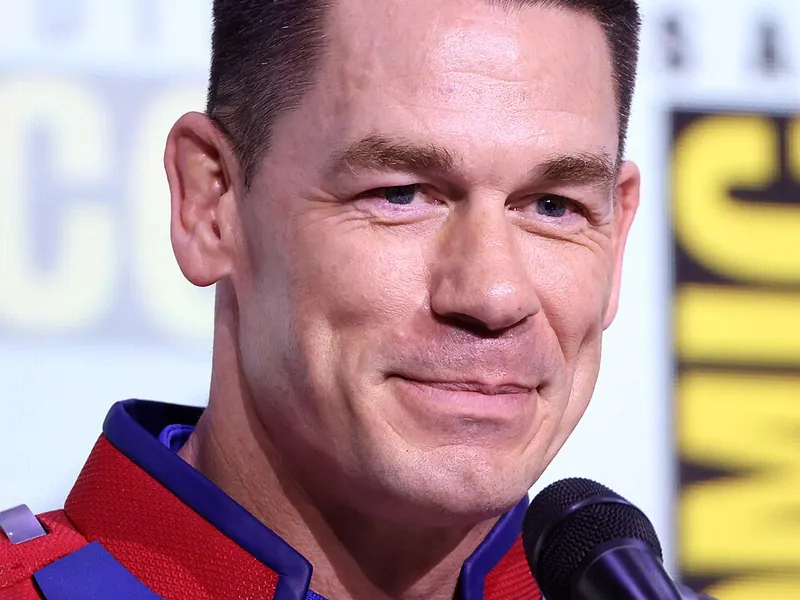 John Cena's hair transplant: “I got a problem, I try to fix it”John Cena spoke openly in 2025 about his hair transplant and the fan signs that pushed him to it. His words, how the procedure works and the recovery.
 Did Calum Best have a hair transplant? Yes, and he said so himselfCalum Best said in 2023 he had his sixth hair transplant, this time using patches of beard hair. His words, how the procedure works and recovery.
 Did Chloe Goodman have a hair transplant? Yes, and she explained whyChloe Goodman had a hair transplant in 2025 after losing hair following pregnancy. Her own words, how the procedure works and what recovery involves.
 Did Dean McCullough have a hair transplant? Yes, and he filmed itRadio 1 presenter Dean McCullough shared his FUE hair transplant on TikTok in 2024. His own words, what the swelling means and how results develop.
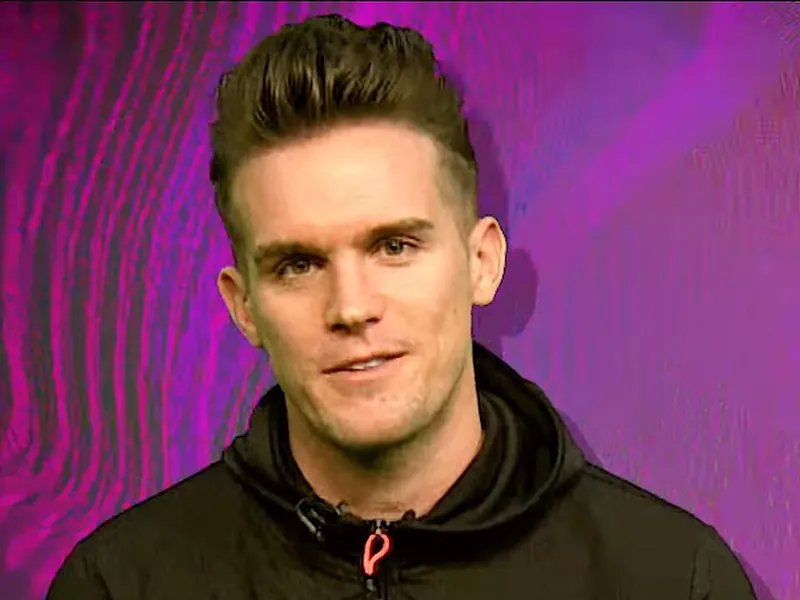 Gaz Beadle on his beard transplant: “I LOVE IT”Gaz Beadle told his 3.6 million followers he had a beard transplant after years of patchy stubble. His own words, and how a hair or beard transplant works today.
 Did Jack Fincham have a hair transplant? Yes, and he explained whyJack Fincham had a hair transplant in 2020 to cover a scar from a childhood head injury. His words, how the procedure works and recovery.
What patients write after this operation. Reviews are translated from the original language.
Andrey M.
I had the operation a month ago. Before and after surgery they were always in touch and helped with questions about my tests. The operation itself went wonderfully, the staff are polite and masters of their craft, you feel you are in safe hands. I am recovering now, and they answer all my questions. I am happy and I recommend them!
DHI hair transplant
Pavel Sinitsyn
The best clinic of all the ones I was choosing from. No regrets at all! The result is simply amazing, I am thrilled. I recommend it to everyone: these people do great work and make people happy. Once again, a huge thank you to everyone. Roman, the head of the clinic, is the best: he was personally in touch with me and looked after my recovery. Thank you for making my dream come true.
FUE hair transplant
Maria Akopyan
I thought about an eyebrow transplant for a long time and finally went for it. At first I was afraid the result would look unnatural, but when I saw my new eyebrows I was delighted! They came out full and in harmony with my face. I can hardly believe that now I just wash my face and go, I have never felt so free. For anyone tired of constant make-up, a transplant is a real lifesaver!
Eyebrow transplant (FUE)
Alexander M.
I really wanted a thick beard, but I had problems with it. I tried every home remedy and minoxidil, and nothing helped. After a long search for the best clinic I settled on this one. Thank you so much for the service, I liked everything and now I am happy! I had the beard transplant 10 months ago and I am very pleased with the result. By the way, the music in the clinic was great, as far as I remember. A friend of mine has already come to you for a transplant on my advice and was also happy with the result. I wish you every success!
Beard transplant (FUE)
Vladimir Z.
I went to the clinic to see a trichologist and had a hair transplant. I really liked the doctor's approach, and all the recommendations helped. I want to point out that nobody tries to sell you extra services: they tell you things as they are, and if some treatment is not needed, they do not push it. Cosy and clean.
DHI hair transplant
Artem Popov
This may sound obvious, but a head of hair really changes everything in your life. You feel much more confident and go through life like a winner. And it is all thanks to the doctor at this clinic and to the staff who take care of their patients. Many thanks to the clinic for a happy life with new hair, for the comfortable conditions and for the professionalism during the hair transplant.
FUE hair transplant
The city of Ismailia counts 429,465 residents by administrative population data, and like any city of that size it has no shortage of men dealing with a receding hairline or a thinning crown that no shampoo, oil or lifestyle change has managed to reverse. Pattern hair loss follows its own course regardless of effort, and that is exactly the gap hair transplantation is built to close.
Patients from Ismailia usually open the conversation with daylight photos of the hairline and crown, sent to coordinators on Telegram or Telegram who reply at any hour. From those photos a surgeon can judge donor density and give an honest read on whether FUE, DHI, or a combined approach fits the case, before anything is booked.
FUE is tweezer-based, incision-free harvesting of grafts from the donor area at the back of the head; DHI implants those grafts through a Choi pen without cutting channels first; a combined DHI+FUE approach uses FUE to harvest and the DHI pen to place. All three are done under local anaesthesia, finish within a single day, and the patient goes home the same afternoon.
Which of the three suits a particular patient depends on donor density and how large the balding area is — something the surgeon reads from the photos and a short conversation, not a default answer given to everyone who writes in.
The donor and recipient punctures heal within about 0–10 days. The transplanted hairs then shed over the following 2–4 weeks — a normal, expected stage that alarms first-time patients until someone explains it in advance. New growth starts at 3–4 months, visible density builds through 6–9 months, and the final result is judged at 12–18 months, once every graft has matured.
Ismailia sits on the Suez Canal where it widens into Lake Timsah, and its spring khamsin winds carry fine desert dust while pushing afternoon heat toward 40°C; average highs stay closer to 19°C in winter. During the fragile first weeks, keeping the scalp out of direct sun and away from blowing dust with a loose hat rather than a tight cap, and avoiding heavy sweating until the grafts settle, makes the waiting period considerably more comfortable.
None of this changes how a follicle grows — it grows on its own schedule no matter the weather — but choosing a calmer two to three weeks after the procedure, away from the hottest or dustiest stretch of the year, simply makes the early days easier to sit through.
Egypt's Health Insurance Organization funds essential care for roughly 60% of the population through payroll contributions, but an elective cosmetic procedure such as hair transplantation sits outside that essential-care remit. Patients in Ismailia cover it privately, the same way cosmetic surgery is handled anywhere it counts as a personal choice rather than a medical necessity.
Every physician licensed to practise in Egypt is registered with the Egyptian Medical Syndicate, and asking a surgeon for a registration number and specialty, then checking it through that body, is a reasonable step before agreeing to anything — regardless of how the first message started.
Donor density, likely graft count, and whether a hairline will look natural at the angle the surgeon recommends come up in nearly every first conversation. A frank back-and-forth over message, with clear daylight photos, is usually enough to answer those questions before any in-person step is needed.
Timing matters too. Scheduling the procedure — and especially the sensitive first two to three weeks after it — for a calmer stretch of work and routine makes the early recovery noticeably easier than squeezing it into a demanding month with no room to rest the scalp.
Before the day of surgery, the clinic provides a list of required blood and health tests tailored to the patient's own history and reviews them to rule out contraindications; this preparation step is what makes the single-day procedure possible without surprises once the day itself arrives.
At the free initial consultation the surgeon examines the donor area through photos, discusses the hairline shape the patient wants, and walks through how FUE, DHI, or a combined approach would be carried out step by step, so a patient from Ismailia knows what each stage involves before an appointment is confirmed.
A deposit secures the date only once the graft count and technique have been agreed, confirmed within a medical-services agreement — nothing is booked on the strength of a first message alone.
The evening a patient returns home to Ismailia sets the tone for the whole first week. Nights go easier with the head resting a little higher than usual, and days move at a slower pace: short walks inside the flat, light meals close to what the household already cooks, nothing heavy or heavily spiced. Because the air off Lake Timsah turns humid and heavy in the warmer months, whoever runs the house keeps the fan or air conditioning on a gentle setting, never blowing straight at the scalp, and politely postpones the weekly round of family visitors.
Ismaili households divide these tasks without ceremony. A wife or mother keeps meals and medication on schedule, an eldest son agrees with a father who works the mango groves or a morning shift at the canal authority to push field work back a few days, and a younger brother takes over reminding him when the written washing instructions from the medical team say it is time. The patient himself is asked for very little: a light cotton cap if a window opens against the wind, nothing heavy carried in either hand, and no rubbing of the grafts by accident during sleep.
One moment in this week tends to unsettle families more than anything else: when the transplanted hairs begin to shed around the two-to-four-week mark. Patients who have read the timeline know the follicle stays put and grows again, but a father or brother hearing it for the first time may assume the worst. Saying it out loud at the dinner table beforehand spares everyone that panic. And since relatives are not always free to help, the Telegram and Telegram line stays open at every hour, and a clear daylight photo of the scalp is usually all it takes to settle a worried question.
The clinic requests a list of blood and health tests tailored to the patient's own history, reviewed before the procedure to rule out contraindications.
No. Booking follows only after the graft count and technique are agreed at consultation, confirmed within a medical-services agreement rather than from an initial message alone.
No. Once the grafts have settled, after roughly the first two to three weeks, ordinary sun and heat don't change how they grow. The advice to limit direct sun early on is about comfort during healing, not about protecting the final result.
Growth begins at 3–4 months, visible density builds through 6–9 months, and the final look is assessed at 12–18 months, once every graft has matured.
Local anaesthesia is used throughout harvesting and implantation, so pain is not expected during the operation itself; some patients notice mild scalp tightness in the days after.
No. Shedding of the transplanted hairs at 2–4 weeks is an expected stage; the follicle stays in place and grows new hair later — nothing is lost.
No. It is an elective cosmetic procedure and falls outside the essential care the Health Insurance Organization funds, so patients arrange and pay for it privately.
Every physician practising in Egypt is registered with the Egyptian Medical Syndicate. Asking for registration details and specialty, then verifying them through that body, is a sensible step before committing.
Yes. Photos of the donor area and hairline, plus questions about technique and likely graft count, are handled through Telegram or Telegram coordinators available around the clock.
Neither is universally better. FUE suits larger areas needing more grafts in less time; DHI suits precise, dense placement in smaller zones. The surgeon recommends one, or a combination, based on donor density and the patient's goals.
Candidates are generally adults with a stable, clearly diagnosed pattern of hair loss; the surgeon confirms suitability by assessing donor density and medical history in each case rather than applying one fixed age cutoff to everyone who asks.
A coordinator reviews photos of the growth at each stage, compares progress against the expected timeline, and flags the surgeon if anything looks slower than it should — rather than leaving a patient from Ismailia to judge normal progress on their own.
Yes. Grafts for a beard or eyebrows are typically taken from the same donor area at the back of the head, so treating more than one area is something the surgeon factors into the total graft count during the initial assessment rather than handling it as a separate booking later.
The recommended position keeps the head slightly raised and off the pillow directly, and the full sleeping details arrive with your written instructions before you go home. Following them through the first nights lets the scalp rest and sleep deepens steadily.
More than cooking: reminding you of medication and washing times, holding off crowded family visits, and helping take clear daylight photos of the scalp for the coordinator. Those photos are the main follow-up tool at this stage, so treat them as part of the routine.
Page medically reviewed by Anastasia A. Kolesnik, hair transplant doctor. Review date: .

 Forceps
 Minimal


