



























Message our coordinator
Free online consultation · Reply within 15 minutes
Message us on TelegramMessage us on WhatsAppBy messaging us, you agree to our Privacy Policy





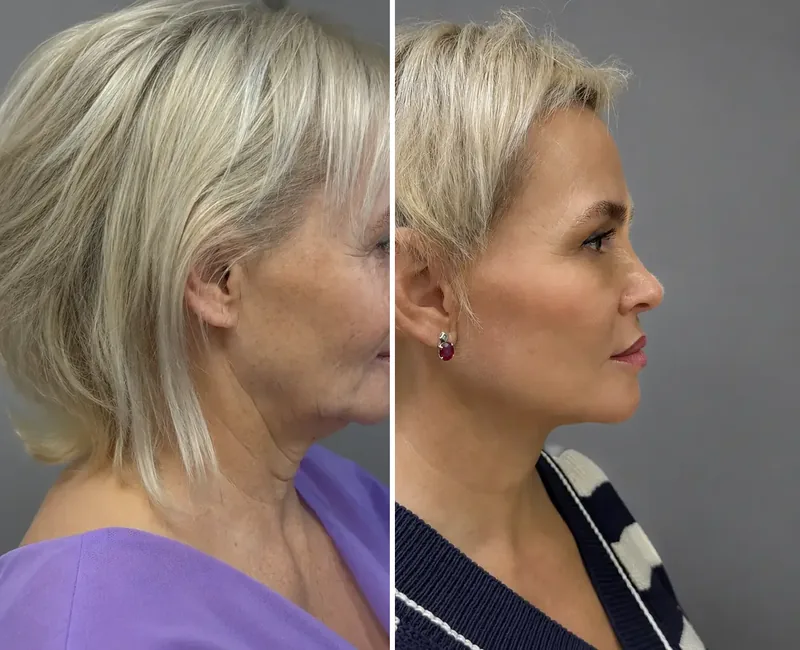

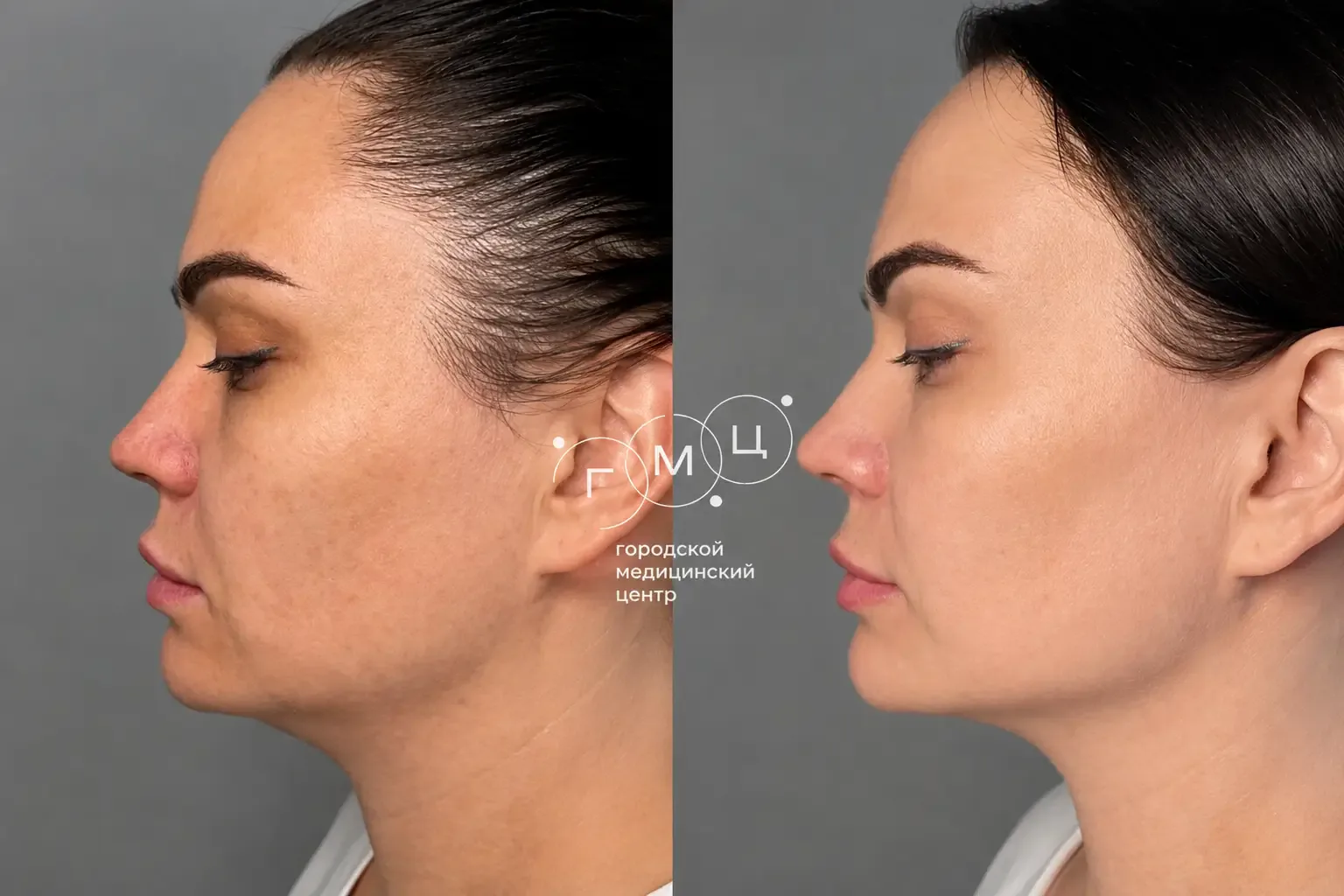
50 years
9 months
SMAS facelift
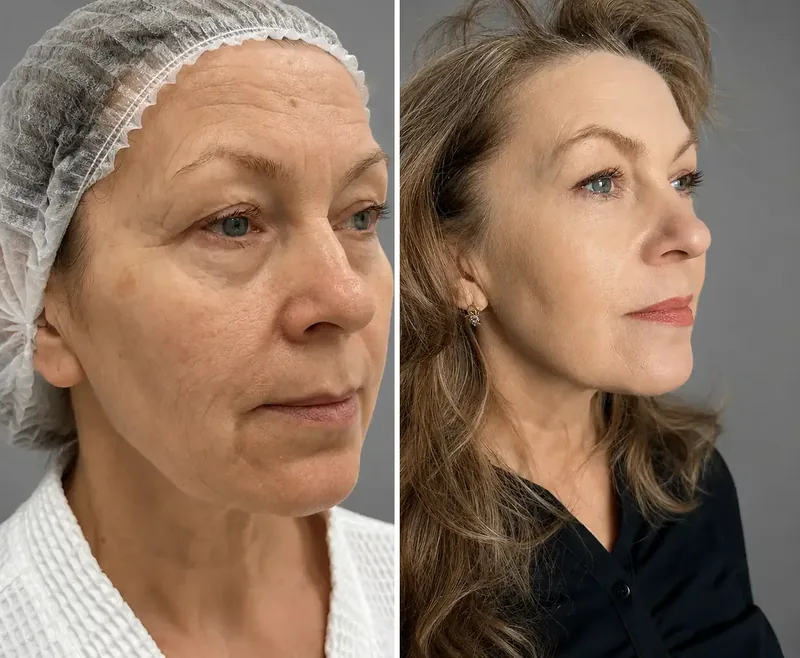
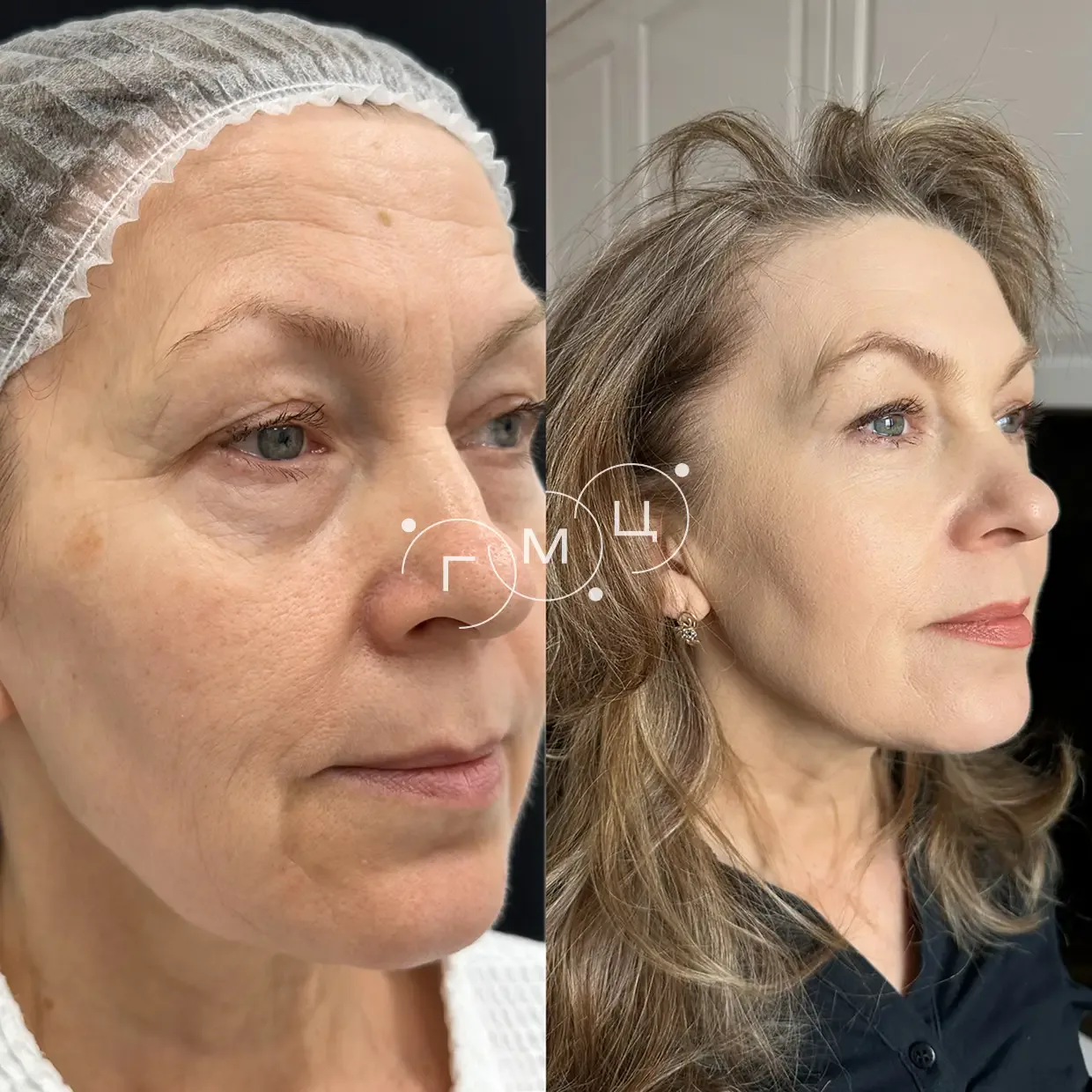
58 years
8 months
SMAS facelift
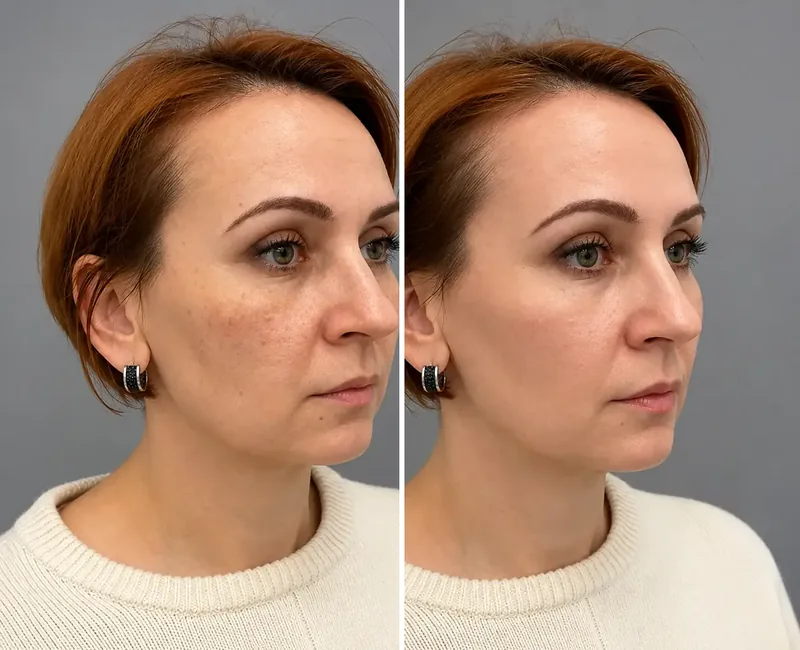
34 years
5 months
SMAS facelift
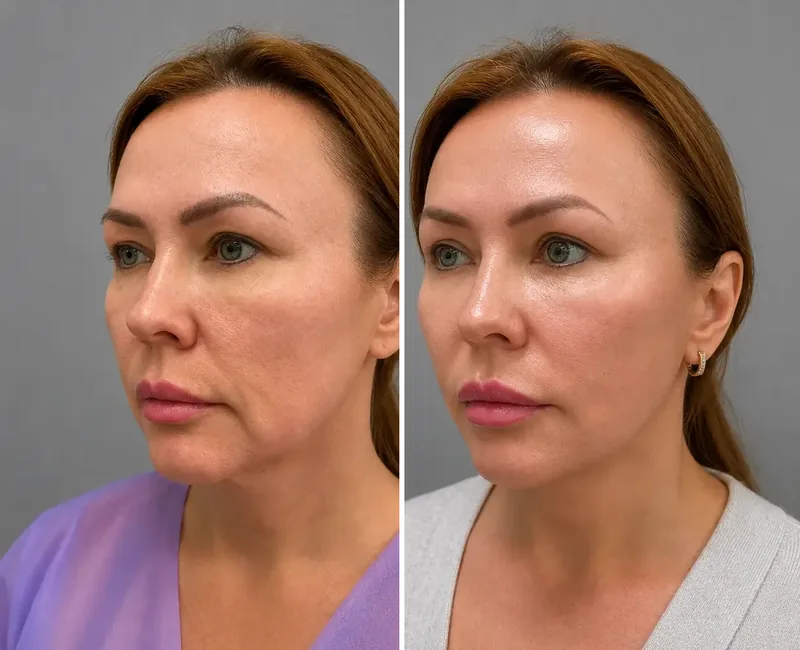
32 years
7 months
SMAS facelift
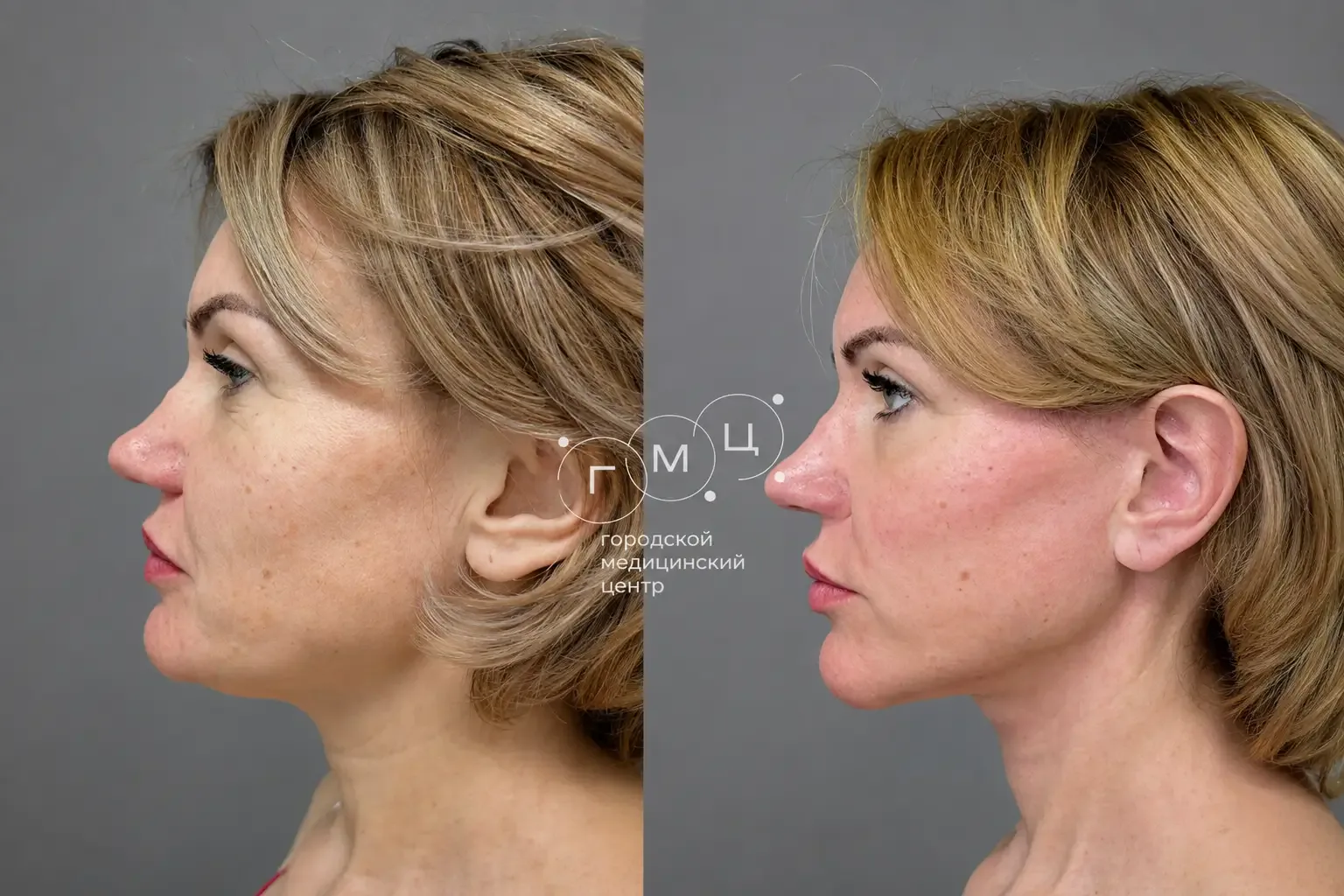
40 years
6 months
SMAS facelift
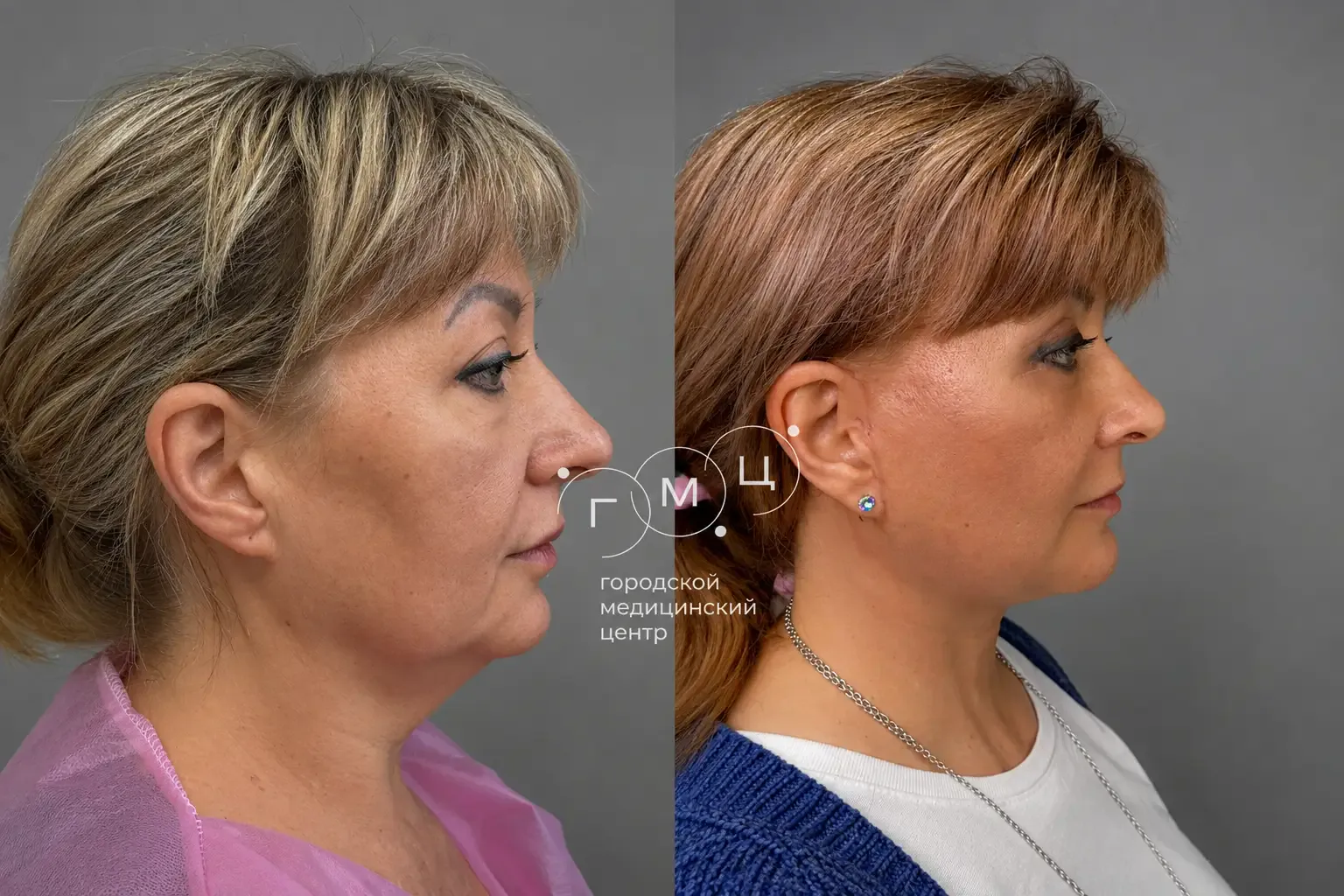
45 years
8 months
SMAS facelift
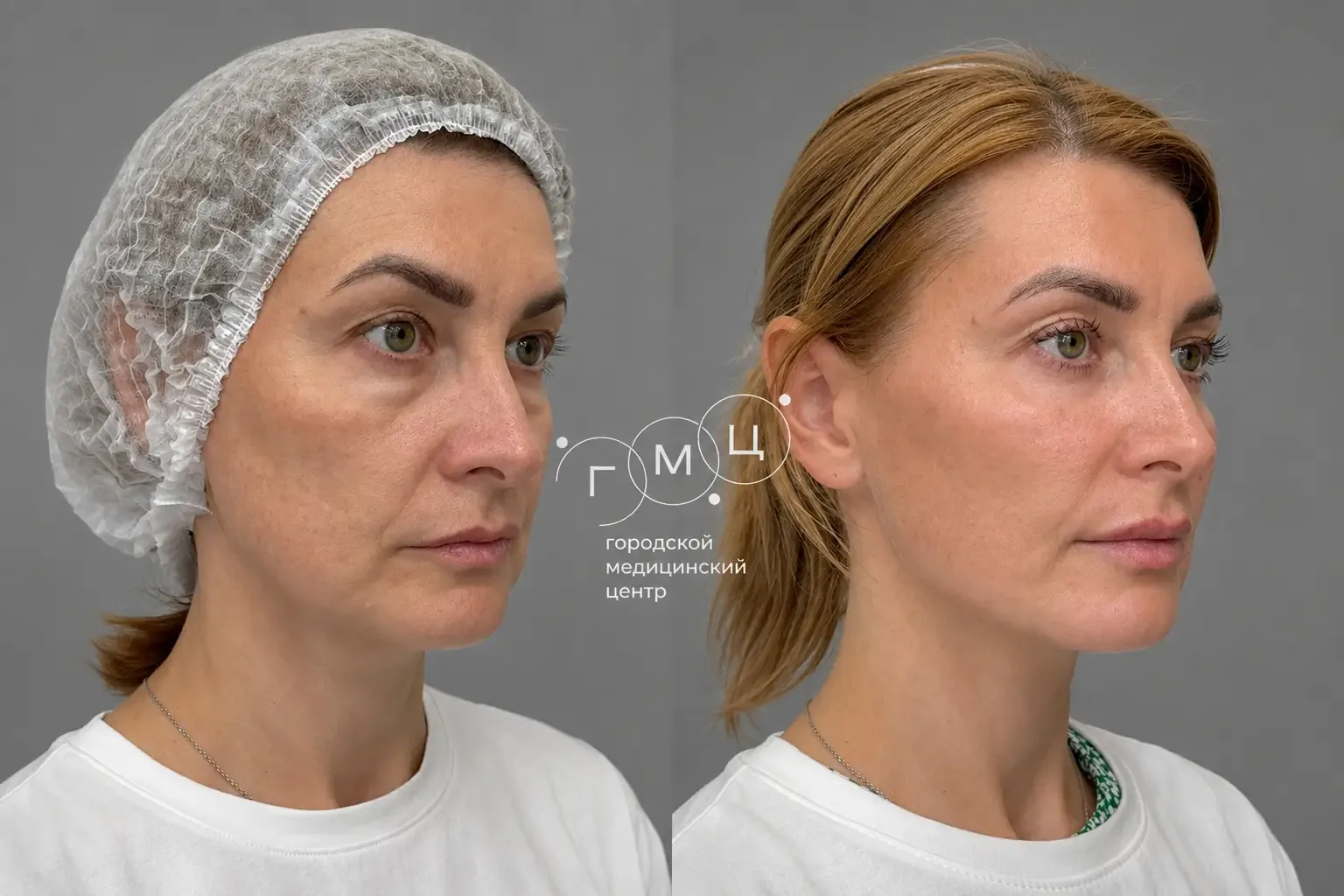
38 years
5 months
SMAS facelift
33 years
6 months
SMAS facelift
50 years
9 months
SMAS facelift
58 years
8 months
SMAS facelift
34 years
5 months
SMAS facelift
32 years
7 months
SMAS facelift
40 years
6 months
SMAS facelift
45 years
8 months
SMAS facelift
38 years
5 months
SMAS facelift
33 years
6 months
SMAS facelift

Pronounced sagging in the face and neck
A blurred jawline with jowls
Double chin, loose skin on the neck
Pronounced nasolabial folds and marionette lines
Drooping brows and a heavy look
Skin firmness lost significantly after 40
Preference for a long-term result (7–10 years)

Patients under the age of 30
An acute skin inflammation
Pregnancy and the breastfeeding stage
A severe cardiovascular condition
Impaired blood clotting
Cancer
Decompensated diabetes
About facelift surgery for patients from Ismailia
There are four main options. A standard SMAS facelift lifts the mid and lower face. A full circular lift covers the forehead, temples, mid and lower face and neck. A neck and lower face lift targets the chin, jowls and loose neck skin. An endoscopic brow and temple lift repositions the brows through tiny punctures. The surgeon helps each patient from Ismailia choose by age and ageing type.
Is a SMAS facelift painful? No: the surgery is done under general inhalation anaesthesia, so you feel nothing. Afterwards, discomfort and tightness are possible for a few days and are eased with prescribed medication. A compression bandage and reduced activity help the tissues settle in the first 7–10 days. That is the typical course for people in Ismailia after surgery.
If you are comparing facelift prices in Ismailia, check what each offer includes and how long the result lasts. Here the price starts from $2,400 (≈ EGP 130,000) and covers anaesthesia, the stay, meals, 24/7 monitoring and a year of follow-up, while a surgical SMAS lift holds for 7–10 years. The final amount is fixed at the consultation. Book yours for free via the form.
Stories of well-known people
Well-known people who spoke openly about this operation, in their own words.
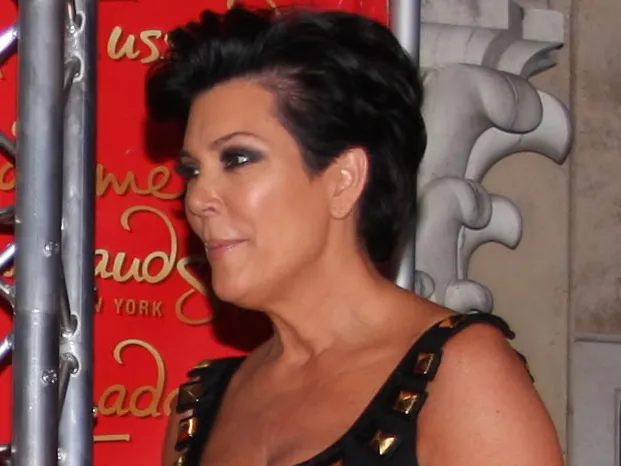 Kris Jenner’s facelift: “I love my facelift”Kris Jenner said she had a facelift about 15 years ago and a refresh before turning 70 — and that she loves it. How a SMAS facelift and recovery work.
 Did Vicki Gunvalson have a facelift? Yes, and she showed the result herselfVicki Gunvalson had a facelift in May 2018 after deciding fillers no longer looked like her. Her own words, how a facelift works and recovery.
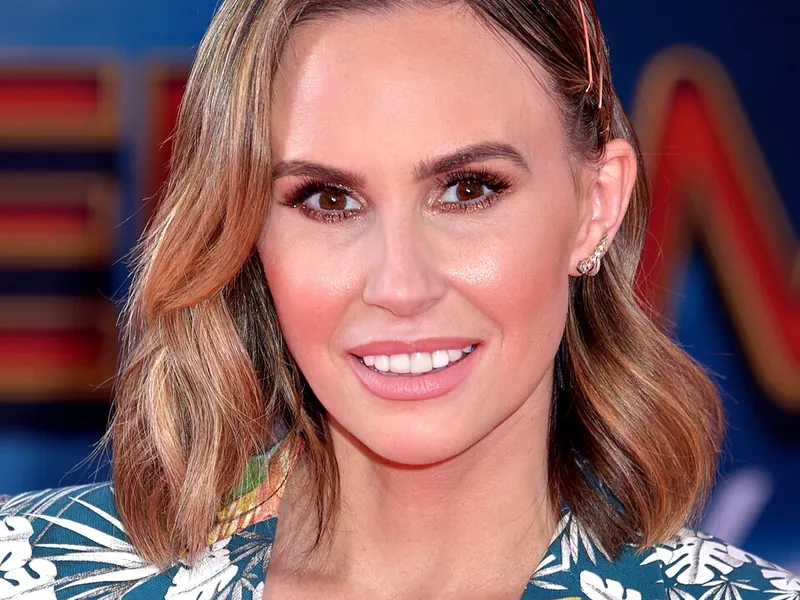 Keltie Knight’s facelift: why she decided to “just own it”Keltie Knight had a facelift in 2023 at 41 and chose to talk about it openly. What she said, how a SMAS facelift works and what recovery looks like.
 Did Linda de Mol have a neck lift? Yes, and she wrote about it herselfLinda de Mol wrote in LINDA. in 2025 that she had a neck lift. What she said, why she chose to be open, and how a face and neck lift works today.
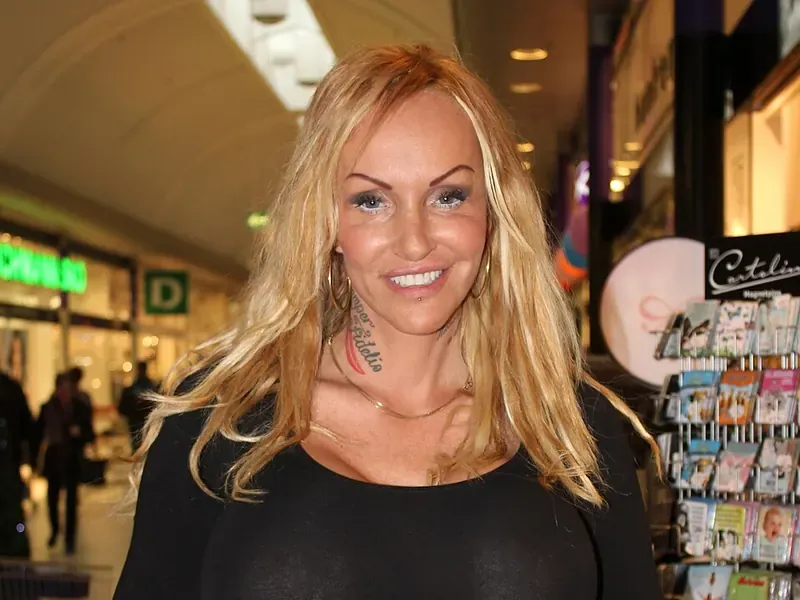 Linse Kessler and her facelifts: what she said herselfDanish reality star Linse Kessler has said openly that she has had several facelifts. Her words, how a modern facelift works and what recovery involves.
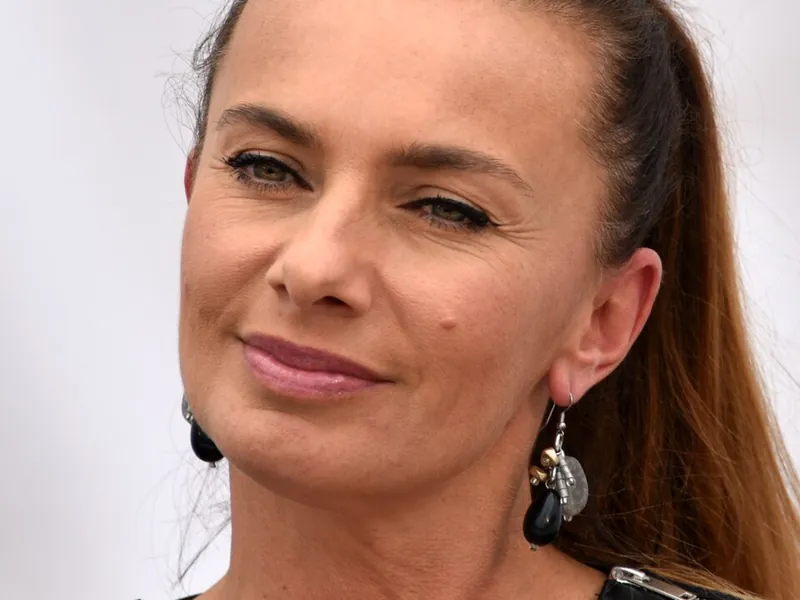 Did Alice Bendová have a facelift? Yes, and she explained why herselfAlice Bendová confirmed a deep plane facelift in September 2026. Her words, how a facelift works, who it suits and what recovery looks like.
Facelift Questions From Patients in Ismailia
Among the 429,465 residents the city of Ismailia counts by administrative population data, plenty of people past 40 or 50 notice the same pattern: skin gradually loses firmness, jowls form along the jawline, cheeks begin to droop, and no cream or cosmetology session reaches deep enough to change it, because the sagging comes from loosened muscle and connective tissue underneath the skin, not the skin surface alone.
Patients from Ismailia usually start with photos taken in natural daylight from a few angles, sent to Telegram or Telegram coordinators who reply at any hour, so a surgeon can judge the degree of sagging and recommend which type of lift actually fits before anything is scheduled.
What a Surgical Facelift Actually Addresses
A surgical SMAS facelift works through incisions hidden along the hairline and around the ears, lifting the muscle-and-fascia layer rather than just the skin, repositioning fat and tightening what has loosened — which is why it treats the cause of sagging rather than its surface effects, and holds for seven to ten years rather than fading within months the way a surface-only approach does.
The exact plan — a standard SMAS lift, a lower-face-and-neck lift, or a more limited approach — is something the surgeon recommends after assessing the degree and pattern of sagging in person, since age alone does not decide it; skin and tissue condition do.
Recovery Through Ismailia's Sun and Heat
Surgery is performed under general anaesthesia, so pain is not expected during the operation itself; the first seven to ten days call for rest, a compression bandage, and reduced activity, with swelling and bruising fading over two to four weeks and full recovery taking around two months. First clear changes appear at three to four weeks, and the face settles into its final look at three to six months.
Ismailia's spring khamsin winds push afternoon heat toward 40°C, with summer highs averaging near 36°C against roughly 19°C in winter; keeping a compression bandage comfortable and avoiding direct sun on healing skin matters more through that hot, dusty stretch than through the milder months, even though the underlying healing pace stays the same either way.
Years of strong desert sun and dry, dust-carrying wind are themselves part of why skin in a climate like Ismailia's can lose firmness earlier than it might somewhere milder — a detail some patients bring up themselves when explaining why they're considering the procedure now rather than later.
Insurance and Verifying the Surgeon
Egypt's Health Insurance Organization funds essential care for about 60% of the population through payroll contributions, but a facelift performed for aesthetic reasons is an elective procedure outside that remit, so it is arranged and paid for privately, the same as anywhere cosmetic surgery is a personal choice.
Every physician licensed to practise in Egypt is registered with the Egyptian Medical Syndicate, and asking a surgeon for their registration number and specialty, then confirming it through that body, is a reasonable step before agreeing to anything.
Timing and Questions Patients From Ismailia Ask
Whether jowls and a drooping jawline can really be corrected without changing the rest of the face, how visible the scars along the hairline will be, and how many procedures it actually takes to get a lasting result come up most — one well-planned operation is generally enough, rather than a series of repeat sessions.
Because the first weeks call for real rest and a compression bandage, scheduling the surgery for a calmer stretch without major family events or travel makes that early period noticeably easier for a patient in Ismailia than fitting it around a demanding month.
Sun, Wind and Why Ismailia's Skin Ages the Way It Does
Ismailia's exposed position on the open desert edge of the Suez Canal, where Khedive Ismail sited the city in 1863 specifically because the waterway needed a working base there, leaves it more exposed to direct sun and to the dust-carrying khamsin winds of spring than towns tucked further from the canal's open banks.
Dermatologists generally point to cumulative sun exposure and dry, abrasive wind as two of the strongest environmental contributors to skin losing firmness earlier than genetics alone would predict, and residents who have spent decades working outdoors near the canal or simply living through Ismailia's long, intense summers sometimes notice sagging and jowls appearing in their forties rather than later.
That environmental backdrop is part of why some patients from Ismailia bring up timing — considering a facelift sooner rather than waiting — a question the surgeon answers by examining the patient's own skin and tissue condition directly, not by applying a general rule about sun exposure to every case the same way.
A University City's Range of Patients
Ismailia's identity as a university town — Suez Canal University has trained students from across the canal region since 1974 — sits alongside its older identity as the administrative home of the Suez Canal Authority, which means the patients asking about a facelift here range from long-serving public-sector employees in their fifties to younger faculty and professionals noticing earlier signs of sagging tied to years of sun exposure.
That range is exactly why age by itself tells a surgeon very little; two Ismailia patients born the same year can need entirely different approaches once their skin and tissue condition is actually examined.
The Companion on the Line: How One Trusted Relative Changes a Facelift Recovery
Pick one companion before surgery day, and choose for organization rather than for loud affection: an eldest daughter, a sister, or a calm spouse. Their work starts before the operation, joining the Telegram or Telegram thread with the coordinators, keeping the written instructions in one place, and asking the questions stress makes you forget. In Ismailia, where family news travels through a single large group chat and a wedding or a farm season mobilizes the whole house, designating one person for medical messages fits the way households already work.
Through the first days, when rest and the compression bandage outrank every other topic, the companion becomes your voice: answering the phone so you can sleep, politely postponing the stream of relatives, and writing down what the surgeon says at each scheduled review, because your own memory in that first week is busy with rest. The same person notices if anything changes with the bandage or with your mood and turns that observation into a question reaching the coordinators at any hour, so a written answer arrives before a small worry grows into a sleepless night.
In the weeks that follow, the role shifts outward: driving you to follow-up appointments along the canal road, keeping the photos the surgeon will compare as the face settles into its final look over the months, and spotting a low evening before you name it, answered with company rather than isolation. Agree in advance on a single channel for medical messages, because scattered family groups tend to fragment important information. The boundaries stay clear through all of it: the companion is an attentive ear and an organized memory, while every decision, from timing the surgery to judging the settled result, remains yours.
Is the first consultation free?
Yes. The surgeon examines the degree of sagging, explains the surgery and recovery process, and answers questions before anything is booked.
How many facelift options are typically offered?
Generally several main approaches — a standard SMAS lift, a lower-face-and-neck lift, and more limited options — with the surgeon recommending one based on skin and tissue condition rather than age alone.
How long does a surgical facelift result last?
A surgical SMAS facelift typically holds for seven to ten years, since it addresses the muscle-and-fascia layer rather than the skin surface alone.
Is the surgery painful?
It is performed under general anaesthesia, so pain is not expected during the operation; some discomfort in the first days afterward is managed with prescribed medication.
How long is the recovery?
The first seven to ten days call for rest and a compression bandage; swelling and bruising fade over two to four weeks, and full recovery takes around two months, with the final look settling at three to six months.
Does Ismailia's heat make recovery harder?
It makes the compression-bandage weeks less comfortable, since spring khamsin winds push afternoon heat toward 40°C. Avoiding direct sun on healing skin and planning for shade matter more during that stretch than in milder months.
Does Egypt's public health insurance cover a facelift?
No. A facelift for aesthetic reasons is an elective procedure outside the essential care the Health Insurance Organization funds, so it is arranged and paid for privately.
How can a patient from Ismailia verify a surgeon's licence?
Every physician practising in Egypt is registered with the Egyptian Medical Syndicate. Asking for registration details and specialty, then checking them through that body, is a sensible step before committing.
Does age alone decide which type of facelift fits?
No. The degree and pattern of sagging, assessed in person, decides it more than age by itself — two patients of the same age can need different approaches.
Is more than one operation needed for a lasting result?
Generally no. One well-planned surgical facelift is usually enough to give a complete, lasting result.
Is there a minimum age for a facelift?
Surgery is generally recommended from around 40, when sagging becomes clearly noticeable, though some patients in their mid-30s with pronounced changes are also candidates; the decision rests on tissue condition rather than a strict age cutoff.
Can a facelift be combined with eyelid or forehead work?
Yes, a lift of the forehead and eyelids is often planned alongside a SMAS facelift when the surgeon judges the upper face needs correcting too, which the consultation addresses as part of the overall plan rather than as an automatic add-on for everyone.
What happens at the follow-up check-ins after surgery?
The surgeon reviews swelling, bruising and how the compression bandage is tolerated at each scheduled stage, adjusting advice on activity and sun exposure as the face settles into its final look over the following months.
Will a facelift change how expressive the face looks?
A properly performed SMAS facelift corrects sagging without freezing the face, since it repositions muscle and tissue rather than tightening skin alone; natural expression is something the surgeon specifically aims to preserve.
Can my son join the coordinators' chat with me?
Yes, and it helps: joining the Telegram or Telegram conversation means instructions reach two sets of ears instead of one, and the record of questions and answers stays in one place you can both revisit. Give the coordinator the name before surgery day so the schedule is clear from the start.
What if I feel like a burden on the person helping me?
That feeling is common during the bandage-and-rest week, and most companions see it as a role they chose, not a load. Lighten it by splitting tasks around the house and asking your companion to send accumulated questions to the coordinators instead of letting them pile up; every answer that arrives early calms both of you.
Facelift in Ismailia: price and what is included
Prices are in US dollars; the amount in brackets is an approximate conversion to EGP at the rate of 02.10.2026. The final price is fixed in your contract.
- Faceliftfrom $2,400 (≈ EGP 130,000)
How much does a facelift in Ismailia cost?
Prices start from $2,400 (≈ EGP 130,000). The surgeon sets the final price at the free consultation, and it is fixed in the contract, with no hidden extras.
What is included in the price?
A one-to-one consultation, the medical team, anaesthesia, inpatient care with meals, 24/7 monitoring and twelve months of follow-up by the surgeon.
How do I get my exact price?
Message us on WhatsApp or Telegram using the buttons below. A coordinator will answer your questions and book a free consultation where the doctor names the exact price.
By messaging us, you agree to our Privacy Policy