


























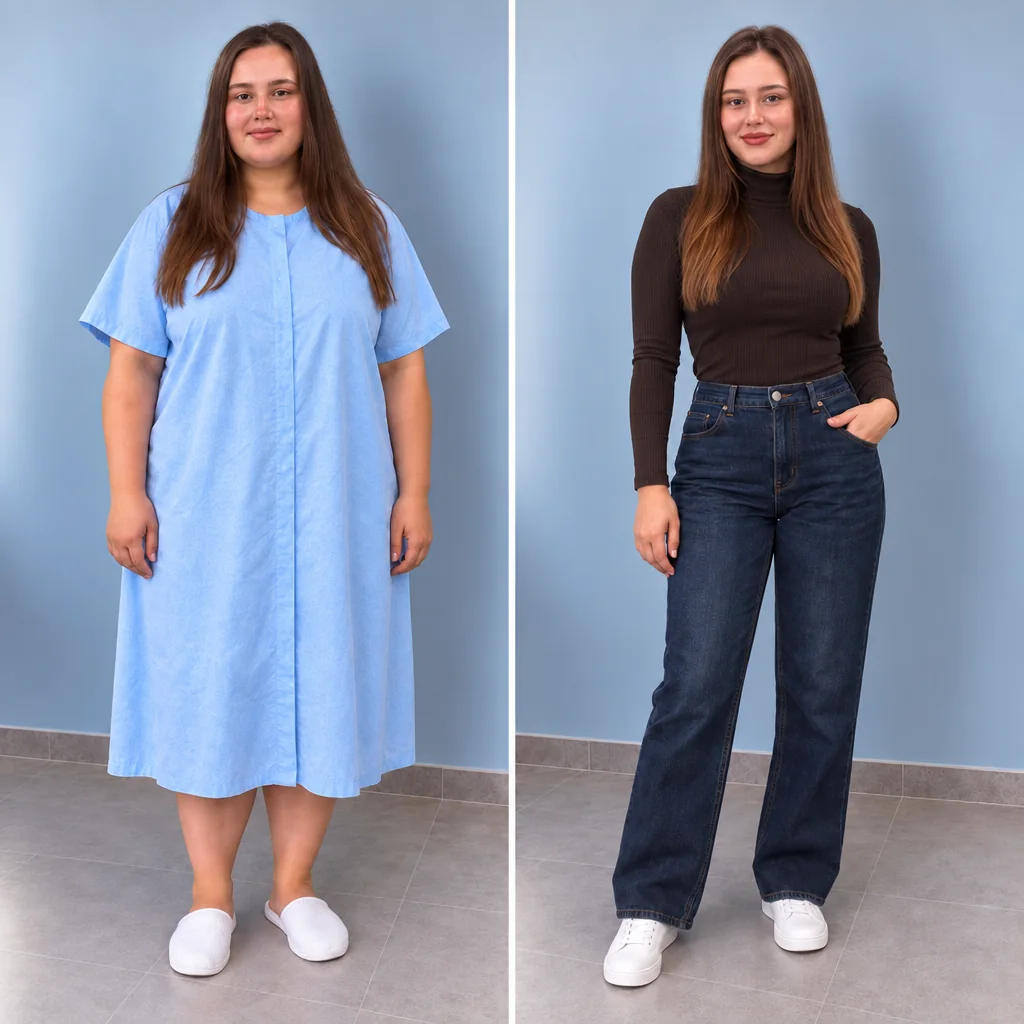
 beforeafter
Irina, 26
Bariatric surgery
Bariatric surgery
$3,600
$4,800 · First consultation — Free
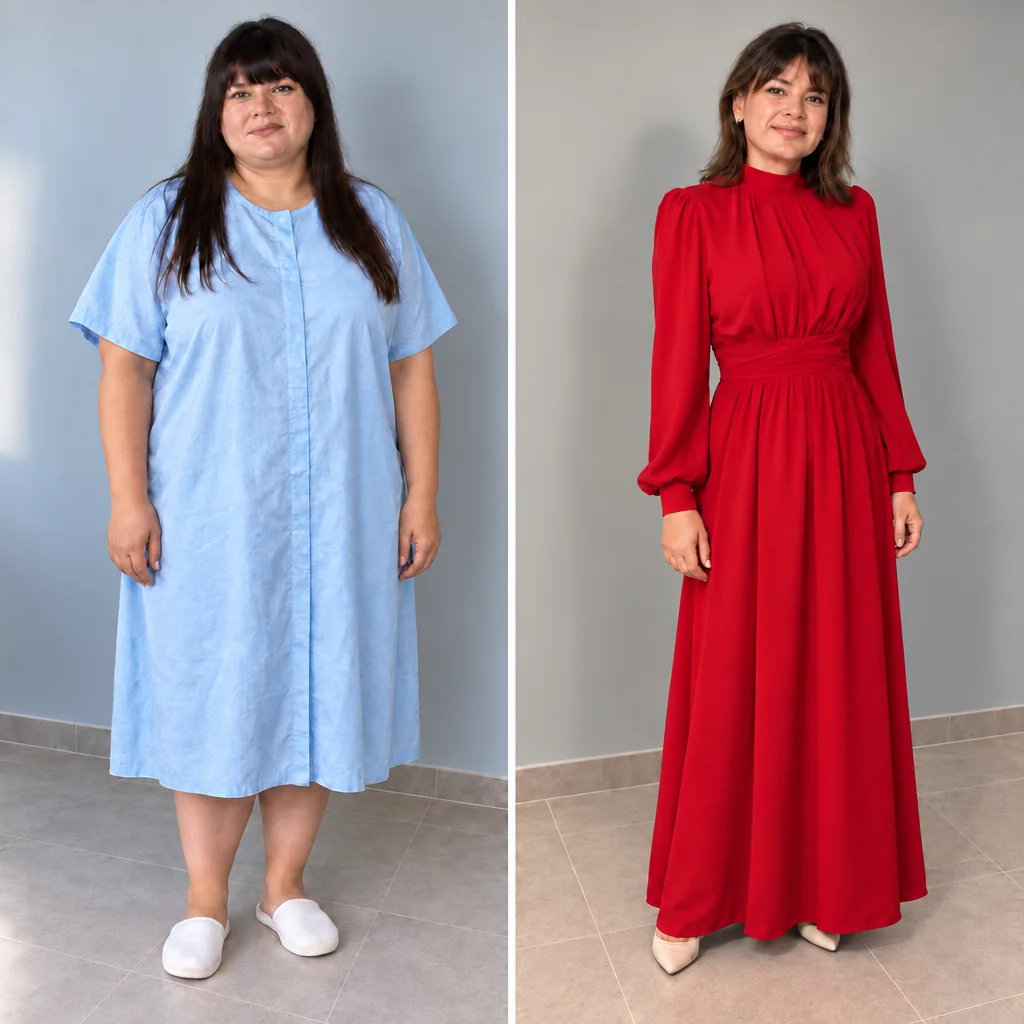 before
after
before
after
Message our coordinator
Free online consultation · Reply within 15 minutes
Message us on TelegramMessage us on WhatsAppBy messaging us, you agree to our Privacy Policy
Results
Each result belongs to a real patient of the clinic.
beforeafterBariatric surgery
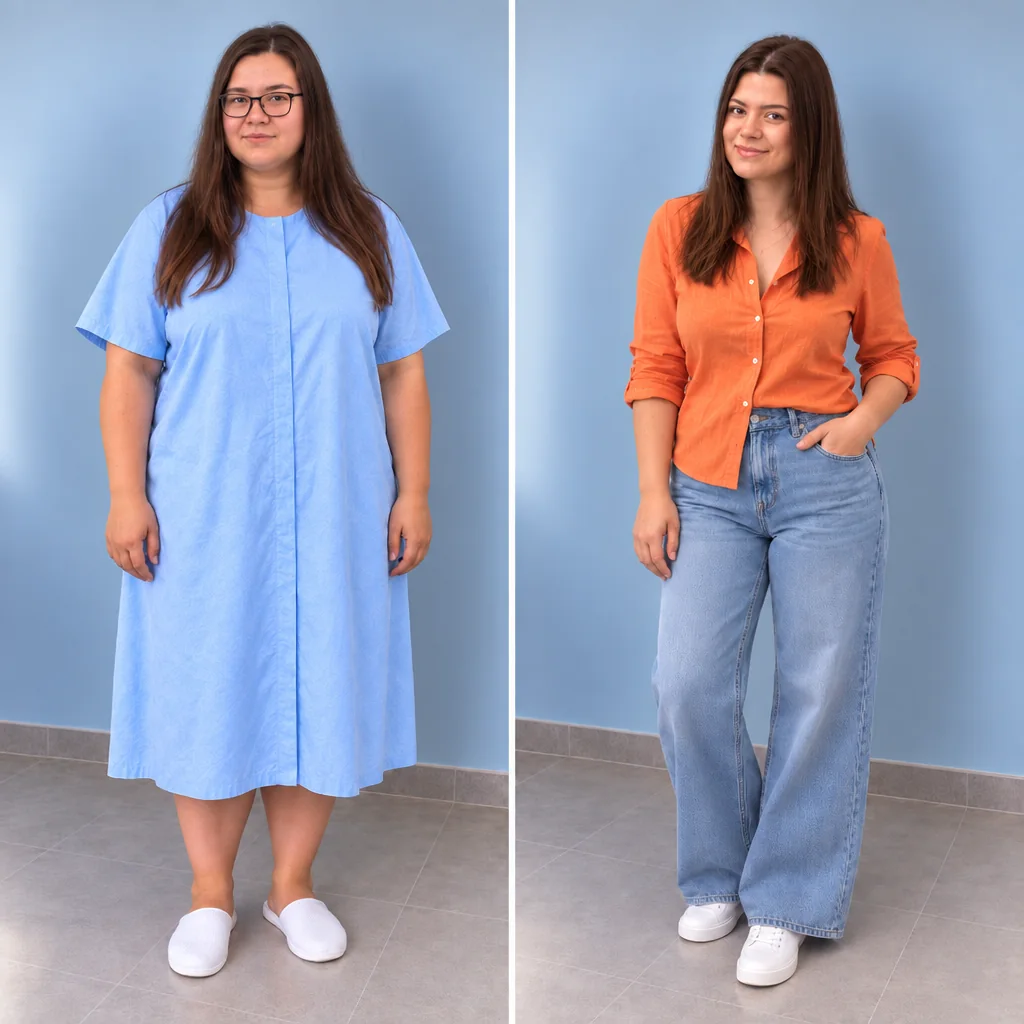 beforeafter
Bariatric surgery
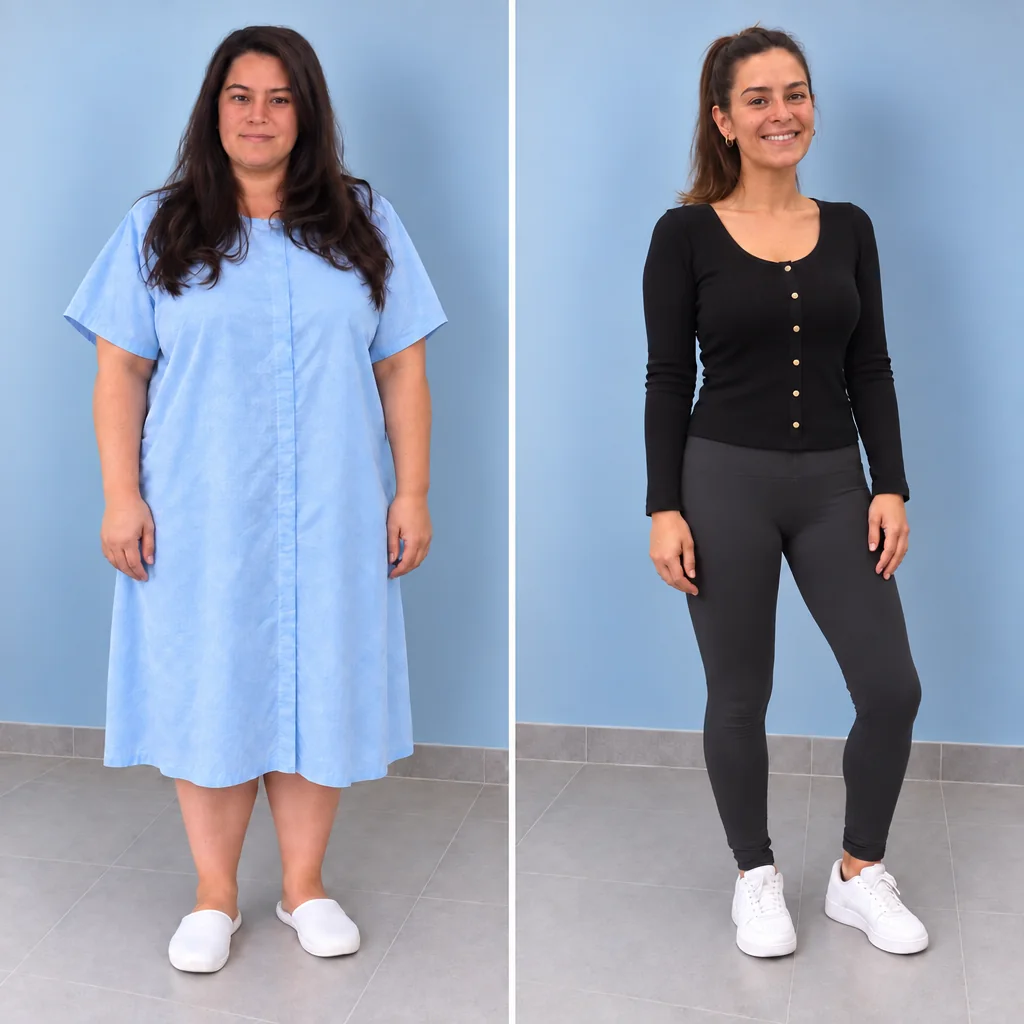 beforeafter
Bariatric surgery
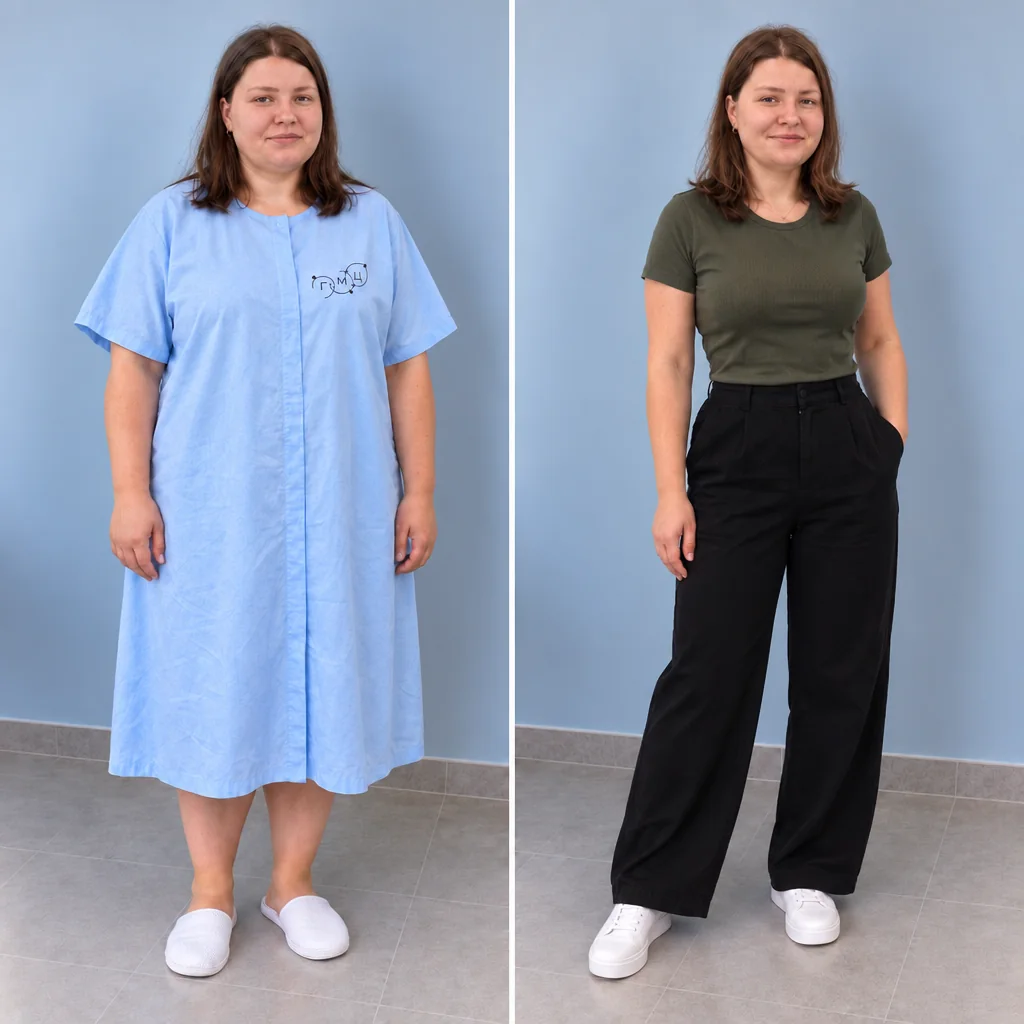 beforeafter
Bariatric surgery
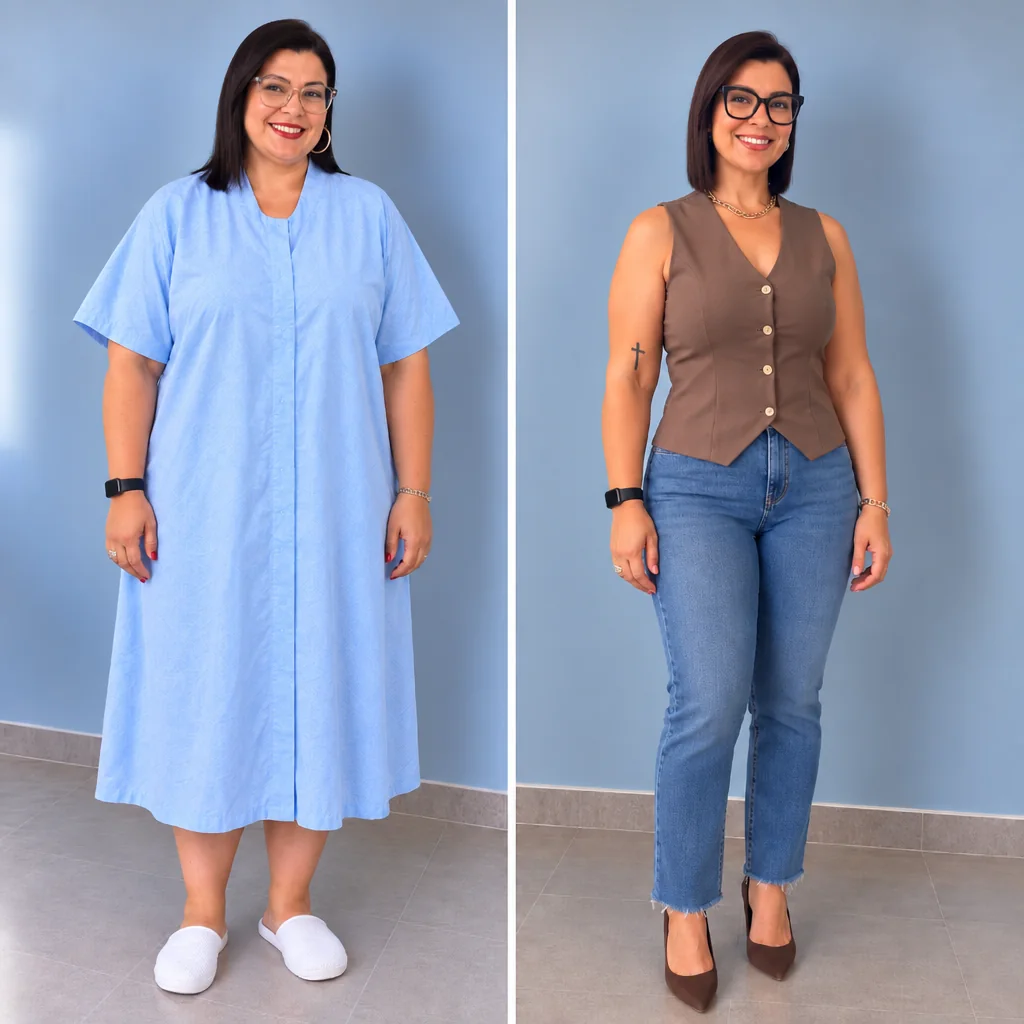 beforeafter
Bariatric surgery
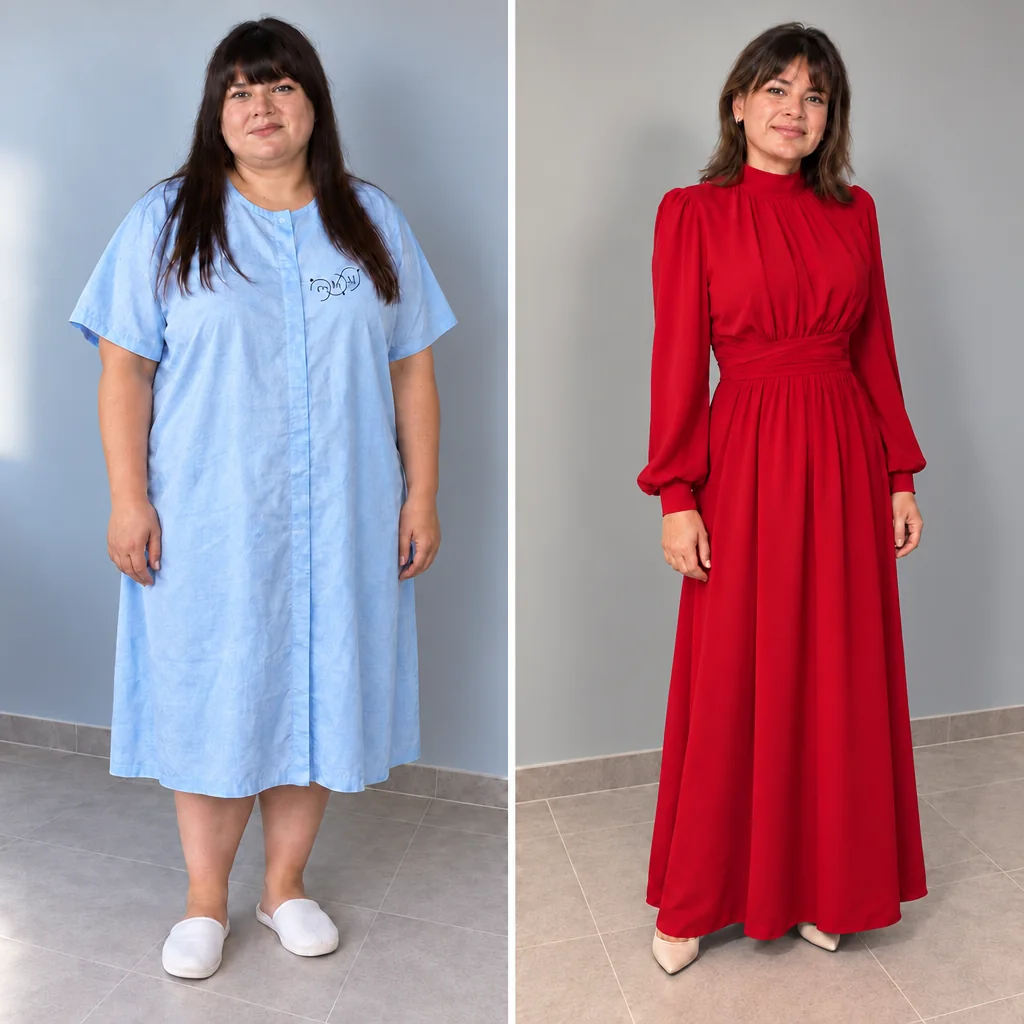 beforeafter
Bariatric surgery
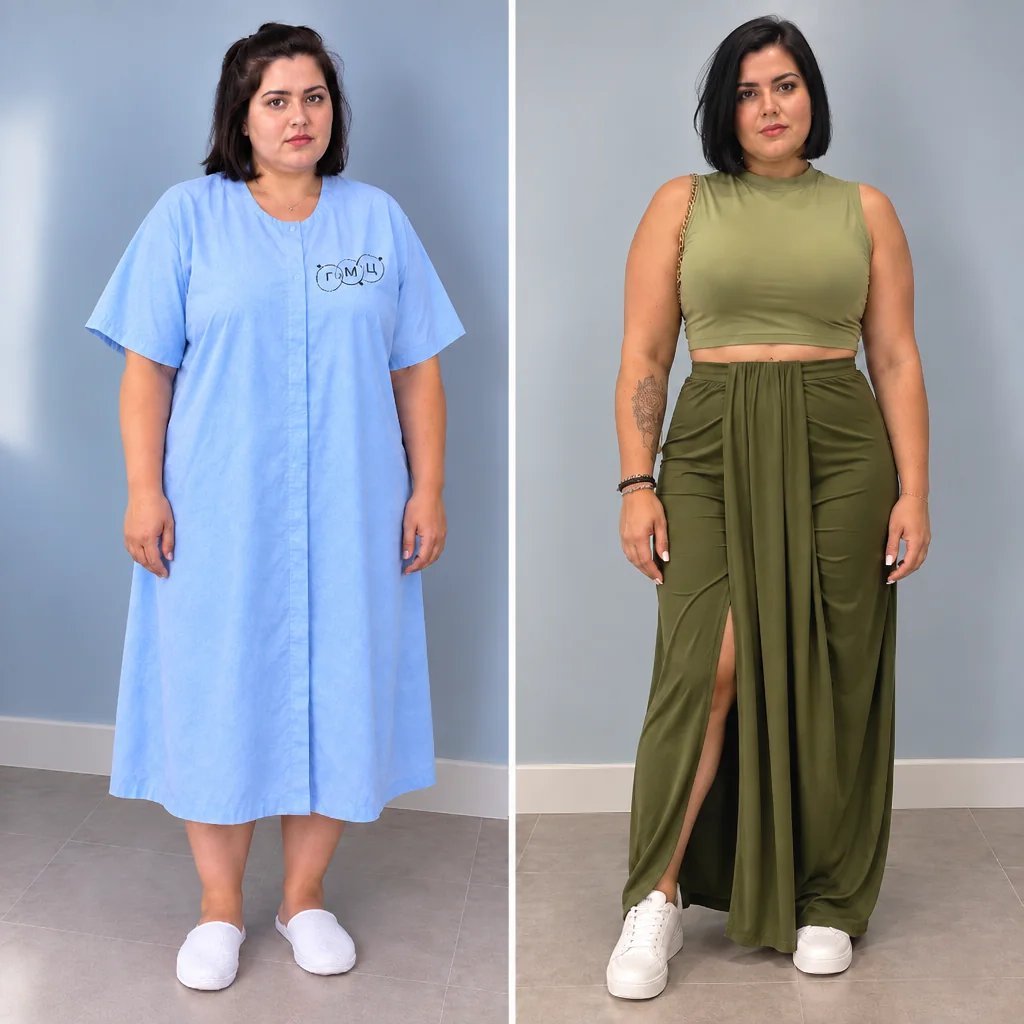 beforeafter
Bariatric surgery
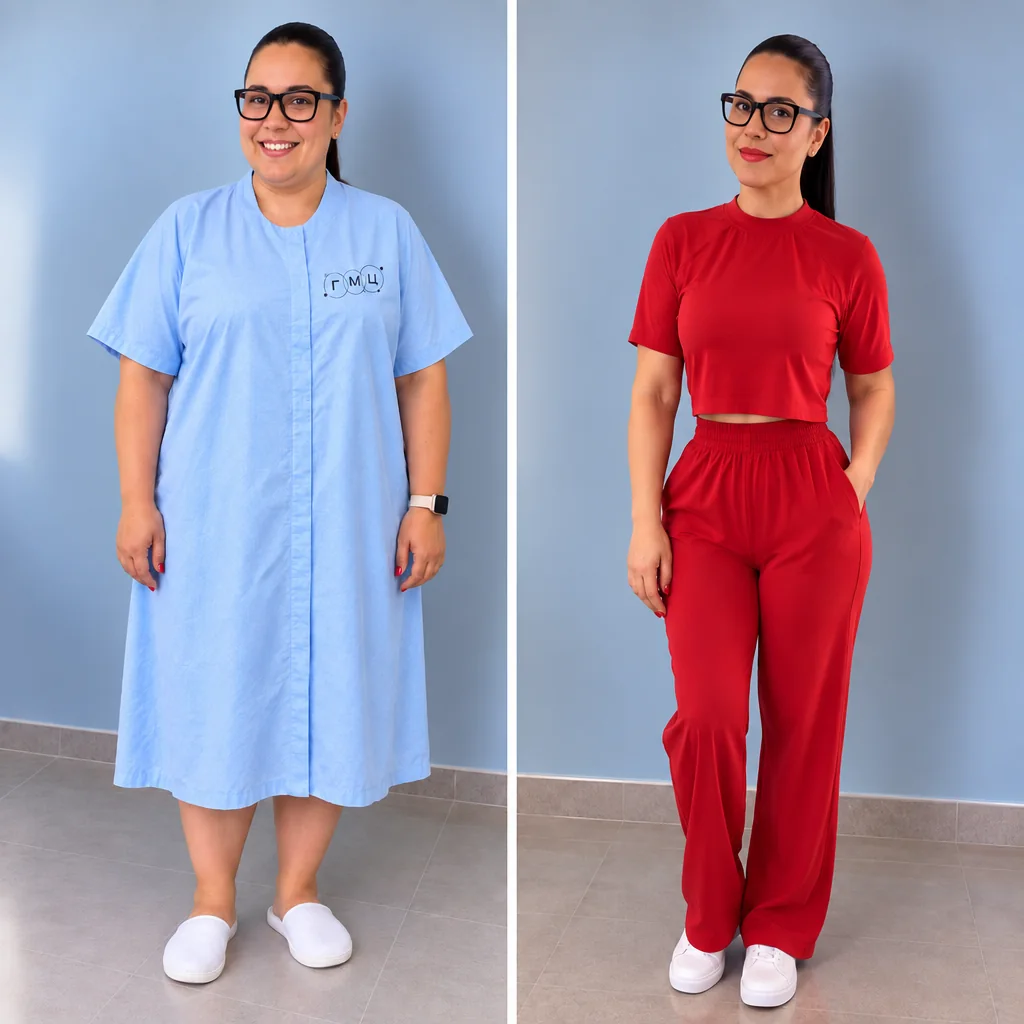 beforeafter
Bariatric surgery
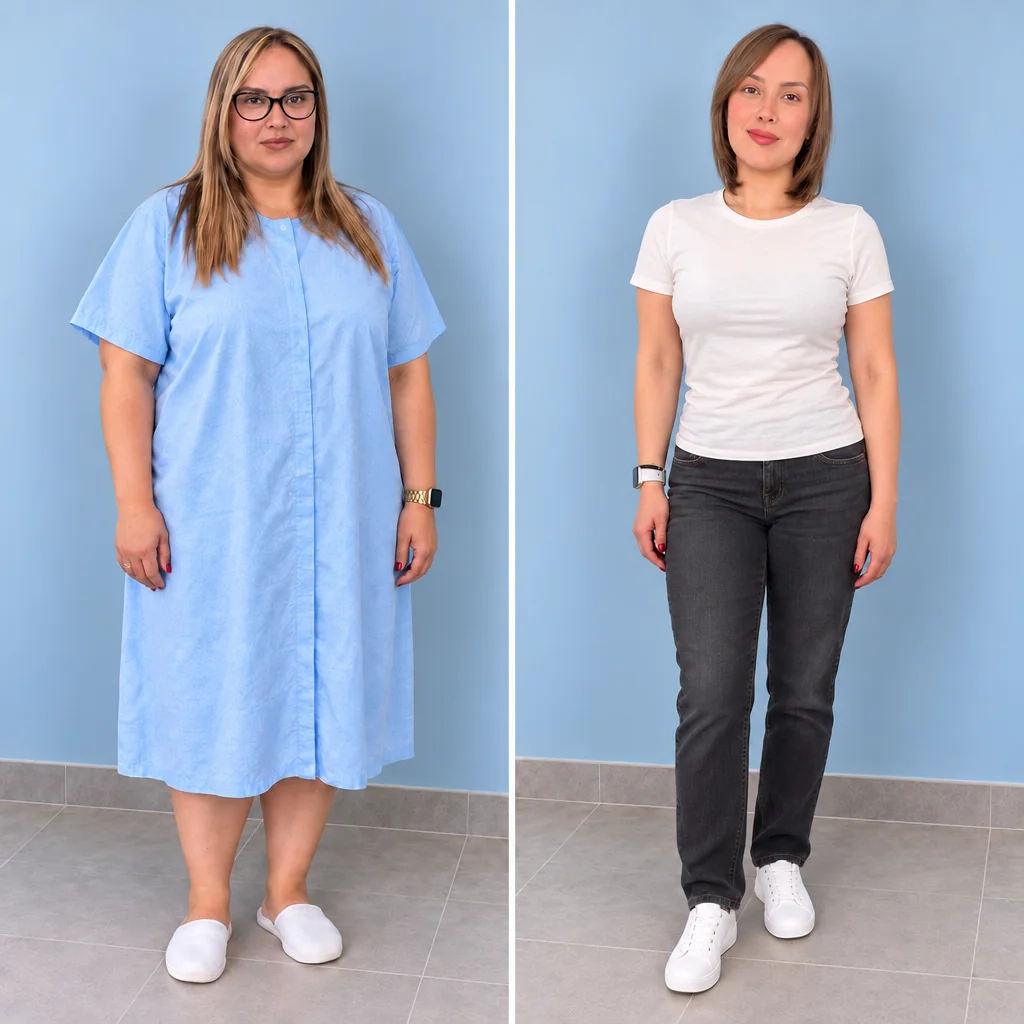 beforeafter
Bariatric surgery
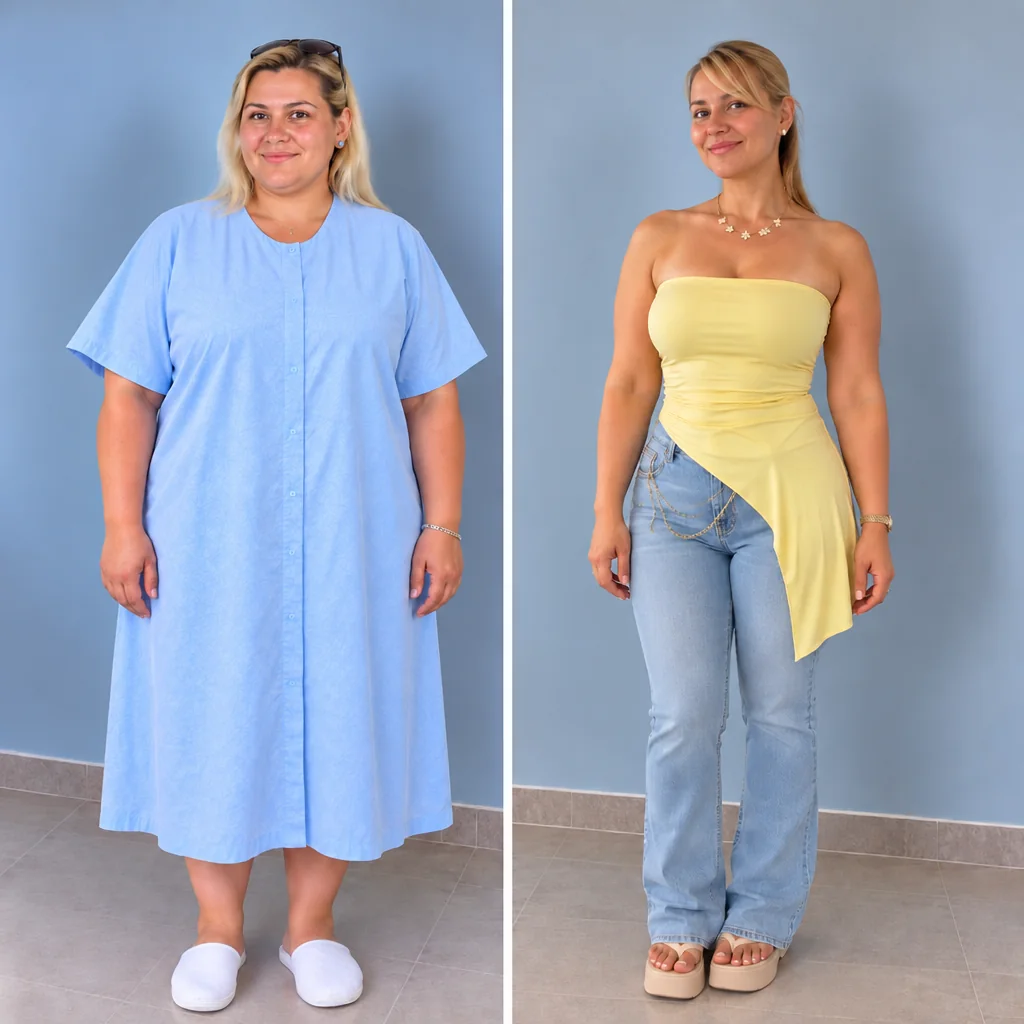 beforeafter
Bariatric surgery
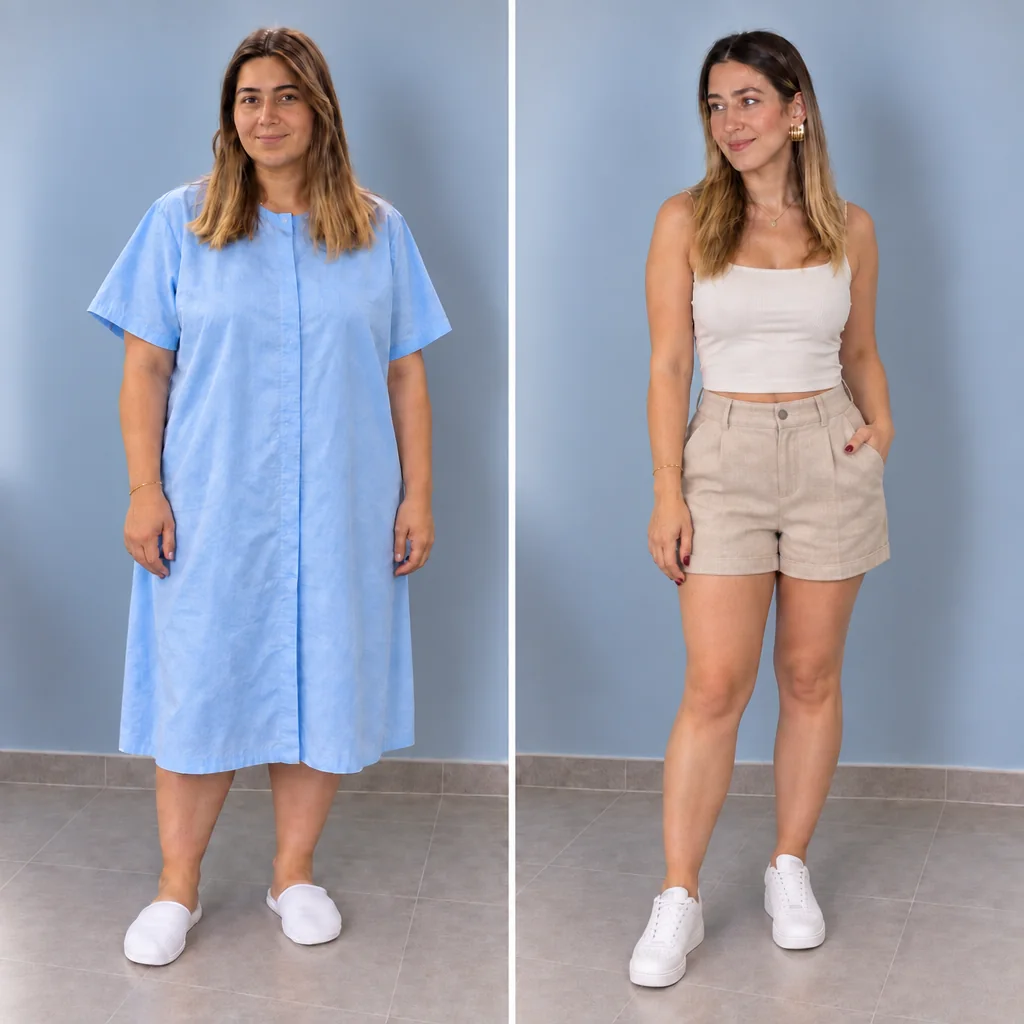 beforeafter
Bariatric surgery
Comparison
Two core procedures are offered here: gastric bypass and sleeve gastrectomy. See how each one works, its purpose and its indications so you can pick a method with confidence.
A smaller stomach volume
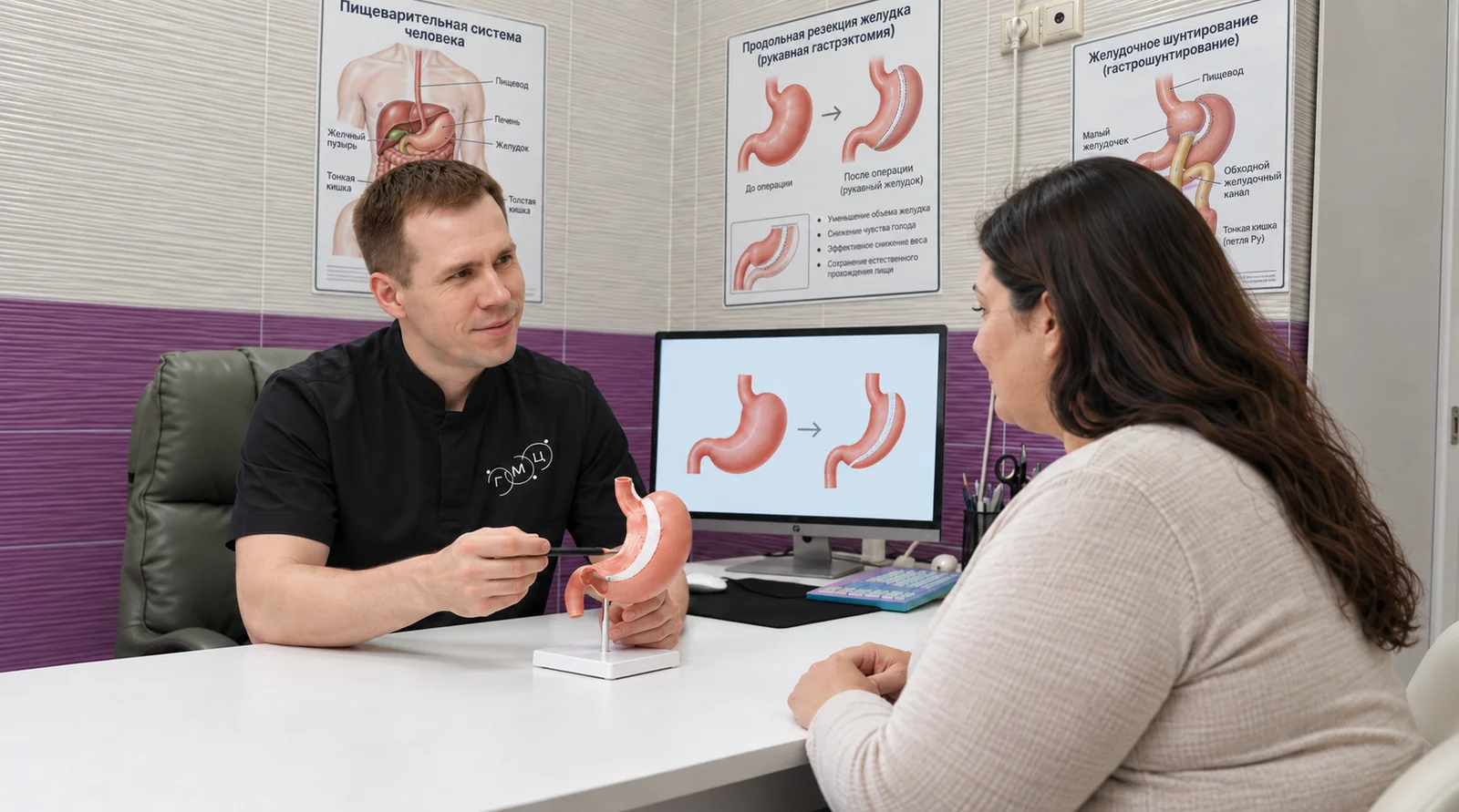
Discounted price
$3,600 $4,800
A smaller stomach volume plus a new route for food
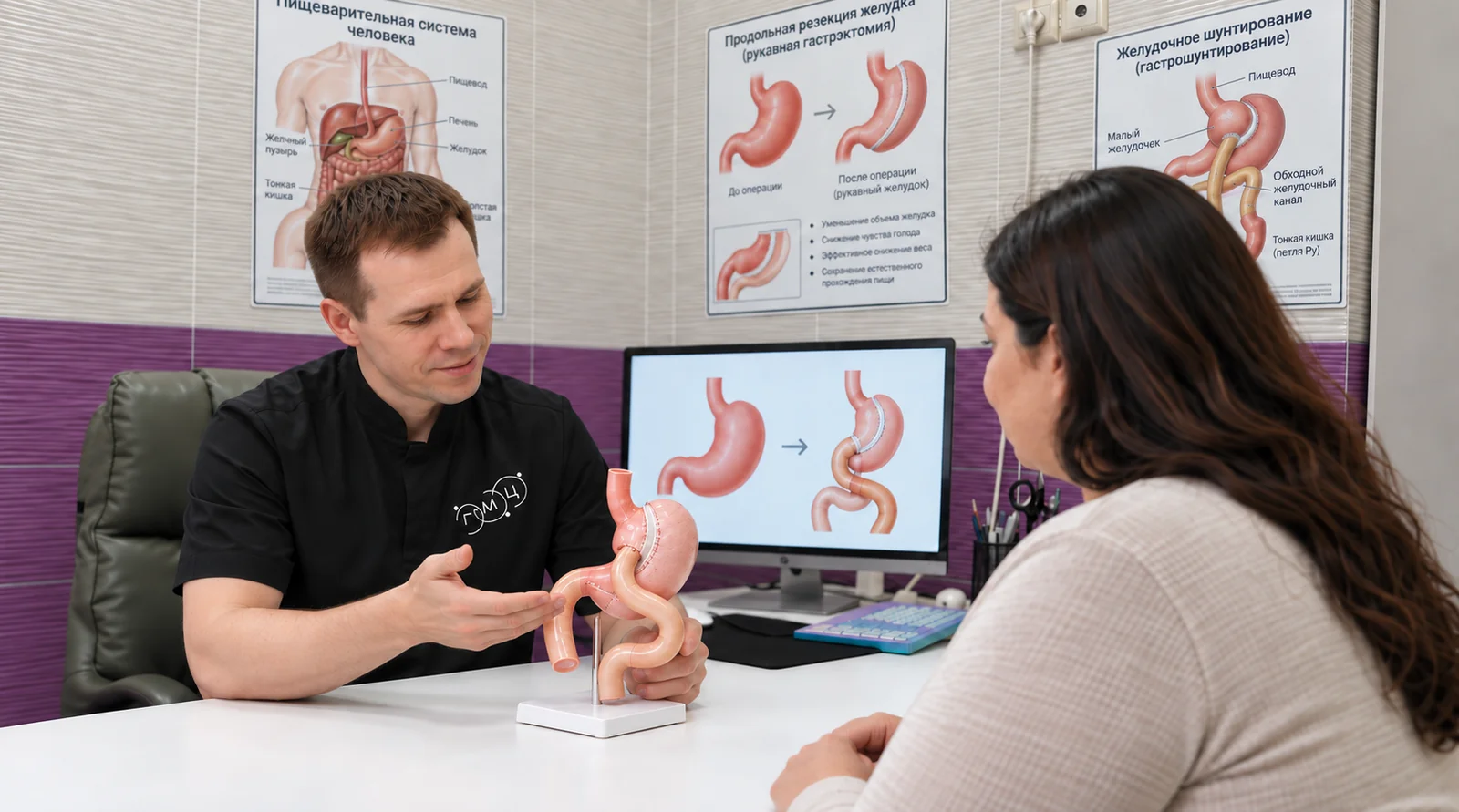
Discounted price
$4,000 $5,200
All benefits and recovery periods listed are averages per method, for guidance only. The extent of surgery and recovery vary with your anatomy and individual traits and are confirmed by the surgeon at the consultation.
Book a consultationAbout the clinic
Up-to-date equipment, comfortable rooms and attention to each patient
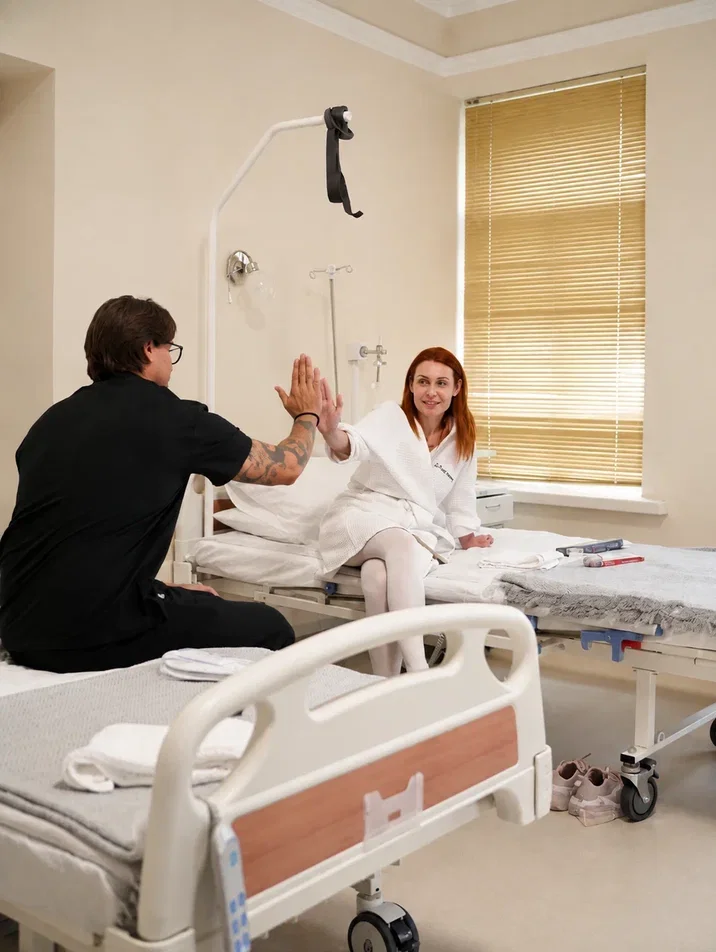
Our team will reply to your questions and help you choose a consultation time
Get a consultationThe decision on surgery is made together with the surgeon after a consultation and check-up.
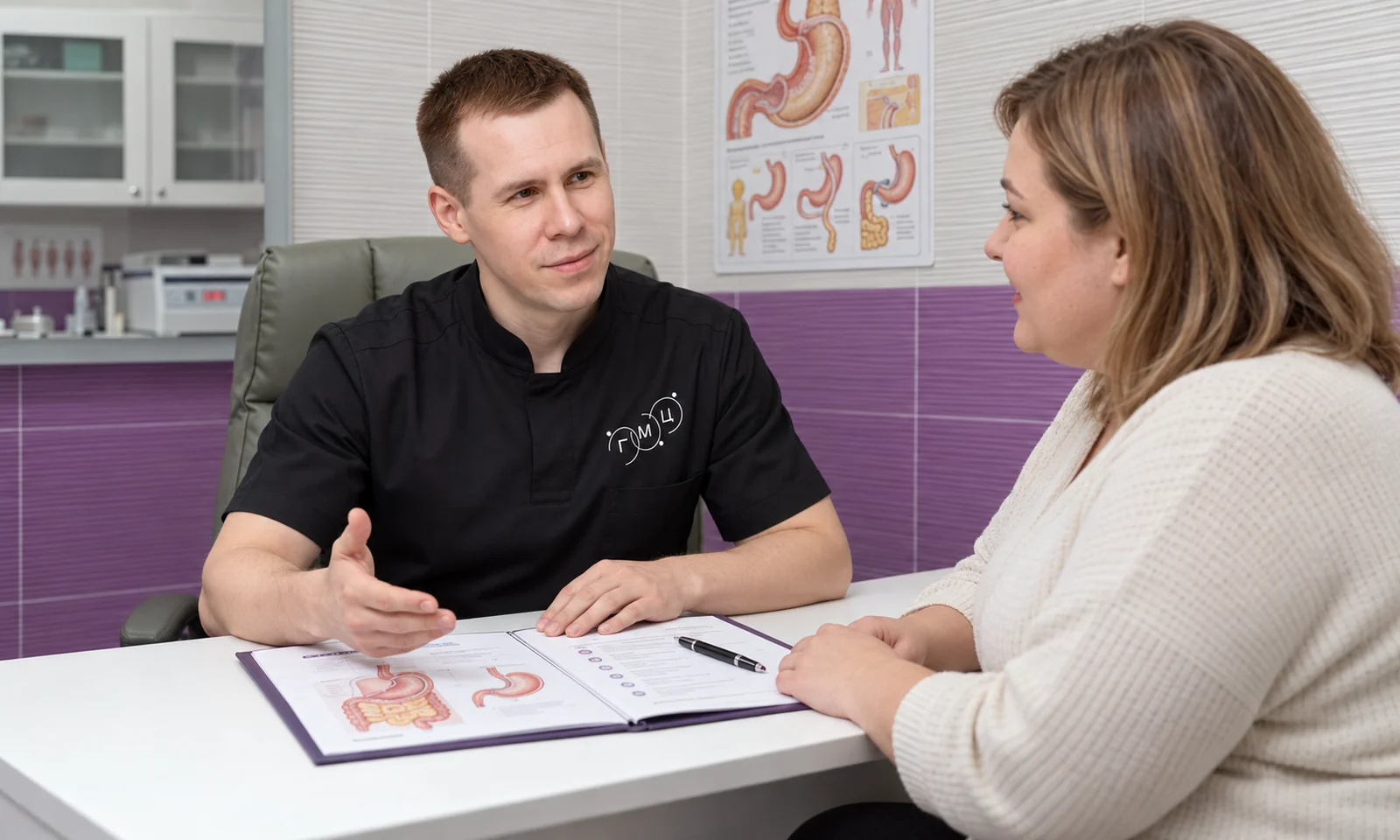
Can't tell which column fits your case?
Text us on Telegram — our coordinator will let you know if bariatric surgery is the right choice for you. The surgeon consultation is free, with no obligation to go ahead with surgery.
Find out if it suits me
Prices
Your cost is confirmed at the consultation once the plan is ready and written into the contract.
Discounted price
A smaller stomach volume
$3,600$4,800
Discounted price
Weight loss and rerouting food

$4,000$5,200
Free
The surgeon examines you and draws up a treatment plan

Free
the cost of the operation is named
and recorded in the contract
The doctor reviews your health and goals and decides on the right bariatric surgery method. At the consultation the cost is named, and the contract fixes it.
Message our coordinator
Free online consultation · Reply within 15 minutes
Message us on TelegramMessage us on WhatsAppBy messaging us, you agree to our Privacy Policy

price
All in one package, from the preparation stage to 12 months of support — and no extra fees.Starting with preparation for surgery
and ending with support for 12 months.
How it works
Hospital monitoring, a treatment plan agreed with you and a year of support.
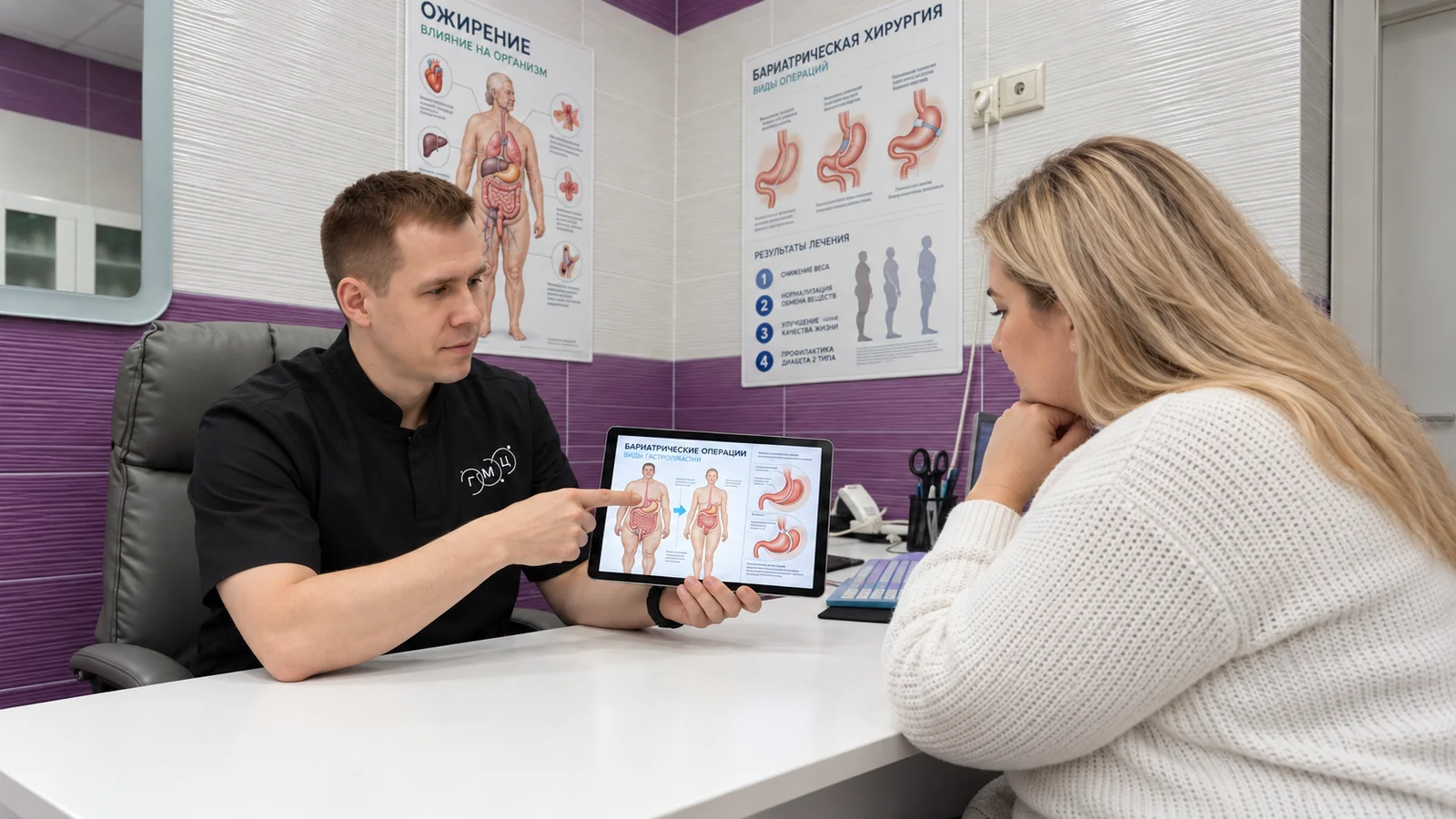 1
1The doctor looks at your health, talks about your goals and requests the tests needed to choose the right bariatric surgery method.
2We set aside a surgery date for you — the deposit is paid by card at the clinic or online by bank transfer, and the terms are fixed in the contract for medical services
 3
3Before surgery you will have blood and urine tests, an ECG, an ultrasound and a gastroscopy, plus specialist appointments. The doctor provides the exact list at the consultation.
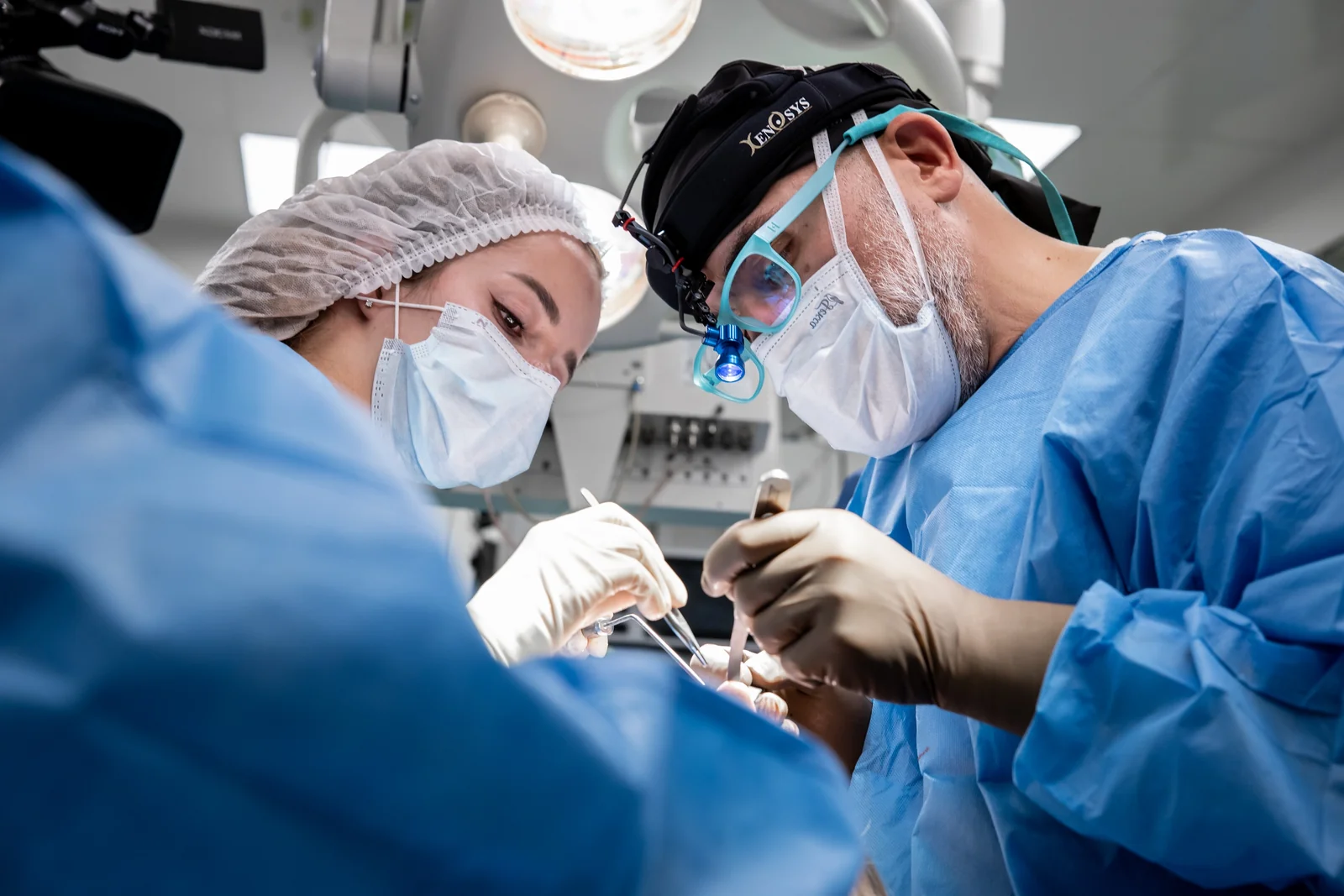 4
4Under general anaesthesia, the surgeon carries out the bariatric operation using the chosen method. After surgery the medical team monitors the patient.
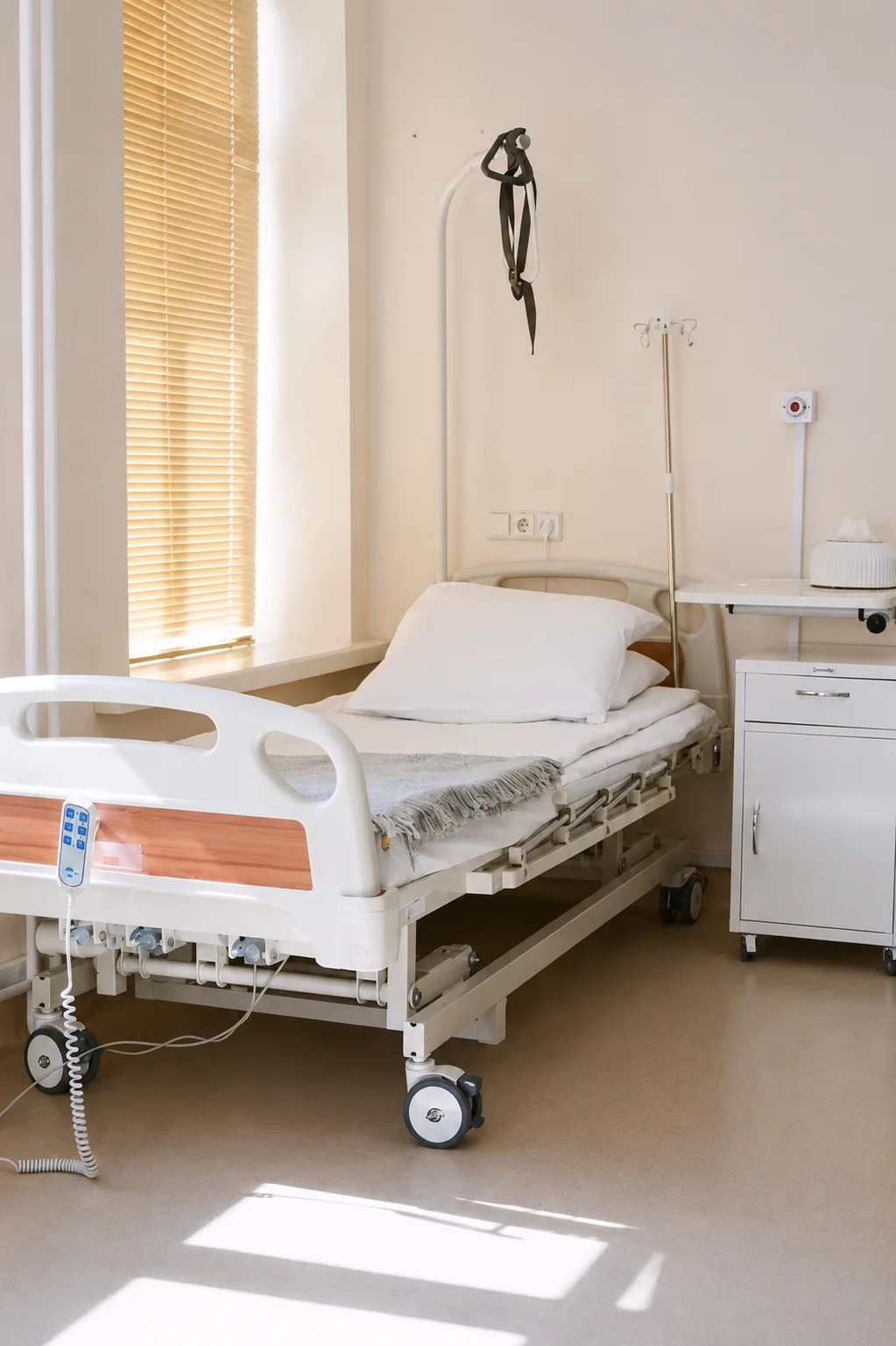 5
5After surgery you remain in hospital under doctors' supervision. Expect a stay of 1–3 to 4–5 days, depending on the complexity of the operation and how you feel.
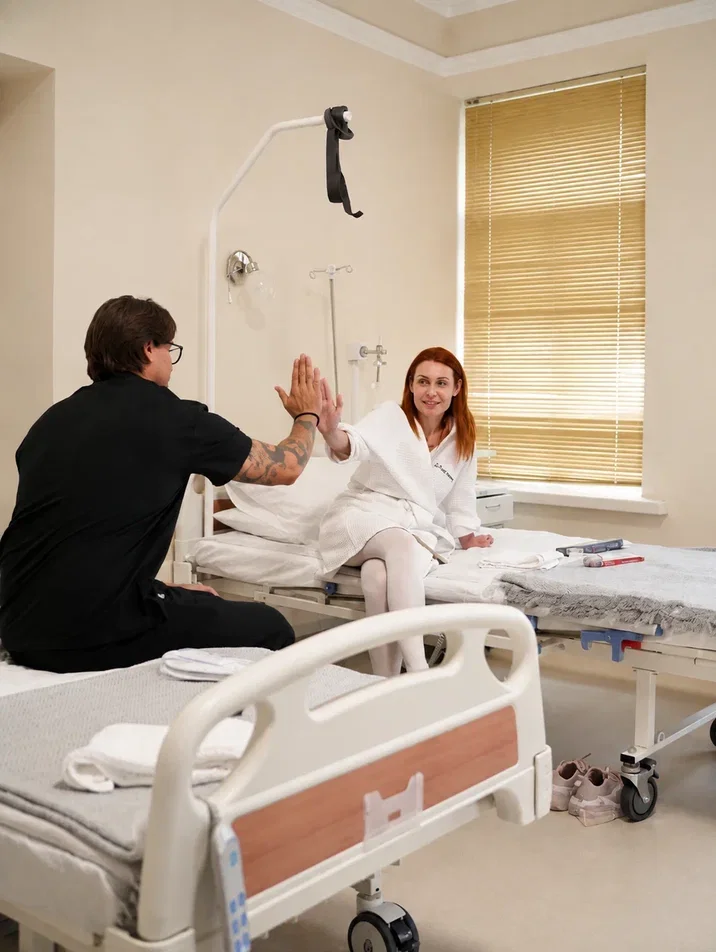 6
6Following discharge you get advice on diet and recovery, while scheduled check-ups track how you feel, your weight and tests. The clinic team supports you for a year.
At the consultation the doctor draws up your plan and explains the surgery step by step
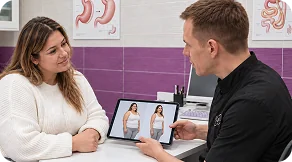
The consultation costs nothing, takes place before surgery and has no obligation.
Book a consultationDoctors

27 years of experience
Leading bariatric surgeon
Surgeon
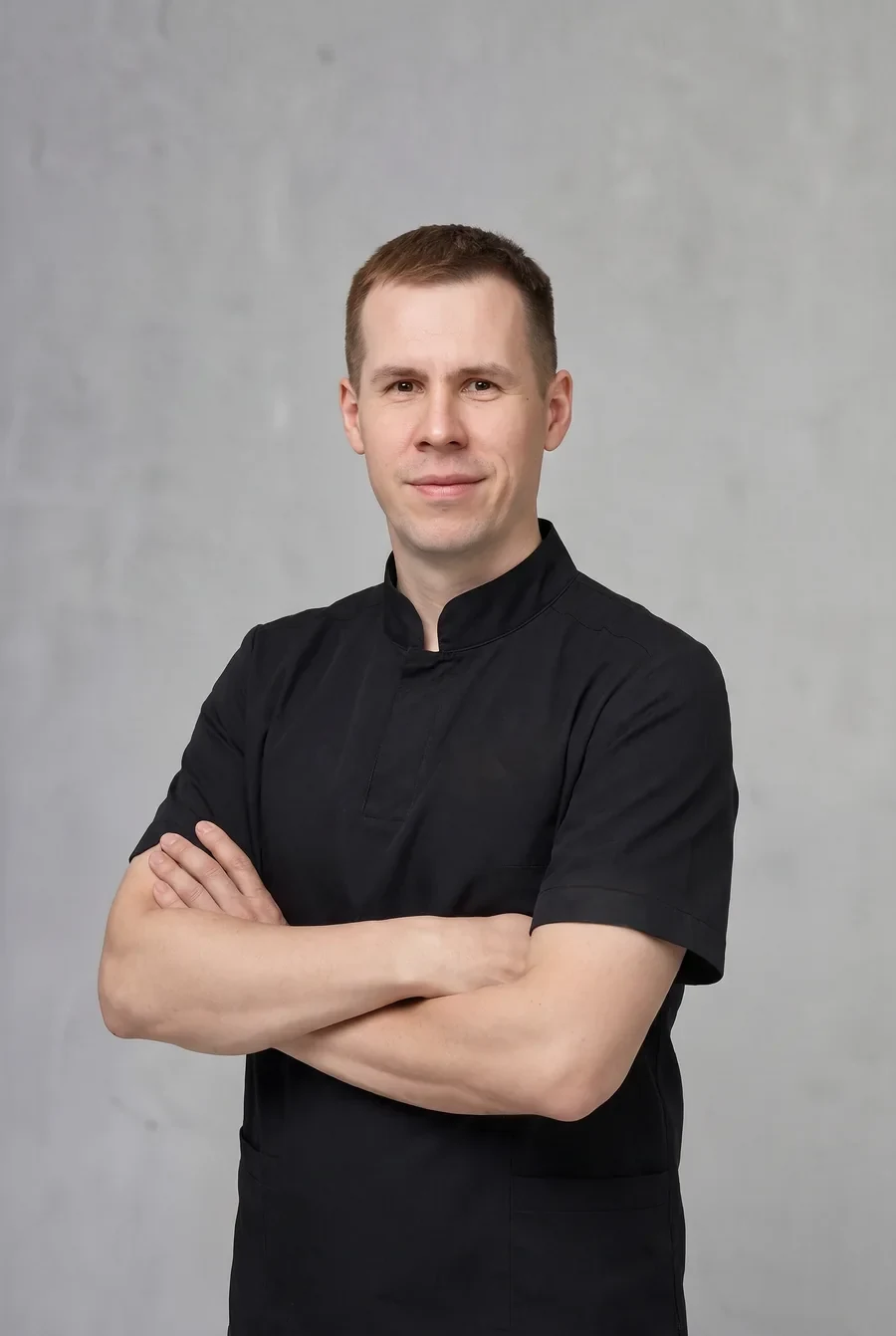
9 years of experience
Bariatric surgeon
Surgical oncologist
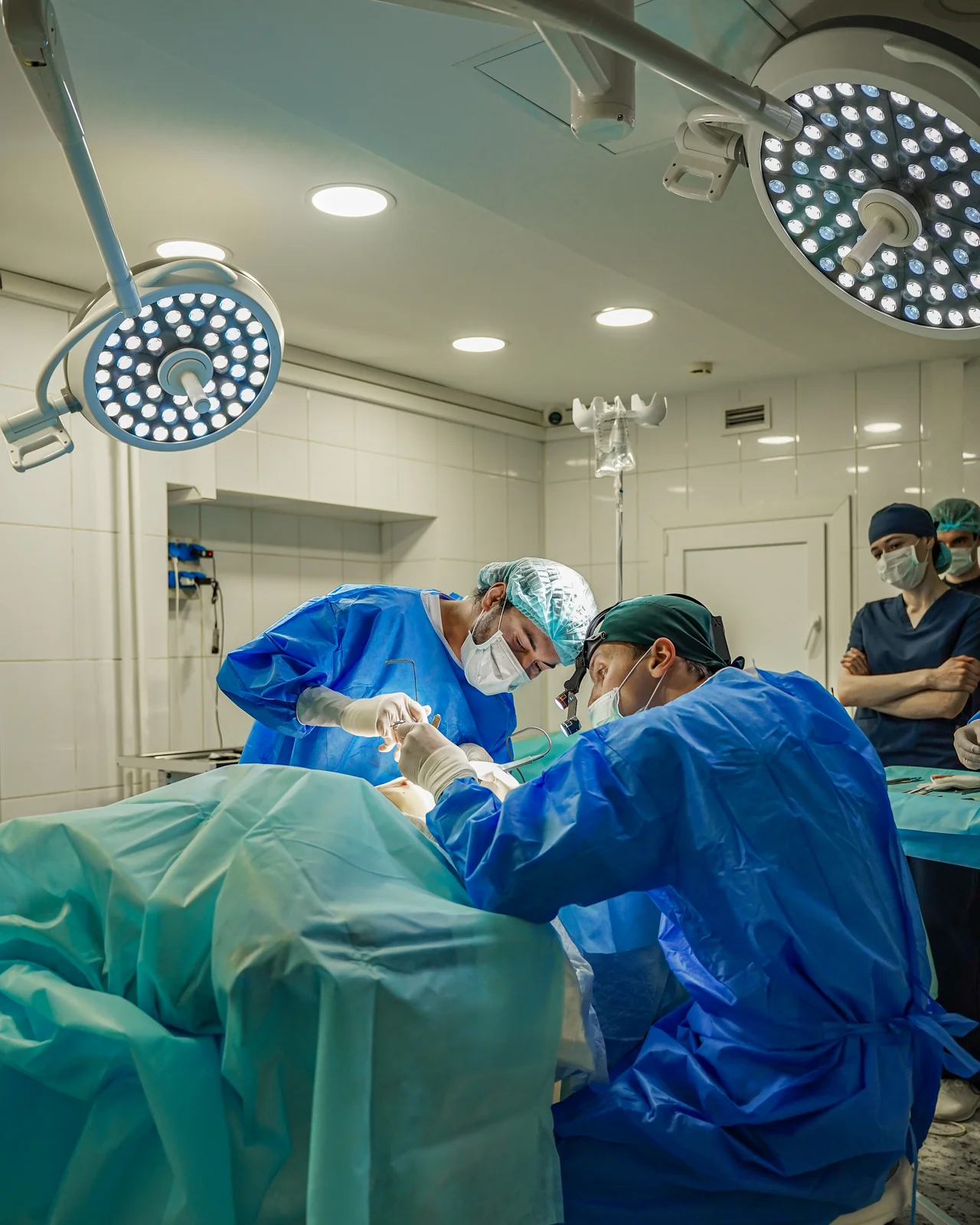
Your surgeon performs the operation and stays with you from the first consultation to the result.
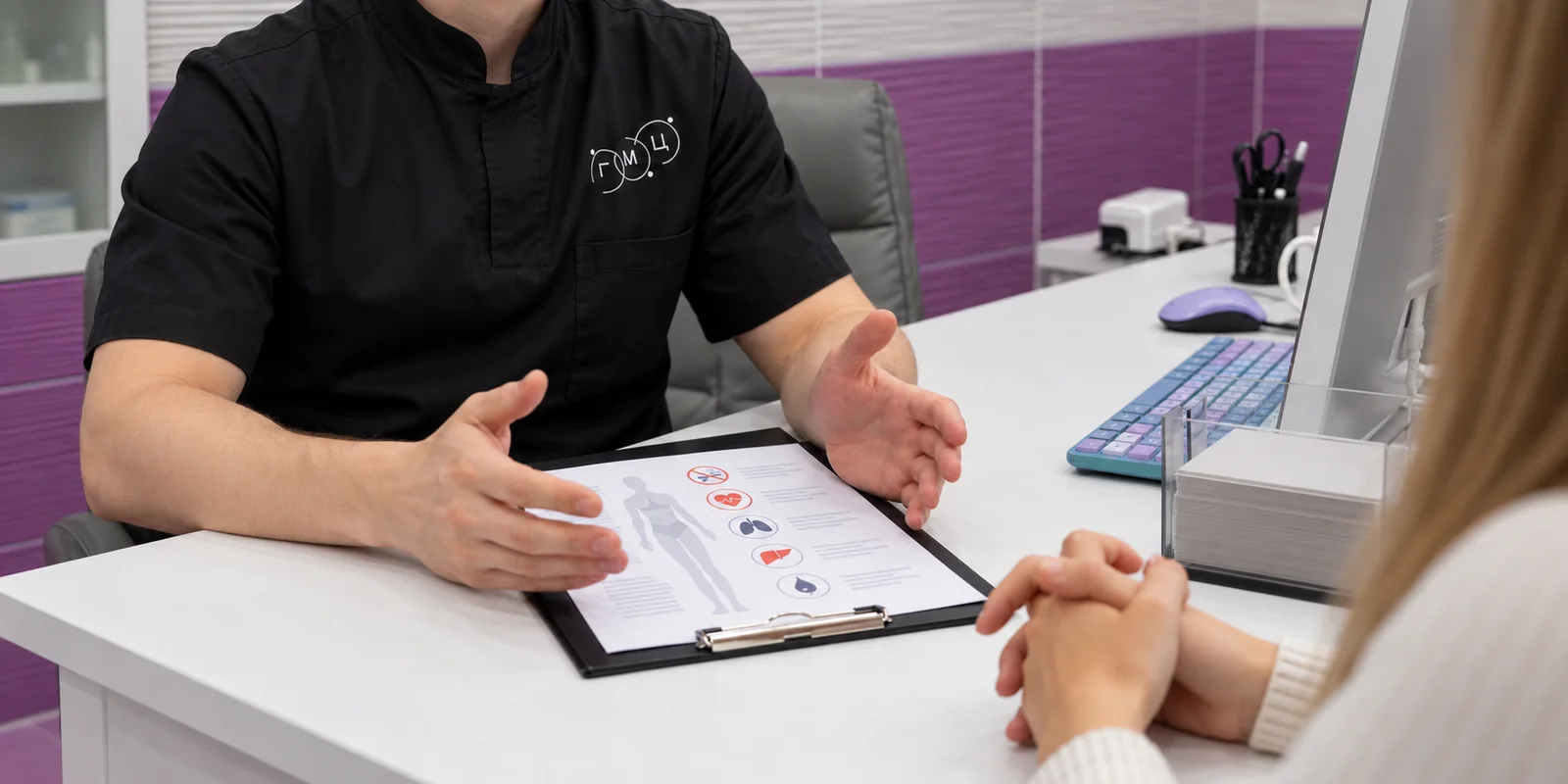
The patient care manager holds your first consultation free of charge: they work out your BMI, explain the methods and book your appointment with the surgeon.
Book a consultationCoordinators
Support at every step of the way

Your first contact at the clinic, all the way from your first message to the consultation
Patient support specialist
Helps you find a convenient date and answers your questions before your first consultation

From the moment you book to discharge — with you before and during your stay
Patient support specialist
Helps you get ready for surgery and keeps in touch while you stay at the clinic

Supports you through recovery — from discharge through to your last check-up
Patient support specialist
Stays in touch through recovery and books every follow-up visit with the surgeon
Advantages
We match the best method to your health, lifestyle and goals. Our team is by your side all the way.
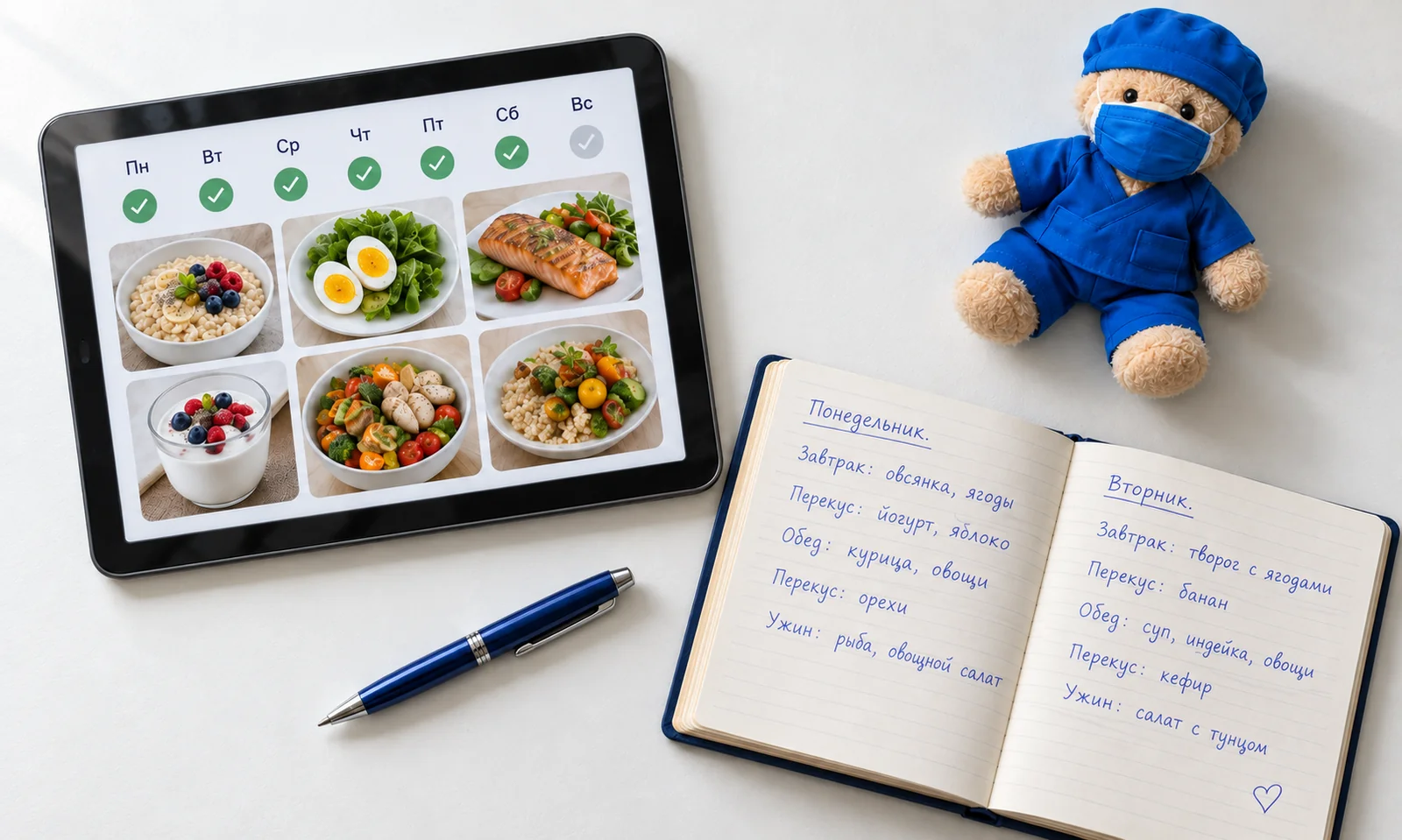
We help you adapt to new eating habits, track your results and keep them.

Better well-being, steady weight loss and a higher quality of life.

Respecting your time, we are available 24/7, offer easy booking and a personal approach, and adapt to your pace.
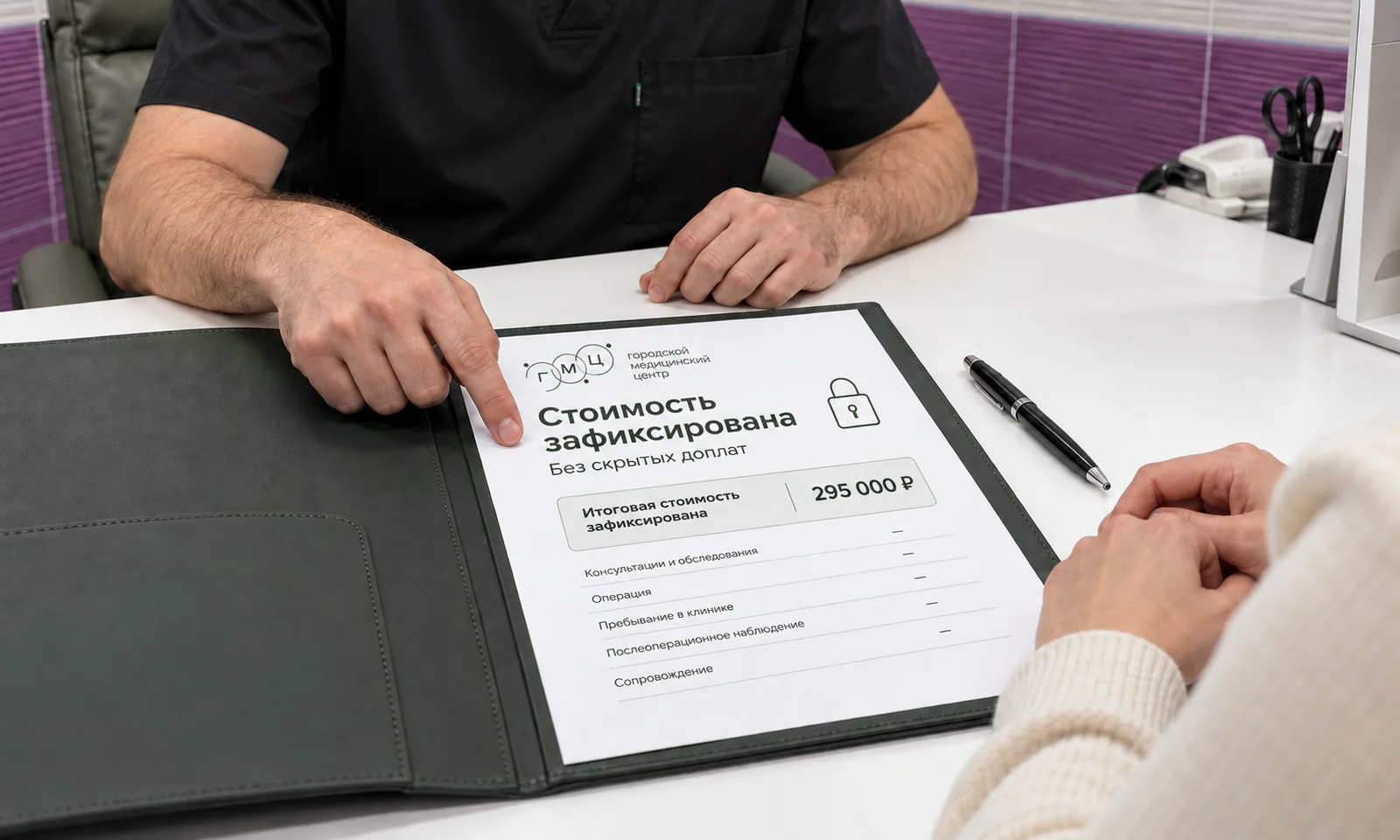
You get a clear price after the consultation, when the surgeon chooses the method: no hidden fees and no surprises along the way to your result.
FAQ
Bariatric operations here are carried out by experienced bariatric surgeons:
Get in touch by message: our coordinator will reply shortly and book your consultation. The bariatric surgeon consultation is free.
Surgery is prescribed only when clear criteria are met
BMI is the primary tool for judging obesity. The formula: body weight (kg) divided by height squared (m²). Surgery is typically justified at a BMI above 40, or above 35 if there are serious related conditions. At times surgery is also considered with lower figures — provided non-surgical treatment has failed.
Many people confuse the two, but their goals are fundamentally different. Bariatric surgery is a medical treatment for obesity and related diseases. It changes how the digestive tract works, addressing the causes of excess weight and metabolism. Plastic surgery reshapes the body's outer contours; it does not treat obesity or affect metabolism.
The four main types of bariatric surgery at City Medical Centre are sleeve gastrectomy, Roux-en-Y gastric bypass, mini gastric bypass (MGB) and SADI-S duodeno-ileal bypass. Each method is matched individually to BMI, related conditions and the patient's goals.
We rely on modern laparoscopic technique. The operation is performed through 4 small punctures of 5 to 15 mm. Cosmetic sutures are used, so after healing the marks are barely visible.
Recovery is tied to what you do. Office work: after 2–4 weeks. Physical work: after 1.5 months. Sport and activity: you may swim after 30 days, and other exercise is added bit by bit as weight drops. Travel and holidays: best left until at least a month after surgery.
Eating changes gradually: liquid food first, then soft, then solid. The focus is protein, with high-calorie, fatty food kept to a minimum.
Pregnancy is possible after bariatric surgery; doctors advise waiting no less than 12–18 months. This gives the body time to stabilize, for weight to reach target values and nutritional status to normalize.
Yes — vitamins are required after bariatric surgery. With the digestive anatomy changed, some nutrients are absorbed less well, and regular vitamin and mineral supplements become a permanent part of life.
Weight regain after bariatric surgery is possible, but very unlikely if you follow the doctor's advice. Proper nutrition, avoiding high-calorie drinks and regular follow-up with City Medical Centre specialists are key.
Prices are in US dollars; the amount in brackets is an approximate conversion to EGP at the rate of 02.10.2026. The final price is fixed in your contract.
Prices start from $3,600 (≈ EGP 190,000). The surgeon sets the final price at the free consultation, and it is fixed in the contract, with no hidden extras.
General anaesthesia, a personal coordinator from day one, monitoring in the hospital and support for one year.
The hospital stay is 1–5 days, depending on the method and how you feel. Office work is possible after 2–4 weeks.
Yes. The first consultation is free and does not oblige you to anything. You can start online by sending a message to the coordinator.
Message us on WhatsApp or Telegram using the buttons below. A coordinator will answer your questions and book a free consultation where the doctor names the exact price.
By messaging us, you agree to our Privacy Policy
Sleeve gastrectomy turns most of the stomach into a narrow tube, reducing portion size and levels of ghrelin, the hunger hormone. It suits a BMI of 35 to 45, with patients losing on average 60–70% of excess weight. For anyone from Ismailia with a higher BMI or type 2 diabetes, a bypass may fit better; the surgeon compares options at the consultation.
Several things are worth planning ahead. Pregnancy is advised no earlier than 12–18 months after surgery, once weight and nutritional status stabilise. Vitamins become a permanent part of life because the body absorbs some nutrients less well. Swimming waits 30 days, strength work longer. Patients from Ismailia discuss these points with the surgeon well before the operation date.
If you are comparing bariatric surgery options in Ismailia, look beyond the operation itself. Here the package bundles the work-up in the centre's own lab, laparoscopic surgery, the stay with meals and nursing, a doctor on hand 24/7 and a year of follow-up. Apply for a free surgeon consultation to see how this applies to your case.
Well-known people who spoke openly about this operation, in their own words.
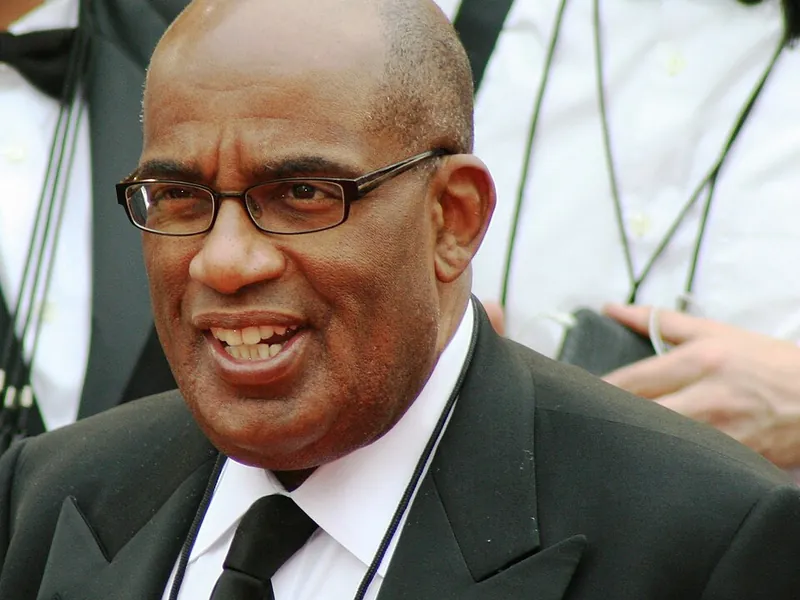 Al Roker and gastric bypass: twenty years of talking about it honestlyAl Roker had gastric bypass surgery in March 2002 and has talked about it for 20 years. His words, how the operation works and what recovery involves.
 Did Graham Elliot have weight-loss surgery? Yes, and he did it for his familyChef Graham Elliot had weight-loss surgery in 2013, saying it was what he needed to do for his family. His words, the operation and recovery.
 Did Randy Jackson have gastric bypass surgery? Yes, and he still talks about maintaining itRandy Jackson had gastric bypass surgery in 2003 and lost 114 pounds. His own words, how the operation works today and what recovery involves.
 Remi Bader and her weight-loss surgery: what she actually saidRemi Bader said in 2023 she had weight-loss surgery removing 80% of her stomach and lost 140 lbs. What she said, how the operation works, and recovery.
 Did Rex Ryan have weight-loss surgery? Yes, and he says it has been greatRex Ryan had Lap-Band surgery in March 2010 and lost over 100 pounds. His own words, how weight-loss surgery works today and what recovery involves.
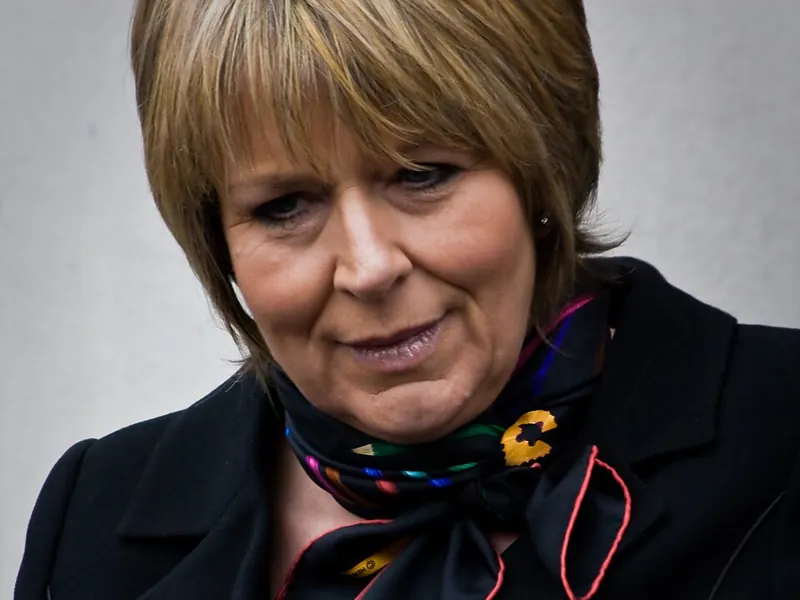 Fern Britton and her gastric band: “I did it for me”Fern Britton said in 2008 that she had a gastric band fitted two years earlier. Her words, how weight-loss surgery has changed and what it involves now.
What patients write after this operation. Reviews are translated from the original language.
Irina, 26
For a long time I doubted whether to go ahead with surgery, but after the consultation I felt much calmer. Andrey Georgievich explained in detail how gastric bypass is done, what to expect after the operation and how recovery would go. I especially liked that they talked to me calmly and without pressure. I am now gradually getting used to my new way of life and I am very glad I took this step.
Bariatric surgery
Doctor: Andrey G. Ugay
Angelina, 22
For me the hardest part was deciding to have the operation. At the consultation Ruslan Sergeyevich answered all my questions in detail and explained the specifics of sleeve gastrectomy and recovery. After the operation I always understood what I was doing and why. Thank you to the doctor and the whole team for their attentiveness.
Bariatric surgery
Doctor: Ruslan S. Menzulin
Anna, 31
For a very long time I tried to deal with my excess weight on my own, but I did not get the result I wanted. After the consultation with Andrey Georgievich I finally understood what to do next. I came through the operation well, and my recovery was supervised by the doctors. It was important for me to feel that I was not left alone after surgery.
Bariatric surgery
Doctor: Andrey G. Ugay
Veronika, 25
Before the operation I had many fears, mostly of the unknown. Ruslan Sergeyevich explained every stage of treatment in detail and answered even the simplest questions. Thanks to that I felt much more confident. I keep following the recommendations and I am gradually seeing the changes I had the operation for.
Bariatric surgery
Doctor: Ruslan S. Menzulin
Valentina, 23
The decision to have bariatric surgery was not easy for me. I worried both about the operation itself and about how my life would change afterwards. At the consultation Andrey Georgievich explained everything in detail, so little by little my fear turned into confidence. What matters most to me now is the result and the chance to treat my health and lifestyle differently.
Bariatric surgery
Doctor: Andrey G. Ugay
Anna, 27
I am very grateful to Ruslan Sergeyevich for his attentiveness. Before the operation I had a huge number of questions, and I got a clear answer to every one of them. After the operation it was also clear which recommendations to follow and how to eat. It was important to me that the doctor stayed in touch and I felt supported at every stage.
Bariatric surgery
Doctor: Ruslan S. Menzulin
Ismailia, home to 429,465 residents by administrative population data, has its share of people who have tried standard weight-loss methods repeatedly, watched the weight return every time, and are now living with type 2 diabetes, high blood pressure, or joint pain made worse by the extra load. Bariatric surgery exists for exactly that stage, not as a first-line option for ordinary weight management.
Patients from Ismailia usually start with their health history and weight goals sent to Telegram or Telegram coordinators who reply at any hour, and within a short conversation a surgeon can say whether bariatric surgery fits the case and which method suits it, free of commitment.
Surgery is usually considered justified with a BMI above 40, or above 35 with serious related conditions such as type 2 diabetes or hypertension, and sometimes at lower values when other weight-loss methods have genuinely failed; the decision rests on BMI together with overall health and documented previous attempts, not on BMI alone.
Four main methods are used depending on the case: sleeve gastrectomy, Roux-en-Y gastric bypass, mini gastric bypass, and SADI-S duodeno-ileal bypass. Modern laparoscopic technique is used across all of them, through several small punctures rather than one large incision, and each method is chosen individually by BMI, related conditions, and the patient's own goals. Candidates in Ismailia are typically people carrying well over 30 kg above a healthy weight for years, who regain weight after every diet, or who live with type 2 diabetes, high blood pressure or joint pain made worse by the extra load.
The operation is performed under general anaesthesia, followed by a hospital stay of one to five days depending on the method and how the patient feels. Office work is usually possible after two to four weeks, physical work after about a month and a half, and swimming is cleared after 30 days, with other exercise added gradually as weight comes down.
Ismailia sits on Lake Timsah, the wide stretch of the Suez Canal, and once the 30-day mark is reached and the surgeon has cleared activity, the lake and the sea become part of the exercise routine many patients are rebuilding rather than something to avoid — though summer khamsin-season heat, with afternoons near 36°C, is still worth planning around for comfort.
Preparation starts two to four weeks ahead with cutting fast carbohydrates and fats, a month ahead with quitting smoking and reducing stress, and the day before with light meals and the last fluids three to four hours before surgery.
Egypt's Health Insurance Organization funds essential care for about 60% of the population through payroll contributions; whether a given bariatric case counts as essential rather than elective depends on documented medical criteria, and that distinction is worth raising directly with both the surgeon and the insurer rather than assuming either way.
Every physician licensed to practise in Egypt is registered with the Egyptian Medical Syndicate, and asking a bariatric surgeon for their registration number, specialty and specific experience with the method being discussed, then checking it through that body, is a reasonable step before agreeing to surgery.
Pregnancy after bariatric surgery is possible, but doctors advise waiting at least 12–18 months so the body can stabilize, weight can reach a target range, and nutritional status can normalize before supporting a pregnancy.
Because the surgery changes eating habits permanently rather than for a few months, patients from Ismailia tend to ask most about long-term diet adjustments, how weight-loss plateaus are handled, and what ongoing follow-up looks like once the first year of scheduled check-ins is behind them.
As the historic base of the Suez Canal Authority, whose headquarters has sat in the city since the canal's earliest years, Ismailia has long drawn residents into steady, often desk-based administrative and logistics careers tied to the waterway — work that, over years, can make the sedentary habits behind serious weight gain harder to interrupt than in a more physically demanding job.
Among the 429,465 residents the city counts, the patients who end up genuinely qualifying for bariatric surgery are rarely people looking for a shortcut; they are far more often people who have already tried standard weight-loss methods repeatedly over years in a stable canal-city job, watched the weight return each time, and are now managing type 2 diabetes, hypertension or joint strain that the extra weight makes worse.
That pattern — long-term effort, repeated regain, and a related health condition — is exactly what the BMI-plus-health-history assessment at consultation is built to confirm, rather than treating a single BMI number on its own as the whole answer.
Since 1974, Ismailia has also been home to Suez Canal University, whose medical faculty trains doctors for the wider canal region; patients sometimes assume that detail changes how a surgeon's qualifications should be checked, when in fact the same single national step applies regardless of where any surgeon trained.
That step is registration with the Egyptian Medical Syndicate, and for a procedure as significant as bariatric surgery, confirming a surgeon's specific experience with the method being discussed — not just their general license — is worth asking about directly rather than assuming a university town automatically means more oversight.
The first conversation about bariatric surgery usually opens around a photo, so prepare something worth looking at. Two full-body pictures, frontal and side, taken the same day in natural daylight, in clothing that shows your real build rather than hiding it. Attach whatever paperwork you still have: recent lab results, reports on diabetes, blood pressure or joint problems if they exist, and any document recording an earlier weight-loss effort. Send the whole bundle to the Telegram or Telegram coordinator at any hour, and the first consultation arrives looking at your documented reality instead of a general description.
A written line carries even more weight than the picture. Sketch a short timeline of your attempts: which year each started, how long it lasted, and what came back when it ended, alongside the symptoms that travelled with the weight, from tired knees to readings that pushed your doctor toward diabetes or blood-pressure treatment. List your current medications with doses, mention any previous operation or health condition, and if you have had a gastroscopy in the past, give its date and outcome. With this file ready, the surgeon weighs your body-mass index together with your full health history at the first meeting itself.
Prepare the questions with the same care. Which of the four methods, sleeve gastrectomy, Roux-en-Y bypass, mini bypass or SADI-S, sits closest to my case and my goals? Which tests will I need before anything is decided? How do the first-year check-ins run, and what does the expected hospital stay look like for each method? Nothing is settled from a written message alone, yet this level of detail is enough for an honest first opinion that puts you on the right road from the very first conversation, instead of repeated consultations circling the same general question.
Blood and urine tests, an ECG, an ultrasound, a gastroscopy, and consultations with the relevant specialists, reviewed by the surgeon before confirming the method and date.
After. The surgeon reviews health history and requested tests first, then recommends sleeve gastrectomy, gastric bypass, mini bypass or SADI-S based on the individual case.
A BMI above 40, or above 35 with serious related conditions such as type 2 diabetes or hypertension, is the usual threshold; sometimes lower values qualify if other weight-loss methods have genuinely failed.
There isn't one universal answer. Sleeve gastrectomy, Roux-en-Y gastric bypass, mini gastric bypass and SADI-S are each chosen individually by BMI, related conditions and the patient's own goals.
Typically one to five days, depending on the method chosen and how the patient feels afterward.
Office work is usually possible after two to four weeks, physical work after about a month and a half, and swimming after 30 days, with other exercise added gradually.
It depends on documented medical criteria for the specific case; this is worth raising directly with the surgeon and the insurer rather than assuming coverage either way.
Every physician practising in Egypt is registered with the Egyptian Medical Syndicate. Asking for registration details, specialty and experience with the chosen method, then checking them through that body, is a sensible step.
Yes, but doctors generally advise waiting at least 12–18 months so weight and nutritional status can stabilize first.
Health history and weight-loss attempts can be discussed through Telegram or Telegram coordinators available around the clock, enough to get an initial read before any in-person consultation.
There is no single fixed cutoff; candidacy depends on BMI, overall health and related conditions assessed individually, with the surgeon weighing age alongside those factors rather than ruling someone out by age alone.
Coordinators remain reachable for questions about diet and weight maintenance beyond the formal first-year schedule, since the eating-habit changes bariatric surgery requires are permanent rather than limited to twelve months of monitoring.
Yes — if pre-surgery tests show a reason one method is not suitable, the surgeon adjusts the recommendation before surgery day, which is exactly why the full round of tests happens well ahead of the scheduled date rather than at the last moment.
Depending on the method chosen, some degree of ongoing supplementation is common, since certain procedures reduce how much the body absorbs from food; the surgeon explains exactly what is needed for the specific method agreed on.
Two full-body pictures, frontal and side, in natural daylight and clothing that shows the actual build, taken the same day. Attach the most recent tests you have and any older medical report; the photos complete the health picture without replacing the full pre-surgery tests requested later.
One line per attempt: the year, how long it lasted, and what happened after it ended, plus any prescription or report you kept. Written records with dates carry far more weight in the assessment than a general statement that every diet failed, because they show the surgeon the pattern of regain, not just that it happened.
Page medically reviewed by Andrey G. Ugay, lead bariatric surgeon. Review date: .