


























 beforeafter
Liposuction
Abdomen and sides
from $1,200
The price is fixed in the contract before surgery
Message our coordinator
Free online consultation · Reply within 15 minutes
Message us on TelegramMessage us on WhatsAppBy messaging us, you agree to our Privacy Policy
Results
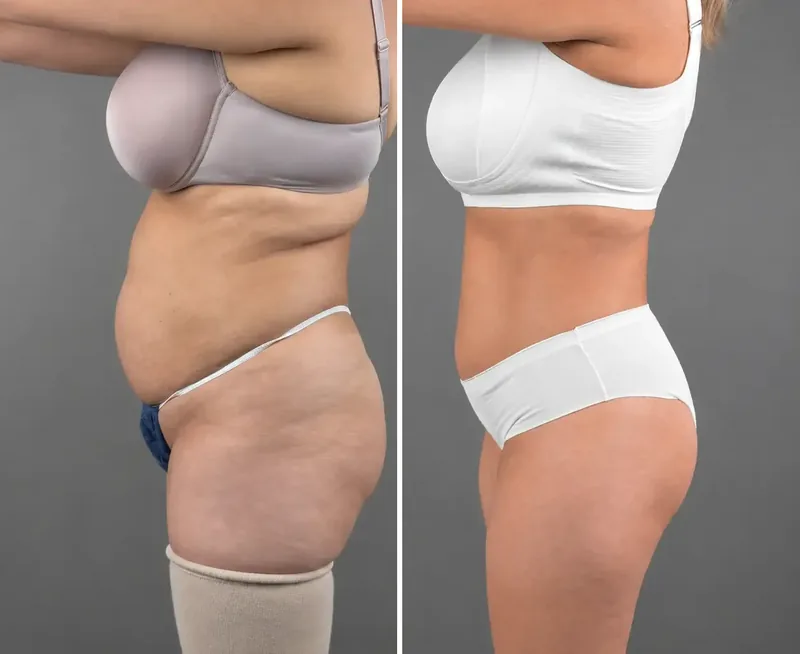
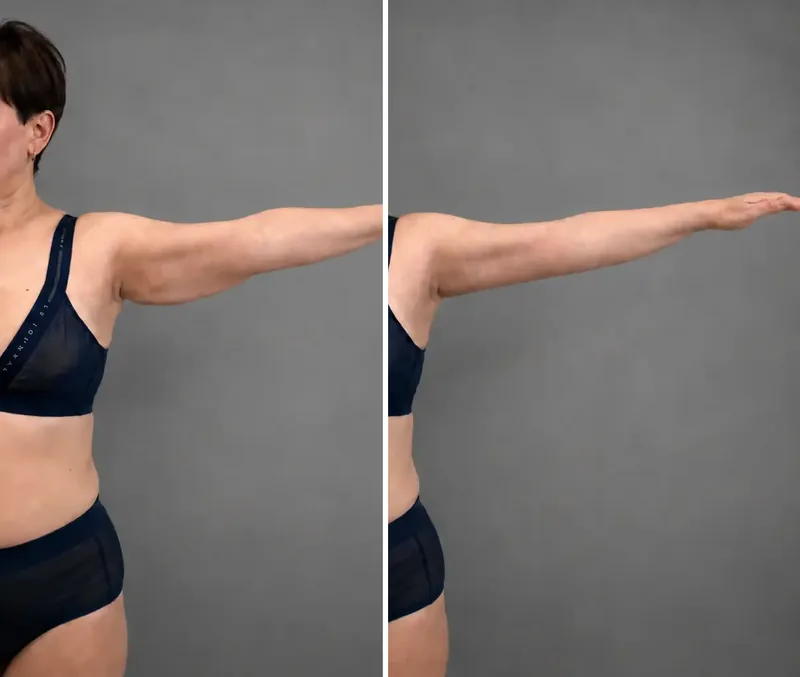
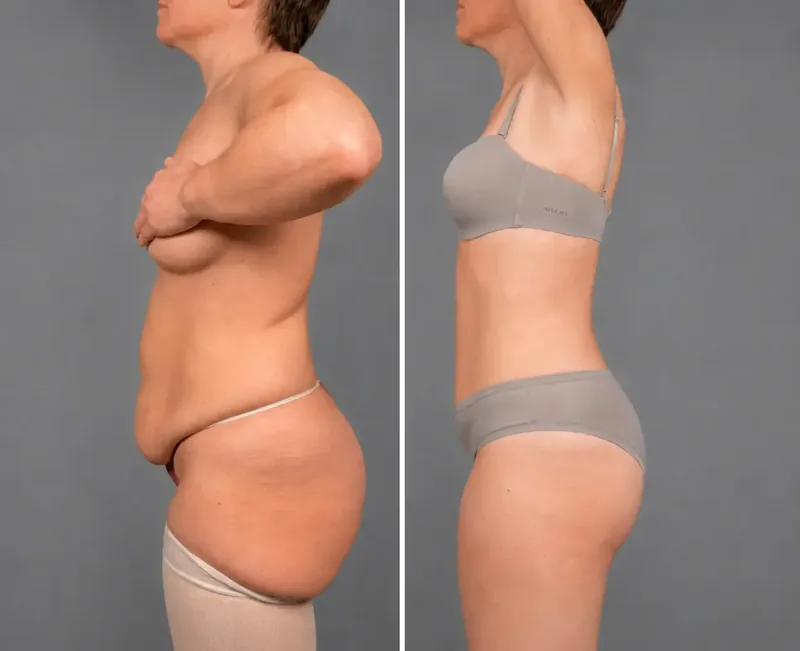
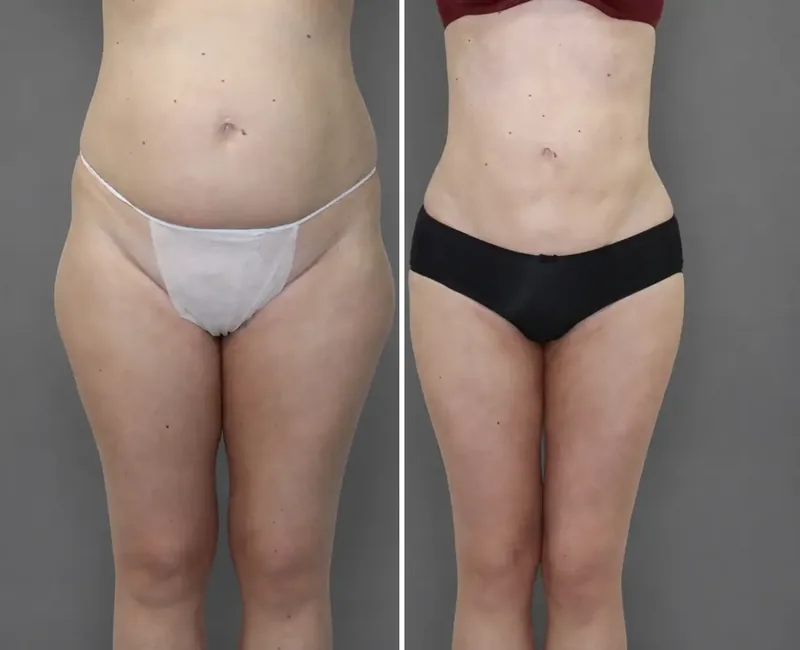
All cases are real patients. Faces and identifying details are hidden.
beforeafterAbdomen and sides
 beforeafter
Arms
 beforeafter
Abdomen and sides
 beforeafter
Abdomen and thighs
 beforeafter
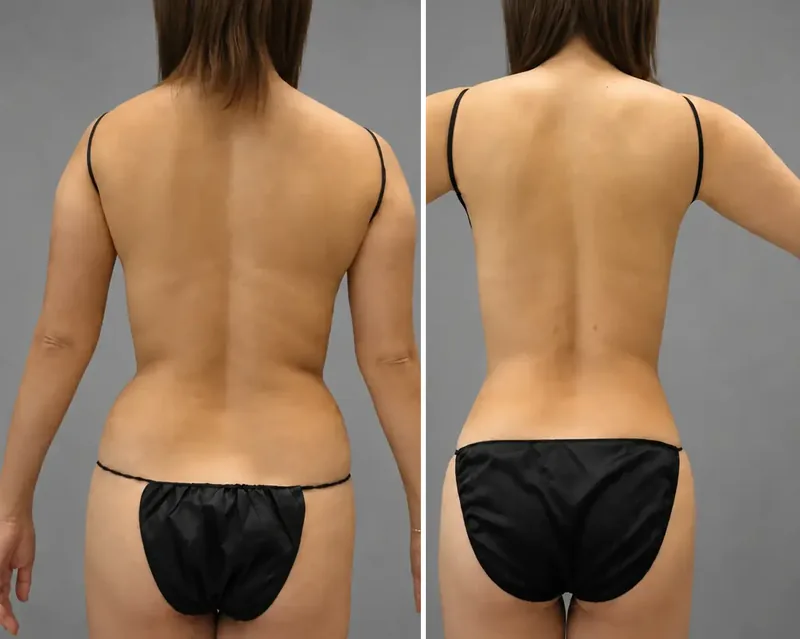
Back and flanks
 beforeafter
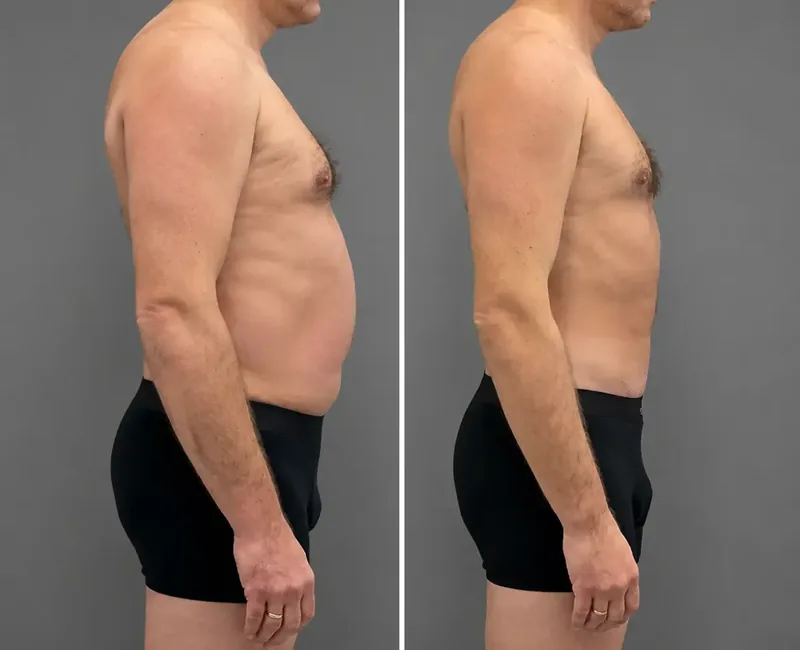
Male abdomen
 beforeafter
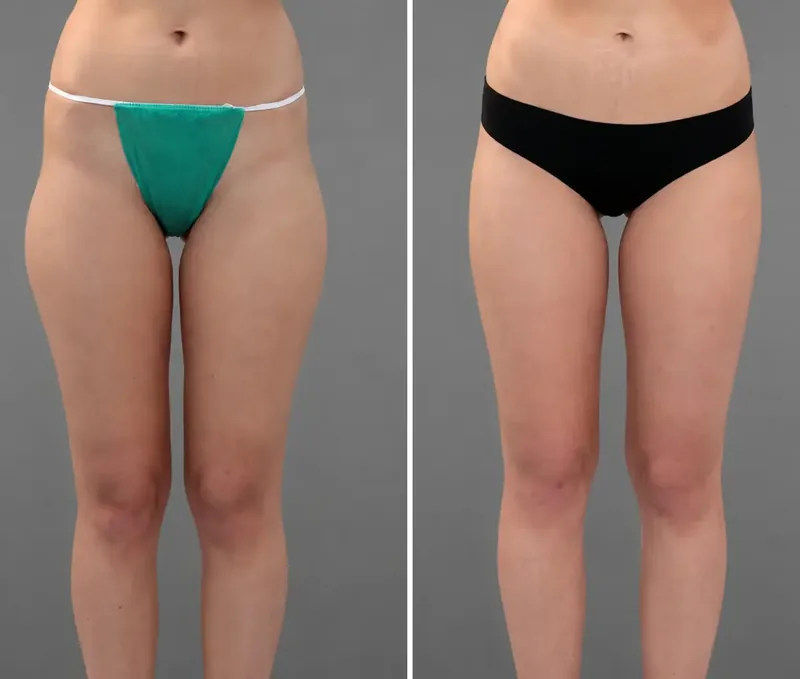
Inner thighs
 beforeafter
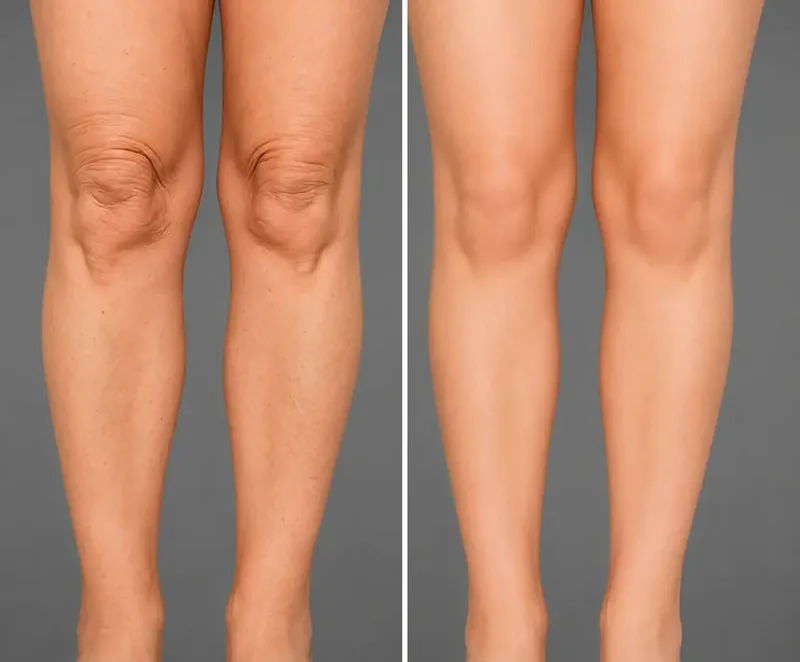
Knees
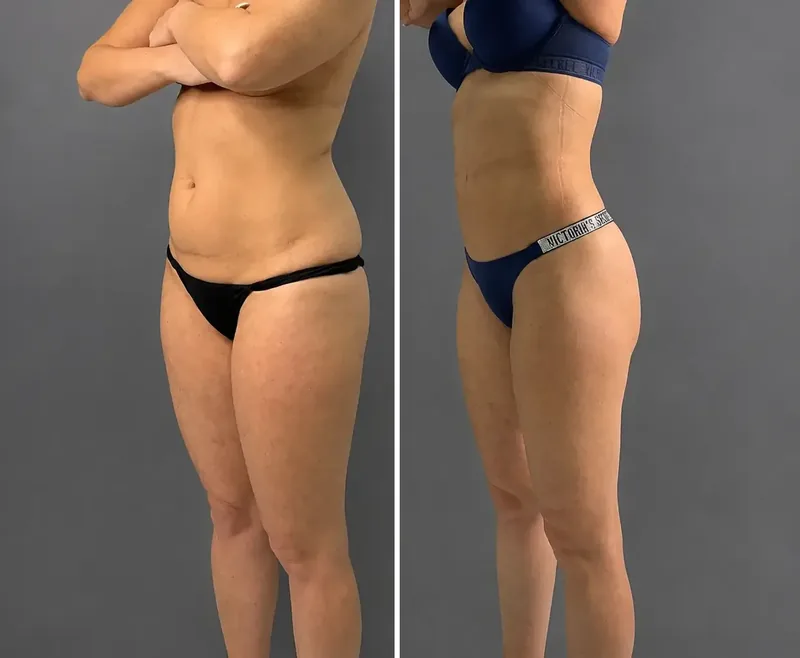 beforeafter
Abdomen and sides
Comparison
We use two liposuction techniques: tumescent (classic) and VASER (ultrasound). Compare the goal, the indications and the anaesthesia to choose the right technique together with your surgeon.
A special solution loosens fat for removal through a thin cannula
from $1,200
Ultrasound breaks down fat cells before vacuum removal
Price at consultation
The benefits and recovery times shown are averaged for each technique and given for guidance: the scope of correction and rehabilitation depend on your anatomy and individual features, and the surgeon confirms them at the consultation.
At the consultation the surgeon draws up a plan for your case and explains how your liposuction will go.
Free, before surgery and with no obligation.
Several areas can be treated in one operation — this saves recovery time and budget
The most requested area for women and men, often combined with abdominoplasty
Fat “traps” that resist exercise
Back rolls that spoil the silhouette
Noticeable in warm weather
Little volume, a quick visible result
A delicate area that needs precise work
The fat component of gynecomastia and pseudogynecomastia
About the clinic
Modern equipment, comfortable rooms and care for every patient

We will answer your questions and find a convenient time for a consultation
If your case can be solved without surgery, the doctor will tell you so at the consultation — and you will not spend money for nothing.


Not sure the surgery is right for you?
Leave your number — the coordinator will call you back, and the surgeon will tell you whether liposuction suits you. No surgery booking needed.
Find out if it suits me
Prices
The final price is calculated individually after an examination and fixed in the contract.
The most requested area — treated in one operation

Contouring of the front abdominal wall

The surgeon assesses the fat deposits and skin tone, listens to your wishes and chooses the right technique.

Message our coordinator
Free online consultation · Reply within 15 minutes
Message us on TelegramMessage us on WhatsAppBy messaging us, you agree to our Privacy Policy

all inclusive
From preparation for surgery
to post-op check-ups.
from $1,200
Book a consultationHow it works
An agreed treatment plan, careful monitoring after surgery and post-op check-ups.
 1
1The surgeon listens to your wishes, assesses the fat deposits and skin tone and rules out contraindications. A hormonal screening is also ordered — it helps predict the long-term result.
 2
2We reserve a surgery date for you: the deposit can be paid by card at the clinic or online by bank transfer. The terms are fixed in the contract for medical services
 3
3Blood tests (complete count, coagulation panel, biochemistry, infections), an ECG, a chest X-ray and, if needed, a GP consultation. All tests can be done at the clinic with no waiting.
 4
4Marking the areas and fitting compression garments. Under local or general anaesthesia the surgeon removes fat through 3–5 mm micro-punctures — from 1 hour for small areas to 3–4 hours for a combined procedure.
 5
5With local anaesthesia you go home 3–4 hours after surgery; with general anaesthesia you stay one day in a comfortable ward under medical supervision.
 6
6Compression garments for 30–45 days. First changes show at 2 weeks, once swelling subsides; the final result forms in 3–6 months. Check-ups at 7 days, 3 and 6 months.

After tumescent liposuction, recovery is much shorter than after a conventional procedure. Most patients return to work within 7–10 days. In the first week, mild swelling and a raised temperature are possible — a normal response to surgery. Compression garments are worn for 30–45 days: they fix the new contours and speed up tissue recovery. In the first month, bathhouse, sauna, pool and intense sport are off-limits. For the best result and faster recovery we recommend lymphatic drainage massage, pressotherapy and a gradual return to activity. First visible changes show 2 weeks after surgery, when the main swelling subsides; the final result forms in 3–6 months.
After 7 days, at 3 months and at 6 months. Until the end of the year, get a post-surgery consultation with your surgeon to review results and get more information, at the clinic's expense.
Advantages

At the consultation we discuss your wishes and assess the fat deposits and skin tone. Before surgery an endocrinologist rules out hormonal causes of the fat deposits — this improves the long-term result.

The surgeon follows your recovery and the new body contour at check-ups after 7 days, 3 and 6 months. Check-ups, dressings and aftercare advice are already included in the price of surgery.

Tumescent and VASER techniques, micro-incisions of 3–5 mm and precise volume control. Our aim is a smooth contour that keeps the natural proportions of your body.

We respect your time: we work 24/7, with easy booking and a personal approach — we adapt to your pace.

After the consultation the surgeon defines the areas and the scope of surgery, and you get a clear price fixed in the contract — no hidden extras.

With general anaesthesia recovery starts in a comfortable hospital ward under round-the-clock nursing care. The stay and meals are already included in the price.
FAQ
Yes, it's routine. Only rarely is one area treated on its own — more often several problem zones are combined, e.g. abdomen and flanks, or inner and outer thighs. At the consultation our surgeons will help set the optimal scope of surgery based on your health and the result you are after.
No. Liposuction is not a weight-loss method; it targets local fat deposits that resist diet and exercise and reshapes the body's contours. First see a nutritionist or endocrinologist if your weight is unstable.
The surgery is done through punctures only 3–5 mm across — they usually need no stitches. Once healed, the marks are barely visible. With proper care during recovery they fade completely.
Before surgery the surgeon always evaluates the skin's tone, elasticity and turgor. Good-quality skin tightens by itself to match the new contours. If tone is reduced or you have stretch marks, our specialists will advise preparatory treatments to improve the skin ahead of time.
No, it doesn't hurt: the procedure is under anesthesia (local or general, depending on the scope). Mild discomfort after surgery can occur and is relieved with painkillers the doctor prescribes.
In the first 7 days there should be no physical exertion or heavy lifting. Compression garments are worn for 4–6 weeks, and the bathhouse, sauna, pool and active sport are avoided. No alcohol or tanning beds for at least a month. Your surgeon provides all individual recommendations after surgery.
Patients aged 18+ with no contraindications can have the surgery. There is no upper age limit; we decide individually after an examination and health assessment.
Not directly: liposuction removes fat but doesn't alter the skin structure causing cellulite. The improved body contours do, however, visibly reduce its appearance.
The majority of patients go back to work and their normal routine within 7–10 days. Swelling and bruising disappear by weeks 4–5, and it takes 3–6 months for the final result to form as tissues fully adapt.
There's no need for a strict diet, but nutrition is key to keeping the result. Removed fat cells stay gone; the remaining cells, however, can grow if you gain weight. For a long-lasting result, keep a balanced diet and regular physical activity.
Yes. 7–10 days before liposuction, stop smoking, alcohol and medicines that affect blood clotting (aspirin, etc.). You also need pre-op tests: blood tests, ECG, ultrasound, and GP and anesthesiologist consultations. You'll get all instructions after your first consultation.
2 weeks after surgery, once the main swelling subsides, first changes appear. At 1.5–2 months the interim result is assessed. Final contours form in 3–6 months.
Prices are in US dollars; the amount in brackets is an approximate conversion to EGP at the rate of 02.10.2026. The final price is fixed in your contract.
Prices start from $1,200 (≈ EGP 63,000) per area. The surgeon sets the final price at the free consultation, and it is fixed in the contract, with no hidden extras.
The operation under local or general anaesthesia and the surgeon's support throughout recovery. The price is per area and fixed in the contract.
Message us on WhatsApp or Telegram using the buttons below. A coordinator will answer your questions and book a free consultation where the doctor names the exact price.
By messaging us, you agree to our Privacy Policy
It is worth being clear about what the surgery does not do. Liposuction does not treat obesity and is not a way to lose kilos; if your weight is unstable, a nutritionist or endocrinologist comes first. Nor does it change the skin structure behind cellulite, although smoother contours make it less visible. What it does for people in Damietta is remove local fat and reshape the silhouette.
Inside the operating room the process is gentle. With the tumescent method a solution of saline, lidocaine and adrenaline is injected into the area, loosening the fat and narrowing vessels. The fat emulsion is then removed by vacuum through a thin cannula. With VASER, ultrasound breaks down fat cells first. Either way, patients from Damietta get micro-incisions that are barely visible later.
One operation can cover several problem zones, and the price reflects that: from $1,200 (≈ EGP 63,000) for a single area, calculated individually for combinations. The contract fixes the sum with no hidden extras, and instalments carry no interest. For patients from Damietta, a free surgeon consultation is the place to plan scope and cost together. Leave a request to book yours.
Well-known people who spoke openly about this operation, in their own words.
 Amy Schumer's liposuction: “thanks for helping me get my strength back”Amy Schumer revealed her liposuction on Instagram in 2022 and explained why. Her words, how liposuction works today and what recovery looks like.
 Brooks Nader and her liposuction regret: what she actually saidModel Brooks Nader told People she regrets a past liposuction, saying it left dimples and ripples. What she said, how liposuction works, and recovery.
 Stacey Silva's liposuction: what was reported, and what wasn'tStacey Silva and her twin Darcey had liposuction on a 2021 trip to Turkey, reported by Showbiz Cheat Sheet. What was said, how the procedure works and recovery.
 Did Tara Reid have liposuction? Yes — and she told the whole storyThe American Pie star had liposuction and breast surgery in 2004; both went wrong. Her honest quotes on the damage and the repair.
 Did Wendy Williams have liposuction? Yes — and she paid a price for saying soThe talk-show host had full-body liposuction and breast implants in 1994 and says she was 'vilified' for admitting it. Her quotes and what lipo involves.
 Did Josie Gibson have liposuction? Yes, and she explained whyJosie Gibson had liposuction and skin removal on her arms in 2026 because of lipoedema. Her own words, how liposuction works and what recovery involves.
Damietta earned its reputation at the workbench. The city sells furniture to Arab markets, to Africa, to Europe and to the United States, and any carpenter there will tell you that a mistake in the drawing costs far more than an extra hour spent measuring. With about 305,920 residents in the 2024 count and a wider urban area of roughly 1.1 million, it is a place where people respect plans. Treat liposuction with that same respect: before any appointment, before any conversation about dates, put the measurements and photographs on paper so the shape you want is described plainly, not guessed at. When you set the sheet of numbers beside the one you write a few weeks later, you will understand why craftsmen insist on records: memory flatters its owner, while a tape measure flatters nobody and never tires of being used again. Damietta's mosque named for Amr ibn al-As is said to be the second mosque built by Arabs in Egypt and Africa, and the Al-Bahr mosque dates to Ottoman rule; people there live among buildings that have kept generations, and they understand that what is built with care endures while speed alone makes nothing sound.
Three measurements are enough to start. Take the waist at its narrowest point, the hips at their widest and the thigh at its fullest, and write them down with today's date. Then photograph yourself against a plain light wall, standing relaxed, from the front, both sides and the back, without holding your breath or pulling the stomach in. You do not need a professional photographer or a flattering angle. A truthful picture of what you see each morning is the document the surgeon reads, and it tells him about the borders of the area and the quality of the skin long before a word is exchanged. If you keep an older picture from a time when your shape was closer to what you want, attach it too. It spares the surgeon ten sentences of description and shows exactly which area you mean by the word bothers.
Liposuction is simple to define and easy to misunderstand. It removes fat cells from specific zones where fat gathers despite exercise and diet, and the contour of the body becomes clearer as a result. It does not treat obesity, it does not replace a balanced diet, and it does not tighten skin that has loosened after several pregnancies or after a large weight loss; those cases deserve an open conversation, since some of them need a complementary operation. It also helps if your weight has been steady for a while, so the assessment still applies by the time of surgery. Remember also that elastic skin shrinks around the new shape after liposuction, whereas skin that has lost its spring may not respond to the same degree. Only a direct look at photographs and history can settle that, never hope and never the adverts passed around on phones.
Send the photographs and measurements together with a few lines about your health: any medicines you take, particularly those that thin the blood, whether you smoke, earlier operations on the abdomen or hips, and chronic conditions such as diabetes or high blood pressure. Coordinators on Telegram and Telegram reply at any hour, and the answer comes back in writing once the surgeon has read your file. You can study it at home with people you trust, with no appointment booked, no payment taken and no commitment made, and return with further questions whenever it suits you. Read the reply slowly, mark each line you did not follow, then send the marks back as short numbered questions. A written discussion can be revisited at any time and can be shown to a relative whose opinion you value. Remember that at this stage you need no transport and no meeting with anyone; everything happens inside your home and on your phone, which keeps the beginning light for those who do not want their neighbours to know before they have decided for themselves.
The clock on the operating day follows the area treated and nothing else. A small, clearly bounded zone may need only an hour, while a combined plan covering the abdomen, both flanks and possibly the thighs takes three to four hours. The gap affects everything around it: when you arrive, how long your companion waits, what needs to be ready at home. Ask the surgeon in your first message which part of your plan will consume the most time, because that single answer gives a better picture than any general figure. A long session is not dangerous in itself. It simply means a wider piece of work, which teams plan with more care, preparing the monitoring, the anaesthesia and the pauses between stages that such a plan requires. Since some sessions combine more than one area, the surgeon may suggest dividing them into two stages if he thinks that is safer for your body. Do not read this as a flaw in the plan: safety comes before brevity, and what the surgeon decides he explains in writing before you accept.
Anaesthesia follows the scale of the work. Local anaesthesia suits small, simple areas, and general anaesthesia is chosen when the zones are wide or several are combined. The surgeon and the anaesthetist decide together after reviewing your photographs and health history, and the decision reaches you in writing with enough notice to question it. Ask how long you must fast before a general anaesthetic, which regular medicines to pause, and who will monitor your pulse and breathing during the session. These are routine questions, and a serious team answers them without irritation. Mention any earlier reaction to a medicine, an adhesive or an antiseptic. This small detail matters far more than patients imagine, and it prevents surprises in the operating room that nobody wants. On the morning of the operation the team usually asks you to arrive without jewellery, nail polish or products on the skin, and to wear loose clothes that open at the front. These simple instructions need preparation, so ask about them a week before the appointment.
How long you stay afterwards depends on the anaesthetic as well. After general anaesthesia the patient spends one day in hospital under observation, and after local anaesthesia discharge comes three to four hours after the work ends. Damietta families often run on shared effort, with several generations helping one another, so agree on roles before the day: who drives you, who stays the first night, who cooks and who handles the medicine chart. A division of duties written on a sheet of paper calms everybody, much as a workshop assigns tasks before a batch begins. If home is far from the hospital, work out the road in advance, bring a cushion for the back seat and ask someone else to drive. Tiredness and dizziness are common in the first hours and the patient should never be the driver.
On the morning itself the surgeon draws on your standing body with a medical marker, outlining the zones to be treated. That sketch protects symmetry between the right and left sides and records where more or less is to be taken. You have every right to stand at the mirror, explain what you imagined, and ask why one area was included and another left out. Photographs of the zones are normally taken before the start, so request a copy for your own phone; it will be the honest reference you compare against in a few months, taken from the same angle and in the same light. During this stage the surgeon explains precisely what he will do in each area and what he will not. Clear expectations beforehand matter more than any promise, and they protect you from disappointment when you look at the result. Do not forget to ask how long the markings stay on the skin and how to remove them, and about the medical adhesives that will be applied and how they come off. These are small details, but they worry someone who sees them in the mirror for the first time without being warned.
Damietta's weather is gentler than that of the south. The average daytime high in July and August is 30.5 degrees Celsius with nights near 21.5, while January averages 18.1 by day and 8.3 by night, and February 18.8 and 9.2. About 112 millimetres of rain fall in a year, mostly in January at 26 millimetres and December at 24, and from June to September none falls at all. For someone wearing a compression garment, summer weeks here are lighter than in a hotter city, although sweat still collects and soft cotton remains essential. Comparing the seasons helps in choosing a date. Someone with a flexible leave period may prefer the months without rain or intense heat, while someone without that freedom adjusts the plan to whatever weather their date happens to meet. Because Damietta is a coastal city where the Nile meets the sea, thoughts of summer often turn to the beach and the seaside holiday, so take care not to place the date a few weeks before a family outing that is already planned; tissues need their time before they are shown to sun and salt water.
Winter brings its own small difficulty. Wet floors at the entrance and on the stairs can be slippery, and a patient moving carefully after surgery has no need of surprises. Keep a pair of steady house shoes with a grippy sole, lay a mat at the door, dress in thin layers because January nights run cold, and postpone unnecessary errands on stormy days until your balance feels reliable again. A blanket within reach of the bed, and shelter from direct cold draughts on the treated area, make the nights easier. In winter keep a light blanket by the bed and avoid cold draughts landing straight on the treated zone. A sudden chill increases the feeling of tightness, while moderate warmth relaxes the body and makes sleep easier.
As for returning to work, most patients are back within seven to ten days, a little earlier or later depending on the job. A man who stands in a furniture workshop and lifts heavy pieces, or someone moving about the container port, should ask the surgeon exactly what is allowed and when. A person sitting at an office desk, or at a loom or sewing machine in the textile trade that is still active here, usually returns sooner. The Friday and Saturday weekend offers two connected days, which can be joined to leave to stretch the rest without losing days at work. If you work in shifts, count how many you will miss and speak to your manager early. Requesting leave well before the date keeps you calm and heads off any awkward conversation. For those whose work is fine craft, such as textiles or finishing furniture, it helps to ask the surgeon whether you may sit for hours bent over the task, since continuous stooping presses on the abdomen and increases swelling if it happens early.
The final result forms over three to six months, once the tissues have adapted completely, so give no verdict in the first week when swelling and bruises mask the contour. Make a habit of one photograph each month in the same light and the same pose, and send it to the coordinators; it turns months of waiting into organised follow-up. If you hope to spend time at the sea afterwards, ask first when that will be sensible, because healing tissue dislikes salt water and strong direct sun until the surgeon gives permission. A small notebook in which you record briefly how you feel each day is useful when talking with the coordinators, and it shows you for yourself how the sensation improves day by day without your noticing.
Damietta is a city of workshops, markets and a fishing harbour where everyone seems to know everyone, which makes privacy precious to many people. You are not required to announce anything. The written exchange with coordinators stays on your phone and in your file, and nobody in the family, at work or on your street sees it unless you choose to show it. If you decide to tell someone, a simple sentence will do: you are having a small shaping procedure and need a few calm days afterwards. In a city where families and trades are interwoven you may prefer that as few people as possible know. That is a legitimate choice, and the team respects it and words its messages so that nothing on a screen reveals who you are. Perhaps the most useful thing in a multi-generational house is to name one room for rest and announce it to everyone: here I sleep and here I rest, and nobody enters without leave. Clear boundaries prevent embarrassment and protect you from the questions of children and guests at an unsuitable time.
Choose one companion who knows the whole plan and keeps the list of questions. After anaesthesia a patient forgets much of what is said, so this person writes down the discharge instructions, checks the times of medicines, rings the coordinators if something worries you, and handles conversations with relatives. Bring them in from the very first written message, not just on the day, so they do not receive the information in fragments in a hospital corridor while tired and confused by the first unexpected question. The best companion is somebody who stays calm when you are tense, who lightens your mood instead of adding to it, and who knows when to call the coordinators and when to say that this is normal and will pass.
In a town known for its cheese, dairy products and fish, the household asks the obvious question straight after the operation: what shall we eat? In the first days light, soft food with plenty of fluids is enough. Cut down on salt, which prolongs swelling, avoid heavy dishes that slow you down and fizzy drinks that bloat the stomach. Prepare meals ahead or agree with whoever cooks, so that you are never standing in the kitchen when you ought to be resting. Keep a large bottle of water beside the bed and sip from it often. Fluids help the body clear the effects of anaesthesia and ease the feeling of fatigue. Prepare loose clothes that go on over the feet without lifting the arms, shoes that go on without bending, and light covers that open at the front. The first days make every bend tiring, and whatever reduces bending gives you comfort.
Do not hurry back to the family gatherings. The visits that fill Damietta homes can be put off with one polite sentence, and carrying bags or doing heavy housework waits until the surgeon allows each activity in turn. If you fast, whether by choice or in Ramadan, ask at the beginning how to time medicines and fluids; the written plan answers it in advance. At the end of the first week reward yourself with a quiet sit beside the river if circumstances allow, because comfort of mind supports healing of the body. Try not to compare your recovery with a friend's or a cousin's. Each body has its own rhythm and each operation its own plan, so comparison brings worry without benefit, while asking the surgeon brings an answer specific to you.
The Egyptian Medical Syndicate keeps doctors on a general register. It is a semi-governmental body that assists the Ministry of Health in licensing physicians, it began in January 1920 as the Egyptian Medical Association and took the name syndicate in 1926, its council has 24 seats and more than 230,000 doctors are registered. Ask your surgeon for the registration number and specialty in writing and keep the answer. Anyone who hesitates to give a full name and a number has handed you a good reason to pause. If the doctor mentions a certificate or a body you do not know, ask simply what it means and what it qualifies him to do. A polite question offends nobody and raises the level of openness between you from the very beginning. You are also entitled to ask in which language the reply will reach you, whether an interpreter is available if the surgeon does not speak your dialect, and to have medicine names written in letters you can read, since a misunderstanding about a medicine's name is more dangerous than any other detail.
We found no public page that lets patients verify a doctor's registration alone, so we limit ourselves to what can actually be done: request the name and number and contact the syndicate to confirm them, ask how many similar cases the surgeon has handled, which licensed hospital will host the operation, and who the anaesthetist is. A team that welcomes these questions and answers them in writing shows how it will behave when something unexpected happens. Necessary questions include how you can reach the team at night, what to do if something worries you, and where you would be taken if more care were needed. Clear answers show real preparation instead of marketing language.
On the subject of insurance, the sources we opened do not say that public or private cover includes cosmetic surgery. What we do know is that Egypt's Universal Health Insurance Law, number 2 of 2018, was passed to organise healthcare, but that does not mean a cosmetic operation is included. Write to your insurer before fixing a date, keep the reply, and do not assume cover that no explicit clause has promised, so the decision stays realistic from the beginning. It is worth asking your insurer whether any condition touches complications, since some contracts exclude anything connected with cosmetic work even in emergencies, and learning this early is better than discovering it late.
Then follow-up begins: a monthly photograph in the same light and the same pose, sent to the coordinators and set beside the waist and hip measurements you took at the start. These images give the surgeon a view of how the shape develops and a chance to adjust the instructions, and they give you an honest comparison that a bad day cannot distort. Coordinators stay on Telegram and Telegram around the clock for any question in the weeks that follow, and the written reply waits for you whenever you open the phone. Keep every written message in one folder on your phone, with the plan, the instructions and the contact numbers. You will find it more useful than memory, especially in the first week when the mind is crowded. When the time comes to judge the result, rely on your first photographs and your written measurements, not on a passing feeling or other people's comments; numbers and pictures taken from the same angle are your most honest scale.
Yes. Swelling and bruising are expected and ease gradually over the following weeks, depending on the areas treated and on your own body. Patients usually wear a compression garment as instructed, move gently and drink plenty of fluids. If severe pain, spreading redness or heat appears, contact the team at once instead of waiting to see what happens. Never press or massage the area unless the surgeon tells you to.
Sometimes. If the surgeon decides your case allows it, more than one procedure may be done together, for example adding a tummy tuck where the skin is slack. This lengthens the session, may change the anaesthetic and extends recovery, so ask for the reasons and the alternatives before agreeing, and request the plan in writing. After viewing the photographs and examining the case, the surgeon decides whether combining is safe and useful for you.
It takes from about one hour for small areas to three or four hours when several zones are combined. The surgeon estimates the time after seeing your photographs and tells you before the appointment, so you know how long you will be away and can arrange who accompanies you and who looks after the home meanwhile. The most accurate estimate remains with the surgeon after reading your photographs and medical history.
That depends on the scale. Local anaesthesia suits small areas and general anaesthesia suits wide areas or several zones. The decision is medical and shared by the surgeon and the anaesthetist, who explain it with instructions on fasting and medicines. After general anaesthesia you stay one day in hospital, after local you go home three to four hours later. Ask about fasting and medicines well before the appointment so that you have time to follow them.
Most patients return within seven to ten days, but jobs that involve standing for long periods or lifting need the surgeon's approval first. Describe your work in detail at the start so that the instructions suit it, and remember that the Friday and Saturday weekend gives you connected days of rest. In every case tell the surgeon what kind of work you do and how much movement it needs before the date is set.
The fat cells removed from the treated areas do not return there, but a large weight gain can show up in other parts of the body or change the overall shape. People who keep good results maintain a balanced way of life, keep walking, eat moderately and follow their monthly photographs to notice change early. For this reason, a sensible diet and regular movement remain part of keeping the result in the long run.
Ask for the full name, the registration number with the Egyptian Medical Syndicate and the specialty, then confirm with the syndicate yourself. We found no public page for self-checking, so direct contact is the safest route. Also ask about the licensed hospital, the anaesthetist and who follows you after discharge, and keep everything in writing. Do not hesitate to ask for this information in writing; it is your right and not a luxury.
The final result forms over three to six months, once the tissues have fully adapted to the new shape. In the early weeks swelling hides the true picture, so do not judge it. Photograph yourself monthly in the same light and the same pose and send the pictures to the coordinators so the surgeon can follow progress with you. If a certain area worries you in its appearance, mention it in your monthly message.