


























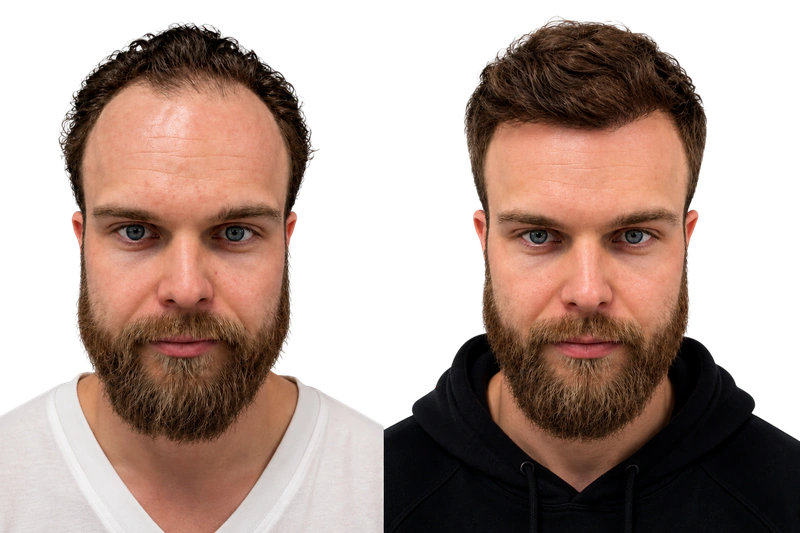

the start
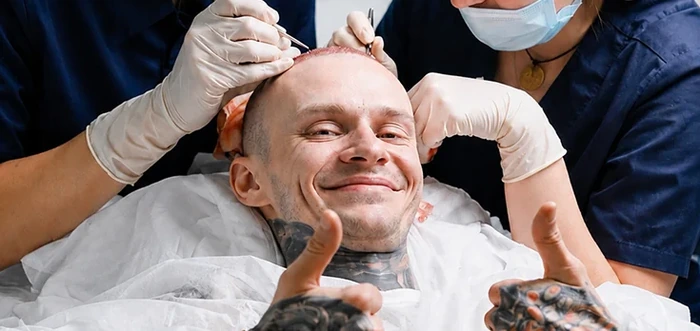
now 12 months on
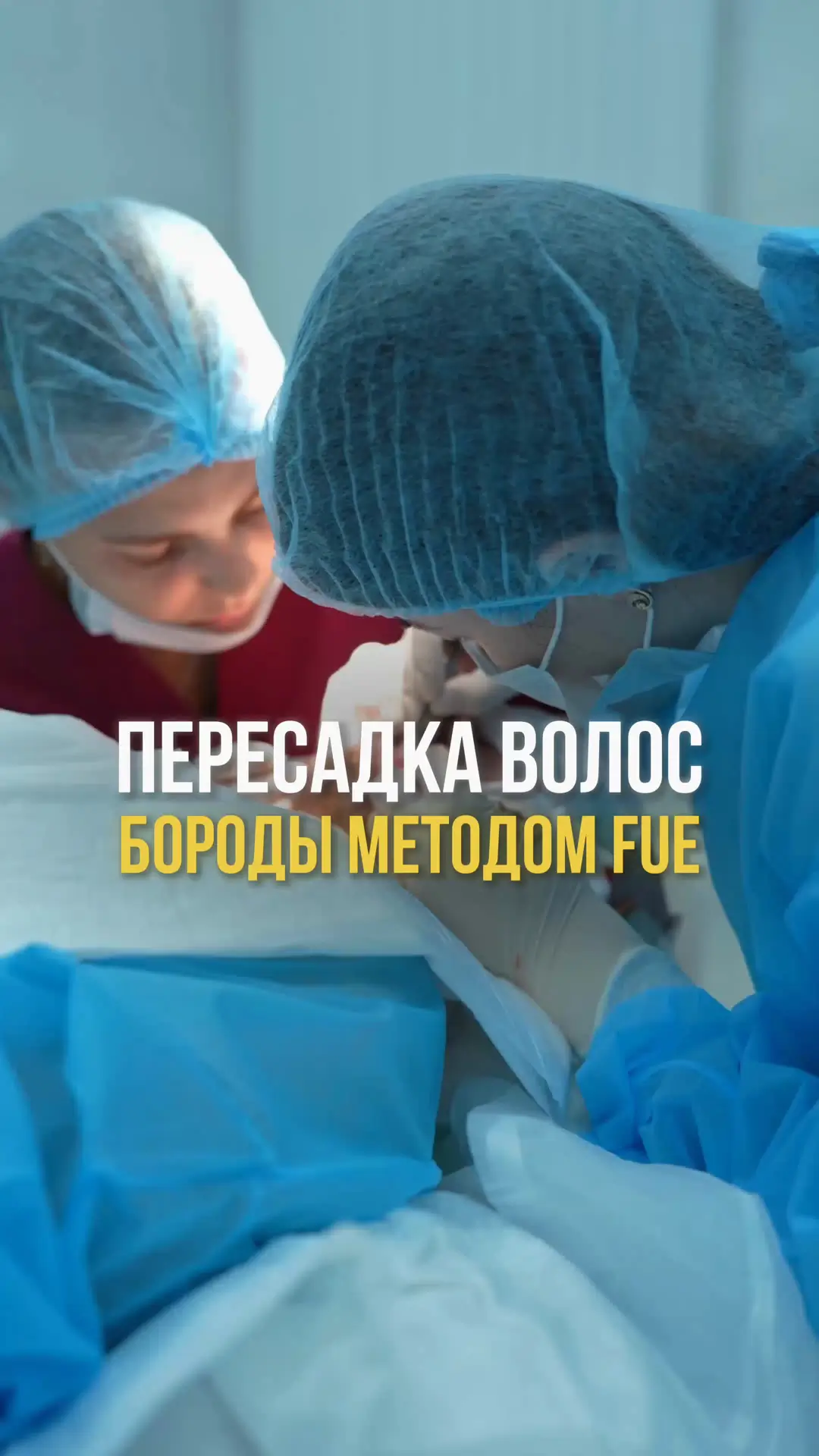
2,800 grafts
FUE method
City Medical Centre
0% instalments
from $367/mo
Guidance and a total — $0.
Our patient
the start
now 12 months on
Graft count and outcome forecast with FUE — no incisions, no stitches worked out and not charged — before you decide.
With no fee, no surgery booking required
Message our coordinator
Free online consultation · Reply within 15 minutes
Message us on TelegramMessage us on WhatsAppBy messaging us, you agree to our Privacy Policy
results
Photographs show people treated at our clinic.
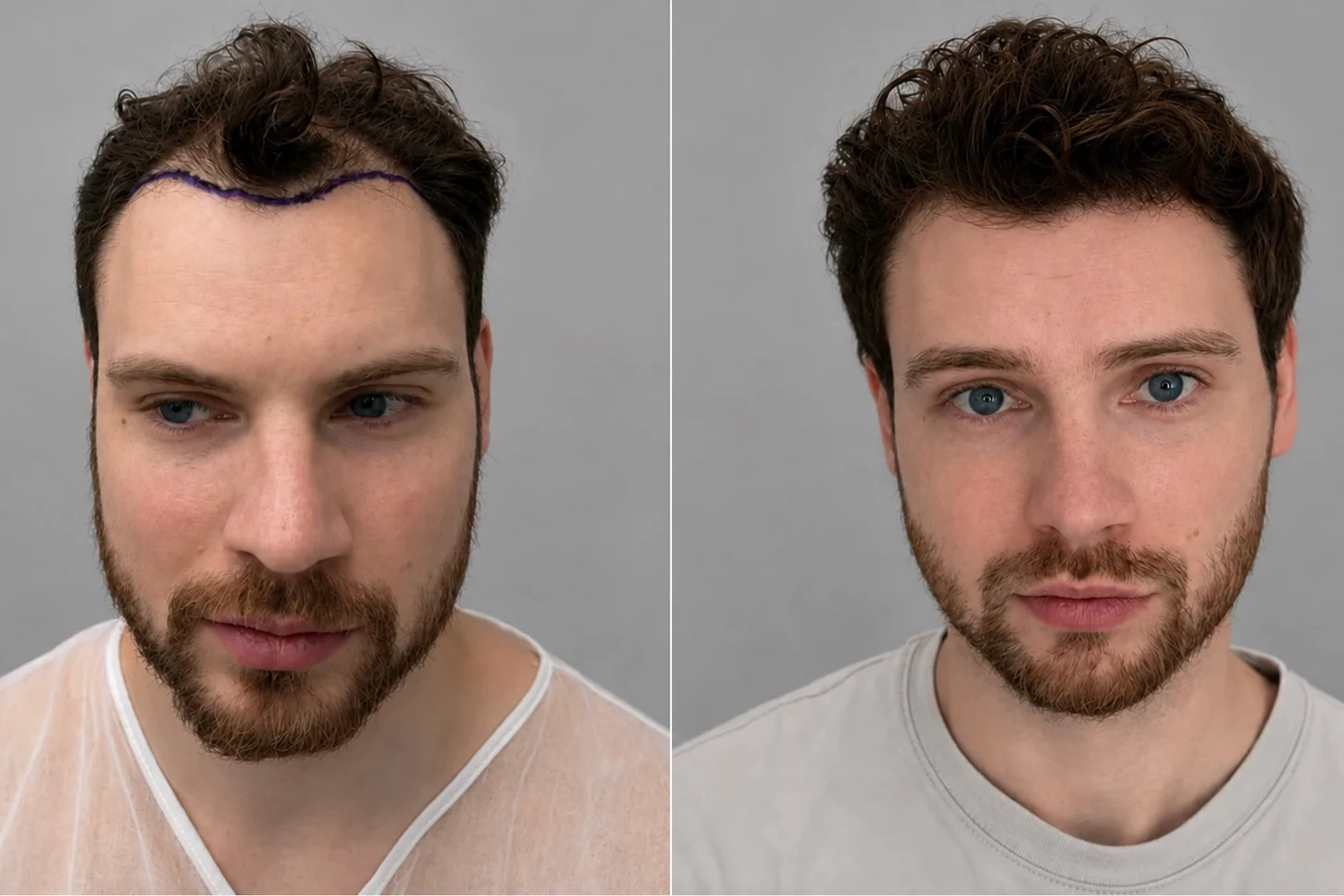
the start
now 12 months on
2,800 grafts
FUE method
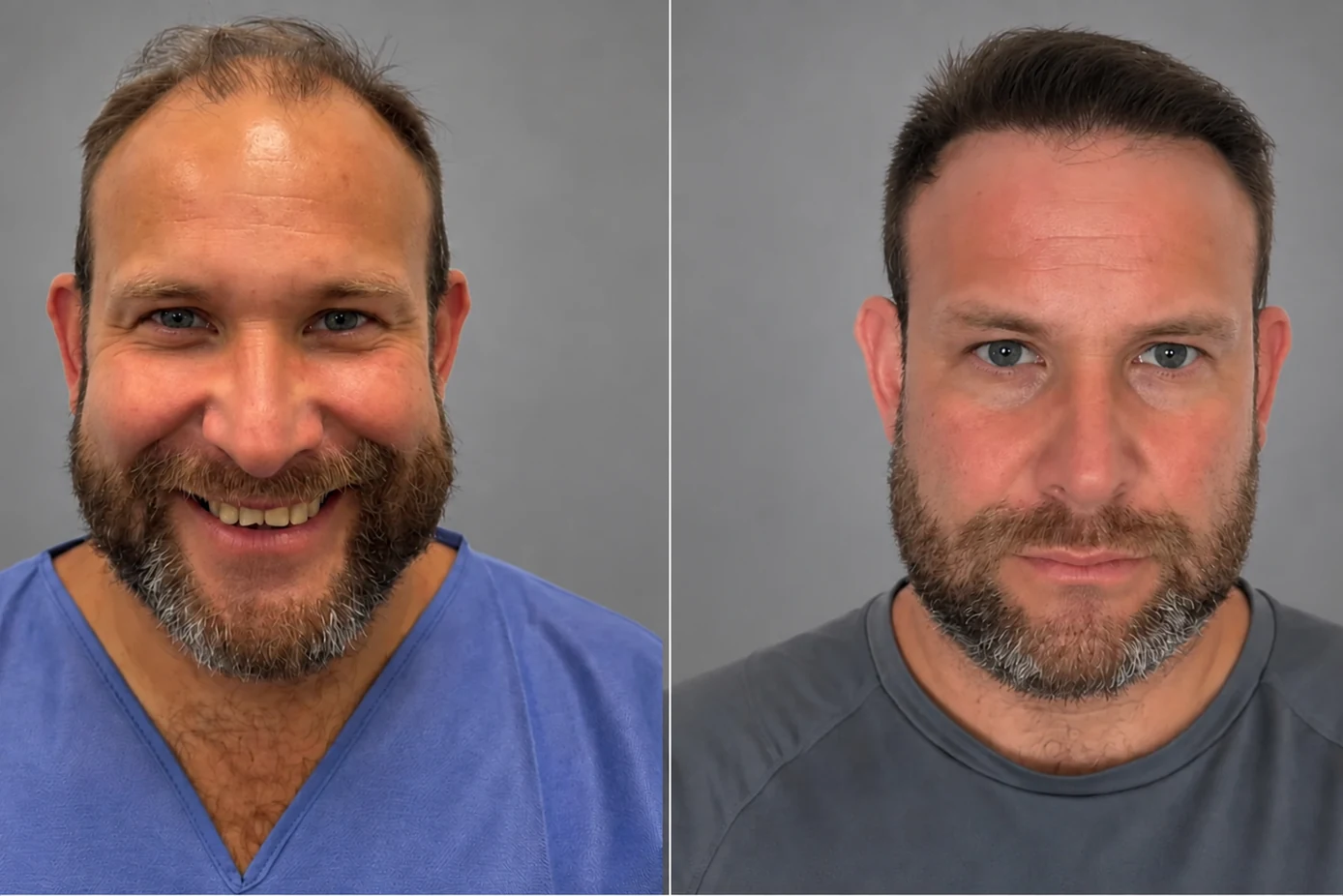
the start
now 12 months on
3,500 grafts
FUE method
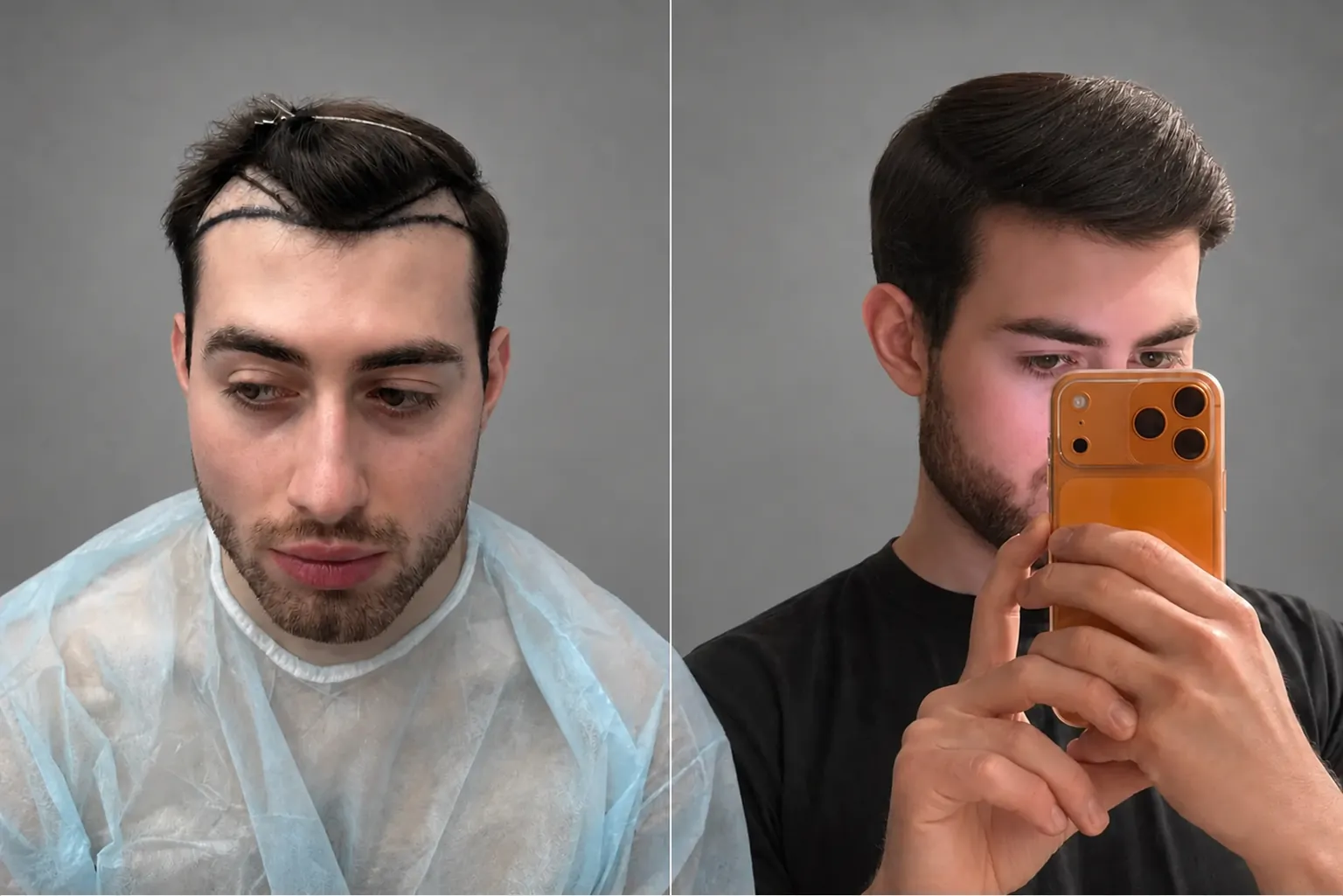
the start
now 12 months on
2,600 grafts
FUE method
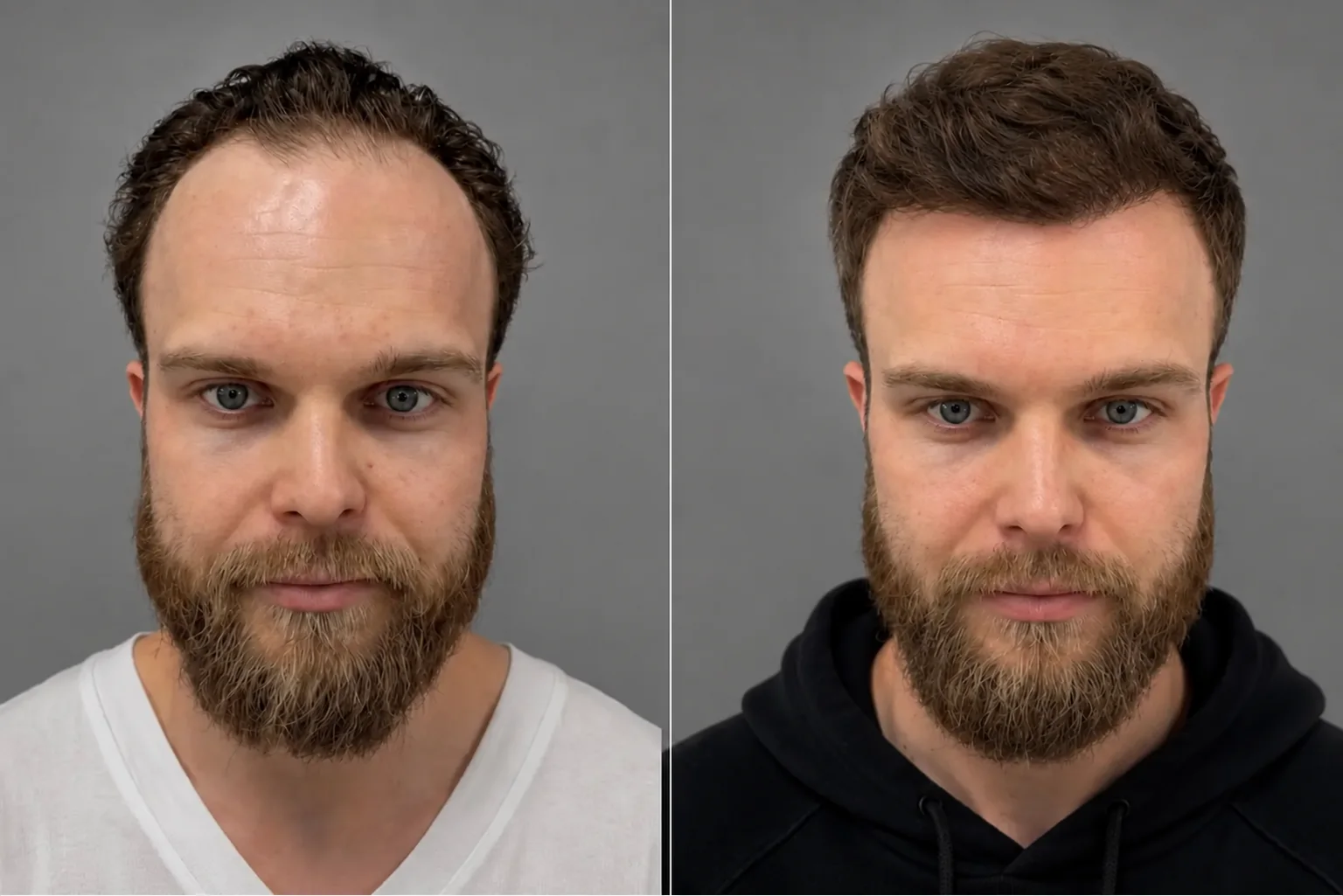
the start
now 12 months on
3,000 grafts
FUE method
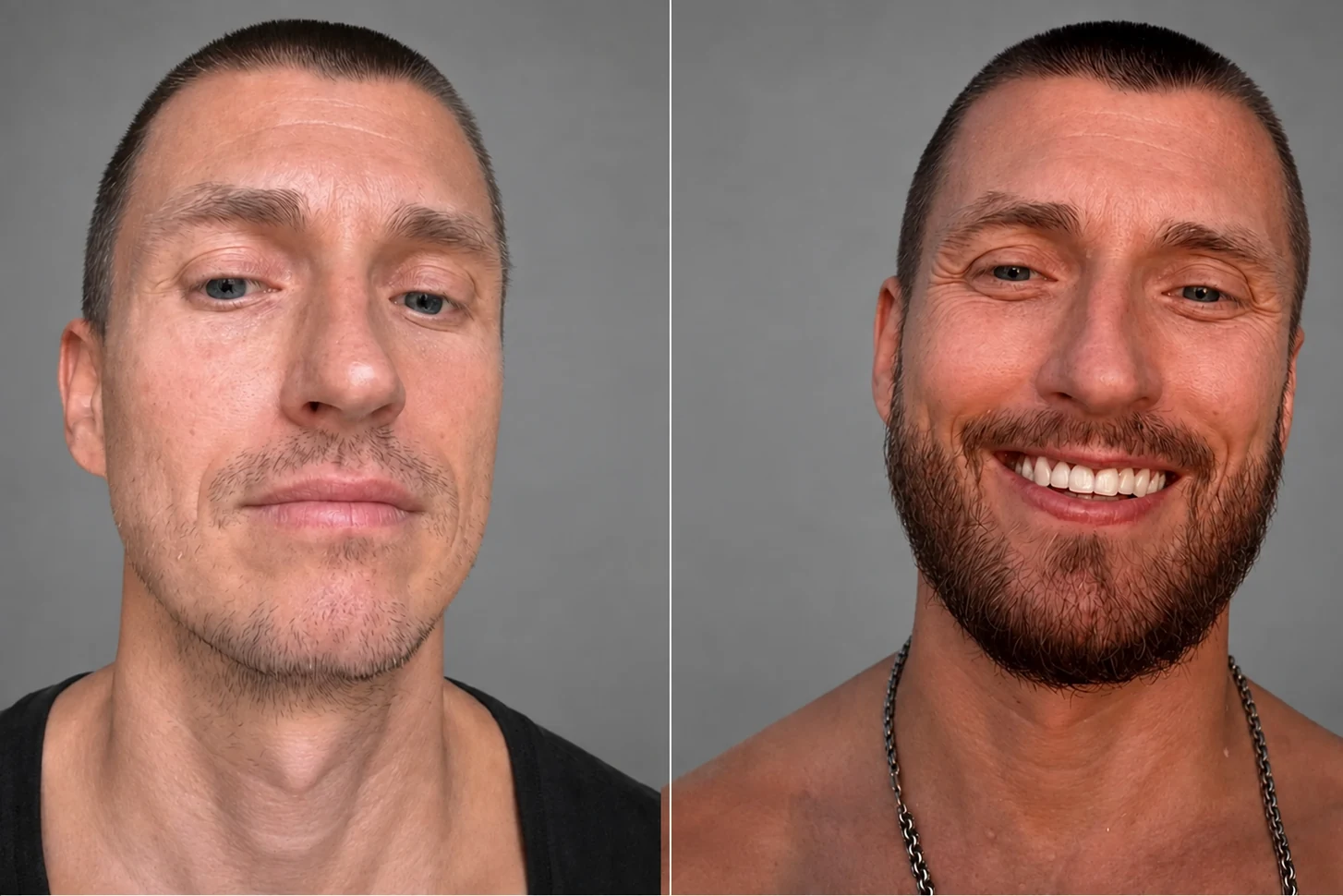
the start
now 12 months on
2,700 grafts
FUE method
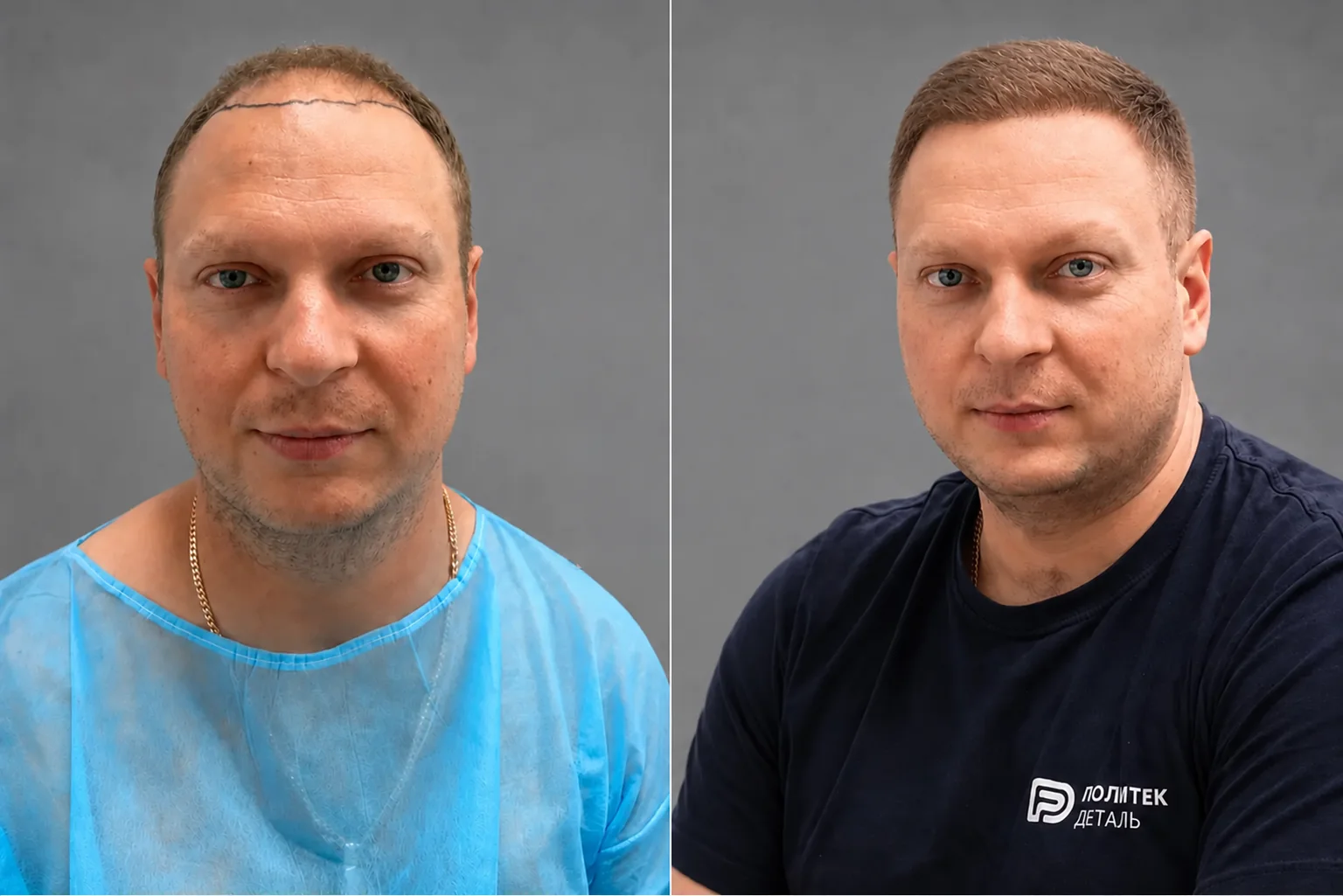
the start
now 12 months on
3,300 grafts
FUE method
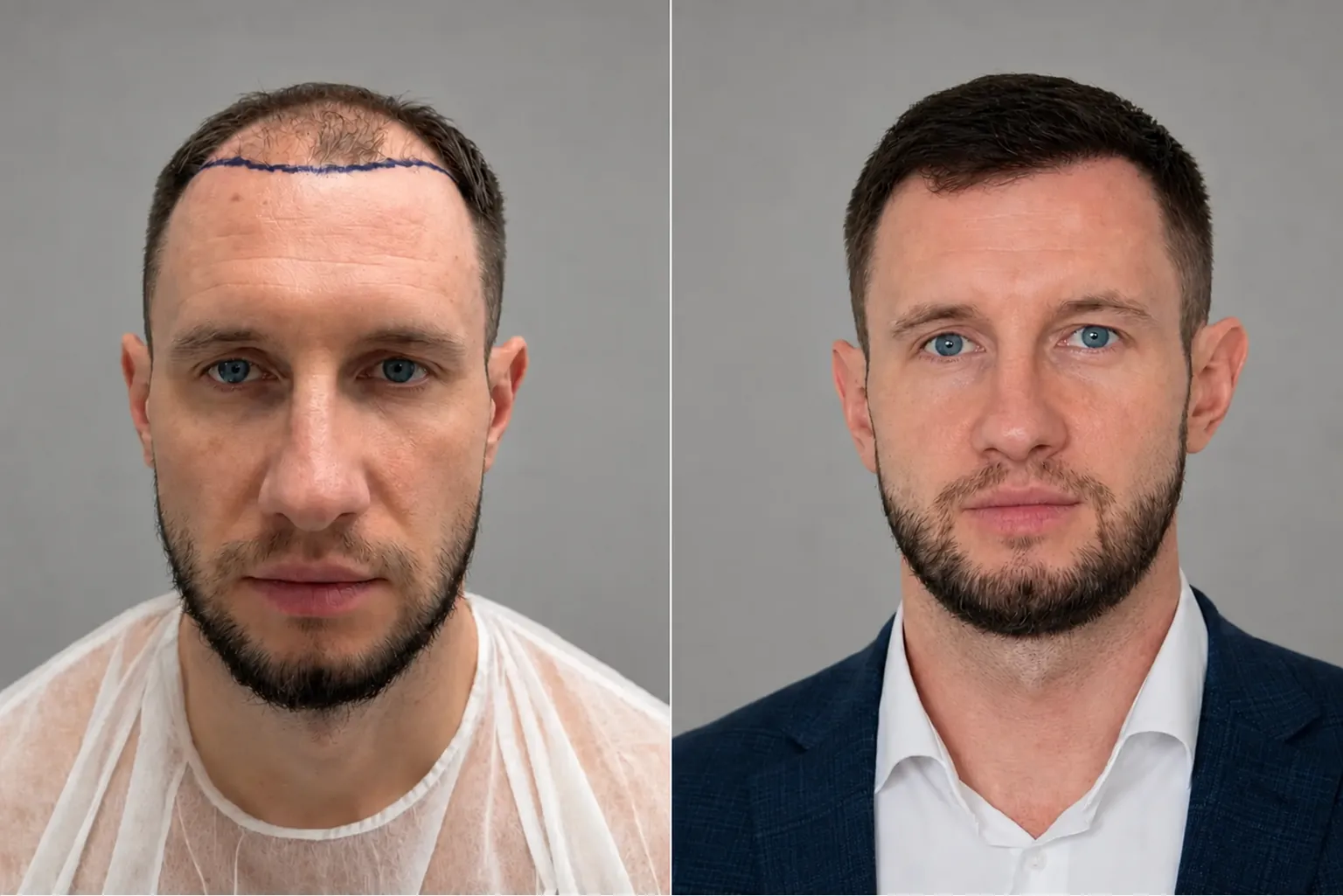
the start
now 12 months on
2,900 grafts
FUE method
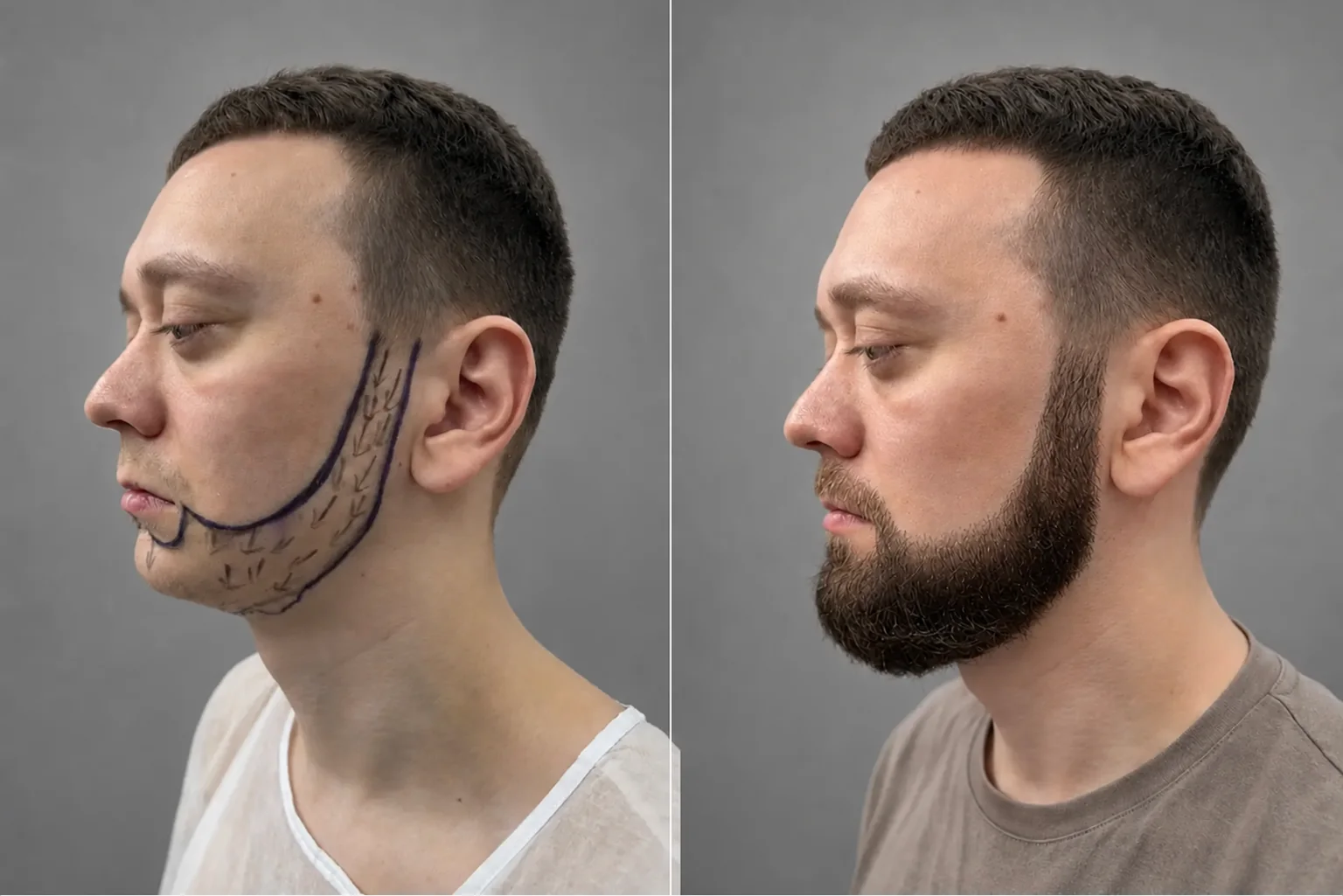
the start
now 12 months on
2,500 grafts
FUE method
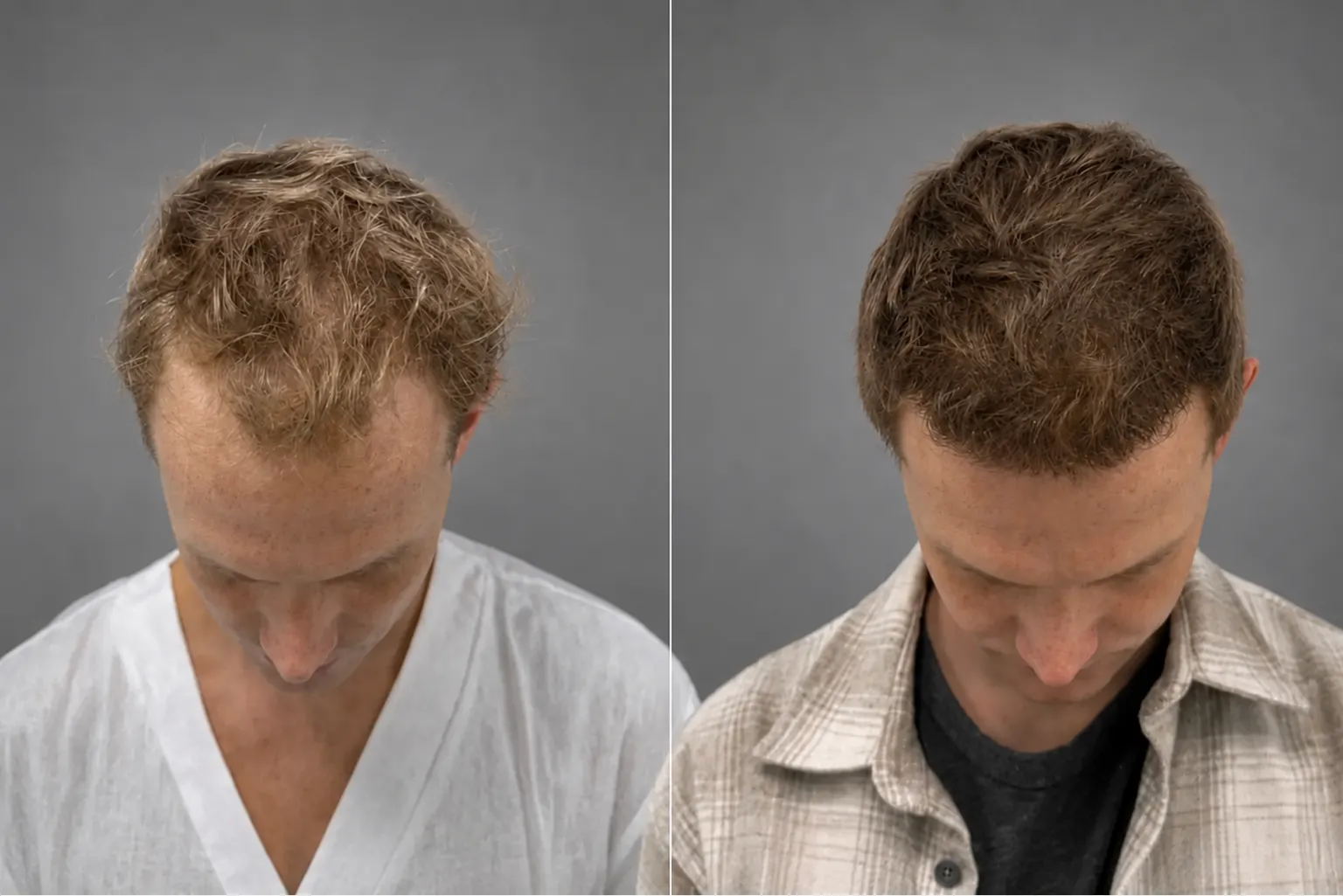
the start
now 12 months on
3,400 grafts
FUE method
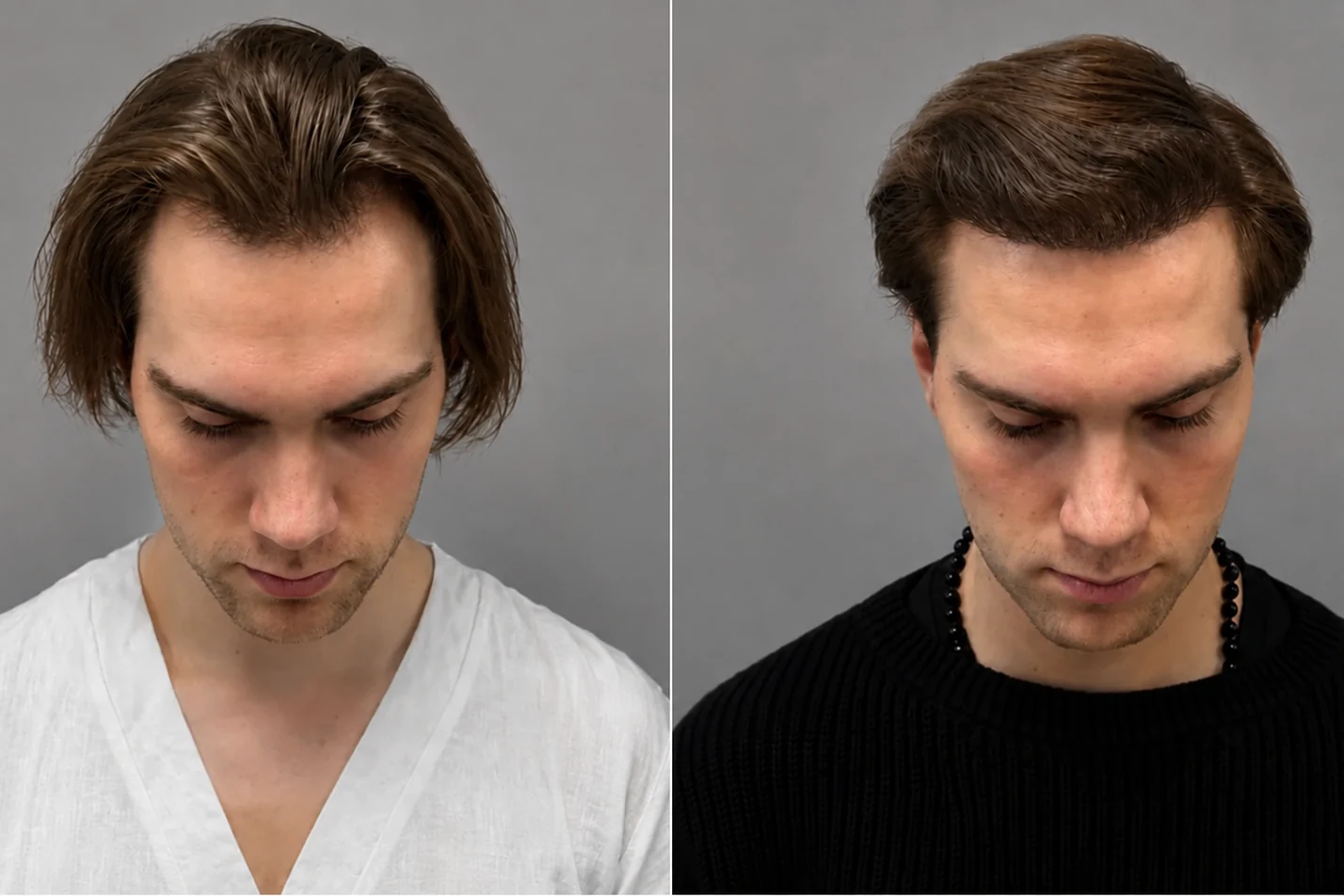
the start
now 12 months on
2,500 grafts
FUE method
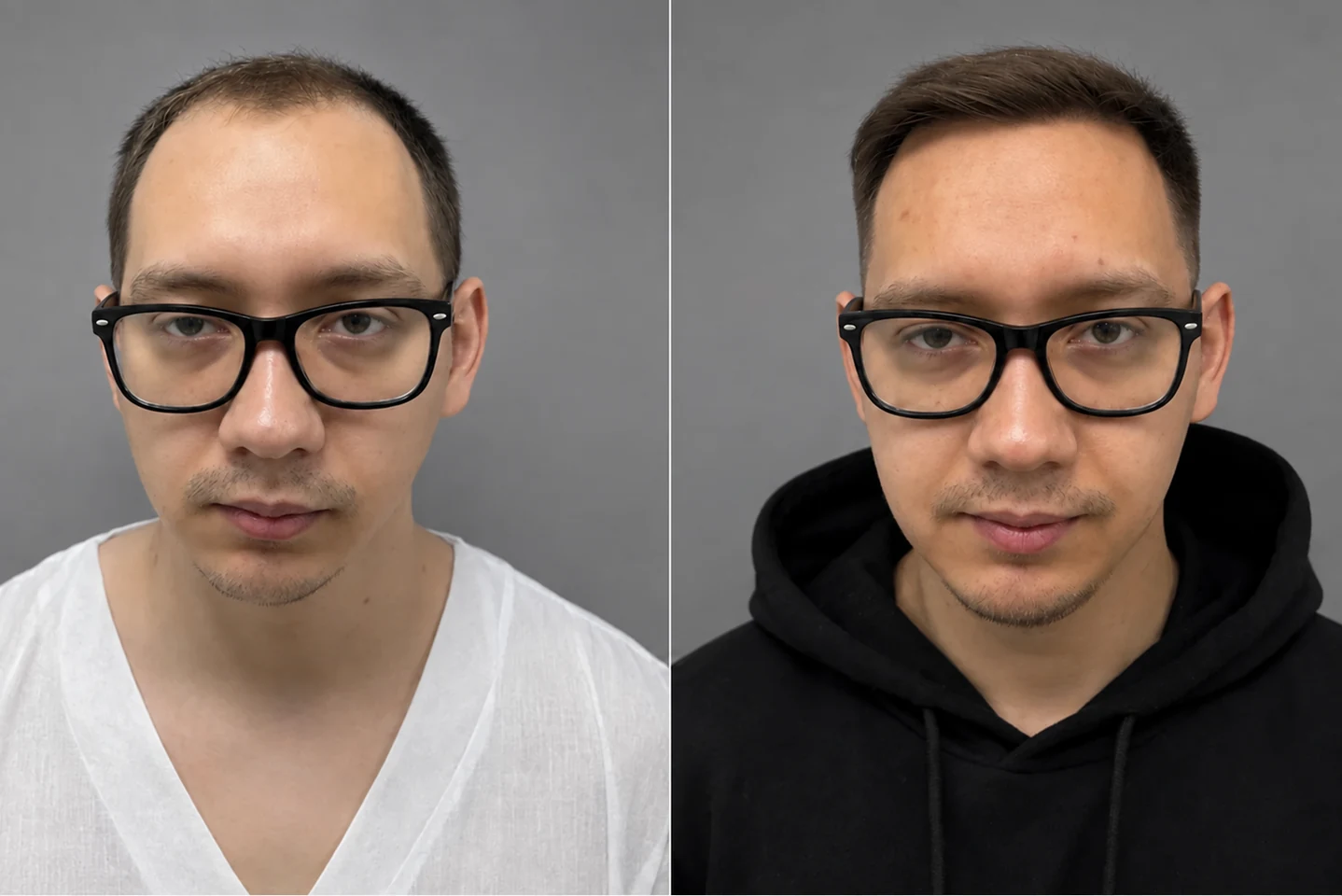
the start
now 12 months on
3,100 grafts
FUE method
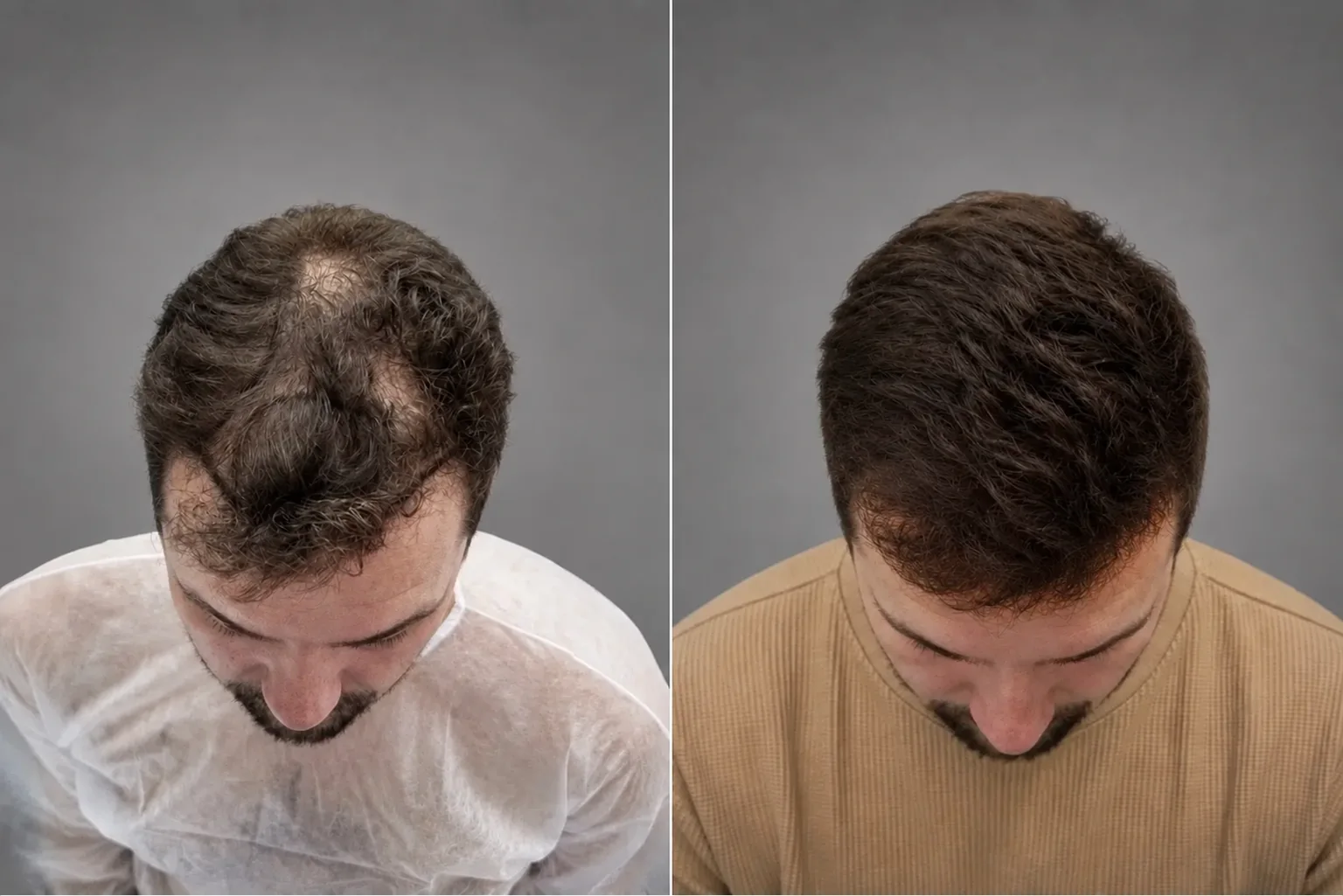
the start
now 12 months on
3,600 grafts
FUE method
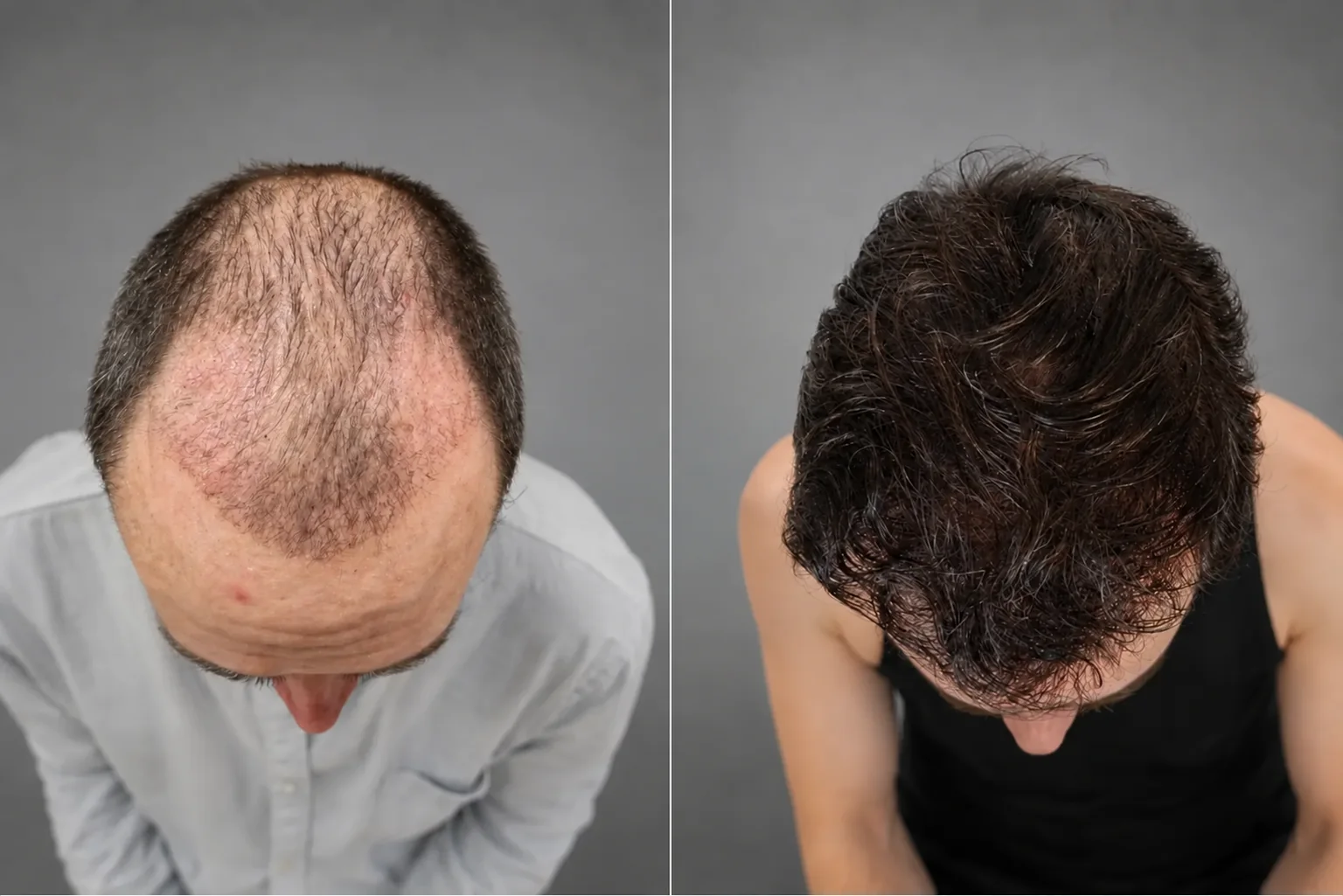
the start
now 12 months on
4,000 grafts
FUE method
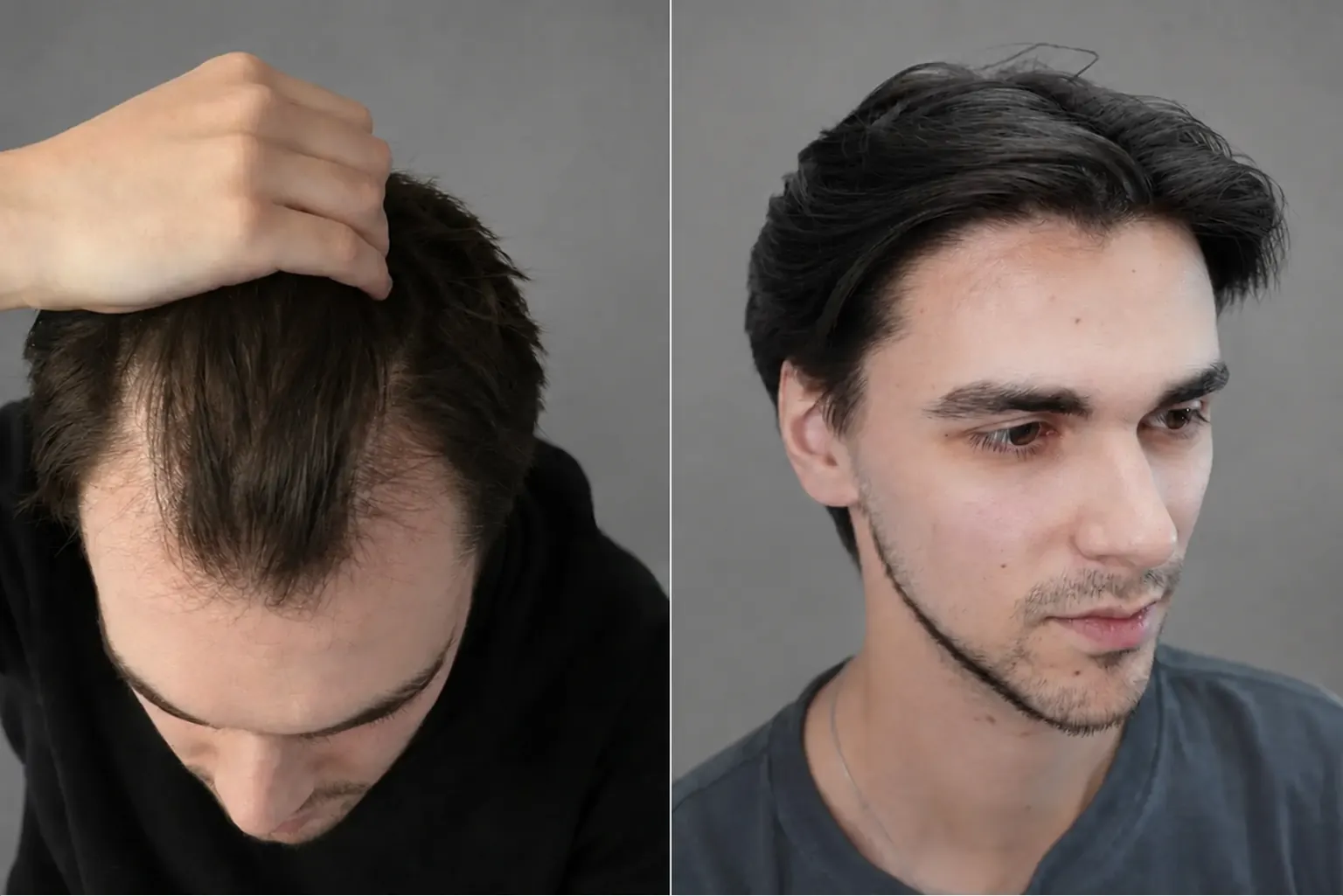
the start
now 12 months on
3,200 grafts
FUE method
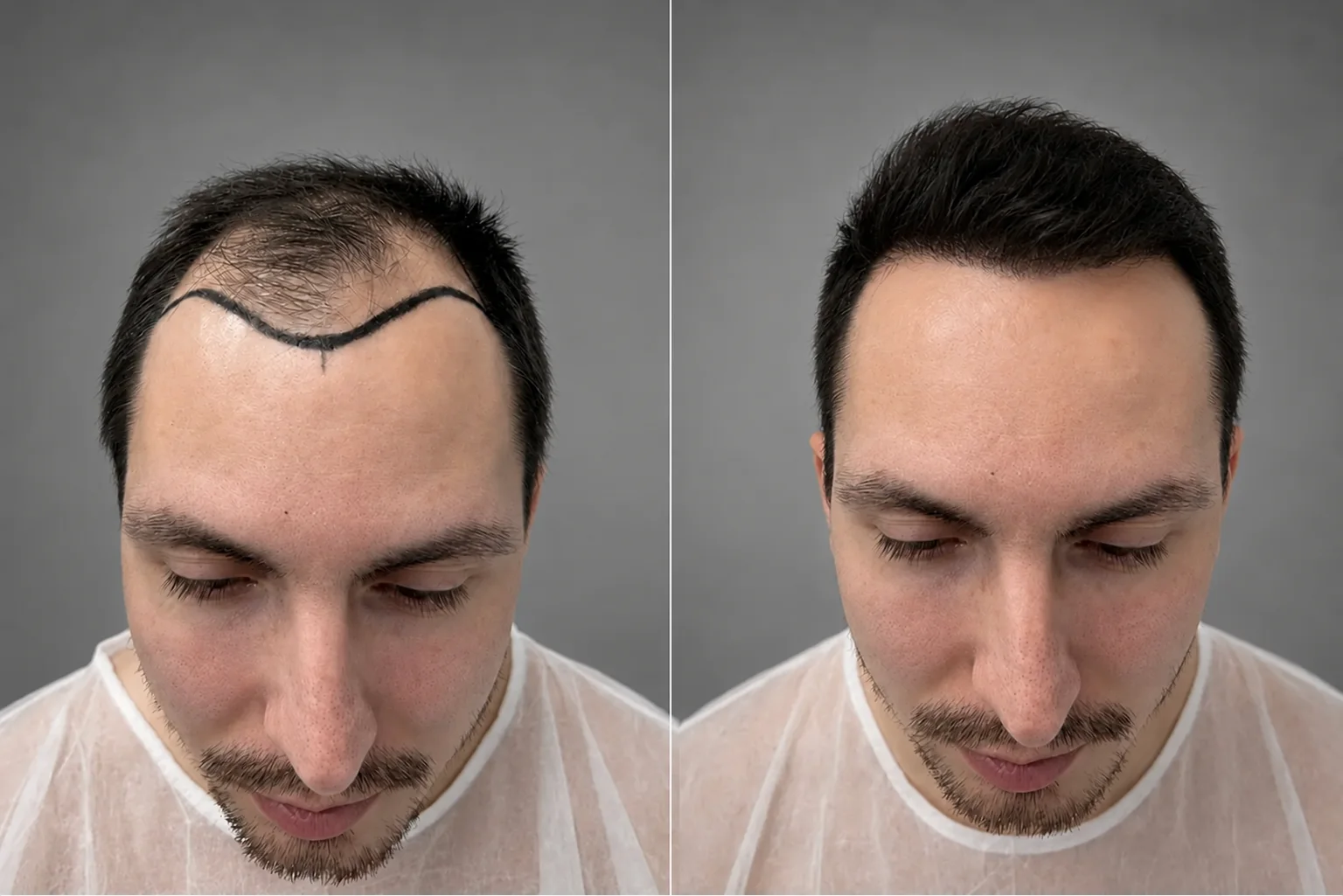
the start
now 12 months on
3,000 grafts
FUE method
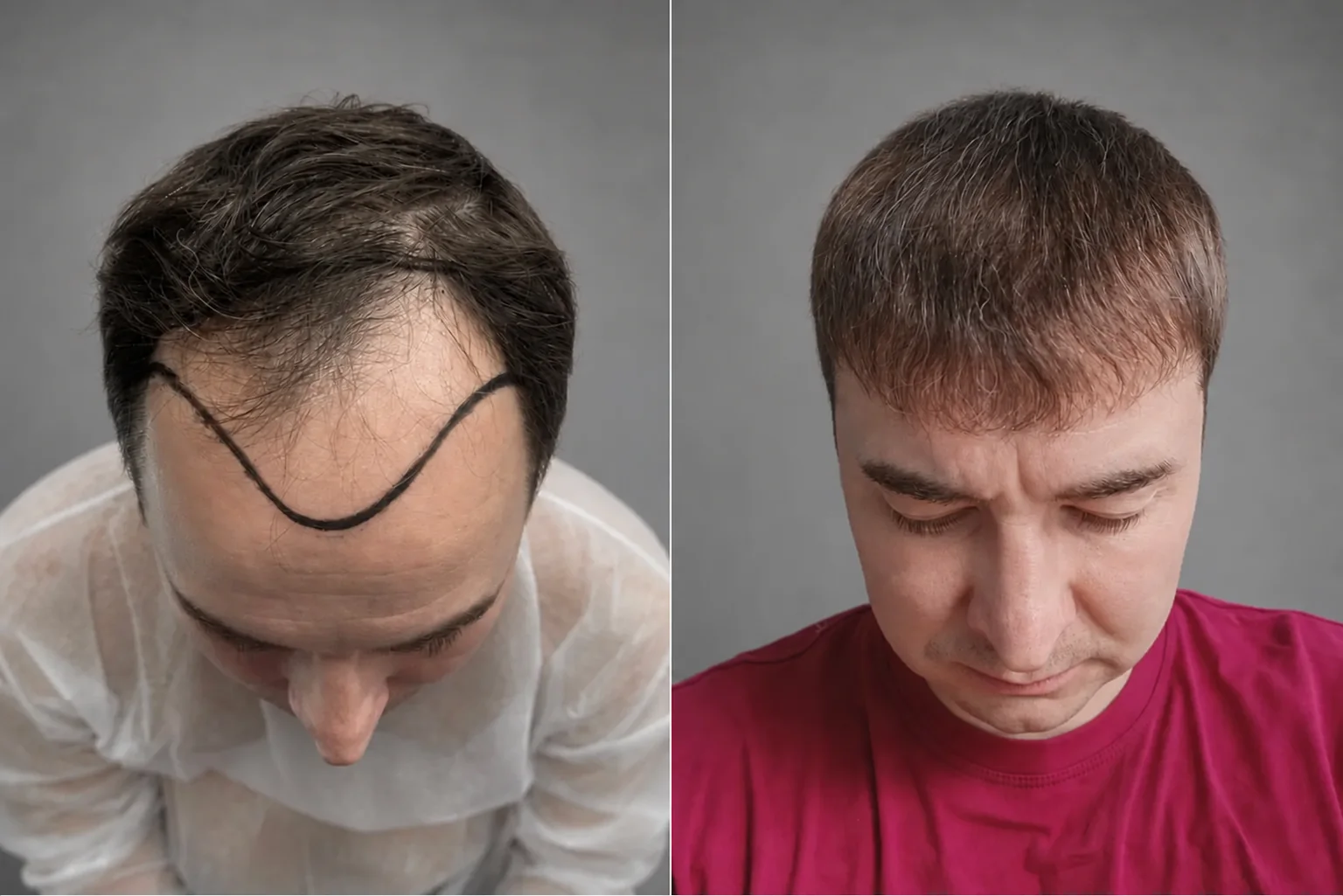
the start
now 12 months on
3,700 grafts
FUE method
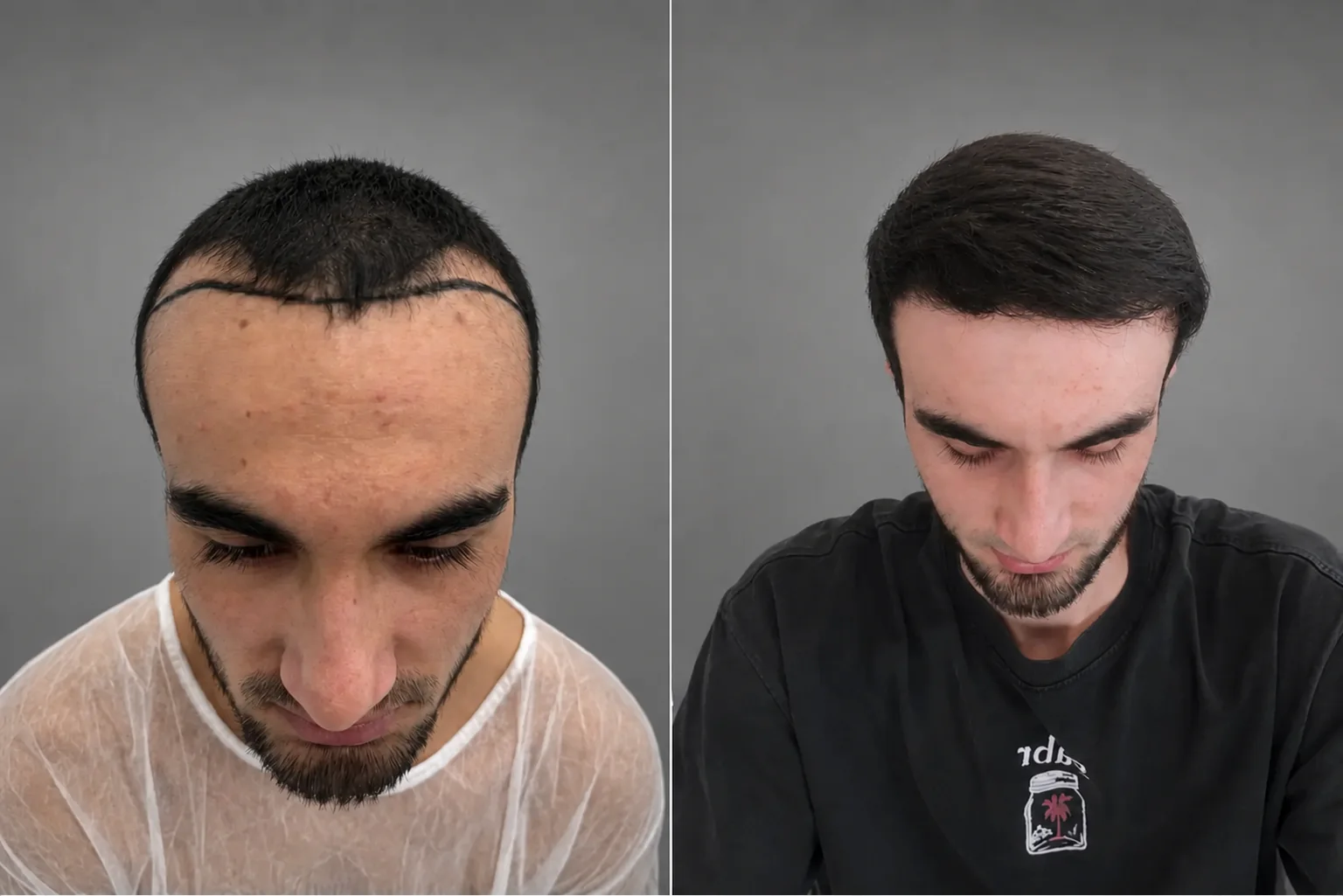
the start
now 12 months on
2,700 grafts
FUE method
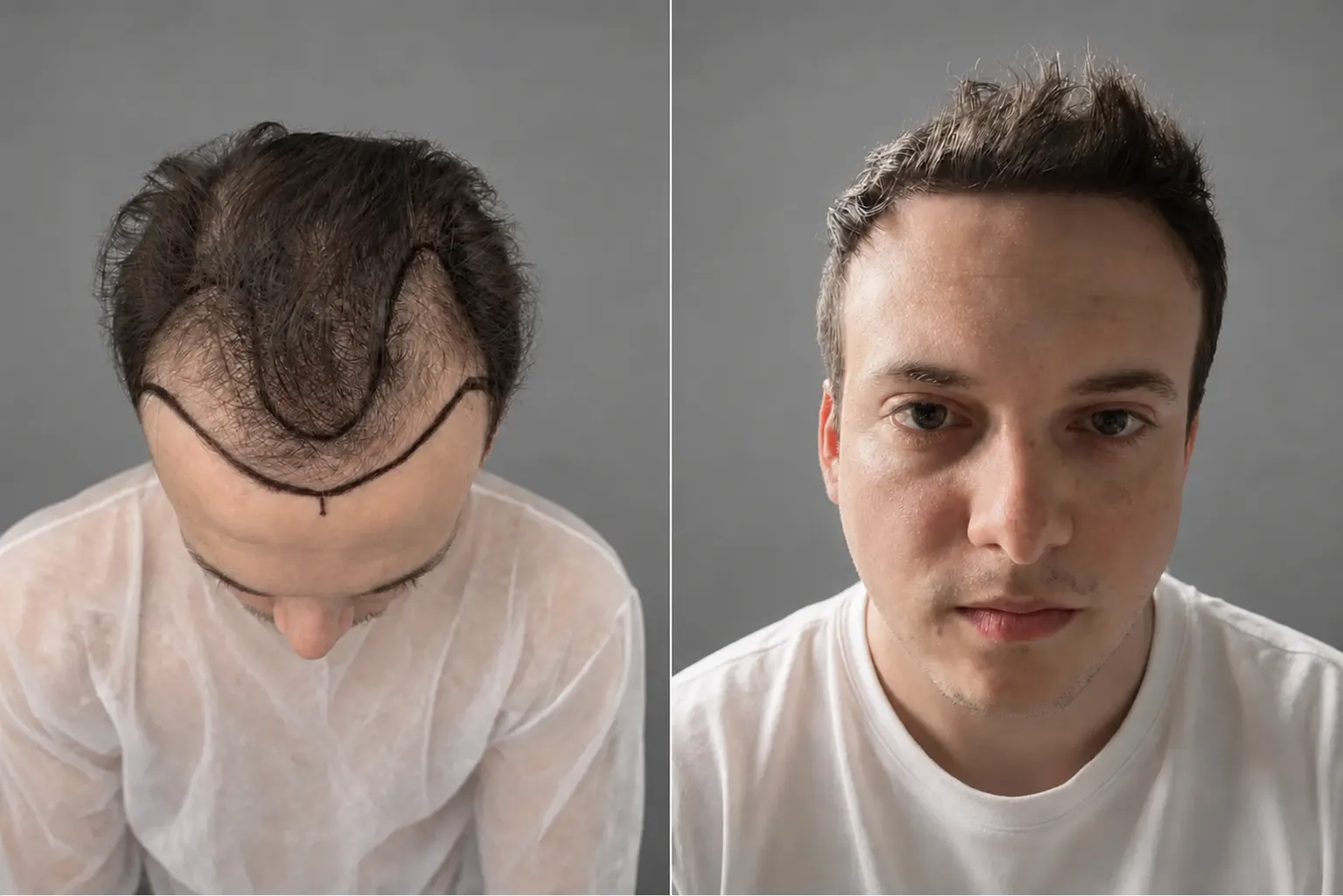
the start
now 12 months on
3,800 grafts
FUE method
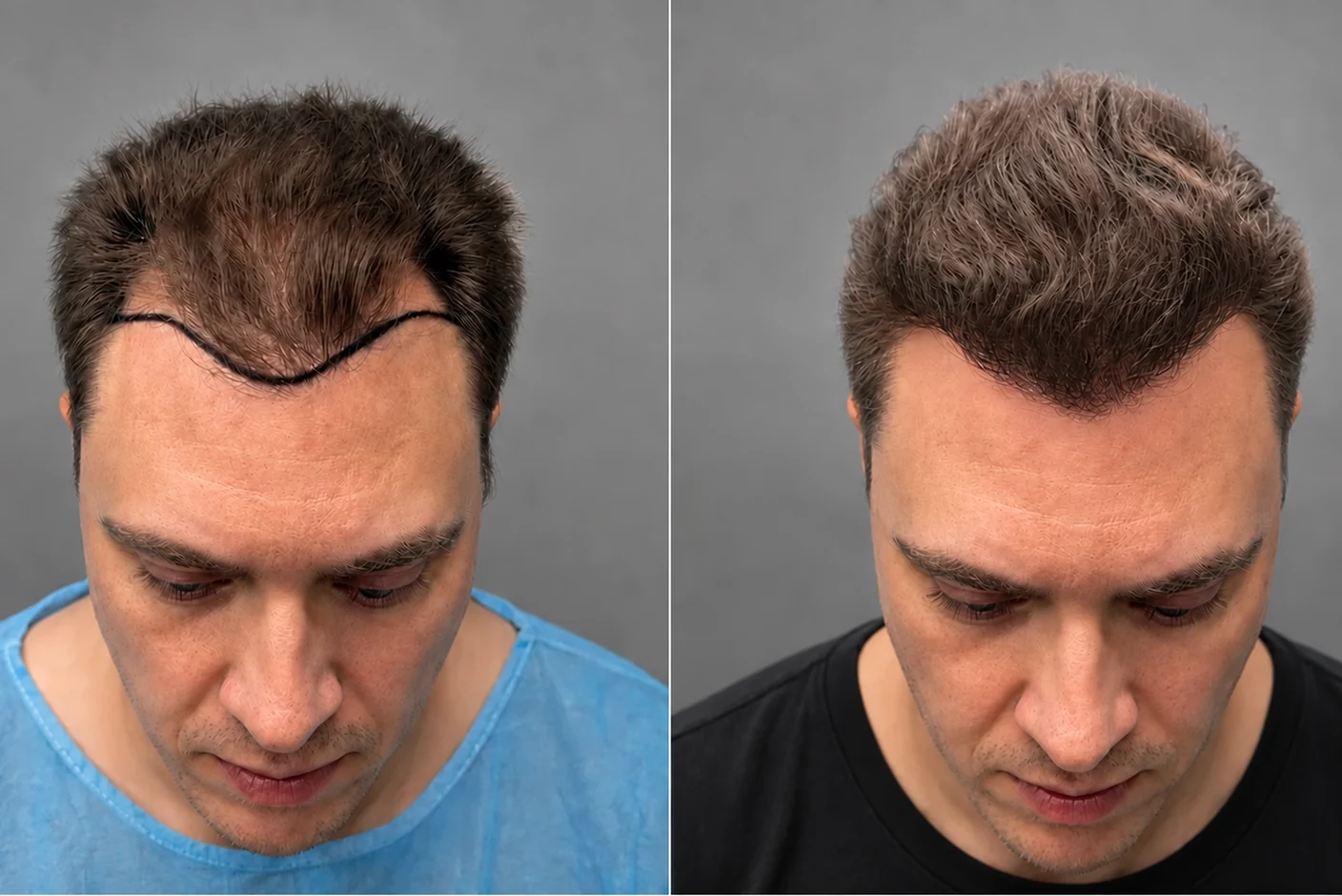
the start
now 12 months on
3,300 grafts
FUE method
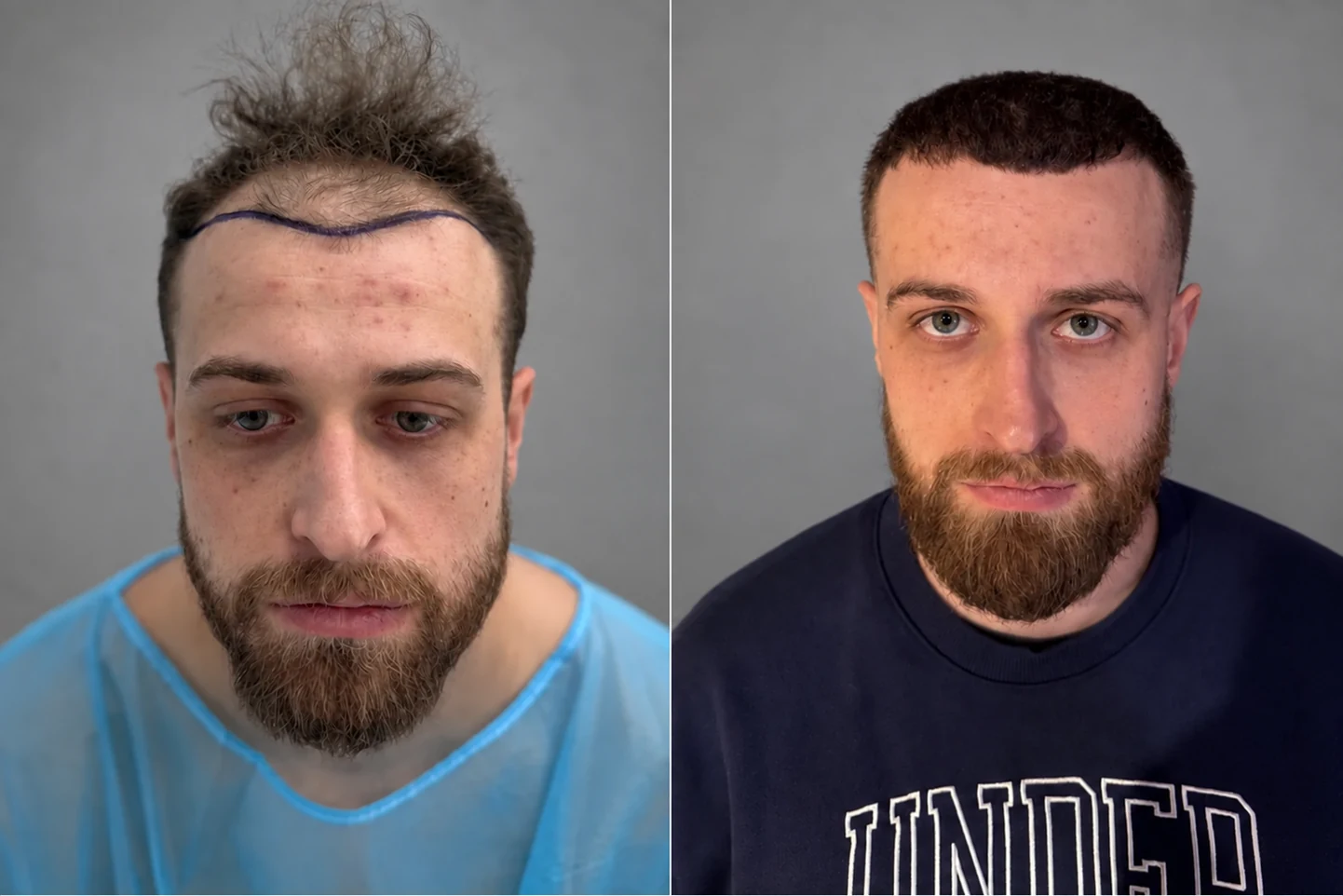
the start
now 12 months on
2,800 grafts
FUE method
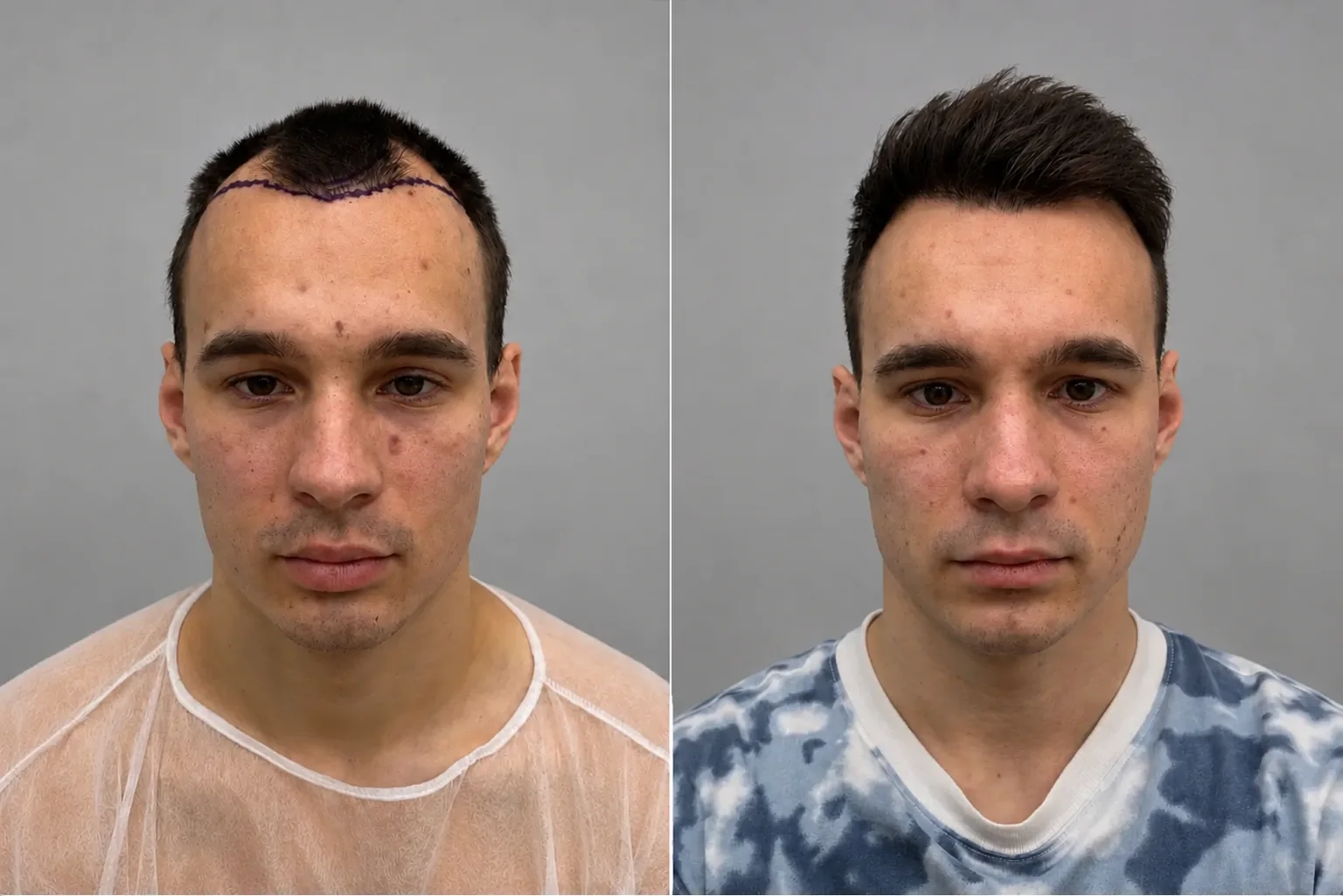
the start
now 12 months on
2,500 grafts
FUE method
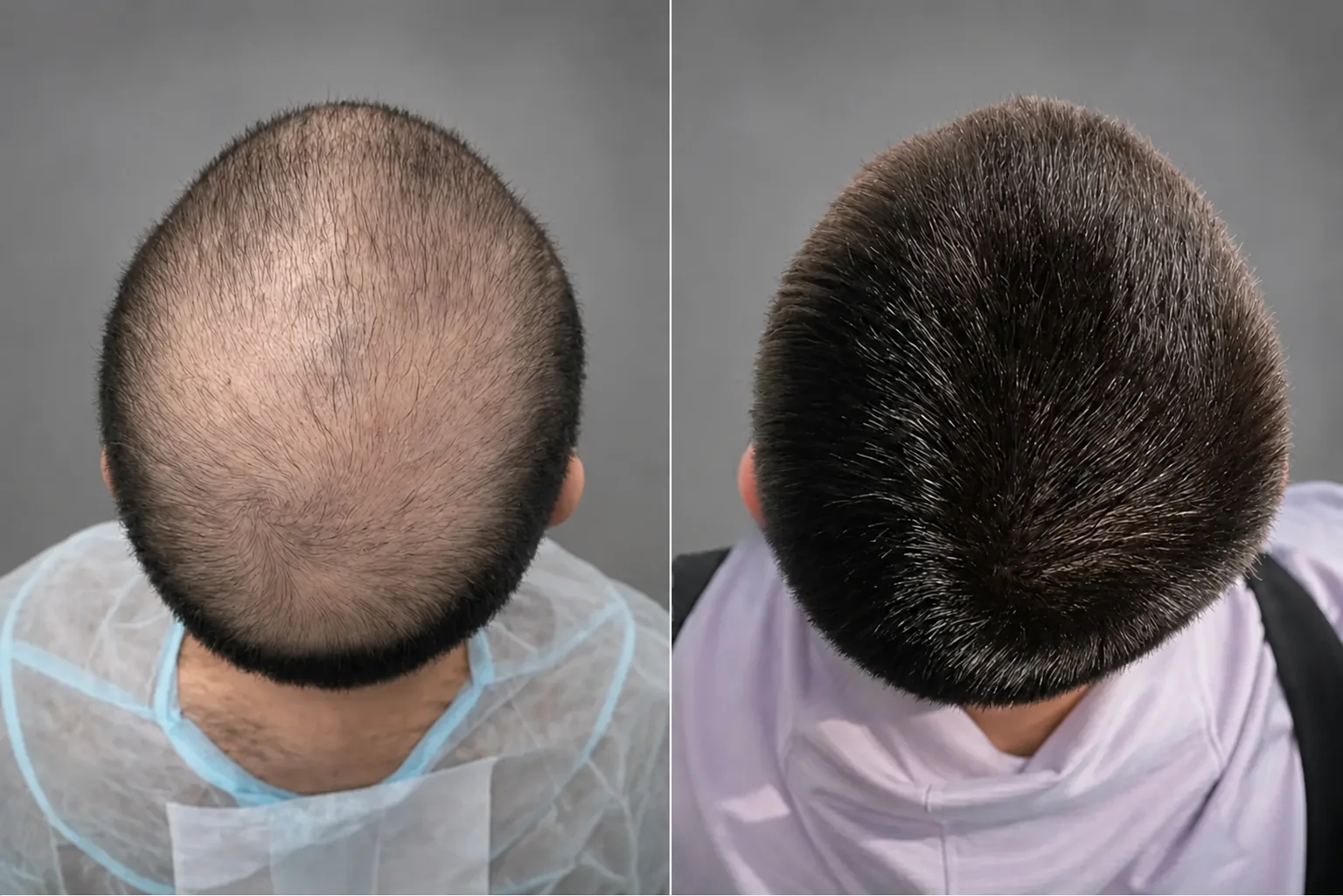
the start
now 12 months on
3,900 grafts
FUE method
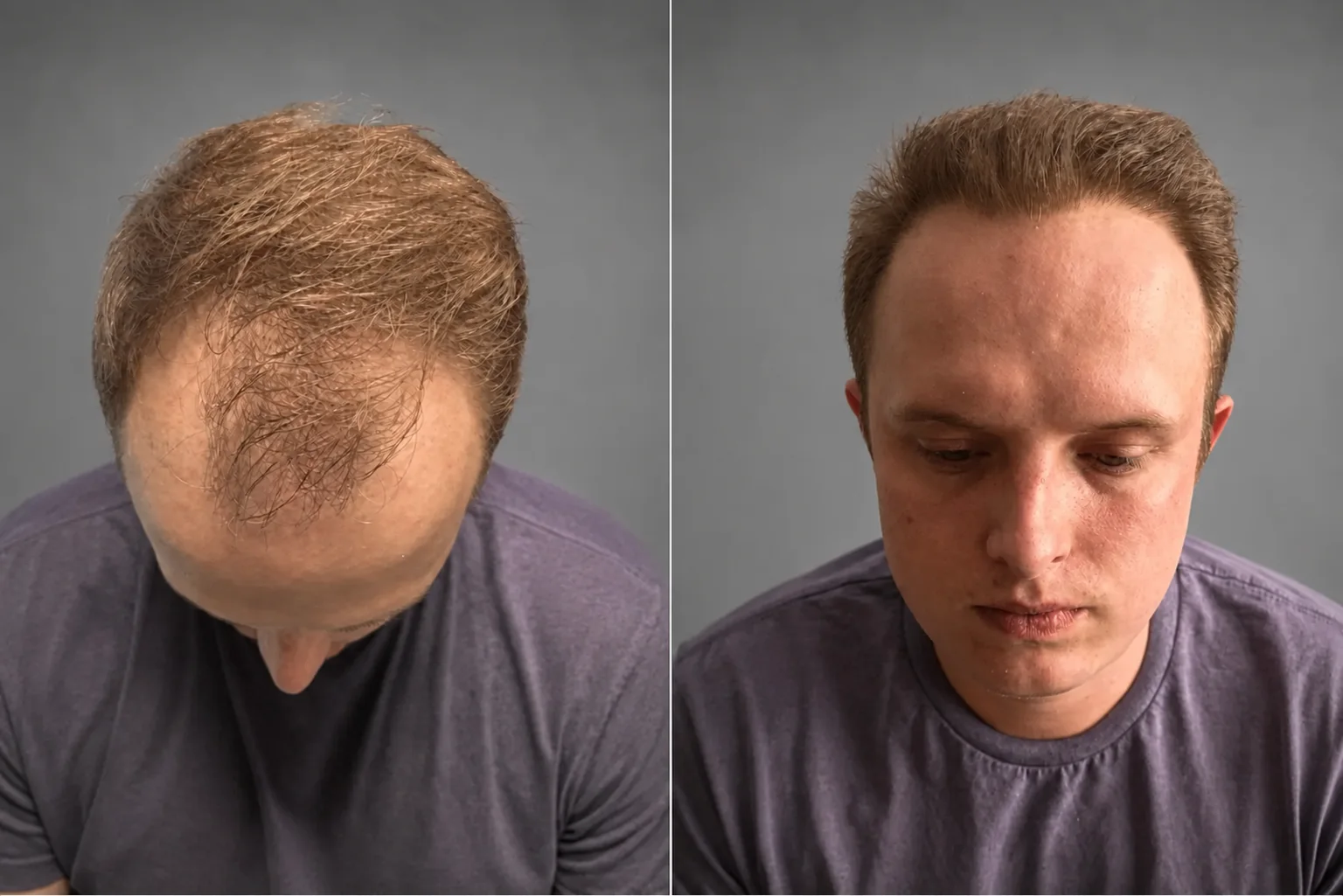
the start
now 12 months on
3,500 grafts
FUE method
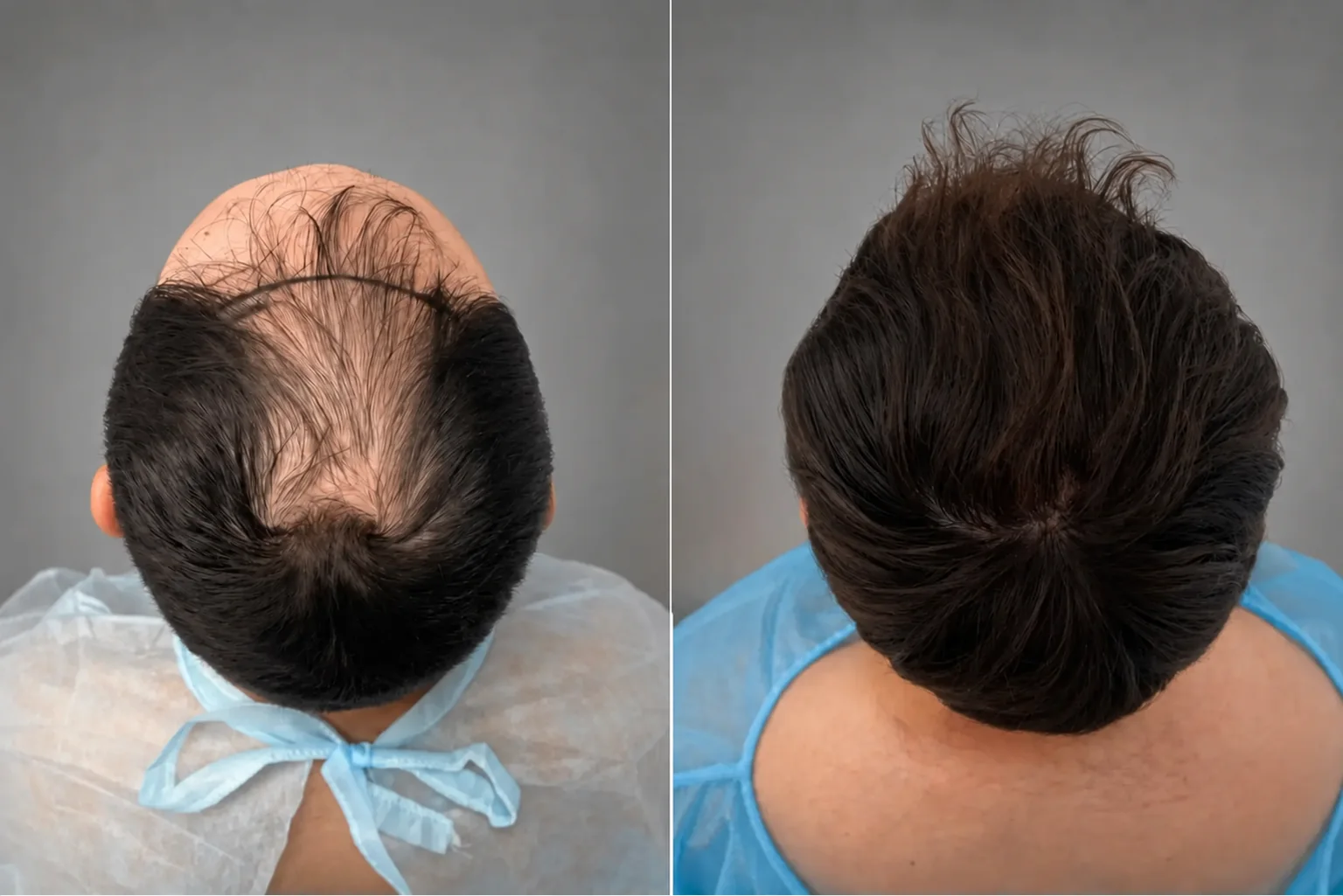
the start
now 12 months on
3,800 grafts
FUE method
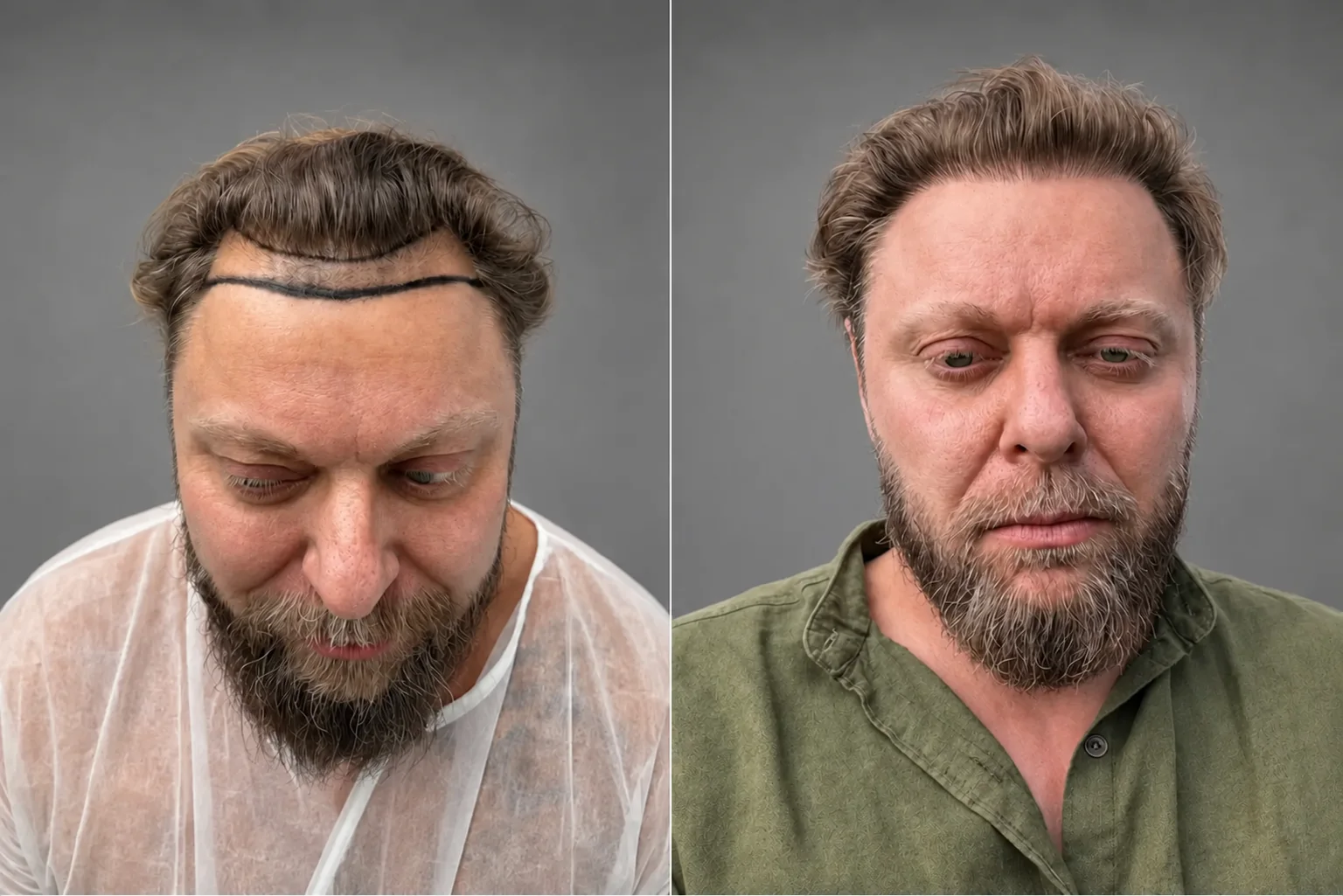
the start
now 12 months on
2,900 grafts
FUE method
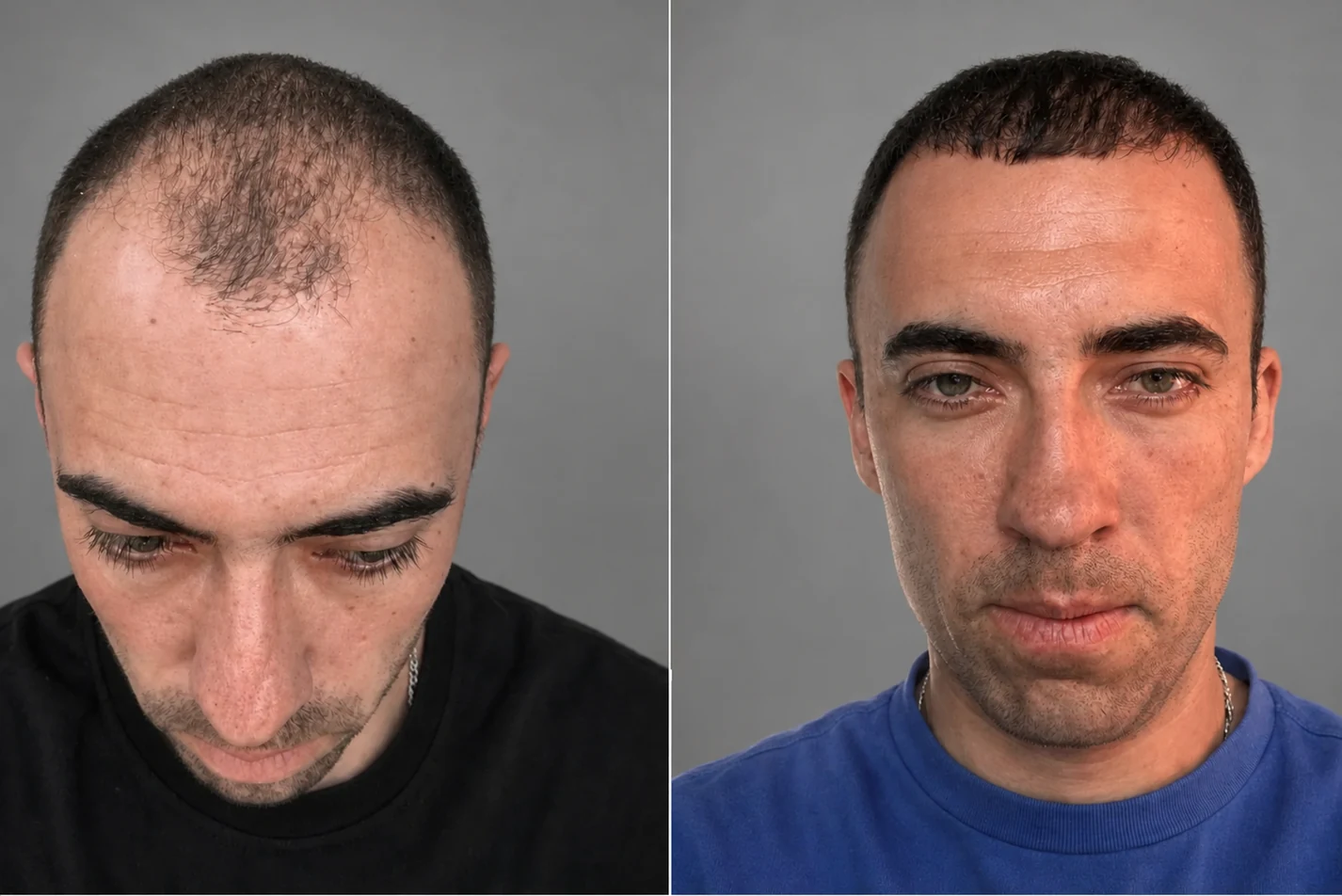
the start
now 12 months on
3,600 grafts
FUE method
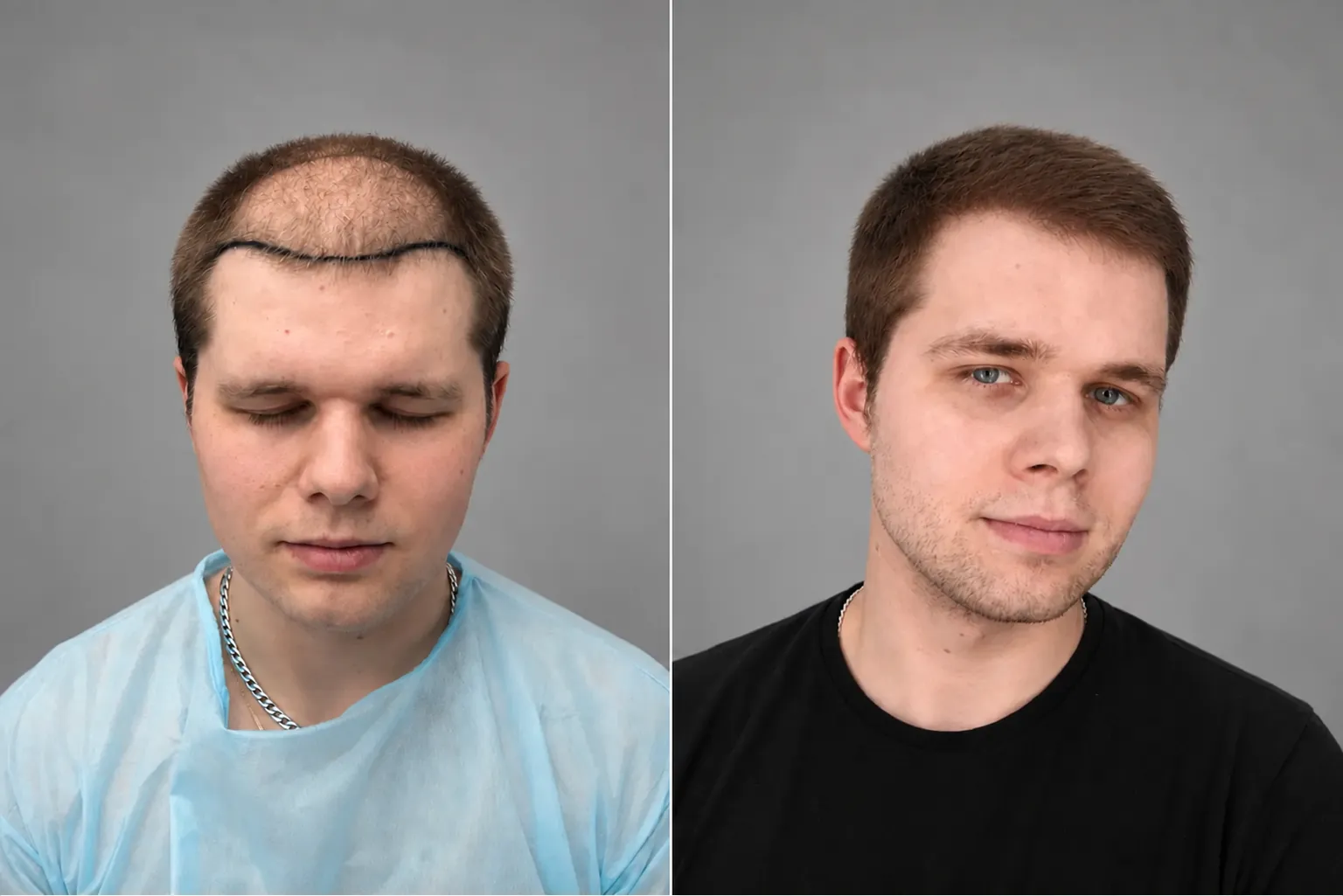
the start
now 12 months on
2,600 grafts
FUE method
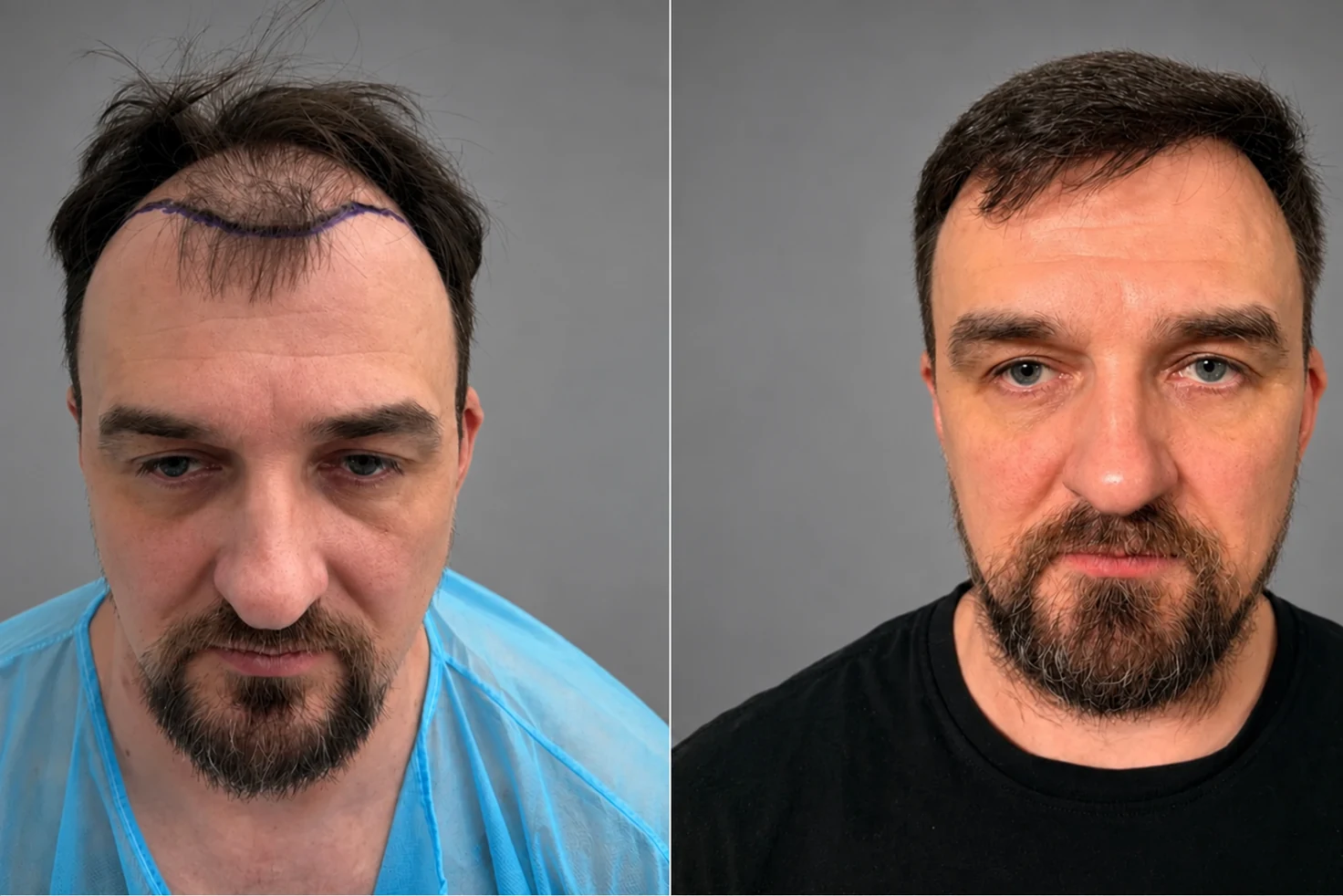
the start
now 12 months on
2,700 grafts
FUE method
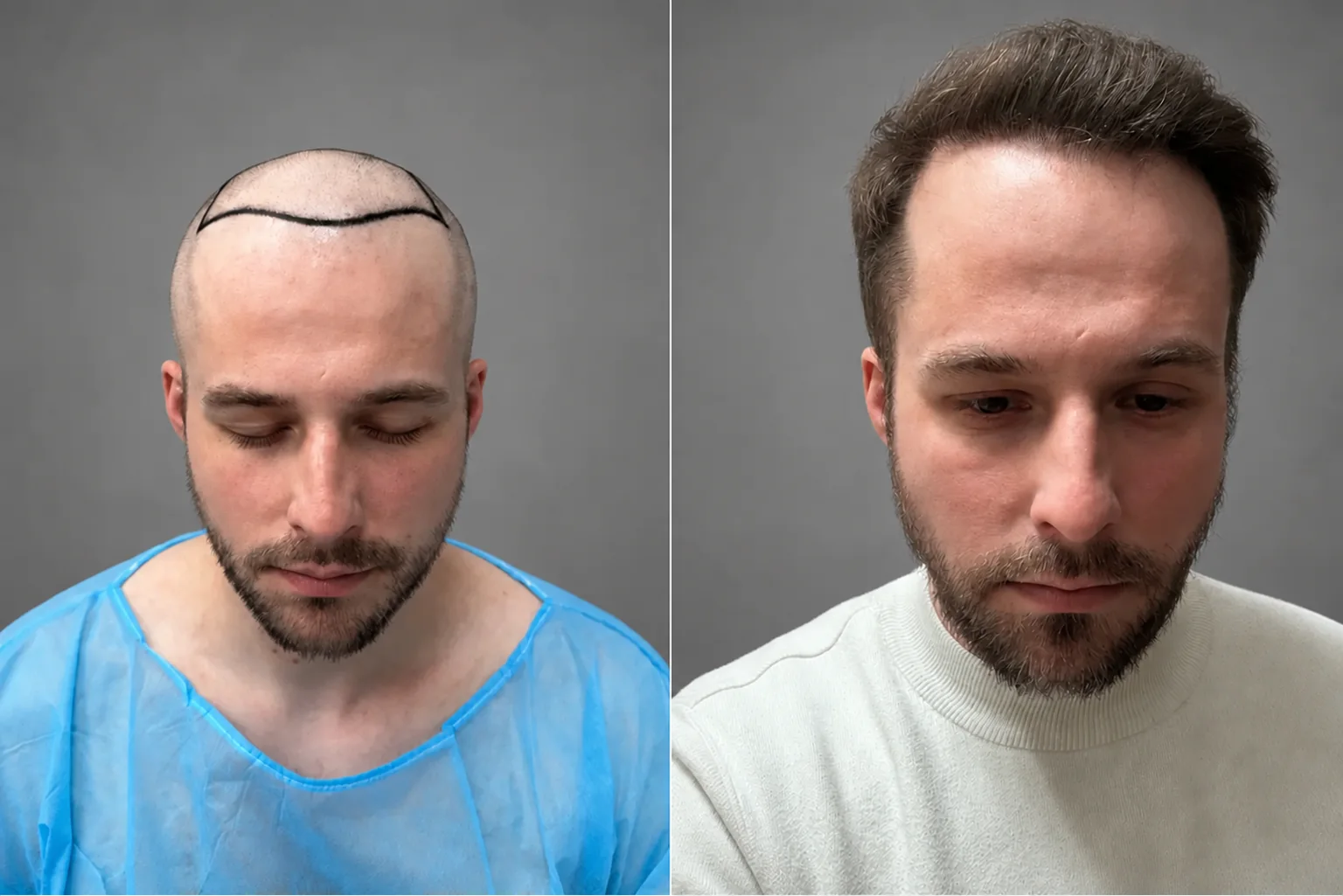
the start
now 12 months on
3,700 grafts
FUE method
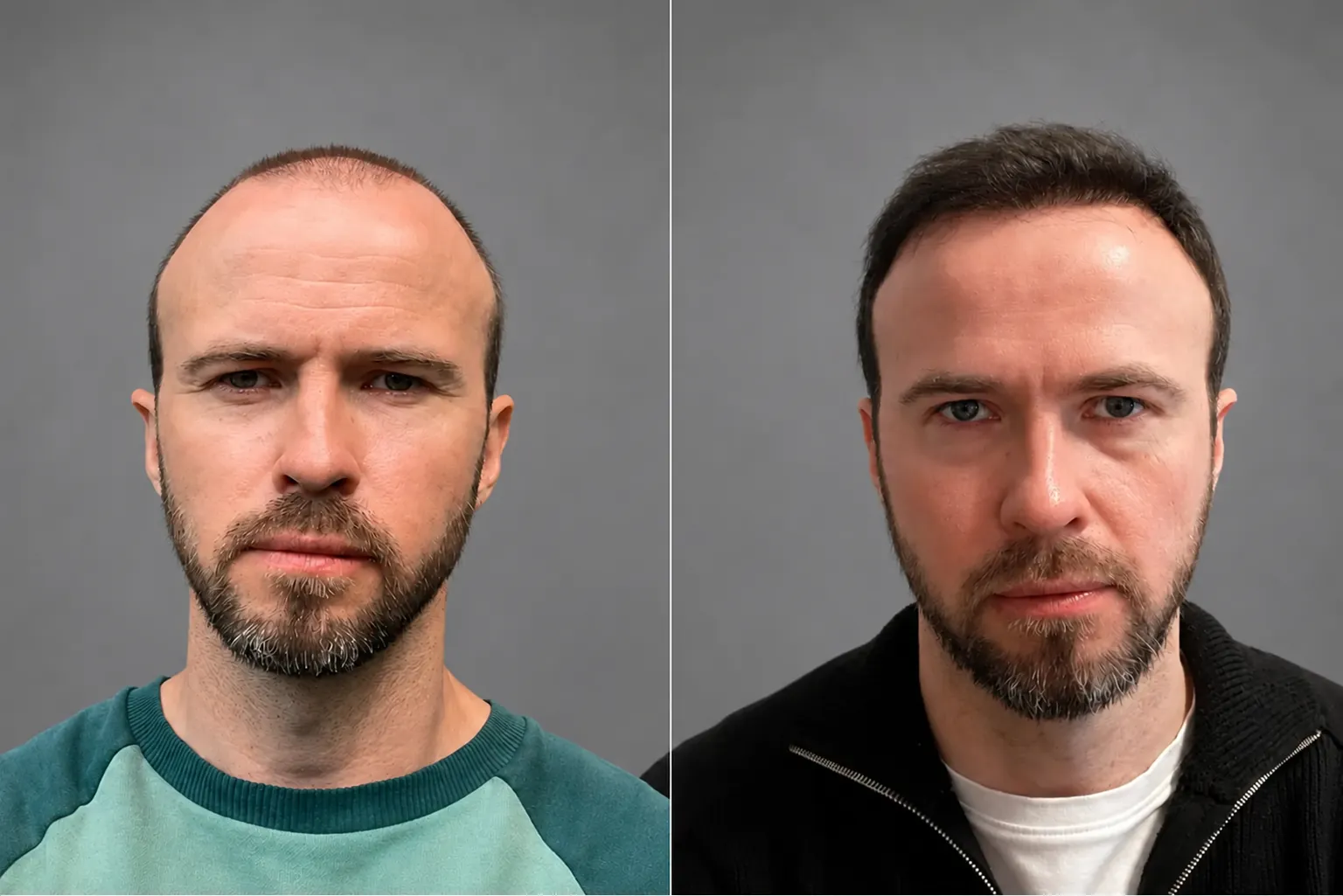
the start
now 12 months on
3,200 grafts
FUE method
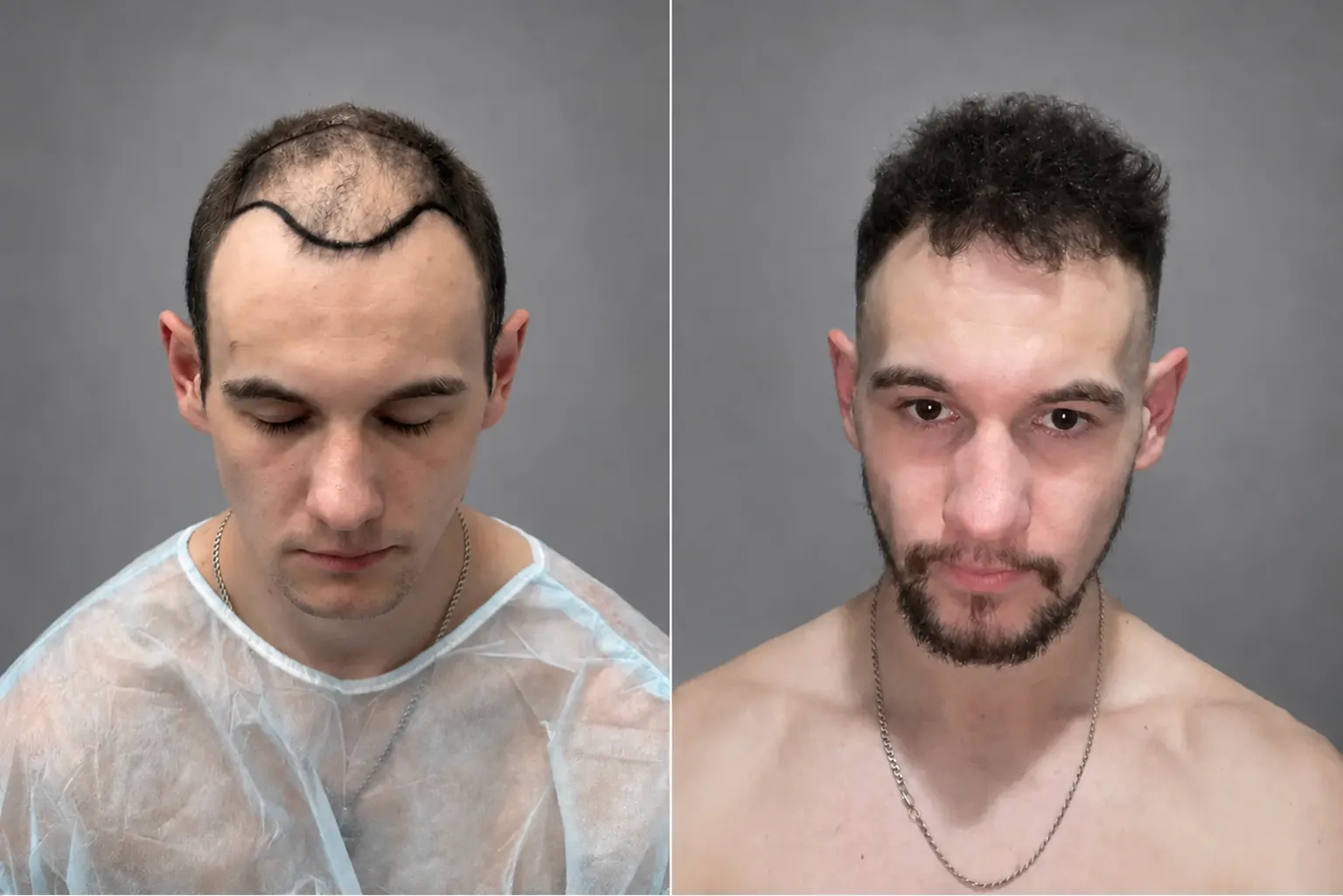
the start
now 12 months on
3,000 grafts
FUE method
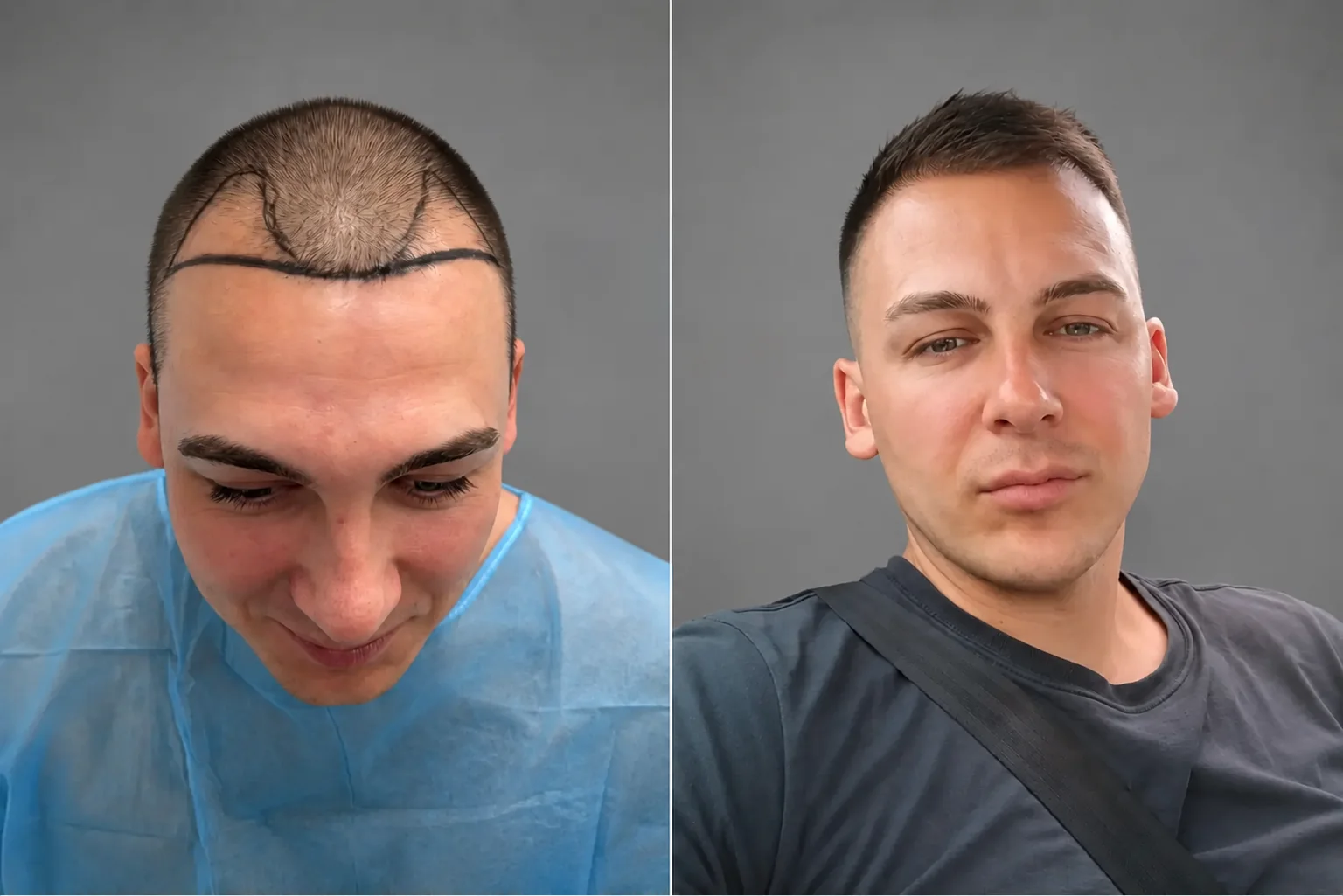
the start
now 12 months on
2,800 grafts
FUE method
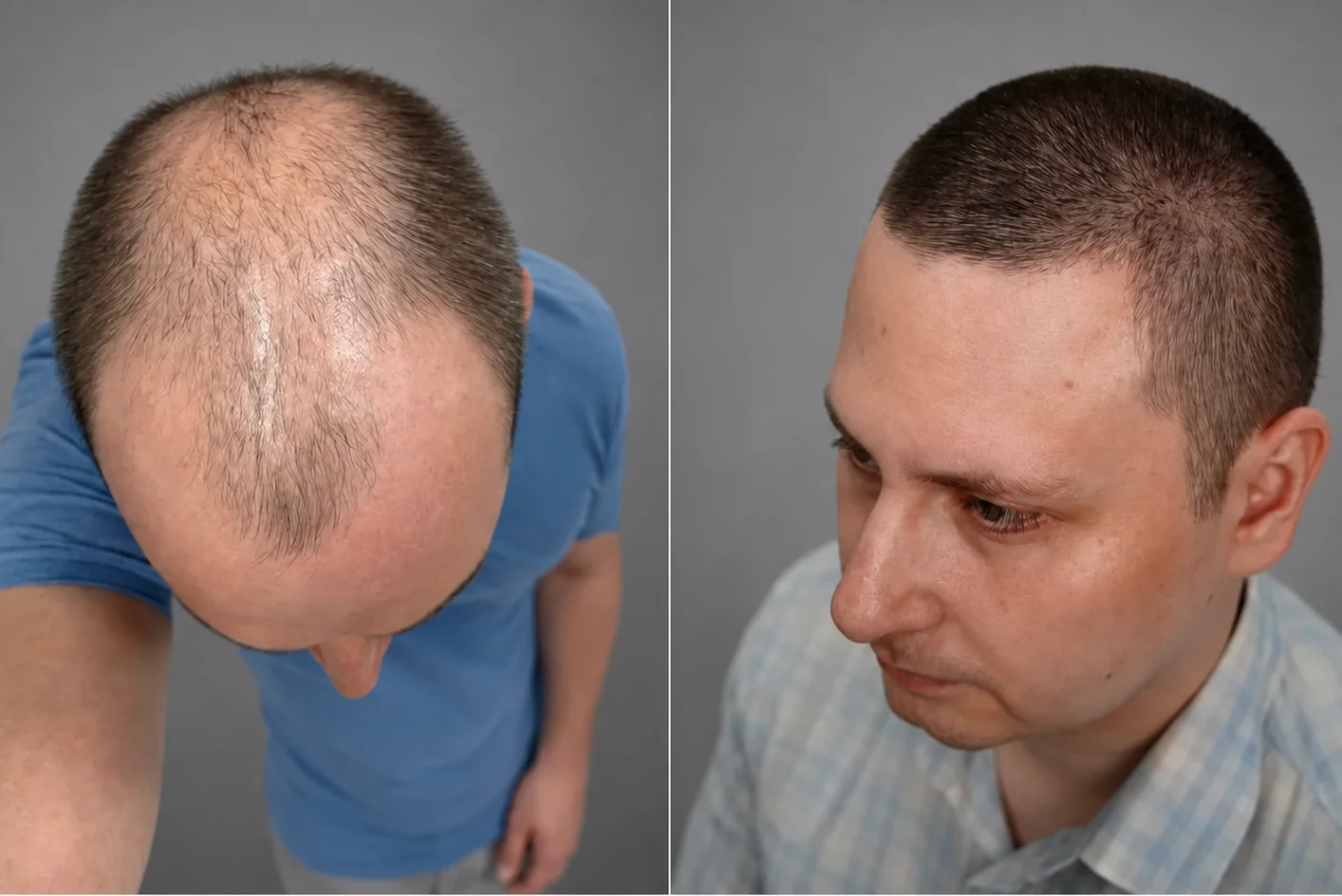
the start
now 12 months on
4,000 grafts
FUE method
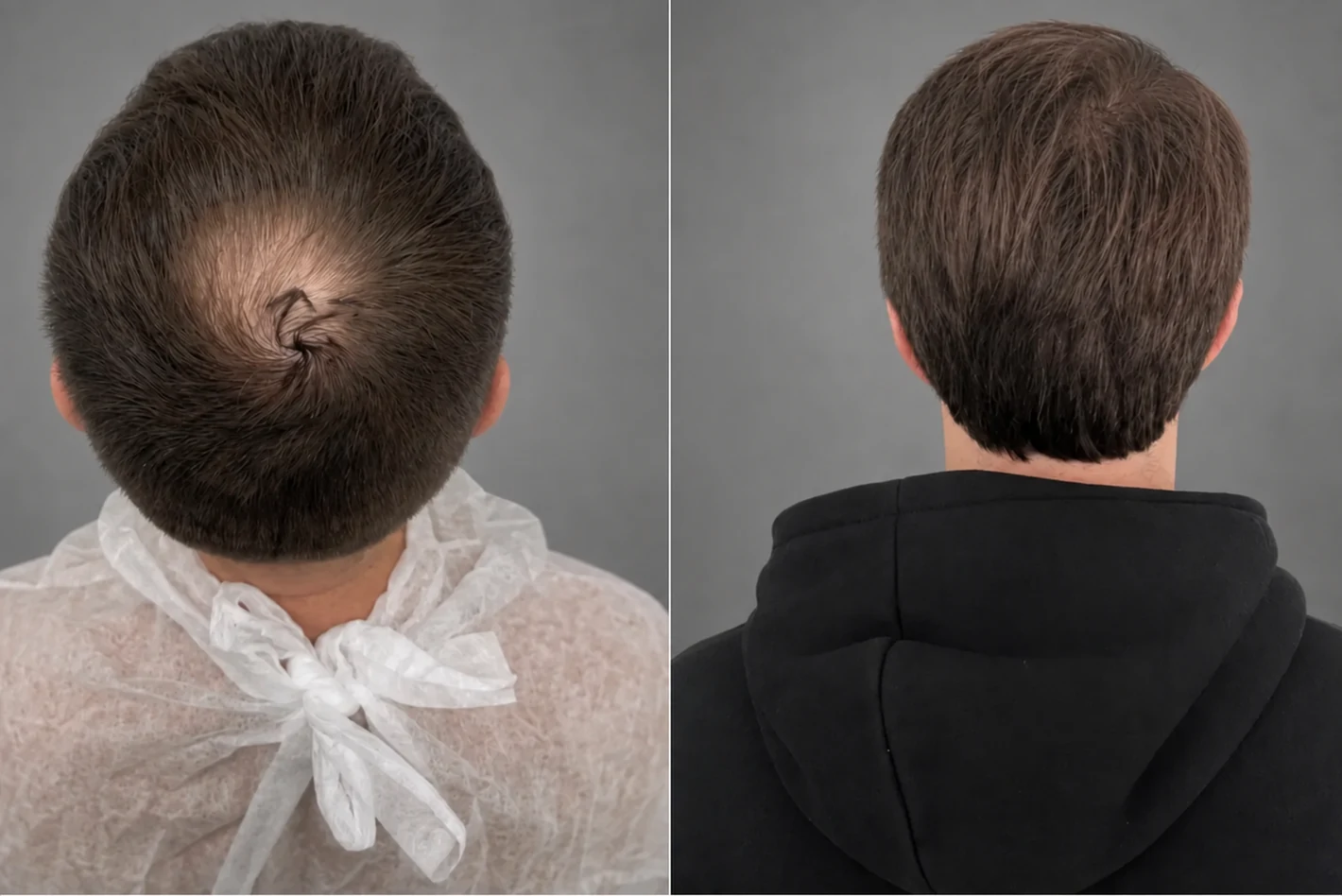
the start
now 12 months on
3,400 grafts
FUE method
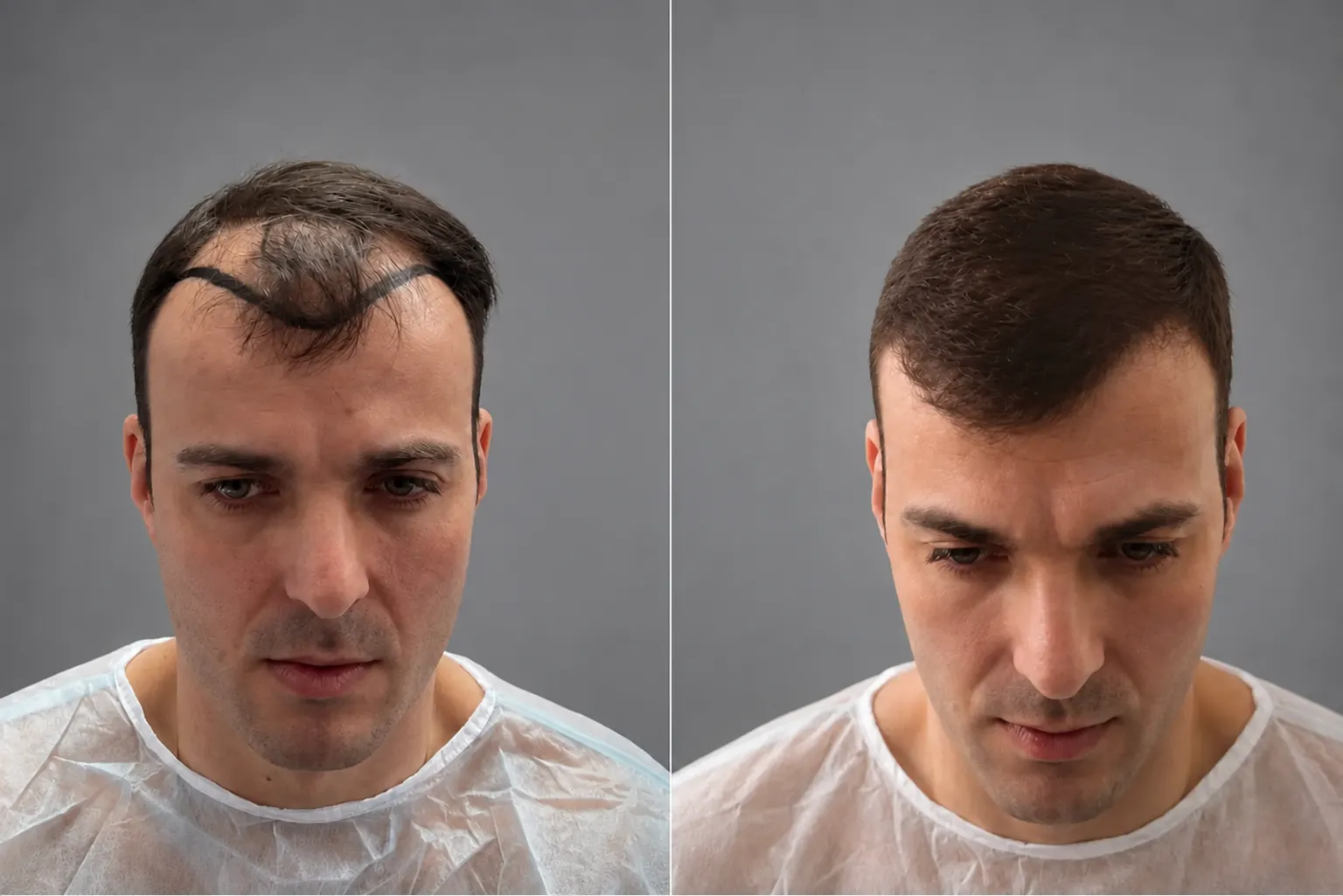
the start
now 12 months on
2,900 grafts
FUE method
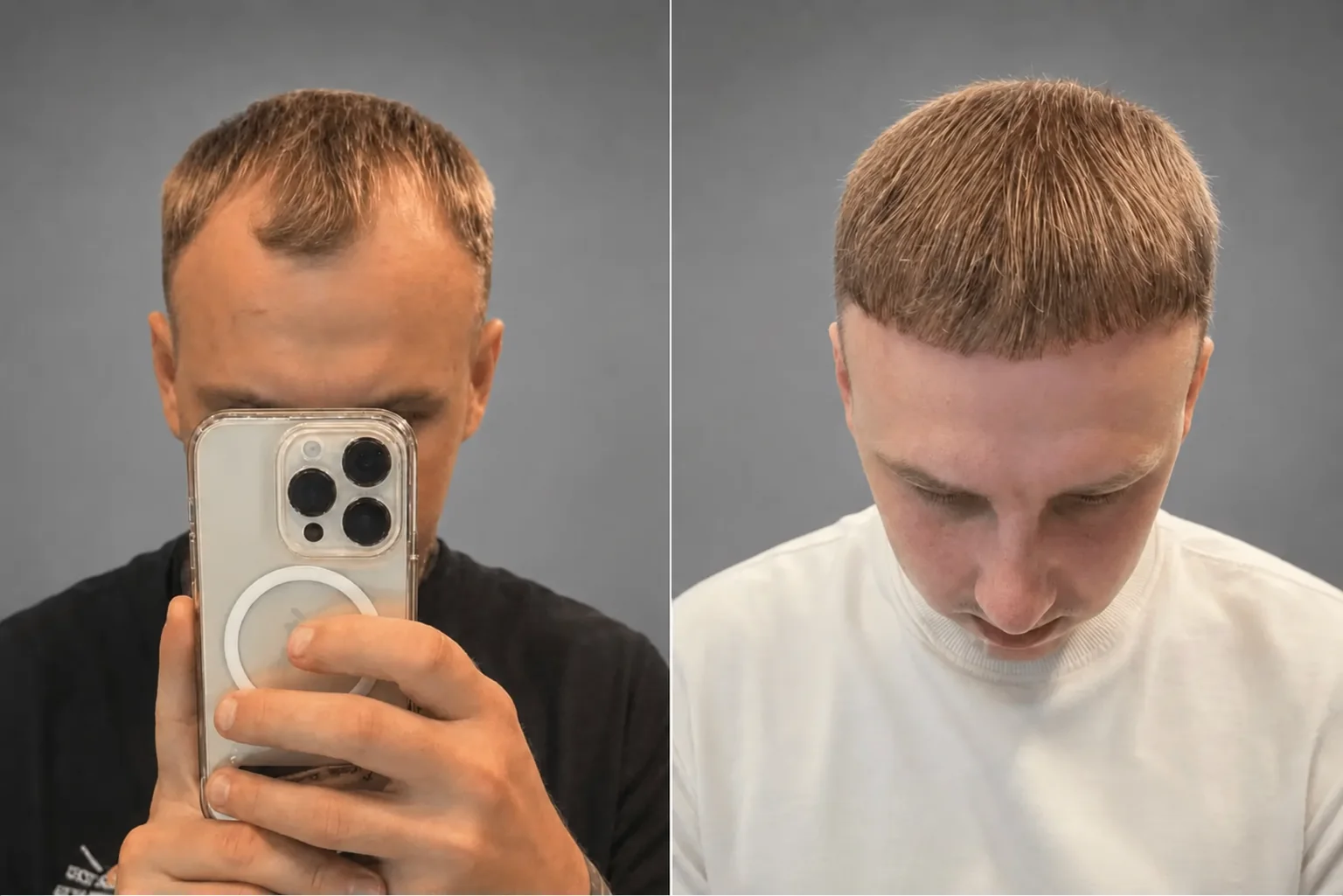
the start
now 12 months on
3,100 grafts
FUE method
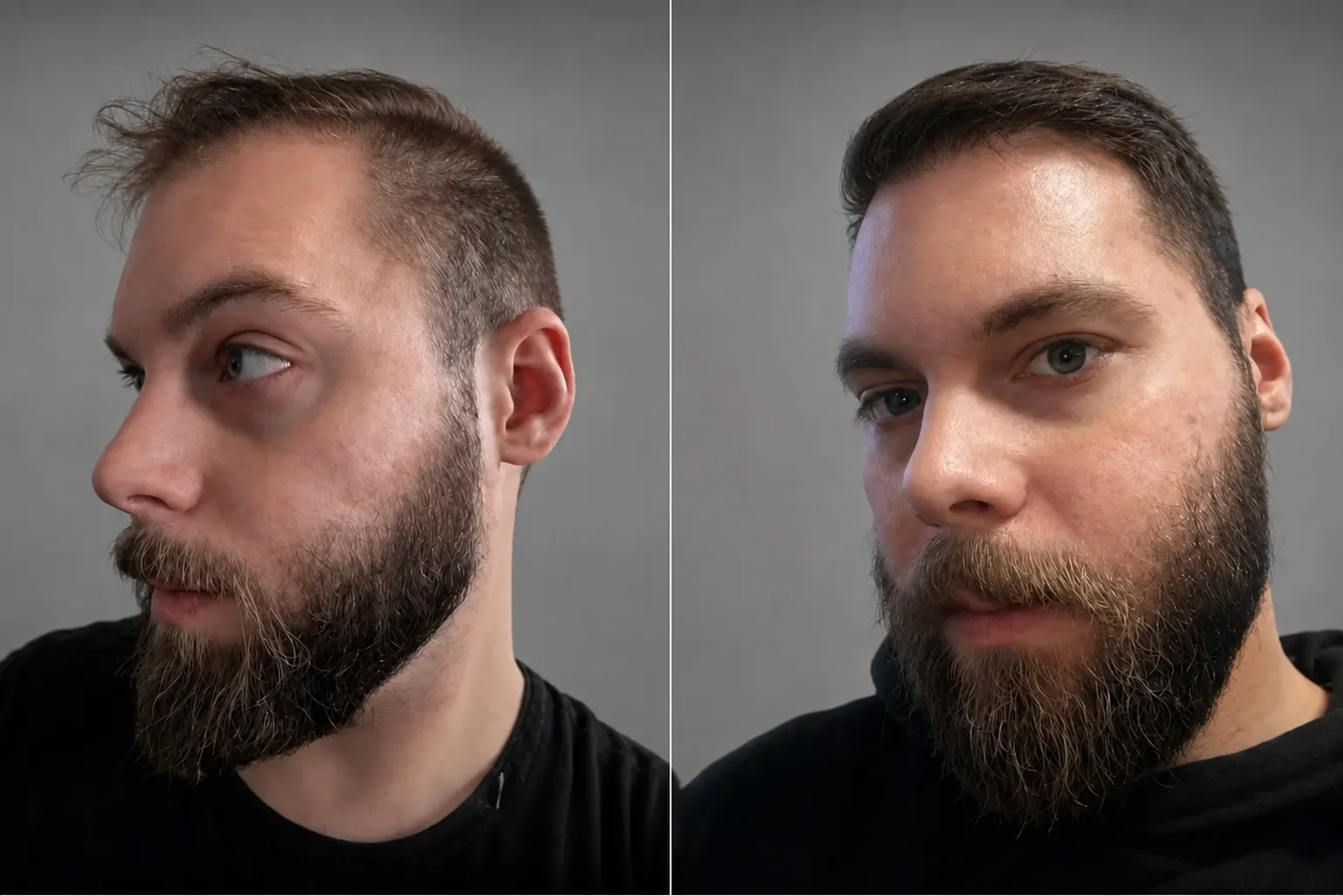
the start
now 12 months on
2,600 grafts
FUE method
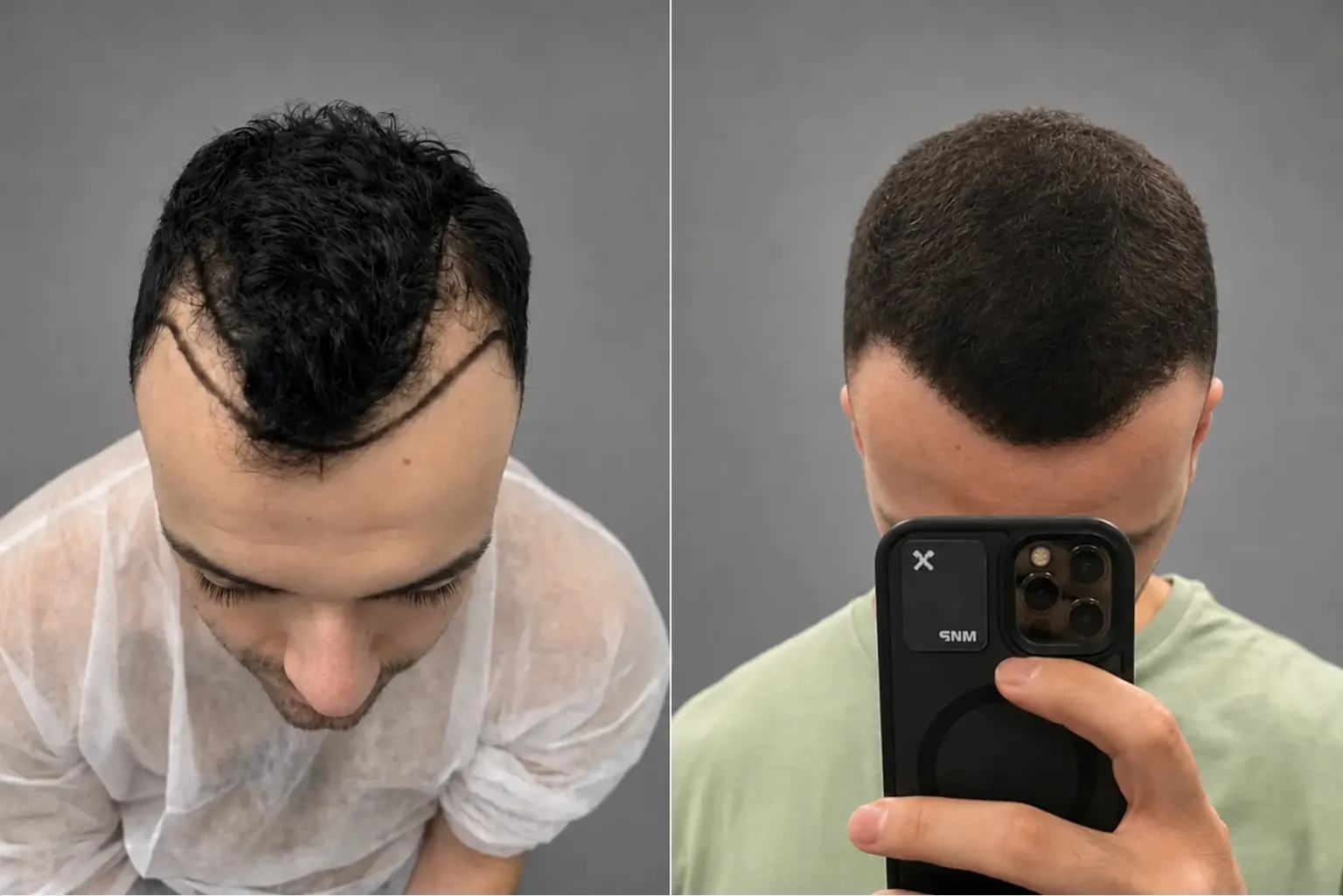
the start
now 12 months on
3,300 grafts
FUE method
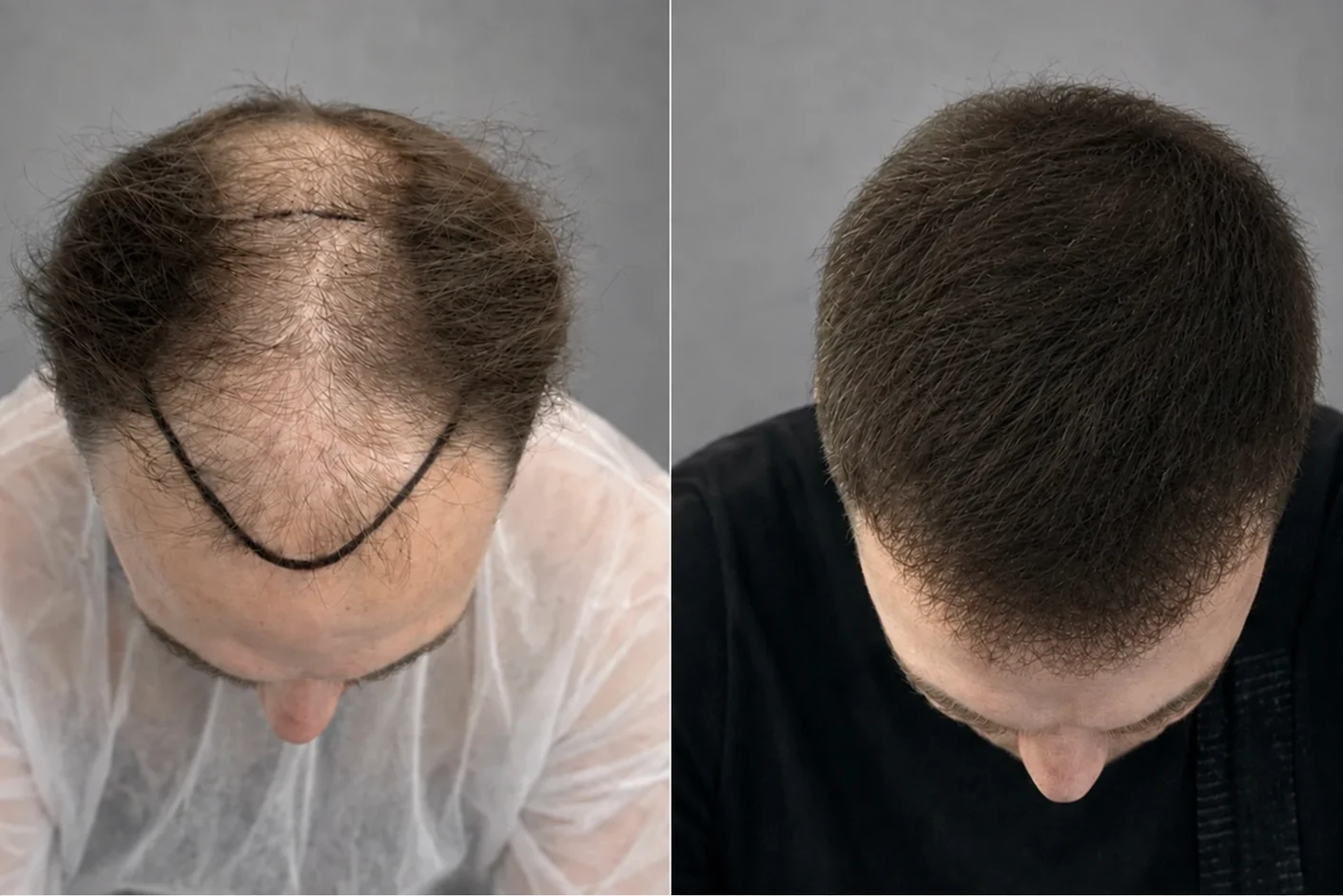
the start
now 12 months on
3,900 grafts
FUE method
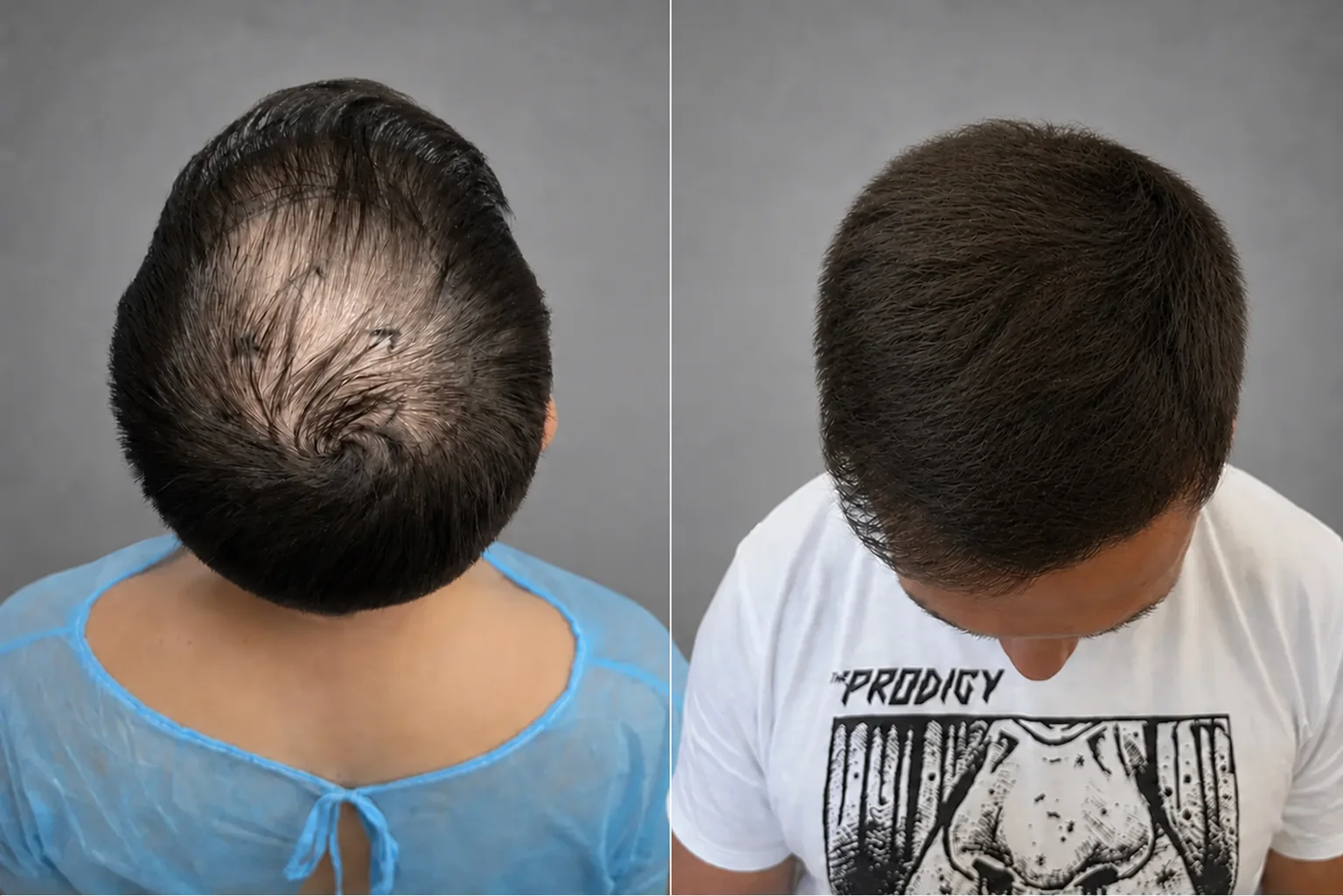
the start
now 12 months on
3,500 grafts
FUE method
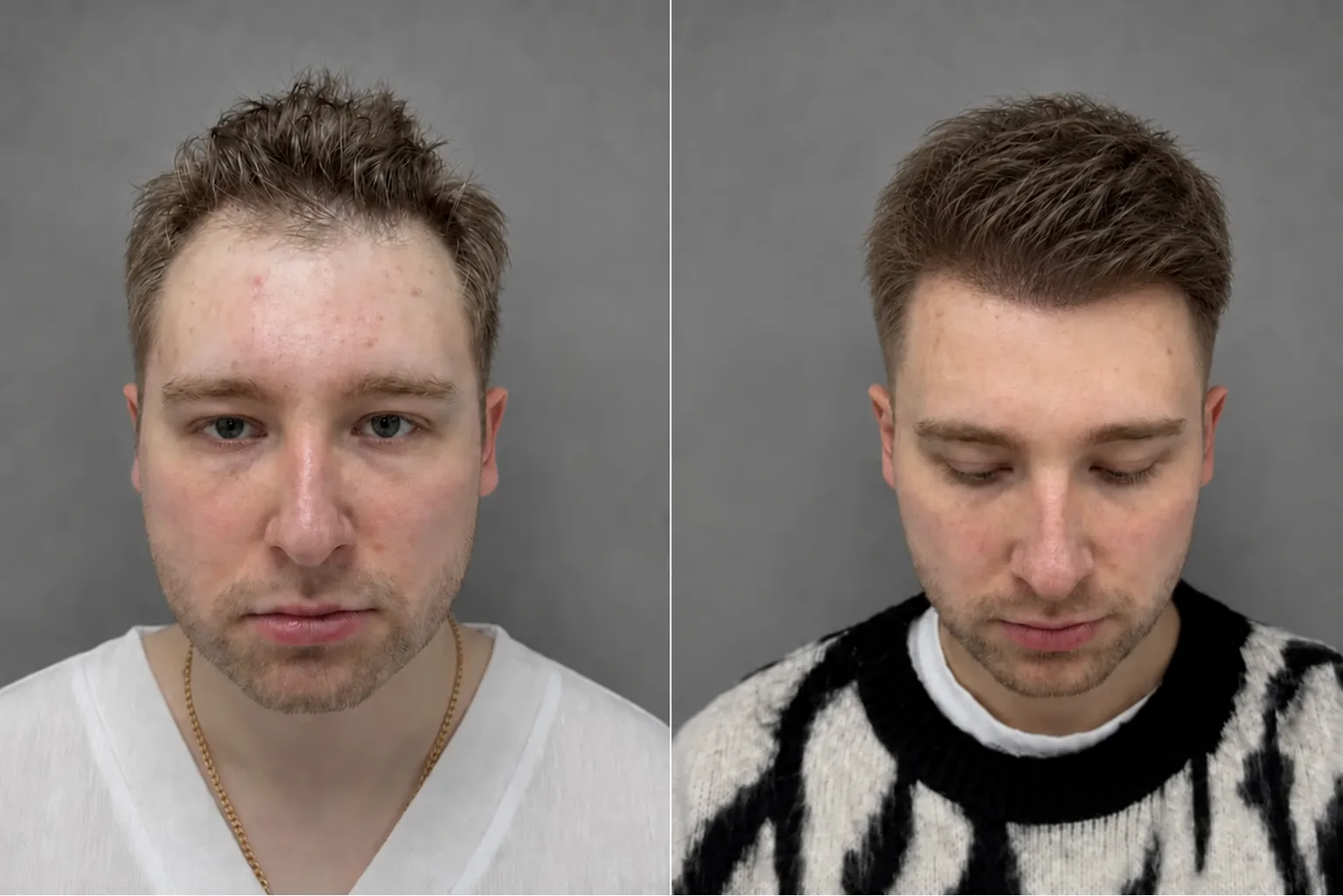
the start
now 12 months on
2,700 grafts
FUE method
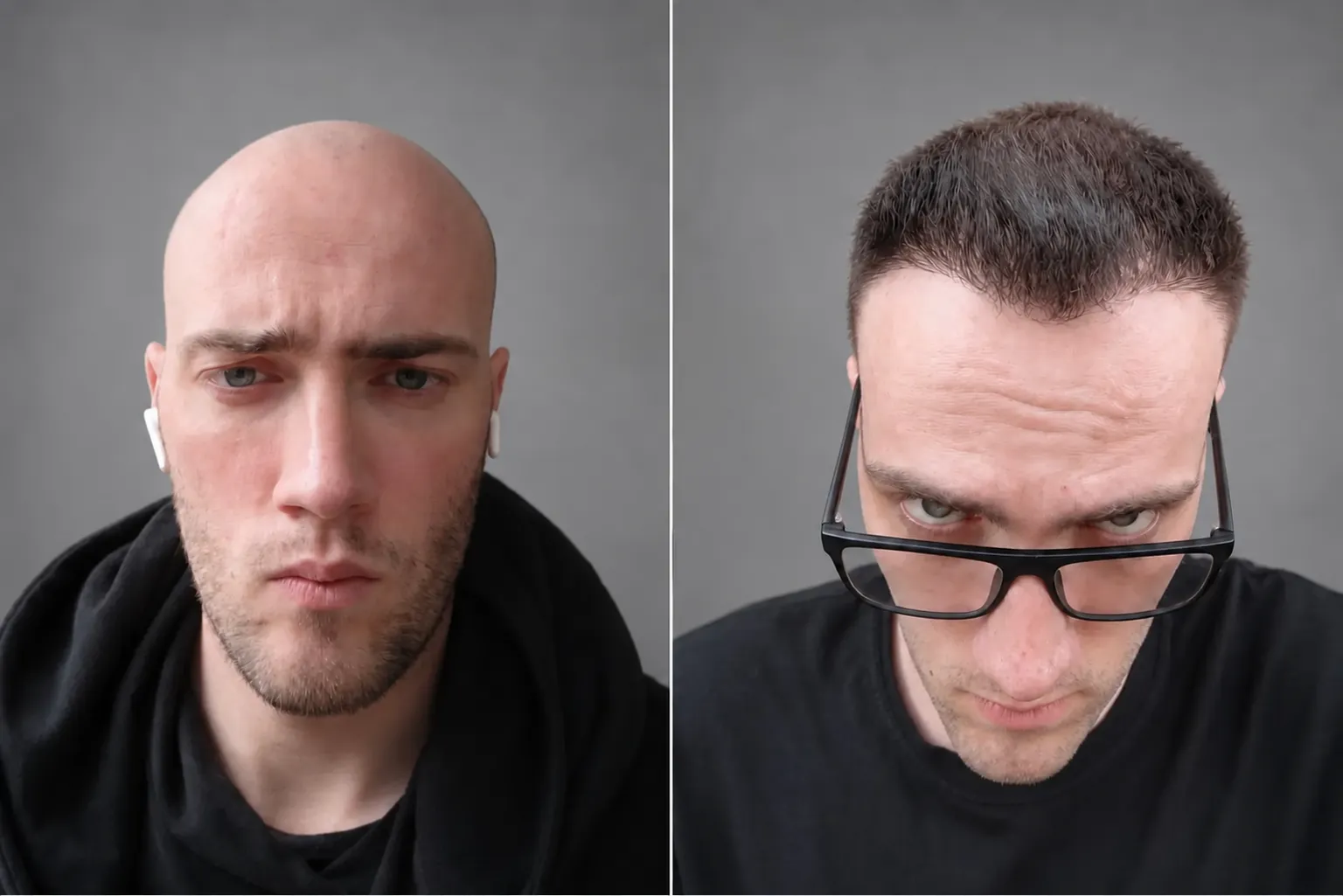
the start
now 12 months on
3,800 grafts
FUE method
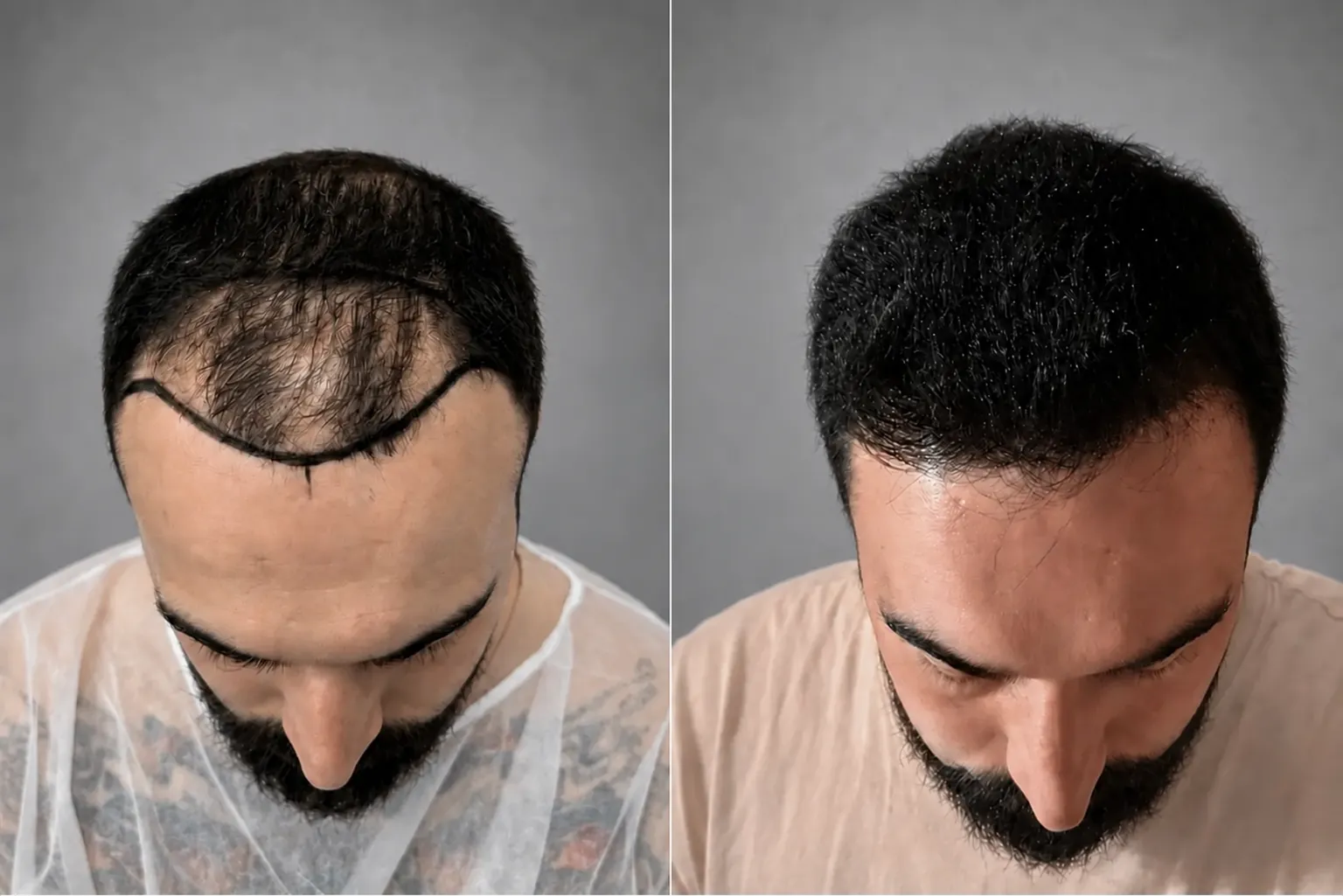
the start
now 12 months on
3,200 grafts
FUE method
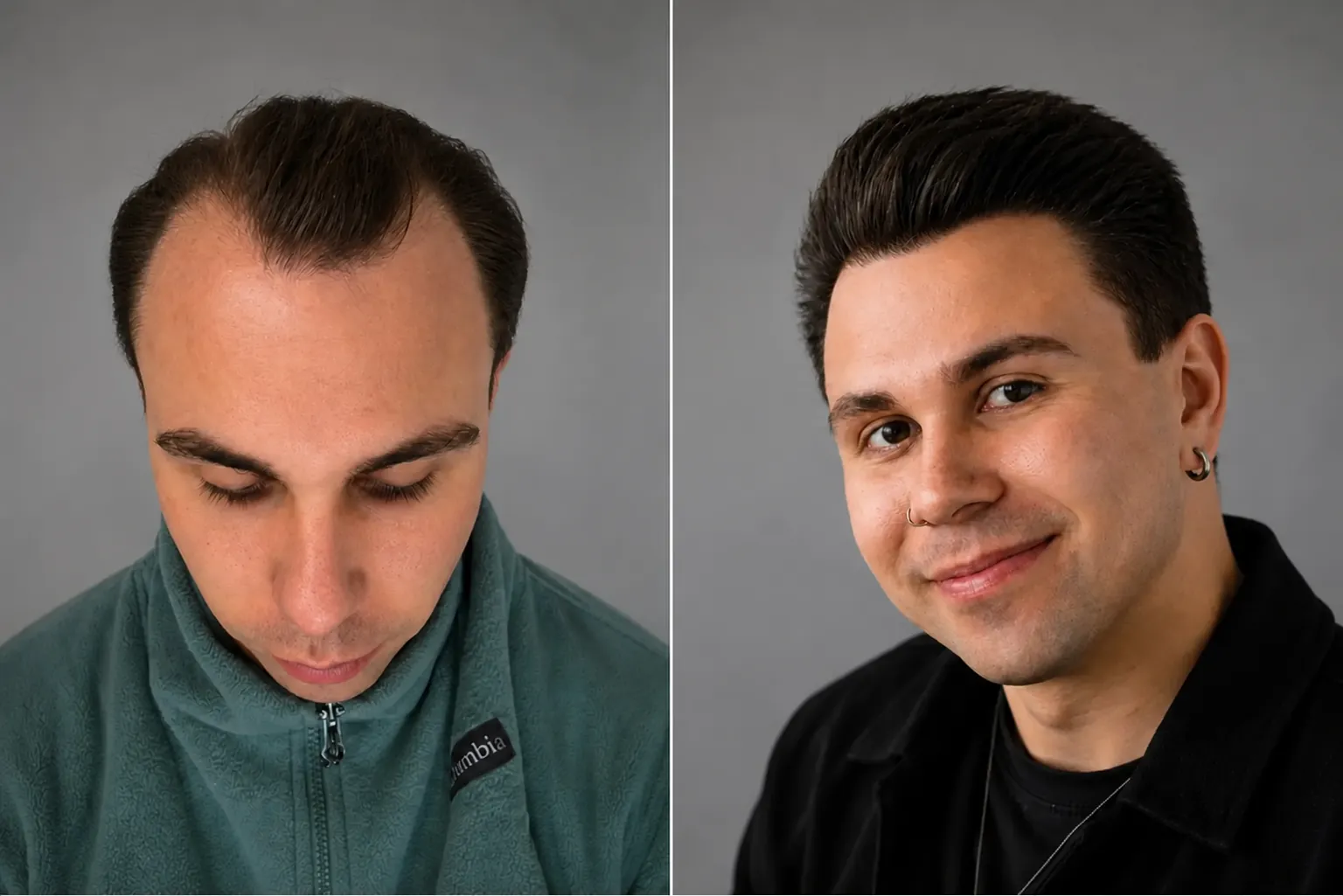
the start
now 12 months on
3,000 grafts
FUE method
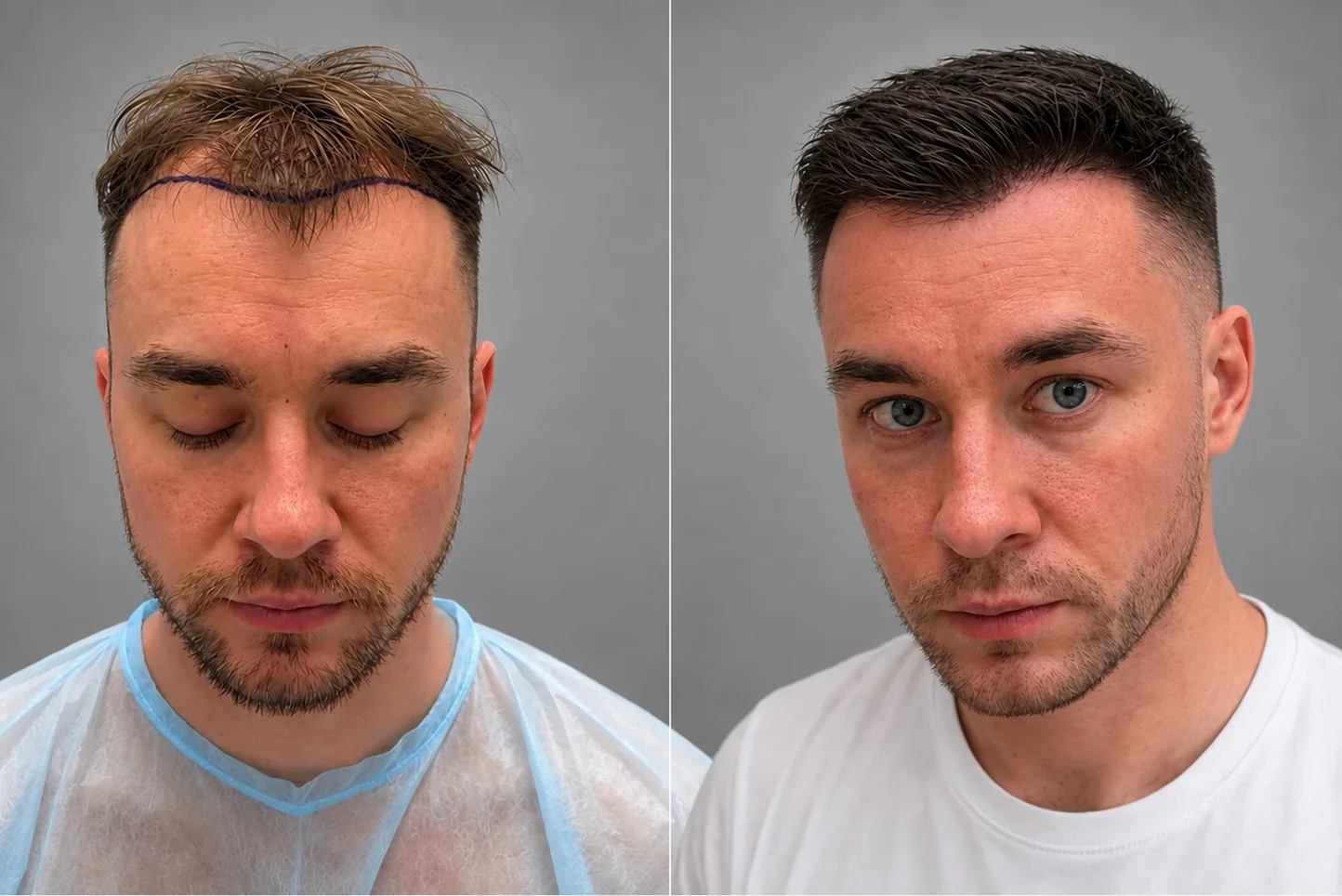
the start
now 12 months on
2,800 grafts
FUE method
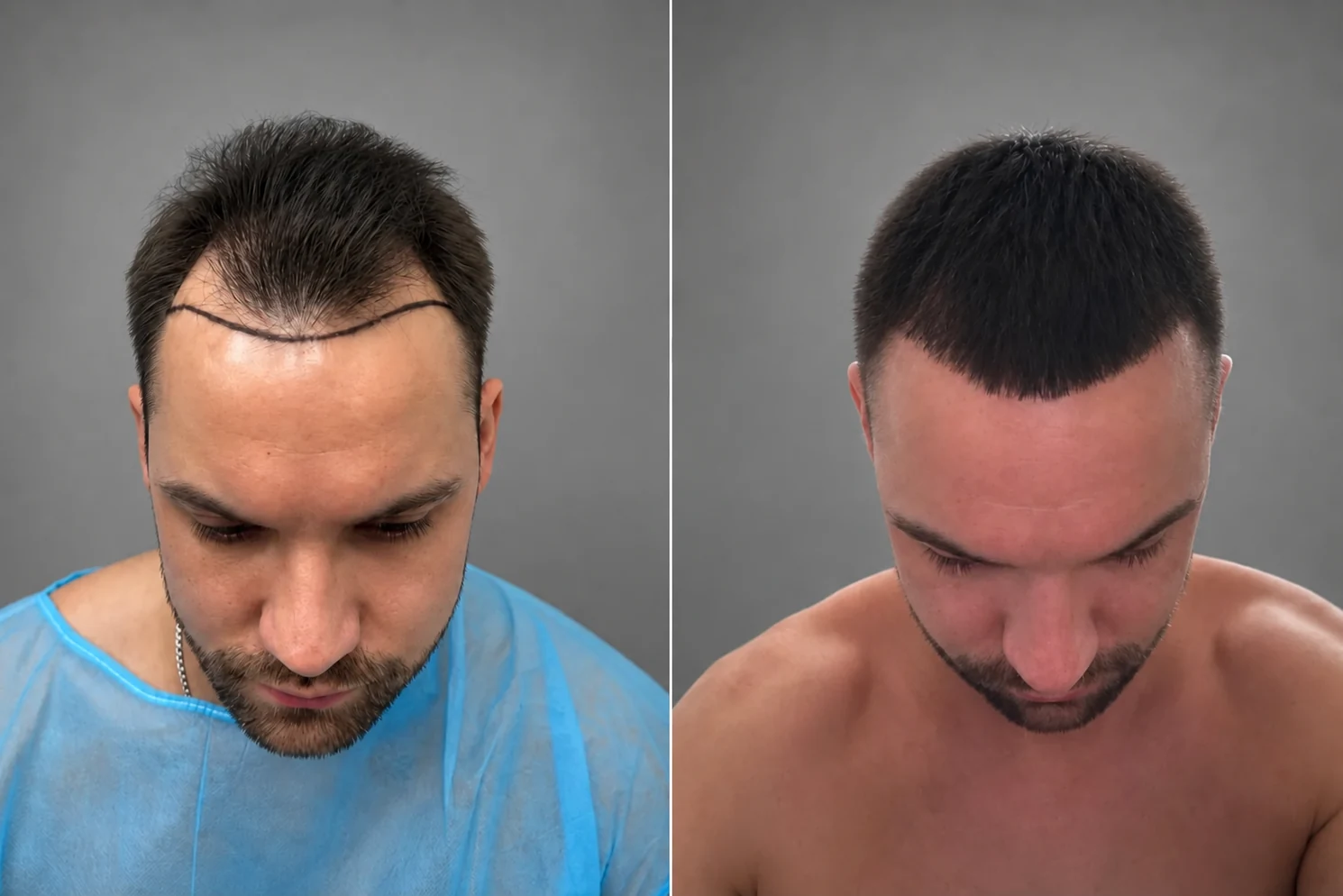
the start
now 12 months on
3,100 grafts
FUE method
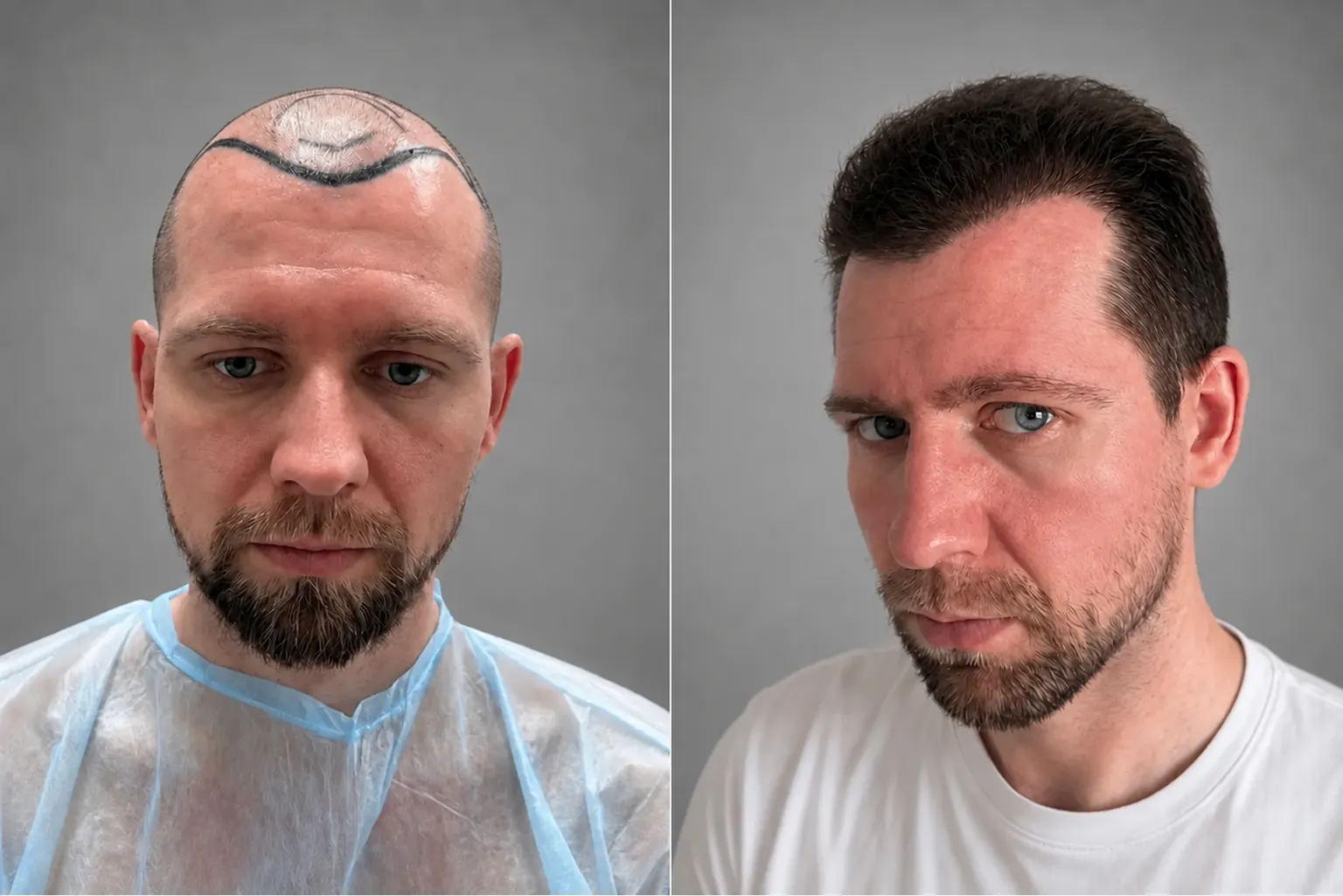
the start
now 12 months on
3,600 grafts
FUE method
Comparison
Graft transfer here comes in three technologies: classic FUE, suture-free DHI and a combined protocol. Compare them on implantation technique, tissue trauma and graft survival and choose knowingly.
Classic technique without incisions or stitches
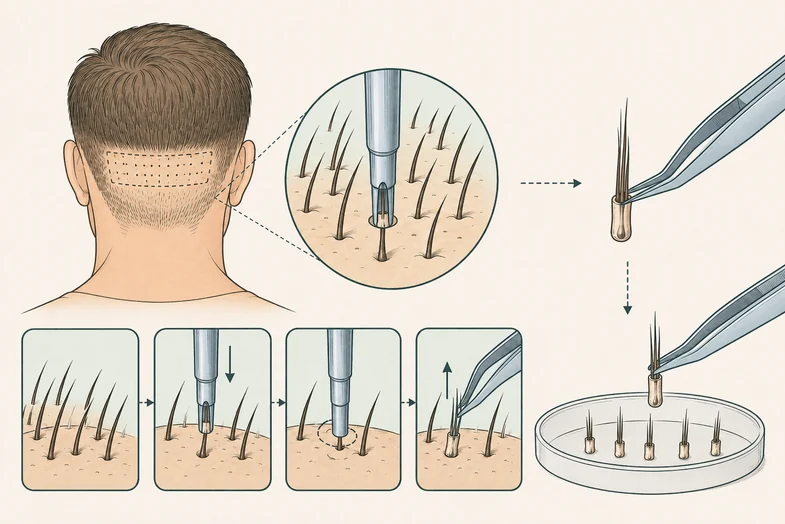
$2,200
$2,700
Graft implantation technique
ForcepsGraft trauma
MinimalNatural hair growth angle
NaturalGraft survival
98–100%Suitable for
Androgenetic alopeciaStitch-free implantation with a Choi pen
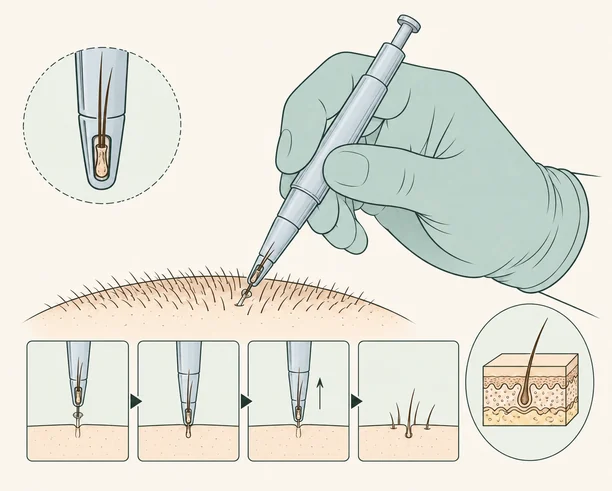
$2,500
$2,900
Graft implantation technique
DHI pen, Choi implanterGraft trauma
MinimalNatural hair growth angle
NaturalGraft survival
98–100%Suitable for
DensificationFUE extraction, DHI pen implantation
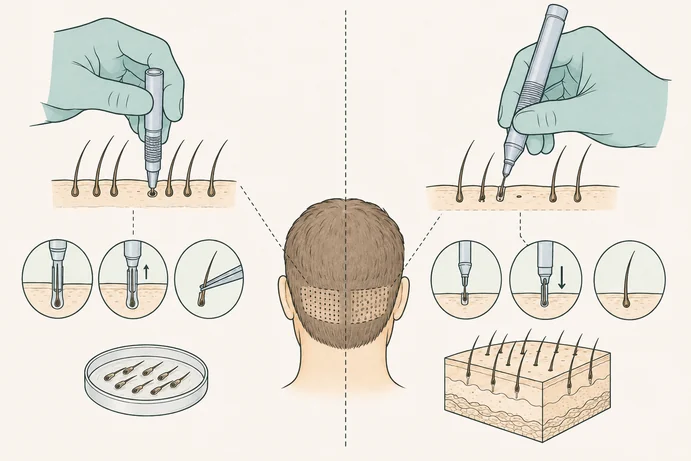
$2,700
$2,900
Graft implantation technique
FUE extraction with DHI implantGraft trauma
MinimalNatural hair growth angle
NaturalGraft survival
98–100%Suitable for
Densification for androgenetic alopeciaSurvival and trauma rates are given per method as averages, for guidance: the exact figures depend on the transplant area and the patient's individual features, and the doctor sets them out at the consultation.
Start with advice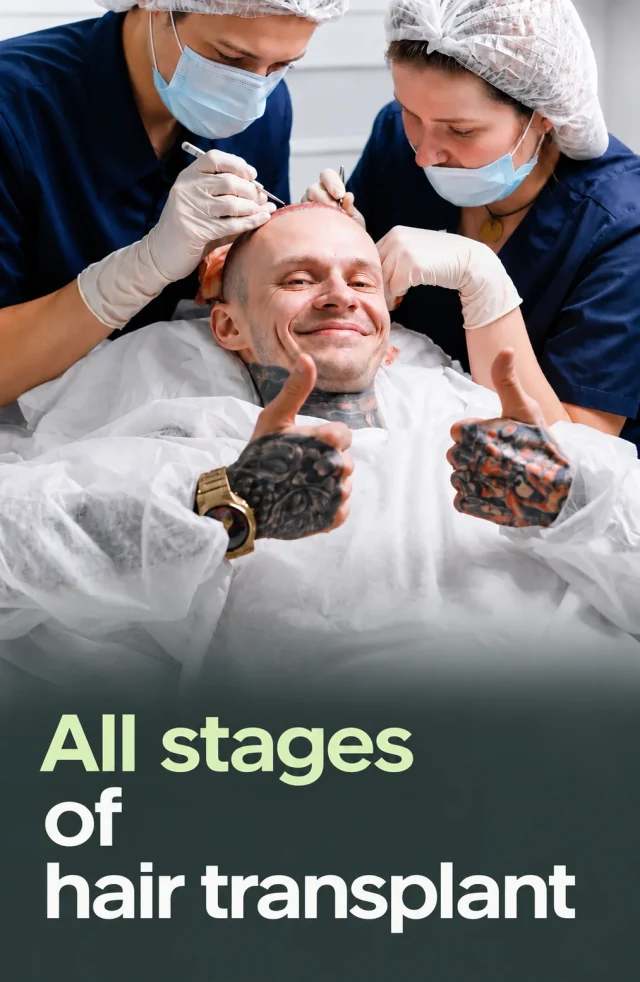
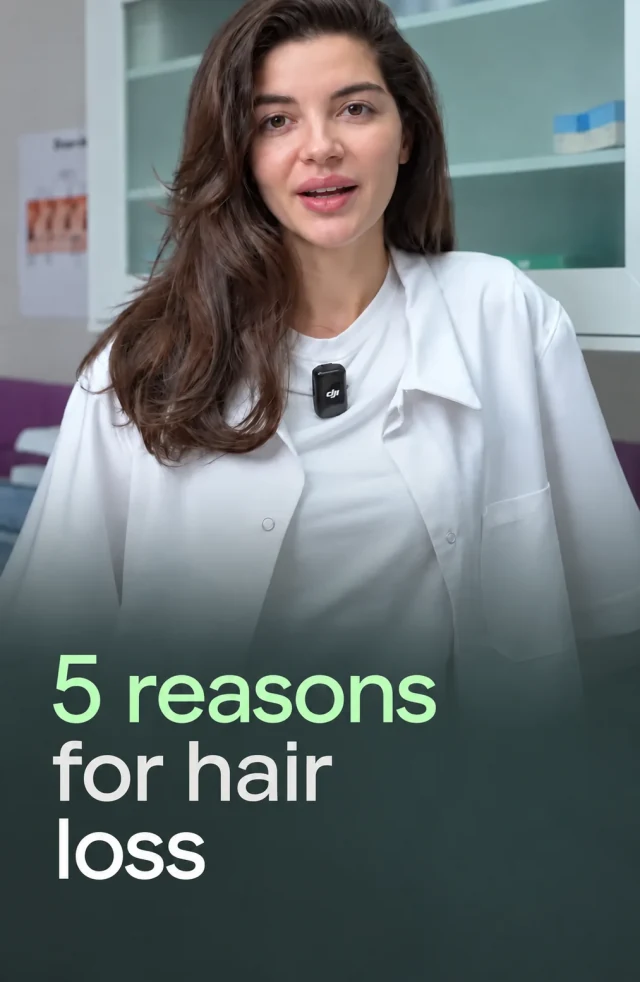
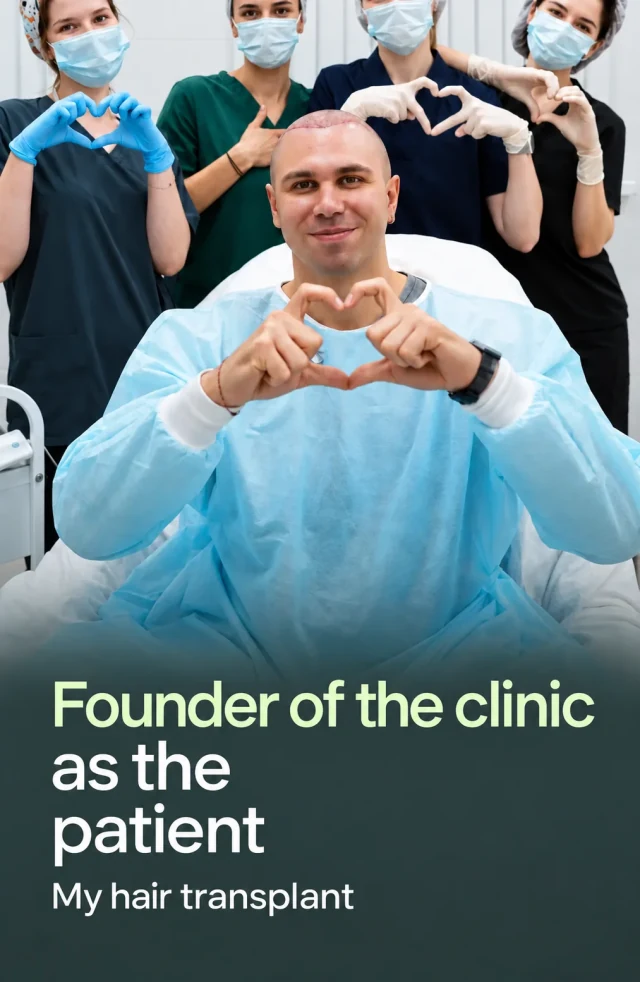
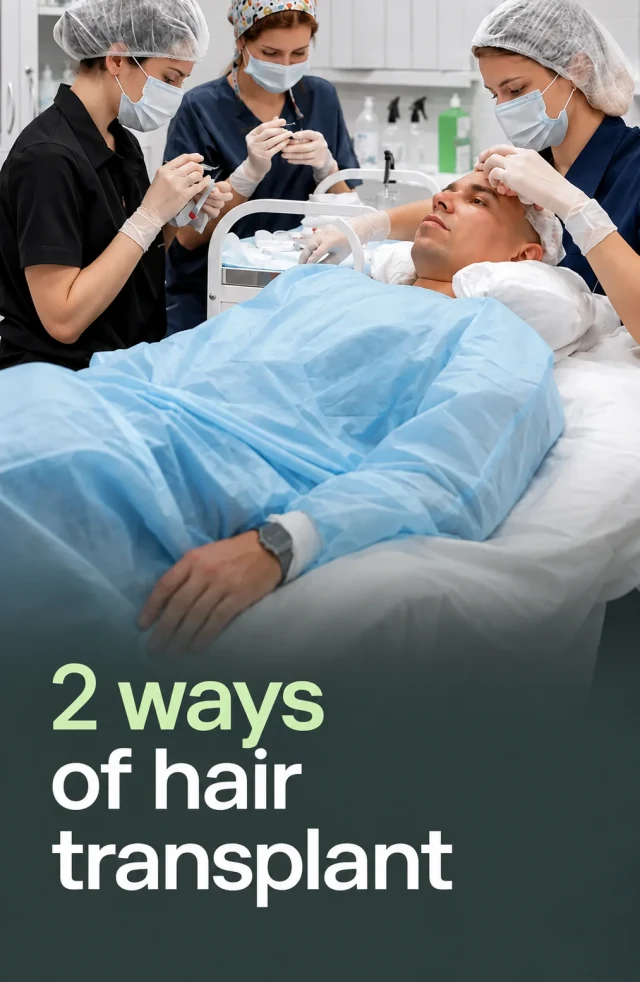



about the clinic
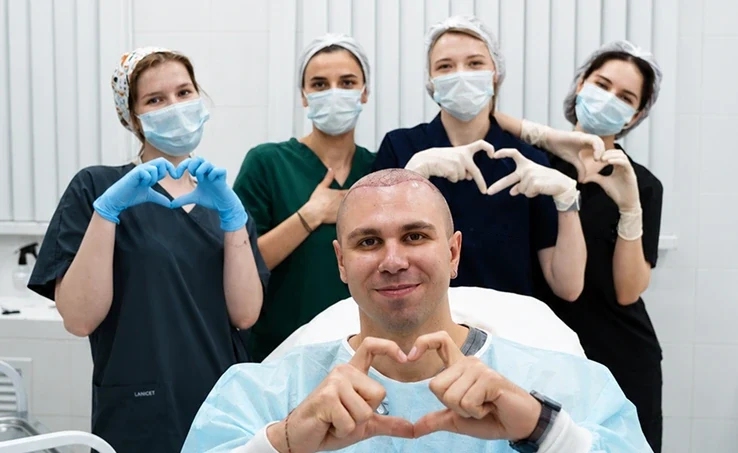
Care for every patient in comfortable rooms, modern equipment
Anything unclear will be explained, and a suitable consultation slot arranged
Message us on Telegram Send your detailsNothing is spent needlessly: the doctor tells you at the consultation if an operation would not help in your case. Below are the situations in which a transplant genuinely helps.
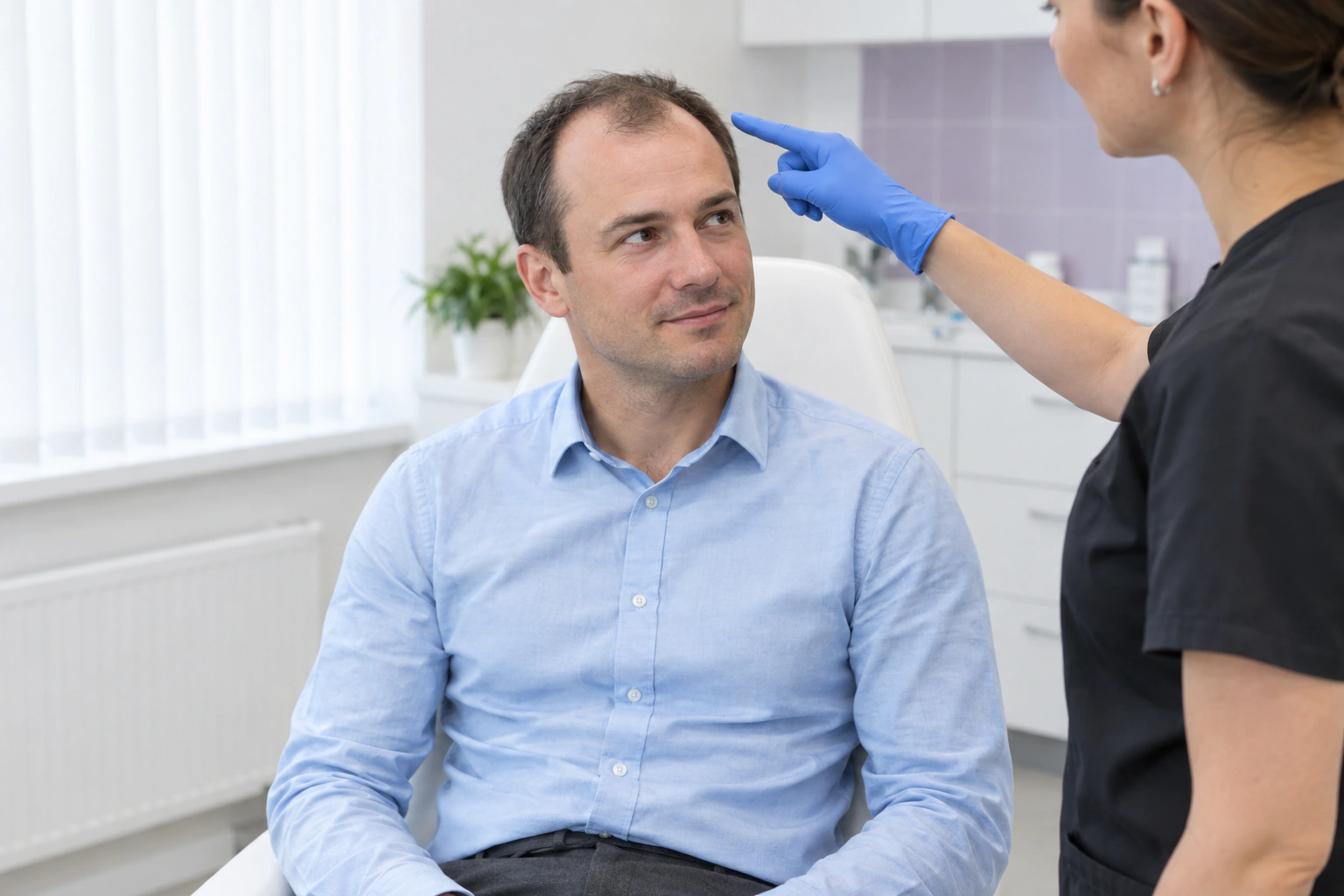

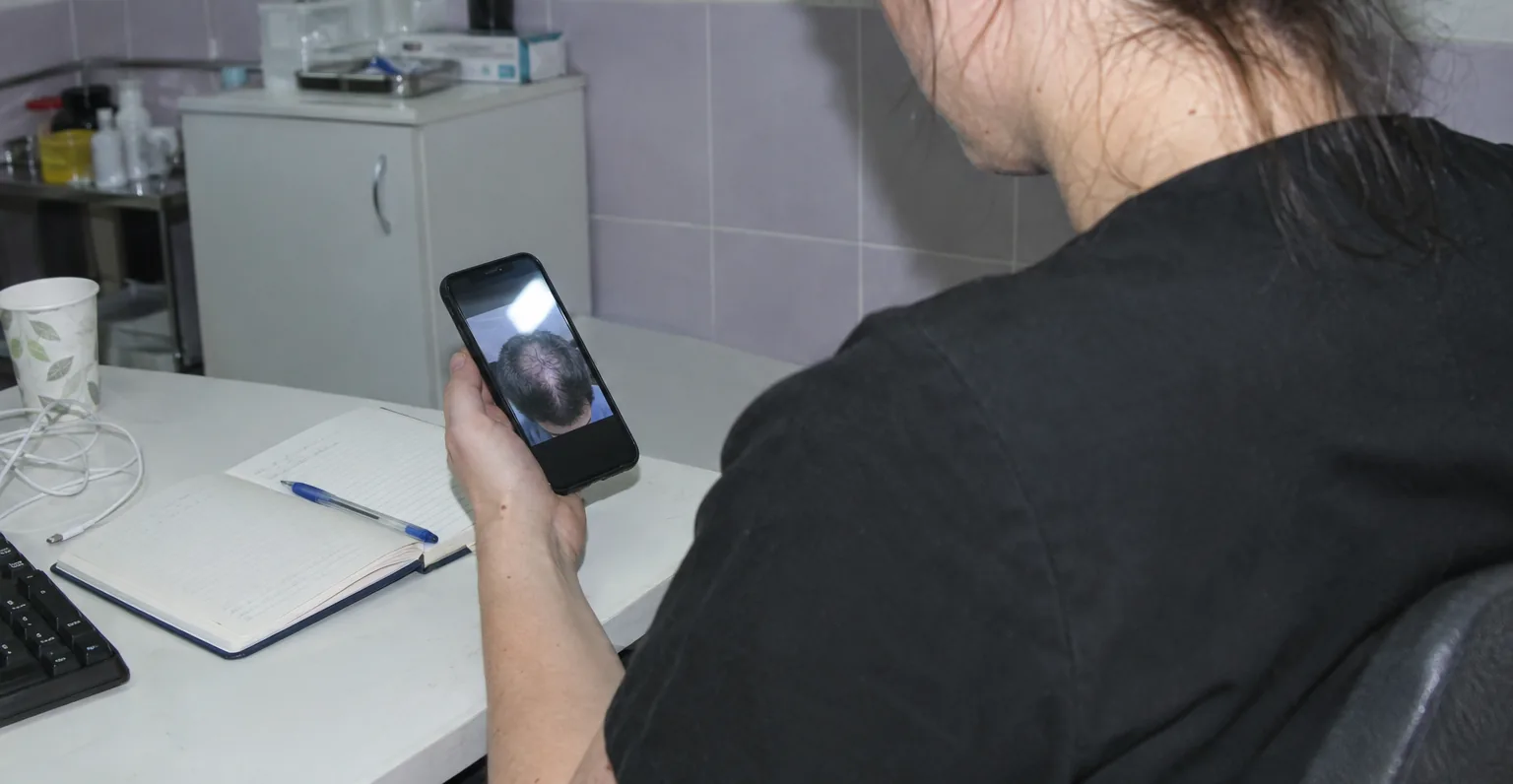
Give a number for contact. Pictures of the thinning zone are requested by a coordinator in a messenger, then a doctor looks and answers whether a transplant would help you. No payment, no obligation.
services
The cost is quoted at the free consultation once the grafts are counted, and fixed in the contract.
suture-free graft extraction
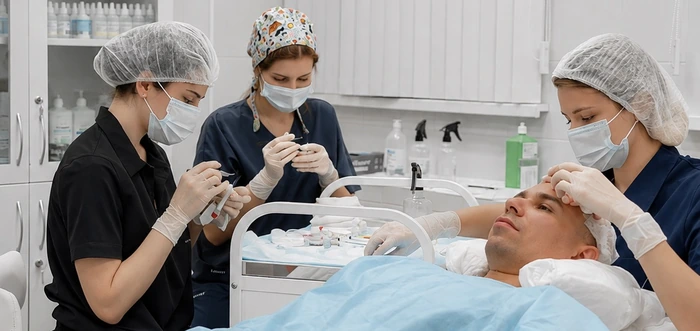
$2,200$2,700
or $367/mo — 0% instalments for 6 months
Hold your priceimplantation without channels
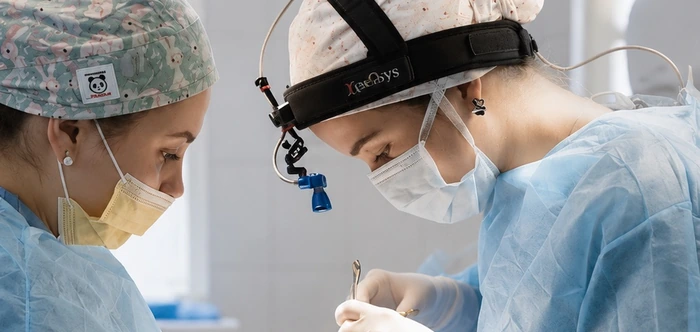
$2,500$2,900
or $417/mo — 0% instalments for 6 months
Hold your pricecombined technique
$2,700$2,900
or $450/mo — 0% instalments for 6 months
Hold your price| Where it all begins | Free |
|---|---|
| Eyebrow transplant, FUE | |
| Beard transplant, FUEinstalments $467/mo | |
| Hair trichopigmentation | |
| PRP therapy / session | $200 |
all included
From preparation for surgery to the 12-month check.
No additional charges on the day of surgery.
two further spots
Hair for any zone comes from the back of the head, and the method used is FUE in every single case.
The FUE method, no incisions used
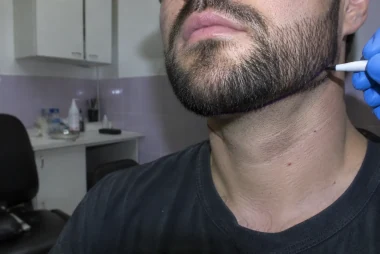
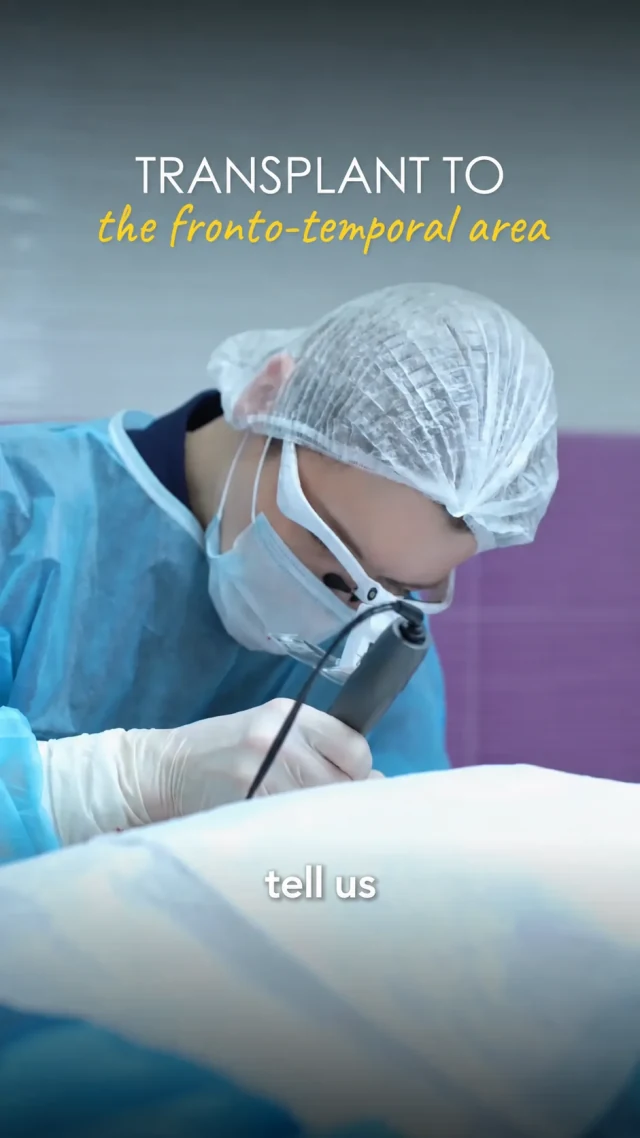
Grafts are taken from the donor area at the back of the head and moved through micro-punctures of about 1 mm — no scars are left. The doctor and you choose the shape before the operation, taking your facial features into account. Transplanted hair grows for life, and the beard can be trimmed and styled as usual.
$2,800$3,000
or $467/mo — 0% instalments for 6 months
Hold your priceThe FUE method, no incisions used
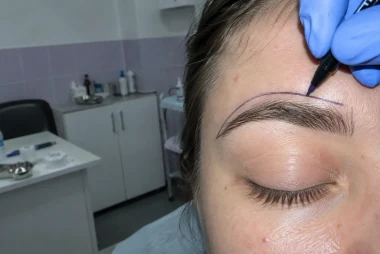
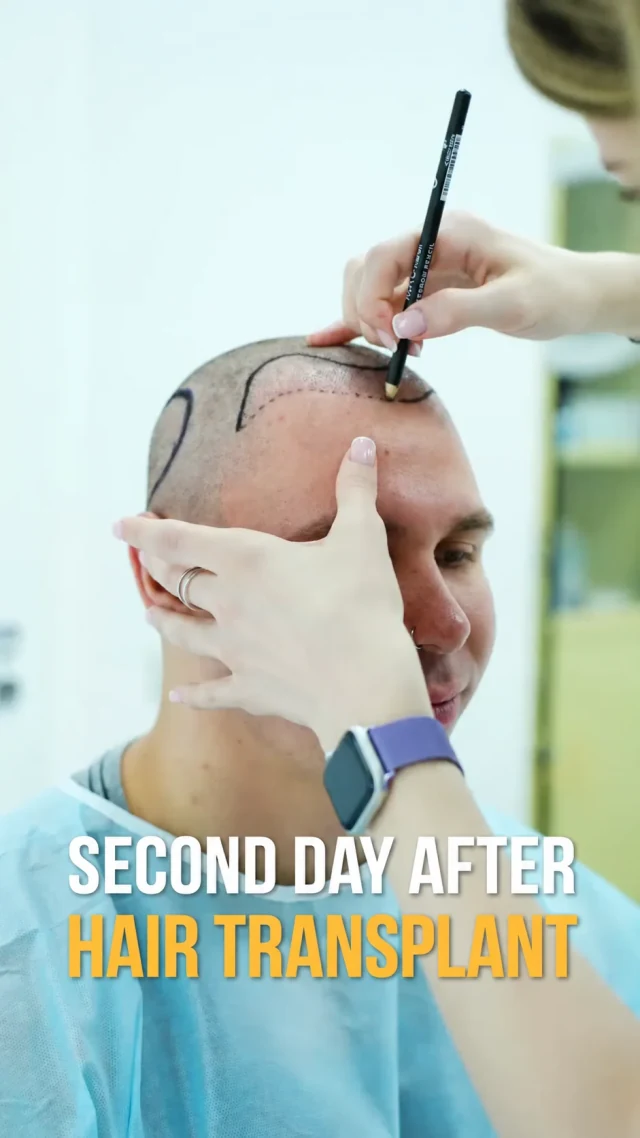
When you first sit down with the surgeon, the brow shape is drawn, reference images are looked at together and the proportions of your face guide the lines. Every hair is angled to natural growth, which is what keeps the brows convincing. It also helps where years of plucking stopped growth.
$1,600$1,700
an operation under local anaesthetic, no stay
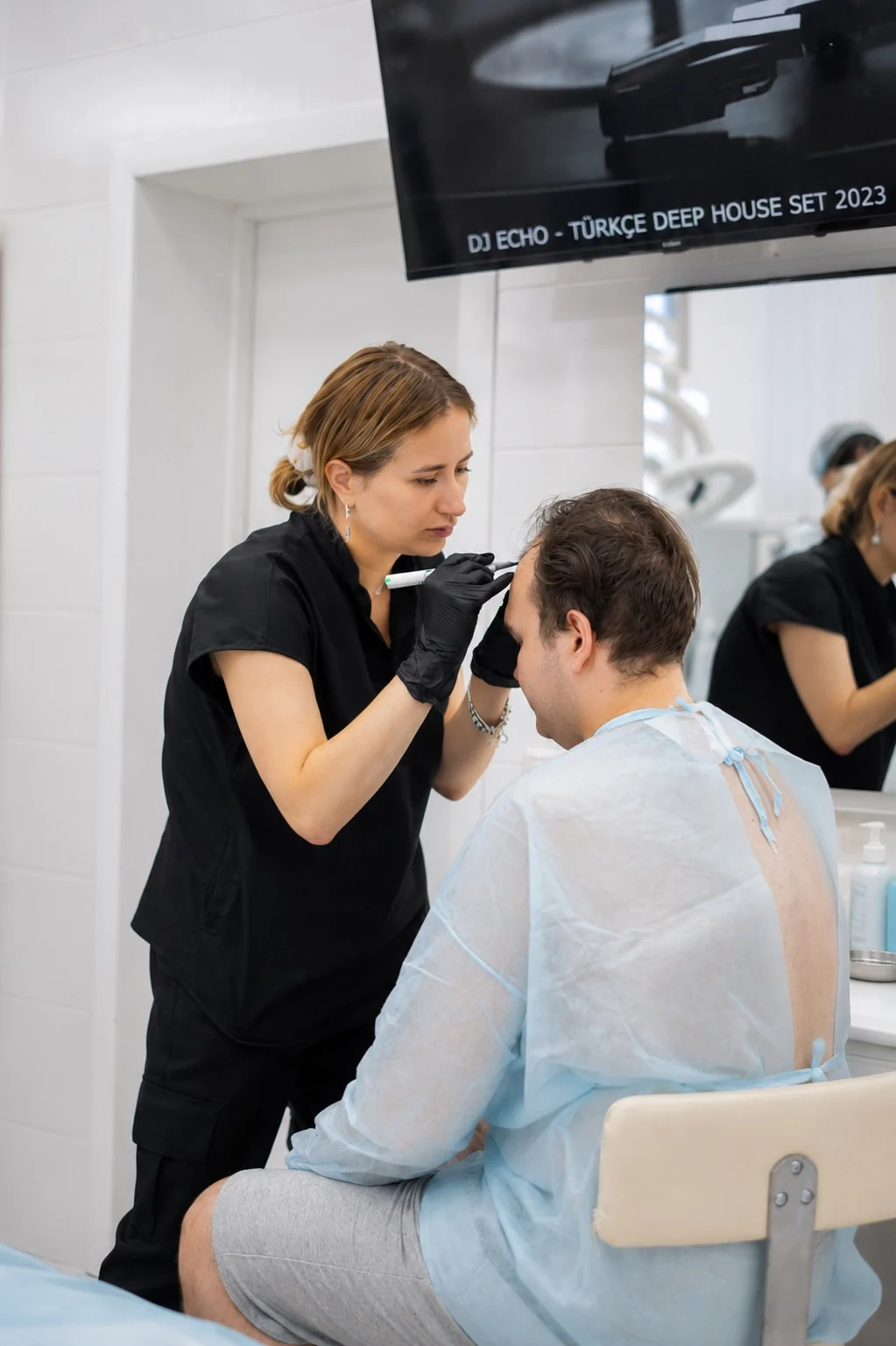
Hold your priceThe doctor will study your donor area, count the grafts and show the result achievable in your case. The cost is named at the consultation and fixed in the contract.
Message our coordinator
Free online consultation · Reply within 15 minutes
Message us on TelegramMessage us on WhatsAppBy messaging us, you agree to our Privacy Policy
Process
From consultation to going home — all in one day
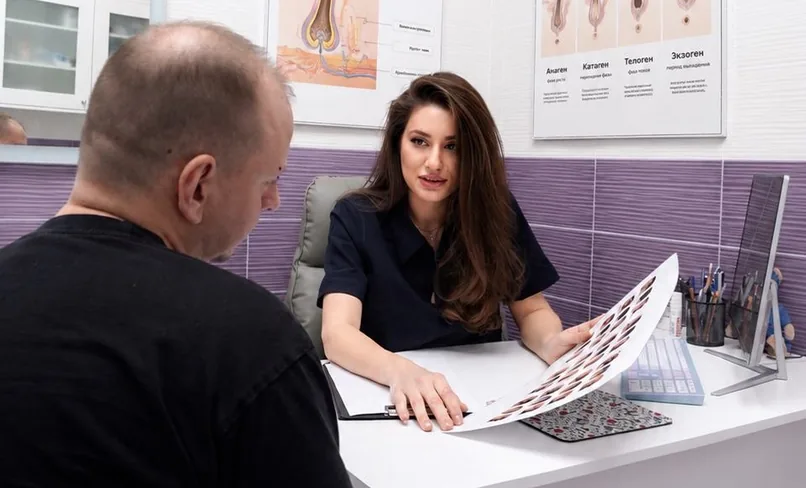
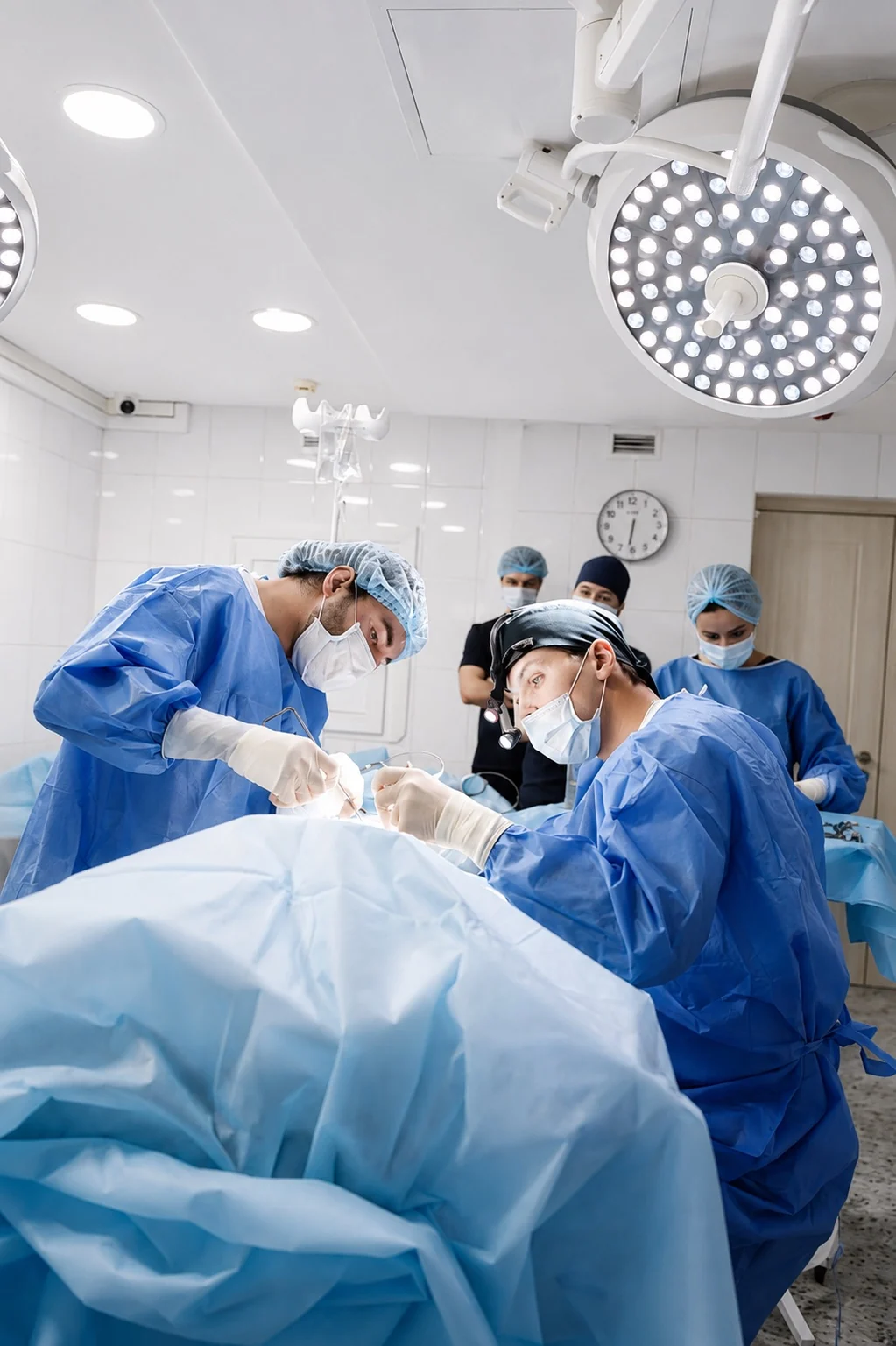
At the very first step, the doctor explains FUE and DHI free of charge, answers whatever questions you bring, and prepares a surgical plan designed around you.

Surgical days fill up, so a deposit secures yours. Card payments are taken at the clinic and online payment is also an option.
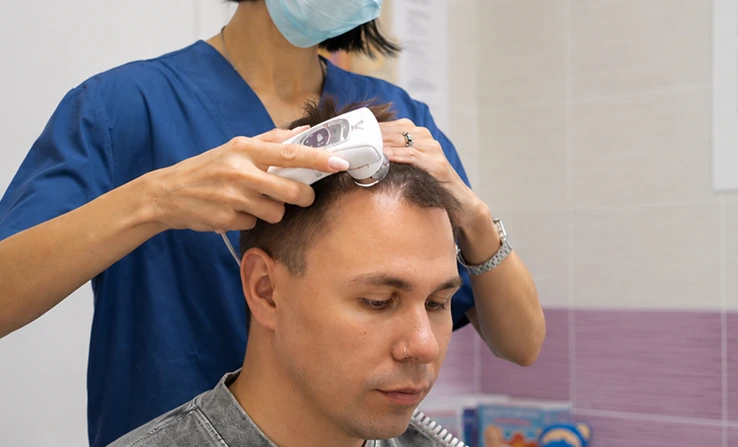
Ahead of the operation, the required laboratory work is done. The clinic sets out the complete list and how to proceed.
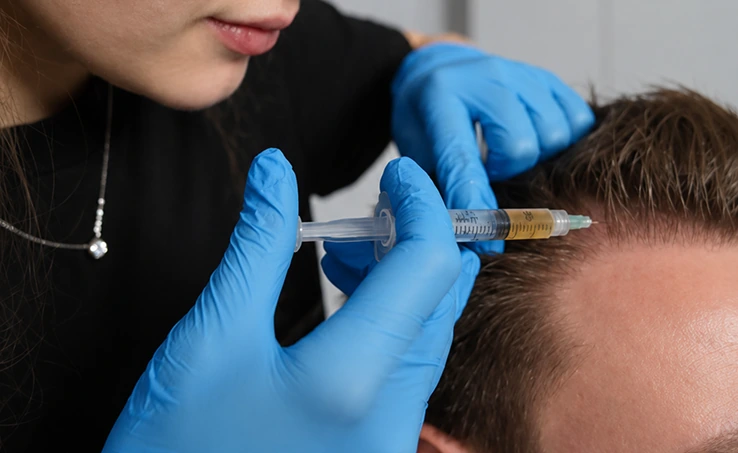
Because the area is numbed locally, the whole operation passes comfortably.
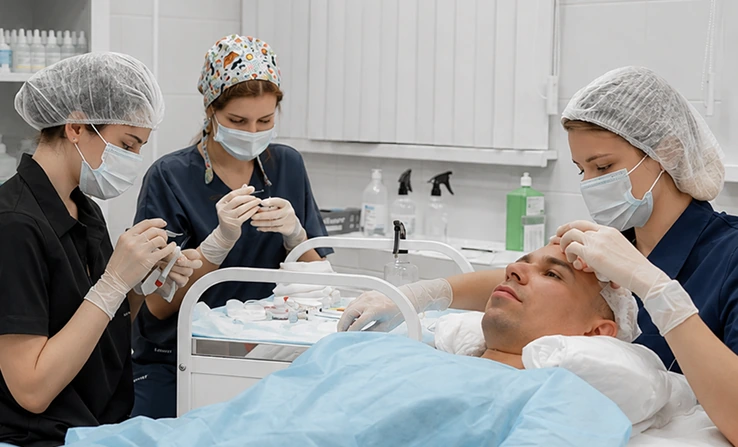
At this stage, grafts are taken from the donor area — back of the head or temples — through a stitch-free method.
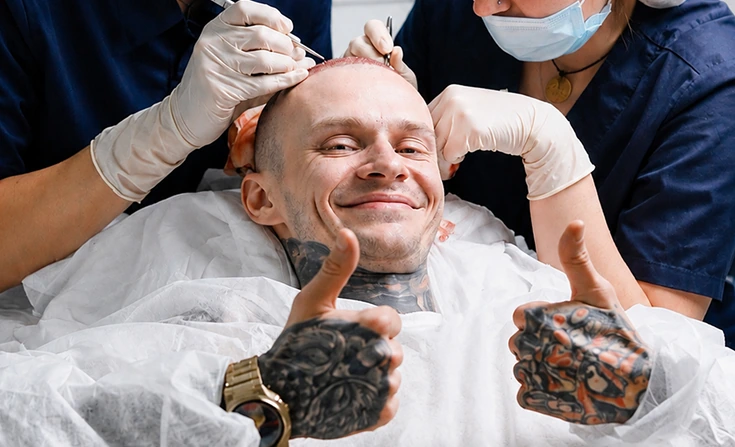
Surgeons transfer every collected graft into the area that has gone bald.
For patients in Damietta, recovery comes with everything needed from the clinic plus full instructions for a fast healing process.
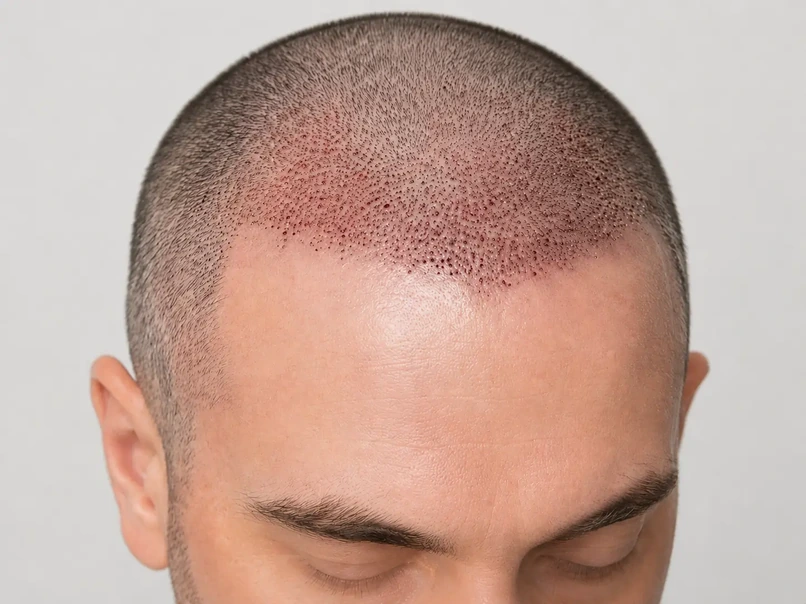
The crusts loosen and go, swelling fades, the skin gets back to normal
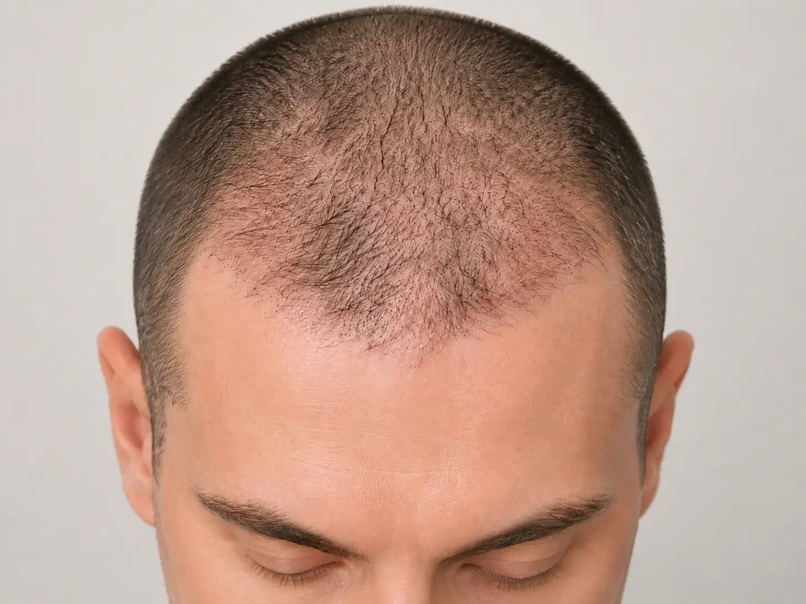
Not a failure. The shafts fall away, the roots remain in place
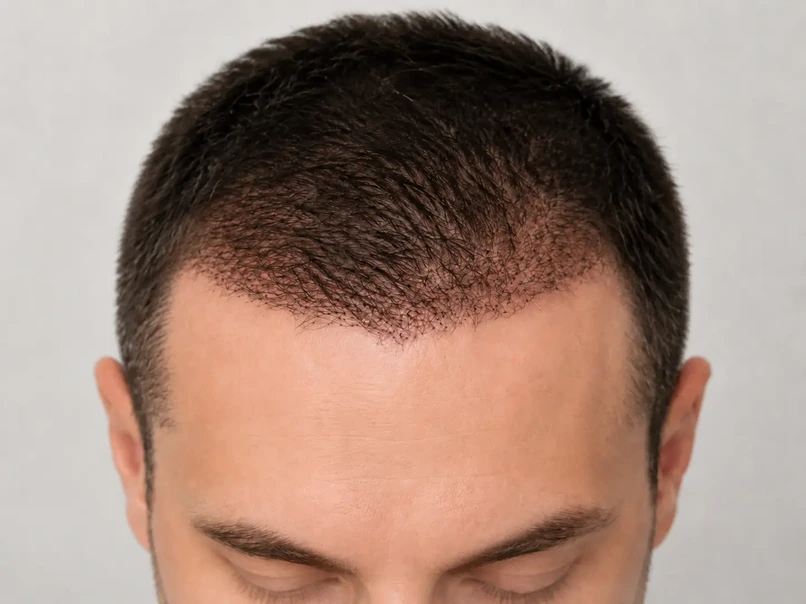
New hairs emerge gradually, the result shows
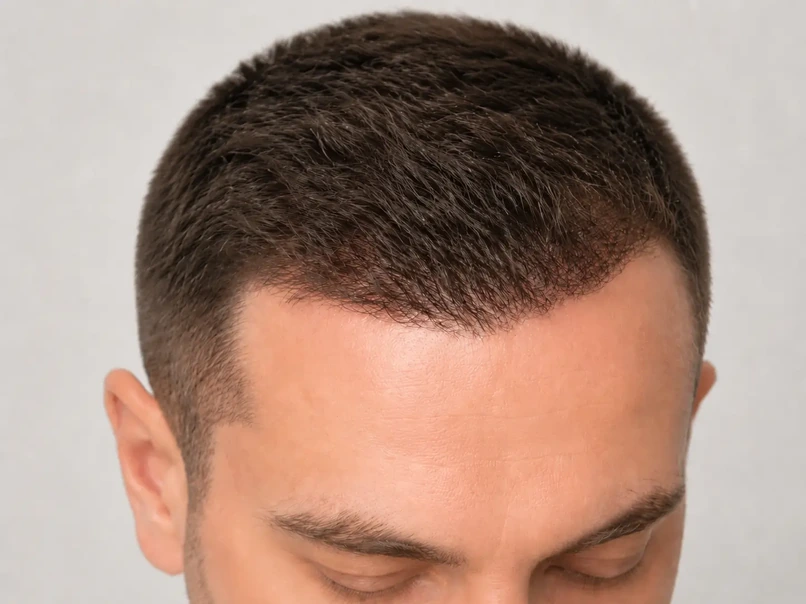
Density builds up and the main volume and the hairline show
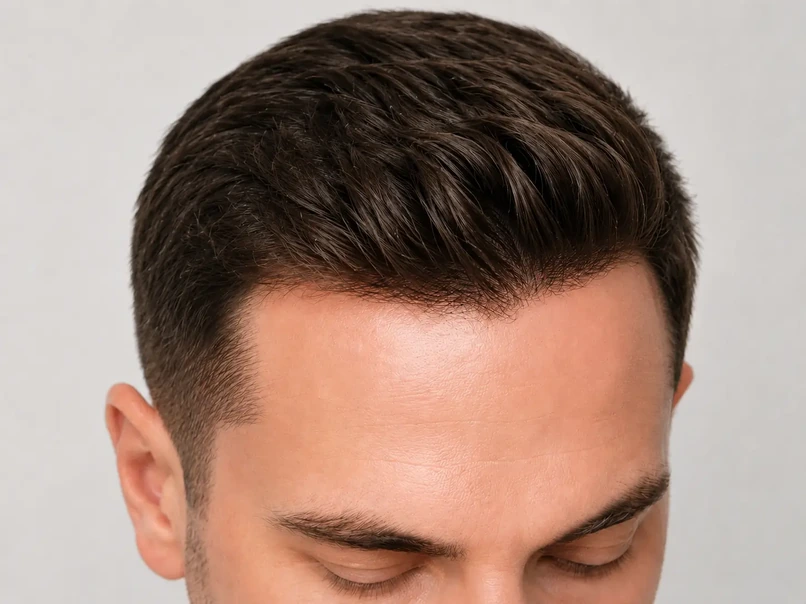
Full thickness, and a hairline that looks natural
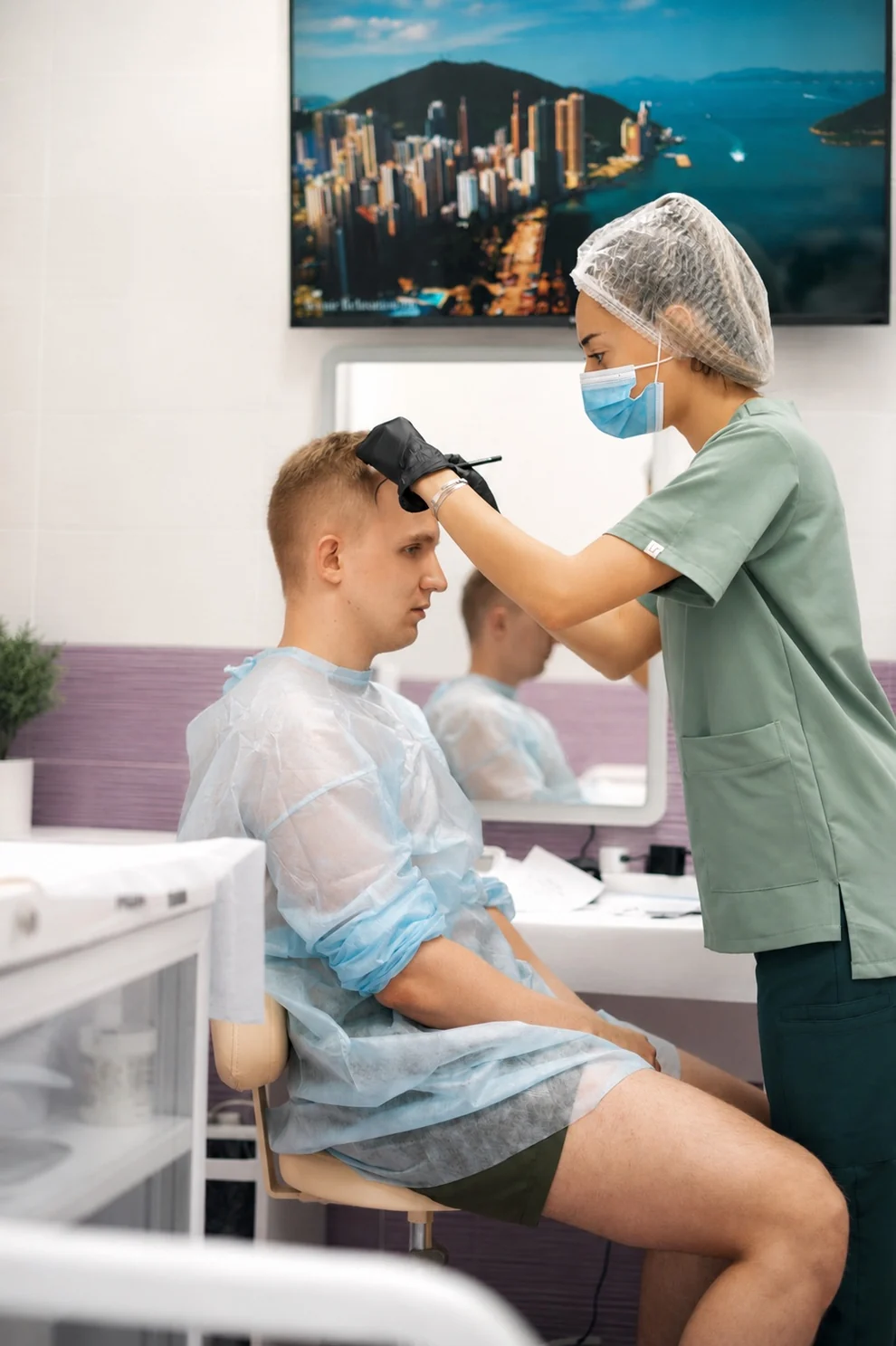
Free, before the operation and asking nothing in return.
Start with advicedoctors
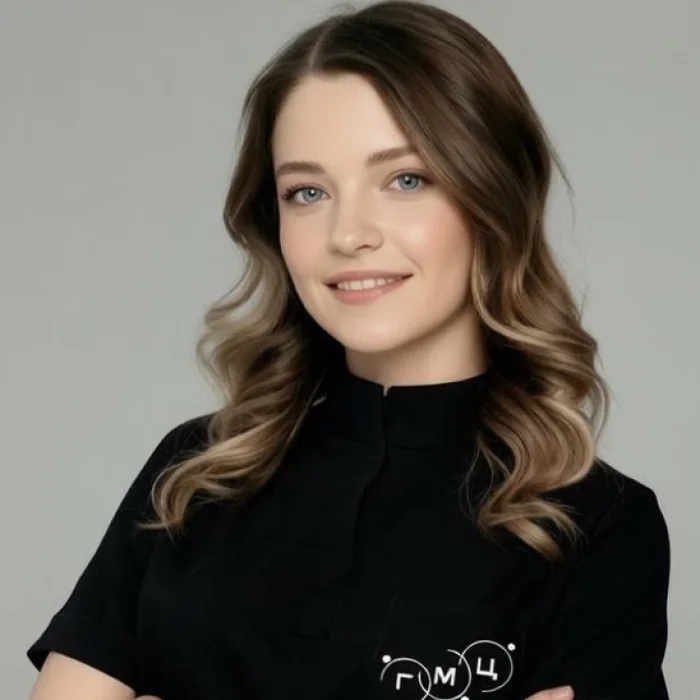
Hair transplant doctor, trichologist, surgeon
10 years in practice

Dermatovenereologist, trichologist, surgeon
11 years of experience
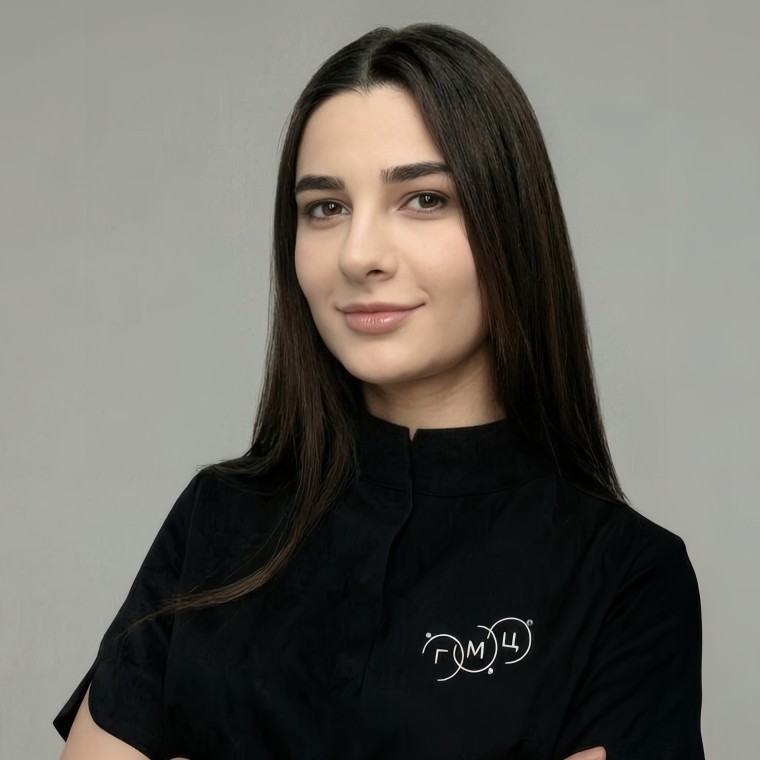
Plastic surgeon
9 years of experience

Plastic surgeon
9 years of experience
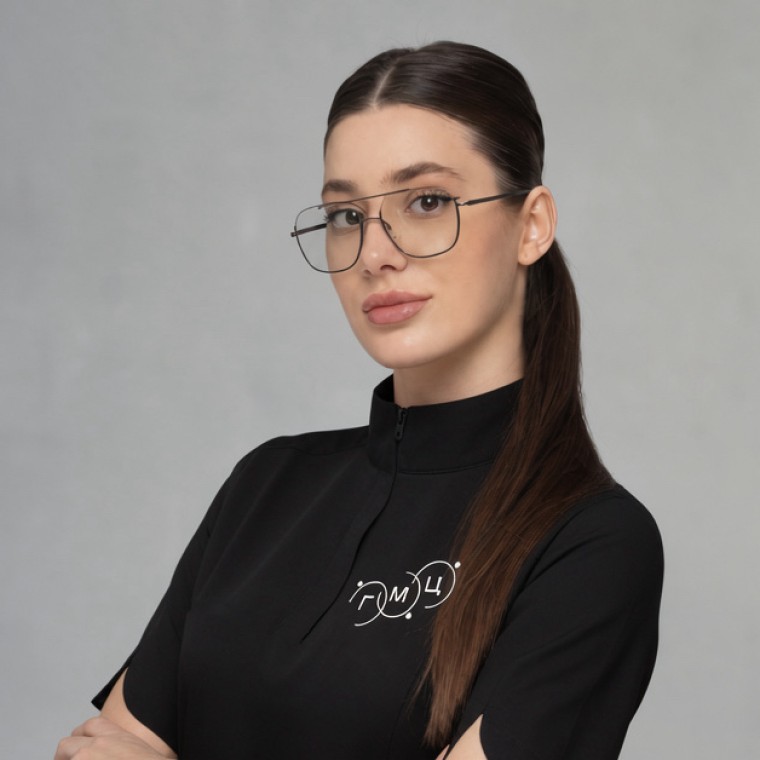
Assistant
9 years of experience
The doctor evaluates your donor area, counts the grafts and names the achievable result.
Start with advicecoordinators
You are assigned a personal coordinator, your guide from the first enquiry to recovery.

Care and support lead
Will not leave you on your own at any point
Picks up all your forms and your bookings

Care and support lead
Will not leave you on your own at any point
Picks up all your forms and your bookings

Care and support lead
Will not leave you on your own at any point
Picks up all your forms and your bookings
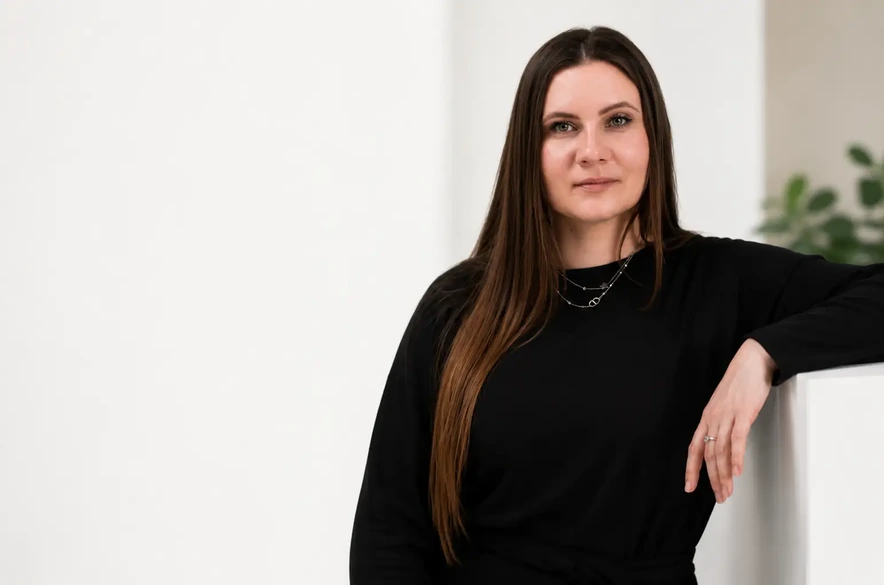
Care and support lead
Will not leave you on your own at any point
Picks up all your forms and your bookings

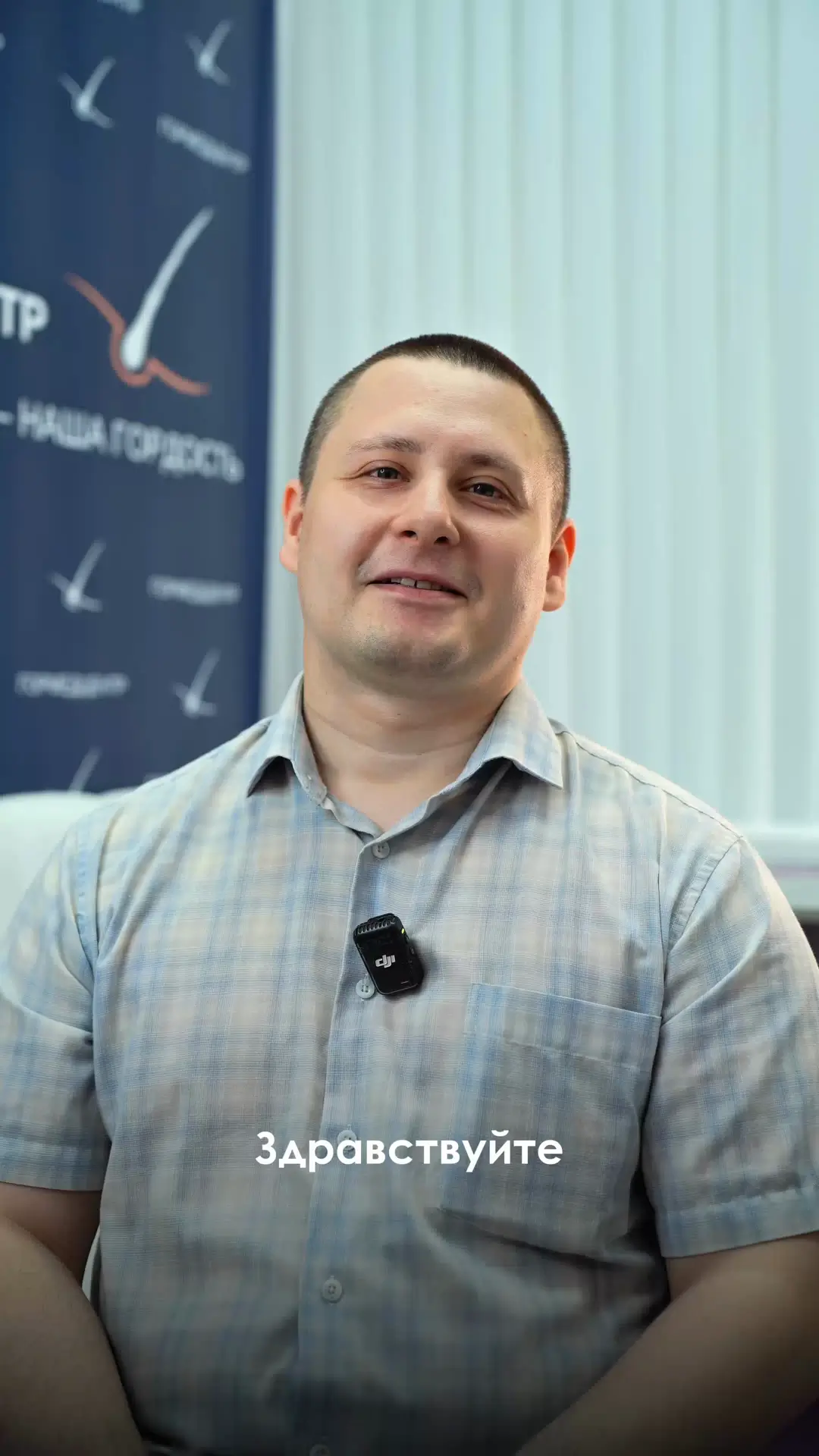
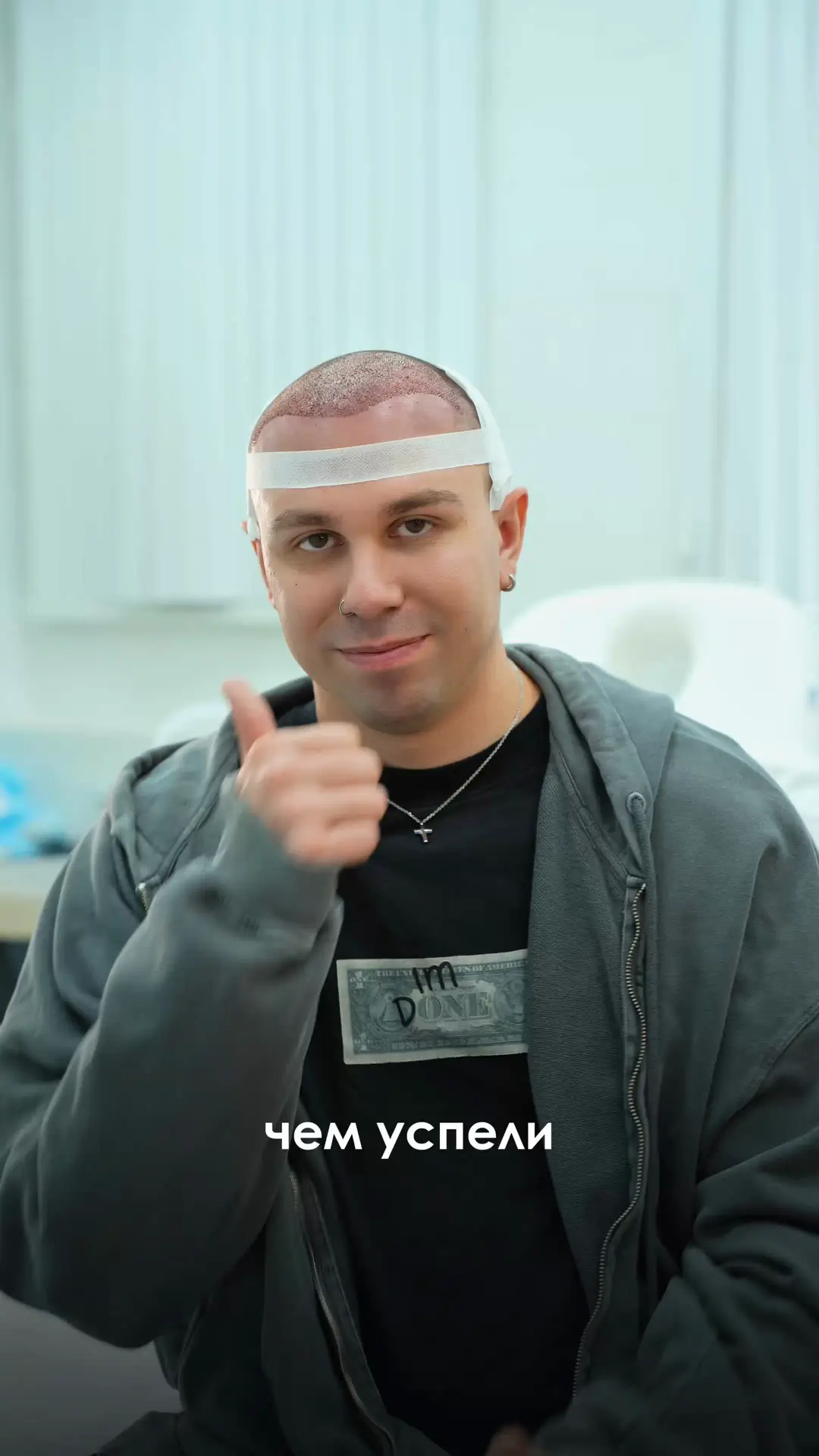
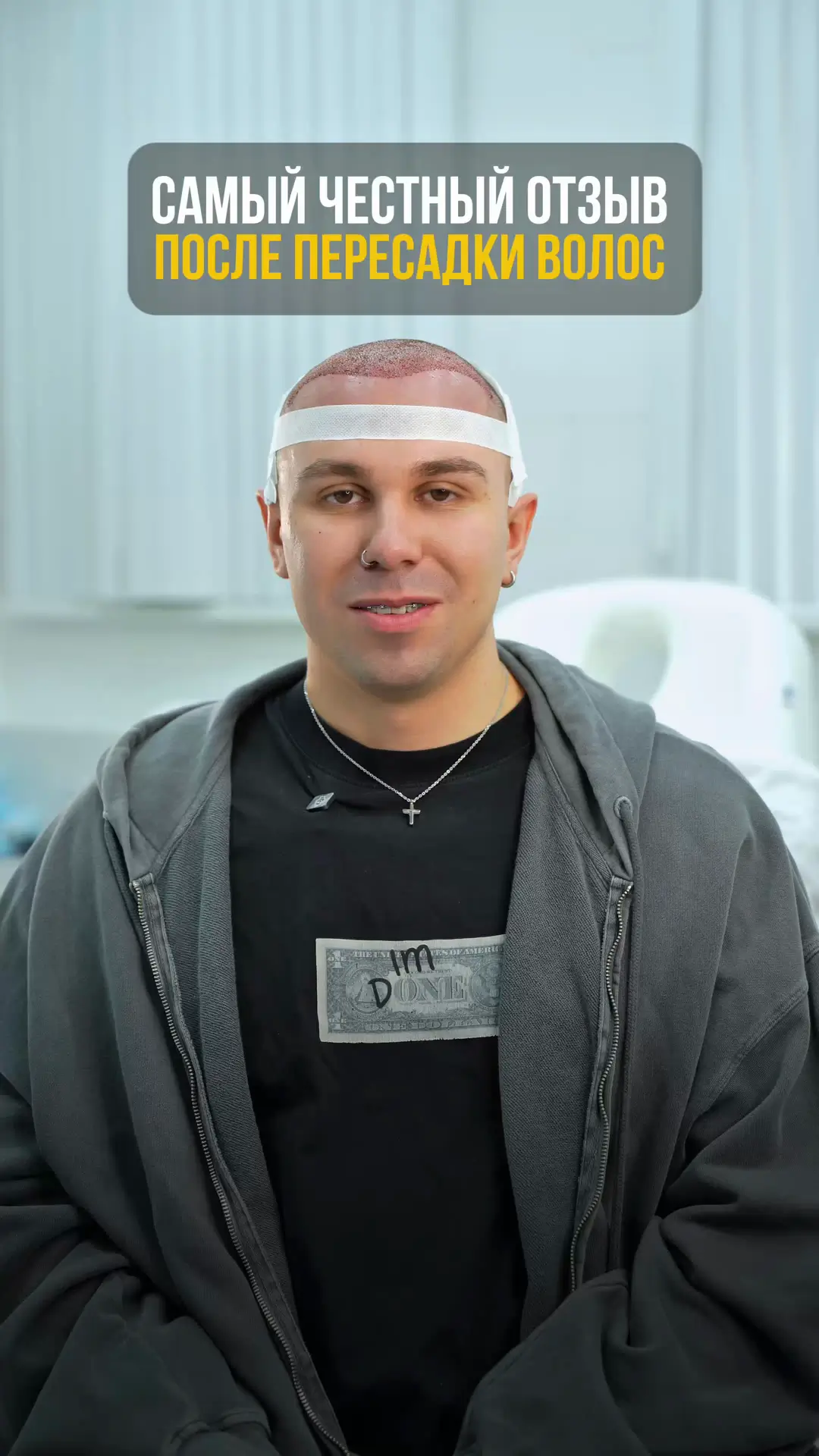
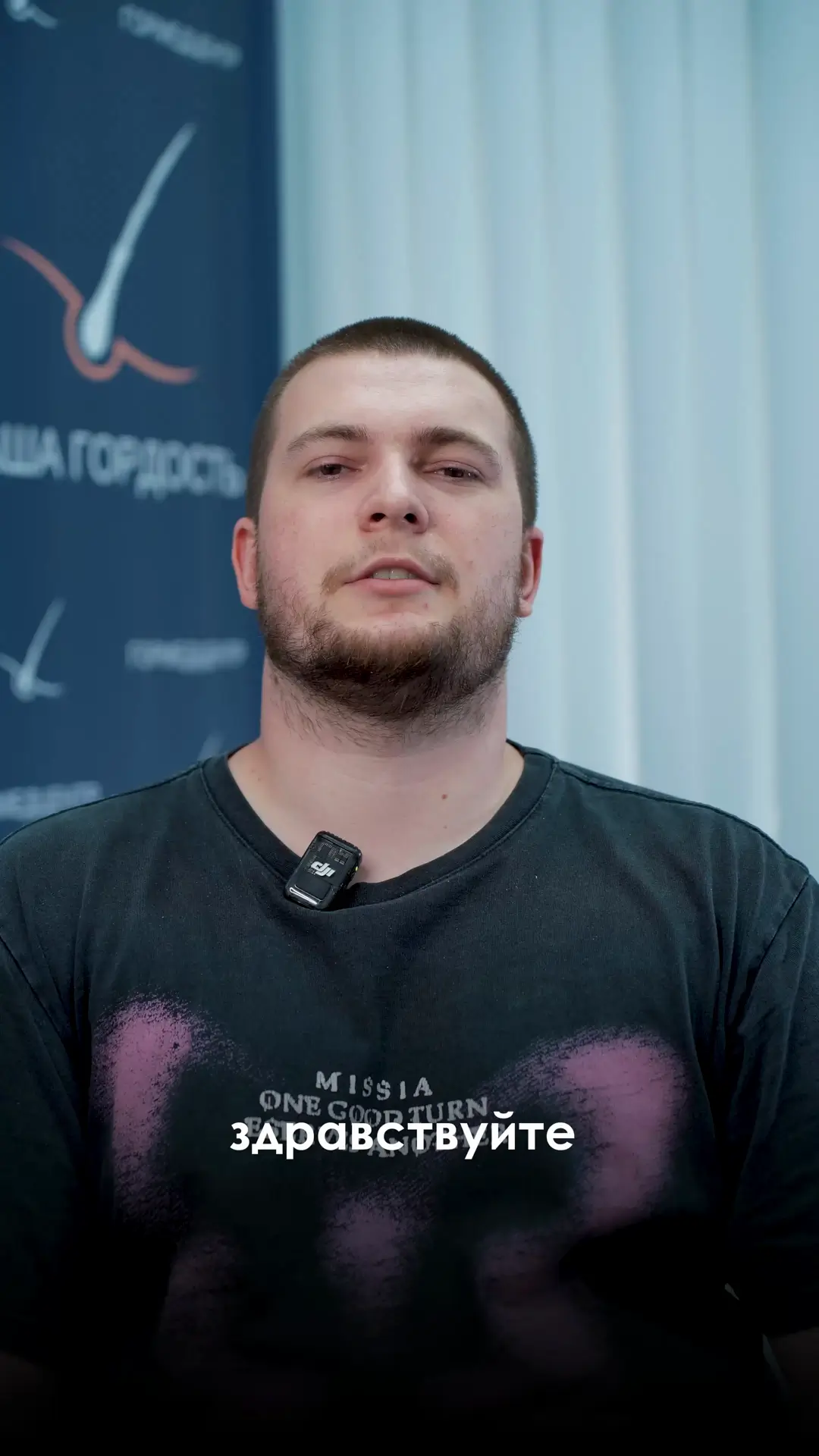

Anything unclear will be explained, and a suitable consultation slot arranged
Message us on Telegram Send your detailsWhat people ask
Yes — applications are welcome from every kind of city and country, and questions are settled online in advance.
FUE costs $2,200 (≈ EGP 115,000), DHI costs $2,500 (≈ EGP 135,000), and the combined DHI+FUE method costs $2,700 (≈ EGP 145,000). The exact amount is confirmed at a free consultation after your grafts are counted, and it is fixed in the contract.
One day handles the whole operation, with home afterwards.
You will not feel pain — local anaesthesia covers the whole session.
FUE relies on tweezer harvesting with no incisions or stitches. DHI relies on Choi-pen implantation without channels. The combined DHI+FUE approach harvests by FUE and implants by DHI.
The count is personal to each patient, determined free of charge by the doctor after a donor zone review.
Give it 0–10 days for healing. Transplanted hairs fall at 2–4 weeks and that is meant to happen. Growth resumes by 3–4 months, density shows at 6–9 months, while the finished head arrives at 12–18 months.
A contract-backed, lifetime guarantee of hair growth comes with every procedure.
Under a medical licence, with care provided to the standards and clinical guidelines
of Ministry of Health.

The diplomas and certificates of the operating doctors
Check our paperworkAKC POMOSHCH LLC
the clinic's legal entity
1057746096924
OGRN
7728536872
INN
If you live in Damietta, the practical side is simple: FUE and DHI are performed without cuts and without stitches, under local anaesthesia, in one day. Grafts survive in 98-100 % of cases, and a price from $2,200 (≈ EGP 115,000) is recorded in the contract after a free graft count.
Everything starts online for a patient in Damietta: a free consultation, photos of the thinning area, and a graft count made by the doctor from those photos. The clinic is available 24/7, so there is no guessing when to write.
Expect 0-10 days of healing and a shedding of the transplanted hairs at 2-4 weeks, which is a normal stage. Growth resumes at 3-4 months, density fills in by 6-9, the result is final at 12-18. Check-ups at 1, 3, 6, 9 and 12 months, photo tracking with a personal coordinator, lifetime growth guarantee.
Prices are in US dollars; the amount in brackets is an approximate conversion to EGP at the rate of 02.10.2026. The final price is fixed in your contract.
By messaging us, you agree to our Privacy Policy
Well-known people who openly discussed this operation, in their own words.
 John Cena's hair transplant: “I got a problem, I try to fix it”John Cena spoke openly in 2025 about his hair transplant and the fan signs that pushed him to it. His words, how the procedure works and the recovery.
 Did Calum Best have a hair transplant? Yes, and he said so himselfCalum Best said in 2023 he had his sixth hair transplant, this time using patches of beard hair. His words, how the procedure works and recovery.
 Did Chloe Goodman have a hair transplant? Yes, and she explained whyChloe Goodman had a hair transplant in 2025 after losing hair following pregnancy. Her own words, how the procedure works and what recovery involves.
 Did Dean McCullough have a hair transplant? Yes, and he filmed itRadio 1 presenter Dean McCullough shared his FUE hair transplant on TikTok in 2024. His own words, what the swelling means and how results develop.
 Did Ella Morgan have a hair transplant? Yes — to cover a hairline scarThe Married at First Sight star revealed a hair transplant in 2025 to cover scarring along her hairline from facial surgery. Her own words and the facts.
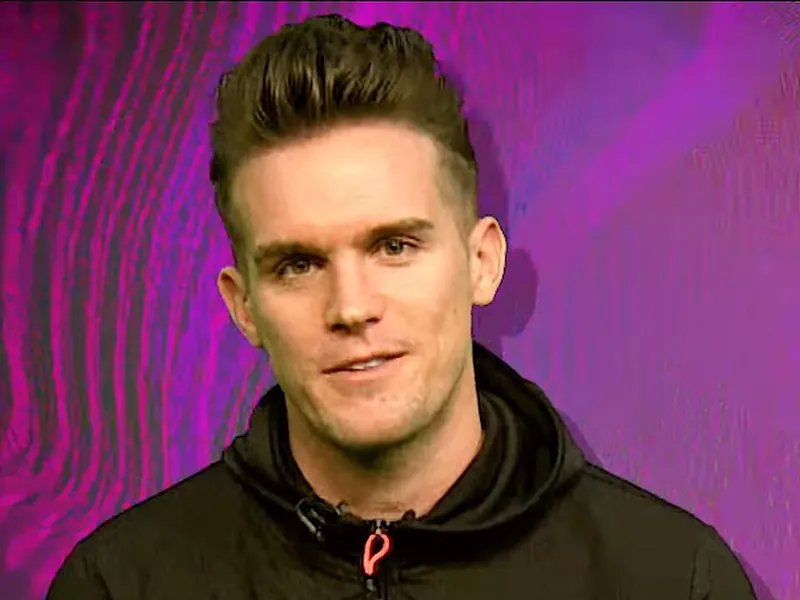 Gaz Beadle on his beard transplant: “I LOVE IT”Gaz Beadle told his 3.6 million followers he had a beard transplant after years of patchy stubble. His own words, and how a hair or beard transplant works today.
What patients write after this operation. Reviews are translated from the original language.
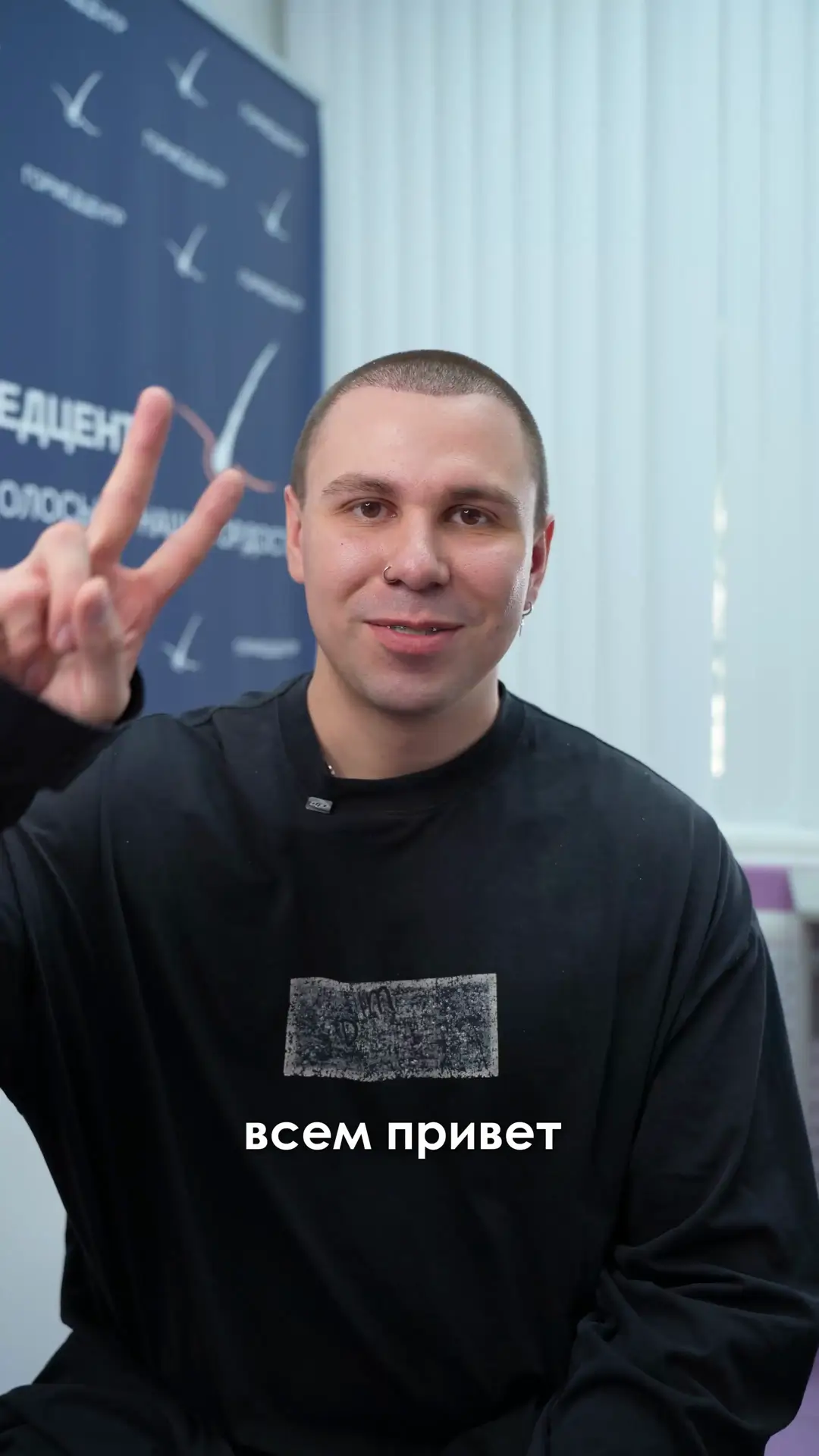
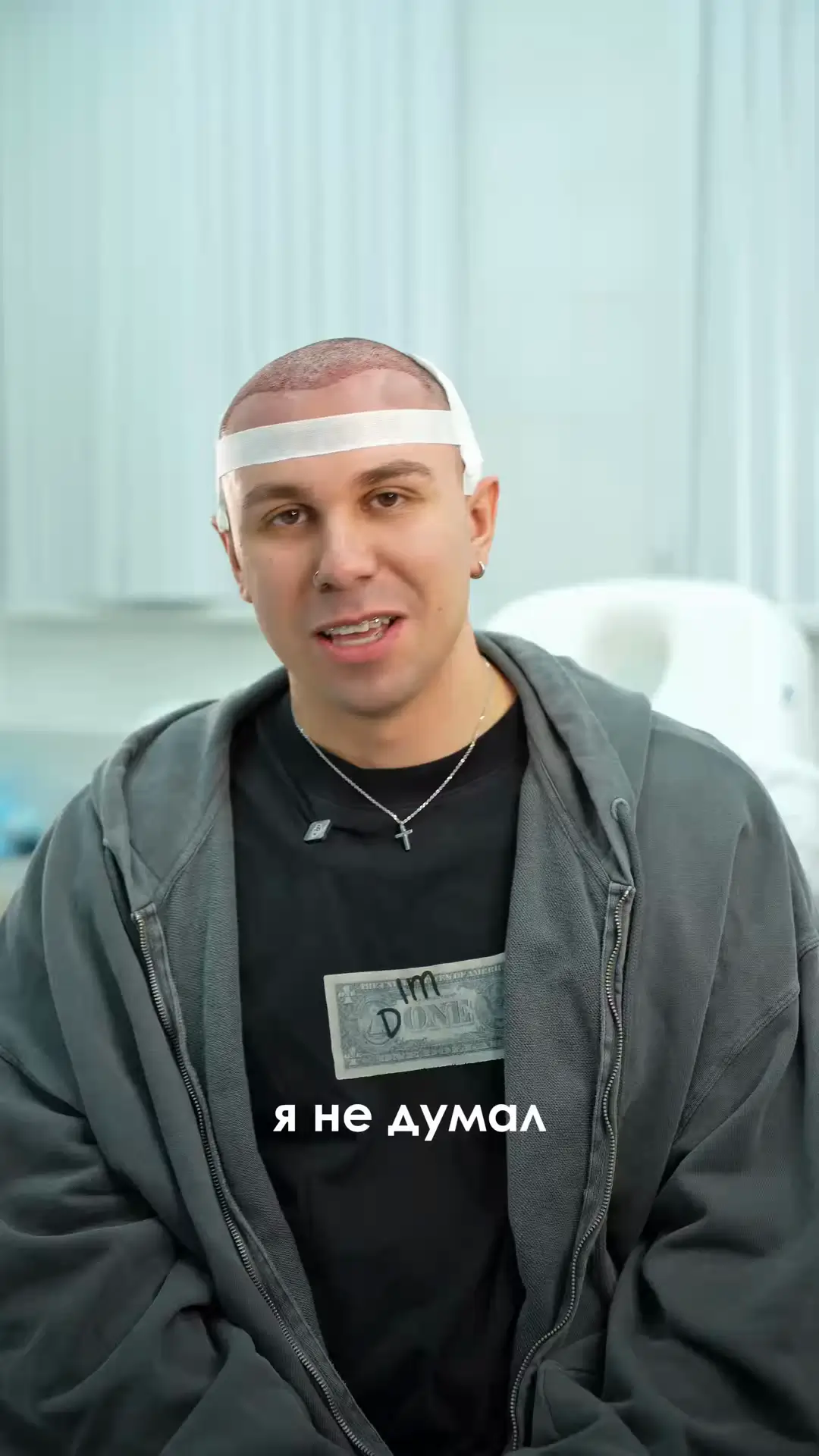
Andrey M.
I had the operation a month ago. Before and after surgery they were always in touch and helped with questions about my tests. The operation itself went wonderfully, the staff are polite and masters of their craft, you feel you are in safe hands. I am recovering now, and they answer all my questions. I am happy and I recommend them!
DHI hair transplant
Pavel Sinitsyn
The best clinic of all the ones I was choosing from. No regrets at all! The result is simply amazing, I am thrilled. I recommend it to everyone: these people do great work and make people happy. Once again, a huge thank you to everyone. Roman, the head of the clinic, is the best: he was personally in touch with me and looked after my recovery. Thank you for making my dream come true.
FUE hair transplant
Maria Akopyan
I thought about an eyebrow transplant for a long time and finally went for it. At first I was afraid the result would look unnatural, but when I saw my new eyebrows I was delighted! They came out full and in harmony with my face. I can hardly believe that now I just wash my face and go, I have never felt so free. For anyone tired of constant make-up, a transplant is a real lifesaver!
Eyebrow transplant (FUE)
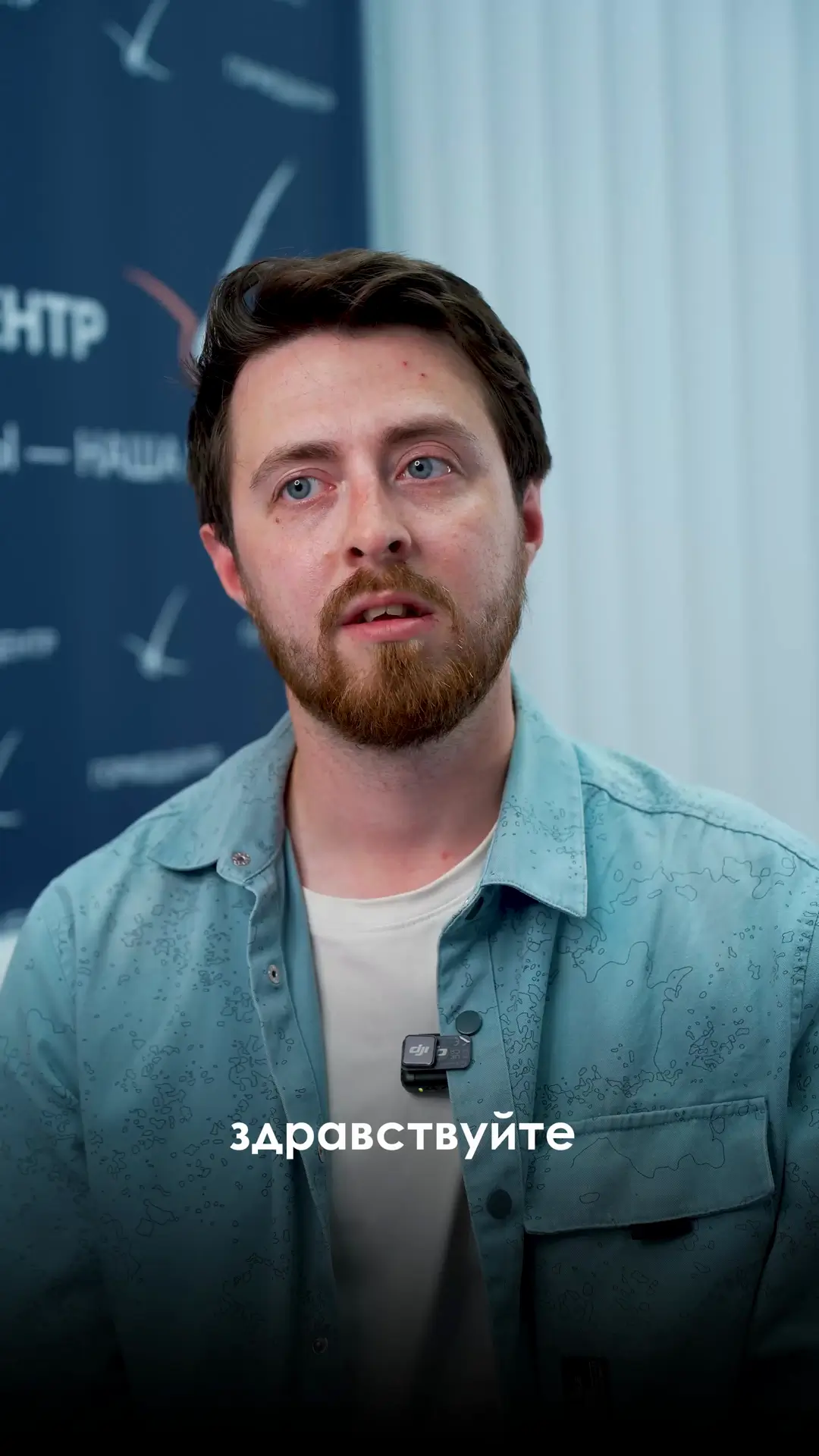
Alexander M.
I really wanted a thick beard, but I had problems with it. I tried every home remedy and minoxidil, and nothing helped. After a long search for the best clinic I settled on this one. Thank you so much for the service, I liked everything and now I am happy! I had the beard transplant 10 months ago and I am very pleased with the result. By the way, the music in the clinic was great, as far as I remember. A friend of mine has already come to you for a transplant on my advice and was also happy with the result. I wish you every success!
Beard transplant (FUE)
Vladimir Z.
I went to the clinic to see a trichologist and had a hair transplant. I really liked the doctor's approach, and all the recommendations helped. I want to point out that nobody tries to sell you extra services: they tell you things as they are, and if some treatment is not needed, they do not push it. Cosy and clean.
DHI hair transplant
Artem Popov
This may sound obvious, but a head of hair really changes everything in your life. You feel much more confident and go through life like a winner. And it is all thanks to the doctor at this clinic and to the staff who take care of their patients. Many thanks to the clinic for a happy life with new hair, for the comfortable conditions and for the professionalism during the hair transplant.
FUE hair transplant
A hair transplant using FUE or DHI is carried out under local anaesthesia. The doctors numb the area being treated, so you stay comfortable through the session, and you spend one day at the clinic before going home. In the days before, the team sends a short written list: medicines to pause, whether to stop smoking, what to wear and what to bring. People in Damietta often read these instructions aloud to a spouse or brother, which is a good habit, because details are easier to follow when two people have heard them. Keep the paper list on the fridge door for the days around the date, since a forgotten medicine or a missed rule about washing is the commonest small error in the first week.
For roughly the first ten days the scalp heals. Small crusts form and then come away, the swelling settles and the treated area slowly returns to normal. The golden rule is not to pick, scratch or rub, however tempting that becomes on day six. If the itching is truly bothersome, write to the coordinator, who can pass on a simple soothing suggestion from the surgeon. This early stretch is short, yet it asks for more patience than any other. Sleep with an extra pillow so the head rests a little higher, and avoid bending low or lifting while the area is tender; a few days of caution protect months of growth.
Somewhere between two and four weeks after the session, the transplanted hairs fall out. Many first-timers panic at this point, so we say it plainly here: it is a normal stage. Only the hair shaft sheds, while the follicles stay in place and prepare to grow. Between the third and fourth month new hairs begin to appear, between six and nine months the density becomes visible, and the final result takes shape between twelve and eighteen months. Do not be alarmed by thin patches in the middle of this stage. The picture looks worst just before the new cycle starts, and that is the reason the calendar is explained so often.
A monthly photo in daylight, taken from the same angles, turns this long timeline into something you can actually see. Send it to the team and they will compare it with your starting pictures. Judging progress in month two, or against someone else's photos taken at a different stage, only breeds worry. Your own curve is the one that counts. Save your before photo beside each monthly picture, so you compare like with like and see the real change rather than relying on memory.
Damietta is a city that works outdoors. Fishing boats leave the Nile branch, workers stack containers at the port, carpenters cut timber in the furniture workshops the city is known for, and traders stand in the sun all day. Anyone planning a hair transplant here has to think about what the scalp will meet in the first fortnight: wind carrying salt, fine dust and the glare of the summer sun. Protection is arranged before the date, not improvised afterwards. Even a small stall in the port area can have a very different wind and dust level from a street ten minutes inland, so name the place where you actually stand all day.
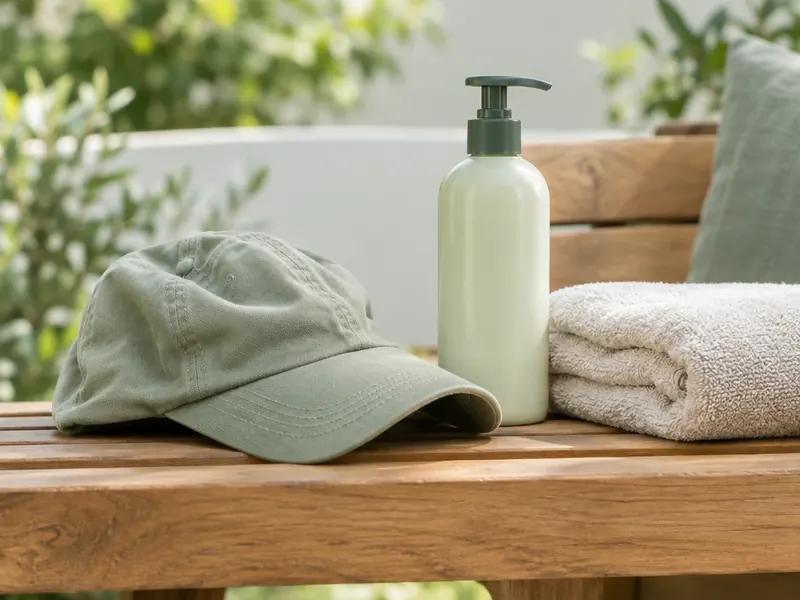
Daytime highs average about 30.5 degrees Celsius in July and August, which sounds mild but is plenty for a freshly treated scalp under direct sun. Tell the coordinator what your working day looks like and how many hours you spend outside. A dock worker and an office clerk need quite different covering plans, and the written advice you receive is matched to your real routine rather than a generic leaflet. A light cotton cap, loose enough not to rub, is the usual starting point, with the team adjusting the advice according to how much sun, sweat and dust your job involves.
Sawdust and paint particles are a particular concern for workshop owners. Returning to the bench early exposes the treated area to exactly what it should avoid. Hand the dustiest jobs to someone else for a while and wait for the team's go-ahead before going back. Two lost days now are cheaper than a setback that costs weeks. If you run a workshop with employees, talk to your foreman before the date, hand over the keys in writing and let the staff know you will be reachable only by message for a short time.
Winter in Damietta is short and mild, with rain mostly in December and January (about 24 and 26 mm), and none from June to September. Many patients choose the cooler months because covering the head attracts no comment. Whichever season you prefer, keep sleeping with your head slightly raised for the first nights, and ask the team about sea bathing, swimming pools and exercise, since each has its own point of return. Cooler weather also means fewer sweat problems in the first days, though it does not remove the need for the same careful washing routine.
The first assessment rests on photographs, so their quality is half the answer. Take pictures of the front and the current hairline, the top of the head, the crown, both sides, and the donor area at the back and above the ears. Daylight near a window works best, with dry hair, no filters, and the camera at eye level rather than held above you. Ten minutes at home is enough. If one angle is blurred, simply retake it; a clear picture saves days of back-and-forth questions.
From those photos the surgeon reads how far the recession has gone, how dense the donor zone is, and what the hair's thickness and curl suggest about coverage. Then you receive a written answer: surgery now, a medical treatment first, or waiting until the loss has settled. The reply does not exaggerate. Its purpose is to help you understand what is realistic for your own scalp. Also mention any earlier hair treatments, tablets or lotions you have used and for how long, because they change what the surgeon recommends.
Egypt's weekend is Friday and Saturday, and many patients plan around it. If you work a fixed schedule, mention it, and the coordinator will suggest dates that attach to your days off wherever possible. Coordinators write back on Telegram and Telegram at any hour, so a shift worker can send pictures after midnight and read the reply over breakfast. Tell the coordinator which weeks are impossible for you, such as the busy season at the port or the weeks around a family event, and the plan will work around them.
Ask whatever worries you. Will there be visible marks? How long before I can go out without a cap? Will people notice? In a mid-sized city where everybody knows everybody, those questions matter, and a written answer you can show a relative often settles a family discussion faster than hours of talking. Everything said in the chat stays on your phone, so you can return to a detail months later without relying on memory.
In Egypt the Egyptian Medical Syndicate helps the Ministry of Health with doctor licensing and keeps a general register. It began in January 1920 as the Egyptian Medical Society and became a syndicate in 1926; its council has 24 seats and its membership exceeds 230,000 doctors. What we could not find is a public page where a patient can check an individual doctor's registration, so we do not pretend one exists. A large register says something about the size of the profession, but nothing about one surgeon's experience with this technique, so use it as a starting point rather than as proof.
Instead, ask the coordinator for the surgeon's specialty certificate and registration number, and verify them with the syndicate directly if you wish. For hair transplants, add a practical question: who draws the hairline, who extracts the follicles and who implants them? Some advertising features a doctor's name while a different team does the work, so a clear written reply about roles is worth having. Ask also how many patients the team treats on the same day, because a crowded schedule can affect attention, and a straight answer tells you a great deal.
Insurance is another common question. The open sources we reviewed say nothing about cover for hair restoration, which is usually treated as cosmetic, so we promise nothing. Ask your insurer in writing before you decide, and keep the response with your papers in case plans change. Keep a screenshot of every written reply from the team and from your insurer, and rely on nothing that a middleman or an advertisement says unless it appears in the chat.
Finally, take the time you need. A decision made after comparing and thinking usually leads to a better result than one made under pressure from a wedding or an event. The coordinator will not chase you, and the conversation stays open whenever you are ready to resume. You may also pause or cancel the conversation without giving a reason, and nobody will send repeated reminders.
When new hair begins to show, the focus moves from protection to care. The chat covers which shampoo suits you, when you may start combing, and which products to avoid on a sensitive scalp. Resist the urge to change this advice because a neighbour recommends something else. Every scalp is different, and the written guidance is based on what the team saw in your photographs and history. When combing begins, the new hair is fine and uneven, so expect it to look nothing like the final result; think of watching a young plant in good soil.
Damietta's old silk trade, with 166 workshops producing around 20,000 pieces in 1872, and its textile sector that remains active, teach a lesson in patience that applies here. A transplant, like fine cloth, is woven over months. If month five feels slow, remember that clear density shows between months six and nine. Redness or small spots may appear at various stages. Do not treat them yourself; send a picture and let the surgeon decide.
In summer, wear a light cotton cap when you go out in the sun. In winter, ordinary clothing is enough. Ask before returning to the sea or the pool, and before going back to the gym, because each activity has its own appropriate time. The schedule will be sent to you, so there is nothing to guess. Sunscreen on exposed skin next to the treated zone and a seat in the shade at midday are habits that help your whole scalp.
Photos continue each month until the final result is reached, between twelve and eighteen months. If anything worries you in the meantime, write at once and attach a picture. No question goes unanswered, and that is what keeps the experience calm: you never fall silent after the operation, because the conversation continues until the last step. At month eighteen, place the first photo beside the last one. The difference is clearest when you look at the whole path, not a single moment.
Clear photos of the front and hairline, the top, the crown, both sides and the donor area at the back, taken in daylight on dry hair without filters. The surgeon reads them and writes back whether a transplant suits you now. If you have older photos from before the thinning began, send them too, as they help to picture the goal.
Yes. The doctors numb the treated area so you stay comfortable throughout, and you spend one day at the clinic before going home. Details of preparation arrive in a written list in advance.
It is a normal stage between two and four weeks after the session. Only the hairs shed, the follicles stay in place, and new growth follows. Never try to speed this stage up with products the team has not suggested.
Growth starts between the third and fourth month, density becomes visible between months six and nine, and the final result takes shape between twelve and eighteen months. Speed varies a little from person to person, so avoid comparing yourself with a friend.
Yes. The first days call for protection from direct sun, salt-laden wind and dust, and the team tells you what to wear and when, based on how you spend your day. Ask the team before returning to the workshop or the port.
The Egyptian Medical Syndicate assists the Ministry of Health with licensing. We found no public lookup for patients, so ask for the specialty certificate and registration number and confirm them with the syndicate. Request that every answer be given in writing.
Our sources say nothing about it, and it is usually considered cosmetic, so we make no promise. Ask your insurer in writing before you decide. If a partial cover is offered, ask for the wording in writing.
Yes. Coordinators answer on Telegram and Telegram around the clock. Simple questions get an immediate reply, and anything medical goes to the surgeon, with the written answer returning to you. If a matter is urgent, go to the nearest emergency service without waiting for a reply.
Page medically reviewed by Anastasia A. Kolesnik, hair transplant doctor. Review date: .

 Forceps
 Minimal


