City Medical Centre · multi-specialty surgery clinicOpen 24/7

Tummy tuck

Tummy Tuck in Damietta: Methods and Recovery

Free consultation

Price at consultation

The price is fixed in the contract before surgery
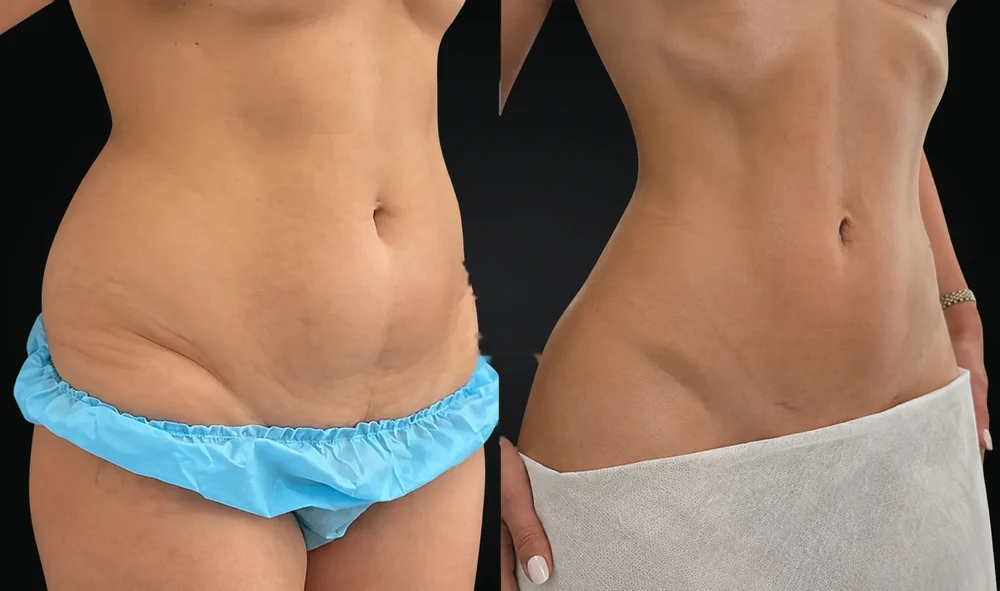
Real case
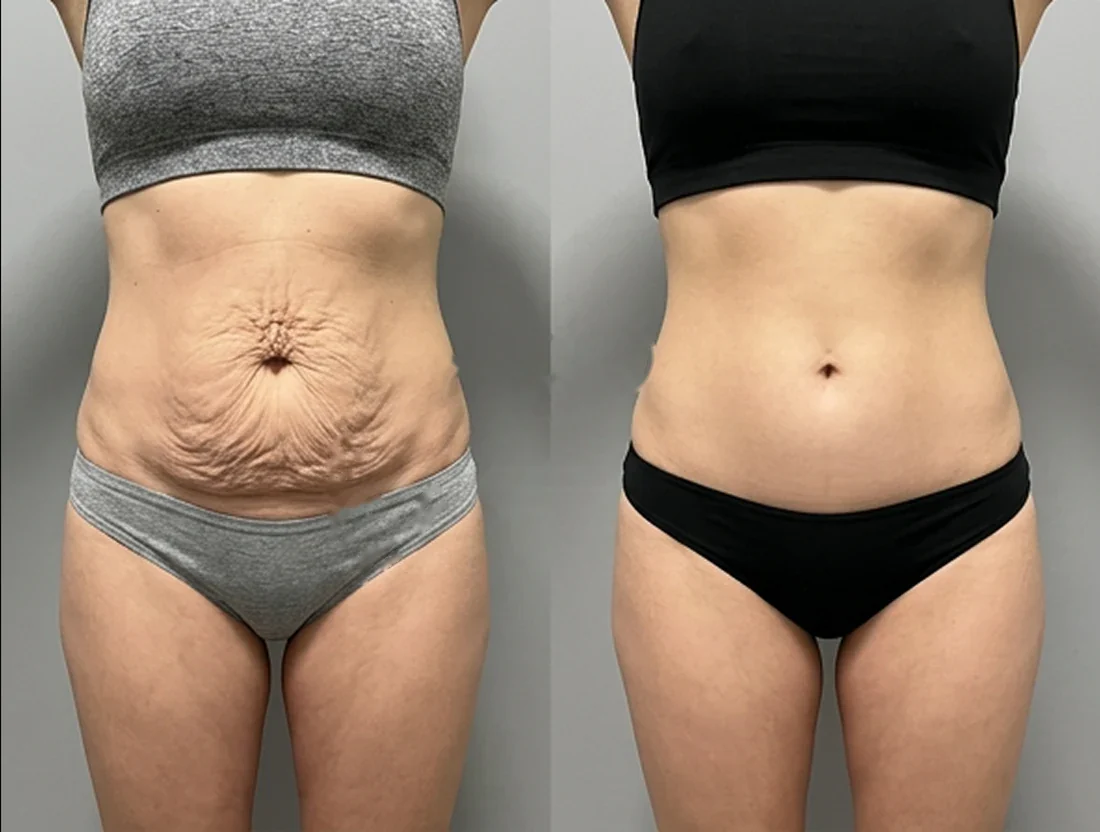
Tummy tuck: a patient's abdomen before and after surgery before after
A flat tummy and a toned silhouette in one operation. Your individual surgical plan and the expected result are discussed at the consultation

Message our coordinator

Free online consultation · Reply within 15 minutes

Message us on Telegram

By messaging us, you agree to our Privacy Policy

Results

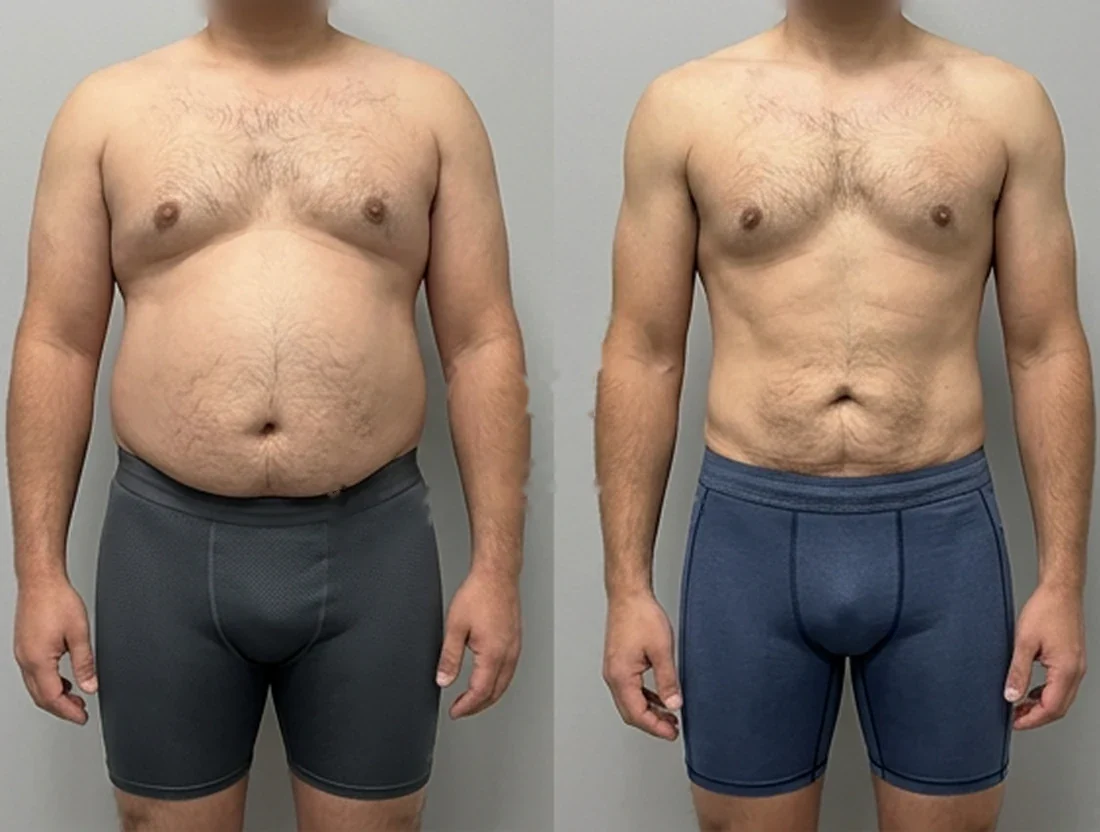
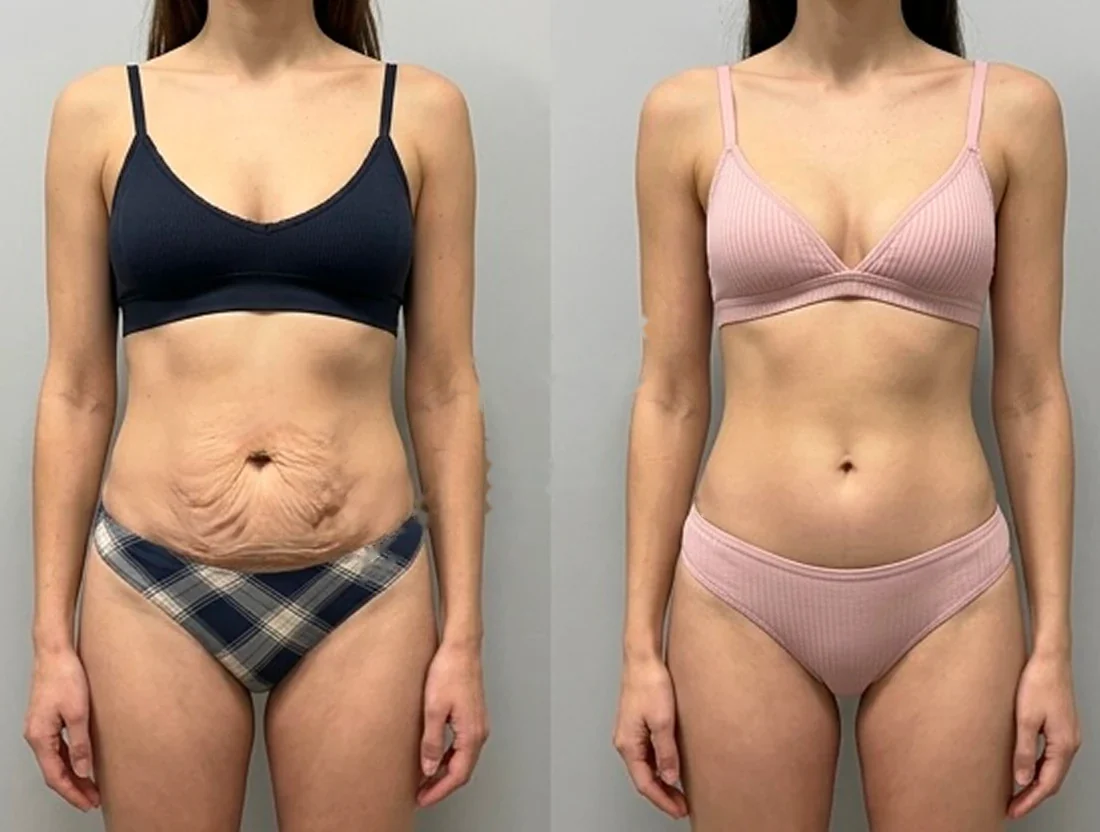
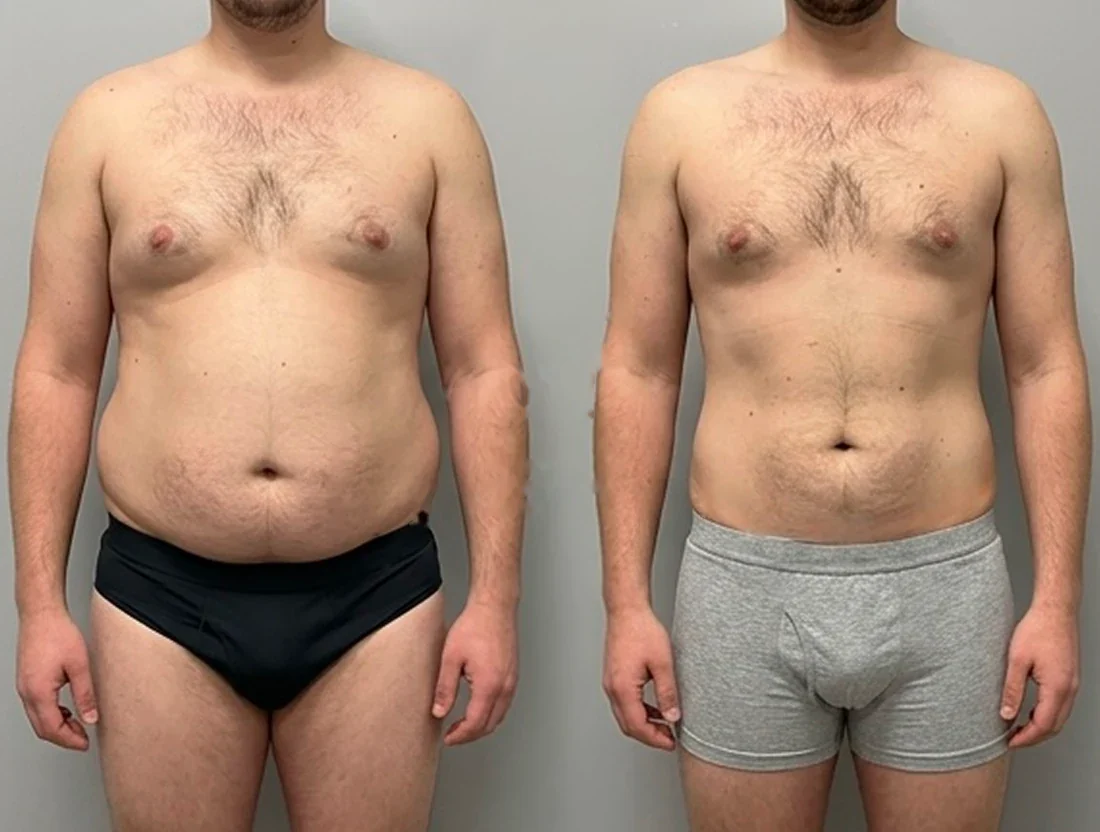
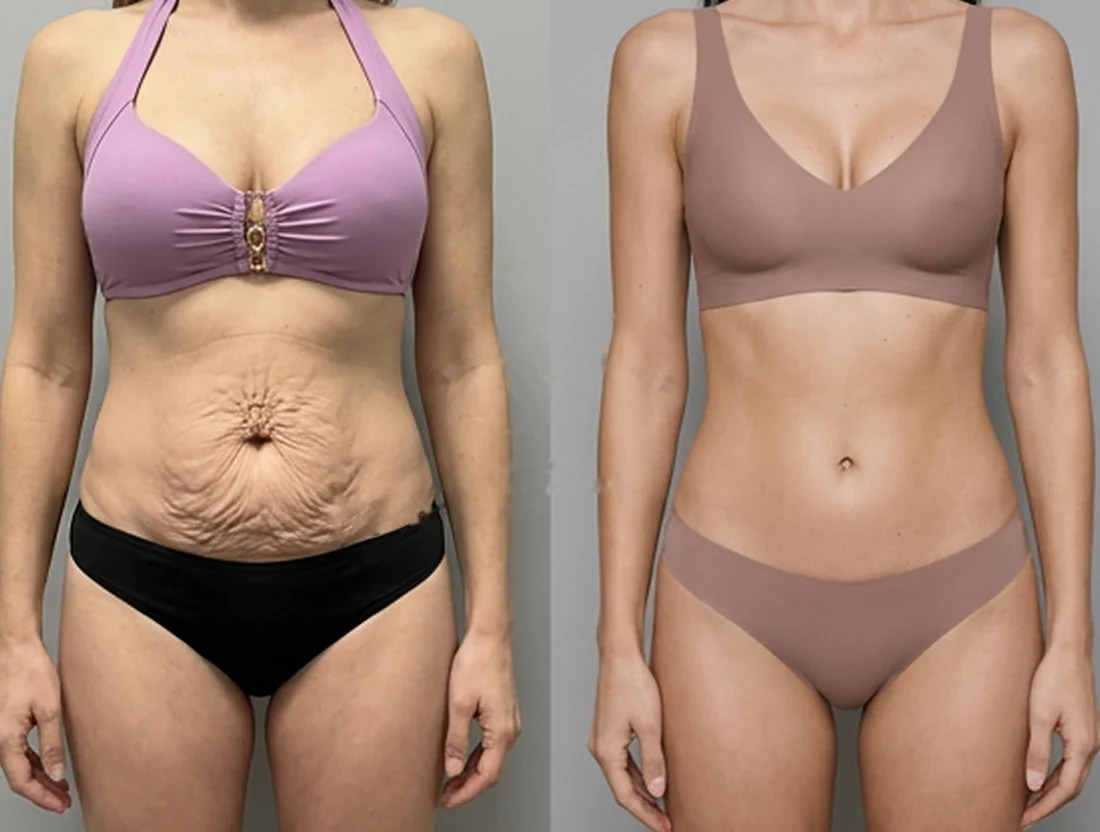
Tummy tuck results
of our patients

All cases are real patients. Faces and identifying details are hidden.

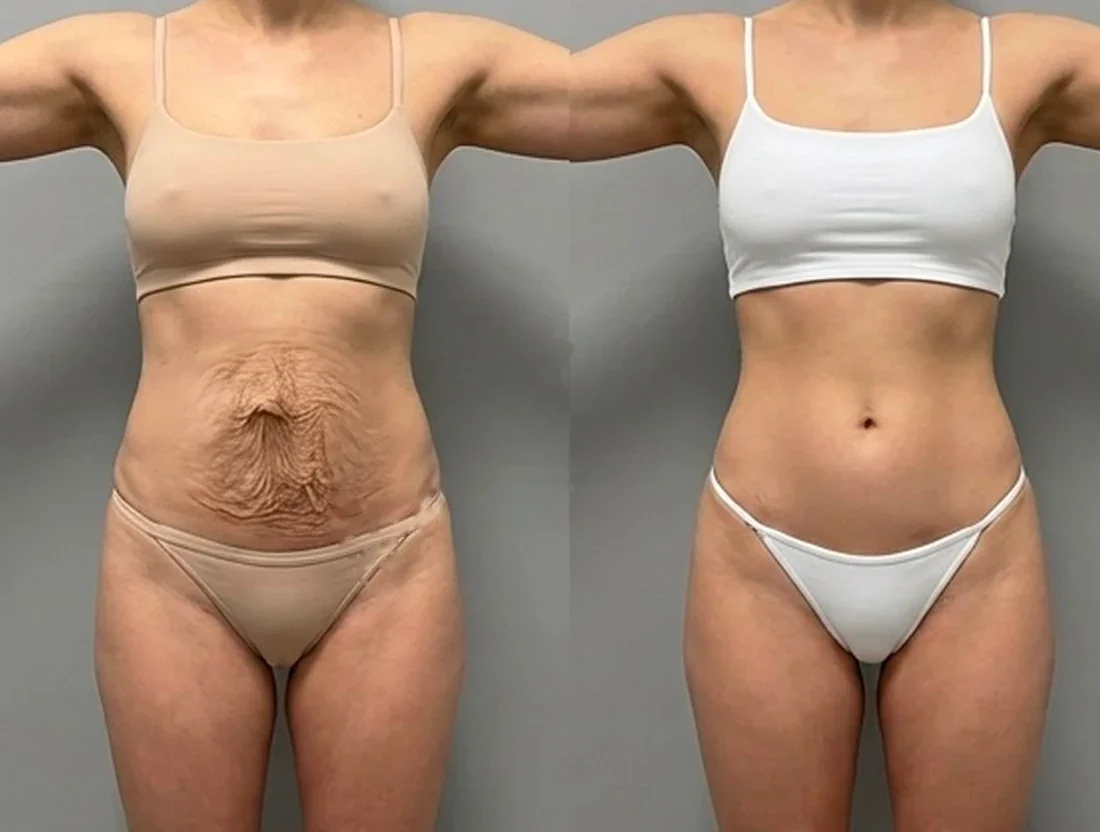
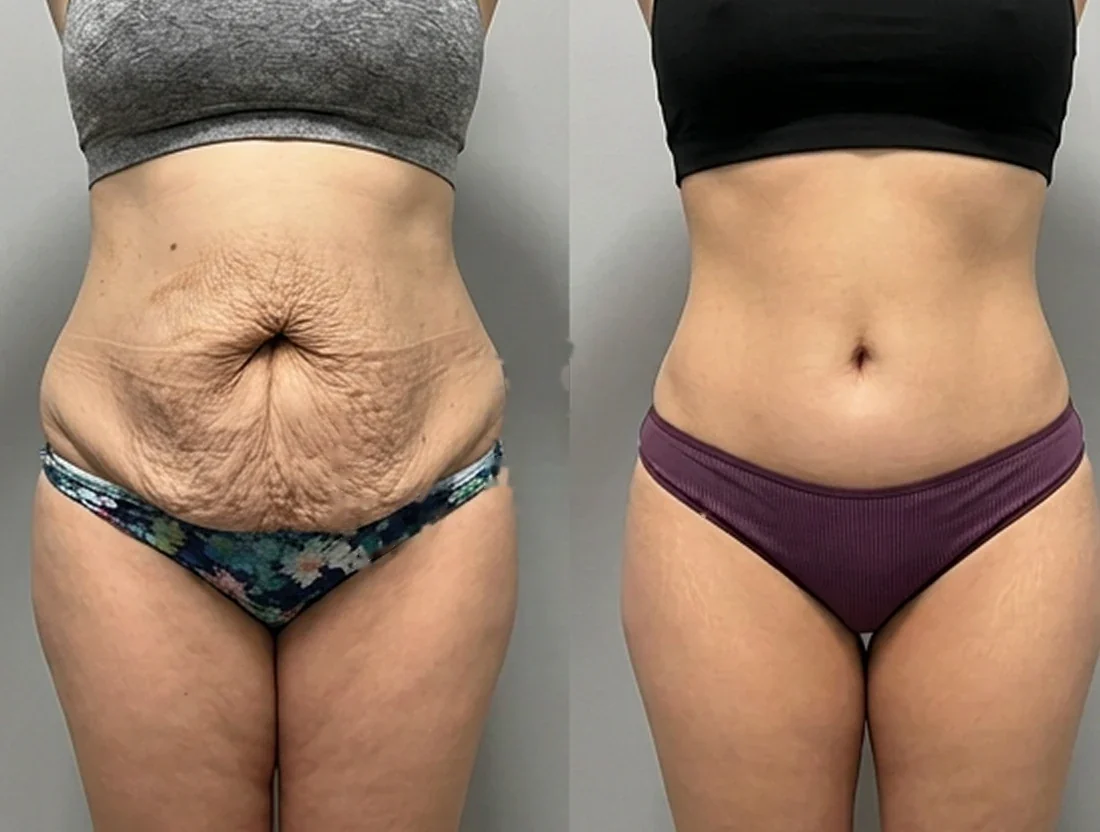
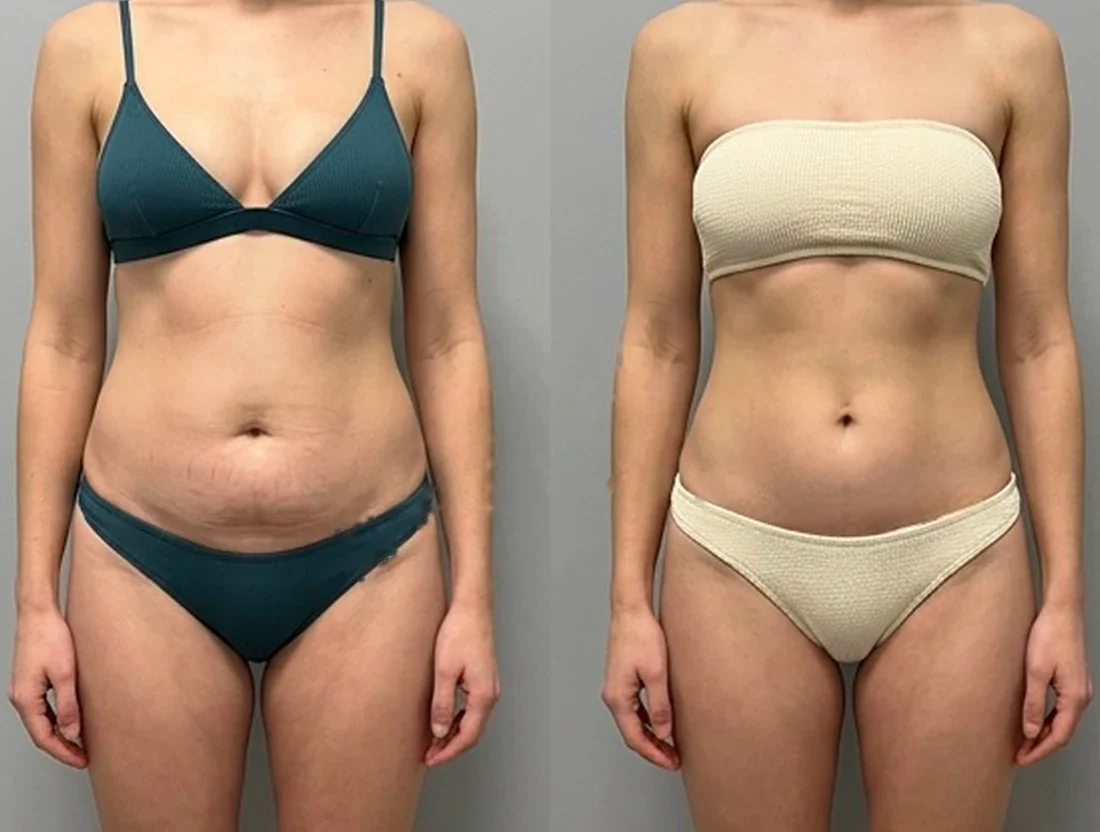
Tummy tuck: a female patient's abdomen before and after surgerybeforeafter
Tummy tuck: a male patient's abdomen before and after surgerybeforeafter
Tummy tuck: a female patient's abdomen before and after surgerybeforeafter
Tummy tuck: a male patient's abdomen before and after surgerybeforeafter
Tummy tuck: a female patient's abdomen before and after surgerybeforeafter
1 of 8

Comparison

Tummy tuck techniques

A tummy tuck is done as a full (classic) or mini operation, or combined with liposuction as lipoabdominoplasty. Compare the scope of surgery, the indications and the expected results to choose the right technique together with your surgeon.

Tummy tuck

Removal of excess skin, abdominal muscle tightening
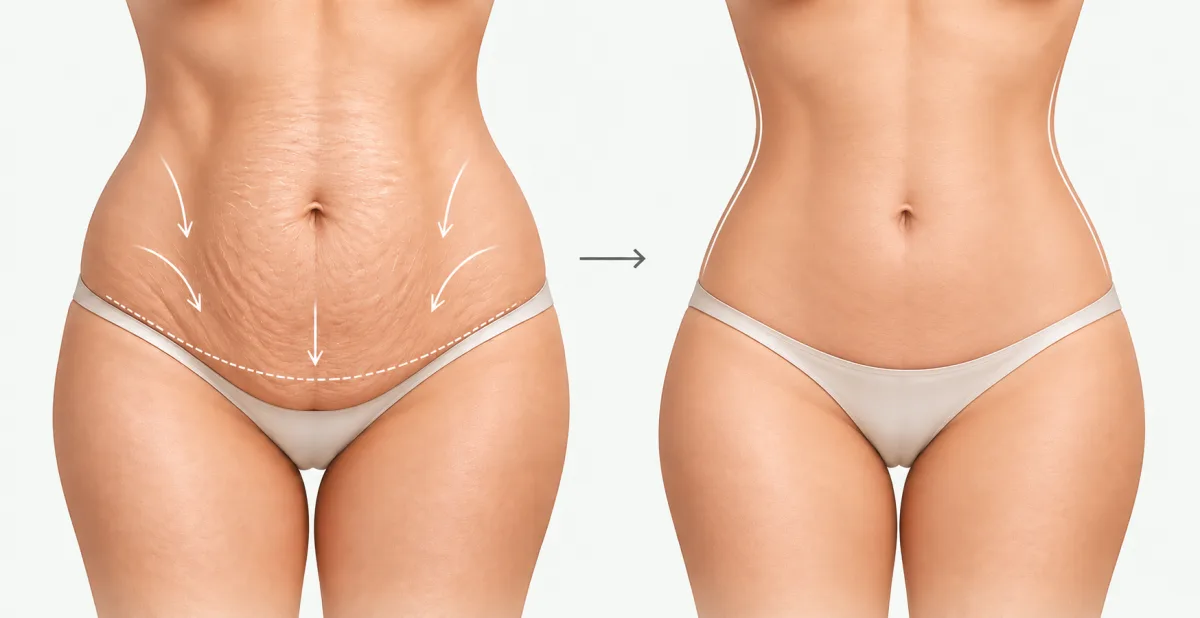
Tummy tuck diagram: the abdomen before surgery with the incision line, and the result
Main goal
Removal of excess skin, diastasis repair
When it is done
Excess skin after childbirth or weight loss
Anaesthesia and stay
General anaesthesia, up to 3 days in hospital

Lipoabdominoplasty

Tummy tuck with added liposuction
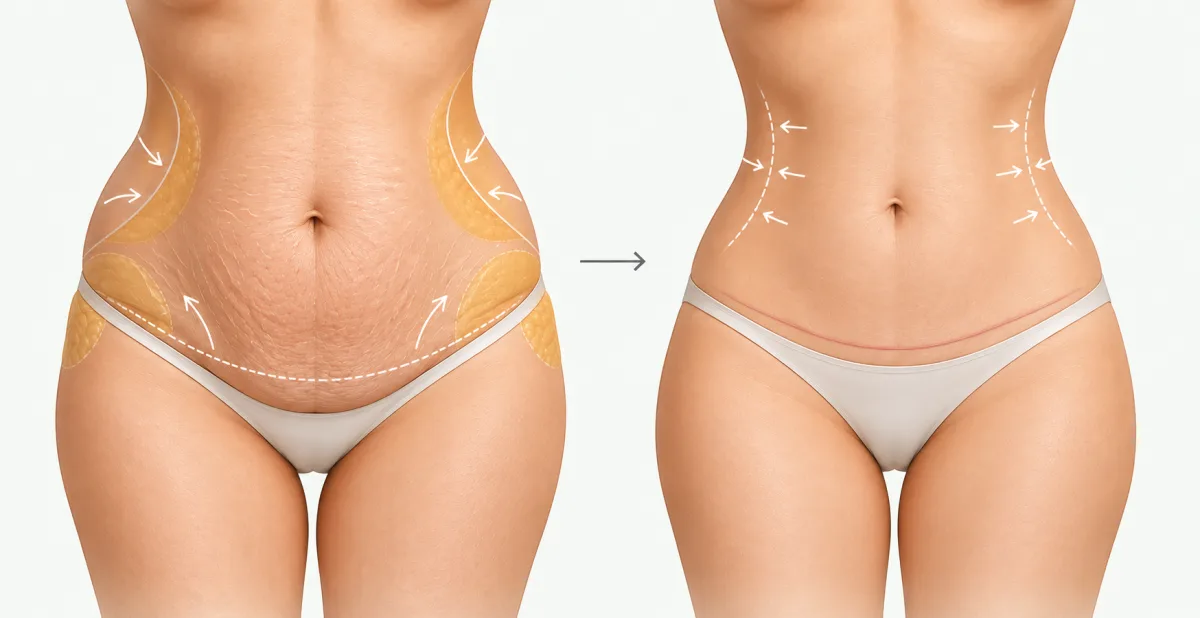
Lipoabdominoplasty diagram: the abdomen with fat on the flanks before surgery, and the result
Main goal
Tummy tightening and waist contouring
When it is done
For fat deposits on the flanks and waist
Anaesthesia and stay
General anaesthesia, up to 3 days in hospital

The benefits and recovery times shown are averaged for each technique and given for guidance: the scope of correction and rehabilitation depend on your anatomy and individual features, and the surgeon confirms them at the consultation.

At the consultation the surgeon draws up a plan for your case and explains how your tummy tuck will go.

Free, before surgery and with no obligation.

Book a consultation

Tummy tuck from the inside

About the clinic

A clinic where you can feel at ease

Modern equipment, comfortable rooms and care for every patient

A doctor and a patient in a clinic ward

Contact us the way that suits you

We will answer your questions and find a convenient time for a consultation

A tummy tuck is not for everyone

If your case can be solved without surgery, the doctor will tell you so at the consultation — and you will not spend money for nothing.

Suitable

A surgeon shows a patient on a model and a monitor how the abdominal contour changes after a tummy tuck
  • Rectus abdominis diastasis
  • Skin folds after weight loss
  • Loose abdominal skin
  • Stretched skin after pregnancy
  • A distorted abdominal contour

Not suitable

A surgeon discusses the indications and contraindications for a tummy tuck with a patient
  • Acute infections
  • Severe heart, kidney or liver conditions
  • Problems with blood clotting
  • Under the age of 18
  • Decompensated diabetes
  • Cancer
  • Skin inflammation in the surgical area
  • Currently pregnant or breastfeeding

Not sure the surgery is right for you?

Message us — the coordinator will ask for your photos in the messenger, and the surgeon will tell you whether a tummy tuck suits you. No surgery booking needed.

Find out if it suits me

A surgeon goes through a tummy tuck diagram with a patient at the consultation

Prices

You know the price
before surgery

The price is set at the consultation and fixed in the contract.

Other services

  • First consultationFree
  • Liposuction of the abdomen and flanksfrom $1,700
Book a consultation

Find out your tummy tuck plan and price

The surgeon assesses your abdominal skin and muscles, listens to your wishes and chooses the right correction technique.
The price is set at the consultation and fixed in the contract.

A nurse talks to a patient in a clinic ward

Message our coordinator

Free online consultation · Reply within 15 minutes

Message us on Telegram

By messaging us, you agree to our Privacy Policy

A patient's abdomen before a tummy tuck in the operating room

all inclusive

What the price includes

From preparation for surgery
to post-op check-ups.

  • All scheduled dressings
  • Scheduled post-op check-ups
  • A personal coordinator on call
  • Compression garments fitted on the day of surgery
  • A stay in a comfortable
    hospital ward with meals
  • Individual recommendations
    for recovery
  • Remote progress monitoring
    by photos

How it works

Three days at the clinic —
from preparation to discharge

An agreed correction plan, inpatient observation and post-op check-ups.

A doctor shows a patient a tummy tuck diagram on a monitor1

Consultation
and the surgical plan

The surgeon assesses your abdominal skin and muscles and checks for diastasis, listens to your wishes and chooses the right correction technique.

Paying the deposit by card at the clinic reception2

Booking the date
of surgery

We reserve a surgery date for you: the deposit can be paid by card at the clinic or online by bank transfer. The terms are fixed in the contract for medical services

A blood sample tube for tests before a tummy tuck3

Check-up before
surgery

Before surgery you complete a full lab check-up: blood tests, an ECG, a chest X-ray and reports from the required specialists.

The surgical team during the operation4

Surgery

The surgeon performs the tummy tuck with the chosen technique, repairs diastasis if needed and shapes a firmer abdominal contour.

A hospital ward at the clinic5

Inpatient stay

After surgery the patient stays for 1–3 days in a comfortable hospital ward with meals, under medical supervision.

A surgeon and a patient in the ward during recovery6

Recovery

After surgery you get a recovery programme. Check-ups at 7 days, 3 and 6 months help track your recovery.

Book a free consultation — the surgeon will plan every step with you.

A doctor discusses the tummy tuck plan with a patient
Book a consultation
A doctor discusses the tummy tuck plan with a patient

How it really happens

Recovery after a tummy tuck

Right after surgery the patient stays in hospital for 1–3 days under medical supervision. Drains are usually removed after two days and stitches after 7 days. A compression binder is worn for 1.5–2 months — it supports the abdominal wall and shapes a smooth contour. Most swelling goes within 30 days; office work resumes after 2–3 weeks. Sports, sauna and heavy lifting are off-limits for 2–3 months; at first, sleeping on your back with knees bent is advised. By 12 months the scar is fully mature: it fades and is barely noticeable.

Post-op check-ups

After 7 days, at 3 months and at 6 months. Until the end of the year, get a post-surgery consultation with your surgeon to review results and get more information, at the clinic's expense

Advantages

Why patients pick City Medical Centre

A surgeon discusses the tummy tuck plan with a patient at the consultation

Just find out — you lose nothing

At the consultation we discuss your wishes and assess your abdominal skin and muscles. The surgeon explains what changes are possible, chooses the correction technique and answers your questions.

A surgeon on a video call with a patient after surgery

We stay with you after surgery

The surgeon follows your recovery and the changing abdominal contour at check-ups after 7 days, 3 and 6 months. Check-ups, dressings and aftercare advice are already included in the price of surgery.

A surgeon shows a patient a model and tummy tuck diagrams

A beautiful contour that fits your figure

We choose the correction technique based on your skin, muscles and figure. Our aim is a harmonious abdominal contour that keeps the natural proportions of your body.

A patient writes down a convenient visit time in her planner

Your schedule is our priority

We respect your time: we work 24/7, with easy booking and a personal approach — we adapt to your pace.

A surgeon shows a patient the fixed price of surgery with no extra charges

Fixed prices

After the consultation the surgeon defines the extent of correction, and you get a clear price for the surgery — no surprises on the way to the result you want.

A surgeon visits a patient in the hospital ward after surgery

Round-the-clock care after surgery

Recovery starts in a comfortable hospital ward under round-the-clock nursing care. The stay and meals are already included in the price.

FAQ

We answer what
people ask before booking

Choosing abdominoplasty in Damietta

What exactly changes? The surgery removes sagging skin and the fat apron entirely, and stretch marks below the navel go with them. The upper abdominal skin is pulled downward, so the tummy becomes smooth. If the rectus muscles have separated, they are brought together in the same operation. For anyone researching a tummy tuck in Damietta, removed skin does not grow back, so that part of the result is permanent.

Compression is not optional: without the garment recovery is worse, because it supports the tissues and reduces swelling. For the first 3–4 weeks it is worn around the clock, then for about another month during the day; the operating surgeon names the exact period. For at least a month, sauna, pool, tanning beds, alcohol and smoking are off-limits. Damietta patients receive the full list of restrictions from the surgeon.

Start with a free consultation for a tummy tuck in Damietta. The surgeon assesses your abdomen, explains the difference between the classic and mini techniques for your case and gives the final price, which is then recorded in the contract. Apply before the end of the year and the consultation is at the clinic's expense. Write to us in any messenger or use the form on the page.

Stories of well-known people

Well-known people who spoke openly about this operation, in their own words.

All stories about this operation →

Where Nile meets Mediterranean: what a tummy tuck asks of a Damietta household

Damietta counts about 305,920 residents in the city proper and roughly 1.1 million across its wider urban area, and the place has always earned its living from what moves through it: a modern container terminal, a fishing harbour, farm exports, and a furniture trade that sells to Arab, African, European and American buyers. People who work with goods and schedules tend to ask practical questions first, and the practical question about abdominoplasty is simple: what does this change, and what does it cost in weeks of my life? Silk once made the city famous too: in 1872 its 166 workshops turned out some 20,000 pieces. That history of hand skills explains why locals pay attention to seams, tension and finishing. Ask the surgeon, in the same spirit, how the incision will be closed, where the scar will lie relative to underwear, and how he prevents the skin from pulling.

The operation is built for a specific situation. After pregnancies, or after a large weight loss, the skin below the navel can hang in a soft apron while the two straight muscles of the abdomen drift apart and leave the middle weak. The surgeon trims the excess skin and fat and stitches the muscles together again, which restores a flatter, firmer front. It is not a slimming method and it does not remove stubborn fat from elsewhere on the body. A useful mental picture has two parts. One part is fabric: loose skin and fat that can be trimmed. The other is a wall: the abdominal muscles that were pushed apart and need to be drawn back together. A tummy tuck handles both in one sitting, which is why it is so much more than a cosmetic trim and why it is planned with such care.

Because it is a major operation, it asks for general anaesthesia, a hospital stay and weeks in a compression garment. Families in the city often decide such things together, so it helps when the mother, the husband or a sister sees the whole outline early. Surprises tend to arrive from underestimating the quiet weeks after surgery rather than from the operation itself, and an honest outline removes most of them in advance. Do not feel awkward about involving a husband or mother in the conversation with the coordinators. The decision concerns your body, but its consequences touch the whole house for several weeks. Many of the practical questions, such as who covers school runs and who cooks, are settled faster when the family hears the same facts at the same time.

The first step costs nothing. Send the coordinators a message on Telegram or Telegram, where replies come around the clock, with two photographs, front and side, the number of pregnancies, and what your weight has done over the last few years. The surgeon studies the material and replies with the type of procedure he considers suitable, which may be a full abdominoplasty or a more limited one, and explains why. Your photographs are used for the consultation only. If privacy worries you, say so in the first message and ask how images are stored and who inside the medical team sees them. A responsible service answers those questions without hesitation and deletes pictures when you ask, which is the standard you should expect.

Salt air, winter rain and the compression garment

By Egyptian standards, Damietta's climate is gentle. August and July average highs near 30.5 degrees, January about 18.1 with lows around 8, and the year delivers roughly 112 mm of rain, mostly in January and December, with none from June to September. The gentleness is deceptive in one respect: the air is humid and salty, and humid heat under a tight garment produces sweat that does not evaporate. The sea breeze feels refreshing on the street yet carries moisture and salt that cling to skin, so hands should be clean before touching the area around the wound, and any damp layer should be changed straight away. It sounds like a small thing, and it is one of the best protections against irritation under a tight garment.

In the warm months the answer is a thin cotton layer between skin and binder, changed every day, plus gentle drying after washing as the team explains. In the wet months the problem turns around: damp coats, slippery pavements and cold draughts. Choose loose clothing that clears the wound, and shoes with grip, because a slip onto a healing abdomen is one of the accidents everyone wants to avoid. When humidity is high you may notice itching or a pink rim where the binder edge meets the skin. Do not scratch with your nails and do not apply creams that the surgeon has not suggested. Take a close photograph and send it to the coordinators, and the team will reply with what is needed, often a simple change of layer or fit.

The sea is tempting, but a healing wound and the beach do not belong together. Salt water, sand and long soaking are put off until the surgeon is satisfied with the stitches and the skin. The same applies to hot baths and steam. These are not rules for their own sake: an infected wound lengthens treatment, and it can leave a wider, less even scar that the patient carries for life. On rainy days avoid smooth soles, and let someone take your arm on the way to review visits. A fall onto the abdomen soon after surgery is among the accidents everyone fears, and nothing about the scenery of Damietta's waterfront is worth risking it. Wear something warm that does not squeeze the waist while you wait outdoors.

If you can choose, the spring and autumn weeks avoid both the stickiest heat and the coldest rain, and the binder, worn for roughly one and a half to two months, sits easiest on the skin. If you cannot choose, the operation still works in any season with preparation. Share your dates with the coordinators and they will match the surgeon's calendar to them in a written schedule you can adjust. The bottom line on seasons is modest: no month defeats the operation. A calm summer needs a cool room and light layers, a cold winter needs warmth without pressure. What matters is that the house is ready and that the dates suit the surgeon. The coordinators will lay out the options and leave the final choice with you.

Hospital days, the household and the working rota

General anaesthesia is used, and the surgery lasts between two and four hours according to how much correction is planned. Afterwards the patient is looked after in hospital for one to three days. Small drains commonly stay in the first couple of days and are removed after about two days. Pain is treated actively, and the nurses ask about it at set times so that doses can be adjusted rather than endured. The morning begins with a short check of paperwork and test results, then a talk with the anaesthetist about your last meal, regular medicines and allergies. Be complete, including herbal products, because some of them change bleeding. When you wake, you are tight across the abdomen and a little drowsy, which is normal, and nurses help you sit up and take a few steps early.

At home, prepare one resting place a week before. A bed with extra pillows to support back and knees, a table within reach carrying water, medicines, a phone and a charger, and a clear route to the bathroom. In a house that holds three generations, an older woman usually takes charge of the arrangements, and the patient benefits when the roles are named in advance: who cooks, who watches the children, who sleeps near the room. Make the sickroom practical. Place a night light near the bed, a small basket with tissues, sanitiser and lip balm, and a pillow you can press to the abdomen when you cough or laugh. These details seem trivial, but they decide whether the first week feels organised or chaotic, especially for a mother who is used to managing everything herself.

Damietta's workplaces run in shifts, from port offices to workshops, so tell your employer early. Desk jobs commonly resume after two to three weeks. Physical work, long standing and lifting wait for the surgeon's decision at the review. Friday and Saturday are Egypt's rest days, a natural window for relatives to take turns with care, but they do not replace a plan for the weekdays in between. If your work is at the port, in a workshop or on a boat, ask the coordinators how to prepare a medical note for your employer. They can say what the medical side can provide, and you handle the administrative side early. Discuss a gradual return as well, because some workplaces accept lighter duties in the weeks after the first return.

Choose one companion for the hospital stay, a person who is calm, remembers the plan and can talk with the coordinators. Many visitors tire the patient and confuse the room. If there are small children at home, arrange somewhere safe for part of each day for the first weeks, since a mother cannot lift or carry them while the abdominal wall mends, however much she wants to. On the first night, ask someone to sleep near your door, and leave it open. Nights are the most anxious time, and a familiar voice nearby calms more than any tablet. The coordinators are also available through the night for questions, and the team will advise if the concern needs a call to the hospital ward.

Three documents to ask for: registration, specialty and follow-up

Doctors in Egypt are enrolled in the Egyptian Medical Syndicate, a quasi-governmental body that helps the Ministry of Health issue licences. Its council has 24 seats and its register runs beyond 230,000 physicians. It started in January 1920 as the Egyptian Medical Association and became a syndicate in 1926, with doctors entered in a general table. Knowing that frame helps a patient read what a surgeon shows her. Do not be shy of asking who will perform your operation, by name. A service that cannot tell you which surgeon you are meeting is not ready to take your money or your trust. Write the name down, ask for his certificate and registration number, and compare them with what you were told in earlier conversations.

We found no public page that lets a patient look up a particular surgeon in that register, so we will not describe a service that does not exist. Instead, ask the coordinators for three papers: the registration number, the diploma or certificate in plastic surgery, and a written follow-up plan listing visits and contact channels. Surgeons who are proud of their record rarely mind giving all three. Asking for paper is not an insult. It is what a buyer does with a valuable purchase, and serious surgeons welcome it because it separates them from the casual. If you meet delay, evasion or irritation, treat that as a warning and think again before moving ahead. Your safety is worth more than the pleasantness of one chat.

Add questions about the surgeon's own experience: how often he performs this operation, which cases he turns away, what he does if fluid gathers under the skin after discharge, and who answers messages in the evening. Precise answers suggest practice. Vague ones suggest you should ask a second surgeon as well before you commit to any date. Keep everything in a single folder: your questions, the replies, the surgeon's notes, the names of medicines. Carry it to each visit. When the person who answers you changes, the folder preserves the history, and nothing you were promised can be quietly forgotten. Photographs of the folder pages on your phone make a handy backup.

On insurance, the material we reviewed does not say whether public or private cover pays for cosmetic procedures in Egypt. Ask your insurer in writing and wait for the written reply. Then tell the coordinators what you learned, so that nothing about the financial or administrative side surprises you on the day, and so that your decision rests on facts. A lack of insurance cover does not mean a procedure is improper. It means the patient carries the cost herself, so everything should be agreed in writing before you say yes. Know what each part of the plan includes, ask what happens if a revision is needed, and make sure the follow-up schedule is part of the agreement.

After week one: swelling, scar and a monthly photograph

The path is marked by milestones. Stitches are taken out at about seven days. Most swelling subsides in around thirty days. The binder stays for roughly one and a half to two months while tightness passes and an interim shape appears. The final contour and scar are judged between six and twelve months, when the tissues have fully adapted. Seeing these dates written down stops people from judging an unfinished shape. Moods can swing in the first months. Tiredness, discomfort and a swollen, bruised abdomen may bring sadness or doubt about whether the result will match your hopes. Talk about it with the coordinators or someone you trust. It is a known stage, it passes, and the surgeon would rather hear about it than have you worry alone.

Weeks two and three bring a burst of energy that tempts patients to resume everything at once. That is the most common mistake. Internal swelling lags behind how you feel, and bending, lifting and twisting stay restricted until the surgeon says otherwise. Patients who respect that window avoid problems that patience cannot repair later and keep what the operation achieved. After the binder period you can lengthen walks, then add light exercise as the surgeon permits. Do not jump into intense workouts, and do not resume lifting before approval, because the repaired muscles need time to regain strength. Pain or pulling at the incision is a signal to stop and report, not a barrier to push through.

Damietta is known for its cheese and dairy, and gatherings around a table are central to family life. During recovery you can still sit with the family, eat light regular portions, drink plenty of water and skip heavy salty dishes that encourage swelling. Rest comes before social obligations in this period, and relatives understand when the reason is explained plainly. Your clothes size may change during these months, so do not rush to buy a new wardrobe. A few comfortable pieces will cover the transition, and the large clothes purchase can wait until the shape settles. Many patients are surprised by how much the final outline differs from the one they saw in the second month.

Photograph the area at the end of each month, in the same light and the same pose, and send the pictures to the coordinators for the surgeon. Something that looks like a flaw at week six may be an ordinary stage of healing, and something that does need attention will be noticed early. By month twelve you will have watched the change step by step. At the final review, go through all the photographs with the surgeon from the beginning. Ask about long-term scar care and the habits that keep the result stable, such as steady weight and regular movement. Good follow-up does not end with the operation; it continues until the picture is stable, and the coordinators remain available for questions.

What separates a mini tummy tuck from a full one?

A mini version treats a limited amount of loose skin below the navel through a shorter incision, while the full operation deals with skin and muscle around and above the navel as well and takes longer. The name used in conversation does not decide it. The surgeon examines your photographs, skin elasticity and muscle separation, so start by sending front and side pictures with your pregnancy history. Your first consultation also settles whether any older abdominal scar affects the design.

Is general anaesthesia always used?

Yes. The operation is performed under general anaesthesia and lasts about two to four hours, depending on the planned correction. You then remain in hospital for one to three days under supervision. Before surgery the anaesthesia team reviews your tests and medicines, and you receive written instructions on eating, drinking and stopping certain products well before the day. Written instructions about fasting arrive before the date, so you will not have to guess.

Does the humid coastal air affect healing?

Humidity makes the skin under the binder sweat more, so a thin cotton layer changed daily and gentle drying after washing are advised. Avoid the sea and long soaking until the surgeon agrees. If you notice sudden redness, a smell or unusual discharge near the wound, message the coordinators at once so that the team can look at a photograph and advise. Never treat the area with remedies the surgeon has not approved, however popular they are.

When are drains and stitches removed?

Drains normally come out after about two days, because they exist only to carry away fluid in the first period. Stitches are removed at roughly seven days. The team sets the precise timing by looking at the wound, and you can write to the coordinators at any hour if something feels wrong before the planned visit. If your drain output seems unusual, tell the nurse or the coordinators at once.

How long until I can work and exercise again?

Desk work usually resumes after two to three weeks and most swelling fades in about a month. Heavy work, lifting children and sport wait for the surgeon's permission at a review. Hurrying is the usual cause of setbacks, so treat the date as a medical decision made with the surgeon after he has seen the scar. Light household tasks that need no bending are usually fine earlier, but ask first.

How do I confirm a surgeon's credentials?

Ask the coordinators for the registration number with the Egyptian Medical Syndicate, the certificate in plastic surgery and a written follow-up plan. We found no public lookup page, which is why documents matter. Keep copies in one folder and do not accept a verbal assurance in place of paper. Write down the surgeon's name and the date of each conversation for later reference.

Will my insurer cover this operation?

The sources we reviewed do not show that public or private insurance in Egypt covers cosmetic surgery, so we cannot promise it. Ask your insurer in writing for this operation by name. If you also have a medical problem such as a weak abdominal wall, tell the surgeon, because it may change how your case is assessed. If the insurer declines, you will at least know where you stand before you book.

How long is the compression garment worn, and can it come off at night?

The binder is worn for roughly one and a half to two months, and the surgeon gives instructions on when it may be removed for washing, because rules vary by case. Do not decide alone in the early weeks. If it hurts or irritates the skin, photograph the area and send it to the coordinators so the surgeon can adjust the fit. Never loosen it on your own, but report any numbness, colour change or severe pain.