



























Message our coordinator
Free online consultation · Reply within 15 minutes
Message us on TelegramMessage us on WhatsAppBy messaging us, you agree to our Privacy Policy





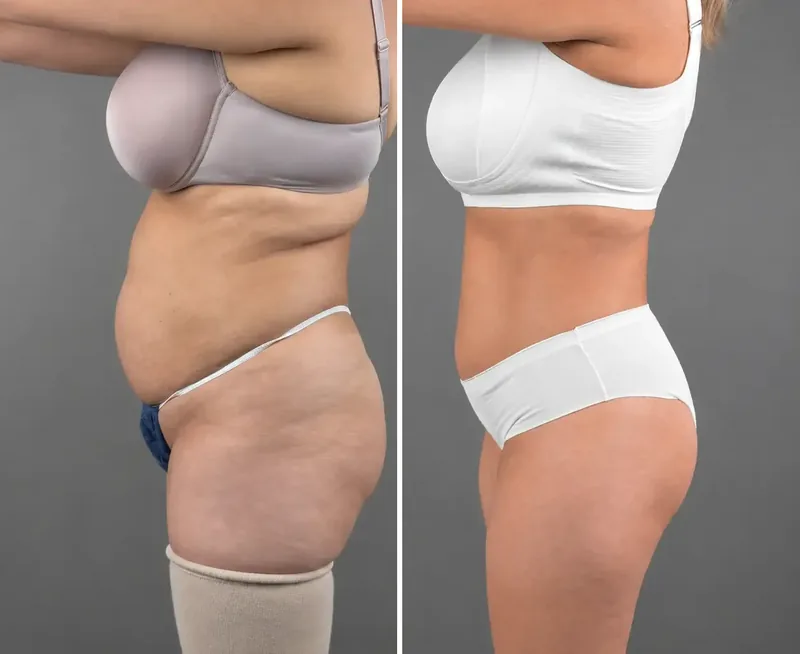
Age 48
6 months
Abdominal liposuction
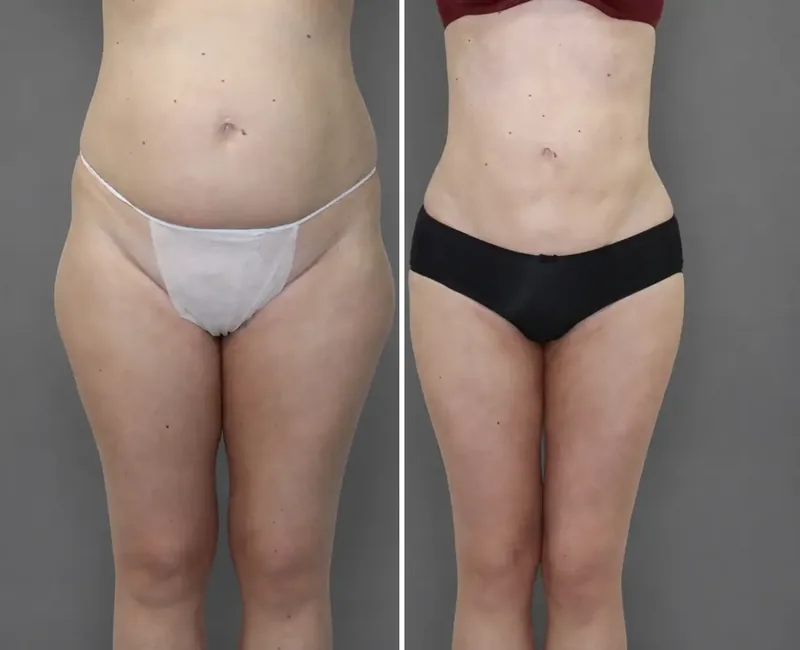
Age 52
8 months
Liposuction
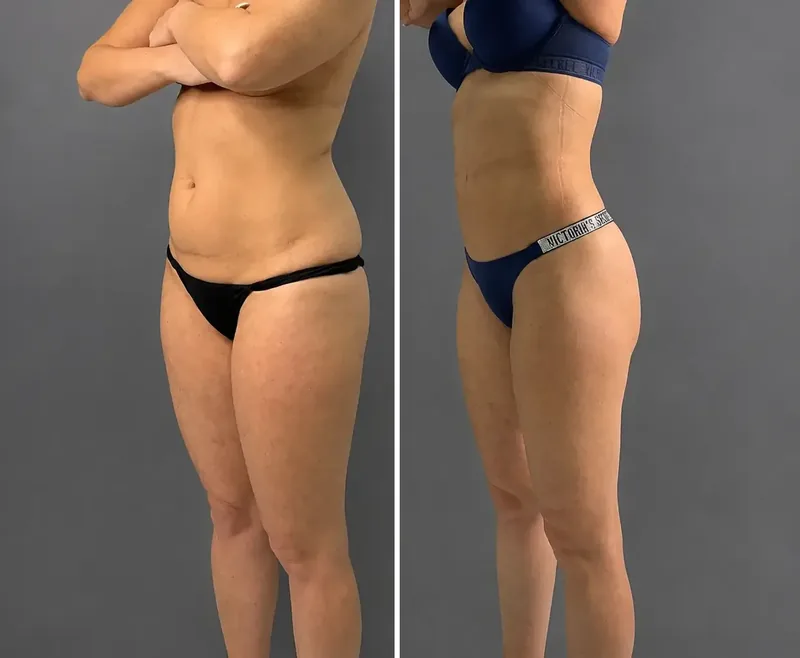
Age 37
7 months
Abdominal liposuction
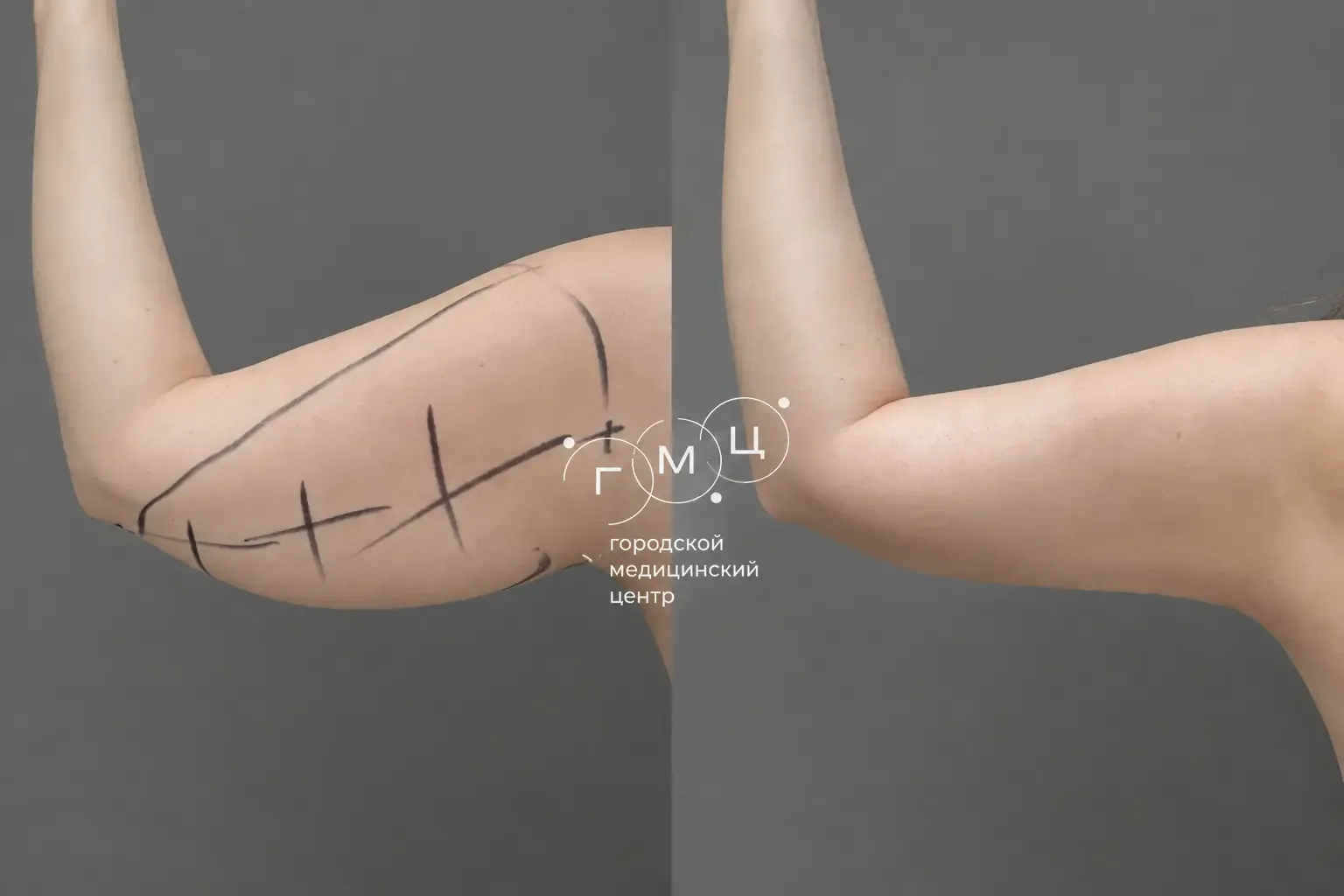
Age 30
9 months
Arm liposuction
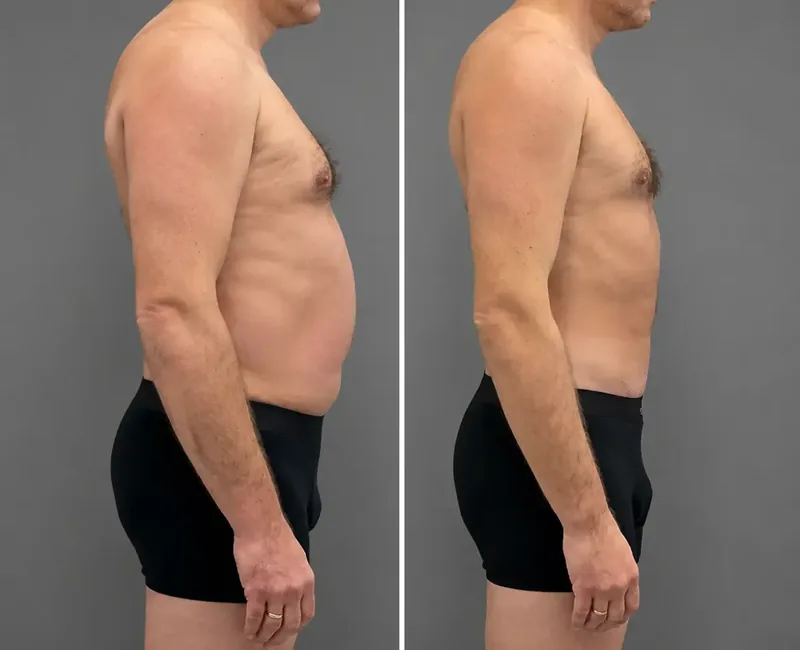
Age 49
10 months
Abdominal liposuction
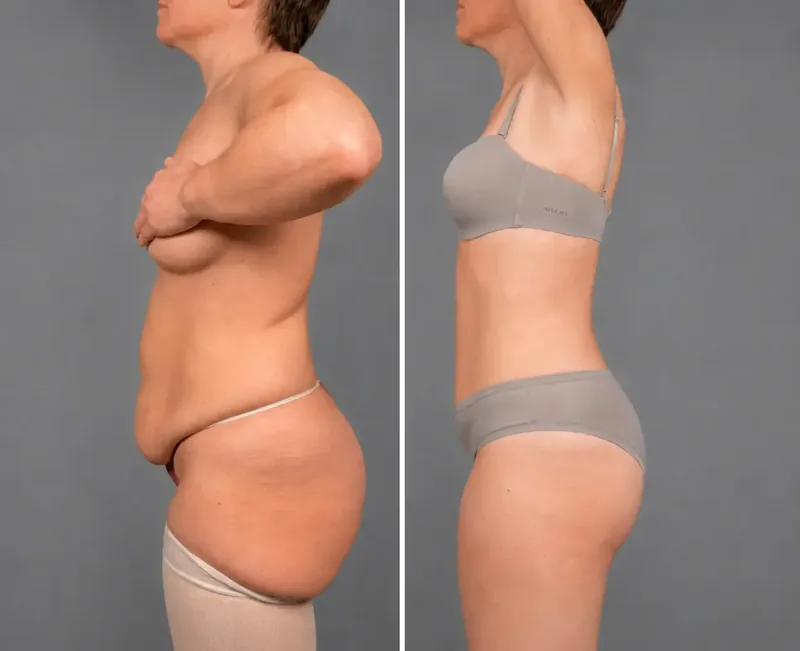
32 years
6 months
Liposuction
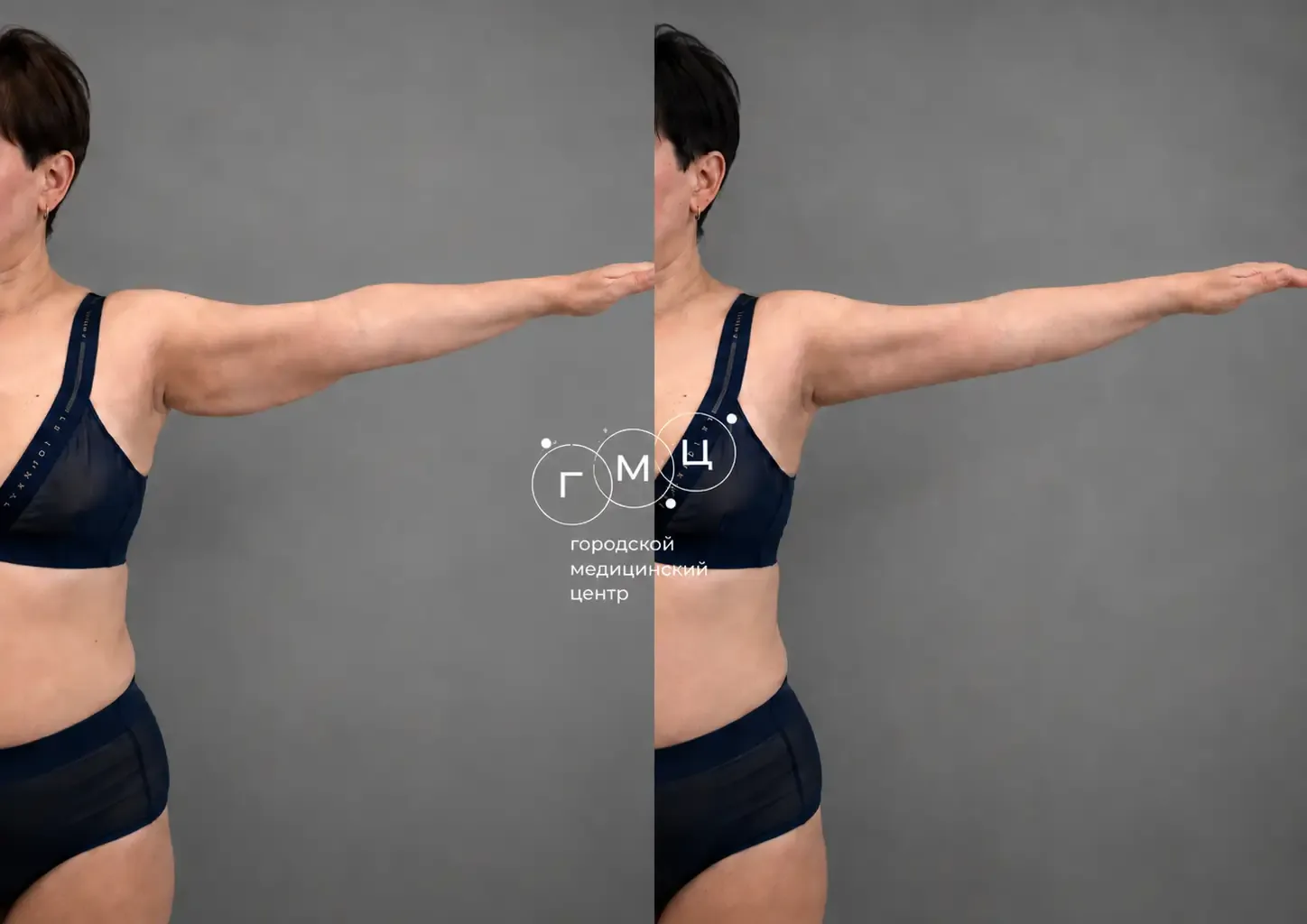
Age 51
6 months
Arm liposuction
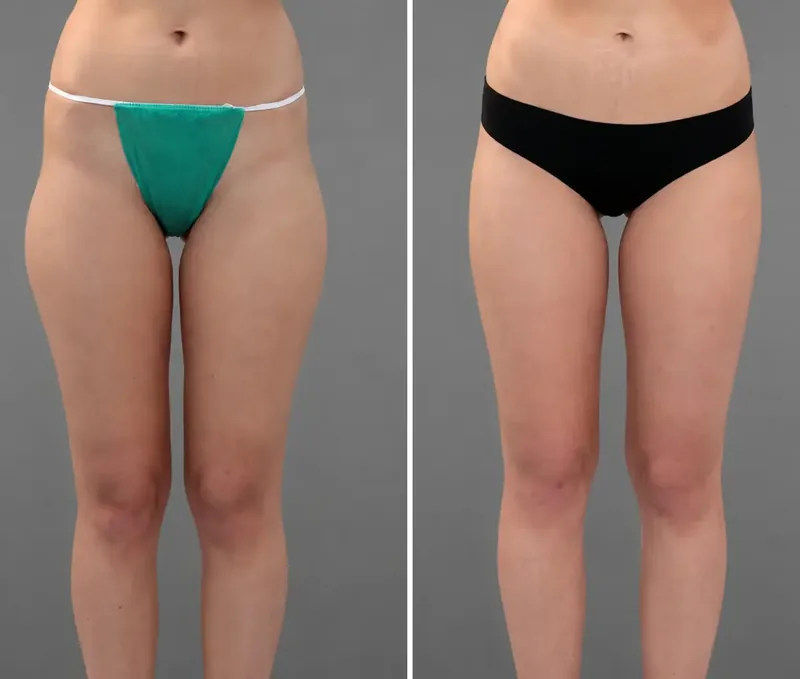
Age 30
8 months
Thigh liposuction
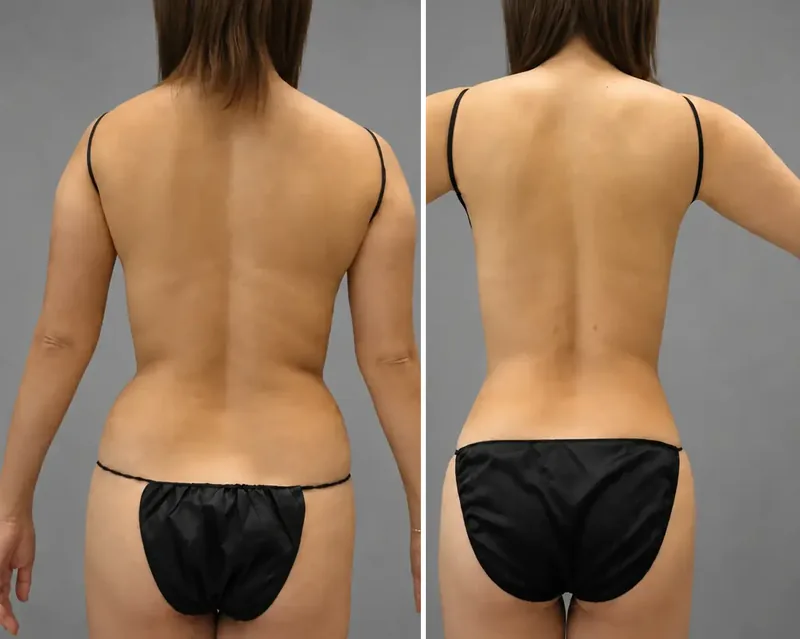
Age 38
7 months
Back liposuction
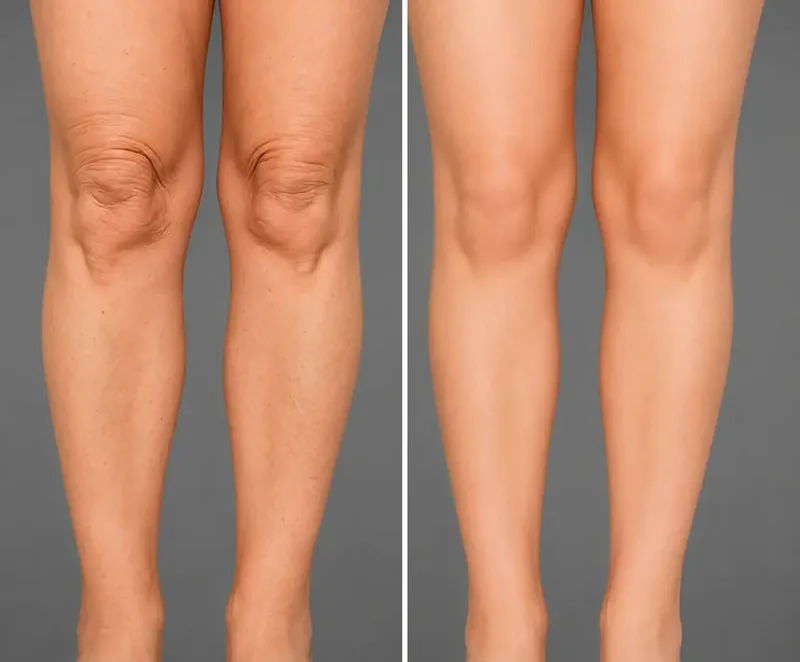
Age 35
6 months
Knee liposuction
Age 48
6 months
Abdominal liposuction
Age 52
8 months
Liposuction
Age 37
7 months
Abdominal liposuction
Age 30
9 months
Arm liposuction
Age 49
10 months
Abdominal liposuction
32 years
6 months
Liposuction
Age 51
6 months
Arm liposuction
Age 30
8 months
Thigh liposuction
Age 38
7 months
Back liposuction
Age 35
6 months
Knee liposuction







Localised fat that resists diet and exercise
An uneven layer of subcutaneous fat
Body proportions and contours thrown off balance
Silhouette recovery after childbirth or sudden weight loss
The fat component of gynecomastia in men

Being under 18
Endocrine obesity
Severe chronic illness or mental illness
Decompensated diabetes
Blood coagulation disorders
Cancer
Being pregnant or breastfeeding
Serious disease of the heart, kidney or liver
Temporary contraindications: acute infections, inflamed skin in the treatment area, menstruation, use of anticoagulant drugs
How liposuction works for Luxor residents
Which zones can be treated? The abdomen and flanks are the most requested, for women and men alike. Thighs (outer and inner), back and lower back, arms and shoulders, chin and neck, knees and the male chest are also corrected. Several areas can be done in one operation, saving recovery time and budget, which is why patients from Luxor rarely limit themselves to a single zone.
It starts with a surgeon consultation: the doctor listens to your wishes, assesses the fat deposits and rules out contraindications, and a hormonal screening is ordered to predict the long-term result. Patients from Luxor then take pre-operative tests — blood count, coagulation panel, biochemistry, infection screening, ECG and chest X-ray — which can all be done at the clinic with no waiting.
A free consultation is the easiest way to get an exact figure. The surgeon assesses the fat deposits, skin tone and your health, suggests the technique and the scope of surgery, and gives the price; liposuction starts from $1,200 (≈ EGP 63,000). Apply before the end of the year and the consultation is at the clinic's expense. Patients from Luxor can apply via the form or any messenger.
Stories of well-known people
Well-known people who spoke openly about this operation, in their own words.
 Amy Schumer's liposuction: “thanks for helping me get my strength back”Amy Schumer revealed her liposuction on Instagram in 2022 and explained why. Her words, how liposuction works today and what recovery looks like.
 Brooks Nader and her liposuction regret: what she actually saidModel Brooks Nader told People she regrets a past liposuction, saying it left dimples and ripples. What she said, how liposuction works, and recovery.
 Stacey Silva's liposuction: what was reported, and what wasn'tStacey Silva and her twin Darcey had liposuction on a 2021 trip to Turkey, reported by Showbiz Cheat Sheet. What was said, how the procedure works and recovery.
 Did Josie Gibson have liposuction? Yes, and she explained whyJosie Gibson had liposuction and skin removal on her arms in 2026 because of lipoedema. Her own words, how liposuction works and what recovery involves.
 Sophie Kasaei: “Horrible insecurities drilled into me”Sophie Kasaei flew to Turkey in 2016 for a free BBL that nearly killed her. Her own words about the insecurities behind it, and what safe liposuction involves.
 Did Emmy Russ have liposuction? Yes, and she explained why herselfGerman reality TV personality Emmy Russ confirmed liposuction and skin tightening in October 2026 and explained why. Her words, the procedure and recovery.
Liposuction Questions From Patients in Luxor
Luxor's city population was estimated at 289,618 in 2024 by Egypt's Central Agency for Public Mobilization and Statistics, and in a city that size there are plenty of people who have kept their weight roughly stable yet still carry one stubborn pocket of fat on the flanks, abdomen or thighs that nothing seems to shift.
Many patients from Luxor start with clear photos of the area that bothers them, sent to coordinators on Telegram or Telegram who are available around the clock, so a surgeon can give an honest first read on whether liposuction fits the case or whether something else would serve the goal better.
Setting Expectations: Reshaping, Not Weight Loss
Liposuction is not a weight-loss method and is not a substitute for diet and exercise; it targets one specific pocket of fat that has not responded to anything else and reshapes that area rather than reducing overall body weight. Patients who understand that distinction before booking tend to be happier with the outcome than those expecting a general slimming effect.
Depending on how many areas are treated and how extensive the plan is, the procedure is carried out under local or general anaesthesia; with general anaesthesia, patients typically spend one day in hospital under observation before going home.
Compression Garments in One of the Driest Climates on Earth
Among the driest cities anywhere, Luxor's daytime summer highs routinely pass 40C, with a recorded peak of 50C in May 1991, and annual rainfall stays under a single millimetre. In that climate, wearing a compression garment for the usual four to six weeks after surgery, the window during which saunas, steam baths, swimming pools and intense sport are avoided, becomes a genuine practical consideration, not just a detail.
Dust that comes with the dry air for most of the year is another reason some patients from Luxor prefer to schedule those weeks for the cooler months, when nighttime lows drop to around 7-8C, making it easier to spend less time outdoors during the hottest hours without changing anything about how the fat is removed or heals.
Staying properly hydrated matters just as much as the garment itself in a city this dry, along with resting somewhere shaded or air-conditioned during the hottest part of the day and following the surgeon's specific guidance on when activity can resume.
What the Following Weeks and Months Look Like
Visible changes in the treated areas typically appear within three to four weeks, as swelling eases and the skin begins settling into its new contour, while the final result, once the skin has fully tightened, is usually assessed around three months after surgery.
The clinic stays in touch through scheduled check-ins across that period, reviewing how recovery is going rather than leaving a patient in Luxor to guess what counts as normal at any given stage of healing.
Insurance Not Built for This Kind of Surgery
Egypt's Health Insurance Organisation covers roughly 60 percent of the population, employees, students and widows, and since 2018 the country has been phasing in a Universal Health Insurance System under Law No. 2 of 2018 to replace the older scheme; both are built around essential medical care rather than funding an elective cosmetic procedure like liposuction, which patients arrange and pay for privately.
Before deciding anything, it is reasonable for a patient from Luxor to ask exactly how many areas are genuinely good candidates for treatment in their own case, rather than having a surgeon agree to work on whatever a patient points to first without a real assessment of skin elasticity and fat distribution.
Multiple Areas, Realistic Shape Change, and Skin-Tightening Alternatives
When a case needs more than one area treated in a single session, the surgeon first prioritises the areas and the volume removed from each in line with patient safety, sometimes splitting the plan into two separate sessions weeks apart if the areas are numerous or extensive.
Liposuction does not treat skin that is already loose; someone with noticeably loose skin, especially after major weight loss, may need a complementary tightening procedure like a tummy tuck instead of or alongside liposuction, and the surgeon clarifies that difference during the physical exam.
How fat accumulates differs from person to person depending on body type and genetics, so an area that responds quickly in one patient may take longer to settle in another, which is another reason individual follow-up with the surgeon matters more than comparing results with someone else's.
Balanced nutrition and a stable weight afterward help the result last for years, since significant later weight gain can form new fat deposits in areas different from the one originally treated.
It helps for a patient from Luxor to ask the surgeon directly how many sessions their own plan needs and what difference to expect between areas, rather than assuming one uniform result across every area treated.
The First Photo Consultation for Liposuction in Luxor: Honest Pictures, Sharp Questions
An assessment for liposuction starts with pictures that speak for themselves, so prepare them deliberately: a frontal and a side shot of every area that bothers you, flanks, abdomen and thighs, standing in a natural posture with no stomach tightening or flattered angle, in the same pair of shorts across all the photos, under daylight beside a closed window that keeps the dust out. Avoid the smoothing tricks that make a waist look slimmer than it is; a surgeon who reads an artificial silhouette gives a wobbly opinion, while honest pictures cut long conversations short.
Attach a few short written lines to the photos: how long your weight has held steady, which attempts genuinely failed for this particular area, and whether the same fat pattern shows up in your mother or sisters, since fat distribution often runs in families. Mention whether the skin of the area has gone slack after major weight loss or pregnancies, information the surgeon needs to judge whether suction alone is enough or the skin calls for a different procedure, a question no one can answer from a single picture. Old photos of yourself at a heavier weight are useful too.
Prepare specific questions to travel with the bundle to the Telegram or Telegram coordinator at any hour: how many of the areas I point to are genuinely good candidates for suction, and how many sessions does my plan need? Do you use the traditional cannula alone or add assisting energy such as ultrasound or laser, and why for my case in particular? And what difference should I expect between one area and another? Nothing is settled from a message alone, yet this preparation turns the first consultation into a real diagnosis.
Is liposuction a way to lose weight?
No. It targets one specific pocket of fat that has not responded to diet and exercise and reshapes that area; it is not meant to reduce overall body weight and works best for people already close to a stable weight.
How long are compression garments worn afterward?
Typically four to six weeks, during which saunas, steam baths, swimming pools and intense sport are avoided while the treated area settles.
Does Luxor's heat and dryness make that period harder?
It makes it less comfortable, since summer daytime highs often pass 40C and dry-season dust is common most of the year; many patients prefer scheduling the procedure for the cooler months instead.
When do results show, and when is the final shape assessed?
Visible changes usually appear within three to four weeks, and the final result, once the skin has fully tightened, is assessed around three months after surgery.
Is the procedure always done under general anaesthesia?
No, it can be local or general depending on how many areas are treated; with general anaesthesia, patients usually spend one day in hospital under observation.
Will Egyptian health insurance cover the cost?
No. Egypt's Health Insurance Organisation and the newer Universal system launched in 2018 are both built around essential care, not elective cosmetic surgery, so the cost is arranged and paid for privately.
Which areas do patients from Luxor usually ask about?
The flanks and lower back, the abdomen, and the inner and outer thighs come up most often, areas where fat tends to sit stubbornly regardless of overall fitness.
Can the initial evaluation happen without visiting in person?
Yes. Photos and a description of the area of concern sent to coordinators on Telegram or Telegram, available around the clock, are enough for a first honest assessment.
Does age change how the skin settles afterward?
Skin elasticity, not age by itself, determines how smoothly the skin settles once fat is removed; the surgeon examines each patient's skin specifically before promising any particular outcome.
Can more than one area be treated in one session?
Yes, depending on patient safety and the size of the areas, with the plan sometimes split into two separate sessions if the areas are numerous or extensive.
Does liposuction treat loose skin?
No, someone with noticeably loose skin, especially after major weight loss, may need a complementary tightening procedure instead of or alongside liposuction.
Does every area show results at the same pace?
No, how quickly each area settles varies by body type and genetics, which is why individual follow-up matters more than comparing results with someone else.
Does the result last?
It lasts for years with balanced nutrition and a stable weight; significant later weight gain can form new fat deposits in different areas.
How many sessions does the plan need?
The surgeon determines that during the physical exam based on the number and size of the areas; there is no fixed number for every case.
What is the difference between liposuction and a tummy tuck?
Liposuction removes specific fat deposits, while a tummy tuck addresses loose skin and separated muscles; the surgeon clarifies which fits the case, or whether both are needed.
Which photos do the waist and abdomen actually need?
At minimum a frontal and a side view, plus one from behind if the lower back is part of the complaint, standing naturally in the same shorts. Take them in daylight near a closed window and send them to the Telegram or Telegram coordinator at any hour with one line describing what bothers you in each angle.
I feel awkward sending photos of my body. Is there an alternative?
Nothing replaces them for liposuction, because the surgeon reads skin elasticity, fat distribution and the number of genuine candidate areas from the pictures. But the process is simpler than it feels: the photos go to a coordinator in a private Telegram or Telegram conversation at any hour and are used for the assessment alone.
Liposuction in Luxor: price and what is included
Prices are in US dollars; the amount in brackets is an approximate conversion to EGP at the rate of 02.10.2026. The final price is fixed in your contract.
- Liposuctionfrom $1,200 (≈ EGP 63,000) per area
How much does liposuction in Luxor cost?
Prices start from $1,200 (≈ EGP 63,000) per area. The surgeon sets the final price at the free consultation, and it is fixed in the contract, with no hidden extras.
What is included in the price?
The operation under local or general anaesthesia and the surgeon's support throughout recovery. The price is per area and fixed in the contract.
How do I get my exact price?
Message us on WhatsApp or Telegram using the buttons below. A coordinator will answer your questions and book a free consultation where the doctor names the exact price.
By messaging us, you agree to our Privacy Policy